Unless you’ve been living under a rock, you would know the key smartphone buying trend these days; people want their money’s worth, it’s as simple as that. BlackBerry ran a winning streak at the beginning of the noughties, however it is currently struggling to keep up with a market dominated by companies selling affordable smartphones.
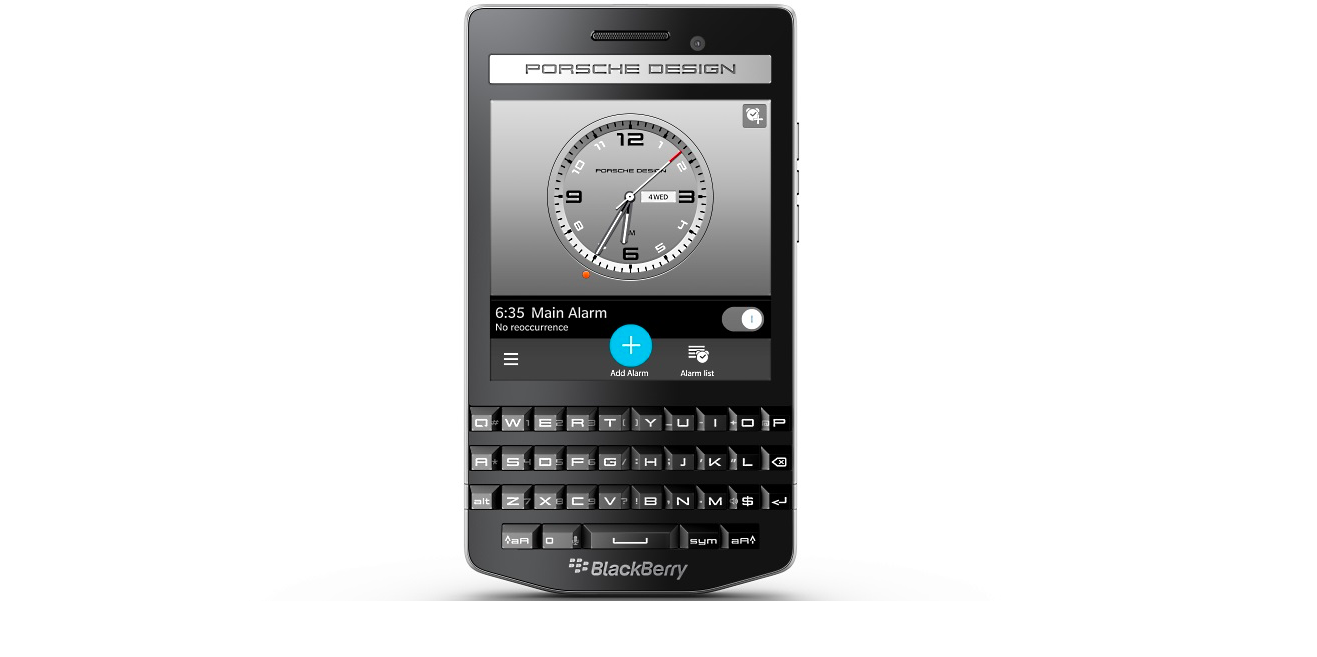
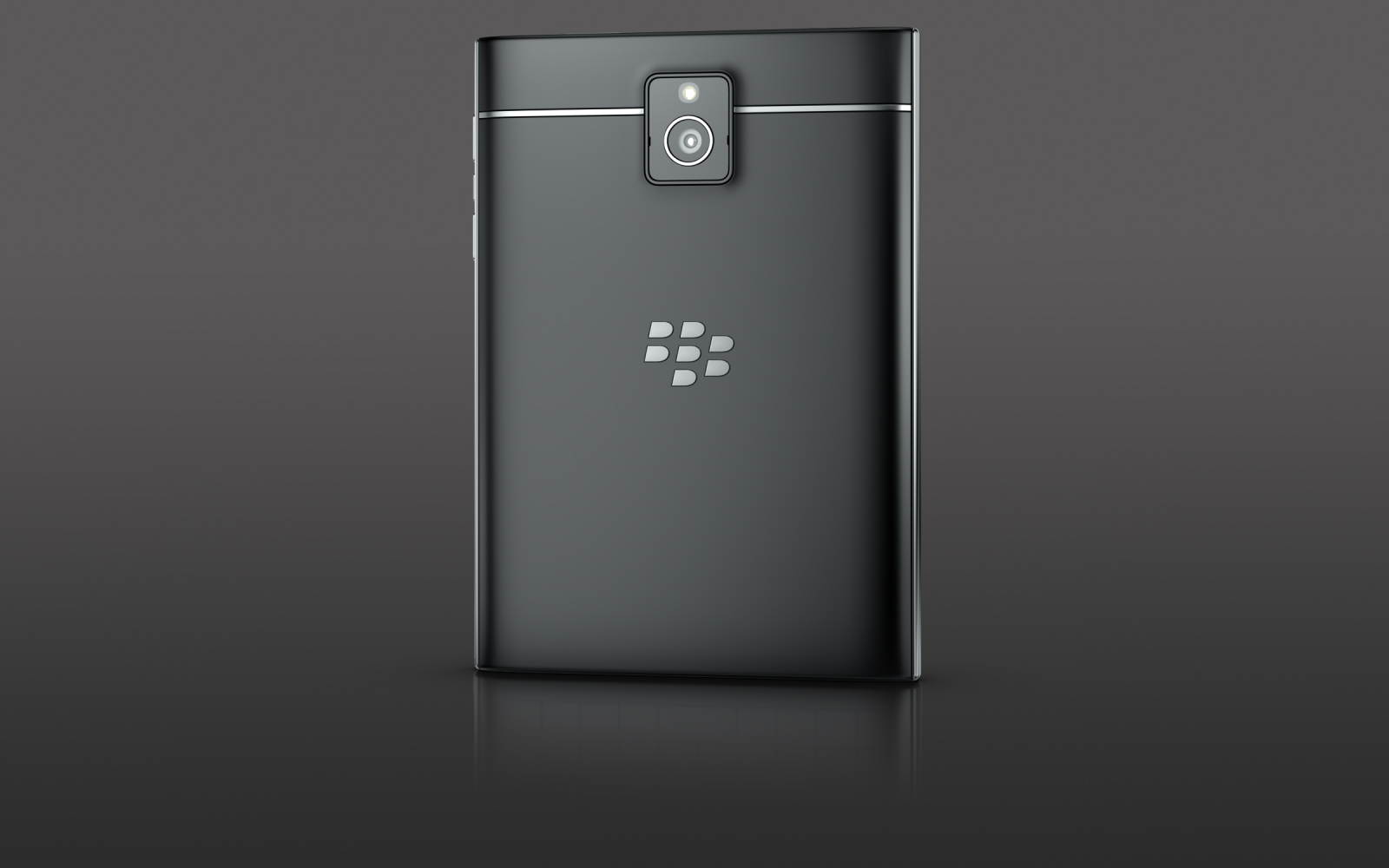
Today, BlackBerry announced the addition of another smartphone in its range of Indian offerings – the BlackBerry Porsche Design P’9983 Graphite, priced at Rs. 99,990.
If anyone ever decides to buy this phone it will surely be for its design. According to the company’s statement the device has been created by Porsche Design and uses quality materials. It includes a graphite stainless steel colour frame and keypad features crafted glass-like keys.
The smartphone comes with a 3.1-inch display, 720×720 resolution and 330ppi. It is powered by a 1.5GHz dual-core Qualcomm Snapdragon S4 (MSM8960) processor complemented by 2GB of RAM. Storage capability is 64GB which is expandable up to 128GB. Camera-wise BlackBerry is offering a measly 8MP rear camera, and 2MP front camera. The smartphone is fuelled by a 2100mAh battery.
Note to BlackBerry: If you do decide to offer a smartphone which is priced a lakh, the least you can do is offer top notch specs.
BlackBerry was synonymous with BBM and had the reputation of being a reliable business phone. This had loyalists from all over the world, tied to its device, despite all the ups and downs the company went through. However, the market soon saw a wave of smartphone companies like Apple, Samsung and Motorola, which ultimately washed away the resilient giant.
Sales dropped and profits dwindled because let’s face it, there are more options now, that overshadowed BBM and we also underwent a touch screen revolution. Thus, Blackberry has allegedly come up with a solution to get back on track. We might see them collaborating with Android in a bid to increase revenues and turn a new leaf.
BlackBerry is known for its strong security system and that was something that Android was lacking. Therefore, the collaboration will benefit both these parties. Yes, this means that BlackBerry will have to vouch for not just their own platform but also for Android. However, the gain is more than the loss they might go through. Reuters reported:
“From the standpoint of marketing, this is a great way for BlackBerry to get visibility. It really doesn’t hurt them much, and the upside is high,” said Rob Enderle, who runs technology consulting firm Enderle Group.
BlackBerry has been focussing on its software and device management system as its market share dropped to less that 1% due to its low demand of the devices. In order to execute this turnaround then, the company will have to come up with a strong and efficient device, that will be able to collaborate with Android. “BlackBerry doesn’t have much to lose. There’s little downside and they just need one hit phone to justify the handset business,” said Brian Colello, Morningstar analyst.
The company has said that it is ready to have a test run with Android. Its upcoming device, the BES12 will be able to secure not just BlackBerry devices, but also others that run on Android, iOS and Windows operating systems. This attribute should impress potential corporate and government clients. Ramon Llamas, an analyst with technology research firm IDC told Reuters:
“In order for BES12 to succeed it has to be viewed by all as platform agnostic, and what better way to demonstrate that other than by doing it yourself.”
BlackBerry has a history of delivering outdated hardware at a premium cost. While the Android partnership will help, BlackBerry needs to ensure it stays with the times and gives customers a product which is worth their money.
Let’s hope this change spells good fortune to the company that once created its own era and revolution.
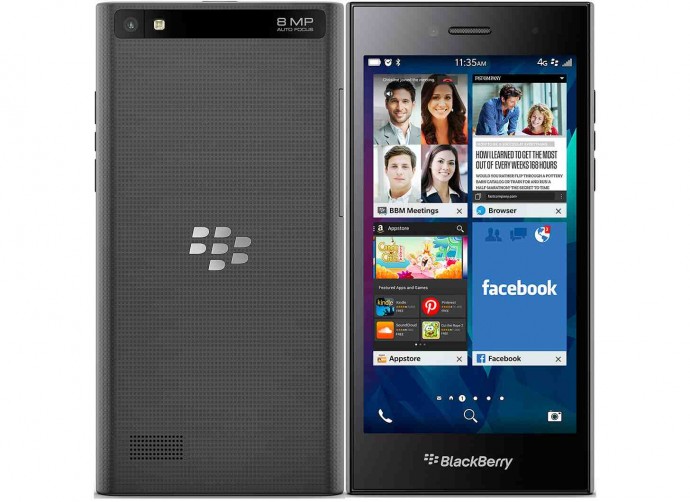
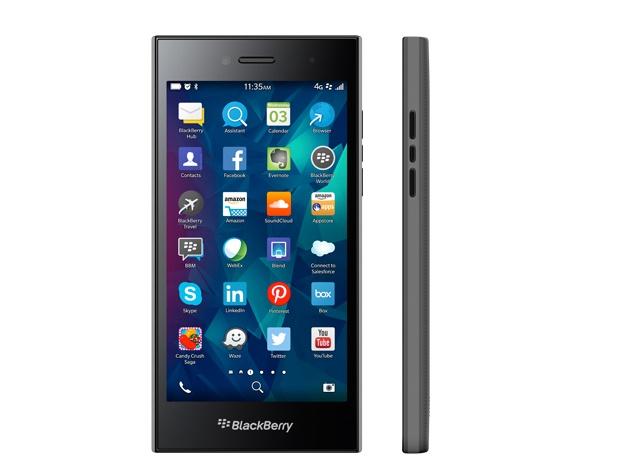
BlackBerry first announced its comeback to the touch phone segment when it introduced the Leap at the MWC 2015. A refreshed version of BlackBerry Z3, the handset was first scheduled to be launched in India on 7th May and was priced $275 (Rs 17,500) internationally. Finally, after a good amount of waiting, BlackBerry has finally launched the Leap in the country.
The BlackBerry Leap was designed specifically for the young power professionals who see their smartphone device as a powerful and durable productivity tool that also safeguards sensitive communications while on-the-go. With BlackBerry Leap, we continue to provide products and services that meet the needs of our consumer and enterprise customers.
[/quote]
The new mid-segment smartphone from BlackBerry features a 5-inch HD screen and is powered by a 1.5GHz Qualcomm MSM 8960 processor, along with a 2GB RAM. It comprises of 16GB of internal memory and 128GB expandable via microSD. Camera specifications include an 8MP primary camera and a 2MP front camera and runs on a 2,800mAh non-removable battery. Leap runs on BlackBerry 10 OS (version 10.3) and supports Android apps too. These apps can be downloaded from either the Amazon Appstore or BlackBerry World. Connectivity options include 3G, Wi-Fi 802.11 b/g/n, Bluetooth 4.0 Low Energy and EDR, GPS, FM radio and 4G (FD-LTE 1800MHz only).
This device is due for sale from 12th May and is priced at Rs 21,420. The handset will be available on all Blackberry exclusive stores from tomorrow.
To get a clearer idea of the specs, refer to the table below:
Lately, BlackBerry has been witnessing a revenue dip in its smartphone segment. It recently released Leap and Classic, to catch up with the present smartphone market, but the Canadian firm’s future success is uncertain. Hence, BlackBerry has chosen to restrict the yearly rollout of its models and focus on enterprise business for maximum profits.
BlackBerry India Managing Director Sunil Lalvani said they will roll out the company’s key handsets, but for a niche segment. “The focus going ahead is the enterprise business, which today contributes a significant portion to the company’s revenues,” commented Lalvani. He further stated that they will not manufacture sub-$200 phones in future like other smartphone manufacturers are doing these days.
BlackBerry’s market share in the Q4 last year explains the actual position of the company. According to research firm IDC, the market share of BlackBerry was 0.4% in last quarter 2014 (October-December), which was 8.1% during the same period in 2011.
Lalvani comments on the firm’s goal for the coming years were –
Going ahead the focus will be on increasing the bottom line and not the top line. So, in aligning ourselves to this view, we will not sell a huge number of handsets and hardware to boost our revenue figures but concentrate our effort on our high-margin enterprise and software services, which will drive profits.
A couple of days back, an innovative idea was introduced by the smartphone maker that will sort the problem of managing multiple SIM cards. BlackBerry proposed a Virtual SIM card for the Indian users which gives the benefit of nine SIM cards in one. Talks are on with regulatory authorities and telecom operators to launch the Virtual SIM in India, and it has also partnered with Idea Cellular for its services. The same is expected to arrive by year-end.
Once a reputed brand name, BlackBerry has lost a major chunk of market share to budding and established smartphone makers. The instant messaging pioneer is pushing itself to handset and software domain to reclaim its lost status. Recently, the company launched a software in India that allows customers to use nine different mobile numbers through a single SIM card.
Termed as WorkLife, the software offers customers to differentiate personal, professional data usage and segregates the usage details as per categories. Customers can use one number for personal use, other for foreign travels, third for business contacts and so on. It will be extremely useful for those on roaming or foreign trips as the virtual SIM will get you connected to a local virtual operator. Users can pay for the bills in the local tariff rate rather than paying for international roaming.
The Managing Director of BlackBerry India Sunil Lalvani said about the same –
The software precisely distinguishes between work use and personal use of an iPhone, Android or BlackBerry smartphone by introducing separate lines managed by the company.
The Canadian tech giant has tied-up with Idea Cellular as its first partner and is looking to join hands with more operators in India. The primary goal of the partnership would be to help manage telecom expenses, protect employee privacy and control company assets.
Lalvani further added to its statement that it will allow enterprises to interact with 25 people in one go through video and audio. Certainly, it’s a major move to lure business sector with advanced messenger service. As per Economic Times, the virtual SIM will arrive in India by year end.
BlackBerry’s share has been seen a tremendous decline in the first quarter of 2015. It is planning to establish itself once again in the Indian market and has launched the latest device BlackBerry Leap in India. It will go on sale starting next week.
BlackBerry bounced back into the touch segment with the launch of Leap at Mobile World Congress (MWC) 2015. The Canadian firm didn’t go for a flagship, instead revealed another conventional piece to join other devices in the mid-range segment. The same smartphone is now arriving in India on May 7. The Leap is a refreshed version of the BlackBerry Z3, which launched last year and was priced internationally at $275 (approx. Rs. 17,500).
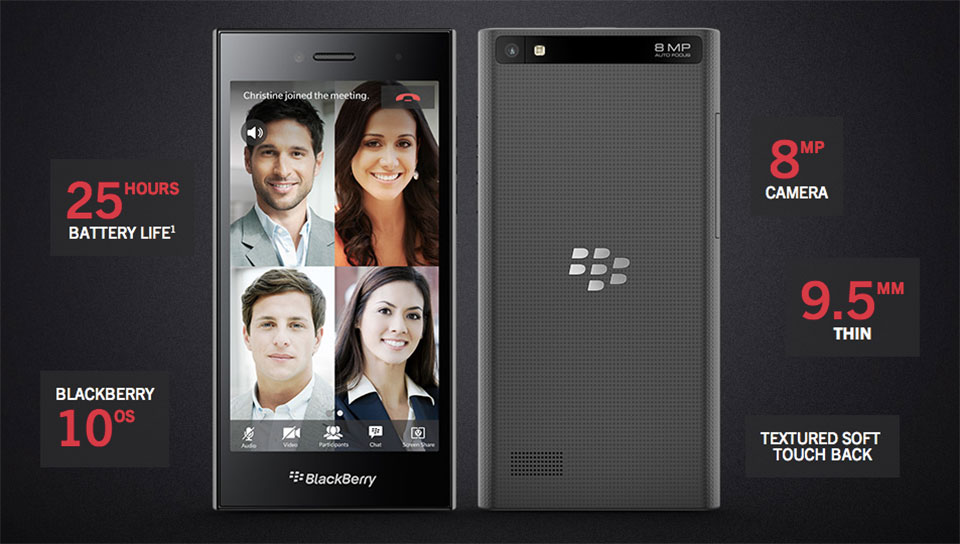
Coming to the specifications of the device, BlackBerry Leap sports a 5-inch HD screen with 1.5 GHz Qualcomm MSM 8960 powering the phone. It has 2GB of RAM and 16GB of internal memory onboard. It comes with a MicroSD card to extend the storage space up to 128GB. The 9.5mm thick device runs on the company’s own BB OS 10.3.5, which has Siri-like Assistant to help users.
On the camera front, an 8MP rear shooter is fitted at its back along with a 5MP front camera. A 2800mAh battery fuels up the phone for well over a day, claims the company. The price and availability details will be announced at the launch.
Samsung’s Galaxy Tab S devices had one of the best displays in the market. They are great portable entertainment companions. But what if they could also be used for carrying confidential or classified information? BlackBerry has taken up the task and is ready to bring out a device called SecuTablet that is basically an updated Galaxy Tab S.
Blackberry is known world over for its superior security technology. During the last year’s Sony Pictures hacking crisis, it was the old BlackBerry phones in the storage that came to rescue to establish secure communications. Now in the age of portability and mobility, the people handling sensitive information will also have to be on the move. The security of such information can be essential to businesses and governments.
The SecuTablet is basically a Galaxy Tab S with a Security bundle to keep data safe.
SecuTablet can be used as a regular tablet. It lets you access the usual Android apps and features. The tablet is the result of cooperation between BlackBerry’s SecuSmart wing and IBM. They have added a bundle of security features that keep the users data safe and prevents it from falling into the wrong hands. It also encrypts voice and data communication through a built-in Secusmart Security Card
The SecuTablet will not be available in any store near you. The device with its advanced security features comes at a price of $2,380. The device is currently being tested by the German government and may soon find takers in other governments and enterprises. Security of data and information has become a major concern amongst institutions and citizen’s alike after revelations by Edward Snowden. It’s no surprise that BlackBerry is trying to cash in on the concern with its advanced technology considering its smartphone business hasn’t been doing so well lately.
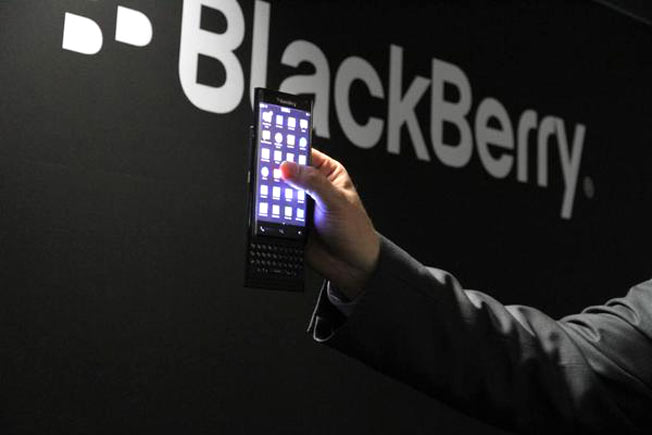
Now that was a real surprise! The Canadian smartphone maker BlackBerry showcased Leap, another regular touchscreen smartphone with ordinary features, and then they uncovered Keian that took our breath away.
The company posted a picture of the new Keian from its Twitter handle:
What a Surprise! Ron just pulled out a dual-curved, all-touch display with a Keyboard – yes a slider device! #MWC15pic.twitter.com/8VaPUZHo3j
BlackBerry Keian is a unique handset that holds the edgier elements of the Galaxy S6 Edge and retains the nostalgic QWERTY keypad, but with a difference. Keian embeds a slider keypad for the BlackBerry lovers who still appreciate the physical keypad. It’s an all-in-one device with Bold-like QWERTY keypad and a trackpad, and a touch screen that was seen in the Torch series.
The overall look of the phone is a bit chaotic as they have compiled highlights of multiple high-end phones in one. The effort looks good, but we cannot be sure of the device until the internal specifications are made clear by the company.
For now, BlackBerry has just teased the image of the phone and hasn’t spoken about its features. It can be said that this handset could be a flagship by the company and might pack some top-notch features. After the lukewarm response that the Passport got in the market, the company might be looking to unveil a new form factor to boost sales. A return of the physical keyboard on the new generation devices feels like a positive and we have to wait and see what features Blackberry managed to add to this new handset.
Meanwhile, the company’s other prominent launch is the BlackBerry Leap. It has a 5-inch display, 1.5GHz Qualcomm processor, 2GB RAM and a non-removable 2,800mAh battery. With 8MP rear camera and 5MP snapper, the camera quality is remarkable.
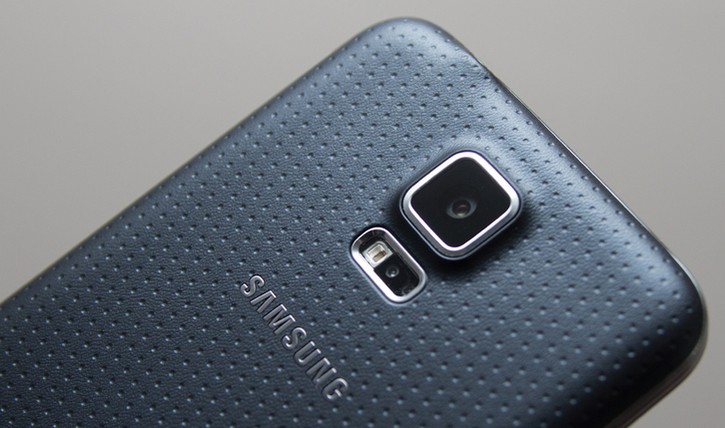
BlackBerry made an appearance at the MWC event and dropped two new smartphones – Leap and Keian. The former one is a 5-inch touch device, priced at $275 (Rs. 17,000). The BlackBerry Leap is a mid-range phone with average specifications. It comes in the matte look with textured back cover.
Surprisingly, the Canadian firm didn’t reveal a flagship instead went for another conventional piece.
Talking about the apparatus powering the device, then the BlackBerry Leap is equipped with 1.5GHz Qualcomm processor paired with 2GB of RAM. An 8MP rear shooter along with a 5 MP camera sits comfortably on the device. The Leap is supported by 2,800mAh non-removable battery. The major highlight of the phone, as stated before, is its touch screen. The company has returned to the touch arena with Leap.
The phone is 9.5mm thick and runs on the company’s own BB OS 10.3.5. That means users will have a Siri-like Assistant to help them with their problems. For the time being, there is no information about its price or its availability.
Canadian manufacturer BlackBerry has joined hands with Google to bring its security based expertise to the Android platform, a move that follows BlackBerry’s recent partnership with Samsung. The move will allow Google’s suite of mobile productivity tools to run on BlackBerry’s device management system.
Back in November, BlackBerry announced its partnership with Samsung and other top tech companies to expand its security based services beyond its own platform. The collaboration with Google is aimed at managing devices that come with Android for Work – an initiative from Google to securely classify and separate business from personal data and apps.
[quote text_size=”small” author=” Kevin Stadtler” author_title=”President of Stadtler Capital Management Llc. “”]
The partnership shows BlackBerry’s reputation for security is still strong. One shortcoming of the Android platform is security. They’re partnering with BlackBerry in order to directly address that.
[/quote]
The Canadian manufacturer has years of expertise in dealing with devices for corporations and entreprises. This move could strategically position the Android platform as a more prominent solution in the business sector.
Meanwhile, Google also announced partnerships on Android for Work with top companies including SAP SE, Samsung and SOTI Inc.
Just a few years back, BlackBerry was all the rage. In the pre-iPhone era, every celebrity flaunted their BlackBerry. The devices from the company were seen as a status symbol. At their peak, the devices held 43% of the American market. But soon Steve Jobs unveiled his baby, the iPhone, and Google got into the field with its Android ecosystem; they cornered BlackBerry out of the game. At present, the company holds only 0.5% of the market.
The smartphone market is just the brim of what BlackBerry does. The company has developed a plethora of products that are used worldwide by corporations and governments. We follow BlackBerry through its inception, its rise in the communications equipment world to its decline in the smartphone industry.
BlackBerry was founded by Mike Lazaridis and Douglas Fregin in 1984
The Beginnings:
BlackBerry began its operations under the name Research In Motion Limited. It was founded in 1984 by Mike Lazaridis, who was an engineering student at the University of Waterloo, and Douglas Fregin, who was an engineering student at the University of Windsor. This collaboration led to some game-changing devices and immense pop culture significance in the early moments of the smartphone age.
RIM 900
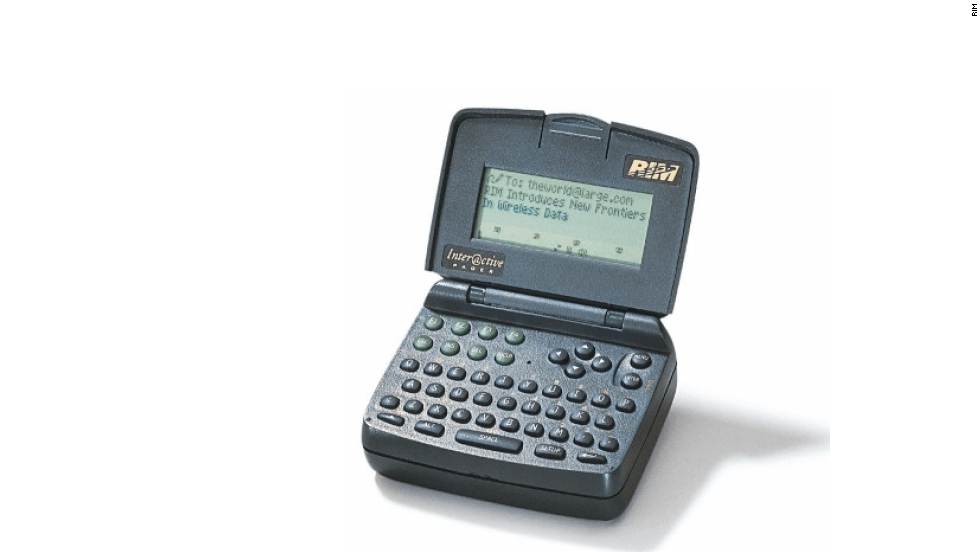
The first device from BlackBerry’s stable was the RIM-900, which was introduced in 1996 and was also known as the Inter@ctive Pager. This pager allowed users to receive and send messages over the internet via a wireless data network known as Mobitex, which was developed by Ericcson. It was followed by the RIM 950, introduced in 1998. It was a phenomenal success, to say the least. The messages could get forwarded to the device on the move. It was a giant deal back then; the only hitch though was that to receive email on the go, you had to leave your desktop switched on. The devices were appreciated by the top jocks of enterprises. People loved receiving messages on their belts as the device was kept in a holster. One CTO even called it digital heroin.
The company used some innovative techniques to market their products. During a launch in the Caribbean, they handed out scannable temporary barcode tattoos. These tattoos stored the user’s personal identification numbers (PINs). So instead of asking for each other’s numbers, people asked if they could scan their PINs.
Establishing the Smartphone brand:
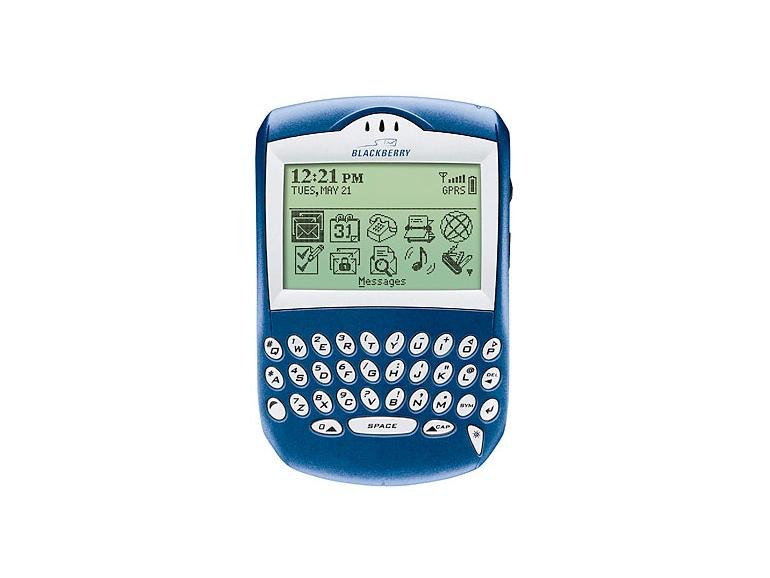
By 2002, the company was bringing in devices with a “built-in mobile phone”. These devices ran on Java and transmitted data over normal 2G networks. These devices were targeted towards businesses, and they would enter the consumer markets much later.
One of the major devices from BlackBerry’s first-generation offerings was the BlackBerry Quark 6230. Launched in 2003, this device had a 34 key Qwerty keyboard. It had 160×100 pixel display and had a 16 MB RAM. This device found a spot in the prestigious Time magazine’s All-TIME top 100 Gadgets list in 2010.
The BlackBerry Quark 6210
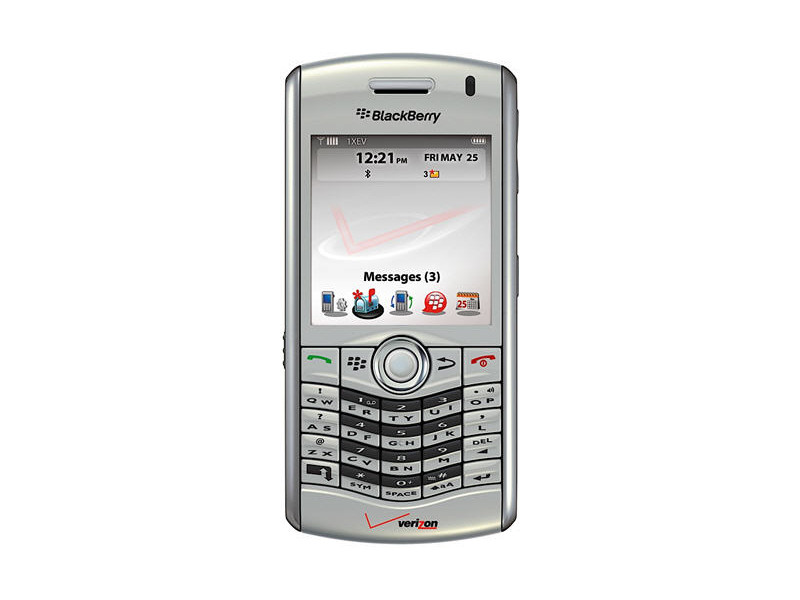
In 2006, BlackBerry’s official foray into the consumer market began with the BlackBerry Pearl family of devices. This bar shaped device was the first to get multimedia features. It included a media player and a camera. The 2 MP camera also had a self-portrait mirror at the back which let users take their own images, this was the first step towards the creation of the selfie generation.
The device flaunted GPS-enabled maps and had 64 MB internal memory that was expandable up to 16 GB MicroSDHC cards. The Pearl also replaced the scroll wheel for a tiny trackball that made it easier to access the phone’s function like a trackpad on a computer. A follow-up device was the Pearl Flip, which was BlackBerry’s first flip phone.
BlackBerry Pearl
Come 2007 and BlackBerry launched the Curve, a prominent family of devices from the company. The family garnered excellent reviews but also received flak for the absence of 3G, Wi-Fi along with the lack of video recording.
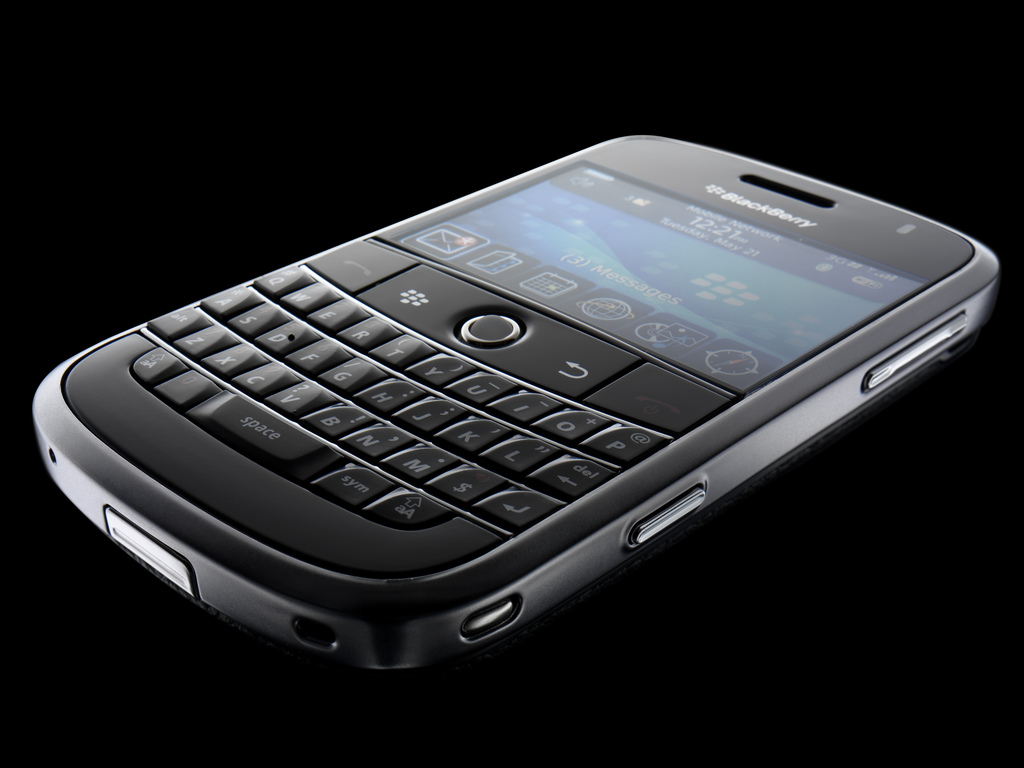
The BlackBerry Bold was one of the most popular form factor’s for the company.
In 2008, the company was at its peak with the launch of the BlackBerry Bold. This device introduced a whole new design feature which made them easier to use and type. It played around in the more premium segment of the market. This successful form factor would be later updated by BlackBerry in 2014 with a new device called BlackBerry Classic.
BlackBerry Torch
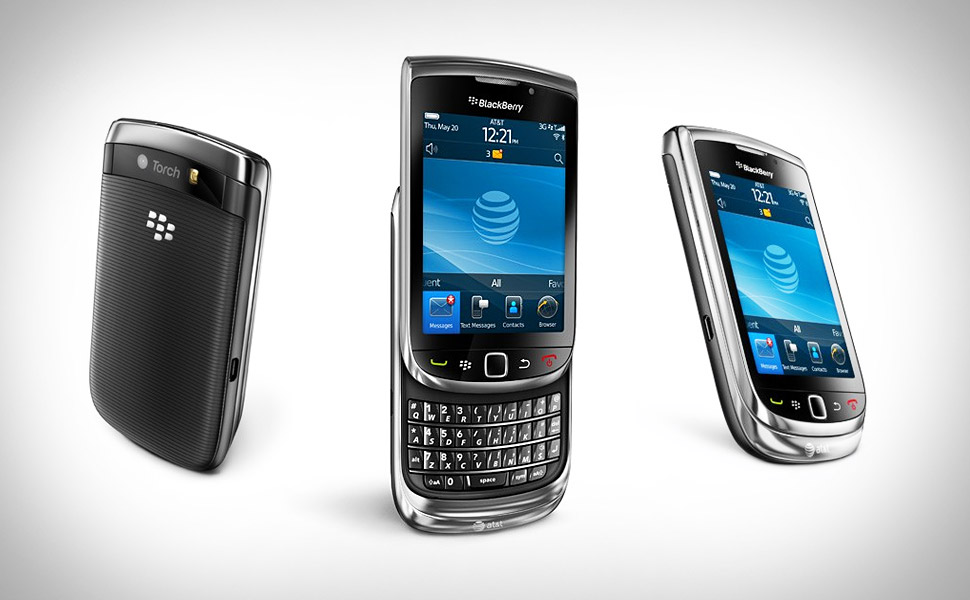
In 2010, Blackberry attempted a change in their form factor with the BlackBerry Torch. It carried the physical QWERTY keyboard but also came with a sliding multi-touch display. The Torch 9800 was the first device in the line-up and it ran on BlackBerry OS 6. The device was criticized for offering lower specs in comparison to its competitors like the iPhone 4 and the Droid X.
In 2012, Research in Motion officially changed its name to BlackBerry.
BlackBerry Messenger:
BlackBerry Messenger or BBM is a popular messaging app on the platform
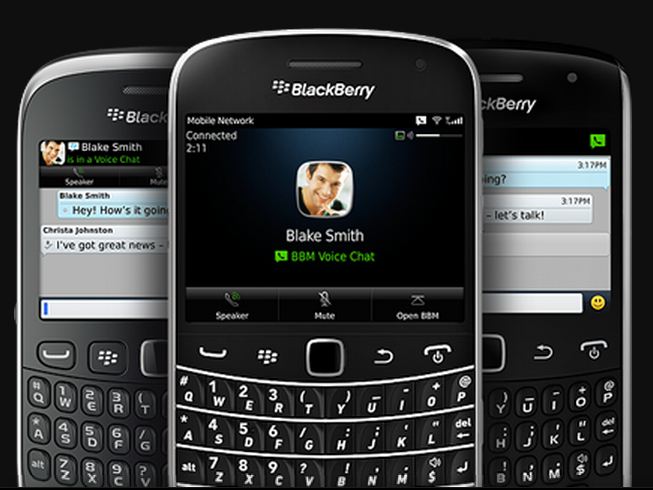
The BlackBerry Messenger or BBM was one of the most appreciated apps from the company. This default messenger on BlackBerry device was so popular that it was later released for Android and Windows devices. Initially BBM was exclusive to BlackBerry and users required BlackBerry PINs to interact with each other. With BlackBerry 10, users could use video calling. It is estimated that there are over 91 Million BBM users worldwide.
In 2014 BlackBerry decided to give an adrenaline boost to its messaging app and added a plethora of functionalities to it. It added a retraction function so that users could remove chats that they regret sending. It added HD picture transfer to send high quality images through the service. The update also introduced a Snapchat-like time limited messaging service.
The Present:
After holding a considerable amount of influence over the smartphone market, BlackBerry’s market share has consistently depreciated. It now sits at a small corner reminiscing its glory days. This year after failed attempts at making touchscreen based devices, the company finally decided to go back to its roots. It decided to bring back the Qwerty keyboard-based form factor.
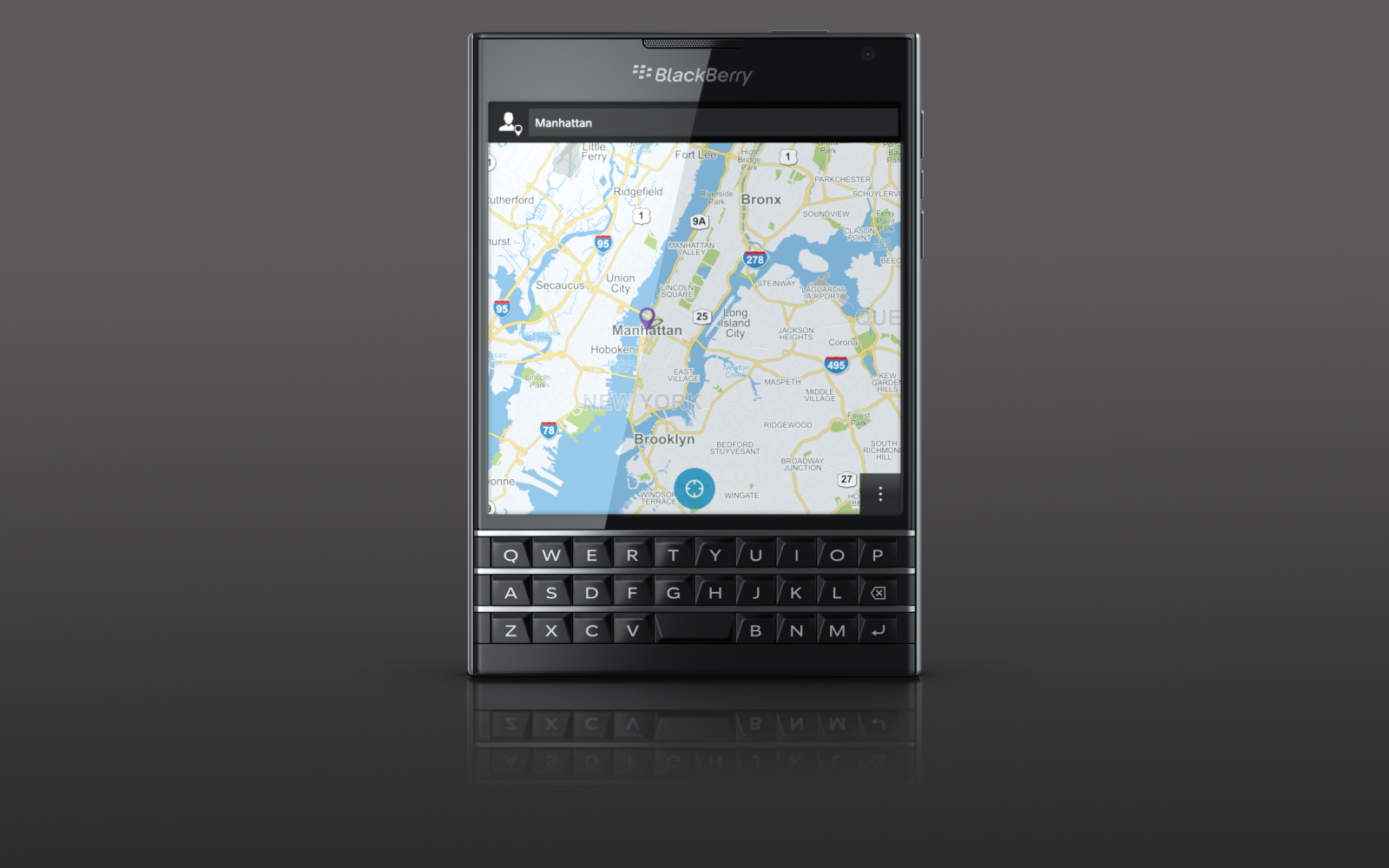
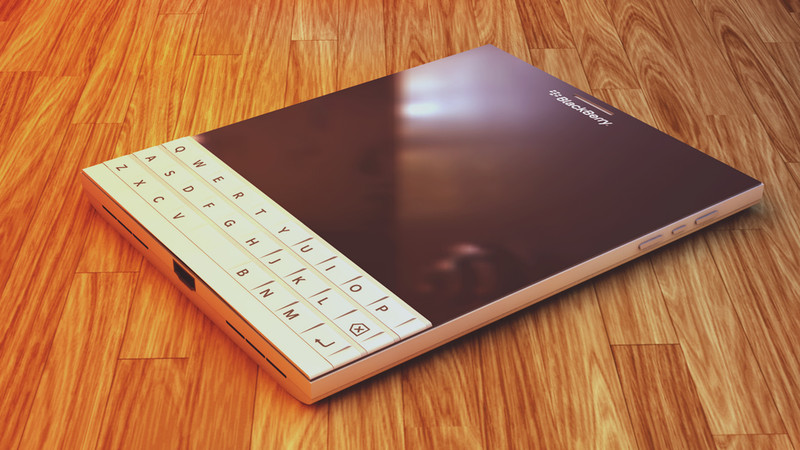
Passport received mix reviews but was appreciated for its unique features.
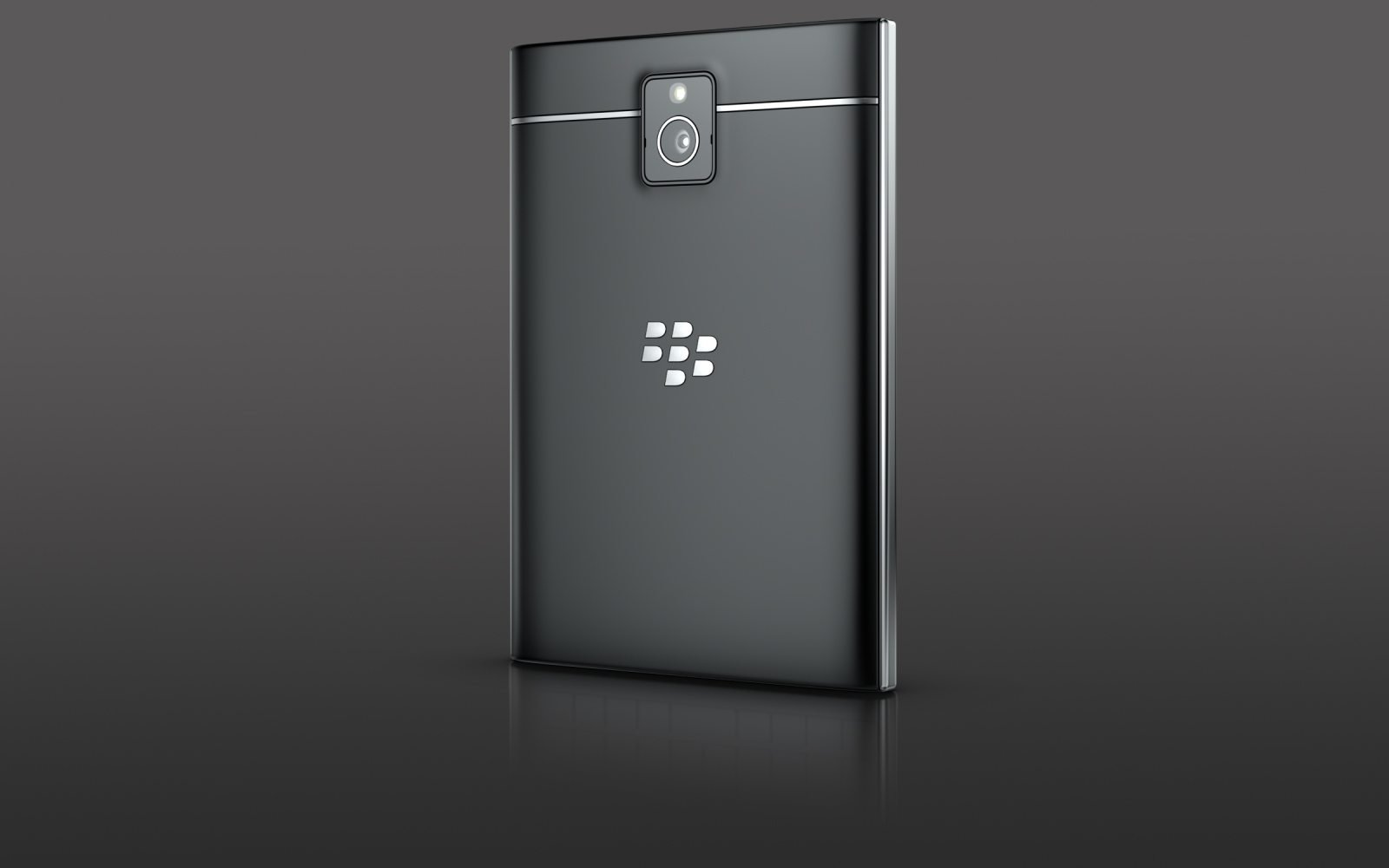
The company launched a unique device called the BlackBerry Passport. The device has a 1400X1400 pixel square display. It features a keypad that doubles as a trackpad. The device got a lukewarm response by the critics and received flak for being too wide to be held by one hand. The device though did good business in the festive season and held the top spot in Amazon’s Black Friday Sales.
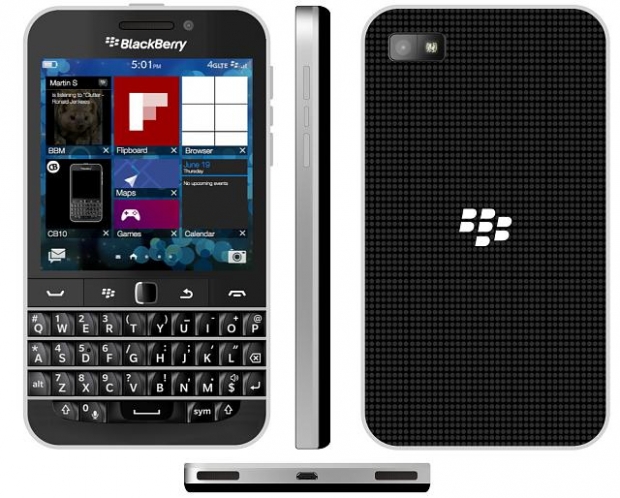
BlackBerry returned to its original form factor with the Classic Q20.
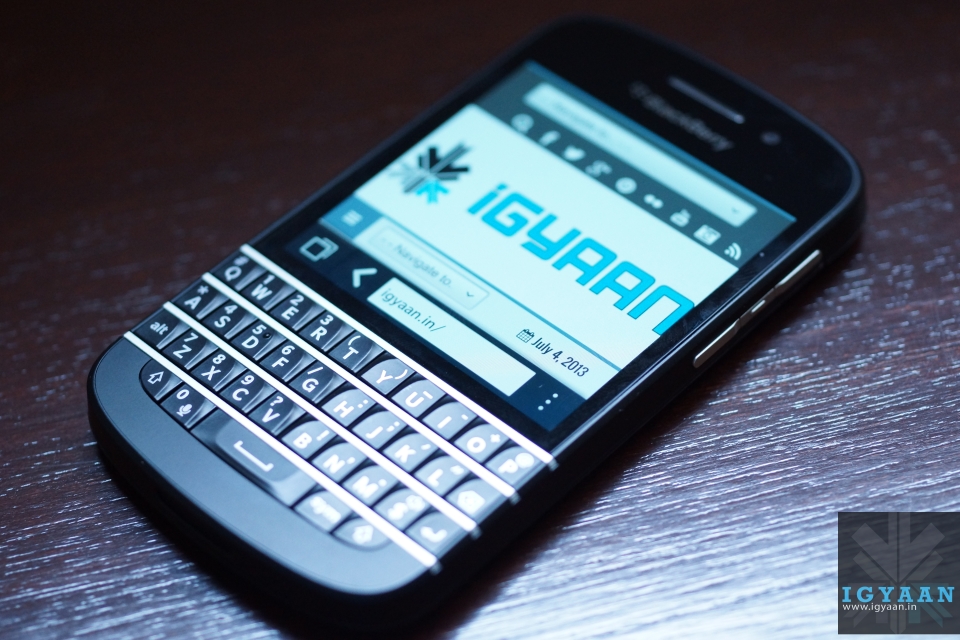
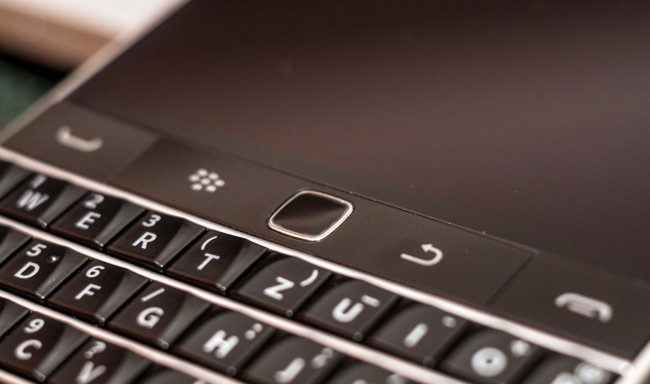
BlackBerry also launched a second device by the end of 2014 called the BlackBerry Classic. This was a kind of a follow-up to the BlackBerry Bold series and has the same form factor. The device sports a Square 3.5-inch 720p LCD display, and comes loaded with the latest specs in a retro design. This might be the device for hardcore BlackBerry enthusiasts to cherish the good old days.
Legacy:
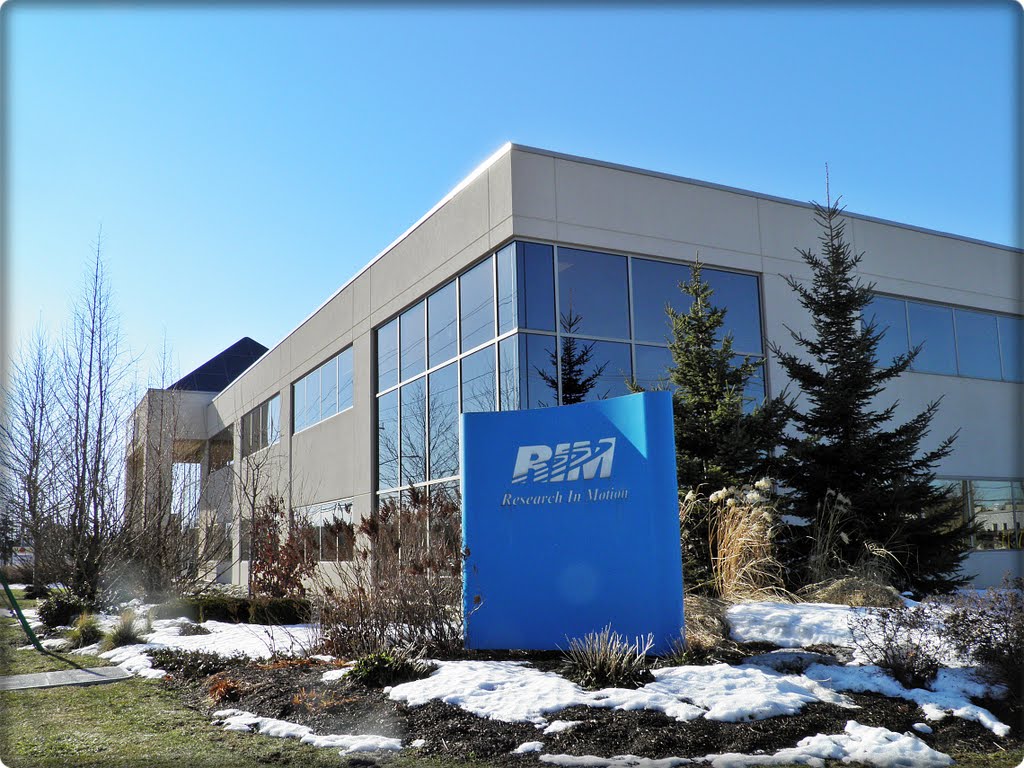
BlackBerry’s HQ in Waterloo, Ontario
At a point, BlackBerry was growing in popularity. Its success had turned Waterloo into a sort of Canadian Silicon Valley. At present, there are over 1000 companies operating there with a combined annual revenue of $30 Billion.
During the damaging Sony Hack by alleged North Korean hackers, BlackBerry phones came really handy. Because of their unmatched security standards, senior executives used the old BlackBerry phones that were stored in a basement. BlackBerry devices are used by top government and corporate honchos to keep their messages secure.
BlackBerry is still in the business, but its market share has been steadily declining for a while. It will be interesting to see how the step of returning back to the basic design format works out for BlackBerry. The company has some great technologies under its belt to share with the world, provided it withstands the challenges of the brutal smartphone business.
BlackBerry launched its latest operating system (OS) 10.3.1 few days back, but it was accessible to the privileged users of Classic only. The users of the previously released devices were eagerly waiting for the upgrade and now the Canadian telecommunication company is rolling out the official OS for their BlackBerry 10 models.
The update will bring the Siri-like BlackBerry Assistant to the handsets. Along with that there are many other features that diminishes the need of app installation. There is reverse contrast mode which is extremely good for viewing at night. It turns the screen from black on white, and to white on black. One can also block contacts from calling or texting. One can hide their private pictures with the new OS for which users need to install save gallery tool. The BlackBerry 10.3.1 also claims to have resolved the persisting battery issue. The Battery Saving mode cuts back the unnecessary features that takes a toll on the battery.
The roll out was scheduled for yesterday, but a bug was spotted early on. BlackBerry seems to have resolved the issue. The company hasn’t made any official announcement about the release, but it is likely to happen on 19th February.
Few days back, rumours about Samsung’s plans to acquire BlackBerry made the rounds. It was said that the South Korean company had offered close to $7.5 billion for the buyout. However, when the companies were approached for comment, both Samsung and BlackBerry denied the story. To reaffirm the same, the Co-Chief Executive of Samsung Electronics, J. K. Shin, made a statement that the company wants to work on an extended partnership but doesn’t aim to acquire BlackBerry at all.
[quote text_size=”small” author=”J.K. Shin”]
We want to work with BlackBerry and develop this partnership, not acquire the company.
[/quote]
Shin further added that they wish to extend the existing agreement, however, they are carefully keeping the details under wraps.
Late last year, Samsung closed a deal with BlackBerry which gave access to both the companies to sell mobile security technologies of the other company. Samsung also signed similar agreements with other companies such as Trix Systems Inc., Good Technology Inc., MobileIron Inc. and AirWatch.
The world’s largest maker of handsets respects its relationship with other companies and clarified that it is not eyeing the patent portfolio of BlackBerry, which carries the highest value in the technology world.
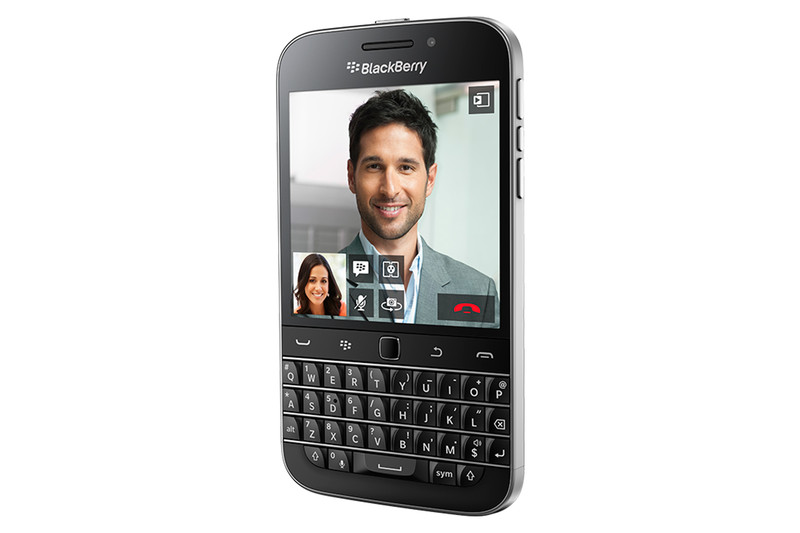
BlackBerry has launched the Classic in India. The device is available for purchase at BlackBerry stores and Snapdeal exclusively. It comes with a hefty price tag of Rs. 31,990.
BlackBerry Classic boasts its aesthetic QWERTY keypad which will make it a definite choice of the BlackBerry followers. The brand has restored its style and decided against using a touch screen.
Coming to its specs, the phone has a capacitive touchscreen display of 3.5-inch, which is secured by Corning Gorilla Glass 3 protection. The handset is powered by a 1.5GHz Snapdragon S4 dual-core processor paired with 2 GB of RAM. It features 16 GB of internal storage capacity that can be expanded up to 128 GB via MicroSD card.
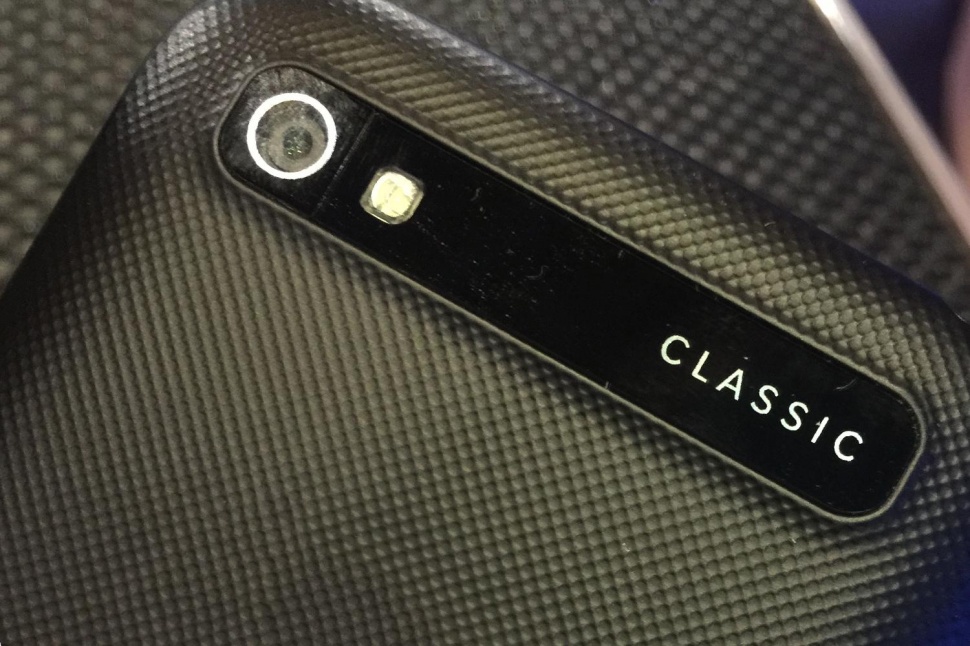
Taking the camera into consideration, the Classic sports an 8MP shooter with the added features like autofocus and LED flash, along with a 2MP snapper at the front to take selfies. The device runs on company’s own BB OS 10.3.1 and houses a non-removable 2,512mAh battery.
The e-commerce website has released a buyback offer to lure customers. As per the deal, the existing BlackBerry Bold holders will get a rebate of up to Rs. 4,500 on the purchase of the Classic. The device comes with some in-built features like Blackberry Hub, BBM Meetings and BlackBerry Blend.
Earlier today, Reuters broke an exclusive news saying that Samsung is planning to buy BlackBerry. According to the international news agency, the South Korean electronics producer offered BlackBerry as much as $7.5 billion in view of its valuable patents.
As per the inside source of the agency, Samsung proposed to buy individual shares of the Canadian equipment manufacturer at a price of $13.35 to $15.49 per share, which is 22 percent higher than the current trading price of BlackBerry. Samsung is not the first company who has showed interest in acquiring BlackBerry. Back in 2014, Lenovo and few other firms were in rumours of the same buyout.
Meanwhile, both Samsung and BlackBerry have declined the ongoing acquisition reports. A spokesperson from Samsung simply commented:
Media reports of the acquisition are groundless.
BlackBerry also replied in the same tune and said that it had not engaged in any such discussions with Samsung with respect to purchase offer.
The news is no surprise and there are chances of these cries to be true as both are companies have reasons to sign this deal. BlackBerry is going through a rough patch and needs financial backing, whereas if Samsung cracks this deal, it might help it rebrand its image.
There are major reasons for these rumours to be true. First, if Samsung takes over BlackBerry, they would acquire the world’s best smartphone security systems. Secondly, we know that Samsung has shut dow its IM service ChatOn as it failed drastically to connect Samsung users.Meanwhile, BBM has 85 million monthly active users and Samsung could integrate the IM service to its devices to get hold of this large user base.
The third and the most vital cause of this could be the robust patent portfolio of BlackBerry. If Samsung succeeds in purchasing the Canadian star, it will get a hold of its networking, security and other important patents. Well, as of now, these are just rumours and nothing can be said until and unless these electronics giants stamp on these reports.