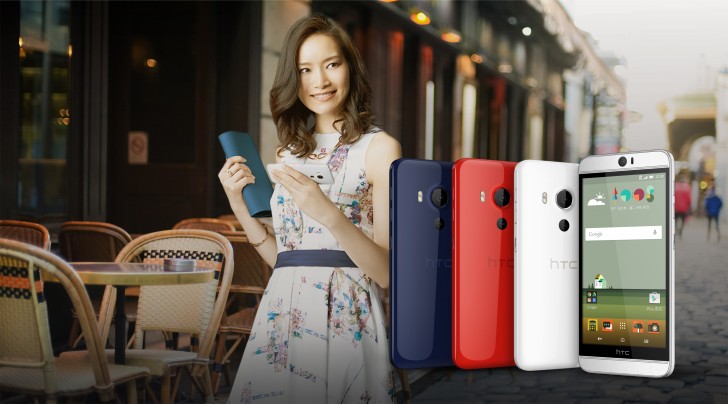
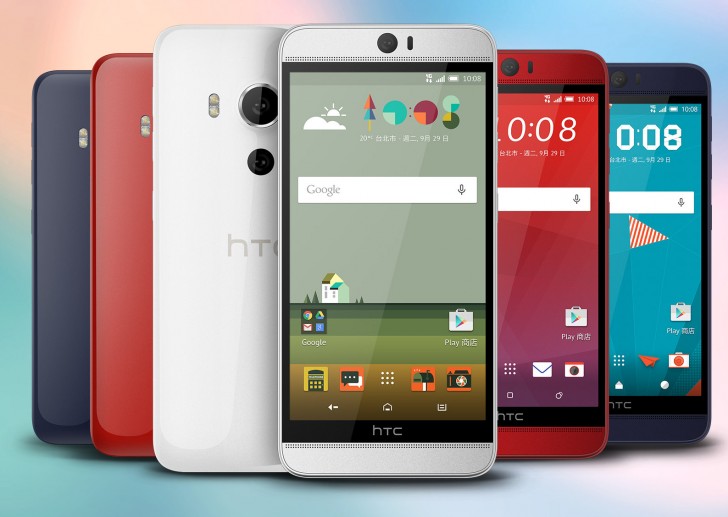
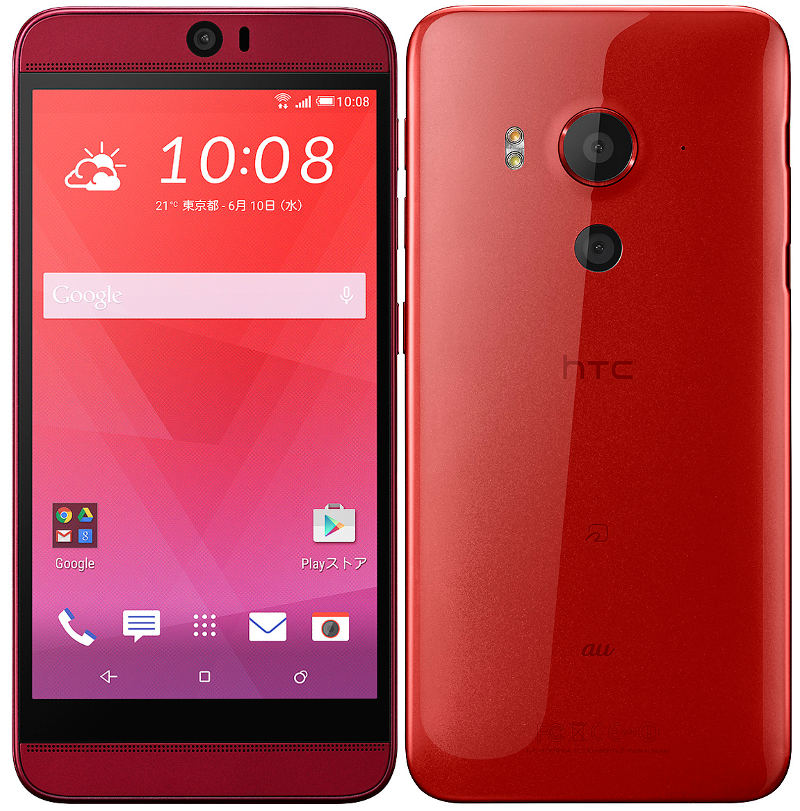
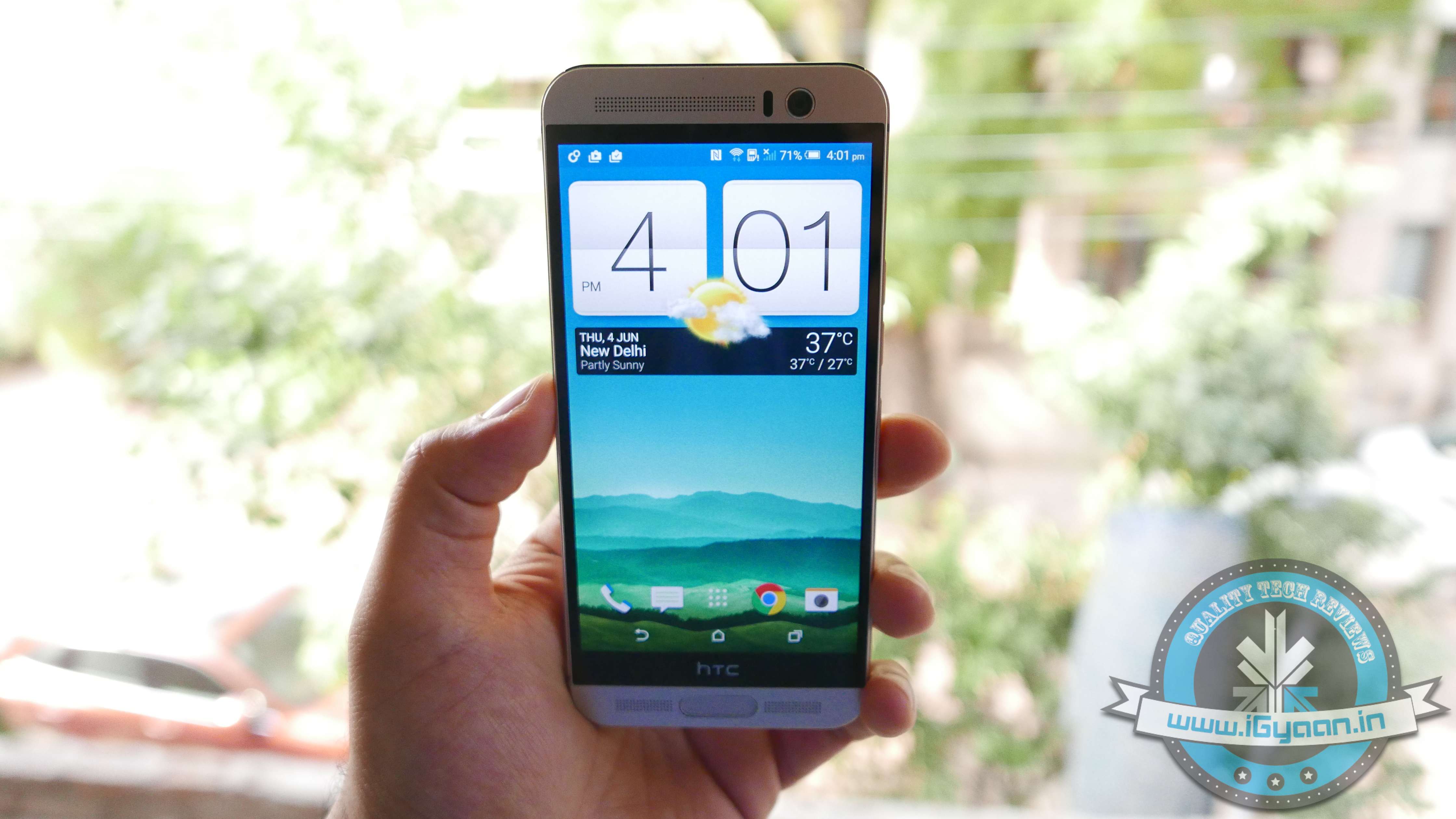
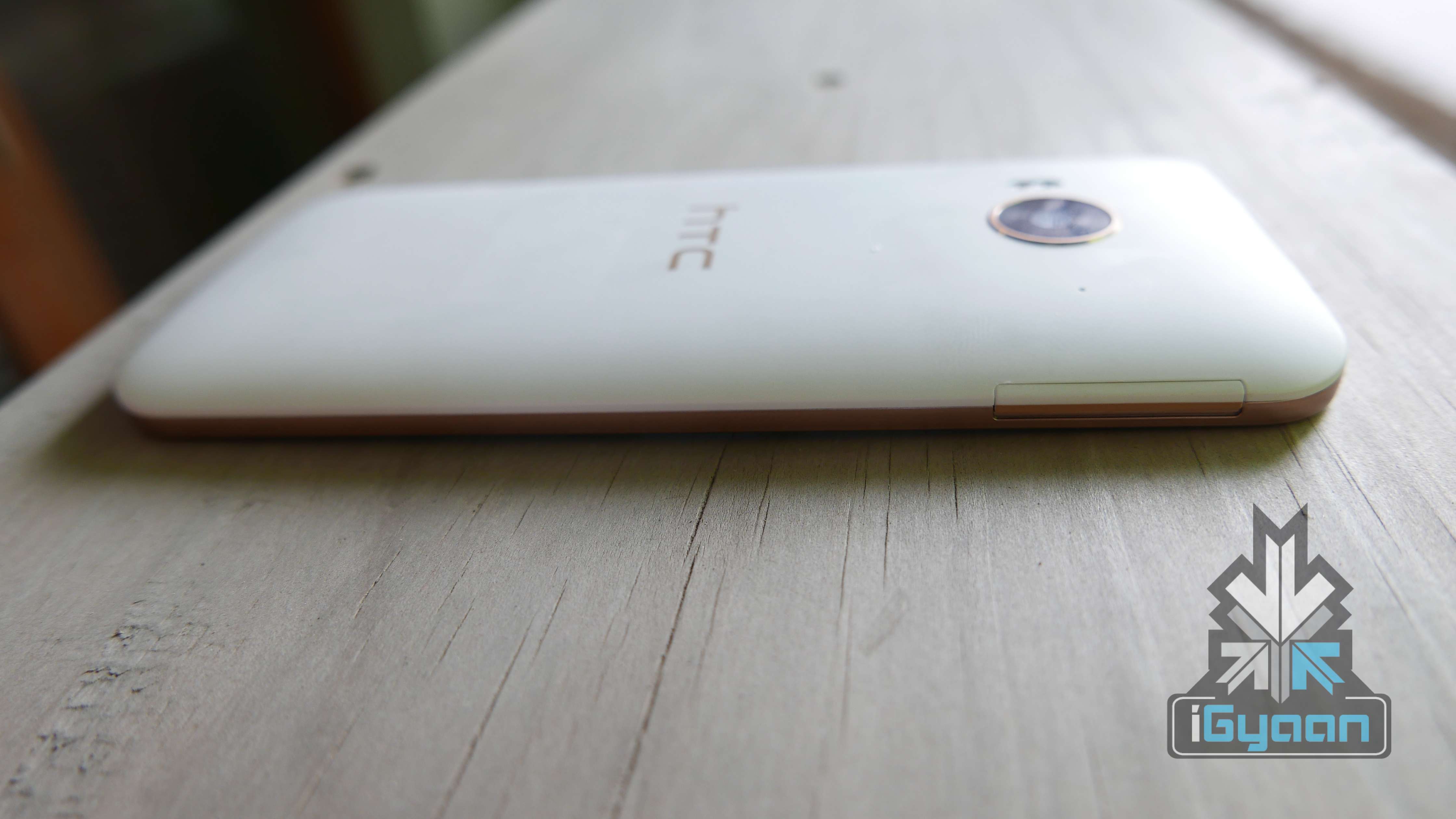
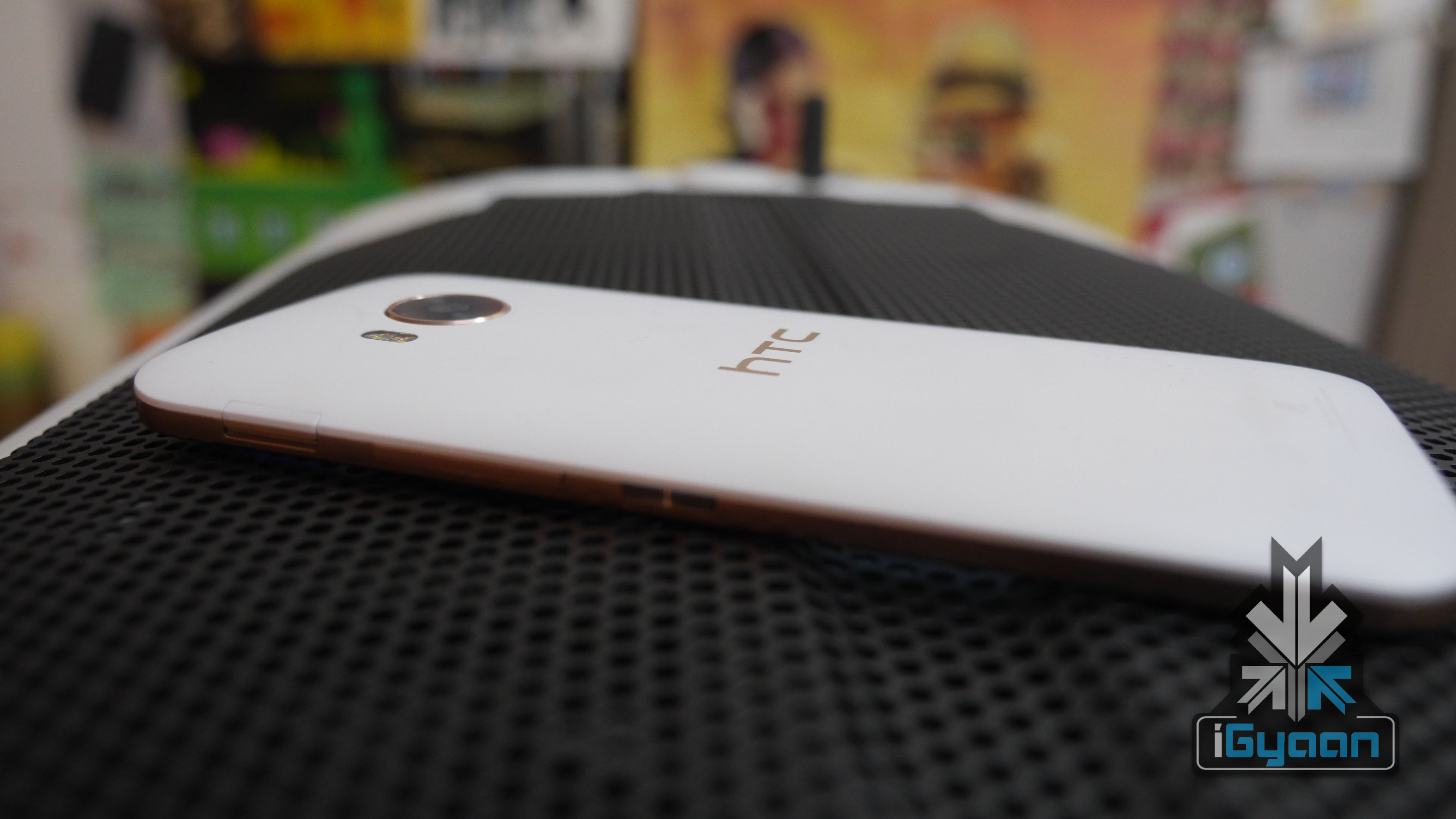
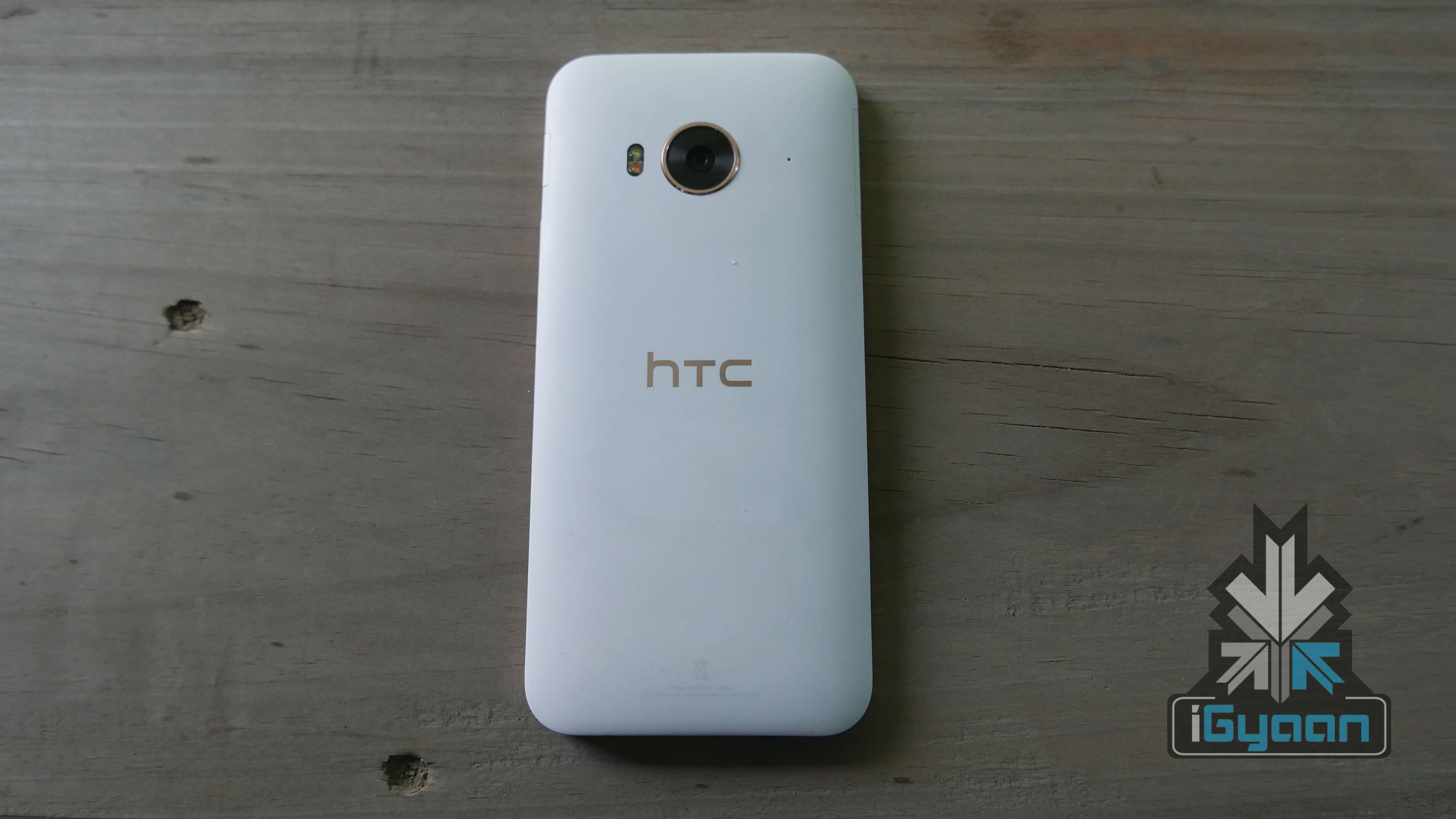
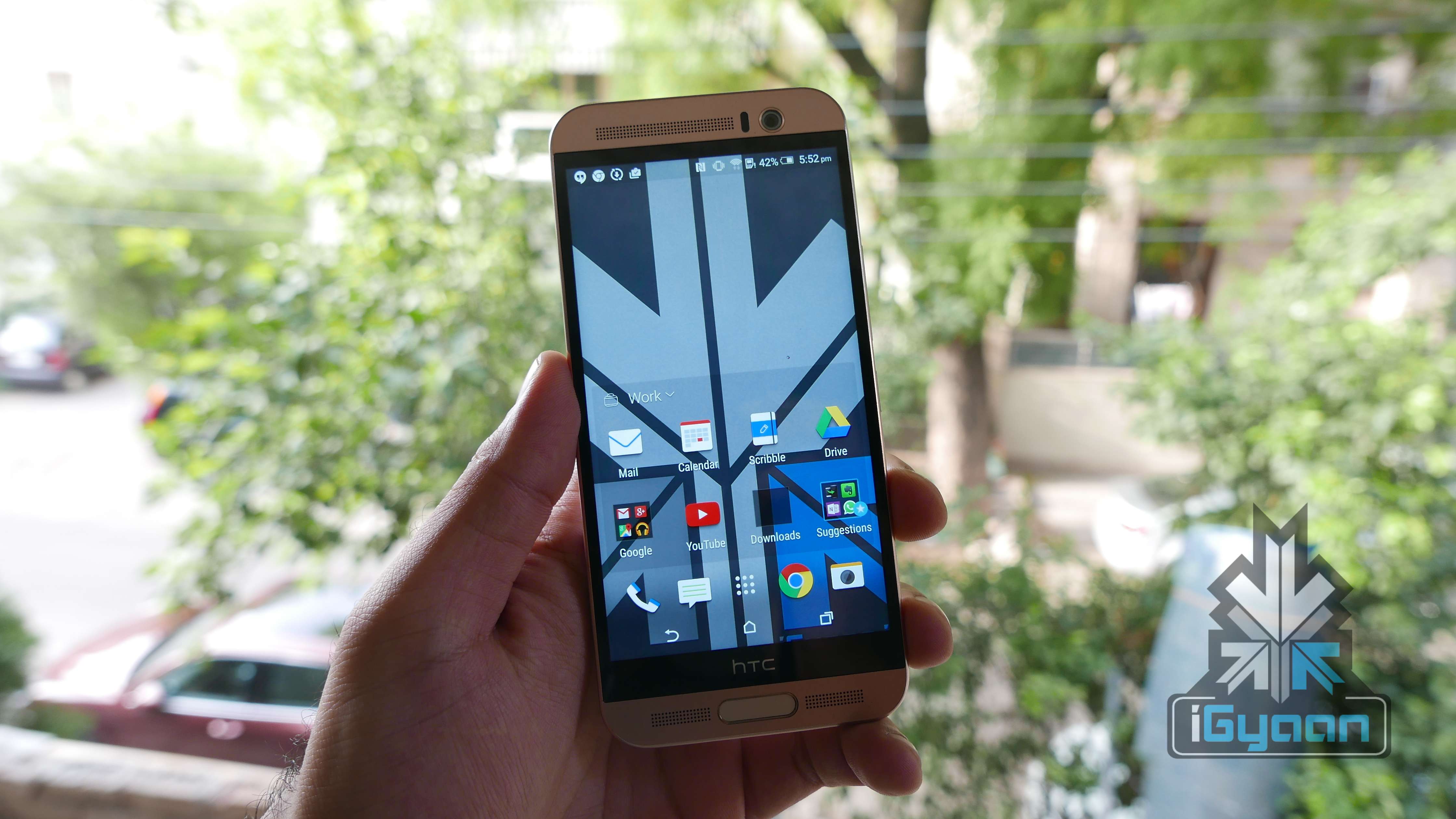
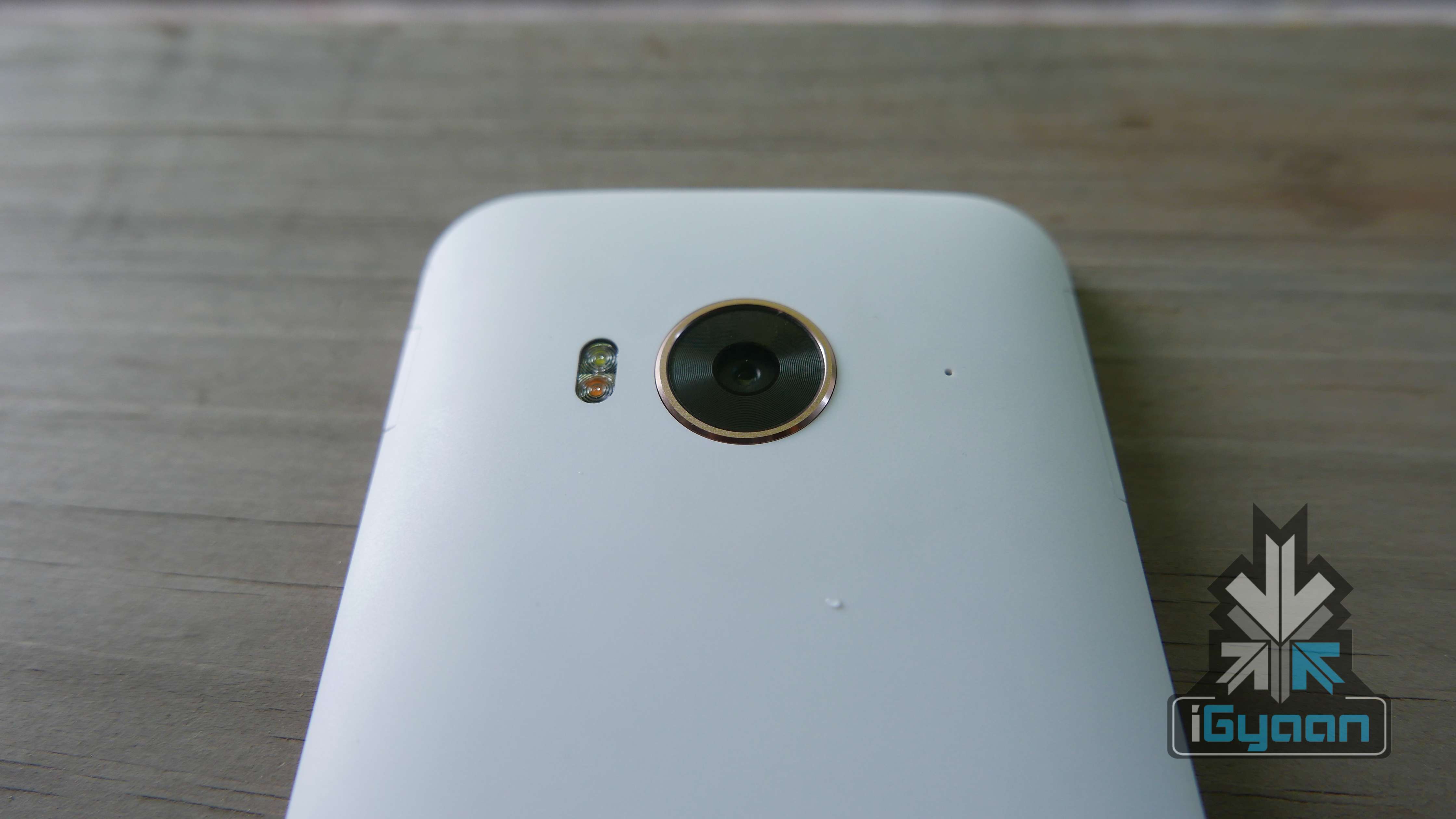
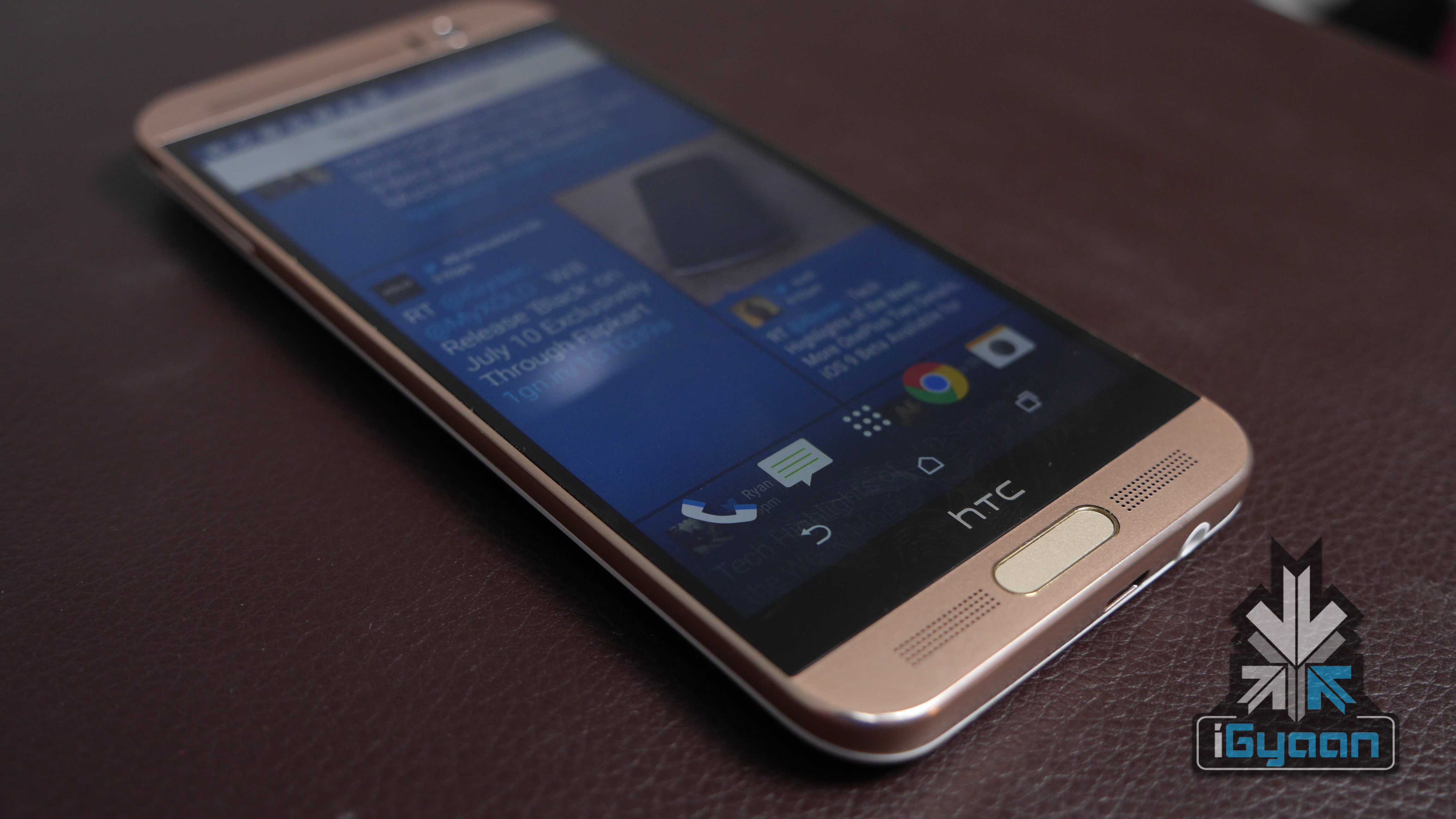
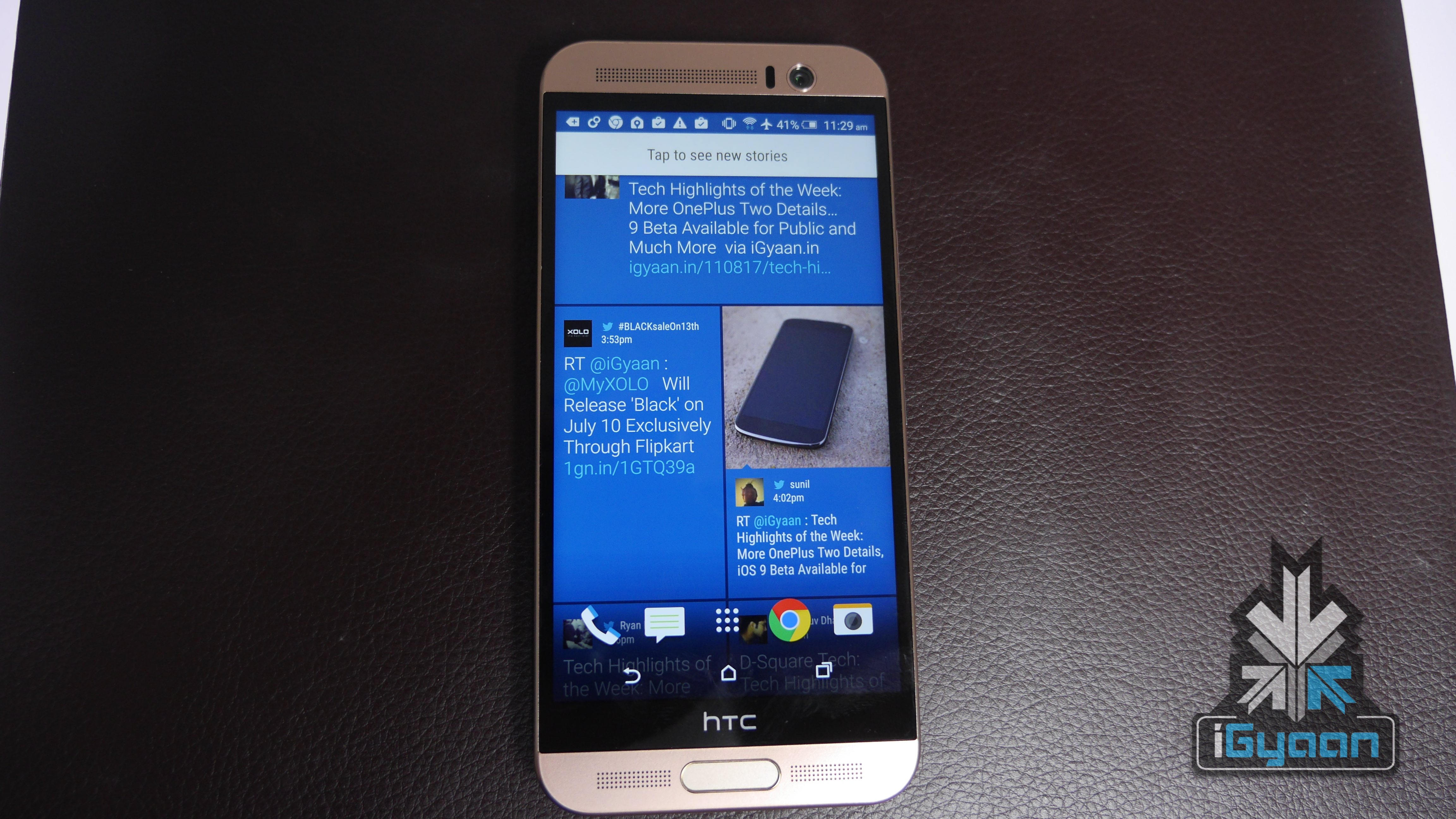
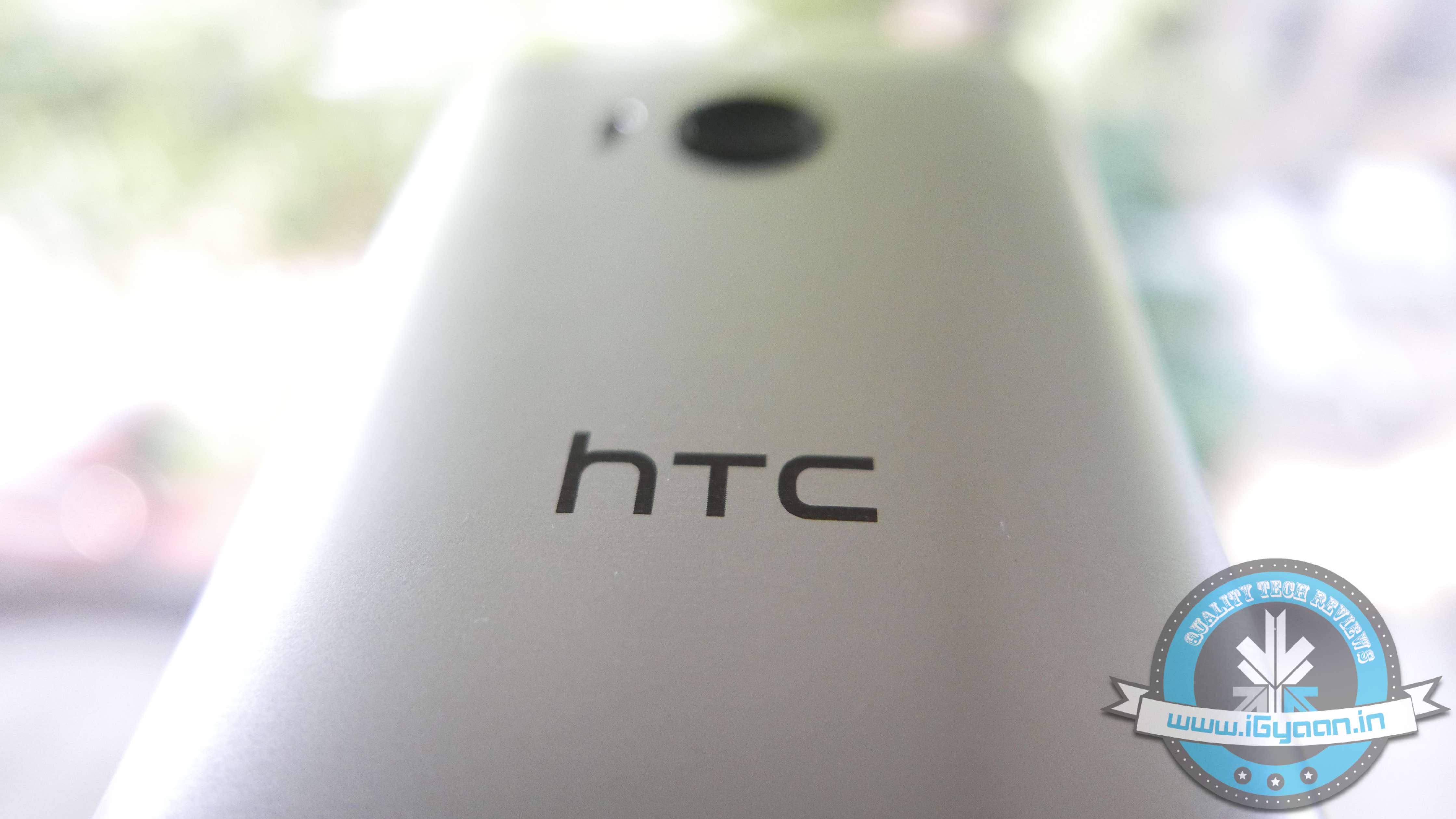
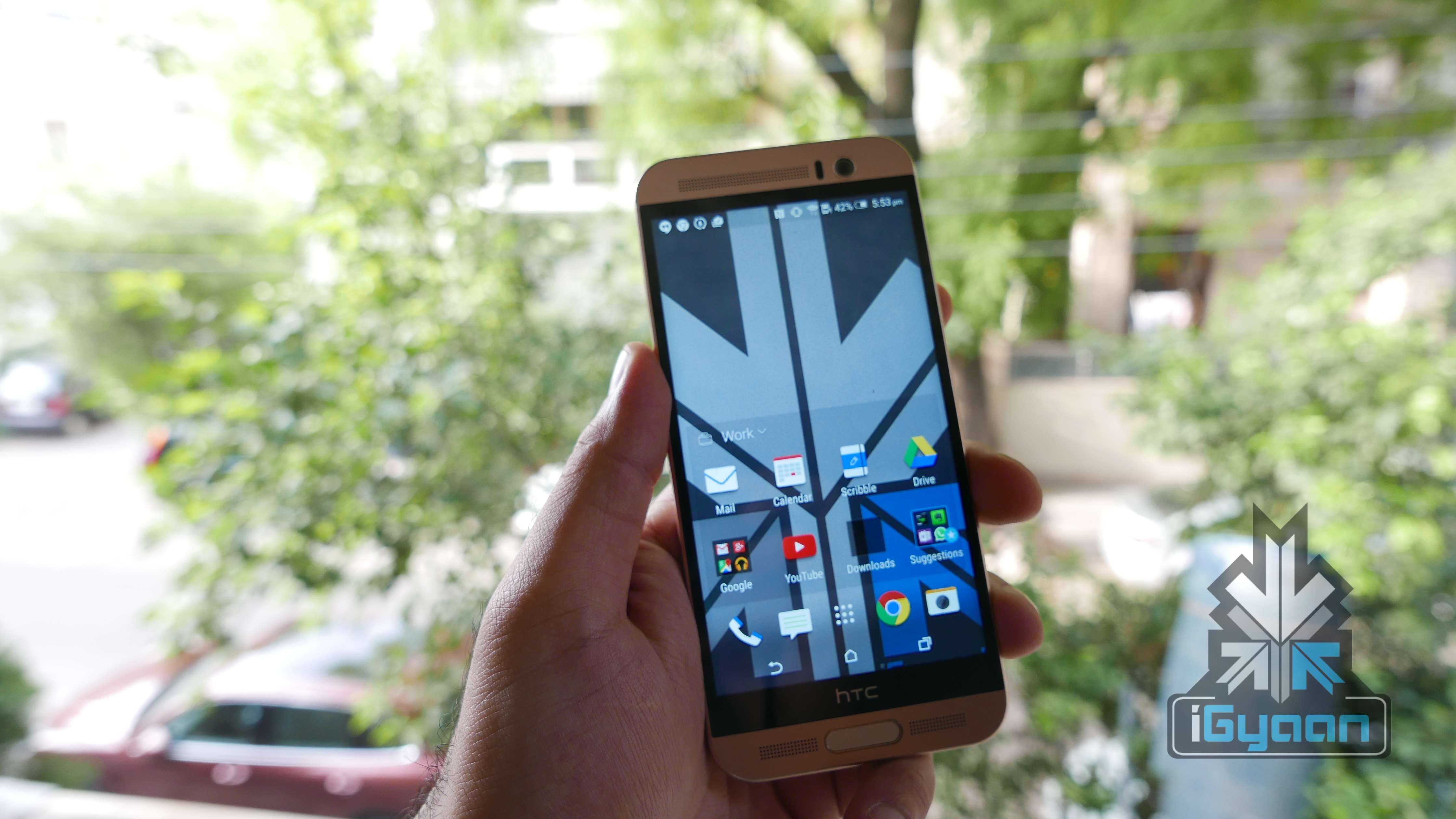
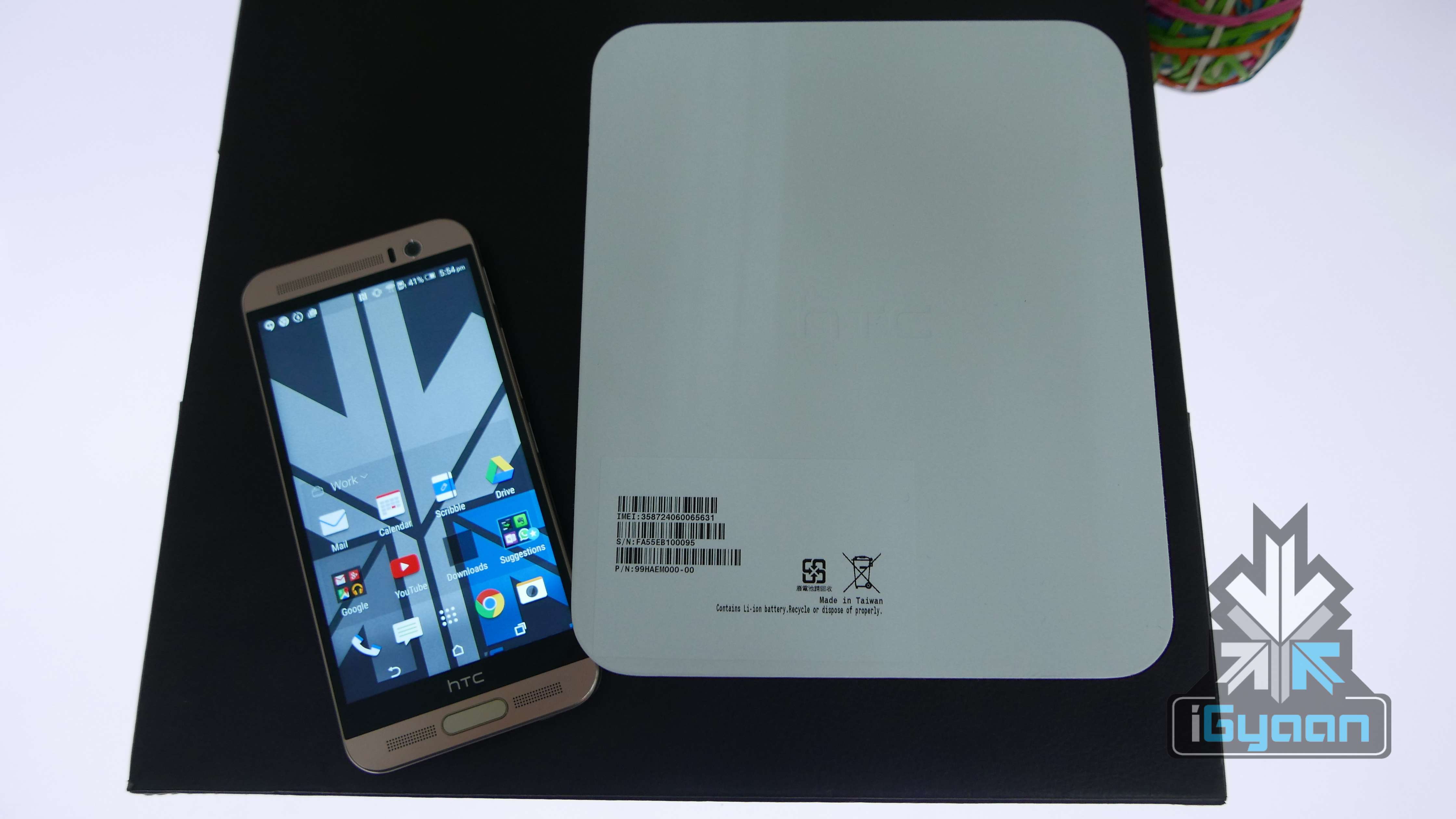
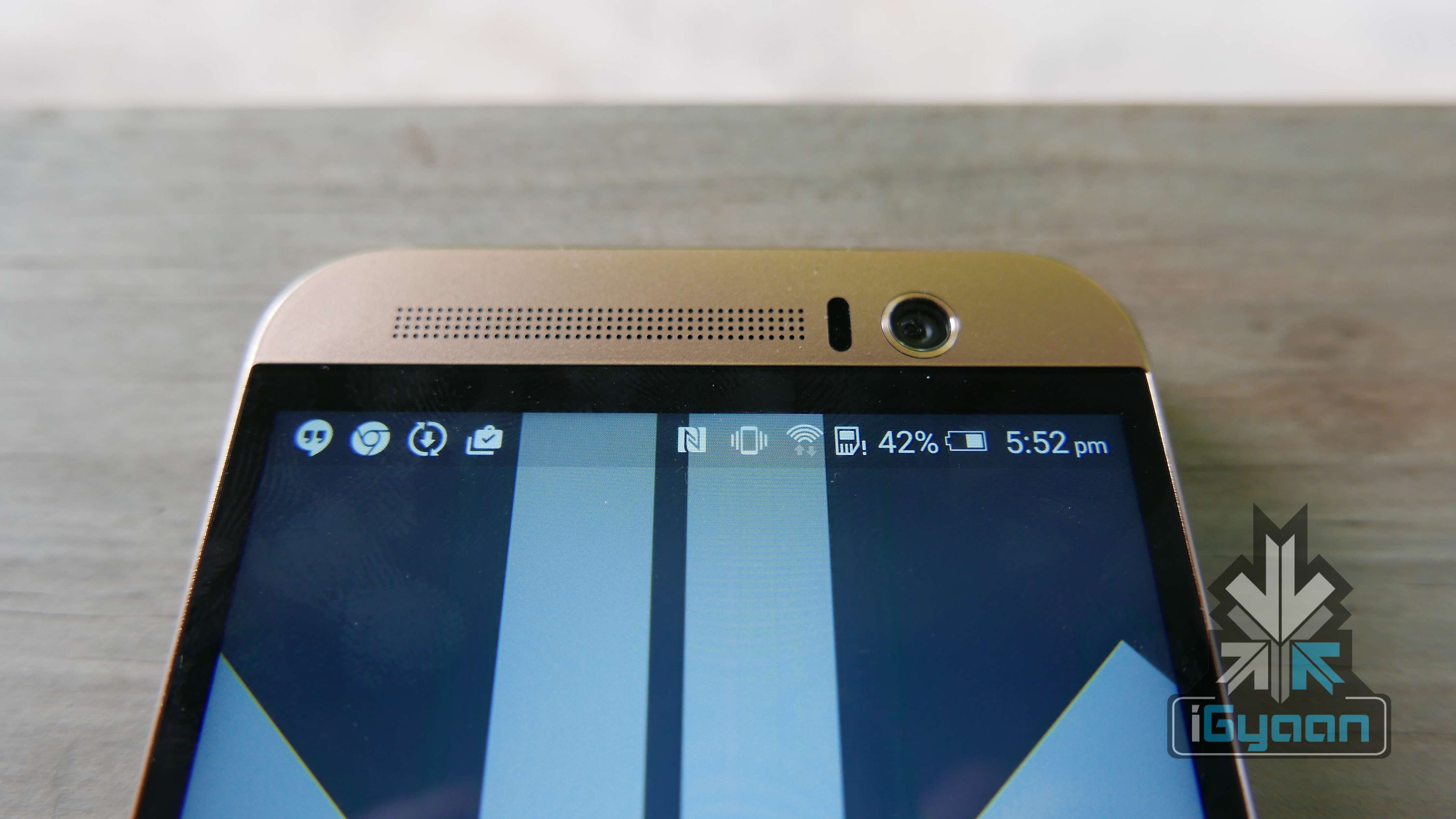
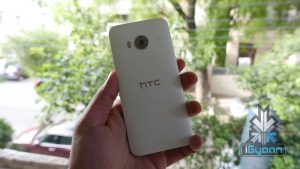
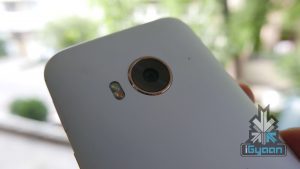
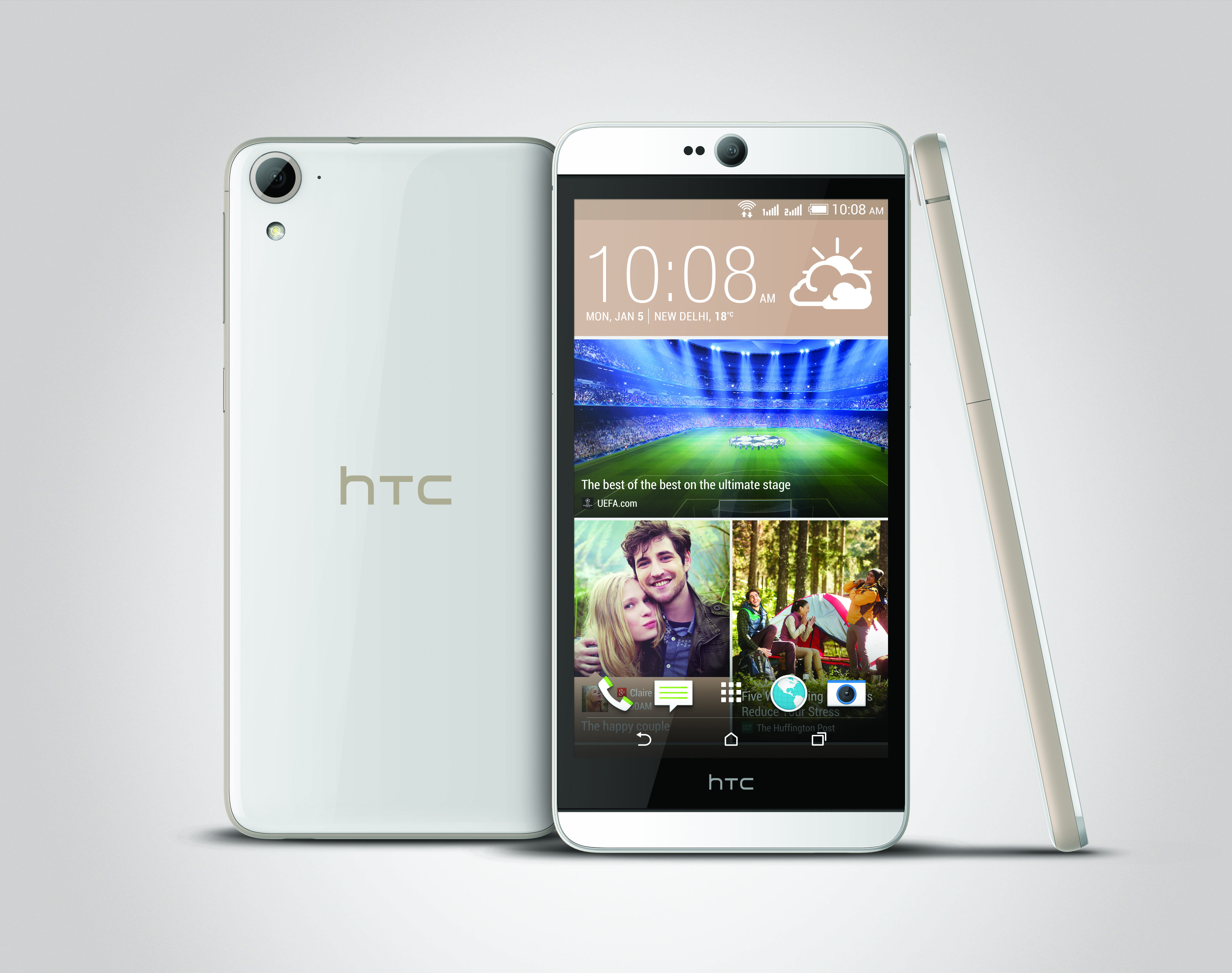
HTC unveiled the Butterfly 3 and the HTC One M9+ Supreme Camera (Aurora Edition) smartphones on Tuesday. While the HTC Butterfly 3 is essentially the same as the J Butterfly that was launched in May, the HTC One M9+ Supreme Camera is almost identical to the One M9+ but with an upgraded rear camera.
The HTC Butterfly 3 comes with a 5.2-inch QHD LCD display, Snapdragon 810 chipset, and 3GB of RAM. It runs on Android 5.0 Lollipop and come with a 32 GB built in storage which can be expandable via microSD card up to 2 TB, theoretically speaking of course.
The Butterfly 3 also sports a massive 20.2 megapixel rear camera with dual-LED. The front is a 13-megapixel camera which has a fast f/2.0 aperture and can shoot 1080p videos.
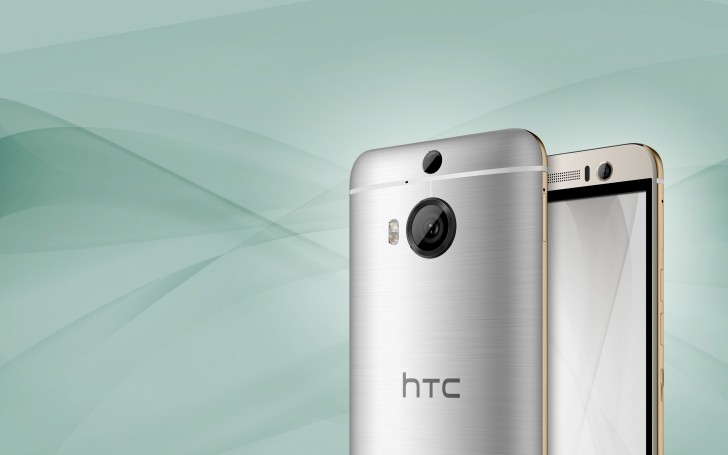
HTC One M9+ Supreme Camera
The HTC One M9+ Supreme Camera edition now has a new laser autofocus system and better rear camera at 21-megapixels and an f/2.2 aperture. The rest of the specs are similar to the M9+ with 5.2-inch Quad-HD (1440×2560 pixels) display and powered by 2.2GHz octa-core MediaTek Helio X10 processor with 3 GB of RAM. It is available in 32 GB inbuilt storage with up to 128 GB expandability via microSD card.
Here’s a detailed look at the specs for both the Butterfly 3 and the One M9+ Supreme Camera. Global availability and price details are yet to be disclosed.
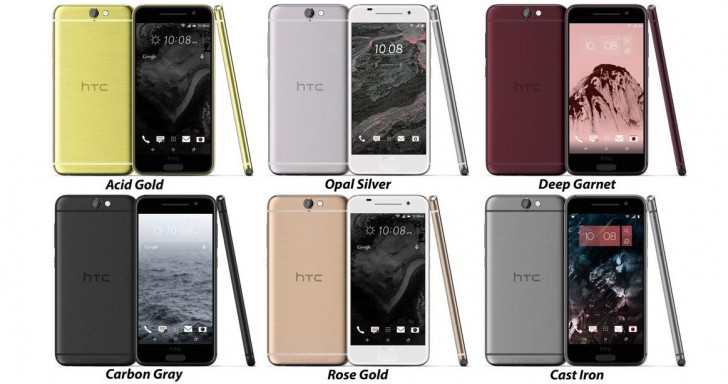
There’s a new leak about the HTC One A9 today on Twitter from the (in)famous @evleaks account. The new leak confirms two things – the handset will arrive in six colour variants and is definitely inspired from the iPhone’s design.
The six colours will reportedly include – Acid Gold, Opal Silver, Deep Garnet, Carbon Gray, Rose Gold, and Cast Iron.
Other previous rumours about the specifications for the HTC One A9 suggest that it could come with a Qualcomm Snapdragon 617 chipset, 2GB of RAM, 16GB of expandable memory, 13MP main camera with OIS, 4MP front-facing snapper, and Android Marshmallow. All of that along with a 5 inch 1080p AMOLED display and 2,150mAh battery.
The smartphone is expected to be revealed on the 29th of September, 2015. Till then sit tight for this iPhone look-a-like, while we bring you more information about it soon.
Some new information on the planned HTC One A9 (Hima Aero) release has emerged. According to latest leaks by @evleaks, the mid-range smartphone is set to have a Qualcomm Snapdragon 617 chipset.
We had earlier mentioned about rumors about HTC’s ‘dual-flagship’ launch on the 29th of September, and had revealed rumored specs on both the HTC One A9 and the HTC Butterfly 3. New rumors on the HTC One A9 specs, however, seem to suggest that the smartphone will most likely battle the OnePlus 2 and Zenfone 2 rather than Samsung and Apple.
Earlier in the month some big specs were floating about suggesting that the HTC One A9 will feature a 5.5-inch QuadHD display, MediaTek Helio 10-core X20 processor, and 4GB of RAM. While some remain true as of today, new rumors suggest that the smartphone will now have a 5-inch FHD AMOLED display, and 2GB of RAM instead.
Other features leaked by Blass include 16GB of expandable storage, 13-megapixel camera (4 UltraPixel front), 2150mAh battery, a fingerprint sensor, and a metal design. It is also revealed by @LlabTooFer that the phone will run on Android 6.0 Marshmallow OS with custom UI Sense v7.0 out-of-the-box.
With the launch rumored to be pushed to November, we’ll have to wait and see if HTC can bounce back with its mid-range smartphone. Follow this space for more on the HTC event.
Latest rumors suggest that HTC is working on an Android Wear smartwatch codenamed ‘Halfbeak’. The company has been associated with Android Wear from the very beginning. However, they have never entered into the smartwatch game, which has already been played by Apple, Samsung and LG, to name a few.
From what we’ve gathered so far, the smartwatch will come with a round display, with a 360×360 resolution. HTC has shown keen interest in wearable tech since it showed off the HTC Grip earlier this year. The Grip is a sports band and watch, but does not run Android Wear.
We have mentioned earlier on HTC’s big ‘dual-flagship’ launch scheduled to take place on the 29th of September. Chances are that the company may take some time out to introduce the watch on that day as well. Given that HTC delivers on beautiful smartphone designs, the watch could follow suit. We’ll just have to wait and see.
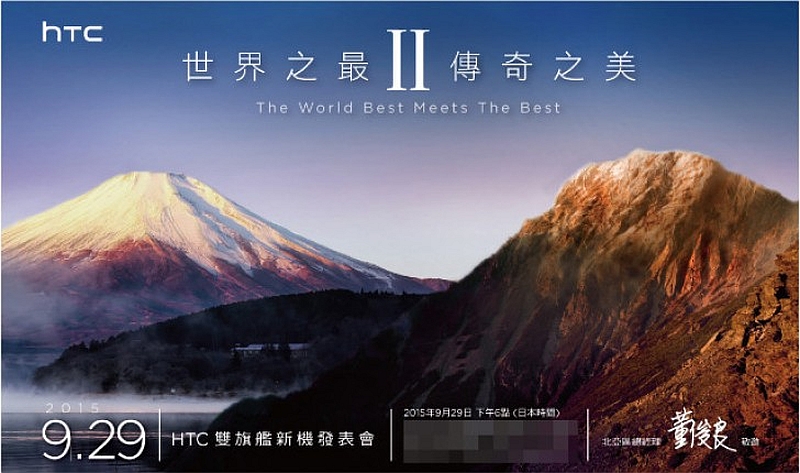
Rumours afloat are hinting at an HTC ‘dual-flagship’ launch on the 29th of September. The hints are backed by @upleaks who posted an image on Twitter, showing the apparent invite sent out by HTC. The launch is scheduled to unveil two flagship phones rumored to be the Aero A9 and Butterfly 3. In fact, HTC had earlier scheduled the release of Aero A9 in the first week of September, but failed to deliver. However, it is now almost certain that the launch will take place this month.
HTC is hoping to deliver with a bang, given that the response to their previous phone, the HTC One M9, was poor at best. The smartphone caused a fifty percent drop in the company’s share prices, which is perhaps one of the reasons the company is gambling with a dual release end of this month.
If rumours are true, the HTC Aero A9 will be packing a QHD resolution display with Corning Gorilla Glass 4 protection and 2.5D curved edges, a MediaTek Helio X20 ten-core tri-cluster processor with 4GB of RAM and Mali-T880 MP4 GPU. The Butterfly 3, on the other hand, is a supposed international version of the HTC J Butterfly, which was launched this May, in Japan. The smartphone is expected to come with a 5.2-inch Quad HD display, octa-core Qualcomm Snapdragon 810 processor, 3GB of RAM and 2700mAh battery.
(HTC Butterfly J)
The launch on the 29th will take place in Hakone, Japan. The date also clashes with another launch, Google’s new Nexus smartphones, which will take place in San Francisco. With these two launches happening on the same day, one can expect another battle of flagship phones in the offing.
The last phone that HTC released was its One M9, and we were expecting it to be called, One M10. But, if reports are to be believed, HTC might change the name of their upcoming smartphone range to O2.
This new handset is said to feature a 6 inch OHD display powered by a Snapdragon 820 chipset with 4GB RAM space. It is said to come in two storage variants – 64GB and 128GB with a 3,500mAh battery. The O2 could be environmentally sealed for water and dust protection.
Rumours also suggest that there might be another O2 model scheduled to release next year. This rumoured device could feature a 5 inch display and the unannounced Snapdragon 82x chipset.
However, these facts have not been confirmed as yet. So watch this space for more updates.
Our Android devices have a lot of information stored within itself which we need to access frequently. Knowing some shortcodes would definitely save your time,and also give you secret information like hidden camera details. You can even factory reset your device and backup all your data with one-click.
The below given codes can be accessed through your dial pad very easily. While most of the codes would work on all Android devices, some of the codes are carrier-specific. So, it is not sure which one would work on your device, although most of them should.
Check out the list below:
Codes
Function
*#06#
IMEI (International Mobile Station Equipment Identity) number – essential in case your device is stolen, and you want to block the thief from accessing your network
*#*#7594#*#*
Make Power button turn off your device without displaying menu
*#*#4636#*#*
Display information about phone, battery, usage and WiFi
*#*#7780#*#*
Factory reset (deletes app data and apps, not firmware)
*2767*3855#
Complete phone wipe, including firmware
*#*#273283*255*663282*#*#*
Back up all your photos and videos
*#*#1472365#*#*
Test your GPS
*#*#1234#*#*
Display phone firmware and PDA info
*#*#232338#*#*
Show WiFi Mac address
*#*#8255#*#*
Access GTalk Service Monitor
*#*#36245#*#*
Access Email debug info Email
*#*#225#*#*
Events Calendar
*#*#426#*#*
Debug info for Google Play Service
*#*#759#*#*
Access Google Partner Setup
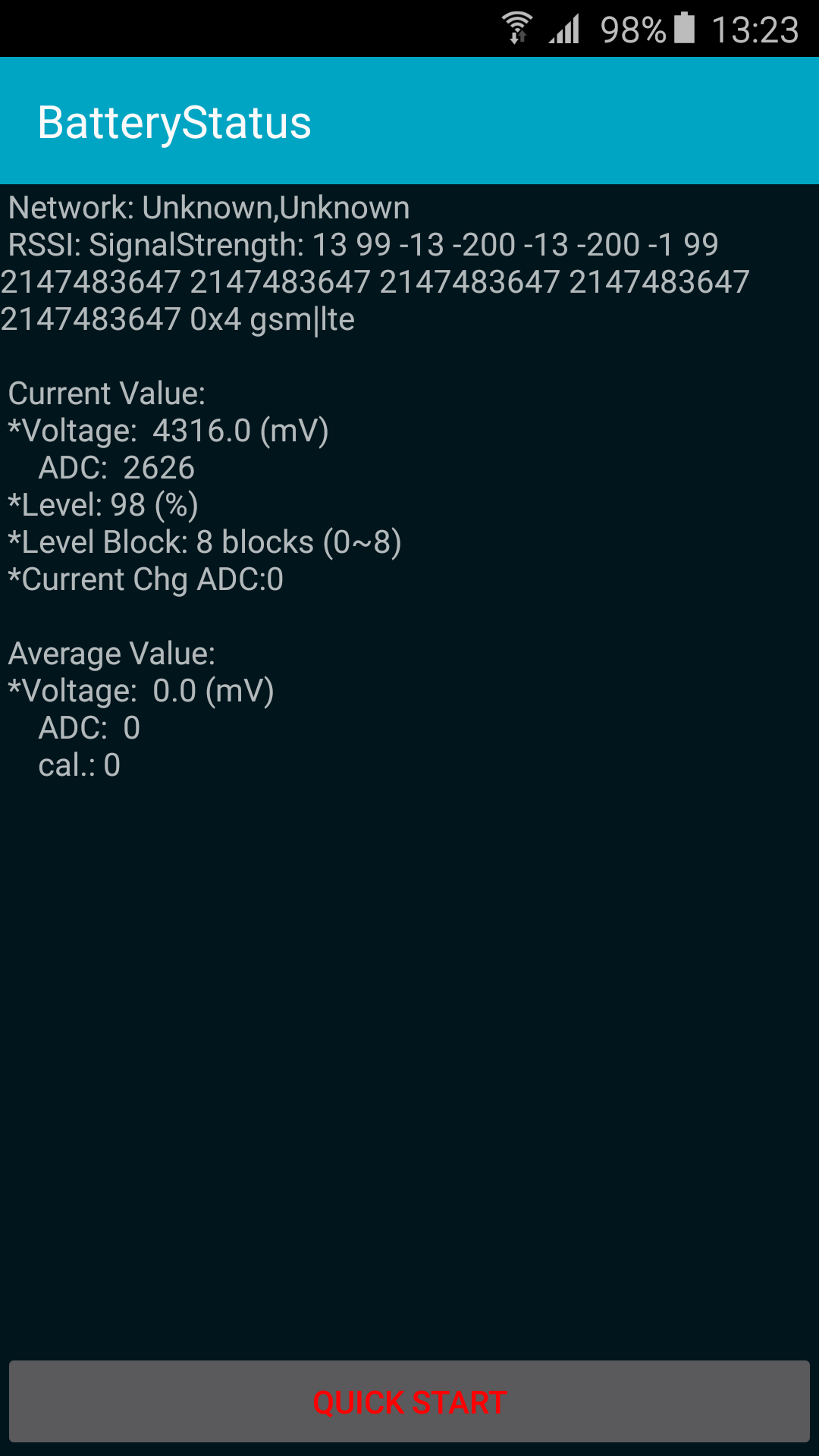
By typing *#0228#, you can access the battery status of your Android device.
While most of the codes are universal, some codes are very specific. You can check out codes for Samsung or HTC devices below:
Samsung
Codes
Function
*#*#34971539#*#*
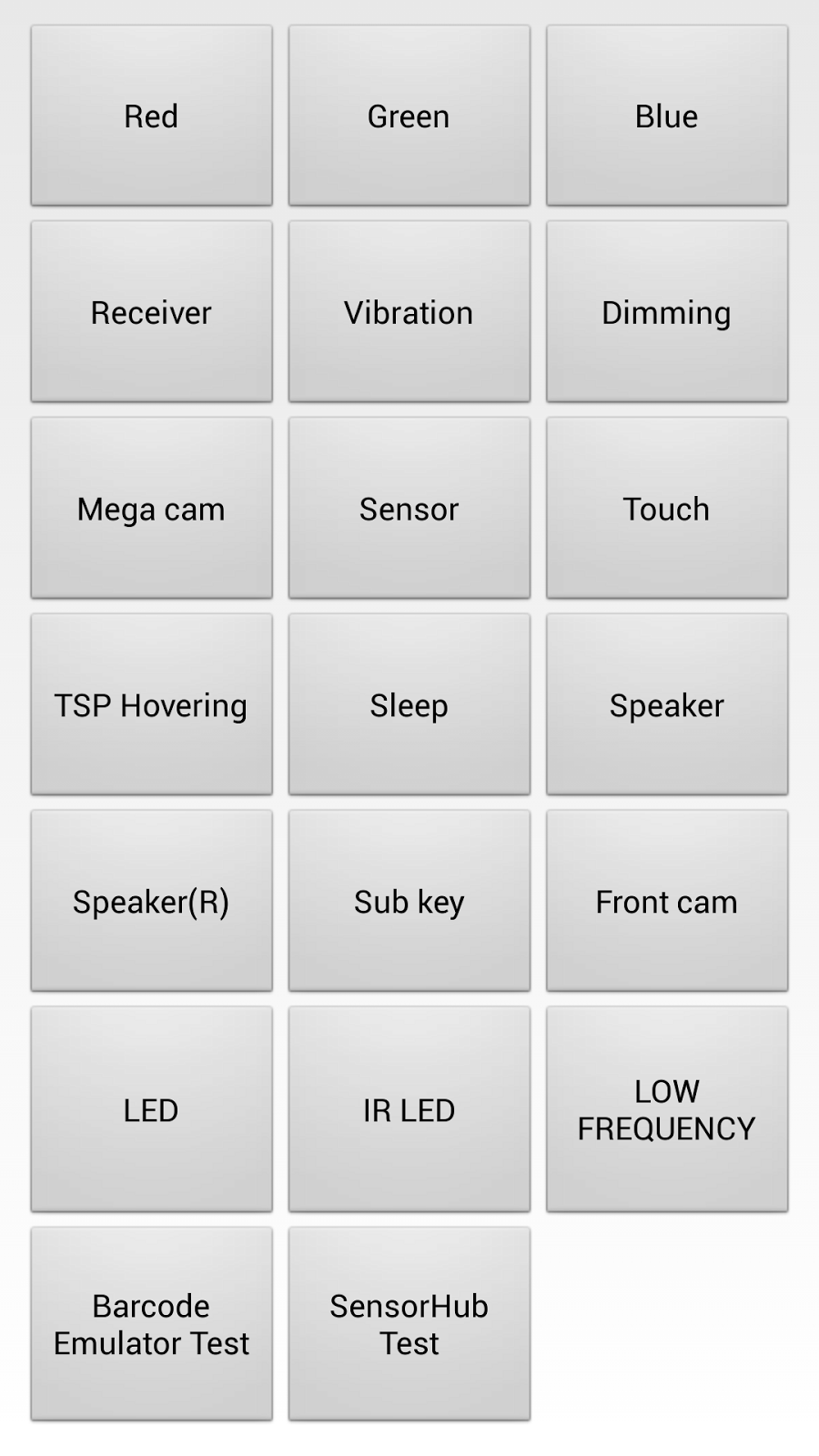
Show all camera information
*#*#197328640#*#*
Enable test mode for services
*#*#232339#*#*
Wireless LAN test
*#*#1575#*#*
Test your GPS (alternative to generic Android GPS test)
*#*#0*#*#*
Test your LCD
*#*#4986*2650468#*#*
Display crucial phone information (PDA, Hardware, firmware, etc.)
HTC Corp. has come under a lot of slack, for the past couple of years for being “confused, unoriginal and uncompetitive”. With their shares having fallen by 51 percent so far, the Taiwanese smartphone makers have reportedly announced, that they would be cutting jobs and discontinuing models so that they can focus on high-end devices, which they hope will enable them to compete with Apple Inc. and Samsung.
“The cuts will be across the board,” said Chief Financial Officer Chialin Chang, “they will be significant.”
He also mentioned that the cost reductions would extend up to the first quarter of the following year, but no further information has been reported.
The company seems to have been losing its market share both in the high-end as well as the low ranged sectors, with Apple and Samsung electronics in the former and Chinese rivals at the latter range, taking over rapidly.
Reports suggest that Chang also mentioned HTC’s strategy for the coming quarter would be – to bank on selling high-end smartphones in India where the company is said to have 20 percent market share of phone priced between approximately Rs.15,946 and Rs.25,514.
However, while most analysts are still skeptical of HTC’s stable continuance, it is to be seen whether this strategy will work for them or not.
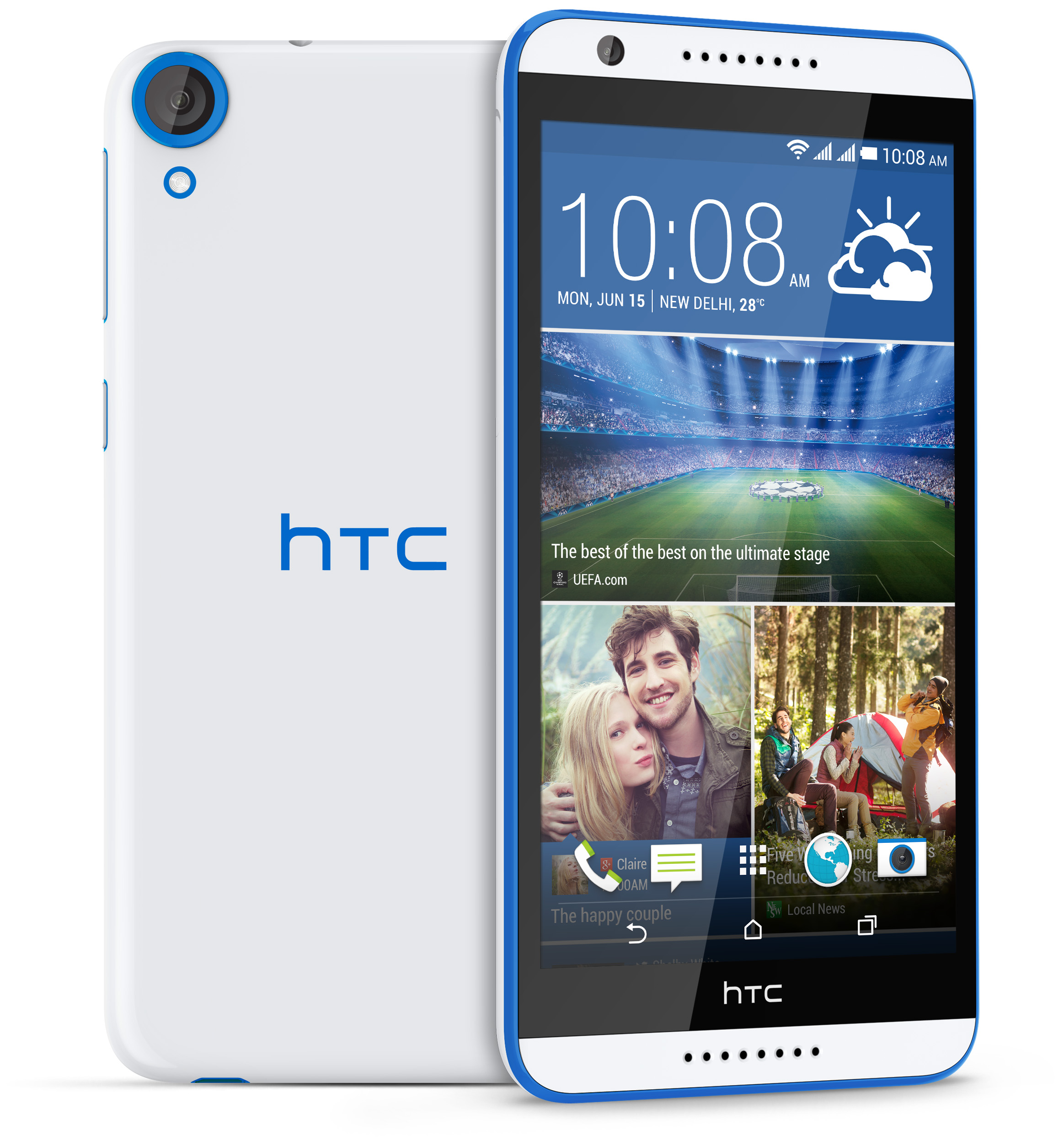
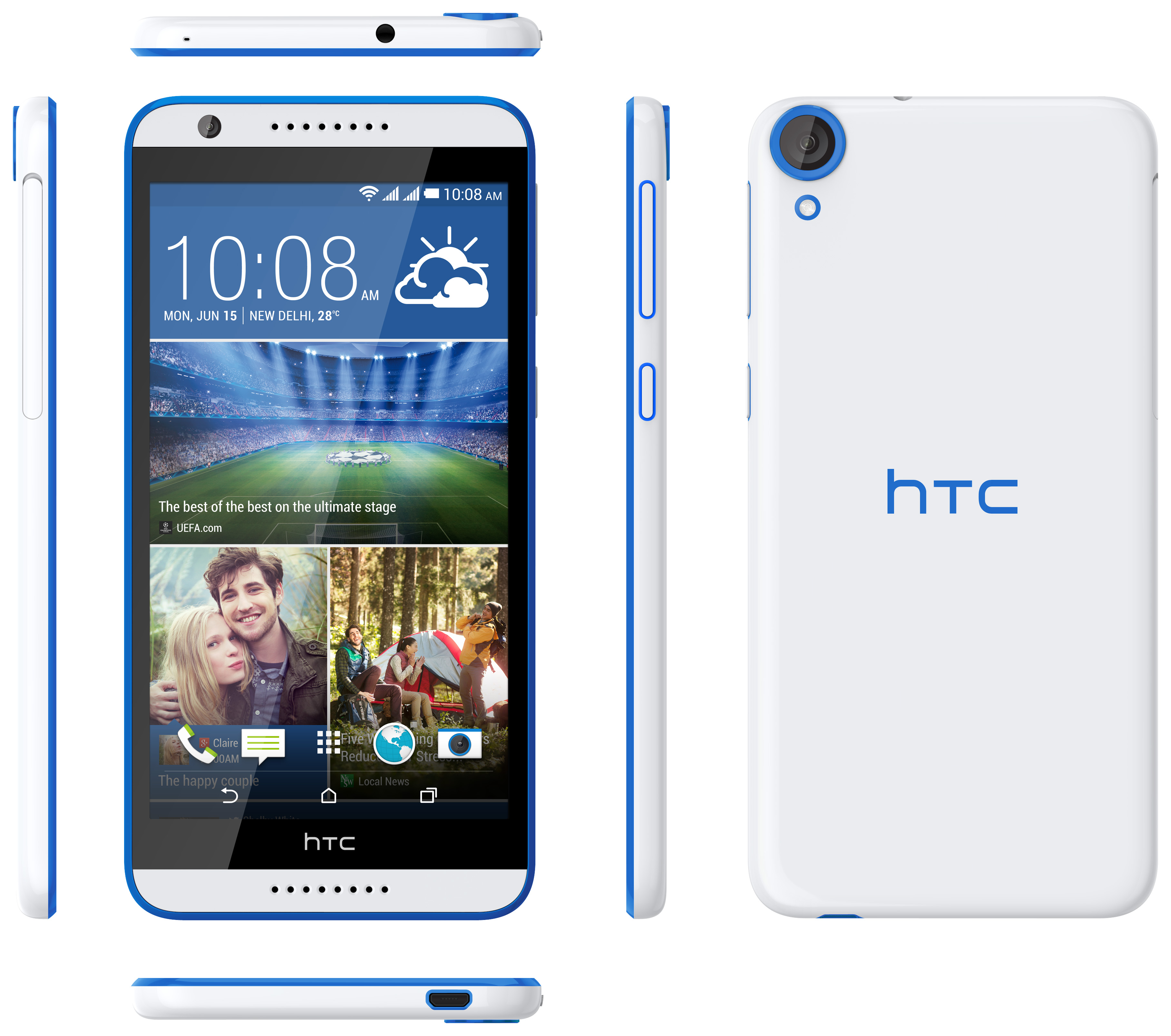
It seems HTC’s average performance isn’t enough to discourage it from launching new phones. Today, HTC has launched a new entrant in the Desire series, 820 G+, weeks after it launched the Desire 826. The new phone is the 21st addition to the Desire series.
HTC hopes that the phone, which is priced at Rs. 19,990, performs in India. “As our customers create and consume more rich video content and want greater freedom to personalise their smartphones, they are increasingly looking for bigger and better screens, faster processors, amazing sound, and outstanding battery life,” said Faisal Siddiqui, President, South Asia, HTC.
A dual-SIM phone, the Desire 820 G+ runs on Octa-core 1.7 GHz Cortex-A7 processor with Mediatek MT6592 chipset. The phone comes with 1GB of RAM and has a storage capacity of 16GB, which can expand upto an additional 32 GB. For OS, the phone uses Android Lollipop with HTC Sense.
HTC claims that the 5.5-inch display “allows you to enjoy big-screen entertainment without compromise”. To enhance the audio, HTC has used HTC BoomSound with Dolby Audio, just like in the Desire 826.
The Desire 826 sports a 13 MP rear camera with BSI sensor that can allow the user to capture pictures even in low-light situations. The front sports an 8-MP camera and a feature called Live Makeup will allow you to preview the image and set the desired level of skin smoothing before capturing.
On the connectivity front, the phone is a let down since it only supports 2G and 3G, considering that 4G is making its mark in India soon. The battery is the same as the Desire 826, a 2600 mAh non-removable lithium polymer battery. The phone is available in India in two colours – Santorini White & Milky-way Grey.
Keep checking iGyaan for our review of the Desire 820 G+.
Wi-Fi 802.11 b/g/n, hotspot?
Specifications
HTC Desire 820 G+
Display
5.5-inch HD 720p
Processor
Octa-core 1.7 GHz Cortex-A7 processor
Chipset
Mediatek MT6592
RAM
1GB
Storage
16 GB expandable Upto 32GB
Rear Camera
13MP, f2.2, BSI Sensor, 1080p Video Recording
Front Camera
8MP, 1080p video recording
Connectivity
Wi-Fi 802.11 b/g/n, Bluetooth v4.0, A2DP, GPS, USB 2.0
HTC has had a tough year, tough decisions and a lot of devices. The company has had the slowest quarter yet and the stock prices have dropped to an all time low. The company also reported a net loss of $258 Million, which points to the fact that the company is not doing well.
However that has not stopped HTC from making new handsets, and in countries like India, the HTC market share is growing considerably.
The HTC One ME, adds fuel to the HTC fire in India, a handset that brings the best of the flagship world at a relatively lower cost.
Overview
The HTC One ME is a good mix of things from HTC. Priced at Rs. 40000 or US $ 630 (outright) the phone makes a lot of sense to people. However the use of mediate is slightly bothersome to the tech crowd, especially at such high prices.
Hardware
The HTC One ME has almost everything from the HTC One M9+ including most of the hardware. What differs is the chipset. The One ME uses the new MediaTek Helio X10 and is also the first phone with the said chipset. This enables devices to utilise full octal-cores at 2.2 GHz in 64 bit and also shoots high quality videos at upto 480 frames/sec. It allows a 120 Hz video display rate too.
Apart from that you will get 3 GB of RAM, a brilliant 2k display with 5.2 inch size, a 2560×1440 px resolution and 565 ppi.
The same camera as the One M9, a 20 MP f2.2 lens equipped sensor, and an HTC ultra pixel sensor for the front.
Specifications
HTC One ME
Display
5.2-inch Super LCD3
Resolution
WQHD 1440×2560 pixels : 565 ppi pixel density
Chipset
MediaTek Helio X10
Processor
Octa-Cora 2.2 GHz
GPU
PowerVR G6200
RAM
3 GB
Storage
32 GB
MicroSD Support
Yes, Upto 2TB
Rear Camera
20MP, f2.2, BSI Sensor, 4K Video Recording
Front Camera
HTC Ultrapixel, f2.0
Battery
2,840mAh
Operating System
Android Lollipop 5.0.2 with HTC Sense 7.0
Misc
Boom Sound Speakers / Fingerprint Scanner
Price
Rs. 40,500
Display, Multimedia and Camera
The display on the new ME is the same as the M9+, excellent colours, deep blacks and great outdoor visibility. The touch is highly sensitive and even works when there is water on the display or if your fingers are wet. You will also get features like double tap to turn on. The display is great for all sorts of usage like watching movies, playing games or even browsing the internet. The high resolution makes content optimized for this look, great and the strain on the eyes is reduced considerably.
Boomsound speakers have always had this ability to be better than the remaining devices in the price segment and that continues with the new One ME. Sound is excellent in the headphones, out speakers or via bluetooth. Volumes are kept high and bass levels deep, almost as if the profile is the same as the old ones when HTC handsets would ship with “Beats Audio,” however, only better.
The camera lens and sensor are relatively large, hence a lot of light passes through to get a really high detail image. The images have excellent contrast and sharpness, shallow depth of field on close ups and a large zoom ratio thanks to the large 20.1 MP size of the rear camera.
4k video can be captured in 5 minute bursts, which gets annoying for those looking for a seamless solution. There are alternatives, devices which do not have said limits including the one we chose for our project here. Video is jitter free and captured at 30fps and it looks good, as the colour is deep and light is aptly adjusted.
Camera App
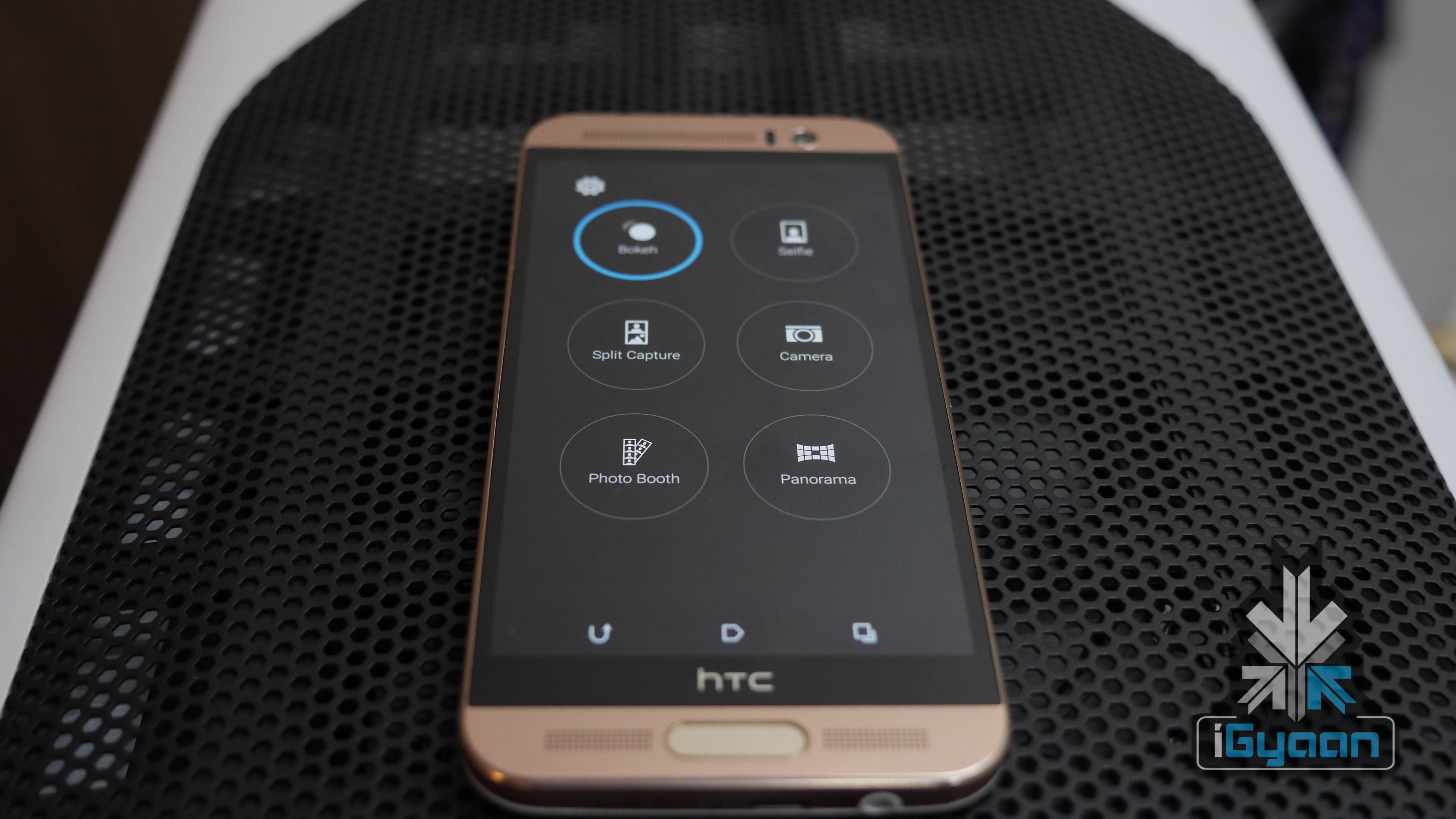
The Camera App is in-depth and features a lot of the capabilities of HTC devices seen in the past, galleries and Zoe are now independent apps with independent cloud storages. This complicates things for first time users, but in the longer run, makes sense. You also get the usual filters and effects along with post capture edits, which were all a part of HTC’s Sense.
Rear Camera Bokeh Effect
Rear Camera Indoor
Wide Front Camera
Front Ultrapixel Camera
Performance and Gaming
The handset scores roughly 46-48k on Antutu 64 Bit benchmark, which is impressive taking into consideration, the price. However, most of the performance which may not appear on benchmarks can been seen in real time usage.
The handset will almost never lag. In the 2 weeks of usage, the handset has not slowed down and transitions remain smooth, despite consuming large parts of the storage and or RAM.
Gaming remains impressive, the 120 Hz refresh rate of the display helps tremendously. Boom sound adds to the experience and so does the impressive touch screen. The good thing is that the device does not heat up despite increased usage, or high periods of gaming.
Phone Networks and Battery
The HTC One ME accepts dual LTE sim cards, both of which need to be nano sim cards. Network strength is great and so is the audio on both sides. Both sim cards can run LTE data packs and can be switched, depending on your convenience or usage scenarios.
Battery life was impressive due to high levels of optimizations and range point locks. Despite several rumours of poor battery life, we did not face any such issues with the handset. On our handset, the battery life was rather impressive. We got an average of One day plus use. Another thing to brag about is the quick charge capability of the handset. The One ME reaches a full charge in just over an hour, 50% recharge can be achieved in about 15 minutes of time.
Type of Usage
Battery Life Expectancy
Phone Calls
5 Hours
Standby
3 Days
Gaming
3.5 Hours
Music Playback
11 Hours
Internet
7.5 Hours
Fingerprint, Blinkfeed and New Sense 7
The new style fingerprint scanner utilised by HTC is better by leaps and bounds. Versus the previous ten scanners, which required you to slide your finger across, the new “Apple Touch ID” style scanners are efficient and very usable. This makes your phone private and safe. You can easily unlock your device in the presence of others, without revealing your passwords or unlock patterns.
Fingerprint Sensor
The new Blinkfeed is far more seamless and smooth. The UI is easy and very pleasing to the eye, HTC has improved the layout of the content and things like fonts and colours have been tweaked to appear easy to the eye. You can now simplify content and chose what feeds you want, within your Blinkfeed. You can also set up custom channels for the same, to allow you to reach directly to your favourite feeds.
Sense 7 is a mega improvement over previous Sense UIs, more because of the way pure android is available to the consumer. The UI is far more simplified and streamlined, less invasive and does not come loaded with bloatware. Essentials like the “Zoe” feature and the “One Gallery” are cloud-only apps that serve a simple purpose.
Customisation has been HTC’s forté and it remains so, in the new Sense 7 on the new HTC One ME. The UI is extensively modifiable, and if you don’t like the BlinkFeed on the left you can simply use a third party launcher and replace it all.
Conclusion
HTC may not have gotten a lot of things right this year, but their devices in the Indian market show that the company has chosen the right things at the right time.
The HTC One ME is one such example. With Snapdragon not performing well on their current lineup of chipsets, HTC went with MediaTek and their latest “premium” chipsets. This has made the devices a lot more stable. However, this has also made one handset considerably vary from another. Some report of lag and battery drain while others, like us, appreciate the long battery life on our handset.
MediaTek aside, the HTC One ME is the plastic equivalent of the all round phone. The impressive display, great camera, excellent battery and seamless performance on our handset, makes us want to like it a lot. Just like any other scenario alternates do exist and with the S6 becoming cheap, a fixed storage and single sim is something that may make you pick the HTC One ME with its Dual Sim and 2TB expandability. However the S6 performs better and looks damn good.
A few days ago, we did a story on how HTC ultimately become one of the biggest mobile phone manufacturers known for its design, OEM branded devices and its trademarked user interface in the world, all thanks to Cher Mi Wang, H T Cho and Peter Chou, who collectively established the company.
HTC, which stands for High Tech Computer, has been making smartphones longer than almost anyone. Years ago, it HTC was known for creating Windows Mobile devices that were rebranded by AT&T, O2 and other companies. But thanks to its early embrace of Android with the T-Mobile G1 and Google Nexus One, HTC has risen to stardom, becoming a brand of its own and holding its own against mobile industry veterans like Motorola and Samsung.
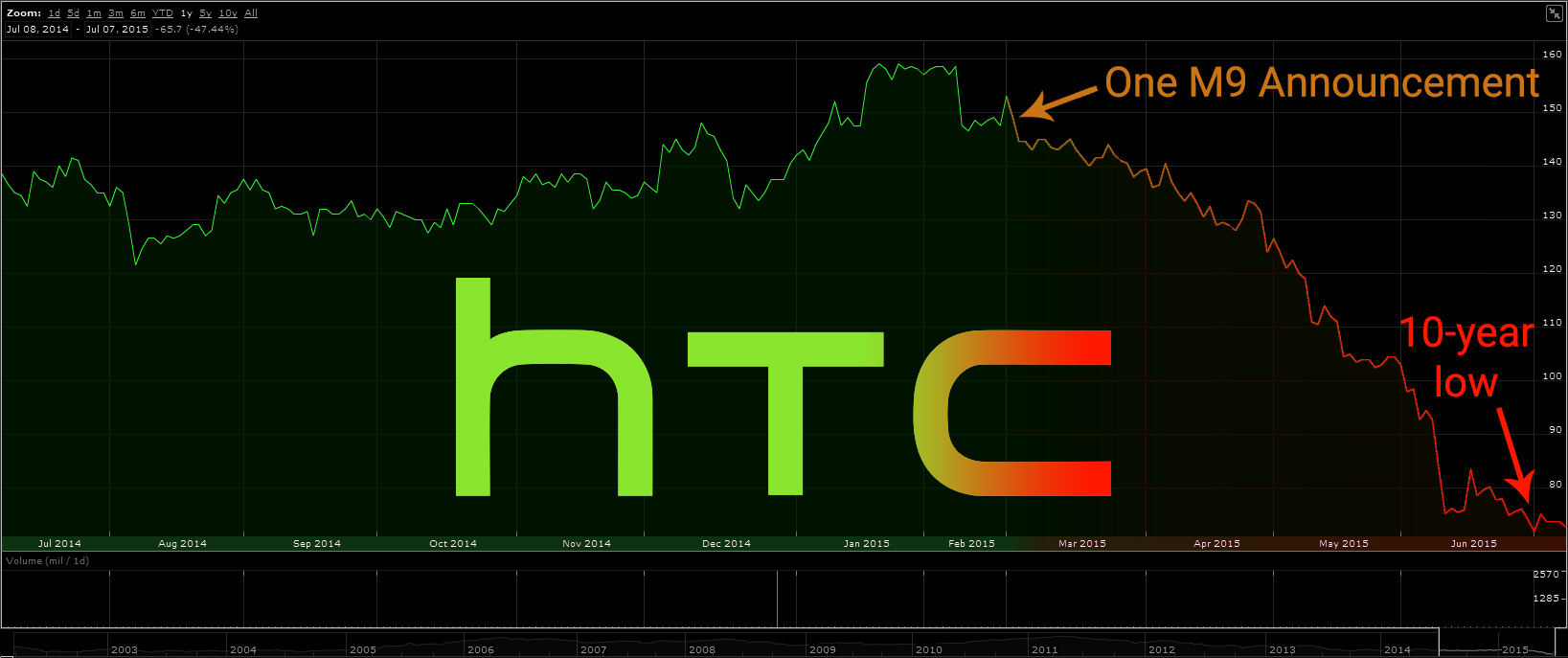
It seems 2015 has not really been a good year for HTC. HTC says their financial figures for its second quarter of 2015 lost 24 cents (or pence) for every dollar (or pound) of revenue it took. After four quarters of thin profits, the business just fell rolling off a cliff. In March, the company had a market cap of $4.06 billion, and today—only a few months later—it is worth less than half of that. The trend is downwards — year over year, HTC’s monthly revenue was down 38% in April, 48% in May, and 60% in June.
We can see in the graph that the HTC One M8 was the last peak of the HTC growth rate before starting to dwindle. The HTC One inspired an emotional connection, unusual in a generic market. The mobile won lots of phone-of-the-year awards. It joined a striking design to the smartest and most polished of all the leading user-interface skins. Surely, you would think this would turn into sales? It did, but only up to a point.
In the past few years, HTC chose to concentrate on the high-margin end of a cut-throat market, and outsourced manufacture of cheaper models to cut costs. Without an active portfolio, it couldn’t capitalize on any “halo effect” from all the rave reviews of the M8.
Also, the trademark design of the flagship didn’t change to the plastic E8 while the One Mini 2 married the One’s high-quality body and design to an underpowered engine. Neither screamed “buy me.”
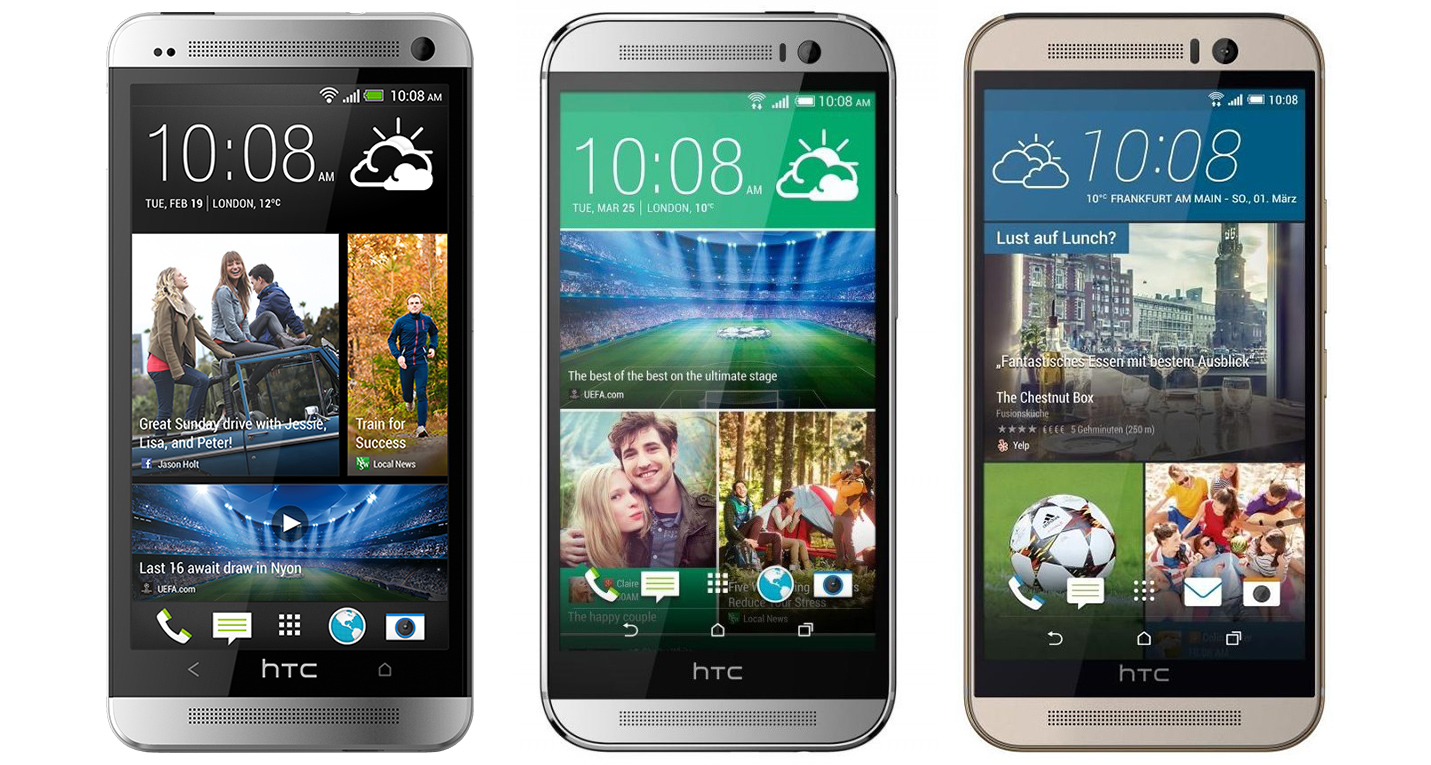
The last three years of HTC flagships: The One M7, M8, and M9.
Samsung “recovered” in 2015 because it had used years spending a vast amount of debt on marketing and advertising. HTC had underinvested in marketing and hardly made a few good advertisements. HTC never published sales numbers for the M9, but our guess is they were never good. Reports from the supply chain suggest that HTC could cut component orders for the M9 by 30 percent. One major US carrier even left out the M9 from its lineup due to “lackluster sales.” The M9 flagship is not the reason of all of HTC’s woes, but it’s a good indicator of the company’s problems. In its Q2 guidance revision, HTC accused its economic problems on “slower demand for high-end Android devices and weaker than forecast sales in China.” The only other high-profile device the company makes is the Nexus 9, which ended up being an overpriced tablet with inferior build quality.
So will HTC survive or manage a comeback? We will never know for sure, not up until something changes. However, things are not looking great for the Taiwanese brand at the moment.
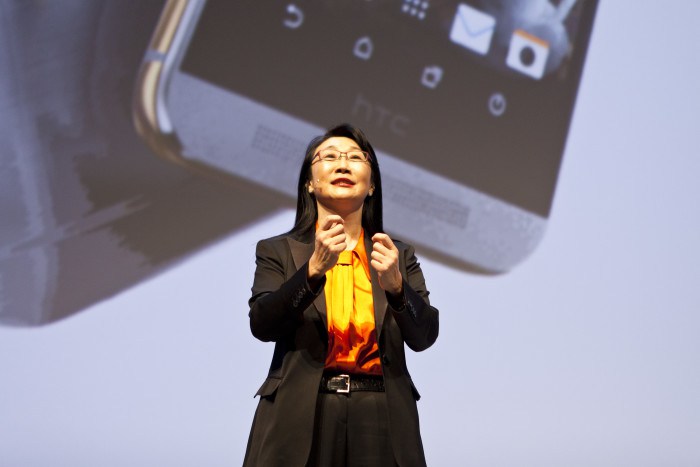
It is said ‘Behind a successful man is a successful woman.’ Well, in this case, the saying is changed a little bit to ‘Behind a successful company is a successful woman.’ The story of High Tech Computer Corporation revolves around a damsel as well. Her name is Cher Mi Wang, daughter of one of the richest family in Taiwan. In 1997, she entered into a partnership with H T Cho and Peter Chou, who collectively established the company that would eventually become one of the biggest mobile phone manufacturers known for its design, OEM branded equipment and its trademarked user interface in the world. Yes, HTC.
History
The project was not successful at first which led to the consumption of large amount of capital. Disaster was almost inevitable. But, the family riches came to rescue for Cher Wang. Cher Mi Wang had to pour in a lot of her own wealth into the company to develop a solid engineering and designing team. Also, a new course was set, and HTC agreed to develop products for other brands. This bet paid off and today, the company boasts of an innovative and productive team that comes up with mobile devices that are refined, sophisticated, contemporary and practical. HTC has always been different from other mobile device manufacturing companies.
Cher Wang
Rather than resorting to flashy promotion campaigns, HTC quietly edged out its competition by adopting a new slogan. The masterstroke came with the motto – Quietly Brilliant – which bestowed the image of a simple yet excellent company. This transit gave birth to the new and more successful HTC!
Later on through the years, the company is attributed with creating the first Android smartphone, the first Microsoft-powered smartphone (2002), and the first Microsoft 3G phone (2005). Their first major product, one of the world’s first touch-screen smartphones, arrived in 2000.
First of the First
HTC is credited with releasing some of the first techs that are now being used by a majority of the world population now. Some of which are
Introduces first Microsoft Smart Music Phone (2004): Pocketable phone, business tool, PDA, WiFi hotspot surfing buddy and MP3 player, camera phone, streaming video player and GSM world phone. Yes, the phone fitted all of this into a device of reasonably modest proportions, and it weighs only 3.74 ounces. Like most PDA phones and Smartphones that ran Windows Mobile 5.0, the SDA came from ODM HTC in Taiwan and codenamed to the HTC Tornado. The first of its kind!
First Microsoft Windows Mobile 5.0 Smartphone made by HTC (2005): It was the first 3G/UMTS-enabled Pocket PC phone, and also the first to come with Windows Mobile 5.0 pre-installed. The most eye-catching feature of this device was the 180-degree swivel screen, allowing a swift interchange between portrait mode and landscape mode. The GUI automatically adjusts screen orientation accordingly.
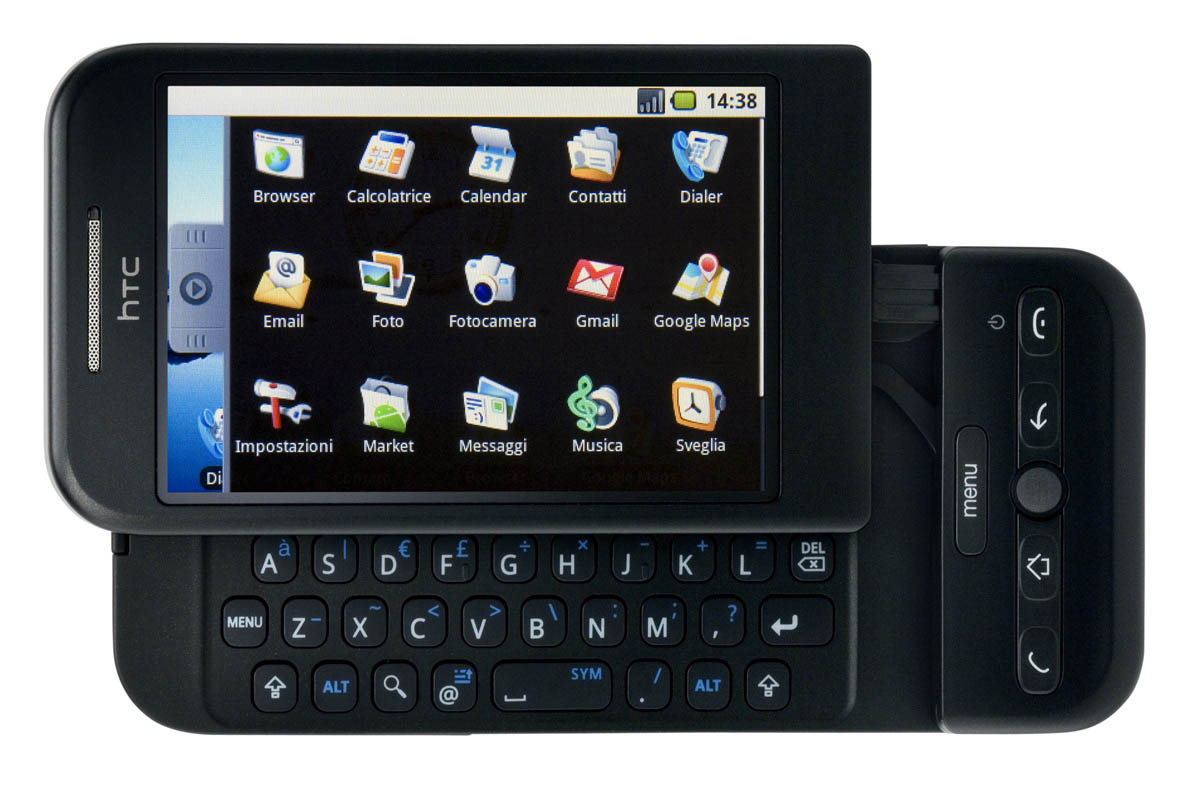
Releases world’s first Android phone, the HTC Dream (2008): First released in October 2008, the Dream was the first commercially released device to used the Linux-based Android operating system, which was purchased and further improved by Google.
The operating system offered a customizable graphical user interface, integration with Google services such as Gmail, a notification system that showed a list of recent messages pushed from apps, and Android Market for downloading additional apps. While the Dream was commended for its solid and robust hardware design, the introduction of the Android operating system was met with objection for its lack of specific functionality and third-party software in comparison to more established platforms. But, in spite of its shortcomings, Android OS was still considered to be innovative due to its open nature, notifications system and massive integration with Google’s services.
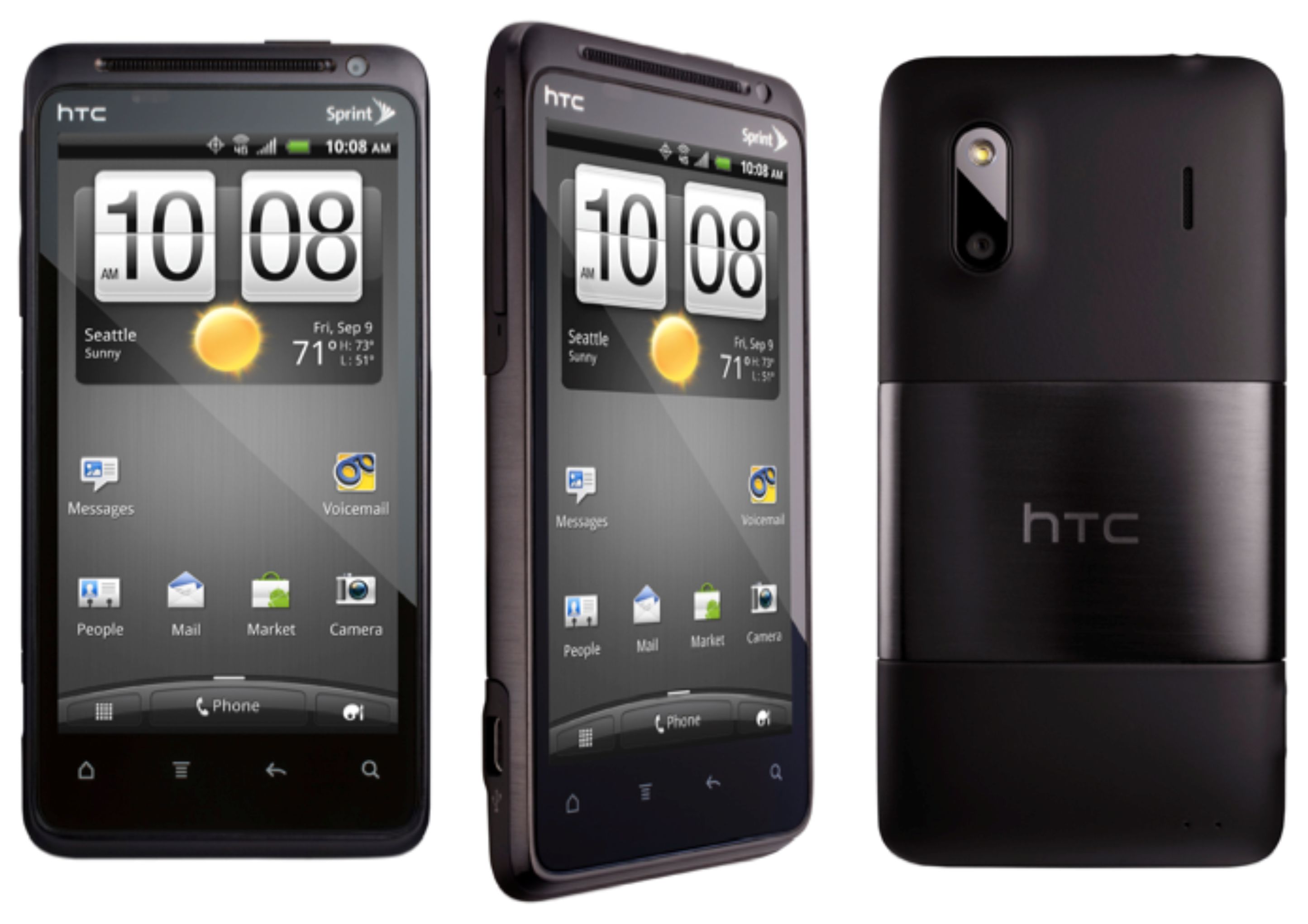
Launches the HTC Evo 4G- the first 4G phone in the US (2010): The HTC Evo 4G was a smartphone developed by HTC Corporation and was marketed as Sprint’s flagship Android smartphone, which ran on its WiMAX network. The smartphone was released on June 4, 2010 and was the first 4G enabled smartphone released in the United States.
Controversies and Legal Affairs
In March 2010, Apple filed a complaint with the US International Trade Commission claiming infringement of 20 of its patents including features of the iPhone user interface and hardware by HTC. HTC objected with Apple’s actions and restated its commitment to creating innovative smartphones. HTC also filed a charge against Apple for infringing on 5 of its patents and tried to ban the import of Apple products into the US from manufacturing plants in Asia. Apple extended its original complaint by adding two more patents.
On November 10, 2012, Apple and HTC arrived at a 10-year license agreement covering current and future patents held by the two companies. The terms of the agreement remain classified.
In February 2013, HTC decided with the U.S. Federal Trade Commission concerning lax security on more than 18 million smartphones and tablets it had shipped to customers and agreed to security patches.
Products
HTC, which stands for High Tech Company, has been making smartphones longer than almost anyone. Years ago, it made a business out of creating Windows Mobile devices that were rebranded by AT&T and other companies, but thanks to its early support of Android with the T-Mobile G1 and Google Nexus One, HTC has risen to stardom, becoming a brand of its own and rivaling mobile industry veterans like Motorola and Samsung.
This year, HTC came out with a variety of products like HTC One M9+, HTC One ME, Desire 826, and much more. Each phone has different features and appeals to its masses effectively.
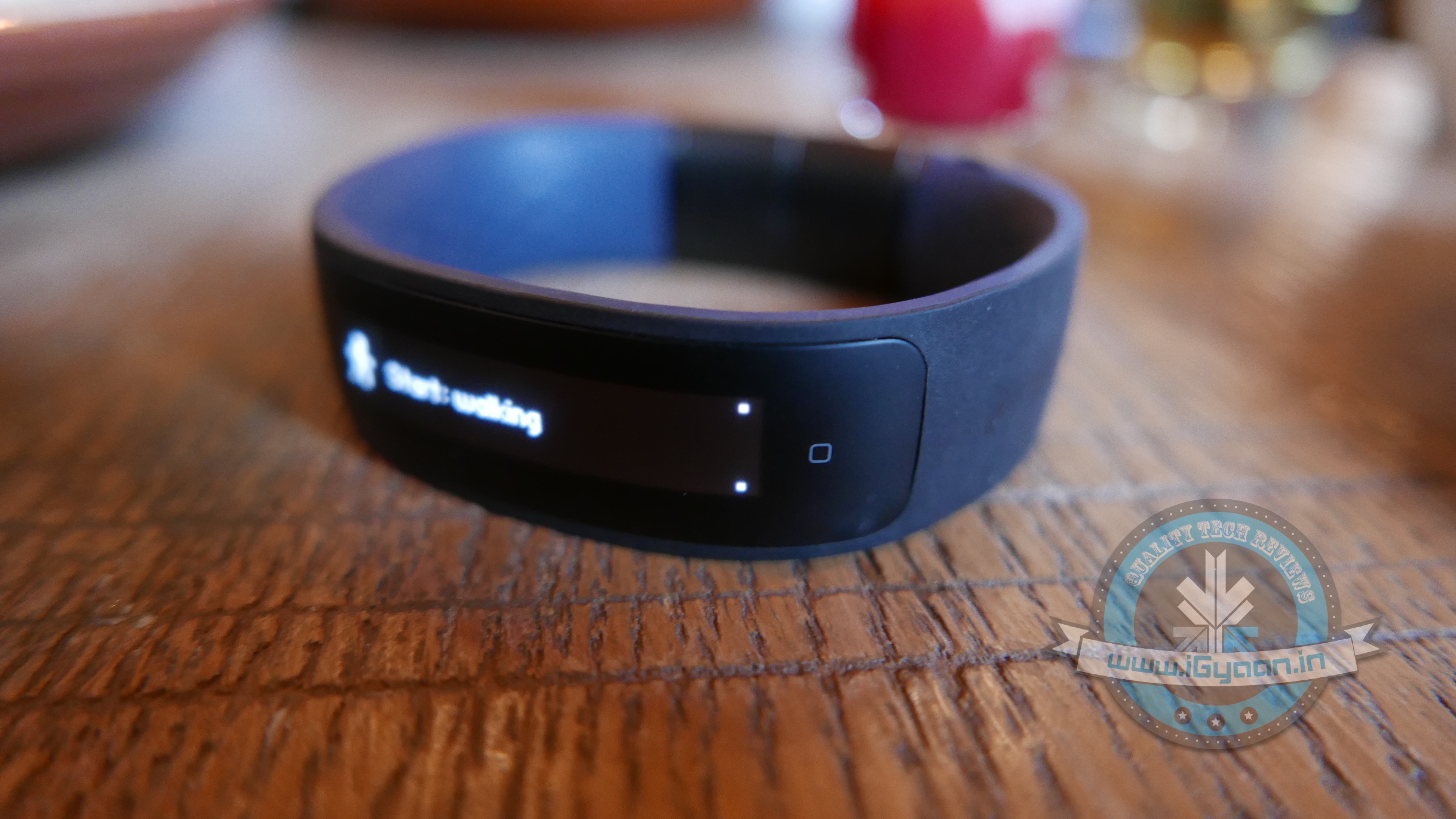
HTC unveiled its first high-performance, smart fitness tracker, the GPS-enabled HTC Grip™ in March.
Powered by UA Record, the new health and fitness network from Under Armour designed for athletes and fitness enthusiasts, Grip fuses HTC’s renowned design with powerful, accurate tracking across a range of sports and activities, allowing athletes to set personal goals, then smash them. Indeed, a different innovation by HTC!
Now
HTC’s brilliance and excellence are further strengthened by its long-standing partnership with Microsoft. HTC has been slowly but surely helping Microsoft capture the mobile telecommunication industry by advancing to unique and efficient operating systems. Today, HTC is seamlessly poised to overhaul other Chinese mobile telecom device manufacturing companies, including Lenovo and Haier. HTC concentrates on value-addition and modification. The company has demonstrated time and again that self-confidence, ambition and drive are what make it different and unique. These have been the stepping stones to international repute.
John Abraham Becomes HTC’s Brand Evangelist
HTC shines by the power of innovation. It built HTC’s Magic Labs, a Center for developing innovative breakthrough outcomes guaranteed to improve the world of technology in the years to come. HTC understands that success starts where it ends – with the customer. Even today, every device is worked to suit customer’s multiple needs. This is truly inspirational for companies that want to make customer service an art form. The first successful step in this endeavor was becoming the leader in the production of the more and more popular Windows Mobile smartphones.
HTC has been following the brand evangelist story for a couple of years. With Robert Downey Jr. taking the reins of the title globally, the new look and brand direction for HTC was formed. This was also a first step in their “Here’s to Change” campaign.
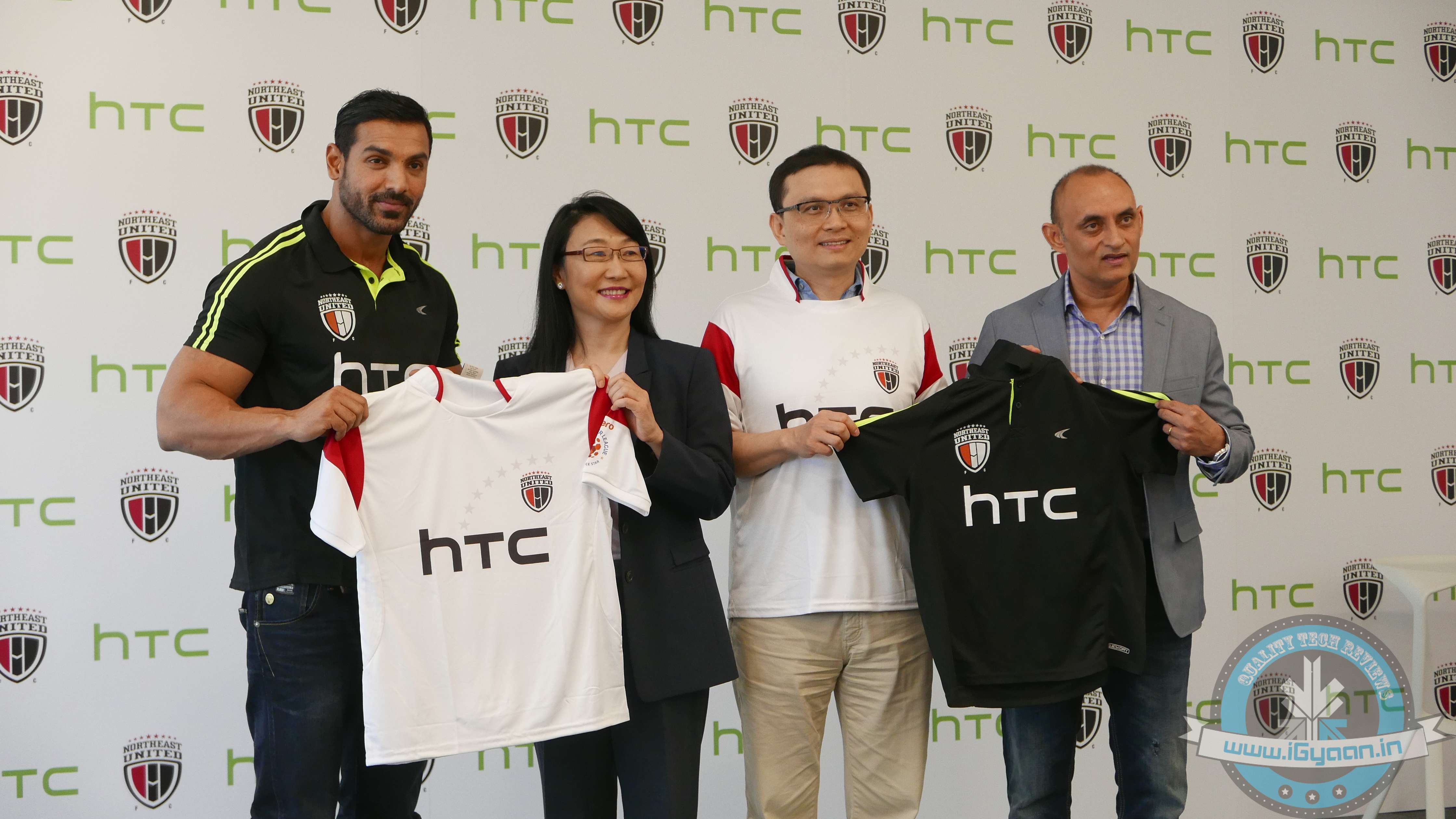
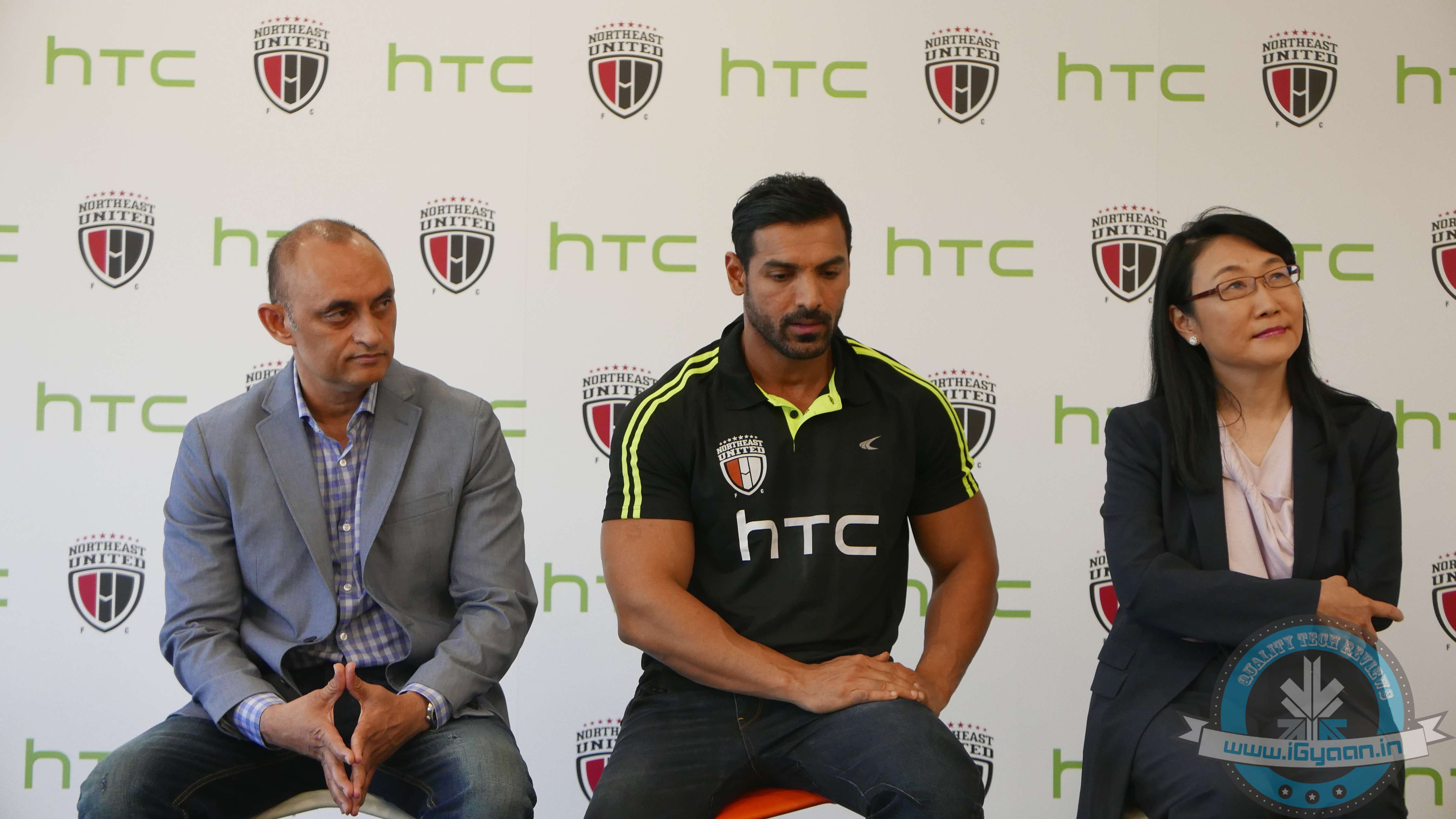
HTC yesterday unveiled its new jersey in partnership with Northeast United Football Club, which is a team owned by John Abraham. The Partnership goes into its second year as HTC remains the title sponsor for the team.
HTC stands for substance and elegance, it and has a strong connection with the youth; traits which are amply reflected in my own life. We are delighted that HTC will be supporting us again this season and I look forward to further strengthening our relationship over the next two years.
-John Abraham
John will also lead the Taiwanese company’s brand operations in the Indian market. With experience in marketing prior to his stint as a full time celebrity John claims that he has a right balance in and is the correct person for the position.
The Indian Super League kicks off on 3rd October and will last through December 2015. However, HTC and John Abraham will continue building ideas for the brand for the next two years.
HTC has a new handset on the block and it is called the One ME. With improvements in terms of hardware and software all around, the One Me also features a matte finish back, 2 TB micro SD support and the latest Sense 7.0.
In the box :
A HTC One ME Handset
USB power Cable
USB Wall Charger
In Ear Phones
Ear Tips
Documentation
HTC has taken the new design philosophy of the One M9 and tricked it down to the One ME. With the Notorious new chipset in there, many will ask why HTC decided to go with Mediatek.
The Helio X10 chipset has promising capabilities, it supports display refresh rates of up to 120Hz and slow-motion video recording at up to 480fps at an undisclosed resolution. The Helio X10, which is a 64-bit chipset with eight Cortex-A53 cores clocked at 2.2GHz also has the PowerVR G6200 GPU.
Hardware wise the One Me packs a good set, a 2K display, 3 GB of RAM and 32 GB of storage which can go upto 2TB with the use of an external microSD. However only recently a 200GB card was released, 2TBmight be further away than expected.
Specifications
HTC One ME
Display
5.2-inch Super LCD3
Resolution
WQHD 1440×2560 pixels : 565 ppi pixel density
Chipset
MediaTek Helio X10
Processor
Octa-Cora 2.2 GHz
GPU
PowerVR G6200
RAM
3 GB
Storage
32 GB
MicroSD Support
Yes, Upto 2TB
Rear Camera
20MP, f2.2, BSI Sensor, 4K Video Recording
Front Camera
HTC Ultrapixel, f2.0
Battery
2,840mAh
Operating System
Android Lollipop 5.0.2 with HTC Sense 7.0
Price
Rs. 40,500
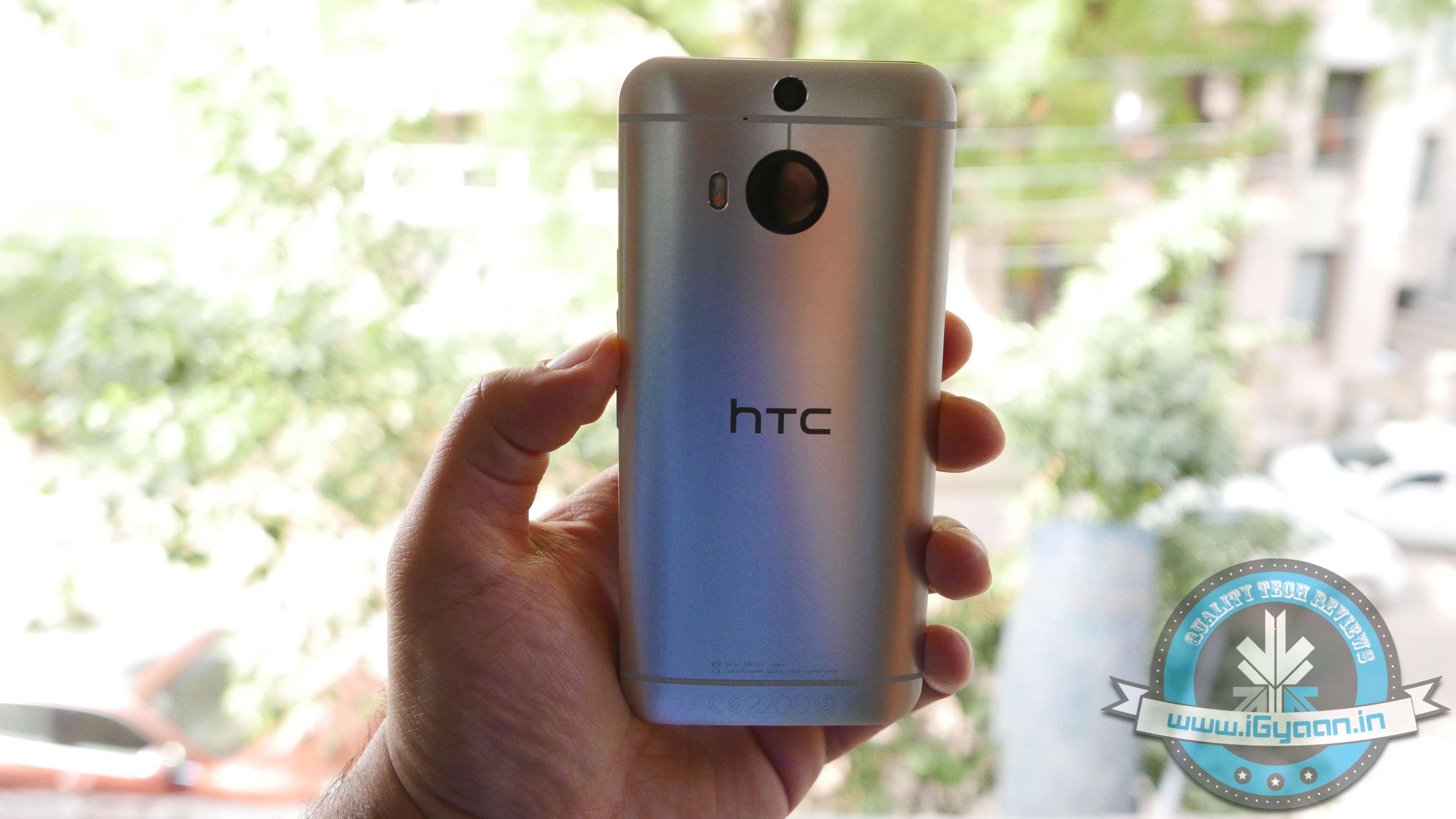
The handset feels greta in the hand, this White with gold colour is synonymous with the HTC One E9+, however the One ME has a matte white back as opposed to the glossy white on the E9+ . The accents are polished in a rose gold and look fantastic. Rose gold is also used in the front metal parts and the bezel along with the frame which is one single unit, and again looks elegant.
With our initial usage the phone has not heated up, despite rumours, however we are testing further.
Today, HTC launched Desire 826 in India. This is the 20th addition to the HTC Desire series, which was first launched in 2010. The Desire 826 runs on Qualcomm Snapdragon 615 octa-core 1.7GHz 64-bit processor and uses Android Lollipop with HTC Sense. The phone comes with 2 GB of RAM and has a storage capacity of 16 GB, which can expand upto an additional 128 GB.
A dual SIM phone, it supports 2G, 3G, CDMA and 4G LTE, which will lure the Indian users towards it. The battery capacity is 2600 mAh, which seems a little less since the phone is supporting four different types of network.
HTC claims that the 5.5-inch display with 1080p resolution will bring “cinematic quality to your mobile world”. To enhance the audio, HTC has used HTC BoomSound with Dolby Audio, just like in the One ME phone, which was launched yesterday.
The Desire 826 sports a 13 MP rear camera and an UltraPixel front camera, both capable of recording video in 1080p resolution.
The phone is available in a variety of colors such as White Birch, Blue Lagoon and Purple Fire. The phone can also be customised with HTC Dot View Case.
HTC Desire 826 will be made available in India by the end of June 2015 and is priced at Rs. 26,900.