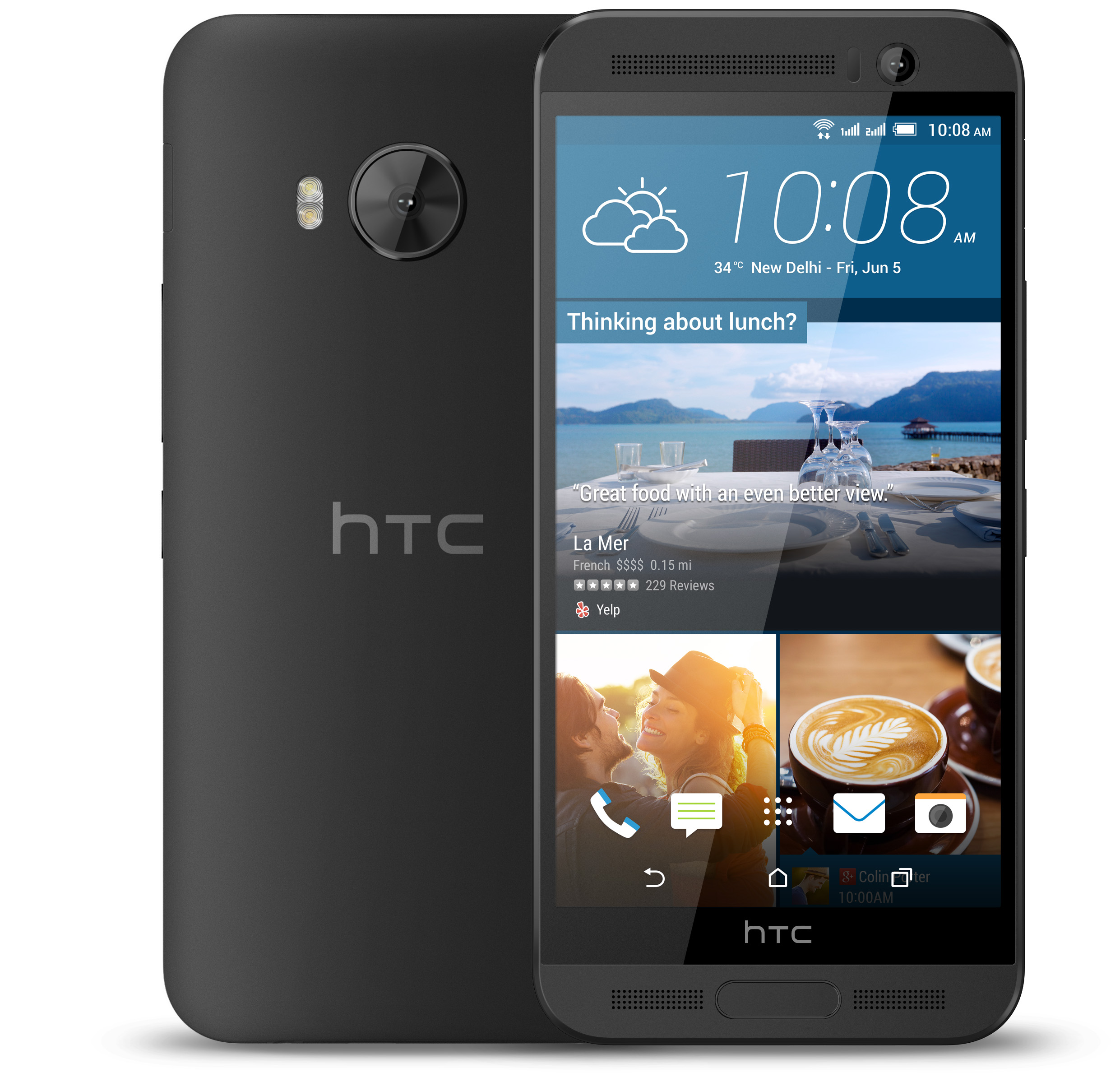
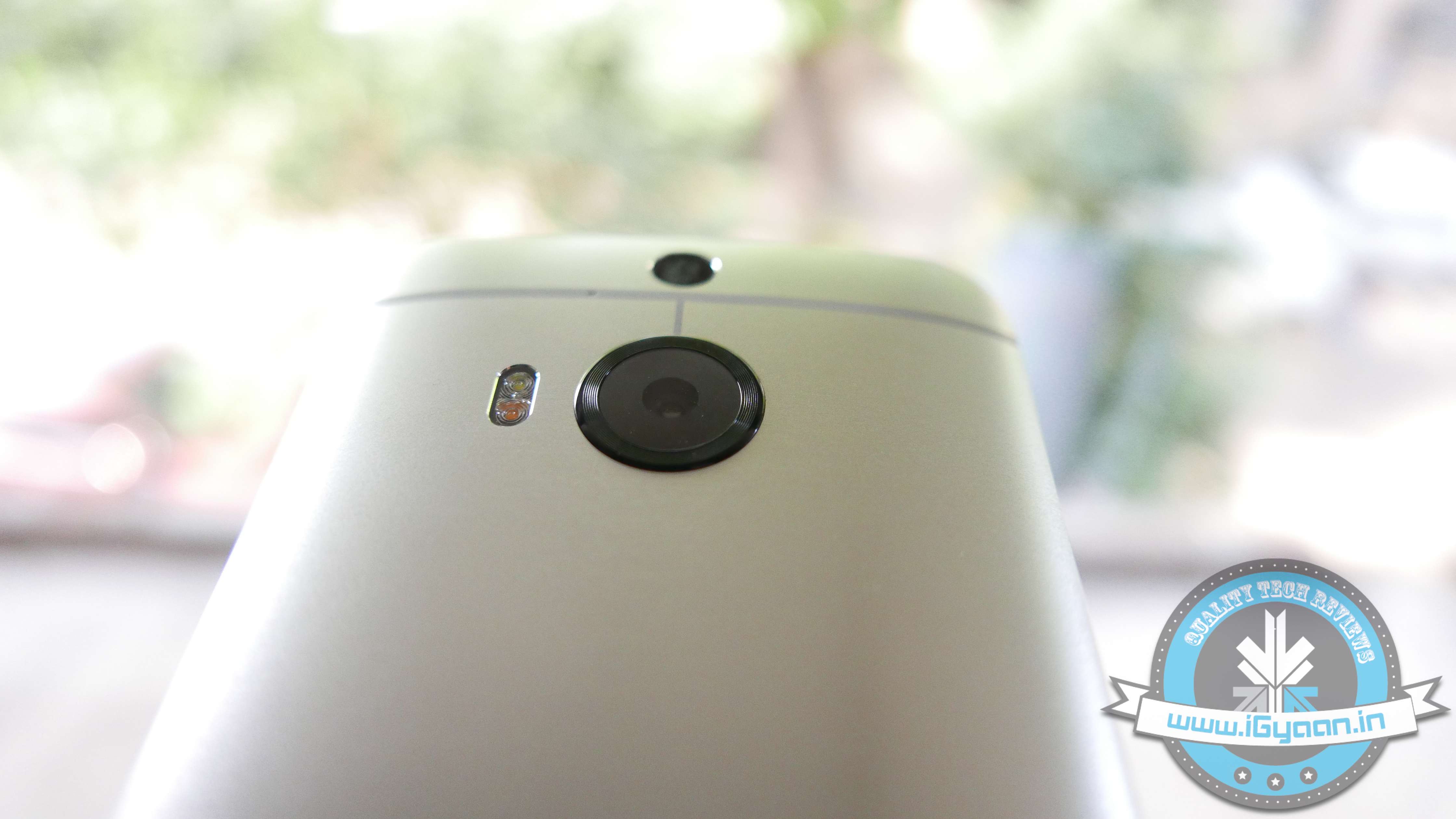
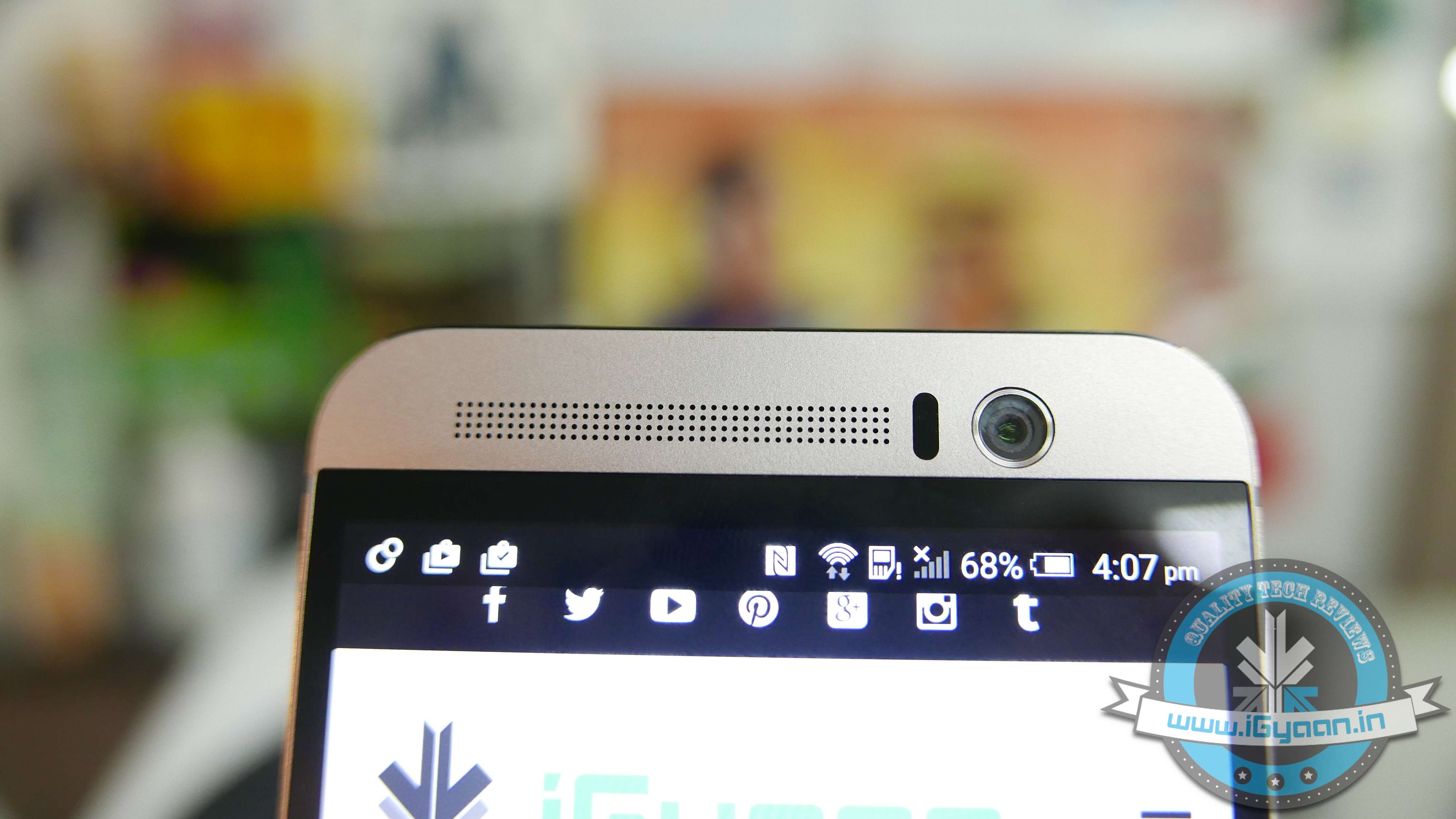
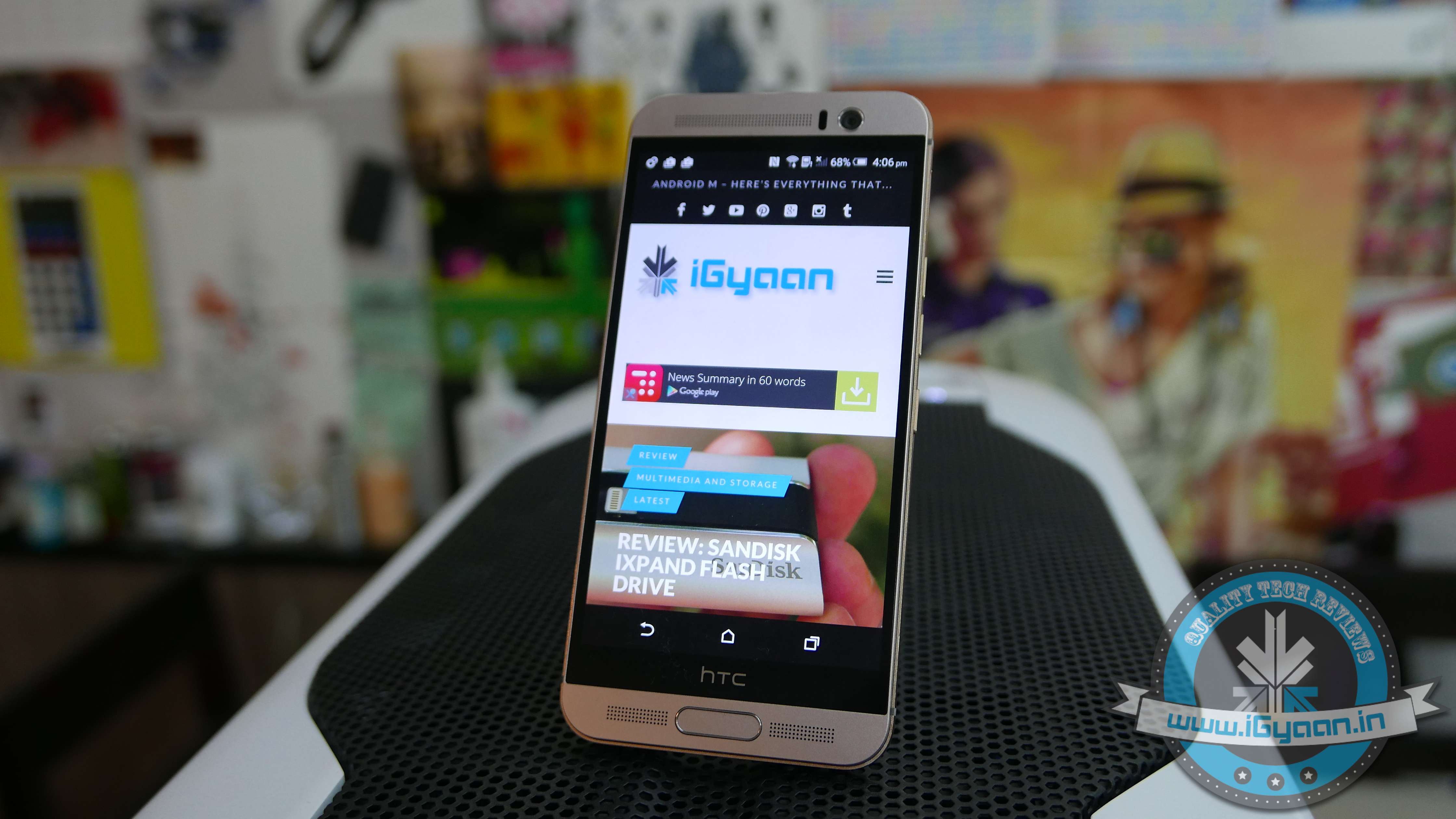
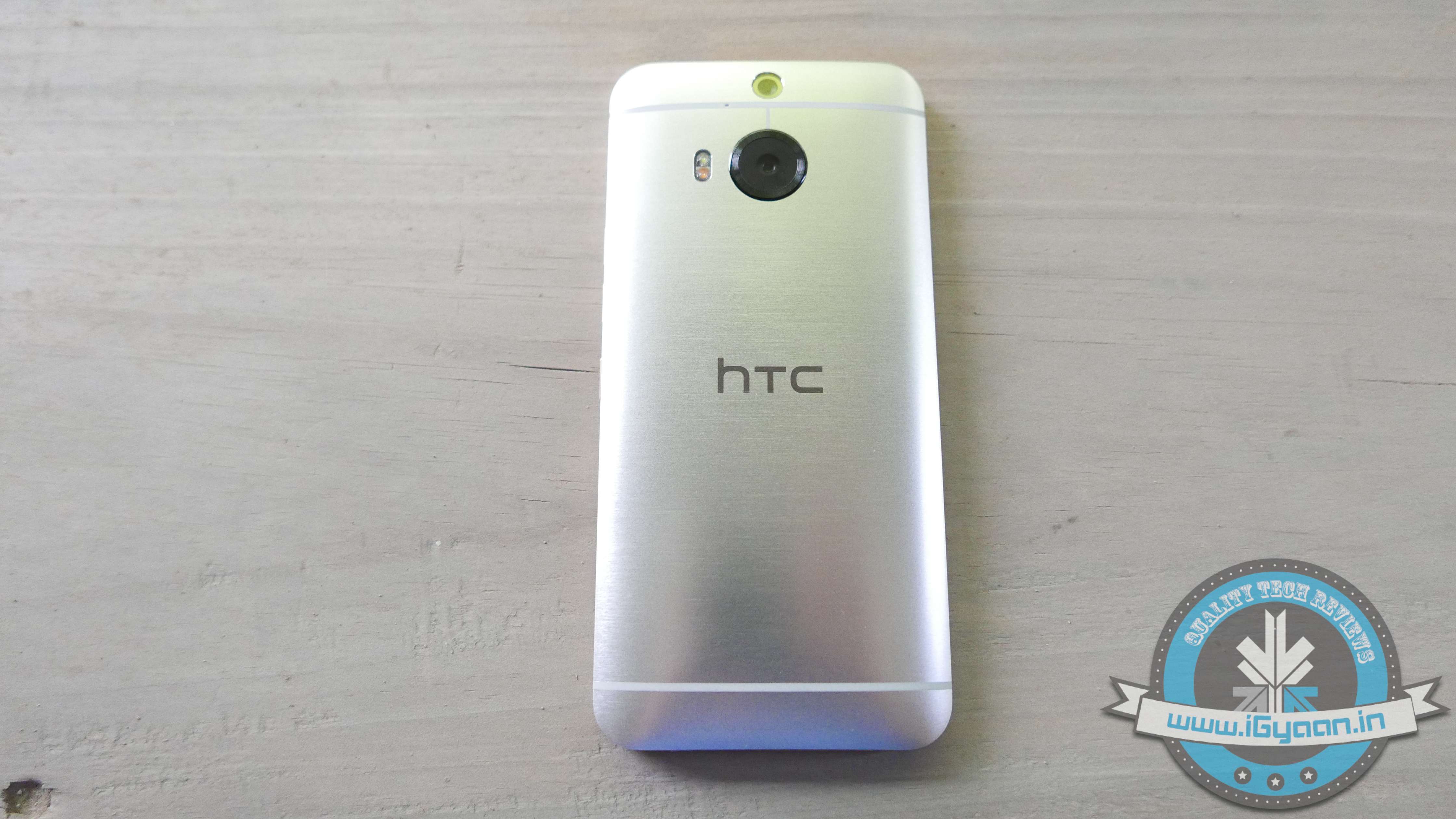
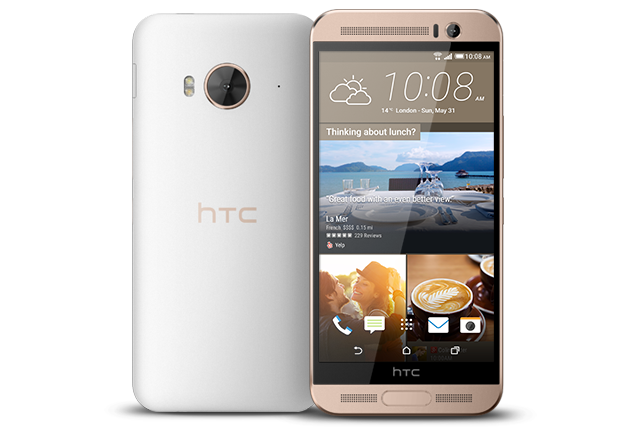
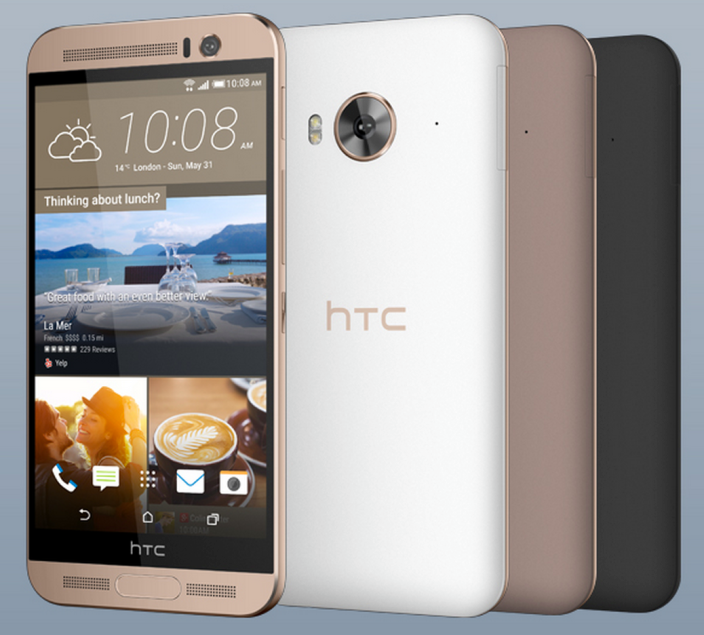
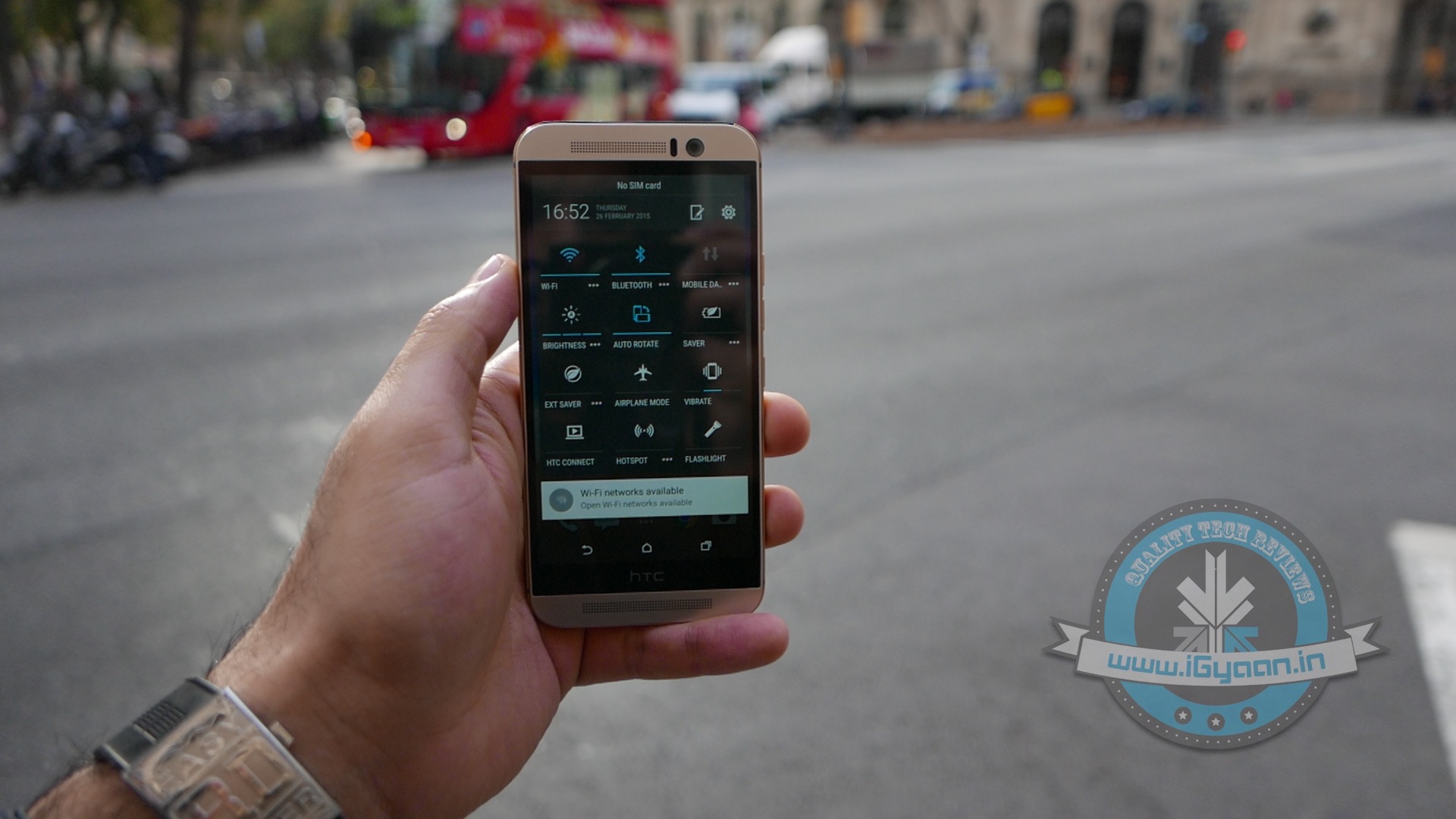
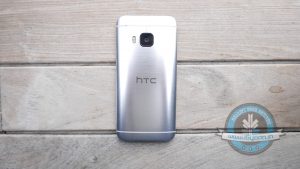
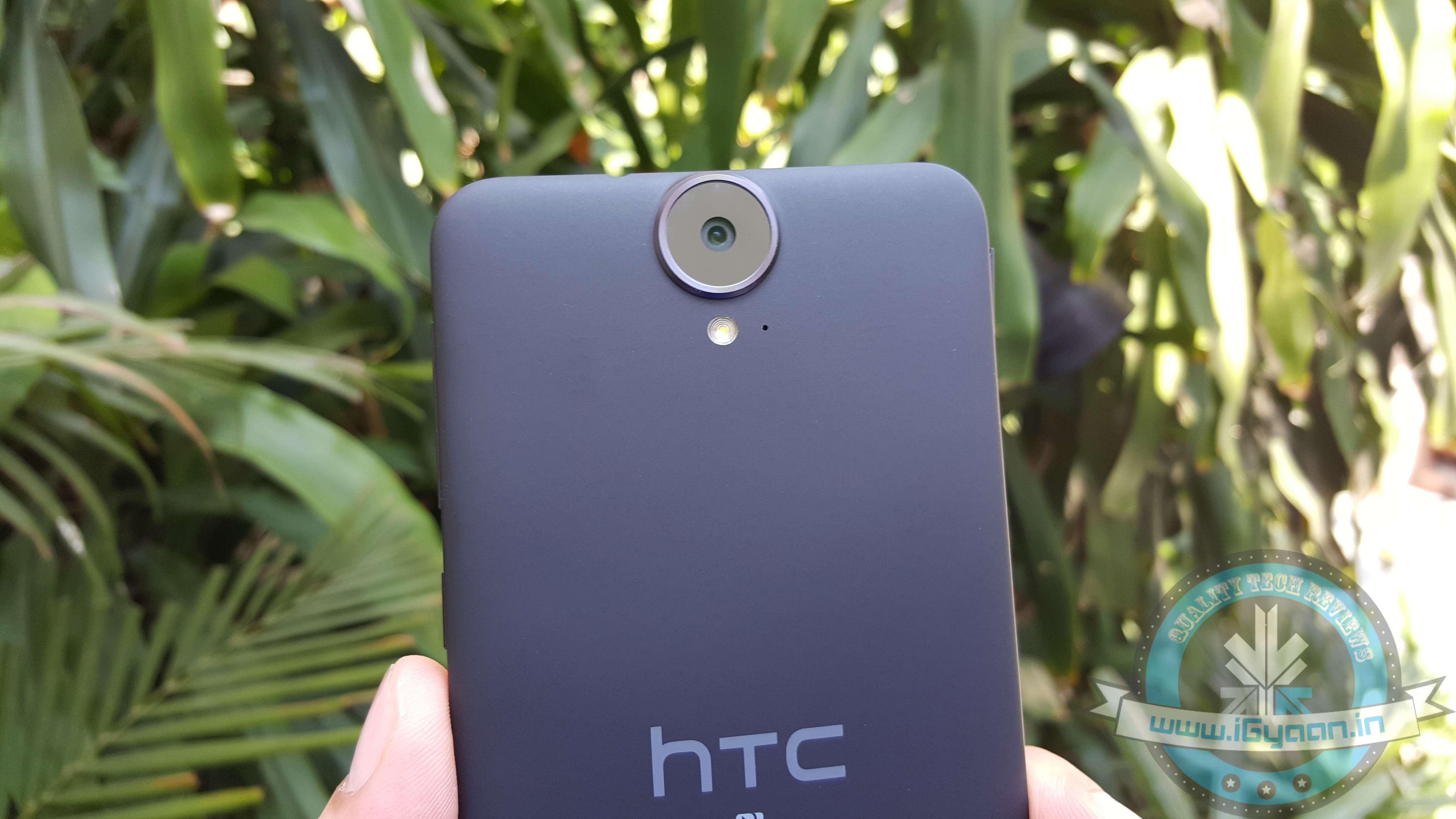
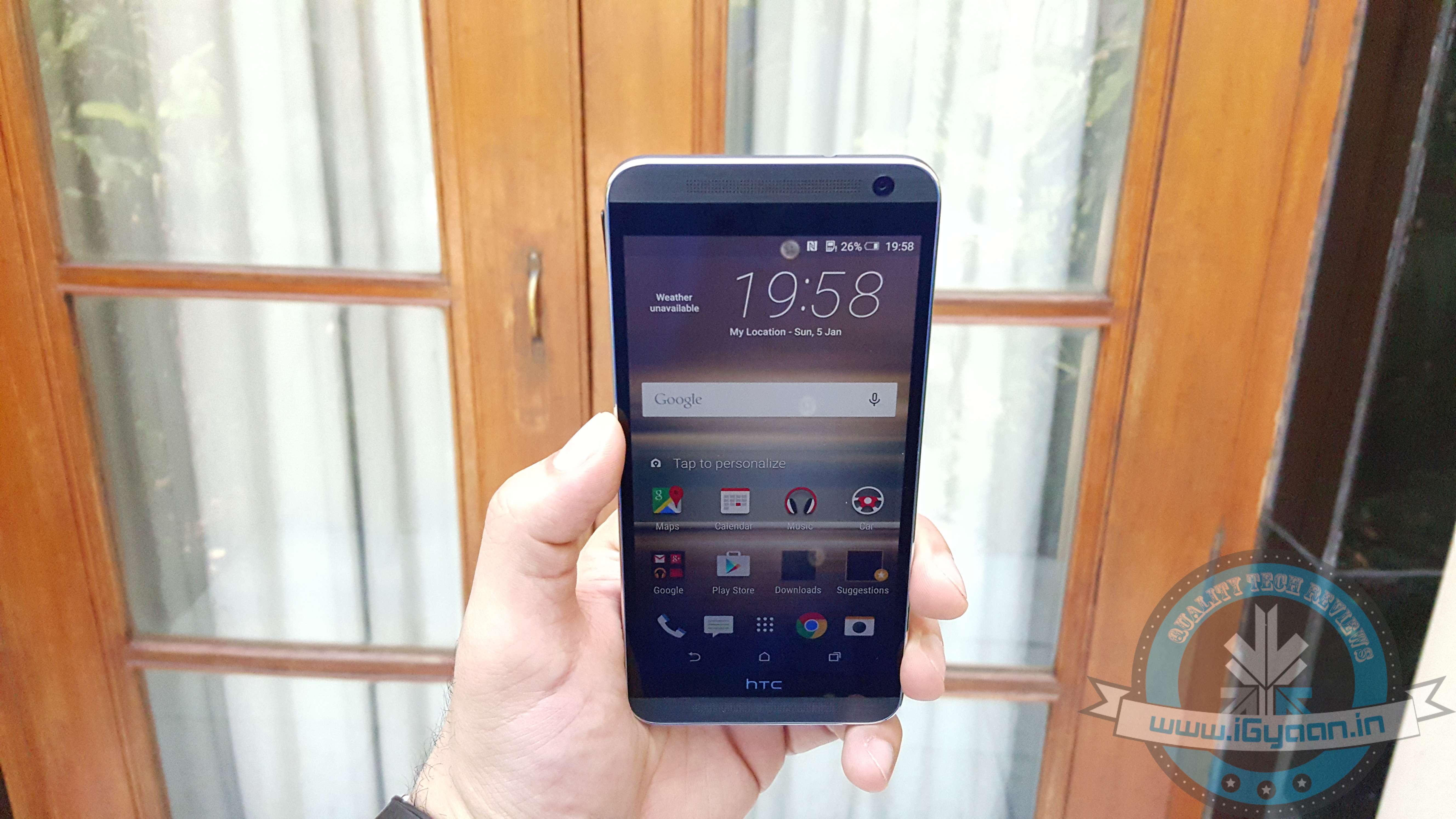
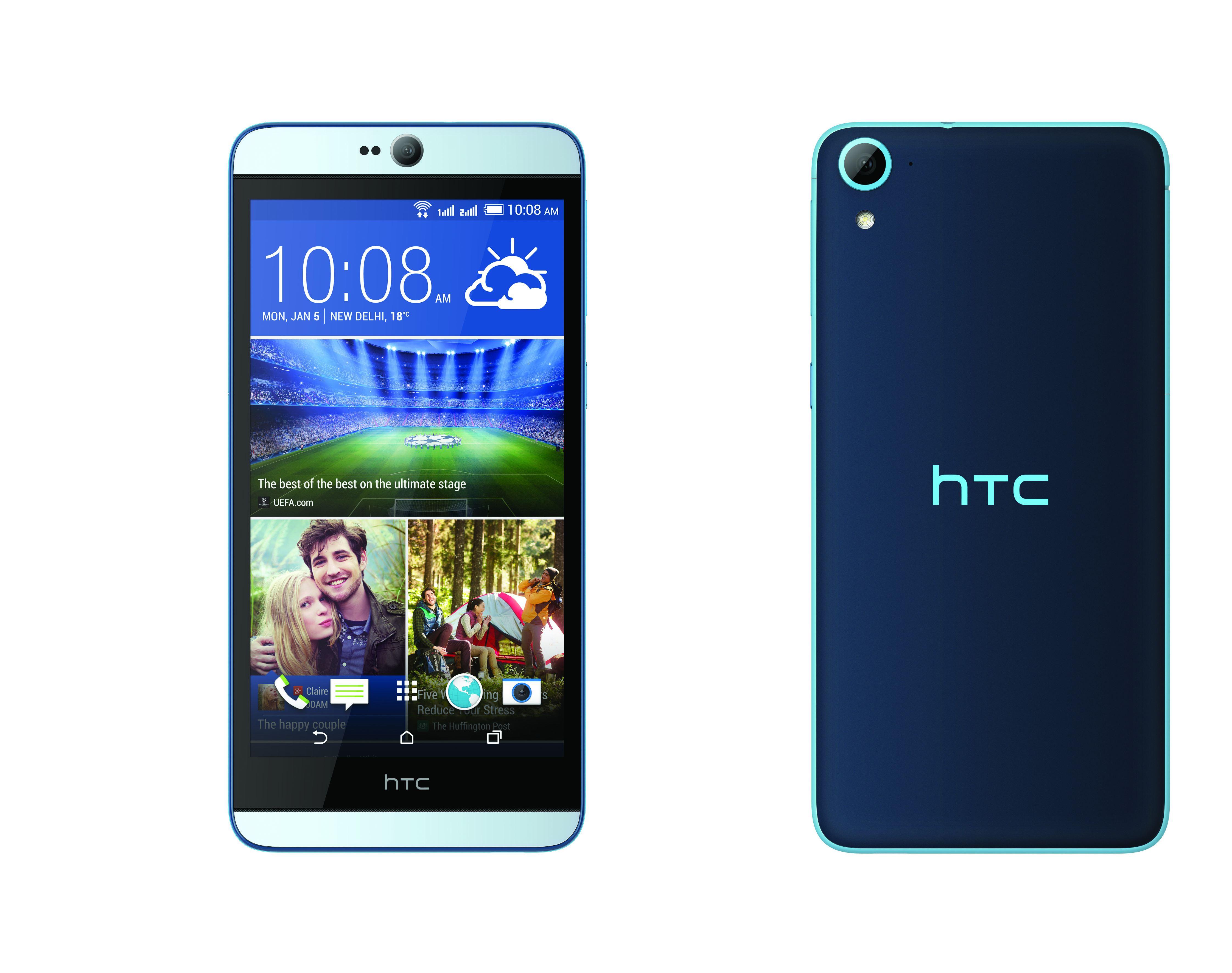
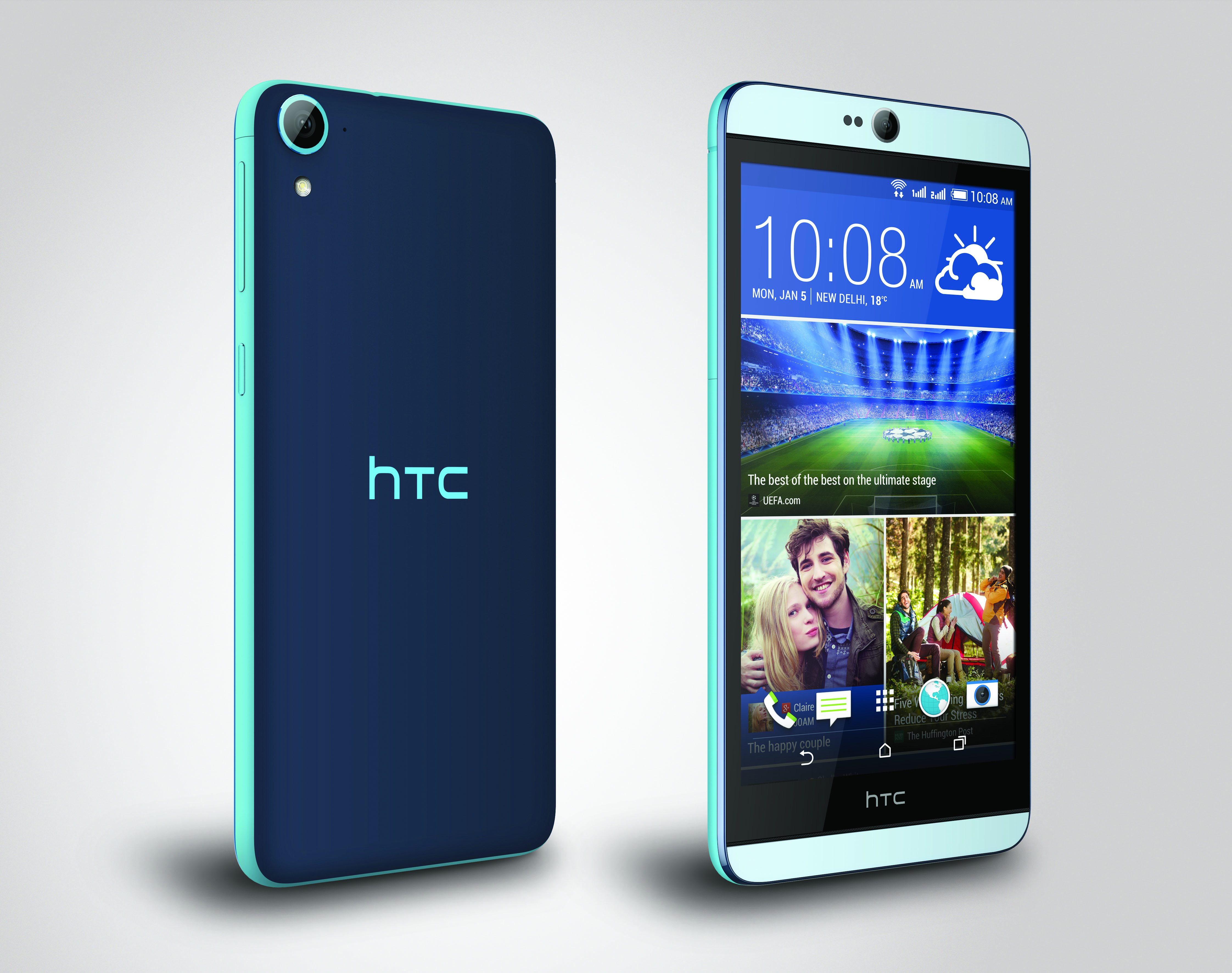
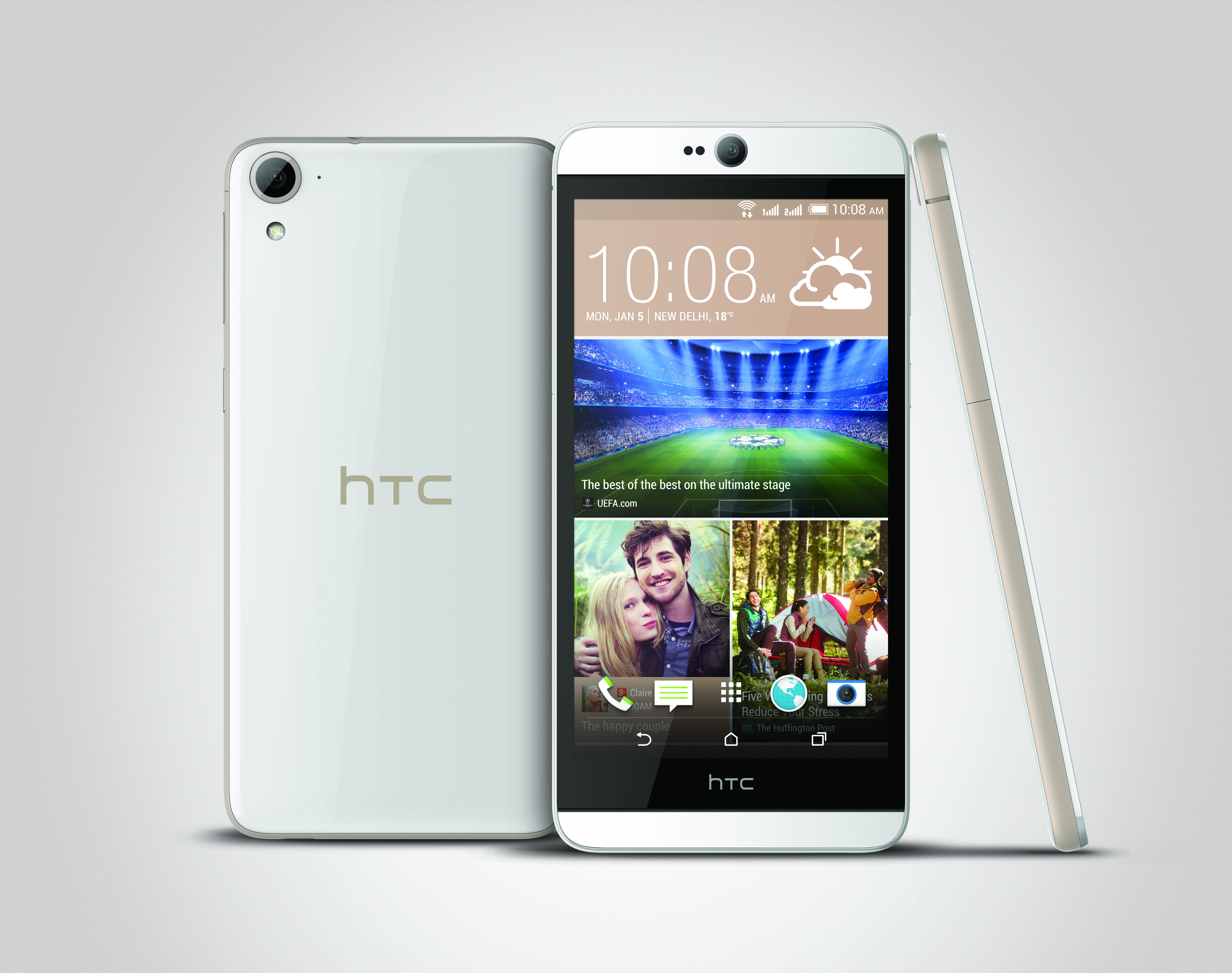
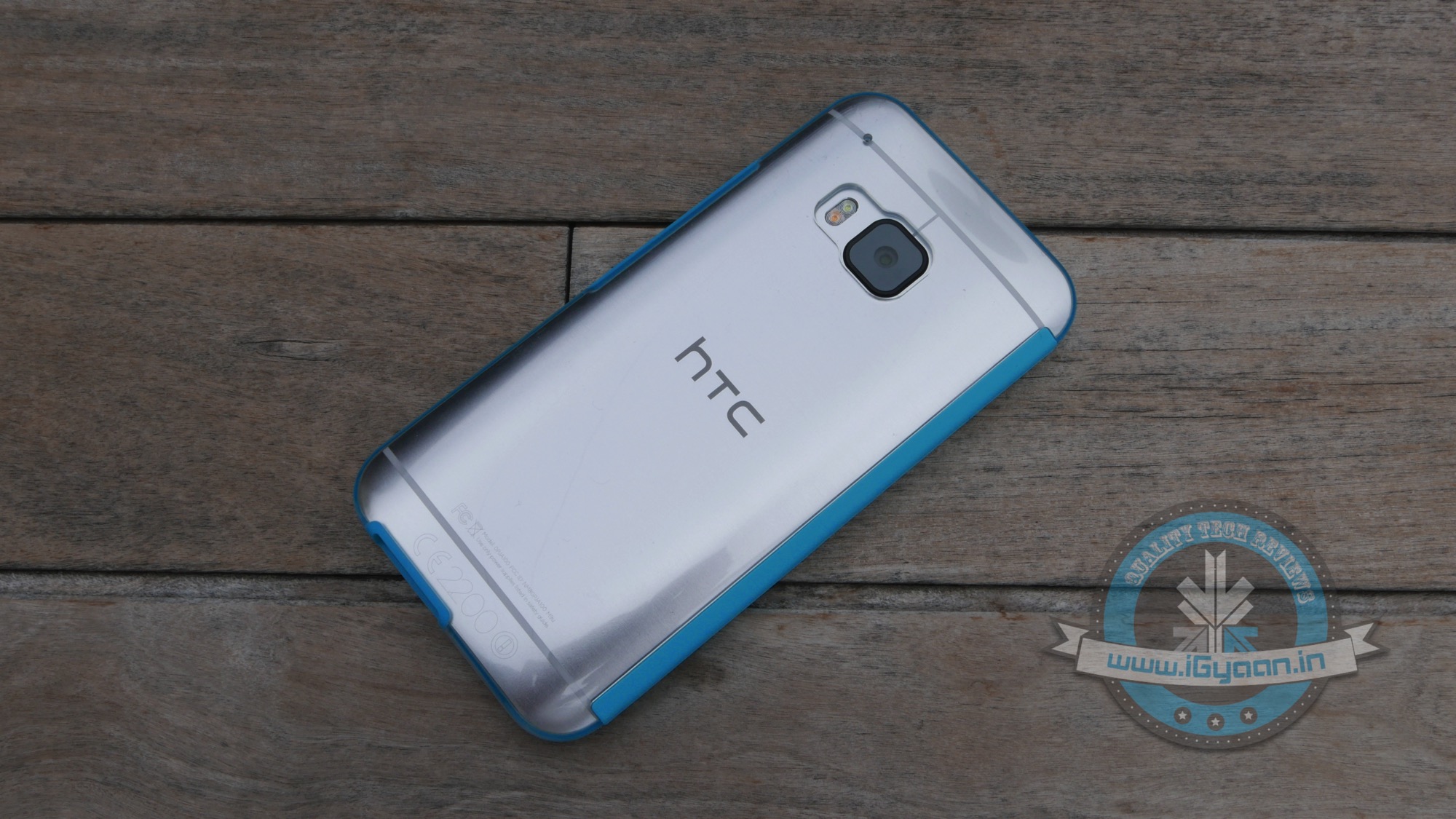
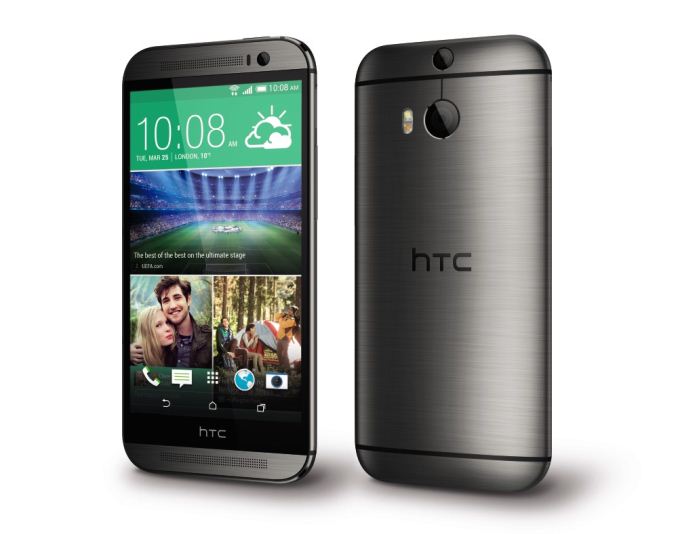
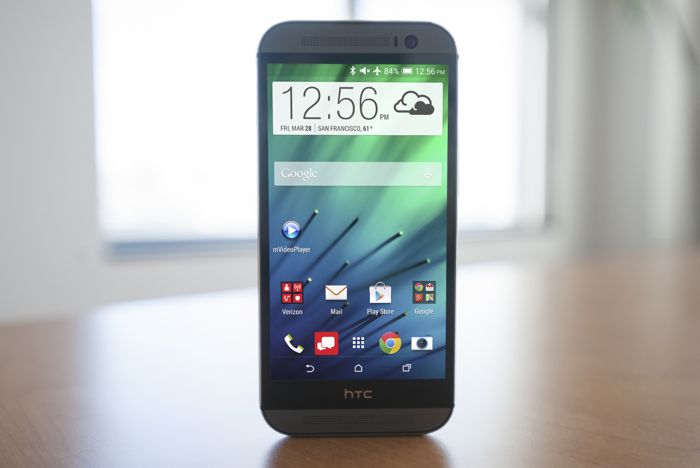
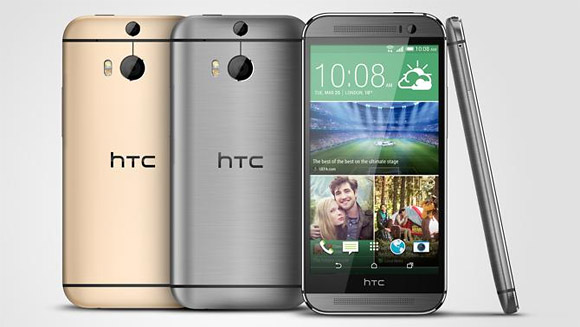
HTC had added a new one to its One series – the One ME, a dual SIM phone which the company describes as “a stunning device which reinterprets the HTC way that people can relate to.”
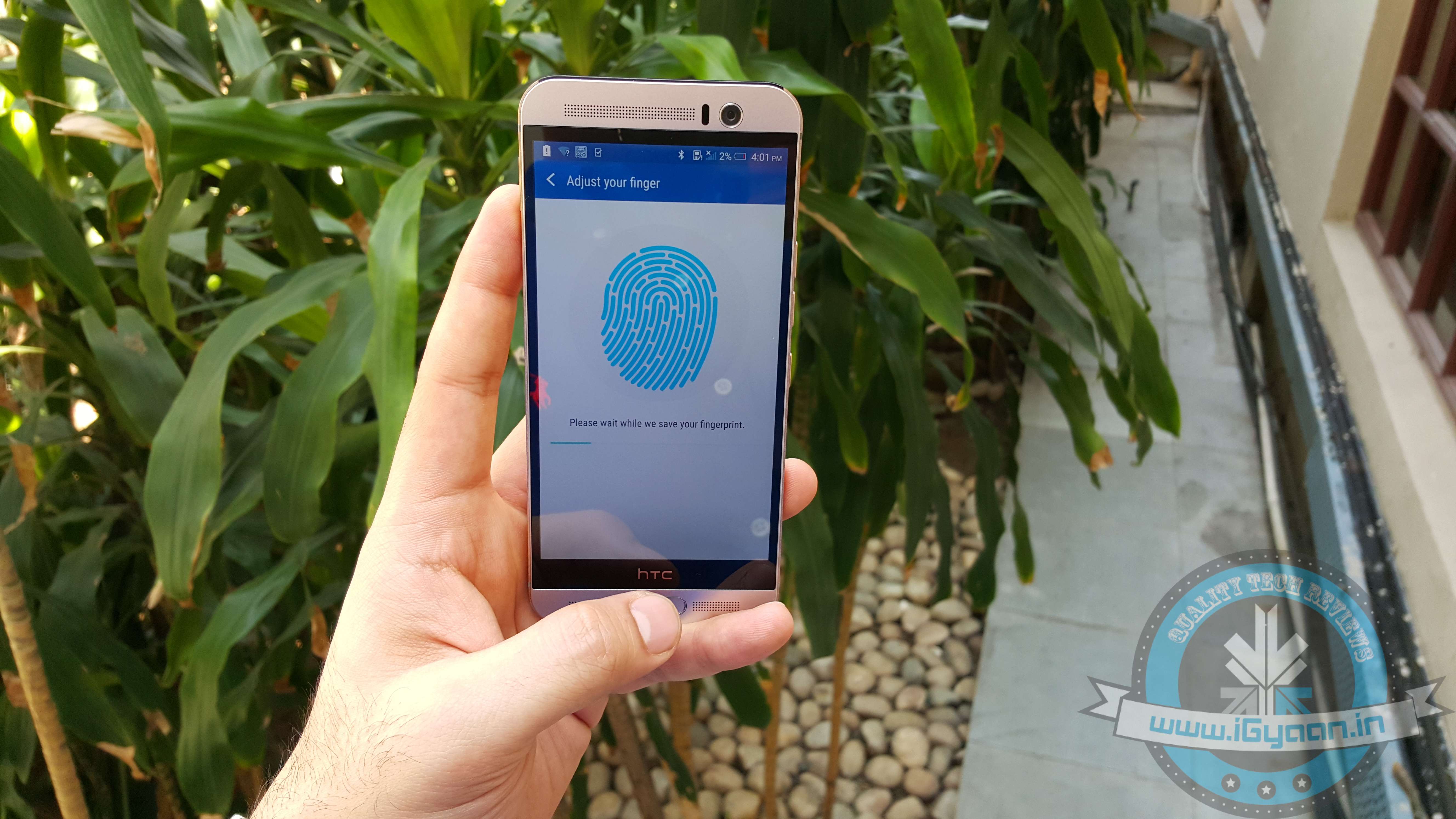
Weighing at 155 grams, the body is a lightweight polycarbonate with metallic effects on the front and mirror-polished sides to match the black matte panel. The stain-resistant body has integrated multi-directional fingerprint reader that allows the user swift and secure access to the phone. It comes in two colours – Classic Rose Gold and Meteor Grey.
The phone runs on MediaTek Helio X-10 Octa-core processor and uses Android Lollipop with HTC Sense on top. The One ME has 3 GB of RAM and has a storage capacity of 32 GB, expandable upto 2TB, which is more than the One E9+. Also, the battery capacity is 2840 mAh, which is slightly more than E9+.
Like the previous One series phone E9, the One ME boasts a 5.2 inch display with 2K resolution. As far as audio is concerned, the One ME uses HTC BoomSound with Dolby Audio to deliver the Dolby 5.1 surround sound effect.
The One ME will include HTC Connect, which will allow the user to switch music and movies on the phone to the home system seamlessly. HTC Connect lets the user wirelessly stream content on the phone to a compatible TV or stereo with a simple three finger swipe.
The One ME comes with the 20 MP rear camera with LED flash while the front boasts a 4 Ultra Pixel camera. HTC claims that this will allow the user to take photos even in low-light situations.
HTC One ME will be available with select partners from the end of June 2015 and is priced at Rs. 40,500.
Since the launch of the One M9, the whole world has been conflicted on whether HTC did enough of an upgrade from the One M8 to the One M9. The HTC One M9+ made things more confusing for the buyers and eventually led to unhappiness all round. While the original HTC M9 was launched in the European and American markets, there was more demand in the Asian region and vice-versa with the M9+, which was launched in the Asian market, and had more takers in Europe.
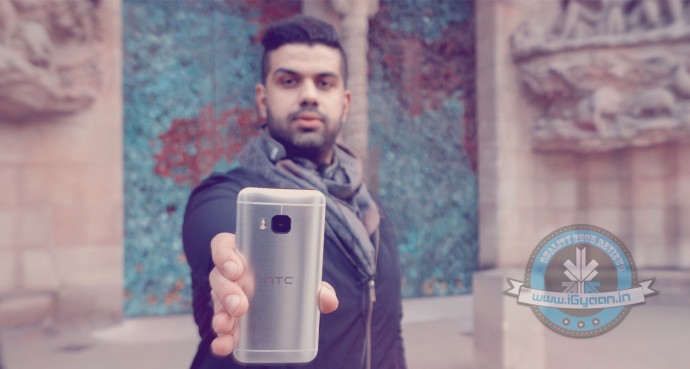
HTC One M9 (Original ) Unboxing:
Apart from the name, there are quite a few differences between the One M9 and the One M9+. For starters you have a completely different chipset. While the global M9 is packing Qualcomm Snapdragon the M9+ packs a MediaTek MT6795T. The M9+ does have DUO cameras at the back, just like the M8. However a mix of 20MP+2MP vs the Ultrapixel combo on the M8 or the single 20MP on the M9 makes for better photographic options.
Another difference is the way HTC M9+ handles storage, allowing upto a 2 TB microSD to be inserted into the handset and used as storage.
Build Quality
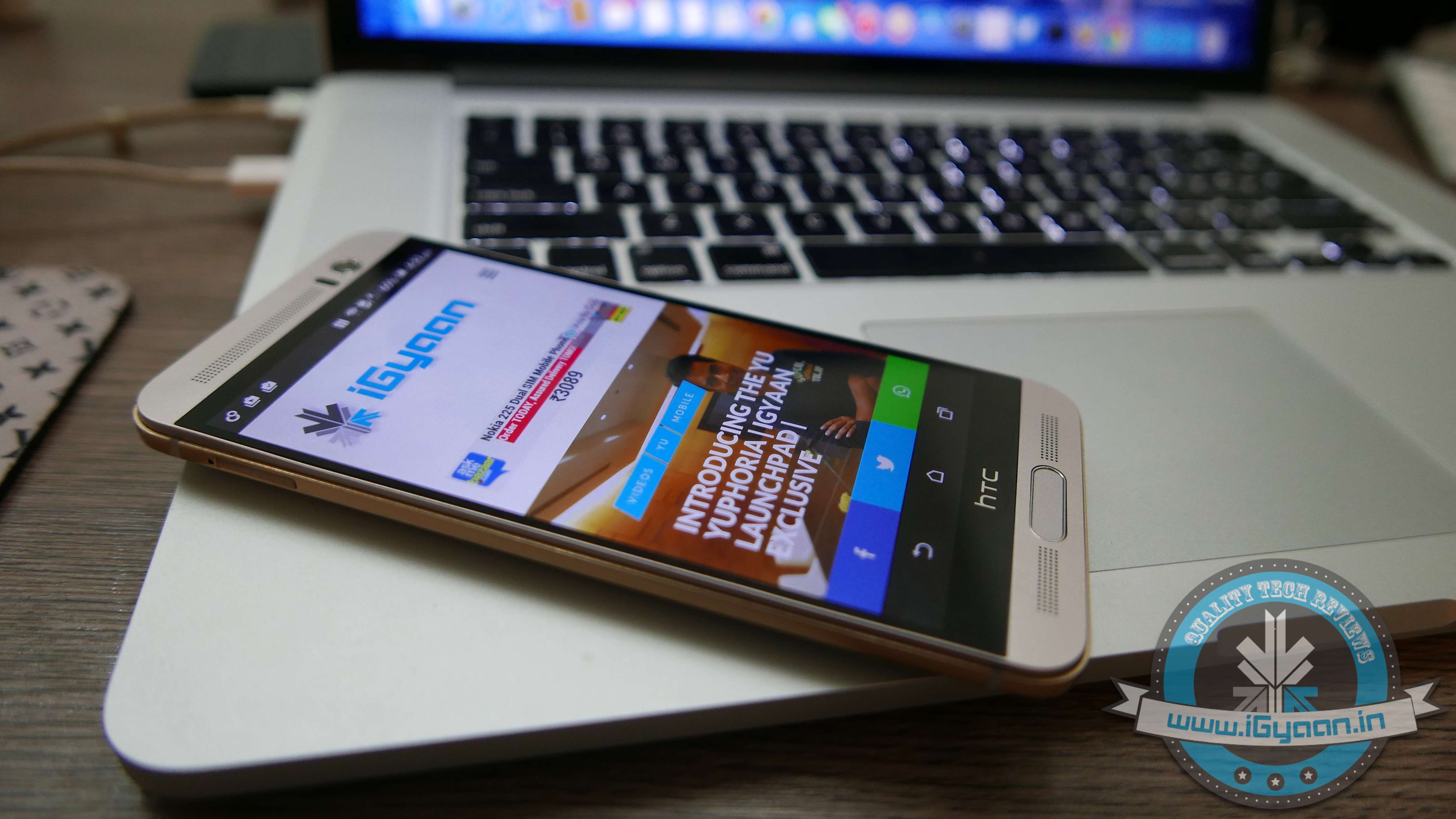
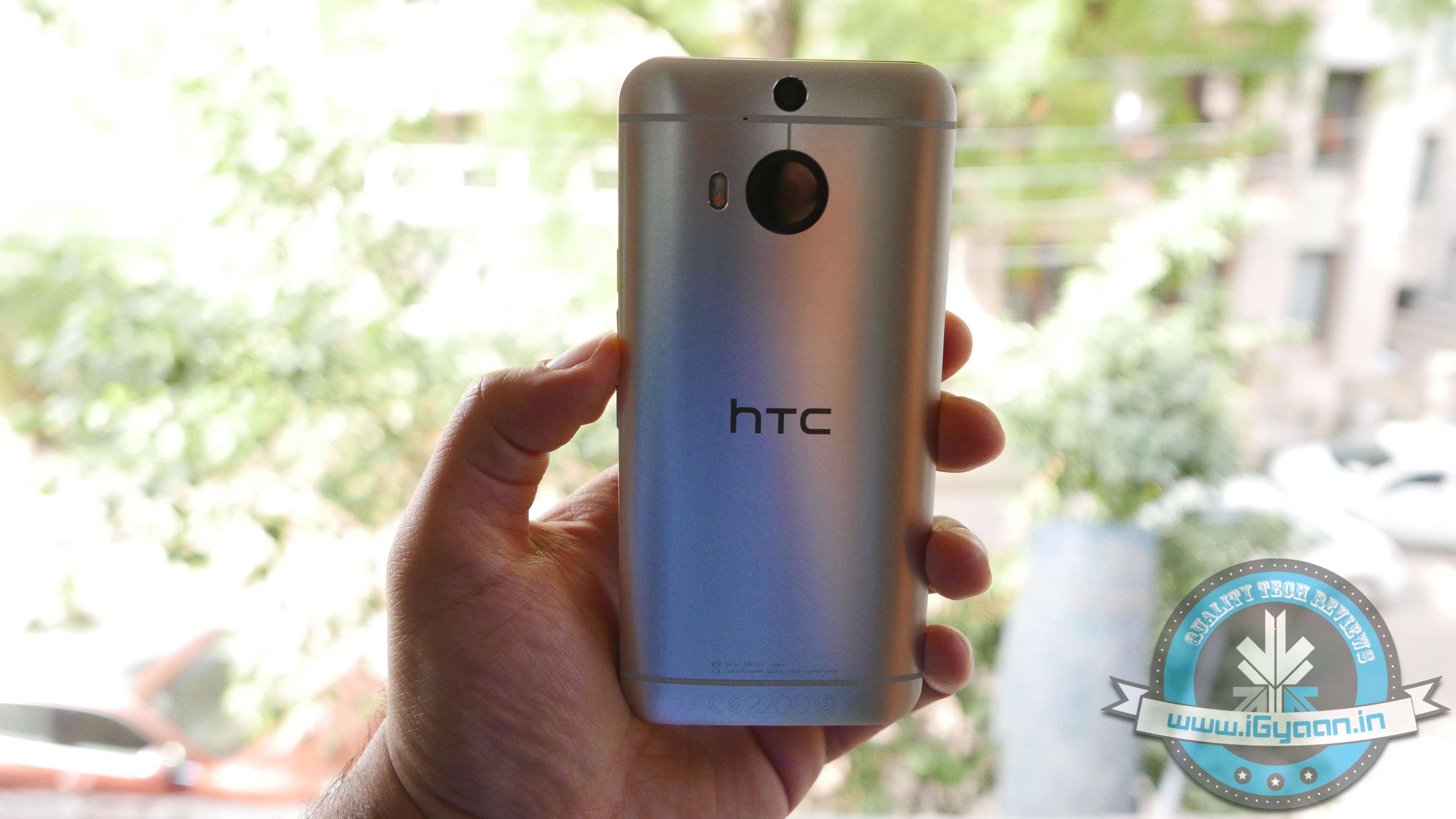
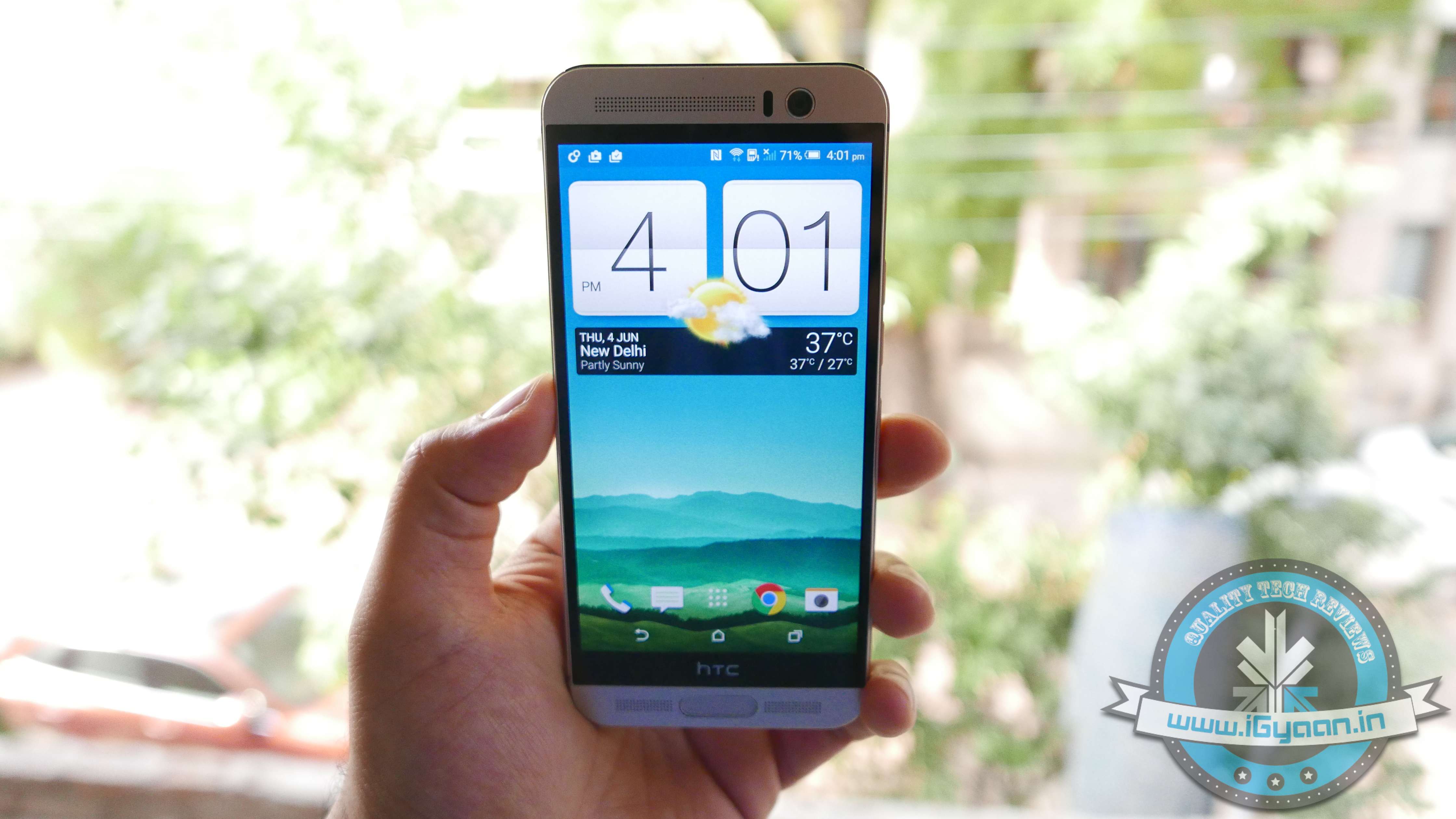
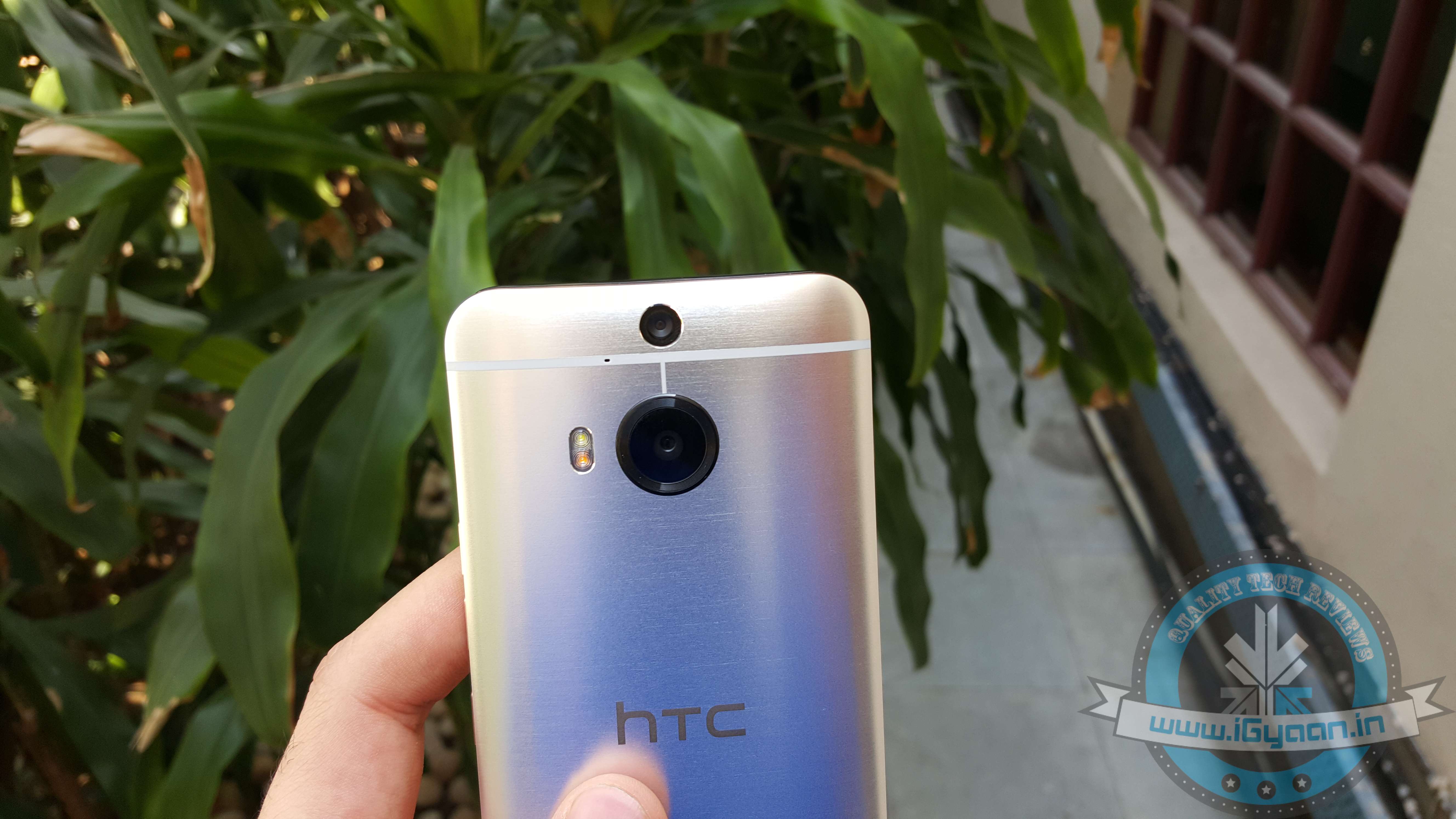
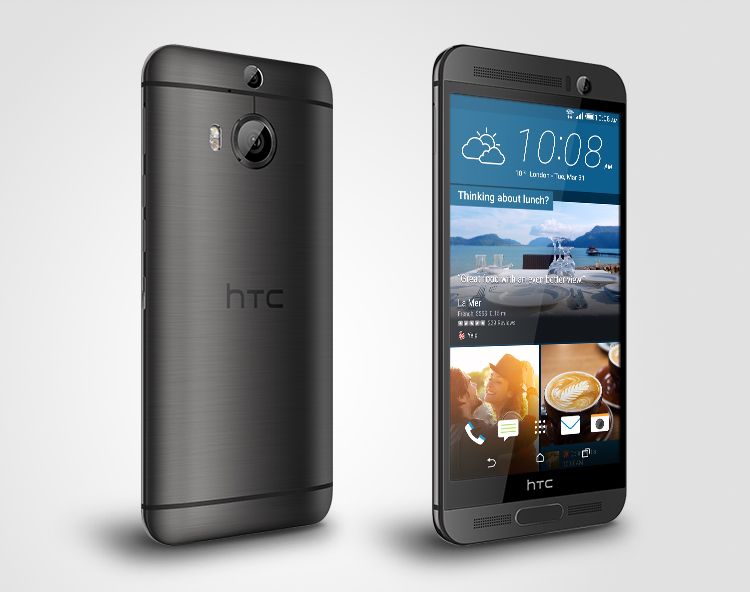
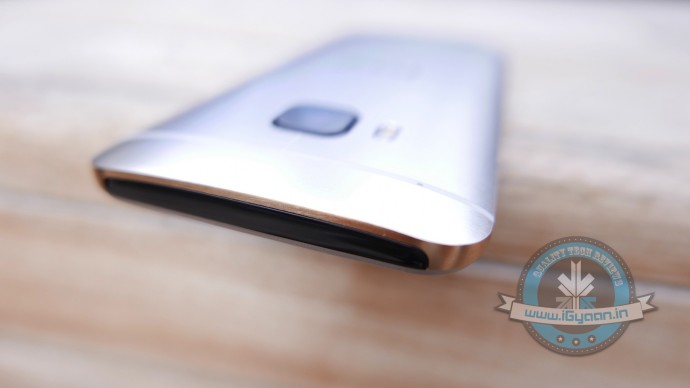
HTC keeps up to tradition with the new HTC M9+ and it’s quite identical in design with the HTC One M9. A brushed two-tone finish with the same all Aluminium back as seen earlier on the M9. The gold trim is easy on the eyes, and even though not everyone has shown a lot of appreciation towards it, the material trip is unique. The front has new-gen Gorilla Glass 4 and a centrally located fingerprint scanner, which may be confused for a main button.
Although, when the phone is unlocked an activated finger would allow you to jump back to the home screen. So it is touch button that looks like a real button with a fingerprint scanner embedded in it.
Hardware
Hardware wise the HTC One M9+ truly brings it to the table; great cameras, excellent display, ample storage and a large battery. However the Mediatek chipset was a real surprise to consumers and to us alike. This new chipset is actually much better than we anticipated, and puts the M9+ right back up in the flagship league.
The questions around the One M9+ are bang on. Is the Mediatek chipset a mistake? Should HTC have stuck with Qualcomm? Is the performance getting affected?
However the answers are even simpler. HTC found the new Mediatek MT6795T to be refined and powerful enough to power their flagship. We find it difficult to disagree. The processor does not tire, it’s efficient and highly performance driven and allows the user to truly take advantage of the handset.
Also, unlike the dual setup of the Qualcomm Snapdragon, the Mediatek chipset comes with an 8 Core CPU.
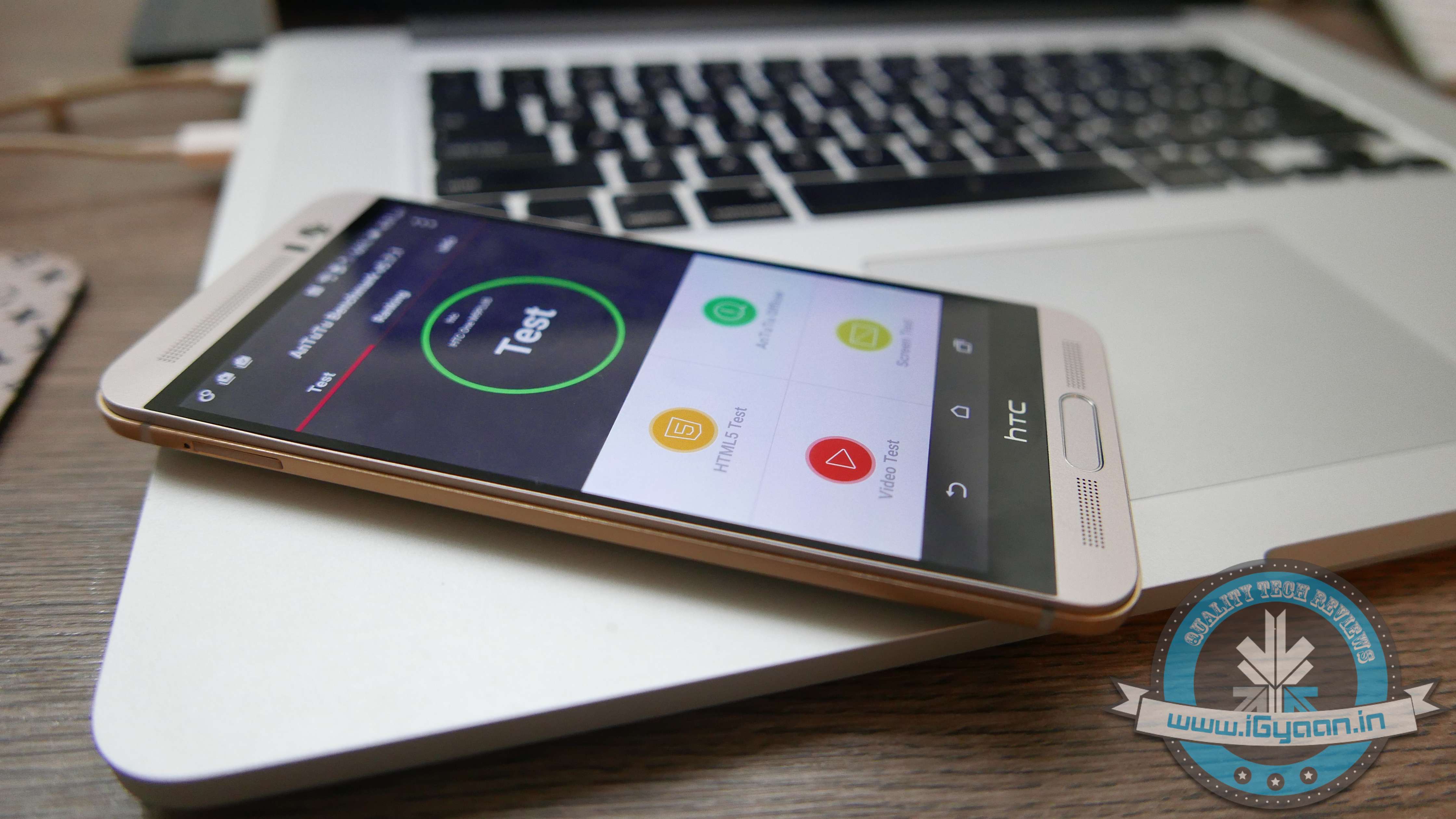
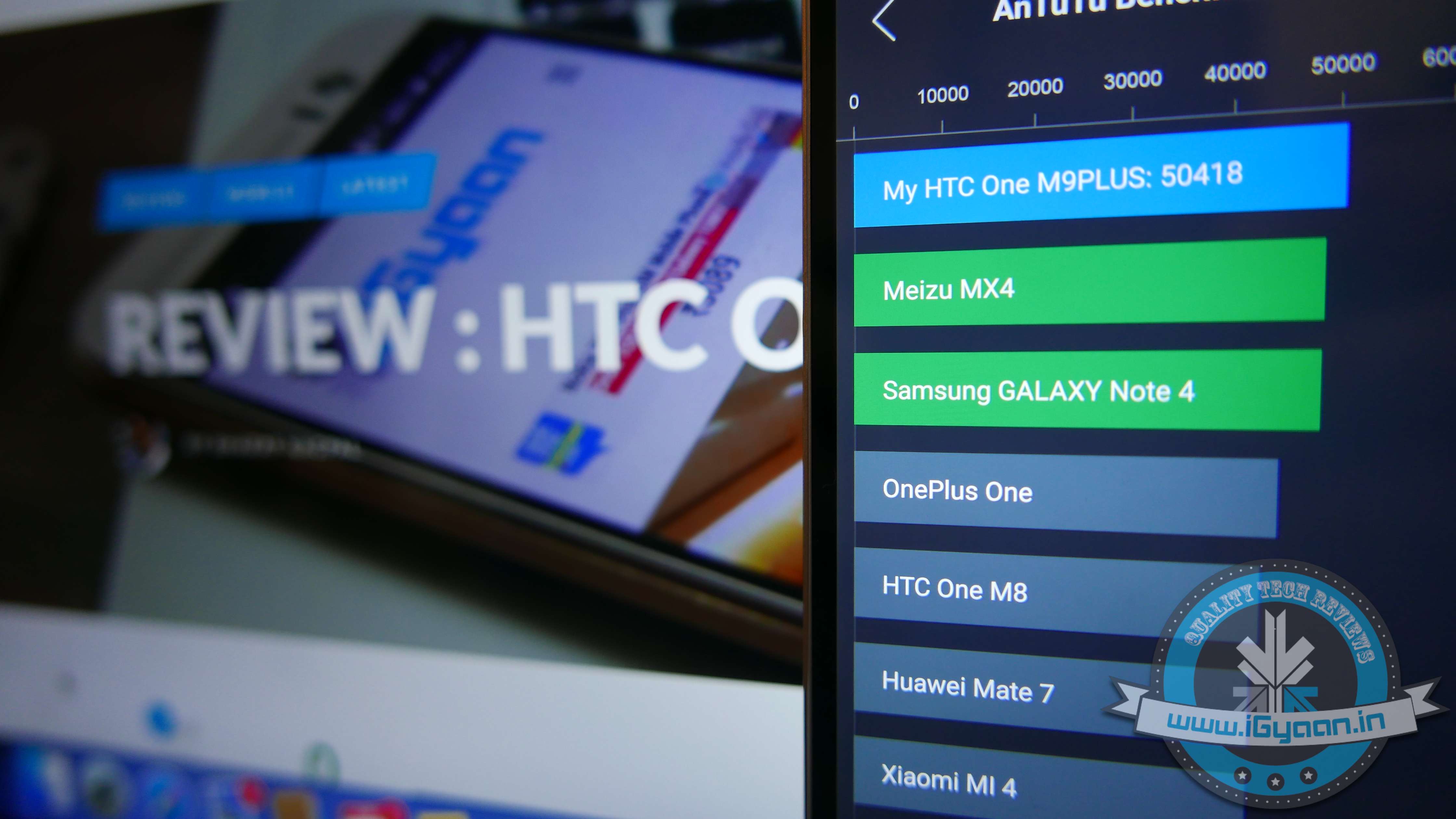
The HTC One M9+ scores positive results on benchmarks, with a happy 48000+ on AnTutTu 64 bit. The performance report pitches it against all market flagships and gaming performance is better than 85% of the other devices at hand.
Gaming is not a problem on the HTC One M9+, the chipset is quick at CPU calculations and load times are highly improved. GPU renders 2D and 3D graphics with easy and most games perform well at high graphics.
Display and Multimedia
It’s a pity that the original HTC One M9 didn’t get a high resolution display. A 2k display makes sense on a handset with over 5 inches to spare, and HTC has managed to get it all well within the sweet spot. As with most HTC displays in the past, this too gets a SLCD panel with Gorilla Glass 4 and great brightness indoors or outdoors.
Gorgeous 2K Display
Boomsound is much better on the M9+ when compared to the audio quality of the HTC One M8, larger speaker cavities improve the native sound and an enhanced audio chip improved audio from the headphones. The Boomsound speakers are possibly the industry’s best and they have seen significant improvement on the M9+.
Camera
HTC has also majorly overhauled their camera strategy. From saying “Megapixels don’t matter” to stuffing a 20 MP sensor in their latest flagship, HTC has truly gone with what the market wants. A wide f2.2 enables good low light shots, however, the Samsung Galaxy S6 takes the cake on low light with their f1.7 aperture lenses.
The images from the HTC One M9+ are sharp and the colours are well balanced. The contrast is good and the light compensation in low light is excellent. Native image stabilization is hugely missed on this handset.
The Camera app is a lot more simplified and easy to use. While certain things that came naturally on the HTC One M8 are now slightly difficult to operate, like the Dual-Camera capabilities. The addition sensor on the dual setup measures the field of view and allows the user to capture images with defined and adjustable depth. It’s mostly gimmicky, however in a perfect light and area setup, it works flawlessly. An idea example would be a landscape shot with a subject in the foreground. These type of shots will work best and will also allow customisations using HTC’s inbuilt features.
Duo Camera 20 MP + 2 MP
ZOE, now independent of the camera app on HTC devices, is more of a cross platform photo sharing app. Important filters and features make it fun to use and allow the user to experiment a lot more with the camera on the HTC One M9+.
Front Ultrapixel Camera
The front camera is an Ultrapixel camera from HTC, the same sensor we saw on the back of the M7 and the M8 last year. This drastically improves the front facing camera’s quality as well as low light capabilities.
OS and Blinkfeed
One of the best things HTC has done on the M9 and the M9+ is reduce their control of the Android OS space. The new HTC Sense 7 is a lightweight skin vs what it used to be in the past. Less customisations by HTC also mean that Android Lollipop and Android M (in the future) get to display their full glory.
If you do miss customizations, like HTC’s flip clock, they are now included in the widgets section and are just a simple long tap away. You also, still get themes which you can further customize, by changing colours, images and layouts.
Blinkfeed has also upped its game, with a faster re-hash of feeds and a better layout. The higher resolution display of the M9+ helps in highlighting the content.
The OS and the UI elements are highly optimized, this helps improve productivity and reduce battery consumption.
Phone Network & Battery
The HTC One M9+ supports LTE networks as well as all bands in India. It has a fantastic antenna and excellent voice quality, something that has become synonymous with HTC in the past. No dropped calls and hit network in places with poor reception, are great things to have.The reduced search for strong network also improves battery life on the handset.
Both the speaker and microphone are loud and responsive, allowing parties on both sides to communicate effectively.
The 2840 mAh battery is more than sufficient in getting through the day and then some. The chipset along with the optimizations on the software front make the battery-drain end up on the lower side of the spectrum. The battery life could have been better and things like fast charge are missing from the mix, we honestly don’t mind.
Type
WiFi
Cellular
Talk Time
N/A
6 Hours
Standby
150 Hours
48 Hours
Music
12 Hours
10 Hours
Internet
5 Hours
5 Hours
Video and Gaming
4-5 Hours
4 Hours
Conclusion
With the One M9+, HTC has put all its cards on the table. Their experiment with a relatively newer chipset manufacturer may have paid off well. Consumers in Europe are craving the One M9+ while being served the One M9, and there is good reason for that. The M9+ turns out to be a much better handset than many already in the market, it also is a much better handset than the company’s own M9. Excellent build quality, great design and aesthetics, premium materials, great hardware and excellent cameras make the HTC One M9+ a better device. The camera improvements will satisfy those that missed it last year, and the OS improvements will really push the envelope on making the One M9+ ownership worthy.
The One M9 was a huge disappointment, failing to play catch up with what was happening in the industry. However, with the new M9+, HTC not only caught up, they set precedent.
Taiwanese manufacturer, HTC, introduced a new offering that will outdo premium flagships by other smartphone labels in several aspects. The firm brought out the One ME in China, becoming the first smartphone to embrace Mediatek’s new Helio X10 chipset. The handset features a somewhat similar set of specs as the previously launched One M9+. HTC hasn’t spoken about its availability and pricing details.
HTC One ME sports a 5.2-inch Quad HD (1440x2560p) display with 565ppi pixel density. The processor of the phone is its USP. It holds a 64-bit octa-core Helio X10 processor clocked at 2.2GHz, along with 3GB RAM and 32GB internal storage capacity. Users can expand the memory up to 2TB via MicroSDXC. The device runs on Android 5.0 Lollipop with HTC’s Sense UI on top.
The dual-SIM One ME with fingerprint scanner touts a 20MP rear camera with LED Flash. A 4MP UltraPixel secondary camera sits up front together with BoomSound speakers. The phone gets its juice from the 2,840mAh battery. Connectivity options include Wi-Fi, Bluetooth 4.1, NFC, LTE and Micro-USB.
MediaTek is estimated to outshine Qualcomm and Samsung with the launch of Helio range of chipsets. The company has upped the level with the Helio X10 that has a 64-bit architecture and eight Cortex-A53 cores clocking at 2.2GHz. The Helio X10 refreshes a display at the rate of up to 120Hz and records slow-mo videos at up to 480fps. From Apple’s roaring offerings, iPhone 6 and iPhone 6 Plus, it can be estimated that the ME can record videos at the rate of 240 frames per second.
The Taiwanese electronics manufacturer HTC is hiding a new device up its sleeve, which is expected to see a launch in the second quarter of this year. According to a reliable source called @upleaks, the firm will launch a new tablet titled ‘HTC H7’, whose cost will be lesser than the present high-end offerings.
There are no other details about the upcoming device other than being lowly priced. We are speculating it to boast a screen size of 7 to 8 inches. It is certain to run on Google’s Android operating system, which has built up an ecosystem with its presence on a majority of handsets, tablets and smartwatches.
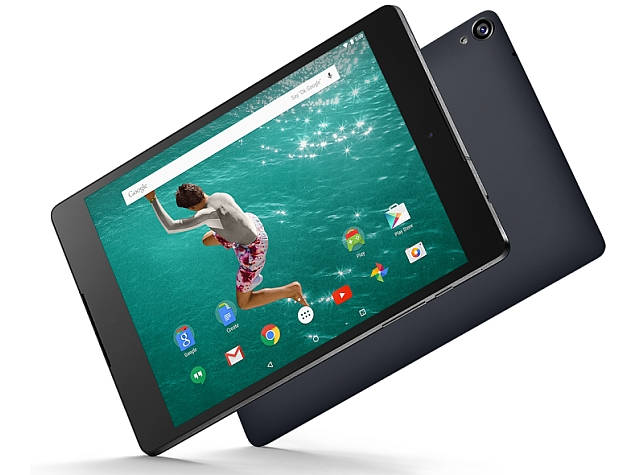
HTC only has Nexus 9 in its catalogue of tablets. The stock Android tablet was one of the best products and was launched under HTC brand name. There is a high possibility of Google’s involvement in the ongoing HTC H7 device, but nothing can be ascertained until we get an official announcement from either of the companies.
Meanwhile, it is just a leak and we suggest you to take the report with a pinch of salt. We will come up with more information on the same as soon as something comes out. Keep checking back for updates on HTC H7.
At an event held on 14th April, HTC, in an unprecedented move, announced the arrival of the HTC One M9+ instead of the One M9. The phone, which was first announced at MWC 2015, was all ready to be greeted by Indian consumers, when HTC showed up with the One M9+ instead.
Don’t think we’re complaining; the M9+ comes with a larger screen, a better display and the same sleek design as the M9. However, for people who’d like an option of both, you’re likely to get one within the next few months. At the launch, a senior HTC official hinted to iGyaan that the One M9 might arrive in India soon.
Throwing light on the HTC One M9’s specifications, the 5-inch Full HD Display phone runs on a 64-bit Qualcomm Snapdragon 810 Octa-Core processor and houses 3GB of RAM. With a storage of 32GB, the memory slot is expandable up to 128GB via microSD. The imaging department includes a 20MP Autofocus BSI Sensor primary camera capable of shooting 4K videos and HTC Ultra Pixel Front camera. The phone derives its power from a 2840mAh battery and the OS runs on Android 5.0.2 along with HTC Sense 7.
Here’s a quick look at its specs:
Specs
HTC One M9
Display
5-inch Full HD (1920×1080p)
Processor
64-bit Qualcomm Snapdragon 810 octa-core
RAM
3GB
Storage
32GB, expandable up to 128GB
Main Camera
20MP with Auto-focus, BSI sensor
Front Camera
HTC UltraPixel
Battery
2840mAh
Operating System
Android 5.0.2 Lollipop with HTC Sense 7
Price
Unknown
At the event, HTC also commented that the Indian market is quite unique when compared to the rest of the world. Keeping that in mind, HTC picks and chooses its line-up for our country carefully.
Check out our exclusive hands on with the HTC One M9 at MWC 2015.
Today, HTC brought out the One M9+ in India, skipping the speculated launch of the original M9 unveiled at MWC 2015. The One M9 might not make its way to the Indian sub-continent, but we’ve got the bigger Plus version to weigh against its competition. The top of the line smartphone packs hefty specifications, which may even manage to put a dent in Samsung’s market.
Let’s check out how the smartphones fare against each other:
Specs
HTC One M9+
Samsung Galaxy S6
Samsung Galaxy S6 Edge
Display
5.2-inch WQHD (1440x2560p)
5.1-inch QuadHD Super AMOLED (577ppi)
5.1-inch QuadHD Super AMOLED (577ppi)
Processor
2.2GHz octa-core MediaTek MT6795T
2.1 GHz Quad + 1.5 GHz quad Exynos 64-bit
2.1 GHz Quad + 1.5 GHz quad Exynos 64-bit
RAM
3GB
3GB
3GB
Storage
32GB, expandable up to 128GB
32GB, not expandable
32GB, not expandable
Rear Camera
20MP + 2MP Duo Camera
16MP with F1.9 + OIS
16MP with F1.9 + OIS
Front Camera
4MP HTC UltraPixel
5MP
5MP
Battery
2840mAh
2550mAh
2600mAh
Operating System
Android 5.0.2 Lollipop with HTC Sense 7
Android 5.0.2 Lollipop
Android 5.0.2 Lollipop
Price
Rs. 52,500
Rs. 49,900
Rs. 58,900
Clearly, the pricing of the phone might lead the audience to shift focus on the Galaxy S6 rather than HTC One M9+, especially since the smartphone runs on a MediaTek processor. The display size of the phones is similar, and the RAM of the three handsets also stands parallel. The battery and rear camera of the HTC One M9+ are slightly bumped up, but overall the devices hold comparable specifications.
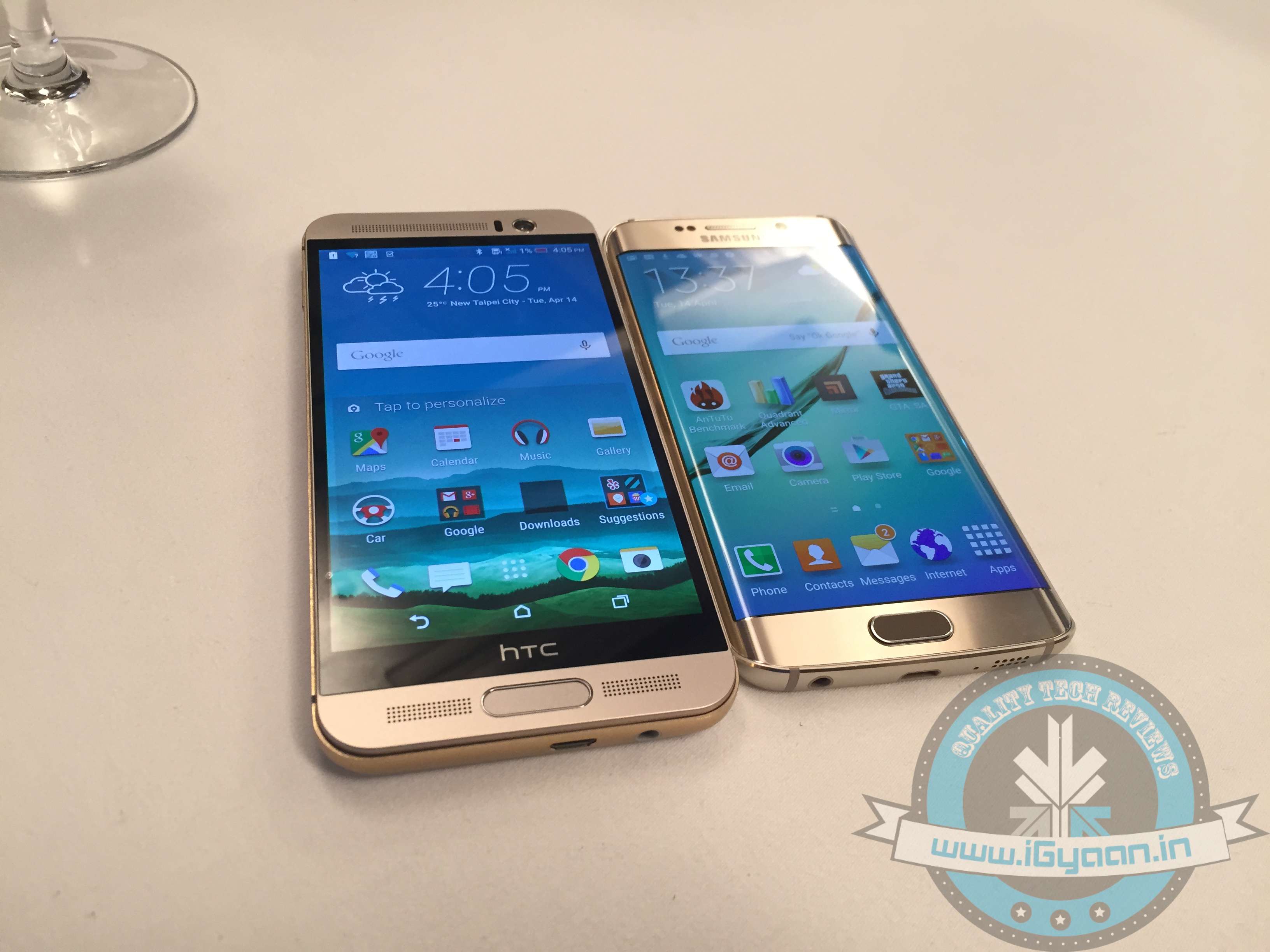
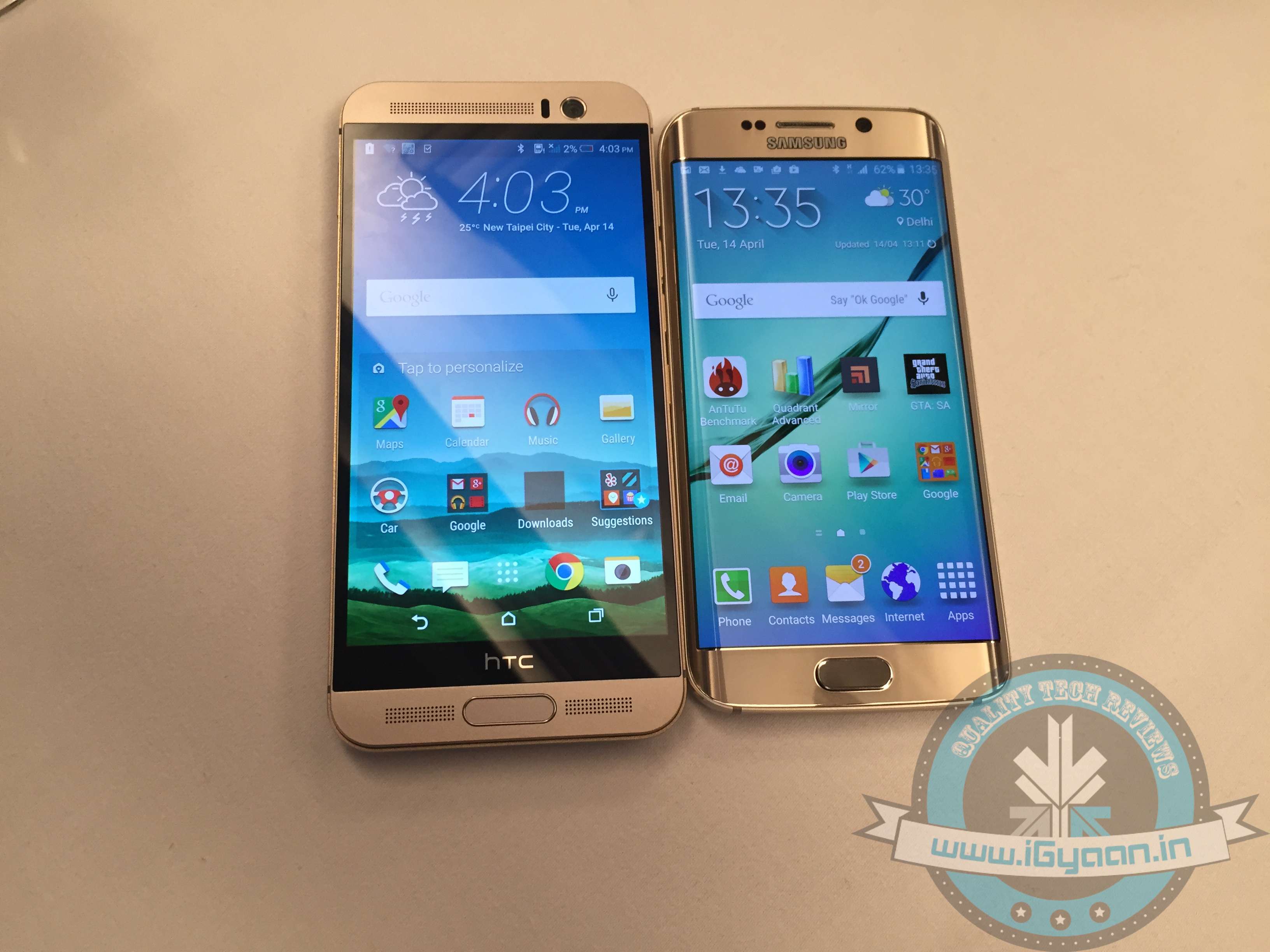
Since we’ve got our hands on both the devices, we have to admit that the HTC One M9+ feels more sturdy in the hand. Another area where HTC One M9+ wins is the fact that it comes with an expandable memory option, a feature that would be appreciated by many. HTC has brought the One M9+ to compete with the big-sized rulers in the Indian market. We’ll have to now wait and watch how this move turns out for the company.
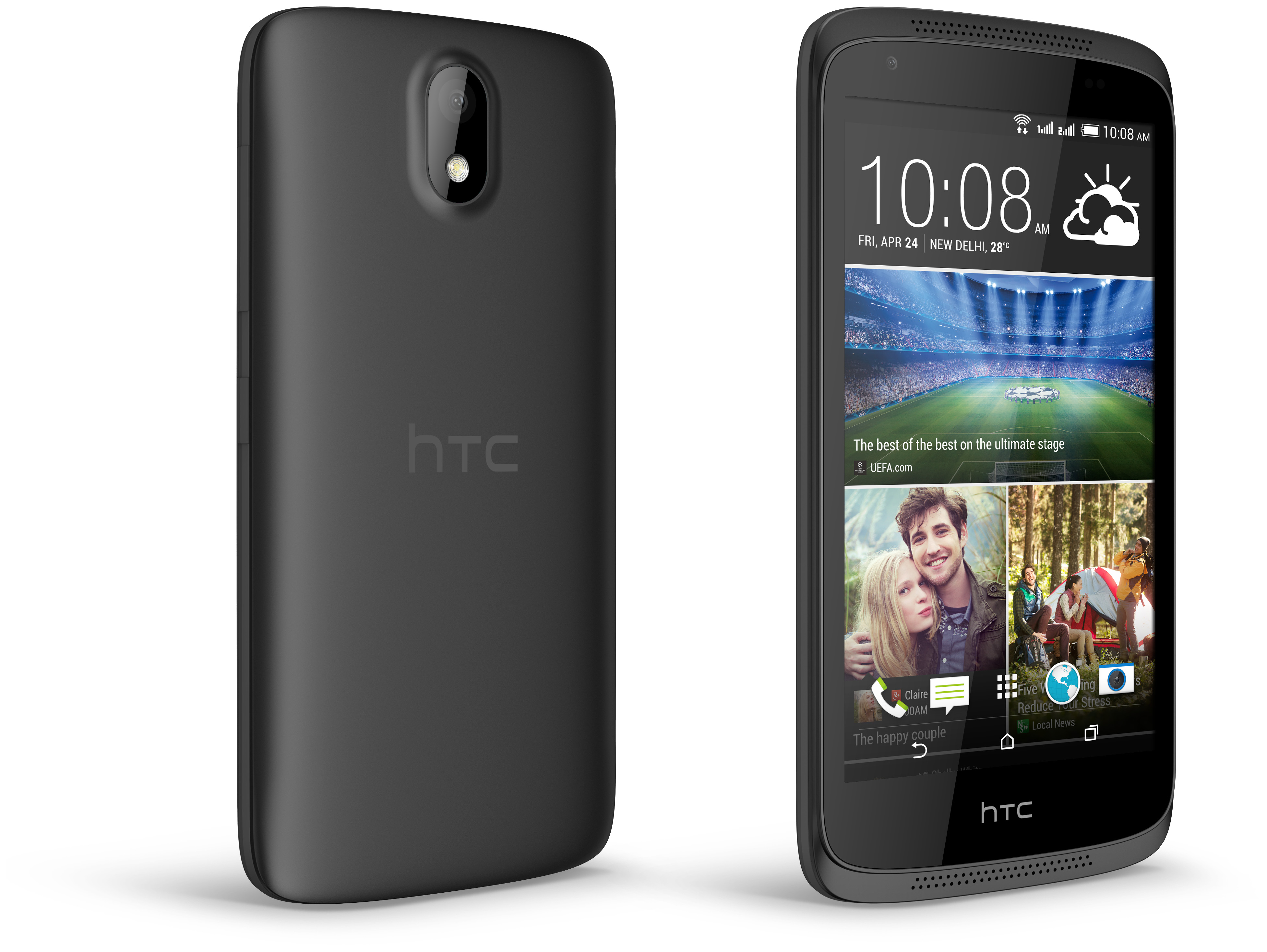
Along with the HTC One M9+ and M8+, HTC today brought out the Desire 326G Dual SIM. The handset is protected by a removable polycarbonate exterior and sports a 4.5-inch (480x854p) display. It is powered by a Quad-Core Spreadtrum SC7731G chipset clocked at 1.2GHz bundled with 1GB of RAM. With 8GB of internal memory and an additional 32GB via microSD card, the storage facility seems ample.
It has a primary camera of 8MP and a front snapper of 2MP. The main camera is loaded with different features such as ‘Smile To Capture’, ‘Burst Shots’ and is capable of shooting 1080p resolution videos. The phone comes pre-installed with Zoe TM Highlights, an app that allows users to create, edit and share videos easily. A 2000 mAh removable battery supplies power to the device.
HTC Desire 326G Dual Sim will be available in White Birch and Black Onyx colours at all major retailers in India from the second half of May. As of now, its price has not been disclosed yet.
As soon as the HTC launch event kicked off, the Taiwanese firm pulled out a whole lot of surprises. The first one was the introduction of the One M9+ instead of the One M9, followed by the release of two new handsets, the One E9+ and Desire 326G. The One M9+ is priced at Rs. 52,500 and will be up for grabs on May 3, while the rest will be available mid-May onwards.
Unlike One M9+, the One E9+ features a plastic body. It sports a 5.5-inch Quad HD (1440x2560p) display, with a 64-bit 2GHz octa-core MediaTek helio X10 chipset powering the device. 3GB RAM and 16GB internal storage space are just enough for the dual-SIM smartphone. The phone holds a MicroSDXC card support that offers to expand the memory by 2TB. The device runs on Android 5.0 Lollipop with HTC Sense 7 skin atop.
Coming on to camera specifications, HTC One E9+ holds a 20MP rear camera which offers 4K video recording. The upfront has HTC’s UltraPixel shooter that clicks fair quality pictures. The front also houses the company’s trademark BoomSound with Dolby Audio. The phone gets its juice from the 2800mAh embraced at its back.
Connectivity options include NFC, Bluetooth 4.1, Wi-Fi, DLNA, Micro-USB port and an audio jack. The phone will come in three shades – Meteor Grey, Gold Sopia and Rose Gold. Meanwhile, HTC hasn’t revealed the pricing details of the handset, but it is likely to unfold before the official roll out.
Today, HTC refreshed its smartphone line-up in India with the launch of three new devices, the Desire 326G, the One E9+ and the One M9+. Surprisingly, there is no One M9 for the Indian market and the Taiwanese smartphone manufacturer has popped up a bigger sibling of its latest flagship. The 326G handset is an addition the Desire series, while the latter two are high-end gadgets. Coming on to the One M9+, the device is priced at Rs. 52,500 and will go on sale starting May 3 in the country.
The latest offering weighs just 168g and sports a 5.2-inch WQHD (1440x2560p) display. The device houses a 2.2GHz octa-core MediaTek MT6795T processor, coupled with 3GB RAM and 32GB inbuilt storage space. The handset comes with MicroSD card slot for expanding the storage volume up to 128GB. The One M9+ runs on Android 5.0.2 Lollipop with HTC Sense 7 UI on top. A 2840mAh battery is attached to the phone to juice it up all day long.
Coming on the optics of the phone, then the handset boasts a 20MP Duo camera setup with F2.2 aperture, along with additional options like the sapphire cover lens, auto-focus, BSI sensor and 4K video recording. The front of the phone features HTC UltraPixel 4MP with F2.0 aperture and 1080p HD video recording to capture selfies.
Connectivity options include NFC, Bluetooth, Wi-Fi, DLNA, CIR, Micro-USB port and an audio jack. Customers can choose from Amber Gold and Silver Gold colour options. Along with that, the device will come with one year insurance package that will cover accidental and liquid damages.
Here’s a brief look at its specs:
Specs
HTC One M9+
Display
5.2-inch WQHD (1440x2560p)
Processor
2.2GHz octa-core MediaTek MT6795T
RAM
3GB
Storage
32GB, expandable up to 128GB
Rear Camera
20MP
Front Shooter
HTC UltraPixel 4MP
Battery
2840mAh
Operating Sytem
Android 5.0.2 Lollipop with HTC Sense 7 UI
Price
Rs. 52,500
Wondering what India is missing out on? Check out our hands on with the HTC One M9:
HTC launched its new flagship device at MWC this year with much fanfare. The company now seems to be ready to bring it to India. The company has sent out invites for the One M9 launch in India scheduled for the 14th April. It has been said that this device addresses all the shortfalls of the last HTC flagship, the One M8.
Throwing some light on its specifications – the HTC One M9 is powered by an all new Qualcomm Snapdragon 810 chipset, a 64 bit SOC, with an Octa core 2.0 GHz CPU. It offers 3GB of RAM and 32 GB storage which is expandable upto 128 GB. The company also provides 115 GB of Google Drive. The device runs Android Lollipop out of the box and is juiced up by a 2800 mAh battery. It also offers features like quick charge which improves the charge times.
The most stand out improvement of this device is the camera. This new handset offers a 20 MP shooter with a sapphire lens cover. And on the front, is the ultrapixel camera for your selfie needs.
So if you are a fan of HTC’s designing superiority and were waiting for the One M9 to make a landfall in India, well your wait is about to end. Read and watch our hands on review of the new HTC One M9 right here.
HTC introduced its flagship for 2015, the One M9 at the Mobile World Congres this year. After the launch, a few leaks suggested that HTC might be working on a new, bigger device called the HTC One M9+. Well, HTC confirmed the leaks today by unveiling the device in the Chinese market.
The One M9+ sports a 5.2 inch QHD (2K) display with a pixel density of 534 ppi. It is powered by a 2.2 Ghz, Octa-core, Mediatek MT6795T along with 3 GB RAM. The M9+ offers 32 GB of internal storage that is expandable up to 128 GB. The device is juiced up by a non-removable 2840 mAh battery.
On the camera front, the handset flaunts a 20.7MP + 2.1MP dual camera on the back; we saw the ultra pixel avatar of the dual camera on HTC’s previous flagship, the One M8. On the front, the device offers a 4 MP shooter.
The new addition to this device are the fingerprint sensors that have been previously seen on iPhones and other flagship devices. From the looks of it, the One M9+ looks like a much better competitor to the other flagships in terms of the features offered. But it is not sure as of yet if the company will be bringing the device to markets apart from China. We sure hope it does.
HTC kickstarted MWC 2015 by unveiling the HTC One M9. There has been quite a bit of speculations around its release date in India. Now we’ve heard HTC is just about ready to revamp its Indian line-up with the high-end M9. HTC is expected to launch the HTC One M9 in India by the end of this month. According to our sources, HTC is also planning to price the device to fight it out with Samsung’s new Galaxy S6.
From the specs point of view, the display is a 5.1-inch Quad HD. A powerful 64-bit Exynos octa-core processor runs this handset along with 3 GB of RAM and 32 GB of storage. It runs on Android 5.0 Lollipop with HTC Sense. Since we expect its price may clash with Samsung Galaxy S6, we pit the two device against each other. Here are the differences:
Recently HTC brought to its Indian fans a much-awaited smartphone, the Desire 826. The device falls in mid-range category and comes at a price of Rs. 25,990. Launched in colour options White Birch, Blue Lagoon and more, the handset will be available with major retailers soon.
The overall look of the Desire 826 is no different than the other Desire series phones. With a weight of 183g, the smartphone boasts a 5.5-inch Full HD 1080p display. The phone features two SIM card slots that supports 4G LTE network. Powered by a 64-bit octa-core Qualcomm Snapdragon 615 clocked at 1.7GHz, the Desire 826 packs 2GB Of RAM and 16GB of internal storage space. There is an additional card slot to expand the memory of the phone up to 128GB. The phone runs on Android Lollipop.
Coming to its camera specifications, then HTC Desire 826 has a powerful 13MP rear camera with auto-focus and BSI sensor. The camera can record videos at 1080p. The front also flaunts an equally aggressive camera of 13MP that features auto-focus and a BSI sensor. HTC BoomSound with Dolby Audio Surround is fitted onto the device that gives a high quality sound environment. The handset is the first to boast dual front-facing stereo speakers.
The Desire 826 gets its juice from the 2600mAh Li-polymer battery, which is enough for a single day of usage. Connectivity options include stereo audio jack, Bluetooth, Wi-Fi and micro-USB port. The sensors housing the device include Accelerometer, Proximity sensor, Ambient light sensor, Compass sensor and Magnetic sensor.
For a while now, rumours have been floating around about the much-anticipated Plus variant of HTC One M9. Earlier we reported that the bigger version of the One (M9) flagship will feature fingerprint scanner, and from the images leaked today, it is now becoming clear how the firm has designed the smartphone.
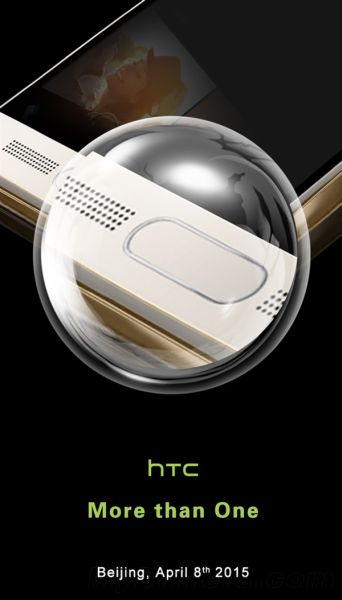
A new batch of pictures leaked hint at the Plus version of both the One E9 and the One M9. The alleged images of One M9 Plus depicts the presence of a physical home button on the device, much like the one Samsung follows on its S series line-up. The image has a magnified view of the home button which gives us a close look at the rectangular button with rounded edges.
The inclusion of a physical button, if the images are true, strongly hints at a presence of a fingerprint scanner.
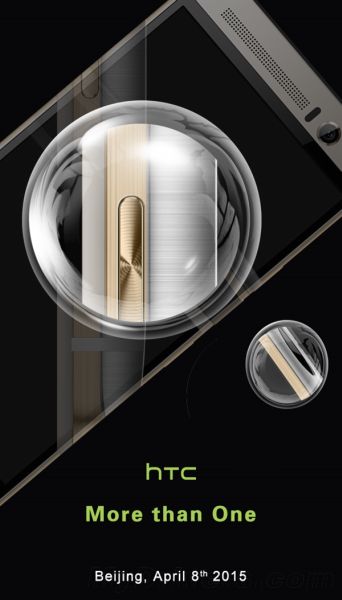
The next image focuses on the other design element of the smartphone. The close-up above seems to highlight the controls of the phone, along with the textured metal shell.
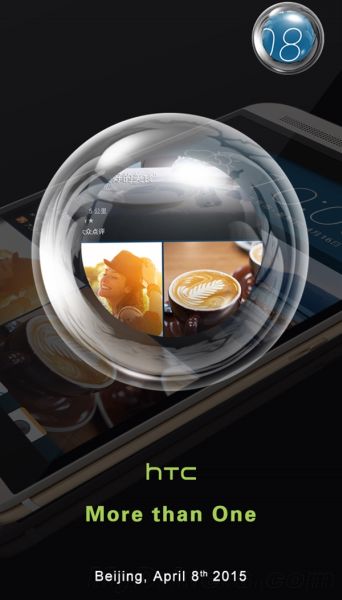
The last image is of the screen that supposedly stresses on the QHD quality display. Along with these leaks, the pictures have confirmed one more thing, the launch date of the handset. All three images read – Beijing, April 8th 2015.
Alongside these revelations, few more rumours came out that speak of its specifications. It was earlier leaked that the One M9 Plus would sport a 5.5inch 2k display together with snapdragon 810 and 3GB RAM. A dual camera of an unspecified MP will sit at the back of the phone. Rumours need to taken with a pinch of salt, the true picture of the phone will only come to light when the Taiwanese brand launches it officially.
Post the launch of the flagship M9 at MWC this year, HTC today brought out a tweaked version of its predecessor HTC One. Dubbed as HTC One M8s, the smartphone embraces the same all-metal body and trademark features of the One such as BoomSound front speakers, Duo camera, and more. The handset is launched at a price of GBP 379.99 (in Indian currency that translates to approx. Rs. 35,000).
With a full HD display of 5-inch (1080×1920 pixels), the screen of the One M8s comes with a Corning Gorilla Glass 3 coating. The smartphone holds a tweaked 64-bit octa-core Qualcomm Snapdragon 615 processor clocked at 1.7GHz, bundled with 2GB RAM. The internal storage option stands identical at 16GB, which is expandable up to 128GB via MicroSD card slot. The One M8s runs on Android 5.0 Lollipop with HTC Sense 6.0 skin on top, while the One (M8) came with default Android 4.4. KitKat, upgradable to 5.0 Lollipop.
The rear camera is the one feature which gets a major boost. The device now sports a 13-megapixel duo camera. The front camera is static at 5MP just as the previous iteration. Battery is also a noticeable change in the One M8s. A 2840mAh, just as the one fitted on to the One M9, powers the handset. Connectivity options include 4G LTE, GPS/ A-GPS, Wi-Fi, Bluetooth 4.1, and NFC.
The smartphone will be available in the European market early April in three colour options – Glacial Silver, Gunmetal Gray, and Amber Gold. Meanwhile, there is no word about the device arriving in other countries.