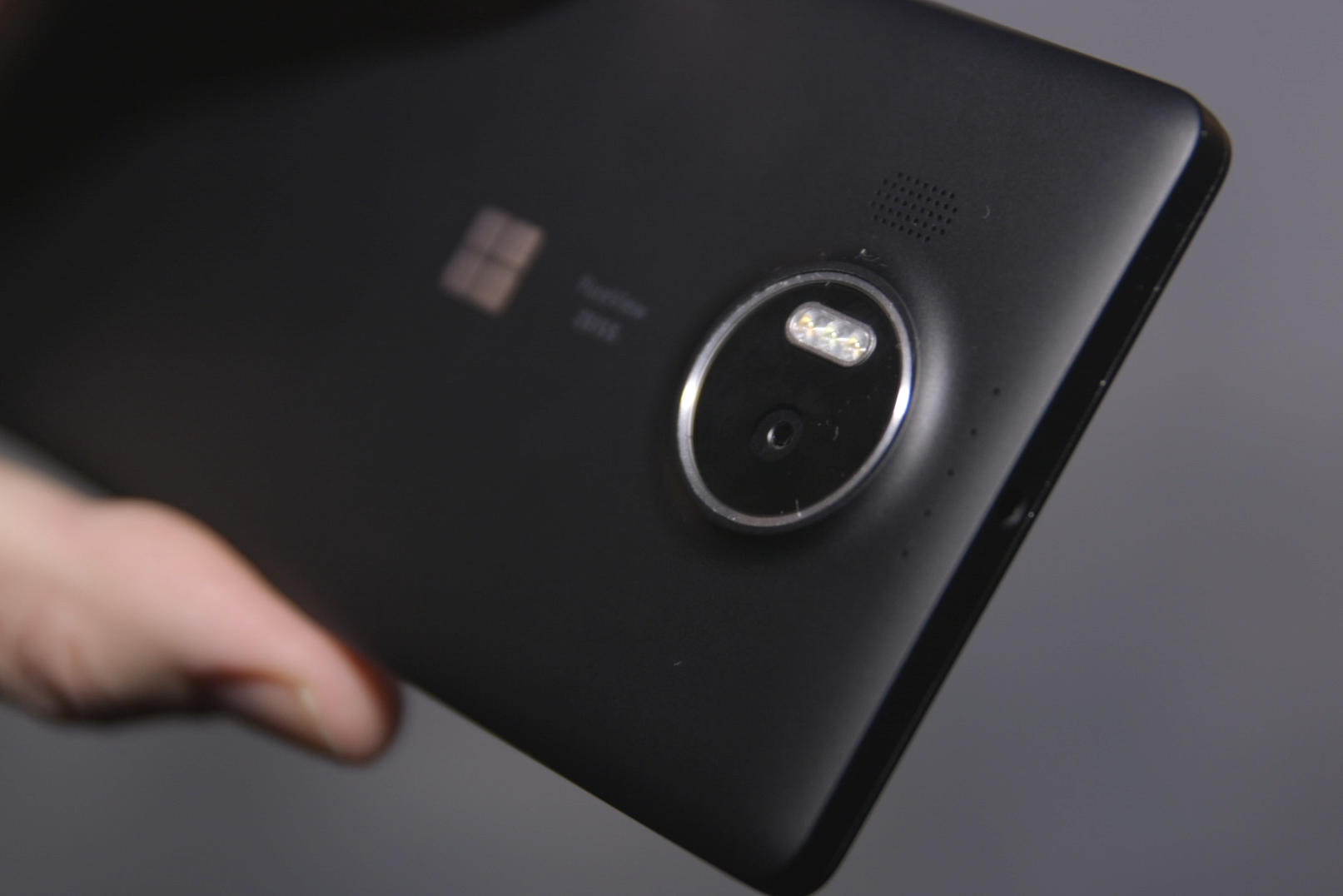
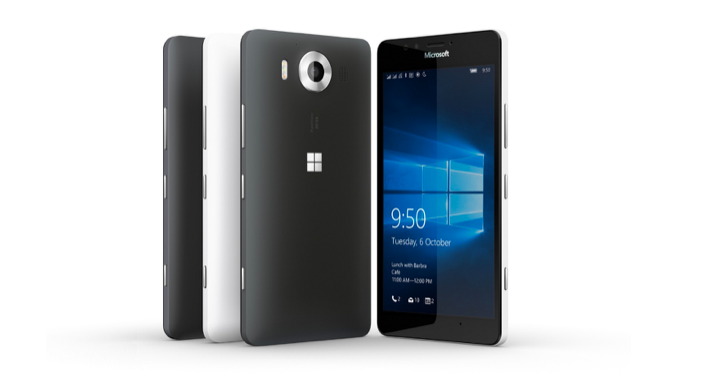
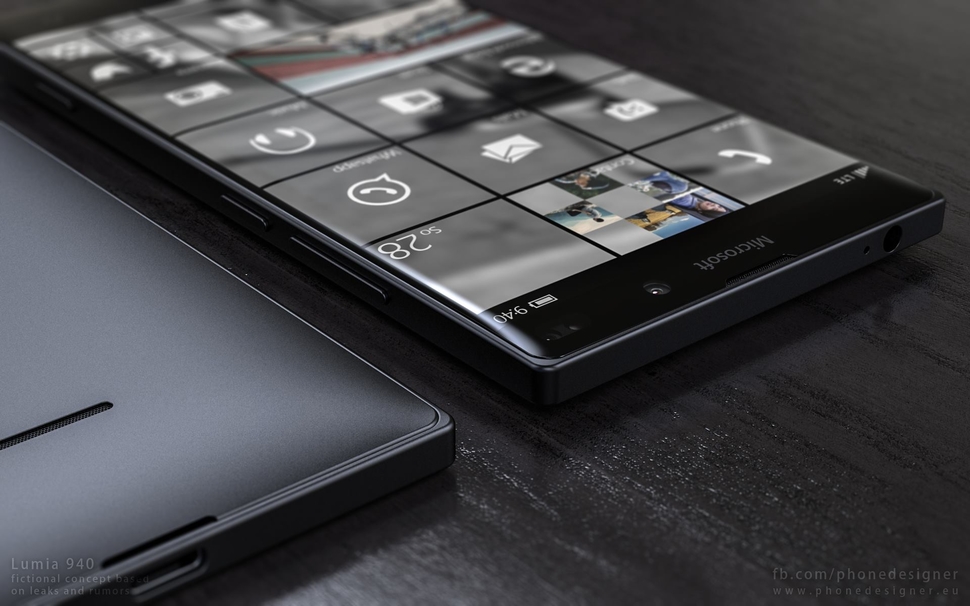
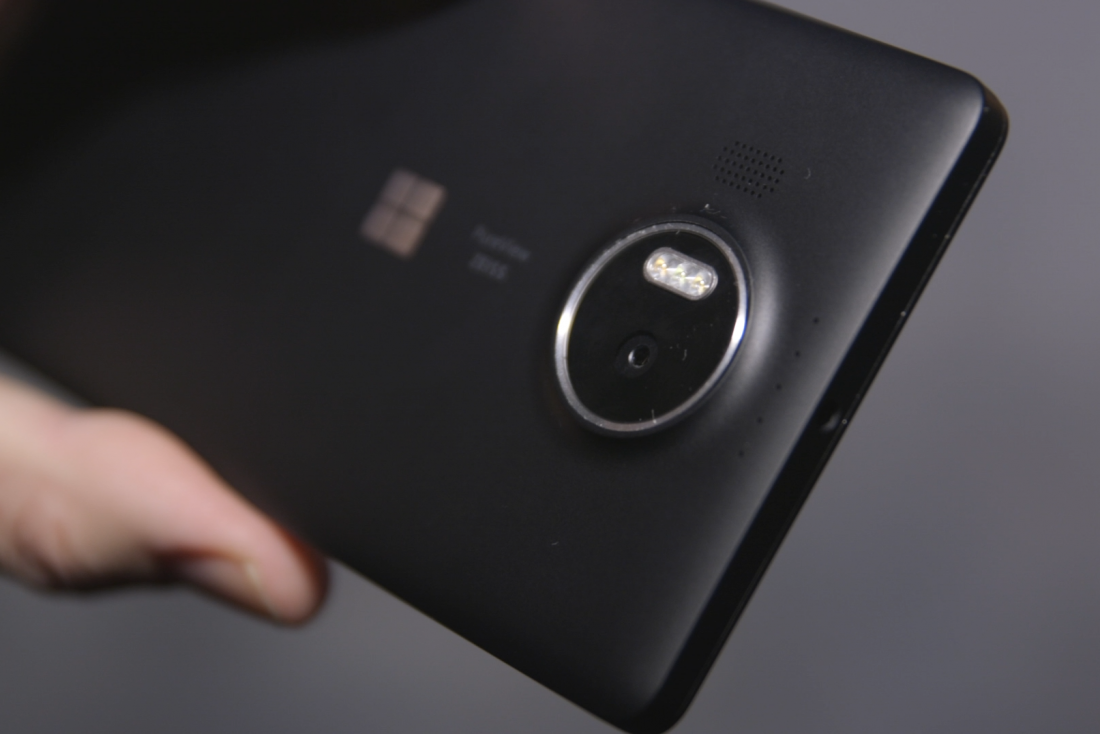
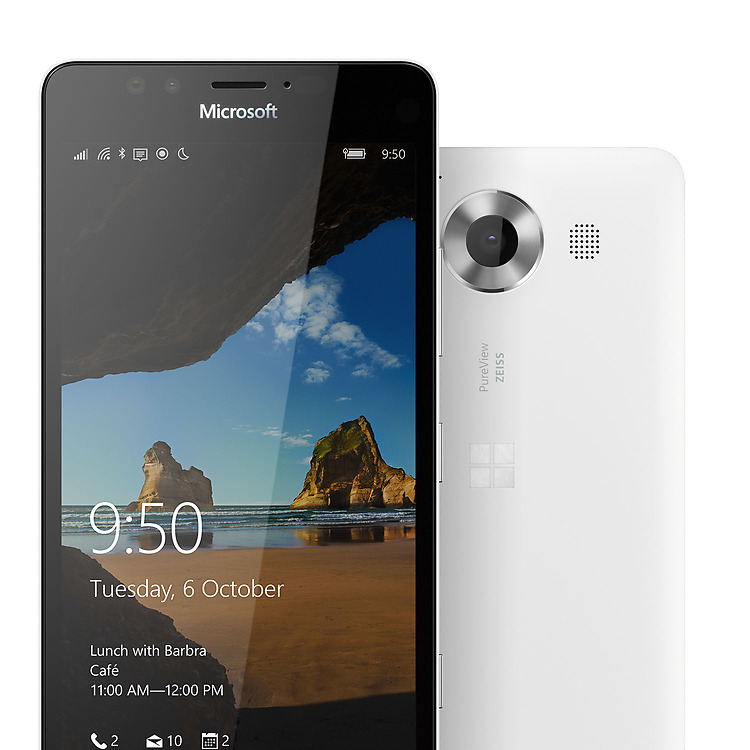
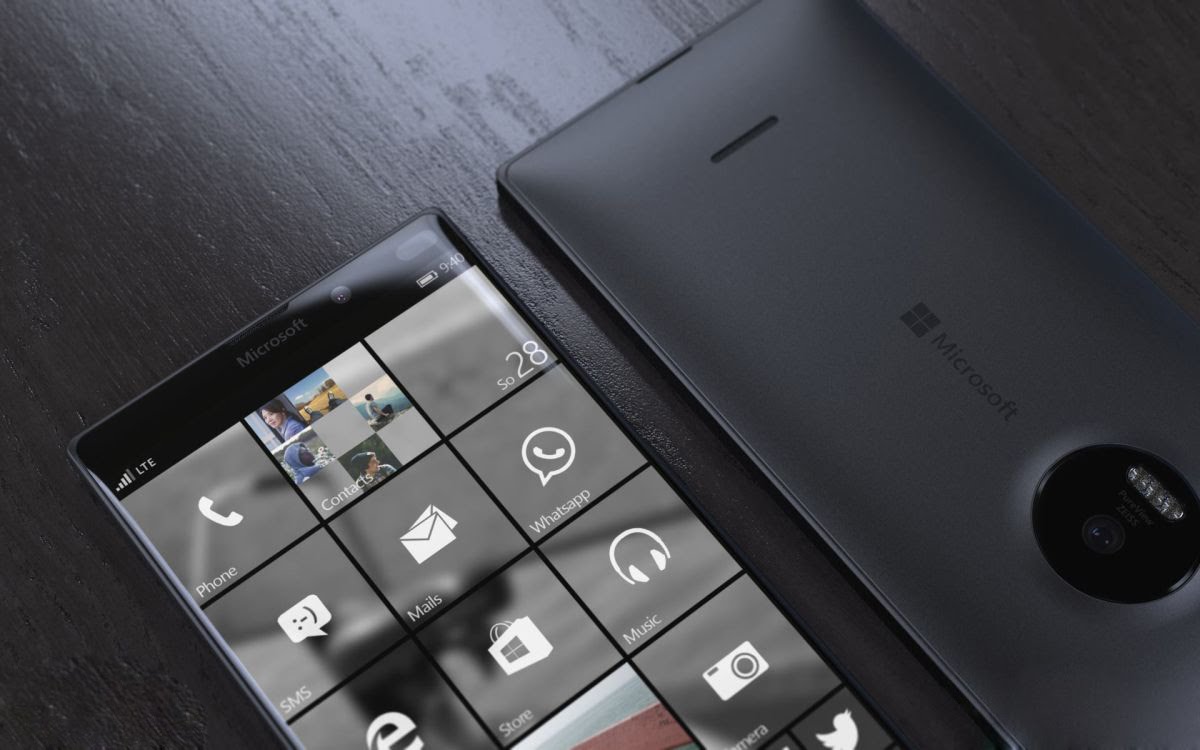
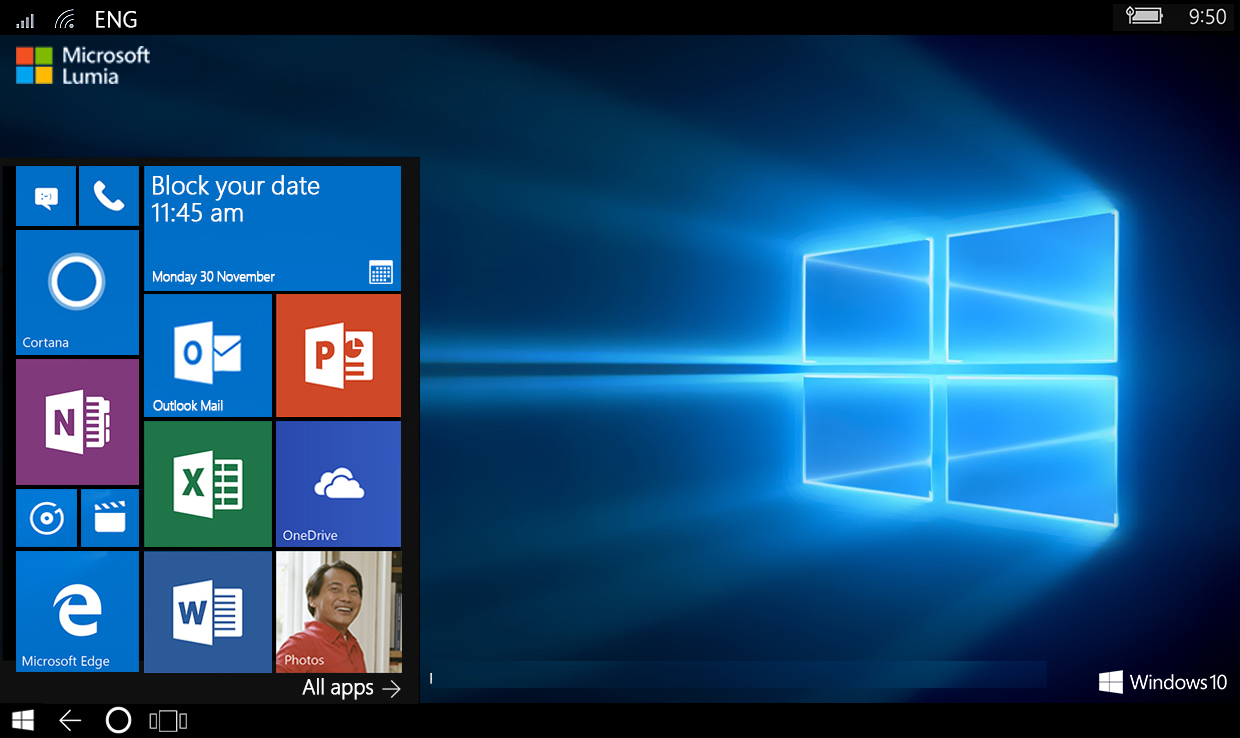
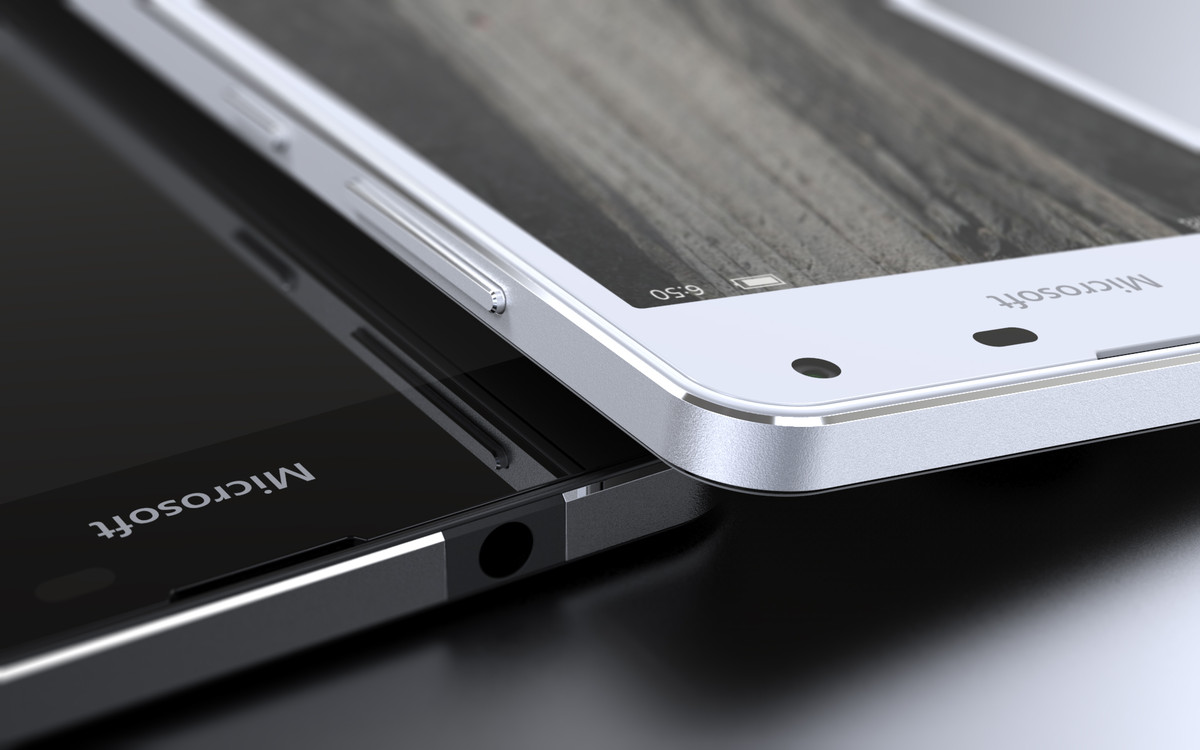
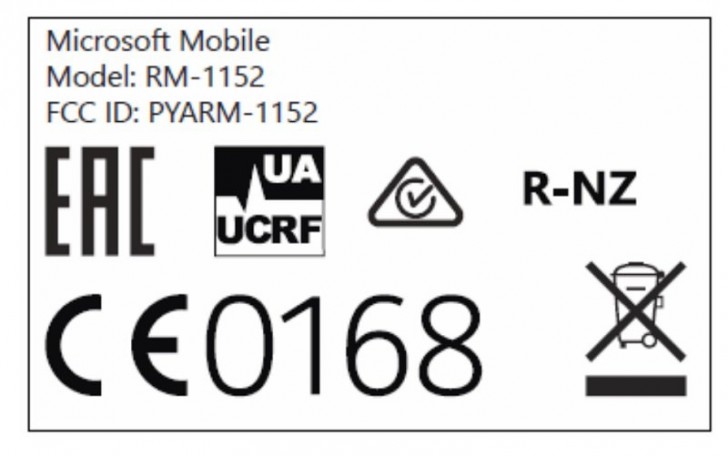
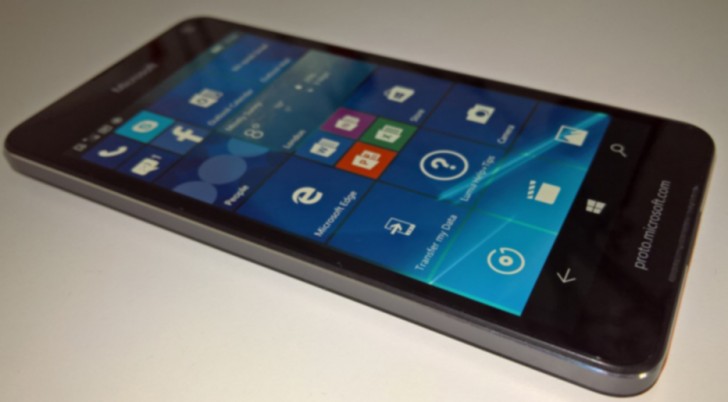
Just yesterday, rumors about Microsoft’s Lumia 650 had emerged with a leaked image and some specs. Today, the alleged handset had passed the FCC hurdle, which means a launch is imminent. The leaked live image of the device also confirm a metal frame for a more premium finish.
The 5-inch 720p display device is likely to come bearing the Snapdragon 210 chipset clocking at 1.1GHz. A 2,000mAh battery pack in the 650 is small, especially when compared to the Lumia 640 (2,500mAh) and the Lumia 550 (2,100mAh).
Furthermore, it is the single-SIM variant that has been cleared by FCC with the model number RM-1152 suggesting the device will first launch in the United States. Microsoft will also offer a dual-SIM variant for the device.
From what the specs tell us, and this is yet unconfirmed, the Lumia 650 lacks both juice and power, but does well with the exterior design, and a pricing of under Rs. 10,000 (similar to the Lumia 550) will be needed for this device to tempt the masses.
Not much has been spoken or revealed about Microsoft’s upcoming smartphone, Lumia 650. Indeed, the company has managed to keep a tight lid on the device. That is until now at least. The Lumia 650 handset has been spotted in a live photo that reveal design. The same source has also provided some information on specs.
The obvious design element that we first spot from the picture is the metal frame. The leaked specs of the Lumia 650 are underwhelming to say the least. The 5-inch 720p display device is likely to come bearing the Snapdragon 210 chipset clocking at 1.1GHz. A 2,000mAh battery pack in the 650 is small, especially when compared to the Lumia 640 (2,500mAh) and the Lumia 550 (2,100mAh).
From what the specs tell us, and this is yet unconfirmed, the Lumia 650 lacks in juice and power, and a pricing of under Rs. 10,000 (similar to the Lumia 550) will be needed for this device to tempt the masses.
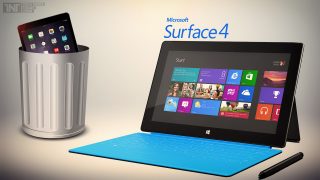
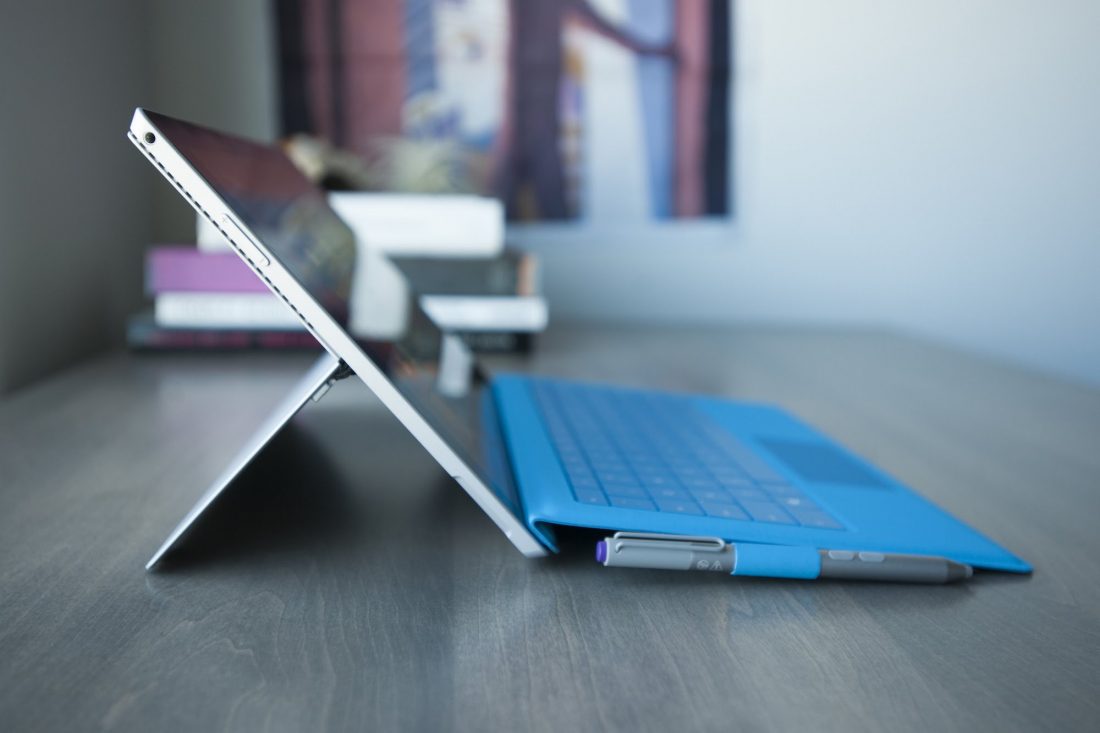
Microsoft fanboys, the day you’ve been waiting for is here. United States based tech giant, Microsoft has launched its highly appreciated laptop killer range, the Surface Pro in India today. The Surface Pro 3 models start at Rs 73,990, while the Surface Pro 4 range starts at Rs 89,990. The country being a make or break market for Microsoft, this over-the-top pricing for the Pro 3, and Pro 4 range could hurt Microsoft in the long run.
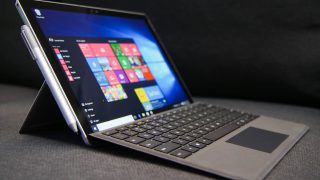
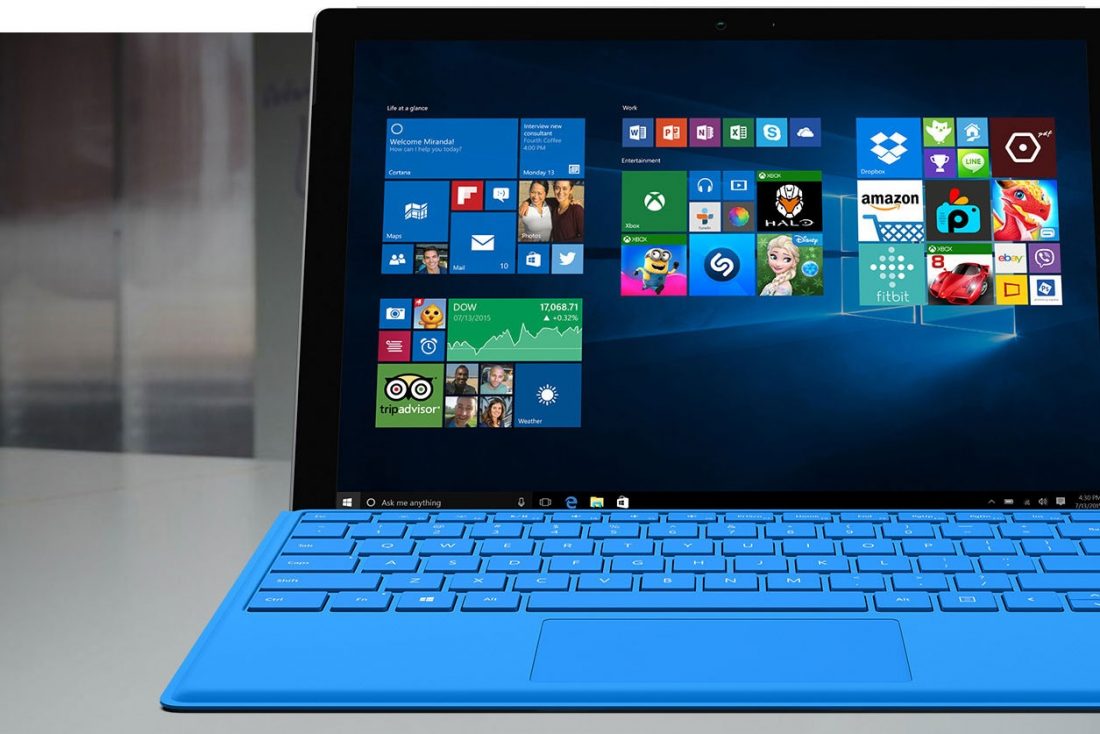
The Surface Pro 4 features a 12.3-inch Pixel Sense display, that can output a maximum resolution of 2736 x 1824 (267 PPI). It will run on a 6th Gen Intel Core m3, i5, or i7 processor. The device will have 4GB,8GB,16GB RAM depending on the variant of choice, and will be available in storage options of 128GB, 256GB, 512GB, 1TB SSD drives. To add to this, the Surface Pro 4 will also come equipped with Intel HD Graphic chips, or an Intel Iris chip for the top of the line i7 variant.
The hybrid tablet will be powered by Windows 10, and the cool thing about the the device is that it turns into a fully-powered laptop while running a desktop software. Battery life is promised at just over 9 hours on a single charge, and the device will weigh not over 786 grams.A 5MP front, and 8MP camera at the back are also found on the tablet.
Surface Pro 3, on the other hand, has a smaller 12-inch ClearType screen that can output maximum resolution of 2160x1440p and will be available in Core i3 and Core i5 processor options. Further specifications reveal variants with 4GB RAM and 128GB SSD; 8GB RAM and 128GB SSD; and 8GB RAM and 256GB SSD. The tablet comes with the same connectivity options as its newer sibling, but the camera on the front and back have 5MP resolution.
Microsoft’s flagship 12 inch hybrid tablet that promises to put your laptop out of business for good is all set to take up Indian markets by storm in the coming days. Microsoft has started sending invites of the launch event for the Surface Pro in India on the 7th of January, 2016. Microsoft fearing a backlash because of the high price of the series had shied away from introducing the Surface Pro range in India for a long time, but its seems the company has decided to cast those apprehensions aside, and trust its loyal user base in the country.
The Surface Pro 4 whose pricing has not been disclosed by the company yet, looks set to retail in India over the Rs. 60,000 mark. For the hard earned money you spend, Satya Nadela, and Co. present to you a gorgeous piece of consumer hardware that can easily take on all the productivity tasks that you throw at it. This hybrid tablet is a sure-shot upgrade from the Surface Pro 3, but still leaves you wanting more when it comes to battery life.
The Surface Pro 4 features a 12.3-inch Pixel Sense display, that can output a maximum resolution of 2736 x 1824 (267 PPI). It will run on a 6th Gen Intel Core m3, i5, or i7 processor. The device will have 4GB,8GB,16GB RAM depending on the variant of choice, and will be available in storage options of 128GB, 256GB, 512GB, 1TB SSD drives. To add to this, the Surface Pro 4 will also come equipped with Intel HD Graphic chips, or an Intel Iris chip for the top of the line i7 variant.
The hybrid tablet will be powered by Windows 10, and the cool thing about the the device is that it turns into a fully-powered laptop while running a desktop software. Battery life is promised at just over 9 hours on a single charge, and the device will weigh not over 786 grams. Not bad we say.
The Surface Pro 4 on paper looks like a device which if priced right could easily make deep inroads into the Indian consumer market, and keeping in mind how carefully Microsoft has been looking at India in the past year or so, come 7th of January, 2016 Indian consumers could well expect this game changer from the tech giant to be priced reasonably, and make way into their homes.
They came, they saw and they conquered 2015 -we take a look at smartphones above the price range of 40K in this list which took the tech circuit by storm this year.
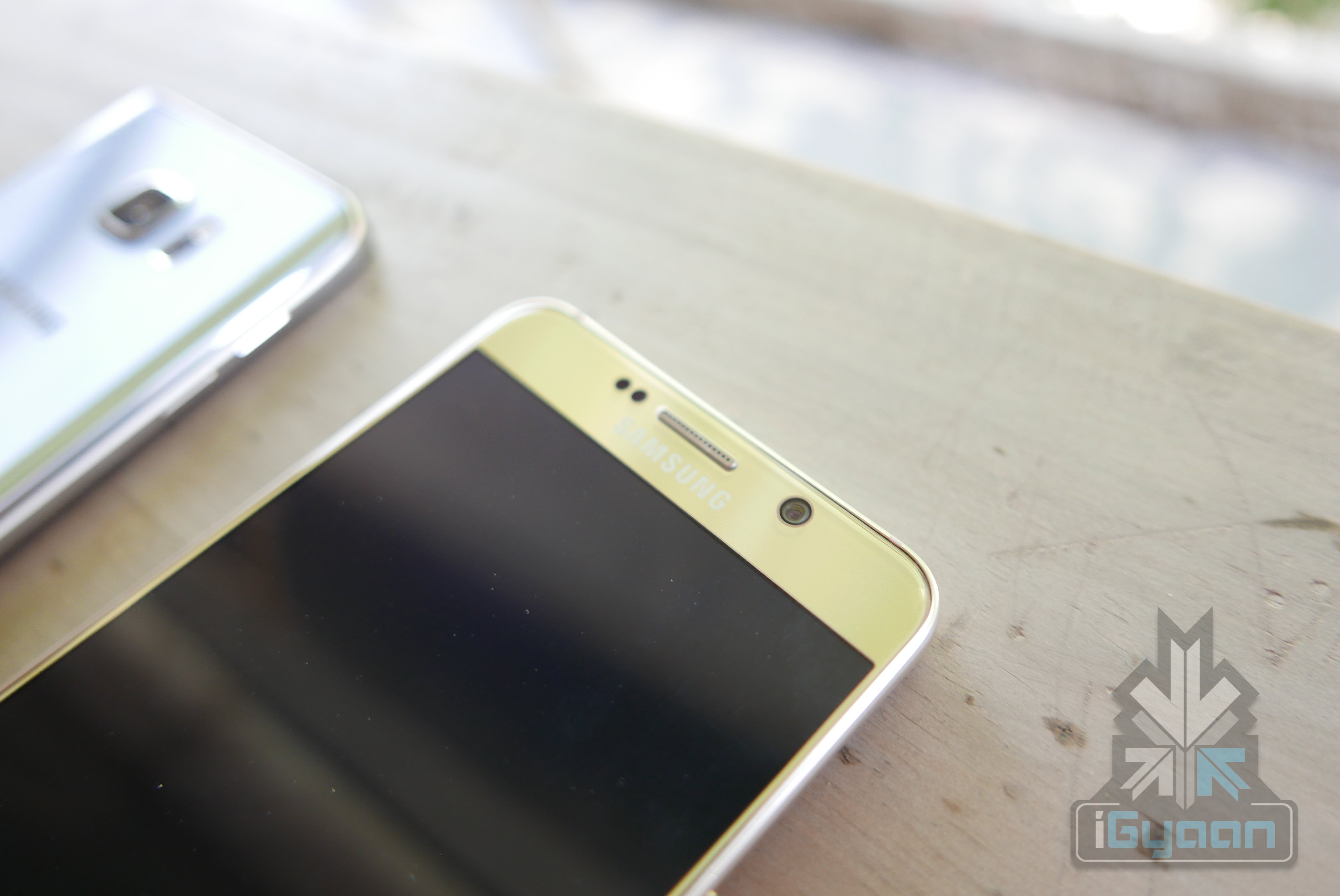
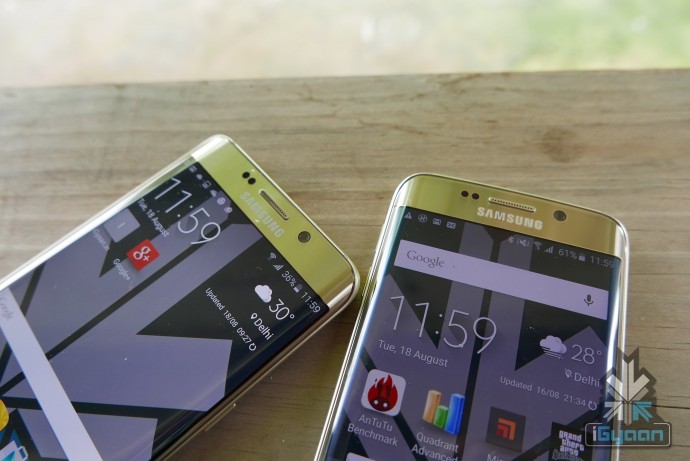
Samsung Galaxy S6 Edge and Edge Plus: Samsung Galaxy S6 Edge sports a 5.1 inch Super Amoled screen and QuadHD resolution with a total of 577 ppi. Powered by a 2,600 mAh battery, the handset is available only with fixed storage of either 32GB, 64GB or 128GB, which are all based on UFS 2.0 (Universal Flash Storage). With 16 MP primary camera, it is capable of shooting 4K video as well. Click here to check out the hands on of the gold variant of Samsung Galaxy S6 Edge.
When it comes to S6 Edge+ -everything from display and resolution to chipset and cameras are identical to the Galaxy S6 Edge. However thanks to the new large display of the S6 Edge+ the pixel density drops to 515 ppi vs the mammoth 577 ppi on the S6 Edge. The Edge+ variant also sports a larger 3,000 mAh battery to combat the drain from the larger QHD Super AMOLED display. An additional 1 GB of LPDD4 RAM, takes it upto 4 GB on the Edge+ however the phone is missing the 128GB storage option as only the 32 and 64 GB variants will go on sale. Find the complete review of Galaxy S6 Edge+ here.
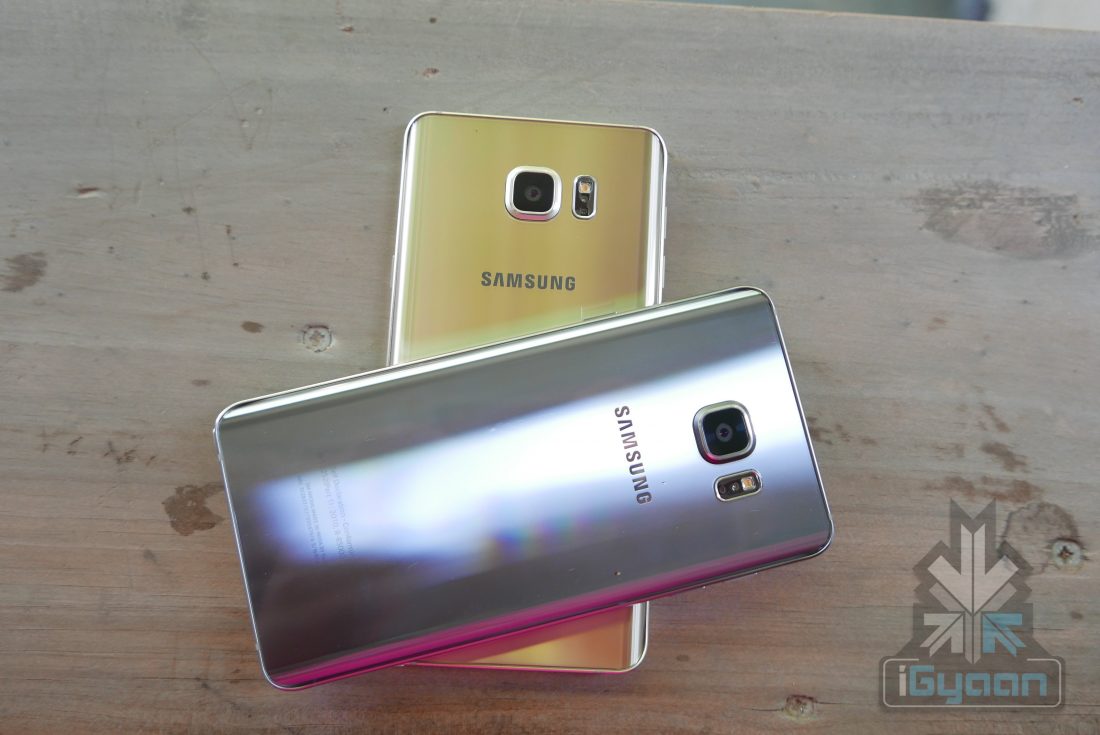
Samsung Galaxy Note 5:
Samsung Galaxy Note 5
The Note 5 is a beautiful device thanks to its extensive use of glass and metal -Gorilla Glass 4 on the back and the front, and rear glass tapers in to the edges, putting the Edge display design on the back of the Note 5. It runs on what is possibly the best version of Samsung’s skin called “TouchWiz”. Other features include the Slick UI elements, use of power buttons to increase or decrease screen font size, the S-Pen, which is capable of giving previews, like before, and the super smooth pop ups. The 5.7 inch size of the screen is larger than before and hence reduces the PPI to 518. For more details of the Galaxy Note 5, click here.
iPhone 6s and 6s Plus:The iPhone 6s and 6s Plus add an improved Apple A9 chip and an M9 co-processor, along with enhanced cameras. There is a 12 MP rear camera that shoots 4K videos. On the front, there is a 5 MP snapper, which however is still restricted to 720p. Compared to the iPhone 6s’ 1330 x 720p display, the Apple iPhone 6s Plus gets a larger display with a 1920 x 1080p resolution. It also gets a bigger battery and Optical Image Stabilisation in the rear camera. Everything else on both devices is identical in terms of specifications.
The introduction of the 3D Touch functionality is the highlight of iPhone 6s and 6s Plus, and the Peek and Pop UI of iOS 9 makes this feature infinitely fun. If you are in India and have been planning to buy iPhone 6s, now is the best time to do it. The smartphone has undergone a big price-cut of 11K -after being launched for Rs. 62,000 in India, it’s now available for 50K. There is a fall in the price of the iPhone 6s Plus as well but it’s not as drastic as the 6s. If you’re still unsure about the new iPhones, read our full review here.
Sony Xperia Z5 and Z5 Premium:
The Z5 Premium has a 5.5-inch 4K display. It is world’s first 4K display smartphone and comes with a 3,430 mAh battery, bigger than the Xperia Z5. The rest of the specs of the two phones are pretty much the same. The Sony Xpreria Z5 features a 5.2-inch full HD screen and 2900mAh battery. Both devices run on Android Lollipop 5.1, powered by a 64-bit octa-core Snapdragon 810 chipset with Adreno 430 GPU, 3GB RAM, 32GB storage (expandable to 200 GB).
The devices also come with a 23MP primary camera and a 5 MP camera in front. There is also a fingerprint scanner in the power button on the side of the device.
The Xperia Z5 has a matt finish that looks great. The Z5 Premium, on the other hand, has a glossy finish and will be available in Gold or Chrome. The front of the devices has BoomSound-styled dual speakers that are loud and give a crisp, well balanced sound. Click here for the complete hands on of Sony Xperia Z5 and Z5 Premium.
Lumia 950 and 950 XL:
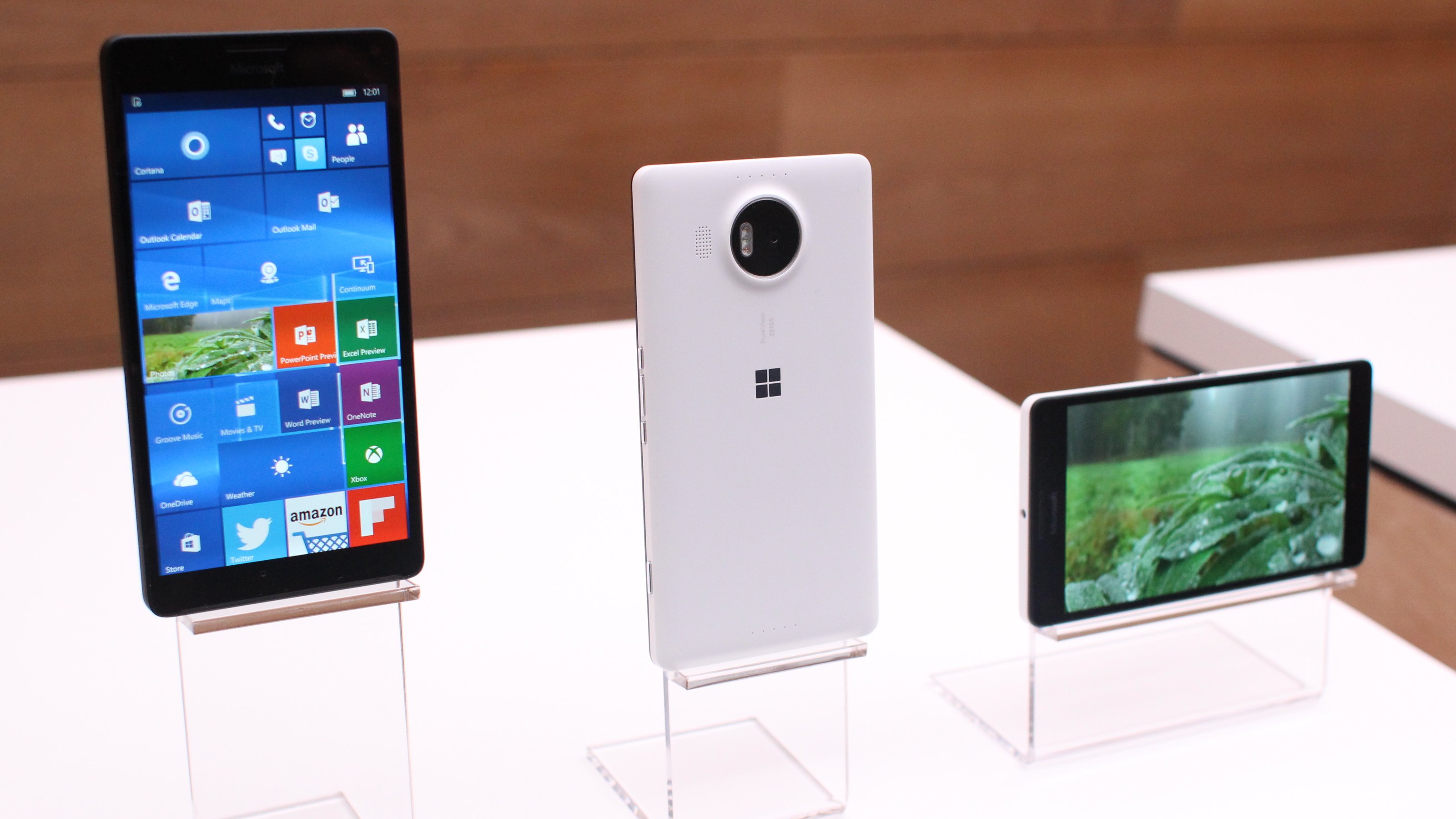
Microsoft Lumia 950 XL
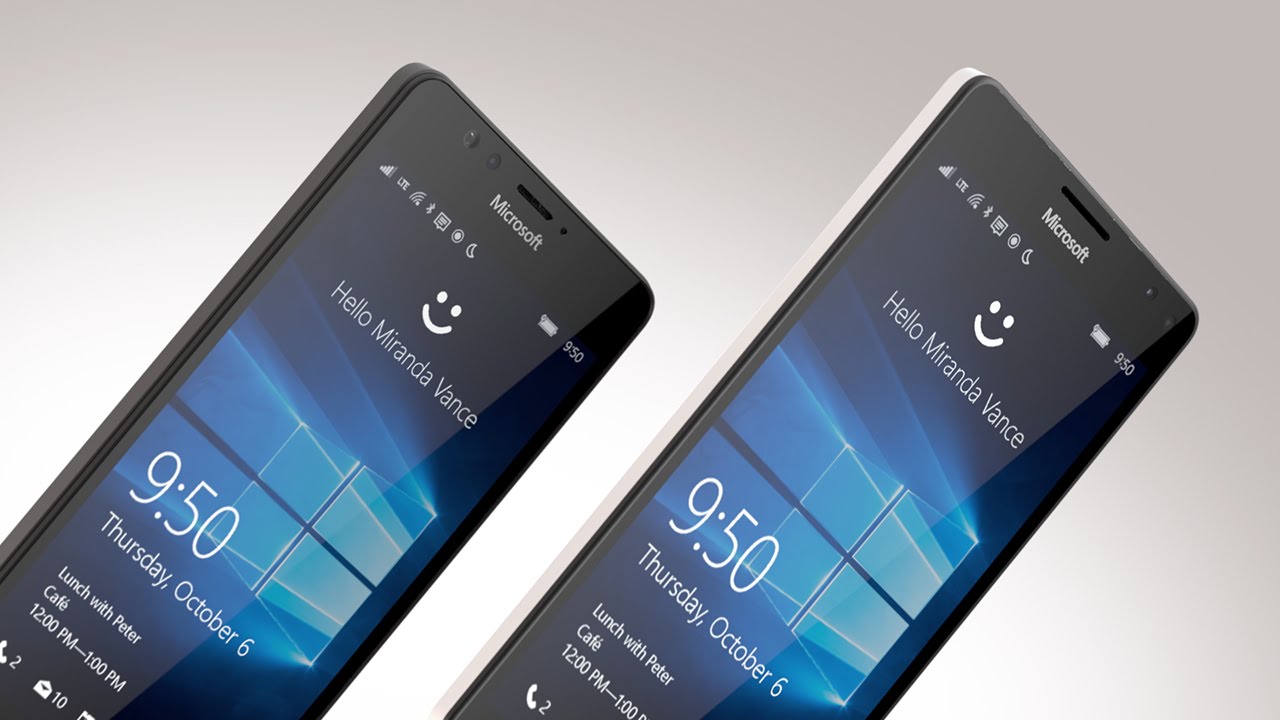
The Lumia 950 sports a 5.2-inch AMOLED display with 2560×1440 pixel resolution and a pixel density of 564 ppi for clear, sharp images. The 950 XL, on the other hand, comes with a larger 5.7-inch IPS display with 2560×1440 pixel resolution and a pixel density of 518 ppi. This is the first time Microsoft has used QHD display in its Lumia lineup.
The Lumia 950 is powered by a hexa-core Qualcomm Snapdragon 808 processor with 3GB of RAM while the 950 XL packs in a 64-bit octa-core Qualcomm Snapdragon 810 processor with 3GB of RAM. Both phones feature a liquid cooling technology, similar to the one found in the Surface tablet computer.
Lumia 950 and 950 XL have 32 GB of internal storage along with a MicroSD slot that allows up to 200 GB of expandable storage. The devices sport a 20MP primary camera with triple LED flash and fifth generation OIS, all of which promises detailed low light pictures.
The selfie snapper is marked at 5 MP and has a physical camera button. One of the biggest USPs of these Windows devices is the Continuum feature -you can read about it as well as all other specs of Lumia 950 and 950 XL on iGyaan.
The Turing Phone:
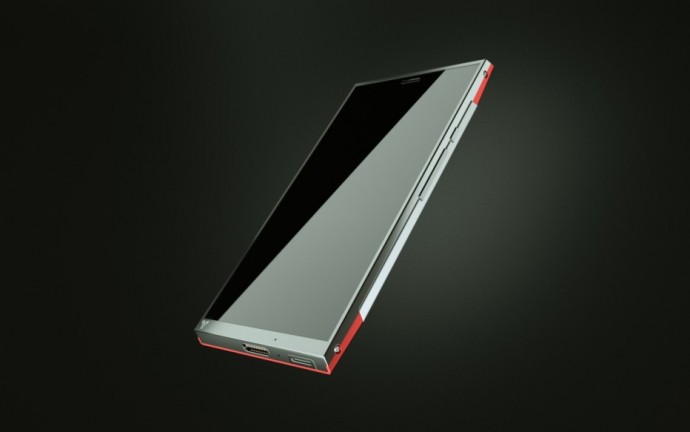
The Turing phone is an Android phone that is designed around the idea of being unhackable. It does not come with a USB port or headphone jack or any other extension that could be used to manipulate its data, leaving BlackBerry far behind in terms of security measures.
The specs of this phone include a 5.5-inch 1080p LCD, a Snapdragon 801, 3GB of RAM, a 13MP rear and an 8MP front camera, 3,000 mAh battery and a fingerprint scanner on the left side of the phone.The phone runs on a hardened version of Android 5.1 with built-in end-to-end encryption with Turing Aemaeth UI. The phone can be charged via a magnetically attached power connector, like Apple’s MagSafe.
When registrations had begun back in August this year, the 16 GB, 64 GB, and 128 GB variants were priced at $610 (approximately Rs 39,000), $740 (approximately Rs 47,300) and $870 (approximately Rs 55,700) respectively. Additionally, the dark Wyvern special edition Turing phone was available for $999 (approx. Rs.66,023), and the Dark Wyvern “Glaedr” special edition was available for $1299 (approx. Rs. 85,850). The pre-order period for the Turing phone has ended for now but you can sign up for the next round here.
BlackBerry Priv: Though the phone is yet to arrive in the country, a list of smartphones from 2015 priced over 40K won’t be complete without the BlackBerry Priv. It’s Android-powered, but is very much a BlackBerry phone. Privacy and security is of major importance here and that’s what Priv stands for. The handset is a hybrid with both a full touchscreen as well as a slide-out QWERTY keyboard. This means the phone caters to both touchscreen fans as well as keyboard loyalists. And given that very few devices today offer a keyboard, this may just work in BlackBerry’s favour.
The Priv comes with a Snapdragon 808 processor and 3 GB of RAM with 32 GB extendable storage. It features a 5.5 -inch curved display with a 1440×2560 pixel resolution and 537ppi. Finally, the phone has an 18 MP primary camera and a 5 MP front camera. The Indian pricing of the device is expected to be close to Rs. 50,000.
Moto Droid Turbo 2/Moto X Force:The phone, famous because of its ‘crack-proof’ screen, has not hit the Indian markets yet but is expected to arrive soon. Launched as Droid Turbo 2 in the US, the smartphone is expected to be released with its current price tag of $624 (Rs. 40,000 approximately) and $720 (Rs. 47,000 approximately) for the 32 GB and 64 GB variants respectively.
On the specs front, Moto X Force packs a 5.4 inch Quad HD display with a resolution of 2560×1440 pixels. It is powered by Qualcomm Snapdragon 810 octa-core chipset along with 3 GB of RAM. The two internal storage options of 32 GB and 64 GB are expandable up to 2 TB with the help of a microSD card.The highlight of the device is its super-hardy screen.
Needless to say, Motorola cannot stop talking about its first ever shatter-proof phone in the world. Let’s see if Moto X Force manages to live up to all the expectations. It seems like a pretty neat device which is why it’s included in this list.
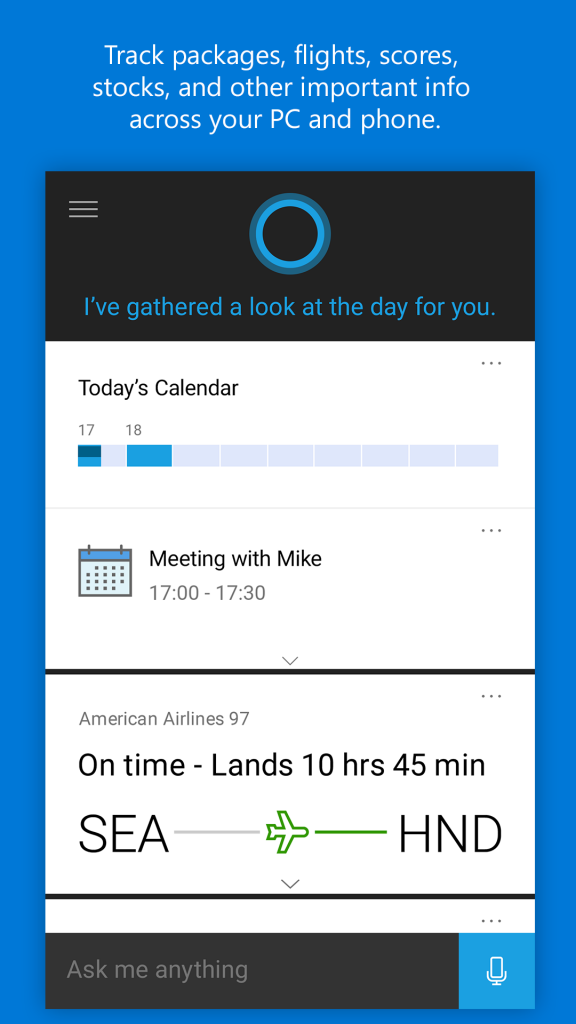
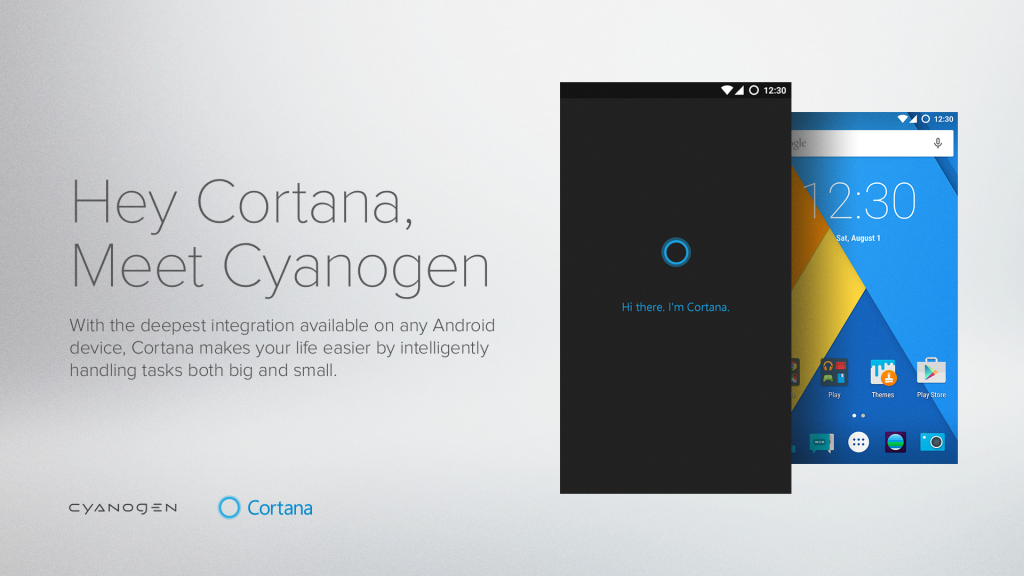
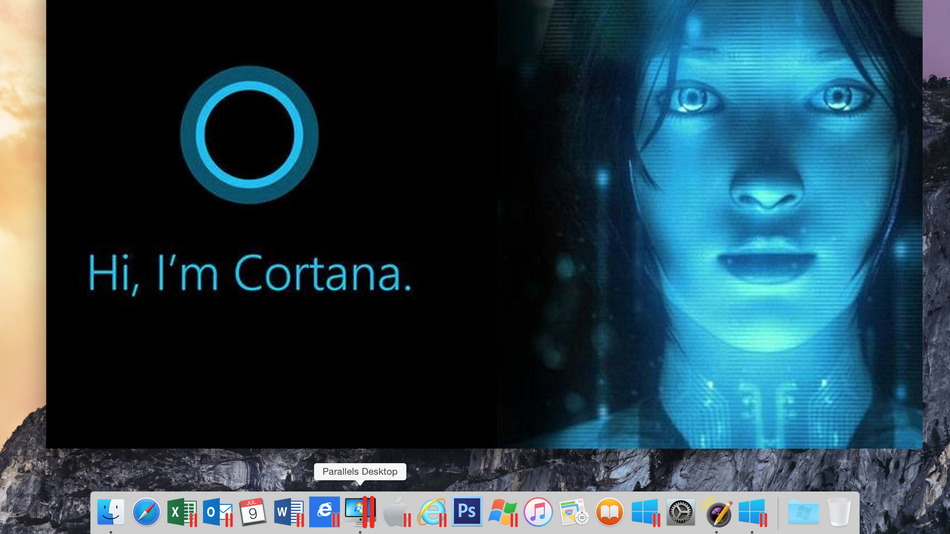
Microsoft revealed in an official announcement that Cortana is now available on select iOS, Android and Cyanogen OS powered devices. It is available in the US and China for iPhones running iOS 8 and above and Android 4.1.2 and above. For OnePlus One powered by Cyanogen OS in the US, it will be made available later this month with the 12.1.1 over-the-air update.
“…as a result of our close partnership with Cyanogen, we created a more integrated experience to enable Cortana’s voice activation ‘Hey Cortana’ on Cyanogen devices so you can call on her while on any screen or when you’re immersed in an app,” says Microsoft.
The Android and the iOS version of Cortana look pretty much the same as the Windows version that came out earlier this year in July. However, there will be some differences in the capabilities of the assistant across various operating systems owing to API availability of the respective platforms.
It would be interesting to see if Cortana on an iOS device makes its mark. Features like “Hey Cortana” hands-free capability and SMS replies from the PC for missed calls would be missing on iPhones, putting the voice-enabled personal assistant at a disadvantage over Siri. In a recent survey where Cortana, Siri and Google Now were put to test, Siri had emerged as the winner in accuracy. Let’s see if Cortana’s presence on Android and iOS devices can change that. It’s available in the App Store and the Google Play Store in the US as of now.
A report has emerged clearing the cloud of rumours around a Microsoft Surface Phone -by stating it will be launched in the second half of 2016. Surface head Panos Panay and his team of engineers, the same team which worked on Surfce Pro tablet line, will be responsible for the design of the phone.
The phone will run on Windows 10, and is expected to arrive in May. If previous speculations are to be believed, the Microsoft Surface Phone is expected to be more productivity-oriented instead of specs.
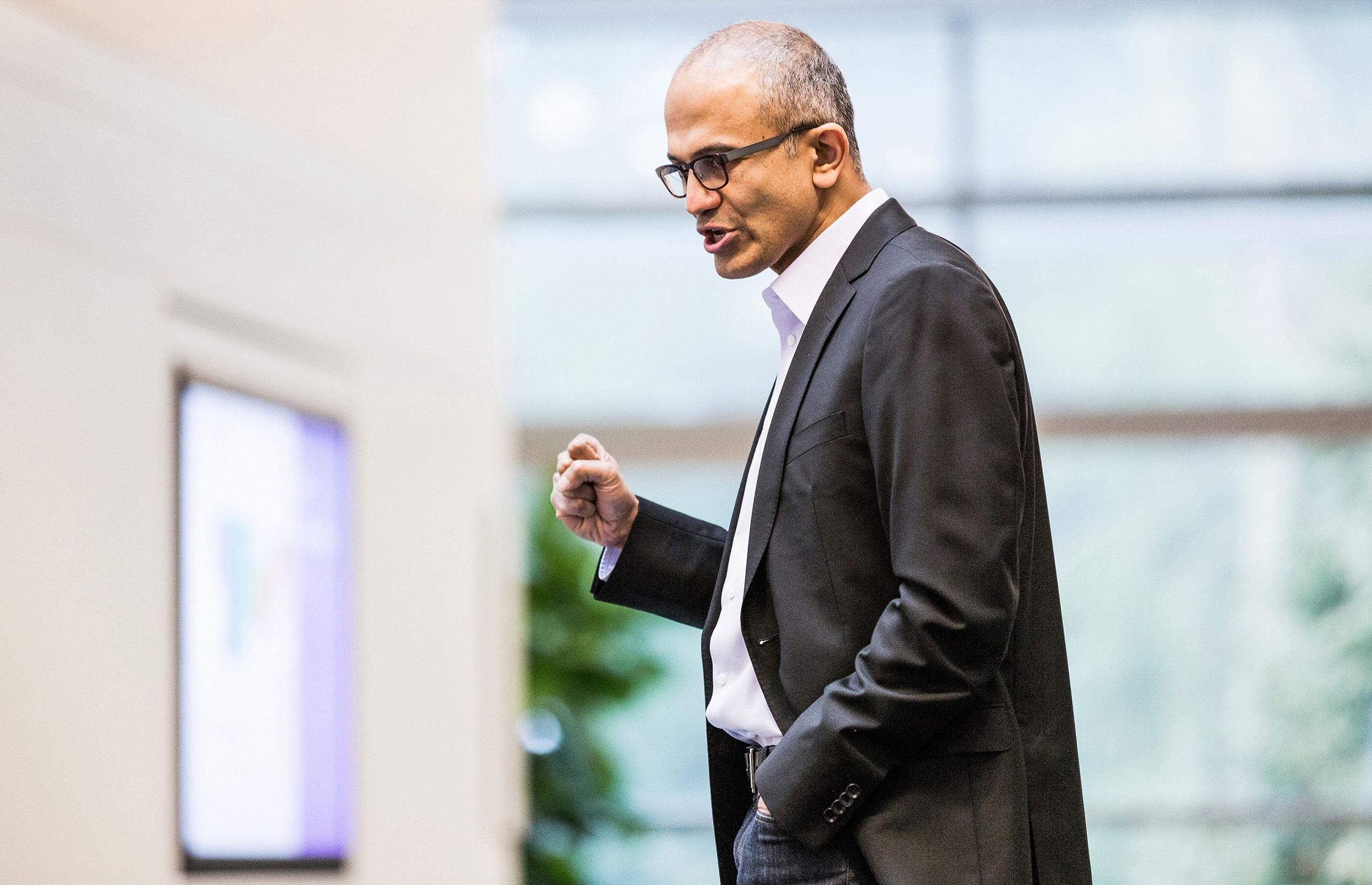
Satya Nadella, CEO of Microsoft
The device will be a Microsoft flagship, and according to some sources, could be powered by a Snapdragon 820 chipset. Others suggest it would be something much more powerful than the current Qualcomm Snapdragons. The advanced cooling technique of Lumia 950 XL will also be made part of the Surface Phone.
Many believe that the reason Microsoft is not putting in too much effort in a widespread US release of the Lumia 950 and 950 XL is because of Microsoft’s plans to bring out a Surface Phone soon. This could be a reason why the company isn’t investing too much in marketing its new flagships. Watch this space for updates.
Source: Windows Central
Microsoft started an initiative last year called Cities Unlocked and introduced its first in-ear device on a trial basis in the UK. The highlight of this device was that it allowed users to hold conversations without the headset’s audio drowning out the voices.
The initiative, which was founded in 2011 as a partnership between Microsoft and a UK based charity called Guide Dogs, is now introducing its ‘phase two’ over-the-ears headset which includes audio descriptions and instructions related to directions, navigation and over-all surroundings of the user. The ‘3D soundscape’ of the device takes into account the direction of the incoming sound as well as the one the wearer is facing.
Jarnail Chudge, Microsoft’s project leader for Cities Unlocked programme, says, “After phase one last year we started to think deeply about how we can empower people to be more independent, more mobile, and act in much the same way as a sighted person would do.”
The audio prompts would be provided by the headset using a Bluetooth connected smartphone. More information about the surroundings can also be requested by the wearer, along with the option of replaying the audio they’ve just heard. The initiative aims to help over 285 million visually impaired people all over the globe using technology.
Find out more about this new headset in the video below.
Microsoft held an event last month where it unveiled a slew of products that included the new flagship smartphones – Lumia 950 and 950 XL. The devices have finally been launched in India. The Windows 10-powered handsets boasts of top notch specs and performance. Here’s everything you need to know about Microsoft’s newest Lumia devices.
https://www.youtube.com/watch?v=snEIjWR4lQw
Display
The Lumia 950 sports a 5.2-inch AMOLED display with 2560×1440 pixel resolution and a pixel density of 564 ppi for clear, sharp images. The 950 XL, on the other hand, comes with a larger 5.7-inch IPS display with 2560×1440 pixel resolution and a pixel density of 518 ppi. This is the first time Microsoft has used QHD display in its Lumia lineup.
Design
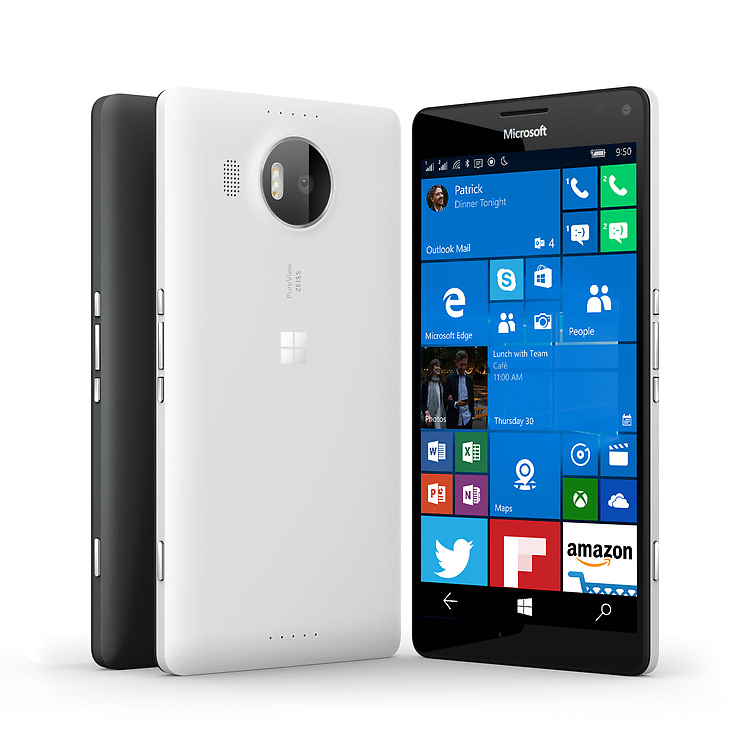
Except for the camera housing at the back, the Lumia 950 XL is basically a scaled-up version of the Lumia 950. The devices sport Gorilla Glass 4 on the top while the rest of the body is made of polycarbonate, which is quite grippy. In other words, the plastic feel of the device will find both acceptance and criticism from users. Though the devices are made for a firm grip, the look itself may feel too generic, and one may expect more from a flagship device. It is also likely that Microsoft has focused a lot more on specs than design, perhaps going for affordability.
Processor
The Lumia 950 is powered by a hexa-core Qualcomm Snapdragon 808 processor with 3GB of RAM while the 950 XL packs in a 64-bit octa-core Qualcomm Snapdragon 810 processor with 3GB of RAM and features a liquid cooling technology, similar to the one found in the Surface tablet computer, which will keep the temperature of the processor low.
Both the devices are offered in 32GB storage option and come with a MicroSD slot that allows up to 200GB of expandable storage.
Camera
Both the devices sport a 20MP primary camera with triple LED flash and fifth generation OIS, all of which promises detailed low light pictures. The devices also come with a 5MP front-facing camera and a physical camera button.
Software
Even though the devices fail to make a mark on the design and hardware front, the software truly wins the battle for Microsoft. The Lumia devices are the first set of smartphones to feature Microsoft’s latest Windows 10 operating system. Windows 10 is the company’s effort to try and bridge the gap between smartphones, tablets and PCs.
One of the biggest USP of the new Windows 10 is the Continuum feature which lets you “use your Lumia 950 like a PC by connecting it to a bigger screen, keyboard and mouse with Microsoft Display Dock, an optional accessory that enhances the new Windows 10 Continuum experience for phones — and simultaneously charges your device.”
While the above mentioned features are some of the main highlights of the device, the Lumia smartphones also come with standard connectivity options like Wi-Fi 802.11 a/b/g/n/ac, Bluetooth v4.1, NFC, USB Type-C, GPS with A-GPS and GLONASS. Sensors include Accelerometer, Ambient light, Barometer, Gyroscope, Magnetometer and Proximity.
Finally, the 950 and 950 XL are fitted with 3000mAh and 3,340mAh batteries, respectively. The devices are priced at Rs. 43,699 for the 950 and Rs. 49, 399 for the 950 XL. Here’s a detailed spec list of both devices.
Microsoft has unveiled the 950 XL at an event in New Delhi, showcasing a sleek design and a 5.7inch Quad HD display. The Lumia 950 XL is one of the two phones that have been revealed; both of which run on the Windows 10 OS.
The 950 XL that comes with a 151.9 x 78.4 x 8.1 mm dimension, weighs only 165g and is encased within a polycarbonate protection. It comes in two colours – Black and White; and has three physical buttons – power, volume and camera. On the storage front it comes with 3GB of RAM space and 32GB of internal storage which is expandable up to 200GB via a microSD card, and also supports OneDrive storage.
The Windows 10 powered handset comes with a 5.7-inch Quad HD AMOLED display with 2560×1440 resolution and 518 ppi pixel density, and also being protected by the Corning Gorilla Glass 4. It is powered by the Qualcomm Snapdragon 810 processor with Octa-core CPUs and 64-bit capabilities. On the camera front it comes with a 20MP PureView rear camera with 4K recording and a 5MP wide-angle front camera with 1080p resolution.
Connectivity options include Wi-Fi: MIMO, WLAN IEEE 802.11 a/b/g/n/ac, 4G LTE and Bluetooth 4.1. The handset is packed with a removable 3340mAh battery that supports wireless charging too and is priced at Rs.49,399.
Here are the specifications:
Specifications
Lumia 950 XL
Display
5.7-inch Quad HD AMOLED
Resolution
2560×1440
Density
518 ppi
Chipset
Qualcomm Snapdragon 810, Octa-core 64-bit
RAM
3GB
Storage
32GB
Expandable Upto
200GB and One Drive Storage
Rear Camera
20MP, PureView, Zeiss optics, OIS, triple LED natural flash, and4K video recording
Front Camera
5MP, wide-angle 1080p
Battery
Removable 3340mAh battery, USB-C fast charging, wireless charging
Operating System
Windows 10
Connectivity
Wi-Fi: MIMO, WLAN IEEE 802.11 a/b/g/n/ac, Bluetooth 4.1, 4G LTE
Microsoft launches its Windows powered Lumia 950 in India -a phone which is being touted as the phone that works just like your PC and runs on Windows 10. It features a 5.2 inch Quad HD display and measures 8.25 mm in thickness.
Lumia 950 comes equipped with Cortana, Microsoft Office and the Windows Store, and can be connected to a bigger screen, keyboard and mouse using an additional accessory called Microsoft Display Dock. The Displa Dock also charges your phone simultaneously. While the apps run on the big screen, the user can still continue to make calls and receive messages on the phone at the same time.
The handset further boasts of a 20 MP main PureView camera, capable of 4K video capture; the front camera is marked at 5 MP. Nokia 950 has 32 GB of internal storage, expandable up to a 200 GB using a microSD card. The battery of the phone is of 3000 mAh. The phone is available in two colour variants -black and white, and is priced at Rs. 43, 699.
Find other specs of Nokia 950 below:
Specification
Lumia 950
Display
5.2-inch Quad HD AMOLED
Resolution
2560×1440 (564 ppi)
Processor
Qualcomm® Snapdragon™ 808 processor, Hexa-core CPUs and 64-bit support
GPU
Adreno 418
RAM
3 GB
Storage
32 GB
Rear Camera
PureView camera with 20MP sensor, Zeiss optics, OIS,triple LED natural flash, and4K video recording
Front Camera
5MP wide-angle 1080p front-facing camera
Expandability
200 GB
Battery
Removable 3000mAh battery
Connectivity
Wi-Fi: MIMO, WLAN IEEE 802.11 a/b/g/n/ac
Bluetooth 4.1
After providing a version of Cortana to Android users, Microsoft is now looking for Windows Insiders willing to test Cortana on iOS. This process is underway as reports surfaced suggesting that iOS testers have received an email alerting them that Microsoft’s virtual personal assistant was available for download.
This version of Cortana for iOS offers voice responses to questions, provides sports scores, stock prices, reminders, alarms, and much more. And because Cortana is not just any virtual assistant, it comes with its own personality to tell jokes and sing songs. Further reports suggest that this version of Cortana for iOS is being distributed by Apple’s TestFlight and is limited to only 2000 testers. With this, Microsoft is planning to look for a way where Cortana can be used to connect iPhone users with their Windows powered PC.
Microsoft has suggested that testers set a reminder using Cortana on their PC in order to see how it works on the iPhone, and also to use it to hold meetings so that they can test whether Cortana is able to help users do so. Apart from that, interactions with Cortana are supposed to be like interactions with any other human personal assistant, so users are suggested to speak to it just like they would with any human assistant.
However, Microsoft has made no confirmation about how long this testing will last, but as of now this definitely makes the wait for iOS users shorter.
Microsoft’s Windows is a huge part of history, and as it completes 30 years of success at transforming graphical interface, let us take a short look at their journey from Windows 1 to Windows 10.
Microsoft has announced their product launch event in India for the 30th of November. They have also officially started sending out invites to Windows Insiders for the said event. Take a look at the invite –
A ‘Block Your Date’ Invite For Microsoft’s Product Launch Event in India
We can expect the launch of the two Windows 10 Lumia phones – Lumia 950 and Lumia 950 XL. Microsoft has also scheduled a product launch event for London and Manchester for the 2nd of December.The Lumia 950 has already gone on sale at the Microsoft Online Store.



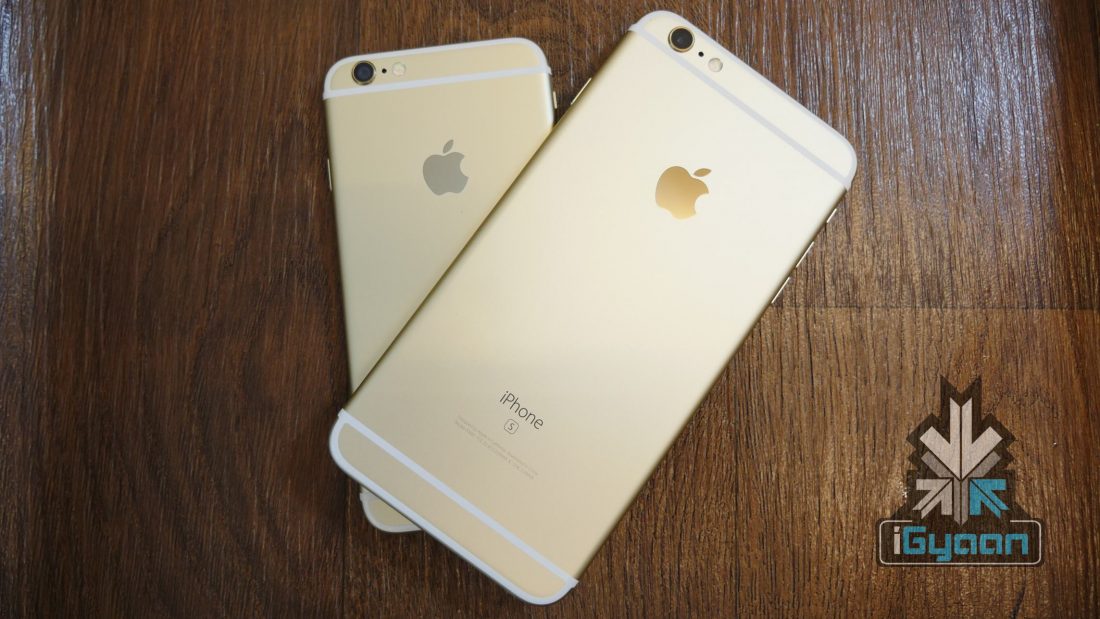 The iPhone 6s and 6s Plus add an improved Apple A9 chip and an M9 co-processor, along with enhanced cameras. There is a 12 MP rear camera that shoots 4K videos. On the front, there is a 5 MP snapper, which however is still restricted to 720p. Compared to the iPhone 6s’ 1330 x 720p display, the Apple iPhone 6s Plus gets a larger display with a 1920 x 1080p resolution. It also gets a bigger battery and Optical Image Stabilisation in the rear camera. Everything else on both devices is identical in terms of specifications.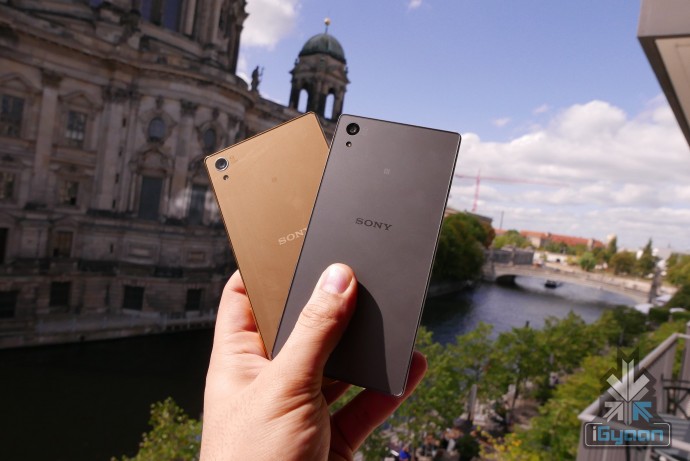
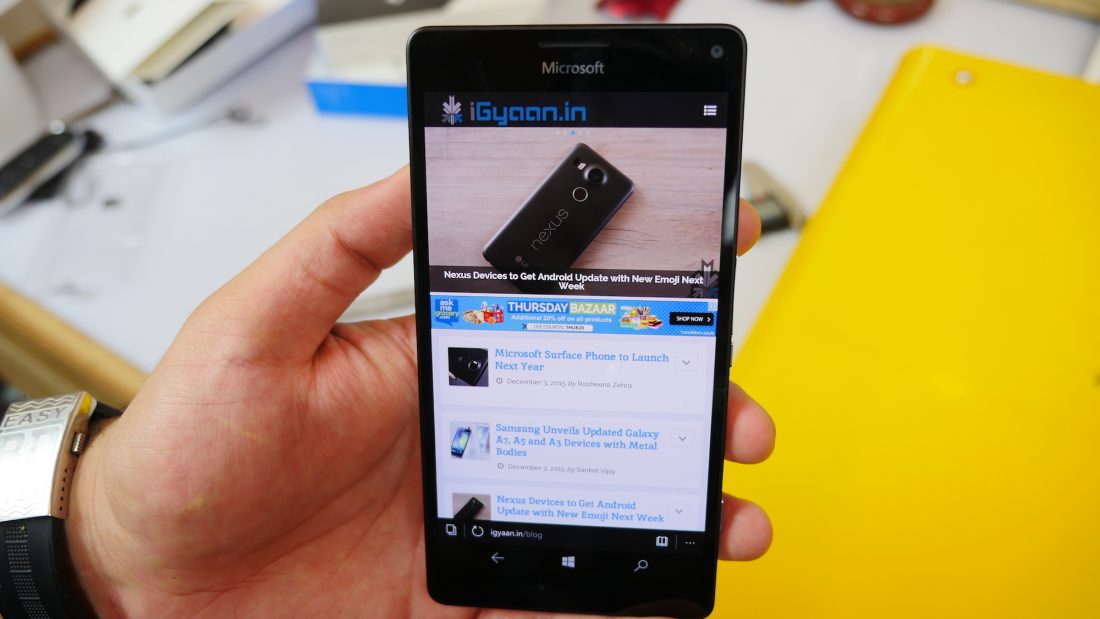
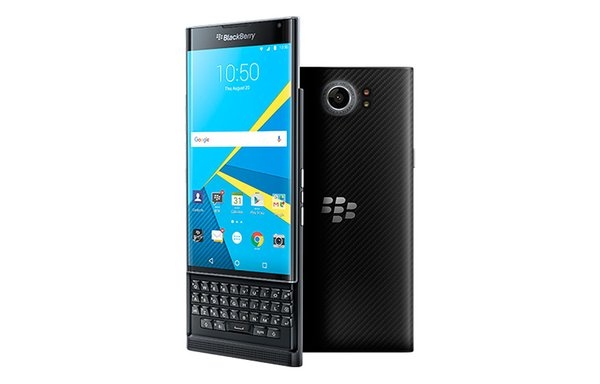 Though the phone is yet to arrive in the country, a list of smartphones from 2015 priced over 40K won’t be complete without the BlackBerry Priv. It’s Android-powered, but is very much a BlackBerry phone. Privacy and security is of major importance here and that’s what Priv stands for. The handset is a hybrid with both a full touchscreen as well as a slide-out QWERTY keyboard. This means the phone caters to both touchscreen fans as well as keyboard loyalists. And given that very few devices today offer a keyboard, this may just work in BlackBerry’s favour.
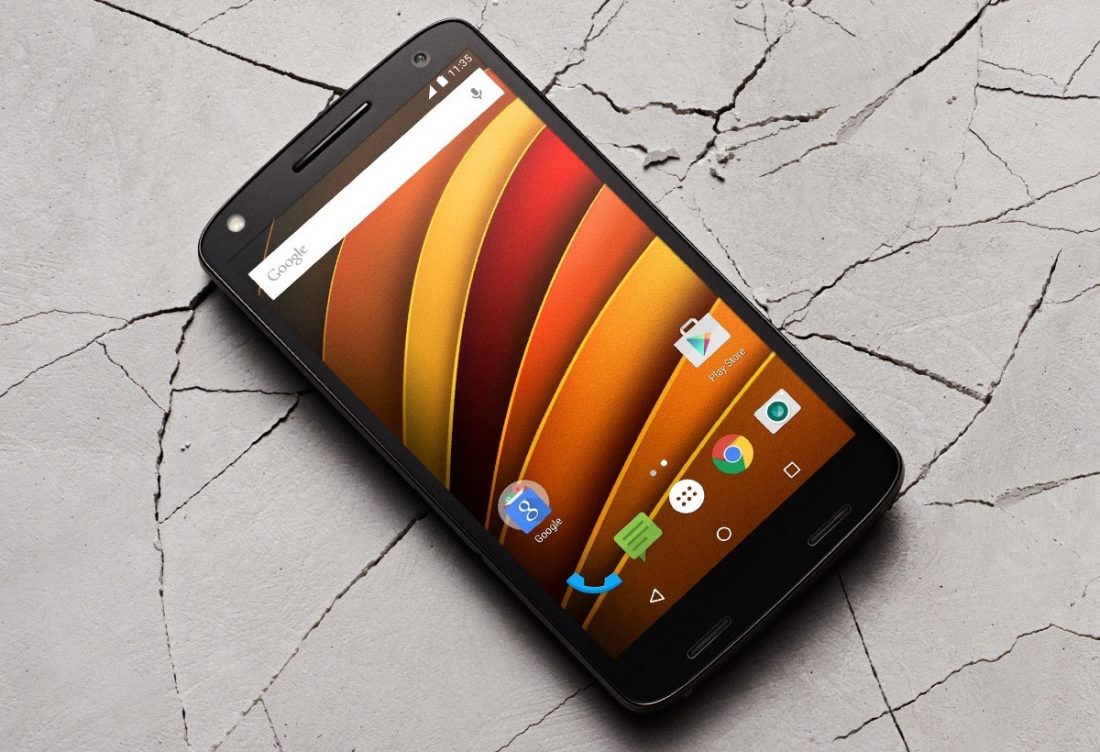 The phone, famous because of its ‘crack-proof’ screen, has not hit the Indian markets yet but is expected to arrive soon. Launched as Droid Turbo 2 in the US, the smartphone is expected to be released with its current price tag of $624 (Rs. 40,000 approximately) and $720 (Rs. 47,000 approximately) for the 32 GB and 64 GB variants respectively.