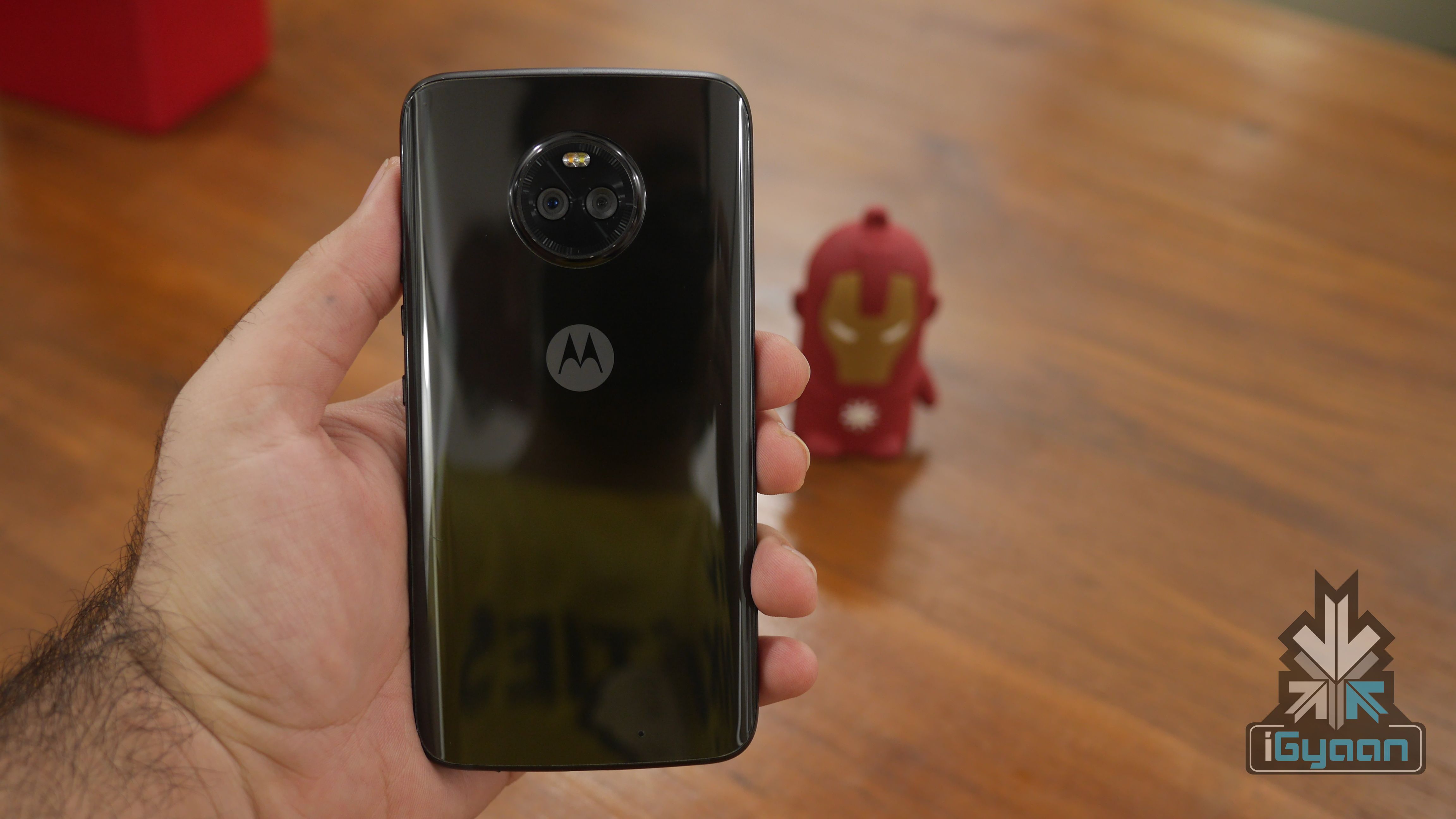
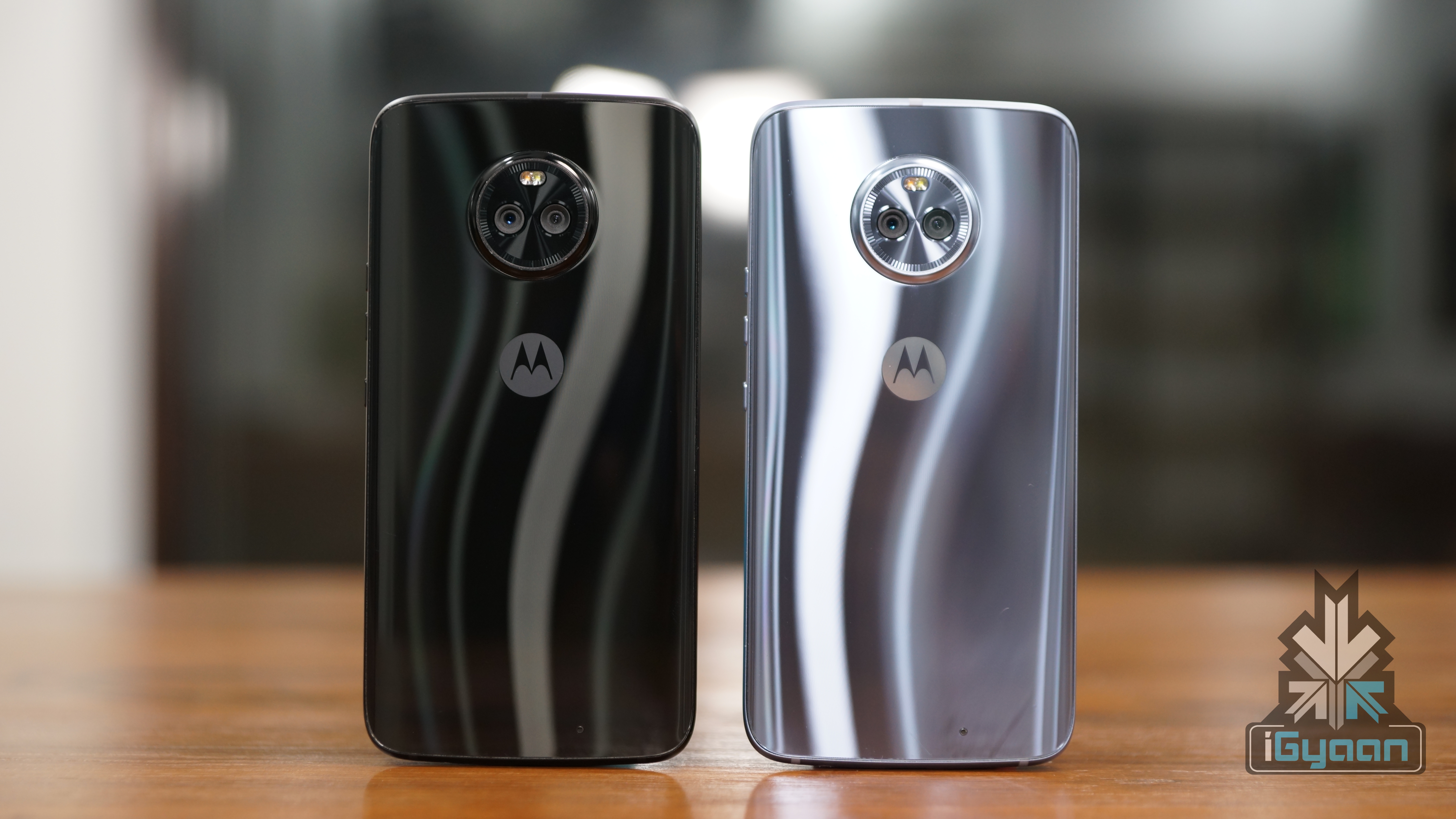
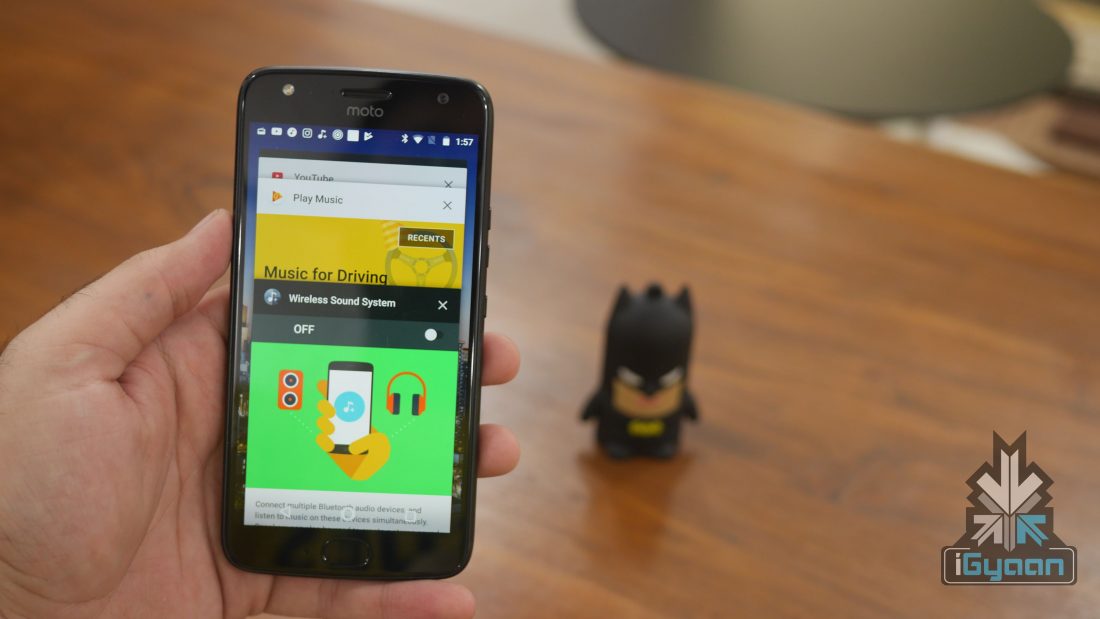
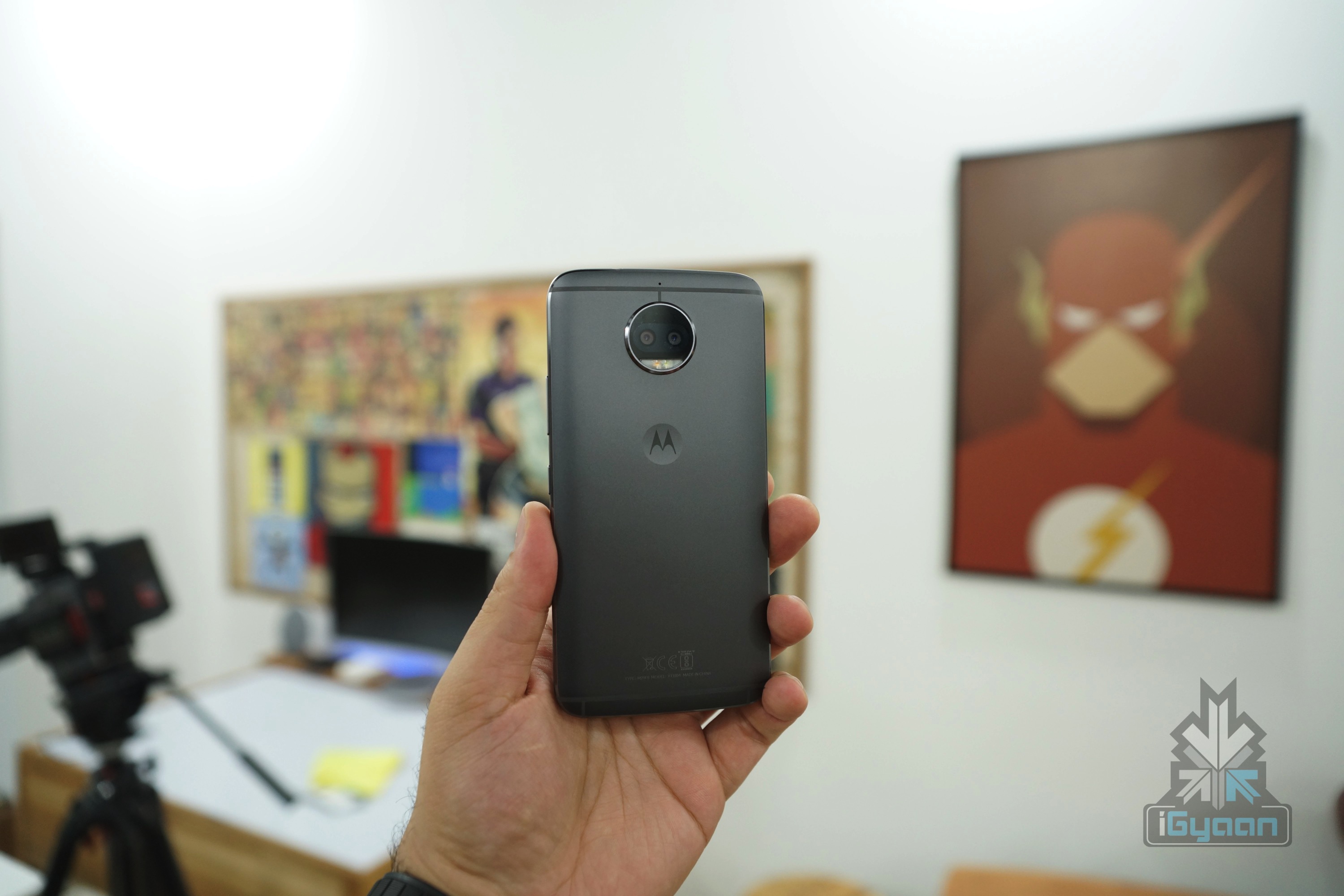
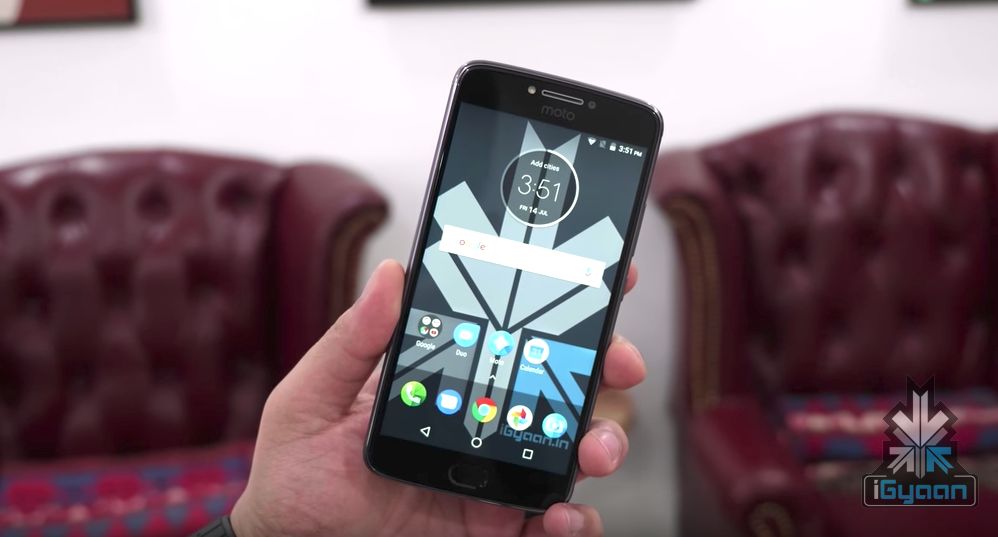
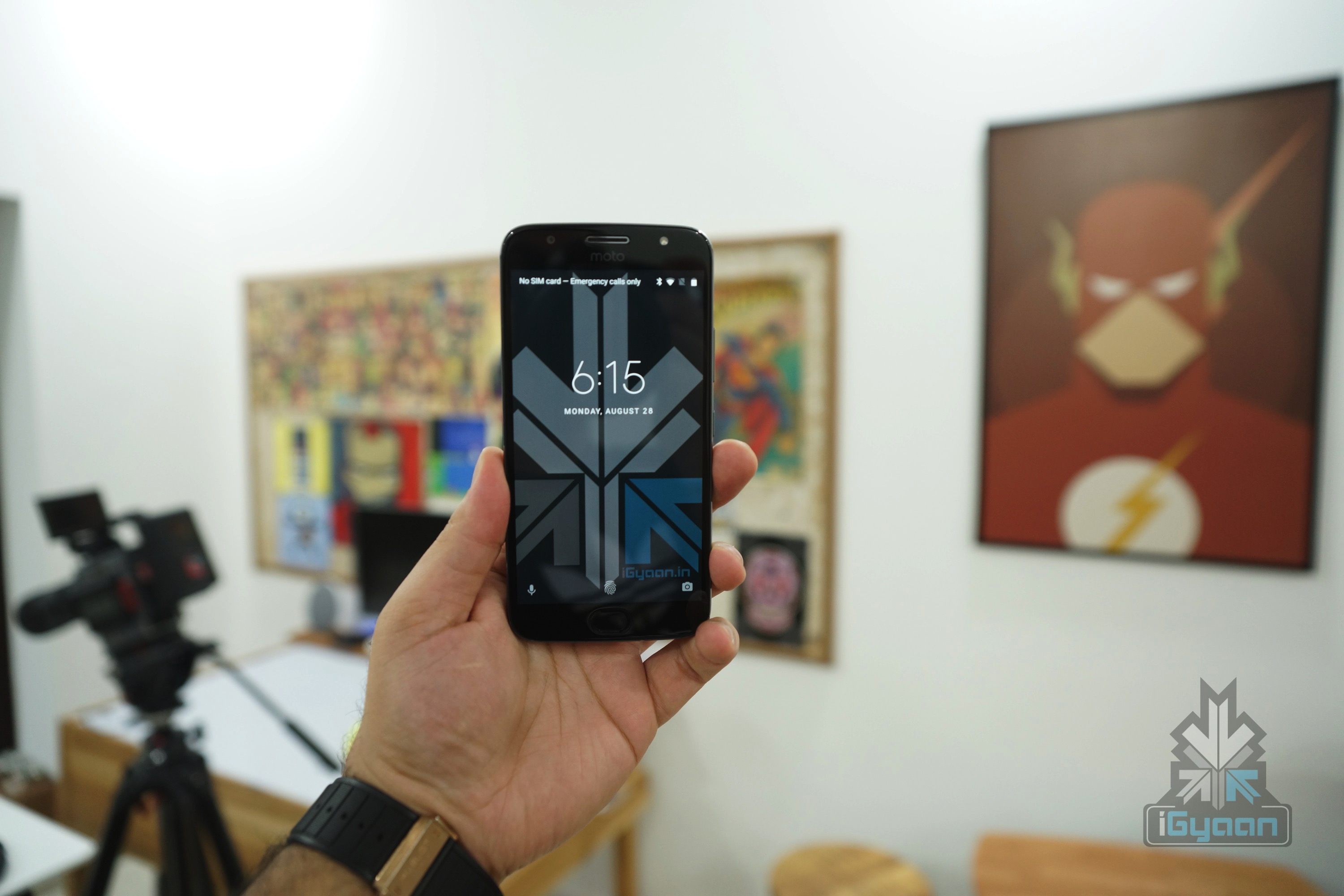
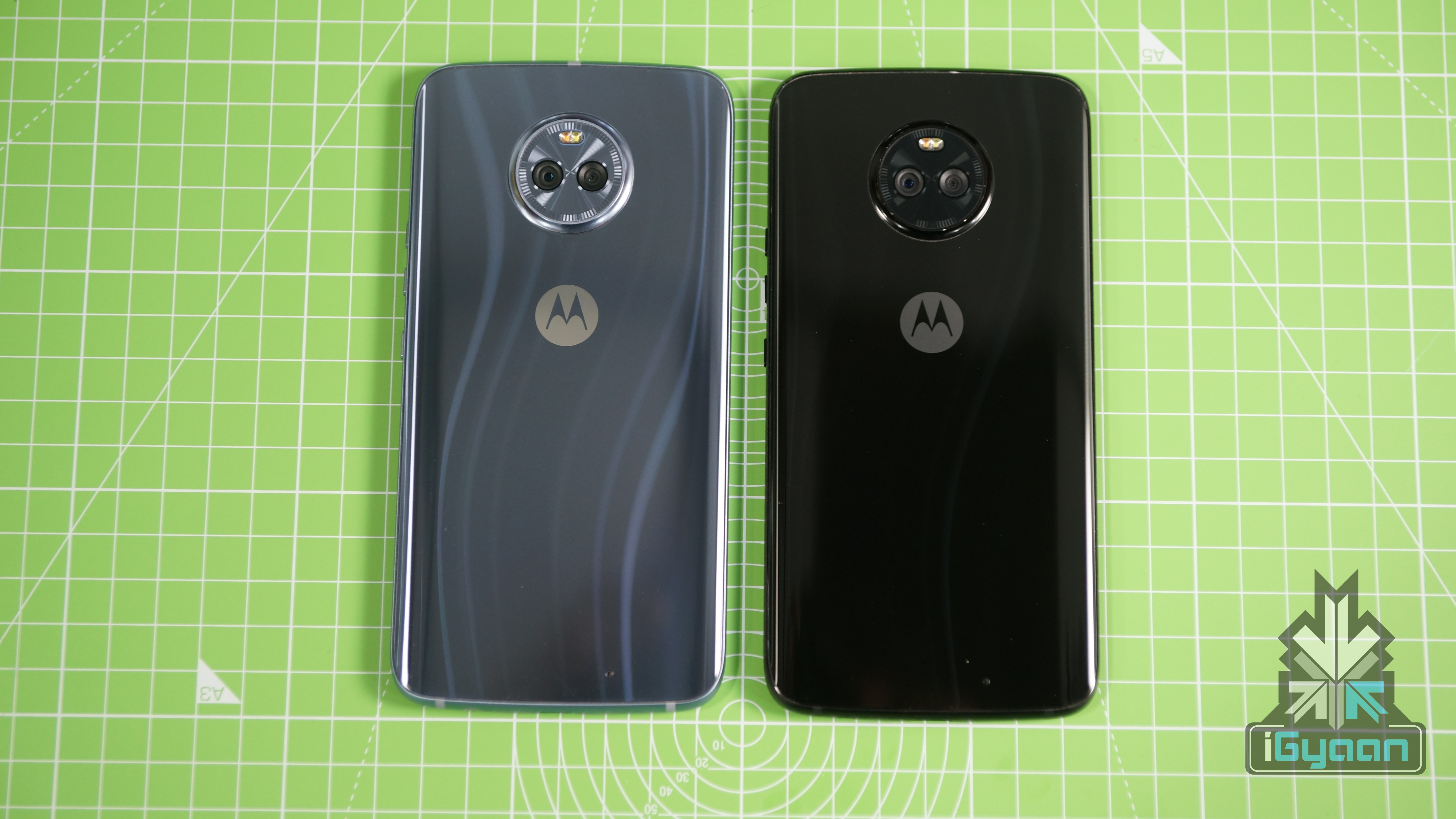
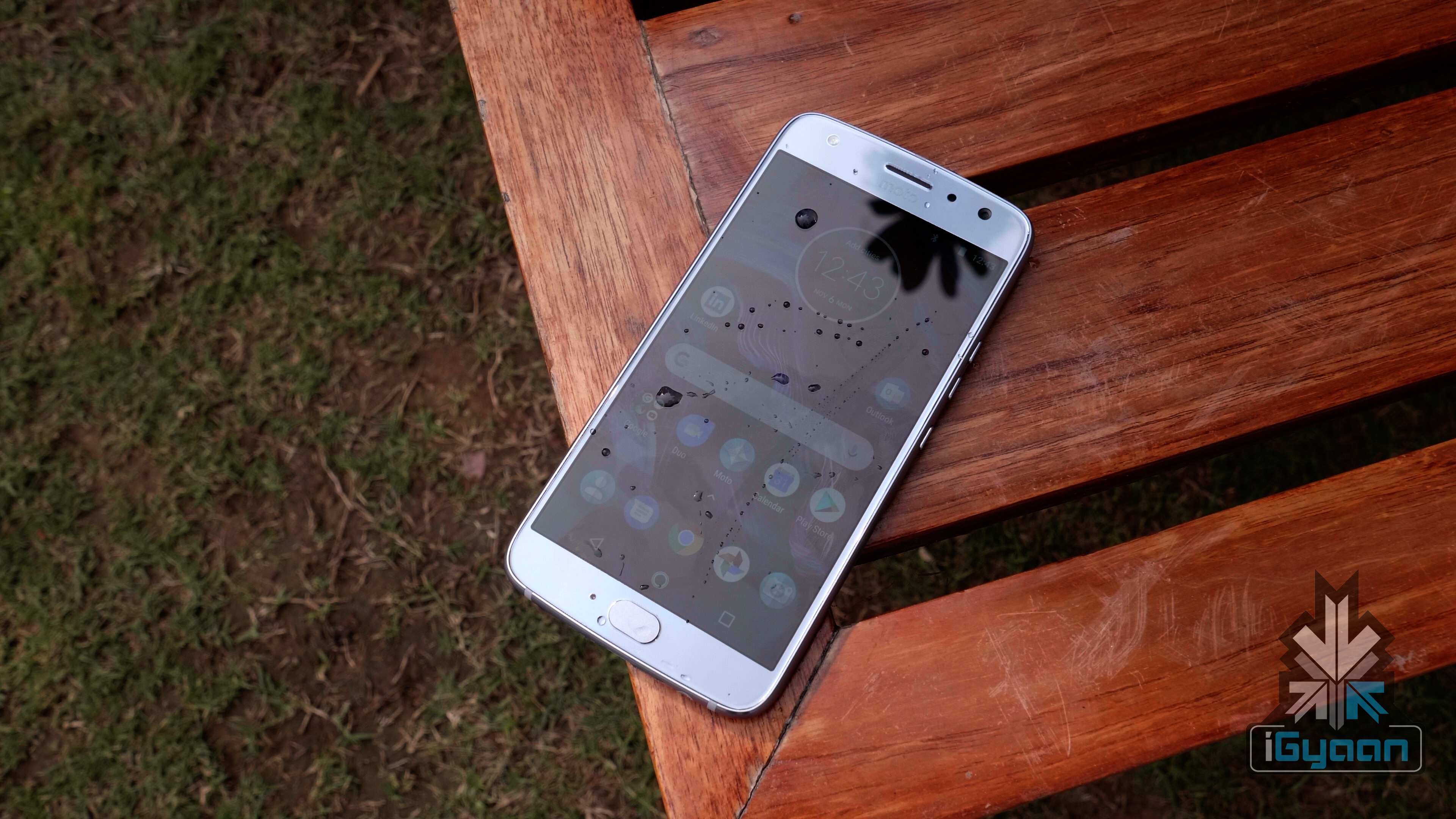
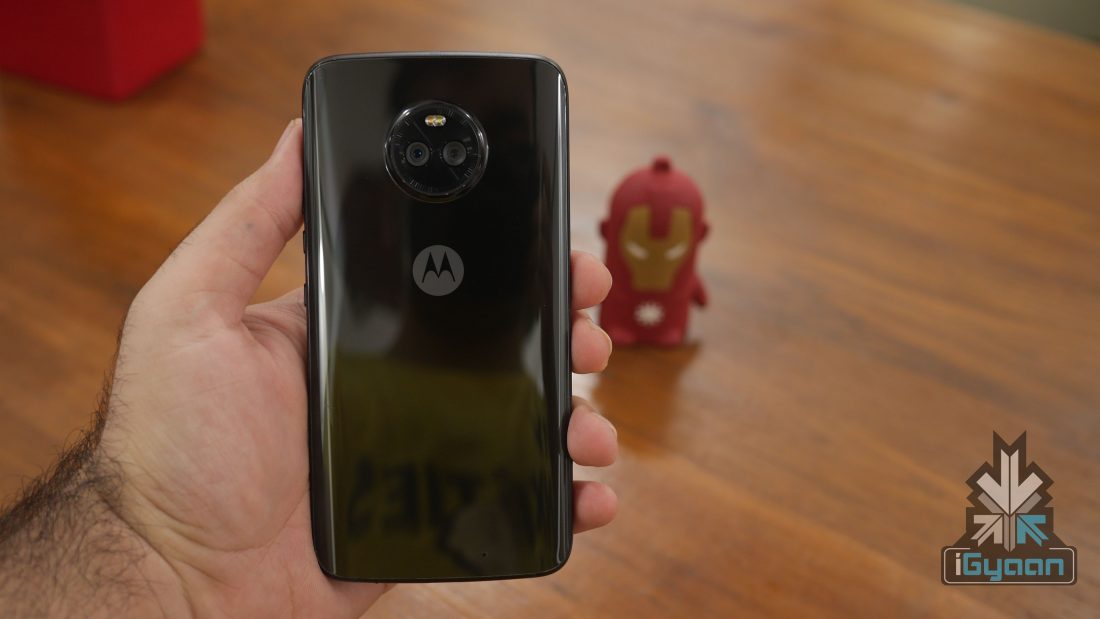
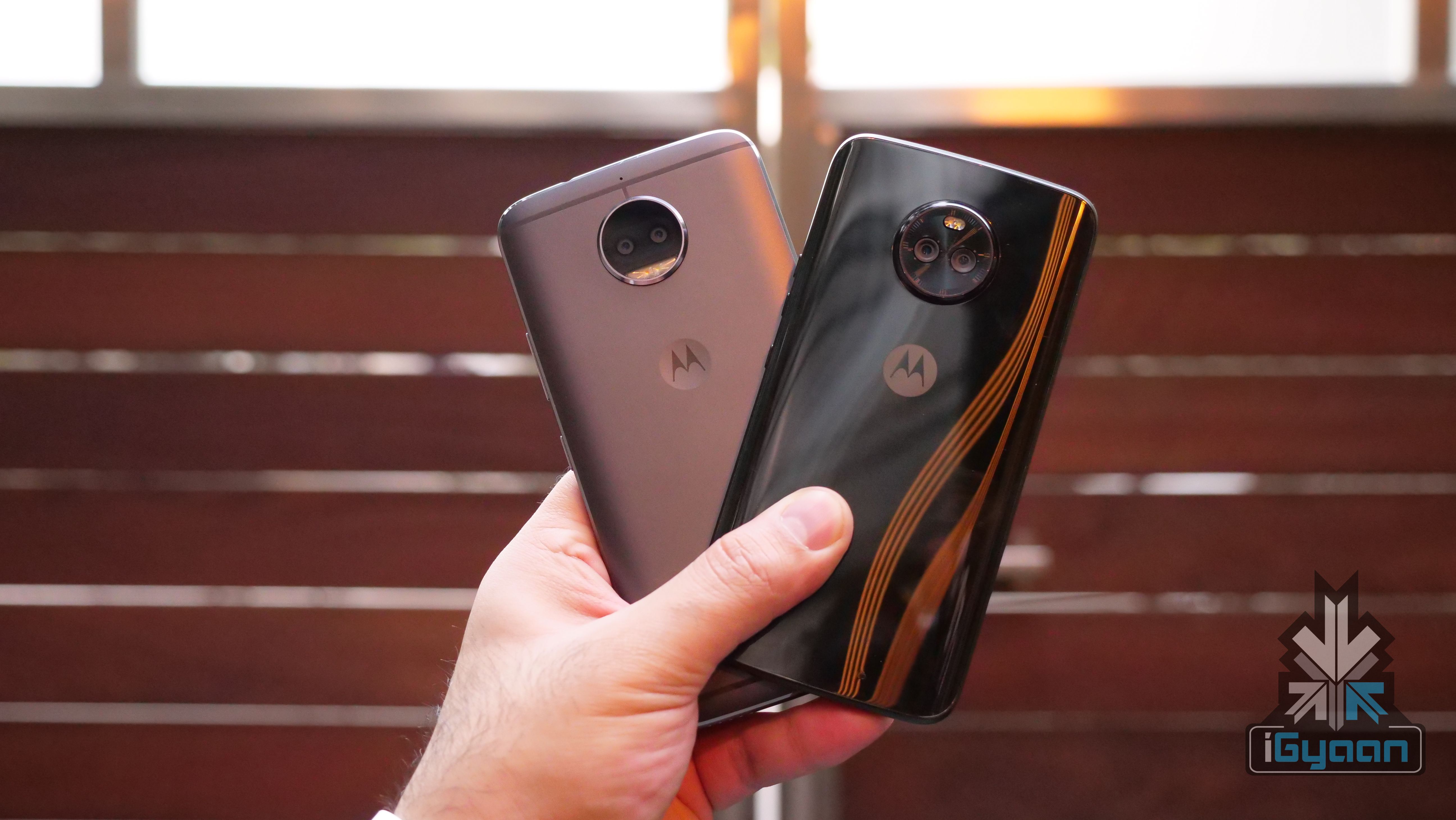
Lenovo-owned Motorola will launch a refreshed version of the Moto X4 on the 1st of February. The Moto X4 was launched in November in India at a starting price of Rs. 20999 for the 32GB storage variant. The 64GB storage variant is priced at Rs 22999 and it is one of the few phones in this price bracket to offer a dual-camera setup and IP68 rating.
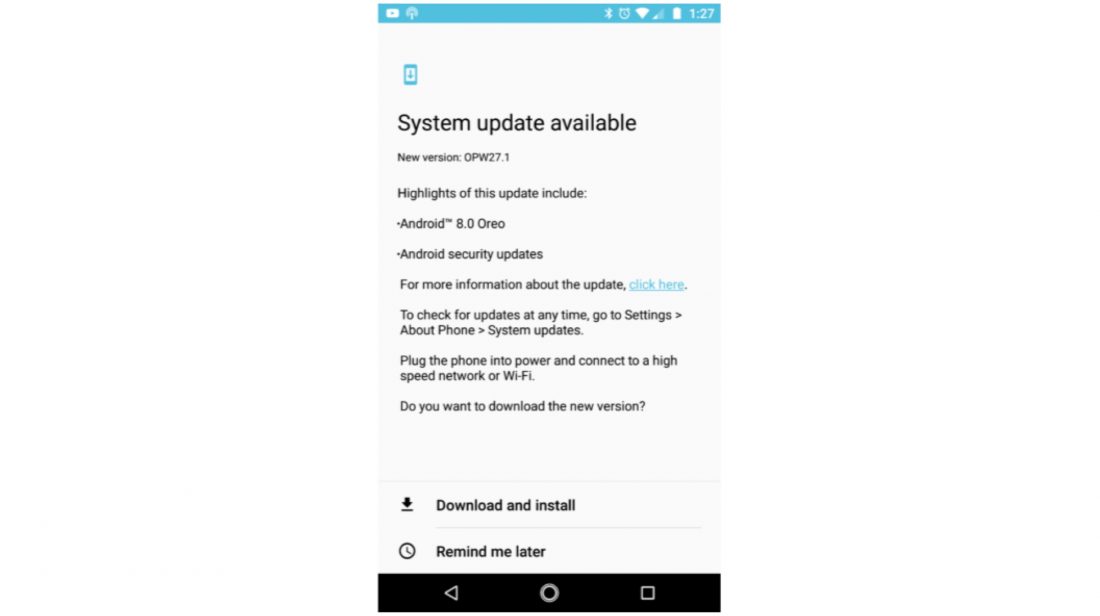
On the 1st of February, Motorola will launch a new variant of the Moto X4 with 6GB RAM. Apart from the bumped up storage, the new version will also run Android 8.0 Oreo out of the box. The specifications apart from this will remain the same. There is no word on its price yet.
Specifications
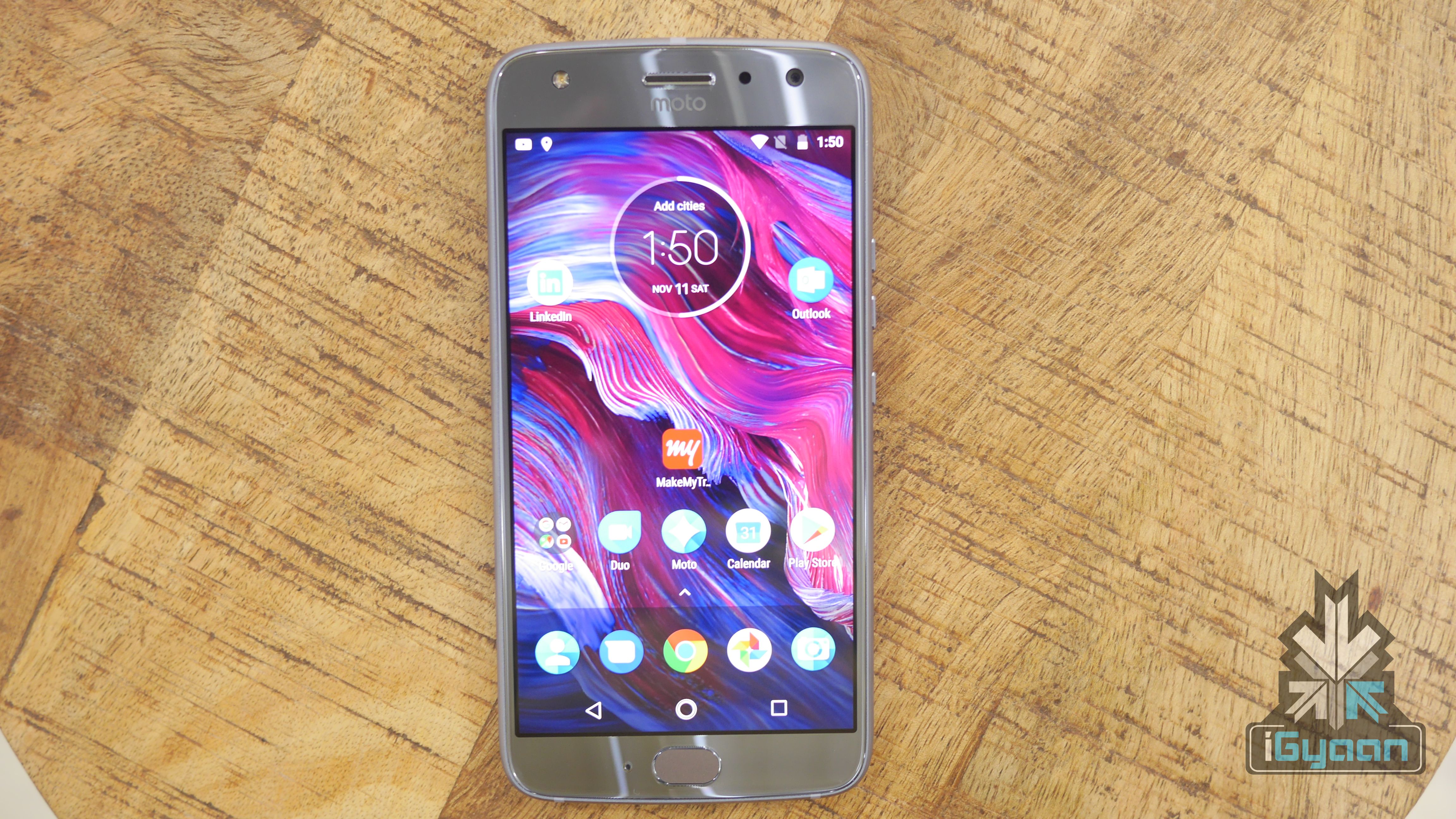
The Moto X4 has a 5.2 inch 1920 x 1080 px LTPS IPS LCD display with Corning Gorilla Glass 3 on top for protection.
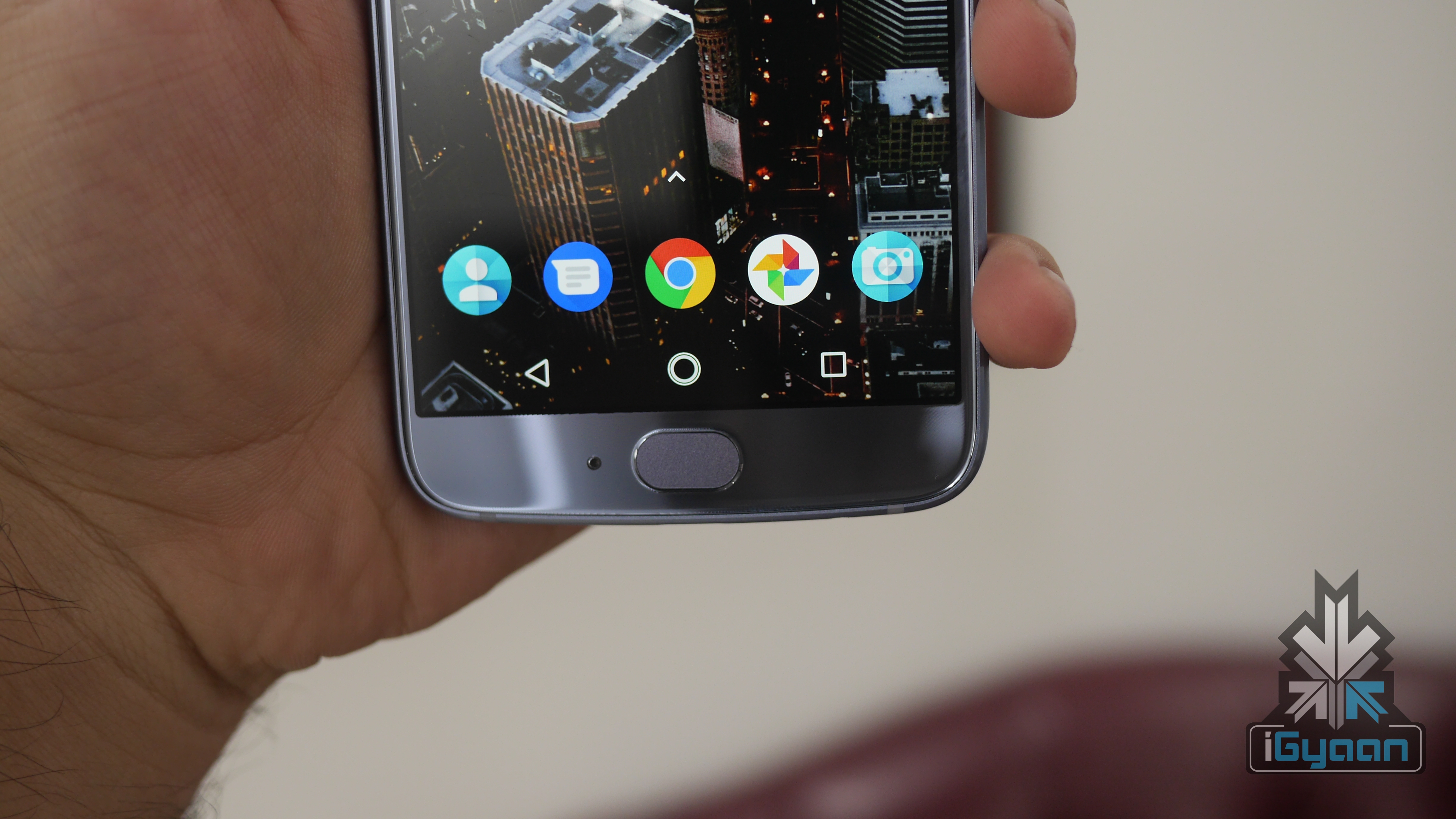
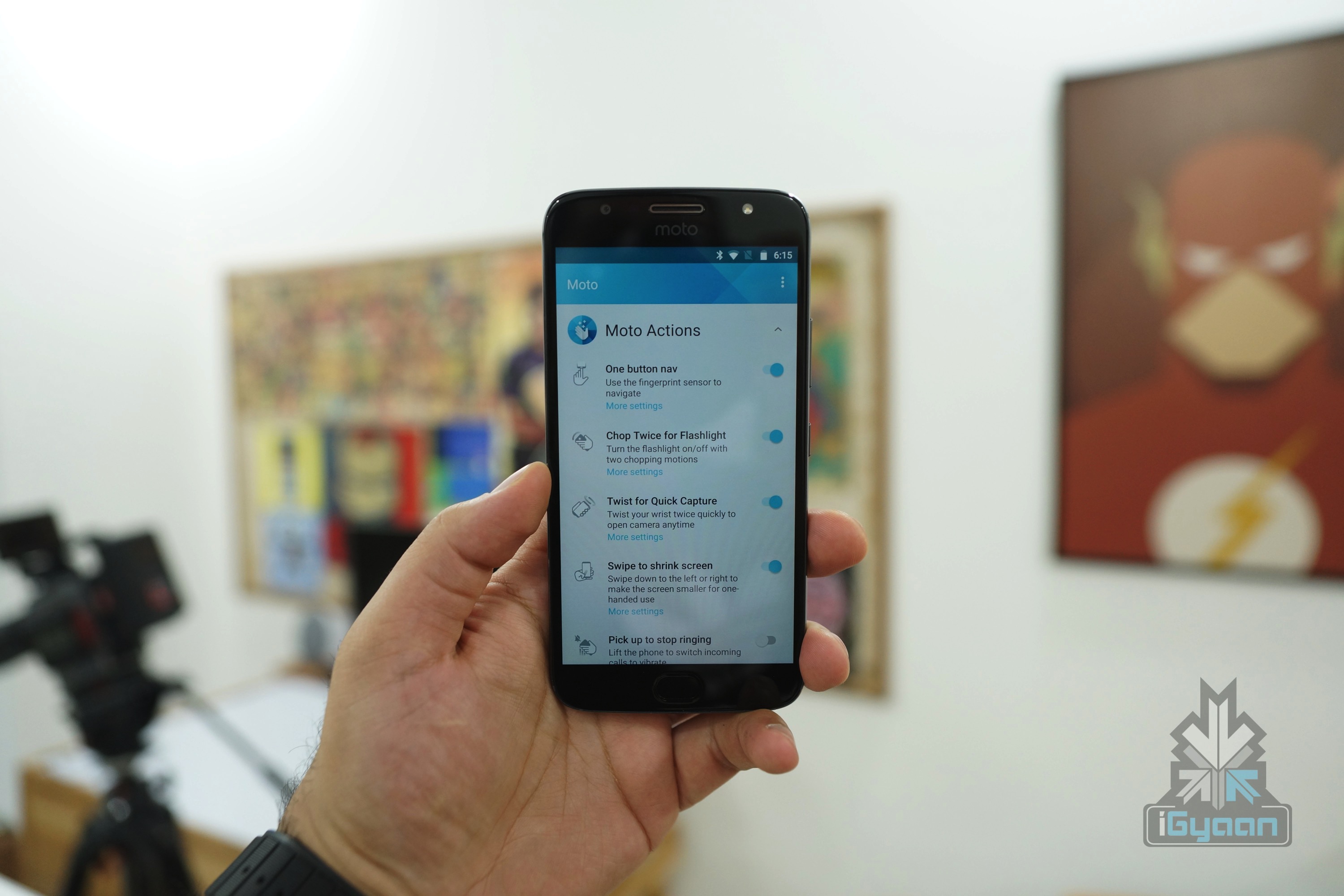
The Moto X4 has the Qualcomm Snapdragon 630, 2.2 GHz octa-core processor and Adreno 508 GPU, along with 3GB or 4GB of RAM and 32GB or 64GB of onboard storage which can be expanded up to 2TB via microSD card. The phone has an IP68 rating for water and dust resistance. The fingerprint sensor is housed inside the home button which also doubles up as a single navigation button.
The Moto X4 is powered by a 3000 mAh battery with TurboCharge capabilities.
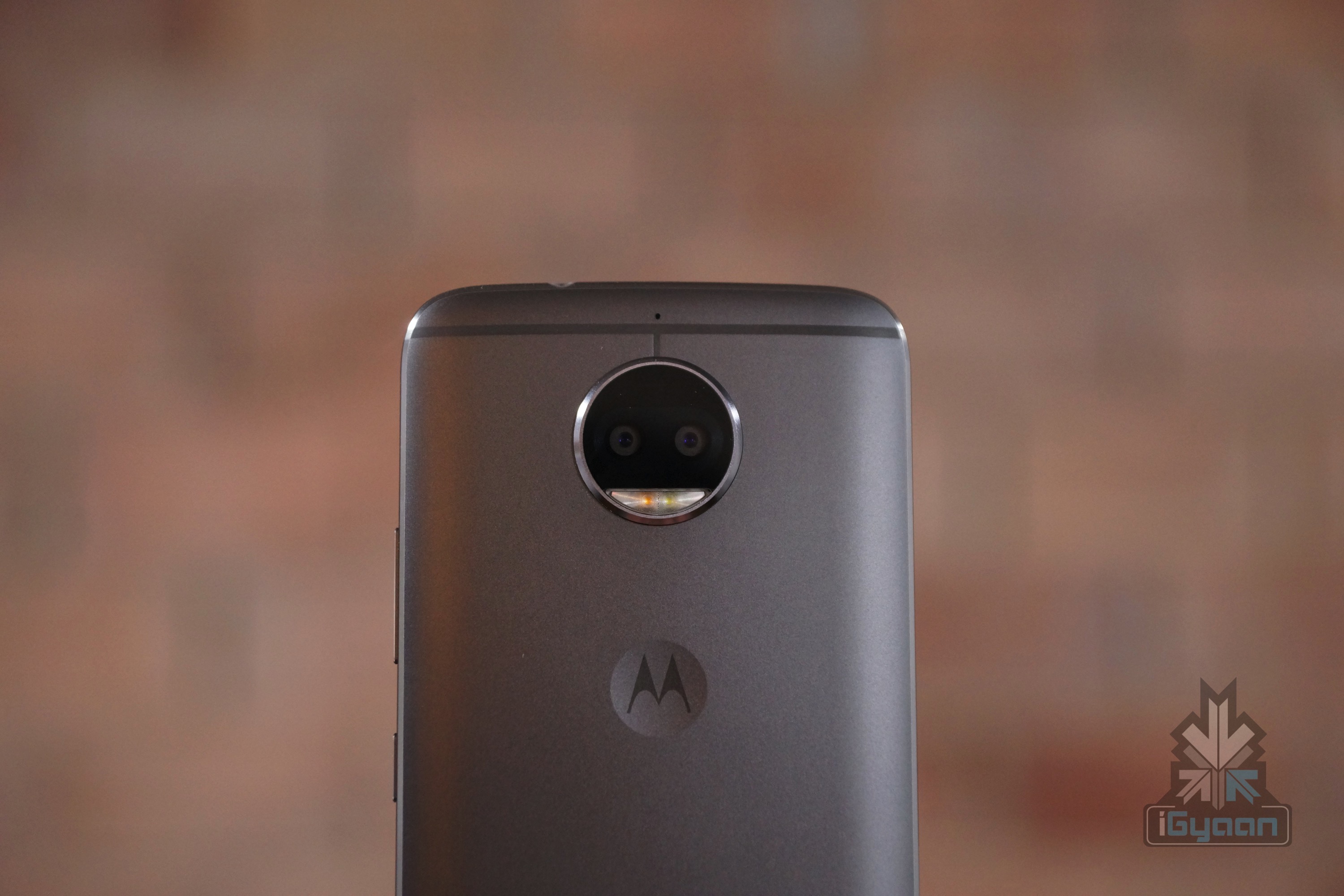
The device has a dual-camera setup at the back. The main camera is a 12MP sensor with an f/2.0 aperture, and the 8MP secondary camera with an f/2.2 aperture is equipped with a wide-angle lens. The dual-cameras allow users to have depth effect shots, bokeh effect shots, ultra-wide angle shots, and selective focus shots. On the front of the device is a 16MP camera with an f/2.0 aperture and an LED flash. The cameras record 4K videos at 30 FPS.
The Moto X4 has impressive specifications for its price and with 6GB RAM, it gives consumers a new version to look out for.
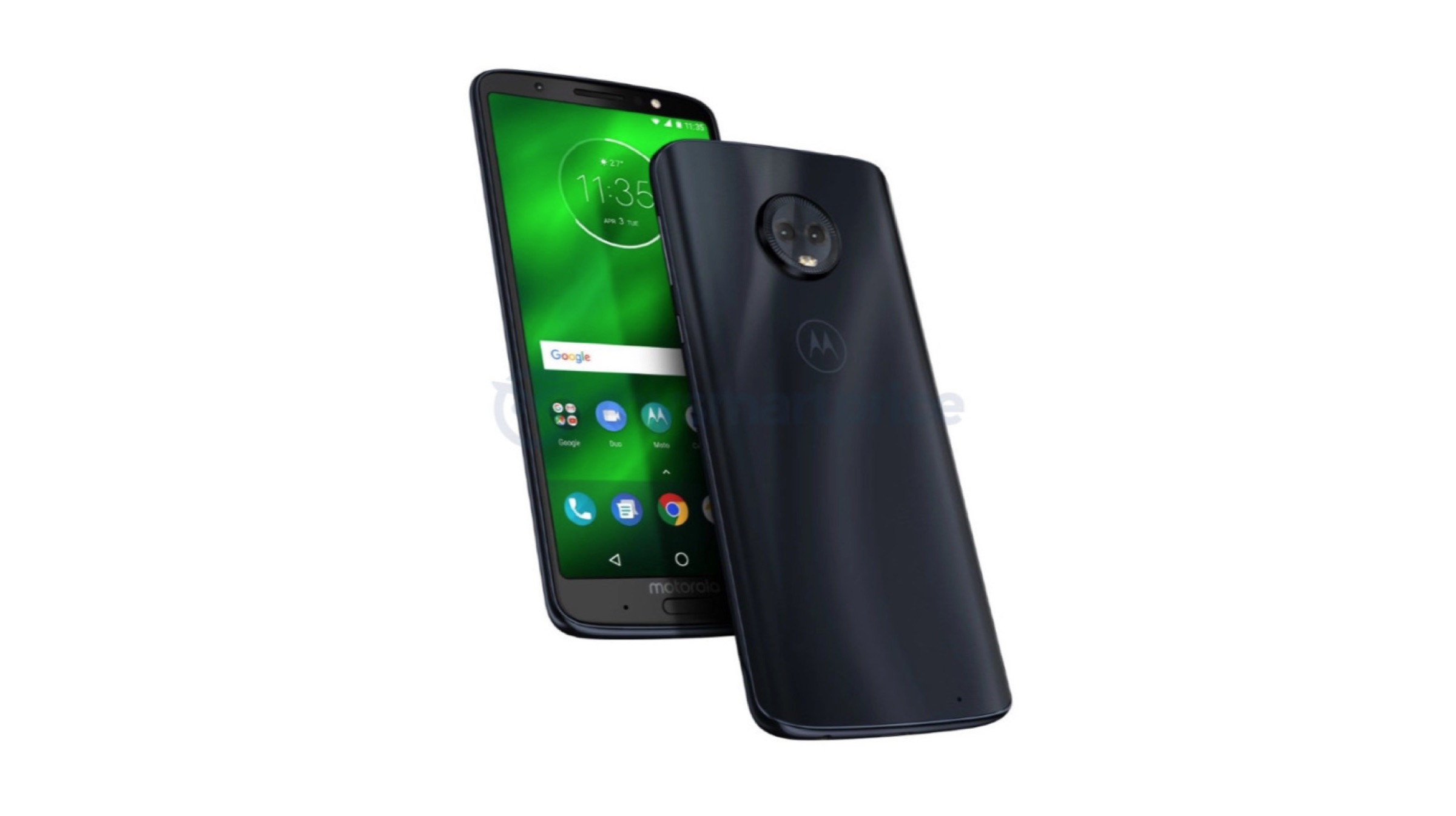
On the 17th of January, a major leak revealed important details about the upcoming Moto G6 lineup of 2018. While the renders were impressive, there were a few mistakes that made them a little too good to be true. However, new images posted on Reddit reveal a design very similar to the ones we saw in the previous leak.
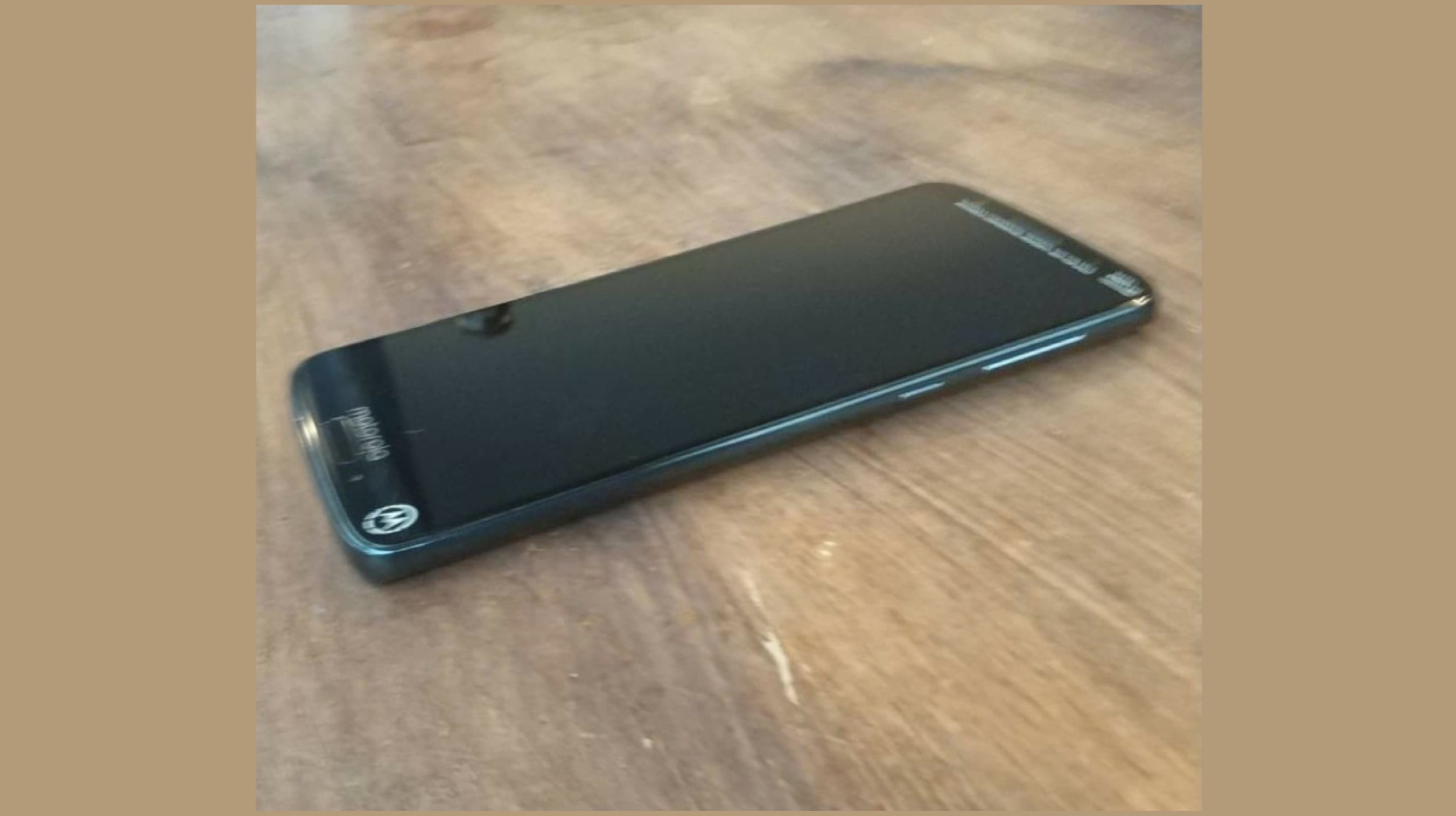
The images leaked on Reddit reveal the new “Motorola” branding and the thinner bezels around the display. While the images are hazy and taken from a weird angle, the design of the smartphone is quite identical to what we saw in the previous.
Subsequently, more high-quality renders were posted online after the original leak and while we are barely midway through January, these images look closer to the reality than anything else.
According to the leaks, the Moto G6 Plus will have a 5.93 inch display with a 2160 x 1080 px resolution.
Under the hood, the device will have the Qualcomm Snapdragon 630 chipset as opposed to the Snapdragon 625 found on the Moto G5s Plus. The smartphone will come in three variants this time around, 3GB RAM/32GB storage, 4GB RAM/64GB storage and 6GB RAM/64GB storage. The 6GB RAM variant will be interesting at this price point as so far, smartphones above Rs. 25000 have featured so much of RAM till now. The fingerprint sensor is placed on the front of the device, just below the display which will double up as a navigation button as well.
The Moto G6 Plus will be powered by a 3200 mAh battery and run Android 8.0 Oreo out of the box.
The Moto G6 Plus will have a 12MP sensor coupled with a 5MP sensor with a pixel size of 1.4 microns on the back. To the front will be a 16MP camera, similar to the Moto G6.
While the launch of the Moto G6 and G6 Plus is a couple of months away, similar leaks from different sources mean that we could potentially be looking at the what the new mid-range devices from Motorola will look like. There are going to be many more leaks in the coming weeks and we will keep you up-to-date with everything.
Motorola smartphones are few of the most anticipated devices in their respective price segments. The original Moto G, launched in 2013, was the first budget smartphone that did not compromise a lot on performance and build quality. Ever since then, the Moto G lineup has produced some fine smartphones.
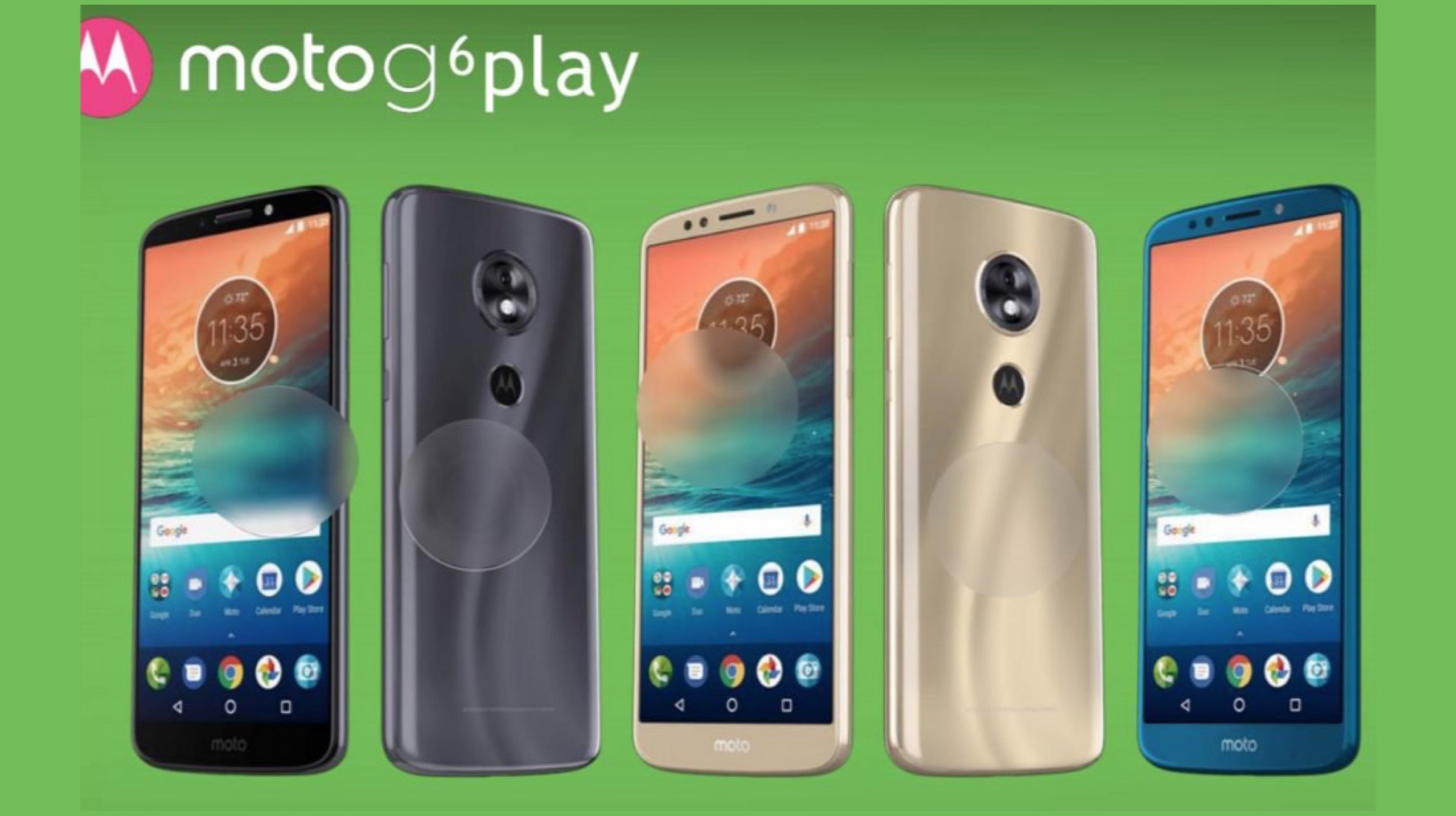
The Moto G5 Plus, launched in early-2017, had a great camera and similarly, the Moto G5s Plus impressed as well. The Moto G6 and G6 Plus are also expected to be launched in the coming months and a few leaked images have revealed the design and key specifications of the upcoming Moto G6, G6 Plus and G6 Play.
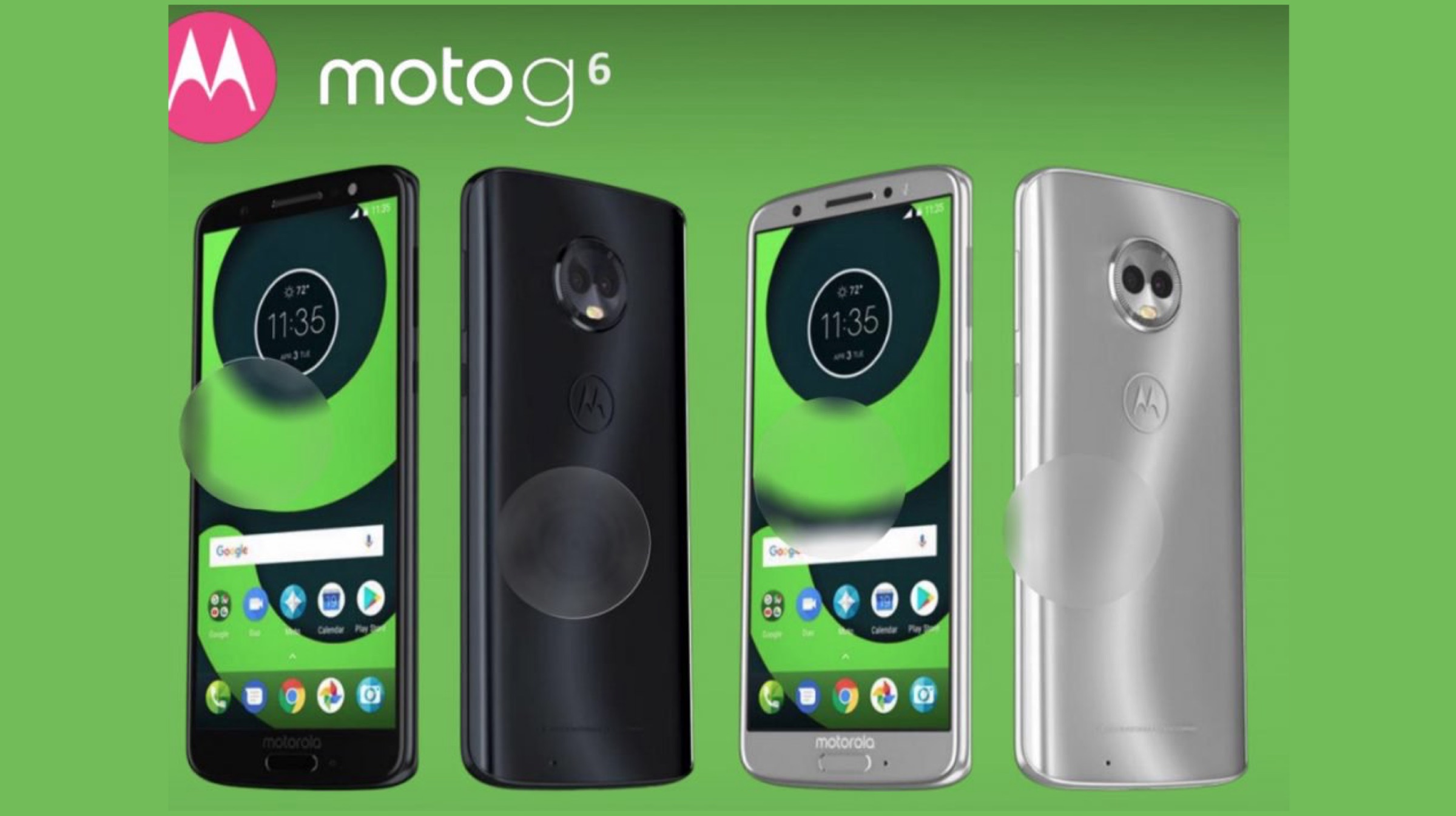
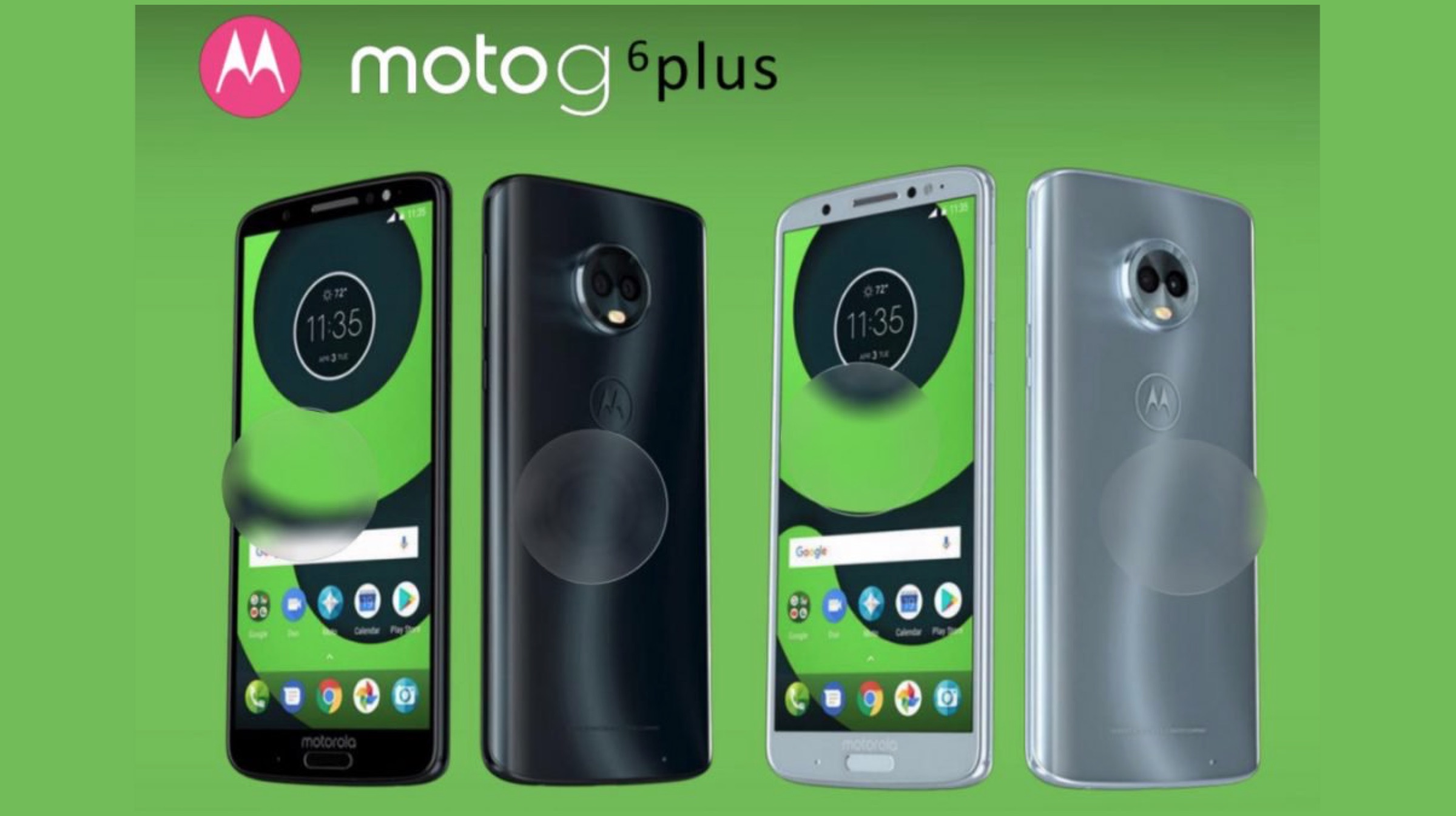
All the three smartphones have a new design very similar to the Moto X4 with 3D glass on the back and protruded cameras. Similar to what we noticed in the Moto X5 leak, the “Moto” branding is now replaced with “Motorola” on all the three smartphones.
Moto G6
The Moto G6 will be the slightly cheaper variant of the Moto G6 Play. According to the leak, the Moto G6 will have a 5.7 inch display with a 2160 x 1080 px resolution. This translates to an 18:9 aspect ratio and the image also reveals thin bezels around the display which gives it a more modern look.
Under the hood, it will be powered by the Qualcomm Snapdragon 450 chipset. It will retail in two variants, one with 3GB of RAM and 32GB of onboard storage while the other one will have 4GB RAM and 64GB storage. The storage will be expandable although, there is no word on whether it will have a dedicated microSD card slot or not. The fingerprint sensor is placed on the front of the device, just below the display which will double up as a navigation button as well.
The smartphone will be powered by a 3000mAh battery and in all likelihood, it will run Android 8.0 Oreo out of the box.
Unlike last year’s Moto G5s, the Moto G6 will have a dual camera setup on the back. It will have a 12MP sensor along with a 5MP sensor and a front-facing 16MP camera.
Moto G6 Plus
The Moto G6 Plus will succeed the highly popular Moto G5s Plus in the Indian market. According to the leak, it will have a 5.93 inch display with a 2160 x 1080 px resolution.
Under the hood, the device will have the Qualcomm Snapdragon 630 chipset as opposed to the Snapdragon 625 found on the Moto G5s Plus. The smartphone will come in three variants this time around, 3GB RAM/32GB storage, 4GB RAM/64GB storage and 6GB RAM/64GB storage. The 6GB RAM variant will be interesting at this price point as so far, smartphones above Rs. 25000 have featured so much of RAM till now. The fingerprint sensor is placed on the front of the device, just below the display which will double up as a navigation button as well.
The Moto G6 Plus will be powered by a 3200 mAh battery and run Android 8.0 Oreo out of the box.
The Moto G6 Plus will have a 12MP sensor coupled with a 5MP sensor with a pixel size of 1.4 microns on the back. To the front will be a 16MP camera, similar to the Moto G6.
Moto G6 Play
As far as the Moto G6 Play is concerned, the leak reveals that it will have a 5.7 inch display with a 1440 x 720 px resolution.
It will be powered by a massive 4000 mAh battery and run Android 8 Oreo out of the box.
Unlike the Moto G6 and the G6 Plus, it will have a single camera setup, both on the front and back. The fingerprint sensor will also be housed inside the Moto logo on the back.
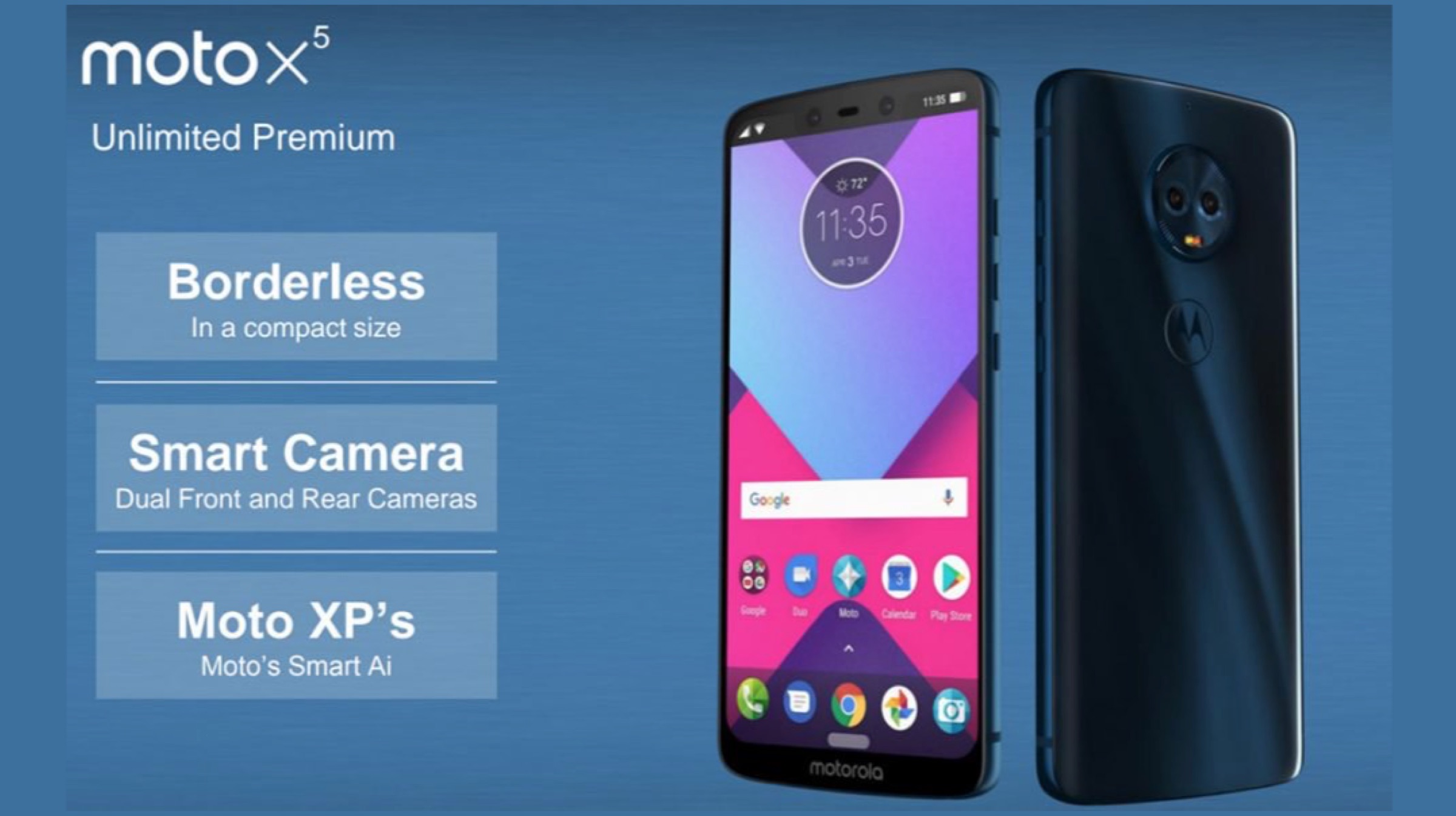
The Moto X4 was launched in India in November with impressive features for its price point. Although a great phone, the Moto X4 had a dated design for a smartphone launching in mid-2017 (global release) with thick bezels around the display. It looks like Motorola has plans to overhaul the ‘X’ series with the upcoming Moto X5.
A new promotional image of the Moto X5 has been leaked which reveals a fresh design on the front and a similar design for the back panel which we saw on the Moto X4. The next interesting aspect here is the display and the notch at the top. The leaked image reveals an iPhone X-like notch which appears to house a dual-camera setup along with the rest of the sensors.
It is also worth noting that the three navigation buttons which are common on all Android devices are missing and there appears to be a Homebar-like button at the bottom. The next big thing missing in the image is the fingerprint sensor. There is no fingerprint sensor on the front where it usually is for Moto devices, and the back of the phone also seems to be without a fingerprint reader. It is possible that the sensor is housed inside the Moto logo on the back, similar to the Moto E5 leak we saw yesterday.
However, there is no denying the exciting possibility of the fingerprint sensor being embedded inside the display, as was showcased by Vivo at CES 2018.
The alleged Moto X5 will have a 5.99 inch display with a 2160 x 1080 px resolution. A giveaway that this might not be the most credible leak is the corners of the display. The bottom corners are rounded while the top corners of the display are not. If true, this will be a different implementation by Motorola. The “Moto” branding is now replaced with “Motorola” branding just below the display as well.
While the Moto X5 launch seems a bit far, there is no denying that this leak seems exciting and a different move by Motorola. The decision to go with a notch, if true, would definitely make it to the headlines at the time of its launch.
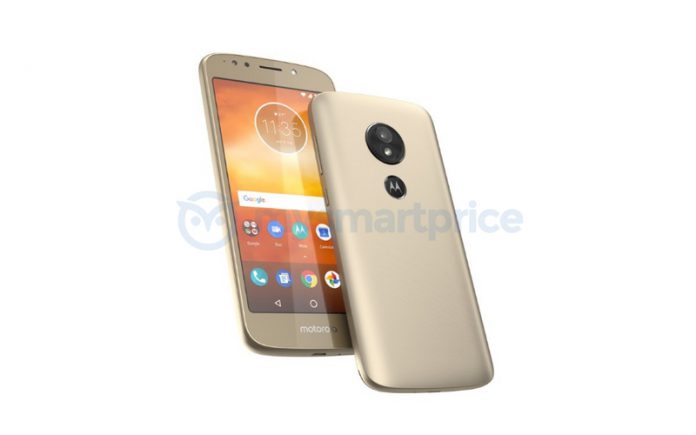
Lenovo-owned Motorola has had a successful stint with its ‘E’ lineup of Android-powered smartphones. The Moto E4 Plus, launched in 2017, has one of the best battery performances in the segment thanks to its massive 5000 mAh capacity. The next iteration of the Moto E series will have to build on that performance and it looks Motorola is close to launching the first Moto E5 of 2018.
The leaked image reveals that the upcoming Moto E5 (tentatively named) will have a similar design to its predecessors. However, what is interesting here is the placement of the fingerprint sensor. Unlike its predecessors, the fingerprint sensor on the upcoming Moto E5 will be housed inside the Moto logo on the back. Something that the company has never done before. This is not the first time that Motorola has decided to go for a rear-mounted fingerprint sensor but, housing it inside the logo itself sure is an interesting move.
There are no other details leaked along with the image. It is expected to have the same 5.5 inch IPS LCD display with a 1280 x 720 px resolution.
Under the hood, Motorola went with a MediaTek chipset last year but, it could revert to a Snapdragon chipset like all its other smartphones.
The battery capacity could remain the same or, Motorola might launch the Moto E5 Plus with a bigger battery and retain a smaller battery for the regular variant, just like it did in 2017.
According to the leaked image, the smartphone will retain the single camera setup on the front and back along with an LED flash.
The Moto E4 was announced in June, and there seems to be no reason for Motorola to disrupt its release cycle. However, it could spring a surprise to its competitors and launch the smartphone earlier, and target the consumers waiting for the Redmi Note 5 to launch.
Th trend is of wearable technology like fitness bands and smartwatches have steadily increased over the years. There are plenty of inexpensive options that do the basic things like counting steps, control music, take/end calls pretty well. With the Apple Watch Series 3, Apple wants users to experience the standalone features of a wearable which in general, are rendered useless if you forget your smartphone at somewhere else.
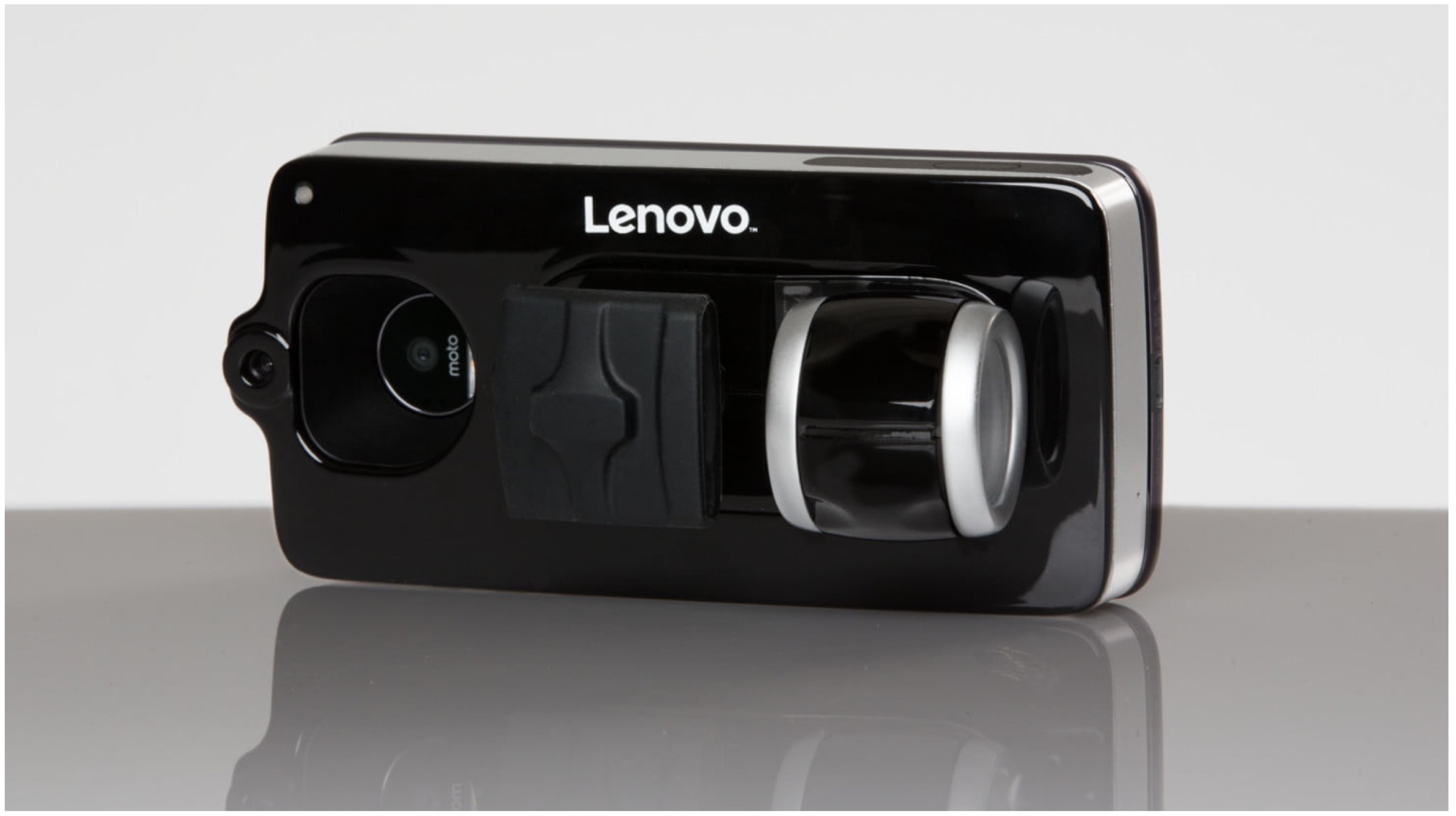
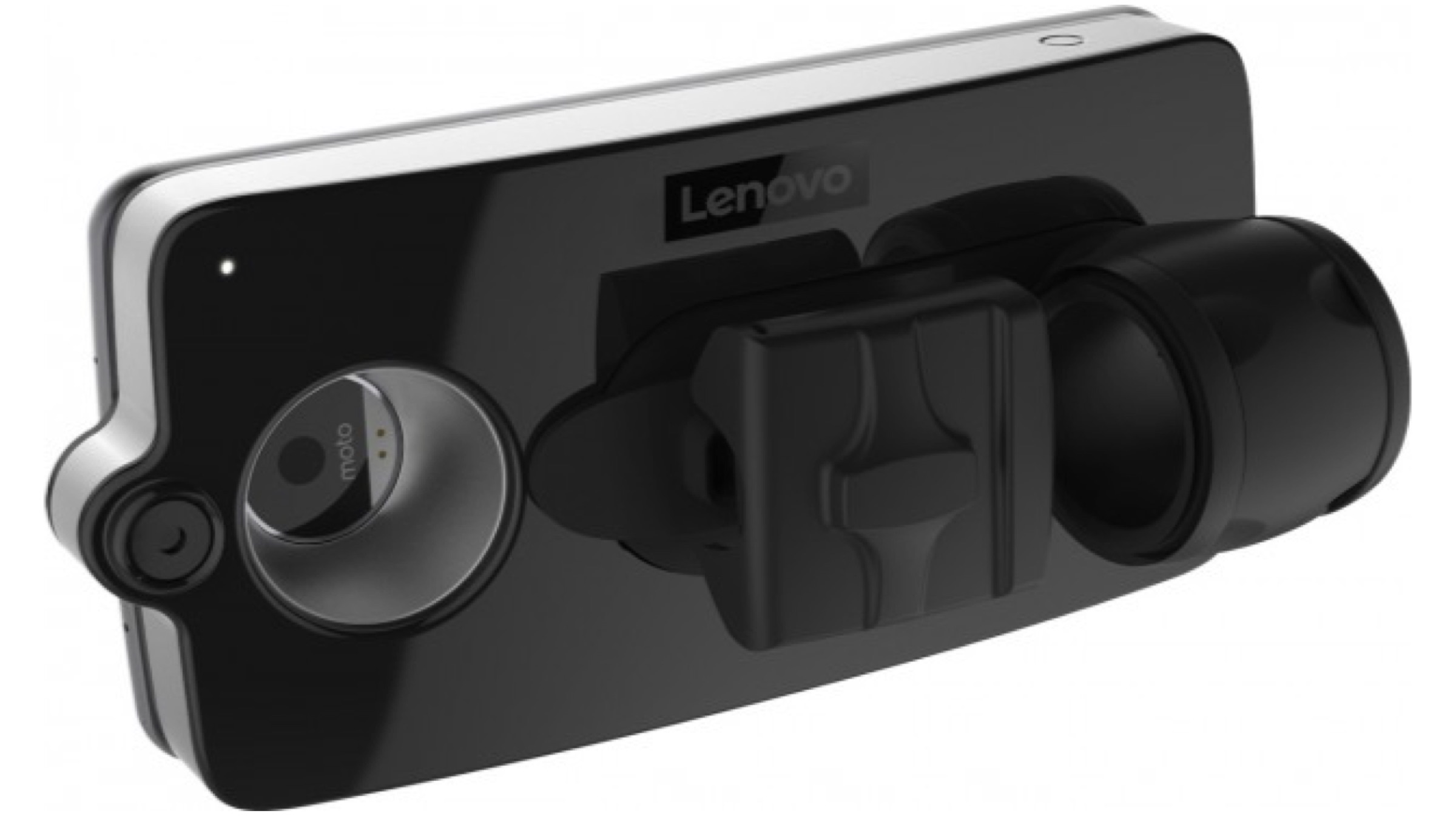
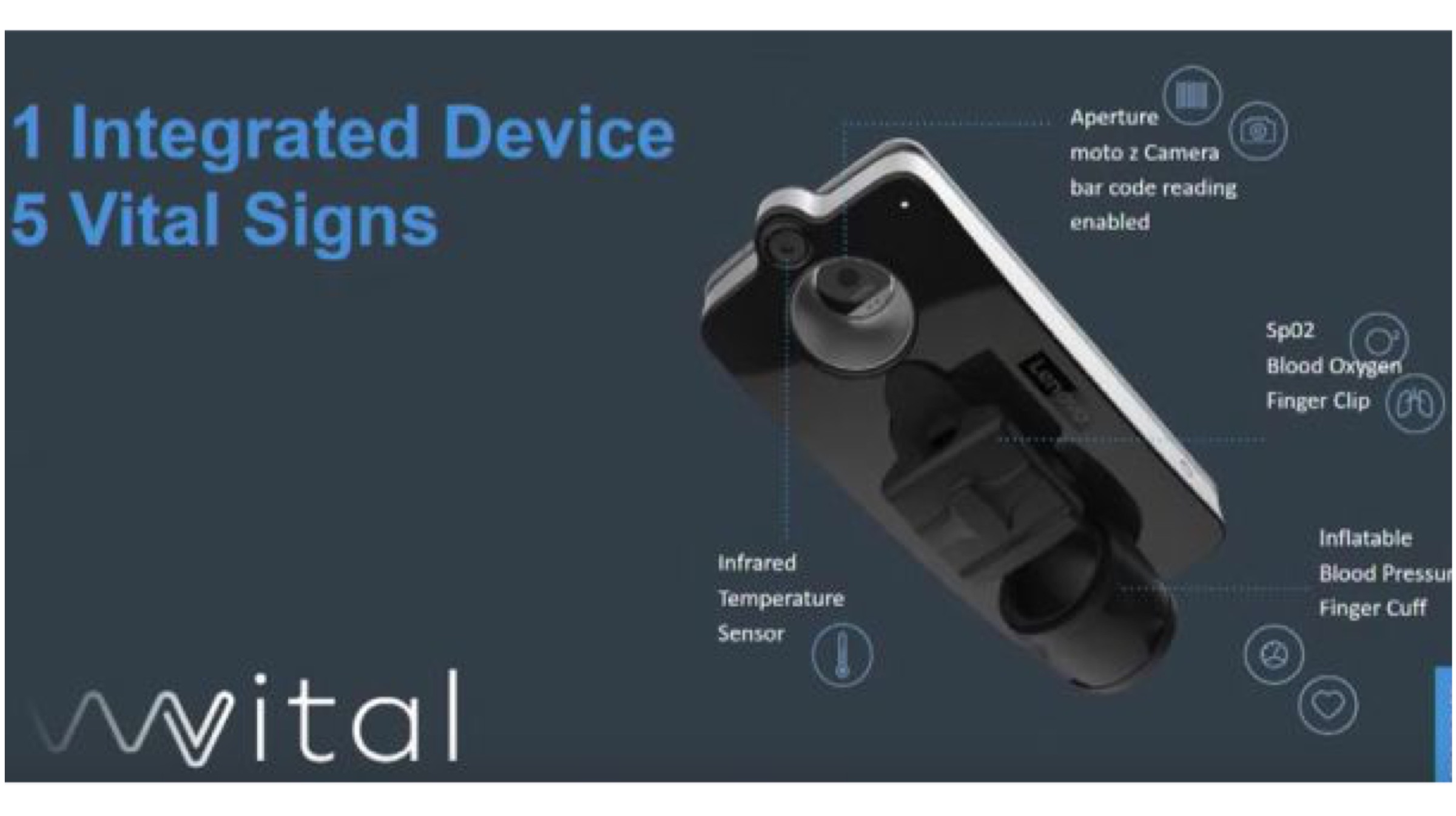
Motorola however, wants your Moto device to do all the tracking of your health. During Lenovo’s event at CES 2018, the company announced the Lenovo Vital Moto Mod, a snap-on module extension for the Moto Z smartphone lineup. Vital is the “first connected, integrated, multi-vital sign monitoring platform you can operate through a single instrument”, according to Jim Thiede, Motorola’s Head of Product Marketing.
The Mod has an infrared temperature sensor, a finger clip for measuring oxygen, and an inflatable finger cuff. These three features combine to test your heart rate, respiratory rate, pulse oxygen (SpO2), body temp, and both systolic and diastolic blood pressure. Thiede claims no other mobile platform can deliver accurate blood pressure readings.
After each checkup, users can compare their current readings to past measurements and keep a check on their progress. Just like any other Mot Mod, it snaps on to the back of a Moto Z smartphone and the phone immediately prompts the indication of a Mod being connected.
At a price of US $395 (Rs. 25,000 approx.), the Mod surely comes at a hefty price. During the presentation, Thiede stressed how expensive and time-consuming it can be to track all of these different health statistics with five different biomonitors. So, the company is depending on consumers to look at the bigger picture and go for a “one-time investment” in an expensive Mod over regularly getting health checks done at a clinic. The device will go on sale in April in the western markets, there is no word on its availability in India as of now.
In March of 2017, Motorola launched two promising smartphones that entered the Indian market’s ever-growing sub-15K category. The Moto G5 and G5 Plus both received praise from critics and consumers alike for their build quality, software, and camera performance. The Moto G5 Plus especially was hailed as the best camera smartphone in that price bracket. Almost a year after its launch, the Moto G5 Plus’ camera holds up well against a lot of its competitors.
As we approach March of 2018, there is anticipation about the Moto G6 and Moto G6 Plus which will possibly be launched in March this year. Ever since the launch of the Moto G5 and G5 Plus, the budget smartphone category has seen the entrance of a lot of smartphones that brought flagship features to this price bracket. Devices like the Moto G5s Plus and Xiaomi Mi A1 had dual-camera setup at the back while the likes of LG Q6 and Honor 7X had a nearly bezel-less design.
Moto G5s Plus
The Moto G6 Plus might be a mix of both these elements as Motorola would want to start off 2018 with powerful devices. So, what can we expect from the Moto G6 and Moto G6 Play of 2018? Let’s find out:
Price
Every brand knows that India is an extremely price-sensitive market and a difference of thousand bucks can sway consumers from one phone to another. With that in mind, Motorola might launch the Moto G6 and G6 Plus with a bit more competitive price tag of about Rs. 13999 for the G6 Plus and Rs. 11999 for the Moto G6. A price of Rs. 13999 with stock OS and thin bezels would make the Moto G6 Plus an instant hit especially when compared to the Xiaomi Mi A1 which has a dated design and the Honor 7X which as EMUI which a lot of people don’t prefer.
The ‘G’ series is what brought Motorola back in the smartphone game after a few hit and misses. The original Moto G released at an extremely affordable price and unlike a lot of smartphones at that point in time, did not skim out on design and hardware features. Hence, over the years, the Moto G series has seen a gradual design shift from plastic builds to now solid aluminium builds in the G5 and the G5s smartphones.
The Moto G6 and G6s Plus, however, need to have a design overhaul to compete with modern day mid-range devices like the Honor 7X. The Moto G6 Plus, at least, could have an 18:9 display with thin bezels. Motorola could retain the 16:9 aspect ratio on its slightly cheaper model, the Moto G6. But, historically, Motorola has maintained the same design language for its regular and Plus model. The company is expected to maintain the same metal build and hopefully retain the iconic Moto dimple.
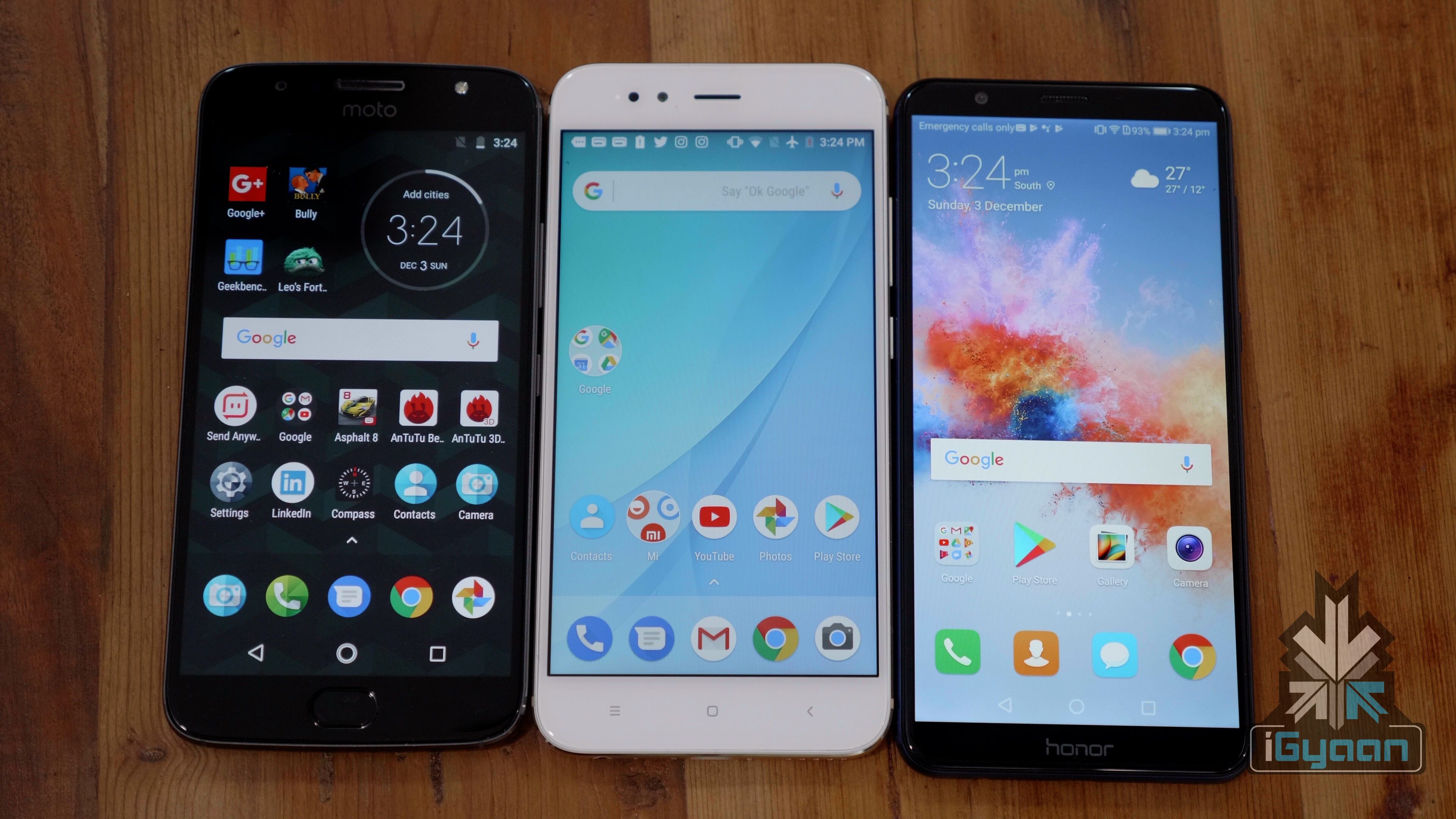
Moto G5s Vs Xiaomi Mi A1 Vs Honor 7X
Display
If Motorola does go the 18:9 aspect ratio route, the Moto G6 Plus could have a display size close 6 inches, similar to the Honor 7X. The Moto G6 could maintain the 5.2-inch display size while both the devices are expected to have a FullHD resolution.
Hardware
The Moto G5s has the Qualcomm Snapdragon 430 and G5s Plus was powered by the Qualcomm Snapdragon 625 chipset. An incremental upgrade in terms of hardware is expected in the upcoming Moto G6 and G6 Plus. Qualcomm is expected to launch three mid-range chipsets in the coming weeks, the Snapdragon 670, 640 and 460. Motorola could use the 460 and 640 in its upcoming Moto G6 and G6 Plus or, it could decide to use the existing Snapdragon 630 for the G6 Play. The RAM of the devices is also expected to receive a bump while the storage options will more or less remain the same.
Moto G5s Plus
OS
One of the USPs of Moto smartphones has been the software experience. Apart from adding a few of its tweaks, Motorola brings out close to stock Android OS on all its phones. The Moto G6 and G6 Plus won’t be any different and unlike a few OEMs who are still launching devices running Android 7 Nougat, Motorola will, in all likelihood introduce Android 8.0 Oreo in the two smartphones.
The Moto G5 Plus and Moto G5s Plus both had marquee camera performances and the same can be expected from the Moto G6 Plus. Motorola would want to launch a modern-day mid-ranger and that means a dual-camera setup at the back. The Moto G6 could continue to have a lower price tag and subsequently, a single camera setup as well. For the Moto G6 Plus, Motorola is expected to retain the same 13MP dual-camera setup but, this time around might offer a wider aperture like f/1.8 or f/1.9.
Conclusion
Motorola G series of smartphones have been a great entrant in the budget segment and the Moto G6 and G6 Plus are expected to take the lineup a notch further. With more smartphones launching in a similar price bracket, the Moto G6 and G6 Plus would need to have a refreshed modern design and performance to compete with the likes of the Honor 7X.
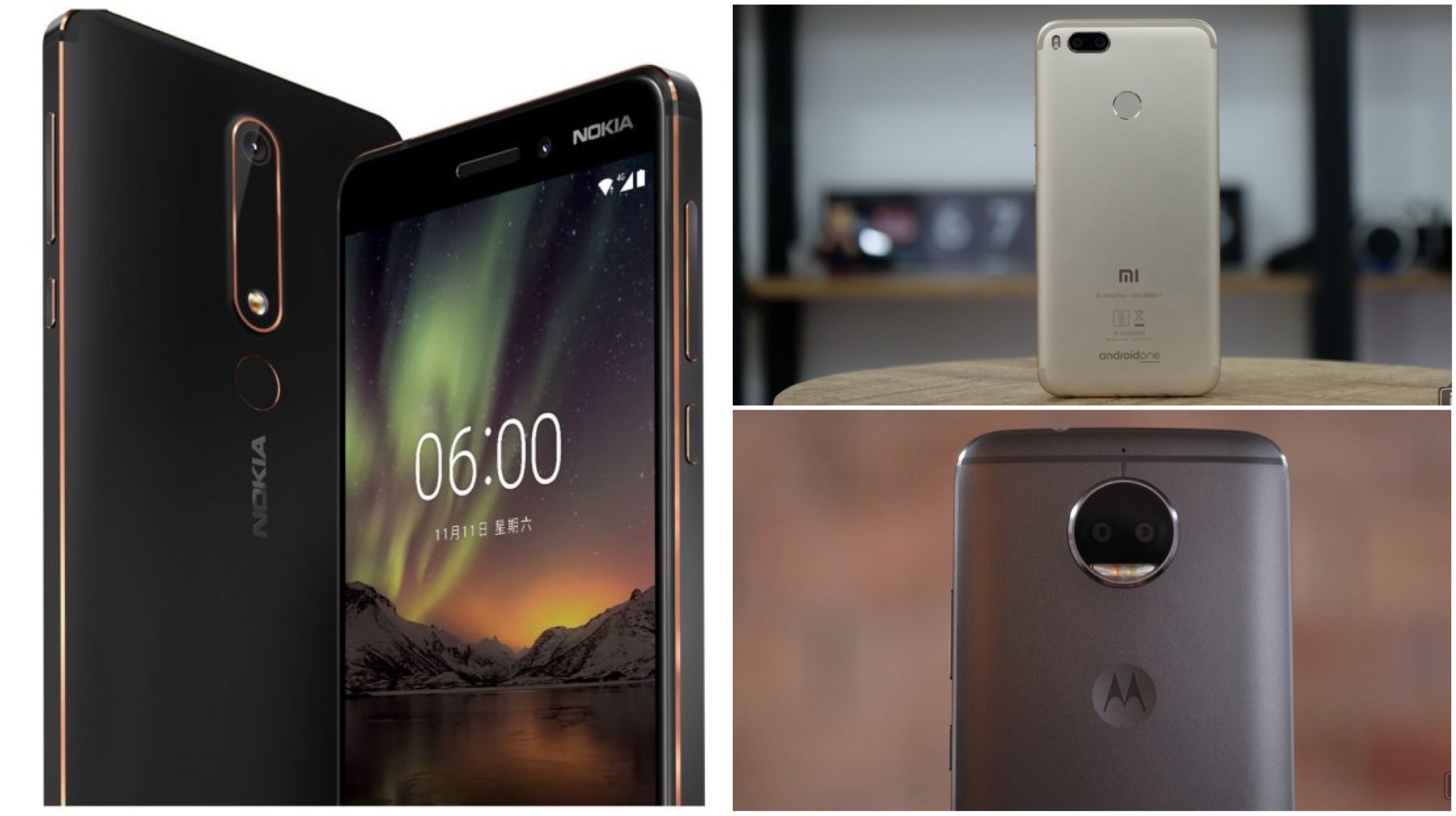
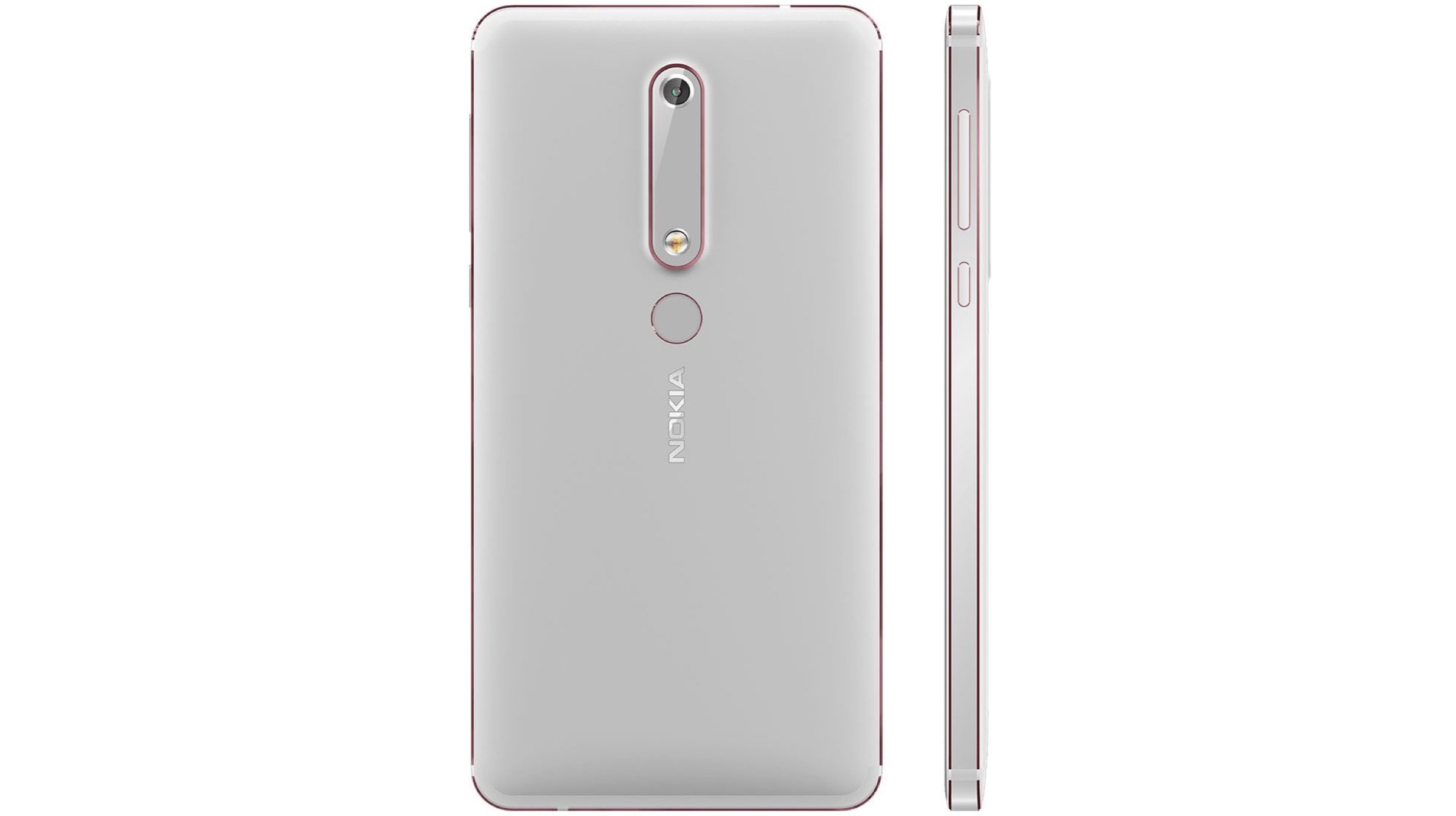
HMD Global’s pricing strategy for its mid-range and budget smartphones in India has baffled everyone. The Nokia 6 was launched in India in early-2017 and was heavily panned for its excessive pricing. However, it appears that HMD Global has learned its lesson and will be willing to rectify such costly errors with its new budget smartphone, the Nokia 6 (2018).
In China, the device starts at a price of CNY 1499 (Rs. 14600 approx.) and if HMD Global goes the Nokia 8 route and launches the device at Rs. 14000 or less, the Nokia 6 (2018) could be a great contender in the budget category of Android phones. In this category, the Xiaomi Mi A1 and Moto G5s Plus also offer a stock Android experience and feature metal build although, both the devices also have a dual-camera setup at the back unlike the new Nokia 6.
Early images of the Nokia 6 (2018) reveal a nice design with good colour options, however, a few choices made by Nokia are questionable. Many other OEMs have resorted for a rear-facing fingerprint sensor due to the tall display and thin bezels but, the Nokia 6 (2018) maintains the 16:9 aspect ratio and the thick bezels while moving the fingerprint sensor to the back. This decision would’ve been justified had the smartphone moved to an 18:9 aspect ratio and cut down the bezels significantly.
Moto G5s Plus
A few design tweaks aside, the Nokia 6 (2018) is a significant update over the Nokia 6 of 2017. But, will it be the new fan favourite if and when it is released in India? Let’s find out:
Specifications
Nokia 6 (2018)
Xiaomi Mi A1
Moto G5s Plus
Price
Starting at CNY 1499 (Rs. 14600 approx.)
Rs. 13999
Rs. 14999
Display
5.5 inch
IPS LCD
5.5 inch
LTPS IPS LCD
5.5-inch
IPS LCD
Resolution
1920 x 1080 px
1920 x 1080 px
1920 x 1080 px
Battery
3000 mAh
3080 mAh
3000 mAh
Chipset
Snapdragon 630
Snapdragon 625
Snapdragon 625
Processor
2.2GHz
Octa-core processor
2.0Ghz
Octa-core processor
2.0 GHz
Octa-core
RAM
4GB
4GB
4GB
Storage
32GB/64GB (Expandable up to 128GB)
64GB (Expandable up to 128GB)
64GB (Expandable up to 128GB)
Primary Camera
16MP
f/2.0
12MP wide-angle f/2.2 + 12MP telephoto lens f/2.6
13MP + 13MP with f/2.0
Secondary Camera
8MP
f/2.2
84-degree wide-angle lens
5MP
8MP
f/2.0
Wide-angle lens
The Nokia 6 (2018) has a slightly better chipset than the other two smartphones but, it also launched more than four months later. With the Xiaomi Mi A1, you get Android One which means that the Mi A1 will get future software upgrades to Android P as well.
While companies claim that all their smartphones will get software updates for at least two years, you’ll be hard-pressed to bet on Android P update coming to the Moto G5s Plus. The Nokia 6 (2018) already runs Android 8 Oreo and hopefully, will get an update to Android P as well in early 2019.
Let’s not forget that the Honor 7X is cheaper than both the Mi A1 and G5s Plus with equally good performing chip and cameras. A lot will depend on the price of the Nokia 6 (2018) when it launches in India.
With so many viable options in this price category, the question that arises is whether the new Nokia 6 has enough to offer that will persuade potential buyers towards it or not. Also, will the absence of a dual-camera setup on the Nokia 6 (2018) be a deal-breaker for many suitors?
Lenovo-owned Motorola is catching up with the Android 8.0 Oreo hype train real quick. After releasing the Android 8.0 Oreo update for the Android One variant of the Moto X4, it appears that the regular variant has also started receiving the new Android 8.0 Oreo update.
A user tweeted the images of the update and screenshots post the update with a new layout and confirming that the device indeed is the Moto X4. The update has a build number of OPW27.2 and along with the new version of Android, also brings the December security patch. This means that Android Oreo features like Picture-In-Picture, Notification Dots and better back-end functioning will now be present in the Moto X4. An update to Android 8.0 Oreo also means that the device will now support all Bluetooth 5.0 features.
The Moto X4 was launched in India at a starting price of Rs. 20999 and is one of the few phones in this price range that offers an IP68 rating for water and dust resistance.
The Moto X4 has a 5.2 inch 1920 x 1080 px LTPS IPS LCD display with Corning Gorilla Glass 3 on top for protection.
The Moto X4 has the Qualcomm Snapdragon 630 chipset, 2.2 GHz octa-core processor and Adreno 508 GPU, along with 3GB or 4GB of RAM and 32GB or 64GB of onboard storage which can be expanded up to 2TB via microSD card. The fingerprint sensor is housed inside the home button which also doubles up as a single navigation button.
The Moto X4 is powered by a 3000 mAh battery with TurboCharge capabilities.
The Moto X4 has a dual-camera setup at the back. The main camera is a 12MP sensor with an f/2.0 aperture, and the 8MP secondary camera with an f/2.2 aperture is equipped with a wide-angle lens. The dual-cameras allow users to have depth effect shots, bokeh effect shots, ultra-wide angle shots, and selective focus shots. On the front of the device is a 16MP camera with an f/2.0 aperture and an LED flash. The cameras record 4K videos at 30 FPS.
Moto X4 Android One edition has started receiving Android 8.0 Oreo update. At the time of its launch, the company had promised an update of Android 8.0 Oreo by the end of the year, and it has delivered on the promise. In addition, the update also includes the latest Android security fixes.
The Moto X4 that launched in India is the regular variant which, even though has a stock Android OS, is far from being an Android One phone. However, with the Moto X4 Android One variant receiving the Android 8 Oreo update, it is fair to assume that an update for the regular Moto X4 might not be too far away.
The Moto X4 has a 5.2 inch 1920 x 1080 px LTPS IPS LCD display with Corning Gorilla Glass 3 on top for protection.
The Moto X4 has the Qualcomm Snapdragon 630, 2.2 GHz octa-core processor and Adreno 508 GPU, along with 3GB or 4GB of RAM and 32GB or 64GB of onboard storage which can be expanded up to 2TB via microSD card. The fingerprint sensor is housed inside the home button which also doubles up as a single navigation button. The Moto X4 is powered by a 3000 mAh battery with TurboCharge capabilities. The company claims that the 15 mins of charge can give up to 6 hours of talk time. It has an IP68 rating for water and dust resistance.
The Moto X4 has a dual-camera setup at the back. The main camera is a 12MP sensor with an f/2.0 aperture, and the 8MP secondary camera with an f/2.2 aperture is equipped with a wide-angle lens. The dual-cameras allow users to have depth effect shots, bokeh effect shots, ultra-wide angle shots, and selective focus shots. On the front of the device is a 16MP camera with an f/2.0 aperture and an LED flash. The cameras record 4K videos at 30 FPS.
We will keep you updated as and when the Android 8.0 Oreo update for the non-Android One variant comes out.
Motorola announced its partnership with RentMojo to offer customers the facility to rent out Moto Mods for Rs. 399 a week. The rental service will be available from December 23 across top 8 cities, including the metros.
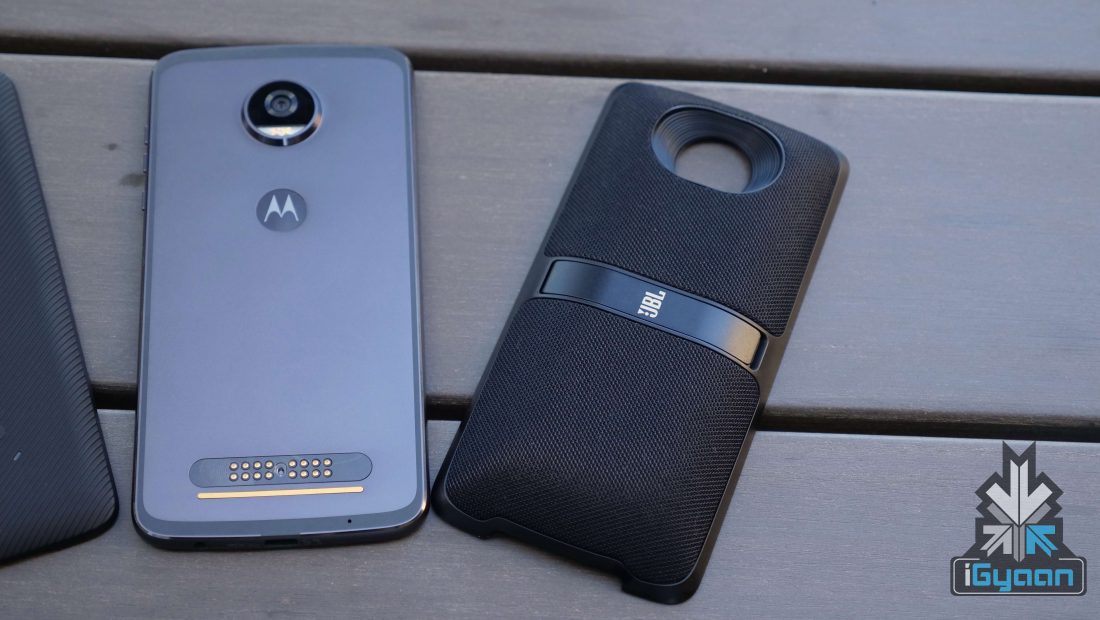
Along with this announcements, the smartphone maker also announced three new mods, JBL SoundBoost 2 speaker Mod, Moto TurboPower Pack battery Mod and the GamePad Mod which will go on sale from the 17th of December via Flipkart and all Moto Hub stores across the country.
Motorola Mobility India Managing Director Sudhin Mathur said:
This is an India-first initiative. We want people to experience the magic of mods before (they) go ahead and buy it. So, whether it is extra battery life or great sound that they are looking for, we will have a mod for that.
RentMojo is an online portal wherein you cant rent anything from furniture to a bike.
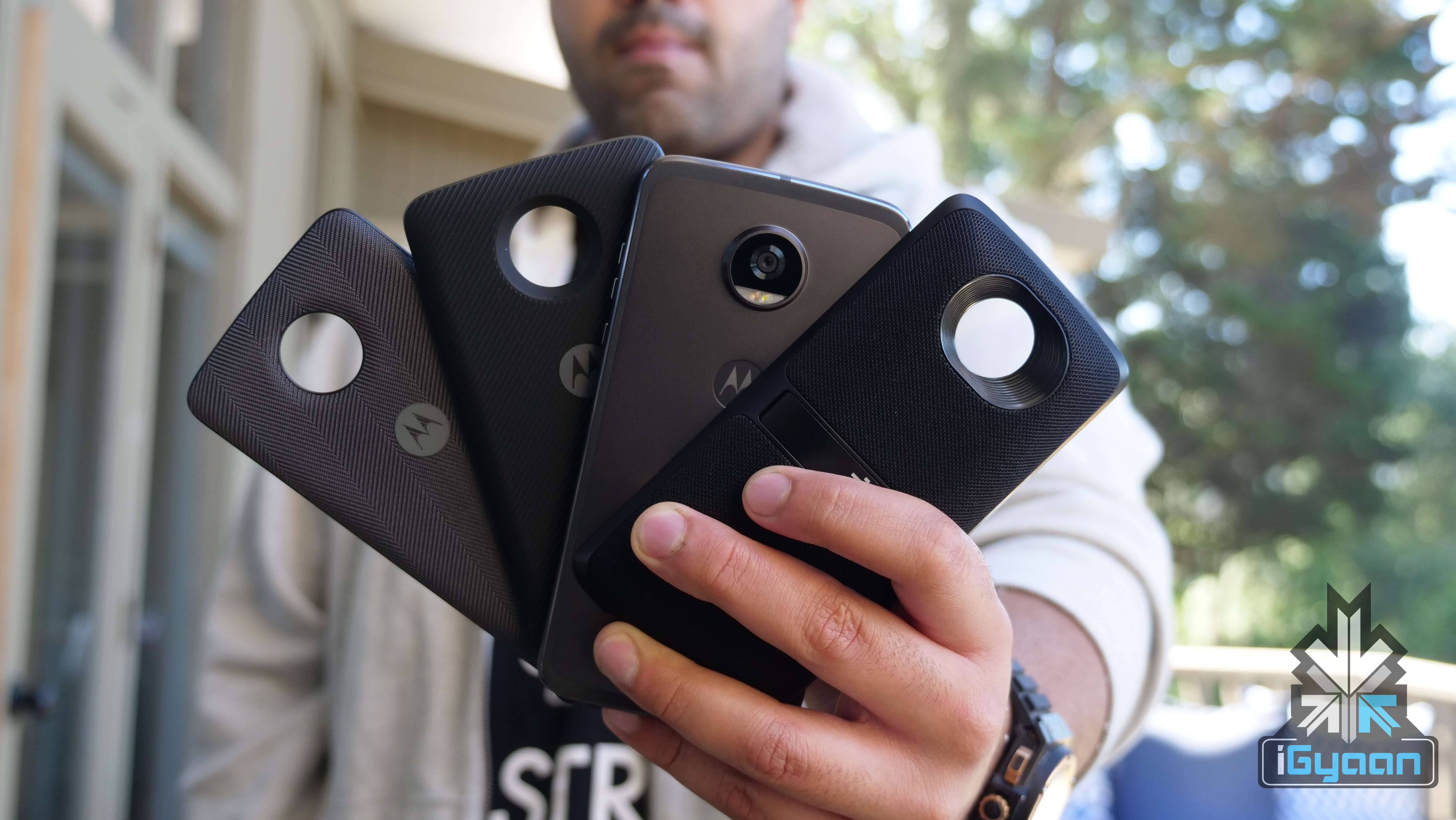
Motorola Mods are compatible with Moto Z phones and essentially add a functionality to the phone which you would not have experienced with any other phone. The Moto Z lineup’s USP is their modularity.
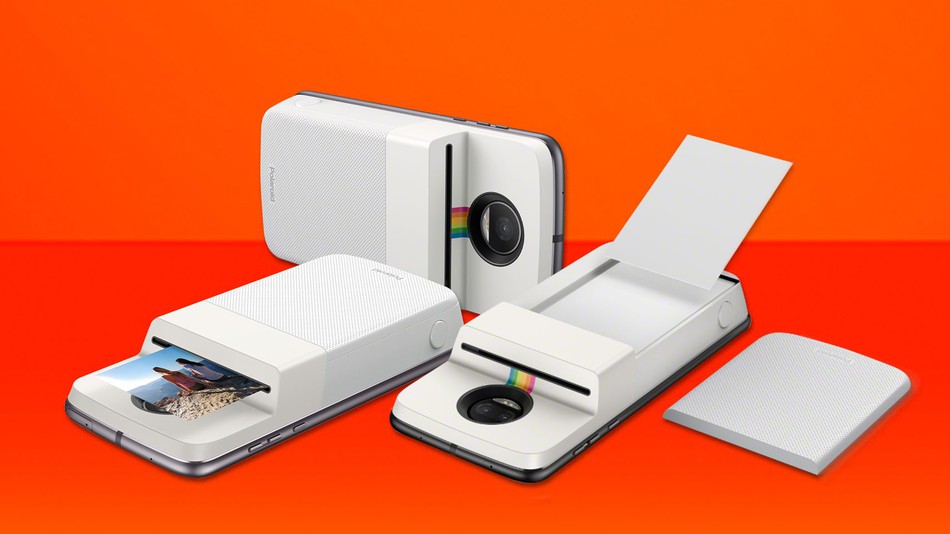
Motorola also launched a polaroid camera modfor the Moto Z devices. Just like any other mod, it clips on to the back of your phone and connects to the Moto Z’s camera to turn the phone into a tiny Polaroid camera. The mod even has a dedicated shutter button to make clicking photos relatively easier. You can also use the mod to print out photos you’ve already taken, and other pictures you have stored on your phone. You can even add text to photos before printing them.
With Moto Mods costing almost as much as an Android phone, the idea of renting out Moto Mods makes sense for consumers to try out a mod before deciding whether they want to spend so much of money on an accessory or not.
Dual cameras, a trend that started in 2016 in flagship phones trickled down to budget smartphones in 2017. From the iPhone 7 Plus in 2016 to Lenovo K8 Plus in 2017, the trend of dual-camera smartphones is here to stay and has become a norm for a top-performing budget Android device. In a sea of budget smartphones with identical specifications and price, which dual-camera phone should you buy this holiday season? iGyaan brings you its pick for the best budget dual-camera phones you can buy right now:
Xiaomi Mi A1
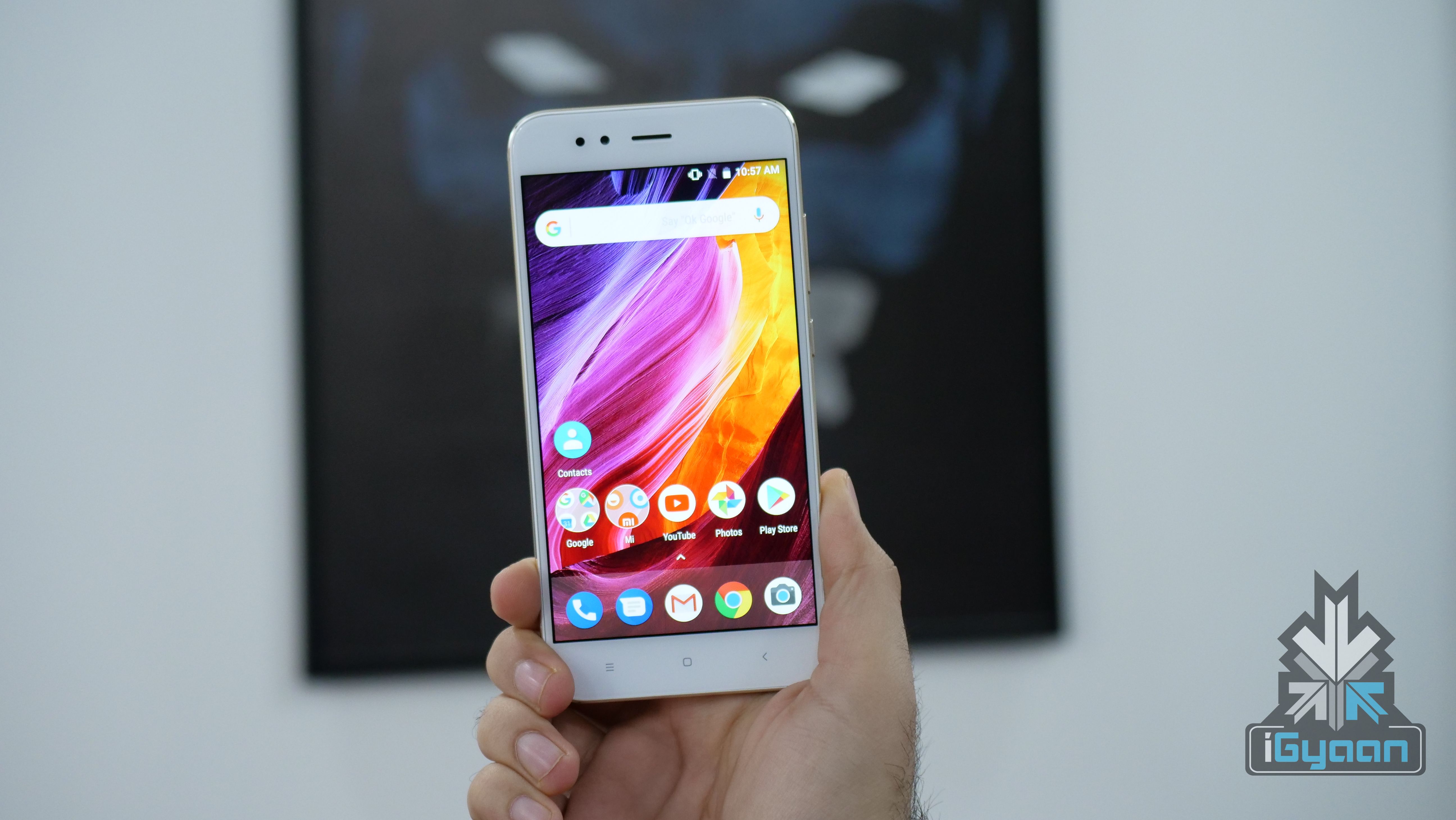
One of the best budget phones to be launched in 2017, the Mi A1 combines Xiaomi’s hardware and Google’s stock Android OS in this perfectly priced budget phone.
The smartphone has a 5.5 inch 1920 x 1080 px display with Corning Gorilla Glass on top for protection and metal unibody build.
The phone has the Qualcomm Snapdragon 625 chipset, 2.0GHz octa-core processor, 4GB RAM and 64GB of onboard storage which is expandable via microSD card. Handling the graphics under the hood is the Adreno 505 GPU. The pyrolytic graphite sheet will help in heat management as well, Xiaomi claims. The Xiaomi Mi A1 has an IR blaster to control appliances in your home or office. Powering the device is a 3,080 mAh battery and fast charging through the Type C port
The fingerprint sensor sits at the back of the device below the camera. Xiaomi has also included a dedicated headphone amplifier for better music listening experience.
The Mi A1 runs pure Android 7.1.2 Nougat OS and thanks to Android One program, the Mi A1 will get software to Android 8.0 Oreo and Android P as well.
It’s worth noting that despite the stock Android OS, Xiaomi has still introduced a few apps of its own like the Mi Camera app, since Google’s app doesn’t support dual-camera right now. Other apps like the Mi Remote and the Mi Store are also present in the Xiaomi Mi A1.
In terms of optics, the smartphone features a 12MP dual-camera setup with 1.25-micron pixel size. Out of the two cameras at the back, the primary one is equipped with a telephoto lens and the secondary camera has a wide-angle lens. The telephoto lens allows the user to take bokeh effect shots with blurred background and a 2X optical lossless zoom. For landscape shots, Xiaomi has introduced a wide angle lens while on the front is a 5MP camera.
Moto G5s Plus
Successor to one of the best budget camera smartphones the Moto G5 Plus, Moto G5s Plus was launched close to the Xiaomi Mi A1 and carries an identical price tag as well.
The Moto G5S Plus has a 5.5 inch 1920 x 1080 px display with Corning Gorilla Glass 3 on top for protection.
The smartphone has the Qualcomm 625 chipset, an octa-core processor clocked at 2.0 GHz with 4GB RAM and 64GB of onboard storage which can be expanded up to 128GB via a microSD card. The fingerprint sensor is housed inside the home button which sits below the display. The device is powered by a 3,000 mAh battery with included turbo charge capabilities.
The Moto G5S Plus runs Android 7.1.1 Nougat with little customisation done by the manufacturer resulting in stock Android OS experience.
The Moto G5S Plus features rear-mounted 13MP dual-cameras with an f/2.0 aperture. The dual camera captures Bokeh, and selective focus shots, along with other capabilities of background replacement and exposure management. On the front is a wide angle 8MP camera with a single LED flash and a panoramic mode. The rear cameras capture videos in 4K at 30 FPS and the front camera records videos in 1080P at 30 FPS. According to Motorola, additional features such as Night Display and Quick Reply enhance the software experience. The implementation of the dual-camera setup on the Moto G5S Plus is different than that on the Mi A1.
Lenovo K8 Note
The Lenovo K8 Note features a 5.5-inch 1920 x 1080 px display with a pixel density of 441ppi and a Corning Gorilla Glass with oleophobic coating for scratch and smudge resistance.
The K8 Note is also splash resistant due to its P2i coating, although the resistance might decrease with time due to wear and tear of the nano coating. The fingerprint sensor sits at the back of the device under the cameras.
The Lenovo K8 Note is run on a MediaTek MT 6797D Helio X23 a Tri-cluster, 64-bit chipset with a 2.3 GHz high-performing deca-core processor and the Mali T-880 MP4 GPU. The device has either a 3GB or 4GB RAM and 32GB or 64GB onboard storage which is expandable via a microSD card.
The Lenovo K8 Note has a 13M Pure cell sensor mated with a 5MP Samsung BSI sensor dual camera setup and dual LED flash at the back. The phone is capable of depth mode effects along with 1920 x 1080 px Video capture. A 13MP camera with LED flash and an f/2.0 aperture sits on the front of the device above the display. The camera UI will also feature a stock Android layout with no customisation offered by Lenovo apart from the depth mode.
Honor 9i
The Honor 9i has a 5.9-inch 2160 x 1080px display with an 18:9 aspect ratio.
It also has Huawei’s in-house octa-core Kirin 659 chipset, octa-core 2.36 GHz processor, along with 4 GB of RAM and 64 GB onboard storage. Powering the device is a 3340 mAh battery which charges via a micro USB port.
The device runs Android 7.0 Nougat out of the box with Huawei’s EMUI 5.1 skin on top
This is the only smartphone on this list which has four cameras. The rear of the phone contains a 16 MP main sensor and a 2 MP secondary sensor, while the front has a 13 MP camera and another 2 MP secondary sensor. A fingerprint sensor is placed at the back of the phone since the phone has thin bezels and no physical button at the front of the phone.
Dual cameras, a trend that started in 2016 in flagship phones trickled down to budget smartphones in 2017. From the iPhone 7 Plus in 2016 to Lenovo K8 Plus in 2017, the trend of dual-camera smartphones is here to stay and has become a norm for a top-performing budget Android device. In a sea of budget smartphones with identical specifications and price, which dual-camera phone should you buy this holiday season? iGyaan brings you its pick for the best budget dual-camera phones you can buy right now:
Xiaomi Mi A1
One of the best budget phones to be launched in 2017, the Mi A1 combines Xiaomi’s hardware and Google’s stock Android OS in this perfectly priced budget phone.
The smartphone has a 5.5 inch 1920 x 1080 px display with Corning Gorilla Glass on top for protection and metal unibody build.
The phone has the Qualcomm Snapdragon 625 chipset, 2.0GHz octa-core processor, 4GB RAM and 64GB of onboard storage which is expandable via microSD card. Handling the graphics under the hood is the Adreno 505 GPU. The pyrolytic graphite sheet will help in heat management as well, Xiaomi claims. The Xiaomi Mi A1 has an IR blaster to control appliances in your home or office. Powering the device is a 3,080 mAh battery and fast charging through the Type C port
The fingerprint sensor sits at the back of the device below the camera. Xiaomi has also included a dedicated headphone amplifier for better music listening experience.
The Mi A1 runs pure Android 7.1.2 Nougat OS and thanks to Android One program, the Mi A1 will get software to Android 8.0 Oreo and Android P as well.
It’s worth noting that despite the stock Android OS, Xiaomi has still introduced a few apps of its own like the Mi Camera app, since Google’s app doesn’t support dual-camera right now. Other apps like the Mi Remote and the Mi Store are also present in the Xiaomi Mi A1.
In terms of optics, the smartphone features a 12MP dual-camera setup with 1.25-micron pixel size. Out of the two cameras at the back, the primary one is equipped with a telephoto lens and the secondary camera has a wide-angle lens. The telephoto lens allows the user to take bokeh effect shots with blurred background and a 2X optical lossless zoom. For landscape shots, Xiaomi has introduced a wide angle lens while on the front is a 5MP camera.
Moto G5s Plus
Successor to one of the best budget camera smartphones the Moto G5 Plus, Moto G5s Plus was launched close to the Xiaomi Mi A1 and carries an identical price tag as well.
The Moto G5S Plus has a 5.5 inch 1920 x 1080 px display with Corning Gorilla Glass 3 on top for protection.
The smartphone has the Qualcomm 625 chipset, an octa-core processor clocked at 2.0 GHz with 4GB RAM and 64GB of onboard storage which can be expanded up to 128GB via a microSD card. The fingerprint sensor is housed inside the home button which sits below the display. The device is powered by a 3,000 mAh battery with included turbo charge capabilities.
The Moto G5S Plus runs Android 7.1.1 Nougat with little customisation done by the manufacturer resulting in stock Android OS experience.
The Moto G5S Plus features rear-mounted 13MP dual-cameras with an f/2.0 aperture. The dual camera captures Bokeh, and selective focus shots, along with other capabilities of background replacement and exposure management. On the front is a wide angle 8MP camera with a single LED flash and a panoramic mode. The rear cameras capture videos in 4K at 30 FPS and the front camera records videos in 1080P at 30 FPS. According to Motorola, additional features such as Night Display and Quick Reply enhance the software experience. The implementation of the dual-camera setup on the Moto G5S Plus is different than that on the Mi A1.
Lenovo K8 Note
The Lenovo K8 Note features a 5.5-inch 1920 x 1080 px display with a pixel density of 441ppi and a Corning Gorilla Glass with oleophobic coating for scratch and smudge resistance.
The K8 Note is also splash resistant due to its P2i coating, although the resistance might decrease with time due to wear and tear of the nano coating. The fingerprint sensor sits at the back of the device under the cameras.
The Lenovo K8 Note is run on a MediaTek MT 6797D Helio X23 a Tri-cluster, 64-bit chipset with a 2.3 GHz high-performing deca-core processor and the Mali T-880 MP4 GPU. The device has either a 3GB or 4GB RAM and 32GB or 64GB onboard storage which is expandable via a microSD card.
The Lenovo K8 Note has a 13M Pure cell sensor mated with a 5MP Samsung BSI sensor dual camera setup and dual LED flash at the back. The phone is capable of depth mode effects along with 1920 x 1080 px Video capture. A 13MP camera with LED flash and an f/2.0 aperture sits on the front of the device above the display. The camera UI will also feature a stock Android layout with no customisation offered by Lenovo apart from the depth mode.
Honor 9i
The Honor 9i has a 5.9-inch 2160 x 1080px display with an 18:9 aspect ratio.
It also has Huawei’s in-house octa-core Kirin 659 chipset, octa-core 2.36 GHz processor, along with 4 GB of RAM and 64 GB onboard storage. Powering the device is a 3340 mAh battery which charges via a micro USB port.
The device runs Android 7.0 Nougat out of the box with Huawei’s EMUI 5.1 skin on top
This is the only smartphone on this list which has four cameras. The rear of the phone contains a 16 MP main sensor and a 2 MP secondary sensor, while the front has a 13 MP camera and another 2 MP secondary sensor. A fingerprint sensor is placed at the back of the phone since the phone has thin bezels and no physical button at the front of the phone.
Motorola has come out with a new advertisement in which it mocks Samsung and Apple. The ad continues from where Samsung’s infamous advertisement ends in which Samsung mocks Apple and the iPhone X.
https://youtu.be/Dw7verGkl5c
The new ad from Motorola shows off the projector mod on the Moto Z2 Play. While the Samsung ad was rather elaborate in mocking Apple and its range of iPhones, Motorola has gone ahead and been brief about its attempt at mocking the two smartphone giants. The name of the campaign is “Up-upgrade” in reference to Samsung’s campaign which was called “Upgrade.”
While many were waiting for Apple’s response to the advertisement where Samsung mocked it, Motorola has swooped in and taken the opportunity to mock the two giants in a single advertisement.
This trend of rival brands mocking each other appears to be catching up and it will be interesting to see if either company will go ahead and respond to this effort by Motorola.
After launching the Moto X4, Lenovo-owned Motorola now has two strong offerings in the sub-20K category and the sub-25K category. The two phones are the Moto G5s Plus and the Moto X4. Both the phones offer a dual camera setup at the back, a Full HD display and run pure Android 7.1 Nougat OS.
Let’s pit these two phones together and see which phone comes out on top: