Category: Brands and Companies

All Brands and Company Names

  • Top Smartphones In India Under Rs 10000

    Top Smartphones In India Under Rs 10000

    The budget smartphone market in India always serves up some great devices. The sub-10K category in India has a lot of options with some impressive smartphones launched in 2018 so far. Xiaomi launched the Redmi Note 5, the highly anticipated successor to the Redmi Note 4 in February. OPPO’s sub-brand, Realme launched the Realme 1 at a starting price of Rs 8990 with an impressive set of specifications.

    Must Read: Top Smartphones In India Under Rs 20000

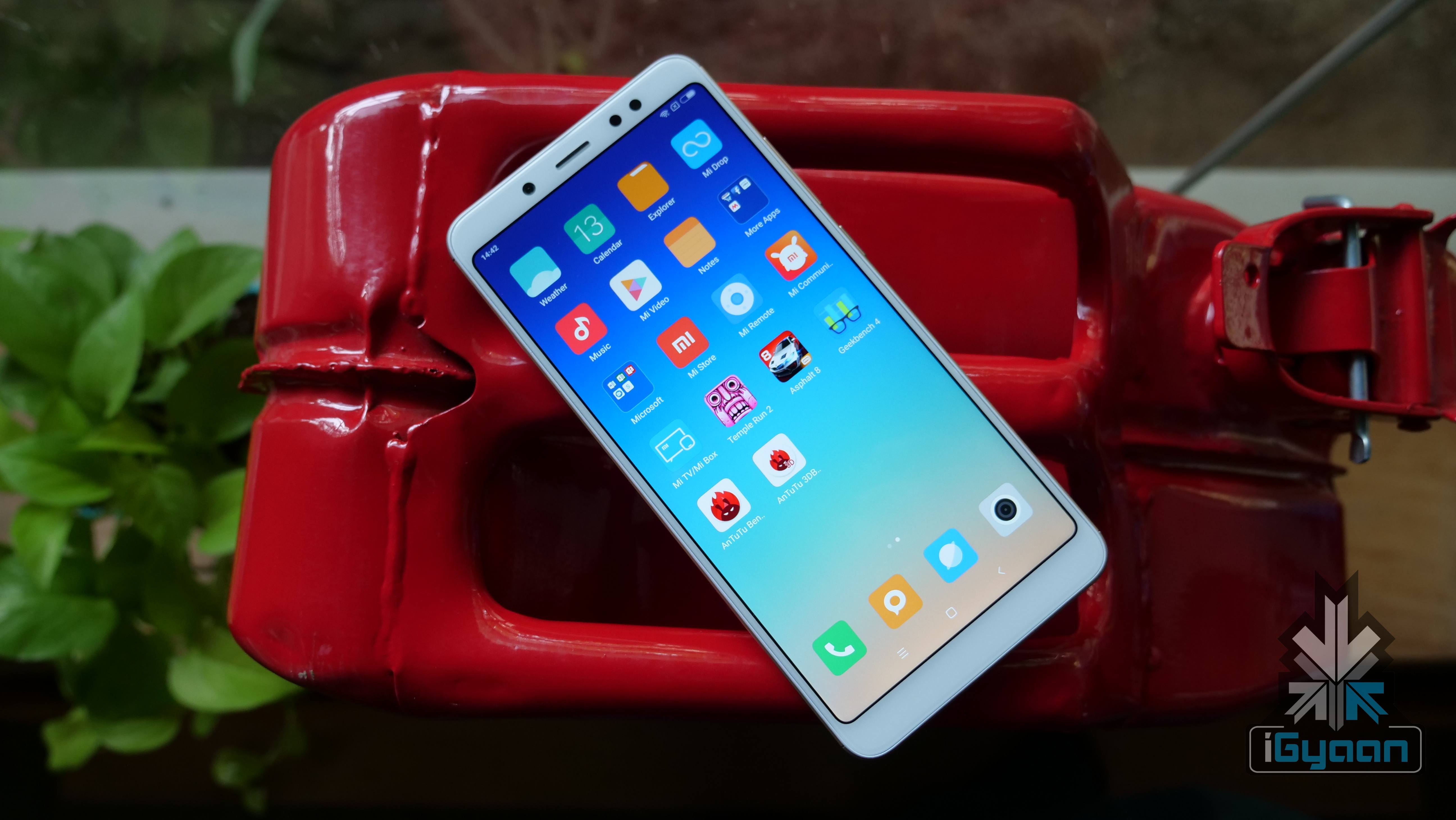
    Xiaomi Redmi Note 5
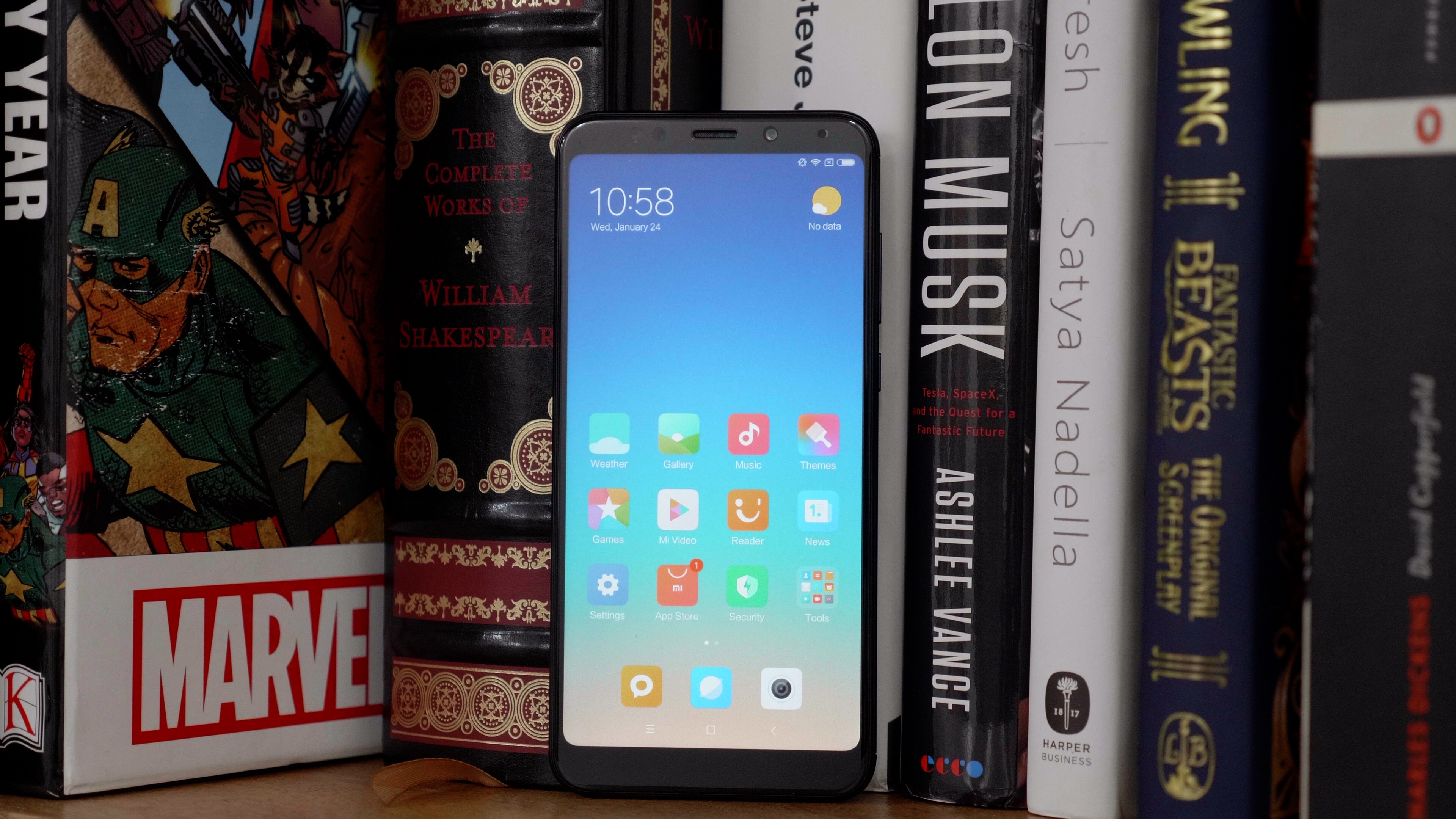
    Redmi Note 5

    The Xiaomi Redmi Note 5 was launched in India amid great fanfare, thanks to the popularity of the Redmi Note 4. The device has a better design and improved cameras but, other than that, it isn’t the most significant upgrade over its predecessor.

    It has a 5.99-inch display with a 2160 x 1080px resolution which translates to an 18:9 aspect ratio.

    Under the hood, the Redmi Note 5 has the Qualcomm Snapdragon 625 chipset, 2.0GHz octa-core processor, Adreno 506 GPU, 3GB or 4GB of RAM, and 32GB or 64GB of onboard storage which will be expandable via microSD card.

    The device has a 12MP primary camera with an f/2.2 aperture and a 5MP secondary camera with Beautify 3.0 software.

    Buy The Redmi Note 5 3GB/32GB Here

    Buy The Redmi Note 5 4GB/64GB Here

    Realme 1

    [amazon_link asins=’B0784D7K7S’ template=’ProductAd’ store=’igyaan-21′ marketplace=’IN’ link_id=’82309d68-60d3-11e8-984a-276abcb28d34′]

    The Realme 1 has a 6 inch display with a 2160 x 1080 px resolution. This translates into an 18:9 aspect ratio which has become increasingly common these days.

    The smartphone runs on the MediaTek MT6771 Helio P60 chipset coupled with 3GB/4GB/6GB RAM and 32GB/64GB/128GB storage. The onboard storage is expandable via a microSD card in case you run out of the onboard storage provided.

    The Realme 1 runs Android 8.1 Oreo out of the box with ColorOS 5.0 on top.

    The smartphone also misses out on a dual-camera setup, again, a feature that has become the norm. It has a 13MP camera on the back along with an 8MP front-facing camera.

    Honor 7A
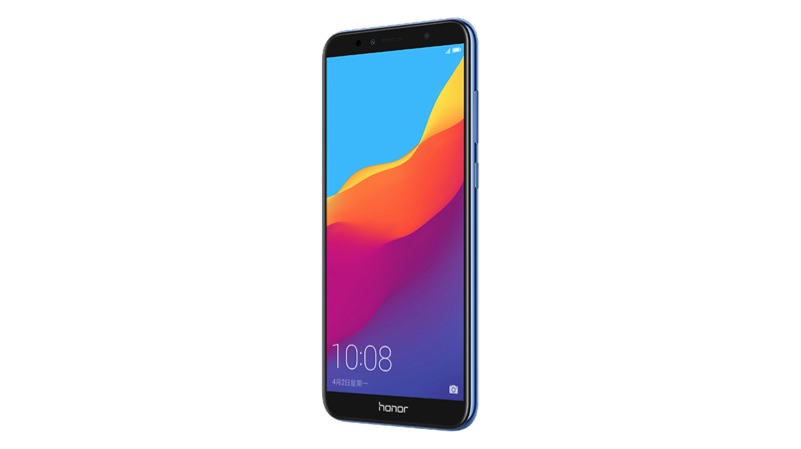
    The Honor 7A has a 5.7 inch IPS LCD display with a 1440 x 720 px and a 2.5 D curved glass for protection. It has an 18:9 aspect ratio which has become the norm for budget smartphones in India.

    Under the hood, the device runs on the Qualcomm Snapdragon 430 Octa-core chipset with 3GB RAM and 32GB onboard storage. Additionally, the smartphone supports memory expansion up to 256GB.

    The Honor 7A has a dual setup with a 13MP RGB sensor and a 2MP depth sensor. The main sensor will help the smartphone to capture the picture and the secondary sensor will add the depth effect. The device has an 8MP front-facing camera with support for Face Unlock and 1080p video recording capability.

    Xiaomi Redmi 5

    [amazon_link asins=’B0756ZJKCY’ template=’ProductAd’ store=’igyaan-21′ marketplace=’IN’ link_id=’9ca6a4cd-60d4-11e8-bac6-ad91ac29454e’]

    The Xiaomi Redmi 5 has a 5.7-inch 1440 x 720 px display with an 18:9 aspect ratio. However, the bezels are still very visible, especially in the Gold colour variant.

    Under the hood, the Redmi 5 has the Qualcomm Snapdragon 450 chipset, a 1.8GHz octa-core processor, Adreno 506 GPU, 2GB, 3GB or 4GB of RAM, 16GB, 32GB or 64GB of onboard storage which will be expandable via microSD card. Powering the device is a 3300 mAh battery which, Xioami claims has a standby time of up to 12 days.

    The Redmi 5 has a 12MP camera at the back with 1.25-micron pixel size. The camera surprisingly only records 1080P videos at 30fps. To the front of the device is a 5MP camera with Beautify 3.0, which is Xiaomi’s software for enhanced selfies.
  • Top Smartphones Under Rs 20000

    Top Smartphones Under Rs 20000

    2018 so far, has been a great year for smartphone enthusiasts. Vivo became the first company to unveil a smartphone with an in-display fingerprint sensor. Concept phones like the Vivo APEX captured everyone’s imagination while flagship devices like the OnePlus 6, Huawei P20 Pro have been well-received by consumers and critics alike. The budget smartphone market in India has also seen a lot of really interesting launches in 2018 so far, from the Redmi Note 5 Pro to Huawei P20 Lite. So, here is a list of top budget smartphones to buy in 2018 if your budget is Rs 20,000 or less!

    Huawei P20 Lite

    [amazon_link asins=’B077Q195JB’ template=’ProductAd’ store=’igyaan-21′ marketplace=’IN’ link_id=’b7e60fc3-60cd-11e8-8414-a103abb70141′]

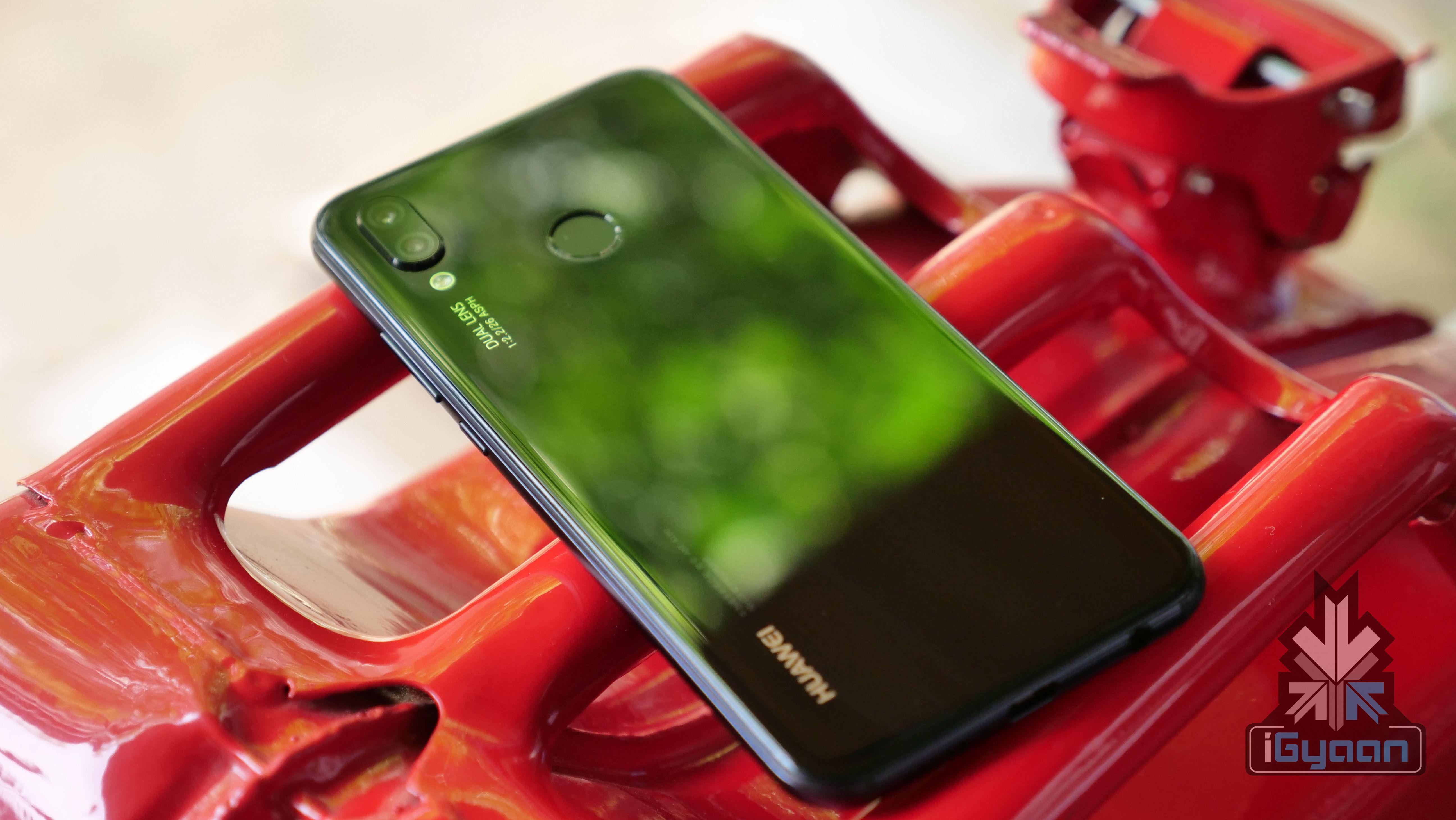
    Launched along with the flagship P20 Pro, the P20 Lite is priced at Rs 19999. The Huawei P20 Lite has an all-glass design with a dual-camera setup. For a price of Rs 19999, the P20 Lite has a great build quality along with an impressive set of cameras.

    The Huawei P20 Lite has a 5.84 inch LTPS IPS LCD display with a 2280 x 1080 px resolution. The Huawei P20 Lite runs on the HiSilicon Kirin 659 Octa-core chipset coupled with 4GB RAM and 64GB storage.

    The Huawei P20 Lite has a 16MP RGB sensor and a 2MP depth sensor. In fact, this dual camera setup is similar to the one found on the Honor 7X. The Huawei P20 Lite has a 24MP front-facing camera with 3D Portrait Lighting effect. This is very similar to the Portrait Lighting effect found on the iPhone X.

    Xiaomi Redmi Note 5 Pro

    The Xiaomi Redmi Note 5 Pro was launched in February 2018 along with the Redmi Note 5. With the Redmi Note 5 an underwhelming upgrade over the Redmi Note 4, many believe that the Redmi Note 5 Pro should have succeeded the Redmi Note 4. It recently received a price hike and is now priced at Rs 14999 for the base variant.

    The Redmi Note 5 Pro has a 5.99-inch display with a 2160 x 1080px resolution which translates to an 18:9 aspect ratio.

    Under the hood, the device runs on the Qualcomm Snapdragon 636 chipset along with an Adreno 509 GPU to handle the graphics. The Redmi Note 5 Pro is available in two variants,  4GB RAM/64GB storage and 6GB RAM/64GB storage. The 6GB RAM variant is a great prospect for users who multitask a lot.

    The Redmi Note 5 Pro has a 20MP Sony IMX376 camera on the front with an LED light. To the back of the smartphone is a vertically place dual-camera setup. It is a 12MP colour sensor f/2.2 and 5MP f/2.0 colour sensor setup. The smartphone will click portrait mode photos from the front and rear cameras.

    Buy the Redmi Note 5 Pro here

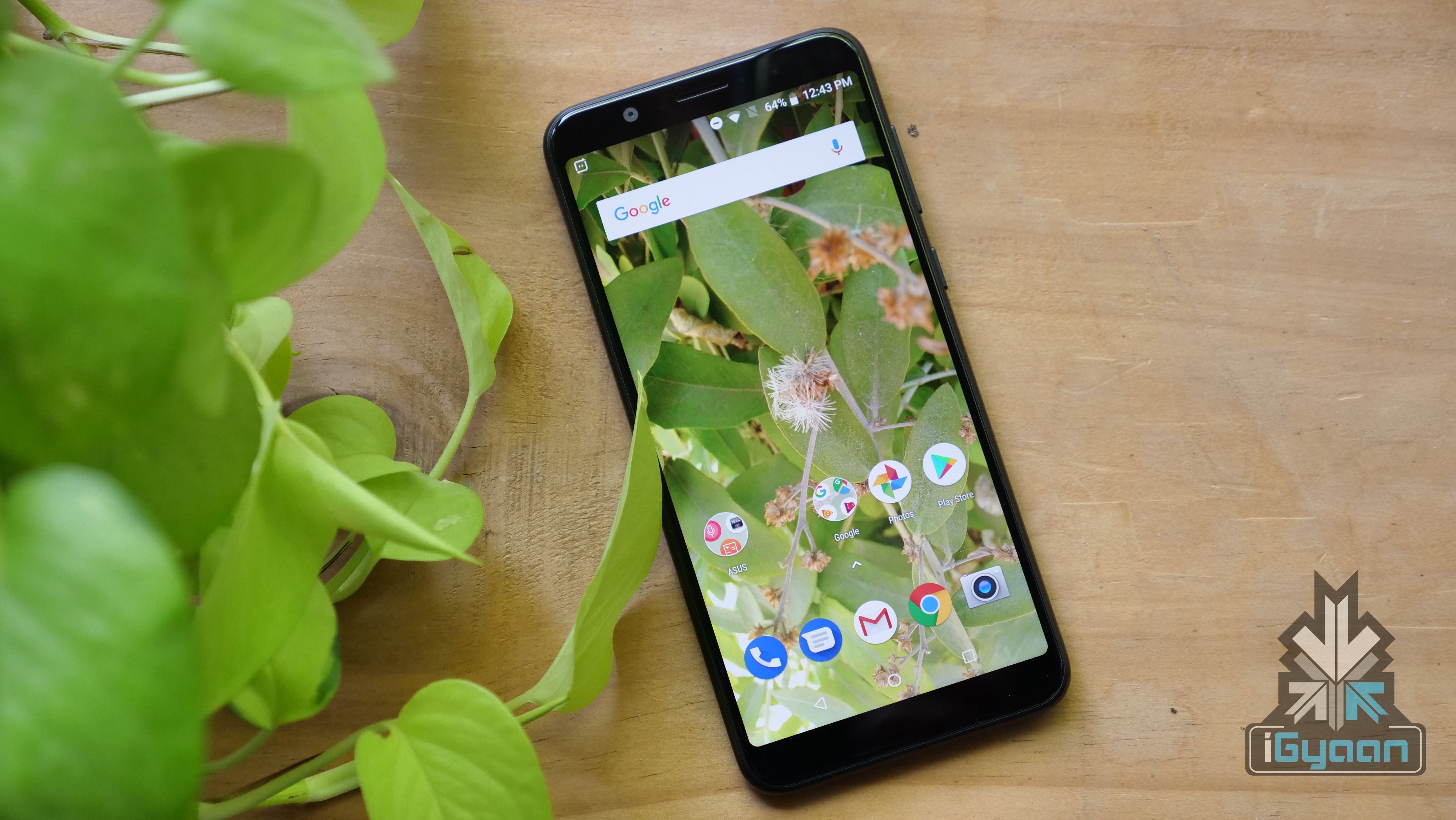
    Asus Zenfone Max Pro

    The Asus Zenfone Max Pro was launched in India on April 23rd. Without a doubt, one of the highlights of the Zenfone Max Pro is its battery capacity. It is powered by a 5000 mAh battery while the size and weight of the smartphone are almost equivalent to that of the Redmi Note 5 Pro. For context, the Redmi Note 5 Pro is powered by a 4000 mAh battery.

    That 5000 mAh battery will be powering a 5.99 inch IPS LCD display with a 2160 x 1080 px resolution. Under the hood, the Zenfone Max Pro runs on the Snapdragon 636 chipset coupled with 3GB/4GB of RAM along with either 32GB or 64 GB storage. There will be a 6GB RAM variant which will launch later in the year with improved camera capabilities.

    The device has a 13MP primary sensor on the rear along with a 5MP depth sensor with an f/2.2 aperture. The dual-camera setup can record 4K videos @ 30fps which is impressive for the price point. To the front is an 8MP camera with an f/2.0 aperture with a bokeh effect.

    Buy the Asus Zenfone Max Pro

    Nokia 6

    [amazon_link asins=’B07B4KPFKM’ template=’ProductAd’ store=’igyaan-21′ marketplace=’IN’ link_id=’d61ce4bd-60cd-11e8-a8cf-453cdcc7500d’]

    The Nokia 6 was launched in India in early-April after launching it in China on January 2018. The smartphone does not have an 18:9 aspect ratio like the other devices in the list. However, it carries the sentiments of the Nokia brand and also has decent specifications for the price. The device is priced at Rs 16999 for the base model and the Nokia 6.1 is priced at Rs 18999 for the 4GB RAM and 64GB storage variant.

    The Nokia 6 2018 has a 5.5 inch 1920 x 1080 px IPS LCD display with 16:9 aspect ratio. Under the hood, the smartphone runs on the Qualcomm Snapdragon 630 Octa-core chipset with 4GB and 32/64GB storage. Like the original Nokia 6, the storage is expandable up to 256GB using a micro SD card.

    The has a 3000 mAh sealed battery with support for fast charging via USB type C port. The fingerprint sensor now sits on the back of the device. This is a peculiar decision by the company since it has retained the 16:9 aspect ratio. Smartphone makers usually revert to a rear-facing fingerprint sensor when they shrink the bezels and don’t have enough space to place the sensor on the front.

    This smartphone also has a Zeiss certified single 16MP camera with an f/2.0 aperture and an 8MP front-facing camera with an f/2.0 aperture. The primary camera can record native 4K videos, whereas the front-facing camera maxes out at 1080p @ 30fps.

  • Jio Offering Free 8GB 4G Data Till May 29th

    Jio Offering Free 8GB 4G Data Till May 29th

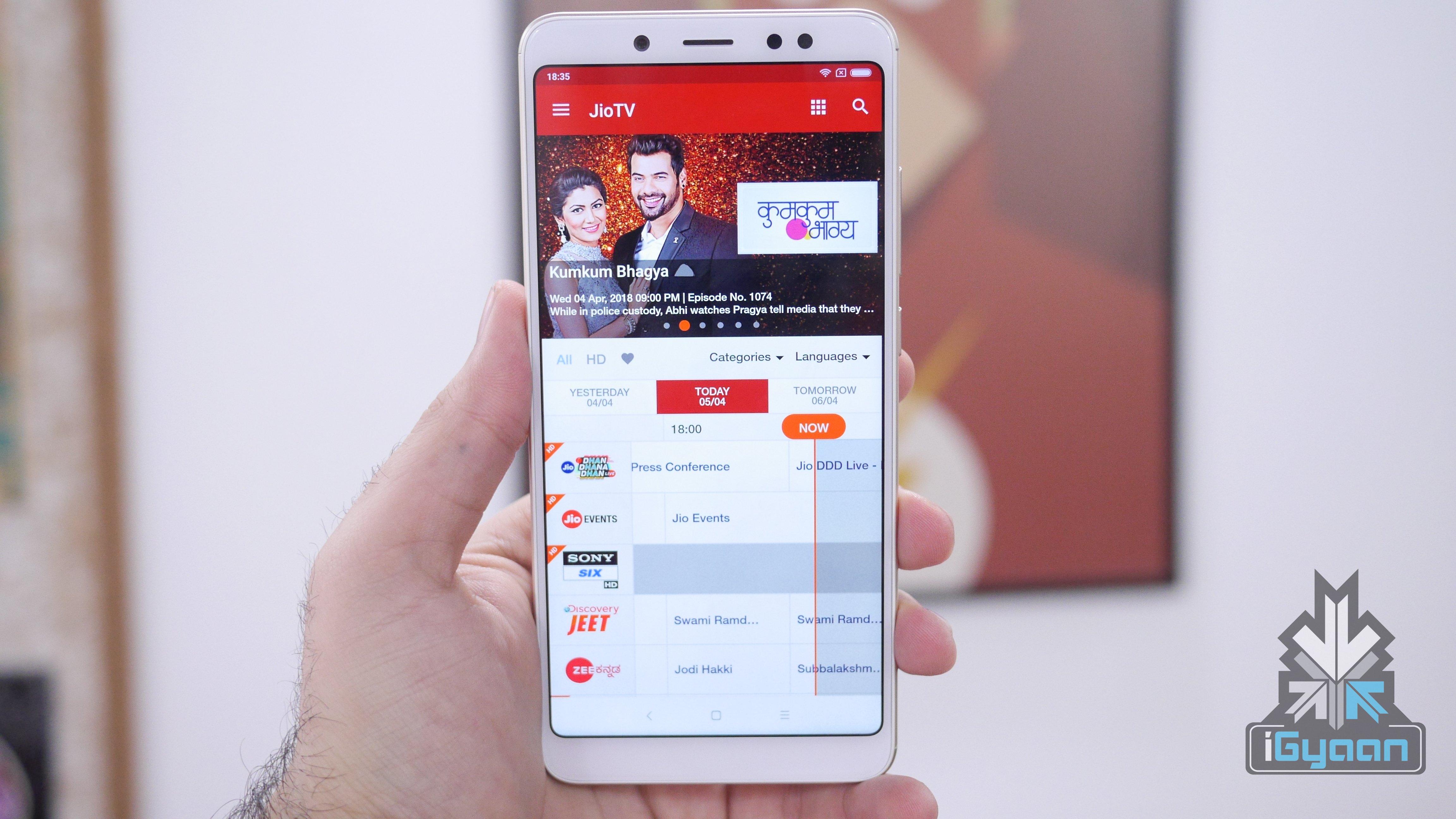
    Reliance Jio, one of the most famous telecom providers in India is celebrating the end of IPL Season 11. The new season of the Indian Premier League concludes this Sunday on May 27th and the telecom provider is giving away 8GB 4G data for free. The add-on offers 2GB of additional data to Jio users and the offer will be valid until May 29th. Earlier in the year, Jio unveiled a new Jio IPL 2018 pack which gave users 2GB of 4G data per day for 28 days at Rs 251.

    free IPL streaming apps
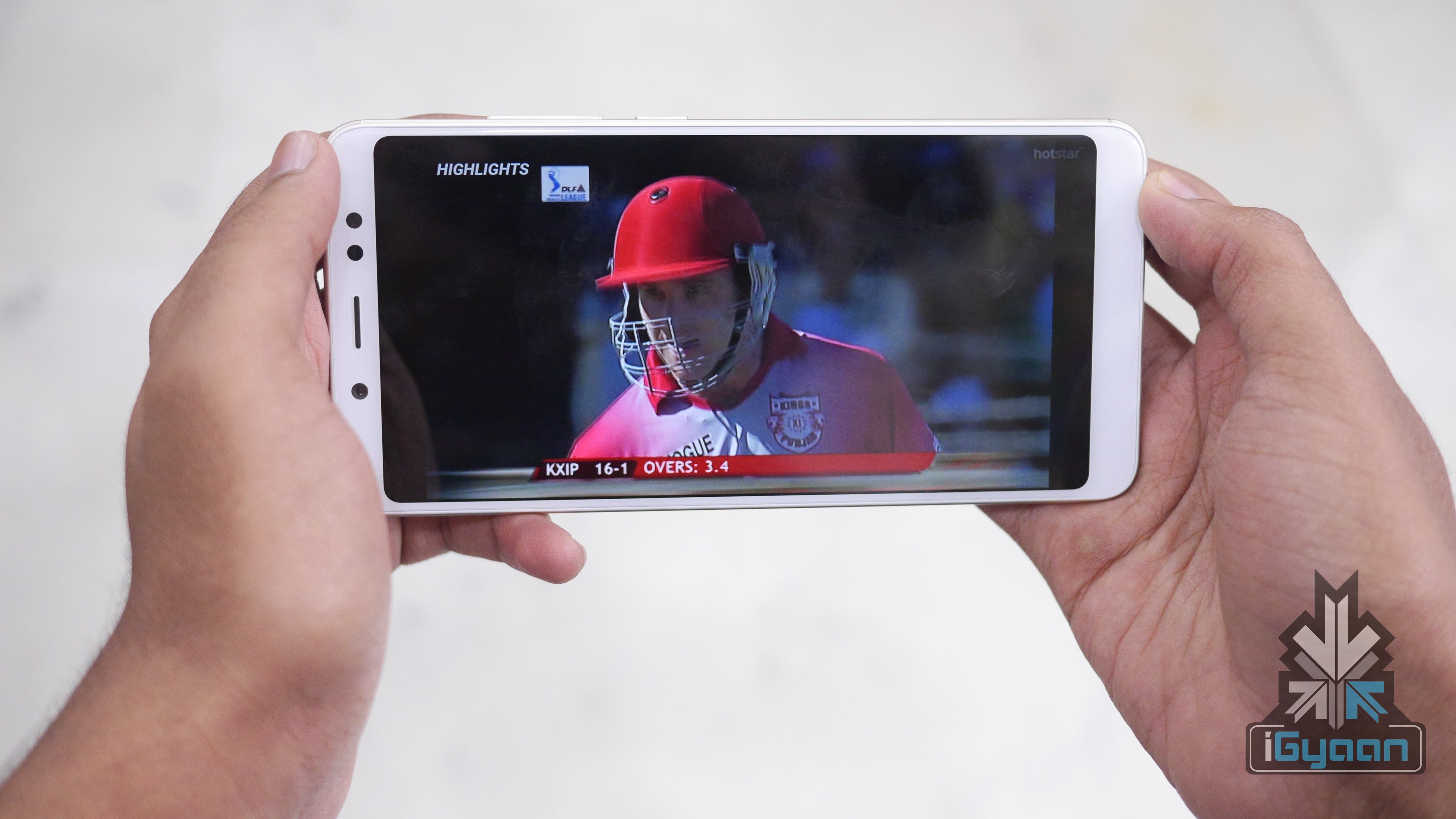
    IPL Stream On Hotstar

    The Cricket Jio Pack worth Rs 101, wherein users get 2GB of 4G data is available for free as an add-on for select Jio users. The add-on can be seen under the My Plans section of the MyJio app. The company has laid down a process to avail this offer as of now. With this pack, users get 2GB of free data every day from May 25th to May 29th.

    It is worth noting here that the company is rolling out this pack for free to select users. Once the 2GB data is consumed in a day, the user’s other subscribed packs kick in for the rest of the day. The 2GB data, although a part of the Cricket Plan, can be used for any other purpose such as browsing, streaming other content etc. Calls and SMS benefits, however, are not a part of the plan.

    While Jio has certainly revolutionised the streaming habits in India, other telecom providers are also ready to go toe-to-toe in terms of data offers. Airtel and BSNL offered data packs to consumers to stream cricket. Recently, the CSK-SRH qualifier stream saw a staggering 8.26 million concurrent viewers logging onto Hotstar, setting a new global benchmark. With India still being a developing nation and data speeds not as fast as some other western countries, this is a huge achievement on the road for a digital India.

  • Google And Facebook Sued For US$ 8.8 Billion For Coercing Users Into Sharing Their Personal Data

    Google And Facebook Sued For US$ 8.8 Billion For Coercing Users Into Sharing Their Personal Data

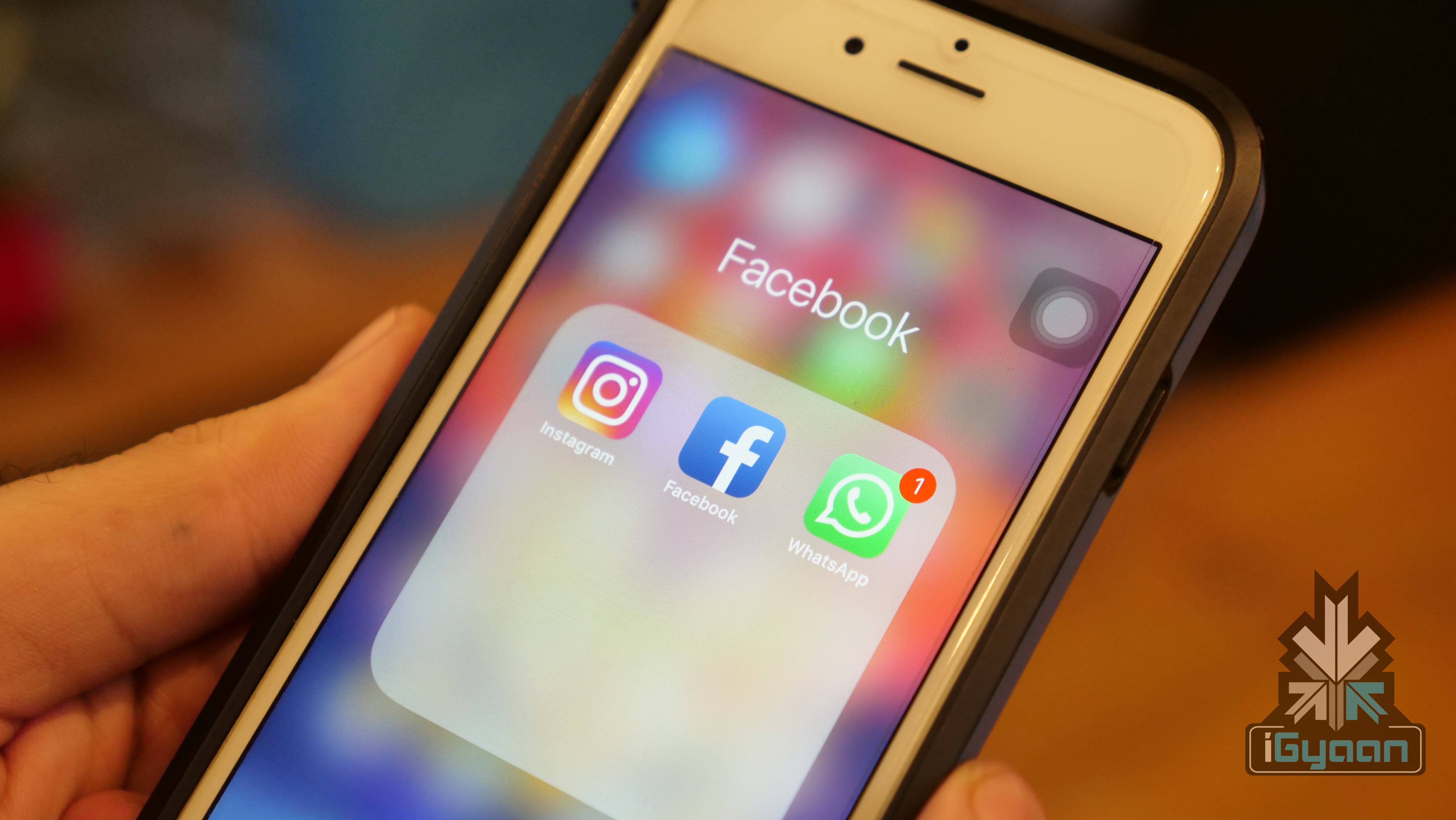
    In the past couple of day, you must have bee bombarded by every app notifying you of the change in their privacy policy. From Twitter, Facebook to Splitwise, every app has sent a notification to their users about the changes and these changes can have huge ramifications. Facebook and Google, for example, have been hit with lawsuits worth US$ 8.8 billion for coercing users into sharing personal data. The lawsuits were filed by Austrian privacy rights activist Max Schrems.

    [amazon_link asins=’B0772YB7Y1′ template=’ProductAd’ store=’igyaan-21′ marketplace=’IN’ link_id=’c72e3f28-60af-11e8-b479-b7071a16be34′]

    For context, GDPR or the General Data Protection Regulation is a rule passed by the European Union in 2016, resetting guidelines and rules for how companies manage and share a user’s personal data. While the rule applies to EU nations only, the internet’s global nature means that companies had to reset their policies in general. Hence, everyone received notifications about the privacy policies.

    It is worth noting that Google and Facebook have rolled out the new policies since GDPR was enforced. Schrems believes, however, that those policies don’t go far enough. He has singled out the way Google and Facebook obtain consent for the privacy policies, asking users to check a box in order to access services. This is a very common practice of almost every internet service, but, the lawsuit argues that this method forces users into an all-or-nothing choice. That is a clear violation of the GDPR’s guidelines around particularised consent.

    Both Google and Facebook have argued that the measures taken comply with the GDPR guidelines. In a statement, Google said:

    We build privacy and security into our products from the very earliest stages, and are committed to complying with the EU GDPR.

    Must Read: Android 9 P: Google I/O 2018 New Features

    Facebook has said that, “We have prepared for the past 18 months to ensure we meet the requirements of the GDPR.” This is not the first lawsuit Google is facing for violating the privacy of users. The company was recently sued for GBP 3.2 billion for secretly collecting browsing data of iPhone users in 2011 and 2012.

  • Essential Phone 2 Production Cancelled

    Essential Phone 2 Production Cancelled

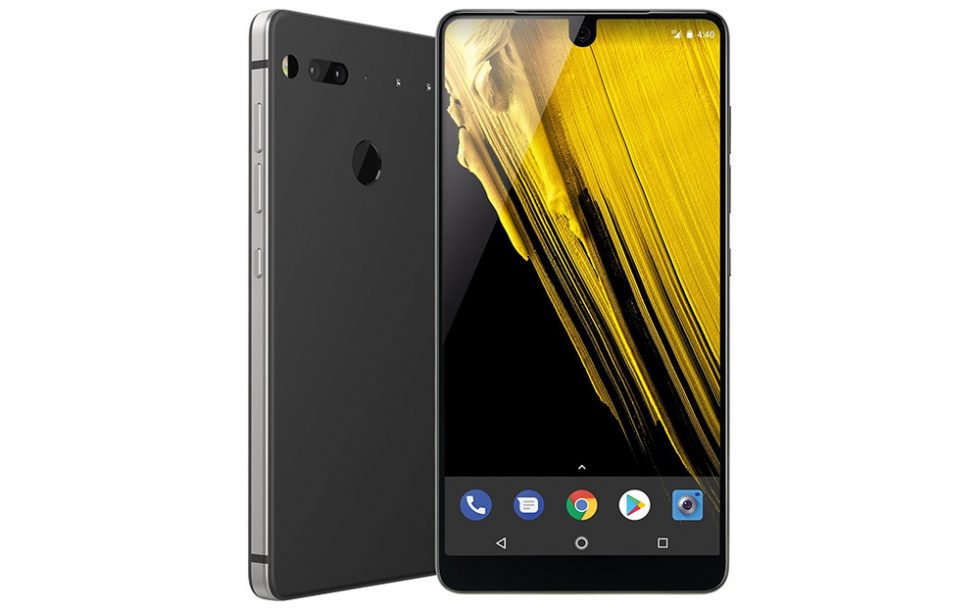
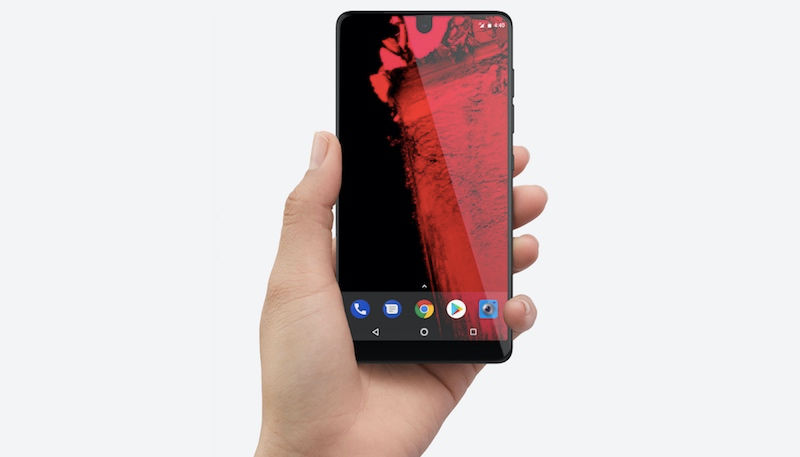
    Popularly known as the ‘The Father Of Android’, Any Rubin created quite a stir when he announced his own venture, Essential. The new smartphone brand was supposed to be the new Google Nexus with stock Android and a premium design. There was a lot of anticipation around the Essential Ph-1, leading up to its launch in August 2017. However, the smartphone did not deliver on its promises and the company has now canned its successor, the Essential Phone 2.

    There are reports of Essential actively looking for a buyer. However, the talks of a sale have not moved very far along. But, if a sale does happen, Essential wants to sell everything, its patents, hardware, and upcoming projects. In fact, the company would even want to shift its employees to whatever new company picks it up.

    Andy Rubin

    Essential intends to make products but, for the time being, not produce any smartphones. Bloomberg reports that Essential’s second phone, destined to be called the Essential Phone 2 won’t come to fruition as engineers have shifted their focus to a smart home product.

    Must Read: Xiaomi Mi 8 To Cost Around Rs 30000

    This smart home product could be a smart speaker. Essential announced an Amazon Echo competitor about a year ago and with the plans of a smartphone out of the window, a smart speaker appears to be the next most plausible Essential product to launch. Apparently, Essential plans on staying in the phone business, just not by designing devices itself. The company would reportedly contract Foxconn to handle most of the smartphone’s development.

    notch
    Essentail Ph-1

    In a statement, Essential seemingly confirmed the news as well:

    We always have multiple products in development at the same time and we embrace canceling some in favor of the ones we think will be bigger hits. We are putting all of our efforts towards our future, game-changing products, which include mobile and home products.

    The company’s first stint with a smartphone didn’t go down well with the consumers. Despite rave reviews for its build quality, the Essential Ph-1 had a disappointing camera and a buggy interface. The smartphone only managed to sell about 150,000 units since it went on sale last-August. The company had a lot of promises to deliver on but, failed on key aspects of a smartphone. It’ll be interesting to see what turn Essential takes in its quest to be a success in this highly competitive tech industry.

  • Lenovo Z5 Will Offer 30 Minutes Of Talk Time At 0% Battery

    Lenovo Z5 Will Offer 30 Minutes Of Talk Time At 0% Battery

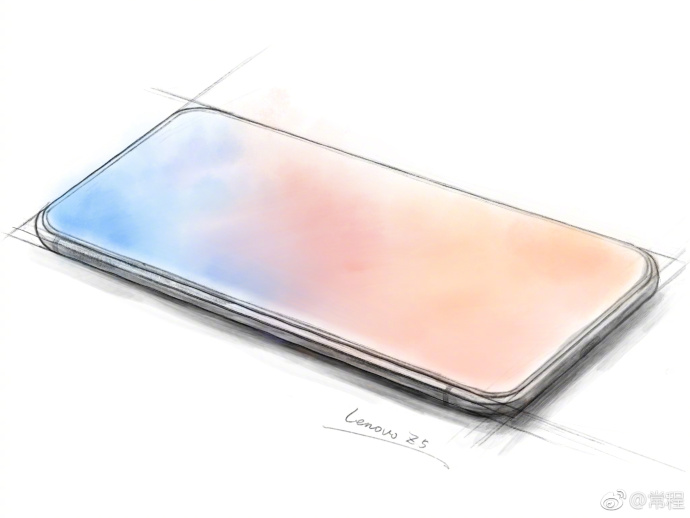
    The Lenovo Z5 better be an amazing device because our expectations are rising with each passing day. The soon to be launched flagship smartphone from Lenovo already looks like the most exciting smartphone of 2018 and we haven’t even reached the halfway mark yet. The Chinese smartphone maker will launch the Z5 on 14th June in its native country and hopefully, bring it to global markets as well. Continuing his strategy of teasing one feature a day, Lenovo’s Vice President Chang Cheng has now teased another feature pertaining to the Z5’s battery performance.

    According to his new post on Weibo, the Lenovo Z5 will offer 30 minutes of talk time at 0% battery. This might seem like a claim too tall to be true, it is an official teaser and the company wouldn’t backtrack from the claims of its Vice President. We usually hit the panic button at 10% of battery and here, the Z5 will work even at 0% battery. There must be some sort of software optimisations done by Lenovo which will result in such a battery performance.

    Must Read: Unboxing The OnePlus 6

    This, however, is not the only battery feature that is eye-catching. Cheng Chang recently revealed that the Lenovo Z5’s battery will last up to 45 days on standby. It is worth noting that 45 days worth of standby time cannot be achieved by just a bigger battery. There would be some software optimisation with the help of AI and machine learning.

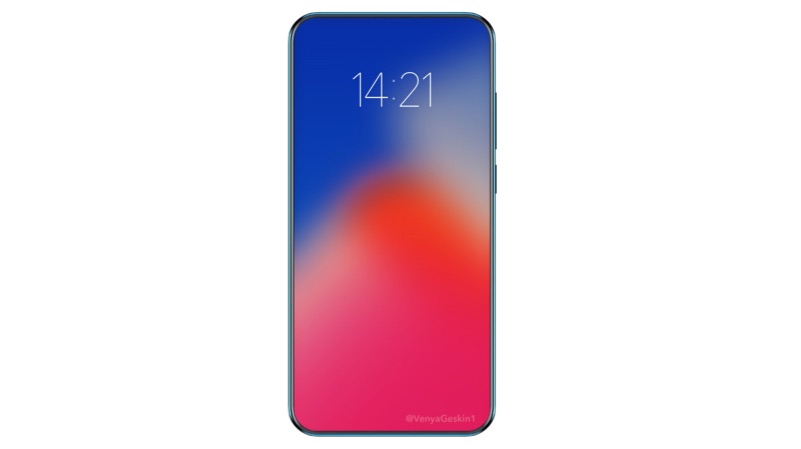
    The company has already teased that the Lenovo Z5 could be the first smartphone to offer a 95% screen-to-body ratio. For context, the iPhone X as an 81.1% screen-to-body ratio. In another post, Chang claims that the Lenovo Z5 will have a massive 4TB onboard storage. This is an extremely bold claim and we will wait before we jump the gun here. This could very well be a vague reference to cloud storage that Lenovo will provide with the Z5.

    Must Read: OnePlus 6T To Follow OnePlus 6 In Q4 2018

    The launch is still about three weeks away and we expect more features to be unveiled before 14th June. We will keep a close eye on Mr Chang’s Weibo activity to bring you the latest news about the Lenovo Z5.

  • OnePlus 3, 3T Receiving Face Unlock Feature With OxygenOS 5.0.3 Update

    OnePlus 3, 3T Receiving Face Unlock Feature With OxygenOS 5.0.3 Update

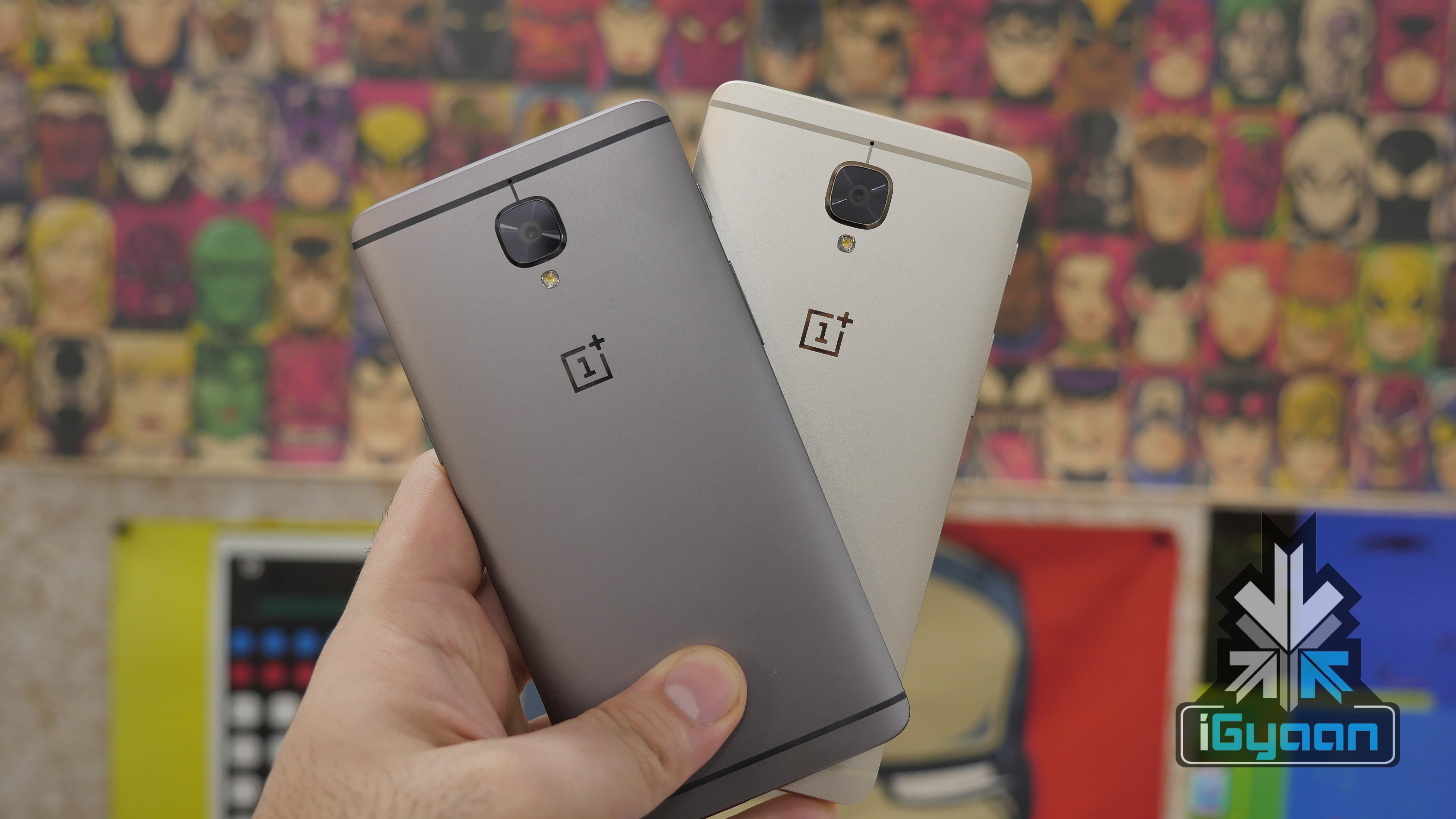
    While OnePlus is riding high on the success of the OnePlus 6, it hasn’t forgotten its older devices. The OnePlus 3 and OnePlus 3T, launched in 2016 have already been updated to Android 8 Oreo. The company confirmed that Android 8 Oreo will be the last major update for these two devices but, they will continue to get timely OxygenOS and security updates. The two smartphones have started receiving the new OxygenOS 5.0.3 update which brings in new features including Face Unlock.

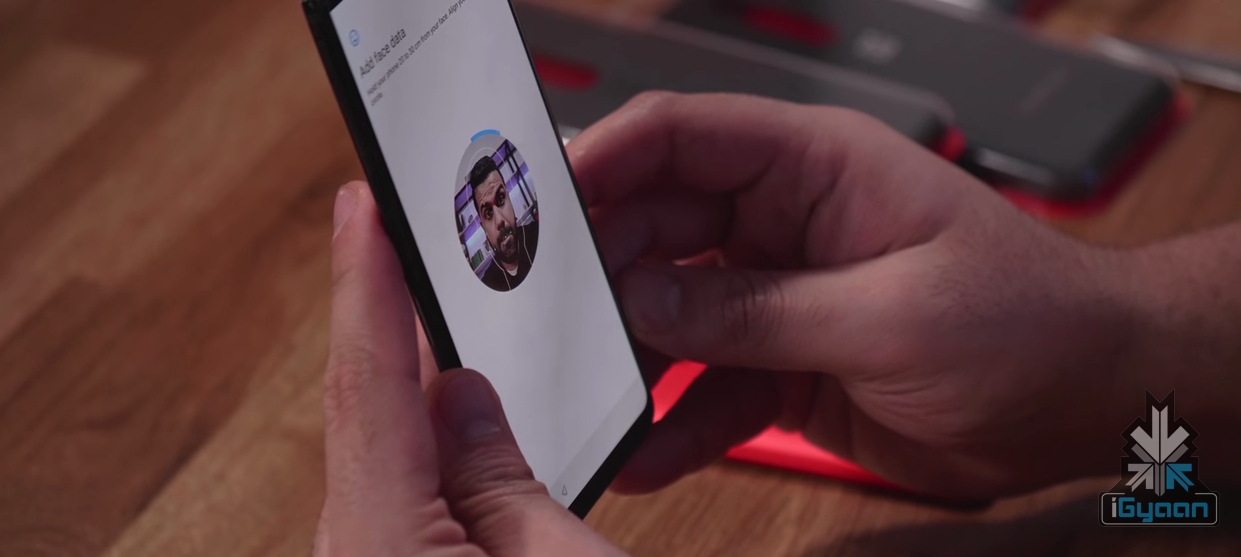
    Face Unlock was first introduced on the OnePlus 5T. Soon after the launch, the feature received rave reviews for being extremely fast. Its speed was compared to the iPhone X even though the Apple using a 3D facial recognition system and is much more secure than OnePlus’ Face Unlock feature. Nevertheless, the feature has become very popular since then and OnePlus has rolled out the feature to the OnePlus 5, and now the 3 and 3T.

    Face Unlock On OnePlus 6

    [amazon_link asins=’B0756Z43QS’ template=’ProductAd’ store=’igyaan-21′ marketplace=’IN’ link_id=’6d9012f5-600d-11e8-82f9-31d09bc691f3′]

    Since OnePlus’s Face Unlock is software based, it was possible for the company to roll out this feature to older devices as well. With the new OxygenOS 5.0.3 update, OnePlus 3 and OnePlus 3T users will also be able to unlock their smartphones quickly without using the fingerprint sensor. However, since the fingerprint sensor on the 3 and 3T resides on the front, it really doesn’t seem like a necessary feature.

    With the new update, there are new improvements to the Launcher, for example, there is a more refined shelf UI design, a new design for App shortcuts, and more pop-up options for when users long press an app icon. There are other subtle changes as well, like improved positioning accuracy for weather, a new ‘large files’ category in the Files app and more.

    If OnePlus 3 or 3T users have not received a notification for an update yet, they can head to Settings > System Updates and then check for a new update. If an update is still not available, fret not, as these are usually phased updates and should come to your device sooner rather than later.

  • Moto Z3 Play To Launch On June 6th

    Moto Z3 Play To Launch On June 6th

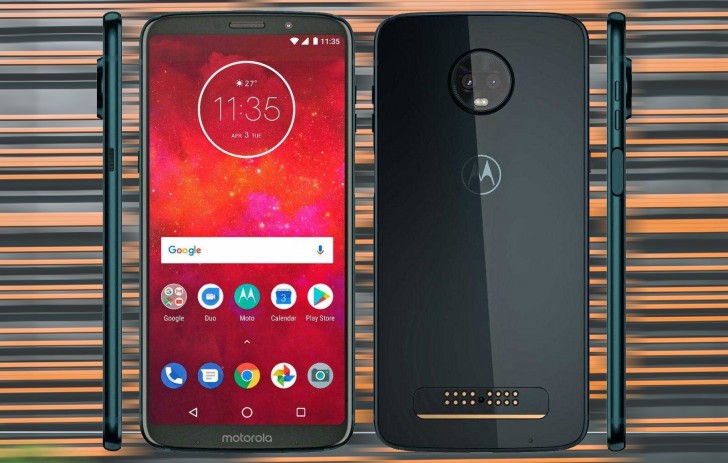
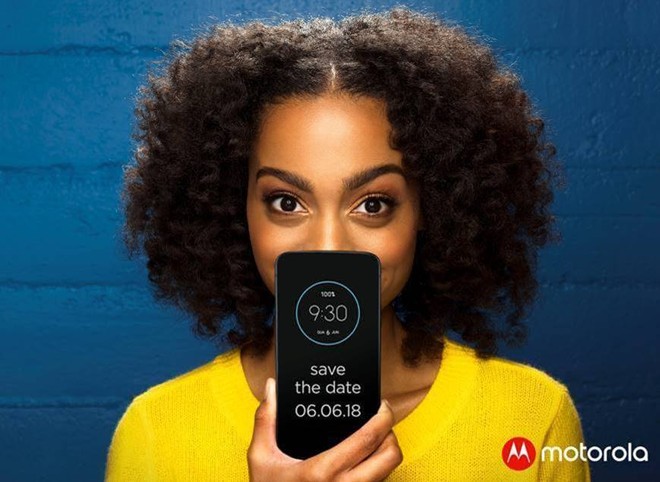
    Lenovo-owned Motorola launched its first modular smartphone, the Moto Z in June 2016. The first gen Moto Z Play, a more affordable modular smartphone was launched in August 2016. The company’s upcoming Moto Z3 Play has been subject to a lot of leaks over the past few weeks and it appears that the device is ready for a launch. Motorola has started sending out press invites for a June 6th launch event in Brazil.

    While the teaser doesn’t give away any details about the device, it isn’t rocket science to predict what smartphone will launch. The company has already launched its Moto E5 and G6 series of smartphones. So far in 2018, the company has not launched an iteration of its highly popular Moto Z series. The Moto Z3 Play is the first in line to launch, with a flagship Moto Z device expected to launch in the fourth quarter of 2018.

    Must Read: Moto G6 To Launch In India On June 4th

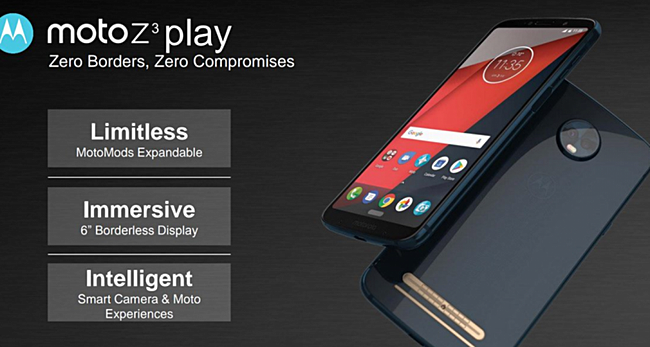
    The detailed specifications of the Moto Z3 Play were recently leaked, leaving very little to the consumer’s imagination. The Z3 Play will have a 6 inch AMOLED display with an 18:9 aspect ratio and a 2.5D curved Gorilla Glass on top.

    Under the hood, the device will run on the Snapdragon 636 chipset coupled with 4GB of RAM and either 32GB or 64GB of onboard storage. The storage will be expandable via a microSD card, most probably up to 256GB. The fingerprint sensor will move to the right-hand side of the smartphone since the bezels will be too thin for a front-facing fingerprint sensor. This placement will be similar to devices like the Nextbit Robin or older Sony smartphones.

    Powering the Z3 Play will be a 3000 mAh battery which might not be sufficient for a 6 inch AMOLED panel with FullHD+ resolution. However, the smartphone will come bundled with a Moto Mod that will further extend the battery life. Out of the box, the Moto Z3 Play will run a stock-ish version of Android 8.1 Oreo.

    Must Read: Honor Play 7 With 18:9 Aspect Ratio Launched

    The Moto Z3 Play will have a dual-camera setup on the back consisting of a 12MP primary sensor. The details about the secondary sensor are unknown as of now. To the front will be an 8MP camera.

    The event in Brazil could also see the launch of new Moto Mods. These Moto Mods will be compatible with every Moto Z device launched so far since all of these devices have the same dimensions.

  • Apple Knew iPhone 6, iPhone 6 Plus Were More Likely To Bend Before The Launch

    Apple Knew iPhone 6, iPhone 6 Plus Were More Likely To Bend Before The Launch

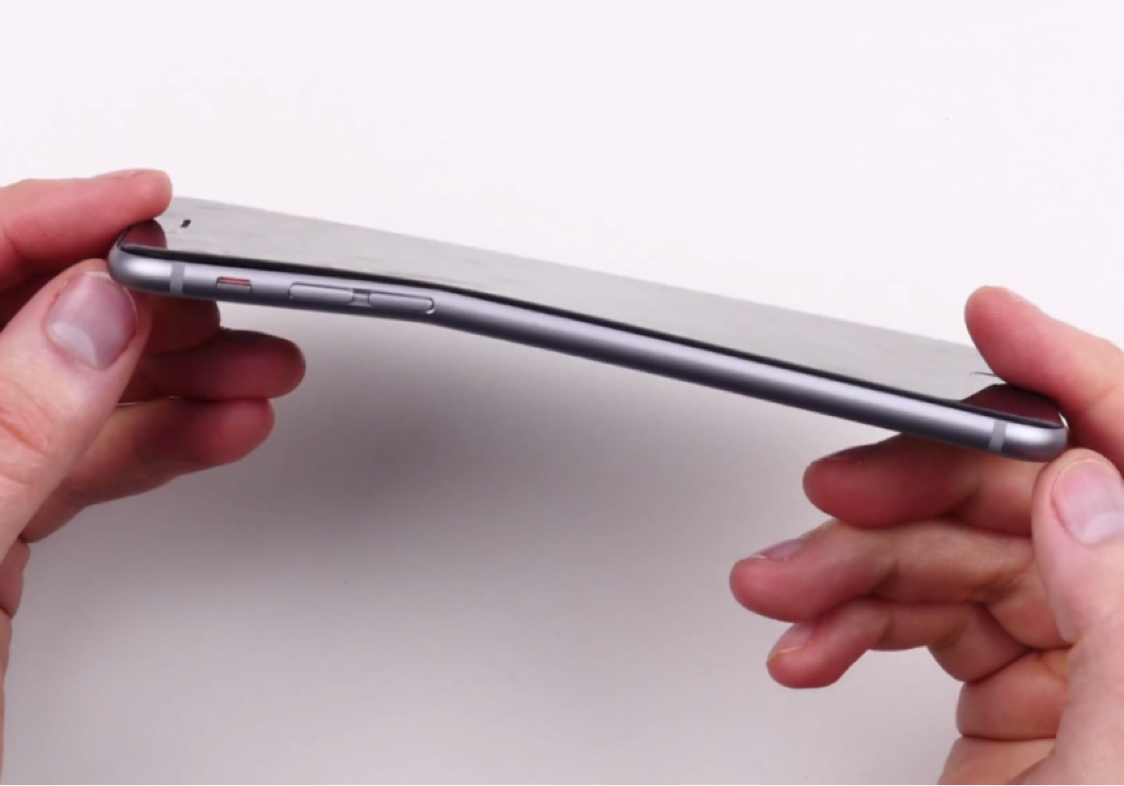
    In 2014, Apple released the iPhone 6 and 6 Plus in September. The release saw Apple move on to a new unibody design and screen sizes. The iconic top-placed power button moved to the right-hand side and the circular volume rockers became cylindrical. However, the most talked about aspect of the iPhone 6 and 6 Plus continues to be infamous “bendgate” incident. It was alleged that the iPhone 6 and 6 Plus were bending in people’s pockets due to Apple’s poor design.

    As a part of the ongoing lawsuit against the company regarding touchscreen failure due to bending, new internal documents were released by Judge Koh. These documents have revealed that the company knew about the iPhone 6 and iPhone 6 Plus’ susceptibility to bending before the launch. According to the documents, Apple’s internal tests found that the iPhone 6 was 3.3 times more likely to bend than the iPhone 5S. The iPhone 6 Plus, on the other hand, was 7.2 times more likely to bend.

    Must Read: Apple iPhone SE 2 Renders Leaked Again With iPhone X Style Notch

    [amazon_link asins=’B072LPF91D’ template=’ProductAd’ store=’igyaan-21′ marketplace=’IN’ link_id=’a54e41f2-5fec-11e8-969d-25c9b676fcc1′]

    At the nascent stage of the bendgate controversy, Apple conceded that bending iPhones were extremely rare. Unbox Therapy, now one of the biggest tech YouTubers, made a video about how easy it was to bend an iPhone 6 Plus. The video, at the time of writing, has 70,614,430 views!

    The issue became worse when cases of iPhone 6 devices exhibiting a “touch disease” became public. Apparently, the touchscreen would fail due to a flaw in a specific touch-controller chip on the motherboard. Some people claimed that this was due to the physical damage from bending iPhones. However, Apple claimed that that the issue was a symptom of iPhones that were dropped multiple times on a hard surface and then incurring further stress on the device.

    Must Read: Google Sued For Secretly Tracking Browsing Data For 4.4 Million iPhone Users

    Judge Koh notes that Apple then began to make changes to the design of the iPhone 6 and 6 Plus. The company started adding extra epoxy to strengthen the area underneath the touch-controller chip in May 2016. It is worth noting that the company has never publicly acknowledged the issue that has been widely known as the “bendgate” issue.

    Must Read: OnePlus 6T To Follow OnePlus 6 In Q4 2018

  • Apple Wins US$ 539 Million From Samsung In The Ongoing Patent Infringement Trial

    Apple Wins US$ 539 Million From Samsung In The Ongoing Patent Infringement Trial

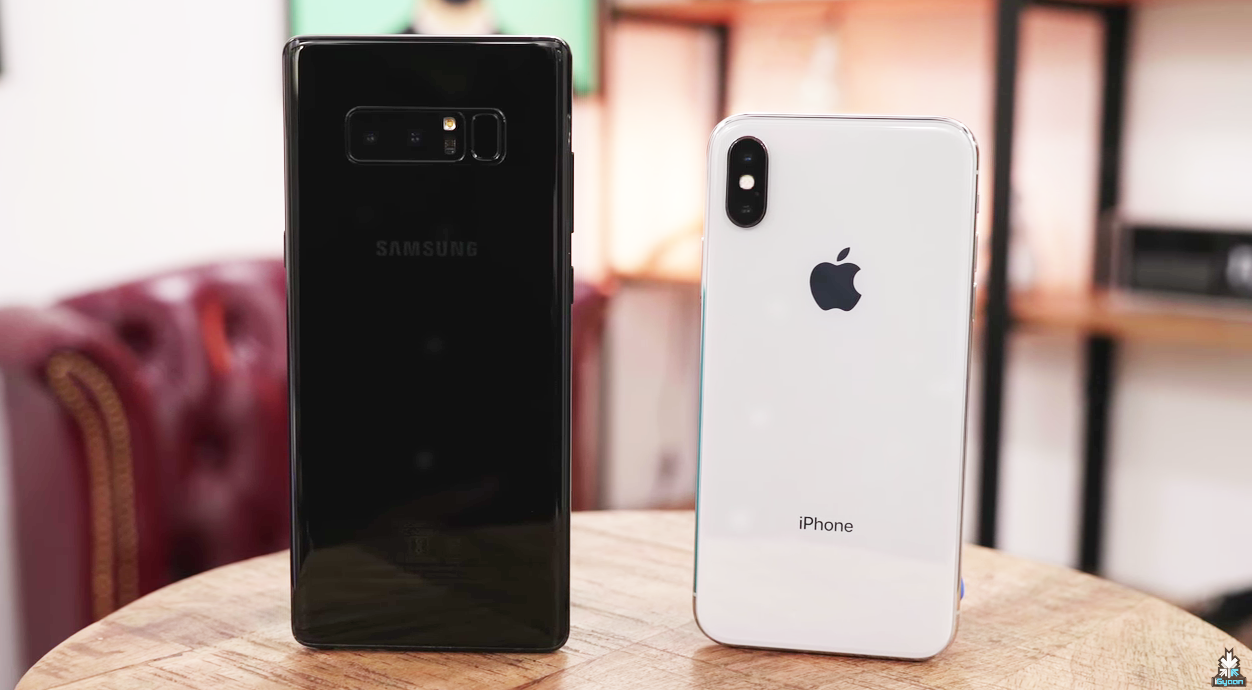
    Apple and Samsung have been embroiled in a long-running patent infringement battle. In the latest turn of events, Apple has been awarded a final verdict of US$ 539 million in damages. In a federal court in San Jose, the jurors awarded it the verdict, concluding that Samsung infringed on Apple design and utility patents of mobile design like rounded corners, the rim of the front face of the iPhone, and the app grid layout of the iOS home screen.

    Bloomberg reports that the jury was essentially deciding whether Samsung owed Apple money based on sales of Samsung’s smartphones or the components that infringed on Apple’s patents. In a statement given to Bloomberg, Apple said:

    We believe deeply in the value of design, and our teams work tirelessly to create innovative products that delight our customers. This case has always been about more than money.

    It is fair to say that this might not be the final chapter in this legal battle. The case began way back in 2011 which makes it seem that it isn’t that old a case. However, the numerous appeals have made it one of the most complex patent infringement cases. Back in 2011, when Apple filed a lawsuit against Samsung, it demanded US$ 2.5 billion from Samsung. In an initial verdict in 2012, that sum was reduced to US$ 1 billion.

    That sum of US$ 1 billion was further reduced to US$ 549 million when an appeals court ruled that Apple could not patent the appearance of its iPhone. In 2015, Samsung agreed to pay that sum after both companies agreed to drop litigation outside of the US. In November 2017, Apple won US$ 120 million in another patent infringement case pertaining to the iOS slide-to-unlock patent. The legal battle appears to be in its closing stages but, nothing can be said for certain right now.

    What started out with a US$ 2.5 billion lawsuit closes out with Samsung owing a sum of US$ 539 million to Apple. Apart from winning half a billion dollars from Samsung, this should be a significant victory for the company.

  • BlackBerry KEY2 Teaser Video Reveals A Dual Camera Setup

    BlackBerry KEY2 Teaser Video Reveals A Dual Camera Setup

    BlackBerry has confirmed that its new Android device, the BlackBerry KEY2 will launch on June 7th. The company took to Twitter to release a small teaser clip of the KEY2 revealing the design and some key aspects of the soon to be launched smartphone. Just like the KEYone, the new KEY2 will also feature a full-fledged physical keyboard. The bezels also appear to be similar to the ones found on the KEYone.

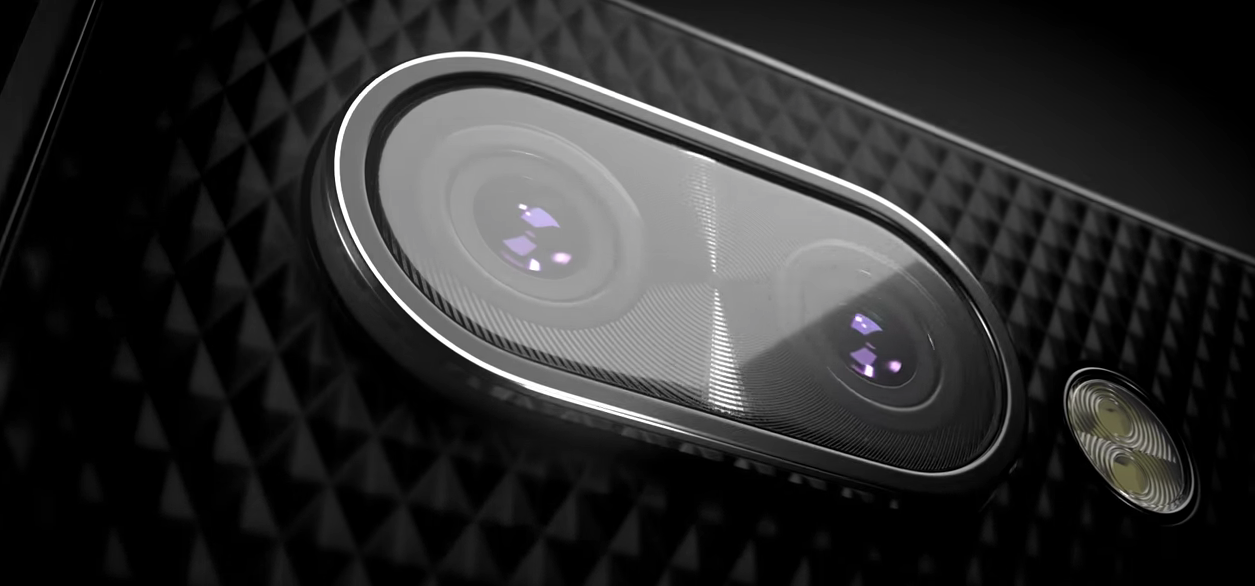
    One of the biggest upgrades with BlackBerry KEY2 will be in the camera department. In the video, it is clearly visible that the smartphone from BlackBerry will feature a dual-camera setup on the rear. The back of the device also has a different finish. It doesn’t look like a regular metallic or glass back. Instead, it will have some sort of texture to it, similar to the KEYone. It’ll be interesting to see if BlackBerry goes the OnePlus route and manages to have that sort of finish underneath the glass, sans OnePlus 6 Avengers Infinity War Edition.

    Back in November 2017, the possible specifications of the KEY2 were leaked on Geekbench. According to the listing, the BlackBerry KEYone successor will run Android 8.0 Oreo out of the box. This won’t be stock Android as BlackBerry is known for its security features and the KEY2 will also have those features. The device will run on the Qualcomm Snapdragon 660 chipset coupled with 6GB of RAM.

    Similar to the KEYone, the fingerprint sensor will be housed inside the space bar. The video also teases a mysterious “BlackBerry” button that lights up at the very end of the video. The functionality of the button is unknown as of now but, seeing how much smartphone makers love AI, it might just be a Google Assistant button for all we know. All of these mysteries will be unravelled at the launch event in New York.

  • Xiaomi Redmi S2 Launch In India Confirmed For June 7th

    Xiaomi Redmi S2 Launch In India Confirmed For June 7th

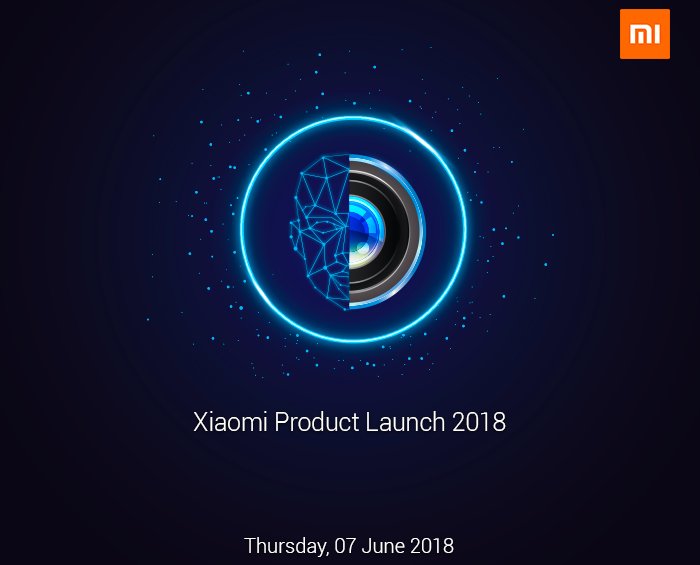
    The Xiaomi Redmi S2 was launched in China on the 10th of May. It appeared that the Redmi S2 would remain a China-exclusive or at least not make its way to India. Xiaomi has a plethora of budget smartphones, especially in the sub 10K category with the Redmi 5A, Redmi 5 and the Redmi Note 5. However, that assumption has not held true, as the company has confirmed a June 7th launch event.

    As the invite highlights, the soon to be launched smartphone will be camera-centric. Xiaomi’s Redmi Y series is all about the front-facing camera and the Redmi S2 has been tipped to launch as the Redmi Y2 in India. The device is expected to be priced under Rs 10,000 and will succeed the Redmi Y1 which was launched in November 2o17. The Redmi S2 will slot between the Redmi 5 and Redmi Note 5.

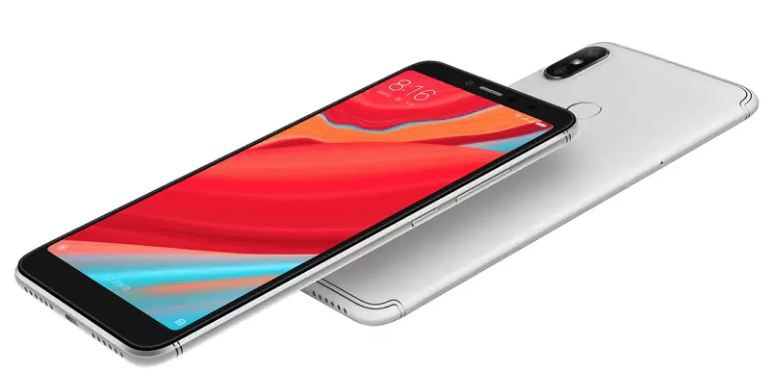
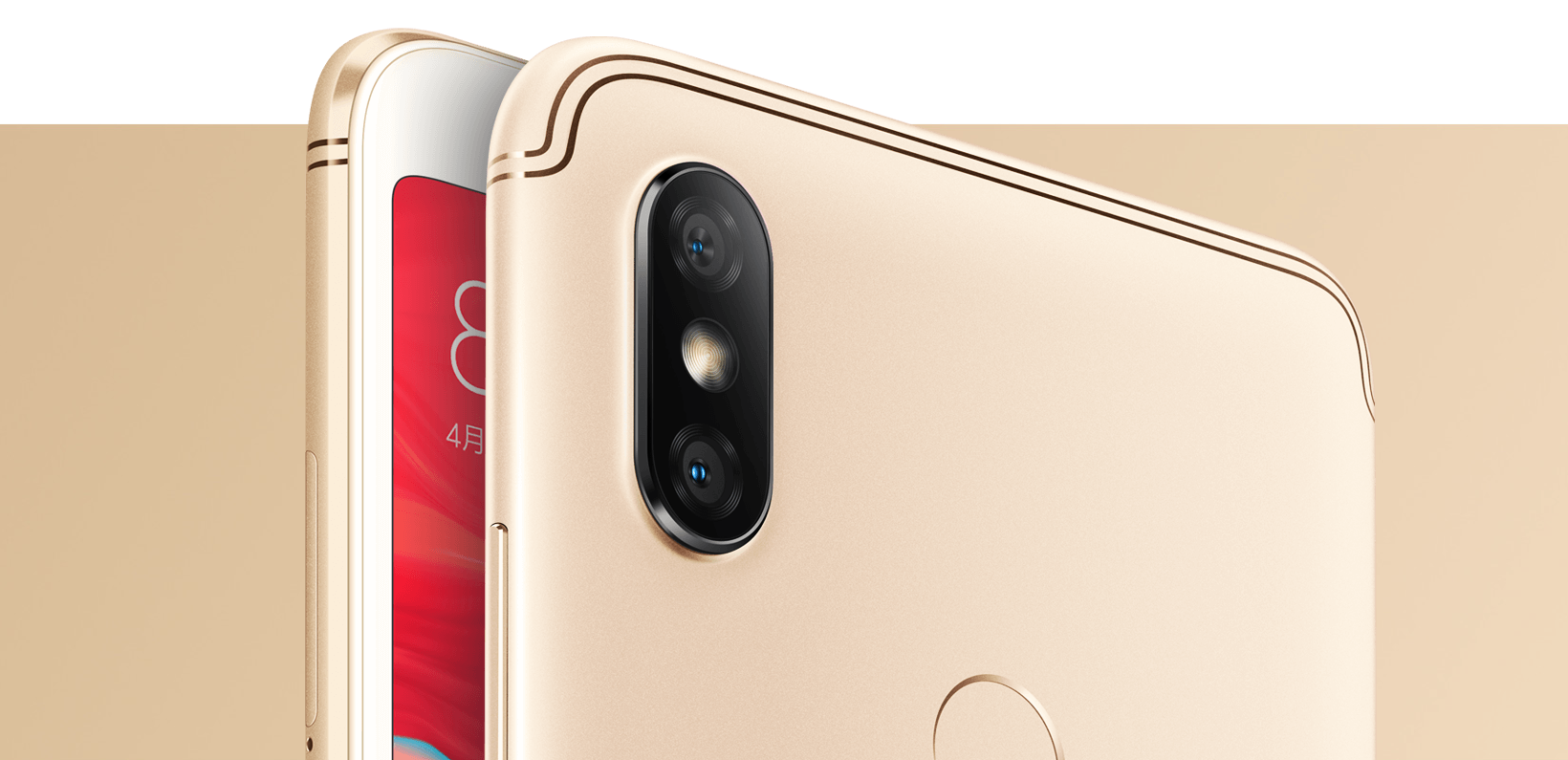
    The S2 takes a lot of design cues from other Xiaomi smartphones launched in 2018. It has the same vertically place dual-camera setup found on the Mi MIX 2s and Redmi Note 5 Pro. The aluminium unibody design is also familiar along with a circular fingerprint sensor placed on the back of the smartphone.

    The Xiaomi Redmi S2 has a 5.99 inch IPS LCD display with a 1440 x 720 px resolution. This translates into an 18:9 aspect ratio which has become the norm for even budget smartphones.

    Must Read: MIUI 10 To Launch On May 31st Along With Mi 8

    Under the hood, the Redmi S2 runs on the Snapdragon 625 chipset, a tried and tested SoC for Xiaomi. That chipset is coupled with either 3GB or 4GB of RAM along with either 32GB or 64GB of storage which is expandable via a microSD card. Powering the device is a 3080 mAh battery, which will charge via a micro USB port. The Xiaomi Redmi S2 runs Android 8 Oreo out of the box with MIUI 9 on top.

    To the back of the smartphone will be a 12MP primary sensor along with a 5MP depth sensor. To the front is a 16MP AI-powered camera which is capable of clicking portrait mode selfies using just the software.

    The Redmi S2 will be a yet another sub-10K smartphone from Xiaomi in India. The price category seems to be flooded by Xiaomi devices and the S2 will be another addition to it.

  • Google Sued For £3.2 Billion For Secretly Tracking Browsing Data For 4.4 Million iPhone Users

    Google Sued For £3.2 Billion For Secretly Tracking Browsing Data For 4.4 Million iPhone Users

    Google is in hot waters with the law in the UK. The search giant is being sued in the high court for as much as £3.2 billion for secretly tracking and collecting personal information of 4.4 million iPhone users in the UK. The lawsuit action again the company is being led by former Which? director Richard Lloyd. He claims that claims Google bypassed the privacy settings of Apple iPhones’ Safari browser between August 2011 and February 2012 to divide people into categories for advertisers.

    The Guardian reports that Lloyd’s campaign group ‘Google You Owe Us’ told the court information collected by Google included race, physical and mental health, political leanings, sexuality, social class, financial, shopping habits and location data. The information was then aggregated and users were put into groups such as football lovers or current affairs enthusiasts for the targeting of advertising.

    Must Read: OnePlus 6T To Follow OnePlus 6 In Q4 2018

    Hugh Tomlinson QC, representing Lloyd and Google You Owe Us said that the data was gathered through “clandestine tracking and collation” of browsing on the iPhone, known as the “Safari Workaround.” This activity was first exposed by a PhD researcher in 2012. Ahead of the first hearing, Lloyd said:

    I believe that what it did was quite simply against the law. Their actions have affected millions in England and Wales and we’ll be asking the judge to ensure they are held to account in our courts.

    Google has already been fined in the US for similar practices. The company had to pay US$39.5 million to settle claims in the US, it was also fined US$ 22.5 million for the practice by the US Federal Trade Commission in 2012. Google You Owe Us, according to the filing, could be seeking as much as £3.2 billion. This would mean that every claimant could receive £750 per individual if successful.

  • Xiaomi Redmi 6 With A Notch Leaked In Live Images

    Xiaomi Redmi 6 With A Notch Leaked In Live Images

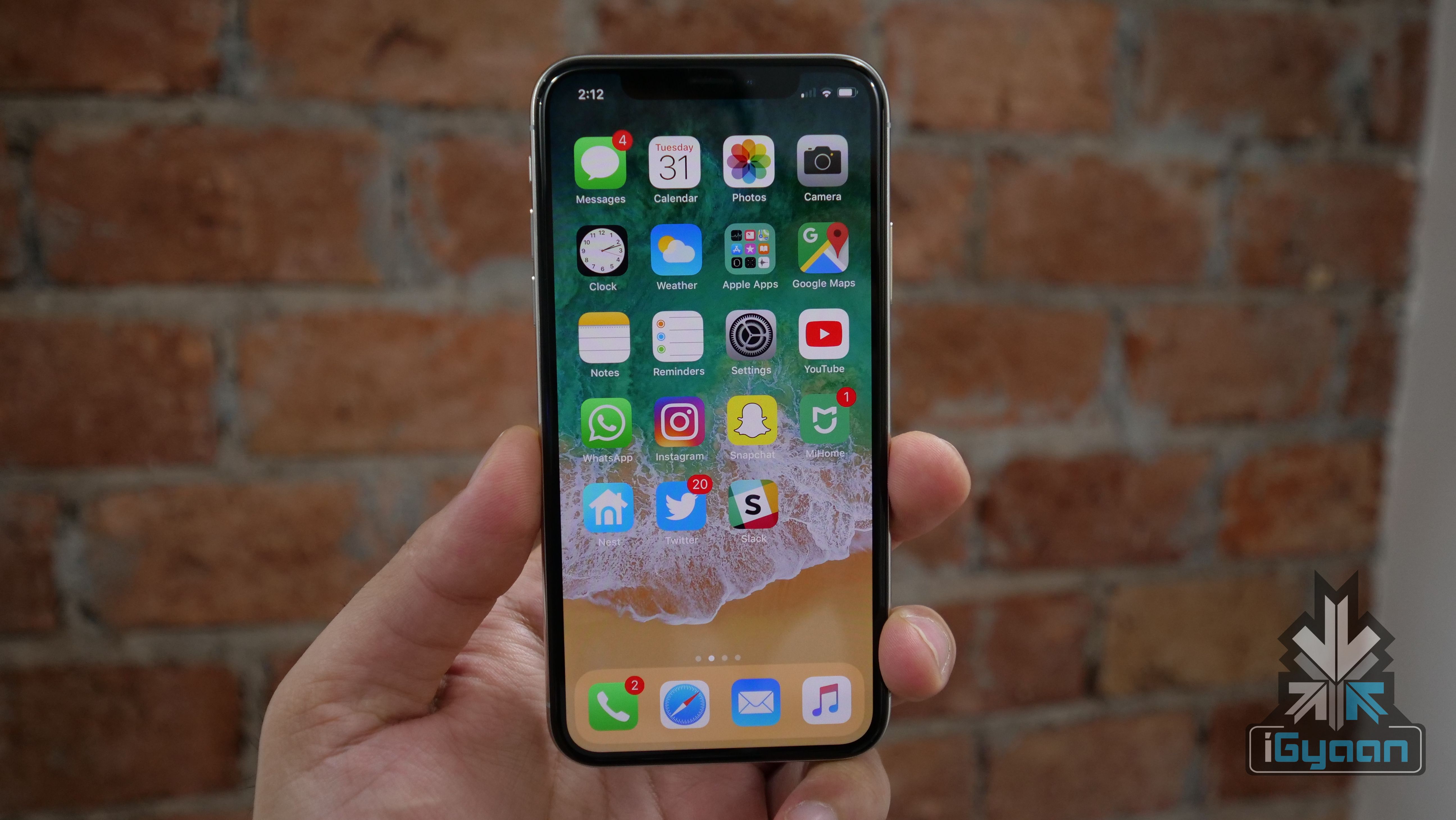
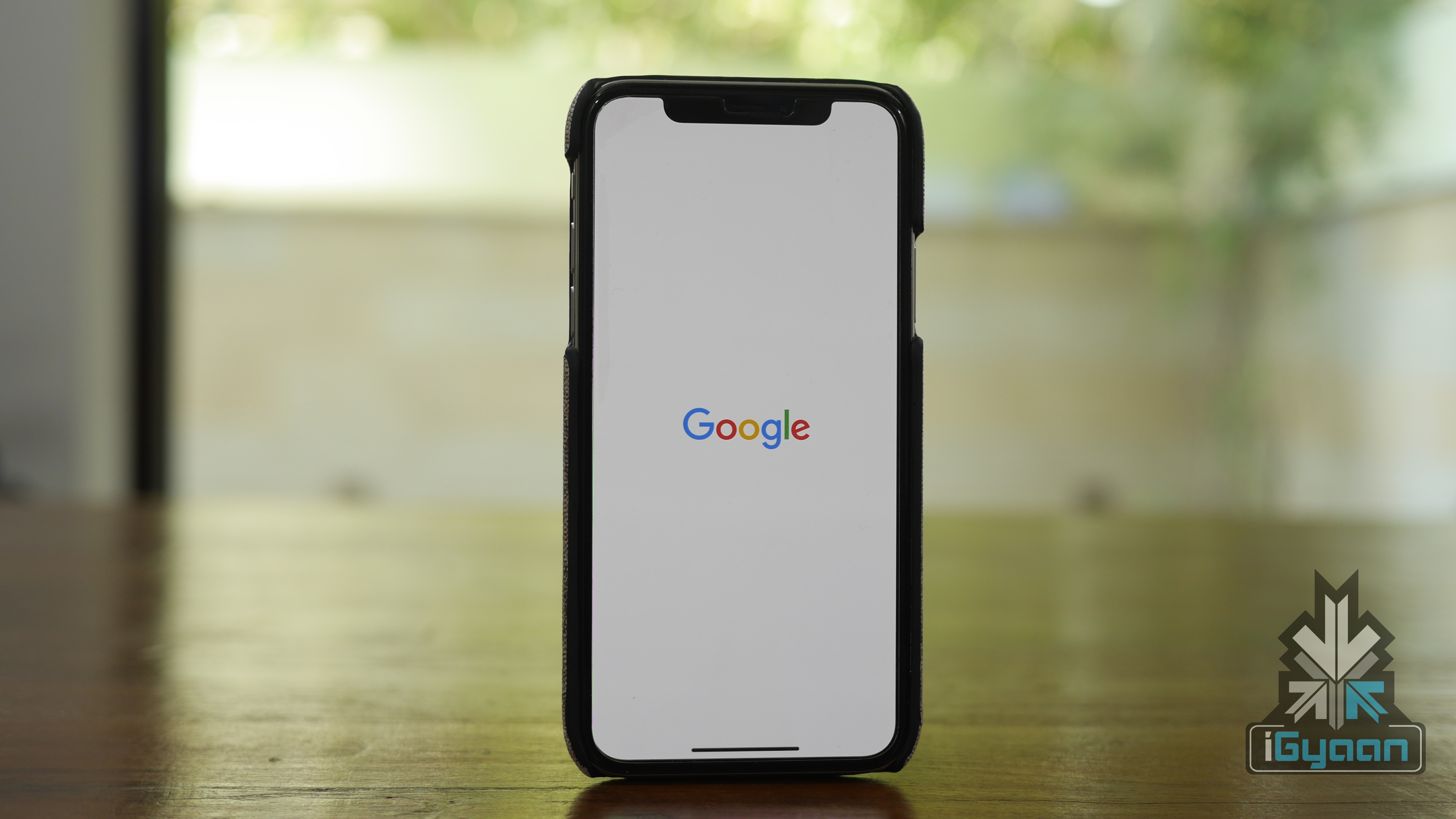
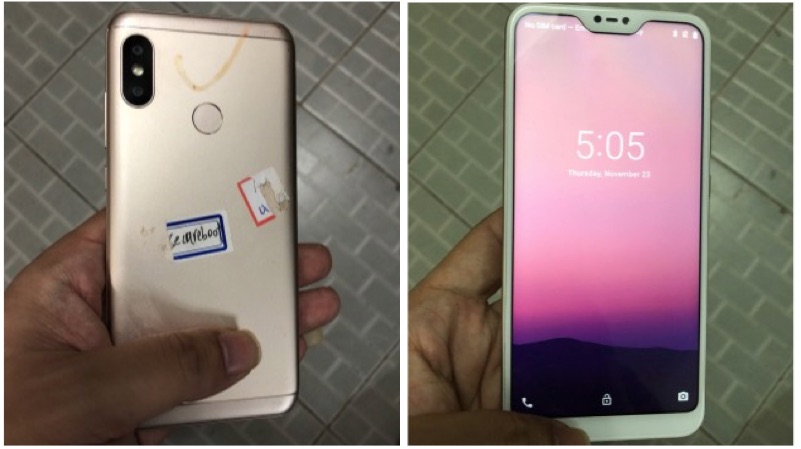
    The Apple iPhone X’s design appears to have become the template for Xiaomi smartphones in 2018. The Redmi Note 5 Pro, Mi MIX 2s and the Redmi S2, all have a vertically placed dual-camera setup that looks uncannily similar to the iPhone X. The Mi 8 is also expected to have a vertically placed dual-camera setup. New images leaked of another Xiaomi smartphone, allegedly, the Redmi 6, also reveal a similar dual-camera setup. Oh, there is also a notch on the display.

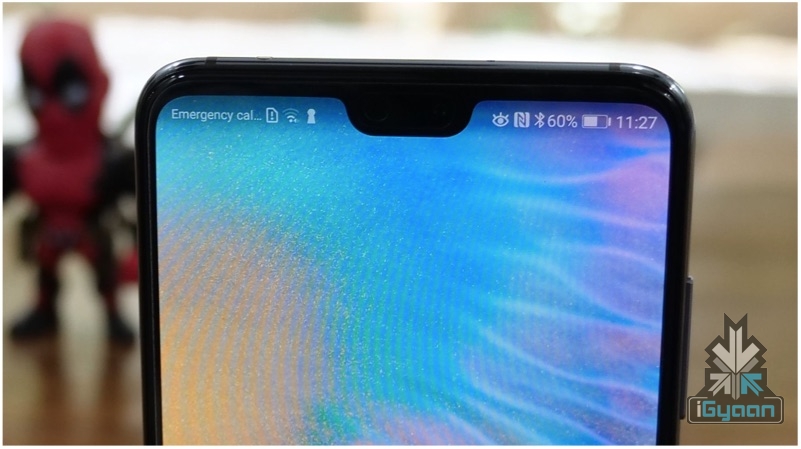
    The leaked images reveal that the Redmi 6 will have a notch very similar to the Huawei P20 Pro. This design differs from the Mi 8, which is expected to have a bigger notch, similar to the iPhone X. One thing that sticks out like a sore thumb in the images is the white colour of the bezels. The notch and the bezels are white in colour, which means they are more prominent than black coloured bezels. Not many people would be pleased with this colour combination.

    A white coloured notch also means that users don’t have an option to hide it via software. Devices like the OnePlus 6, P20 Pro, LG G7 ThinQ, all have an option to hide the notch because it is black in colour. With the Redmi 6, that probably won’t be an option. The vertically placed dual-camera setup is reminiscent of previous 2018 Xiaomi devices.

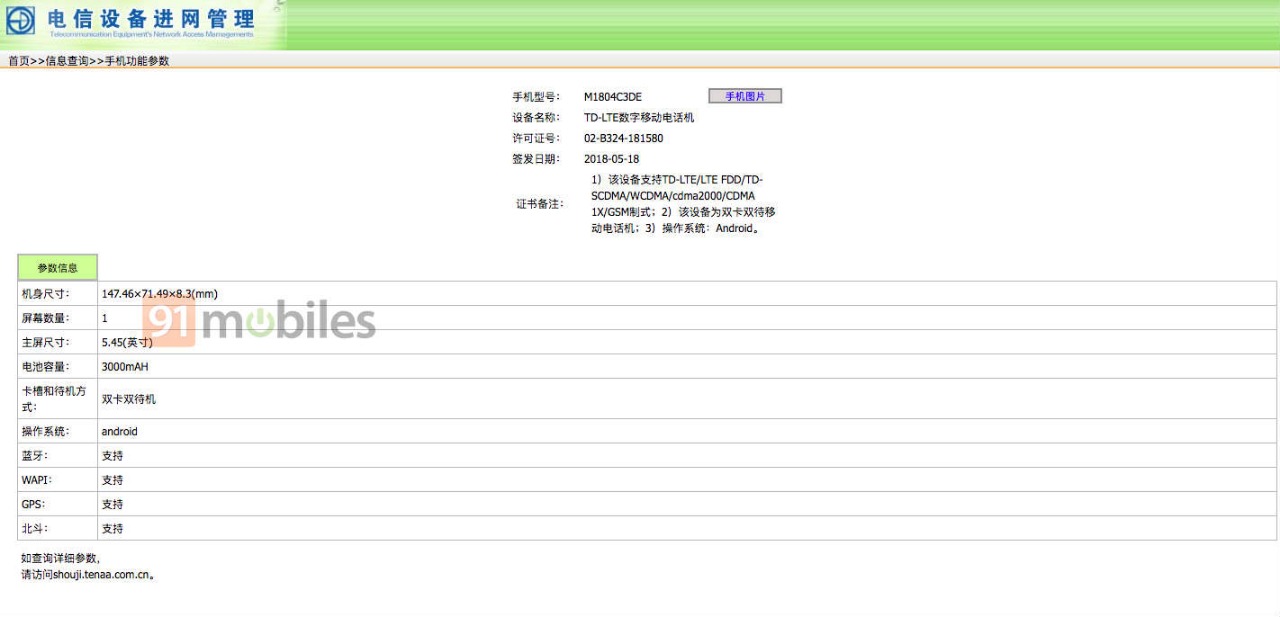
    A listing on TENNA revealed a few details about the Xiaomi Redmi 6. A device with the model number M1804C3DE was certified with a 5.45 inch screen. The smartphone will be powered by a 3000 mAh battery which confirms that this is not a Redmi Note device. Redmi Note smartphones tend to have bigger batteries. The dimensions of the smartphone listed are 147.46 x 71.49 x 8.3 mm which is smaller than the Redmi 5.

    The smartphone looks like another budget Redmi offering. The design is peculiar and we hope Xiaomi gets rid of the while coloured bezels before the device is launched.

  • Xiaomi Launches Mi Credit A Personal Loan Platform For MIUI Users

    Xiaomi Launches Mi Credit A Personal Loan Platform For MIUI Users

    Xiaomi has ventured into a new avenue, away from smartphones and other consumer electronics. The company has announced the launch of Mi Credit in India, a new service that acts as a platform for users to initiate financial lendings. The company has listed financial loan providers on Mi Credit and users can log onto the platform to apply for quick loans.

    [amazon_link asins=’B0756RF9KY’ template=’ProductAd’ store=’igyaan-21′ marketplace=’IN’ link_id=’9a73df72-5f1f-11e8-87c7-0501dee9d381′]

    Xiaomi has announced that Mi Credit is, as of now, available in partnership with KreditBee, an instant personal loan platform for young professionals. The service is only available for MIUI users, which means the Mi A1 users will miss out on it. KreditBee is providing loans from Rs 1000 up to Rs 1,00,000. The company claims that the loan can be initiated within 10 minutes with a simple KYC verification. All verification and user information input is done on partner platforms, with Mi Credit currently only listing all agents.

    Manu Jain, VP of Xiaomi, and MD Xiaomi India said:

     The connectivity between our devices and the seamless integration between hardware and internet services enable us to provide our users with better user experience. Mi Credit is another big step in bringing an important internet service to India and we trust that our users would be able to truly benefit as the service becomes more sophisticated.

    This is Xiaomi’s third value-added Internet service in India. The company recently launched Mi Music and Mi Video as well. Mi Music similar to other music streaming services like Gaana, Amazon Prime Music and more. It has an interesting Dynamic Lyrics feature wherein the app will highlight the lyrics of the song that’s currently being sung. With Mi Video, users get streaming services like SonyLIV, Hungama Play, Voot, AltBalaji, Zee5, Viu, TVF and more in a single app.

iGyaan Network
Privacy Overview

This website uses cookies so that we can provide you with the best user experience possible. Cookie information is stored in your browser and performs functions such as recognising you when you return to our website and helping our team to understand which sections of the website you find most interesting and useful.