Category: Brands and Companies

All Brands and Company Names

  • Another Hint That Google Is Working On A Touch Enabled Google Home

    Another Hint That Google Is Working On A Touch Enabled Google Home

    A new job listing by Google spotted online suggests that the company is indeed working on a touchscreen Google Home. The job listing reads:

    In this role, you’ll work on the next generation of Google Hardware to enable the best multi-touch user experience.

    Google might be working on a multi-touch Google Home as a rival to Amazon’s Echo Show.  Multi-touch gestures could also find their way to speakers like the next revision of the Home and Home Max.

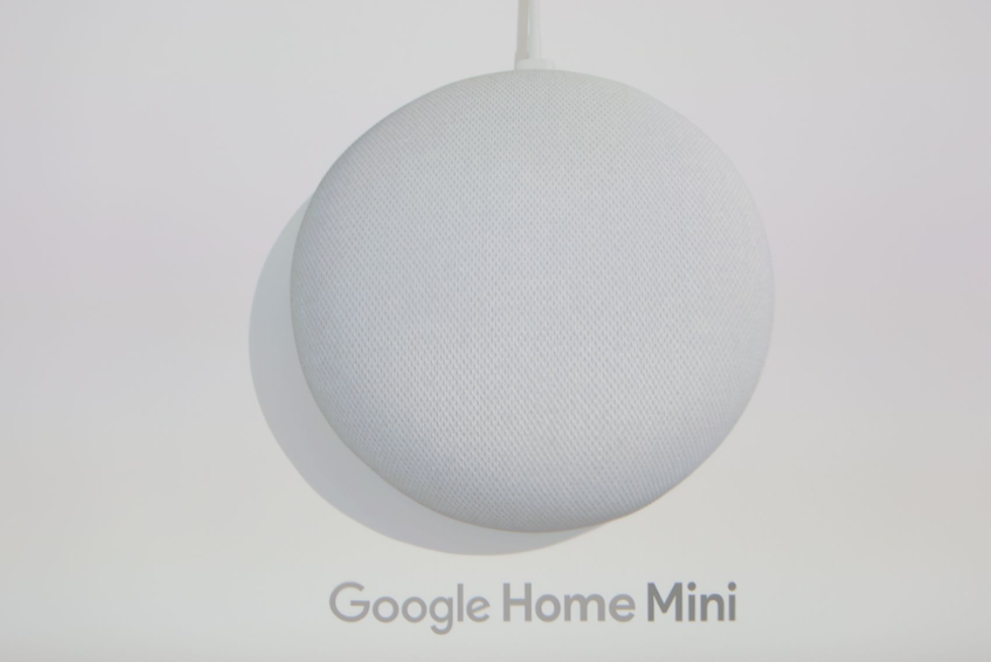
    Google has not had the best of times with its hardware this year. Back in October, its Google Home Mini speaker forced the company to permanently disable the touch sensor at the top of that device. That happened because of some bug, the Home Mini was recording everything around it even when no command was given. And while the decision to protect the customer privacy was the right one and to Google’s credit, it worked on the fix right away but, doing so crippled some of the Google Home Mini’s capabilities and appeal.

    Even Google’s Pixel phones have received a lot of flak for its under-performing hardware. It will be interesting to see Google’s approach to its products from now on and the integration of AI and machine learning in it upcoming smart devices.

  • New Samsung Patent Reveals A Different Foldable Phone Design

    New Samsung Patent Reveals A Different Foldable Phone Design

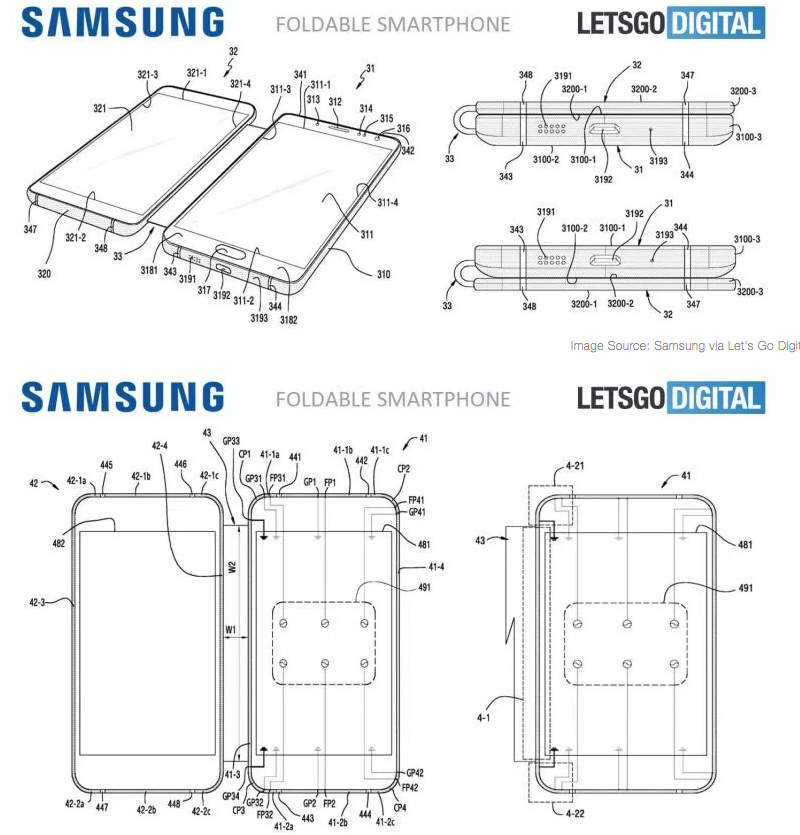
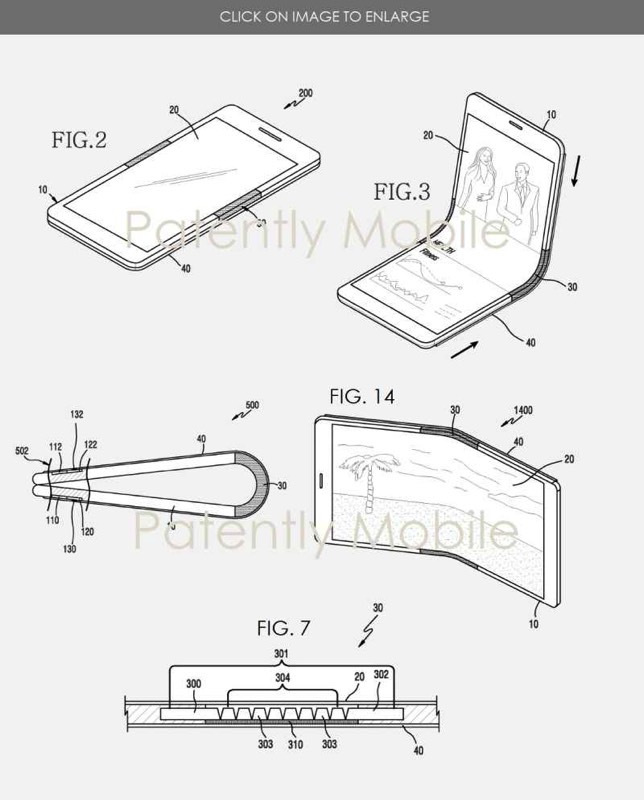
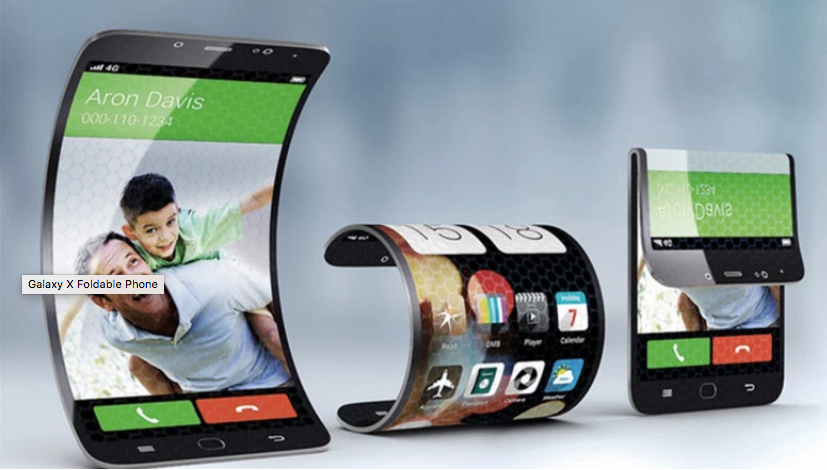
    As the smartphone industry moves toward a bezel-less era of phones, the fears of a stalemate in terms of design are slowly creeping up. Samsung, however, will soon launch a phone which might be the next big thing in the smartphone industry. The foldable Samsung Galaxy X is expected to be launched early in 2018. While there have been concepts and patent leaks which reveal a futuristic design for the Galaxy X, this new patent of a foldable phone from Samsung might not be an ideal design.

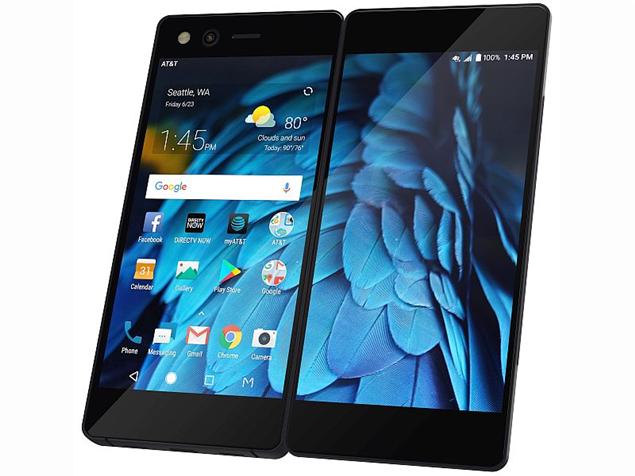
    According to the patent, when in an open position, the device looks like someone placed two similarly sized phones next to each other. The frame joining the two displays is made of metal, so it’s not part of the screen. The design is nowhere near the futuristic design that we expect from the Samsung Galaxy X and somewhat resembles the recently launched ZTE Axon M.

    ZTE Axon M

    While this patent is new, there have been previous leaks that reveal a more impressive design of the Samsung Galaxy X.

    A report from the South Korea Herald suggested that the production of the Galaxy X would be on 100,000 orders, making it an extremely limited edition device. If this happens, the Galaxy X would be the most difficult Galaxy phone to get your hands on.

    The foldable smartphone is being touted as the “next big innovation” in the smartphone industry, which has been stagnant for a while in terms of exciting innovations.

    Samsung is most likely to start small, with a smartphone that folds halfway like a wallet. Another design, in line with Samsung’s prototype unveiling, could see the phone unfold into a full-size tablet.

    Samsung is expected to launch the Samsung Galaxy X either with the Galaxy S9 phones or before them at CES 2018 in January.

  • Apple To Acquire Music Recognition Service Shazam

    Apple To Acquire Music Recognition Service Shazam

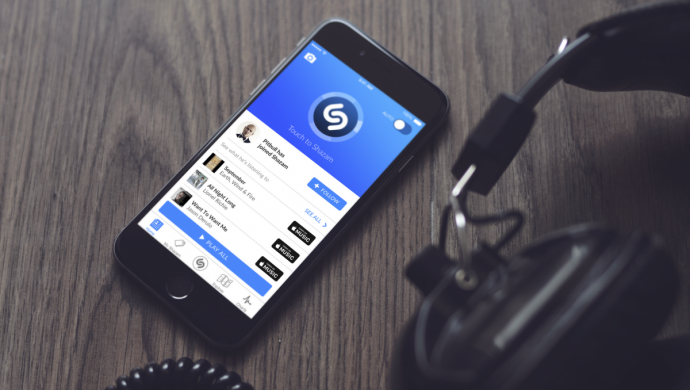
    A new report claims that Apple is nearing a deal to buy the song identification app, Shazam, which could be on announced on the 13th of December.

    One source describes the deal as in the nine figures; another puts it at around £300 million ($401 million). We are still asking around. Notably, though, the numbers we’ve heard are lower than the $1.02 billion (according to PitchBook) post-money valuation the company had in its last funding round, in 2015.

    Shazam was founded in 1999 and has long been one of the most popular song identification apps on all platforms. Shazam announced last year that it had reached one billion downloads on smartphones. But, only recently did it start seeing profitability by incorporating advertisements and tying up with music streaming apps such as Spotify and Apple Music. It essentially directs the traffic from its app to these music streaming services by providing streaming links to a recently identified song.

    It will be interesting to see how Apple implements Shazam into Apple Music and how it’ll affect the Spotify integration within the core Shazam app since Spotify is Apple’s biggest music streaming rival right now.

    Apple said in September that its music streaming service had more than 30 million subscribers, a rapid rise but still trailing industry leader Spotify which said it had 60 million paying users as of July and 80 million more on its free service.


  • New Leak Reveals The Fingerprint Sensor On Galaxy S9 Will Have A Better Placement

    New Leak Reveals The Fingerprint Sensor On Galaxy S9 Will Have A Better Placement

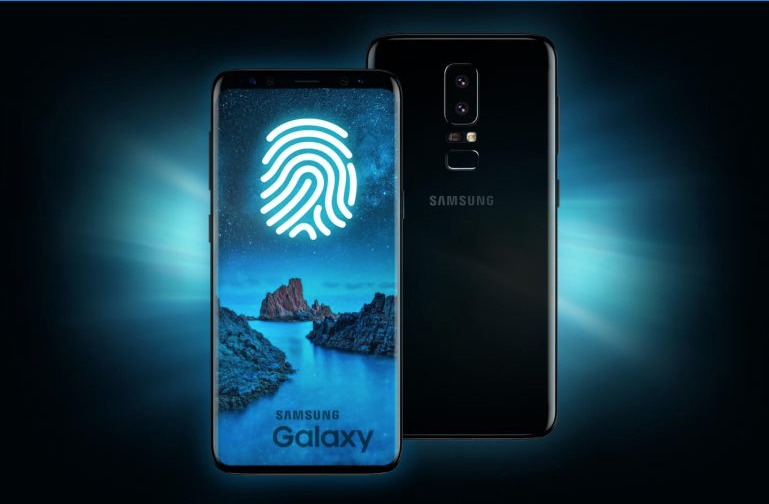
    While Samsung has had a financially successful year thanks to its hugely popular Galaxy S8, S8+ and Note8, the company has had to deal with a very consistent criticism. All the three flagship phones launched by Samsung in 2017 had an awkwardly placed fingerprint sensor which baffled critics and consumers alike. However, a new leak reveals that Samsung will change the position of the fingerprint sensor on the Samsung Galaxy S9, at least.

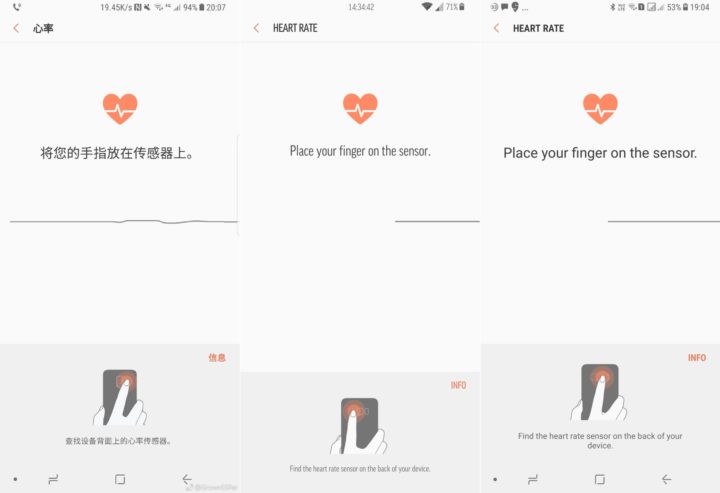
    The image was leaked on the Chinese social media website, Weibo. It is a screenshot of the demonstration of the heart rate sensor in S Health app. The screenshot also reveals a single camera setup on the supposed Galaxy S9. While a few publications believe it could be the Galaxy S9 Mini, previous reports have suggested that Galaxy S9 will have a single lens camera while the Galaxy S9+ will have a dual-camera setup at the back.

    From L to R – S Health app on Galaxy S9, Galaxy S8 and Galaxy Note8 

    The positive sign here is that Samsung has listened to the multiple consumer complaints and tried to rectify it. While the authenticity of the leak can be questioned, with the launch of the Galaxy S9 just over two months away, it might as well be the Galaxy S9 which means the company will have one less criticism to face, if it nails the placement of the fingerprint sensor.

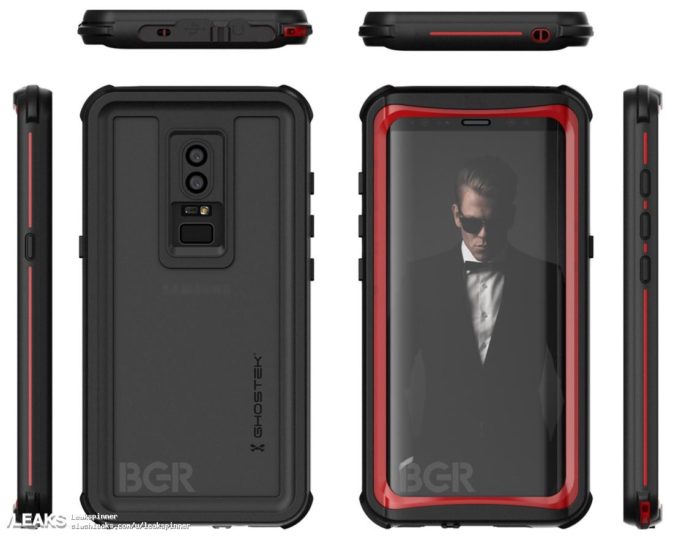
    This leak also corroborates with a previous report that suggested that the fingerprint sensor will be moved below the camera. Although that leak showed a dual-camera setup, it is sensible to believe that Samsung will change the position of the fingerprint sensor on both its new devices.

    The Samsung Galaxy S9 will be a revision to the popular Galaxy S8, with the new Snapdragon 845 chipset (in the US and South Korea) or the Exynos 9810 (rest of the world). While the screen size is expected to be the same on the Galaxy S9 and its bigger sibling, the Galaxy S9+, the bezels will be smaller which means the footprint of the phone will decrease while maintaining the same screen real estate.

    A report claims that the Galaxy S9 and Galaxy S9+ will have a record-breaking 90% screen-to-body ratio!

  • LG G7 To Have An Enhanced Iris Scanner

    LG G7 To Have An Enhanced Iris Scanner

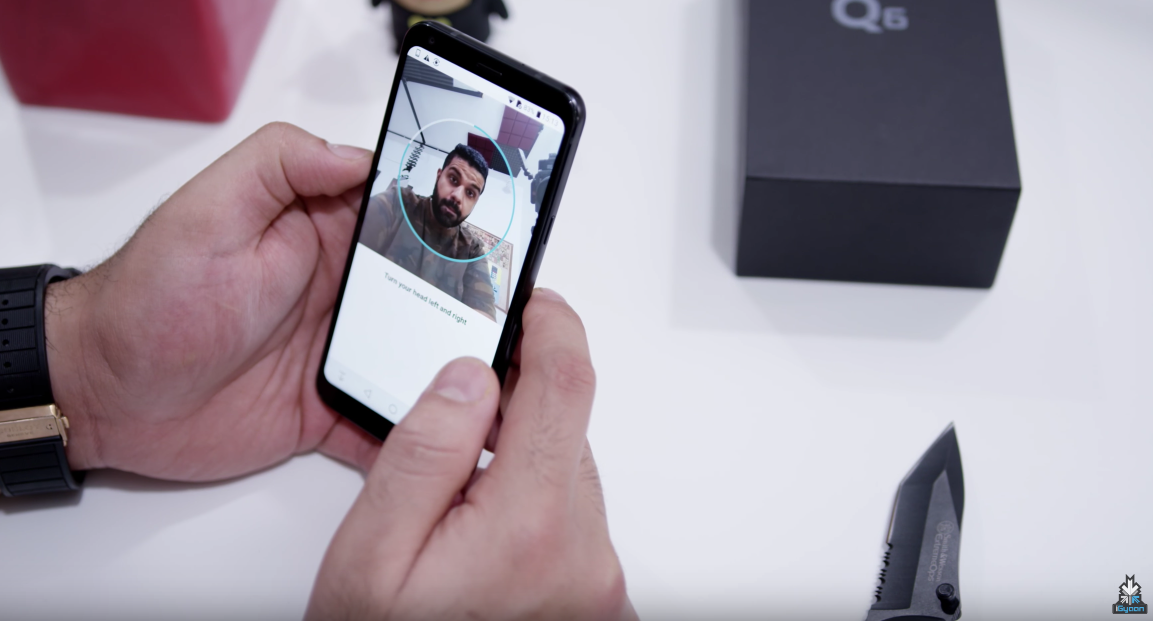
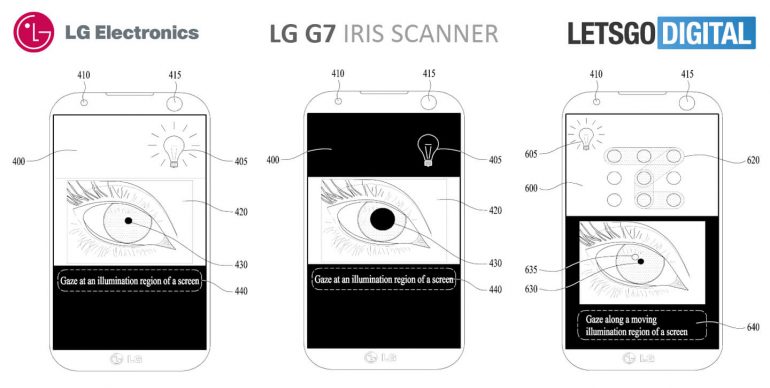
    The LG G7 is the next flagship smartphone that the company will launch early next year. A LG patent has been discovered which reveals that LG is preparing an advanced iris scanner that might arrive in time for the launch of the LG G7. The iris scanner is supposed to be secure enough to not just unlock the device but, also protect sensitive information such as bank account details to rival Apple’s Face ID.

    The iris scanner checks the biometric characteristics of the eye and sets up with a light screen and a dark screen, since the iris changes in size, depending on how much light gets to it. Then the sensor will check what are you looking at and if you are the owner of the phone, the sensitive app will be available for opening.

    Iris Scanners normally work with infrared light but, LG has developed a camera which can switch from infrared to a regular one. This means that there will be fewer sensors which will lead to a smaller bezel on top which means no more notch.

    There isn’t much know about the LG G7 except the fact that it will launch close to the Samsung Galaxy S9 which means that similar to 2017, it will be powered by a year old chip while the Galaxy S9 will have the new and improved Snapdragon 845 unless circumstances change in 2018.


  • Tesla Is Working On Its Custom AI Chips Says Elon Musk

    Tesla Is Working On Its Custom AI Chips Says Elon Musk

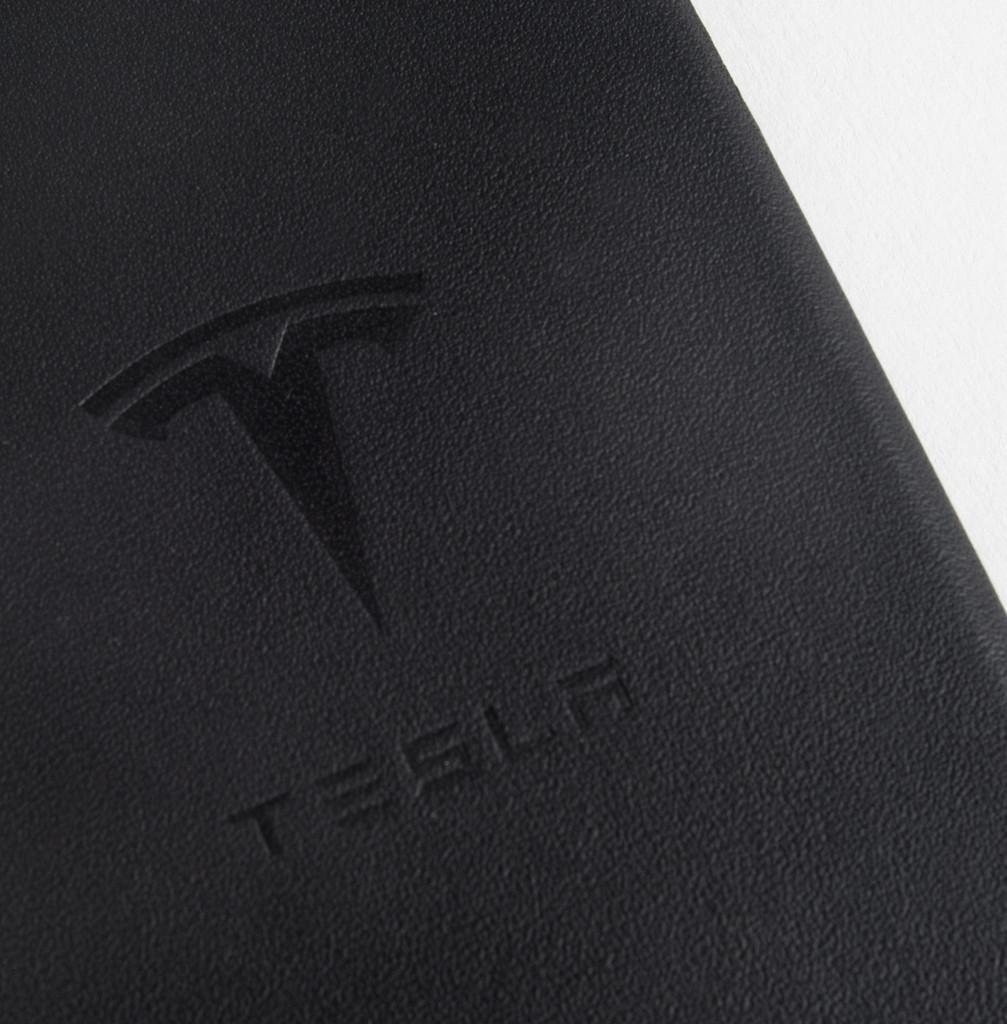
    AI is the next big thing in the tech world, and big companies like Apple and Google have embraced that. According to multiple reports, Tesla CEO Elon Musk was talking up the company’s custom AI chips at machine learning conference NIPS, telling attendees that Tesla is “developing specialized AI hardware that we think will be the best in the world.”

    According to The Register, Musk said, “I wanted to make it clear that Tesla is serious about AI, both on the software and hardware fronts. We are developing custom AI hardware chips”.

    This report corroborates another report from back in September which claimed that about 50 people in Tesla are working on a custom AI chip. These include respected industry veteran Jim Keller, who previously worked at AMD and Apple, and joined Tesla in January 2016 as vice president of Autopilot Hardware Engineering.

    Currently, the company uses Nvidia’s graphics cards to power its self-driving functionality but, with its own AI chip, it will be able to produce the main chip for its self-driving cars in-house. It would also mean improved performance since the company would be able to customise the chip according to its own usage.

    AI chips might Tesla to achieve its goal of full autonomy faster than one would have expected. At the same conference, Musk conceded his ambitious timeline of two years to get to Level 5 self-driving, that is the level at which humans can go to sleep in the back seat.

    These tweets from AI researcher Stephen Merity claim that Elon Musk predicts that AI might become exponentially smarter than humans in just five to ten years.

  • Nvidia Titan V GPU Is Here And It Costs $2999

    Nvidia Titan V GPU Is Here And It Costs $2999

    Nvidia has announced the new Titav V GPU priced at US $2999. The company claims that the Titan V is “the most powerful PC GPU ever created.”

    The Titan V sells for $2,999 and is focused on AI and scientific simulation processing. Nvidia claims 110 teraflops of performance from its 21.1 billion transistors, with 12GB of HBM2 memory, 5120 CUDA cores, and 640 “tensor cores” that are said to offer up to 9x the deep-learning performance of its predecessor.

    Nvidia founder and CEO Jensen Huang said in a statement:

    Our vision for Volta was to push the outer limits of high performance computing and AI. We broke new ground with its new processor architecture, instructions, numerical formats, memory architecture and processor links. With Titan V, we are putting Volta into the hands of researchers and scientists all over the world. I can’t wait to see their breakthrough discoveries.

    Here are all the specs you need to know about the Titan V:

    Graphics Processing Clusters 6
    Streaming Processors 80
    CUDA Cores 5120
    Texture Units 320
    Base Clock 1200 MHz
    Boost Clock 1455 MHz
    Memory Clock 850 MHz
    L2 Cache Size 1.7 Gbps
    Total Video Memory 12288 MB HBM2
    Transistor Count 21.1 Billion
    Connectors 3 x Displayport, 1 x HDMI
    Form Factor Dual Slot

    With lots of big titles expected to be launched in 2018, this new GPU will add to the gamer rush. If you are willing to splash the cash, then you can buy the Titan V here.

  • Sony Bezel-Less Xperia Smartphones For 2018 Leaked

    Sony Bezel-Less Xperia Smartphones For 2018 Leaked

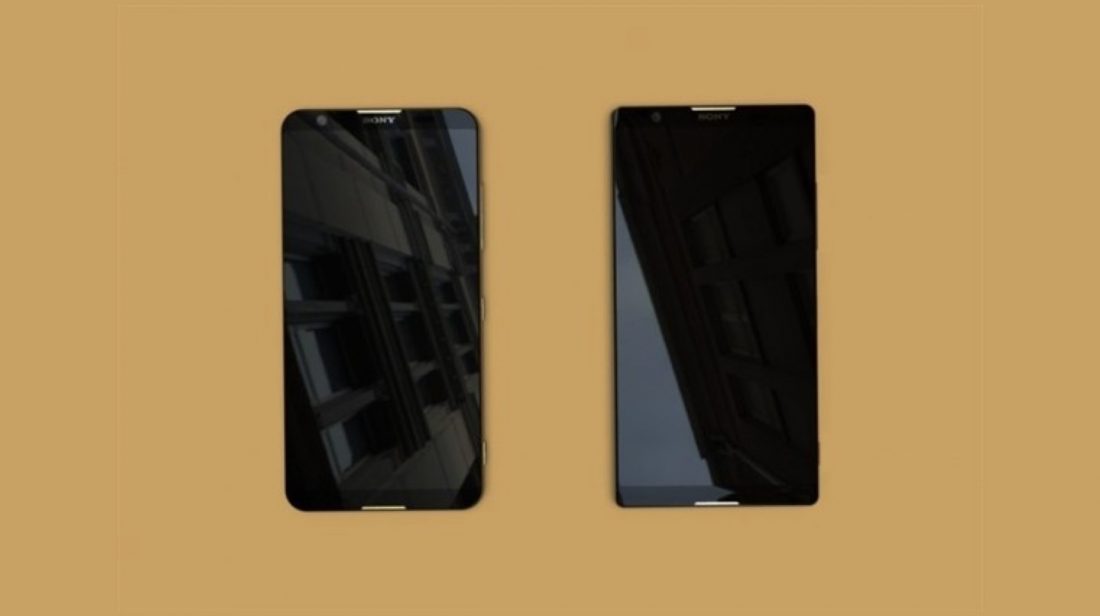
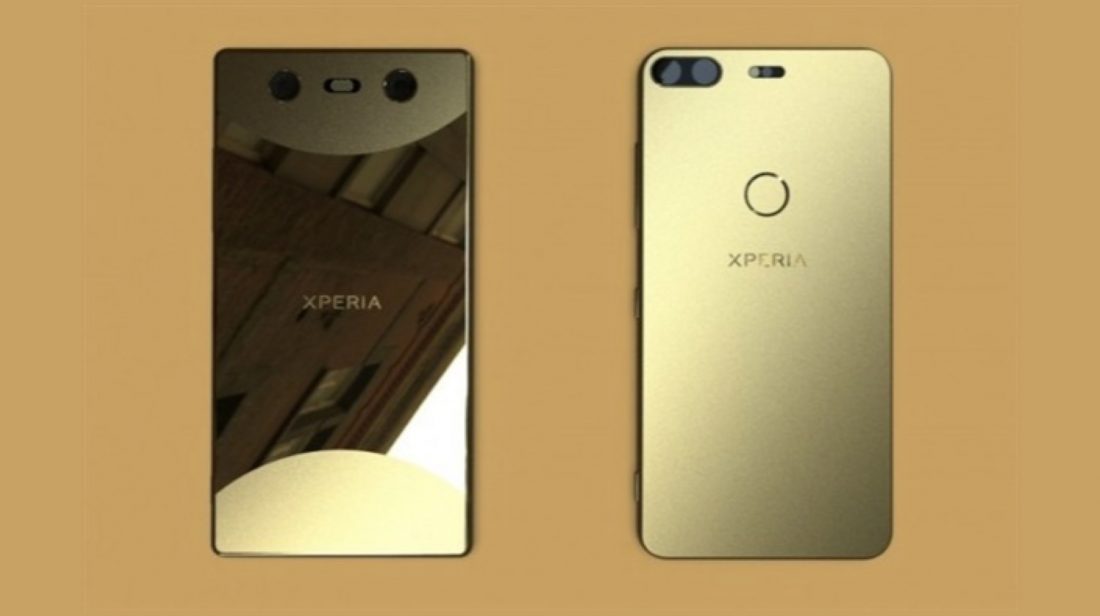
    Sony has followed a similar design language for all its flagship phones since the launch of the Xperia Z. There were reports that Sony was working on a smartphone with a tall display and thin bezels and new leaked images appear to shed some more light on the design of the phones.

    The leaked images show two phones with two different design aesthetics but, both with front-firing stereo speakers. It appears that stereo speakers are gaining popularity with the Pixel 2 and Razer Phone having front-firing stereo speakers as well. Of the two phones, one has a more recognisable Sony Xperia-like box shape while the other one has more rounded edges.

    The back of the phones is where it gets even more interesting. It appears that Sony will be re-imagining its whole smartphone lineup come 2018. At the back of the phones, the device with squared off edges has a mix of glossy and matte finish. The matte finish on the back forms two semi-circles at the top and the bottom while the middle area is covered with a glossy finish material. The two camera modules are oddly spread apart, which probably means one is just a depth sensor as this much spacing would result in much larger parallax for any other arrangement. It also appears that this phone will have a fingerprint sensor housed inside the lock button like previous Sony Xperia phones.

    The other phone has a more uniform matte finish at the back with a fingerprint sensor in the middle and a dual-camera setup at the top left corner. Both the phones are touted to have a 5.7-inch 18:9 4K displays. They’ll also be one of the first devices to have Snapdragon 845 and have 6GB of RAM and run Android 8.0 Oreo.

    The credibility of the leak can be questioned but, the bizarre design of the two phones almost validates the leak. It does seem questionable that the two phones will have the Snapdragon 845 chipset since Samsung will have early access to the chipset similar to last year. Sony might unveil the two devices at MWC 2018 but, that will mean that the devices will have to make do with the 2017 Snapdragon 835 chipset.

  • LG Signature Is A US $1800 Smartphone

    LG Signature Is A US $1800 Smartphone

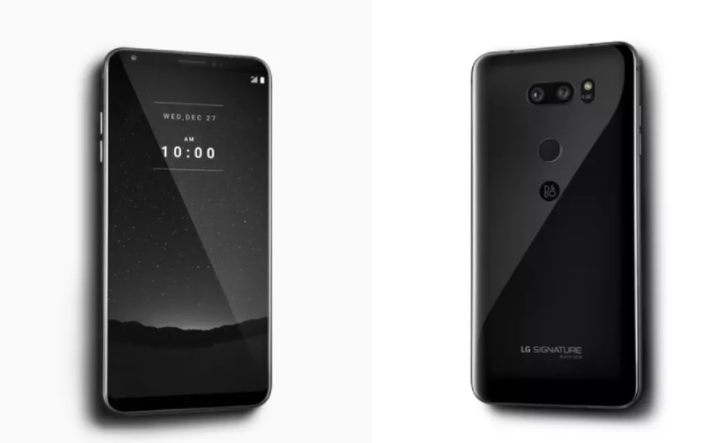
    If you are someone who believed in luxury over practicality, then the new LG Signature might be right up your alley. To only be sold in South Korea most will consider this a limited edition smartphone.

    The LG Signature Edition has a shell made of Zirconium Ceramic, which the company claims won’t scratch over time. Only 300 of the LG Signature will be made and cost about 2 million won (US $1800 approx.) which is almost double the price of the 64GB variant of the iPhone X.

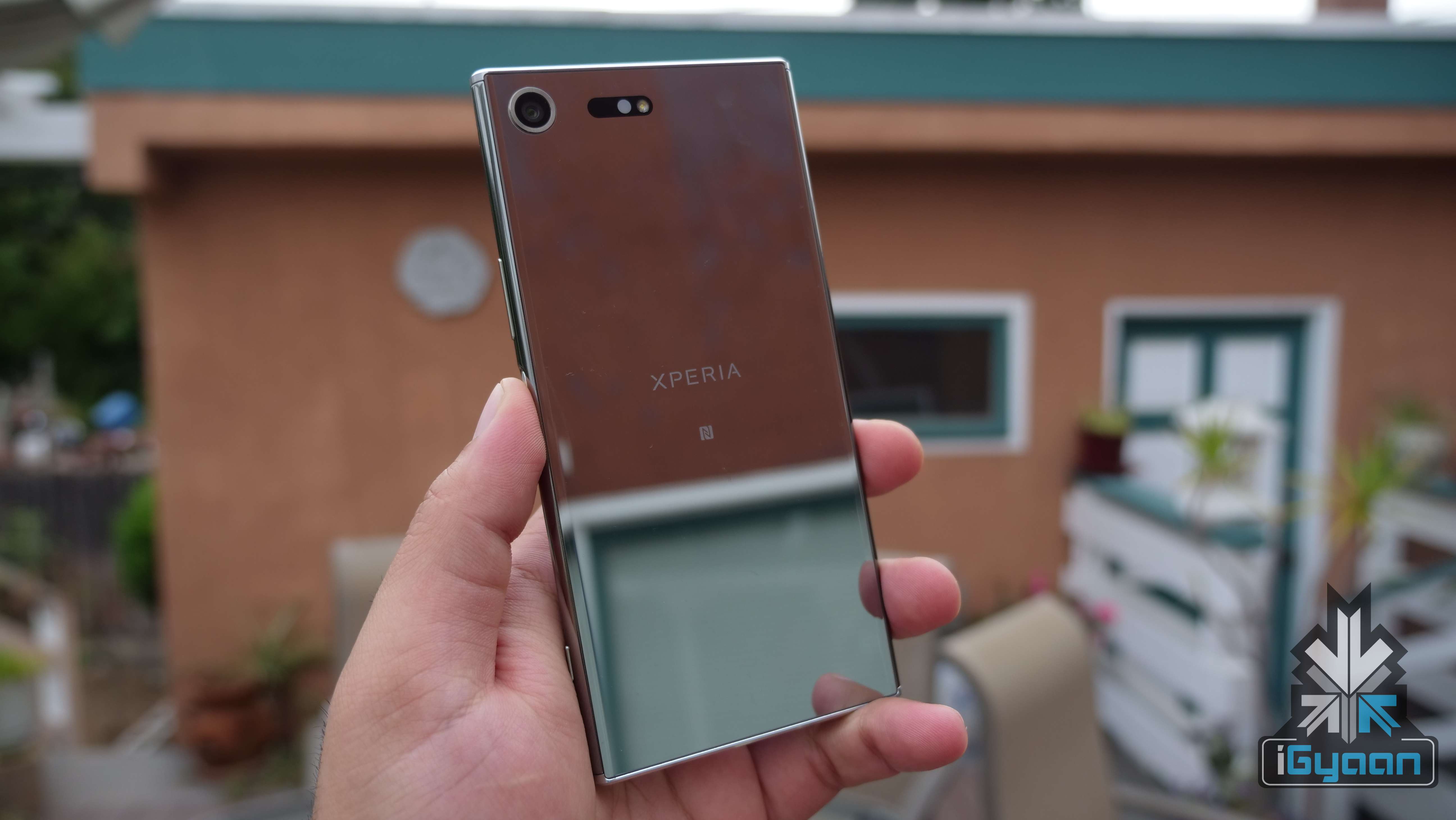
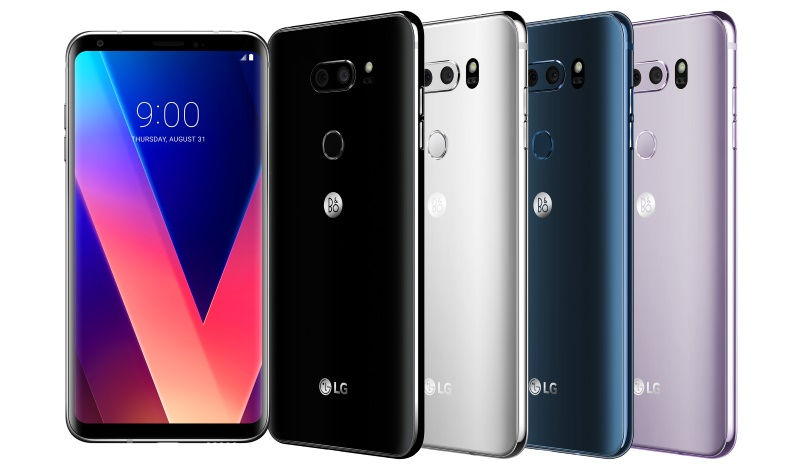
    Barring the Zirconium Ceramic, what you’re paying for is the LG V30, LG’s new flagship which was unveiled back in August. Interestingly, the LG V30+ is scheduled to be launched in India on the 13th of December. Apart from the premium material used to make the LG Signature, there is no other difference between this and the LG V30. However, while the LG V30 ships with a pair of wired B&O earphones, the LG Signature will ship with a pair of wireless and wired B&O earphones. The LG V30 retails for US $799 which means you basically pay a thousand dollars more for a premium material and a pair of B&O wireless earphones.

    To learn more about the specifications of the LG V30, you can read the entire story here.

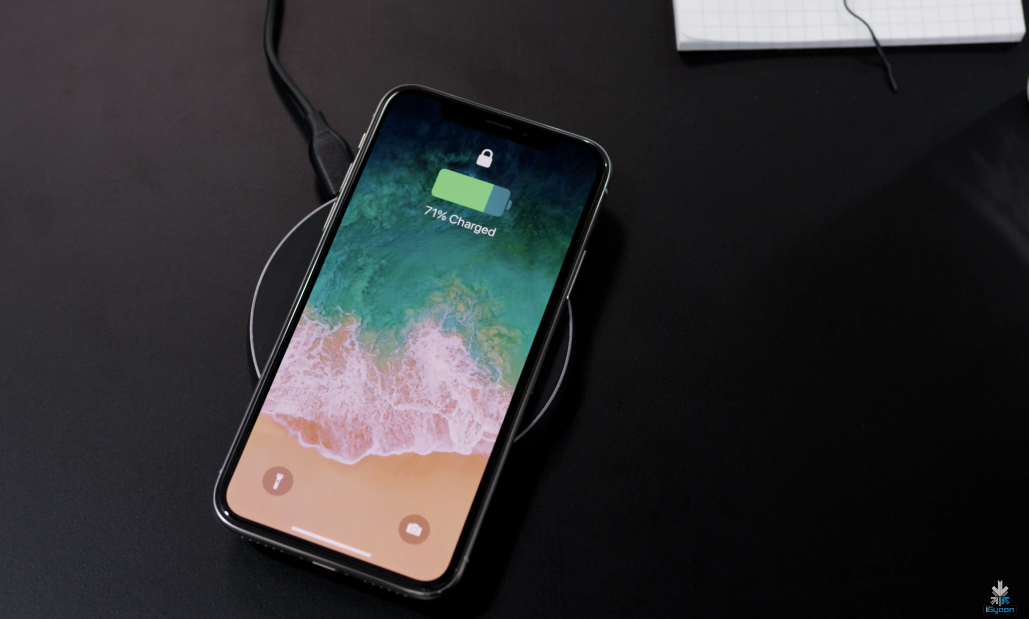
  • Some iPhone Variants In 2018 To Miss Out On Wireless Charging

    Some iPhone Variants In 2018 To Miss Out On Wireless Charging

    In November, Ming-Chi Kuo of KGI Securities indicated that Apple would unveil a new 6.1-inch iPhone next year with the iPhone X design, but a traditional LCD display instead of OLED. A new report from Nikkei claims that the LCD iPhone will feature a metal back similar to the iPhone 7 and iPhone 7 Plus.

    The 6.1-inch LCD model will likely sport a metal back [like older iPhone handsets] that will come in several colors, and that the two OLED handsets will come in two sizes: one either 6.2 or 6.3 inches long, and the other 5.8 inches.

    A move back to a metal body will mean that the new iPhone might be available in a few more colour options than the iPhone 8 or iPhone X. It’s believed that it’s harder for Apple to produce additional colour options in the glass back design, hence why this year’s phones are available in fewer colour variants than last year’s.

    The iPhone 7 came in five different colour options-Rose Gold, Gold, Silver, Jet Black, and Matte Black. Meanwhile, the iPhone X only comes in Silver or Space Gray and the iPhone 8 in Silver, Space Gray, and Gold.

    It has barely been over 2 months since the iPhone 8 and iPhone X were launched and we already have multiple reports of what the iPhones launching in September of 2018 will look like. It is too early to call anything as of now but, we will keep you posted on all new developments.

  • OnePlus And Project Treble Explained

    OnePlus And Project Treble Explained

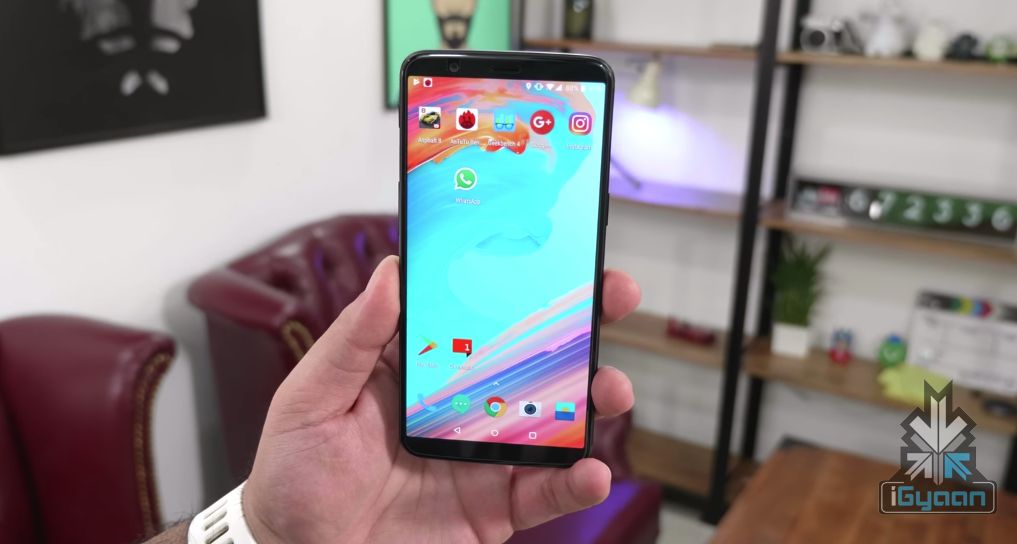
    Android phones apart from Pixel and Nexus devices have been known to receive slow software updates over the years. OnePlus recently conceded that its devices do not support Project Treble. Here is the reason:

    Partitions were not required for Android N and previous versions of Android, all of our current devices do not feature a partition. According to our tests, if we were to modify the partition layout via OTA there is a risk that devices will brick during the partitioning.

    The reason appears to be valid as the company decided to weigh the pros and cons of this major change and then decided against it. Even without Project Treble, OnePlus believes that it can still quickly and efficiently release Android updates. The good news for some, however, is that most, if not all, OnePlus devices in 2018 should support Project Treble by shipping with Android Oreo and the new partition scheme.

    Project Treble is Google’s effort at reducing the time it takes for OEMs to receive the new OS and optimise it for its devices and then push out the update. A few months ago, Android received a new Vendor Interface, which is largely what Project Treble is about. The VI’s aim is to separate the “Vendor Implementation” (that is, “the device-specific, lower-level software written in large part by the silicon manufacturers”), from the Android OS framework.

    The new VI is supposed to sit between the Android OS framework and Vendor Implementation. And the new VI will be validated by a Vendor Test Suite (VTS), which is analogous to the Compatibility Test Suite (CTS) that Google has been using for API testing of apps. The VTS ensures forward-compatibility of the VI.

    What all of this means is that if a phone supports Project treble, it is more likely to receive fast software updates as compared to other smartphones that don’t.

  • Samsung Galaxy S9 Will Not Launch At CES 2018

    Samsung Galaxy S9 Will Not Launch At CES 2018

    Samsung Galaxy S9 and S9+ have long been rumoured to be unveiled at CES 2018 in late-January of 2018. All these rumours might amount to nothing as Samsung has said that unveiling the new flagship phones at CES seems ‘unlikely’. This also means that instead of the Galaxy S9 and S9+, the South Korean tech giant might unveil its foldable Galaxy X at CES.

    That leaves two separate occasions for the Galaxy S9 and S9+ might be unveiled. It could either be in February during the Mobile World Congress (like the Galaxy S5, S6, and S7) or at a dedicated event in March, like the Galaxy S8 and S8+.

    There have been multiple reports chronicling the specifications and new features of the Galaxy S9 and Galaxy S9 Plus.

    The display size of both the phones will be identical to their 2017 counterparts with the Galaxy S9 sporting a 5.8-inch Super AMOLED display while the Galaxy S9+ will have a 6.2-inch display. The bezels will be thinner than the previous generation devices with the infamous curved edges and “Infinity Display.” It is also reported that the Galaxy S9 series will have a 90% screen-to-body ratio.

    Unlike 2017, where there were barely any differentiating factors between the Galaxy S8 and Galaxy S8+, Samsung is planning something different for 2018. It appears that the Galaxy S9 will have a single camera at the back while the Galaxy S9+ will have a dual camera setup at the back.

    Samsung is developing a new software to make facial recognition on the Galaxy S9 faster than the Galaxy S8. However, Samsung is planning to introduce a host of software tweaks to reduce the delay in recognising the face and scanning the iris of users. Contrary to popular belief and some reports, the Galaxy S9 and S9+ will not have a screen-embedded fingerprint sensor.

    Recently, the Snapdragon 845 chipset was unveiled and the Galaxy S9 series will be the first of the many smartphones which will be powered by the new flagship chipset.

    As far as pricing is concerned, it won’t be a surprise if the Galaxy S9+ surpasses the Galaxy Note8 price and touch the thousand dollar mark, similar to the iPhone X. The Samsung Galaxy S9 is expected to be priced similarly to the Galaxy S8+.

  • Xiaomi Redmi 5 And Redmi 5 Plus Launched

    Xiaomi Redmi 5 And Redmi 5 Plus Launched

    Xiaomi has launched two new budget-oriented smartphones Redmi 5 and Redmi 5 Plus at an event in China today.

    The Redmi 5 is priced at CNY 799 (Rs 7,800 approx) for the 2GB RAM/16GB storage variant and CNY 899 (Rs 8,800 approx.) for the 3GBRAM/ 32GB storage variant and will be available in Black, Blue, Gold and Rose Gold colours. The Redmi 5 Plus is priced starting at CNY 999 (Rs. 9,800 approx.) for the 3GB RAM/32GB storage variant and CNY 1299 (Rs. 12,700 approx.) for the 4GB RAM/64GB storage option and will be available in the same colours as the Redmi 5.

    Both the devices run Android 7.0 Nougat with Xiaomi’s custom MIUI 9 on top.

    Xiaomi Redmi 5
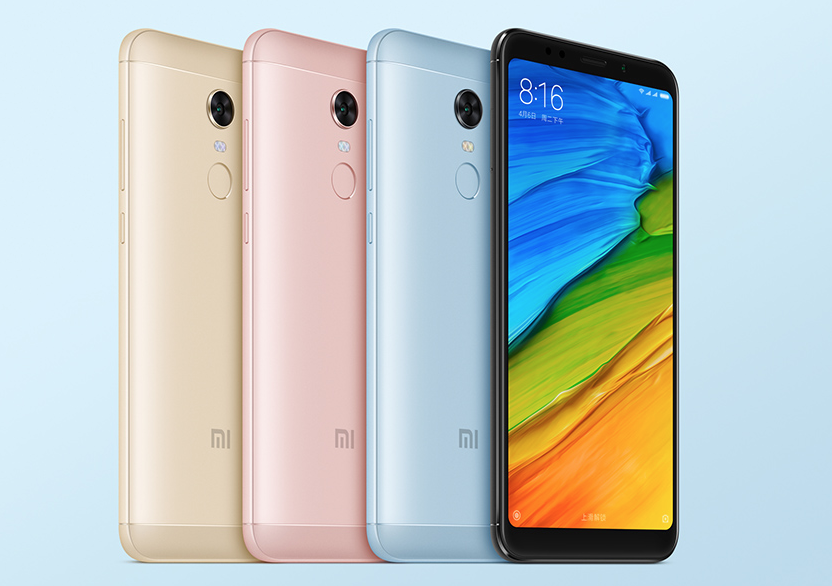
    The Xiaomi Redmi 5 has a 5.7-inch 1440 x 720 px display with an 18:9 aspect ratio.

    Under the hood, the Redmi 5 has the Qualcomm Snapdragon 450 chipset, a 1.8GHz octa-core processor, Adreno 506 GPU, 2GB or 3GB of RAM, 16GB or 32GB of onboard storage which will be expandable via microSD card. There is a fingerprint sensor placed at the back of the phone just below the camera.

    Powering the device is a 3300 mAh battery which, Xioami claims has a standby time of up to 12 days. The battery is charged via a micro USB slot which means no fast charging. There is a 3.5mm headphone jack placed next to the charging port as well.

    The Redmi 5 has a 12MP camera at the back with 1.25-micron pixel size. The camera records 1080P videos at 30fps. To the front of the device is a 5MP camera with Beautify 3.0, which is Xiaomi’s software for enhanced selfies.

    Xiaomi Redmi 5 Plus
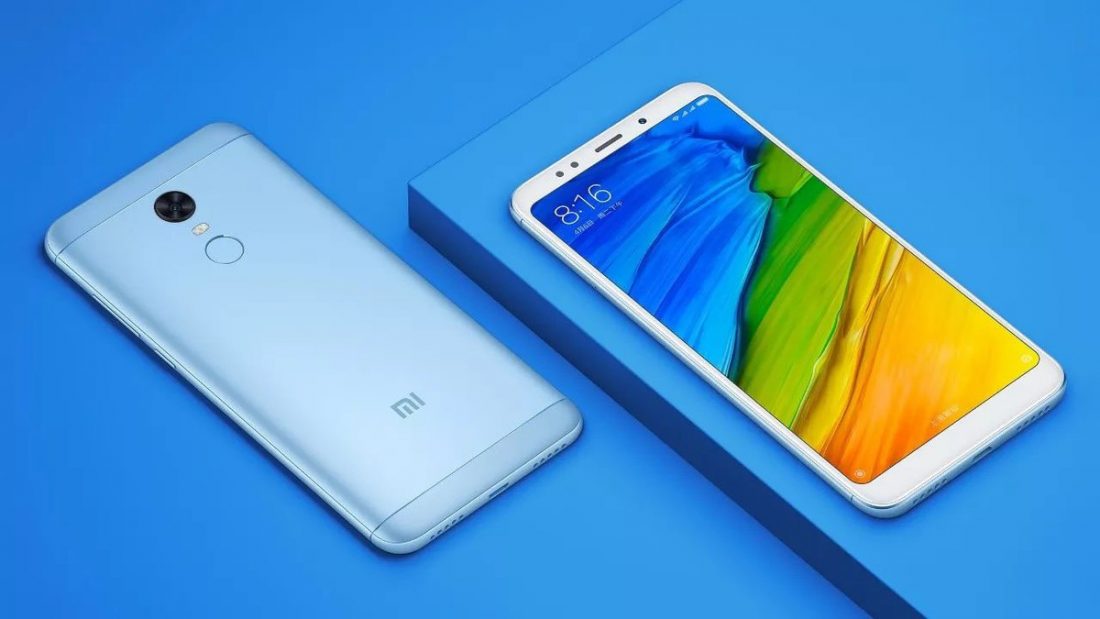
    The bigger sibling of the two is the Redmi 5 Plus. It has a 5.99-inch display with a 2160 x 1080px resolution which again, translated to an 18:9 aspect ratio. Similar to the Redmi 5, its display also has rounded corners.

    Under the hood, the Redmi 5 Plus has the Qualcomm Snapdragon 625 chipset, 2.0GHz octa-core processor, Adreno 506 GPU, 3GB or 4GB of RAM, and 32GB or 64GB of onboard storage which will be expandable via microSD card. The fingerprint sensor sits at the back of the device which has become a Redmi signature irrespective of thin or thick bezels.

    The Redmi 5 Plus is powered by a massive 4000 mAh battery which, according to Xiaomi, has a standby time of up to 17 days. The device has a micro USB port for charging and data syncing along with a 3.5mm headphone jack.

    Just like the Redmi 5, the Redmi 5 Plus has a 12MP primary camera and a 5MP secondary camera with beautify 3.0 software.

    There is no word on the availability in the global market. But, considering the popularity of the Redmi series in India, it won’t be a stretch to assume that at least one of the devices will be launched in India sooner rather than later.
  • LG V30+ To Be Launched In India On December 13th

    LG V30+ To Be Launched In India On December 13th

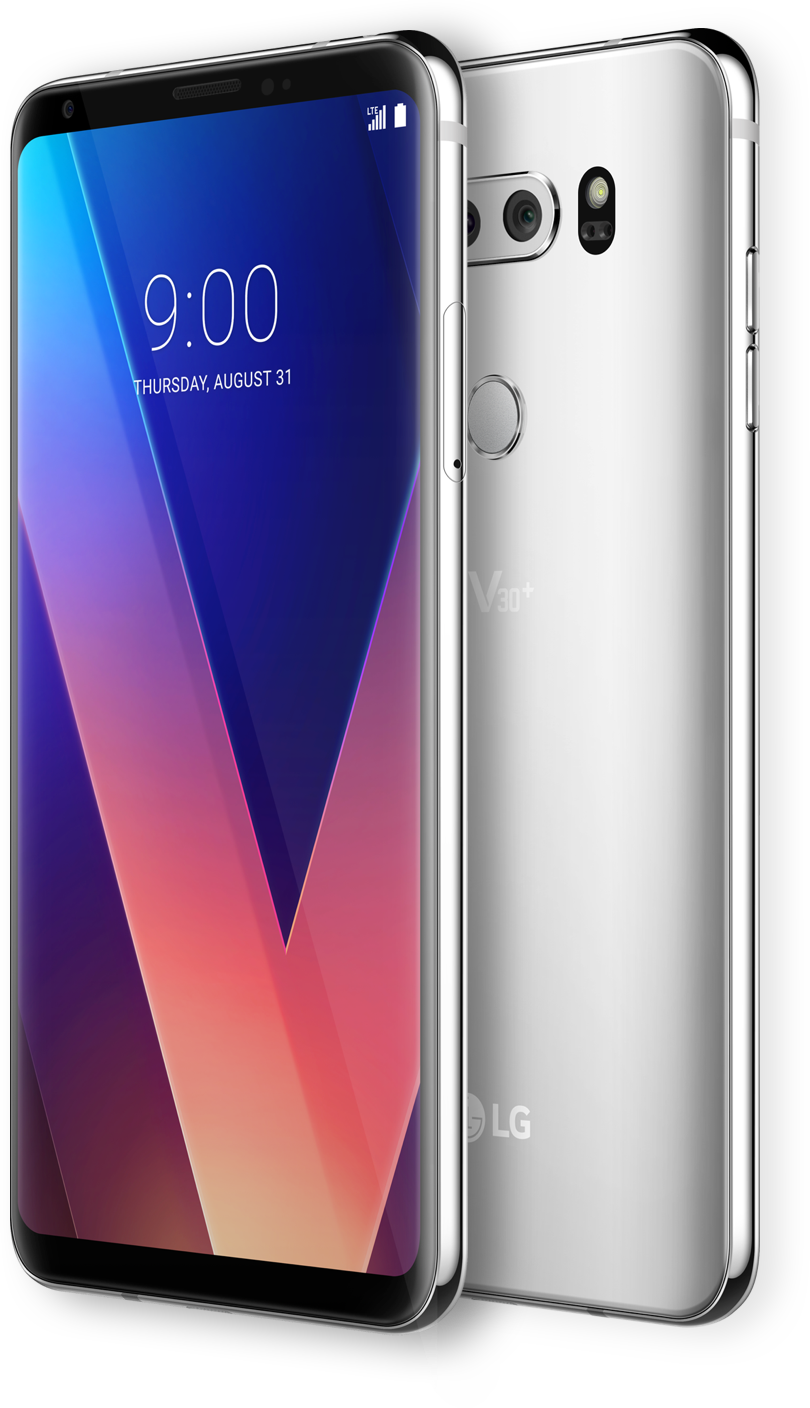
    LG’s second flagship of the year, the LG V30+ will be launched in India on the 13th of December. There is no word on the price of the phone yet.

    The LG V30 has a 6 inch 2880 x 1440 px OLED FullVision display with an 18:9 aspect ratio. LG’s nearly edge-to-edge OLED display has HDR 10 format for a high level of colour contrast and the smartphone will be Daydream compatible.

    A big omission from the V30 is the secondary display, which was a signature in the previous V series devices. Instead, LG has introduced a Floating Bar which displays shortcuts and can be disabled when not required.

    The LG V30 has the Qualcomm Snapdragon 835 chipset, a 2.4GHz octa-core processor, 4 GB RAM and 128GB onboard storage with up to 2TB of expandable storage via a microSD card. The V30 has an IP68 rating for water and dust resistance and MIL-STD 810G rating for durability.

    The LG V30 is powered by a 3300mAh battery with wireless fast charging which supports 3.0 quick charge.

    The smartphone runs Android 7.1.2 with LG’s UX 6.0+ on top which offers a few customisation options.

    LG has partnered up with Bang & Olufsen this time around to deliver sound quality ideal for media consumption and the B&O logo appears on the rear of the smartphone just below the fingerprint scanner. Thanks to the partnership, the LG V30 incorporates a 32-bit Hi-Fi Quad DAC powered by Bang & Olufsen with few sound presets like enhanced, detailed, bass and live. The smartphone also has support for Master Quality Authenticated (MQA) technology for high-resolution audio streaming.

    Aside from the rear-mounted fingerprint scanner which also doubles as a home button, LG has introduced few new security features in the LG V30 such as facial and voice recognition. The voice recognition will even work along with the music playback.

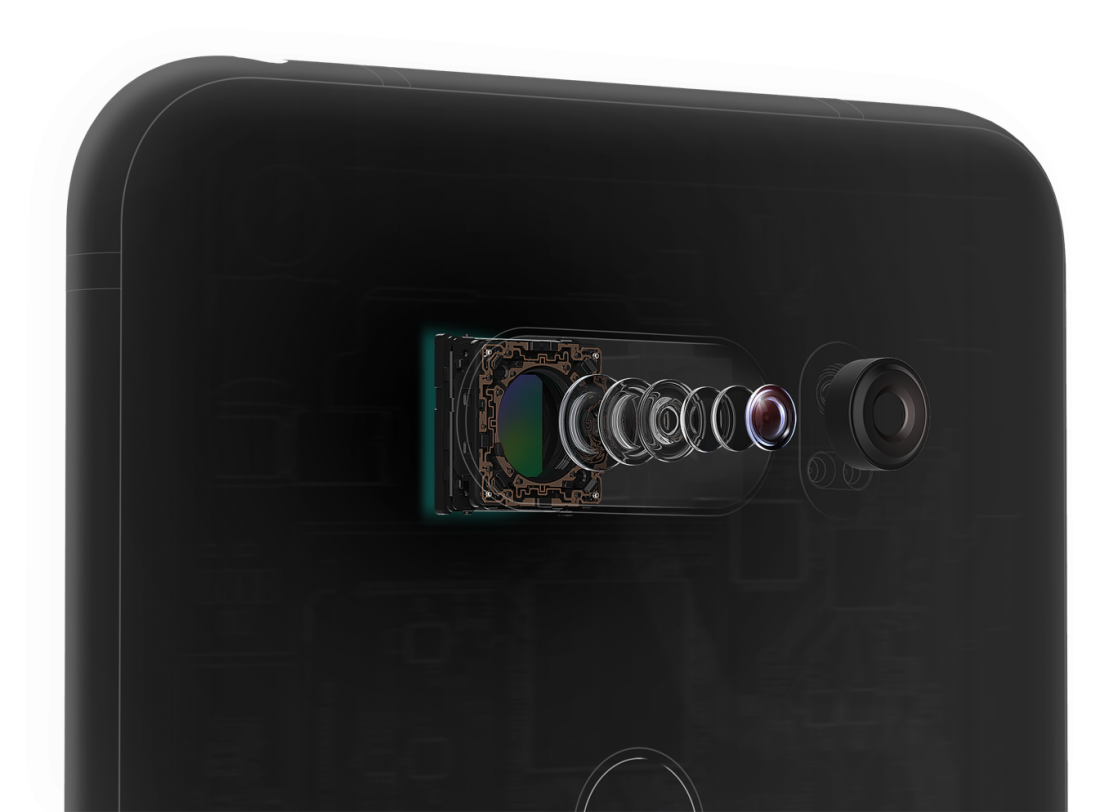
    The LG V30 features a dual-camera setup at the back. As LG had announced, this smartphone has the first ever inbuilt camera unit to feature a 16MP crystal clear lens made of glass with an f/1.6 aperture and another 13MP wide angle lens with an f/1.9 aperture. The camera has laser detection AF, optical image stabilisation and electronic image stabilisation. On the front side, the LG V30 sports a 5MP wide-angle camera with an aperture f/2.2.


  • Google Launches Android Go Oreo Edition For Budget Smartphones

    Google Launches Android Go Oreo Edition For Budget Smartphones

    Google has launched a version of Android 8.0 Oreo which is best suited for Android phones with 1GB of RAM or less.

    At the Google I/O event in May 2017, Google promised to launch a custom version of Android tailor-made for lower-end devices. On the 5th of December, Android Go (Oreo edition) was officially launched and made available to smartphone manufacturers and developers.

    As Google said, the idea behind Android Go is to create a version of Android software which is designed to run better on phones with either 512MB or 1GB of RAM. In the world of OnePlus 5T with its 8GB of RAM or Galaxy Note8’s 6GB RAM, it is easy to forget that there are lower-end smartphones currently available in the market which have 1GB of RAM or less.

    Recently, the Nokia 2 launched in India at a price of Rs. 6999 with 1GB of RAM and running Android 7.1 Nougat. Android Go’s launch means that HMD Global will be able to push out an Android 8.0 Oreo update for the Nokia 2 faster since the build is already optimised for phones with such specifications.

    Nokia 2

    Google has claimed that Android Go’s Oreo edition will be a variant of Android Oreo that a manufacturer can just set by ticking off a configuration flag. What this basically does is that it sets up the phone to use the “Go” versions of a handful of Google apps such as the main Google app, Google Assistant, Google Maps, Gmail, and others. Google claims that the smaller apps and slimmer OS can as much as halve the amount of storage that’s taken up by default on a new phone running default OS.

    Google will also introduce a few other data saving features on Android Go. For example, in Chrome, everything will get run through a Google server that reduces file sizes before it gets delivered to the user’s phone. The new Datally app will also be pre-installed to keep a track of cellular data.

    Considering India’s budget smartphone segment, it might be one of the first few countries to receive Android Go.

iGyaan Network
Privacy Overview

This website uses cookies so that we can provide you with the best user experience possible. Cookie information is stored in your browser and performs functions such as recognising you when you return to our website and helping our team to understand which sections of the website you find most interesting and useful.