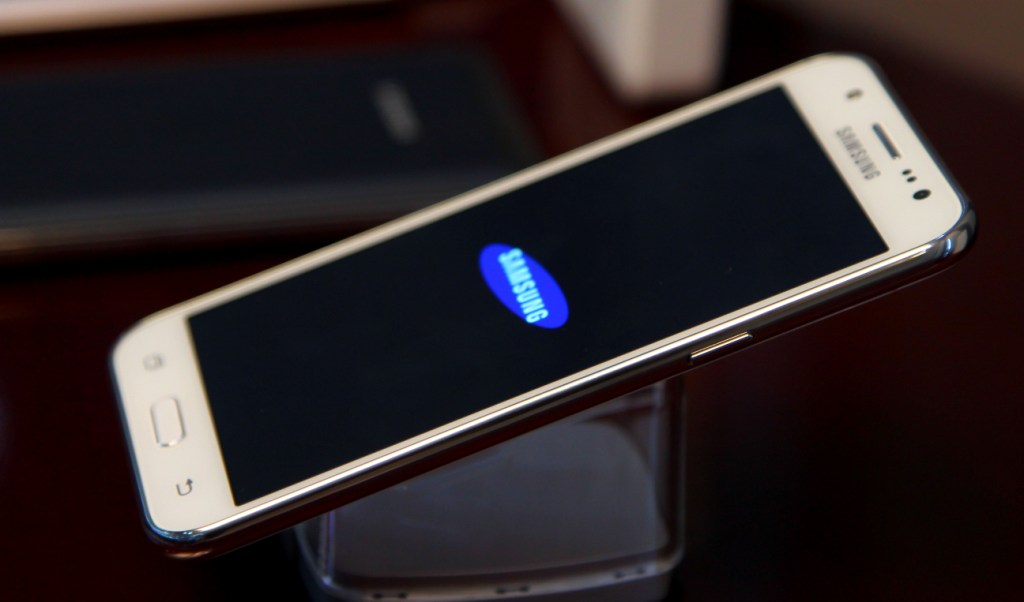
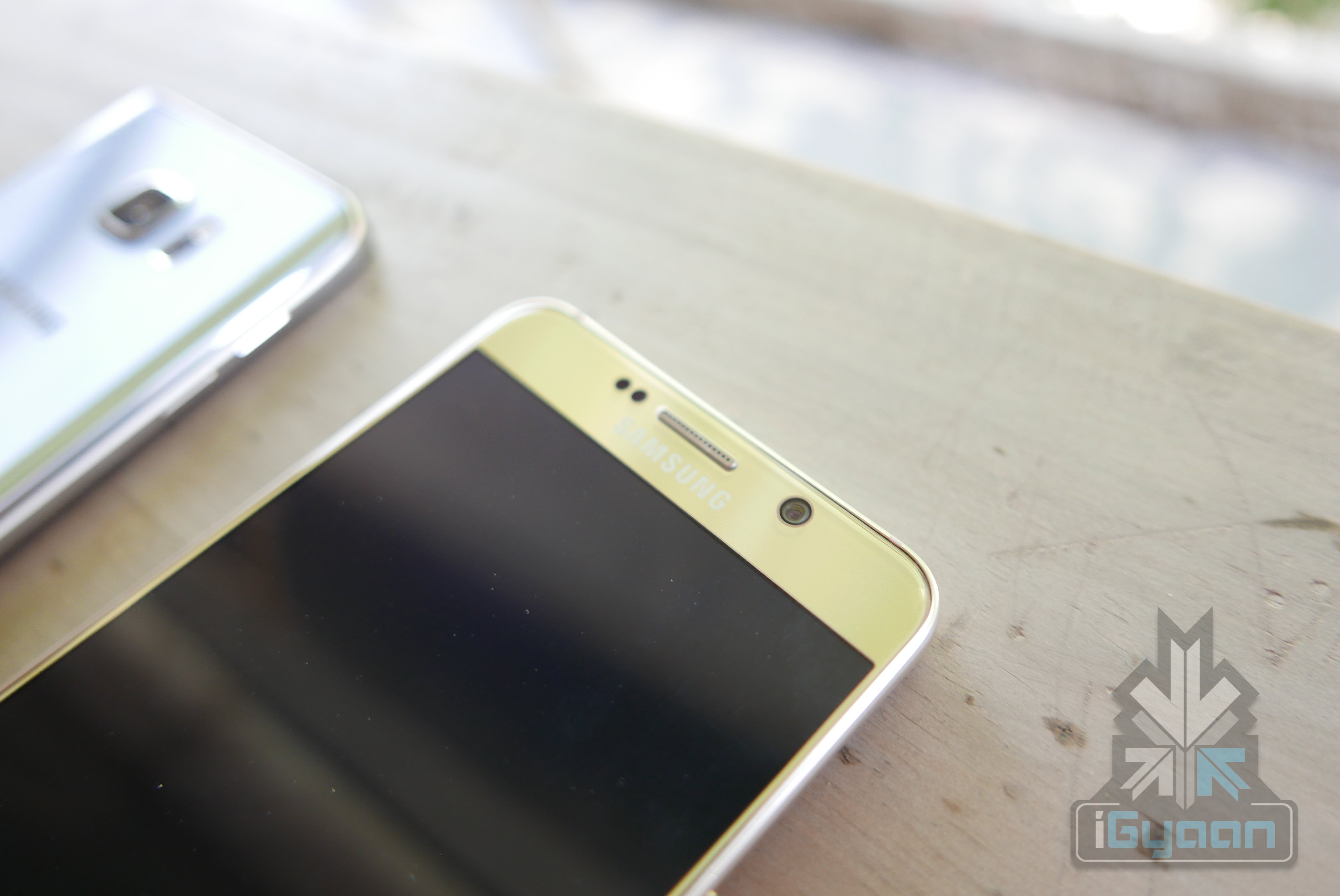
Looks like Samsung is really keen on its budget to mid-range devices, as has been the case for a while now. The Korean giant has been heavily pushing out its ‘J’ and ‘A’ series in the past few weeks with the J1 recently being outed. Now it seems the new Galaxy J5 mid-range smartphone will be out soon too, if the latest benchmarks have anything to say about it.
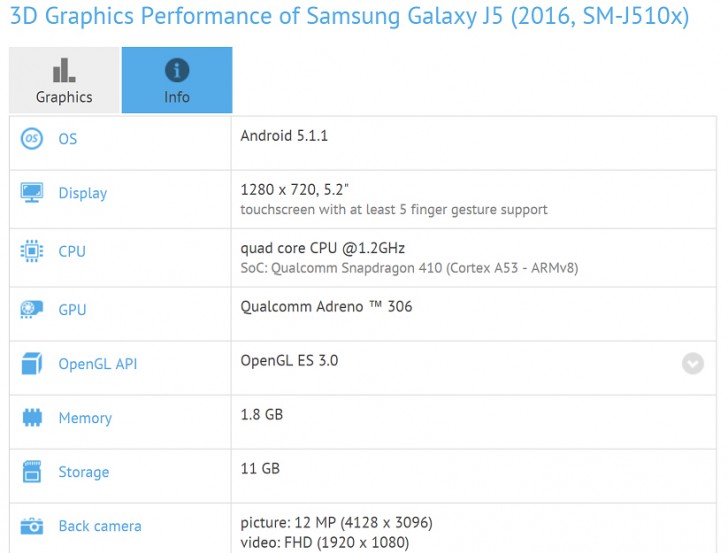
A benchmark listing posted by GFXBench has been discovered that suggests some key specs of the alleged J5 smartphone.
The device is shown to sport a 5.2-inch screen 720p resolution, a 12 or 13 MP (most likely 13MP) rear camera with LED flash, a 5 MP front, 2GB of RAM, and 16GB of built-in storage. The device is powered by Qualcomm’s Snapdragon 410 chipset, which comes with a 1.2 GHz quad-core Cortex-A53 CPU. It runs Android 5.1.1 Lollipop.
According to the listing, the new J5 will come with a slightly bigger screen and memory compared to the previous J5. Nothing has been revealed on the battery front, but its likely to be the same the its predecessor.
Now, pricing will be key to the success of the J5 and since Samsung is launching a slew of devices in the budget to mid-range category, it is important that the J5 be competitively priced. One would expect Samsung to price this slightly updated J5 successor around the same as the previous version, which is Rs. 12,000. We’ll know more when we get closer to the launch of the Galaxy J5.
The original Moto 360 was met with a lot of hype, and quite rightly so as it was the device that kicked off the Android Wear trend. While the first iteration was met with a lot of praise, finding a lot of things to love about it and a few faults as well, the second generation Moto 360 builds on its predecessor and improves where it needed to.
Overview
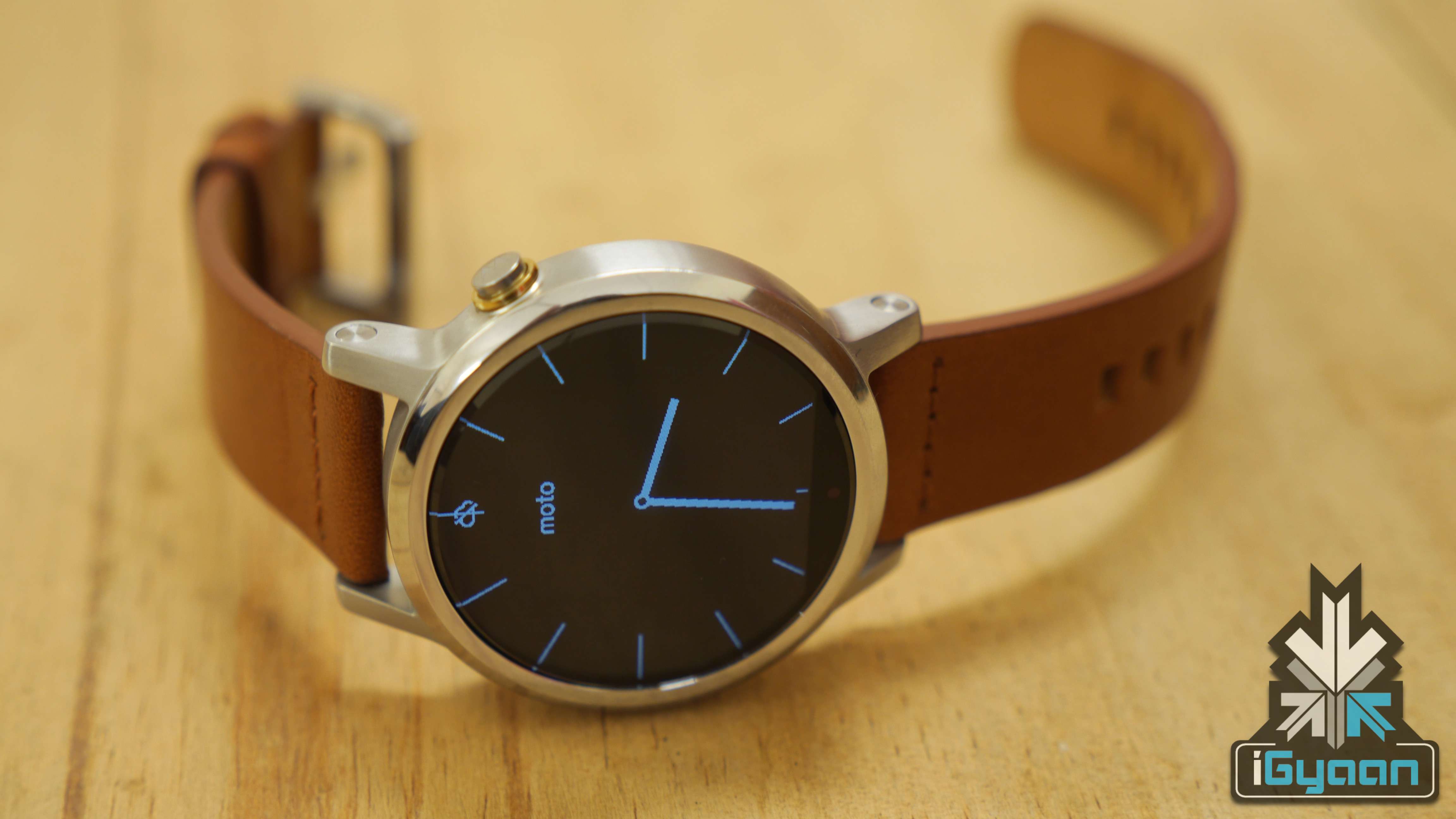
The Moto 360 2nd Gen was unveiled at IFA Berlin last year and was launched in India early September. The smartwatch comes with new design language and customization options including Moto Maker, which, however, is not available in India yet.
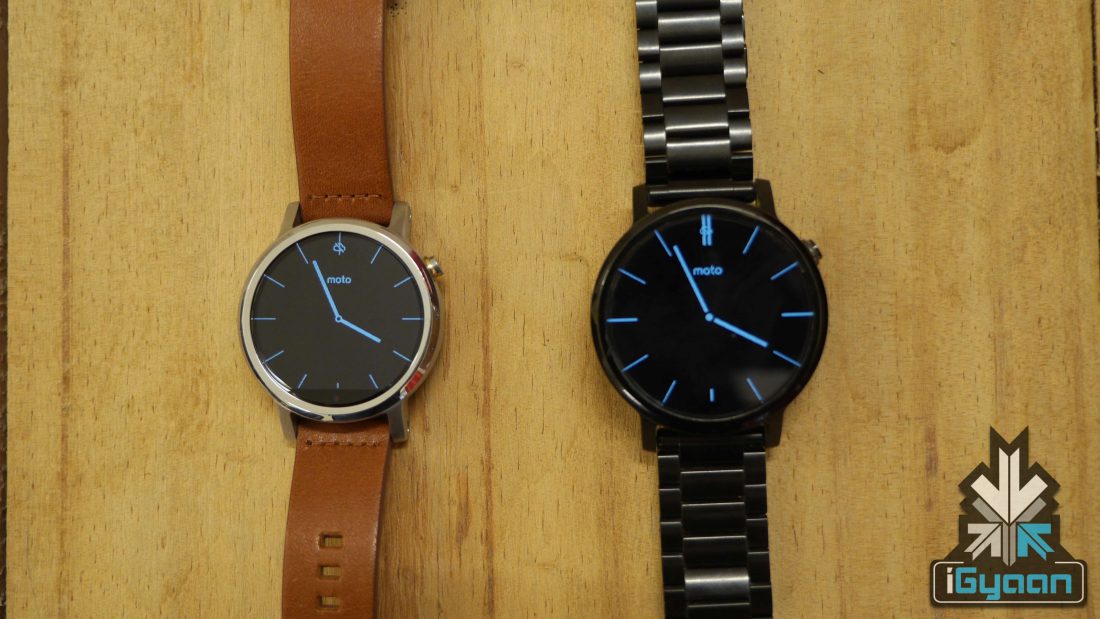
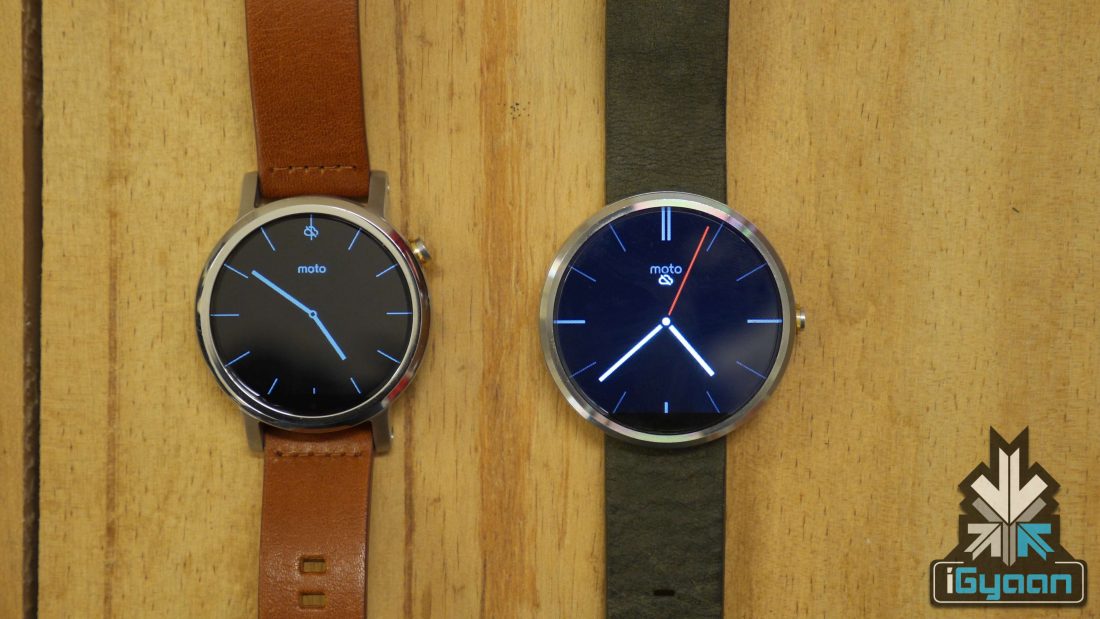
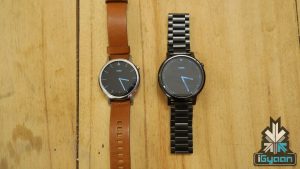
42mm (left), 46mm (right)
The Moto 360 2nd Gen starts at a price of Rs 19,999 for the 42 mm variant and Rs 23, 999 for the 46 mm option. The smartwatch is available on Flipkart and Amazon.
Build Quality and Design
Moto 360 2nd Gen (Left) Moto 360 1st Gen (Right)
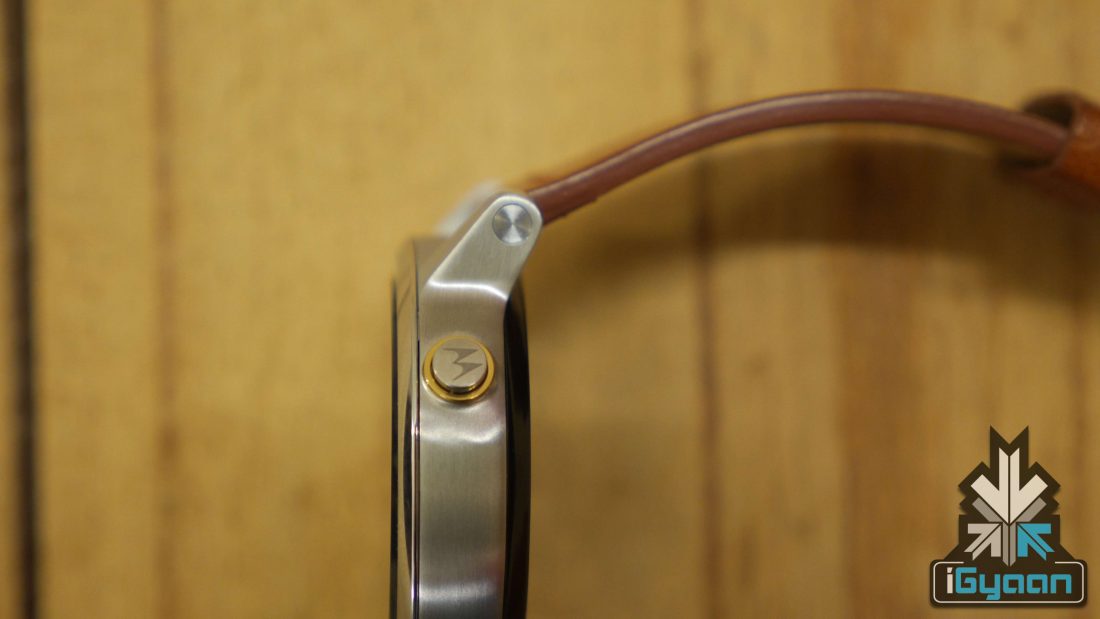
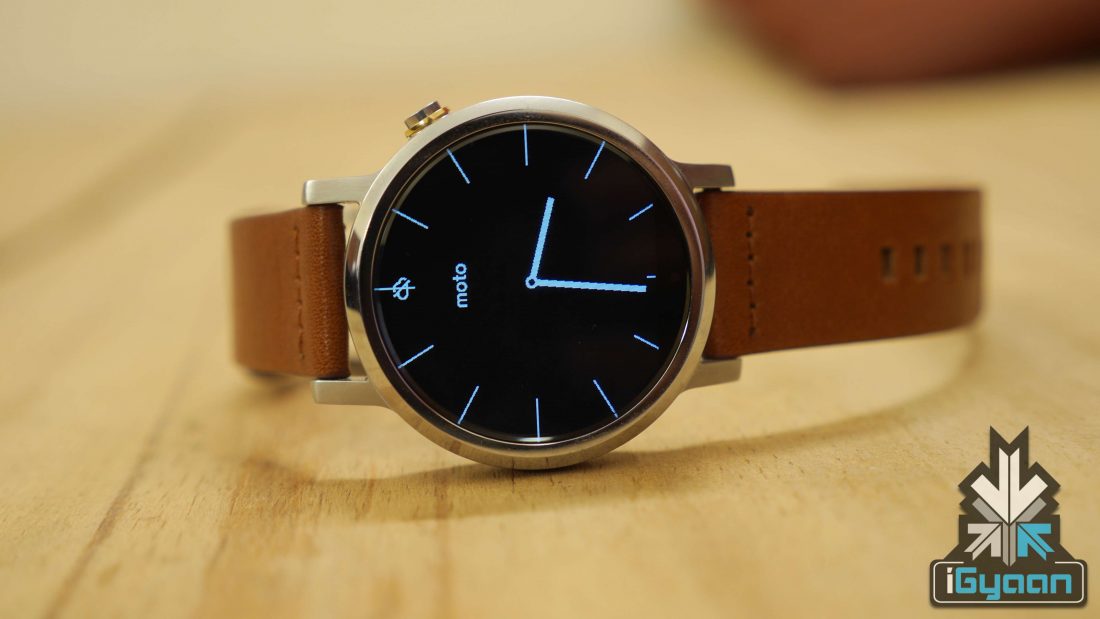
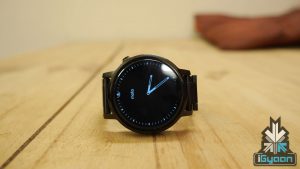
The Moto 360 2nd Gen’s new design language is pretty great. The smooth metallic edge is complemented with thin, refined aluminium bezels. The watch has a firm, strong build and the added nubs give it a better shape and rigidity and gives the device a more watch-like feel to it. The nubs also make changing the straps easier and the lugs are pretty simple to unclasp the band as well. The crown has shifted up a bit to the 2 o’clock position and the top sports the ‘M’ logo.
The Moto 360 2nd Gen is available in three different sizes – a 42 mm male and female version and a male-only 46 mm model. The difference between the male and female version is that the latter attaches itself to a thinner 16 mm strap while the former is compatible with a 20 mm strap only. The 46 mm variant is compatible with a strap that measures up to 22 mm. While the size of the straps differ, the models are all 11.4mm thick, which feels just right without looking too bulky.
The button moves to the 2 o’clock position
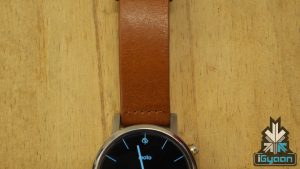
Size isn’t the only point of variation the Moto 360 offers; it comes with a variety of bands to pick from – metal, leather and silicon. However, the silicon version will not be arriving in India any time soon. The smartwatch also comes with gold, rose gold and silver cases and bands. The leather on the 42 mm variant looks elegant on both men and women, while a metallic strap for the 46 mm model looks great on larger wrists.
Display
The 42 mm and 46 mm variants have a 1.37 inch and 1.56 inch LCD display, respectively, and both come with Gorilla Glass 3 protection. The 46 mm version comes with a 360 x 360 pixel resolution and 233ppi, while the 42 mm version has a display resolution of 360 x 325 and 263ppi.
The Moto 360 has received a lot of polarising opinions regarding the display. The popular opinion of it being the first round smartwatch without actually having a fully rounded display stays with the 2nd Gen as well. This is because the screen has a flat-tire like band on the bottom that houses the sensors.
Though many felt the band a little distracting, Motorola has decided to stick with it, and it has come to become something of a defining trait for a Moto smartwatch. After a while with the Moto 360, you tend to grow used to the little band and it really doesn’t feel like an issue. The band also allows Motorola to keep the bezels thin, which is what adds to the look of the device.
The display is quite bright but the LCD screen lacks the vibrancy of an AMOLED display. The light sensor which helps to dim and brighten the screen allows just the right amount of brightness under both light and dark conditions without hurting the eyes. Outdoor visibility is questionable. There’s a ot of glare on the display under sunlight, but you’ll be able to see it just fine when facing the watch directly to yourself.
Hardware and Performance
The Moto 360 Gen 2 is powered by a quad-core Qualcomm Snapdragon 400 processor, an Adreno 305 GPU and comes with a 512 MB of RAM space with a 4GB internal storage on board. Connectivity options include Bluetooth and Wi-Fi. The watch also supports a GPS connectivity, however, it only comes with the Sport range (which unfortunately isn’t available in India yet).
One of the concerns people had with the first iteration was that the device came with a slower OMAP 3 chip, but the second generation rocks a quad-core SD400 processor, and needless to say, there are some differences when using the device. The interface on the 2nd Gen is a lot snappier with very little lag.
Specs
Moto 360 2nd Gen
Display
Men and Women 42mm: 1.37-inch 263ppi (360×325)
Men 46mm: 1.56-inch 233ppi (360×330)
Corning Gorilla Glass 3, backlit LCD
Watch Case Dimensions
Mens:
46mm diameter by 11.4mm high
42mm diameter by 11.4mm highWomens:
42mm diameter by 11.4mm high
Processor
Qualcomm Snapdragon 400 with 1.2 GHz quad-core CPU (APQ 8026)
Adreno 305 with 450MHz GPU
Performance of the Moto 360 2nd Gen is pretty smooth, however, it isn’t the smoothest smartwatch out there. The Moto 360 falls just short of the Apple Watch and Samsung’s Gear S2, but given the price of the Moto 360, we can’t be greedy.
Battery life is good too and an improvement over the first Moto 360, but that’s not saying too much. One of the main problems with smartwatches has been the battery, or the lack therof. Luckily, the Wi-Fi feature helps conserve battery life just a little more.
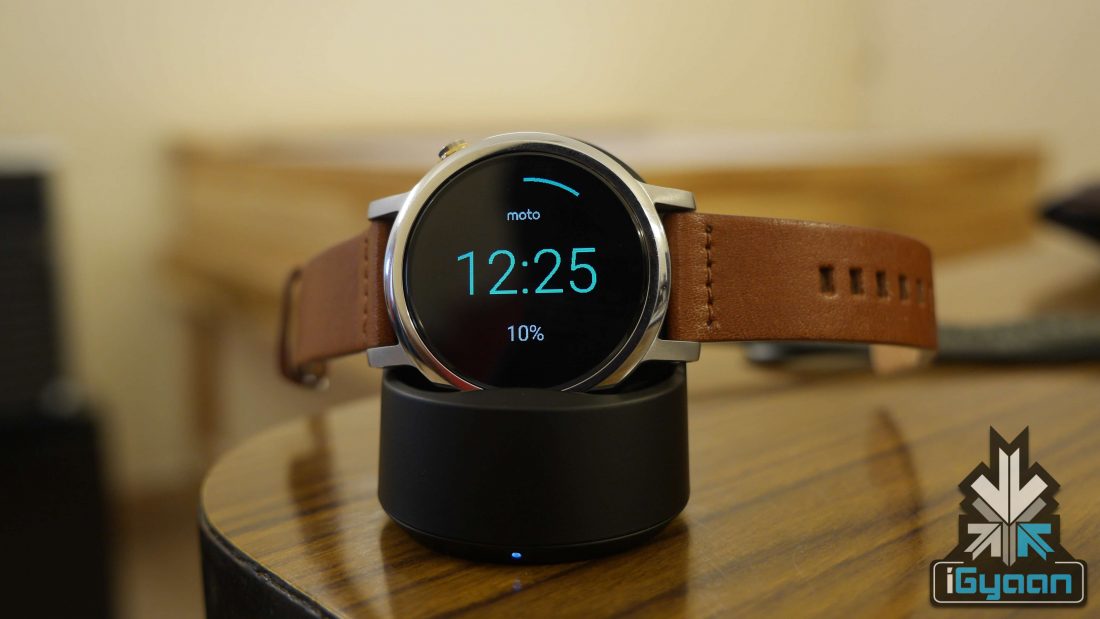
With the Ambient Mode that leaves the display on and dim continuously turned on, the smartwatch lasts a full day. Consequently, with the Ambient Mode turned off, the smartwatch can go on for a day and a half (for the 42mm 300mAh variant) on a single charge. The wireless charging is zippy too, powering up the Moto 360 to about 50% in under an hour.
42mm: 300mAh – Up to 36 hours of use with Ambient Mode off and up to 9 hours with Ambient Mode on (both on basic daily usage)
46mm: 400mAh – Close to 2 days with Ambient Mode off and 11 hours with Ambient Mode on (both on basic daily usage)
Features
The new Moto 360 is compatible with Android devices as well as iOS due to Android Wear’s move into the Apple Store. This gives the Moto 360 an edge over the Apple Watch as the latter is pricier and works only with iOS. The pairing with iOS is pretty seamless and the watch displays your phone’s or tablet’s notification and messages to which you can voice reply. You need only download the Android Wear app on your iOS device and reset your Moto 360 to begin pairing.
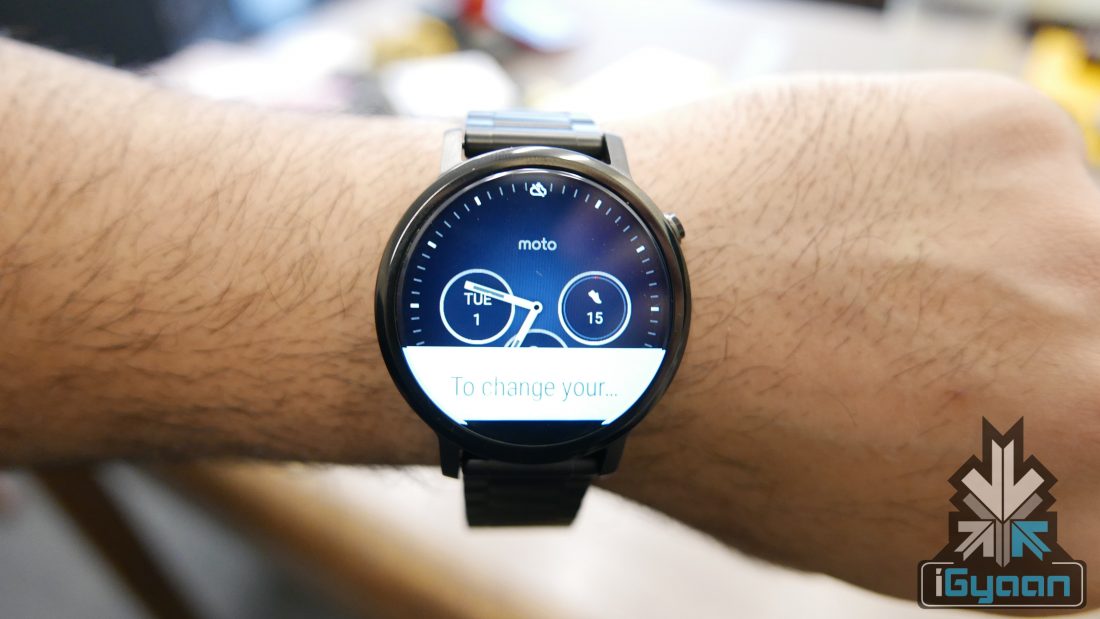
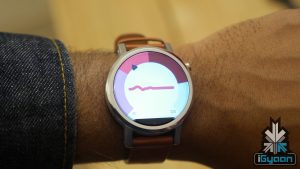
The Moto 360 has a unique feature called Live Dial, which allows its users to set dials on their home screens. Other than a bunch of options provided by Motorola, users can also use their own pictures as the watch-face. There are a number of dials available and you can use your paired smartphone or tablet (including iOS) to set the faces for your watch.
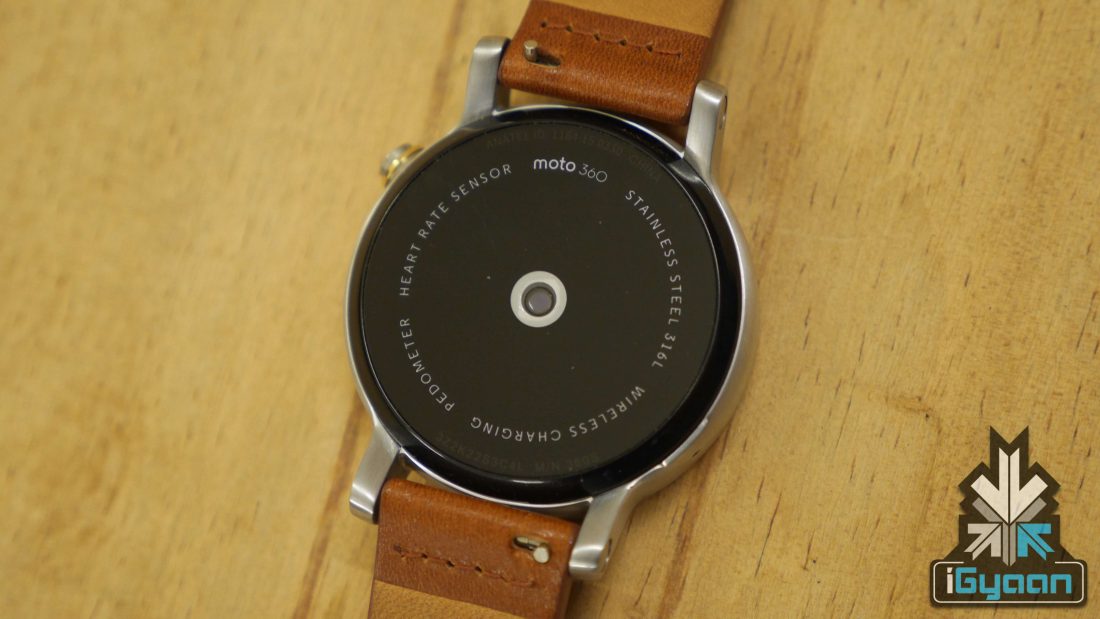
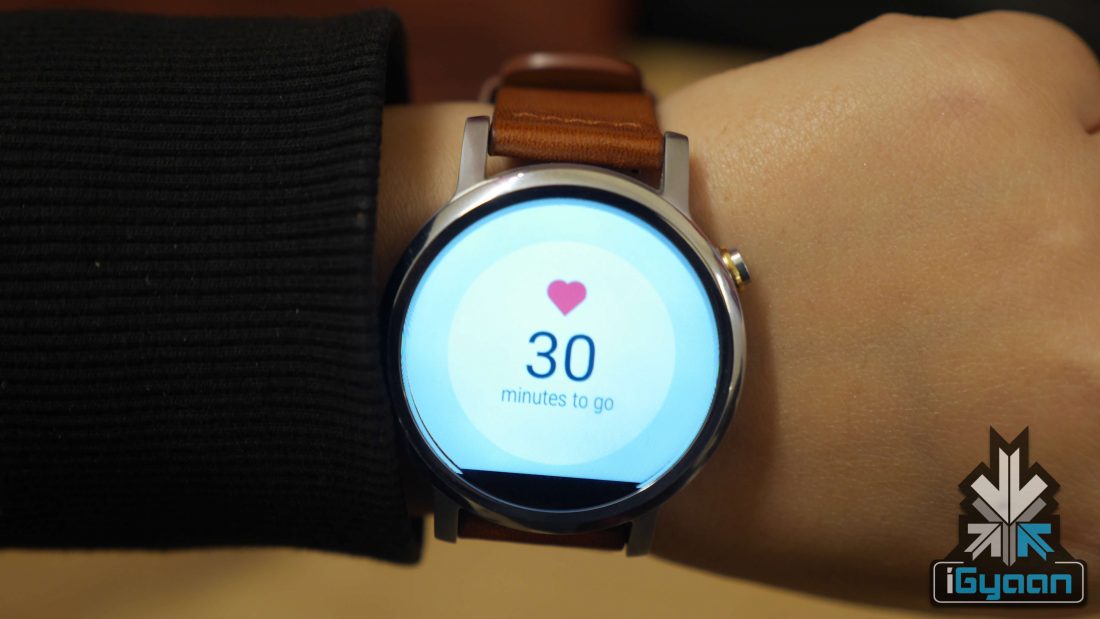
The smartwatch also supports the Moto Body software, that keeps a tab on calories burnt and bpm stats with the help of an optical heart rate monitor. It is packed in with a 400 mAh and 300 mAh battery for the 46mm and 42mm versions respectively. Both variants will come with a charging dock station.
Additionally, the watch is rated at IP67 which means it can be soaked in 1 m (3.3 ft) of water for half an hour. With a leather strap, however, we stress caution and would advise keeping the smartwatch away from water at all costs.
Conclusion
The Moto 360 2nd Gen is a great Android Wear device and a starting price of Rs 19,999 keeps it in the affordable range. The fact that it is iOS compatible makes the watch a strong competitor for the pricier Apple Watch. Changing the straps is easier and the display is sharper. However, there are some cheaper smartwatches out there like the Asus Zenwatch 2, which comes with an AMOLED display and Sony Smartwatch 3. But for those who want a smartwatch that looks like a watch, then the Moto 360 2nd Gen is worth spending a few extra bucks on. indeed, it is the most elegant looking rounded smartwatch currently in the market.
The Moto 360 2nd Gen does feel more like a watch this time around with a solid build thanks to the added nubs, and the customization options here are quite extensive. Furthermore, the upgraded processor makes the Moto 360 pretty snappy to work with. There aren’t too many noteworthy apps here but there’s enough to make it smartwatch-worthy. The design is a big win and it is worth considering just for that. Another noteworthy point is that the Wi-Fi option here will help conserve battery life and you won’t have to leave Bluetooth on all day.
Additionally, the previous single-SIM versions have undergone a price-cut. Though the devices were originally priced at Rs. 53,900 for the 32 GB variant and Rs. 59,990 for the 64 GB variant, they are now priced at Rs. 47,900 and Rs. 53,900 respectively. For a better look at Note 5, check out our hands-on video below.
The Note 5 runs on the Android OS, v5.1.1 (Lollipop) with an Exynos 7420 chipset, a Quad-core 1.5 GHz Cortex-A53 & Quad-core 2.1 GHz Cortex-A57 CPU and a Mali-T760MP8 GPU. As far as storage capacity is concerned, this handset comes in two variants – 32 and 64 GB along with 4GB of RAM. However, it does not have an expandable microSD card slot.
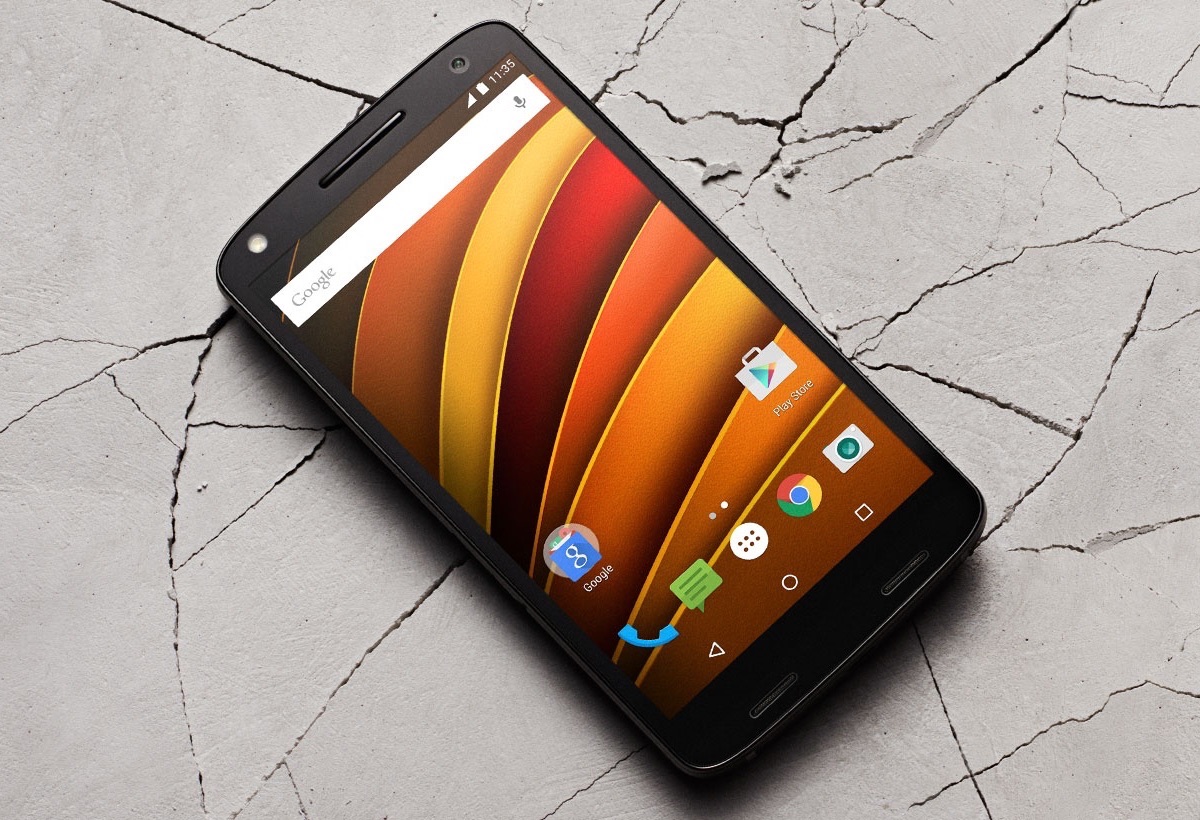
Motorola India has just launched a teaser for its upcoming Moto X Force smartphone. The device’s major highlight is its shatter-proof display which is gloriously demoed in this teaser while taking a jibe at some other well known smartphones out there including the iPhone.
The teaser shows people dropping iPhones, Samsung devices and other devices in slow motion, capturing the many different ways in which the displays can shatter. At the end comes the Moto X Force which is dropped and comes out clean, without a single scratch to the display or dent on the sides.
Motorola claims to have integrated a ‘Moto Shattershield’ technology in the display of Moto Force which, it says, is the first shatterproof screen in a phone ever. The company feels confident enough to affirm the screen would stay intact for up to four years, owing to the multiple layers of different materials used in making it capable of absorbing shock and providing protection against cracking. The phone also boasts of two touchscreen layers, which make sure that the smartphone can be used even if one of the layers is cracked.
On the specs front, Moto X Force packs a 5.4 inch Quad HD display with a resolution of 2560×1440 pixels. It is powered by Qualcomm Snapdragon 810 octa-core chipset along with 3 GB of RAM. The two internal storage options of 32 GB and 64 GB are expandable up to 2 TB with the help of a microSD card.
The Moto X Force is set to launch in India by the end of January. Follow this space for more.
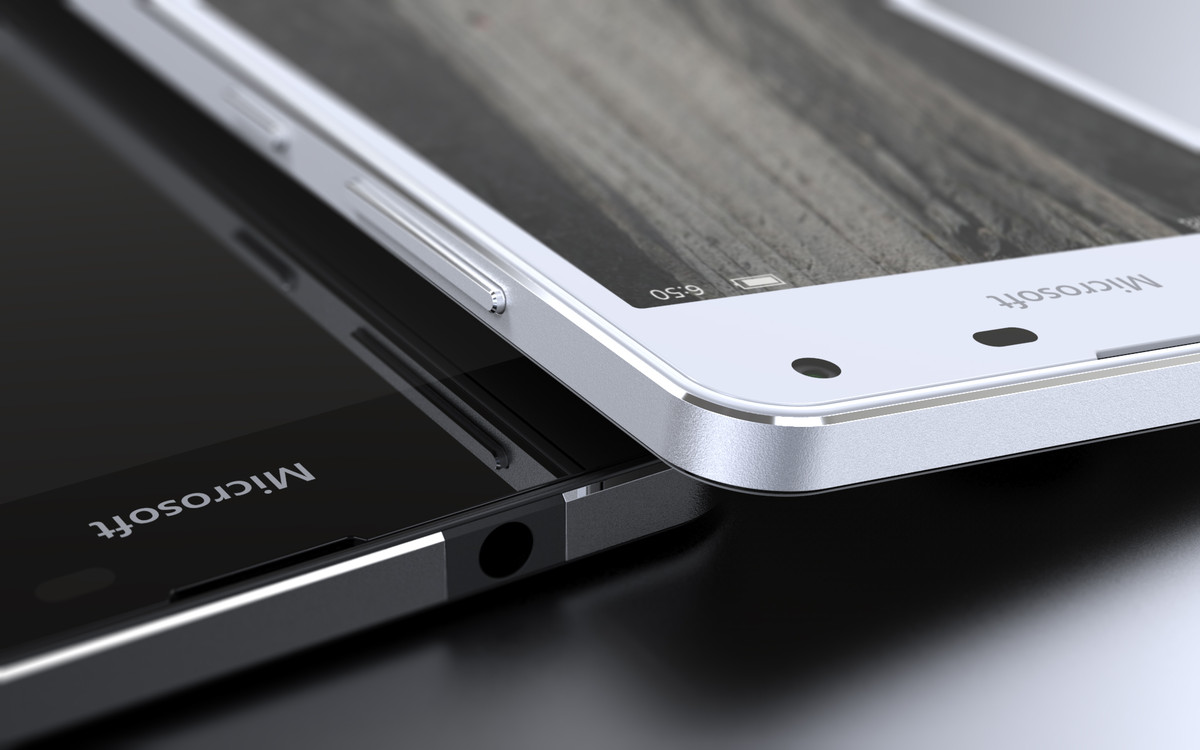
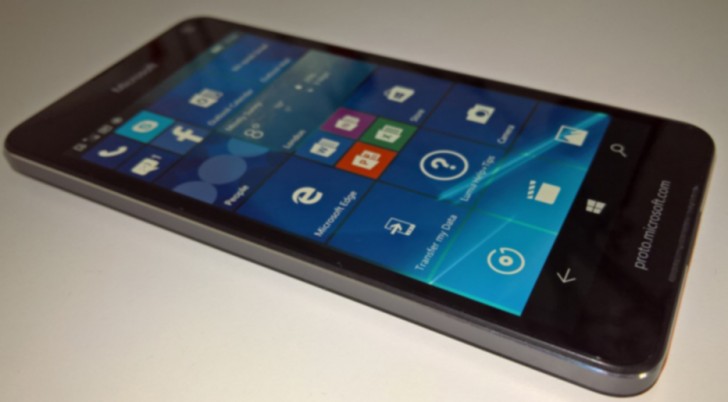
The official announcement of the Lumia 650 budget smartphone is just around the corner. Reports suggest that Microsoft is planning to unveil the device on the 1st of February. But that’s not all the rumours are suggesting. Word is that the Lumia 650 might be the only Lumia device from Microsoft this year.
This news contradicts earlier reports that Microsoft will also launch the Lumia 750 and 850. While some believe that the two devices are still on the cards, there are many who believe that the launch has been cancelled citing the reason that Microsoft wants to focus more on its Surface phone. Microsoft is planning to launch a Surface phone that will sport Qualcomm’s Snapdragon 820 chipset later this year.
The 5-inch 720p display Lumia 650 is likely to come bearing the Snapdragon 210 chipset clocking at 1.1GHz. A 2,000mAh battery pack in the 650 is small, especially when compared to the Lumia 640 (2,500mAh) and the Lumia 550 (2,100mAh).
Furthermore, it is the single-SIM variant that has been cleared by FCC with the model number RM-1152 suggesting the device will first launch in the United States. Microsoft will also offer a dual-SIM variant for the device.
From what the unconfirmed specs tell us, the Lumia 650 lacks both juice and power but does well with the exterior design, and a pricing of under Rs. 10,000 (similar to the Lumia 550) will be needed for this device to tempt the masses.
Google has unveiled a new Urdu language variant of YouTube in Pakistan. Users from the country will be redirected to the new web address YouTube.com.pk which will be a repository of local Urdu language videos from the country.
The launch of this new site is regarded as a step in the right direction to get the ban on the website revoked which has been in place since 2012. The new homepage, YouTube.com.pk, will boast of local language and content, but is presently not accessible within Pakistan. The blockade could be lifted in the coming weeks as the country’s Supreme Court is expected to come up with a decision whether YouTube should be accessible again or not.
Goutam Anand, Director of Operations and Content, YouTube Asia Pacific, had this to say about the launch, “With these launches, we hope to pave the way for the work of more local creators, personalities and musicians to shine on the world’s largest and most vibrant video community. To all our YouTube viewers and creators from South Asia and around the world, we can’t wait to see what you share.”
Apple’s iTunes Radio will no longer be a free streaming service. The company will add the ad-supported streaming service to Apple Music beginning January 29. Apple Music is a paid music streaming service that began last year. After the date, Beats 1, which launched alongside Apple Music, will be the only free music streaming service offered by the Cupertino company.
Apple launched iTunes Radio in 2013 in the United States and Australia. The streaming service lets you create custom stations based on genres or specific songs, much like Pandora and other internet radio services. The service is ad-supported and does not allow on-demand access to music.
Apple sent out emails to customers regarding its new change and also confirmed the same to BuzzFeed. iTunes Radio has already been a part of Apple Music since the latter’s inception, but users were still able to access iTunes Radio streams for free. After the 29th, Beats 1, Apple’s curated live 24/7 radio station, will be the only free music streaming option available.
The news follows and confirms Apple’s decision to discontinue its iAD App Network, the company’s mobile ads product.
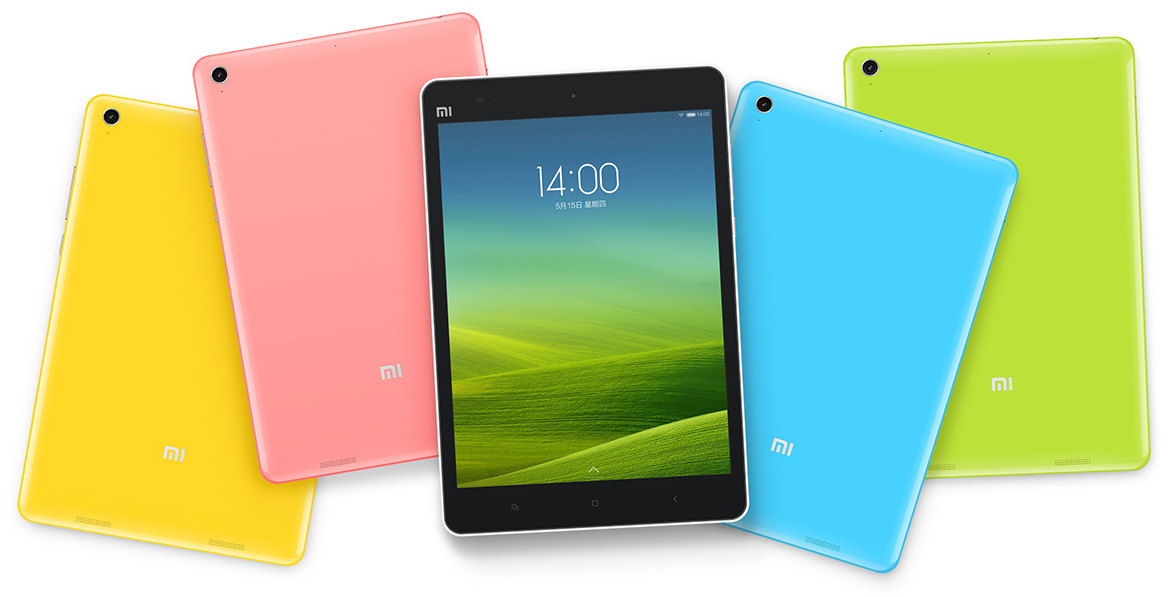
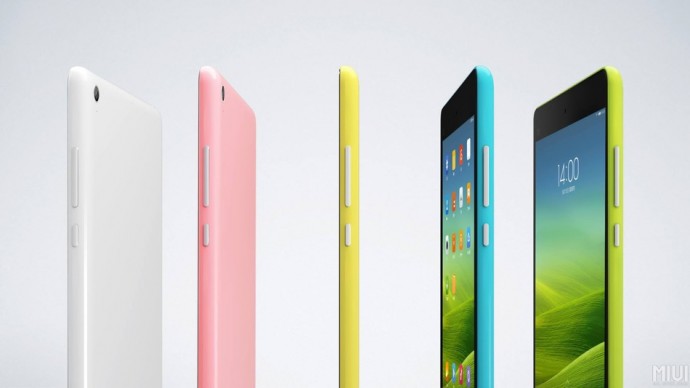
Mi India has slashed the price of the Mi Pad. The Chinese electronics major announced today that the 16 GB Mi Pad is now available for Rs 10,999, down Rs 2,000 from the original launch price of Rs 12,999 and can be purchased through its exclusive online partner Flipkart or on Mi.com.
The Mi Pad comes with specifications of a high-end device. The device is thin at 9.4mm and sports a 7.9-inch IPS display with a resolution of 2048×1536. The tablet is powered by a 2.2 GHz Nvidia Tegra K1 SoC ARM Cortex-A15 processor, 2GB RAM and 16GB inbuilt storage space. The Xiaomi tablet runs on Android 4.4 KitKat with MIUI skin on top. The device comes with an 8MP rear camera and a 5MP front camera, and has a powerful battery of 6700mAh.
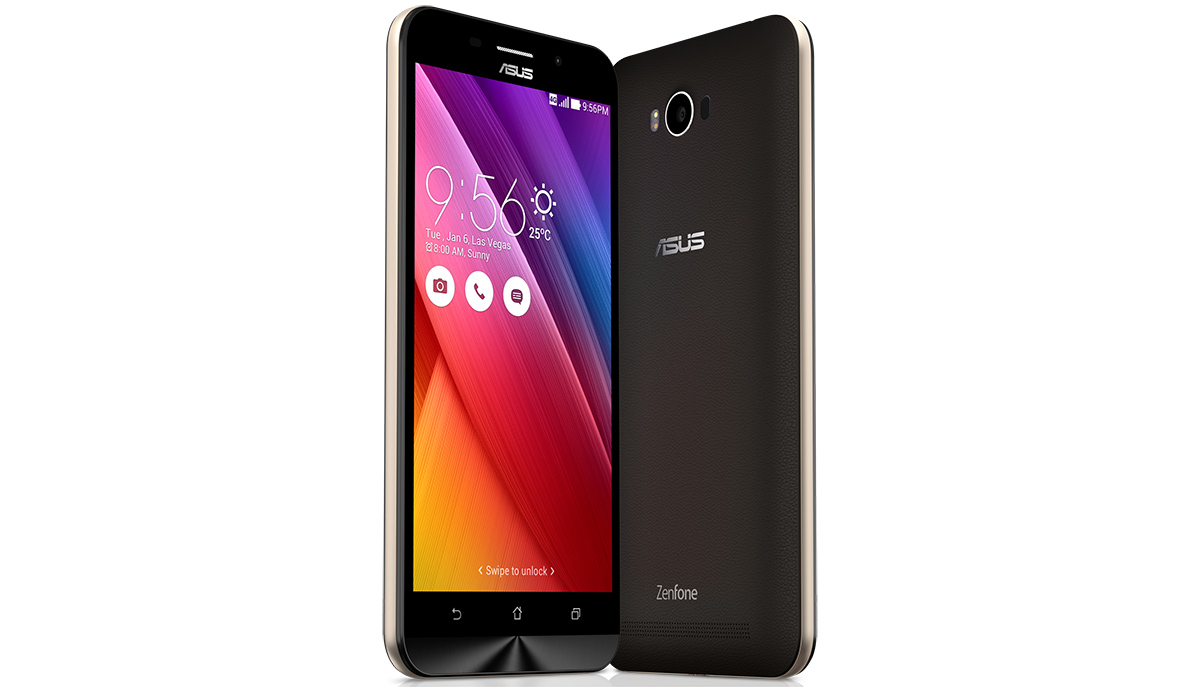
Asus India’s latest enterant to the already crowded market is a phone that sets itsellf apart from the crowd. The new Zenfone handset promises what its buddies couldn’t offer, a long battery life. The Selfie, and Lazer range phones albeit good, still did lack in stamina, and that is where this phone excels.
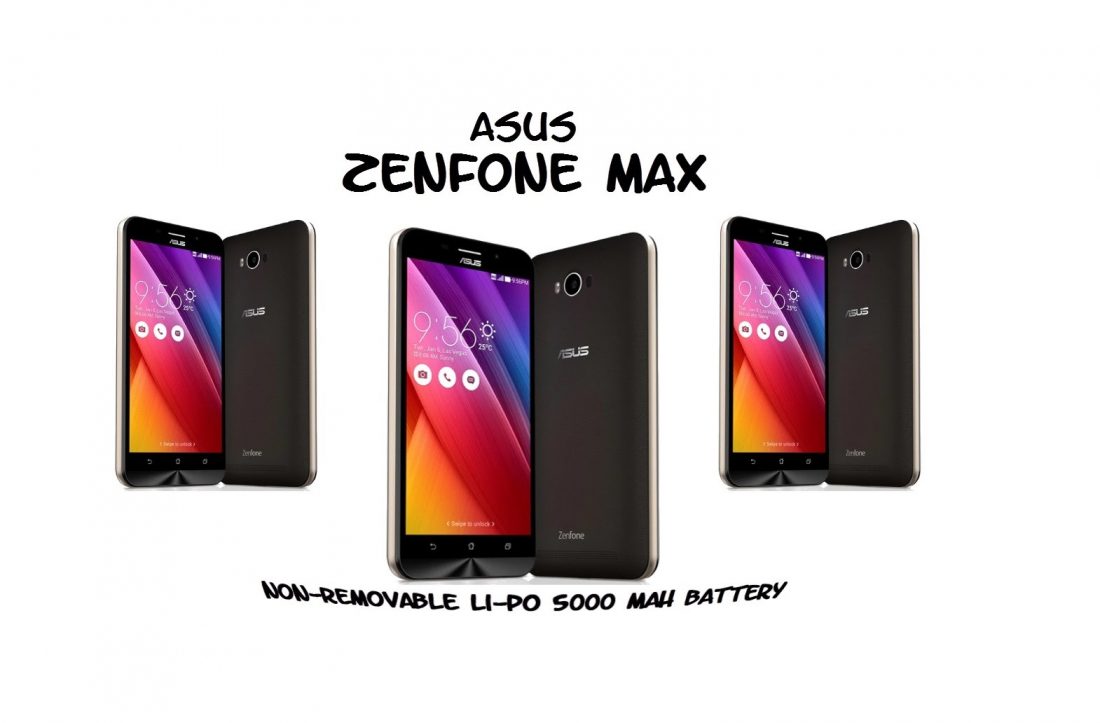
The Max, with it’s enormous 5000mAh battery, not only offers a phone that won’t die on you mid way through the day, but surprise surprise, it can also double up as a portable charger for other power hungry devices that might need some assistance. Well, that my friends, is an offer that even Don Corleone can’t refuse.
On the specifications front, the phone holds out its own in the crowded budget phone segment. ZenFone Max features a 5.5-inch HD (720×1280 pixels) IPS display which has 10 finger touch support and comes with anti-fingerprint coating. The phone is powered by a Qualcomm Snapdragon 410 quad-core processor which is paired with 2GB RAM, Android 5.0 Lollipop operating system and Adreno 306 graphics processor.
On the photography front, the phone integrates a 13-MegaPixel rear and 5-MegaPixel front PixelMaster camera with an f/2.0 aperture lens and laser auto-focus. It also comes along with a low-light mode that claims to capture up to 400 percent brighter photos at night or low light condition without utilizing the flash.
The Asus Zenfone Maxx has started retailing for Rs 9,999 , which to be honest is decent pricing for a phone with nice specs, and outstanding battery life, as such making it highly recommended.
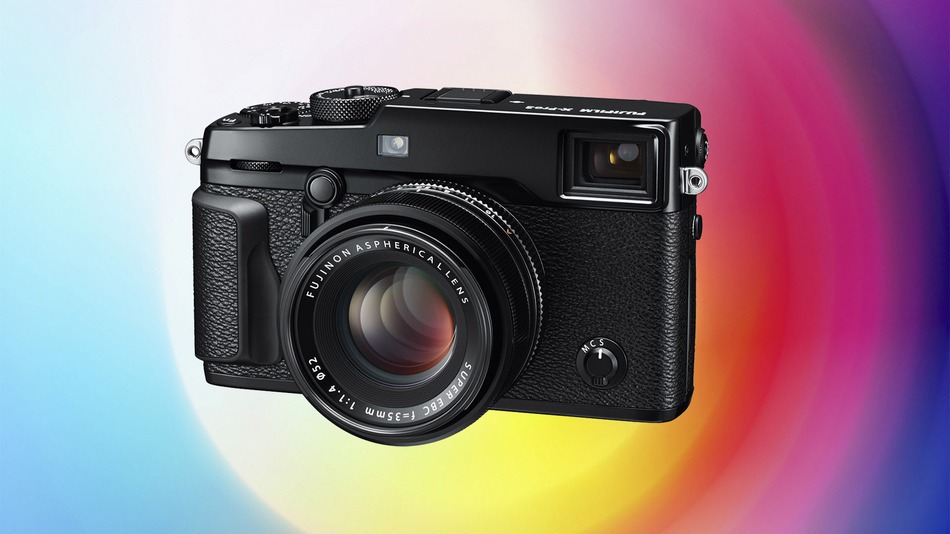
Fujifilm unveiled a trio of powerful new cameras that are sure to find eager buyers. The new X-Pro2 is the biggest of the lot and the successor to the X-Pro1. These new cameras dare the camera world which is already being dominated by the likes of Sony’s A7R II, which won the Camera of the Year, according to Popular Photography.
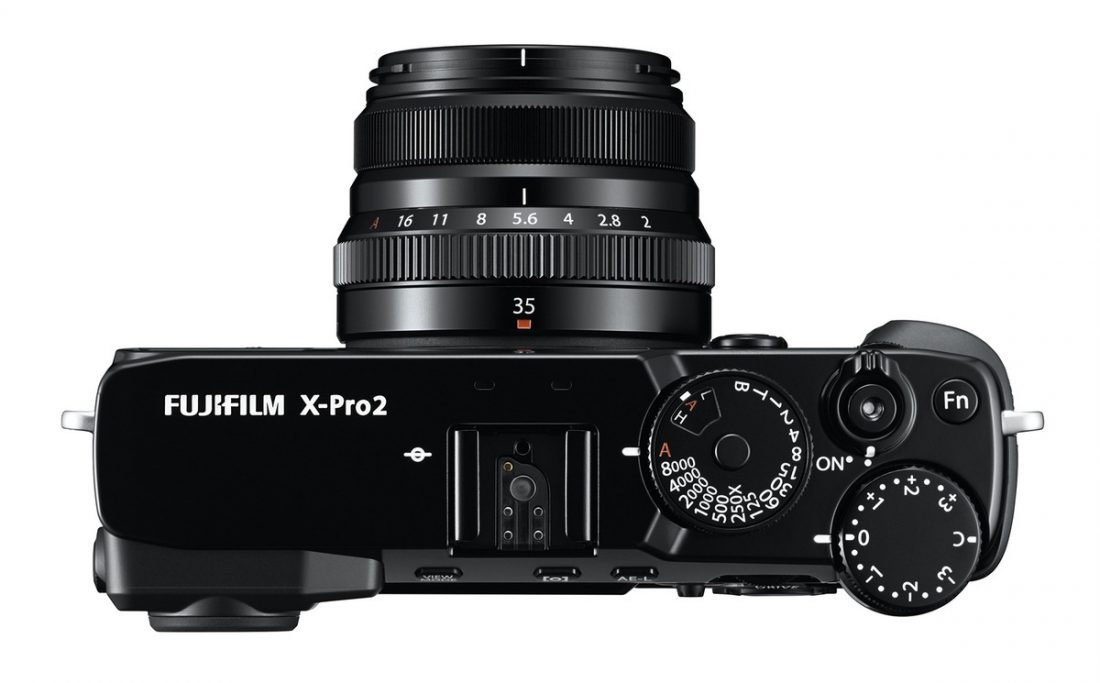
The X-Pro2 comes with a new 24.3-magapixel X-Trans CMOS III sensor which is powered by the X-Processor Pro image processor. It takes 0.08 seconds for the camera’s autofocus to lock on to a subject and continuous shooting is at 8 frames per second. The ISO range goes fro 100-51200. Beautiful timelapses are guaranteed with the built-in interval timer that can shoot up to 999 frames. The maximum mechanical shutter speed has been doubled up to 1/8000 seconds.
X-Pro2
The X-Pro2 is dust and splash-resistant like the X-TI with 61 points. While the camera cannot go underwater, it will survive rainfall and splashes. The camera’s 3-inch screen is sharper with a 1.62-million dot resolution, and the camera comes with two SD card slots, one compatible with UHS-II Standards, and built-in Wi-Fi connectivity.
The only downside to the X-Pro2 is that it doesn’t shoot 4K video. The camera can, however, record full HD video at 1080p resolution at up to 60 fps. The camera comes with updated hybrid optical and electronic viewfinder. The camera also has a grain effect mode for grainy photos, which will win over film enthusiasts.
The powerful camera comes with a massive price tag of $1,699 and will be available in February.
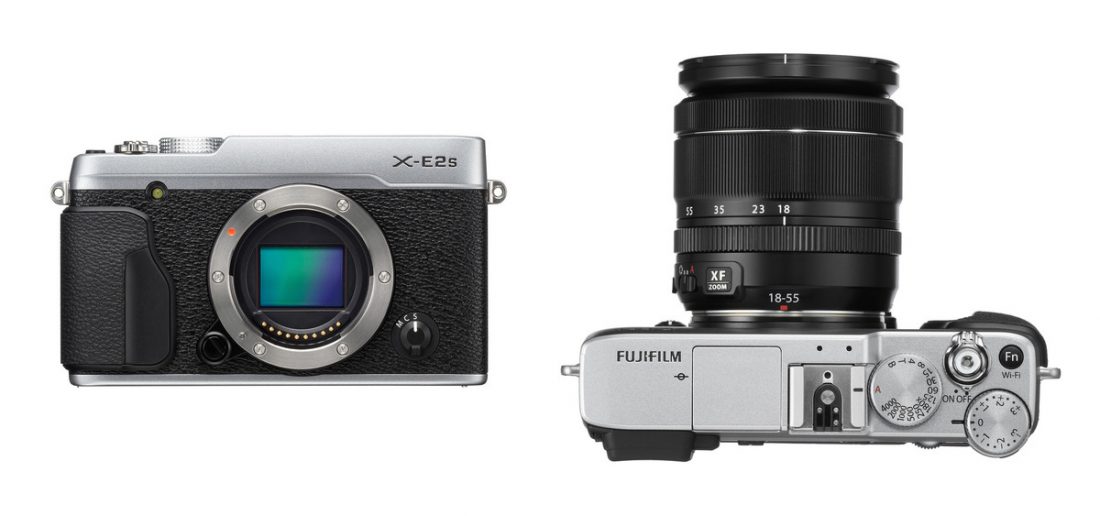
X-E2S
Meanwhile, the company also updated its mid-range X-E line. The $699 X-E2S comes with a 16.3-megapixel APS-C X-Trans CMOS II sensor, a 49-point single focus mode, 77-point wide-tracking mode for freezing quick moving subjects, and ISO sensitivity up to 51200. Like the X-Pro2, the X-E2S records 1080p full HD video at up to 60 fps, and comes with a built-in interval timer and Wi-Fi connectivity. Though cheaper than the X-Pro2, the X-E2S packs some powerful specs and is a great choice for advanced photographers.
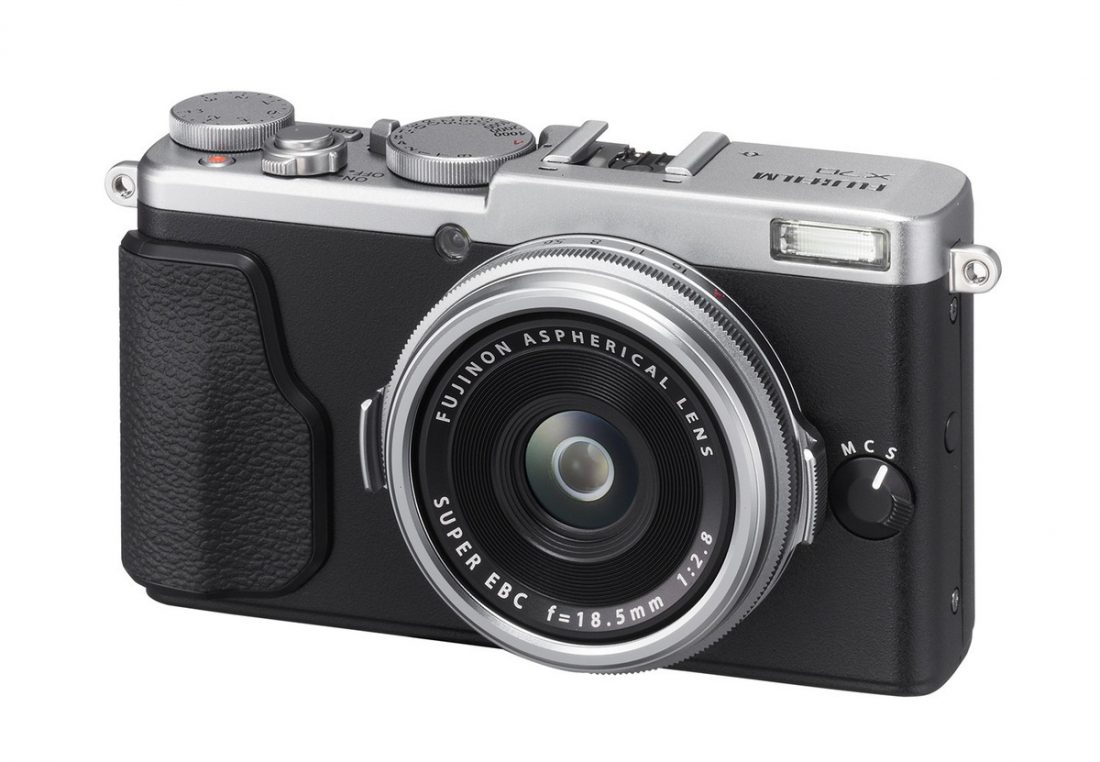
X70
The X-70 is priced exactly as the X-E2S and comes with a 16.3-megapixel APS-C X-Trans CMOS II sensor and a fixed 18.5mm lens with f/2.8 aperture, and ISO sensitivity up to 51200. The X-70 includes all the features seen in the X-E2S like 1080p video recording at 60fps, interval timer and Wi-Fi. The 3-inch screen here is a touchscreen and tilts 180-degrees. Both the mid-range cameras will be available in February as well.
One of the coolest, and most loved things about the iPhone 6s and 6s Plus when it launched was the inclusion of Live Photos. A really fun feature to use, it helps you click photos with short video clips just, and after the photo so that you can immerse yourself in the emotion of the photograph whenever you look at it.
It’s a fun feature, but not something ground-breaking that we expected Android to bring to their devices, but such is the lack of ingenuity in the smartphone market these days that we have Samsung’s already porting the idea on to their next flagship.
According to reports, Samsung is planning to bring a Live Photos-like feature to the Galaxy S7 under the name of Vivid Photos. But, Samsung’s version will be a bit different than Apple’s offering. Vivid Photos will not capture sound, but only the image. These images will be saved as GIFs, and will be particularly of interest to users who’ve struggled to upload Live Photos on Facebook. Let’s see if Vivid Photos works as well for Samsung as Live Photos did for Apple.
Rumors of Apple finally shifting to OLED displays for its iPhones aren’t going away. It looks like Samsung is set to be the primary OLED supplier for the new iPhones as the Korean giant gets ready to invest up to $7.27 billion depending on order levels.
Now, while the shift to OLED panels is imminent, the move will only happen in 2018, which means that the upcoming iPhone 7 will continue to sport LCD displays. Currently, the Apple Watch is the only device by the Cupertino giant that sports an OLED display.
Earlier, it was rumored that both Samsung and LG will be the suppliers for the OLED panels, but it looks like Apple’s love-hate relationship with Samsung trumps all. Though this doesn’t completely rule out LG as a supplier.
No official statement has been released by either companies yet, but insiders have claimed that the contract has been signed. Furthermore, it is rumored that Samsung is planning to invest up to $7.47 billion in its display business. This would go towards equipment, plant improvements and staff to increase production loads.
The investment will be broken down to into an initial $2.49 billion to $3.32 billion this year, so that the company can begin production of 30 000 to 45 000 OLED sheets per month. Another set of recent rumors also suggest that Apple has a secret lab in Taiwan where where former Qualcomm and AUO employees are working on developing micro-LED screen tech for thinner, lighter, and brighter displays for the iPhone, though we’ll know how much of the latter is true once the next set of iPhones come out.
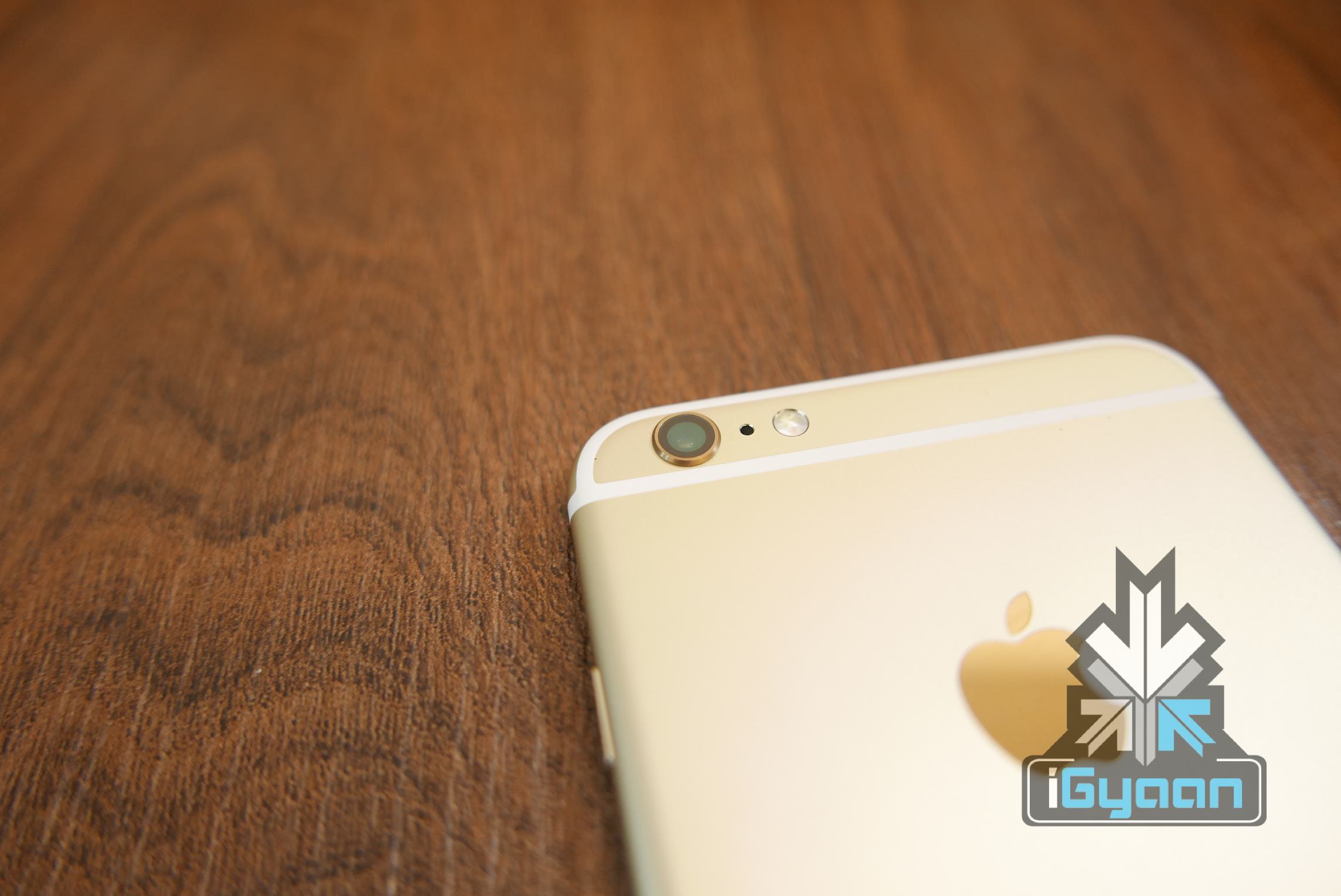
The iPhones may not have specifications as highly marked as its counterparts from other companies but when it comes to performance, looks like nothing matches up to Apple’s user interface. Proving this right is AnTuTu’s list of smartphones from 2015 rated in terms of their performance.Talking strictly in terms of raw processors, iPhone 6s Plus has won hands down, beating competition from devices by Samsung and Huawei. The test ranks these smartphones in terms of their average benchmark scores.
iPhone 6s Plus has acquired the top spot on the chart by a big margin, with no contender in sight capable of dethroning it. For more specs, details and a hands on of the device, click here. Surprisingly enough, iPhone 6, which was launched in 2014 also made it to the top 10 based solely on its performance.
With companies working around the clock on improving their tech with every passing day, let’s see if they manage to dethrone Apple from its top position in 2016. What do you think of Apple devices, are they truly as worthy as this list makes them sound? Let us know in the comments below.
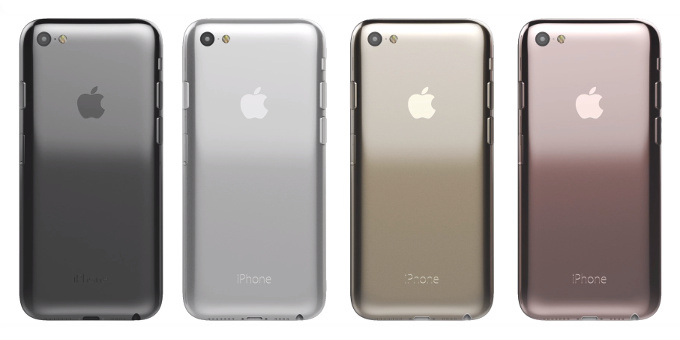
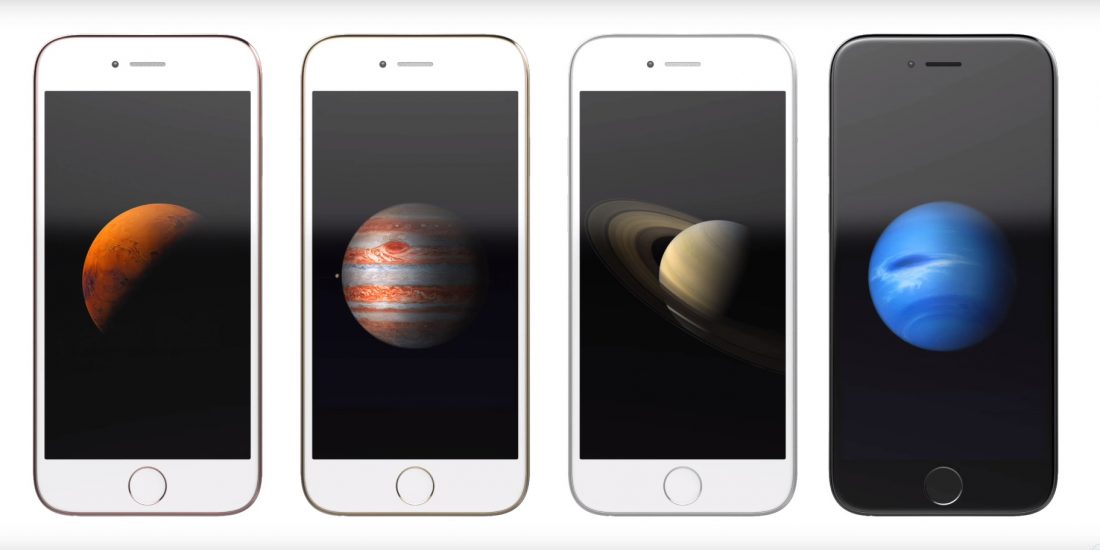
Here’s a little visual treat for all Apple fan-boys and girls. New iPhone 7 concepts have emerged online, and who are we kidding? Speculating about one of the most significant events of the tech world just became so much funner. Yes, Apple is going to come out with another fancy device, all set to burn a major whole in our pockets. But that’s not going to stop us from talking about these new concepts.
Arthur Reis is the artist of the concepts and he borrows from the designs of both the old and the new Apple devices to give us a glimpse of these new babies. The front of the renders reminds us a lot of iPhone 6/6s while the back is definitely reminiscent of iPhone 3G and 3GS.
Speculations do suggest that Apple may go back to one of its older devices for inspiration with the iPhone 7 but nothing seems confirmed at this point. While rumours about a waterproof iPhone which may be sans a headphone jack are all over the place, Apple has dropped not even the slightest of hints of what the device could possibly lbe like. We’ll have to wait patiently for the September event of the company, because that’s when we expect the iPhone 7 to arrive. Until then, there are only rumours and speculations to go on with.
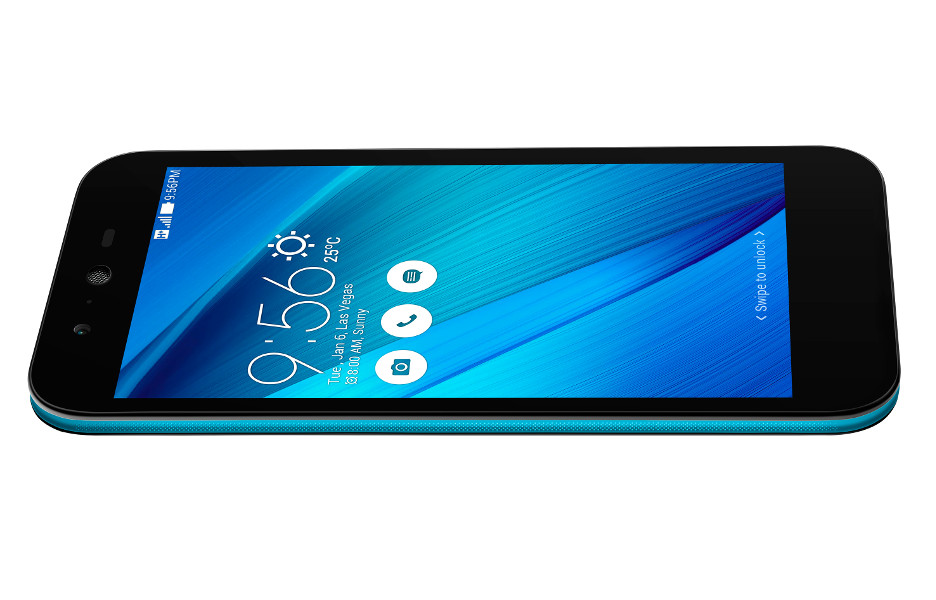
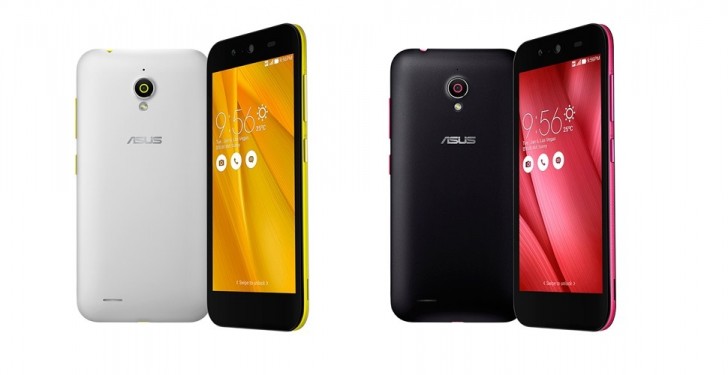
Asus has come out with a new mid-ranger, Asus Live. It has been launched in Brazil with its specs reminding us a lot of the Zenfone Go.
In terms of hardware, Live is modeled heavily on the same lines as its predecessor. It comes with a 5 inch display with 720p. It has 2 GB of RAM and 16 GB of internal storage, and is powered by the MediaTek MT6589 SoC. On the camera front, the phone has an 8 MP main camera with f/2.0 aperture and a 2 MP selfie camera. Live is further equipped with Dual SIM support and a 2,070 mAh battery. However, the phone doesn’t offer LTE support.
The dimensions of the device once again remind us of Go. Live measures 144.5 x 71 x 9.98 mm and weighs 140 grams, just a little bit heavier than Go. The new Asus device however has a different colour variants to offer at the time of its launch; they are – Blue, Pink and Yellow. Asus Live is priced at 849 BRL (close to about Rs. 14,000). Let’s see when do we get to see the device in India.














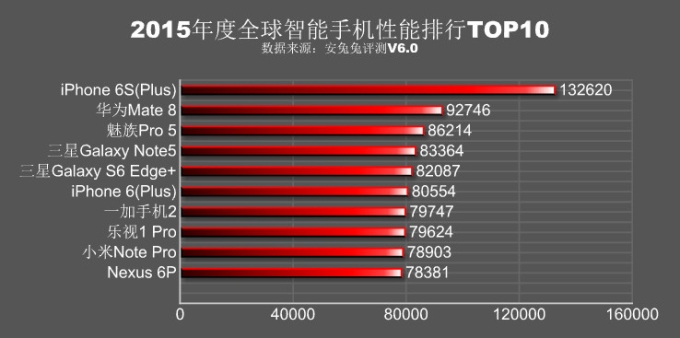 Talking strictly in terms of raw processors, iPhone 6s Plus has won hands down, beating competition from devices by Samsung and Huawei. The test ranks these smartphones in terms of their average benchmark scores.