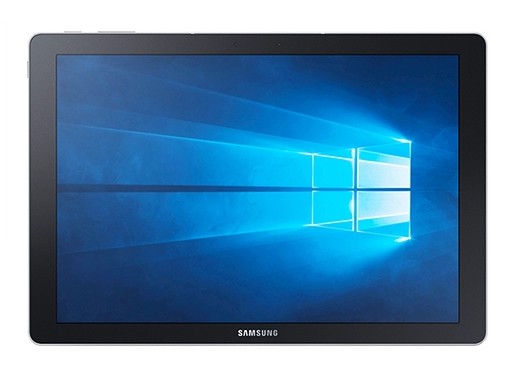
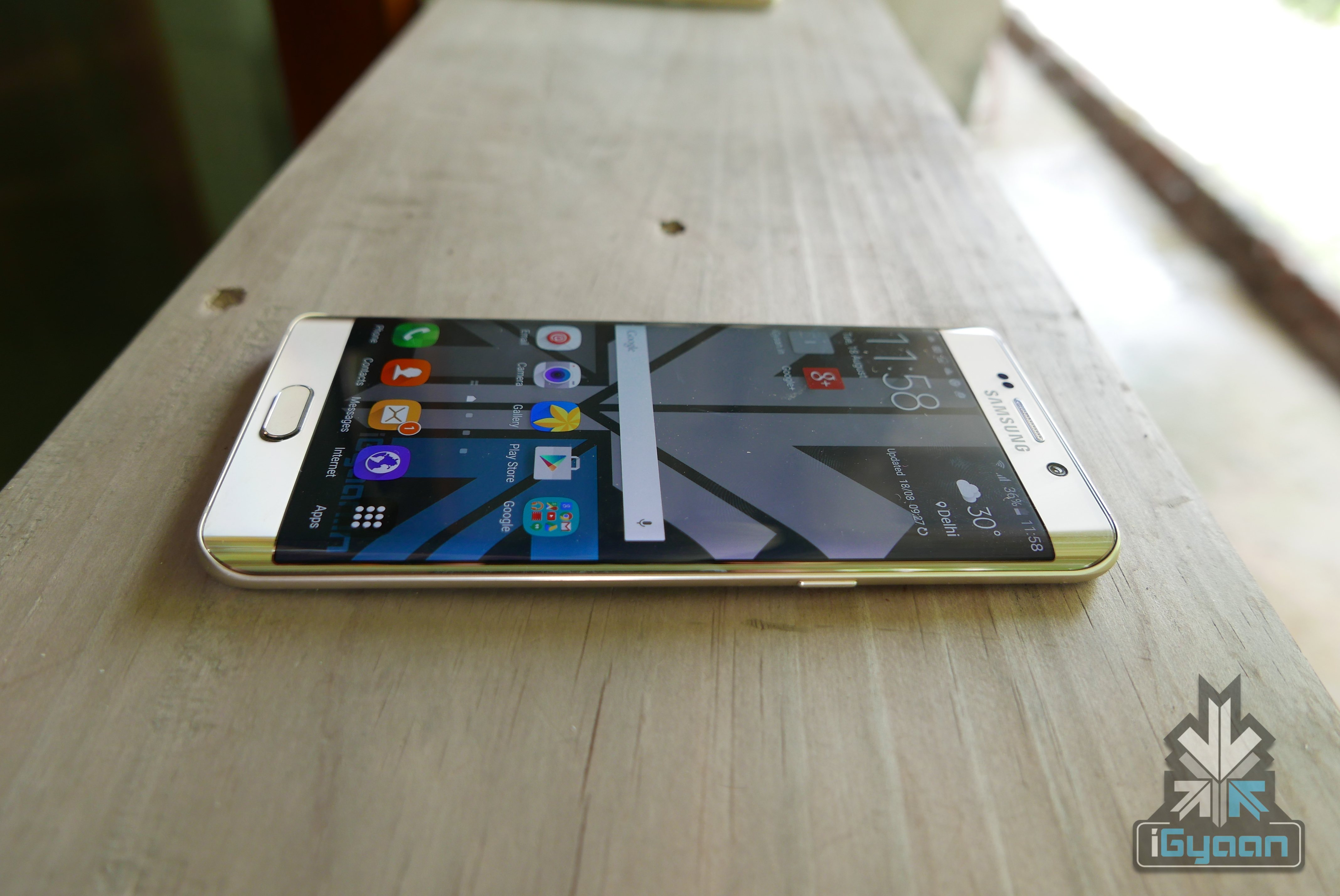
The long wait is finally over. Samsung, after having ignored the Windows OS platform for sometime now, has come to the market with a Windows 10 based tablet. The Galaxy TabPro S, is a sleek tablet, which at its size is thinner than it’s main competitors, the Apple iPad Pro, and the the Surface Pro. Samsung at CES,2016 gave a sneak peak into this new offering from its stables.
The product from the outside looks better than most other Android tablets that Samsung has in the market. With its detachable keyboard case, and stylus input bears, it’s more than a passing resemblance to Microsoft’s very own Surface Pro lineup. Because of its fanless design, it runs at a sleek 6.3 mm.
Inside this frame of it, the Galaxy Tab Pro S houses a dual core 2.2 GHz Intel Core M Processor. This, paired with 4 GBs of Ram, and 128 GB/256GB of storage space, works wonders with the Windows platform to give users a smooth, stutter free experience. The TabPro S also comes equipped with a rear 5 MP camera, and a 5 MP front camera.
On the connectivity front, it comes with Bluetooth, Wi-Fi, and option of LTE connectivity, but sadly no HDMI, and USB ports are to be found on the TabPro S. A 12 inch Samsung Super Amoled display on the outside running a resolution of 2160×1440 is arguably the star of the show here. It’s bright, colourful, and much like the other displays on Samsung devices, has brilliant viewing angles.
The Tab comes with the much loved USB Type C Port which charges a cool 5,200 mAh battery packed inside the case.
The TabPro S, with it’s sleek looks, under the hood hardware combined with the fact that it’s running the fast growing Windows platform looks to be a sure winner. Pricing, and further details are expected by February.
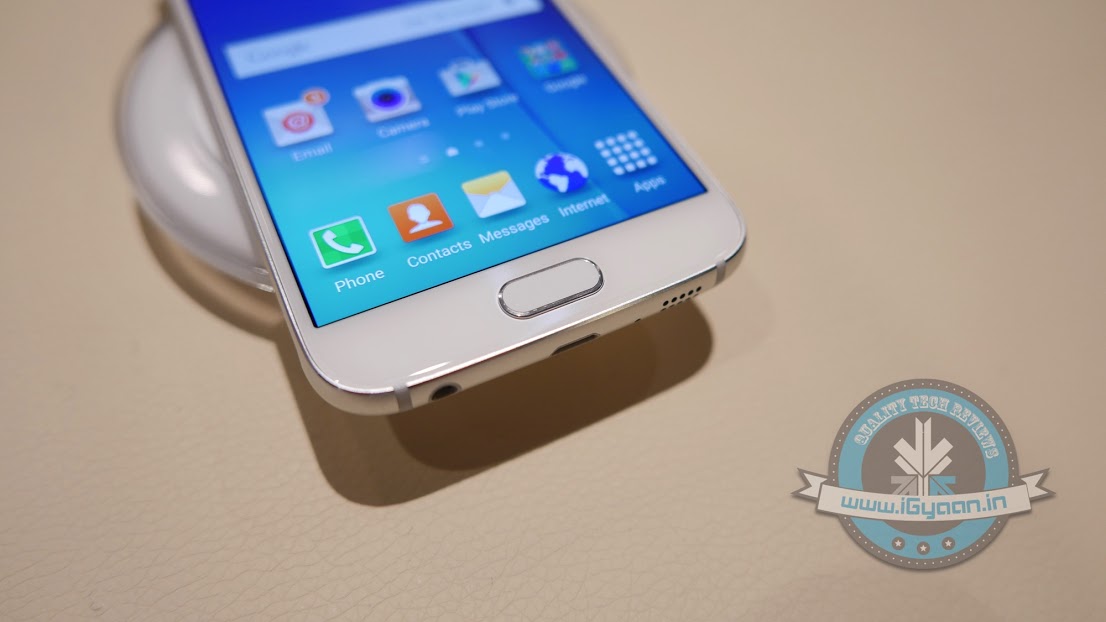
The Samsung Galaxy S7 is reportedly going to be unveiled on February 21st and be up for sale in the market by March. To the dismay of buyers, it won’t be launched at CES. It seems like a long wait before the S7 is up for grabs, but in the meantime, here is a round up of everything we know so far about the phone.
Variants
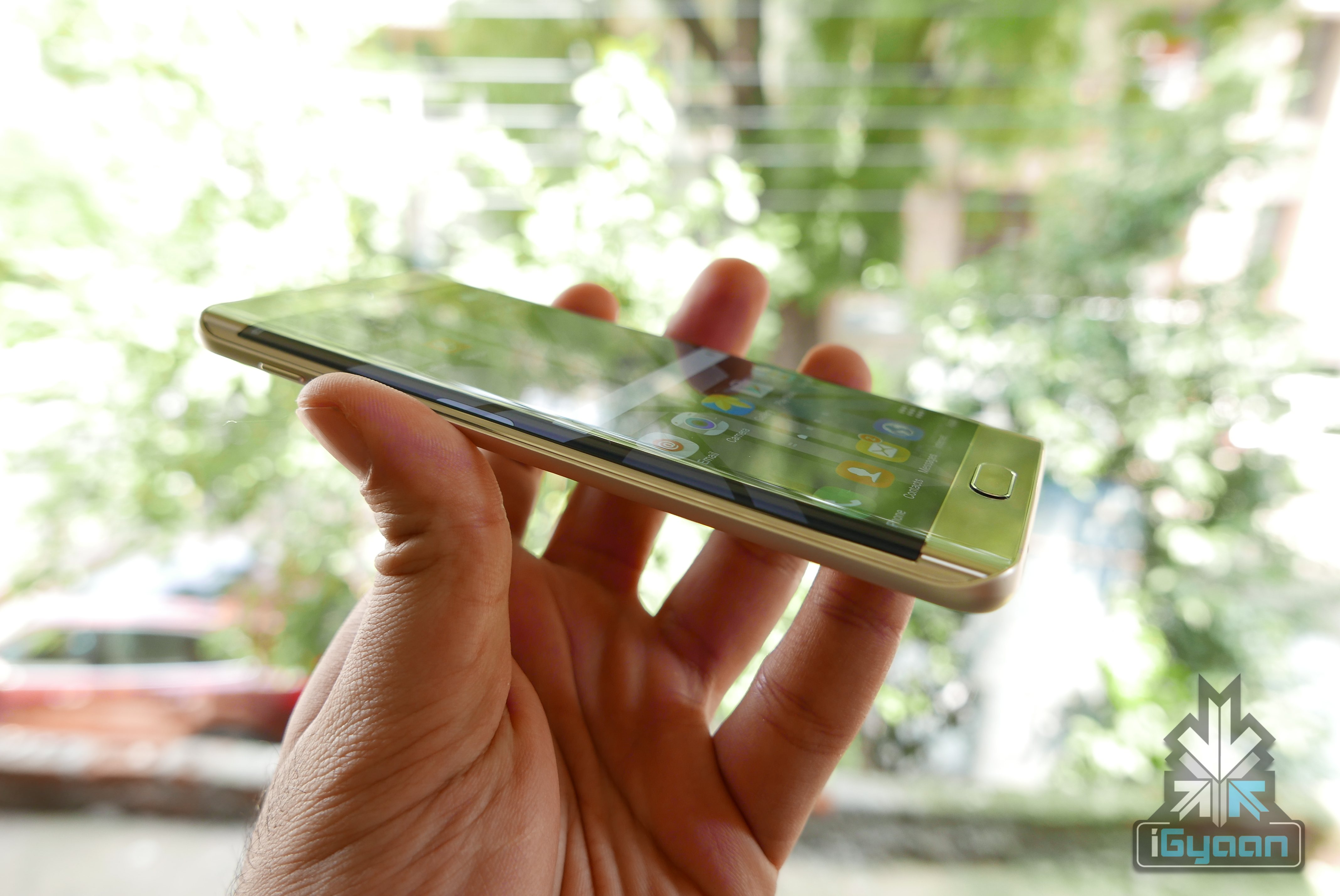
South Korea’s Electronic Times has reported that Samsung’s initial production would include 5 million Galaxy S7 handsets. The new flagship of the company would have two variants, a 5.2 inch Galaxy S7 and a Galaxy S7 Edge with a larger curved screen of 5.5 inches. The division between the two variants would include 3.3 million S7 phones and 1.6 million S7 Edge phones.
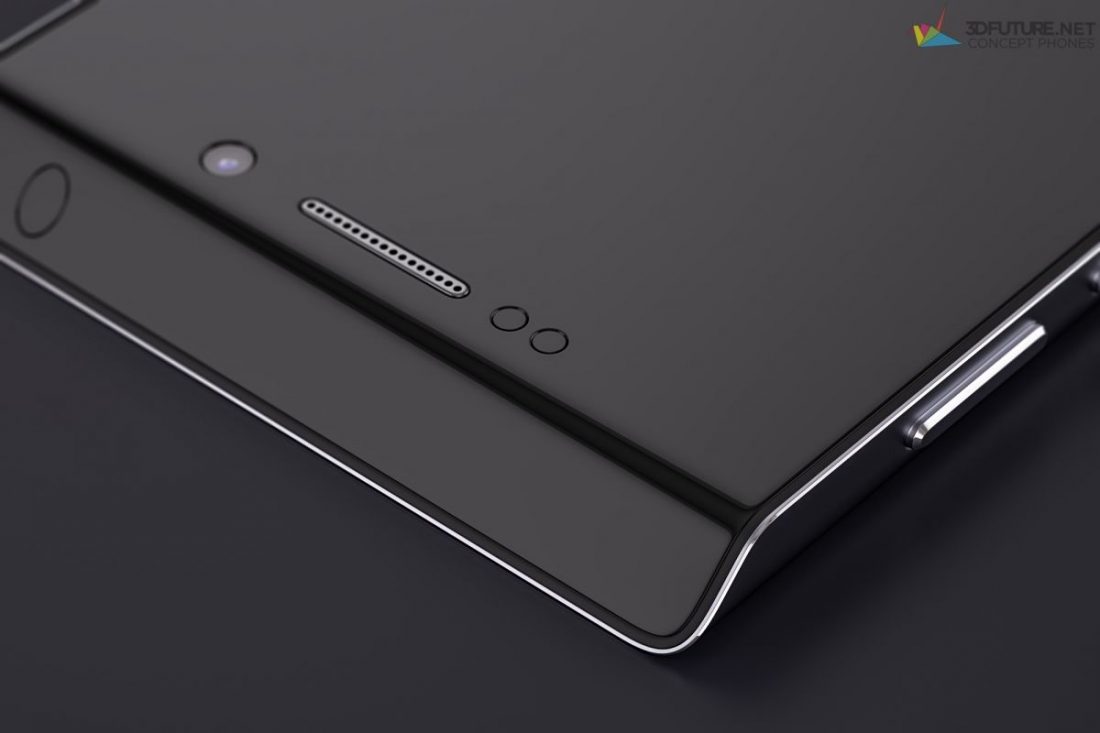
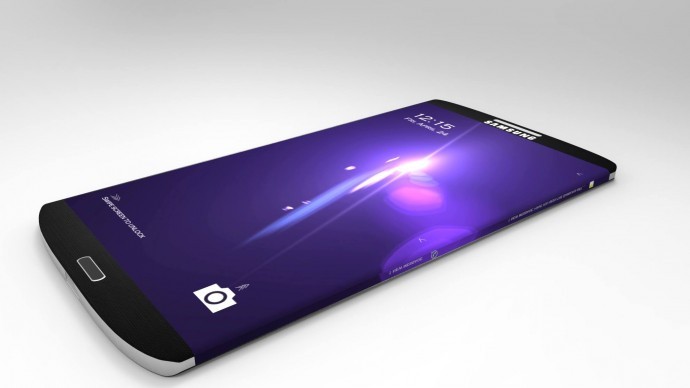
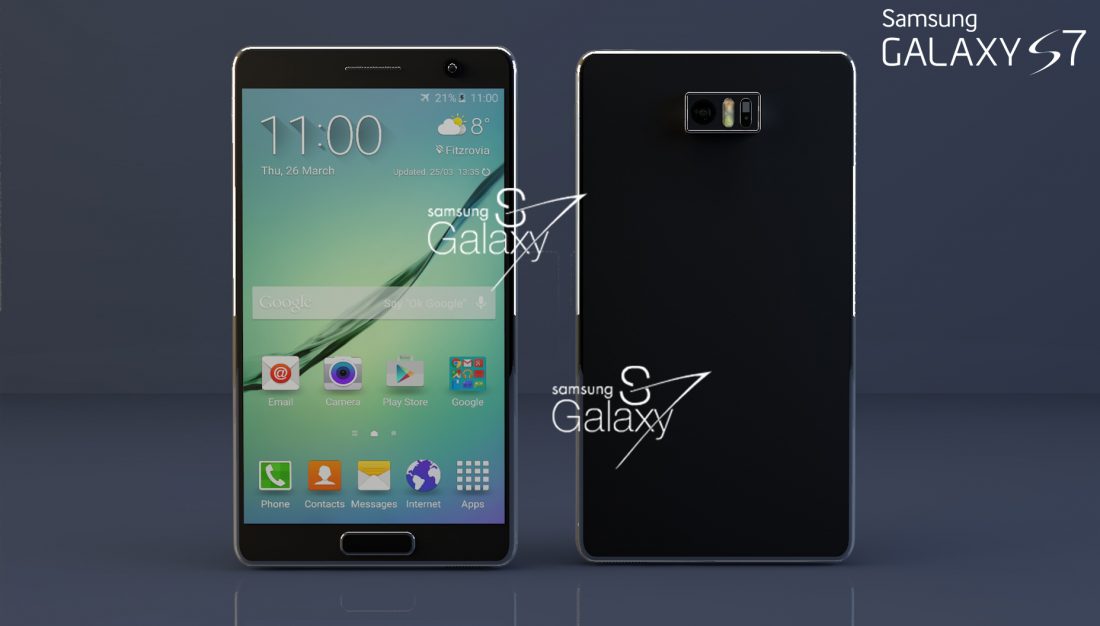
Samsung S7 Concept
Samsung is creating a buzz about its next rumoured smartphone, the Galaxy S7 Premium Edition. According to rumours, this phone will only be offered in South Korea and could feature a 4K display with a dual-lens camera module made by Sony. Reports suggest that the Exynos 8890 for the Galaxy S7 Special Edition will come with the Mali-T880 and 14 cores.
Display
Samsung Galaxy S7 is likely to arrive with a pressure sensitive display.Though Samsung is tight-lipped about its new smartphones, its silence hasn’t done much to keep speculations and rumours in check as Wall Street Journal reports that the display of S7 will be pressure sensitive. Looks like Samsung is all set follow in the footsteps of Apple which cannot stop talking about the 3-D Touch of the iPhone 6s and 6s Plus.
The S7 will have a 5.2 inch display while the S7 Edge will have a 5.5 inch curved display. The company is expected to incorporate 4K display in its flagship devices.
Bigger Battery
The phones will have larger batteries that would make them last longer than their predecessors. The S7 will come equipped with a 3,000 mAh battery while the S7 Edge will be marked at 3,600 mAh. The S6 and S6 Edge have 2,550 mAh and 2,600 mAh battery capacities respectively. While the S7 batteries are the best Samsung has offered so far in its flagship, they would not be user-replaceable. But you can still expect the S7 to charge wirelessly in 2 hours and S7 Edge in 2.2 hours. The Type C USB Port of the devices would ensure significantly faster charging.
Camera
BRITECELL is Samsung’s new camera technology that is expected to be part of the upcoming Galaxy S7. The technology will be showcased at CES and viewers will get a sneak peek into what they can expect from the flagship handset, at least on the camera front.
It has been speculated for a while that Samsung is looking to improve its camera quality rather than upgrade its pixels. So a 12 MP camera for the S7 series wouldn’t be all that surprising.
MicroSD Card Slot
The Galaxy S7 might come with a microSD slot for memory expansion and therefore improve on a feature that most people had a problem with in the previous installments of the Galaxy line-up.
Chipset
The Galaxy S7 will arrive in two variants – one powered by the new Snapdragon 820 chipset and the other being Exynos 8890. The Exynos 8890 has earned a record score of 100K in the AnTuTu benchmark test and has beat out competition from the likes of Huawei’s Kirin 950 SoC (79K points) and the Mate 8, which secured more than 94K points.
Dust and Water-Proof
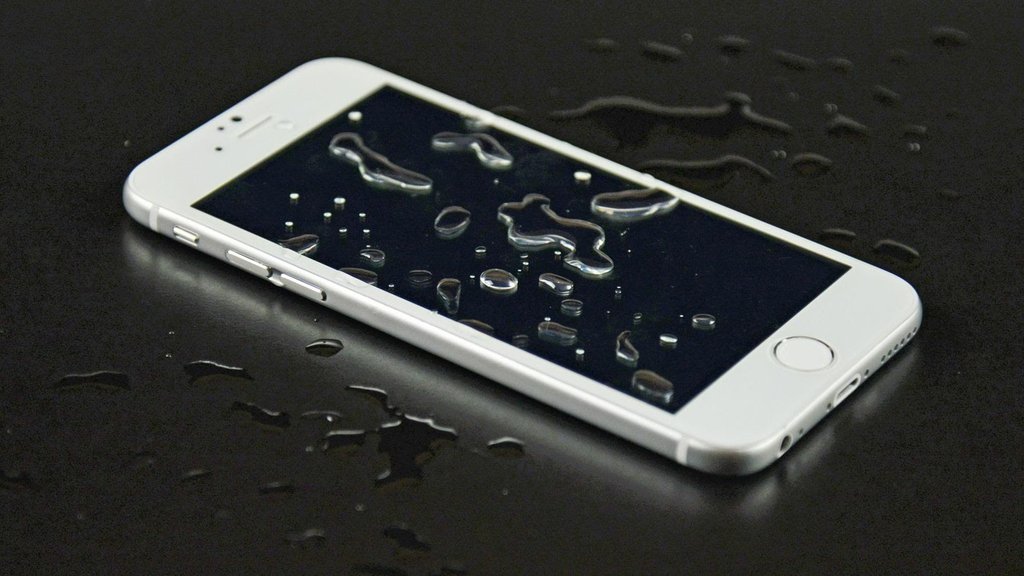
Samsung Galaxy S7 flagship devices will be waterproof. They are also expected to arrive with an IP67 rating which makes them dustproof as well.
Design
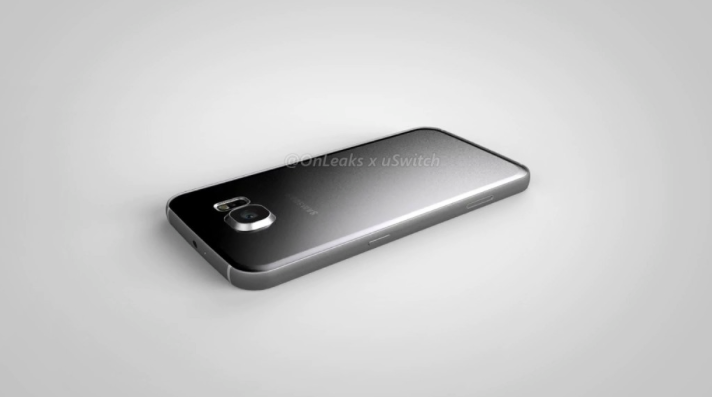
The new smartphone might use magnesium alloy in the construction of its body. While, the Galaxy S6 uses an aluminum frame and a glass body, the S7 could be Samsung’s first full metal flagship device, ever. The reason for this is reportedly because the metal is lighter and more durable as compared to its glass-bodied devices, plus magnesium generates much less heat than aluminum, which is something the smartphone industry is definitely looking at as a feature in all their phones.
The flagships will not be entirely new smartphones but simply upgraded and improved versions of the S6 series, similar to what Apple has been doing with its iPhones.
There are also rumours of a retina scanner as well to be included in the smartphone. Watch this space for all the latest updates on the Samsung Galaxy S7 devices.
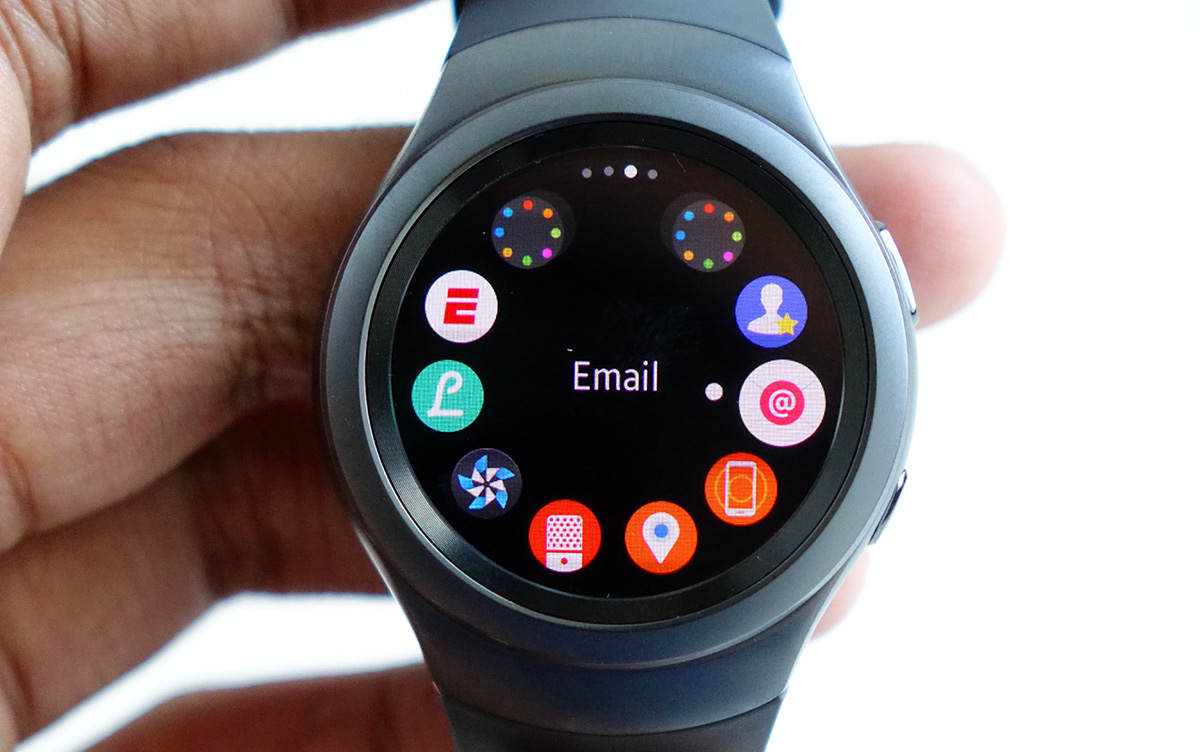
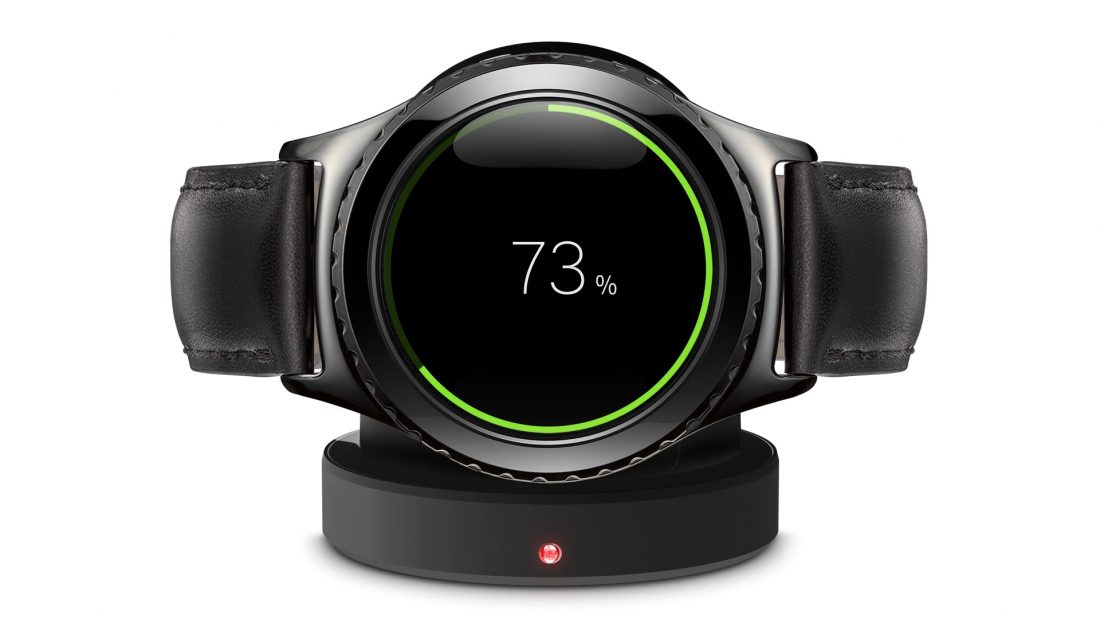
Samsung’s day at CES 2016 is now over. The company made some big announcements in technology today, one of which concerns the Tizen-powered Gear S2 lineup. Samsung’s newest wearables will be available in platinum and rose gold variant. But this wasn’t the big announcement we’re talking about. The Gear S2 will be iOS compatible later this year. As of now, the wearables can only work with an Android device.
now while Samsung promises seamless connectivity with iOS devices like the iPhone or iPad not all features in the device will be made accessible. Samsung Pay, for example, which is yet to roll to the smartwatch, is not likely to be iOS compatible, and will rather require a Samsung device for it to work.
Samsung’s decision to have its wearable work with iOS devices will be especially beneficial for those who aren’t all that excited about the Apple Watch (mostly due to its pricing), but are still keen on sporting smartwatches.
Samsung hasn’t revealed the precise date when the iOS platform for the Gear S2 will be rolled out to the public. You can expect Apple to take point on this as this is likely to affect sales of the Apple Watch once the cross-platform compatibility is made available.
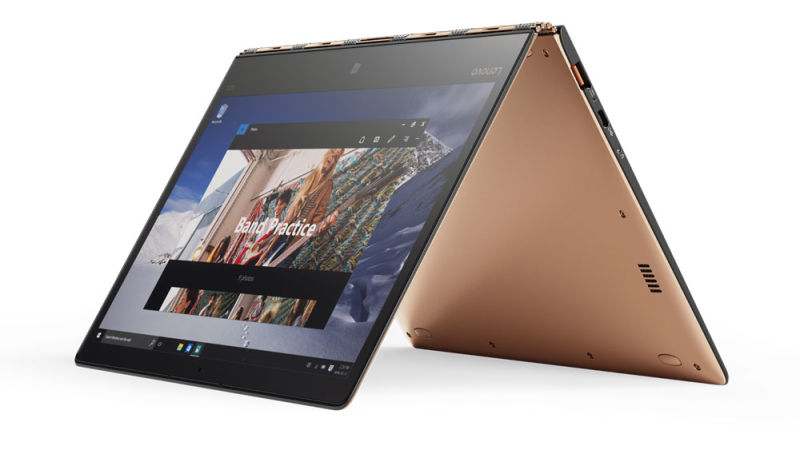
The Consumer Electronics Show (CES) 2016 doesn’t officially begin until Wednesday. However, the conference kicked off today with CES Unveiled, where some companies were allowed to preview their products in a smaller, closed space with limited numbers. Lenovo was one such company that kicked off the event with a bang, unveiling a bunch of products, among which is the Lenovo 900S convertible laptop.
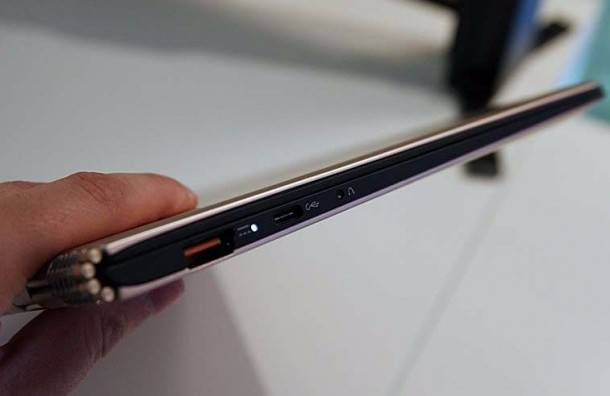
The new Lenovo Yoga 900S, which is a spinoff of the Lenovo 900 that was unveiled at last year’s CES, is officially the world’s thinnest convertible laptop weighing at 2.2 pounds (0.99kg), making even the 3 pound MacBook Air look a little bloated. The 12.5-inch QHD display hybrid laptop also promises up to 10.5 hours of battery life thanks to Intel’s low energy Core M processors powering it, which means the performance of the laptop will take a hit.
That’s not all. Because of its carbon fibre construction, the Lenovo 900S measures at an incredibly thin 12.88 millimetres, which is the same as the iPhone 3GS. The laptop also comes with an active stylus for drawing. Starting at a price of $1,099, the Lenovo 900S will be available in the US in March. It’ll be interesting to see just how well a thinner, lighter laptop from Lenovo will do.
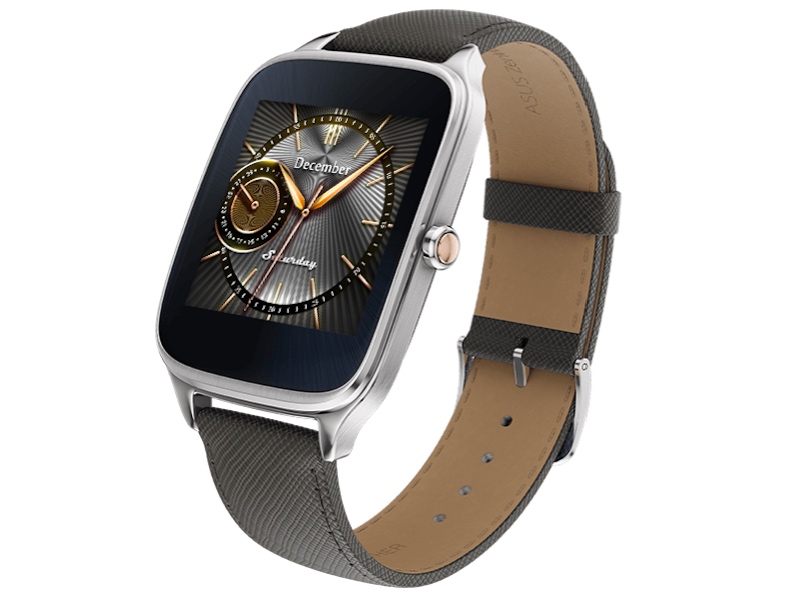
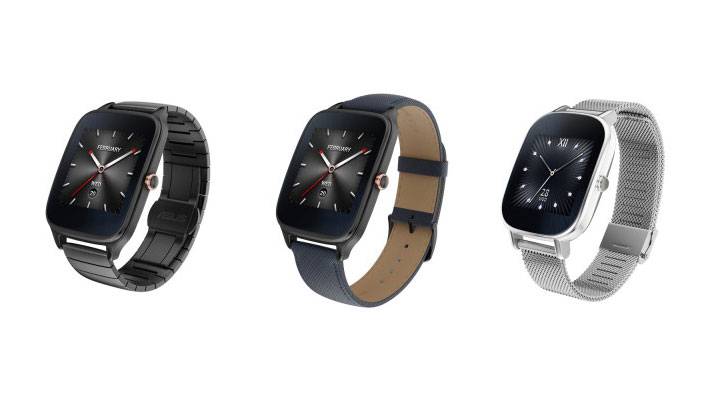
The long wait is over. It’s been almost 7 months from the date that Asus first announced its plans for this second generation SmartWatch, and finally today the ZenWatch 2 has hit Indian markets.
The successor to the first ZenWatch comes in two sizes, 1.45-inch (WI502Q) and 1.63-inch (WI501Q). They are priced at a cool Rs. 11,999 and Rs. 14,999 only, and considering the price tags with which previous Android wear smartwatches have been released in the country, this at least on paper, looks like a smart buy.
The ZenWatch 2 variants come with Gorilla Glass 3 protection, and are run by the quad-core Snapdragon 400 Soc chipset, paired with 512 MB of Ram. Internal storage as revealed is 4GB, and the smartwatch comes equipped with Wi-Fi, and Bluetooth 4.1 to ensure continued connectivity.
The 1.45-inch variant sports an Amoled 273 ppi 280×280 resolution display, while the 1.63-inch variant comes equipped with a superior 278 ppi, 320×320 display. The smaller of the two siblings comes with 300 mAh battery, while the other model gets the juice it needs from a 400 mAh pack. The smartwatch interestingly is also one of the few Android Wear devices that can be paired with iPhones, and other iOS 6+ devices.
The ZenWatch 2 is currently being sold exculsively via Flipkart, but Asus has informed that it will soon start sales of the smartwatch through its exclusive Asus Stores. It has also informed that another cool looking stainless steel version of the watch will also hit stores some time in the future.
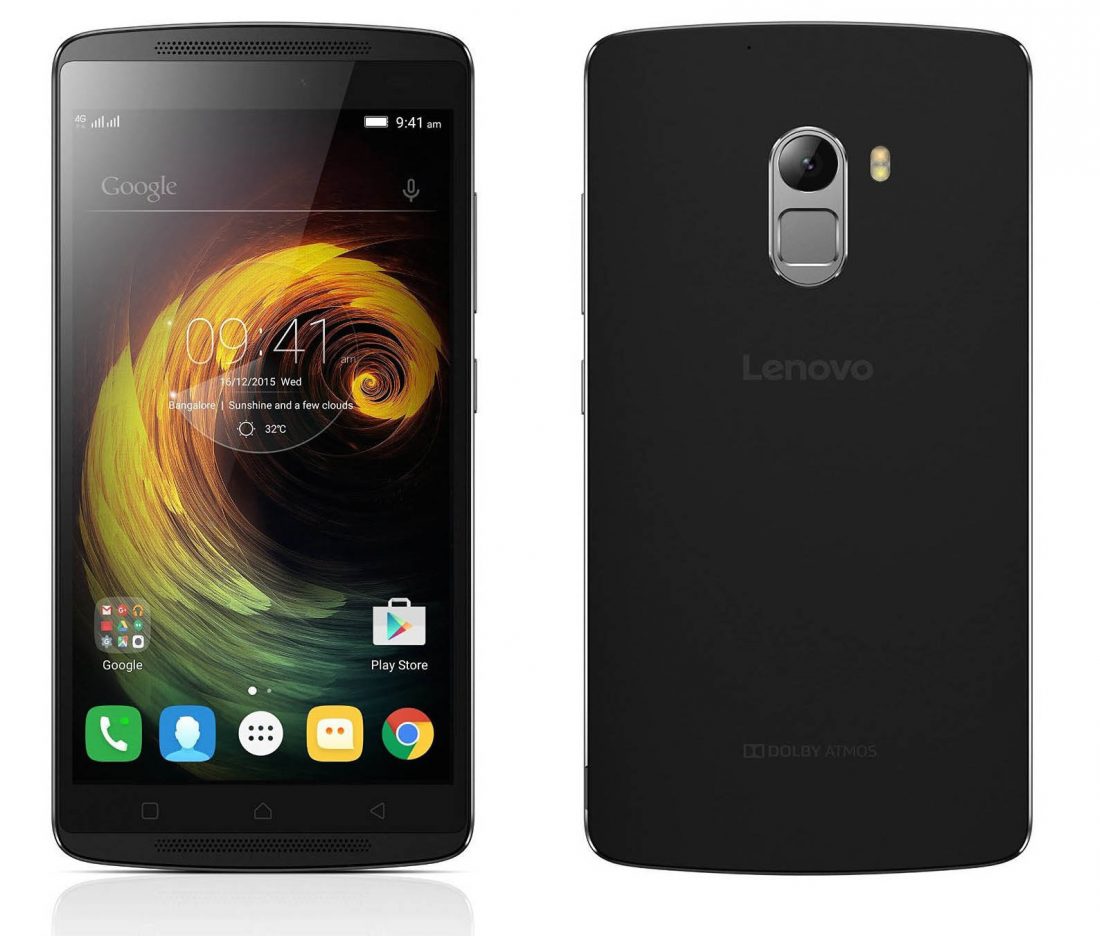
Lenovo Vibe K4 Note has been finally launched in India today with a price tag of Rs. 11,999. It will be up for customers to buy as part of a flash sale on Amazon.in on the 19th of January. The registrations for the device start today.
Lenovo also launched a Vibe K4 Note bundle with AntVR virtual reality headset priced at Rs. 13,299. This will be available for Rs. 12,499 for the first few flash sales, minus the VR headset. The headset will have to be bought separately at a price of Rs. 1,299, and its available in Tuxedo Black colour.
Coming back to Vibe K4 Note, the phone has a finger-print scanner and dual-front speakers with Dolby Atmos audio. The device is dual-SIM, has 4G LTE support and has a 5.5 inch display. On the camera front, it packs a 13 MP main camera and a 5 front camera. The K4 Note is powered by Android OS 5.1. Find other specs in the table below.
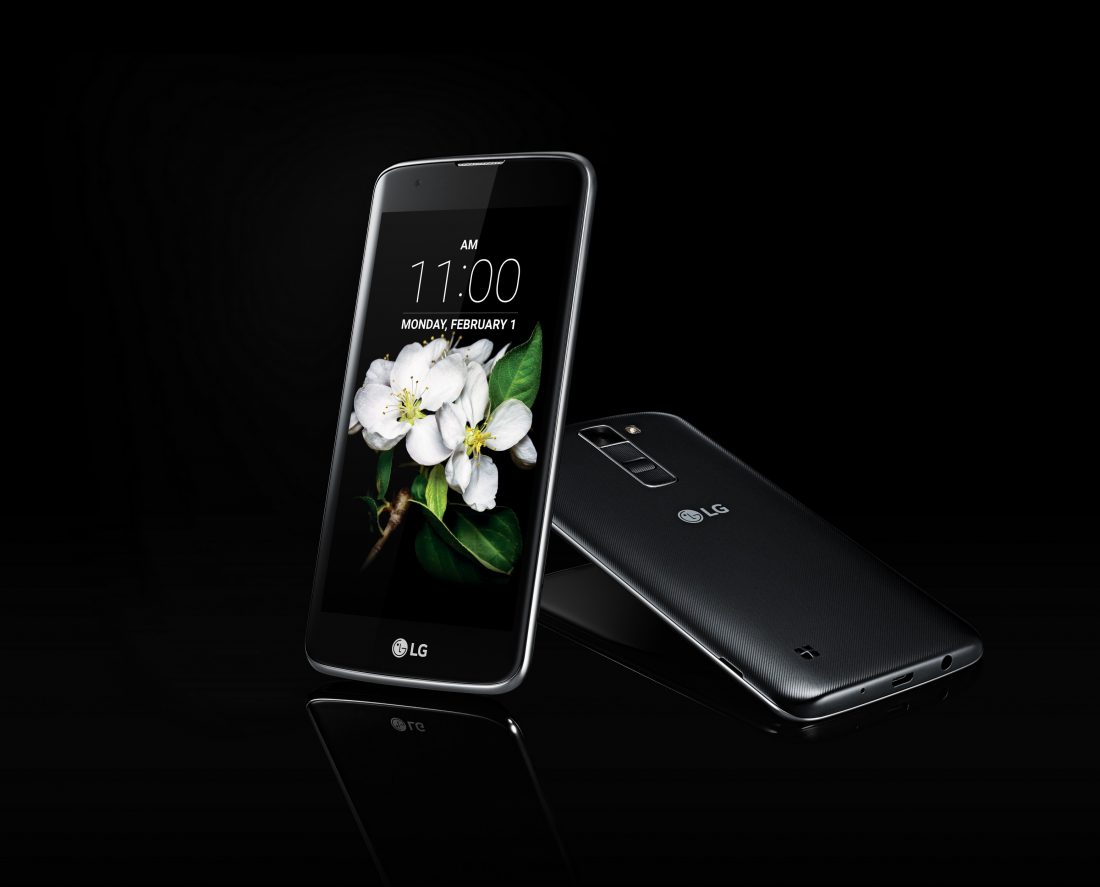
South Korean electronics giant, LG, has decided to launch two smartphones under its new K series. LG K10, and LG K7 will be displayed at CES 2016, in Las Vegas, and will replace the phones from its L series.
The phones, which as claimed by LG, are targeted towards users looking to create or view multimedia content, will come in two versions, LTE and 3g. The LTE baseband version of the K10 will house a 1.2 GHz/1.3 Ghz Quad core or 1.14GHz Octa Core process under the hood, while the 3g version will be powered by 1.3 Ghz processor. RAM amount will range between 1 and 2 GBs, while the internal storage will be either 8 or 16 GB. The device will be available in three colors -white, indigo, and gold.
The K10 will have a 5.3 inch , 720p display and will come with Android 5.1 Lollipop pre-installed. The LTE model will be equipped with a 13 MP rear camera, while the 3g version will have to do with an 8 MP shooter. Powering the K10 will be a 2300 mAh battery.
It’s younger sibling, the K7 will also come in two variants. The LTE variant will have a 1.1 GHz quad-core CPU, while the 3G iteration will sport a 1.3 GHz quad-core processor. The back camera will either be 8 MP or 5 MP, while the RAM will be 1.5 GB or 1 GB, and the built-in storage 8 GB or 16 GB. It will also house a 5-inch 480 x 854 resolution display, and will be driven by a 2125 mAh battery. The color options available for the K7 will be ‘Titan’ hue which will only be available on the LTE version, while the 3G version will be offered in white, black, and gold.
LG has further revealed that both these phones will include the new 2.5D arc glass tech, and other major features aimed at photophiles such as Gesture Shot, and Gesture Shot Interval, will also be available with these phones. Also, both these phones will have LG’s new pebble glass displays, and will use a woven pattern at the back to prevent those expensive out of hand slips.
The wait now is to see how LG prices them at CES, 2016. These K series phones from the stables of LG, if priced right, backed by the decent under the hood specs, and a good firmware support might just prove to be a good options for consumers across the globe.
The latest update in the series of rumours regarding the Samsung Galaxy S7 flagship devices says the devices will be waterproof. They are also expected to arrive with an IP67 rating which makes them dustproof as well.
Additionally, they will also have larger batteries that would make them last longer than their predecessors. The S7 will come equipped with a 3,000 mAh battery while the S7 Edge will be marked at 3,600 mAh. The S6 and S6 Edge have 2,550 mAh and 2,600 mAh battery capacities respectively. While the S7 batteries are the best Samsung has offered so far in its flagship, they would not be user-replaceable. But you can still expect the S7 to charge wirelessly in 2 hours and S7 Edge in 2.2 hours.
The phones will also have a microSD card slot, a feature that was not present in the preceding S6 series. It has been speculated for a while that Samsung is looking to improve its camera quality rather than upgrade its pixels. So a 12 MP camera for the S7 series wouldn’t be all that surprising. Reportedly, the S7 phones will be unveiled on the 21st of February. Watch this space for all the latest updates.
Last year saw some incredible smartphones that pushed the boundaries of design and specification, making it difficult to pick out just one favourite. This year promises to do the same. We take a look at some of the most anticipated smartphone launches expected in 2016 and what we know about them so far.
iPhone 7
Apple’s iPhone 7 and Samsung’ Galaxy S7 are perhaps the most talked about flagship devices today. There’s just a lot of anticipation attached to the upcoming handsets and along with it comes a lot of rumours as well. The first round of rumours a few months ago suggested that the iPhone 7 will lose the home button and will sport an OLED display thereby giving up on LCD display that it has relied on so far. Apple followers will know that the Apple Watch is the only Apple device to sport an OLED display currently. Furthermore, the OLED display will either be supplied by LG or Samsung, or both.
Next up, the iPhone 7 is rumoured to be waterproof and will feature 3 GB of RAM. More recently, there have been talks related to Apple’s decision to ditch the headphone jack. This is part of Apple’s plan to improve the quality of music streaming. Furthermore, the loss of a headphone jack means more space for Apple to add a larger battery to the iPhone 7, as well as make the device thinner. We’ll just have to wait and see how this strategy plays out.
Samsung Galaxy S7 and S7 Edge
Samsung S7 Render
There have been a lot of rumours and a lot of questions regarding the launch and specs of Samsung’s upcoming flagship Galaxy S7 devices. What everyone is expecting is Samsung to pull out another stunning flagship that pushes the boundaries of design and power, like it did with the Galaxy S6 series.
It’s almost confirmed that the Galaxy S7 will arrive in two variants – one powered by the new Snapdragon 820 chipset and the other by Exynos 8890.
Among the many rumours that have been making the rounds, some that have caught our attention is that the S7 devices will feature Apple’s 3D Touch-like pressure sensitive display called ClearForce that’s being developed by Synaptics. Additionally, the Galaxy S7 will have a Type C USB Port which means the device will charge significantly faster.
The flat Galaxy S7 will likely sport a 5.2-inch Super AMOLED display while the ‘Edge’ variant will come with a 5.5-inch display of the same kind. As for the S7 Edge, very little is known as to how the curved screen device is going to look. Whether Samsung is going for a different curved design or rather just tweak the previous S6 design is still a mystery. The flagship devices are slated for a February launch at the MWC.
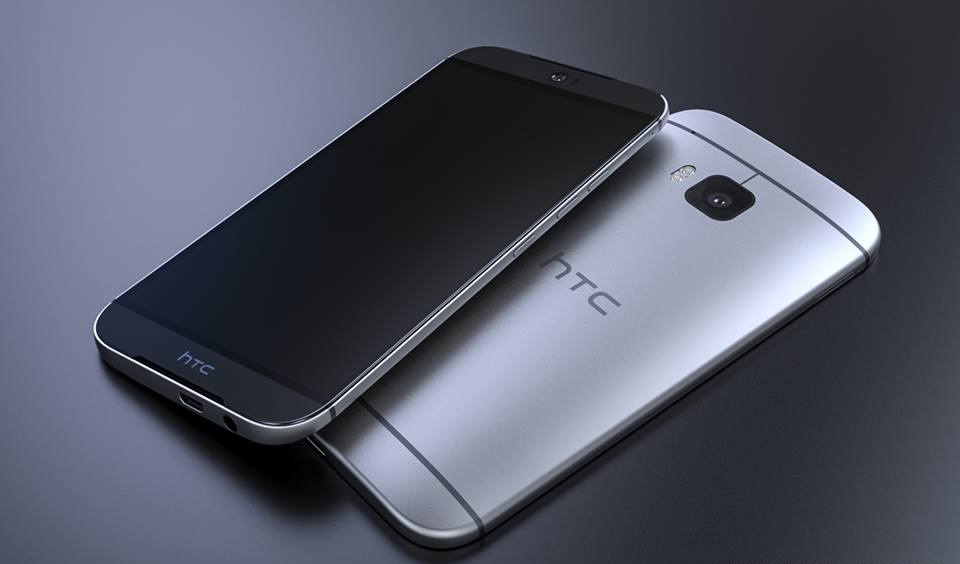
HTC One M10
HTC One M10 Render
Being a successor to the One M9, the HTC One M10 will look to improve on specs wherever it can. The new iteration is said to come with a 5.5-inch QHD display. You can expect some bright, crisp colours under a Gorilla Glass 4 protection.
On the design front, the device will have the all-metal, unibody form associated with HTC flagships, along with curved edges and bezels to give it an attractive look. The HTC One M10 will sport a Snapdragon 820 chipset under the hood along with a powerful graphics card.
Other features include a Touch ID fingerprint scanner, 4 GB of RAM with 16 GB and 32 GB internal storage variants, and a battery capacity of 3,500 mAh. The device is expected to come out sometime in March.
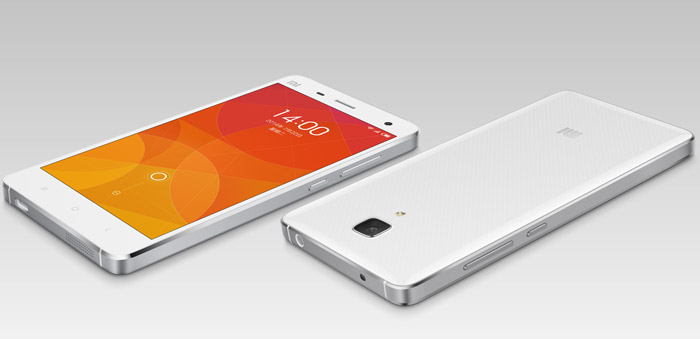
Xiaomi Mi 5
Xiaomi Mi 4
Xiaomi fans have been eagerly awaiting the Mi 5 flagship smartphone, which has been delayed due to the launch of the Snapdragon 820 chipset. Since Samsung has claimed exclusivity of the new chipset for the first quarter, the Mi 5 along with any other device sporting the new, powerful processor will all likely see a post-March release.
On the specs front, the Mi 5 will sport a 5.5-inch screen with quad HD (2560×1440) display, Snapdragon 820 chipset, 20MP primary camera and an 8MP front camers. The device will also come with 3,800mAh battery and 4G LTE support. RAM is set at 4GB and the phone will offer 16GB/64GB/128GB storage options.
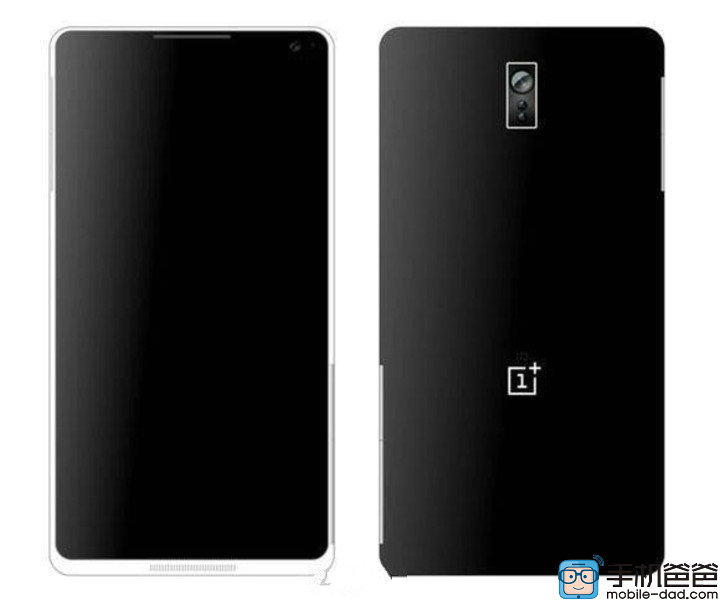
OnePlus 3
OnePlus 3 Render
OnePlus has done so much in so little time. The company, still in its infancy, has already released 3 spectacular devices -OnePlus One, OnePlus 2 and OnePlus X in the span of two years. This year, OnePlus will look to reclaim the title of the ‘flagship killer’ with the upcoming OnePlus 3 smartphone. Not much is known about the third flagship device, and only a couple of leaked renders have appeared giving rise to possible hardware specs.
The image above shows a brushed metal back instead of the usual sandstone panels. The new OnePlus might also feature a front speaker. The render shows that the handset could possibly come in two different colours.
From what we’ve heard so far, the new OnePlus device will sport a 5.5-inch UHD display with 5GB RAM. Sources also reveal a little about the hardware and display citing that the handset could arrive with the Snapdragon 820 chipset and a 1080p display resolution.
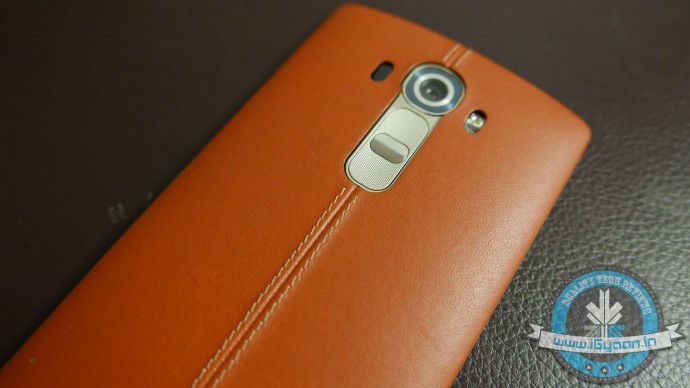
LG G5
LG G4
A Redditor recently leaked some specs and images of the LG G5. The device will sport a 5.3-inch Quad HD display, powered by the new Snapdragon 820 SoC with 3 GB of RAM and an 8 MP front camera. Other specs include a full metal body, SIM and MicroSD slot, heart rate sensor that’s under the camera module, a fingerprint sensor embedded in the power button, a USB Type-C port, bottom firing speaker and an IR blaster on top.
A leaked image also suggests that the LG G5 will sport a dual camera set-up at the back – 16 MP and 8 MP. No word yet on when LG plans to launch the device.
Sony Xperia Z6
Sony Xperia Z5 Premium
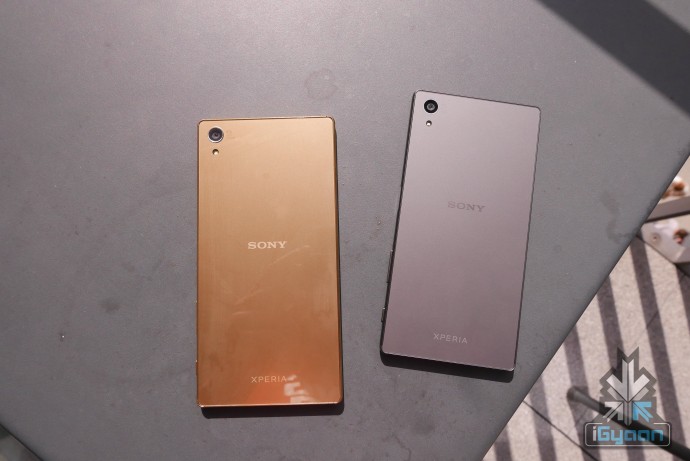
It looks like Sony is planning to launch a slew of devices under the Z6 line. It is rumoured that a total of six Z6 devices will be launched this year: a 4-inch Xperia Z6 Mini, a 4.6-inch Xperia Z6 Compact, a 5.2-inch Xperia Z6, a 5.8-inch Xperia Z6 Plus, a 6.4-inch Xperia Z6 Ultra, and a 5-inch Z6 Lite. Now, Sony is yet to confirm the rumours, but you can expect some, if not all, to be true.
What you can expect from the Xperia Z6 is a build that’ll reflect the Z5 with a squarer, flatter design rather than the traditional rounded edges that Sony had previously stuck to with the older models. The Z6 will also come with a fingerprint scanner added to the power side button.
The burning question is whether Sony will go for a 2K display with the 5.2-inch Xperia Z6 or will it continue with a Full HD display as it has with the Z5. Doing the former would mean having to sacrifice battery life, which Sony isn’t all too fond of doing at the moment.
Nokia C1
Nokia C1
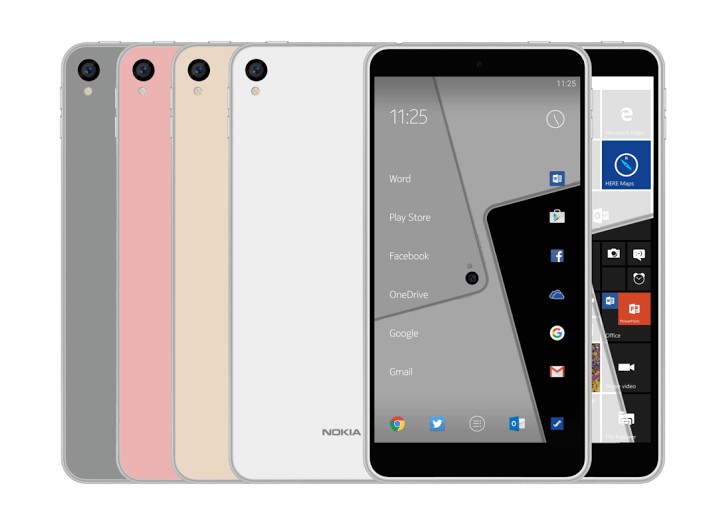
Nokia is all set to make a comeback with a new smartphone. This new device, allegedly called the C1, will be the first flagship device to bear the Nokia logo since the Finnish company was sold to Microsoft a few years ago.
There have been a number of leaked renders that claim the design of the C1, though each source has leaked different designs. One of the more recent renders show a very minimalist and sleek design, which actually looks pretty good, if confirmed as legit. The C1 is also depicted running both Android and well as Windows 10 OS.
Rumours suggest that the Nokia C1 will come in two variants. The first one will sport a 5.5-inch Full HD display and a 13 MP rear camera and 5 MP front camera. The device will also come with 3 GB of RAM and 64 GB of internal memory expandable via microSD card slot.
The second variant will have a 5-inch Full HD display and will sport an 8 MP rear camera and 5 MP front camera, 2 GB of RAM and 32 GB of memory.
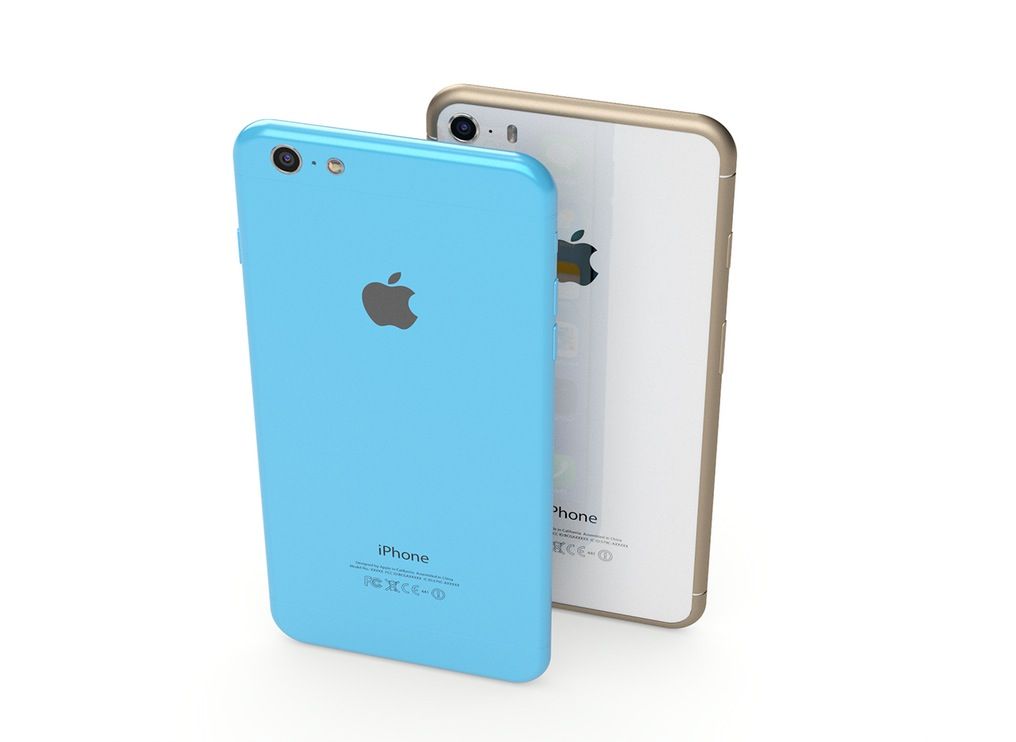
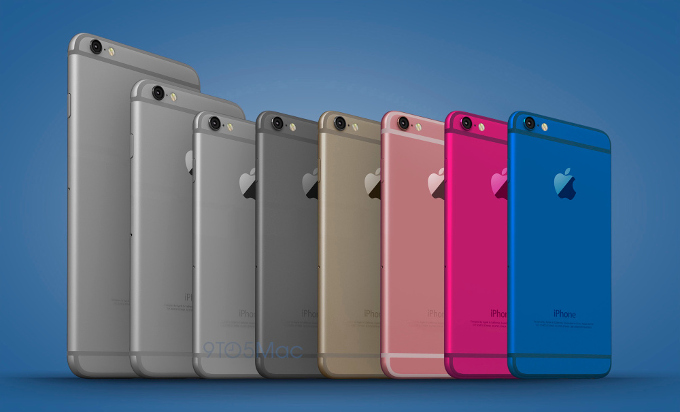
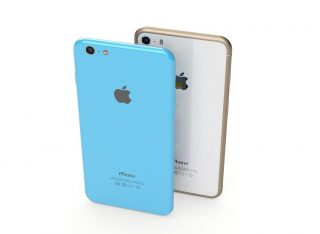
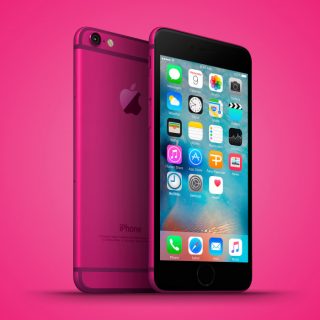
The rumour mill has been working around the clock on its speculations of what to expect from Apple this year. The latest update we have is in the form of new renders of iPhone 6c.These renders are created by Ferry Passchier and suggest more variety in the design department. Following suit with iPhone 5c, 6c can also come sporting a varied colour palette.
In terms of design, there have been various rumours so far but it remains unknown whether the iPhone 6c will follow the aluminum iPhone 5S design or the candy-colored polycarbonate iPhone 5c. We’re leaning towards the latter as some colourful polycarbonate frame will be a welcome sight rather than the usual colours of silver, space grey, gold, and rose gold.
Some rumours have also suggested that the miniature iPhone will not come with a physical home button and will also ditch the 3D Touch feature, which makes sense if Apple is going for a cheaper device. We can hope to see the device in March this year, when Apple is expected to unveil it along with the second gen Apple Watch. Come March, 2016 and we’ll see how close have we hit the mark with these rumours.
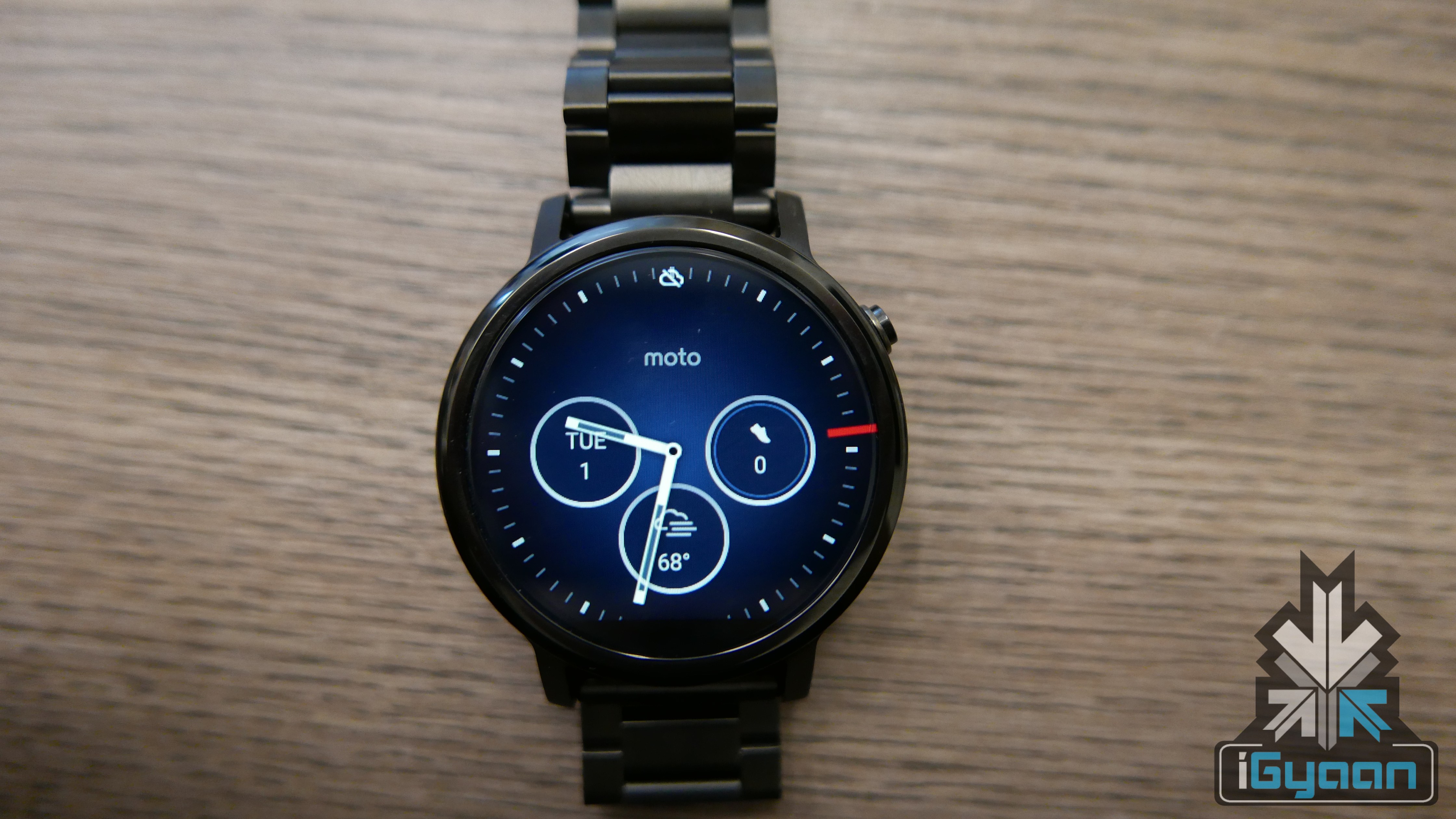
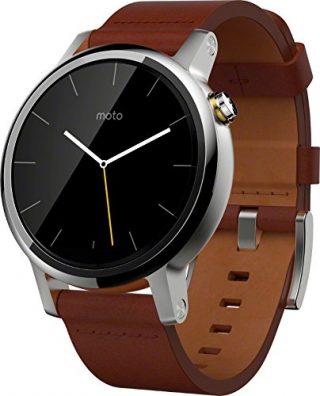
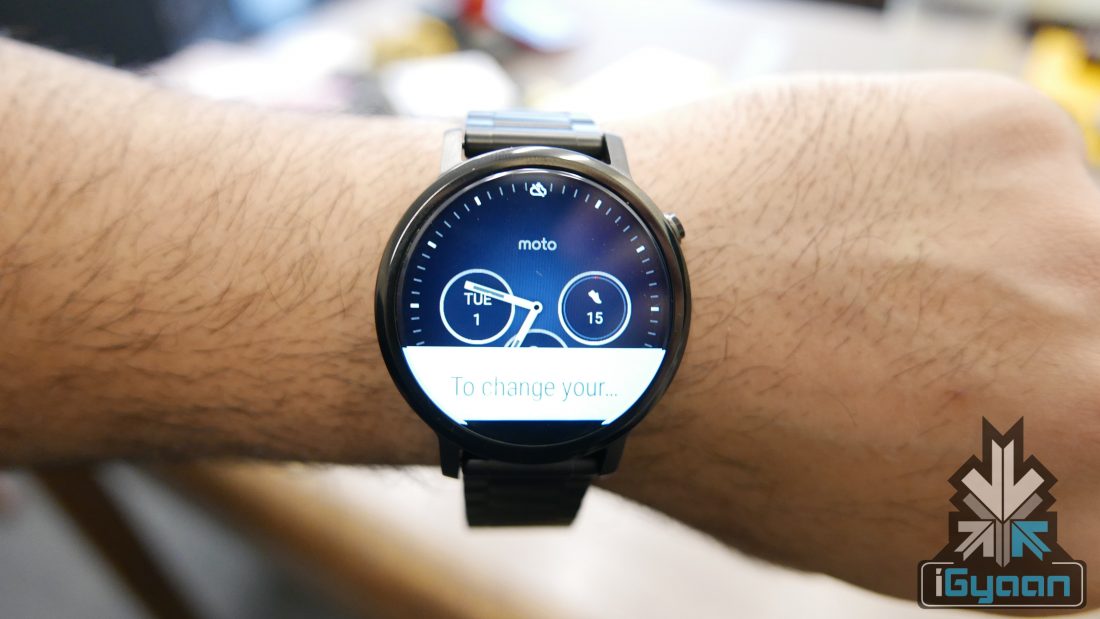
Motorola is kicking off 2016 with some exciting new offers for its newly launched Moto 360 (2nd Gen) smartwatch. Consumers can avail the Moto 360 (2nd Gen) men’s collection on Amazon.in from today. The collection includes cognac leather, black leather and black metal variants of the smartwatch. The collection also introduces, for the very first time in India, a 46mm Cognac Leather variant.
Other than the size and range, there have been very subtle changes to the new design from the previous Moto 360, such as – a re-positioning of the button to the 2 o’clock position and one can even customize the finish of the small bezel that surrounds the display. With respect to the processor, Motorola has upgraded its device with a Qualcomm Snapdragon 400 processor.
They have also further improved the battery life and say that the 46 mm watch will last up to two days between charges, while the 42 mm watch will be able to last about a day and a half.
The Live Dials of Moto 360 Gen 2 give access to summarised information in one glance. Depending on what matters to the user most, the watch will give weather updates from among footsteps count, rate of heart activity and calorie count etc. The Moto Body is a feature that will keep an account of not just footsteps and heart rate, but also sleep patterns and nutrition of the user.
Additionally, the watch is rated at IP67 which means it can be soaked in 1 m (3.3 ft) of water for half an hour. The watch further boasts of voice controls. You can check out our unboxing of the Moto 360 (2nd Gen) to know more.
The product will be available at the given below prices.
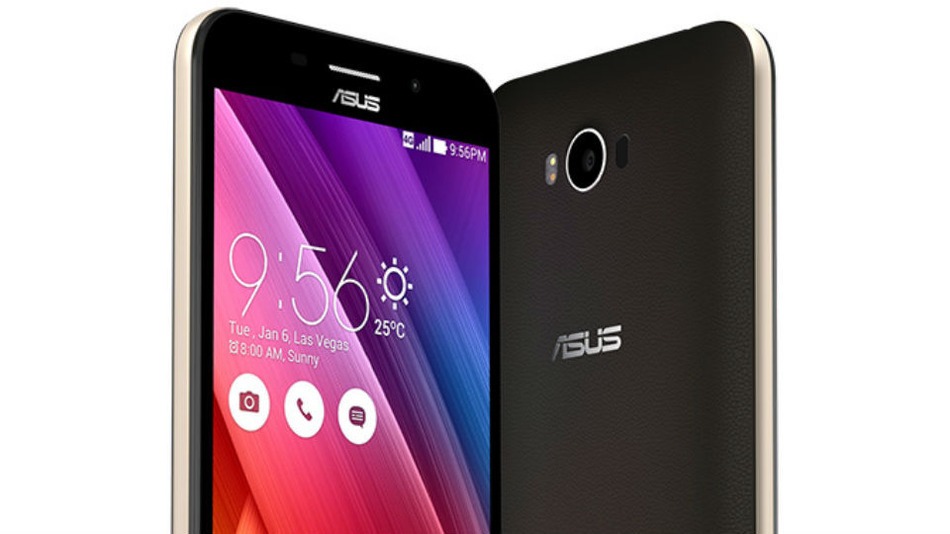
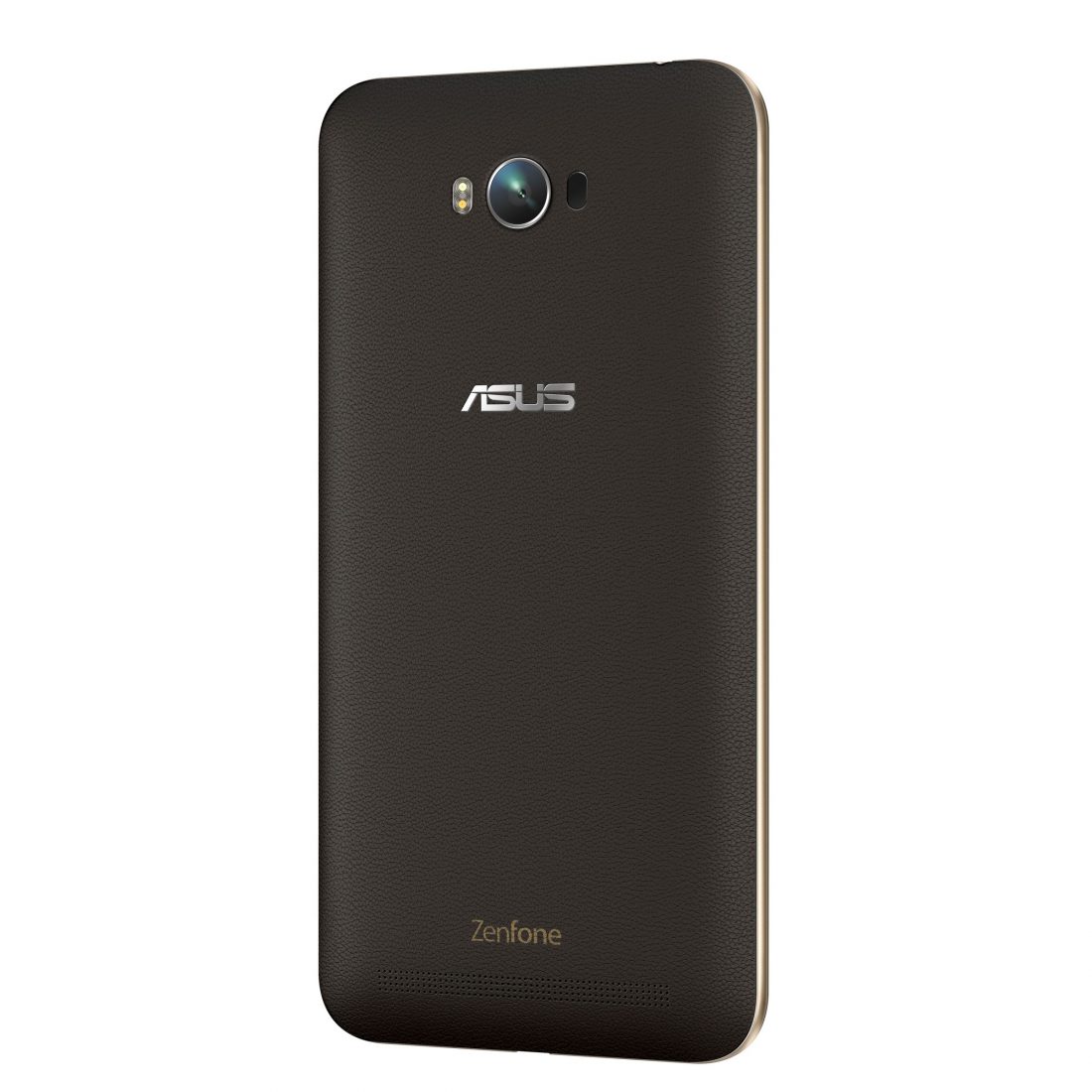
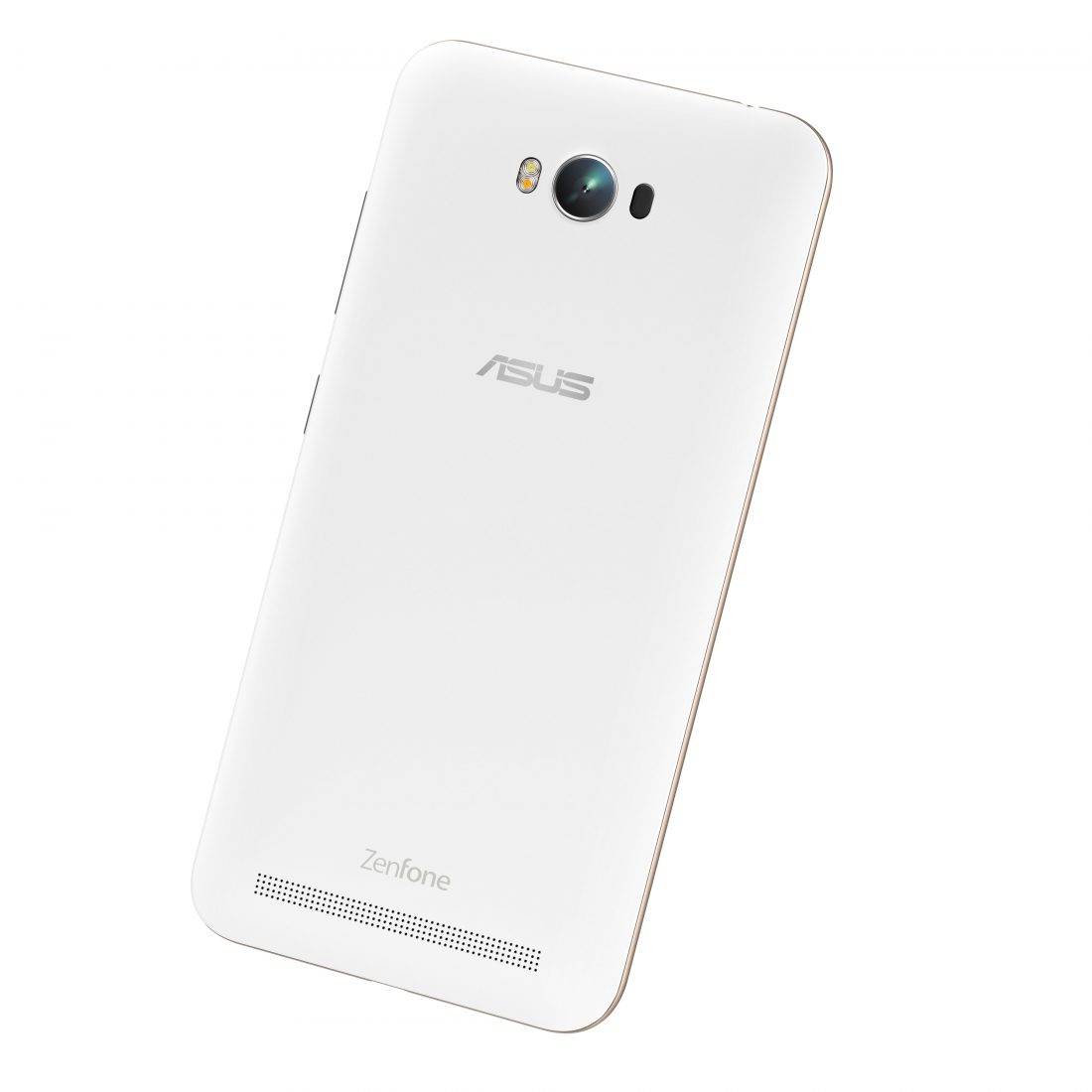
Asus ZenFone Max launches in India today priced at Rs. 9,999. The highlight of the device is its 5,000 mAh battery. The massive battery on the Zenfone Max also lets you use the device as a power bank to charge other smartphones and tablets. Additionally, it requires less charging cycles, making it more efficient and last longer, according to Asus.
In terms of specs and hardware, the phone comes in a 5.2 mm thin body, along with 13 MP main camera and 5 MP front camera. ZenFone Max is powered by Snapdragon 410 quad-core processor with 2 GB RAM and 16 GB in-built storage expandable up to 64 GB.
Pre-booking for the ZenFone Max began today at 12 PM on Flipkart and Amazon, and it will be up for sale at Asus Exclusive stores and other retail stores starting the second fortnight of January.
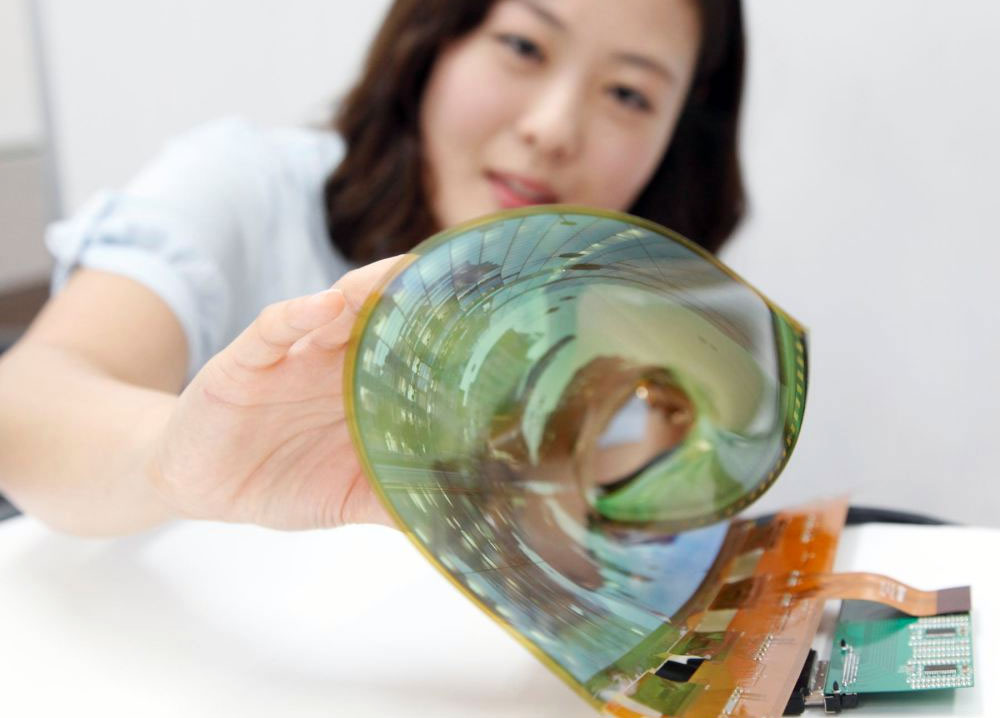
LG has taken foldable and bendable displays a step ahead this year. The company had hinted at similar tech last year at CES but had kept mum the entire year. However, now the company is ready to display a prototype at CES ’16 this time around.
LG is ready with a prototype of an 18-inch rollable screen it will showcase at the Consumer Electronics Show this time around. Similar concept displays have been seen in the past by companies like Samsung, Sony and Sharp. Now LG follows suit and marks an important moment for displays of smartphones, tablets and television sets. It is concentrating on making OLED screens bendable, curvable and rollable.
The company is also expected to unveil a 25 inch curvable screen installed in a car as part of the Auto Zone of CES ’16. We can also expect to see a 55-inch “paper thin” television with all its components installed independently according to LG. Watch this space for more updates.
Over the next few weeks, you can expect a lot of leaked images and specs of Samsung’s upcoming Galaxy S7 flagship devices. Since we’re getting closer and closer to the launch, there’s a lot of hype and expectations surrounding the devices. Recent rumours suggest that Samsung might unveil 4 Galaxy S7 variants – two flat screen, and two with dual-curved displays.
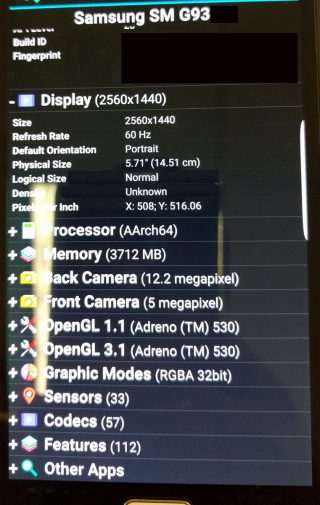
Today, we have a leaked photo that reveals a 5.7-inch Galaxy S7. A Redditor posted an image showing a 5.7-inch screen (with 1440 x 2560 pixels) that’s curved, which suggests it might be the Galaxy S7 Edge Plus.
The photo also reveals some important specs. The 5.7-inch Galaxy S7 features Qualcomm’s Snapdragon 820 chipset and Adreno 530 GPU, 4 GB of RAM, 12 MP primary camera and a 5 MP front. It has been speculated for a while that Samsung is looking to improve its camera quality rather than upgrade its pixels. So a 12 MP camera for the S7 series wouldn’t be all that surprising.
Needless to say, you should take this with a pinch of salt. Samsung is likely to unveil its flagship devices at the MWC in February. Follow this space for more.
According to reports, Apple is holding an official event in March where it is expected to unveil the iPhone 6c along with iPad 3 and the new Apple Watch. Needless to say, the rumour mill is working round the clock. Here’s a look at some of them:
Release Date:
Even if the Apple Watch 2 gets announced in March, it won’t be ready for shipping before April at the earliest, suggests 9to5Mac. Another rumour places May as the probable date for the Watch.
Quant, the Chinese manufacturer of the previous model of the Apple Watch, is expected to manufacture the second generation model as well. Therefore when Bary Lam, the Chairman of Quant comments on this, we sit up and listen. Reportedly, he claims that near the end of Q2 2016, a limited stock of the Apple Watch 2 would be available, followed by more in Q3. Following this, the Apple Watch 2 can be expected to make an appearance in June this year.
Camera:
The Apple Watch 2 is expected to have a front camera to allow for FaceTime; the user would now be able to receive and make video calls from the Watch itself, if this speculation turns out to be true. The front camera will probably be embedded in the top bezel of the face of the Watch.
Wireless Chipset:
Other than some basic features like playing music or tracking activity, the current version of the smartwatch relies almost entirely on an iPhone to perform any other function. However, the new , updated smartwatch is expected to come with a wireless chipset which would make the Watch ‘tether-less’. It would no longer require connection with an iPhone to perform functions, owing to the chipset which would make it more independent of the phone.
Battery:
One of the main drawbacks of the first generation Apple Watch is its battery life. Even though it was initially expected to last an entire day, many users discovered to their disappointment, that this was not so. The Watch would be drained of battery even before the day ended. Additionally, it was a big strain on the battery of the iPhone it was connected to.
However, there are not any big rumours about battery improvement in the second gen. This news is a little disheartening for Apple fans all over.
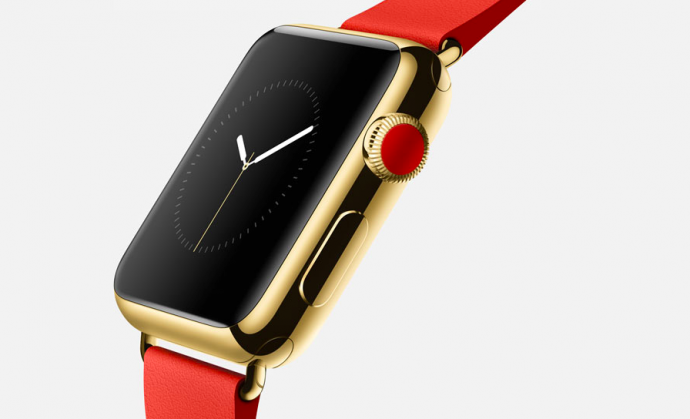
Apple Watch
Design:
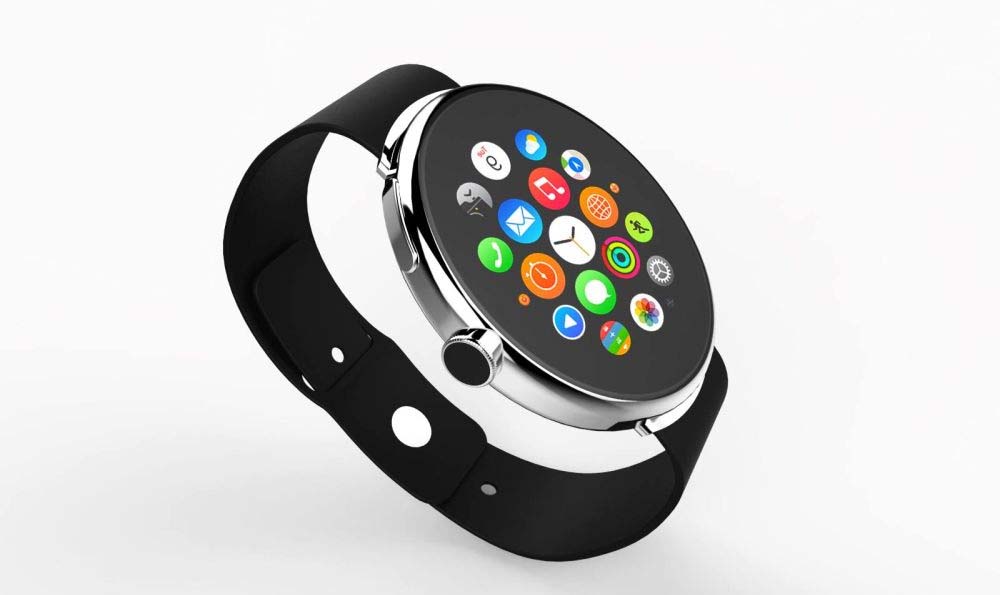
In terms of design, Apple is expected to introduce a new variant priced between the steel Apple Watch at £949 and the Apple Watch Edition at £8,000. We hope for some more variety like a circular watch face as well as a thinner design, along with more strap options to choose from.
Some of its other features we hope Apple would include in the second gen smartwatch are in-built GPS and better durability against water, dust and scratches. We’ll keep you updated as more rumours hit the scene and if anything gets confirmed. Let us know what would you want to see in the Apple Watch 2.