Category: Brands and Companies

All Brands and Company Names

  • How Apple Plans to Take Over India’s Smartphone Market

    How Apple Plans to Take Over India’s Smartphone Market

    India has moved straight from the lowermost section of Apple’s priority list to sit right on top. The Cupertino-based firm, which has long snubbed the country for other nations like the US, UK and more, now plans to be the No. 1 smartphone seller in India, next year. According to a report by Business Insider, Apple has signed a partnership agreement with Optiemus Group, based in Delhi, to double its iPhone sales.

    Optiemus Group has been a major distributor of Samsung and HTC brand handsets in India. Following this partnership, Optiemus will be distributing iPhones as well, increasing the volume of the iPhones in India. Besides this, Apple is reportedly considering teaming up with other distributors whose distribution network is vast. The company is also considering over appointing a new distributor, which may be either of the four – Redington, Ingram Micro, Rashi Peripherals and Brightstar. Optiemus Group then follows, being the fifth larger dealer.
    iPhone 6 13
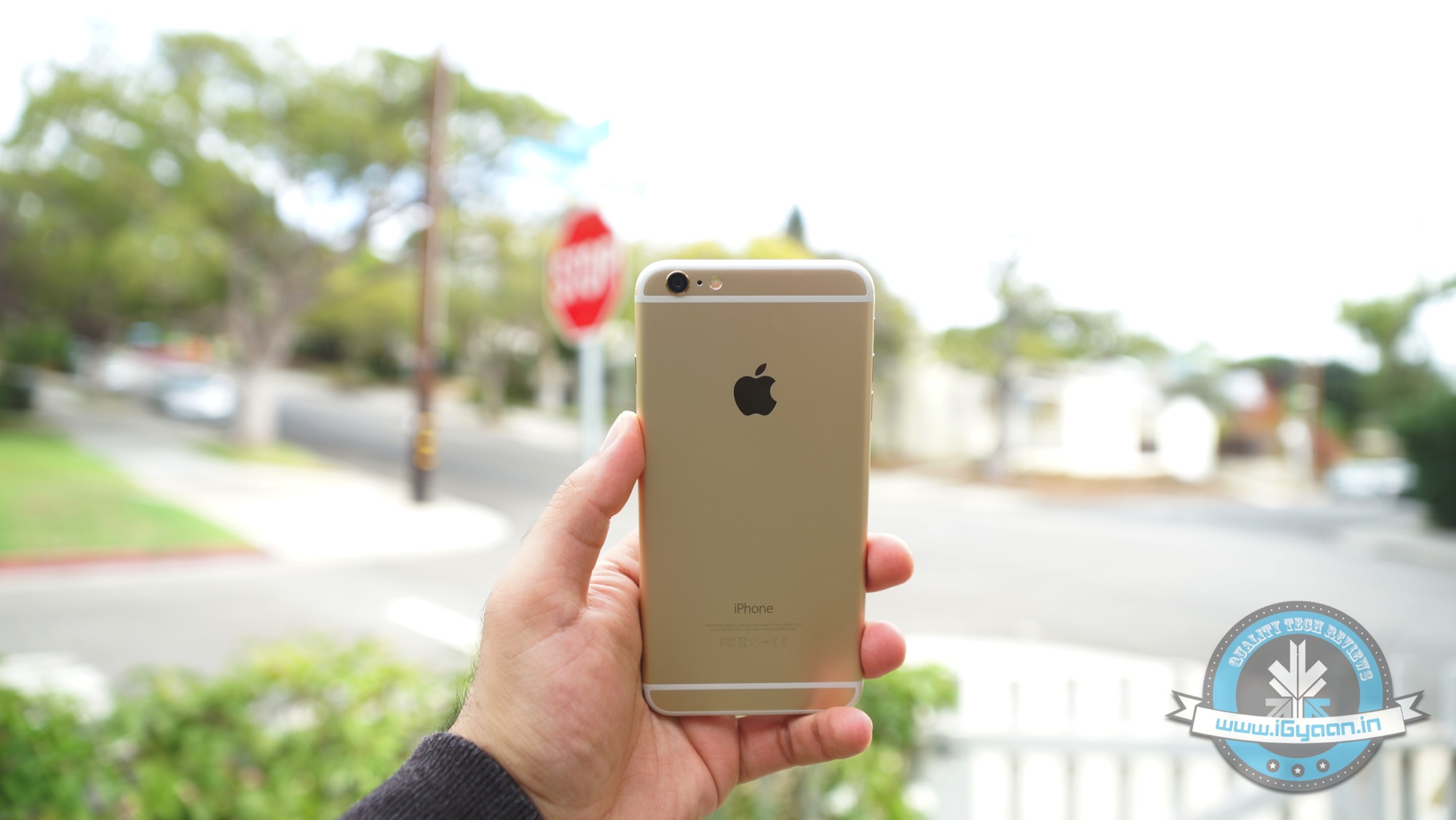
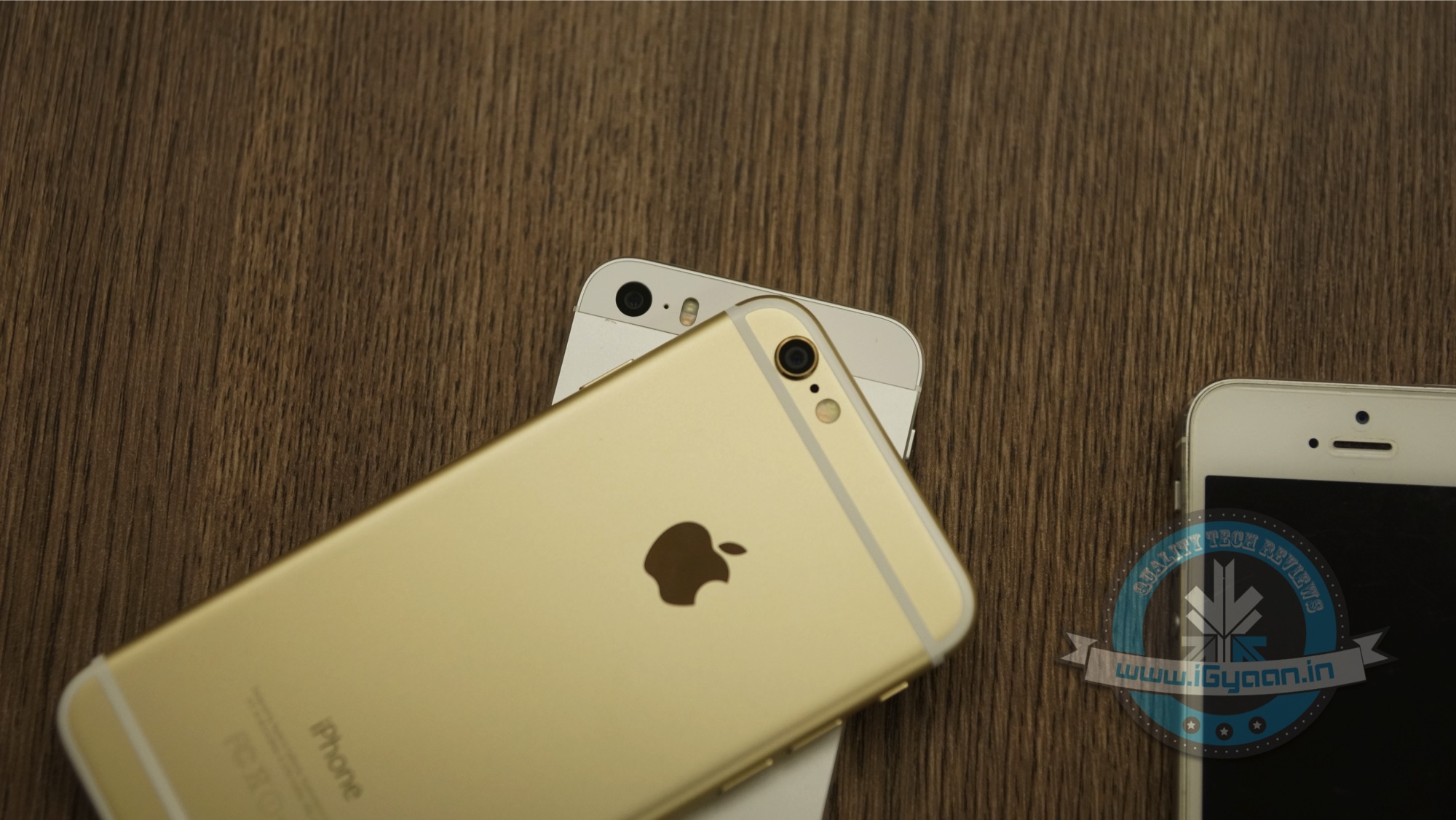
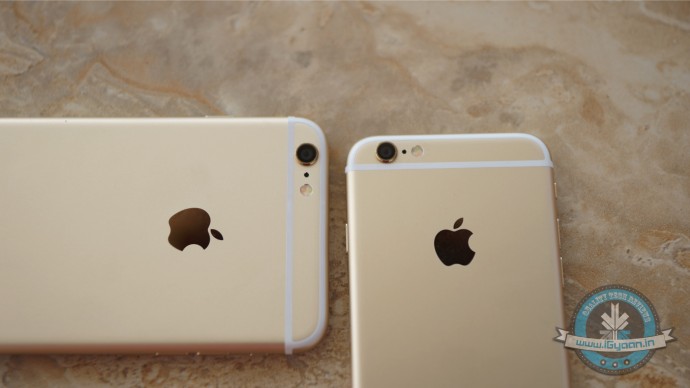
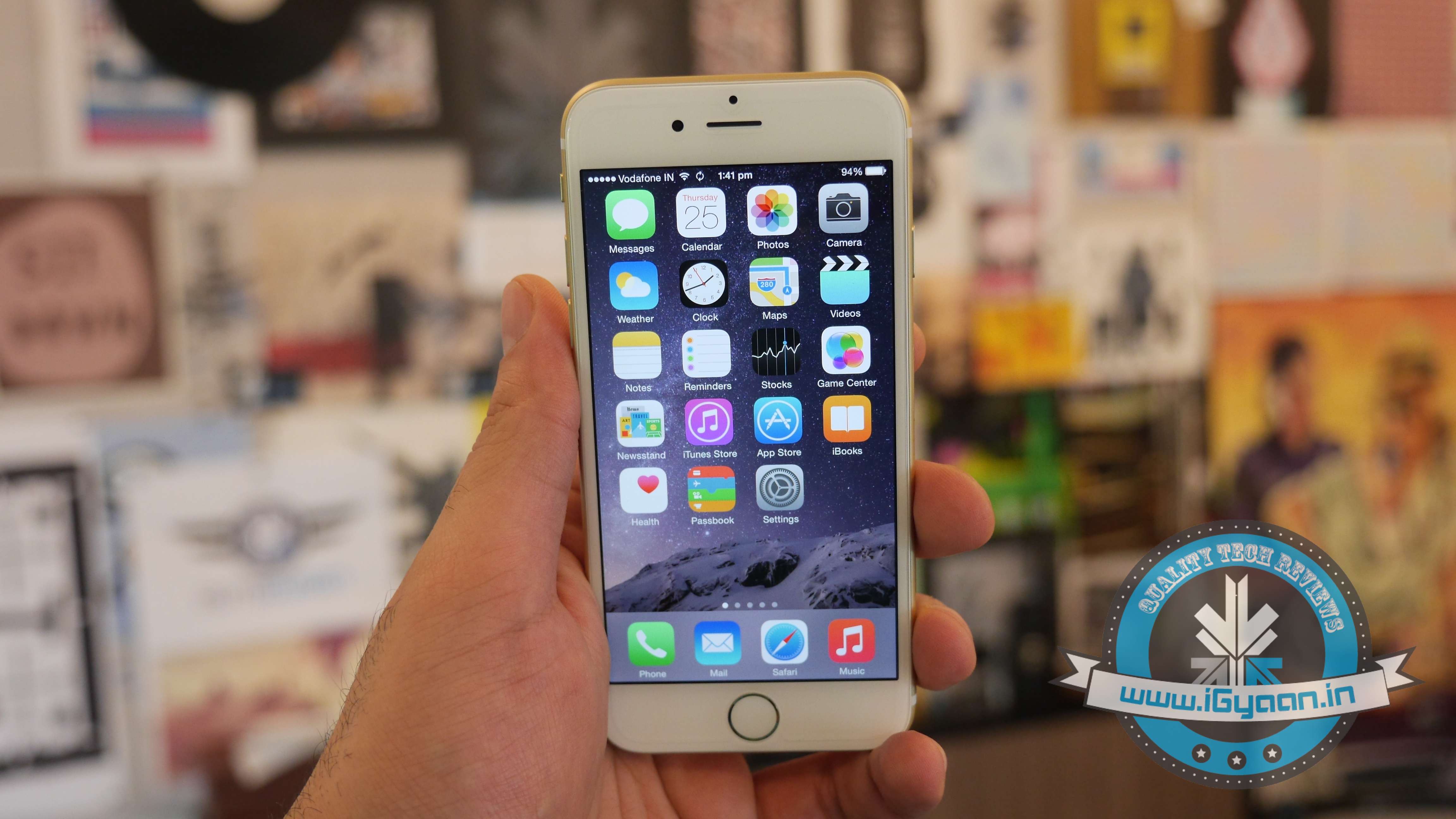
    Apple iPhone 6

    The company sold a total of one million iPhones last year in India, and with the aim to double its smartphone sales this year, its goal is 2 million iPhone sales in FY 2015. By tying up better distribution networks, the company may even make India one of the priority countries for launches. Apple Watch, its first smartwatch, is yet to arrive in India.

    As per an industry insider –

    Since shipment figures are one of the indicators of success in the smart phone industry, any new distributor Apple appoints will lead to an instant surge in shipments, which will help it to achieve the target fixed by headquarters and will also lead to a significant jump in retail reach.

    In such circumstances, the company will turn into a threat for Samsung and Micromax, who have been battling each other for the top spot, with minimal complexities. The inclusion of Apple in the game, by giving more choices to customers, will make business tougher for Samsung and Micromax. Although it takes a backseat in the overall Indian smartphone market, Apple is the most valuable smartphone brand in the whole world.

    [tw-button size=”medium” background=”” color=”” target=”_self”]Source[/tw-button] [tw-button size=”medium” background=”” color=”red” target=”_blank” link=”http://www.businessinsider.in/Know-about-Apples-new-strategy-to-knock-Samsung-out-of-competition-in-India/articleshow/47673988.cms”]Business Insider[/tw-button]
  • One Good Reason Why No One Should Buy Samsung Galaxy Note 5 at Launch

    One Good Reason Why No One Should Buy Samsung Galaxy Note 5 at Launch

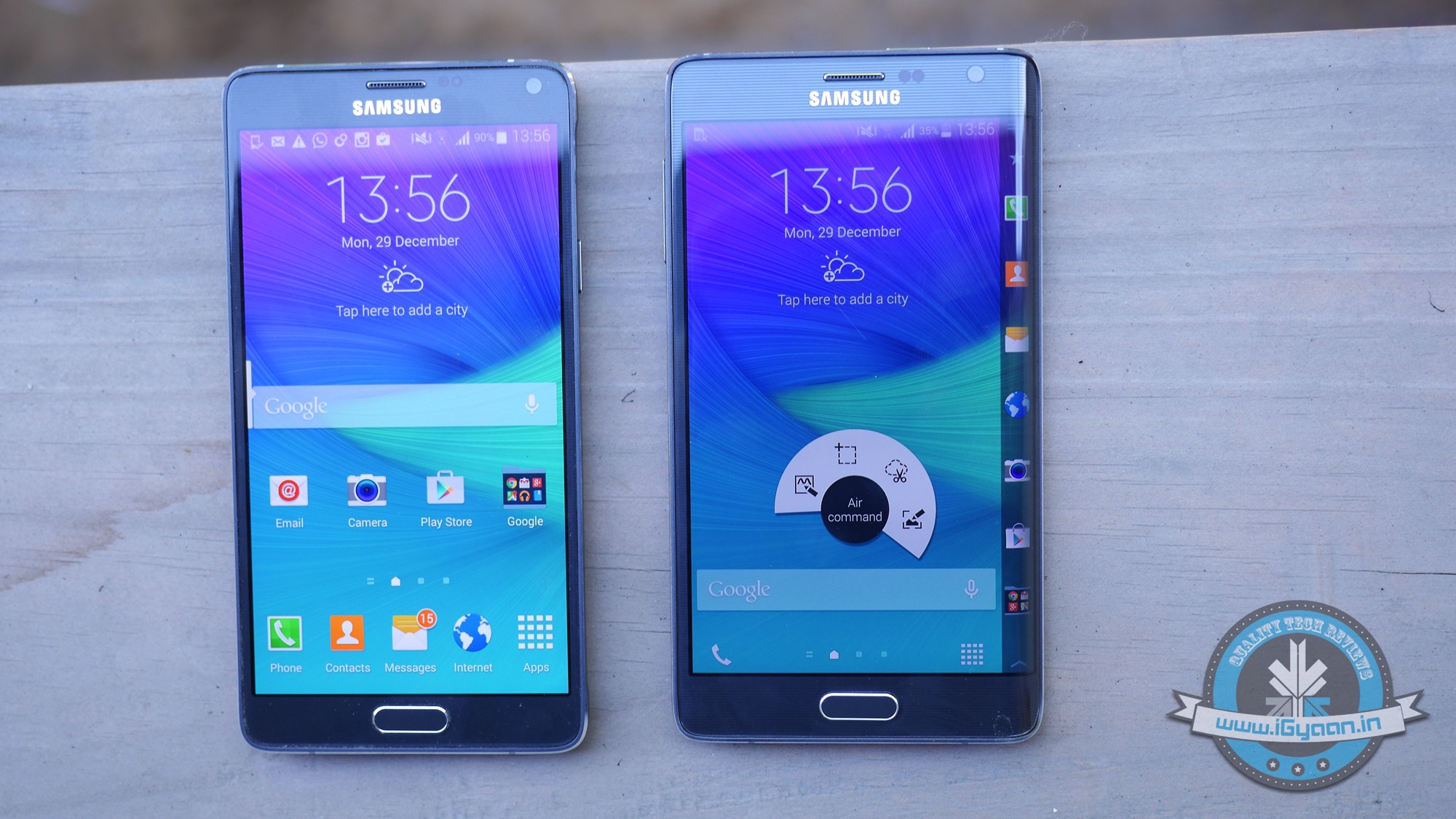
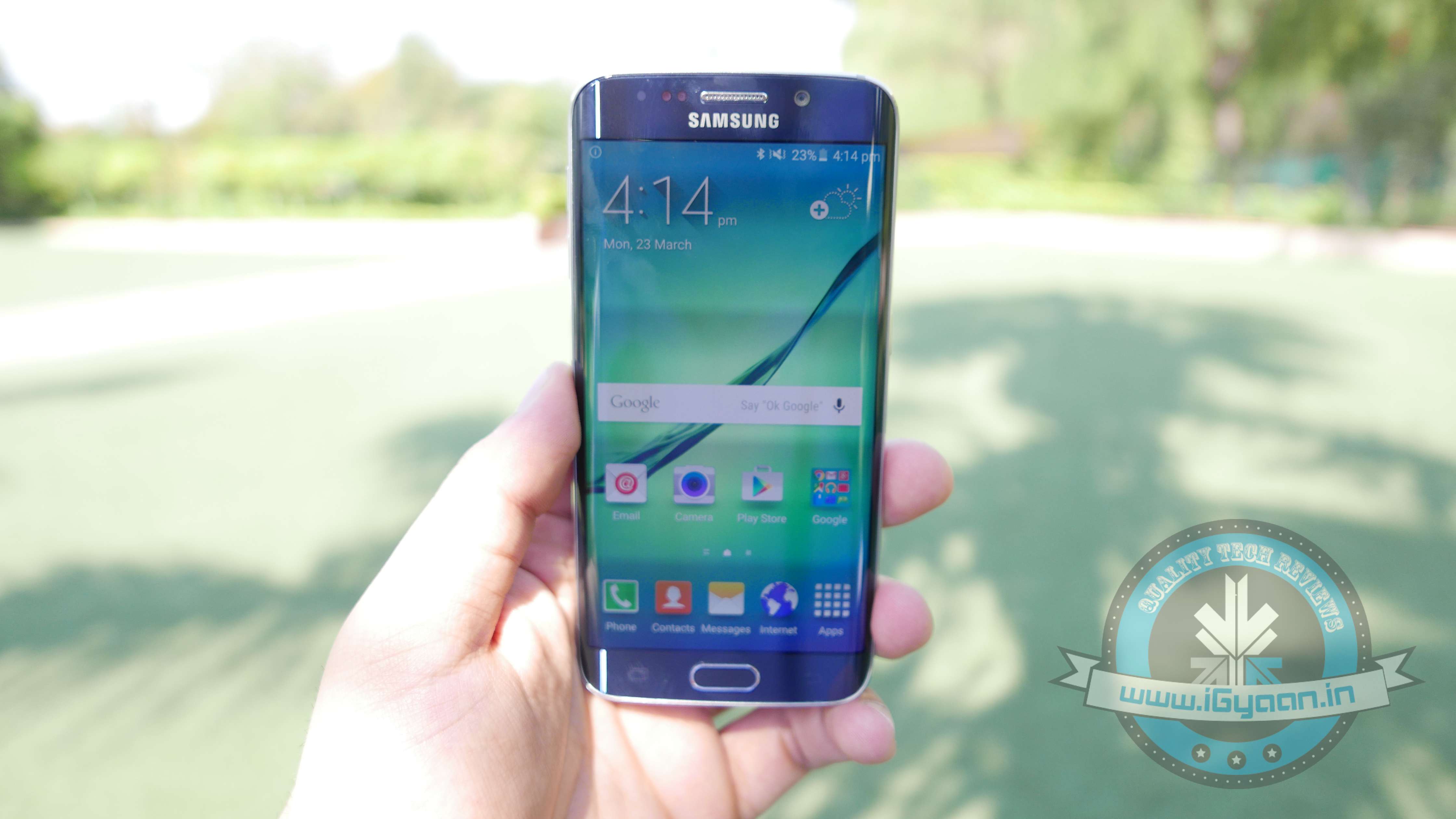
    Last year, Samsung launched the Samsung Galaxy Note 4 and Note 4 Edge at IFA Berlin. It was the first time the company had incorporated the ‘Edge’ on a smartphone. And unlike smartphone innovations, which are usually leaked weeks before their official launch, the company managed to keep this one a secret till the day it was slated to arrive.

    We have to admit, the Samsung Galaxy Note 4 is a beautifully designed gadget. It breaks away from the monotonous slab-like look and stands out in the overcrowded smartphone market. Now, in 2015, it’s time for Samsung to bring out its updated version. We’ve already heard several rumours about the Galaxy Note 5. We know that it might feature a 5.9-inch Super AMOLED display with curves on both the edges, it might carry an upgraded version of Samsung’s Exynos 7422 and be powered by a mammoth 4100mAh battery. A latest report also suggested that the Note 4 successor will sport a USB 3.1 Type-C port, which we recently saw incorporated in Apple’s Macbook. Overall, the Note 5 sounds like it’s going to be a superb package.

    Now if you’re wondering why we’d recommend you steer clear of purchasing Samsung’s upcoming handset at launch, then here’s the reason: Just like the company has a history of delivering solid flagships, it also has a habit of reducing the price of the smartphone, soon after launch.

    We’ve noticed the pattern over the past few years. For example, the Samsung Galaxy S5, which was launched in India in April 2014 with a price tag of Rs. 51,500 ($802 approx), dramatically dropped its price and was available for Rs. 40,600 ($632 approx), within a month. A more recent example would be the Samsung Galaxy S6 and S6 Edge.

    Samsung S6 Edge India Launch 10
    Samsung Galaxy S6 Edge at Launch

    Both are impressive Android smartphones. At the time of launch in India, the 32GB variant of the Samsung Galaxy S6 was available for Rs. 49,900 ($777approx.) Today, three months after launch, you can buy the smartphone for as low as Rs. 39,480 ($615 approx.)

    All smartphone companies are known to reduce the price of their smartphones. Recently we saw the same for OnePlus, Motorola, and even Apple. However, the companies wait till they’re ready to bring out their refreshed models, before putting their offerings on sale.

    The buyers who end up picking up the Samsung smartphones the same month as the launch, feel cheated about having spent a larger sum than anybody else. Instead of waiting to buy the Samsung Galaxy Note 5 at launch, we’d recommend you go for the Galaxy S6, S6 Edge. Since they’ve arrived recently, they’re sure to come with top-notch specs and updated features. It would be a much safer bet, than to go for the Note 5.

  • OnePlus Two Pricing Leaked Months Before its Debut

    OnePlus Two Pricing Leaked Months Before its Debut

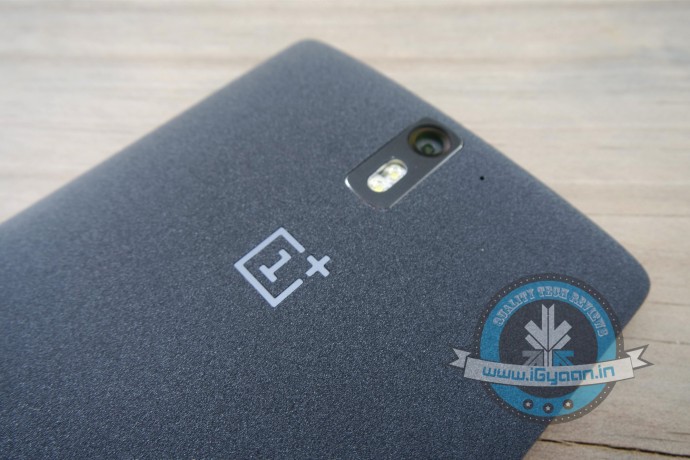
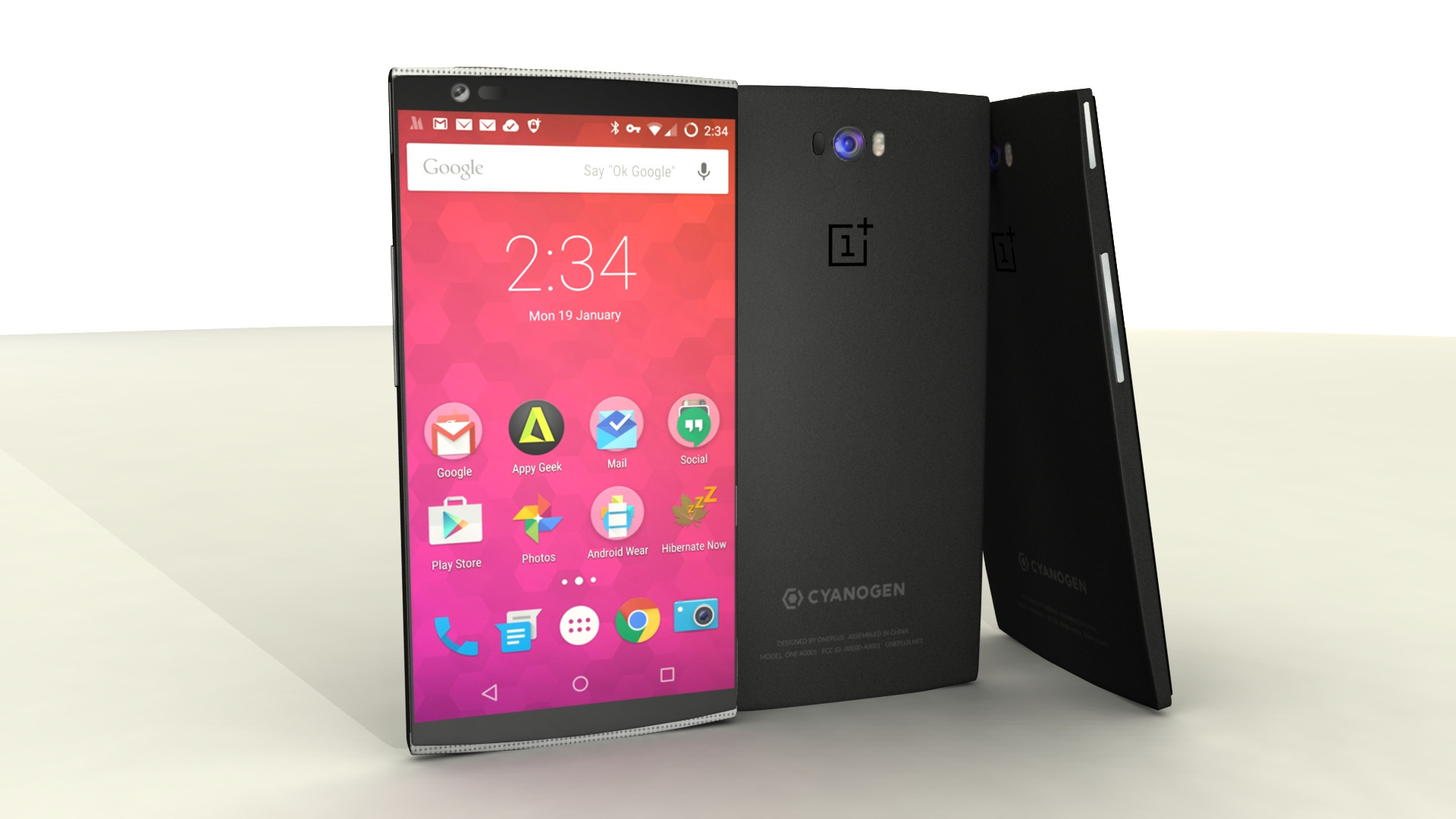
    Last month, it was speculated that the OnePlus Two, the successor of the highly victorious OnePlus One, would be arriving on 17th April, this year. But, OnePlus ruled out all the rumors of the temporarily titled OnePlus Two and stated that the much-awaited device will make a debut in the third quarter of this year.

    According to MyDrivers.com, the company will be launching an event next month, which could possibly be the launch of the next flagship device. The source also claimed that the device would be priced at approximately 1,999 Yuan (Rs 20,644). This might be true, as its predecessor was priced at Rs. 21,999. In any case, the price of the OnePlus Two is just an approximate figure.

    Not much is known about the spec details of the expected OnePlus handset, but we got some notable information that points out to its processing capacity. As per the detail leaked by the company CEO Liu Zuohu, OnePlus Two will run on Snapdragon 810 chipset along with 4GB RAM. A 5.5-inch 2K display will improve the viewing experience of the user.

    oneplus two

    It is highly possible that the OnePlus Two will run on Cyanogen OS, as the differences between Cyanogen and the Chinese smartphone firm have been settled, and the cases have been withdrawn by mutual approval. The addition of Cyanogen on the next OnePlus device might help drive the sales of the handset.

    There is still time for the next OnePlus device to come out. In the mean time, you can watch our review on the OnePlus One:

  • OnePlus Extends the Warranty Period for Indian One Users

    OnePlus Extends the Warranty Period for Indian One Users

    Indian OnePlus fans have been rewarded with a gift from the Chinese electronics start-up. After being roasted for delayed services in providing after-sales assistance on local forums and social media, the company has decided to give its India-based users an added advantage. Today, OnePlus announced to extend the warranty of the One by three months, that are registered to be faulty or having certain issues.

    All those devices facing service related issues till date that have faced delays or have been pending for longer than 15 working days in OnePlus’ support centres will be liable for the extended warranty. The warranty period of such devices will automatically extend to three additional months in India. It’s a pretty fair decision as the inconvenience has been on the company’s part. To make things sweeter, the service guarantee is applied to all the future smartphones to come out of OnePlus’ stable.

    OnePlus One iGyaan 1

    There is something for every OnePlus One user. All the patrons who got hold of OnePlus One before its Indian release will also be eligible for this service. That covers all the Indian One holders.

    The company has cleared in its blog post published today, that the extended warranty service would be applicable to handsets with genuine fault. The blog post reads, “Do note that in case of a disagreement on those applicable to receiving this service, a final call will be taken by OnePlus.”

    Besides that, customers can call on the new toll-free customer support number 000 8008 522 008, and give feedback on their services.

    With this announcement, OnePlus has not only sustained the existing fan base, but also persuaded a fraction of those who have been speaking foul about the Chinese companies of poor after sales service. Turning the slamming voices to lauds and applauds, OnePlus has captivated even a larger audience to its OnePlus devices, making a huge market for the upcoming OnePlus Two.

  • Android Might be Just What BlackBerry Needs to Get Back in the Game

    Android Might be Just What BlackBerry Needs to Get Back in the Game

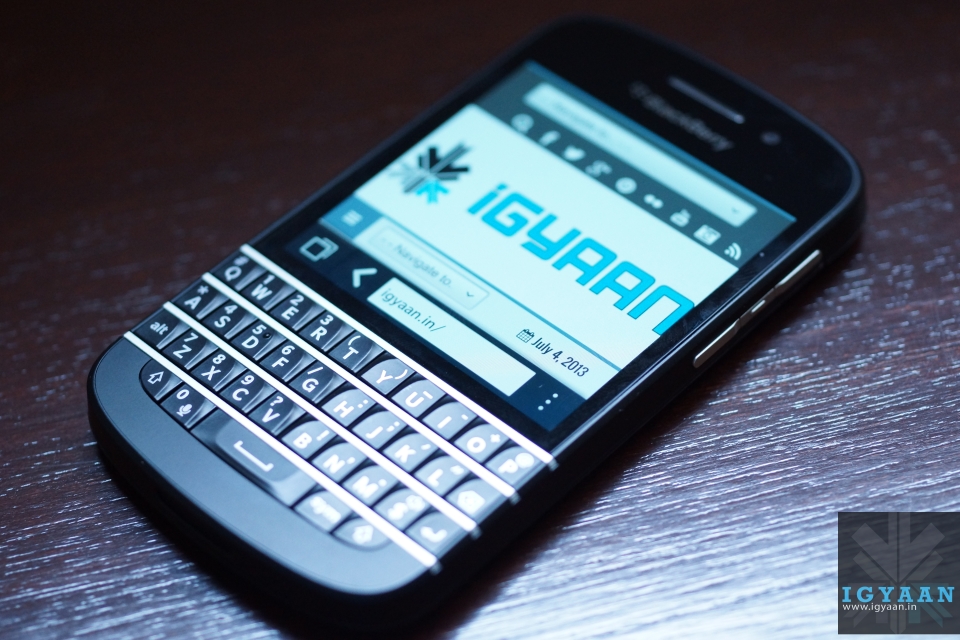
    BlackBerry was synonymous with BBM and had the reputation of being a reliable business phone. This  had loyalists from all over the world, tied to its device, despite all the ups and downs the company went through. However, the market soon saw a wave of smartphone companies like Apple, Samsung and Motorola, which ultimately washed away the resilient giant.

    Sales dropped and profits dwindled because let’s face it, there are more options now, that overshadowed BBM and we also underwent a touch screen revolution. Thus, Blackberry has allegedly come up with a solution to get back on track. We might see them collaborating with Android in a bid to increase revenues and turn a new leaf.

    Blackberry Q10 42

    BlackBerry is known for its strong security system and that was something that Android was lacking. Therefore, the collaboration will benefit both these parties. Yes, this means that BlackBerry will have to vouch for not just their own platform but also for Android. However, the gain is more than the loss they might go through. Reuters reported:

    “From the standpoint of marketing, this is a great way for BlackBerry to get visibility. It really doesn’t hurt them much, and the upside is high,” said Rob Enderle, who runs technology consulting firm Enderle Group.

    BlackBerry has been focussing on its software and device management system as its market share dropped to less that 1% due to its low demand of the devices. In order to execute this turnaround then, the company will have to come up with a strong and efficient device, that will be able to collaborate with Android. “BlackBerry doesn’t have much to lose. There’s little downside and they just need one hit phone to justify the handset business,” said Brian Colello, Morningstar analyst.

    blackberry q10

    The company has said that it is ready to have a test run with Android. Its upcoming device, the BES12 will be able to secure not just BlackBerry devices, but also others that run on Android, iOS and Windows operating systems. This attribute should impress potential corporate and government clients. Ramon Llamas, an analyst with technology research firm IDC told Reuters:

    “In order for BES12 to succeed it has to be viewed by all as platform agnostic, and what better way to demonstrate that other than by doing it yourself.”

    BlackBerry has a history of delivering outdated hardware at a premium cost. While the Android partnership will help, BlackBerry needs to ensure it stays with the times and gives customers a product which is worth their money.

    Let’s hope this change spells good fortune to the company that once created its own era and revolution.

  • Make Your Own Google Cardboard with These Simple Steps

    Make Your Own Google Cardboard with These Simple Steps

    At a time when Virtual Reality has taken centre stage in the tech industry, there is a lot to be done to make this revolutionary innovation reach to every corner of the world. The advanced technology that can recreate sensory experiences, designs an environment and sends users to the virtual world making them feel as if they are physically present there.

    Many smartphone companies are pushing the unexplored division, by offering Virtual Reality (VR) headsets at special prices along with the smartphone. Some of these handsets include Samsung Galaxy Note, Galaxy S6 and Galaxy S6 Edge. More choices in VR headsets include Galaxy Gear VR, HTC Vive, Oculus Rift, Microsoft HoloLens and few more, but their market is limited to developed nations. This is where Google Cardboard comes into action. The low-cost, hand-made Google Cardboard requires only a bunch of things for its construction, and your smartphone is then ready to mount on the fold-out cardboard.

    Follow the below-given steps and make one now:

    google cardboard 3

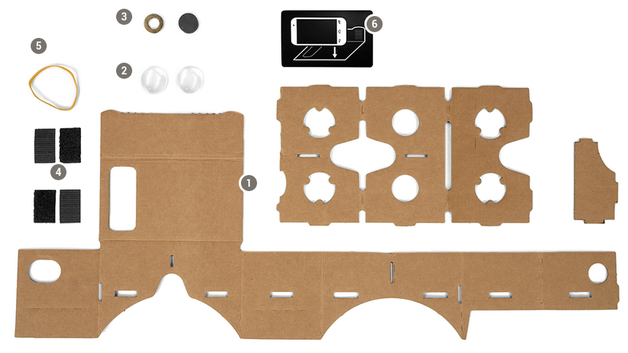
    List of Things Required

    First of all, collect all the articles necessary for its preparation. You will need:

    • Cardboard: You will need a corrugated cardboard that is 9-inches by 22-inches. A pizza box, shoe box or any thin, rigid sheet would do.
    • Lens: The second thing is the lens. The lenses to affix the cardboard need to be 25mm in diameter with 40mm focal length. In case you don’t find lenses of these measures, 50mm focal length will do, but then you have to increase the length of your cardboard. You can also go for a plano-convex lens or biconvex lens, Google recommends the latter. So, first find out the lens available and accordingly start the project. [tw-button size=”medium” background=”#07ABE2″ color=”” target=”_blank” link=”http://www.amazon.in/Alian-Biconvex-Lens-Google-Cardboard/dp/B00UYG3G5G/ref=sr_1_10?ie=UTF8&qid=1434185814&sr=8-10&keywords=google+cardboard&tag=igyaan-21″]Buy Now[/tw-button]
    • Magnet: Two small ring-shaped magnets.
    • Velcro strips: Two velcro strips with adhesive on the plane surface. [tw-button size=”medium” background=”#07ABE2″ color=”” target=”_self” link=”http://www.ebay.in/itm/10-METRE-Sew-on-type-Polyster-Velcro-Hook-Loop-Tape-1000-CM-BLACK-COLOR-/111678681852?pt=LH_DefaultDomain_203&hash=item1a009172fc”]Buy Now[/tw-button]
    • Other things are a rubber band, glue, a pair of scissors, and a cutter.

    Google Cardboard 2

    Steps to Make Google Cardboard

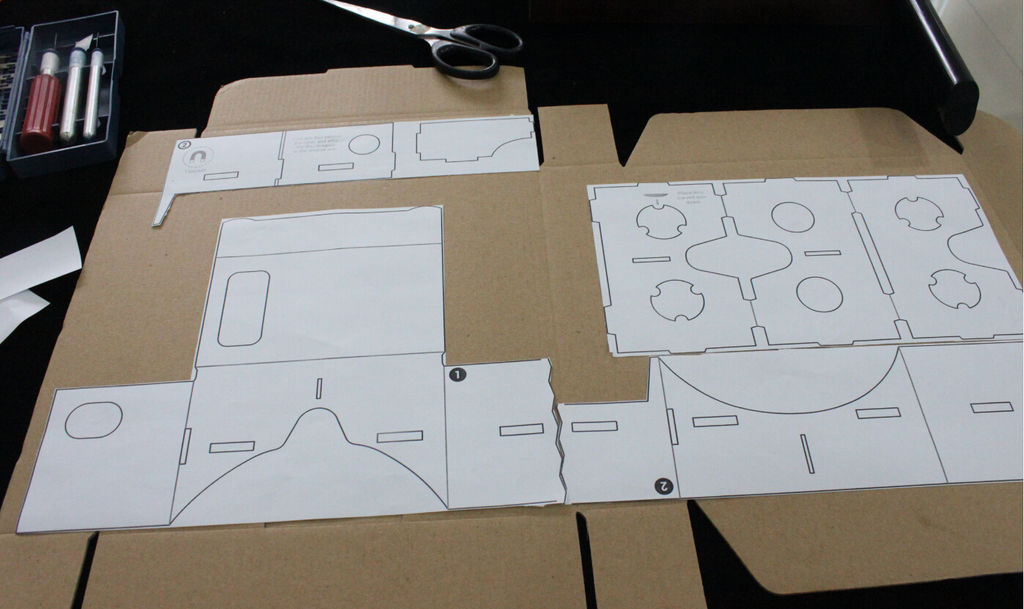
    1. Print out the cardboard template by clicking on “Download the Kit” on the provided link. Apply some glue on the back of the template and paste it onto the cardboard with light numbers on top of the darker ones.

    google cardboard 4

    2. Now start cutting along the edges and fold the area marked by the red line.

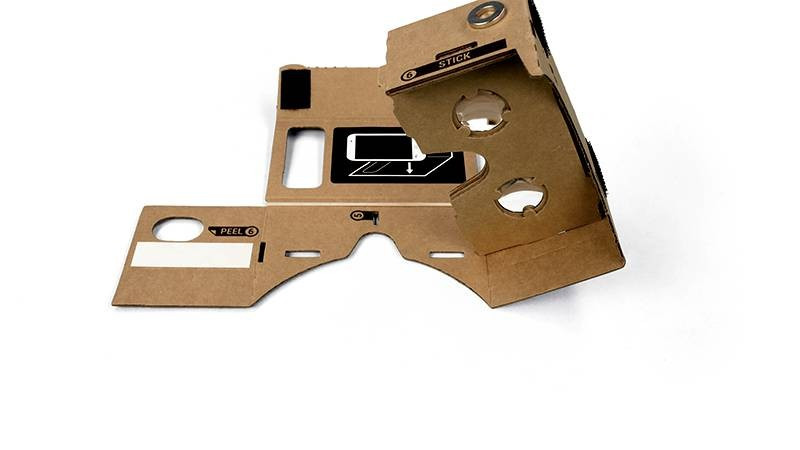
    google cardboard 63. Once you are through with cutting the cardboard, place the lens in the curved area and magnet at the other side of the cardboard mentioned on the template. Glue the area that’s done and affix the Velcro strips where you’ll be slipping your phone.

    google cardboard 5

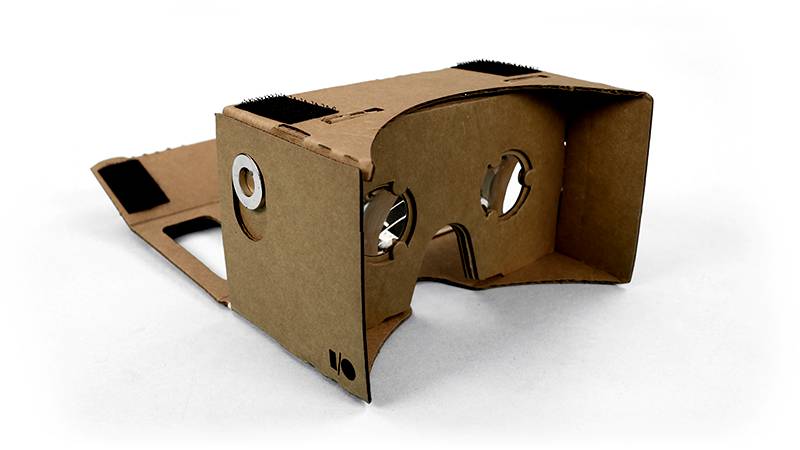
    4. If you have followed the steps mentioned above, your cardboard is almost ready.

    google-cardboard-virtual-reality

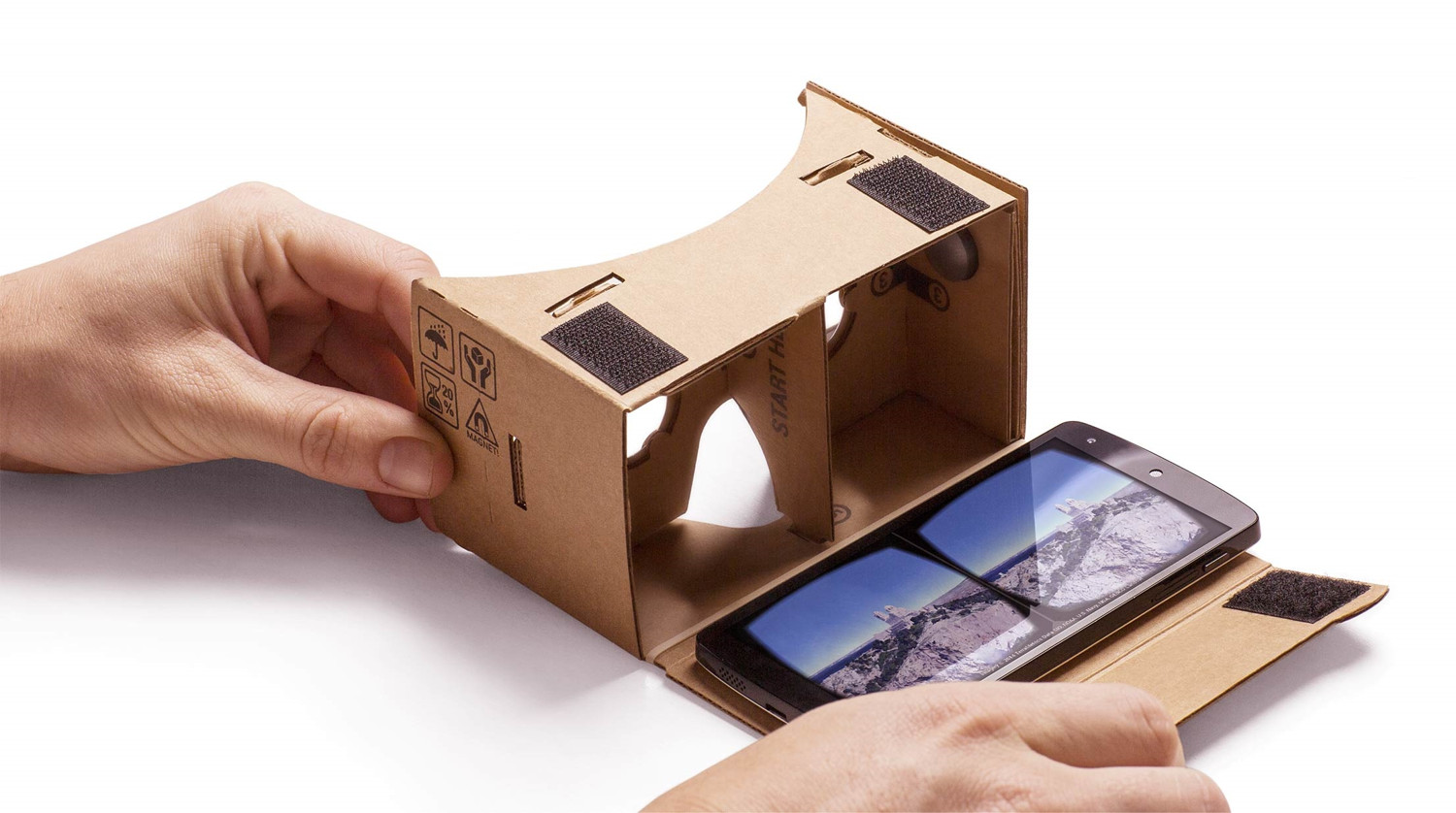
    5. Put your smartphone in the cardboard and tie a rubber band so that your phone doesn’t slip through.

    google cardboard 1

    6. One more thing left is the installation of Cardboard app from Google Play Store that provides you content to see through the hand-made Google Cardboard. Launch the app and click the desired category by sliding down the magnet, placed on the side. You can get back to the main menu just by holding your VR headset upright.

    In case everything fails, you could order one online:

  • Unboxing | Micromax Canvas Knight 2

    Unboxing | Micromax Canvas Knight 2

    Updating its Canvas Knight series, Micromax has introduced the second-generation Canvas Knight 2 in India. The device, which supports 4G connectivity, is priced at Rs. 16,299. The dual-SIM Canvas Knight 2 is not a major overhaul of its previous version; it packs a Snapdragon chipset, which was MediaTek in the last offering, advanced operating system and Corning Gorilla Glass 3 protection. The handset came to our testing lab and we got our hands on the device.

    Here’s our first experience with the phone:

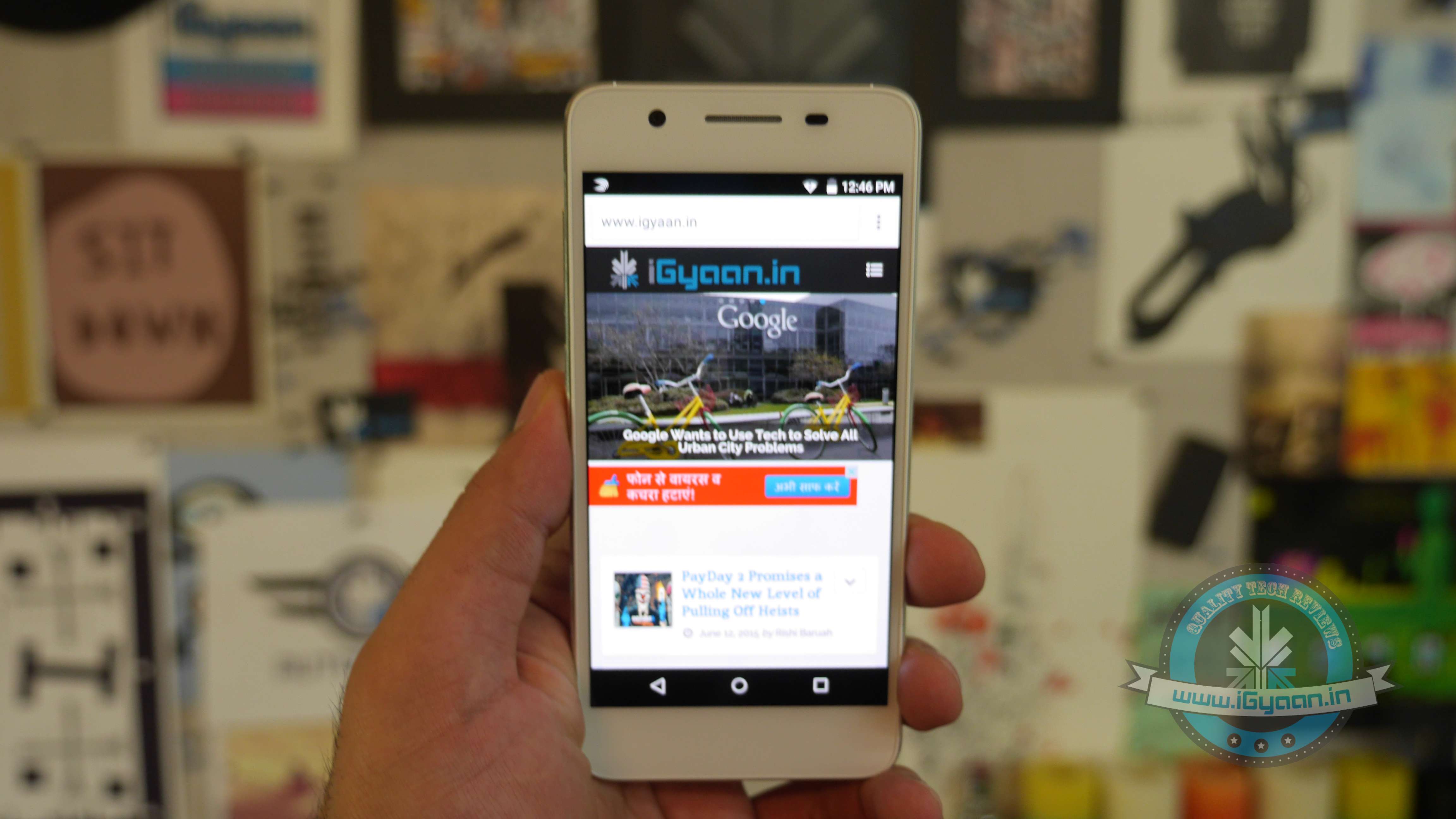
    Micromax Canvas Knight 2 12

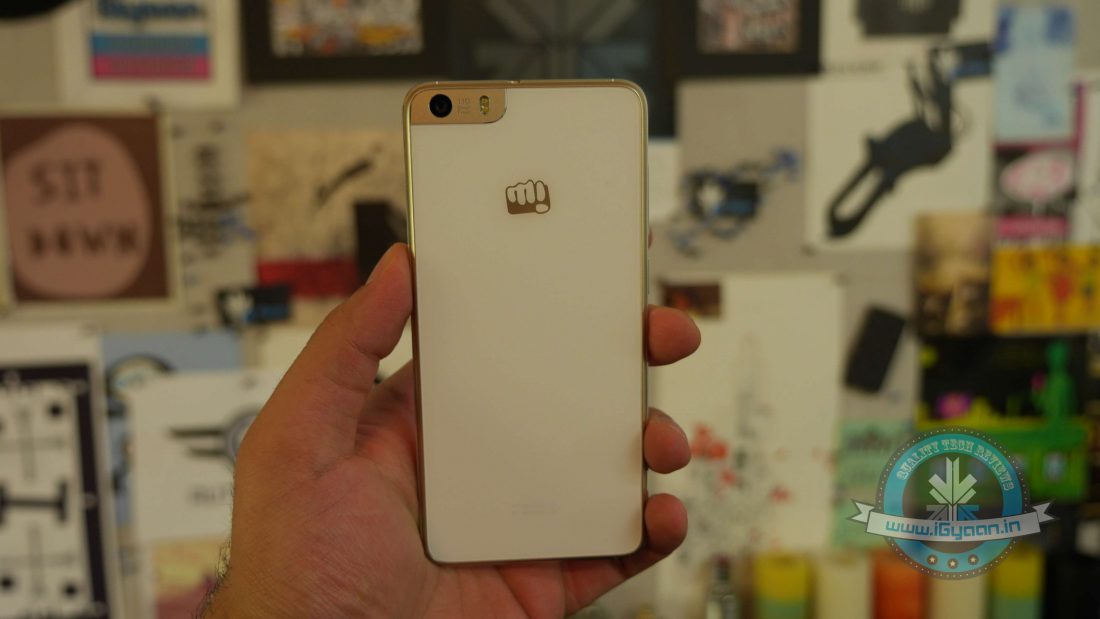
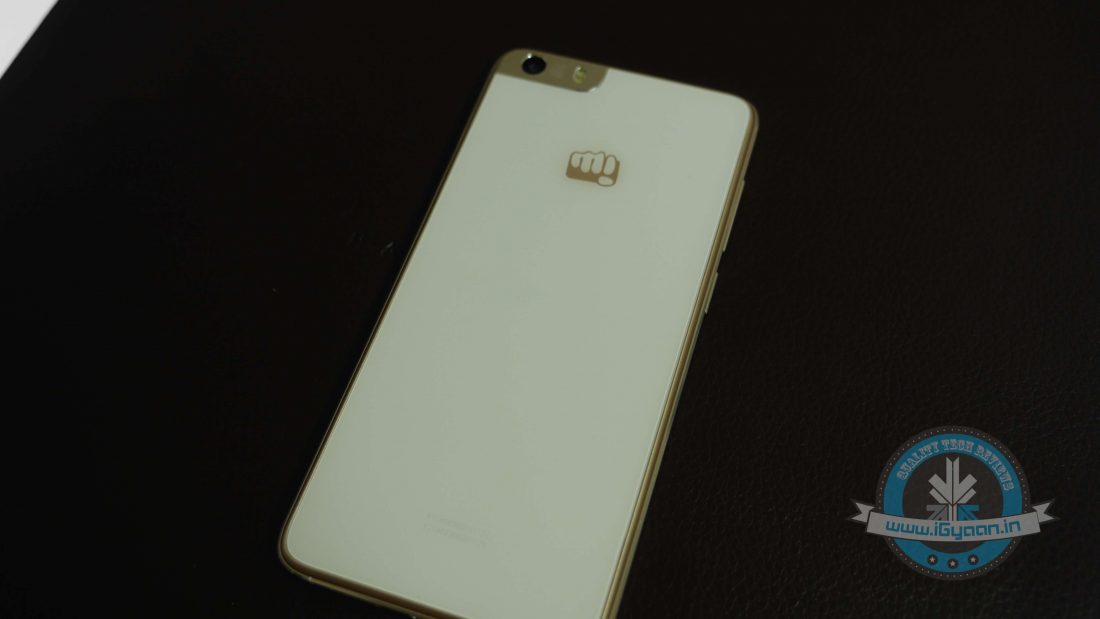
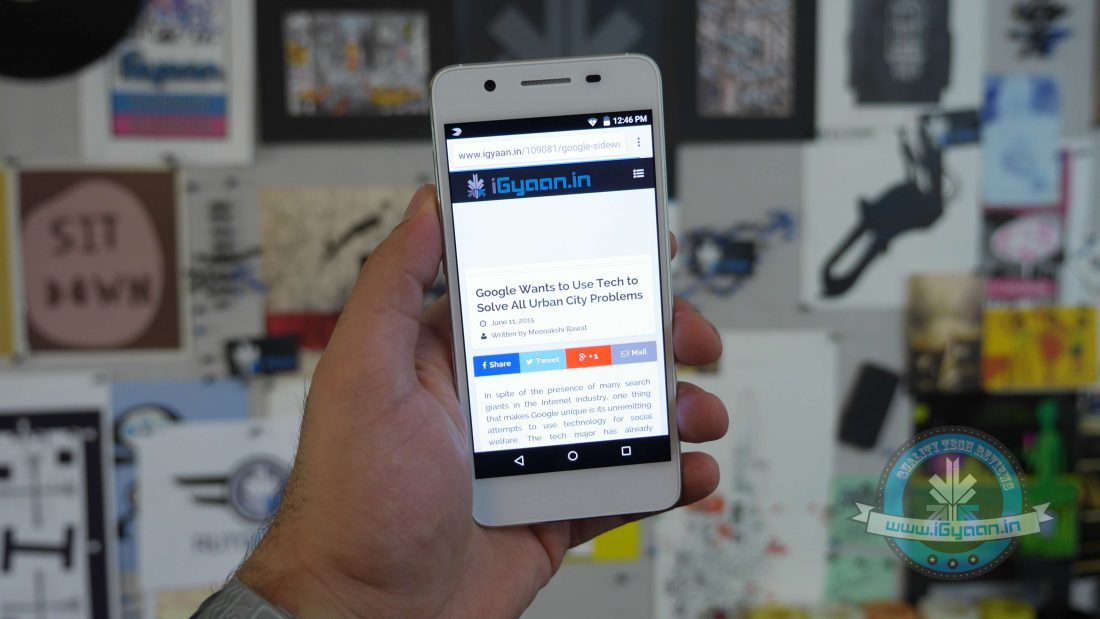
    The super slim Canvas Knight 2 is surrounded by a golden metal frame. It sports a big-sized screen of 5-inch HD AMOLED with 720 x 1280 resolution and 294ppi pixel density. The display surface, as well as the back, is protected by Corning Gorilla Glass 3, which is scratch resistant. On the front, they’ve provided a 5MP camera for selfie enthusiasts.

    Micromax Canvas Knight 2 10

    The dual SIM card slots offer support for one Micro SIM and one Nano SIM card. If one wishes to expand the storage capacity of the device, a memory card can be placed in place of the Nano SIM card slot. That means you can use just one SIM card if you want to expand its storage capacity.

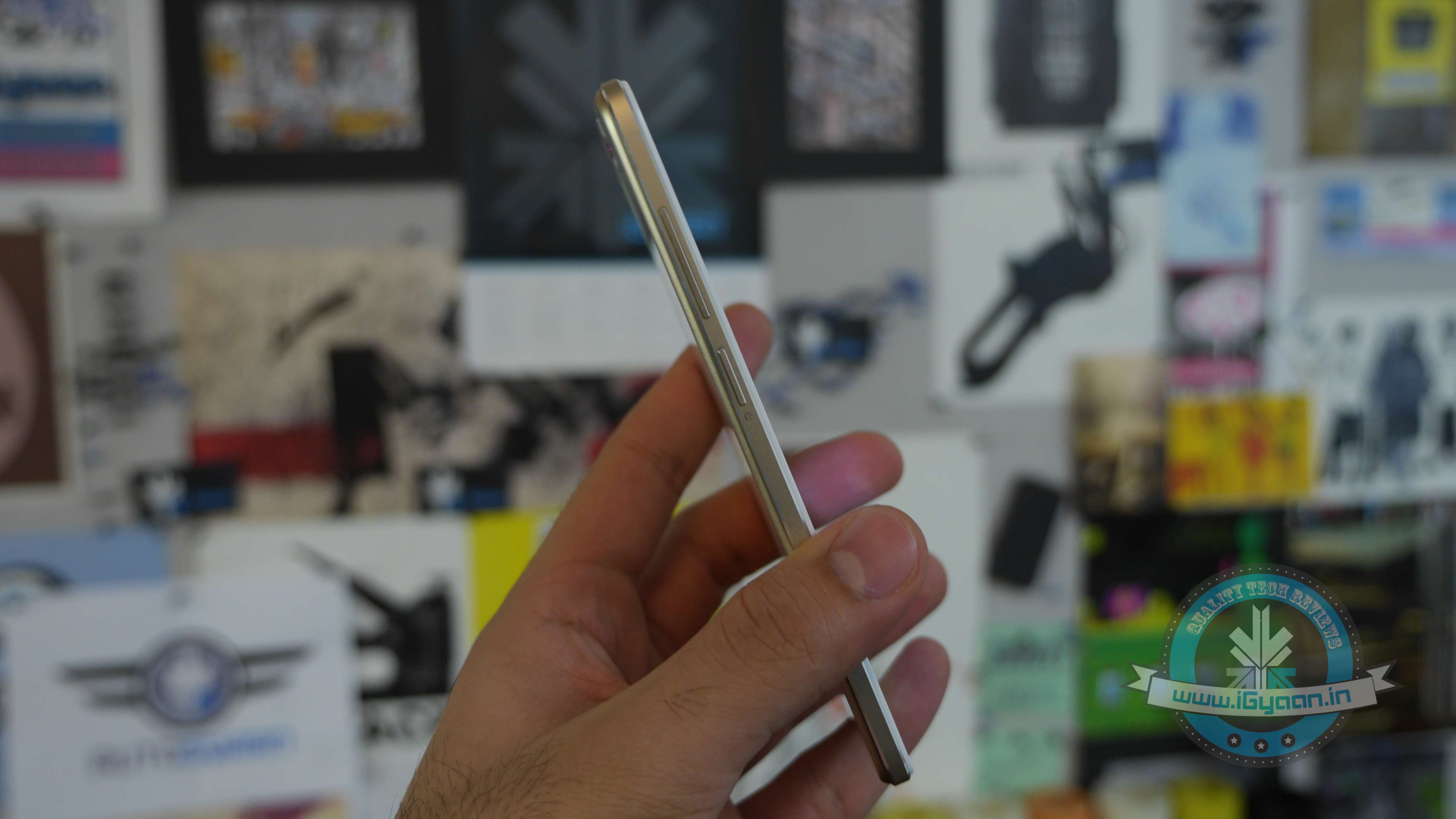
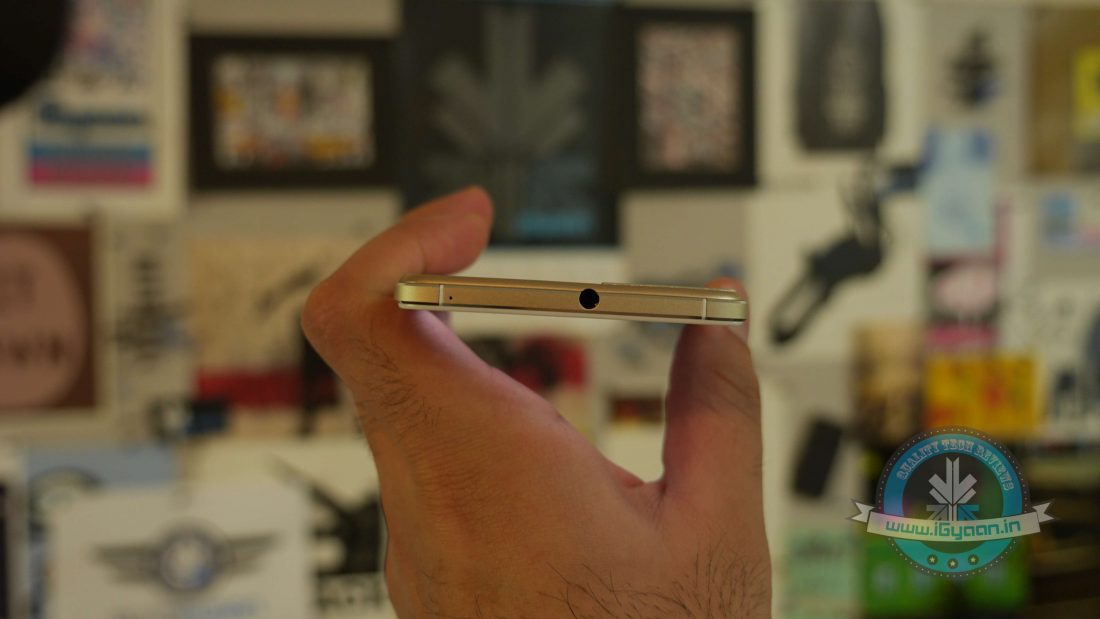
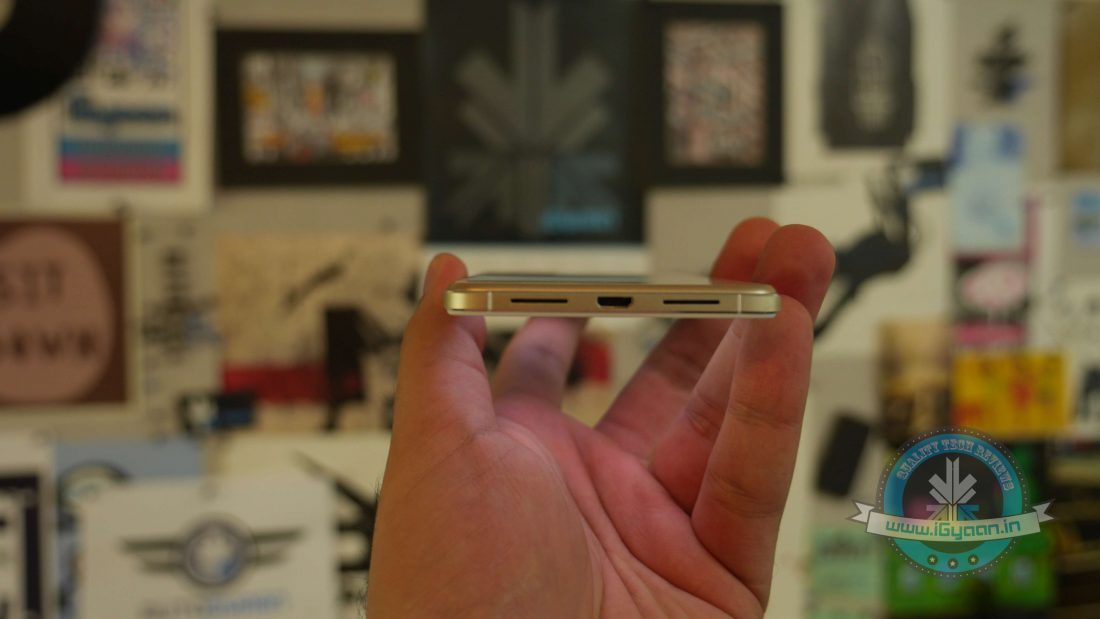
    On the top side of the Micromax Canvas Knight 2 is a 3.5mm headphone jack with secondary noise cancellation microphone. The right side of the device has the SIM card slot where you can stuff the MicroSD card for memory expansion. On the left, volume rockers as well as a power button.

    Inside is a 1.5GHz octa-core Qualcomm Snapdragon 615 processor with 2GB RAM and 16GB in-built storage space. Users have the option to expand it up to 32GB via MicroSD card. The new iteration runs on Android 5.0 Lollipop.

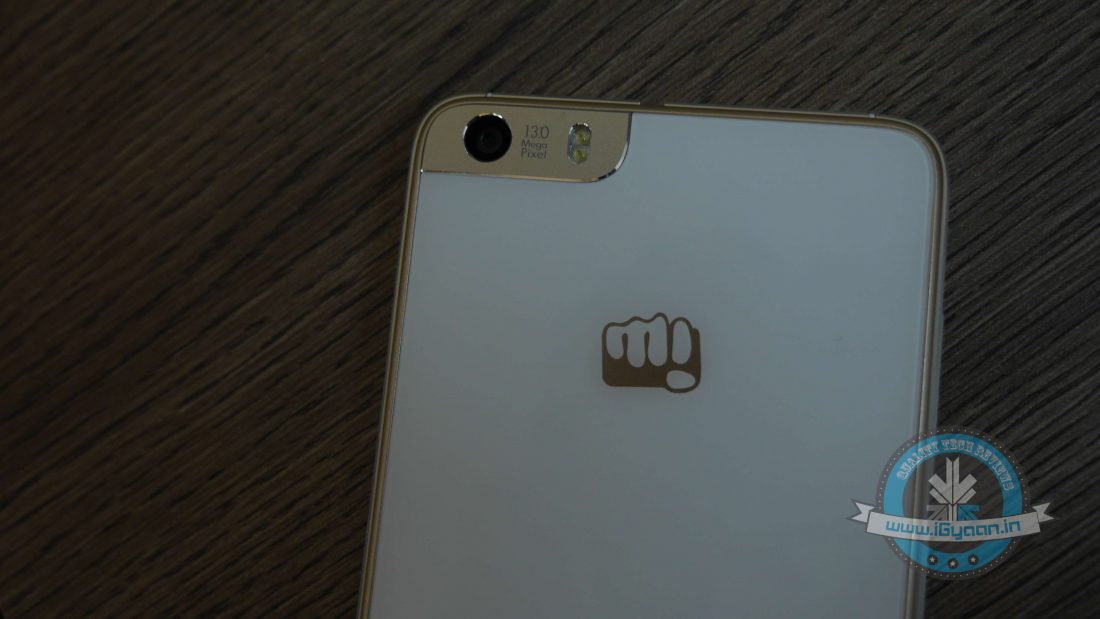
    The rear camera of the Canvas Knight 2 is a 13MP autofocus with Sony IMX214 CMOS sensor and 5-element lens. A non-removable Li-ion battery of 2230mAh keeps the device running for around 8 hours.

    Have a look at the spec sheet below:

    Specifications

    Micromax Canvas Knight 2

    Display 5-inch HD AMOLED (720 x 1280p)294ppi
    Processor 1.5GHz octa-core Qualcomm Snapdragon 615
    RAM 2GB
    Storage 16GB, expandable up to 32GB
    Rear Camera 13MP
    Front Camera 5MP
    Operating System Android 5.0 Lollipop
    Battery 2230mAh
    Price Rs. 16,299

    Check out our unboxing video here:

  • Xiaomi Announces a Major Price Cut on Mi4’s 64 GB Variant

    Xiaomi Announces a Major Price Cut on Mi4’s 64 GB Variant

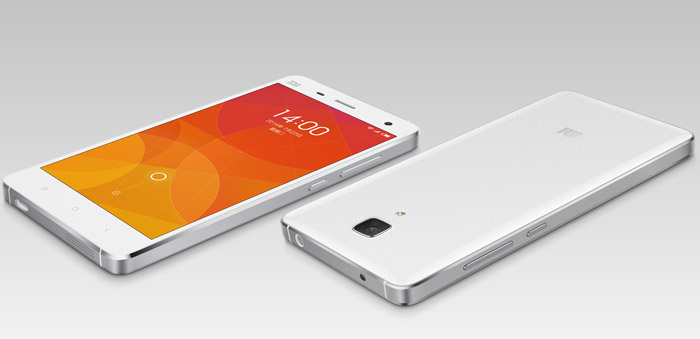
    It seems to be the sale season in the tech world. Recently Motorola reduced the price of its line of smartphones, which has been followed by OnePlus (albeit not for India.) Now Xiaomi has announced that they’re following suit. That’s right, the Xiaomi Mi 4 will now be available for 4,000 rupees lesser. The price will now be Rs.19,999 instead of Rs. 23,999. Which is a substantial drop.

    These companies are now getting ready to bring in their fresher 2015 line-up of devices. OnePlus will be launching the OnePlus Two soon, and the 3rd Gen of Motorola devices are also on their way. That brings up the question, which smartphone is Xiaomi planning on bringing to India now? The company is evidently clearing out stock to make room for another smartphone’s arrival. We’d vote for the Xiaomi Mi Note, the company’s current flagship.

    Coming back to the Mi4. The smartphone known for its exemplary features and boasts a sleek look. Hence, fans will be happy to hear that the Mi 4, that too 64 GB, is going to be become even more affordable. The specifications includes Qualcomm Snapdragon 801 2.5 GHz, a 3GB RAM and 64GB Flash. The phone also possesses a 5″ IPS full HD display at 441 PPI. It has a battery life of 3080 mAh and includes quick charge 2.0 support. The phone lastly, boasts of a 13 MP rear camera and an 8 MP front camera (both with f/1.8 aperture)

    If you’ve been planning to buy a new smartphone; now would be the best time.

    [tw-button size=”medium” background=”#07ABE2″ color=”” target=”_blank” link=”http://www.flipkart.com/mi-4/p/itme4g2vrpvmggch?pid=MOBE4G2SKSQJSPGJ&ref=L%3A-3240743764927561236&srno=p_3&query=xiaomi+&otracker=from-search&affid=bhnagpalgm”]Buy Now[/tw-button]  [tw-button size=”medium” background=”#07ABE2″ color=”” target=”_blank” link=”http://www.flipkart.com/mi-4/p/itme4g2vrpvmggch?pid=MOBE4G2SKSQJSPGJ&ref=L%3A-3240743764927561236&srno=p_3&query=xiaomi+&otracker=from-search&affid=bhnagpalgm”]Xiaomi Mi4 [/tw-button]

  • Upcoming Apple Products Likely to be Manufactured in India : Report

    Upcoming Apple Products Likely to be Manufactured in India : Report

    Yes, the back panel of your iDevice might shortly read “Assembled in India” as Foxconn, the major contract manufacturer of Apple, is planning to set up an Apple assembly plant in India. Industries Minister of Maharashtra, Subhash Desai remarked that Foxconn will come to scout for a location in India, as reported by Reuters.

    The statement by Desai says, “Foxconn is sending a delegation of their officers to scout for locations in a month’s time.” The relocation of Apple assembly store from China to India will first of all aid Foxconn in cutting down the accelerated wage cost, and the lower production cost will help catch up with the mounting demand, which the Cupertino-based firm was failing to match with its supply shortage. The increased production will make the revenue numbers jump, hence, giving a stiff competition to India’s leading smartphone manufacturer Samsung and Micromax.

    The camera on the iPhone 6 Plus offers amazing shooting features like Time-lapse and slow motion capture.

    The world’s biggest Taiwanese electronics producer is said to build up 10-12 facilities in India by 2020, which includes data centres and factories. No confirmation has come from either Foxconn or Apple on the same, and an official statement would be required to authenticate the report.

    It’s not the first time Foxconn will operate from India. The tech firm was earlier functioning in India, manufacturing Nokia phones, but as soon as Nokia’s mobile division was acquired by Microsoft last year, Foxconn had to shut shop in India. The return of Foxconn will boost smartphone manufacturing in the country, making it an electronics hub. Simultaneously, it will give a major push to Prime Minister Narendra Modi’s ‘Make in India’ campaign of bringing multinational companies to produce goods and services locally in India.

    The

    Along with Apple, Foxconn is under contract with Acer, Sony and Xiaomi to manufacture devices for them. If Foxconn comes to India, other brands assembled by the manufacturing company are likely to go cheap as the transportation charges and service tax will be eliminated.

    The institution of the Foxconn manufacturing plant in India will establish our country as the biggest producer of technology products, and can also be a threat to Samsung in the high-end product segment, in the future.

    [tw-button size=”medium” background=”” color=”” target=”_self”]Source[/tw-button] [tw-button size=”medium” background=”” color=”blue” target=”_self” link=”https://sg.finance.yahoo.com/news/iphone-maker-foxconn-talks-build-130931349.html”]Reuters[/tw-button]

  • Google Search to Get Faster and Cheaper on Indian 2G Network

    Google Search to Get Faster and Cheaper on Indian 2G Network

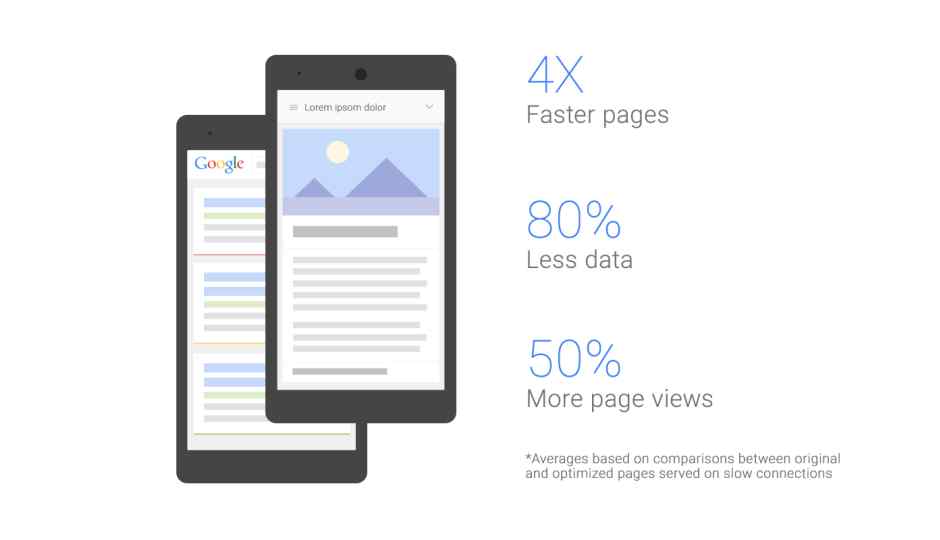
    Though fast wireless networks like 3G and 4G have hit certain parts of the world, emerging countries are still a victim of slow internet connectivity, which constitutes over half the globe. Tech powerhouses have understood the fact that their expansion lies in reaching that majority and providing them the best of their services. Today, Google has launched a slimmer version of Google Search called ‘Search Lite’ on Android phones that optimize web pages on slow 2G network.

    The feature shows streamlined search results, and the pages load four times faster than with the original Google Search. Also, it consumes lesser data, saving your monthly pack to last for few more days. Google’s blog post by Product Manager Hiroto Tokusei reads –

    If you’re in India, with an Android phone and on a slow connection, like 2G, you should start to see pages loading a whole lot faster, while using far less data, via your Chrome or Android browser from Google’s search results.

    To accommodate users with faster loading on slow mobile connections, Search Lite transcodes web pages on the go. As per Hiroto, the new feature gets triggered when an Android user surfs something on Google on a slow 2G connection. Google makes out the connection speed and activates the Search Lite tool. The search biggie has tested the feature in Indonesia and is geared to bring it to Indians in another two weeks.

    google search lite

    Google’s testing period showed more than 50% increase in web page traffic. The firm says that it would be extremely beneficial for publishers as the page views will encounter a jump. These faster-optimized pages help publishers and advertisers reach new audiences. Publishers can choose to optimize the page or reject the compressed format. There are other measures that Google is currently working on like Google Analysis for tracking page views, AdSense for ad support, and a few more.

    Also, the Search Lite tool will be brought as an option and not as a compulsion. Users can choose to switch to the original page any time through the link provided at the bottom of the page. The feature will be arriving in India as well as Brazil in the coming weeks.

  • 5 Tech Patents that Thankfully Never Worked Out

    5 Tech Patents that Thankfully Never Worked Out

    In the world of technology, there is no space for redundancy. Technology is getting updated time after time since tech fanatics are always carving out the next great gadget. The major number of brains swell up for innovating and creating such devices. Gadgets are continuously upgraded and tweaked, but some do not turn out as planned.

    We will see some of the weirdest patents filed by the biggest tech powerhouses today:

    Nokia’s Vibrating Tattoos

    nokia vibrating tattoo

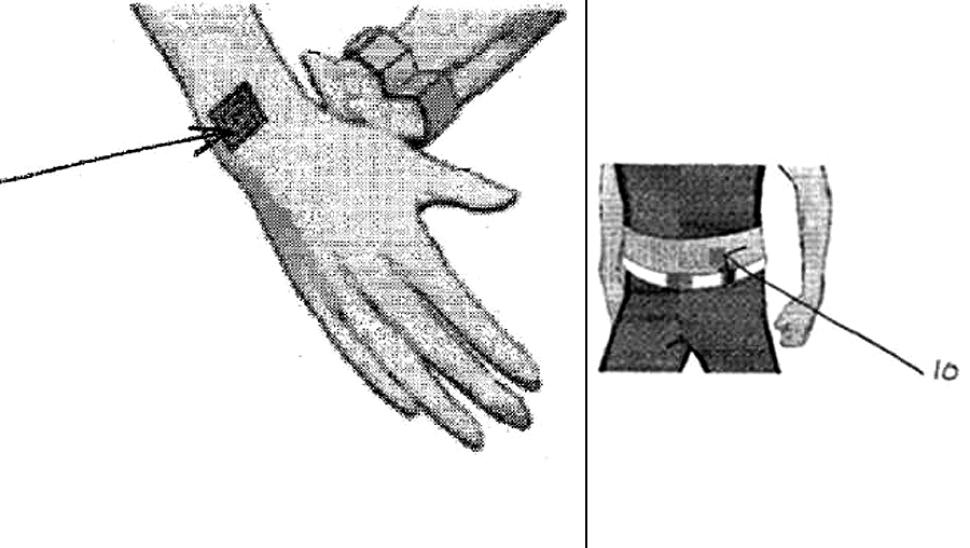
    In 2011, Nokia signed a patent for the first vibrating tattoo. Yes, a vibrating tattoo that alerts users when their phone is ringing. According to the official patent, the apparatus would be able to detect a magnetic field and transfer a ‘percievable stimulus’ to alert its users about an incoming call, text ot dead battery.

    But for some people, getting inked for the sake of technology was too much. People said the device plunges into a ‘creepy territory’. In an era of iPhones and Android devices, what would be the cost of unplugging a permanent tattoo?

    Nokia never discussed anything about the tattoo including the potential health risks.

    Google Background Advertising

    Google background advertising

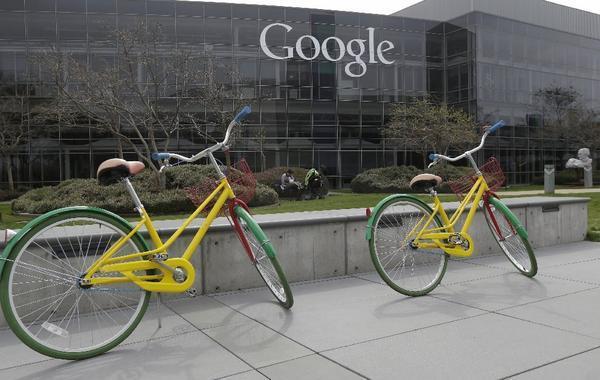
    Google, in 2012, signed a patent that would enable the search giant to base advertisements on background noise. According to the patents, Google would install sensors on handsets that would detect temperature, humidity, sound, light or air distribution near a device and ads would be served accordingly.

    For example, if you are at the gym and make a call, Google will be able to catch the gym machinery in the background and then serve up adverts for home gym equipment.  If it is 30 degrees or more outside, Google will throw in adverts for sun cream, air conditioning units or ice creams.

    But it raised the question of privacy. People were not pleased with the idea of Google tracking down their location wherever they went. Although from the use and productivity aspect, this patent was quite useless.

    Amazon Airbag

    Amazon Airbag

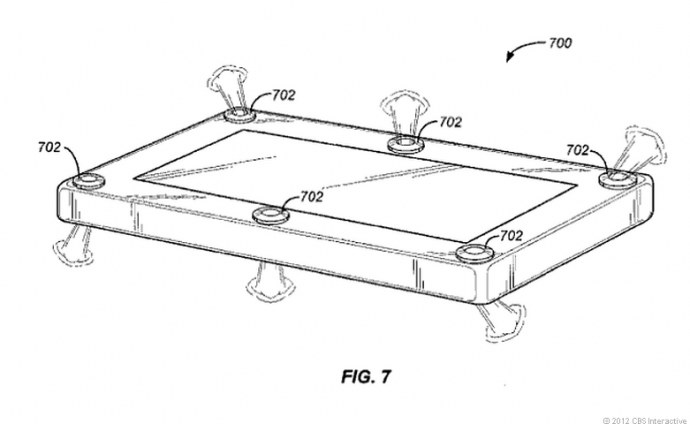
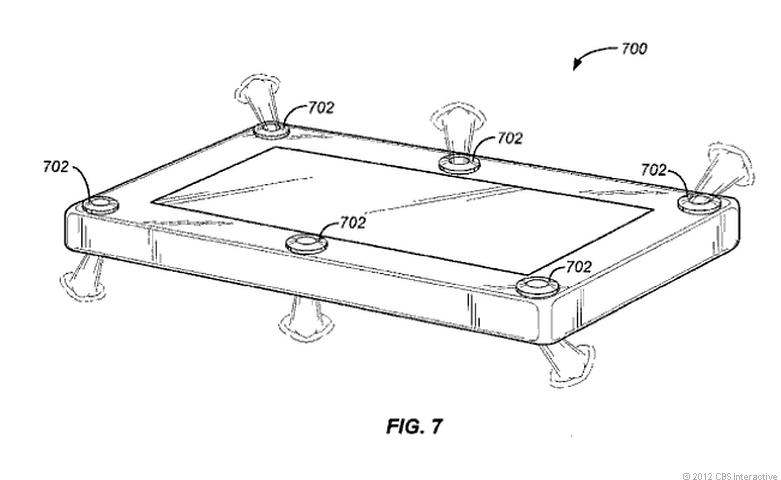
    Amazon came up with this idea in 2012 for a protective system for mobile phones. The patent describes a system that utilizes a gadget’s built-in gyroscope, camera, accelerometers and other onboard sensors to decide if the device has entered an airborne state. If it has, the technology will release airbags to decrease potential damage – or possibly even alter the trajectory of its fall by firing jets of air.

    But this idea gathered much criticism like ‘What’s next, smartphones with built-in parachutes? Or maybe handsets with wings and propellers?’ and ‘From a logistical point of view, the handset would have to be rather big to hide an airbag.’

    There has been no track of progress regarding this airbag. Let’s wait and find out!

    Microsoft Remote Control Charging Patent

    Microsoft remote control charging patent

    Imagine a situation where you have to pay more for skipping an ad while watching a movie or watching a sporting event and you have to pay extra for accessing the replay. Luckily, this patent did not fly off as imagined by Microsoft when they filed this patent back in 2004. This wasn’t very welcomed by the masses because these charges would be on top of the base price as a way to boost up profits.

    Apple Air Jet Keyboard Patent

    Apple Air jet keyboard patent

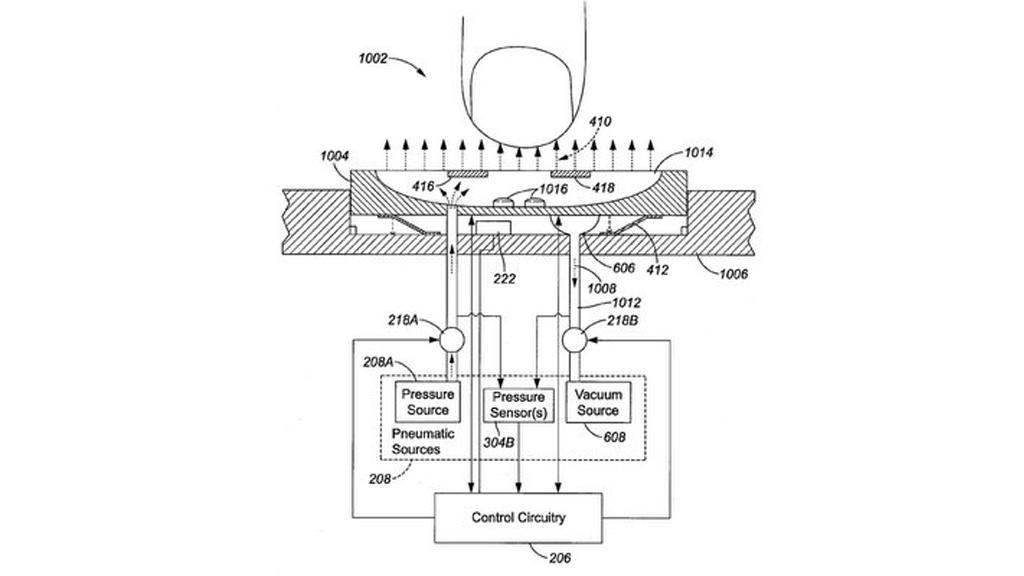
    It isn’t too hard to imagine a flat keyboard without keys- we don’t really look at our fingers when we type, ourselves. But, it’s still a little hard to imagine actually using one. In 2011, Apple patented a unique keyboard design that uses micro-perforations to shoot air at the user’s fingers upon touch, giving tactile feedback to whoever is. One of the biggest objections about virtual keyboards is the lack of tactile feedback, making it much laborious to touch-type at any speed, with much accuracy.

  • Apple Music Arrives in India on 30th June; Pricing Revealed

    Apple Music Arrives in India on 30th June; Pricing Revealed

    The world was recently abuzz with the recently held WWDC’ 15 in San Francisco and we now have more great news for Apple fans, especially in India. That’s right, Apple Music is set to launch in India by June 30th. The company at the event had stated that it would be released 100 other countries worldwide, now recent reports claim that India will be included in the list.

    We love music, and the new Apple Music service puts an incredible experience at every fan’s fingertips, all the ways people love enjoying music come together in one app — a revolutionary streaming service, live worldwide radio and an exciting way for fans to connect with artists.”

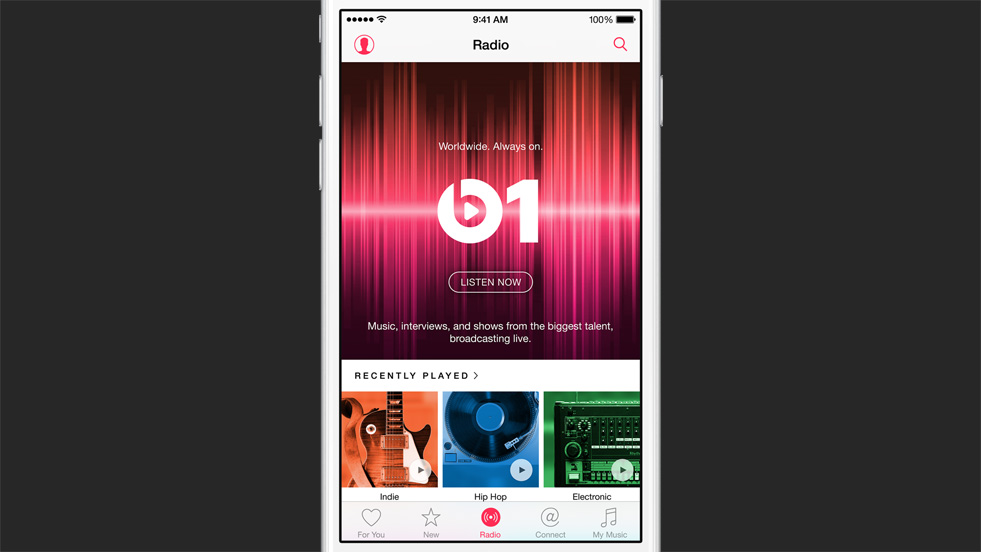
    We first brought you the news that Apple Music will be launched and that it will be a universal app catering to three things:

    • Apple Music: We will have access to all kinds of music, whether from iTunes or ripped from CDs.
    • Apple Connect: This is a way for fans and artists to connect by sharing videos, lyrics, backstage videos etc.
    • Apple Radio: We will be able to stream live music and have access to all kinds of tunes, on a global platform.

    apple music

    In addition to this, Siri will be synced in with the App and we will be able to ask Siri to play our favourite tracks or even find songs of a particular genre. The statement released by Apple press contact stated:

    Siri is also dedicated to helping you enjoy great music and will help you have fun with Apple Music. Ask Siri to, “Play me the best songs from 1994,”  or “What was the number one song in February 2011?”

    While all this seemed too good to be true, we in India often read posts like these and felt disappointed with the fact that this might either not come to India at all, or might come in really late. Therefore, you would be pleased to know that this time around, India will have Apple Music by June 30th, at Rs.120 and Rs.180 (family pack) a month.

    This spells good news for Indian users as Spotify still hasn’t managed to make its way to the Indian market. This doesn’t matter anymore, though. Apple Music will really change the face of streaming music and will fit in every users requirements. Jimmy Iovine, Record Producer, stated:

    “Apple Music is really going to move the needle for fans and artists. Online music has become a complicated mess of apps, services and websites. Apple Music brings the best features together for an experience every music lover will appreciate.”

    We couldn’t agree more and we look forward to June 30th, eagerly.[tw-button size=”small” background=”#07ABE2″ color=”” target=”_blank”]Source[/tw-button] [tw-button size=”medium” background=”#07ABE2″ color=”” target=”_blank” link=”https://twitter.com/jayesh”]Twitter[/tw-button]

  • Google Wants to Use Tech to Solve All Urban City Problems

    Google Wants to Use Tech to Solve All Urban City Problems

    In spite of the presence of many search giants in the Internet industry, one thing that makes Google unique is its unremitting attempts to use technology for social welfare. The tech major has already touched a corner of human life with the launch of a medical wing, and now, a new spinoff introduced today will deal with improving city life. Urban innovation body Sidewalk Labs, launched by Google will focus on improving the city life of billions by developing and incubating urban technologies to address issues like cost of living, efficient transportation and energy usage, thus, enhancing the global quality of life.

    google sidewalk lab

    The new company will be headed by the former CEO of Bloomberg LP and Deputy Mayor of New York, Dan Doctoroff. Doctoroff has given some vague clues on what the company’s approach is while keeping silent on how the execution of this approach. The company will touch the left out parts that need the utmost attention, such as efficient transportation, lower cost of living and much more. The official website of Sidewalk Labs says, while there are apps to tell people about traffic conditions, or available apartment price, the biggest challenge that cities face are reducing energy usage and helping governments operate more efficiently, among a few others. The company is said to be developing new products, platforms and partnerships to make progress in these areas.

    The CEO of Sidewalk Labs stated at the launch –

    We hope that Sidewalk will play a major role in developing technology products, platforms and advanced infrastructure that can be implemented at scale in cities around the world.

    Google’s CEO Larry Page posted on his Google+ page, “With Sidewalk, we want to supercharge existing efforts in areas such as housing, energy, transportation and government to solve real problems that city-dwellers face every day.”

    Very little is known about Google’s diverse project, but the picture laid out by the company speaks of technological installations in the present scenario rather than building up an all-new structure. No plans have been disclosed of how Google will carry out instating urban technology and what its budget for the project is. It seems like Sidewalk itself doesn’t have a strategy for its goal.

    The construction of Apple’s futuristic spaceship-like headquarter is under way, and it now appears as if the new campus can be a blueprint of the massive project that it has taken on. If that’s true then, Google had the idea in mind for long, and hopefully, Sidewalk will touch the height of success just like Google[x] and Calico.
  • Apple’s Next iDevice Might Feature a Front Camera Flash

    Apple’s Next iDevice Might Feature a Front Camera Flash

    The selfie has gained social, political and global recognition in the past two years, given its high popularity and almost contagious qualities, Apple may be coming up with a plan to up the selfie quotient in the next iPhone or tablet.

    Hamza Sood, a developer, said that the phone or tablet will have, not just a front facing camera flash, but also the ability to record 1080p videos along with recording slow-motion videos in 720p. Referring to the codes, Sood also derived that one might be able to take panorama shots using the front facing camera.

    So far, all the features that we mentioned, are only present in the rear cameras of smartphones. But with the new set of devices, Apple hopes to makes the selfie game, even stronger. Although these reports seem frivolous, Sood was previously right in recognising that Apple was coming out with fingerprint recognition two months before it actually came to the markets. He also identified slow motion shooting, before it finally made an appearance in the iPhone 5S.

    iPhone 6 Plus 0

    Even though the iPhone 6s is expected to arrive later this year, we’ve already heard several rumours about the upcoming device.  As reported earlier by an analyst from KGI Securities, the forthcoming iPhone 6s will sport a bumped up camera of 12MP. Powered by a next-gen A9 processor, 2GB RAM will equip the device with newfangled features like Force Touch. Some of the changes the ‘iPhone 6s’ is said to include is a new design using an improved casing material and a newly resurrected inner design. One more microphone is said to be added near the new handset’s speakers in an attempt to improve sound quality. It is also likely that Apple will release two variants of the iPhone 6s.

    While we don’t know if the phone camera, that is slated to be bigger and better, will actually succeed, we hope to be clearer in September, when the announcement might be made.

  • 5 Super Affordable Products We Wish Xiaomi Launches in India Soon

    5 Super Affordable Products We Wish Xiaomi Launches in India Soon

    Despite being a young player, Xiaomi has become a brand that needs no introduction. The reason is that it sets a reasonable price for its dependable and feature-rich products. People all over the world are eager to get their hands on Xiaomi products, but only some nations have been able to get hold of its exciting offerings.

    We have curated a list of devices that are available in Xiaomi’s home ground, but are yet to arrive in India. Here are the 5 devices most-desired products by Xiaomi, we can’t wait to get our hands on:

    Mi Note

    mi note 1

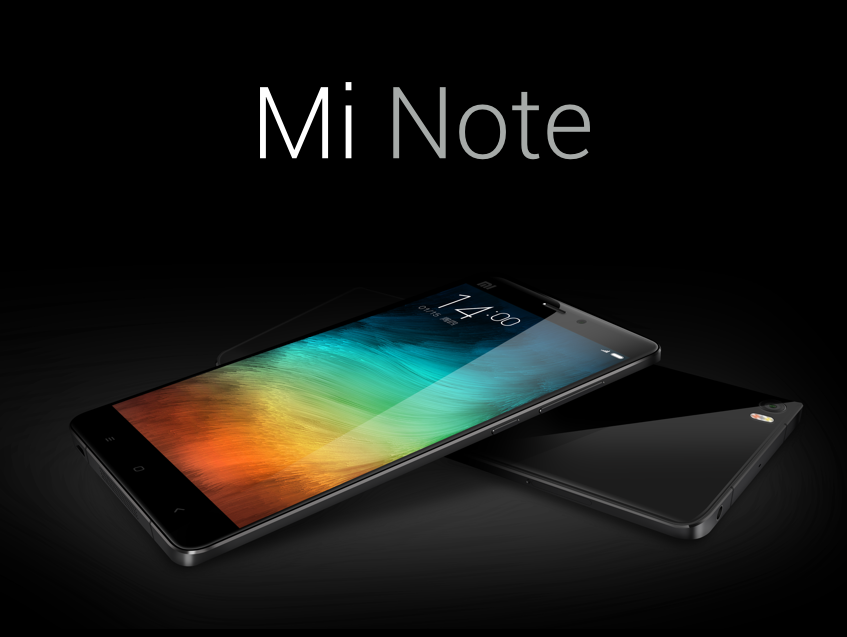
    Launched mid-January, Xiaomi Mi Note is one device that challenges the likes of Apple, Samsung and OnePlus. The device flaunts a 5.7-inch 1080p display with Snapdragon 801 processor and 3GB RAM. The phablet will be available in 16 and 32 GB variants. The phone runs on Android 4.4 KitKat with MIUI 6 on top. It sports a 13MP primary camera with Optical Image Stabilization (OIS) and a 4MP front-facing selfie camera. Powering the phone is a 3000mAh battery, which is sufficient enough to power the device for one full day. The Mi Note retails for 2,299RMB, which is about $371 or Rs. 22,893.

    Yi Action Camera

    xiaomi-yicamera

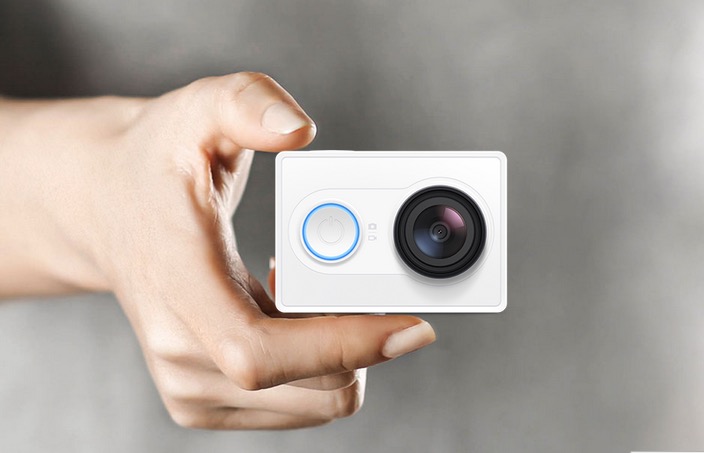
    Unveiled at Mobile World Congress (MWC) 2015, the Xiaomi-manufactured Yi Action camera is a device taking the Chinese brand into a new arena, ruled by GoPro. The camera priced at CNY 399 (approximately Rs. 3,900) holds 16MP camera with Sony’s Exmor R BSI CMOS image sensor that records a video at 1080p (60fps). Weighing a mere 72 grams, Yi Action waterproof camera holds a storage capacity of 64GB.

    Mi TV

    mi TV

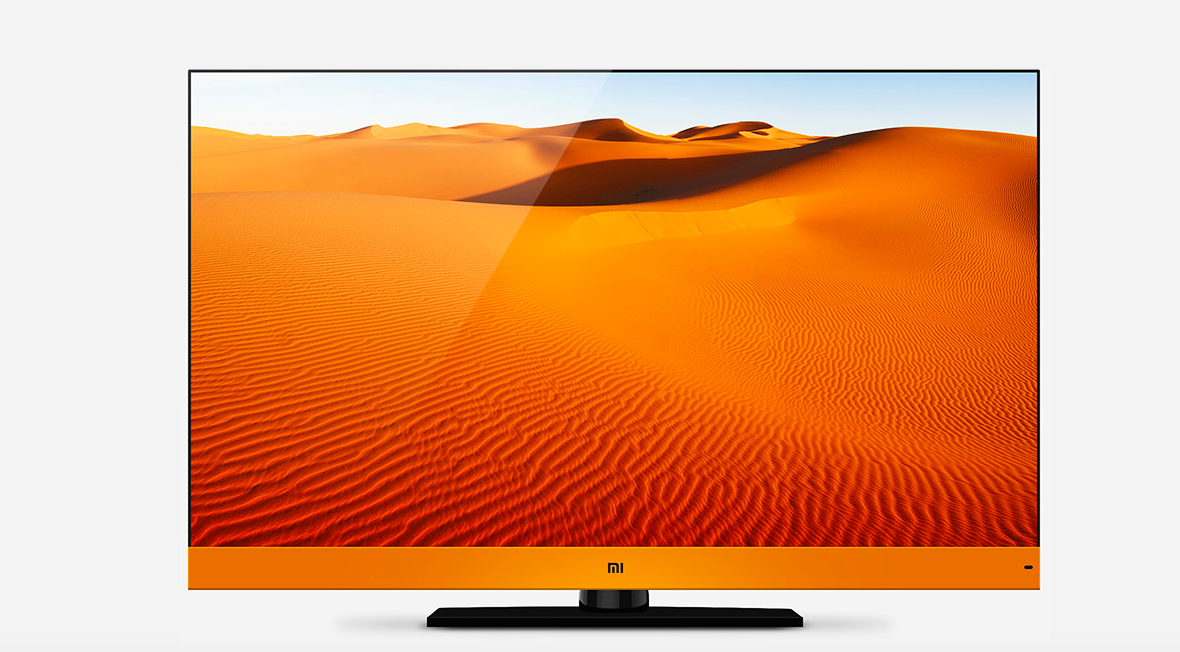
    A series of Mi TVs have been launched by Xioami in the international market. The 47-inch 3D Mi TV is virtually frameless with 8.4mm frame and features a 1920x1080p Full HD display. Inside the TV is Qualcomm’s Snapdragon 600 quad-core 1.7G processor, an Adreno 320 GPU, 2GB DDR3 of memory and 8GB of storage. Users can connect their gaming controller and headphones via Bluetooth 4.0 to their television sets. Along with that, Xiaomi’s TV supports Dolby Stereo and DTS.

    Mi Wi-Fi 6TB Router

    Xiaomi-Mi-WiFi-Router

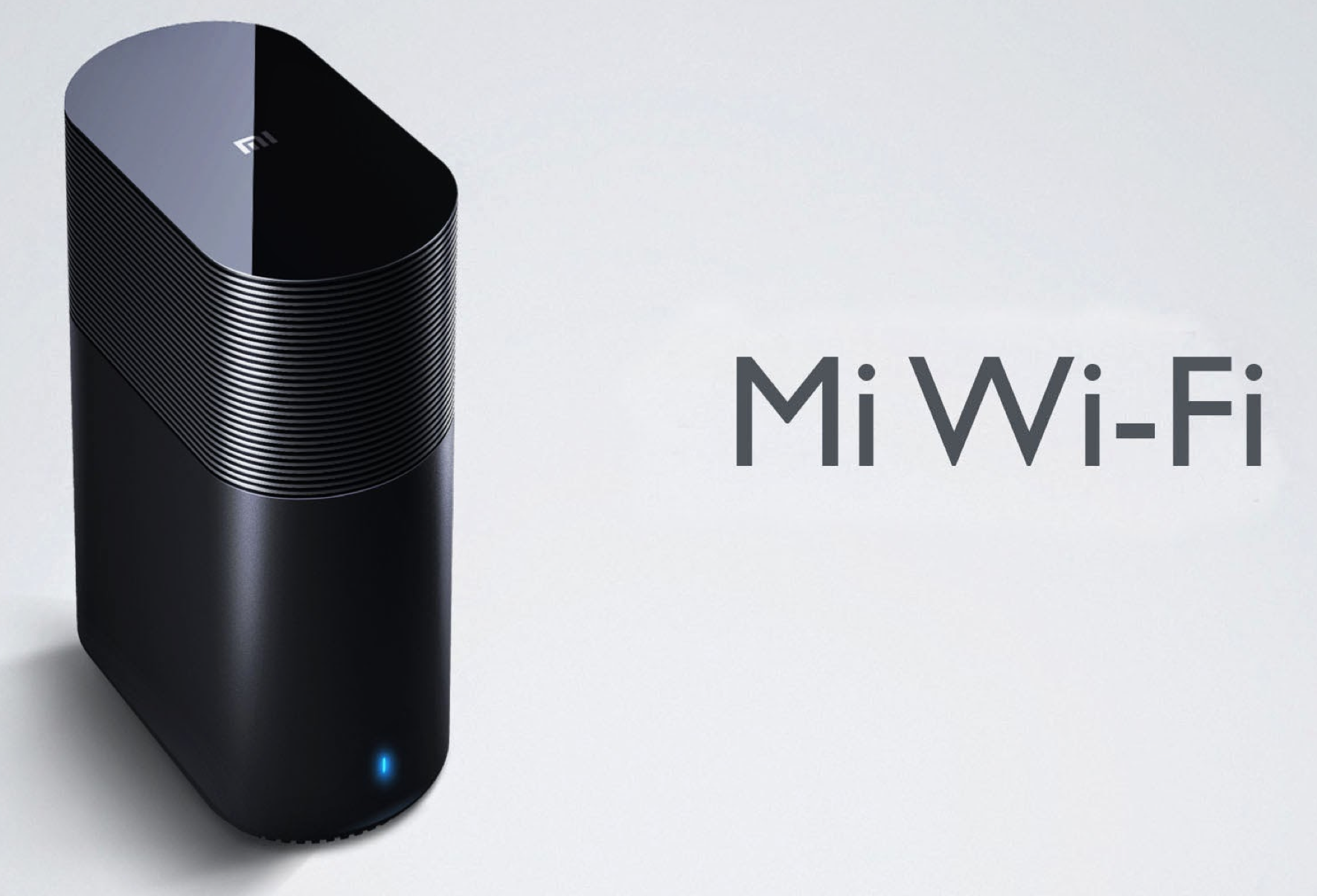
    Firming foothold deep into the consumer electronics market, Xiaomi recently launched a new Wi-Fi router that offers high-speed connectivity and is claimed to improve 2.4G performance by 100 percent and 5G connectivity by 30 percent. The device holds a 1.4GHz Broadcom 4709c dual-core chipset and 512MB flash memory along with offering 6TB hard drive for content storage. The 6TB Mi Wi-Fi will cost 2,999 Yuan (approx. Rs. 30,800). Xiaomi also introduced Mi Wi-Fi Amplifier along with Mi Wi-Fi. When the Amplifier is plugged into the router, it expands the Wi-Fi range without any hassle of wires. The Mi Wi-Fi Amplifier is priced at 39 Yuan (somewhere Rs. 400).

    Yi Smart Webcam

    xiaomi yi

    Yi Ants Smart Webcam, is a multi-purpose camera that works as a webcam for chatting as well as security camera with recording capabilities. With 111 degrees wide-angle lens and 4x zoom, the Yi Smart Webcam offers a resolution of 720p and allows users to make two-way voice calls. Xiaomi has also launched a night vision edition, which can record even in the dark with 940mm infrared sensor. It is priced at 149 RMB, which translates to Rs 1,532 (approx.)

iGyaan Network
Privacy Overview

This website uses cookies so that we can provide you with the best user experience possible. Cookie information is stored in your browser and performs functions such as recognising you when you return to our website and helping our team to understand which sections of the website you find most interesting and useful.