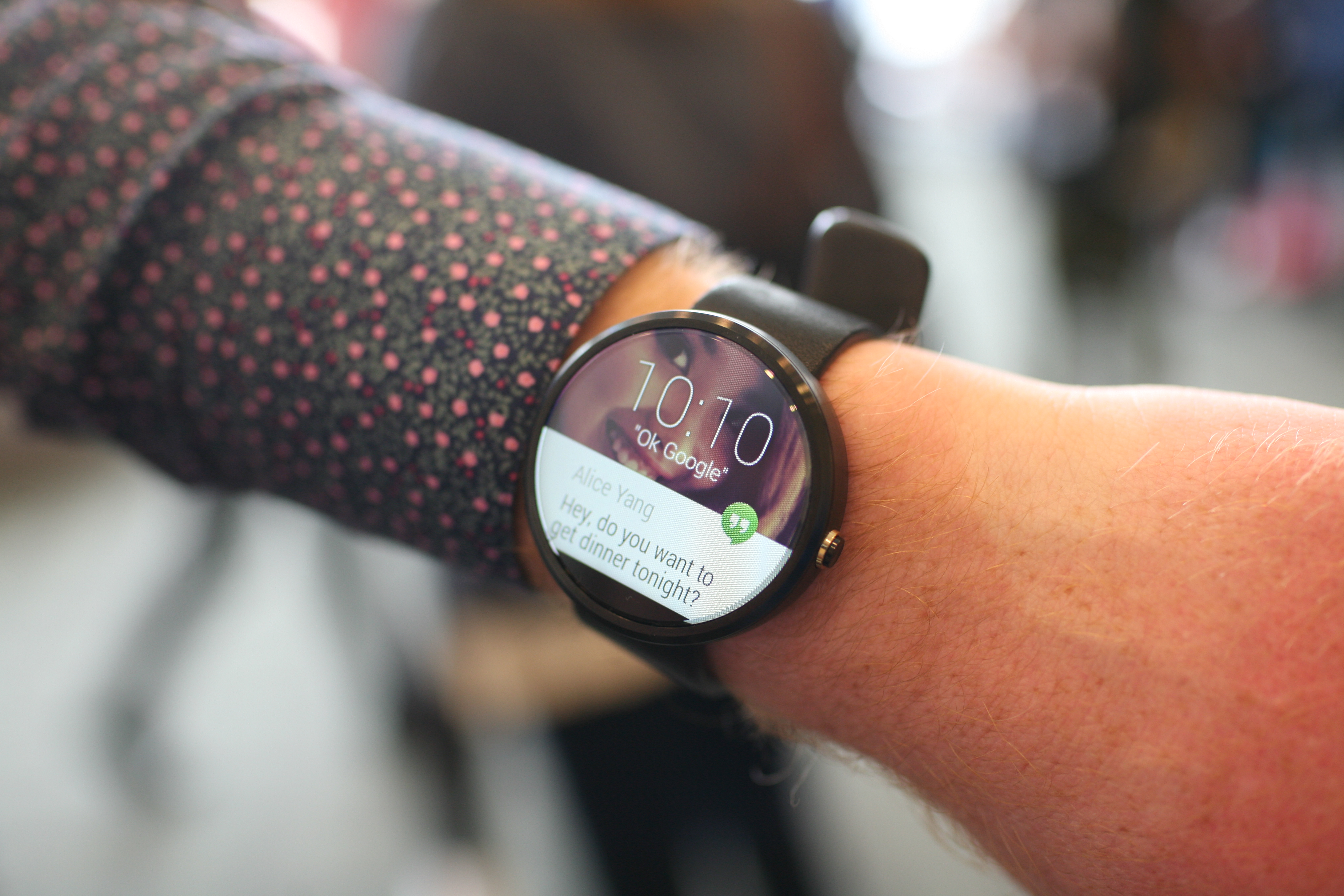
We have been hoping to get our hands on the Moto 360 smartwatch next month. It is said to launch on 4th September. But it seems that we don’t have to wait long to get a preview of what Motorola has in store for us.
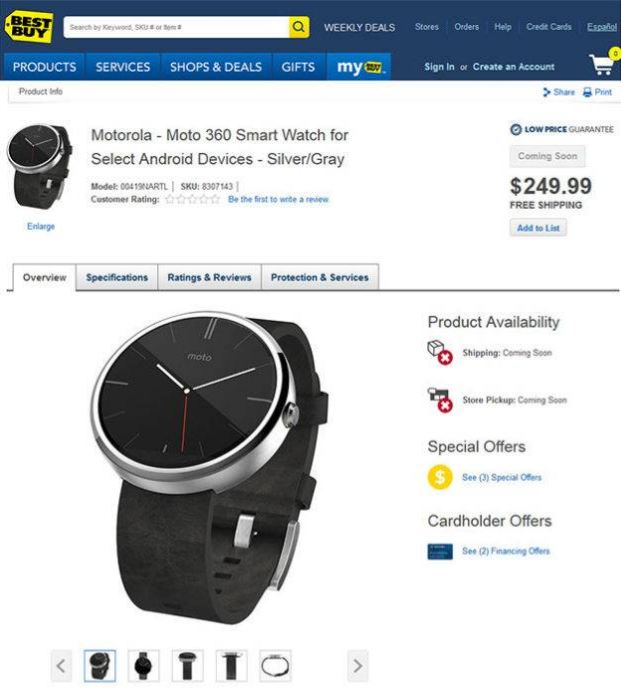
Best Buy has gone ahead and (accidentally?) spilled the beans by releasing the device’s features and price. The big-box retailer has posted a product listing for the timepiece that appears to reveal many (though not all) of the specifications. We have seen the device and many leaks that gives us a fairly good image about what the device will look like. Up until now, the only one thing that had been alluding everyone was the price.
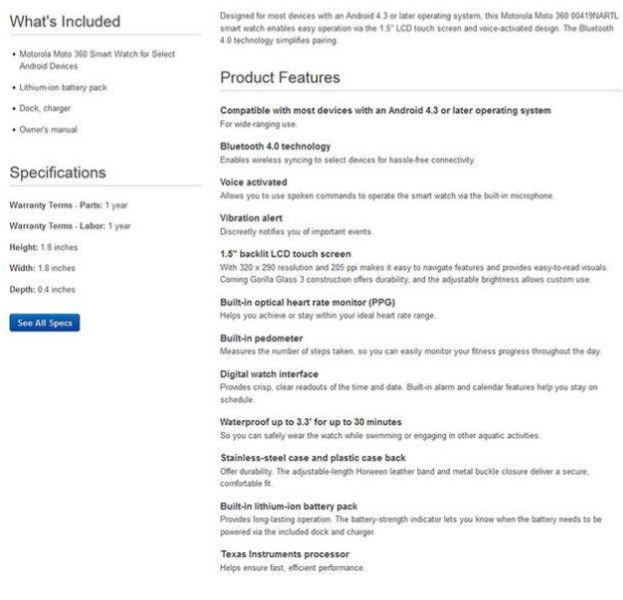
According to specs published on Sunday on the electronics retailer’s website, the Moto 360 will cost $250 and feature a 1.5-inch backlit LCD touch screen with a 320×290 resolution and 205 pixels per inch. Corning Gorilla Glass 3 will protect the Android-powered smartwatch’s screen.
The voice-activated smartwatch will sport an optical heart rate monitor, pedometer, and Bluetooth 4.0. It will be compatible with most devices running Android 4.3 or later versions of Google’s mobile operating system, according to Best Buy’s page.
The Moto 360’s availability is listed as “coming soon,” which we can only presume to means after Motorola officially debuts it. Google has hinted that the smartwatch will arrive at some point this summer, and Motorola will likely debut the watch at a press event on 4th September.
Specs mentioned in the product page:
1.5-inch backlit LCD touch screen
512MB of RAM
Waterproof up to 3.3-feet for 30 minutes
Texas Instrument processor
Built pedometer and HR monitor
Compatible with Android 4.3 or later
However, Product pages have been wrong in the past. The final specifications for the Moto 360 might differ slightly from what Best Buy has listed, as might the device’s final price. As such, it won’t be shocking if there are at least a few surprises left when the Moto 360 makes its official debut next month.
Samsung has more or less dominated the smartphone market in the past couple of years. After a short, yet fruitful reign of the Cupertino based Apple Inc. and their iPhone, Samsung took the pole position and has not wanted to let go ever since then.
With the power of 100% component control, in-house manufacturing and software R&D, Samsung led the rat race thanks to all its strengths. But, just like every other leader in the past, Samsung took the threat of competition lightly. So sure of their position and their loyalties, the Korean manufacturer failed to realise the need of the modern day man.
2014 may have seen less of it, but up until last year it was impossible to go ten days without an announcement from Samsung and that too just the mobile division. With their consumer electronics and home appliances doing their bit separately. Samsung wanted to be present, and today it is present in each and every price segment.
So here is a big question; why has Samsung started to dwindle, why are the consumers against the company they loved so much and what has really happened?
The answer lies in Samsung’s own flawed approach. Even though the company made sure it could tighten its ends and function like a well-oiled single operational unit, too much goodwill from within the organization led to almost zero critical feedback. Everyone in-house was busy appreciating how wonderful they are, no one telling them where they are wrong.
The Korean giant also failed to answer people’s unanimous need of better-built phones that not only performed well but were also made with the use of premium materials. Samsung failed the consumer’s demand and hope within a brand that people had only just begun to trust. Samsung never changed their design philosophy, making handset after handset to feed the familiarity of the brand.
A premium phone to create excitement in the flagship market; and then a mid-segment with similar looks and software capabilities to excite and create aspiration for those who could not afford the premium segment. Then there was the down segment shift of the same design to the lowest price point.
Not to say that this strategy didn’t work for Samsung, 2012 and 2013 alone saw an estimated 150+ launches for Samsung Mobile division, that is four times their next closest competitor and 75 times that of Apple Smartphone announcements, being the iPhone 5s and 5c.
2014 was also supposed to be a year of Samsung; many launches and many price segments and many new-magical innovations. But, things like multi-window and air gesture were not going to get attention. Hopes were pegged on a metal built handset with a 2k display, which was supposed to woo the crowd and earn the Korean company millions and millions of dollars with the Samsung Galaxy S5. But, ironically the complete opposite started to happen, the Korean giant started to lose market share and how. The company is worried, to the extent that they have reshuffled policies and opened up board rooms for strategy building. Resources are being spent, and ideas are being made within the company to rebuild the position that Samsung seems to be losing fast.
Samsung knows very well that they failed with the Samsung Galaxy S5, especially in markets like India, where they offered a sub standard and sub performance flagship, which not only quickly dropped in price but also in fan fare.
Samsung has never been a humble company; employees seem to be trained always to be arrogant and adamant about their policies, and about the position of the company. The beginning of the company itself is said to be tainted by a tale of controversy. Originally started as a trucking business in 1938, by the name of Samsung Trading Co, the company had corrupt ties with war governments trying to give an industrial strength to the country and survived through the war to become what is now a mega company.
The company’s chairman of 25 years, Lee Kun-hee resigned from Samsung in 2008 after being indicted and found guilty of embezzlement and tax evasion in Samsung’s infamous slush funds scandal. It is estimated that the company had over US $200 million in budgets for bribing prosecutors and politicians in favour of Samsung policies and making them blind towards the company’s misconduct.
But how does that play in today’s scenario? and how does that affect us in any manner?
It is speculated that Samsung has kept a stiff upper lip in India since its inception in the early days. The company is said to have deep ties with the Indian government and deeper pockets for the not so honest few in control. Samsung has often managed to bend rules in favour of their products and managing to change laws to better help the company’s growth.
However, while the Korean company was busy playing its deep rooted tactics, a new enemy was lurking in the shadows. Samsung essentially dethroned by local competition in markets they wouldn’t have imagined possible.
Micromax has always been playing catch up with Samsung, playing on the weaknesses of the company and essentially delivering a value for money prospect for the consumer who was sick of the boring design and hardware mix of Samsung. Micromax even brought unibody aluminium phones to mid and low segment markets while Samsung’s flagships continued to be made out of plastic. (we meant “Polycarbonate painted – er – plastic”)
In China on the other hand, Samsung never considered Xiaomi a threat, assuming that the company would never reach production requirements of the market. Most investment specialists and market reach firms estimated that Xiaomi would fizzle out in less than a year from inception. But just like Nokia back in the day, these people were wrong, very wrong; Xiaomi dethroned Samsung to gain not only the current position but as the leader in the Chinese market. The company has secured millions of pre-orders of their upcoming phones, the Redmi and the Mi4, ensuring them success and a tight position on the top of the chain for a few months if not years.
Xiaomi has also seen success in markets like India where they have managed to gather interest of the consumer, although largely lacking supply. The Indian market may not be that forgiving to the company if their current policy of sale of phones continues. However, this has set rolling the notion for a perfect budget phone, making companies like Samsung with red-rock strategies of selling dated products for newer markets obsolete.
The reign of Samsung is far from over, in-fact the company may as well be in a great place to play its strengths and recover market share with ease. The lack of great phones hasn’t helped the Korean manufacturer, and with their flagship of 2014 fizzling out in the market, Samsung will need new products and cut throat pricing strategy to regain their stronghold in markets like India. With players like Motorola, Xiaomi and Gionee playing catch-up in India, Samsung may have their work cut out for them.
Their previous relationships with their distribution and end retail chain are also in the swamp, and the company is having a real hard time coping with the situation. With all eyes perched on the new Note 4, Samsung may have more on the line than ever before. If the Korean smartphone maker fails to deliver in their monopolised category, they might have a tough time recovering. Samsung India plans to play a lot more in the online space, which initially was being ignored by the Korean company, and if previous examples have taught us anything, we know India is more than ready for e-commerce.
We have moved to the age of convergence to make our existence comfortable. With the evolution and digitalisation of communication, photography, and even education, we are now moving to an era where we want gadgets that not only give us comfort but also the luxuries that we never imagined.
We are listing 5 amazing gadgets that make our lives better and would make for perfect gifts:
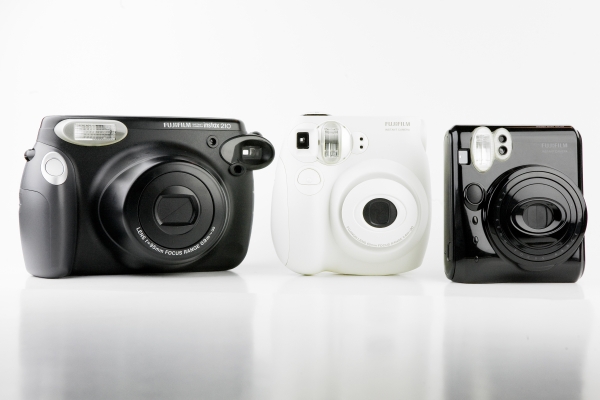
Fujifilm Instax Mini 50S
Polaroid Camera
The Instax Mini 50S combines best-in-class image quality with a small form factor that makes it easy to carry in a bag or hand without considerable discomfort. The film packs it uses are widely available online and inexpensive, costing less than Rs. 2,000 for 20 exposures. Loading the film, which is rated at ISO 800 is a child’s play. While the camera’s metering does well in the most favorable lighting conditions, you can adjust exposure brightness, which can help prevent overly dark portraits and highlight detail.
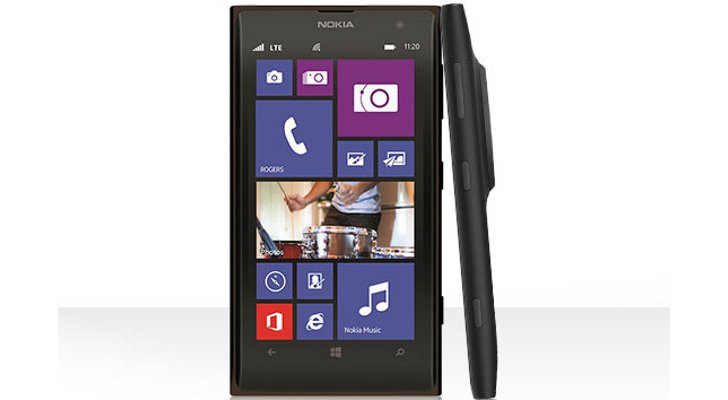
As a phone, it doesn’t bring anything revolutionary to the table, but as an imaging device, it’s quite a stunner. The Nokia Lumia 1020 is the best camera phone in the market today. Thanks to its large, 0.6″ BSI CMOS sensor and 41MP camera. You get excellent details and enough resolution for large poster size prints.
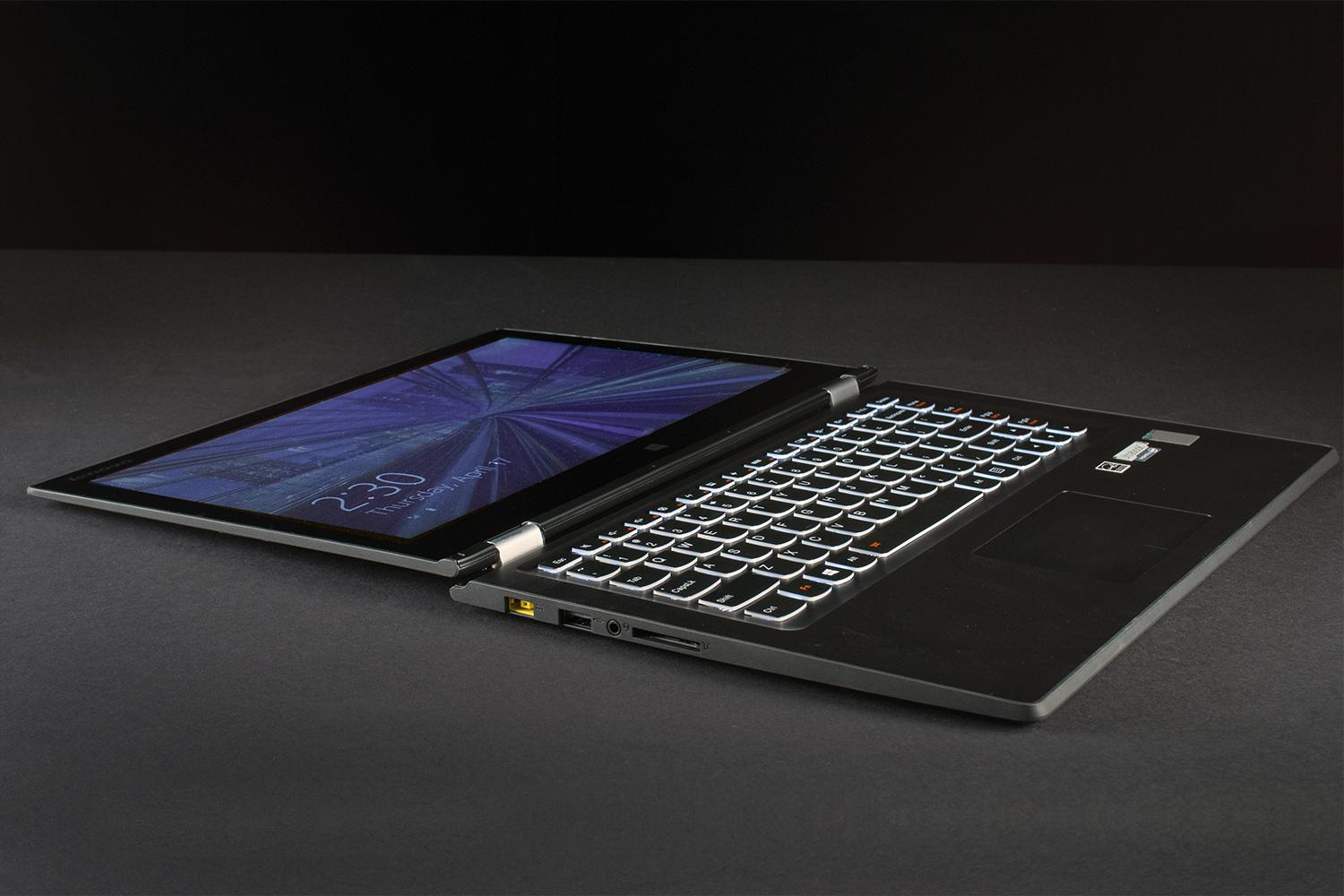
Lenovo’s Yoga 2 13 does everything you would expect of a slim, lightweight ultrabook—plus it converts to a tablet and two modes in between. And the competitive price means you’re getting the convertible abilities essentially for free. It is an excellent ultrabook, even without digging into its hybrid capabilities. This new model adds a backlit keyboard and an impressive 3,200×1, 800-pixel-resolution display.
Samsung UN65HU9000 directly takes to the front row of Television technology. The UNHU9000 curved 4K LED LCD has an excellent picture with deep black levels, accurate color and great bright-room viewing qualities. Its styling is drop-dead gorgeous, and the curve lends a unique, futuristic look. The feature set is well-implemented and comprehensive, with best-in-class connectivity and upgradeability and a superb remote.
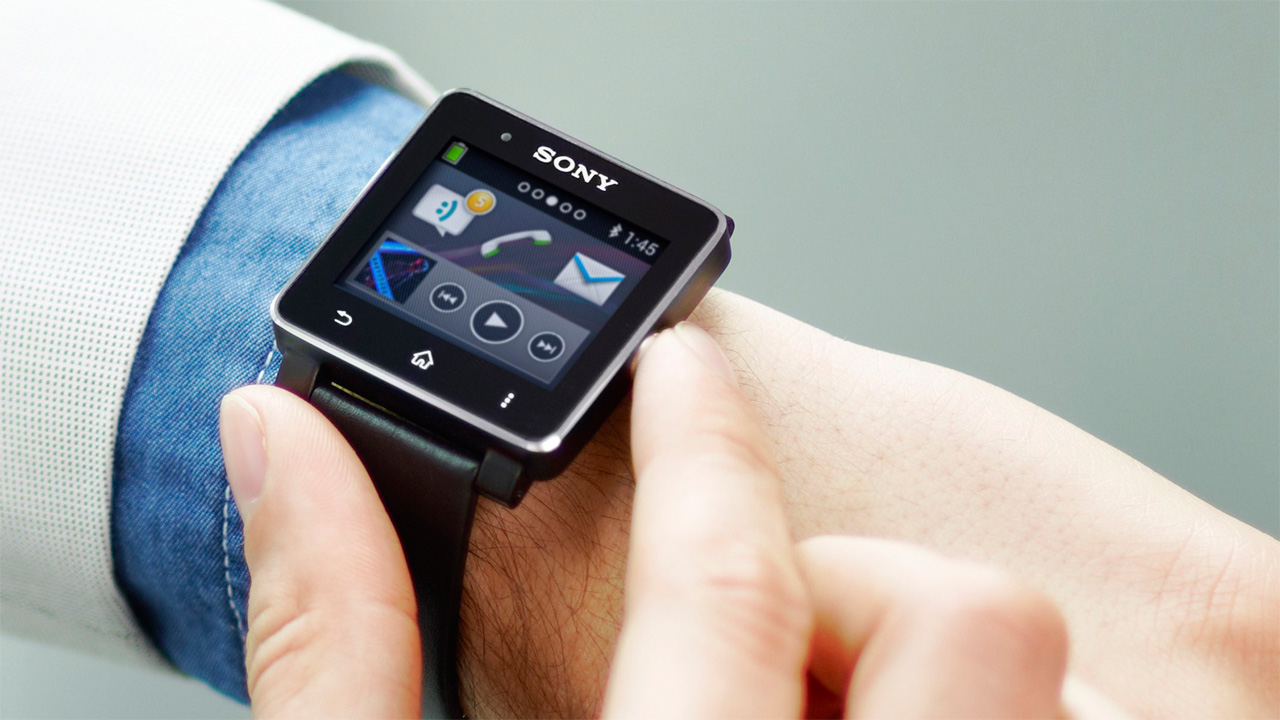
With a 1.6-inch touchscreen, this Android-powered smartwatch connects with compatible smartphones over Bluetooth to sync time, date and weather information. It can be customised to add functions such as control the phone’s music player, view messages, email, Facebook, Twitter, as well as accept or reject incoming calls. It also has Walkmate available for fitness enthusiasts.
Looks like everything we own and use is on its way to becoming ‘smart’. From smartphones to smartTVs, need of technological advancement has become a major part of tech business these day; smart tech ecosystem are slowly and steadily approaching our homes now.
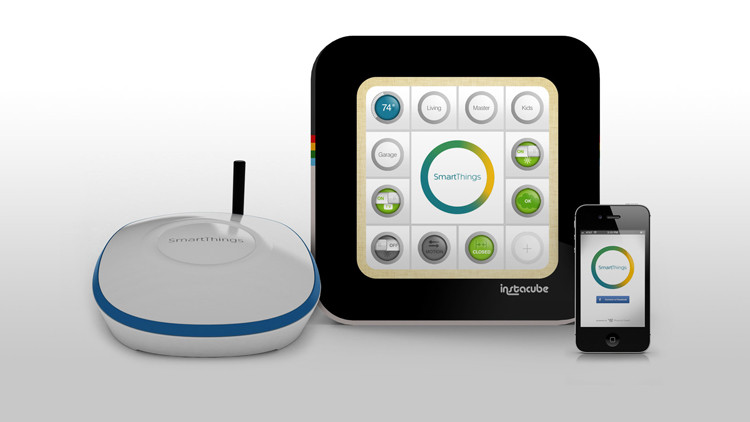
Seems like Samsung is playing it big to become the center of smart home with its acquisition of SmartThings. While the companies did not disclose the price, reports are the South Korean consumer electronics giant paid about $200 million.
The deal is the latest sign that big companies are staking out positions in what industry executives call the Internet of Things. That broad term encompasses just about any product that can be augmented with computing and communications capability, including doorlocks, smoke alarms, wearable devices and new-wave security cameras.
SmartThings will operate as an independent company under CEO Alex Hawkinson, within Samsung’s Open Innovation Center group, says Samsung. The firm will move from Washington DC to OIC’s headquarters in Palo Alto, California.
Joining forces with Samsung will enable us to support all of the leading smartphone vendors, devices, and applications; expand our base of developers and enhance the tools and programs that they rely on
Founded in 2012, SmartThings has created an unusually influential position. It sells a $99 home controller device, but its broader functions include operating an online service and setting specifications to help developers create designs for gadgets that work together and are controlled using smartphone apps.
While the company has been acquired by Samsung, being in the Open Innovation Center, the company will be kept at arms length away from Samsung, We want to people to understand how important it is that they will stay independent. SmartThings will continue to work with its developer community and business partners. In the meantime, we’ll be exploring ways to partner with them.
[/quote]
Like Oculus VR, which recently sold to Facebook for $2 billion, SmartThings started as a Kickstarter project in 2012. It has since raised just over $15 million in funding, with investors being Greylock Partners, Highland Capital and First Round Capital, among others.
Wearables are in and here to stay. The biggest names in the tech world anticipate that the wearable technology will be the next step in mobile evolution. Now Indian phone company, Spice has decided to enter the field by bringing out the first Smartwatch in the affordable range.
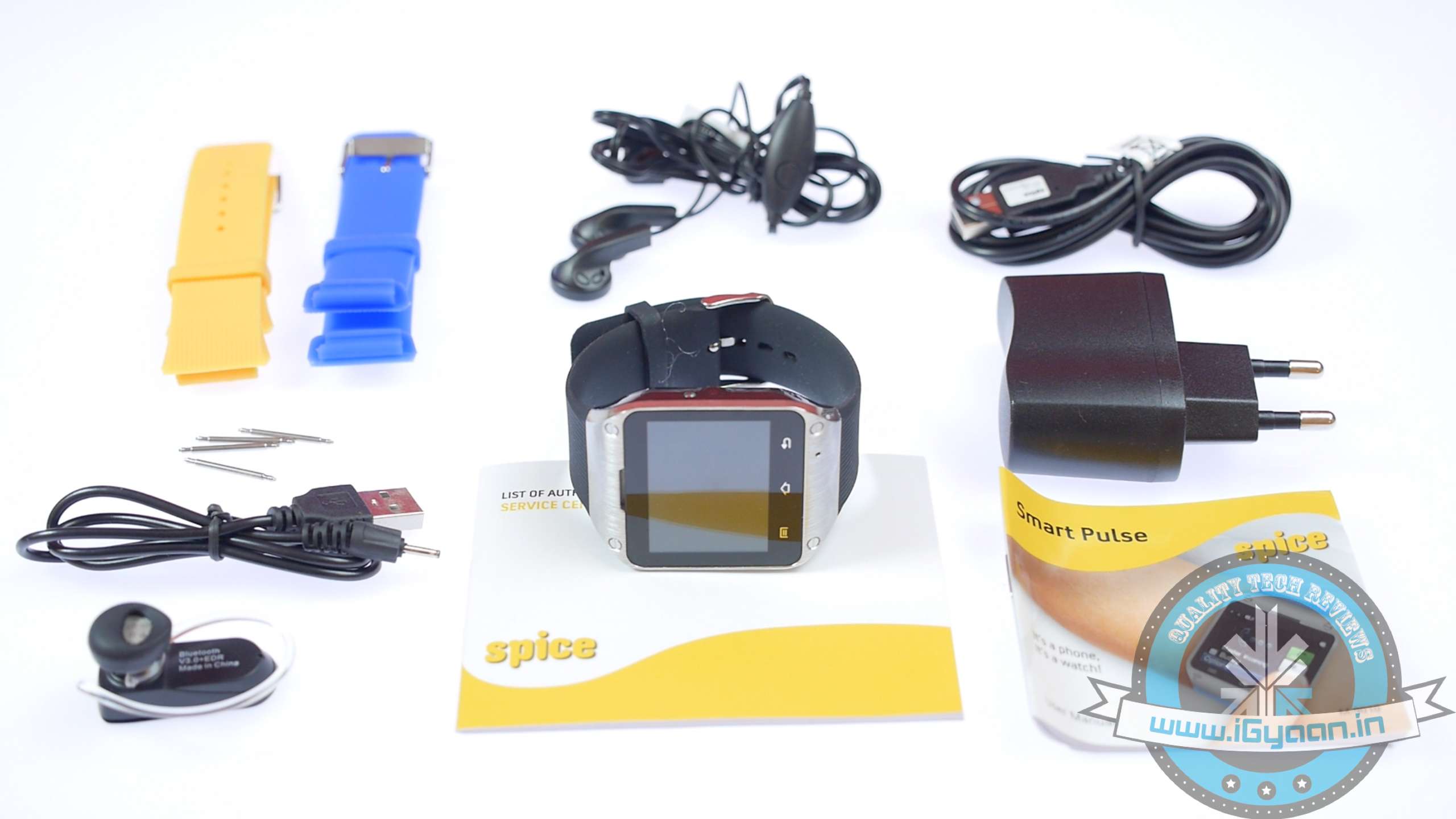
The Smart Pulse comes with an assortment of accessories
You won’t believe the amount of stuff that comes with this smartwatch at its price. It seems like they filled the box with accessories till they could fit no more. You get a handsfree, a Bluetooth headset, two extra watch straps, charging cables for the watch and a Bluetooth headset.
Design
On the design front, the Smart Pulse reminds you of the Galaxy Gear Live. The fake metal body does succeed in hiding its real make. You might be impressed by the brushed metal finish until you realize that its just plastic.
User Interface (UI)
At first impression, the UI is visually appealing. The Smart Pulse has a dialer and messaging feature for sending SMS’s. The UI is a generic Chinese UI and so, unfortunately, cannot reap the benefits of the wearable specific apps that are being brought out on an everyday basis. It can though be connected to an Android phone through Bluetooth and can be used as a secondary device. Using this connect, you can make calls, send texts, enable remote camera capture, stream music and get notification alert for social applications.
The UI isn’t too tacky, and you might easily get used to it after some tries. It is capable of dispensing all that a wearable can do, except, of course, the health features. The device doesn’t have any heart rate sensors or monitors so it can’t be used for fitness purposes. The main complaint with the UI is the tiny typefaces. It can be grueling to use if you have bad eyesight.
Internals
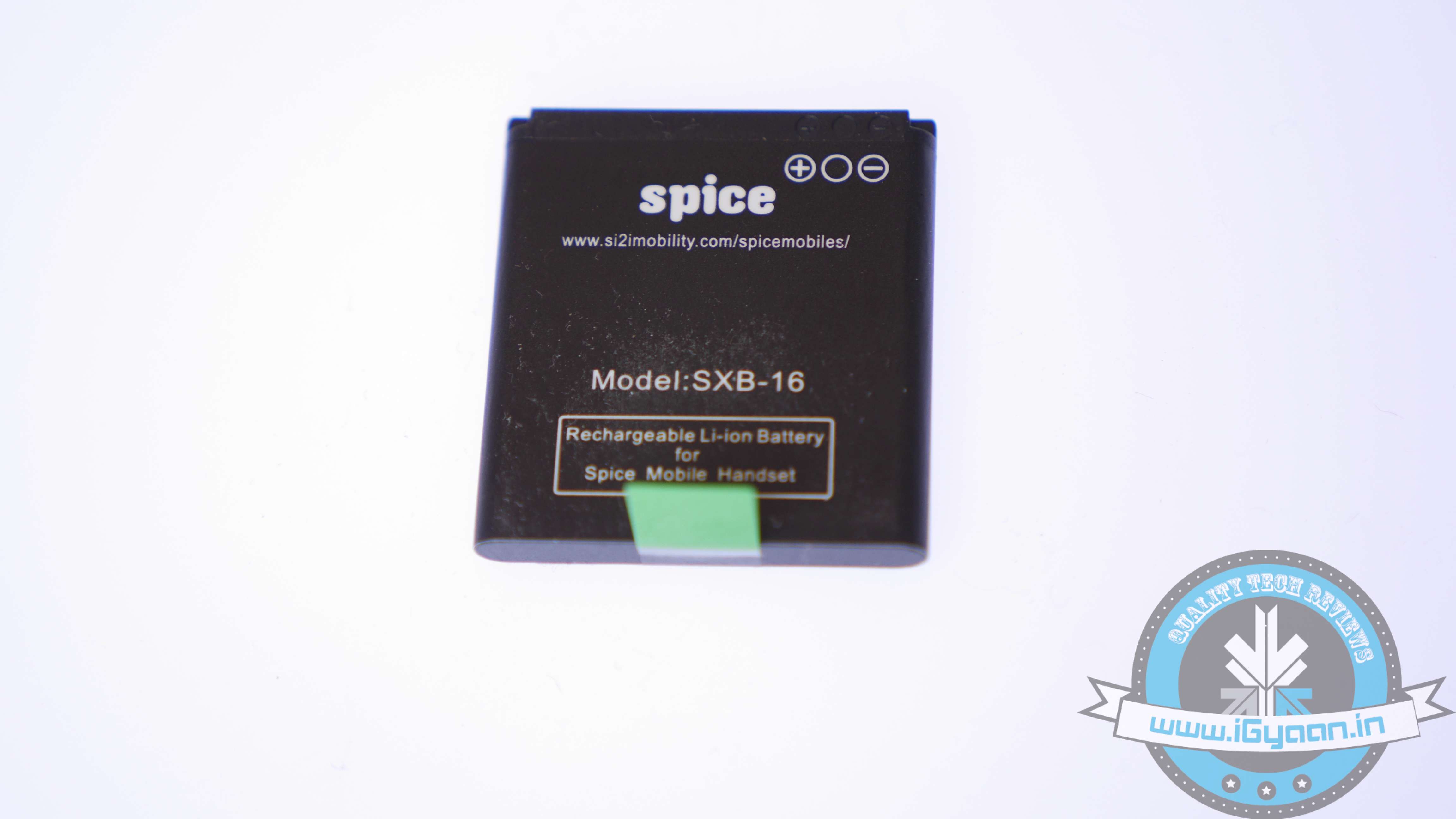
The 420 mAh battery is too tiny to handle the features available with the watch
The Smart Pulse should be known as the Smartphonewatch, or Smartphwatch (or maybe something better.) It is powered by a 420 mAh battery. How this tiny battery will handle the dual SIM capability is a mystery. It also has other juice gulping features like Bluetooth and GPRS. The watch also has a camera with flash that might be used only when you desperately need to take a photo. The flash can be used as a torch, which is handy at times. The makers have also added a vibration motor which could be useful for notifications.
Dual Sim
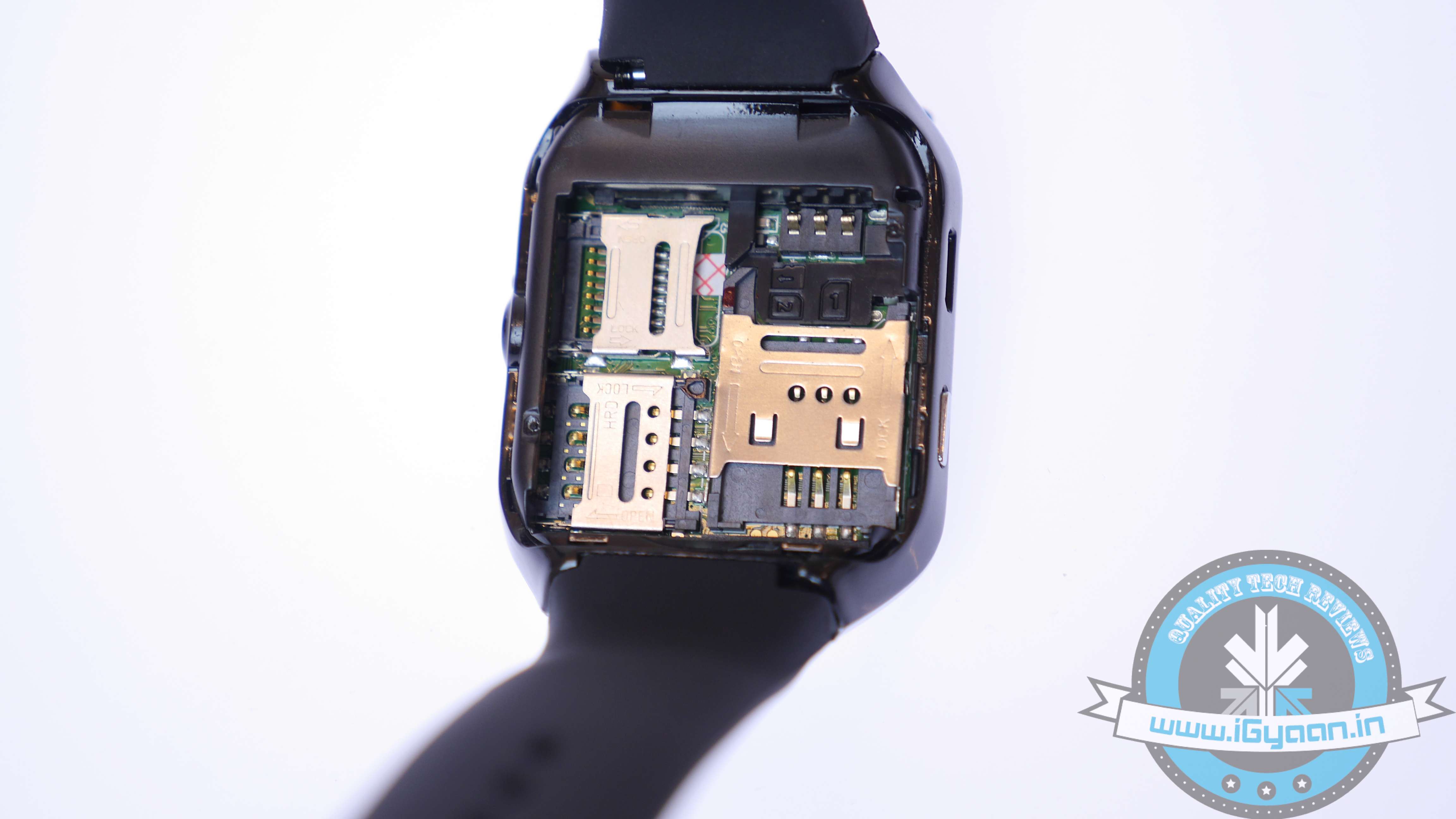
Smart Pulse is Dual SIM and expandable storage capable
The most surprising part of the watch is its dual SIM slots. Not just that, it also capable of holding expandable storage upto 8GB. It is basically an independent phone masquerading as a watch.
Price
With all that phone features packed into a tiny watch, which also comes with tons of accessories, the Smart Pulse is modestly priced. The watch is available for just Rs. 4,000, which is a great price for someone who wants to get introduced to wearable technology. As it’s a standalone phone in itself it can be a flaunt-worthy gizmo for some, a little taste of the future if you may. There are in fact some Android based smartwatches being manufactured by Chinese manufacturers and you may want to look into that. But as those are not yet available in India, you can try this out till the time Moto 360 arrives in India.
If you’d like us to do a full review, leave a request in the comments below.
Adding to the long list of artificial-intelligence hiring, Google Inc is buying Jetpac Inc, the startup that designs social travel applications.
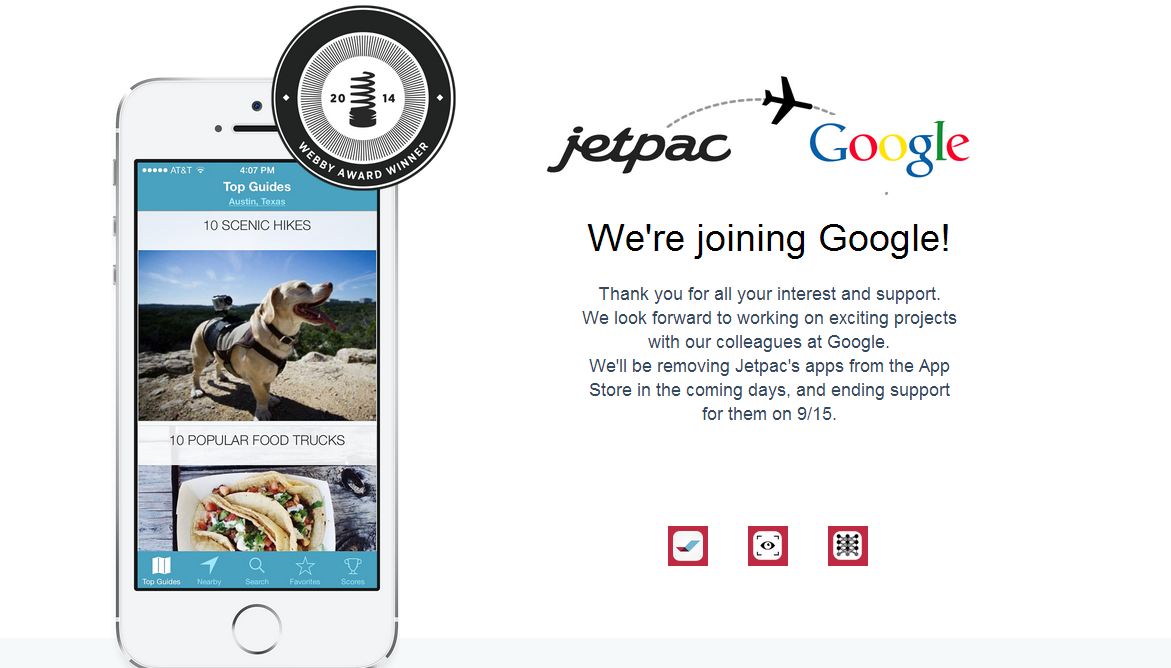
In an official tweet, Jetpac Co-Founder and Chief Technology Officer Pete Warden directed people to a new company homepage that announced the news:
We look forward to working on exciting projects with our colleagues at Google. We’ll be removing Jetpac’s apps from the App Store in the coming days, and ending support for them on 9/15.
That may have been a disappointment for the existing users, but for people who use Google services there is some good news. As company managed to simplify a complex branch of artificial intelligence known as computer vision and make it easy for lots of people to use.
More recently, Jetpac developed a mechanism for spotting smiles in pictures to discern how happy people are in a city.
The Jetpac team is highly skilled in this particular field which is an area Google has done plenty of work on, but it certainly could use more talent and ideas for ways to implement image-recognition technologies as plenty other companies, including Microsoft and Baidu, beef up their own deep-learning operations.
Jetpac announced a $2.4 million funding round in 2012. The startup’s investors include Khosla Ventures, Morado Venture Partners, and Jerry Yang. Earlier in its life, the Jetpac app let people explore travel pictures from their Facebook friends and decide where they wanted to visit.
Last January, Google also bought DEEPMIND, an artificial intelligence startup, which was founded in 2011 by Demis Hassabis, Shane Legg and Mustafa Suleyman. The team is based in London and combine the techniques from machine learning and systems neuroscience to build powerful general-purpose learning algorithms. Also, earlier this year, Google bought Nest Labs Inc, which makes smart thermostat and smoke alarms, for $3.2 billion, making the deal one of the largest in Google’s history.
Check this amazing video where the company explains how their app works.
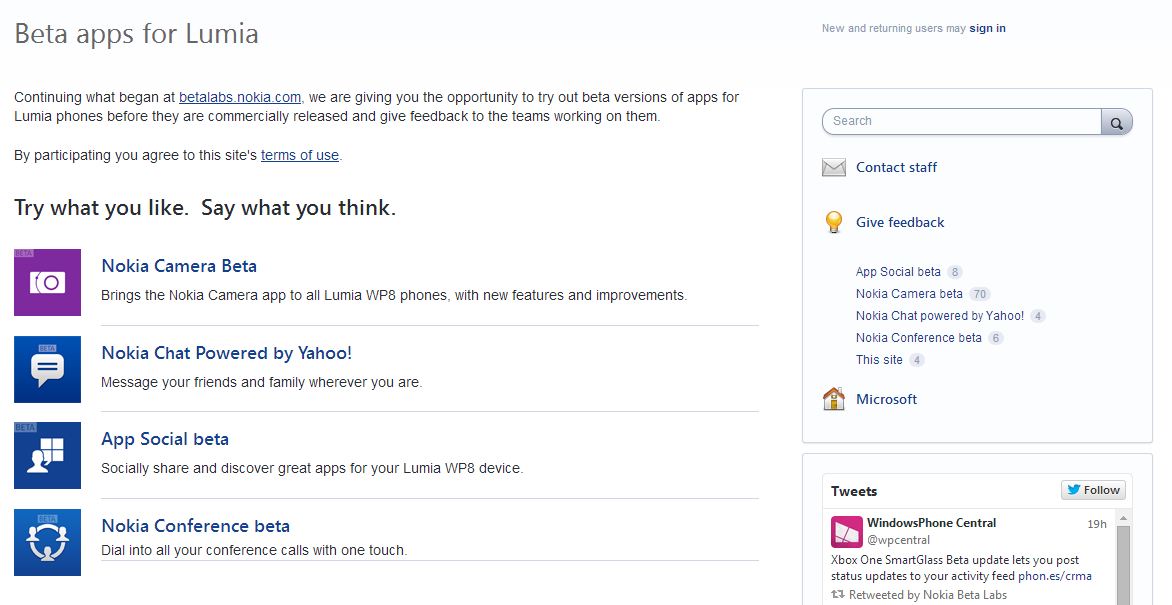
Microsoft has recently announced that the company is closing the Nokia Beta Labs site, but users will still be able to test apps under development via the new Lumia Beta Apps site. Microsoft said that the new site is designed to elicit more feedback and make it easier for users to participate.
The Nokia site betalabs.nokia.com will be discontinued from August 31, 2014. Thereafter, all links to the Nokia site will be redirected to Lumia Beta Apps. The new site is includes UserVoice, which also hosts the Windows Phone Feature Suggestion box page and more.
On the Lumia Beta Apps site, users will be able to find information about ongoing trials, instructions on how to install apps, and notes about features and known issues. Each beta has its own feedback forum for interacting with other users and the teams developing the apps. The ongoing trials at Nokia Beta Labs will continue at the new site and users can continue to give feedback and interact there.
The beta apps can be downloaded via Microsoft’s Windows Phone store, by clicking on a link or by scanning a QR code. Anyone is welcome to participate, but Microsoft prefers if users have a “relatively new Lumia smartphone”, “are willing to tolerate rough edges” and aren’t afraid to share their opinions, company said.
Presently, four apps – Nokia Camera, Yahoo-powered Nokia Chat, App Social and Nokia Conference are available in the beta version. These apps will be rolled out publicly following testing and app revisions based on the feedback given to their respective development teams.
The change is a clear indication of the company’s plan of dropping Nokia as a brand image. Back in April, Stephen Elop, now Executive Vice President of the Microsoft Devices Group, said, “Nokia as a brand will not be used for long going forward for smartphones. Work is underway to select the go-forward smartphone brand.”
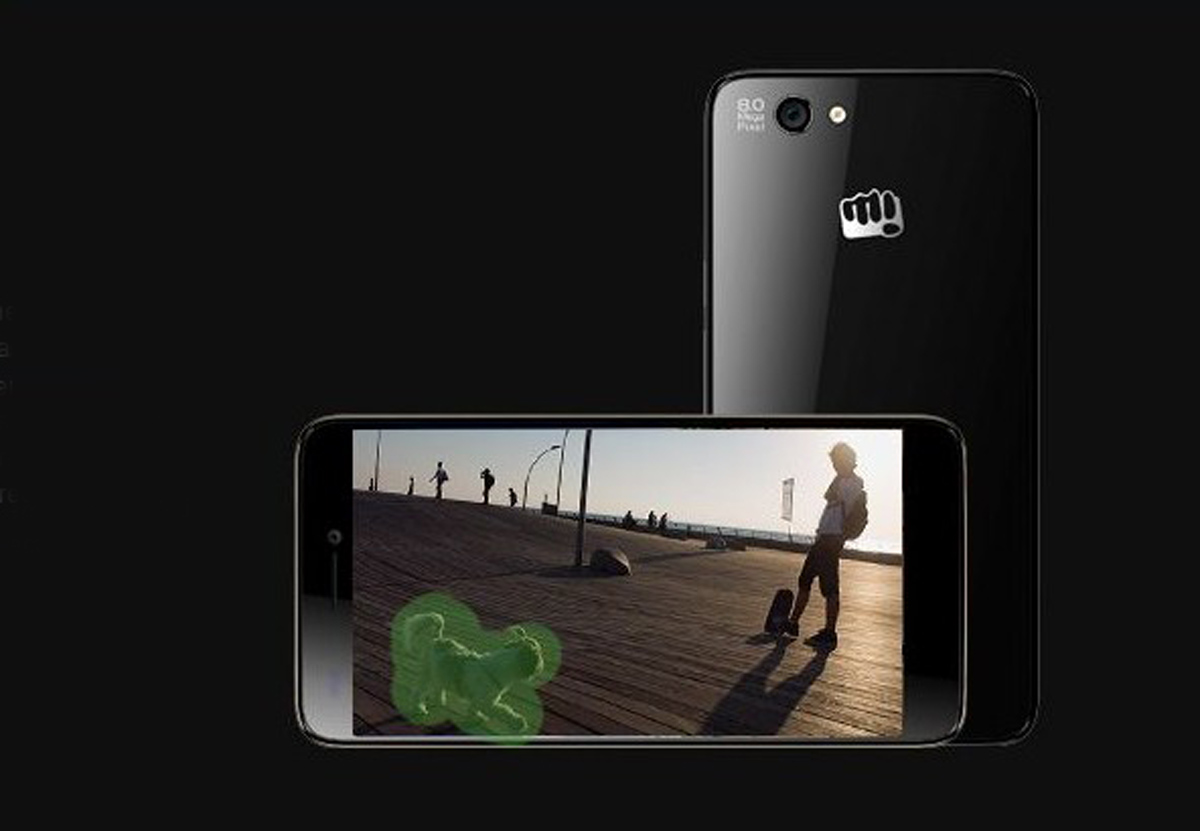
Indian smartphone manufacturer Micromax recently released a mini version of their Canvas Knight phone. The phone is to be known as the Canvas Knight Cameo A290. The phone will be scaled down version of its bigger sibling.
The 4.7 inch display on the Knight Cameo has a resolution of 720p. The phone is powered by a MediaTek MT6592M chipset, which sports a 1.4 GHz “true octa-core” CPU. The internal storage on the device is 8 GB which is expandable. The phone has 1 GB of RAM.
The main camera on the device is an 8-megapixel shooter whereas for selfies the front of the devices sports a 5 MP camera. The software comes with the options for object erasing and cinemagraphs. It is capable of full HD recording.
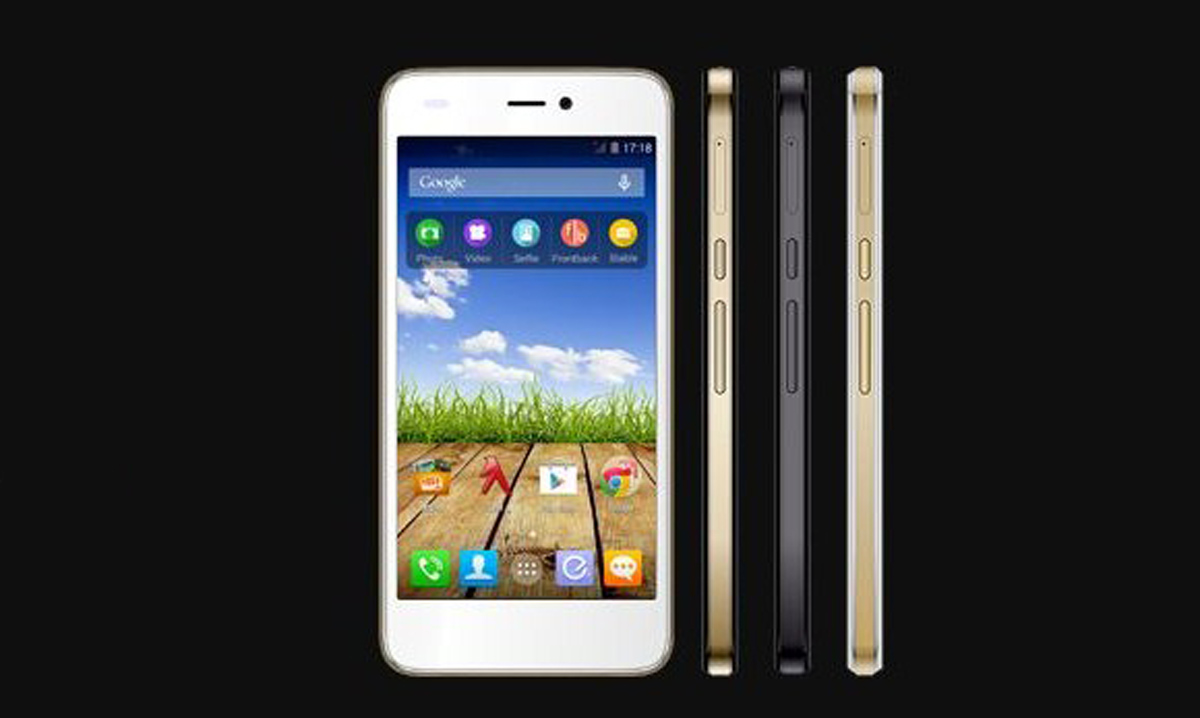
Cameo comes in classy color options
The Knight cameo runs Android Kitkat 4.4.2 and has a 2000 mAh battery. The phone comes in Pure Black, Black and Gold, and White and Gold color options, which gives them a premium feel.
The phone is already available on ebay.in at a price of Rs. 12,350. The phone is decently speced and it can make some good following around it. A bit stronger spec sheet in terms processor and RAM would have made it more attractive but we’re guessing they can take a risk.
We’ve been hearing about the next generation of the new redesigned iPhone a hell lot. All rumors point toward bigger screens for the next iPhones, and now a Chinese website claims Apple is going to name the 5.5 inch version of the revamped device as ‘iPhone 6L’.
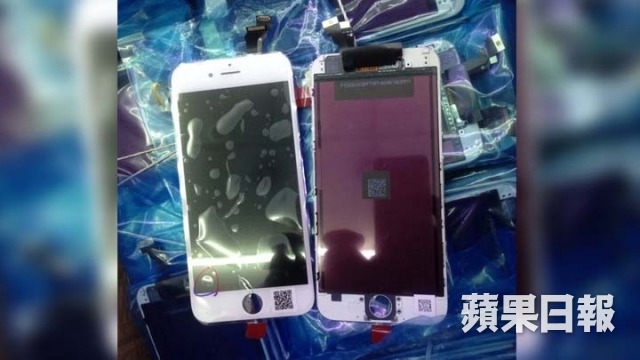
The leaked pictures of purported iPhone 6L by Apple Daily, a premier Chinese language newspaper, shows the device has a purple interior and is juxtaposed with a 4.7-inch iPhone 6.
Leaked Image by Apple Daily
It’s unclear how the site discovered the name (it doesn’t appear on any of the photos), so we’re taking this news with a pinch of salt. The report reveals three components bound for Apple’s rumored 5.5-inch iPhone, which some predict will launch alongside — or shortly after — a new 4.7-inch version of the smartphone.
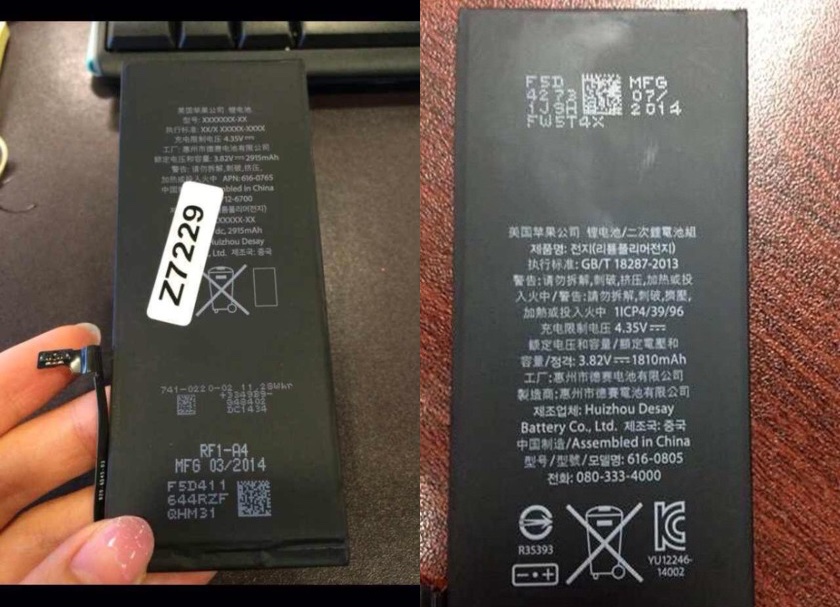
Apple Daily reported that iPhone 6L will have 2915mAh Battery
The 5.5-inch iPhone 6L is shown with a high-capacity 2915mAh battery, which is nearly twice the size of the 1810mAh power pack inside the 4.7-inch iPhone 6, both which are notably larger than the 1560mAh battery on the iPhone 5s. Also, the new iPhone(s) are said to be built with nearly-unbreakable sapphire-crystal screens. Though, it seems that the new screen is creating trouble for the company, which may result in higher price and a delayed release date.
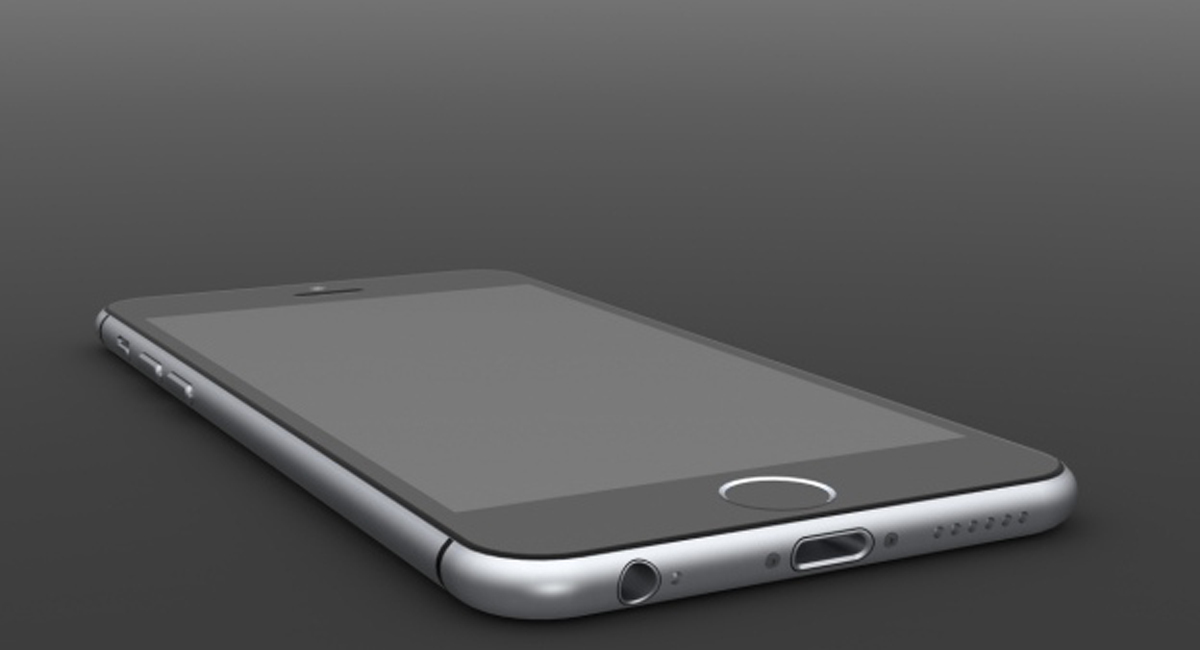
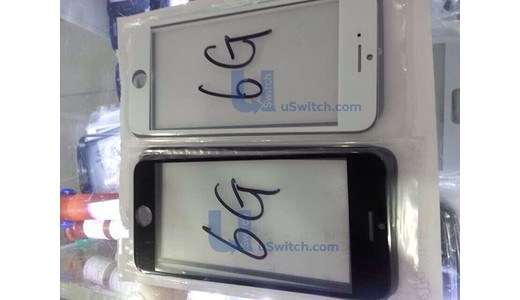
Another rumour has pointed out that Apple is working on making these large size phablets/phones comfortable to use. The report points out that Apple has made the area around the home button significantly smaller than on the iPhone 5s, thus leaving a lot more space for the display without making the phone’s basic frame significantly larger.
Leaked image by uSwitch
It is also noted how Apple has thinned out the side bezels on the iPhone 6 compared to earlier releases, which will again allow it to have phones with larger displays that could still fit comfortably in your hands.
However, as much as these reports seem exciting, nothing can be confirmed till we see Tim Cook and his Cupertino crew reveal the new iPhones.
“The U.S. is looking to India as more than just a marketplace for our defense products, but as a technology, aerospace and strategic partner for our future endeavors”, said Kit Bond, a former US Senator. The current global technology scenario, clearly, highlights the rise of Indians in the worldwide market and as Indians, we take pride in it. After all, what is a country without its countrymen? And what do we toil for, if not our own country?
As India celebrates its 68th Independence Day, we bring to you the top Indian techies from all over the world that have done all they can and more to make India proud.
1. Satya Nadella
CEO, Microsoft
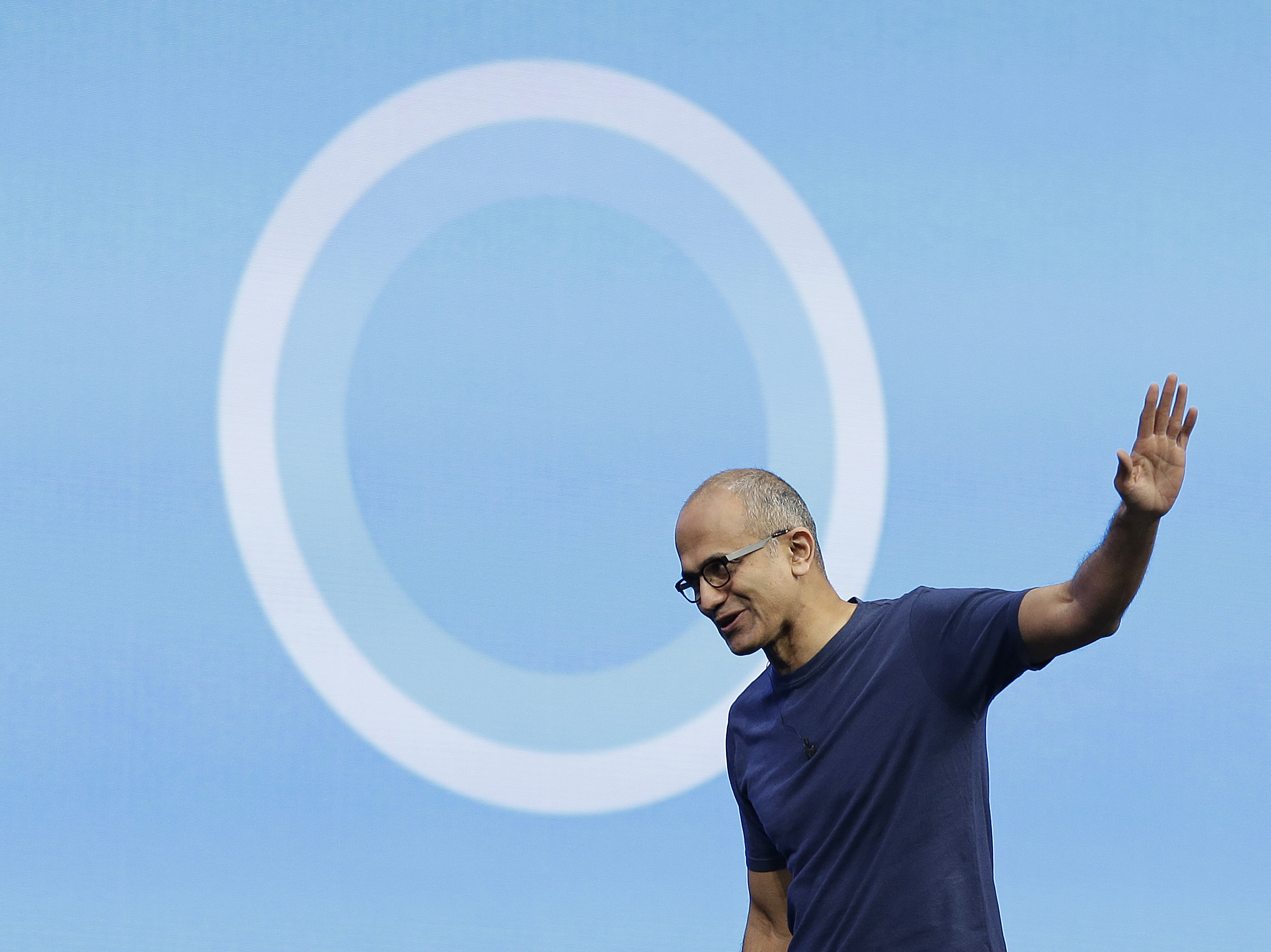
Born in a Telugu family in Hyderabad, Satya Nadella replaced Steve Ballmer as the CEO of Microsoft. He joined Microsoft in 1992 and since then, has worked at various projects including the company’s transformation from client services to cloud infrastructure and computing.
Before being announced the CEO of the company on 4 February 2014, Nadella was working as the President of the Server and Tools Division. His desi reason for success, he mentions, is the leadership and teamwork skills he learns from cricket!
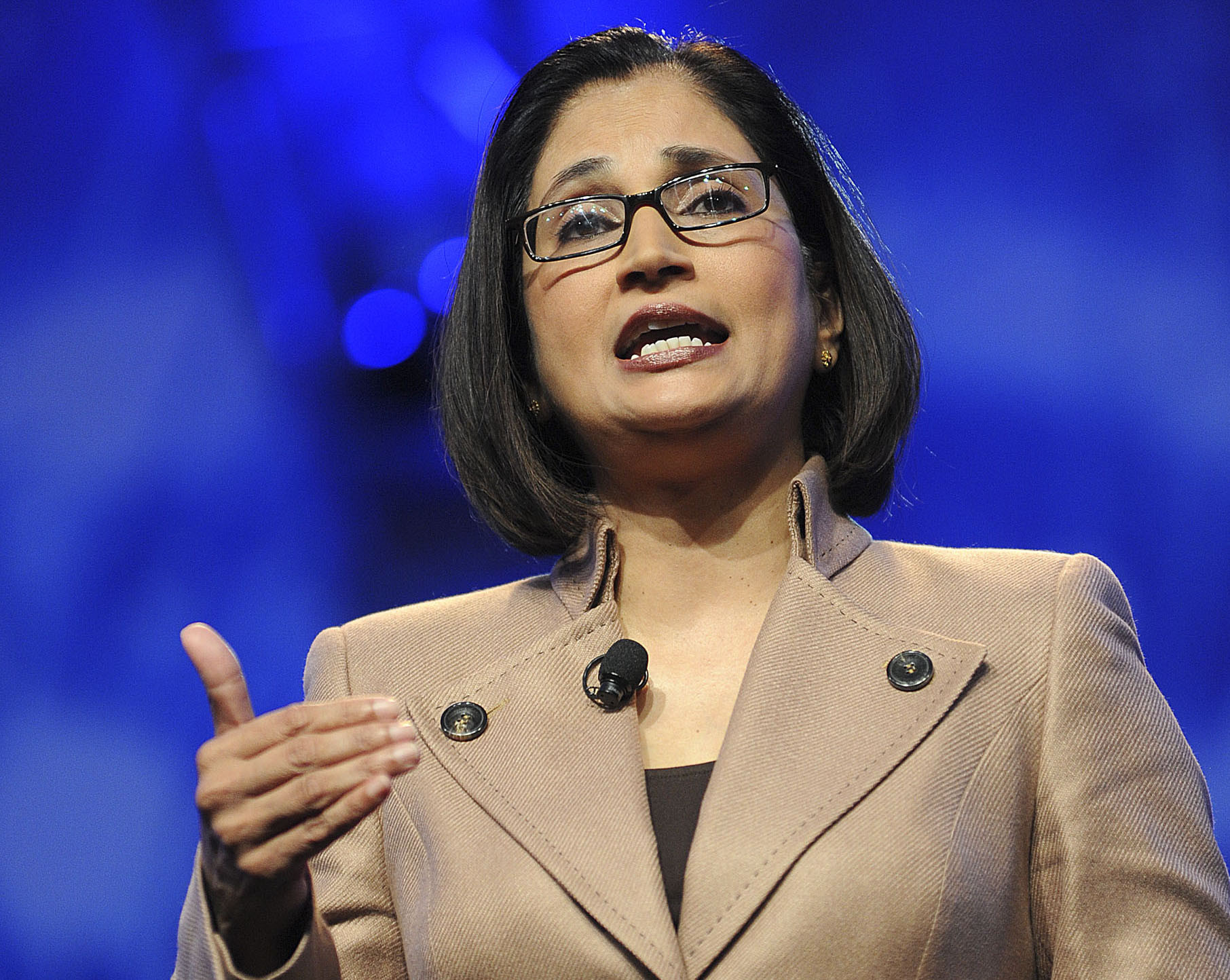
2. Padmasree Warrior
CTO, Cisco Systems
Padmasree Warrior is the current CTO (Chief Technology & Strategy Officer) of Cisco Systems and the former of Motorola Inc. Born and raised in the city of Vijayawada in the southern state of Andhra Pradesh, she has worked for 23 years at Motorola and 7 years (and still counting) for Cisco Systems.
At Cisco, she is responsible for strategic partnerships, mergers and acquisitions, integration of new business models, incubation of new technologies and talent. Earlier this year, she was listed as the 71st most powerful woman in the world by Forbes magazine.
3. Amit Singhal
Senior Vice President, Google Inc.
Amit Singhal, also called a “Google Fellow”, is the current Senior Vice President of Google Inc. A product of IIT Roorkee, Mr. Singhal is also the head of Google’s core ranking team. He joined Google in 2000 and has worked sincerely towards its development ever since.
According to New York Times, he is the master of what Google calls its “ranking algorithm” — the formulae that choose which Web page provides the most suitable answer to a user’s question. Prior to joining Google, he worked in AT&T Labs.
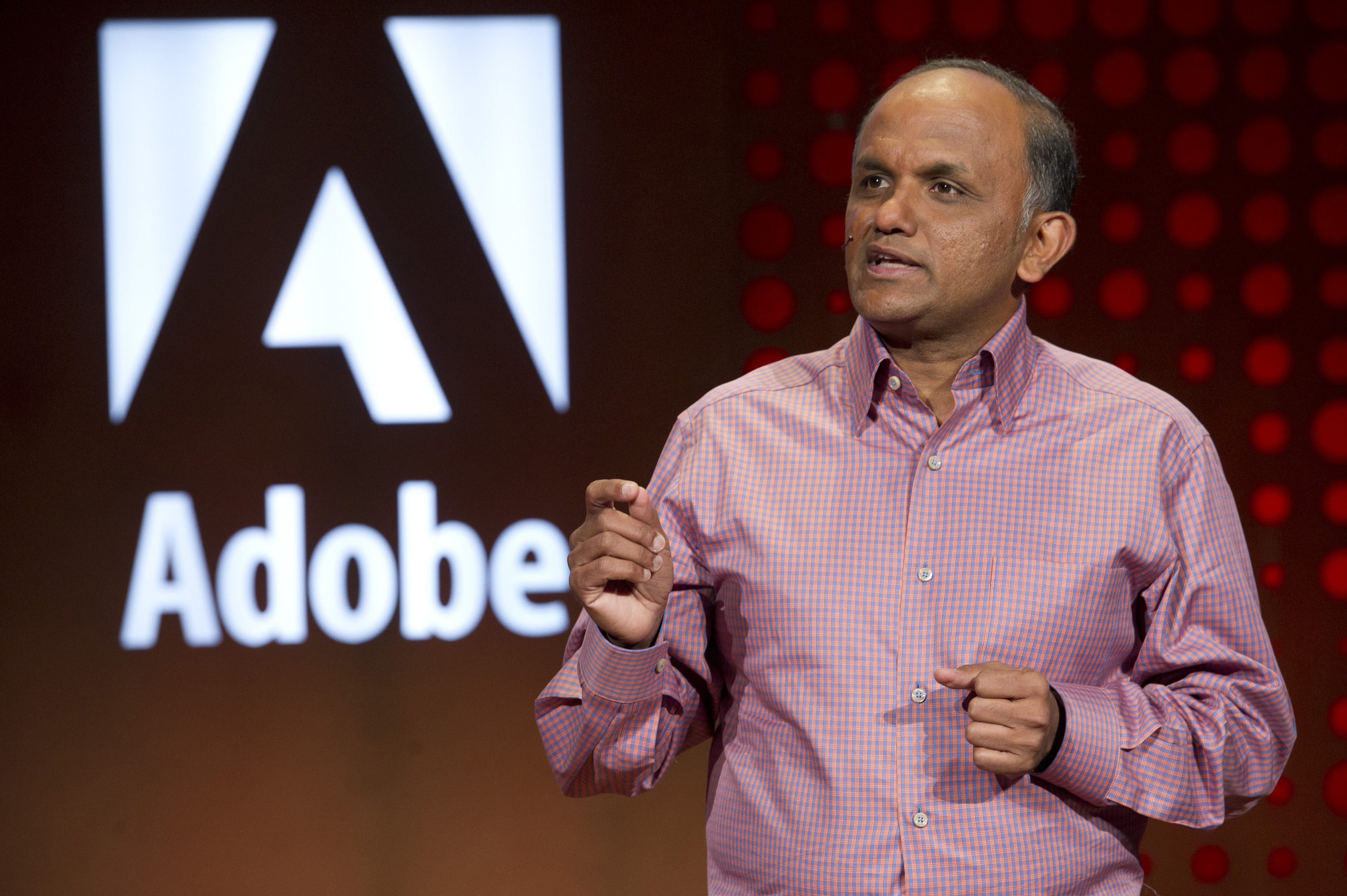
4. Shantanu Narayen
President and CEO, Adobe
He started his career at Apple and is currently, the President and CEO of Adobe. His journey includes various other landmarks such as Silicon Graphics and Pictra Inc. Born in Mumbai, raised in Hyderabad, Mr. Narayen is currently the Board Member of Dell Inc., Adobe Systems and University of California at Berkeley.
He was one of the most hard working and inspirational forces behind Adobe’s $3.4bn attainment of multi-media company Macromedia in 2005. His 16 year career at Adobe reflects the Indian technology talent that currently resides in the creative technology tool industry.
5. Vinod Dham
Managing Director and Founder, Indo US Venture Partners
This list will not be complete without the ‘Father of Pentium’. An inventor, entrepreneur and venture capitalist, Mr. Dham is a celebrated Indian among all techies from the world for his contribution to the development of highly successful Pentium processors from Intel.
A respected alumnus of Delhi College of Engineering, he specialized in solid state electronics – the technology which forms the basis for the storage that is found in every smartphone and tablet as well as many laptops. He led the development of the Pentium processor, and also co-invented Intel’s first flash memory technology.
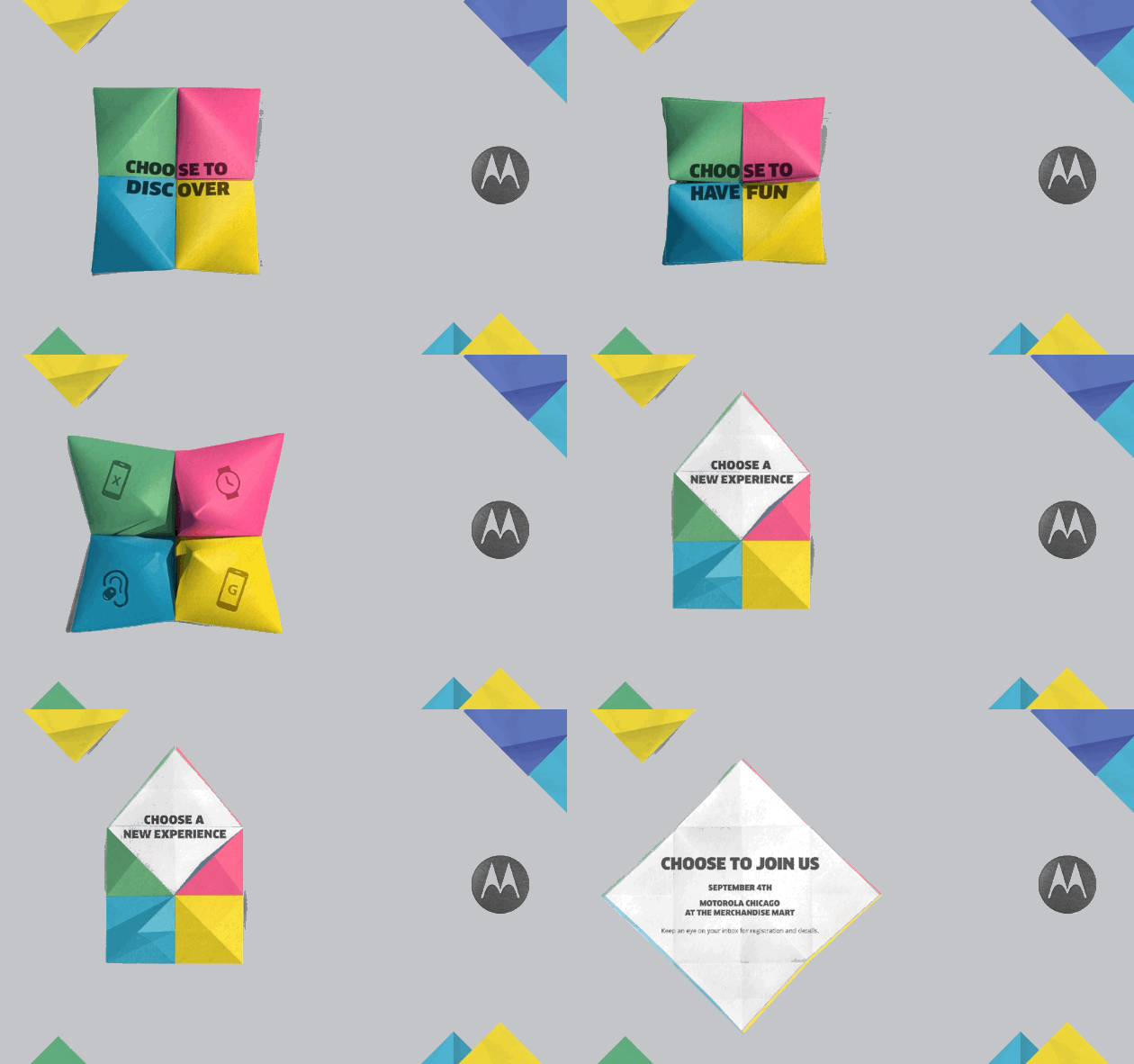
In case September wasn’t already exciting enough for you, Motorola has now decided to hold one of its biggest announcements of the year on September 4th. The press invite says it all, we are going to be introduced to the next Moto X, the next Moto G, the hotly anticipated Moto 360 smartwatch, and what seems to be a cool new bluetooth headset accessory at the event.
Recapping the rumoured specs of the X+1, the company’s flagship is expected to feature a 5.1” or a 5.2” Full HD 1080p display, a Snapdragon 801 chipset with a 2.5GHz quad-core processor, 2GB of RAM, a 12MP rear-facing shooter, and a healthy 2,900MAh battery.
One of the most anticipated wearables of the year
As for the Moto G2, the device will bump up the screen size to 5” while maintaining the 720p resolution, a Snapdragon 400 chipset with a 1.2GHz quad-core processor and 1GB of RAM, along with an 8MP rear camera. Once again, the device will be dual-SIM compatible. There are reports claiming the price tag to be €250, which is a bit of a disappointment considering what a bargain the original Moto G was.
The Moto 360 needs no introduction. Ever since its announcement in March this year, we’ve had a ton of leaks, revealing almost every detail there is to the watch. A beautiful metal body, a 44mm circular round dial, wireless charging, and the latest Android Wear platform. There’s not a lot more that we can ask for. The price of the watch is rumoured to be around the €249 mark, which is a bit steep when compared to its other Android Wear siblings.
The event falls right in between some of the biggest tech announcements of the year, including the Galaxy Note 4 and the iPhone 6. Along with those two, IFA Berlin also kicks off on the 4th of September. Motorola will really need these products to be special if they want to make an impact.
Sony India announced the launch of three new products in its audio range, including two new headphones and an earphone, priced Rs 790 onwards. The latest range claims to deliver the best quality sound, providing acoustic characteristics needed to reproduce music.
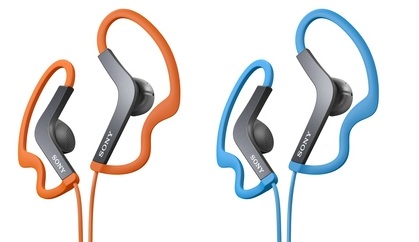
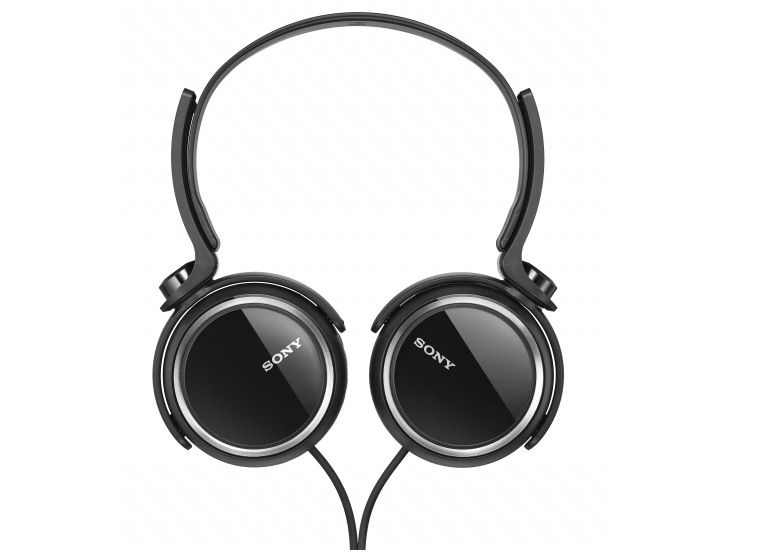
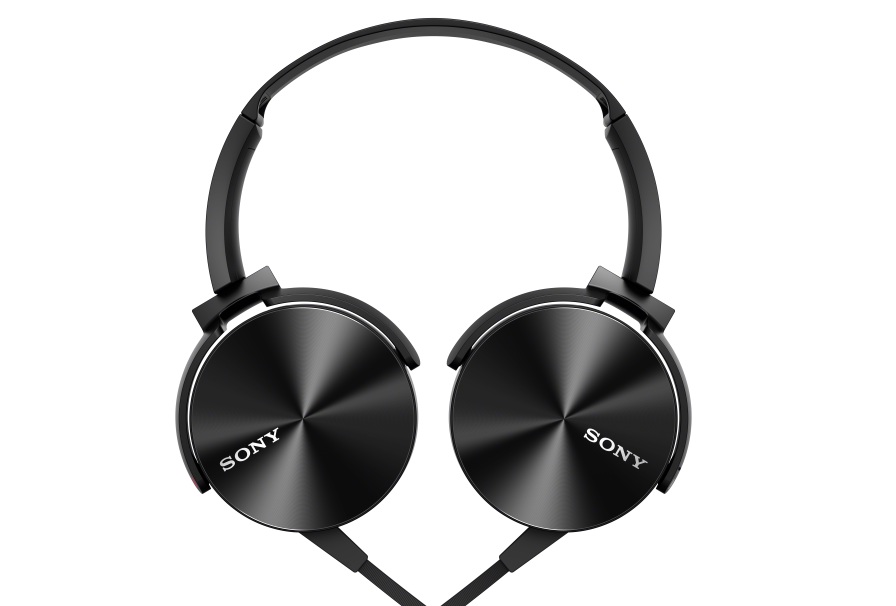
These products include MDR-AS200, an earphone that is best suitable for people who engage in sports, and two new headphones in the bass-rich range of MDR-XB headphones.
1. MDR – AS200
If you want to incorporate music in your sporting routine, this is the friend you need. MDR-AS200 has a 13.5mm highly sensitive driver which provides premium sound. Most importantly, it commits to be a water resistant and sweat proof product. This set comes at a very competitive price as well. An adjustable ear loop that fits an assortment of ear sizes makes it a product that would suit your comfort. Further, MDR-AS200 has a flat serrated cord allowing a tangle free experience. This model is available in orange and blue color options and is priced at Rs. 790.
2. MDR – XB250
This is an ideal headphone for people with an affinity towards music with rich bass. The 30mm dynamic driver not only delivers a powerful sound, but it also succeeds at keeping the bass level high. The slim, swivel folding style of the headphones make it convenient for the user to stash it in their handbag. The flat serrated cord and pressure relieving ear pads provide a tangle free and an extended comfort experience respectively. This model is available in black and white color options and is priced at Rs. 1,490.
3. MDR – XB450
In the same bass-rich range of MDR-XB headphones, MDR-XB450 has a unique style with a frequency response of 5Hz-22000Hz. The high quality, powerful sound is provided by the 30mm dynamic driver which keeps the bass component high. Convenient to store because of its slim, swivel folding style, this range is perfect for a comfortable experience while commuting long distances. The flat serrated cord allows a tangle free experience. This model is available in black, white, red, blue and yellow color options and is priced at Rs. 2,190.
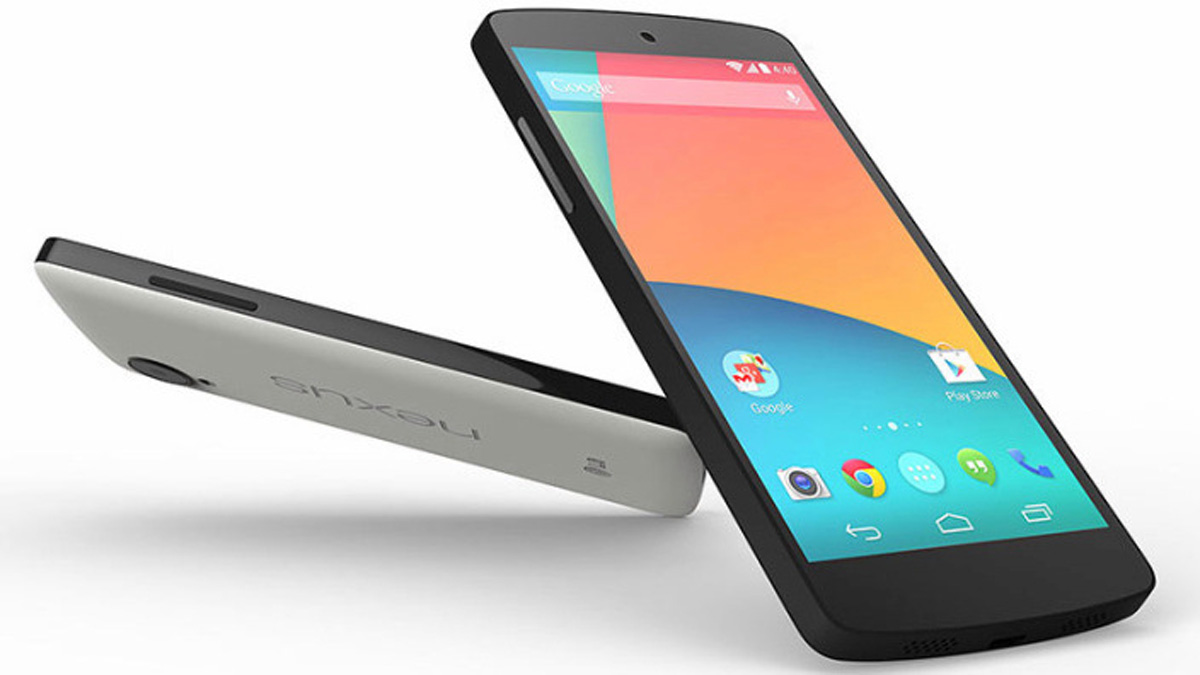
Just when we got to know that Motorola might bring out the next Nexus smartphone, it is now being reported that HP and Google were to partner together for an enterprise Nexus device.
The Information reports that the two tech giants have been having talks to bring enterprise specific devices and were planning to expand Google Now for enterprise needs.
Google and Apple had previously made the decision to quell all the lawsuits they had been hurling at each other in the past. The companies had decided to compete in the market instead of the courthouse, and this seems to be the beginning of the market wars. Just a few weeks back Apple had partnered with IBM to bring enterprise solutions through its iOS ecosystem.
The proposition that was being examined between the two companies was the prospect of bringing Google Now to the corporate environment. Google would try to simplify data gathering and access through Google’s personal assistant.
Being an enterprise device, the hardware had high-end encryption. It is said that Google wasn’t appreciative of the hardware that HP brought into the deal, and hence, the talks have apparently failed.
This surely doesn’t seem like the end of Google’s pursuit to bring convenience in enterprise mobility. The mobile environment in the corporate arena is up for grabs, and the monetary rewards will be massive. There is a massive opportunity here, and the company that gives the perfect enterprise mobility solution will be rewarded the way Microsoft was rewarded with its desktop computer business. This war will sure be fun to watch and follow.
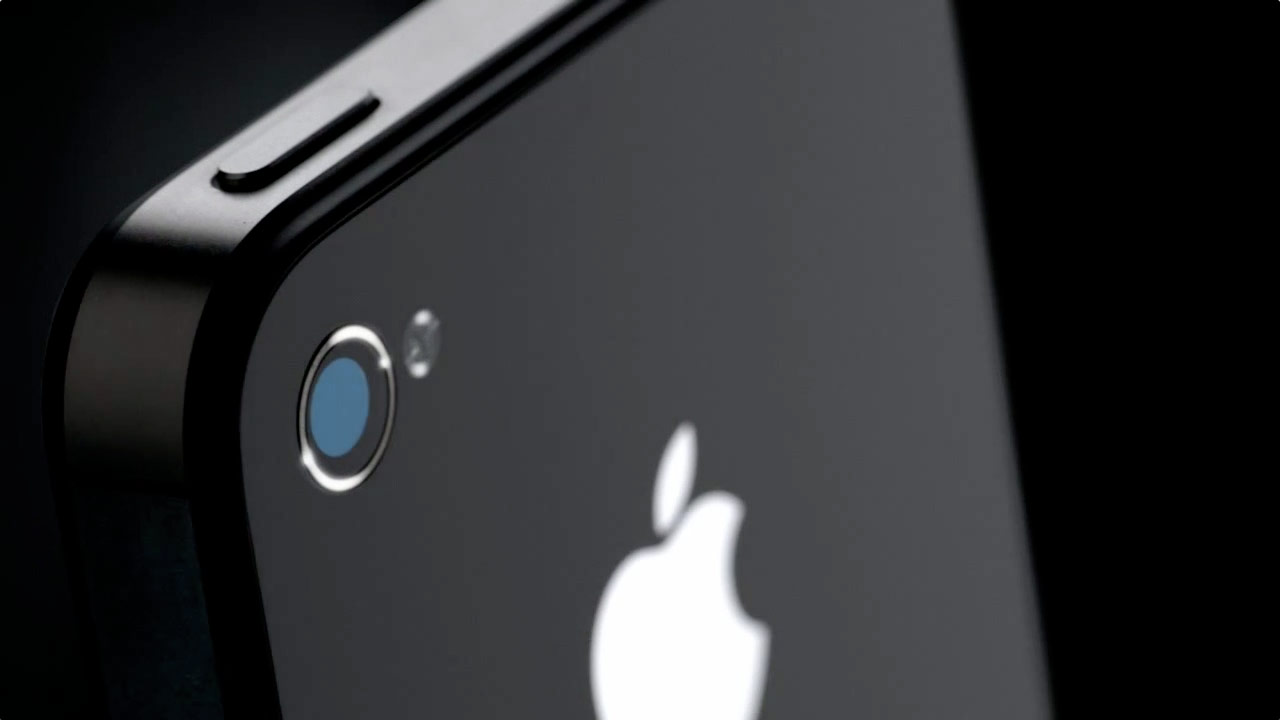
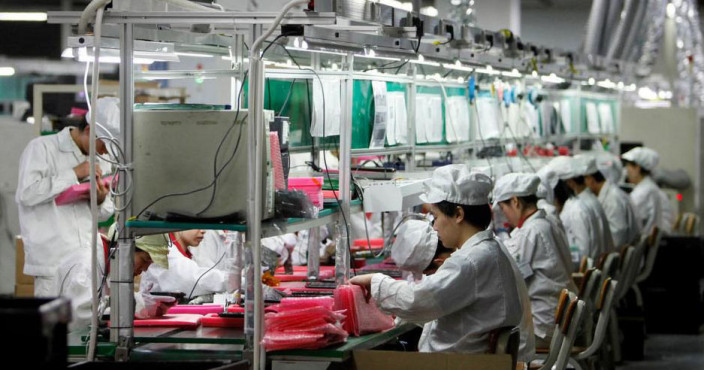
Five months ago, Chinese and American labor right groups petitioned Apple to investigate the use of potentially hazardous materials in its iPhone and iPad assembly process. The company has announced that it will make changes, banning the use of at least two chemicals.
China Labor Watch and Green America asked the company to abandon the use of benzene and n-hexane in the production of the iPhone. These chemicals can also be found in substances including paint strippers, industrial cleaning products and household cleaners. Benzene is a known carcinogen, and n-hexane has been linked to nerve damage.
Demonstrations against the use of hazardous chemicals in the production of iPhones outside an Apple Store in New York April 25, 2014.
A four-month investigation at 22 factories found no evidence that benzene and n-hexane endangered the roughly 5,00,000 people who work at the plants, according to Apple. No traces of the chemicals were detected at 18 of the factories and the amounts found at the other four factories fell within acceptable safety levels, the Cupertino, California, company said.
Nevertheless, Apple decided to order its suppliers to stop using benzene and n-hexane during the final assembly of iPhones, iPads, iPods, Mac computers and various other accessories. What’s more, Apple has made it mandatory for all its factories to test all substances to ensure that they don’t contain benzene or n-hexane, even if the chemicals aren’t listed in the ingredients.
Workers assembling iPhones
“This is doing everything we can think of to do to crack down on chemical exposures and to be responsive to concerns,” Lisa Jackson, Apple’s vice president of environmental initiatives, said in an interview with The Associated Press. “We think it’s really important that we show some leadership and really look toward the future by trying to use greener chemistries.”
Jackson also said that they asked manufacturers to find safer alternatives and ban the use of the chemicals in the final assembly process. Apple will require its manufacturers to test all cleaning agents and degreasers before they’re used in production to make sure there are no hidden chemical risks.
Apple is believed to have assembled an advisory board to further reduce the use of toxins in the company’s products and supply chain.
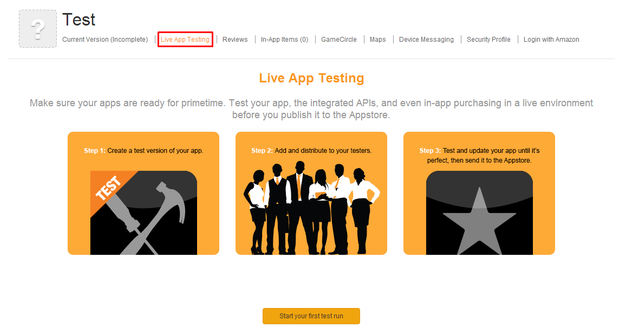
Amazon recently launched a new developer tool called Live App Testing. The new tool basically allows the developers to distribute your apps in the Amazon Appstore to a pre-defined set of testers for the purpose of gathering feedback, improving quality, increasing stability and optimizing the experience before their app goes live for everyone to download. This testing apps feature can also take advantage of Amazon’s full suite of developer services, including in-app purchases, in a production environment.
Live App Testing creates a version of your app that is only distributed to select testers, which are invited by manually adding email addresses. Testers receive an invite via email with instructions to download the test app and begin testing against Amazon’s production environment (the full suite of Amazon services including in-app purchasing) on any Android or Fire device. Amazon ensures that only the set of testers you defined are the ones that can test your app. Once your app is running, you can either end your test, or promote your test to an upcoming version that has fixes and finishing touches in place.
What’s interesting is that Amazon is supporting Android devices, well it only further intrudes Google’s enclave, though it is not clear how far the support extends. It’s also worth emphasizing that this isn’t just for Kindle Fire devices: the tool offers support for all Amazon’s Fire devices, including the Fire TV and Fire phone.
“In house testing with side-loaded apps is great for isolating and fixing bugs, but it’s not enough. To be certain that your customers are getting the experience you want them to have, you have to test your app against a production environment,” said Amazon’s Paul Cutsinger.
Live App Testing isn’t meant as a replacement for in-house testing via side-loaded apps. Once you’re done isolating and fixing all the bugs you can, Live App Testing lets you test your app “in the real world” without having to handle setting up the whole test system.
The new testing service is one of many developer tools Amazon has rolled out in recent months. It also offers an A/B testing service, Amazon Maps, as well as APIs for in-app purchases, mobile ads, mobile Amazon Associates, device messaging, GameCircle (game data syncing), and login with Amazon. Earlier this year, Apple also acquired TestFlight, a popular mobile app testing service