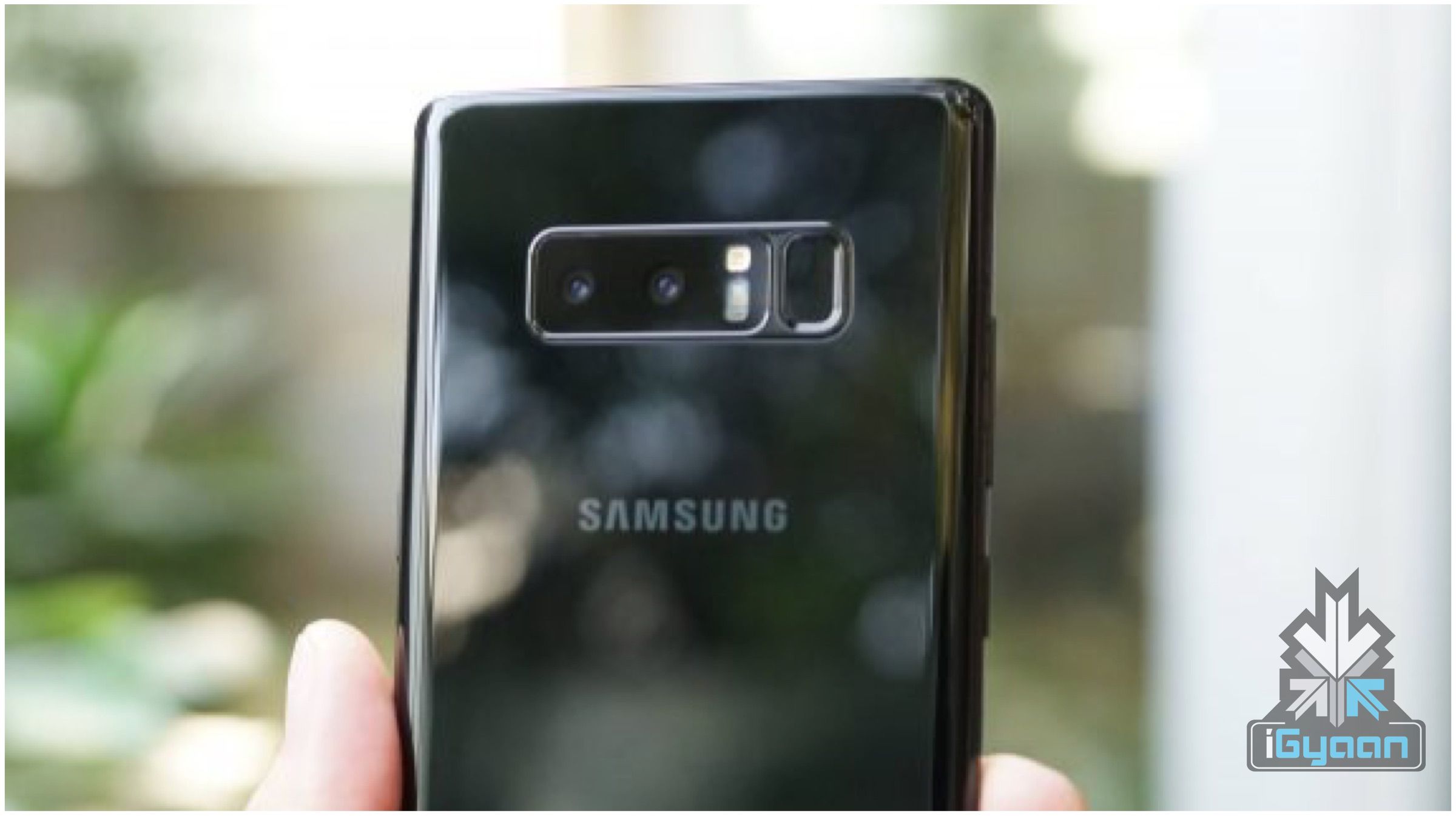
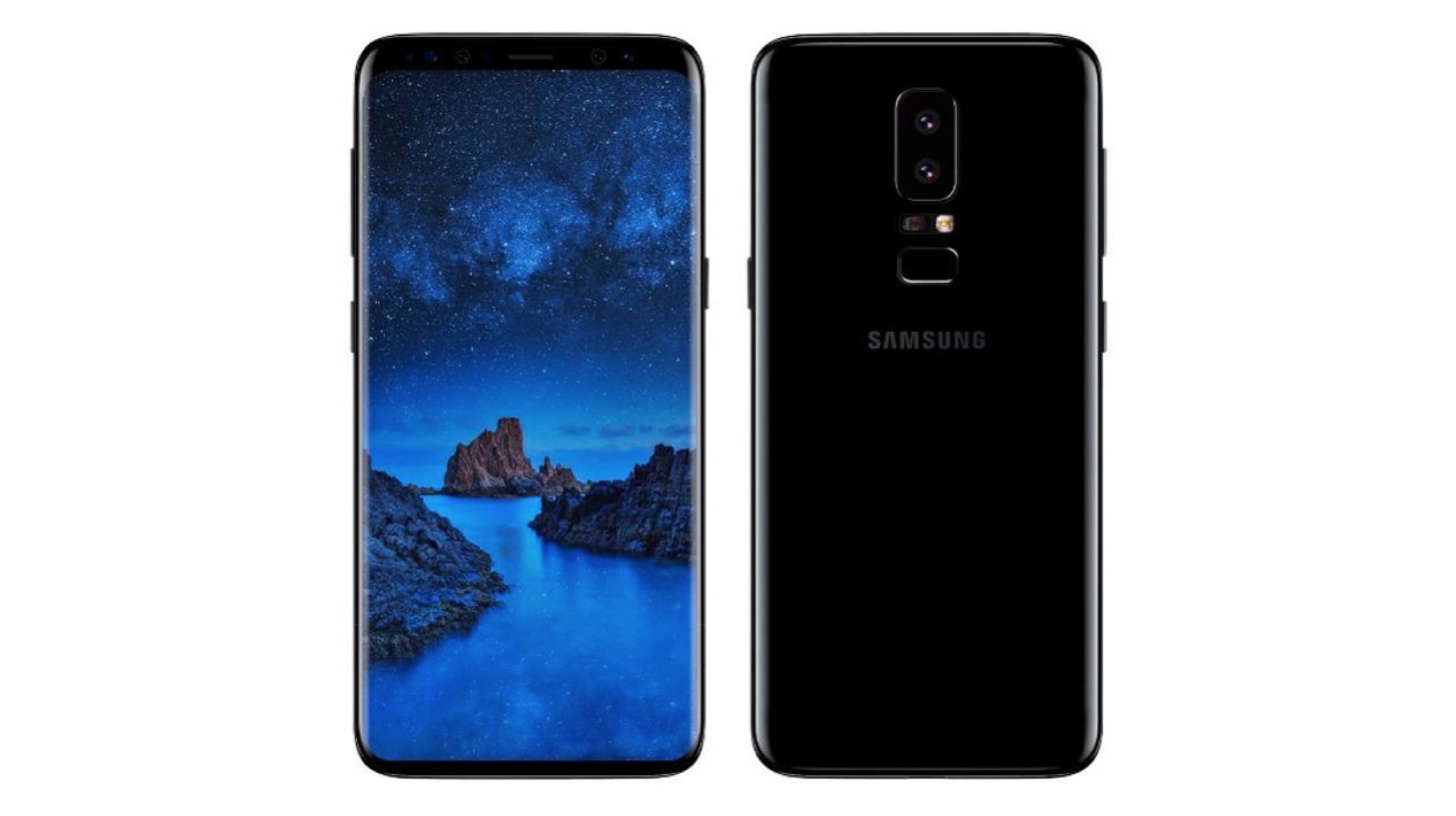
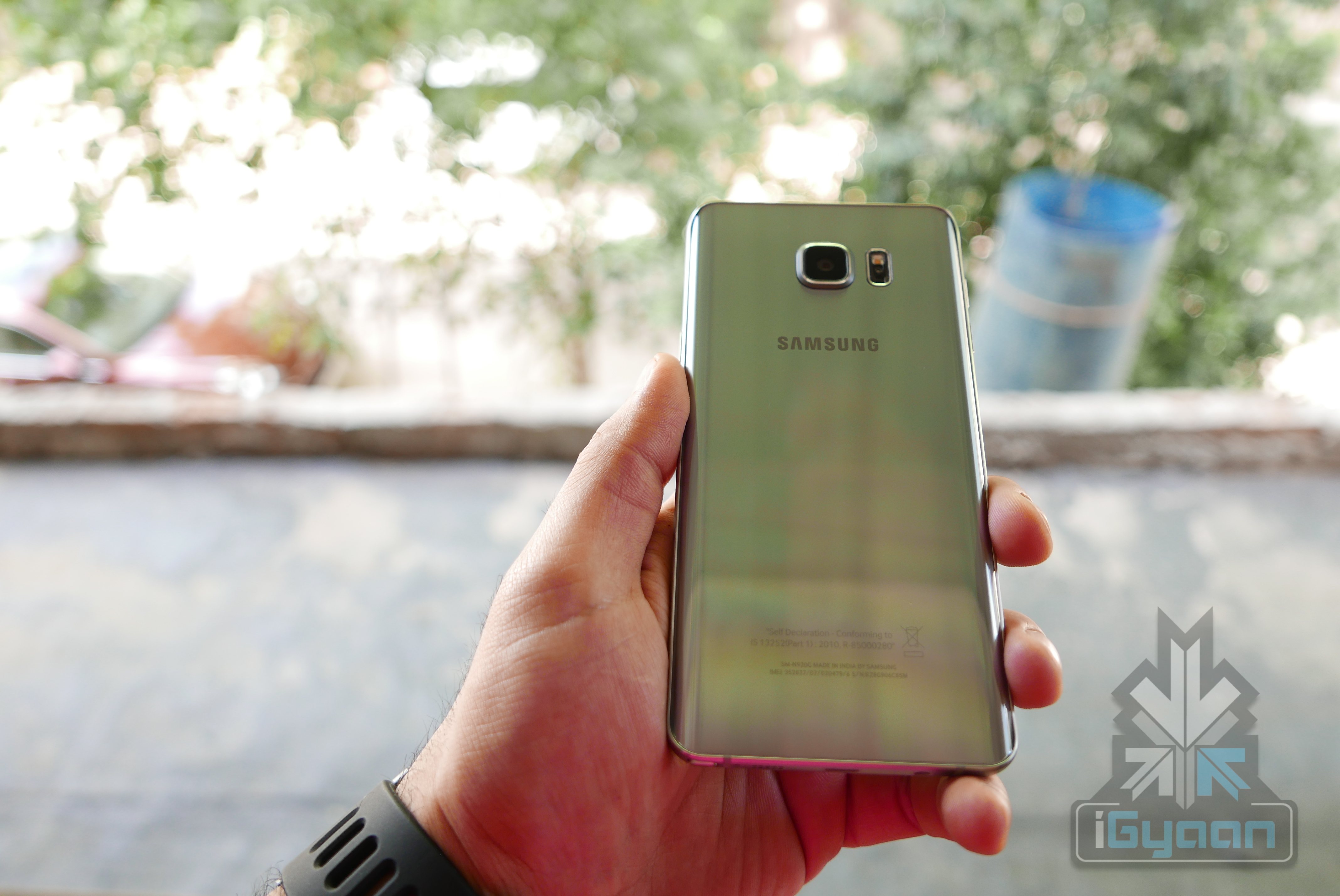
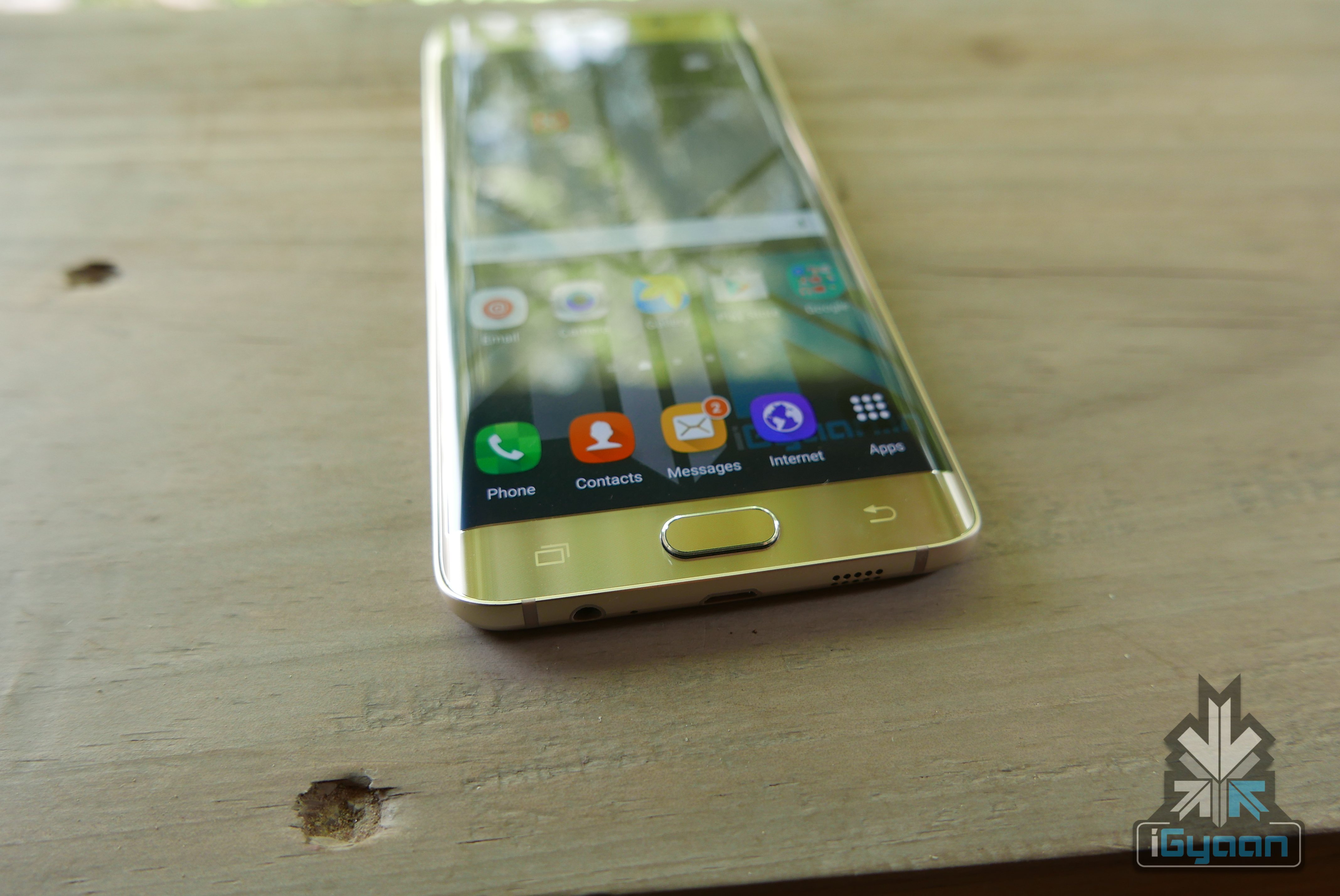
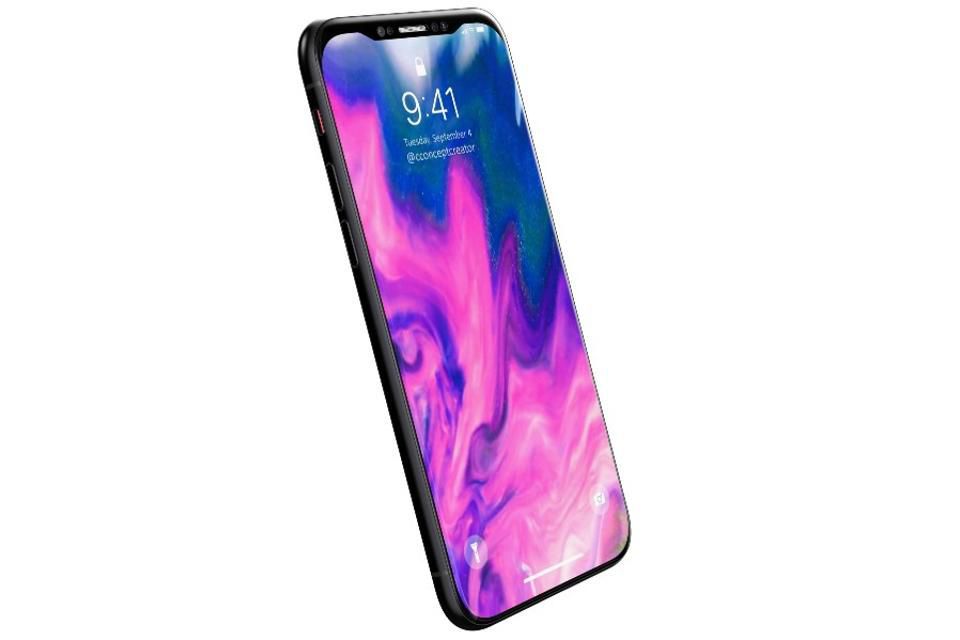
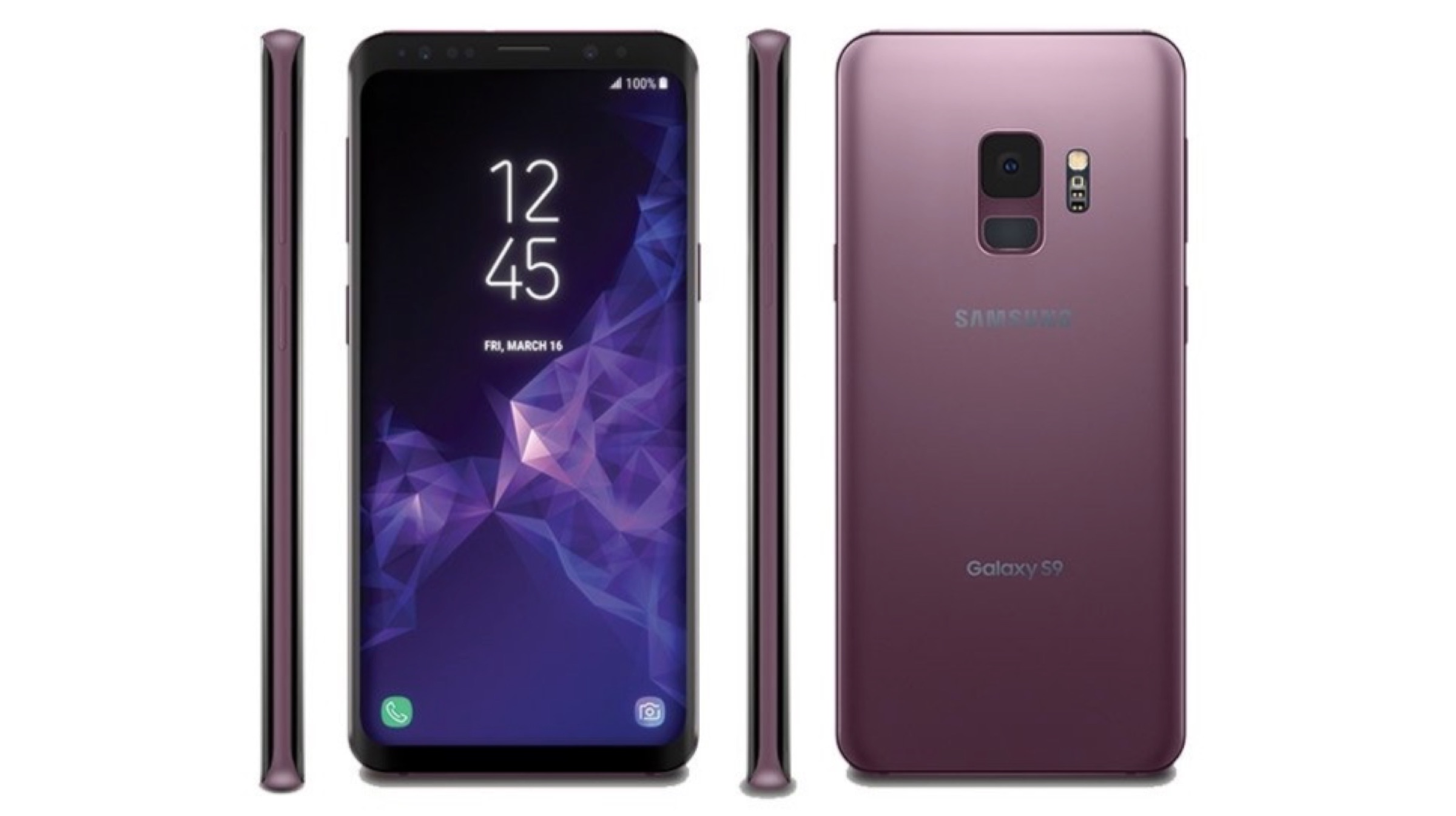
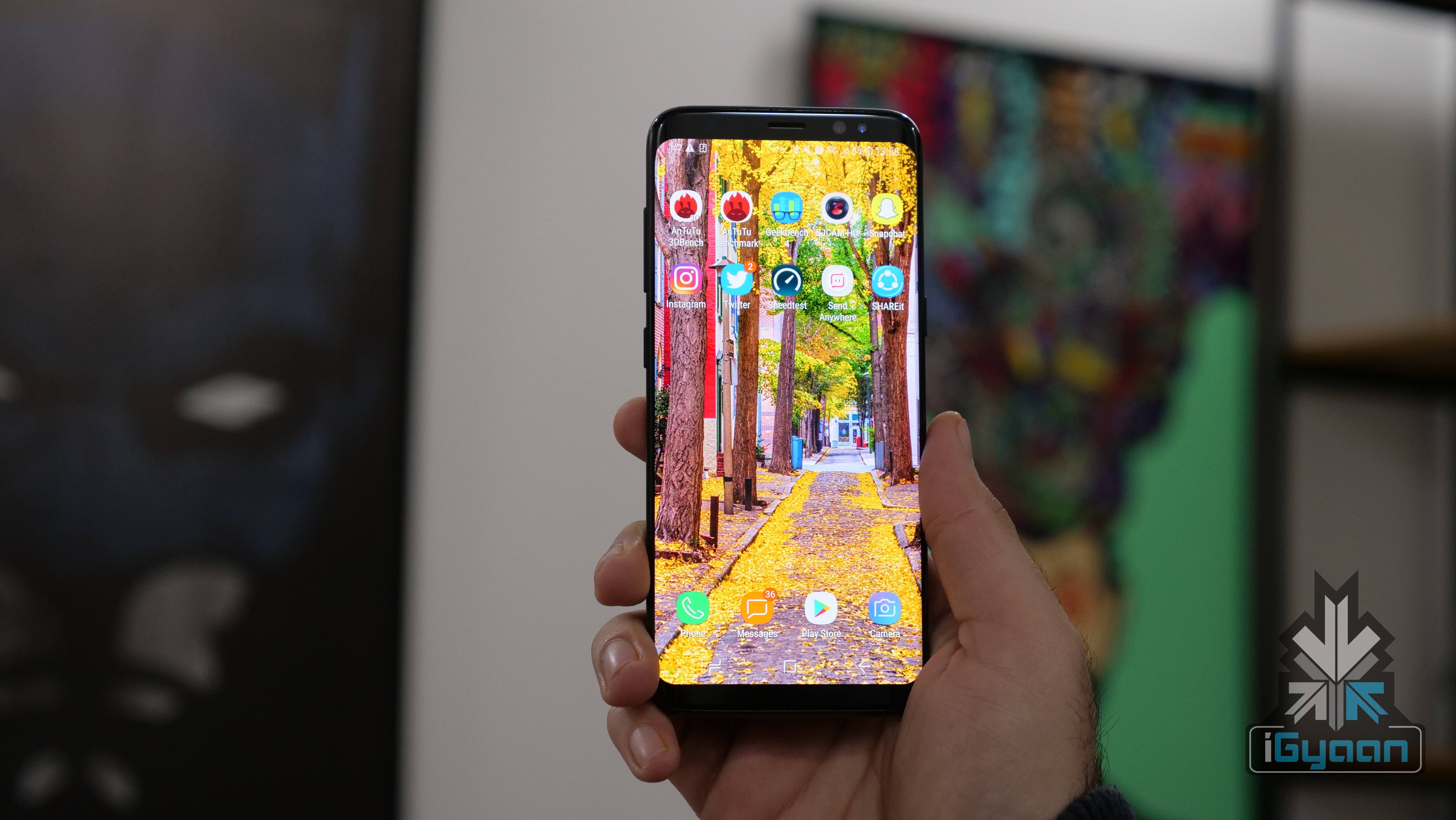
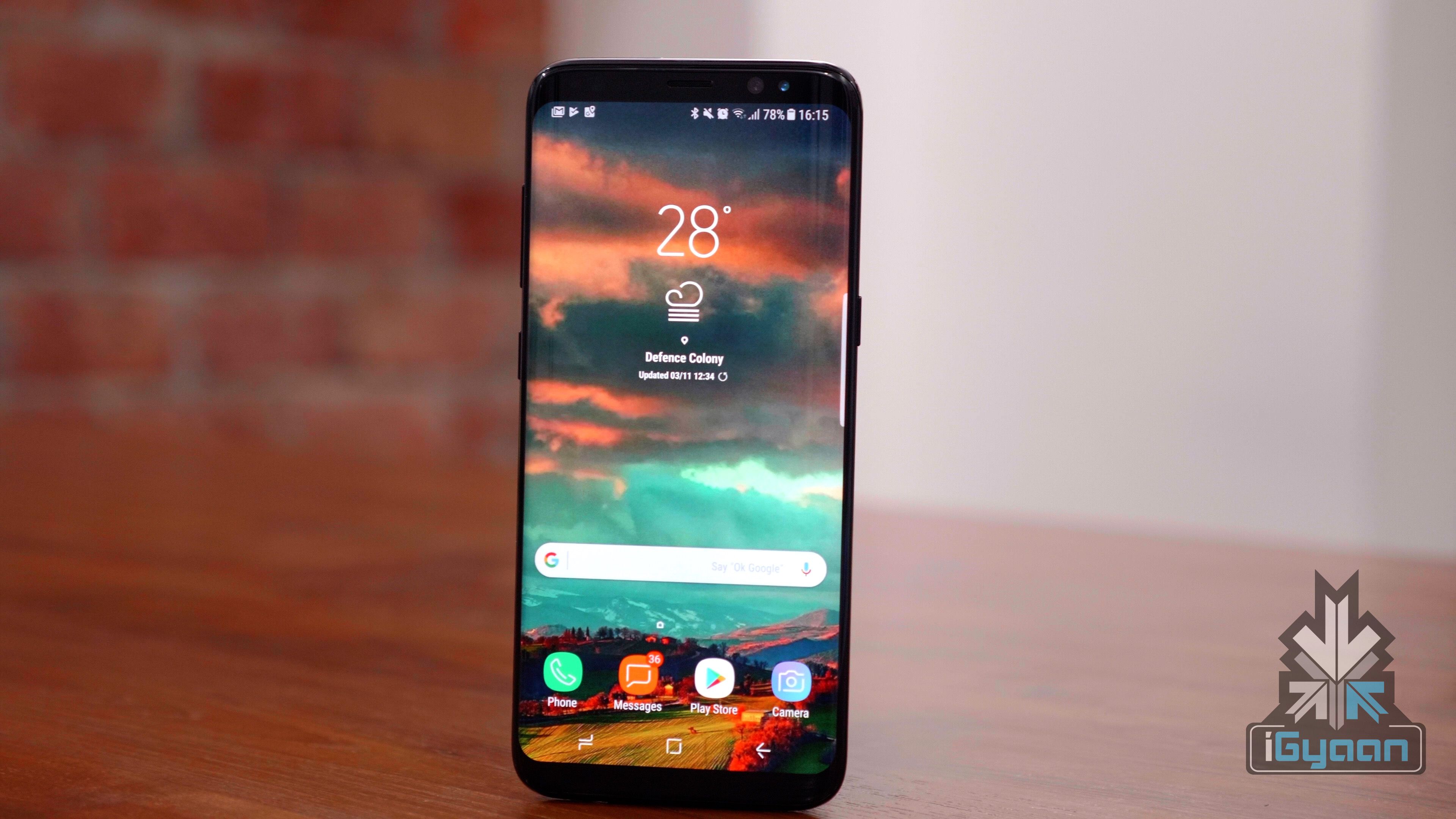
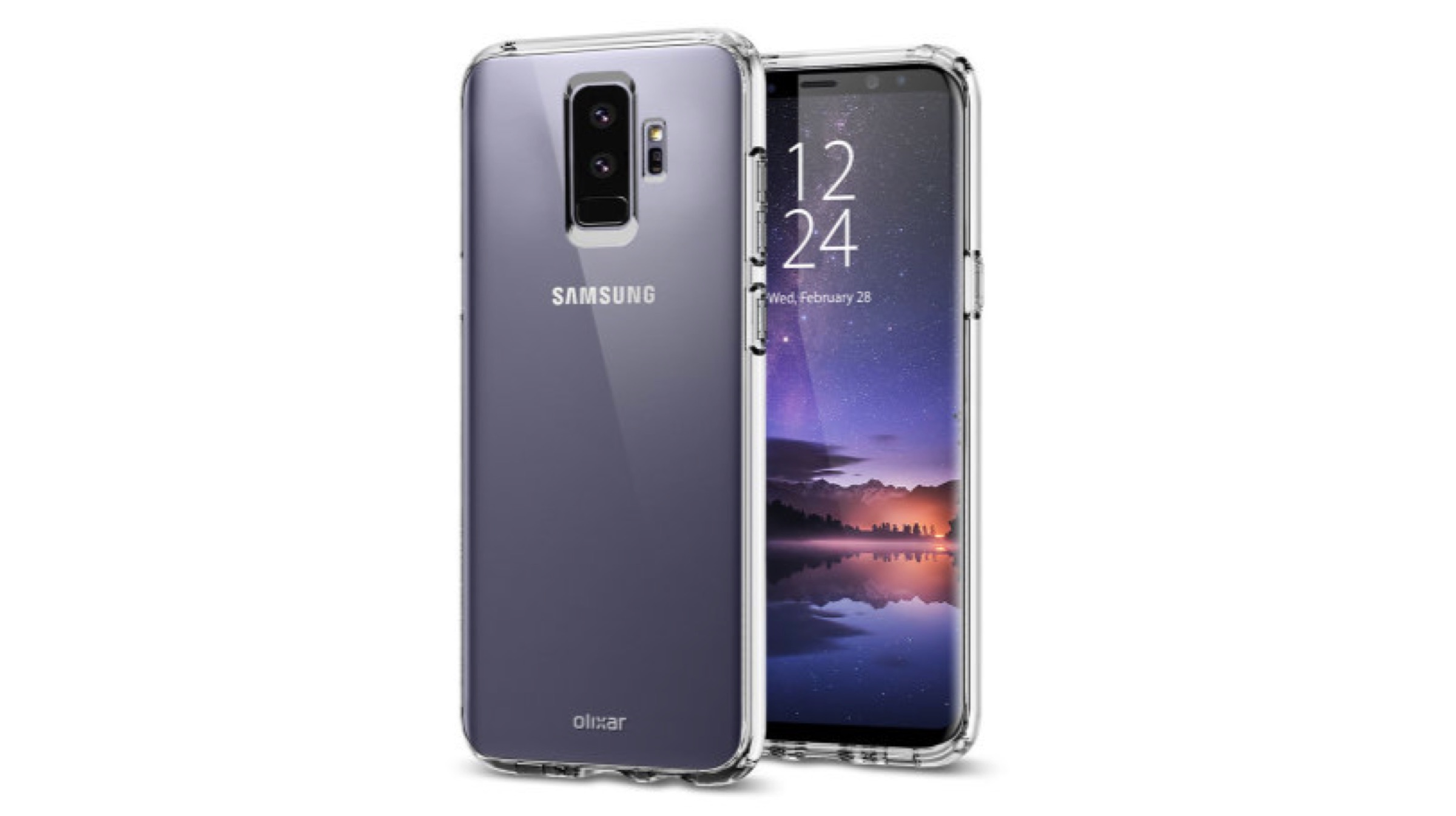
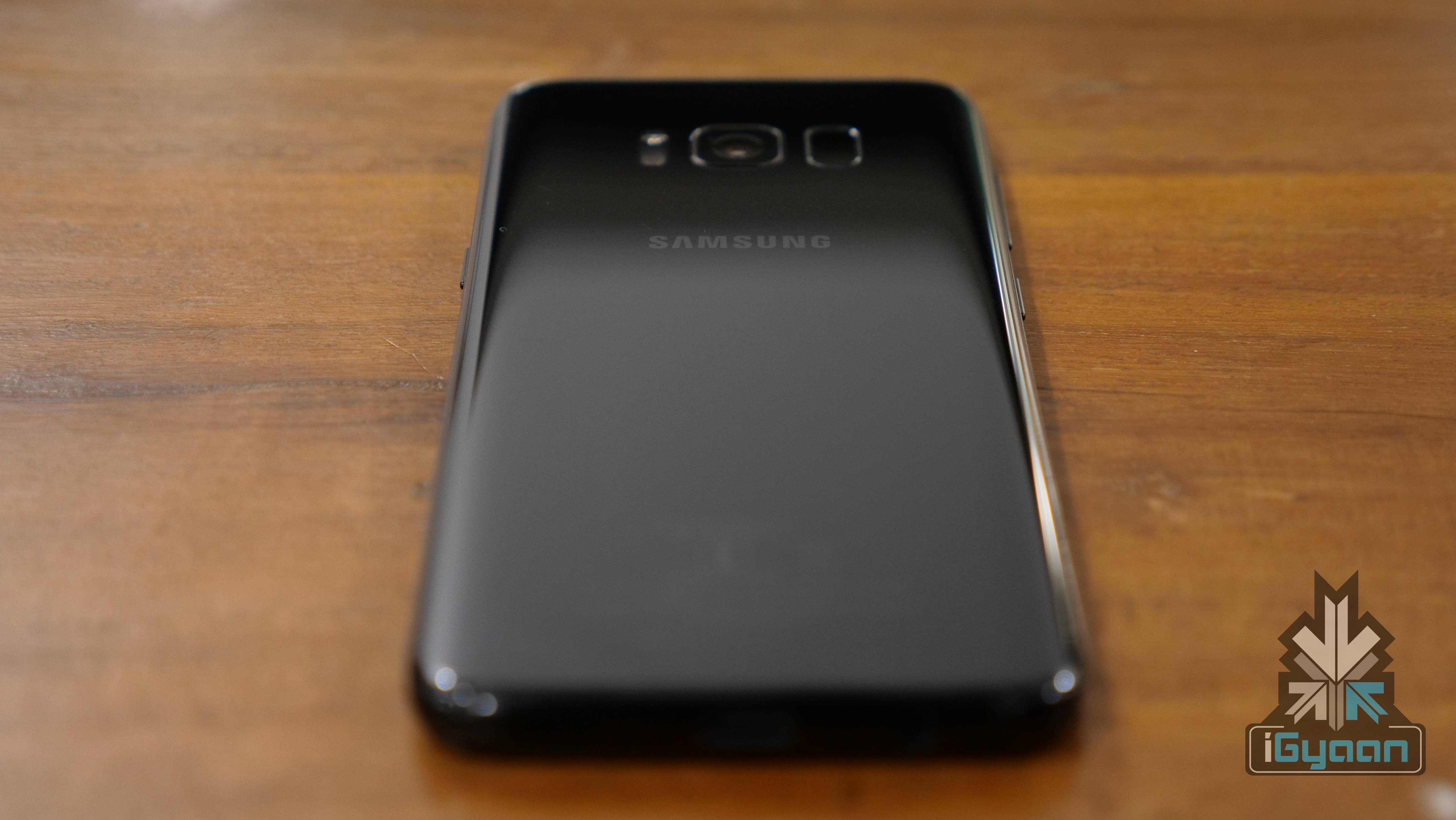
A new report claim that the Samsung Galaxy Note9 will be the first-ever Samsung phone to feature an in-display fingerprint sensor. For weeks leading up to the launch of the Samsung Galaxy Note8, there were speculations that it would have an in-display fingerprint sensor. The Galaxy Note8 was launched in August 2017 and by then, screen embedded fingerprint sensors were found in concept phones only.
However, since the launch of the Galaxy Note8, this technology has come a long way and is finally consumer-ready. Vivo recently launched the Vivo X20 Plus UD in China, becoming the first ever smartphone to feature the new Clear ID technology. For Samsung to implement this technology makes a lot of sense since it already uses OLED panels for its premium smartphones and Clear ID, right now, only works on OLED panels.
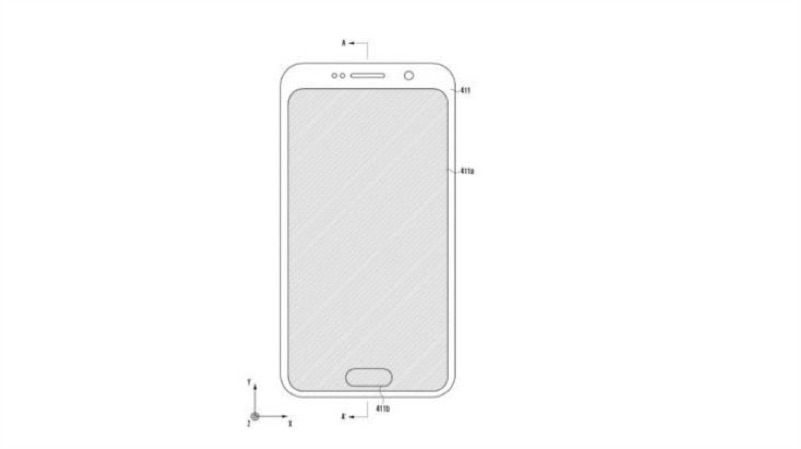
The report claims that a Samsung patent unearthed has indications toward a screen embedded fingerprint sensor. Apparently, Samsung doesn’t want to rely on Synaptics and wants the in-screen fingerprint sensor of the Galaxy Note9 to be based on its own technology. While this sounds like an irrational decision as it will increase the R&D cost and take up a lot of time, a company of Samsung’s stature and resources can definitely go this route.
Vivo X20 Plus UD
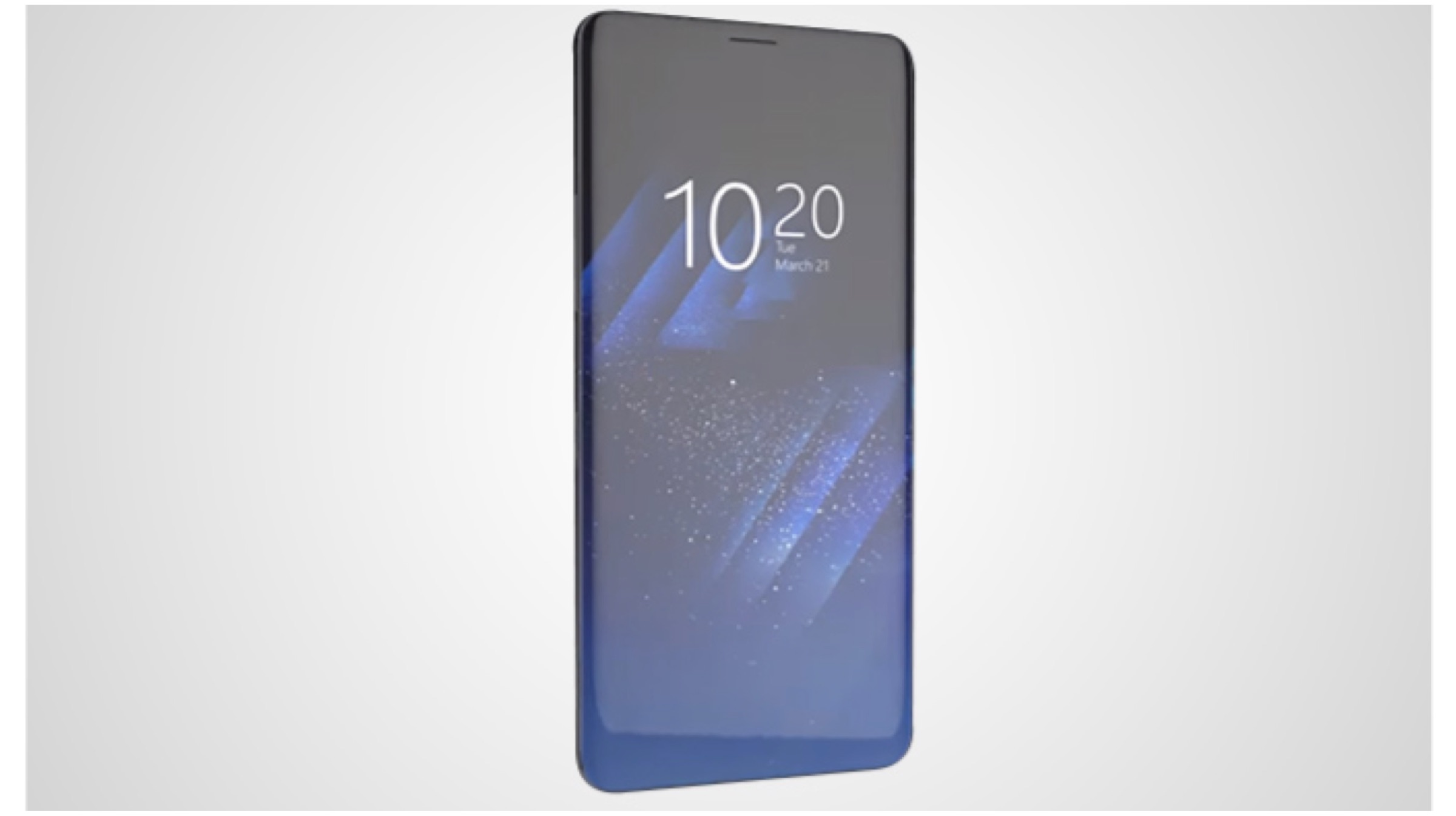
It is worth noting that the design in the image is merely for reference. It certainly does not indicate the future design of the Galaxy Note9 or any premium Samsung smartphone. Industry sources claim that Samsung has been trying to master the Clear ID technology for quite some time now. Both the Galaxy S8 and Galaxy Note8 devices were eluded of the technology as Samsung struggled with manufacturing yield rates.
The Samsung Galaxy Note9 is expected to be launched in August 2018, similar to its predecessor. It will have better S Pen implementation, improved dual-camera performance and in all probability, a screen-embedded fingerprint sensor.
The budget segment of the Indian smartphone market has been congested for a while. So many companies have launched great devices at a very competitive price. Recently, smartphone makers like Honor have also released some great devices in the budget segment. In January, the Honor 9 Lite was launched in India at a starting price of Rs. 10999. Subsequently, Samsung launched the Galaxy On7 Prime in India at a starting price of Rs. 12990.
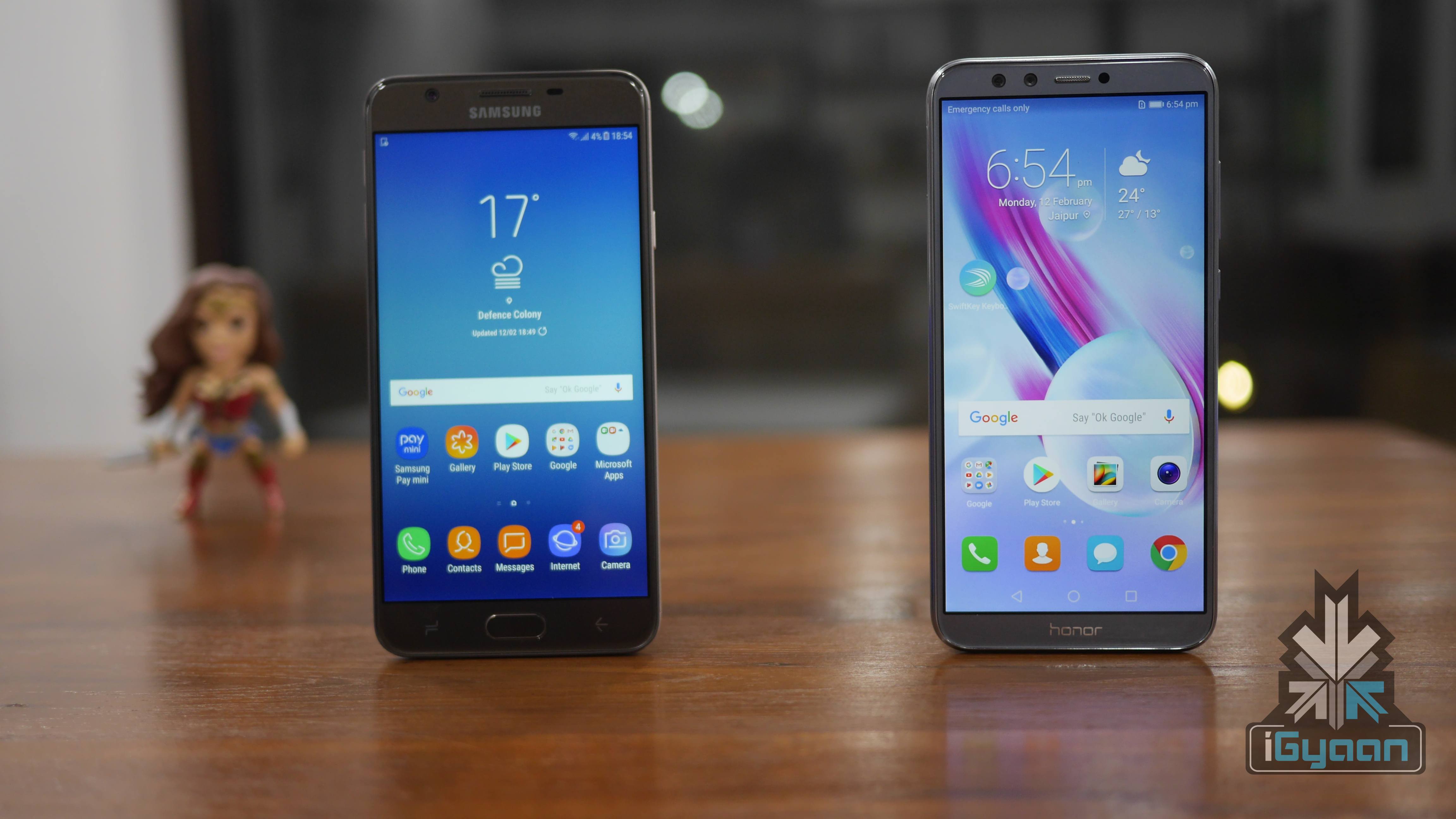
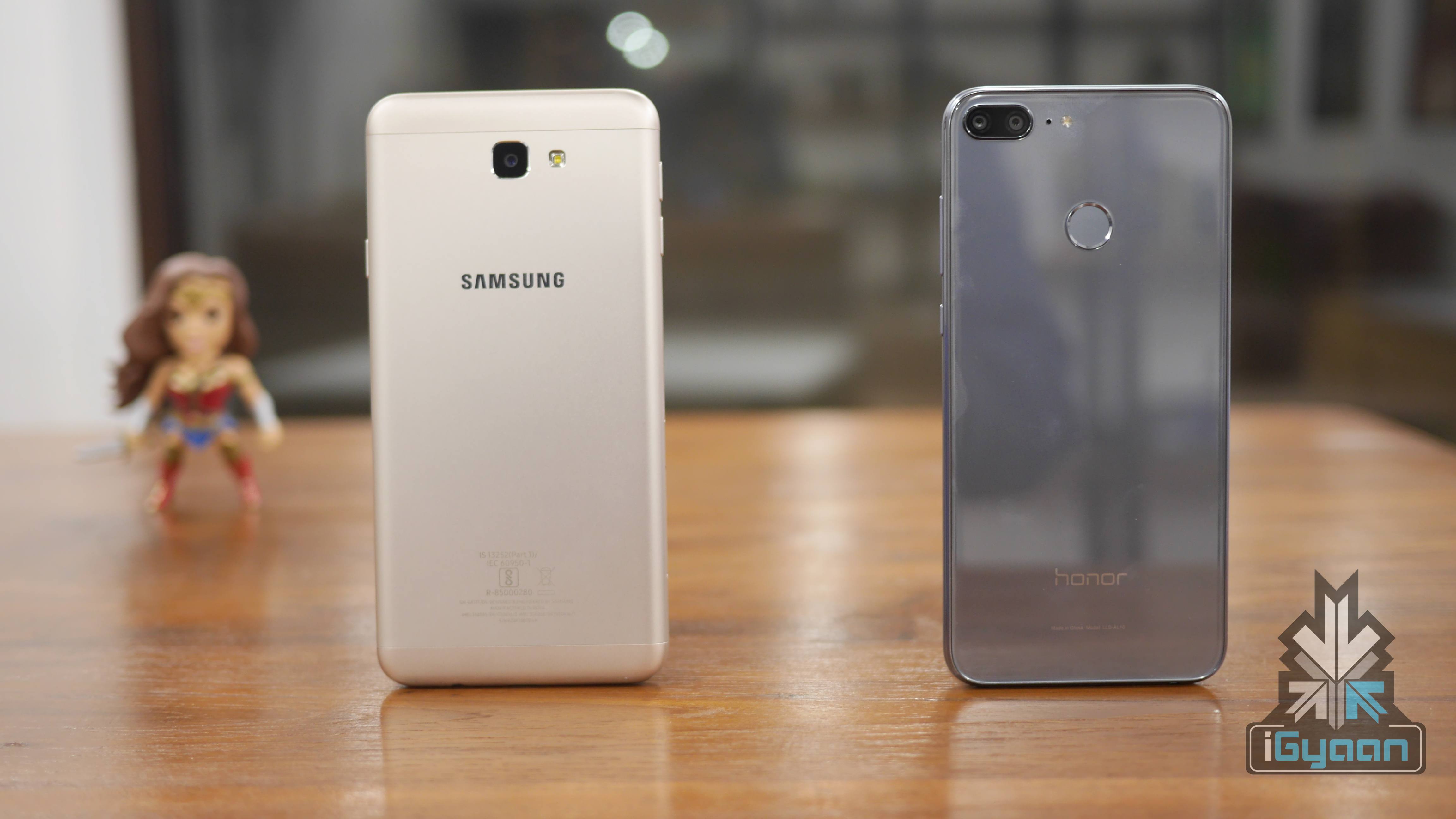
When you put the smartphones together, the winner is quite evident. The Honor 9 Lite has a modern design with an 18:9 aspect ratio, very thin bezels and a glossy finish on the back. It is also the only smartphone in this price segment that has an all-glass build, giving it an extremely premium look. The Galaxy On7 Prime on the other hand just doesn’t look up to speed with the Honor 9 Lite. It has thick bezels around the display and is reminiscent of all the previous Samsung budget smartphones.
The Honor 9 Lite starts at a price of Rs. 10999 for the 3GB RAM variant while the Galaxy On7 Prime costs Rs. 12990 for the same configurations. Clearly, the Honour 9 Lite is a much better proposition if you’re on a tight budget. The Honor 9 Lite also has the new Kirin 659 chipset while the Galaxy On7 Prime is powered by an older Exynos 7870 chipset.
Samsung has been in the news for the much-anticipated launch of the Galaxy S9 and S9+. While the marquee launch has grabbed everyone’s attention, a new Galaxy device, the Galaxy C10 Plus has started doing the rounds on the internet. Samsung and its Galaxy C series have seen a bit of success in the India market. The Galaxy C7 Pro was a good device and a lot is expected from its successor.
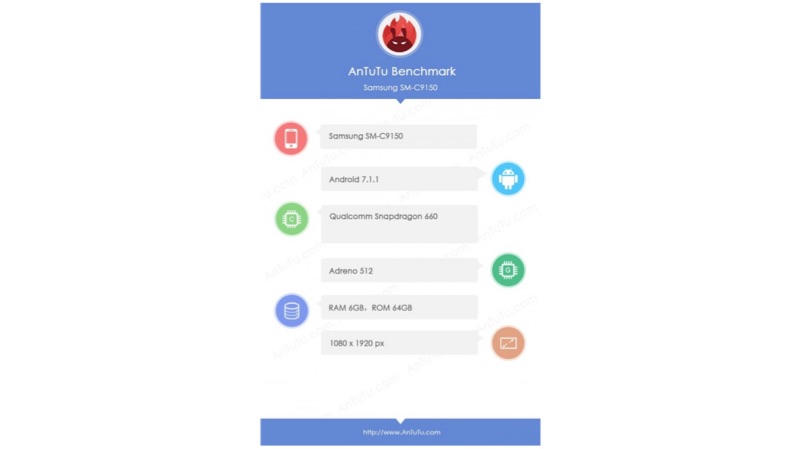
A few days ago, the Galaxy C10 Plus showed up, revealing a few key specifications. The smartphone in question carries the model number SM-C9150. According to the listing, the alleged Galaxy C10 Plus will be powered by the Qualcomm Snapdragon 660 chipset. Along with 660 chipset, it will have 6GB of RAM and run Android 7.1.1 Nougat.
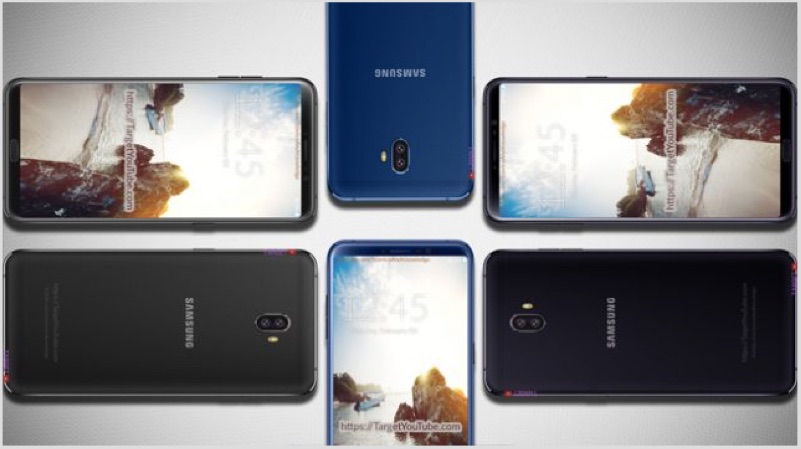
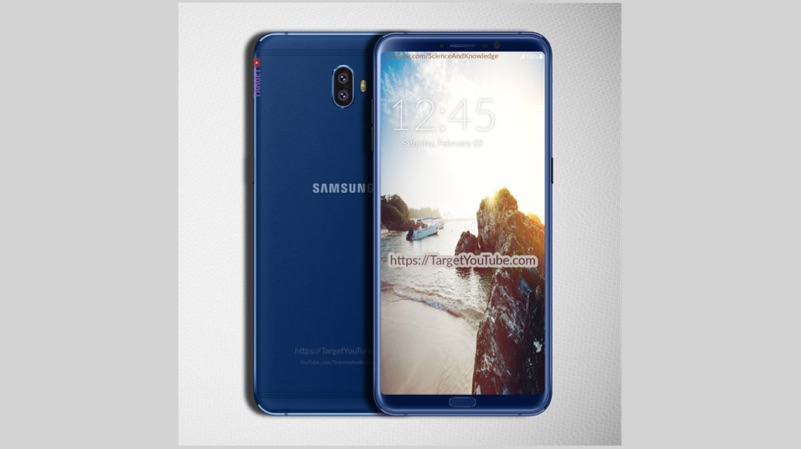
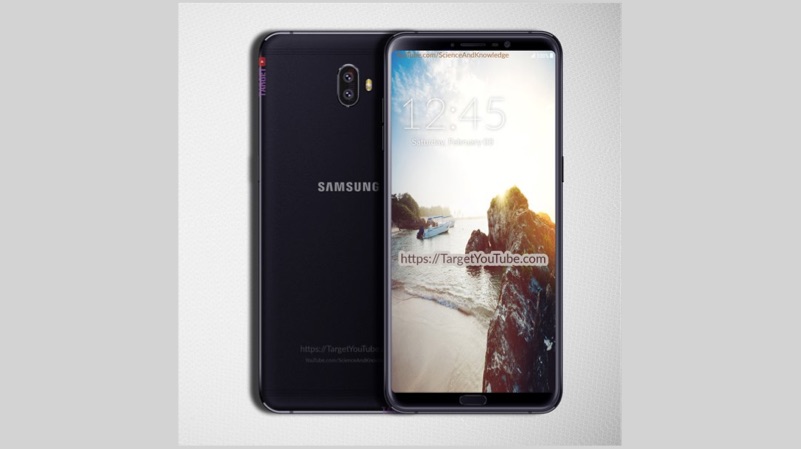
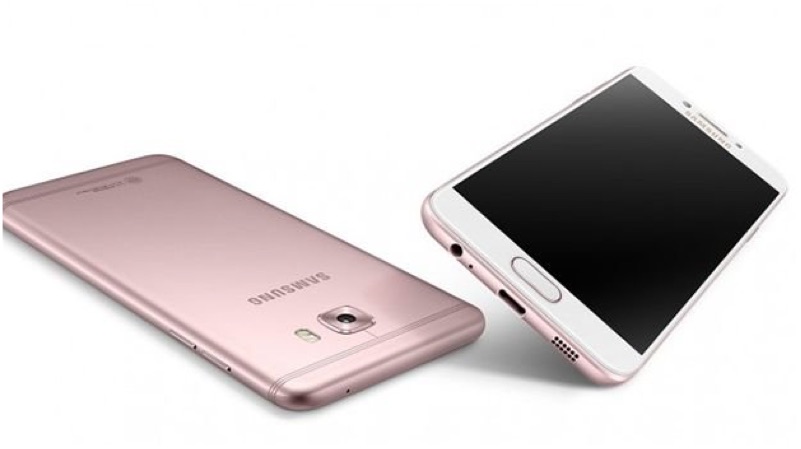
Now, a few concept renders of the Galaxy C10 Plus have been released. The design of the Galaxy C10 Plus stunning and different from what we’ve usually seen from Galaxy smartphones. The smartphone has the shape of an old Galaxy smartphone but, the edge-to-edge display makes it look modern. The very thin bottom bezel also houses a very small home button that will have a fingerprint sensor in it.
To the back of the smartphone is a vertically placed dual-camera along with an LED flash. Unlike a lot of other OEMs, Samsung will not follow Apple’s footsteps when it comes to the positioning of rear-facing dual cameras. Just like the Galaxy Note8, and upcoming Galaxy S9+, the dual-cameras are positioned in the middle of the device. The antenna lines are very similar to the Galaxy C7 Pro.
Galaxy C7 Pro
In the previous leak, the Galaxy C10 Plus was running Android 7 Nougat. This hints at a possible early launch, right after the Galaxy S9 launch. Samsung is expected to launch all smartphones running Android 8 Oreo post the Galaxy S9 launch. For the Galaxy C10 Plus to still run Android 7 Nougat means the launch of the device might be on the fore.
Samsung will launch the Galaxy S9 and Galaxy S9+ at MWC 2018. The press conference is set for the 25th of February and there is an obvious buzz around the devices. We have seen enough leaks and renders of the smartphones to tell us that they won’t look too different from their predecessors. But, we finally have an official image of the upcoming flagship smartphone.
A banner advertisement for the Samsung Galaxy S9+ was recently leaked, which reveals the front of the smartphone. As expected, the Galaxy S9+ will have top and bottom bezels similar to the Galaxy S8+. However, the size of the bezels will be slightly smaller which means it will have a better screen-to-body ratio. Since there is no image of the back, it is impossible to tell what colour variant this is.
Apart from that, the image has some text written in Chinese. The text reveals that one of the variants of the Galaxy S9+ will have 128GB of onboard storage. This was also revealed a few weeks. A Chinese tipster, citing a company insider, had posted on the Chinese social media, Weibo that the Galaxy S9 will be offered in two options, 4GB RAM/64GB storage and 4GB RAM/128GB storage. The bigger sibling of the two, the Samsung Galaxy S9+ will be available in 6GB RAM/64GB storage, 6GB RAM/128GB storage and 6GB RAM/256GB models in major markets across the world.
Rumour Roundup:
The smaller sibling will have a 5.8 inch Super AMOLED display while the Galaxy S9+ will have a 6.2 inch display. Both the devices will have a 2960 x 1440 px resolution.
Case Renders
Similar to its predecessor, the Galaxy S9 will have a single 12MP SuperSpeed Dual Pixel camera. This time around, however, the camera will have an f/1.5 aperture and record super slow motion videos at 480fps. The Samsung Galaxy S9+ will become the second phone from Samsung to feature a dual-camera setup on the back after the Galaxy Note8. The Galaxy S9+ will have a 12MP camera with an f/1.4 aperture along with another 12MP camera with an f/2.5 aperture
Owing to the launch of the Samsung flagship phones, a lot of companies have restrained from making significant announcements. It was recently revealed that Xiaomi could skip the Mi 7 launch at MWC as well, similar to what Huawei and HTC will do. The Galaxy S9 will be priced at Rs. 69000 in India.
In a debate of Android vs iOS, Android loses out when it comes to software support. The argument holds true that slightly older Android phones do not get the kind of software support older iPhones get. Samsung appears to be changing that with its line of flagship smartphones. A day after it started rolling out Android 8 Oreo update for the Galaxy S8 and S8+, it appears that even its 2015 flagship devices will get Android 8 Oreo update.
Now, when the smartphones will get this update is anyone’s guess as of now. The Samsung Galaxy S6, S6 edge, S6 edge+, and Galaxy Note5 will be the 2015 devices that will get the Android Oreo update. Manufacturer Development pages for these devices on T-Mobile’s official website say the carrier “and the device manufacturer have agreed to support a new software update.” This new software update will be Android 8 Oreo!
It looks like a lot of Samsung smartphones will receive Android 8 Oreo update this year. Recently, a few users in Vietnam received the Oreo update even though there were no prior beta programs or an announcement of any sorts. That looks like an error but, it does prove that the smartphone will eventually get Android 8 Oreo update.
A few weeks ago, a Samsung customer rep accidentally let slip that the Galaxy S6 will get Android 8 Oreo update in January or February. If true, the software update should not be far away.
2017 was a great year for smartphones. The bezels shrunk, dual cameras became a norm, and AI gained a few strides. 2018 promises to be another great year for a smartphone enthusiast and the early leaks and rumours are very promising. Let’s take a look at the top five upcoming smartphones of 2018:
Samsung Galaxy S9/Galaxy S9+
The first big launch of 2018 will be that of the Galaxy S9 and the Galaxy S9+. The smartphones will be launched at MWC 2018 and will possibly be the first to run on the Snapdragon 845 chipset. After weeks of renders and leaks, Samsung will finally unveil two of the most anticipated smartphones of 2018.
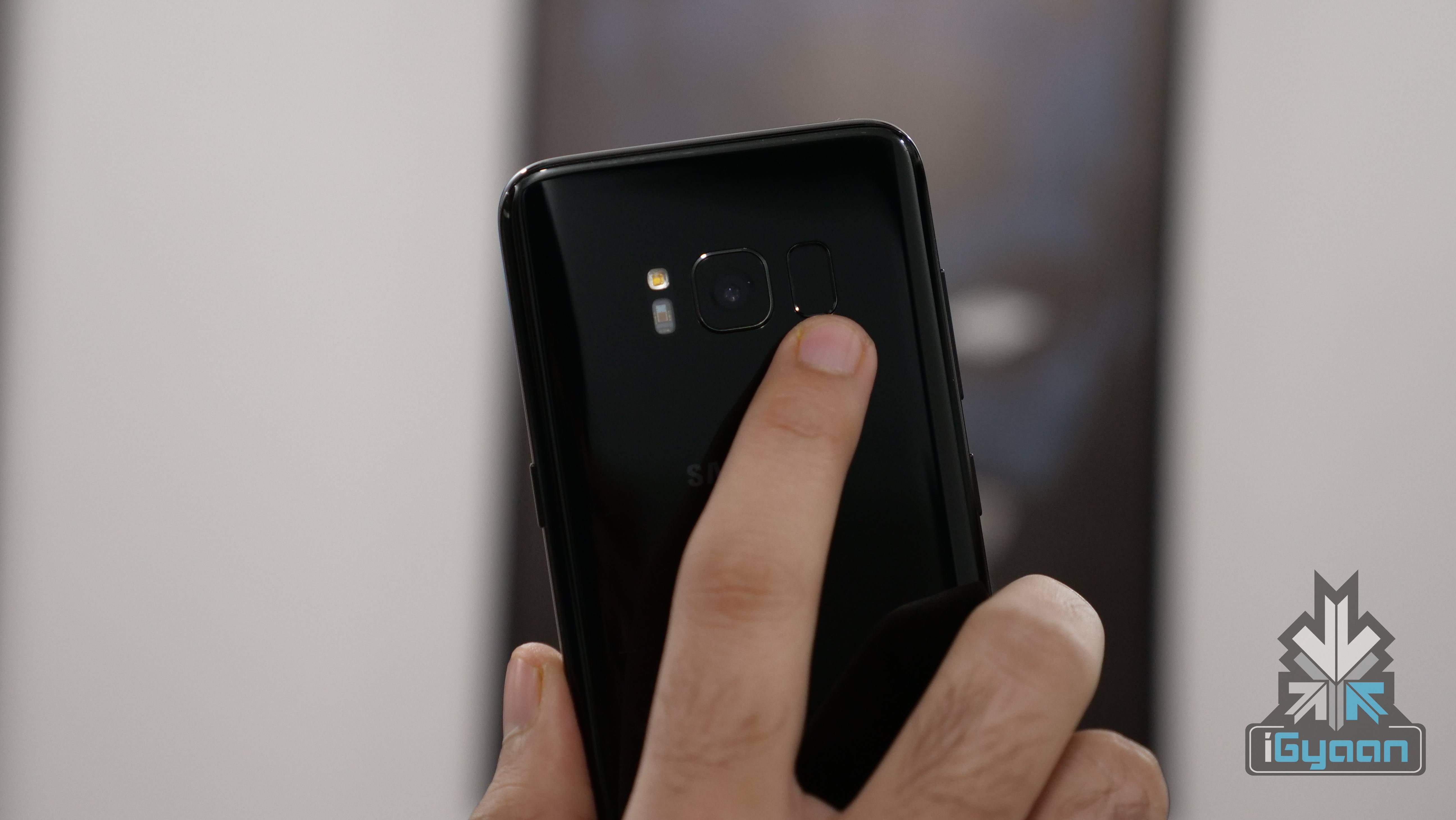
Design wise, the two phones won’t look different than their predecessors which is not a bad thing. The Galaxy S8 and S8+ are still two of the most stunning devices on the market. The top and bottom bezels will be slightly thinner and the fingerprint sensor will be repositioned. Unlike last year’s, the fingerprint sensor will now be placed below the camera module instead of next to it. That is a great design change which was called for by many Galaxy S8 and Note8 users.
To compete with Apple’s Face ID, Samsung is rumoured to introduce Smart Scan as well. Apparently, the new feature is a combination of face and iris scanning. This extra layer will improve accuracy and security of the system in extremely dark or lit up environments. These are the situations where iris scanning and facial recognition systems fail. There have been reports that suggest the Samsung Galaxy S9 devices might have a 3D sensor equipped front-camera for improved biometrics.
There are no rumours or leaks about an upcoming Xiaomi Mi A2 or Mi A1(2018). However, considering the popularity of the Mi A1 in India, the company will be hard-pressed to launch a successor in 2018. The Mi A1 had a more 2016 design with thick bezels but, with budget smartphones also moving on to an 18:9 aspect ratio, the Mi A2 will also have a modern design.
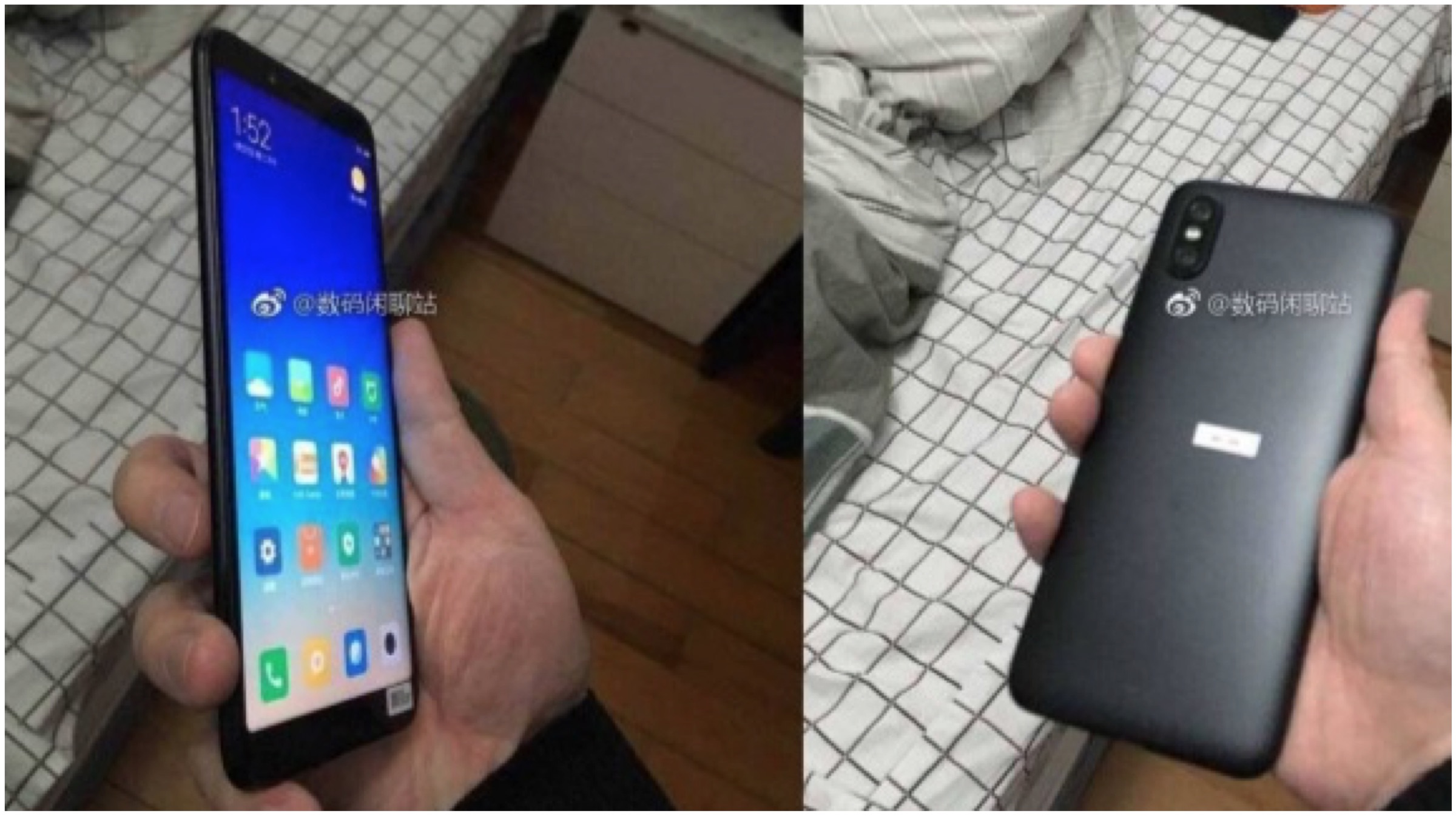
The Xiaomi Mi A1 was launched as the Mi 5X in China and the Mi 6X could be the Mi A2 in India. So far, there have been a few leaks pertaining to the Xiaomi Mi 6X. According to leaked images, the Mi 6X will have an iPhone X-like vertically placed dual-camera setup along with fingerprint sensor and an aluminium unibody build.
Up until the Xiaomi Mi A1 was launched, Motorola’s Moto G5 Plus and G5s Plus had the best cameras in the segment. However, the Xiaomi Mi A1 had a great dual-camera setup as well and the Mi A2, in order to sway customers will have to have a great camera performance as well. The Xiaomi Mi A2 is expected to have the same “wide-angle and telephoto lens” combination for the primary cameras. The dual-camera setup on the front is becoming popular as well, meaning the Xiaomi Mi A2 could also have a dual-camera setup on the front as well.
If Xiaomi does launch the Mi A2 or Mi A1 (2018) in India, it is expected to do well, considering budget smartphones from Honor will have EMUI and a lot of consumers still prefer stock Android OS.
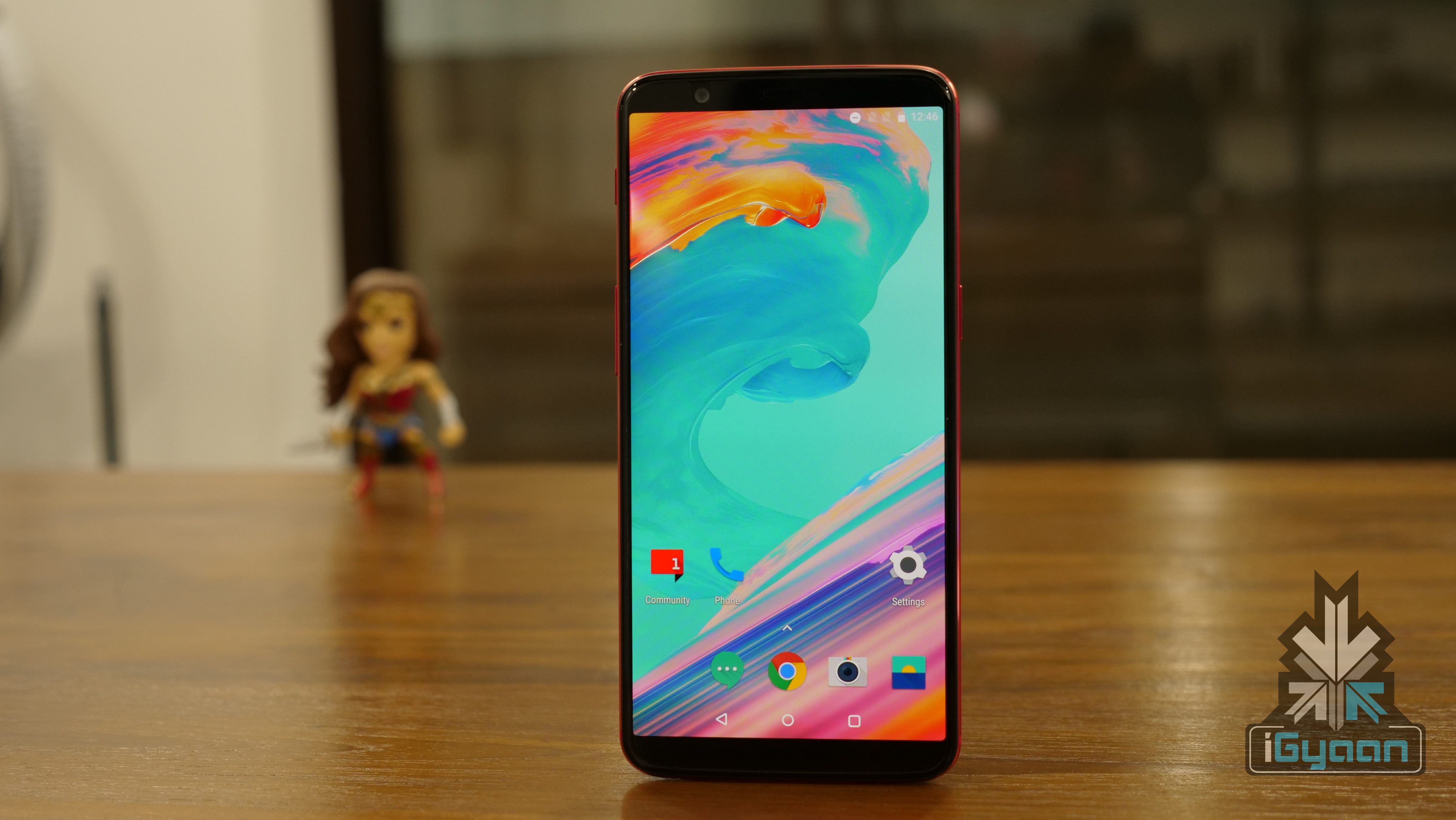
The OnePlus 5 and OnePlus 5T saw a rise in price which many people weren’t happy about. There was also no water resistance even though OnePlus decided to increase the price of its new flagship considerably. However, early rumours of the OnePlus 6 are in and it appears that the company will be refreshing its smartphone lineup earlier than expected. A report from Android Marvel claims that the OnePlus 6 will be launched in March of 2018 and have a few new features which the OnePlus 5T is missing.
Inspired by Face ID, the OnePlus 6 will also have its own version of facial recognition. The OnePlus 6 is expected to have a camera hardware setup similar to the iPhone X, complete with a 3D camera module that will use infrared light to measure depth. However, the OnePlus 6 will not have an iPhone X-like notch. Instead, the handset is expected to have a full top bezel where the extra sensors should be found.
The OnePlus 6 is expected to have the Qualcomm Snapdragon 845 chipset under the hood along with 6GB or 8GB of RAM. Storage options will most probably be the same with 64GB or 128Gb variants of the phone. OnePlus has shown its tendency to launch limited edition variants of its devices and it is fair to assume that the company will do something similar with the OnePlus 6 and possibly, the OnePlus 6T.
Apple iPhone X Plus
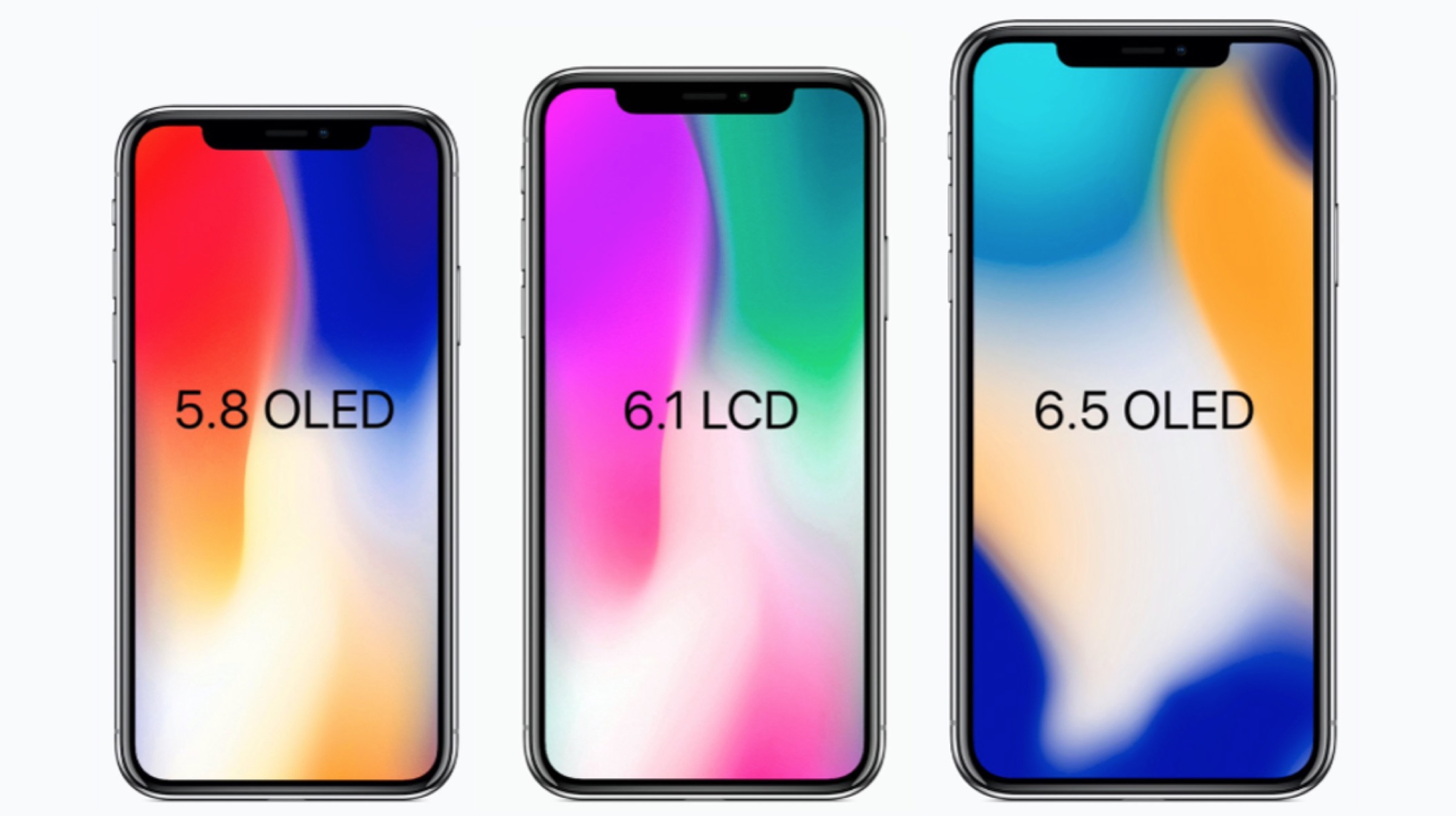
2018 Apple iPhone lineup
It’s tentative but, we might see a bigger version of the iPhone X in September of 2018. The iPhone X, launched in September 2017 saw a radical shift from the traditional iPhone design we were accustomed to, since the launch of the iPhone 6. While the iPhone 8 and iPhone 8 Plus were similar to their predecessors, the iPhone X was the special 10th-anniversary device, billed as the true successor to the original iPhone which was launched back in 2007.
Early reports claim that Apple will continue the trend and launch three new iPhones in 2018. While two of them will continue to have an OLED display, the smallest of the three iPhones will be cheaper thanks to the LCD display. However, the design of all the three iPhones will be similar to the iPhone X with the notch at the top of the display and vertically placed dual cameras.
Under the hood, an upgraded A12 (tentatively named) chipset is expected which will, as always, perform better than the previous generation and go toe-to-toe with the Snapdragon 845 chipset.
Apple made it clear that it will emphasise a lot on the use of AI and machine learning with the introduction of ARKit. This is expected to be taken a notch higher with the next generation iPhones. What will be interesting to see is the nomenclature of all the three iPhones.
Google Pixel 3/Pixel 3 XL
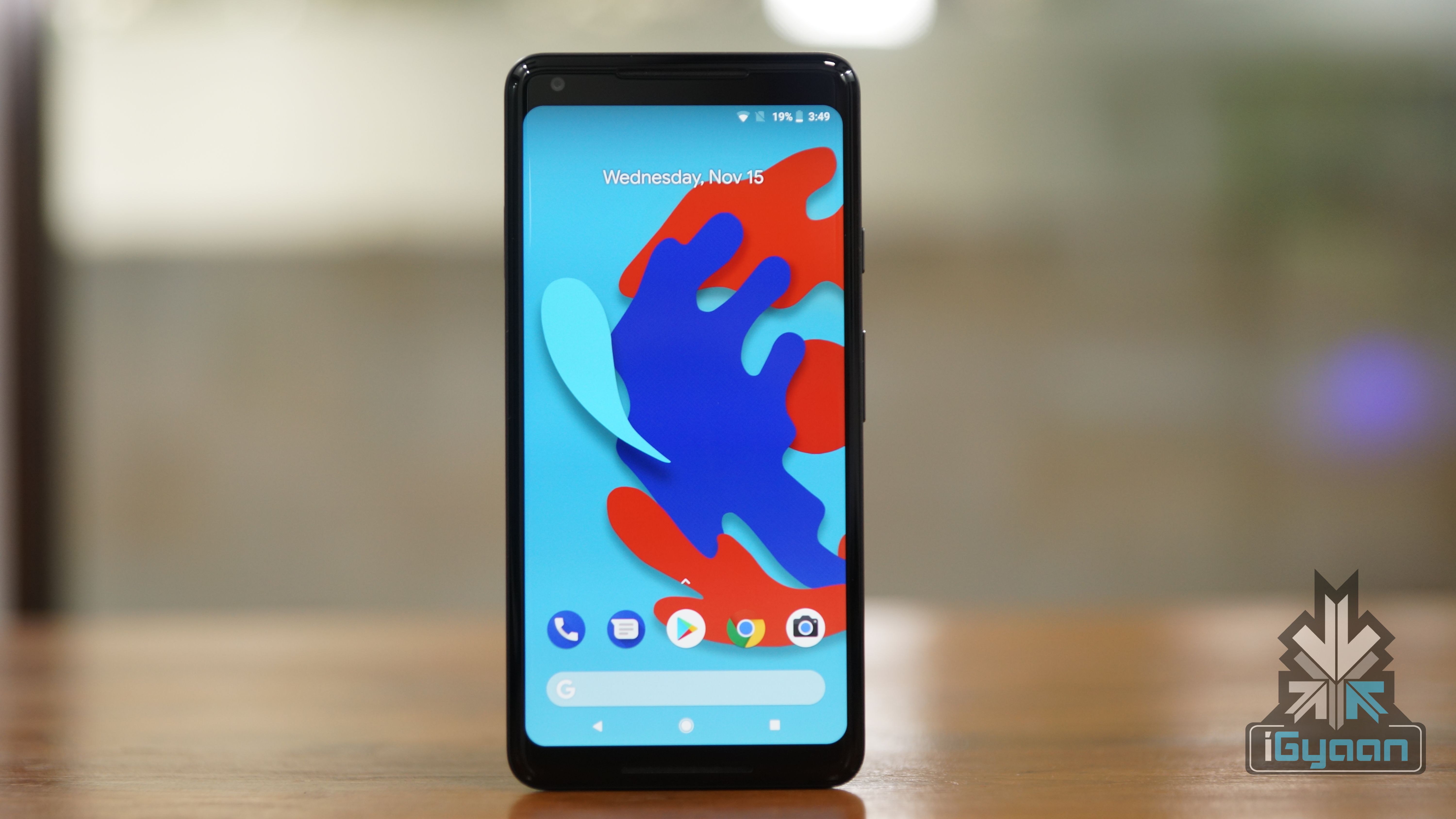
The Google Pixel 2 and Pixel 2 XL launched amidst a lot of anticipation. Google was expected to deliver two of the best Android phones of the year and while the software and AI integration of the two phones was commendable, Google lost the race in the hardware department.
In 2018, especially after having the HTC smartphone personnel on board, Google will be expected to rectify those mistakes and deliver great Android devices which will compete with the likes of the Galaxy S9 and the OnePlus 6.
Similar to the Pixel 2, the Pixel 3 and its bigger sibling will focus a lot on AI and machine learning, and deliver smooth software experience thanks to the stock Android OS. 2018 will see the launch of Android P and the Pixel 3 devices will be the first Android phones on the planet to run o the new Android OS.
The Pixel 2 smartphones had the best camera on smartphones and achieved dual-camera capable features on their single camera setup thanks to Google’s incredible machine learning and AI implementation. We expect similar results from the Google Pixel 3 and Pixel 3 XL.
Earlier, we reported that Samsung accidentally rolled out Android 8 Oreo update for the Galaxy S7 Edge. While that appeared to be a mistake, this news is official and a good one. Android 8 Oreo update for the Samsung Galaxy S8 and S8+ has started rolling out in Germany. Samsung had promised that Beta testers would get the Android 8 Oreo 24 hours before everyone else and the company has delivered.
The update will soon make its way out of Germany however, the exact timeline has not been shared by the company. long with Android 8 Oreo, the update also brings Samsung Experience 9.0 to the fore. Samsung Experience 9.0 has new features like a new keyboard, colour lens for display, improvements to Bixby and more.
It was expected that Samsung would release the final build of Android 8 Oreo to older devices only after launching the Galaxy S9. It recently launched the Galaxy A8+ in India that still runs on Android 7 Nougat, more than four months after the official launch of the Android 8 Oreo. For context, OnePlus has already updated its smartphones to Android 8 Oreo while the Pixel devices are running Android 8.1 Oreo.
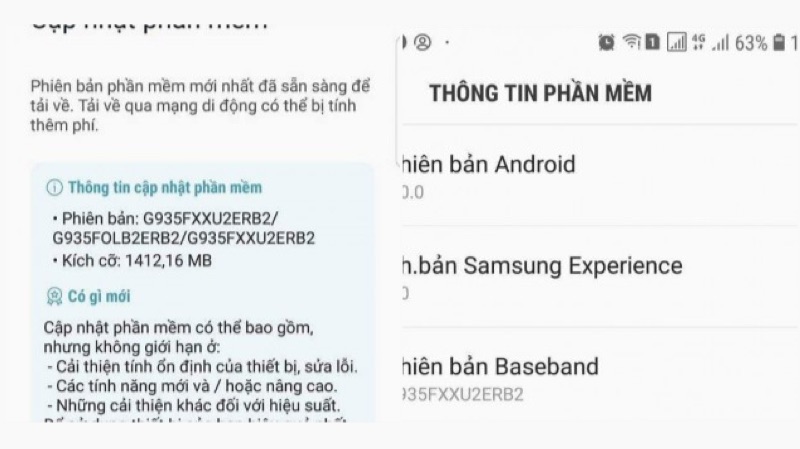
In a bizarre turn of events, someone in Vietnam received a stable build of Android 8 Oreo along with Experience UI on their Galaxy S7 Edge. This looks like an administrative error from someone at the Samsung development team. It is possible that someone pushed out a possible final build of the update.
It is worth noting that Samsung has not even run a Beta program of Android 8 Oreo on the Galaxy S7 Edge as of now. Also, it seems highly improbable that Samsung would update the Galaxy S7 Edge to Android 8 Oreo before the Galaxy S8 and S8+. Also, smartphones from Samsung launched in 2018 still run Android 7 Nougat out of the box.
This means that Samsung will launch the Galaxy S9 and S9+ with Android 8 Oreo out of the box and then start updating its previous smartphones to the latest OS version. The beta program of Android 8 Oreo for the Galaxy S8 and S8+ is in its final stages and the final build should be rolled out soon after the launch of the Galaxy S9 and S9+.
As far as the accidental update is concerned, the user who received it uploaded some screenshots. The update in question weighed in at about 1.4GB with a build number of G935FXXU2ERB2. It has not been confirmed as to how many people received this update and what is the protocol from here on.
The Samsung Galaxy S9 and S9+ will be launched on the 25th of February. Here is everything you need to know about the devices.
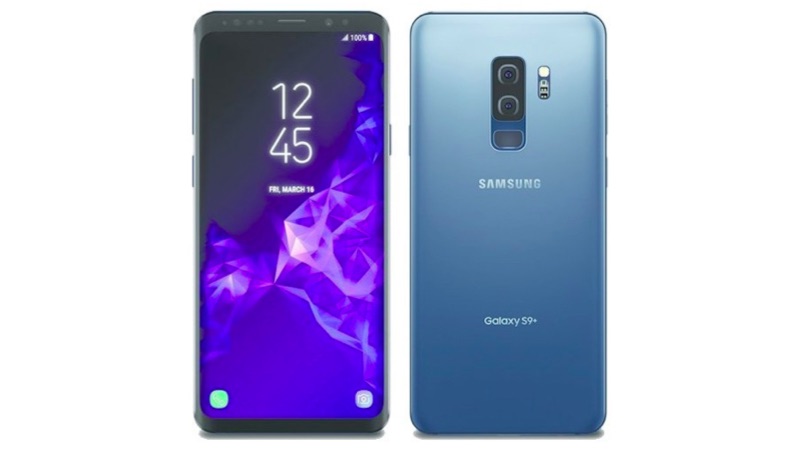
Samsung Galaxy S9 and its bigger sibling will be launched on the 25th of February at MWC 2018. There have been enough leaks of the two phones to tell us almost everything relevant to modern day smartphone. After the design of the two phones was leaked multiple times, we are now seeing the colour variants of the smartphones.
After being leaked in a new Lilac Purplecolour, the same tipster on Twitter confirmed that the Galaxy S9 and S9+ will be launched in a Coral Blue colour as well. So far, this looks like the best colour variant of all and will surely be a hit among the consumers.
Rumour Roundup:
The smaller sibling will have a 5.8 inch Super AMOLED display while the Galaxy S9+ will have a 6.2 inch display. Both the devices will have a 2960 x 1440 px resolution.
Press Renders
Similar to its predecessor, the Galaxy S9 will have a single 12MP SuperSpeed Dual Pixel camera. This time around, however, the camera will have an f/1.5 aperture and record super slow motion videos at 480fps. The Samsung Galaxy S9+ will become the second phone from Samsung to feature a dual-camera setup on the back after the Galaxy Note8. The Galaxy S9+ will have a 12MP camera with an f/1.4 aperture along with another 12MP camera with an f/2.5 aperture
Owing to the launch of the Samsung flagship phones, a lot of companies have restrained from making significant announcements. It was recently revealed that Xiaomi could skip the Mi 7 launch at MWC as well, similar to what Huawei and HTC will do. The Galaxy S9 will be priced at Rs. 69000 in India.
With the Galaxy S9 and S9+ launch around the corner, it is easy to forget that Samsung does make other smartphones as well. The company recently launched the Galaxy A8+ in India at a price of Rs. 32999 and the budget-friendly Galaxy On7 Prime. In early-2017, Samsung launched the Galaxy C7 Pro and its successor is due as well. It appears that the Galaxy C10 Plus could be that successor.
In a recent AnTuTu listing, the Galaxy C10 Plus showed up, revealing a few key specifications. The smartphone in question carries the model number SM-C9150. According to the listing, the alleged Galaxy C10 Plus will be powered by the Qualcomm Snapdragon 660 chipset. Along with 660 chipset, it will have 6GB of RAM and run Android 7.1.1 Nougat.
This hints at a possible early launch, right after the Galaxy S9 launch. Samsung is expected to launch all smartphones running Android 8 Oreo post the Galaxy S9 launch. For the Galaxy C10 Plus to still run Android 7 Nougat means the launch of the device might be on the fore.
Another big takeaway from the listing is the display and possible design of the device. It reveals that the smartphone will have a 1920 x 1080 px resolution which translates into a 16:9 aspect ratio. This aspect ratio might become archaic in the coming months. This means that the Galaxy C10 Plus might be launched as part of the Galaxy J series in India.
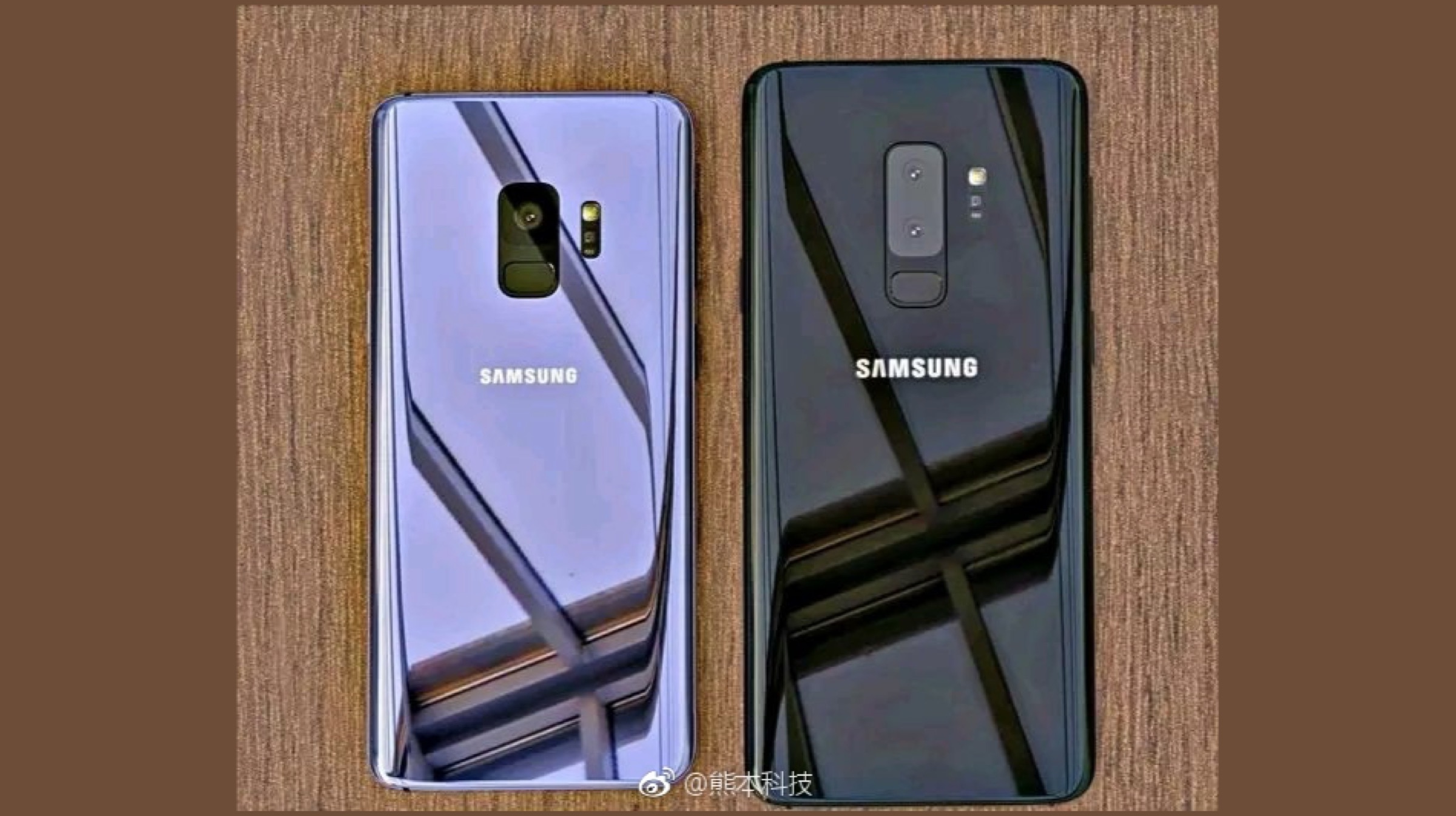
Samsung will launch the new Galaxy S9 and S9+ at MWC 2018 on the 25th of February. Hands down two of the most anticipated smartphones of 2018, the Galaxy S9 and S9+will be Samsung’s early year flagships until the Galaxy Note9 is launched in August/September. While there is hardly anything left to the imagination of a consumer, a new leak has revealed that the two new smartphones will arrive in a fascinating new colour variant.
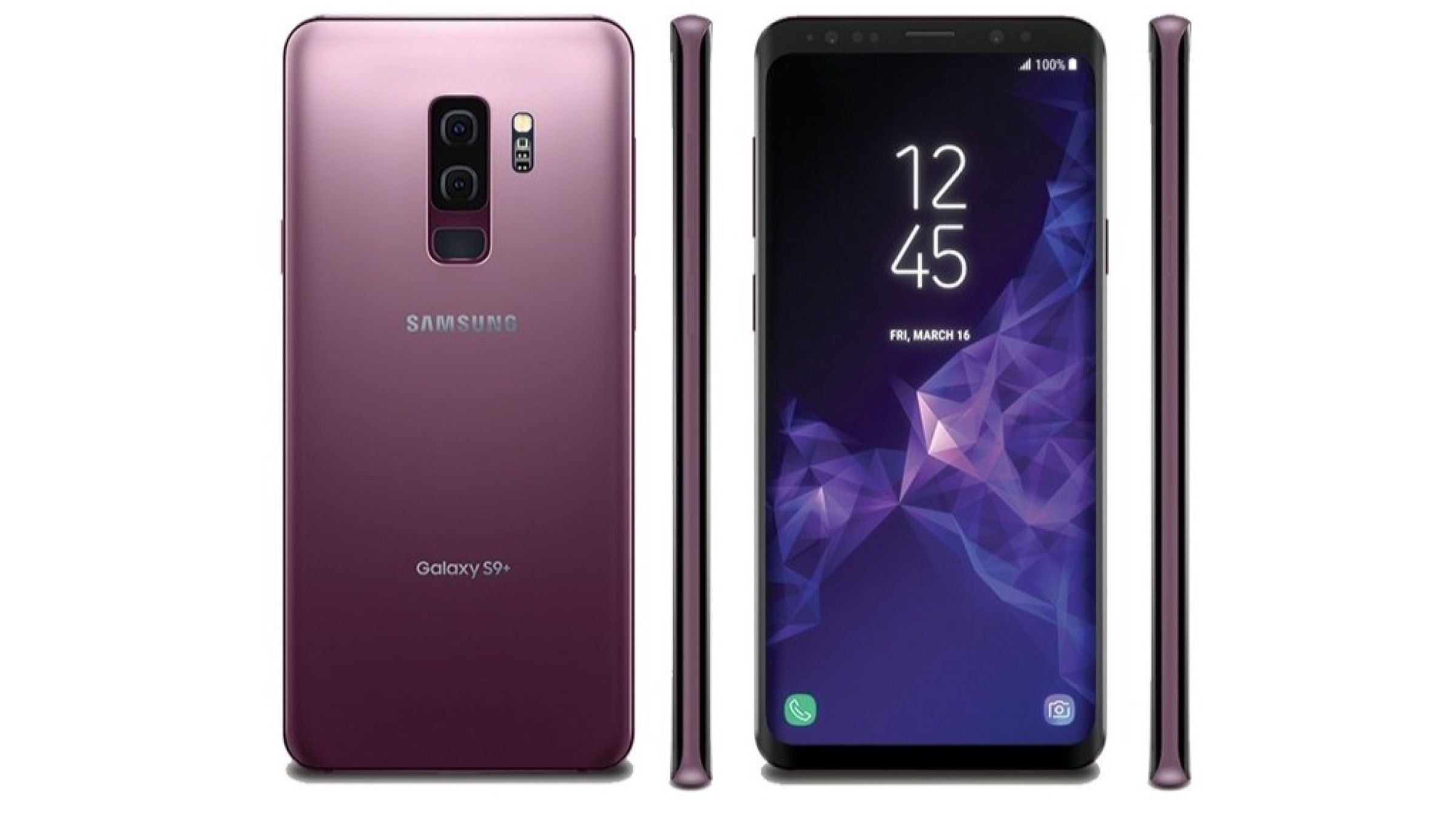
Samsung Galaxy S9+ Lilac Purple
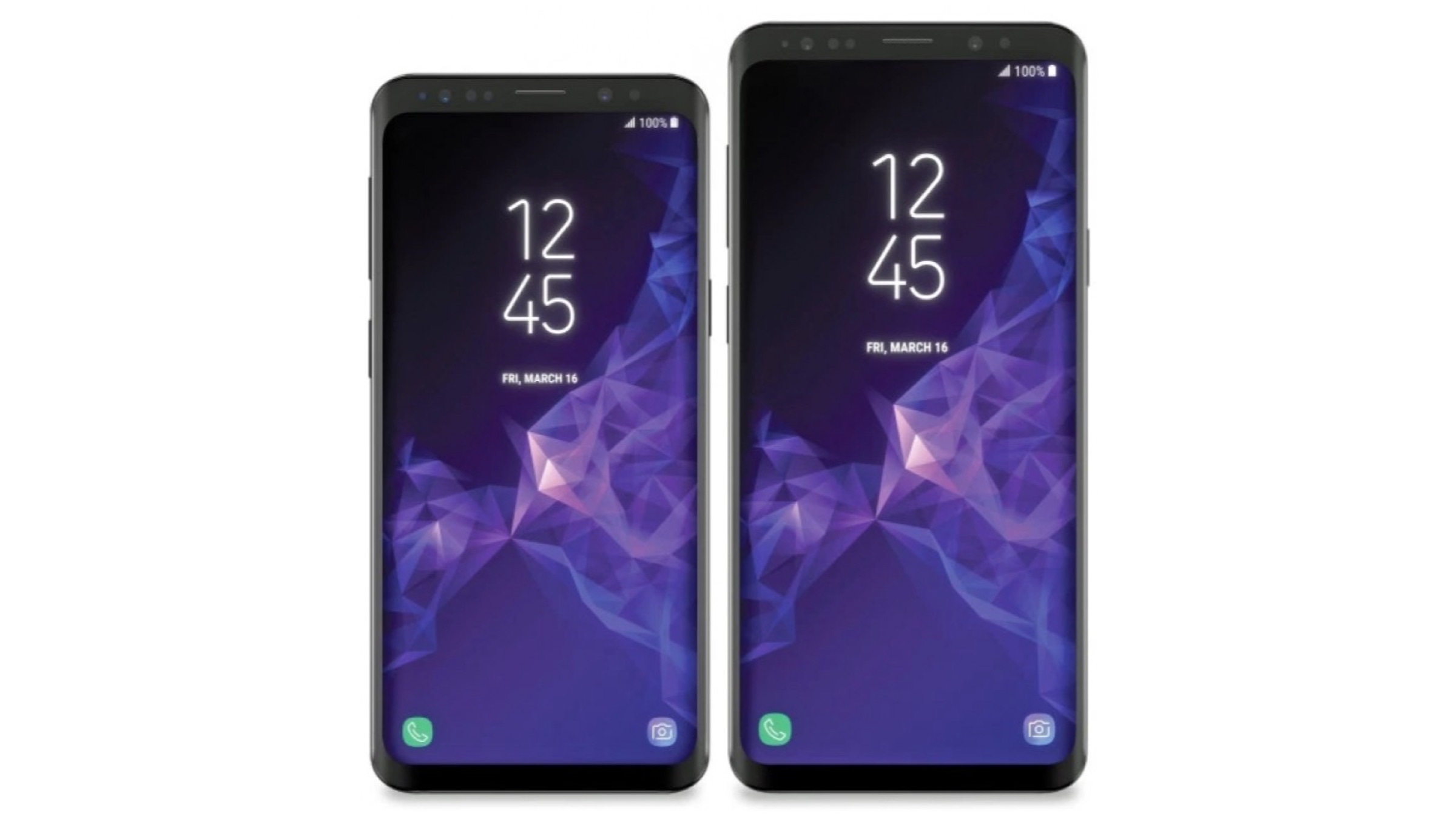
In new leaked renders of the Galaxy S9 and S9+, we can see the Lilac Purple colour variants. In the times when OEMs are launching ‘limited edition’ red colour variants of their popular smartphones, Samsung’s move to launch a different colour is refreshing. The Lilac Purple will surely stand out from the ocean of black, rose gold and gold smartphones currently prevalent in the smartphone market.
A new leak claims that the Sony IMX345 will be used on the Galaxy S9+. The same can be expected for the Galaxy S9. On the bigger sibling, there will be a combination of a 12MP camera with an f/1.4 aperture and the other will be a 12MP camera with an f/2.5 aperture. We already know that the Galaxy S9 will have a 12MP camera with an f/1.5 aperture.
Rumour Roundup:
The Galaxy S9 will have a 5.8 inch Super AMOLED display while the Galaxy S9+ will have a 6.2 inch display. Both the devices will have a 2960 x 1440 px resolution.
Press Renders
Similar to its predecessor, the Galaxy S9 will have a single 12MP SuperSpeed Dual Pixel camera. This time around, however, the camera will have an f/1.5 aperture and record super slow motion videos at 480fps. The Samsung Galaxy S9+ will become the second phone from Samsung to feature a dual-camera setup on the back after the Galaxy Note8. The Galaxy S9+ will have a 12MP camera with an f/1.4 aperture along with another 12MP camera with an f/2.5 aperture
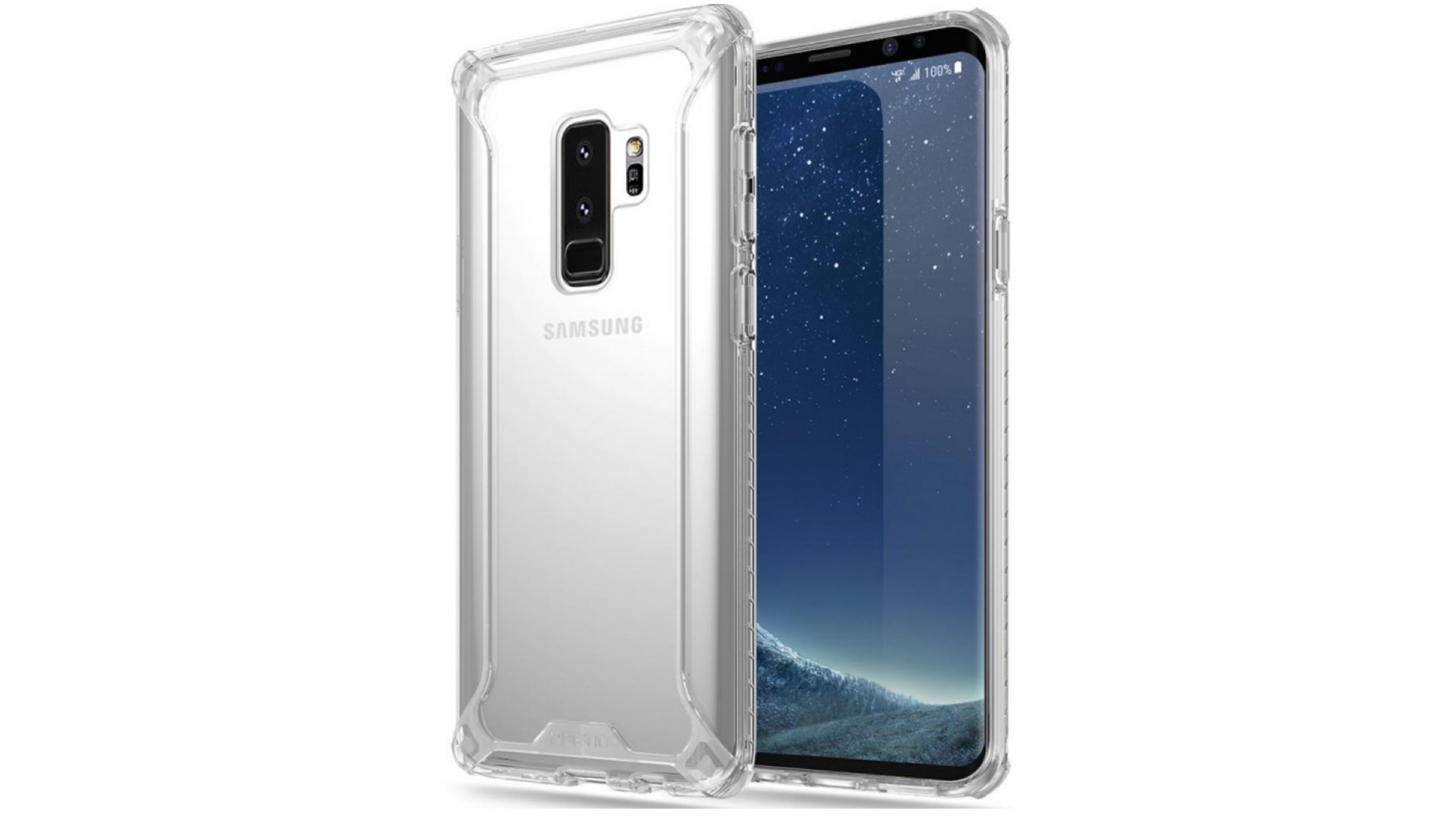
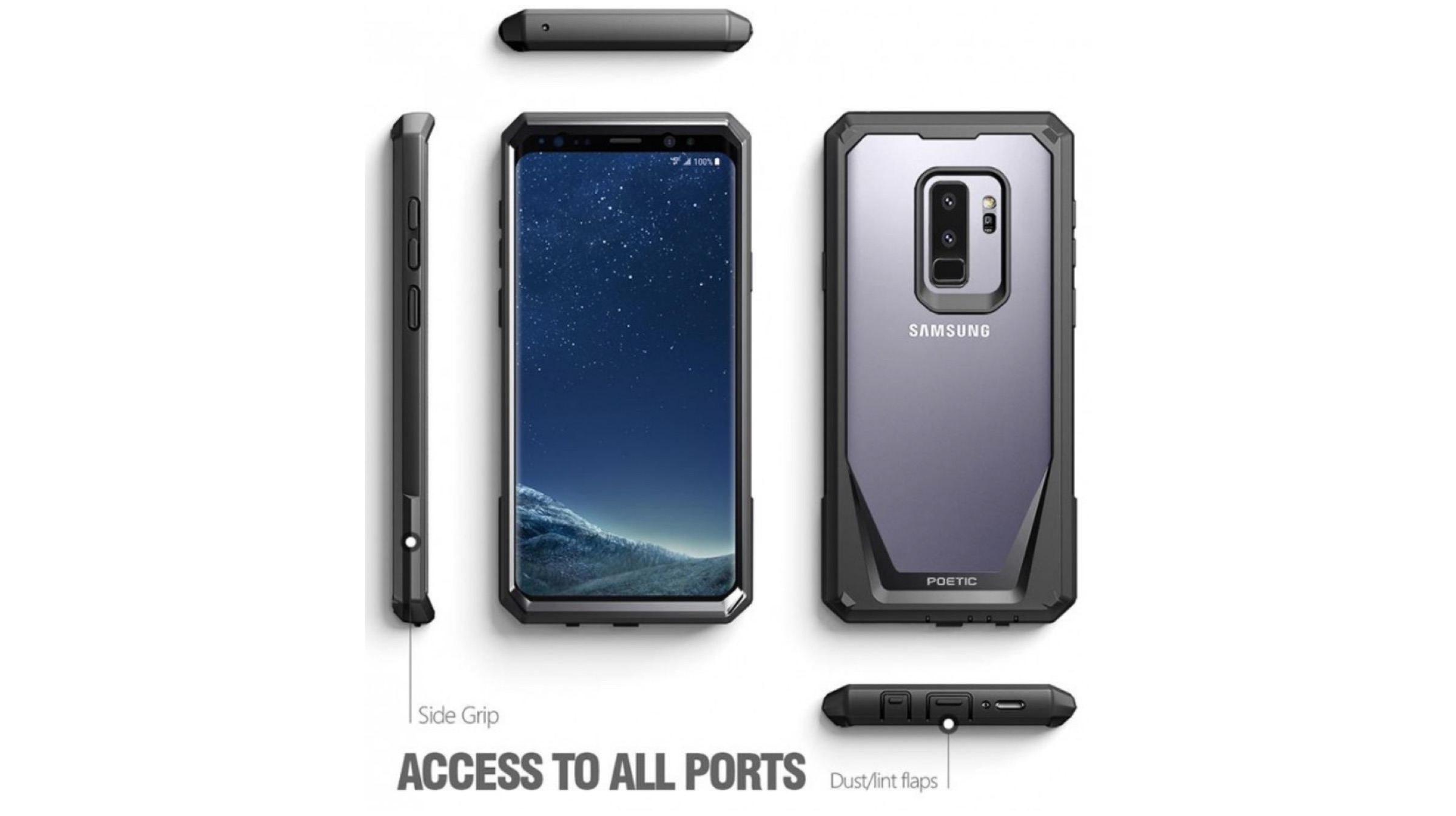
Case Leaks Of Galaxy S9+
Owing to the launch of the Samsung flagship phones, a lot of companies have restrained from making significant announcements. It was recently revealed that Xiaomi could skip the Mi 7 launch at MWC as well, similar to what Huawei and HTC will do. The Galaxy S9 will be priced at Rs. 69000 in India.
Samsung is all set to reveal whatever little is left to the secrecy of the upcoming Samsung Galaxy S9. The successor to the highly successful Galaxy S8 will be launched later this month. According to reports the price of the Samsung Galaxy S9 will be £789 in the UK, which is a cool £100 more than the price of the Samsung Galaxy S8 when it launched in 2017.
A higher price tag could mean a few things; Samsung has some really interesting and unique technology in the next flagship. Perhaps more understandably Samsung is trying to reach in Apple’s price segment to get a share of the premium customers.
Renders
A direct conversion of that price would land the smartphone in India at price starting Rs. 72000. At a price of roughly US$ 1100 Samsung will directly compete with the Apple iPhone X in the US. However, if the past data is to be regarded, Samsung will sell the Galaxy S9 at lower prices in other countries.
Samsung Galaxy S9 Price in India
In India we expect the S9 to sell for Rs. 69,000. Considering Samsung’s Make in India initiatives to allow for some tax and pricing benefits. Despite a lower price, the net amount which in countries like India must be paid outright remains out of reach for many.
Samsung will sell fewer units of the smartphone due to this high price, but will still remain profitable as the margins will remain good for the company.
After the Global Launch, Samsung will almost immediately launch the Galaxy S9 in India, You may also expect some offers at launch, including an inclusion of a free wireless charger and Samsung’s new VR headset.
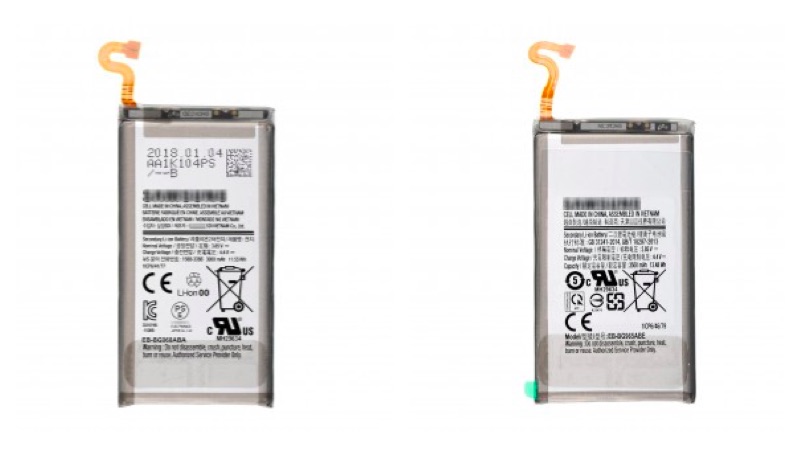
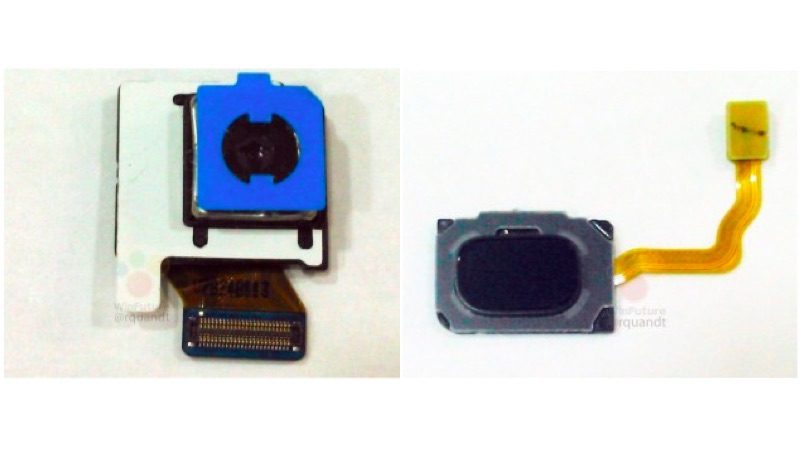
Samsung Galaxy S9 and Galaxy S9+will be launched on the 25th of February in Barcelona. So far, almost every aspect of the two smartphones has been leaked, while there are few details which are predicted to retain their place from the predecessors. A recent leak revealed that the battery capacity of the two devices will be the same as that of their predecessors and now, images of several components of the Galaxy S9 and S9+ have been leaked.
The battery images do not reveal anything that we don’t know so far. The S9 will have a 3000 mAh battery while the Galaxy S9+ will have a 3500 mAh battery. These are the same capacities as their predecessors. Both the smartphones will also support QuickCharge 4.0 and wireless charging.
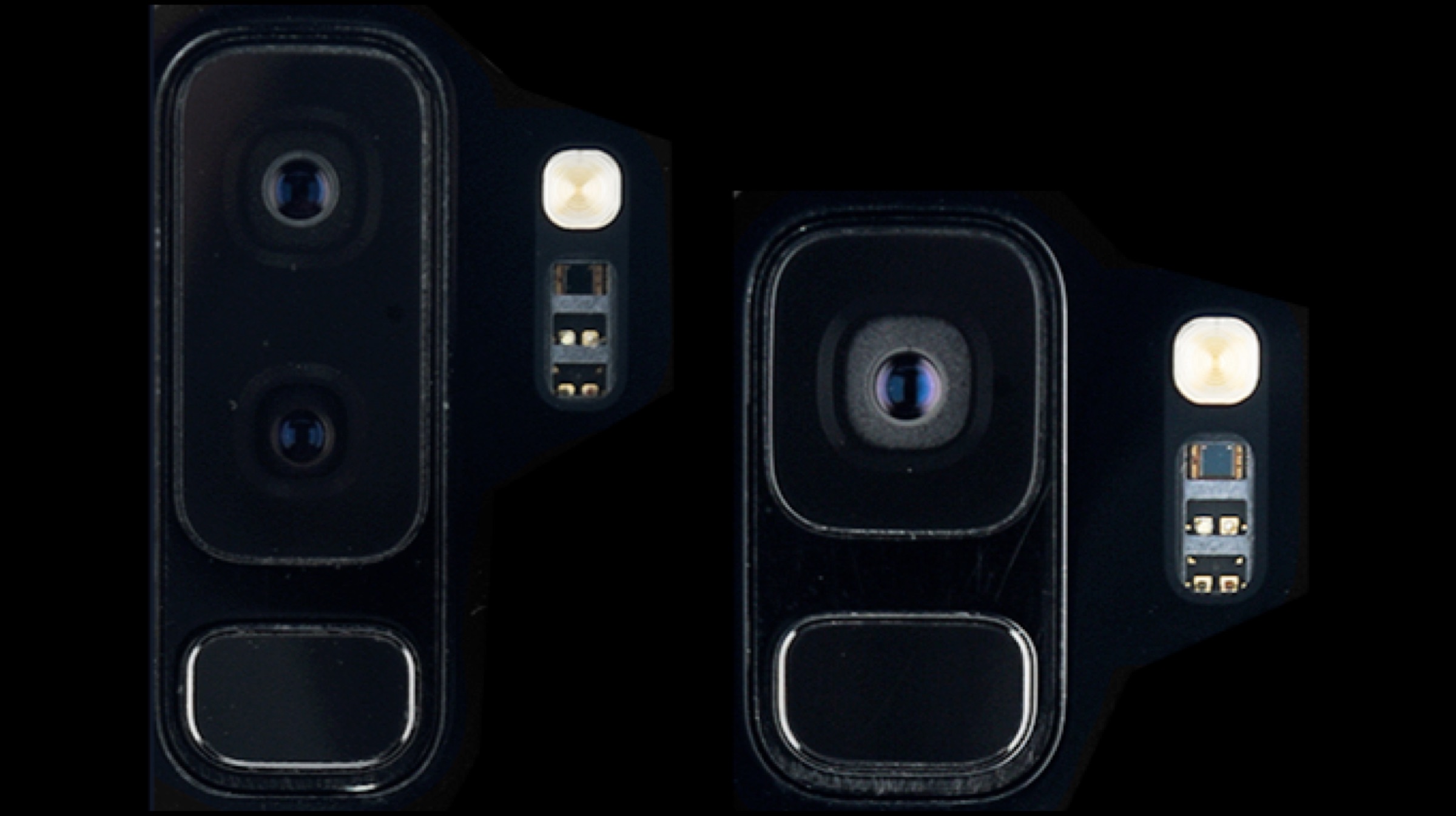
Along with the battery, other interesting components leaked are the camera and fingerprint sensor of the Galaxy S9. As we know, the S9 will retain a single camera on the back while the Galaxy S9+ will have a dual-camera setup. The leaked components corroborate with that.
The leaked image of the fingerprint sensor doesn’t necessarily confirm the placement of it on the phone but, that also has been confirmed in several separate leaks. One thing to notice here is the size of the fingerprint sensor. It is slightly wider than the one found on the Galaxy S8 which indicates that it will have a different position to retain the symmetry.
Updated: A report claims that the Samsung Galaxy S9+ and its smaller sibling will have the ability to make 3D emoticons using the front-facing camera, similar to Apple’s Animojis. This does seem plausible as Samsung is expected to have an advanced facial recognition system as well. Also, both the devices will have dual speakers, one at the top and one at the bottom of the phone.
Samsung will launch the Galaxy S9 and Galaxy S9+ on the 25th of February in Barcelona. Two of the most anticipated flagship devices of 2018 are expected to go on sale in the first week of March. Samsung is expected to announce the release schedule as well as the first batch of countries that will receive the two devices.
The Samsung Galaxy S8 and S8+ became extremely popular for their infinity display, sleek design and terrific camera performance. Even though the camera was not much of an upgrade over the Galaxy S7, it was enough to be one of the best in class in early-2017. The quad HD resolution coupled with Samsung’s Super AMOLED panel meant that even today, the Galaxy S8 has one of the best smartphone displays on the market.
Early Galaxy S9 Concept
A similar level of superiority is expected from the Galaxy S9 and its bigger sibling. This time around, even though it looks like the design won’t see much of a change, the camera department is expected to see a vast upgrade. With enough leaks out on the internet so far, here’s what we know about the 2018 flagship devices from Samsung so far:
Price
Surprisingly, one of the least talked about aspect of the Galaxy S9 and S9+ has been the price. With the price of flagship smartphones touching new heights in 2017, this year doesn’t seem to be any different. However, if the latest reports from South Korea are anything to go by, Samsung could nail the pricing of the Galaxy S9 and S9+.
Press Renders
In South Korea, Samsung’s native market, the Galaxy S9 will cost KRW950,000, while the S9+ will be KRW990,000. This amounts to about US$ 883 for the S9 and US$ 920 for the Galaxy S9+. It is worth noting that Samsung always prices its smartphones higher in South Korea.
This means that the company will launch the two phones at a price similar or same as that of their predecessors. For context, the Galaxy S8 was priced at KRW935,000 (around $875) in South Korea. Its global price was US$ 720.
Design
Even a year later, the Galaxy S8 and S8+ are still two of the best-looking smartphones in the market right now. All the renders and leaks have suggested that Samsung will retain the design for the upcoming Galaxy S9 and S9+. This should not be disappointing, owing to the superior design of the 2017 flagship phones. The new smartphones will have a glass back with an aluminium frame.
Fingerprint sensor placement on the Galaxy S8
The top and bottom bezels will be slightly smaller while the edge-to-edge infinity display will be present as well. The fingerprint sensor will now be placed below the camera module, a much better position than the one on the Galaxy S8 and the Galaxy Note8. Interestingly enough, Samsung will also retain the Bixby button on the left-hand side.
Display
As mentioned before, the Galaxy S8 and S8+ had two of the best displays of 2017 and it won’t be different with the S9 and S9+. Unlike the majority of “bezel-less” smartphones of 2017, the Galaxy S8 devices had an 18.5:9 aspect ratio and the Galaxy S9 and S9+ are expected to retain that. The Galaxy S9 is expected to have a 5.8 inch Super AMOLED display with a 2960 x 1440 px resolution. The Galaxy S9+ might have a 6.2 inch Super AMOLED display with a 2960 x 1440 px resolution.
Galaxy S8
On top of the display will be Corning Gorilla Glass 5 for protection. The same glass will also be used on the back.
What’s Under The Hood?
The Samsung Galaxy S9 and S9+ will run on the latest Qualcomm Snapdragon 845 chipset in the US and South Korea. As is with other Galaxy devices, rest of the markets will receive the Exynos 9810 chipset running Galaxy S9 and S9+.
According to a leak, Galaxy S9 will be offered in two options, 4GB RAM/64GB storage and 4GB RAM/128GB storage. The bigger sibling of the two, the Samsung Galaxy S9+ will be available in 6GB RAM/64GB storage, 6GB RAM/128GB storage and 6GB RAM/256GB models in major markets across the world. The same tipster also claims that Samsung will launch a special edition Samsung Galaxy S9+ with 512GB of storage.
Unless Xiaomi beats Samsung to it, the Galaxy S9 and S9+ will be the first smartphones ever to run on the Snapdragon 845 chipset.
Camera
The camera department is expected to see the most noticeable upgrade this time. Unlike what happened in 2017, the Galaxy S9 and S9+ are expected to have much more superior cameras than their predecessors. In a recent leak of the retail box of the Galaxy S9, it was revealed that it would have a 12MP camera with an f/1.5 aperture. Interestingly, the camera would support a variable aperture.
Galaxy S9+, S9 rear components layout
Taking a route Apple has tread so far, the ‘Plus’ model of the new flagship will have a dual-camera setup. In order to justify a higher price tag, Samsung Galaxy S9+ will now offer something substantial that the regular S9 doesn’t.
OS
The Samsung Galaxy S9 and S9+ are expected to run Android 8 Oreo out of the box. While so many OEMs have already rolled out Android 8 Oreo update for their existing flagship phones, Samsung’s Galaxy S8 and Note8still run Android 7.1 Nougat. This will change once the Galaxy S9 phones are launched.
Experience UI
As is with every other Samsung smartphone, the Galaxy S9 and S9+ will have the Experience UI on top. Samsung’s Experience UI has come a long way since its inception and is miles ahead of the TouchWiz UI. As every custom skin does, Experience UI has a divided opinion as well. But, you can always use a launcher if you want a stock OS look.
Bells And Whistles
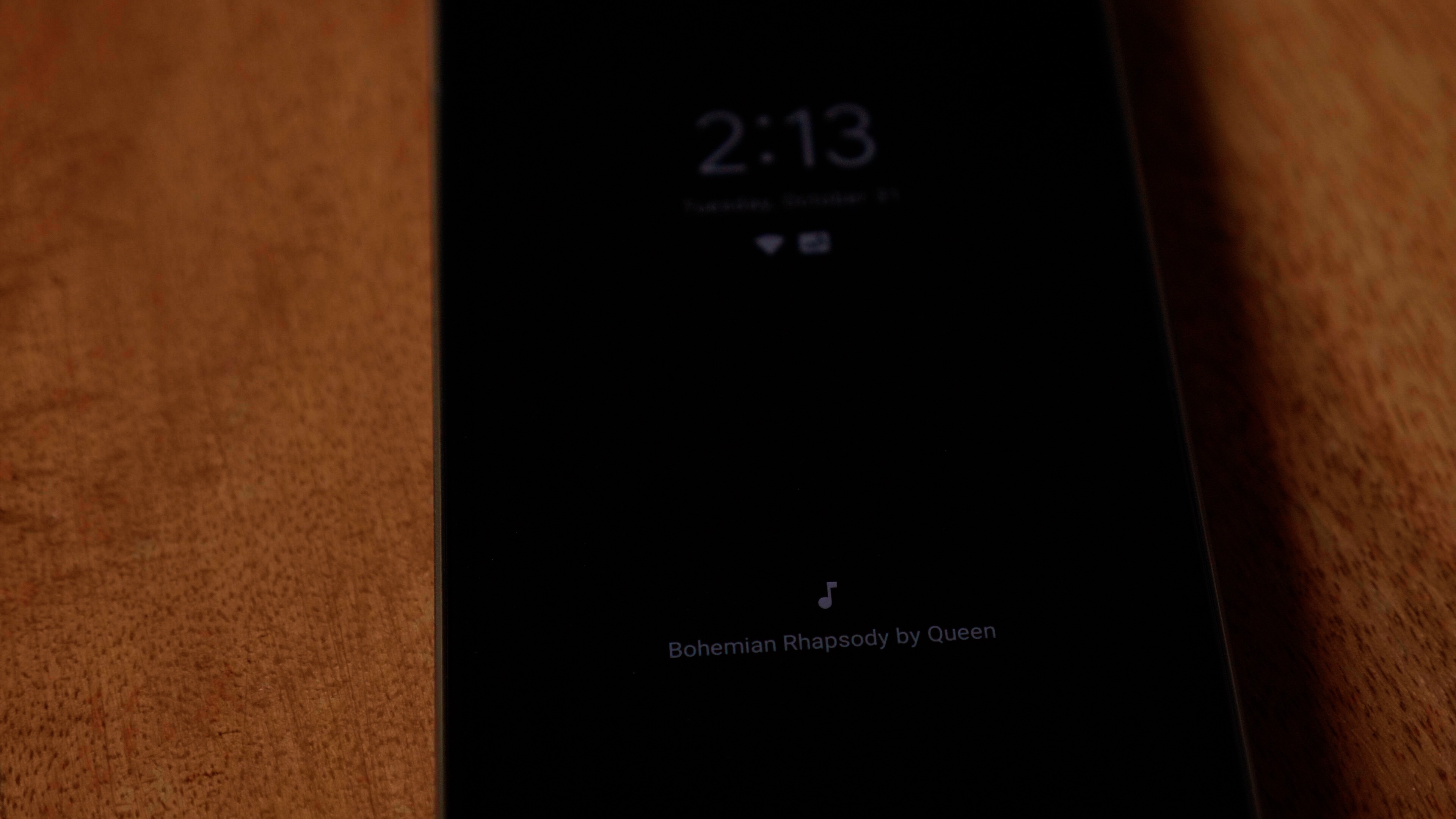
The Essential Ph-1 was probably the most stock Android phone when it was launched. No whimsical features of any sort, just pure stock Android OS. Even Google’s own Pixel 2 and Pixel 2 XL had features like Active Edge and Now Playing that came in handy at times. The Samsung Galaxy S9 and Galaxy S9+ will be nowhere near to what the Essential Ph-1 was.
Pixel 2 Now Playing
A recent leak suggested that the upcoming flagship devices will have a ‘Smart Scan’ feature. This will basically combine iris and face scanning for a more accurate authentication system. However, since this will use Samsung’s API, the Smart Scan won’t be utilised for activites like banking. Face ID on the iPhone X has replaced Touch ID which means it is used for storing sensitive data and even banking.
Smart Scan
The smartphones will also have an IP68 rating for water and dust resistance. Thanks to a glass back, wireless charging will again be a feature on the new devices.
Conclusion
On the 25th of February, the Samsung Galaxy S9 and Galaxy S9+ will be launched. As two of the most high-profile smartphones of early-2018, a lot will be riding on the success of the devices for Samsung. Even though the design is similar to their predecessors, it, by no means, a bad decision. If the renders turn out to be true, the Galaxy S9 and S9+ will again be two great looking devices with top-notch specifications.
With the Galaxy S9 sporting a single camera and the Galaxy S9+ with a dual-camera setup, consumers might be drawn towards the bigger sibling. It will be interesting to see how big of a difference the camera performances will make.
The Samsung Galaxy S9 and Galaxy S9+ will be announced on the 25th of February. At the event, Samsung is expected to unveil the global price of the devices along with the first batch of countries where the two phones will go on sale. While there hasn’t been much said about the price of the two phones, the latest news from South Korea sheds some much-needed light on it.
Galaxy S9, S9+ Expected Design
In South Korea, Samsung’s native market, the Galaxy S9 will cost KRW950,000, while the S9+ will be KRW990,000. This amounts to about US$ 883 for the S9 and US$ 920 for the Galaxy S9+. It is worth noting that Samsung always prices its smartphones higher in South Korea. This means that the company will launch the two phones at a price similar or same as that of their predecessors.
For context, the Galaxy S8 was priced at KRW935,000 (around $875) in South Korea. Its global price was US$ 720.
Pre-orders in South Korea will commence on the 2nd of March, five days after the official launch. The phones will be shipped six days later, on March 8th, with market availability expected in the following days. The waiting period this time around is much shorter. The Galaxy S8 started shipping two to three weeks after the pre-orders began.
Rumour Roundup:
The Galaxy S9 will have a 5.8 inch Super AMOLED display while the Galaxy S9+ will have a 6.2 inch display. Both the devices will have a 2960 x 1440 px resolution.
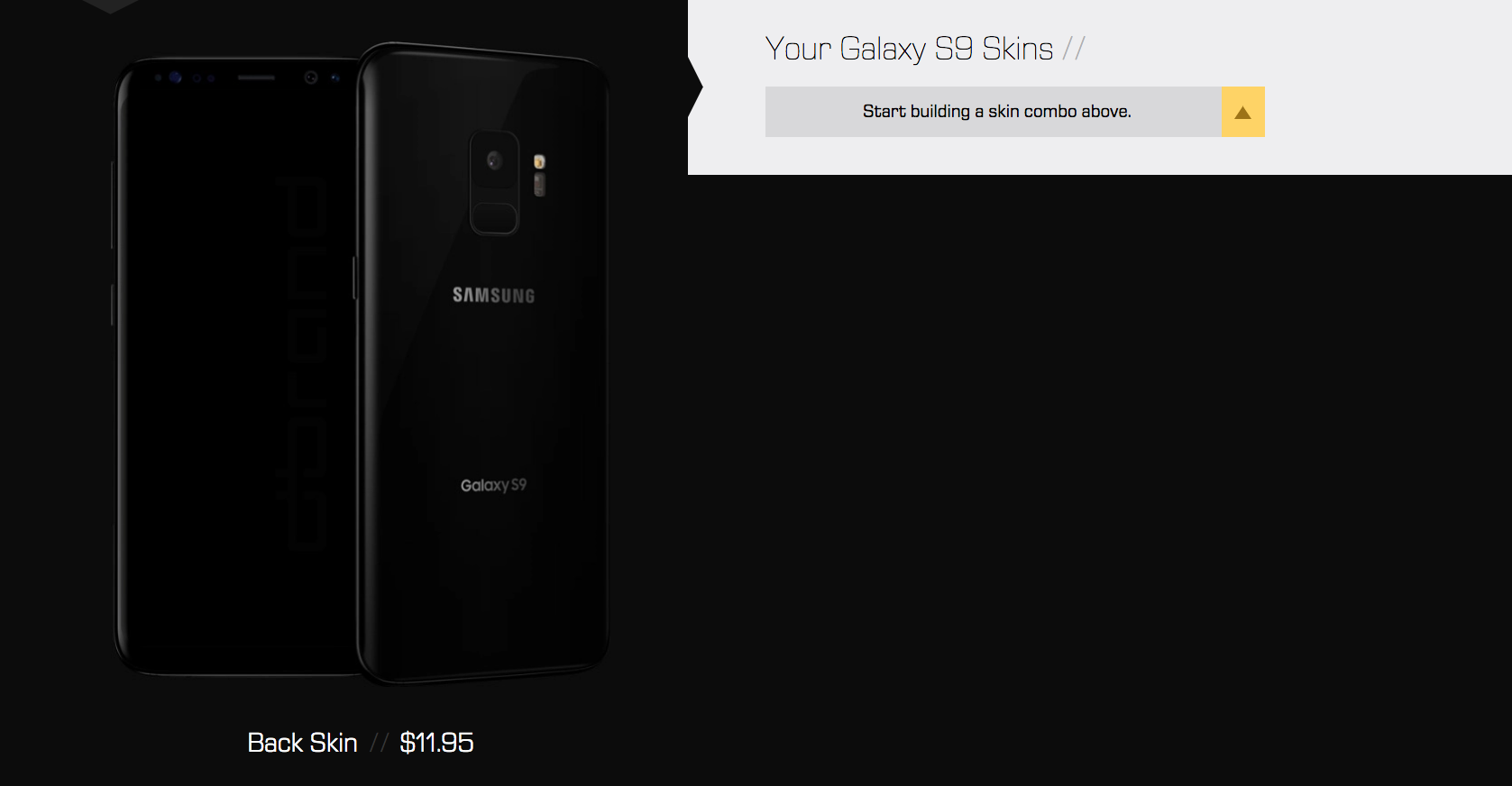
dbrand listing for Galaxy S9 skins
Similar to its predecessor, the Galaxy S9 will have a single 12MP SuperSpeed Dual Pixel camera. This time around, however, the camera will have an f/1.5 aperture and record super slow motion videos, probably at 960fps. The Samsung Galaxy S9+ will become the second phone from Samsung to feature a dual-camera setup on the back after the Galaxy Note8. Similar to the Samsung Galaxy Note8, the Galaxy S9+ will have a wide-angle and a telephoto lens setup.
Press Renders
Owing to the launch of the Samsung flagship phones, a lot of companies have restrained from making significant announcements. It was recently revealed that Xiaomi could skip the Mi 7 launch at MWC as well, similar to what Huawei and HTC will do. The new devices from Samsung are expected to be priced similarly to the original price of the Galaxy S8 and S8+. More details are expected to follow until the official release of the phones.