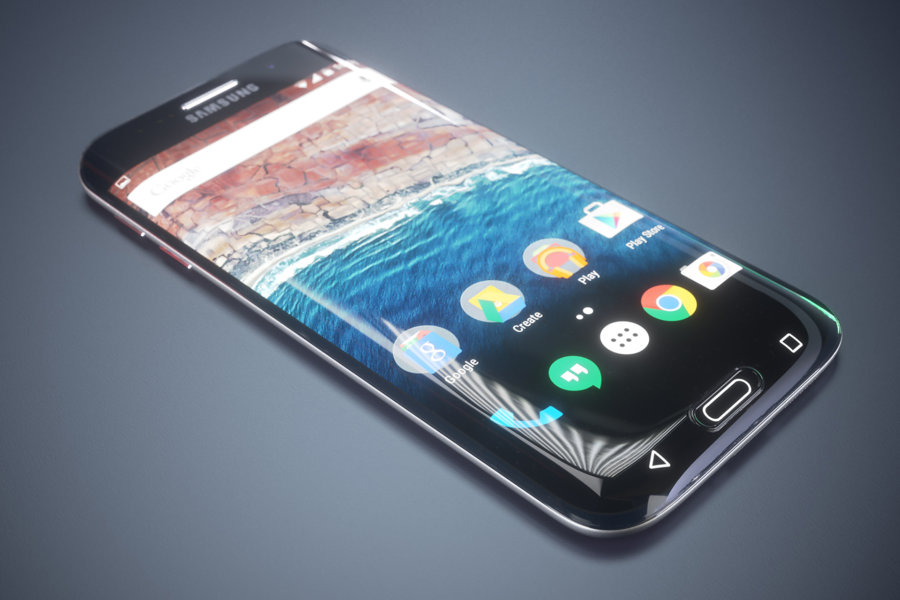
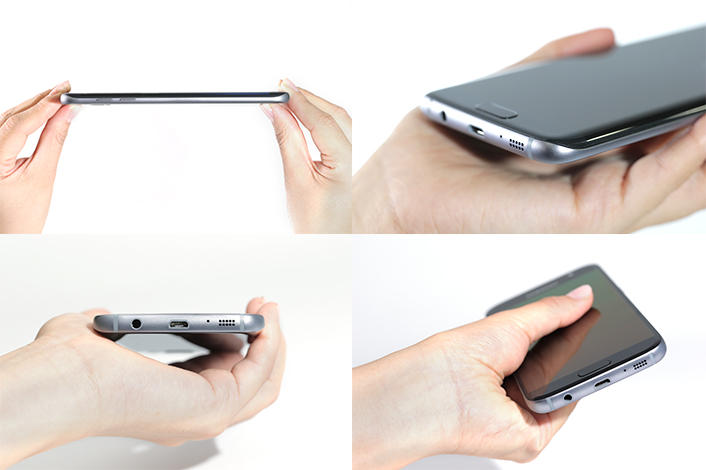
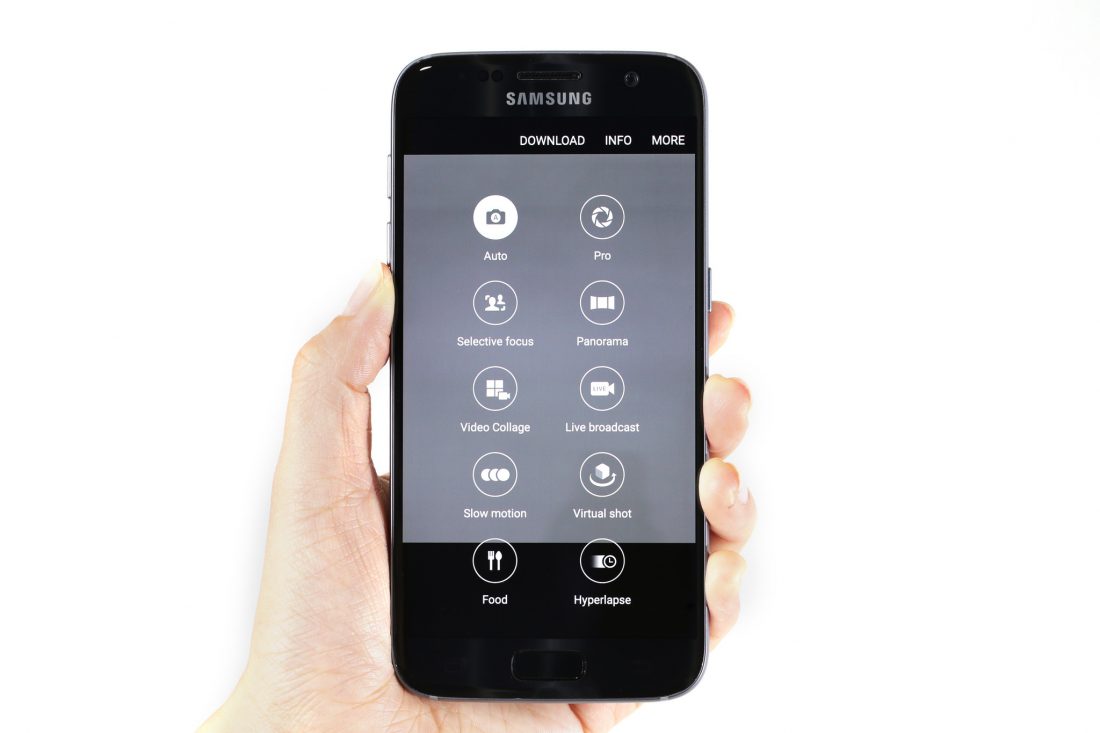
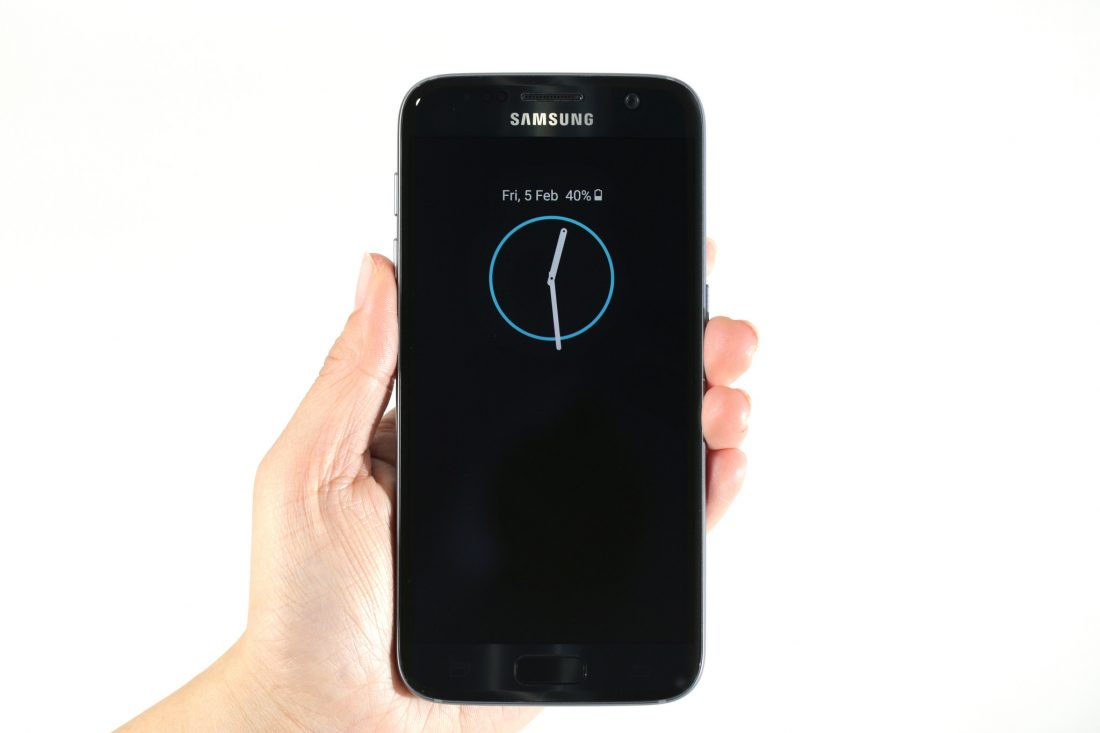
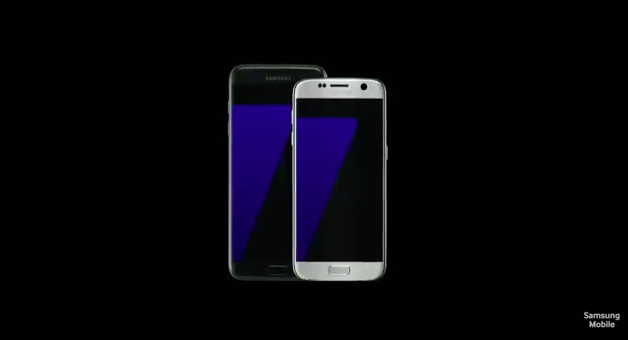
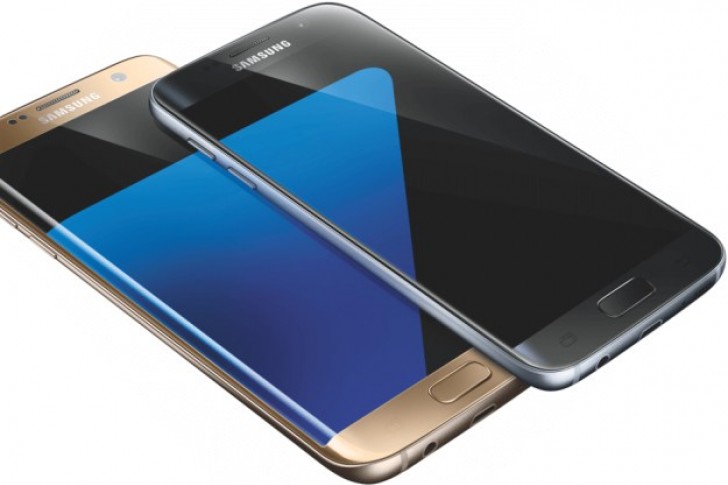
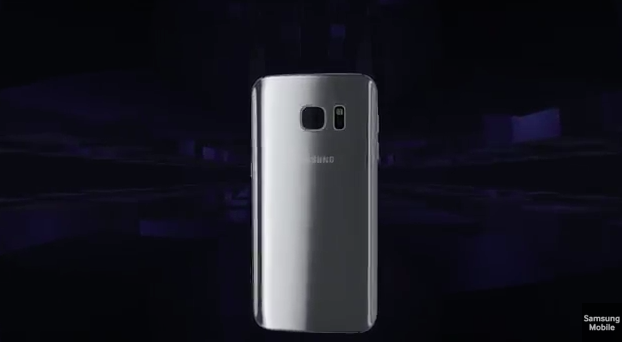
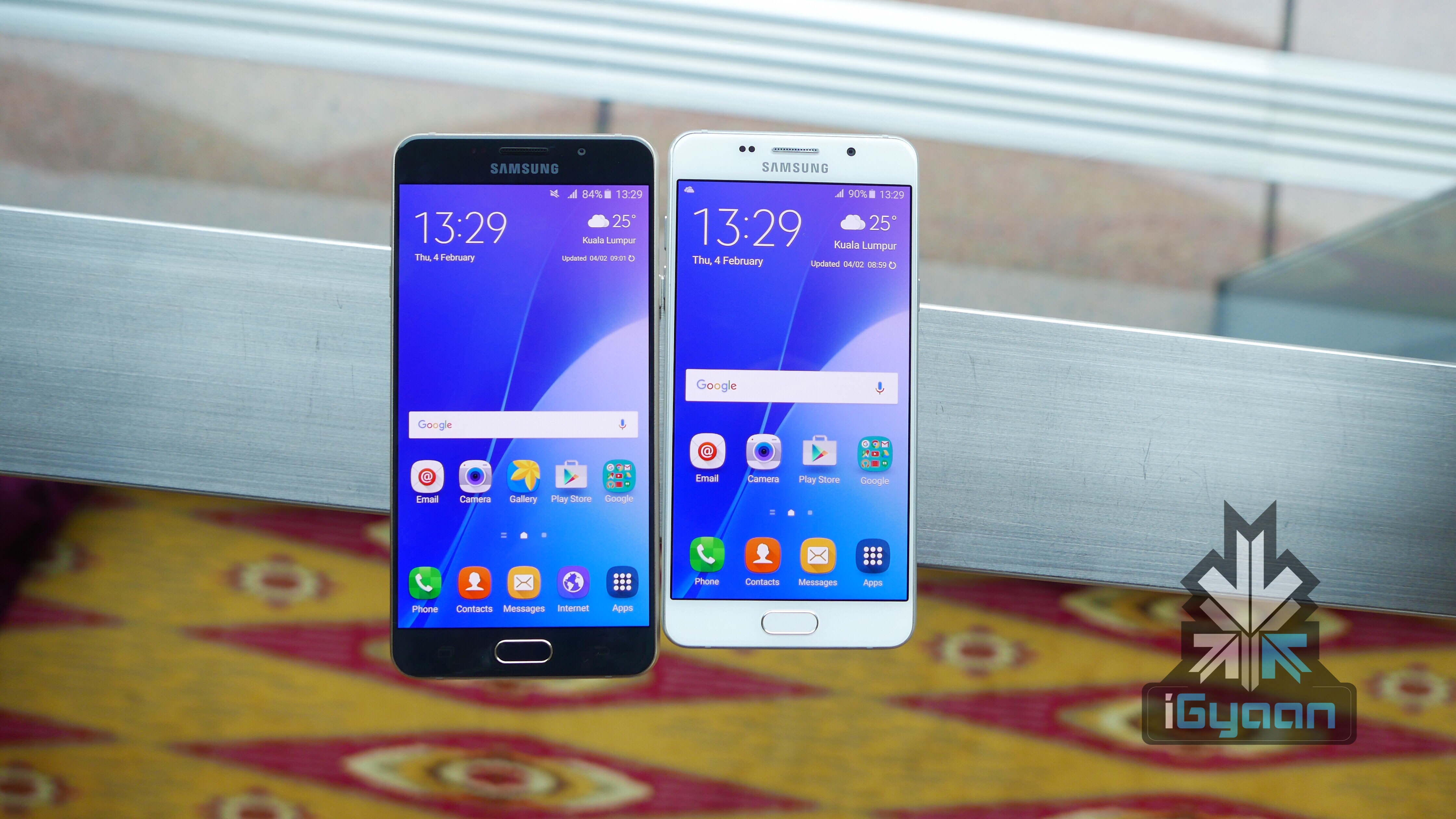
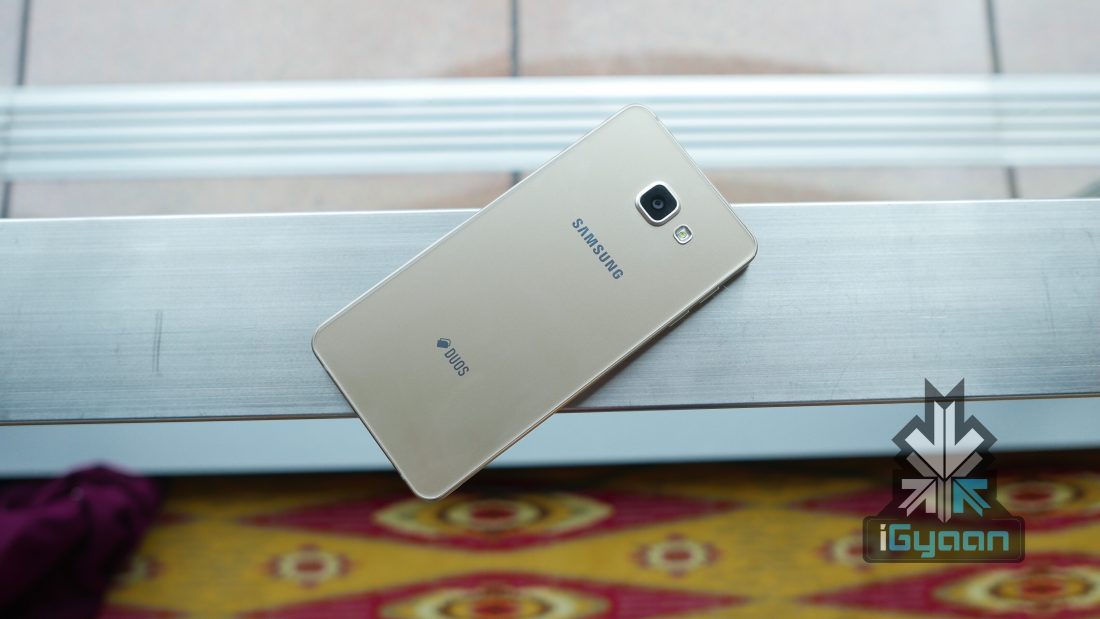
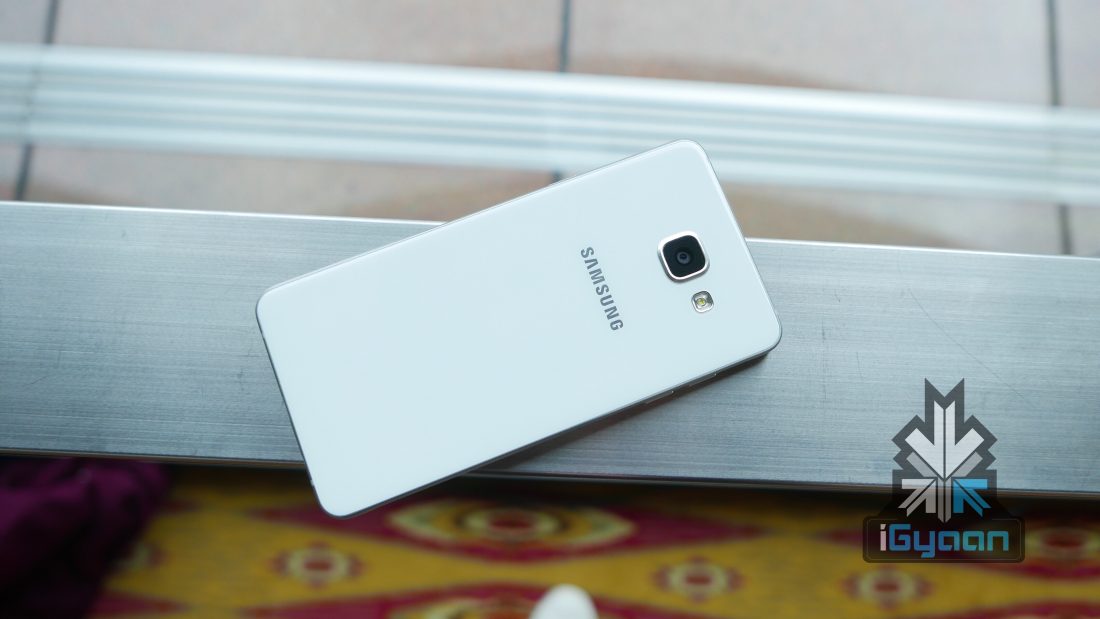
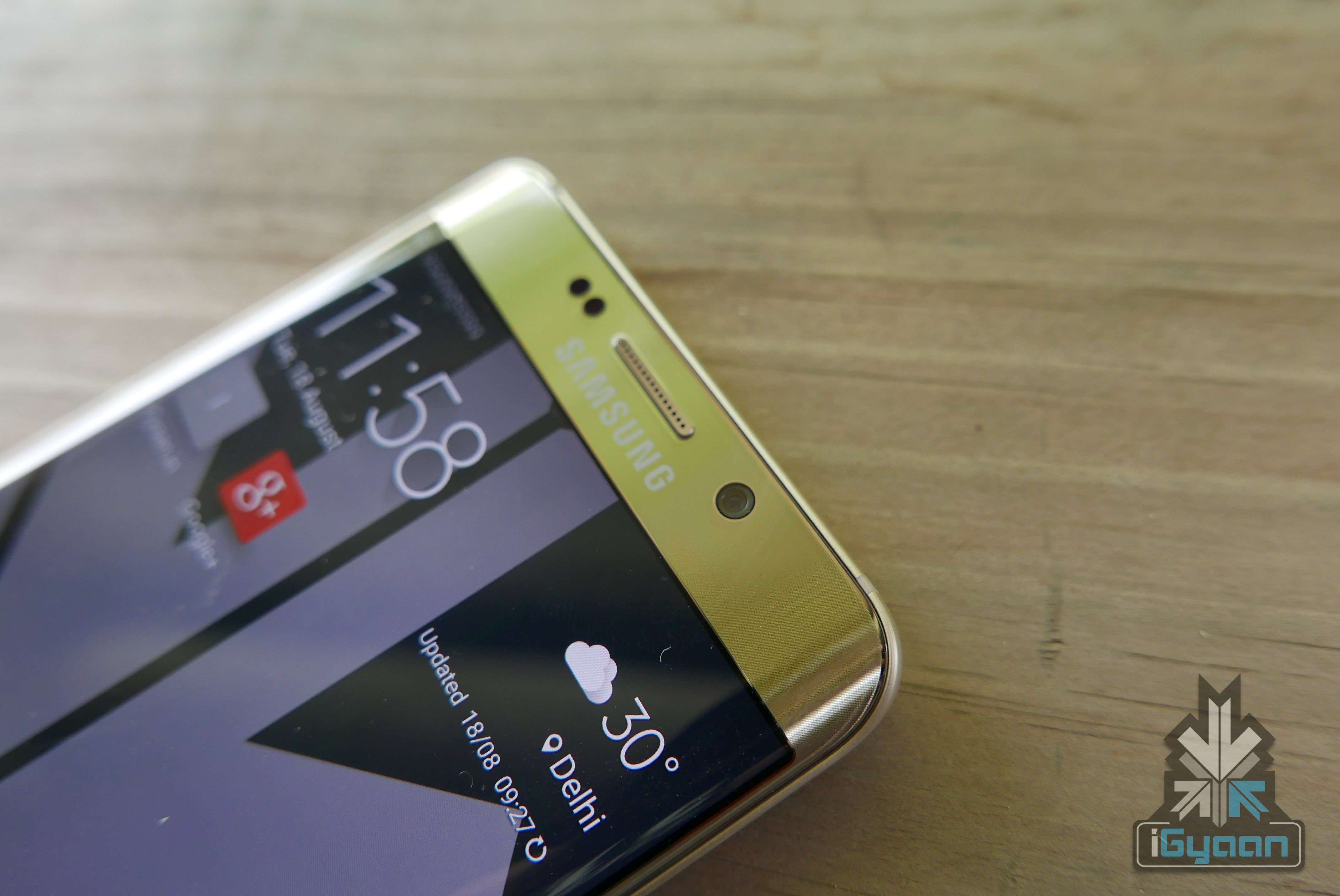
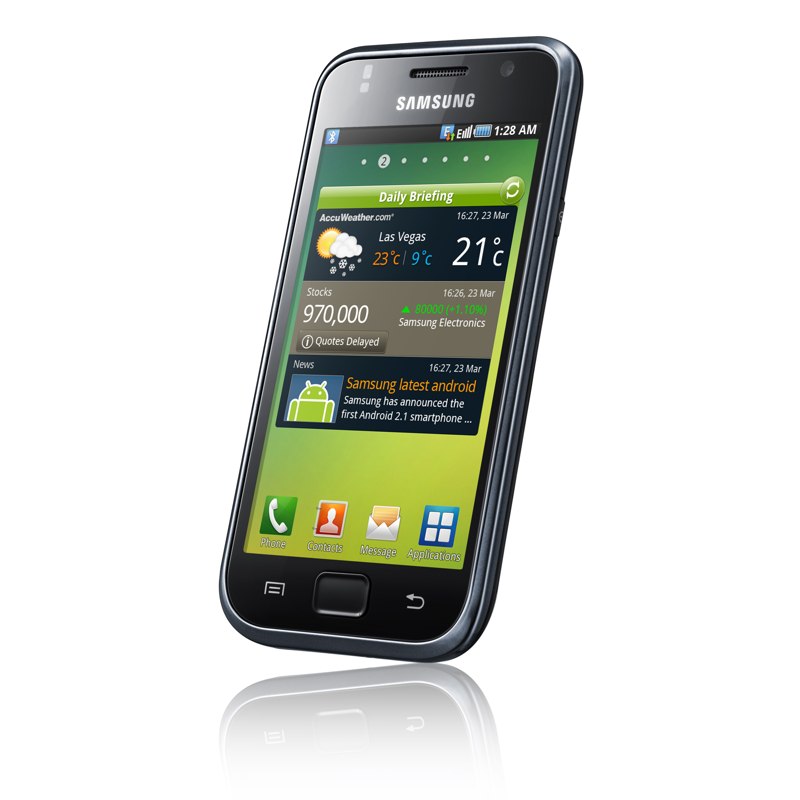
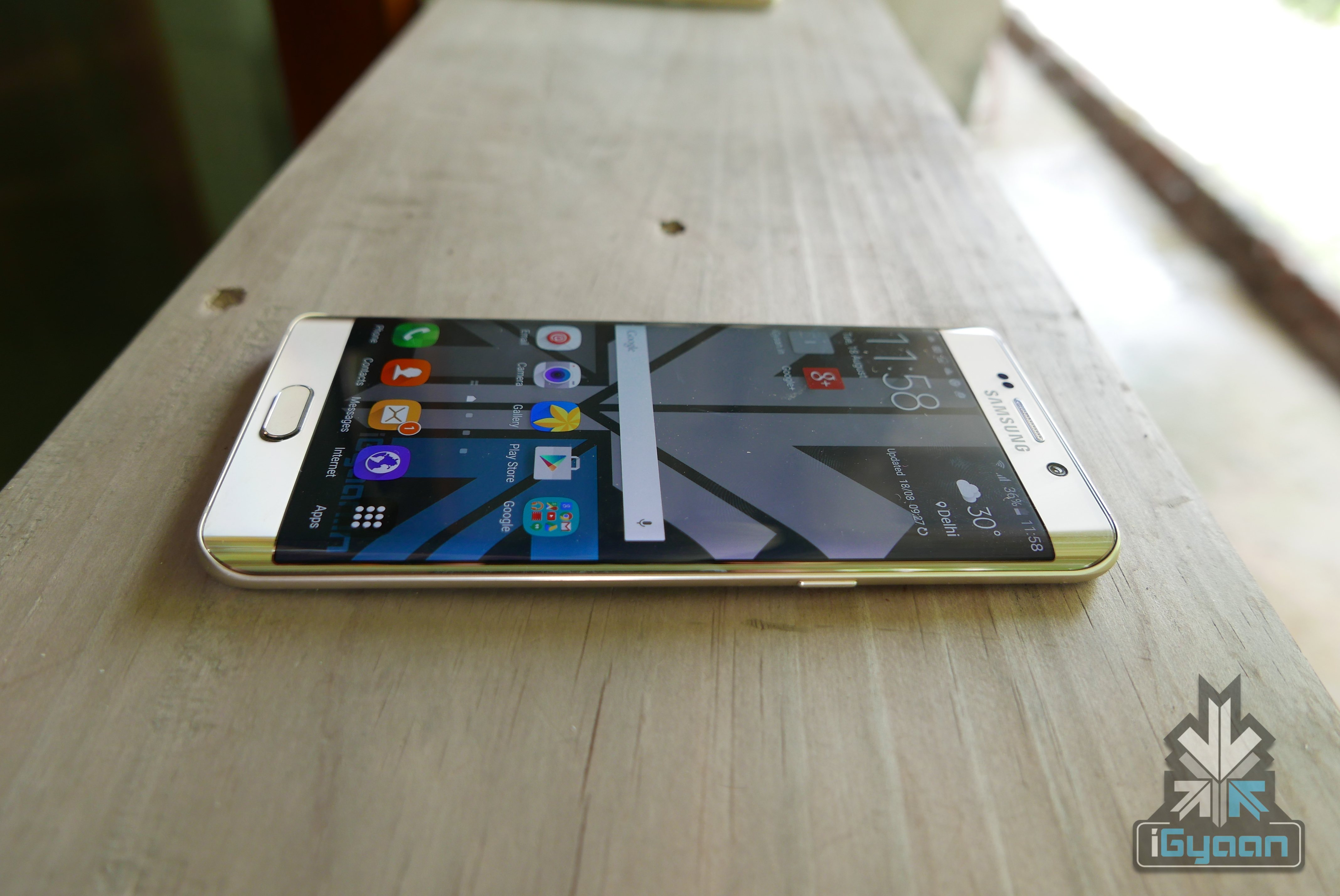
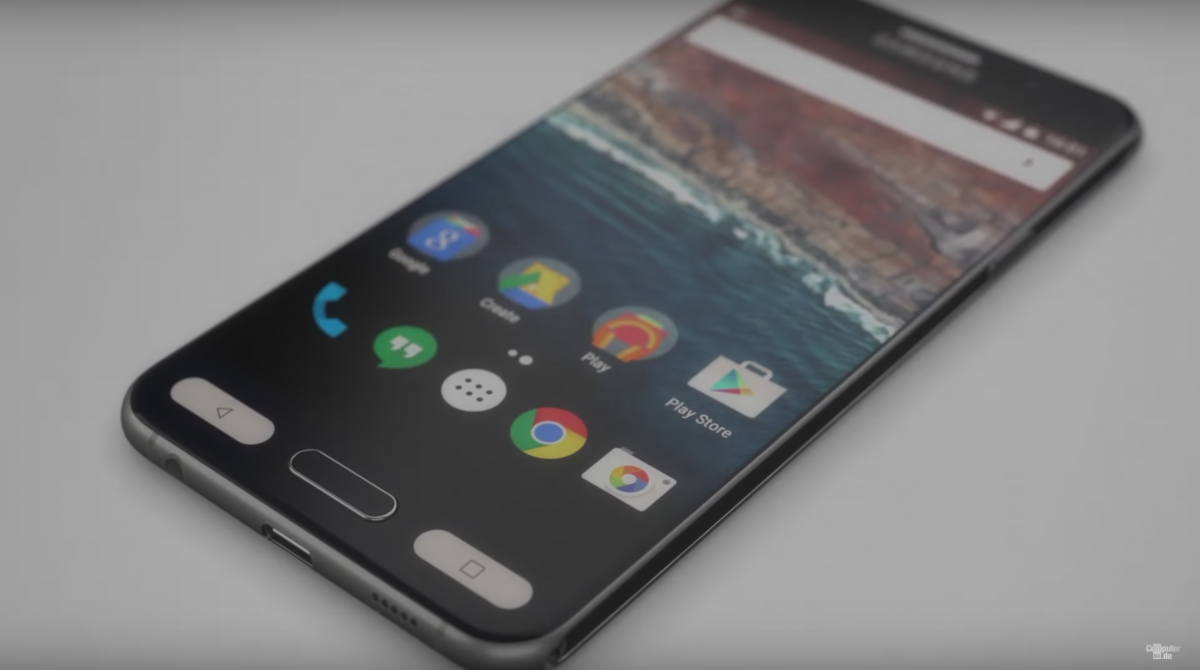
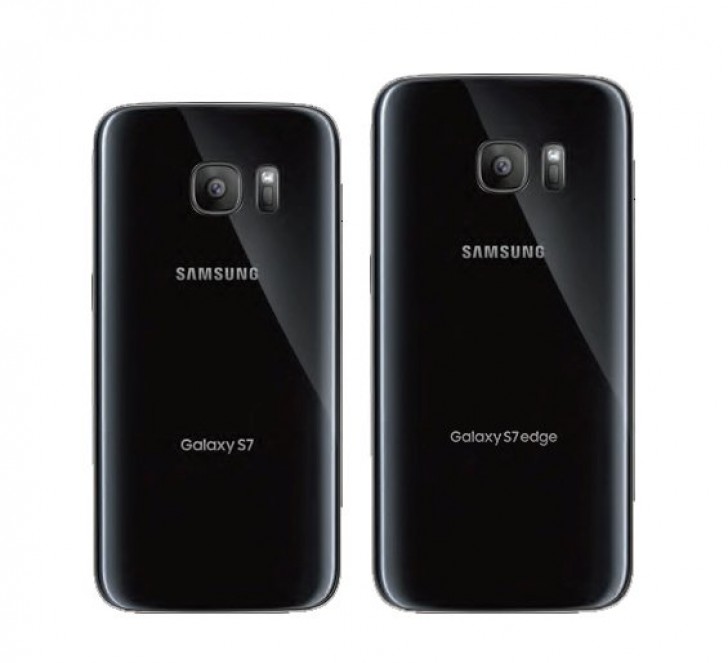
In latest news, sources close to Samsung, who have been accurate in the past, state to iGyaan that the long wait for Indian customers for the recently launched Galaxy S7 and Galaxy S7 edge is finally going to come to an end as the South Korean tech giant’s premium offerings will make their way across to Indian shores around mid March, 2016.
The sources further revealed the pricing details of the upcoming set of phones which will start retailing in the country at Rs 55,000 for the regular Galaxy S7, while the more premium Galaxy S7 edge with a curved display and bigger battery will hit stores with a price tag of Rs 64,000 in Indian markets.
Coming to the specs, The S7 is equipped with a Super AMOLED display with QHD resolution. Two SoC configurations are offered here– one being the new Exynos 8890 and the other being Qualcomm’s Snapdragon 820. The device comes with 4GB of RAM and upto 64GB of internal storage as well as a MicroSD card slot this time around and the battery is bumped upto 3000mAh. A fingerprint sensor is housed in the home button.
The S7 Edge comes with a 5.5-inch Super AMOLED display with QHD resolution. The same SoC configuration as in the Galaxy S7 powers the device along with 4GB RAM and a maximum of 64GB storage. Importantly, the battery on the S7 edge has also been bumped upto a respectable 3600mAh battery pack.
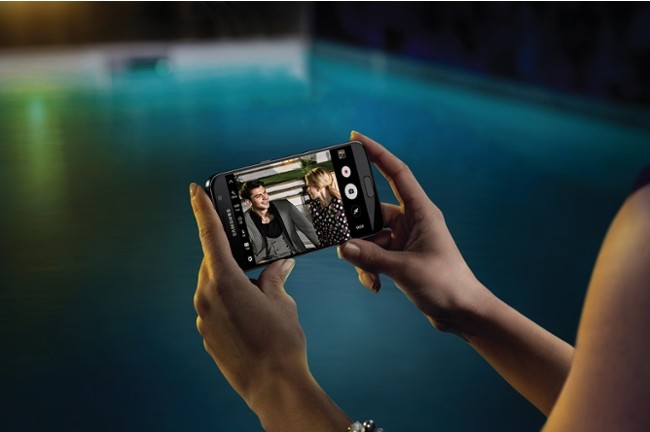
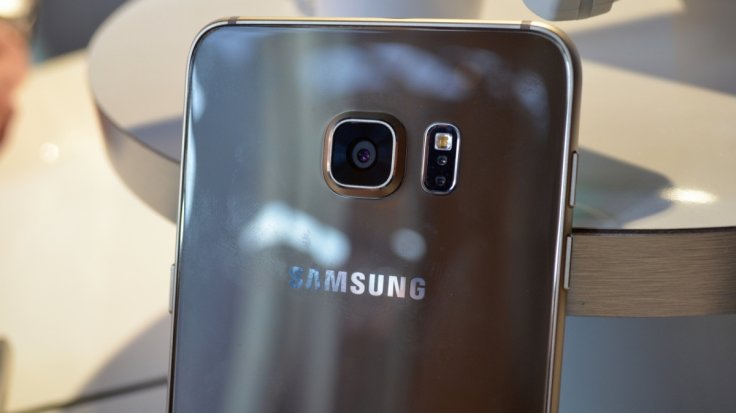
On the camera front, Samsung this year has tried to take its camera up a notch which is why it’s using a new Britecell technology for the Galaxy S7 for better low-light photography. Both the S7 and S7 Edge feature ‘Dual Pixel’ cameras with a 12MP with f/1.7 aperture rear camera and a 5MP front. Samsung has boasted of exceptional low-light captures with the Galaxy S7 devices and it may just dominate the camera department once again this year.
Samsung unveiled its flagship Galaxy S7 and S7 Edge smartphones at the MWC 2016 on Sunday. The newest flagship devices came bearing pretty much similar looking design language as the Galaxy S6 and S6 Edge, while the main improvements resided within the devices themselves. Among the bumped up specs, one new technology that grabbed everyone’s attention was the new Dual Pixel technology employed in the rear camera.
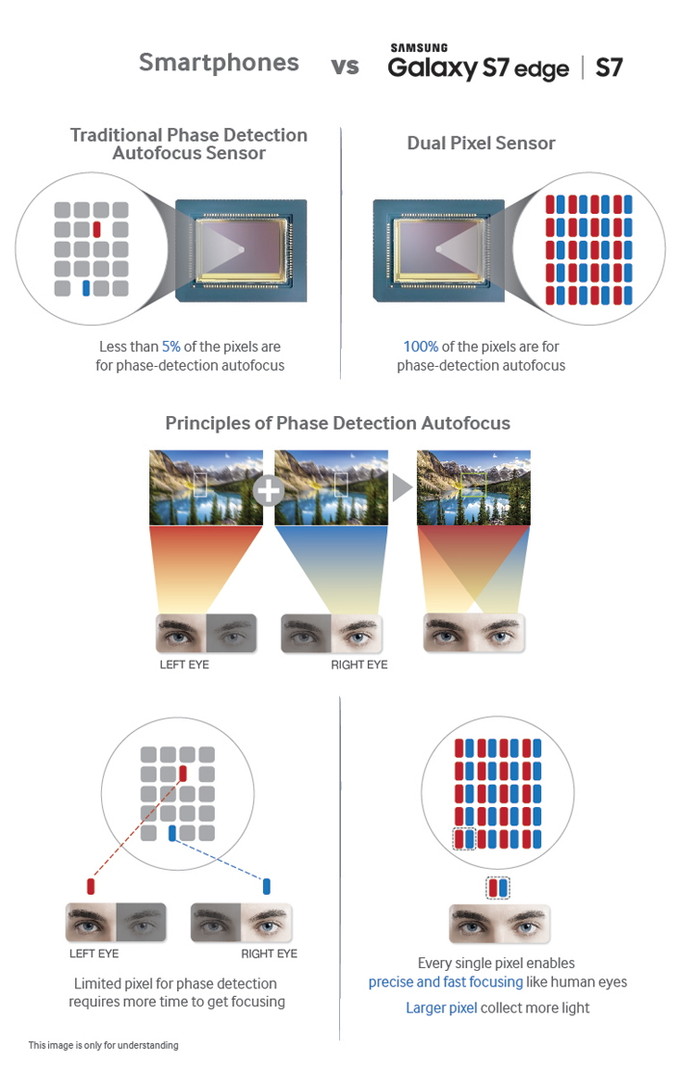
The Dual Pixel, essentially, is an improvement or a natural evolution from the Phase-Detection Auto-Focus technology used by many other smartphones. Firstly, Samsung downgraded from 16MP found in the S6 to 12MP in the S7. The decision to do this was to focus more on quality rather than quantity. The 12MP sensor brings 56% bigger individual pixels with1.4um pixels as compared to the S6.
To understand Dual Pixels one needs to first wrap their heads around PDAF. PDAF traditionally uses less than 10% the total number of pixels equipped with focusing photodiodes and uses it strategically in the sensor area to focus on a subject. This requires more time for focusing. Dual Pixel, on the other hand, uses a 100% of the pixels for extremely precise and fast focusing. Using the whole of the pixels also allows more light in.
This combined with a wider f/1.7 aperture (the S6 had a f/1.9 aperture) allows for a lot more light to come in, 25% more to be more accurate. This results in great low-light captures that are sharp and colourful. The Dual Pixel image sensor splits every single pixel into two photodiodes for on-chip phase detection, promising vastly improved autofocus performance. Much like the human eye, the Dual Pixel technology sends light from the lens to two image sensors seperately to adjust the focus.
Samsung on the first day of the Mobile World Congress 2016 announced its new flagship, the Galaxy S7 and the Galaxy S7 edge phones to the world. While on the outside the phones might look very similar to their predecessors, but from the inside, the S7 series may well just be a much-awaited leap towards the future of mobile gaming.
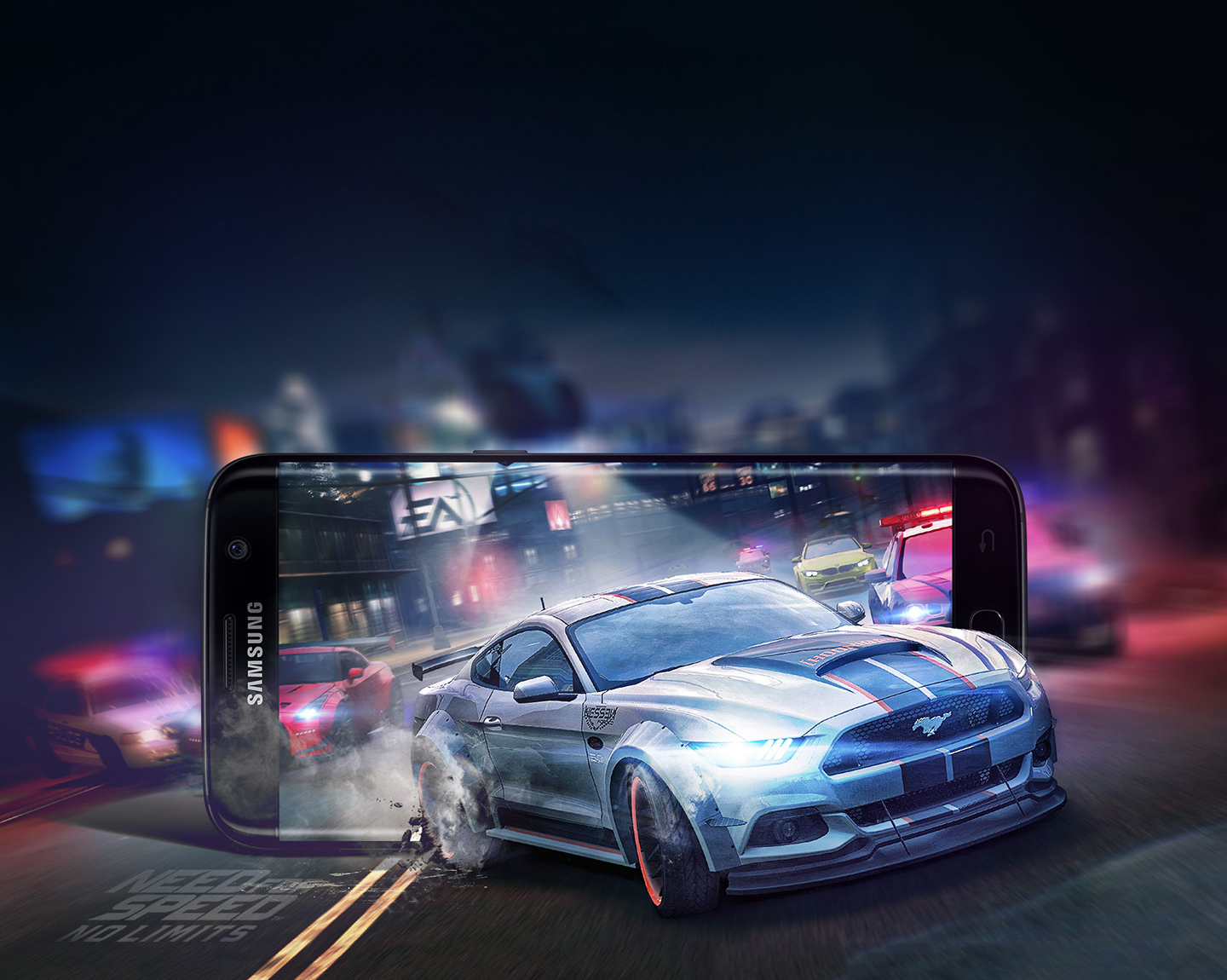
With the Galaxy S7 phones, the company wants users to “rethink what a phone can do”. It has a vision of making mobile games look and feel as much like desktop games as possible on the Samsung Galaxy S7 mobile platform. This is an ambitious project, to say the least, and quite frankly there’s a huge difference between saying “we take games seriously” and delivering on such tall promises, but a quick look at the fancy tech that the Galaxy S7 series comes packing on both the hardware and software front sheds more light at what really Samsung has in store for mobile gamers across the globe.
Optimized for Performance
The core requirement for any graphics intensive game is raw processing power at the CPU and GPU’s end. The Samsung Galaxy S7 series phones depending on the variant availability come with the Qualcomm Snapdragon 820 SoC or the Exynos 8890.
These brand new SoCs will provide more than 30 percent faster CPU processing and more than 60 percent faster GPU processing capabilities when compared to the last generation of chipsets on the Samsung phones. The SoCs on the Samsung S7 series phones are paired with 4GB of RAM for seamless performance, and the Galaxy S7 and S7 edge as a result, have decent firepower to run games available on the Play Store.
These SoCs as the company claims are going to be great at power efficiency and that working in tandem with the 3000mAh and 3600mAh battery packs on the Galaxy S7 and S7 edge will mean longer gaming sessions.
Water Cooled Systems to Rival Desktop Machines
Phones running high-end multi-core CPUs are notorious for running a bit too hot under stress, and as we know, heat is the ultimate enemy of any gaming machine. No matter the exalted processing capabilities of a phone, or beefy battery packs that they come with, if it runs hot, you game not.
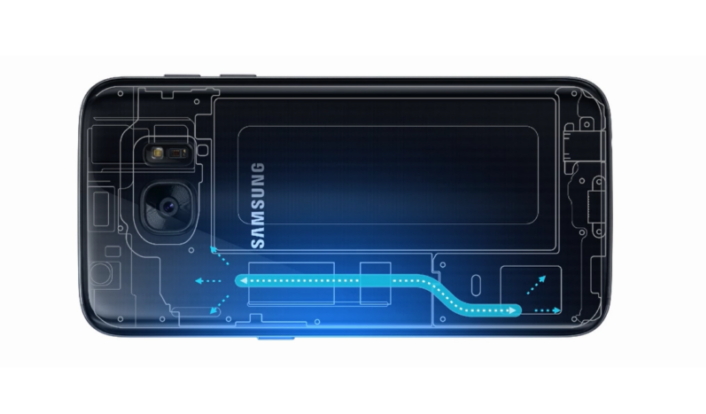
Samsung in its bid to fight this menace has come up with a system that’s not new to bigger desktop machines but is groundbreaking for mobile devices. The Galaxy S7 and S7 edge are equipped with a very thin sealed copper liquid based cooling system, enabling these phones to run cool and fast without facing any CPU or GPU throttling. The system keeping the internals of the phone cool will also result in better battery life.
Vulkan API
Mobile phones benefiting from the great advancements in silicon technology over the years have become smaller, thinner and at the same time grown more powerful. The latest generation of mobile phones bring with them specs which boast of computing power at times even surpassing that of the last generation consoles such as the Xbox 360, and PS3.
Though at the hardware end the industry has been able to cram in such advanced hardware inside the miniature chassis of these phones, but on the software end, owing to many bottlenecks the industry has not been able to put the hardware at hand to optimum use and recreate the truly immersive gaming experience that is often seen on desktop systems and consoles. With the Galaxy S7 Samsung is taking the first step at changing just that.
Galaxy S7 and S7 edge are the first smartphones to utilize Vulkan: the next generation graphics API. The Vulkan API was developed by the Khronos Group using the AMD’s Mantle API as a base.The switch to Vulkan API in the future with supported games will offer users significantly better performance and lesser CPU usage in the form of increased distribution of workload on the multiple cores of the chipset. Multi-Core processing will also see the phone being far more energy efficient at the same time.
This switch to Vulkan API will further allow processing of games utilising the full power of the Octa-Deca core CPUs, in comparison to the current generation OpenGL ES API which only allowed processing of games using a single core. This will result in more graphic intensive games making its way to the mobile platform, and in real life situations unlock the true potential that mobile devices in our hand hold inside them.
Game Launcher
https://www.youtube.com/watch?v=dnzQP8MJTCk
Just to show Samsung really cares about gaming and gamers on the Galaxy S7 platform, the South Korean tech giant has brought with the Galaxy S7 and Galaxy S7 edge an all new app which it fondly calls the “Game Launcher.”
It is essentially an evolution of the ” Game Tuner” already available on the last generation S6 devices, and comes with a suite of utilities and nifty tricks for improving user experience while gaming on the Galaxy S7 devices.
All games on your Galaxy S7 device will automatically be added to the Game Launcher folder and will be accessed from there for what Samsung claims will be a “better experience”, and that’s indeed what the Game Launcher really does.
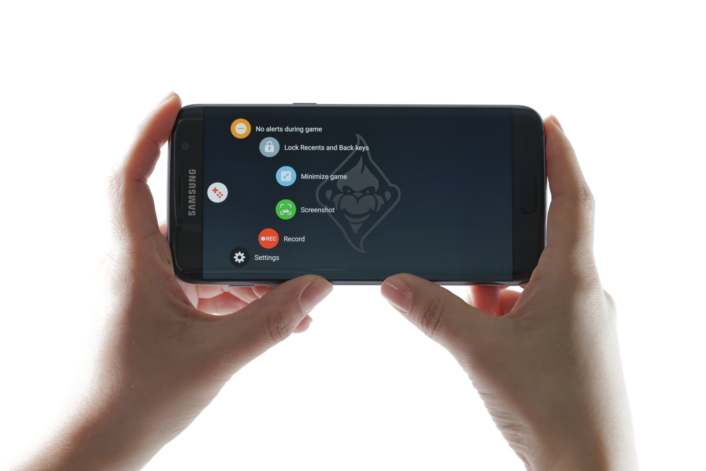
A new “No Alerts” mode is added which tells the S7 to suppress all notification pop-ups so you can play uninterrupted without the fear of a notification of a SPAM mail ruining your immersive gaming experience. The Game Launcher also allows the user to lock the Recent and Back keys so that accidentally kicking yourself out of a game can be avoided.
The Game Launcher feature further allows the user to maximize game-playing time through instant downloads, shortcuts and power-saving options. In addition, it also helps you to take screenshots, record your game, scores and rankings, and share them with friends.
Samsung unveiled its much-awaited flagship Galaxy S7 and S7 Edge smartphones at the MWC on Sunday. The Korean giant has confirmed a March 11 launch of the devices while pre-orders begin starting tomorrow. The devices will be made available in 60 countries initially.
Samsung is hoping to rake in a lot of numbers in the first month which is why it is offering the Gear VR headset free for those who pre-order or buy the S7 between February 23 to March 18. Samsung is expecting to sell over 40 million units of the S7 by the end of the year.
The 5.1-inch S7 Super AMOLED display with quad HD resolution. Two SoC configurations are offered – one being the new Exynos 8890 and the other being Qualcomm’s Snapdragon 820. The device comes with 4GB of RAM and 64GB of internal storage as well as a MicroSD card slot this time around and the battery is 3000mAh. A fingerprint sensor is housed in the home button.
The S7 Edge comes with a 5.5-inch Super AMOLED display with quad HD resolution. A Snapdragon 820 processor powers the device along with 4GB RAM and 64GB storage and 3600mAh battery pack.
The Galaxy S6 and S6 Edge Plus had incredible cameras that won last year. This year, Samsung wants to take its camera up a notch which is why it’s using a new Britecell technology for the Galaxy S7 for better low-light photography. Both the S7 and S7 Edge feature ‘Dual Pixel’ cameras with a 12MP with f/1.7 aperture rear camera and a 5MP front. Samsung has boasted of exceptional low-light captures with the Galaxy S7 devices and it may just dominate the camera department once again this year.
The Mobile World Congress is already underway and has wrapped up with the first day today. The conference actually began yesterday with the Unpacked event where LG, Huawei and Samsung kicked off the show with their products. Flagship mobiles aside, the MWC attention being given to new technology as well. 360 cameras and virtual reality were big at the MWC. Here are the products that grabbed our attention the most.
Gear 360 Camera
The MWC has always been the grandest stage for Samsung as it is where the Korean giant always unveils its flagship smartphones. That being said, yesterday’s Unpacked event for Samsung seemed a lot less about its flagship S7 devices and a lot more VR-centric. Indeed, the event opened with a virtual reality presentation, having the audience wear the Gear VR headset to experience the arrival of the Galaxy S7 and S7 Edge with a VR presentation.
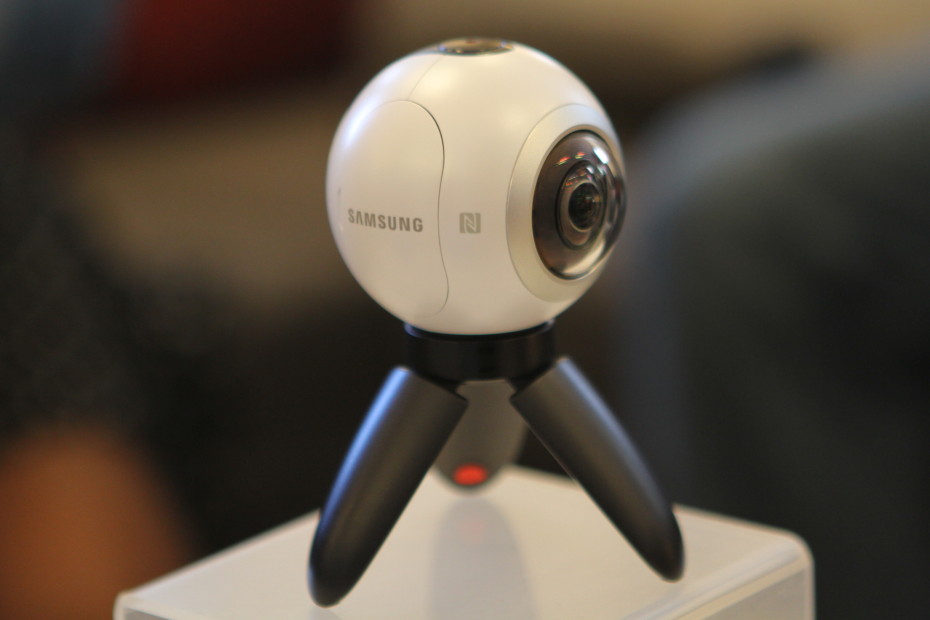
Along with the flagship devices, Samsung also unveiled the Gear 360 camera that can capture 360-degree videos that can capture and share 360-degree images and videos thanks to its double-lense spherical shape. The eyeball-shaped camera has a flat bottom that allows it to rest on any surface, a MicroSD card slot (up to 128GB) and swappable battery, hidden within.
Each of the opposing f/2.0 lenses have a 195-degree field view and the resulting 15 degrees of overlaps helps the software stitch the two images together. The camera shoots 30-megapixel spherical photos and 3840 x 1920 video that offers a great experience, especially inside the Gear VR.
LG 360 Cam
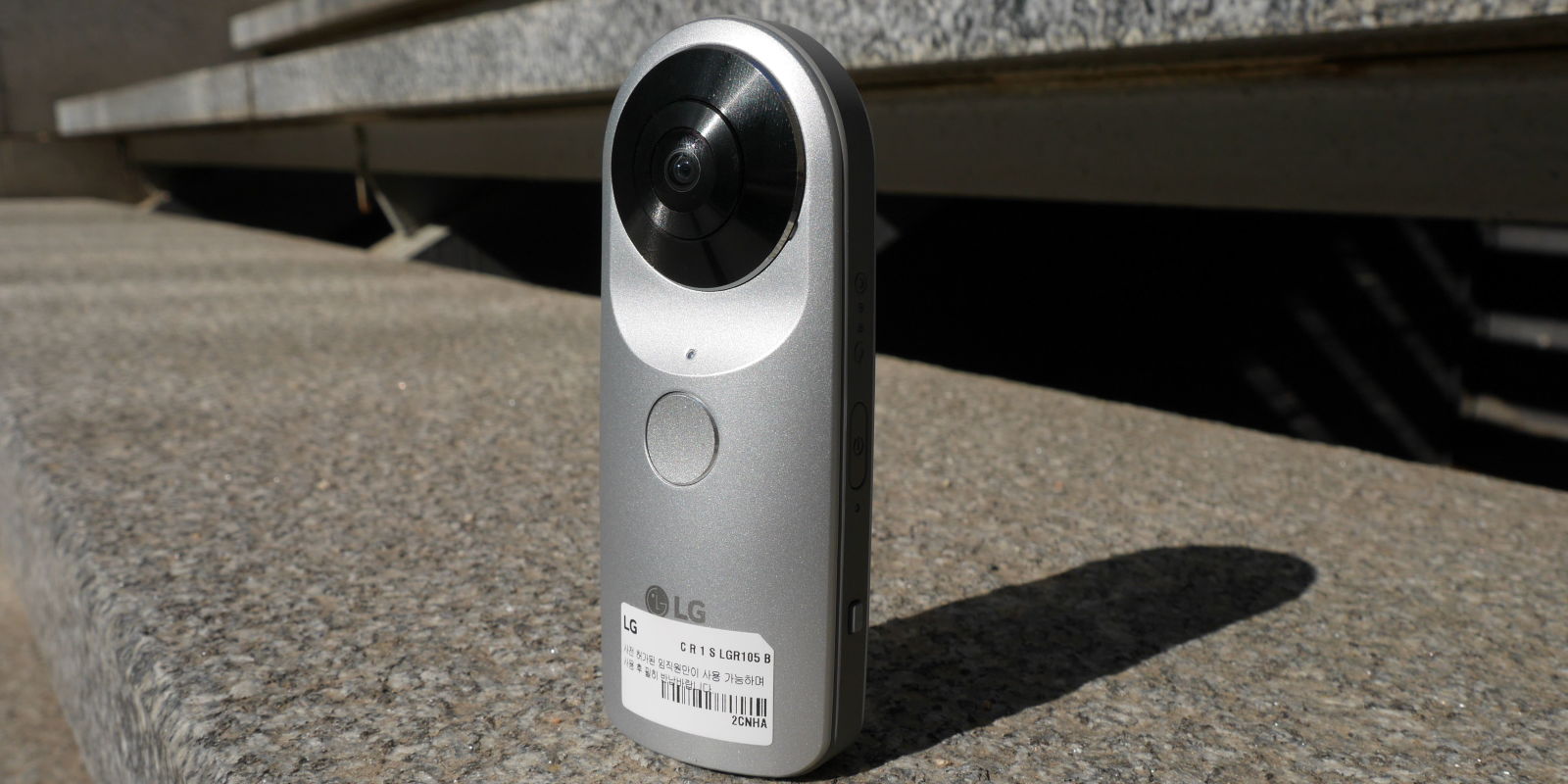
The LG 360 Cam is a low-cost, and easy way to record 360-degrees video. The camera uses two 13MP lenses on either side with a 200-degree field of view. The camera carries a 1,200mAh battery pack inside and can record up to 70 minutes on a single charge. The camera also records 2k videos.
This is one of the major modular attachments announced by LG at the launch event and the company has high hopes from the LG 360 Cam for helping increase sales for the LG G5
LG 360 VR
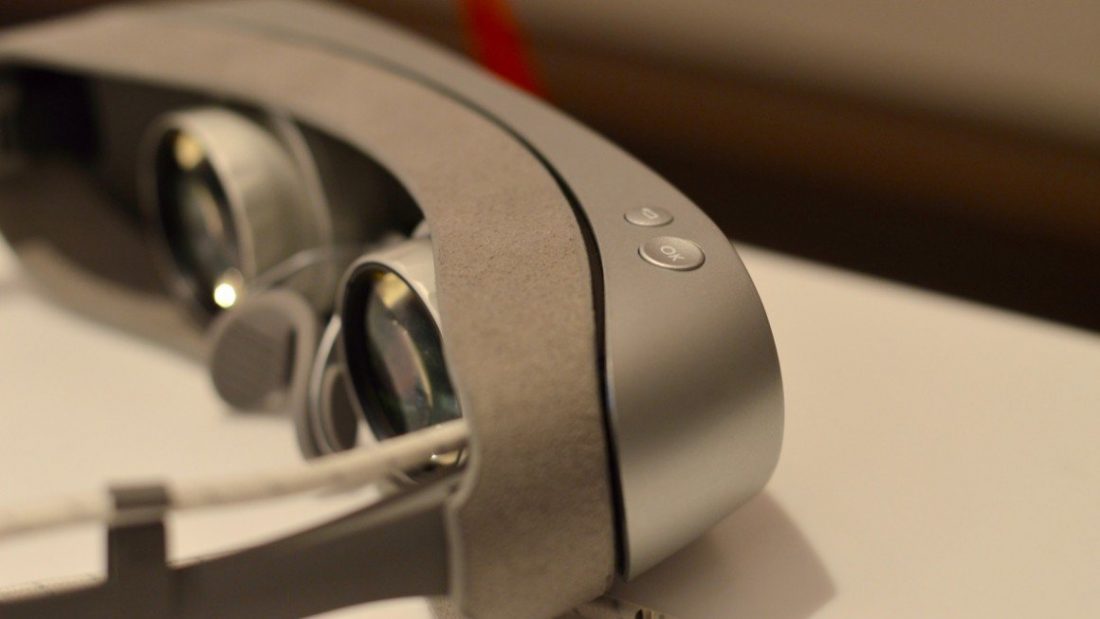
Apart from its revolutionary modular flagship G5 smartphone, LG also displayed its 360 VR headset that is designed to work as a standalone display, without the need to attach a smartphone like the Google Cardboard and Samsung Gear VR.
The LG 360 VR has a pixel density of 639ppi, which is pretty high. The headset connects to the G5 using a USB Type-C cable.
Nokia Ozo VR Camera
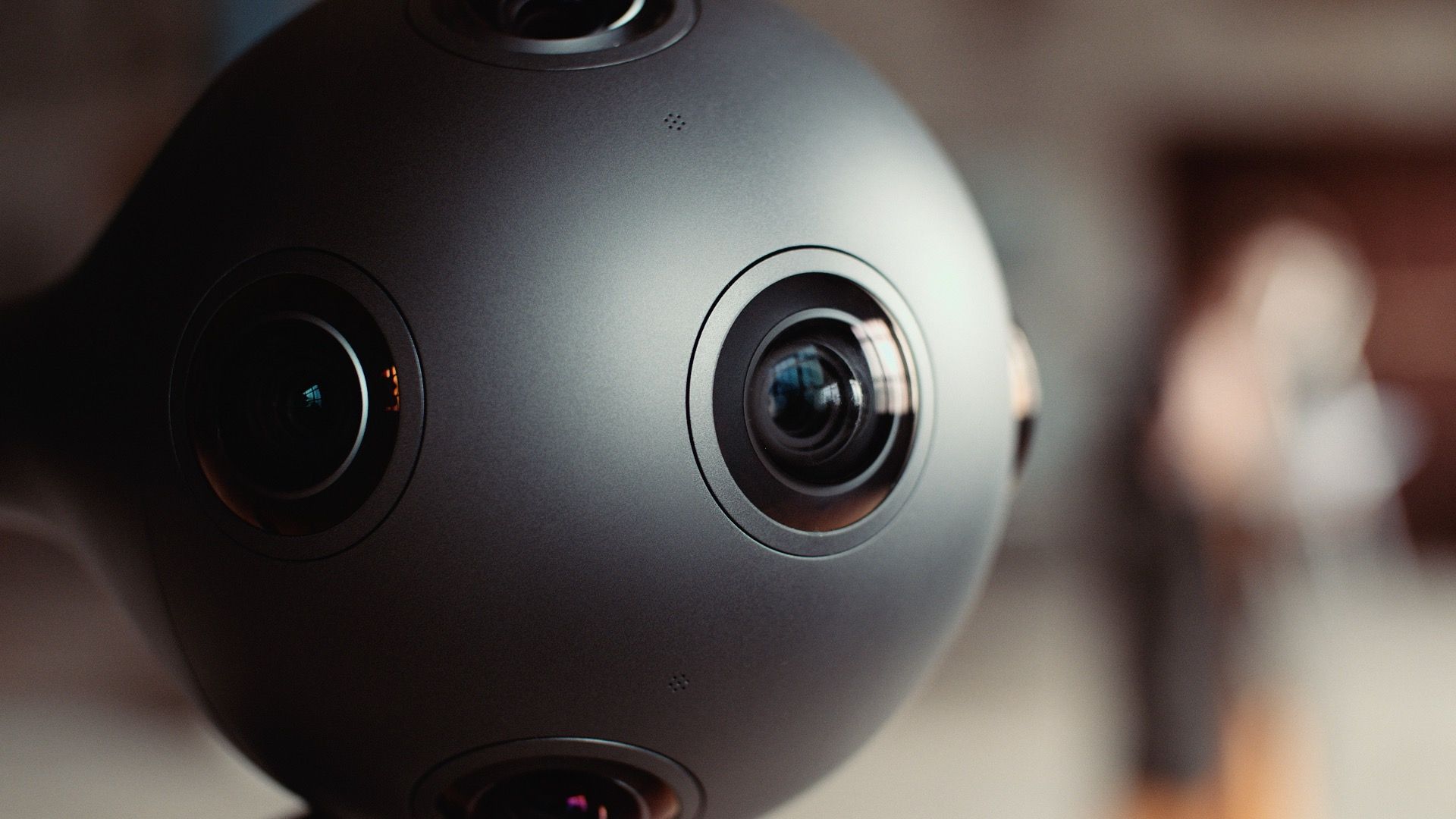
One very interesting device here is the Nokia Ozo VR camera which will in all probability be the first cinema grade virtual reality recorder. The device comes with the capability to record and store up to 45 minutes of audio and video. we checked out the results first hand and the VR quality is really high standard.
Nokia thinks the Ozo VR will be able to revolutionise the movie-making industry with this new offering, and as such will look to make a big push for the Ozo VR Camera in the coming days. How it fares in the market though only the future knows.
The Samsung Galaxy S7 edge is here, and it’s come to the party with a high-end smartphone featuring great design, premium materials and impressive under-the-hood specs. Samsung with the S7 edge has done well to listen to its user base and improve on the flaws of the last year’s S6 edge. Today we put these two up against each other, and do a quick comparison to show how much really has changed in this new handset.
Display and Design
The S7 edge has a bigger 5.5-inch form factor and comes with a QHD Super AMOLED display with a pixel density of 534 ppi compared to the 5.1-inch QHD 577 ppi screen that we saw on the S6 edge. The display though not an upgrade in terms of resolution does come as a welcome upgrade when it comes to size. To Samsung’s credit, it has managed to cut down on the screen-to-body ratio and bring a bigger display to the S7 edge without adding significantly to the phone’s dimensions.
To Samsung’s credit, it has managed to cut down on the screen-to-body ratio and bring a bigger display to the S7 edge without adding significantly to the phone’s dimensions. The phone’s display also comes with an intelligent “Always-On” feature which figures out when the phone’s display is not face down on a surface or kept in a pocket and stays lit up to show important notifications and time.
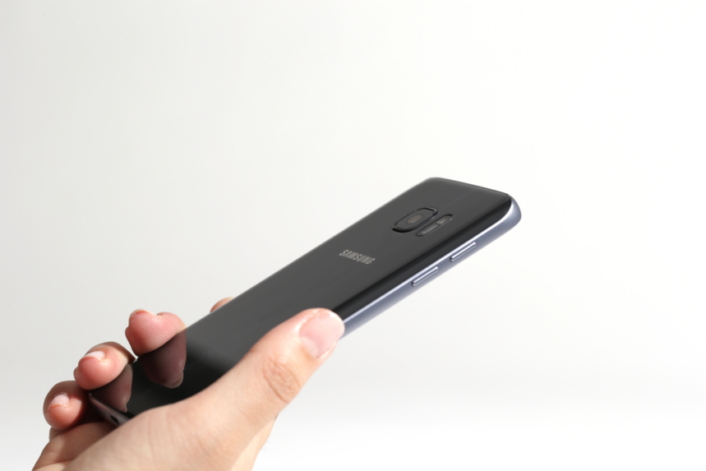
The phone also comes with more rounded edges which combined with the rounded edges at the back provides for a far better grip to the user. Samsung claims it has “made the camera nearly level in the S7 edge which carries forward the premium glass and metal design scheme of the S6 edge while incorporating IP68 waterproofing, and dust resistance, capabilities which provides safety up to 30 minutes while submerged under 1.5 metres of water to this latest iteration by sealing the metal chassis of the phone from the inside.
https://www.youtube.com/watch?v=r0epWiMGAkc
Under-the-hood Specifications
The S7 edge is available in two versions with two different processors. The first will see a 64-bit octa-core (2.3GHz Quad + 1.6GHz Quad) processor, the other will come with a 64-bit quad-core (2.15GHz Dual + 1.6GHz Dual) processor. The device that makes it to India is expected to carry the Octa-Core Exynos 8890 SoC. This will be an upgrade over last year’s 1.5 Ghz Exynos 7420 Octa-core SoC present on the S6 edge.
The S7 edge also gets one up over the S6 edge when it comes to RAM on board. The S7 edge comes equipped with 4GB of RAM while, the S6 edge came only with 3GB on board. In terms of inbuilt memory, the S7 edge comes in only 32GB and 64GB options as compared to the S6 edge which had a 128GB variant too in its arsenal, but what makes the S7 edge a clear upgrade over the S6 edge is the fact that the former houses a microSD card slot for memory expansion.
Camera
https://www.youtube.com/watch?v=rEblmHmKz3c
Samsung pulling out of the Megapixel race has decided to jump into the fray with a ‘Dual-Pixel’ 12-megapixel camera at the back, and a 5-Megapixel front camera both with F1.7 aperture. Galaxy S6 edge on the other hand, came with a 16-megapixel rear camera with OIS and a 5-Megapixel front camera.
Samsung claims this is the most advanced camera to date that it has used on its phones and that the pixels in its camera are around 30 percent bigger than the competing phones such as the iPhone 6s Plus and thus allow for sharper, clearer pictures, even in low-light surroundings.
The company claims that the dual-pixel technology which it has incorporated works like a human eye and results into 100 percent of the pixels being used to focus allowing for a faster focus while taking a picture.
Battery & Gaming
https://www.youtube.com/watch?v=dnzQP8MJTCk
Samsung S6 edge was notorious for it’s short battery life, and Samsung has looked to correct this basic flaw with a significantly bumped up battery pack in the S7 edge. The new phone features a 3600mAh battery pack, which is a cool 1000mAh over its predecessor.
The S7 edge also comes with new Air-Cooling tech to help keep the temperature of the phone down, and also adds to the mix wireless and fast charging capabilities. One thing that Samsung did miss out on was the widely expected USB Type-C port.
The mobile phone gaming market is emerging as an important space and Samsung is making a very strong push for it with the S7 edge. The S7 edge will be the first device to use the Vulkan API which Samsung claims will provide users the ability to experience PC-quality gaming on the S7 series devices with lower battery consumption. The company has also added a new ‘Game Launcher,’ to enable users to better manage battery consumption, and block notifications for immersive gaming sessions.
It’s finally here. After months of rumours and speculations, Samsung has now finally unveiled its newest flagship devices, the Galaxy S7 and S7 Edge. The next Galaxy devices come promising spectacular design language and next-gen performance and specifications.
The 5.1-inch S7 Super AMOLED display with quad HD resolution. Two SoC configurations are offered – one being the new Exynos 8890 and the other being Qualcomm’s Snapdragon 820. The device comes with 4GB of RAM and 64GB of internal storage as well as a MicroSD card slot this time around and the battery is 3000mAh. A fingerprint sensor is housed in the home button.
The S7 Edge comes with a 5.5-inch Super AMOLED display with quad HD resolution. A Snapdragon 820 processor powers the device along with 4GB RAM and 64GB storage and 3600mAh battery pack.
The Galaxy S6 and S6 Edge Plus had incredible cameras that won last year. This year, Samsung wants to take its camera up a notch which is why it’s using a new Britecell technology for the Galaxy S7 for better low-light photography. Both the S7 and S7 Edge feature ‘Dual Pixel’ cameras with a 12MP with f/1.7 aperture rear camera and a 5MP front. Samsung has boasted of exceptional low-light captures with the Galaxy S7 devices and it may just dominate the camera department once again this year.
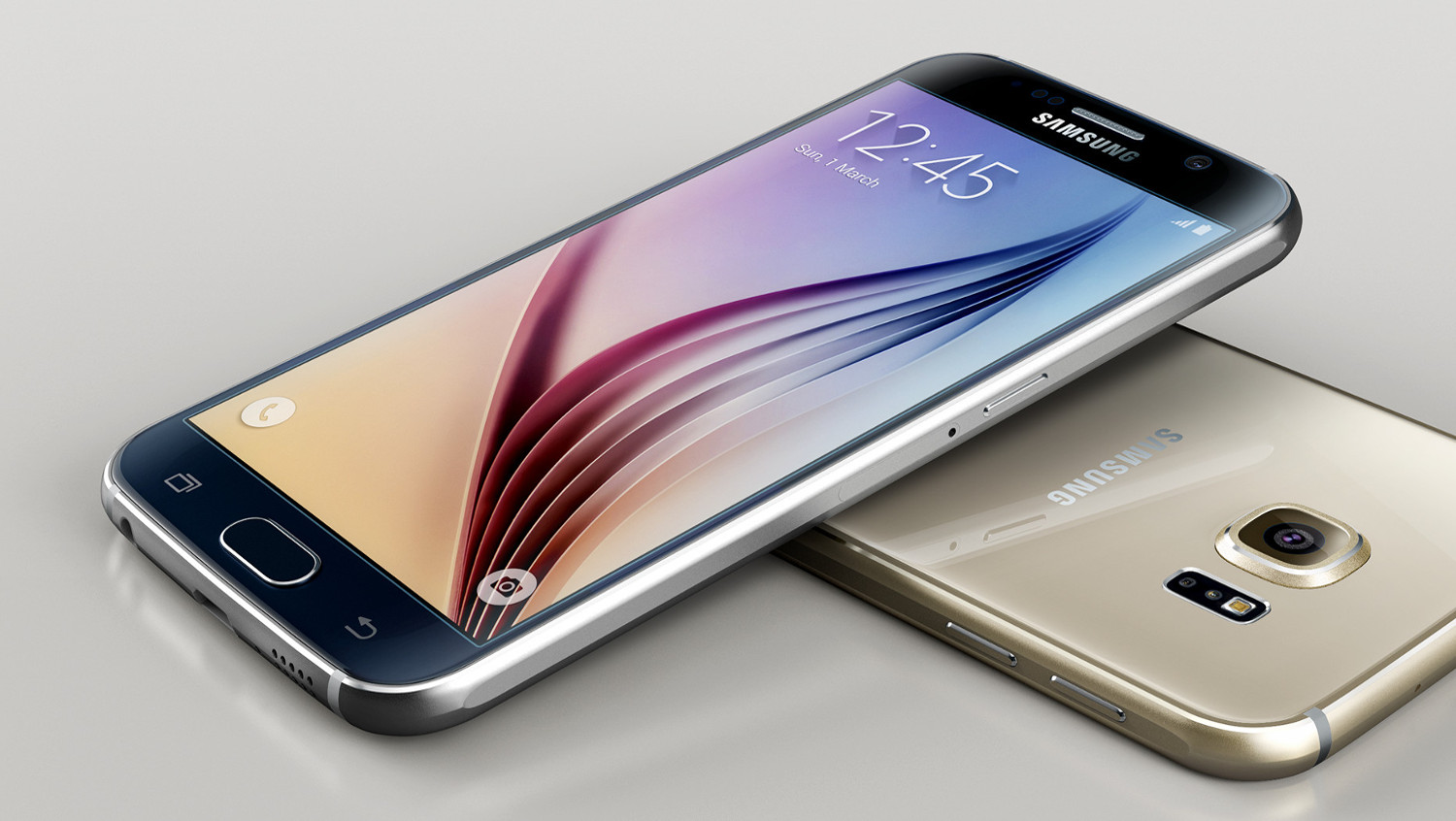
Moving over to the design, the Galaxy S7 and S7 Edge follow the same design language as their S6 counterparts. The S6 devices of last year were beautifully crafted phones and Samsung made a smart move not to change that. Only the standard 5.1-inch S7 will have a curved edge at the back rather than a flat one seen on in the S6. Samsung hasn’t changed the exteriors too much but has simply refined it. It has added a MicroSD tray while maintaining the sleek look.
Finally, some other features include IP68 water and dust resistance, wireless charging. It also features the Always On mode that shows you notifications without having to turn on your device. The camera bump is still there but is lower than that found on the S6 devices. Quick Access App lets you swipe through the screen on the Edge to quickly access your favourite apps. Samsung is also taking gaming to the next level with next-gen Vulcan API graphics.
Pricing of the devices have not been revealed as yet. Samsung has also not revealed all the specifications so some are subject to change. Check the spec table below for everything you need to know.
In less than an hour, Samsung will unveil its next Galaxy flagship device, the S7 and S7 Edge at the MWC Unpacked event. We have heard a lot of rumoured specs and seen a lot of leaked images and renders and it’s almost time to see how much of those have come true. You can catch the event live right here. Hit play on the link below and sit tight for the event to begin.
Earlier this month, Samsung unveiled the new Galaxy A5 and A7 devices at the Samsung Forum. The mid-range devices come with updated specifications and features including OIS and a fingerprint sensor. The 5.2-inch A5 is priced at Rs 29,400 while the 5.5-inch A7 come with a price tag of Rs 33, 400.
The updated A-series take the S6 glass and metal design language forward this year and introduces them in the Galaxy A7 and A5. The A7 sports a 5.5-inch AMOLED FHD screen with 1920 x 1080p resolution and a 1.6 GHz octa-core processor, 3GB of RAM and 16GB internal storage and 3,300mAh Fast Charging battery.
Galaxy A7 (2016)
On the camera front, the A7 features a 13MP primary camera with f/1.9 aperture and OIS. The front camera also features a f/1.9 aperture.
The A5 upgrades to 5.2-inch AMOLED FHD screen with 1080p resolution. 2GB RAM and 16GB storage, octa-core processor and bumps the battery to 2,900mAh as well. A5 packs a 13MP primary camera with OIS and a 5MP front camera.
Galaxy A5 (2016)
The highlight of the devices is its new design language that borrows the glass and metal combination seen in last year’s Galaxy S6 flagship. The devices look and feel premium and great in the hand. Both the devices also come with fast charging capabilities, and you’ll get around 3-4 hours in 15 minutes if charge.
The UI of the devices is quick and snappy with little bloatware. All stock Samsung features are available including Flipboard and there’s isn’t anything new to be found here. The only downside here is the pricing of the devices which is now close to the Galaxy S6 flagship, especially the A7. This may lose a lot of potential buyers as those willing to shell out the amount would rather go with the S6 rather than the A7 given a faster processor, fantastic camera and other flagship specs in the former.
Specification
Galaxy A7
Galaxy A5
Display
5.5? FHD Super AMOLED
5.2? FHD Super AMOLED
Processor
1.6GHz Octa-Core Processor
1.6GHz Octa-Core Processor
RAM
3GB
2GB
Front Camera
5.0MP(f1.9)
5.0MP(f1.9)
Rear Camera
13MP(f1.9) AF with LED Flash
13MP (f1.9) AF with LED Flash
Storage
16GB
16GB
Expandability
128GB
128GB
Battery
3,300 mAh, Fast Charging
2,900 mAh, Fast charging
Connectivity
Wi-Fi 802.11 a/b/g/n, Bluetooth® v 4.1, ANT+, USB 2.0, NFC (UICC, eSE)
Wi-Fi 802.11 a/b/g/n, Bluetooth® v 4.1, ANT+, USB 2.0, NFC (UICC, eSE)
As the Android operating system has grown, Samsung has not just grown with it, but completely dominated it. From the platform’s early days it has complemented the software with aggressive hardware and pleasing aesthetics. The South Korean manufacturer has sold more mobile phones than any other Android device manufacturer, and this success has been entirely built on Samsung’s Galaxy brand which to date has churned out over 100 separate devices.
Samsung’s Galaxy S range of flagship smartphones has been one of the major reasons behind Samsung achieving such success at the market. In all honesty, the Galaxy S series devices have done as much to help the Android operating system grow, as the platform has done to help it grow. Today we take a trip down memory lane, and take a look at the Galaxy S series flagships from the year’s gone by.
Samsung Galaxy S
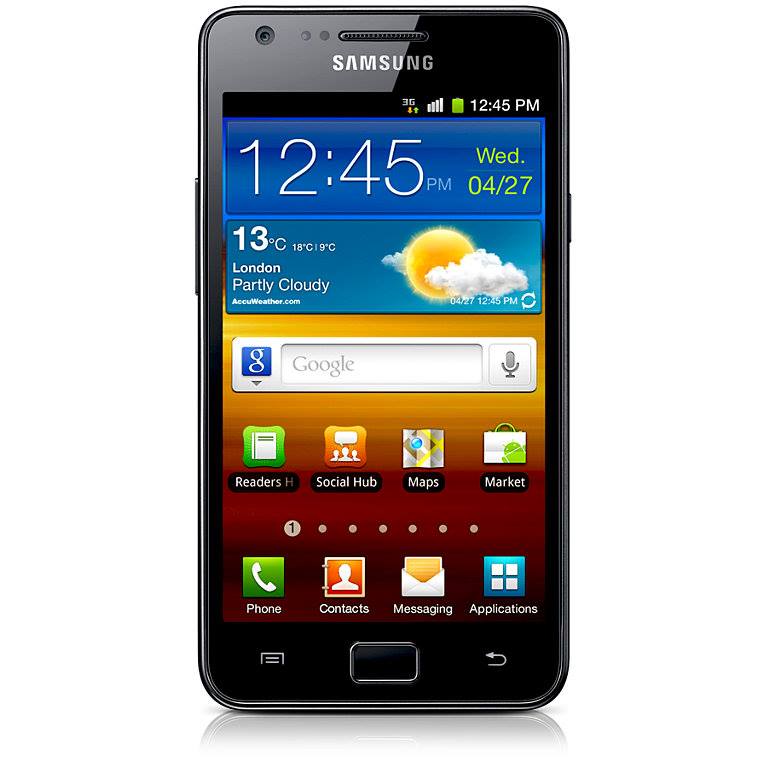
The original Samsung Galaxy S was released in June 2010 and by the time it was taken off shelves, the handset sold over 24 million units worldwide. This Android device was pitted against the iPhone as a high-end, premium smartphone alternative. The Galaxy S set the tone for the rest of the Galaxy series and as such sealed its legacy forever.
The phone came with 1 GHz processor, a 4.0-inch AMOLED screen and had a 5MP rear facing camera without a flash, and a front facing VGA camera. The Galaxy S came with impressive specs for the time and was generally accepted to be one of the better devices to come with Android on-board but the sales still were a little disappointing. The device was originally launched running Android 2.1 Eclair, and was later updated to 2.2 FroYo, and finally then finally updated to 2.3 Gingerbread before being ignored by Samsung for further updates.
Samsung Galaxy S II
The Summer of 2011 saw what probably was the game changer for Samsung. The South Korean company which had been making phones long before its competitors, HTC and Apple had even stepped into the industry was finally going to have its moment of glory.
The Galaxy S2 turned out to be the device which secured Samsung’s place at the top of the Android tree. The S2 launched in more than 120 countries in the summer of 2011, and was met with great reception with over 50 million S II being sold by Samsung Worldwide.
The phone was big on internals, and featured a dual-core Cortex A9 processor paired with 1 GB of RAM and a newer generation, 4.3-inch Super AMOLED display. The display was also covered with the first generation Corning Gorilla Glass coating.
There was an 8MP rear camera and this time it came with a flash. The front camera was also bumped to a 2MP camera. The design pattern evolved from the first S series handset and saw the impressive hardware being nicely tucked into a squared design that was very thin. Importantly, the phone’s design incorporated space for a Removable Li-Ion 1650 mAh battery which was one of the biggest draws for the phone.
Galaxy S III
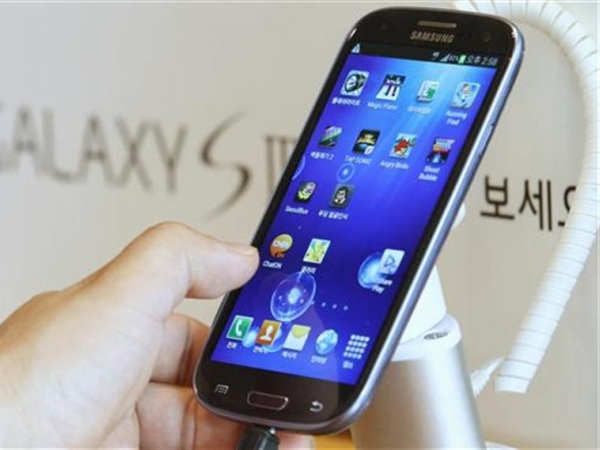
If S II was good, then S III was going to be even better for the South Korean tech giant. Riding on the back of the S II, Samsung came into 2012 firmly as the market leader. The S series phones by now had evolved from being just high-end Android offerings, to being positioned as the “Anti-iPhone” smartphones.
S III was at that time Samsung’s best-selling smartphone to date. It’s helped the South Korea-based company dethrone Apple’s global market share, and it made the Galaxy S series name synonymous with Android.
S III saw a design change for the Samsung Galaxy S series. The S3 perfected on the chinks of the phone before and came to the market as a beautiful offering curved design and brilliant specs.
The smartphone was powered by a quad-core 1.4GHz Cortex-A9 CPU, while the Mali-400MP GPU also showed up alongside 1GB of RAM. The phone retained the 8MP rear camera but produced better pictures owing to ertain software improvents. The display on the phone was a 720p HD resolution SuperAMOLED screen. S III came with Android 4.0 Ice Cream Sandwich which paired with the internals produced great results.
Samsung also started to significantly improve things at the software end starting with the S III. It included many additional features such as Smart Stay, which wallowed the screen to stay on when the user was looking at it. The S III also introduced the Nature UX, whichbrought in new notification whistle and watery sounds when unlocking the device. All of these addtions very popular with its growing customer base.
Galaxy S IV
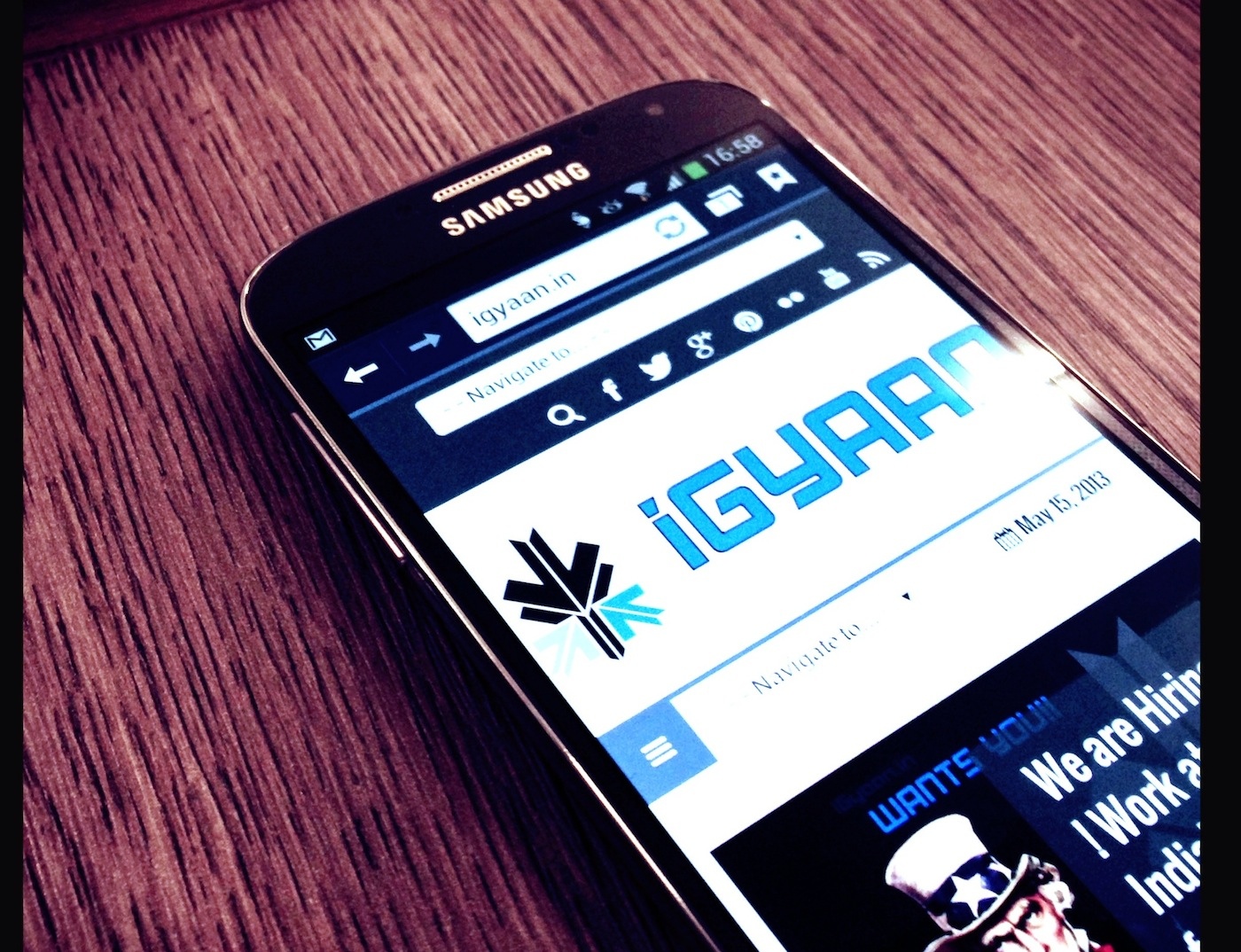
Samsung introduced in 2013 the Galaxy S IV. Samsung sold over 40 million of these in just the first 6 months, and by the end of the year ended up with 65% market share of all Android devices but according to reports from that time, the company apparently was’nt too happy with its showing. Nonetheless, the phone again managed to cement its supremacy in the market.
The handset was built around a 5.0-inch, 1080p SuperAMOLED screen. Samsung fitted it with a higher clocked a 32-bit, quad-core version of the Qualcomm Snapdragon 600 processor clocked at 1.9 GHz. The phone used 2 GB of RAM for smooth performance. It came with a minimum of 16 GB of internal storage and a beefy 13MP rear camera. The S4 also came with a heart rate sensor which was a first for the market.
Galaxy S5
Galaxy S5 used as illustration
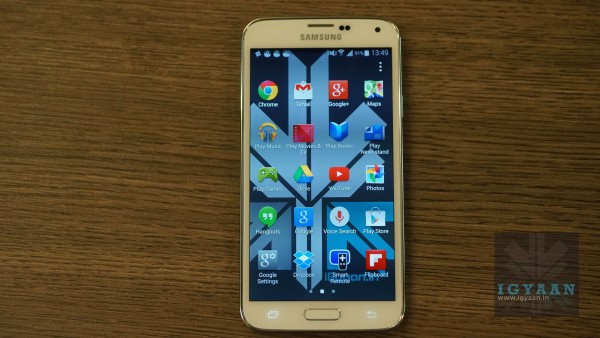
2014 saw Samsung bring to its fan base the S5. The galaxy S5 was not a huge departure from the S4. Key differences lay in an upgraded processor, camera and nifty features like water/dust resistant body. The phonesaw great sales at the market, and was widely appreciated for its design which saw a polycarbonate rear panel that provided access to a removable battery.
The S5 came rocking two Quad Core processors, one clocked at 1.9 GHz and the other at 1.3 GHz. Samsung claims that unlike its predecessor, the Galaxy S5 had both the quad cores running simultaneously thereby giving you the experience of a true octa processor. The phone used the 1.3 GHz Quad core to handle the lighter applications, whereas the more power intensive apps (HD games, HD video playback) were taken care of by the 1.9 GHz Quad Core processor. 2 GB RAM is what supports the processors in the Galaxy S5.
Galaxy S6
The last iteration of the Galaxy S series phones came in multiple variants in 2015. The S6 was avaialble in three variants, the standard S6, the more fancy looking S6 edge, and the S6 edge+.
The Samsung Galaxy S6 featured many radical changes. The company moved a more premium metal and glass build. The use of these new build materials not only makes for a device that is still one of the best looking in the market, and frankly was a far better designed smartphone than the previous years had seen. It did though result in the doing away with the microSD card slot and removable battery.
Talking about the two most well recieved variants of the S6, both carried almost identical specs, and only diffrered slightly when it came to the processor and battery power. Both of them sport a 5.1-inch QuadHD Super AMOLED (577ppi) and feature 3GB LPDDR4. The former handset is powered by 2.1GHz Exynos octa-core, while the latter embeds a bit powerful 2.5 GHz Exynos octa-core processor. Running on Android 5.0.2 Lollipop with 16MP rear and 5MP front snapper, the standard Galaxy S6 gets its juice from the 2550mAh battery. On the other hand, its curvy counterpart boasts a slightly robust 2600mAh battery.
.
As we get closer and closer to the Unpacked event on 21st February at MWC where Samsung is all set to launch its Galaxy S7 devices, updates about it just keep pouring in. And now, according to the latest announcement from Samsung, this launch event can be watched all over the world via a 360-degree live stream on PCs, Android and iOS devices, as well as on Samsung’s own Gear VR head set.
Watching the event on an iOS or Android device requires the download of Samsung’s official Unpacked 360 View app. For Gear VR users, the Unpacked 360 View app can be downloaded through the Oculus store.
Watching the event in the 360-mode would allow users to choose from four different positions. These include centre stage, stage left, stage right or the auditorium. The event can also be watched on the official website where once again viewers would be allowed to choose from four different camera positions.
So far there have been lots of ‘leaked’ images and renders of the devices, along with specifications. With only three days to go for the official launch, watch this space for more updates.
Last year saw some incredible smartphones that pushed the boundaries of design and specification, making it difficult to pick out just one favourite. This year promises to do the same. We take a look at some of the most anticipated smartphone launches expected in 2016 and what we know about them so far.
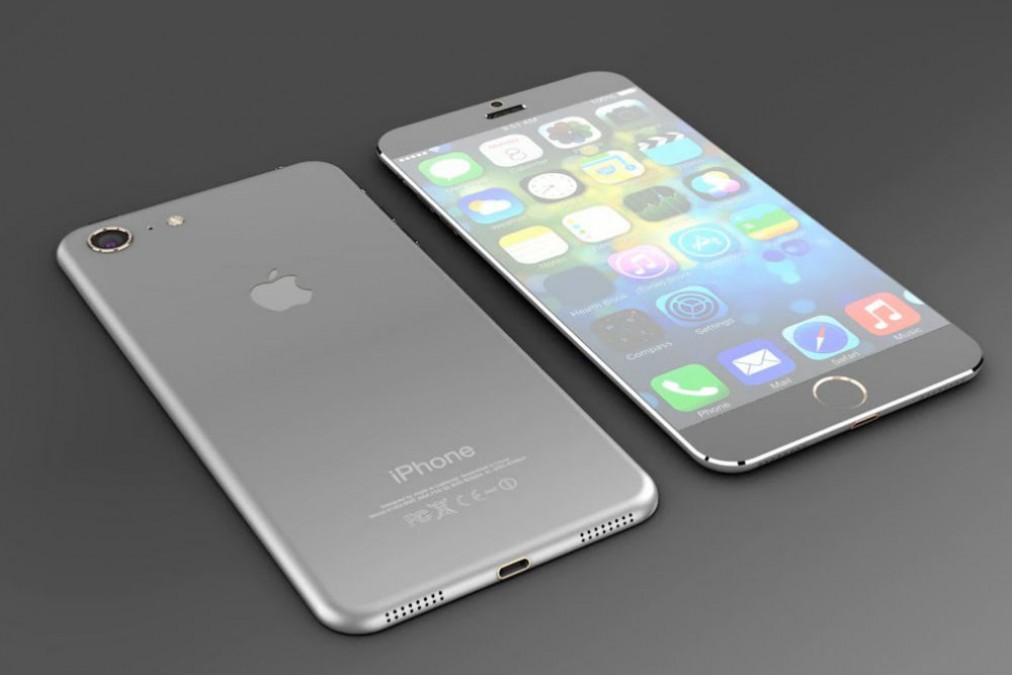
iPhone 7
Apple’s iPhone 7 and Samsung’ Galaxy S7 are perhaps the most talked about flagship devices today. There’s just a lot of anticipation attached to the upcoming handsets and along with it a lot of rumours as well. The first round of rumours a few months ago suggested that the iPhone 7 will lose the home button and will sport an OLED display thereby giving up on LCD display that it has relied on so far. Apple followers will know that the Apple Watch is the only Apple device to sport an OLED display currently. Furthermore, the OLED display will either be supplied by LG or Samsung, or both.
Next up, the iPhone 7 is rumoured to be waterproof and will feature 3 GB of RAM. More recently, there have been talks related to Apple’s decision to ditch the headphone jack. This is part of Apple’s plan to improve the quality of music streaming. Furthermore, the loss of a headphone jack means more space for Apple to add a larger battery to the iPhone 7, as well as make the device thinner. We’ll just have to wait and see how this strategy plays out.
Samsung Galaxy S7 and S7 Edge
There have been a lot of rumours and a lot of questions regarding the launch and specs of Samsung’s upcoming flagship Galaxy S7 devices. What everyone is expecting is Samsung to pull out another stunning flagship that pushes the boundaries of design and power, like it did with the Galaxy S6 series.
It’s almost confirmed that the Galaxy S7 will arrive in two variants – one powered by the new Snapdragon 820 chipset and the other by Exynos 8890.
Among the many rumours that have been making the rounds, some that have caught our attention is that the S7 devices will feature Apple’s 3D Touch-like pressure sensitive display called ClearForce that’s being developed by Synaptics. Additionally, the Galaxy S7 will have a Type C USB Port which means the device will charge significantly faster.
The flat Galaxy S7 will likely sport a 5.2-inch Super AMOLED display while the ‘Edge’ variant will come with a 5.5-inch display of the same kind. In terms of design, Samsung is sticking to the S6 design language only upgrading the specs, which we’re not complaining about. The flagship devices are slated to be unveiled on February 21 at the MWC ‘Unpacked’ event.
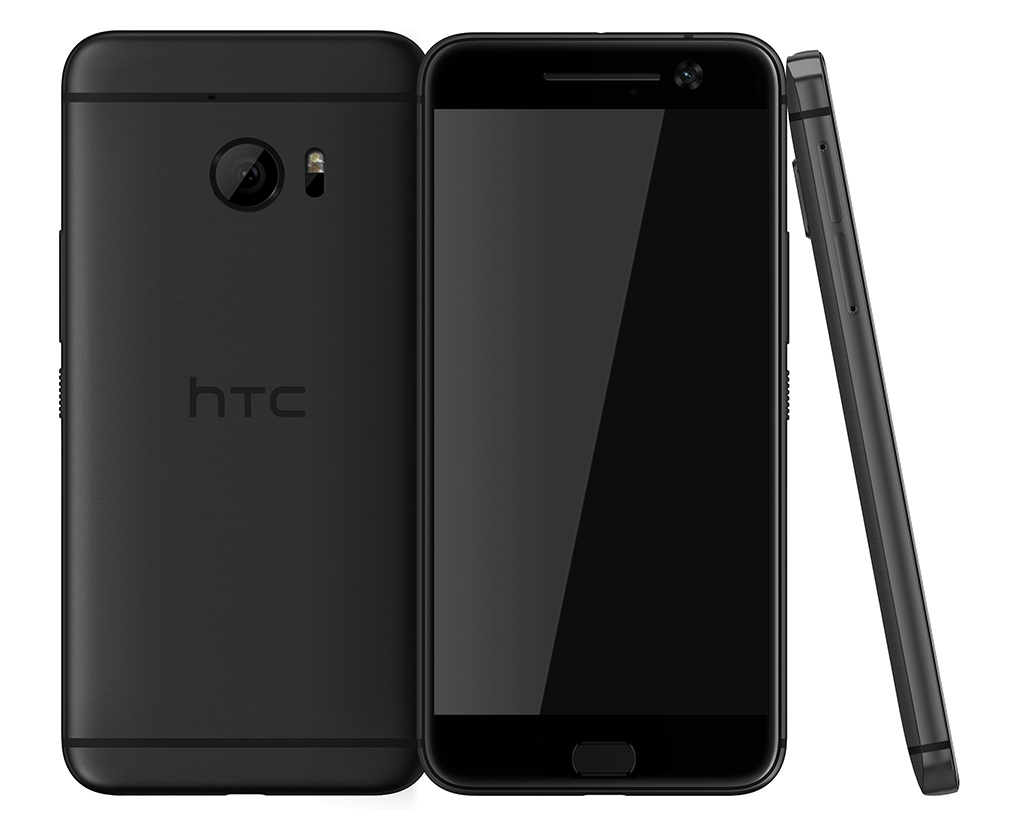
HTC One M10
Being a successor to the One M9, the HTC One M10 will look to improve on specs wherever it can. The new iteration is said to come with a 5.5-inch QHD display. You can expect some bright, crisp colours under a Gorilla Glass 4 protection.
On the design front, the device will have the all-metal, unibody form associated with HTC flagships, along with curved edges and bezels to give it an attractive look. The One M10 will look a lot more like the One A9 than the One M9. From what recent renders tell us, HTC is ditching the BoomSound front speakers as well as the much-hated logo on the front that was found on the One M10. The HTC One M10 will sport a Snapdragon 820 chipset under the hood along with a powerful graphics card.
Other features include a Touch ID fingerprint scanner housed inside the home button, 4 GB of RAM with 16 GB and 32 GB internal storage variants, and a battery capacity of 3,500 mAh. The device is expected to come out sometime in March.
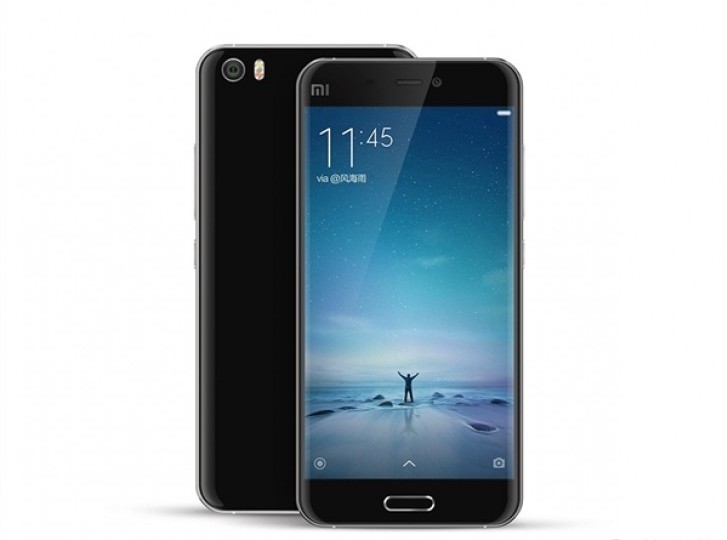
Xiaomi Mi 5
Xiaomi fans have been eagerly awaiting the Mi 5 flagship smartphone, which has been delayed due to the launch of the Snapdragon 820 chipset. Since Samsung has claimed exclusivity of the new chipset for the first quarter, the Mi 5 along with any other device sporting the new, powerful processor will all likely see a post-March release.
Recent rumours about the specs of the Mi 5 are contradictory with some claiming the Mi 5 will sport a 5.5-inch screen with quad HD (2560×1440) display and the others pointing to a 5.7-inch with Full HD display. What’s almost confirmed is a Snapdragon 820 chipset, 20MP primary camera and an 8MP front cameras. The device will also come with 3,800mAh battery and 4G LTE support. RAM is set at 4GB and the phone will offer 16GB/64GB/128GB storage options.
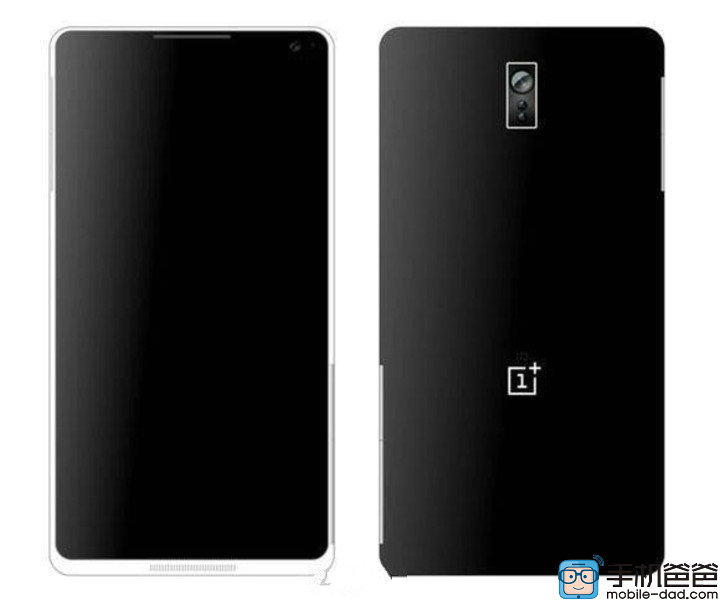
OnePlus 3
OnePlus 3 Render
OnePlus has done so much in so little time. The company, still in its infancy, has already released 3 spectacular devices -OnePlus One, OnePlus 2 and OnePlus X in the span of two years. This year, OnePlus will look to reclaim the title of the ‘flagship killer’ with the upcoming OnePlus 3 smartphone. Not much is known about the third flagship device, and only a couple of leaked renders have appeared giving rise to possible hardware specs.
The image above shows a brushed metal back instead of the usual sandstone panels. The new OnePlus might also feature a front speaker. The render shows that the handset could possibly come in two different colours.
From what we’ve heard so far, the new OnePlus device will sport a 5.5-inch UHD display with 5GB RAM. Sources also reveal a little about the hardware and display citing that the handset could arrive with the Snapdragon 820 chipset and a 1080p display resolution.
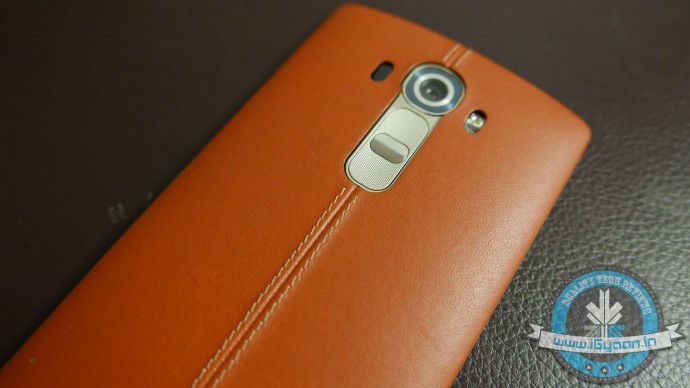
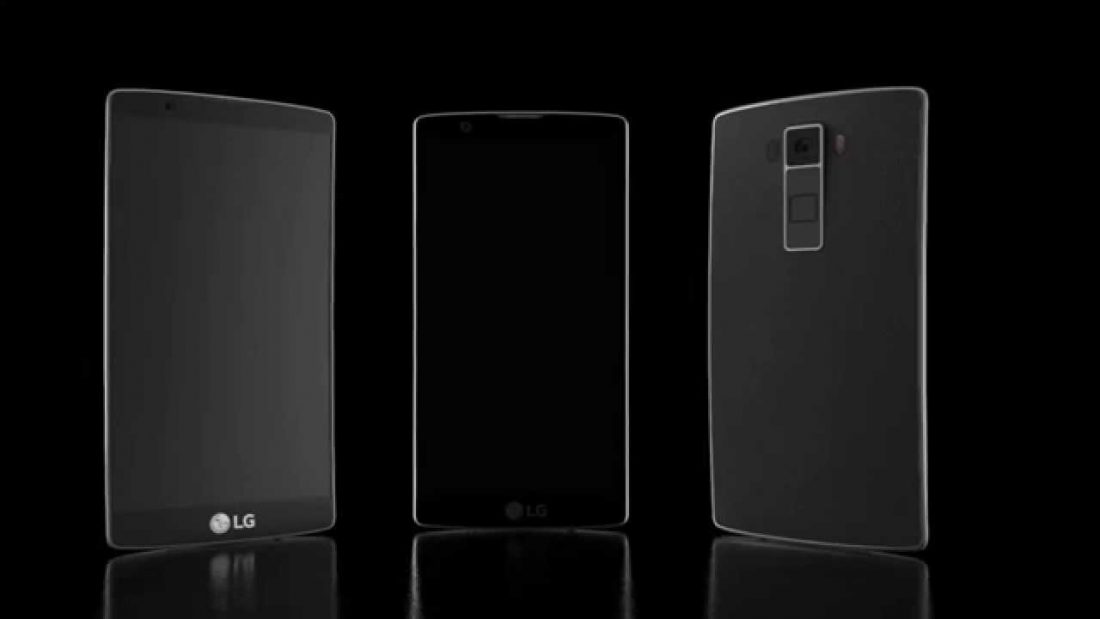
LG G5
LG G4
A Redditor recently leaked some specs and images of the LG G5. The device will sport a 5.3-inch Quad HD display, powered by the new Snapdragon 820 SoC with 3 GB of RAM and an 8 MP front camera. Other specs include a full metal body, SIM and MicroSD slot, heart rate sensor that’s under the camera module, a fingerprint sensor embedded in the power button, a USB Type-C port, bottom firing speaker and an IR blaster on top.
Some recent rumours have suggested a modular design for the LG G5 where the bottom is detachable so as to easily remove the battery pack. This, however, is still a long shot and nothing has been confirmed on that front.
A leaked image also suggests that the LG G5 will sport a dual camera set-up at the back – 16 MP and 8 MP. LG will launch the G5 flagship smartphone at the MWC next week.
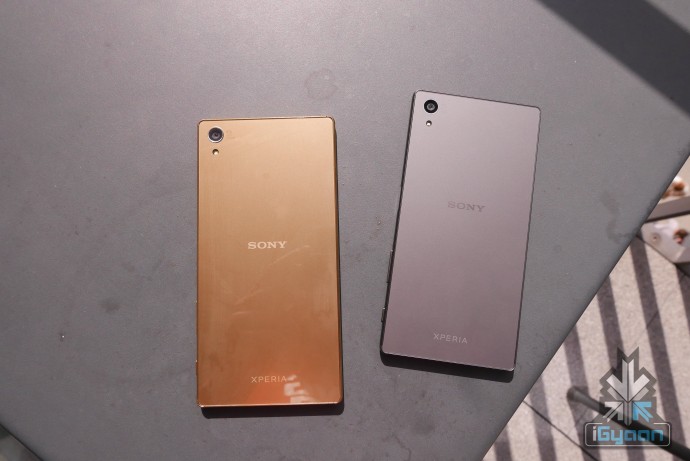
Sony Xperia Z6
Sony Xperia Z5 Premium
It looks like Sony is planning to launch a slew of devices under the Z6 line. It is rumoured that a total of six Z6 devices will be launched this year: a 4-inch Xperia Z6 Mini, a 4.6-inch Xperia Z6 Compact, a 5.2-inch Xperia Z6, a 5.8-inch Xperia Z6 Plus, a 6.4-inch Xperia Z6 Ultra, and a 5-inch Z6 Lite. Now, Sony is yet to confirm the rumours, but you can expect some, if not all, to be true.
What you can expect from the Xperia Z6 is a build that’ll reflect the Z5 with a squarer, flatter design rather than the traditional rounded edges that Sony had previously stuck to with the older models. The Z6 will also come with a fingerprint scanner added to the power side button.
The burning question is whether Sony will go for a 2K display with the 5.2-inch Xperia Z6 or will it continue with a Full HD display as it has with the Z5. Doing the former would mean having to sacrifice battery life, which Sony isn’t all too fond of doing at the moment.
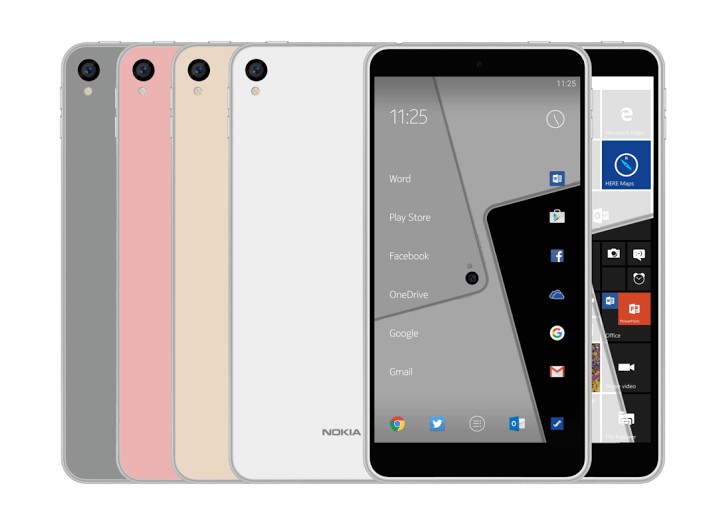
Nokia C1
Nokia C1 Render
Nokia is all set to make a comeback with a new smartphone. This new device, allegedly called the C1, will be the first flagship device to bear the Nokia logo since the Finnish company was sold to Microsoft a few years ago.
There have been a number of leaked renders that claim the design of the C1, though each source has leaked different designs. One of the more recent renders show a very minimalist and sleek design, which actually looks pretty good, if confirmed as legit. The C1 is also depicted running both Android and well as Windows 10 OS.
Rumours suggest that the Nokia C1 will come in two variants. The first one will sport a 5.5-inch Full HD display and a 13 MP rear camera and 5 MP front camera. The device will also come with 3 GB of RAM and 64 GB of internal memory expandable via microSD card slot.
The second variant will have a 5-inch Full HD display and will sport an 8 MP rear camera and 5 MP front camera, 2 GB of RAM and 32 GB of memory.
The Mobile World Congress 2016 is just a day away. The technology fest will see some major unveiling and some next-gen tech on display. In the smartphone department, two names have been given a lot of hype for many weeks now, and rightly so. Samsung and LG are both ready to unveil their flagship devices. We’ve heard rumours and leaked renders of both and now it’s time to see which flagship does better based on what we know so far.
Design
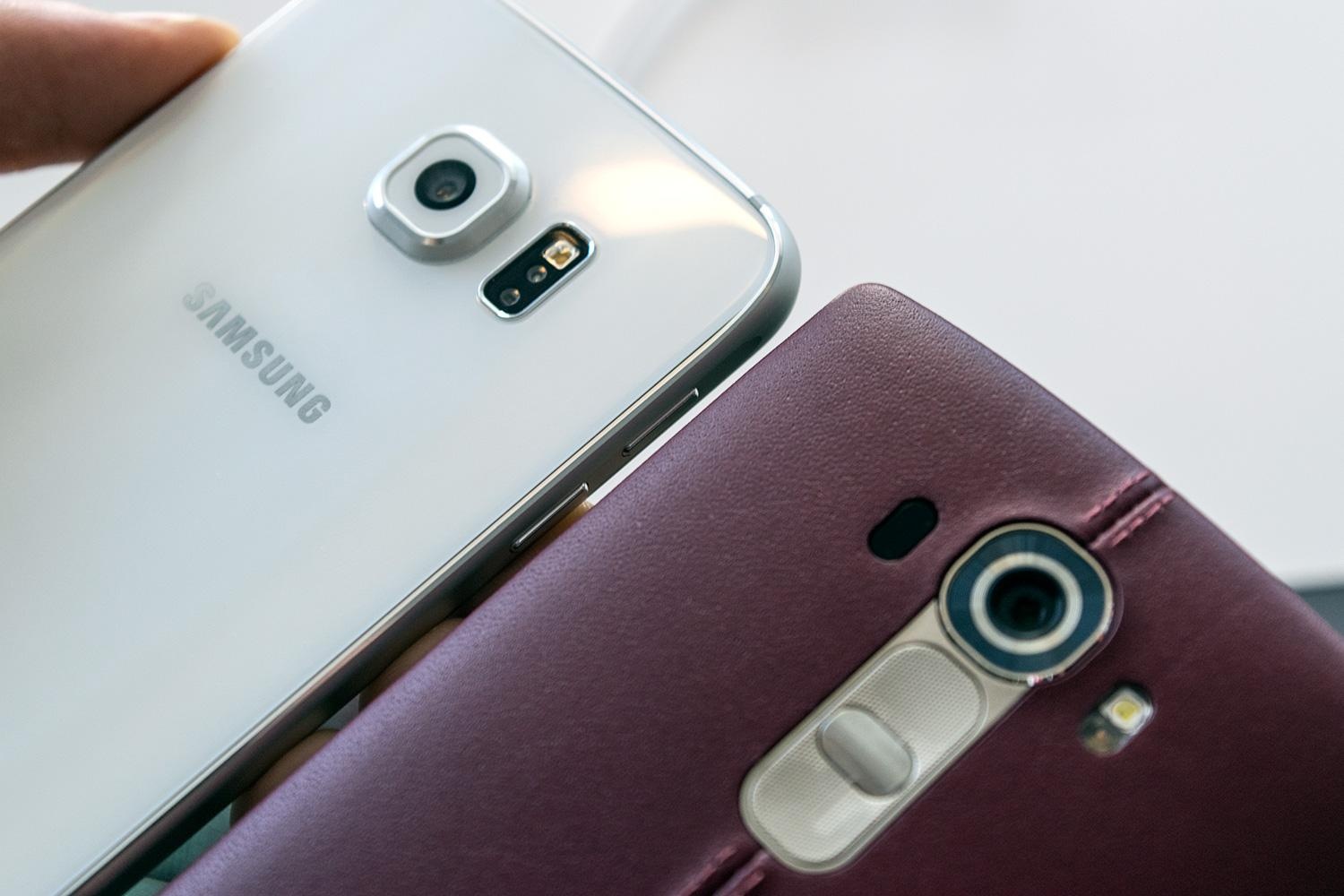
Samsung achieved a beautifully crafted phone with the Galaxy S6 and S6 Edge and there is no reason why the Korean-based giant would want to steer away from that. From what the renders have told us the upcoming Galaxy S7 and S7 Edge will follow the same design language as their S6 counterparts. Only the standard 5.1-inch S7 will have a curved edge at the back rather than a flat one seen on in the S6. The renders of the devices look great and Samsung may just have another great looking device on their hands.
The LG G5, on the other hand, is likely to go with a more squarish look as compared to the G4. The back may not be as curved as its predecessor. It is also rumoured that LG is incorporating a modular design with the G5. The G5’s modular design, according to rumors, involves a detachable bottom, which will reveal the battery and allow it to simply slide in and out. Not only does this design help in making a thinner looking device, but it also gives easy access to the removable battery. Furthermore, it is also rumoured that the G5 will feature a secondary display above the primary one that will display apps and notifications, similar to the LG V10.
Camera
When it comes to the camera, Samsung has done extremely well in decimating its competition with some superb camera modules in the S-series. The Galaxy S6 and S6 Edge Plus had incredible cameras that won last year. This year, Samsung wants to take its camera up a notch which is why it’s using a new Britecell technology for the Galaxy S7. Rumours peg the rear camera at 12MP with f/1.7 aperture, which means that Samsung is focusing a lot more on quality while the front camera will be at 5MP.
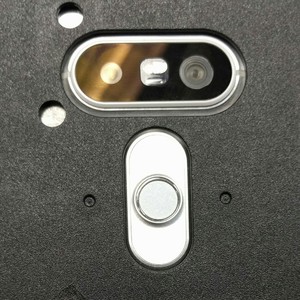
The LG G5 is set to sport a dual camera set-up at the back – 16 MP and 8 MP. Leaked images posted in December show a dual camera fitted under a back panel. There’s also a flash and what looks like a fingerprint sensor below which is also expected to double up as the power button. LG has also done extremely well in the camera department and the V10 is one such phone in LG’s lineup that stands as proof. The cameras on the G5 is said to be developed by Sony.
Hardware
Both the flagship devices are expected to feature top-of-the-line and next-gen specifications. The Samsung Galaxy S7 upon launch is expected to to feature a 5.1-inch Super AMOLED display with Quad HD resolution, a new 12 MP BRITECELL camera with f/1.7 aperture, and a 5 MP secondary camera. Two SoC configurations are expected – one being the new Exynos 8890 and the other being Qualcomm’s Snapdragon 820. 4GB of RAM and 64GB of internal storage is expected as well as a MicroSD card slot this time around and the battery is expected to be upwards of 3500mAh. A fingerprint sensor will be housed in the home button.
The LG G5 is rumoured to come equipped with a 5.3-inch QHD display, sporting a Snapdragon 820 processor and 3GB of RAM with 32GB of internal storage. It’s also suggested that LG G5 might include an eye scanner, USB-C connectivity and a fingerprint sensor.
Features
It has been rumoured that Samsung has been working on an Apple 3D Touch-like feature for the Galaxy S7 devices. The pressure sensitive feature, reportedly called ClearForce, is being developed by Synaptics. If this is true, we may just see apps for Android being updated to include pressure sensitive features as well, much like the apps for iOS. Meanwhile, another set of rumours suggest that the S7 will have Apple Live Photos-like feature which makes tiny GIF-like videos.
A recent teaser video posted by Samsung’s Indonesian page showed that the Galaxy S7 will be waterproof to some extent.
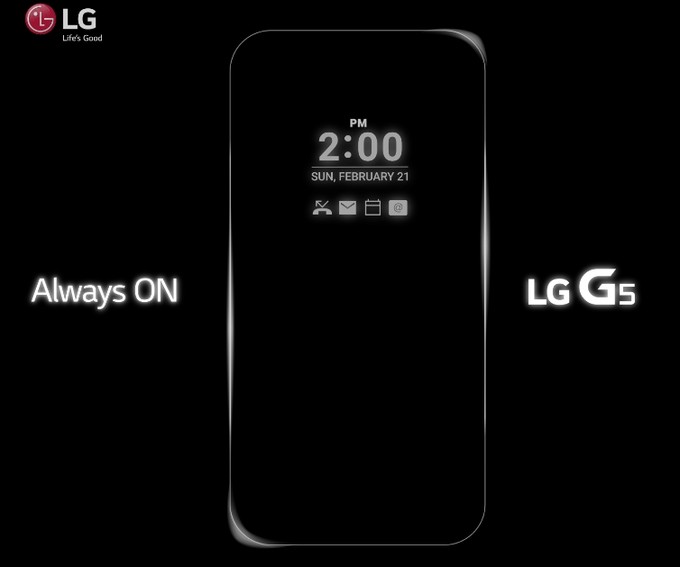
LG is planning to launch the G5 with market disrupting specs and features, according to rumours. Now while one unconfirmed feature involves a modular design with a removable bottom, LG has teased some other features as well such as an ‘Always On’ mode which displays notifications on the screen without having to turn the screen on. A dual rear camera setup and a secondary display will be the other highlights of the G5.
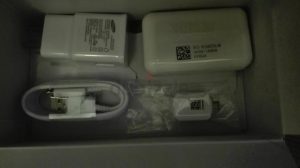
A Samsung Galaxy S7 Edge unit has appeared on the Dubai counterpart of Craigslist called Dubizzle. It’s being sold for 4500 AED or approximately $1100 (about Rs.75,000). The phone comes with all accessories inside the box.
There have been lots of leaks over the last couple of days, outing design details of the Galaxy S7 Edge and this latest development shows this S7 Edge unit to be in line with them. But nobody can really be sure of the authenticity of this device which has been “imported from USA”. It may very well turn out to be a dummy unit.
According to reports so far the Galaxy S7 Edge will come equipped with a 5.5-inch QHD AMOLED display when it finally released at the MWC this year. The device wiill be powered by a Samsung Exynos 8890/Qualcomm Snapdragon 820 SoC and paired with 4 GB of RAM, and a 12 MP rear camera with f/1.7 aperture. A 8 MP selfie camera is expected at the front of the phone. The phone will come in two storage variants, 32GB and 64GB which will be further expandable via a MicroSD card.
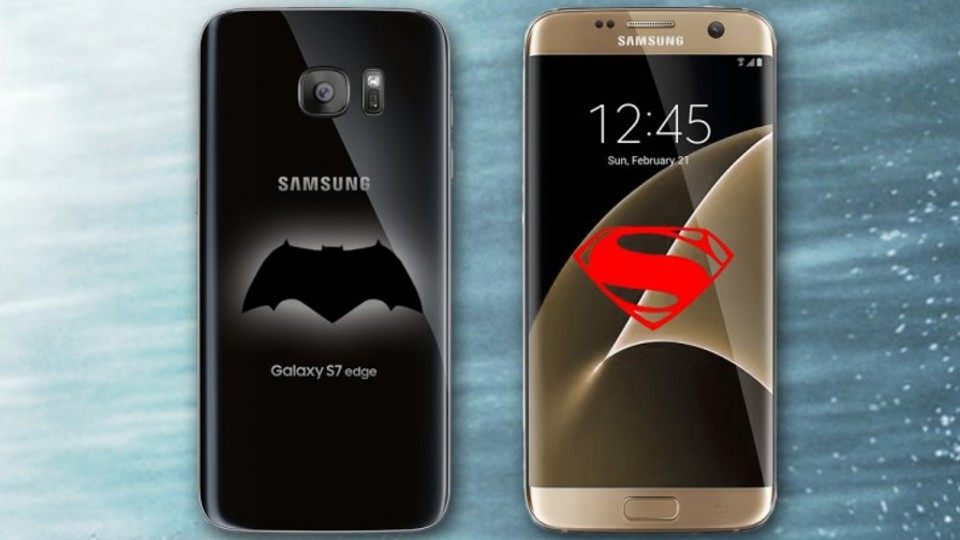
Samsung Galaxy S7 devices are the one of the most anticipated smartphones of 2016, while Batman vs Superman is one of the most anticipated films of 2016. Put them both together and voila! Everyone is paying attention now.
A Korean publication, Naver reports that Samsung is likely to introduce a Batman vs Superman edition of the S7 Edge. If the source is to believed, it will arrive somewhere around March-April. This in turn means, its launch may or may not coincide with the launch of the standard S7 devices as well as the release of the film on March 25th.
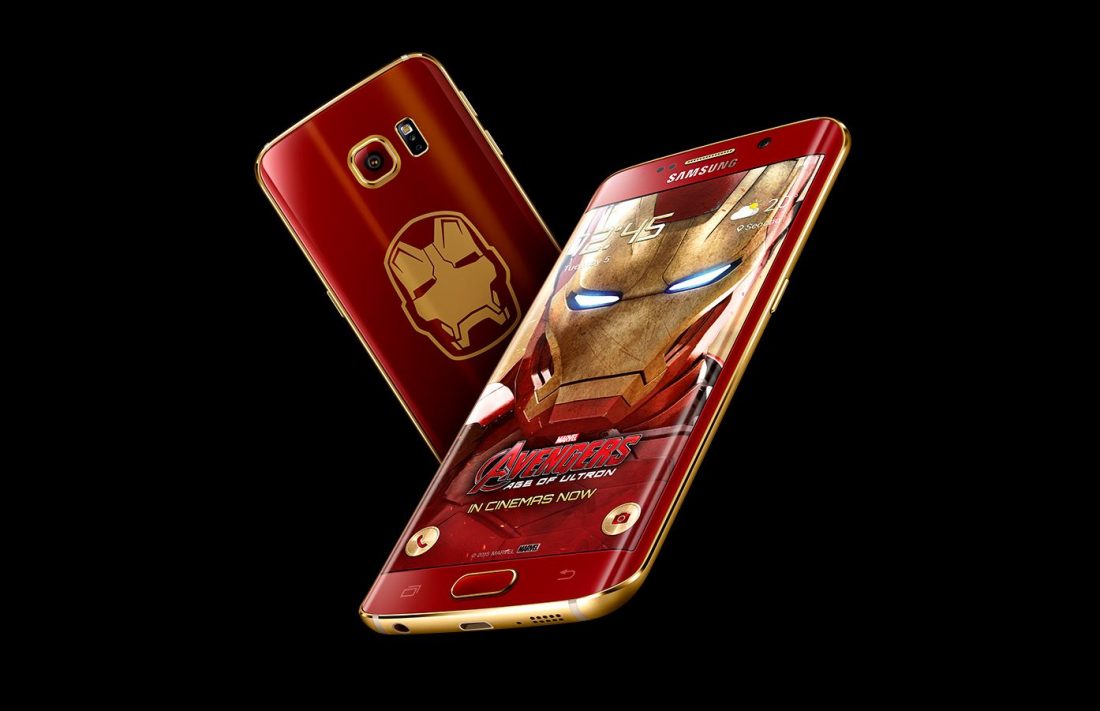
Last year Samsung had pulled a similar stunt by toying with the idea of making Avengers-inspired variants of Galaxy S6 Edge. Needless to say, this sent fans, both of the Marvel universe as well as of Samsung, into a frenzy. It was later in 2015, a little after the release of Galaxy S6 Edge, that Samsung came out with Iron Man Galaxy S6 Edge edition.
Though the phone piqued everyone’s curitosity, it was made available only in selected Asian markets (only 1,000 units were made) and costed a fortune. Let’s see if a Batman vs Superman S7 Edge meets a similar fate and gives DC fans something to rejoice about this year. Fingers crossed.