Category: Xiaomi

  • Asus Zenfone Max Pro M1 Vs Xiaomi Redmi Note 5 Pro

    Asus Zenfone Max Pro M1 Vs Xiaomi Redmi Note 5 Pro

    Asus has launched its latest budget offering for the India market, the Zenfone Max Pro. The newly launched smartphone will go on sale via Flipkart on the 3rd of May at a starting price of Rs 10999. The Zenfone Max Pro, in the beginning, will be available two variants, one with 3GB RAM and 32GB storage and the other one with 4GB RAM and 64GB storage. The company also announced that a 6GB RAM and 128GB storage variant with improved camera capabilities will also launch soon in India.
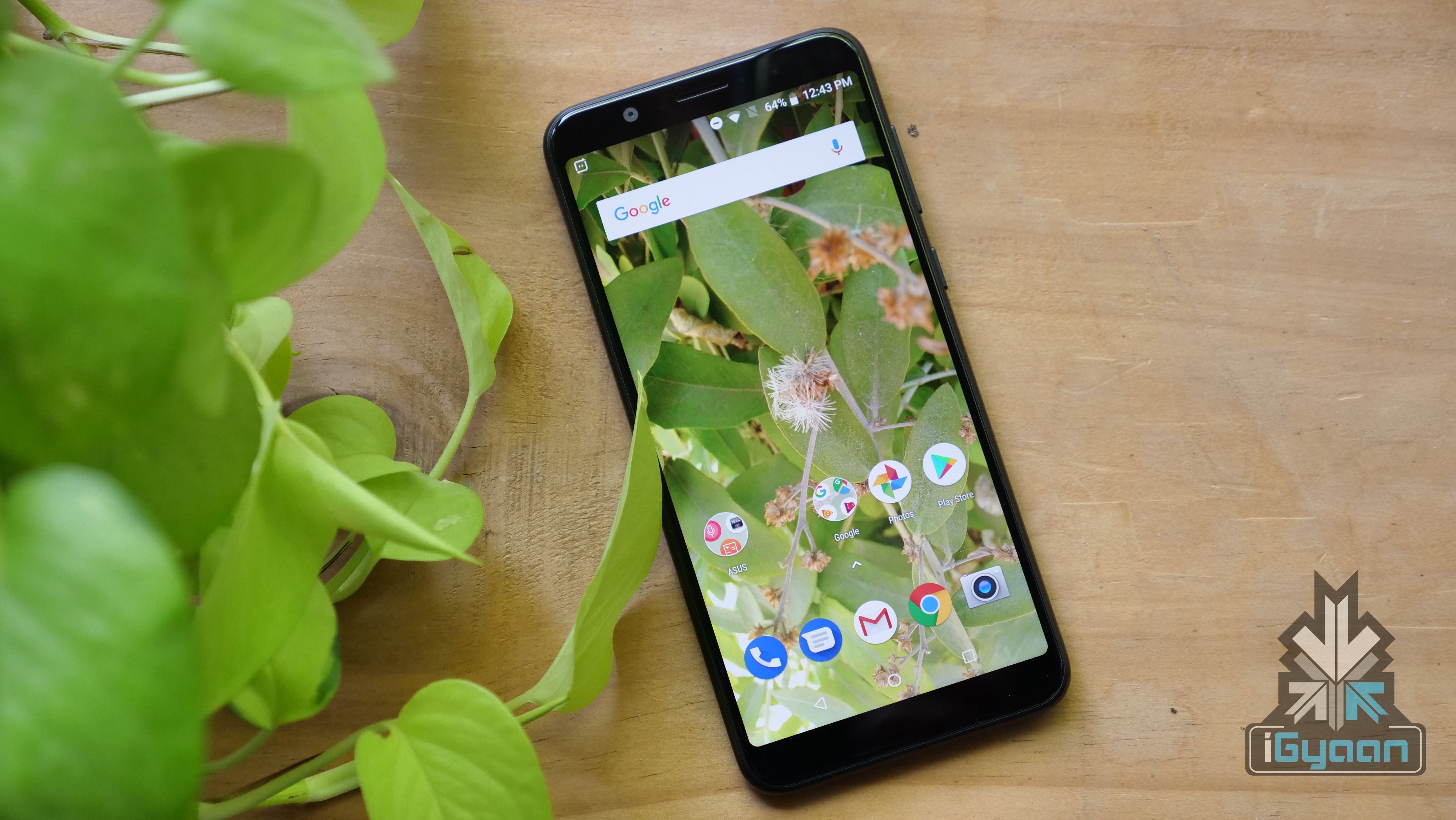
    At such a price range, the Zenfone Max Pro directly competes with the Redmi Note 5. However, in terms of features and hardware, it stacks up against the Redmi Note 5 Pro. The Xiaomi Redmi Note 5 Pro was launched in February of this year and has garnered great reviews so far. The only caveat being its annoying flash sales which is still the only way to buy the smartphone. It starts at a price of Rs 13999 for the 4GB RAM and the 6GB RAM model costs Rs 16999.
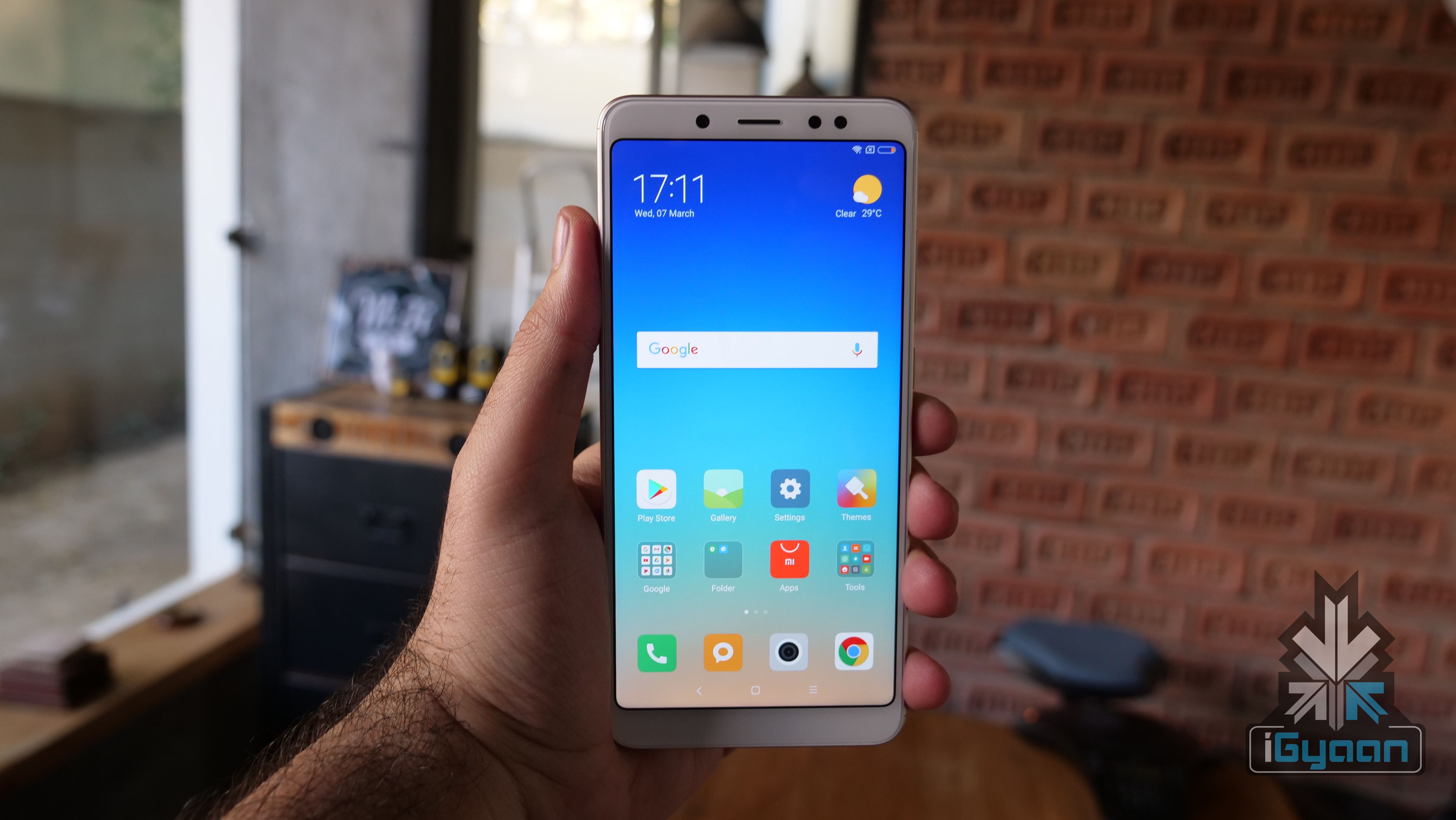
    In a price sensitive market like India, such a price gap between two smartphones can be telling. But, does the Asus Zenfone Max Pro hold up against highly successful Redmi Note 5 Pro? Let’s find out!

    Design

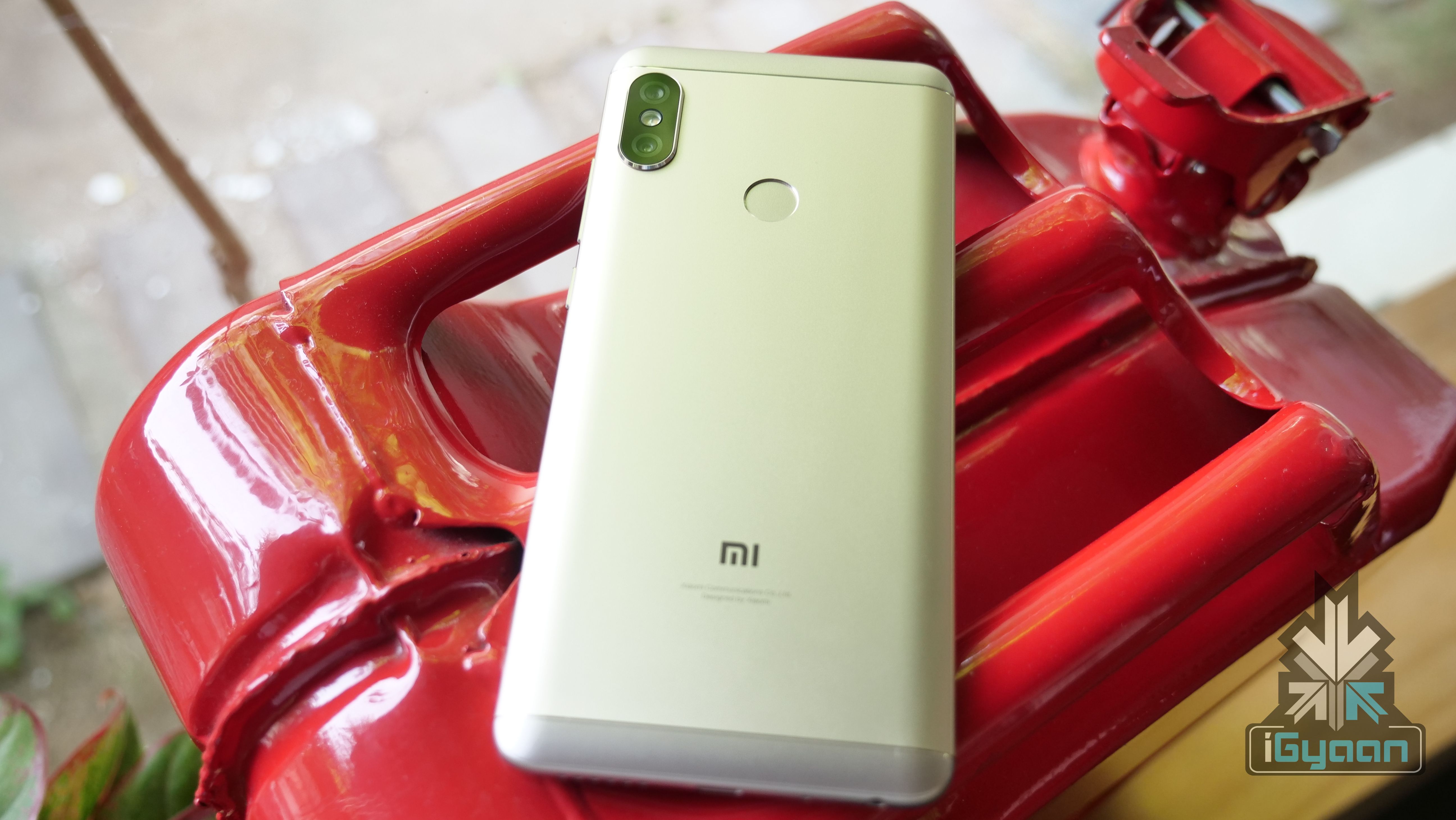
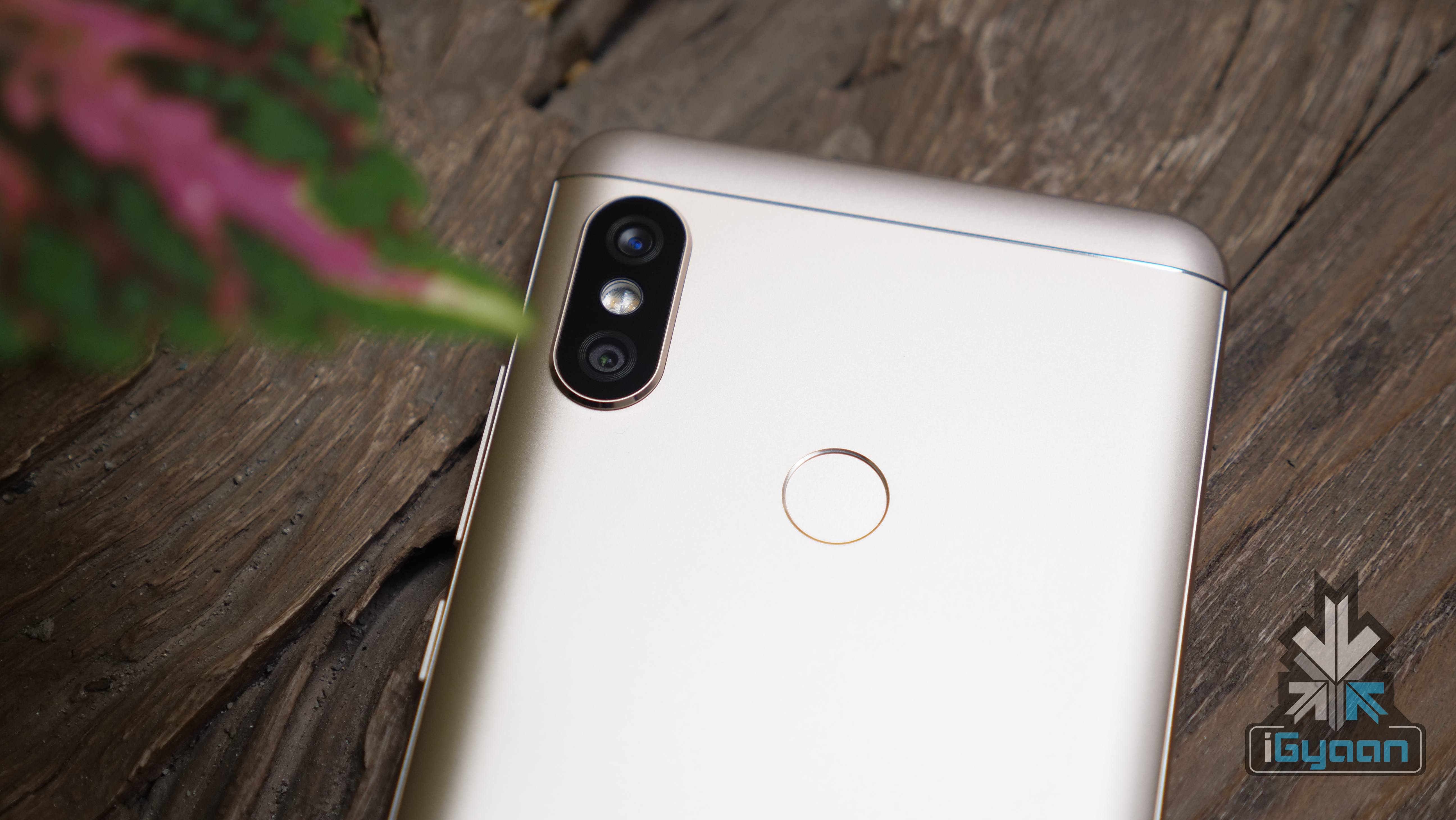
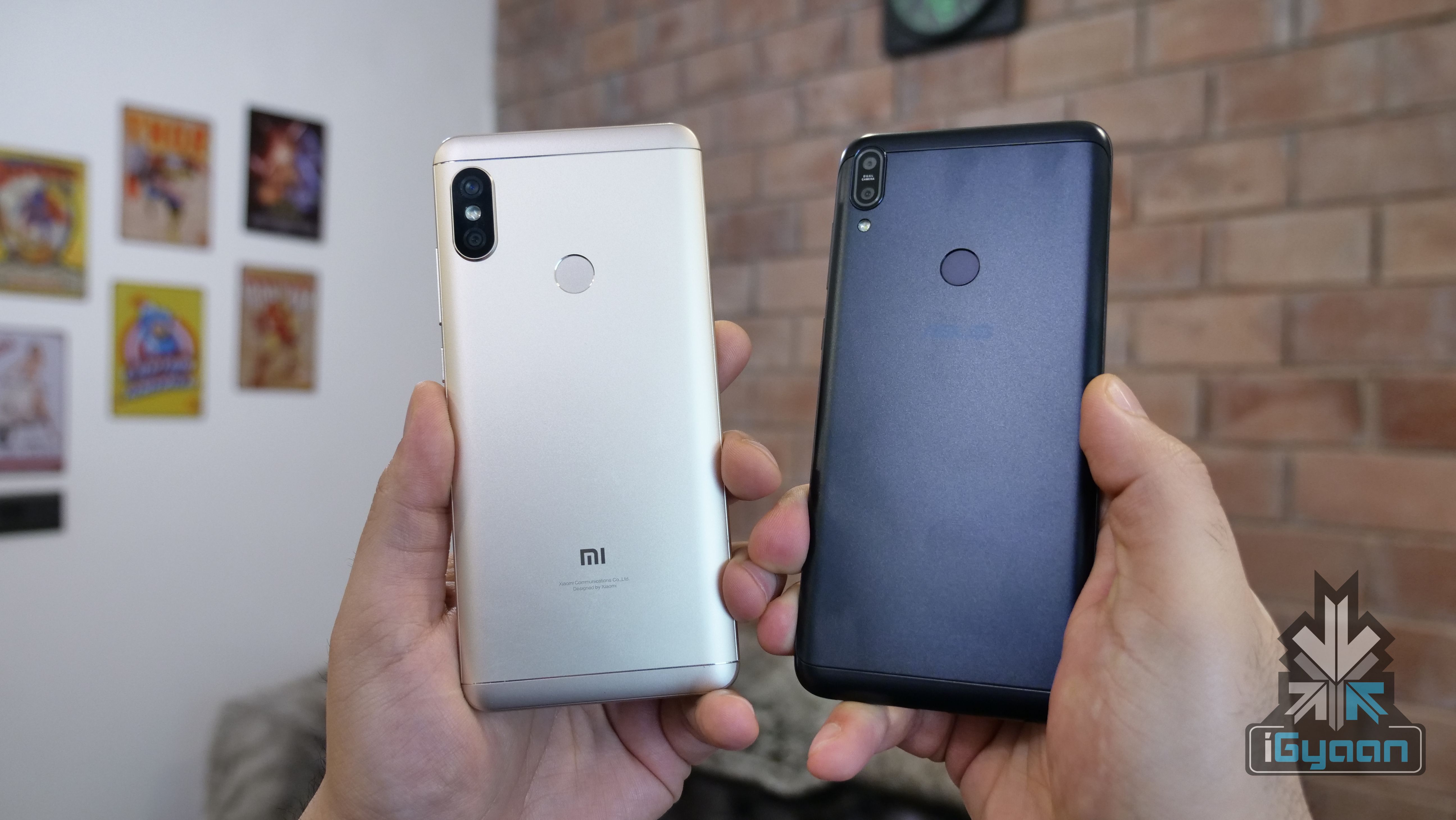
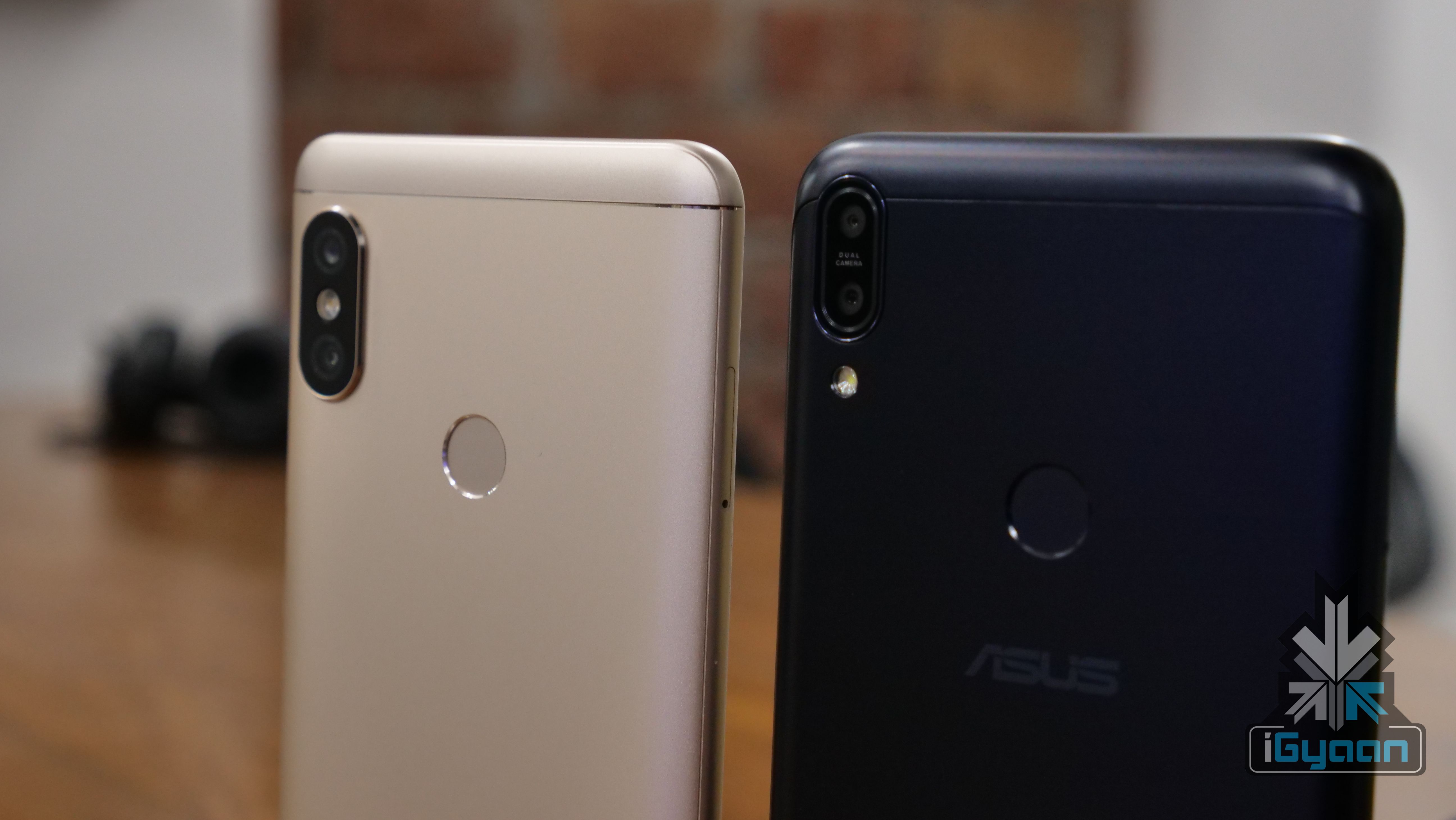
    The Xiaomi Redmi Note 5 Pro and Asus Zenfone Max Pro look identical in more than one way. On the front, the bezels have a similar size around the displays of both the phones. On the back, both the devices have a vertically placed dual camera setup with very similar placements as well. However, the LED flash on the Note 5 Pro is placed between the two cameras while on Zenfone Max Pro, it is placed beneath the dual camera setup. The brushed metal finish on both the phones means that the devices can be a bit slippery, especially if you have smaller hands and cannot get a proper grip.
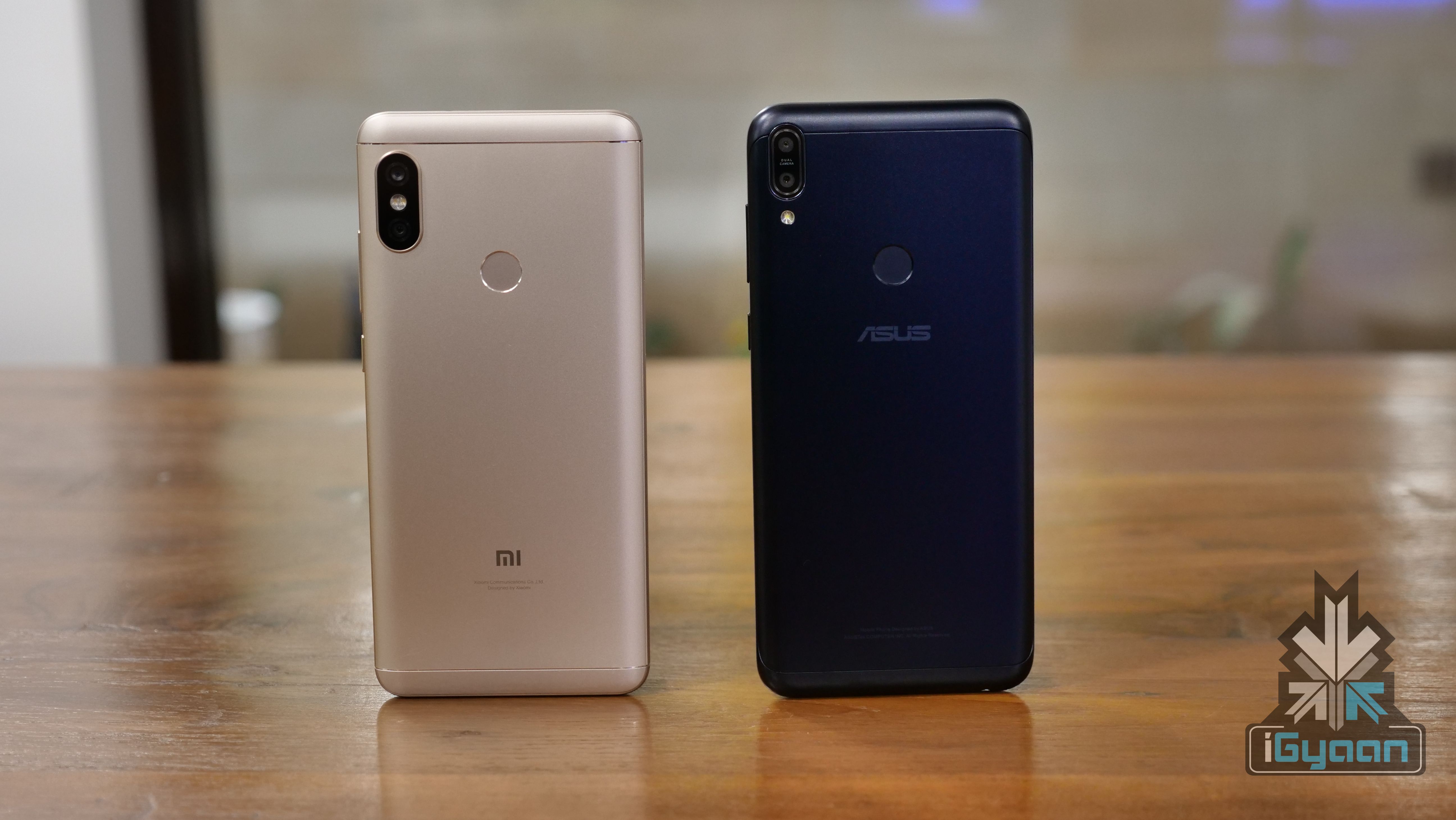
    It is also worth noting here that the Redmi Note 5 Pro has a camera bump on the back while the cameras on the Zenfone Max Pro are flush along the body.

    Display

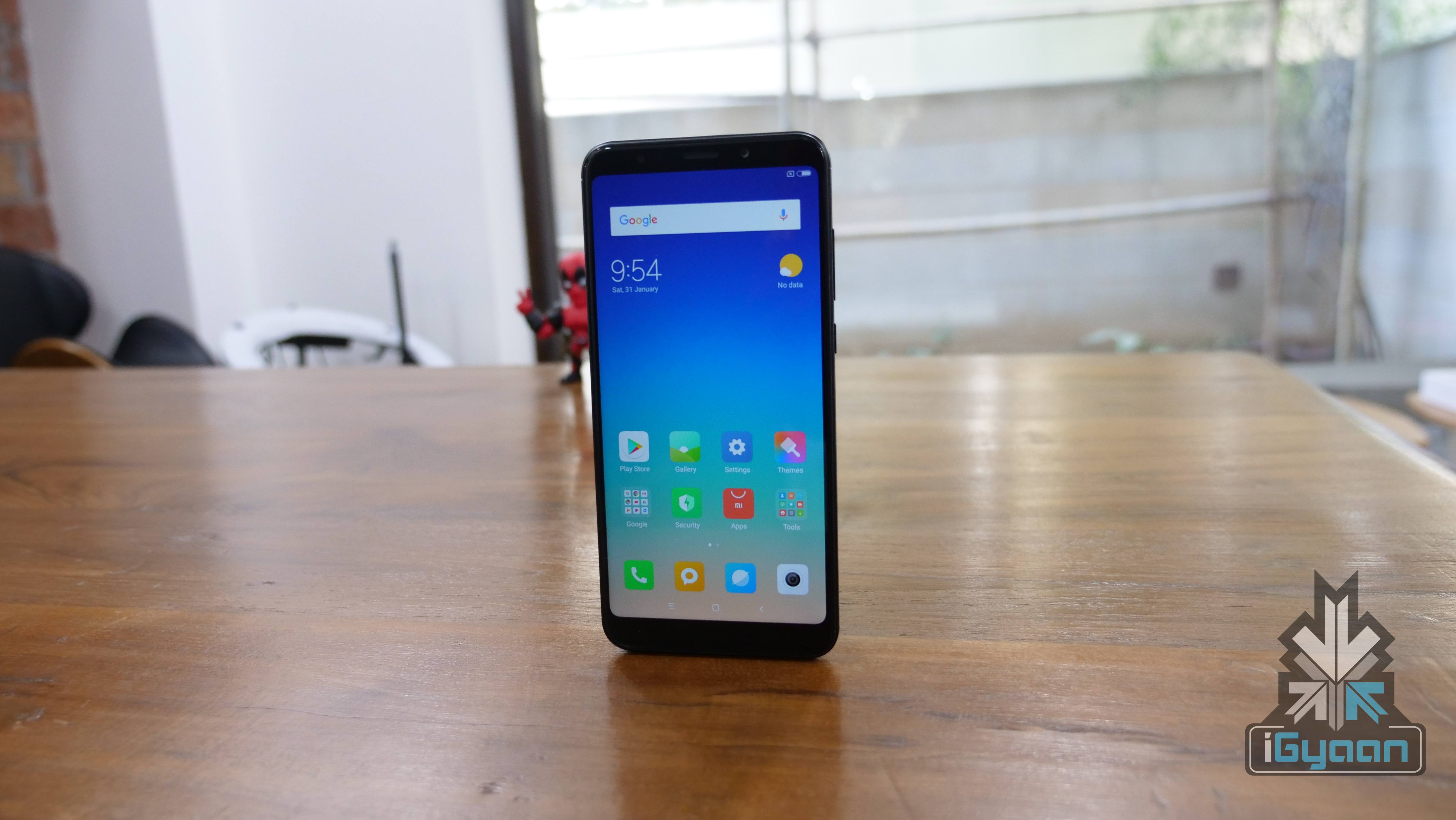
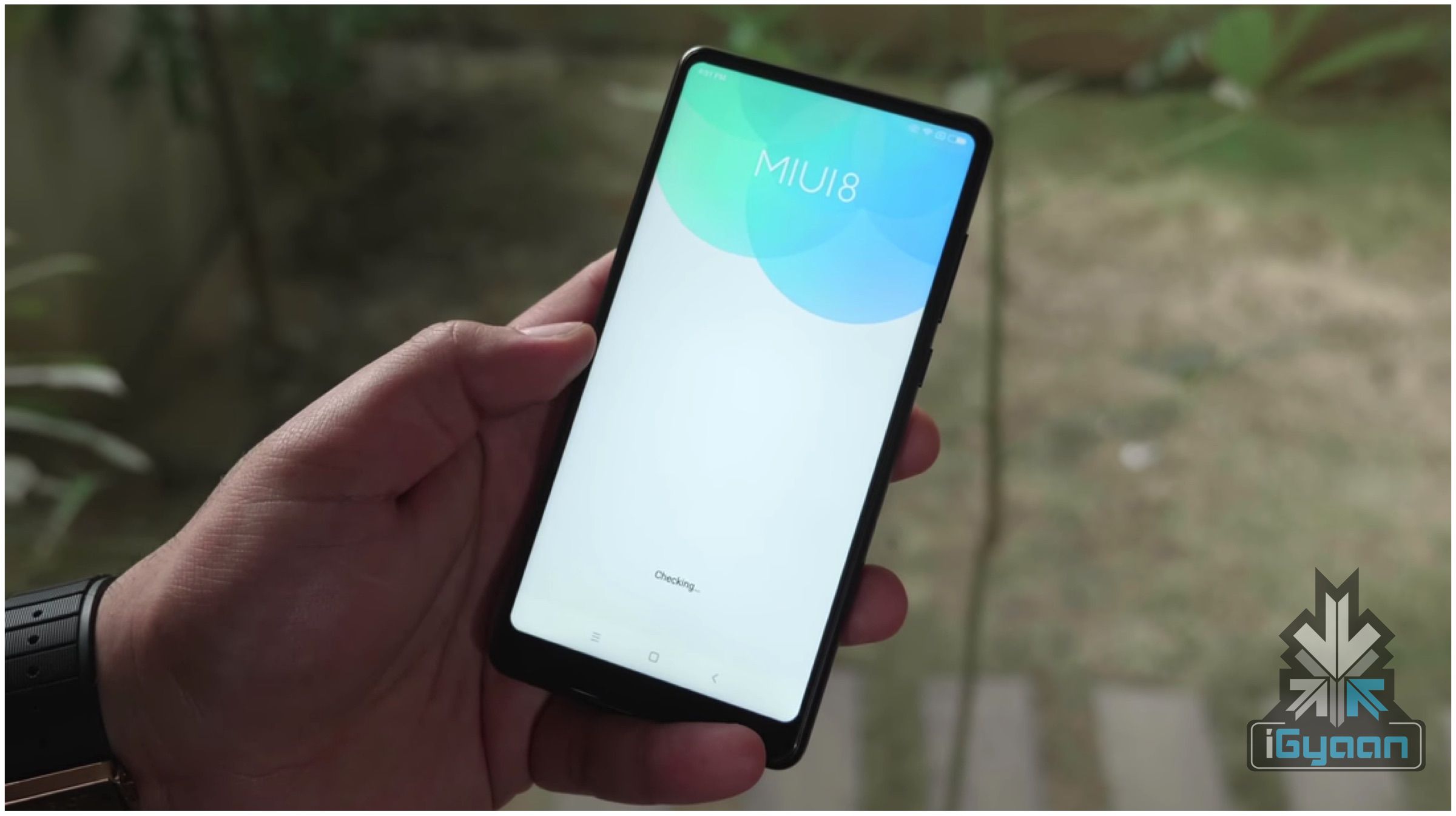
    The display on both the smartphones is identical. It is a 5.99 inch IPS LCD display with a 2160 x 1080 px resolution. This translates into an 18:9 aspect ratio. The corners of the displays are curved giving the smartphones a bit more premium look compared to sharp corners found on something like the Honor 7X.
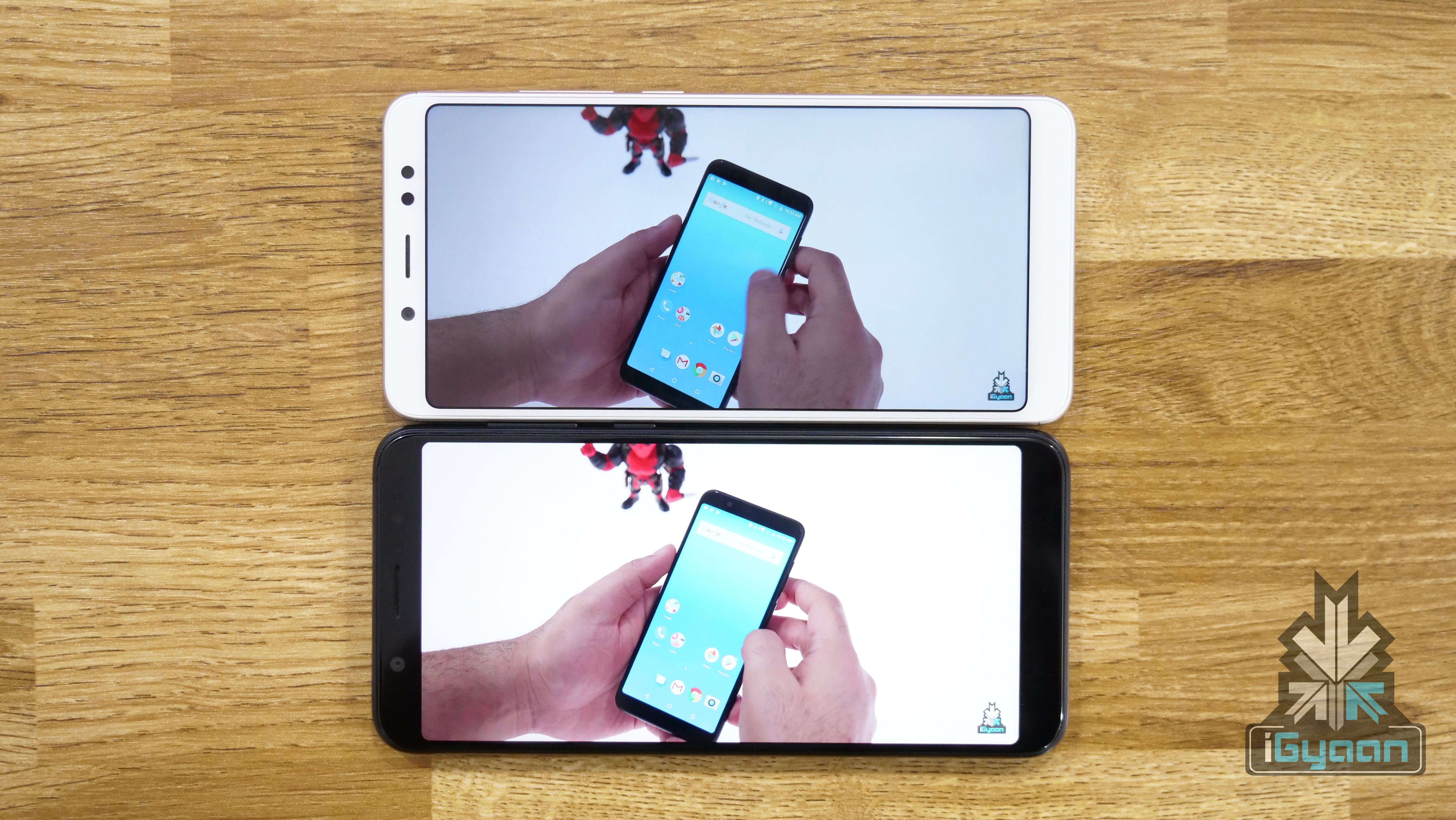
    The viewing angles are great and the colour reproduction is exactly what you would expect from an HD+ LCD panel. Considering how smartphones are the primary source of media consumption for a lot of users, both the devices do a great job with their respective displays. Another advantage of a tall display and thin bezels is the ability to fit a larger display in a relatively smaller body.

    Hardware

    When the Redmi Note 5 Pro was launched, its chipset was one of the highlights. It was the only smartphone to run on the Snapdragon 636 chipset before the Zenfone Max Pro’s launch. The Zenfone Max Pro is available in three different RAM and storage options, while the Note 5 Pro is only available in two RAM and one storage options.

    A department where the Zenfone Max Pro hands down one-ups the Note 5 Pro is the battery. The Zenfone Max Pro has a 5000 mAh battery compared to Redmi Note 5 Pro’s 4000 mAh battery. Also, Asus has managed to keep the weight of the Zenfone Max Pro at 180 grams, identical to that of the Redmi Note 5 Pro.

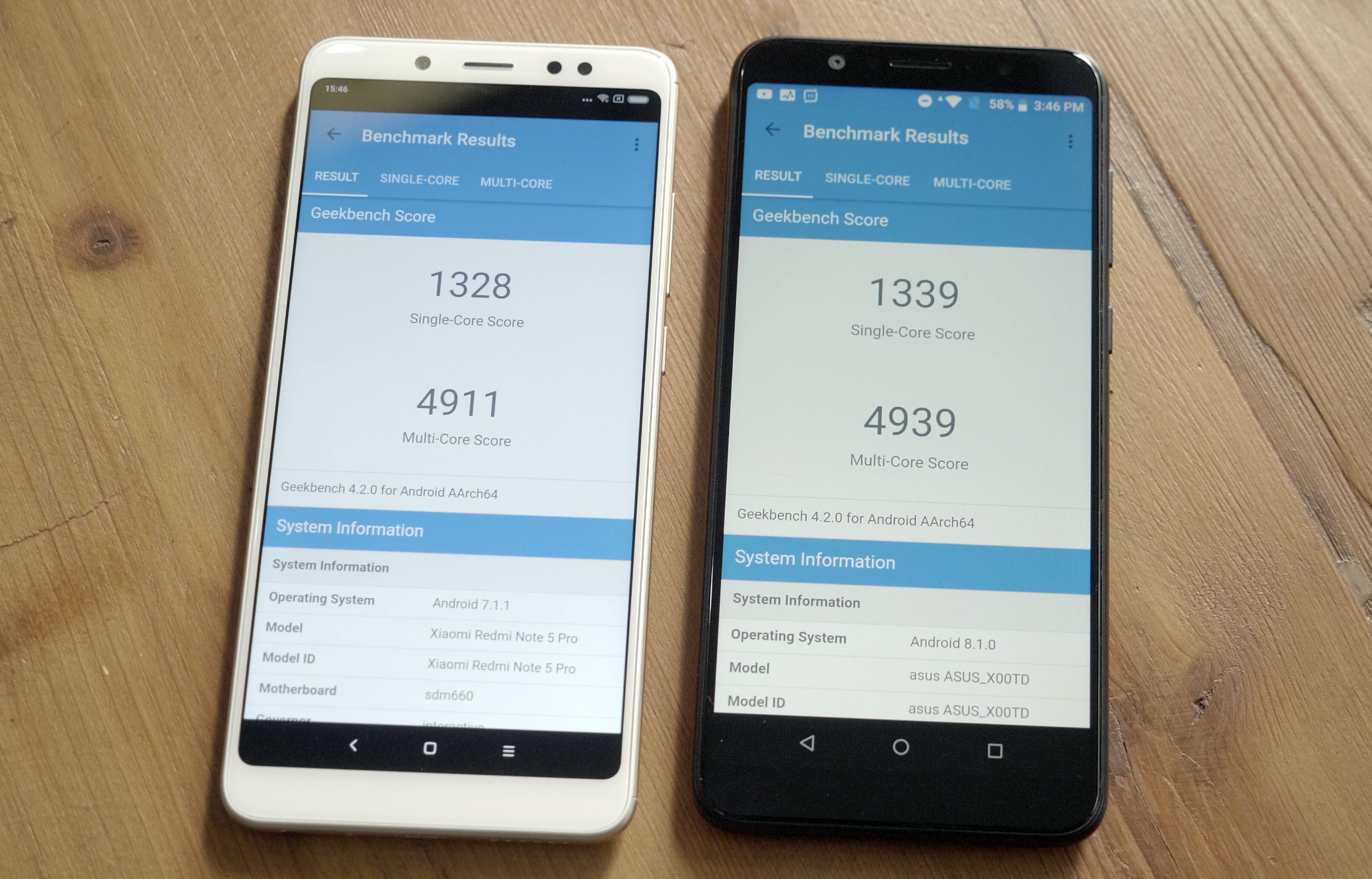
    If you are someone who swears by the benchmark scores, here they are for both the devices:
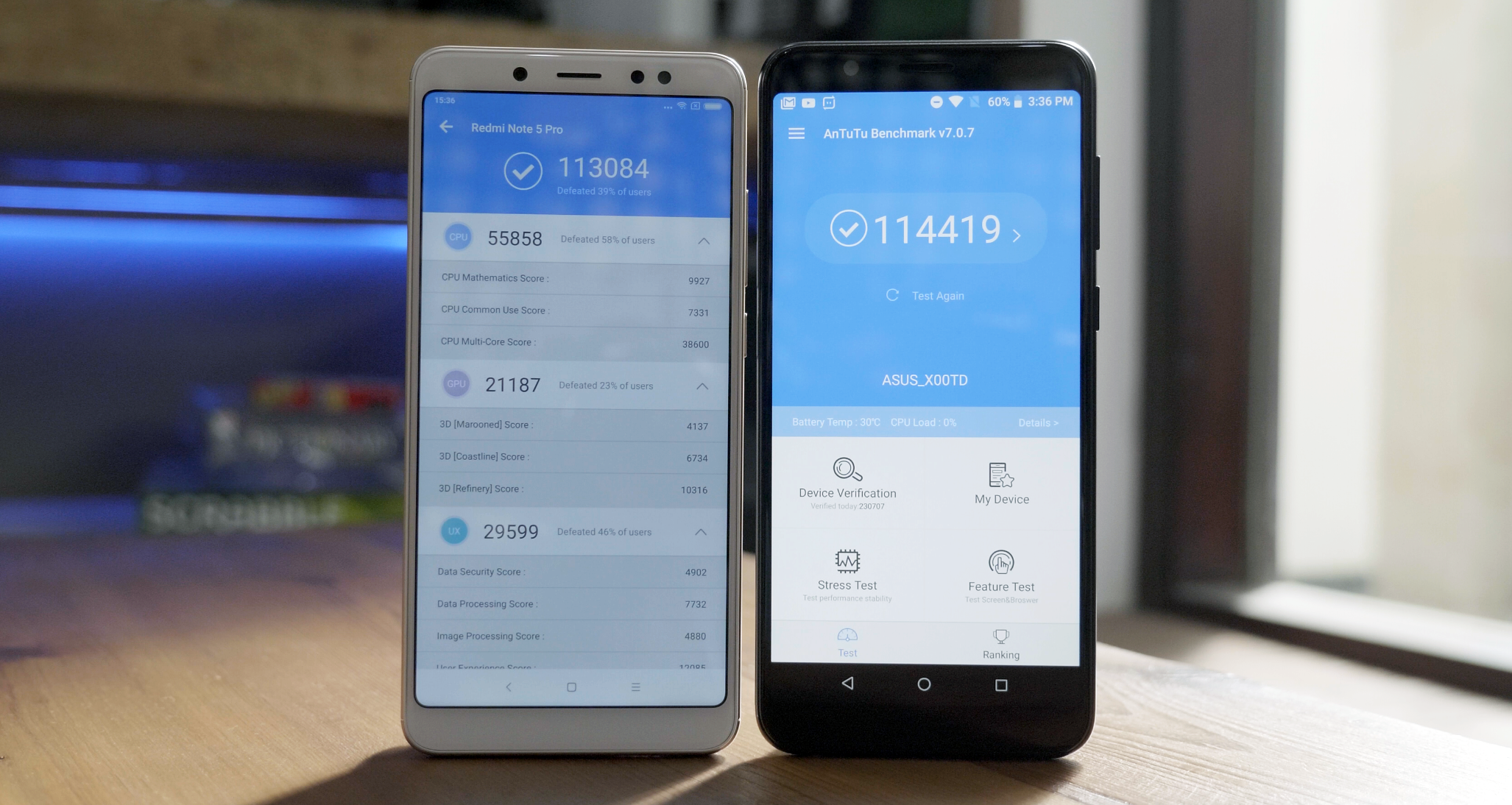
    Antutu Benchmark
    Geekbench
    Camera

    The Xiaomi Redmi Note 5 Pro has a 20MP Sony IMX376 camera on the front with an LED light. To the back of the smartphone is a vertically placed dual-camera setup. It is a 12MP colour sensor with an f/2.2 and a 5MPcolour sensor with an f/2.0 aperture setup. The smartphone clicks portrait mode photos from the front and rear cameras.
    The Asus Zenfone Max Pro has a 13MP primary sensor with an f/2.2 aperture and the depth sensor is a 5MP camera. The front of the device houses an 8MP camera with an f/2.0 aperture and an LED flash. The Zenfone Max Pro records 4K videos at 30fps while the Redmi Note 5 Pro can only record 1080P videos. Both the smartphones have EIS (electronic image stabilisation) when recording 1080P videos.

    Xiaomi Redmi Note 5 Pro Samples:

     

    Asus Zenfone Max Pro Samples

    Specifications
    Specifications Xiaomi Redmi Note 5 Pro Asus Zenfone Max Pro
    Price Rs 13999 (4GB RAM)
    Rs 16999 (6GB RAM)
    Rs 10999 (3GB RAM)
    Rs 12999 (4GB RAM)
    Rs 14999 (6GB RAM)
    Display 5.99 inch
    IPS LCD
    5.99 inch
    IPS LCD
    Resolution 2160 x 1080 px
    403 ppi
    2160 x 1080 px
    403 ppi
    Battery 4000 mAh 5000 mAh
    Chipset Qualcomm Snapdragon 636 Qualcomm Snapdragon 636
    RAM 4GB/6GB 3GB/4GB/6GB
    Storage 64GB
    Expandable up to 256GB
    Hybrid slot
    32GB/64GB/128GB
    Expandable up to 256GB
    Dedicated microSD card slot
    Primary Camera 12MP f/2.2
    5MP f/2.0
    1.25-micron
    13MP
    f/2.2
    5MP Depth Sensor
    Primary Camera Video 1080P @ 30fps 4K @ 30fps
    Secondary Camera 20MP Sony IMX376
    Beautify 4.0
    LED flash
    Bokeh Effect
    8MP
    f/2.0
    LED Flash
    Bokeh Effect
    Add-Ons Fingerprint Sensor
    Face Unlock
    Fingerprint Sensor
    Face Unlock

  • Xiaomi Mi 6X

    Xiaomi Mi 6X

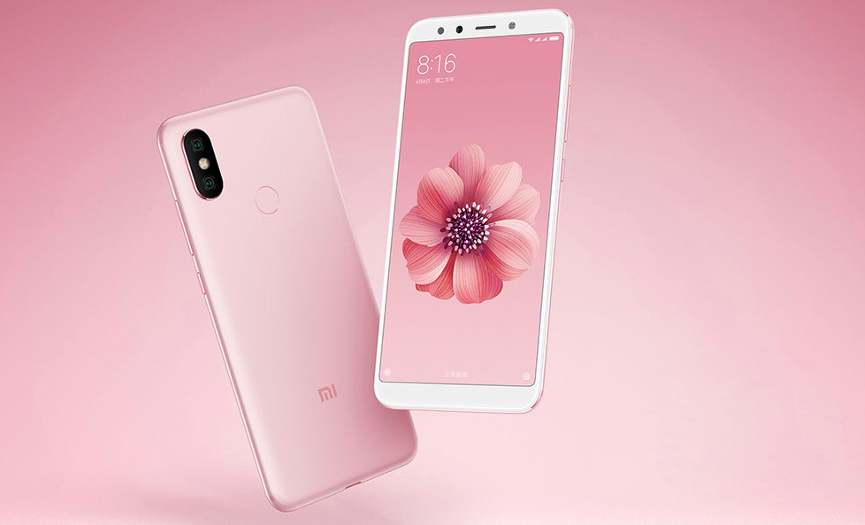
    Xiaomi has launched the follow up of its highly popular Mi 5X, the Xiaomi Mi 6X at an event in China. The Mi 6X will be available in three variants, the base model will have 4GB RAM and 64GB storage, the second will have the same storage and 6GB of RAM and the priciest version of the Mi 6X will have 6GB of RAM and 128GB of onboard storage.

    [section label=”Latest News”]

    Latest News

    [loop included_tags=”40179″ loading=”paged” layout=”c” postsperpage=”6″ disable_ads=”true” disable_excerpt=”true”]

  • Xiaomi Mi 6X Retail Box And Final Renders Leaked

    Xiaomi Mi 6X Retail Box And Final Renders Leaked

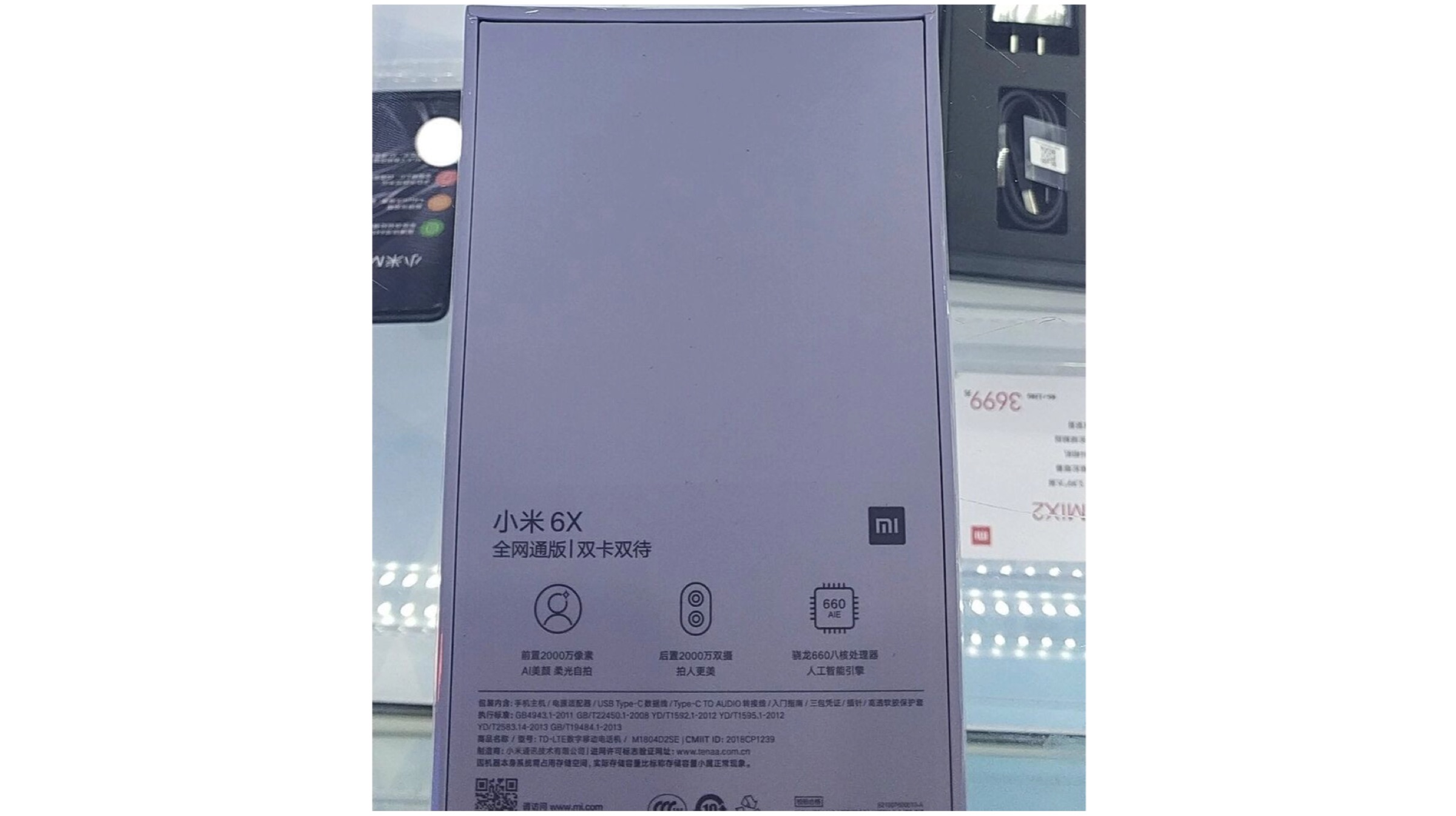
    Xiaomi has launched a lot of smartphones in the first three months of 2018 and will add another to its lineup in April. The Chinese smartphone maker will unveil the Xiaomi Mi 6X in China on the 25th of April. Xiaomi, in official teasers of the device, has revealed the key aspects of the design of the Mi 6X. However, information about the specifications has only been available through leaks. Now, a new leaked image of the retail box of the Mi 6X has revealed a few key details about the smartphone.

    According to the leaked image, the Xiaomi Mi 6X will run on the Qualcomm Snapdragon 660 chipset. This is quite an upgrade over the Mi 5X/Mi A1 which ran on the Qualcomm Snapdragon 625 chipset. Interestingly, the Mi 6X will not have a 3.5mm headphone jack and instead retail with a USB C to 3.5mm dongle. To the front of the smartphone will be a 20MP camera with AI software like Beautify.

    Other information about the smartphone was leaked via a recent TENNA listing. It will have a 5.99 inch IPS LCD 2160 x 1080 px display with 18:9 aspect ratio. Coupled with the Snapdragon 660 chipset will be either 4/6GB RAM with 64/128GB onboard storage.

    The device has a dual 20MP and a 12MP sensor. However, the exact implementation of this dual camera setup is yet to be known. The front-facing camera is likely to support Face Unlock, like the Redmi Note 5 Pro. The Mi 6X will be powered by a 2910 mAh battery and support Fast Charging via a USB C port, as confirmed by the packaging.

    In a recent teaser, we also learned that the Xiaomi Mi 6X will be available in a lot of colour variants. The Mi 6X will be available in Red, Gold, Rose Gold, Black and Blue colour variants. How many of these will make their way to the Indian shores is yet to be seen. The Xiaomi Mi 6X could be launched in India as the Mi A1 (2018) or the Mi A2. However, nothing is confirmed for now and the company might announce its global availability at the launch event.

  • Xiaomi Mi 7 Could Be The First Android Smartphone To Have iPhone X Like Face ID

    Xiaomi Mi 7 Could Be The First Android Smartphone To Have iPhone X Like Face ID

    Long before the iPhone X was launched in September 2017, there were rumours about Touch ID making way for facial recognition. That facial recognition system turned out to be Face ID, something that has gained a lot of positive reviews over the course of time. For Apple to go bezel-less, it had to get rid of Touch ID since there were no bezels to fit the home button. Apple refused to move Touch ID to the back of the iPhone hence, Face ID was introduced. Since then, Apple has admitted that Face ID is the future and even the 2018 lineup of iPhones will all have Face ID. Android smartphone makers, on the other hand, have so far tried to imitate what Apple did with the iPhone X. Now, it looks like Xiaomi will finally introduce a face ID like facial recognition system with the Mi 7.

    According to a new report, the Xiaomi Mi 7 could be the first Android smartphone to have 3D facial recognition technology. Face Unlock, a feature that has been advertised on a lot of Android smartphones is software-based. It essentially uses software to recognise the face and unlock the smartphone. However, that is not as secure fingerprint sensor hence, all Android smartphones also have a fingerprint sensor.

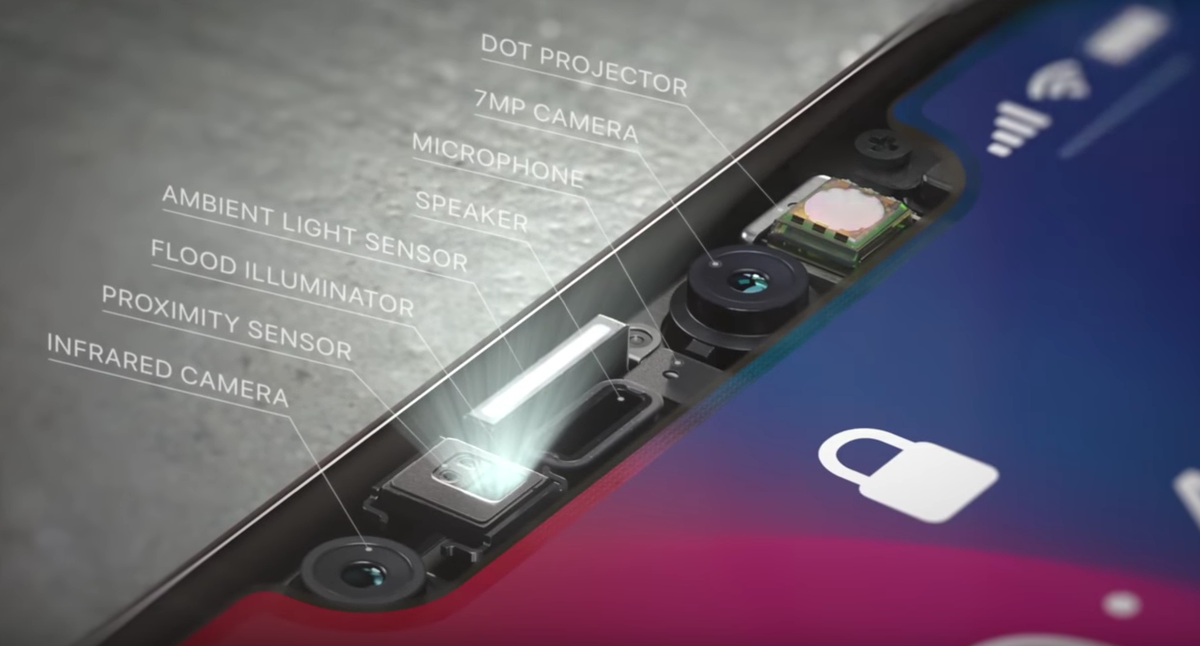
    The OnePlus 5T was highly praised fast Face Unlock feature but, the company admitted that the feature was for convenience and not security. This is where Apple’s system is superior to any other Face Unlock found on an Android device. Apple’s Face ID uses dedicated sensors, dot projector and an infrared camera to scan the face for authentication. The sensors, essentially, throw 30000 dots on a face to map it and create a 3D image of the face. That is why Face ID was able to replace Touch ID.

    The report also mentions that Qualcomm, Himax Technologies and Truly Opto-Electronics have a joint venture for creating a 3D sensing module. However, this only works on the Qualcomm Snapdragon 845 platform. Since smartphone makers like Samsung and Huawei use their own chipset, they won’t be the first OEMs to introduce Face ID like technology on an Android smartphone. Further, this technology won’t make it way to the market before the third quarter of 2018, which is when we can expect the Mi 7 to be launched.

  • Xiaomi Mi 6X Will Be A Colourful Version Of Redmi Note 5 Pro

    Xiaomi Mi 6X Will Be A Colourful Version Of Redmi Note 5 Pro

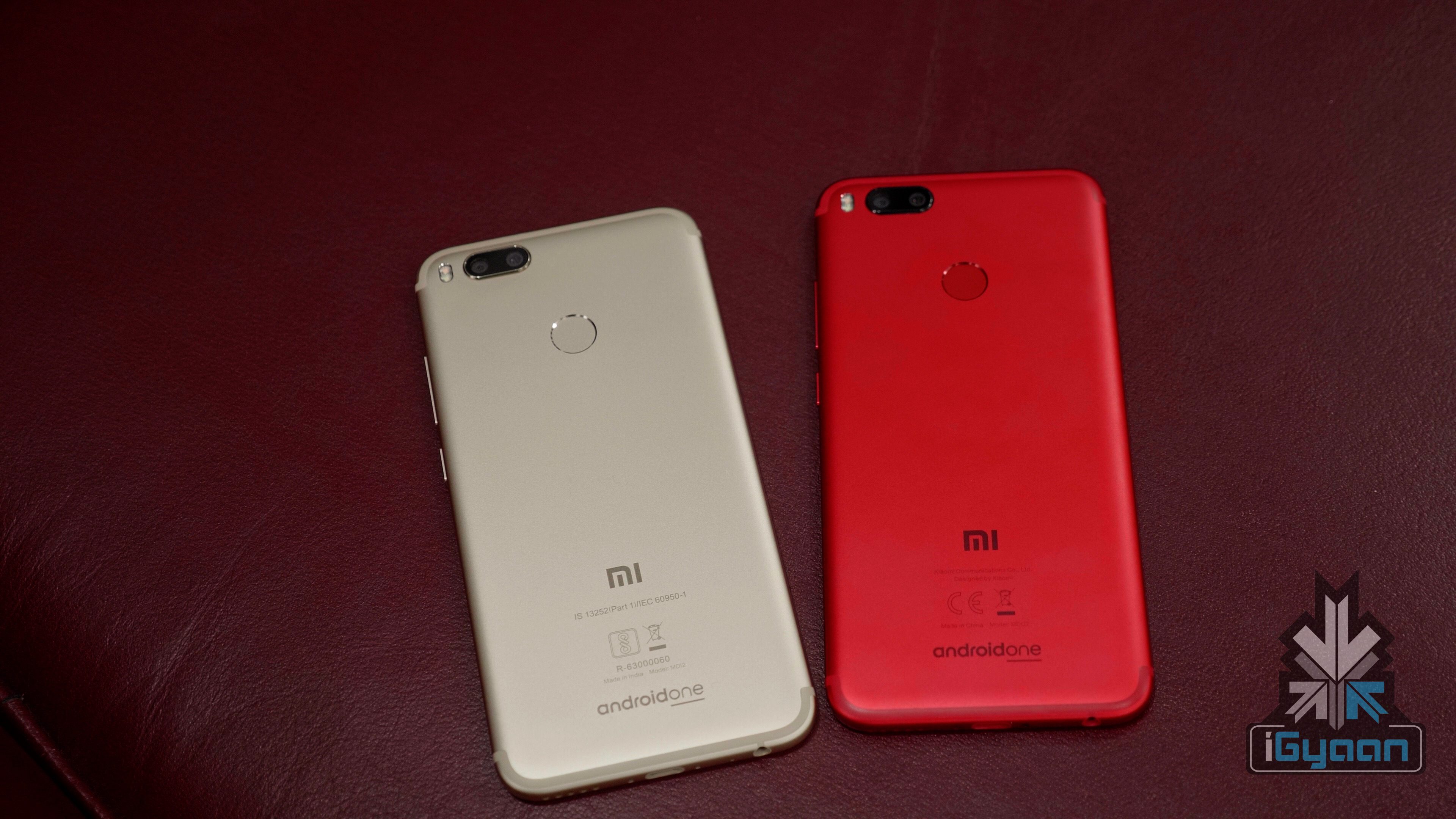
    The Xiaomi Mi 6X is expected to succeed the Mi A1 in India as the Mi A2 or Mi A1 (2018). But, before its launch in India, the Mi 6X will be launched at an event in China on the 25th of April. The Mi 6X is launching a couple of months in advance as the Mi 5X was launched on the 26th of July in 2017. Recently, Xiaomi released an official teaser of the Mi 6X revealing the design of the smartphone. Now, a new teaser video of the Mi 6X reveals the different colour variants the device will be available in.

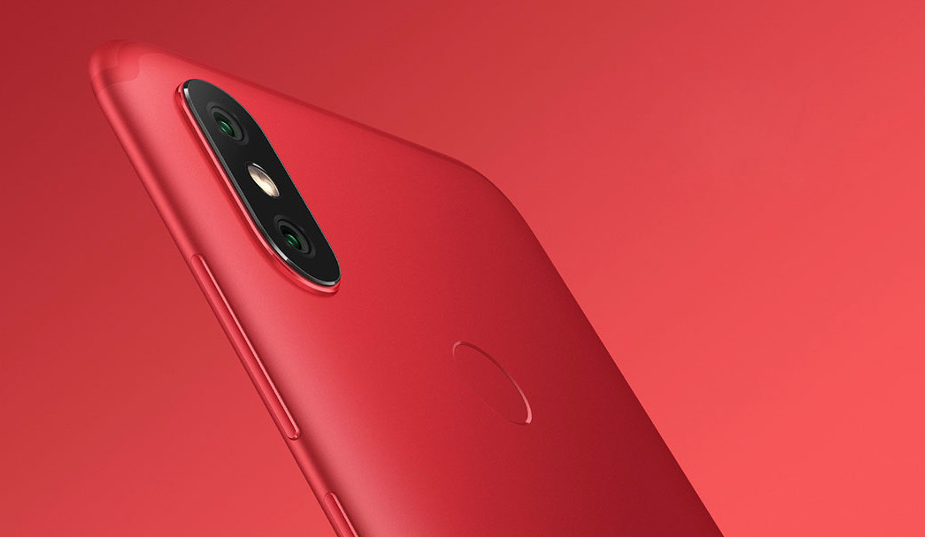
    From the teasers released by Xiaomi so far, it is quite evident that the Mi 6X will resemble the Redmi Note 5 Pro. The smartphone will have a vertically placed dual-camera setup on the back with the LED flash placed between the two sensors. It is quite possible for the Mi 6X to have the same cameras as the Redmi Note 5 Pro considering the similar price point of the two devices. This time around, it looks like the Mi 6X will be available in a red colour variant from the offset.

    In 2017, Xiaomi launched a red colour variant of the Mi A1 a few months after the Mi A1 was launched in India. With the Xiaomi Mi 6X, the company will introduce a few colourful variants which is a great move by the company. The Mi 6X will be available in Red, Gold, Rose Gold, Black and Blue colour variants. How many of these will make their way to the Indian shores is yet to be seen.

    According to a recent TENAA listing, the Xiaomi Mi 6X has a 5.99 inch IPS LCD 2160 x 1080 px display with 18:9 aspect ratio. Under the hood, the device has a 2.2 GHz Octa-core chipset, which could be the Qualcomm Snapdragon 626/660 chipset. Additionally, the device has either 4/6GB RAM with 64/128GB onboard storage.

    The device has a dual 20MP and a 12MP sensor. However, the exact implementation of this dual camera setup is yet to be known. For the front-facing camera, the smartphone uses a 20MP sensor, like the Xiaomi Redmi Note 5 Pro. Additionally, the front-facing camera is likely to support Face Unlock. The smartphone will be powered by a 2910 mAh battery and support Fast Charging as well.

    The Mi 6X, if launched in India as the Mi A1 successor, could be priced very similar to the Redmi Note 5 Pro. The Redmi Note 5 Pro is still one of the best budget smartphones in India and the only caveat is the flash sale system. It will be interesting to see if consumers in India would pick a better chipset on the Redmi Note 5 Pro or stock OS on the Mi A2.

  • Xiaomi Redmi Note 5 Now Available Via Open Sale

    Xiaomi Redmi Note 5 Now Available Via Open Sale

    The Xiaomi Redmi Note 5 was launched on the 14th of February as the successor to Xiaomi’s most successful smartphone in India, the Redmi Note 4. Before the launch, a lot of new upgrades were anticipated for the Redmi Note 5 but, that did not happen. Apart from that, another aspect of the Redmi Note 5 that has been criticised its flash sales. However, Xiaomi has now fixed that, at least for the Redmi Note 5. The Xiaomi Redmi Note 5 is available via open sale on Flipkart and mi.com.

    The Redmi Note 5 Pro, which was launched along with the Redmi Note 5 is still only available to buy via flash sales. The Redmi Note 5 Pro is the first smartphone to run on the Snapdragon 636 chipset and is arguably the most famous budget smartphone in India. In our review of the Redmi Note 5 Pro, we iterate that this should have been the successor to the Redmi Note 4 and not the Redmi Note 5. It will be interesting to note the rise in popularity of the Redmi Note 5 Pro once Xiaomi ends the flash sales and makes it available via open sales just like the Redmi Note 5.

    Redmi Note 5 Pro
    Xiaomi Redmi Note 5: The Unlikely Successor

    It has a 5.99-inch display with a 2160 x 1080px resolution which translates to an 18:9 aspect ratio. This is one of the biggest changes in the Redmi Note series. Xiaomi has departed from the archaic 16:9 aspect ratio and moved on to the modern design and kept up with the industry trends.

    Under the hood, the Redmi 5 Plus has the Qualcomm Snapdragon 625 chipset, 2.0GHz octa-core processor, Adreno 506 GPU, 3GB or 4GB of RAM, and 32GB or 64GB of onboard storage which will be expandable via microSD card. The fingerprint sensor sits at the back of the device which has become a Redmi signature irrespective of thin or thick bezels.

    The Redmi Note 5 Plus is powered by a massive 4000 mAh battery which, according to Xiaomi, has a standby time of up to 17 days. The device has a micro USB port for charging and data syncing along with a 3.5mm headphone jack. One industry trend that Xiaomi avoided was the removal of the headphone jack despite omitting it in its premium Mi Mix 2. The device has a 12MP primary camera with an f/2.2 aperture and a 5MP secondary camera with beautify 3.0 software.

    One of the main reasons why Xiaomi is doing this is the lack of sales. The fact that the Redmi Note 5 is now readily available could persuade a few consumers to not wait for the Redmi Note 5 Pro and instead buy the Redmi Note 5. It will be interesting to see if Xiaomi makes its two hot sellers, the Redmi Note 5 Pro and Mi TV 4 also available on open sales in the coming weeks. For the Redmi Note 5 Pro, it might be even more crucial after Asus launches the Zenfone Max Pro on April 23rd. The Zenfone Max Pro will also run on the Snapdragon 636 chipset and will, in all probability, available in open sale from the beginning.

  • Xiaomi Redmi S2 With Face Unlock And Dual Cameras Could Soon Launch In India

    Xiaomi Redmi S2 With Face Unlock And Dual Cameras Could Soon Launch In India

    Xiaomi has launched a few stellar smartphones over the past few months. The Mi A1, for a long time, was the best budget smartphones in India. In 2018, the company launched the Redmi Note 5 Pro which, right now, is probably the best budget smartphone that a lot of people cannot buy. Now, it appears that Xiaomi is preparing to launch another budget smartphone in India.

    A report by XDA Developers claims that Xiaomi will soon launch the Redmi S2 in India. Judging by the specifications that have been unearthed, the Redmi S2 will be an entry-level smartphone. The Redmi S2 will be priced cheaper than the Redmi 5 which was launched in mid-march at a starting price of Rs 7999. The Redmi S2 could be priced at Rs 5999 as a replacement to the Redmi 5A.

    Redmi Note 5 Pro

    According to the report, the Redmi S2 will have an 18:9 IPS LCD display with a 1440 x 720 px resolution. The exact size of the display has not been confirmed.

    Under the hood, the Redmi S2 could run on the Snapdragon 625 chipset. If true, this will be an interesting move by Xiaomi since the Redmi Note 5 and Redmi 5 also run on the same chipset. The Snapdragon 625 chipset will be coupled with either 2GB or 3GB of RAM and 16GB or 32GB of onboard storage. The fingerprint sensor will be placed on the back of the smartphone just like every other Xiaomi smartphone.

    Redmi Note 5

    Powering the device will be a 3080 mAh battery which should be enough to power an HD display.

    In the camera department is where the Redmi S2 could have a lot to offer. To the back of the smartphone will be a dual-camera setup with a 12MP primary sensor and a 5MP depth sensor. However, it is not yet confirmed if the primary lens will be an IMX486 or an OmniVision OV12A10 sensor. Interestingly, the Redmi S2 will also have EIS and Face Unlock along with the regular portrait mode. On the front will be a 5MP Samsung S5K5E8 sensor.

    Mi MIX 2s

    The Xiaomi Redmi S2 will be launched in China and India. The date of launch has not been confirmed yet and there are chances that Xiaomi could launch it along with the Mi MIX 2s in India in the coming weeks.

  • Xiaomi Mi A2

    Xiaomi Mi A2

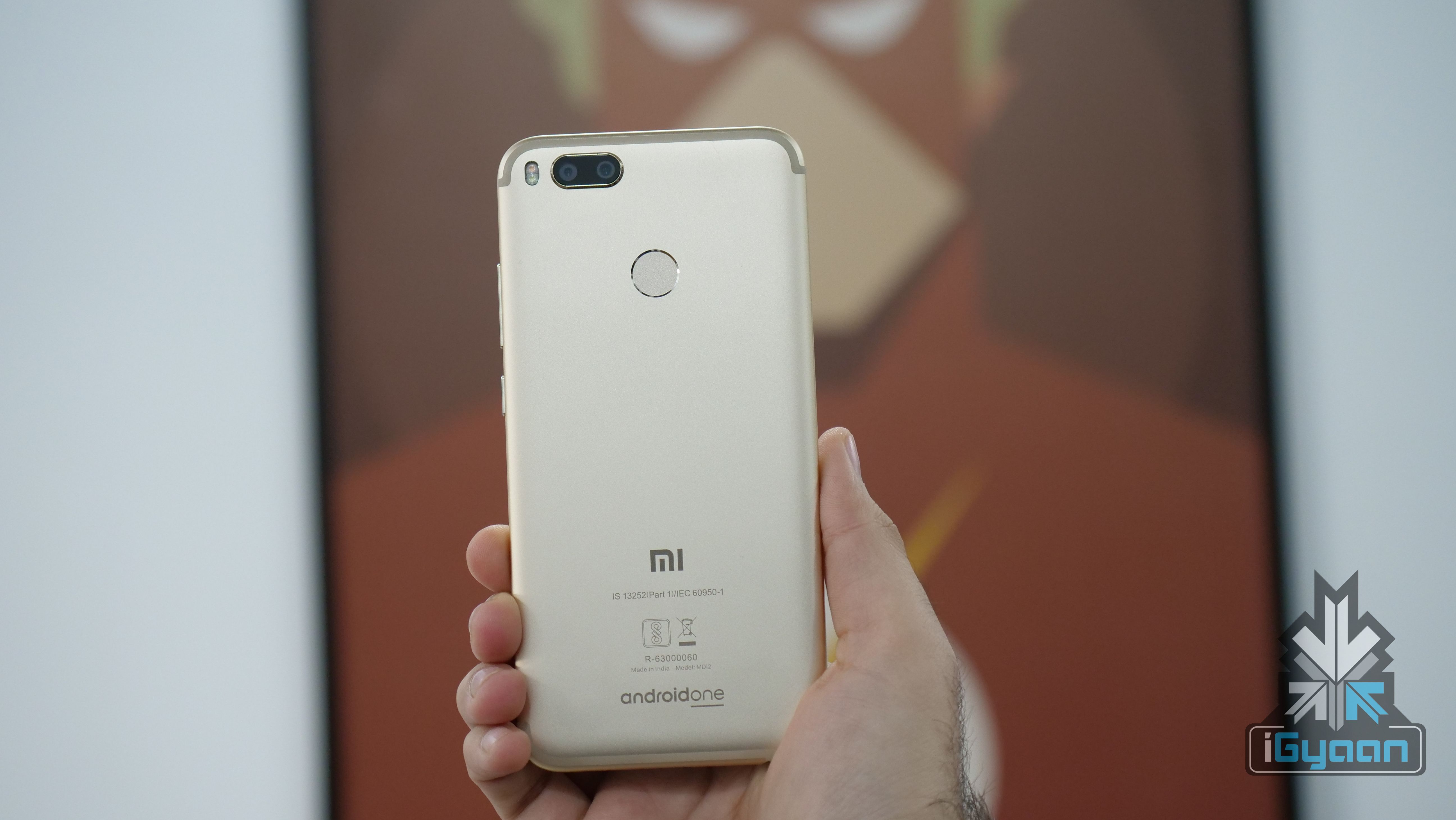
    Xiaomi Mi A2 is expected to launch in India in the upcoming weeks. This will be a successor to the Xiaomi Mi A1, which was the first smartphone from Xiaomi with stock Android and Android One branding. The smartphone is expected to have a 5.99 inch FHD+ 2160 x 1080 px IPS LCD display, running on the Snapdragon 626/660 Octa-core chipset with 4 and 6GB RAM options.

    [section label=”Latest News”]

    [loop included_categories=”970,29333″ included_tags=”40167″ loading=”paged” layout=”c” disable_ads=”true” disable_excerpt=”true”]

  • Xiaomi Mi 6X To Launch On April 25th

    Xiaomi Mi 6X To Launch On April 25th

    Xiaomi is hosting a launch event at the Wuhan University, China on the 25th of April. A new teaser released by the company on its Weibo account has confirmed that it will indeed launch the Xiaomi Mi 6X.

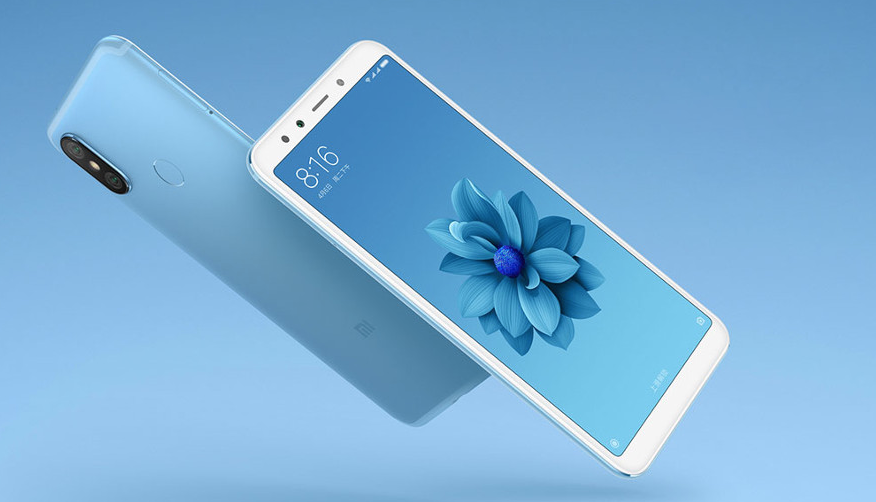
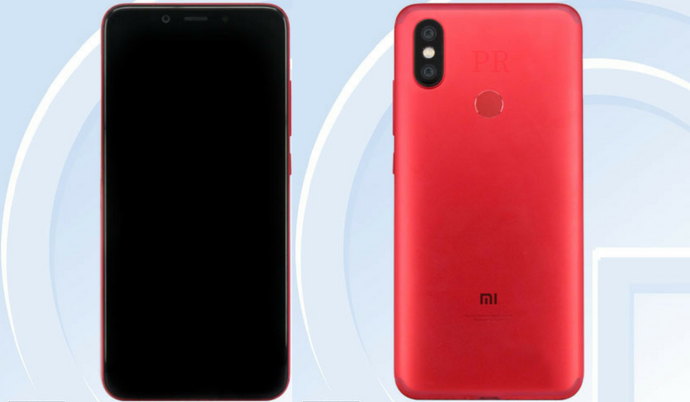
    According to the teaser, the Xiaomi Mi 6X will be available in a blue colour variant with a full metal unibody design and an iPhone X style dual camera setup. The back of the smartphone looks very similar to the Xiaomi Redmi Note 5 Pro. While the front of the smartphone is not visible in the teaser, it is fair to assume that it will also look identical to the Redmi Note 5 Pro with an 18:9 aspect ratio.

    It has also been reported that the Mi A1 has been discontinued in India. This means that the company has plans of launching a successor, and the Mi 6X could well be that successor. In India, the Mi 6X is expected to launch as the Xiaomi Mi A1 (2018) or the Mi A2 running stock Android OS.

    Xiaomi Mi 6X Poster

    Xiaomi Mi 6X

    According to the teaser image, the Xiaomi Mi 6x will have a 20MP primary camera and a 20MP front-facing camera. The smartphone has a rear-facing fingerprint scanner, like the Xiaomi Redmi Note 5 Pro. Unlike the Redmi Note 5 Pro, the Xiaomi Mi 6X/A2 will have a USB type C port for charging and data syncing. The Phone might also support fast charging.

    According to a recent TENAA listing, the Xiaomi Mi 6X has a 5.99 inch IPS LCD 2160 x 1080 px display with 18:9 aspect ratio. Under the hood, the device has a 2.2 GHz Octa-core chipset, which could be the Qualcomm Snapdragon 626/660 chipset. Additionally, the device has either 4/6GB RAM with 64/128GB onboard storage.Xiaomi Mi A1

    The device has a dual 20MP and a 12MP sensor. However, the exact implementation of this dual camera setup is yet to be known. For the front-facing camera, the smartphone uses a 20MP sensor, like the Xiaomi Redmi Note 5 Pro. Additionally, the front-facing camera is likely to support Face Unlock. Lastly, the phone has a 2910 mAh battery.

  • Xiaomi Black Shark Smartphone For Gaming Officially Launched

    Xiaomi Black Shark Smartphone For Gaming Officially Launched

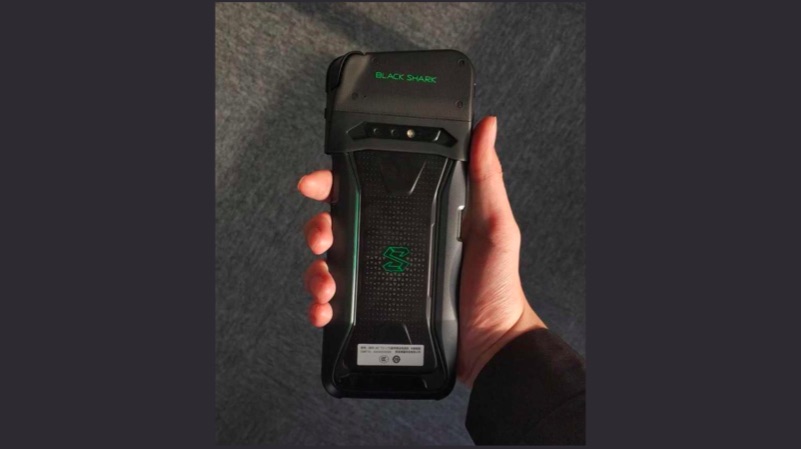
    Xiaomi-backed Black Shark has finally launched its first-ever Black Shark Smartphone in China. The Black Shark smartphone is a gaming based phone with a starting price of RMB 2,999 (Rs 31,160 approximately). The smartphone will be available for orders in China starting today (13th April). There is no word on the smartphone’s global availability as of now. Chances are, the smartphone will remain a China-exclusive like many exciting Xiaomi smartphones.

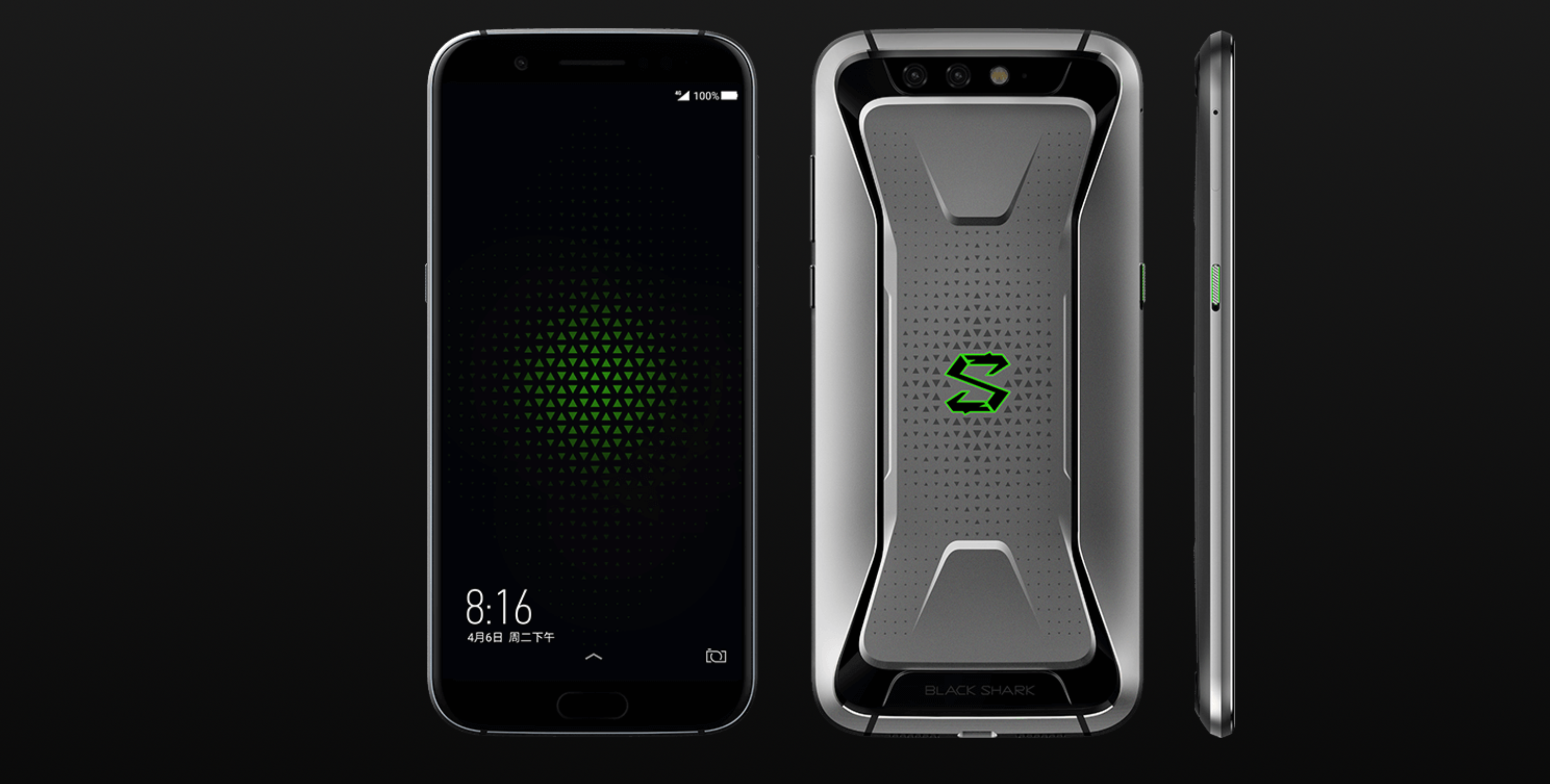
    The Black Shark smartphone has top of the line specifications and a very unusual design. First glance at the smartphone and it would barely look like a flagship device launched in 2018. However, what is visible is that the Black Shark smartphone with its rugged look and iconic black and green colour combination. It is worth noting that this colour scheme is very reminiscent of Razer products, a company known for making gaming accessories and the infamous Razor Phone.

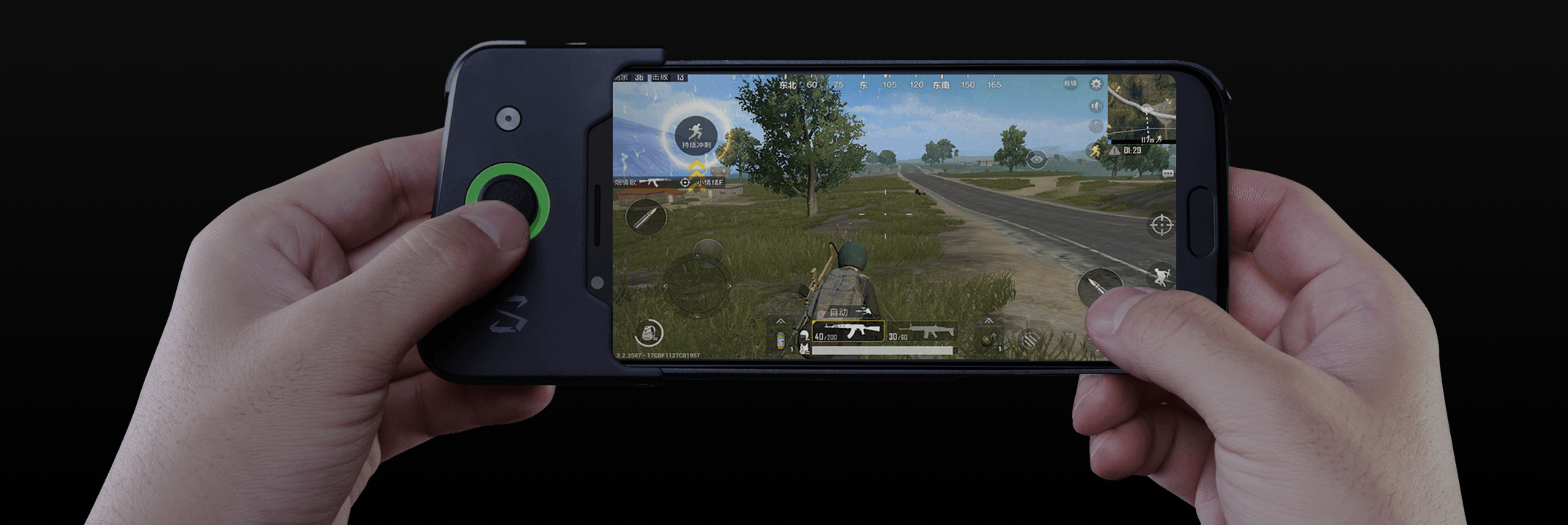
    There is a button on the left of the smartphone that is called the “Shark Key,” that enables “immersive gaming experience.” Since the smartphone is aimed at hardcore gamers, it is equipped with an image processing chip that comes with intelligent motion compensation technology and dark scene detail processing. All of this will, in theory, enhance the gaming experience. Interestingly, the company has also implemented a liquid cooling system that can reduce the CPU core temperature by up to eight degrees. This means that even after long hours of gaming session, in theory, the Black Shark should not heat up a lot.

    The company has also announced an interesting accessory along with the smartphone. It is a Gamepad that connects to the smartphone via Bluetooth and is powered by a 340 mAh battery. The company claims that it can deliver up to 30 hours of gaming on a single charge. First 50,000 Black Shark Smartphone buyers will get the accessory for free. It will also be sold independently for 179 Yuan (Rs 1800 approx.).

    In today’s day and age, specifications are barely different between two flagship smartphones. However, the Black Shark Smartphone has a lot of gaming specific features which should enhance the overall experience of mobile gaming. How much of these features will hold up in  the real world is yet to be seen.

  • Xiaomi Black Shark Gaming Smartphone Leaked In Video

    Xiaomi Black Shark Gaming Smartphone Leaked In Video

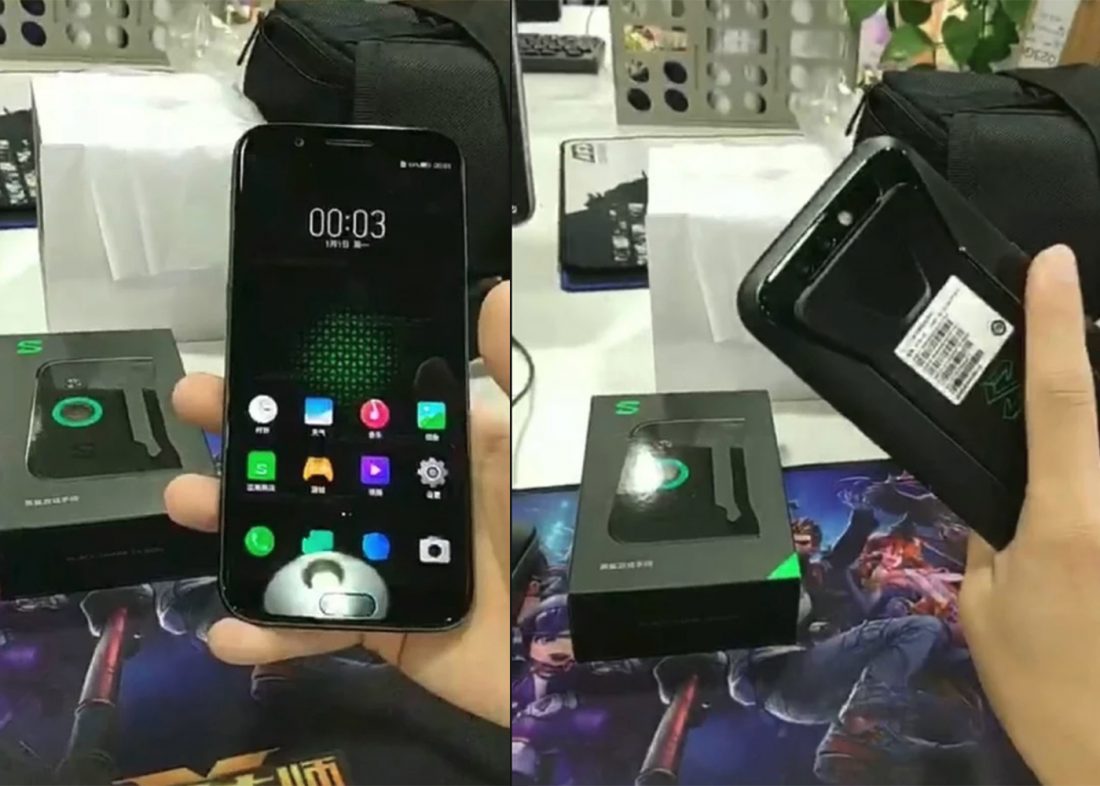
    Xiaomi-backed Black Shark is expected to launch its first ever gaming smartphone the Black Shark in China on April 13th, 2018. Until now there were speculations and rumours about the build quality of the smartphone. A video of the alleged Xiaomi Black Shark has now been leaked, which reveals some of the design aspects of the smartphone.

    According to video, the smartphone has a prominent bezel on the top and the bottom portion of the smartphone. And also, the bottom bezel has an embedded fingerprint sensor. Considering the icons, the smartphone is most likely to run on Xiaomi’s MIUI 9 based on Android 8 Oreo. However, there are chances that the phone might run on a completely different UI. The video also reveals an accessory box, which might include a Bluetooth powered gaming controller.

    Black Shark

    An earlier leak confirmed the design aspects of the Xiaomi Black Shark. The device does not look anything like a typical modern smartphone at all. In fact, the smartphone has a Samsung Galaxy S7 Active rugged-style built quality, which is expected to be made out of plastic. Additionally, the leaked image also reveals that the smartphone has a dual rear-camera setup with an LED flash. Up, on the top of the smartphone looks like add-on accessories, which should offer Nintendo Switch like joystick experience.

  • Xiaomi Mi 6X Might Launch On April 25th

    Xiaomi Mi 6X Might Launch On April 25th

    Xiaomi has sent out a press invite on Weibo for an upcoming smartphone launch in China. Recently, the Xiaomi Mi 6X was recently listed on TENAA, which means it could be the smartphone that Xiaomi launches on the 25th of April. Similarly, the Mi 6X could launch in India as the Mi A2 or Mi A1 2018 with stock Android OS.

    Xiaomi Mi 6X

    According to TENAA listing, the Xiaomi Mi 6x will have a full metal unibody design with an iPhone X style dual camera setup. Compared to its predecessor the Xiaomi Mi 5X, the Mi 6X has undergone a major design overhaul. The smartphone now has a taller display with narrow bezels. And also, considering the price of the Xiaomi Mi A1, the Xiaomi Mi A2 might be priced around Rs 15,000 price bracket.

    Xiaomi Mi 6X Specs

    According to TENAA listing, The Xiaomi Mi 6X has a 5.99 inch IPS LCD 2160 x 1080 px display with 18:9 aspect ratio. Under the hood, the device has a 2.2 GHz Octa-core chipset, which could be the Qualcomm Snapdragon 626/660 chipset. Additionally, the device has either 4/6GB RAM with 64/128GB onboard storage.

    The device has a dual 20MP and an 8MP sensor. However, the exact implementation of this dual camera setup is yet to be known. For the front-facing camera, the phone uses a 20MP sensor, similar to the one found on the Xiaomi Redmi Note 5 Pro. Additionally, the front-facing camera is likely to support Face Unlock.

    The phone runs on Android 8 Oreo. Lastly, the phone has a 2910 mAh battery, which is slightly smaller than the 3080 mAh battery found on the Xiaomi Mi A1.

    Model Xiaomi Mi A2Xiaom Mi 6x
    Display 5.9 inch IPS LCD2160 x 1080 px

    18:9 Aspect Ratio

    Processor Qualcomm Snapdragon 626MediaTek Helio P60
    RAM 4GB
    Storage 64GB
    Battery 2910 mAh


  • Exclusive : Xiaomi To Drop Price Of Mi MIX 2 To Rs. 24999

    Exclusive : Xiaomi To Drop Price Of Mi MIX 2 To Rs. 24999

    Xiaomi launched the Mi MIX 2 in India on the October 10th 2017 for a price of Rs 35999. After more than six months of its official launch, Xiaomi is planning a drastic price drop for the Mi MIX 2. Sources close and exclusive to iGyaan have reported that Xiaomi is planning to slash the price of the Mi MIX 2 to Rs 24999.

    Xiaomi recently launched the Mi MIX 2s in China and just like the Mi MIX 2, the new Mi MIX 2s could also make its way to the Indian market. This could be one of the main reasons why Xiaomi is willing to bring the price of the Mi MIX 2 down in India. In early-May, OnePlus will launch its new flagship device, the OnePlus 6 at a price very similar to the current price of the Mi MIX 2 (around Rs 34000). With the OnePlus 6 being a modern flagship with better specifications, Xiaomi would want to avoid clashing with it in a price sensitive market like India.

    Mi MIX 2s

    So far, there has been no communication from the company about a possible Mi MIX 2s launch in India. This means that this decision could be a pre-emptive one with the OnePlus 6 launch in consideration. However, for now, the reason for the price drop cannot be confirmed but, only speculated.

    At the time of the launch, the Mi MIX 2 was up against the likes of the OnePlus 5 and Nokia 8, both of which had an inferior design and build quality. Over the months since its launch, companies like OnePlus and Honor launched the OnePlus 5T and Honor View 10, respectively with a new design and similar specifications and a cheaper price tag. This meant the Mi MIX 2 had competition in terms of design, specifications and the price as well.

    Gesture Support On MIX 2 After MIUI 9.5 Update

    The design and build quality of the MIX 2 was highly appreciated at the time of its launch. The tri bezel-less design with a thicker chin meant that Xiaomi could offer a great screen-to-body ratio as well. In our review of the Mi MIX 2, we found the camera performance of the smartphone to be lacking and that was about it. As a whole, the Mi MIX 2 was and is a great phone and at a price of Rs 24999, it could be a steal.

    Stay tuned for more updates.

  • Xiaomi Mi A2 Could Be Powered By The Helio P60 Chipset

    Xiaomi Mi A2 Could Be Powered By The Helio P60 Chipset

    Xiaomi is in works to launch a successor to their first Android One smartphone, that could be the Xiaomi Mi A2. The smartphone will be the successor to the Xiaomi Mi A1/5x. Unlike last year, the company is expected to launch two iterations of the Mi A2. According to a leak, the company will launch a model powered by Helio P60 chipset in China. Similarly, the global variant will boast the Qualcomm Snapdragon 626 chipset.

    The Helio P60 is the latest flagship mobile processor from MediaTek. The chipset is based on 12nm FinFET processor, and currently found on the Oppo F7. This is a highly capable processor from MTK, which can offer unparallel performance similar to the Qualcomm Snapdragon 660 chipset.

    The Xiaomi Mi A2/6X will have a dual vertical camera setup similar to the Xiaomi Redmi Note 5 Pro. The smartphone might use a 12MP IMX 486 sensor with a 1.25 micron pixel size and a secondary 20MP 1.0 micron pixel IMX 376 camera. For smartphone is also expected to use the IMX 376 20MP sensor for the front-facing camera as well.

    Specifications of Xiaomi Mi A2
    Model Xiaomi Mi A2

    Xiaom Mi 6x

    Display 5.9 inch IPS LCD

    2160 x 1080 px

    18:9 Aspect Ratio

    Processor Qualcomm Snapdragon 626

    MediaTek Helio P60

    RAM 4GB
    Storage 64GB
    Battery 2910 mAh


  • Xiaomi Announces Three New Smartphone Assembly Plants And One PCBA Manufacturing Plant In India

    Xiaomi Announces Three New Smartphone Assembly Plants And One PCBA Manufacturing Plant In India

    Xiaomi India has inaugurated three new smartphone assembly plants in India. These new plants are located in Andhra Pradesh and Tamil Nadu, which are capable of producing one smartphone in two seconds. Additionally, the company has also launched its first-ever PCBA (Printed Circuit Board Assembly) unit located in Tamil Nadu.

    Manu Jain, Vice President, Xiaomi Global and Managing Director, Xiaomi India said:

    In 2015 we extended our long-term commitment to the Indian market by joining the ‘Make in India’ programme. Today we are deepening this commitment with three more smartphone factories and our first SMT plant dedicated towards local manufacturing of PCBA units.

    Xiaomi is one of the pioneers in the country to start local assembly of PCBAs, and I believe we will continue to play a key role in transforming India into a global manufacturing hub.

    Xiaomi started to assemble it’s smartphones in India in 2015 under the ‘Make In India’ initiative from the Central Government. As of now, 95% of the Xiaomi smartphones sold in India are ‘Made in India’. To be precise these devices are assembled in India by importing components from China. Making/Assembling a smartphone locally will help the company to save tax and will enable faster distribution of these devices. With these new smartphone assembly plants, the company creates employment to 10,000 people. Additionally, 95% of the employment will be reserved for females.

    Xiaomi has partnered with Foxconn to manufacture PCBA units using the Surface Mount Technology in Sriperumbudur, Tamil Nadu. PCBA units constitute for the 50 percent of the cost of a smartphone and by assembling in India, the company will save a ton of money on import duties. Xiaomi will produce 100% of PCBA units used in Xiaomi smartphones launched in India will be manufactured in India by the end of Q3 2018.

iGyaan Network
Privacy Overview

This website uses cookies so that we can provide you with the best user experience possible. Cookie information is stored in your browser and performs functions such as recognising you when you return to our website and helping our team to understand which sections of the website you find most interesting and useful.