Category: Business

  • Ratan Tata Buys Stake in Xiaomi

    Ratan Tata Buys Stake in Xiaomi

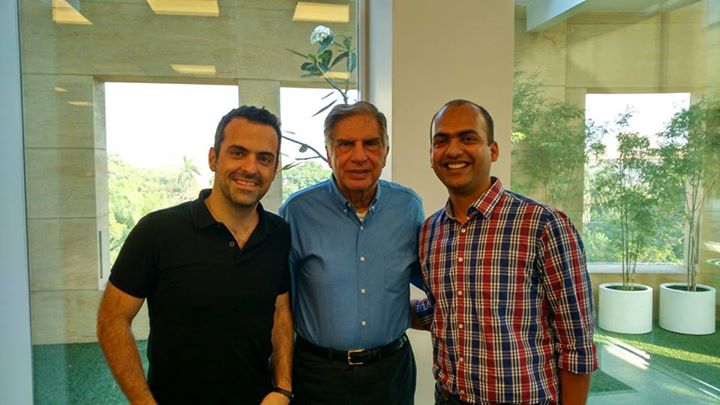
    Recently we heard the Chinese smartphone maker, Xiaomi, claiming that it wants to be an Indian company.  Today, according to an official post by Xiaomi, Ratan Tata has acquired stake in the brand, making him the first Indian investor.

    [quote text_size=”small” author=”Xiaomi” link=”https://www.facebook.com/MiIndiaOfficial/photos/a.1504141266467106.1073741828.1495988390615727/1614587922089106″]

    We are happy to announce that Mr. Ratan Tata, chairman Emeritus of Tata Sons, has made an investment in Xiaomi. This is the first investment by any Indian in Xiaomi.

    Lei Jun, founder and CEO of Xiaomi, is happy to say: “Mr. Tata is one of the most well-respected business leaders in the world. An investment by him is an affirmation of the strategy we have undertaken in India so far. This is just the start of an exciting journey, and we are looking forward to bringing more products into India.”

    [/quote]

    Xiaomi has already made it to number 4 in the Indian smartphone market, and with Tata’s investment the company might get major push in the Indian retail market especially Tata Croma retail stores, which will now carry Xiaomi phones.

    Xiaomi recently launched a new cheaper version of the Mi 4 dubbed the “Mi 4i” which is expected to do well in the Indian market.

  • Nokia Denies Comeback to Smartphone Business, Says “Reports are False”

    Nokia Denies Comeback to Smartphone Business, Says “Reports are False”

    The former leader of consumer smartphone manufacturer Nokia recently made headlines for considering making a comeback in the mobile manufacturing business. The firm heard the recent buzz over Internet and came out to publically announce that the information was false. The report of Nokia planning to return to the mobile business was surfaced by the reliable technology portal Re/Code, which stated that the news was disclosed by a Nokia Networks executive.

    The exact statement by the Finnish reads –

    Nokia notes recent news reports claiming the company communicated an intention to manufacture consumer handsets out of a R&D facility in China. These reports are false, and include comments incorrectly attributed to a Nokia Networks executive.

    Nokia reiterates it currently has no plans to manufacture or sell consumer handsets.

    Re/Code claimed that Microsoft-acquired Nokia is planning to bounce back to the smartphone business sometime next year. It also stated that several ambitious projects are in the making, and one among them is a virtual reality device. The company recently launched its first Nokia-branded Android tablet, along with an Android app called Z Launcher.

    Nokia was acquired at a whopping price of $7.2 billion last year by hardware and software leader Microsoft. It was learnt that Nokia can’t use its brand name on smartphones till Q4 2016. Since Nokia was launching one or the other products lately, the news didn’t seem unfitting.

    A while back, the company disclosed its move of acquiring Alcatel-Lucent for $16.5 billion. The new firm formed is called the Nokia Corporation. The acquisition will give a boost to its patent licensing business and networks division, which makes for 90 percent of the total revenue. The company is in talks with potential buyers to sell its maps business “HERE“.

  • Paytm Steps into E-Commerce Market with the Launch of New Seller App

    Paytm Steps into E-Commerce Market with the Launch of New Seller App

    Indian mobile payment start-up Paytm is forcing itself to the rapidly growing e-commerce market in India. Lately, the online payment platform announced itself as a new-fangled e-commerce company and said it would work with emerging businesses. The start-up firm, aiming to become India’s Taobao, came up with two big announcements -One is the wallet app, and the other is a platform for sellers that allows both individuals and businesses to sell their products.

    The Founder and Chief Executive of Paytm owner One97 Communications, Vijay Shekhar Sharma said in a statement –

    Everyone is moving to mobile now, but that is what we started with. We see opportunity in enabling payments in everyday use cases.

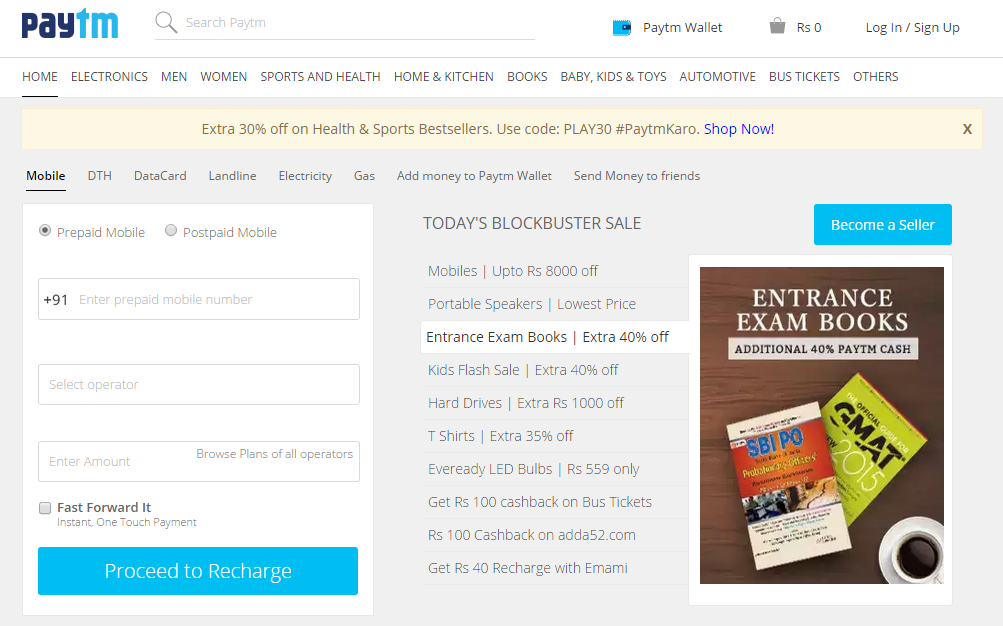
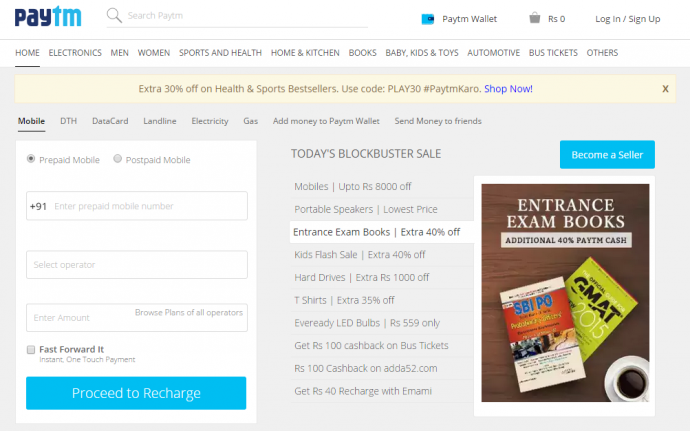
    The mobile payment service has updated its website to tie-up with more sellers. At the top left of the Paytm homepage, users will now see a ‘Become a Seller’ button (a seller app), clicking which small and medium-sized firms can exhibit their products on a widely recognised platform. The emerging businesses can display their catalogue, manage their inventory and orders on Paytm. The listing would be absolutely free, and connecting merchants don’t have to pay any fee for enrolling themselves on Paytm. This will help flourish start-ups as other websites charge 10%-15% commission.
    paytm

    It also launched Paytm Wallet app that allows users to transfer money within the wallets. The app offers users to transfer money to a bank account from the wallet so that they can cash out the required amount. Sharma added to his comments, “We have about 66 million wallets, which we want to take to 100 million by the year end. We’re doing 1 million money transfers a day on the beta version of the wallet app.” Paytm Wallet accounts are RBI approved. A user can make a monthly transaction of maximum Rs. 1 lakh.

    Paytm getting financial support by Alibaba’s finance arm Ant Financial presently holds a 25% stake. Eric Jing, Ant Financial’s chief operating officer, stated that it is sharing its learnings from China’s Taobao with the Indian mobile service provider. The company expects to earn over $4 billion (Rs 25,360 crore) by the year end and take onboard 1,00,000 sellers, which is 33,000 as of now. Paytm is spending more than Rs 500 crore on marketing this year.

    Paytm kicked off as an online recharge website, and monitoring the recent business trend of operating from mobile, the company planned to turn into an e-commerce company. The increased usage of smartphones and internet availability has paved way for websites to become a mobile-only business. The new investors will strengthen Paytm’s position in India and help gain a stronghold in the country where already established players like Amazon, Flipkart, and Snapdeal enjoy a majority.
  • Qualcomm to Tap Samsung to Build Next-Gen Snapdragon 820 Chip

    Qualcomm to Tap Samsung to Build Next-Gen Snapdragon 820 Chip

    Qualcomm has long association with one of the world’s largest semiconductor foundry Taiwan Semiconductor Manufacturing Company (TSMC). The latter firm has provided some of the cutting-edge chips like Snapdragon that are fitted to most of the high- and low-end smartphones of the decade. But Qualcomm seems to giving a break to its customary practice and is planning to head towards Samsung for the next-generation Snapdragon processor.

    As per a report by Re/code, Qualcomm will make use of Samsung’s manufacturing arm to build the upcoming Snapdragon 820, stated an insider. This means we might see the high-end 2016 smartphones powered by a Snapdragon processor manufactured at Samsung’s chip-making plants. Meanwhile, it is heard that Apple has also given the contract to Samsung for the A9 chips.

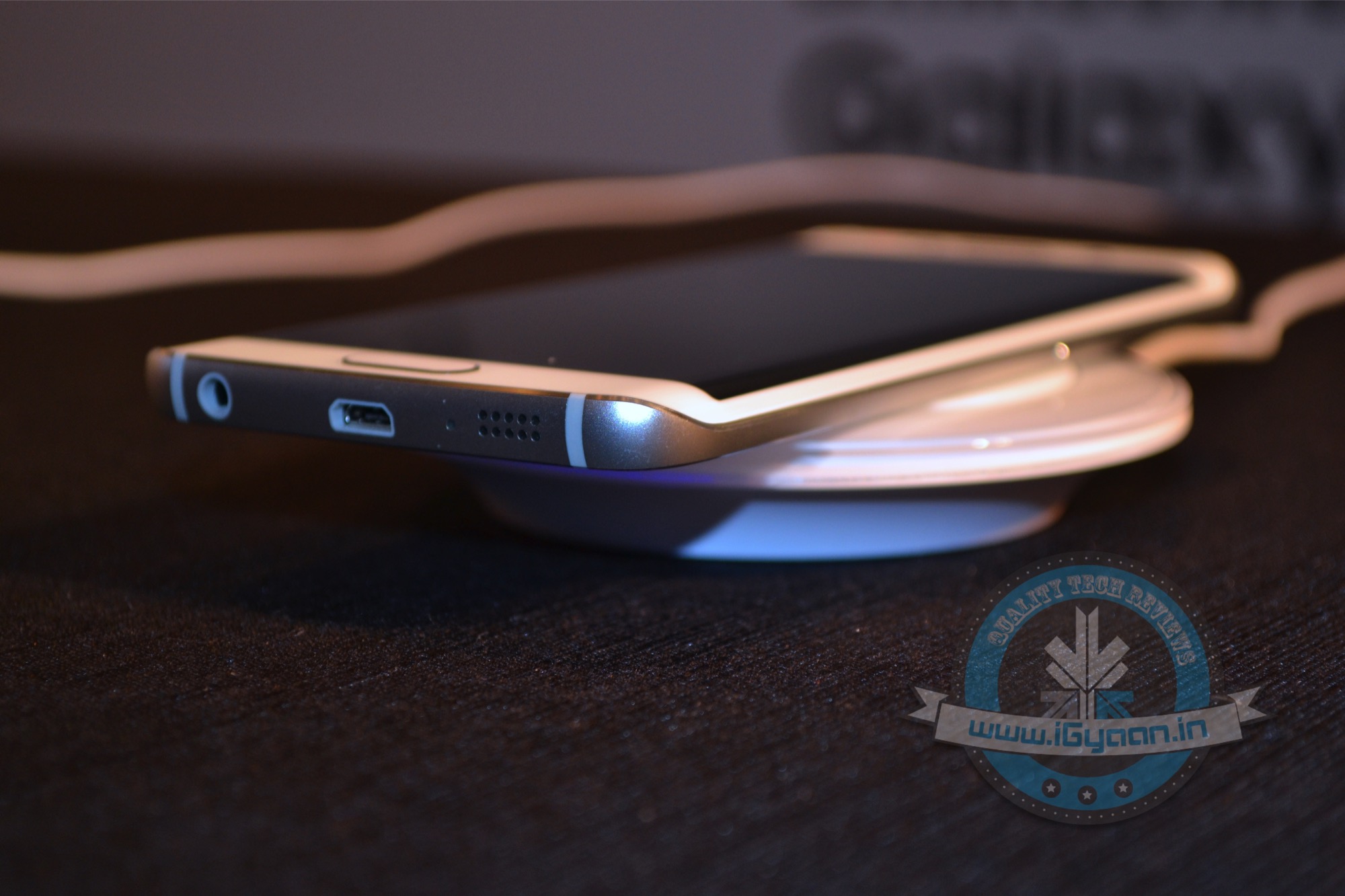
    Samsung Galaxy S6 Edge side

    The present Snapdragon 810 made by TSMC lags behind Samsung’s own Exynos 7, equipped with the latest Galaxy S series handsets. Unlike previous processors, the Snapdragon 810 heats up and slows down immensely after certain minutes of usage. This led to a major loss to Qualcomm, who lost a major chunk of its customers because of the problematic Snapdragon 810 processor.

    Samsung also has an edge over TSMC as it uses thinner 14nm transistors instead of 20nm used at TSMC. A thin wiring adds benefits to the phone. As the wires are slim, the chips would be small and smaller chips costs less. Smaller chips also give a better battery performance.

    qualcomm-snapdragon-mobile-processor

    Qualcomm has all reasons to turn to Samsung as Snapdragon is the major revenue factor for the company. To regain its lost clients, the global semiconductor firm may make a switch and tie up with the Korean company for improved chips. It is welcoming news for Samsung who has shown tremendous growth in the smartphone, as well as hardware business.

    According to the source, the Snapdragon 820 will have built-in LTE modem along with a graphics core and a custom-designed Qualcomm processor. For now, both Samsung and Qualcomm hasn’t slipped any information, and we have to wait for an official announcement for the authenticity of the report.

  • Xiaomi Plans to Invest in More Than a 100 Start-ups

    Xiaomi Plans to Invest in More Than a 100 Start-ups

    Chinese electronics giant Xiaomi, which was once a start-up, has now grown to become the third largest consumer electronics firm in the world. It has gained a foothold in its home market as well as the native markets of other renowned electronics titans. The tech major is working towards turning every budding business into an empire.

    According to a recent report, Xiaomi is betting on emerging businesses to help them copy the growth model of the company. The CEO of Xiaomi has announced that the company plans to invest in hundred startups to help them financially. This step is in accordance with the earlier move to back 20 startups that has shown productive outcomes.

    Lei Jun commented about its plan that Xiaomi’s strategy is to enable the company into an “ecosystem empire” with major focus on software firms. He further stated –

    We plan to move full steam ahead in its quest to become an ecosystem empire.

    Investing in software firms would help Xiaomi link anything; consequentially aiding its product portfolio expansion.

    Recently Xiaomi’s backed robotics manufacturer Ninebot acquired Segway. The buyout seized the attention of the industry-watchers as a small industry is expanding rapidly, but more than that, it was a call for big celebration for Xiaomi. Late last year, Xiaomi became the world’s most valuable technology start-up after gaining  $1.1 billion from investors.

    Xiaomi has made use of its small associates and has launched a bunch of smart products such as air purifiers, smart bulbs, smart televisions, etc. With its new approach to software firms, we may soon hear of some unconventional innovations amongst their smartphones.

    Meanwhile, Xiaomi has shown significant interest in the Indian market. It has announced to establish a physical warehouse and an R&D center in Southern parts of India.

  • After Selling its Mobile Unit, Nokia is Now Seeking Buyers for its Maps Business

    After Selling its Mobile Unit, Nokia is Now Seeking Buyers for its Maps Business

    Nokia, the Finnish equipment maker who recently sold its mobile business unit to Microsoft, is reportedly considering selling its maps business HERE. The move reflects its plan to boost the company’s core wireless network unit and push up the shares rating.

    According to a report by Bloomberg, the company is in talks with potential buyers such as Uber Technologies and a number of private-equity firms, as stated by people familiar with the matter. The source revealed that some German carmakers have reached Nokia for the same and will bid for its maps service, expected to take place as soon as this month.

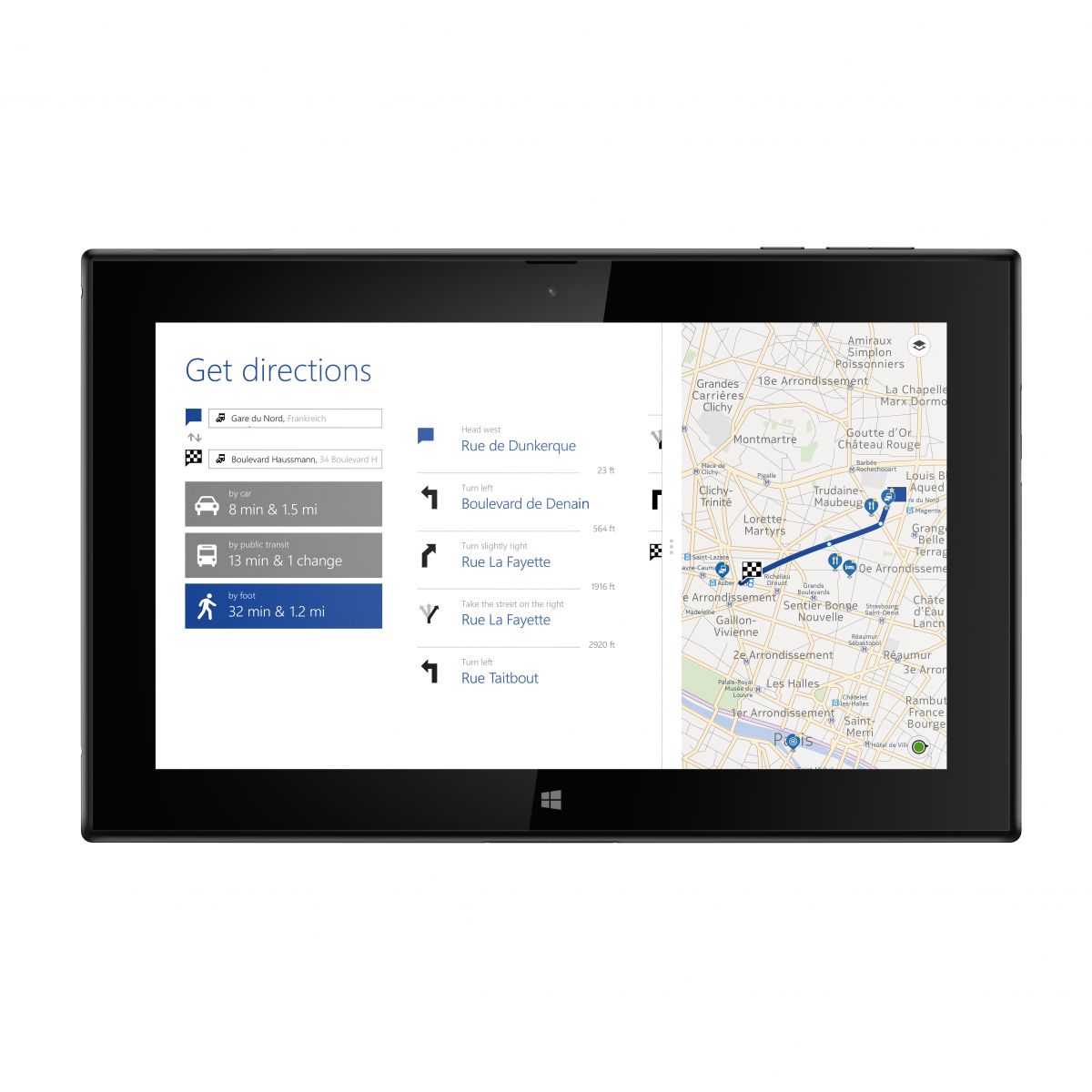
    1200-nokia_lumia_2520_heremaps

    As per the source, Nokia has hired a finance adviser to explore the sale of the maps business. The official financial reports suggest that HERE (Nokia’s Map Business) is 2 billion euros ($2.1 billion) worth, while Inderes Equity Research made different estimations about its current price. “We have estimated that HERE’s value is around EUR 3.3-4.8 billion, and in a possible deal the price should be more than that,” stated the research firm on Twitter.

    If we evaluate Nokia’s mapping assets with the official report as a base, its value has seen a steep fall since its buyout in 2008, which cost the company a hefty $8.1 billion. The company might drop the plan to sell out its unit if they don’t get a price deemed sufficient.

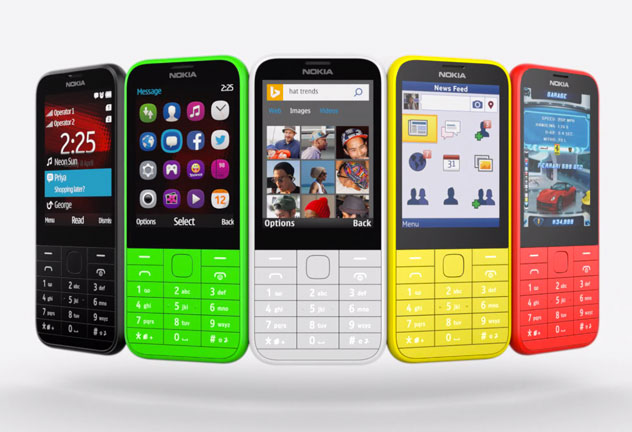
    nokia-225

    Nokia’s HERE unit provides data to many tech and e-commerce giants such as Amazon, Microsoft, Yahoo, along with some renowned names in the car manufacturing business. The maps division reported a net sale of 970 million euros and an operating loss of 1.24 billion euros, as per the report. In January, the company made public the Q4 results of its net income and sale, which were 443 million euros and 3.8 billion euros respectively.

    Nokia presently holds three divisions; first one is the maps units, the other is research and development that licenses its patents, and the third one is the networks division that makes 90 percent of the total revenue.

    Meanwhile, Nokia spokesperson has declined to comment on the report and there is no official word on the news. But it would be interesting to see if Nokia sells out its second major unit and becomes an entity focusing solely on network services.

  • Snapdeal Buys FreeCharge to Strengthen its Stand in the Mobile Commerce Market

    Snapdeal Buys FreeCharge to Strengthen its Stand in the Mobile Commerce Market

    E-commerce website, Snapdeal, is one of the most prominant players in the market along with Flipkart and Amazon. The company has now announced that it has acquired the mobile payment app, Freecharge. With this move the company hopes to gather more users as well as create new services to extend its offerings.

    FreeCharge lets users pay for their mobile recharges, DTH and utility for multiple service providers. Every day 75 million mobile recharges are done in India out of which only 3 Million are done online, so it is definitely a massive market to have captured. While the service providers do provide online payment options, there has been a growth in the number of payment apps in the market.

    Speaking on the acquisition, Snapdeal founder, Kunal Bahl said, “The age of monolithic e-commerce platforms is over; it is now time to build an impactful digital commerce ecosystem in India that is multidimensional and inclusive…At Snapdeal we are building an ecosystem that powers billions of digital commerce transactions in the country in the coming years. “

    FreeCharge’s founder, Kunal Shah said that their service is at the forefront of the mobile commerce revolution in India. He added that 85% of our transactions originate from mobile, and the user retention of the service is really high.

    Following this deal, FreeCharge will continue to operate as an independent service. Snapdeal says that it will collaborate with its new partner to offer innovative services to the users. We’ll get to know more about how Snapdeal will benefit from this deal in the near future.

  • Apple Registers 40% Increase in India Revenue, Hits $1 Billion Mark in FY 2015

    Apple Registers 40% Increase in India Revenue, Hits $1 Billion Mark in FY 2015

    We’re sure Apple wouldn’t have thought that the Indian market, which was at the bottom of their priority list, could help increase the revenue of the company to such an extent. The Cupertino-based tech giant has recorded a whopping revenue of $1 billion in India in the fiscal year 2015. The present earning of the firm is 40 percent more than Rs. 4,500 crore of returns registered last year, and is three folds of the what was reported in 2011-12.

    Apple hasn’t filed its final revenue details until now, but according to a source at Times of India, the firm can log the same with Ministry of Corporate Affairs (MCA) anytime soon. Experts unfolded that the latest devices, iPhone 6 and iPhone 6 Plus, have contributed largely to the sales income. With access to unit sales figures over the year and experts remark, Apple’s India revenue is computable. As per an analysis by Cybermedia Research, Apple has sold 1.3 million phones in the fiscal year 2015. Considering the high price of the latest models, it is evident that the company has made a total revenue of over $1 billion in the India market.

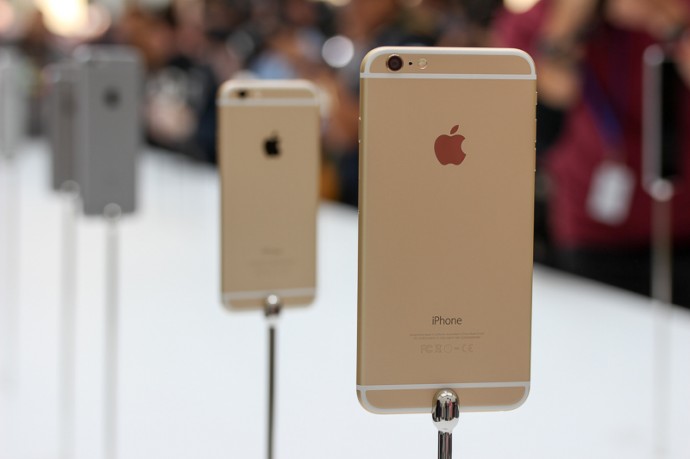
    apple-iphone 6

    At a time when Apple is witnessing increased sales, Samsung is steadily losing its hold over different markets. The Korean electronics giant released a performance report of the last three months, which shows 30.5 percent dip in the profits. This was Samsung’s sixth consecutive year-over-year fall in quarterly profit, where it registered 60% fall in profits over the last quarter.

    India is emerging as one of the fastest growing tech markets and a battleground for many top smartphone leaders. Such examples will only encourage tech enterprises to conquer our nation’s market and establish themselves on the Indian soil. Meanwhile, many Chinese firms spread over US and UK are now citing the Indian sub-continent as profitable marketplace for investment, and plan to enter the country soon.

  • Samsung Registers 30 Percent Dip in Profits in its Latest Quarter

    Samsung Registers 30 Percent Dip in Profits in its Latest Quarter

    Samsung’s profits have seen a steady drop in the past few quarters. The Korean electronic giant has released the figures for the period from January to March, and there is a 30.5 percent dip in the profits for the company. But the executives at Samsung might be satisfied with the results as the dip is lower than previous quarters.

    Samsung said that it expected an earning of 5.9 trillion Korean won ($5.4 billion) in operating profits for the quarter that ended on March 31. The year 2014 was perhaps the worst year for Samsung where the company saw a fall of about 60% in profits over the last quarter of the year.

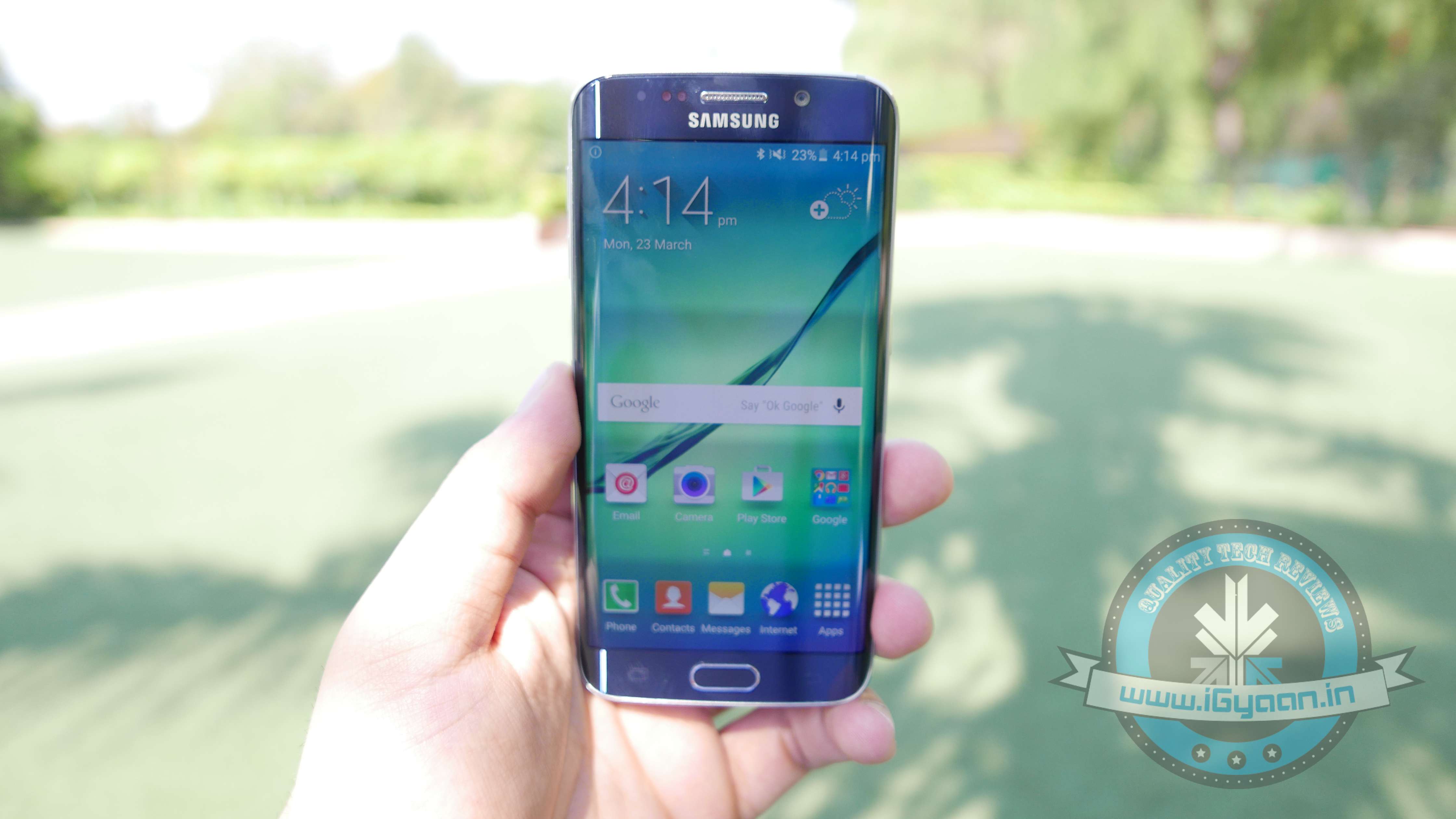
    Samsung S6 Edge India Launch 10
    The Newest Samsung on the Block, the S6 Edge

    This is Samsung’s sixth consecutive year-over-year fall in quarterly profit. The smartphone business was the major driver of growth for the company but due to lack of innovation and a barrage of competition, Samsung has steadily lost ground in the business. Industry analysts are predicting better performance in the future following the launch of new Galaxy S6 and S6 Edge.

    Taking into consideration the heavy criticism for its lackluster products, Samsung has decided to bring metal frame designs that began with the Galaxy Alpha to more of its products. While the design is just one aspect of things, Samsung should also offer better specs to its customers for the price tag. Companies like Xiaomi, Lenovo, Asus and others have shown that it’s possible to offer great specs at lower prices and the consumers are demanding the same from the bigger companies.

  • It’s Your Time To Speak! TRAI invites Comments on Net Neutrality

    It’s Your Time To Speak! TRAI invites Comments on Net Neutrality

    Net Neutrality has become one of the most important buzzwords in the tech world over the past years. This simple principle states that all content on the internet should get equal speeds, and internet providers cannot discriminate between the content. So users will get the same speed of access to the Facebook as they would for Youtube. The Federal Communications Commission of America, after a intense public debate, sided with Net Neutrality which was seen as a big win for an open and free internet and seen as a rare instant when the public opinion was considered over corporate interests. Now it’s India’s turn to decide the future of the internet.

    The Telecom Regulatory Authority of India(TRAI) has invited views of Indian citizens on the future of the Internet in the country. The regulatory agency is currently also considering the future course of action for the OTT (over-the-top) players such as apps like Whatsapp, Viber, Skype which let users make calls and send messages at reduced rates in comparison to telecom companies. This is why the government is being pressured by the telecom lobby to create a regulatory framework for these apps which are eating into the revenues of the companies.

    Net Neutrality principle states that all traffic on the Internet deserve equal speeds.
    Net Neutrality principle states that all traffic on the Internet deserve equal speeds.

    Airtel recently was on the receiving end massive of massive public outrage for breaking the internet based services and charging exorbitant rates for them. The public backlash led the company to roll back the decision. This instance exhibited an immediate need for clear net neutrality policies in India.

    You can send in your comments by 24th April, 2015 and counter comments by 8th May 2015 on email id [email protected]. You can find more information on the consultation paper on TRAI’s website.

    Net Neutrality has been one of the founding principles of the internet which has been around since its early days. Our lives are getting more and more dependent on the internet with each passing day, and so it’s absolutely essential that the consumer demand it to be open and fair. So right now you have been given an opportunity send in your views and if you miss now you won’t have the right to complain later. So go ahead and tell TRAI and the Indian government to bring strong net neutrality policies and preserve the open and free internet.

    If you are still not convinced to take action yet, we’ll let John Oliver explain why you should send in your comments to TRAI, right now!

  • Flipkart Backer Accel Partners Announces $305 Million Fund to Support Indian Start-Ups

    Flipkart Backer Accel Partners Announces $305 Million Fund to Support Indian Start-Ups

    In the past few years, technology sector has seen an upward graph. Many e-commerce websites like Flipkart, BookMyShow, Myntra, and CommonFloor came into existence recently and soon became top-tier consumer markets. One of the major support systems that led to the establishment of these firms, were companies such as Accel Partners, a global venture capital firm. The firm has now launched Accel India IV, a $305 million (Rs. 1,900 crore) fund dedicated to empowering Indian start-ups.

    The fund launched by the company this time is double the amount raised by Accel Partners last time. The company provided $155 million in 2011 as a part of Accel India III and $60 in 2008 in Accel India II. The California-based growth equity firm aims at solidifying consumer, enterprise software, and mobile sector along with the healthcare division through the recently raised fund.

    According to Subrata Mitra, an official from Accel –

    While there is more competition (investors) and more start-ups, some of the better companies have begun to accelerate a lot faster and get a lot bigger. So, yes, we do expect to help build many large companies.

    In past few years, the number of smartphone users in the country has increased tremendously. This has stimulated to the growth of many internet-related ventures; hence, making India a marketplace where investors are ready to invest their money.

    Many global players have made huge investment in the Indian start-ups. Softbank invested $210 million in Ola Cabs and Housing.com, and on the other hand Alibaba contributed $575 million in One97. The favourable conditions for seed ventures in the nation are attracting financiers to invest in the start-ups. It’s a good proposal for the emerging companies and will help them to establish on a larger scale.

  • FTC Report Says Google Illegally Took Content From Major Websites

    FTC Report Says Google Illegally Took Content From Major Websites

    Google is the gateway to the internet. Without it, let’s just agree that most of us will be lost on the internet. The other search engines don’t even come close to Google’s dominance in the search business. People have now begun to perceive the Silicon Valley giant as the new superpower as it controls a key access to the digital economy. It has now been found that Google used its dominance to take content from websites like Amazon, TripAdvison, and others illegally to further its own business.

    The report was filed by the Federal Trade Commission (FTC) of the United States of America. The report states that Google manipulated its search results to promote its own services and in turn sabotaged rival companies. The report says that this manipulation caused “real harm to consumers”.

    The report says Google picked content from its rivals without giving them any compensation
    The report says Google picked content from its rivals without giving them any compensation

    The websites who complained about Google’s illegal actions include major names such as Amazon, TripAdvisor, Yelp, Microsoft and its search engine Bing, and Expedia. The report states one example in which Google blatantly copied Amazon’s rankings for popular products and used it for its search results.

    The infuriating bit about this entire episode is that Google used its position to bully the companies. When the companies complained about the illegal actions, the search giant threatened them with a disappearance from search results.

    FTC had voted to end its investigation of Google in 2013. The report was not published until recently. Some claim that Google’s massive donations for President Obama’s re-election campaign led to the federal regulators going soft on the company. In fact, Google was the second biggest donor for Obama’s 2012 campaign. There is already pressure in the European Commission to challenge the monopoly of Google in the European search markets.

    Under the settlement conditions, during the closing of 2013 investigation, the companies got the option of opting out of their content getting picked by Google without the threat of removal of their names getting dropped in the search listing. But the real story here is that Google used its dominant position and political influence to blatantly steal content and then bully the owners. This revelation will lead to more people questioning the massive size of Google and how to address its monopolistic attitude.

  • About 40 Percent of iPhone Users Willing to Buy Apple Watch: Reuters Poll

    About 40 Percent of iPhone Users Willing to Buy Apple Watch: Reuters Poll

    Apple devoted a huge amount of time and thought to bring out a smartwatch that can outshine all other gadgets in the wearables category. The Apple Watch is a distinctive piece and sports many features like digital crown and Force Touch that are not found in any other smartwatch. But is it really getting the traction expected by the company? International news agency, Reuters, did a survey to find out the demand for the Watch and discovered that around 40 percent of the American iPhone users are interested in buying the Apple Watch.

    The poll includes adult iPhone owners of the US of age 18 years and above. The primary reason to consider iPhone users in the first place was that Apple Watch requires iPhone for most of its functions. So, iPhone users automatically come into the picture to be the initial buyers of the product.

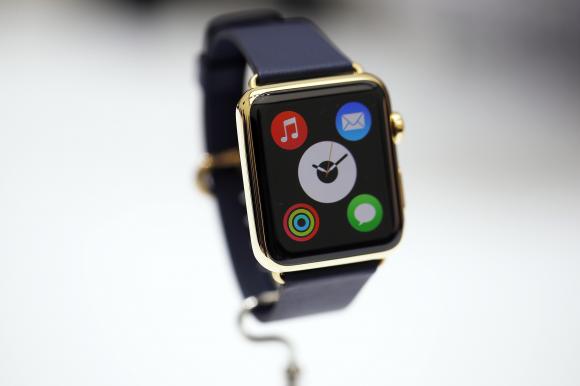
    File picture shows the new Apple Watch during an Apple event at the Flint Center for the Performing Arts in Cupertino

    The Reuters/Ipsos poll conducted a survey between March 9 and March 17 in which a total of 2,469 American adults of 18 years and above took part. It was found that 24 percent of the participants showed interest in Apple Watch, out of which 10 percent described themselves as very interested. Another survey of 788 iPhone users across the globe by the same firm speaks of 39 percent interested buyers, out of which 17 percent are ‘very interested’ in the product.

    These numbers from the survey might not look uplifting at this moment for Apple, but considering the 100 million active users of iPhone in the US, and nearly half a billion in the whole world, the resultant buyers may turn out to be a huge number. According to Reuters, Analyst Walter Piecyk of BTIG marketing firm considers the survey inspiring, “The survey was “pretty encouraging” for a product that has not been seen in shops, even if it was unclear how much of the interest would translate into purchases.”

    It is yet uncertain how many interested buyers will convert into purchasers, as the price of the smartwatch is the major roadblock. Its price ranges from $350 for a regular edition to $17000 for the 18-karat gold edition, which makes it the most expensive smartwatch yet.

  • Xiaomi is India’s Biggest 4G Device Vendor for January, Knocks Down Apple and Samsung

    Xiaomi is India’s Biggest 4G Device Vendor for January, Knocks Down Apple and Samsung

    The battle to become the top smartphone vendor is getting tougher and steamier. After conquering China’s smartphone market, Xiaomi has once again proved itself, but this time of India. According to a report by the market analysis firm CyberMedia Research (CMR), the Chinese electronics maker Xiaomi brought down the leaders Samsung and Apple, and emerged as the biggest 4G handset seller in India. The fresh records are of January this year.

    According to the data released by the research firm for January, Xiaomi is ahead of the reputed smartphone manufacturers and holds a market share of 30.8 percent. Apple, Samsung, HTC, and Micromax follow respectively at 23.8 percent, 12.1 percent, 10 percent, and 8.3 percent. Few months back, another analysis firm reported Apple as the frontrunner of the fourth quarter of 2014. The Cupertino-based tech giant held the 45 percent market share, which was followed by HTC and Samsung.

    mi4 xiaomi

    These figures showcase the shipment of only 4G handsets in India. Samsung still leads the pack with 17.3 percent market share which includes feature phones, smartphones, 3G and 4G mobile phones. Lava, Microsoft, Micromax, Intex have comparatively lesser share with 11.9 percent, 10.3 percent, 9.7 percent and 8.5 percent respectively.

    This outcome by CMR is a massive blow for the world’s largest smartphone vendors. Although, the numbers represent the sales figure of a month only, but it’s an indication that Samsung and Apple need to take Xiaomi as seriously as any other contender out there.

  • Boeing Looking to Provide High Speed Satellites for Top Tech Giants

    Boeing Looking to Provide High Speed Satellites for Top Tech Giants

    Boeing, one of the leading aerospace giants, is getting ready to grab a major big deal which will be signed by some of the biggest names in the technology industry. If it gets the deal, Boeing will be responsible for building high-throughput communications satellite for companies such as Google, Amazon, Facebook or Apple.

    High-throughput communications satellite offer high data transmission rates for uploads and downloads. Jim Simpson, the vice president of business development and chief strategist for Boeing Network and Space Systems, told Reuters that the tech companies were actively looking to enlarge the area under internet connectivity to expand their business. Mr. Simpson also added that they looking to provide gigabytes, terrabytes, pedabytes of capabilities to the companies.

    There are many companies who are looking into the possibilities of establishing a satellite based space internet. Elon Musk’s SpaceX and Greg Wyler’s OneWeb are the ones who are fiercely contesting to be the first to establish a global constellation of internet providing satellites. SpaceX has already got $1 Billion in assistance from Google for their venture of building 4000 lower earth orbit satellites. The tech companies are excited with these developments, as more coverage means new customers for their services. It seems like the world will soon be covered in a blanket of internet providing satellites.

iGyaan Network
Privacy Overview

This website uses cookies so that we can provide you with the best user experience possible. Cookie information is stored in your browser and performs functions such as recognising you when you return to our website and helping our team to understand which sections of the website you find most interesting and useful.