Category: Business

  • Sony Pictures Employees Receive Threatening E-mails from Alleged Hackers

    Sony Pictures Employees Receive Threatening E-mails from Alleged Hackers

    It seems like troubled times for folks working at Sony Pictures is not going to come to an end anytime soon. The company that faced a massive hack which rendered most of its computers useless also faced release of its movies online. The attack was handled by a hacker group which calls itself Guardians of Peace or #GOP. It is now being reported that the employees of Sony Pictures are now getting threatening e-mails.

    Sony has lost a lot of ground in this attack. Not only has there been the loss of business days, but also they are not yet sure of the scale of the theft due to the hack. Four of Sony’s upcoming movies were released online along with the recently released and exceptional Brad Pitt movie, Fury. The hackers also released several documents relating to the company’s financial records, employee details and data relating to several movies.

    Sony has hired security firm FireEye Inc and its Mandiant forensics unit to investigate the hacking. FBI spokesman Joshua Campbell has said that the department is aware of the threatening e-mails received by the employees at Sony. It is not yet clear though that if the e-mails were actually sent by the hackers or if it is a work of some prankster who scored the e-mails of the employees through the leaked documents. In either case, this is now a serious issue as this is criminal intimidation. The case has fast escalating from thievery and blackmail to terrorising the production company and the people who work for it.

    This leak can lead to pernicious effects on people who work for the company. If the hackers have access to personal information, identification and financial details of people who’ve worked for Sony, they can attempt identity theft and cause harm to individuals. This attack can be easily be called a terrorist attack and maybe we could start seeing more of these in the coming future. The need of the hour is to train a massive workforce dedicated to cyber security just like a standing army. Our economies and identities have shifted from physical to the digital world, so it’s absolutely important to have soldiers online to protect our interests.

  • North Korea One of the Top Suspects in Sony Pictures Hack

    North Korea One of the Top Suspects in Sony Pictures Hack

    A few days back, Sony Pictures faced an unprecedented cyber attack where all the computers connected to its servers got hacked. All the computers of this major studio were rendered inaccessible. The hackers warned that if their demands weren’t met, they would release sensitive data. They had released .zip files that showed all the data that they had acquired by their contemptible doxxing of the company’s systems. The hackers have now released many upcoming and recently leaked movies from the production house online, along with other important documents. The hacker group, which calls itself Guardians of Peace or #GOP, is now linked to the hermit kingdom of the Democratic People’s Republic of Korea (DPRK) or as they are better known, North Korea.

    The country had previously threatened US of ‘merciless retaliation’ if a movie by Seth Rogen and James Franco was released. The movie called ‘The Interview’ shows the Hollywood duo in characters of a reporter and producer going to North Korea to assassinate Kim Jong-Un, the hereditary tyrannical leader of the secluded country. The country said that the release of the movie would be perceived as an act of war. The country’s diplomat though denies any role of Pyongyang in the high-level hack.

    Right now, FBI is working with the studio to track down the culprits who purported the hack. It was Re/code that first reported on the possibility of North Korea’s involvement in the hack. After this even a former top US expert on North Korea said that circumstantial evidence including the extremely vocal denouncement of the movie points the arrow towards the country.

    North Korea had taken serious offense against the movie and threatened merciless retaliation.
    North Korea had taken serious offense against the movie and threatened merciless retaliation.

    DPRK had previously taken serious offense against another movie called ‘Team America’ that parodied its previous ruler Kim Jong-Il. The country is also blamed for several hack attacks including an attack last year in which more than 30,000 PCs at South Korean banks and broadcasting companies were hit. Cyber-security experts at Kaspersky Labs claimed to have found technical links between attacks on Sony and other cyber-attacks that occurred in the Middle-East and South Korea. The experts are also considering an internal hand in hack amongst other possibilities.

    Well, the identities of the hackers are still shrouded in mystery, but they have managed to cause major damage. The hackers have released four films from the studio into the wild that are getting downloaded actively. These include – Mr. Turner, To Write Love on Her Arms, a reboot of Annie produced by Jay-Z  and Still Alice, along with the recently released Brad Pitt movie called Fury. They also leaked a 210-page document which allegedly contains the budget of ‘The Interview’ and salaries of Seth Rogen and James Franco.

    The story is still in the making, and we’ll keep our eyes on it. This is the new genre of terrorism in the internet-based information age; seems like cyberspace is where the next generation wars will be fought. So it’s finally the time for the nerds of the world to be the soldiers instead of just being technical support. So if you consider yourself a hacker with skills and want to make tons of cash, both sides of the war will now be open for you.

  • Verizon Phases Out 3G; Is it Already Time We Add it Amongst Obsolete Technology?

    Verizon Phases Out 3G; Is it Already Time We Add it Amongst Obsolete Technology?

    Just a couple of years back, 3G was all the rage in India. With massive investment in advertising, we were made to believe 3G would deliver lightning fast speed and make our life a lot easier. But even after a considerably long time, 3G is still catching up in this country. The connectivity is still pathetic and rarely do we get the speeds which are advertised. But while 3G is still in the process of finding itself, 4G LTE has come to the country and is fast setting up shop at various places in India. Meanwhile in the US, communication giant Verizon seems ready to phase out its 3G network as the 4G LTE services are fast picking up speeds.

    Wireless tracker Milan Milanovic is reports that Verizon is now providing LTE services off its 1900 MHz band which is usually reserved for 3G data. The company says that it is just a test, and they are not making any active transition. Testing is the right way forward as better technology slowly supersedes the previous generation by offering better services. And just like Cassettes, CD’s, 1G and 2G before it, 3G will also be shown the door someday. But not for now. Even with the high costs and low connectivity, 3G services are still showing growth.

    In the grand scheme of the mobile world, there have been four generations of service that provided connectivity between the portable devices. First there was the analog cellphones which came under 1G(the G stands for generation) followed by digital phones that came under 2G. Then came 3G, which was dubbed the mobile broadband. If provided right, 3G services are capable of speeds up to 400Kbps to almost ten times that speed.  Finally, we come to 4G which is also known as LTE(Long Term Evolution). Though LTE is one of the components of 4G technology along with HSPA+ 21/42, WiMAX but LTE is the most prominent of all, and it is considered true 4G because of its high mobile speeds.

    There has been a barrage of LTE capable devices around the world including India. All major network providers are fast setting up the network. LTE capable devices are also arriving at sub Rs. 10,000 price range, which not only makes them future ready but also future proof. In many nations, 4G networks are fast becoming the norm. By about 2016, the first LTE only phones will start arriving into the market. So 3G still has a considerably long time before its bags are packed and shelved.

    4G, like its predecessor, is fast arriving to replace the previous generation technology. As we move towards a purely data based communication system, where apps are fast replacing voice calling and SMS, we can expect a demise of 3G by the end of the decade. Instead, it might get replaced by 4G and public Wi-Fi’s with high speeds and all round coverage. By shifting to voice-over-LTE, networks can offer all mobile features in one service. Seems like there are only happy times ahead for the mobile world.

  • Startup Incubators: The Force Behind the Next Big Entrepreneurs

    Startup Incubators: The Force Behind the Next Big Entrepreneurs

    Startup is one of the buzz words of our technological age. These tiny initiatives by young and the old have become the cradle of innovation. Every other day, we hear the news of a startup acquired by a big brand to engulf their innovative creations into their systems. Giants like Google, Facebook, Microsoft and Apple are always on the lookout for a start-up with a unique offering. The buzz has also led to a successful show called ‘Silicon Valley,’ which delves into the inner workings of the Silicon Valley’s bloodsport of the startup game. India with its massive technologically trained professionals is untouched by this revolution and many incubators have come up which provide the assistance to the budding entrepreneurs to create the next big thing.

    We decided to look into the world of startup incubators and who would be the right option for you, if you have an idea that can change the world. Here are a select few which are spearheading the startup revolution in India.
    Startup Village, Kochi:

    startupvillage

    Probably the most prominent of all, the Startup Village began offering its services in 2012. It is a non-profit business incubator which works towards providing assistance to budding entrepreneurs in the form of office space, hosting services, business guidance and even provide legal services. The business incubator plans to set up over 1000 start-ups over the coming decade.

    Startup Village is supported by public and private investments. Along with the Kerala government, the village also offers an all expense paid trip to the US for select young entrepreneurs. They provide seed fund and Angel fund to startups. The primary focus of the incubator is student startups and telecom innovations. Setting up your startup at the Village will also lets you use the office spaces, high-speed internet and interactions with like-minded entrepreneurs who are working towards the next-generation innovations.
    Khosla Labs, Banglore:

    Screen Shot 2014-12-03 at 5.58.01 pm

    Vinod Khosla, the co-founder Sun Microsystems, partnered with Srikanth Nadhamuni to form Khosla Labs in 2012. The incubator works in the fields of mobile payments and banking, retail efficiency, healthcare delivery and big data analysis. Khosla Labs team of entrepreneurs comes up with several ideas to test and experiment. These projects get prototyped through in-house design and technology teams. These prototypes are then pilot tested on the ground to get feedback and market validation. Based on the feedback, Khosla Labs provides seed money, and the project becomes a spin-off venture under an entrepreneur in residence (EIR) at the labs.

    Start up! New Delhi:

    Screen Shot 2014-12-03 at 6.02.40 pm

    If your goal is to change the world through societal developments, then there is an incubator for you too. Start up! is an Angel investor, incubator and consultants for social entrepreneurs. A lot of folks have understood the limitations of dependency on government for active social change. Hence, many are working towards setting up their own social enterprises to bring about ground level sustainable developments. It assists the budding social ventures by training them in business practices and with the help of its networks, helps to scale up these ventures. Start up! has aided many ventures to grow from thought to reality. They have helped social ventures in a variety of fields like healthcare, education, the disability sector and even helped to form collaborative workspaces for freelancers and creative professionals.

    Start Up! also offers fellowships to students and young social entrepreneurs to work with their clients and learn by getting their hands dirty in the field.

    Amity Innovation Incubator, Noida:

    amity-incubation-center

    Amity is one of the top league private education institutes in India. Its innovation incubator is supported by DST, Ministry of Science & Technology, Government of India. It is registered as a not-for-profit organisation, and it brings together industrialists, venture capitalists, technical specialists and managers to help entrepreneurs realise their dreams.

    Through its virtual incubation initiative, the company offers support to startups that cannot access the Amity campus physically. Apart from the barrage of essential services, the company also offers server spaces to its incubates. It also lets the incubates hire interns from their massive student base.

    Seedfund, Delhi, Mumbai, Banglore
    Screen Shot 2014-12-03 at 5.59.08 pm

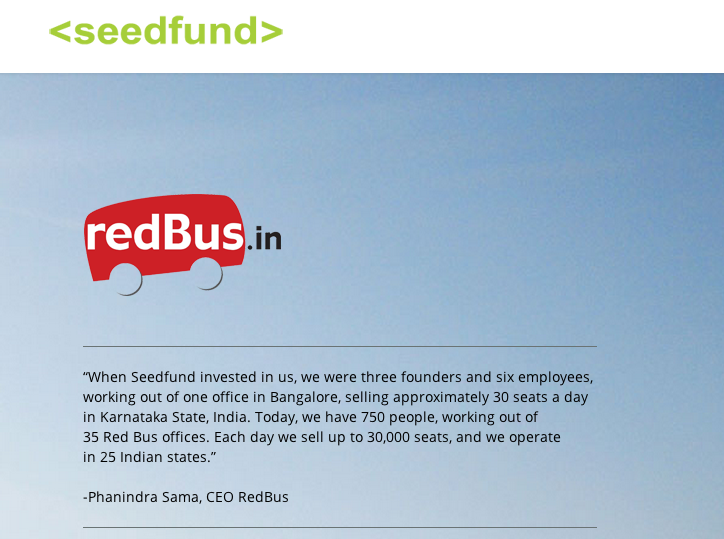
    Started in 2006, Seedfund has established some of the big name brands on the internet sphere. Brands like Redbus and Carwale began as hatchlings at Seedfund. It has invested in over 31 companies and is continuing to provide its services to more who arrive. Seedfund assists you in the micro sense, like choosing your logo to the macro business models for your company.

    With so many options available to you, there is nothing stopping you from making your ideas big except your own procrastination. If you think you have the next big billion-dollar idea, then get in the game and get making, the future belongs to the creators.


  • Micromax Fast Capturing Samsung’s Rapidly Losing Ground

    Micromax Fast Capturing Samsung’s Rapidly Losing Ground

    A few months back, Samsung got its first jolt in rating when Xiaomi kicked it from the top of the podium to second spot in China. A few days later, Samsung was overtaken in the Indian market by the homeboy Micromax in Q2 2014. Samsung denied the news and said that it was still at the top. Well, seems like Samsung’s woes have not finished yet.

    Market research firm IDC is reporting a drastic fall in Samsung’s market share. At the same time, Micromax is showing positive gains. While Samsung slipped from 29% market share to 24%, Micromax gained a healthy lead of 2 percent and went from 18% to 20%.

    Samsung’s sales have been falling over the last couple of years. The culprit can easily be found. The electronic giant has not brought any exceptional device in a while, and even the innovative Note 4 is out of the reach of the average consumers. Samsung is also facing stiff competition from Chinese and Indian brands who are fast adopting high specs, low price formula.

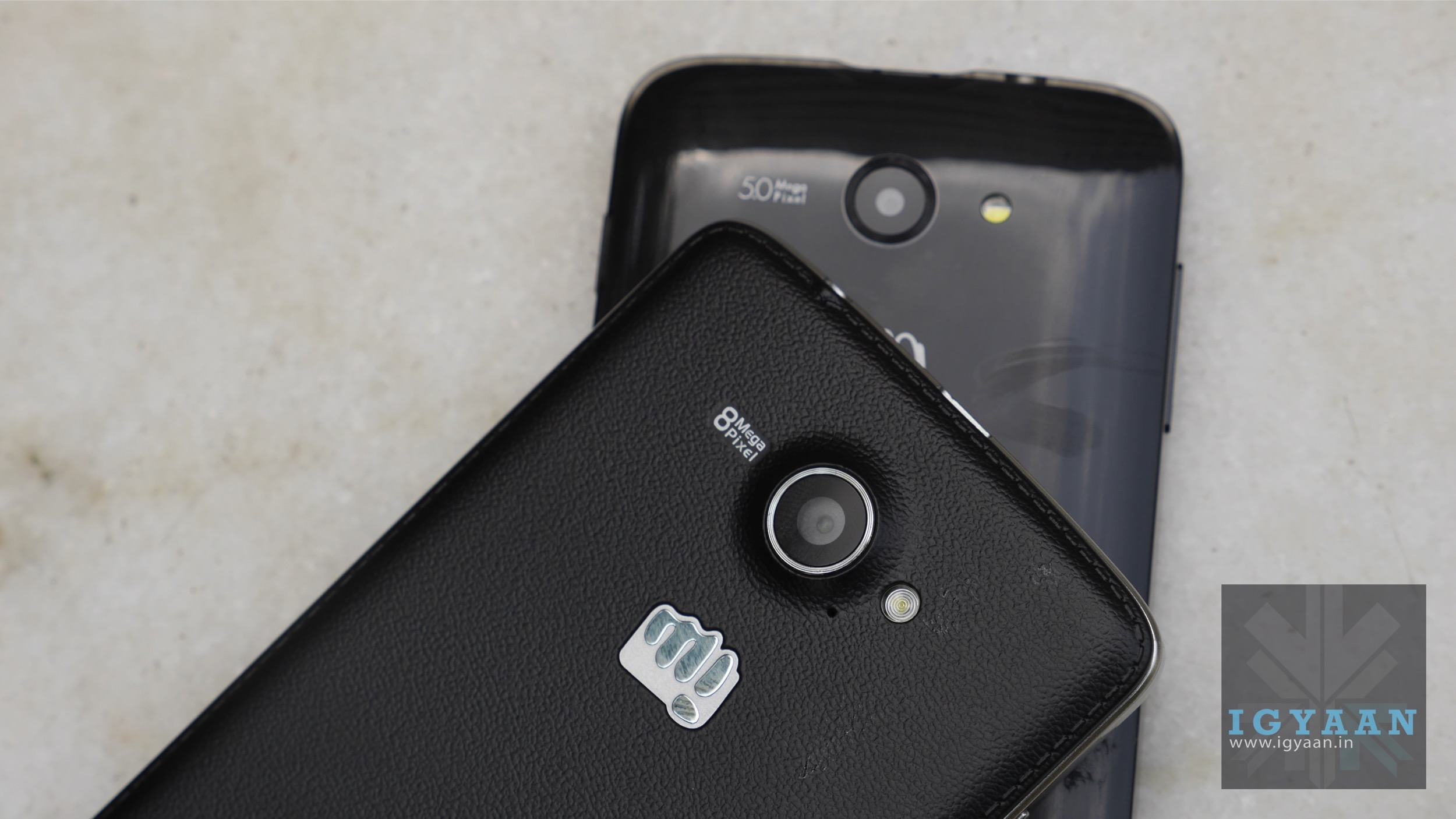
    Though Micromax too doesn’t have any exceptional device in its portfolio, its Indian brand appeal comes to its rescue. The company has been berated for its unsavory after sales service. Recently, the company has hinted at making products based on CyanogenMod that would take care of most of its headaches. The custom ROM is known globally for its stock android experience with amazing customisability features and regular updates. The CyanogenMod-based devices will be released under the brand name ‘Yu’ and are expected to be launched next month. If Micromax plays its cards right, it can literally go places with the Yu. The advice for Samsung has been around for a while, it is to go back to the drawing board and start from scratch, and finally the company is paying heed to it. We just have to wait another quarter to know the further fate of these companies.

  • Sony Working Towards Reviving its Ailing Smartphone Business

    Sony Working Towards Reviving its Ailing Smartphone Business

    Sony was once a name that people trusted when they went for electronics shopping. The company had its roots firm in every sphere of consumer electronics. But now, the Japanese giant is in trouble. The slow adoption of technology has pushed it back in several fields in which it earlier led the game, the most prominent example being its TV business. Sony’s other major electronic products, the smartphone family is in serious trouble.

    Once Sony had aspired to become the third biggest smartphone company behind Samsung and Apple. This aim, they now realise, was overambitious. Instead, they are now trying to restore their ailing smartphone business.

    The company recently posted a loss of $1.2 billion. The continued losses have forced the company to scale back their sales target from 50 million down to 41 million. Presently, Sony’s electronics fort is held up by the successful sales of the Playstation family.

    Sony will be putting its focus on three areas: image sensors, video games, and entertainment studio. Sony is also hoping to make gains from its entertainment studio. But currently, the studio is facing a global hack and the stand-off is still in progress. The hackers are threatening to release sensitive documents if their demands aren’t met. This can be a cause of concern for the company as a whole as Sony Pictures is one of the major names of the industry and one of the Sony’s biggest cash cows.

    Flagships smartphones from the company such as the Z3 have been appreciated for their features, but they have also been berated for their high prices. It is expected that the company will reduce the number of flagships it releases in a year and also cut back on the affordable smartphone portfolio.

    Presently, the main goal of the company is to bring its business to profitability even if that means losing 25-30% of market share in the smartphone business. The company is facing issues in the markets of US and China, which are important for the industry. Sony commands 3% market share in both those countries and will be scaling back its investment in China soon. Plans for the US market are not clear yet.

    Sony devices have been appreciated in the past for their quality and device cameras. The company can make a name for itself in the low-end selfie device market while the fad is still on. It can also take the Motorola path and release limited devices in a year but make sure that the devices are universally appreciated.

  • Xiaomi Redmi Note Launched in Two Variants, To Go on Sale on 2nd December

    Xiaomi Redmi Note Launched in Two Variants, To Go on Sale on 2nd December

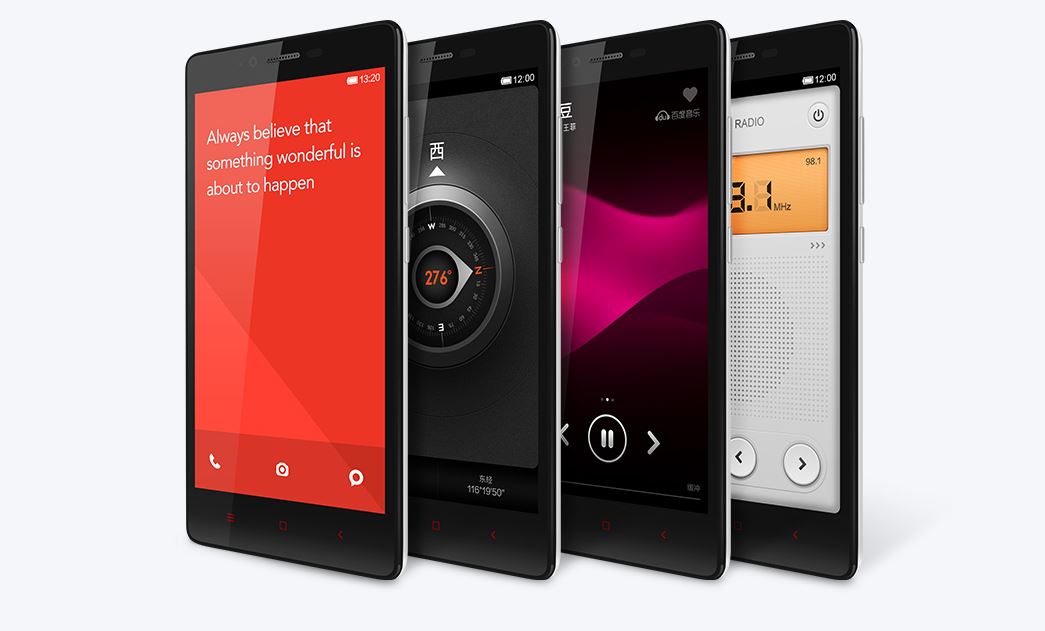
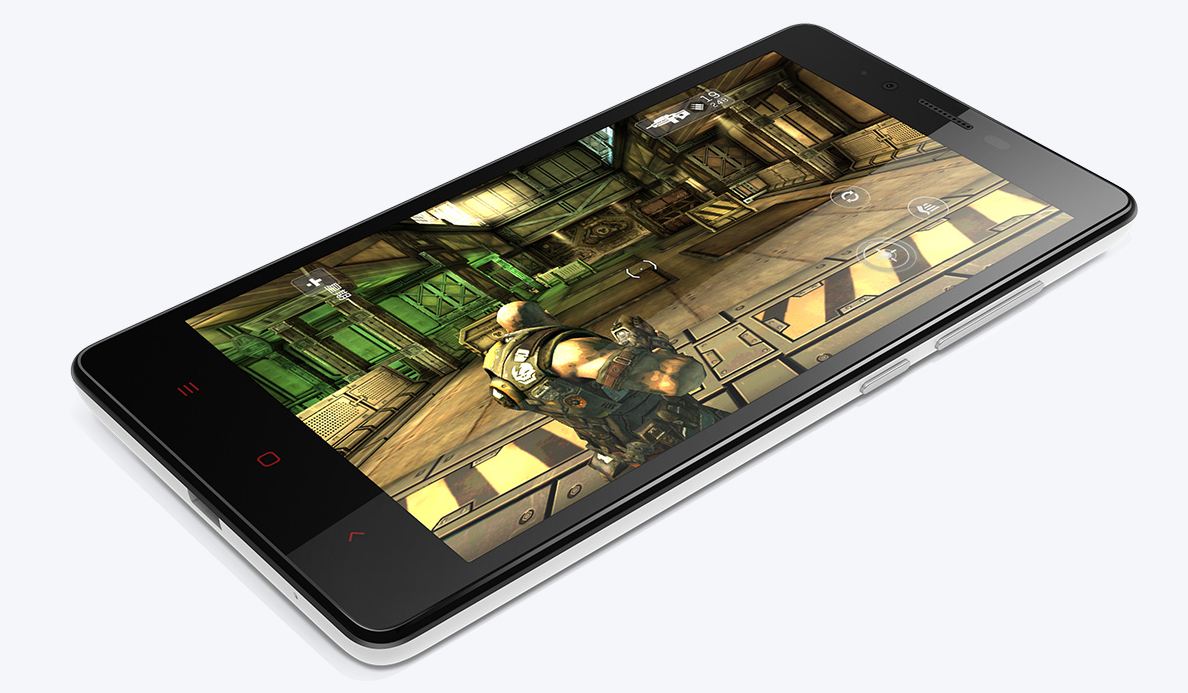
    Xiaomi added the third device to its India portfolio today. The Chinese electronic powerhouse brought two variants of the Redmi Note to India. The devices will go on sale on the 2nd of December.

    As reported earlier, the basic 3G variant will carry octa-core 1.7 GHz MediaTek chipset whereas the surprise offering of the 4G version will sport 1.6 GHz quad-core Snapdragon 400 chipset. The 4G variant is specially made for India, and it has dual-band support for both TDD-LTE 2300 MHz (Band 40) and FDD-LTE 1800 MHz (Band 3).

    Being Xiaomi, there was a last-minute surprise in the pricing front. The 3G variant of the phone comes at a price of Rs. 8,999, while the 4G variant will be up for sale at Rs. 9,999. Considering the offering of a superior processor and 4G capability by shelling just a thousand rupees more, it would be advisable to go for the 4G variant.

    One bit of spec sheet that will tilt the scales even further towards the 4G variant is the expansion of the memory. While the 3G variant gives an expandability option of 32 GB, the 4G variant lets you increase you memory capacity to 64 GB via external storage. So the 4G variant is definitely more bang for the buck.

    The USP of the device is its 5.5-inch 720p IPS display. The massive screen coupled with a good processor will put out some great performance. We can safely assume that Xiaomi is going to repeat a vanishing act soon with its third offering for India.

  • “India is Xiaomi’s Most Important Overseas Market” Says CEO Lei Jun

    “India is Xiaomi’s Most Important Overseas Market” Says CEO Lei Jun

    The four-year-old Chinese smartphone company Xiaomi has become one of the most talked about smartphone maker in Indian tech industry. With high-end specs and low costs, the company has managed to create a huge market for itself in our country.

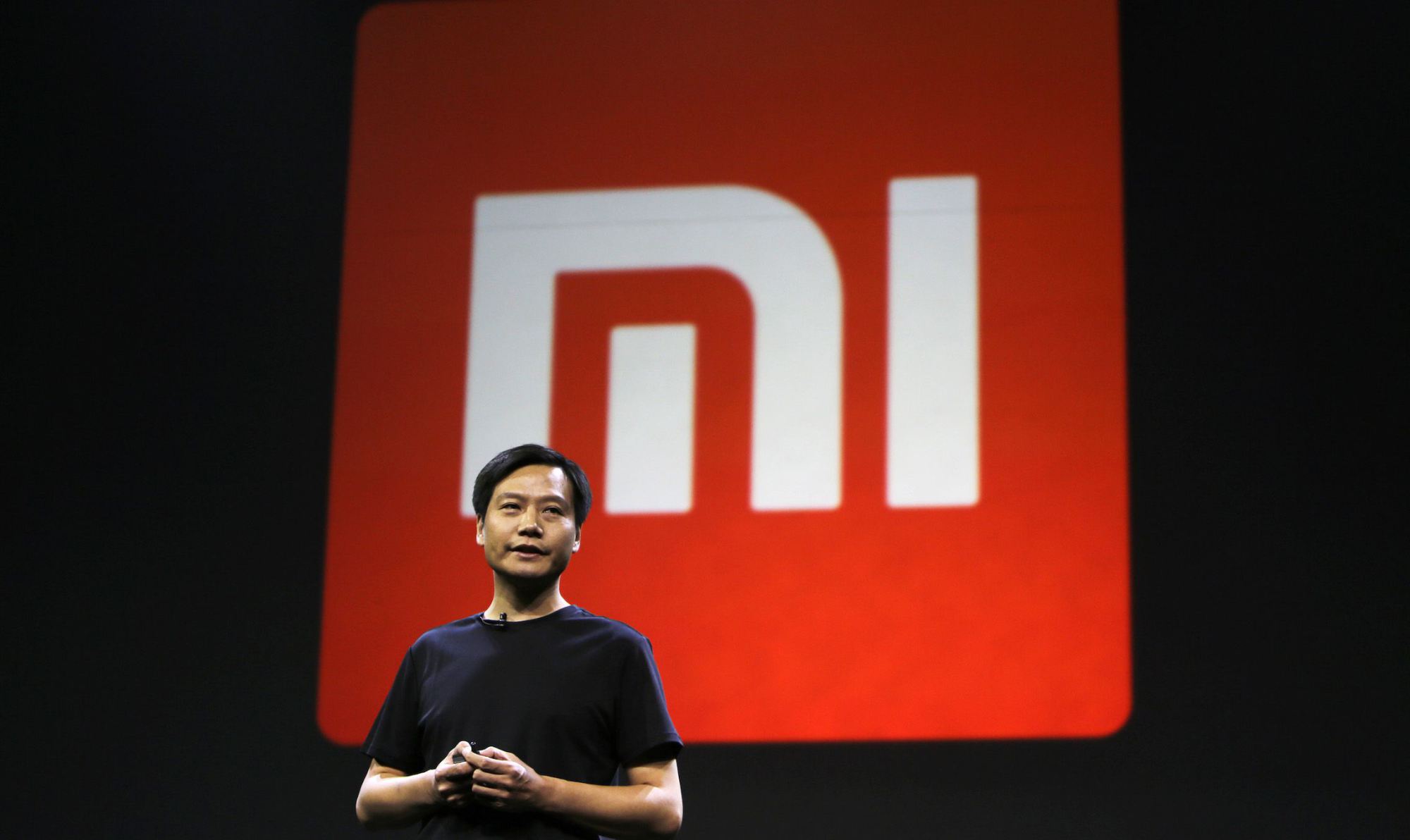
    Xiaomi’s chairman and CEO Lei Jun at the recent World Internet Conference commented on ‘how India has become the most important overseas market for Xiaomi. Jun also shared the company’s strategy to become world’s largest smartphone maker.

    The panel attending World Internet Conference on ‘Creating an Online Global Village Together’ included tech heavyweights like LinkedIn Chairman Reid Hoffman, Nokia CEO Rajeev Suri, Baidu President Zhang Yaqin and China Telecom Chairman Wang Xiaochu.

    Talking about India as a market place, Jun said, “India is becoming our largest overseas market.” Its smartphones offering tempting specifications at an affordable price range have been lapped up by buyers.

    redmi note
    Xiaomi is hosting an event today in Delhi where it will unveil Redmi Note before it reportedly goes up on sale next week.

    Even though, the company has been criticised for the limited availability of its products and privacy related issues, the smartphones have been seen flying out of shelves in a matter of seconds during the flash sales every Tuesday.

    CEO Lei Jun showed up late for the conference which made up the headline of various publications. At the same time, the company was hosting a press conference in Beijing to announce that it and Shunwei Capital (of which Lei is also chairman) are investing $300 million in Baidu’s IQiyi.com video website. It’s all part of Lei’s plan to plow $1 billion into video content to help bolster sales of Xiaomi’s Internet-ready televisions and set-top boxes.

    “I believe that no one thought the Xiaomi from three years ago, which just made its first phone, would later rank as the third largest player,” Jun said. “Within five or 10 years, we have the opportunity to become number one smartphone company in the world.”

    The company has a stronghold on the Indian market already with its current offerings Mi3 and the entry-level Redmi 1S. Xiaomi is now planning to launch the Redmi Note in India. It is hosting an event today in Delhi where it will unveil the phablet, before it reportedly goes up on sale next week.

  • Amazon Reportedly Planning to Launch Free Video Streaming Service With Ads

    Amazon Reportedly Planning to Launch Free Video Streaming Service With Ads

    Amazon CEO Jeff Bezos is set for a fresh move on video-streaming space. Since last year, Amazon has been gaining ground on Netflix as the most popular video streaming service in the US, and now it is planning something that could overtake its rival.

    According to reports, the e-commerce giant will roll out a new ad-supported streaming offering early next year that will be separate from its $99-a-year Prime membership that includes a video service.

    The ad-supported option — part of an overhaul of its media offerings — poses a serious challenge to streaming rivals such as Hulu and Netflix, analysts said. “If they do an ad-supported service, they will decouple it from Prime and that is a Netflix killer,” said Wedbush Securities Analyst Michael Pachter. “It won’t be $99 a year.”

    In March, the WSJ came up with a similar report describing a free, ad-supported video service from Amazon. At the time, the company flat-out denied that this was happening. “We’re often experimenting with new things, but we have no plans to offer a free streaming-media service,” an Amazon spokeswoman told Variety in response to the WSJ report. The NYP report notes that the ad-based service is ‘a definite go’ but does not specify a launch date.

    Although it will be separate from Prime, the ad-supported service is ultimately a bid by Amazon to lure people to eventually pay up for the Prime membership, said one ad source familiar with Amazon’s plans. However, the company has not confirmed anything and said it has not announced any plans to offer an ad-supported video streaming service. That doesn’t mean that the company won’t, though. This essentially means that they won’t comment on this particular subject.

  • OnePlus Founder Explains Why it’s so Hard to Get the One

    OnePlus Founder Explains Why it’s so Hard to Get the One

    It would be fair to say that OnePlus One has become a cult smartphone, partly because it is hard to get one. The company has opted quite an unconventional way of selling the exceptional device, the invitation-only system, and not to forget their terribly misguided marketing scheme.

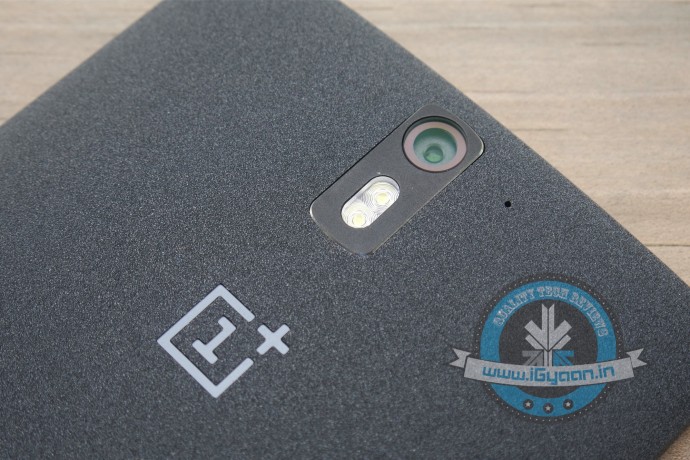
    However, at an expected price of Rs. 25,000 for a 64GB variant, the headaches are worth the wait for smartphone enthusiasts. Having had my share of experience with the One while we were reviewing the device, there is no doubt that the company left no stone unturned in delivering top-end specs with a low-end price and a premium design (especially the Sandstone variant).

    We gave it an impressive 8.7 score saying ‘it is the best phone for its price’, however, there was one problem and that’s its availability. OnePlus founder Carl Pei in an interview with PC magazine explained why is that so. “We set some goals for this year. Thirty thousand was a realistic goal, 50,000 was a pretty good goal and 100,000 was a stretch goal,” he said. “We now aim to ship a million devices this year, and we’ve already surpassed half a million.”

    oneplus-one-igyaan-3

    The problem is to deliver such a product with high-end specs and low-cost, the company has to cut down margins. And because it makes so little money on each phone, it doesn’t want to make more than it can sell. The OnePlus One hasn’t followed the typical rules of phone demand because it is not a usual phone. Typically, when some phone launches, there’s a strong demand for about two months and then it starts tapering off. But nobody’s been able to match the OnePlus One’s price/performance balance, so demand for the phone has just been rising exponentially with time.

    “Sooner or later, it’s going to stop, and we don’t want to be caught with too much inventory. With no margins, we can’t have a situation where we have too many units and we’ll have to discount them. For us, the first year was about survival. We understand it’s been really hard to buy,” Pei said.

    There is a lot of traction between the manufacturer and consumers here as the firm sells its products directly (no middleman involved). However, we need to know that what the company is doing is really difficult. The worst case scenario is if the demand dries out, then they’ve got no chance to recoup with what would be nearly 100% loss. The easy answer is to discount the device, but again the margins are already tight.

  • Falling Sales Lead Samsung to Decrease its Smartphone Portfolio By 25-30 Percent

    Falling Sales Lead Samsung to Decrease its Smartphone Portfolio By 25-30 Percent

    Things haven’t been great for Samsung lately. The company’s phones are being berated for their generic designs and offering low specs at high price. It is also facing a profit margin that is lower than before it unveiled the Galaxy line of phones. Looking at the numbers, it can be said that the company is going on a reinvention drive.

    It was reported just a few days back that the company was launching ‘Project Zero’ to reinvent its next flagship from scratch. This model will be an inspiration that can be later carried down the food chain. But apart from creating a new product, the South Korean giant will shelve as much as a quarter of its devices.

    Head of Investor Relations Robert Yi has said that the cuts in the portfolio can be up to 25 to 30 percent. Presently, Samsung’s margins from its mobile and information technology business squeezed to just 7% in the third quarter that ended September. It is at the lowest level since the end of 2008, before it launched its first Galaxy smartphone. This should be worrisome as the mobile business has almost become the face of the company, and a loss would severely affect the company’s perception in the eyes of its consumers.

    Samsung is also getting beat by brands like Xiaomi, Motorola and local brands who are rapidly clearing the dominance of Samsung devices in the market. The company got a massive jolt this year when it dropped to second spot in India and China. This must have finally led the company to see the light and create a new strategy.

    It’s not sure as of yet as to what devices will get the boot but considering the massive stock of the Grands and Primes and Autobots and Decepticons, there is a scope for decreasing the number of devices in the portfolio. The company is also targeting the mid and lower segment of the market where the maximum volume of the sales takes place.

    Samsung has the potential and resources for beating Xiaomi at its own game. It even has enough financial cushioning to take some unwanted hits. So, it would be advisable to Samsung to take on some more serious risks and give the consumers an offering that will actually be aspirational.

  • iPhone 6 Records Three Times Higher Sales Than its Bigger Sibling

    iPhone 6 Records Three Times Higher Sales Than its Bigger Sibling

    Even though Apple is always tight-lipped about its sales figures, a research firm Consumer Intelligence Research Partners (CIRP) tracked down the first 30 days of the iPhone 6 and iPhone 6 Plus availability in the US and has come up with some interesting data.

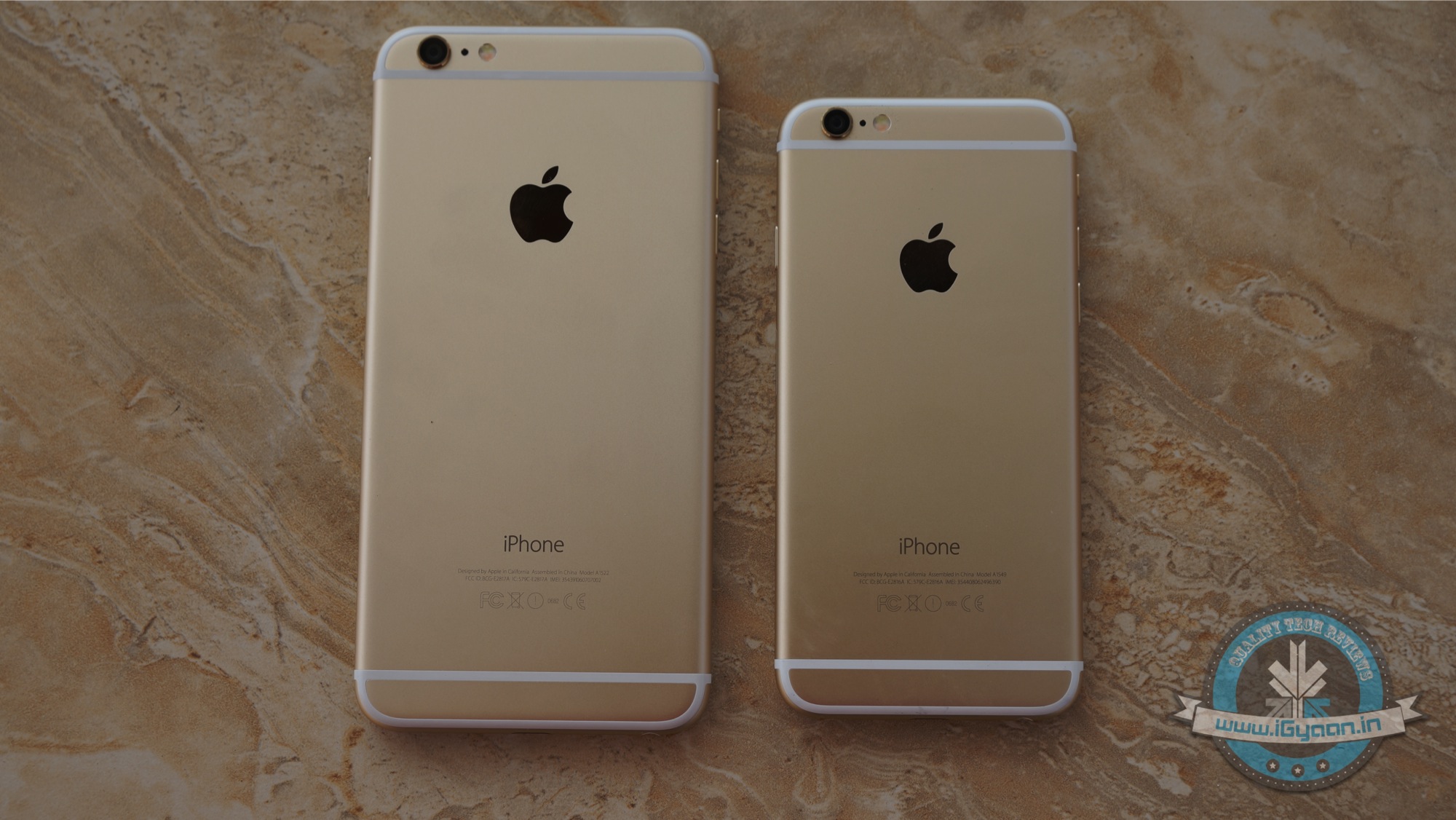
    According to the analyst Steven Milunovich of CIRP, the iPhone 6 accounted for 68 percent of all iPhone sales, while the iPhone 6 Plus took between 23 and 24 percent. This puts the sales ratio somewhere near 3:1 in the favour of iPhone 6. Unlike the Asian market where phablets are always best sellers, iPhone 6 are preferred by the US customers over iPhone 6 Plus.

    Together, the new iPhones represented about 91 percent of the total iPhone sales over their first four weeks of availability. The remaining units are represented by the previous-generation iPhone 5s and iPhone 5c. Obviously, the data clearly shows that there’s a clear favourite, but it is also to be noted that the iPhone 6 Plus has faced stock issues since its launch. That’s one of the reasons many people haven’t really been able to buy one.

    CIRP’s research also pointed out that maximum buyers went for 48 GB storage, which is almost double the average storage capacity from a year old model. The reason is that Apple, this year, dropped the 32 GB capacity and offers the iPhone 6 Plus in sizes of 16, 64, and 128 gigabytes.

    It is said that as soon as the stock level of iPhone 6 Plus picks up and a normal delivery time is achieved, we can expect the device to gain some considerable ground.

  • AT&T Eyes the International Market, Announces Acquisition of Mexico’s Iusacell

    AT&T Eyes the International Market, Announces Acquisition of Mexico’s Iusacell

    AT&T, the 20th-largest mobile telecom operator in the world with over 116.6 million mobile customers, has just expanded its multinational telecom estate in a pretty significant fashion. The company has announced that they will be purchasing Mexican wireless carrier Iusacell for $2.5 billion.

    “Iusacell gives us a unique opportunity to create the first-ever North American Mobile Service area covering over 400 million consumers and businesses in Mexico and the United States,” AT&T CEO Randall Stephenson said in a statement. “It won’t matter which country you’re in or which country you’re calling — it will all be one network, one customer experience.” The company also revealed that they will also take over Iusacell’s 8.6 million subscribers and the carrier’s technology, which currently covers about 70 percent of Mexico’s 120 million citizens.

    plan_total_2_iusacell_tu_decide_06_09_11

    For AT&T, the move fits into a strategy that it has articulated for more than two years: diversifying its revenue by moving into foreign markets. “We just think over the long haul that the global telecommunications marketplace will continue to scale,” John Stankey, AT&T’s Chief Strategy Officer said in the statement. “Over time, AT&T will explore the potential bundling of phone and pay TV services in Mexico,” Mr. Stankey said. But for now, the carrier is focused on offering phones and high-speed wireless data services.

    Iusacell’s network is based on the same GSM technology that AT&T uses. The company said that Iusacell will continue to be headquartered in Mexico City after the acquisition is complete. There is no word on whether AT&T will rebrand and integrate Iusacell under its own umbrella.

    The deal comes five months after AT&T sold its stake in América Móvil, Mexico’s biggest phone company, after agreeing to buy DirecTV for $48.5 billion. The American company later acknowledged that it would begin competing directly against its onetime partner.

  • WhatsApp User-Base Reaches 70 Million in India

    WhatsApp User-Base Reaches 70 Million in India

    There is absolutely no doubt that WhatsApp is one of the most popular messenger services all over the world. Recently in an event, WhatsApp’s Business Development head Neeraj Arora revealed that in India, the user base of the application has grown to 70 million active-users, which is over a 10th of its global users.

    “We have 70 million active-users here who use the application at least once a month,” said Arora at the fifth annual INK Conference in Mumbai. He further added to his statement that the total user base for the company is 600 million, including the one bought by Facebook in a $19-billion deal earlier this year.

    WhatsApp for Tab

    India is one of the biggest markets for WhatsApp, a application which targets to connect billions. Arora stated that WhatsApp will continue to hold a stand-alone identity even after the Facebook acquisition and will not get merged with the social networking website.

    The company also commented that with the team of just 80 people, WhatsApp is already getting benefitted through learnings from the social networking giant. Also, it could have been a pretty good deal if he would have paid some money to buy WhatsApp three years back, Arora stressed upon the fact that the company has grown a lot since then. That time, it would have been in “low tens of million” dollars. The user-base has exponentially grown to 600 million from the 30 million three years ago.

  • Troubled Waters Lay Ahead for Sony as it Registers $1.2 Billion Loss

    Troubled Waters Lay Ahead for Sony as it Registers $1.2 Billion Loss

    Billion is an amazing number. It is used to signify the number of stars in the sky, the populations of India and China, and the number of atoms in a human body. But for Sony, the term means time to take drastic measures. The Japanese consumer-electronic giant has been in troubled waters for a while and seems like it’s not going to come to an end anytime soon.

    The company has registered a record loss of $1.2 billion. This has led the company to decrease its smartphone sales figures from 43 million to 41 million. This came after the company has decreased its sales projection from 50 million to 43 million in this financial year that runs from April 2014 to March 2015.

    There is some silver lining in this bleak news from the once-unanimously valued brand. The company saw an overall sales increase by 7.2% to reach $17.4 billion. Sony’s latest gaming console, the PlayStation 4, is the most visible product that is holding up its fort as of now.

    The Japanese company has been in damage control mode for a while. It increased its marketing expenses, and research and development expenses, in order to expand sales. This may pay off in some key markets.

    Sony’s latest flagships have been appreciated for their features, but they come at a flagship price range. Hence, the phones haven’t been able to provide the company the revenue they require. Sony has also given the charge of its smartphone business in the hands of a new head, Hiroki Totok. He will replace the current head, Kunimasa Suzuki, on 16th November. Hopefully, the infusion of new head might bring some ideas that will help get Sony back on track. Or else, it may go the way of Nokia, which is, fortunately, not a possibility as of yet.

iGyaan Network
Privacy Overview

This website uses cookies so that we can provide you with the best user experience possible. Cookie information is stored in your browser and performs functions such as recognising you when you return to our website and helping our team to understand which sections of the website you find most interesting and useful.