Category: Government, Law and Policy

  • Flipkart Suspends Xiaomi Redmi Note, 1S Sales Until Further Notice

    Flipkart Suspends Xiaomi Redmi Note, 1S Sales Until Further Notice

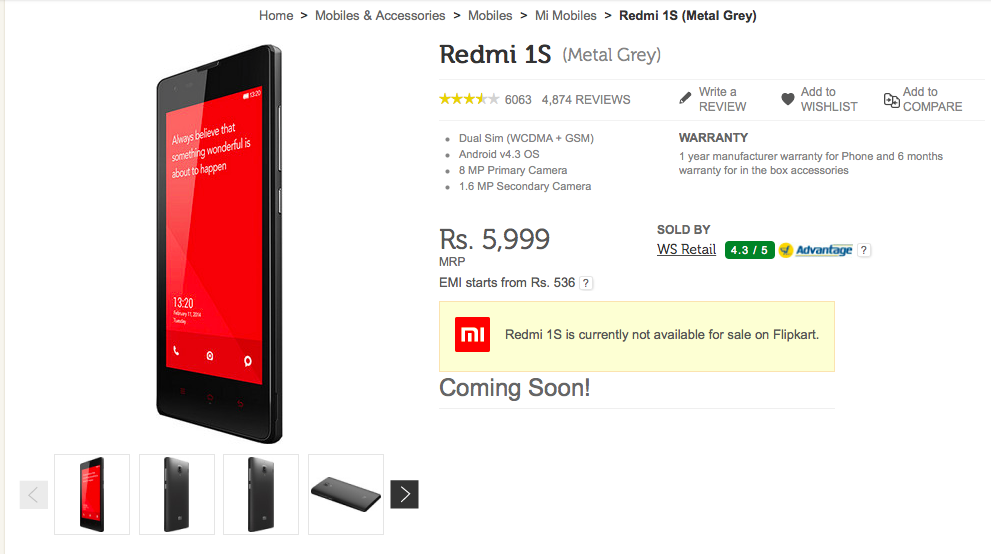
    Flipkart, the e-commerce website which was also the official online shopping partner for Xiaomi’s handsets has been directed to stop all imports and sales of the handsets until further notice. Flipkart’s dedicated webpage now mentions that the phones are ‘not available’.

    Screen Shot 2014-12-12 at 10.01.14 am

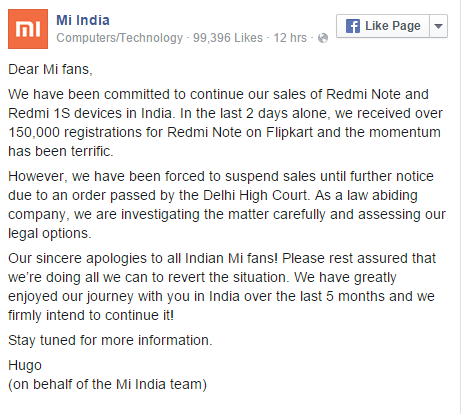
    Xiaomi fans would have to wait for a while till the case settles. Till then, Xiaomi sales in India would be hugely affected, leaving the fans disappointed. However, those who have ordered the Redmi Note handset and the Redmi 1S handsets from this week’s sales should be getting their devices as scheduled. The next weeks sales will not be held till further notice.

    Xiaomi Vice President, Global, Hugo Barra, also mentioned the same on the official Xiaomi Facebook page which reads as follows-:

    Capture

    The decision had been arrived by the Delhi High court two days ago when Ericsson approached the Court claiming that Xiaomi has infringed its patents and  failed to reply to Ericsson’s notice. Along with Xiaomi, Flipkart also was roped in and directed to stop all imports and sales of the handsets till further February.

    The silver lining, if any, for the Xiaomi fans is that the ban is only on handsets. Those who wish to purchase power banks and other accessories can still do so through Flipkart.

  • Xiaomi Reportedly Banned From Importing and Selling Handsets in India

    Xiaomi Reportedly Banned From Importing and Selling Handsets in India

    The Delhi High Court has reportedly put a halt on Xiaomi’s surging sales in India by passing an ex-parte injunction order. Hearing a case filed by Ericsson India against Xiaomi, the court on Monday passed an ex parte order from “selling, advertising, manufacturing or importing devices” that infringe upon Ericsson’s patents. In fact, the judge also directed the customs officials to stop the imports under the IPR Rules, 2007. Moreover, local commissioners too have been appointed to visit Xiaomi India offices to ensure the implementation of the order.

    The adverse order in the case seems to have come about after Xiaomi allegedly ignored Ericsson’s repeated communications. Reports indicate that Flipkart is also implicated in the case, and that the Delhi High Court granted the injunction after Xiaomi did not respond to Ericsson’s missives.

    In an emailed statement to NDTV Gadgets, Xiaomi India Head, Manu Jain, responded to the Delhi High Court Injunction

    While we haven’t received an official notice from the Delhi High Court, our legal team is currently evaluating the situation based on the information we have.

    India is a very important market for Xiaomi and we will respond promptly as needed and in full compliance with Indian laws. Moreover, we are open to working with Ericsson to resolve this matter amicably.

    Xiaomi had launched its India operations in July 2014 and the country is the second largest market for the company and also the fastest growing one. It sells phones exclusively through online marketplace Flipkart via flash sales in limited numbers. In such a limited span Xiaomi has made an unparalleled impact completely throwing the domestic smart phone players off their game.

    Will this injunction imply the end of Xiaomi in India? A similar incident happened with Gionee, early this year when Ericsson had managed to halt sales for the brand, but the case was resolved out of court in a matter of hours.

    In Xiaomi’s case, the company may not have enough “moolah” to get away with an out of court settlement. Will India witness the rise and fall of one of the most dynamic smartphone company all in a span of 6 months?

    Only time will tell…!

    Update :

    Not just sales, Xiaomi now shuts down its Indian website too. Following the suspension of its handsets through Flipkart, Xiaomi shut down its Indian website. The company has put out an announcement, which now contains only one page that shows the letter from its global vice president Hugo Barra addressing the Xiaomi fans. On the brighter side, the facebook page of Xiaomi is still live, so all the Xiaomi followers can stay updated.

  • Indian Government Plans Rs.10,000 Crore Innovation Fund for Tech Start-ups

    Indian Government Plans Rs.10,000 Crore Innovation Fund for Tech Start-ups

    In the Information Age, the winner of the game is the one who takes the lead in innovation. Countries and corporate investors are proactively looking to push talented individuals and companies to create the next revolutionary product. Never has been the pace of innovation this fast. In just the last decade, we have seen radical changes in technology especially in the consumer electronics field. Internet has not just connected the world together it has also allowed for the proliferation of knowledge and made the world a globally accessible marketplace. Luckily for India, it is already a part of the ground-level innovation game called start-ups. Now the Indian government is planning to give an adrenaline shot to the innovation process in the country.

    The Department of Electronics and Information Technology (DeitY) is planning to set up a Rs. 10,000 crore fund for innovation and development purposes in the fields of electronics and IT. The announcement was made by DeitY secretary R. S. Sharma at InfoComm 2014.

    The government will partner with the existing venture capitalists to select the start-up where it would invest the fund. The government is also looking towards strengthening Intellectual Property Rights (IPR) to promote the development of the sector.

    The present government is actively engaging with the industry to grow India’s technical might. The Digital India program is an audacious plan by the government to boost information interconnectivity across the nation. By investing in innovation, the government strengthens the nation’s ability to create its own technology as well as reduce dependency on technological import from other nations. India currently imports electronics worth $100 billion, which is expected to go up to $400 billion by 2020 which will be more than the bill for importing oil. If India forms an encouraging technological ecosystem that supports research and production of the products, it will lead to a considerable reduction in the import bill.

    If the government is serious about innovation then, it should also invest heavily in green energy technology as that will lead to severe cuts in the bill for fuel import. By aggressively pushing for a green energy, India can become a frontrunner in changing the future of the world. The government should heavily subsidise green car production and off-grid electricity solutions instead of giving billionaires like Adani a loan of $1 billion for a coal project. The government should rather invest in citizens of the country who pay for that money in taxes. The foundation of an innovation fund by the government is an encouraging and appreciable step, but it needs to do a lot more to make this country into a technology frontrunner.

  • European Parliament Overwhelmingly Supports Breaking Up Google

    European Parliament Overwhelmingly Supports Breaking Up Google

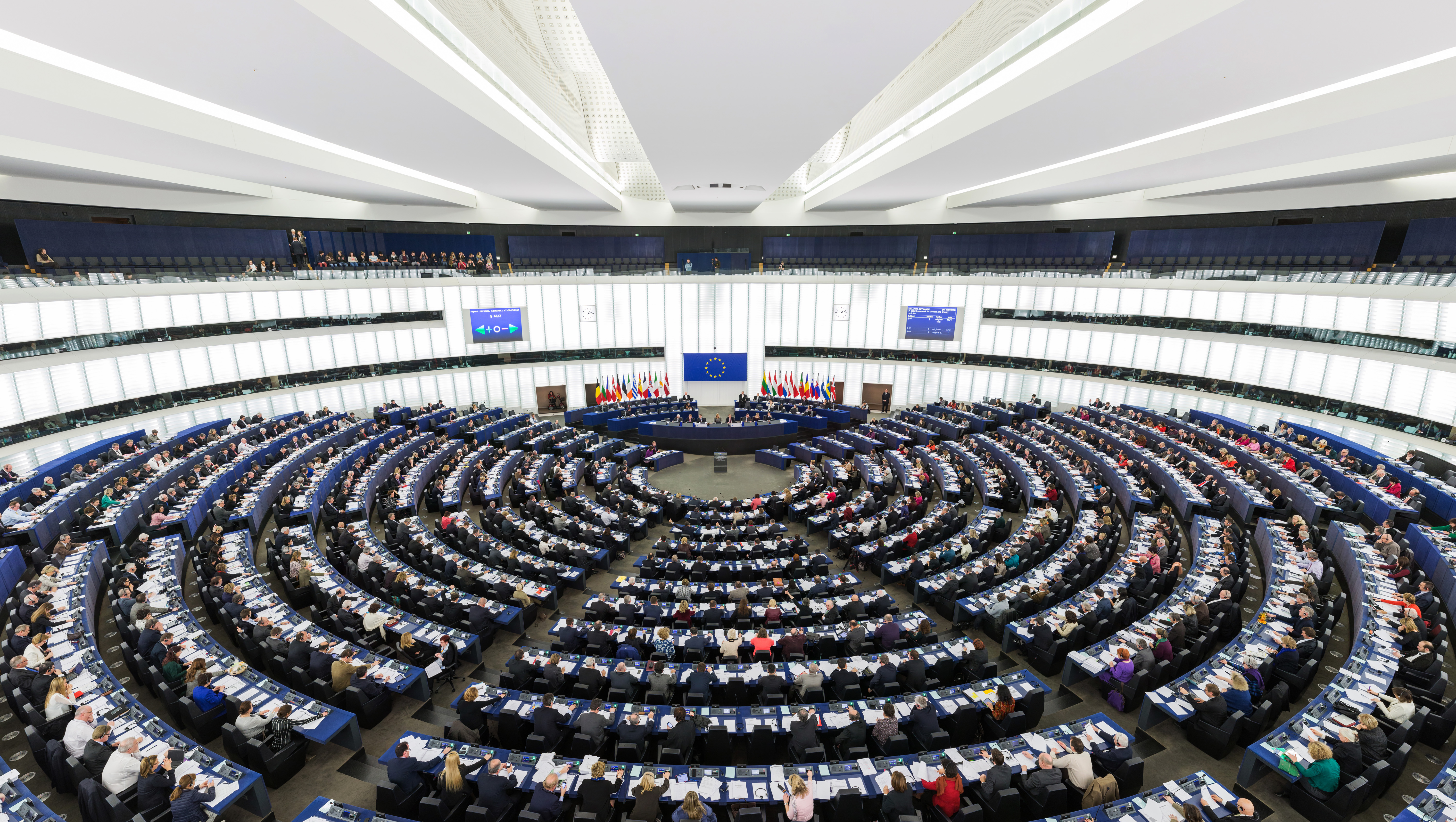
    It was reported earlier that the European Parliament was considering a draft proposal to break the search and other businesses of search engines. This proposal was put on vote, and it has received overwhelming support. It is important to know that the resolution is non-binding on any party, but it now puts pressure on the European Commission to introduce regulations on search engines.

    Although the resolution doesn’t name a specific search engine, but it’s easily assumable that the target is Google. The company enjoys a comfortable hold on the market with a 90% market share. It spooks the legislators that an American company forms such a monopoly in the continent. There are multiple business malpractice allegations against Google too. The allegations have led to anti-trust investigations against the company. One of the major reasons for this proactive crackdown of Google is the privacy concerns.

    The resolution received 384 votes in favour of the motion and 174 against it. Andreas Schwab, the German Conservative Lawmaker and co-sponsor of the bill said that this is a clear sign for the European Commission to prevent monopolies and create a level playing field for the companies.

    France and Germany have even called for review of the competition rules of the EU so as to enhance the accountability on global internet companies. They intend to make it easier for governments to target these companies.

    Google has yet not commented on the issue. The vote count is definitely going to get the balls rolling in Google’s defense team. The case matters because it is questioning one of the basic and most essential components of the internet, the search. They are seriously considering regulations for the internet. It won’t be an easy task as Google is now literally the gateway to the internet and most of its ‘intuitions’ comes from integrating search with its other service. It will be interesting to see where this path takes us and the information superhighway.

  • European Parliament Working on Clipping Google’s Wings

    European Parliament Working on Clipping Google’s Wings

    Google is the big brother to the world. Using its position of the biggest search engine in the world, the company has a massive information repository about anyone using its services. The massive data has helped the company to bring some amazing tools and functionalities and has changed the way we use the internet. But even with all the great offerings from the company, the question of privacy of data is still a concern for the users. After multiple cases of privacy theft and since the Snowden revelations, European politicians have grown wary of American internet products.

    The European Parliament is currently in the process of preparing a non-binding resolution to curb the influence of major search engines. It is planning to split search from the other businesses of these companies. The European Parliament doesn’t have the right to propose legislation, but it can put pressure on EU to strengthen its anti-trust investigation against Google. The tech giant hasn’t commented on the issue yet.

    This draft motion doesn’t name Google explicitly, but it sure appears that the search giant is one of the primary targets. Google holds 90% of the market share in the search market of Europe so it’s obvious that they want to reign the big bird. Google is also facing antitrust investigation in the European Union (EU) and this move will lead to further pressure to strengthen the investigation.

    the European Parliament doesn’t have the right to propose legislation but it put pressure on EU to strengthen its hold on Google
    The European Parliament doesn’t have the right to propose legislation but it can put pressure on EU to strengthen its hold on Google

    Google has been at odd standing with Europe for a while now. Recently, the EU passed a ruling called ‘Right to Be Forgotten’, using which users can demand the removal of links from Google’s Search listings. These links have to be inadequate, irrelevant, or no longer relevant and people can send in requests to search engines like Google to remove the listings. Google has said that this is akin to censorship and it would need heavy investment in workforce to adhere to such requests.

    The judgement if adopted will create precedence in the way we legislate internet companies. It is important to know that there will be no immediate real world implications for Google, but it will encourage further regulations on the companies and prevent them from overreaching. The intentions with moves like this is to bring some accountability and transparency on the internet companies and to safeguard privacy rights. Spying is also a major concern for Europe who found that the NSA was spying on some major world leaders. The American security agency had engaged in hacking of companies and created backdoors in various products to spy on foreign individuals. This also led to distrust amongst the European politicians towards American information products.

    As the internet is still an evolving ecosystem which is mutating fast, laws have taken long to catch up to the changes. Google has used the lack of regulation for long to percolate down to all device we own and use the free data to further its business. People are finally realising that Julian Assange was right when he said “when the product appears free, then you are the product.” Google makes billions using the massive collected data and selling it to third parties and it’s about time that it became more responsible with the data it gathers. Europe’s steps are democratic and it is asking the right kind of questions to the company. This is one must-watch case.

  • Here is What You Should Know About Facebook’s Sneaky Privacy Policy

    Here is What You Should Know About Facebook’s Sneaky Privacy Policy

    Social networking giant Facebook is trying to simplify its privacy policy, making it more understandable for the average users with legal jargon. Now, there are a new set of pages called Privacy Basics, which are clickable and laid out with illustrations. Facebook says that the new policy tries to simplify what kind of information Facebook collects and how it uses the data. The new policy is compressed in 2,700 words compared to its old one, which was 9,000 words. In its attempt to simplify things, the new Privacy Basics has introduced three sections: ‘What Others See About You,’ ‘How Others Interact With You’ and ‘What You See.’

    There’s also a Facebook page for users where they can submit their comments as what kind of changes they would want to see. Users have until 20th November to post their feedback, after which the finalised version shall be implemented.

    Along with that, there’s also a Data Policy page, which is a cause of concern here as the new policy does not take into consideration how much personal data Facebook collects from its users.

    For instance, the one paragraph in its Data Policy is worth noting that says, “We share your information with third parties when we believe the sharing is permitted by you, reasonably necessary to offer our services, or when legally required to do so. Even though, users have an option whether they want to share information with third-party apps, they don’t have the option to select what kind of information is shared. As the new Data Policy still clearly mentions that Facebook has the right to use information people share on Facebook to target ads, whether you are logged in or not.

    Along with that, Facebook has also allowed businesses to advertise to users based on their specific location. Unlike earlier, when ads were targeted based on the current city mentioned in the profile. The new policy still specifies that they can access user information based on their smartphone’s GPS location. Additionally, Bluetooth and Wi-Fi signals can also be used to reveal user’s exact location.

    Another excerpt from its Privacy Policy which makes everything sound reasonable for Facebook, “We may provide information to service providers that help us bring you the services we offer. For example, we may use third parties to help host our website, send out email updates about Facebook, remove repetitive information from our user lists, process payments, or provide search results or links (including sponsored links). These service providers may have access to your personal information for use”.

    In addition, Facebook is also testing a tool that lets users buy directly through its site. This tool gives Facebook information about the transaction, including the credit card number, billing, as well as shipping address.

    Gone are the days of the good old Facebook, which was just a place to connect with your friends and loved ones. It’s becoming more of a business model as the networking giant wants its users to make the platform a more powerful tool for advertisers. The current state of the World Wide Web is such that it is intensely driven by the ad targeting technologies. The sad fact is that most of the users will not even read the policy, even if they do and express discontent to the way Facebook collects all their information; they are likely to continue using this new ad-driven business model.

  • Here’s How Facebook Wants to Make Sure You Read Their Privacy Policy

    Here’s How Facebook Wants to Make Sure You Read Their Privacy Policy

    The online social networking giant Facebook has rolled out a privacy policy which is said to be more user-friendly. This rewritten policy being more user-friendly can be judged by the fact that it is summed up in just 2,700 words, rather than 9,000 words used earlier.

    With this, a new feature has also been launched and that is Privacy Basics. It is simply an easy-to-use guide through which you can control your visibility to the world. According to a report by Wall Street Journal, Facebook’s Chief Privacy Officer Erin Egan was quoted saying, “Our goal is to make the information about Facebook as clear as possible. Our hope is that it will not take long for people to read through this and really get it.”

    Facebook Privacy Basics

    The policy will surely be welcomed by the users as it now informs about what kind of information do the website collects and how you can manage and delete information about yourself. Also, the company shared the fact about how the payment data, credit card data, account authentication information, billing, shipping, and contact information is used.

    Meanwhile, users who have gone through this policy can comment on the website. Facebook will finally launch a new policy version next month on the basis of the comments.

  • President Obama Stands by Net Neutrality; Asks for Stricter Protection

    President Obama Stands by Net Neutrality; Asks for Stricter Protection

    Net Neutrality is one of the most important issues being discussed in the United States. The path taken by FCC will set a precedence that can be used by all other service providers across the world. The future of the free internet stands is at stake and hence it’s important to save it. Luckily amongst the supporters of the Net Neutrality is an important figure; none other than the President of the United States.

    Net neutrality principle states that all data that is being transmitted on the internet is equal, and service providers cannot prioritize any data packets.

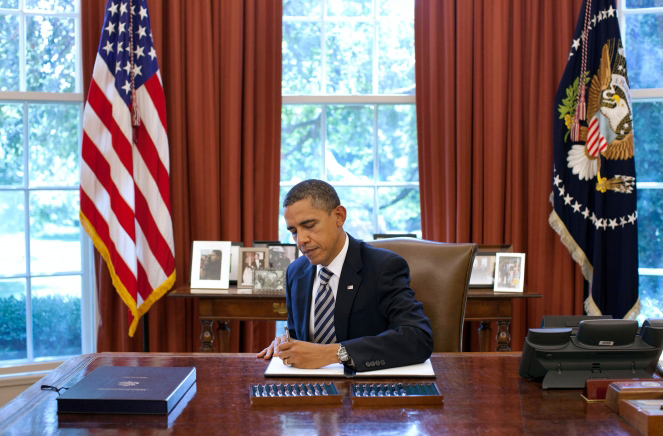
    President Barack Obama in a video address asked the Federal Communications Commission to formulate more stringent rules that protect the net neutrality principle. He expressly stated in the video address, “It is common sense that the same philosophy should guide any service that is based on the transmission of information — whether a phone call or a packet of data.”

    FCC had previously called on for public comment on the issue that attracted over four million comments from the public. The majority of these comments were in favor of stronger rules. Even the big internet companies like Google, Netflix, Kickstarter and Vimeo along with others joined hands in support of net neutrality.


    The biggest hindrance in the passing of the new rules is the heavy money might of the corporations who have lobbied proactively to gut the net neutrality principle. The telecom companies are not at all a fan of government regulation of the internet. Even the Republican Party, which won control of the two legislative bodies of the US Congress is in favor of diluting Net Neutrality. The stance of the party is evident from this tweet from one of the foremost voices of the Republican side of Congress.


    The internet is a phenomenal tool and an essential utility. By diluting net neutrality, companies will be able to charge a premium on specific content like certain sites or charge extra for video streaming. In countries like India, where the telecom providers are known for giving low-grade services at high prices, the issue of net neutrality should be of concern. Using the ignorance of laws, the telecom companies might try to gut the principle outrightly.

    If you like the way your internet feels, however slow or unsatisfactory it may feel in its present state, it is still a million times better than what the telecom companies are planning to do with it. So if you like the access to unlimited database of cute animals and babies and all the other awesome stuff in the world, then keep a vigilant eye for whenever you hear the term Net Neutrality.

  • Microsoft Plans to Use ‘White Space’ Tech to Deliver Free Internet Across India

    Microsoft Plans to Use ‘White Space’ Tech to Deliver Free Internet Across India

    Microsoft India is all set to provide free last-mile internet connectivity across the country. According to a report by Hindustan Times, Microsoft India is seeking approvals to deploy a project that will enable Internet connectivity using ‘White Space’ spectrum that is currently used for television transmission by Doordarshan.

     The company has asked permission to initiate a pilot project in two districts, after which it will be rolled out all across the country. The chairman of Microsoft India, Bhaskar Pramanik, said that Microsoft has sought clearance for a pilot program in two districts for its white space initiative. White space technology has previously been deployed in South Africa, Ghana, and the UK, although to this point, white space broadband hasn’t been deployed at a commercially meaningful scale.

    “Wi-Fi has a range of only about 100 metres, whereas the 200-300 MHz spectrum band available in the white space can reach up to 10 km,” said Bhaskar Pramanik. “This spectrum belongs mainly to Doordarshan and the government and is not used at all. We have sought clearance for a pilot project in two districts.”

    The company said if the pilots are successful, the project will be turned nationwide and could give a huge boost to Prime Minister Narendra Modi’s Digital India initiative, which proposes to use technology to deliver authority to every citizen of India, even in remote areas.

    “The challenge is the lack of digital infrastructure across India. This initiative addresses this challenge in a cost-effective manner and creates an eco-system that will benefit everyone, including manufacturers of routers and other technology devices, other technology companies, besides Microsoft,” Pramanik further elaborated.

    However, the technology hasn’t been widely adopted anywhere in the world, but experts believe it can lead to a spurt in broadband connectivity in countries such as India. Engineers at Microsoft Development Centres in India have adapted this unlicensed technology for this country.

  • Russian President Gifts Dual-Screen YotaPhone 2 to Chinese President

    Russian President Gifts Dual-Screen YotaPhone 2 to Chinese President

    You don’t see a lot of tech news about Russia unless it’s about its new global infractions that have almost become a daily affair. Russia doesn’t have a huge name in the consumer technology market. But one Russian company has merged the smartphone and the e-reader to make a unique dual-display device.

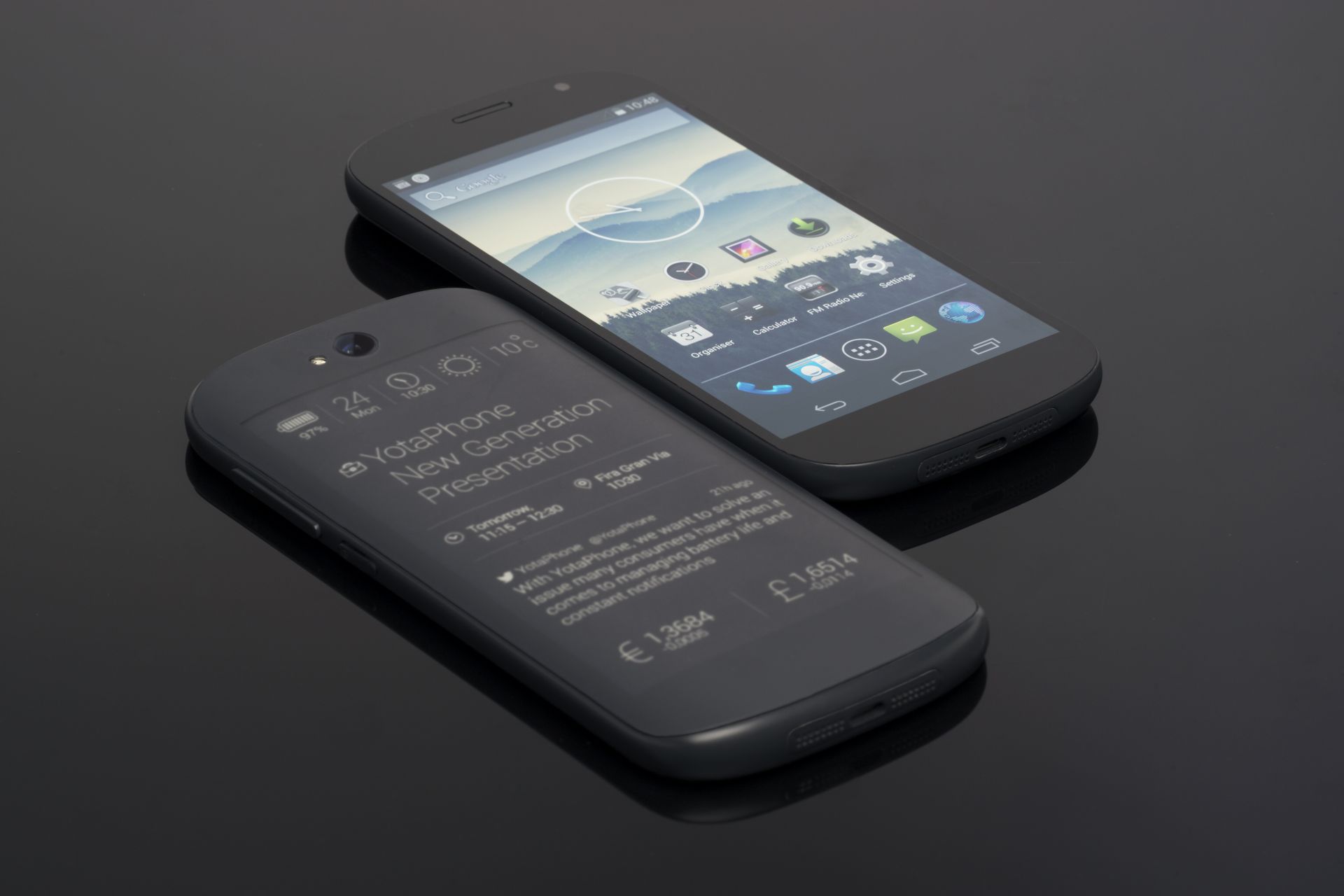
    YotaPhone recently made a footfall on the Indian shores. The phone is being sold exclusively on Flipkart in India. The phone’s next version, the YotaPhone 2, has found its first owner in Chinese President Xi Jianping.

    President Putin Gifting President Xi JIngping the Yotaphone 2. (Source: RT screen grab)
    President Putin Gifting President Xi Jinping the YotaPhone 2. (Source: RT screen grab)

    Russian President Vladimir Putin gifted the next generation phone to the Chinese President during the ongoing Asia-Pacific Economic Cooperation (APEC) summit in Beijing.

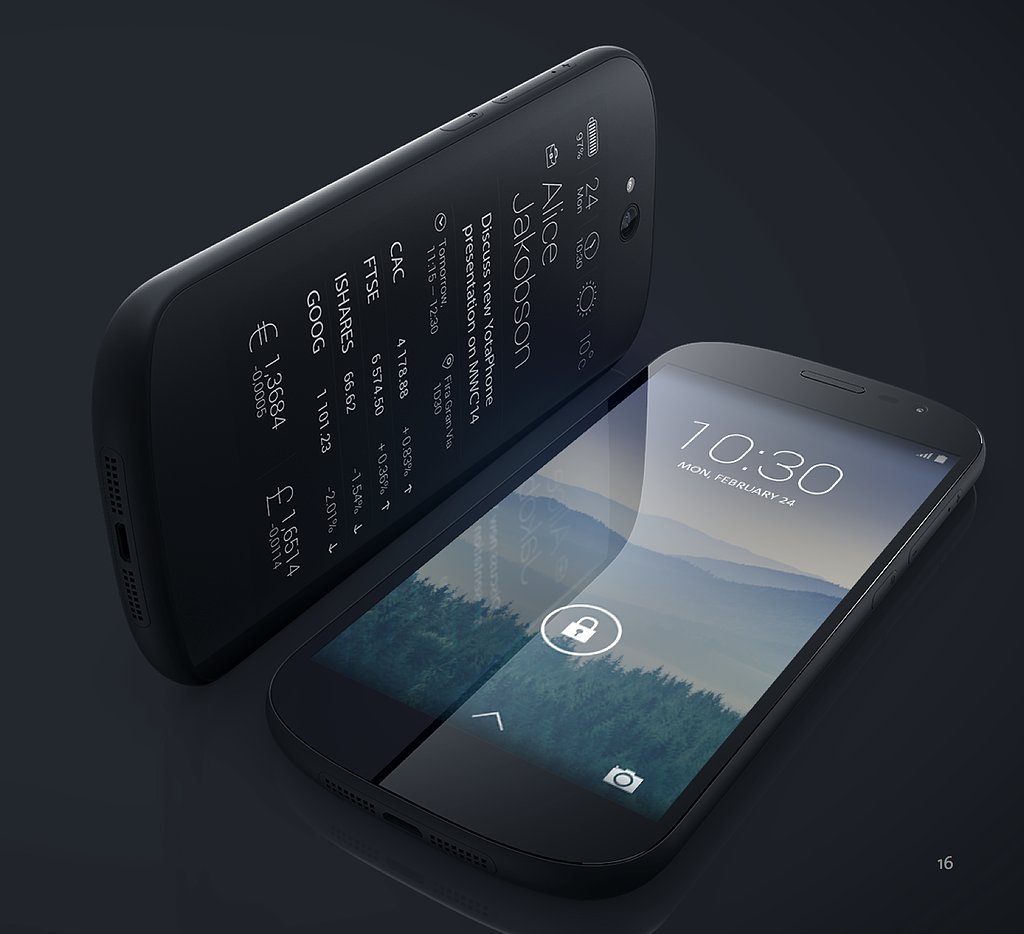
    YotaPhone 2 has got some improvements over its predecessor. It features a 5-inch 1080p AMOLED display and a 4.7-inch QHD e-Ink touchscreen, which is way better than the 4.3-inch of the previous model. It runs on Android KitKat and is powered by a 2.3GHz quad-core Snapdragon 800 chipset along with 2 GB of RAM. The phone has 32 GB internal storage space.

    Yotaphone 2 is a considerable improvement over its predecessor.
    Yotaphone 2 is a considerable improvement over its predecessor.

    On the camera front, YotaPhone 2 sports an 8MP camera on the back and a 2MP camera on the front. It gets its juice from a 2,550mAh battery. The phone is expected to release for general sale in Russia this December. It will come to European, Chinese and South-East Asian market in the first quarter of 2015.

    Well, now that the phone is in Chinese hands, we can expect a million copies coming out soon all over the world. Russia might have inadvertently handed the only unique consumer device to the world’s photocopier nation.

  • India May Plan a Sequel to the Successful Mars Orbiter Mission

    India May Plan a Sequel to the Successful Mars Orbiter Mission

    The day India reached Mars was one of the proudest moment for the country in recent years. The spacecraft, also known as Mangalyaan took an epic voyage of close to ten months to reach the red planet. A feat that is achieved by only 50% of the space crafts and the Mars Orbiter Mission (MOM) achieved it in its first try. Now it seems that the scientists, while riding in the thrill of their phenomenal achievement, have begun toying with the idea of a second rendezvous with the neighboring planet.

    S.K Sivakumar, Director of the ISRO Satellite Centre said that the Indian MOM of 2013-14 should have a successor, but as of now it is not an active thought, neither is it in the realm of any planning yet.

    The director also added that his organization has achieved much maturity ever since the success of MOM. But any proposal for a second Mars mission will have to be first passed by the Advisory Committee for Space Science (ADCOS,) a think-tank that advises the government on its missions.

    The Oppurtunity to reach Mars arrives every 26 months, so ISRO may send a craft by 2018.
    The Oppurtunity to reach Mars arrives every 26 months, so ISRO may send a craft by 2018.

    MOM was especially lauded for being a cheap project. But considering the massive waiting period and uncertainties involved, ISRO should dig deeper into its pockets for more audacious plans for a sequel. A lander would ideal to launch, and if successful, it will again make India, the first developing country to land a rover on Mars.

    The window of opportunity to reach Mars efficiently arrives every 26 months. The next window opens in 2016 which would too early for a launch. Hence, the scientists are contemplating a 2018 launch if at all it is sanctioned. We hope ISRO does plan this and it sparks scientific interests amongst the population, especially the youth and push a science-oriented culture.

  • Spectrum Delay to Disrupt Telephony Services in Three Megacities

    Spectrum Delay to Disrupt Telephony Services in Three Megacities

    If you are living in Delhi, Mumbai or Kolkata and are a subscriber of either of the two largest mobile service providers, Vodafone and Airtel, there might be trouble brewing ahead for you. Mobile telephony may get disrupted the coming month in these cities because of the delay in spectrum allocation.

    In February this year, the spectrum allocation bid took place. All major service providers got their share. But the government allotted the airwaves just this month. This might cause a lot of trouble especially for the subscribers of Vodafone and Airtel, whose spectrum expires in Delhi, Mumbai and Kolkata by the end of next month. The companies have to vacate the 900 MHz spectrum and shift to 1800 MHz.

    The delay in Spectrum allocation can result in disruption of Vodafone, Airtel and Idea services
    The delay in Spectrum allocation can result in disruption of Vodafone, Airtel and Idea services

    As the Department of Telecom (DoT) allocated the spectrum to the companies this month, they are asking for a six-month extension. This request was made by GSM industry body Cellular Operators Association of India (COAI). According to them, shifting of frequencies and bands require at least six months to make a smooth transition. They said that a lot of groundwork needs to be carried out, which includes new tower locations, antenna tuning, network configuration, etc. And hence, they require a minimum extension of six-month for a seamless transfer.

    The decision will affect a giant section of mobile users in those cities. It is estimated that combined user share of Vodafone, Airtel and Idea in Delhi accounts for 26 million, which is almost 79% of the GSM mobile users. In Mumbai, the trio provides GSM services to 72% of mobile users.

    DoT, however, hasn’t given any assurance to the companies. The representatives of the industry will be meeting with the officials at the DoT on Friday. The result of the meet will decide the fate of millions of mobile connections. If talks fail, it will not just create a connectivity issue but will create an economical issue as well, considering that a good number of businessmen are now dependent on their phones for their livelihood. We’ll get to know how things work out for everyone this Friday.

  • Wi-Fi Comes to Bangalore Railway Station, More Stations to Follow Soon

    With the Railway Budget announced this year, the Indian Railways has made a revelation that it would be introducing Wi-Fi connectivity to its Bangalore City Railway station. The plan will cost taxpayers a sum of Rs. 55 crores. The idea met wide appreciation and was necessary for travellers over the Internet age. India’s Silicon Valley aka Bangalore is going to be the first station to have Wi-Fi connectivity.

    Union Railway Minister D. V. Sadananda Gowda inaugurated the facility for the passengers of the Bangalore Station. This will be a pilot project which will be extended to about a hundred ‘A1’ and ‘A’ category stations over the nation. It will also be introduced in 50 rakes of important trains, like Rajdhani, Shatabdi and Duronto.

    The facility will be available free of cost for the first 30 minutes, after which you can purchase scratch cards for more access. The prices of these scratch cards are nominal; you can get 30 minutes of access for Rs. 25, and Rs. 35 for one hour of access that would be valid for 24 hours. You can also buy access using your credit or debit cards.

    The facility will be provided by RailTel Corporation of Indian Limited (CIL), which is a public sector undertaking under the Ministry of Railways. It provides Telecom and IT solutions to the railways.

  • In Response to the IAF Ban, Xiaomi Migrates its Cloud Server to India

    In Response to the IAF Ban, Xiaomi Migrates its Cloud Server to India

    The Chinese company was recently troubled by an outburst concerning a national privacy issue. The Indian Air Force banned its personnel from using Xiaomi smartphones as they were considered a security threat. Now the company has planned to completely migrate the cloud servers out from Beijing and setup a local server for Indian customers.

    IAF had cited a report by F-Secure which said that they found that the Redmi 1S was forwarding carrier name, phone number, IMEI (the device identifier) plus numbers from address book and text messages back to Beijing. Even after Xiaomi took proactive steps towards addressing its concern, IAF, is pressing on its officials and families to refrain from using the phones.

    “Since early 2014, we have been migrating our services and corresponding data for Indian users from our Beijing data centers to Amazon AWS data centers in Singapore and USA. Parts of this migration will be completed by the end of October, and all of it will be completed by the end of 2014,” said an official release by Vice-President Hugo Barra.

    Xiaomi MI 3 India 2

    “In 2015, we plan to launch a local data center in India to serve the needs of (and store data for) our Indian users. These efforts help significantly improve the performance of our services and also provide some peace of mind for users in India, ensuring that we treat their data with utmost care and the highest privacy standards.” Barra added.

    The security solutions company, F-Secure, had done a test on the phones and found that they were automatically syncing the files on the cloud. Xiaomi said this was because cloud syncing was on by default on their devices. The company had released an OTA update on 10th August which would give the users the option to manually turn cloud syncing on.

    Xiaomi added that F-Secure had acknowledged the efficacy of the new update. The company had also started the process of migration of the international user data out of its Beijing-based servers and started shifting it to Amazon’s AWS data centers.

  • Indian Prime Minister’s Office Has an Average Internet Speed of 34 Mbps

    Indian Prime Minister’s Office Has an Average Internet Speed of 34 Mbps

    If you live in India, you probably scream at your internet service at least once a week. A report on the ‘State of the Internet’ by AKAMAI has found the Indian internet lowest amongst its South Asian neighbors and also amongst its BRICS partners. A Right to Information (RTI) application filed by Vinoth Ranganathan who is also the co-founder of onlinerti.com has found something interesting about the Indian Prime Minister’s office.

    The RTI revealed that the National Informatics Centre (NIC) provides a healthy internet speed of 34 Mbps. This is rather slow for the office of the head of state as Gigabit connections are available in the market. The entire country is governed by the South Block (Prime Minister’s office), and it deserves to have a high-speed connectivity. In comparison according to AKAMAI report, only 1.2% of Indian internet users have access to a speed above 10 MBps.

    In the answers to the RTI, there was also a mention about the operating systems used at the PMO. Surprisingly even after severe privacy concern raised by Edward Snowden, the computers at the PMO still continue to use Window 7/8. In the response, it was also said the government was not spending any amount on the Prime Minister’s official twitter handle @PMOIndia. Though the PMO refused to answer how many computers have been hacked at the PMO in the past five years.

    The present Indian government has placed technological growth at its core with the Digital India Project. It is a massive effort to construct an information super-highway across India that will aid in the development of the nation. The project will be shaped with a massive investment of 1 lakh crore. An industrial economy grows on the back of its road system and in the present knowledge economy, the speed of access to the information superhighway, i.e., the internet will decide the speed of growth. So we hope the Digital India Project stands out as a government initiative that actually stands up to the promise and the present internet speed at the PMO becomes a standard across by the end of the project.

iGyaan Network
Privacy Overview

This website uses cookies so that we can provide you with the best user experience possible. Cookie information is stored in your browser and performs functions such as recognising you when you return to our website and helping our team to understand which sections of the website you find most interesting and useful.