Category: Government, Law and Policy

  • WhatsApp Ordered To Stop Sharing User Data With Facebook

    WhatsApp Ordered To Stop Sharing User Data With Facebook

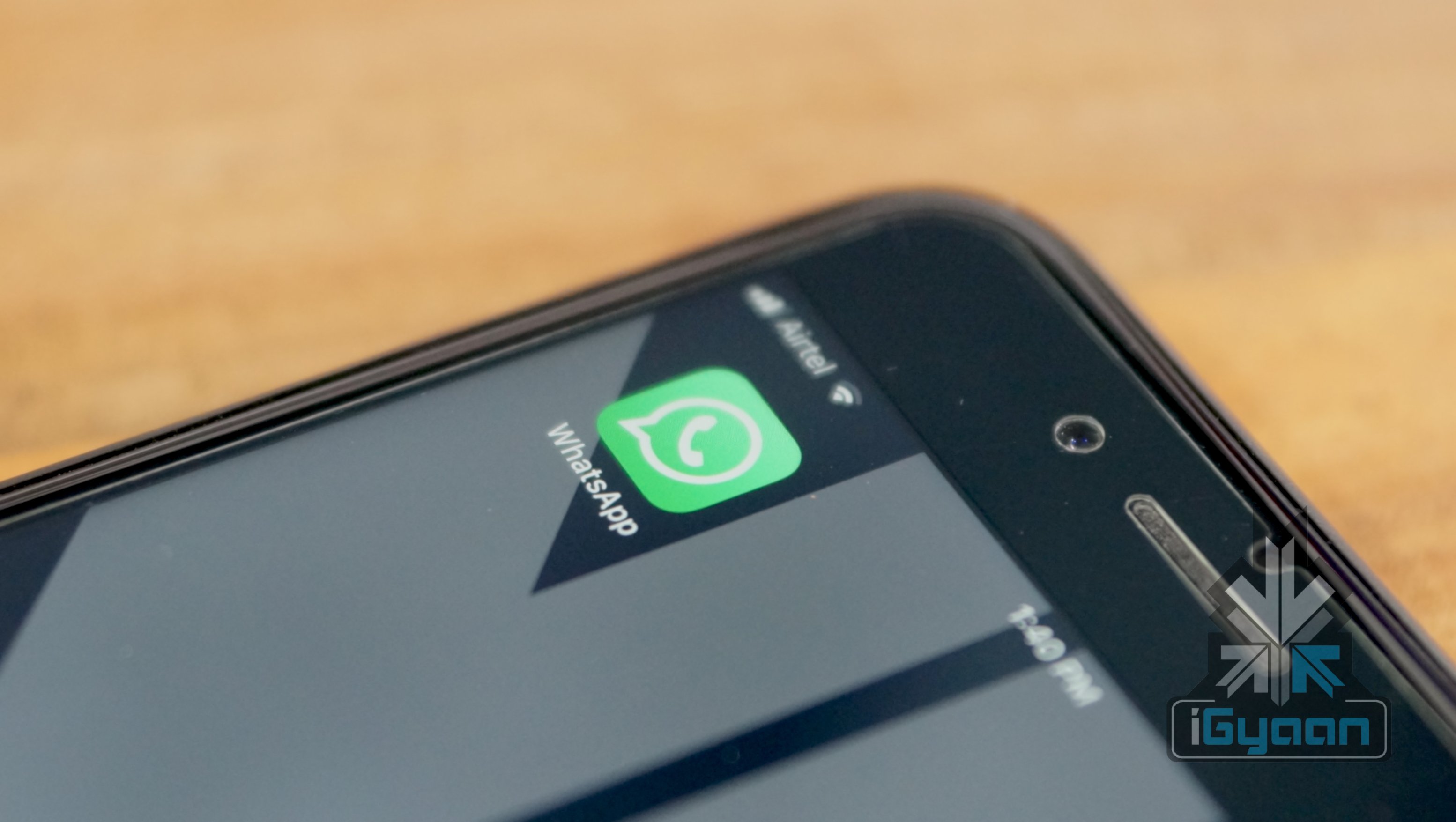
    Back in 2014, Facebook bought one of the most famous instant messaging apps in the world, WhatsApp. Over the course of three years, there have been many Facebook features which have trickled down to WhatsApp as well, WhatsApp Status being one of them. Being the parent company, Facebook started using the user data from WhatsApp to develop targeted advertising, security measures, and to gather business intelligence.

    To tackle the free-sharing of personal user data among the two firms, France’s ultra-strict privacy watchdog CNIL has ordered WhatsApp to stop sharing user data with parent company Facebook. WhatsApp has a month to comply with the order, according to a public notice posted to the French website. CNIL ruled that while WhatsApp’s intention of improving security measures was valid, the sharing of data for business intelligence purpose was not acceptable.

    CNIL believes that since WhatsApp never told its users that it was collecting data for business intelligence and there’s no way to opt out without uninstalling the app, it violates the fundamental freedom of users.

    This is a yet another step from European regulators to crack down on the freewheeling data sharing between the two social networking entities. Germany ordered Facebook to stop collecting data from WhatsApp users in September 2016, and in the UK, Facebook agreed to stop collecting WhatsApp user data in November 2016.

    Do you find it uncomfortable that Facebook can use your data to create specific advertisements for you while it claims that the data-sharing is for security purposes only? Let us know in the comments below!
  • First Ever Mobile Food-Testing Lab Launched in India

    First Ever Mobile Food-Testing Lab Launched in India

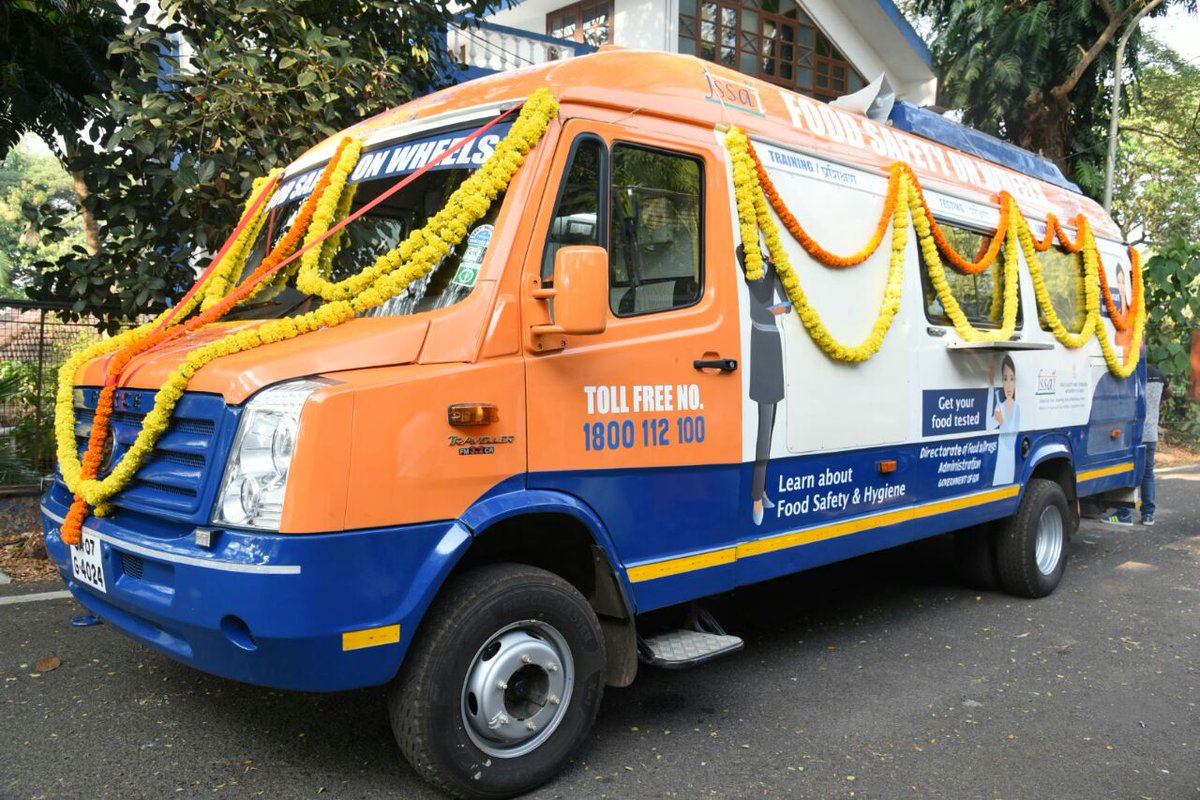
    Goa chief minister Mr Manohar Parrikar launched the country’s first ever mobile food testing laboratory. The vehicle, worth Rs 41 lakh was unveiled in Goa in the presence of the Goa Food and Drugs Administration minister Vishwajit Rane. Mr Parrikar said:

    It is entirely funded by the Centre, which will also bear the maintenance cost for five years.

    The laboratory, mounted on a bus will travel across the state and check food samples on the spot. Mr Parrikar said this would be the first ever ‘Food Safety on Wheel’ vehicle in the country. The laboratory will help in the on-the-spot testing of food items and curb adulteration. He continued:

    Besides this, it will also educate people about nutrition and importance of safe food. The mobile lab will do away with the need to get the food samples to the FDA laboratory near Panaji for tests. It will cut the delays. As the time would be reduced, action can be initiated immediately, if the food samples are found unsatisfactory.

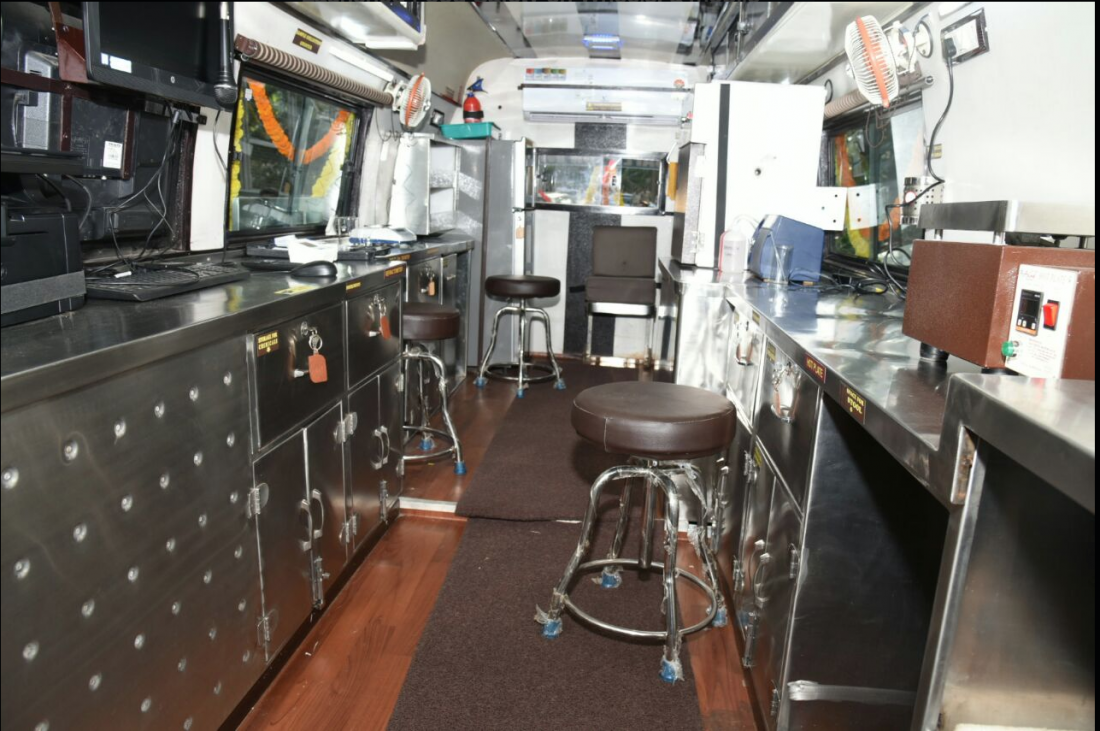
    The laboratory, even though mobile, doesn’t slim out on the technology that it needs to function daily. The van comes fully equipped with gadgets such as a milk analyser, hot air oven, hot plate, mixer grinder, digital weighing scale, power generator, air conditioner, and more. It will be used to conduct tests for common adulterants in milk, water, edible oils and other food items, and make it possible to draw on-the-spot samples and generate instant reports of the analysis.

    This is the first ever mobile food testing laboratory in India, and it might prompt the rest of country to launch more of such labs in the country to try and curb the problem of adulterated food.

  • Indian Government Lists 42 Chinese Apps That Are Dangerous To National Security

    Indian Government Lists 42 Chinese Apps That Are Dangerous To National Security

    The Indian government has continued its effort in curbing the danger that some apps on the internet might possess. The Indian intelligence agencies have listed about 42 mobile applications that have the potential to carry out a cyber-attack against the country. The agencies have reportedly issued a warning to the Indian Army and paramilitary against their usage.

    As per reliable inputs, a number of Android/IOS apps developed by Chinese developers or having Chinese links are reportedly either spyware or other malicious ware. Use of these apps by our force personnel can be detrimental to data security having implications on the force and national security.

    Army personnel have been asked to immediately uninstall the 42 mobile apps as well as format their smartphones. This is not the first time that the government has issued warnings against Chinese apps. Recently, UC Browser came under the scanner as well.

    Xiaomi in a statement has said:

    At Xiaomi, we take security and privacy very seriously. Our global e-commerce platforms and user data for all international users is located on Amazon AWS data centers in California and Singapore.

    We are currently investigating the advisory and would like to assure Mi Fans that we are fully committed to storing and transferring our users’ data securely at all times

    Following is the list of all the apps that have been deemed unsafe by the advisory:

    Weibo, WeChat, SHAREit, Truecaller, UC News, UC Browser, BeautyPlus, NewsDog, VivaVideo- QU Video Inc, Parallel Space, APUS Browser, Perfect Corp, Virus Cleaner (Hi Security Lab), CM Browser, Mi Community, DU recorder, Vault-Hide, YouCam Makeup, Mi Store, CacheClear DU apps studio, DU Battery Saver, DU Cleaner, DU Privacy, 360 Security, DU Browser, Clean Master – Cheetah Mobile, Baidu Translate, Baidu Map, Wonder Camera, ES File Explorer, Photo Wonder, QQ International, QQ Music, QQ Mail, QQ Player, QQ NewsFeed, WeSync, QQ Security Centre, SelfieCity, Mail Master, Mi Video call-Xiaomi, and QQ Launcher.

    Truecaller has responded to the allegations:

    In response to certain reports, we would like to clarify that we are a Sweden based company. We are not sure why the app is on this list, but we’re investigating. Truecaller is not a malware, and all our features are permission based and are disabled by default.

    This is not the first time that Chinese apps have come under the scanner. The fact that even Xiaomi’s apps, one of the most successful brands in India, have come under the scanner is shocking as well as alarming. Xiaomi was previously accused of sharing personal data of Indian users with the Chinese.

  • You May Soon Be Able To Legally Fly A Drone In India

    You May Soon Be Able To Legally Fly A Drone In India

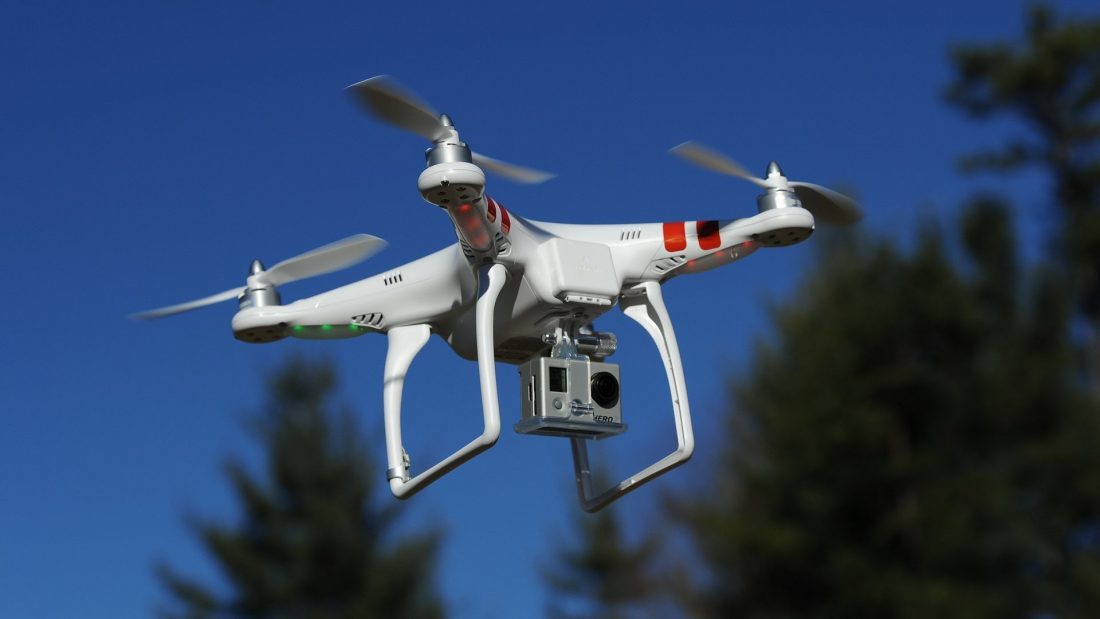
    Unmanned Aerial Systems, or commonly known as Drones, have been around for a long time now. A lot of countries have tight regulations around the usage of drones but, getting access to drones and permissions to use it are easily available in such countries. In India, selling and purchasing drones is restricted.

    Although it is used by the Army, getting permissions if you are a civilian are cumbersome and if you get permissions, it comes with a set of rigid regulations. However, it appears that the Indian government has identified the advantages of drone usage if conducted with fair and safe regulations. The Civil Aviation Minister P. Ashok Gajapathi Raju presented the first draft of regulations for drone usage in India and also announced that the final regulations will be presented on the 31st of December. This means that flying drones in India could be legal in 2018.

    Civil Aviation SecretaryR N Choubey said, “We are making rules that are very user friendly.” At the press briefing on the regulations, Aviation Minister P. Ashok Gajapathi Raju said the drone industry could help India’s development in several sectors such as agriculture and oil and gas. He also added that the government intends to make India the world’s leader in the use of drones. He also expressed hope that the draft norms would encourage genuine and “discourage nefarious activities”.

    The draft regulations firstly identifies the type of drones that exist and then categorises it in terms of the weight of the drones. Depending on the size and weight of the drone a person intends to fly, they will have to accordingly get the permissions and the time taken to to get such permissions will also vary. Here are the key points from the draft regulation for usage of drones in India:

    • There are five types of drones – nano, micro, mini, small and large.
    • The weight of these drones range anything from 250 grams to 150 kilograms.
    • Drones that weight under 250 grams do not need any security clearance
    • Micro category (250 grams to 2 kilograms) will get approvals in 2 days.
    • Most of the commercial drones will come in the ‘Micro’ category

    • Whenever someone has to operate a drone, they will need a different approval. Apart from nano drones, all other categories will need an air defence clearance so that aviation as well as security authorities are aware of the flight path.
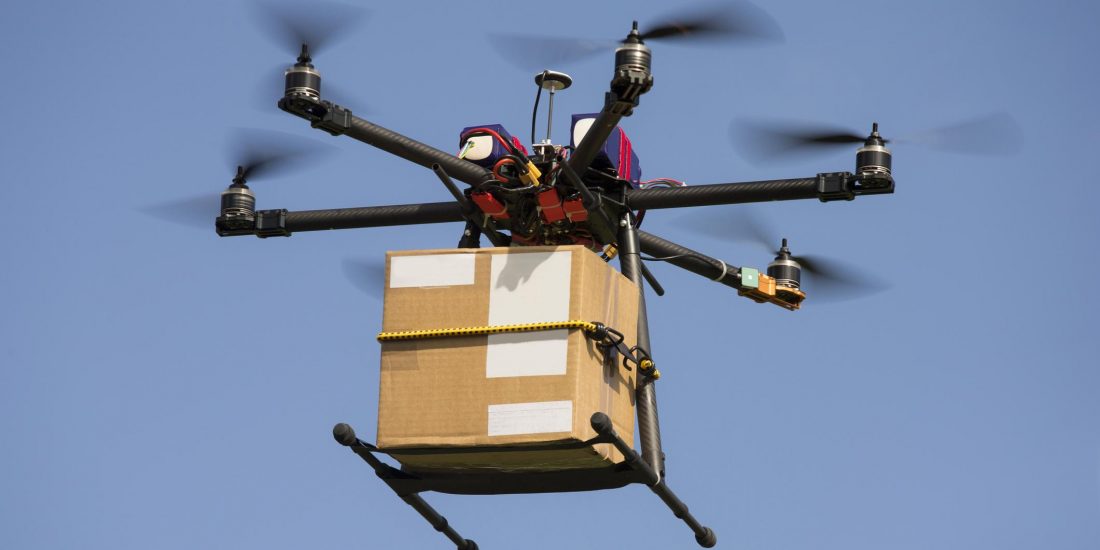
    • Drones can be used for photography, medical uses, ad film making and so on. E-commerce companies should be able to use drones as well.
    • Air rickshaws and passenger drones can also be considered in this policy.
    • Drones that weigh under 2 kilograms and operating under 200ft above ground, once registered, can be flown without a nod.
    • There will be no-drone zones such as above operational aerodromes and within 5 km of Vijay Chowk in Delhi, within 500 metres from strategic locations, from mobile platforms such as car, ship or air craft, over eco-sensitive zones like national parks and wildlife sanctuaries (unless approved by Environment Ministry).

    As announced, the final regulatory framework can be expected by the 31st of December. The policy-making process will not just include inputs from government officials but, also the stakeholders. Drone makers, companies that will primarily use drones and other stakeholders will be invites for inputs and at the end of it, a final framework for the usage of drones will be announced.

  • India To Roll Out 5G Internet By 2020

    India To Roll Out 5G Internet By 2020

    India is planning to roll out 5G internet services by the year 2020. In order to complete this task successfully, the government has set up a high-level forum which will evaluate all possible roadmaps to make sure that 5G internet becomes prominent in the country. For the said objective, the ministries of telecom, information and technology, and science and technology have been included in the forum. A budget of Rs 500 crore is set aside for research and development of 5G technology by the government.

    The minister of State for Communications Manoj Sinha said:

    We missed the opportunity to participate when the standards were being set for 3G and 4G, but don’t want to miss the 5G opportunity. Now when the standards are being set for 5G across the world, India will also participate in the process. As per the OECD Committee on Digital Economic Policy, it has been stated that 5G technologies rollout will help in increasing GDP, creating employment, and digitising the economy.

    Apart from the government, Indian telcos such as Airtel are also actively taking initiatives toward the 5G technology. Airtel on 26th September launched a mimo, a pre-5G technology, producing internet browsing speeds three times higher than the current levels. State-run Bharat Sanchar Nigam Ltd. along with Airtel have also signed initial pacts with smartphone makers such as Nokia for the development of 5G and its applications which are relevant to India.

    India was slow to jump aboard the 3G and 4G train. Even currently, the 4G technology adoption is at a nascent stage whereas a lot of countries have adopted 4G and even 3G has become a secondary internet technology. In order not to lose out on the 5G hype, India is planning to hold auction for 5G spectrums. While a part of the government back an early sale of 5G airwaves, the telecom industry wants it to be sold only post 2018, citing the lack advanced ecosystem around the technology as the main reason. The industry also believes that India will get 5G only around 2021-2022.

    The International Telecommunication Union (ITU), which will finalise the standards for 5G mobile technology proposed the downlink peak rate for 5G at 20 gigabits (or 20,000 megabits) per second. These speeds however, cannot be ascertained yet since the technology is yet to be deployed.

    A country where even 4G speeds at the moment are underwhelming and network speed throttling is a major issue, 5G technology becoming a regular for consumers seem like an overkill or a distant dream. But, the forum setup by the government includes all the important bodies necessary to make 5G technology a relevant dream in the future. The high-level forum will work towards accelerated deployment of 5G for specific use cases in India, and these will include development of roadmap related to emerging technologies, testing, and trials.

    Manoj Sinha has said that India is “We are open to collaboration” with countries who have set up a similar forum. This early resilience shown by the government is definitely a positive sign and a step in the right direction.

  • Apple And TRAI Fight Over Privacy Data Of Users

    Apple And TRAI Fight Over Privacy Data Of Users

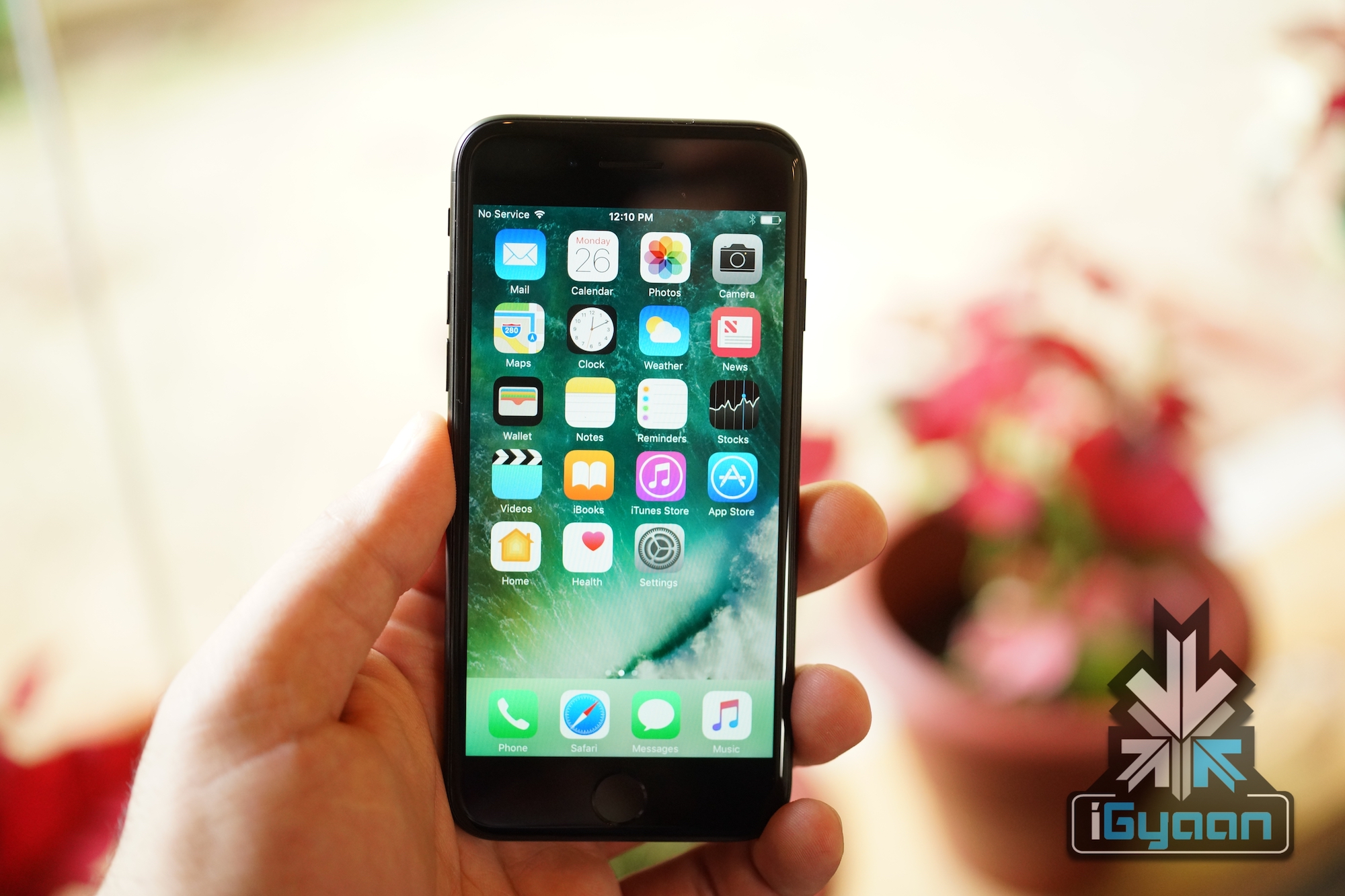
    Apple and Telecom Regulatory Authority of India (TRAI) are fighting over the user data that iPhone users in India have on their phone. TRAI argues that no smartphone company should be a guardian of the user data of its smartphones and should share it with apps that require that data to function. Apple has indicated that it believed the TRAI app is a potential risk to its user’s privacy.

    TRAI has an anti-spamming app which blocks the numbers reported by the users and then launches a strict action against the number. The app is readily available to Android users, albeit poor customer reviews. TRAI Chairman R S Sharma publically slammed Apple a few weeks ago and has now said, “Nobody’s asking Apple to violate its privacy policy. It is a ridiculous situation, no company can be allowed to be the guardian of a user’s data.”

    Spam messages and calls are a usual trend in India and most of the users use TrueCaller app to manage spam. TRAI maintains a Do Not Disturb directory and uses its app to catch hold of more spam numbers. Apple has reportedly told TRAI that its app violates privacy policies that the company has for the app store. Sharma has said that this fight is not the government vs Apple but, Apple vs its users as the problem of who controls user data gets more prevalent than before. Recently, TRAI came out with a comprehensive paper on “data ownership” that it wants to be debated. In the paper, TRAI argues that the users should own their own data and should have a say on how their data can or should be used.

    The idea of data ownership sounds good but in a nutshell, it is a double edged sword. On one hand, introducing data ownership will become the users the sole owners of their data and take a lot of power away from services such as Google, Facebook and more as they won’t be able to use the data the way want to. On the other hand, it can open to flood gates to weak data privacy as third party apps would just require a click of the ‘Accept’ button to access the desired information as an average user may not understand the jargon written in privacy policy documents.

  • Twelve Smartphone Firms Respond To Govt Notice On Data Security

    The Electronics and IT Ministry, last week had sent notices to 21 smartphone companies, with a majority of them Headquartered in China, asking them to outline the procedures and processes adopted by them to ensure security and privacy of users data. Soon after, nine more companies, including Motorola, Honor, Asus, OnePlus, InFocus, were added to that list.

    The latest update states that a total of twelve companies including HTC, Xiaomi,Vivo, Huawei and Lenovo, have responded to the notice, while others like Samsung, Oppo, Sony, etc. have acknowledged and requested an extension. The ministry official said that agreeing to the requests, the government is likely to extend the deadline for submitting the details of the data security procedures.

    Apple confirmed in an email, that the iPhone maker has sent its response to the ministry and a Vivo official stated that the company has replied to the government notice.

    The ministry officials said that the 30 smartphone makers were asked to share security information to ensure that required data security measures were being taken. To support their claims, the IT ministry had cited international and domestic reports regarding data leaks from mobile phones.

    Based on the response of the companies, the ministry will initiate verification and audit of devices where required. If a company fails to provide the information, the said firm will face charges and levy penalty for violation of security norms under provisions of IT Act 43 (A).

  • UC Browser Under Government Scanner For Reportedly Sending Information To China

    UC Browser Under Government Scanner For Reportedly Sending Information To China

    One of the most popular mobile web browsers in India, UC Browser is under the scanner for reportedly sending data from Indian users out of the country. According to a report by Business Standard, “a government lab in Hyderabad is probing how UC Browser can send user details and location data to a remote server.”

    This aforementioned lab is the Centre for Development of Advanced Computing (C-DAC), an R&D organisation for the Department of Electronics and Information Technology, under the Ministry of Communications and Information Technology. If found guilty, the Alibaba-owned app could be banned. Further, the report said that the government plans on sending notices to Reliance Jio’s smartphone brand, LYF, and others including Meizu and Videocon.

    The same report adds that the UC Browser sends data including device’s IMEI number and location data to a server in China on connecting to a Wi-Fi network.

    This report comes a week after the government had asked over 21 smartphone companies, the majority of them being Chinese manufacturers, to outline the procedures and processes adopted by them to ensure security and privacy of users’ data. To submit the detailed responses on security practices, August 28 has been set as the deadline on the basis of which the government would verify and audit the devices.

    In May 2015, a Canadian technology research group reported that Alibaba Group Holding Ltd paid more than $1 billion for leaking sensitive user data and said that it is a privacy risk. Another report states that the UC Browser is the most popular mobile browser in India, accounting for nearly a 50 percent share of the market, ahead of Chrome, which is a little over 33 percent, and Opera, which is nearly at 10 percent. UC Browser once accounted for over 60 per cent of the market share in India, but, has lost out a little of its share to Google Chrome since then.

    Reacting to the reports of leaking mobile data of its Indian users to China, the Alibaba-owned browser UCWeb made statement on Wednesday saying that the company would never breach the trust of its users. and it takes security and privacy issues very seriously.

  • Indian Government Asks 21 Smartphone Companies To Share Security Information

    Indian Government Asks 21 Smartphone Companies To Share Security Information

    Amidst the multiple reports of online thefts and data leakage, the Ministry of Electronics and IT has taken steps to ensure privacy and safety of user data. The Ministry sent our notices to 21 smartphone makers to provide the framework as well as the procedures they follow for data security.

    Aside from the global providers like Apple and Samsung and Indian firms like Micromax, majority of the listed 21 Smartphone companies included Chinese makers such as Oppo, Vivo, Xiaomi and Lenovo.

    All 21 smartphone companies are to provide detailed information about security practices, architecture, process, guidelines and standards followed for providing secure transmission and storage of data, irrespective of whether the devices are manufactured in India or not. The government has announced 28 August as the official deadline for all the firms to file the security compliances. Several reports mention that additional measures such a security adits will also be taken.

    If a company fails to provide the information, the firm will face charges and levy penalty for violation of security norms. Though the extent of penalty has not been stated yet, but according to the Sec 43(a) of the IT Act, any company found to be in violation of rules can attract penalties of up to Rs. 5 crore along with a provision for unlimited compensation.

    A ministry official  said that, “The first step in that direction is that we have asked the mobile companies to inform us what are the security procedures and processes that have been taken by them to ensure the security of the data of the users and their privacy… We want to make sure that any device that is sold in the country should be safe.”

    This series of events unfolded after the IT minister Ravi Shankar Prasad called a meeting of senior officials in the IT department and representatives of CERT-In to understand the situation. As a result, a notice was sent to 21 companies, issued under Section 70B(6) of the IT Act.

    With the government progressing towards digital India, and pushing for digital payments,  data security has become much more crucial, and while these seems like a step towards preventing data breaches, a large amount of the fear is towards the Chinese majors collecting sensitive information using smartphones which at present flood the Indian market.


  • India Bans Wayback Machine – The Internet Archive With Over 300 Billion Pages

    India Bans Wayback Machine – The Internet Archive With Over 300 Billion Pages

    In a move that can be construed as a move against the idea of the free internet, the Indian Government has banned the Wayback Machine. Wayback Machine is a California-based non-profit that has been archiving the World Wide Web for over 20 years now. It has archived over 300 billion web pages, and stores nearly 15TB of data. It is one of the most utilitarian sites on the web and allows users to archive pages, access archived pages for free, and also get hold of several terabytes of music, movies, books, and software that are free from copyright.

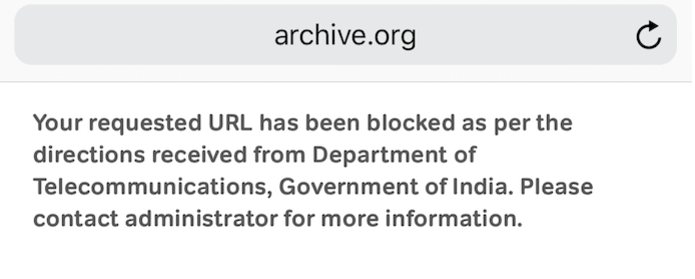
    Users who tried to access the website on last Tuesday night saw a message from their ISP that read – “Your requested URL has been blocked as per the directions received from the Department of Telecommunications, Government of India. Please contact administrator for more information.” The block as of now seems patchy, as users on BSNL, Airtel, Hathway and Tikona have reported the block but a lot of other people can still access the website. It is unclear as of now why the government felt the urge to block archive.org which many people rely on for information from back in the day.

    This is the second time that the government has blocked archive.org. back in 2014, the government blocked archive.org, GitHub, Vimeo, Pastebin, and Weebly among others after a threat from the terrorist group ISIS. An Internet Archive spokesperson told Buzzfeed India, “Obviously, we are disappointed and concerned by this situation and are very eager to understand why it’s happening and see full access restored to archive.org.” Also, queries from the Internet Archive to the Department of Telecom have gone unanswered.  Chris Butler, Office Manager at the Internet Archive said, “We have not been contacted by the Government of India regarding this apparent blocking of archive.org. We have no information about why a block would have been implemented.”

    There are ways to bypass the block, as a Redditor suggest that it can be accessed using an HTTPS link or by spoofing your location by using a VPN.

  • Google To Launch a Toilet Finder For India

    Google To Launch a Toilet Finder For India

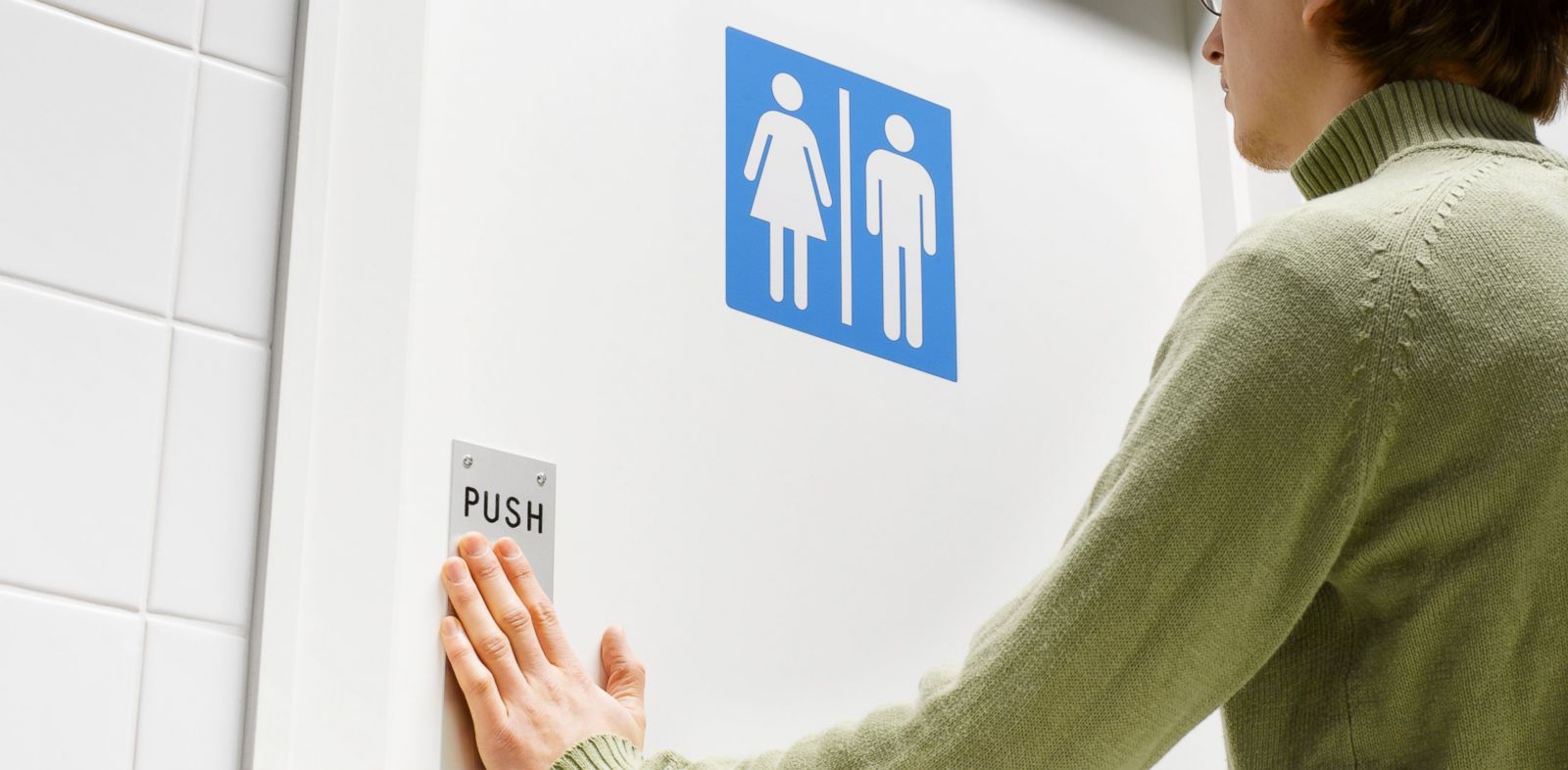
    Google has partnered with the Indian Government to launch a toilet finder built into Maps in India. India has one of the worst toilet problems in the world. With over 70 % households lacking basic toilet facilities, this tool aims to help people with access to smartphones, which surprisingly is more than those with toilets.

    Google and the Ministry of Urban Development in India have made this tool simple enough that a user can search in multiple Indian languages for words like “toilet,” “lavatory,” “swachhata” and “shulabh.”

    This is also a crowd sourced platform which will populate the condition and availability of toilets as users use it more and more. It is expected to be rolled out in the coming months, however, no proper timeline exists.

    Now if only Google could work on a currency filled ATM finder, India would be a better place.


  • The Government Will Soon Ask WhatsApp and Gmail To Store and Share Data

    The Government Will Soon Ask WhatsApp and Gmail To Store and Share Data

    In a move that goes against all norms of public privacy and modern moral sense, the Government of India is making plans to ask intermediary services like Gmail, WhatsApp, Snapchat and even Flipkart and Amazon to not only retain sensitive and private user information but also to share with the Government as per requests raised.

    This amendment will be made into the Section 67C of the Information Technology Act of India by a committee  that has been working on this for a while.  According to this new rule, put initially into motion in 2008, all electronic companies operating in India will require to follow the govt. rules which will spell out what type of data has to be stored, in which format, and for how long. Meaning it should be stored in a specific archaic format set by the Government in 2008.

    Not only will this be an invasion of privacy, but should this data leak or get hacked, it will be a huge social, private, public and central Government security risk, also a major risk to high profile individuals and companies who use these services daily.

    Using Apple’s example, the committee stated on the matter:

    Even if it is for national security reasons, how much are these companies answerable to the Indian security establishment? And we do know how Apple refused to unlock the phone even for FBI.


    The implementation of such services may not technically be possible in certain cases, where WhatsApp encrypts chats with 256 bit hex while Snapchat never stores informations beyond seconds. This may either lead to huge resistance of the bill or general shutdown of services used by modern India.

    While the Government is still mixed on how and why the data needs to be stored, the problem for how long is what may take more of a biting, the Department of Telecommunications required data to be stored for 6 months, the Registrar of Companies mandates for one year and income-tax for seven years.

    Security is important, however, privacy and freedom of citizens is important too Click to Share

    Either way, we all should be aware of the consequences of government data storage, a bill that is nearly a decade old, and policies that could send the growth trajectory of Modern India spiralling down. While national security is important, privacy and freedom of citizens is important too. At the end how much policing, is too much ?

  • How Does GST Impact Technology and E-Commerce in India

    How Does GST Impact Technology and E-Commerce in India

    The government of India has finally passed the GST bill, also known as the Goods and Services Tax bill. This is considered a significant step in the reform of indirect taxation in India. While the rate of GST is undecided it should rain between 17 – 19%.

    So what does GST mean and how does it affect the Tech and Commerce Sector?

    For starters, companies and manufacturers will see big benefits from this taxation policy. Instead of paying taxes at multiple levels of government including State and Central, there will be one Tax allowing for companies to save from the existing cumulative 25-30% tax burden and reduce it to 17-18% a a single unified tax.

    For consumers the Mobile Phone  prices are likely to come down and will become the same across states. Smartphone and Electronics Manufacturers are also likely to pass this saving to customers.

    Smartphones To Become Cheaper
    Smartphones To Become Cheaper

    For Smartphone and Electronics Manufacturers, GST will ease up doing business as the cost of several state warehouses and logistics would reduce significantly. On the flip side, Network companies like Airtel, Vodafone and Reliance will get affected with the high rate of GST and would eventually raise prices for their services.

    For the Auto Sector, prices of consumer Automobiles are expected to drop by 8% across the board thanks to the implementation of GST. This should help consumers buy their favourite vehicles slightly easily.

    E-Commerce companies will be able to freely deliver goods across the country and certain complaints of specific states not falling into the delivery zone would be eliminated. The rise in cost of tax to a proposed 18% would increase administration costs for E-Commerce players.

    All in all the GST Bill is seen as a win not only for the Tax system, but, also for the industry and the consumer at the end. Which means that once GST is implemented a lot of the Nation will stand unified – on goods and services at the least.

    The implementation of a unified GST in India, will be one of the most significant reforms introduced in recent times. It will certainly ease our cost burden of logistics and benefits of reduced taxation can be passed on to our end consumers.
    Atul Jain COO LeEco


    I hope the Government will implement this long pending reform by April 1, 2017. The Government’s idea of a single tax regime is crucial to improve ease of doing business in India and address the ambiguities of the current indirect tax landscape, proving beneficial for the economy, at large
    Bhaskar Pramanik, Chairman, Microsoft India  


    Have any comments on GST ? Leave the below.


  • TRAI Working Hard For a Stronger Mobile Network in India

    TRAI Working Hard For a Stronger Mobile Network in India

    TRAI after recently releasing its Wireless Speed Monitoring App for mobile networks, is now working on improving the service benchmark for wireless data.

     Through the application (Trai Myspeed App) we will get real time data from customers. This will be put on Trai Analytics Portal. It will show mobile data speed of each operator in a given area on real time basis

    Trai has noticed a gap between what speeds the technologies could theoretically deliver, and what the consumers were experiencing in real-time. The Average speed promise will need to be delivered by the Telecom providers vs the earlier Minimum speed promise.

    TRAI wants the users to upload the details of the speed and network quality to the Trai server, which in turn is analysed and published on the regulator’s analytics portal.

    A consultation paper to be released by TRAI will give operators, basic performance needs, and operational benchmarks required to run networks in India. In turn ensuring better overall mobile network and data standards for Indian consumers.

  • India Is Setting Up A High Tech Anti Cyber Terrorism Lab

    India Is Setting Up A High Tech Anti Cyber Terrorism Lab

    The Indian Government and the Department of Electronics and Information Technology are setting up a high-tech cybersecurity lab to take on cyber terrorism efforts. Recently a report was placed before a meeting of home secretaries and DGPs of 12 states, which was convened by the Union home ministry at the beginning of the last month. It took note of the finding that Jammu and Kashmir had the highest degree of activity related to the ISIS in the social media, Among many other potential Online cyber threats to institutions like banking, government services, and crime.

    India while ahead in terms of a number of connected users and the highest growth rate of Internet usage, lacks tremendously in cyber security. As an example, it is estimated that over 65% Indian Government websites and banks are easily prone and vulnerable to cyber attacks.

    While local policing bodies often use third party cyber consultants and employ ethical hackers for various cases. A central cybersecurity center could act more efficiently and prevent attacks on various possible targets in India.

    The Anti-Cyber Terrorism lab or the ACT was supposedly conceptualized after the May 17, 2012, hack, when Anonymous launched an attack against the websites of the India Supreme Court and the current-ruling Congress party.

    The exact location and operations of the lab are being kept private for the time being. In the age of encryption level messaging on daily use apps like WhatsApp and iMessage. The security agencies are having a tough time tracking their targets. Let’s just hope this does not lead to a “Snowden Leak” situation right here in India, where the Anti-Terrorism lab is invading the privacy of the citizens of India.


iGyaan Network
Privacy Overview

This website uses cookies so that we can provide you with the best user experience possible. Cookie information is stored in your browser and performs functions such as recognising you when you return to our website and helping our team to understand which sections of the website you find most interesting and useful.