Category: Hardware News

Latest news from the World of Hardware

  • Android Might be Just What BlackBerry Needs to Get Back in the Game

    Android Might be Just What BlackBerry Needs to Get Back in the Game

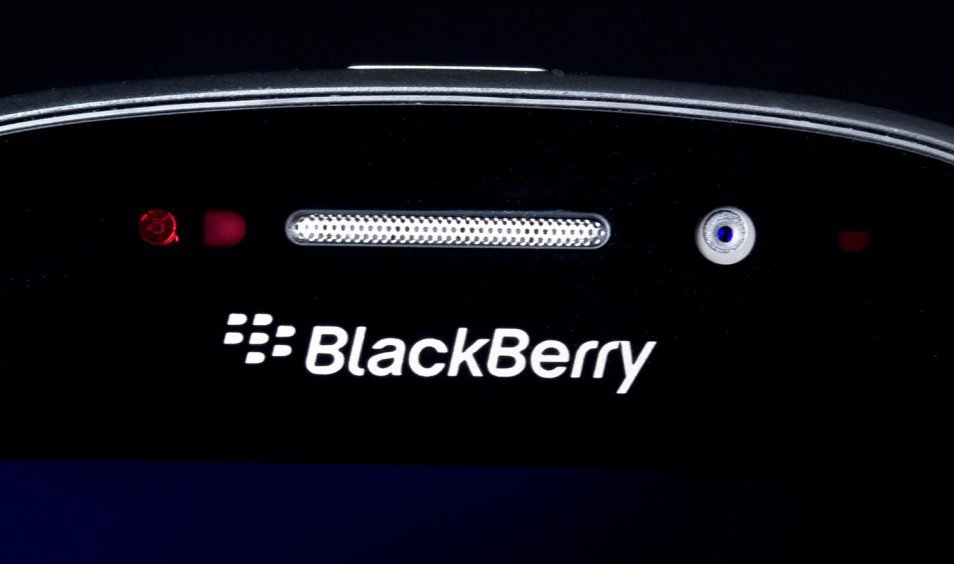
    BlackBerry was synonymous with BBM and had the reputation of being a reliable business phone. This  had loyalists from all over the world, tied to its device, despite all the ups and downs the company went through. However, the market soon saw a wave of smartphone companies like Apple, Samsung and Motorola, which ultimately washed away the resilient giant.

    Sales dropped and profits dwindled because let’s face it, there are more options now, that overshadowed BBM and we also underwent a touch screen revolution. Thus, Blackberry has allegedly come up with a solution to get back on track. We might see them collaborating with Android in a bid to increase revenues and turn a new leaf.
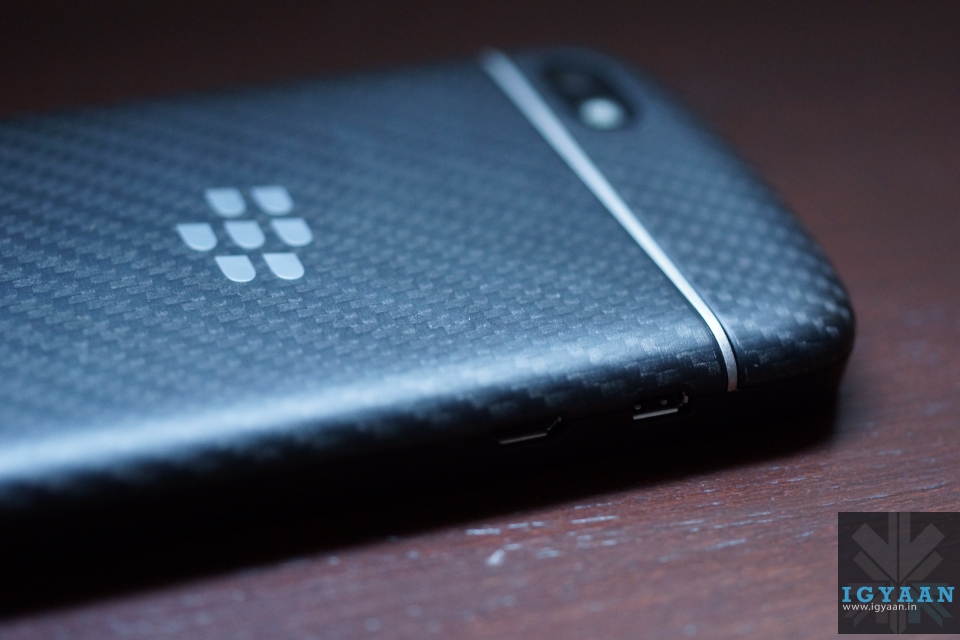
    Blackberry Q10 42

    BlackBerry is known for its strong security system and that was something that Android was lacking. Therefore, the collaboration will benefit both these parties. Yes, this means that BlackBerry will have to vouch for not just their own platform but also for Android. However, the gain is more than the loss they might go through. Reuters reported:

    “From the standpoint of marketing, this is a great way for BlackBerry to get visibility. It really doesn’t hurt them much, and the upside is high,” said Rob Enderle, who runs technology consulting firm Enderle Group.

    BlackBerry has been focussing on its software and device management system as its market share dropped to less that 1% due to its low demand of the devices. In order to execute this turnaround then, the company will have to come up with a strong and efficient device, that will be able to collaborate with Android. “BlackBerry doesn’t have much to lose. There’s little downside and they just need one hit phone to justify the handset business,” said Brian Colello, Morningstar analyst.
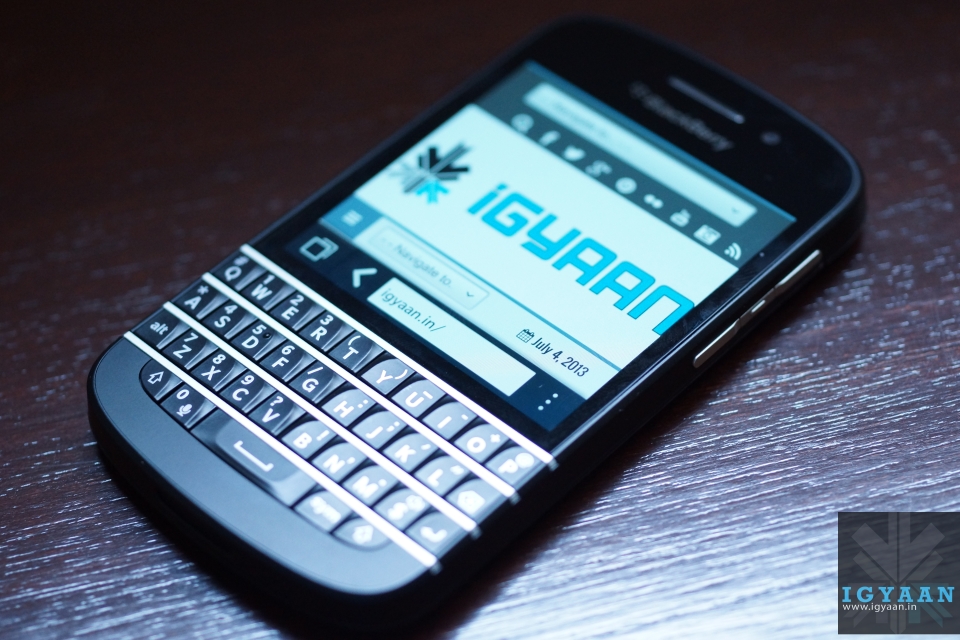
    blackberry q10

    The company has said that it is ready to have a test run with Android. Its upcoming device, the BES12 will be able to secure not just BlackBerry devices, but also others that run on Android, iOS and Windows operating systems. This attribute should impress potential corporate and government clients. Ramon Llamas, an analyst with technology research firm IDC told Reuters:

    “In order for BES12 to succeed it has to be viewed by all as platform agnostic, and what better way to demonstrate that other than by doing it yourself.”

    BlackBerry has a history of delivering outdated hardware at a premium cost. While the Android partnership will help, BlackBerry needs to ensure it stays with the times and gives customers a product which is worth their money.

    Let’s hope this change spells good fortune to the company that once created its own era and revolution.
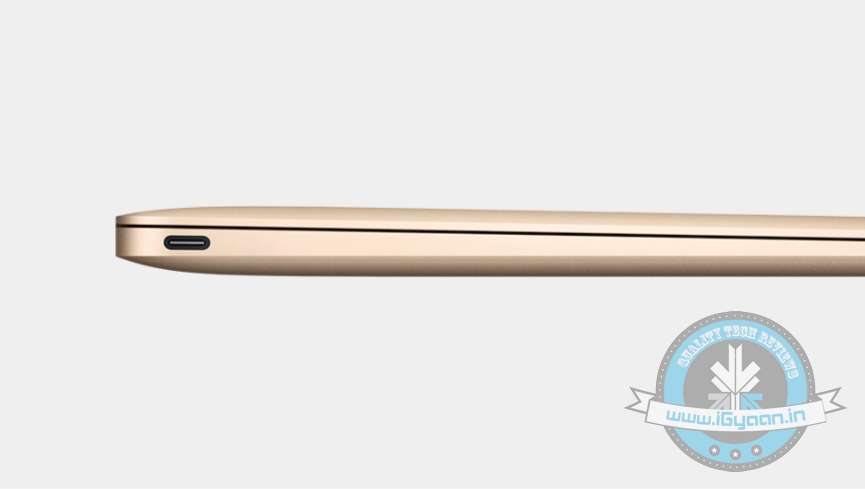
  • Why USB Type-C Might be the Way of the Future

    Why USB Type-C Might be the Way of the Future

    When Apple presented to the world its cutting-edge Macbook with a universal USB Type-C port, some of the tech critics were suspicion about its usability on present computers and renounced it as technology of the future. However, the tech biggies set their eyes on it and discovering its wide approach, installed the same on its forthcoming products. Now, we see Google Chromebooks, and many other manufacturers like Asus getting on board the revolutionary connector USB-C on its laptops. So, how valuable is USB-C really?

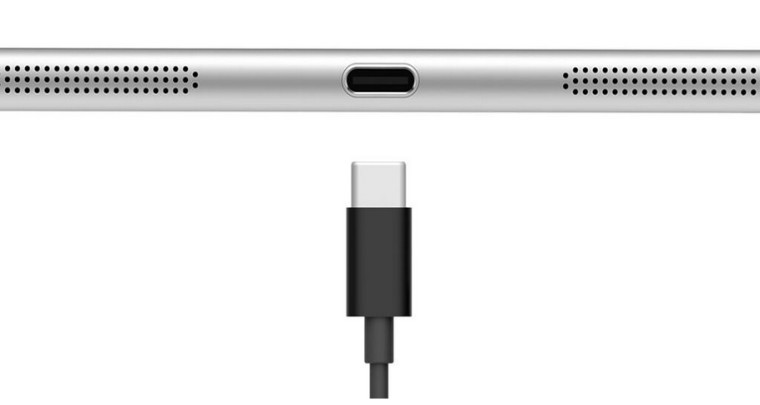
    As many of us know, the USB-C connector is one reversible port that takes care of power, data transfers, and display output. It is slim and compatible with almost every device with standard USB ports. This rids customers of four or six connecting ports that demand your system’s side space and gives manufacturers freedom to trim down the size of machines and, hence, weight. There were speculations that USB-C could outdo Lightning and Thunderbolt connectors, but Thunderbolt has shown its confidence in USB-C connector and unveiled Thunderbolt 3.

    usb-c

    Thunderbolt 3 is a computer port that uses USB-C. The port delivers two 4K displays, fast data transfer, quick charging, and up to 40 Gbps speed over Thunderbolt, which is double the speed of the previous generation, USB 3.1 10Gbps, and DisplayPort 1. With faster connection, users can transfer a 4K movie in just a few seconds. Two 4K displays can be connected that will give astonishing picture quality than an HDTV, nearly 16 million more pixels. As it offers superior viewing experience, gamers can “connect plug ‘n’ play external graphics to a notebook.” But there is a limitation; only the devices with lightning-bolt logo on the USB port will be able to access its blazing speed. Products with Thunderbolt 3 are expected to begin shipping before the end of this year.

    usb-c 1

    According to Intel, the new 12-inch MacBook, Asus Transformer Book, and Chromebook PixelProducts will not work with upcoming Thunderbolt 3 products. Devices with Thunderbolt 3 are expected to begin shipping before the end of this year.

    A USB-C connector is the one standard solution to asymmetrical USB jacks, except for audio. It’s convenient to use and has the potential to replace all jacks. The cross-platform connector of the next-generation will omit all kinds of jacks from future devices and would be a fundamental addition that every producer has to embrace. Nokia has caught up with the trend and its tablet Nokia N1 boasts the reversible USB-C connector. More tablets and even smartphones are expected to hold this tool. The future seems compact and fast, and soon people would prefer to buy devices with a USB-C port already embedded.

  • Qualcomm to Tap Samsung to Build Next-Gen Snapdragon 820 Chip

    Qualcomm to Tap Samsung to Build Next-Gen Snapdragon 820 Chip

    Qualcomm has long association with one of the world’s largest semiconductor foundry Taiwan Semiconductor Manufacturing Company (TSMC). The latter firm has provided some of the cutting-edge chips like Snapdragon that are fitted to most of the high- and low-end smartphones of the decade. But Qualcomm seems to giving a break to its customary practice and is planning to head towards Samsung for the next-generation Snapdragon processor.

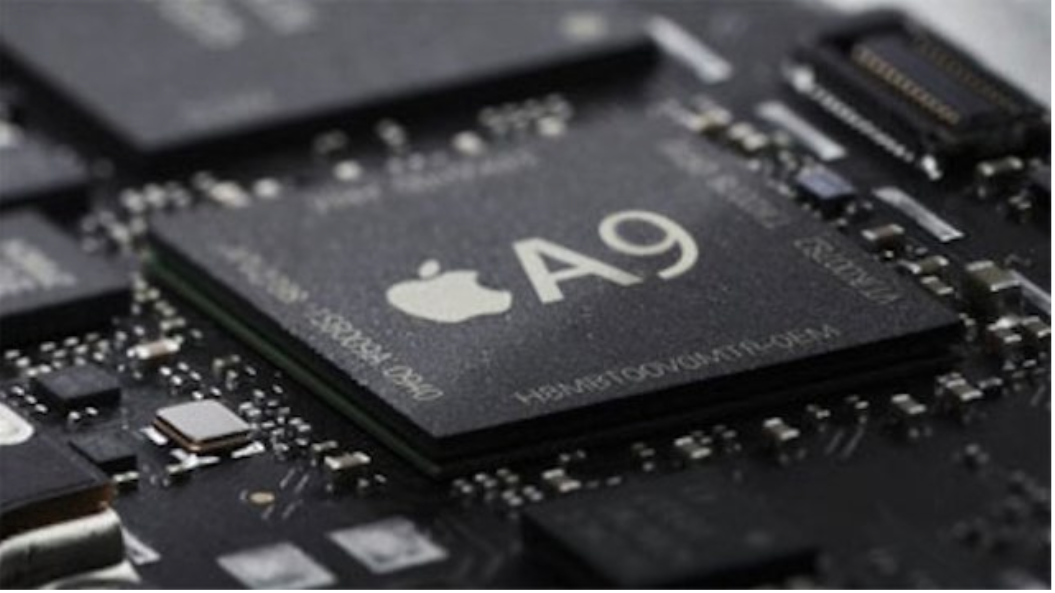
    As per a report by Re/code, Qualcomm will make use of Samsung’s manufacturing arm to build the upcoming Snapdragon 820, stated an insider. This means we might see the high-end 2016 smartphones powered by a Snapdragon processor manufactured at Samsung’s chip-making plants. Meanwhile, it is heard that Apple has also given the contract to Samsung for the A9 chips.

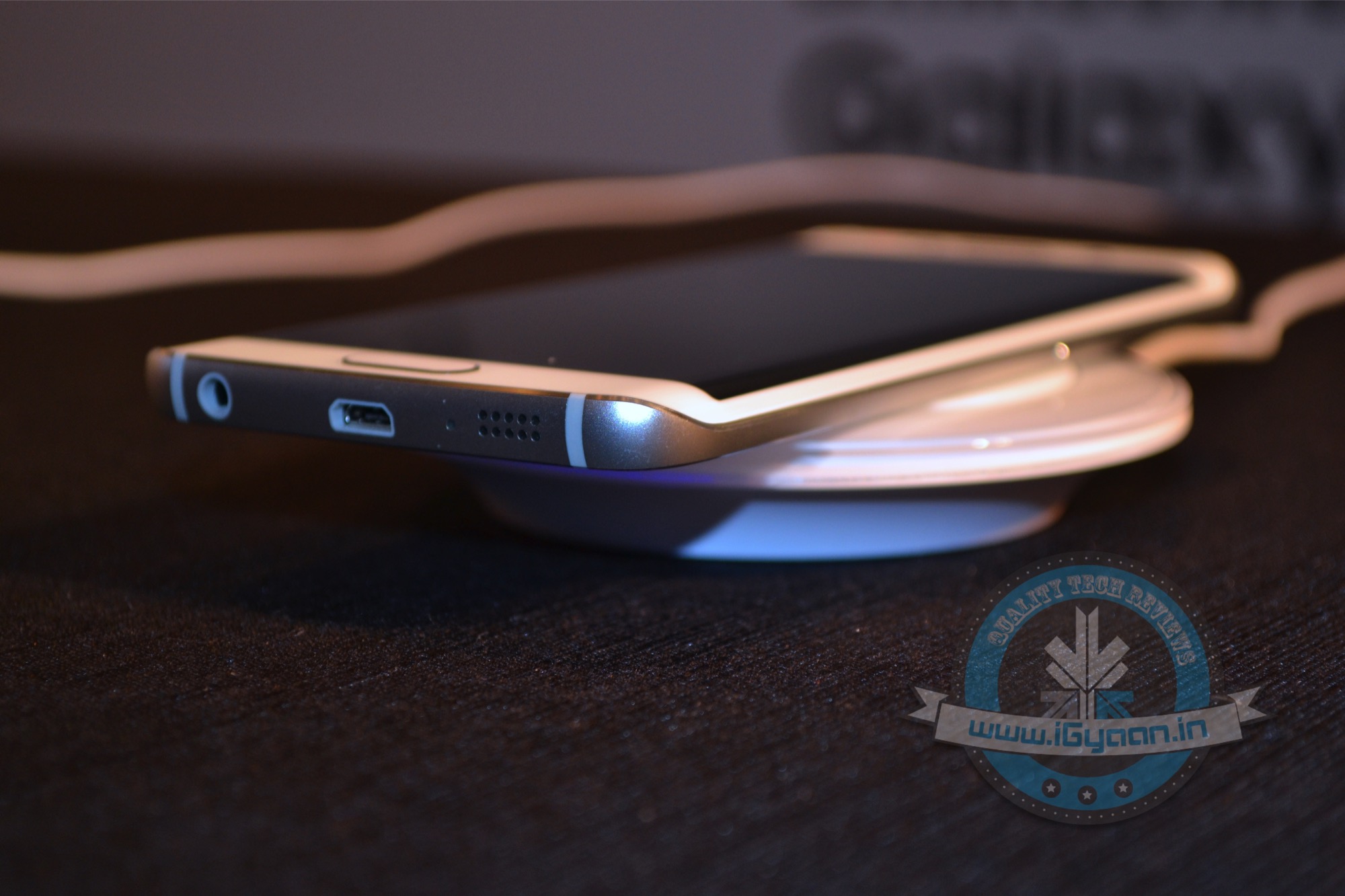
    Samsung Galaxy S6 Edge side

    The present Snapdragon 810 made by TSMC lags behind Samsung’s own Exynos 7, equipped with the latest Galaxy S series handsets. Unlike previous processors, the Snapdragon 810 heats up and slows down immensely after certain minutes of usage. This led to a major loss to Qualcomm, who lost a major chunk of its customers because of the problematic Snapdragon 810 processor.

    Samsung also has an edge over TSMC as it uses thinner 14nm transistors instead of 20nm used at TSMC. A thin wiring adds benefits to the phone. As the wires are slim, the chips would be small and smaller chips costs less. Smaller chips also give a better battery performance.

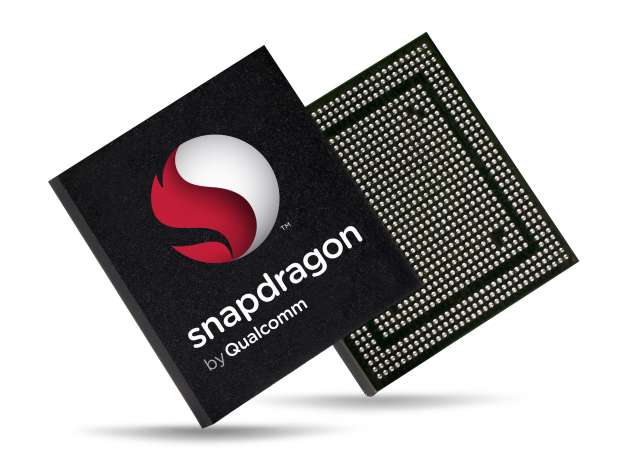
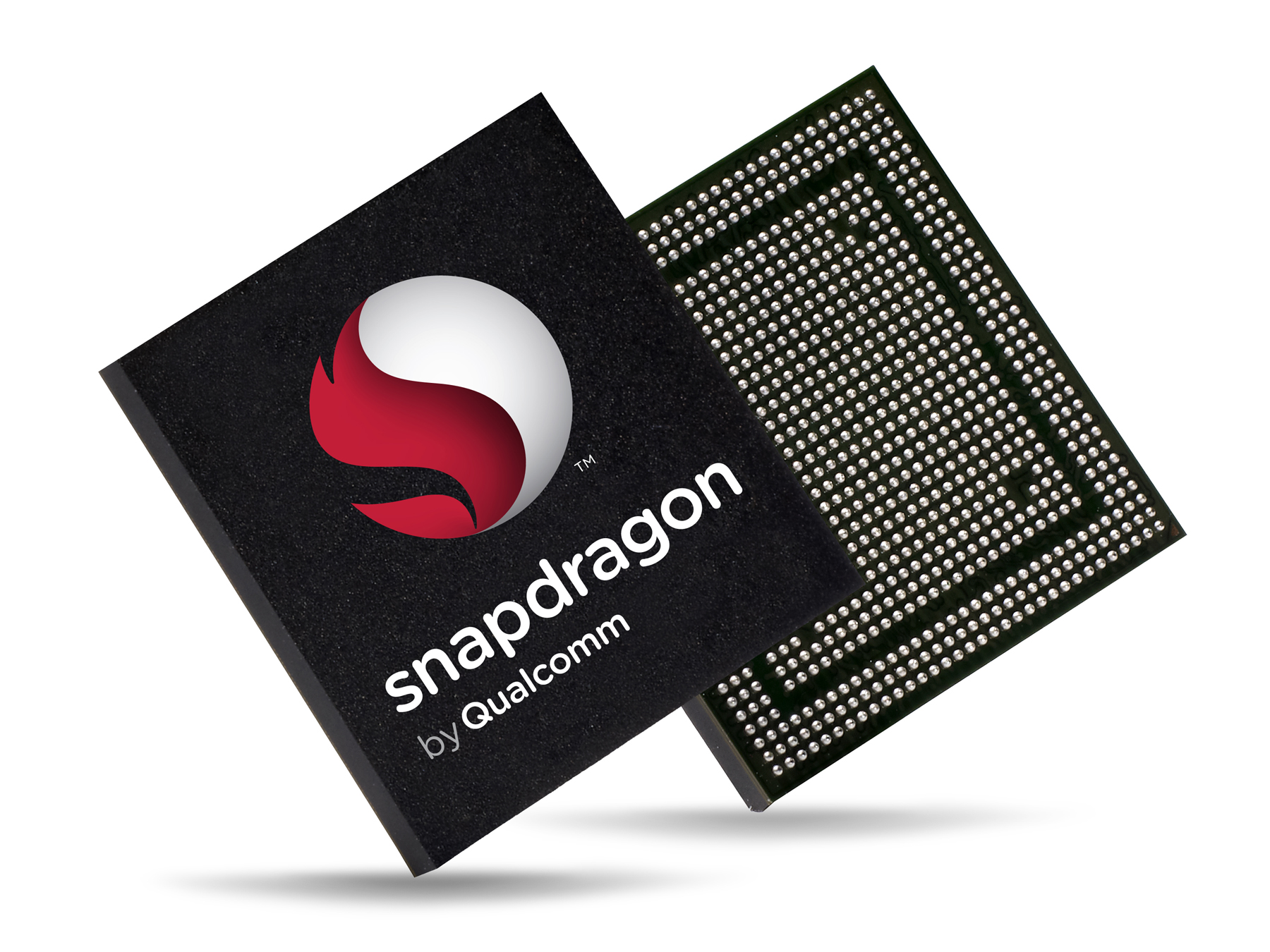
    qualcomm-snapdragon-mobile-processor

    Qualcomm has all reasons to turn to Samsung as Snapdragon is the major revenue factor for the company. To regain its lost clients, the global semiconductor firm may make a switch and tie up with the Korean company for improved chips. It is welcoming news for Samsung who has shown tremendous growth in the smartphone, as well as hardware business.

    According to the source, the Snapdragon 820 will have built-in LTE modem along with a graphics core and a custom-designed Qualcomm processor. For now, both Samsung and Qualcomm hasn’t slipped any information, and we have to wait for an official announcement for the authenticity of the report.

  • Samsung Bets On 128 GB Storage To Boost Sales of Affordable Devices

    Samsung Bets On 128 GB Storage To Boost Sales of Affordable Devices

    Samsung has been losing the interest of budget device buyers as its competition has been offering better specs and features to the customers. So how does Samsung take on this challenge? The Korean electronics giant decided to offer 128GB storage options to in its affordable smartphone line-up.

    128GB Samsung CardsSamsung has already introduced 128 GB internal UFS storage on its latest flagship, the Galaxy S6. Now the company is planning to offer the huge internal storage in its phones and tablets that are lower in the price listings.

    The new 128 GB 3-bit NAND-based eMMC 5.0 storage would adorn the future line of affordable devices from Samsung.  It will also help in recording high-definition videos and multi-tasking in those smart-gadgets. This massive storage option will be a boon to multimedia hoarders who always have to depend on SD cards and Cloud storages for their content.

    It is not sure as of yet as to when this technology would come to Samsung’s lower end devices. While Samsung figures out when it can bring the storage, it should also work towards bringing attractive devices that sell on their own merits, like many other devices in the affordable segment. That would help Samsung more in the long run instead of flaunting individual features.

  • LG Brings the World’s First 105-inch 5K Television to India at Rs. 59,99,900

    LG Brings the World’s First 105-inch 5K Television to India at Rs. 59,99,900

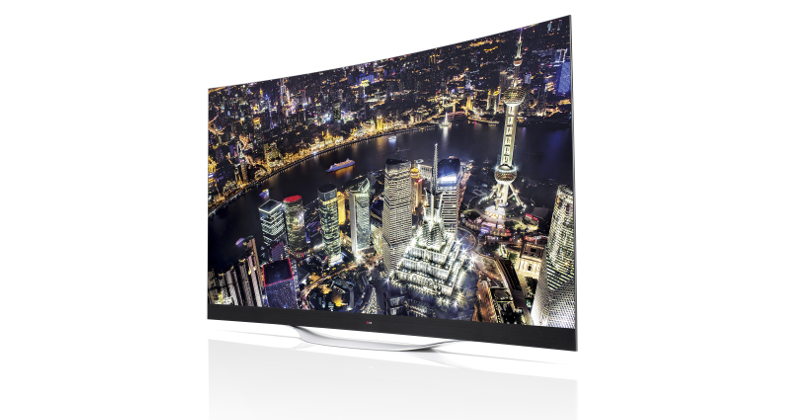
    Today, LG announced the nation-wide release of the world’s first 105-inch 5K television in India. This television beast was first showcased back at CES last year and comes at a price of Rs. 59,99,900. The device was showcased as a part of the company’s annual tech show in New Delhi.

    The MD of LG Electronics India Soon Kwon stated India as one of the important market places and said –

    India is a strategic market for LG. So we have been thinking in terms of a product mix based on global products as well as locally designed products. This is important to stay ahead.

    Being 5K, the picture quality of the mammoth television is quite high. The gigantic screen offers a more realistic viewing experience. With a CinemaScope aspect ratio of 21:9, users can frame their movies with authentic cinema formatting and can remove the black bars from top and bottom.

    Meticulous approach has been  adopted to the audio quality of the 5K television. The 7.2 channel surround sound solution rated at 150W is equipped with the massive piece, designed by audio specialists Harman Kardon. The smart TV runs on Web OS and comes along with the Magic Remote. The curved display uses an IPS panel and incorporated LG’s True 4K Engine Pro. This allows the Smart TV to eliminate ‘visual error’ and even upscale low-res videos to almost HD  level.

    Apart from the 5K television, LG has announced the release of LG G Flex 2 in India.

  • Samsung Showcases First Ever 10nm Processor Technology

    Samsung Showcases First Ever 10nm Processor Technology

    With mobile phones going for slimmer and thinner designs, its components are also going narrower in size. So far, all high-end phones are equipped with 28nm or 20nm size system-on-chip (SoC), but Samsung has showcased the sleekest ever SoC that makes a dent in the mobile hardware market.

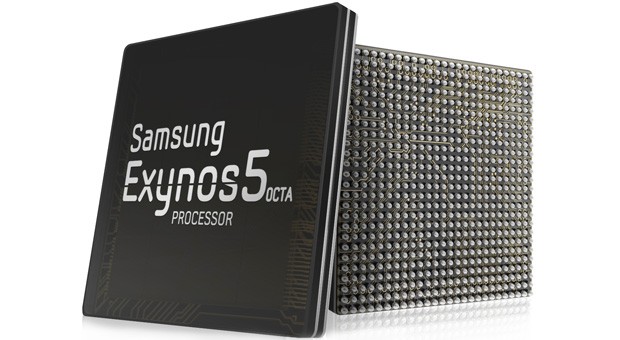
    Today, at the International Solid State Circuits Conference (ISSCC), the Korean manufacturer demonstrated the 10nm FinFET semiconductor manufacturing process. It’s the world’s first SoC to come in such a minimal size and is expected to be more powerful and energy efficient than the existing offerings. Meanwhile, the latest processor, Qualcomm Snapdragon 810 is built on a 20nm die size. On the other hand, Samsung’s in-house Exynos 7420, said to be embedded on the upcoming Galaxy S6 and S6 Edge flagship devices, uses a 14nm SoC.

    samsung-exynos-5-octa-chip-1363365230

    Samsung Electronics Semiconductor President, Kim Ki-nam explained the new manufacturing process as a major step in the evolution of the Internet of Things (IoT). He said that it allows more power efficient chipsets at smaller and smaller sizes. It’s also learnt that Samsung is planning on releasing a memory built on the same 10nm die process.

    The company has solidified its steps in the hardware segment and the refurbishment of its in-house operating system Tizen is going in full swing. Samsung has given decent competition to Intel and Qualcomm. Since the Korean firm has just presented the idea, it is not going to come anytime soon (maybe in a year or two).

  • Qualcomm Brings Out New Processors in the Snapdragon 600 and 400 Series

    Qualcomm Brings Out New Processors in the Snapdragon 600 and 400 Series

    One of the most trusted makers of smartphone chipsets, Qualcomm has launched four new processors for smartphones. These processors are part of the company’s Snapdragon 600 and 400 series.

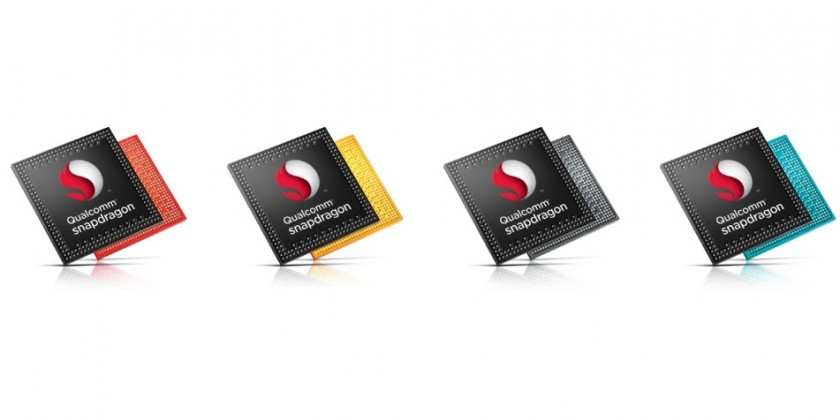
    Qualcomm Launched the Snapdragon
    Qualcomm launched Snapdragon 620, 618, 425 and the 415

    The processors will help to broaden the reach of LTE capabilities of devices in the mid and the affordable range of smartphones. In the 600 series, Qualcomm has unveiled the Snapdragon 620 and 618. These chips are integrated with 64-bit ARM Cortex A-72 CPUs and the new X8 LTE modem. The company says that with these launches, the mid-range segment of the handsets will get functionalities that were only available on the top tier 800 series.

    Qualcomm has also introduced Snapdragon 425 and 415 in the 400 series. These will be the first octa-core chipsets in the 400 series. The Snapdragon 425 will be clocked at 1.7GHz, whereas the 415 is clocked at 1.4GHz.

    These chipsets will provide higher value to the cost-conscious consumers. Qualcomm also says that these processors will offer higher volume. The 415 is expected to show up in the devices launched in the first half of this year, while the rest might be seen in the later part of the year.

  • This Normal Looking Keyboard Conceals an Android Computer

    This Normal Looking Keyboard Conceals an Android Computer

    What can your keyboard do? Let’s see… Typing and nothing else? Then this may sound exciting to you. There’s a new keyboard that is works and looks like a keyboard, but its actually an Android computer.

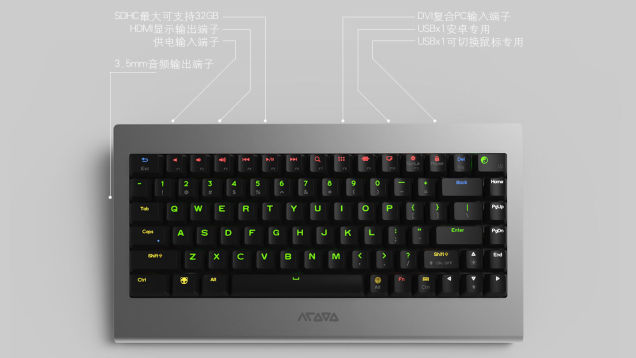
    This small machine is powerful; don’t go by its size. The keyboard-cum-computer is titled as OneBoard Pro+. It has a a 1.8GHz quad-core Rockchip RK3288 processor, 2 GB of RAM and runs on Android 4.4 KitKat. It has 16 GB of storage plus an SD card slot along with an USB OTG for extra space. The mean machine turns your computer monitor or TV into an Android machine when connected with a power cable, USB plugs and an HDMI port. The mechanical keyboard sports an aluminium chassis, backlit RGB key-caps and Cherry MX switches.

    keyboard computer1

    The cool and innovative keyboard has been developed by Bejing-Cool Computer Co. There have been keyboards that are portable and can be moulded, but this is something amazing.

    As the keyboard can transform a monitor and TV into a computer, this doesn’t mean your PC will sit in a corner eating dust. The OneBoard Pro+ has a video pass-through that lets you switch between your normal computer and the new Android machine. The keyboard is not cheap and comes at a price of $300.

    [poll id=”27″]

  • These Powerful Lithium-ion Batteries Will Power Project Ara’s Smartphones

    These Powerful Lithium-ion Batteries Will Power Project Ara’s Smartphones

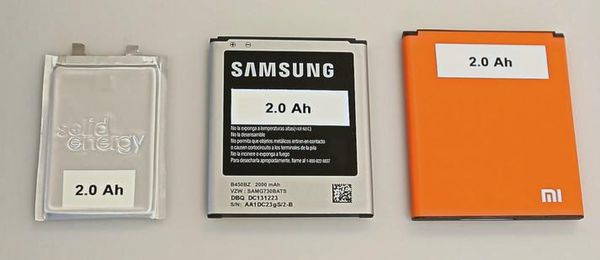
    In spite of compelling features and specs, the only thing that annoys the users of high-end phones is the battery life. Smartwatches too suffer from the same issue. SolidEnergy, a startup formed in 2012, seems to have resolved the energy problem with its new lithium-ion battery. This battery can store far more lithium ions and can last twice as long between charges.

    The new cells replace the conventional graphite electrode with a thin sheet of lithium metal foil, which is capable of storing more lithium ions. This replacement is potentially dangerous and such experiments have either stopped working or have caused explosion, when tested previously. SolidEnergy has been able to overcome the problem by using an ultra-thin metal anode and an electrolyte that both have solid and liquid parts.

    solidenergy-battery

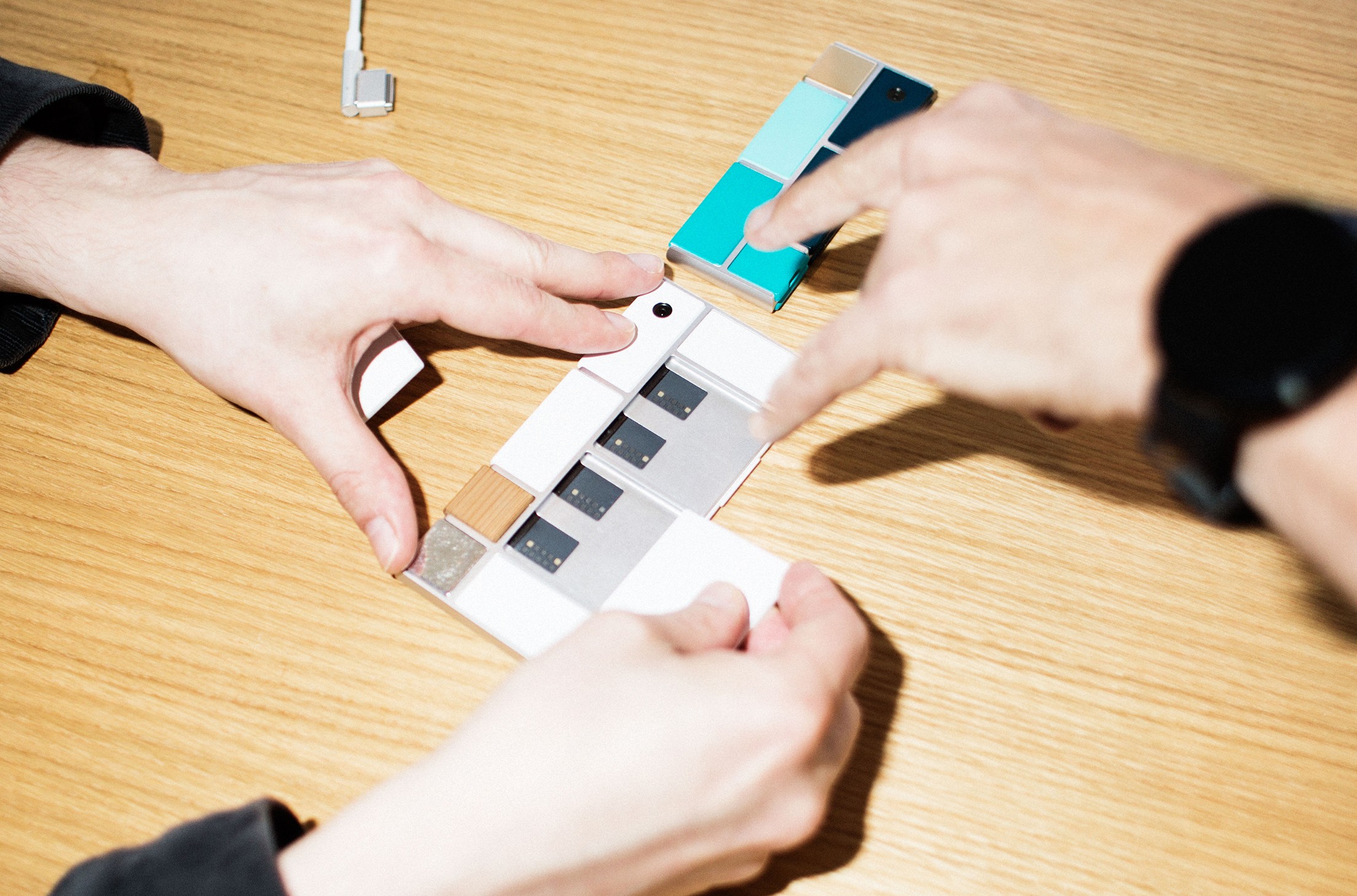
    These batteries are reportedly coming to Project Ara. The Founder and CEO of SolidEnergy Dr. Qichao Hu commented on the same saying –

    Our battery basically makes the Project Ara phone more practical. Right now, one of the major challenges with this phone is that the battery life is too short

    The company has also managed to trim down the size of the battery. It can be recharged 300 times while retaining 80 percent of its original storage capacity than the other prototypes that can be recharged only a few times.

    SolidEnergy says that amid of most announcements of battery breakthroughs, this one should be taken with some caution. The company says that making a small number of high-performance prototypes is easy, but producing the same in large numbers can be difficult.

    The company plans to roll out the new Lithium-ion battery for mobile devices in 2016, while the same technology will be infused in electric cars in 2017. Check out the video below to understand the battery technology better:

    https://www.youtube.com/watch?v=oxNAJuFUmSY

  • CES 2015: Lenovo Unveils Robust and Compact ThinkPad Stack Accessory System

    CES 2015: Lenovo Unveils Robust and Compact ThinkPad Stack Accessory System

    Accessories are meant to make life easier. If you are a normal computer user and don’t require add-ons together with your system then this might not sound interesting to you. But for frequent commuters, it’s quite tedious task to pack and unpack different accessories like external hard drives, battery pack, Bluetooth speaker, wireless hotspot and others along with cables to connect them. For them, laptop bags are more of a heavy, stuffed pack without an option to lighten it.

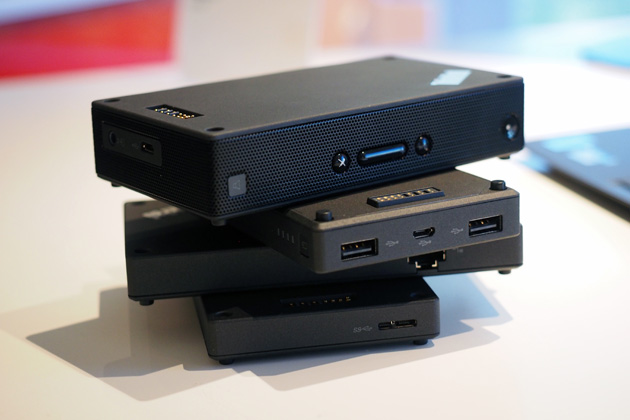
    The Chinese multinational computer technology giant Lenovo remains on the forefront in taking initiatives for bringing out comforting technology for users. This time again, the company has come up with ThinkPad Stack keeping in mind regular travellers. Just pile the modules on top of each other, and share power and data. The list of peripherals includes a 10,000mAh battery pack, which is of $50, a 1TB USB 3.0 hard drive of $200, a Bluetooth speaker of worth $90 and an LTE data hotspot costing $200.

    lenovo-thinkpad

    The pricing might open your eyes wide for a second, but it’s hardly a big deal for a cable-free and compact accessories’ pile at this price. The company has spotted the nerve of its potential consumers and said that people will be willing to pay extra to save space and time. The modular system will be up for grabs in mid-April.

    Along with this, Lenovo rolled out one more surprise. The company has built up a programme called WriteIt, which is an app through with you can write down anything on your tab with a pen. The app taps into the accessibility layer of Windows 8, allowing users to write in any text field. The feature is, for now, restricted to Lenovo tabs only. You can get an idea of the app from the below picture:

    OLYMPUS DIGITAL CAMERA

  • Corning Brings Gorilla Glass 4 to India to Help Prevent Your Screen From Shattering

    Corning Brings Gorilla Glass 4 to India to Help Prevent Your Screen From Shattering

    Smartphones have started to control our lives. They hold almost all our information and with each passing day they are gaining priority over computers to access the internet. But they are delicate beings too. For a person with butterfingers, it would mean shattered glass. This leads to loss of sensory components that end up rendering the device non-functional. It leads to grueling days ahead as they try to use the device with the damaged glass or have to shell out big money to get the screen replaced. To save you from all the hassles, Corning has brought in Gorilla Glass 4 to the Indian market.

    Corning claims that the Gorilla Glass 4 goes further in terms of strength in comparison to all its competitors. They state that the glass has twice as much damage resistance in comparison to aluminosilicate glass. The company said that it conducted multiple extensive tests to prove the efficacy of the glass to prevent shattering.

    The scientists at Corning developed new drop-test methods that simulate real-world break events, based on thousands of hours analyzing cover glass that had broken in the field or laboratory. They dropped the devices facedown from a height of one meter using multiple techniques. The examination of devices from the company’s tests led to the conclusion that Gorilla Glass 4 survives up to 80 percent of the time while Soda-lime glass, which is commonly deployed in today’s commercial devices, breaks nearly 100 percent of the time.

    To strengthen their glass, Corning uses a proprietary fusion draw process which maintains the thinness, durability, and optical clarity. The company’s glass has been inducted in over 1,395 devices, and more than three billion such devices have been sold since their inception in 2007.

    Although it’s good to have a strengthened glass on your device, it would be inadvisable to test out the glass at home. The scientists have already done that bit for you. You may not be as lucky with your efforts as these cute Gorilla family.

  • Samsung to Build Next Generation A9 Chips for Apple

    Samsung to Build Next Generation A9 Chips for Apple

    On the market front, Samsung and Apple may be arch rivals. They’re like Batman and Bane from the comics of course and not from that dumb sequel of the epic Dark Knight. But when it comes to dealing with hardware for the devices, the companies constantly collaborate with each other. Samsung has been a provider of displays and processors for Apple devices in the past and now the company has won a deal to help develop the chip that will power the next generation iPhones.

    Samsung won the contract to develop the new 14 nanometer thin chips. The Korean giant has been involved in the chips of Apple’s flagship smartphones since their inception in 2007. But for the development of the A8 chip for the current generation iPhone 6 and 6 Plus, Apple involved Taiwan Semiconductor Manufacturing Company (TSMC). Samsung is still providing about 40% of the present generation A8 chips.

    The A8 chips in the iPhone 6 and 6 Plus is a 20nm thin 64-bit chip. Smaller chips have the benefits of being more power efficient and with the development in technology they are getting better at performance. With this chip, you can expect an even better battery life from your next iPhone.

  • This Nano-Technology Based Battery Can Charge Your Phone in 30 Seconds

    This Nano-Technology Based Battery Can Charge Your Phone in 30 Seconds

    We are living in a tech-driven society and with the excessive need of gadgets to get the work done, we need them charged all day long, well we try to. In a potentially ground-breaking development, an Israeli company called StoreDot claims that it has invented a battery that can drastically reduce the charging time up to 30 seconds on your smartphone.

    The game-changing battery uses nanotechnology to synthesise artificial molecules, which allows this battery to store a higher charge in less time than the existing technology. It can be likened to a super-dense power sponge. According to a  research firm, the prototype battery could be ready for the market sooner, potentially transforming the smartphone and electric car industry.

    However, the battery is very bulky to be used in a smartphone right now. The company believes that it will be ready to market a slim battery by 2016 that can absorb and deliver a day’s power for a smartphone in just 30 seconds, as mentioned above.

    Back in April, the Tel Aviv-based StoreDot revealed at the Microsoft Think Next Conference that it had developed a prototype battery that charged a dead Samsung Galaxy S4 to full power in just 26 seconds. The technology is based on ‘nanodots’, described by StoreDot as bio-organic peptide molecules. Nanodots change the behavior of the battery to allow for rapid absorption and retention of power.

    Backers have so far invested $48 million over two rounds of funding. One significant backer is an unnamed Asian mobile phone manufacturer. This year, the number of smartphone users is expected to reach 1.75 billion, a big market for StoreDot. Experts predict that the company could be a winner if it continues to develop its product.

  • Qualcomm Develops Two Mammoth Devices to Test its Snapdragon 810 Processor

    Qualcomm Develops Two Mammoth Devices to Test its Snapdragon 810 Processor

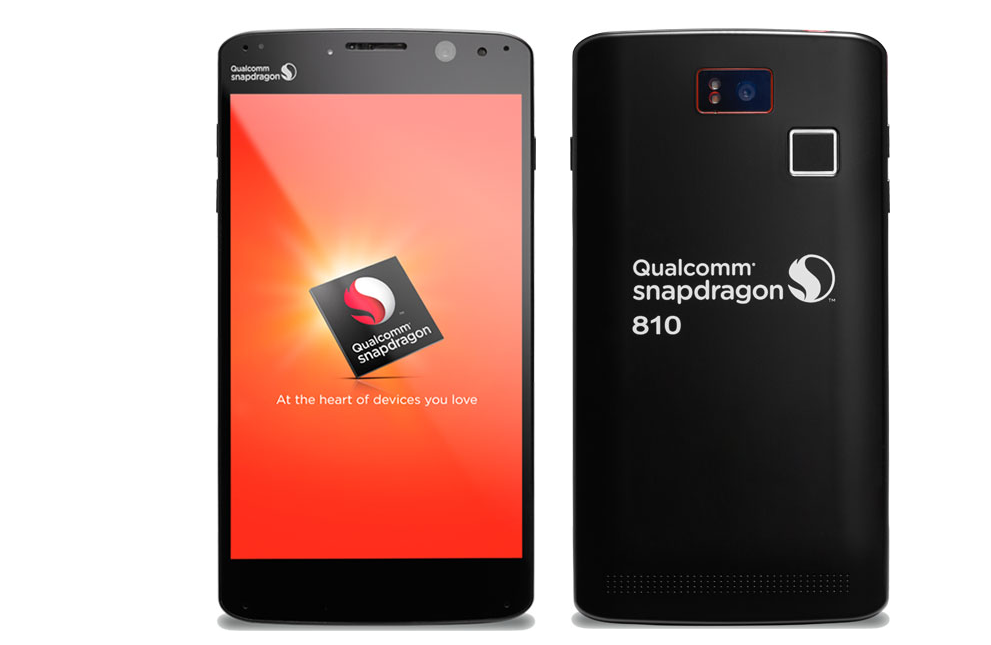
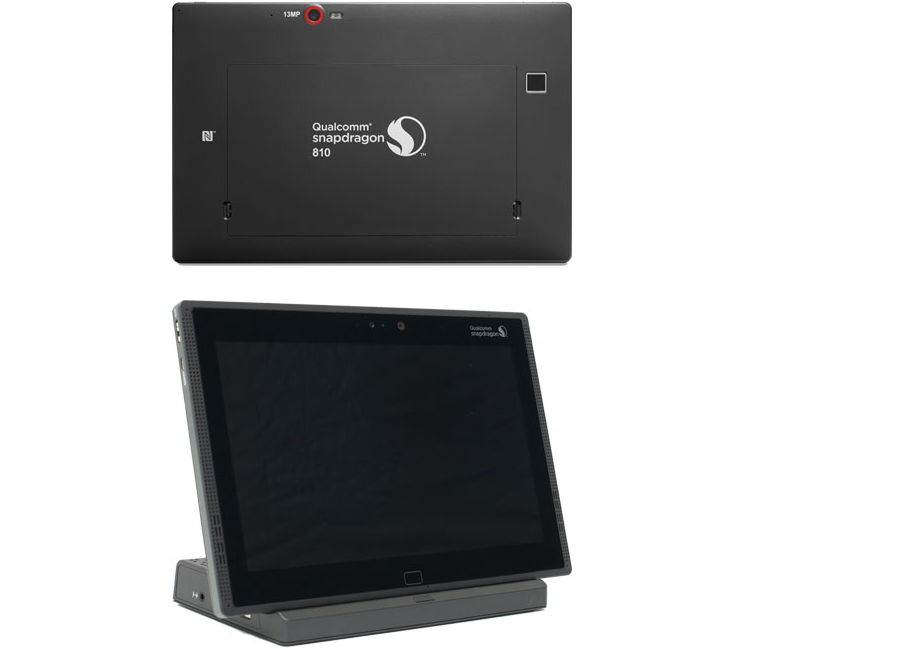
    Chipset manufacturer Qualcomm is testing the prowess of its next-gen Snapdragon 810 processor. This involves production and release of a new set of devices which the company has been busy with off late. First in the list is the Snapdragon 810 MDP smartphone that sports a 6.2-inch QHD display, 64-bit octa-core Snapdargon 810 Ultra HD processor, Adreno 430 GPU, 4 GB of RAM, 32 GB storage, 13 MP rear camera, 4 MP front snapper, a hefty 3020mAh battery with Quick Charge 2.0 technology. In addition to this, the device is packed with ultrsound emitter, microSD card slot, microUSB 3.0, fingerprint scanner and Android’s latest 5.0 Lollipop. This beast of a smartphone costs $799, which is still way below the 64 GB iPhone in the US market that costs $849.

    The second one is the Snapdragon 810 MDP tablet that comes with a 10.1-inch 4K display, 64-bit octa-core Snapdragon 810 Ultra HD processor, Adreno 430 GPU, 4 GB of RAM, 64 GB storage. Optics include a 13MP rear camera along with a 4MP front snapper. The device packs in a mammoth 7050mAh battery with Quick Charge technology. The tablet also features dual ultrasound emitters, a microSD slot, microUSB 3.0 and Android Lollipop 5.0. The device costs $999.

    snapdraogn 810
    The mammoth set of specs that both the devices have is quite a notch higher than what we are used to. Sorry guys, but you don’t get to play around with these devices as it will be only available with registered purchasers.

  • Meet Flow, A Programmable Wireless Controller to Replace Your Old Mouse

    Meet Flow, A Programmable Wireless Controller to Replace Your Old Mouse

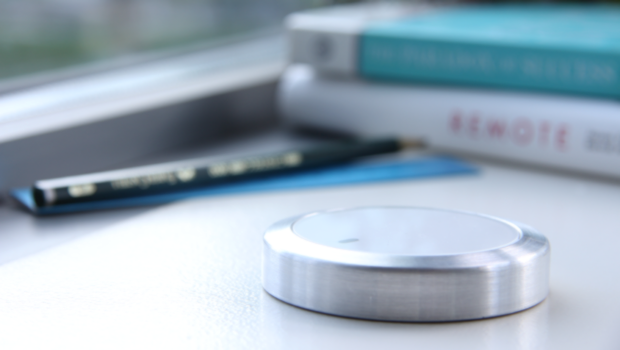
    If the Indiegogo campaign goes right, this new startup aims to replace your desktop mouse for good. Flow, as simply as it is called, is a small gadget that can be paired with your PC, laptop, tablet and can be programmed with shortcuts to your most frequently used actions.

    Created by a team of German hardware designers, Flow can be described as a ‘freely programmable wireless controller’ that combines hand gesture recognition, touch, and haptics in a mobile, hockey puck-shaped design. The idea is to take the core functionality of a traditional mouse and expand it to include much broader capabilities found in touch-based devices, video game controllers, and even motion-and-gesture sensors.

    20141114185544-functionalities

    The device is made from aluminum and stainless steel with a durable polycarbonate touch surface and has a replaceable battery promising four months of charge according to its Indiegogo page. Its sensors enable infrared-based hand gesture recognition, 360-degree angular positioning, capacitive touch and luminosity.

    Flow, according to the makers, offer support for more than 30 applications, including popular ones like Final Cut Pro X, Photoshop, Premiere, SoundCloud, Spotify and YouTube. Flow has been described as a multiuse device which can be used as a traditional mouse with a PC but also to interface with mobile devices and even hung on a wall as a smart device controller.

    At present, most of the information regarding Flow points at its usability with desktops or laptops, but the company also mentioned that there could be support for mobile applications in the future. It measures 70 mm in diameter and 15 mm in height, and ‘connects directly to anything that speaks Bluetooth Low Energy with no additional hardware required,’ according to its makers.

    The designers have launched an Indiegogo campaign to raise $50,000 in seed money. The ongoing campaign has already fetched $19,536 and there is still 40 days left for the campaign. The startup plans to release the product by 2016.

    (more…)

iGyaan Network
Privacy Overview

This website uses cookies so that we can provide you with the best user experience possible. Cookie information is stored in your browser and performs functions such as recognising you when you return to our website and helping our team to understand which sections of the website you find most interesting and useful.