Category: Hardware News

Latest news from the World of Hardware

  • Intel Plans to Launch Thumb-sized Gadget that Turns Your Smart Devices into a PC

    Intel Plans to Launch Thumb-sized Gadget that Turns Your Smart Devices into a PC

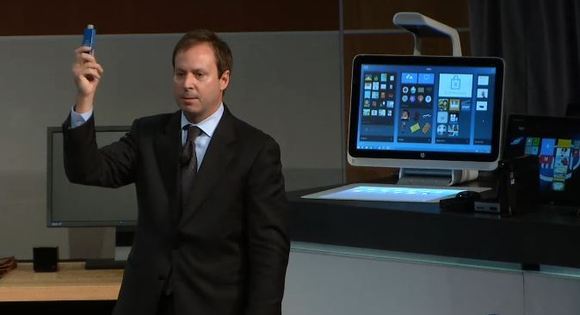
    Intel, in an event yesterday, disclosed its plans to release thumb-sized ‘compute sticks’ next year. This thumb-sized technology will plug into smart TVs or monitors, and promises to bring more than typical content streaming capabilities. Even though, there are a handful of such products such as Chromecast from Google that lets you stream your content from your android phone to smart TVs, they are limited to just simple streaming.

    Unveiled by Kirk Skaugen, Intel PC Client Group General Manager, the shrinked PC is expected to feature the company’s Atom processor. Along with that, it will come with a chunk of memory with a USB input for power, an HDMI output for display, Wi-Fi and Bluetooth for network and peripheral connectivity. If that sounds familiar, that’s because numerous companies have released near-identical devices as add-ons for TVs, typically using system-on-chip processors based on the ARM instruction set architecture and Google’s Android operating system.
    intel-thumb-pc-100531963-large

    Intel has subtly hinted that this thumb-sized stick is so much more than the simple streaming device. Intel has already been playing cards against ARM and its multitudinous licensees in the mobile market as expected, and it appears that the ‘smart-stick’ market is next. However, Skaugen did not get into the details of the operating system that will run on the gadget when it launches next year.

    What he said was that the devices will be an extension to laptops and mini-desktops. It will bring x86 computing to fanless designs. It is quite obvious that the device will run on low-power Atom processors that could also be used into TV sticks like Google Chromecast and Amazon’s Fire TV stick.

    Thumb PCs have been already available and typically run on Android OS and ARM processors. They might be quite late to enter the market but based on what Skaugen said, it seems like the company is in with more interesting and general-purpose plans.
  • Qualcomm Announces its Entry into Server Chip Market

    Qualcomm Announces its Entry into Server Chip Market

    Qualcomm, after excelling in the market of smartphone processors and cellular chips, is aiming to target the data centre markets with new server chips based on ARM technology. Qualcomm CEO Steve Mollenkopf revealed during a meeting with financial analysts that the firm is working on chips for the data centre. However, he didn’t give away any specific product details.

    This means that Qualcomm will join the already established companies like AMD, AppliedMicro and Cavium, which manufacture chips based on ARM Holdings’ 64-bit ARMv8-A architecture. The company stayed quiet on important questions, such as how many cores, how fast will they work and when they will be available?

    ARM-Chip-lead-600x250

    He did say, however, that the market for ARM server processors could be worth $15bn by 2020 and that Qualcomm plans to capture a piece of it. Qualcomm sees big opportunities with the Internet of Things (IoT) and views it as the next logical step from the mobile era in that wearable technology and all those connected gadgets will be gathering enormous quantities of data that need to collect in a data centre.

    Qualcomm is the world leader in ARM chips for smartphones with around 58 percent revenue share, according to market research firm Strategy Analytics. In fact, the Chinese government has accused it of having a monopoly in the region, despite local competition from the likes of Allwinner, MediaTek, and Rockchip.

    Mollenkopf did not reveal as when Qualcomm will bring a server chip to the market, but he stressed on the fact that it would take time for the company to build this new business.

  • At 255 Terabits/s, This is One Ultra Fast Optical Fiber

    At 255 Terabits/s, This is One Ultra Fast Optical Fiber

    Internet is now an essential utility in our lives. It has become at par with the telephone, electricity and for some more important than food. It’s a breeding ground for most of the world’s innovation and where people go to cut-copy-paste their assignments. But with the rapid increase in the new population gaining access to the service, the demand for bandwidth has also risen sharply. To meet this demand new technology has to be created, and one such research has brought out an optical cable that transmits data at an unbelievable speed of 255 Terabits per Second (Tbps).

    Researchers at the Eindhoven University of Technology (TU/e) in the Netherlands and the University of Central Florida (CREOL) have published a report in the journal Nature Photonics. The team reports that they were able to transmit data at a whooping 255 Terabits/s over a new type of optical fiber. Previously a team of Dutch scientists had achieved a speed of 43 Tbps. This new fiber is almost six times the speed of the Dutch efforts.

    To achieve this feat, the researchers used a new fibre that passes the information through seven different cores. The light waves that travel through these fiber’s face less photonic nonlinear effects, which limit the amount of information that can be recovered after transmission over the standard fiber. The fibre also makes a single road system into a seven-lane highway and also allows two additional vertical dimensions which significantly increases the transmission speed. It can be seen as a multilayered highway.

    The European Union Horizon 2020 research program is focused on creating Petabits per Second (Pbps or 1000 Tbps) connections. TU/e and CREOL say that their 200 microns thick optical fiber can possibly achieve that high target. That would be one great feat to look forward to. Get ready guys, things are going to get interesting on the internet space, but not if you are getting your internet from an Indian ISP. Literally only Bhrama can fix that issue.

  • MediaTek Brings Out New MT6595 4G LTE Octa-Core SoC in India

    MediaTek Brings Out New MT6595 4G LTE Octa-Core SoC in India

    MediaTek has officially announced the launch of a brand new MediaTek MT6595 SOC for the Indian market with support for 4G LTE connectivity. This new chipset will be competing against Qualcomm’s Snapdragon 800 which still dominates the high end segment.

    Economic Times reports that the new MediaTek MT6595 has an octo core configuration, based on the latest ARM architecture – the Cortex A17, successor to the once popular A9. As already mentioned, this new SoC will take on the likes of Qualcomm’s Snapdragon 800/801 as it has support for WQXGA display resolution, along with support for Ultra HD 4K video playback. Made up of quad Cortex A17 cores, it can clock speeds upto 2.2Ghz. In terms of connectivity, it has support for Wi-Fi 802.11ac, Bluetooth 4.0 LE, GPS and 4G LTE Cat.4 (FDD and TDD).

    The new MediaTek MT6595 processor is undeniably a beast of an SoC, and we hope to see them in mid-range phones with high performance at affordable prices.

  • Sony Brings Out Sleek New Wireless Headphones for Bass lovers

    Sony Brings Out Sleek New Wireless Headphones for Bass lovers

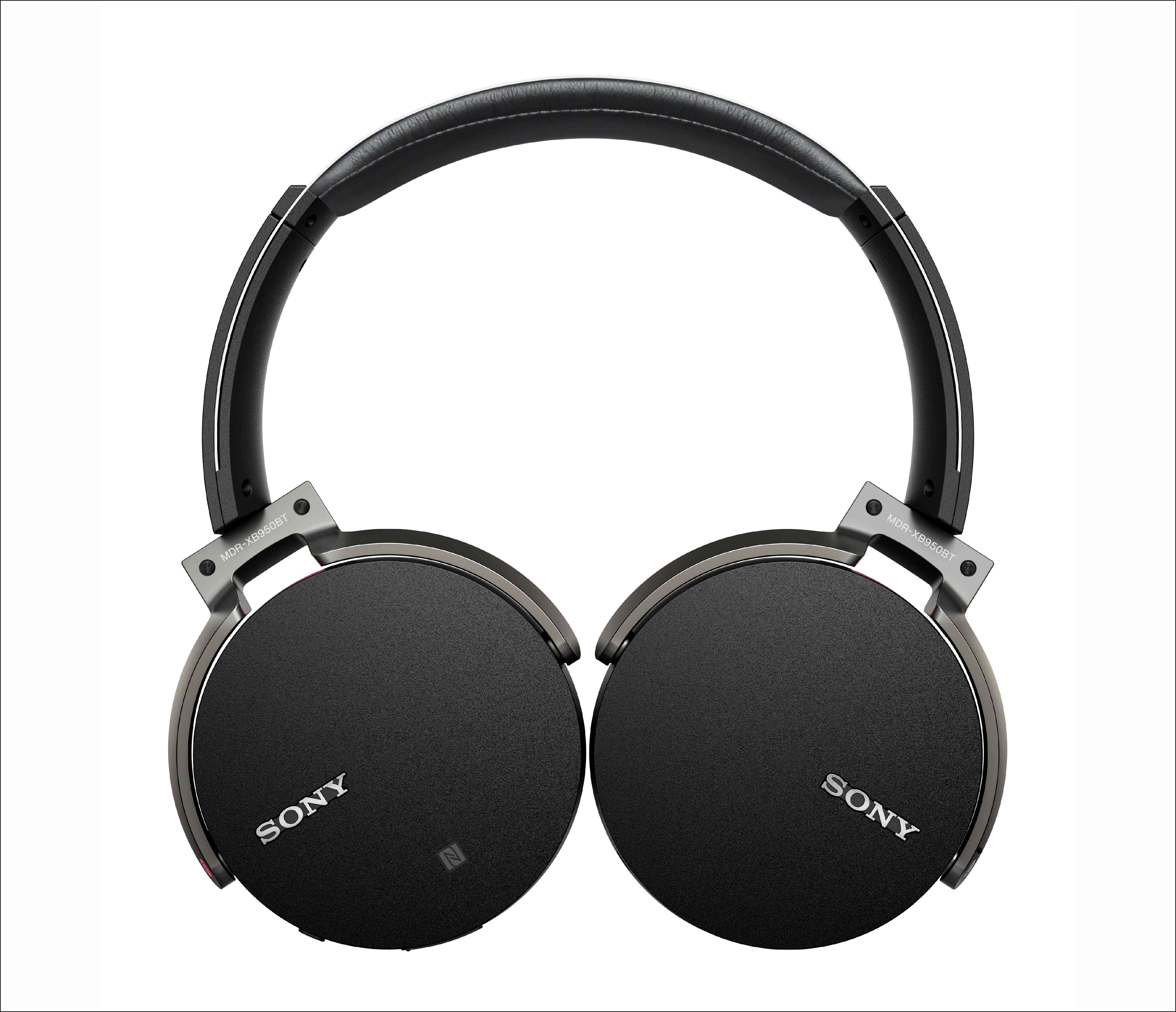
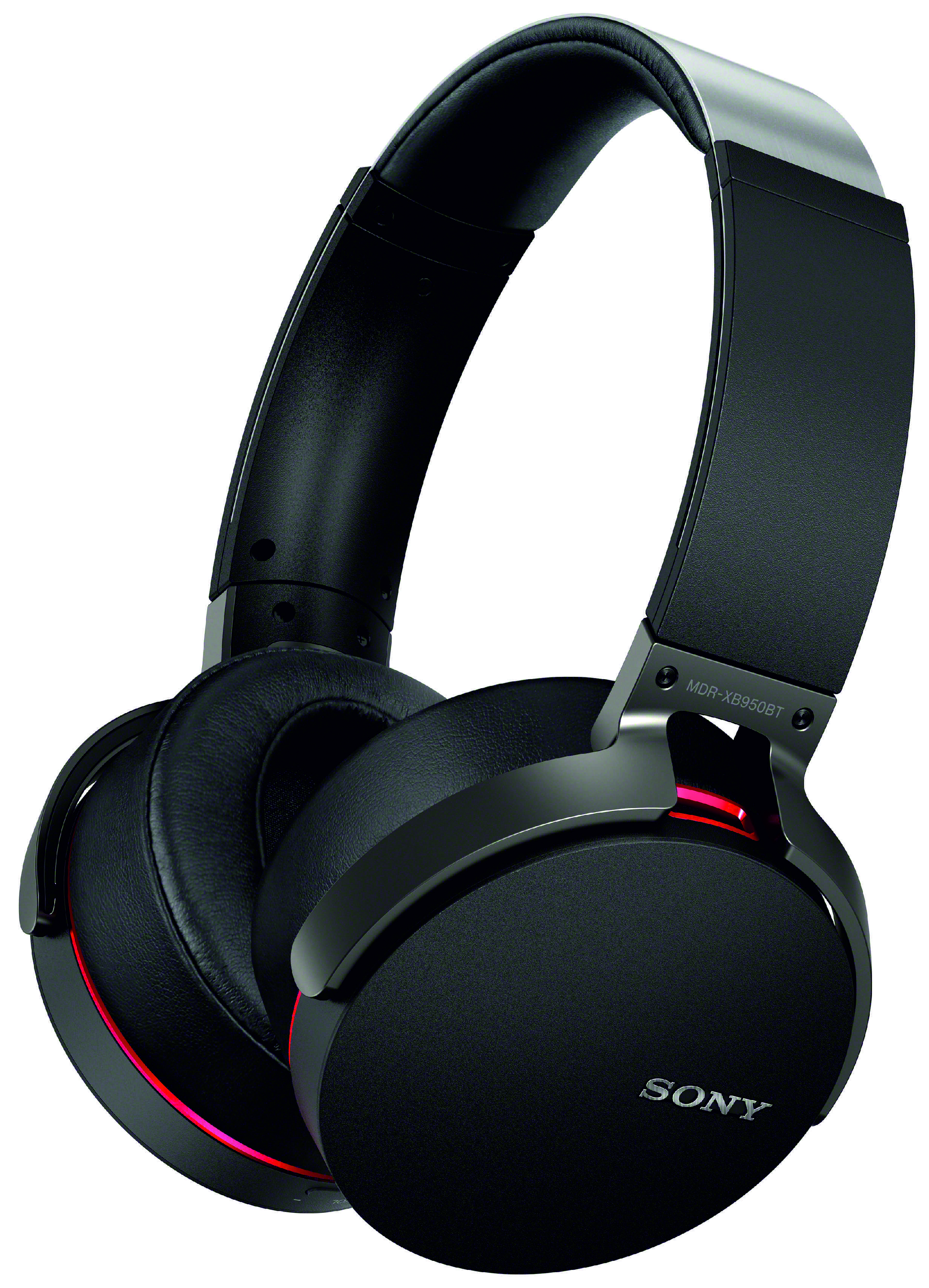
    Sony India today announced the launch of its latest wireless headphones, the MDR-XB950BT Extra Bass Bluetooth Headset. The latest pair from the audio stable of Sony looks and sounds a little different than some of its earlier over-ear Bluetooth headphones.

    The headset implements support for SBC, AAC, and aptX wireless audio streaming codecs with an electronic boost circuit for more substantial low end. The headset features 40mm dome drivers to deliver a frequency response of 3 to 28,000 Hz with a sensitivity of 102 dB/mW when used passively with the supplied cord. In wireless operations, the headphones can transmit a frequency response of 20 to 20,000 Hz approximately 30′ by using the A2DP Bluetooth.

    XB-950BT-4

    The headphone come with NFC that offers a One-touch connection with smartphones, allowing users to listen to rich wireless sound with soaring highs and rich, solid lows. Further, it also feature a built-in microphone, letting users take calls and chat hands-free while on the move.

    Calls can be answered and terminated with a simple push of a button on the headset. When a call is over, any music or media that was playing will automatically resume.  The swiveling earcups fold flat for greater portability and the headset comes with both a micro-USB cord for charging as well as a stereo connecting cable for passive operation.

    Also, Sony is providing an option of  a premium leather carrying case exclusively with the MDR-XB950BT. The new wireless headset is already available on online and offline stores for Rs. 12,990.

  • HP Announced Chromebook-Like Laptops and Super-Cheap Tablets

    HP Announced Chromebook-Like Laptops and Super-Cheap Tablets

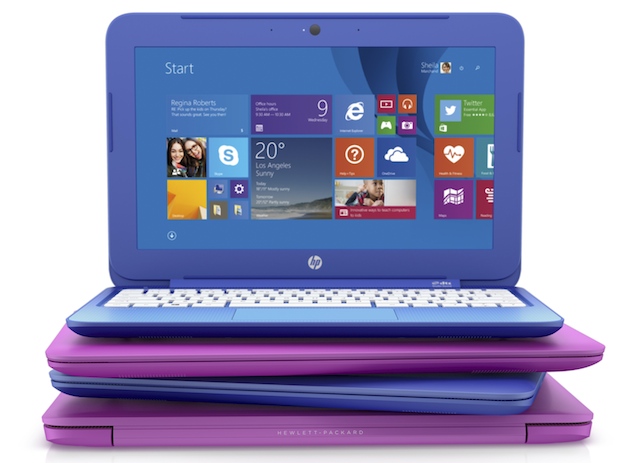
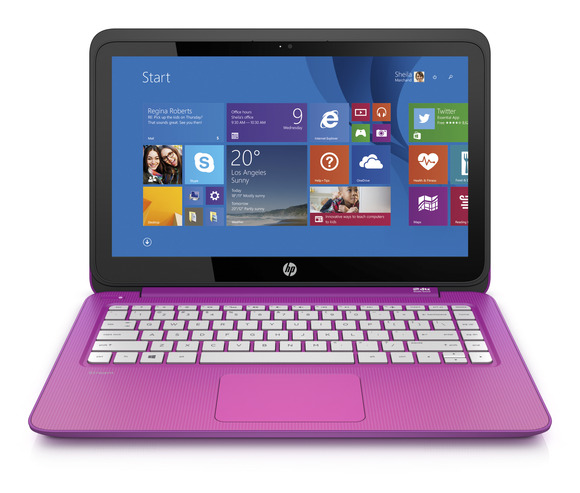
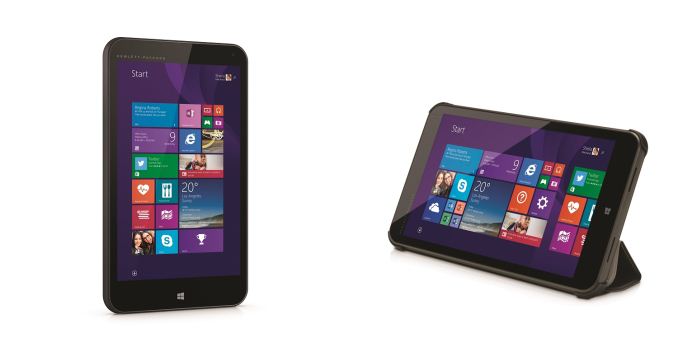
    Hewlett-Packard promised fall would be the season of new, affordable Windows laptops. Keeping their word, the company announced the HP Stream 14-inch Notebook. The Stream series is HP’s version of the low cost Windows laptop, meant to compete head to head with Chromebooks on price, but still offer the powerful operating system.

    This Intel Celeron-powered Stream will have an 11.6-inch HD non-touch display and 32GB of eMMC flash memory for storage. The company also unveiled a 13.3-inch touch-optional SKU that goes for $230, and 7 and 8-inch Stream tablets priced at $100 and $150, respectively.

    hp_stream_13

    The 11.6- and 13.3-inch notebooks are both fan-less designs with HD displays. The 11.6-inch Stream and the 14-inch model announced earlier this month have non-touch displays. Touch is optional on the 13.3-inch model, but HP did not reveal how much that feature would add to its cost.

    The 13.3 inch model also is available with optional 4G connectivity, and as a value add, HP is including 200 MB of free data every month for the life of the device. As another value add, HP is offering one year of free Office 365 personal, which includes 1 TB of online storage and 60 Skype minutes per month.

    HP Stream 7_575px

    Battery life is listed from HP at 8:15 for the 11.6 inch  model, and 7:45 for the 13.3 inch model. The HP Stream laptops are available in several colors, and will be priced at $199.99 for the 11.6 inch model and $229.99 as the starting price for the 13.3 inch model.

  • New Update for Moto 360 Fixes its Battery Backup Issue

    New Update for Moto 360 Fixes its Battery Backup Issue

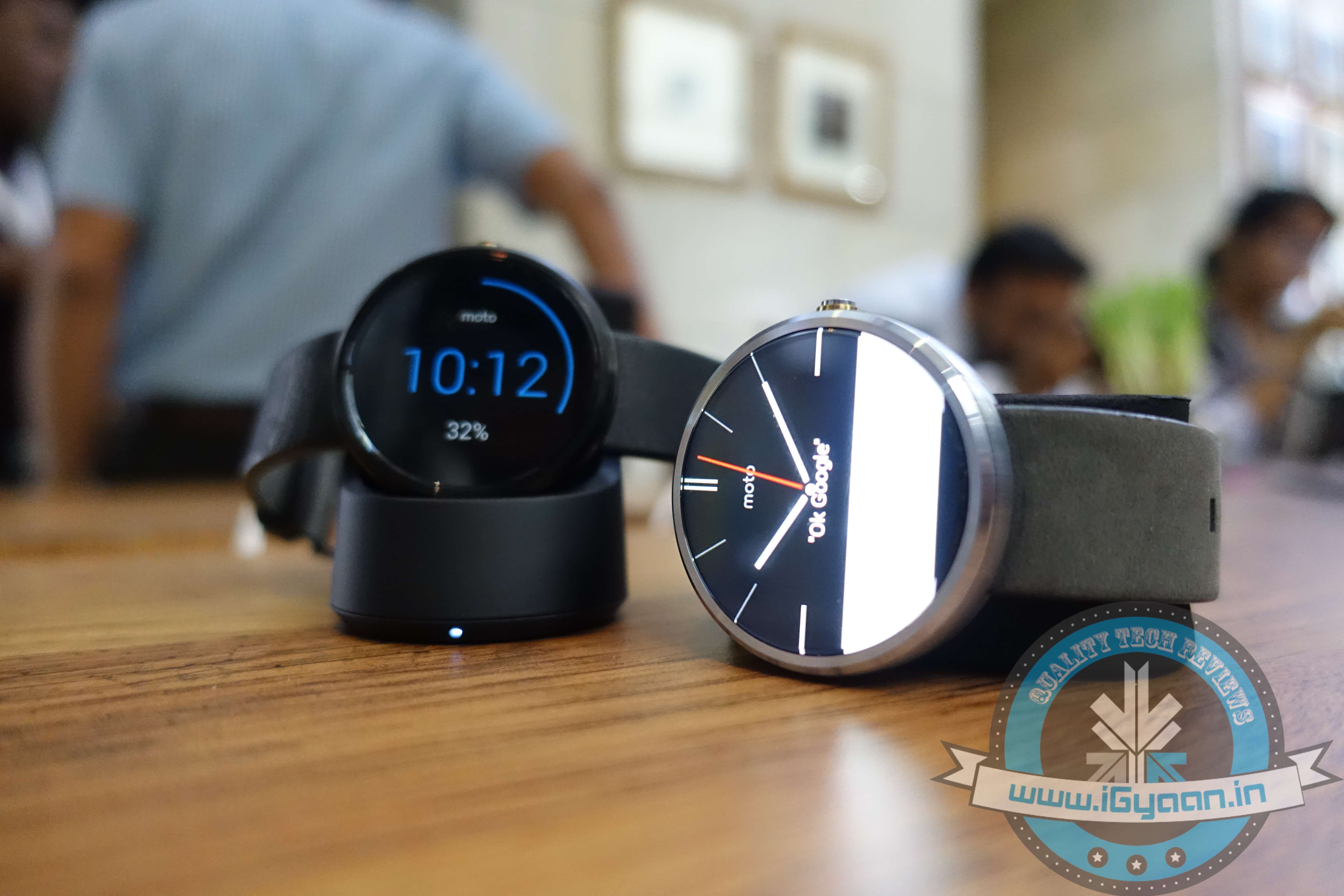
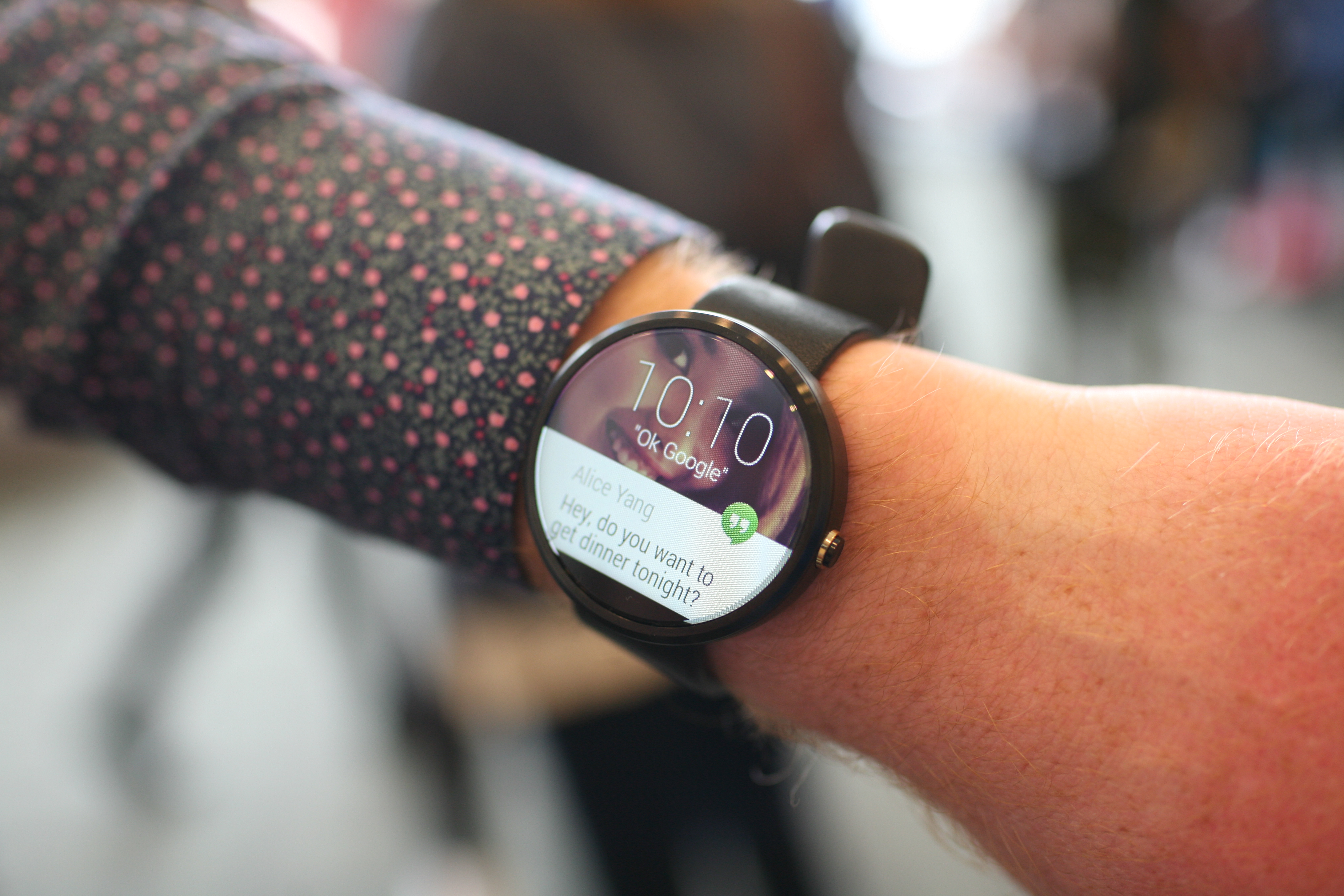
    The Moto 360 was the single most awaited wearable this year. On its launch, the device found a lot of customers willing to get their hands on it. But one of the major issues with the much sought after device was its battery backup. Some users even claimed that the device didn’t even work for an entire day. An iFixit teardown also found that the battery was less than what was claimed by Motorola. Motorola released an update recently to address the issue, and it seems to be working.

    The Moto 360 comes with 1.56 inch LCD display along with 4GB of internal storage and 512 MB of RAM. Its power source is a 320 mAh battery and has been the cause of worry for the device owners.

    Moto 360 4

    Several owners of the Moto 360 on Reddit have claimed that the battery performance has dramatically increased following the new update. Some have even claimed that the dreaded ambient light which drained most of the juice is also performing well.

    The usual complaint was that the battery wouldn’t last a day, but users are now reporting that the issue has also been solved to an extent. But it is still a software based tweak and can be affected by future updates. But as of now it is a necessary update that will give a full day’s worth of functionality of the device.

    The Moto 360 will be arriving on Flipkart around the first week of October, and this seems like a good news for potential customers. The folks who were reconsidering their Moto 360 purchase can now stop. But the update is still software based. Motorola needs to find a way to extend the battery life further, otherwise it will add to the menace of chargeable devices one needs to take care of at the end of a work day.

  • AMD Brings Out FirePro W9100 and W8100 GPUs for 4K Workstations

    AMD Brings Out FirePro W9100 and W8100 GPUs for 4K Workstations

    The Indian entertainment industry is massive. India is known for making the most number of movies in the world, and this industry is constantly updating itself. The buzzword around the industry is currently 4K. Creating content for 4K requires high power components such as storage, processors and GPU’s. As the content creators are making major strides to create more visual content in 4K resolution, the demand for high power equipment is also increasing. To address this demand AMD has launched its flagship AMD FirePro W9100 and W8100 professional graphics card in India.

    The prominent global chipmakers introduced the cards targeted for 4K content production. While the FirePro W9100 is the flagship product, the W8100 is a lower variant of the product. The major target of these units is the massive VFX industry in India who often work for big-budget Hollywood blockbusters.

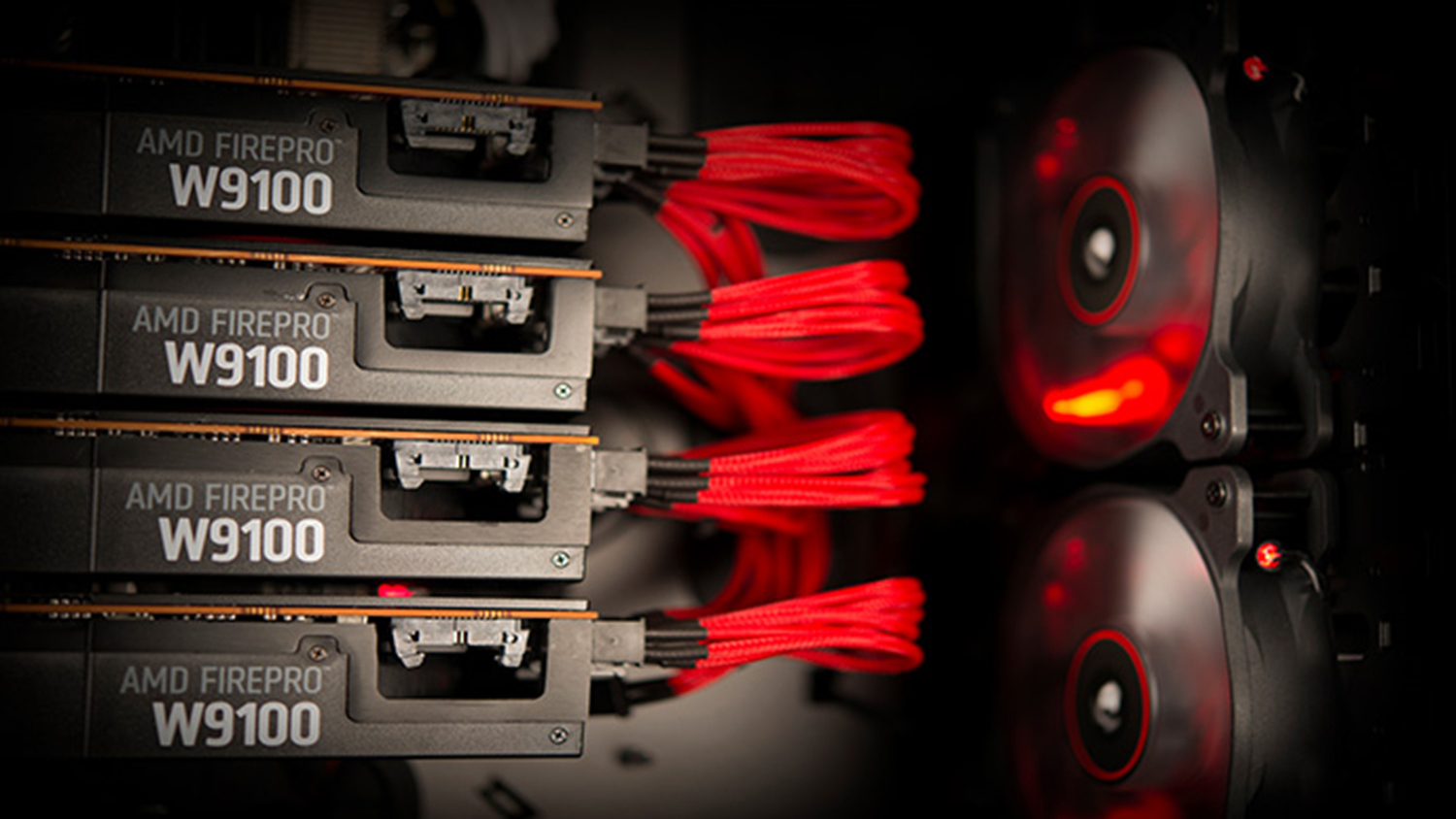
    The GPU’s are accelerated by OpenCL. The FirePro W9100 delivers up to 2.62 TFLOPS peak double precision and 5.24 TFLOPS peak single precision in terms of GPU compute power. The W9100 workstations comes with 16 GB GDDR5 memory and users can multi-task across up to six 4K displays.

    The FirePro's are some Heavy duty GPU's.
    The FirePro’s are some Heavy duty GPU’s.

    AMD FirePro 8100, on the other hand, is aimed at 4K CAD and Media workflows, engineering analysis and supercomputing applications. It offers 8GB of GDDR5 memory and 4.2 TFLOPS peak single precision and 2.1 TFLOPS peak double precision.

    Raja Koduri, corporate vice president of visual computing at AMD said, “With an increase in accessibility of 4K displays, there has been a rise in the applications demanding increased memory support while pushing the limits of real-time 4K video production and rendering. The addition of W8100 is a significant step towards expanding our product portfolio for enabling professionals with the best kind of workstation performance for next generation 4K workflows.”

    AMD also brought out the Radeon R9 285 graphics card. It features a clock speed of 918 MHz and is capable of delivering 3.29 TFlops of computing performance. AMD also announced they are getting involved with Indian filmmakers in providing them superior visual effects support for their graphics needs in a more cost-effective manner.

    The FirePro W9100 has been priced at $4500 or Rs. 2,75,000 INR whereas the FirePro W8100 has been priced at $2499 or about Rs.1,60,00. The technology is here now, and we can only hope that the Indian entertainment industry starts to make content worthy of 4K resolution.

  • ARM Unleashes Cortex M7 Chip To Make Smart Devices More Powerful

    ARM Unleashes Cortex M7 Chip To Make Smart Devices More Powerful

    Internet of Things is the buzzword of this decade, turning everything around us into interconnected computers. Well, every computer needs a processor to run, which in turn consumes power.

    The processors for various smart devices need a whole different class of chip as they don’t have a traditional interface. Usually, for a devices to become smart, they need to be user friendly and convenient. Hence, the most popular smart devices are generally small in size which means they need smaller processor with equal power. This is achieved by special type of microprocessors called Embedded Processors.

    But, until now, these embedded processors were still low on power and needed an upgrade to meet the need of the consumers. ARM, the company that has its chip tech in almost every smartphone today, just gave the category a big upgrade.

    cortexm72-620x337

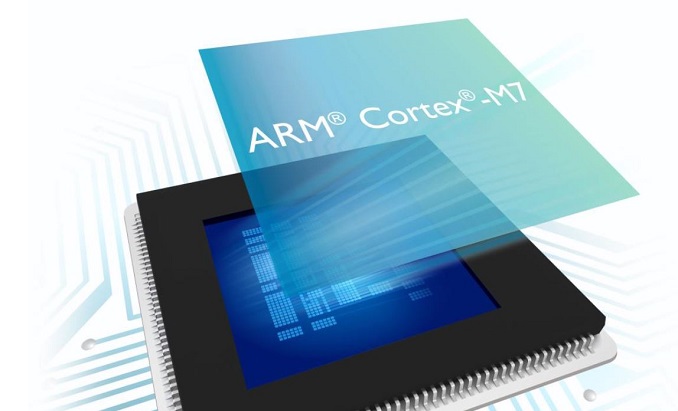
    The company announced the latest processor in its M-series. These are a set of low-power processors capable of handling embedded devices like smart home appliances, drones, automotive and wearables. It is focused on making these devices more powerful. The company’s 32-bit Cortex-M7 chip architecture is a big step up from the previous top-of-the-line, the M4.

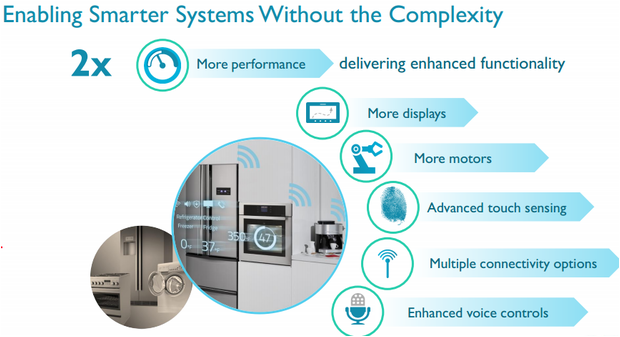
    Being able to perform twice as well, while consuming the same battery life as previous chips will have benefits to many wearables.  The M7 comes with a 400MHz processor, packing more than twice the punch as the 168MHz M4 that came before it (and will continue to be available to manufacturers). It comes with support for more displays, motors, voice controls, connectivity, audio performance and improved GPS accuracy.

    The company said that manufacturers are already building devices with the chip embedded, so it won’t be long before we get to see if the extra power actually makes a difference in our everyday lives.

  • Samsung Unveils Affordable 27-Inch Curved Monitors

    Samsung Unveils Affordable 27-Inch Curved Monitors

    When you talk of curved convex displays, LG immediately pops up in your mind. Why wouldn’t it, LG was the first company to come with a curved display on a smartphone (LG G-Flex.) It has proactively marketed itself as the curved screen master. But its compatriot and global electronics giant; Samsung is not going to let LG have a free run. The company has introduced consumer level curved displays for just around $450.

    Samsung had recently wowed the audience at IFA Berlin with a massive 105 inch screen that can bend at a press of a remote. In July, it had also released a curved 105-inch 4K TV which cost a king’s ransom of $129,000 which converts to around Rs. 78,48,360. I’d rather buy a Tesla Model S which comes at almost half the price, well if you want to dream, dream good, right?

    Samsung claims the 27 inch display
    Samsung claims the 27-inch curved display provides a wider field of view and a greater sense of depth

    Coming back to the display at hand. The new curved monitors have 27-inch display. They have a contrast ratio of 3000:1. It would be great for a desktop monitor or for a gaming system.

    Samsung UK’s Phil Gaut claimed that the S27D590C offers “a truly immersive and unforgettable experience. It takes movie watching and gaming to new heights, from the monitor’s unique curved screen and comprehensive entertainment features to the incredible picture quality and the impressive sleek design.”

    Samsung has included a feature called the Game mode. This feature, the company claims, intelligently detects on-screen changes and corrects blurry images. It also enhances colors and alters contrast for improved visibility of in-game action. According to the company, the curve of the screen also provides a wider field of view and a greater sense of depth.

    The monitor definitely looks impressive and is the cheapest curved screen option out there. The price is great for what it offers. We hope it comes to India soon so we can get our hands on it and know for sure of its “immersive and unforgettable experiences” capabilities. Come on Samsung, we have given you a lot of business; we deserve this treat.

  • Teardown of the iPhone 6 and 6 Plus Reveals What’s Inside

    Teardown of the iPhone 6 and 6 Plus Reveals What’s Inside

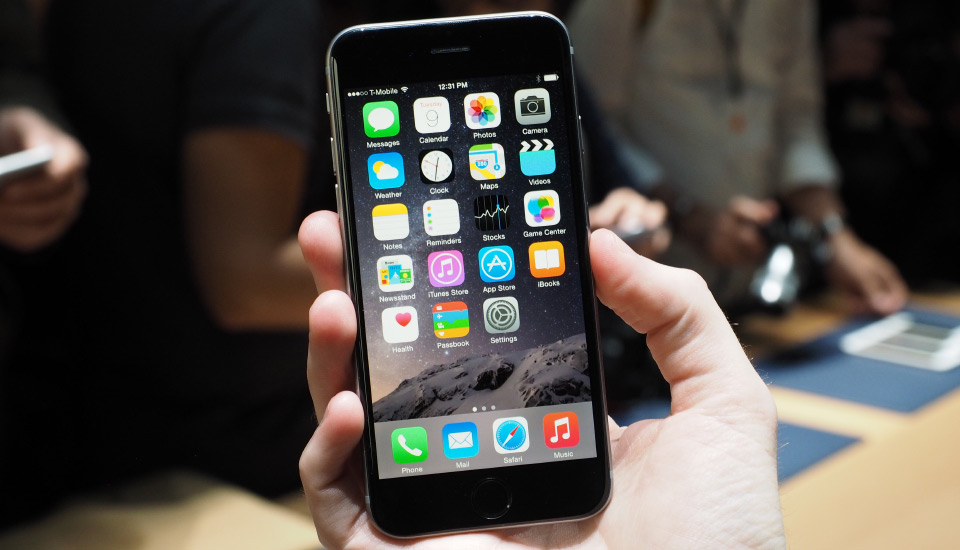
    Apple’s flagship is now available for anyone who has got the money for it. The phone got polarising reviews with Apple fans sticking by their device and Android fans turning social media against the new iPhones using tons of memes. As always, it is now time to rip apart and unveil all the secret sauces that went into making the new jewel in Apple’s crown. The tear down of both phones showed us that they are pretty interesting on the inside.

    First up, the iPhone 6 with a 4.7 inch display. A Japanese blog called ‘Mac Otakara’ disassembled the phone. They found that the 1810 mAh battery on the device was fastened to the chassis with adhesive tabs. The phone has received some internal tweaks to adapt to the slimmer design. It has a linear oscillating type vibrating motor that sits on the right with the battery. The phone is said to have 1GB RAM.

    The
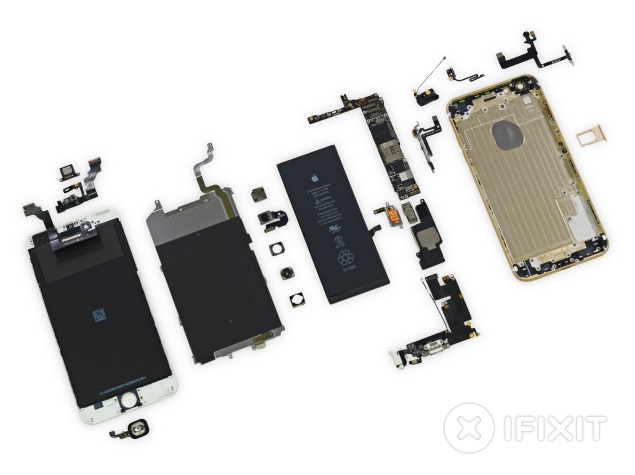
    The Phones were torn down by IFixit and Mac Otakara

    The iPhone 6 Plus, on the other hand, was unraveled by iFixit who are known for surgically removing all the organs of devices and laying them side by side. The battery on Apple’s biggest iPhone yet stands at 2915 mAh. The battery is bigger in comparison to Samsung’s S5 (2800mAh) which was released earlier this year. Like the Samsung flagship, the iPhone 6 Plus has a full HD(1920X1080) display.

    iFixit confirmed that the device holds an Elpida 1 GB LPDDR3 RAM. It is an entire gigabyte less than Samsung’s S5 and 2 gigabyte less than the Note 4. The company also confirmed that the smaller sibling, iPhone 6 also carries the same amount of RAM. The devices are powered by Apple’s A8 chipset.

    The Camera Module with OIS is beautiful to look at.
    The Camera Module with OIS is beautiful to look at.

    The camera modules on the phones were impressive to see. This new cameras has optical image stabilization, and it sure looks beautiful on the inside.

    The 128GB NAND flash memory has been supplied by SK Hynix. Other features that were found inside include the Wi-Fi module supplied by Murata, touch screen controller by Broadcom, power amplifier module by TriQuint and gyroscope and accelerometer combo supplied by InvenSense.

    Apple has claimed that the new devices have better battery life and are faster than the previous generations. Considering its higher end phones have the same amount of RAM as there is in the Moto E, it will be interesting to see how the phones handle the new additions such as the much-touted interconnectivity features.

  • Sandisk Brings Out a 512 GB SD Card and the World’s Fastest MicroSD Card

    Sandisk Brings Out a 512 GB SD Card and the World’s Fastest MicroSD Card

    Data storage for long had been a major headache for everyone. But in the last decade storage technologies have evolved astronomically. We now have a wide array of storage options from SD cards to hard drives to even high capacity RAID drives. It won’t be wrong to say that the storage revolution has brought the internet age to its maximum potential and fueled a new age economy. Now Sandisk has performed a feat that will find a place in the history books.

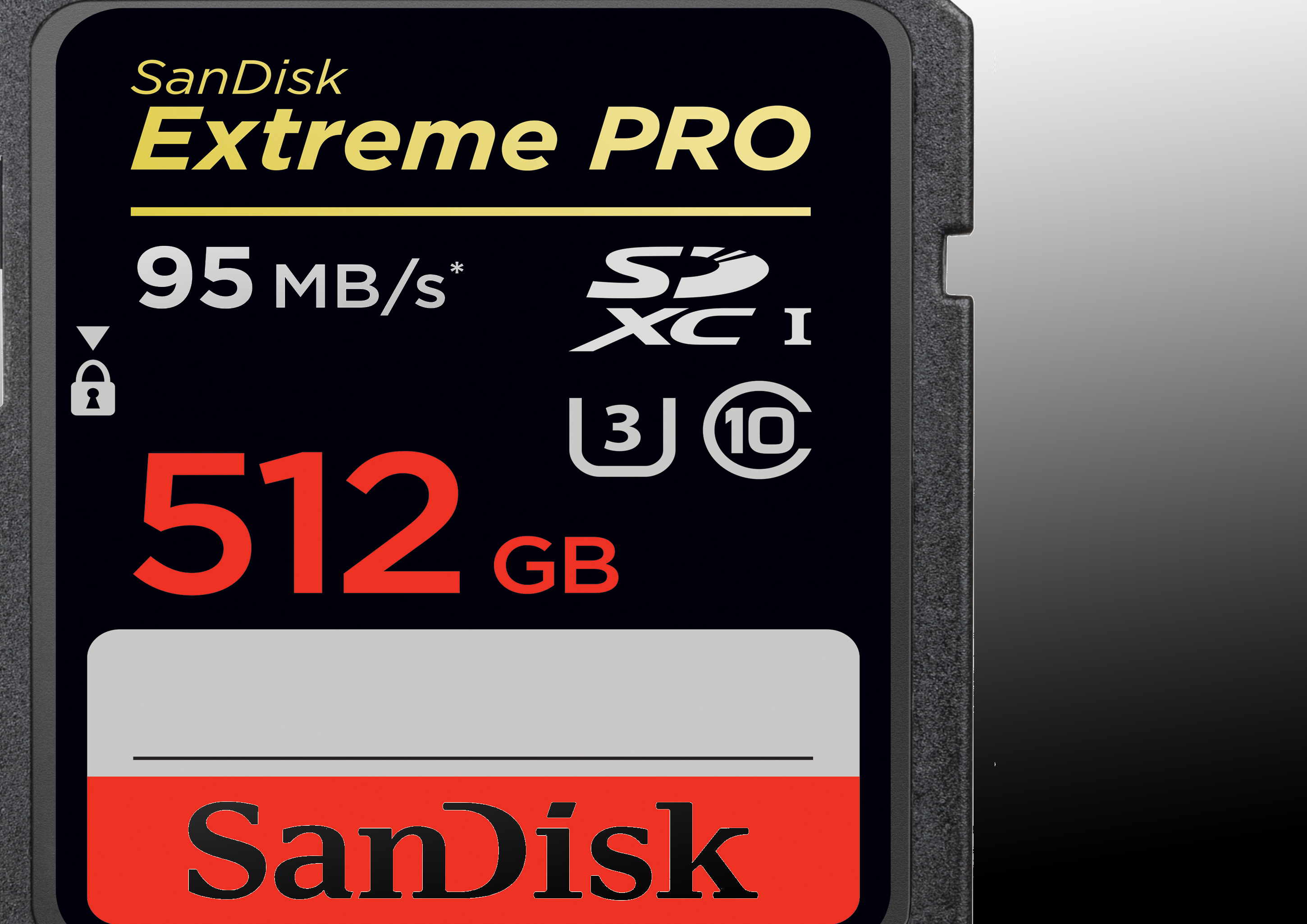
    Sandisk has launched a SD Card that has an incredible storage capacity of 512 GB. This card will be a boon to camera professionals as they can shoot their high data-intensive 4K videos with ease. It will also come in handy to photographers who want to do  high-speed photography.

    Back in 2003, Sandisk had unveiled the first 512 MB card. Now 11 years later the company is ready to create a storm with its new 512GB SanDisk Extreme PRO SDXC UHS-I card. So in just a decade the storage capacity has almost increased a 1000 times. That is a great achievement in itself.

    The card provides write speeds up to 90 MB/s* and UHS Speed Class 3 (U3) recording speed for high resolution, real-world color and stutter-free 4K Ultra HD video. The transfer speeds up to 95 MB/s provided by the card helps to move data quickly for efficient post-production workflows.

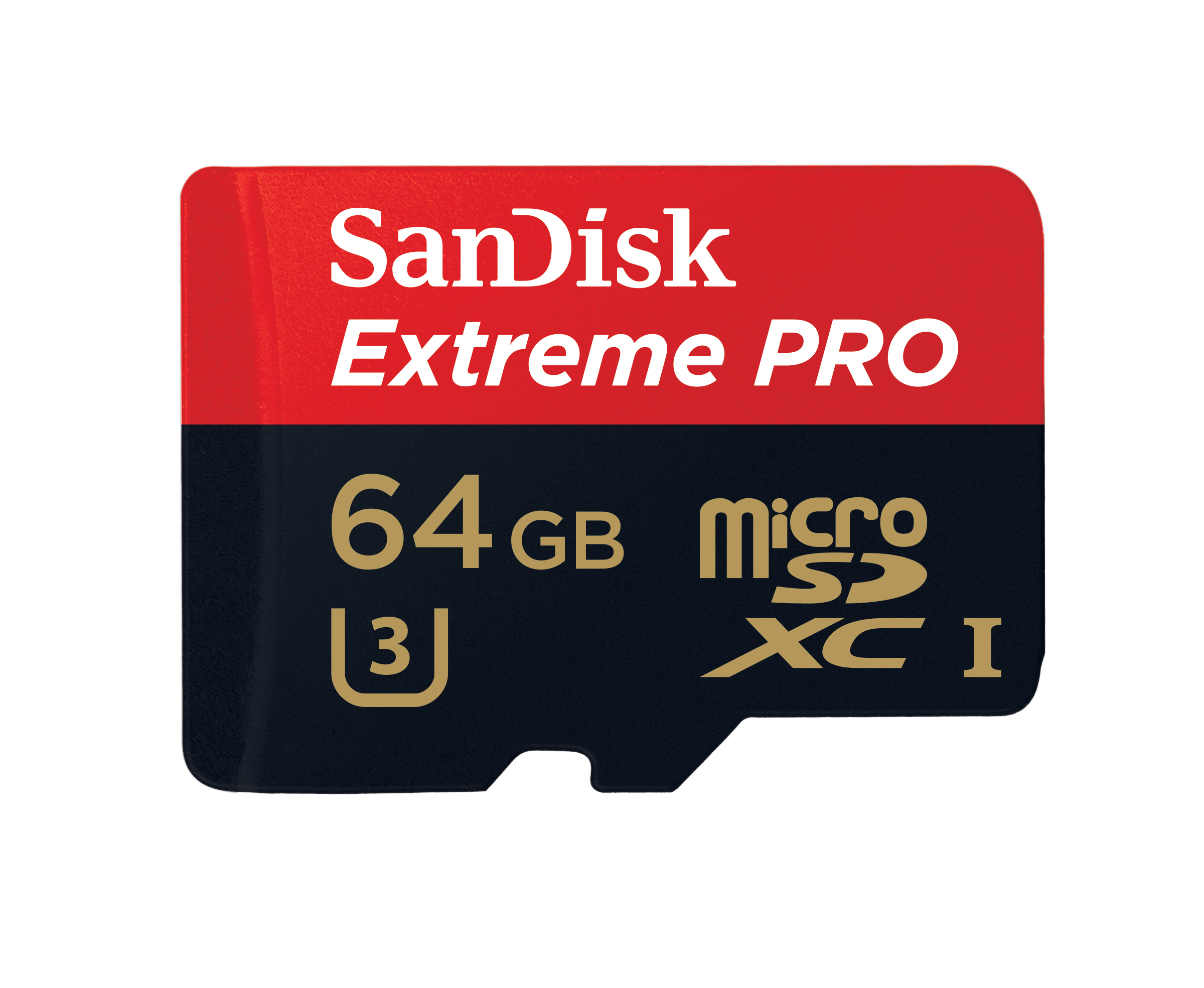
    Sandisk claims that the microSD UHS-I card is the fastest in the world.
    Sandisk claims that the microSD UHS-I card is the fastest in the world.

    Along with this Sandisk also released  the 64GB SanDisk Extreme PRO microSDXC UHS-I card which it claims is the fastest card in the world. These cards provide transfer speeds of up to 95MB/s and also hold Class 10 and UHS Speed Class 3 (U3) ratings.

    As the amount of data stored is high on the cards, the company claims it offers multiple safety features. The cards have Built for and tested in harsh conditions; they are temperature-proof, waterproof, shock-proof, and x-ray proof. Sandisk also offers RescuePRO Deluxe, which is a data recovery software. And if all this is not enough, the card comes with lifetime limited warranty.

     The 64 GB Extreme PRO microSDXC UHS-I cards are available in capacities of 32GB and 64GB and range in pricing from Rs. 4,900 and Rs. 9,700. The Sandisk 512 GB SD card will be priced at Rs.51,990.

    The cards are clearly not meant for the general public as of yet. But these cards will help to bring great content for the booming high-resolution mobile screens and Ultra HD TV market. These will also be great for phones which offer 4K video recording like Sony Z3, Note 4, LG G3, etc. Hopefully in the next decade we’ll see 512 TB cards or does that sound to audacious? We’ll check back with Sandisk for the answers, 11 years from now.

  • Logitech Brings the World’s Fastest Gaming Mouse to India

    Logitech Brings the World’s Fastest Gaming Mouse to India

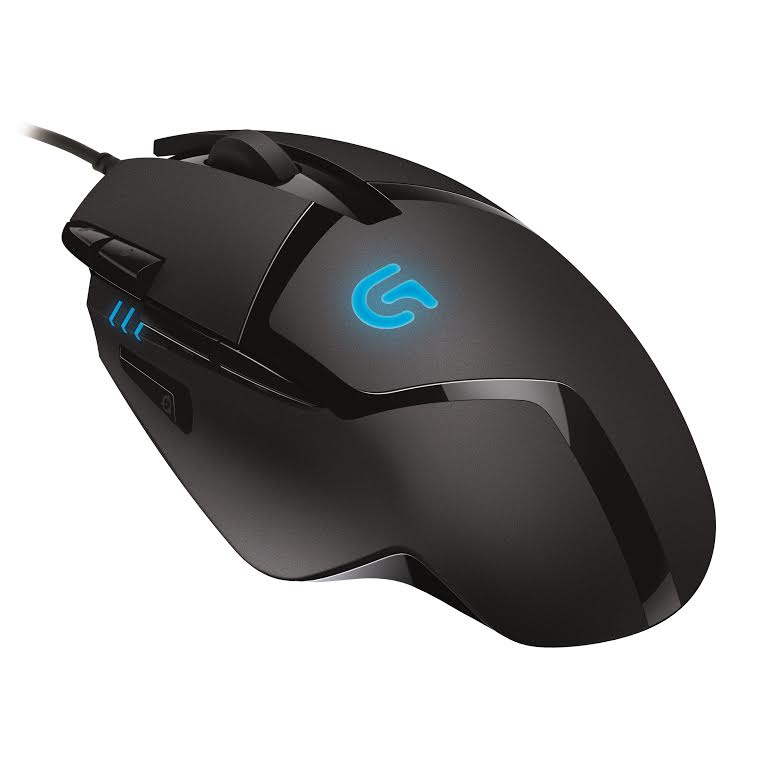
    Xbox and Playstation has changed the demographic of our gaming system, however, the thrill is exaggerated when you play the games on your desktop with the good old keyboard and mouse, that is if you ask a hardcore gamer. To fuel the thrill of PC gaming, Logitech, which is of course a leading gaming peripherals maker, has launched its brand new gaming mouse, Logitech G402 Hyperion Fury Ultra-Fast FPS.

    The new Hyperion Fury Ultra-Fast FPS has already been named as the world’s fastest gaming mouse. It comes with Logitech’s exclusive Fusion Engine sensor technology that can reliably track over 500 inches per second (IPS) and Logitech’s exclusive Delta Zero sensor technology for unrivaled accuracy.

    Ashok Jangra, Cluster Category Manager, India & South West Asia, Logitech said “After three years of intensive R&D, it is a moment of pride for Logitech to finally launch the fastest ever gaming mouse- Logitech G402 Hyperion Fury.  The light weight design delivers high speed moves, unprecedented precision with maximum accuracy, which makes the mouse an essential device for a FPS (first person shooter) gamer. With Fusion Engine, it allows you to make fast, furious swipes which enable you to dominate the battlefield.”

    logitech2

    The Fusion Engine in Hyperion Fury solves a problem all FPS players face while playing a high-end game; their mouse can’t track as fast as they can move. By combining optical sensor technology with an accelerometer and gyroscope, the company has managed to create Fusion Engine which provides unmatched tracking speed.

    The Hyperion Fury has 8 programmable buttons which can be customized according to the gamer’s need with Logitech Gaming Software. The Logitech exclusive Delta Zero technology ensures pinpoint accuracy for Hyperion Fury. Four DPI settings can be accessed in an instant, so you can shift down for pixel-perfect sniping or shift up for high-speed maneuvers, all with maximum precision.

    The Logitech G402 Hyperion Fury Ultra-Fast FPS Gaming Mouse is available in India with the price tag of Rs 2,495. The price is great for the awesome gaming experience that it offers.

  • Qualcomm Announces Snapdragon 210, a Cheap Chipset with LTE Support

    Qualcomm Announces Snapdragon 210, a Cheap Chipset with LTE Support

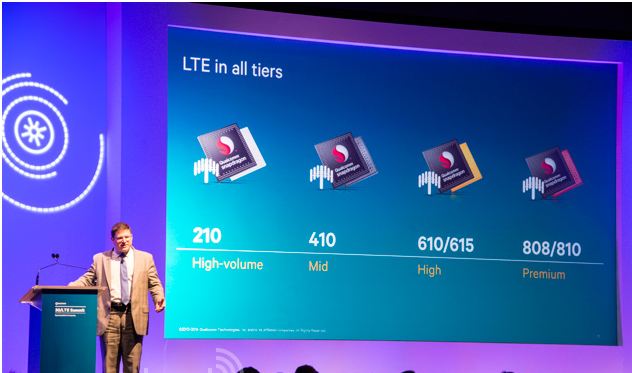
    Qualcomm dominates the mid-range and premium smartphone space with its chipset, while the low-end entry market was ruled by MediaTek, until it launched its premium LTE octa-core chipset recently. According to IDC, around 40 percent of the smartphones shipped in 2014 Q3 are powered by MediaTek, versus 27 per cent by Qualcomm with NVIDIA and Intel holding less than one percent share.

    As we know, entry level market is where the money is these days, with budget phone flooding the market. It’s no surprise that Qualcomm’s striking back by offering an LTE-enabled SoC, the Snapdragon 210, for the entry-level market.

    lte snapdragon 210

    As expected, Qualcomm’s new 28nm low-power Snapdragon 210 isn’t a powerhouse chipset like other high-end chipsets you find in the flagship smartphones usually. However,  it’s still a complete package in itself. The chipset boasts 1.1 GHz quad-core Cortex-A7 CPUs, Adreno 304 GPU, Bluetooth 4.1 and 802.11n WiFi, along with support for display resolutions of up to 720p, up to 8-megapixel cameras (1080p video capture and playback; H.265 codec supported to cut bandwidth by half) and QuickCharge 2.0. More importantly, this chip supports multi-mode 3G as well as dual-mode LTE (up to Cat 4 at 150 Mbps with 2×10 MHz Carrier Aggregation) and dual-SIM.

    The Snapdragon 210 will be the only chipset in the market that will offer LTE Advanced in the sub-$100 device category, hence the company doesn’t need to worry about any competition. Of course, it’ll all depend on the device manufacturers to hit that sub-$100 spot using this new chip, though Qualcomm will also be lending a hand with its upcoming Snapdragon 210 smartphone and tablet reference designs. The only hiccup we see is that these devices won’t launch until some time in the first half of 2015.

  • Lenovo Announces 7-inch Tablet Available Exclusively on Amazon

    Lenovo Announces 7-inch Tablet Available Exclusively on Amazon

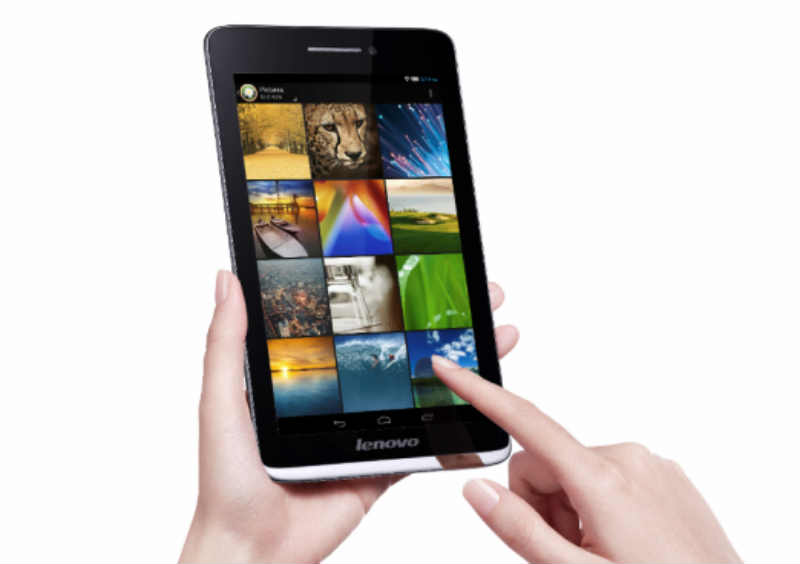
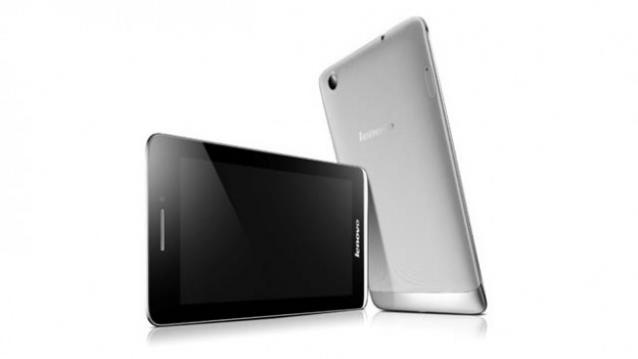
    Lenovo has launched a new tablet in India called the S5000 Tablet. The company claims it to be the slimmest tablet at 7.9 mm and weighs 246 grams. The Lenovo S5000 sports a 7-inch HD IPS display (1280 x 800 resolution) with 350-nits brightness and a 60 percent color gamma.

    The S5000 is a mid-range 7-inch tablet priced at Rs 10,999. Considering the budget price, it’s not surprising that the tablet is also pretty disappointing in terms of features.

    It runs on a 1.2GHz quad-core MediaTek processor backed by 2GB of RAM, so it should work well for average use such as web browsing and light gaming. There’s a 5MP main camera and a 1.6MP selfie camera for video calls.

    Lenovo-S5000-624x351

    The S5000 is lumbered with a 3,450mAh battery, which Lenovo claims provides more than eight hours of battery life. It comes with 16GB of internal storage, though you can’t expand it with a memory card. The S5000 comes in a silver-coloured case that gives it a more premium finish compared with other cheap tablets available in the market.

    On the downside, the S5000 runs the outdated Android 4.2 operating system. Lenovo promises a 4.3 OTA update, but it still isn’t good enough when compared to the Android 4.4 KitKat tablets that are now easily available. The Lenovo S5000 is available exclusively on Amazon India.

    Key Specifications

    • CPU: MTK Quad Core, 1.2GHz MT8389 (3G) /8125 (WIFI)
    • Screen: 17.78cm (7) of HD (1280×800) IPS screen | 350 nits, 60% color gamma
    • Size & weight: 7.9mm & 246g/249g
    • Cameras: 5.0M AF rear | 1.6M front camera
    • Storage: 16GB eMMC storage
    • Memory: 1GB LP DDR2
    • Battery: 8+ hours | Li-Ion polymer, 3450mAh
    • Operating System: Jelly Bean Android 4.2 OS (OTA update to 4.3)
    • Ports: Micro USB (OTG function)/3.5mm audio jack
    • Sensors: Accelerometer (G-sensor), GPS, Brightness (Ambient Light), vibration function, hall sensor
    • Connectivity: 802.11bgn WiFi, Bluetooth 3.0/4.0
    • Touch: 5 point Multi-touch
    • Audio: Speaker, 3.5mm Audio and mic jack, Microphone
iGyaan Network
Privacy Overview

This website uses cookies so that we can provide you with the best user experience possible. Cookie information is stored in your browser and performs functions such as recognising you when you return to our website and helping our team to understand which sections of the website you find most interesting and useful.