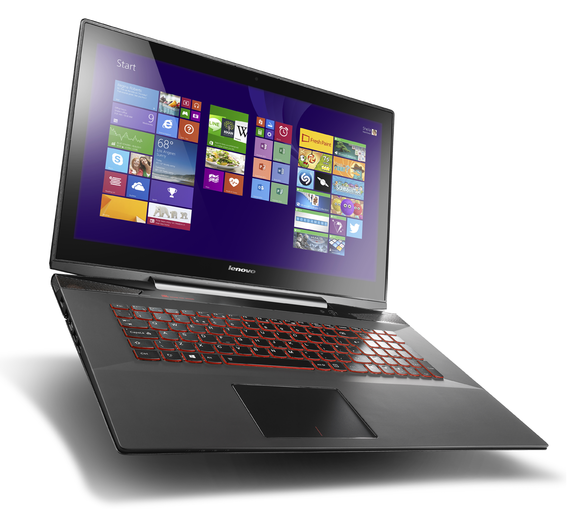
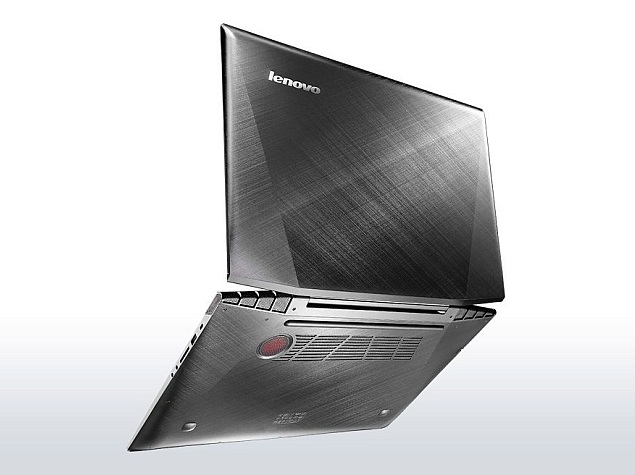
Along with the Tab S8 and the ERAZER X315, Lenovo gave us a good look at another addition to its line-up of laptops, the Y70 Touch. The company claims that the Y70 Touch gaming laptop is its first 17-inch touch device.
The Y70 Touch gaming laptop comes in three variants and is available to buy from Lenovo’s US online store. The three models – 80DU000EUS, 80DU000NUS, and 80DU000HUS – are priced at $1,399.99, $1,499.99 , and $1,689.00 respectively. Lenovo also said that the laptops will be available with major retailers in October.
The only fact that may not go down well with its prospective buyers is its weight; the Lenovo Y70 Touch laptops weigh a hefty 3.4kgs.
The three models of the Y70 Touch gaming laptops are powered by the fourth-generation Intel Core i7-4710HQ Processor (2.50GHz, 4 cores, 8 threads, 6MB cache). The difference between the three variants is in system memory, dedicated GPUs, and in-built storage. All three models of the Lenovo Y70 Touch run Windows 8.1 64-bit OS and sport a 17.3-inch full-HD LED anti-glare multi-touch display. An integrated HD (720p) webcam is also included.
The three Lenovo Y70 Touch laptop variants also share the connectivity features including Bluetooth 4.0 and Wi-Fi 802.11 ac/b/g/n, as well as the same battery – a 4-cell 54-Watt Hour Li-Po. Sized at 422.9×290.6×25.9mm, the Lenovo Y70 Touch laptops boast stereo speakers powered by JBL alongside a backlit keyboard for easy typing during low light conditions.
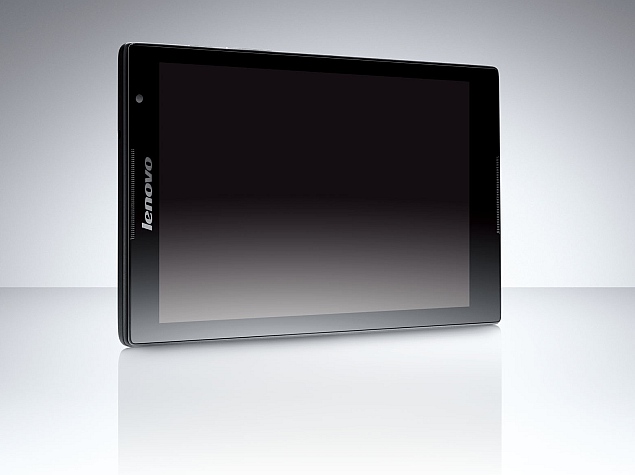
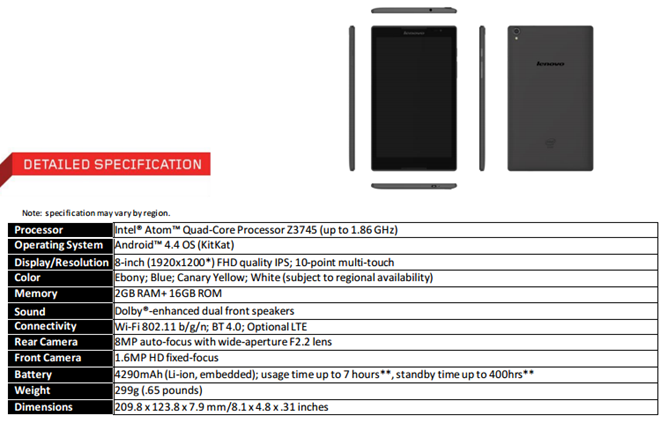
Lenovo, ahead of thursday’s pre-IFA event, has launched a 8-inch Intel Atom-powered Android tablet, called the Tab S8. The tablet has an 8-inch (1920×1200) display and includes the One Glass Solution touch-panel technology. The tablet has a ultra-slim bezel with the dark front panel which gives it a very sleek look.
The Tab S8 has a 8.0-inch, 1920×1200 resolution IPS display, Intel Atom Z3745 SoC with quad-core 1.86GHz CPU, 2GB RAM, 16GB internal memory, 8 megapixel rear camera, 1.6 megapixel front camera, stereo speakers with Dolby sound, 7 hours of battery life and Android 4.4 KitKat.
The Tab S8 will go on sale beginning of September for $199. The company has listed Ebony, Blue, Canary, Yellow, and White colour variants (depending on regional availability) for the Tab S8. The low price is impressive considering its capabilities, and might be worth a look for anyone wanting a mid-sized tablet on a budget. The Company also mention a 3G/LTE version of the Tab S8 without any further details.
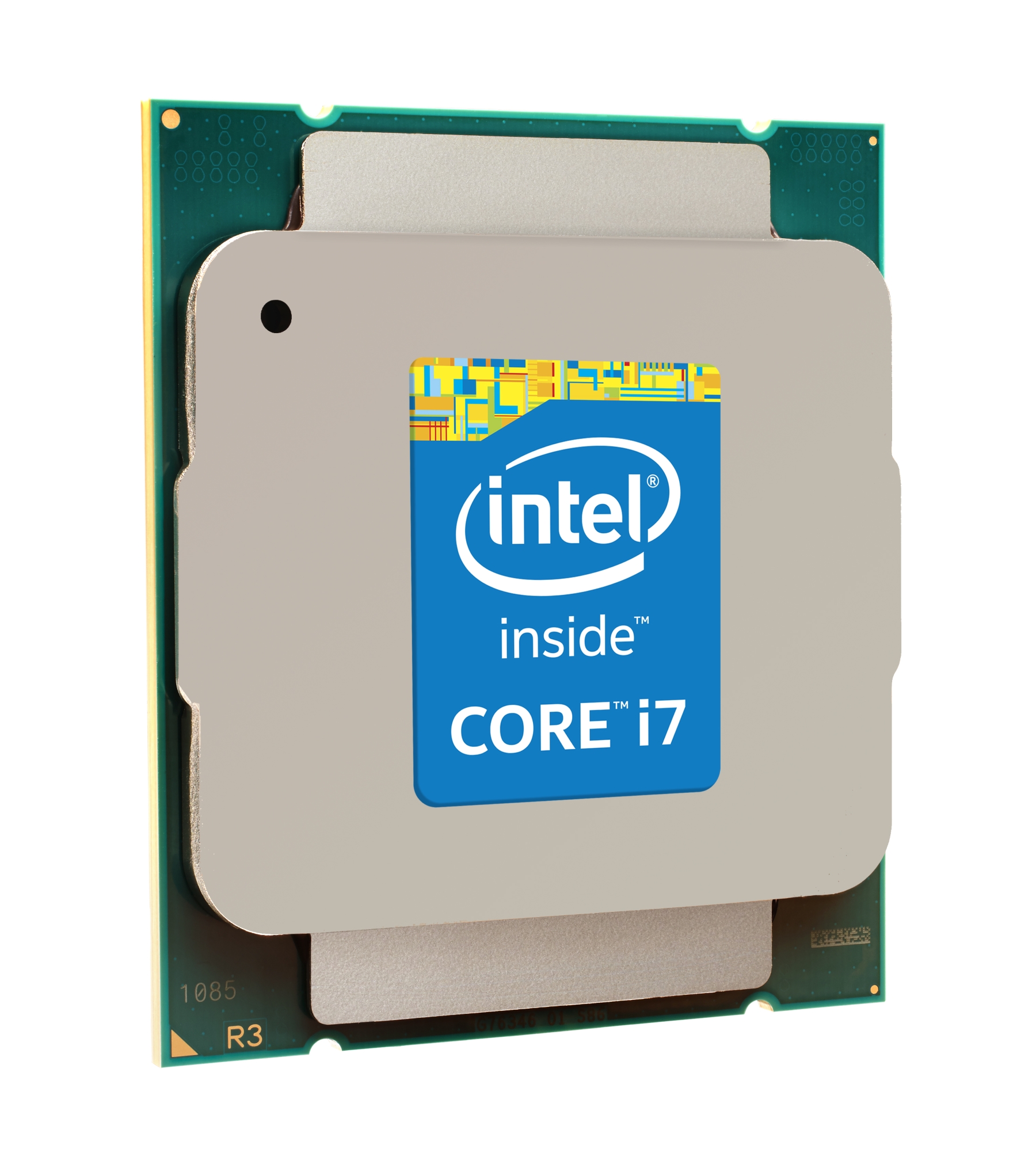
Intel has just brought out a solution to all the worries of a Power PC user. The processor manufacturing giant unveiled its first 8-core processed which comes with 16 threads. The new processor is called the Intel® Core i7-5960X processor Extreme Edition and was previously known as Haswell-E.
The Processor was previously called the Haswell-E
The processor has been specially developed for the folks who demand excruciating performance from their systems. Intel says the new processors offer the speed, cores, overclocking and platform capabilities that the users had been demanding from them. They say this is the beginning to the ‘reimagination of the desktop.’ These processors are expected to churn out faster speeds on cooler temperatures.”
As you must have probably realized by now, the Core i7-5960X is not light on specs. It is combined with the new Intel® X99 Chipset and is the first Intel desktop platform to support DDR4 memory. It offers a massive 16-thread performance and quad-channel memory for content creation, gaming and multitasking. That is some serious machinery right there.
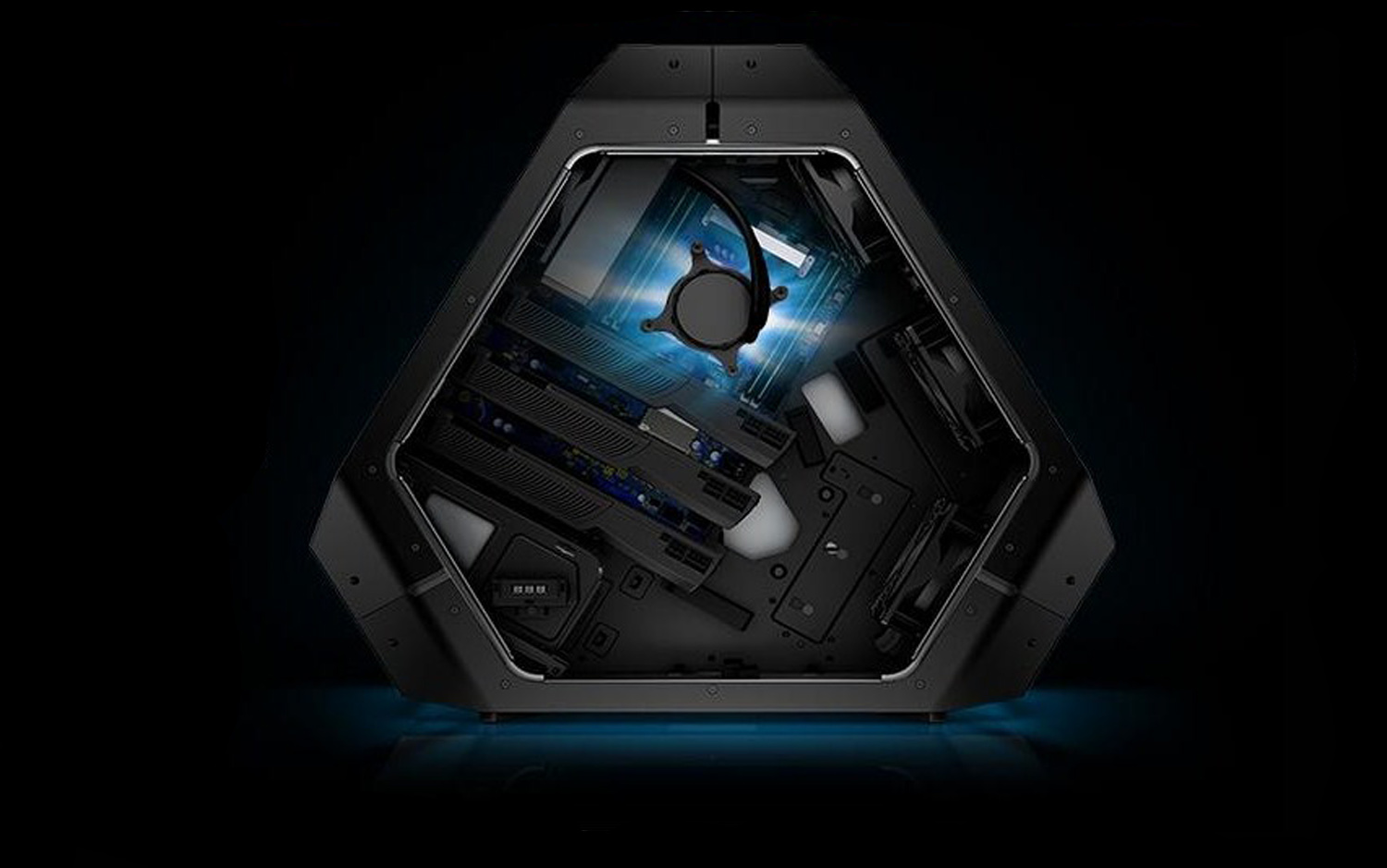
One of the first systems going for this processor is the amazing and uniquely styled Alienware Area-51, which comes with some imposing exteriors that truly stands up to the Alienware brand. Alienware’s general manager Frank Azor said “It was an easy decision to work with Intel to bring its new eight-core extreme processor to our new flagship gaming desktop, the Alienware Area-51. Using new overclocking and monitoring features in Alienware Command Center 4.0, we’ve been able to really push the processors to the fullest extent and are seeing impressive overclocking headroom. This new Intel processor lineup is the perfect choice for gamers who demand the absolute best performance from their systems.”
Intel has been working with industry partners to take advantage of this new platform. Key OEMs, memory vendors, motherboard vendors and graphics partners will help grow this enthusiast centric ecosystem. These Extreme Edition-based systems are the ultimate dream-come-true for any enthusiast looking for a high def, lagless performance.
The X-99 chipset is capable of some insane performance delivery
Many of these new platforms based on the Intel X99 Chipset are also Thunderbolt Ready. When paired with a Thunderbolt 2 add-in card, a blazing-fast connection to your PC at 20 Gbps is enabled. Data intensive tasks such as 4K video editing, 3-D rendering and game development all strongly benefit from the performance of Thunderbolt 2.
Intel will launch three new SKUs that will be available next week ranging from six to eight cores and will be priced from $389 to $999. The processors are priced on the higher end which is a given considering its massive performance and the convenience it provides in undertaking high-intensity projects with ease. Hope we get our hands on this soon and go for some insane gaming weekends.
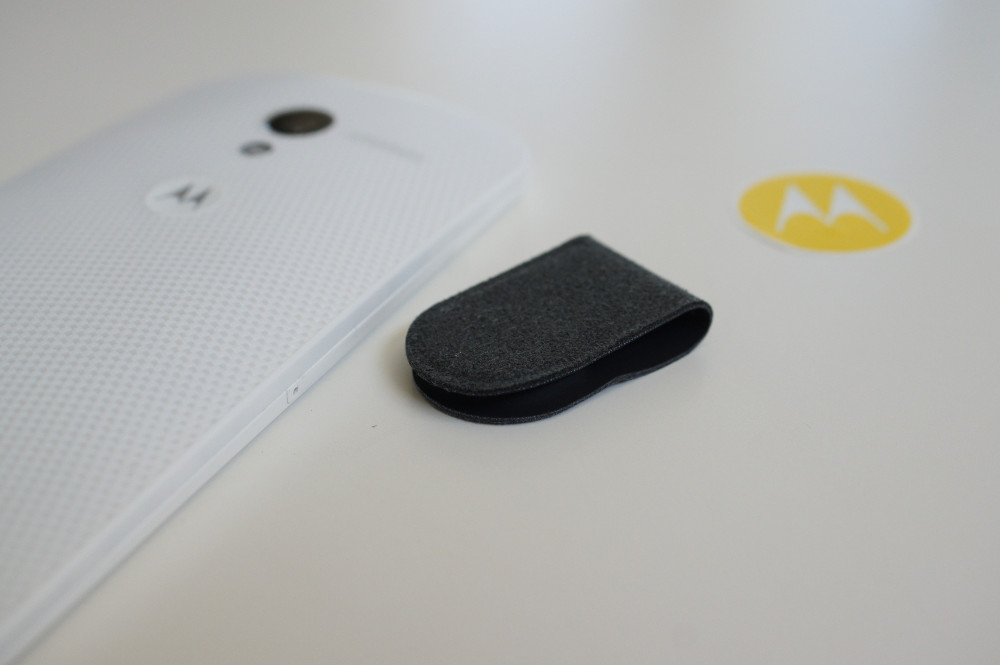
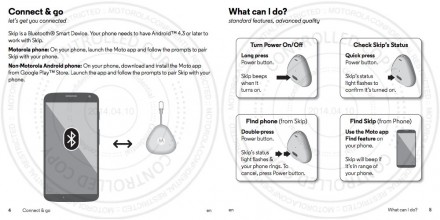
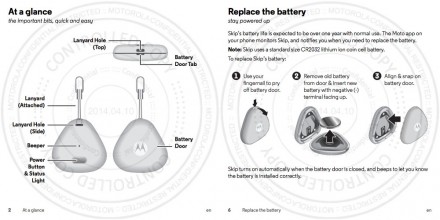
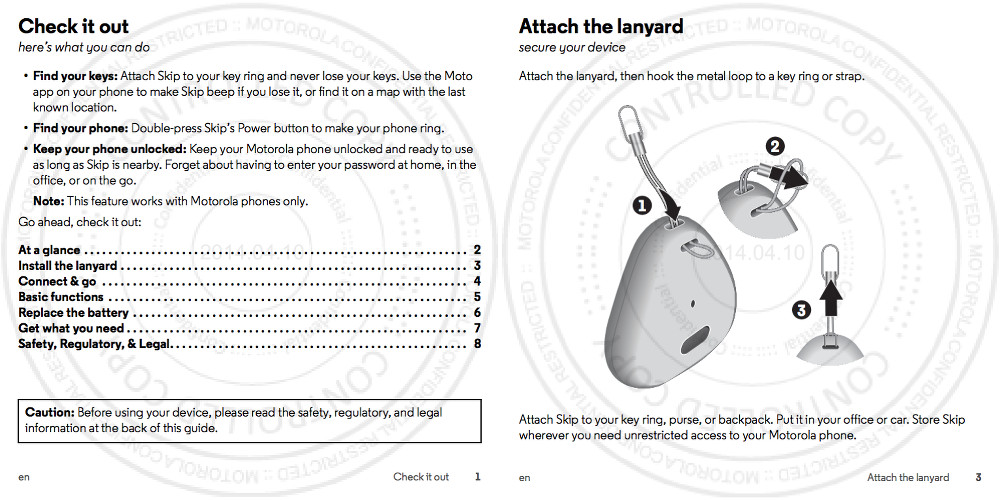
Remember Skip? The petite accessory by Motorola that lets you bypass your phone’s lock screen entirely and “skip” the step of entering a passcode or pattern to use your phone. It was introduced last year alongside Moto X. And now, the word is Motorola is working on the second version of ‘Skip’ which is said to be more useful than its predecessor.
According to new filings at the FCC, the next version of the Skip will use Bluetooth instead of NFC and will become more mature from just being a quick access key to your smartphone. The updated version of Skip will also be capable of helping you locate your misplaced keys if the device is attached to your keychain.
It works the other way round too, double-pressing the power button will make your nearby Android phone ring so it’s easier to locate. This could prove to be of huge help if you’re one of those who always loses their phone. It is pointed out that Motorola is also working on an app which will be available for all Android devices, through which you’ll be able to see where your Skip was last connected.
When you get within the range of finding it, Skip will start beeping to help your search. According to Motorola’s user manual, the small device will last about a year on a single battery, and it relies on Bluetooth to pull off most of its functionality.
No information has been made available in terms of pricing or availability. It is said that the probabilities are high that we will see this device at the September 4th event where we expect Moto X+1 and Moto G2 to launch.
Google’s Chromecast was a surprise hit when it was launched. And now it appears Microsoft is working on something similar for Windows Phone and probably Windows PCs.
A document filed with the FCC (Federal Communication Commission) by Microsoft has been spotted for a “Miracast Dongle” media adapter. The filing reveals that the device comes with a HDMI port, Wi-Fi and a USB connection for power supply. Miracast is a screencasting standard for connected devices over Wi-Fi Direct. Microsoft recently added Miracast support to Windows Phone via the Lumia Cyan firmware for Windows Phone 8.1.
However, Miracast doesn’t seem like a direct Chromecast competitor. It is said that the two devices work a bit differently with Chromecast pulling streaming data from the cloud while Miracast, as its name suggest, just mirrors the display. The big advantage of mirroring a display on your TV is that you don’t have to wait for developers to add Miracast support to their apps, because it’s a system-wide feature.
It is said that the new dongle would take advantage of Windows Phone 8.1’s Miracast-based Project My Screen feature to broadcast your screen to a TV. This could be used for putting anything from videos and games to presentations and photos on your living room’s big screen. Adding a dongle to support Miracast on TVs is key, because the technology has yet to see wide adoption despite being supported in the latest build of Windows.
With Microsoft expected to launch a couple of Lumia mobile devices at its upcoming IFA press event in Berlin on September 4th, we will not be surprised if Miracast also get officially unveiled at the same event. Also, we expect that device will support Windows PCs as well.
Microsoft is also planning to dispatch a Windows 8.1 PC for $199 to contend with the Chromebook. As per reports the laptop will be made by HP and will be known as the HP Stream 14. It will have a 14 inch show with 1366 x 768 pixels determination. It will be accessible in 32 GB and 64 GB variations and will weigh only 1.75 kgs.
Microsoft has recently lagged behind in offering a universally appreciated user experience. It has a lot of catching up to do. The company is still in its restructuring phase and it will be interesting to see if those massive job cuts would get Microsoft back to tech glory. Also the evolved interconnected ecosystems offered by Chrome and Android on Google’s side and OSX and iOS provided by Apple stand as a formidable opponent in the path of Microsoft. Miracast shows promise but nothing can be said until we lay our hands on the device, so keep checking out this spot.
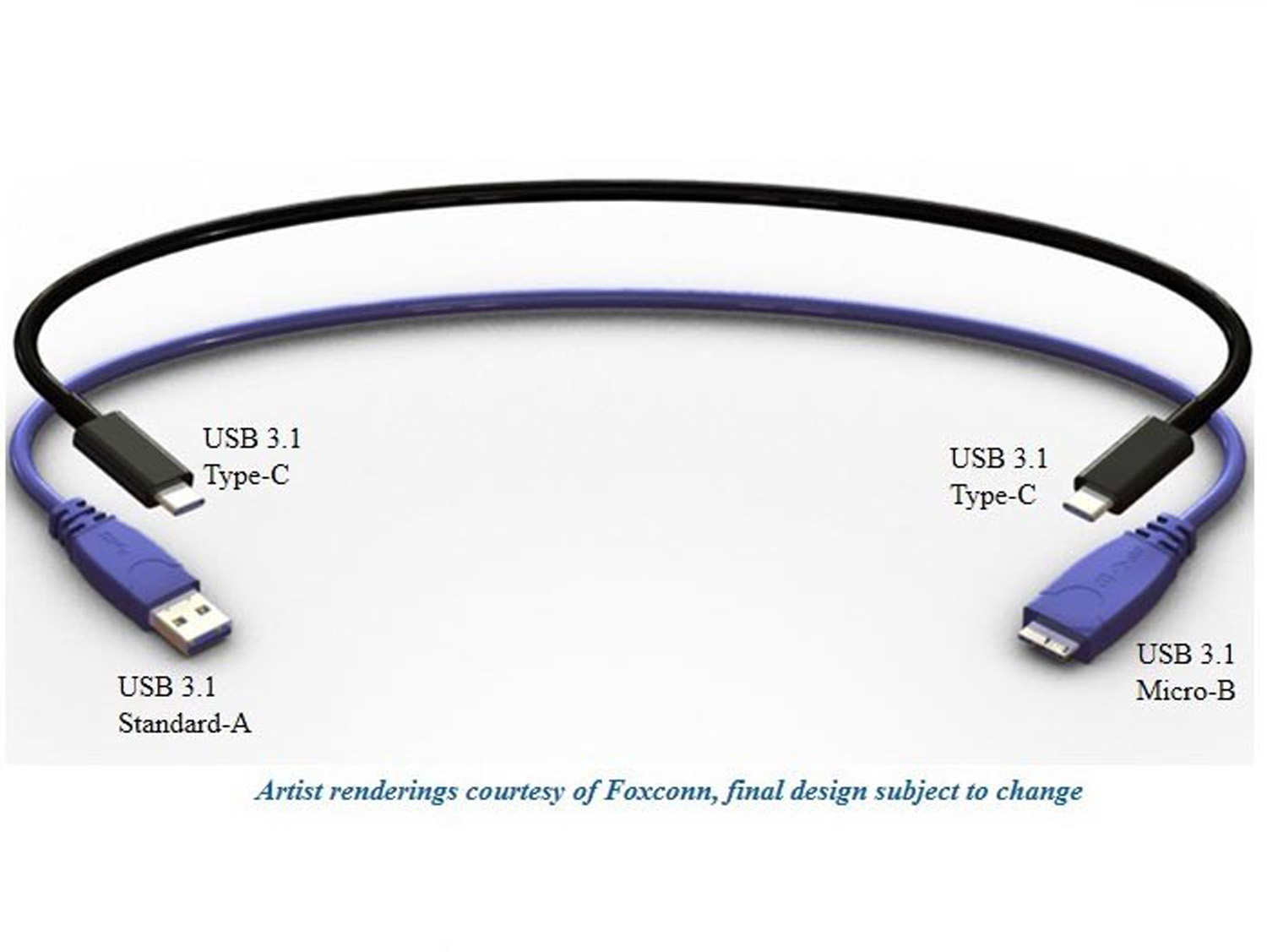
Universal Serial Bus or the name you’re more likely to be aware of, USB, is an industry standard that defines the cables, connectors and communications protocols used for connecting and power supply between computers and electronic devices. USB Type-C is one of the biggest technological advancement in recent years as it comes with more speed, convenience and power. Recent iPhone 6 leaks show Apple is working on its own form of reversible USB standard.
Well, before we go any further, let’s have a quick look at the existing USB standards.
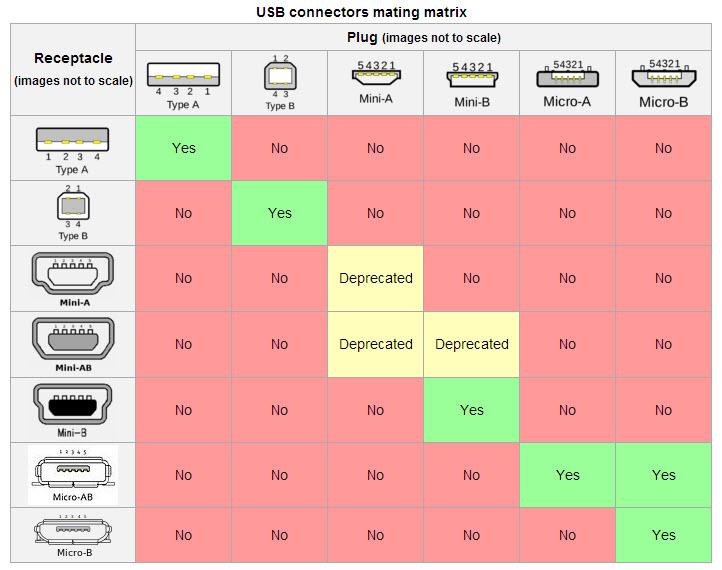
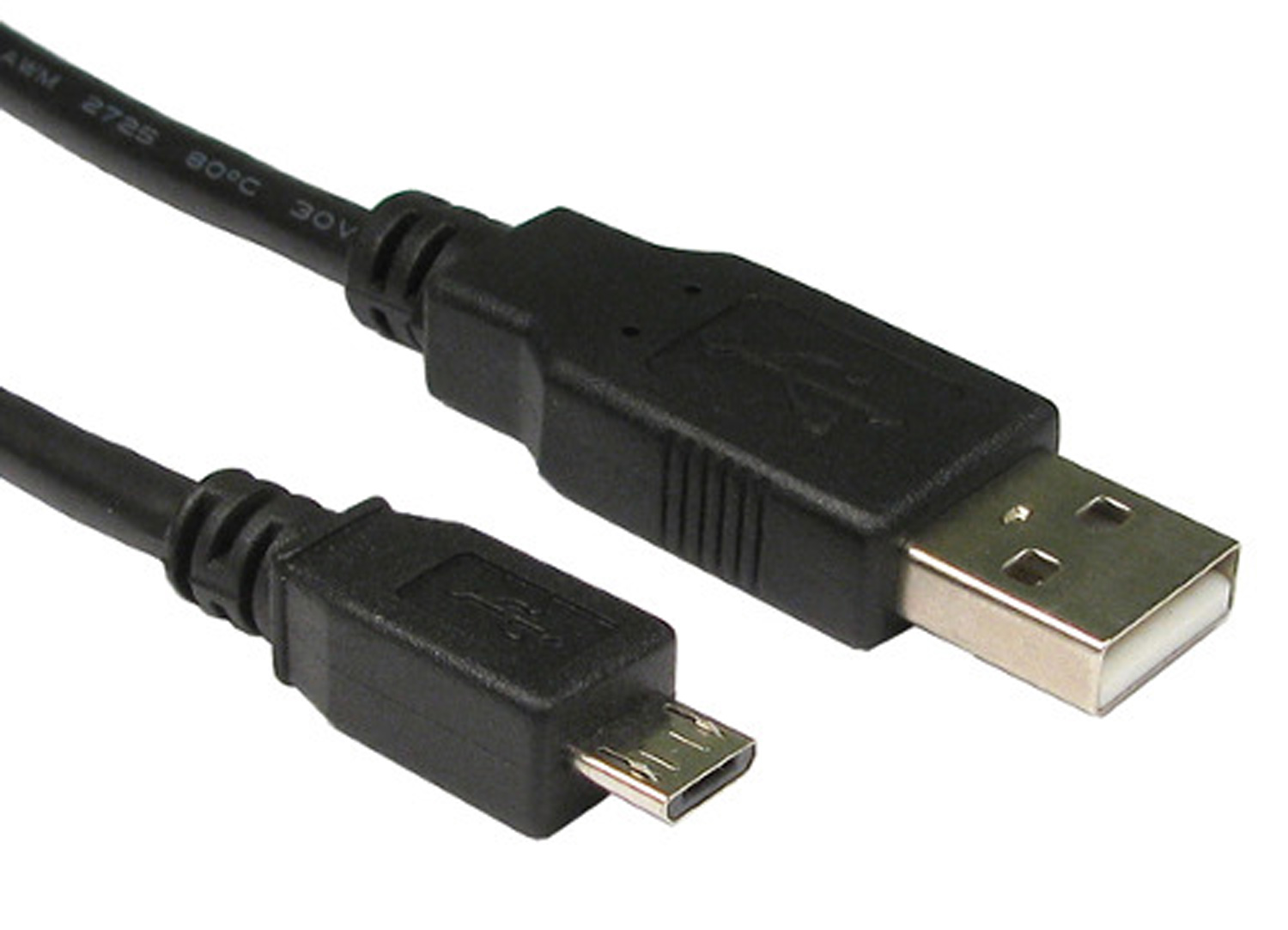
There are basically 4 types USB standard used these days: Type-A, Type-B, Micro USB and Mini USB. Type-A is the most widely used USB standard, used in pen drives, standard USB jacks on your laptops and computers and practically on every electronic device. Type-B is fairly less used or used in combination with Type-A standard to reduce the risk of electrical overloads. Micro USB is the tiny, near-universal form factor used by smartphones and tablets for connections and power supply. And the last one is Mini USB, the larger predecessor of Micro USB used at the device end of things like GPS units and some external hard drives, but like USB Type-B, it is also fast fading from use.
Each type has a different form factor and the same is true for USB Type-C.
What makes the Type-C a revolutionary technology is that it is going to replace all the form factors and unlike the other standards which target different classes of device, Type-C form factor will be a universal USB standard. The reversible Type-C connector is roughly the same size as the existing Micro-USB connector at the bottom of your smartphone, but it’s reversible.
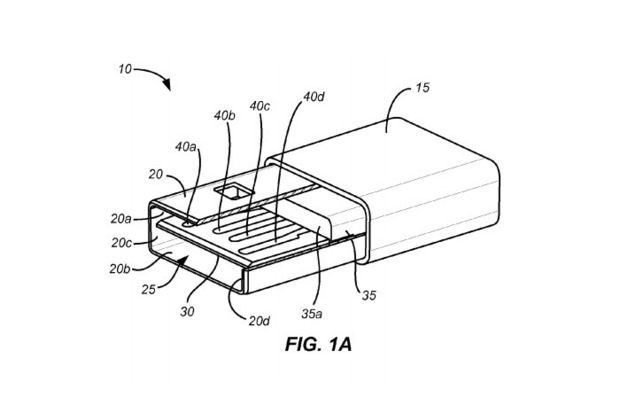
Reversible USB patent Design by Apple
Advantages
Speed
USB Type-C standard can go as fast as 10Mbps, which is double when compared to USB 3.0’s 5Mbps speed. This means you can transfer 1,250MB of data in one second with USB Type-C.
Power
USB Type-C will also compliment the USB 3.1 in terms of power. USB 2.0 can handle the current of up to 500 milliamps (mA) for up to 2.5W of power and USB 3.0 upped that to 900mA for up to 4.5W of power, USB 3.1 can offer 5amps (5000mA) and up to 100W of power. This means not only will devices charge far faster, but almost anything can be powered via USB 3.1 and the tiny USB Type-C connector.
Reversible
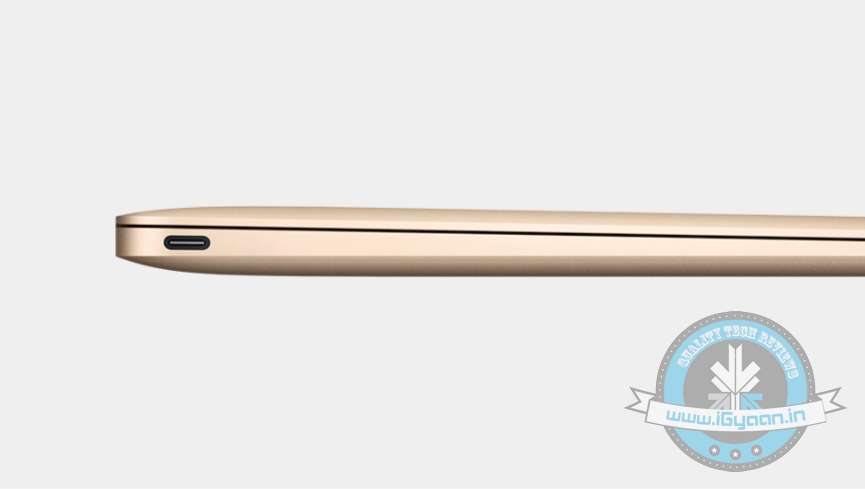
The new MacBook with a single slot
The Type-C connector, which has 18 pins, is essentially two USB 3.1 SuperSpeed connectors (which have the standard four pins, plus five more to enable 10Gbps connections). If you plug in the connector one way, the top set of pins are used; if you plug it in the other way, the bottom set of pins are used and hence, making it reversible.
Official confirmation
The USB Promoter Group announced earlier this month that the reversible Type-C USB connector is ready for mass production. That means it will be an official standard just like USB Type-A, Type-B, Mini and Micro USB. It is also backwards compatible with each USB standard, though the USB 3.1 speed and power benefits it can deliver will only come when connecting to other USB 3.1 compliant ports.
Downsides
Physical compatibility
As mentioned above, USB Type-C is backwards compatible with each USB standard, but they are not physically compatible. Which means you need to buy adapters to fit into existing slots.
Apple
Old vs New
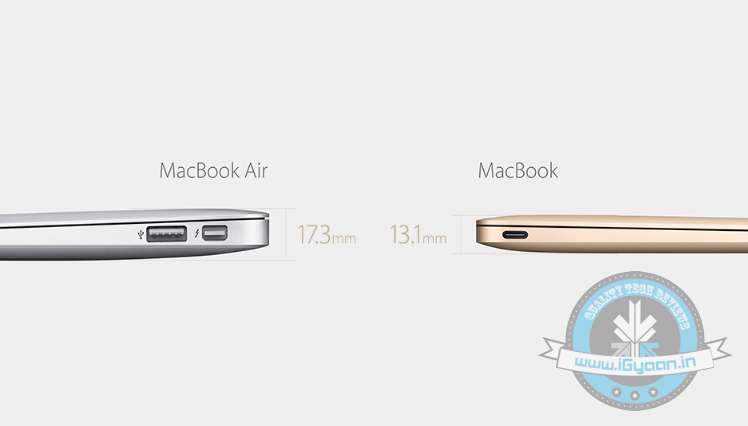
The recently launched Apple MacBook, is the first Apple product to incorporate the new-gen USB. Apple’s USB-C supports higher wattage charging, USB 3.1 Gen 1 (5Gbps) data transfer and DisplayPort 1.2 all in a single connector that’s one-third the size of a traditional USB port. Since the MacBook is the thinnest notebook ever (24% thinner than the Air,) slimmed down ports were also necessary to bring in.
Not only that, this new connectivity standard gives you five ports in one – power, USB data transfer, DisplayPort, HDMI, and VGA capabilities.
Well, even with these downsides, Type-C USB standard is one of the best thing happened in the technology-sphere since ages. With combined power of USB 3.1 and Type-C USB standard, our gadgets will never be the same again. With the ease and the power that comes with this technology, we expect that it will be adopted by consumers quickly. However, it is possible it will create some confusion among the consumers. But taking in account the amount of convenience it comes with, it will be worth it.
It is said that when Apple will launch its new iPhone i.e. iPhone 6 in September, it will also introduce its new Lightning data-power cable—that is, if newly leaked images circulating online are to be believed.
Several leaked photos in recent days have suggested Apple may be looking to move to a reversible USB connector for its next-generation Lightning cables, making it easier for users to plug the cables into their computers, chargers, and other equipment with standard USB ports.
MacRumors reported a leaked picture from iOS leaker, Sonny Dickson, showing the Lightning cable with a reversible USB connector. While the USB connector on the current Lightning cable is attached to the bottom of its metal housing, the connector of the supposedly newer cable is attached to the center.
“It is also therefore possible that the new Lightning cable could utilize USB 3.0 technology, as current Lightning cables support only USB 2.0. However, no other evidence suggests that the cable could be of the USB 3.0 variety.” the report from MacRumor noted.
However, Apple is not the only one with this technology. A California company by the name of UltraTek already holds a patent for the reversible connector and is selling cables through major online retailers. MacRumors suggested the possibility of the new cables being shipped along with the new iPhone 6 and subsequent iOS devices. Aside from the possible USB 3.0 support, the new Lightning cable could also support high-definition audio playback on “Made for iPhone” accessories.
Apple is rumored to be introducing a brand new proprietary version of the traditional USB connector
That being said, this move may harm the company as all those new Macs would be incompatible with current USB Type A cords — and presumably incompatible with any other newer standards that could be released in the near future, including the expected USB Type C plug. Apple would also charge third-party accessory makers licensing fees to use its patented USB reversible connector.
Also, the new connector would also help Apple effectively ‘own’ both ends of the charging cord, so if an iPhone/iPad user wanted to employ a micro USB cable from another manufacturer, or a future USB Type C cord, they’d have to purchase two adaptors — one for each end of the cord. The word is that Apple has already issued Lightning Cable MFi specifications for headphones last June, letting accessory makers build products that connect to the Lightning port instead of a 3.5-mm jack.
Universal Serial Buses (USB’s) have changed the way we interact with our computing devices. Before their massive use, computer peripherals had different sockets for each kind. With the advent of the USB, it all changed, and we had the luxury of multiple devices following similar connection protocols. The USB was capable of taking care of almost all the gizmos we wanted to connect to our computers and gave birth to a whole new market of USB devices.
Fast forward to the mobile revolution. The mobile ecosystem got a major boost, first from the mini USB and then from micro USB, which virtually replaced all other propriety connectors. The standard micro USB gave immense convenience to folks who could just juice up their devices using their friends chargers instead of finding the adapter made for their phone.
The reversible Type-C will be a lot more convenient than the present USB
The new Type-C USB intends to take convenience to the next level. Its makers say that they’ve completed work on this innovation and this USB can be incorporated in mobiles as well as bigger devices. The shining glory of Type-C is its reversibility. Which means that you don’t have to keep turning the USB around till the planets align in the exact positions for it to go into the slot.
The only issue with this next generation USB is that it can’t directly function with the older design. But the problem can be easily fixed using adapters. And the folks who now grumble that it’ll take long to integrate this new USB into devices, just remember the times when every company had their own propriety connector. When the market demanded a standard cable, all these companies had to oblige and then the micro USB became a standard across almost all devices. The connectors are also capable of 10 Gbps of bandwidth so they’ll definitely be welcomed by the users. The technical details of the Type-C USB will be unveiled soon.
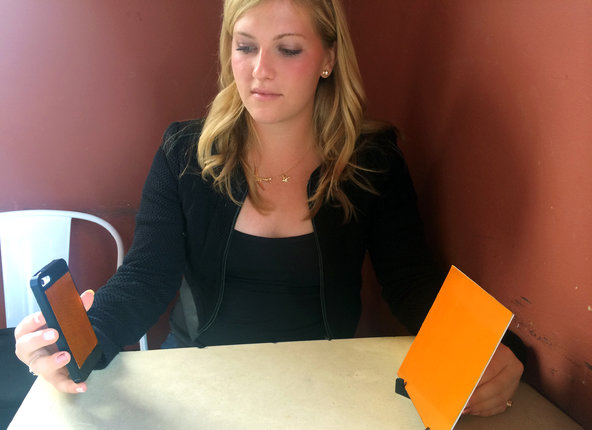
Los Angeles-based startup uBeam is developing a wireless charging technology that will allow people to charge their devices without cords and without having to be right next to the charging station.
The uBeam system developed by Meredith Perry uses ultrasound and converts electricity into sounds, that are then transmitted by ultrasound to the required devices, charging them in the process.
Originally Perry studied astrobiology at the University of Pennsylvania with the goal of finding life on other planets. However during this process she accidentally stumbled upon the wireless charger technology to charge portable electronics using the ultrasound system. Perry explained :
“This is the only wireless power system that allows you to be on your phone and moving around a room freely while your device is charging. It allows for a Wi-Fi-like experience of charging; with everything else you have to be in close range of a transmitter. If wireless power is everywhere, then the size of your battery can shrink because it’s always charging. You’ll never need a cord again, and you won’t need international charging adapters.”
Ms. Perry’s company, uBeam, announced on Wednesday that it took an early prototype concept of this technology, first developed for Ms. Perry’s college innovation competition, and turned it into a fully functional prototype that the company now plans to build for consumers.
The company’s technology converts electricity to ultrasound, which is then picked up by a receiver in the device, where the ultrasound is converted back into energy. The transmitters can fill a room with ultrasound, charging devices that are equipped with receivers (much as Wi-Fi can provide connectivity to an entire room). Larger transmitters are being developed for stadiums and other large spaces. uBeam’s charging technology is expected to enter the market within the next two years.
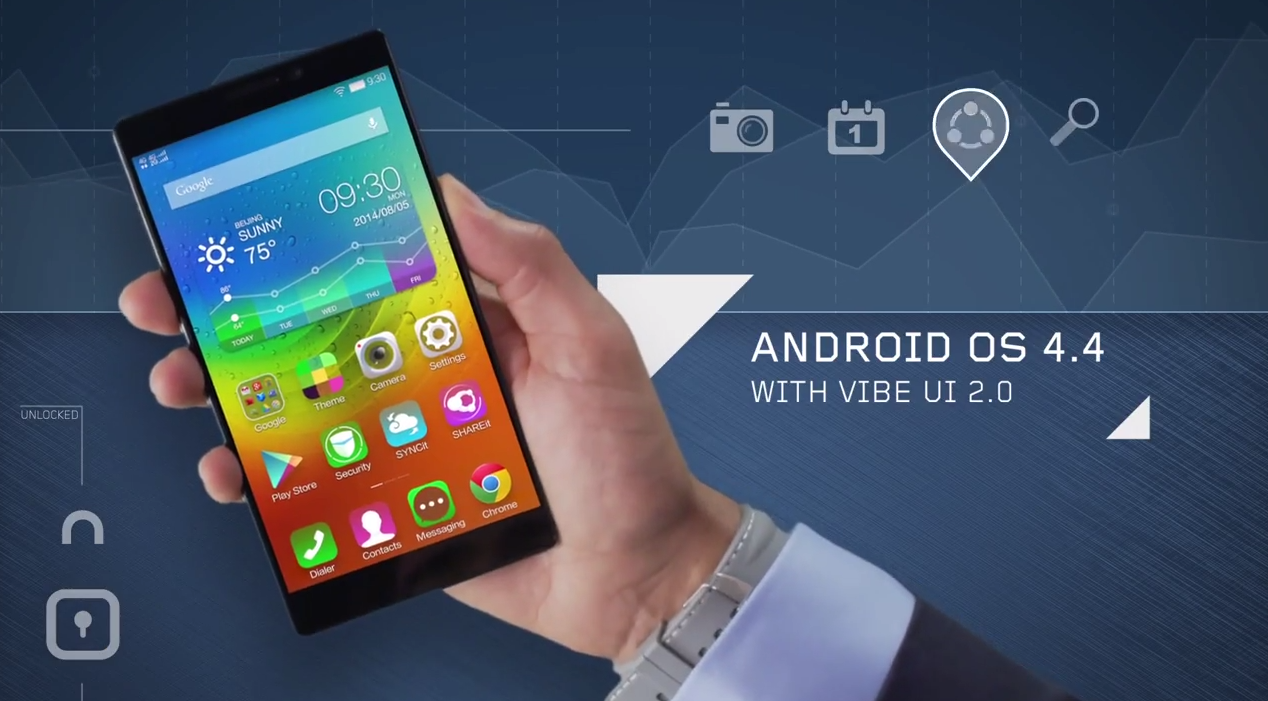
After weeks of rumours and leaks, Lenovo has finally made the Vibe Z2 Pro official. This is the latest flagship from the Chinese manufacturer, and carries all high-end specs you would expect from a flagship. The star of the show is definitely the 6” Quad HD (2560×1440) IPS display, that is capable of outputting 500-nits of brightness.
The rest of the specs are equally impressive. The Lenovo Vibe Z2 Pro will come with the latest Android 4.4 KitKat pre-installed. Under the hood, the device will contain Qualcomm’s latest Snapdragon 801 chipset with a 2.5 GHz quad-core Krait 400 CPU. This will be paired with the Adreno 330 GPU, making sure that the device can handle all your processing needs.
It will come with 32 GB of in-built storage, however there will be no microSD card slot for expansion. The rear camera will be 16 megapixels, a BIS sensor with Optical Image Stabilisation, dual LED flash and 4K video recording. The phablet will also feature dual-SIM capabilities, with two micro-SIM card slots.
All of this goodness will be encased in a premium unibody metal body that measures only 7.7mm in thickness. The body will weigh 179 grams. Now, some people may not like the sheer size and heft of the phablet, but that size allows the manufacturer to fit in a larger than normal 4,000 mAh battery.
The device is set to release in September, in black, white and gold colours.
Take a look at the video and tell us what you think.
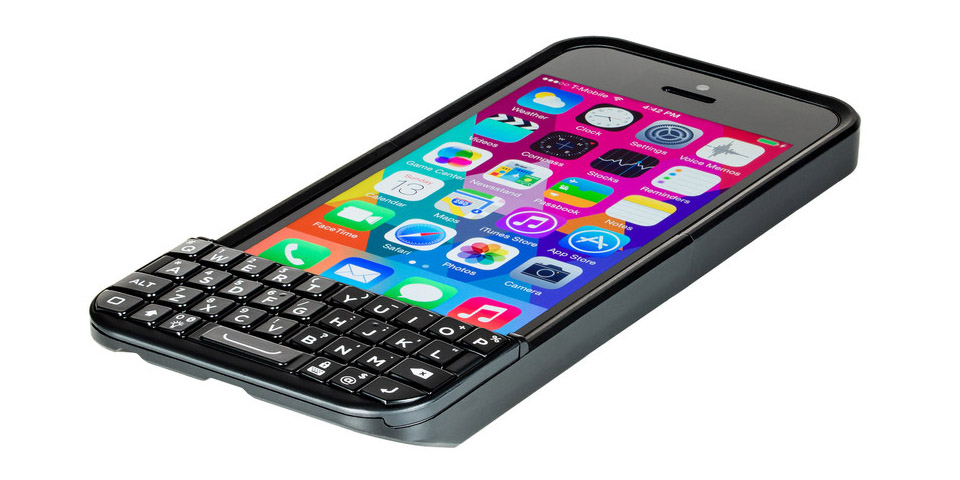
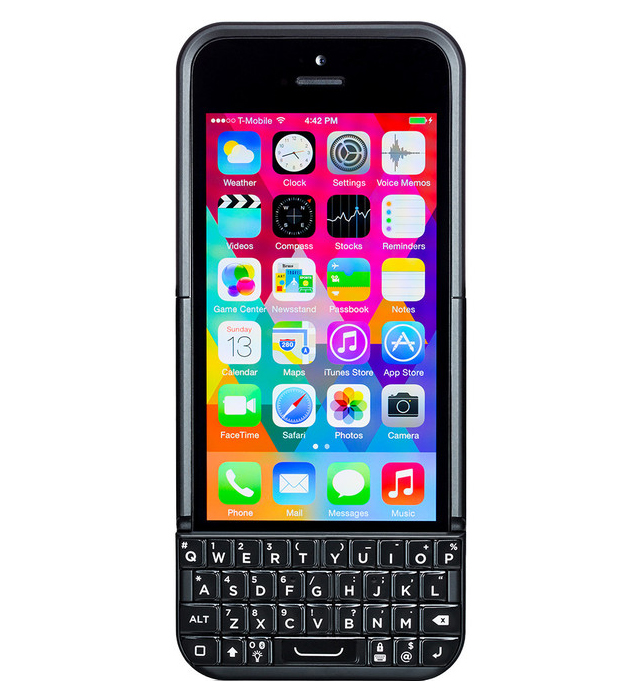
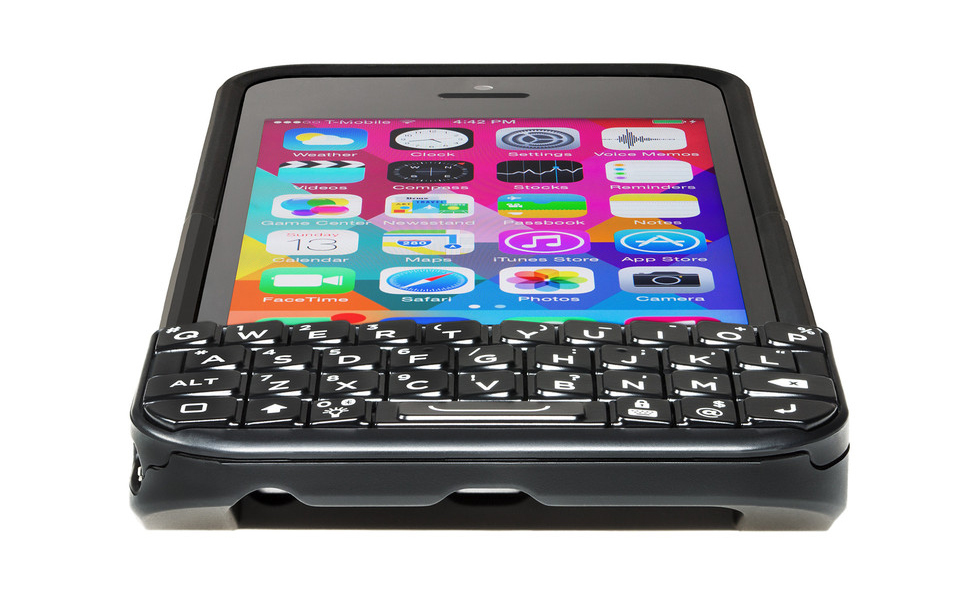
After being accused of being similar to BlackBerry keyboards, the Typo 2 physical keyboard for iPhone has been redesigned in a new second-generation model that will begin shipping in mid-September. The Ryan Seacrest-backed product aimed to give iPhone 5 and 5s owners a case that would give them a physical keyboard. BlackBerry sued Typo and eventually won a sales ban on the accessory. Apparently that didn’t deter Typo, as the company recently introduced a new model of its iPhone case.
Typo 2 is out for pre-order now, and it’s meant for the iPhone 5 and 5S. Priced at $99, this iPhone accessory will start shipping to customers during mid-September. According to its makers, it has been aimed at those who carry around two phones, one of which is used for typing and the other, for everything else (an iPhone).
With Typo 2 the company aimed to create a keyboard and case that would add the absolute minimum additional length and thickness to the iPhone, while still providing protection to the phone and smooth typing experience.
The product description reads:
The result is Typo 2, which adds just short of a 1/4 inch in thickness and a less than 3/4 inch in total length to the iPhone, while still providing an unrivaled typing experience. This is made possible by miniaturizing the components on our circuit board, using our patented TYPOTouch keyboard technology and one of the world’s smallest Lithium-ion battery, measuring at just 1mm in thickness.
The people behind Typo believe that physical keyboards are superior to the virtual buttons featured on Apple’s iPhone. Their product was in development for two years, and the company calls it “an indespensible business tool that people simply can’t live without.”
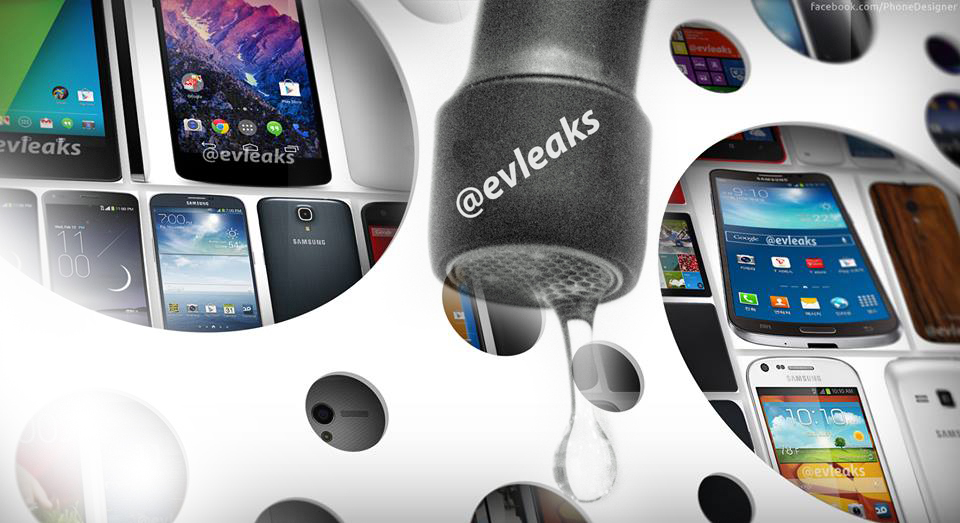
Evan Blass from the Evleaks fame who has been reporting on major gadget leaks over the last two years has finally decided to retire from the game. This can be a major disappointment to many tech blogs who depended on him for what has become a new news genre, the leak beat.
Yesterday Evan made his retirement public with a tweet. Evan had leaked information on many potential products from major manufacturers like Samsung, LG, and Microsoft along with others. He had a high success rate in his reporting and so became the go to guy for information on upcoming products.
All good things must come to an end. Thank you for an amazing two years. [RETIREMENT]
In an interview with The Next Web Evan explained his retirement. He says that taking cues from him, there has been an explosion of leaksters on twitter and that doesn’t help in a sustainable living. He also said that this is a final goodbye to the leaking world and he will be looking for a career change.
Before becoming a professional leakster, Evan had worked at the editorial department of Engadget and PocketNow. He also has a website, but he doesn’t seem sure about the future of the website post his retirement.
He also, in a way named his successor to the leakster throne. He says TK O’Connor, of TK Tech News can easily take his spot as a menace to the manufacturers. Overall Evan through his @evleaks twitter handle has given a lot of important information on upcoming smartphones. This has not just helped customers but also assisted the companies in creating a hype before their devices came to the market.
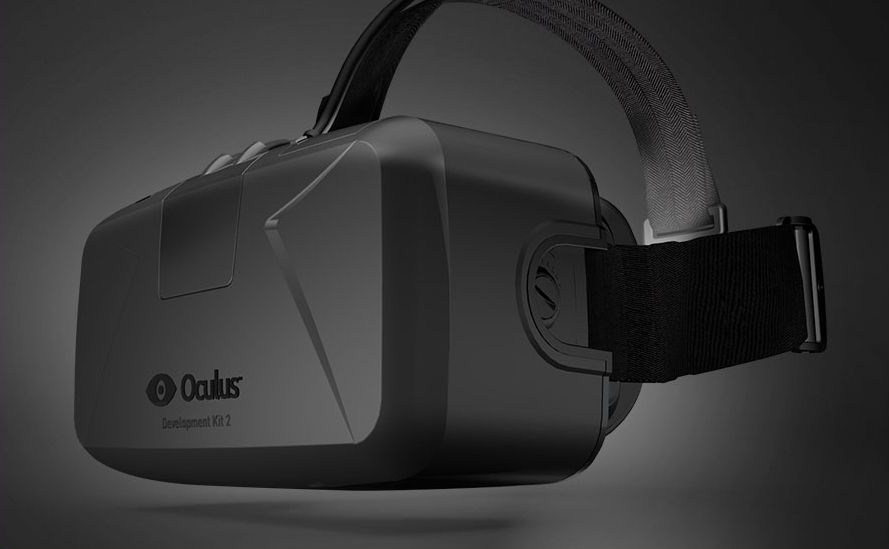
One of the most eagerly awaited technology are the wearable Virtual Reality (VR) glasses and the name that comes to mind when talking of VR wearables is Oculus. Now serial teardowners, iFixit have gone ahead and dismantled the new version of Oculus Rift’s developer edition.
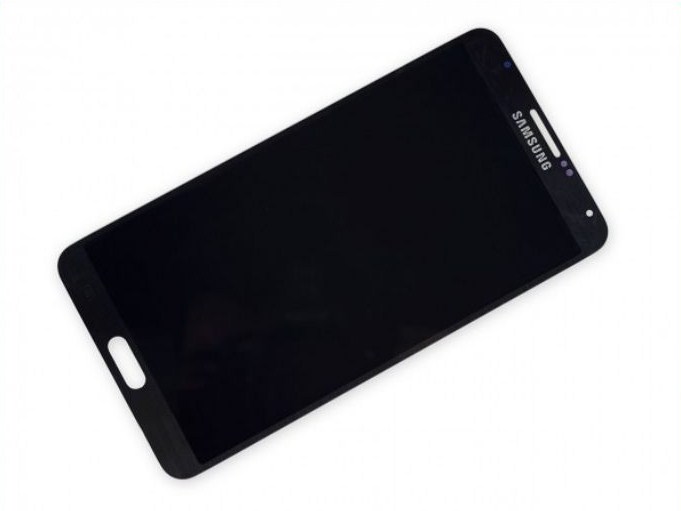
The previous Oculus outing saw tremendous complaints about pixelated screens and motion sickness inducing visuals. Oculus Developer Kit 2(DK 2) intends to address the complaints. One major discovery they made is that the DK2 comes with a Samsung Note 3 display.
Inside the impressive gadget is a Samsung display.
The display is left untouched and it even has the touchscreen controller on it. So you can easily get a replacement for your Oculus screen if you somehow get over involved in the virtual world and accidently bump into real world objects and damage the screen.
Oculus claims that the display works at 75 Hz which is above the standard 60 Hz refresh rate. On their website Oculus calls its display a low persistence OLED display to eliminate motion blur and judder, two of the biggest contributors to simulator sickness. The stunning 5.7 inch Note 3 display might address the pixilation issue and probably save people from the day long motion sickness they feel after wearing these headgears.
Meanwhile Samsung is proactively working on their own VR wearables. With Sony’s Project Morpheus and several start-ups trying out their luck with the technology, the market has started to heat up. We too are desperately waiting for the devices to come to the market so we can enjoy a walk on Mars or get a perfect first person shooting experience minus the PTSD of course.
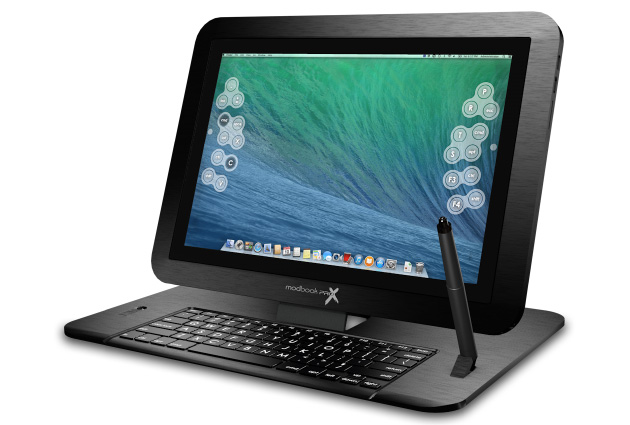
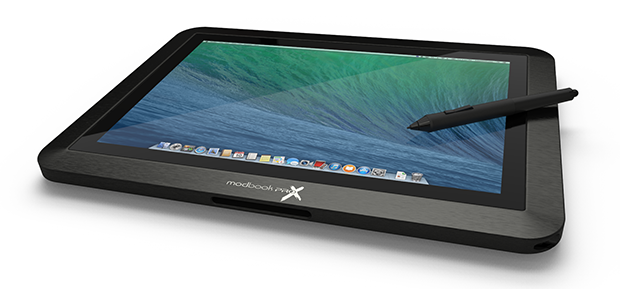
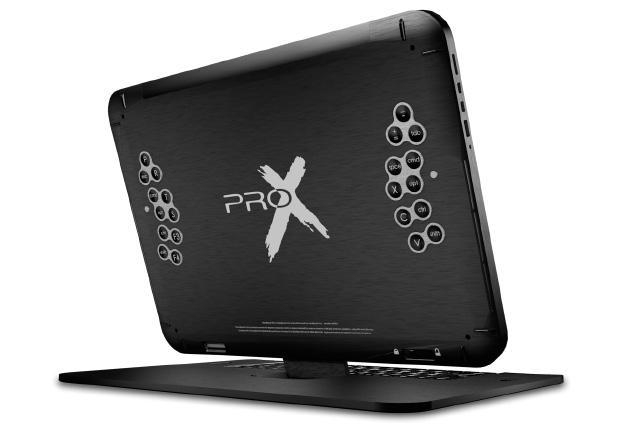
Custom Mac tablet-maker, Modbook is back in news with a new spiced up with 15.4-inch display and the latest Mac hardware under the hood. The company, famous for turning Apple’s MacBook Pro into an iPad-like tablet, launched a Kickstarter campaign to fund its latest project – the Modbook Pro X.
The Modbook has been around for about seven years, when Axiotron and Other World Computing teamed up to deliver the first Mac tablet at Macworld. Three years later in 2010, however, Apple released the first iPad, a much smaller tablet powered by Apple’s iOS. Subsequent upgrades yielded the Modbook Pro.
The Kickstart backers will be able to convert their own Retina MacBook Pros into a tablet beginning early next year. The conversion incorporates the laptop’s original hardware, with components shifted from the lower half of the computer to just behind the 15.4-inch 2,880 x 1,800-pixel LCD.
Unfortunately, the modification doesn’t come cheap. You’ll have to provide your own 15-inch Retina MacBook Pro, which starts at $2,000. And to get the modification, you’ll have to pledge at least $1,999 to the Kickstarter project. A Modbook Pro X with a keyboard stand or with rear Keybars that allow one-handed text entry cost extra.
Like other Modbooks, it ships with a stylus with 2048 levels of pressure. The tablet preserves the connectivity options of the MacBook Pro: Bluetooth, Wi-Fi, two USB 3.0 ports, one SDXC slot, one HDMI port and two Thunderbolt 2 ports. It will run OS X Yosemite when that OS becomes available in fall.
Users can also select optional KeyBars—macro keys that can save time while the user is working with the stylus. An optional keyboard stand serves as an easel, keyboard, and screen protector. Another downer is that the modification voids Apple’s own warranty. But Modbook does provide a one-year guarantee for the device.
And also, the project will need to surpass its $150,000 goal to be funded. If that does happen, it will be early next year before any rewards are shipped to backers.
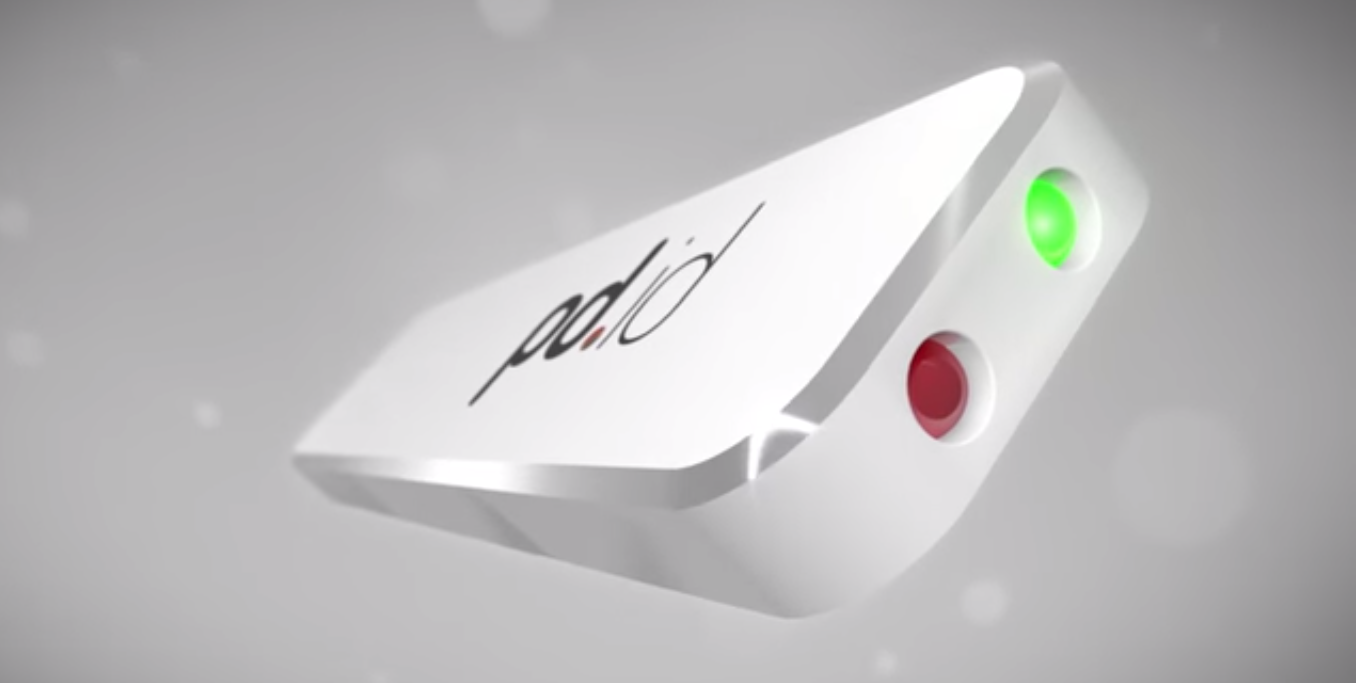
If you are a lady or have lady friends you understand the constant vigilance that needs to be maintained while going out. Does that taxi driver look trustworthy or is this drink I’m holding safe for consumption? Some of the constant questions going through a girl’s mind while out at night. Date Rapes are also one of the leading sexual assault cases against women. It seems like Toronto based, former IT consultant David Wilson might have found a perfect solution for this epidemic of date rapes, a tiny USB sized gizmo called Pd.id.
Pd.id uses three different tests to identify if the drink has been drugged. The device uses light, conductivity and temperature to determine if the drink has been sabotaged. The two Red and Green indicators tell you if the drink you are holding is tainted or not. The best part is that the device can be used multiple times so it will be one of the essentials to pack before a night-out. Pd.id also has a companion mobile app which lets you access the drink database from the company and visually confirm the purity of the drink.
The indicators help you figure out if the drink is safe for consumption
The company claims that the drug recognition technology has been with the drug enforcement agencies for quite some time. They learned from them and created this miniaturized, consumer friendly version of the technology that can go in women’s purse.
This is a phenomenal invention and should really be encouraged. This is how a real moral invention looks like; one of the several instances when technology can come to change the world and make it a better place. If you can’t donate to the device, you can atleast spread the word. But no amount of gizmos can take the spot of a sex educated and gender sensitive mind.
Of course the best part of this invention is that all the single ladies will have a good time going out without any worries. Pd.id sure is an awesome innovation. Also you don’t to worry about sanitizing the gizmo, the alcohol you are dipping it in will do the needful.