All the Latest, News, Reviews, Updates, How To, Mobile Phone news, Global and International News, From Cameras to Automobiles, from TV To PC and a lot more! Constantly updating!
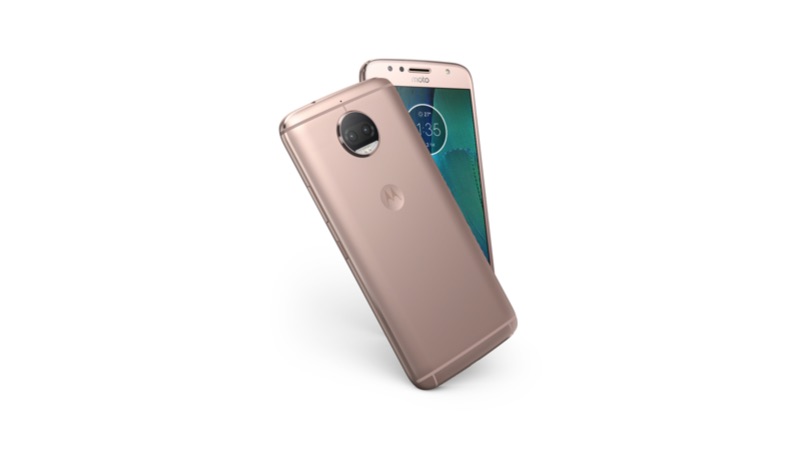
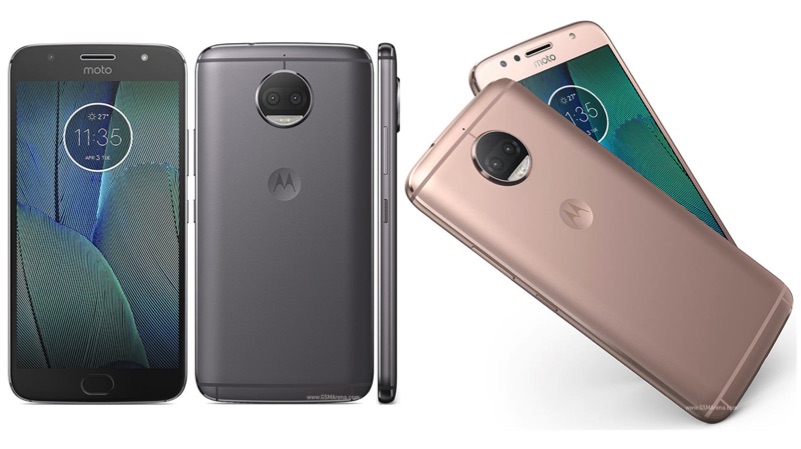
Motorola India has been teasing the launch of the Moto G5S Plus for the past few days and the company recently tweeted the Moto G5 Plus’ successor will launch in India on 29 August.
Although the the Moto G5S Plus listing has gone live on Amazon India confirming it to be an Amazon exclusive, no information about the launch of Moto G5S in India has been revealed yet.
The Moto G5S Plus will be available in Lunar Grey and Fine Gold colour variants featuring a 5.5 inch 1920 x 1080 px display with Corning Gorilla Glass 3 for protection. The smartphone comes with a unibody metal design and sports a 2.5D curved glass panel on the front. Similar to it’s younger sibling – the Moto G5 Plus, the G5S Plus will be powered by a 3,000 mAh battery with turbo charging capabilities. The power adapter can supposedly provide 6 hours of usage time with 15 minutes of charging. The device has the Qualcomm Snapdragon 625 chipset, a 2.0 GHz octa-core CPU coupled with 3GB of RAM and 32GB of onboard storage which is expandable via microSD card up to 128GB.
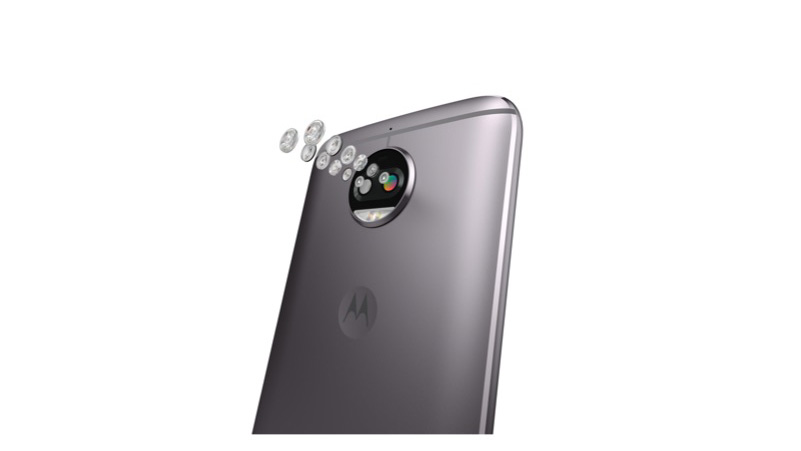
The Moto G5S Plus’ widely speculated feature, the rear mounted 13MP dual-camera with an f/2.0 aperture and dual tone LED flash, comes with video stabilization and 4K video recording at 30 FPS. The dual camera has features like Bokeh, selective focus shots and exposure management. On the front is an 8MP camera with a wide-angle lens and LED flash along with a new panoramic mode.
The physical home button on the front also doubles up as a fingerprint sensor, much like the previous Moto phones. Additional features such as Night Display and Quick Reply have also been added as part of a more meaningful software experience for the customers, the company claims.
The Moto G5S Plus price hasn’t been confirmed yet but speculations predict that the smartphone will be priced around Rs 17,999.
The latest reports suggest that Apple may be working on a self-driving shuttle for its employees. The new self-driving shuttle project is codenamed “PAIL,” short for Palo Alto to Infinite Loop. The shuttle will reportedly run from Apple’s current campus to its new one. Surprisingly, Apple will supposedly use another automaker’s commercial vehicle for the project, rather than building the vehicle itself. The company will then use the vehicle to test the autonomous driving technology it develops.
Apple was earlier reported to be working on a self-driving car initiative, nicknamed – Project Titan. The iPhone maker started the Project Titan in 2014 and hoped to shake up the auto industry like it did with the mobile business. In 2015, Apple’s COO Jeff Williams said: “The car is the ultimate mobile device, isn’t it?”. However, the company gave up on the self-driving automobiles pretty soon, indicating that Apple might have underestimated the complexity of the task. But it seems like Titan wasn’t the last of Apple’s efforts to venture into the auto industry.
Timothy D. Cook, CEO of Apple Inc. in an interview, mentioned that Apple is “focusing on autonomous systems.” Many tech companies like Apple have made similar efforts to build a self-driving car. Waymo, a division of Alphabet, is also focusing on building software for cars made by traditional manufacturers.
Given the company was granted a permit for testing self-driving cars, but gave up on the dream too soon, we hope, (Apple employees certainly do) that PAIL turns out to be more than just a concept. It has been said that under Bobby Mansfield’s (a hardware engineer at Apple) guidance, the team is more focused and the morale has improved. But it seems that the smartphone maker would need more than just improved morale and focus, as Apple is hardly the only company working on self-driving technology.
Konami, maker of the famous football video game series – the Pro Evolution Soccer, was present at Gamescom with a new trailer for Pro Evolution Soccer 2018. The latest trailer showcased some of the features that could be expected in the 2018 version of the game.
https://www.youtube.com/watch?v=y0FCfnmlEwI
Konami announced that the playable demo of PES 2018 will be out on August 30th for PlayStation 3, PlayStation 4, Xbox 360 and Xbox One. However, the demo won’t be available on PC and the overall content hasn’t been confirmed just yet.
There will be 12 teams available to choose from – FC Barcelona, Borussia Dortmund, Liverpool FC, Inter Milan, SC Corinthians Paulista, CR Flamengo, CA Boca Juniors, Club Atlético River Plate, Colo Colo, Germany, Argentina, and Brazil. The stadiums included are Camp Nou and Signal Iduna Park.
There’s not a whole lot to the trailer other than plenty of gameplay and some fancy-looking cinematics. The former Manchester United and Real Madrid midfielder, David Beckham will lend his image to PES 2018. The 42-year-old will be featured as a legendary player in the PES 2018 ‘My Club’ mode on the game.
The American GPU maker, Nvidia, also released a trailer of PES 2018 PC version. The trailer is more of a demo for the Nvidia Ansel capture technology than it is a gameplay trailer, showing off actual in-game features. The new Nvidia Ansel technology will allow players to capture unique images from any point within a game. Provided you’ve got the right graphics card, you can capture professional-grade 2D, 360 degree, Virtual Reality 360-degree screenshots and even apply a wide-range of image filters. The PC version of Pro Evolution Soccer has never been well-received due to the inferior graphics as compared to its console counterpart.
Pro Evolution Soccer 2018 releases on September 12th for North America and September 14th in Europe and Australia. No official release date has been announced for other regions yet. The official game will be available for PC, PS3, PS4, Xbox One and Xbox 360.
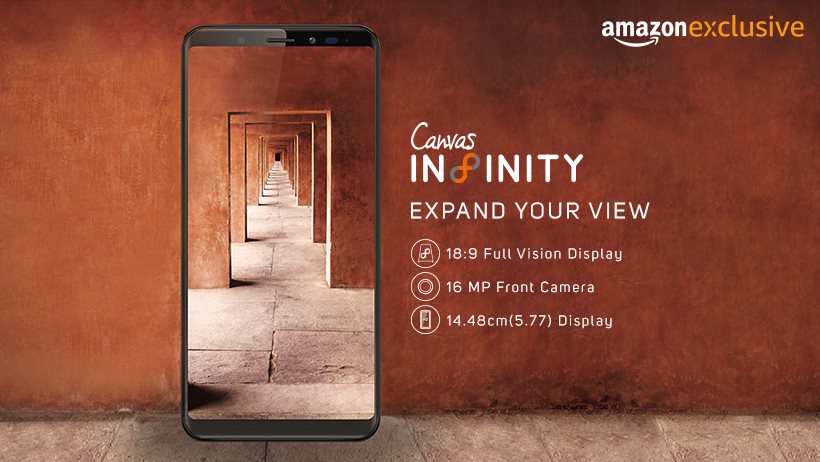
Micromax in an event on 22 August has launched the Canvas Infinity with a bezel-less display for Rs 9,999.
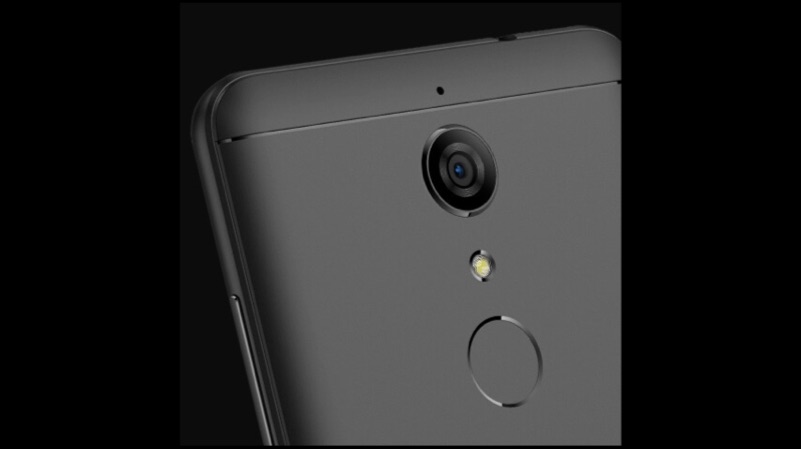
The Canvas Infinity features an all-metal design with plastic top and bottom ends and a brushed metal finish to accommodate the antennas. The device sports a 5.7-inch 1440 x 720 px IPS LCD display with an 18:9 aspect ratio and a 2.5 curved glass on top. Interestingly, LG recently launched the Q6, which also sports an 18:9 display and is priced at Rs 14,990. The Canvas Infinity is powered by a 2,900 mAh battery and runs Android 7.1 Nougat out of the box, the company has promised an update to newly launched Android 8.0 Oreo in the coming months. The smartphone has the Qualcomm Snapdragon 425 chipset with a quad-core processor clocked at 1.4GHz, Adreno 308 GPU, 3GB of RAM and 32GB of onboard storage. The internal storage is expandable up to 128GB via microSD card. The fingerprint sensor is placed at the back below the camera.
In terms of optics, the smartphone sports a 13MP rear-facing camera with an f/2.0 aperture, Super Pixel Mode, and an LED flash. The Super Pixel mode allows you to take multiple pictures and stitch them together for finer details in the final image. On the front is a superior 16MP camera with real time bokeh effect and Auto Scene Detection. This feature smartly detects the lighting conditions and changes camera settings before you click a picture. Micromax has taken advantage of the tall display and added “preview on the go” feature which allows you to preview pictures that you click without leaving the camera app, much like what LG does with the camera app.
Micromax has clearly tipped this phone to ride on its “bezel-less” display and a competitive price. The Micromax Canvas Infinity will be available on Amazon India exclusively for Rs 9,999 with registrations starting today and sales beginning from September 1. The company has also announced that the smartphone will retail offline later on.
Google is reportedly planning to compete with the Amazon’s smart speaker, Echo Dot by releasing a miniature version of its own Home smart speaker. The unveiling of the miniaturised Google Home is expected to be at a hardware event planned for the upcoming Pixel sequel.
Planning to rival the Amazon’s Echo Dot, the Google Assistant powered smart speaker will allow you to access voice command interfaces for audio systems, connecting multiple Home units, playing music etc.
It is still unclear as to what all features Google’s smaller Home Speaker will come with but we are hoping that the voice-activated Assistant hub will host the similar features like its sibling. Some of which are expected to be hands free calling, accessing smart home devices, personalised experience by disguised voice feature, getting real-time answers related to traffic, weather reports etc.
No specific details about the mini Home speaker’s pricing, dimensions and feature set have been spilled yet. But given the massive popularity of Amazon’s Echo Dot which is priced at $50, a smaller, cheaper version of Google Home makes much more sense, as the original Google Home costs $129.
It has also been reported that Google will also launch the new Pixel-branded Chromebook at the Pixel event. This will be the first Chromebook after the launch of the original Chromebook Pixel in 2015. At present, no information about the specifications for this laptop has surfaced. It has been widely reported that the new Pixel Chromebook is a byproduct of Google’s Project Bison, but, it appears not to be the case . Google may be planning to target the higher-end notebook market once again. It is safe to say that the new Pixel-branded Chromebook is intended to be a serious contender to Apple’s MacBook lineup and Microsoft’s Surface Pro.
Google officially launched the next generation of its Android OS, 8.0 Oreo during the first Solar Eclipse in the USA since 1917. Developers have had access to a preview version of Google’s latest mobile operating system since mid-March, with updated versions releasing in May, June, and July. Rumours of the new version being named Oatmeal Cookie were put to rest when Google launched Android 8.0 Oreo through a live stream.
So, what has changed from Android 7.0 Nougat to 8.0 Oreo? Let’s take a look
User Interface
Users can now organise notifications into custom channels and modify the alerts for the entire channel. This can be specifying the sounds if the notification triggers a vibration, and if the notification is allowed to override the do not disturb setting. An autofill framework in the operating system makes the repeated filling of forms easy for the user. This can range from sign up information to a new service, or credit card information to make a payment. The feature will prevent frustration and repetitiveness by allowing users to quickly fill in a form. Users will have to opt-in for the Autofill framework, after which new and existing applications can make use of the feature.
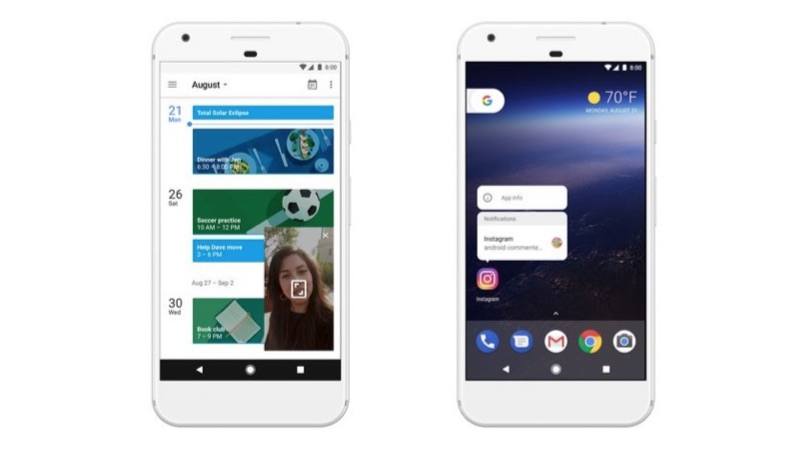
Picture-In-Picture Mode and New Notifications
A new picture-in-picture feature allows users to continue operating the device without interruptions for things like watching a video. Another interesting change in the UI this time around is Adaptive Icons. Original Equipment Manufacturers (OEM) can specify a look and feel for the UI by choosing between various icon shapes. Different shapes can be used on some models. The feat is achieved by applying masks over a base layer. The supported shapes are Circle, Squircle, Rounded Square and Square. Adaptive icons can be created using Android Studio.
Behind The Screen
Each application is now allocated a cache budget. When the system is low on resources, the applications that exceed the cache budget the most will be the first to have their cached files deleted. Content refreshing is now a more streamline experienced. Also, there is now an easier way for applications to check if they are displaying the latest content on the screen. Developers can also set custom triggers to update the content when it is stale or outdated, even without a specific request from the user. There are also background execution limits, which ensures that applications running in the background don’t use up a lot of system resources.
Media playback should be significantly improved for users, as now there is fine-grained control to scrub to a particular frame in a video. Applications can also now mix multiple audio and video tracks at once, for streaming purposes. This can be useful in gameplay videos where users can capture the screen, themselves through the front-facing camera, the audio from a game, and any commentary from the user.
A smart sharing feature allows the operating system to guess the context of a photo, and pick the best application to hand the image over to. For example, if you click a selfie, social networking applications are pulled up but, if you click a photo of a receipt, expense tracking applications will open up. The more you use your phone, the more your smartphone will learn about your behaviour and act accordingly. A smart copy feature enables similar functionality but for text, where the smartphone recognises if the text copied is an address, a phone number or name of an entity, and suggest opening a relevant app. For example, if you copy a phone number, a floating bar will suggest opening up the Dialer app or the Contacts app.
Connectivity
Android 8.0 Oreo has support for Wi-Fi Aware, an energy-efficient way by which supported hardware can discover and chat with each other without a Wi-Fi hotspot or an internet connection. There is also a support for the new Bluetooth Low-Energy (BLE) 5.0 standard.
It is expected that the first smartphone to run Android 8.0 Oreo will be the new Pixel 2 and Pixel XL 2 while the Pixel and Pixel XL will get an update soon after the launch.
Expected devices to receive Android 8.0 Oreo update
Nexus
Nexus 5X
Nexus 6P
Samsung
Samsung will push out the Android 8.0 update when it launches the Samsung Galaxy S9 next year. Devices expected to receive the update are-
2017 has so far been the year of the “bezel-less” smartphone, starting early with the LG G6 and the Samsung Galaxy S8 and S8+ then the likes of the iPhone 8 and the Essential phone. These smartphones however, also usually come with a hefty price tag. There are a lot of smartphones that sport a “bezel-less” display and won’t cost you a fortune.
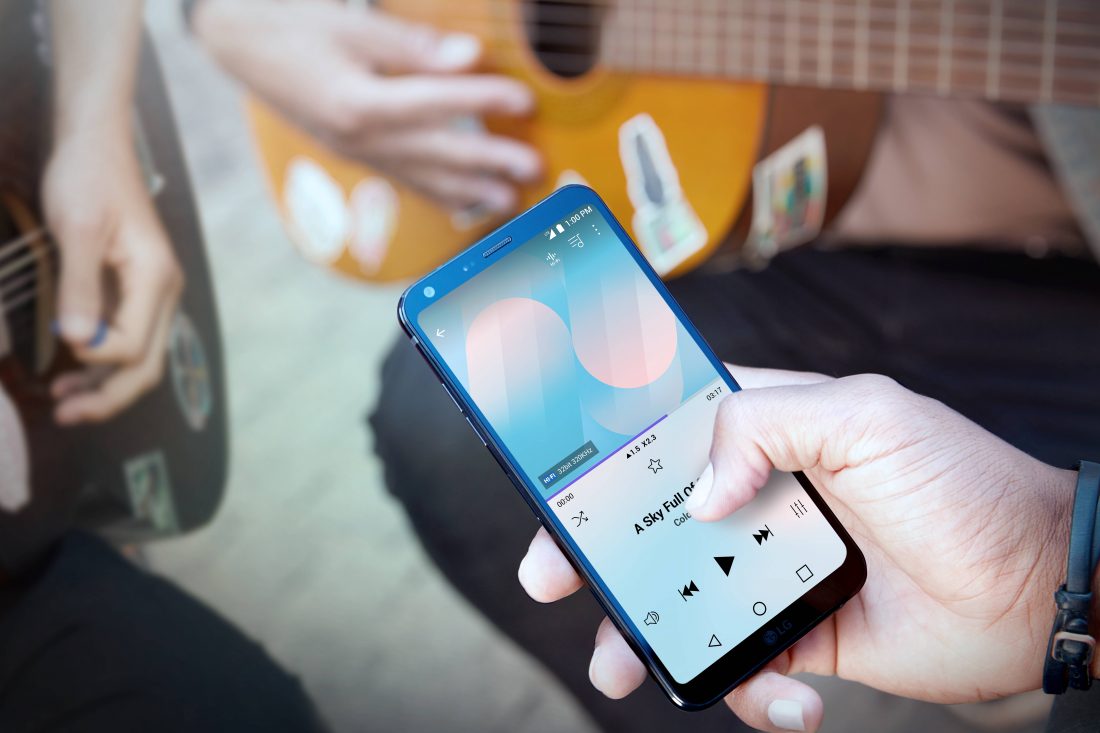
LG Q6
The LG Q6 was recently launched in India for a price of Rs 14,990. It sports a 5.5 inch 2160 x 1080 px IPS LCD display with a pixel density of 442ppi and a 78% screen-to-body ratio. The device is powered by a 3,000mAh non-removable battery and runs Android 7.1.1 Nougat with LG’s custom skin on top of it. The LG Q6 packs the Qualcomm Snapdragon 435 chipset with a 1.4GHz octa-core processor and Adreno 505 GPU along with 3GB RAM and 32GB onboard storage which is expandable via microSD card up to 2TB.
It features a single 13MP rear-facing camera with a single LED flash and on the front is a wide angle 5MP sensor. The rear camera records video at 1920 x 1080 px at 30 FPS. LG also claims that the Q6 has US Military Standard-810G Certification which means that it can survive quite a few drops.
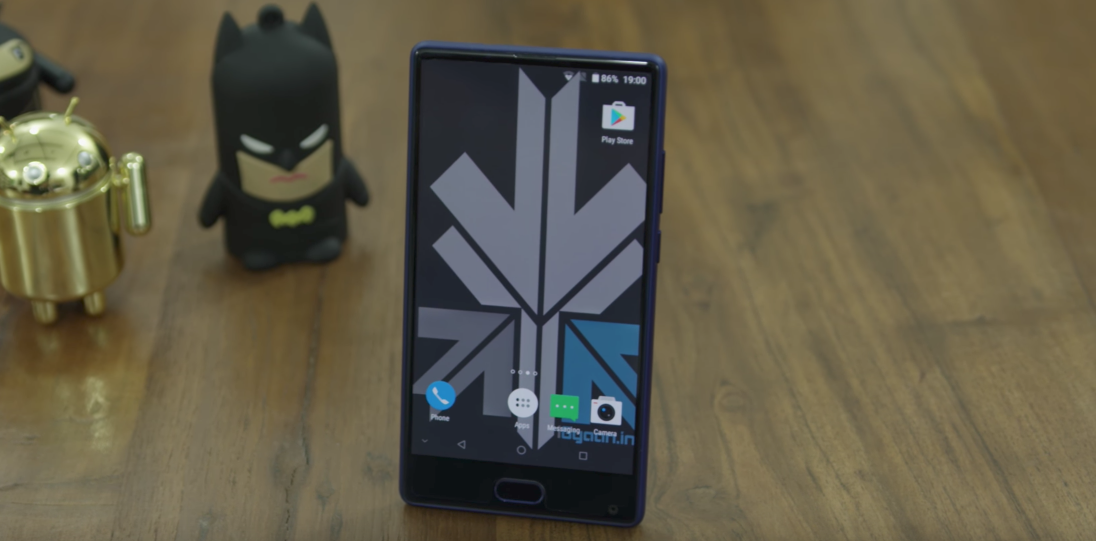
Doogee Mix
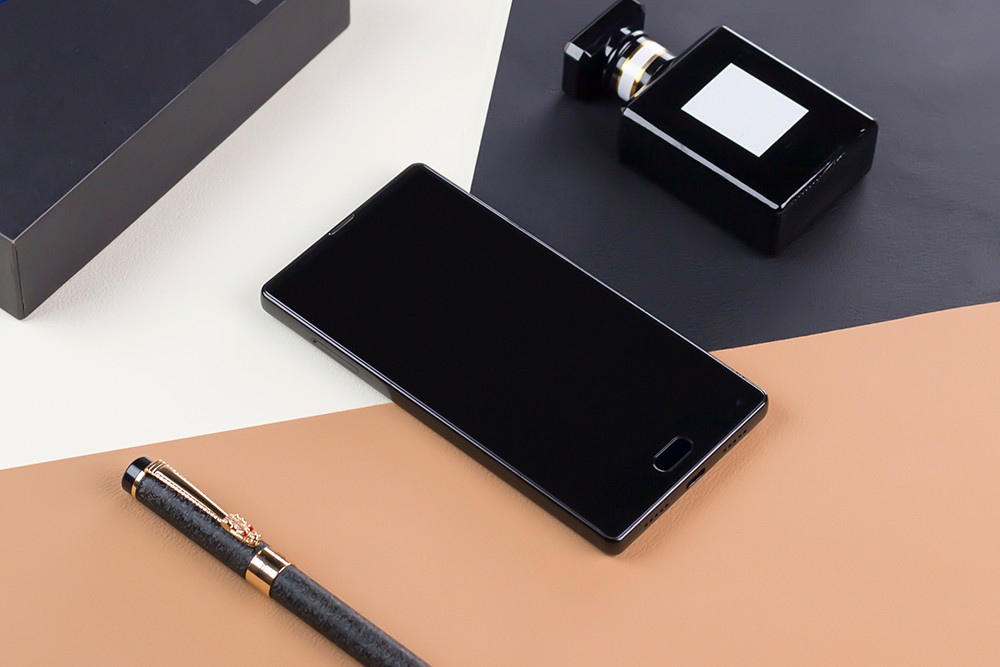
The Doogee Mix costs US $180 (Rs 11,500 approx.) and sports a 5.5 inch 1920 x 1080 px IPS LCD display. The device has minimal bezels on the top, left and right side of the display but the bottom bezel is huge in order to accommodate the fingerprint sensor and the 5MP front camera. The device is powered by a 3,380 mAh battery and runs on Android 7.0 Nougat. the MediaTek MT6757CD Helio P25 chipset along with 6GB RAM and 128GB onboard storage complete the innards. The smartphone also features a 16MP + 8MP dual-camera setup at the back capable of depth effect mode and video recording in 4K at 30 FPS.
Maze Alpha
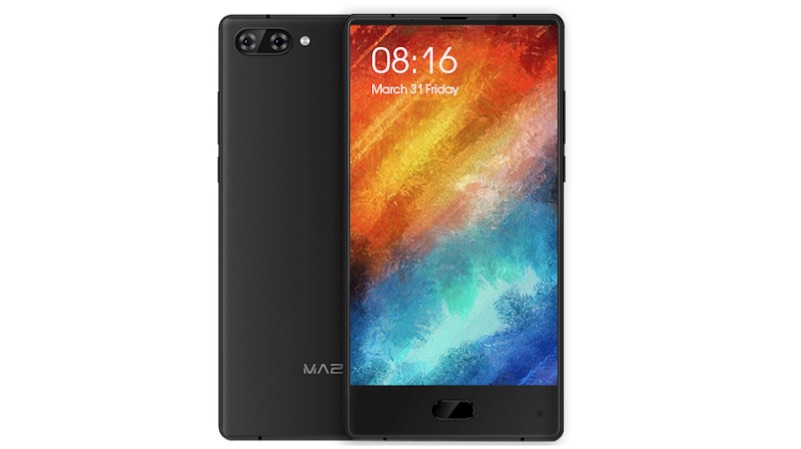
The Maze Alpha has a design similar to the Doogee Mix, with a huge bottom chin and ultra-thin bezels on the two sides and top of the device. The phone has a 6 inch 1920 x 1080 px display with an 83% screen-to-body ratio and Corning Gorilla Glass 4 for protection. The smartphone costs $224 (Rs 14,300 approx.) which is slightly more than the Doogee Mix and at par with the LG Q6. The Maze Alpha packs a 4,000 mAh battery and supports Quick Charge through the USB Type C port. Just like the Doogee Mix, it runs on the MediaTek MT6757CD Helio P25 chipset along but, with 4GB RAM and 64GB onboard storage which is expandable via microSD card up to 256GB. The back of the device features a 13Mp + 5MP dual-camera setup with Samsung S5K3L8 sensor and an f/2.2 aperture the front has a 5MP camera.
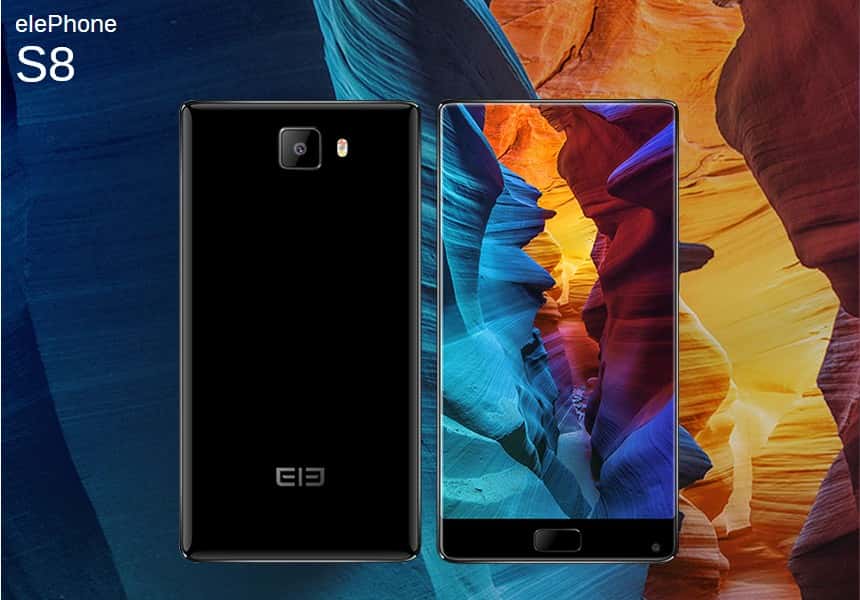
The Elephone S8 sports a 6 inch 1920 x 1080 px IPS LCD display. The bezel-less display is restricted to the top, left and right sides as the large bottom chin houses the fingerprint sensor and the front camera. The device is powered by a 3,300mAh battery and runs on Android 7.0 Nougat. Under the hood is the MediaTek Helio X20 chipset along with 4GB RAM and 128GB onboard storage which is expandable via microSD card. In terms of optics, the device features a 21MP rear-facing camera and a 13MP front-facing camera.
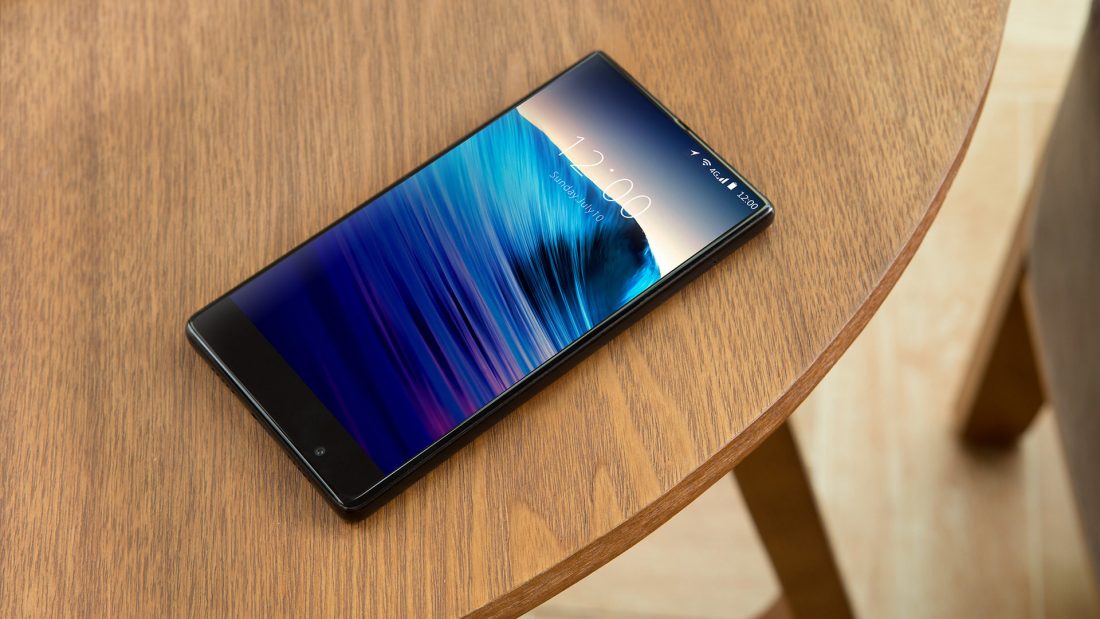
Next in line is the Bluboo S1 with an impressive 90% screen-to-body ratio and costs around $200 (RS 12,800 approx.). It sports a 5.5 inch 1920 x 1080 display with Corning Gorilla Glass 4 for protection. Running Android 7.0 and powered by a 3,500mAh battery, the Bluboo S1 packs the MediaTek Helio P25 chipset. The device also has 4GB RAM and 64GB onboard storage which is expandable via microSD card up to 256GB. For the cameras, it features a 13MP + 3MP dual camera setup at the back and a 5MP front-facing camera which is placed below the display.
Our next pick in the budget friendly bezel-less smartphones category is the UMDIGI Crystal which starts at US $109 (Rs 7,000 approx.). The device sports a 5.5 inch 1920 x 1080 px display with Corning Gorilla Glass 4. The smartphone features a 3,300 mAh battery and runs on Android 7.0 Nougat. The UMDIGI Crystal is powered by the MediaTek MTK6750T chipset and comes in two variants – one with 2GB RAM/16GB storage and the other with 4GB RAM/64GB storage. In terms of the cameras, it features a 13MP + 5MP dual-camera setup at the back and a 5MP front-facing camera which is located below the screen. The fingerprint sensor is located at the back just below the dual cameras.
Ulefone Future
The last one our list is the Ulefone Crystal which costs about $260 (Rs 16,000 approx.) and sports a 5.5 inch 1920 x 1080 px display along with Corning Gorilla Glass 3 on top. The ‘Future’ runs on the not-so-futuristic Android 6.0 Marshmallow and running all of it under the hood is a 3,090 mAh battery. The device is powered by the MediaTek MT6755 chipset along with 4GB RAM and 32GB onboard storage which is expandable via microSD card up to 128GB.Another not-so-futuristic feature is the single camera 16MP sensor at the back with an f/2.0 aperture and dual-tone LED flash. On the front is a 5MP camera. The fingerprint sensor is mounted on the right edge of the phone just under the lock button.
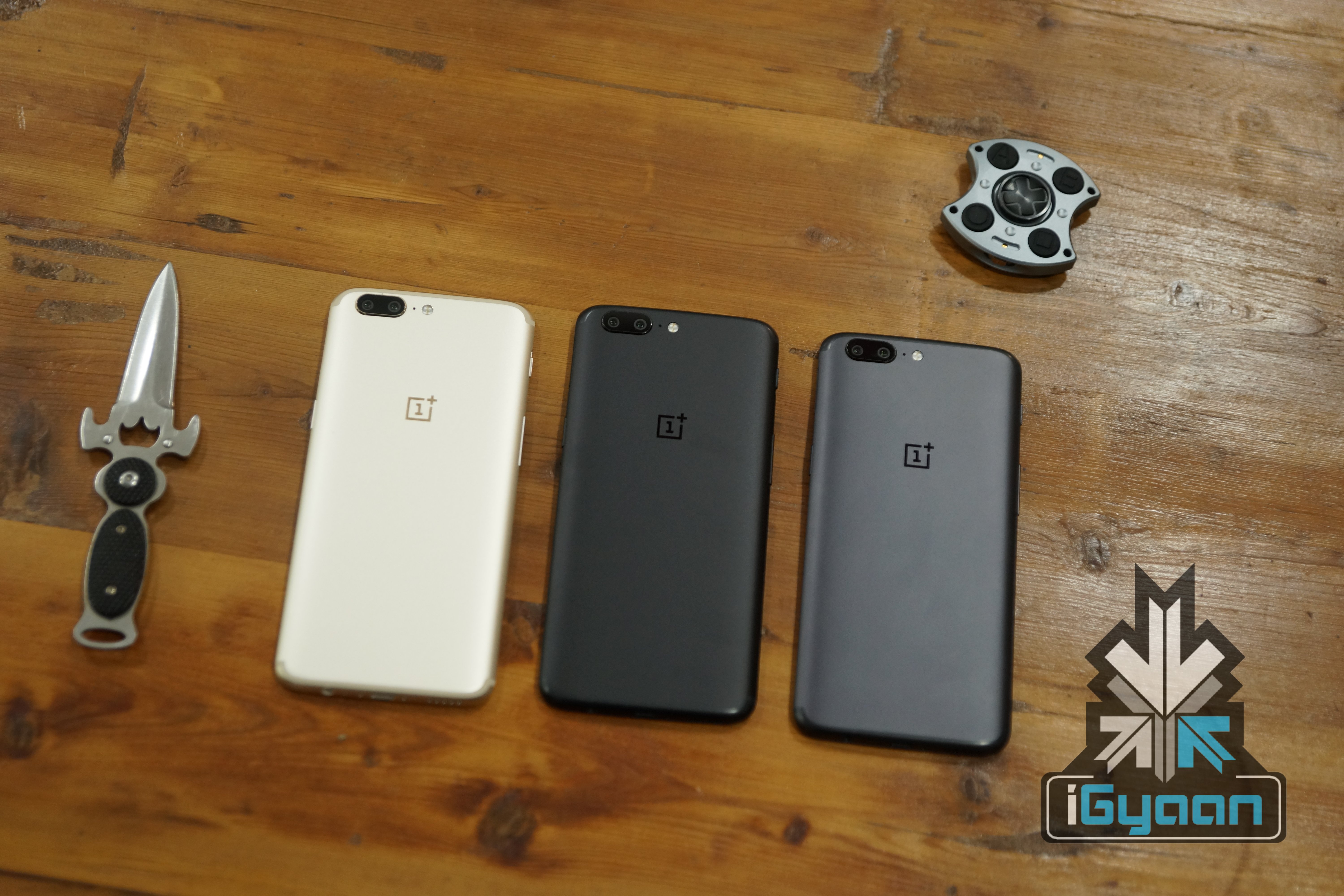
OnePlus had recently launched alimited edition Soft Gold colour variant for the OnePlus 5. The Chinese smartphone maker has now announced that the OnePlus 5 will be available in Slate Gray colour for the 8GB RAM/128GB storage variant. The new variant is available to buy on Amazon India and the OnePlus’ native online store.
Up until now, only the Midnight Black edition was available in the 8GB RAM variant. The Slate Gray and the newly introduced Soft Gold had been limited only to the 6 GB RAM variant. However, now the Slate Gray colour will be available in the 8 GB RAM model while the Soft Gold remains currently confined to the 6 GB RAM variant.
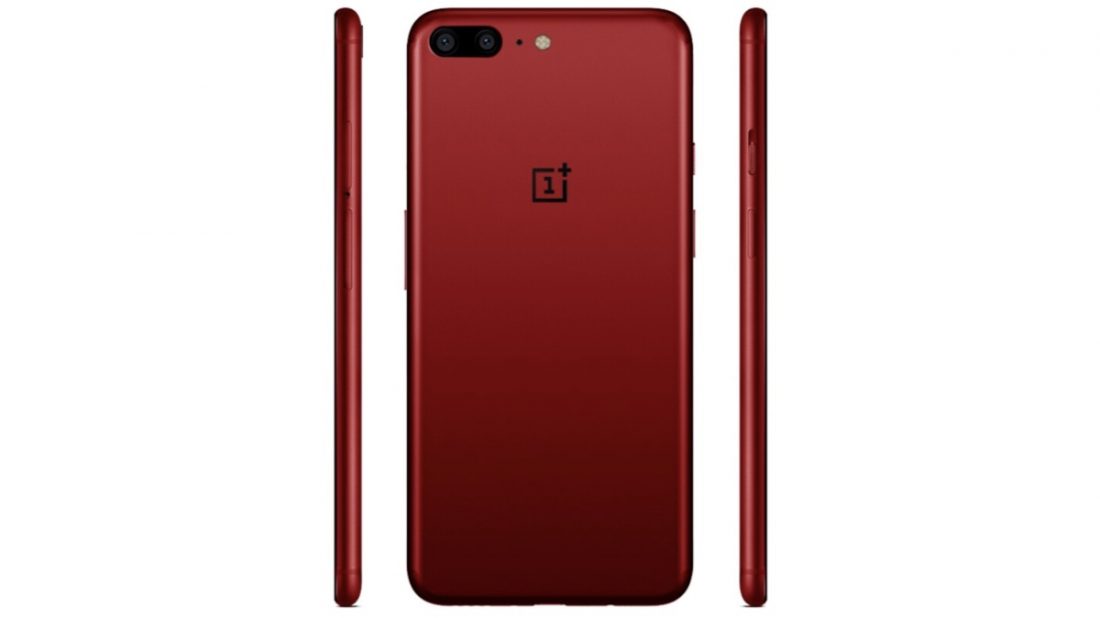
When OnePlus teased a new colour variant for the OnePlus 5, it was widely anticipated that a RED variant would be introduced. Keeping OnePlus 5’s design and the dual camera setup’s uncanny resemblance to the iPhone 7 Plus in mind, a RED colour variant was not a far-fetched idea. All of that, however, was just speculation as the Soft Gold variant was announced on 7th August.
The OnePlus 5 sports a 5.5 inch 1920 x 1080 px AMOLED display with Corning Gorilla Glass 5 on top for protection. The smartphone runs Android 7.1.1 Nougat with OnePlus’ Oxygen OS on top. The 2017 flagship has the Qualcomm Snapdragon 835 chipset with a combination of either 6GB RAM and 64GB of storage or a whopping 8GB RAM and 128 of storage which can not be expanded. The OnePlus 5 also features dual cameras on the back, one of the main cameras is a 20 MP sensor with an f/2.6 aperture, while the other is a 16 MP camera with an aperture of F/1.7 . The secondary telephoto lens is used for 2X lossless optical zoom and an Apple-esque ‘portrait mode’.
OnePlus recently rolled out OxygenOS update 4.5.7 which seemingly enabled EIS (electronic image stabilisation) in 4K video in the OnePlus 5 and even featured a new Slate font. However, soon after the update, there were reports of the device facing stutters during gaming and battery drain issues for Jio users. These complaints along with previous reports of a jelly scrolling effect prompted OnePlus to abort the 4.5.7 update. OnePlus later announced that it has started rolling out 4.5.8 update fixing the issues while still featuring EIS in 4K video and the new font.
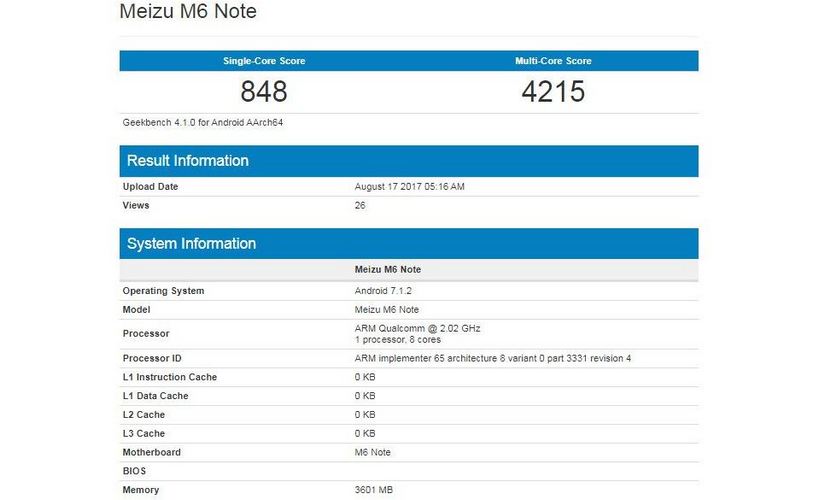
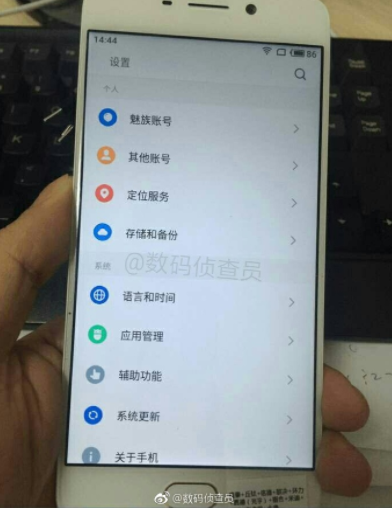
The Meizu M6 Note has been spotted on benchmark app Geekbench’s website ahead of its August 23 launch. Earlier leaks suggested that the device might come with the Helio P25 chipset, however, the new listings on Geekbench hint at the Qualcomm Snapdragon 625 chipset.
The device has an octa-core processor clocked at 2.02 GHz and 4GB of RAM. The smartphone will run Android 7.1.2 Nougat out of the box. For a single-core test, the device managed to score 848 points and for a multi-core test, it had a score of 4215.
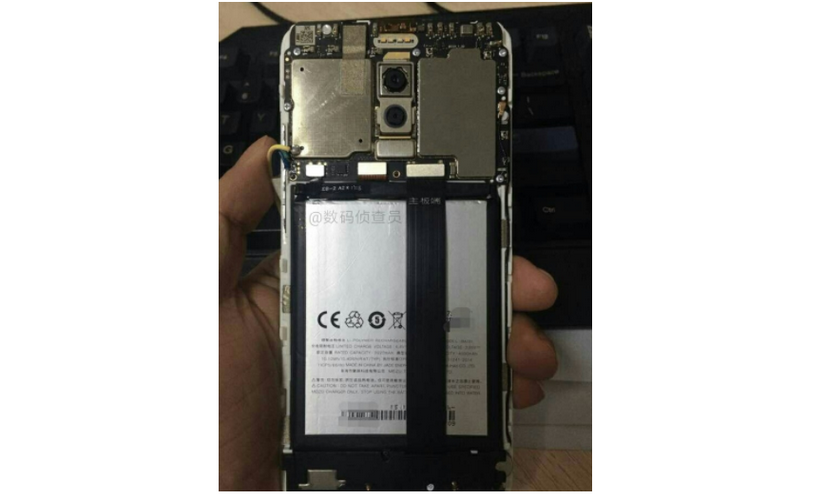
The Meizu M6 Note is expected to sport a dual-camera module and a quad-LED flash. The leaked photo which revealed this information also showed the battery module, which according to earlier leaks has a 4000 mAh capacity.
A leaked image of the front of the device also surfaced a few days ago. The M6 Note will feature a 5.5 inch 1920 x 1080 px display and the fingerprint will sit below the display. The image also confirms that the phone will have a considerable amount of bezel around the display. This is justified since the device will enter the mid-range category and bezel-less phone costs more to make, even the LG Q6 though advertised as bezel-less mid-ranger, it has thicker bezels than its flagship sibling.
The phone is expected to be priced at CNY 1599 which comes to around Rs 16,000.
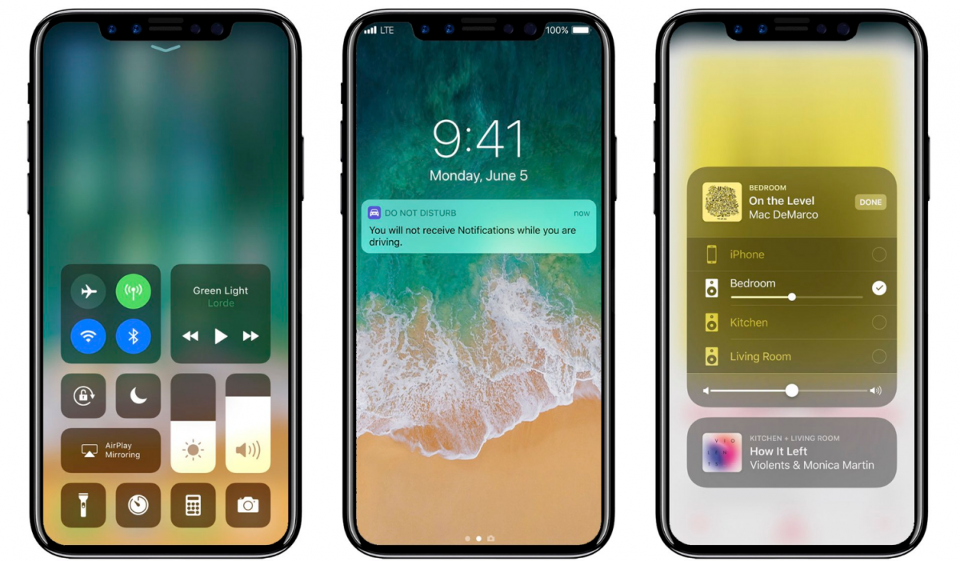
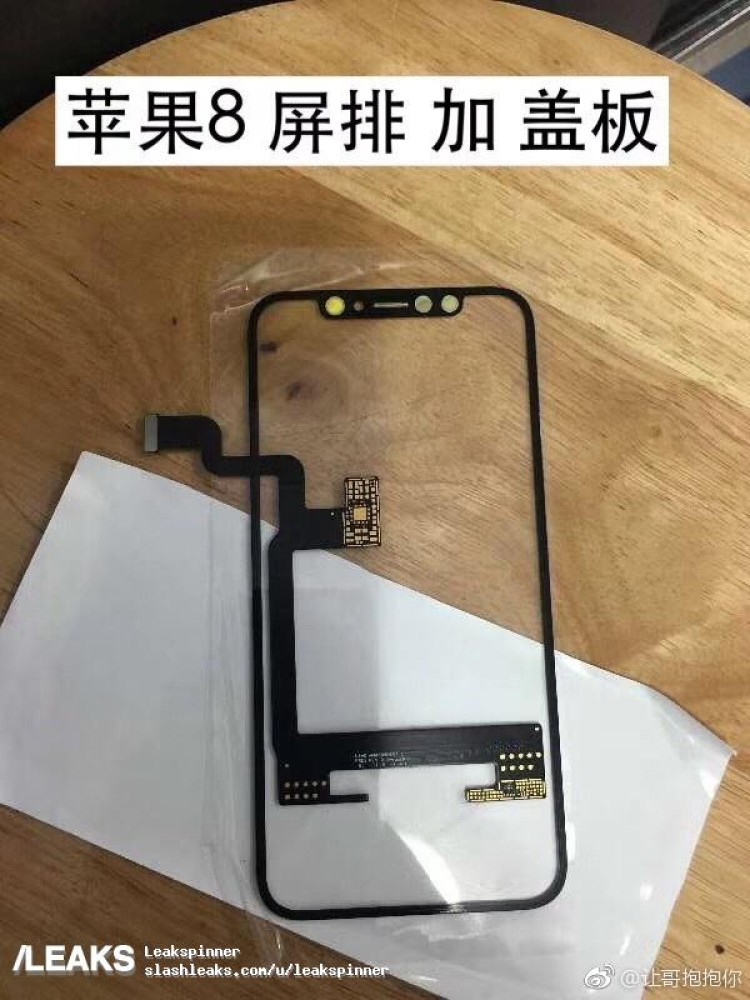
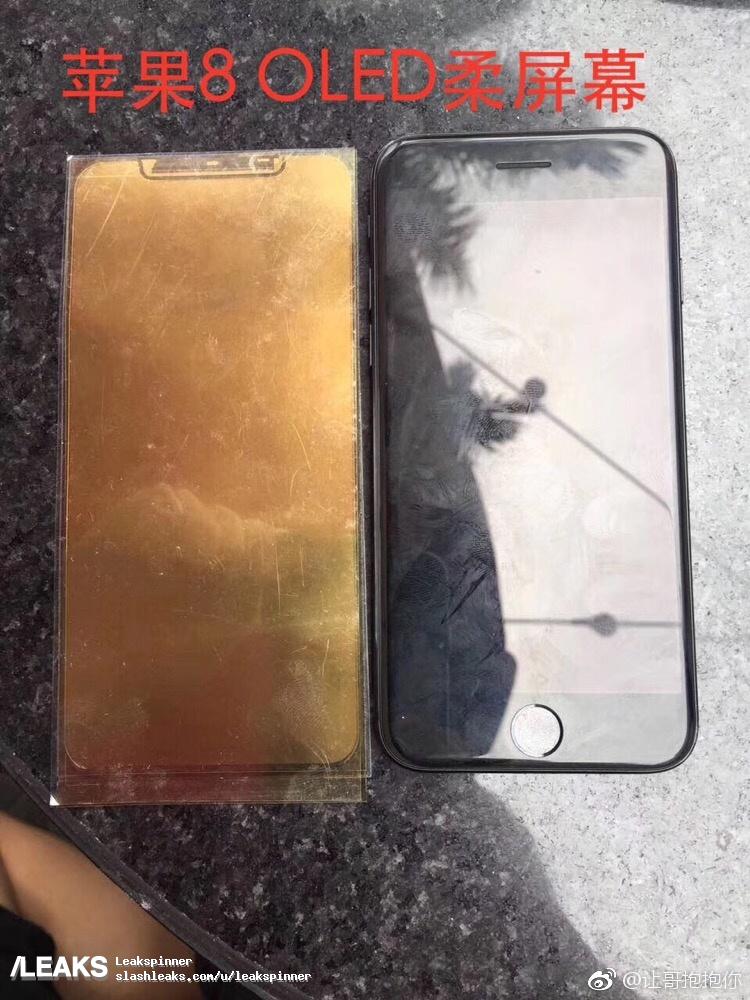
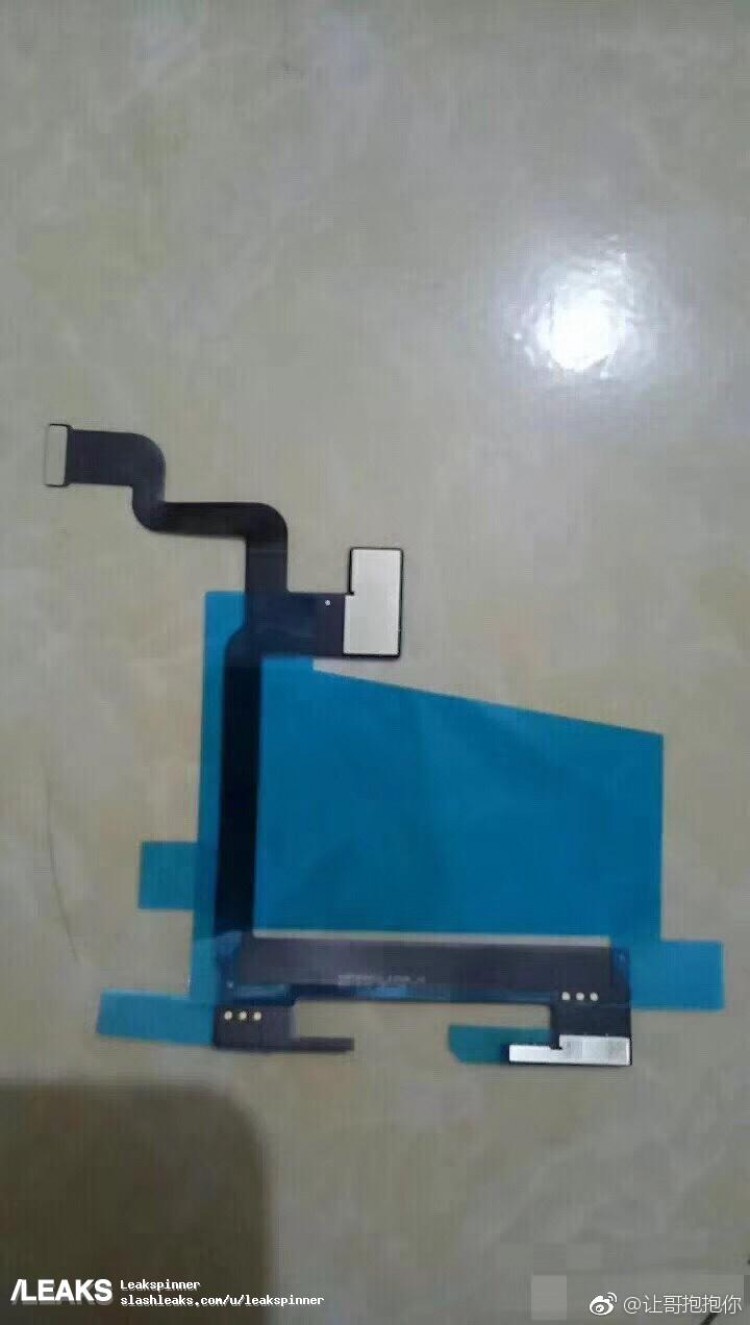
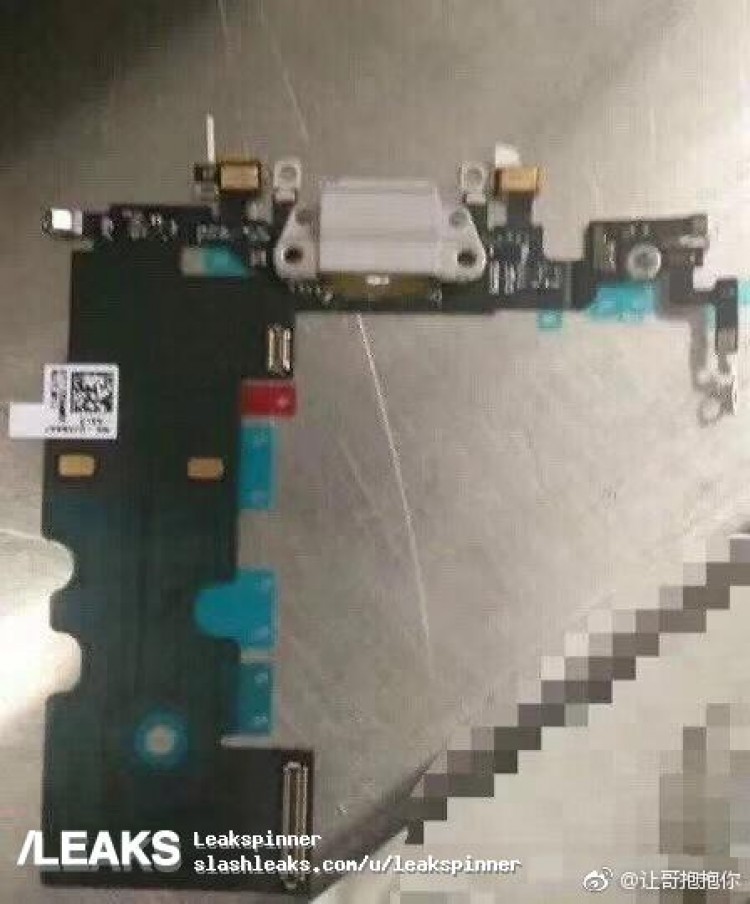
Apple is prepping for the September launch of the widely anticipated iPhone 8. Though the launch is nearer than ever, the smartphone still doesn’t seem to be catching a break from leaks and rumors. An image leak shows iPhone 8’s OLED display assembly, lightning and power flex cables, further corroborating the existing reports.
These images, though blurry give a close look of the iPhone 8’s internals. The display panel picture confirm the curved edges and bezel less design. No physical home button could be seen on the images, indicating that the iPhone 8 will feature a virtual home button and most likely launch without Apple’s iconic Touch ID.
The OLED panel image also displays the notch on the top of the smartphone which houses the sensors and the dual-cameras used for 3D mapping for FaceID. The HomePod firmware leak had confirmed that the iPhone 8 will arrive with facial recognition technology. The smartphone’s front camera, which was rumored to feature 4K video recording at 60 FPS can also be seen in the leak.
The display has always been a major component of the iPhone (or any smartphone) and Apple may finally be throwing OLED panels into the mix, all thanks to Samsung ramping up its manufacturing facilities after Apple termed the latter as the sole provider of the iPhone 8’s display.
Apart from the display assembly, the image leak also includes lightning and power flex cables.There have been multiple reports suggesting that Apple will launch the iPhone 8 with wireless charging capabilities.
The smartphone is expected to run on the Apple A11 Chipset and will be available in 128GB and 256GB variants for the iPhone 8. To be launched with iOS 11, the smartphone is speculated to range from US $ 1,100 to US $ 1,200.
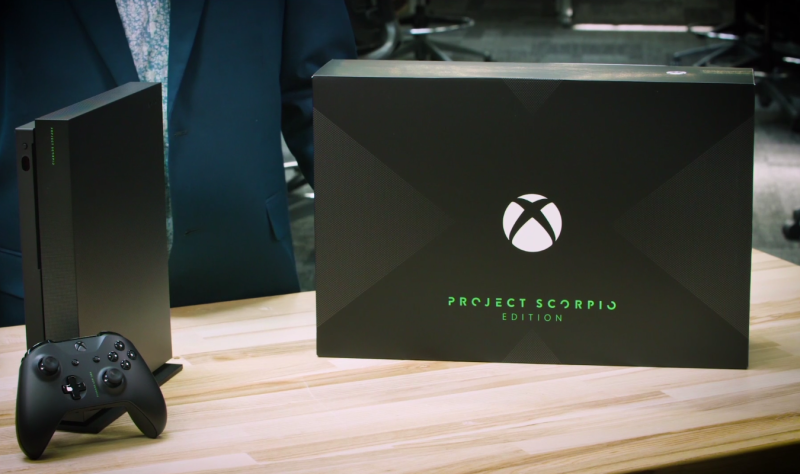
Microsoft has launched its new gaming console, the Xbox One X in June 2017 at the Entertainment Expo. The Xbox One X, Microsoft’s much awaited Project Scorpio is touted to be the world’s first true 4K gaming console. The console will be available to buy in the US from November 7 for $499 (Rs 32,000). At the same time, the company announced a limited period Xbox One X Project Scorpio Edition for consumers who’d prefer a more cosmetically enhanced version of the Xbox One Day One Edition.
The limited edition console, as mentioned earlier, features a slightly more gradient design, and the Project Scorpio code name etched on both the console as well on the controller. Microsoft confirmed that all initial Xbox One X units up for grabs will be a Project Scorpio Edition, and will sell for the same price as the Xbox One Day One Edition.
The Xbox One X is a mid-cycle Xbox refresh from Microsoft but, has enough horsepower under the hood to grant it the label of being the most powerful gaming console in the world when it arrives in November.
Since the new console runs on the Scorpio engine, it is backward compatible to run all 900px and 1080px Xbox one and 360 titles at upscaled 4K. Which means all existing Xbox One titles should look better on the Xbox One X due to enhanced visual fidelity, anisotropic filtering, and faster loading times. The new console will also work with all current Xbox One accessories, Microsoft has confirmed.
4K will largely be the buzzword, all Scorpio-exclusive games will super sample down to 1080p and all Scorpio-exclusive game modes will be available for all users regardless of their display. Technically, players will not require a 4K-ready monitor to use the Xbox One X. The console will use supersampling to improve visuals on 1080p screens while offering true 4K UHD playback on 4K screens.
If you are like us and use your phones a lot, a better keyboard may be out there for you. A simple ‘keyboard’ search on the Google Play Store brings up thousands of options for you to choose from, but, which ones are worth your time and effort?
SwiftKey
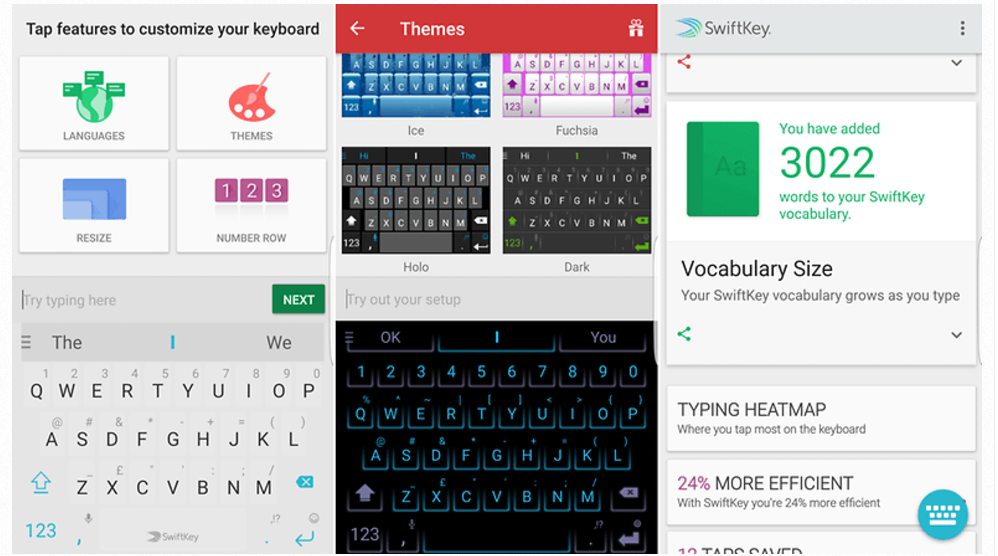
You’ve either used or at least heard about this keyboard. One of the most downloaded keyboards in the Play Store. SwiftKey supports a host of different themes which can be downloaded free of cost once you sign in with your Google account. The SwiftKey-board also has multi-language support from Zulu to Hindi to even ‘Hinglish’ and also has a host of emojis while it can also access the inbuilt emojis in your device. You can even resize the keyboard according to your reachability.
The best thing about the keyboard, apart from all the customisations, is the accuracy of its prediction. It learns your typing pattern over time, and can literally have a generic conversation on your behalf. It also has an interesting stats for you, like the typing heat map, the time you’ve saved by using the SwiftKey keyboard.
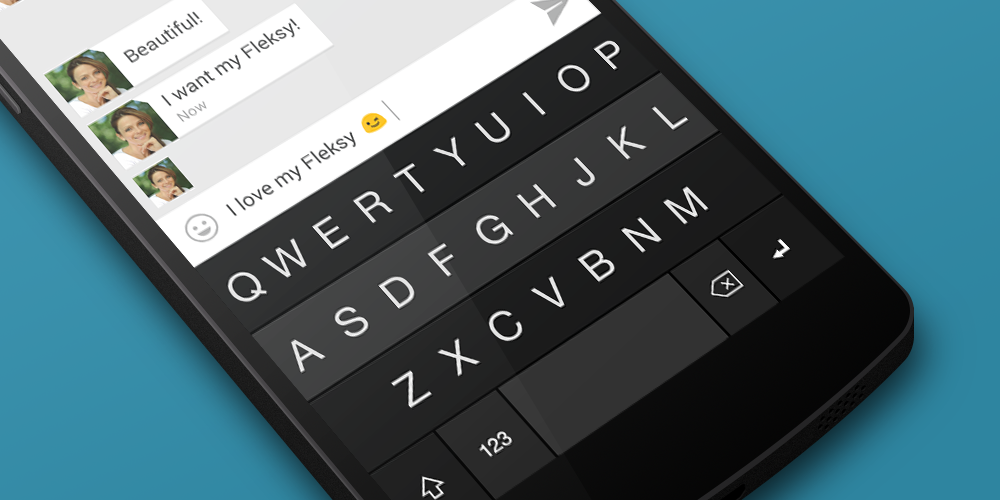
Forget using the backspace key and discover a whole new way of ‘swiping’ on your keyboard. Fleksy is colourful, customisable and a lot of fun to use. It takes you a while to get used to the style of operating the keyboard but, its hard to give that up once you’re accustomed to it. With Fleksy, you can type fast and inaccurately and let the keyboard to do the correction, and more often than not, it does the job well.
You can choose from a host of themes, and even use a personal image as the background for the keyboard. Just like SwiftKey, it also has support for multiple languages. Fleksy also allows you to send emoji, stickers and GIFs directly from the keyboard. You can also select predicted words as you type or customize the size of the spacebar to suit your needs. You can also swipe on the keyboard to perform actions such swiping right to left on the keyboard deletes the current word.
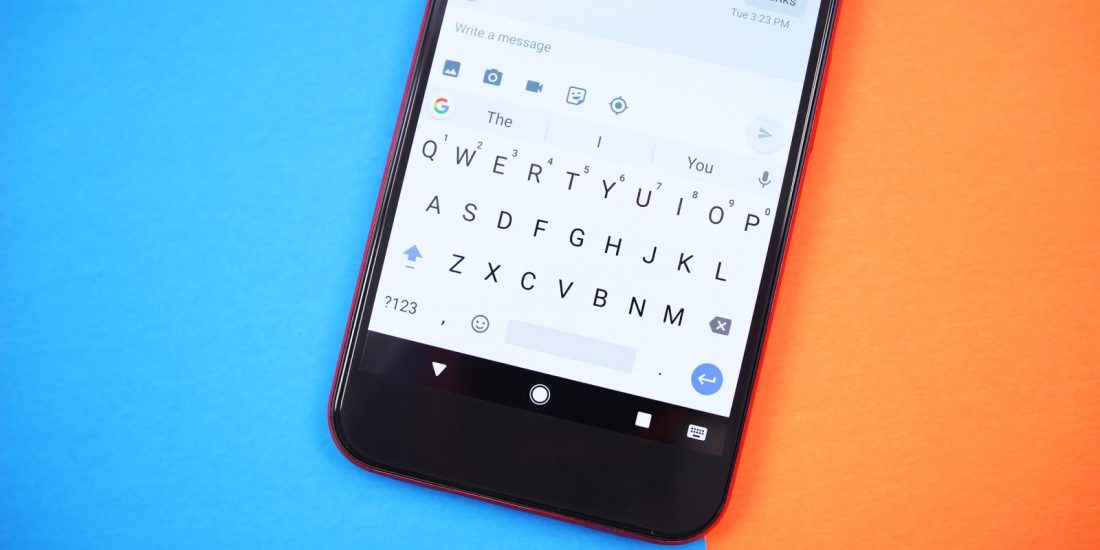
The Google Keyboard offers a clean interface and quite a few smart features. Just like the previous two keyboards, it has support for themes and multiple languages. The auto predict is accurate and so is the swipe feature. All you need to do is swipe over the letters and it predicts the words accurately more often than not.
One standout feature is the speech-to-text feature which is pretty accurate as well and doesn’t confuse the accents. Just like Swiftkey, Google’s keyboard remembers everything you type and is able to optimise its suggestions.
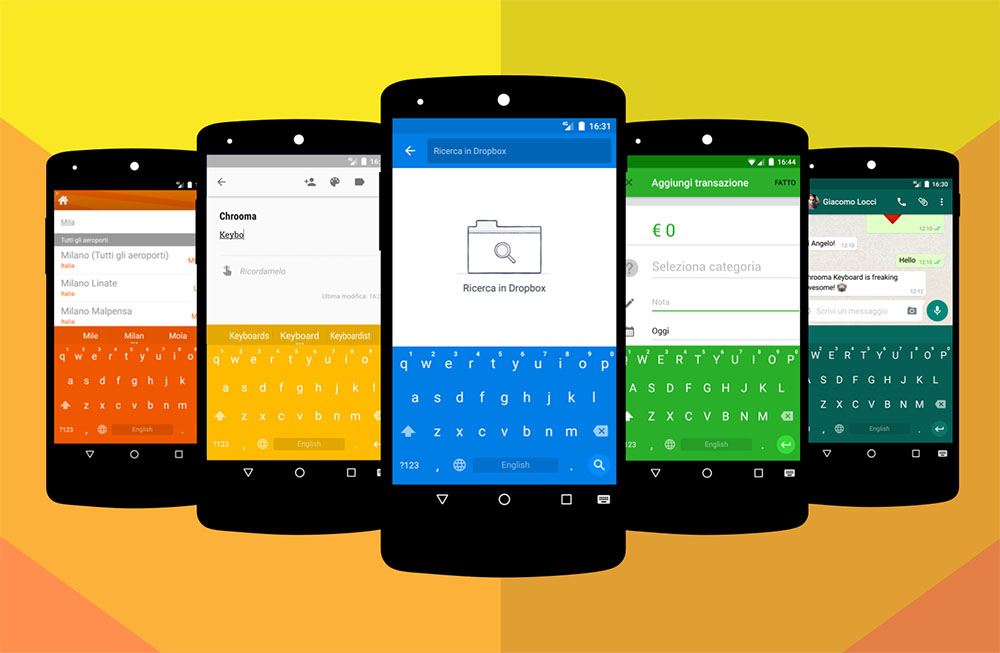
Chrooma keyboard has a standout feature for all the people who like to mix it up with the themes on their run-of-the-mill keyboards. It has an adaptive theme feature in which it changes its colour according to the application you’re using. For example, while typing in the Facebook Messenger, the keyboard will have a blue accent and will change to green if you switch to WhatsApp.
Other than the customisations, it has support for multiple languages and you can send emojis and GIFs right from the keyboard. The top row of the keyboard can be swiped right or left to display the number pad or predictive words/emojis.
Arguably the most fun keyboard on this list, the GIF keyboard lets you send tons of GIFs (as the name suggests) to friends across platforms. It doesn’t become your default keyboard, but you can integrate it with your keyboard of choice and send GIFs by simply typing ‘#’ followed by the theme you’re looking for.
Among other features, you can also record a snippet from a video on your phone and create a custom GIF or use your device’s camera to record and create a GIF of your own. This keyboard is all about that perfect GIF!
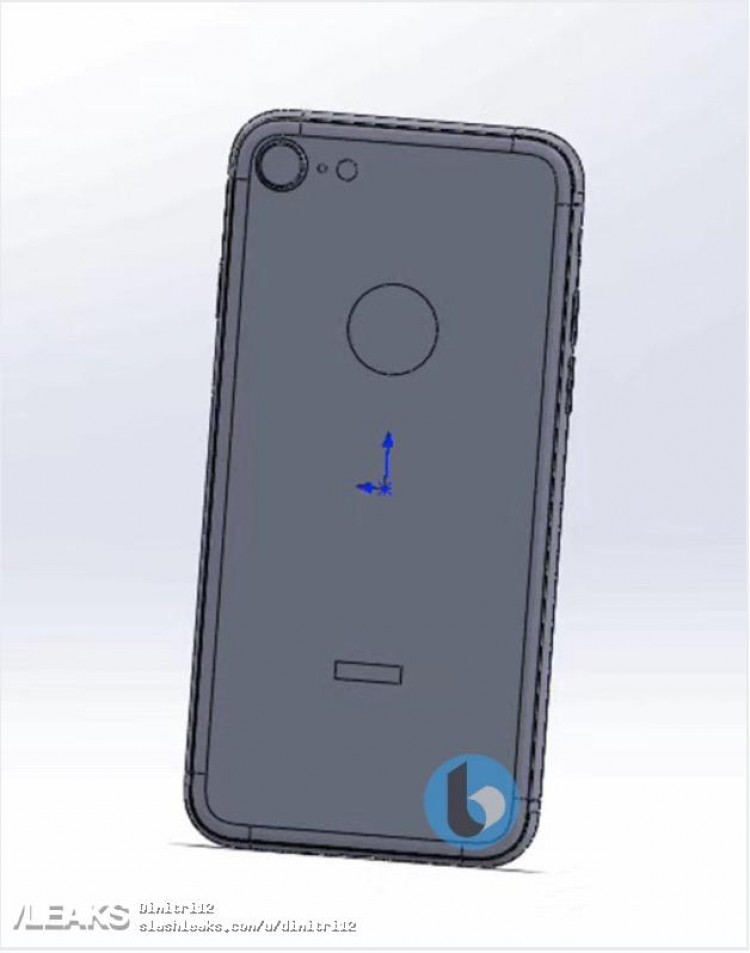
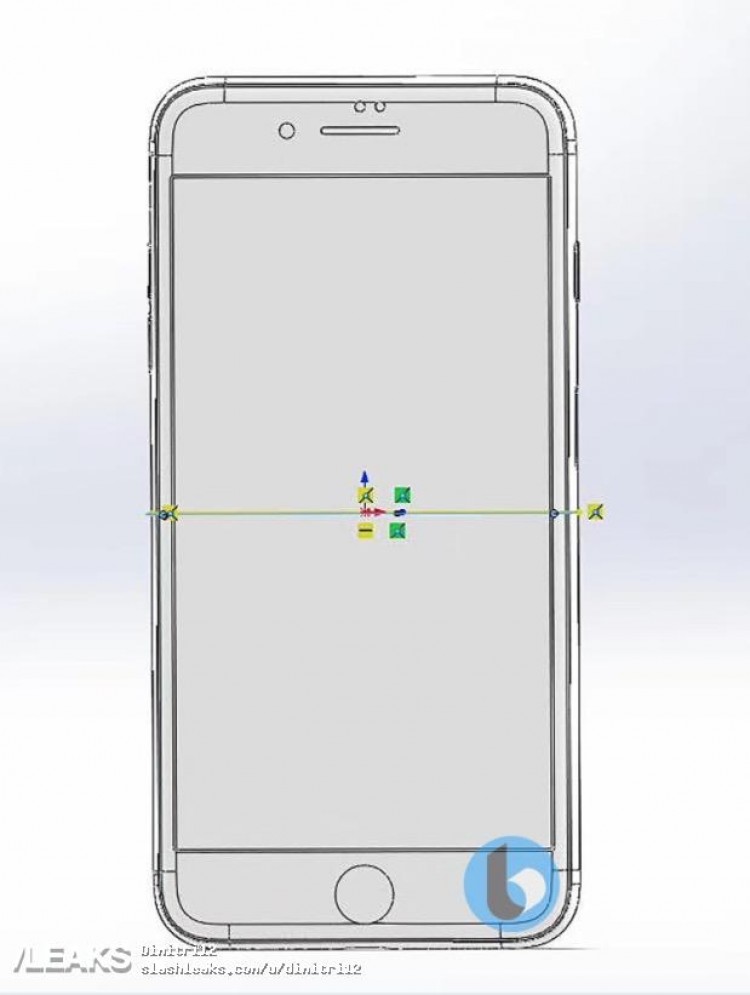
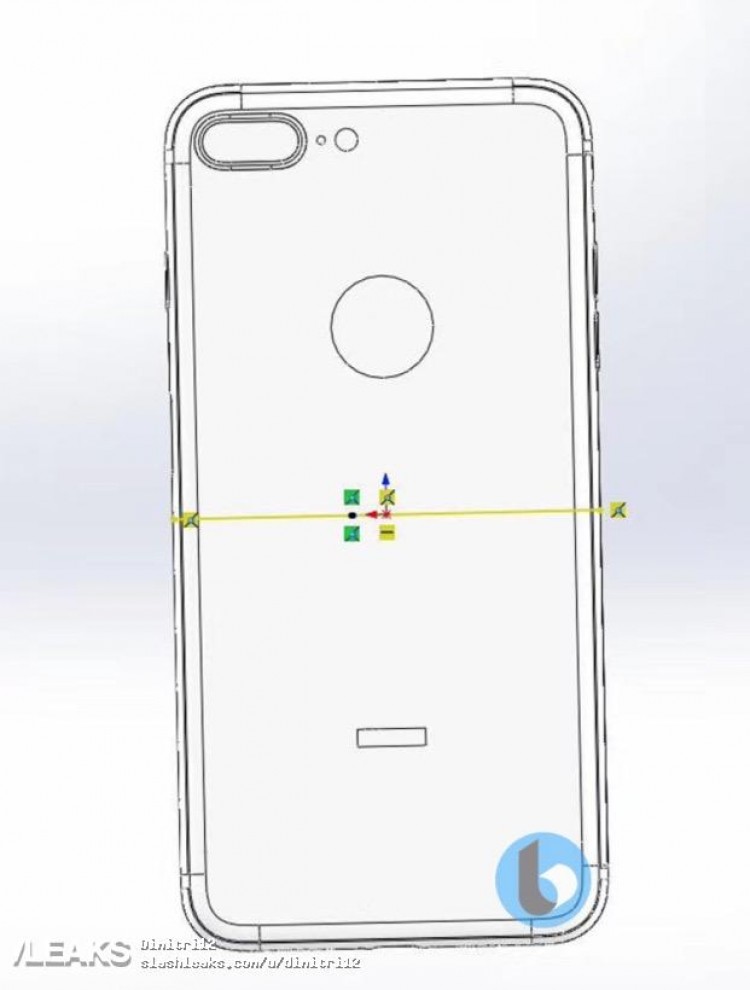
Apple is expected to launch the new iPhone 7S models alongside the iPhone 8. Though the redesigned iPhone 8 has had its fair share of leaks, but we haven’t seen a whole lot of information for the iPhone 7S and 7S plus. Newly surfaced CAD images offer a pretty close look of the yet to be revealed iPhone 7S and 7S Plus.
Both the devices have the similar haptic home button at the bottom, volume buttons on the left and the power button on the right. The iPhone 7 iteration has the sensors placed at the top of the screen and so does the the 7s and 7s Plus. According to the leaked images, the iPhone 7S Plus will feature a dual camera setup, whereas the 7S will have a single lens camera.
Sticking with same LCD panels used by Apple, the 7s and 7s Plus will feature the Apple logo at the back. Not much is expected to change on the design front, apart from the few tweaks like a glass back on the 7S.
The S models are known to receive internal upgrades and same applies to the iPhone 7S iterations. Apple is expected to upgrade both iPhone 7S and iPhone 7S Plus with the A11 Fusion chip and hopefully increased RAM. It is widely reported that Apple’s long awaited wireless charging feature will be arriving with the next iPhone lineup. But for now, Apple seems to be sticking to the same size display on the front with the thick bezels on the top and bottom.
After a lot of speculation surrounding the official name for the next Android OS, it seems that Google itself may have just spilled the (jelly) beans on the name of Android O, and it’s not Oatmeal Cookie, it’s Oreo.
Google put out a teaser on Google+ to promote the August 21 event where the Android O and its official name will be unveiled. The teaser video for the launch reveal was named ‘GoogleOreo_Teaser_0817_noDroids (1).mp4‘. If that doesn’t confirm the name, we don’t know what will.
But, in an attempt to right the wrong, Google took down the teaser and uploaded it again with the name ‘OctopusTeaser.mp4′, which just reassured what we have all been speculating. Google’s decision to go with Oreo makes sense since the famous cookies are known worldwide.
Android 8.0 brings new features such as Notification Dots, Autofill, Smart text selection and Picture-In-Picture. Google has also said to improve the security and increased the booting speed in the new OS. Notification Dots show the notification of an app after a long press.
A small notification bar pops up at the top right corner of the app and shows the notification of the particular app. The Autofill feature helps in filling forms inside an app. Smart Selection feature is a machine learning based features that select only important text to be copied. Android O also comes with a multitude of back-end improvements such as better battery management algorithms, app optimisations, audio enhancements like improved Bluetooth audio and more.
As is with every Google launch event, it will be live streamed to the world and there is a lot of mention of the ‘eclipse’ on the launch website. The website and the teaser s in-line with the rumours that Google is planning a spectacle this time around rather than “hey. this is the official name of Android 8.0.” The reveal event is scheduled for 21 August in New York, which coincides with the Solar Eclipse and from the looks of it, Google will take full advantage of it.
From the One Ring to conceal the wearer’s identity to Harry Potter’s disappearing blanket, invisibility has been a fascinating feature of Science Fiction. Scientists have been hard at work to make this technology see the light of day for many years now. Joining the research is Toyota, the Japenese carmaker which has patented a “cloaking device.”
The company recently acquired a patent from the United States Patent and Trademark Office (USPTO) for “Apparatuses and methods for making an object appear transparent,” which Toyota filed on June 17. The company has forayed into the invisibility tech, not to make its cars invisible, but, a part of it at least.
The patent describes the cloaking device designed to turn the A-pillars on the right and left side of the car’s dashboard invisible. The aim to make the pillar invisible is to improve the on-road visibility for the driver. Ironic how making something invisible will improve the visibility on the road, isn’t it? Toyota has said that this is the way to move forward since the A-pillars have become broader to follow crash-safety standards. It’s logical since the wider these pillars are, the more they’ll obstruct the driver’s vision. The cloaking device would use mirrors to bend visible light around the A-pillars to allow the driver to “see” through them. This would give drivers a wider view of the road and their surroundings. It also benefits pedestrians, as drivers would see them better.
Light from an object on an object-side of the cloaking device [i.e., facing the road] is directed around an article [the A-pillars] ]within the cloaking region and forms an image on an image-side of the cloaking device [i.e., facing the driver’s seat] such the article appears transparent to an observer looking towards the object
The way to make things transparent or “invisible” is by manipulating light. Studies around the world currently working on some variant or the other of a possible cloaking device are also trying to do the same. For example, researchers from the Max Planck Institute are working on mimicking the biology of moths’ eyes to turn lenses and glass invisible. All these researches are working on bringing us closer to a technology that can make objects invisible, or at least transparent and Toyota’s venture into the same is proof that a “cloaking device” may just be a few years away from existence.