Category: Latest

All the Latest, News, Reviews, Updates, How To, Mobile Phone news, Global and International News, From Cameras to Automobiles, from TV To PC and a lot more! Constantly updating!

  • Amazon Echo Dot, Prime Music Might Be Arriving In India This Diwali

    Amazon Echo Dot, Prime Music Might Be Arriving In India This Diwali

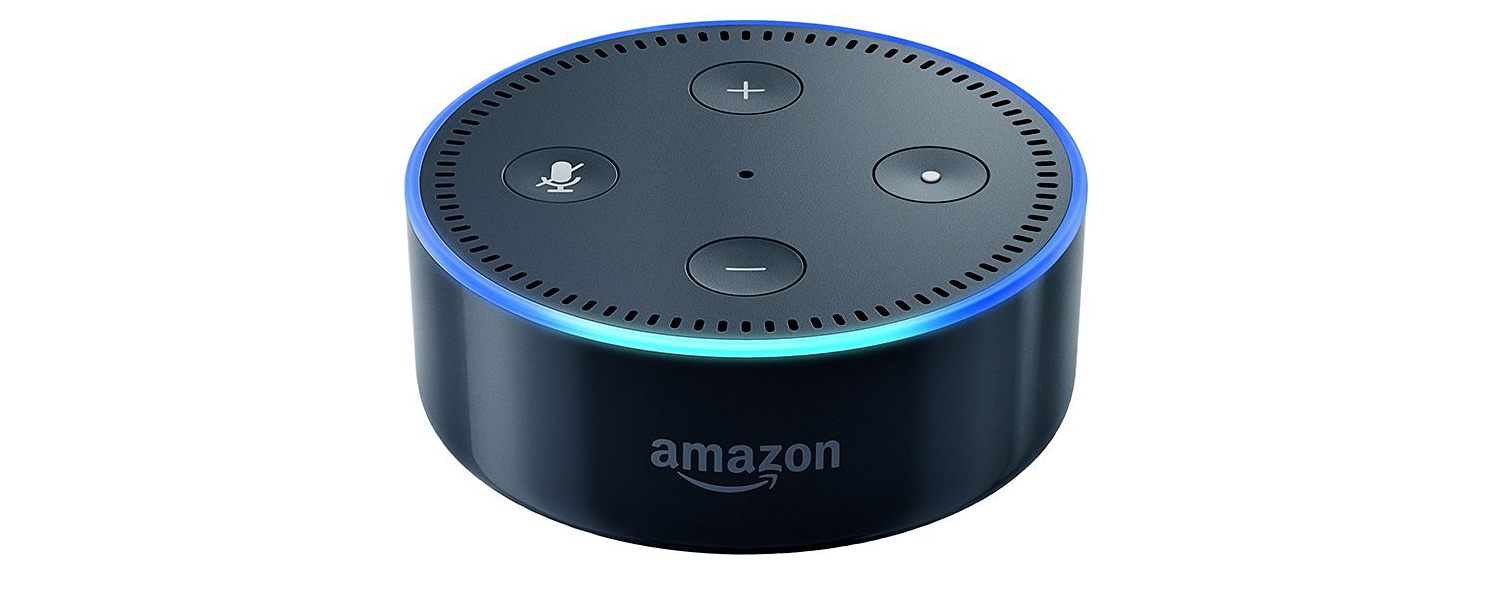
    Looks like Amazon’s Echo Dot will be there to share the workload this Diwali. From placing online orders for sweets and firecrackers to selecting outlets for Diwali shopping, the smart speaker will do it all.

    According to latest reports, Amazon’s much famed Echo Dot may go on sale in India this Diwali, along with the Prime Music service. The Alexa powered smart speaker does a host of things on the tip of your command such as, ordering pizza, booking Uber rides, etc . The Amazon Echo Dot, which costs $50 in the USA, might be priced at Rs 3,000 in India, whereas, its bigger sibling, Amazon Echo may not arrive in India due to its heftier price tag.

    Amazon’s Prime Music services will rival Apple Music and Google Play Music in India with a library of over 2 million songs available to all the Amazon Prime customers. The Amazon Prime subscription is available in India at Rs 450 per year, but, there are reports that the subscription fee will go up in the coming months. The Echo Dot, currently available in the United States and several other markets, supports a range of music integrations and other skills. Though most of the music services supported by Amazon, including Spotify and Pandoro are not yet available in India, but the soon to be arriving Echo Dot will support services like Prime Music and Gaana.

    Aside from the basic features, Amazon Echo Dot will enable users to control the smart lights in their home/office via voice commands. With the help of Alexa, Amazon’s AI assistant, users can get answers to trivia questions, play music, order food, book cab rides, check your calendar and much more by just calling out “Alexa.”

    Jan Dawson of Jackdaw research says, “The big challenge with Echo will be language support since it’s basically only worked in English so far, and they’ll need to localize for Indian pronunciations and idioms (not to mention other local languages eventually too).” Amazon began hiring people in India for Alexa and Echo device late last year, according to job postings on the website. Furthermore, the company has been offering  several incentives to the developers such as free t-shirts and other goodies for writing Alexa-enabled skills.

    Meanwhile, Google Home, the smart speaker from Google has been unofficially available on Amazon India for Rs 17,999 and so is the Amazon Echo Dot eBay for Rs 3,000. With smart home systems not prominent in India right now, time will tell how the Echo Dot is received by the consumers. A majority of the consumers in India still shy away from paying for media consumption, hence the arrival of Prime Music with Echo Dot to rival Apple Music and Google Play Music will be an interesting battle.
  • Samsung Galaxy Note 4 Batteries Recalled

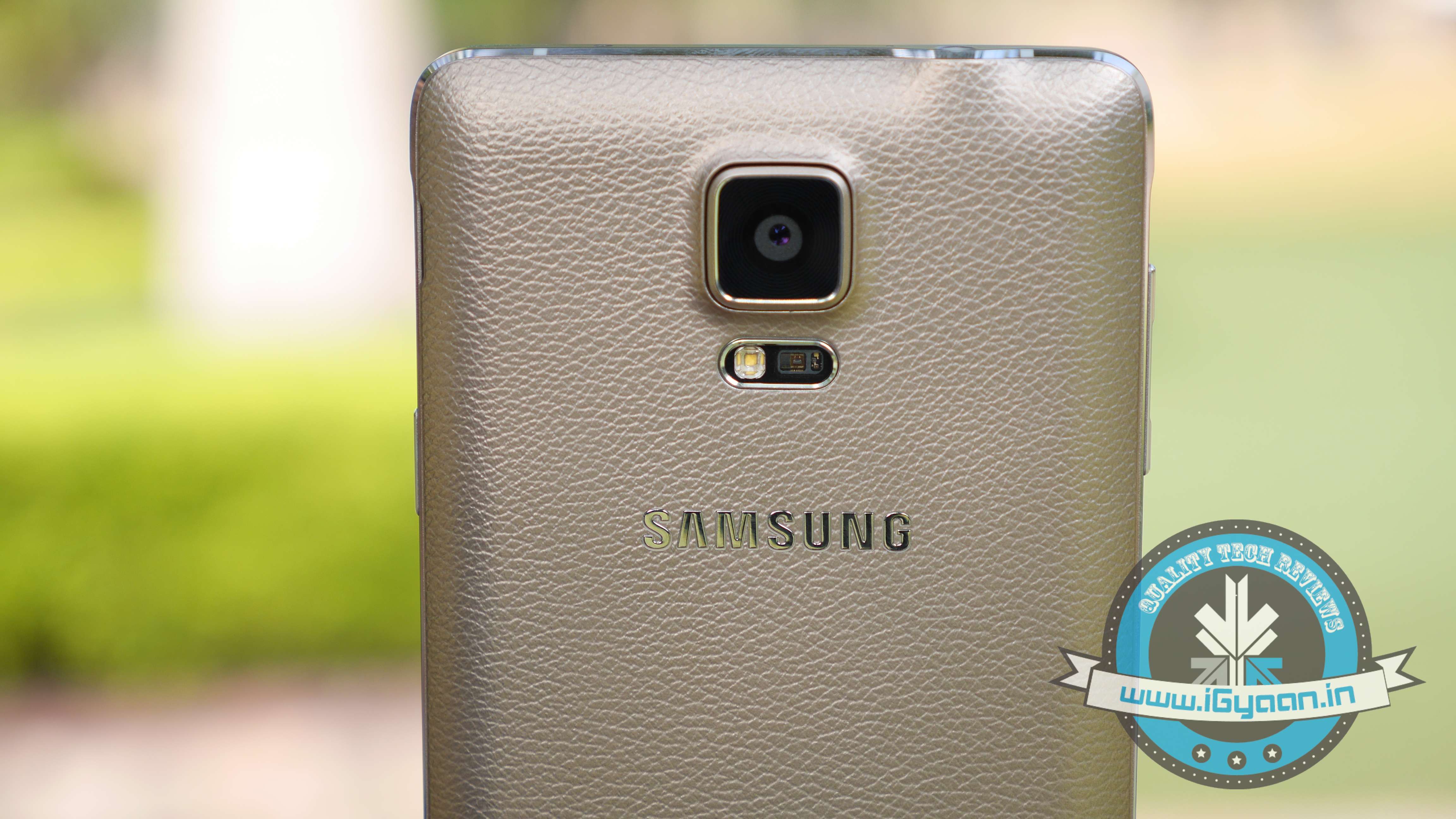
    Samsung Galaxy Note 4 Batteries Recalled

    Samsung doesn’t seem to catch a break as far as their batteries are concerned. Last year, Samsung’s Galaxy Note 7 was recalled after the smartphone’s battery randomly started overheating and catching fire. Samsung is again on the radar as Consumer Product Safety Commission (CPSC) has issued  a recall on certain Galaxy Note 4 batteries. The CPSC fear that these batteries might have a tendency to overheat, posing a risk of burns and fire hazards.

    Although Samsung has had a past with faulty batteries, the same might not be the case with the recalled Galaxy Note 4 batteries. It has been reported that the affected batteries were found in refurbished Note 4s which were distributed by particularly FedEx Supply Chain as replacement phones for an AT&T’s insurance program. It was further revealed that the faulty batteries were not genuine Samsung parts. Though the device was launched in 2014, the affected batteries were distributed between December 2016 and April 2017.

    A company spokesperson said,”FedEx Supply Chain has recalled a batch of lithium batteries that were installed in the mobile devices,” and “As some of the batteries may be counterfeit. We are closely engaged with our customer to make sure all of these lithium batteries are safely and quickly returned, and will replace those lithium batteries free of charge for consumers.” CPSC estimated a recall of approximately 10,200 faulty batteries, unlike the Galaxy Note 7’s 3 million recalled complete devices.

    Post the Note 7 recall,  Samsung has been taking extra measures to ensure safer batteries and has even instituted an eight-point battery check . Considering the upcoming launch of the Note series successor, the Galaxy Note 8, on August 23, these steps seem wise and somewhat mandatory. Regardless, the current scenario (definitely not an ideal one), may not be what Samsung hoped for just a few days before the Note 8’s crucial launch.

  • Asus Zenfone 4, Zenfone 4 Pro , Zenfone Selfie and Selfie Pro Launched

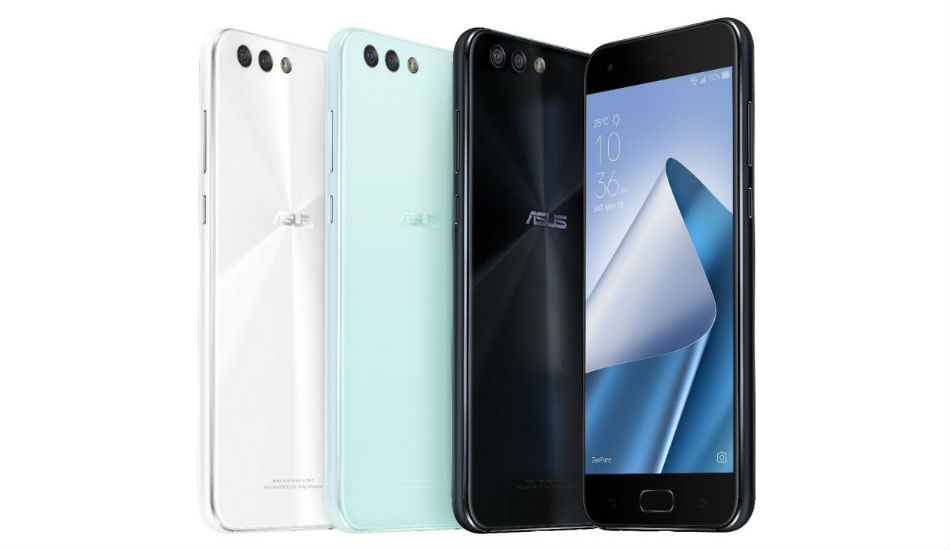
    Asus Zenfone 4, Zenfone 4 Pro , Zenfone Selfie and Selfie Pro Launched

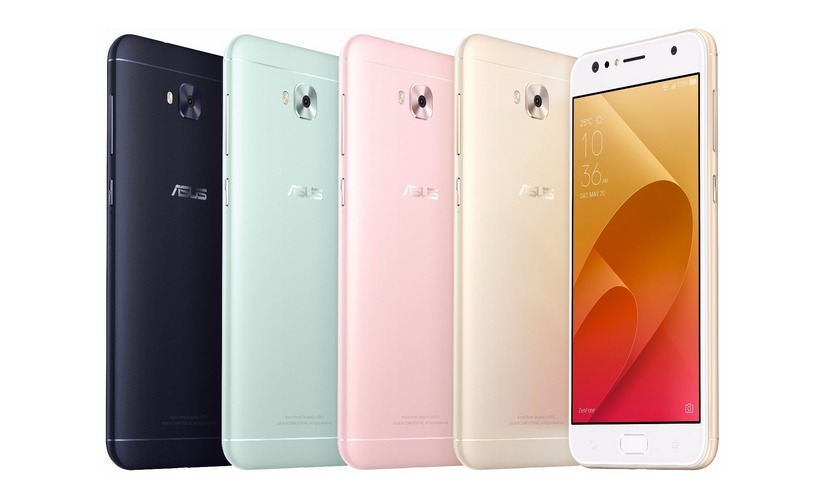
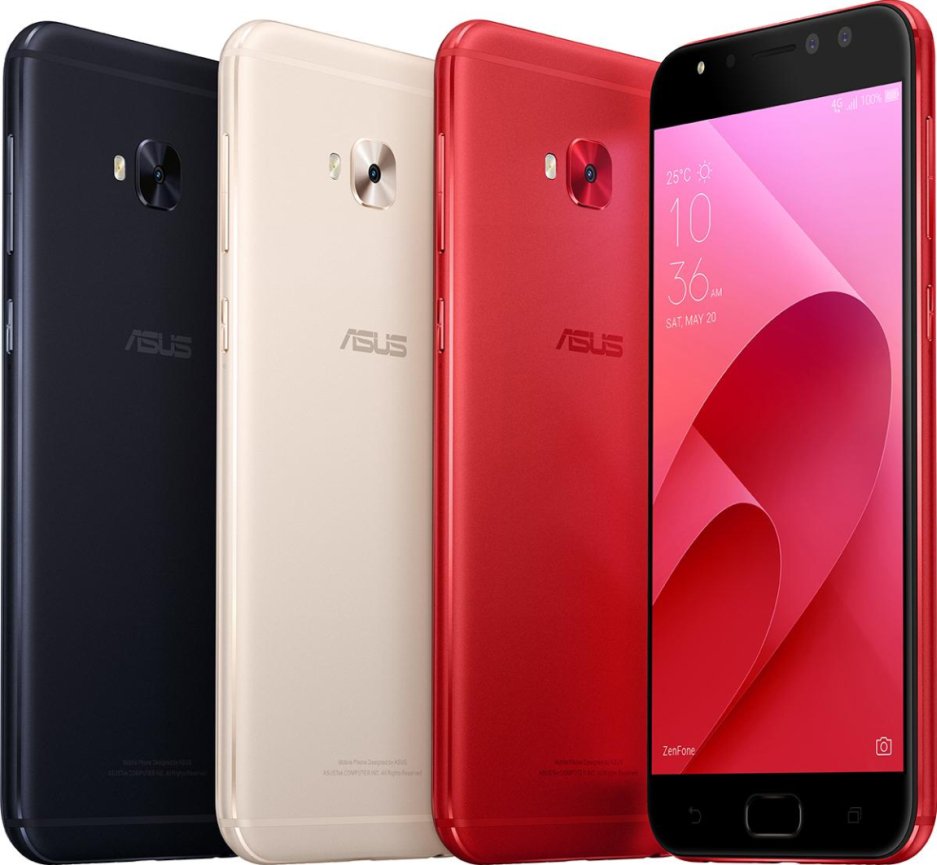
    The Taiwanese smartphone maker has announced the ZenFone 4 lineup consisting of 4 devices – the ZenFone 4, ZenFone 4 Pro, ZenFone 4 Selfie and the ZenFone 4 Selfie Pro. Asus also announced that the ZenFone Zoom S will be available in India for Rs 26,999. The pro variants have similar hardware with higher-end chipsets and a few other upgrades over the base variants.

    Asus ZenFone 4 Selfie

    Designed with a focus on front facing pictures, the smartphone sports a 5.5 inch 1280 x 720 px IPS LCD display and a 3,000 mAh battery. The ZenFone 4 Selfie runs Android 7.0 Nougat with Asus’s ZenUI 4.0 on top. Powering the device is a Qualcomm Snapdragon 430 chipset with 4GB RAM and 64GB of onboard storage which is expandable via a microSD card of up to 256GB. As the name suggests, the smartphone’s USP is its selfie-taking capabilities. The device sports a 20MP + 8MP dual-camera setup on the front along with an a LED flash. The rear of the phone houses a 16MP camera with PDAF and a LED flash. The fingerprint sensor is housed in the home button which sits below the screen and between two touch capacitive navigation buttons.

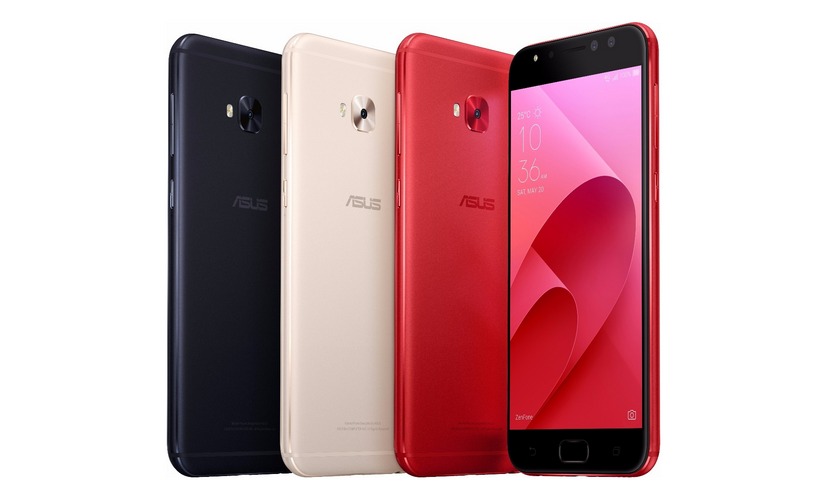
    Asus ZenFone 4 Selfie Pro

    The ZenFone 4 Selfie Pro is an upgraded variant of the ZenFone 4 Selfie with a 5.5 inch 1920 x 1080 px full HD IPS LCD display and the same 3,000 mAh battery. Under the hood is the Qualcomm Snapdragon 625 chipset with 4GB RAM and 64GB of onboard storage which is expandable via a microSD card of up to 256GB. The fingerprint sensor is housed in the home button which sits below the screen and between two touch capacitive navigation buttons. As with the base variant, selfies are the highlight here, with a front-facing 12MP Sony IMX362 sensor and a 5MP secondary camera for wide-angle selfies, which the company calls “welfies”. It features the same 16MP camera with PDAF and a LED flash at the back.

    Asus ZenFone 4

    The Asus ZenFone 4 sports a 5.5 inch 1920 x 1080 px fullHD display and runs on a 3,300 mAh battery. The fingerprint sensor is housed in the home button which sits below the screen and between two touch capacitive navigation buttons. The ZenFone 4 has a Qualcomm Snapdragon 660 chipset and will be available in two variants- one with 4GB RAM and 64GB storage and the other with 6GB RAM and 64GB storage. The onboard storage can be expanded up to an additional 2TB via microSD card. The device sports a dual camera setup with a 12MP primary camera with an f/1.8 aperture and an 8MP wide angle lens and can record videos in 4K at 30 FPS. On the front is an 8MP camera with an f/2.0 aperture.

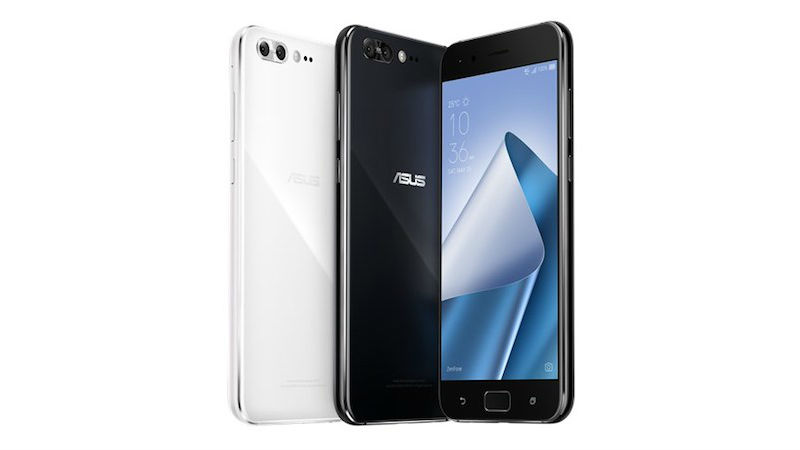
    Asu ZenFone 4 Pro

    The new flagship features a 5.5 inch 1920 x 1080 px full HD AMOLED display and a 3,600 mAh battery. The Zenfone 4 Pro has a Qualcomm Snapdragon 835 with 6GB RAM and storage options of 64GB or 128GB. Much like the Zenfone 4 there is a dual camera set up at the rear with the main 12 MP camera with an f/1.7 aperture, OIS and laser autofocus and a secondary camera with a 16 MP sensor which enables 2X lossless optical zoom. The rear-facing dual camera setup records videos in 4K at 30 FPS. On the front is an 8MP camera with an 87.4-degree wide field of view. The fingerprint sensor is housed in the home button which sits below the screen and between two touch capacitive navigation buttons. You get the standard flagship connectivity options including the Wi-Fi 802.11b/g/n/ac, Bluetooth v5.0, NFC and USB 2.0 with Type-C port and there are dual speakers as well.

    All the phones currently run Android 7.0 Nougat with Asus’s custom ZenUI 4.0 skin on top.

    Specifications ZenFone 4 Pro ZenFone 4 Selfie ZenFone 4 Selfie Pro
    Price $599 $279 $379
    Dimensions  156.9 x 75.6 x 7.6 mm 155.7 x 75.9 x 7.9 mm  154 x 74.8 x 7 mm
    Weight 175 grams 144 grams 145 grams
    Display Size and Type 5.5 inch AMOLED 5.5 inch IPS LCD 5.5 inch IPS LCD
    Display Resolution 1920 x 1080 px 1080 x 720 px 1920 x 1080 px
    OS Android 7.0 Nougat with ZenUI 4.0  Android 7.0 Nougat with ZenUI 4.0  Android 7.0 Nougat with ZenUI 4.0
    Battery 3,600mAh 3,000mAh 3,000mAh
    Chipset Qualcomm Snapdragon 835 Qualcomm Snapdragon 430 Qualcomm Snapdragon 625
    Processor 2.4GHz octa-core 1.4GHz octa-core 2GHz octa-core
    RAM 6GB 4GB 4GB
    Storage 64GB/128GB 64GB 64GB
    Expandability microSD card

    up to 2TB

    microSD card

    up to 256GB

     microSD cardup to 256GB
    Rear Camera 12MP primary sensor with an f/1.7 aperture
    16MP secondary telephoto lens for 2X lossless optical zoom
    16MP with PDAF 16MP with PDAF
    Rear Camera Video 4K at 30 FPS 1080P at 30FPS 1080P at 30FPS
    Front Camera 8MP with an 87.4-degree field of view  20MP + 8MP  12-megapixel Sony IMX362 sensor and 5MP secondary wide angle lens
     Other features Fingerprint sensor  Fingerprint sensor  Fingerprint sensor
    Colour variants Pure Black

    Moonlight While

     Pure Black

    Mint Green

    Gold

    Pink

    Black

    Gold

    Red

  • Samsung Galaxy Note 8 Dummy Unit Images Surface

    Samsung Galaxy Note 8 Dummy Unit Images Surface

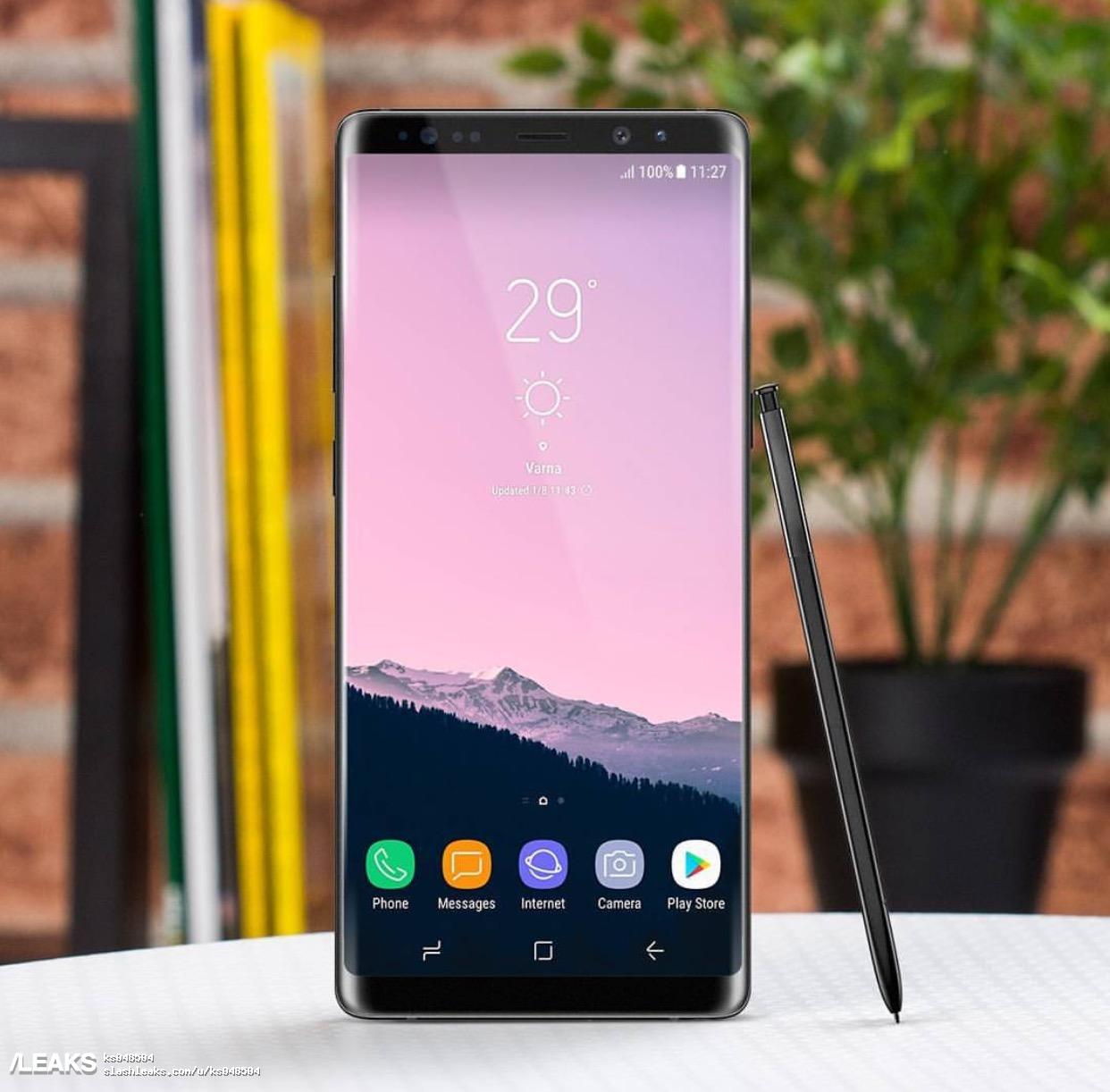
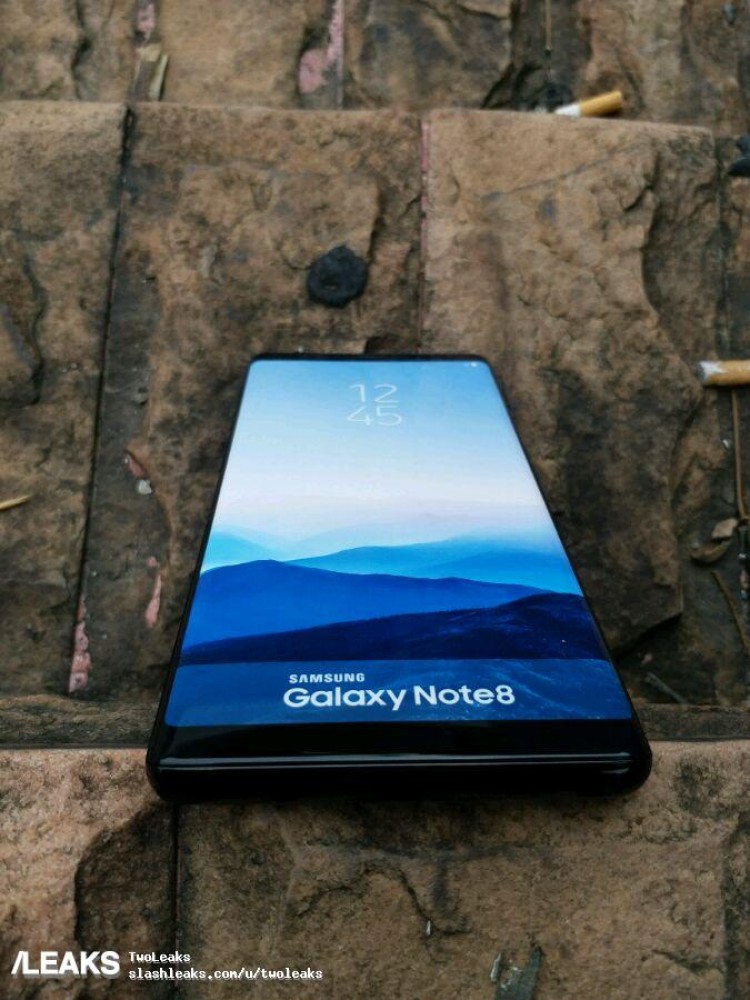
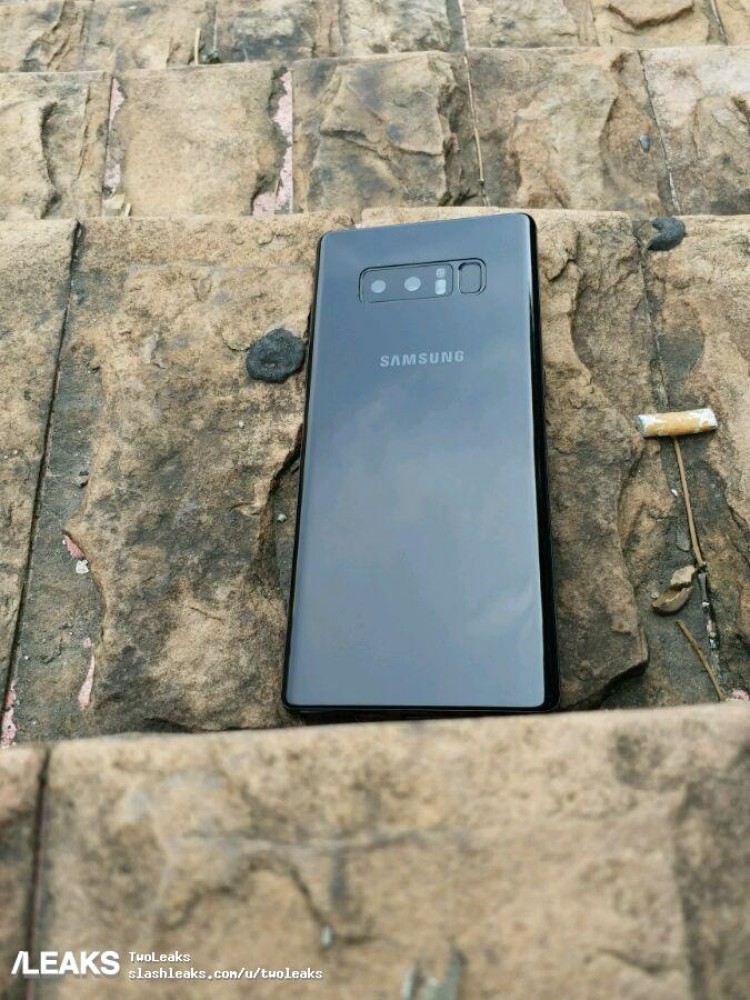
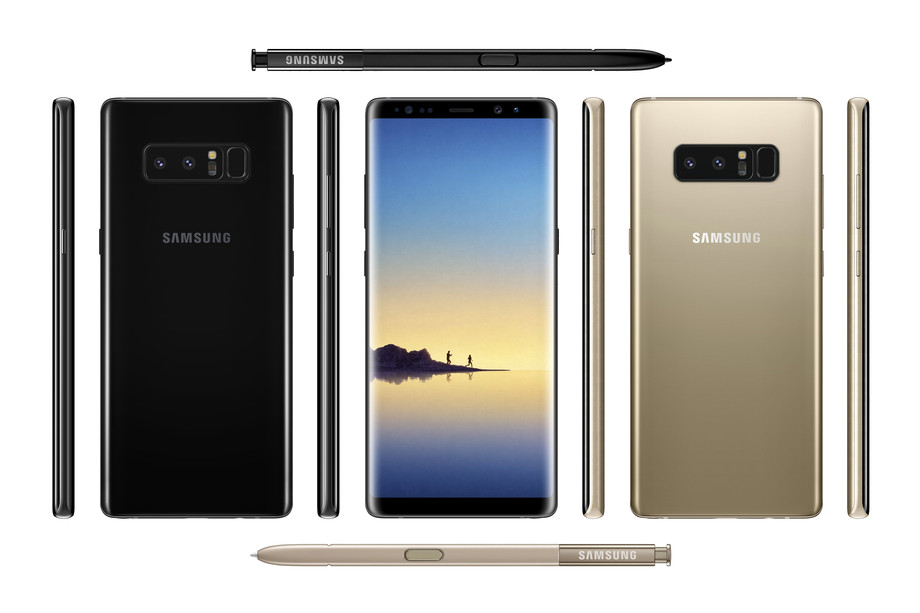
    Samsung Galaxy Note 8 renders are a thing of past. It’s time to move on to a much more realistic Galaxy Note 8 dummy. Samsung’s flagship device is less than a week away from its official launch and the dummy  gives a good look at exactly what to expect from the unreleased phone.

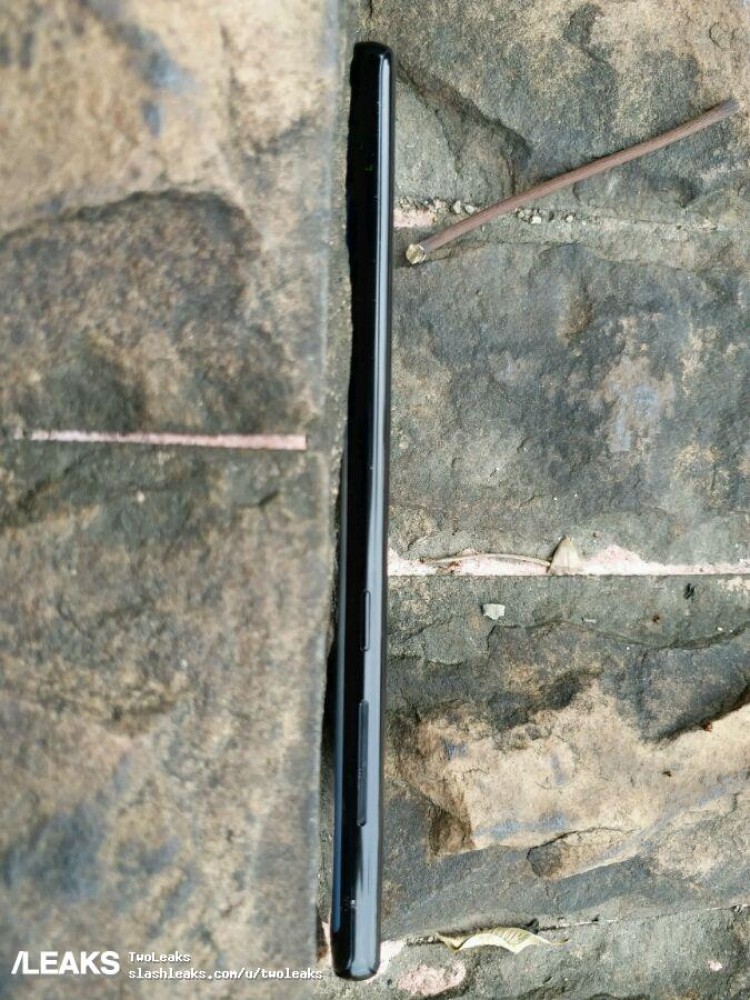
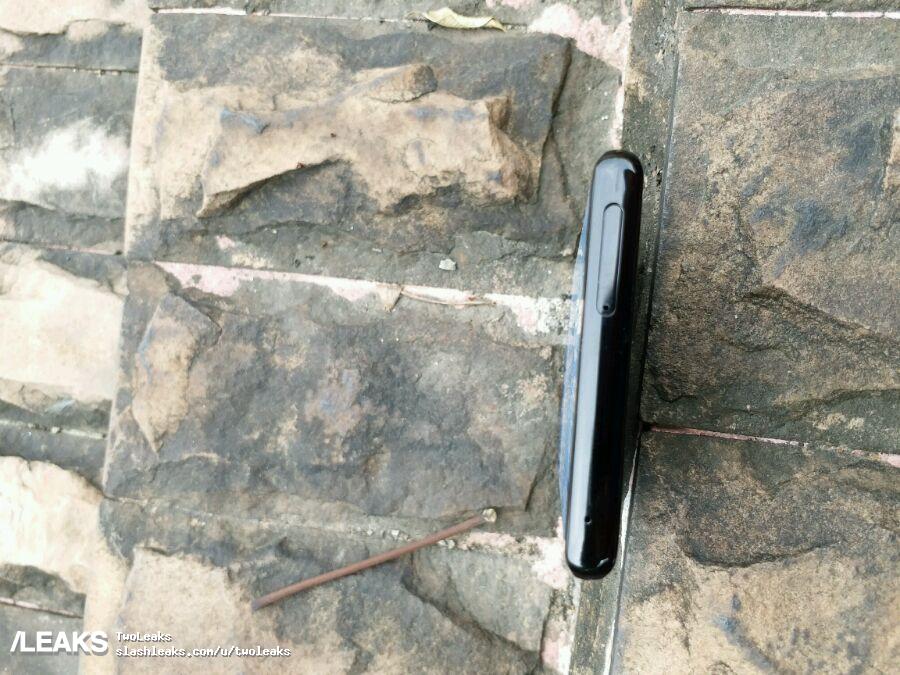
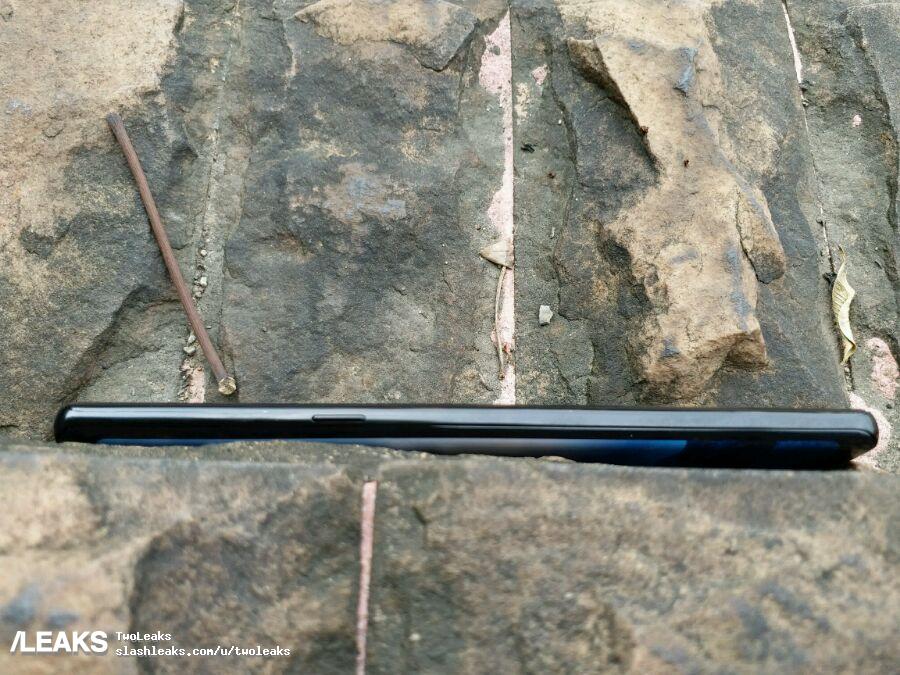
    The latest leak shows the Galaxy Note 8 from various angles – rear, front, bottom and sides. The dummy of the smartphone appears to be in line with the past rumours and leaks. As earlier speculated, the Galaxy Note 8 dummy features an Infinity display, similar to the Galaxy S8. The images show a horizontally placed dual lens camera along with the heart rate sensor and the rear-facing fingerprint sensor.

    [carousel arrows=”display” buttons=”display” caption=”display” interval=”0″]
    [panel title=”Dummy Back “][/panel]
    [panel][/panel]
    [panel][/panel]
    [panel][/panel]
    [/carousel]

    Earlier reports claimed that Samsung will also be introducing the new and improved S- Pen and according to the recent image leaks, it is expected that the stylus and the device will be of same colour. Although, the widely speculated S-Pen could not be spotted in the images, but, we did find a dedicated Bixby button right next to the volume buttons. The power button is on the opposite side. The images confirm that Samsung is following Galaxy S8’s suit in terms of design elements for the upcoming Galaxy Note 8.

    The listing also state that the Galaxy Note 8 will run Android 7.1.1 Nougat with Samsung’s TouchWiz UI on top. The smartphone will have a Exynos 8895/Snapdragon 835 chipset along with 6GB RAM and 64GB of onboard storage, expandable with an additional card, upto 256 GB.

    It wasn’t long ago when Samsung’s yet to be launched Note 8 was leaked in live images and soon after, two colour variants, “Midnight Black” and “Deep Blue Sea” were revealed. This is pretty much as close as it gets to the real thing, the Samsung Galaxy Note 8 will be unveiled in New York in a few days. The Note 8 is expected to be priced at US$ 999 at the time of launch.

  • USB 3.2 : Double The Speed Using Existing USB Type C Connectors

    USB 3.2 : Double The Speed Using Existing USB Type C Connectors

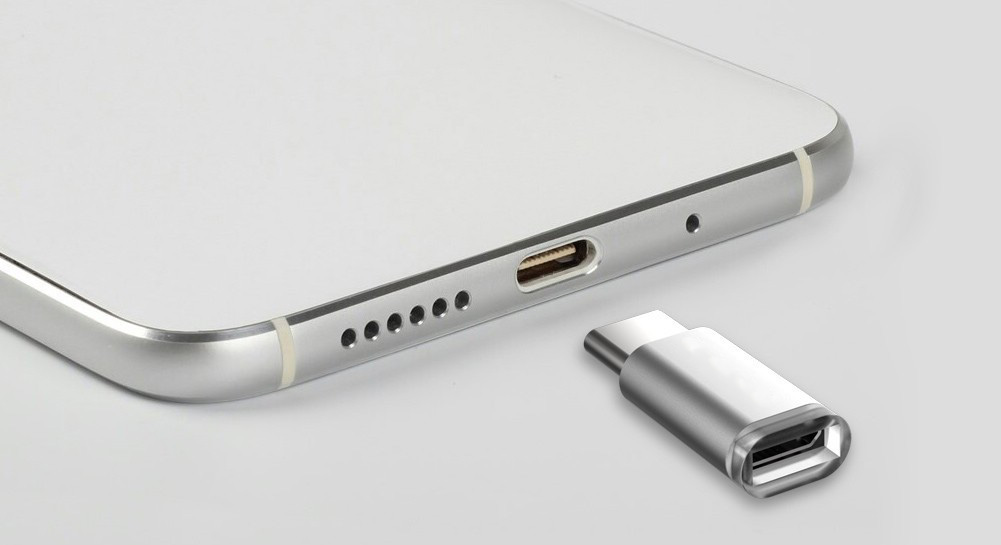
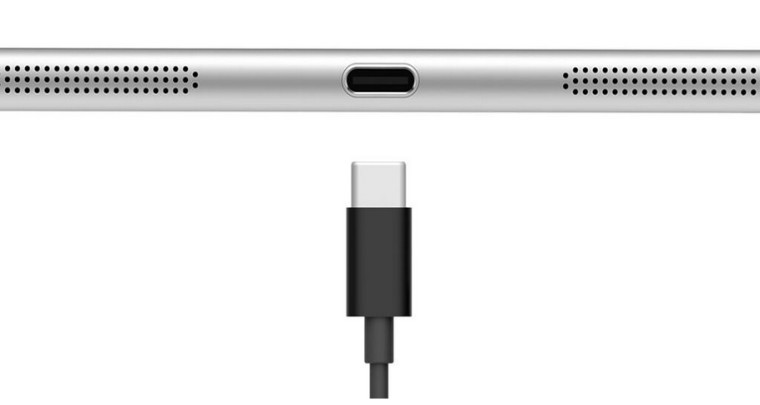
    When Apple removed all the ports in its new MacBook and replaced them with USB Type-C ports, the world anticipated that we’re moving towards devices with a universal port for everything. However, with different voltage requirements, specifications for data transfer and power, and more make it complicated to ensure that one port will satisfy all needs in any part of the world.

    The USB 3.0 Promoter Group, which consists of Apple, HP, Intel, Microsoft, Texas Instruments, and others of its members has announced a new USB Type C specification, the USB 3.2. USB 3.1 or, to be accurate, USB 3.1 Gen 2 Superspeed+ sports up to 10Gbps. This is made possible by combining two individual 5Gbps lanes. USB 3.2 will now double these two lanes to 10Gbps each, resulting in a whopping 20Gbps transfer speed. Assuming the host and recipient devices are compatible with USB 3.2, even older USB 3.0 cables will see faster speeds of up to 2oGbps. So, even if you don’t upgrade all your tech from USB 3.0 to 3.2, you may see an increase in transfer speeds if the manufacturers start to support it.

    It is also worth noting that not every USB Type C cable is capable of transferring these 2 lanes of 10Gbps, so even though different USB Type C cables might look the same, it doesn’t necessarily mean that they are the same. In order for it to support these new transfer speeds, the cable needs to be Superspeed+ certified.

    The USB 3.2 is not expected to be finalised until later this year, which means it’ll probably be a while before we see a standard roll out to devices. The USB Developer Days event is scheduled for September 2017 and a lot of other announcements are anticipated to happen in Vancouver, Canada.

  • Indian Government Asks 21 Smartphone Companies To Share Security Information

    Indian Government Asks 21 Smartphone Companies To Share Security Information

    Amidst the multiple reports of online thefts and data leakage, the Ministry of Electronics and IT has taken steps to ensure privacy and safety of user data. The Ministry sent our notices to 21 smartphone makers to provide the framework as well as the procedures they follow for data security.

    Aside from the global providers like Apple and Samsung and Indian firms like Micromax, majority of the listed 21 Smartphone companies included Chinese makers such as Oppo, Vivo, Xiaomi and Lenovo.

    All 21 smartphone companies are to provide detailed information about security practices, architecture, process, guidelines and standards followed for providing secure transmission and storage of data, irrespective of whether the devices are manufactured in India or not. The government has announced 28 August as the official deadline for all the firms to file the security compliances. Several reports mention that additional measures such a security adits will also be taken.

    If a company fails to provide the information, the firm will face charges and levy penalty for violation of security norms. Though the extent of penalty has not been stated yet, but according to the Sec 43(a) of the IT Act, any company found to be in violation of rules can attract penalties of up to Rs. 5 crore along with a provision for unlimited compensation.

    A ministry official  said that, “The first step in that direction is that we have asked the mobile companies to inform us what are the security procedures and processes that have been taken by them to ensure the security of the data of the users and their privacy… We want to make sure that any device that is sold in the country should be safe.”

    This series of events unfolded after the IT minister Ravi Shankar Prasad called a meeting of senior officials in the IT department and representatives of CERT-In to understand the situation. As a result, a notice was sent to 21 companies, issued under Section 70B(6) of the IT Act.

    With the government progressing towards digital India, and pushing for digital payments,  data security has become much more crucial, and while these seems like a step towards preventing data breaches, a large amount of the fear is towards the Chinese majors collecting sensitive information using smartphones which at present flood the Indian market.


  • Solar Red HTC U11 Launched In India

    Solar Red HTC U11 Launched In India

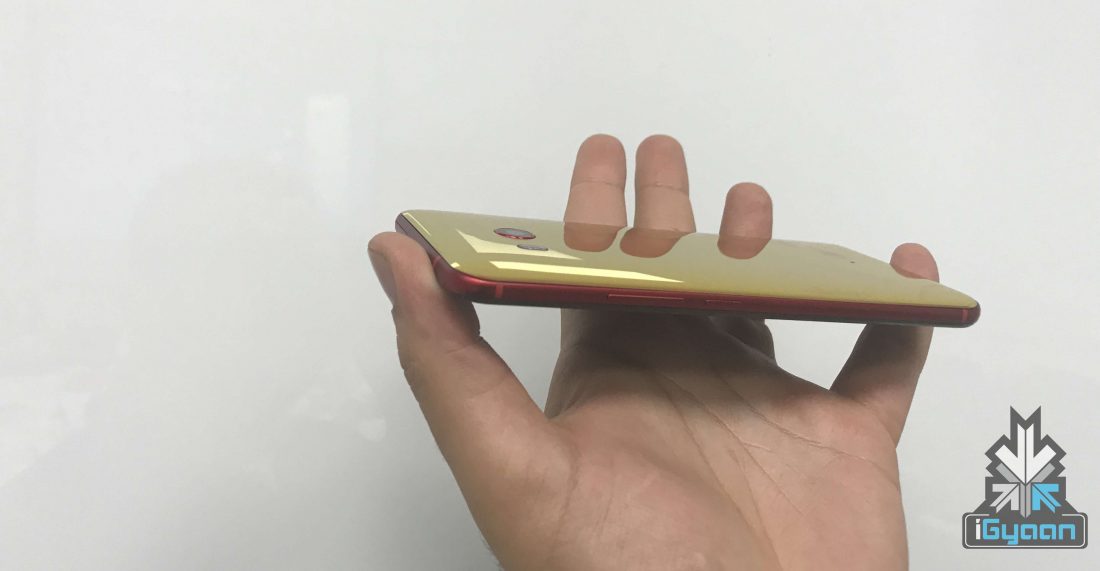
    HTC has launched the Solar Red colour variant of the HTC U11 in India. Previously, HTC had launched the U11 in India in the Blue Sapphire and Amazing Silver variants. The Solar Red colour was launched globally to great reviews for its reflective back panel finish. The smartphone is available on the company’s e-commerce website for Rs 51,990. The USP of this variant is that its rear shell shows different shades of colours – yellow, pink and several tones of orange when looked from different angles. It also comes with a distinctly darker shade of red frame around the corners.

    The Solar Red HTC U11 comes in as a breath of fresh air among the same old black, blue and gold coloured smartphones. The design on the HTC U11 is thanks to the liquid glass surface, which is crafted using Optical Spectrum Hybrid Deposition tech which HTC has designed or mastered for use with the U11.

    The U11 features a 5.5 inch 2560 x 1440 px Super LCD5 display with a pixel density of 534ppi. Powering the smartphone is a 3,000 mAh battery with QuickCharge 3.0 via the USB Type-C port. It runs on Android 7.1.1 with HTC’s SenseUI on top. Running all of it under the hood is the Qualcomm Snapdragon 835 chipset, a 2.45GHz octa-core processor, the Adreno 540, 4GB RAM and 64GB onboard storage which is expandable via microSD card.

    Another distinction for the HTC U11 apart from the colour changing rear panel is the Edge Sense technology. It basically allows you to squeeze the frame of your device to launch an action/app. For example, you can set the squeeze to open WhatsApp or take a picture. In the camera department, the U11 is also the first smartphone to score  90 on the DXOmark test, and all of it with a 2016-like single camera setup. It features a 12MP rear-facing camera with an f/1.7 aperture and optical image stabilisation and a 16MP front0facing camera with an f/2.0 aperture.


  • This Is The New LG V30

    This Is The New LG V30

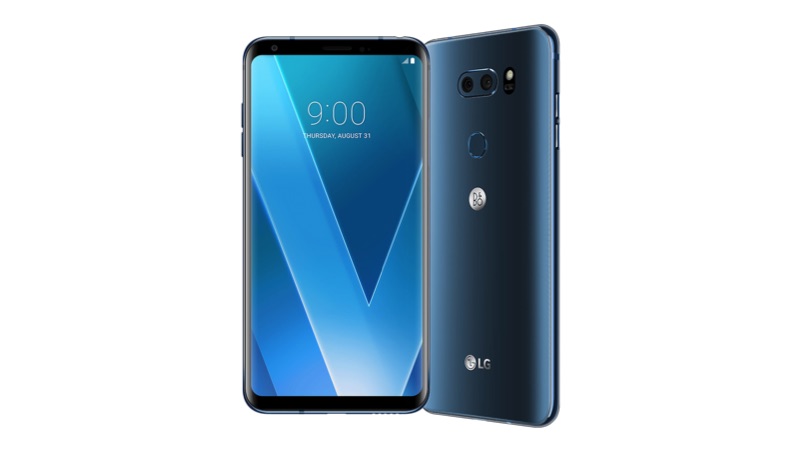
    LG is only a week away from the official unveiling of the LG V30, but that doesn’t put a hold on leaks. The V30 which is set to launch on August 31 at IFA, Berlin has been leaked yet again. The new image shows a press render of the device from different angles the front, rear, and sides.

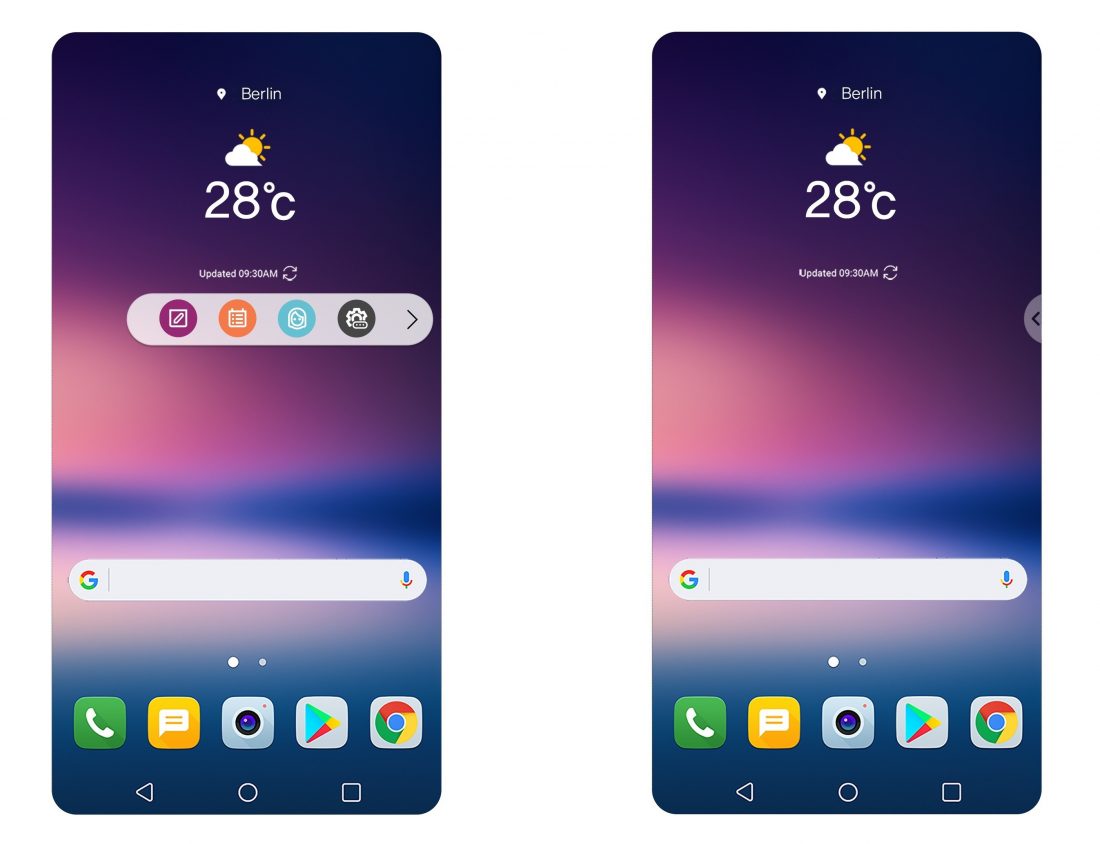
    LG has already announced switching to OLED display with smaller bezels for the upcoming V30. The company also confirmed that the smartphone will include features like the floating bar, facial recognition and pressure sensitive haptics for an “innovative touch experience”. LG previously hinted at V30’s design while confirming the smartphone’s OLED display.

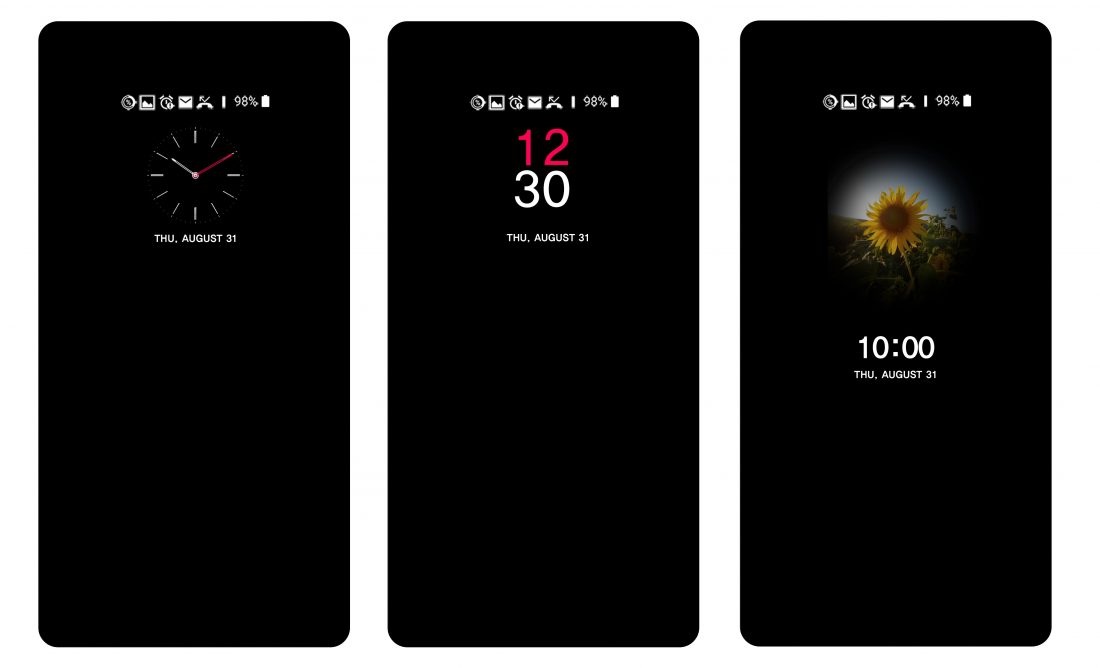
    The LG V30 will come with a 6-inch POLED display with display features like floating bar for quick access and always-on display mode. The floating bar feature “inherits the convenience” of the second screen, similar to the earlier models. Whereas, the new Always On Display offers more customisations, display Quick Tools, Music Player or a personal photograph. On the design front, the latest image reveals a slight curve on both a display-covered front and rear of the handset. 

    LG V30 will house a Snapdragon 835 chipset with 4GB/6GB and upto 128GB onboard storage. The smartphone will run Android Nougat 7.1.1 with UX 6.0+ on top. The UX 6.0+ offers security updates like facial and voice recognition. The phone will be powered by 3,300 mAh battery with wireless charging capabilities. The new render shows a 13MP dual camera setup with an f/1.6 aperture ratio lens and a fingerprint scanner at the back.

    According to the latest reports, the $700 LG V30 seems to be giving the 3.5mm jack a miss. Though most of the V30’s details and specs have already been disclosed via either leaks or by announcements made by LG  showing off the new software features, many are awaiting the imminent launch of LG’s V30.

  • Essential Phone PH-1 To Start Shipping In A Week

    Essential Phone PH-1 To Start Shipping In A Week

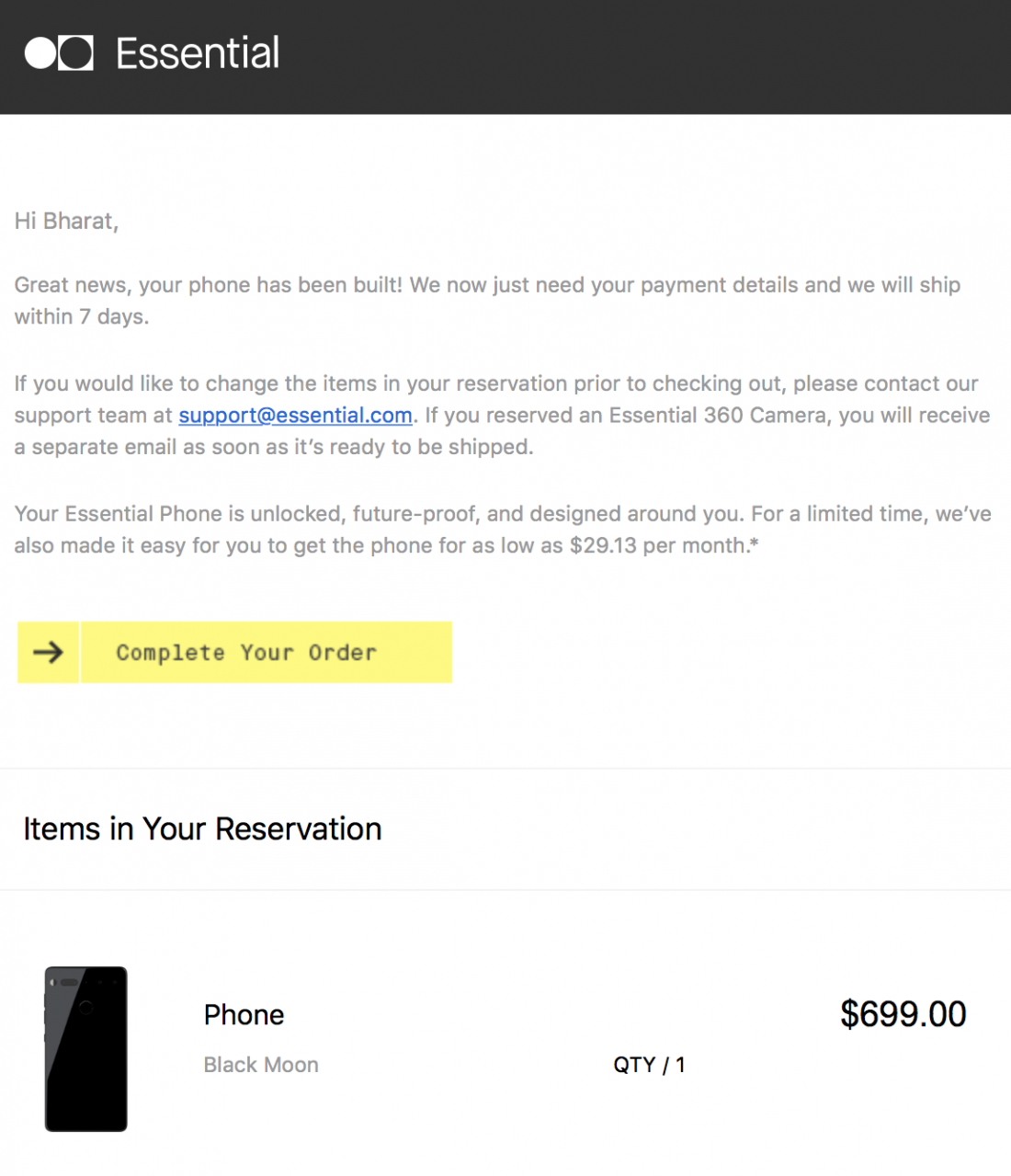
    The Essential Phone PH-1, the brain child of Andy Rubin, was all set to launch in in May 2017. Emails went out from Andy Rubin to those who ordered the Essential Phone, confirming that the shipping of devices. The ambitious deadline set by Rubin seemed like a far fetched dream and soon enough, Essential missed its first shipping target.

    The father of Android has yet again promised that the Essential phones will go sale in August. Recent announcements via email have confirmed the shipping of devices within a week for customers who preordered the Essential Phone.


    Earlier the company claimed to ship the Essential PH-1  within 30 days after May 30,  but, by July, there was still no phone in sight. After official missing the original shipping target, Essential promised its customers later in July that the device would arrive “in a few weeks.”

    Essential seems to have been going through a rough patch lately. The company lost the VP of Marketing, Brian Wallace and Head of Communications Andy Fouché in the beginning of July. Shortly after, Essential’s Head of UX, Liron Damir  decided to quit the company and move to Google Inc.

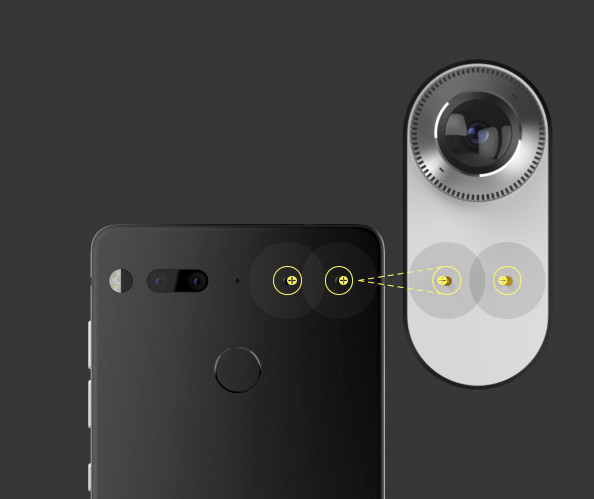
    Though the company has delayed the PH-1’s release, the Essential PH-1 is said to be worth the wait. The smartphone is the brainchild of Andy Rubin, former Google exec and father of the Android OS.  The $700 phone will surely make an impact on the smartphone market. The Essential PH-1 stands out for its slim bezels, 5.7-inch display and magnetic modules, like the world’s smallest 360-degree camera and host of accessories, that will snap on to the phone using the magnetic mounts. The PH-1 is powered by 3040mAh battery and supports fast charging using USB C.

    The Essential PH-1 features 13 MP dual cameras with a combo of RGB sensor and Monochrome sensor and f/1.85 aperture lenses. The front facing camera is an 8 MP sensor based unit. And both  the rear and the front cameras are capable of shooting 4k video at 30fps.

    With another release just round the corner, it wont be long before the Essential PH-1 is stacked up against its competitors. Priced at $700, the Smartphone is presented as a premium handset and certainly has the high-end looks to match its price tag.

  • HMD Global Officially Launches The Nokia 8

    HMD Global Officially Launches The Nokia 8

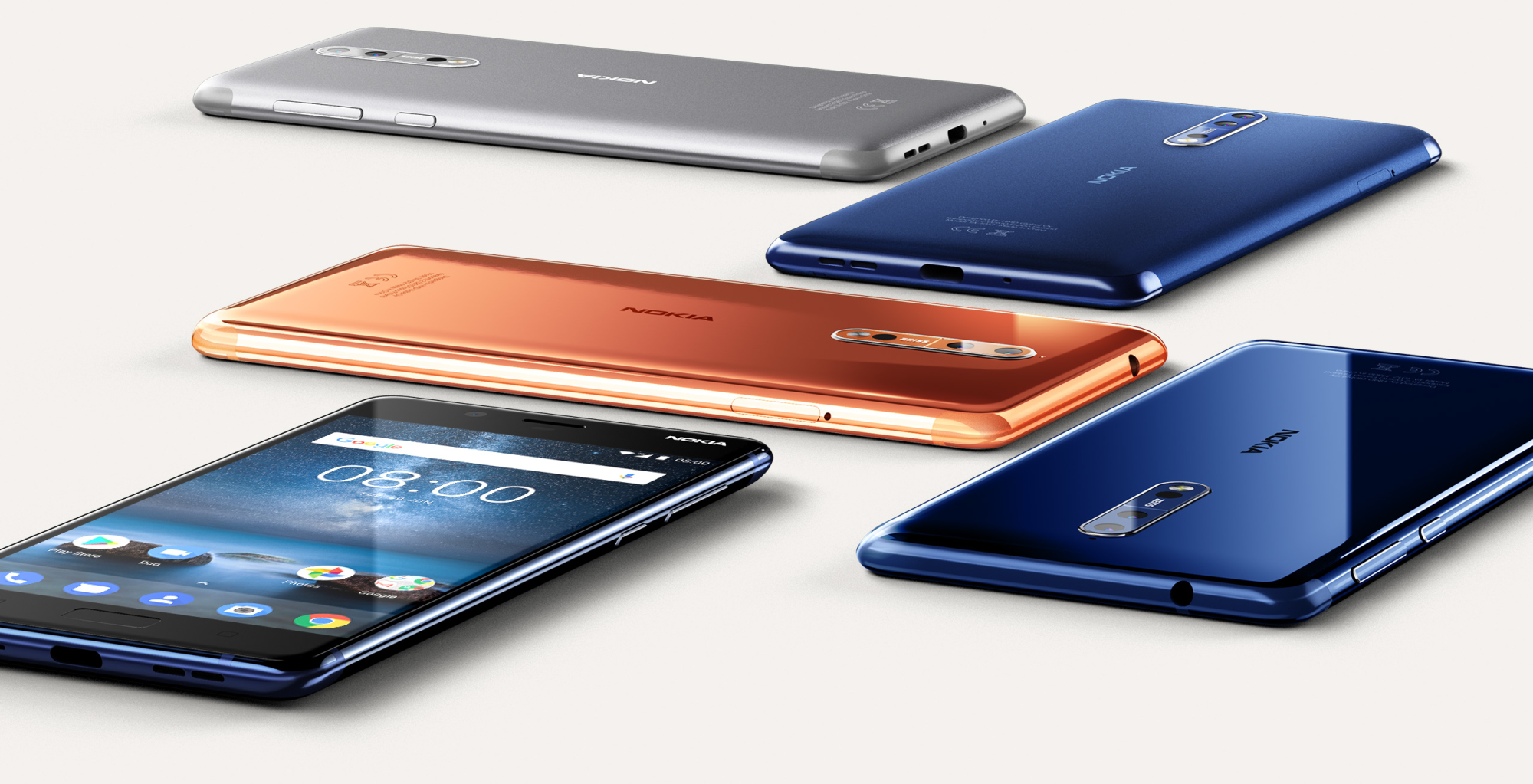
    HMD Global has unveiled the first ever Nokia branded Android flagship, the Nokia 8 at an event in London on August 16th. The premium smartphone with an all metal design, dual cameras and more 2017 specifications will go on sale in early September for 599 Euros (Rs. 45,000 approx.). After a string of mid-range Android smartphones, the Nokia 8 was highly anticipated for not just being a Nokia flagship, but the first flagship device since the Finnish company’s Windows Phone days.

    The Nokia 8 has an IP54 rating for splash resistance. Although,  the smartphone does not look like a 2017 flagship with big bezels around the edges unlike the LG G6 or the Samsung Galaxy S8/S8+. The Nokia 8 sports a 5.3 inch 2560 x 1440 px display and 2.5D Corning Gorilla Glass 5 for protection. Powering the device is a 3,090mAh battery with QuickCharge 3.0 support via USB Type-C port. Under the hood is the Qualcomm Snapdragon 835 chipset and a 2.45GHz octa-core processor, the Adreno 540 GPU, 4GB of RAM and 64GB of onboard storage which is expandable via microSD card. The Nokia 8 runs on stock Android 7.1.1 OS and the company has promised monthly security updates and yearly Android updates. The fingerprint sensor is housed inside the home button below the screen.

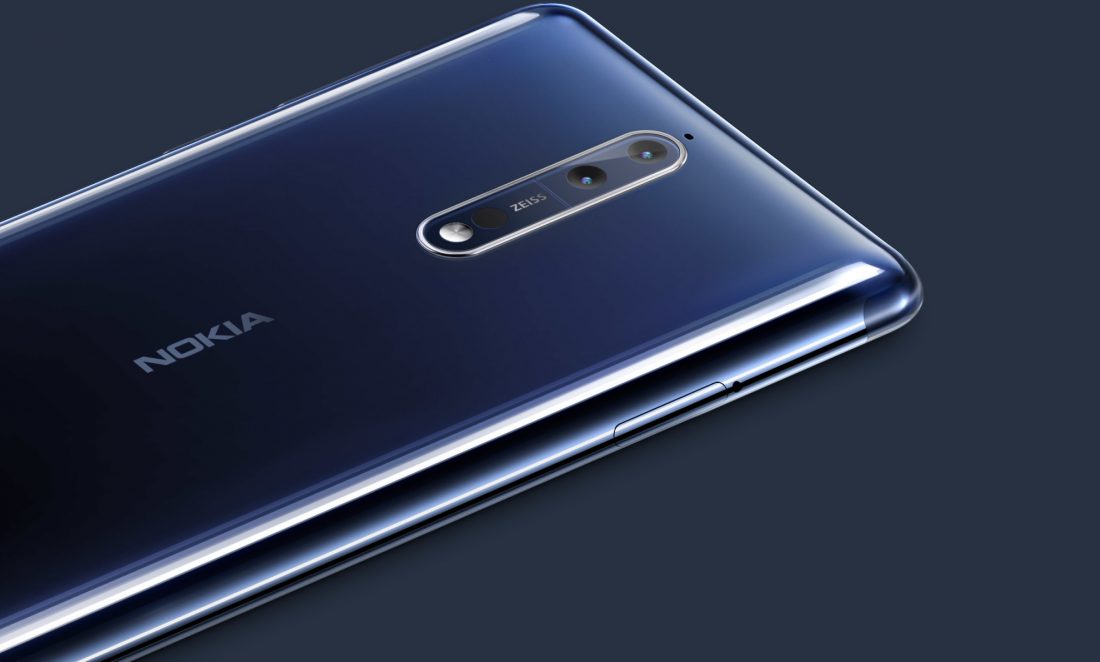
    The new flagship is also the first Nokia Android device to feature Carl Zeiss optics. In a very 2017 move, the Nokia 8 boasts a Zeiss powered dual camera setup at the rear – a primary 13MP RGB (colour) sensor with optical image stabilisation paired with a 13MP secondary monochrome (black and white) sensor and an f/2.0 aperture. The dual-camera setup is capable of recording videos in 4K at 30 FPS and has a portrait mode for bokeh effect. On the front is a 13MP camera which can also record 4K videos at 30FPS.

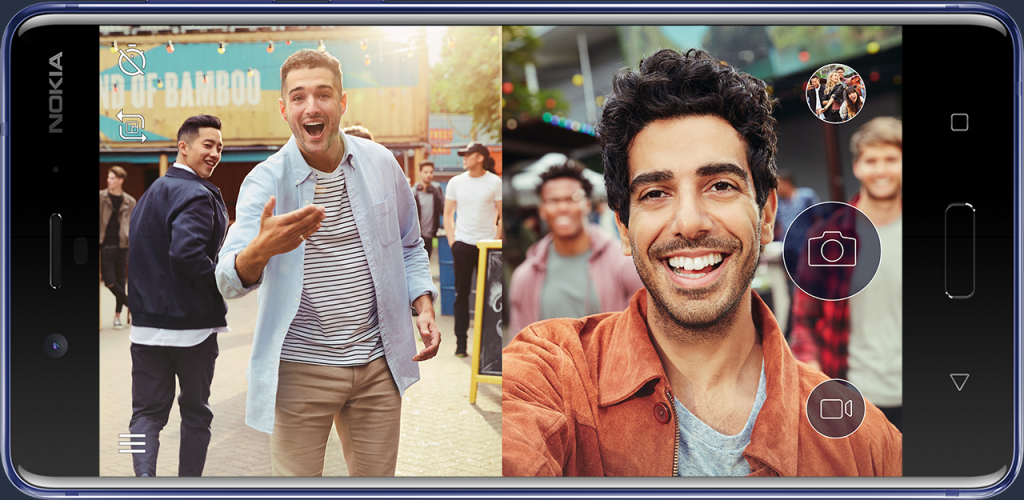
    The Nokia 8 comes with a feature called Bothie. It is the first smartphone in the world which allows ‘Dual-Sight’ video to be live streamed natively and in real-time to social feeds such as YouTube and Facebook. Dual-Sight allows you to use the front and rear camera at the same time in a split screen view. Another feature that the smartphone boasts is called OZO Audio in which the smartphone’s three microphones and Nokia’s acoustic algorithms allow you to capture 360-degree spatial surround sound. You can also share 4K videos with OZO audio with anyone – binaural codecs ensure high fidelity playback even on devices without OZO Audio.

    There is no official word on the Nokia 8’s availability in India as of yet. The Finnish brands’ foray into Android smartphones has s far been through mid-rangers, but, with this flagship device, Nokia is ready to compete with the big boys of the smartphone industry.

    Nokia Recently launched the Nokia 5 in India, available exclusively in the offline market.

  • Asus Zenfone 4 Lineup Revealed In An Image Leak

    Asus Zenfone 4 Lineup Revealed In An Image Leak

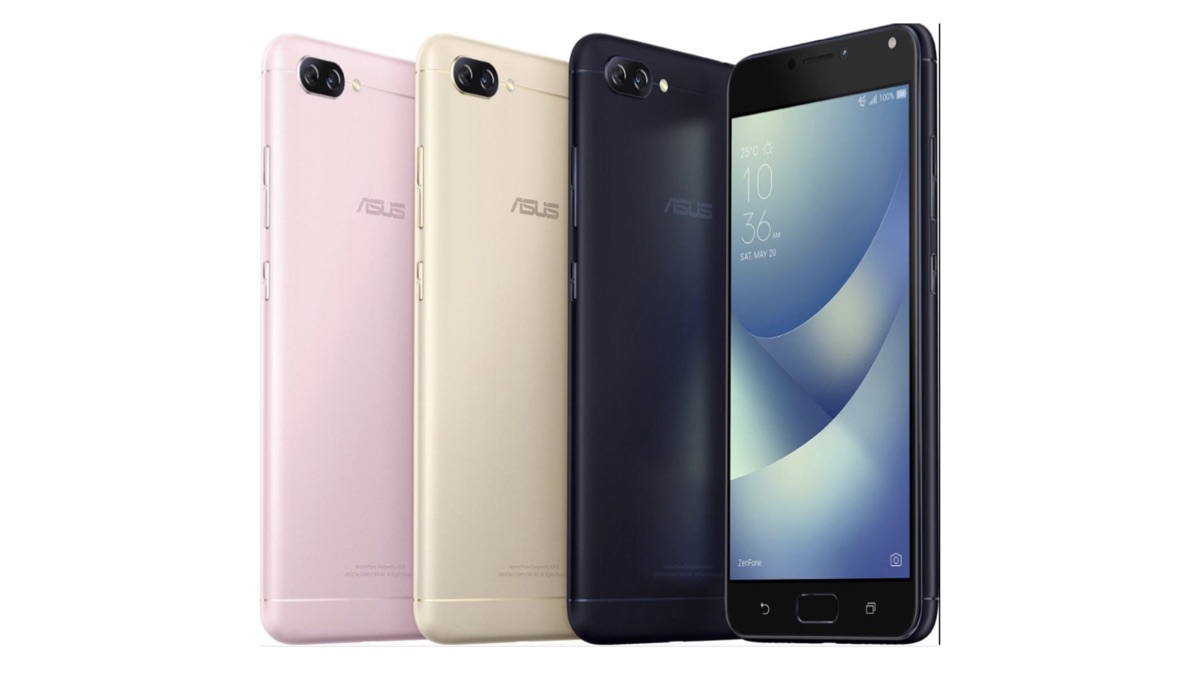
    Asus’s upcoming smartphone lineup – Asus ZenFone 4, Asus ZenFone 4 Selfie, Asus ZenFone 4 Selfie Pro and the Asus ZenFone 4 Max’s details were accidentally leaked on the company website. It wasn’t long before Asus realised the error and took it down, but, it was long enough for people to take screenshots of the detailed specs of the ZenFone 4 line up. A few more pictures of the Asus Zenfone 4 series have been leaked on twitter.


    Here’s a rumour roundup of the Asus Zenfone 4 smartphones.

    Asus Zenfone 4

    According to the leaks, the Asus Zenfone 4 will feature a 5.5-inch full HD (1080×1920 pixels) display with 4GB RAM and 64GB of inbuilt storage. The smartphone will be powered by a 3300mAh battery and will house the Snapdragon 630/Snapdragon 660 chipset.

    The Zenfone 4 is expected to sport a dual rear camera setup with a 12 MP and an 8 MP sensor. An 8 MP sensor makes up the front camera. To be available in Black, Mint Green and White colour variants, the Zenfone 4 is expected to cost EUR 499 (approximately Rs 38,000).

    Asus Zenfone 4 Max

    The Asus Zenfone 4 Max will sport a 5.2-inch IPS HD display, a Snapdragon 425 chipset and a 3GB RAM. The smartphone is expected to launch with a 4,100 mAh battery, 32GB onboard storage and a dual camera setup with a 13 MP and a 5 MP sensor. The front facing camera is said to be an 8MP sensor. The Asus Zenfone 4  Max is rumoured to be priced at sell at 230 Euros (approximately Rs 17,800).

    Asus Zenfone 4 Selfie


    As the name suggests, the Zenfone 4 Selfie will be focussed on delivering enhanced selfie shots. The smartphone will have a 5.5-inch IPS HD display along with a Snapdragon 430 chipset. The Zenfone 4 Selfie will house 4GB RAM with up to 64 GB of expandable storage. The phone will be powered by a 3,000 mah battery.

    On the camera front, the ZenFone 4 Selfie is expected to come with two front-facing cameras, one with a 20 MP sensor and the other with an 8 MP sensor along with a 16 MP rear camera. The smartphone will most likely be selling for 300 Euros (approximately Rs 23,000).

    Asus Zenfone 4 Selfie Pro

    Zenfone 4 Selfie Pro, an amped up version of the Zenfone 4 Selfie, will most likely feature a 5.5-inch Full HD AMOLED display. This variant of the Zenfone lineup will run on the Snapdragon 625 chipset with 4 GB RAM. The Zenfone 4 Selfie Pro is also equipped with 64GB of inbuilt storage and a 3000mAh battery.

    The ‘Pro’ version of the Zenfone 4 Selfie has enhanced dual front camera sensors from a 20 MP +8 MP combination to a 24 MP + 5 MP setup and a 16 MP rear sensor. The Asus Zenfone 4 Selfie Pro is expected to sell at 400 Euros (approximately Rs 30,000).

    With two selfie-focussed smartphones set to launch, Asus seems to be focussing on winning over the selfie generation. The company also sent out the ‘Save the date’ invites for August 19 for the launch of the Zenfone 4 Lineup.

  • Samsung Galaxy Note 8 Leaked In A New Deep Sea Blue Colour

    Samsung Galaxy Note 8 Leaked In A New Deep Sea Blue Colour

    Samsung is hosting an “Unpacked” event on 23rd August and many are anticipating the glitzy reveal of the new Galaxy Note 8. Though the press invite didn’t disclose the name of the device, but, the words “Samsung’s newest mobile device.” makes it quite obvious.

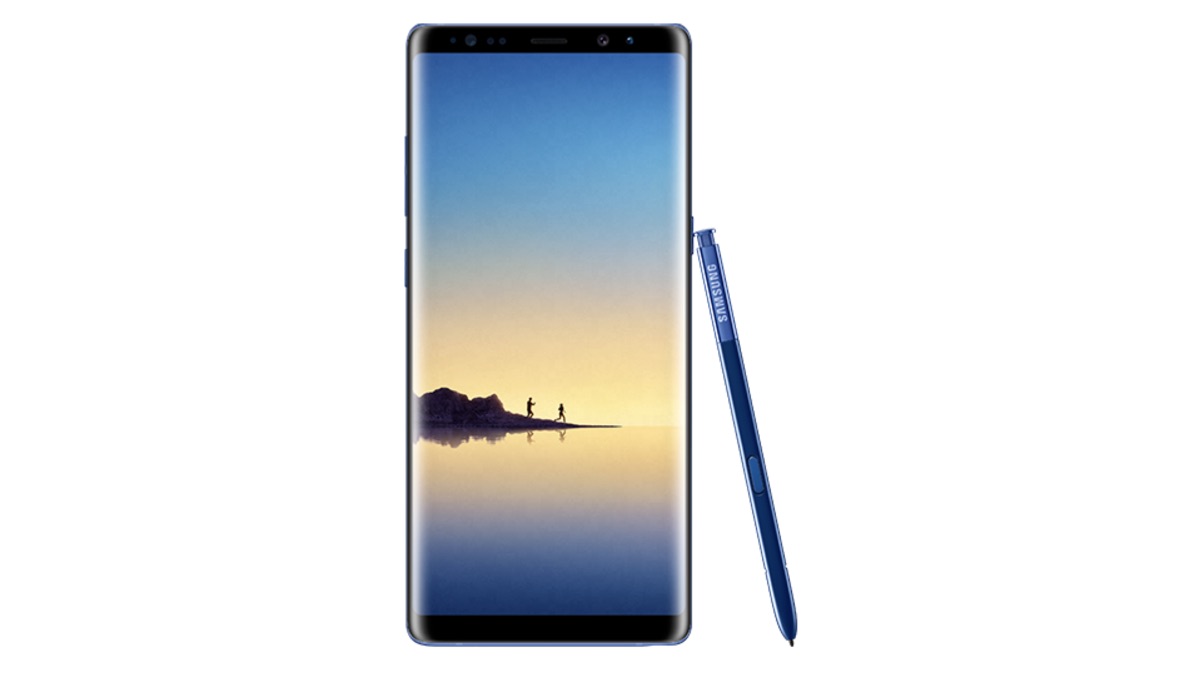
    Recently, the Galaxy Note 8’s “Midnight Black” colour variant was leaked in a tweet.  Now another colour variant of Samsung’s flagship device has surfaced. The tweet shows a leaked image of the Galaxy Note 8 in a “Deep Sea Blue” colour with the Note series S-Pen stylus.

    The Galaxy Note 8 is expected to feature a 6.4 inch Super AMOLED edge-to-edge 2960 x 1440 px display. The smartphone will be available in two variants, one with the Exynos 8895 Chipset and the other one with the Qualcomm Snapdragon 835. Both the models will feature 6GB RAM and 64GB onboard storage, expandable via microSD up to 256 GB additional storage. The leaks confirm that the Galaxy Note 8 will run Android 7.1.1 Nougat with Samsung’s TouchWiz UI on top.

    The next Galaxy Note is rumoured to sport a horizontally placed, 12MP dual camera setup, along with the fingerprint sensors placed next to the cameras. The primary, wide-angle camera will have an f/1.7 aperture and dual-pixel autofocus, while the telephoto lens will have an f/2.4 aperture and will enable a 2x optical zoom. The front-facing camera will be an 8MP camera with an f/1.7 aperture.

    As compared to the Galaxy Note 7’s 3500mAh battery, the Samsung Galaxy Note 8 will reportedly run on a 3,300mAh battery with Qualcomm’s QuickCharge 3.0. Samsung has a lot riding on the next Galaxy Note smartphone, as the Note 7 battery debacle served quite a blow to the company’s reputation last year.

    The Samsung Galaxy Note 8 is expected to cost around EUR 1,000 and will be available in the Midnight Black, Maple Gold, Orchid Grey and Deep Sea Blue colour variants.

  • Google Pixel 2 Details Leaked In FCC Filing

    Google Pixel 2 Details Leaked In FCC Filing

    New details leaked through an FCC filing by HTC, all but confirm that HTC will indeed be the maker of at least one of the new Pixel smartphones, while LG will be handling the larger variant, the Pixel XL 2. It is also worth noting that the FCC filing comes exactly a year after the commission received similar documentation for the Pixel and Pixel XL phones suggesting that the new smartphones will indeed launch in or around October.

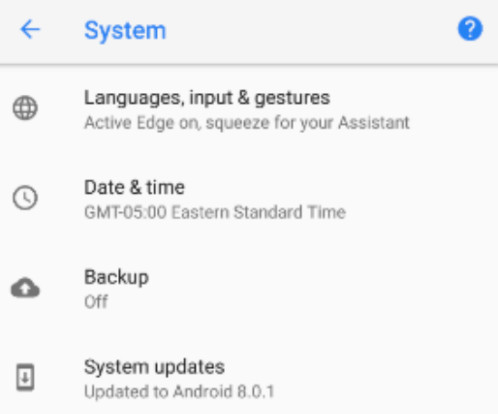
    An interesting detail revealed by the filing is a feature called “Active Edge”, which is similar to the squeezable frame feature on the HTC U11. The difference here is that the squeeze will be programmed to launch the Google Assistant. The filing has also revealed that the Pixel 2 will be powered by the Qualcomm Snapdragon 835 Chipset and have 64GB of onboard storage. As expected, the smartphone will run on Android 8.0.1 which is rumoured to be officially unveiled on August 21.

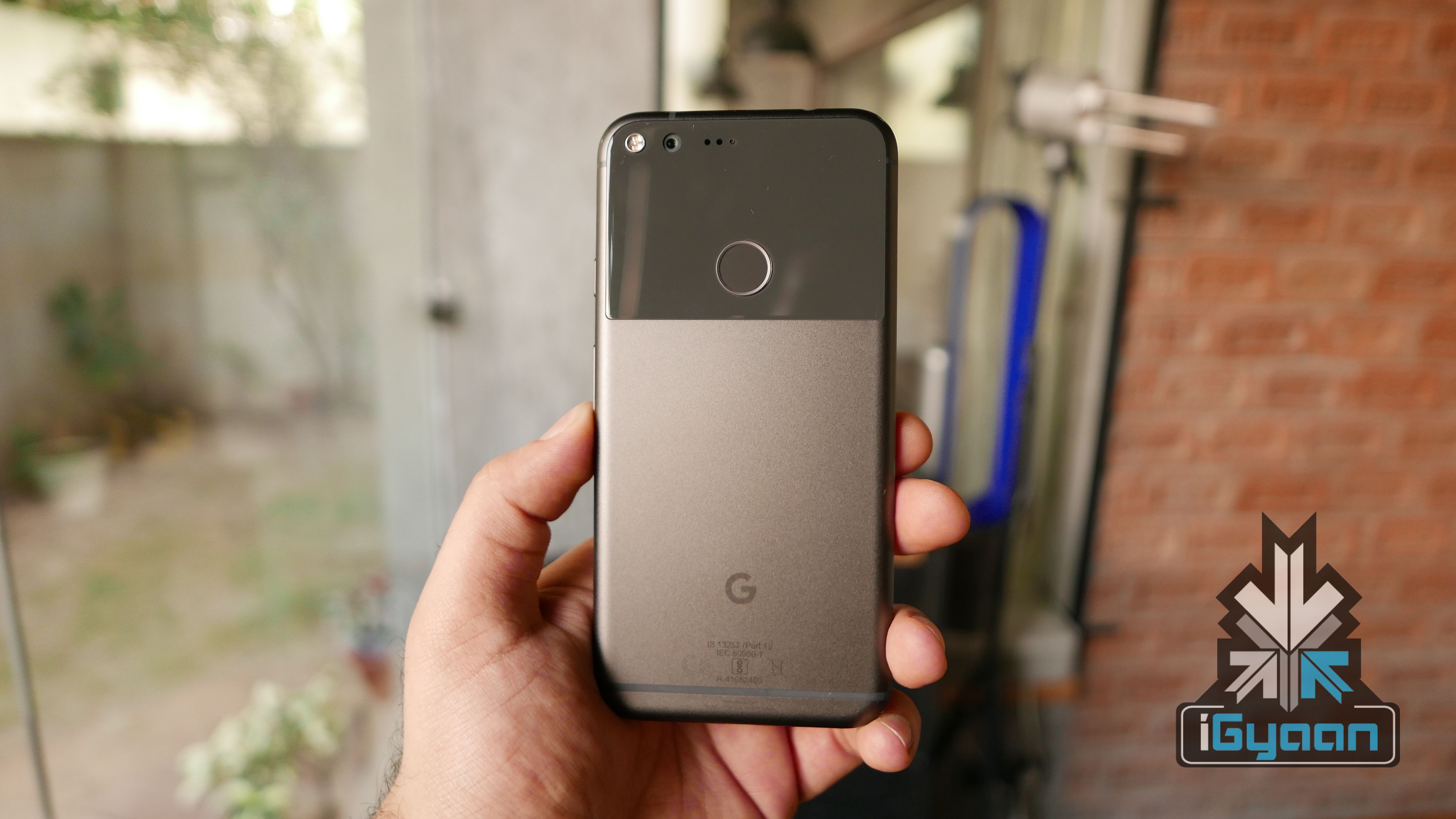
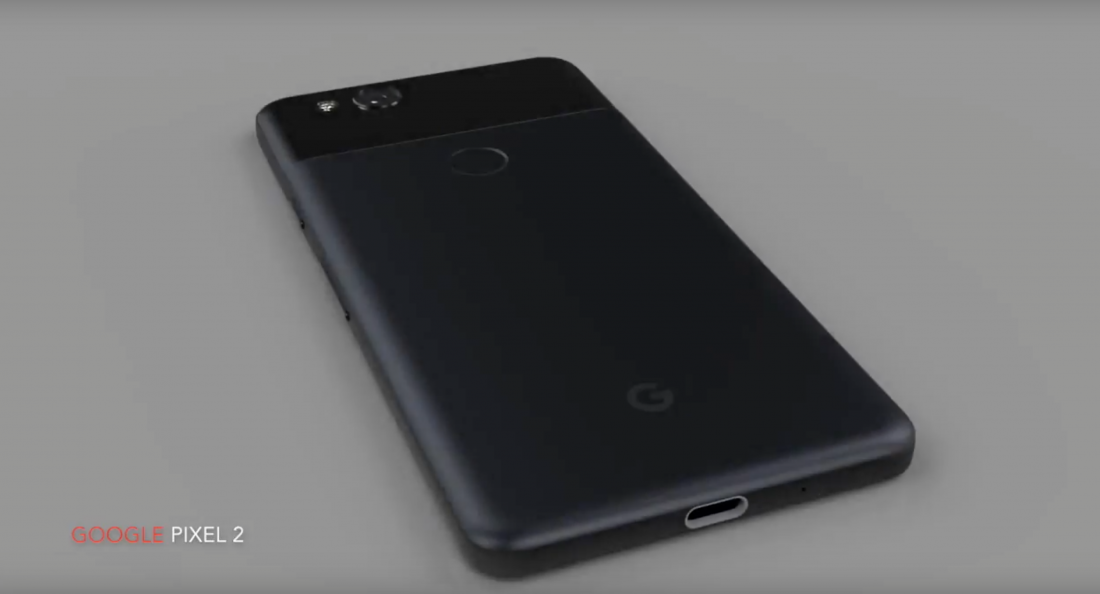
    There have been renders of the Google Pixel 2 suggesting that the 2017 flagship will ditch the headphone jack. The device will also sport a design similar to its predecessor’s with big bezels around the screen and a smaller glass window at the back.

    The first-gen Pixel smartphones were launched at a premium price and the Pixel 2 and Pixel XL 2 will be no different. The main difference between the two variants apart from the screen and battery size will be the design. The smaller Pixel 2 will reportedly sport a 5 inch 2560 x 1440 px AMOLED display and still have large bezels around the screen, unlike many flagships of 2017. The Pixel XL 2, on the other hand, will feature a more “2017 flagship design” with thin bezels around a 6 inch 2560 x 1440 px AMOLED display. The devices will run on 3,ooo mAh battery and 3,500 mAh battery respectively.

    Although, the Google Pixel and Pixel XL received a lot of flak for their design, the software and camera performance was appreciated by a lot of people. The new Pixel lineup seems to be following the same design pattern and will have to up their camera game and software performance to compete with the likes of the Apple iPhone 8, Samsung Galaxy Note 8 and the LG V30, all slated to be launched around the same time as the Pixel 2 and Pixel XL 2.

  • Google To Pay Apple US $3 Billion to Remain Default Search Engine on iOS

    Google To Pay Apple US $3 Billion to Remain Default Search Engine on iOS

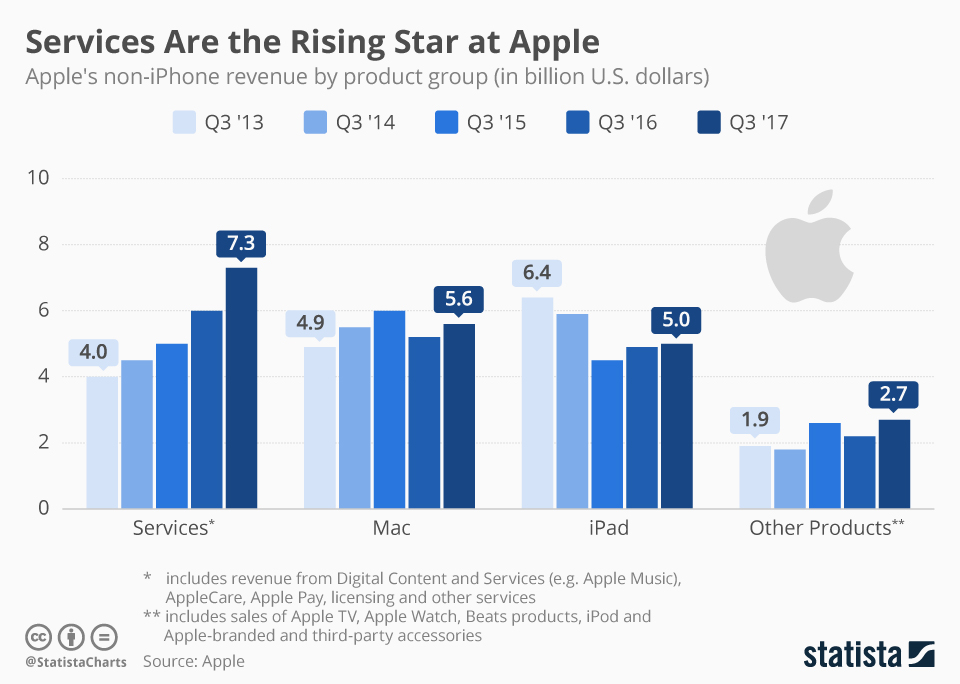
    A US-based research and brokerage firm, Bernstein has said that Google will pay Apple USD 3 billion to remain the default search engine on iOS devices. According to a note to investors, Google has increased the payment from $1 billion three years ago to $3 billion for 2017. Google’s licensing fee makes up a large bulk of Apple’s service business. In fact, this license fee from Google comprises about 5% of Apple’s total operations profit.

    Apple has stated that its services business is growing at a fast pace and that the profit from the services sector will help the company get listed in the Fortune 500 companies. An analyst from Bernstein also says that iOS devices also contribute 50% profit to Google’s mobile search revenues. This shows that Google will pay any amount to get unfettered access to all iOS devices. Thus, both the companies are dependent on each other for revenue. Since Google is earning a lot of profit from this arrangement, it has decided to increase the payment from $1 billion to $3 billion this year so that the license is not cancelled.

    Revenue of Services sector

    Apple has identified the services sector as an important source of profit, which a lot of investors believe is because of Apple Music and iTunes. But, a look at the revenue model shows that this licensing fee will become the largest revenue source in this sector. Mobile Ad revenue is central to Google’s revenue model and the growing importance of the mobile internet has now shifted the ad revenue focus from desktop to mobile devices. In fact, Google is expected to generate nearly $50 billion in revenue from mobile ads in CY 2017.

    Although lucrative, the mutually beneficial deal between Apple and Google may be numbered. According to some estimates, if Google can retain 80% of their iOS search volume, then it would be financially more viable for them to break off this deal with Apple.


  • Motorola Phones May Soon Have Self Repairing Displays

    Motorola Phones May Soon Have Self Repairing Displays

    The Motorola flagship, the Moto Z2 Force was launched on 10 August 2017 with a shatter-resistant coating on the display and a dual camera setup. Though the shatterproof tech can survive a few drops and bumps, but it isn’t strictly “shatterproof “. Therefore, Motorola has reportedly decided to take display protection a step further.

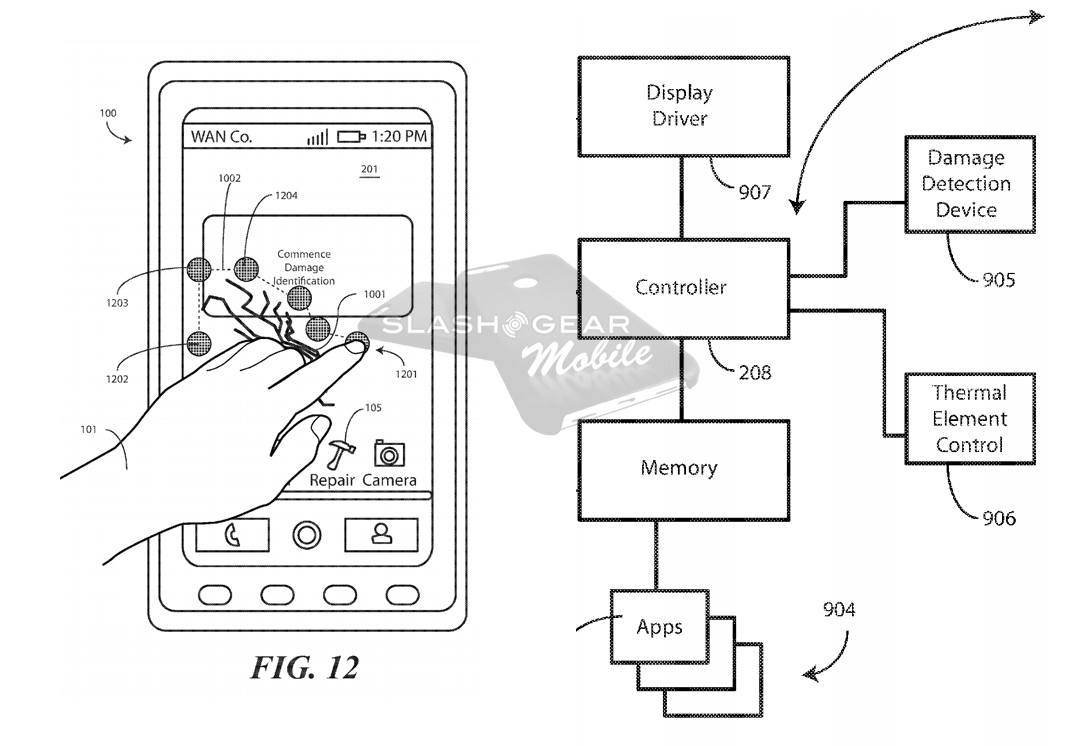
    A newly-filed patent shows that Motorola is planning to build a thermal self-repairing phone, covered with shape memory polymer materials or ‘Smart Glass’.The self repairing tech will detect cracks on its external smart glass and notify the user. The user will then mark the damage area using the fingertip, while heat from the phone will be applied to the smart glass in order to repair the damage.

    In the above image, Motorola described the process of the phone’s self-repair with thermal elements. The heat from the phone will trigger the smart glass’s shape memory properties, hence reversing the damage.

    The FIG. 12 shows a user identifying the damage by encircling the crack on the smart glass. The phone can then identify the segments which need to be reset, and where to apply heat.

    Though the self healing smart glass is a big step forward, Motorola described in the filed patent that the tech will “reverse at least some deformation”, and not all. As it would be difficult to reverse the damage on shattered screens. Safe to say, the thermal self repairing tech may not be able to fix the smart glass if it is completely broken or a a chunk of the screen is chipped out.

    Even though original patent papers for the thermal self healing technology have surfaced, it will be a while before we witness the tech in a phone. It also appears that this patent was filed way back in or before 2011 as it features dockable phones like the Motorola Atrix which were launched back then. This means that Motorola has wanted to solve this problem for a while. If this technology does appear from the Motorola stable, hopefully they will license it out to the other big manufacturers namely Apple and Samsung, who have had major issues with broken smartphone displays.

iGyaan Network
Privacy Overview

This website uses cookies so that we can provide you with the best user experience possible. Cookie information is stored in your browser and performs functions such as recognising you when you return to our website and helping our team to understand which sections of the website you find most interesting and useful.