There is a way for art to reach the masses if one knows how to promote it. Digital art has been trying to gain a following in both the digital, and the non-digital, ‘real’ world. The problem, though, is that real-life digital art in a physical form tends to fade away after a few weeks, while soft copies risk losing their aesthetic value.
To fight both these plagues, a team of artists have come up with a museum that provides both a real-life virtual reality exhibit, while at the same time does not lose out on the aesthetics. The dates for the exhibition are November 14th through to December 19th and the location is Brooklyn, New York. However, it can be accessed through Mac and Windows apps that can be run from home.
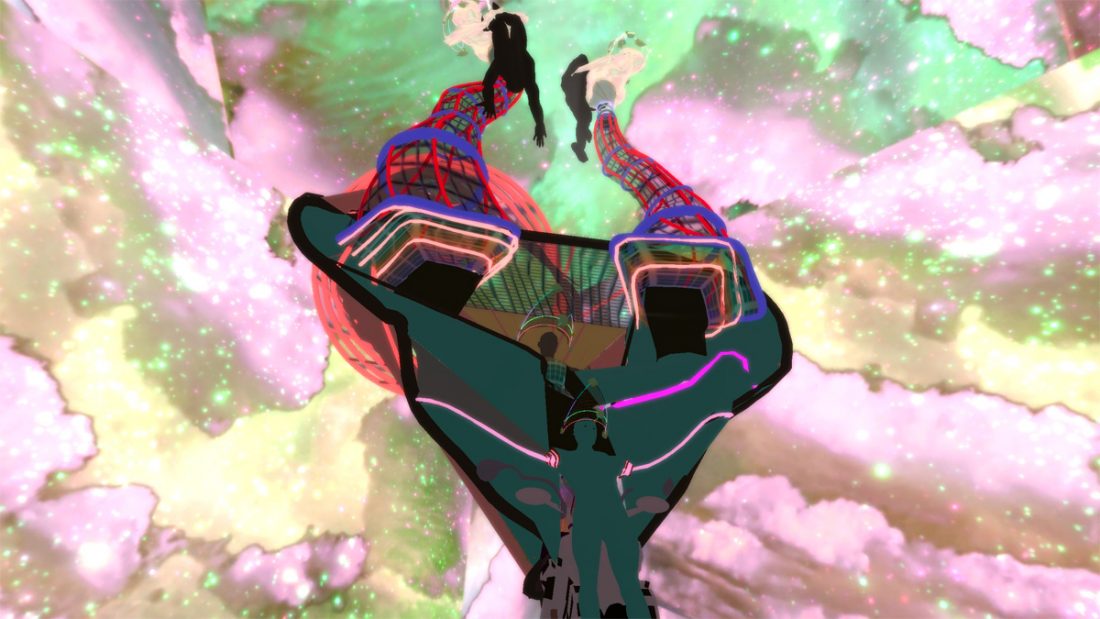
The museum is called the Digital Museum of Digital Art or DiMoDA, and it gives artists the ability to reach a wider audience without diminishing the impact of their work. The artists promise a trippy experience with 3D psychedelia artwork that is possible because of virtual reality. Things here aren’t fixed in place and you’ll be able to experience a 360-degree view of the art.
A generic digital art specimen.
The atrium of the museum is designed and modeled in 3D by Alfredo Salazar-Caro. Viewers wear the Occulus Rift VR headset to enter DiMoDa. Viewers will then immediately approach a number of ‘portals’ which can be used to access the ‘wings’ of the museum. Exhibiting artists have complete control to shape the virtual environment in which their works are installed inside the museum.
DiMoDA will present works by Claudia Hart, Tim Berresheim, Jacolby Satterwhite and a project by Aquanet 2001. The idea was conceived in 2013 by Alfredo Salazar-Caro and William James Richard Robertson, DiMoDA launches in November of 2015 with its first exhibition as a pavilion in The Wrong Biennale and a physical exhibition at TRANSFER in New York from November 14 through December 19th, 2015.
Set your smartphone to work as you sleep. Let it help cure cancer. DreamLab, which is a three year old collaboration between Vodafone Foundation and Australia’s Garvan Institute of Medical Research, has started an initiative that attempts to use smartphones to get some help in curing cancer.
You need to begin by downloading the free app from Google Playstore and ensure that the phone is being charged. Next, choose the type of cancer research you want to support -ovarian, pancreatic, prostrate or breast, and then simply choose the amount of internet data you’d like to donate.
This initiative has been made live only in Australia as of now. If the nation there puts their smartphones together, it will provide Garvan with a supercomputer to be able to conduct cancer research more skillfully. Garvans’s head of the breast cancer unit, Dr. Samantha Oakes, said in an official statement:
“As a nation who loves their smartphones, we now have a tremendous opportunity to put them to good use and help find a cure for cancer. Together, we can come to a greater understanding of how to treat it more swiftly. With the help of game-changing innovations like DreamLab, I am hopeful that we will see cures of certain types of cancer in our lifetime.”
The Institute further stated that with 100,000 DreamLab apps working on smartphones in a nation which has about 5 million users, the rate of processing data would increase by 150,000 times and with a speed 3,000 times faster than the current one. The initiative seems a big step in the field of cancer research. Let’s see how long India would have to wait before something like this makes its way to the country.
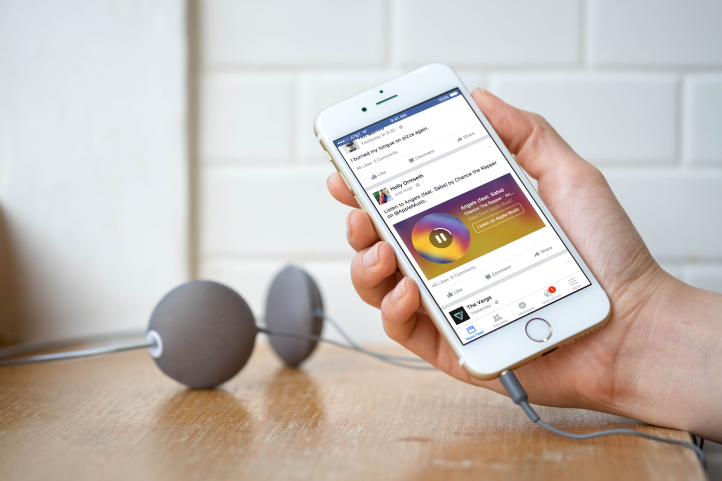
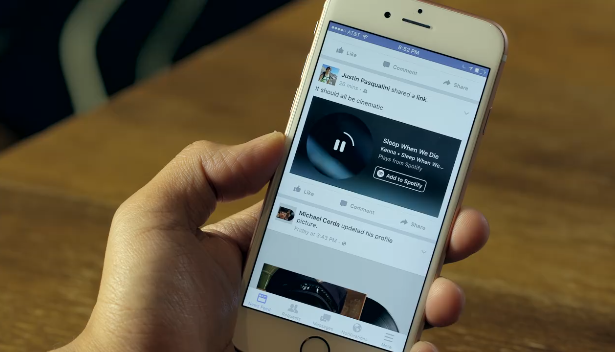
Facebook has been quite busy this year. The social media site is doing everything possible to make Facebook more attractive for users. After the auto-play video feature, and the news of an imminent ‘Notify’ launch, Facebook is now focusing on music. The company posted in a blog about their new feature called ‘Music Stories’ that enable better music discovery and sharing on Facebook. The new post format allows people to listen to previews on Facebook from Apple Music and Spotify.
Michael Cerda, Director of Product wrote in a blog post that the Facebook app will have a “new post format which allows people to listen to a 30-second preview of the shared song (or album) while on Facebook. The preview is streamed from either Apple Music or Spotify (depending on the source of the link shared), and can be purchased from or saved to the respective music streaming service.”
There are few things people love more than music. People find out about it from artists and friends alike, and they love to share their discoveries. Today we are enabling better music discovery and sharing on Facebook.
What “Music Stories” does is it lets users upload previews of the song via Apple Music or Spotify. Facebook users can listen to the preview and choose to add the full song to their library in a single click or purchase them via iTunes store. The process for Spotify is similar. “If you want more, click through to stream full tracks on Spotify or add to your library without leaving Facebook.”
As of now it seems only iPhone users will have this feature on their Facebook app. Facebook usually rolls out new updates and features for iPhone first. “Music Stories” should be available for Android and others soon after.
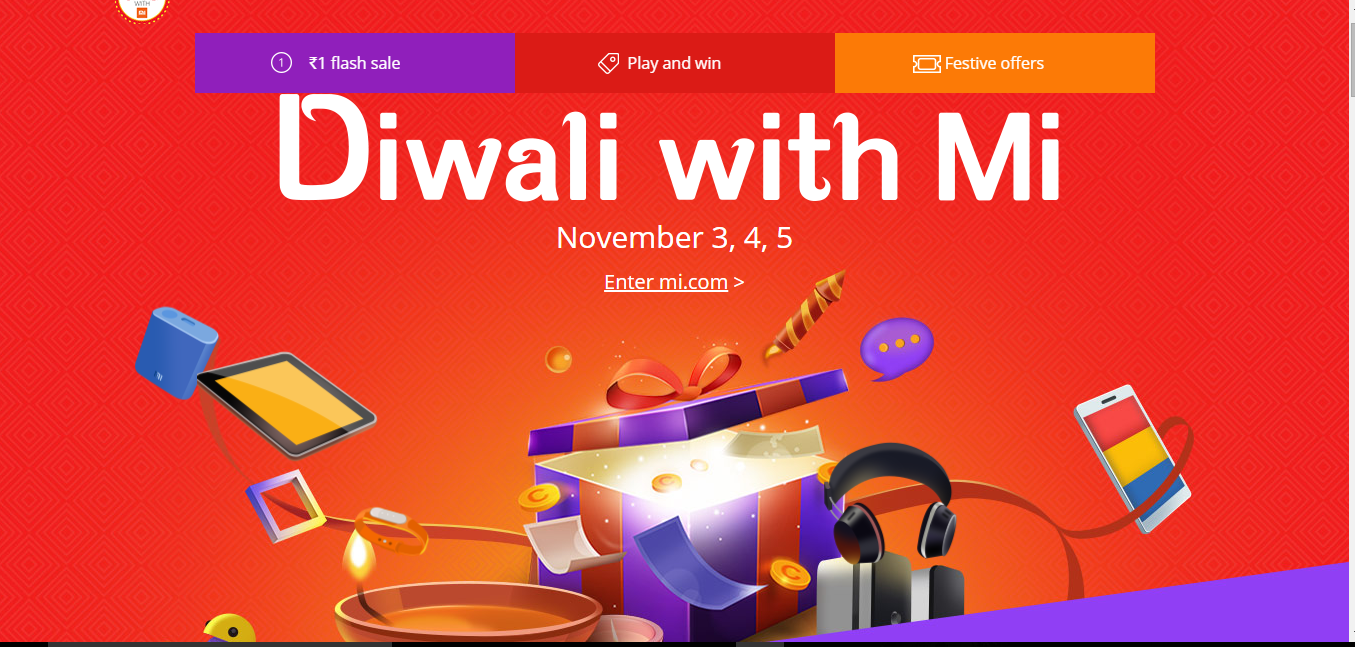
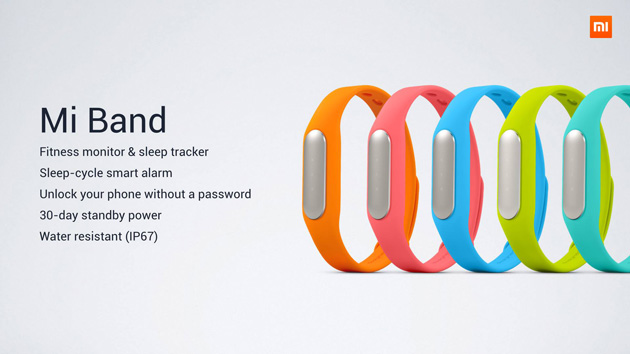
Tech-nerds, time to gear yourself for Xiaomi’s Re.1 flash sale. Today is the last day so make sure to be there in time. The company is holding a #DubsmashWithMi contest in which participants would get a chance to win a Mi Band. The timing for the contest is 11 am to 6 pm on the official Mi Twitter and Facebook accounts. Four winners will get a Mi Band as part of this contest.
Third day of Xiaomi’s Diwali celebrations will follow the same pattern as the last two days. The Mi Band and Mi in-ear phones already went up for sale at 10 am in the morning at the price of Rs. 799 and Rs. 299 respectively. Now the Re. 1 flash sale will take place between 2 pm and 6 pm.
To participate in Xiaomi’s flash sale, users have to share the flash sale promotion from Xiaomi’s official website mi.com/in on Facebook or Twitter. This will take the users to the ‘Light Me Up’ game. Players of this game will have a chance to win coupons for the Mi store. Additionally, customers who make purchases using the Mi store app during the sale period also stand to win a Mi TV 2S.
Customers who use PayU for transactions will get a 5% cashback. Find more details and rules of Xiaomi’s Diwali sale here. Xiaomi has been trying and succeeding at wooing customers with exciting sales and offers for a while now. Earlier this year, a 1000 customers who had managed to register themselves in time had received Mi Bands for Re. 1.
Needless to say, the sale has seen an incredible response over the past two days. Happy shopping on the final day of this sale. Get set go!
A James Bond movie is a hotbed for product placements. That’s because Bond himself has a rich taste when it comes to cars, watches and everything else and only prefers the luxurious side of life. Bond films are characterized by Aston Martin cars, Rolex and Omega watches and the latest in Q technology. So, there is no way that Bond would be caught with a phone that does not keep with his image.
However, too much product placement can damage the image of the character as well. Which is why the latest James Bond flick, Spectre, has cut down on endorsing products. This also included not giving Bond a smartphone. Both Bond star Daniel Craig and director Sam Mendes refused offers by Sony and Samsung to have Bond stylishly carry their smartphone.
The offers that started with $5 million escalated to $50 million (Samsung’s offer). Samsung was additionally ready to pay $5 million to Craig for being seen using an Android phone in the movie with Samsung’s logo. However, both offers were rejected after judging the phones to be too lackluster for Bond.
“Beyond the $$ factor, there is, as you may know, a creative factor whereby Sam and Daniel don’t like the Sony phone for the film (the thinking, subjectively/objectively is that James Bond only uses the ‘best,’ and in their minds, the Sony phone is not the ‘best’),” wrote Andrew Gumpert, President of Worldwide Business Affairs and Operations for Columbia Pictures.
Another reason behind shunning Android could be because of its cheap image and notoriety for suffering security vulnerabilities like Stagefright that happened only a few months ago. This surely does not keep with the image of an international super-spy.
Spectre has surpassed Skyfall, the previous Bond film, in the opening week at the box office. The film has grossed $80.4 million in UK alone. The movie will hit theaters in India on 20th November.
Fear of public speaking, inabilty to communicate face-to-face, the need to stay in the background and establish relationships from a distance, and fear of being judged that leads to insecurities and self-doubt -these are but some of the signs of social anxiety, and many people around the world suffer from it.
The advent of the internet and social networking sites was supposed to bring people around the world closer. It was supposed to let people socialize even more than they normally do. Meeting friends and family from time to time on specific occasions were now not the only ways for people to connect.
Internet has changed the way people interact with one another.But how does it affect those who are unable to socialize? Is the internet, and social media in particular, helping or harming the socially challenged? While many studies have suggested that social media has led to more social anxiety among teens and elderly folks, the picture isn’t as cut and dry as that.
Anonymity Through Social Media
Socially anxious people shun society and crave solitude. But that doesn’t mean they don’t seek company or contact with others. So if there is a medium to provide that contact without a physical presence, how can it be a bad thing. Granted, therapists and loved ones will suggest that one should be more open, explore and step out of the fear of establishing contact, but actually doing it is never easy.
It was generally believed that the internet would be specially useful for those who struggle with social anxiety. There was a sense of anonymity while using a social networking site and people could explore and connect with more ease without the fear of revealing too much. Even today, a public forum like Reddit lets you post questions and opinions on literally anything while staying anonymous. This makes it easy for people to connect who would otherwise be embarrassed and would fear being judged.
A False Sense of Society, But a Society Nevertheless
Social media sites like Facebook, Twitter and Instagram also provide a way to be out there. What’s changed is that these sites don’t let you stay anonymous. These sites have become more personal now. A person struggling with social anxiety might spend 30 minutes making sure his Facebook post is perfect so as to not to invite judgement. While looking at pictures on Facebook or Instagram, you may think that people around are having more fun than you. These insecurities do exist, but it doesn’t overshadow other areas that actually improve, namely, relationships.
Here’s the thing about sites like Facebook – It can help socially anxious people but not always in the right way. Having over 300 friends can make a person feel good despite the fact that one never talks to 299 of them. This false sense of having a lot of friends can be therapeutic, according to some people. However, there is a flip side to this. Having a lot of friends can also cause some people to feel lonely because you end up sacrificing conversation for connection.
Social Media Lets You Present a Different Self
A number of studies have explored how social media stimulate sharing and relationship-building among their users. Researchers have also found that the perceived usefulness of a platform positively influences the adoption and spread of said technology by users (Hsieh, Hsieh, & Feng, 2011). In case of social networks, such as Facebook, the illusion of building and maintaining relationships with people is more important than their actual effectiveness.
Studies have also suggested that chatting online might allow people with social phobia the ability to practice social skills in a non-threatening setting that they could then use in face-to-face social situations. In a face-to-face setting, conversations happen in real time and you can’t control what you’re saying. But texting, email and posting is done through a virtual sphere where people have more time to carefully think about what they want to say.
The positives and negatives are vast and there is no clear proof of whether social media aids the socially anxious or harms them. The answer will vary from person to person and the discourse will continue as long as social media is an intrinsic part of our lives.
Netflix, the internet media streaming service, is planning to widen its reach by entering into the Middle East. The service is looking to target a population of 370 million, which includes a young, media hungry demographic.
John Evers, vice president and head of communications for Europe, Middle East and Africa at Netflix, confirmed plans of expansion by the end of next year. “We plan to complete our global expansion by the end of 2016. Of course the Middle East is part of that, hence our hiring,” he told the IGN Middle East gaming news website.
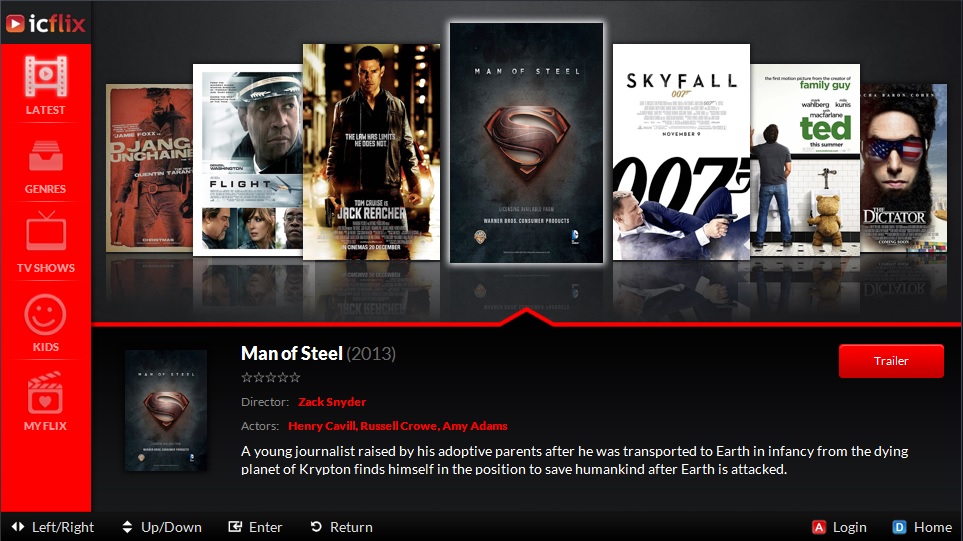
Starz, IcFlix, Telly and OSN Play are some OTT subscription services that already exist in the Middle East and have received a fair bit of subscribers already, which suggest that the market is ready for the big one.
Icflix was launched in 2013 and reportedly has 250,000 subscribers across the Middle East and North Africa, which include Egypt, Morocco, Kuwait, United Arab Emirates, Tunisia and Saudi Arabia. The streaming service offers Hollywood, Bollywood, and Arab content which include Egyptian productions as well.
Meanwhile, Netflix currently caters to over 69 million subscribers in more than 50 countries. Netflix is on a global expansion mode and is expected to cross 100 million subscribers in 2018. India is yet to receive the service, and we may just hear something on that front soon enough given that India has a a huge number of OTT subscribers as well.
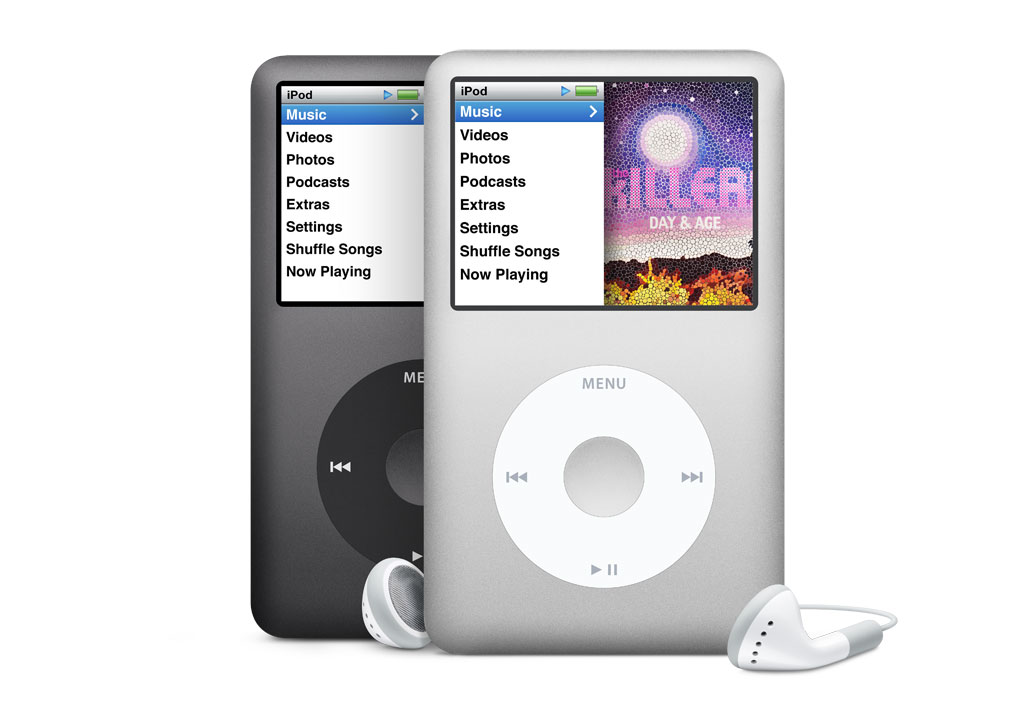
When Apple launched the first iPod 14 years ago on October 23, 2001, very few imagined the impact it would create in the way we consume music. For all the hate Apple receives today by dedicated groups out there, even they would have to agree that back then when Apple said it would come out with something revolutionary, it meant it.
The iPod was perhaps one of the best inventions of the 21st century. The device literally changed the way we listen to music and single-handedly dethroned the traditional Walkman and CD player. 13 years later, on September 9, 2014, Apple quietly decided to kill the classic iPod.
The sixth generation 160GB iPod Classic was the last Apple product in the iPod line to use the original 30-pin iPod connector and the Click Wheel. According to Apple CEO Tim Cook, the iPod Classic was discontinued because the parts were unavailable and a redesign was unwarranted given the small amount of consumer interest in the product.
Blame it on a generation that was moving towards all things touchscreen, the iPod Classic indeed was seeing low demand. But that doesn’t diminish the fact the Apple had made a serious dent in technology and the music world with the iPod Classic.
Walkman of the 21st Century
The idea behind the invention of the iPod was to create a portable music device that was not “big and clunky or small and useless”. One of the reasons Apple is what it is today is because its founder, Steve Jobs, was bent upon making technology sleek and beautiful. This is what they wanted to with the music player. Successive generations of the iPod Classic saw not only a sleeker, beautifully crafted device but also having a sturdy construction and a massive storage capacity to the pleasure of music lovers.
The Feel of the Iconic Wheel
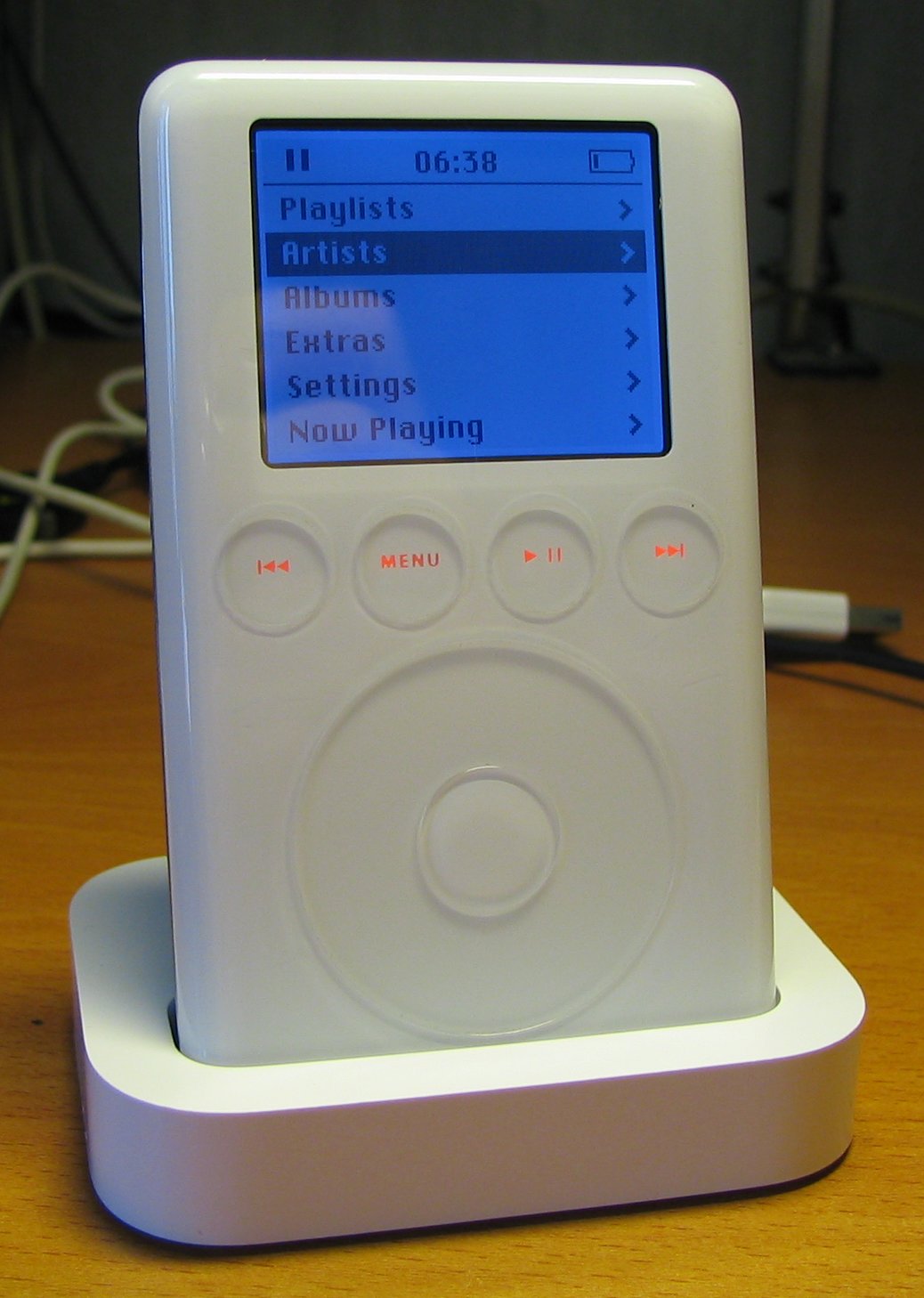
iPod (3rd Gen)
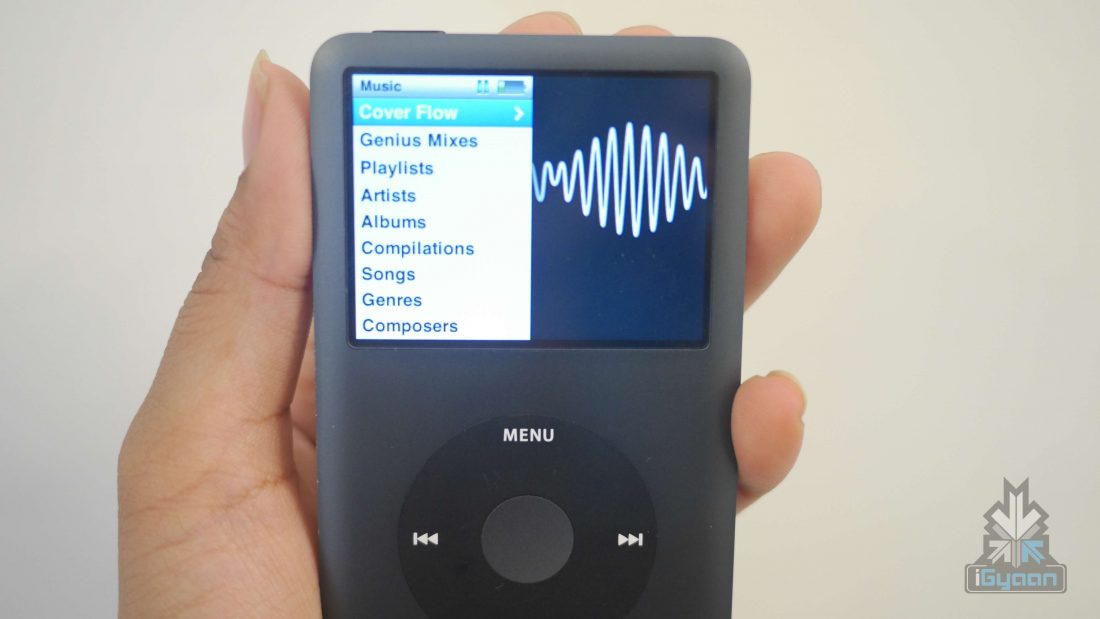
One of the main reasons the iPod Classic was so successful was because of its simplicity. The device had a decent sized screen and a Touch Wheel that was replaced with a Click Wheel with the 3-gen iPod. The wheel made using the iPod ridiculously easy. A scroll from left to right or right to left let you navigate through thousands of songs and artists in your collection. There was also a center select button, and four auxiliary buttons around the wheel. And that’s really all one needed.
The wheel added that extra bit of flair that came with the device’s sturdy yet sleek design. Navigating through your library was simply too easy. One could even do it without lifting one’s thumb. In all honesty, touchscreens may be the present technology, but even that can’t compete with the wheel’s functionality. Music needed a device that made listeners feel the music; that made them want to listen to music all day. That kind of feel of a personal music player died with the iPod Classic.
A Hundred Albums, A Thousand Songs
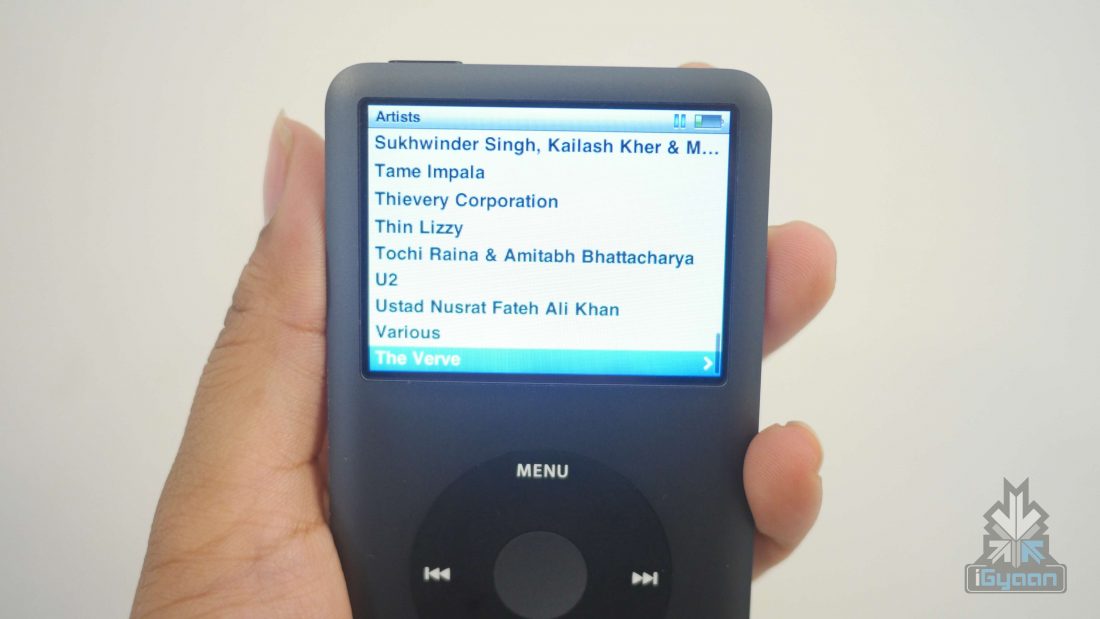
It started off with a 5 GB storage and went up to 160 GB by the sixth-gen model. But even an iPod with 30 GB or 60 GB storage was enough for music lovers. The point is that Apple provided a device that had a massive storage for users to keep their entire collection of music all in one place. Spotify and Apple Music is useful in certain circumstances, but you can never get the feeling of owning your own music with them. For years Vinyl collectors bemoaned the emergence of MP3 players as it meant you couldn’t own a physical object. Now music streaming has literally killed the idea of owning music.
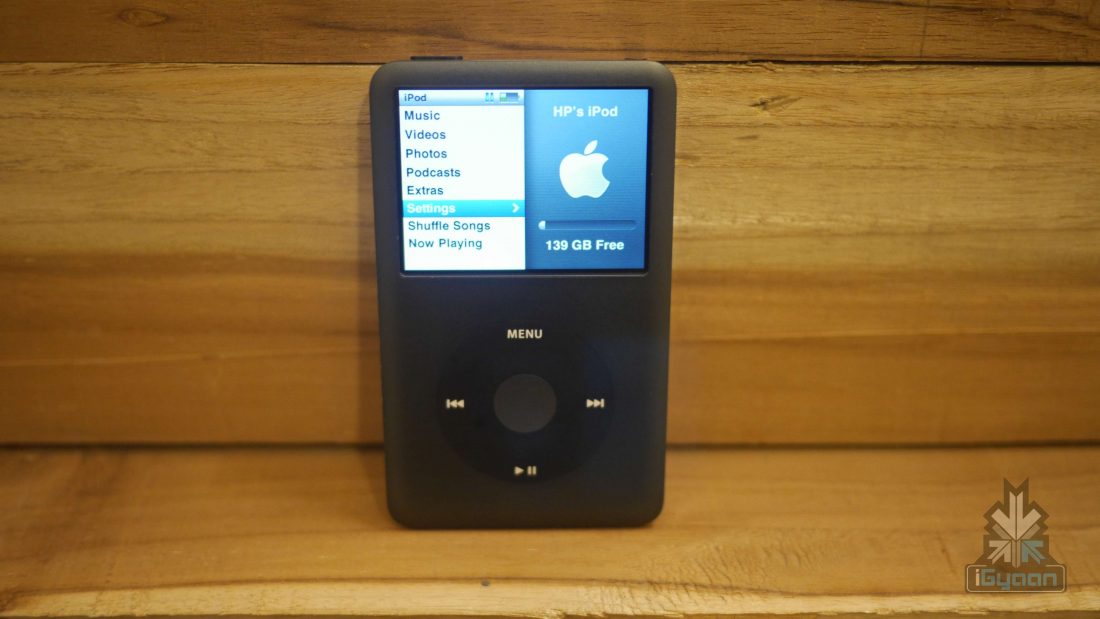
iPod (6th Gen)
The iPod Classic let you access hundreds of albums and thousands of songs in a single device. The Guardian‘s Will Dunn lamented the demise of the iPod: “There’s still a huge affection for the iPod Classic and it’s not hard to see why – Spotify might offer 20 million songs, but 120GB of music is more than most people need, and your iTunes library doesn’t carry data charges or a subscription fee. Also, I think the Classic is a more distraction-free listening experience – I’m more likely to get through a full album on one.”
A Pure Music Experience
Today, one is surrounded by the latest in technology. You probably have a phone with 32 GB space or higher. And yes, you do have songs in them too. But they’re still devices that are used primarily for other purposes and can never provide one with the same feel as a dedicated music player. Another point one should remember about the iPod was the massive battery life. You could go through a week of music on a single charge.
Do we really have a device today that looks and feels like a music player? Even the iPod Touch models don’t really look the part. If you go on Amazon or Flipkart today and type in music players, you’ll be surprised to see that there is not one good music-dedicated device that would take your fancy.
People Still Want a Portable Music Player
It’s true. Technology may have changed, but people haven’t. The need for a small, portable music player still exists in the world. Don’t believe us? Well, when Apple decided to call it a day with the iPod Classic, a lot of people rushed to Apple retailers to buy the last of the remaining stock. The sales of the iPods (what was left of them) suddenly saw a rise and even saw some of them being sold for four times the actual value.
What one can take away from this is that the news reminded people just how important the music player was. until a few years ago, before streaming become the new thing, music was something that people loved to ‘own’. Steve Jobs was against the idea of music streaming and he pretty much summed up what music meant to him as well as to many others:
“These services treat you like a criminal. And they are subscription-based and we think subscriptions are the wrong path. One of the reasons we think this is because people bought their music for as long as we can remember. When you own your music it never goes away. When you own your music you have a broad set of personal use rights – you can listen to it however you want.”
Maybe instead of discontinuing the iPod Classic, Apple could have thought of ways to refashion it, adding present-day technology while still keeping the ‘Classic’ look and feel. It probably would have been worth a try. Maybe some day a company might come along and bring back the love for music the way Apple did.
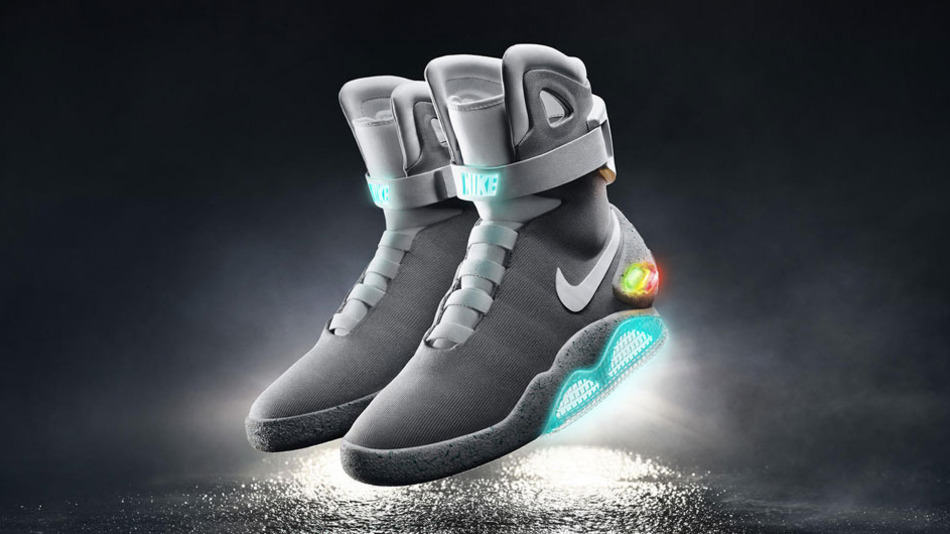
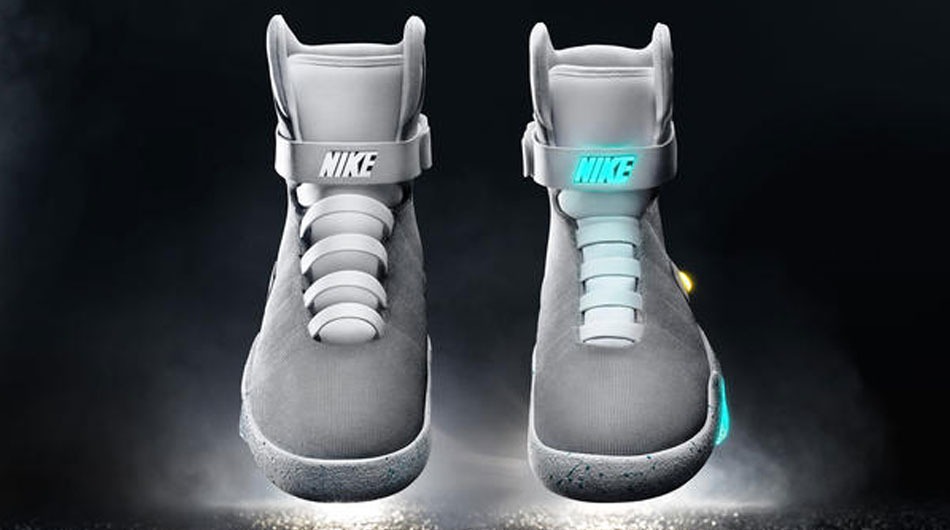
Just when we thought Back to the Future Day couldn’t get any better after the new Hendo Hoverboard news, we find out that Nike has done the impossible! The shoemaking giant has lived up to its name and has finally made the Back to the Future’s self-lacing shoes a reality.
The company had been teasing something big on Twitter a few days ago that got fans all excited. You would be too if you read this tweet.
The tweet was for Micheal J, Fox, who played Marty McFly in Back to the Future. As you all must be knowing by now that October 21, 2015 was celebrated as Back to the Future Day around the world. This is because this is the date to which Marty and Doc Brown travel to in 1989’s Back to the Future II. In the film’s version of 2015, Marty gets a pair of self-lacing Nike Mags sneakers, among other futuristic toys. And yes, they were the coolest kicks in 2015.
On Thursday, Nike made the ‘future’ happen by launching the self-tying shoes in the best way possible: by having Micheal J. Fox try out the first pair. And it was a beautiful sight to see.
Micheal J. Fox was as excited as anyone else about how the ‘future’ has finally arrived, and expressed his joy on Twitter.
The company announced a possible 2016 release for the shoes. The announcement also mentions that the shoes are limited edition models at the present and will first be sold via auction with all the proceeds going to the Michael J. Foundation for Parkinson’s Research some time next year.
“By imagining the future, we create it,” reads the statement from Nike. “Product that comes alive, with on-demand comfort and support when you need, product that senses you and adapts to you is right around the corner.”
Laces on Nike MAG tighten when person slips on shoes, also manually adjustable pic.twitter.com/1l3I9gokGm
It might be a while before these sneakers hit the market, but right now we can simply take pleasure in seeing that the McFly shoes are now a real thing. This is the future, and it looks really good.
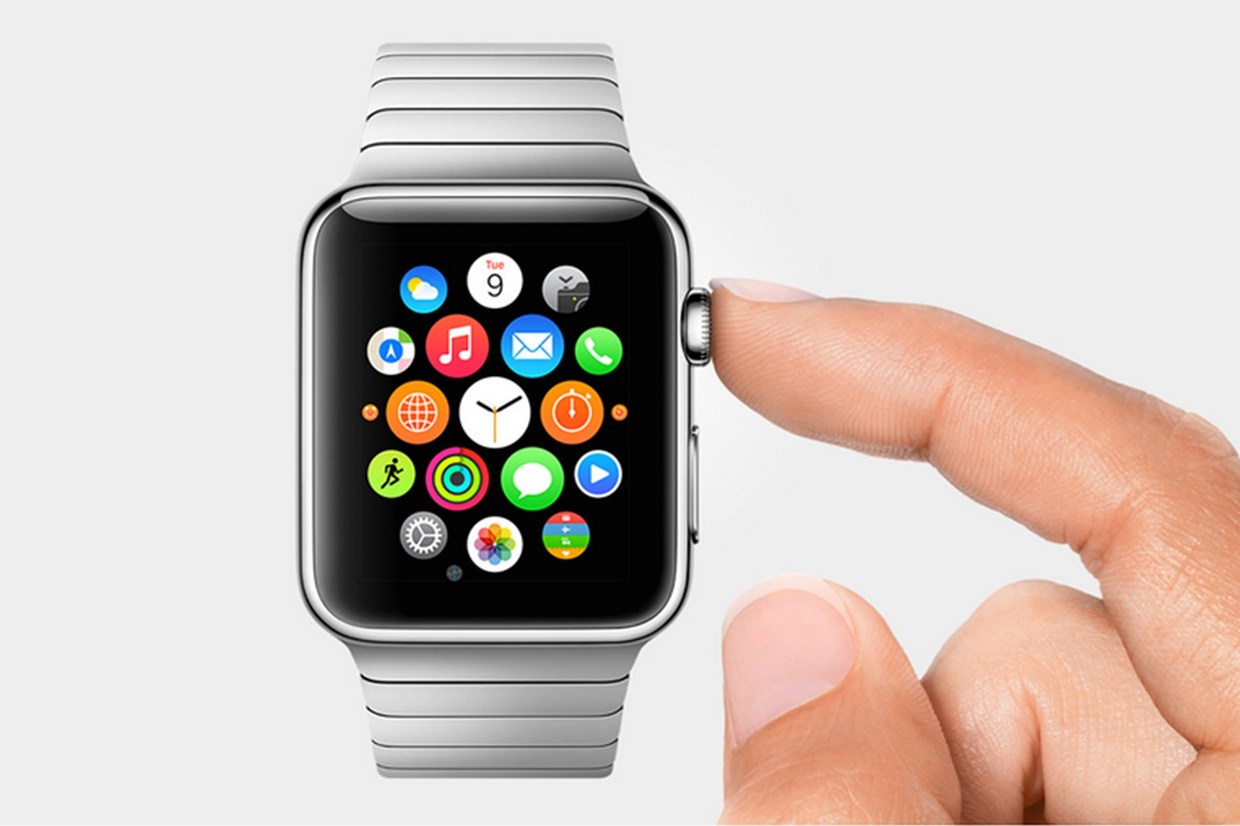
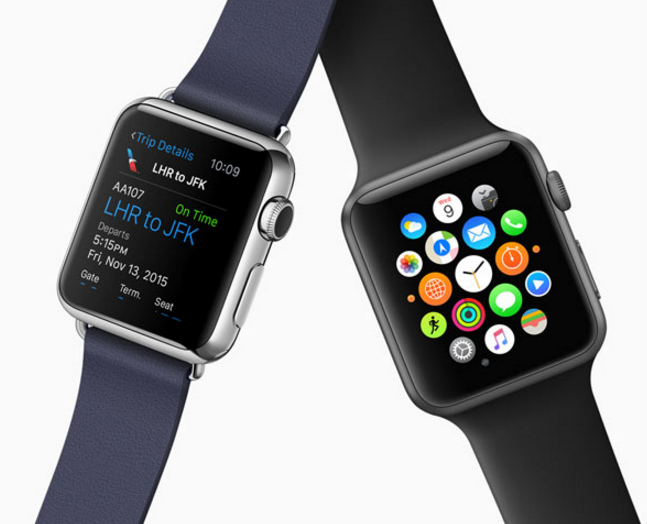
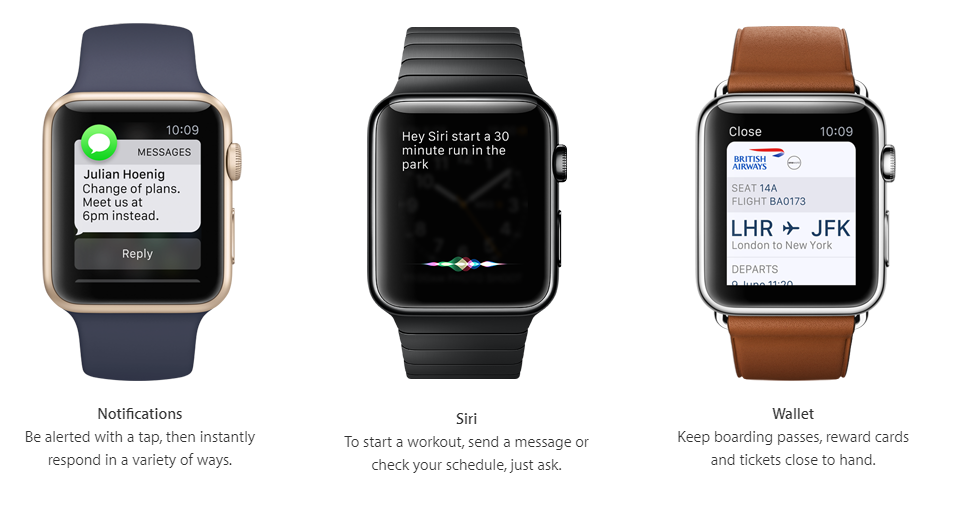
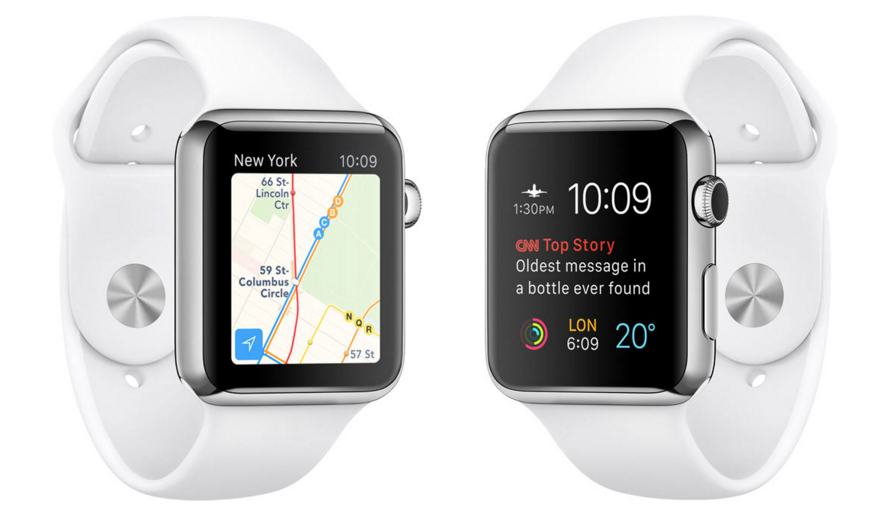
Apple is all set to launch the Apple Watch in India. The company’s India website now features a Watch option on the top along with other Apple products. The smartwatch will hit the stores on November 6th, according to the website.
The Apple Watch was first unveiled in March and began rolling out in April with a few countries at a time. The Watch is available in two variants – 38 mm and 42 mm. The US price of the Apple Watch’s base Sport model is $349 (around Rs. 23,000), which can be expected to cost close to Rs. 30,000 in India. The company has launched close to 34 combinations of the Watch with prices going as high as $10,000 for the Watch edition.
Apple has been mum on how well the Apple Watch has been doing. The company has also refused to disclose how many units it has sold till date. Apple CEO Tim Cook said that the information was privileged and that he didn’t want to “help the competition.” That hasn’t stopped analysts trying to come up with an estimate. Some analysts have said that Apple has managed to ship 4.2 million units in the last three months.
Apple recently unveiled the new watchOS 2, the updated system software for the Apple Watch, which brought features like activation lock, native apps, email reply and more. You can also use Messenger on the Apple Watch.
The biggest challenge is whether the Indian market is ready for wearable technologies like a smartwatch. It may be a while before consumers are ready to have something expensive around their wrists, and initial sales may not be as big as one is used to when an Apple product launches in India. However, the news has already gotten Indian developers building apps for the Watch, and some of the first ones include the likes of Cleartrip, HDFC Bank app, and Avaamo among others.
Over the past few months, Instagram has been playing around with some new features to bring the app out of a stale mode. A couple of months ago, the photo-sharing app introduced a landscape feature that helped Instagram break free from its traditional square photos. Last night, Instagram brought a new feature that allows users to make GIF-like videos that go forward and backwards in a loop.
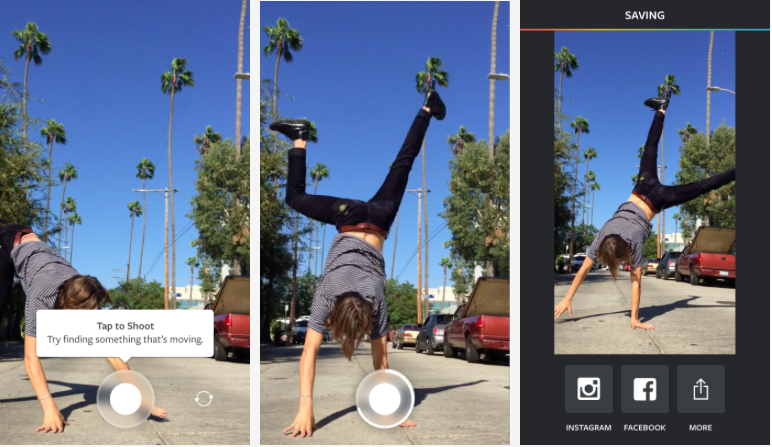
The standalone app is called ‘Boomerang’ and it is available for iOS and Android users. The app is very easy to use. It takes a burst of 10 photos and turns it into a 1-second video loop. So if you find something moving and feel it would make for a fun, interesting loop, just point and shoot and the app will do the rest. Once your GIF-like video is ready, you can share it on Instagram or Facebook.
Photos can be taken in portrait or landscape mode and the final video will be saved to your camera roll. The app is fast and simple to use and doesn’t require users to have Instagram accounts.
Facebook-owned Instagram introduced the new app last night in a blog post. “Transform an ordinary selfie with your friends into a funny video. Get that exact moment when your friend blows out his birthday candles, then watch them come back to life again and again.” Watch the video below to get a better idea of how Boomerang works.
https://vimeo.com/143161189
Boomerang is the third standalone app introduced by Instagram. Last August, it introduced ‘Hyperlapse’ for time lapse videos using stabilization technology, and earlier this year it came out with ‘Layout’ that lets you create photo collages.
The app is kind of like Apple’s new Live Photos feature on the iPhone 6s and 6s Plus that takes Harry Potter-esque moving images. Instagram is looking to make its five year old photo sharing app vibrant again with Boomerang. The idea is to bring something new that will especially attract the teen demographic. At only 12.1 MB, the app is super light and a delight to use. Download the app now and look for moments around you worth capturing and repeating.
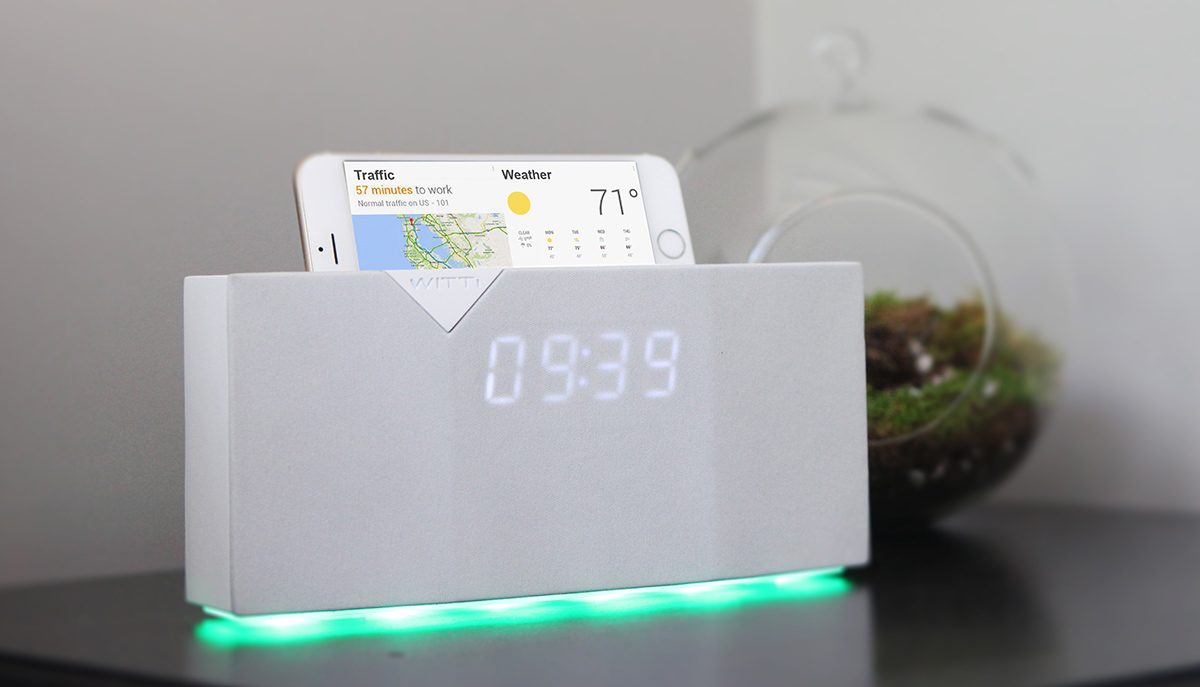
There have been many smartphone alarm docs over the years. Most of them haven’t found too many buyers for reasons related to limited functionality and an expensive price tag. But Kickstarter and Indiegogo are trying to bring back the smart alarm clock and make it fun and affordable again.
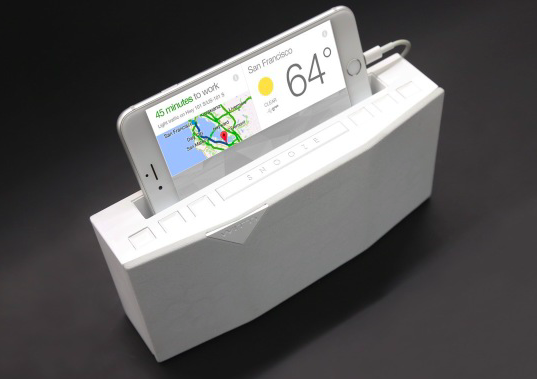
Witti is the company behind the new Beddi smart alarm clock, backed by Kickstarter and Indiegogo. Beddi is a bedside alarm that also works as a Bluetooth speaker, and a lot more. The dock can also hook up to Uber, Spotify and Nest as well. Once your phone is paired over Bluetooth, you can set three presets in Beddi to either call an Uber taxi, toggle a Spotify playlist, control the temperature on your Nest or switch on a Philips Hue light.
Firstly, the dock houses your iOS or Android phone in landscape mode on top. The dock also serves as a charging hub for your devices with two USB ports. The system gives you morning traffic updates using Google Maps, FM radio, and even has a built-in white noise generator for a good night’s sleep.
The Kickstarter project has doubled its funding goal, and if you purchase the dock through Kickstarter, you’ll get it at just $75 a piece or at $115 for two. The actual price of the dock stands at $100, which is highly affordable considering what the dock has to offer. Beddi will begin shipping worldwide in June 2016. Have a look at the Beddi in the video below.
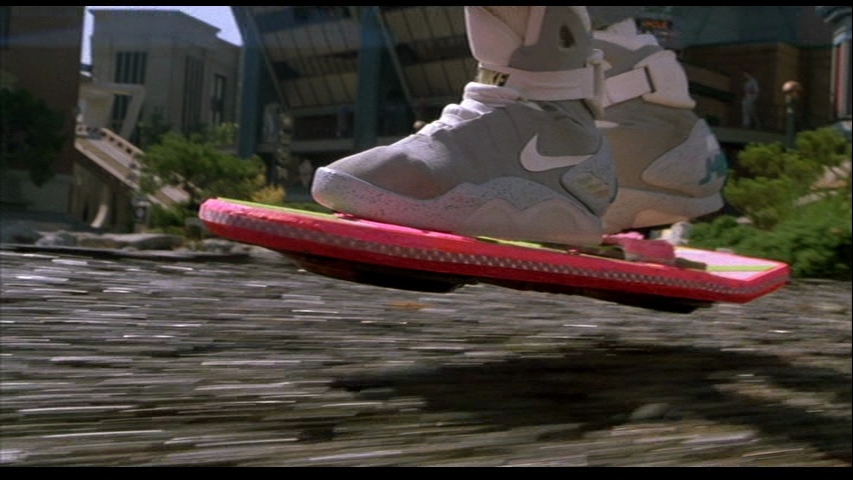
Yesterday was Back to the Future Day around the world. For those who aren’t familiar with the concept, Back to the Future Day comes only once a lifetime, and that was on 21st October, 2015. This day is celebrated because in 1989’s Back to the Future II film, Marty McFly and Doc Brown travel 26 years to the future and land on October 21st, 2015. So naturally, fans of the film around the world were excited to have finally reached the ‘future’.
https://www.youtube.com/watch?v=plwX5NtF530
One of the things that makes the day so exciting is that in the movie, the 2015 future had a hoard of futuristic technology like self-tying shoes, hoverboard, artificial intelligence and all that jazz. And what’s more exciting is that the movie got most of the predictions right.
We celebrated the day in our own way as well by listing 6 techs that the movie predicted correctly about 2015. Companies like Nike were also paying homage to the cult franchise by launching self-tying shoes that were seen in the movie. But no Back to the Future Day is complete without a hoverboard. So the makers behind the Hendo overboard also joined the celebration with their newest version of the hoverboard.
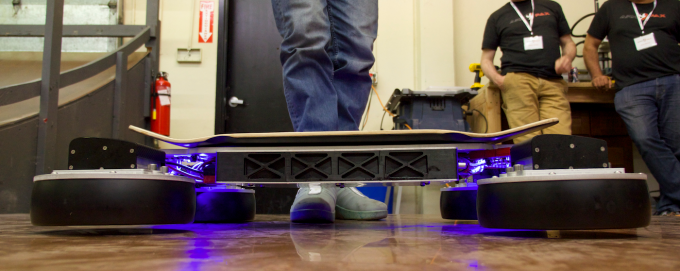
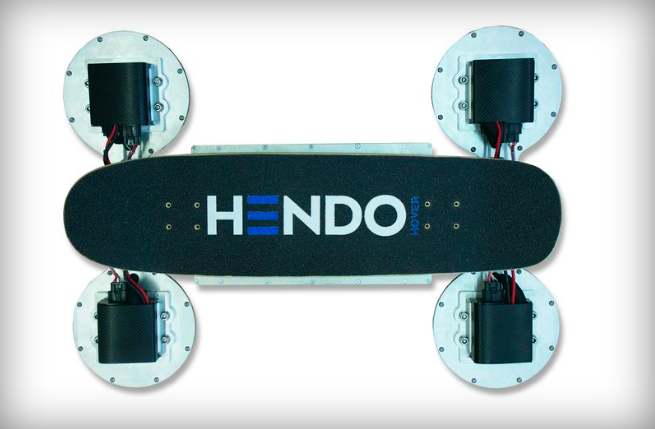
Arx Pax teased new details about the hoverboard last week, like better battery life, USB connectivity, stronger hover engines, and a safety kill switch.The new design looks quite spectacular and in keeping with the future.
The skateboard deck sits on traditional skateboard trucks, which is also where four hover engines connect to the main body. This will help riders shift their weight around much like a traditional skateboard. Another cool piece of information is that the new hoverboard is designed by none other than pro-skater Tony Hawk.
Just to be clear, none of the Hendo Hoverboards run on the street. The magnets below the board need a copper flooring to repel off in order to hover. So you can push off and hover as as long as there is a copper runway. But it’s a start.
The new hoverboard will first go to Kickstarter backers who pledged $10,000 to the company last year. Are Pax has said that the backers were companies who wish to open hoverboard parks of their own. The company has also stated that the hover boards won’t be consumer ready but there has been great progress in the hovering technology that would even make Marty proud. And it does bring the dream of owning your own overboard closer than ever.
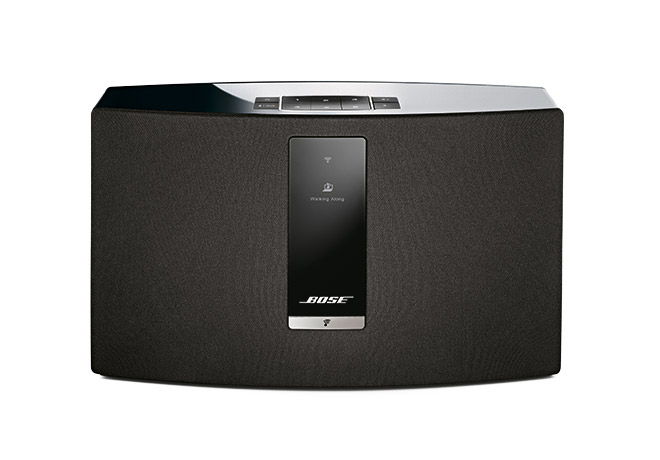
Bose has announced its newest range of next-generation SoundTouch wireless music systems with built-in Bluetooth and Wi-Fi. The systems cater to the growing trend of music streaming around the world and the company wants to make music streaming at home easier than ever before.
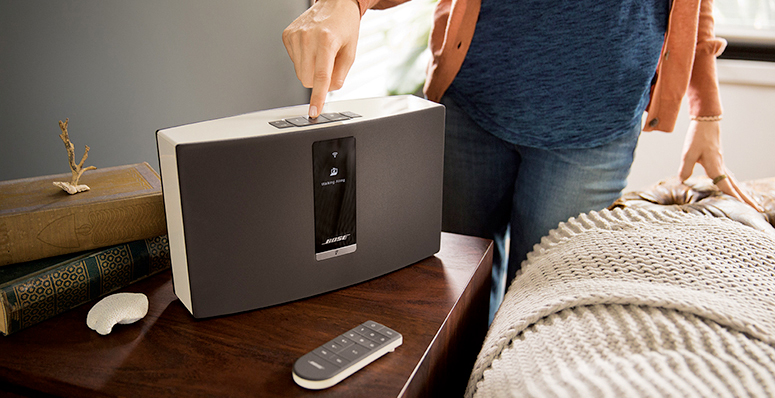
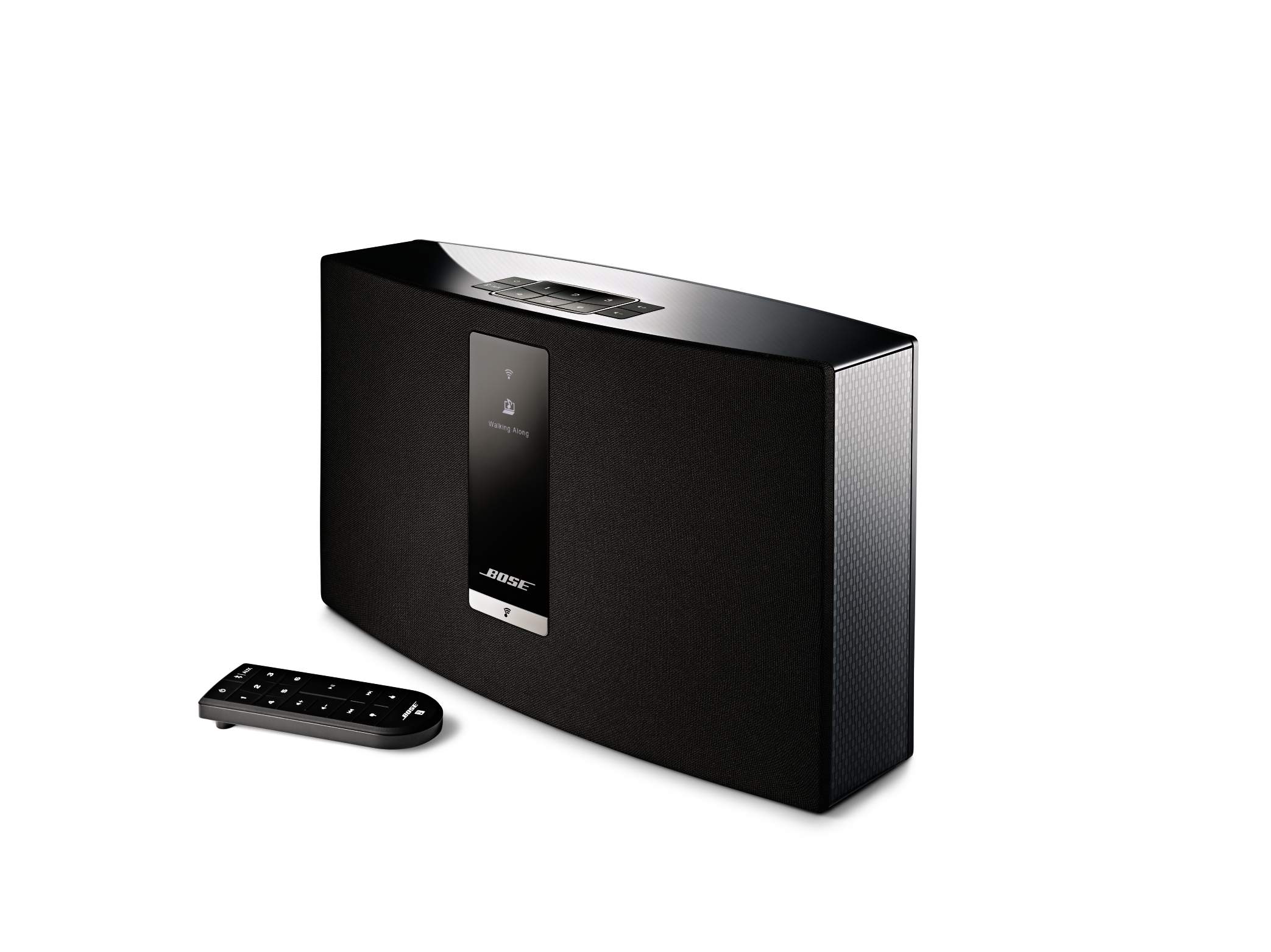
The Bluetooth feature allows you stream any song, playlist, music service and YouTube directly from your Bluetooth-enabled phone or tablet. You can also broadcast your songs to as many SoundTouch speakers as you have via Wi-Fi, or you can use the SoundTouch app to explore a whole variety of options from integrated music services and setting presets to enjoying different music in different rooms. Indeed, the SoundTouch’s big selling point is its presets. Atop each SoundTouch speaker are six numbered buttons. You can set each button for a particular playlist, streaming service, a specific song, or anything else, which you can customize through the Bose SoundTouch Control app.
“SoundTouch systems have always been about delivering the very best way to enjoy streaming music at home,” said John Russels, general manager of Bose Wireless Speakers. “So they’re different than other wireless home music systems. They put all your music in one place, are easier to use than anything else available and now they can play whatever you want, whenever you want. SoundTouch systems like what you like, and the new, little SoundTouch 10 is a great way to get started.”
The SoundTouch Family
SoundTouch 10 wireless music systems is the smallest SoundTouch system, measuring at 8.34-inch tall and 5.56-inch wide. It combines the new Unidome transducer with Bose’s own signal processing. What you get finally is a cleaner, deeper, and louder performance than any other single speaker in its league.
The SoundTouch 20 and 30 Series III systems are updated brother of the SoundTouch 10 system. The SoundTouch 30 Series III is Bose’s best performing one-piece solution while the 20 Series III delivers rich, room filling sound.
Bose SoundTouch 20 Series III
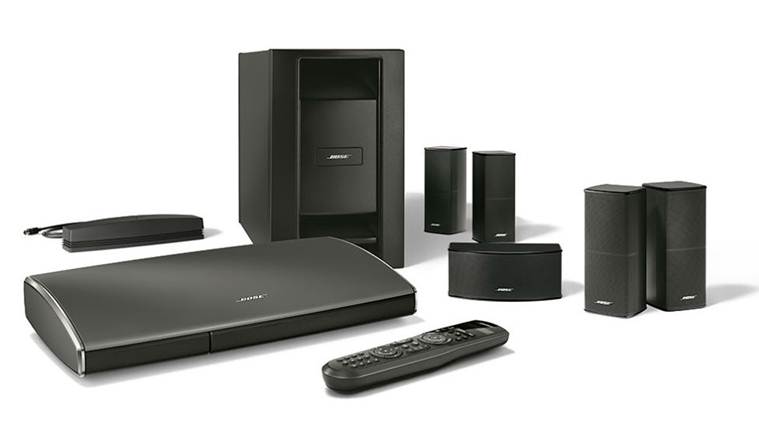
SoundTouch soundbars and home theater system include two soundbars and a 5.1 system, the SoundTouch 520 home theater system.
The SoundTouch SA-S amplifier, lets you take your music outside, too. It powers weaterproof speakers for balconies, patios and backyards.
Pricing and Availability
Bose’s new SoundTouch 10 wireless music system is priced at Rs. 19,013 while the SoundTouch 20 Series III and the 30 Series III are available for Rs. 33,638 and Rs. 57.263, respectively. Bose’s SoundTouch home theater systems are available starting at Rs. 1,10,138. All the latest systems are available at select Bose dealers and Bose retail stores.
Some stories can melt your heart in an instant. Disney has always been something for children and the child in you. So, it pleases one to hear that the mass media and entertainment giant will be helping a UK-based start up in making prosthetic hands for children more appealing. And how will Disney help with that? By doing it the Disney way, of course.
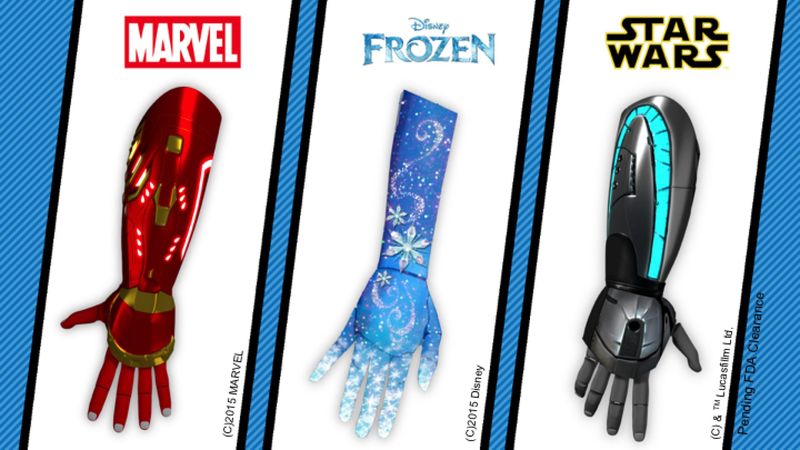
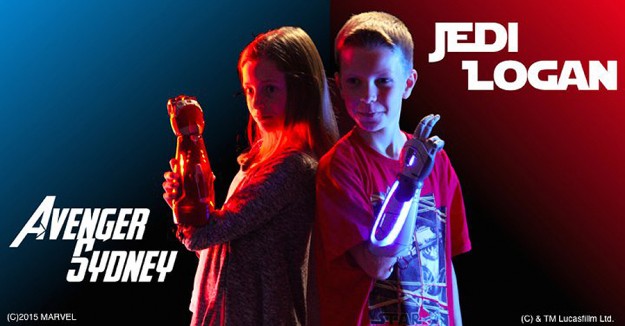
Open Bionics is the name of the UK-based start up that focuses on low-cost 3D-printed prosthetics. The company is also a part of Disney’s Techstars Accelerator program. Disney is giving Open Bionics royalty-free licenses to create prosthetics modeled off of Iron Man, Elsa from Frozen, and a glowing, buzzing ‘lightsaber hand’ familiar to millions of Star Wars fans.
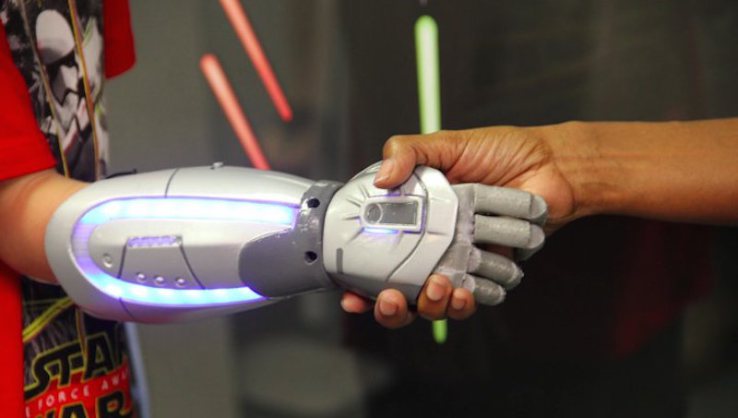
But the fun doesn’t just end with the design. It also does things, too. Take the lightsaber hand, for example. You can turn on a set of LED lights that illuminate the prosthetic which also give off the lightsaber-like buzzing sounds. A button also lets you change the saber’s colour because fans know that characters like Luke Skywalker, Yoda and Darth Vader favour different couloured lightsabers.
Similarly, the Iron Man gauntlet will let the child shoot off “rockets”. Well, not really, but with the LED lights and sounds and a vibrating motor it does give off that feeling. But the prosthetics aren’t just expensive toys. They’re made to help the child and provide physical therapy while having fun. The motor gives a haptic feedback to the child when he non-threateningly fires from the Iron Man gauntlet and also serves to indicate the strength of the grip being exerted by the child. Apart from serving a fun light show, the LED lights also lets parents and doctors understand what signals are being sent to the device.
Open Bionics CEO Joel Gibbard told Independent that, “the power of these prosthetics is that the public perception is completely different. All of a sudden they’re not being asked how they lost their hand, they’re being asked where they got their cool robot hand, how does it feel, and how does it work?”
Earlier this year, Iron Man (Robert Downey Jr.) himself paid a visit to a seven-year old boy and gave the kid a custom-made Iron Man prosthetic gauntlet. Watch the video below that is sure to bring a smile to your face today.
https://www.youtube.com/watch?v=oEx5lmbCKtY
Open Bionics is hoping to make a big difference with these prosthetic hands and is aiming to have them available by the end of next year at a reasonable price of around $500.