Category: Facebook

  • Facebook Messenger Lite Gets Video Calling Feature

    Facebook Messenger Lite Gets Video Calling Feature

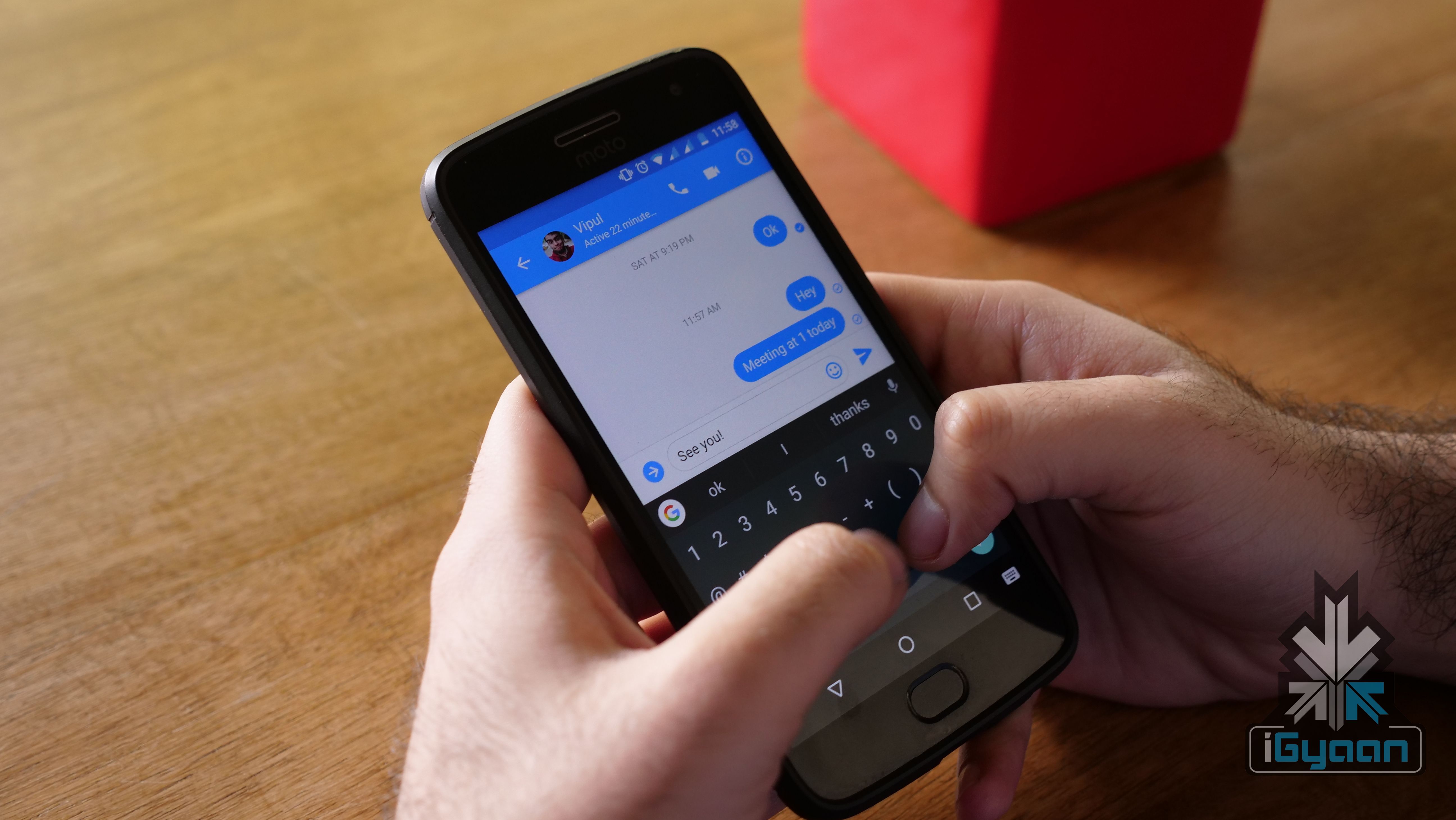
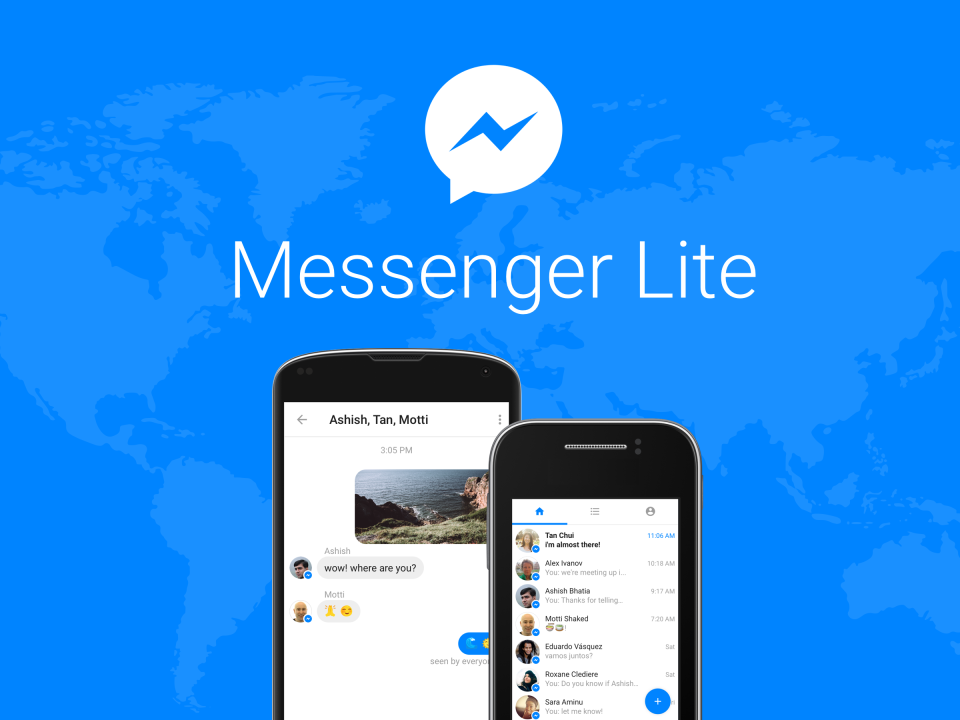
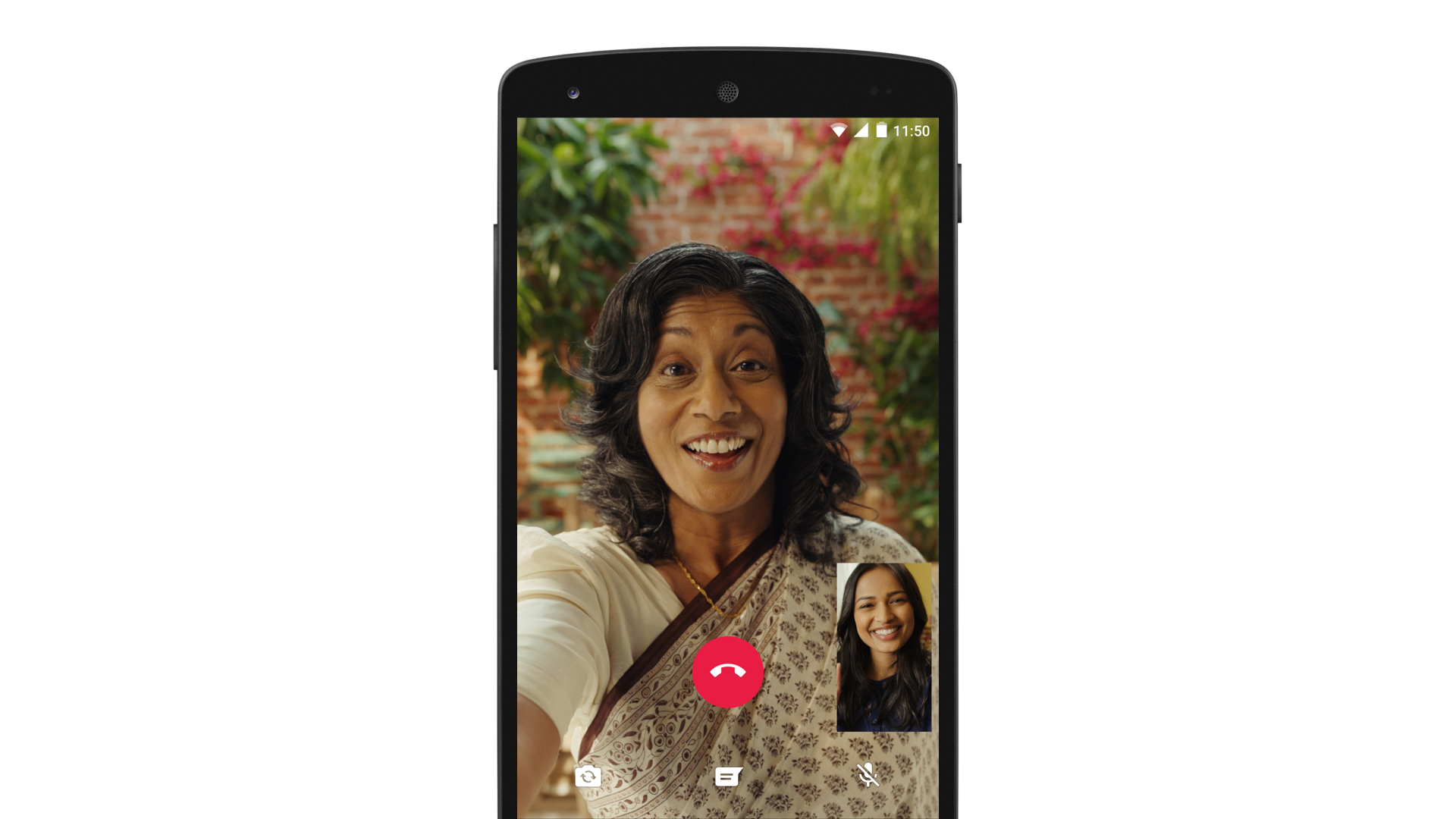
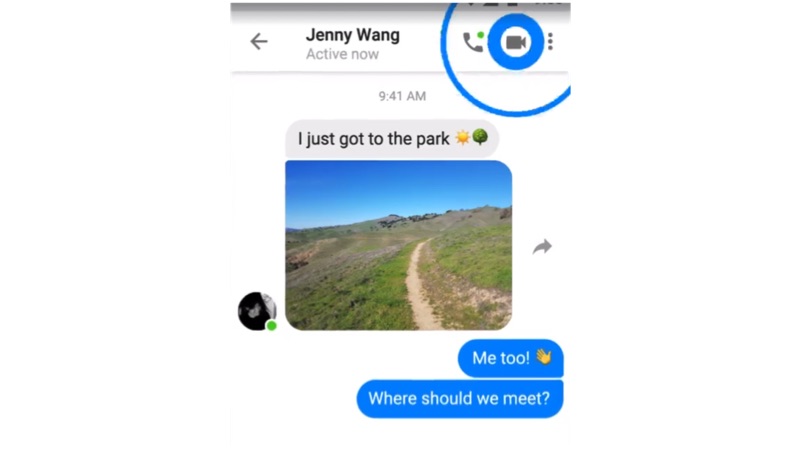
    Facebook Messenger Lite now supports video chats. One has to update the app to version 27.1.0.6.185 to enable video chat. The update weights at 3MB and it is free to download. However, after the download, the app consumes around 35MB of storage space.

    Originally, the Messenger Lite application was launched to serve users with slow internet connectivity in the countries like India and Sri Lanka. However, later on, the app was made available Globally.

    Usually, video chat applications require a lot of high-speed data. However, the Messenger Lite application works even with slow internet connectivity. Facebook claims that 17 million video chats have been made on Messenger. In fact, the number has been doubled compared to the 2016 statistics.

    Messenger Lite

    The original launch didn’t have either voice or video calling feature, which was later added with the updates. In fact, it has all the features like stickers, group chat and Find People like the standard version.

    How to use video chat on Facebook Messenger Lite
    • Open the messenger
    • Click on the user
    • Click on the video button to start the conversation
    Note:

    Both the parties should be running on the latest version of either the regular or the Lite app to make video calls.

  • BlackBerry Sues Facebook For Patent Infringement

    BlackBerry Sues Facebook For Patent Infringement

    Once considered to be one of the biggest mobile makers in the world, BlackBerry has gone through its fair share of dip. Ever since the rise of iOS and Android OS platforms, BlackBerry and its popularity has been on a decline. The BlackBerry Messenger used to be one of the most popular messaging services and has since been replaced by the likes of WhatsApp. However, it appears that BlackBerry feels undone by Facebook as it has sued the social networking company for patent infringement.

    In a Los Angeles Federal Court, BlackBerry, Ltd. filed a lawsuit against Facebook, Inc. for infringing a patent on its messaging technology. The lawsuit focuses on Facebook Messenger and Facebook-owned properties like WhatsApp, Instagram. BlackBerry claims that for several years, it has attempted to have a dialogue with Facebook over the infringed patents.

    Facebook Messenger

    A few things that have been noted in the lawsuit include showing an unread message indicator on top of an icon. Something that WhatsApp and Facebook Messenger introduced a while ago. Here are a few other features noted in the lawsuit:

    • Showing multiple incoming messages in the inbox
    • Not showing timestamps of every message in a thread
    • Selecting a Photo Tag

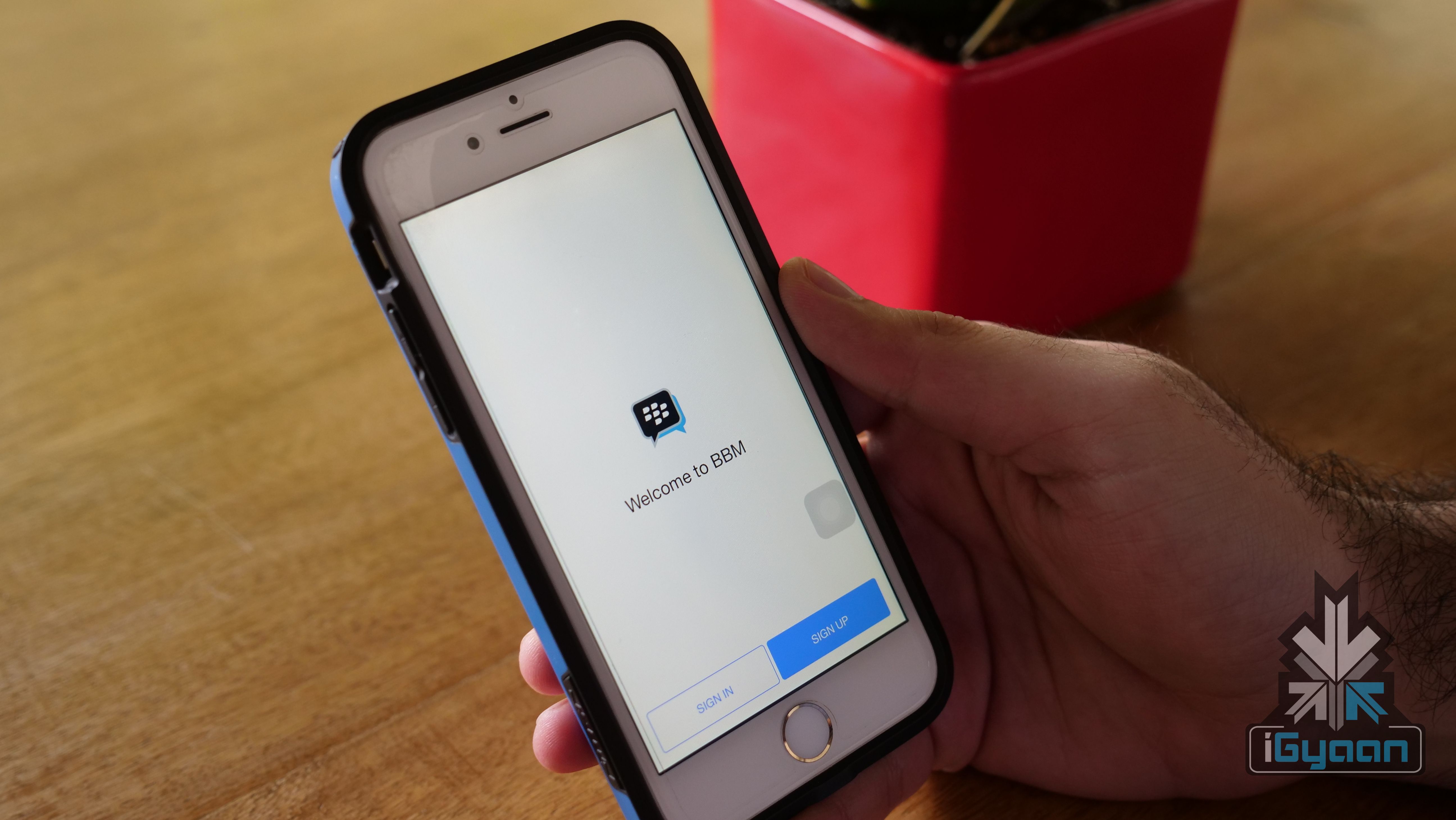
    The lawsuit appears to be related to BBM, once highly popular and now, obsolete. Using BBM, users could send unlimited messages to each other, a lot like iMessage. However, as the popularity of Blackberry devices dwindled, the company made the messaging service available for iOS and Android.

    Considering companies like Apple, Google have similar messaging apps, it is surprising that they weren’t in the firing line as well. Facebook, on the other hand, has come out with a harsh response to the lawsuit:

    BlackBerry’s suit sadly reflects the current state of its messaging business. Having abandoned its efforts to innovate, BlackBerry is now looking to tax the innovation of others. We intend to fight.

    Conclusion

    If past lawsuits are anything to go by, this legal battle will be on for a while.

  • JioPhone Gets Official Facebook App Support

    JioPhone Gets Official Facebook App Support

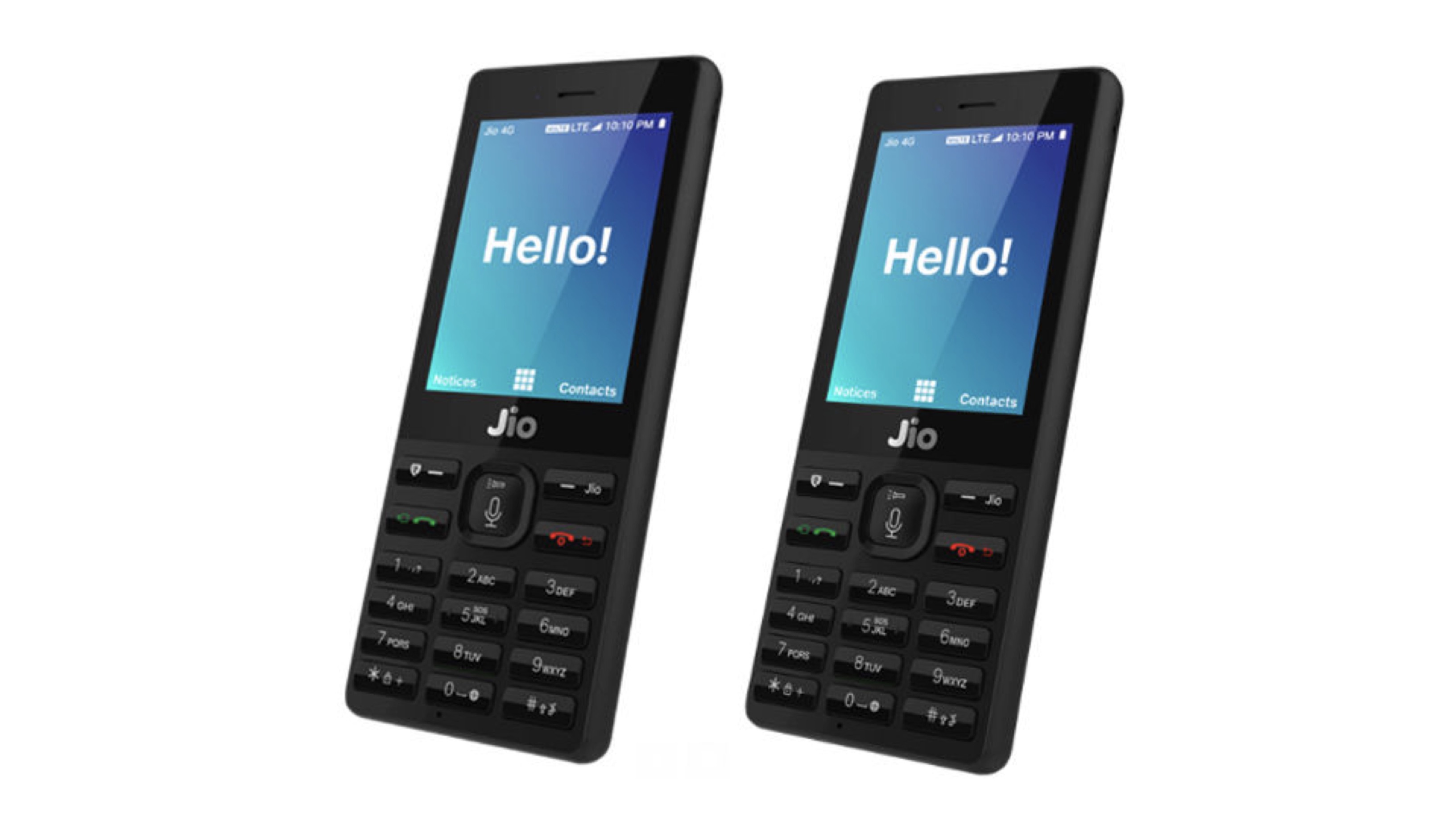
    JioPhone has received a much-needed feature. The JioPhone users can now enjoy fully fledged Facebook natively. The app includes features like push notification, videos, and an optimised news feed. The app has been specially designed by the Facebook team for the KaiOS (special OS based on Firefox OS). The JioPhone will also receive its own version of Google Assistant in the coming months.

    JioPhone is one of the cheapest feature phones that supports 4G LTE with VoLte. The smartphone literally costs nothing (with refundable security deposit), which make sense in the booming market like India. Though the phone supports universal GSM network, the company has locked it to Jio-network only to reduce the misuse. Users can recharge their number for as low as INR 49, which includes unlimited calling and data for 28 days. The company has sold more than 5 million phones, and it is still hard to get a JioPhone without pre-ordering it.

    Specifications:

    For a phone of this calibre, the phone packs decent hardware. The 2.4-inch non-touch panel runs on 1.2 GHz SoC paired with 512 MB RAM and 4 GB storage.

    The phone packs a 2 MP main camera and a VGA selfie camera, which aids in video calling. The 2500 mAh Li-ion battery is user replaceable and will last for an entire day. The phone does offer screen mirroring via a proprietary cable that connects via micro USB port.

    The built-in KaiOS offers exclusive Jio apps like Jio Music, Jio Tv, Jio Magazine, and My Jio. Users can also access Youtube and other streaming services via the web browser.

    Conclusion:

    At the time of launch, the company announced that the phone will feature necessary apps like WhatsApp and Facebook. This looks like a right move in right direction. However, the company haven’t shed any light on the availability of WhatsApp which is the most requested app from the user.

  • Facebook Testing A ‘Downvote’ Button

    Facebook Testing A ‘Downvote’ Button

    Ever since Facebook gained the kind of popularity it possesses right now, the call for a ‘dislike’ button was the loudest. Initially, Facebook said that it would steer clear of a ‘dislike’ button as it could add negativity. However, the company went ahead and added various reactions. One of them is an “angry” reaction which could be substituted as ‘dislike’ button.

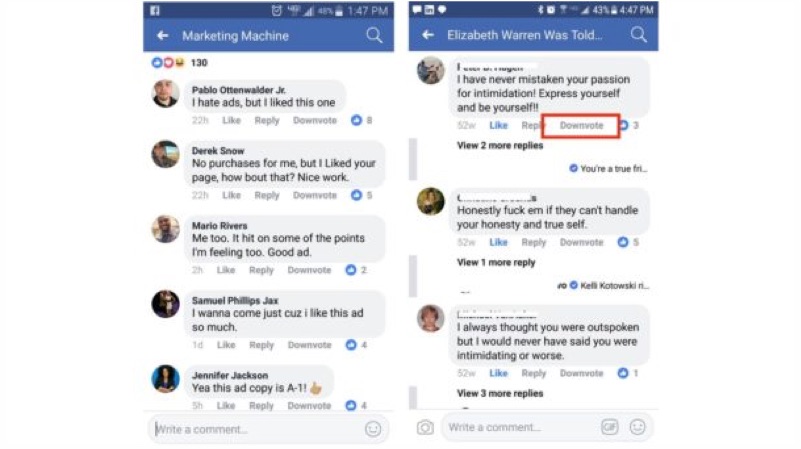
    The social networking site is now testing a downvote button that would work similarly to how downvotes are on Reddit and other sites. So far, only a few users in the United States can use this feature. And right now it is in a testing phase for now. However, the downvote button works differently than the dislike button.

    Facebook

    While a dislike button is used to express displeasure or anger towards a post or comment, the downvote button will be different. The downvote button won’t be available for every post, it is designed for comments on posts from public pages. The downvote button would help hide offensive, abusive, or inappropriate comments. Using the downvote button won’t affect the entire post.

    On a lot of websites, a number of downvotes make that particular comment hidden or deleted. Something similar will be implemented on Facebook.

    A Facebook spokesperson has stated that the social network is simply testing this downvote feature so that users can provide feedback about comments on various posts from public pages.

  • Facebook Is Working On An Amazon Echo Show Competitor

    Facebook Is Working On An Amazon Echo Show Competitor

    Facebook is more than just a social networking service and has been constantly expanding its business. From buying Instagram to acquiring WhatsApp, the most popular instant messaging service, the company is widening its reach every acquisition. One thing that Facebook has so far failed impress in, is its hardware capabilities. Back in 2013, Facebook launched an HTC-made smartphone that revolved around its social networking services. The smartphone failed to impress the consumers and disappeared in a few months.

    For a few months, there have been rumours of Facebook working on a smart speaker with a display, much like the Amazon Echo Show, which will have Facebook and its other social networking services at its heart. The device will reportedly be called Portal and is expected to be priced at US $499, which is more than double of what an Alexa-powered Amazon Echo Show costs.

    Facebook is planning to unveil the device in May 2018 at its developer’s conference and start shipping it by the end of the year. It will be interesting to see how Facebook Portal will compete with other smart speakers with a display as Google also announced a slew of companies that will be manufacturing Assistant-powered speakers with a display.

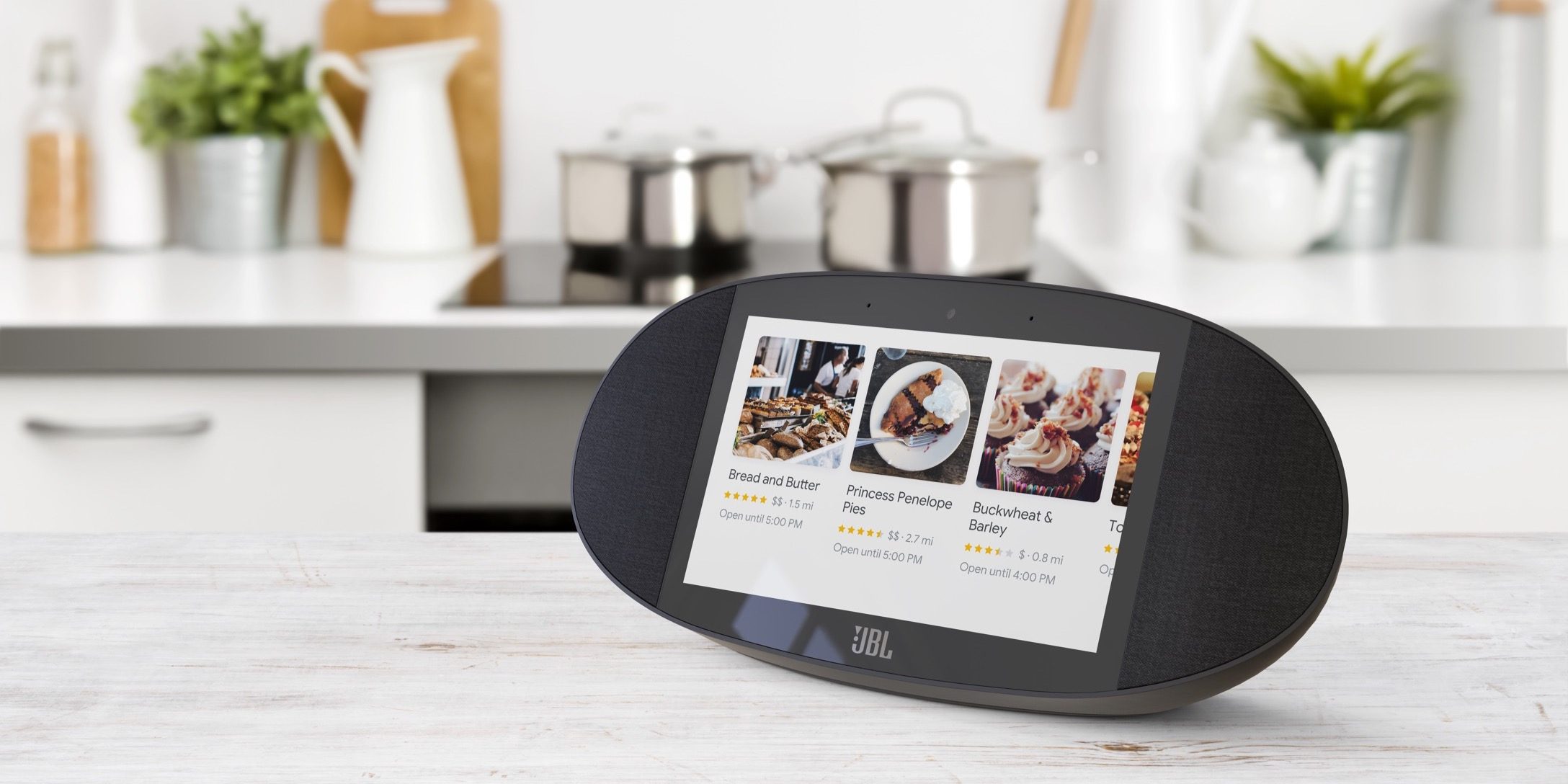
    JBL Link View Powered By Google Assistant

    A previous report claims that it would have a display of between 13 to 15 inches, almost double of what is found on the Echo Show. The tablet-like device will respond to voice commands and use facial recognition technology, something Facebook has been taking very seriously off-late will provide a personalised experience to different people in the house.

    The Facebook Portal could also be a part of Facebook’s plan to become the largest video streaming service in the world. With a huge display and the ease of voice commands, the Portal could become a primary source of video consumption for people active on social media and the company could launch its streaming service with the new smart speaker. You could read everything about Facebook’s new streaming service, Watch here.


  • Facebook And Universal Music Group Deal Will Allow Users To Upload Songs In Videos

    Facebook And Universal Music Group Deal Will Allow Users To Upload Songs In Videos

    Facebook has announced a new multi-year deal with Universal Music Group. The agreement, which also covers Instagram and Oculus, will allow content creators to upload songs by UMG artists in their videos without worrying copyright violations.

    The deal will help address the major copyright infringement issues around music on the social media platform. Facebook says this is the first step in addressing the issue but, noted that it would work with the label to introduce “music-based products” on its platforms as well. UMG is not the last label to sign a licensing deal as multiple reports have claimed that social media platform is in talks with Warner Music Group and Sony Music Group as well.

    Facebook is also creating its own version of Content ID, YouTube’s service to identify rights holders’ content across its network, which would allow music labels and other major rights holders to manage their content on the platform.

    The efforts to integrate music into its services began back in 2015 for Facebook. Facebook did not want to go the traditional route and create an on-demand streaming service. In turn, it has kept pushing for it and with UMG on board, it has addressed the copyright infringement issue on its platform which seems ideal for both creators and the music industry.

  • Facebook To Launch Standalone Video Streaming App Called ‘Watch’

    Facebook To Launch Standalone Video Streaming App Called ‘Watch’

    Most people’s answer to ‘Where do you watch videos on the internet?’ would ‘YouTube, of course!’. Over the years, it has dominated the video consumption space on the internet because it has artists who create content that is only accessible on YouTube and nowhere else. The visual format of content consumption has become so huge that even Apple is planning to launch a subscription-based video streaming service in the coming years. Thanks to the increased accessibility and relatively cheaper fare of the internet over the world, services like Netflix and Amazon Prime Video have become successful as well.

    If you are an avid Facebook user, you come across all kinds of videos on your timeline every few seconds. It can be a funny 15-second 9GAG video or a VICE clip about cooking Christmas dinner in a dumpster. For several years, videos have been a focus for Facebook and the company might be taking an important step towards making videos its one of the most important business aspects.

    Facebook will be launching Watch, a standalone video streaming app which will compete with the likes of YouTube and Netflix.

    What is Watch?

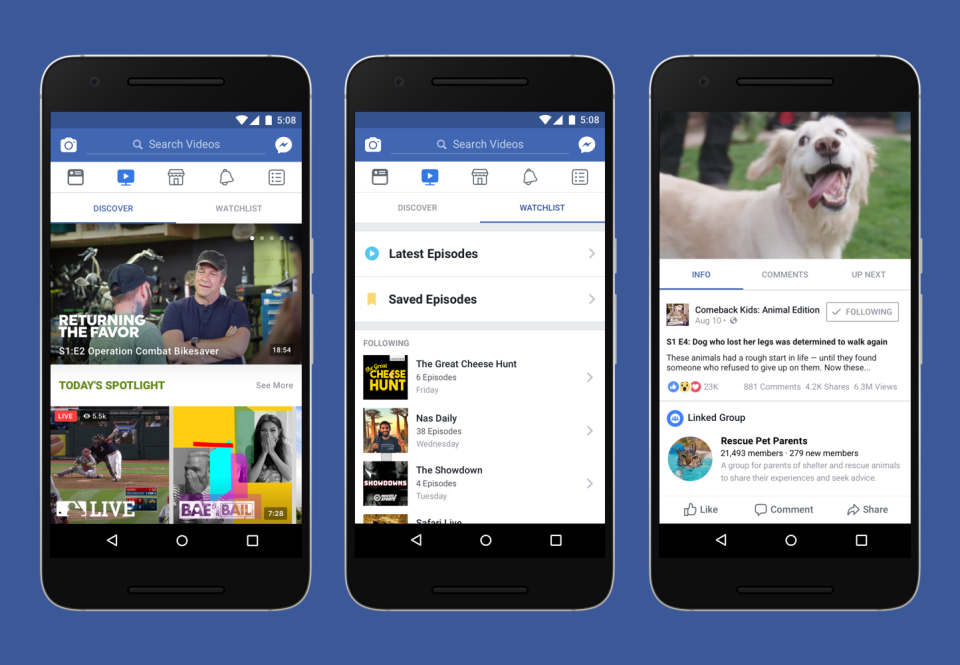
    Facebook Watch is already available as a beta version within the Facebook app in the US and will soon make its global debut. It is a video streaming app which will blend in Facebook’s other services like Messenger and WhatsApp.

    According to our sources, Facebook is working on making Watch a standalone app to launch in Q1-Q2 2018

    Watch includes features like a “discovery” page that recommends new content, a dedicated feed for comments and reactions to videos, show-specific Facebook groups, and new Watch pages. For creators and publishers, Watch is presented as a platform to help them build an audience of passionate fans and make money from their work.
    Any creator that is a part of Facebook Mentions, will be automatically eligible to use the app. Facebook Mentions is a platform that lets all sorts of public personalities to engage with their fans.

    The Facebook Watch app will have a new set of tools which is called Live Creative Kit. These tools will essentially help creators produce more professional streams. To create more fun and engaging content, the Watch app will let users add custom video intros and outros to broadcasts. Even the viewers can feel like a part of fandom by using custom stickers.

    One-fifth of videos on Facebook are live videos, which is one of the important statistics and around which, a lot of the features of Facebook Watch are created. For example, users can add frames to their broadcasts in order to create a thematic experience that’s consistent with their brand perception.

    Why Watch Has The Potential To Surpass YouTube

    As of now, YouTube is the largest video streaming platform in the world and has been for a long time. Many services came and couldn’t survive the magnitude of competition that is required the ruffle the feathers of YouTube. Facebook Watch, however, will be different. It is a common term to hear that ‘Facebook is crushing Snapchat by copying features that Snapchat brought to the fore’. It is true, Snapchat has not been able to deal with Facebook’s constant adaption of Snapchat’s own features because at any given point, Facebook has much more active users than Snapchat. Also, Facebook adapts and responds quickly.

    Making speed a priority has allowed Facebook to build products and features that allow it to outpace competitors and perfect user experiences. This is part of the reason why Facebook-owned properties like Facebook, Messenger, Instagram, and WhatsApp account for 21.8% of the total time that the average consumer spends on their mobile phones.

    To become the biggest video content consumption platform, Facebook needs video content, and reports claim that it has taken a drastic step to ensure that creators jump on board as soon as possible and has started paying for original content. According to The Wall Street Journal, Facebook “is taking the risk out of the content-creation endeavour for many publishers, either by paying to offset their production costs or offering to license or buy their content outright.”

    This means that Facebook will be able to generate exclusive content quicker by allowing creators to work freely without thinking of the monetary repercussions of content creation. Already, many creators on YouTube have had a fall-out with YouTube due to the monetization guidelines and with the lucrative offer from Facebook, famous content creators might be persuaded into changing their allegiance. Evidently, all the famous creators on YouTube have a strong presence on other social media platforms hence, the transition might not be as hard as people might imagine.

    Furthermore, with the creators on board, Facebook will need advertisers to generate the revenue. While Facebook is becoming increasingly profitable, speculators believe YouTube is now barely breaking even on ad revenue. Facebook has even started monetizing videos that are directly uploaded to its platform.

    This focus on video has already resulted in native Facebook video uploads getting 10 times more shares than YouTube uploads. Following Facebook’s initial emphasis on video, there has been a 50 percent increase in uploads to Facebook by brands over the past three years.

    Lastly, there is no denying that Facebook has the audience for pulling off the unthinkable and surpass YouTube as the biggest video streaming platform. In 2016, Zuckerberg disclosed that the average person spent 50 minutes a day on Facebook’s platforms (not counting WhatsApp). Users in the U.S. spent an average of 35 minutes per day on Facebook, compared to YouTube with 17 minutes. In addition to higher time on site, Facebook has more users than YouTube, with more than two billion users vs YouTube’s 1.5 billion.

    Conclusion

    Facebook owns entities like Instagram, WhatsApp and Messenger. Integrating a video streaming platform with other popular social media outlets would mean that a consumer would never leave the ecosystem created by Facebook. After dominating the social media sphere for so many years, Facebook, an internet organisation, has the resources to replicate the same success in the world of video streaming as well. To believe that YouTube will disappear is incredibly naive. Instead, it will likely become marginalised, much in the same way Snapchat and Twitter now have to deal with the popularity of Facebook and survive in its shadow.

    With increasing disdain among creators on YouTube and a lucrative offer from Facebook to all the popular content creators, Facebook has the perfect product to be the biggest video consumption platform in the world.
  • Facebook Will Notify Users if Someone Else Uploads Their Photo

    Facebook Will Notify Users if Someone Else Uploads Their Photo

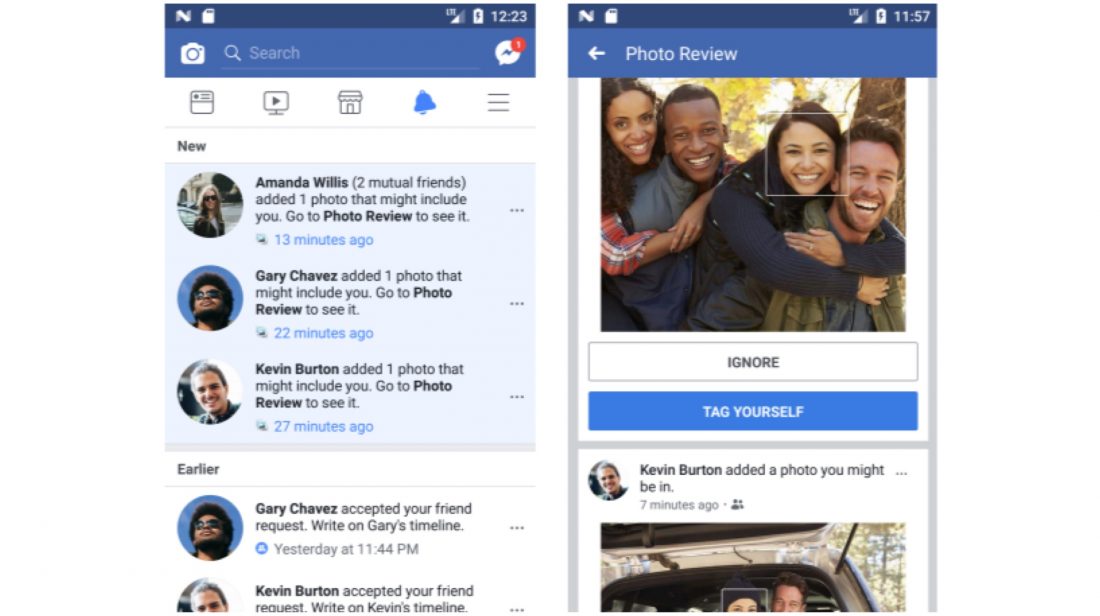
    Facial recognition is a software that Facebook uses to some extent. Now, the social networking company is taking facial recognition to another level with its new feature. Using facial recognition, Facebook will notify a user if someone else uploads of that user.

    According to Facebook’s blog post, the idea behind Photo Review is to give users more control over their online identity by giving them more privacy settings to work with. For the time being, those settings are the only means to work around facial recognition, with users being asked to grant Facebook permission to use facial recognition across the service.

    Powered by the same technology we’ve used to suggest friends you may want to tag in photos or videos, these new features help you find photos that you’re not tagged in and help you detect when others might be attempting to use your image as their profile picture.

    This would allow Facebook to implement more features that use facial recognition, such as account recovery. Facebook has conceded that there will be an easier on-off switch if you find facial recognition to be more trouble than it’s worth.

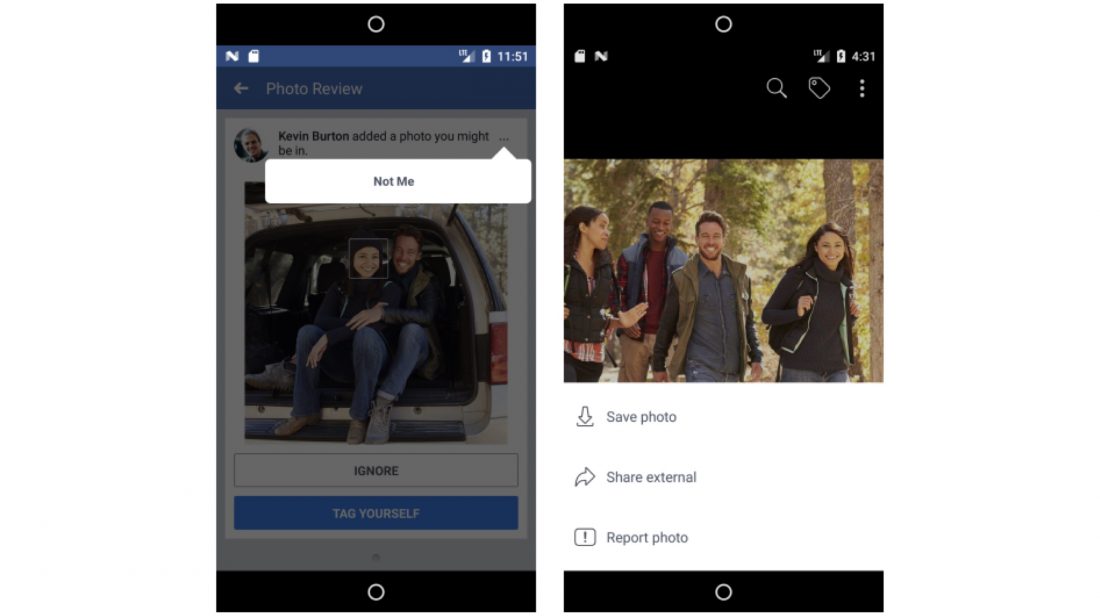
    Photo Review is powered by the same AI technology that suggests friends you might want to tag in your pictures. The good news here is that the user does not have to be friends with someone for Photo Review to work, as long as the user has friends in common, they will be notified. When you are notified, you then have the choice to add your tag to the photo, leave yourself untagged, or report the photo as inappropriate.

    Facebook says Photo Review is rolling out to most regions, though users in Canada and the EU will not get to use it due to data laws that restrict the use of facial recognition.


  • WhatsApp Ordered To Stop Sharing User Data With Facebook

    WhatsApp Ordered To Stop Sharing User Data With Facebook

    Back in 2014, Facebook bought one of the most famous instant messaging apps in the world, WhatsApp. Over the course of three years, there have been many Facebook features which have trickled down to WhatsApp as well, WhatsApp Status being one of them. Being the parent company, Facebook started using the user data from WhatsApp to develop targeted advertising, security measures, and to gather business intelligence.

    To tackle the free-sharing of personal user data among the two firms, France’s ultra-strict privacy watchdog CNIL has ordered WhatsApp to stop sharing user data with parent company Facebook. WhatsApp has a month to comply with the order, according to a public notice posted to the French website. CNIL ruled that while WhatsApp’s intention of improving security measures was valid, the sharing of data for business intelligence purpose was not acceptable.

    CNIL believes that since WhatsApp never told its users that it was collecting data for business intelligence and there’s no way to opt out without uninstalling the app, it violates the fundamental freedom of users.

    This is a yet another step from European regulators to crack down on the freewheeling data sharing between the two social networking entities. Germany ordered Facebook to stop collecting data from WhatsApp users in September 2016, and in the UK, Facebook agreed to stop collecting WhatsApp user data in November 2016.

    Do you find it uncomfortable that Facebook can use your data to create specific advertisements for you while it claims that the data-sharing is for security purposes only? Let us know in the comments below!

  • Messenger Lite For Android Launched In US, Canada And Other Countries

    Messenger Lite For Android Launched In US, Canada And Other Countries

    Facebook has launched the ‘Lite’ version of its data inhaling app, Messenger for Facebook in the US, UK, Canada and Ireland. The app is an Android-only app so far and was primarily targeted at people who live in areas where the internet isn’t equipped enough to handle the data intensive tasks of the regular Messenger app. But, the expansion of the app to Facebook’s top developed markets mean that people who want to save data charges like teenagers can take advantage of the app. However, Facebook has no plans as of now to introduce the app for iOS devices.

    We’re excited to bring Messenger Lite to Android users in four new markets, including Canada, Ireland, the U.K. and the U.S. Messenger Lite is a slimmed-down version of Messenger that offers the core features of the app, while giving everyone the opportunity to stay connected to their friends and family, regardless of device or quality of internet connectivity.

    Lead by India and Brazil in terms of downloads, the Messenger Lite was first introduced in October 2016 in five countries before its near global expansion in April. As mentioned earlier, this rollout could be beneficial for Facebook as potential low data costs could help the company attract teenagers who are active on the social media platform and want to stay in touch at all times. The Messenger Lite app could help them make full use of the app’s core features while skimming out on the data charges.

    One of the main reasons cited by Facebook to introduce Messenger Lite was that there are over a billion people who still don’t have access to high speed 3G or 4G network. This move to bring the Lite app in developed markets with proven high speed internet means that the company can now target people who like to cut costs but, not necessarily like to give up using their phones for chatting.

  • Facebook Is Working On Its Own Facial Recognition System

    Facebook Is Working On Its Own Facial Recognition System

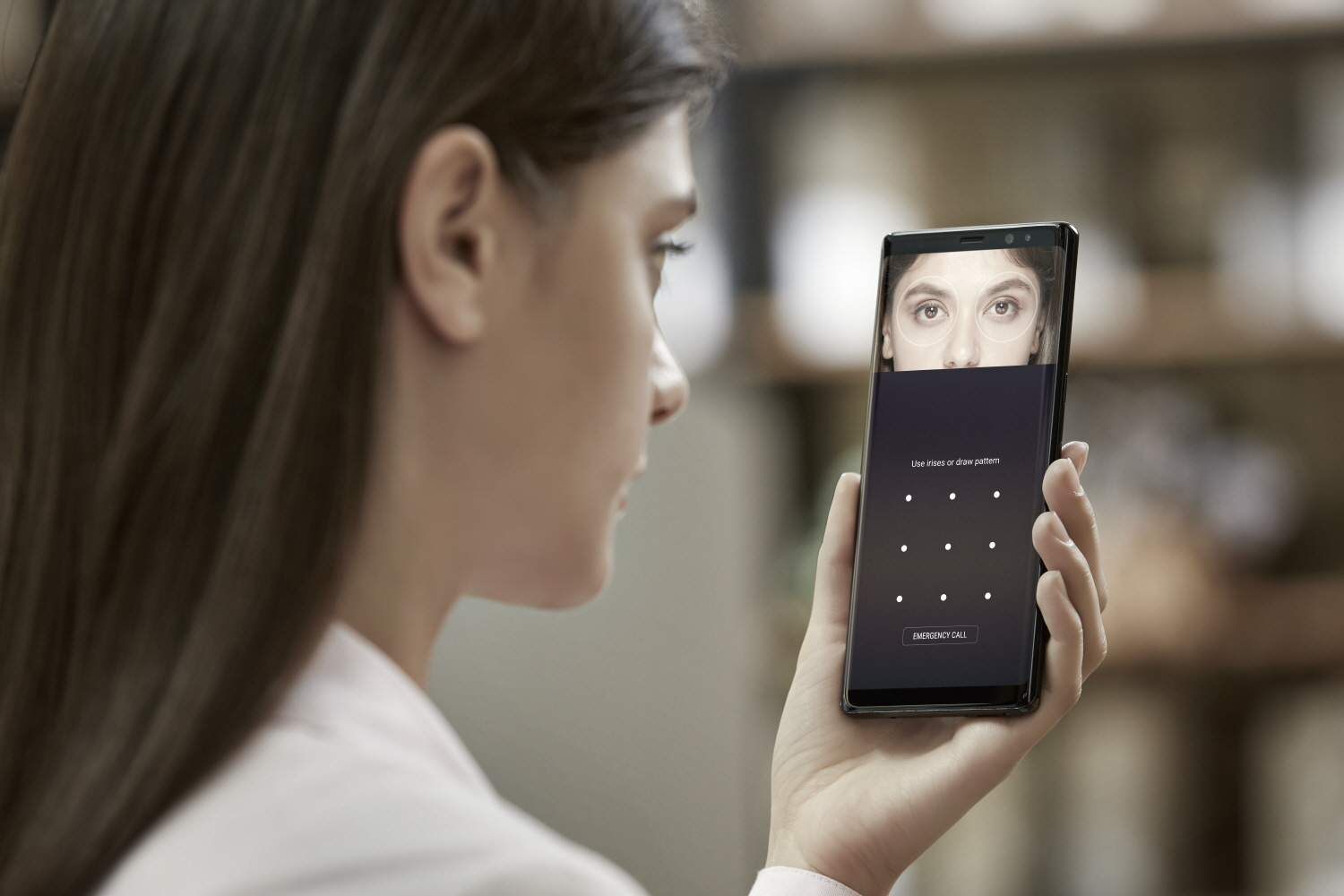
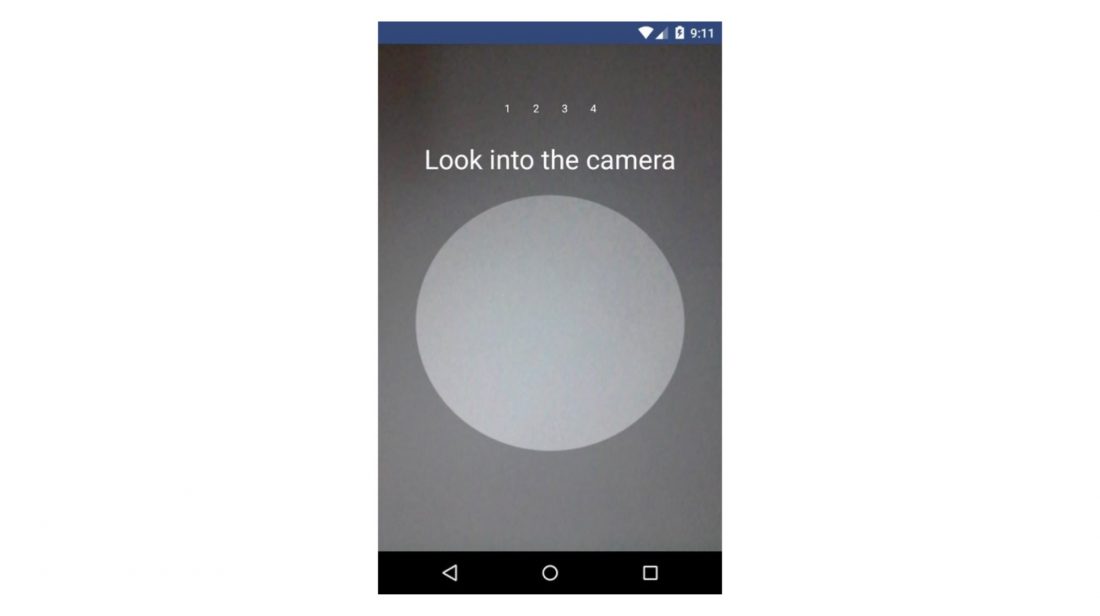
    Facebook is working on it’s own facial recognition system. According to a screenshot shared by a social media researcher, this feature is in its testing phase right now. Facial recognition system is really picking up its pace in the tch industry after a series of iris scanners found in likes of Galaxy phones and most recently, Apple adopting facial recognition to replace fingerprint sensors in its upcoming iPhone X.

    If you get locked out of your Facebook account, the feature will help you regain access by using your face to verify your identity. That could be especially useful if you’re somewhere that you can’t receive two-factor authentication SMS due to network issues, like if you’re on a hike or while traveling abroad, or if you lose access to your email account. TechCrunch reached out to Facebook and received a response:

    We are testing a new feature for people who want to quickly and easily verify account ownership during the account recovery process. This optional feature is available only on devices you’ve already used to log in. It is another step, alongside two-factor authentication via SMS, that were taking to make sure account owners can confirm their identity.

    In its testing phase, Facebook is testing how robust the feature is and the failure rates. If the new feature proves to be reliable helpful isn’t fooled by hackers or images of the owner, Facebook could potentially roll it out to more people. This feature will add another dimension to Facebook’s account recovery process. Already, if you get locked out of your Facebook account, you can either use the two-factor authentication SMS or email, or you can designate several “trusted friends” who receive a code that you can ask them for to unlock your account. In some cases it asks you to identify photos of your friends to prove you’re actually you.

    Any form of biometrics used by a social networking site can cause in people’s minds but, if it is used to privately get your account back then the new facial recognition might be welcomed by the Facebook community.

  • Facebook Introduces New Feature To Help Increase Blood Donations In India

    Facebook Introduces New Feature To Help Increase Blood Donations In India

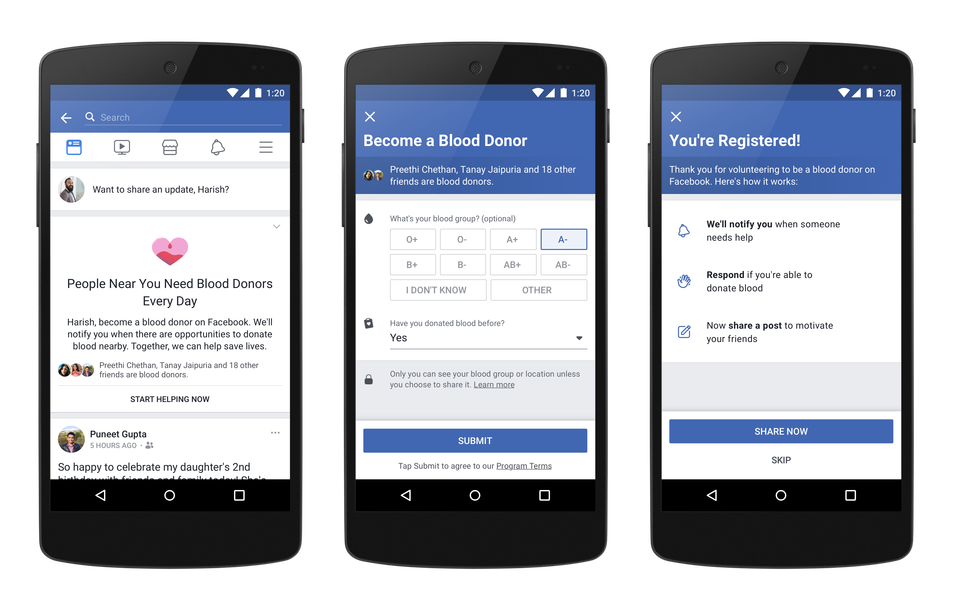
    Facebook has introduced a new feature in India in a bid to connect blood donors across India with hospitals and organisations in need of blood. Facebook cites “shortage of safe blood” in India as the reason behind this step. In a blog, Facebook said that users in India already use the wide spread platform to connect donors with donees. Facebook will use its network to help both the parties here by helping donors sign up and work with NGOs, health industry experts to make sure the method useful.

    In the blog, Facebook posted about the process and how the feature will work:

    Starting October 1 — National Blood Donor Day — Facebook users in India will be able to start signing up to be blood donors. To help encourage participation, we’ll show a message in News Feed or people can edit their Profiles to sign up. All information will remain private and set to “only me” by default, but people can choose to share their donor status on their timelines.

    In the next few weeks, in order to easily connect blood banks, hospitals or NGOs with donors, Facebook will introduce custom posts wherein all the necessary details can be given. Facebook will then notify potential donors near to the entered location. Donors can then review the request and, if they wish to respond, contact the requestor directly through WhatsApp, Messenger or a phone call. To maintain anonymity, the person who needs blood won’t be able to see any information about the donor, unless the donor explicitly provides it when he/she reaches out to the person in need of blood.

    The post continued:

    We hope this new feature helps people come together in ways that weren’t possible before. By raising awareness and growing the number of blood donors in India, we want to make it easier for people and organisations to give and receive blood.

    If you want to sign up for the program or learn more about the initiative, log on to facebook.com/donateblood.

  • WhatsApp Coloured Text Status Now Rolling Out to Android and iPhone

    WhatsApp Coloured Text Status Now Rolling Out to Android and iPhone

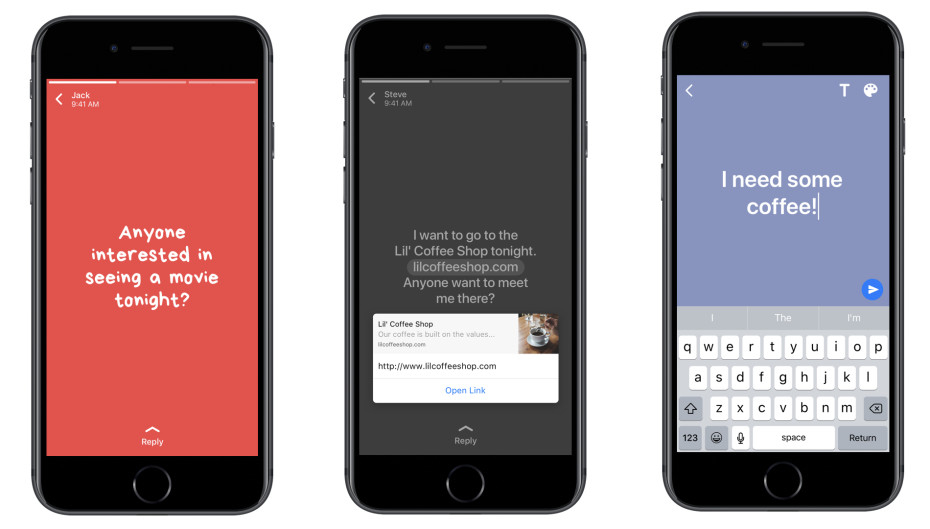
    WhatsApp has added a new feature to its ranks, quite similar to Facebook’s colourful status update. Apparently, now you can change our WhatsApp status update to suit your mood. The Users will now be able to update their statuses with more than just images or videos, and use colourful meme-like text posts.

    The new feature which is rolling out to Android and iOS devices, lets you write a snippet of text, choose a background color, and customize the font. This feature is specifically for WhatsApp’s Snapchat Stories clone. The Snapchat-like status update which disappears in 24 hours, was first introduced in February. Last month, Facebook announced that WhatsApp status feature has hit 250 million daily users, exceeding the Snap’s main product.

    Much like Facebook, the new WhatsApp update allows you to link out to other websites from within a text post. Seems like Facebook is handing down similar upgrades to its messaging app, which the social networking website acquired for 19 Billion dollars in 2014.

    Though WhatsApp has confirmed the new colourful text update, all may not be able to use the new feature as it has been remotely activated, and full-fledged rollout is still awaited.

    For iPhone users, the pen icon appears next to the camera icon in the new Status bar. For Android users, the floating pen icon shows up at the bottom of the Status tab, above the camera icon.

     The option to type a status, choose a font, emoji, and the background colour as well shows up by clicking on the pen icon. After writing the status and making necessary changes, press the green arrow key to send the text status. The status will then be published on WhatsApp for all your contacts to see. As usual, you can control who sees your status and know who viewed it by clicking on the ‘eye’ icon at the bottom of the screen.

  • WhatsApp Launches Video Calling for Everyone

    WhatsApp Launches Video Calling for Everyone

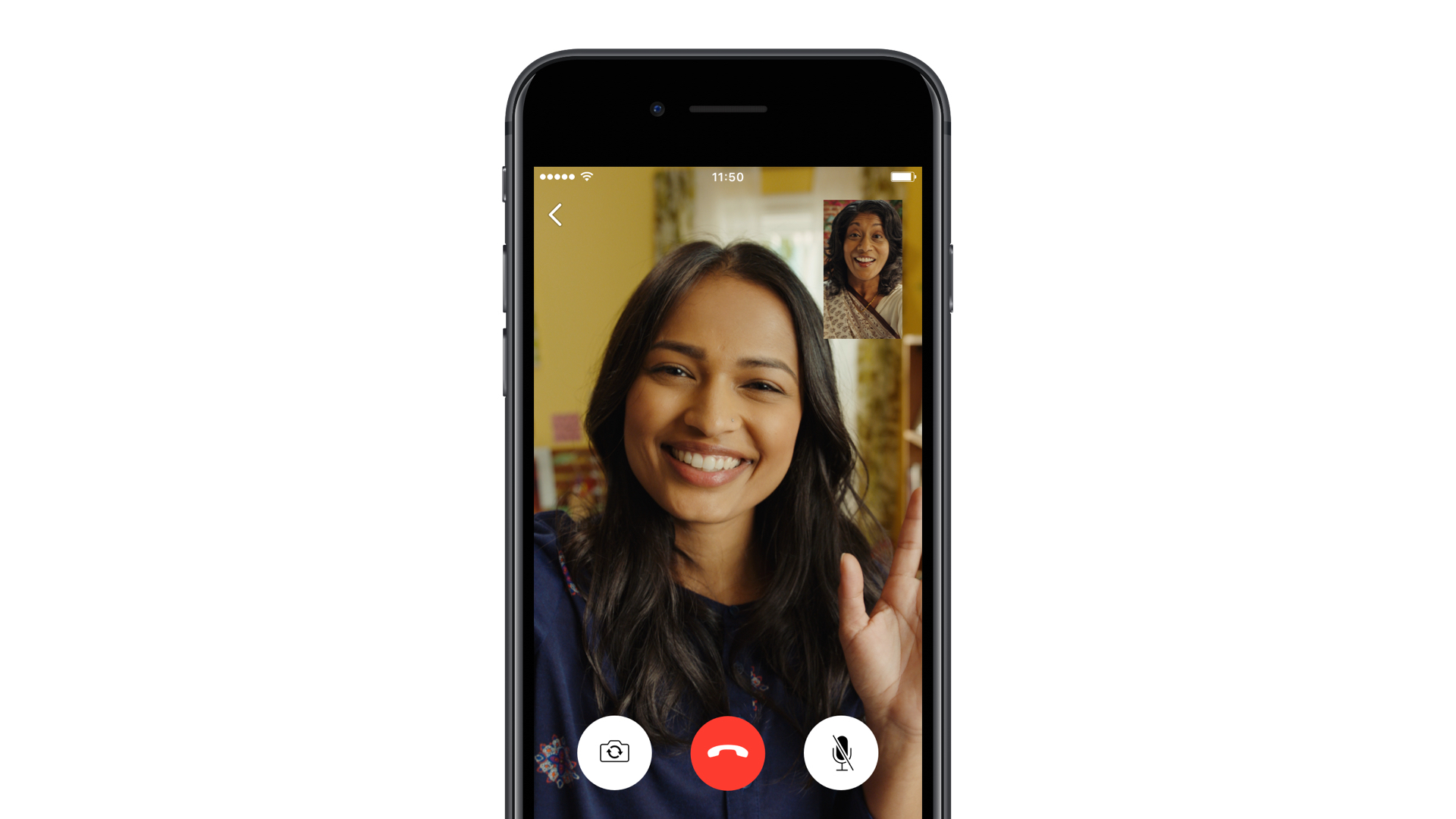
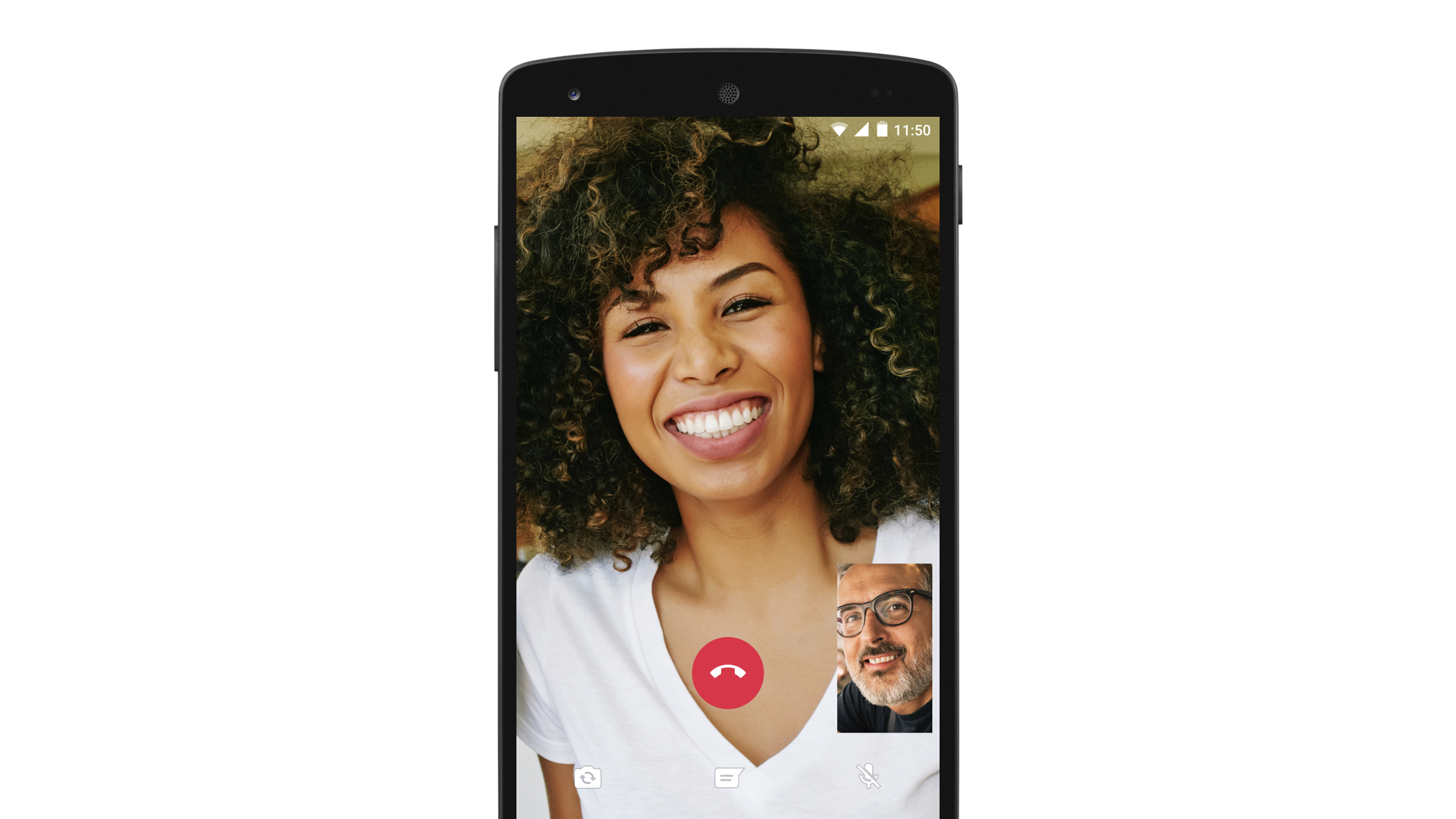
    WhatsApp has finally enabled video calling for everyone using their app with voice calling already enabled. This feature is available through the voice call button, once you tap that button you will get an option to choose either voice call or video call.

    We’re introducing this feature because we know that sometimes voice and text just aren’t enough. There’s no substitute for watching your grandchild take her first steps, or seeing your daughter’s face while she’s studying abroad. And we want to make these features available to everyone, not just those who can afford the most expensive new phones or live in countries with the best cellular networks.

    The video calling feature has been in rumors for a very long time, and it works a lot like FaceTime or Skype, even Google hangouts. During the call you can with between the front or rear camera, jump to messaging or mute the call.

    The update will be available across regions in a systematic manner, so you may not see it immediately.

  • WhatsApp Updates Terms of Service, Will Share Your Number with Facebook

    WhatsApp Updates Terms of Service, Will Share Your Number with Facebook

    WhatsApp has updated its Terms of Service now that the Facebook control is starting to seep through. WhatsApp says it will start sharing the phone numbers of its users with Facebook, its parent company.

    You can Opt Out if you do not want this by going to Settings – Account. Click to Share

    WhatsApp says they want a n easier way for people including businesses to find you. However, there will be no third-party banner ads on WhatsApp nor Spam.

    The intention is to charge companies to allow user to make transactions, and get appointment information, things like delivery and shipping notifications, product and service updates, and marketing. Which would make the use of WhatsApp more interactive while allowing the company to finally make some money.

    If you are an existing user, you can choose not to have your WhatsApp account information shared with Facebook to improve your Facebook ads and products experiences. Existing users who accept the updated Terms and Privacy Policy will have an additional 30 days to make this choice by going to Settings > Account.

    [toggles behavior=”toggle”]
    [toggle title=”Key Updates”]Respect for your privacy is coded into our DNA. Since we started WhatsApp, we’ve built our Services with a set of strong privacy principles in mind. In our updated Terms and Privacy Policy you’ll find:

    • Information that is easier to understand. Our updated Terms and Privacy Policy are easier to understand and reflect new features such as WhatsApp Calling and WhatsApp for web and desktop.
    • We joined Facebook in 2014. WhatsApp is now part of the Facebook family of companies. Our Privacy Policy explains how we work together to improve our services and offerings, like fighting spam across apps, making product suggestions, and showing relevant offers and ads on Facebook. Nothing you share on WhatsApp, including your messages, photos, and account information, will be shared onto Facebook or any of our other family of apps for others to see, and nothing you post on those apps will be shared on WhatsApp for others to see.
    • Your messages are yours, and we can’t read them. We’ve built privacy, end-to-end encryption, and other security features into WhatsApp. We don’t store your messages once they’ve been delivered. When they are end-to-end encrypted, we and third parties can’t read them.
    • No third-party banner ads. We still do not allow third-party banner ads on WhatsApp.
    • New ways to use WhatsApp. We will explore ways for you and businesses to communicate with each other using WhatsApp, such as through order, transaction, and appointment information, delivery and shipping notifications, product and service updates, and marketing. For example, you may receive flight status information for upcoming travel, a receipt for something you purchased, or a notification when a delivery will be made. Messages you may receive containing marketing could include an offer for something that might interest you. We do not want you to have a spammy experience; as with all of your messages, you can manage these communications, and we will honor the choices you make.

    [/toggle]
    [/toggles]

    Full details in the source link below.

iGyaan Network
Privacy Overview

This website uses cookies so that we can provide you with the best user experience possible. Cookie information is stored in your browser and performs functions such as recognising you when you return to our website and helping our team to understand which sections of the website you find most interesting and useful.