Call of Duty: Black Ops 3 Up For Pre-Order: Gamers, heads up! The newest Call of Duty edition is ready for pre-order on Flipkart. Time to prepare yourself for a whole new level of gaming.
Lamborghini Catches Fire During a Selfie Moment: Looks like selfies are becoming more and more lethal. The owner of this charred Lamborghini would definitely agree with the statement. Click on the link to check out rest of the story.
Apple Retail Stores to Open in the Country: After five years, users of iPhones in the country would be able to get servicing of their devices done in India. Apple is all set to open 6 stores in the country.
If you have any tech related questions, leave them in the comments below or put them up on Twitter with the hashtag #WYWO .
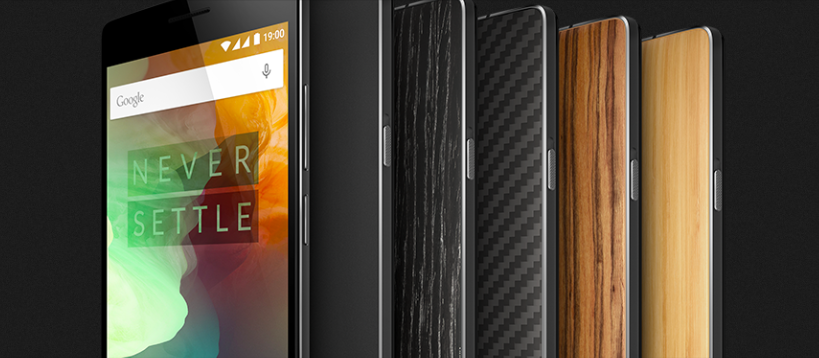
A listing on Amazon, which has since been taken down, showed us a device called the ‘OnePlus Mini’. According to the listing, this handset will come with a 5 inch display, along with a 1080 pixel resolution and will be powered by a MediaTek MT6795 processor. It will also house 32GB internal storage with 2GB of RAM. Here is what OnePlus India’s general manager, Vikas Agarwal has to say:
“We’re introducing a new device by the end of this year. Diwali would be the ideal time..”
The OnePlus Mini is also said to feature the Force Touch technology, similar to the 3D Touch display available on the new iPhone 6s and 6s Plus. Apart from this leak, OnePlus has posted a new teaser on its India Facebook page showing off the OnePlus X that will be unveiled on the 29th of October, 2015.
Hence, taking a cue from the leak and the teaser, we can safely assume that OnePlus might announce two different smartphones by the end of this year. However, there have been no official reports about the OnePlus Mini, so we’ll just have to sit tight and find out what the Chinese smartphone maker has in store for us until the 29th of October.
After having recorded lowest rate of progress in the number of new users since its inception in 2013, Twitter is looking at re-structuring itself and work on new growth-oriented strategies. One of these involve firing a whole bunch of engineers from the company this week.
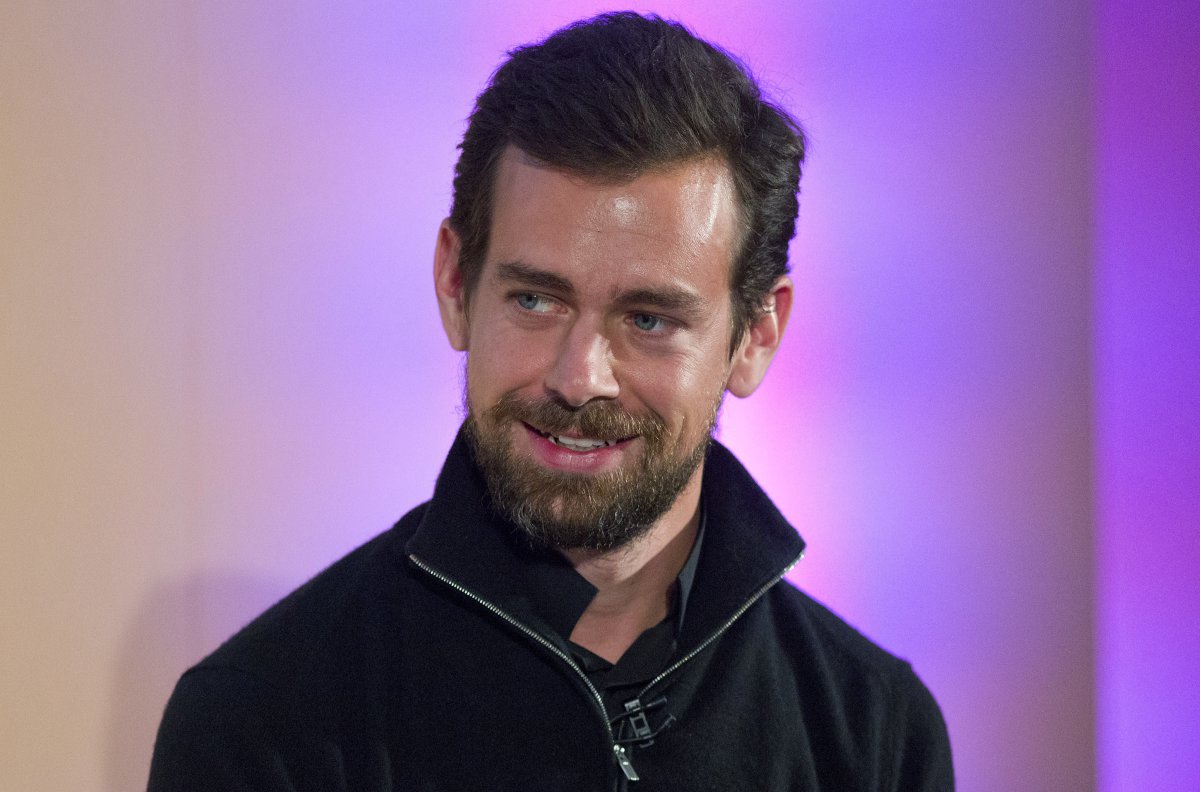
Jack Dorsey, CEO of Twitter
The new CEO and co-founder of Twitter, Jack Dorsey is laying off people throughout the company. New York times speculates that this decision can be put into action as early as 13th October to improve a “bloated” engineering team. Though multiple sources have mentioned these imminent layoffs, Twitter has refused to comment on it.
Over the last couple of months, the number of people appointed to Twitter and the new users to the social media platform has presented a skewed ratio, emphasising the need of a different modus operandi. This news comes in the wake of rumours suggesting that the expansion of San Francisco headquarters of the company are already being curbed and frozen in an attempt to cut costs.
In the past, Twitter has shied away from revealing the total number of its users, but that in no way means it’s not in the same league as platforms like Facebook and Instagram. At the same time, the company also has millions of ‘dark pool’ users -people who signed up for Twitter but now their accounts are inactive for various reasons.
Only time will tell if this new alleged strategy will help the social media website increase its influence in the virtual world.
Only for the 90s kid does it seem a rather difficult task to get recognition for something they’re good at. Today’s unapologetic society’s mantra goes something like this – so what if I’m not good at anything? I can be famous too and you can’t judge me for it. Today it’s not about being good at something; it’s all about being famous. This mind-set has translated down to the vortex of social media, which was initially used to communicate with friends and people all around the world. Today, social media has been made the biggest business mogul, management company, call it what you may but it boils down to being called the new kingmaker.
However, if we look at the rise of social media in two different stages – when it was just introduced to us and now, we will have to admit that we have come a long way in understanding and utilizing the power of social media. Earlier, we would see social media sites filled with statuses that were not spelt correctly due to the raging popularity of the SMS language, they even gave rise to stars like Justin Bieber and Kim Kardashian (pre-Kanye West version). Social media did not seem like the place where anybody who was really serious about anything would want to be. But, today we see it take a whole new turn, with artists, writers, fashion bloggers, singers, actors, comedians and everybody with a good sense of aesthetic take things into their own hands. The post-modern social media looks like it’s been created out of a revolution by anti-stupid people. So much so, that some modern age stars are having to change their ways in order to gain respect in the present society.
Now, let’s name some of these famous kingmakers – Facebook, Twitter, Vine, INSTAGRAM, Vine, YouTube to name a few. Next, let us have a look at a couple of people they have turned into legit famous people who are now termed as ‘celebrities’:
It would be unfair to start this list without naming the queen of social media, Mrs.Kim Kardashian West. She’s seen it all, and done it all. She is the biggest success of social media and reality TV. You can follow her on Twitter,Instagram and even on her website kimkardashianwest.com. There’s not much to be said about her, we’re all secretly following her anyway –
Secondly, we have comedians all over the world putting up live shows on their YouTube channels, but we’re going to talk about someone closer home – Kanan Gill and Biswa Kalyan Rath’s ‘Pretentious Movie Reviews’. All said and done, they said everything we wanted to say about Bollywood films, and they do it all in good faith. Here’s their latest review.
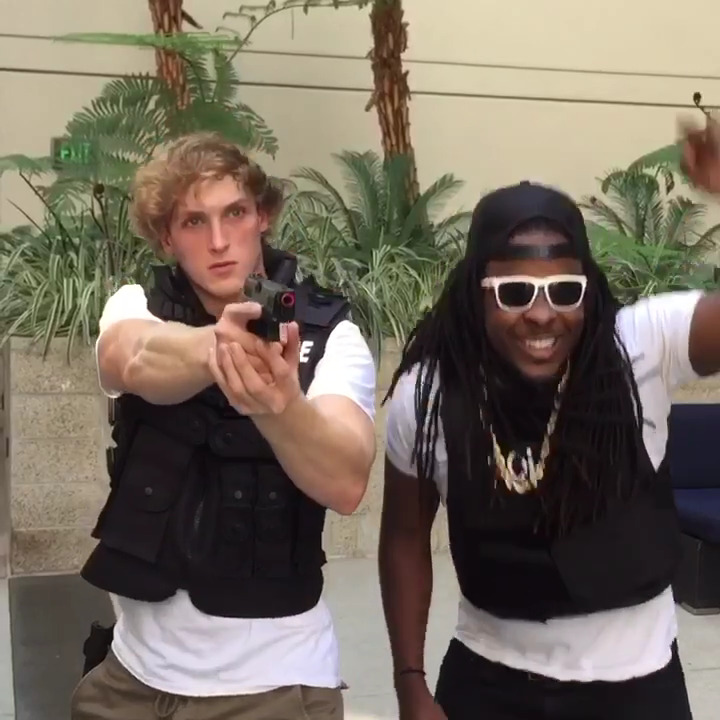
Next we have a true blue Vine celebrity named Logan Paul, who has really got what Vine is all about – short, six second videos about anything. He’s picked humour. Click here to check them out. You can also follow him on Twitter and Instagram.
Before we forget the original YouTube mega child star, let’s put him down on our list – Justin Bieber. Who knows whether he’s still famous or not, the point is that he can still make it on this list and a bunch of others too. Here’s a video of Justin Bieber before he became The Biebs –
And now –
Another desi celebrity is YouTube and Vine star, Jus Reign. He kind of has a ‘Superwoman’ vibe going on, and makes funny videos about all sorts of desi-kid problems. Here’s an example-
And because we mentioned YouTube star Superwoman,here’s a video about what she does –
Last but not the least we have on our list is already an established author, who has recently made her re-appearance into the limelight via her now famous twitter account. Our beloved – JK Rowling, agreed that this list might be horribly degrading for her to be in, but her Twitter account is fabulous.
These are just a few of the many celebrities we can follow on various social networking sites. Whether it’s made things personal or impersonal is also a debatable topic, but it has definitely made things easier for passive and harmless followers. Let us know who your favourite celebrities on social media are.
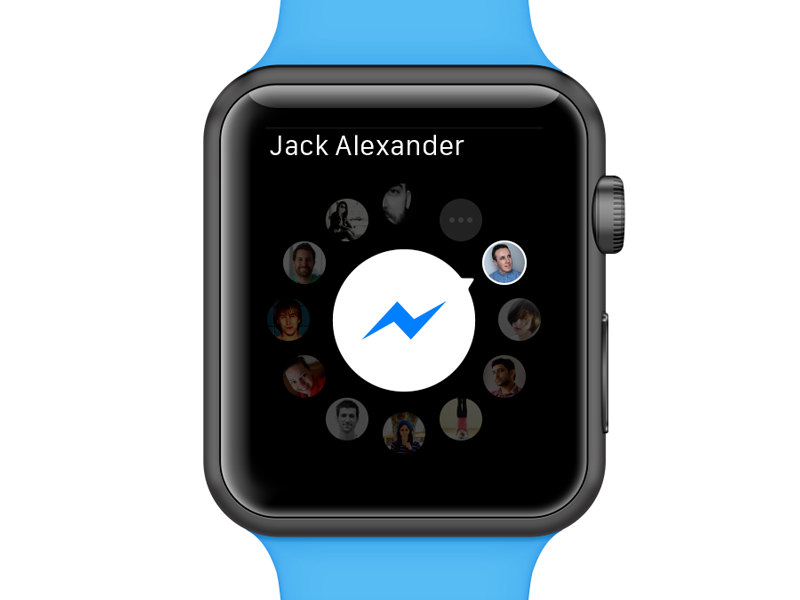
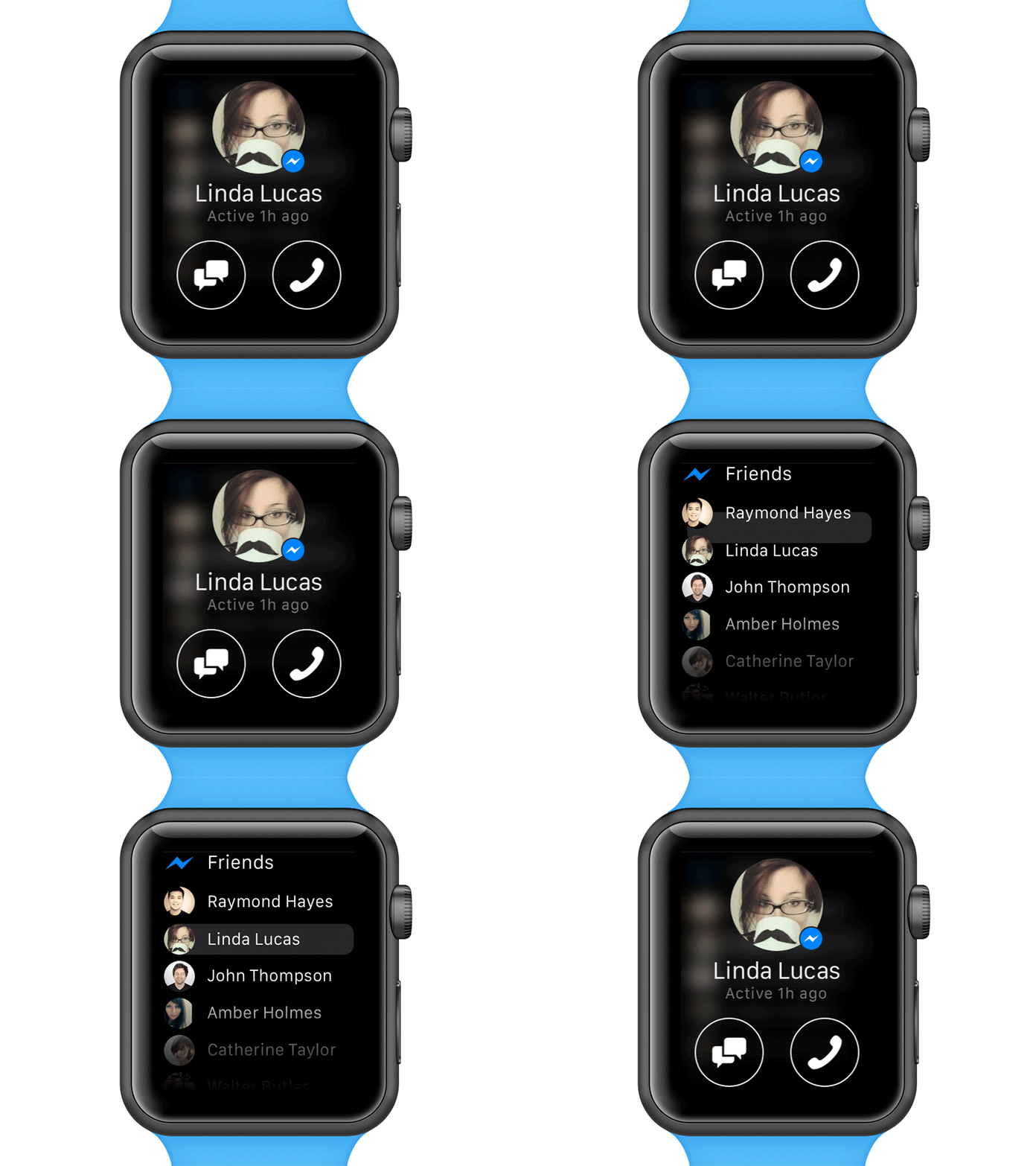
Facebook launched its Messenger app on the Apple watch, just as it had promised to do in September. The update was rolled out yesterday on October 8th and is capable of supporting iOS 9 features, universal search and multitasking for iPads.
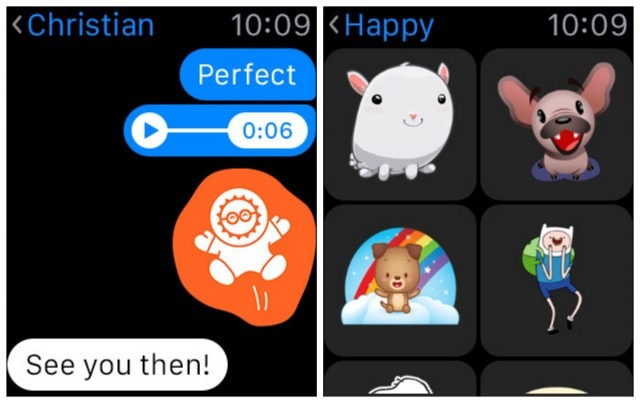
The Apple Watch runs on the OS2 software and so the messenger app is also compatible with it. However, the messenger app is a little different from how it is on a smartphone. This means, that you won’t be able to type out full messages, but will be able to choose from a list of answers already available. You can send a “like”, post stickers and also record and send voice messages. Apart from the active sending actions of the app, you can open pictures, videos and voice messages on the receiving end.
There is one small downside though, the app will support all the Facebook stickers but won’t be able to display them in their original GIF form. They’ll appear static on the watch.
There’s some good news for Android users too, the Messenger app will also be compatible with Android Wear. Therefore, Facebook has yet again ensured that everyone is happy and feels included at its party.
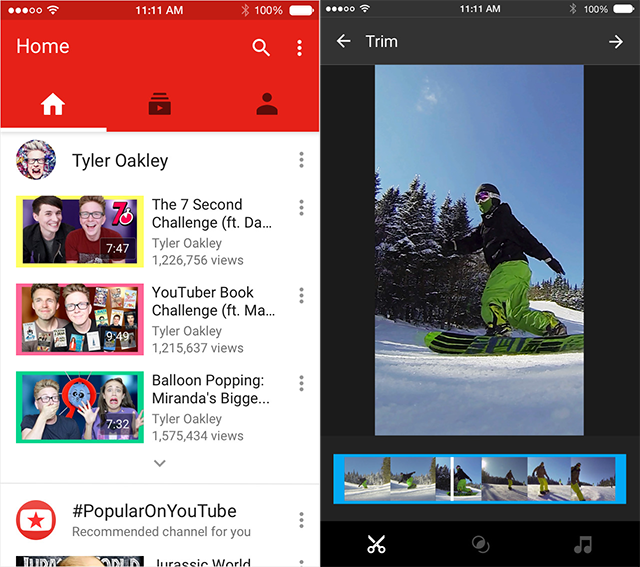
Recent reports suggest that Google has updated its YouTube iOS app with some basic in-app editing features. The new YouTube version 10.38 was released on Monday in the App Store for the iPhone, iPad and iPod Touch.
The in-app editing features include trimming a video, applying filters, and changing background music. So, if you want to upload a video on YouTube you can now just film it using your iPhone and upload it accordingly, instead of going through the long process of uploading it on to your PC and then using a third-party editing app. However, the editing features on YouTube are still quite basic, so if you’re going in for some serious editing, then it’s probably best to use the third-party apps for now.
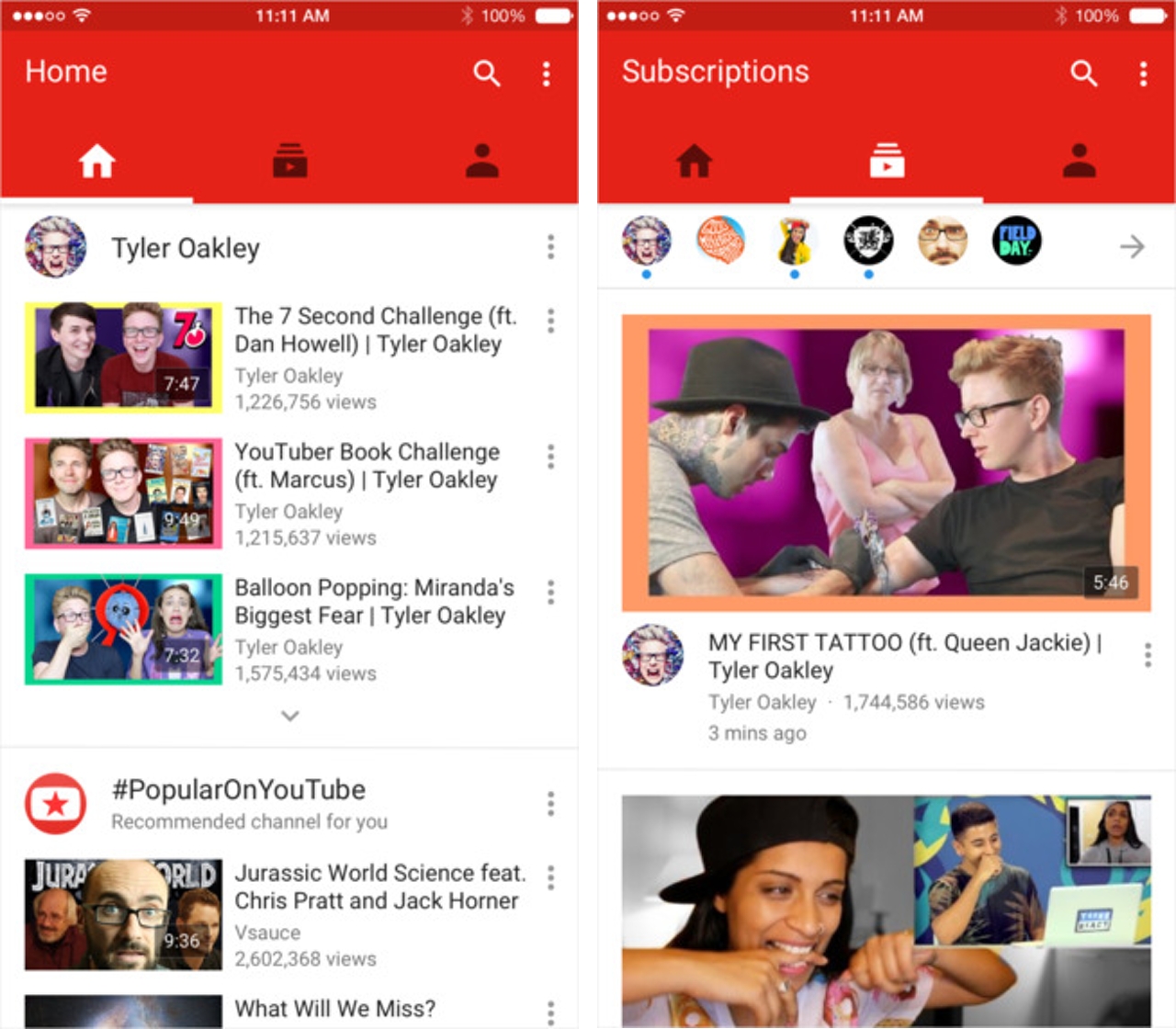
The update is not just for users who create videos and upload them. YouTube has also gone through a minor display makeover for the lay YouTube user. So, if you watch videos on YouTube to waste your life away then the new updates help you. You can now swipe left to see your subscribed channels and swiping once more to the left will reveal your account page.
You can also just tap one of the three icons at the top of the page to navigate between your home page, subscriptions page and the account page. There’s one last thing, there are three dots at the upper right of your screen which can lead you to your YouTube settings, help screen and other features.
You can download the YouTube app for free on the iTunes App Store.
It comes as no surprise really that WhatsApp is the most popular messaging app in India, according to reports by global research consultancy firm TNS. Facebook remains the most popular social networking site in India with 51% of users logging in daily, while 56% users are on WhatsApp daily.
“The social networking market of India is Facebook centric, which is fueling the adoption of Facebook Messenger also as the IM platform for private messaging. However, WhatsApp is by far the most popular IM platform in India.” TNS India executive director Parijat Chakraborty commented.
When compared to countries such as Thailand (78%), Taiwan (75%), and Hong Kong (72%), India’s Facebook usage is much lower. Interestingly, India is the second largest base with over 125 million users for Facebook. The Unites States comes first.
In Asia-Pacific, three out of five internet users or 61% are now instant messaging on a daily basis, while four or 82% are using it on a weekly basis, the report said. “the popularity of IM has soared over the past year, with a 12% uplift in daily usage globally as more people opt for closed messaging platforms such as WhatsApp, Facebook Messenger and WeChat”, it added.
The numbers are out now and it goes to show just how much WhatsApp and Facebook has taken over our lives. TNS has said that social media will continue to hold a strong position allowing content to go more viral and the challenge for brands is to create content that consumers actually want to see.
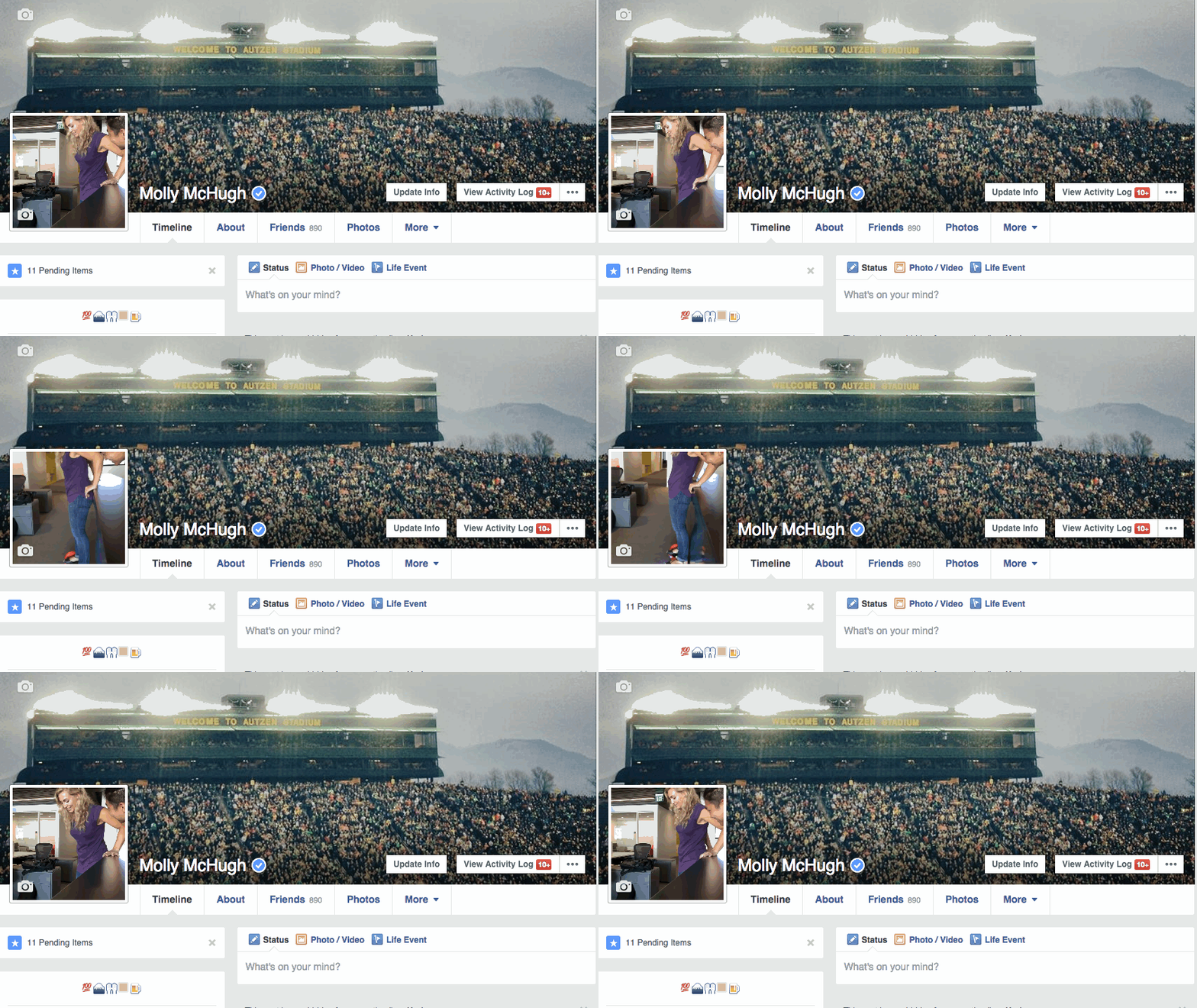
Facebook has just updated a new profile picture feature for iOS users. Now, your Facebook display picture could be a GIF of yourself.
iOS users will have to check their profiles on the mobile app in order to find the notification. Once on the app, you’ll have to click on the ‘more’ tab and select your name to go to your profile. Then you will be asked to add a new summary bio. After editing that you’ll have to loop a profile video.
For this, you will find an icon between the camera and video symbol on your profile picture. Click on that, and pick whether you want to take a video or upload one. The video is supposed to be only seven seconds long.
The last step is to add featured photos, for this you will find a space for inserting five pictures below the ‘About Me’ section. You’re done. Your profile will look somewhat like this now :
Image Source : wired.com
However, there are a couple of things you need to know about this feature. Firstly, that it’s not yet available to all users and as of now, just a select few have got it. Secondly, the profile GIF can be viewed all across Facebook, but can only be edited via the mobile app. So go check your Facebook as soon as possible and tell us what you think about this cool new feature.
Twitter is finally moving past the 140-character limit that has long been the company’s trademark. Twitter recently announced that it is working on a product that will allow users to share long tweets that exceed 140 characters.
Over the past few months, the company has been loosening its 140-character rule. In April, Twitter added a ‘retweet with comment’ option to give more room to comment on tweets they share. The company also did away with the 140-character rule back in June.
As of now it is unclear what this new product will look like or how it will work. There are existing apps such as OneShot that allows you to post images of texts, or TwitLonger, which directs users to a website to read a full tweet. But it looks like Twitter is working on one that will solve the problem within the app itself.
Twitter is also looking at ways to remove links and user handles from the count so that frees up more characters.
In addition to the long-form product, execs have been openly discussing the idea of tweaking how Twitter measures its 140-character limit by removing things like links and user handles from the count, multiple sources say. In the past, Twitter has tinkered with the limit in other ways. Twitter Cards are still beholden to the 140-character limit but are intended to help people (and advertisers) share lots of information, and Twitter added a “retweet with comment” option in April to give people more room to comment on tweets they share.
Users have, for a long time, criticized Twitter on character restriction. And for many years Twitter has paid no heed to the hate, but it finally looks like the company is ready to make some sacrifices for the greater good.
Snapchat seems to be changing its display, format and along with it, the way its users interact with each other. Snapchat originally became very popular amongst the younger generation because of the fact that it erased memories in 10 seconds and kept their live statuses for just 24 hours. So, unlike Facebook, where someone can look through your past and bring up an embarrassing status or profile picture, Snapchat erases it all.
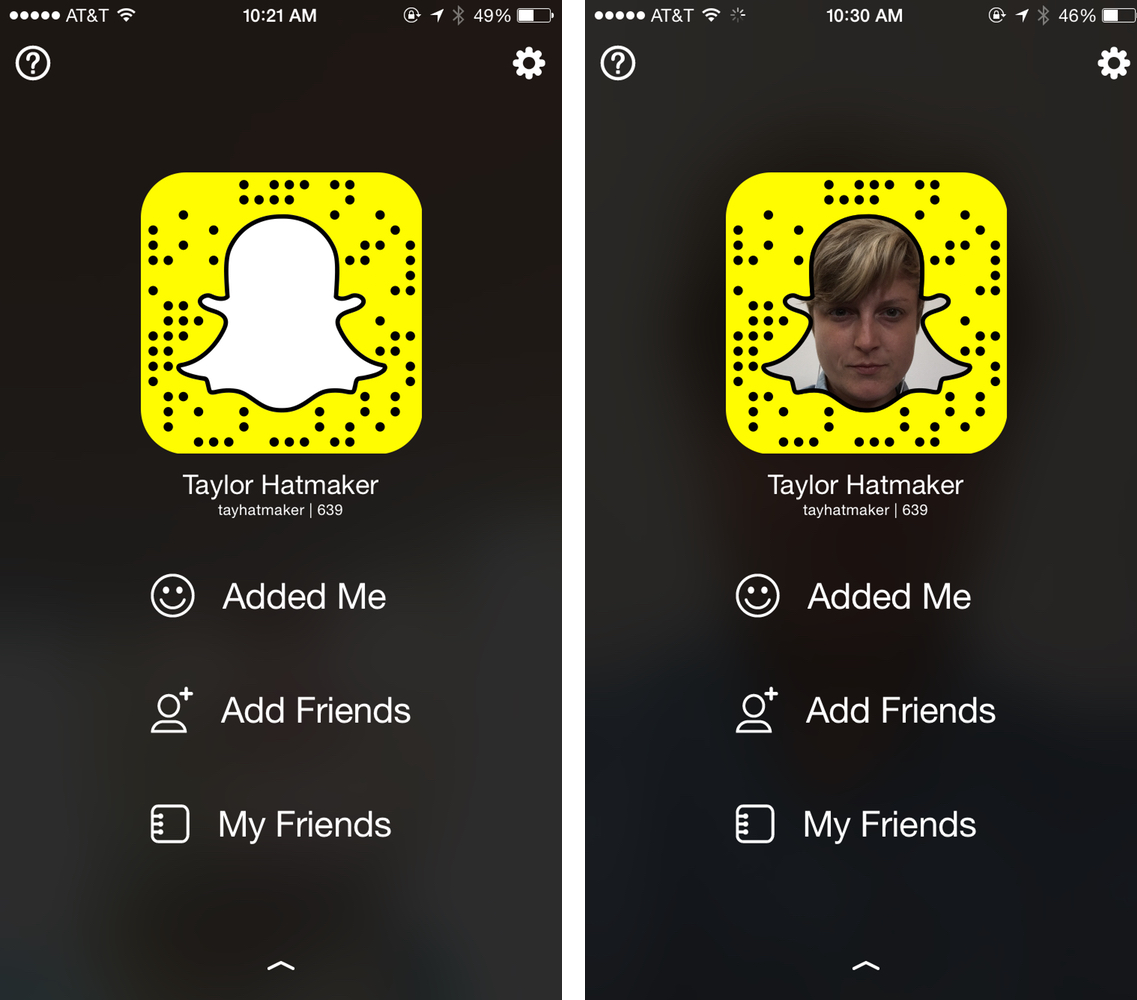
However, there is one thing on Snapchat that does not self-destruct, and that is the profile GIF. The profile GIF was added in July along with the tap-to-view feature. So, now, on your profile screen, if you tap on the QR code you will be able to shoot a series of 5 selfies which turns into an animated profile GIF.
Initially this seemed like just a cool customization which encouraged people to share it more and thereby strengthening Snapchat’s user base. However, there is another purpose for this customization, and that is, it somehow solves Snapchat’s identification problem. Basically, previously, when you added someone on Snapchat, you knew nothing about them except for their username. The anonymous character of this app made it very popular with the youngsters.
However, now, when you add someone, their profile GIF shows. So, you can immediately identify the person’s gender, and perhaps even their sense of humour. So, you won’t have to follow a person, then check out their Snap Story and then unfollow them, if you’re not interested.
This is very useful for Snapchatters who make their profiles public, because they can efficiently decide whom to follow back. The profile GIF definitely seems to be providing more transparency to one’s identity, thereby allowing you to be more aware of whom you add and follow.
Oh well, in this fast-paced world where social interactions and networking seem to play an important
role, it is necessary for social media to catch up too. And that’s exactly what Snapchat is doing.
Facebook’s newest change has been the addition of the autoplay feature in its videos. One day you’re happily scrolling down your homepage, and suddenly you hear a cat meowing in the background. Yes, the video has begun to play simply because you happened to stumble across it on your homepage. No, you did not give the command for it to start meowing.
Other than causing the annoyance of unnecessary cat-noises, this new feature is also a big toll on your internet data, not to mention taking away your right to completely ignore other people’s videos on your homepage.
So here’s a quick look at how you can disable autoplay:
iPhone:
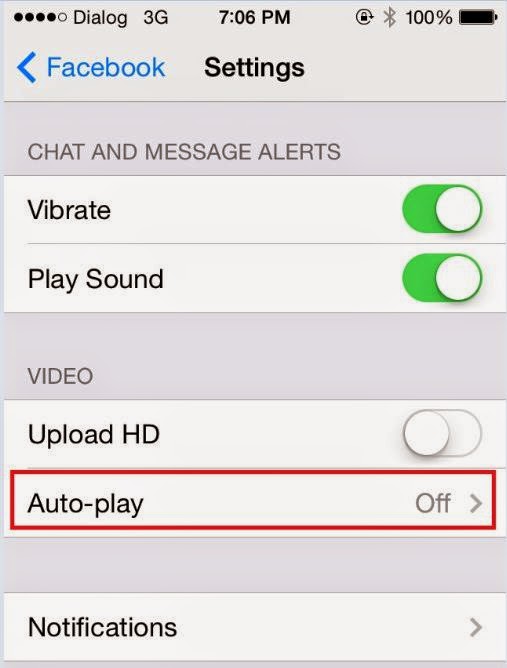
Go to your settings, scroll down until you find Facebook and then select Settings again. Once there you could choose either ‘Wi-Fi Only’ or switch it off entirely.
Android:
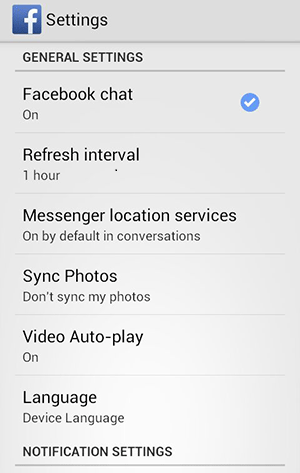
You will find the autoplay settings in your Android app. Choose the Menu button followed by Settings and therein lies your answer.
Desktop:
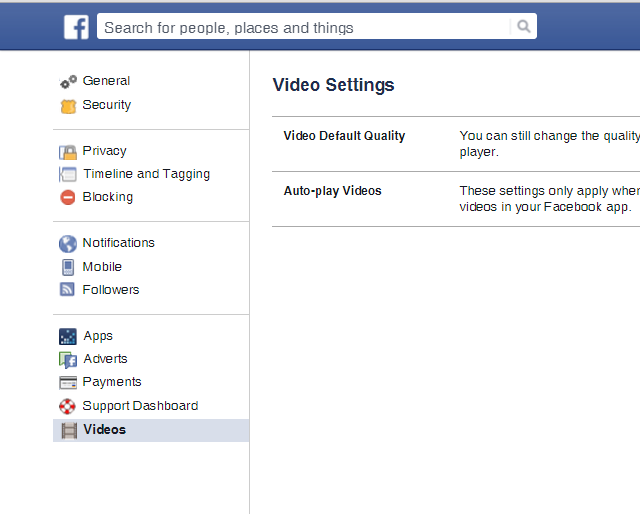
Click the arrow in the upper-right corner of your Facebook profile and choose Settings. There will be Videos on the bottom left of your screen now. Click on it, which will take you to the autoplay settings and from there you can switch it off.
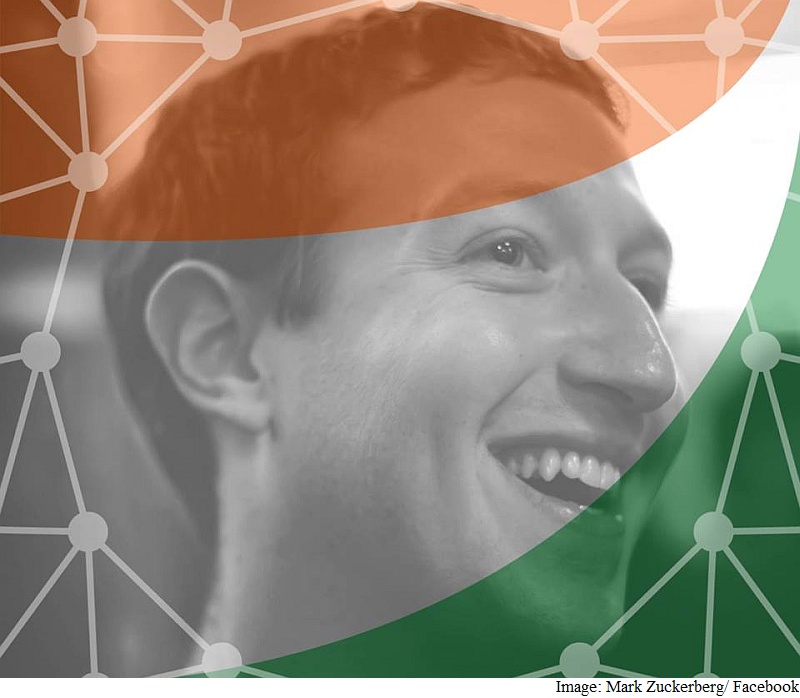
Mark Zuckerberg recently changed his Facebook display picture to one which has an over-lay of the Indian flag. This was done following his Town Hall meeting with Prime Minister Narendra Modi in Silicon Valley this week. Zuckerberg unequivocally expressed his support for the Digital India campaign of the country.
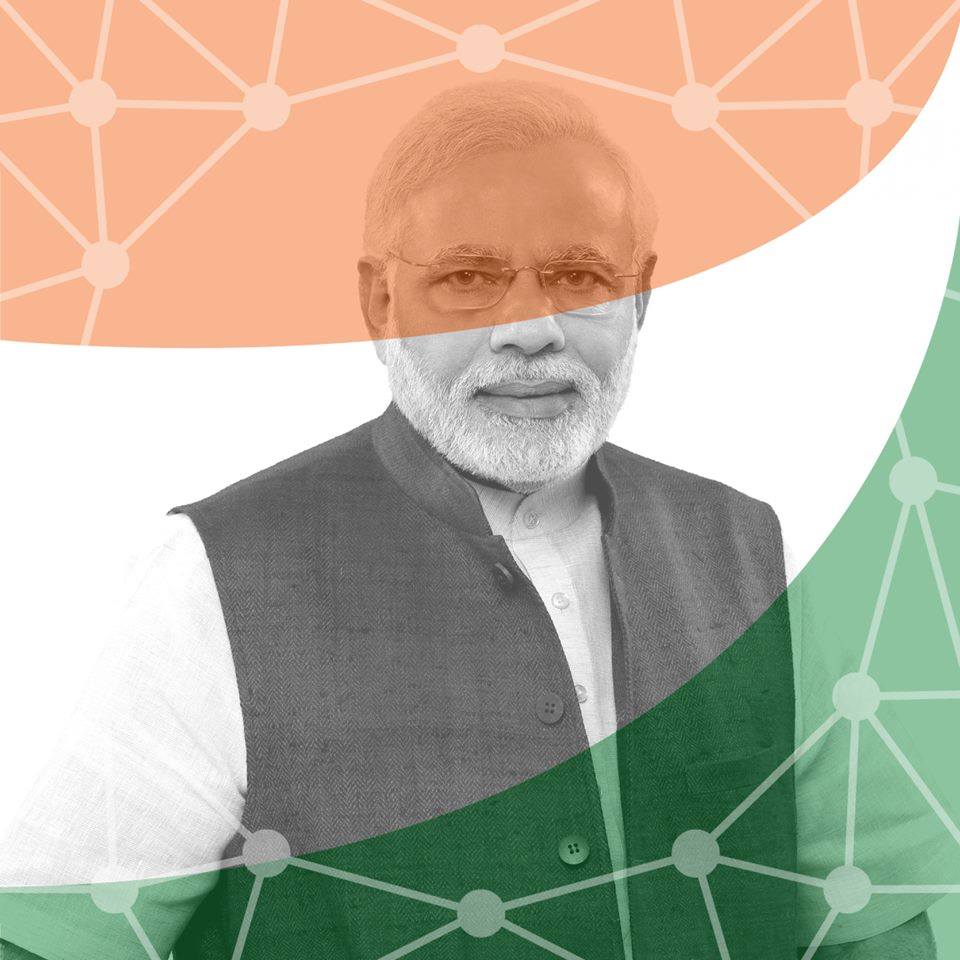
Prime Minister Modi soon followed league and changed his display picture on Facebook as well. Facebook also introduced a feature which allowed users everywhere to make the tri-colour part of their display pictures. Post this, people, as we know them to be, switched their profile pictures left and right and centre. All of a sudden, we woke up to find unanimous, enthusiastic support for Digital India. Utopia, could it be?
Maybe not. A lot of netizens took to social media platforms to express their dismay at the new feature, which was allegedly directly connected with Facebook’s Internet.org. It was assumed that these pictures had a source code which would automatically link them to Internet.org, inadvertently making them support the initiative.
Now the idea of thousands and millions being included within the ambit of the virtual world sounds brilliant and one everyone is up for. But before that, those endorsing this initiative as part of Digital India campaign need to understand all that it entails.
Internet.org:
Internet.org refers to a collaboration between Facebook and six other companies, namely, Samsung, Qualcomm, Nokia, Ericsson, MediaTek and Opera Software. The aim of this collaboration is to bring easily accessible internet to developing countries, especially in remote rural areas. However since it includes only selected services and online operators, it is seen not only as a direct threat to net neutrality but also as rampant publicizing of Facebook. It would be a single company, or a small group of them, which would decide what services are made available and which ones are excluded, a right earlier extended only to the user of the internet, not the service providers.
However, earlier today, an official statement was made by Facebook which reads as follows:
“There is absolutely no connection between updating your profile picture for digital India and registering support for Internet.org. An engineer mistakenly used the words “Internet.org profile picture” as a shorthand name he chose for part of the code. But this product in no way connects to or registers support for Internet.org. We are changing the code today to eliminate any confusion.”
And so, the hue and cry gradually died. But the proposition still remains -before you jump at the idea of a tri-coloured display picture, try remembering the things it implies. Granted such a picture does not necessarily mean support for Internet.org, yet the issue of separating Digital India from Internet.org remains just as relevant. Nothing would be better on the tech front than to have a country where internet is available in every household. But any policy that endangers net neutrality, and therefore, the freedom of expression and to make choices in the virtual space, needs to be reconsidered.
Prime Minister Narendra Modi’s visit to the Silicon Valley has already created quite a buzz on social media platforms. While the likes of Sundar Pichai and Tim Cook have expressed their support for Digital India on Twitter, Mark Zuckerberg wanted to express his support by displaying it to the world on his home turf, and by that we mean Facebook. On Sunday, Zuckerberg changed his profile picture ahead of his Townhall interaction with the PM. The new profile picture has his own display picture with the Indian tricolour overlaying it.
I changed my profile picture to support Digital India, the Indian government's effort to connect rural communities to...
Posted by Mark Zuckerberg on Sunday, September 27, 2015
Clearly, Zuckerberg's "effort to connect rural communities" integrates Digital India with his own Internet.org initiative (now changed to Free Basics by Facebook). Following Zuckerberg, Modi changed his profile picture as well, and expressed his thanks for Zuckerberg's support.
Thanks Mark Zuckerberg for the support. I changed my DP in support of the efforts towards a Digital India. You too can change your DP at fb.com/supportdigitalindia
Posted by Narendra Modi on Sunday, September 27, 2015
Pretty soon the rest of Facebook caught on as well with thousands of users changing their profile pictures in support of Digital India. Users can visit fb.com/supportdigitalindia to have their own version of the profile picture.
It seems likely that Facebook is attempting to merge Internet.org with Digital India since the former has received strong criticism in India. In the last few months, we have been seeing advertisements by Facebook claiming how rural India will benefit from free internet.
Post your comments below if you think Digital India should merge with Internet.org or not.
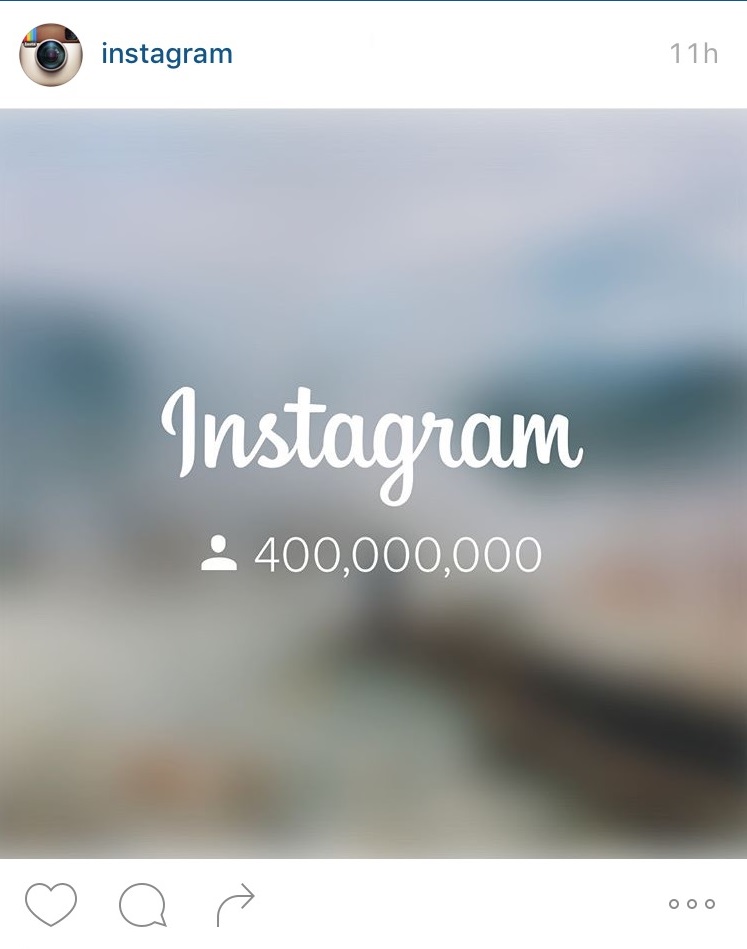
Facebook-owned Instagram hit the 400 million mark today. The photo-sharing sharing app posted a celebratory picture and stated that the 400 million strong user base has about 75 percent living outside the US.
“Among the last 100 million to join, more than half live in Europe and Asia. The countries that added the most Instagrammers include Brazil, Japan and Indonesia”
The new 100 million users helped Instagram race ahead of twitter, which is currently at 316 million active monthly users. Facebook is surely reaping from the benefits from buying Instagram for $1 billion in 2012 now that Instagram has also taken to advertising. Research firm eMarketer estimated that Instagram’s ad revenue will reach about $1.5 billion in 2016 and $2.8 billion in 2017. Instagram has credited Facebook for the rise in users.
The recent option that allows for portrait and landscape photos along with your standard square pictures has received positive response from existing users and has surely played an integral part to rope in more people. Instagram also made changes to its Direct messages page last month which now allows threaded messages. Pictures can be sent privately without having to start a new thread every time.
Instagram poses as a strong competitor to Twitter. Both social media platforms are slowly delving into territories that are blurring the differences between them. Twitter had announced recently that it plans to hand-curate live event coverage in a project called Lightning. However, Instagram already launched new live events features in its Explore page back in June. While Twitter is turning more visual, Instagram is focusing more on events.
Despite some major improvements, Instagram is far from perfect. The main feed has not seen any improvement for a long time now. The main feed show pictures that are too big to navigate properly. An overview of popular pictures that you missed would be ideal. None of these constraints, however, have come in the way of Instagram reaching 400 million followers.
Our favourite social networking site, Facebook is now expected to come out with a new ‘dislike’ button. Why? Well, you know all those sad posts about bad things happening to someone, or a world crisis that is so appalling and you can’t really do much to help, but you still have an opinion about it? This button is for that. So, now when your friend posts a status about losing a dear one, you don’t have to ‘like’ the status and later feel awkward that you didn’t feel the need to comment but yet wanted to express support, so you went ahead and ‘liked’ the fact that your friend just lost a loved one. These kind of situations can hopefully be avoided in the future.
The unique element about Facebook that seems to keep it running, is its ability to stay updated with all the current trends, and today the world seems to have moved on from merely ‘liking’ things or ignoring things that they’re not comfortable with. Today, if you don’t like something you’re expected to give an opinion about it, ignoring things is apparently cowardly, escapist and spineless etc. nowadays. So therefore, ‘dislike’ and let the world know.
However, Facebook’s reason for introducing the ‘dislike’ button is more constructive than merely voicing an opinion for the heck of it. This button is expected to help Facebook build their NewsFeed better. As of now the content for each person’s NewsFeed is basically constructed by an algorithm that takes into account many actions of the user, but is mostly guesswork. This algorithm can’t tell what exactly the user dislikes and does not want to see. So, the introduction of the ‘dislike’ button will now help Facebook to not only show us things we like, but will also make a conscious attempt to hide the things we dislike.
In conclusion, we would just like to say that you have nothing to worry about, Facebook should not become a hateful and sad place for people with complex issues. But yes, you may see a lot of Taylor Swift haters and Miley Cyrus lovers being more vocal as ever. So, if you’re not a celebrity you should be fine. No one is going to hate on your new Facebook display picture more than they already do. The solution: Take it all with a pinch of salt!
What do you think about your new right to dislike on social media?