Category: Apps and Software

Games, Apps, Softwares, Operating Systems and Software Hacks

  • Samsung’s New Acquisition Proves AI Is The Next Big Thing In Smartphones

    Samsung’s New Acquisition Proves AI Is The Next Big Thing In Smartphones

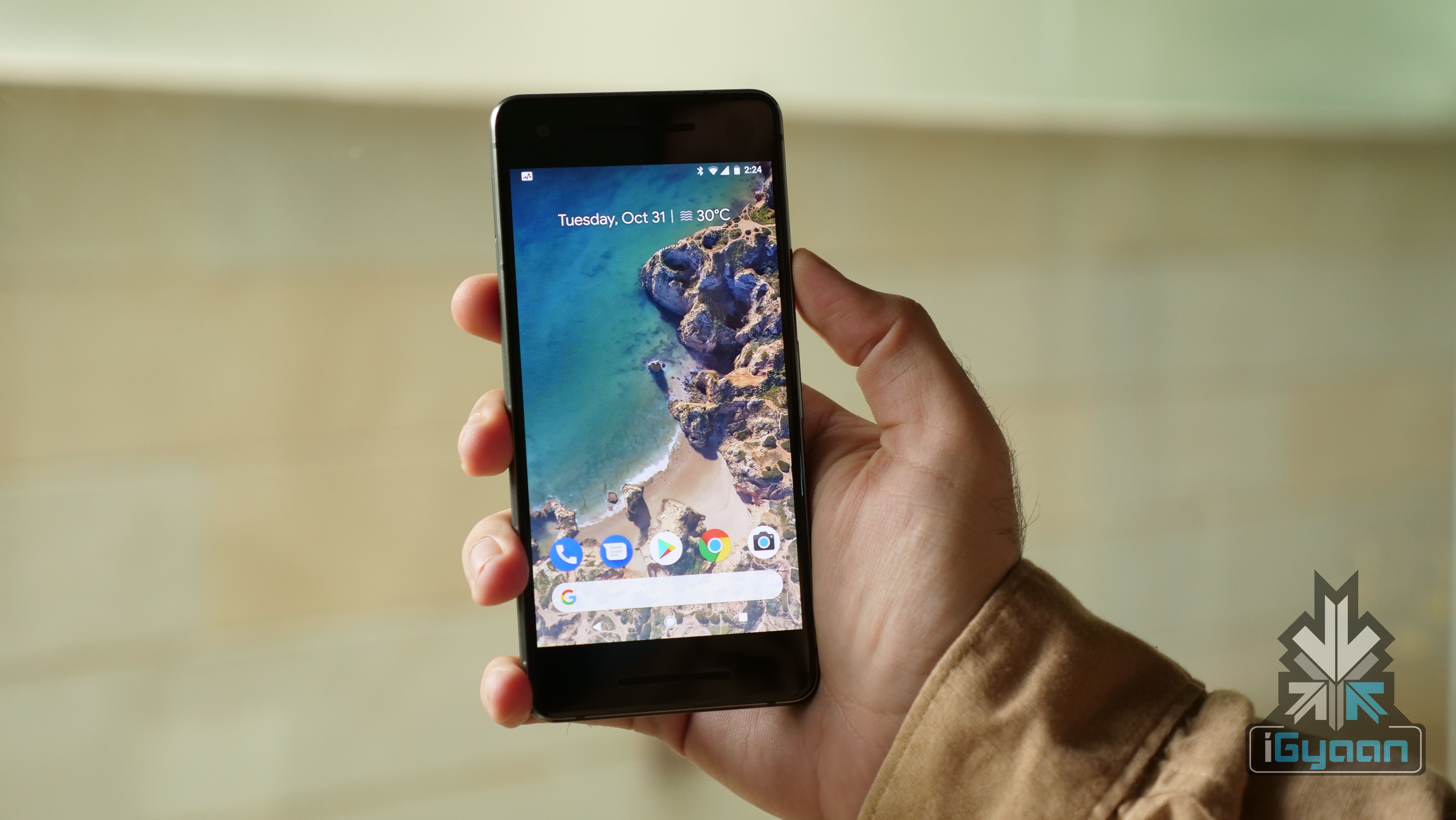
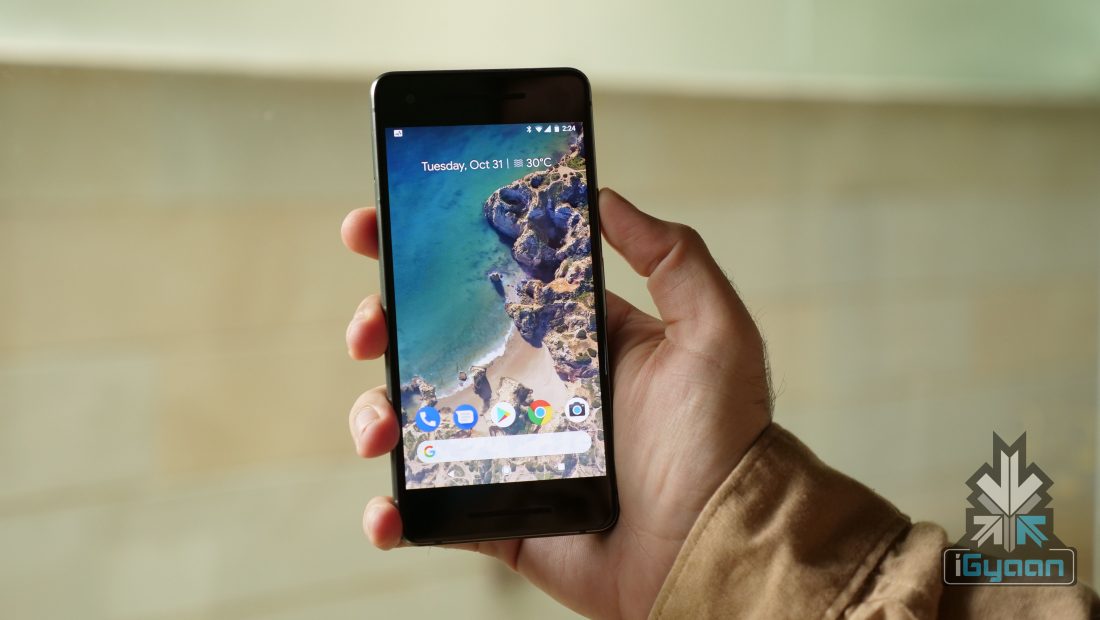
    In the smartphone industry, every year sees a new trend becoming the norm. 2017 saw thin bezels becoming a norm and with the launch of the Google Pixel 2 and Apple iPhone X, it appears that AI will be the next big thing in the smartphone industry. With Samsung being the biggest smartphone maker in the world, you’d expect the South Korean tech giant to be one of front-runners in the AI game as well.

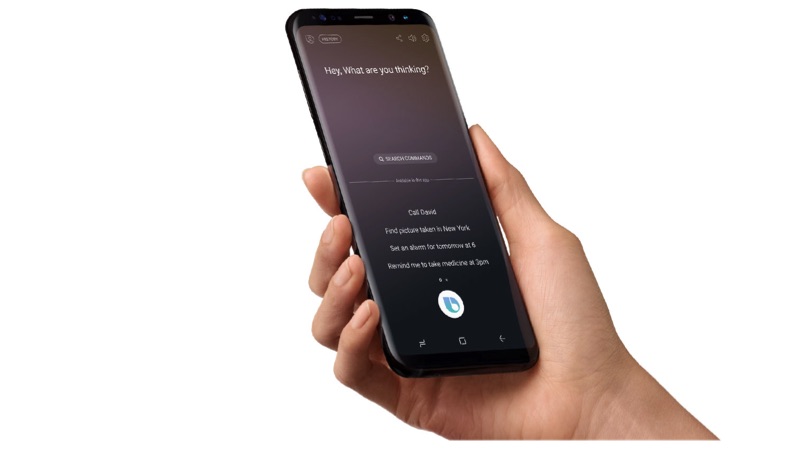
    A new acquisition by Samsung shows that it wants Bixby to be the new Google Assistant for all its consumers. According to a report, Samsung has just acquired an AI property, Fluenty, a Korean startup notable for its chatbot of the same name.

    Founded in 2015, Fluenty company currently develops a dedicated app and a separate “smart reply” API. The app uses machine learning to give custom response to users and is compatible with a number of popular messaging services like WhatsApp and Facebook Messenger.

    This is what the official website of Fluenty says:

    Fluenty is able to suggest smart replies that are specific to the person typing them. Let’s say for example that someone likes to say ‘Cheers!’ instead of ‘Bye!’ when closing a conversation. Fluenty is able to pick that up and will suggest it as a way to say goodbye in future messages.

    This means that Fluenty uses more than just web searches to customise user experience and adds a personal touch rather just being a robotic assistant.

    Bixby could take a few feathers out of Fluenty’s cap thanks to its machine learning capabilities. For example, if you are meeting someone at a bar, Bixby could pull out a Google Map location of the bar and start navigation.

    Bixby has not been received very well since it was announced along with Samsung Galaxy S8 and Galaxy S8+. It will be interesting to see how Bixby will incorporate Fluenty’s capabilities and enhance the user experience, and try to replace Google Assistant with Bixby.
  • Face ID Cracked Yet Again

    Face ID Cracked Yet Again

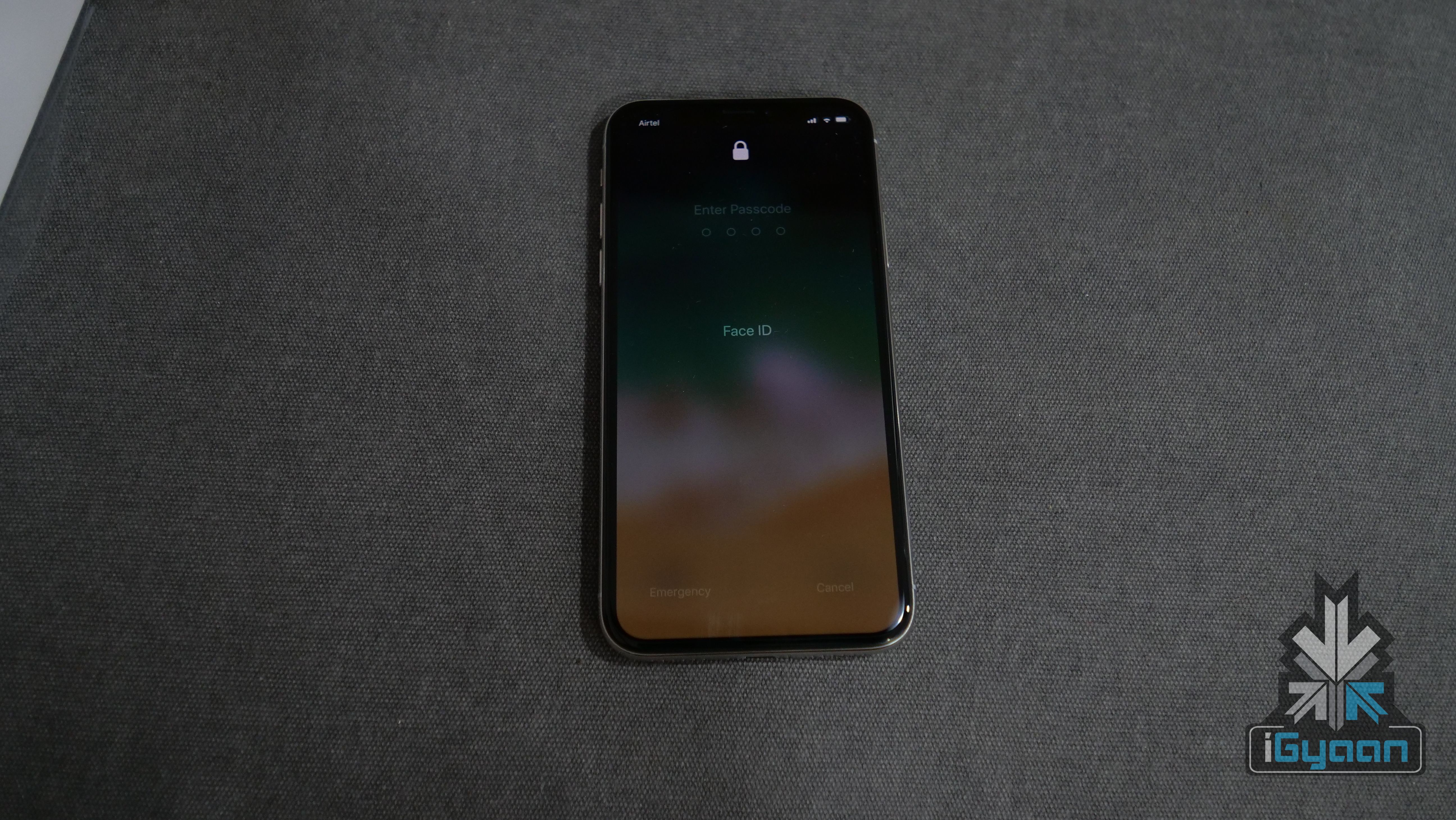
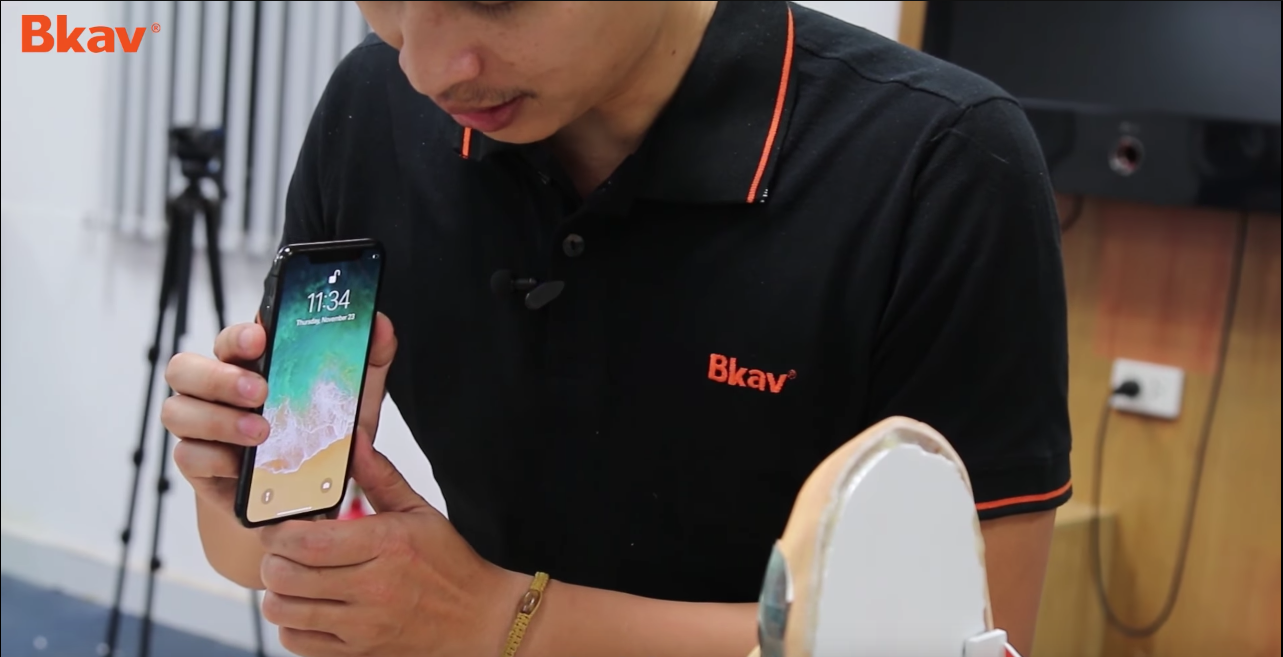
    Face ID might be the future, according to Apple but, it sure has some loopholes. Then again, which technology doesn’t? Vietnamese cyber security research firm Bkav was able to crack Face ID for a second time using a more elaborate mask and nearly US $150 in materials.

    The researchers were able to crack Face ID with a 3D printed mask of the user’s face made of stone powder. Infrared images of the user’s eyes were printed on paper and glued onto the 3D mask to trick the iPhone X’s infrared camera into perceiving that real eyes were looking at it.

    After the first attempt at fooling Face ID, the firm recommended that businessmen and National Leaders not use Face ID for securing their iPhone Xs. After the second attempt, the firm has come to conclusion that Face ID is not secure enough business transactions like Apple Pay.

    To say that your iPhone X is not secure at all and you should stick to a passcode is a little far-fetched. The process that Bkav undertook to fool Face ID is quite intensive and required special equipments to attain the desired results. You would also need access to a high-quality image of the person’s face and uninterrupted time with the user’s iPhone X.

    Apple can take a feather out of Android Jellybean’s hat by adding an extra layer of security wherein the user has to blink before FaceID unlocks the phone. Android Jellybean had a feature called ‘liveness check’ but, it was easily fooled. Face ID on the other hand will implement it much better.

  • Here Are All The Samsung Phones That Will Receive Android 8.0 Oreo Update

    Here Are All The Samsung Phones That Will Receive Android 8.0 Oreo Update

    Android 8.0 Oreo was launched back in August and the adoption rate of the newest Android OS has been abysmal, to say the least. Samsung, however, appears to have great plans for updating a slew of its smartphones to the latest Android 8.0 Oreo in the coming months.

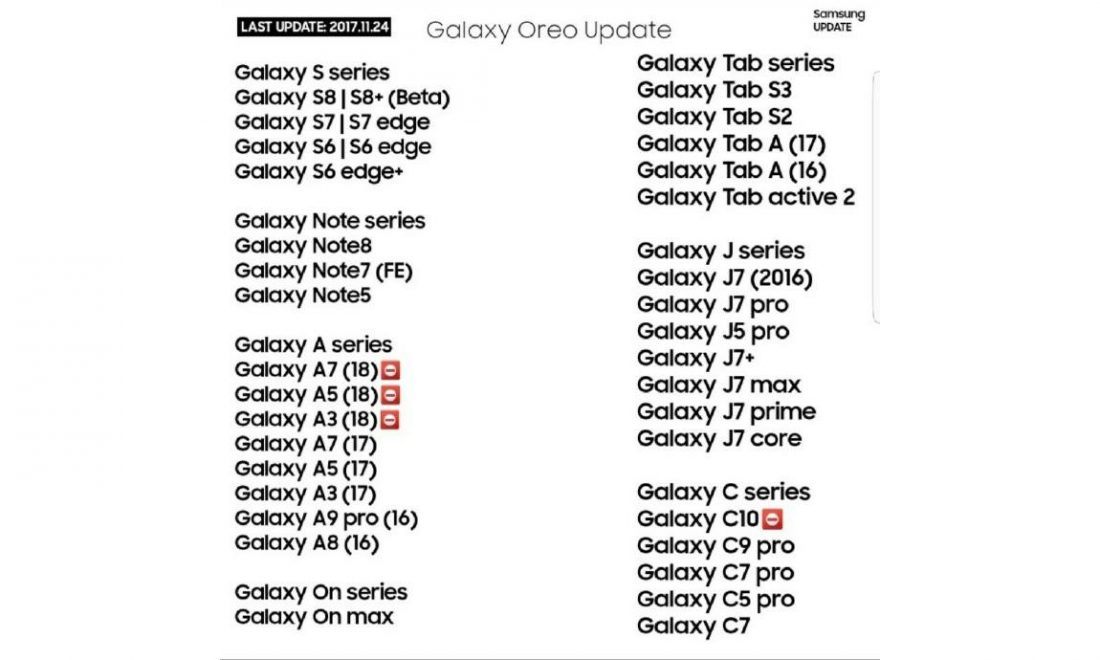
    In the image leaked above, you can see all the phones and tablets from Samsung that will receive the Android 8.0 Oreo update. Android phones have a notorious history of not being updated to the latest software if they are more than a year old. That is one of the reasons why Android adoption rate for the latest OS is so low as compared to iOS. In this list, however, devices such as Galaxy A8 (2016), Galaxy A9 Pro (2016), Galaxy J7 (2016), Galaxy Tab A (2016) and Galaxy C7 were all released back in 2016 and Samsung has plans of updating them to Android 8.0 Oreo.

    Even the Galaxy S6 and S6 Edge, the flagship phones from 2015 will receive the new update. This move from Samsung will definitely be appreciated by the brand loyalists and people who are planning to buy a Samsung mid-ranger in the coming months. It will ensure consumers that their phones will be supported even when newer variants of their phones are launched.

    It is worth noting that the list also includes unannounced 2018 A-series smartphones, which, as per many leaks, will be running Android 7.1 Nougat out of the box.

    [poll id=”50″]

  • OnePlus 5 May Be Getting Face Unlock

    OnePlus 5 May Be Getting Face Unlock

    One of the most interesting features of the OnePlus 5T, the facial unlocking system may be coming to its “older” sibling, the OnePlus 5 as well.

    The OnePlus 5T has been in the news ever since its launch. OnePlus decided to keep the price of the OnePlus 5T same as the OnePlus 5 and announced that the OnePlus 5 will be discontinued.

    If you still own the OnePlus 5, it appears that there is a slight chance you’ll get access to Face Unlock as well. Spotted by XDA Developers, an Android Oreo beta for the OnePlus 5 shows Face Unlock as an option, but it’s unclear if it will end up rolling out to everyone in the final build.

    Talking about OnePlus’ implementation of the face unlock, unlike Apple or Samsung’s implementations of face recognition, the OnePlus 5T doesn’t have any special sensors to aid in identifying your face, it just uses the camera. The company says that it uses over 100 unique identifiers to correctly identify who is looking at it. It’s even designed to work with glasses.

    It does so by analyzing, through the front camera, over 100 identifiers on your face such as the distance between your eyes or between your nose and upper lip. We have included numerous parameters, so that Face Unlock works in different lighting conditions as well as when you are wearing glasses.

    OnePlus has however conceded that security is not its main concern with Face Unlock.

    when we moved the fingerprint sensor to the back on the OnePlus 5T, we wanted to provide users a way to unlock the phone from the front of the device – with a focus on convenience and ease of access. Face Unlock is only designed as an additional option to open your device for the sake of convenience.

    The OnePlus 5T went on sale in India on the 21st of November at a starting price of Rs 32999 (same as the OnePlus 5).


  • OnePlus Confirms It Won’t Have Project Treble On The OnePlus 5T

    OnePlus Confirms It Won’t Have Project Treble On The OnePlus 5T

    OnePlus held an AMA and answered quite a few questions about the new OnePlus 5T. One user asked if the OnePlus 5T or any other OnePlus smartphone will be updated to support Project Treble, which basically means if any OnePlus device will be fast-tracked for updates. OnePlus confirmed that neither the OnePlus 5T, nor any other OnePlus phone, will be updated to support Treble.

    Android software updates have been a painfully long process for devices other than the Pixel or Nexus. That has mainly been due to other OEMs going through their own long process of customising the new version of Android and then slowly rolling out their version of Android to its users.

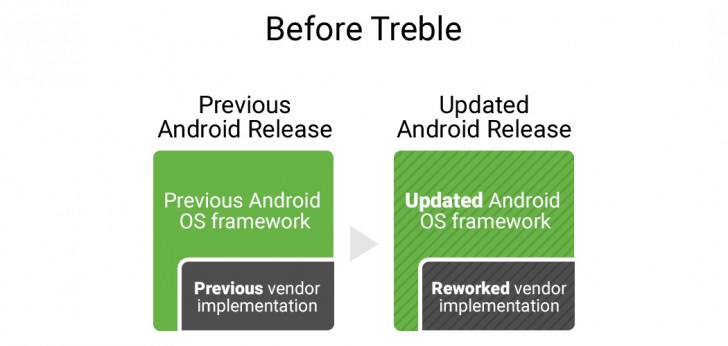
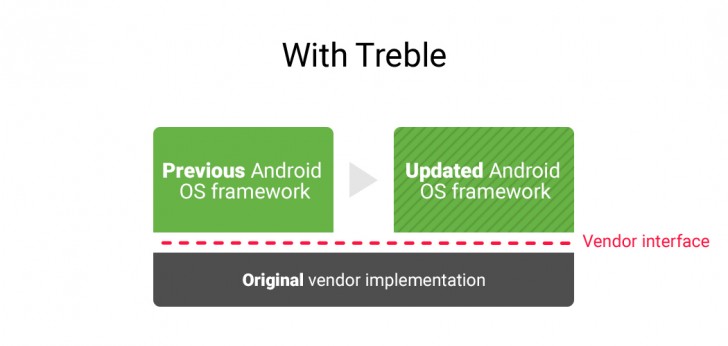
    But, a few months ago Android gained a “Vendor Interface” (VI), largely due to a new development effort from Google called Project Treble. The VI’s aim is to separate the “Vendor Implementation” (that is, “the device-specific, lower-level software written in large part by the silicon manufacturers”), from the Android OS framework.

    The new VI is supposed to sit between the Android OS framework and Vendor Implementation. And the new VI will be validated by a Vendor Test Suite (VTS), which is analogous to the Compatibility Test Suite (CTS) that Google has been using for API testing of apps. The VTS ensures forward-compatibility of the VI.

    What project Treble brings to the table is quite evident from the two images above. Before, the VI needed to be reworked after every single Android OS framework update, while from now on that won’t be the case anymore.

    So, what does it mean for the OnePlus 5T? It means that unless OnePlus is quick with its testing and back-end engineering, the OnePlus 5T will be slow to get the latest Android software update, just like a lot of other Android phones.

  • Face ID Has A Useful Feature That You Probably Don’t Know About

    Face ID Has A Useful Feature That You Probably Don’t Know About

    The iPhone X has brought back the excitement that used to surround an iPhone for so many years. With a new design and a lot of new features, the iPhone X has been one of the best iPhones ever made. One of the most talked-about feature of the iPhone X however, has been Face ID.
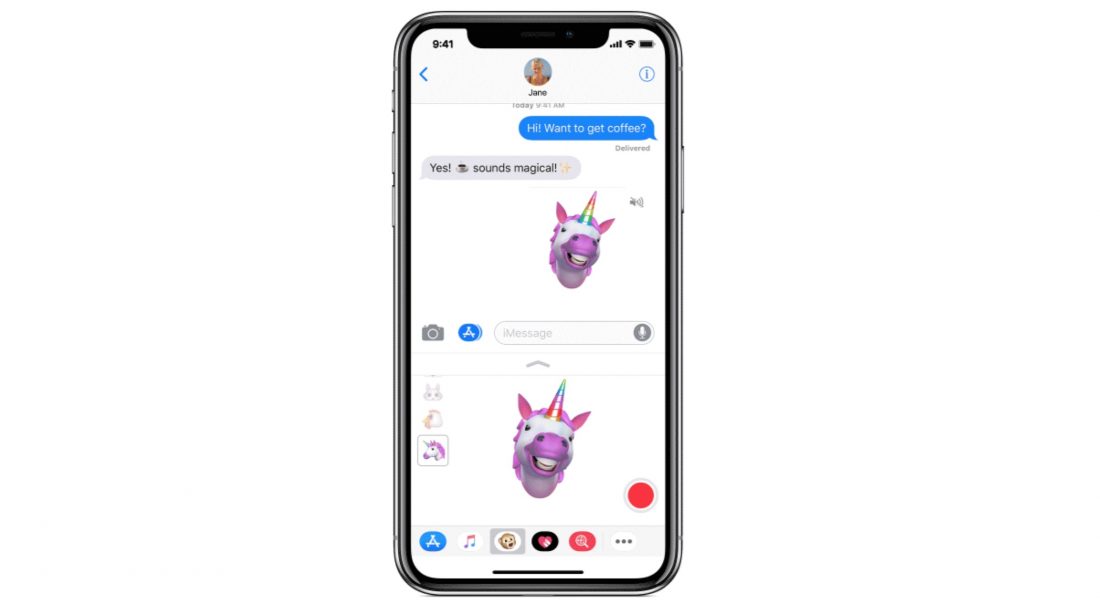
    Face ID has a lot of neat tricks up its sleeve, most notably being the infamous ‘Animoji’.

    Animoji On iPhone X

    If you are not a morning person, you have faced the the annoyance of your iPhone’s loud alarm tone blaring at you early inj the morning. And at such an early time, you tend to struggle to pick up the phone and shut the alarm. And while you are still struggling to get hold of your phone, that alarm tone is at its peak volume still annoying you.

    You may also like – I Spent A Day With The iPhone X And I Am Done With The Home Button

    Keeping that in mind, a new little nifty feature in the iPhone X was revealed on Reddit.

    Woke up this morning to my iPhone alarm and when I looked at my X, I noticed the volume lowered itself. I tried this again to make sure I wasn’t just imagining it after waking up, and it does!

    That is such a little thing that didn’t need to be a feature, but the fact that it is, is amazing. Now when I wake up and look at my phone its a softer volume instead of continually blaring the alarm at me. Little things like this are awesome.

    When you think about it, this feature won’t sell iPhone Xs in bulk. It will never make it to the advertisements as a “marquee feature.” But, the fact that this feature exists and tackles such a trivialised issue is a great thing.

  • MIUI 9 Will Be The Last Update For These Xiaomi Phones

    MIUI 9 Will Be The Last Update For These Xiaomi Phones

    Xiaomi recently announced its plans of rolling out MIUI 9 to its Indian smartphones. Along with the launch of the Xiaomi Redmi Y1 Lite and Redmi Y1, the company released a list of smartphones that will get the MIUI 9 stable ROM update in the coming weeks. However, in a recent blog post, it also announced that for Mi 2/2S, Mi 4i, Redmi 1S, Redmi Note 4G, Redmi 2, Redmi 2 Prime, and Mi Note, MIUI 9 will be last update ever.

    In a blog post, Xiaomi wrote:

    To ensure the best performance of MIUI, we have to make a tough decision of suspending the update of 6 devices after a long-time discussion and evaluation about the release time of devices, active users, hardware performance, etc.

    As far as the final MIUI 9 Global stable ROM is concerned, it will be gradually rolled out to aforementioned devices from December 2017 to January 2018.

    Users who flashed the MIUI 9 beta version on their smartphone should have a keen eye on the Xiaomi forums as the company will be posting instructions for flashing to the MIUI 9 Global Stable ROM. Xiaomi has also said that MIUI Global Beta ROM 7.11.16 will be the last beta update for the smartphones that are mentioned above.

    Here is a list of smartphones that will receive the new MIUI 9 update-

    Mi 2, Mi 3, Mi 4, Redmi Note 4G, Mi Note, Mi 4i, Redmi 2, Redmi 2 Prime, Redmi Note 4G Prime, Redmi Note 2, Mi Mix, Mi Note 2, Mi 5, Mi 5s, Mi Max, Mi Max Prime, Redmi Note 3, Redmi 3, Redmi 3S, Redmi 3S Prime, Mi Mix 2, Mi Note 3, Mi 6, Mi Max 2, Redmi Note 4, Redmi Note 4xX, Redmi Note 5A, Redmi 4, Redmi 4A, Redmi Y1 and Redmi Y1 Lite.

    [poll id=50]

  • Google Lens Support Starts Rolling Out To Pixel And Pixel 2 Devices

    Google Lens Support Starts Rolling Out To Pixel And Pixel 2 Devices

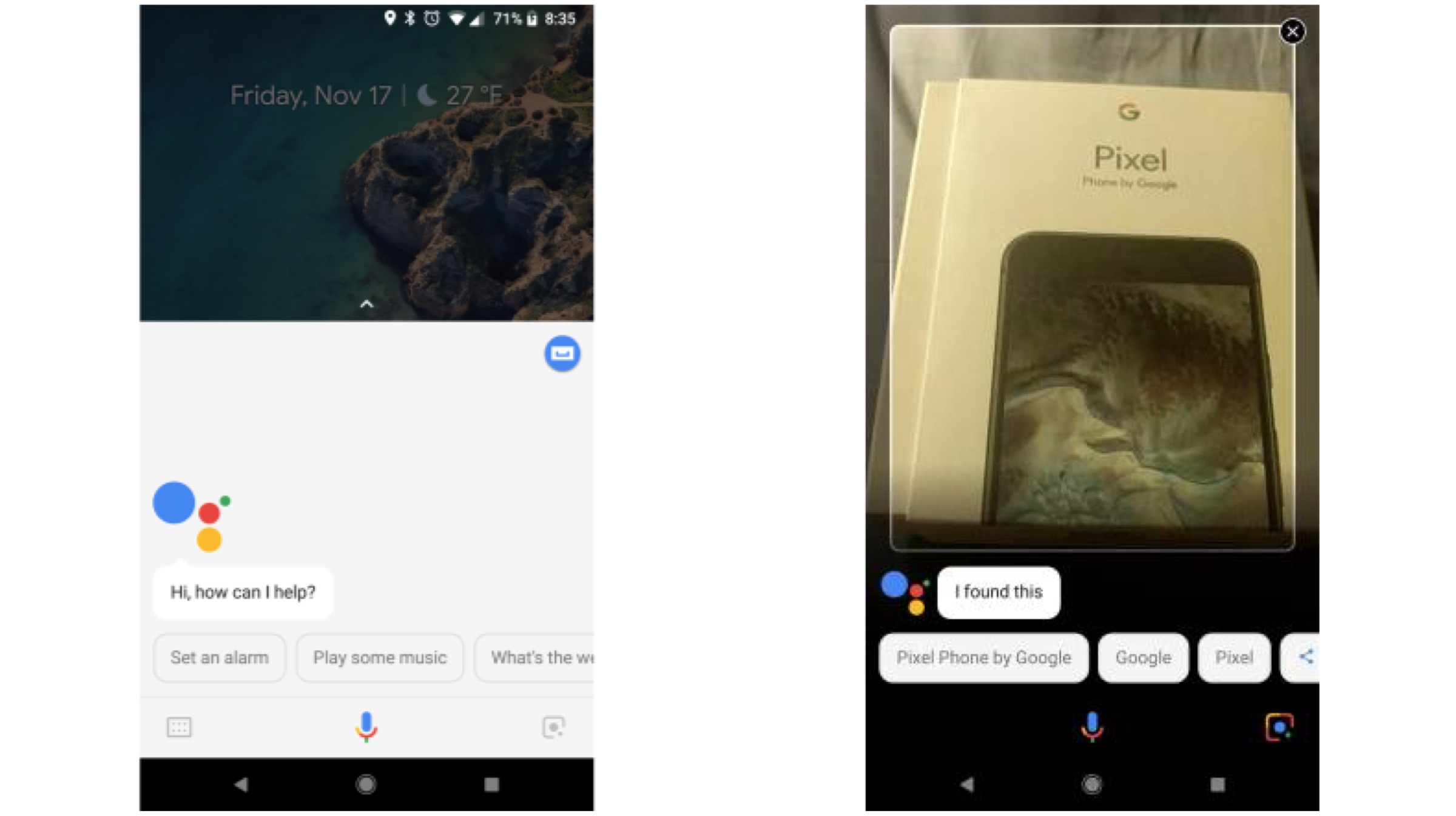
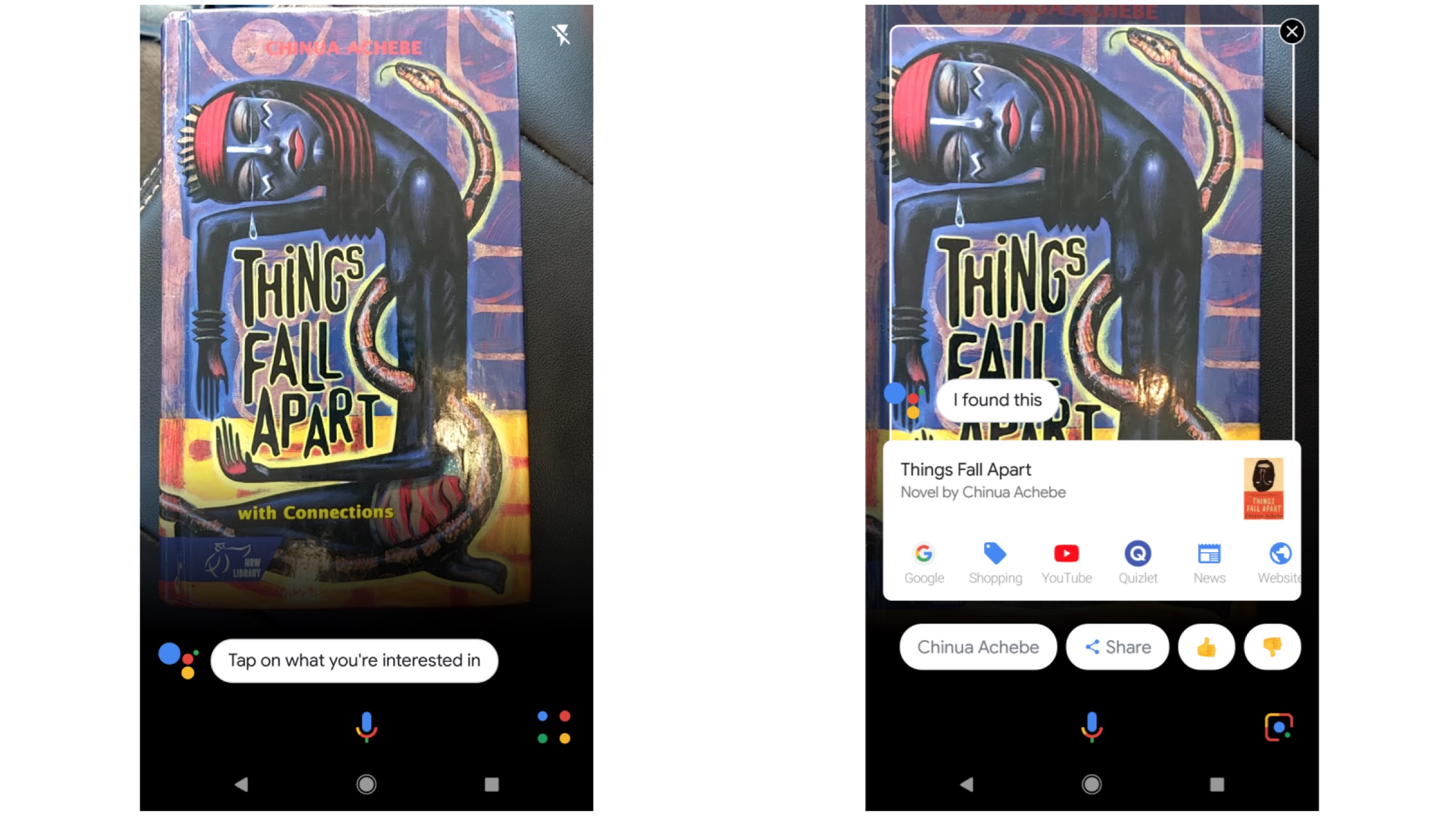
    Google has started rolling an update for Pixel and Pixel 2 devices which brings the Google Lens feature to these phones. 9To5Google reported that the some users have noticed the Lens feature in the Google Assistant app.

    The first users have spotted the visual search feature up and running on their Pixel and Pixel 2 phones.

    In Photos, Lens can be triggered when viewing an image or a screenshot. However, in Google Assistant, it is integrated right into the sheet that pops up after holding down on the home button, or squeezing the frame of the Pixel 2. Once triggered, the Lens runs an image based search and pulls out web page links, options to open another app or links to buy a certain product.

    When Lens was firs unveiled, Google CEO Sundar Pichai described Google Lens as a set of vision based computing capabilities that can understand what you’re looking at and perform actions based on that information. If you trigger Lens while pointing your phone to a book, it will scan the cover of the book and pull links to buy or read the particular book online. Google says Lens has an accuracy of over 95%.

    While the rollout is still minimal, and extensive rollout to all the Pixel and Pixel 2 devices is expected to happen in the coming days.

  • Why Are New Android Phones Launching With Old Android OS?

    Why Are New Android Phones Launching With Old Android OS?

    Even though we’ve almost reached the end of 2017, there is a constant flux of high-end phones launching week in and week out. We recently saw three high profile Android phones launching in November itself, the Razer Phone, HTC U11+ (a mid range variant called the HTC U11 Life was launched as well) and the OnePlus 5T. Excluding the HTC U11+, the OnePlus 5T and the Razer Phone have the best specifications you can ask for in an Android phone. Snapdragon 835, up to 8GB of RAM and umpteen amount of storage.

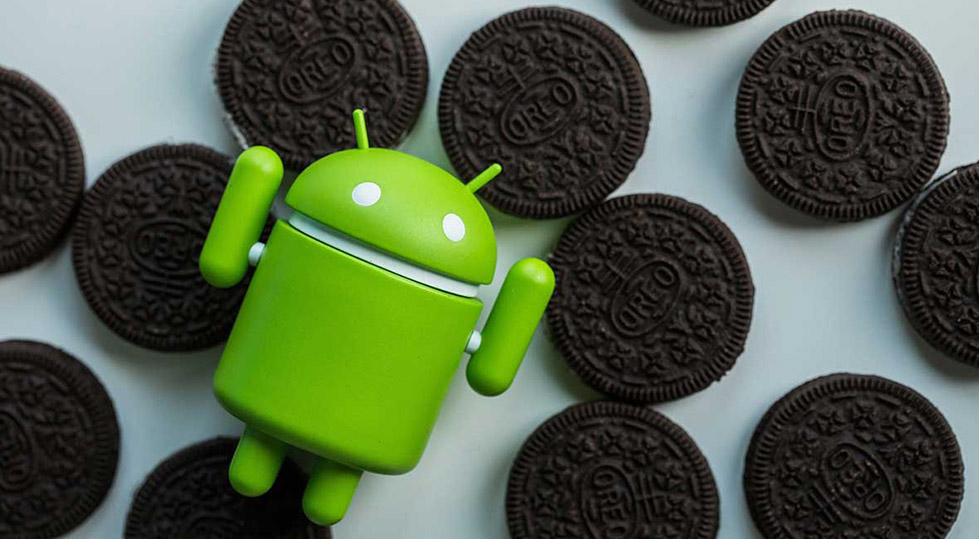
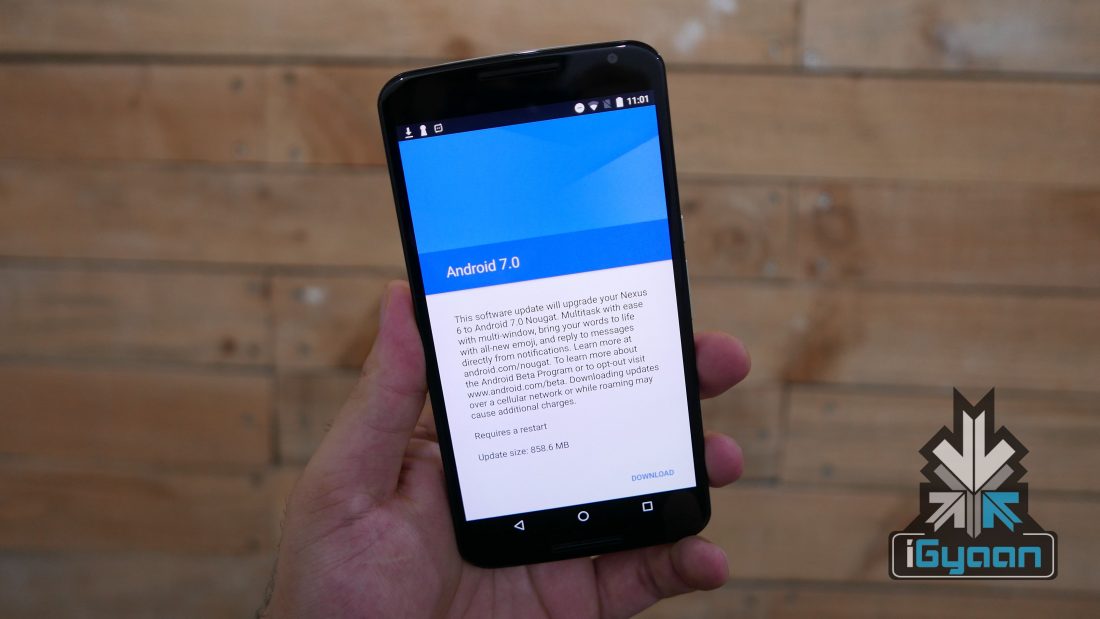
    But, these two phones have one thing in common which should not be acceptable in November of 2017. Both the devices run on an Android OS version which is more than a year old. Android 8.0 Oreo was launched back in August and it has been three months since it was made available for all these big smartphone companies to adopt and install in its new phones.

    When the OnePlus 5T was launched, the Chinese smartphone maker said it is due to the intensive testing programme that it has not yet introduced Android 8.0 Oreo in the latest OnePlus 5T. Razer gave a similar reason and said it will push out an update soon enough. But, is soon enough good enough? You’re paying close US $700 for the Razer Phone and the higher end OnePlus 5T has a price tag of US $549, at this price, a consumer at least deserved whatever the latest software is in the market.

    Yes, at the price these two phones have the best specifications in the market and the performance will be amazing enough to ignore what Android OS version these phones are running.

    But, won’t the latest and greatest Android OS match better with the latest and greatest chipset? With Android 8.0 Oreo, Google introduced faster boot speeds, tighter security and those notification dots along with a lot of under the hood improvements. That should amount to something more than just, “it looks great, it will work great as well.” That is usually our defence for phones running older Android OS versions.

    An average consumer barely even notices what OS version their phone is running. But, it matters, because the latest version of any operating system means that it performs better than the previous one and will be better for the longevity of your phone.

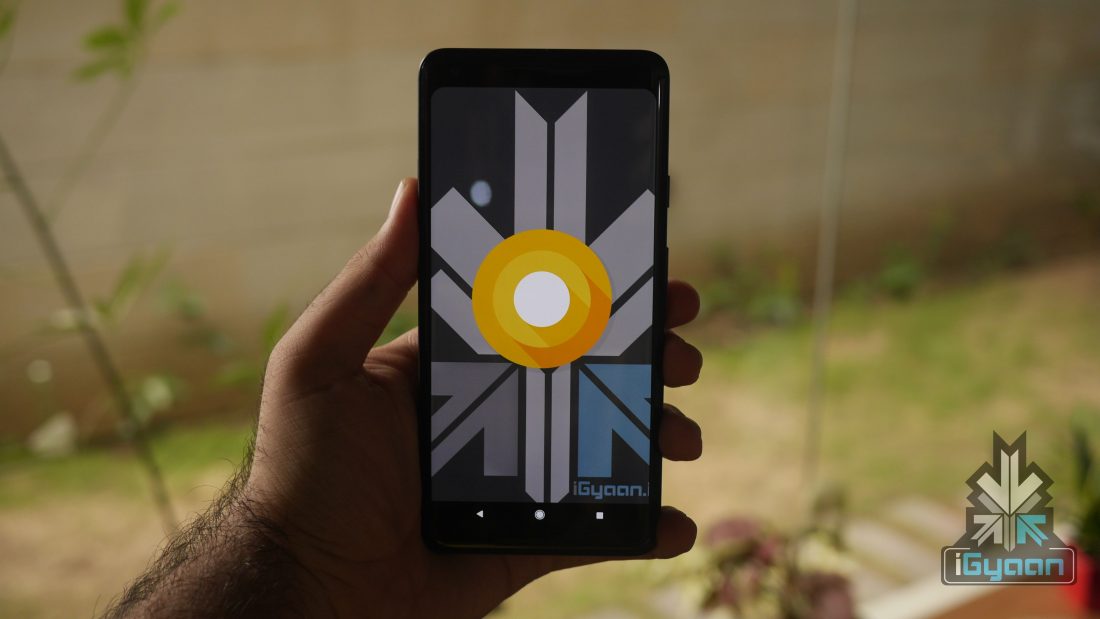
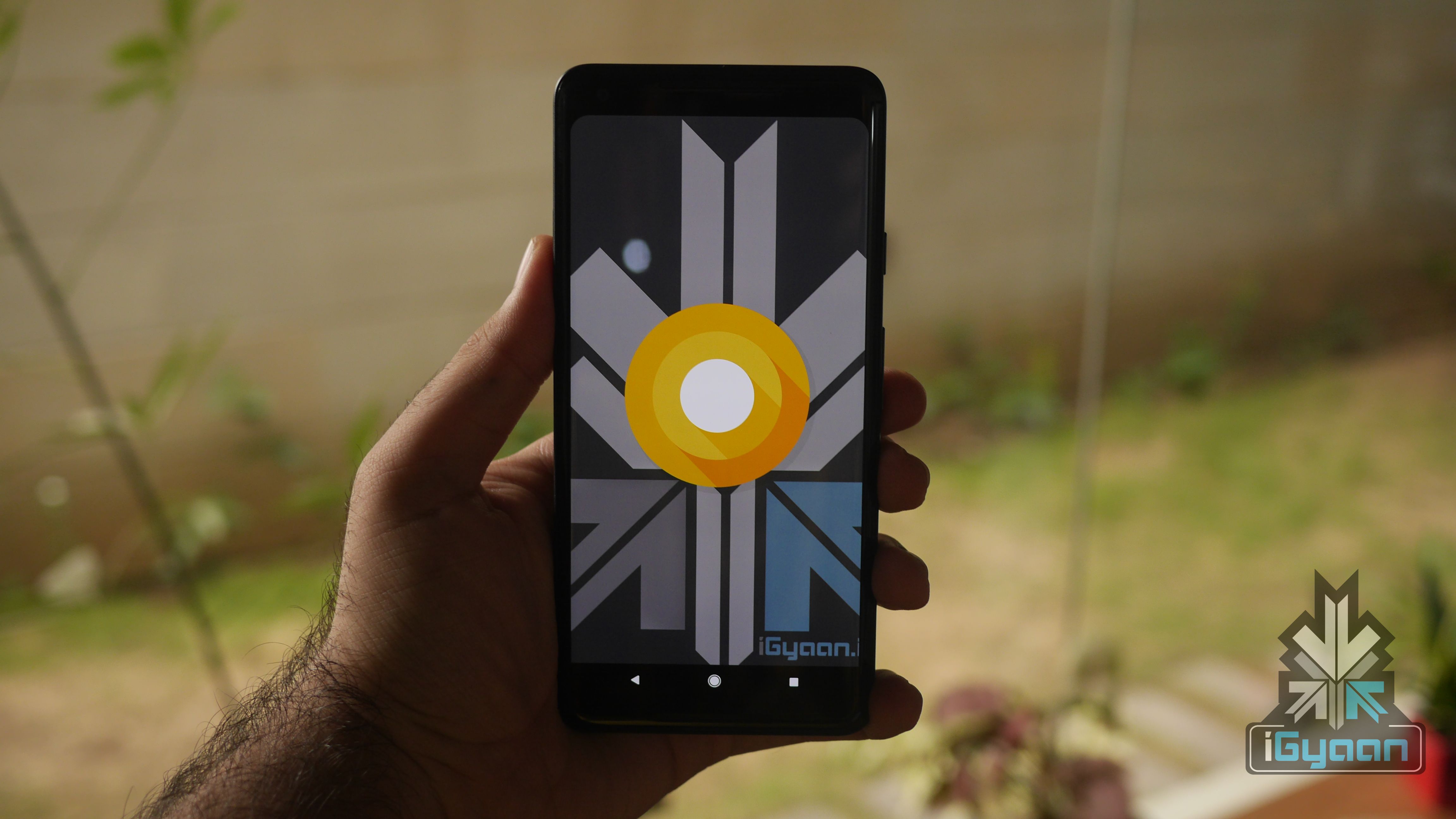
    Android 8.0 Oreo On Pixel 2 XL

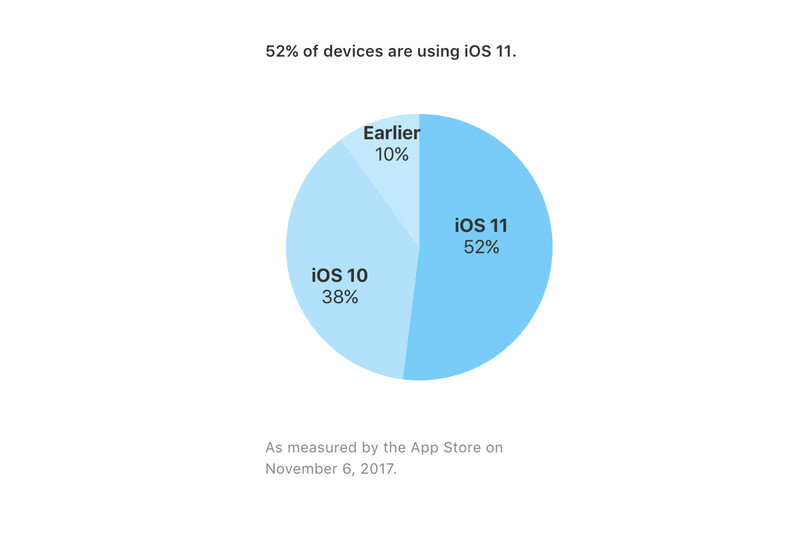
    Android 8.0 Oreo is currently available in only 0.3% Android phones, while iOS 11, which was launched in September is present in over 50% of iOS devices. For further context, here is the Android OS and the percentage of Android phones running it:

    • Android KitKat (13.8%) – 2013,
    • Lollipop (27.2%) – 2014,
    • Marshmallow (30.9%) – 2015
    • Nougat (20.6%) – 2016

    Android Lollipop, launched back in 2014 is more prevalent than Android Nougat that was launched in 2016. This tells you the story of Android’s adoption rate, especially when compared to iOS 11. Even iOS 10, which was launched in 2016 is available in 38% of the iOS devices currently out in the market.

    It is hard to believe that companies like Razer and OnePlus would bring out their marquee phones with dated software because of lack of effort. It may be because the difference between Android Nougat and Android Oreo from the look of it, isn’t much. An average consumer would not make out the difference unless the consumer is coming from KitKat or Gingerbread. Fragmentation of Android devices is also a reason why so many smartphones currently never see a major software upgrade through their lifecycle.

    Google’s Android One resurgence shows that the company wants more people to adopt to the latest OS and not wait for other OEMs to make a skin based on the latest Android OS and then push it out to consumers. Whether the Android One project will be a success is yet to be seen and how the adoption rate will change for Android 8.0 Oreo.

    [poll id=49]

  • Android 8.1 Oreo Will Reduce The Size Of Inactive Apps To Manage Storage Space

    Android 8.1 Oreo Will Reduce The Size Of Inactive Apps To Manage Storage Space

    Storage space on smartphones which do not support microSD card has always been an issue. The Google Pixel from 2016 had 16GB of storage on its base model and it was a premium phone. This year, Google bumped it up to 64GB albeit, no storage expansion option. To tackle with this issue, Google will introduce a new smart feature in Android 8.1 Oreo which will reduce the size of inactive apps.

    The latest commit in Android’s AOSP framework mentions a new feature that would automatically flag apps as “inactive” and deprioritises the generation of cache files for that app. The phone will only consider an app as “inactive” if it hasn’t been recently used in the foreground and the app package isn’t being used by another app package in the background.

    These apps marked as “inactive” won’t have cache files generated for them, thus reducing storage space.

    While the feature is a welcome addition to growing smart things Android phones can do, we might have to wait a while till we see this getting implemented in more smartphones other than the Pixels and the Nexuses. As reported earlier, only 0.2% Android smartphones run Android 8.0 Oreo right now, hence seeing Android 8.1 Oreo in a wide range of phones might be some time away. Also, OEMs will have to enable their smartphones to take advantage of this feature.

  • Clips Introduces Selfie Scenes For 360-Degree Selfies On iPhone X

    Clips Introduces Selfie Scenes For 360-Degree Selfies On iPhone X

    Apple has announced a new update to the iOS app, Clips. Clips is a free app for iOS that makes it easy to create and share fun videos using iPhone or iPad. In the new update, Clips has introduced Selfie Scenes, new artistic transition affects and a redesigned interface.

    Clips 2.0 is available as a free update on the App Store and is compatible with the iPhone 5s, iPad Air and iPad mini 2 and later models, running iOS 11.1 and later. Selfie Scenes are only available on the iPhone X and style transfer effects are only available on the iPhone 7 and later models and 2017 iPad Pro.

    Selfie Scenes takes full advantage of iPhone X’s true depth cameras to create a 360-degree immersive scene around the user. Users can choose from 10 scenes, featuring locations, characters, colours and visual styles plus two scenes from “Star Wars: The Last Jedi.” Each scene is a full 360-degree experience, so it surrounds users on all sides as they move the iPhone X around.

    To manage storage space in a better way, users can now access and edit their Clips videos across iPhone and iPad via iCloud. Videos are automatically uploaded and backed up to iCloud, so users can start a video on iPhone and finish it later on iPad.


  • Google Assistant Can Now Recognise Songs

    Google Assistant Can Now Recognise Songs

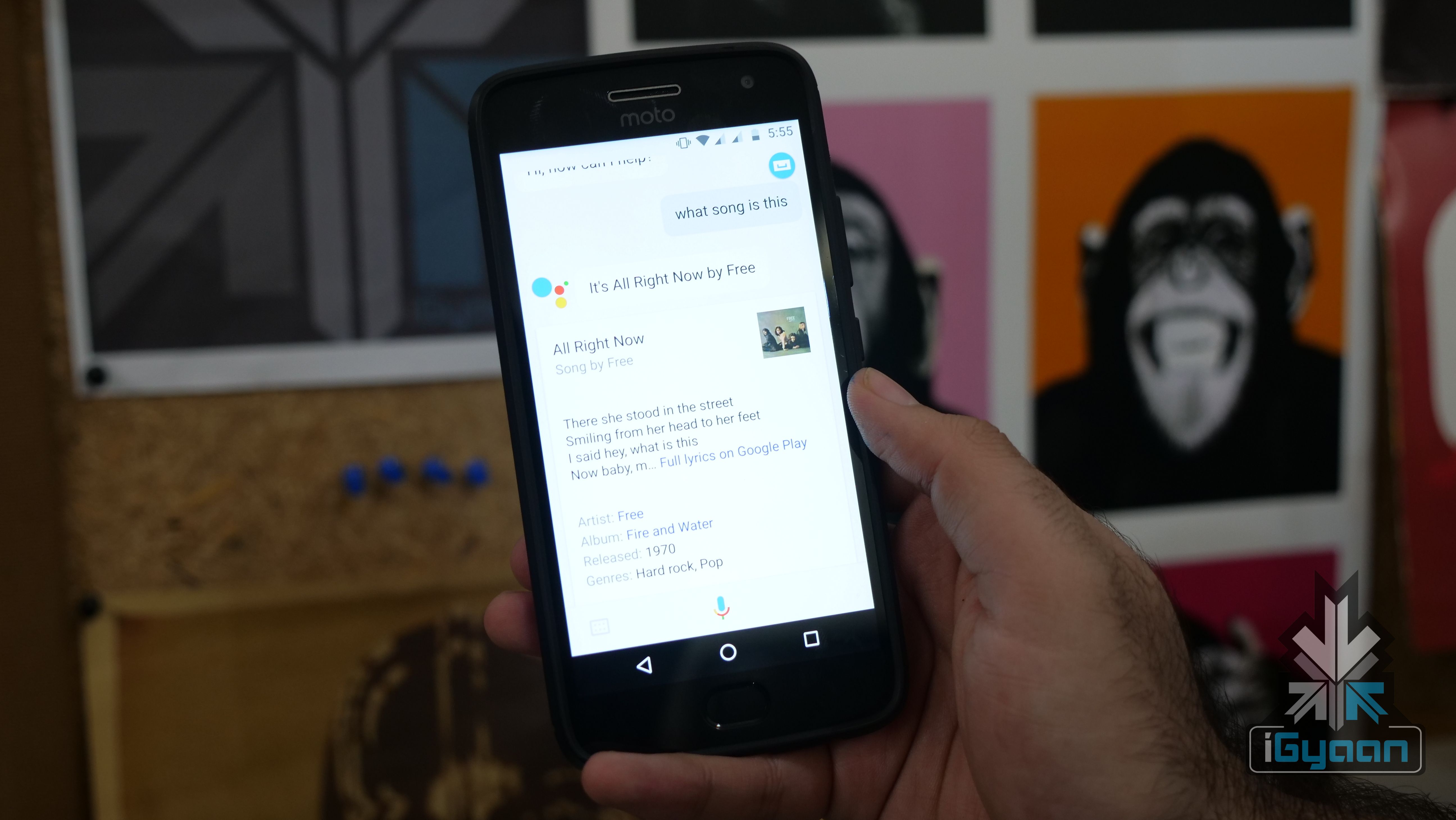
    Google has rolled out an update to the Google Assistant which enables the AI assistant to recognise songs. One of the more popular features introduced in the Pixel 2 phones is ‘Now Playing‘, wherein the Pixel2 can recognise songs playing and pull up links to buy or stream them. The catch here is that while Pixel 2 doesn’t use the internet to search for songs, the Google Assistant needs the internet to recognise the song and pull up results.

    This feature will come in handy more than you think. If you are always reaching into your pocket and struggling to open Shazam just in time for it to catch the song and show a result, this feature can be priceless.

    If you enter a cafe and want to know what song is playing, simply open up Google Assistant and ask ‘what song is this’. Depending on how fast your internet connection is, Assistant will pull up a card for you with the name of the song, the artist, lyrics, and YouTube, Google Play Music, and Spotify (not available in India) streaming links. If Google Assistant has voice set as the preferred input method and you’re in a loud environment, you will see a new “What’s this song?” chip as the first suggestion in the carousel.


  • Google Tries To Fix Pixel 2 XL Display With New Update

    Google Tries To Fix Pixel 2 XL Display With New Update

    Ever since its launch, the Google Pixel 2 XL has been in the news for all the wrong reasons. The integration of software, hardware and AI by Google in the Pixel 2 smartphones has been overshadowed by the growing complaints against the Pixel 2 XL’s OLED display. In a new software update, apart from the December security patch, Google has introduced new settings in the display menu, in a bid to improve the user experience.

    The software update also contains a security patch for the Wi-Fi “Krack” vulnerability.

    The update also contains a fix for the faint clicking noise heard in some Pixel 2s as well as changes to the Pixel 2 XL’s display behaviour to mitigate against potential screen burn-in. About the new update, a Google community manager writes:

    As we mentioned in our deeper dive, this update also brings planned UI changes which extend the life of the OLED display, including a fade out of the navigation buttons at the bottom of the screen and an update to maximum brightness. These features have been carefully designed so as not to detract from the user experience. Since all OLED displays experience some degree of decay over time, we’ll continue to make enhancements which maximise the life of your Pixel screen.

    With the new update, there will be a new set of three different options on both models: boosted, natural, and saturated under the Display settings option. Here is how Google described how the “saturated” setting would look:

    The saturated mode puts the display into an unmanaged configuration, similar to how the Pixel 1 operates. The colors will be more saturated and vibrant, but less accurate (similar to most other smartphones which display more vibrant colors): we give consumers the option to choose the colour saturation.

    Google’s definition of the saturated setting proves that even though this update has rolled out, the company still doesn’t want its users to use this setting. Google’s intentions are to keep the Pixel 2 XL looking accurate rather than eye-pleasing and unnatural.


  • Google Forgets To Install Android In Some Pixel 2 XL Units

    Google Forgets To Install Android In Some Pixel 2 XL Units

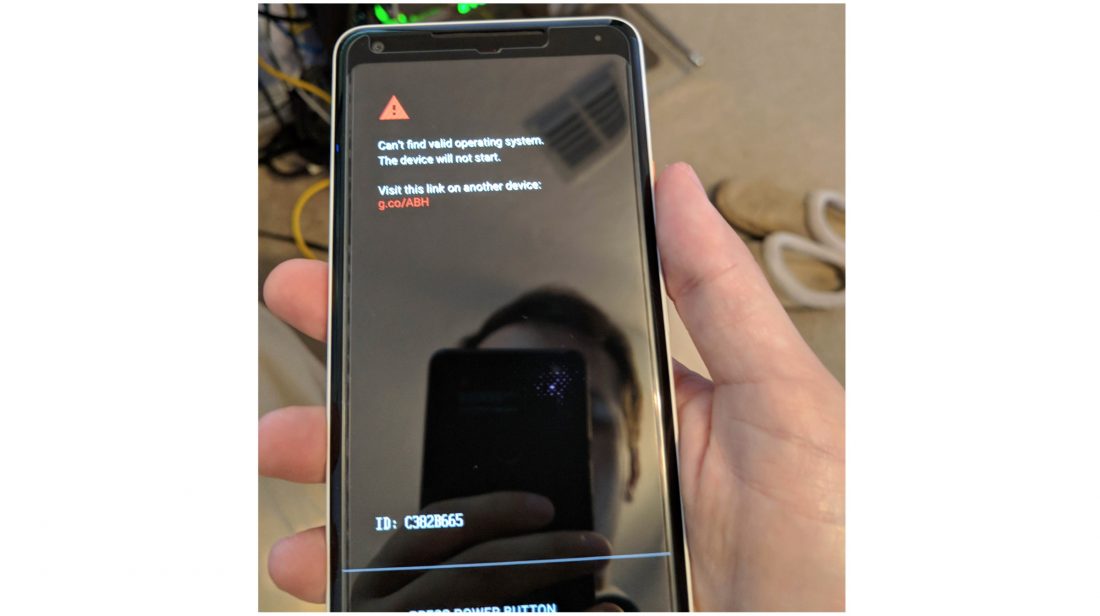
    Google appears to have forgotten that an Android phone needs an Android OS to function. Reports from the US claim that a few Google Pixel 2 XL were shipped to customers without an operating system. There are multiple threads on Reddit on the issue, and almost all users complain about the same message welcoming them “Can’t find valid operating system. The device will not start.” After multiple issues were reported, Google responded that it will be replacing all the devices which were shipped with this issue.

    One of the Reddit users wrote in a thread:

    I came home excited to unbox my new Pixel 2 XL. Upon turning on the device I was greeted with a black screen stating, “Can’t find valid operating system. The device will not start.” Spent an hour on the chat with two different customer service reps and they are wanting to send me a replacement phone. Really frustrating.

    There seems to be no end to the woes of Google’s new flagship phone, the Pixel 2 XL. Even though the phone’s software and camera has been appreciated, the dismal display has been panned by critics especially considering the fact that it costs close to Rs 80000 in India. Complaints of a blue tint and screen burnout have been reported and Google did come out and clarify its stand. Google has said that a future software patch will resolve the blue tint issue and the users will be able to tweak the display settings to show more vibrant colours.

    Apart from the display, some customers complained that their Pixel 2 XL boxes had a cutout for Pixelbuds but, there were no Pixelbuds to be found inside the box.

    Thanks to social media, little issues can be blown out of proportion but, shipping a smartphone without an operating system seems to be a first of its kind issue. To be successful in markets where Google has not even launched the device, it needs to negate these issues and start shipping the best version of the Google Pixel 2 and Pixel 2 XL.

  • Paytm Inbox Lets You Send And Receive Money Through Texting

    Paytm Inbox Lets You Send And Receive Money Through Texting

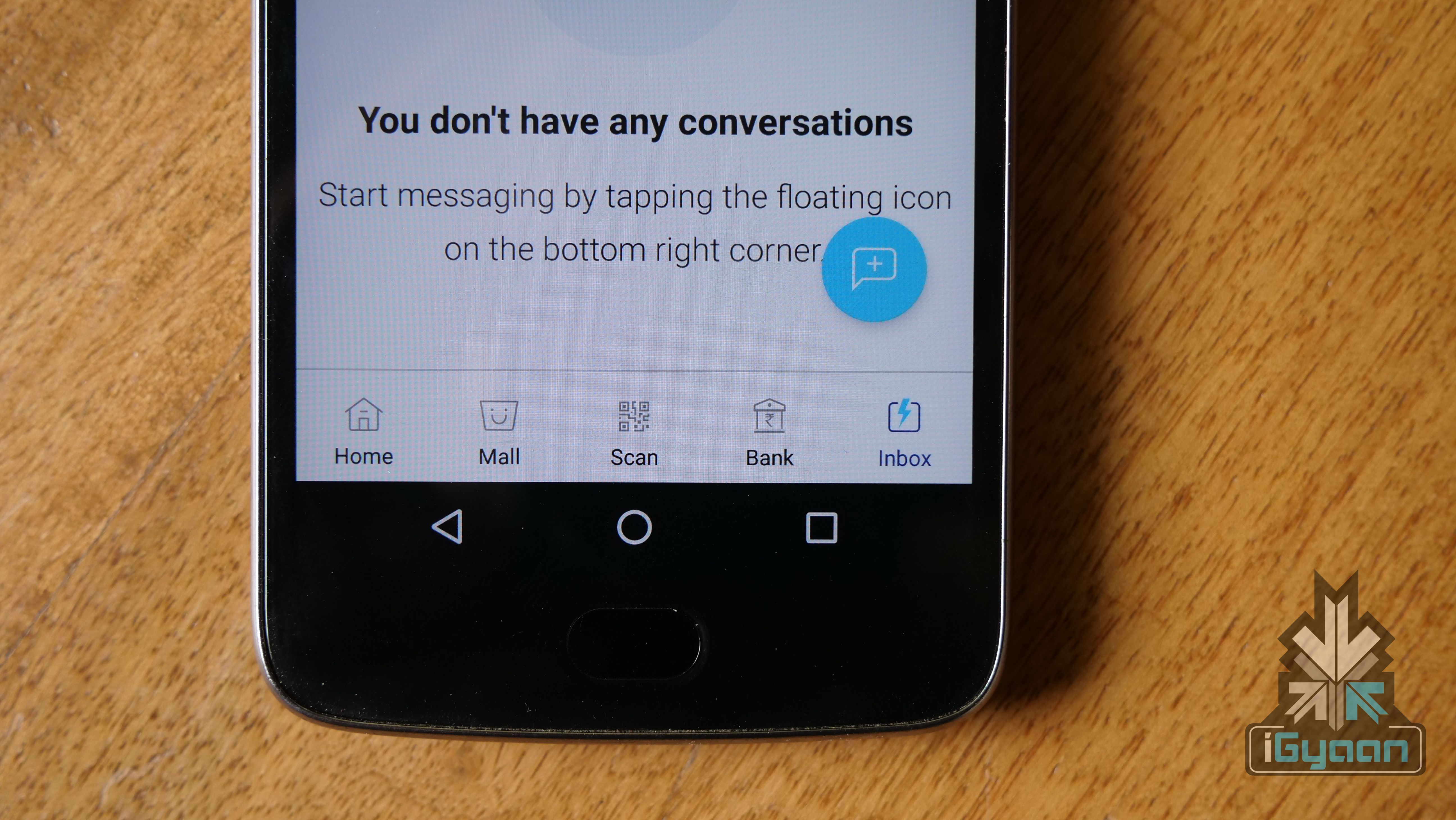
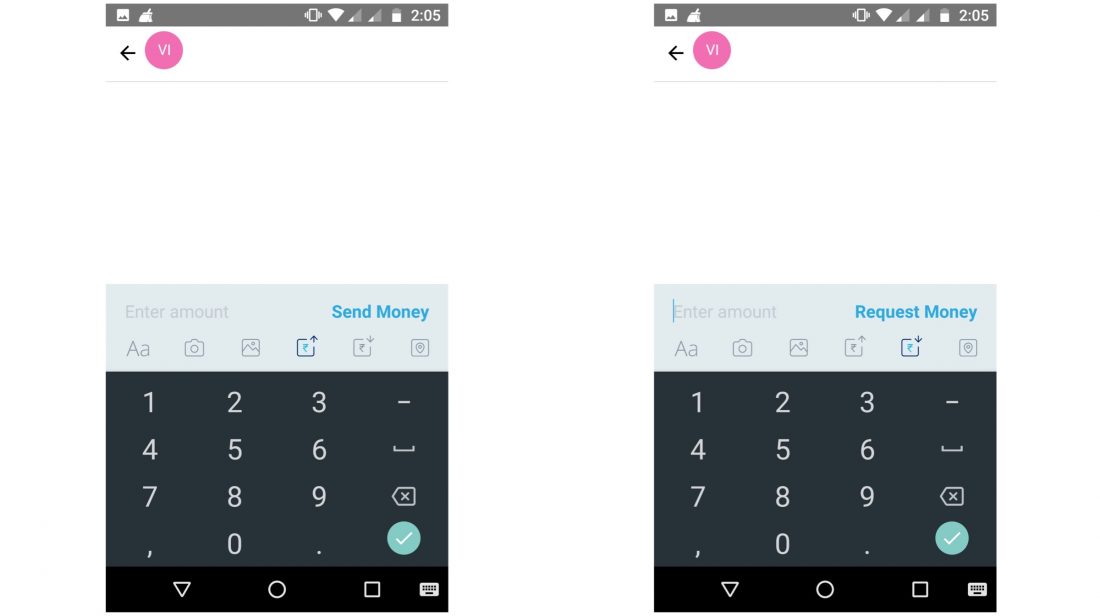
    Paytm has rolled out a new update of its app which introduces a new feature called Inbox. The new feature is a full-fledged instant messaging app in itself which lets people communicate through texts, photos, videos or emojis and most importantly, lets you send or receive money as well. The money can only be transferred using the Paytm wallet and this update comes before WhatsApp rolls out its payment feature.

    In a blog post, Paytm said:

    We are excited to launch Paytm Inbox today, a new offering on our app with a fast and simple messaging service that will let you chat with your friends and family, and send/request money at the same time. You can even chat with your friendly neighborhood shopkeeper and order stuff easily and send them money instantly on delivery.

    According to Paytm, Inbox will make payments easier, “as everyone from individuals to local retail stores to home-based entrepreneurs can now interact and initiate payments on-the-go.”

    The update – which is already available on Android, will soon be available for iOS as well, adds Inbox to the main Paytm app, in the bottom navigation bar. Tap on the Inbox and you can start chatting with your friends. It uses your Paytm linked phone number and if you press the new message button, it shows you the phone numbers of all your friends who use the app as well.

    The Inbox update will compete with WhatsApp’s upcoming payments feature. Paytm also announced that the Inbox messaging features has ‘delete for all’ option which WhatsApp recently rolled out for all the devices.

    We understand you may send something by mistake. You can recall a message?—?whether to one person or a group by using the ‘Delete for All’ option. The good news is, there are no deadlines for this to work!

    Paytm has certainly timed this launch to perfection. With more online payment apps entering India, Paytm needed something to differentiate from the rest of the products in the market. It will be interesting to see if people will actually shift from WhatsApp to Paytm just for the Inbox feature.

iGyaan Network
Privacy Overview

This website uses cookies so that we can provide you with the best user experience possible. Cookie information is stored in your browser and performs functions such as recognising you when you return to our website and helping our team to understand which sections of the website you find most interesting and useful.