Category: Camera

Camera, Camcorders, DSLR, Mirrorless, Lenses and Accessories. All Here

  • Tech Highlights of the Week: More OnePlus 2 Details, iOS 9 Beta Available for Public and Much More

    Tech Highlights of the Week: More OnePlus 2 Details, iOS 9 Beta Available for Public and Much More

    This week was loaded with new product releases and announcements from around the world. We have compiled a list of news that made the rounds.

    Here are the top highlights of the week:

    LG hints at Google Nexus Handset

    LG Google Nexus 4 India Review iGyaan 48

    According to rumors, Google has teamed up with LG to produce the next Google Nexus handset. The device will reportedly sport a 5.2-inch screen display, six-core Snapdragon 808 processor by Qualcomm, and 2700mAh battery pack. It seems Google wants to recreate the success of Nexus 5, which was manufactured by LG.

    Instagram Now Allows 1080x1080p Squares

    instagram

    What’s the point of clicking photographs in HD if you can’t view it in Instagram? Instagram users can now rejoice as they can store images in HD resolution. The app has upgraded the resolution from 640 x 640 pixels to 1080×1080 pixels.

    Truecaller Launches Messaging App to Keep Your Inbox Spam Free

    truemessenger by truecaller

    Truecaller has launched its messaging app, Truemessenger, which basically serves the same function as its parent app – filter out spam and messages from unknown numbers.

    OnePlus Two Details

    oneplus two 810

    With just two weeks left for the OnePlus 2 launch, here are some of the key details that have been revealed about the upcoming phone –

    • The phone will not be priced more than Rs. 28,500, OnePlus confirmed on Twitter.
    • OnePlus 2 will arrive with a 4GB RAM and may sport a metal body.

    LG G4 Review
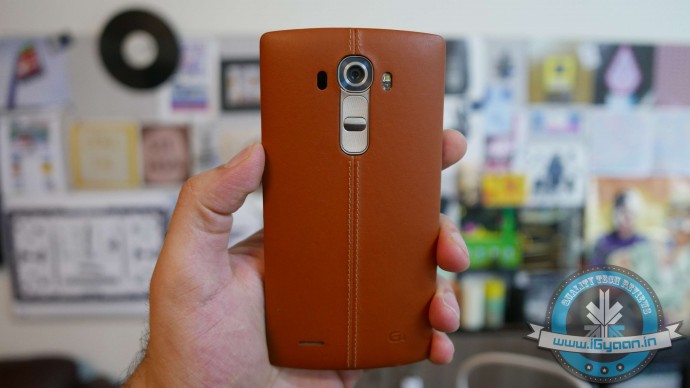
    Lg G4 Hands On 14

    Check out our review of the LG G4 and find out if it is worth a hole in your pocket.

    LG launches two new G4 variants
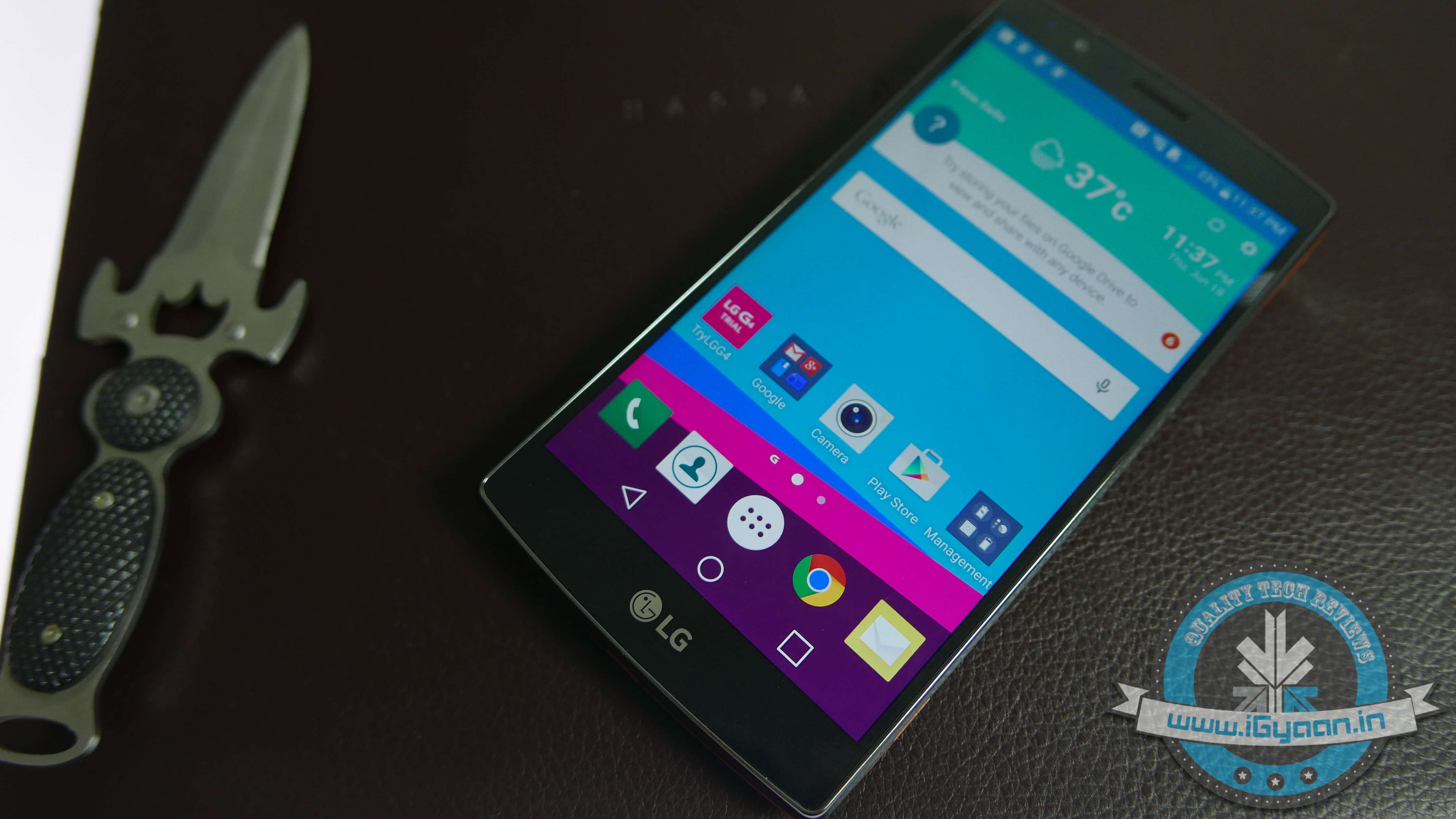
    LG G4

    LG has released two new variants in its G4 lineup, the LG G4 Stylus and the G4 Beat.

    Xolo Launches Black

    xolo black

    Xolo has launched “Black” through Flipkart priced at Rs. 12,999. The company hopes the phone will be able beat to rivals Motorola and Xiaomi.

    iOS 9 beta released for public

    iOS 9

    Apple has released the beta version of iOS 9 for the public. The company has introduced some new features such as separate folder for selfies and screenshots and Apple News.

    GoPro Is Back With the New Tinier GoPro Hero4 Session

    gopro

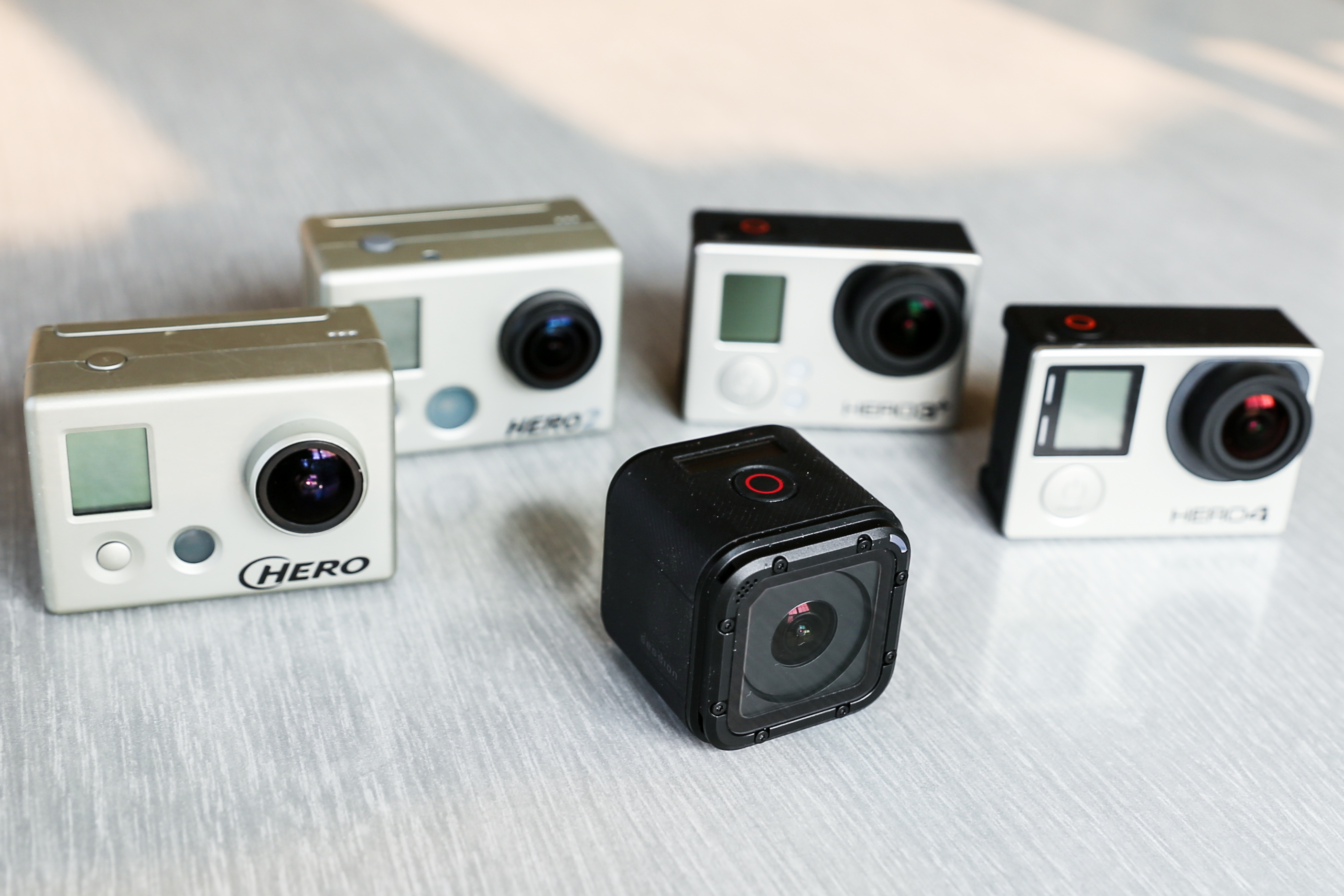
    GoPro, the company well known for making incredible cameras for adventure and sports terrain, has unleashed their newest and the smallest beast yet, the GoPro Hero4 Session. The new camera is the first significant redesign of the company’s omnipresent camera in nine years.
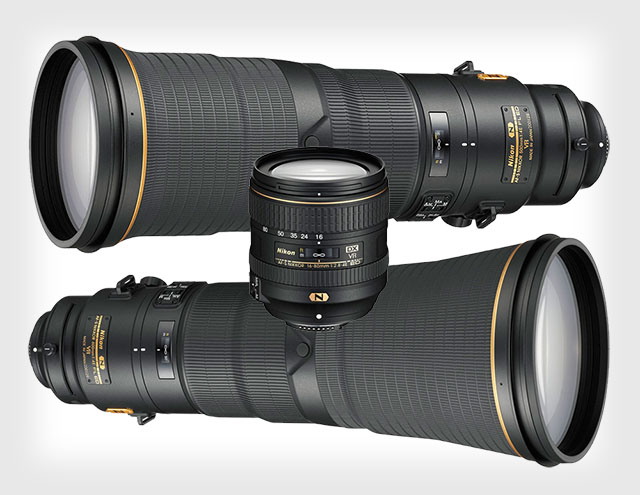
  • Nikon Comes Out With Three Heavy Duty Lenses

    Nikon Comes Out With Three Heavy Duty Lenses

    Today, Nikon Inc. announced fast 16-80mm f/2.8-4 DX zoom, faster-focusing, lighter 500mm, 600mm f/4 lenses– a fantastic set of versatile lenses that are well suited for advanced and enthusiast photographers.

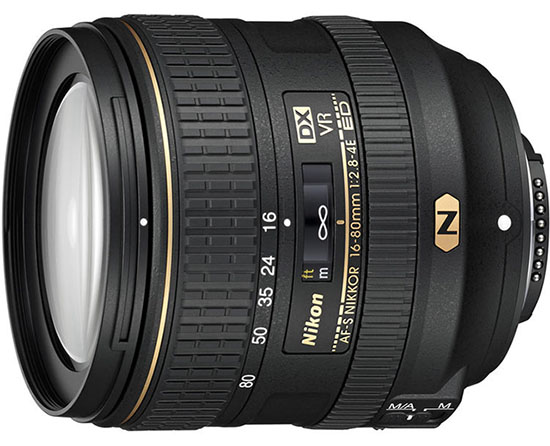
    Nikkor 16-80mm f/2.8-4E ED VR

    nikon1680mm
    Nikkor 16-80mm f/2.8-4E ED VR

    The new 16-80mm f/2.8-4E is a DX lens that offers the comparable focal range of 24-120mm in 35mm terms, so it is a flexible walk-around lens that can be used by enthusiast photographers.

    It’s the first Nikon DX lens that comes with Nano Crystal Coating for lessening ghosting and flaring. It is also the first DX lens to include an Electromagnetic Diaphragm, which electronically adjusts the lens aperture for constant exposures during a high-speed shoot.

    Its specs include a least focusing distance of 1.2 feet, 4-stop vibration reduction, fluorine coating on the front and rear elements, 17 elements in 13 groups, a 7-blade aperture, and Silent Wave Motor (SWM) technology for fast and accurate autofocusing.

    The Nikkor 16-80mm f/2.8-4 will be available starting in July 2015 with a price tag of $1,070 (Rs 70,000 approx).

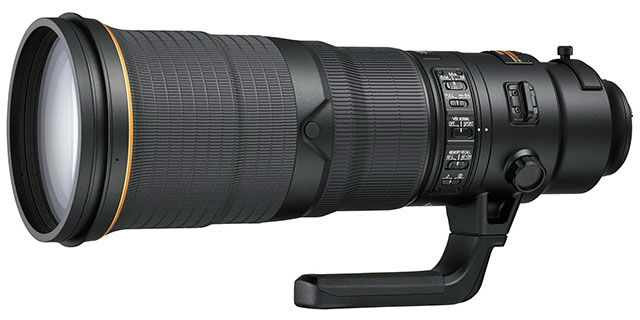
    Nikkor 500mm f/4E FL ED VR and 600mm f/4E FL ED VR

    500mm
    Nikkor 500mm f/4E FL ED VR

    The new 500mm f/4 and 600mm f/4 lenses are two FX telephoto prime lenses intended to provide high optical and focusing abilities, at the same time, weighing very less.

    Nikon says the lenses are designed for sports, action, wildlife, and press photographers.

    By the fourth quarter or final period, users will indeed enjoy the weight reduction of these lenses that allow for extended shooting, even into overtime.

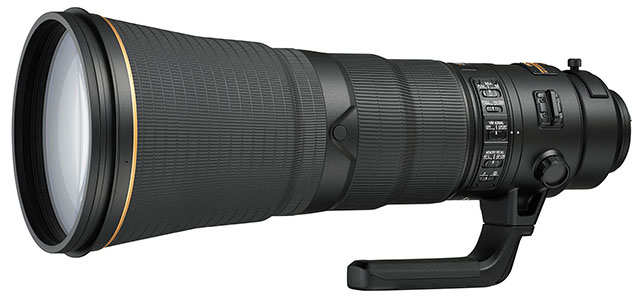
    600mm
    Nikkor 600mm f/4E FL ED VR

    Both lenses highlight Nikon’s latest autofocus tracking technologies for instantly and accurately locking onto fast-moving subjects. Both lenses pack Nikon’s Electromagnetic Diaphragm for snapping consistent exposures during rapid-fire bursts.

    Weight wise, the new lenses are significantly lighter than their predecessors. The 500mm lost nearly 0.91kg, weighing 3kg instead of 3.86kg, and the 600mm shed almost 1.36kg, weighing 3.75kg  instead of 5.22kg. This weight loss is because of the new fluorite elements that Nikon has begun included in its lenses.

    Other features and specs include a magnesium alloy construction, Nano Crystal Coating, 4-stop VR image stabilization, automatic tripod detection, a SPORT VR mode for a more stable viewfinder image, weather sealing, fluorine coating,

    Although Nikon India is yet to offer word on the pricing of the lenses, it is estimated that the lenses would cost around $10,299 (Rs 6.54 lacs) and $12,999 (Rs 7.81 lacs) for the 500mm and 600mm models respectively. Hence, it is clear that this is only meant for professional photographers. The company will start selling the lenses in the country starting this month, so you won’t have to wait if you’re interested in getting them.

  • Refuge: The First Short Film Shot Entirely in Moonlight

    Refuge: The First Short Film Shot Entirely in Moonlight

    For Sci-Fi movie fans, this film will suit your taste. But, if you are a camera enthusiast as well, this movie could literally inspire you to think beyond the regular rules and boundaries. Yes, ‘Refuge’ is a narrative short film that used only the moon as its light source. No fill lights, no backlights, no diffuse light – just light from the moon.

    While filming, the lighting of the video is done shot by shot. This means that when you relocate the camera to shoot a different angle, the lights must be moved as well to ensure the subject is always lit correctly. This is one of the reasons why films take so long to shoot.

    Refugee ScreenShot

    Director of the movie, Sam Shapson, said that Refuge could very well be the first narrative film that was shot entirely in the moonlight. The team behind the project recorded the footages in 4K using the Atomos Shogun Recorder and Canon Prime Lenses (24mm, 35mm, 50mm, 85mm). The film was shot with the overall ISO of 51,200. In very basic terms, ISO is the level of sensitivity of your camera to light. The lower the ISO number, the less sensitive it is to the light while a higher ISO number increases the sensitivity of your camera. But higher sensitivity comes at a price – it adds grain or “noise” to the pictures.

    1311914308314077508

    The whole movie was shot using a Sony Alpha a7S digital camera. On replying to the comments on their Vimeo page, Sam Shapson explained:

    We tested all of the picture profiles and seriously considered pp7 for s-log, but unfortunately we couldn’t reconcile the way it handled noise in the deep shadows unless we graded down about 2 stops, which we couldn’t afford to risk committing to. Therefore we landed on pp6, shot wide open at 1/25 with the speedbooster. Lastly, the 4K from the shogun was utilized to give Neat Video every bit of info we could throw it to smooth out the noise. Still, I’m constantly reminding myself how the images here are so much more clear and vibrant than what my eyes were seeing out there in the dark. Still blows me away.

    The resulting video is, unsurprisingly, far from absolute perfection, but the Sony’s low light capabilities are absolutely unbelievable.

    Watch the movie below:

    REFUGE // A Moonlit Short Film from Sam Shapson on Vimeo.

    The video definitely looks unique. I think it is awesome that directors are willing to go this far and bring science fiction fans everywhere something new to get excited about. It’s certainly the most interesting use of the technology we’ve seen so far. What do you think about the short film that was shot using only moonlight? Comment below.

  • Apple Plans to Include a Dual-Lens Camera in the iPhone 7 : Report

    Apple Plans to Include a Dual-Lens Camera in the iPhone 7 : Report

    Apple is famously known for the strict quality measures it employs in all of its products, thanks to the company’s late co-founder Steve Jobs’ desire for top-notch products. Despite all the fun Samsung may make of Apple, one thing it cannot make fun of is the camera quality of the iPhone. The camera is recognized for capturing professional-like photographs and has even been employed as the main camera in some films.

    So, how do you improve a cell phone camera famous for being close to a professional camera? By adding another lens. Recently, a report has emerged from Taiwan which claims that Apple is planning to include a dual-lens front camera in the iPhone 7. No, we’re not talking about the iPhone 6s, which is expected to be out in September. The iPhone 7 will be revealed next year, in 2016.

    iPhone 6 7

    Apple reportedly faced problems, such as blurred images and other performance issues, while testing the dual-lens camera system. It seems the company has found solution with the help of LinX Imaging, an Israeli company specialising in camera-technology, which was bought by Apple in April this year.

    The report also mentions that Apple faced manufacturing problems regarding dual-lens camera, which have been solved in a deal with Largan, one of the major suppliers of camera lens modules for smartphones and tablets. Apple has recently placed more orders for the same lens with Largan. It seems that Largan may manufacture the lens required for the iPhone 7.

    HTC was the first company to introduce the dual-lens system in the One M8, which received mixed reception from the users. If the report is true, then iPhone 7 may turn out to be a game-changer by setting the standard higher for cameras in smartphones.

  • Panasonic’s Smartphone-Camera Hybrid Hits the US Market, Priced at $1000

    Panasonic’s Smartphone-Camera Hybrid Hits the US Market, Priced at $1000

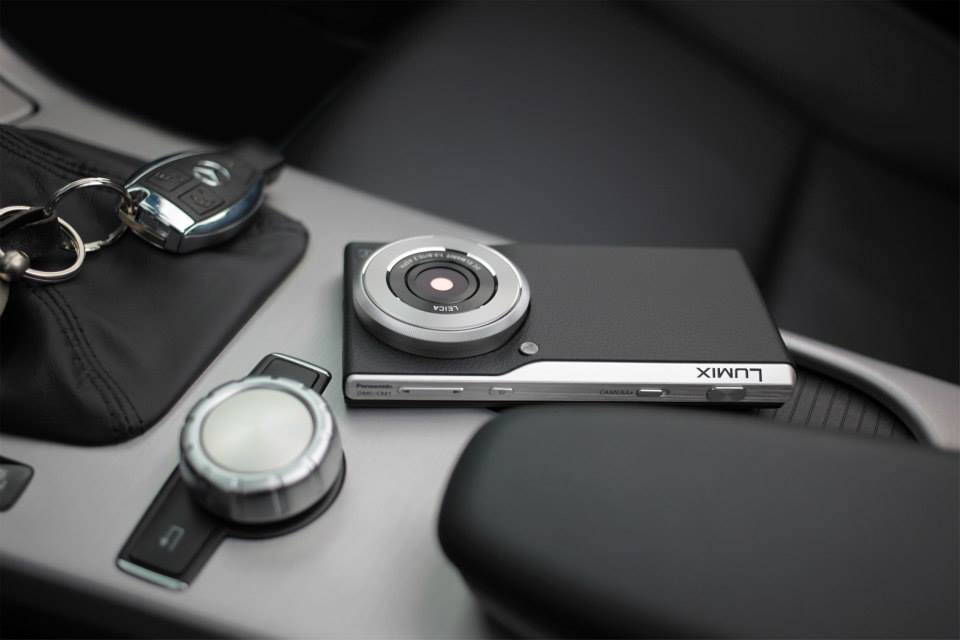
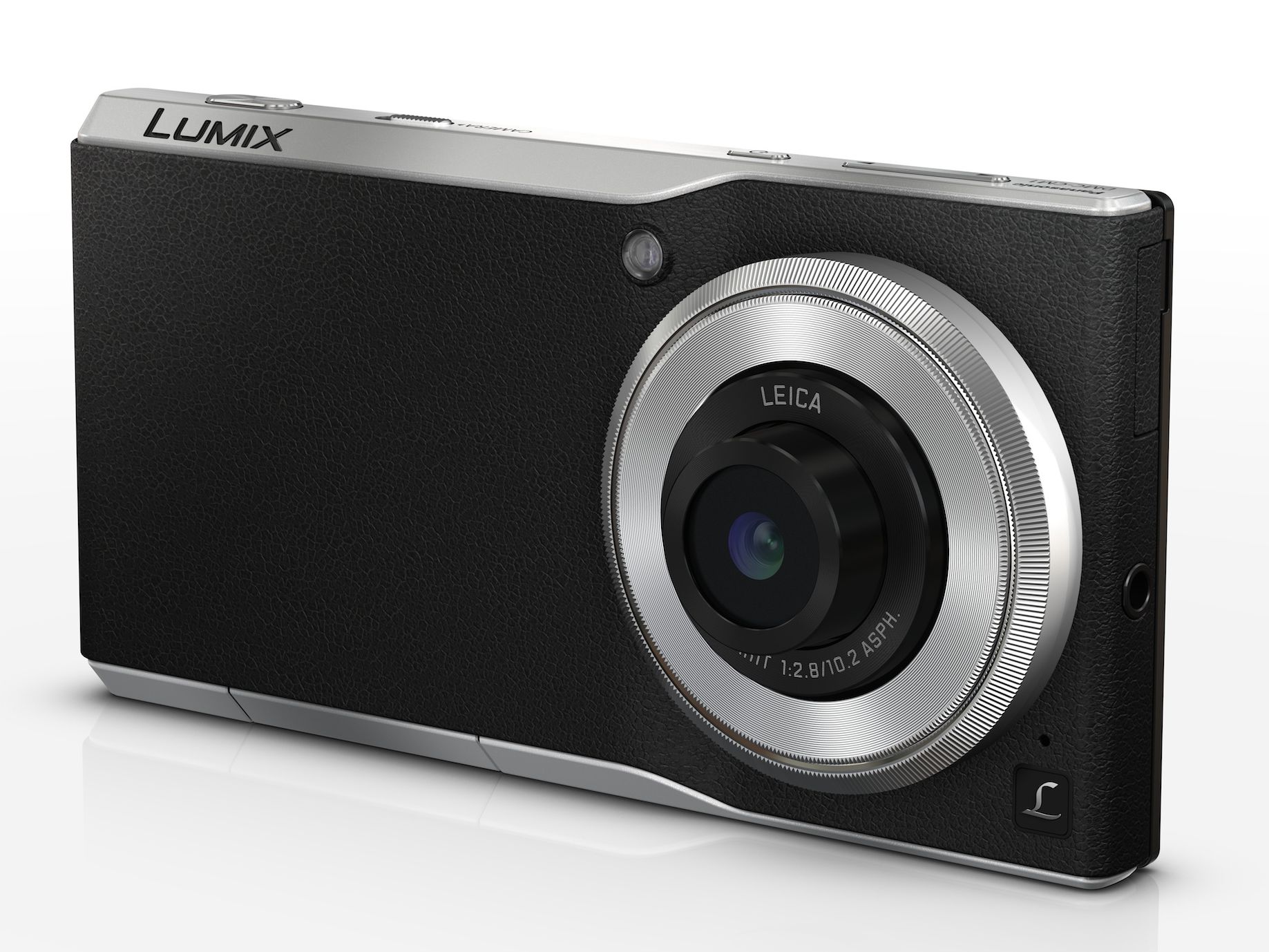
    Panasonic hasn’t refreshed its premium smartphone range from quite a while, but the Japanese firm is now retrieving the lost position, catching up with high-end offerings by other brands. The consumer electronics giant gained some spotlight with the launch of Lumix DCM-CM1 in the US, introduced last year in September. The CM1 is a smartphone/mirrorless camera encompassing some of the best features of camera and smartphone. The device is priced at a whopping $1,000 (approximately Rs. 64,300), more than the high-end phones such as the Samsung Galaxy S6 128GB and iPhone 6.

    panasonic Lumix DMC-CM1

    Considering the build and overall look of the crossbreed, the Lumix DMC-CM1 is considerably thick at 21.1 mm with a flat touch capacitive screen on the front and a 20 MP, a 1-inch sensor embedded on its back. It is said to be the largest sensor to sit on a smartphone with 28mm f/2.8 Leica lens. The lens makes sure you get the best images out of a 20MP camera. The upper side of the device has buttons to activate both camera and the phone. In addition to that, the gizmo supports features of a DSLR, like manual controls for focus, aperture, shutter speed, ISO and white balance.

    panasonic Lumix DMC-CM1 1

    Coming onto its front, the Lumix DMC-CM1 features a 4.7-inch full HD LCD display with 1080p resolution. Powering the handset is a 2.3GHz quad-core Qualcomm Snapdragon 801 processor with 2GB RAM. Don’t bother about the 16GB internal storage capacity as it can be expanded up to 128GB. It runs on Android 4.4 KitKat, but can be upgraded to Lollipop. Unfortunately, there is no camera on the front. With a battery of 2600mAh, the phone offers connectivity options like LTE Cat 4 and NFC.

    The company hasn’t given any details of it arriving in other countries, but we are expecting its global rollout soon.

  • Indian Scientist Invents the World’s First Self-Sustaining Camera

    Indian Scientist Invents the World’s First Self-Sustaining Camera

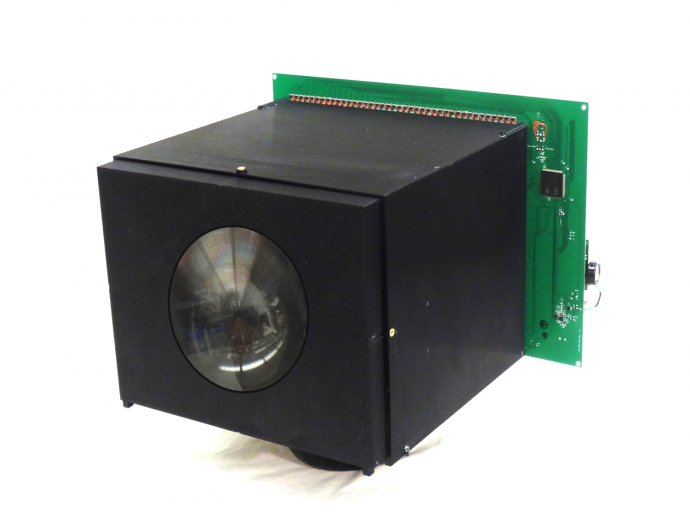
    A team led by T.C Chang Professor of Computer Science, Shree K. Nayar, built the world’s first fully functional self-powered video camera that can produce an image per second in a well-lit environment. The resolution is not great, but it can go on recording forever.

    Here’s the explanation of the working of the machine: When the camera sensor is exposed to light, the pixels use photodiodes to generate electricity. This helps the sensor to measure the intensity of the light that is then used to produce images. In the case of Nayar’s prototype camera, the team used a 3D printer to construct the body of the camera. The camera takes advantage of a photodiode’s ability to be used in both, a digital camera (photoconductive) and solar cells (photovoltaic). When exposed to light, the camera sensors switch between capturing an image or are used to generate and charge other devices like a phone. After measuring the intensity of light, these sensors convert the light into electricity, which in turn powers the camera.

    Nayar states that, even if the invention is at its toddler stage, this could help in boosting a new generation of cameras, like security cameras, CCTV camera or any other camera that works round the clock without needing to be powered. Nayar’s team will present their work officially at the Rice University in Houston April 24-26.

    The video below demonstrates the video quality of the camera.

    https://www.youtube.com/watch?v=13dKKJxSKeg

  • Canon Officially Delivers the Powerful Canon EOS C300 Mark II with Built-in 4K

    Canon Officially Delivers the Powerful Canon EOS C300 Mark II with Built-in 4K

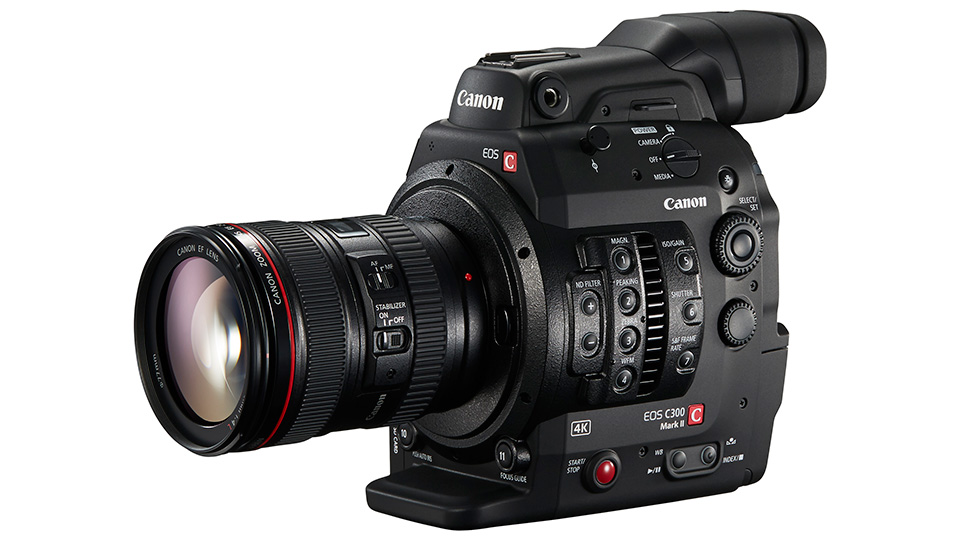
    Yesterday we had heard that Canon was extremely close to releasing its new addition to the C300 lineup, and now the company has officially confirmed the same. Canon has announced the successor of the immensely popular C300, an autofocus digital photographic and cinematographic SLR with mirrorless interchangeable lens camera system –  the Canon C300 Mark II.

    The new camera uses a new high-bitrate codec called XF-AVC with up to 410Mbps (4K). The recording mode has been shifted from CF cards to CFast 2.0 cards, which gives it a better speed. High-speed recording, which has been a point where Canon was lacking in, has been improved significantly. It offers the ability to record to the internal memory card 4K footage in 10-bit (4: 2: 2) with up to 410 Mbps or alternatively 2K / Full-HD material in 10/12 bit ( 4:4:4), with a dynamic range of up to 15 panels. Thus, the EOS C300 Mark II delivers sharp images across the entire color spectrum with minimized color fringing that is suitable even for extensive editing in post production. Though it is not much as impressive as Sony FS7’s 180fps, but it is a huge improvement from C300’s original 60fps in 720p.

    The body is very much similar to the old C300 but has a new, sturdy OLED screen which, the company promises, will deliver rich blacks and accurate colours. There has also been a slight tweaking of the button layout, with a large red Start/Stop button being placed low on the left side (operator’s side) of the camera. Other features include a Dual Pixel CMOS AF and a 4-channel audio in 16 or 24 bit and 48kHz. The sensor read-out is twice the speed than its predecessor, the C300 with less rolling shutter. The new C300 Mark II is priced at $15,999 (approx Rs. 9,97,144).

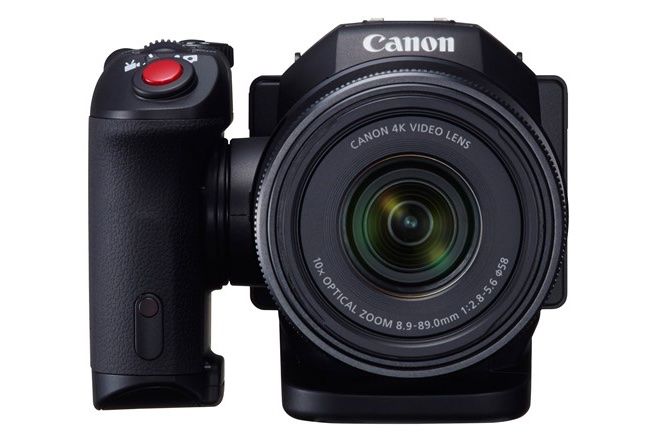
    Also, Canon has confirmed about another 4K video recording camera, Canon XC10.

    Canon XC10

    Specs of this camera include a 1-inch sensor with a max ISO sensitivity of 20,000 and will provide 12 stops of dynamic range while capturing 305Mbps 4K videos or 12-megapixel still photographs.the fixed lens is a 24-240mm f/2.8-5.6 zoom lens. Also attached is a microphone socket, headphone jack, HDMI 1.4 port, DC power and a built-in neutral density filter along with USB and Wi-Fi connectivity.

  • Nikon Brings Out a Selfie Stick for its Coolpix Camera Range

    Nikon Brings Out a Selfie Stick for its Coolpix Camera Range

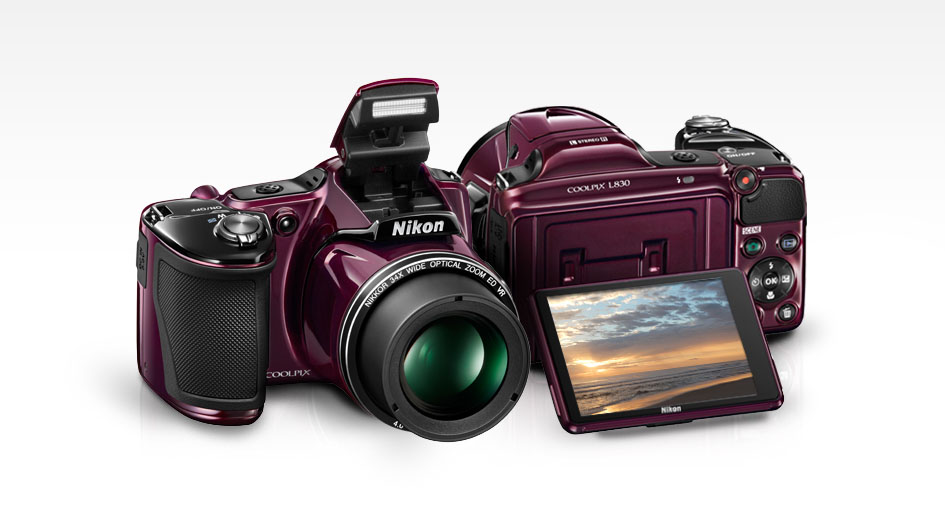
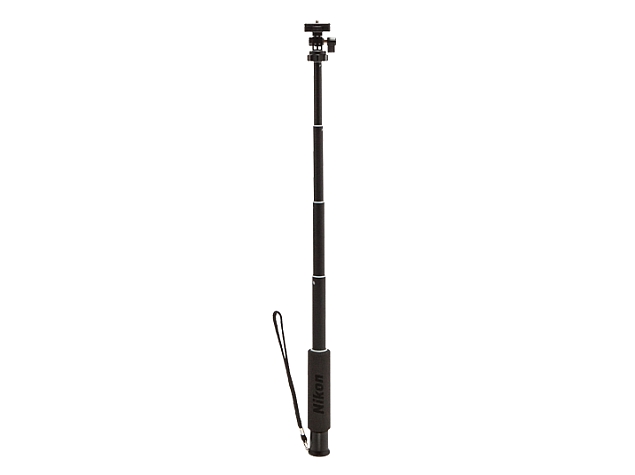
    Nikon seems to be keeping up with the trends. The company has come out with an ccessory for its compact line of cameras, the Nikon selfie stick. Titled as N-MP001, the selfie stick carries Nikon brand tag and is compatible with Coolpix range of point-and-shoot cameras. The handheld selfie stick can affix with the following Coolpix models: S6900, L32, AW130, S33, S7000, S3700 and S9900.

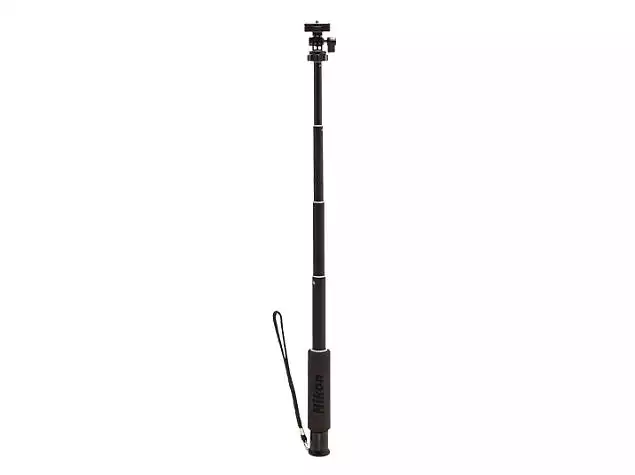
    The stick weighs approximately 0.19kgs and can balance a camera of up to 0.4kgs. In its compact form, the device measures 7.28 inches, however, it can be stretched out to a full length of 28.54 inches.

    nikon_selfie_stick_nmp001

    nikon selfie

    N-MP001 can be attached to any compatible shooter to click selfies from a distance, or it can be connected to the tripod mount of your camera to conveniently take self-portraits. Also, there’s a tripod stand at the base of the handle for connecting it with a tripod or monopod. The foam grip of the Nikon selfie stick holds the device in place at the ground, and the hand strap has been designed for easy handling when not in use. As per Nikon, it has a fixed pan-head that allows you to change the position of the camera when attached to the Selfie stick.

    Nikon’s signature product is up for pre-orders for $59.95 in select countries. The Japanese imaging company hasn’t stated when it will ship.

  • Meet Nikon’s New Candidate in the Mirrorless Camera Market : The Nikon 1 J5

    Meet Nikon’s New Candidate in the Mirrorless Camera Market : The Nikon 1 J5

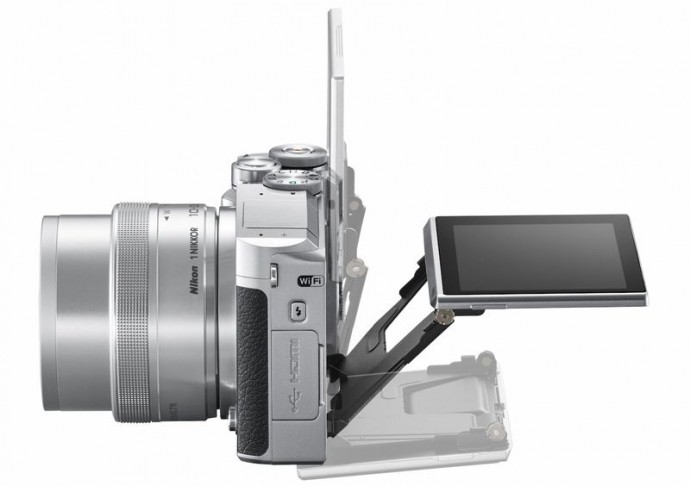
    Nikon has launched their latest entrant in the compact mirrorless camera market, the Nikon 1 J5. This camera is a latest model of the 1 J ensemble. However, unlike the rest of the J-series cameras, this camera does not require a lot of menu diving to access basic settings.

    The camera has a 20.8 MP, 1″ CX-format BSI sensor, added up along with EXSPEED 5A image processor and a 171 point contrast detect auto-focus system. As claimed by the company, the camera offers fast burst modes of 20fps at full auto-focused resolution and 60fps of fixed focus. The camera also boasts 4K video recording but can do so at only 15fps. Even though, if this does not work out, the camera also has an option of the 1080p at 30/60fps recording mode and 120fps 720p slow motion video mode.

    J5_SL_10_30_PD_left.0

    On the other side is a 3-inch 1037k dot touchscreen display with an 180-degree tilt. It also includes built-in Wi-Fi and NFC. The camera is also compatible wth the entire NIKKOR 1 series lenses and the DX and FX mount NIKKOR lenses with FT-1 mount adapter. J5 can take up to 250 shots in a one time charge of the battery.

    The camera is priced at $499.95 (approx Rs. 31, 116) with the NIKKOR 1 10-30mm f/3.5-5.6 PD-Zoom lens and $749.95 (Rs. 46,676 ) with both the 1 NIKKOR 10-30mm f/3.5-5.6 PD-Zoom lens and 1 NIKKOR VR 30-110mm f/3.8-5.6 lens. The camera comes in three colour variants, namely Silver-Black, Silver-WHite or all Black.

    Nikon has not yet announced its release date in India, however the product will start rolling out in USA later this year.

  • Olympus Launches E -M5 Mark II Mirror-Less Camera For Rs.74,990

    Olympus Launches E -M5 Mark II Mirror-Less Camera For Rs.74,990

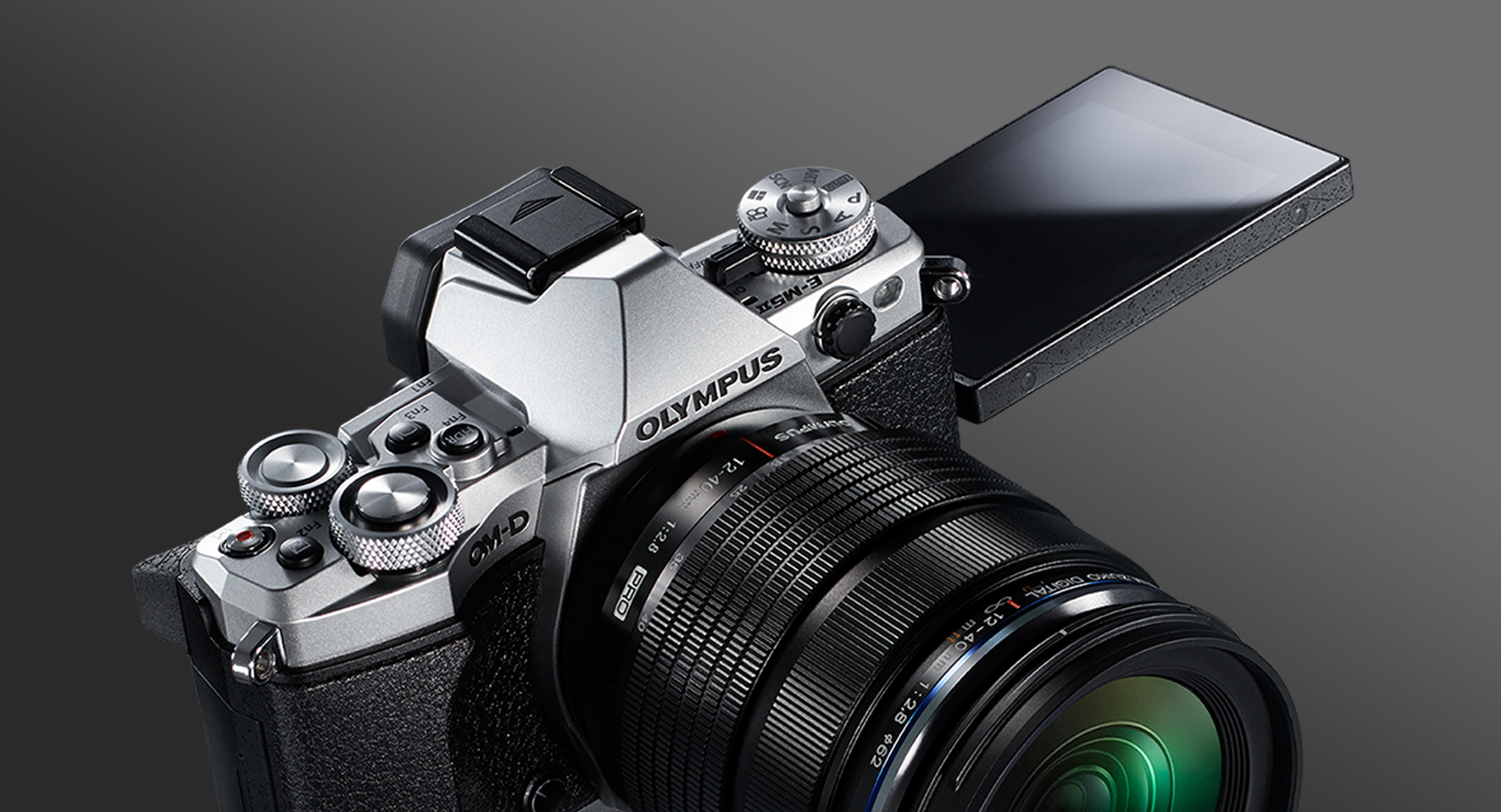
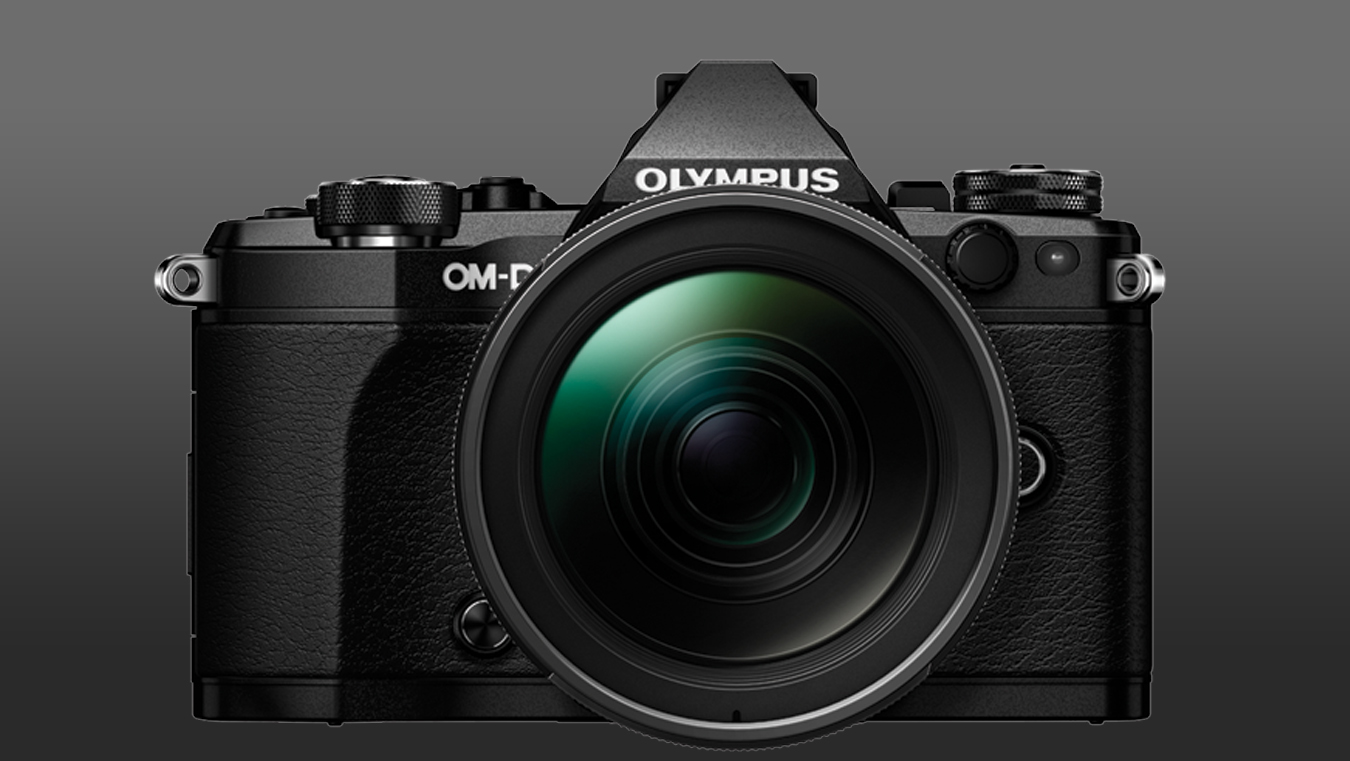
    Japanese camera maker Olympus has brought a new mirrorless camera to the Indian market. The E-M5 Mark II is an interchangeable lens camera with a visually appealing retro styling.

    The E-M5 Mark II uses a 16.1 Megapixels, 4/3 Live MOS Sensor system to capture the images. The sensor also comes with a 5-axis* sensor-shift image stabilisation so that the videos and images are steady and without shakes. The body and lens systems are dustproof and splashproof. Olympus says that the camera has fast autofocus to ensure that your images are always sharp and in focus.

    olympus 2

    There are also 14 art filters for the used to try out some fun snaps. There is also a feature called photo story that takes multiple images of the same scene and makes one image. It offers two HDR modes, and you can take tilt shift images through the keystone compensation.

    The camera has built-in Wi-fi and allows the users top share their images with ease with Olympus Image Share. You can also control the camera with a computer based app called Olympus Capture.

    The Olympus E-M5 Mark II is priced at Rs. 74,990. It’s good to see that in an attempt to be valid in the smartphone camera age, the camera makers are adding exciting features to their camera. But the market might soon discard one major electronic product, and it sure isn’t going to be the smartphones. But if the cameras keep looking as sexy as the Olympus E-M5 Mark II we might keep them around for a while.

  • New Olympus Stylus SH-2 Comes With Impressive Night Modes

    New Olympus Stylus SH-2 Comes With Impressive Night Modes

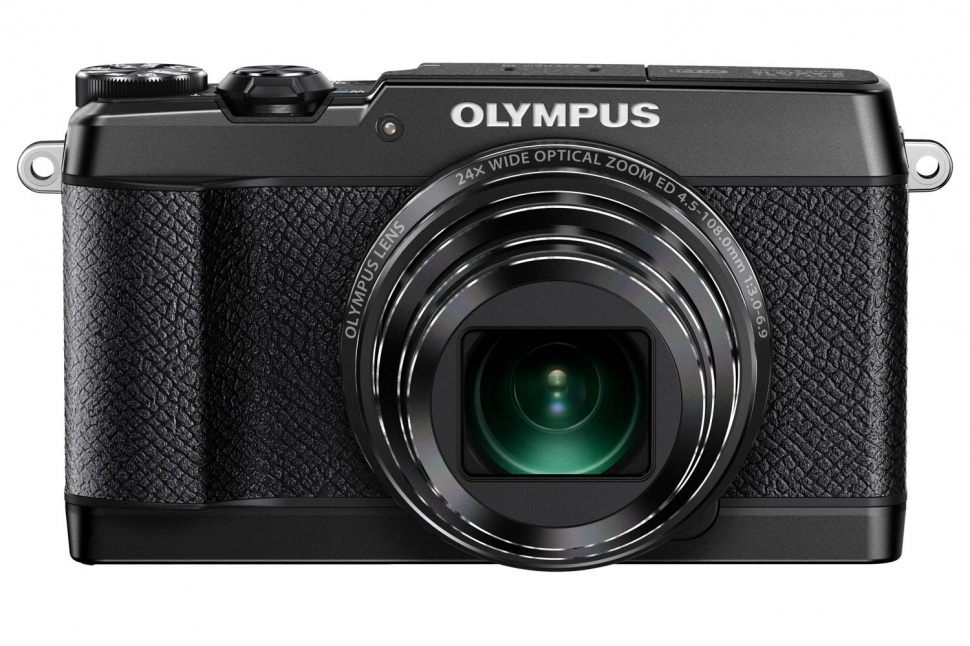
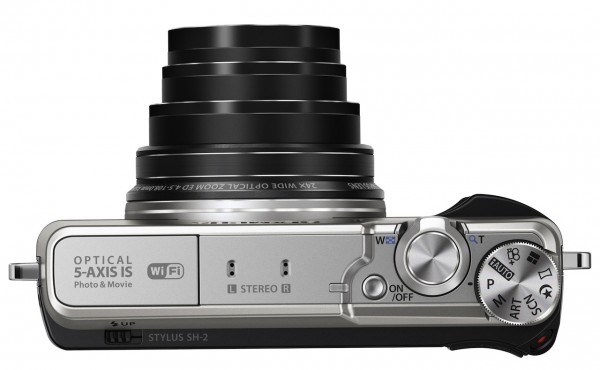
    For all those photographers who actually want to get a better view of the nighttime skies, Olympus has a new compact edition camera for you. It has almost been a year since Olympus launched the first version of its stylish compact camera Stylus SH-1. This time they took it to the next level with the launch of Stylus SH-2.

    The basic difference that sets this apart from its predecessor is that it has supporting features for shooting RAW images and time-lapse movies. It also happens to have several shooting modes to improve the low light photos and videos. It also has a live composition feature that sets it apart from the nightscape modes.

    olympus stylus sh2

    The stylus SH-2 has a 1/ 2.3 inch 16 megapixel BSI CMOS Sensor with a 24x (f3.0-6.9 25-600mm) Optical Zoom lens which can open as wide as 24 mm and also has a 460K dot-resolution touchscreen. It has a 5-Axis system borrowed from the OM-D E-M1 and the 5-Axis IS should provide steadier and sharper images than many compacts. Particularly in low light conditions and especially when you are using telephoto lens. It can also prove to be rather handy while shooting videos.

    Like the SH-1, the SH-2 shoots full HD videos at 1080/60p along with the perfect capture of the stereo sound, has Wi-Fi (though no NFC) to pair with smartphones and retains the 3-inch touchscreen. For enthusiasts, Olympus also includes a full manual shooting mode in case one actually wants to go beyond the automatic options and with a single click on the camera’s record button in Nightscape mode one will get the optimum results required for dark scenes.

    The only let down features is the absence of NFC and the aperture range which is not at all ideal for low-light shooting with the zoom lens.

    Design wise the SH-2 is nearly identical to the previous version, with the exception of different looking chenille covering on the body which is made up of aluminum alloy with a sheet of leather stitched in the front and weighing only at 10 ounces, this particular camera can prove to be an ideal one for travelling. SH-2 is supposed to hit the markets in April at a price tag of 400$ (Approximately Rs. 25,000 in INR value).

  • Xiaomi Announces GoPro-Like YiCamera, Priced at a Mere $64

    Xiaomi Announces GoPro-Like YiCamera, Priced at a Mere $64

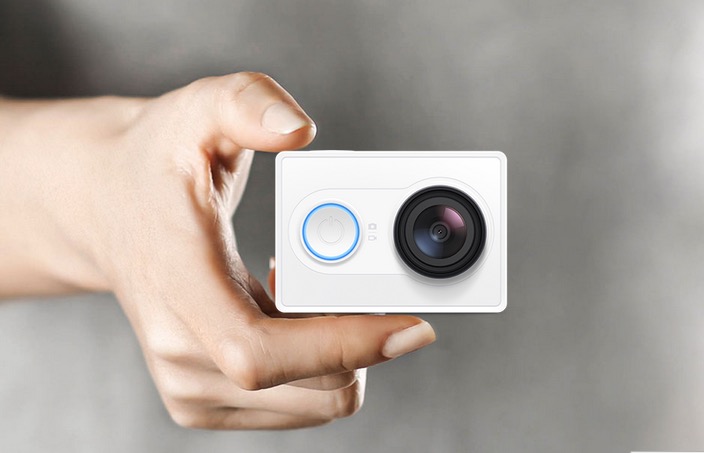
    After dethroning Samsung as China’s top smartphone company, it seems Xiaomi is now eyeing the world of cameras. Xiaomi’s latest offering is the YiCamera, which looks like a GoPro HERO, but costs less than half its price.

    The YiCamera, is going to be available for roughly Rs 3,964 ($64). As of now, the device is limited only to China, and can be bought via the official MI website. Features of this camera include a 16 MP Sony Exmor R CMOS image sensor with f/2.8 aperture, built-in Bluetooth and WiFi connectivity and capability to record videos at 1080 p along with 60 fps. Additionally, it is waterproof and supports adjustable time-lapse shooting and 155 degrees paranoma mode.

    Though it seems that Xiaomi has made this device for more of indoor use than outdoor. It does not offer a rugged exterior casing like the GoPro and includes accessories like a selfie stick and a harness to strap the device to your pets.

    The YiCamera is available on the company’s official Mi site and will go on flash sale in China. Its availability in India and other regions has been confirmed for later this year.

  • Nikon Announces D810A, a Full-Frame DSLR to Help Capture Celestial Bodies

    Nikon Announces D810A, a Full-Frame DSLR to Help Capture Celestial Bodies

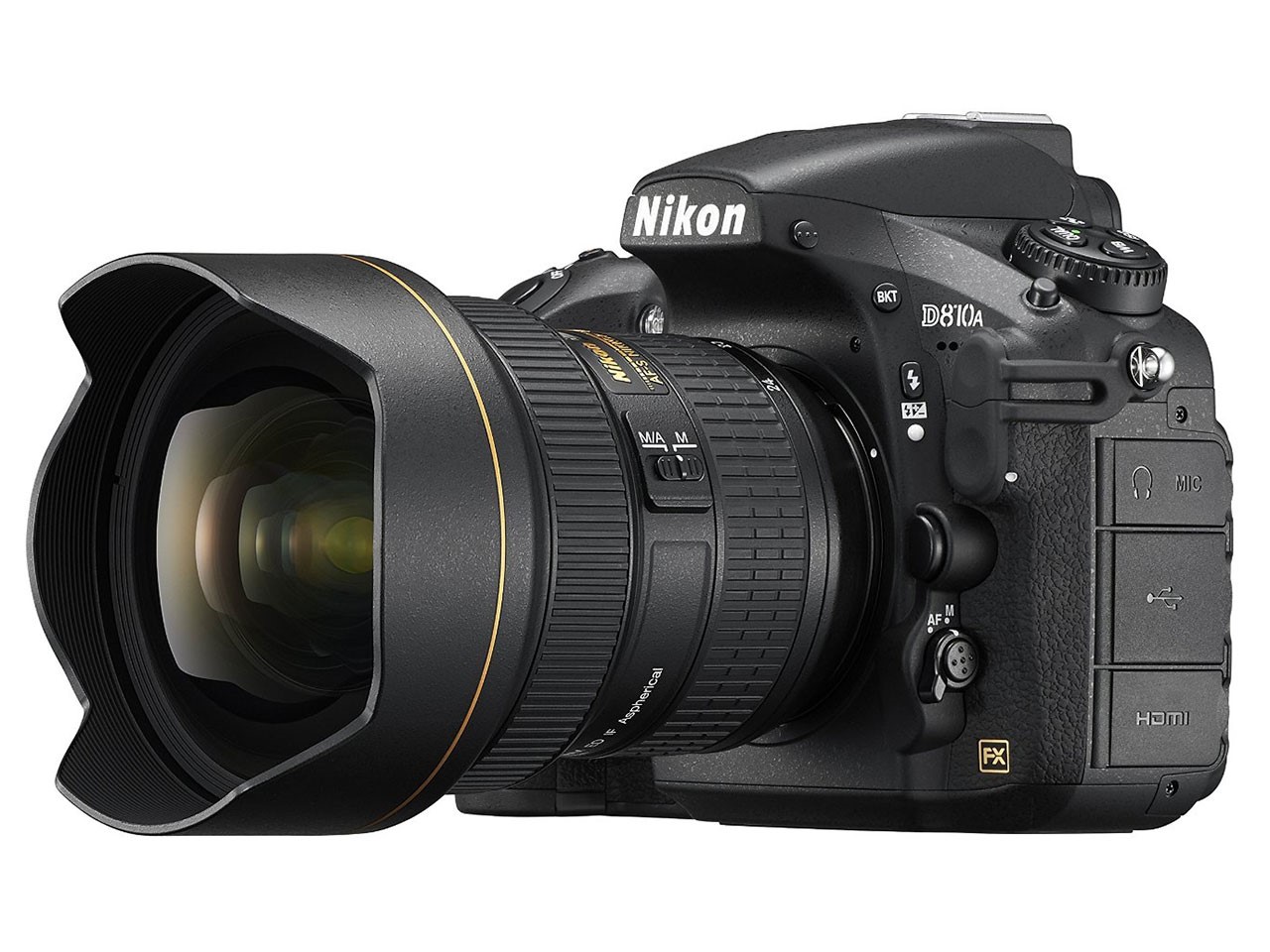
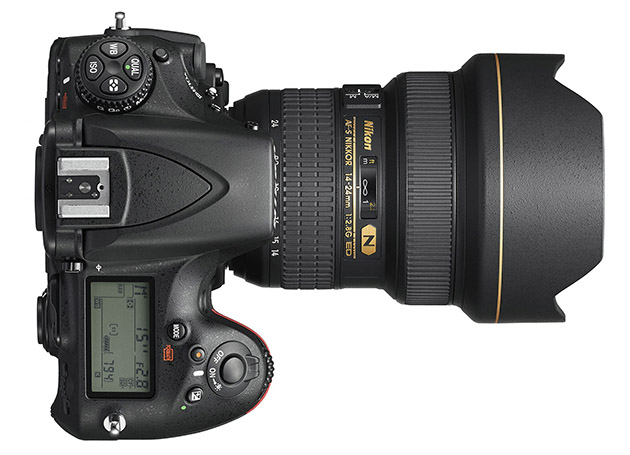
    Today, Nikon India launched a camera that astrophotographers would like to get their hands on. The imaging technology beast showcased a high-definition D-SLR D810A, which has been designed to shoot stars.

    The D810A, a variant of D810 DSLR, is a 36.3 MP camera with a special optical filter. It is sensitive to emissions of the Hydrogen-alpha wavelength and increases its transmission four times. This allows astrophotography enthusiasts to capture detailed shots of nebulae, constellations and other celestial bodies. The unique long exposure on Manual mode allows capturing pictures in the low-light conditions, offering a shutter speed of up to 900 seconds.

    Nikon-D810A

    Other features that can enthral photographers are longer exposures in low-light conditions (with minimal noise), and a live view preview function.

    Nikon India Vice President Sajjan Kumar briefed about the Nikon D810A –

    The Nikon D810A has been designed keeping in mind the obstacles that astrophotographers face; it is a result of an amalgamation of advanced imaging technology and suite of outstanding features. Nikon D810A is a 36.3 megapixels camera crafted with unique ability to capture subjects with H-alpha wavelengths, ensuring rich vibrant capture for images of the cosmos that are true to the eye.

    The Nikon D810A will be available from late May and will cost a hefty $3,799.95. However, there have been cameras like this around, but this is the first full-frame DSLR exclusively designed for photographers. So, astrophotography hobbyists can consider it as an option to go for.

    However, there have been cameras like this around, but this is the first full-frame DSLR exclusively designed for photographers. So, astrophotography hobbyists can consider it as an option to go for.

  • After the Epic 5DS, Canon Brings Out the T6i

    After the Epic 5DS, Canon Brings Out the T6i

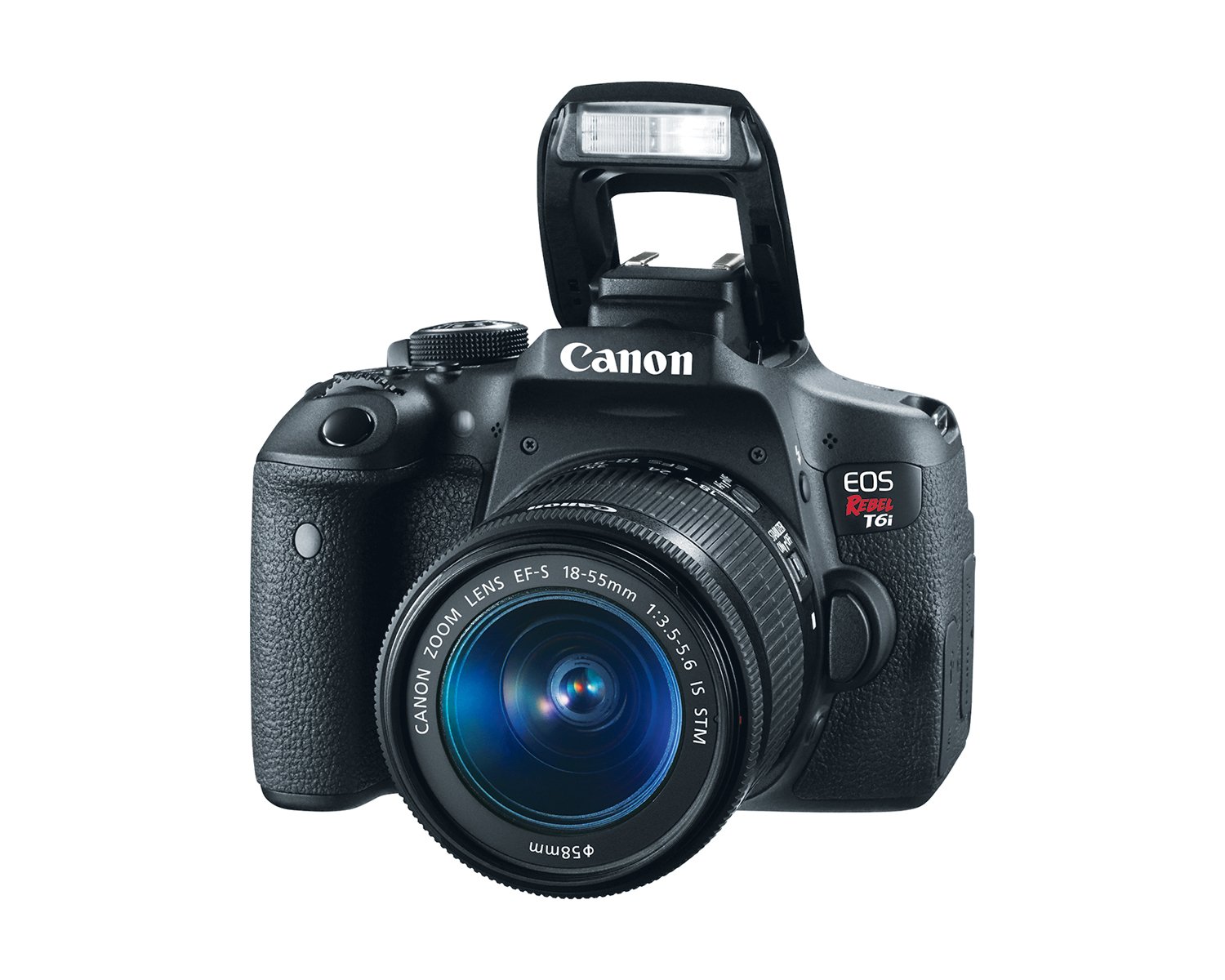
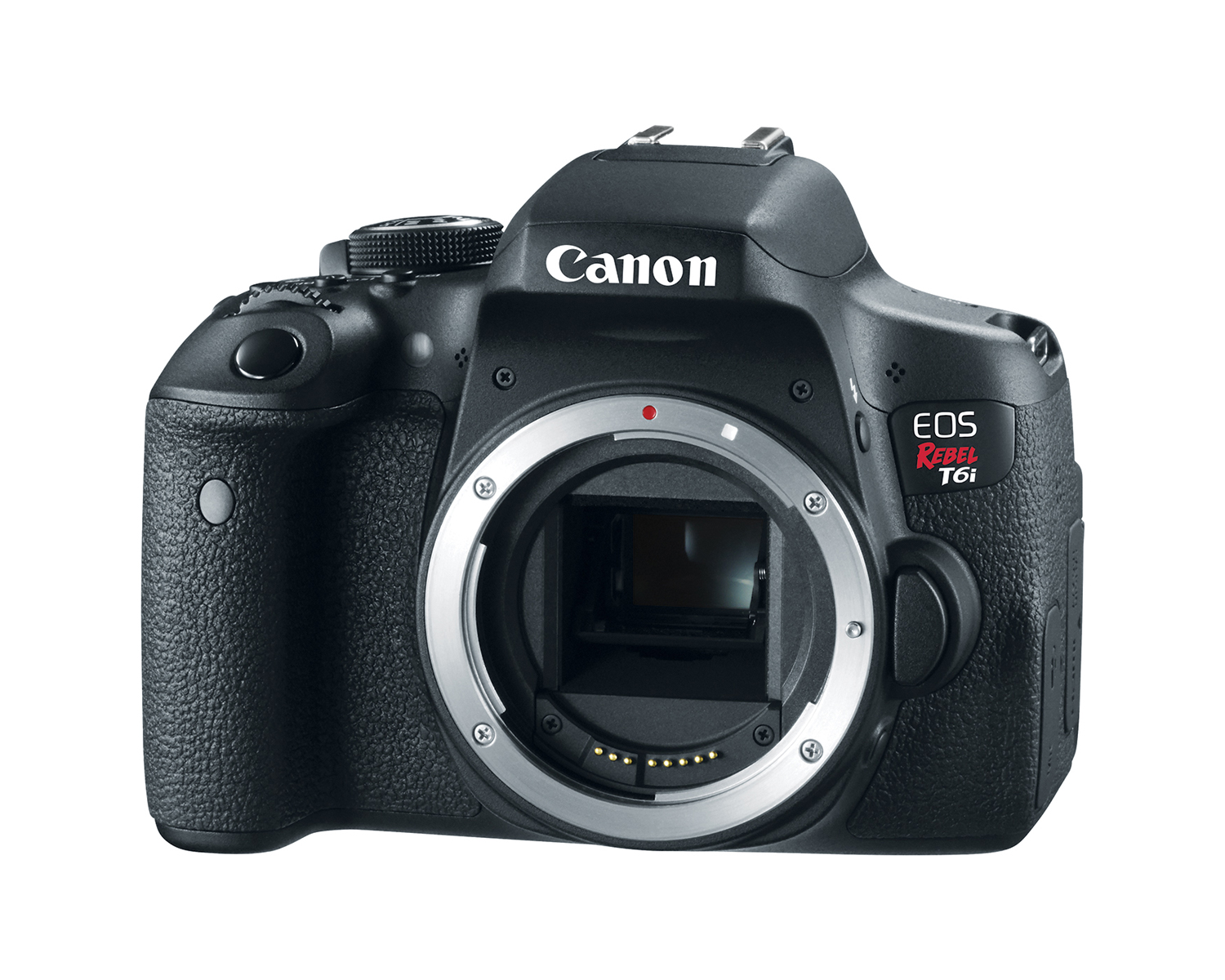
    The Rebel series of Canon is perhaps one of the best tools for a budding photographer. This affordable camera family provides the same specs as the higher end 7D cameras but come at an affordable price tag. Canon understands the volume of sales in the segment and puts active efforts into updating these mid-range DSLRs. Now the company has unveiled the new Rebel T6i and Rebel T6s to take on the market.

    Canon t6i 1
    In Burst mode the camera shoots at 5 fps.

    This time around Canon seems to have given some thought into their product. The last offering known as the T5i (Canon 700D) was just a nominal improvement over its predecessor T4i (Canon 650D). Canon T6i gets 24.2 Megapixel APS-C sensor with 19-point autofocus. It offers an ISO range of 100-12800 which is expandable up to 25600. The camera shoots continuously at 5 frames per second (fps) which is great for shooting action shots.

    Canon t6i 4
    The Rebel T6i comes with a 24.2 Megapixel APS-C image sensor

    The 3 inch swivel display also returns to this device that comes handy while shooting videos. Like the Rebel models before it, the T6i allows you to shoot 1080p videos at 30 fps.

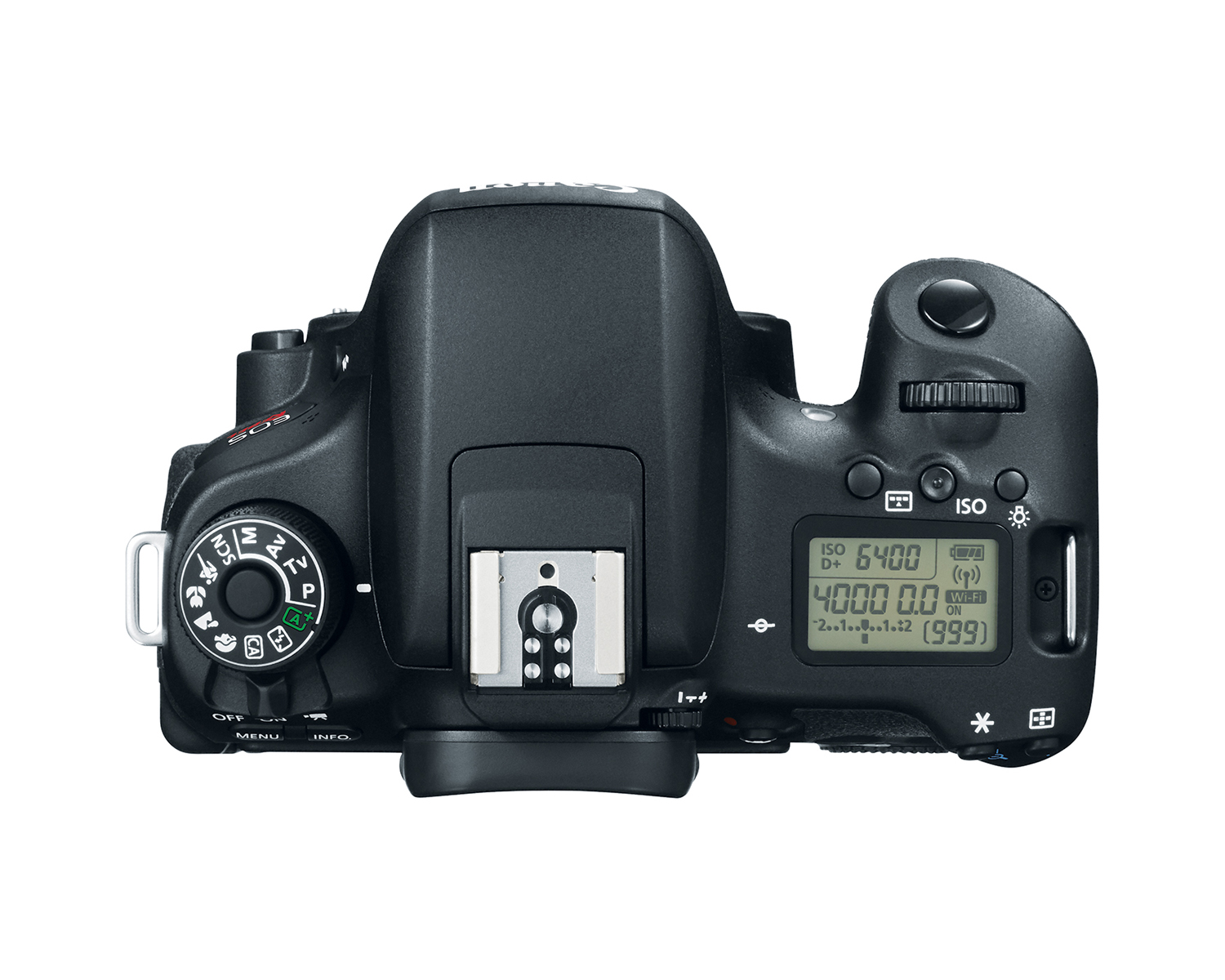
    The second launch from Canon is the T6s that offers a few additional features over the T6i. The T6s lets users shoot HDR video and also offers a built-in electronic level meter. The unique bit added to the T6s is the LCD data panel on the top. This feature till now was only available with the models above the 60D.

    Canon t6i 2
    The Rebel T6s is the first Rebel DSRL with an LCD information display.

    The T6i is priced at $749.99 for the body-only, $899.99 with an EF-S 18-55mm STM lens and $1,099 with an EF-S 18-135mm STM lens. The T6s will cost $849.99 the body-only and $1199 with an EF-S 18-135mm STM lens. The cameras are expected to arrive in the market by the end of April.

  • At 50 Megapixel, Canon 5DS is the Highest Resolution Full-Frame DSLR

    At 50 Megapixel, Canon 5DS is the Highest Resolution Full-Frame DSLR

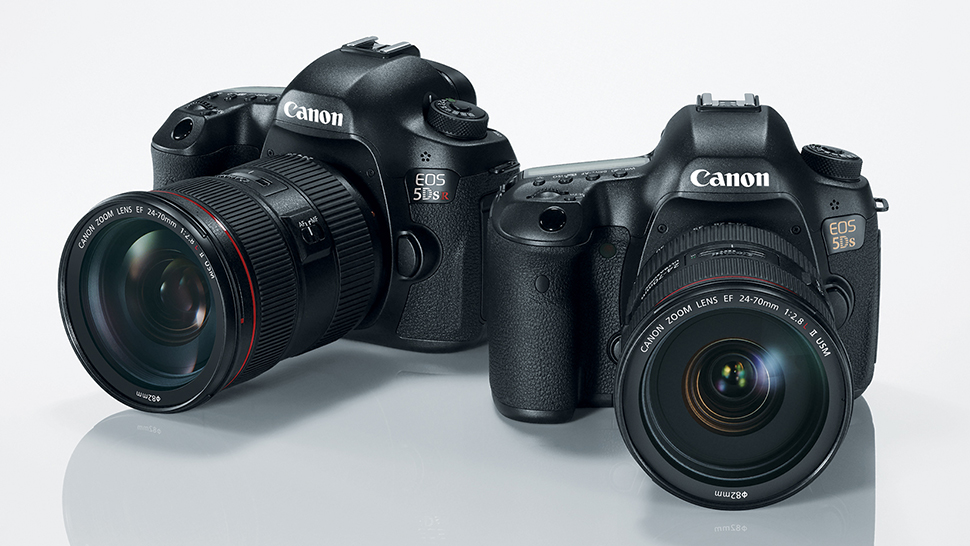
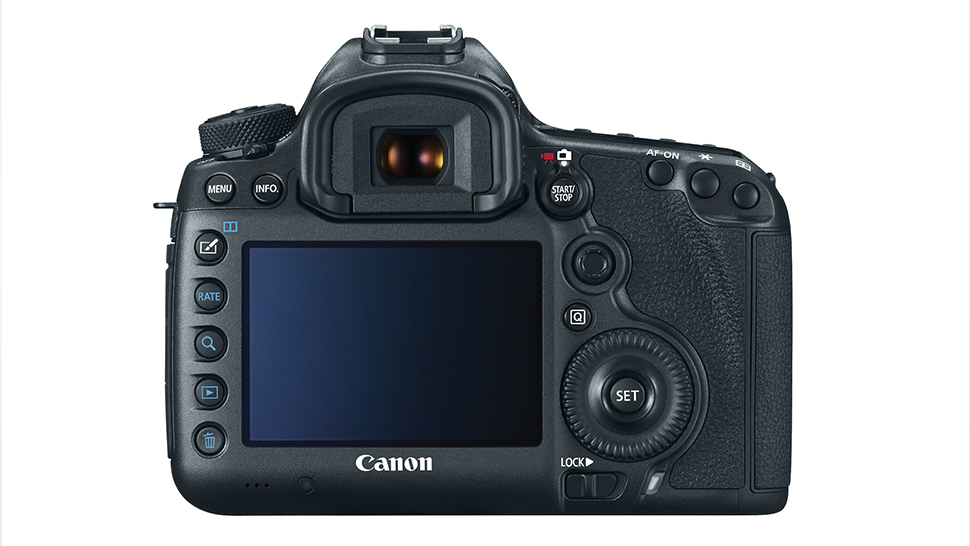
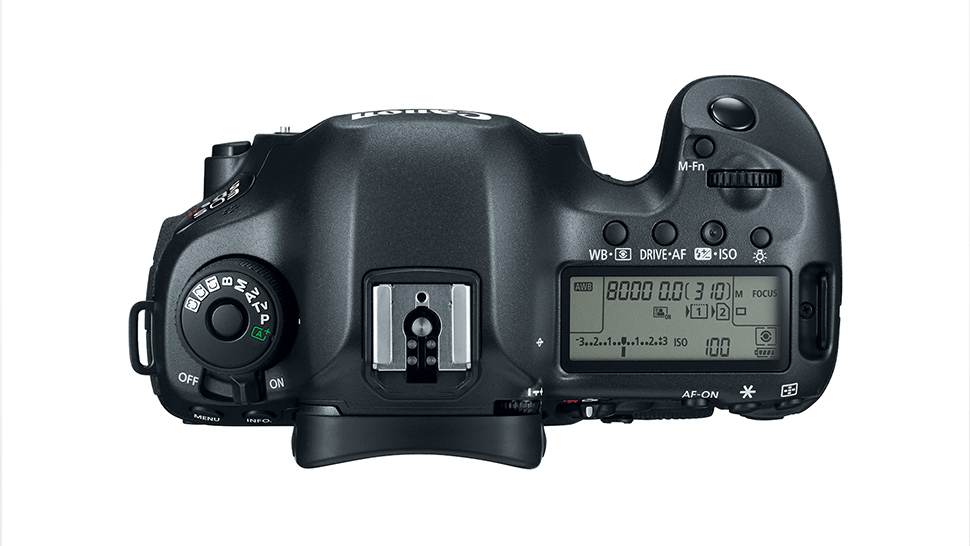
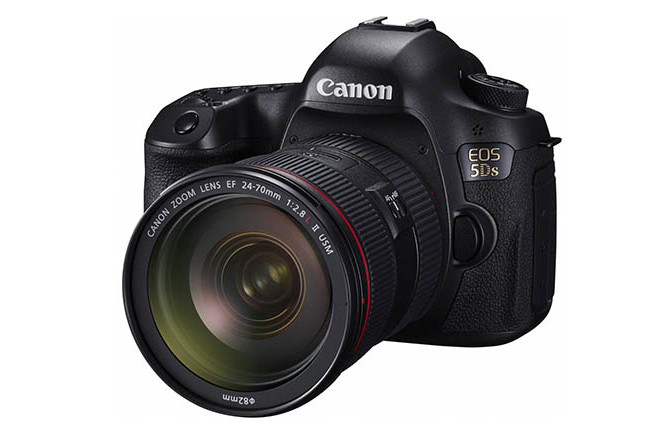
    Canon is one of the top choices for prosumers and professionals when it comes to DSLRs. The company has given a boost to photography with its wide choices of lenses and accessories. It is now trying to take on all its competition in the premium segment with the introduction of the 5DS and 5DS R.

    Canon has packed in a mammoth 50 megapixels into the camera that makes it the highest resolution full frame camera ever. The 5DS R is almost the same as the 5DS, but it gives you the option for canceling the anti-aliasing filter which helps give much finer details.

    Canon 5DS 1

    The cameras are powered by dual DIGIC 6 processor and offers 61-point autofocus system that would provide it with snappy autofocus capabilities. The offering of 50 MP also means that the camera allows you to shoot 19 MP images on cropped APS-C sensor, which is fantastic.

    Canon 5Ds 2

    What maybe a disappointment to some would be the lack of advanced video features in the camera. Canon DSLRs are seen as a great tool for video production, but this camera doesn’t offer any extra features for video shooting. It does offer the usual 1080p video recording.

    Canon 5DS 3

    Overall, these new products from Canon’s stable seem only for the battle-hardened photographers and will help them create spell bounding images. The Canon 5DS is priced at $3700 while the 5Ds R will be $3900, and they will be available June onwards. For the normal folks going on their Sunday morning photo walks, your 18-20MP DSLR would work just fine, you would be better off investing in quality lenses for your camera instead of these monstrosities.

iGyaan Network
Privacy Overview

This website uses cookies so that we can provide you with the best user experience possible. Cookie information is stored in your browser and performs functions such as recognising you when you return to our website and helping our team to understand which sections of the website you find most interesting and useful.