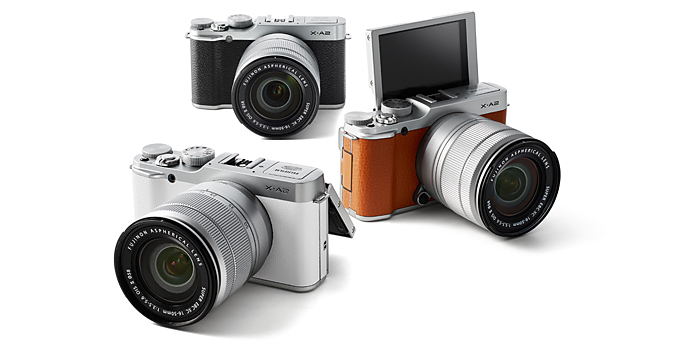
‘Selfie’ is a trend that refuses to die down. The proliferation of smartphones with front-facing cameras is giving a tremendous boost to it. Smartphones are fast eating into the market shares of camera makers and all they can do is try to catch up. Fujifilm has now taken an effort to cash in on the Selfie mania with its new X-A2 camera.
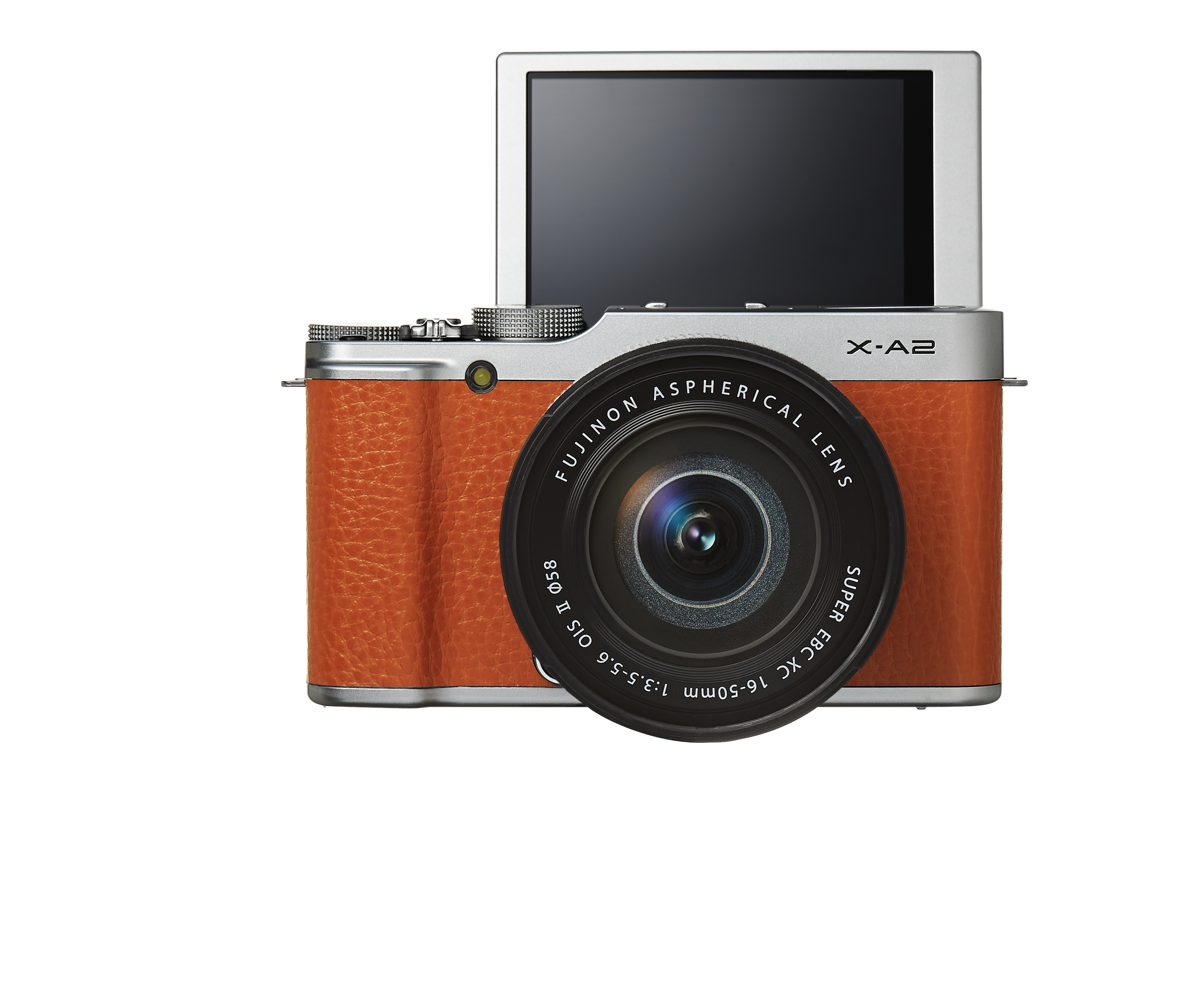
The Fujifim X-A2 is a mirrorless camera with a 175-degree flip screen which you can use to click selfies. The camera looks retro which gets extra points in the design category. It supports interchangeable lens and gives you far better selfie images than your phone’s front facing camera could.
Flip the display towards you and the camera automatically sets to face and eye detection
As soon as you flip the screen towards yourself, the camera adjusts the settings to enable face detection so that your prized moments are in perfect focus. The camera comes with 16-50mm (24-76mm-equivalent) f/3.5-5.6 lens which would let you take wider selfies. The X-A2 comes for a price tag of $550 which is pretty steep if you’re buying it just for its advanced selfie feature. Also by adding $150 more, you get a 50-230mm (76-350mm-equivalent) f/4.5-6.7 lens.
Maybe the end of the pocket camera is near. As smartphones get better and better at their imaging capabilities, handheld cameras will see their market share dip. But if you got the money and you want a nice retro looking camera with some great selfie capabilities, then this one would be the one to buy.
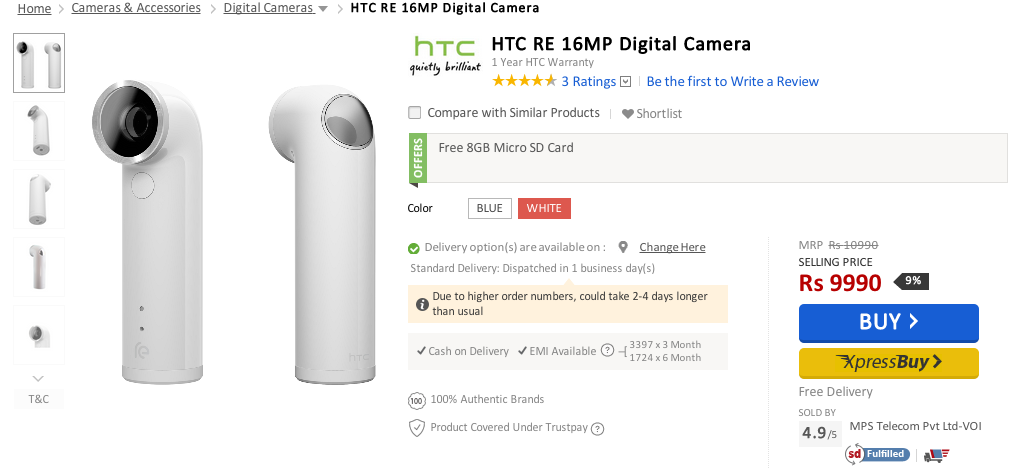
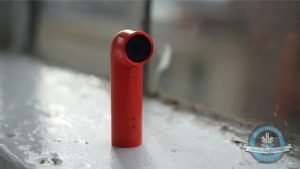
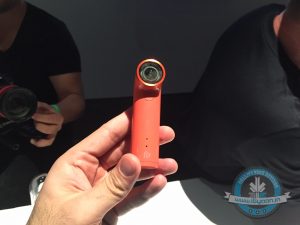
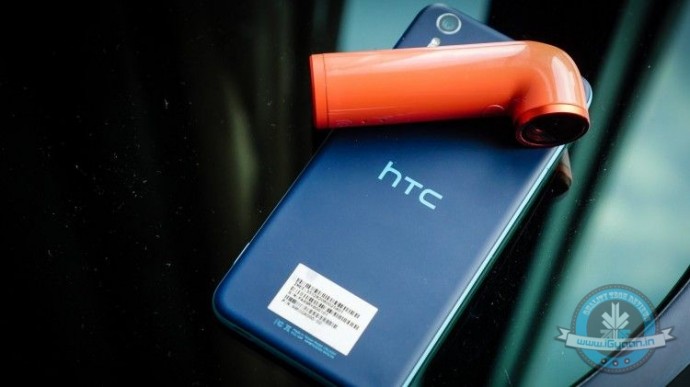
Earlier in October, we disclosed that HTC’s RE camera will be coming in India for Rs. 9,990 and now the device has finally arrived in the country via Snapdeal. These handheld cameras are amazing gadgets to click pictures on the go.
The HTC RE features a 16MP sensor with a 146-degree wide-angle lens and is capable of recording full HD videos, 120 fps slow-motion videos, time-lapse videos as well as Zoes. It comes with an inbuilt HD microphone and speaker. The 820mAh battery can record Full HD videos for 1 hour 40 minutes. An 8GB storage card is preloaded in the camera, while it supports a storage capacity of up to 128 GB.
There are just two buttons at the device: click button and the slow-mo button that don’t let you fumble between modes. The RE camera works with both Android and iPhone devices and has connectivity options like Bluetooth 4.0 and Wi-Fi. Coming at a price of just Rs. 9,990, this camera is a must-buy. Check out our review of the HTC RE camera here.
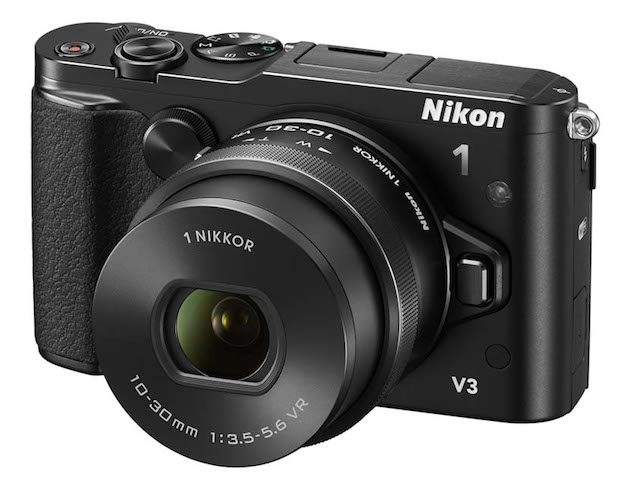
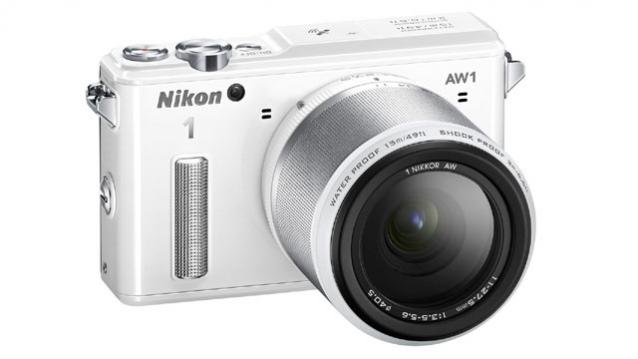
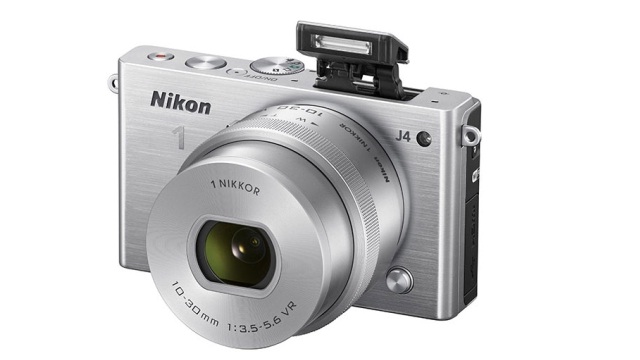
The leader in imaging technology Nikon has finally released three cameras with interchangeable lenses in its Nikon 1 advanced series – Nikon 1 AW1, V3 and J4. The cameras are said to offer excellent image quality.
We are extremely thrilled to announce the latest additions to the highly acclaimed Nikon 1 interchangeable lens camera series. The Nikon 1 AW1, V3 and J4, flaunt a plethora of advanced features that allow users to easily capture images as intended. These cameras offer excellent image quality with superior sharpness and definition, and an immaculate operational feel delivering every bit of exceptional performance and experience that Nikon intends at extending to the consumers.
[/quote]
Of the three cameras, Nikon 1 AW1 has been awarded iF Product Design Award 2014 and is said to be the world’s first shockproof, freeze proof and waterproof camera. It features a 14.2MP CX-format CMOS sensor along with Nikon’s own EXPEED 3A image processing engine. The Nikon 1 AW1 lets you capture motion pictures with Advanced Hybrid Autofocus (AF) system. The 73-point Auto Focus sensor lets you click pictures in just 80-milliseconds. The camera is actually capable of taking motion shots in focus, 15fps with AF and 60fps when the focus is locked. This amazing piece has been priced at Rs. 39,950.
Nikon 1 V3 is more portable because of its compact design. The sensor that boasts in this model is 18.4 MP CX-format CMOS together with EXPEED 3A image processing engine. The device is equipped with vari-angle LCD monitor which allows users to take pictures from any angle. The spontaneous touch-screen control comes with this camera along with built-in Wi-Fi, as cameras are now not just about clicking pictures only. The V3 will cost you Rs. 43,950.
The last addition is the Nikon 1 J4 model. The camera packs an 18.4MP CX format sensor with EXPEED 4A image processing engine. The J4 makes full-scale photography feasible. Advanced shooting options, the image quality of the camera is premium. It sports a TFT LCD touch screen along with built-in Wi-Fi for easy file transfer. The company is offering accessories with the model: a WP-N3 Waterproof Case and a full-scale Underwater SB-N10 Speedlight. The latter one allows users enjoy the underwater photography. The j4 is priced at Rs. 24,950.
Along with One (M8 Eye), Desire Eye, the Desire 516c, Desire 820 and Desire 820Q smartphones, HTC on Friday launched the Re Camera in the Indian market. We spent a whole day testing out this new camera, read more about it here.
“HTC has continually set the standards in mobile technology since 1997, and once more, we are redefining the concept of imaging forever,” said Chia-Lin Chang, President of Global Sales and Chief Financial Officer, HTC. “As a company we are devoted to innovation, as we endeavor to combine the best experiences with the best hardware design as possible. Today HTC has taken a bold step to introduce a new product category, with a remarkable little camera called, RE. A product that you once pick up, you will not want to put it down. RE, will allow our users to get out from behind the lens and live and experience moments.”
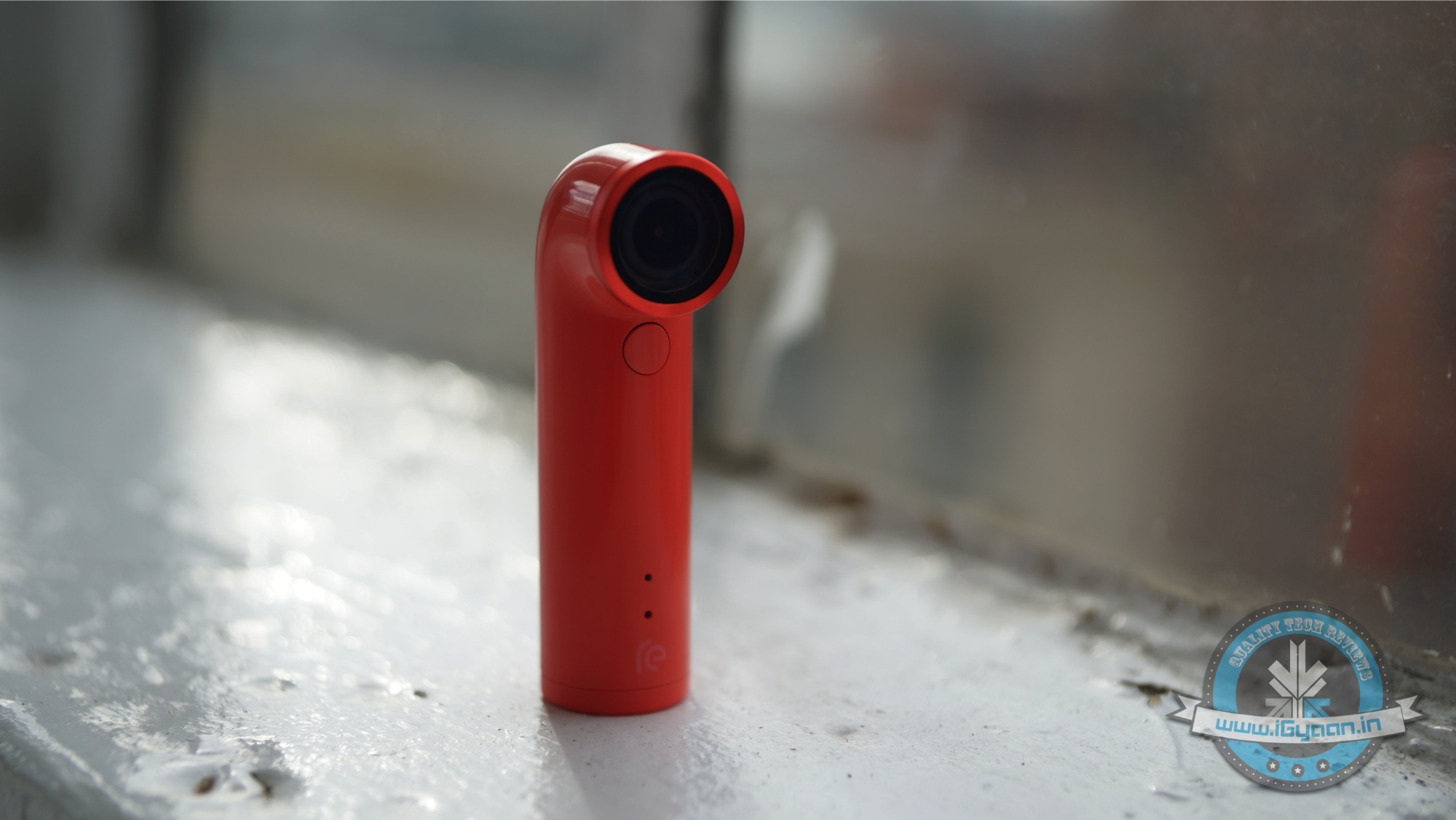
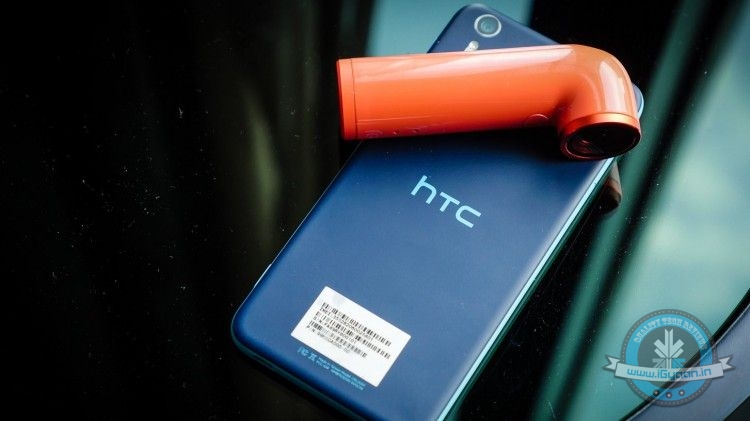
HTC Re is essentially a small handheld camera, which features a 16MP sensor with a 146-degree wide-angle lens. Packed in a waterproof shell, HTC RE camera is capable of recording full HD videos, 120 fps slow-motion videos, time-lapse videos as well as Zoes.
Inbuilt is an HD microphone and speaker along with rating for durability – IP57 Dust & Water Resistant IPx7 (body), IPx8 (with cap). The camera houses a 820 mAh battery which is rated for 1,200 16MP photos; 1 hour 40 min of continuous FHD video recording. It comes with an 8GB card loaded and supports upto 128 GB cards offering good storage capacities.
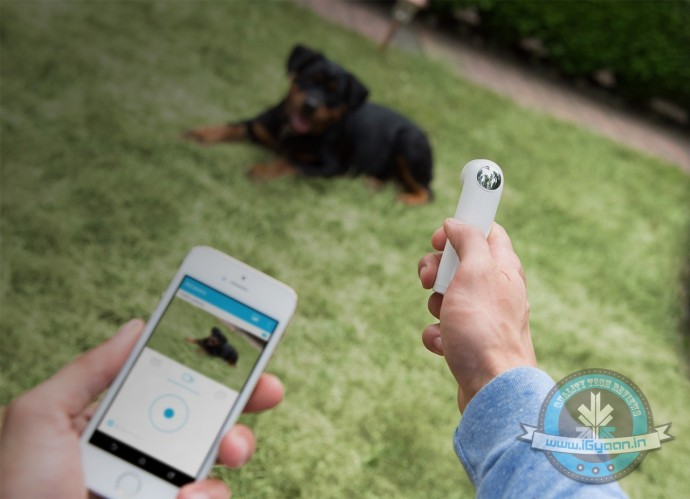
The camera works over Bluetooth 4.0 and Wifi. RE Camera supports iOS 7 and along with all KitKat equipped Android phones. HTC is hoping that RE camera will help the users in stepping out from behind the camera and enjoying the life as it happens. The camera includes just two buttons, one for image/video capture and other for slow motion video. There is not even a power button present on the device and it utilizes the integrated grip sensor to detect whether someone is holding and it switches itself on.
RE will be available exclusively on Snapdeal.com in India at an introductory promotional offer for a limited period, Rs. 9990/-
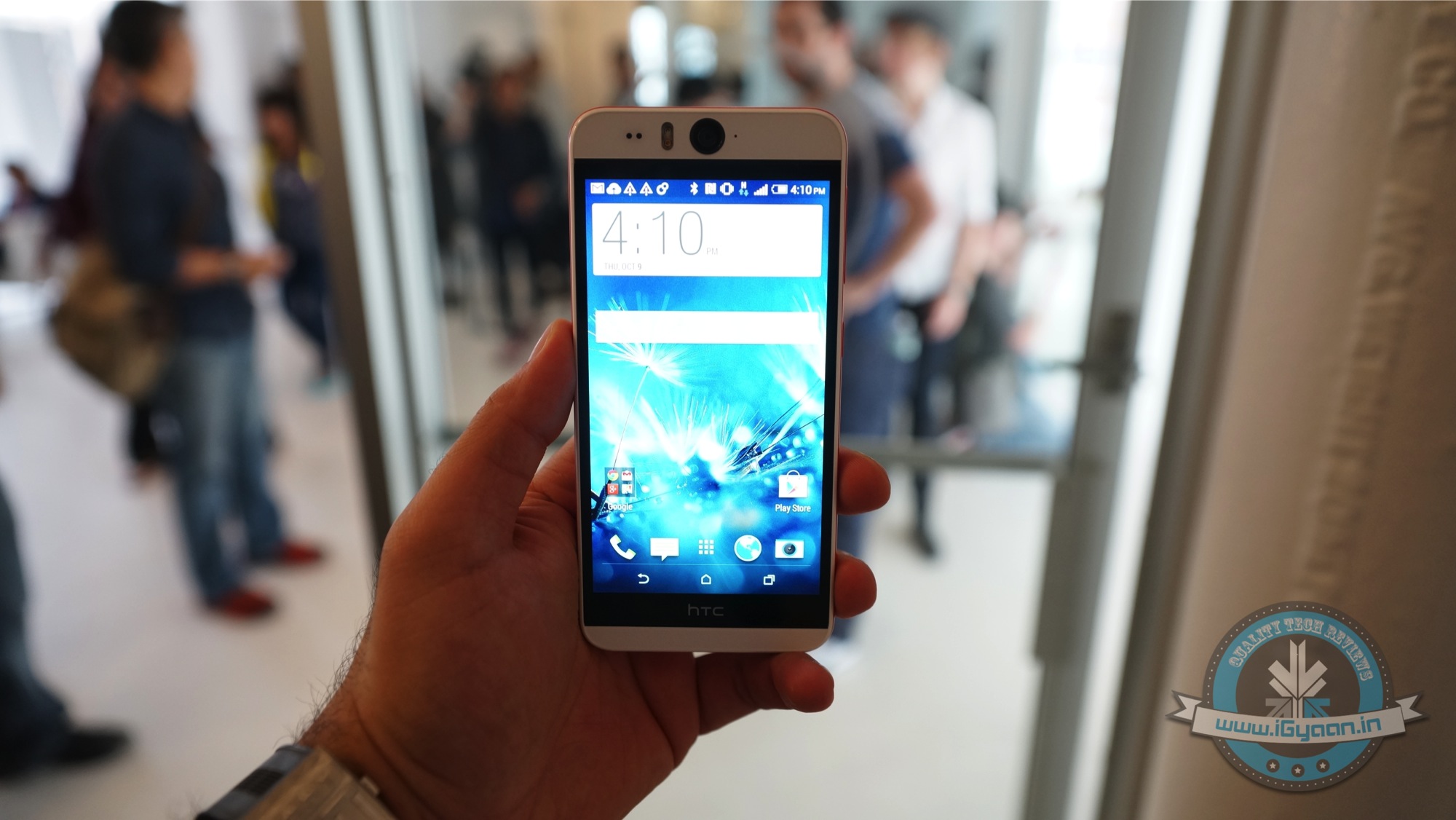
HTC recently launched the HTC Desire Eye and the HTC RE camera, both are unique and one of a kind products in their respective categories. The Desire 816 is a flagship for HTC’s Desire lineup and is a power packed smartphone. The HTC RE is a first of a kind handheld camera-only device that aims to become everyone’s Go-Pro.
We spent an entire day with both the HTC Desire Eye and the HTC RE, and even though both were prototypes, and with early softwares, certain things left us impressed , while on the other hand many things left us slightly disappointed.
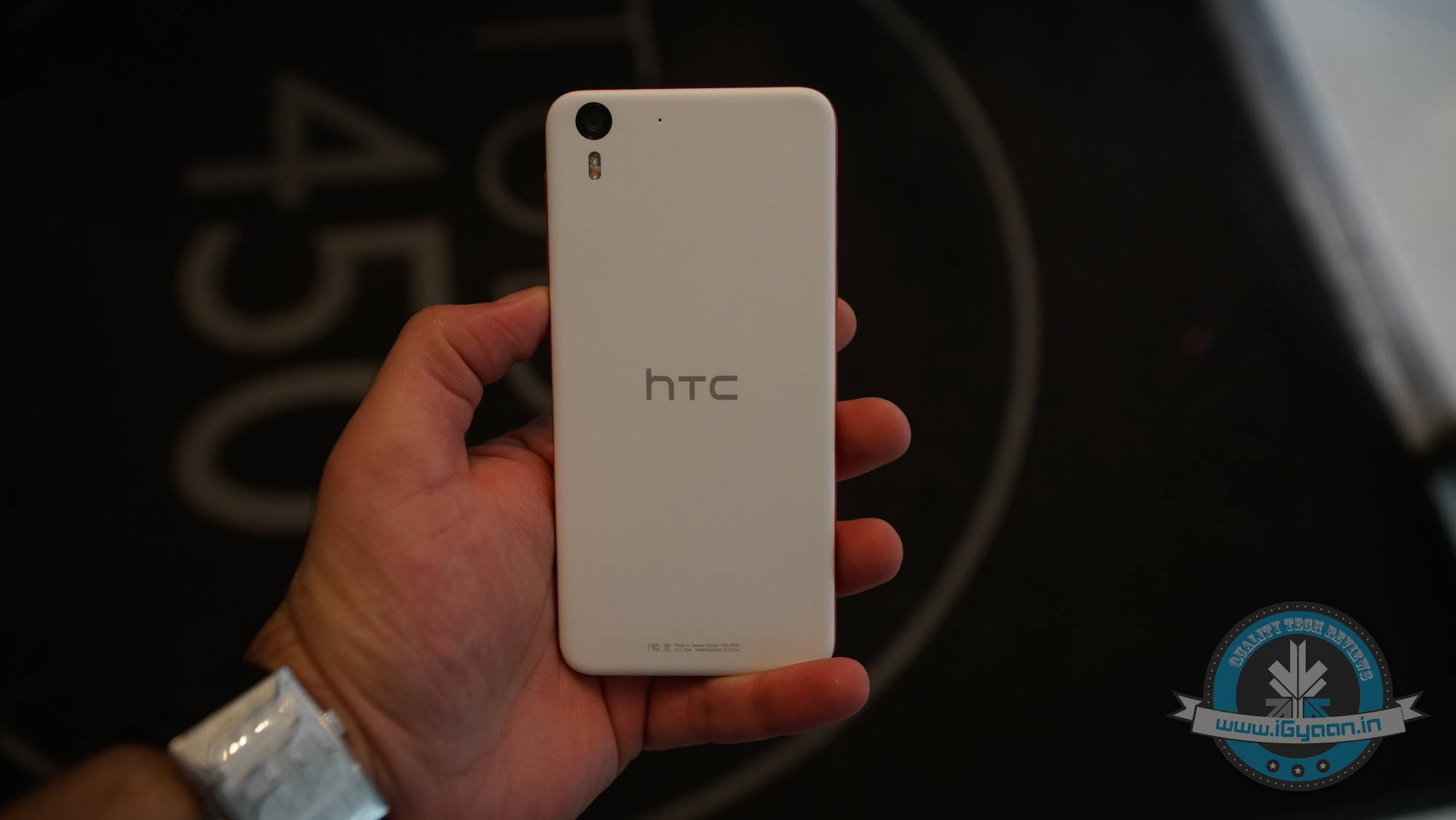
The HTC Desire Eye is a flagship for the better sense of the word, it has a Qualcomm 801 Snapdragon chipset along with 2GB of RAM and 16 GB of storage space. You can expand the storage by popping in a MicroSD card upto 128 GB, if that’s your style. HTC made the Desire Eye waterproof upto 1 meter for 30 mins thanks to its IP7 certification, so you wouldn’t mind jumping in the pool with the phone.
What puts the Eye in the Desire Eye is the set of 13 MP cameras, one for the rear and one for the front. This is the first time we have seen a big combination of cameras from a global manufacturer, not including the flipping camera phones from Oppo and Gionee.
HTC has also included dual LED flashes for the rear as well as the front cameras, helping you take the ultimate selfie in the night. Some of the pictures taken from the cameras are really impressive and truly showcase good final result, especially in well lit situations. Below is a shot of the NYC Post Office building shot from a moving bus.
The New York Post Office Building
The HTC Desire Eye, has a good set of cameras that are really quick, focus fast and the camera app is familiar. The interface has been made in a manner to simplify the shooting capability of the cameras of the phone. Tap and hold to lock the exposure and white balance, which makes it really easy to click pictures against the sun.
An image taken with locked AE and White Balance
The burst mode on the Desire Eye is also sharp, sharpest since HTC began doing burst, it gets most pictures in the burst in focus. But, those which end up out of focus are basically unusable. The burst mode is also impressive in extremely controlled setups, like the one below conducted in a studio with controlled lighting.
Sample of Burst
The images however, start to break up and get noisy when the light starts to go away. We saw this starting at twilight, and the image below still had man made lighting, even then you can see some noise in the image.
Low light sample
The HTC RE however, is a different beast all together. Specs wise you are not aiming for much with a 16MP sensor shoots 1080p 30fps HD videos, a 820 mAh battery is rated enough for 1,200 photos although it drained much faster when we were shooting video and especially slo-mo video.
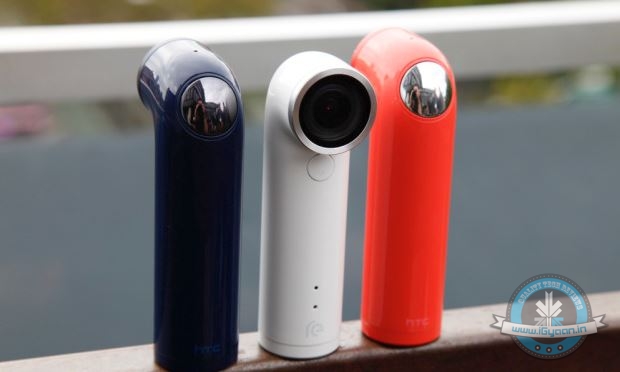
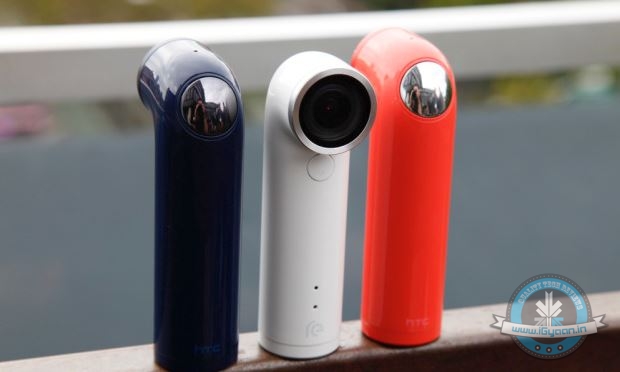
Colors of the RE
The concept of the RE is good, a relatively budget, go pro style camera, that allows you to capture images and video on the go. However, just like the Go-Pro camera there needs to be an exact way of using the camera. But unlike the Go-Pro you don’t have an ecosystem built around the camera. Sure HTC launched the RE with a bunch of accessories and like a completely different product. So different, that they have a separate website, and have set it like a separate segment of business.
This may be the cash cow HTC was looking for, especially considering that their smartphone business is not running them into the fortune 500 list. The Re is not a perfect example of what they were trying to do, and no where near what we were expecting from the camera. The 16 MP camera, is good and stills will shock and awe you in low light, but because you have a wide angel lens that will capture pictures in a wide horizontal frame, and no real guide to where you are pointing. This will result in pictures with the subject’s head or legs cut off, really wide unnecessary objects in frame and a fisheye sort of result from the images.
Apart from the click button and the slow-mo button you don’t really have any control of the way the camera is shooting, and there is a light learning curve to how you would start recording video. The camera is slow to startup and click a picture, but we understand that was caused by pre-production hardware and software.
Essentially you are looking at shooting in the blind and hoping to capture. You do get a companion app, that allows you to do a lot more with the camera, execute time-lapse and set the frame using a live viewfinder shown over a WiFi-N connection established using Bluetooth 4.0.. But the question truly comes down to whether the camera is good enough to go through all the trouble. The quick answer is : No.
Why not simply use a Smartphone, most will ask, and we would agree. There are lots of things that make the RE – Re-markable, and all the RE jokes you can RE-Imagine to RE-start you RE-sting c-RE-ativity aside. (time to Re-st the lame ones)
Underwater Sample
For starters the RE is IPX7 rated, without a case or cover, so as long as your micro-SD port door is closed the camera can go under water for 1 M and stay there for upto 3 mins. There is an additional cover that will give you IPX8 rating, this you will need to buy separately.
The shape and design of the camera is really ergonomic, and easy to hold. The camera is a pistol grip style shooter and therefore sort of addictive, and since you don’t know what you are shooting you will be clicking multiple pictures of everything. That being said, since you are shooting in the blind, it may cause you to get easily frustrated and missing shots that you really wanted. And since you don’t know what you are clicking you don’t know the result till you connect with a smartphone.
Slow motion video is at 120 fps at 720p and is sort of not up to the mark in terms of clarity and sharpness, and loses large amounts of color, again this may mostly be because of the pre production nature of the camera.
Slow Mo Sample
The images are not there yet, not for a $ 200 camera that requires a smartphone to frame properly. Most $200 +$50 smartphones have excellent cameras now, granted they are comparatively difficult to hold, but definitely easier to use.
The RE is fun and a lot of people will buy one, but they might find themselves leaving it at home, unless HTC can build a excellent ecosystem around the cameras, a good one and fast. The video capability requires a lot of work and the camera should have shot 4k out of the box and especially with a extended battery grip it would have worked well. The accessories are great too, a hand grip, a bicycle mount, a helmet mount and more, incase you want to use tripods or similar mounts the RE has a 1/4″ thread for standard mount tripod screws.
Due to the sheer design of the camera, you cannot add a viewfinder to it, like you can on the Go Pro. The GoPro works and it works well, and HTC is basically truing to create an easier product to use, and they have the right concept. But this camera that looks like a plumbing spare or a smoking pipe or an asthma inhaler has a long way to go, a very long way especially since people don’t trust cameras easy.
This blind shooter is a good step and in the right direction and it looks sort of pretty, but it’s not Go-Pro and they have years of the right kind of experience. You can buy the new basic Hero for US $ 130, and the Hero 3 with excellent optics with 1080p video and 5MP burst images, that according to us is definitely better than that on the HTC RE.
OmniVision Technologies, Inc. a leading developer of advanced digital imaging solutions, today announced the OV16850, a new flagship 16-megapixel imaging solution designed for the next generation of premium smartphones.
The new image sensor uses 1.12-micron pixel layered with OmniVision’s stacked die technology. The PureCel-S OV16850 captures high resolution images and video in native 16:9 aspect ratio, optimizing users’ viewing experience on smartphone displays.
“16-megapixel sensors represent another milestone in the ‘megapixel race’ for higher resolution cameras in smartphones. Coming in a native high definition 16:9 aspect ratio, the OV16850 is designed with the smartphone camera user’s experience in mind,” said Bahman Hadji, product marketing manager at OmniVision.
“As smartphone OEMs increase display resolutions to 1080p Full HD (FHD) and 1440p Quad HD (QHD), the OV16850 offers a camera experience matching these display aspect ratios and filling the smartphone screen without any loss in field-of-view for snapshots and video. It also utilizes OmniVision’s stacked die technology and a high chief ray angle to enable a 16-megapixel camera solution in a compact 9.5 mm x 9.5 mm x 5.5 mm module.” Hadji added.
The 1/2.6-inch OV16850 is capable of capturing full-resolution 16-megapixel images at 30 frames per second (FPS), 4K2K video at 30 FPS, QHD video at 60 FPS, and 720p video at 120 FPS. According to the company, it provides best-in-class sensitivity, signal-to-noise ratio, and full-well capacity for a 1.12-micron pixel-based imaging solution. Additionally, the OV16850 features alternate-row high dynamic range timing to ensure crisp video capture in difficult lighting conditions. The new sensor is under the sampling stage and will enter volume production in the first quarter of 2015.
GoPro’s have taken us from being mere spectators of awesome action sports to first person observers. Watching the huge repository of GoPro videos on the internet, you can almost feel the adrenaline rushing through your veins. They are incredibly convenient and using them in drones is letting people get movie-like aerial shots for their home videos. Now GoPro is taking its pocket-sized badass cameras to the next level.
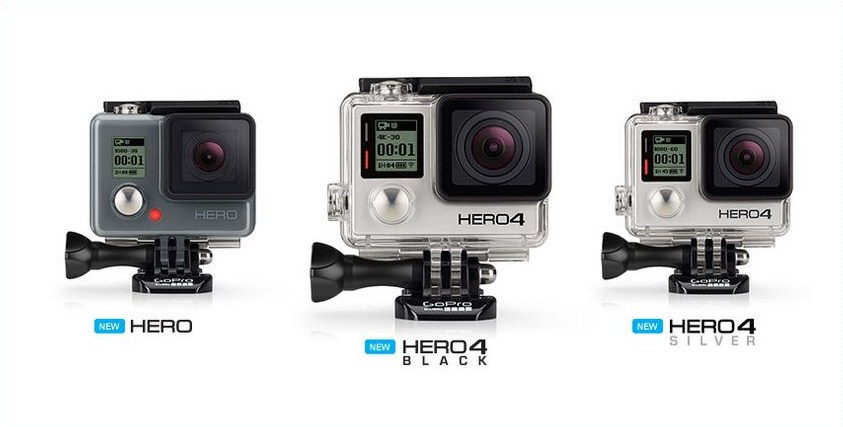
The company’s latest offering, the Hero4 lineup builds on the legacy and comes with great new upgrades. On the top of the line-up is the Hero4 Black, which comes at a price of $499. It shoots 4K video at up to 30 frames per second giving you some incredible eye-popping visuals. Apart from that, it shoots Full HD (1080p) at 120 frames per second so you can play with some slow-motion action shots. And of course, it offers 12-megapixel photos for folks who want a selfie at an epic destination.
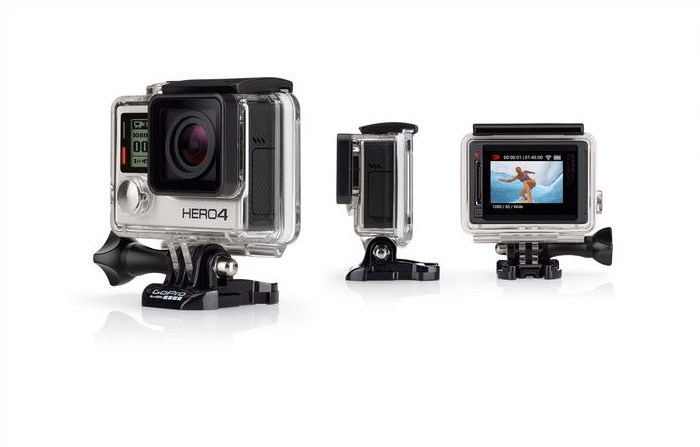
Hero4 Silver comes with a touchscreen display.
Next in line is the GoPro Hero4 Silver, priced at $399. Most of its specs are similar to the Hero4 Black apart from the fact that it shoots 4K at 15 fps. The feature that will entice most customers to get this device is the built-in touchscreen LCD screen. For other GoPro models, you need to buy this additional screen for $80.
Last, but not the least, is the GoPro Hero. It costs a mere $130 but lets you shoot 1080p at 30 fps and 720p videos at 60 fps so you can still get great footage off these. It also lets you take 5 MP images at five frames per second.
To offer pure, effortless adventure shooting, the cameras shoot on MicroSD cards and work 40 meters underwater. With these, underwater shooters can say goodbye to the massive and expensive camera housings, they need to carry underwater with the risk of them getting destroyed.
There is also a phone application called GoPro app which can be used to control your camera remotely, view and share your content, and watch the GoPro Channel. Using this app you can turn your phone into a remote viewfinder for your camera. There are multiple kinds of accessories that you can buy for all your action shooting needs. Though they will set you back $20 to $80 per accessory. The new Hero line-up will be ready for shipping by October 5th, just in time for you to get one to capture the Diwali fireworks.
Check out the amazing visuals shot from the new generation GoPro’s:
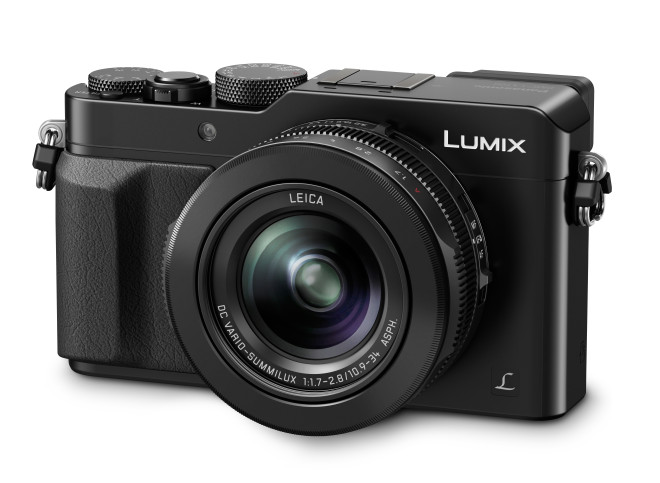
Panasonic’s Lumix LX series includes some of the best cameras in the market, however, recently they’ve taken a backseat with the launch of some large-censored compact cameras like the Sony Cyber-shot RX100 and the Fujfilm X100S. Now, the LX series is coming back with a big sensor of its own.
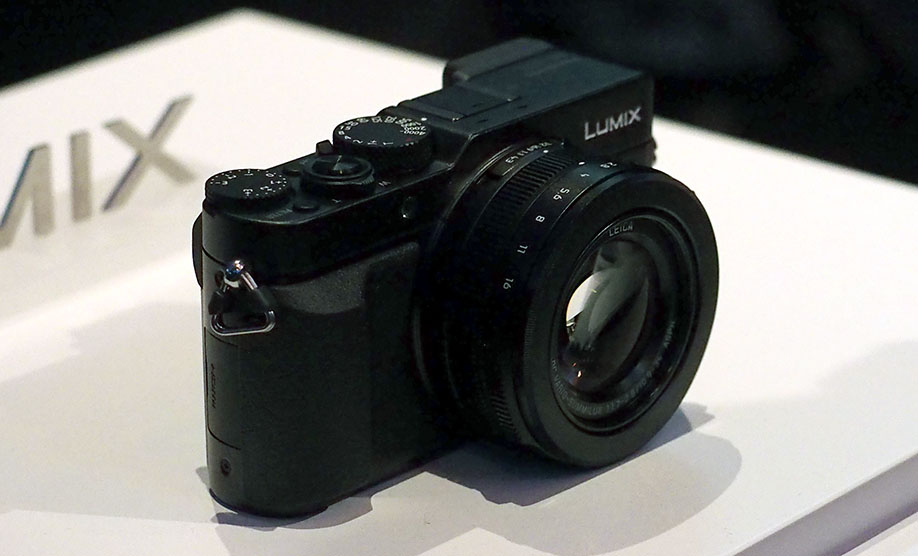
The new Lumix DMC-LX100 is a remarkable improvement from its LX7 predecessor and probably the most sophisticated compact the Japanese company has ever built. One of main highlights of this camera is it’s Micro Four Thirds-sized, 12.8-megapixel MOS chip which is twice as big as the 1-inch-type sensor in Sony’s RX cameras and the Nikon 1 mirrorless cameras.
The LX100’s F1.7 aperture at the wide-angle end of its 3X zoom (24mm to 75mm) which helps it in harnessing even more light. Also, the LX100 is able to capture 11 shots per second in burst mode. A maximum ISO setting of 25,600 should help low-light shooting even more, and that astronomical setting might even be halfway usable at that sensor size.
It’s also got a fast Leica 24-75mm (35mm equivalent) f/1.7-2.8 lens, a wide-screen, 2,764K dot LVF (live viewfinder) and 4K video capture. The LX100 is also one of the first pocket cameras that captures 4K video footage. Some of those specs put it on par with the company’s flagship GH4, and well ahead of all its other interchangeable MFT models.
Other features include Wi-Fi, NFC capability for easier smartphone pairing, in-camera RAW to JPEG conversion and an external flash. It has a “multi-aspect” feature that allows 4:3, 3:2 and 16:9 angles of view, which reduces the usable area of the sensor.
This premium point-and-shoot camera is due at the end of October. It’s expected to cost between $800 and $900, which makes it a direct competitor of the APS-C-sensored Fujifilm X100s and 1-inch-sensored Sony RX100 III.
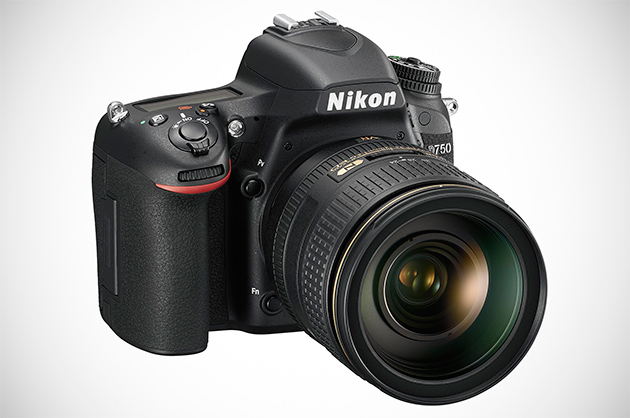
Nikon has launched a new hybrid camera D750. It combines the best features from Nikon’s D810, and the company’s flagship D4S, and wraps them inside a smaller, lighter body. Nikon D750 is full frame DSLR that slots in between the D610 and D810. Replacing the crowd’s favourite D700, this new camera is actually the lightest among Nikon’s traditional pro series.
The D750 has a 24-megapixel FX format CMOS sensor, an Expeed 4 image processor (the same one seen in the much pricier D810), a more light-sensitive 51-point autofocus system, and an ISO range that stretches from 100 to 12,800. It weighs around 750g, it’s significantly lighter than both the D4S and D810, and even bests Nikon’s D610 and Canon’s full-frame EOS 6D
.
It uses a 51-point autofocus system that’s near identical to the higher-end cameras, so you get 15 cross-type AF sensors, 11 of which work up to f/8. The D750 supports burst shooting at 6.5 frames per second in full resolution, which may come as a slight disappointment for those hoping to use it for sports or fast action.
The D750’s greatest strength is its low-light performance. Its ISO range extends from 100 to 12,800 (plus Nikon’s Hi2 mode offers an equivalent of ISO 51,200), and this thing can practically see in the dark and focus at -3EV. That’s a first for any Nikon DSLR. It’s better than what the D810 can manage; even the D4S is only capable of focusing as low as -2EV.
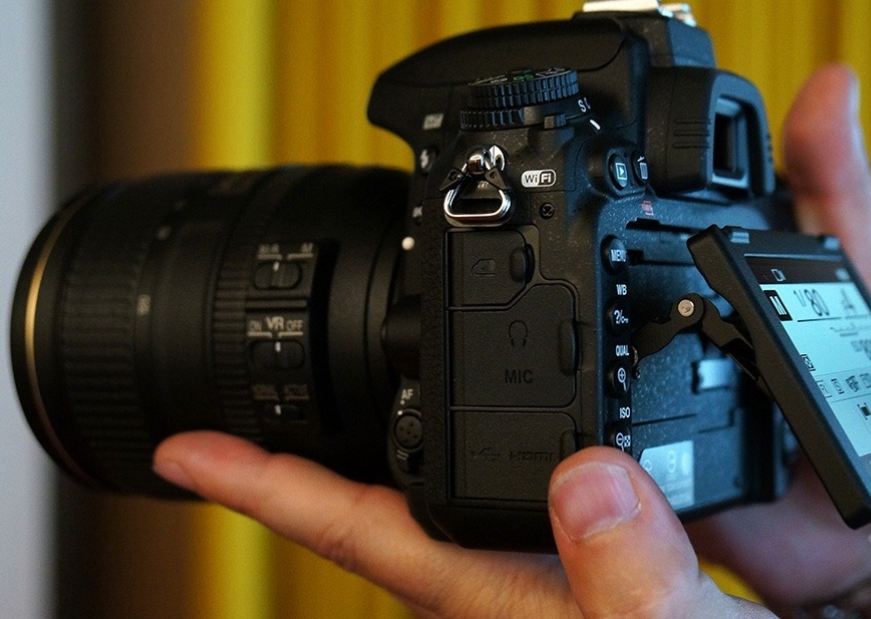
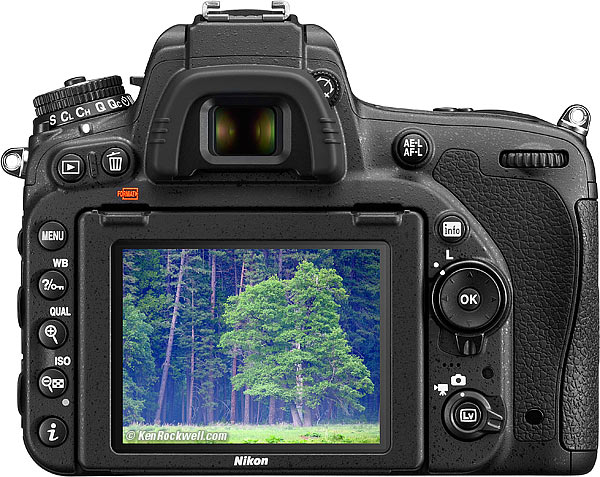
However, the light weight doesn’t come at the cost of functionality. The D750 includes a new 3.2-inch tilting LCD, built-in Wi-Fi, and space for two SD cards. It’s the company’s first FX format camera to have a tilting LCD screen which is 3.2-inches diagonally. It is the first camera to have built-in WiFi which has been crammed into a body that’s thinner than usual. It shoots 1080p at 60, 30, or 24fps with full control over aperture whenever you’re filming. A Power Aperture feature, borrowed from the D810, smooth outs transitions when you’re adjusting aperture.
The Nikon D750 will be available with price tag of $2300 which falls between the $1900 D610 and the $3300 D810. It’s got the same resolution sensor as the D610 as well as a similarly compact design. The D750 is going on sale from September 23rd in a body-only configuration. A kit including Nikon’s 24-120 f/4 lens will follow up in October.
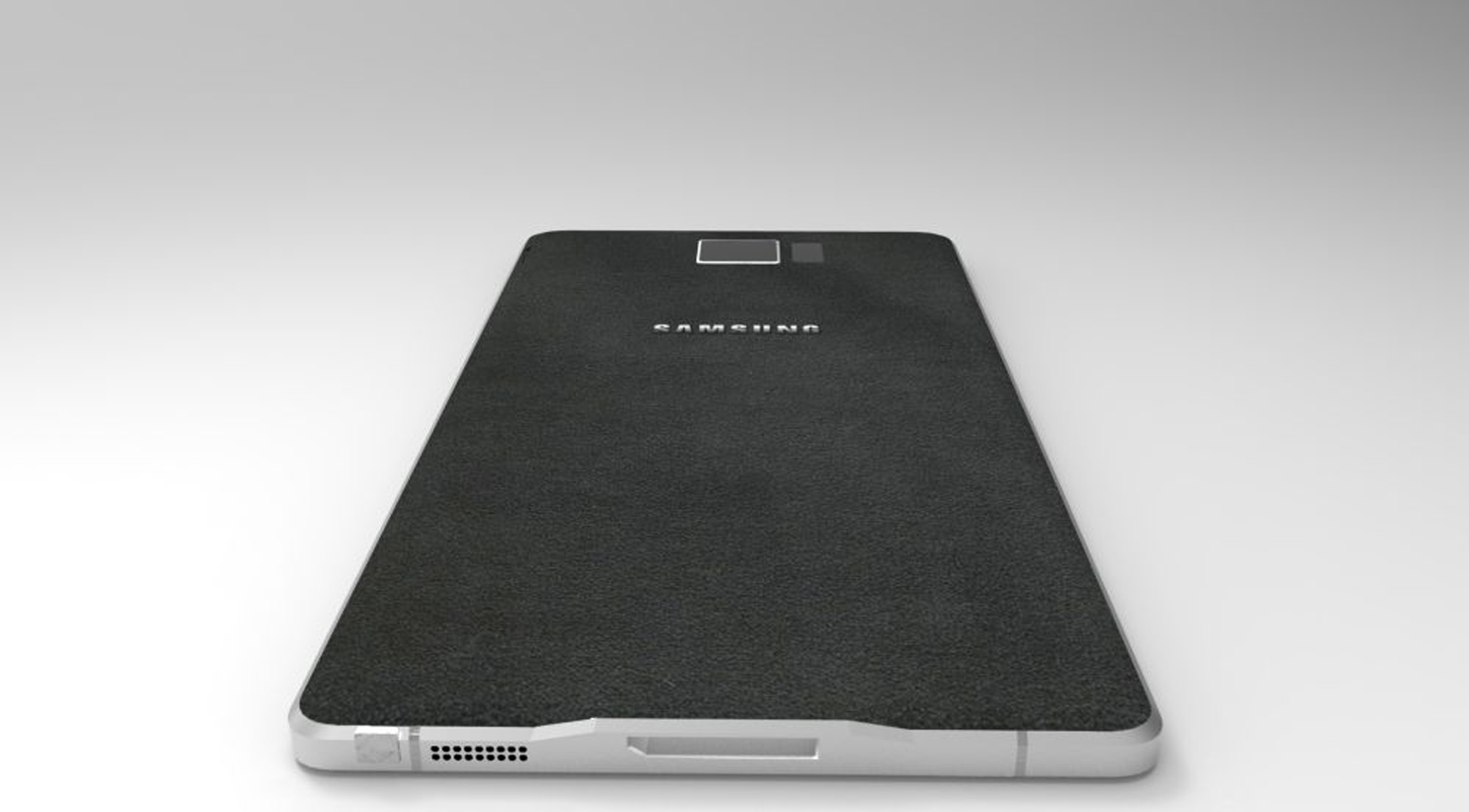
Just a few days ago, Samsung had it hard when the AnTuTu benchmark screenshot of Galaxy Note 4 was leaked online, just weeks before the release. Now, SamMobile has uncovered details about the camera for the Galaxy Note 4.
SamMobile reports that the Galaxy Note 4 will apparently feature a 16-megapixel Sony IMX240 camera sensor with optical image stabilization and UHD video recording, and a 3.7-megapixel front-facing camera with WQHD video recording. These details seem consistent with the earlier report.
A sensor built into the bottom right side of the handset called Side Touch will also be added in the Galaxy Note 4. The sensor is supposed to replace a dedicated camera button, allowing users to simply tap on the side of the handset to take a picture.
The Slide touch sensor is supposed to replace a dedicated camera button, allowing users to simply tap on the side of the handset to take a picture.
The device’s front-facing camera will be a 3.7MP unit, capable of capturing images and video in WQHD resolution (2560 x 1440 pixels). It represents a noticeable bump in resolution and capabilities.
The Galaxy Note 4 camera app is expected to have a gesture-based shortcut; users would be able to access the app while the handset is off by tapping the screen with two fingers and swiping them apart. Gesture-based functions are becoming increasingly popular on smartphones – we seen the Galaxy S5 include a feature called Air Wake up, which allows users to wave their hand over the screen take it off standby.
The Device is also expected to take a departure from the faux leather back panel.
However, the biggest highlight of the Galaxy Note camera will four new camera modes, three of which are dedicated to the art of the selfie: “Selfie” mode, “Wide Selfie,” “Selfie Alarm,” and “Create A GIF File.” Most intriguing of those is Selfie Alarm, which allegedly makes it easier to take selfies with the phone’s superior rear-mounted camera by allowing it to automatically detect your face and snap the photo.
On the hardware side, the Samsung Galaxy Note 4 is rumored to include a Qualcomm Snapdragon 805 or Samsung Exynos 5433 chipset, 3GB of RAM and 32GB of internal storage. The device may be water and dust resistant, and may also include a fingerprint scanner like the Samsung Galaxy S5. Other features rumored for the Galaxy Note 4 include an iris scanner, an ultraviolet (UV) sensor and the virtual reality (VR) headset called Samsung Gear VR, which would pair with the Galaxy Note 4.
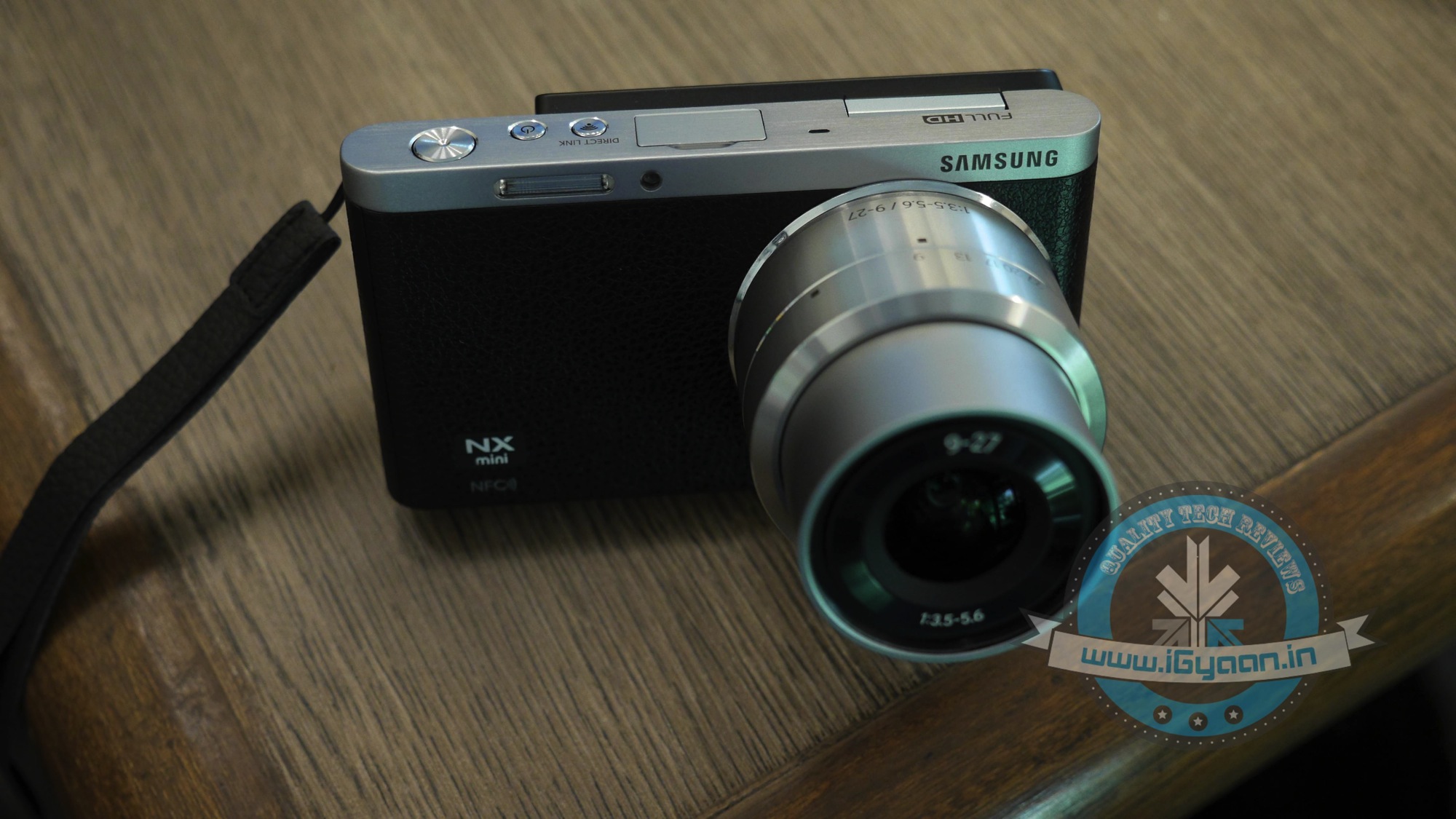
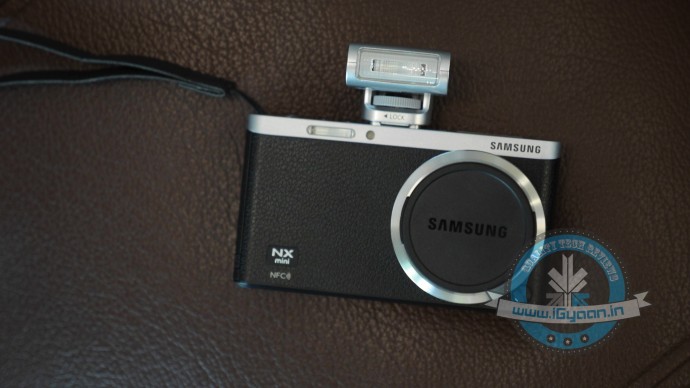
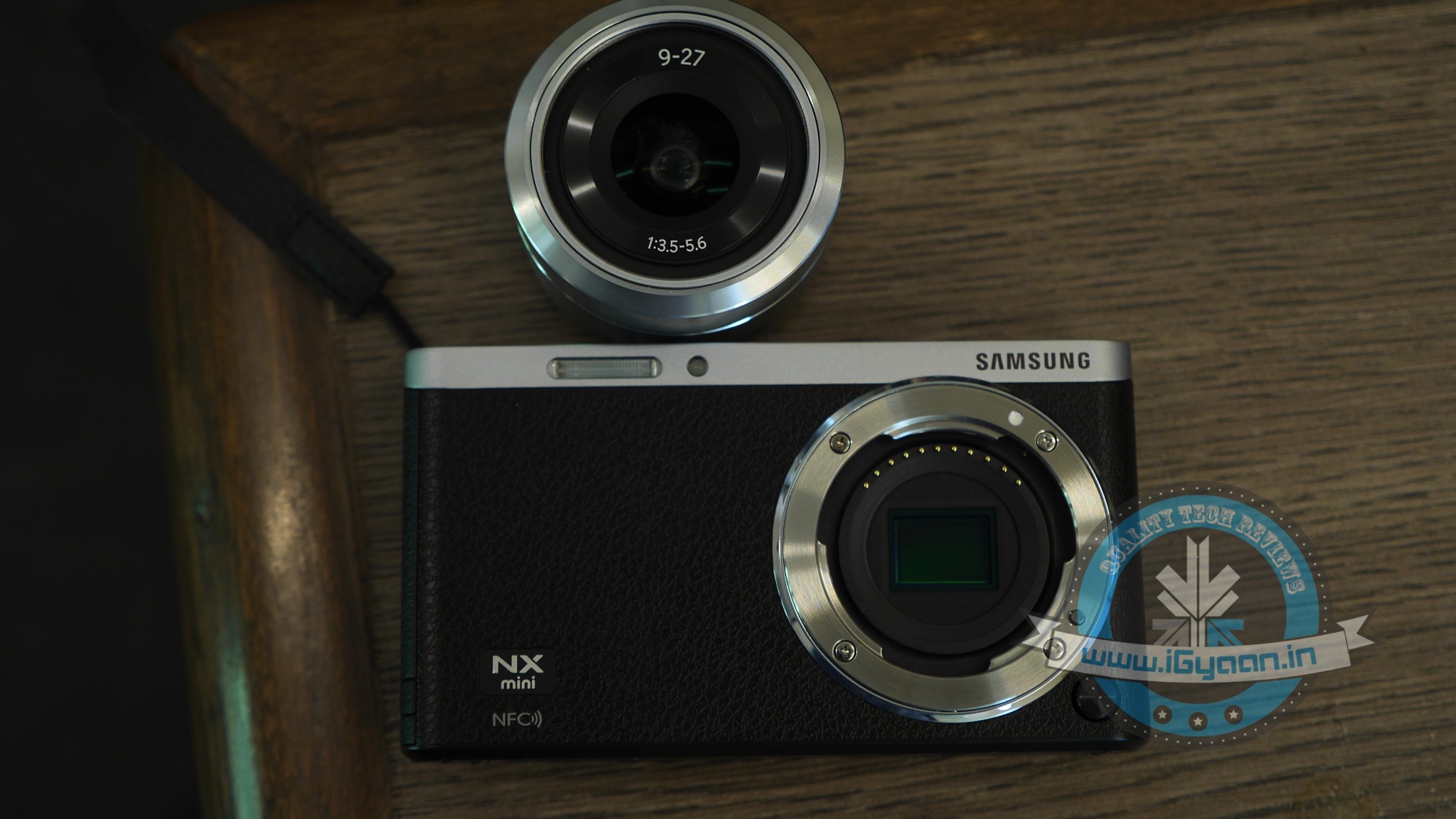
There is always some skepticism when a name of a camera is prefixed with ‘mini’. We have seen in the past that many manufacturers failed to deliver a great camera in a small package. The Samsung NX mini is targeted towards young amateur photographers who focus on style and selfies above all.
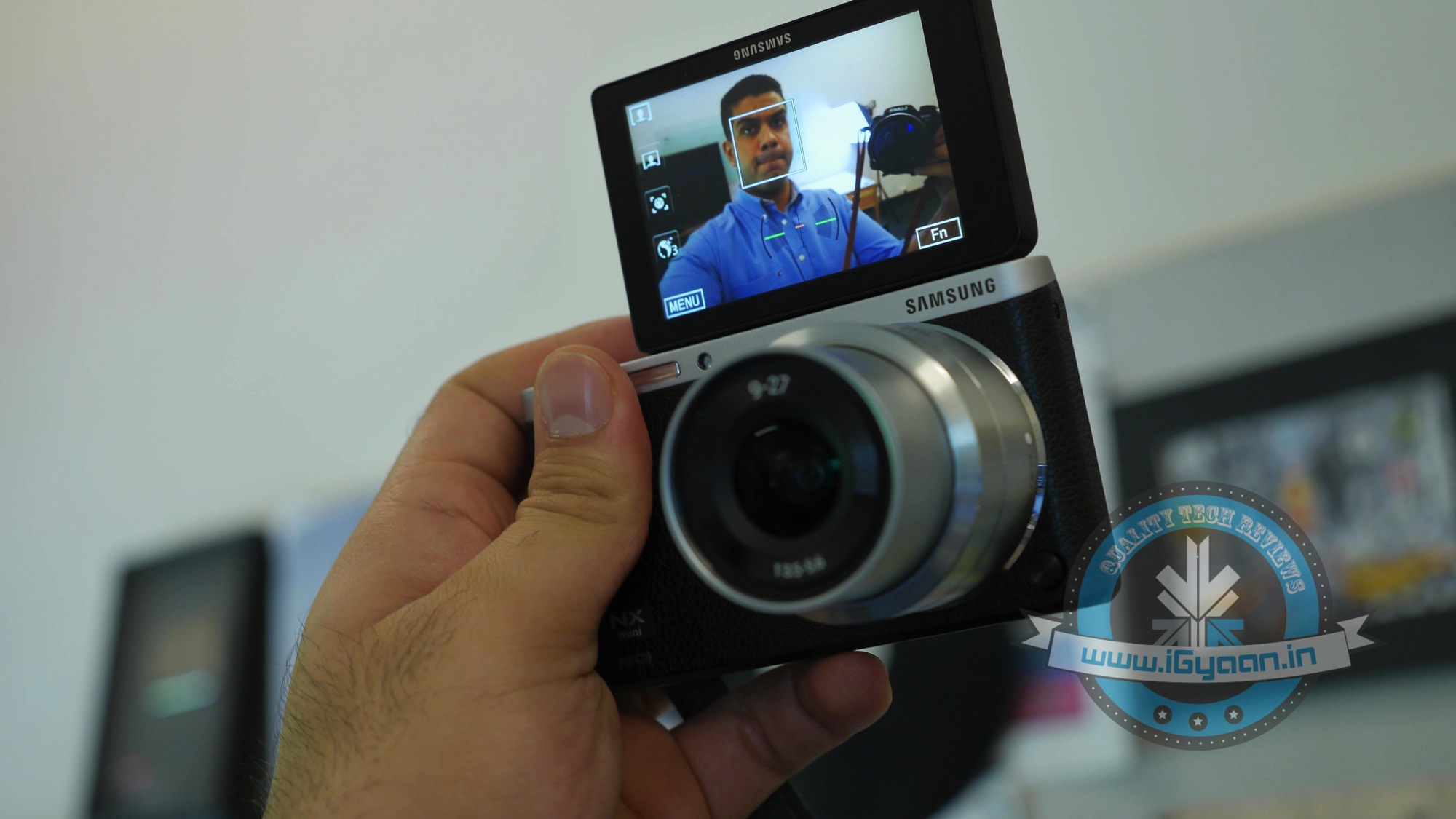
Well, this camera is not yet launched in India, but it is going to be coming soon with an exclusive partnership with Amazon.in priced at less than Rs. 30,000. NX mini is undoubtedly the slimmest interchangeable-lens camera available in the market. It does have a flip-up touchscreen and a cool selfie mode that lets you click a selfie by just blinking. You also get Adobe Photoshop Lightroom for free inside the box; which is a great software for aspiring photographers.
The biggest selling point here is its super-slim, lightweight body that you can slip into a handbag, or even a pocket. Without the lens attached, the NX mini is no larger than many compact point-and-shoots, but when you stick on the 9-27mm (24.3mm, 35mm equivalent) f/3.5 kit lens, it becomes little thick to carry around. There’s a 1-inch, 20.5-megapixel CMOS sensor that is identical in size to what you’ll get with very high-end compacts. However, quite smaller than the APS-C sensor manufacturers included with mirrorless cameras like the Alpha 6000 or the NX30.
The camera comes with a 16 GB micro-SD card and 2330mAh battery, which means that the camera will last for good 300 shots approximately. The camera is NFC-enabled and can be easily connected with NFC-enabled smartphones. The 20.5 MP BSI sensor, the company claims, is made by them. We’re uncertain about the authenticity of that statement, since these kind of sensors are made by Sony only. The lens included in the box is a 9mm (24.3mm, 35mm equivalent) f/3.5 kit lens and is fairly good for this price range.
On the top of the camera, you have a microphone pinhole, and hot-shoe sort of mount for Samsung external flash that comes with the package, Wi-Fi button, power on/off button and the shutter button. All of these buttons are seem to be made of metal and brushed aluminium, which makes it a high-quality premium looking device.
The camera supports a set of lenses that are called NX-mini lens and are completely different from regular NX lenses. You can use other lenses from Samsung if you have $150 adapter, which is a third party adapter. However, we heard that Samsung is also working on an in-house adapter.
Once you turn on the camera, you have to further twist the lens to unlock it. The shutter release is nearly full-size, and once you launch the menu, you can adjust many settings simply by tapping the 3-inch, 480 x 320 touchscreen, which also flips up 180 degrees for self-portraits, or at any angle in between for shots below eye-level, or overhead if you flip the camera upside-down.
As for the UI, there’s nothing out of the ordinary here. You can control just about everything using the touchscreen, though you can also use the four-way controller on the side to navigate. The menu interface includes all the general options and isnothing new. You get Auto share, ISO setting, image quality, etc. You also get a picture wizard which changes the setting according to the scene.
Its Wi-Fi mode lets you access a variety of wireless sharing options. MobileLink can be used to send photos from the camera to a smartphone or tablet, or Remote Viewfinder, which miraculously lets you access all of the NX mini’s shooting modes, including manual, from another device.
The Samsung NX mini gives access to Samsung Home Monitor, which requires its smartphone app and lets you use the camera to keep an eye on a child, for example, assuming your camera and phone are connected to the same WiFi network.
The camera fairly fast to focus and click the picture. The capacitative touchscreen allows you zoom in and out extremely easily. Apart from the fact that you don’t have a full manual control during video shooting mode, and its inability to use different lenses, the camera itself is very powerful. The look and the feel is also quite amazing.
The price is expected to be around Rs. 27,000 for 9-27mm lens package and Rs. 24,000 for 9mm lens package when launched exclusively on Amazon.in. This is not an official price but if the pricing remains the same, this device will a perfect starter camera for amateurs or a secondary camera for people who use DSLRs on the daily basis.
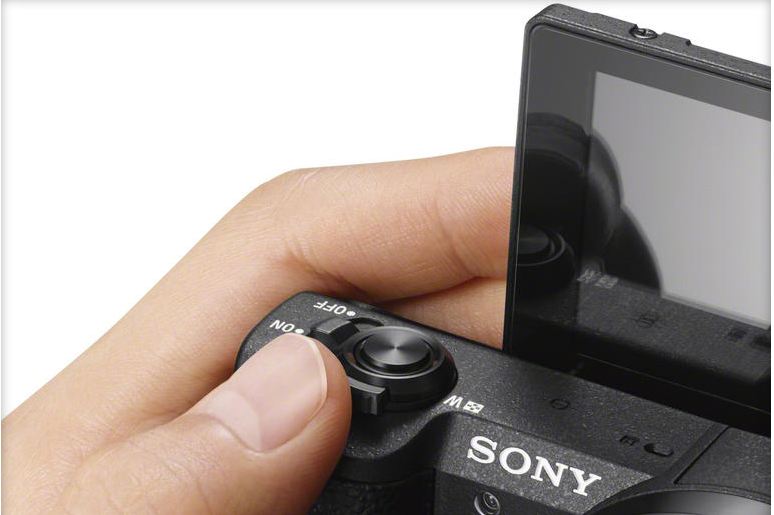
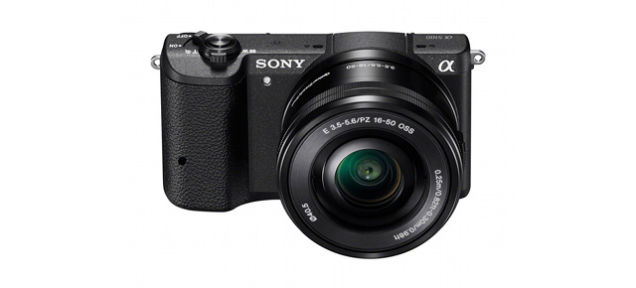
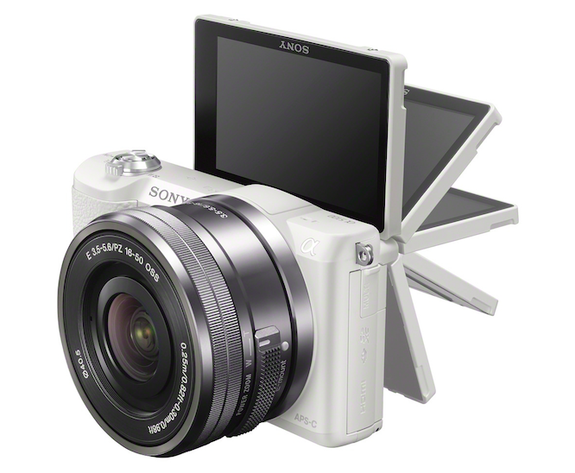
Adding to its line of mirrorless cameras, Sony is back again with the new A5100. Six months after introducing the A6000, Sony replaces the NEX-5T and dropping the NEX line, unifying all its mirrorless interchangeable-lens cameras with Sony Alpha A5100.
It’s also a very minor upgrade over the existing A5000. It has a similar body design, but adds more advanced image sensors. The Sony A5000 is a small size camera with the smallest APS-C interchangeable-lens camera out there. However, before this upgrade, it didn’t have the hybrid autofocus system. The camera is extremely small-sized (4.3 x 2.5 x 1.4 inch) to be packed with so many feature.
The camera does not have an electronic viewfinder, but it does have a NEX-5T-like touchscreen. The ability to tap and focus is quite convenient. It pairs 179 phase-detection AF points with 25 contrast-detection AF points. Sony says it can lock on in as little as 0.07 seconds. Continuous shooting mode supports up to 6fps.
The Sony A5100’s 921k-dot display flips forward 180 degrees for self-portraits. There’s also built-in WiFi, XAVC S video capture and a top sensitivity of ISO 25,600.
If you are a video shooter, then Sony A5100 also stores cool innards for you. There is an option of recording in XAVC S, which allows users to capture footage in 1080p at a bit rate of 50Mbps. Sony says the camera can optionally make two versions of clips: one in AVCHD for easier sharing, and the other in XAVC S with a greater focus on quality. Although, they haven’t provided a mic jack which is disappointing.
But overall, the Sony A5100 seems like a great value. It’ll start shipping in early September, but you can pre-order now. It is available in two color options – white and black.
Adding to its extensive camera market, Japanese Electronic giant Sony has launched three new cameras in its Alpha range of DSLR segment and cyber-shot range; A77 II, A7s and Rx100 III.
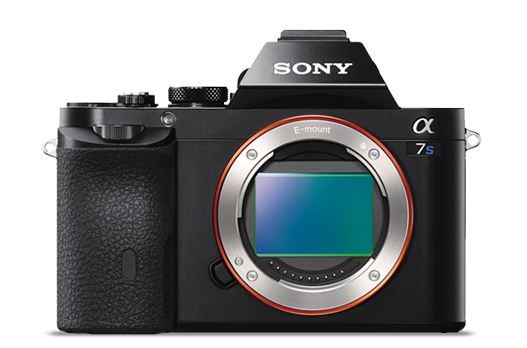
Sony Alpha A7s
The highlight of the launch is the A7S which brings in 4K video quality for professional photographers and videographers. Successor of A7 and A7R, the camera features a new 12.2 effective megapixel 35mm full frame Exmor CMOS sensor with a BIONZ X image processor which will allow it to shoot at a sensitivity range of ISO 50–409,600. It is also the first model to utilise the entire width of a full-frame image sensor for 4K video. Priced at Rs 1,54,990, the A7s will start selling in mid July.
In video mode, the A7S can output 4K video at QFHD (3,840 x 2,160) to an optional external 4K compatible recorder, and can record full HD (1,920 x 1,080) at frame rates of 60p, 60i, 30p and 24p directly to a compatible memory card. Video modes can be changed from full-frame to APS-C (super 35mm equivalent) if desired, and in this crop mode, the camera can support high frame rate 120fps shooting at standard HD resolution (1,280 x 720p), creating a 5x slow-motion effect.
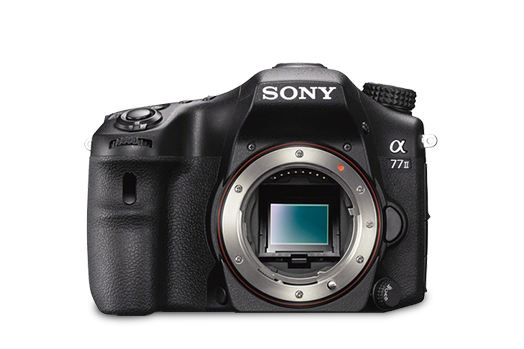
Sony Alpha A77 III
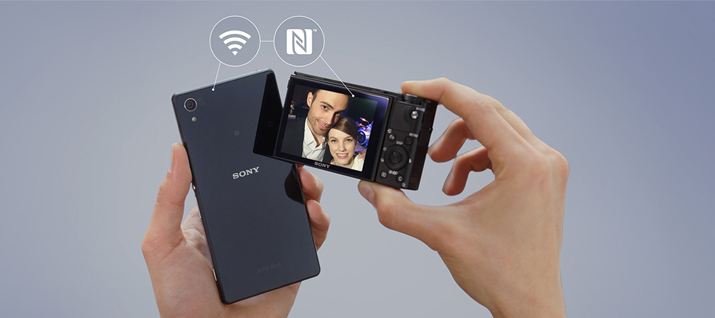
Secondly, the company has also launched three models of A77 II, priced between Rs 84,990 to Rs 1.14 lakh. It features a 79 autofocus detection points with 24.3 megapixel image sensors and already available in the market. It will also come with an on-board Wi-Fi that allows one-touch connection with smartphones and tablets.
CyberShot RX100 III
The last addition to Sony’s camera market is an update of its popular Cyber-shotTM RX100 camera. The Cyber-shotTM RX100 III comes with an upgraded lens and faster image processor and a retractable OLED Tru-FinderTM with ZEISS T. The camera will have enhanced movie features and a 180-degree tilting LCD. The camera will have a 20.1 effective megapixel back-illuminated 1.0-type Exmor RTM CMOS sensor. The camera is priced Rs 54,900.
Summers are here in full force and its that time when we can beat the heat and enjoy swim sessions with friends and family. Now it would be nice to ingrain some of these fun memories digitally. But there is always that horrifying thought of dropping your phone in the water. Luckily, companies these days are coming up with new devices that can shoot and click near or underwater without any damage caused.
Here is the list of awesome devices that will help you click and shoot underwater:
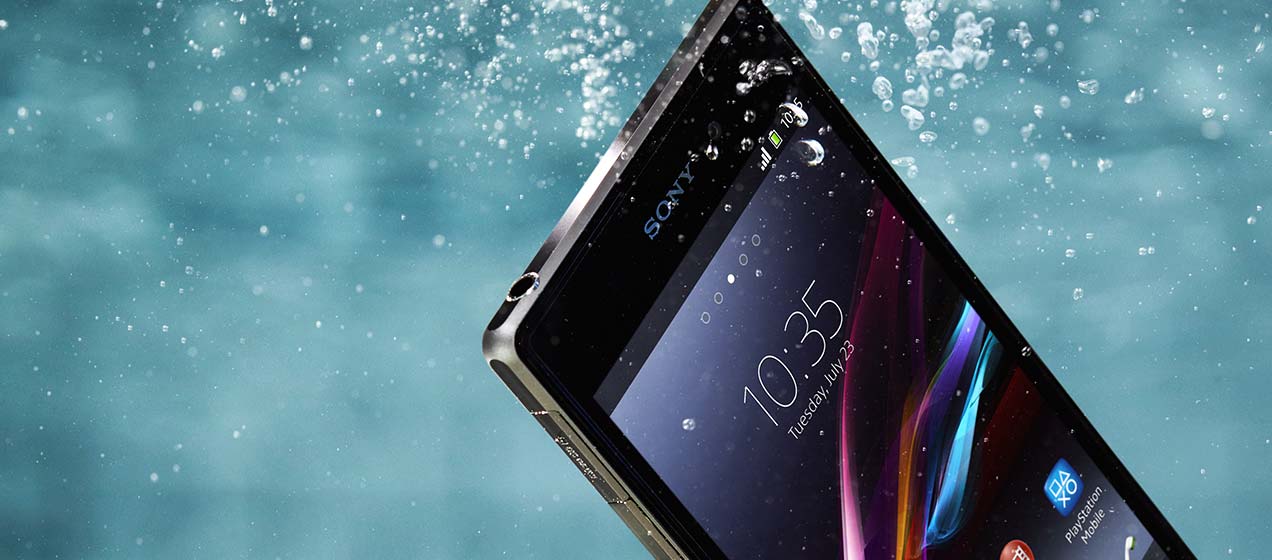
1.Sony’s Xperia Z2
If you’re really serious about it, you could invest in a new phone. Sony started the ball rolling for high-end water resistant smartphones when it announced the Xperia Z back in 2013. Since then in almost all its top-of-the-range Xperia Android phones have been able to survive a dunking. It is touted to be the World’s best camera and camcorder in a waterproof smartphone device. We’d give this one some serious thought.
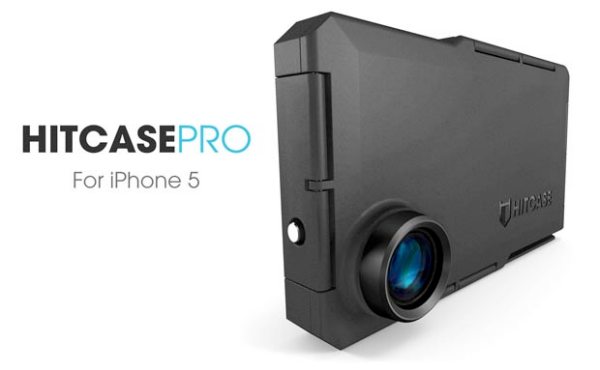
2.HitCase For iPhone
The Hitcase Pro for iPhone 5 turns your iPhone into a rugged GoPro style video camera with a fisheye lens and a water proof and shock proof case. There are also optional accessories available which help users mount their iPhone 5 to a car, boat and helmet. The Hitcase Pro works great in extreme environments or while playing extreme sports. Use it for any activity where someone might want to shoot video with an iPhone 5 camera, but can’t hold the phone while shooting.
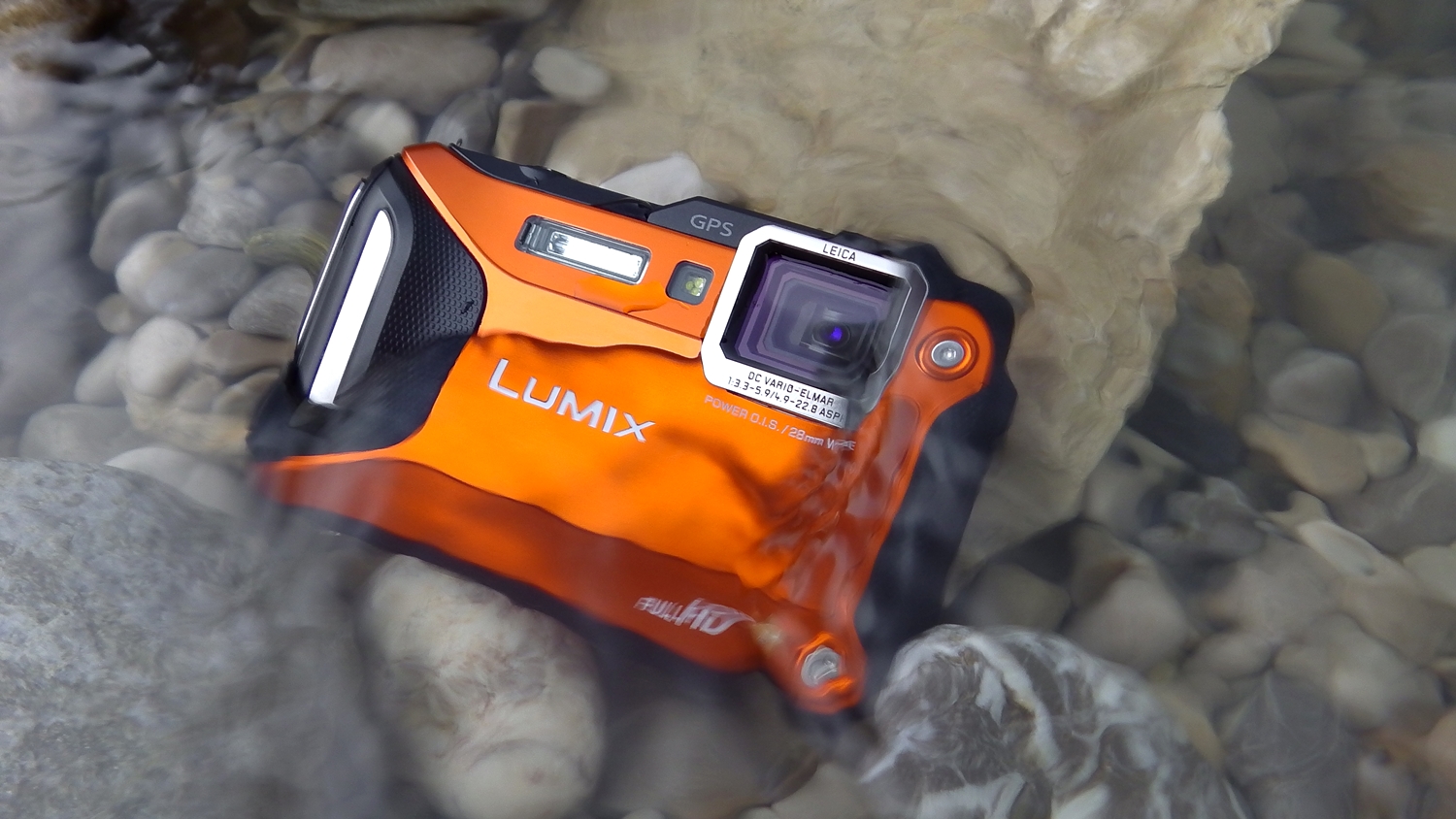
3.Panasonic Lumix TS5
Panasonic Lumix TS5 is still the best rugged, waterproof camera for the second year running. No competitor can match its excellent photo and video quality under a variety of conditions both above and below water. The camera can dive upto 13metres deep and can even withstand a 2 metre drop.
4.The Olympus Tough TG-2
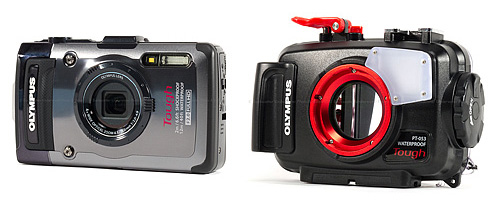
The Olympus TG-2 is a fantastic splashproof pocket camera, one that you can take snorkeling on its own, or take it deeper while diving using its PT-053 Underwater Housing. In addition, the TG-2 Tough lives up to its name, as it is shockproof, crushproof, freezeproof and dustproof. With a fast f2.0 lens, and an impressive depth rating of 50 feet (without a housing), the Olympus TG-2 is a great camera to keep with you on the boat, and take with you while swimming or in any damp environment without any concern for it getting wet.
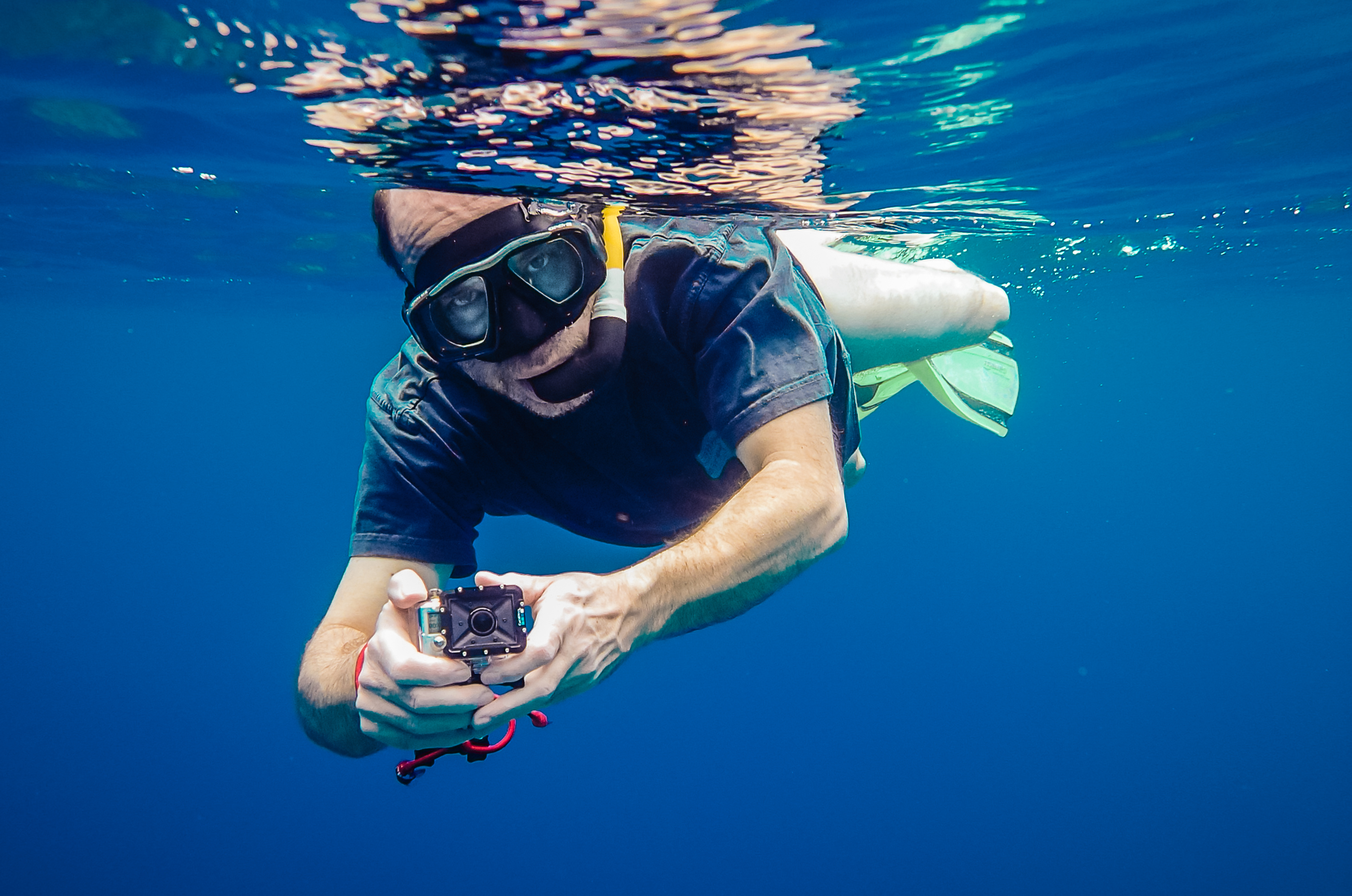
5.GoPro Dual Hero system
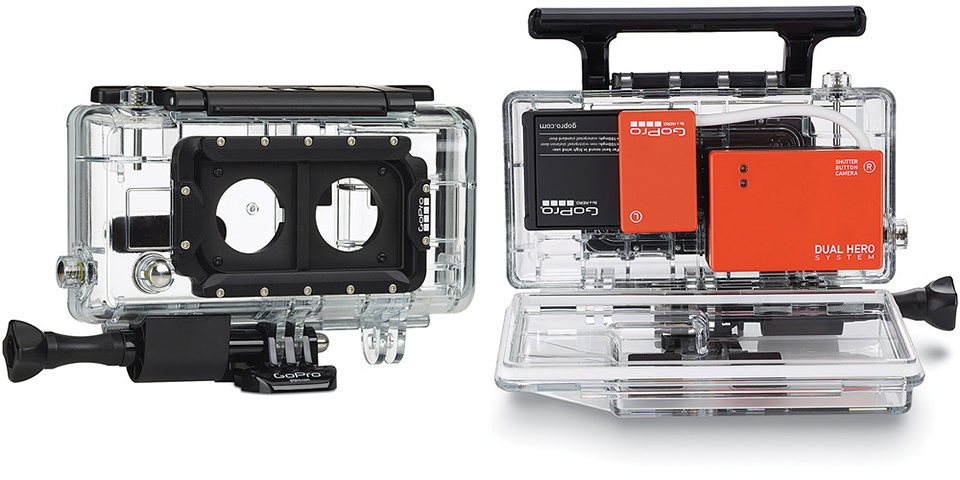
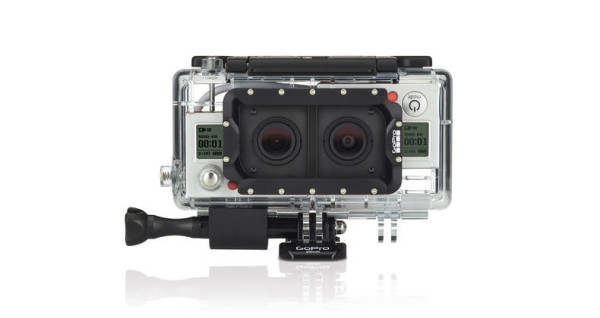
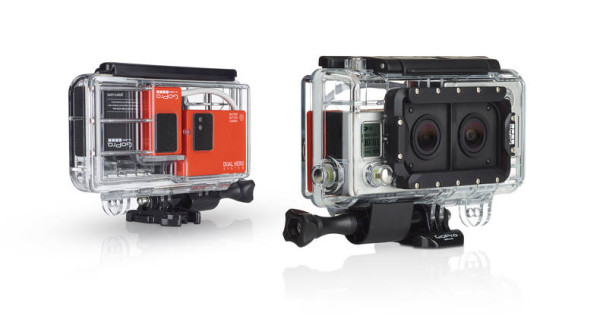
And lastly, its the super-cool housing that GoPro introduced recently. It can accommodate two HERO 3+ Black Edition cameras enabling you to capture full-resolution video and photos simultaneously without compromised image quality. By having two separate cameras housed in the Dual HERO System, you will be able to record video and still images at the same time. Having the two cameras focussed on the same subject, it will also make the recording of 3D video that much easier.
The maker of “the world’s most versatile camera” unveiled a new system that accommodates two cameras at the same time, adding a bit to the adventure. The housing can accommodate two HERO 3+ Black Edition cameras enabling you to capture full-resolution video and photos simultaneously while not compromising the image quality. While the Dual system won’t be available for a while, GoPro also introduced two new housings plus a flexible mount that should appeal to a number of users, especially divers.
By having two separate cameras housed in the Dual HERO System, you will be able to record video and still images at the same time. Having the two cameras focused on the same subject, it will make the recording of 3D video that much easier.
Not only will the Dual Hero system capture synchronized footage that can be converted to 3D, the set up will also allow you to capture simultaneous photo and video footage. You can already do that to a point with a standard camera, but the Dual system allows for full quality photo and video to be taken at once.
GoPro has also thrown in a pair of free 3D anaglyph glasses with this Dual HERO System , so you will be able to edit or view the footage straight from a 3D compatible monitor or television. Made from the same waterproof material, it works on a single interface so that you can control both unit through only one camera’s settings and modes. The new Dual Hero is waterproof upto 60 meters and has been built to withstand wet, damp or dirty conditions. This system has more perks some of them are mentioned below:
Integrated Mini USB port enables data offload, battery charging and live-feed video when used with the included Skeleton Backdoor
Includes two sets of Curved + Flat Adhesive Mounts for mounting to your gear
Includes two pairs of 3D anaglyph glasses for viewing your 3D content
Compatible with most GoPro mounts
Compatible with the GoPro App and Wi-Fi Remote
Requiring a GoPro Composite or Combo Cable, you will be able to accesses the Dual HERO System’s integrated Mini USB port for data offload, battery charging, and live-feed video to an external monitor.
You can get your hands on it for $200. The HERO+ Black cameras will be sold separately. The system is available on the official website for sale.