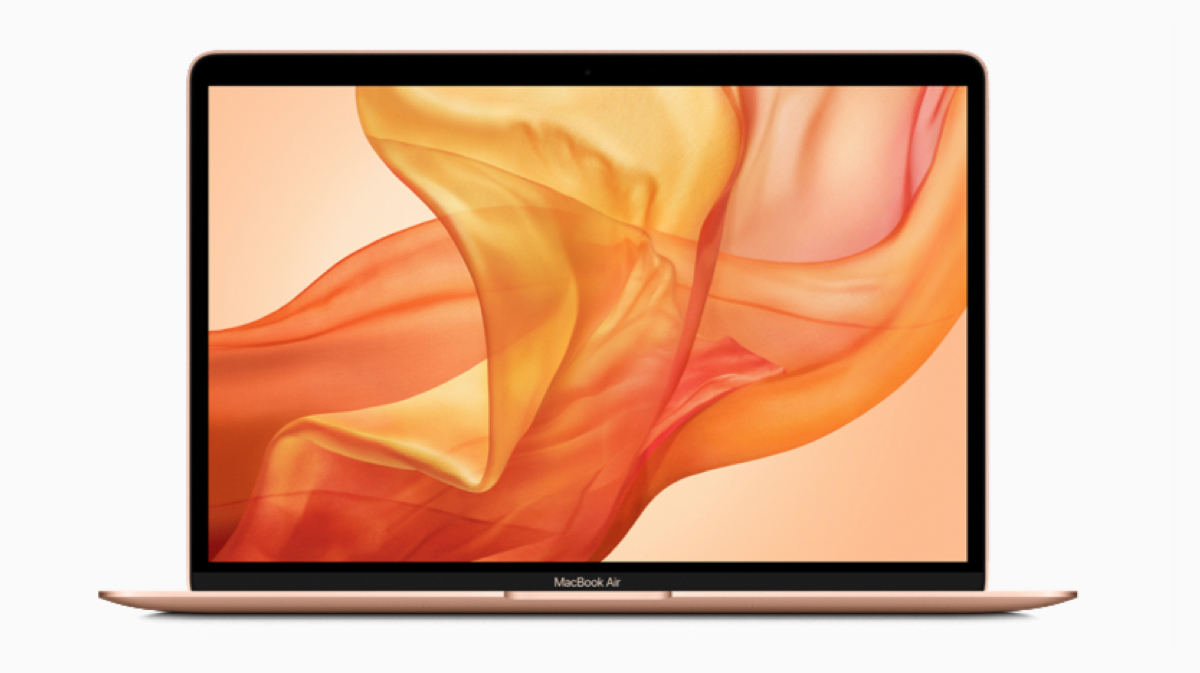
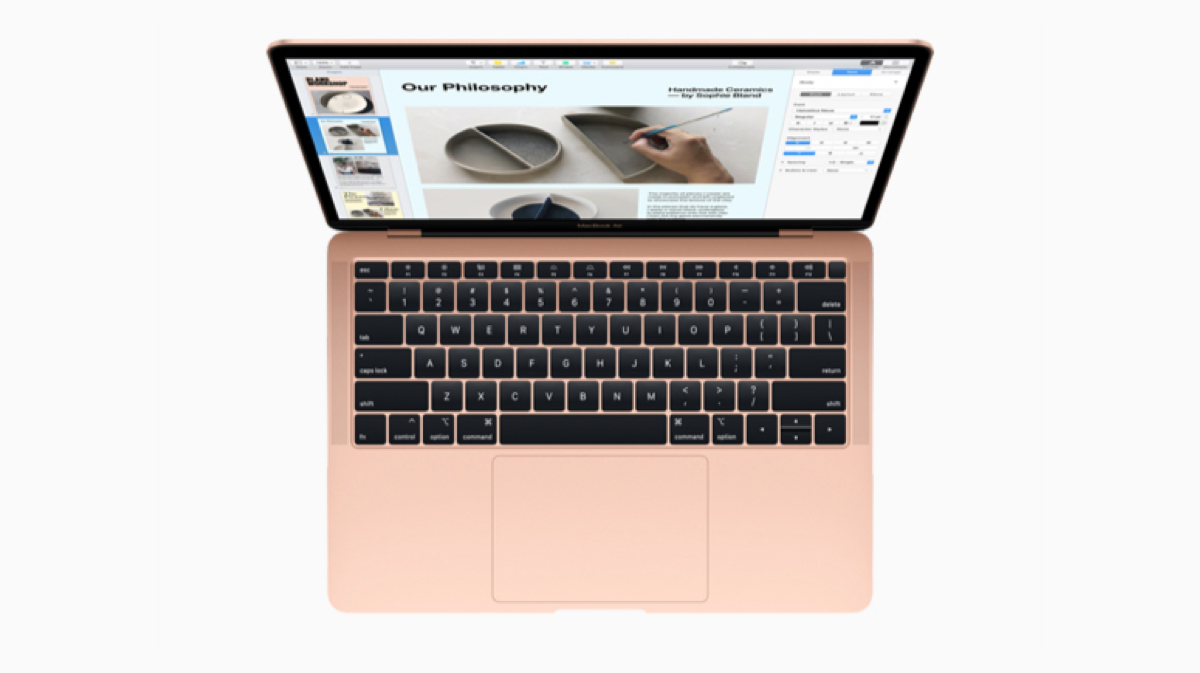
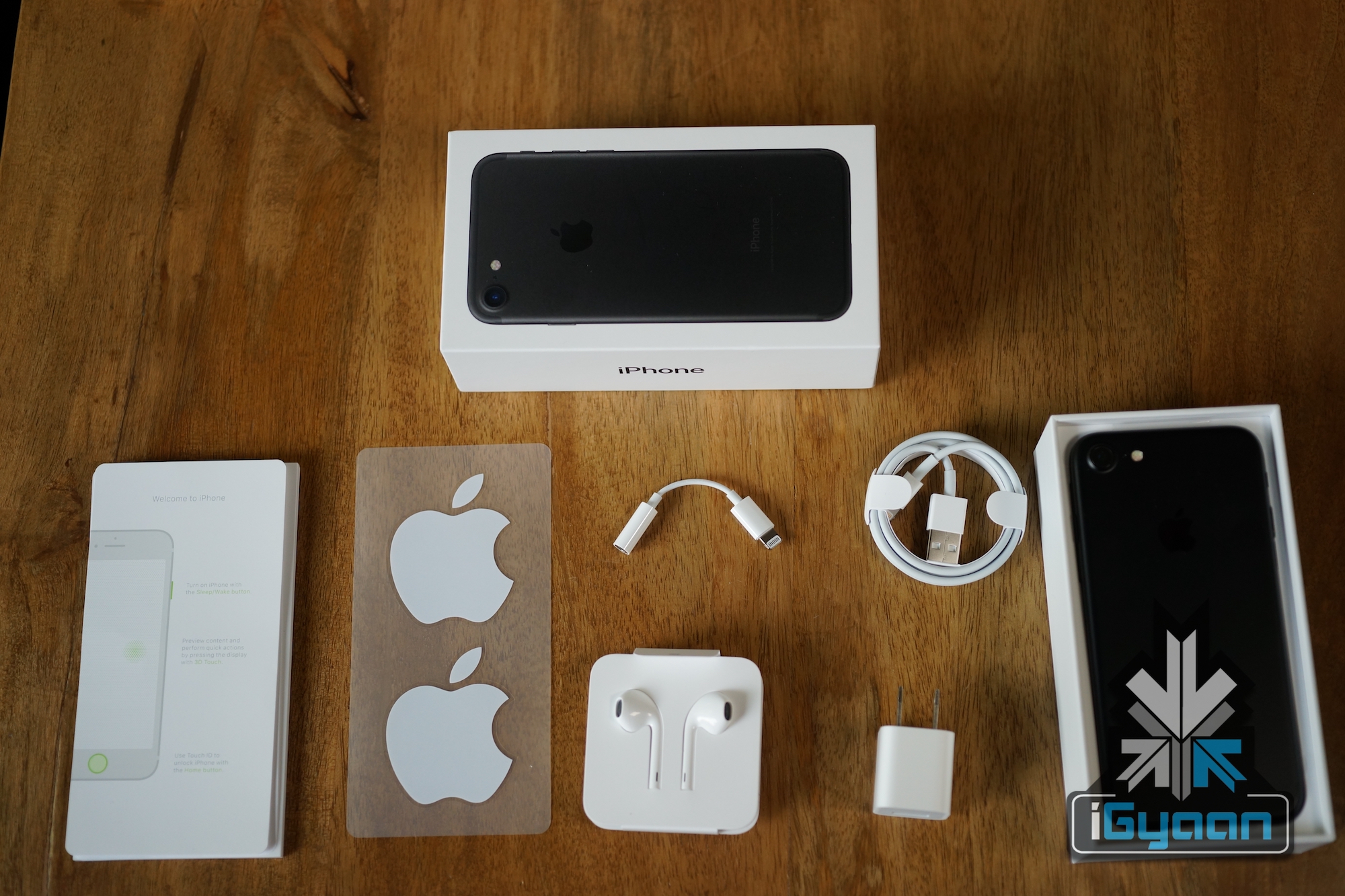
Apple recently launched the updated versions of their ultra-thin MacBook Air. The updated laptop now has a 13.3 inch Retina display, new i5 processor, built in Touch ID sensor, and a T2 security Chip. What’s more is that it packs all of this in an even more compact form factor. And now an unreleased Intel i7 MacBook Air has been spotted on the Geekbench app.
Geekbench Listing
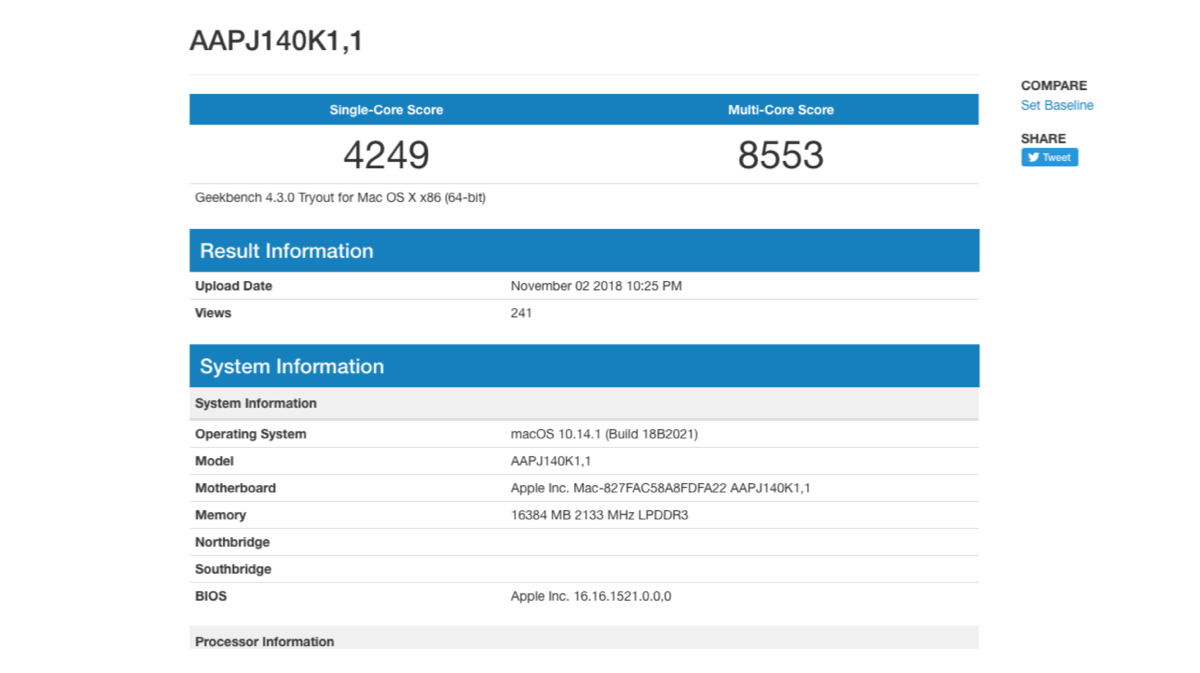
The Geekbench 4 listing reveals an unreleased variant of the Apple MacBook Air running on the Intel i7 processor. The MacBook Air has a model number AAPJ140K1,1 and is running on the latest 10.14.1 macOS Mojave with night mode. The laptop has 16 GB of 2133 MHz LPDD3 RAM and the exact processor name is Intel core i7-8510y. Whats more interesting is that the i7-8510y processor is also unreleased till date. The processor was spotted on GFXbench back in August which revealed that the chipset has UHD 617 Graphics.
It is a 2 core, 4 thread processor with a base clock frequency of 1.8 GHz. However, the turbo clock speed is unknown. The MacBook Air has 64 KB of L1 Cache, 512 KB of L2 Cache and 4 MB of L3 Cache. The amount of L1,L2 and L3 Cache affect the processing speed of a computer.
Talking about benchmarks, the i7 MacBook Pro has a single-core score of 4249 and a multi-core score of 8553. The single core scores places it just below the quad core 2.3GHz i5 Macbook Pro which gets 4510 points.
Also Read: Samsung To Launch The Next Exynos SoC on November 14
To conclude, the price and official release date of the i7 MacBook Air is not available. But, we expect Apple to soon launch this powerful variant of the extremely thin and light laptop. For reference, the i5 variant of the MacBook Air starts at $ 1,1199 in the US and is available in three colours which are as follow:
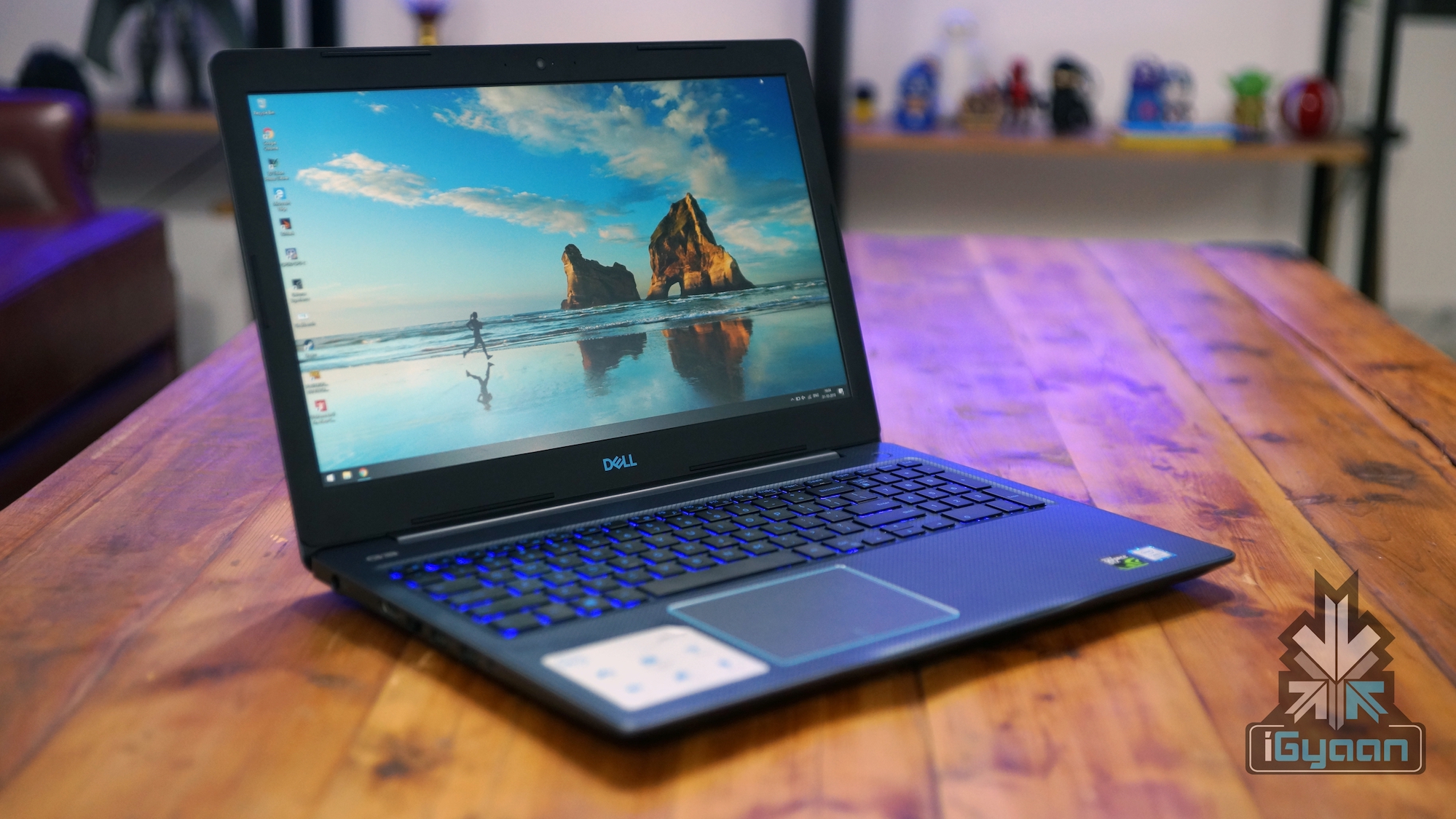
Dell is well known for its Alienware gaming laptops. However, Dell is also pushing out machines that aren’t dedicated gaming machines, but deliver great gaming performance along with all-round usability. The Dell G3 is a part of this series of laptops and while it does not look like a traditional gaming laptop, it does pack some impressive specs on paper.
[section label=”Design & Build”]
Design & Build
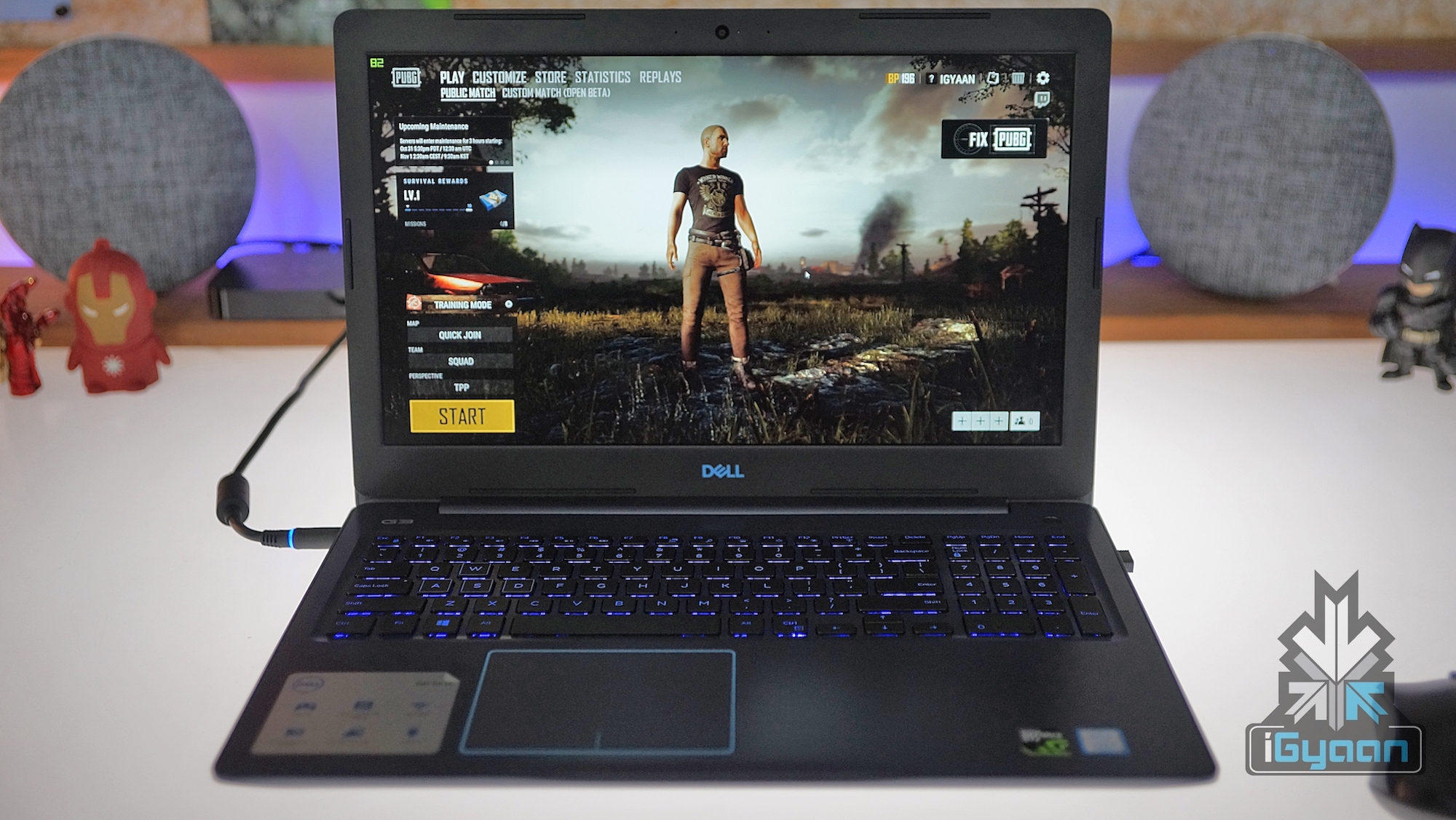
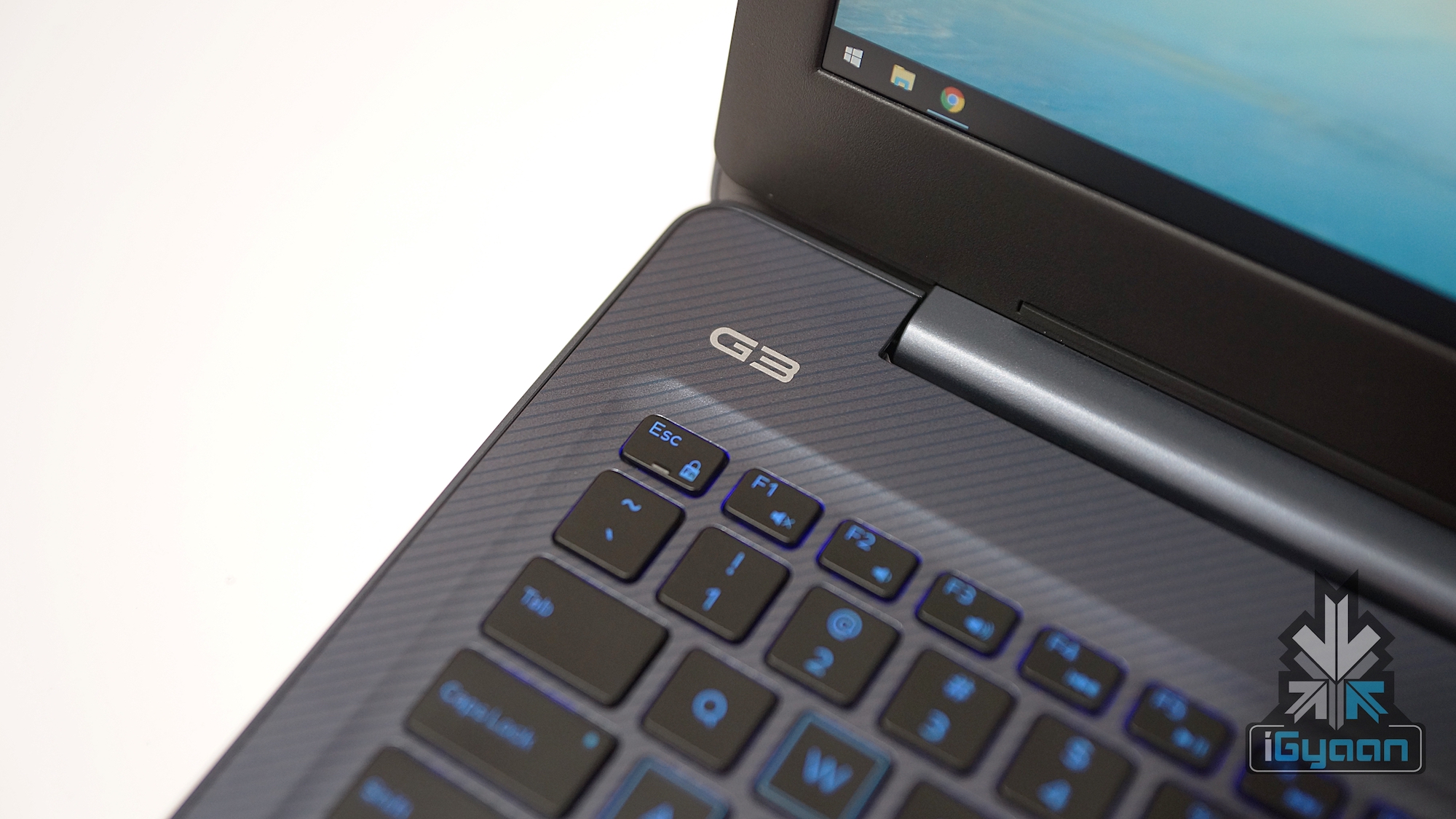
The design of the Dell G3 is sober for a gaming laptop, to say the least. It does not have any flashy lights, heavy accents, nor does it feel like a gaming laptop. On the outside, it carries the Dell logo and a few ports. The laptop has an SD Card port, 2 SuperSpeed USB 3.1 ports, 1 USB 3.1 port, 1 HDMI port, 1 ethernet port, a headphone hack and the charging port. Relatively thin for a gaming laptop at 22.7 mm, the Dell G3 weighs in at just 2.5 Kg.
The subtle design is good in other environments or for users who do not perform heavy gaming. The design of the laptop ensures that it offers the perfect balance, appearing like a regular laptop.
[section label=”Display”]
Display
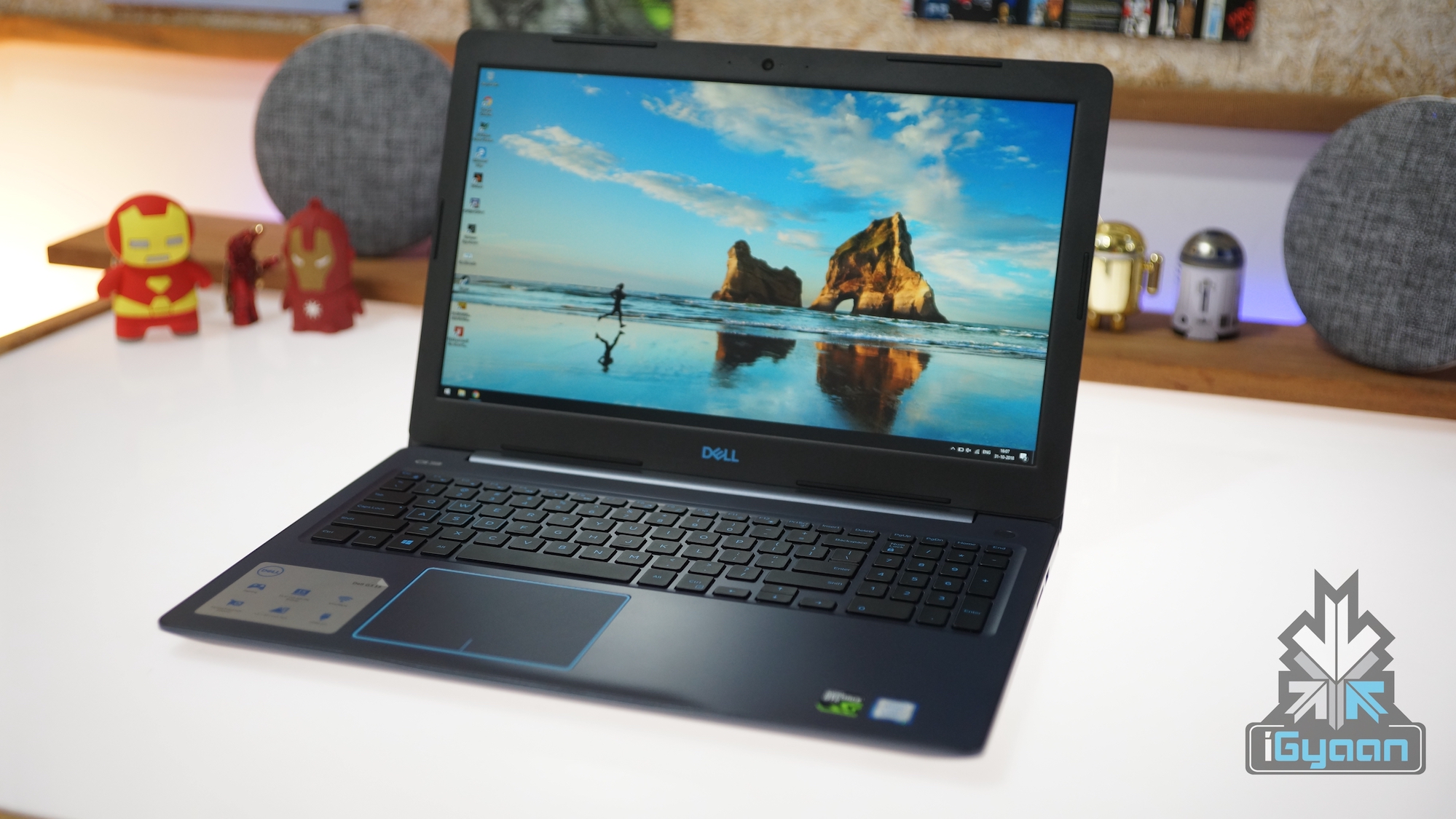
The Dell G3 has a 15.6 inch 1920 x 1080 IPS LED display. Being an IPS display, it has good viewing angles.The display has an anti-glare coating on it as well. The anti-glare coating is great as it protects your eyes from strain caused by continuous exposure to the display. However, the anti-glare coating is probably one of the most ‘glaring’ problems of the laptop. The coating seems to dim down the brightness of the display, and also makes it appear more dull. This is clearly visible while gaming as one feels like the laptop is not on full brightness.
Not only does this affect the gaming experience on the laptop, the issue spreads out to other utilities as well. If you are in a brightly-lit environment, or even outdoors, the display will be hard to view. Another drawback of the coating is that it does not produce an accurate representation of the colours. So if you’re a designer or an editor, using softwares such as Photoshop or Illustrator would be an issue.
[section label=”Keyboard”]
Keyboard
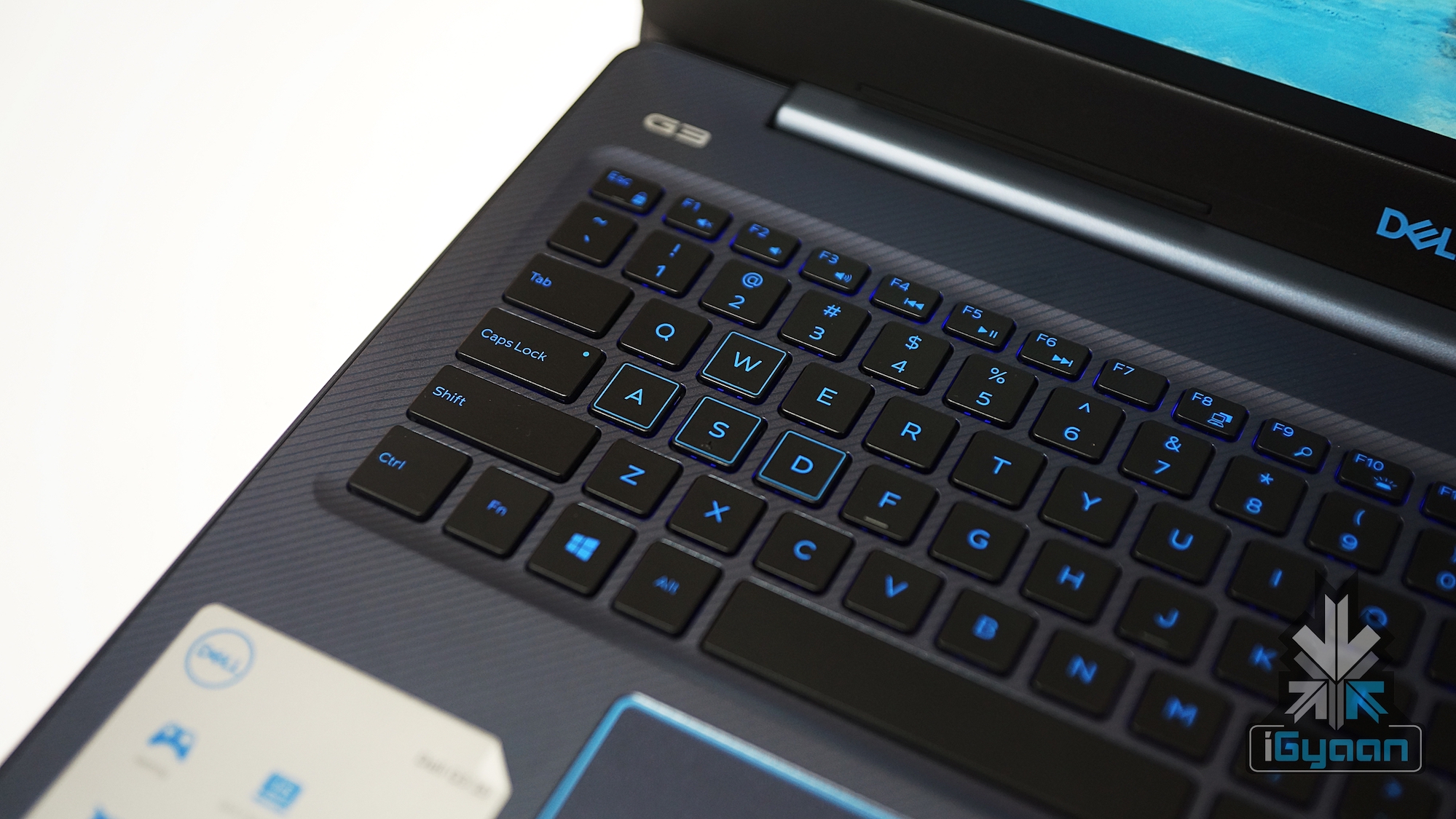
The Dell G3 has a full-sized keyboard which adds to your convenience. The keyboard is well spread out and the keys have good travel in between them. The feedback from the keys is also good, fit for both intense gaming and every day business affairs. The keyboard is also equipped with a num pad which is extremely helpful for both gaming as well as day-to-day office activities. The trackpad could have been a bit bigger, considering it needs to be used for gaming and the buttons on the trackpad are a little mushy. So fi you’re using the trackpad, we recommend using touch rather than the physical buttons on it.
The keyboard also has a blue backlight which gives that ‘gaming machine’ feel to the laptop. Again, the colour on the keyboard backlight is not very flashy and is good enough to be used in all environments.
[section label=”Gaming”]
Gaming
On paper, the Dell G3 has top of the line specifications. It has an 8th gen, Intel i7 processor which reaches upto 4.1 GHz with Turbo Boost. It runs on 8 GB of DDR4 RAM and has 128 GB of SSD storage, with an additional 1 TB HDD. For graphics, it is supported by the NVIDIA GeForce GTX 1050 Ti with a 4 GB GDDR5 graphics memory. All of this should make the G3 a gaming beast, but unfortunately, it isn’t.
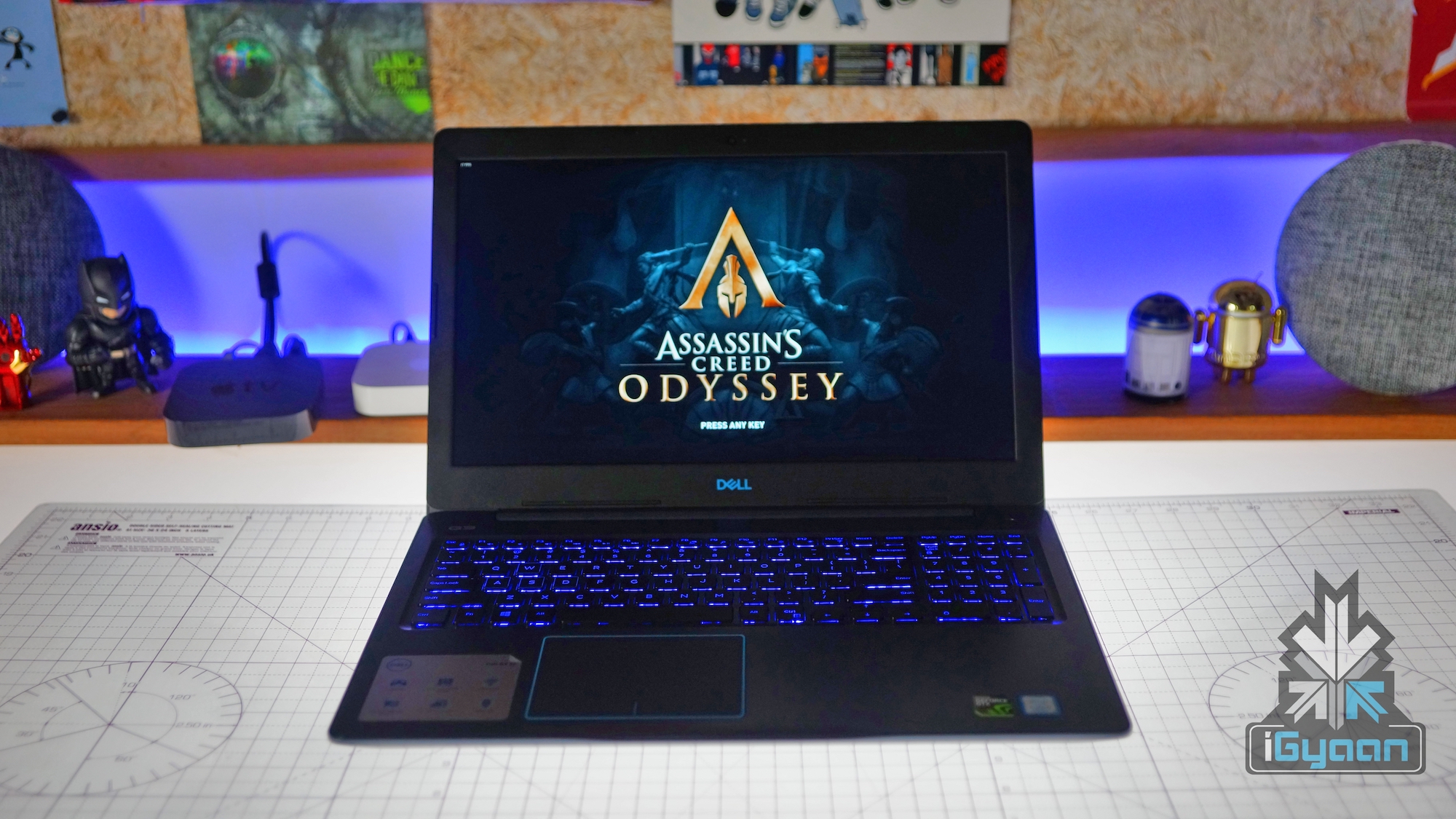
While games such as PUBG run pretty smoothly at a high graphics configuration, the laptop does struggle with heavier games. For example, it could run Wolfenstein II and Assassin’s Creed Odyssey at mid graphics and at 30 fps. Also considering the fact that Wolfenstein II is relatively old. Adding to this is the average display which really took away the pleasure of a good gaming experience .
You can solve this issue by swapping out the 1 TB HDD for a faster and more efficient SSD. On the other hand, you can just run your games out of the existing 128 GB SSD on the laptop, or even upgrade that SSD to a higher storage capacity.
[section label=”Performance”]
Perfromance
The battery life on the laptop is decent, with it providing around an hour and a half with intense gaming and around 5-6 hours of light use. You can also disable the graphics card while not in use, which will add on its battery life.
The G3 also has a dedicated webcam, with a 720p resolution. While the camera quality is not brilliant, it is enough for basic video calling and Skype sessions. The laptop also has two microphones out front, which capture good sound and can be helpful if you forget to carry your gaming headsets around. The G3 also has 2 front firing speakers, which are tuned by Waves MaxxAudio, giving out good quality of sound, which makes for an immersive experience while gaming or viewing content.
[section label=”Serviceability”]
Serviceability
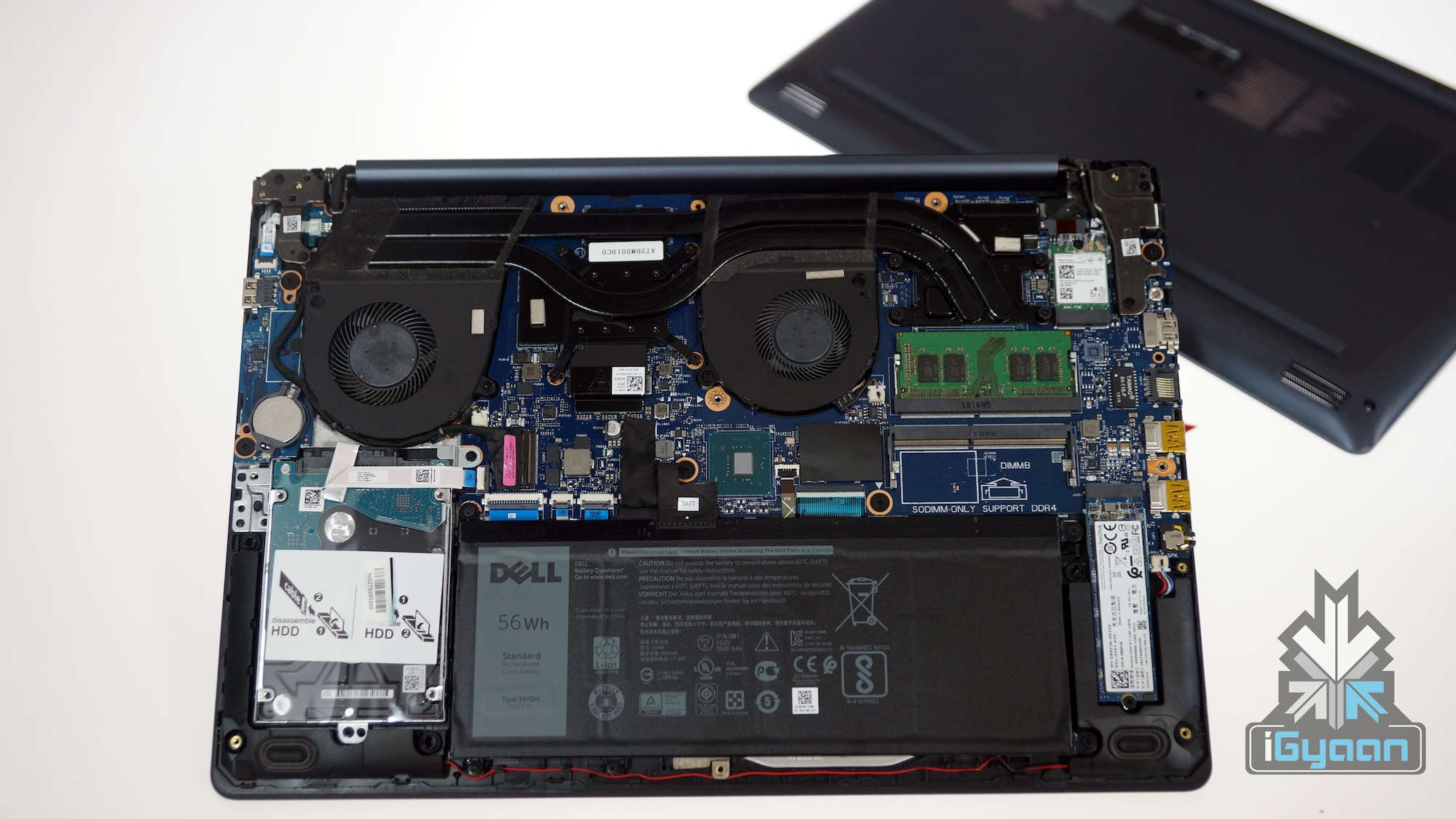
A huge advantage that the laptop does offer is the ability to swap out and upgrade components in case you want to upgrade something or simply change out faulty or worn out parts. The bottom has all the components laid out in a very accessible fashion. You can easily swap out your HDD for an SSD, for example.
[section label=”Verdict”]
Verdict
While the Dell G3 is not a hardcore gaming laptop, it fulfils what it sets out to do. It is an all-round performer with the ability to be used for day-to-day operations as well as a higher level of gaming. However, if you are someone who is looking for something that will exclusively be used as a gaming machine, the Dell G3 is not for you. But if you’re in the market for a feature packed, overall well performing laptop, this is probably the machine for you. At a price of Rs 84,990, this is a pretty good deal for its price.
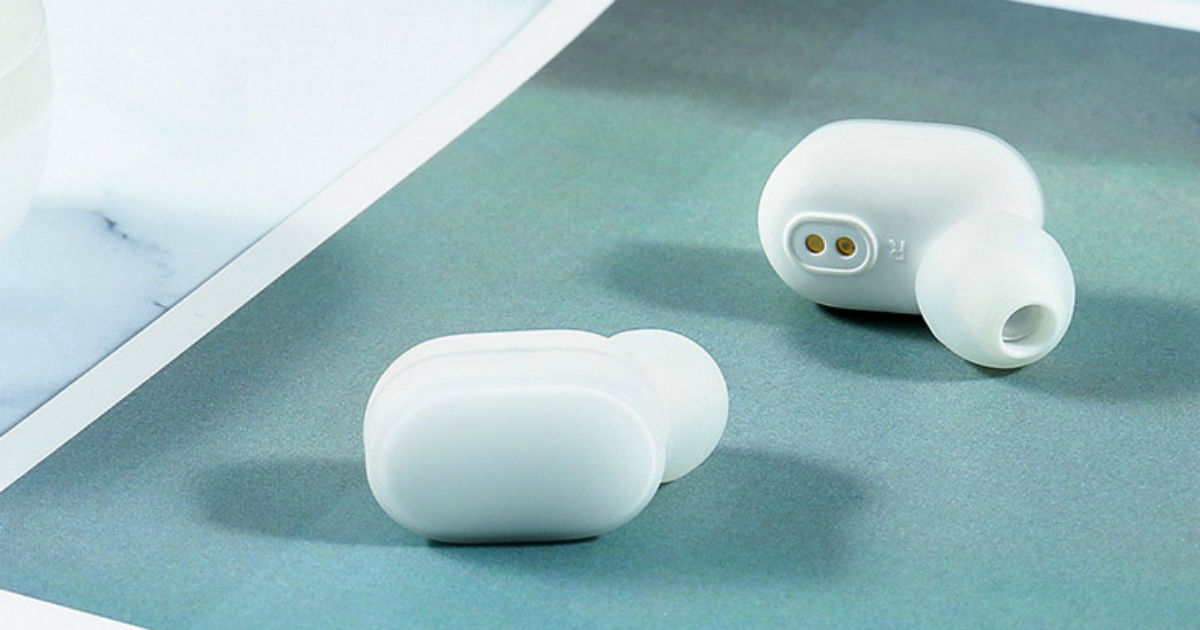
Xiaomi has been on a roll, launching products that are affordable, yet have great quality. In an event in China, Xiaomi recently launched two new products. A wireless Apple-styled white earbud and a new notebook powered by the intel i3 processor. Xiaomi is known to take their design cues from Apple, previously having launched products that look very similar to iPhones and MacBooks and the earbuds are no different. Even the name of the product AirDots sound eerily similar to AirPods by Apple.
AirDots
The AirDots have tappable controls and a compact charging case just like the AirPods from Apple. They costs around 199 yuan which is about $29 and they look quite good too. They are slightly rectangular in shape compared to AirPods and have silicone tips that allow for better sound isolation and a better fit. There are speculations that they might soon be added in the box with Mi phones, just like the wireless chargers that were recently announced as well. The AirDots run on Bluetooth 5.0. They also connect to the last paired device automatically once they are taken out of their case. The standalone battery life is around 4 hours and the battery time with the case is around 12 hours.
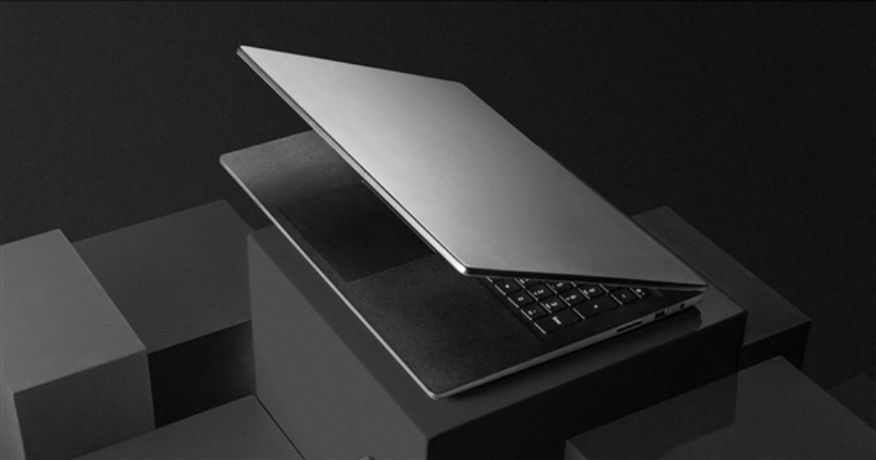
Xiaomi also launched two new laptops in their Notebook range. A 13-inch and a 15.6-inch screen laptop. One of them costs RMB 3,099 and features a Core i3 processor that has two cores and four threads. Clocked a maximum turbo frequency of 3.9GHz, the laptop has 4GB of RAM and 128GB storage. It also features an SSD drive. It also has a dual fan cooling system to keep the heat down. The other laptop is priced at RMB 3,799 and features a 13.3-inch display with Intel’s 8th generation Core i3 processor. The difference is in the memory as it is paired with 8GB of RAM and 128GB SSD storage. This laptop also has a fingerprint scanner for biometric authentication.
The laptops will go on sale in China on November 1 but it is unclear if they will be launched in India or not. It is reported that Xiaomi intends to launch a few models of it’s notebooks in India soon but no specific dates have been given yet.
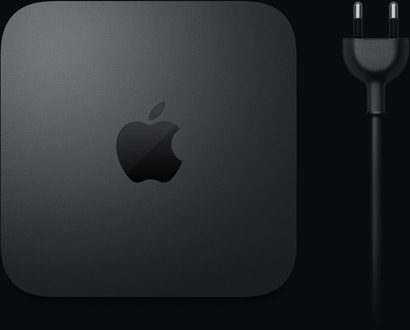
Apple has finally brought an upgrade to its 4-year-old Mac mini. The new Mac mini is made from 100% recyclable aluminium, just like the new MacBook Air. It is available in a space grey finish. Apple claims that the new Mac mini offers 5x better performance than its predecessor with bigger and better specifications. The Mac mini starts at a price of $ 799 and goes up to $ 4,199 for its top variant.
What’s New
The upgraded Mac mini has Quad and 6 Core, 8th generation Intel Core Processors. This consists of a 3.63 GHz, Quad Core i3 processor and a 3.0 GHz, 6 Core i5 processor. The device has Turbo Boost up to 4.1 GHz. It has 8 GB of DDR4 RAM and has 128 GB and 256 GB SSD-only storage options. The Mac mini uses the Intel UHD Graphics 630 GPU and offers a 60% boost over the previous generation in terms of graphically-intensive tasks.
The Mac mini has a lot of ports to ensure greater connectivity. It has a 10Gbps capable ethernet port, a full-sized HDMI 2.0 port, 2 USB 3 ports and 4 Thunderbolt 3 ports, along with a 3.5mm audio jack. Additionally, it features Wi-Fi and Bluetooth 5.0.
The device also has the T2 security chip from Apple for added security and encrypting your data. The Mac mini also connects to a MacBook to split the load of your laptop while rendering or running intensive tasks. The device weighs in at 1.3 kg and has 19.7 cm x 3.6 cm x 19.7 cm dimensions.
The Mac mini will available starting November 7th, while pre-orders for the device start tomorrow. The base model of the device costs $ 799 compared to the $ 499 base model of the previous generation. No comment about the India launch or price has been made by Apple.
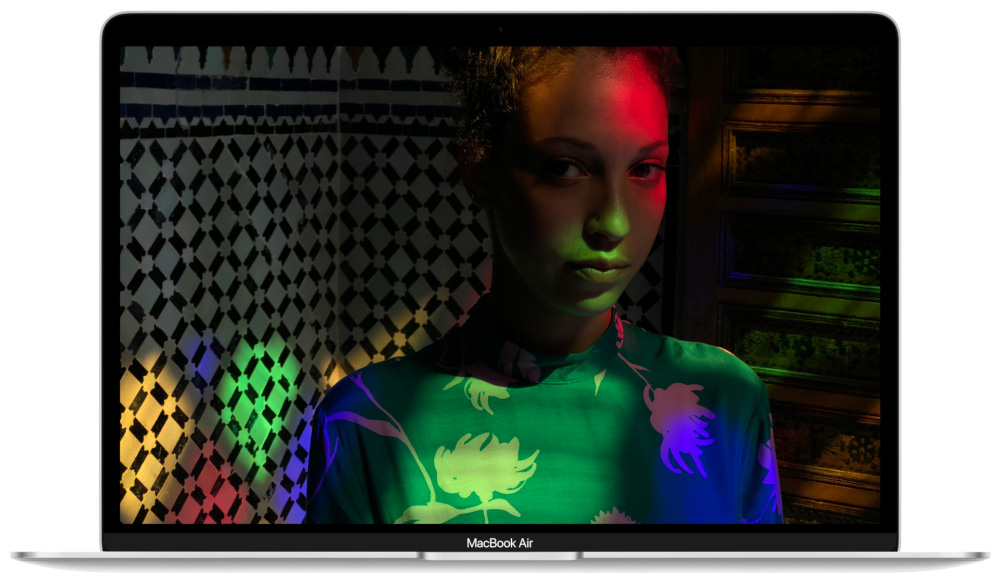
Apple has launched an upgraded version of the MacBook Air at an event held by the company in New York. The laptop has a 13.3 inch Retina display with a resolution that is four times higher than the previous model. The new MacBook Air is also slimmer and lighter. Most notably, the laptop is made from 100% recycled aluminium, and is Apple’s ‘Greenest laptop ever’.
The new MacBook Air has a 13.3 inch display with a 2560 x 1600 px resolution. The laptop has a Retina display, making it the cheapest laptop in Apple’s lineup with a Retina display. The display also has thinner bezels, as Apple has made them 50% thinner than before. It also has 48% more colours compared to the previous generation, making the display more colourful.
The new MacBook Air also has Touch ID built-in. You can use this to unlock the device, access locked documents, notes, system settings and more. Additionally, it features the Apple T2 security chip, to make it more secure. This stores all the data on the SSD automatically, including the Touch ID data, and encrypts it as well. Another addition made by the T2 Chip is that of Siri, who can now be accessed through the MacBook Air.
For improved usability, the MacBook Air features the butterfly keyboard by Apple. This offers lesser travel and more key stability when compared to traditional keyboards. The keyboard has backlit keys with ambient sensors, helping you type in low-light conditions. The laptop also features a Force Touch Trackpad which performs different tasks based on the pressure applied. The new trackpad is also 20% larger, offering more room for Multi-Touch gestures.
The MacBook Air runs on the eighth generation i5 processor by Intel and has 8 GB or 16 GB of RAM. The device has storage options of up to 1.5 GB of SSD storage. It runs on the latest macOS Mojave and claims a battery life of up to 12 hours.
The laptop has two Thunderbolt 3 ports for connectivity and charging, along with a 3.5mm headphone jack. In terms of sound, it has 2x more bass than the previous generation, coupled with 25% more volume. Additionally, it has a three-microphone array to capture your voice and an HD camera for video calling.
The new MacBook Air starts at a price of $ 1,199 in the US. Details about the availability and price in India are yet to be revealed.
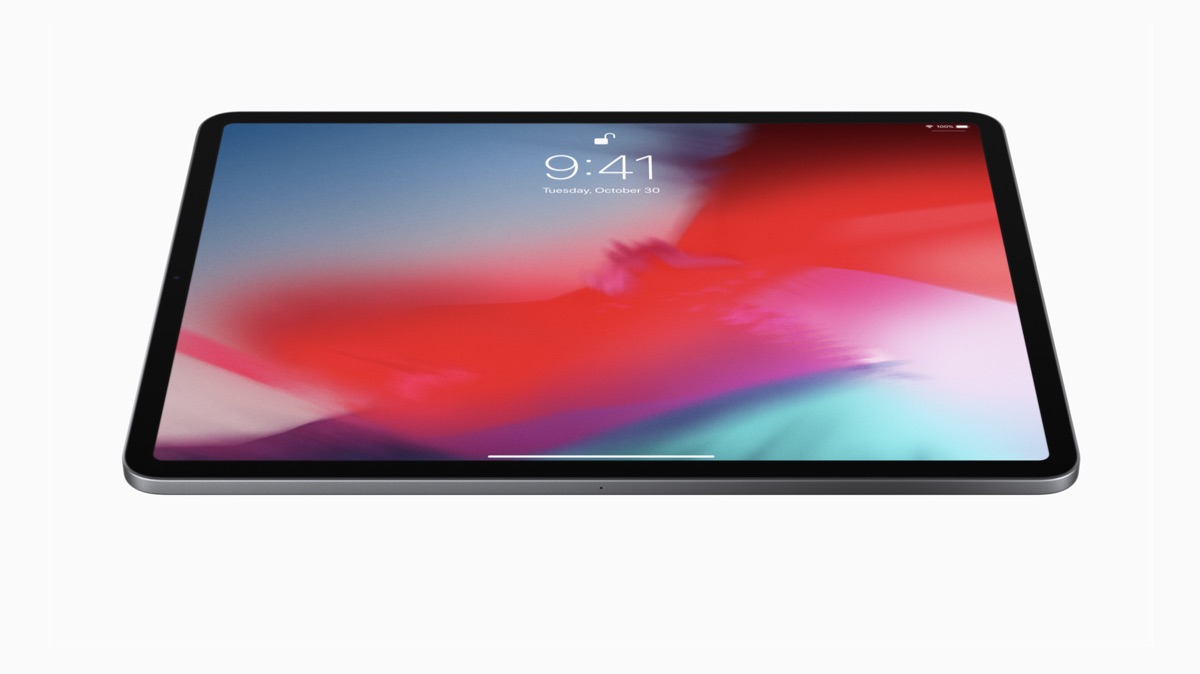
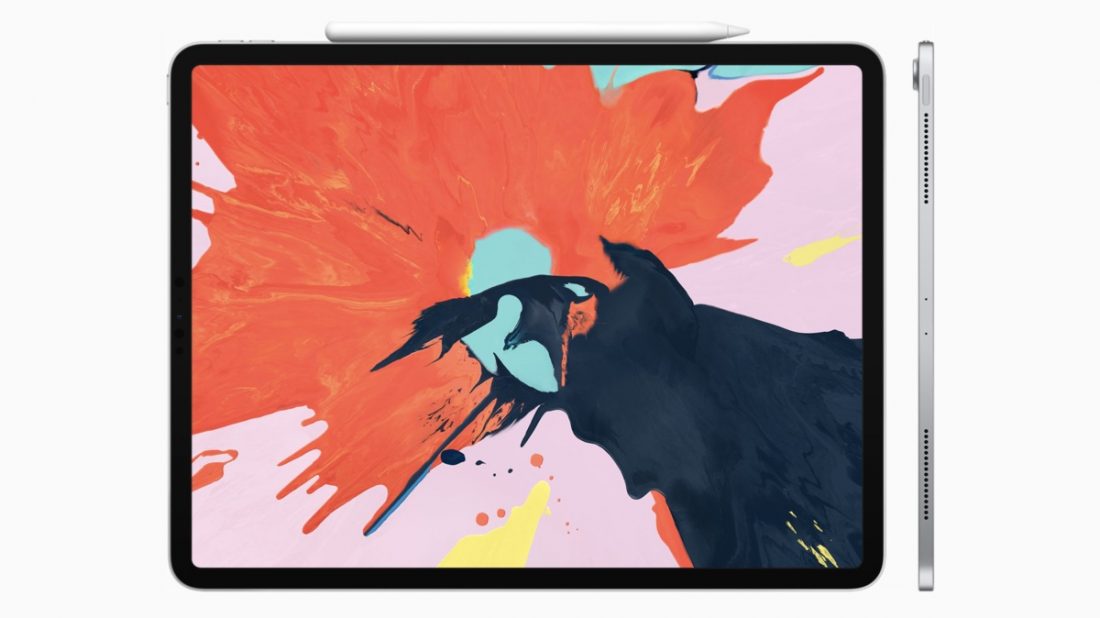
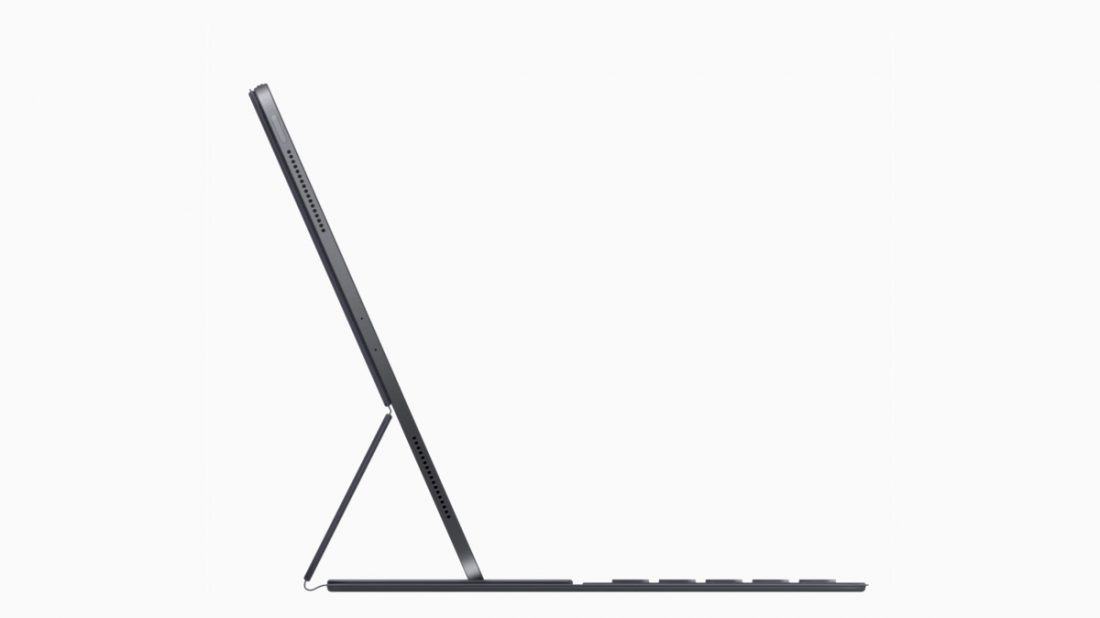
Apple has updated the iPad Pro models and removed the Touch ID and Home Button. Apple has also replaced the lightning connectors with a more efficient USB C port and added Face ID with a 3D depth camera. Apple claims that the company sold more iPads last year than the entire notebook lineup of all of the biggest notebook vendors.
The new iPad Pro models will be available in two sizes 11-inch and 12.9-inch. The 11 inch model has an 11 inch display that fits in the same size as the 10.5 inch iPad Pro and prices start at $799. The 12.9 inch has reduced dimensions because the screen size remains the same but Apple has considerably reduced the bezels on the iPad. The larger 12.9 inch iPad Pro will start at $999.
Apple calls the display, same as the iPhone XR, the “Liquid Retina” display. And has reduced the bezels on all sides. The iPad Pro models become the first iPad’s without Apple’s Home Button, or Touch ID. Apple has also removed the headphone jack and now apart from the quad speakers the iPad Pro also have USB C ports.
The Face ID is available both horizontally as well as vertically and will allow Apple to bring Animoji’s and FaceTime calls filled with emojis for iPad users. The iPad Pros get Apple’s new A12X Bionic chip with an 8-core CPU and 7-core GPU which is basically an upgraded version of what was launched with the iPhone XS, XS Max and XR.
The iPad Pro’s now offer great functionality for additional usage throughout the USB C ports for example all MacBook dongles will now work on the iPad Pro. This port will also allow external monitors to be connected to the iPad Pro. User will also be able to charge their iPhones, or any other devices through the USB C ports.
https://www.youtube.com/watch?v=LjaKHqDbzSA
The 12 MP main camera allows 4K 6-fps video and is the same sensor seen on the wide side on the iPhone XS, or the exact same sensor in the iPhone XR. Apple includes an 18 watt charger in the box, and users will be able to use after charger like, MacBook chargers to charge up the iPad Pro quicker.
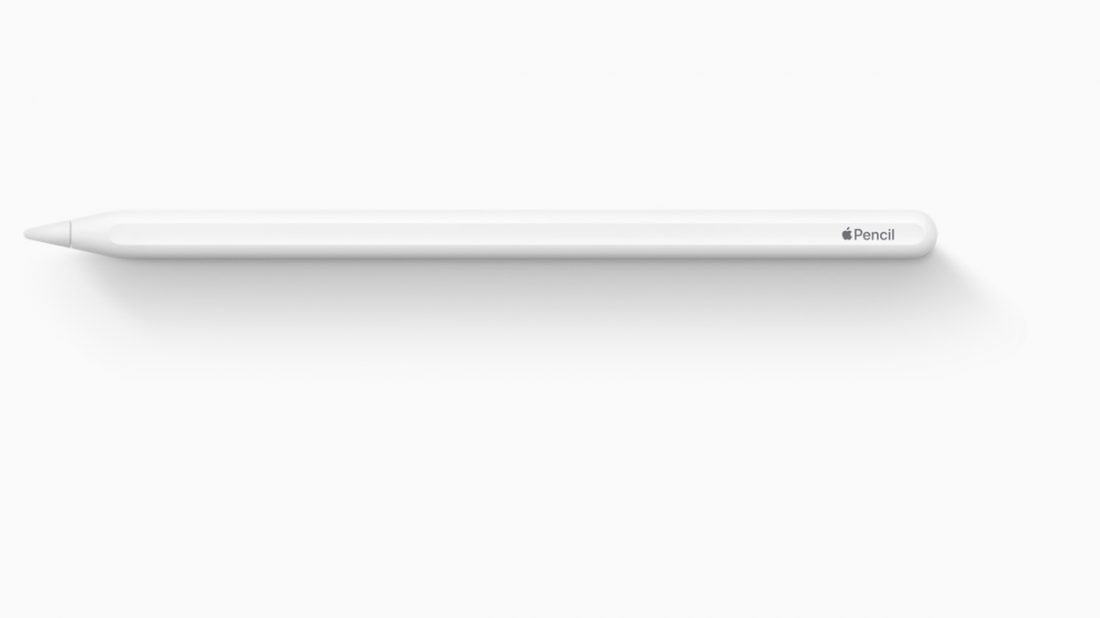
The new Apple Pencil also is redesigned, it attaches to the iPad Pro magnetically and charges wirelessly. Tapping the screen with the pencil will wake the iPad Pro and Apple has included other gesture capabilities for the Apple Pencil.
Researchers from the Indian Institute of Technology, Madras have designed and developed India’s first indigenous microprocessor for mobile computing devices. As a result, it will help to diminish India’s reliance on foreign microprocessors. The microprocessor is on par with International standards hence, it is fit for sectors like Defence and Communication.
Indian Shakti!
The chip is developed under project ‘Shakti’ and was manufactured at the Indian Space Research Organisation’s (ISRO) Semi-Conductor Laboratory (SCL) in Chandigarh. It is the first RISC V (Reduced Instruction Set Computer) microprocessor that is fully designed and developed in India. Shakti microprocessors are built on an open and free programming language ISA which stands for Instruction Set Architecture. The RISC-V ISA provides hardware and software freedom for future developments, due to its open source nature.
India’s Latest Computing Achievement
Most noteworthy, the Indian chips eliminate the risks of backdoors or trojan infested hardware which is significant as these will be used in sectors by defence and government agencies where security is a major concern.
Kamakoti Veezhinathan, who is the lead researcher at RISE (Reconfigurable Intelligent Systems Engineering ) laboratory states that the Digital India movement will be hugely benefited by this feat as many applications require task-specific processor cores.
The clock speeds of Shakti processors are designed to suit various electric devices like consumer electronic devices, networking systems, and embedded low power wireless systems. Project Shakti is financed by the Ministry of Electronics and Information Technology, Government of India.
IIT Madras officials said that this homegrown microprocessor is a major step towards computing self-sufficiency in the future. The Shakti processors use Bluespec open-source High-Level Synthesis (HLS) language.
Even more, the first batch of 300 chips was manufactured in July 2018 at Intel’s facility at Oregon, US. The processor is called the RICE CREEK and it was successfully able to boot the Linux operating system. Above all, the latest chips are manufactured in India.
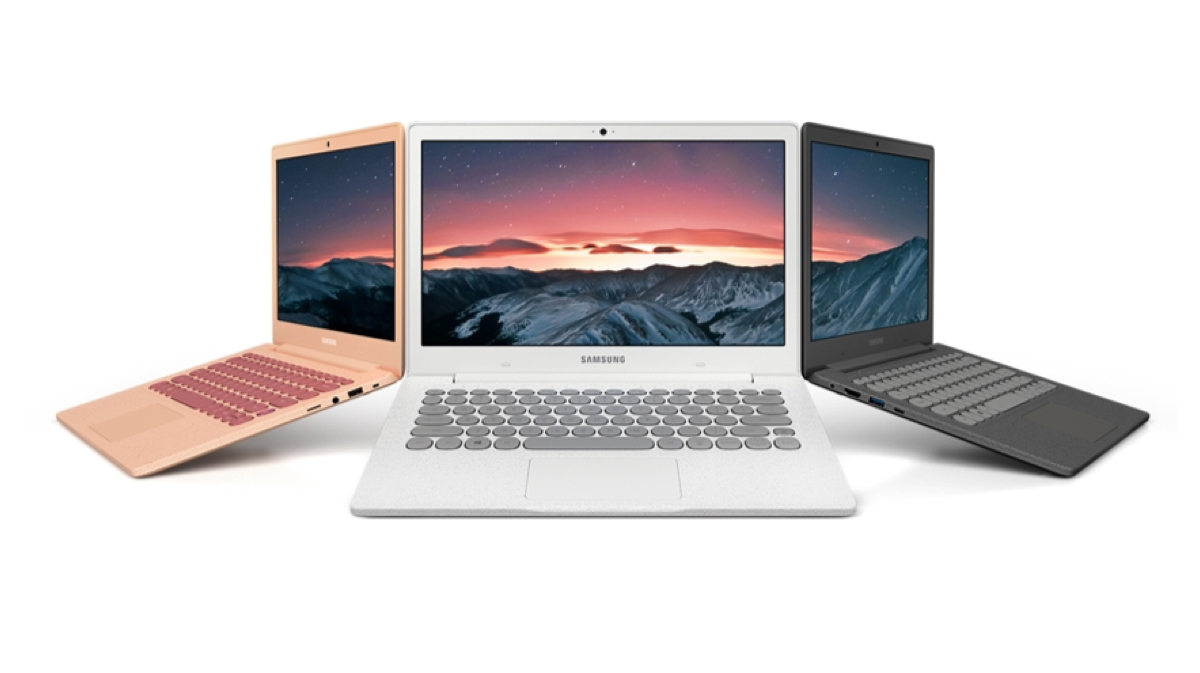
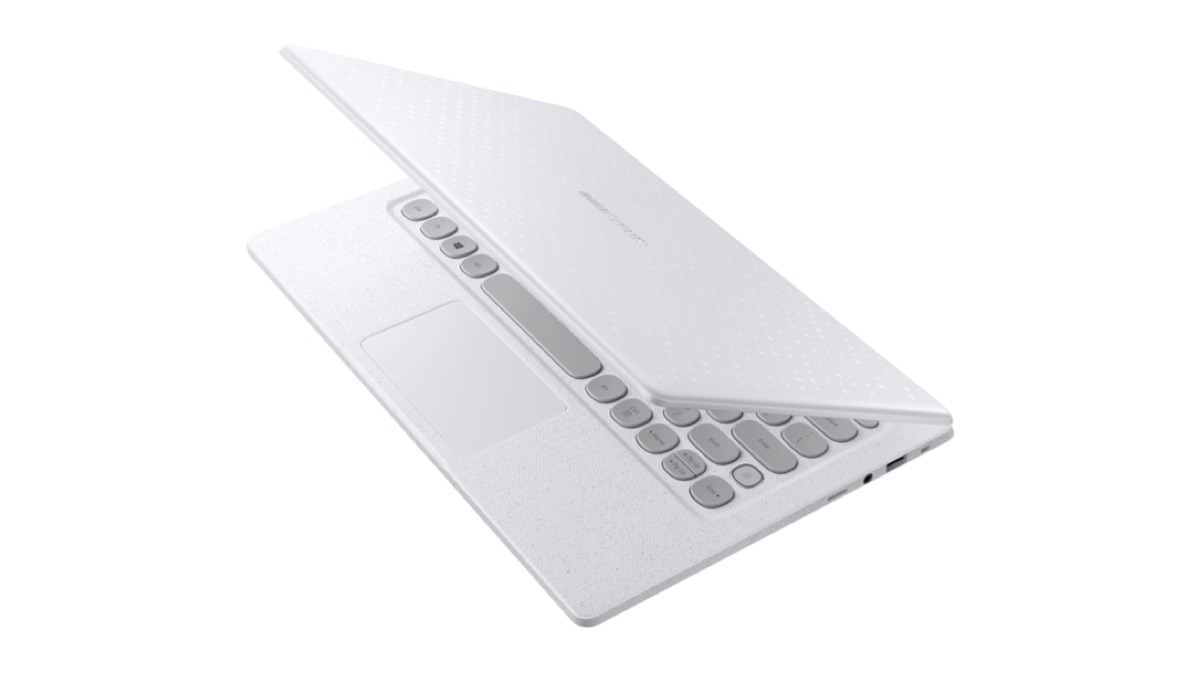
Samsung is not the first name that comes to our mind when we talk about laptops, although they manufacture some of the top peripherals for computers including SSD’s, monitors, etc. But recently, Samsung has launched the new ‘Samsung Notebook Flash’ laptop in Korea. The laptop has a beautiful design and is available in various colours.
Design & Features
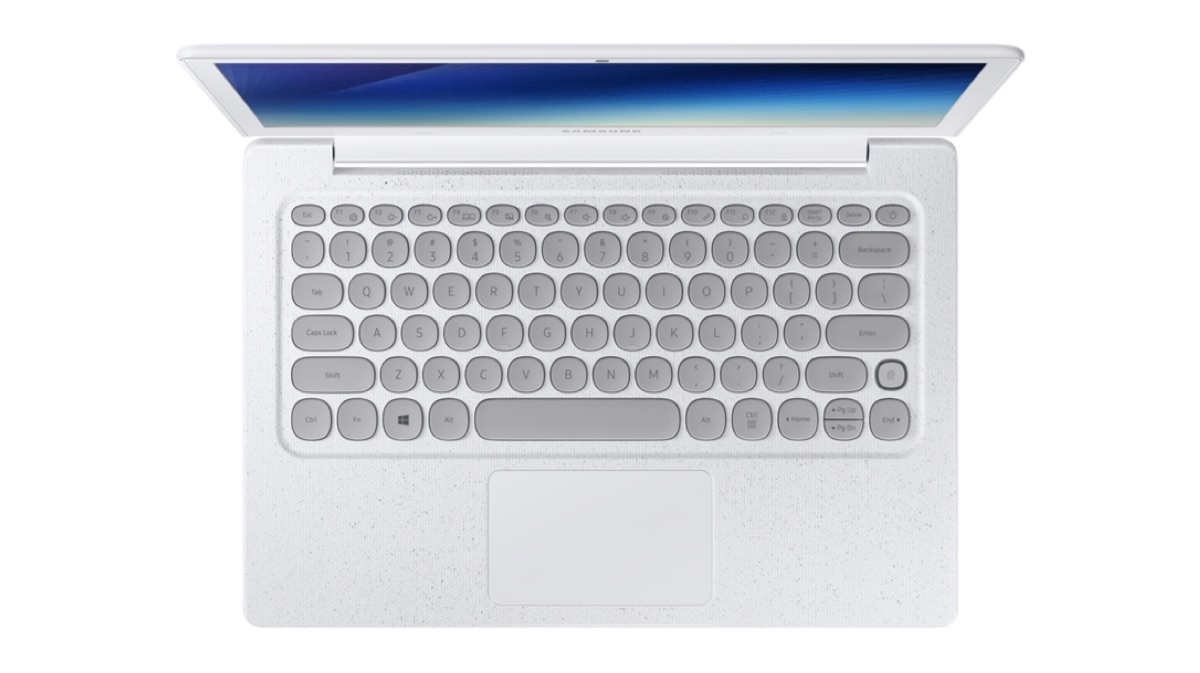
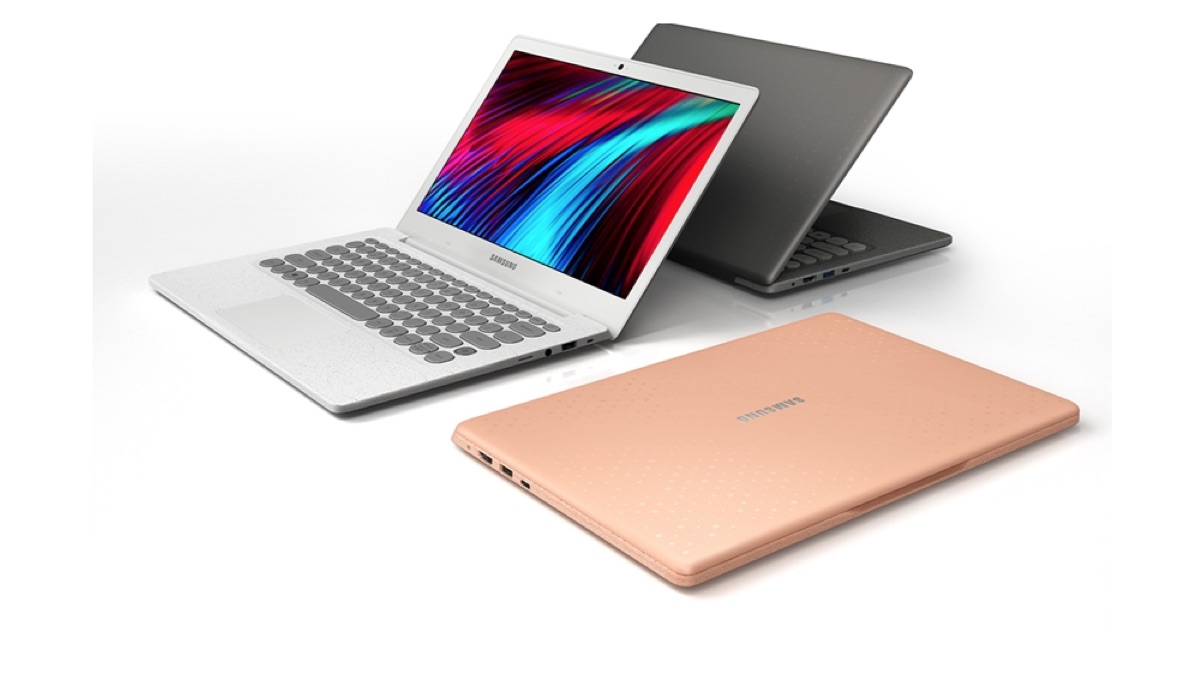
The Samsung Notebook Flash is a clamshell styled laptop. The top of the laptop has a shiny textured pattern and a cloth like material covers the palm rest and keyboard area. The Samsung Notebook Flash has a retro-styled keyboard with circualar keys instead of conventional square shaped ones. Samsung claims it is inspired by an analog typewriter and the keys have curved key caps. The laptop has the latest 802.11 ac 2 x 2 Gigabit wireless Wi-Fi card that supports download speeds of up to 1.7 Gbps. The laptop also has some enhanced security features. The enhanced security features include Windows hello function that uses an inbuilt fingerprint sensor to unlock the laptop. It also has a private folder that stays hidden till the user unlocks it to browse its data and files.
Talking about the display, the laptop has a 13.3 inch Full HD resolution with a wide viewing angle. The laptop has USB Type C port for charging or connecting to accessories or other USB Type C devices like smartphones. It supports next generation Universal Flash Storage (UFS) cards which are up to 5x faster than regular microSD cards.
The Samsung Notebook Flash has a price of 820,000 Won (around Rs 53,000) and will be available in three colour variants: Linen White, Twill Charcoal & Soft Charcoal. The laptop is currently available in Korea but we wish Samsung launches this retro styled beautiful laptop in India as well.
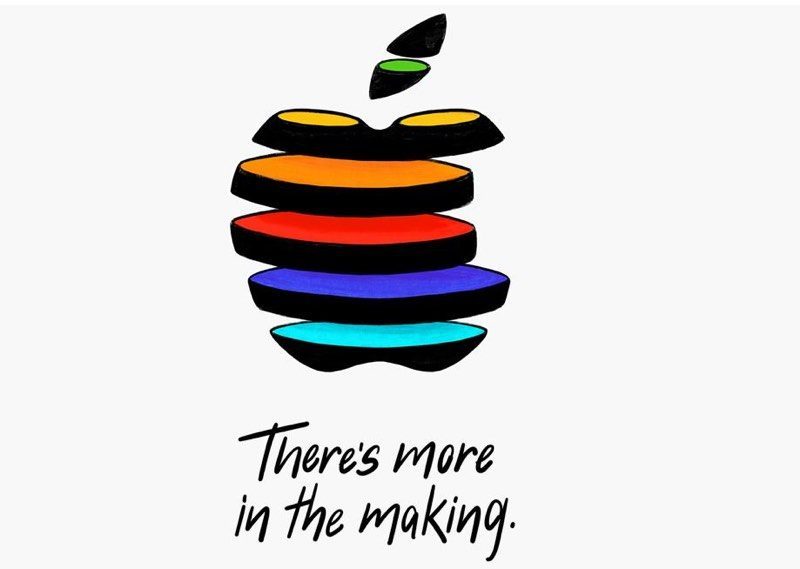
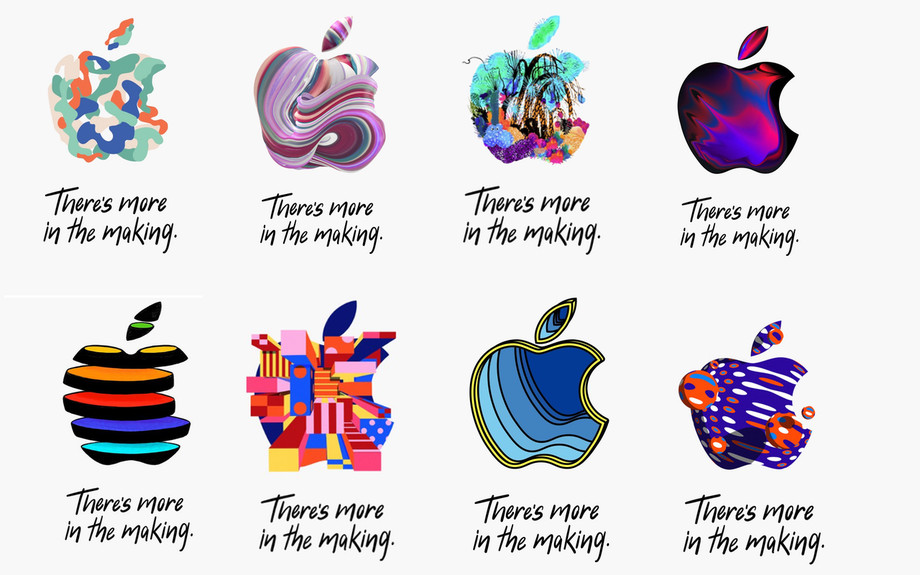
Apple has sent out media invites for an October 30th event. The invites sent out to people had different versions of the Apple logo design. They only had one line stating “There’s more in the making”. We feel this would see the launch of the new iPad, Mac Mini and more. The event is for next Tuesday, October 30. It will be taking place at New York’s Brooklyn Academy of Music, Howard Gilman Opera House. Apple usually launches products right before the holidays since they cannot fit in all the product launches in the flashier and much more peppier iPhone launches every year.
What to expect
Apple leak experts say that one can expect new iPad models. Apple might ditch the home button on the iPad, like they did on their iPhones. A news website that follows Apple closely has also stated that the launch may involve several Mac models and the iPad Pro. If they decide to do away with the home button, one can expect the Face ID technology to be a part of the iPad. Reports also suggest that this year’s iPad Pro will switch over from Lightning to USB-C.
There might also be a new successor to the Macbook Air with slimmer bezels and a high resolution Retina display. A new Mac Mini is in the making and it might see it’s release in this event as well. The company may also share details for iOS 12.1 and the upcoming watchOS update. Speculations suggest that iPads may have been used to create the unique invite designs, which Apple often markets as devices to create and explore for artists.
We are not sure why the Steve Jobs Theatre at Apple Park is not chosen for the event as is usual and why instead Apple is headed to Brooklyn!
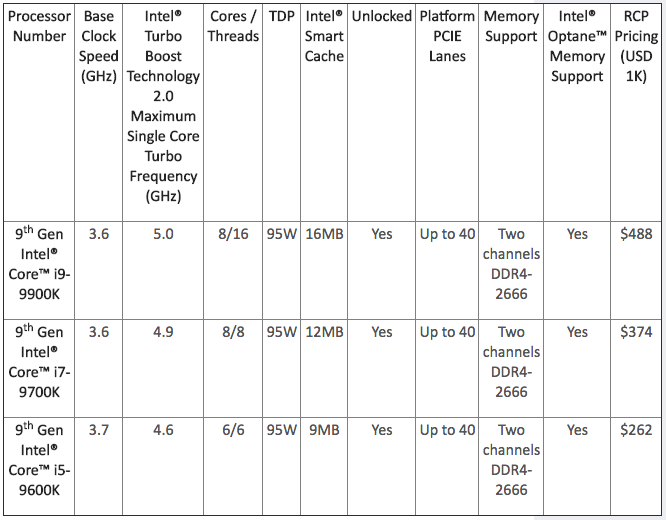
Intel has launched a lineup of their new X-Series 9th generation processors. With the new line of processors the company is mainly focusing on gaming and content creation. The key product launches from the event are: the Core-i9, Core-i5, Core-i7 and the new 28 core Xeon processor. The new processors are based on the 14 nm manufacturing technology which is same as the 8th Gen Skylake Processors.
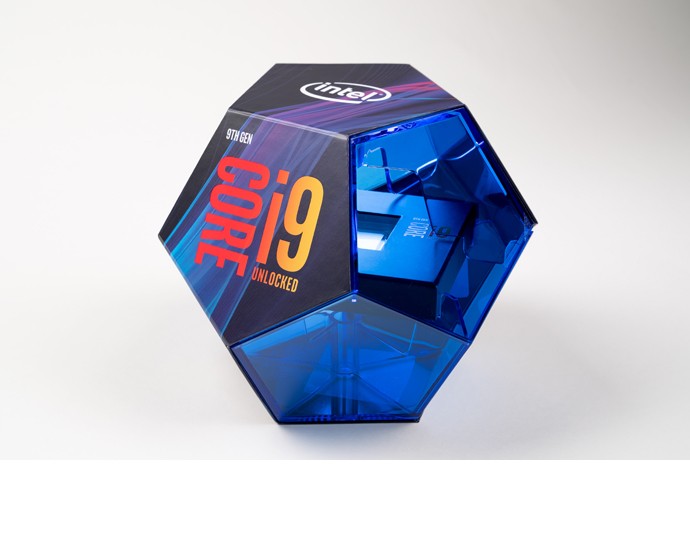
The main star of the show was the new i9 flagship model which is the 9900k. The company is touting it as “the best gaming processor in the world”. The core i9-9900k is an 8 core / 16 thread CPU. It has a Turbo Frequency of 5.0 GHz making it the world’s first mainstream processor that is able achieve this clock speed.
The new i5-9600k is an 8 core and 8 thread CPU. It has a base clock speed of 3.7 GHz and it can throttle upto 4.6 GHz. The i7-9700k is an 8 core 8 thread CPU which has a base clock speed of 3.6 GHz. It can be boosted upto to a frequency of 4.9 GHz.
Another important product the company launched is the Intel W-3175x Xeon processor. It is a 28 core / 56 thread CPU. This chip’s clock speed starts at 3.1GHz and goes up to 4.3GHz. It has a TDP (Thermal Design Power) of 255 watt.
Price & Availability
The Core i9-9900K is available for pre-order now and deliveries will start from 19 October. Other processors in the lineup will go on sale in November and December. Talking about price, the Core i9-9900K has a price tag of $488 (approximately Rs. 36,120), the Core i7-9700K has a price tag of $374 (approximately Rs. 27,660) and the Core i5-9600K has a price tag of $262 (approximately Rs. 19,380). The price of the Intel W-3175x Xeon is unannounced and we will have to wait for the company to do the same.
Microsoft launched an updated range of the current Surface devices and added some new products in their current line-up in this year’s surface event. The event was held in New York City on October 2nd. The new devices released are the Surface Laptop 2, Surface Studio 2, Surface Headphones and the Surface Pro 6. Microsoft has set the launch of the new devices for the upcoming holiday shopping season.
1. Surface Laptop 2:
This is an updated version of the Surface Laptop that Microsoft released last year. The device has the new 8th Generation Intel Core processor. The user can opt for the Intel Core i5 or i7 processor as per their needs. It has a 13.5 inch PixelSense Display with a 2256 x 1504 px resolution and has a pixel density of 201 ppi.
PixelSense is Microsoft’s technology that can sense the amount of pressure that is being put on the display of Surface devices. This technology broadens the possibilities of what a touch screen is capable of. Microsoft is utilising this technology in their surface accessories like the Surface Pen and the Surface Dial. The display has 10 point muti-touch capabilities. In terms of storage, the users can select the SSD storage capacity which ranges from 128 GB to 1 TB. The RAM can be configured to either 8 GB or 16 GB. The device runs the Intel UHD 620 Graphics irrespective of the processor selection.
In terms of I/O ports the device has one USB 3.0 connector, a 3.5 mm headphone jack, mini display port and one surface connector port which is compatible with the Surface Dial screen interactions. The laptop also has a 720p HD webcam, dual stereo microphones and an ambient light sensor. The Surface Laptop 2 is available in four different colours: Burgundy, Platinum, Cobalt Blue and Black. The laptop price ranges from $ 999 for the base variant and goes all the way upto $ 2,199 for the top end variant.
2. Surface Studio 2:
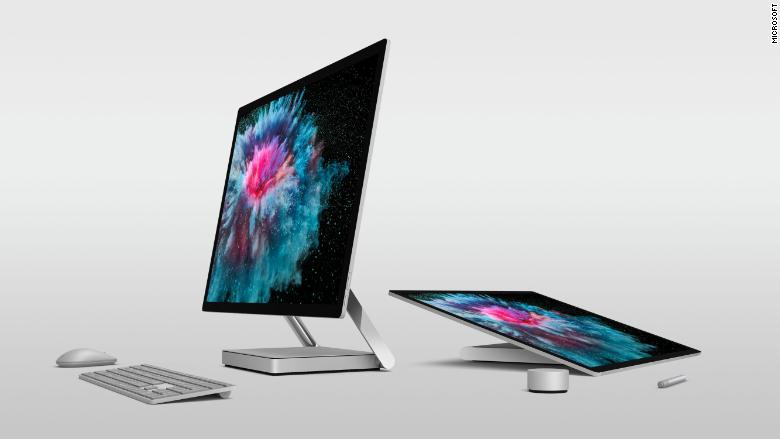
This is an updated version of the previously launched Surface Studio. Now Microsoft has updated the processor, graphics card and the storage. The Surface Studio 2 has an easy tilt screen which can be used to write and even draw on. Microsoft is targeting this machine towards design professionals. The screen is a 28 inch display with a 3:2 aspect ratio. Like the Surface Laptop 2, the Surface Studio 2 also has a 10 point multi-touch screen.
It runs on the 7th generation Intel-core i7-7820 HQ which is a step up from last generation that used an intel 6th generation processor. The pc has 1 TB or 2 TB SSD storage options and RAM can either be configured to 16 GB or 32 GB. There are two graphics card options to choose from, the Nvidia GTX 1060 with 6 GB of DDR 5 Ram or the Nvidia GTX 1070 with 8 GB of RAM (Note: This is the graphics card RAM and not the system’s main RAM).
In terms of camera, video and audio, it has a 5 MP front facing camera with 1080 HD video recording, dual microphones and 2.1 Dolby Stereo speakers. In terms of wireless connectivity, it has an 802.11 ac A/B/G/N Wi-Fi and Bluetooth 4.0. The device weighs in at 9.56 kg. Other than Surface Studio 2, the box packs the Surface Pen, the surface keyboard, the surface mouse and the power cord for the device. The Surface Studio’s base model starts at $ 3,499 and goes upto $ 4,799 for the top of the line variant.
3. Surface Pro 6:
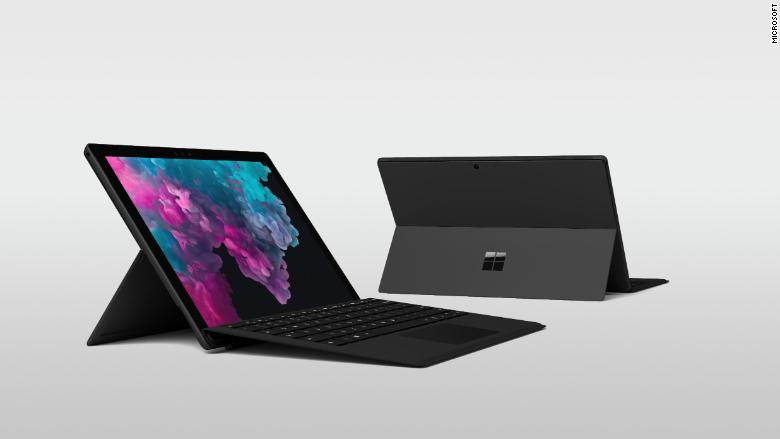
The Surface Pro was first launched in 2013 and has reached its 6th generation. The Surface Pro is Microsoft’s answer to Apple’s iPad. But the Surface Pro and iPad are fundamentally very different. The Apple iPad is very app driven and a mobile version of the complete computing experience whereas the Surface Pro 6 is a full fledged computer. The Surface Pro is Microsoft’s take on building a portable computer. The Surface Pro 6 has a detachable physical keyboard and it has a kick-back stand that can be adjusted to different angles to make it stand upright. The detachable keyboard is sold seprately.
The device has a 12.3 inch 10 point multi-touch display. The screen has a resolution of 2736 x 1824 px and a pixel density of 267 ppi. Powering the tablet is an 8th Generation Intel Core i5 or i7 processor. The device has Intel UHD 620 Graphics built-in. Like the Surface Laptop 2, the RAM can be configured to either 8 GB or 16 GB. SSD storage can be selected from 128 GB upto 1 TB. The device has Bluetooth 4.1 technology and 802.11ac A/B/G/N Wi-Fi. It has an Accelerometer, a Gyroscope and an Ambient light sensor.
The I/o ports device has are: one USB 3.0 port, 3.5 mm headphone jack, Mini DisplayPort, Surface Connector (Microsoft’s proprietor connector) and a microSDXC card port. Microsoft claims the device has a battery backup of upto 13.5 hours which will vary depending upon the usage of the device. The tablet weighs at 775 grams for the i5 variant and 792 grams for the i7 variant. The price of the device varies between $ 899 and $ 1,899 depending upon the configuration.
Additional Accessories:
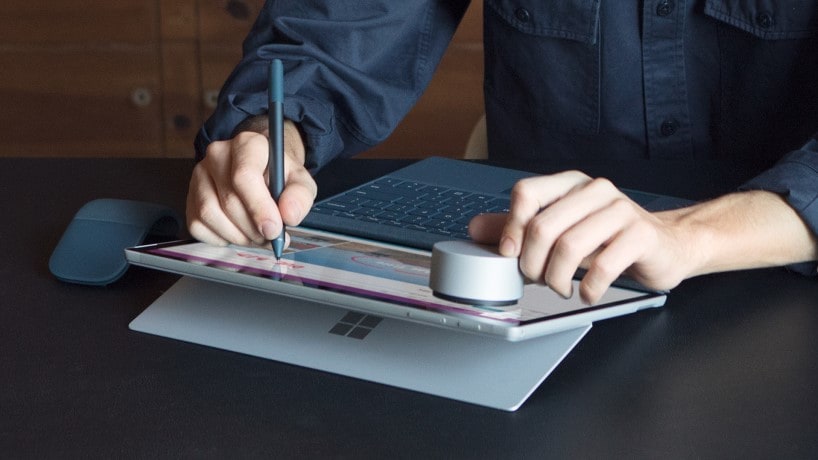
Surface Pen: It is an active stylus and a digital pen that Microsoft developed to work alongside their Surface devices with PixelSense technology. It has variable pressure sensitivity points that allows it to work like a real life paint brush or a pen. Microsoft is mainly targeting it towards professionals in the design industry. People in this field can take advantage of the technological advancements that a digital design canvas offers compared to the traditional pen and paper.
Surface Dial: This is yet another accessory that is mainly targeted towards designing professionals. The dial sits on top of the screen of the Surface Laptop or Studio. It provides functionalities like zoom in and out, selecting paint-brush and a bunch of other features that can ease the work of professionals.
4. Surface Headphones:
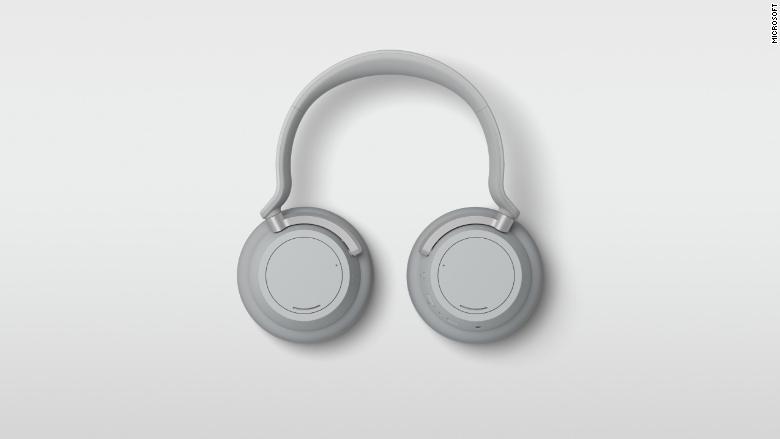
This is another key product that Microsoft announced at this year’s Surface event. Microsoft Surface headphones have a lot of handy features. The headphones automatically pauses the audio as you remove them from your head and then resumes audio as you put them back.
They have Cortana integration. Cortana is Microsoft’s virtual assistant with whom the user can interact to perform certain tasks. You can ask Cortana to set reminders, inquire about the weather, etc. This is just a small example of what the virtual assistant is capable of. To control the volume of the headphones you can simply rotate your fingers around it’s ear cup. They also have variable active noise cancellation. The headphones have four microphones that helps in improving the noise cancellation quality. With this feature the user can filter or allow the amount of ambient sound that gets to your ears. The headphones are compatible with Windows 10, Android, iOS and macOs. They are available in Light Grey colour and have a price tag of $ 350.
Your Phone App
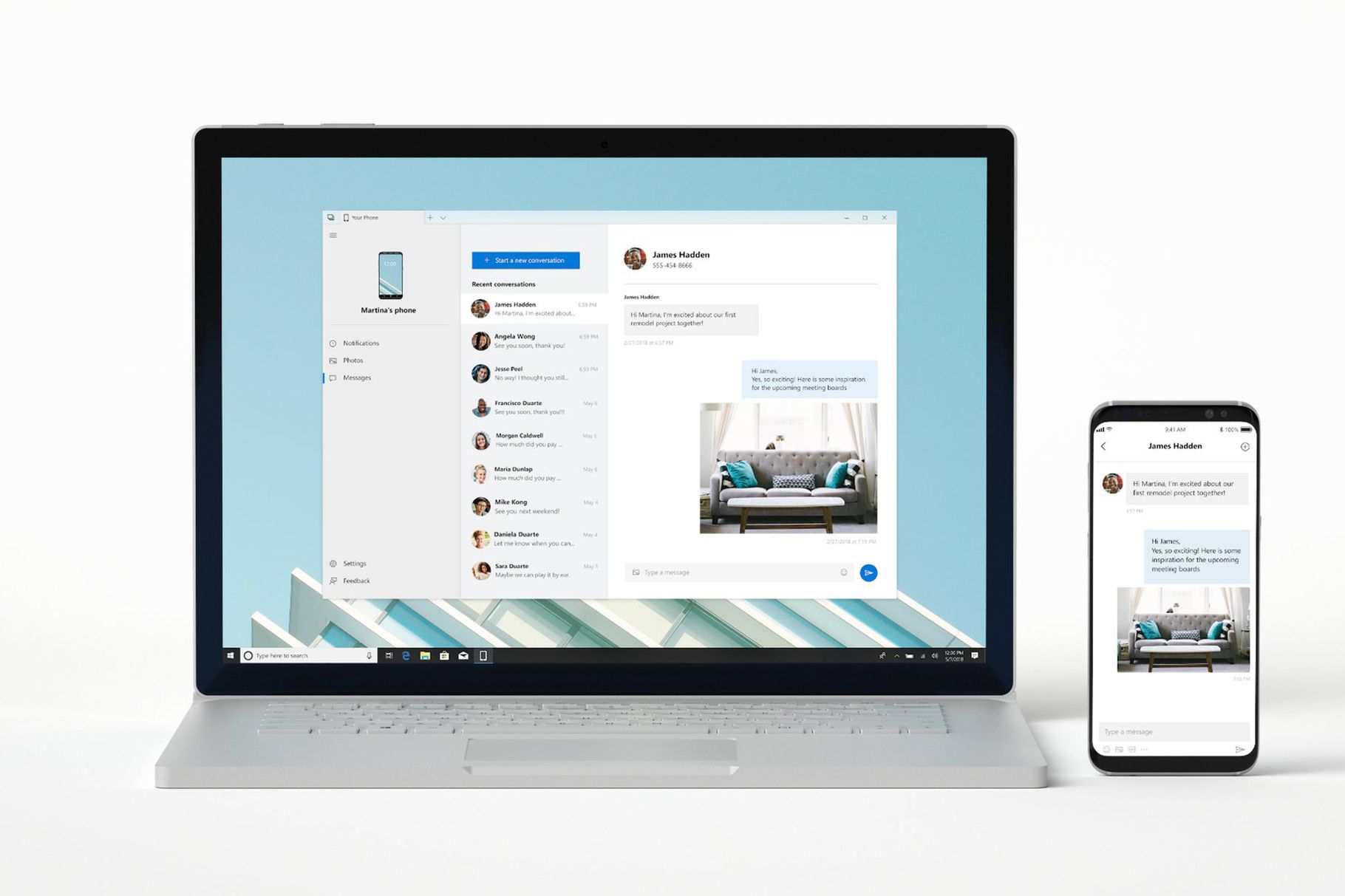
Additionally, Microsoft also demostrated their application “Your Phone” for Windows. With this application the user can directly respond to text messages they receive on their Android phone. This a really convenient feature and the user does not need to switch back and forth between the computer and phone to respond to text messages.
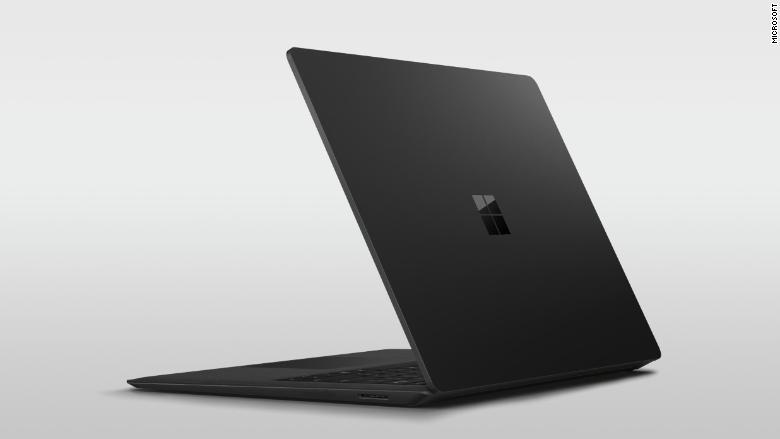
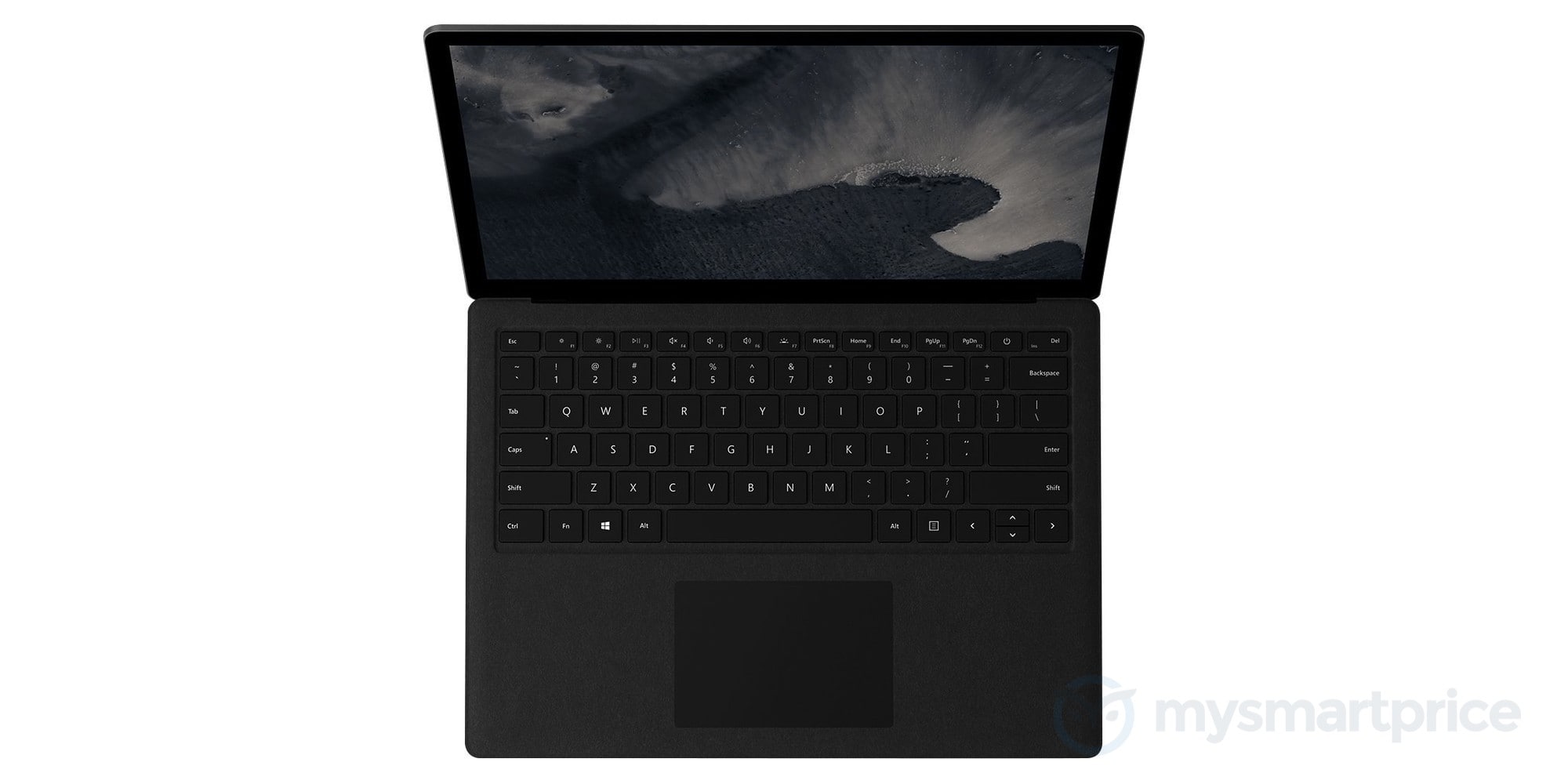
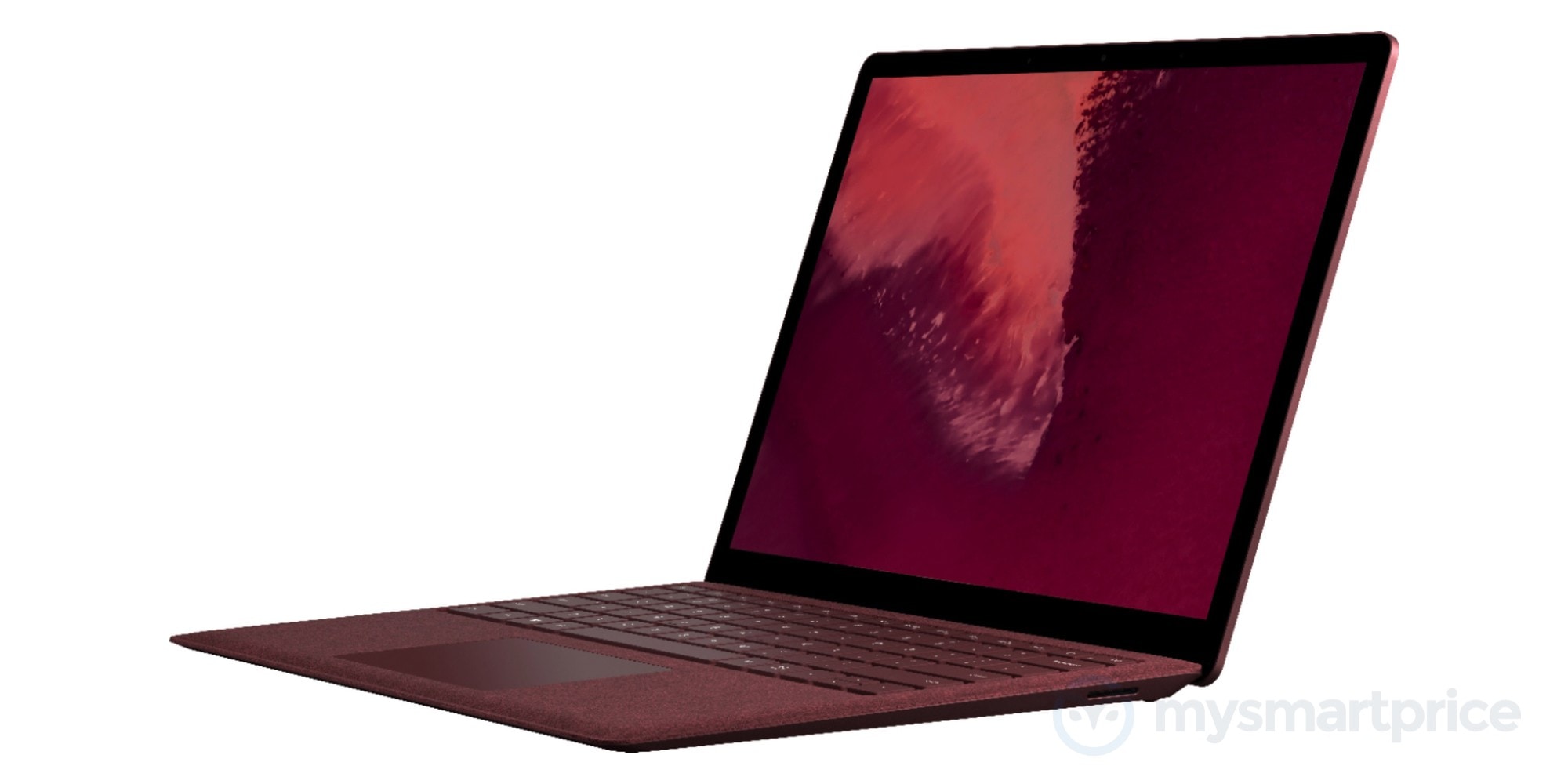
The Microsoft Surface Laptop 2 has been revealed. In images obtained by a website, we can see various shots of the laptop, externally. The launch will take place in New York City on 2nd October and will see the company unveil a range of updated Surface devices. This will include a new Surface laptop, Surface Pro and Surface Studio.
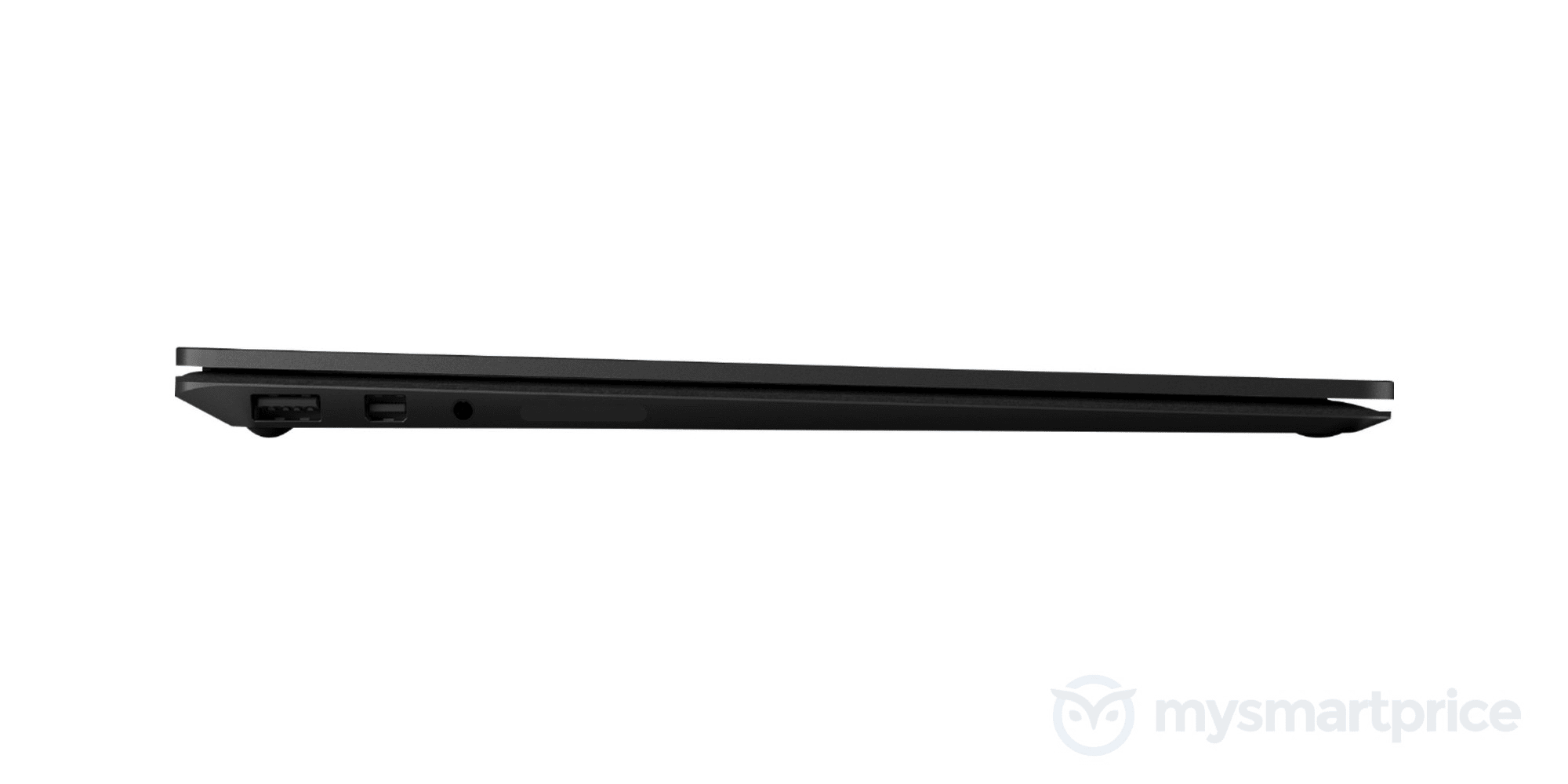
From the first look at the images we can see that the Surface Laptop 2 has the same design and selection of ports. The changes we can expect are obviously on the inside. However, on external change which is visible is the availability of the device in a new black colour.
This will be replacing the Graphite Gold model available last year. The Surface Laptop was launched last year in Burgundy, Cobalt Blue, Graphite Gold and Platinum colours. It looks like the laptop will feature the same 13.5 inch PixelSense display. It will be built from aluminium and an Alcantara fabric wrapped keyboard, like before.
Expected Specifications:
Microsoft is most likely to power the latest Surface laptop with the 8th Generation Intel Core series processor, SSD storage and LPDDR4 RAM which offers faster memory speeds and lower power consumption. The device could sport a 13.5 inch PixelSense touchscreen display. This will have a resolution of 2256 x 1504 pixel, not setting it apart from last years display. Apart from its 3:2 aspect ratio, it will also have Surface Pen compatibility.
From the images we can say that the laptop will have a USB 3.0 port, a Mini DisplayPort, a Surface Connect port and a 3.5 mm headphone jack. It will be compatible with Surface Dial as well, according to reports.
At the launch event, Microsoft will reportedly upgrade a few more products. The Surface Studio PC and Surface Book series might be refreshed. Rumours regarding an updated Surface Hub have also been around, making for an exciting lineup at the upcoming event.
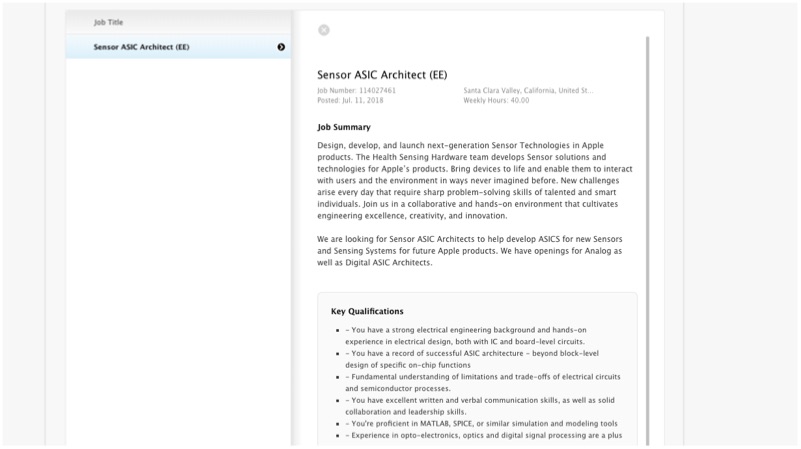
With its disputes with Qualcomm, Apple decided to use Intel chipsets in its upcoming smartphones. However, the company also announced that it will focus on using in-house chipsets for the iPhones. Which is why along with the iPhone X and iPhone 8, the company introduced the A11 Bionic chip. This chip has a dedicated neural processing unit for AI applications. A new job posting on Apple’s website shows that the company may be planning on bringing a health-centric chipset to its products.
In the list of Apple products which would use a health-focussed chip, the Apple Watch could be the first. According to the job post, the company is looking for ASIC (Application-specific integrated circuit) architect. Unlike common SoC, an ASIC chip only has a specific task to perform. For instance, high-efficiency Bitcoin miner is an ASIC. In simple terms, a Bitcoin is a form of electronic cash. However, the Cupertino company wants to use these ASIC chips for health focussed functionalities. The previous job openings at the company were for people with experience in health, wellness, and fitness sensors. These listings hint at the company’s future plans with its products, including, but not limited to, the iPhones.
Image: Apple ASIC Architect Job Opening
The current line of Apple iPhones including the iPhone 8 and iPhone X use the A11 Bionic chipset. This chipset uses a custom Apple GPU for graphics output. For LTE connectivity one of the iPhone variants uses a Qualcomm modem while the other variant uses an Intel modem. This is also what the company could be planning to move away from. In favour of in-house chipsets and modems, Apple may soon drop Intel and Qualcomm modems. However, the new 2018 iPhone lineup would most likely use the Intel modems. There is no word on the availability of this ASIC chipset but we think it could be seen in the next generation-Apple Watches. Stay tuned as we will be bringing more updates on the story on further development.
Apple may have had a major role to play in introducing the world to touchscreen interactive displays, in the form of the iPad. The Apple iPad later became the best selling tablets with 300,000 units sold on the first day of release on April 2010. However, the Apple iPad has since faced a fairly tough competition from companies like Samsung and devices from Microsoft like the Surface Pad. At the unpacked event, scheduled on the 9th of August in New York, Samsung will be unveiling the much anticipatedGalaxy Note 9 and the Samsung Galaxy Tab S4. A YouTube video released yesterday by the company gives us a complete walk-through of the device.
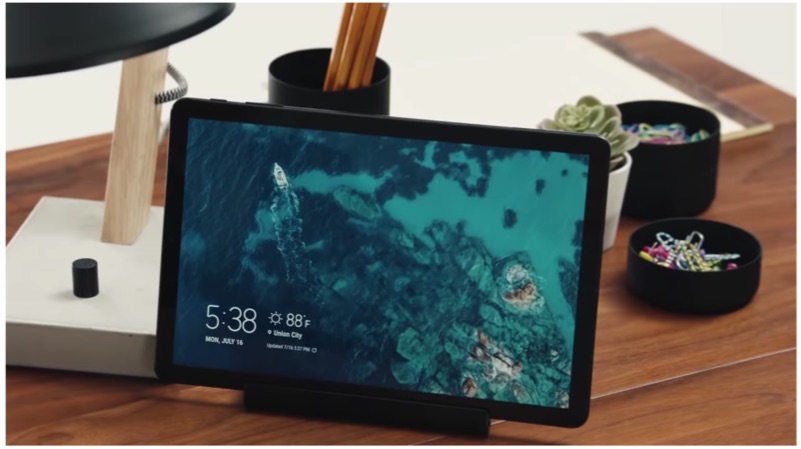
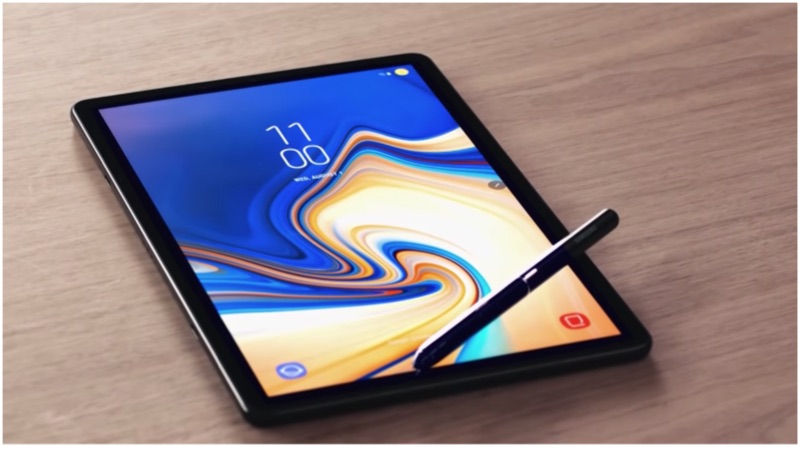
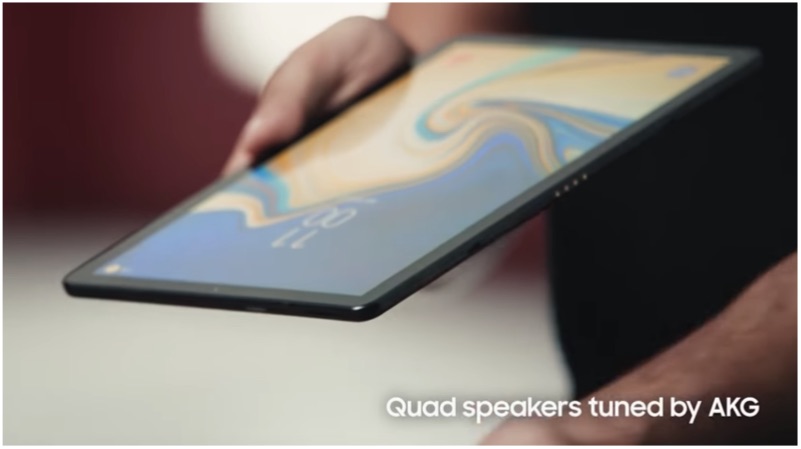
The most noticeable feature of the Samsung Galaxy Tab S4 is its sleek and slim design. While it does share some aesthetic hints from the Tab S3, the significantly thin bezel on Tab S4’s display is just enough to set it apart. The S-Pen, appears to be different from the one Samsung plans to use for the Note 9 and looks thicker than the tablet itself. The other feature is its quad speaker-setup tuned by AKG. Acquired by Samsung, AKG is an Austrian acoustics manufacturing company. The tablet also supports Dolby Atmos surround sound for what Samsung calls “an immersive entertainment experience.”
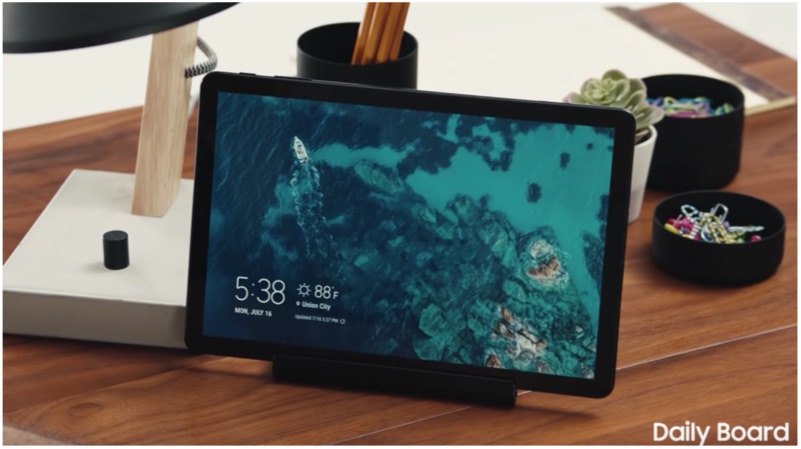
The video also showed the new S-Pen in action, which is a Samsung proprietary stylus. The S-Pen made its debut with the first Galaxy Note smartphone in 2011. The video also takes us through a number of Samsung Galaxy Tab S4’s features. One such feature is the DeX mode, which allows the users to use their tablets in a desktop mode. The added accessory, which users may probably need to buy additionally is the Book Keyboard which works like Smart Keyboard found with the iPads. The other talked-about feature in the video, Daily Board, provides daily information and favourite photos with the device locked.
The Samsung Galaxy Tab S with its slim bezels also has a massive 7,300 mAh battery. The device will be unveiled at the Unpacked event on 9th August along with the Galaxy Note 9 so stay tuned for our full coverage of the event. Meanwhile, you can take a look at the video that Samsung has released.
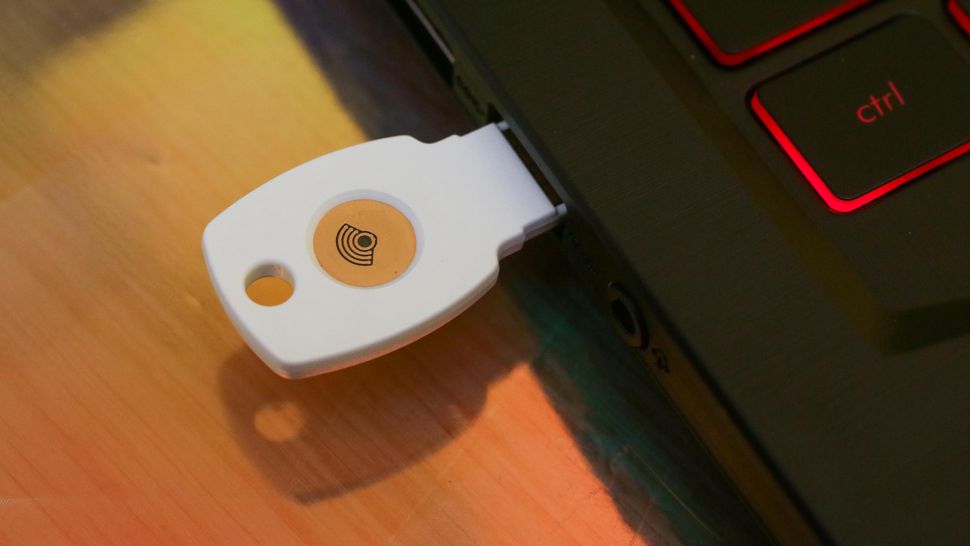
With the increase in internet traffic, the risk of falling victim to malicious threats has also increased. It has become rather unmanageable to keep up with all the security protocols, even simple tasks like changing passwords regularly can be an ordeal. The lack of user safety and the number of increasing threats put your private data at risk. Google claims that it has kept its employee data safe since 2017 without ever facing a leak since. The company has been using a hardware encryption key called the Titan Security Key. Google is now selling this Titan Security Key to anyone who seeks a safer internet experience.
With Google’s two-step verification method, users have to use a special code to authenticate your login session. Instead of using a method of one-time codes via text message, with the Titan Security Key you just have to tap a button on the key. So, it works is just by replacing the hassle of trying to enter codes every time you want to log into a new machine.
Titan Security Keys work with many devices and apps, support FIDO protocol, and are built with a secure element and a firmware written by Google that verifies the integrity of security keys at the hardware level. Security keys are recommended for all users for stronger protection against phishing, enforcing security keys for admins and other high-value users should be the first step.
How To Set Up Titan Security Key?
To set up Google’s Titan Security Key users need to go to their Google Account settings and find the two-step verification section. From there the user gets the ability to add a key or keys. This will allow users to login in to google services and accounts by entering the ID and password and a quick tap on the button on the Titan key.
Pricing And Availability Of Titan Security Key
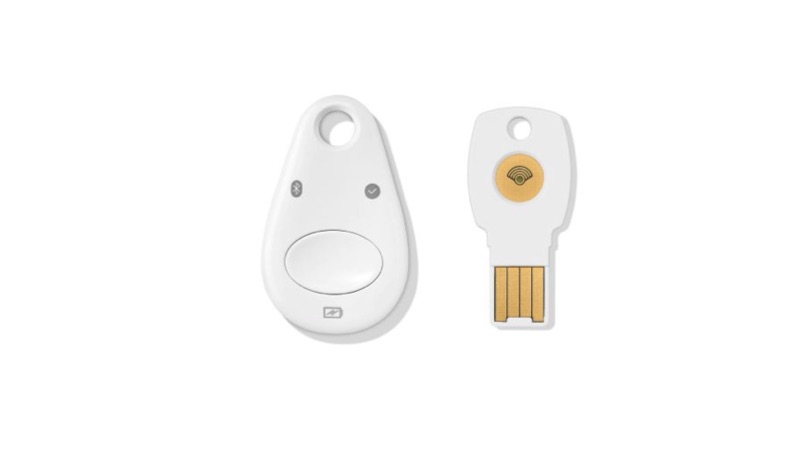
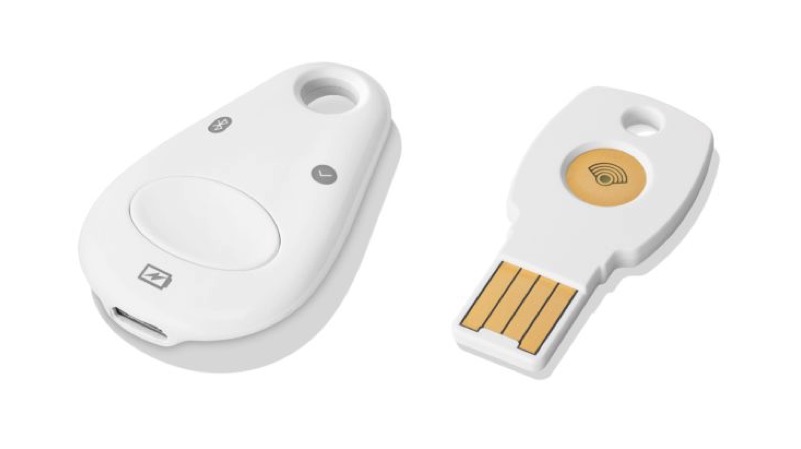
The Titan Security Key is available in two variants, a USB variant, and a Bluetooth variant. The USB version is available for $20 (Rs. 1,372.81 approx) and the Bluetooth variant costs $25 (Rs. 1,716.01 approx). However, Google is also selling both the devices as a bundle for $50 (Rs. 3,432.03 approx). While the key is available in the US, there is no word if and when the device will be available in India and rest of the world.