Xiaomi Mi 20000 mAh power bank will be launched for a price of Rs. 1699 . The big battery backup on the go Weighs only 338 gms and offers Dual 2.1A USB outputs.
All Gadget News on iGyaan, latest gadgets, top new gadgets, cheapest gadgets and expensive gadgets all the latest gadget news , reviews and featured stories
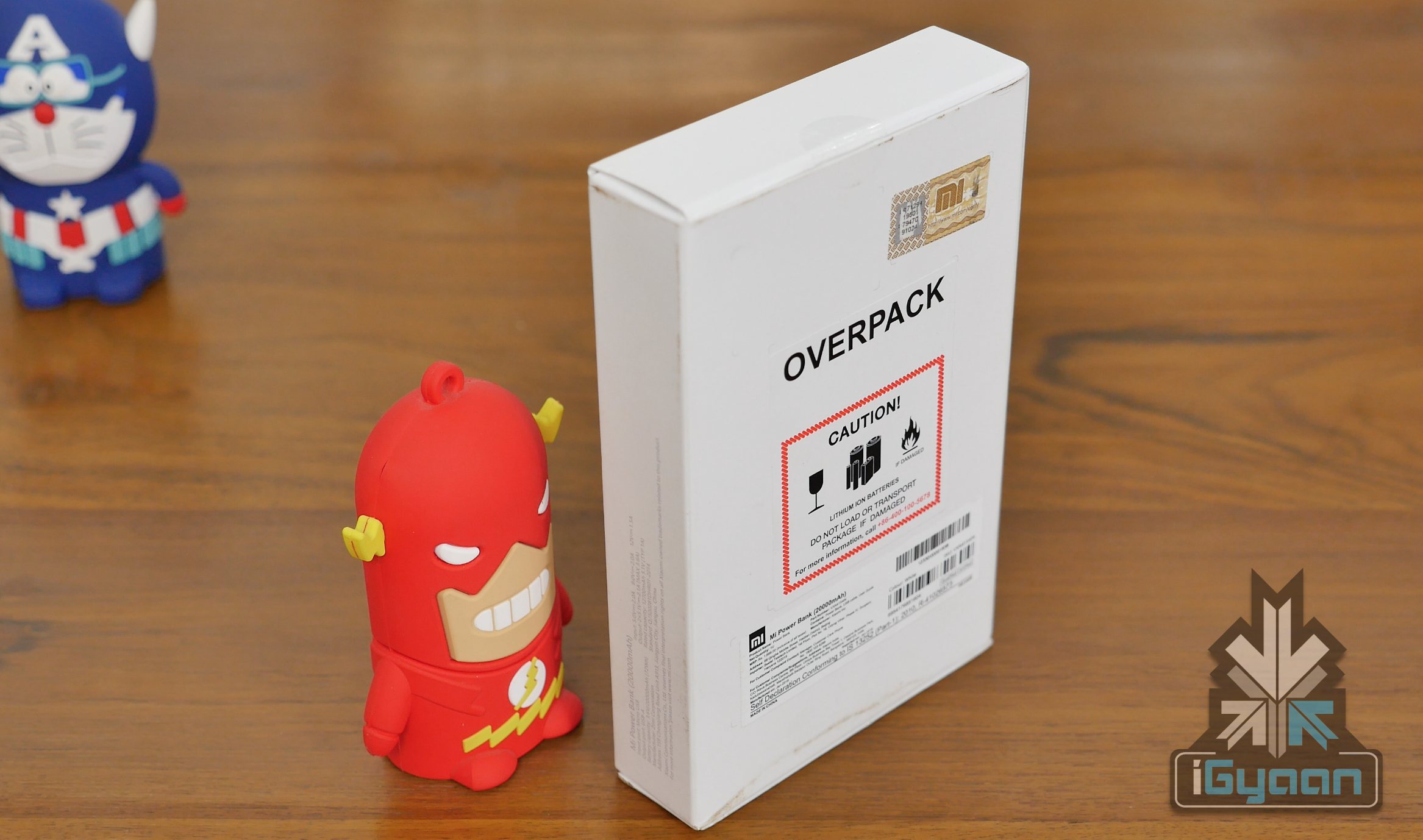
Xiaomi Mi 20000 mAh power bank will be launched for a price of Rs. 1699 . The big battery backup on the go Weighs only 338 gms and offers Dual 2.1A USB outputs.
The festival of colors, Holi is just is just around the corner, and there’s no denying that we’re extremely excited about it. The colors, the festivities and the energy mixed with some bhang can be a lethal concoction which can lead to you forgetting about the well being of your much-loved gadgets and exposing them to their dreaded enemy, water.
Using zip-lock pouches, waterproof cases can be handy solutions, but are not always the best way forward if you want to enjoy Holi in the carefree way that its meant to be. This year, we bring to you a list of gadgets that you can not only carry carefree with you while you play Holi but also use to enhance the experience of this festival of colors.
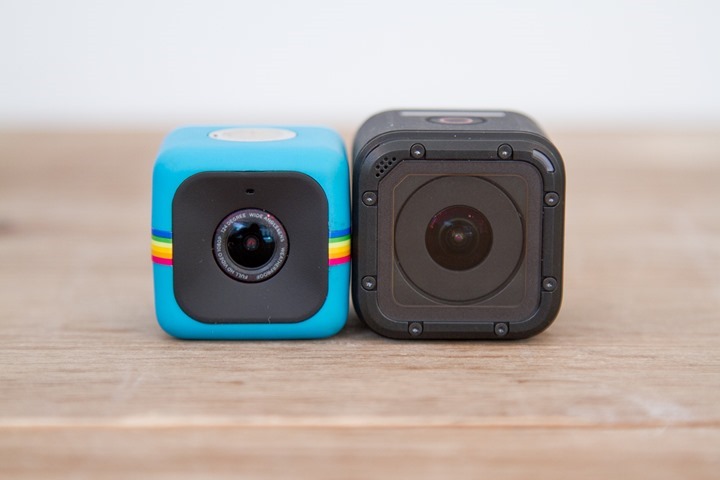
The Hero4 Session is the tiniest GoPro yet. It is a one and a half inch cube and weighs just 0.07kg. It is waterproof up to 33 feet.The camera is easy to use as it has only one button to put the camera on and begin recording. Its complete waterproof and rugged design can be a great asset for people users looking to capture the special moments that fun filled Holi brings with it.
Other specs and features of the camera include 8MP photos (in single, burst, and time-lapse modes), 1080p60/720p100/1440p30 video recording, a dual microphone system, built-in Wi-Fi and Bluetooth, SuperView, Protune, and Auto Low Light.
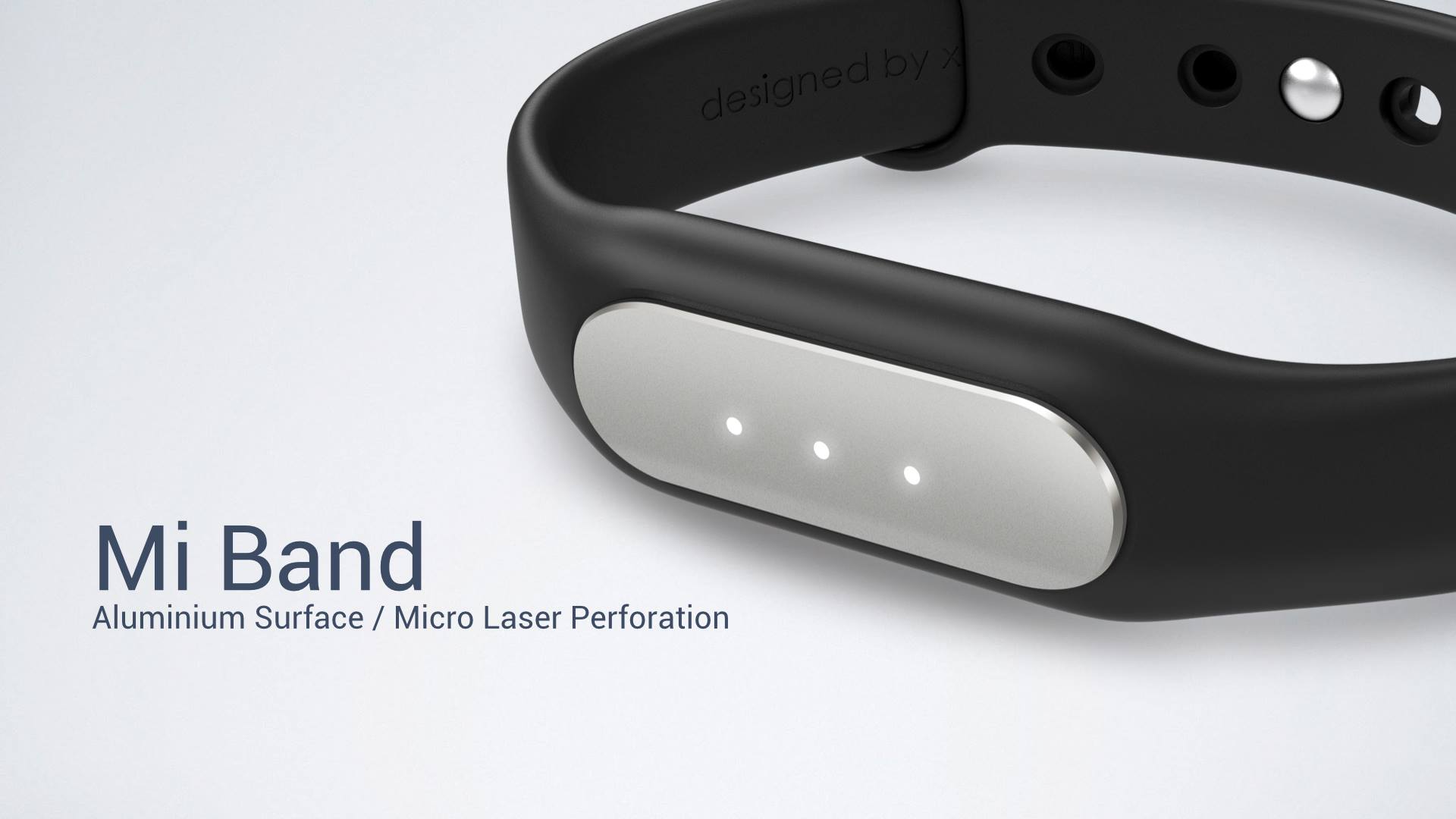
The Mi fitness tracker was introduced in India along the Xiaomi Mi 4i. It is the cheapest tracker available in the country. The aluminum surface band comes with a microlaser perforation and no display screen. It is water resistant and has a battery life of 30 days. Used as a fitness and sleep tracking band, this device connects to a user’s smartphone and can unlock the handset without the need of passwords or patterns. And just in case you were looking to add some more color to your already colorful Holi, it is available in a variety of colors like blue, pink, brown, gray and purple.
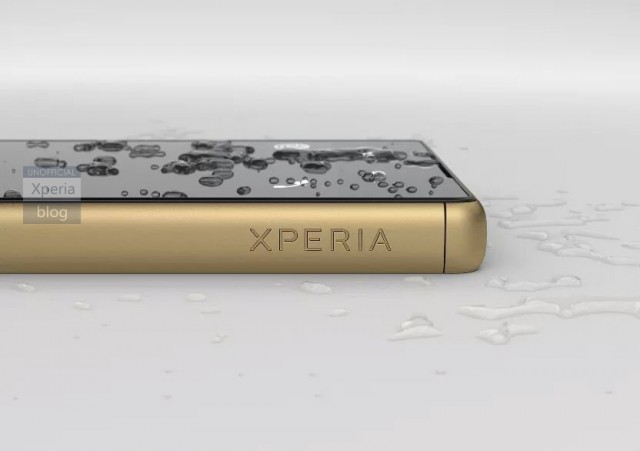
Sony Xperia Z5 is one of the best waterproof phones available in the market. It not only looks good but works great with specs that can take on any flagship in the market. For users who are looking to carry a smartphone with them while playing Holi, this device is highly recommended.
The Sony Xperia Z5 features a 5.2-inch Full HD screen and 2900mAh battery. It runs on Android Lollipop 5.1, powered by a 64-bit octa-core Snapdragon 810 chipset with Adreno 430 GPU, 3GB RAM, 32GB storage (expandable to 200 GB). The device also comes with a 23MP primary camera and 5MP front, and a fingerprint scanner in the power button on the side of the device.

The Cobra CXT 1035R is the perfect handheld walkie talkie for any outdoor activity, and as such makes it a great buy to enhance your Holi fun with friends. With a rated range of over 50kms, these pair of Cobra CXT walkie talkies are not just waterproof, but are in fact unsinkable and can be a great addition to a pool party too. These come with a built-in LED flashlight, and NOAA Weather and emergency-radio receivers to keep you safely in-the-know when you’re venturing out into the unknown.
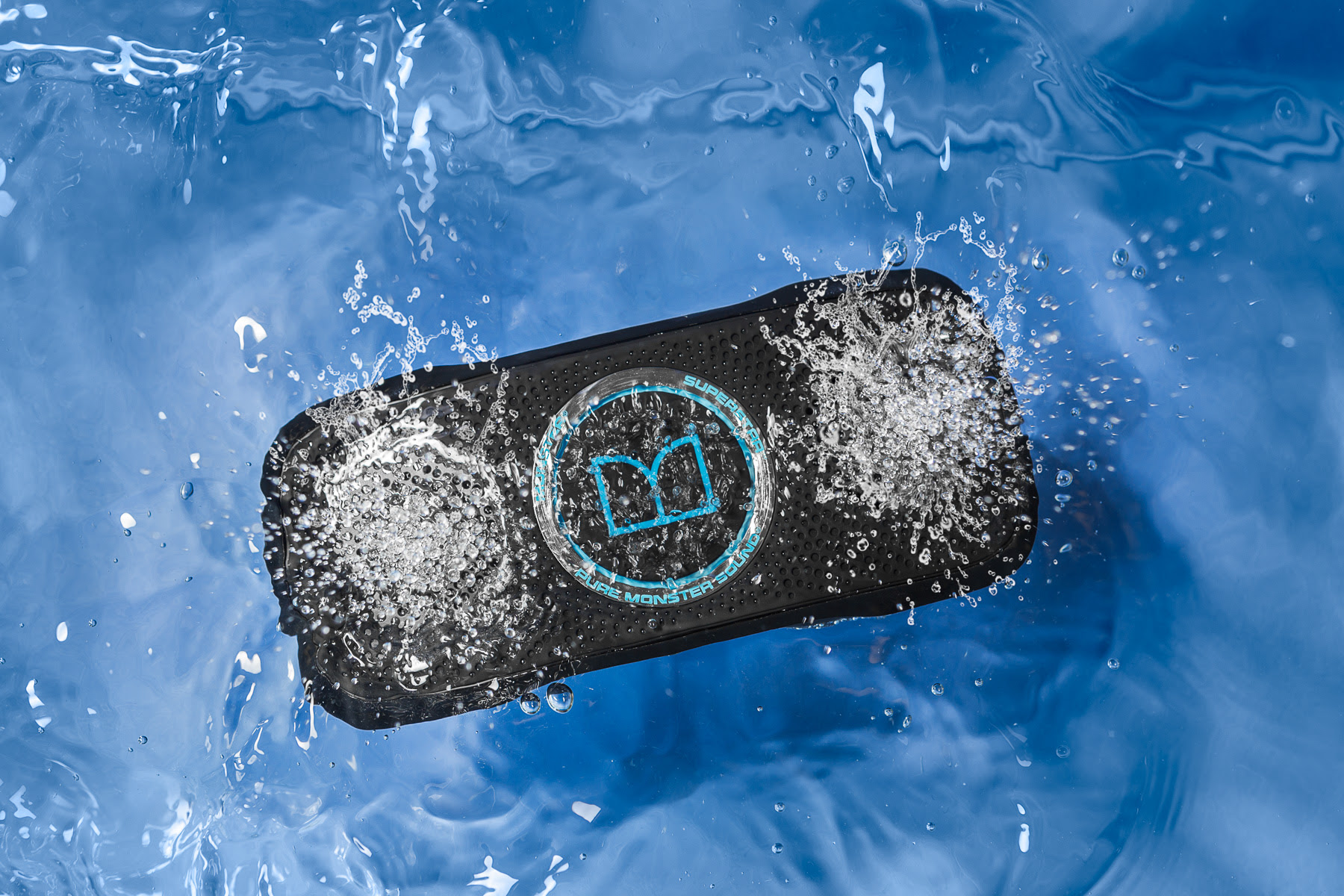
There are waterproof speakers, and then there is the Monster SuperStar BackFloat. This is the evolution in water resistant speakers, and when you drop this Bluetooth speaker into the water, it rises to the surface and floats.
The Monster Superstar Backfloat Bluetooth speaker with its design provides ample audio in a water-resistant floating package, and hence could be a great addition to your Holi pool party.
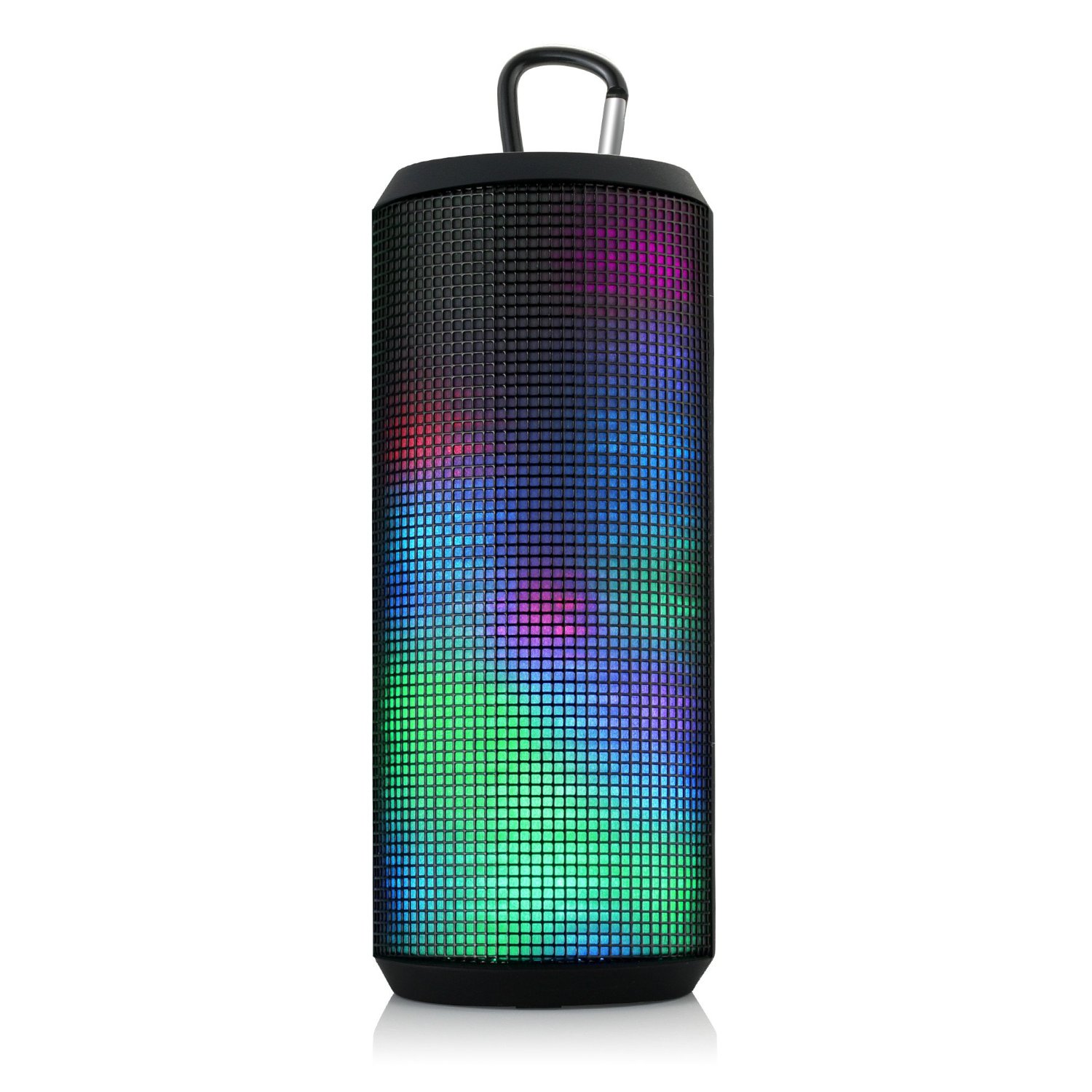
A waterproof bluetooth speaker can be a great addition to your Holi party. The Circle Muze Wireless Speaker fits well in that category as it promises great sound, wireless connectivity and all of it without the worry of losing it to water damage.
As an added bonus, the speaker comes with a nice looking display mesh that changes color. Perfect we say to go along with the colors around you. It weighs 363 g and comes small at 18.6 x 13.4 x 9.2 cm. It promises 6 Hours of Music play on a single charge along with support for MicroSD card and comes with Gravity Sensor, Voice Guide, and Noise Cancellation features.
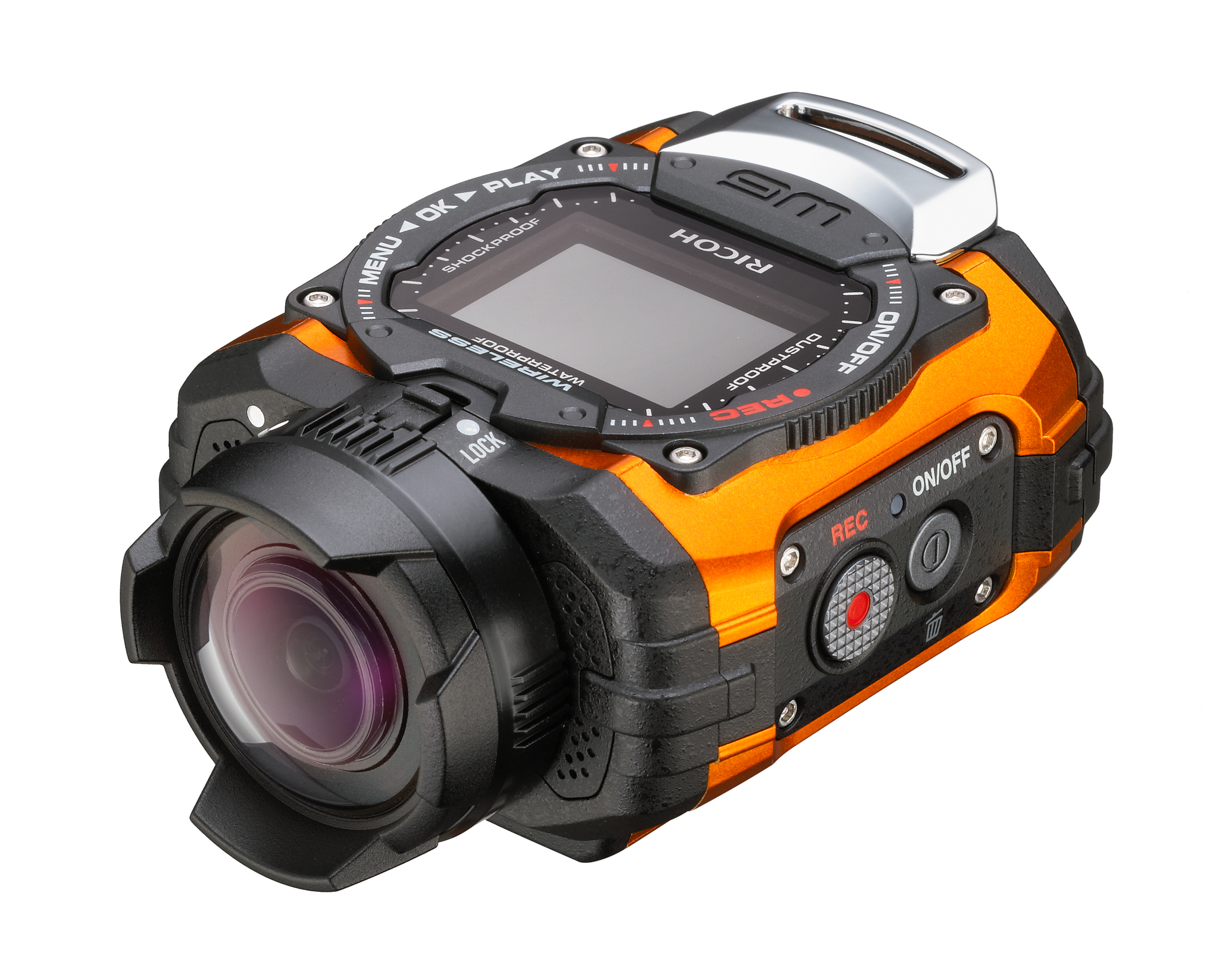
Ricoh’s Wg-M1 is an ideal camera for capturing your Holi adventures. This is a highly rugged camera and has been designed to stay underwater for up to two hours, and can be submerged underwater for a depth of up to 10 meters. The camera allows for HD recording, and there is also a 5X optical zoom lens to get close-ups of all the underwater action.
This waterproof camera from Ricoh is also cold-resistant to ten degrees below zero and is shockproof when dropped from under 1.5 meters, and it’s also crushproof. Basically, all that you were looking for in a camera that you can take out while playing Holi.
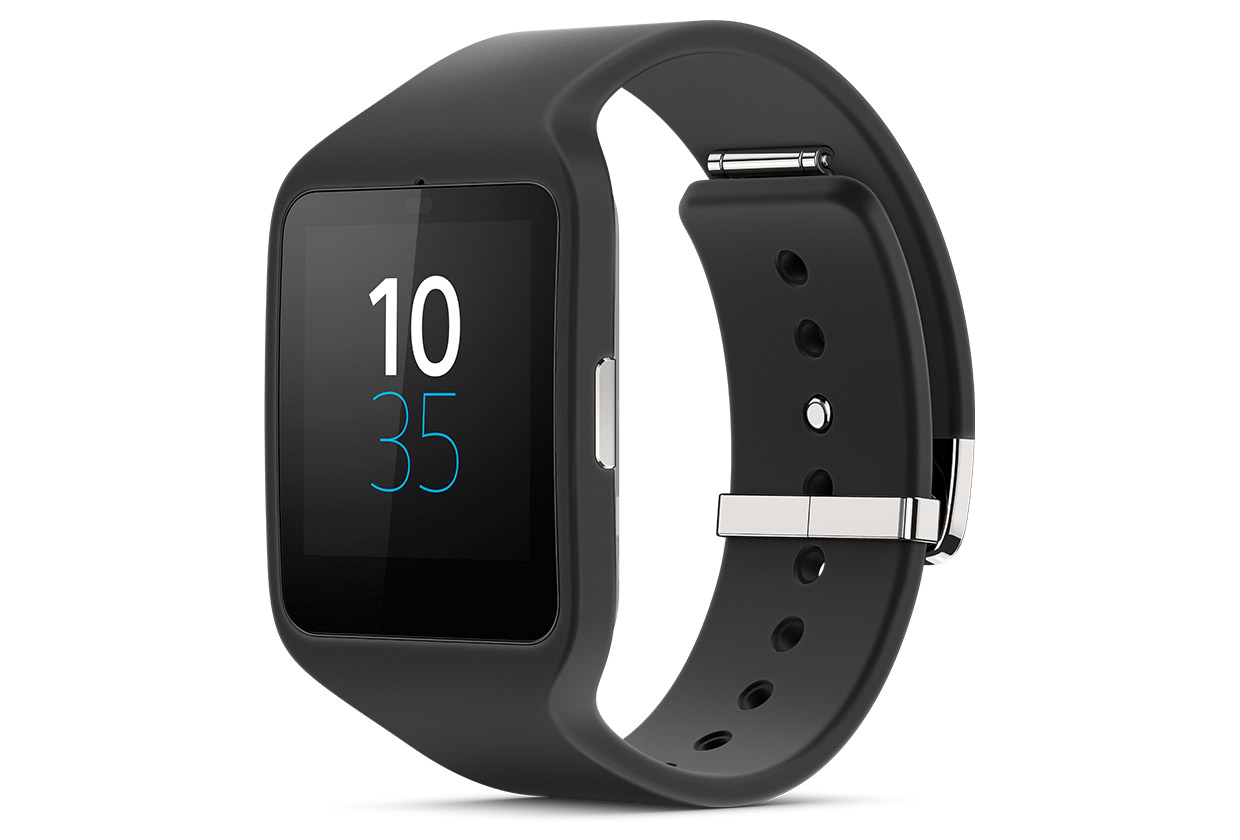
Sony’s SmartWatch 3 is an Android Wear smartwatch that comes with a display which is bright and promises good visibility in sunlight. It houses advanced motion sensors and integration with Sony’s LifeLog platform. Sony’s SmartWatch 3 boasts a waterproof rating of IP68. That means it can withstand depths under one meter for a longer period than IP67 devices, such as the Samsung Galaxy S5. As a basis for comparison, the Sony Xperia Z3 phone boasts an IP68 rating. This device as such is a great choice for a rugged and waterproof smartwatch for your Holi adventures.
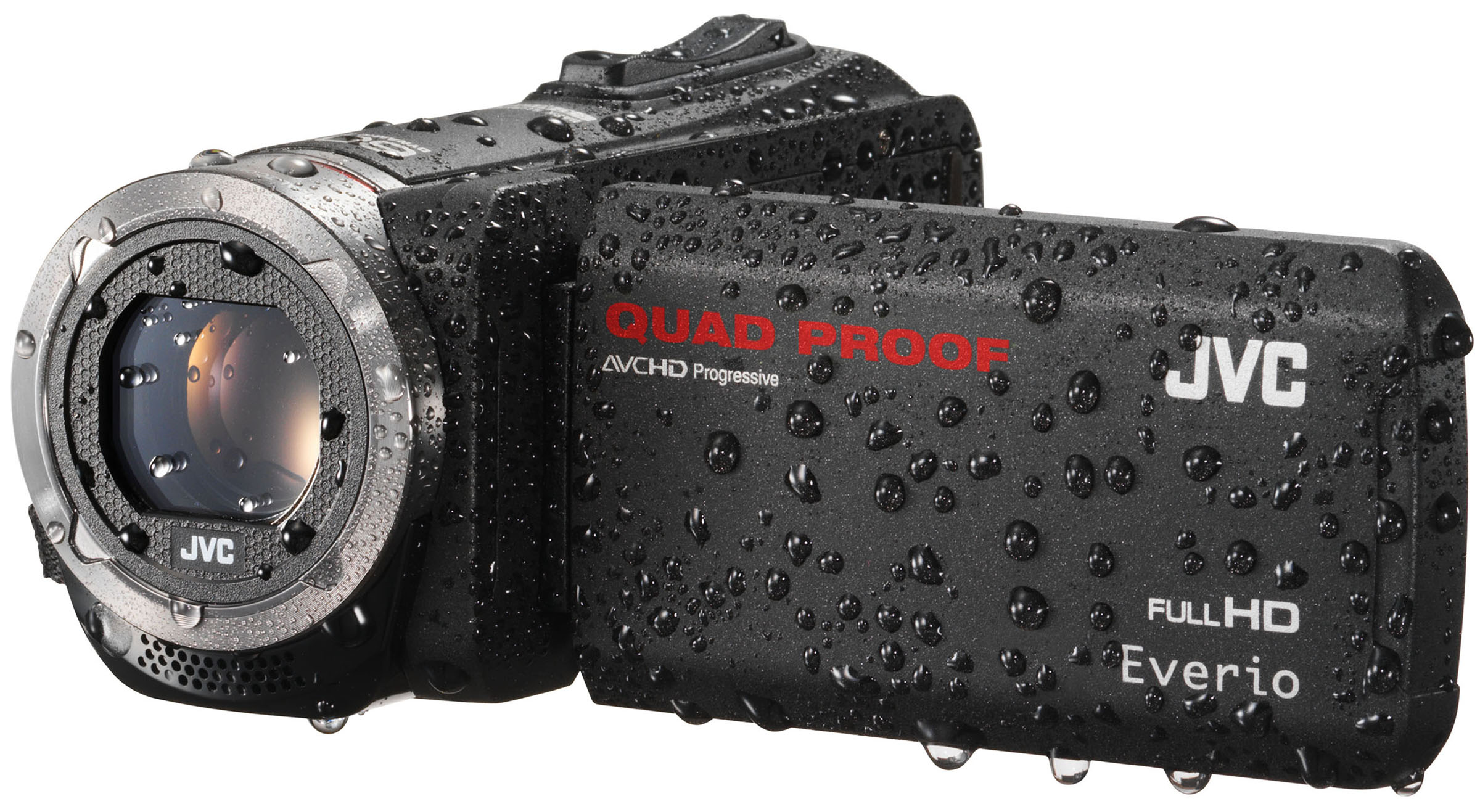
This compact HD model of the camcorder is more than just waterproof. The GZ-R320 is rugged and as a bonus can also float if put in water. The camcorder can be taken to depths of 16.4 feet and can even survive a 4.9-foot drop on land. Digital image stabilization will steady any long tracking shots and will help you shooting while you run after a friend trying to escape the madness that Holi brings with it.
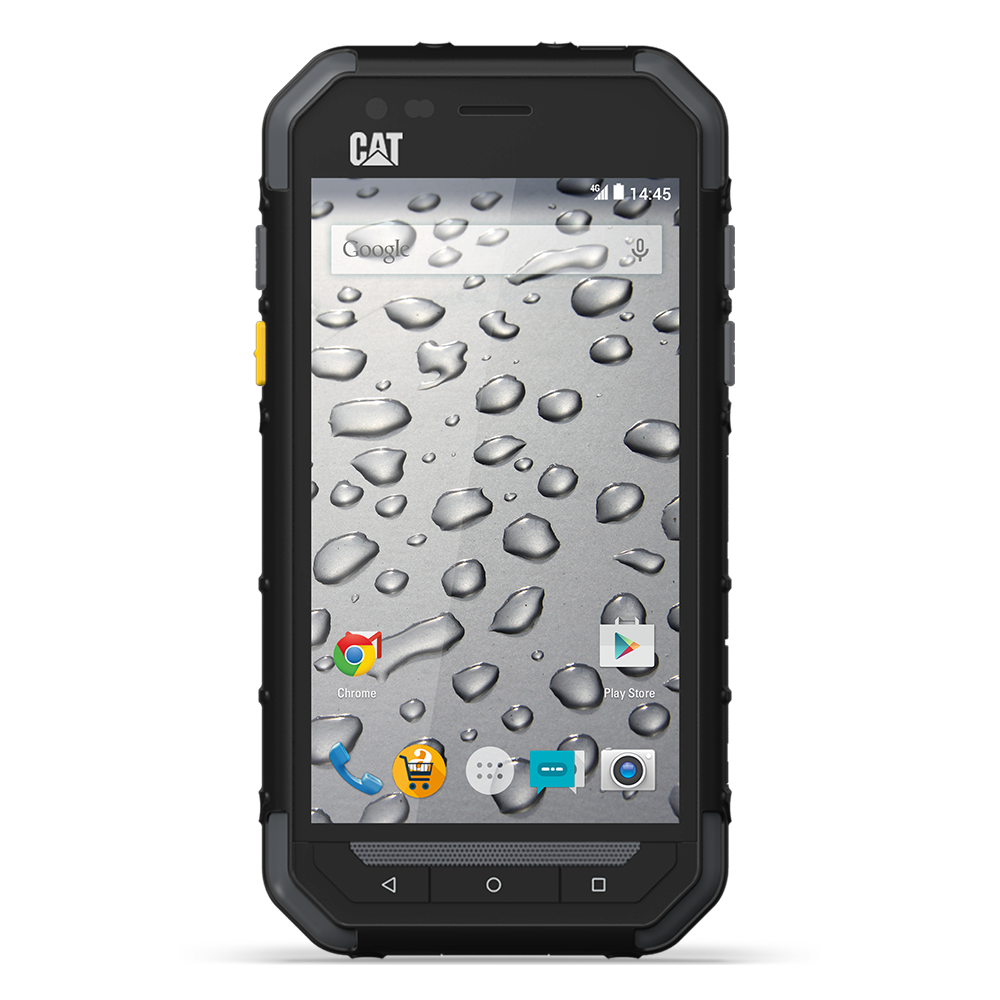
Announced recently at the MWC 2016, Cat’s new S60 is the latest in the line of rugged smartphones from the United Kingdom-based brand, and it comes with two unique features. Cat has added an FLIR thermal imaging camera and the first waterproof rating to a depth of 5 meters for up to an hour on this rugged phone.
The Cat S60 comes with added protection for its display too which even after being covered by a 1mm ( normal phones get 0.4mm) thick sheet of Gorilla Glass 4 works pretty well, and has a brightness rating of 540nits.
Other specs of the phone include a 4.7-inch 720p display, Snapdragon 617 with 3GB of RAM and 32GB storage. The phone runs Android 6.0 Marshmallow and offers 4G LTE connectivity. It also comes with a 13MP primary camera, 5MP front camera. A massive 3,800mAh battery powers the device.

VR technology which has gained traction amongst users in the last couple of months looks set to be breaking barriers and becoming a truly social hub for activities in the coming days. Facebook-owned Oculus has decided to shift its focus towards making our VR experience in the coming days more social with the addition of a number of features such as the addition of social games and social elements to viewing videos while using the Gear VR.
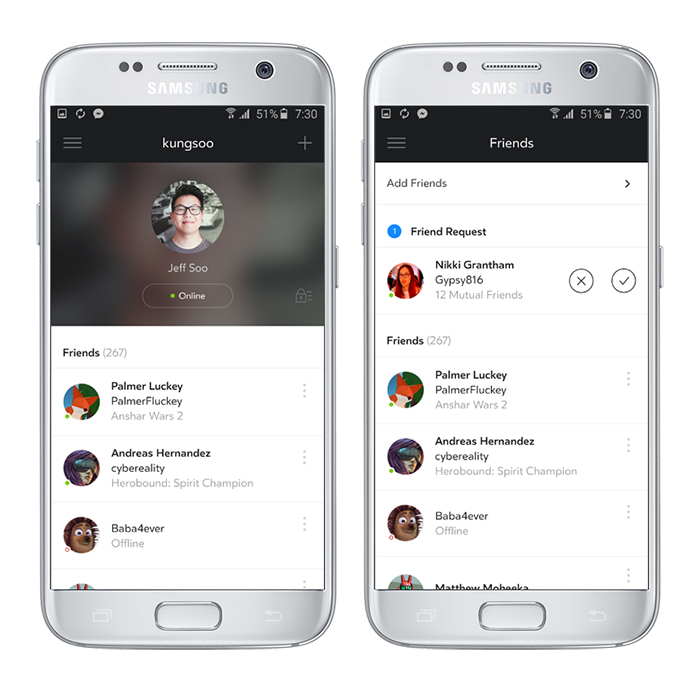
The Gear VR, which was launched on 21st January here in India and is available for free with all S7 and S7 edge Pre-Orders, is Samsung’s VR offering that was developed in partnership with Oculus. Owners of the VR headset which is regarded as one of the best available offerings in the market, starting tomorrow, will be able to create accounts on the Oculus servers, and then get in touch with other users of the Gear VR, and also leave reviews for all apps in the Oculus Store.
Oculus wants its users to enjoy the immersive world of Virtual Reality with friends, and to help make this possible it has announced two new social heavy VR games that will allow users to go up against their friends.

First up is Social Trivia, a game that lets you and up to four friends compete in a battle of knowledge in an artificial VR environment. The second game is Herobound: Gladiators which is a multiplayer adventure game. The game lets you take the VR gaming experience to another level and sees the user Band together with up to four people to conquer goblins and demons in arena battlefields. The game also allows for integrated voice chat to talk and strategize in real time for an unmatched co-op experience.
For users who would rather stay away from games, Facebook’s Oculus has announced host of other features that sees it bring to the platform with the help of Oculus Video the functionality to personalize your 360-degree video feed based on the pages and people you follow on Facebook. It has revealed that in the coming weeks, users will be able to connect and react to their favorite Facebook 360 videos directly in virtual reality.
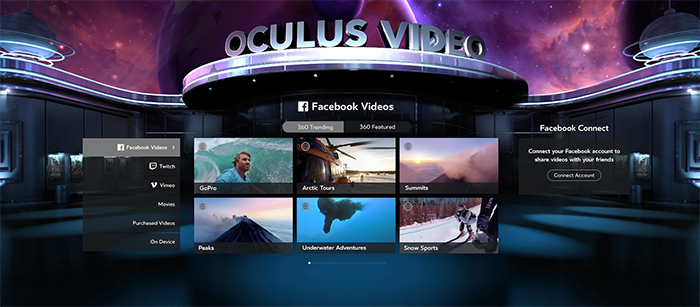
And, if that’s still not good enough to get you excited, Oculus is adding the functionality to create private VR chat rooms with friends which let you watch Vimeo and Twich streams with them in a Virtual Reality environment.
Oculus’ efforts to push for social VR does not end there as it has also communicated to developers that it wants to “drive deeper social connections” and hence later this month “will release new tools for developers that make it even easier to create more incredible social VR games and apps.

Technology today is improving at a rapid pace. A quick look at our workplaces and homes would reveal that many things that we take for granted today were not possible 10 years ago even after the concerted efforts of the best tech minds.
As digital technology continues to grow deep into every into every aspect of our daily lives, It’s only a matter of time before it starts to replace our plain old visual experiences with something a little more engrossing, and here is where the Augmented Reality(AR) will find its opportunity.

The concept of Augmented Reality was coined In 1992 by researcher Tom Caudell .It’s an experience that supplements the real world with a virtual layer of extra information. It is the seamless blending of virtual reality and real life which when executed correctly creates content that blends in with the real world. With Augmented Reality, users are able to interact with virtual contents in the real world, while being able to distinguish between the two at all times.
Virtual Reality’s lesser loved cousin, Augmented reality, has been around for some time now and has in the past tried to find real world applications in Defence, Healthcare, and Education sectors. But unlike the former the tech industry has yet to come up with a concrete plan to unleash its full potential and increase its reach while keeping costs down, but all that is about to change very soon.
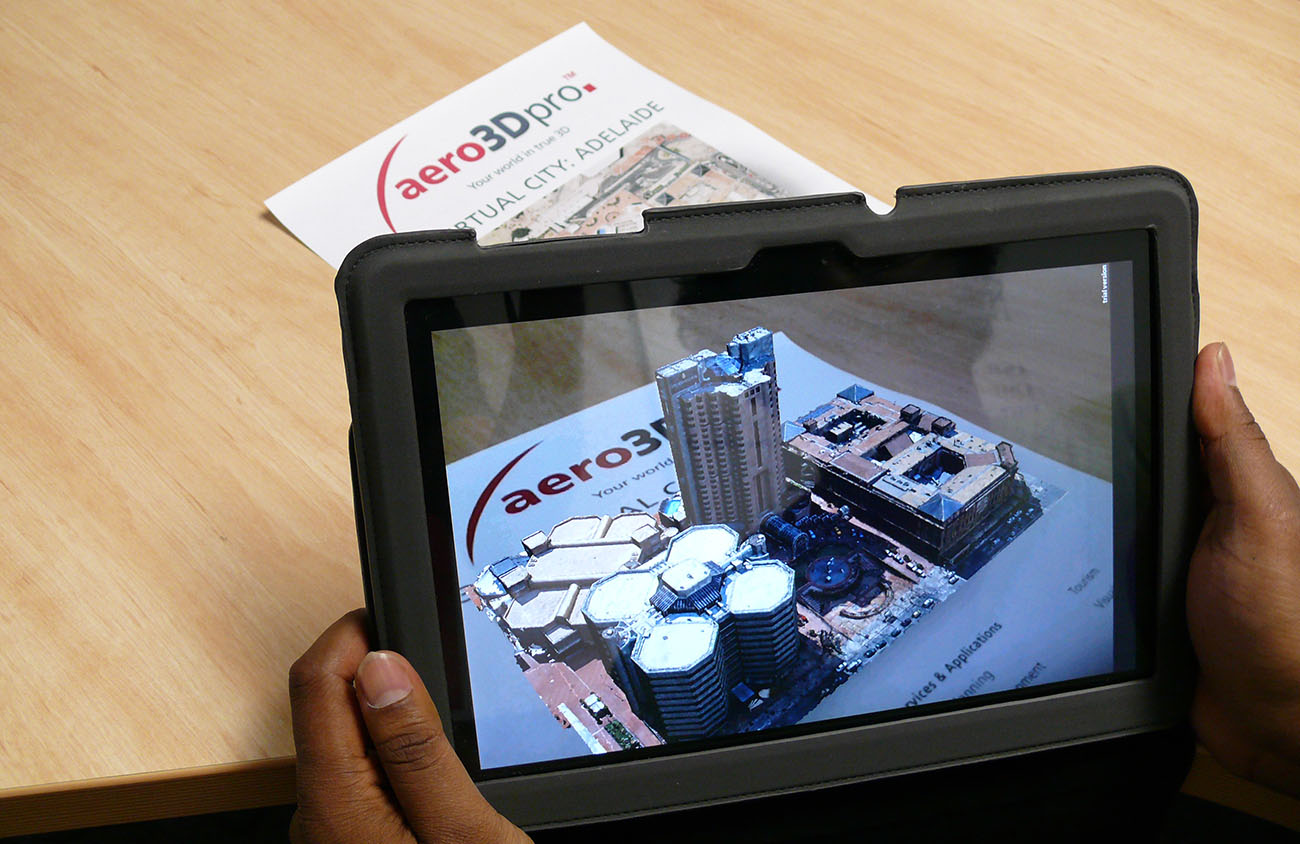
2016, as many analysts predict, might be the year for Virtual Reality, but AR is making solid strides towards walking hand in hand, if not over taking it. Microsoft HoloLens, Meta 2, Project Tango are but a few ideas that the tech industry has in mind to bring Augmented Reality to the mainstream.
Microsoft’s take on AR is the hologram-themed augmented reality glass which to quite an extent is the true augmented reality concept that will, ideally, have wearers interact with screens and full-color virtual objects wherever they are. This tech will blur the lines between real and virtual, merging them seamlessly into one to enrich the experience of our daily lives with extra content.
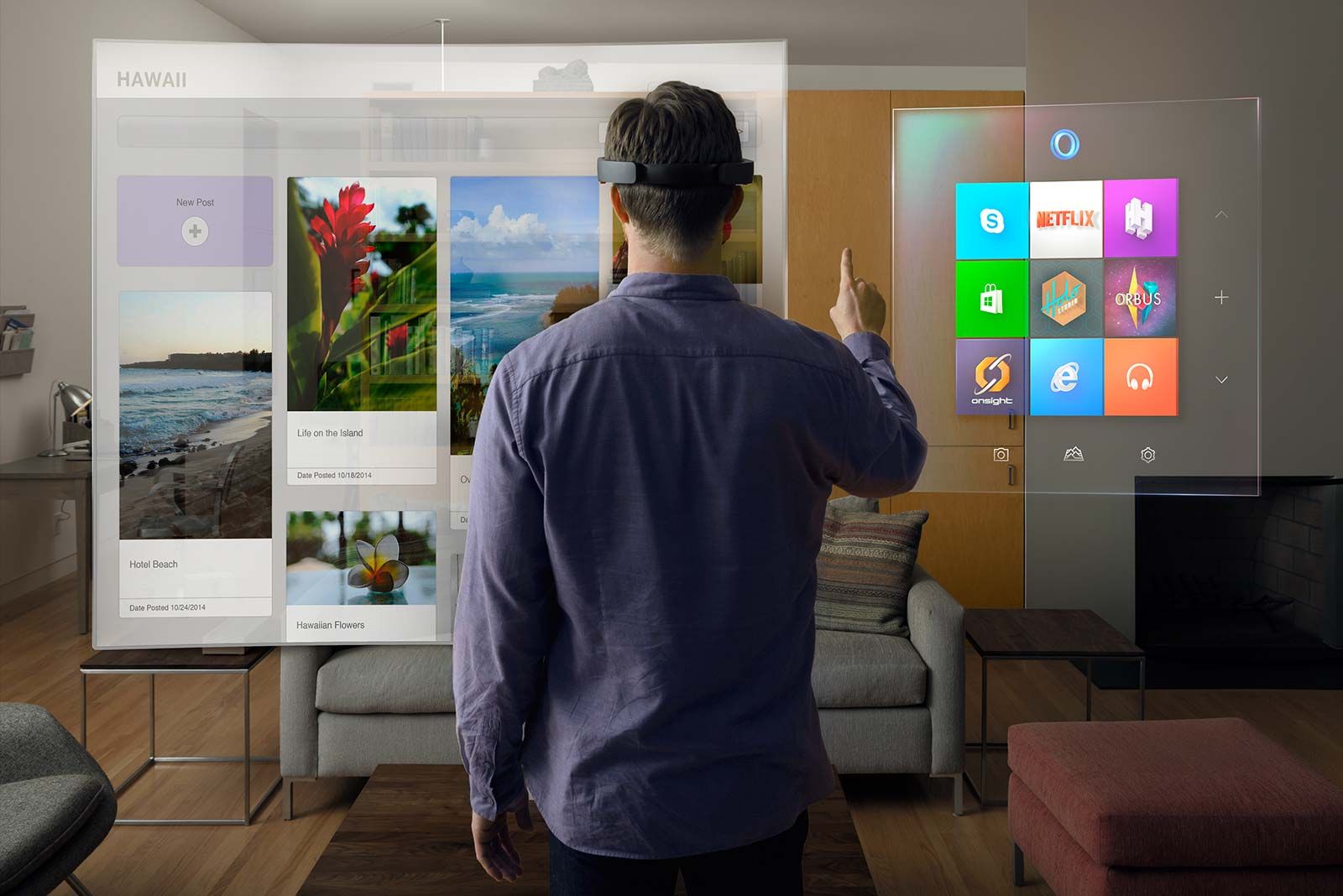
Though the HoloLens project is still at a nascent stage, demos reveal users fixing light switches with the help of virtual assistants through the Skype AR app. The HoloLens also allows you to take an augmented-reality trip to Mars, seeing what a rover might see, projected entirely on the floor in front of you.
Another AR project, Meta, in its second iteration will look to replace monitors from your life.This move if carried out correctly will be both economical and productive. It can also usher in a new era of privacy and security allowing a user secure viewing of content while still being around people. Meta has the capability to produce an infinite number of tabs and screens working at the same time all in front of you like images on a wall with the only bottleneck being your own field of view.
Most promising of the upcoming lot though is the Magic Leap project. The industry estimates this idea to be so big that they have already managed to secure $1.4 Billion in funding at a Kickstarter level, and is already valued at $4.5 Billion. The Magic Leap head mounted device will use a camera to show you the room or environment you’re already in but seamlessly layering in computer-generated objects which would suddenly see a dragon breaking through the wall, or the user fighting a Pokemon battle in the middle of the room against another friend in the room.
Several other uses of Augmented reality are also being explored in the form of Google’s Project Tango which can draw 3-D maps of a room the user is in and detail how a piece of custom furniture or a new wall running through it look in it.
Augmented reality is full of potential, and these are but a few of the applications of this budding technology. Industry big shots believe that AR has more of a potential that VR and could outgrow VR significantly in the coming years. With hardware finally mature enough to support the dream of Augmented Reality many suggest the future might be closer than we think. A future more exciting and fun than you and us could even dream of right now.
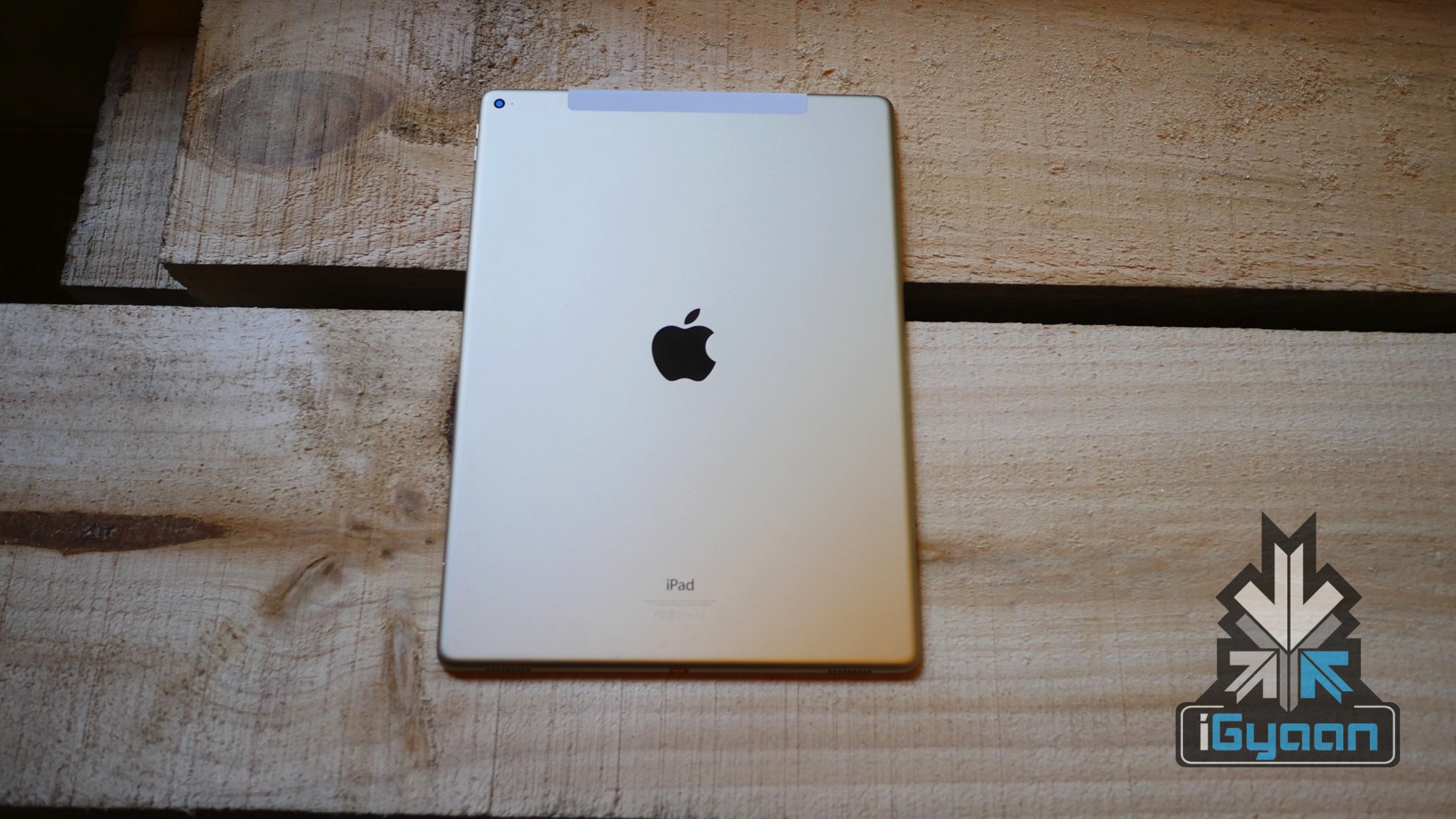
When Apple brought out the powerful, ginormous iPad Pro, it was certain that the 12.9-inch tablet would reach only the wealthy few (being priced at $1079). Cut to 2016 and rumours of a 9.7-inch iPad Pro variant began that reignited hope for a powerful yet affordable tablet for Apple fans. It is rumored that the 9.7-inch iPad Pro will feature essentially the same features as its elder sibling.
The 9.7-inch iPad Pro is said to be powered by the A9X chipset, include 4GB of RAM, feature quad-speakers, and support both the Apple Pencil and the Smart Keyboard. The one area missing from speculations was regarding the rear camera, which today’s rumour claims will be at 12MP, much like the one found in the iPhone 6s.
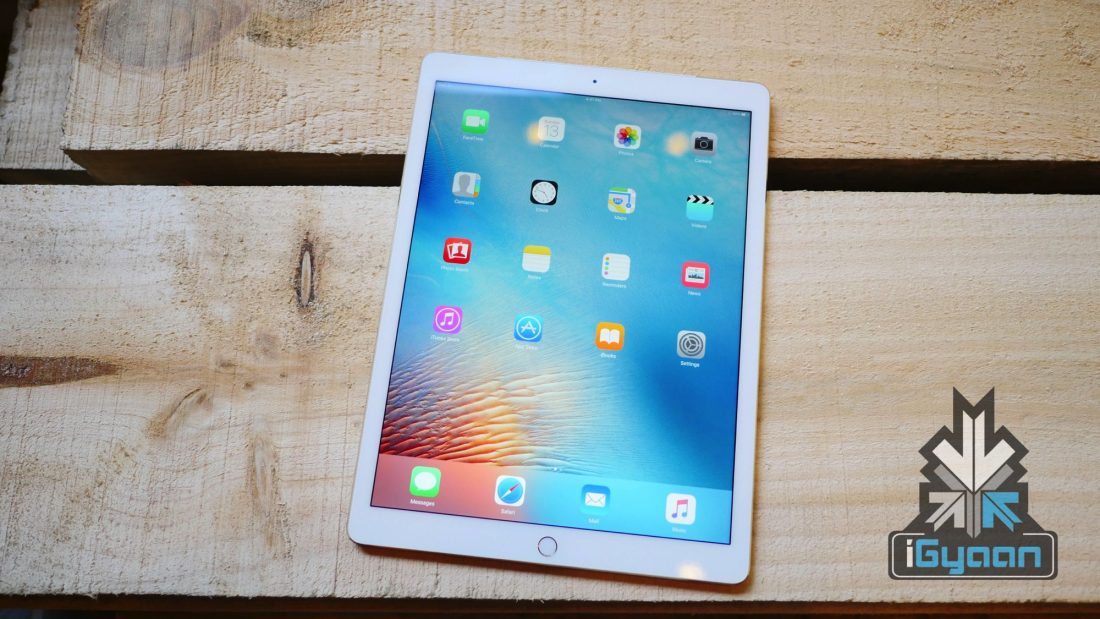
While the original iPad Pro came with an 8MP rear camera, the new 9.7-inch version will get a major bump to 12MP and will also feature 4K video recording as well. Meanwhile, The new, smaller iPad Pro will be available in the same color options as the larger model (Silver, Gold and Space Gray). It also will be available in Wi-Fi (32GB and 128GB) and Wi-Fi+ Cellular (128GB) just like the 12.9-inch iPad Pro.
The 9.7-inch iPad Pro will be unveiled along with the iPhone SE and an updated Apple Watch at a media event on March 22.

The recently concluded Mobile World Congress, despite its tag of being the biggest Mobile Phone Expo in the World was witness to a host of other technological advancements. From innovative technologies that promise to charge your phone in 15 minutes, to modular attachments for phones, Mobile World Congress, 2016 had it all.
But more importantly for the tech enthusiast inside all of us, Barcelona bore witness to number of bots from the future which could pretty soon be helping us in our daily lives. So without further ado, here is the list of the top bots on display at the Mobile World Congress, 2016.
https://www.youtube.com/watch?v=DJwNoaCN0TY
“Pepper,” the humanoid is programmed to be a home-helper and business assistant. The bot can dance and hold a conversation as well as act as a reminder system; it also has a tablet that can access the internet and operate apps. But it’s most salient quality is its ability to read people’s emotions and react in kind.
Aldebaran, the french based parent company of “Pepper” hopes to make the humanoid capable of caring for the elderly, a growing population around the world with little support. The humanoid robot speaks and interprets 20 languages. “Pepper” also comes with a set of gestures such as high-fives and fist bumps but can also be equipped with more such gestures through customization.
Making all this work is the tech hidden Inside Pepper’s little head. Pepper boasts of four microphones, two HD cameras (in the mouth and forehead), and a 3D depth sensor (behind the eyes) which helps it to pick up on speech patterns and facial expressions, and to use these cues to recognize the emotional state of anyone Pepper interacts with.
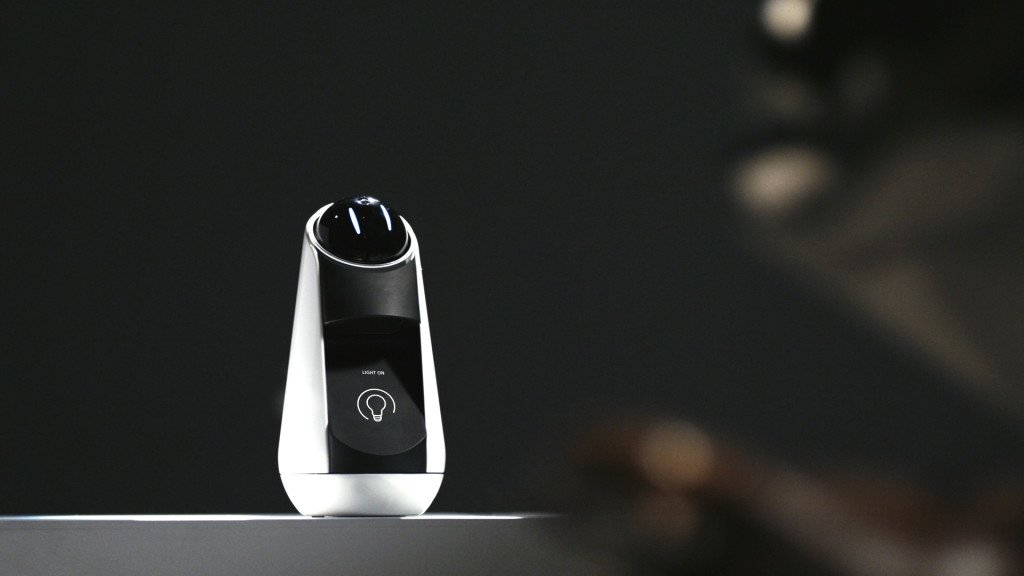
The Xperia Agent as Sony intends it to be is a mix of a watchdog, butler, and an assistant which can be controlled with your voice, gestures, and more. This bot is essentially a smart hub equipped with a rotating camera, a two-way microphone, a speaker system, a projector, and Wi-Fi so that it can perform a wide range of tasks, including information retrieval, message delivery, and even automated control of your home appliances for you.
Xperia Agent can do tasks like recognize when you walk into your house, and then automatically turn on your lights for you, play your favorite playlists, and tell you about the calls you missed. The project is still under development, but upon its completion, the Xperia Agent is to possess a more of a natural, human interface you can have a conversation with.
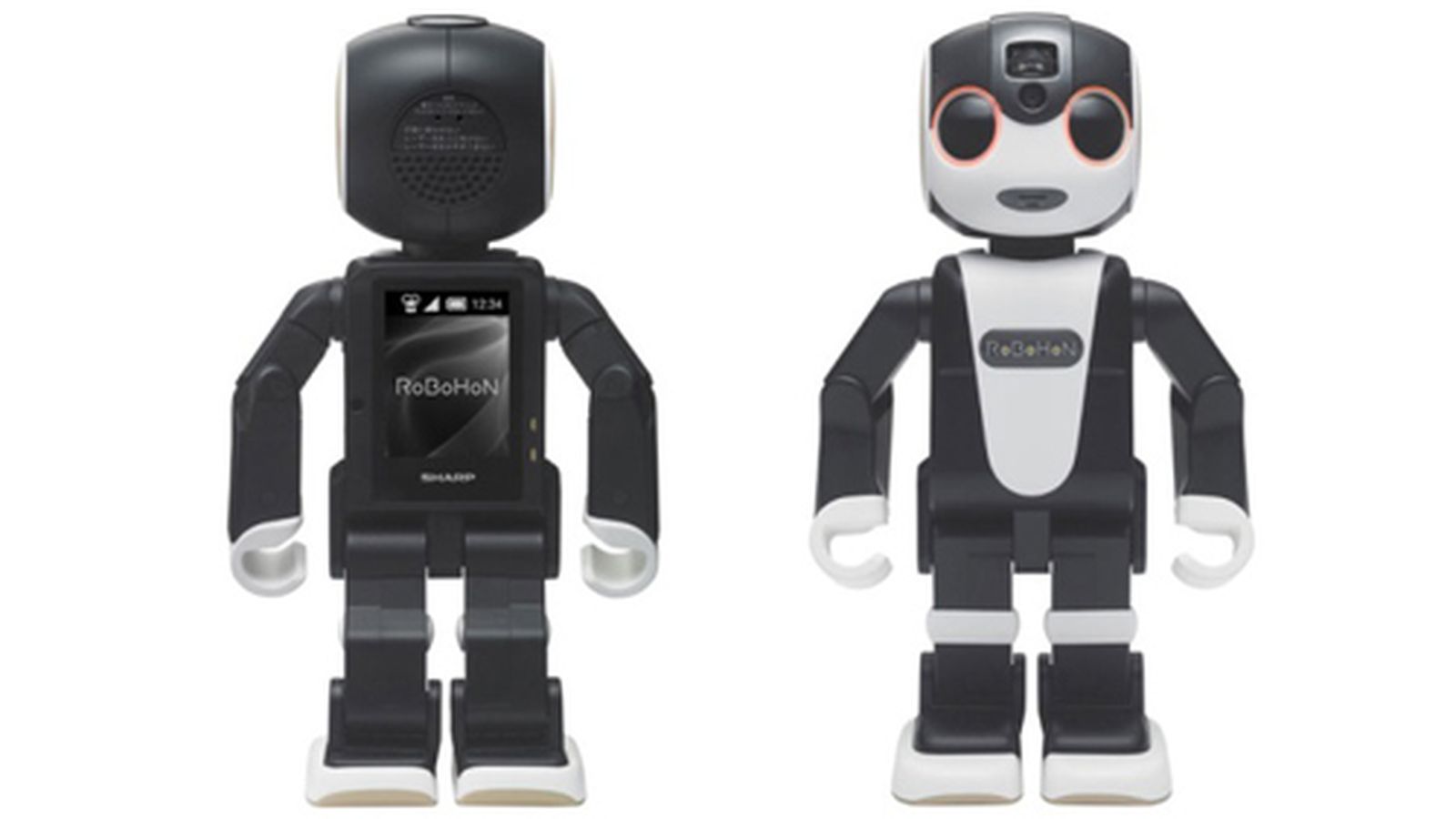
Sharp’s new RoboHon look like a cross between “Pepper” the Robot and a Lego figure. RoboHon is a small robot phone that is 8 inches tall and can take calls, read emails, and be of great help snapping pictures of you and your friends at your the next house party.
RoboHon is majorly controlled through voice commands and unlike Pepper isn’t adept at gestures and understanding human emotions, but it does come with a small touchscreen on its back for tasks that are more complex. It is possible to ask the RoboHon questions. It connects to the net to find answers and speaks instead of showing a result on a screen.In addition to answering questions, the uber cool droid can be asked to dance and it responds ‘look how good I am,’ before showing some smooth robotic moves.
Starship Technologies Delivery Bot
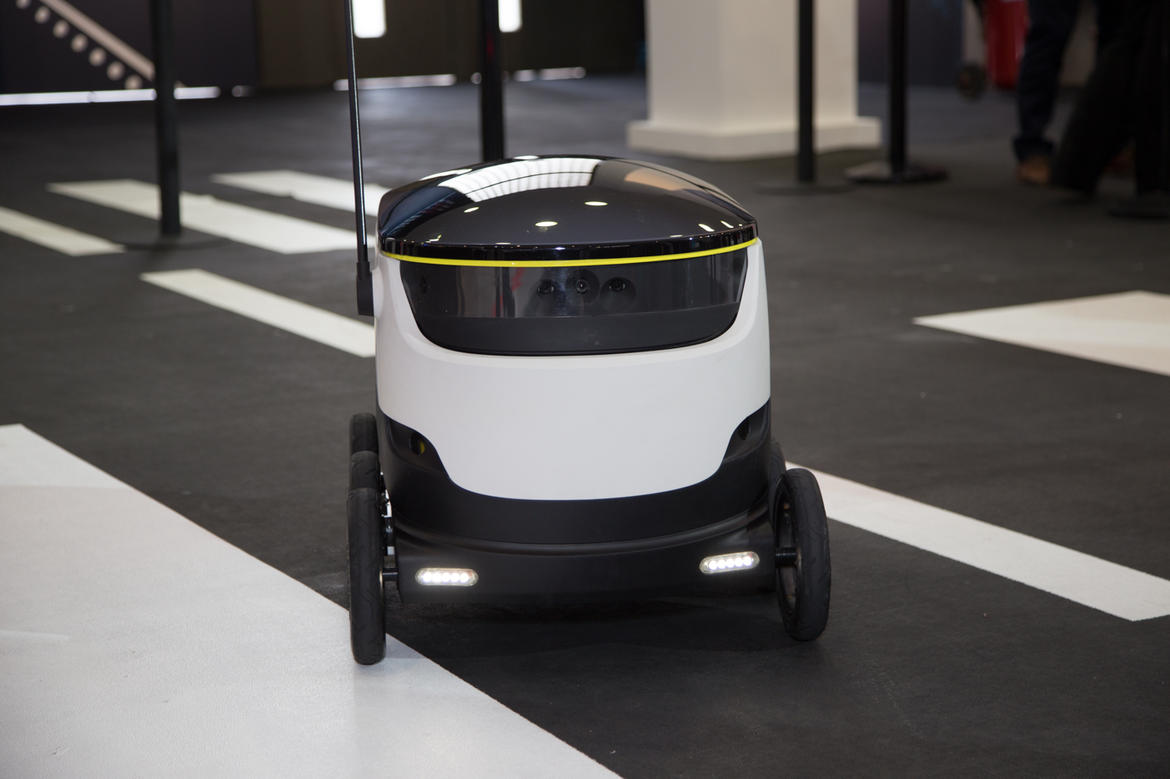
Move aside humans, future of pizza delivery is here! This delivery bot that goes by the name of Starship is an autonomous delivery robot from Starship Technologies, that can drive on footpaths, and sideways and hopefully in the future will do most of the delivering for you. Ahti Heinla and Janus Friis, the brains behind this project want the Starship to become a common thing for our cities as they see huge potential in the idea to help small suburban businesses by making low-cost deliveries with almost no added infrastructure.
Starship can reach maximum speeds of 6.5 KM/h and has a capacity of carrying weight of 10 KG. But the what works in the Starship’s favour is that it seems inherently safer than the delivery drones and autonomous trucks that Amazon and Google are planning for us. Starship’s onboard cameras and AI help it avoid running into objects, and the robot will even move out of the way of nearby pedestrians.

The Mobile World Congress is over, and the 4-day event saw some exciting innovation in the world of technology. There were new, next-gen smartphones unveiled, virtual reality and 360-degree cameras and more. While a lot of focus was given to flagship smartphones and VR technology, there were those that went quietly into the background. Here’s looking at some of the coolest technologies that may have gone unnoticed.
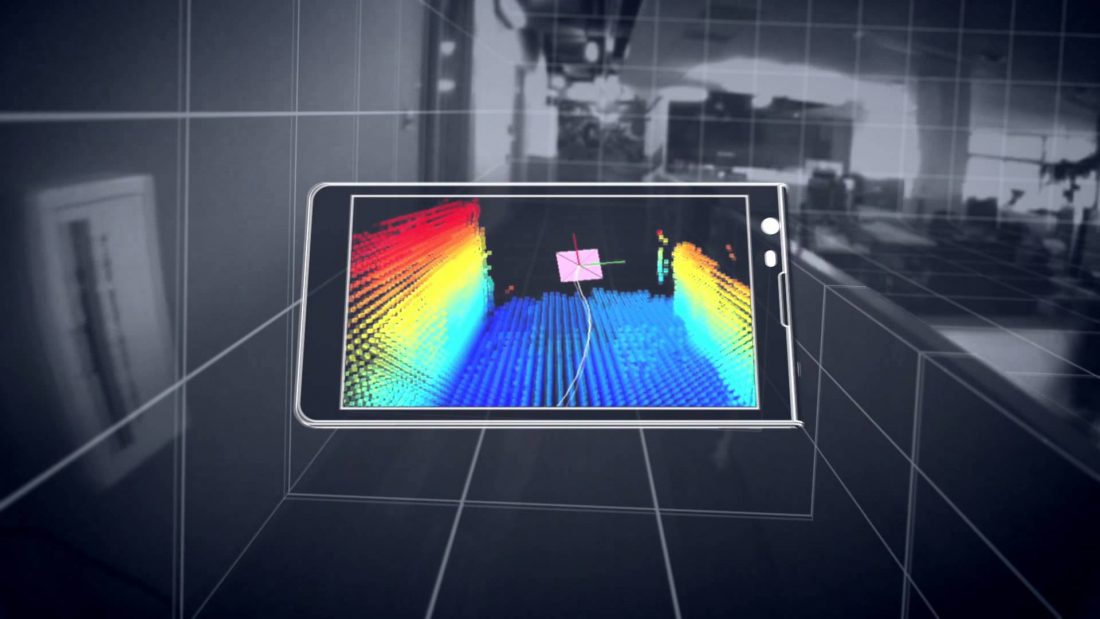
Last month, Google and Lenovo announced plans of a partnership to build and sell the first smartphone that can make use of the former’s take on 3-D Augmented Reality technology. Google likes to call this tech fondly as ‘Project Tango’. At the MWC, Google and Lenovo showcased Project Tango to an eager audience.
This tech will help support smart devices figure out space and motion just like humans do, allowing the devices to understand their surroundings in a 3-D view, and track their path as they move through them. Using ‘Project Tango’, a device can map the dimensions of the room, essentially projecting it on the screen in a 3-D form.
Project Tango Development Kits were earlier launched to help developers create apps to better use this technology. Future uses of Tango could be apps that use 3-D augmented reality technology to help you decide how a piece of furniture will look in your room. Several interactive games could also be made using ‘Project Tango’. Possibilities, in all honesty, are endless.
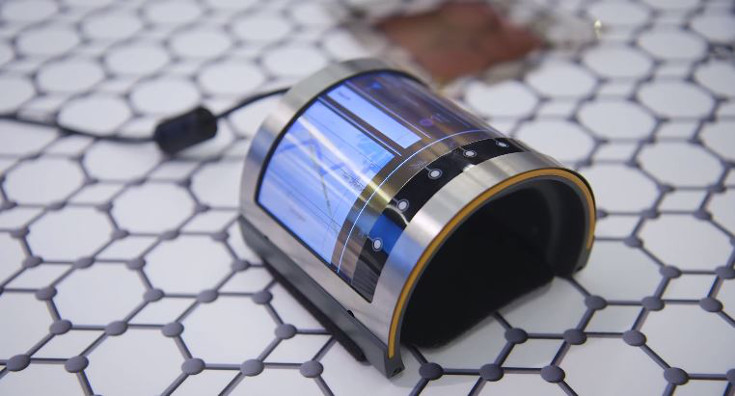
Secretly, we all wanted to see displays that are curved and rollable. Indeed, this is where technology is heading to next and FlexEnable has perhaps raced ahead to bring us a screen that you can wrap around your wrist. The company showcased a prototype device of its flexible bracelet.
The device uses plastic transistors to achieve the kind of bend that it does, creating what the company calls OLCD (organic liquid crystal display) screens. FlexEnable says that these displays can achieve the same resolution as normal LCDs only brings some flexibility to it. The display cannot flex and bend at will and will require OLED displays for that to happen, but this prototype is just a peek of what flexible displays in the future could look like.
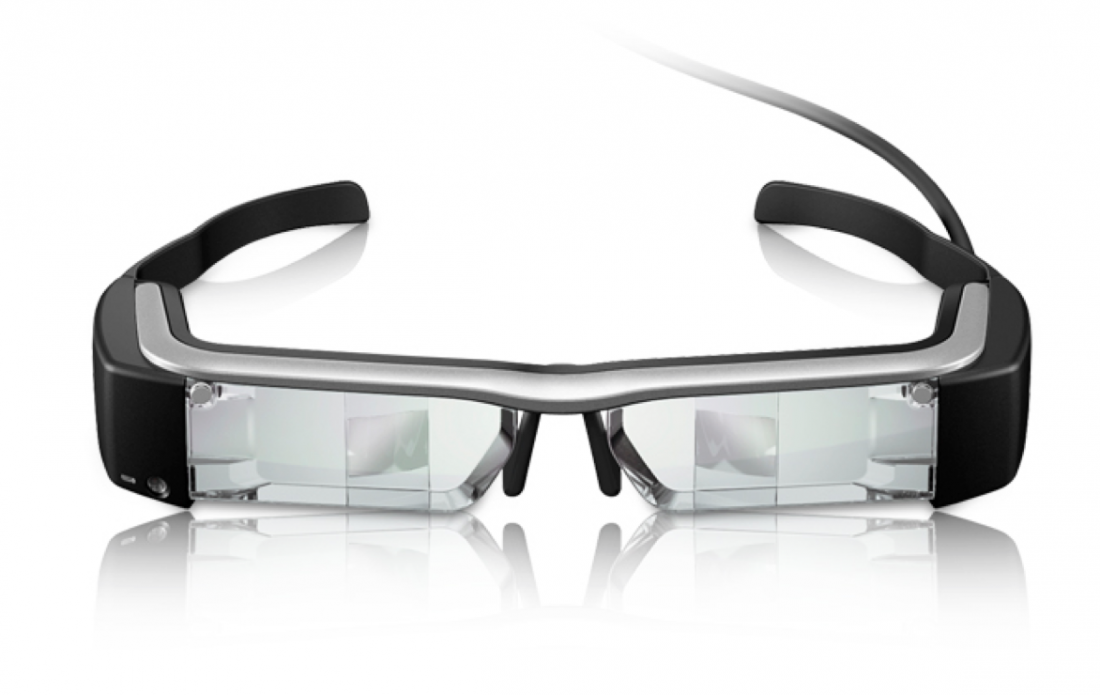
Epson has quickly grabbed the empty space left by Google in the augmented reality glass department. At the MWC, Epson unveiled its Moverio BT-300 AG glasses. It comes equipped with an OLED display which projects an image in front of the eyes that feels around 80 inches in size. All of this is powered by a Intel Atom X5 processor and Android 5.1.
The glass comes with 6 hours of battery life after which the display will stop working and will simply act as any other pair of spectacles.
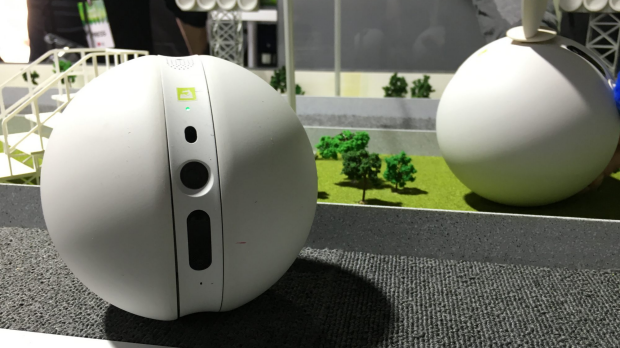
LG unveiled not only its modular flagship G5 smartphone but also its ‘friends’. The company revealed a bunch of accessories and modular features for the G5 among which is this Rolling Bot that acts as your rolling home surveillance.
The Rolling Bot has an 8MP camera, speaker and laser that can be controlled via the home’s Wi-Fi through an app on the G5. The company says that the Rolling Bot is designed to keep your pets busy while your out, keep a check on them using images and videos from the camera. The speakers on the bot let you communicate with you pet as well. Price and availability are yet to be announced.
Xperia Ear
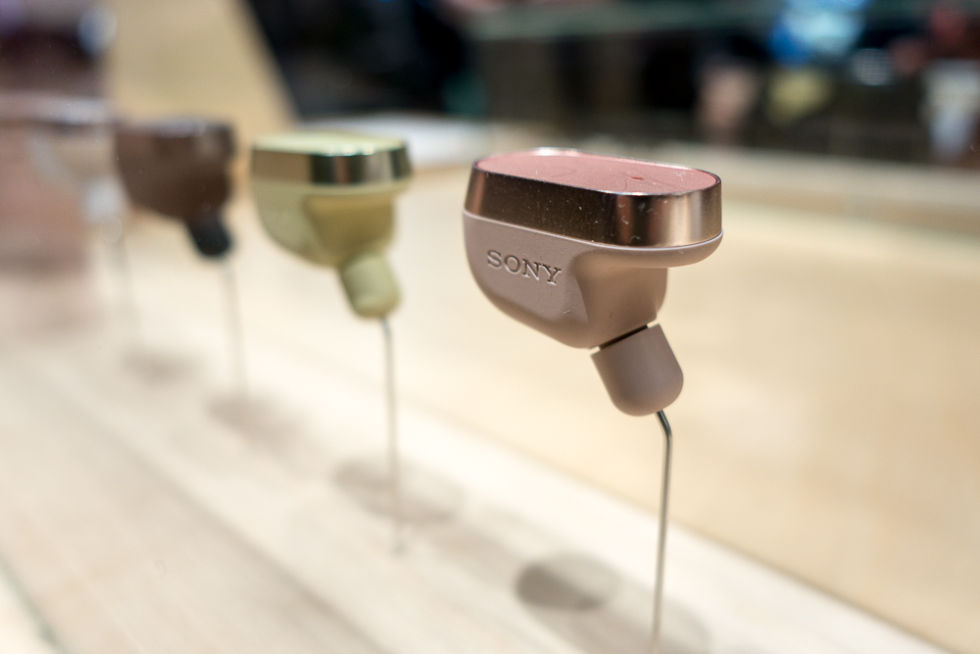
Sony may not have wowed its audiences with its smartphones at the MWC, but it did bring some pretty cool smart accessories to the floor. Sony announced three big innovations in the form of peripherals: a projector, a life-blogging camera, and an in-ear personal assistant. The best amongst the three, the Xperia ear. It is a tiny Bluetooth-connected ear piece which acts like a voice-controlled personal assistant which can take calls, send messages, get traffic updates or check the weather and even help you finding your way around the city. Step ahead towards the future we say.
The earpiece is comfortable and discreet and is compatible with Sony’s own software while also being equipped with the power to use Google Now helping users take advantage of Android’s ever-expanding voice control functions.

MWC 2016 has officially kicked off. The opening day saw Huawei and LG take the stage unveiling their new devices. LG, of course, unveiled its flagship G5 modular smartphone while Huawei launched the Huawei MateBook.
The MateBook is a 12-inch 2 in 1 tablet that is powered by Windows 10. With this, Huawei looks to Microsoft’s Surface Pro 4 and Apple’s iPad Pro. The MateBook comes with a detachable keyboard much like the iPad Pro. Launched at a price of $699, the MateBook comes with an Intel Core m3 processor, 4GB of RAM, 500GB storage, and a 128GB SSD. The tablet also features a 5MP front camera and a fingerprint sensor on he side. The keyboard, stylus and dock are priced at $169, $69 $99, respectively.
The MateBook, according to Huawei, is the result of all that the company has learned from its smartphones and tablets over the years. The display is a nice 2160×1440 pixel resolution with a 10mm thin bezel around it. The metal unibody design gives it a premium feel. The tablet also features dual speakers at the bottom with Dolby Audio.
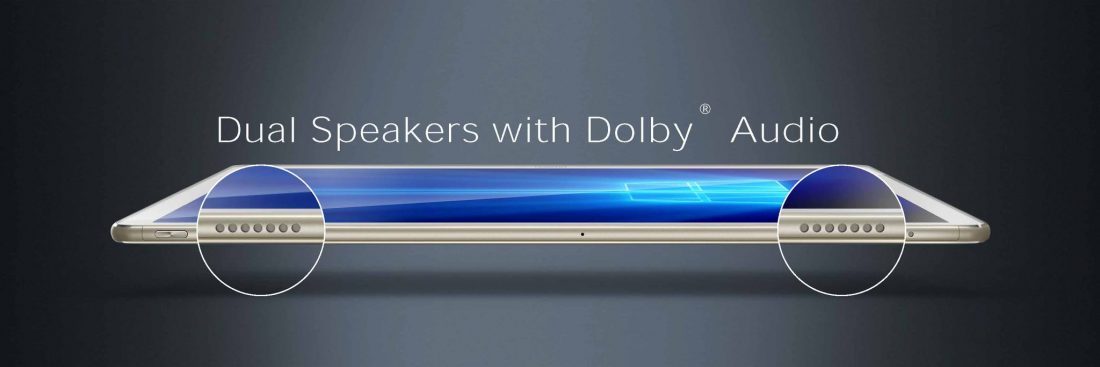
The MateBook’s 4430mAh high-density Lithium battery promises up to 10 hours of battery life after which a USB Type-C Cable will charge it back up in no time. Weighing in at 640g, the MateBook is lighter than the iPad Pro and the Surface Pro 4.
A couple of months ago, Sony launched a crowd-funding platform, a la Kickstarter, for its own new products. Called First Flight, the platform is one of company’s attempts to get itself back on its feet by increasing profitability. The platform includes crowd-funded projects, along with allowing customers to directly buy or pre-order products developed by Sony workers.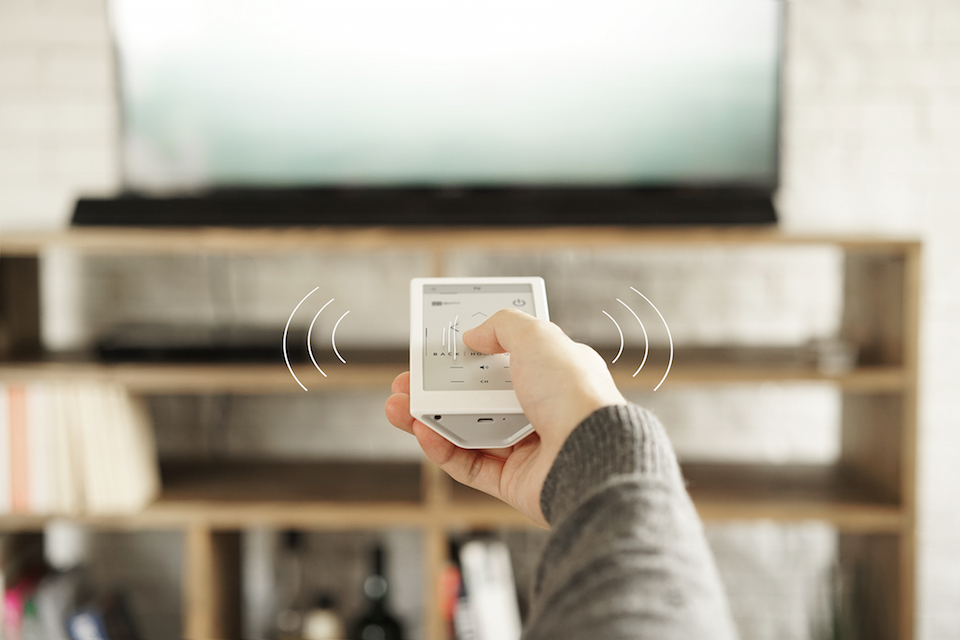
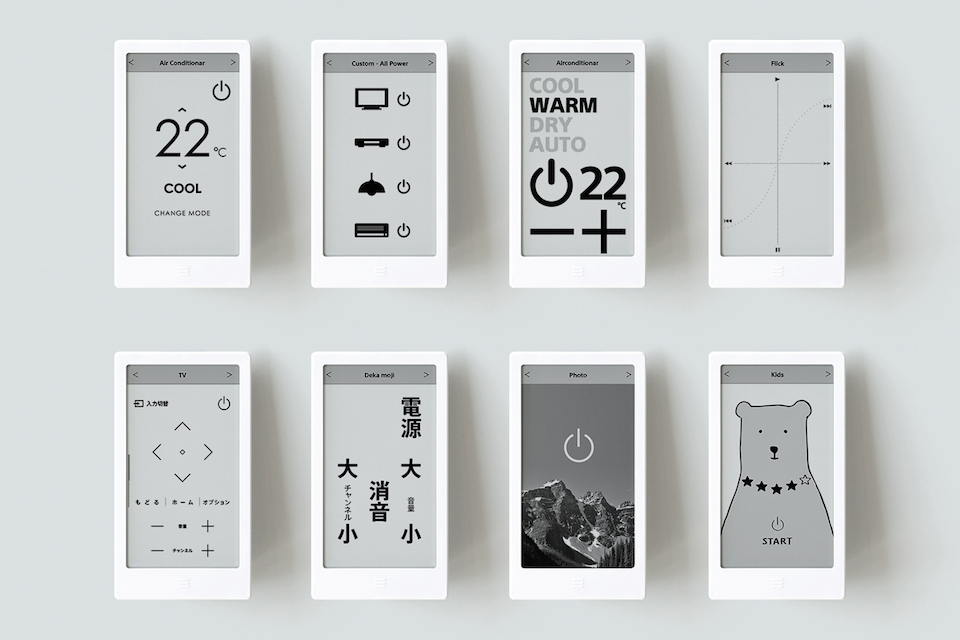
The latest updates from Sony’s First Flight comes in the form of an e-ink device called ‘Huis’, pronounced as ‘house’, which is also the first project of the platform. It is a remote for your smart-home allowing you to control lights and remote controlled devices. How is it different from the many other such devices out there, you ask? To begin with, it is fully customizeable, is very low on power-demands and has support for IR, Bluetooth and Wi-Fi.
The remote works with television sets, music systems, lights, air conditioners and pretty much anything that is capable of communicating with a remote (barring any pets of the feline origin). Watch technology make your life so much easier as remotes for so many different gadgets get condensed into one with Sony Huis.
Though there is no word yet on when Huis would be made available globally, Sony has already begun taking orders for it in Japan. Currently it costs ¥27,950 or about Rs. 30,000.
Now that we are done and dusted talking about dating apps, let’s move to the second step -making your techie-Valentine happy with the perfect gift this year. Here’s our guide to shiny, little objects to shop for this year.
FitBit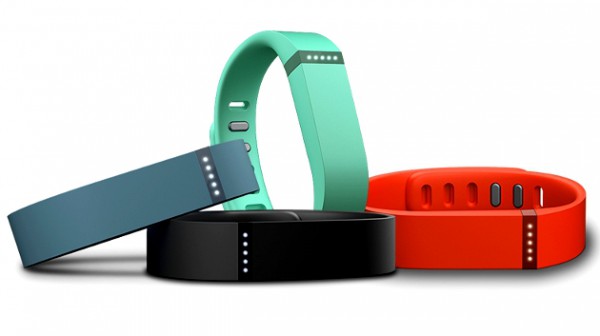
If your partner is into fitness, look no further than the FitBit range of smart-wearables. From motion trackers to smartwatches, the company offers it all. The most recent addition to its family is FitBit Alta, a chic fitness tracker that can be personalised to suit your style. All FitBit wearables can be bought off Amazon or the official FitBit online store.
Gear VR
How about spreading some VR-love this Valentine’s? Check out Samsung’s virtual reality head-set called Gear VR launched in India just last month. The Samsung Gear VR Headset is priced at Rs.8,200. Gear VR is available through the company’s retail stores, as well as through Flipkart.
Headphones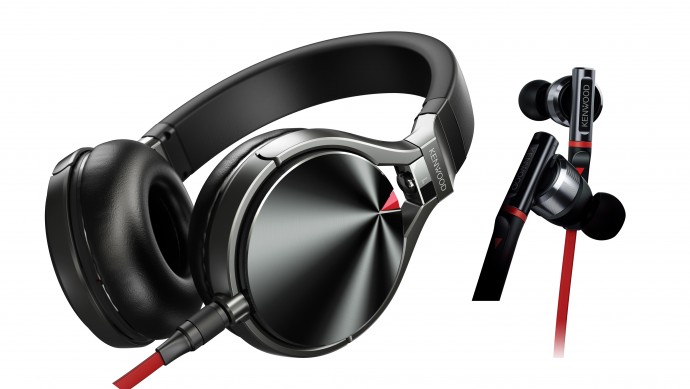
This is the perfect gift for all music aficionados. The best part about gifting headphones is that you will always find one that suits your budget. From Skullcandy to Sennheiser to an endless list of brands and designs and colours -you really are spoilt for choice here.
Portable Speakers
Talking about music lovers, here’s something else to add to the list. Portable speakers are by far one of the best things that happened to music. Connect them to your laptop or smartphone with Bluetooth or choose a bright, colourful AUX chord, which barely cost a dime, and voila! A nice portable speaker would easily fit within Rs. 2000.
Powerbanks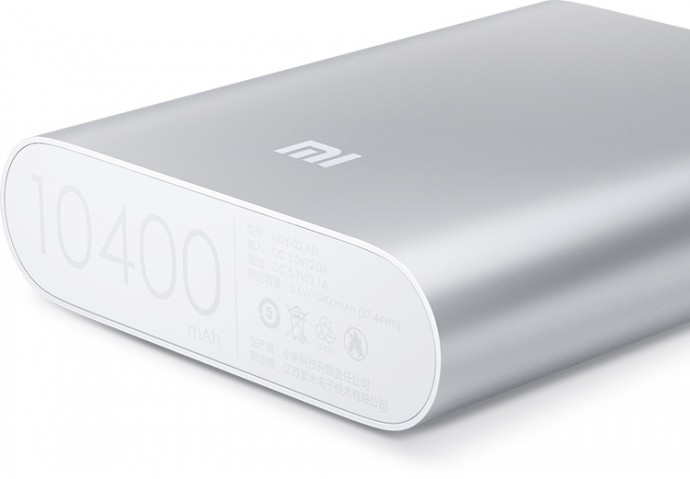
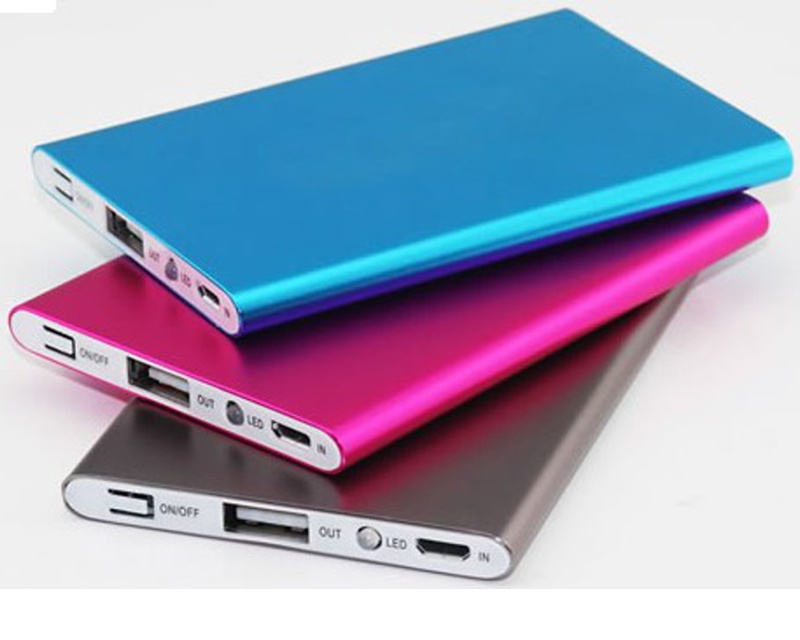
If your partner finds it hard to stay off their smartphone (no matter how much it may have annoyed you in the past), it’s time to let them know you’re not only willing to accept this trait of theirs, but also encourage it by gifting them a powerbank. This will ensure their phone never runs out of juice again while they never run out of love for you. A decent powerbank would fall under Rs.2000.
GoPro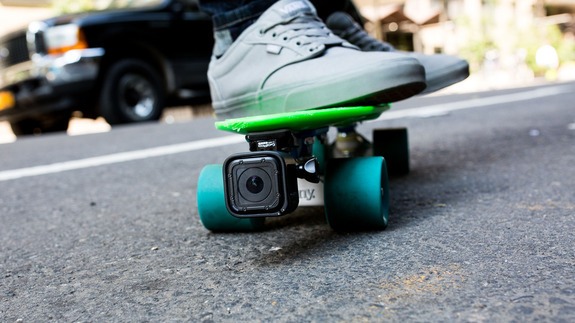
After music, it’s time to talk about photography and GoPro is the next big thing on this front. GoPro is the perfect answer to extreme-action videography. If you’ve been looking for a GoPro camera that doesn’t pinch your pocket and yet has some important features such as Wi-Fi and Bluetooth connectivity, your answer lies in the GoPro Hero+ priced at $199.99 (Rs. 13,200 approx).
Kindle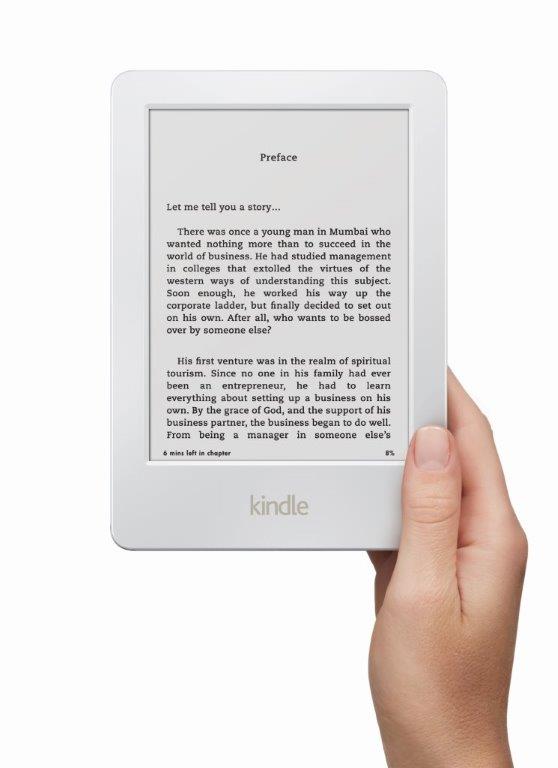
Kindle is the perfect gift for the bookworm in our lives . Ask any bibliophile and they would agree without a second thought how this is the best technological development ever. You could narrow down your choices between the basic, entry level variant or the back-lit Paperwhite. There is also a white colour option you could go for if a black Kindle is too mainstream for you.
Netflix Subscription
Yes, yes, this is not exactly a gadget and therefore does not belong in this list, but Netfilx just arrived in the country and we cannot stop talking about it. If all else fails and there is absolutely nothing you can come up with -just gift your partner a Netflix subscription – an epicly entertaining gift which is also easy on the pocket.

It was reported earlier that Google is working on a virtual reality headset quite similar to Samsung’s Gear VR. While speculators busy themselves pitting the two head-sets against each other, another development has occurred on the Google VR-front. If sources are to be believed, Google is expected to come out with a VR headset that would not require tethering to a computer or a smartphone. Being independent of these devices will definitely give the VR-headset an edge over its Samsung, HTC and Oculus counterparts.
The headset would be launched alongside the other Google VR headset expected to be in the same league as Gear VR, and therefore, providing strong competition to the Samsung device. It is also expected to arrive alongside a new version of Android which would make virtual reality the core of the operating system.
Virtual Reality seems to be the next big thing in the tech world, already making a stable base for itself in the mainstream. Needless to say, this update from Google is bound to get users excited all over. However, the arrival date of this Google device is a little unclear at this point. We can hopefully expect to see it sometime later this year.
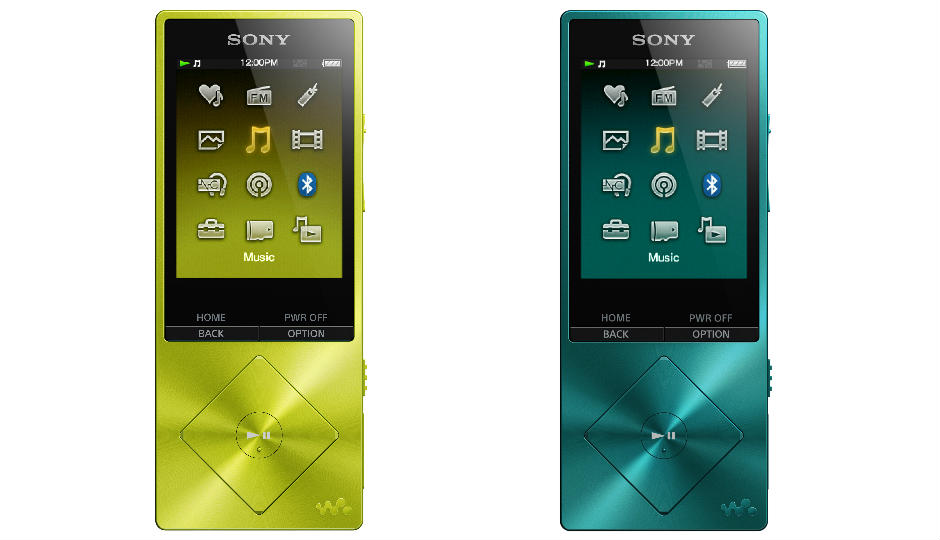
Sony today launched the NW-A25 high-resolution Walkman in India at a price of Rs 13, 990. The audio player is available through all Sony distributors and is available in Black, Blue, Pink, Red, and Yellow.
The Walkman comes with a 2.2-inch display with a 320×240 pixel resolution and has an internal storage capacity of 16GB that is expandable up to 128GB via MicroSD card slot. Sony promises up to 50 hours of MP3 playback and up to 30 hours of high resolution playback.
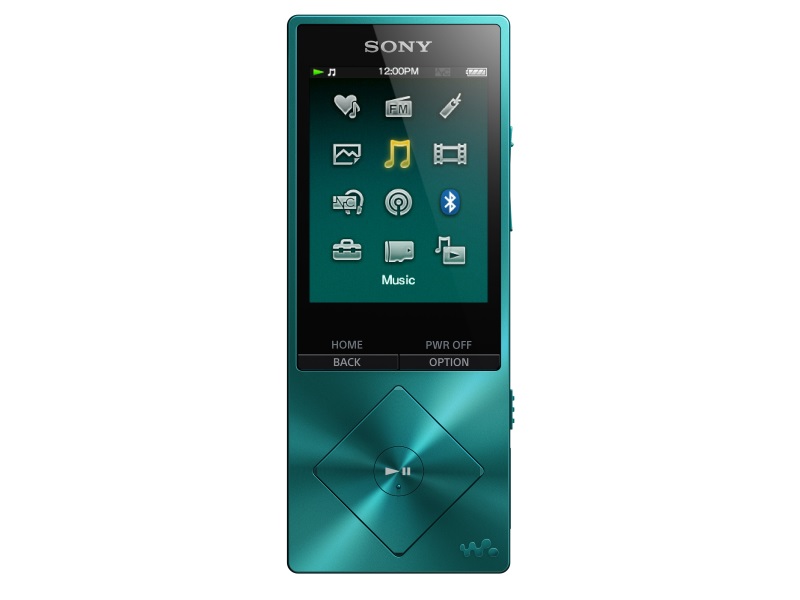
The audio player supports mp3, wav, aiff, wma, aac, he-aac, flac, and Apple Lossless formats. Other features include USB 2.0 support for fast charging and Bluetooth 3.0. One of the highlights of the Walkman is its digital noise cancelling system which means you won’t have trouble hearing music in buses, trains and anywhere else noisy.
Sony’s LDAC technology also allows for wireless Bluetooth audio streaming from compatible devices. The DSEE HX (Digital Sound Enhanced Engine HX) bumps up standard quality audio to Hi-Res quality.
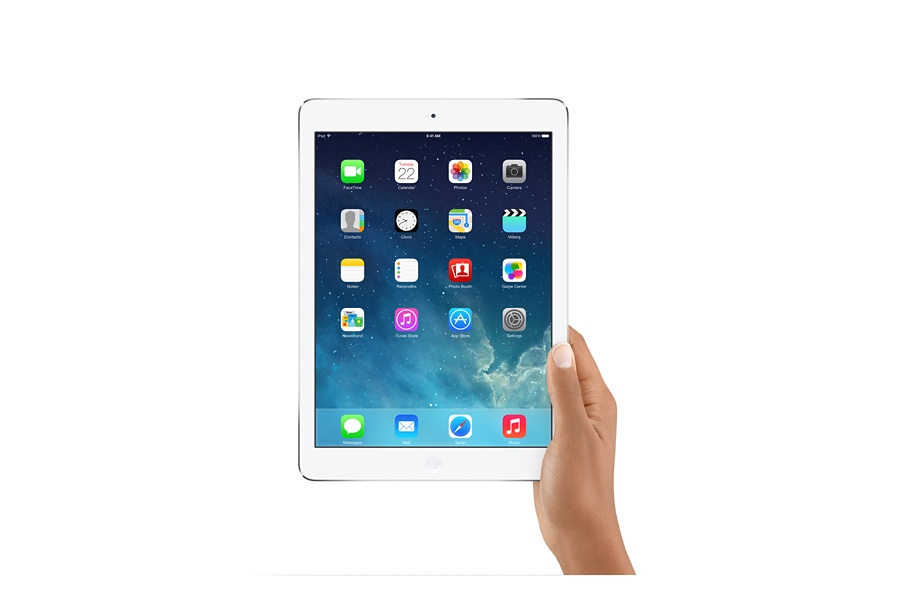
Apple will hold a press event in March where it will announce new Apple Watch models along with a new and updated iPad Air. Latest update from this front comes in the form of a leaked case design for the iPad Air 3 which suggests potential design changes.
The image that appeared online shows a cut-out for the Smart Connector. Apple had introduced this feature first in the iPad Pro, to ensure stable connections with other devices. Looks like the Smart Connector could feature in the iPad Air 3 as well.
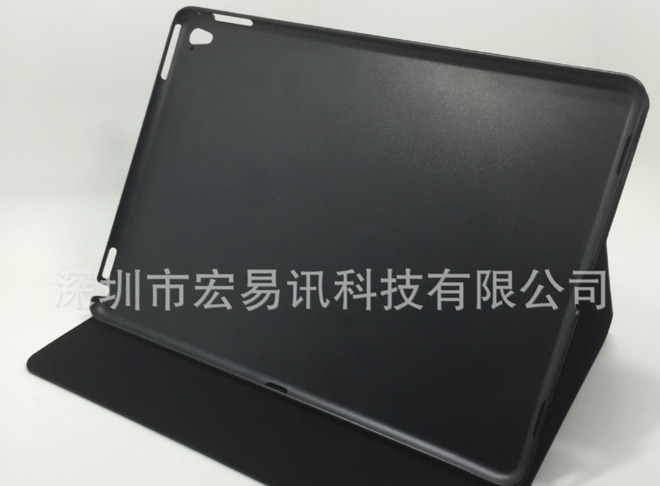
The leaked design also shows four cut outs for speakers -a feature reported only a couple of weeks ago. The cut-out for the camera on the back is also longer and bigger, hinting at the presence of rear camera flash for the device.
However, rumours that stem from cover designs should be taken with a hint of salt. Cover designs are often conceptualised and circulated without an official confirmation from the company, as is true for this iPad Air case as well.
The iPad Air 3 is expected to be launched in March, alongside iPhone 5se and the new Apple Watch variants.
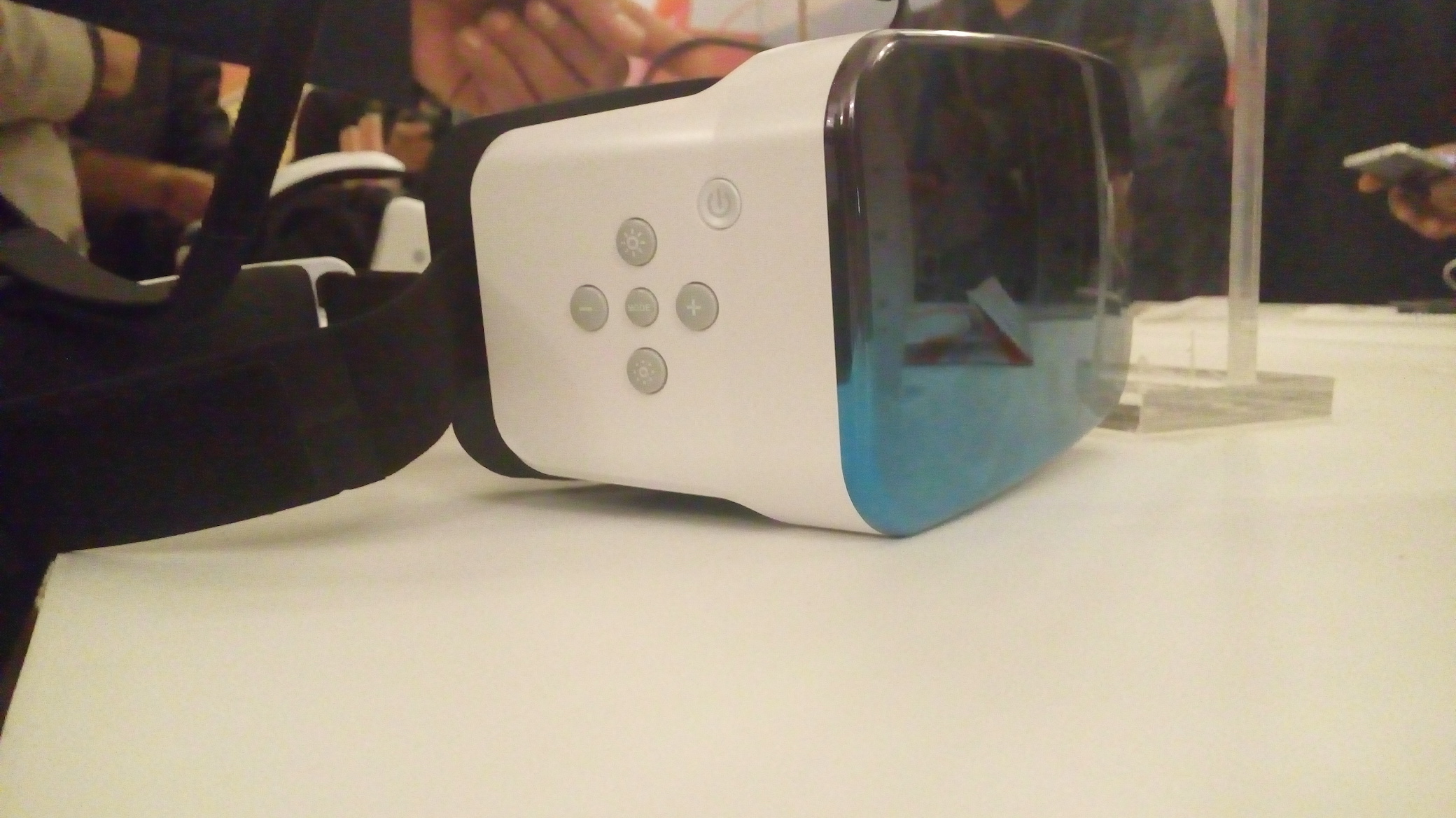
Chinese Smartphone maker LeEco, according to reports, has plans of selling virtual reality headsets and bring to the markets smart Tv’s for its consumers in India during the next quarter.
LeEco’s VR headset which will be called the Le 3D Helmet will come equipped with a 5.5 inch, 2K resolution display with a 70 degree view. The 3D headset was launched in China and soon will make its way to India.
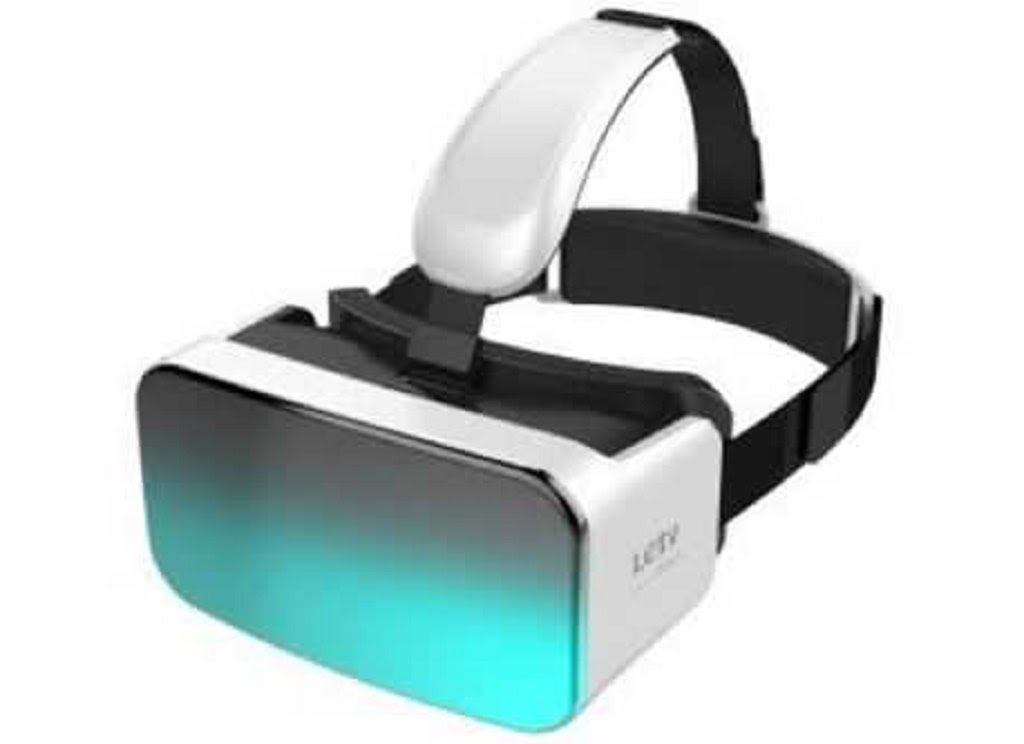
Virtual reality (VR)is soon becoming the next big thing in India but not too many VR headsets have made way to the Indian markets as of now, and as such there is a growing market space to be catered for VR hardware, and LeEco plans to take full advantage of that.
Atul Jain, India chief operating officer of LeEco, is keeping his cards close to his chest and has declined to disclose the price of the company’s VR device.
The company earlier this month unveiled three new smartphones to the Indian market and has disclosed impressive registration numbers for a flash sale which will see them retail on Flipkart. More than 300,000 customers have registered for the sale but the company expects numbers to go higher for subsequent sales.

Instead of an iPad Air 3 release a couple of months back, we saw the launch of the iPad Pro instead. However, recent rumours point to the possibility of the iPad Air 3 arriving early this year. And from what leaked schematics of the iPad Air 3 reveal, it could very well be worth the wait.

On the outside, the shape of the tablet appears to be similar in dimensions to its predecessors. The schematics also reveal the iPad Air 3 could be equipped with additional speakers around the tablet, similar to the ones found on the iPad Pro. The schematic shows speakers on the bottom and on the top of the device.
What will also be interesting news is that a cut out below the camera is seen which could well house a flash to complement the shooter. The schematic also shows the survival of the 3.5mm jack on the iPad 3 Air.