Smartphone News and Reviews, Latest Cellphones, Accessories, New Launches, Specifications, Details with Image and Video from Apple, Samsung, Lenovo, Moto, HTC, Xiaomi, Oneplus, Meizu, Sony, Lava, Micromax Yu Mobile and More.
Xiaomi has taken into consideration the massive privacy scares regarding their devices and are taking proactive steps towards addressing them. The company is planning to shift non-Chinese user data out of its Beijing data center. This comes after the directive issued by the Indian Air Force for its personnel, asking them or their families to refrain from using Chinese phones.
The Air Force had cautioned its employees, warning that Xiaomi was secretly sending user information to a secret location in China. Xiaomi has been a favorite amongst the young population because of high spec devices which are available for attractive prices. The buzz around it has led to a figurative stampede to get the device on Flipkart.
One of the most popular phones in India, the Xiaomi Redmi 1S sells out within seconds on Flipkart.
Seeing this accusation by the Air Force could cause trouble for its business in India, Xiaomi quickly went into damage control mode. Xiaomi’s Vice President of International, Hugo Barra wrote a detailed blog post on how the company plans to take on the issue.
Mr.Barra said that the company has been setting up servers in multiple locations and will be moving user data outside China. All international user data will be shifted to Amazon AWS data centers in California (USA) and Singapore. This migration process will be completed by the end of October and will benefit its users in Hong Kong, India, Indonesia, Malaysia, Philippines, Singapore, and Taiwan.
It was also said in the post that by next year the company will try to set up a local data centre in India and Brazil itself. This will give users faster access and privacy can be maintained in-country.
The Chinese authorities have been facing heavy criticism for engaging in a man-in-the-middle attack on Apple iCloud account. Considering the interfering nature of that government, it is rather safer to keep your data away from their prying eyes. We have to wait and see if these measures taken by the company offer some good solutions to the concern. People love these irresistible devices, but the importance of privacy cannot be overlooked.
In response to the unprecedented high demand for the new flagship iPhone 6 and iPhone 6 Plus in India, Apple has decided not to offer any EMI options. The reason quoted for this is that they are not able to cope up with the supply. Apple had tied up with Bajaj Finance and Capital First to offer a zero-interest finance options on their earlier products. However, the schemes are not applicable to the new line-up.
It has been said that the company will furthur evaluate the decision to offer EMI options for the new iPhones in the January quarter. Meanwhile, EMI options are still available on older models which include iPhone 5s, 5c and 4s.
Both phones deliver a good battery backup even with their massive displays.
The iPhone 6 has gone out of stock in India just days after its official release. In the nation’s capital, Apple’s ardent fans had even lined up at midnight to be the first to buy the device.
Apple had brought in a stock of 55,000 devices for sale in India on the midnight of 16th October. The entire stock got sold in just 3 days. Now the company is planning to bring 25,000 new devices soon to quench the demand for the latest bestseller. It was said that there will be a delay of three days before the devices are available again.
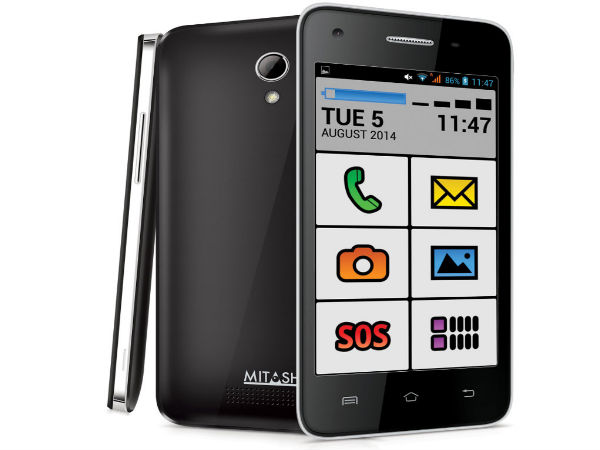
In this day and age of high end specs and 4K displays, manufacturers are launching phones for the aged, trying to venture into a demographic that generally stays away from high tech gadgets. Philips Mobile and Mitashi on Monday launched phones for senior citizens featuring larger buttons, a bright screen and a convenient flashlight.
“The senior generation, while being largely technophobic, is looking at their grandkids engaging actively on the Android platform and definitely wants to get onto the bandwagon. We thought of addressing the need of a smartphone exclusively made keeping senior citizen’s needs in mind,” said Adnan Chara, Vice President of gaming, toys and telecom at Mitashi.
With 5 per cent of India’s population over the age of 65, this is a huge market to tap into, added Chara. Mitashi introduced their Android KitKat PLAY Senior Friend AP 103, priced at Rs. 4,999, meanwhile Philips Mobile introduced its first feature phone for senior citizens called the Xenium X2566, priced at Rs. 3,800.
These so called feature phones are less complicated than smartphones, as elderly citizens have trouble adapting to new technologies. In time, we will find out how beneficial these smartphones are or if its just another marketing gimmick.
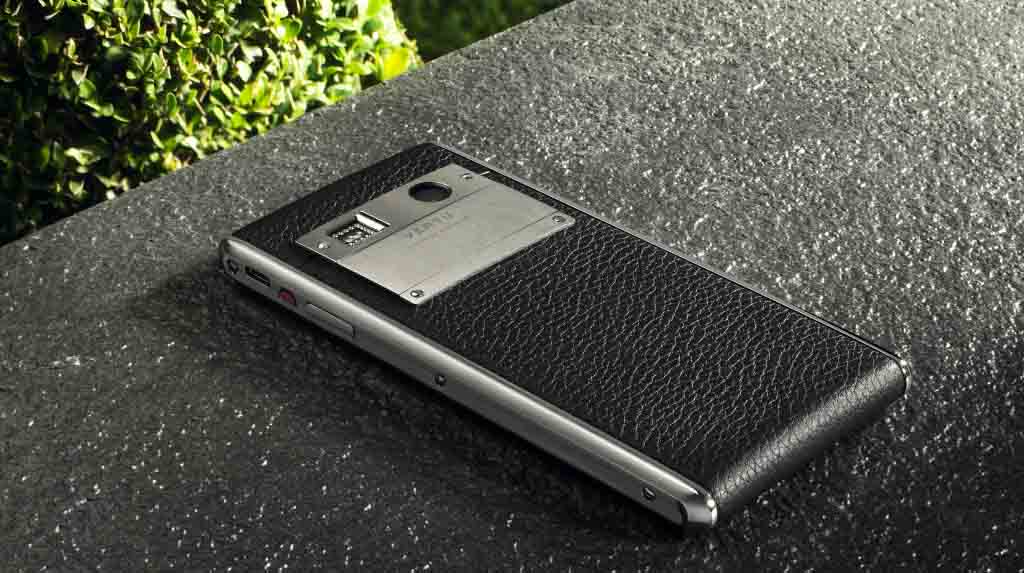
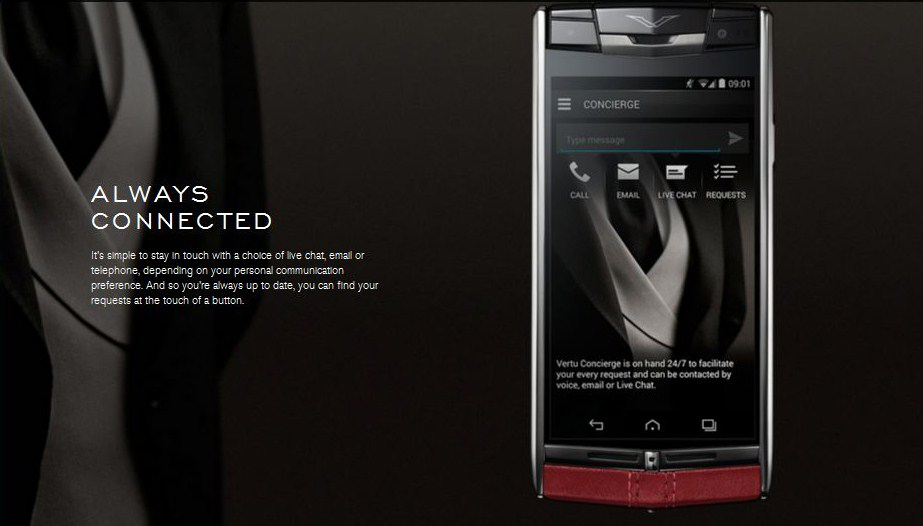
Just when people were raising a hue and cry about how pricey the new generation flagships are, Vertu the king of luxury phones has brought its Aster to India. Vertu, which was formed by Nokia (hope you still remember that name,) is known for its premier hand-crafted and ornamented phones. The Aster too comes from this family of opulence.
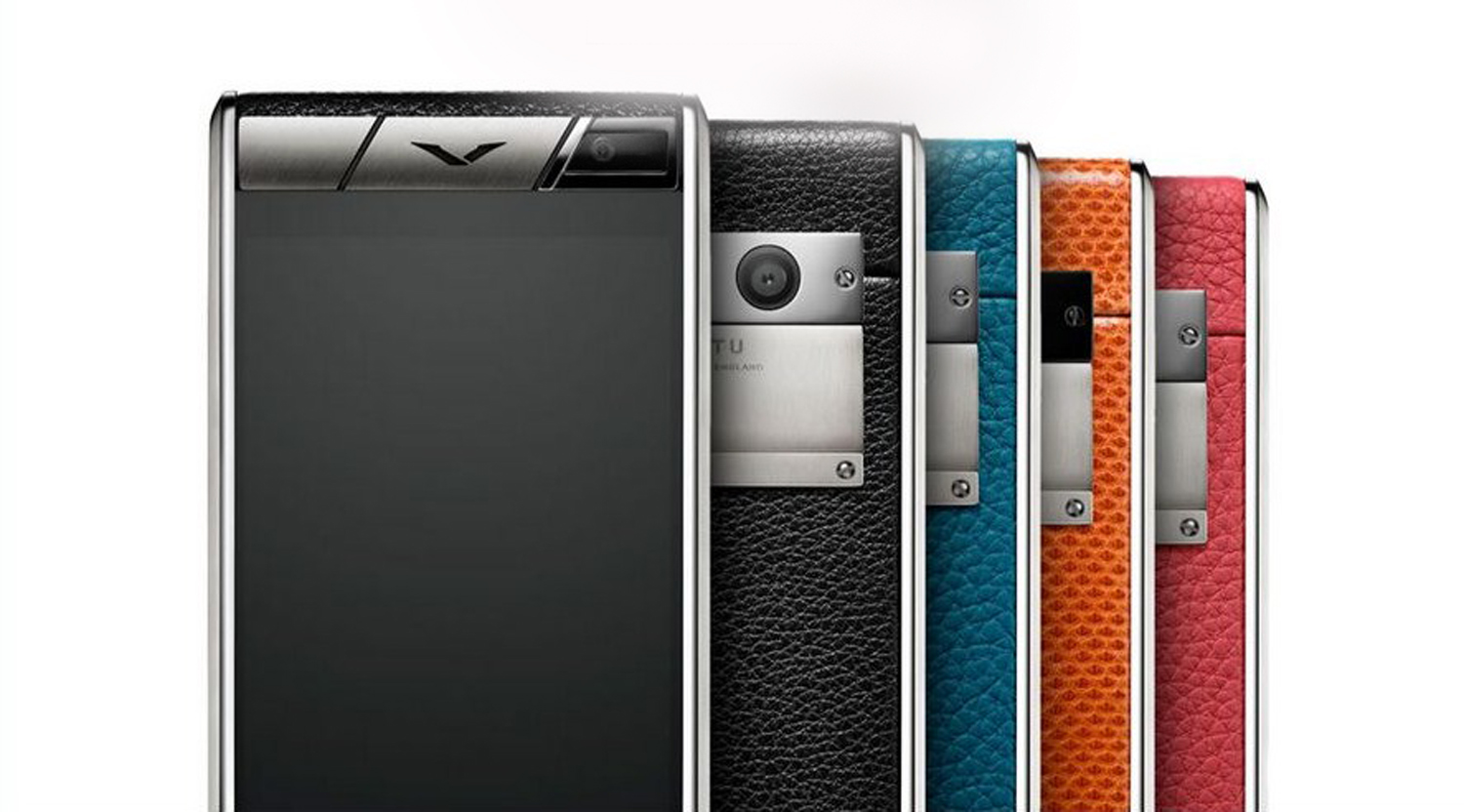
The phone comes in multiple color options that are made of elegant materials.
Vertu had for long stayed with the Symbian operating system but now it has made a shift to the Android OS. The device runs Android KitKat. It comes with a 4.7 inch Full HD display protected by Sapphire Crystal display.
The Aster is powered by a 2.3GHz Quad-core Snapdragon 801 processor. It comes with 2 GB RAM and 64 GB internal storage. It is juiced up (or rather champagned up) by a 2275 mAh battery. The phone is Qi Wireless Charging Compatible.
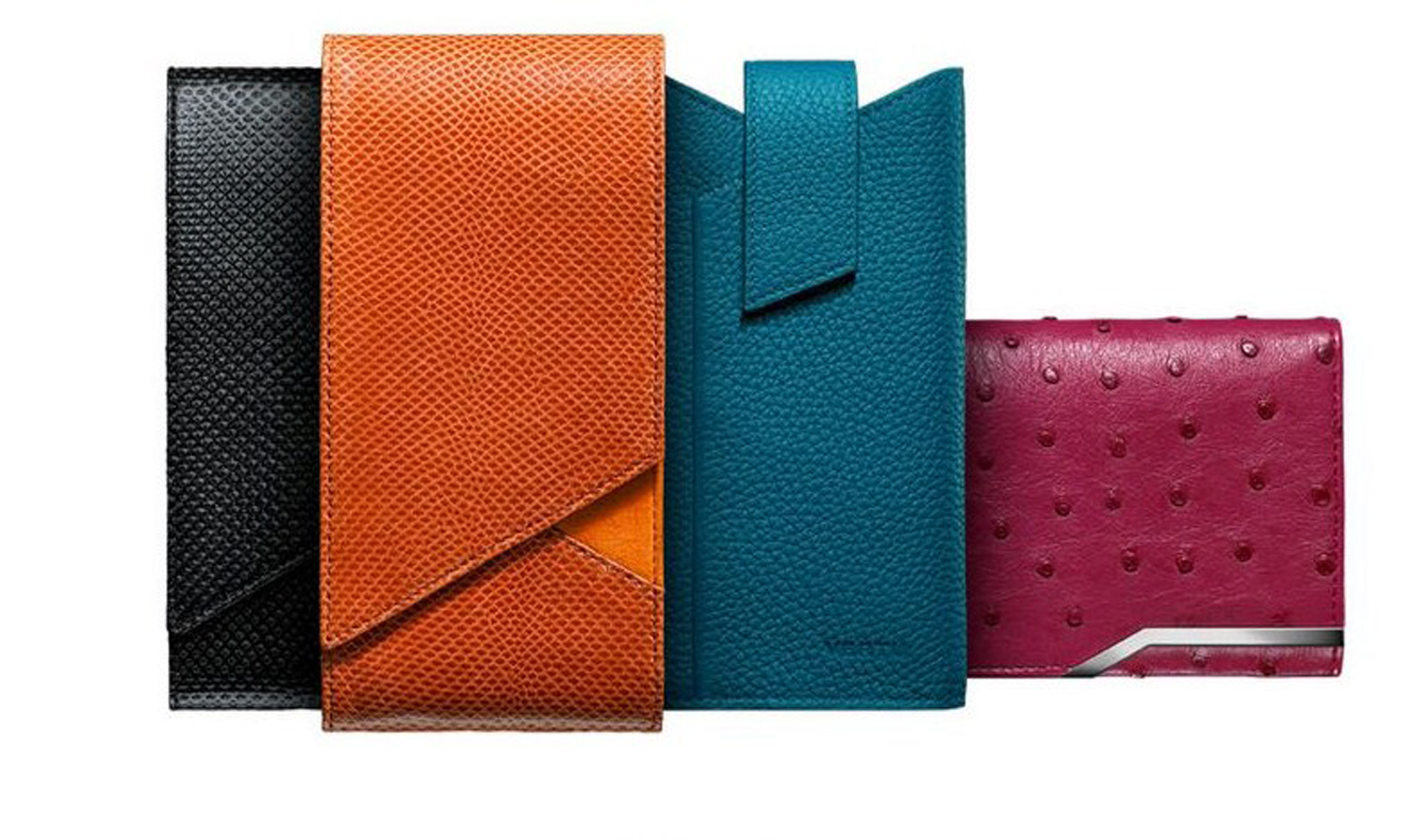
Vertu also offers multiple phone case options
It comes with a 13 MP camera on the back and a 2.1 MP camera on the front provided to have a skype chat about your new multi-million acquisition.
But with Vertu, it’s not about what lies inside the device, but what’s on the outside. The materials used in the production of this device include carefully selected leathers and skins and space age hardened titanium for the side rails, back plate, pillow and sound bar. There isn’t anything as ostentatious as this one.
The Conceirge service is a really attractive feature for the elites who buy this phone.
The main service feature offered by the phone is the concierge service. Aster comes with six-month concierge service that can be extended. Using the service you can get in touch with a personal concierge who can assist you with recommendations and priority bookings. They facilitate your every request, from finding the perfect gift to accessing exclusive events. The service is accessible 24-hour from anywhere in the world.
So if you have half a million rupees to spare for a communication device, this must be it.
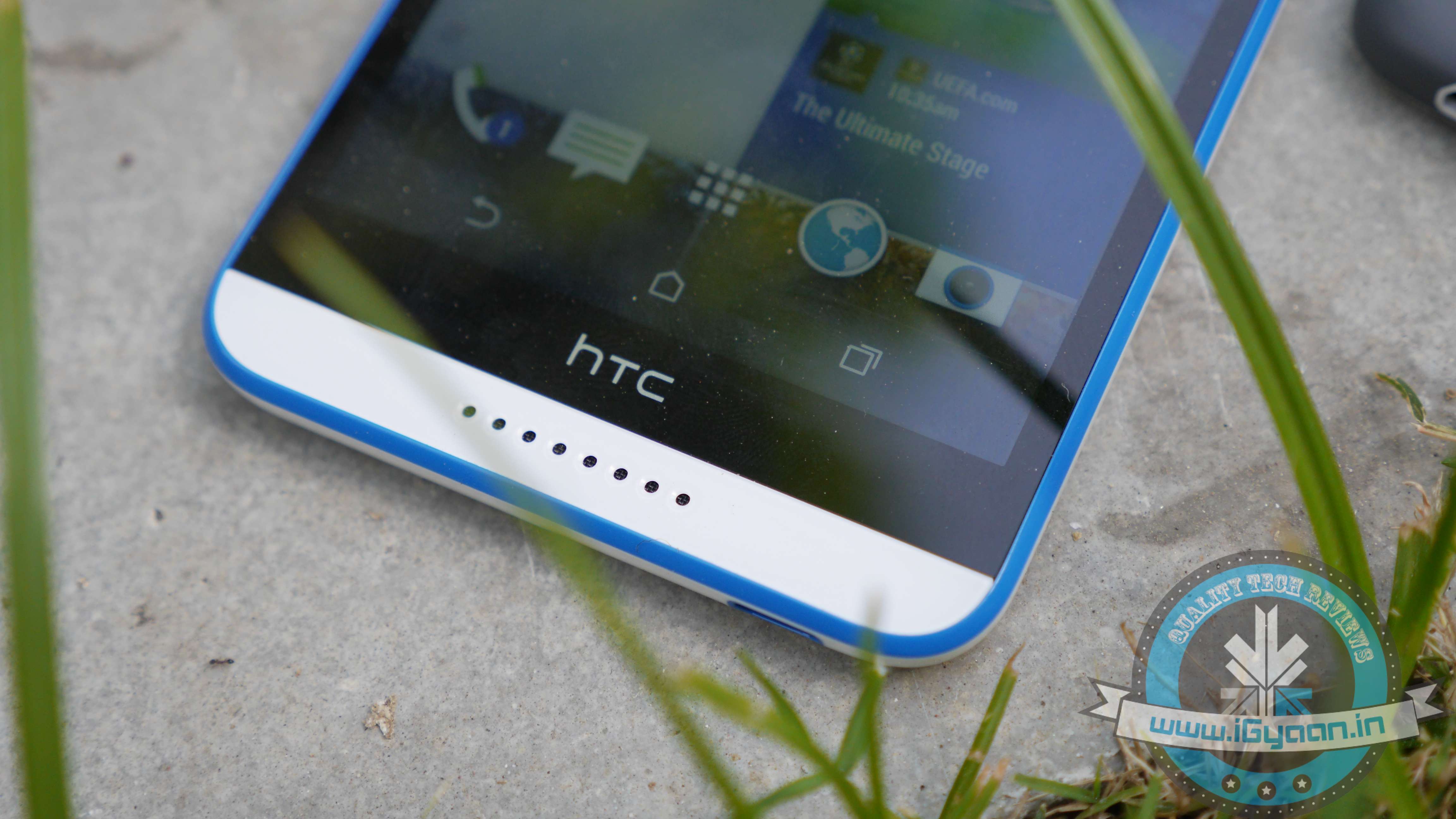
Having unveiled the new Desire 820 and 820q in India last month, Taiwanese tech giant HTC has now released them for the market. This is part of a mass release by HTC, who also brought the recently launched Eye series to India. The phones are competitively priced and will find a lot of takers in the market.
HTC Desire 820
The HTC Desire 820 comes with an Octa-Core processor (4 x 1.5 GHz + 4 x 1.0 GHz,) which will give it a good boost in performance. The RAM on the device is 2GB. It has 16 GB of internal storage that is expandable up to 128 GB. Add this with a 5.5 inch 720p HD display and HTC’s Boomsound, this device becomes a multimedia delight.
The main camera on the Desire 820 is a 13 MP shooter with a F/2.2 iris. The selfie camera on the front is a good 8 megapixels. The device is juiced up by a 2600 mAh battery.
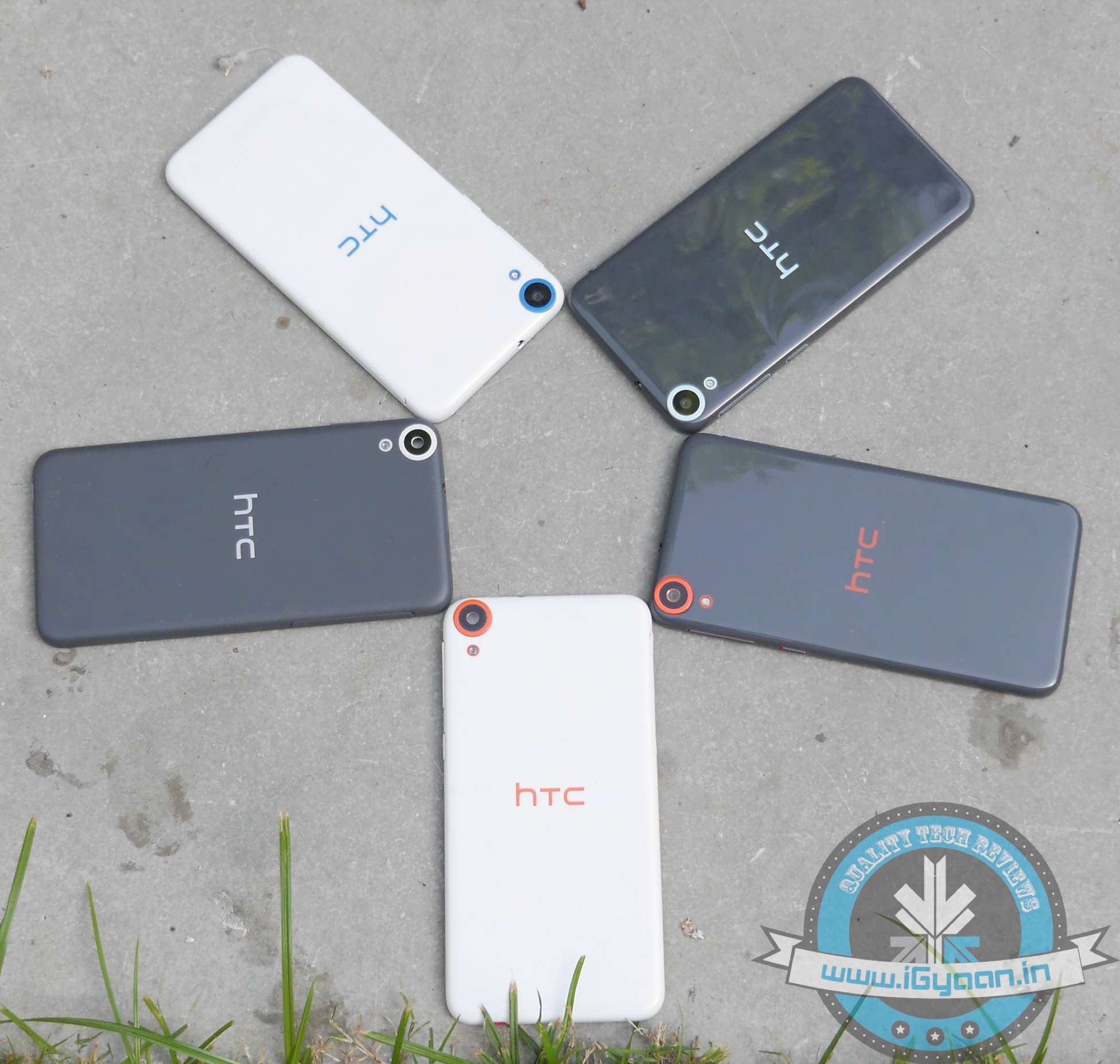
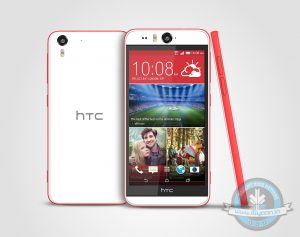
The phones multicolor design option makes it look youthful and as it is priced at Rs. 24,990.
The dual tone color options will entice a lot of people to buy the 820’s.
HTC Desire 820q
HTC Desire 820q comes with pretty much the same features as the Desire 820, but with some miniscule tweaks. The device is powered by a `1.2 GHz, quad-core processor along with 1 GB RAM. That’s about the difference between the two models.
The Desire 820q is priced at Rs. 22,500. Both Desire variants run Android KitKat 4.4 out of the box and will get a Lollipop update soon.
HTC Desire 516C
The last offering by HTC is going to play in the category of the Moto G and Xiaomi Mi3. The HTC Desire 516C is a budget offering from the company.
It comes with a 5-inch qHD display. It processing capabilities are overseen by a 1.2 GHz, Quad-Core Snapdragon 200 processor. It has 1 GB RAM and has an internal storage of 4 GB that is expandable up to 32 GB.
The 516C has a 5 MP main camera and has a measly 0.3 MP selfie camera. It is powered by a 1950 mAh battery. It will be available exclusively on Snapdeal.com for Rs. 12,990. For what it offers, this price is extortion. HTC should reconsider the price of this device.
Overall, the Desire 820 and 820q seem like great devices to own, and their funky exteriors make them extremely ‘desire’-able.
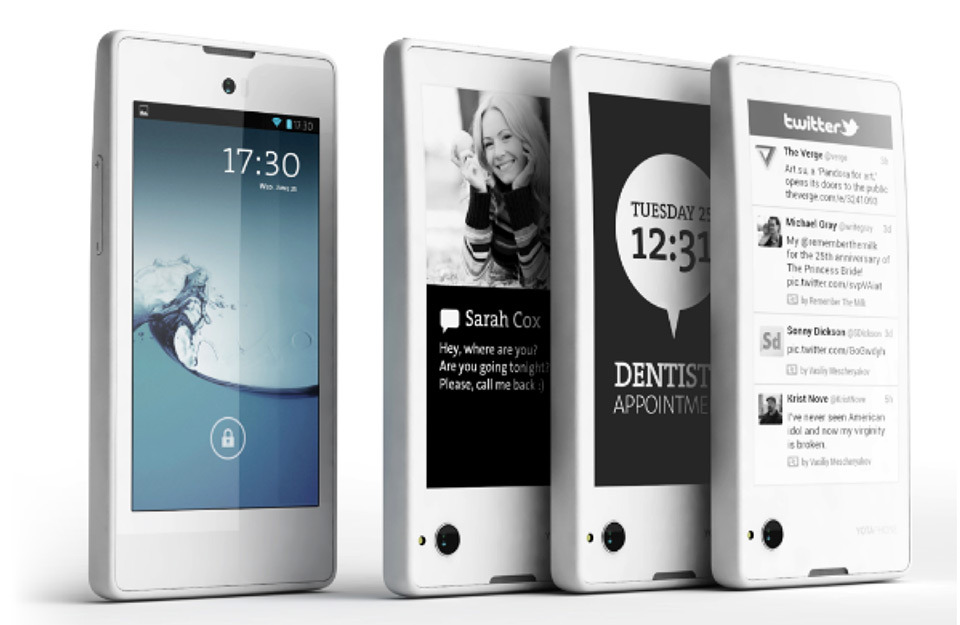
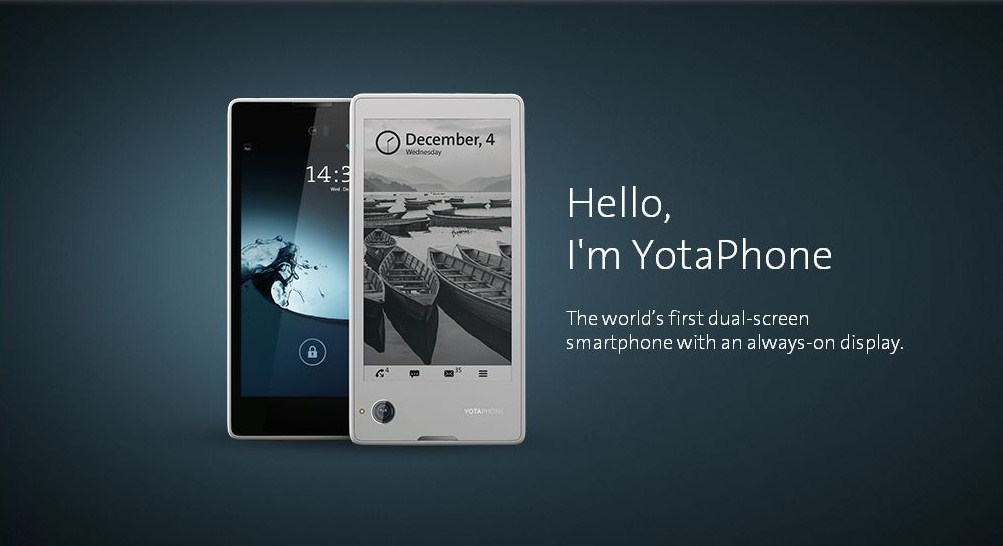
YotaPhone is a one of a kind device. It features two back to back displays. The phone is developed by Russian company Yota, which makes some really cool products. The phone has now arrived in India and will be available exclusively on Flipkart for a price of Rs 23,499.
The YotaPhone comes with two 4.3 inch displays. One display is a 720p HD LCD screen with a pixel resolution of 342 ppi. The second screen is an ‘always-on’, 640×360 pixels E-Ink display with a resolution of 170 ppi.
It’s a perfect device for those who want to have a good e-reader along with the functionality of a normal smartphone in one device. The 4.3 inch screen is equivalent to the Moto E, which is a decent size for a multimedia device.
Yotaphone runs on Android 4.2.2 Jelly Bean. It is powered by a 1.7 GHz Snapdragon dual-core processor with 2GB of RAM. It has 32GB internal storage. The device gets its juice from 1,800mAh battery. It has a 13 MP rear camera with LED flash along with a 1MP front camera.
Abdul Karim Sawan, Vice President for Yota Devices, said on the launch, “Yota Devices combines a smartphone and e-reader into one device for those who enjoy reading on-the-go even in the brightest sunlight. You can save images and information on the second screen, and it stays there, even if you lose battery power. You can save anything on the always-on display from a map to a boarding pass. Information, like a missed call or meeting reminder, stays on the always-on screen until it is no longer needed.”
The device is brought to India in a tie-up with Jumbo Electronics. It is a leading IT, telecom and consumer electronics retailer and distributor from the UAE. The phone will go on sale on Flipkart on October 17.
With the launch of Google’s Nexus 9, the world has seen the crème de la crème of what the smartphone industry has to offer. This year turned out to be the best year in technology. Not only did we reach the highest specifications yet but were even able to bring those specs to lower-priced devices. Now that the biggest giants have unveiled their flagship competitors, it is time to test their spec-sheet might in comparison to each other.
This is a purely spec based battle and will not take in consideration the optimization and other software features. So let’s get ahead to check out how the innards of these legendary devices score in a face off against each other.
Specs
Nexus 6
Samsung Note 4
iPhone 6 Plus
Sony Xperia Z3
LG G3
Display
5.96 inch QHD
5.7 inch QHD
5.5 inch Full HD
5.2 inch Full HD
5.5 inch QHD
Processor
2.7GHz Quad-core Snapdragon 805
2.7GHz Quad-core Snapdragon 805
1.4 GHz Dual-core A8 chipset
2.5 GHz Quad-core Snapdragon 801
2.26 GHz Quad-core Snapdragon 801
RAM
3 GB
3 GB
1 GB
3 GB RAM
3 GB
Storage
32GB & 64GB
32 GB
16/64/128 GB
16/32 GB
16/32GB
Expandable Upto
–
64 GB
–
128 GB
128 GB
Main Camera
13MP
16 MP
8 MP
20.7 MP
13 MP sensor
Front Camera
2MP
3.7 MP
1.2 MP
2.2
2.2MP sensor
Battery
3220mAh
Removable 3220 mAh
Non-removable 2915 mAh
Non-removable 3100 mAh
3,000mAh
Operating System
Android 5.0
Android 4.4.4
iOS 8
Android 4.4.4
Android 4.4.2
Miscellanous
Ring Flash
S-Pen
Reachability
Water-Proof
Knock Code
With this table, one can easily see the Nexus throwing a heavy claim to the throne. Not only does it come with great specifications, it also comes with the Android Lollipop which is the most efficient Android OS yet. The phone also sports Motorola’s unique ring flash which sets it apart from the rest. For a multimedia enthusiast, the Nexus 6 makes complete sense with its front facing speakers and gigantic display. However it misses out on expandable storage and added features like timelapse and slow motion camera which irks because those features could have been easily incorporated.
Nexus 6 faces its most toughest challenge from its own cousin. The rumored Moto X Plus will take the features from this device and add more features to the device. There is still a lot to look forward to in the future.
This will be a shocker of mammoth proportions, especially for those waiting for this handset. Agreed that on paper, and mostly in reality, the Nexus 6 is expected to be a monster, but this will be Google’s most expensive handset yet.
According to our source at Motorola, the Google Nexus branded Moto phone will be available later this year for a whopping price of Rs 42999 for the 32 GB variant. The Nexus 6 is also expected to go on sale by the 11th of December, however with the past track record of Nexus devices in India we can’t be too sure. Granted that for a QuadHD display and Snapdragon 805 one would be willing to shed out that much, the Nexus 6 however has not been Google’s best attempt at making a budget flagship. Which was the case with devices like the Nexus 4 and the Nexus 5, which were essentially cheaper variants of their expensive counterparts, i.e. the LG Optimus G and the LG G2.
This is the first time the Nexus device is actually more expensive than the device it is based on, and that due to mostly the bumped up specs, and Motorola’s already tight margins.
Motorola in India may not have the right alignment for the Nexus 6, however it may be a great opportunity for the company to initiate tie-ups or payment schemes to help users buy this device. This could also be a great opportunity to talk network tie-ups and contracts in India, which might become a big thing starting 2015.
Either way you look at it, the Nexus 6 will miss out most of its prospective buyers in India, and Google may need to work really hard to sell the one the the very price conscious Indian audience.
The Nexus 6 was announced along side the Nexus 9 and Android 5.0 Lollipop and features a 5.96” 1440×2560 display (493 ppi) a 3220 mAh battery. Camera is a 13MP rear-facing with optical image stabilization and a 2MP front-facing. The Nexus 6 runs a CPU: Qualcomm Snapdragon 805 – Quad Core 2.7 GHz processor along with GPU: Adreno 420 and the storage options are 32 GB and 64 GB.
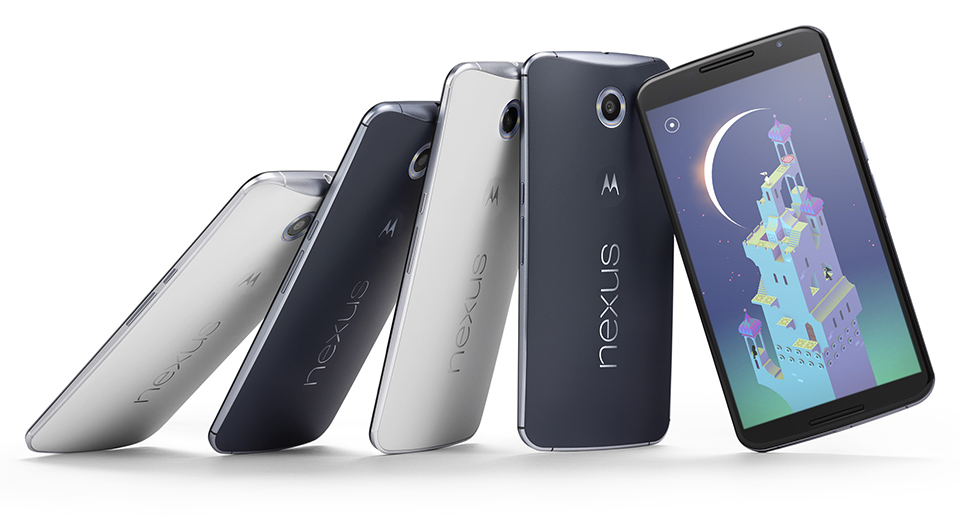
Google has just made the Nexus 6 official and yes it’s a Moto X on steroids. The Nexus 6 is the first phone to run Android 5.0 Lollipop, yes it’s called Lollipop. For whatever reason, everything that you wanted in the Moto X has actually been given in the Nexus 6. You get a 5.9 inch QuadHD, screen a faster Snapdragon 805 chipset and a heftier 3220 mAh battery.
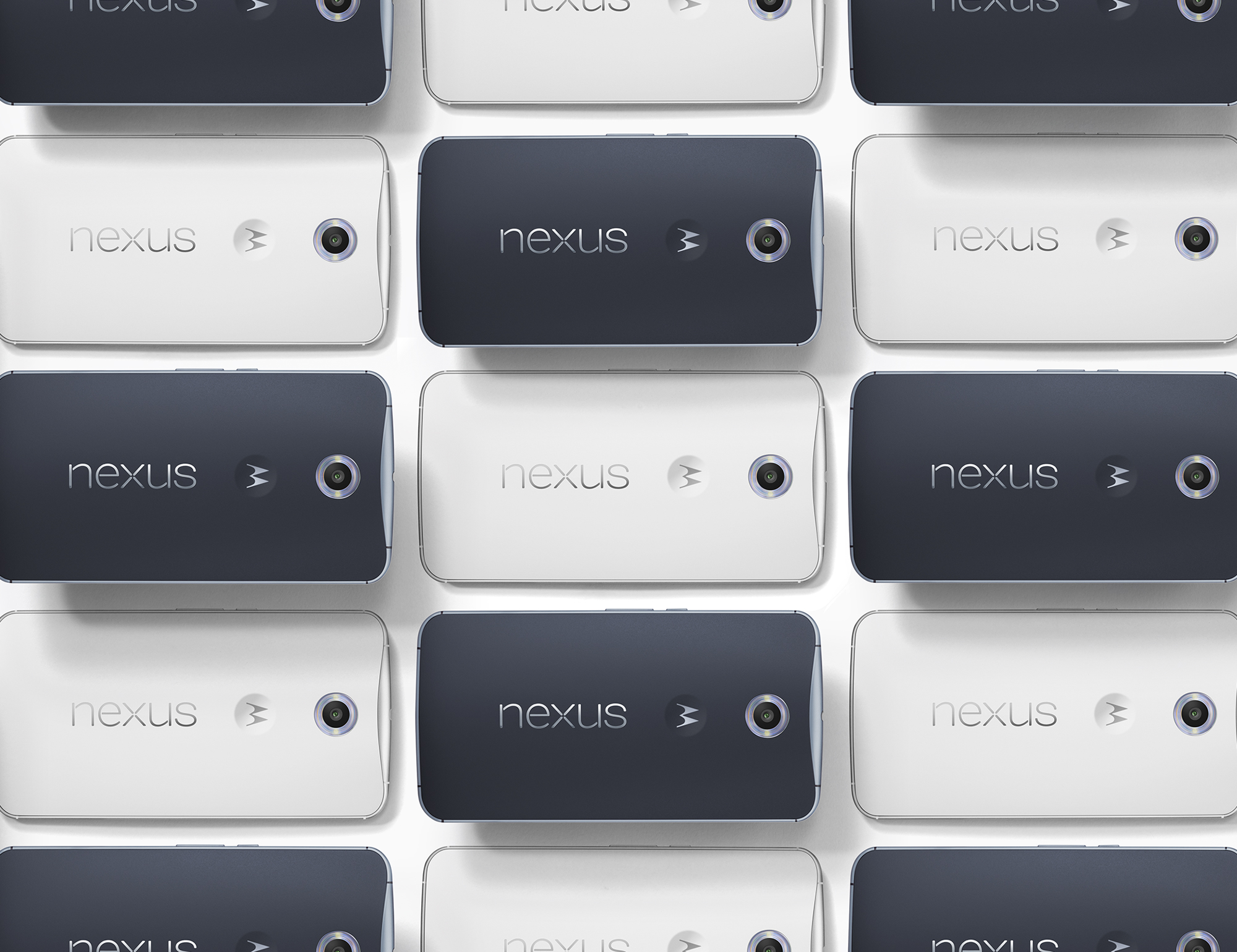
Regretting buying that Moto X yet? You get the Moto logo along with a Nexus badge at back and the same 13 MP snapper with the ring dual LED flash.
The phone will be available in the following sizes 32 GB and 64 GB in either the Cloud White or the Midnight Blue colors. The Pre-Orders are set to begin on the 29th of October according to The Verge.
The phone has the same metal structure of the Moto X and also presumably will have the same strength. The button locations are the same, and thanks to the minimal bezel design, the Nexus 6 should look a lot less big.
As far as India is concerned, there is no news on arrival but we are in talks, so stay tuned.
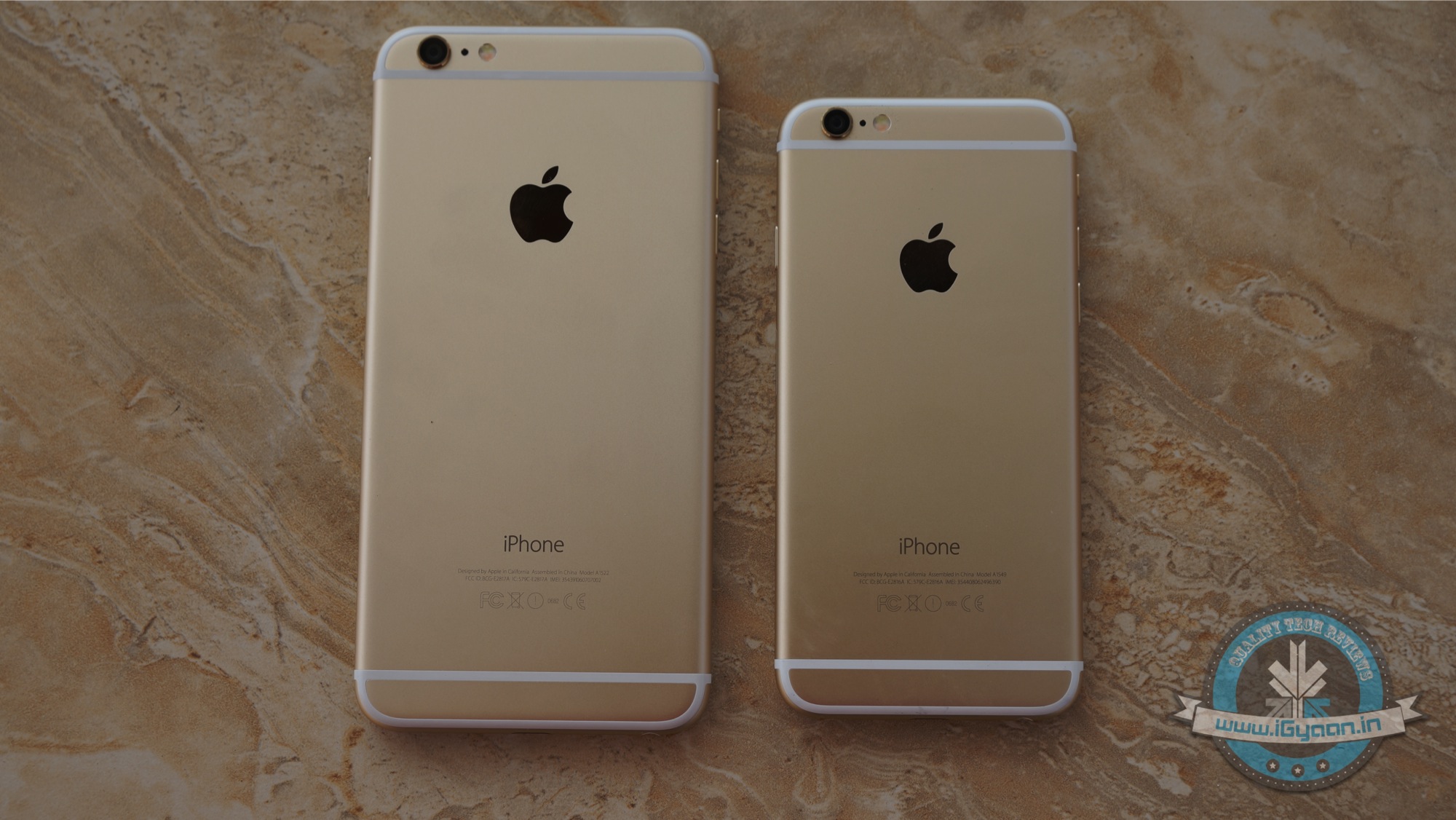
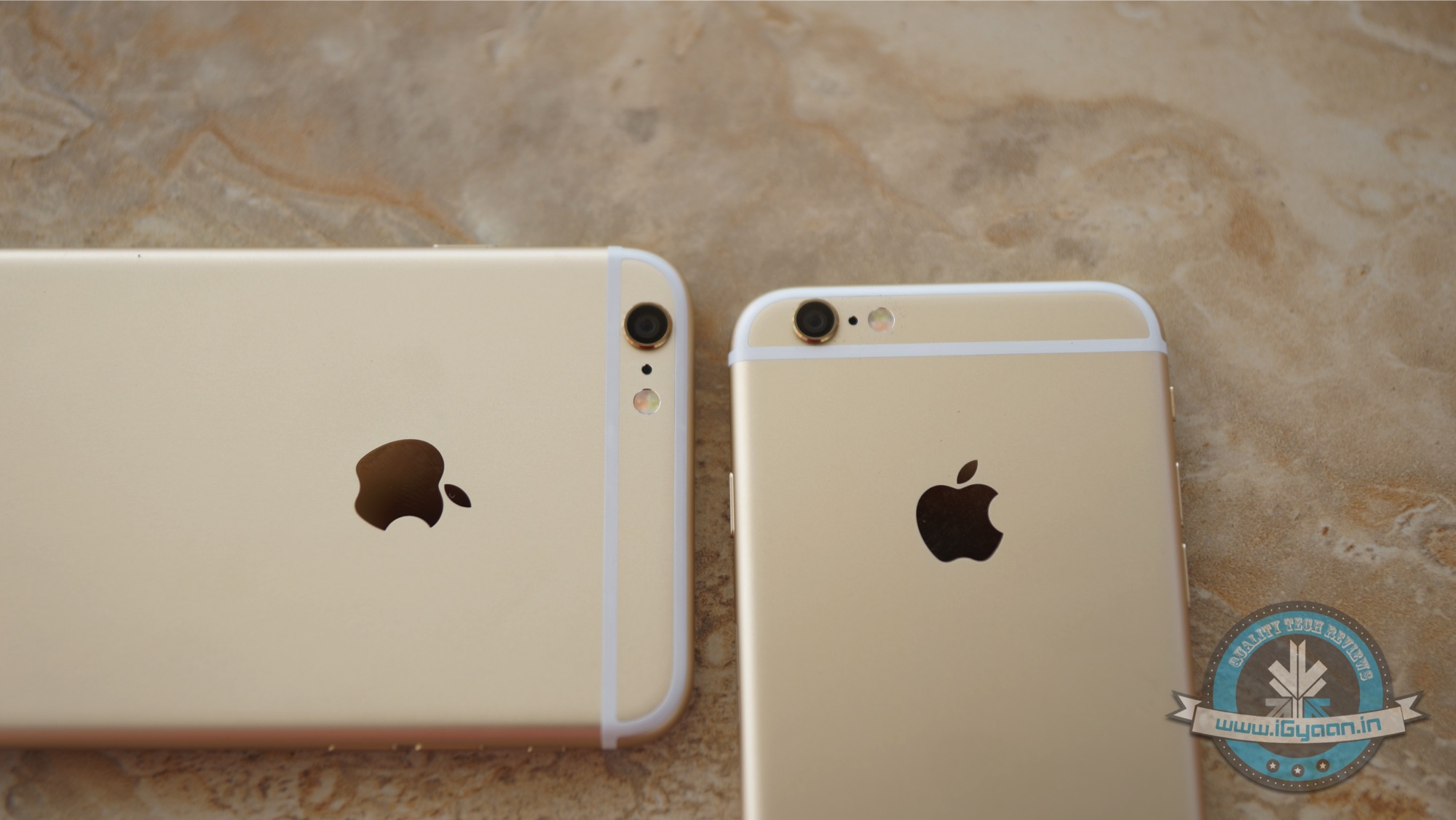
This is the first time Apple has gone this big with a phone, usually pinging their traditional theories that the phone needs to be designed for one handed use. The iPhone 6 Plus has been the preferred of the two (6 and 6 Plus) by buyers worldwide, simply because those who were using large Android phones could switch to a similarly large iPhone 6 Plus.
The iPhone 6 Plus on paper is the better bet, a full HD screen, bigger battery, larger display, optical image stabilization and landscape mode etc. However that all changes when you first hold the phone and the immediate reaction is “wow its huge”. Does it make a big difference, to the way we use smartphones and is the iPhone 6 plus actually a better phone? Let’s find out!
Overview
The iPhone 6 Plus is the largest phone Apple has ever built, but there is good reason that they did it now, when people wanted it more than ever. The bendgate phenomenon has actually added to the existing hype of the iPhone 6 Plus, making people more aware of the existence of the phone. The idea behind the bendgate died as soon as it emerged simply because it didn’t affect users as much. The phone is essentially a bigger brother of the iPhone 6, but Apple may have done the right things to leverage the bigger size.
Build Quality and Hardware
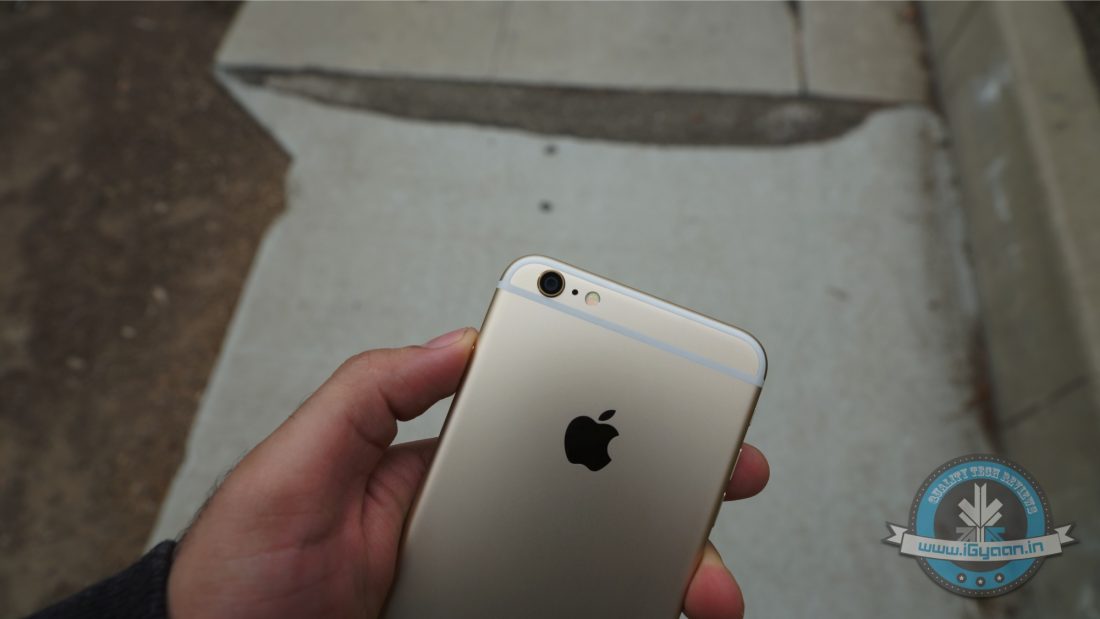
The iPhone 6 Plus is built on a single rounded piece of aluminum, this not only makes the phone look good but adds a good resistance to damage. The phone however is not as strengthened on the smaller phones, hence bendgate exists. No but it’s not as easy as it looks, the phone does not bend as easily as it appears to on screen, and only under certain circumstances. It is an issue and if you are worried about that happening, you should skip the rest.
Hardware wise you get a bumped up Dual Core 1.4 GHz Apple A8 chipset with the Quad Core Graphics, same 1 GB of RAM as the little brother and a M8 motion co-processor that also ties into the health app on iOS 8. The battery is a large non-removable 2915 mAh, and you get the three storage options, 16GB , 64Gb and 128 GB.
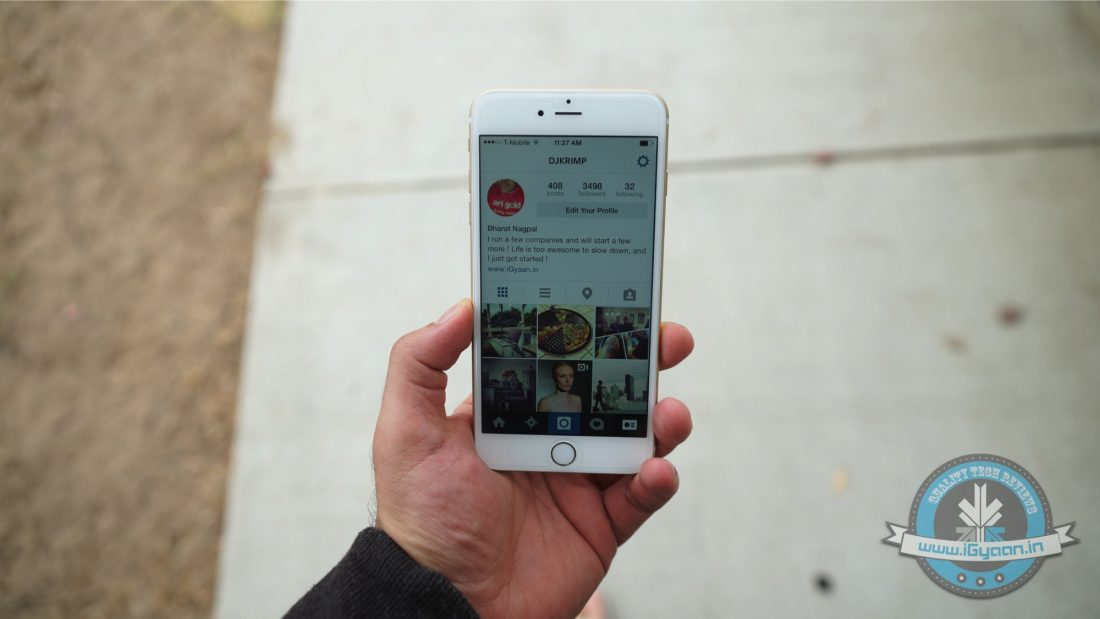
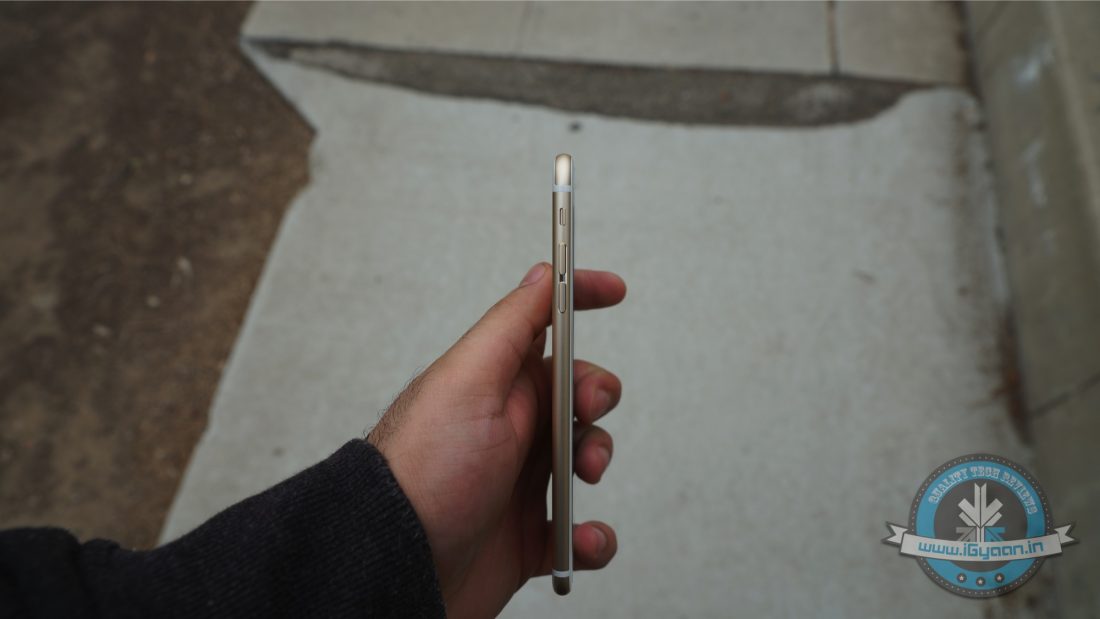
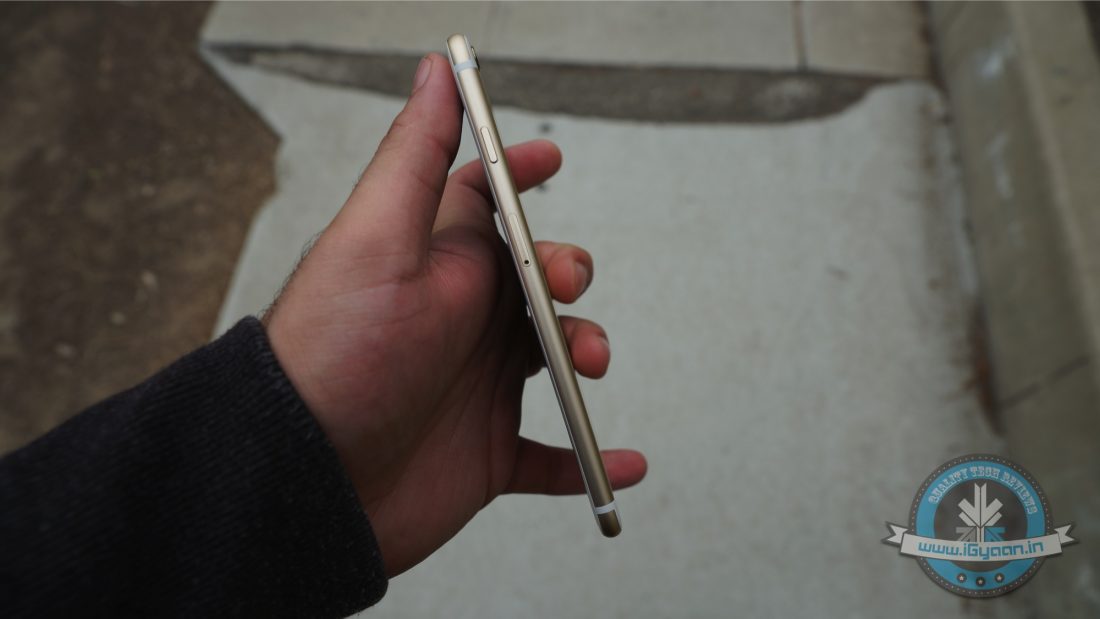
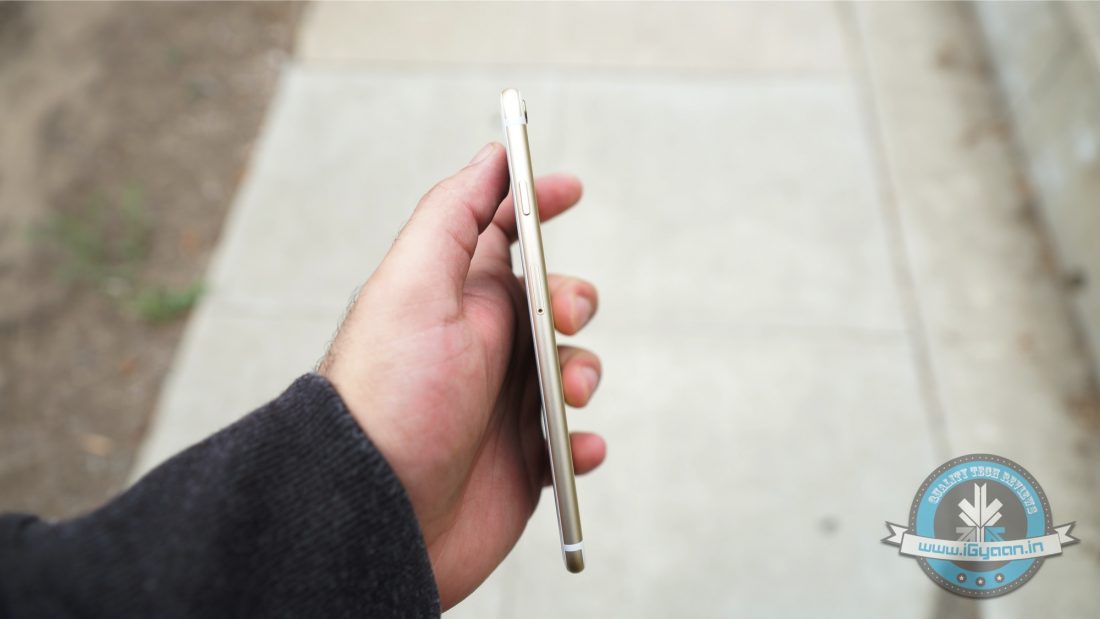
The front has a massive 5.5 inch with a 1920 x 1080p resolution which feels a little more fulfilling than the resolution on the iPhone 6 although you get the retina display at 401 ppi. Even though its massive in size it is only 7.1 mm thick, making it exceptionally sleek and pocketable.
Here is how it stacks up with other big boys !
Specs
Samsung Note 4
Sony Xperia Z3
iPhone 6 Plus
LG G3
Galaxy S5
Display
5.7 inch QHD
5.2 inch Full HD
5.5 inch Full HD
5.5 inch QHD
5.1 inch Full HD
Processor
2.7GHz Quad-core Snapdragon 805
2.5 GHz Quad-core Snapdragon 801
1.4 GHz Dual-core A8 chipset
2.26 GHz Quad-core Snapdragon 801
2.5 GHz Quad-core Snapdragon 801
RAM
3 GB
3 GB RAM
1 GB
3 GB
2 GB
Storage
32 GB
16/32 GB
16/64/128 GB
16/32GB
16/32GB
Expandable Upto
64 GB
128 GB
–
128 GB
64 GB
Main Camera
16 MP
20.7 MP
8 MP
13 MP sensor
16MP sensor
Front Camera
3.7 MP
2.2
1.2 MP
2.2MP sensor
2 MP
Battery
Removable 3220 mAh
Non-removable 3100 mAh
Non-removable 2915mAh
3,000mAh
2,800mAh
Operating System
Android 4.4.4
Android 4.4.4
iOS 8
Android 4.4.2
Android 4.4.4
Price
Rs. 61,500
Rs. 51,990
Rs. 62,500 for 16 GB variant
Rs. 44,100
Rs. 37,000
Performance
The iPhone 6 Plus is no underdog when it comes to performance, and just because it is running relatively low spec’d hardware doesn’t mean that this guy doesn’t pack a punch. Apple has managed to make it work, they own the architecture and the hardware and have optimized the OS to run zippy smooth on hardware which in Android terms would be lame and notoriously dated, props to Apple for this.
Everything from playing games, to multitasking to going about your day, works well on the iPhone. Some of the Apps have been designed to leverage the large screen size of the iPhone 6 Plus improving the overall experience by a lot.
Camera
This is a big mention, and no not because Apple added a might big sensor but because two amazing things happen with the iPhone 6 Plus. First the video is absolutely stunning with the optical image stabilization, you can walk about and get almost steadicam like shots on your iPhone. The phone also shoots brilliant 720p 240fps slow mo that looks absolutely stunning in low light or otherwise.
Images are sharper and there is definitely less hunting thanks to the on-sensor phase detection that has good and accurate focus capabilities. This overall improvement in focus results in sharper images and better results. The camera on the iPhone has been best in class, the new improved sensor and image processing will only carry that into the next year.
The large screen on the iPhone 6 Plus makes for a good viewfinder for the camera, and especially in video mode it comes in handy to pick and select your focus points. The fact that you can adjust the brightness on the fly will be appreciated by a lot of people, you can also lock in your points before you click a picture or shoot a video.
Phone Networks and Battery Life
The one thing that you immediately notice is the battery life of the iPhone 6 Plus, it will practically last you a day and a half. Even more if you are a light user. The networks are sustained and solid through areas with weak reception. Mostly in areas that we would notice weak reception with the iPhone 5 and 5s we saw great network reception with the iPhone 6 Plus, better than the iPhone 6 even.
Battery will last you 6+ hours with talk time on LTE networks and 7+ hours on 3G networks, with a switch to 2G we saw upwards of 8 hours which is impressive. The biggest drain on the battery is the display, so if you have less screen on time, then you get more talk time, and vice versa.
iOS 8
[pullquote_left]Apple’s biggest strength is the lack of weakness in iOS[/pullquote_left]
Apple’s biggest strength is the lack of weakness in iOS. Despite a few initial bugs on iOS 8, the next versions have been tweaked and work as flawlessly as any other iOS release ever. There is no denying that iOS is the best if not one of the best mobile operating systems, and also one of the reasons that iPhones have seen success through the years.
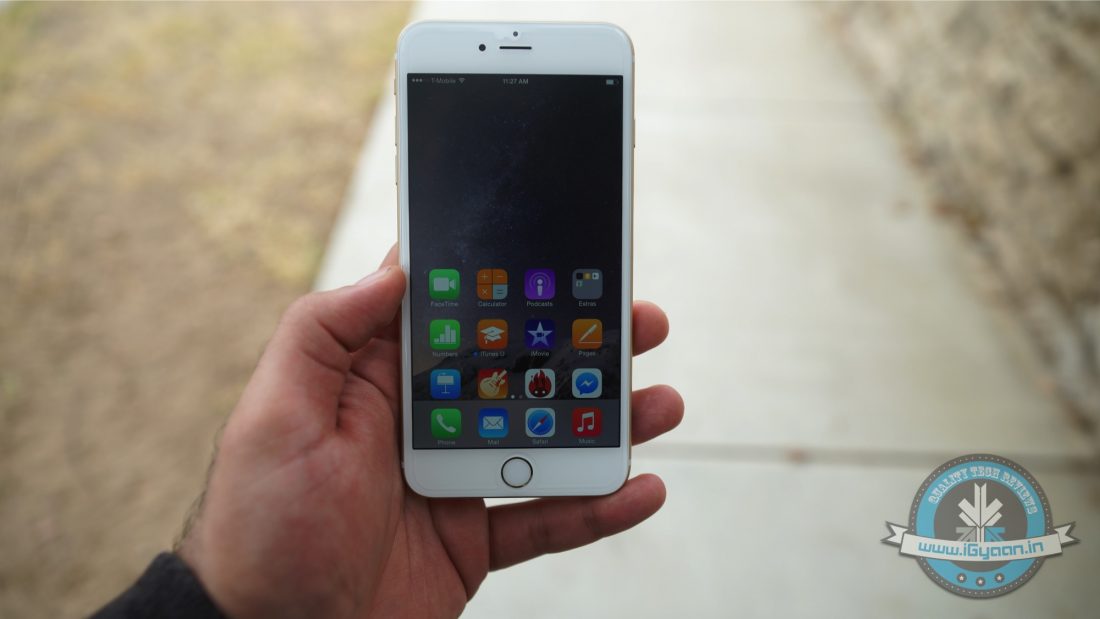
Apple has taken iOS 8 and moulded it well for the iPhone 6 Plus, and it works great. The iPhone 6 Plus essentially behaves like a mini-iPad, so you get landscape mode on the desktop as well as some essential apps like messaging and mail. Apple’s reachability with the use of the touch-id sensor makes a lot of sense on this gigantic phone. Third parties can leverage the large size of the display to their advantage and we have yet to see unique use case scenarios. However, Apple has updated the dev kit to make this work well.
Conclusion
Apple has made a big iPhone and there is no denying it, infact people said the same thing about the iPad when it was first released, and it went on to become the most selling tablet ever. Apple has given the market what they needed, a large size iPhone option. While the 4.7 inch iPhone may be the right size for most people, the iPhone 6 Plus, is just that big boy of a phone which comes with its perks. The large battery life will be a boon to any iPhone user of the past as, chargers will become a thing of the past. Those with a camera fetish will love the slow-mo capability that looks as juicy as the apple being sliced in slow motion. The optical image stabilization, large viewfinder for the display, and excellent use of the large screen to show landscape options truly adds to the already awesome iPhone experience.
For those looking for a little extra, the Note 4 rival launches the same day as the iPhone 6 Plus in India, so take a healthy pick.
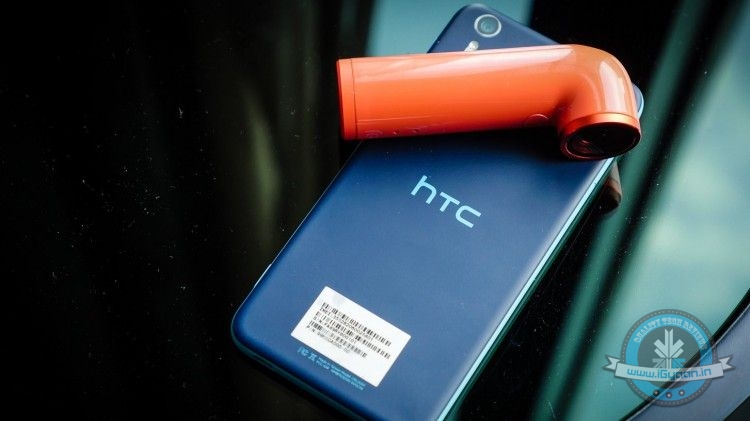
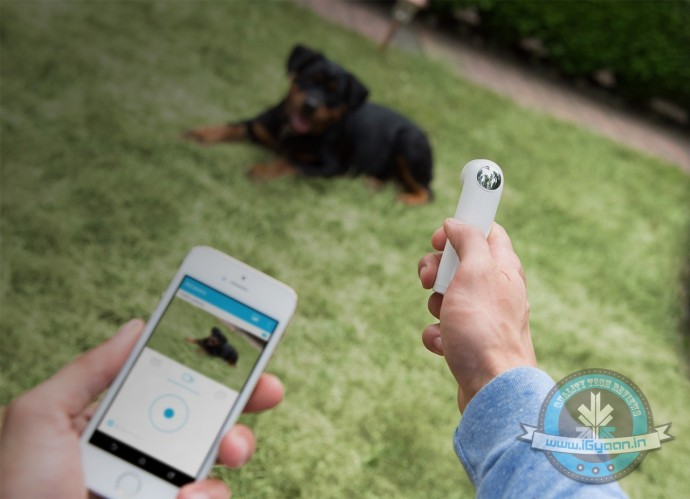
HTC recently launched the HTC Desire Eye and the HTC RE camera, both are unique and one of a kind products in their respective categories. The Desire 816 is a flagship for HTC’s Desire lineup and is a power packed smartphone. The HTC RE is a first of a kind handheld camera-only device that aims to become everyone’s Go-Pro.
We spent an entire day with both the HTC Desire Eye and the HTC RE, and even though both were prototypes, and with early softwares, certain things left us impressed , while on the other hand many things left us slightly disappointed.
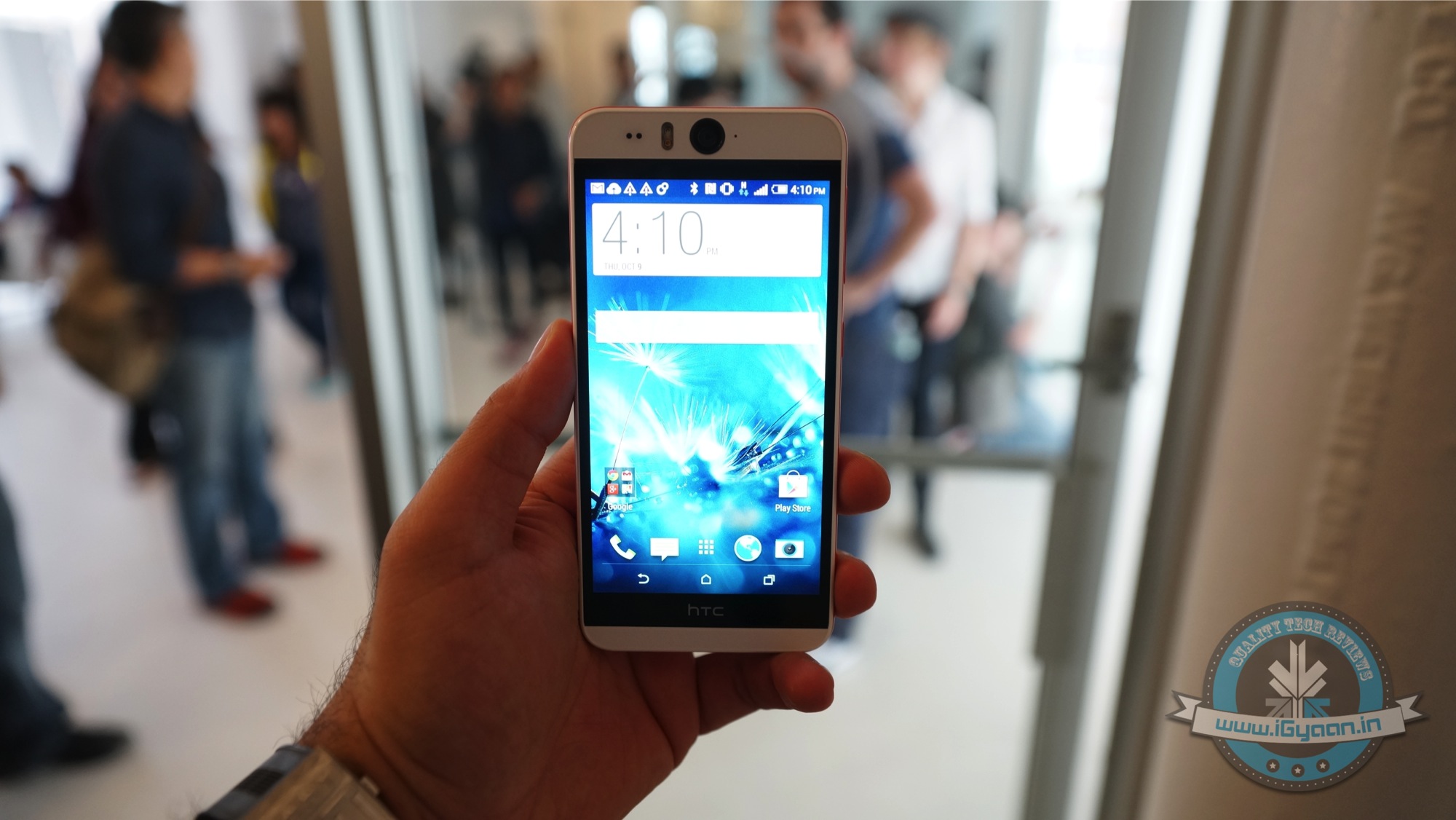
The HTC Desire Eye is a flagship for the better sense of the word, it has a Qualcomm 801 Snapdragon chipset along with 2GB of RAM and 16 GB of storage space. You can expand the storage by popping in a MicroSD card upto 128 GB, if that’s your style. HTC made the Desire Eye waterproof upto 1 meter for 30 mins thanks to its IP7 certification, so you wouldn’t mind jumping in the pool with the phone.
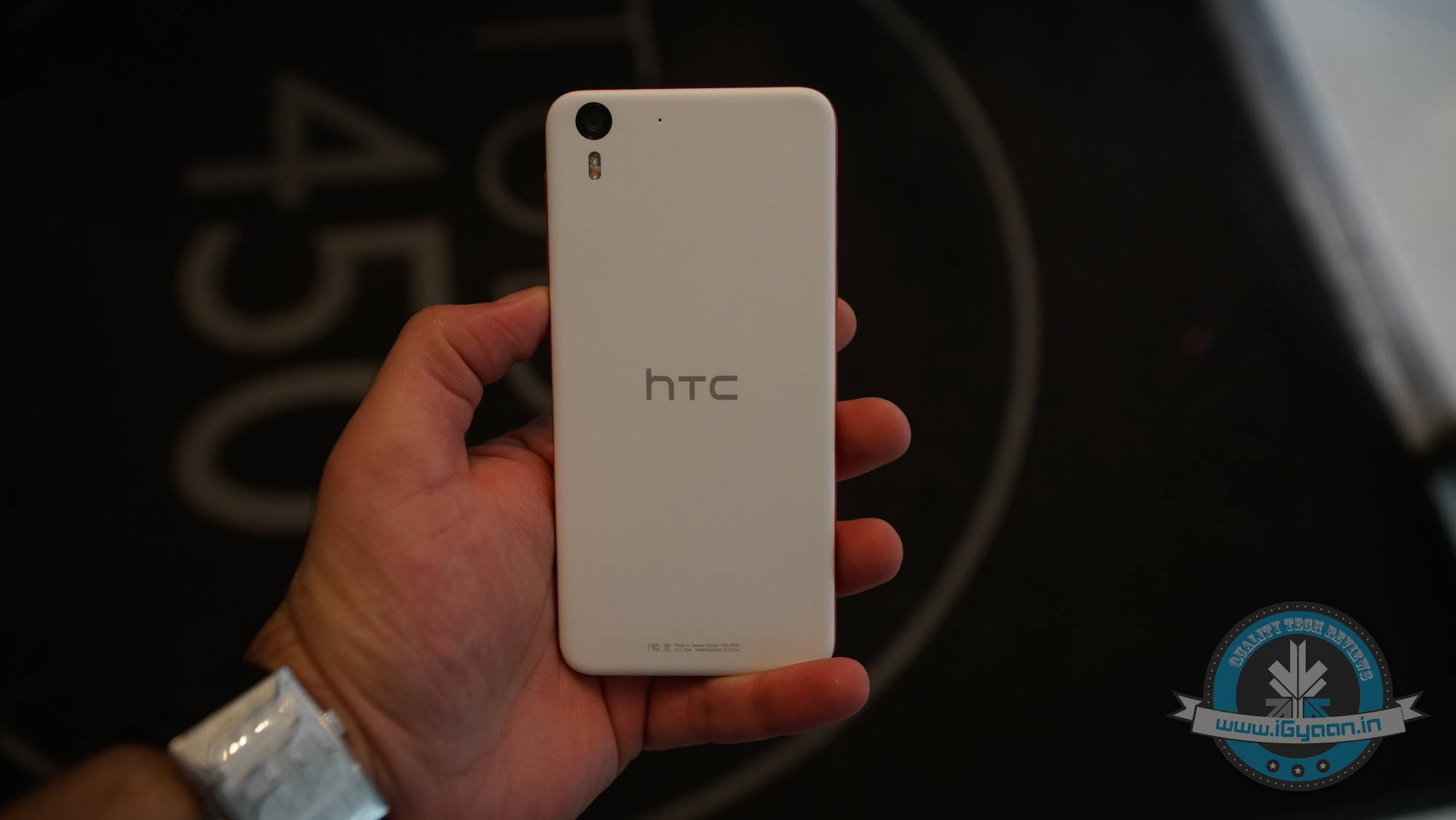
What puts the Eye in the Desire Eye is the set of 13 MP cameras, one for the rear and one for the front. This is the first time we have seen a big combination of cameras from a global manufacturer, not including the flipping camera phones from Oppo and Gionee.
HTC has also included dual LED flashes for the rear as well as the front cameras, helping you take the ultimate selfie in the night. Some of the pictures taken from the cameras are really impressive and truly showcase good final result, especially in well lit situations. Below is a shot of the NYC Post Office building shot from a moving bus.
The New York Post Office Building
The HTC Desire Eye, has a good set of cameras that are really quick, focus fast and the camera app is familiar. The interface has been made in a manner to simplify the shooting capability of the cameras of the phone. Tap and hold to lock the exposure and white balance, which makes it really easy to click pictures against the sun.
An image taken with locked AE and White Balance
The burst mode on the Desire Eye is also sharp, sharpest since HTC began doing burst, it gets most pictures in the burst in focus. But, those which end up out of focus are basically unusable. The burst mode is also impressive in extremely controlled setups, like the one below conducted in a studio with controlled lighting.
Sample of Burst
The images however, start to break up and get noisy when the light starts to go away. We saw this starting at twilight, and the image below still had man made lighting, even then you can see some noise in the image.
Low light sample
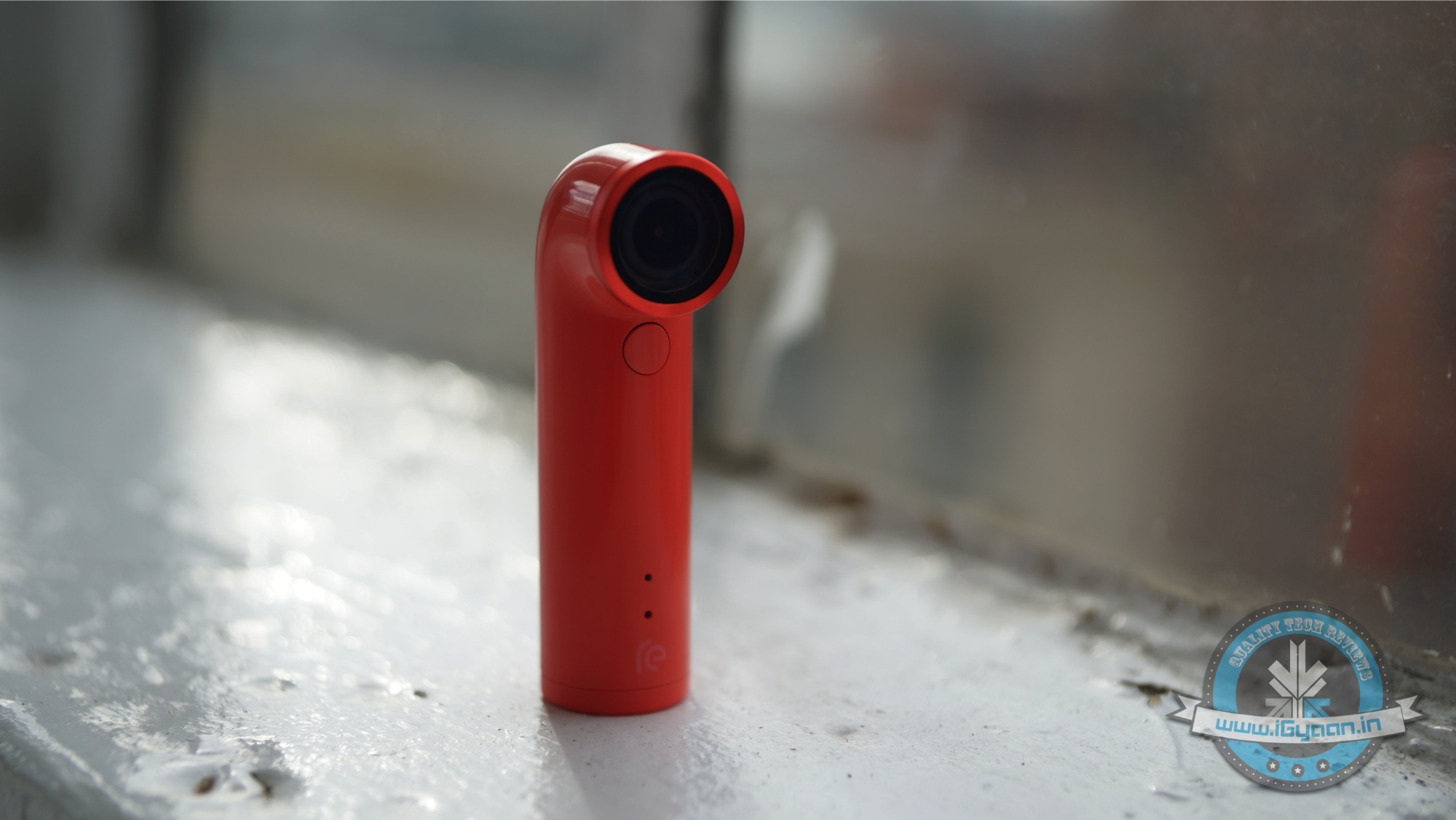
The HTC RE however, is a different beast all together. Specs wise you are not aiming for much with a 16MP sensor shoots 1080p 30fps HD videos, a 820 mAh battery is rated enough for 1,200 photos although it drained much faster when we were shooting video and especially slo-mo video.
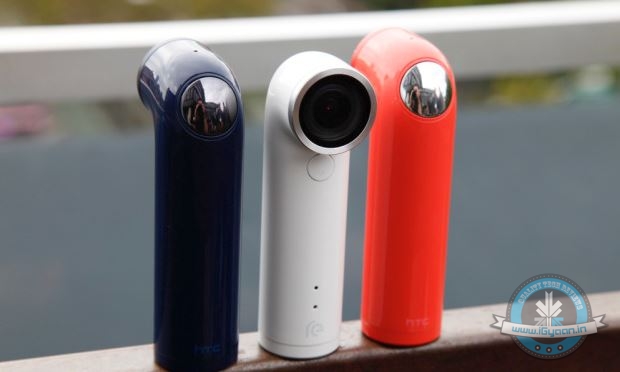
Colors of the RE
The concept of the RE is good, a relatively budget, go pro style camera, that allows you to capture images and video on the go. However, just like the Go-Pro camera there needs to be an exact way of using the camera. But unlike the Go-Pro you don’t have an ecosystem built around the camera. Sure HTC launched the RE with a bunch of accessories and like a completely different product. So different, that they have a separate website, and have set it like a separate segment of business.
This may be the cash cow HTC was looking for, especially considering that their smartphone business is not running them into the fortune 500 list. The Re is not a perfect example of what they were trying to do, and no where near what we were expecting from the camera. The 16 MP camera, is good and stills will shock and awe you in low light, but because you have a wide angel lens that will capture pictures in a wide horizontal frame, and no real guide to where you are pointing. This will result in pictures with the subject’s head or legs cut off, really wide unnecessary objects in frame and a fisheye sort of result from the images.
Apart from the click button and the slow-mo button you don’t really have any control of the way the camera is shooting, and there is a light learning curve to how you would start recording video. The camera is slow to startup and click a picture, but we understand that was caused by pre-production hardware and software.
Essentially you are looking at shooting in the blind and hoping to capture. You do get a companion app, that allows you to do a lot more with the camera, execute time-lapse and set the frame using a live viewfinder shown over a WiFi-N connection established using Bluetooth 4.0.. But the question truly comes down to whether the camera is good enough to go through all the trouble. The quick answer is : No.
Why not simply use a Smartphone, most will ask, and we would agree. There are lots of things that make the RE – Re-markable, and all the RE jokes you can RE-Imagine to RE-start you RE-sting c-RE-ativity aside. (time to Re-st the lame ones)
Underwater Sample
For starters the RE is IPX7 rated, without a case or cover, so as long as your micro-SD port door is closed the camera can go under water for 1 M and stay there for upto 3 mins. There is an additional cover that will give you IPX8 rating, this you will need to buy separately.
The shape and design of the camera is really ergonomic, and easy to hold. The camera is a pistol grip style shooter and therefore sort of addictive, and since you don’t know what you are shooting you will be clicking multiple pictures of everything. That being said, since you are shooting in the blind, it may cause you to get easily frustrated and missing shots that you really wanted. And since you don’t know what you are clicking you don’t know the result till you connect with a smartphone.
Slow motion video is at 120 fps at 720p and is sort of not up to the mark in terms of clarity and sharpness, and loses large amounts of color, again this may mostly be because of the pre production nature of the camera.
Slow Mo Sample
The images are not there yet, not for a $ 200 camera that requires a smartphone to frame properly. Most $200 +$50 smartphones have excellent cameras now, granted they are comparatively difficult to hold, but definitely easier to use.
The RE is fun and a lot of people will buy one, but they might find themselves leaving it at home, unless HTC can build a excellent ecosystem around the cameras, a good one and fast. The video capability requires a lot of work and the camera should have shot 4k out of the box and especially with a extended battery grip it would have worked well. The accessories are great too, a hand grip, a bicycle mount, a helmet mount and more, incase you want to use tripods or similar mounts the RE has a 1/4″ thread for standard mount tripod screws.
Due to the sheer design of the camera, you cannot add a viewfinder to it, like you can on the Go Pro. The GoPro works and it works well, and HTC is basically truing to create an easier product to use, and they have the right concept. But this camera that looks like a plumbing spare or a smoking pipe or an asthma inhaler has a long way to go, a very long way especially since people don’t trust cameras easy.
This blind shooter is a good step and in the right direction and it looks sort of pretty, but it’s not Go-Pro and they have years of the right kind of experience. You can buy the new basic Hero for US $ 130, and the Hero 3 with excellent optics with 1080p video and 5MP burst images, that according to us is definitely better than that on the HTC RE.
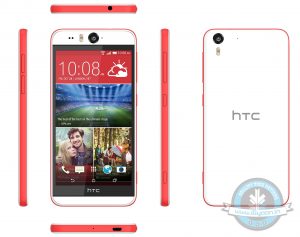
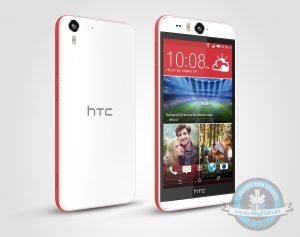
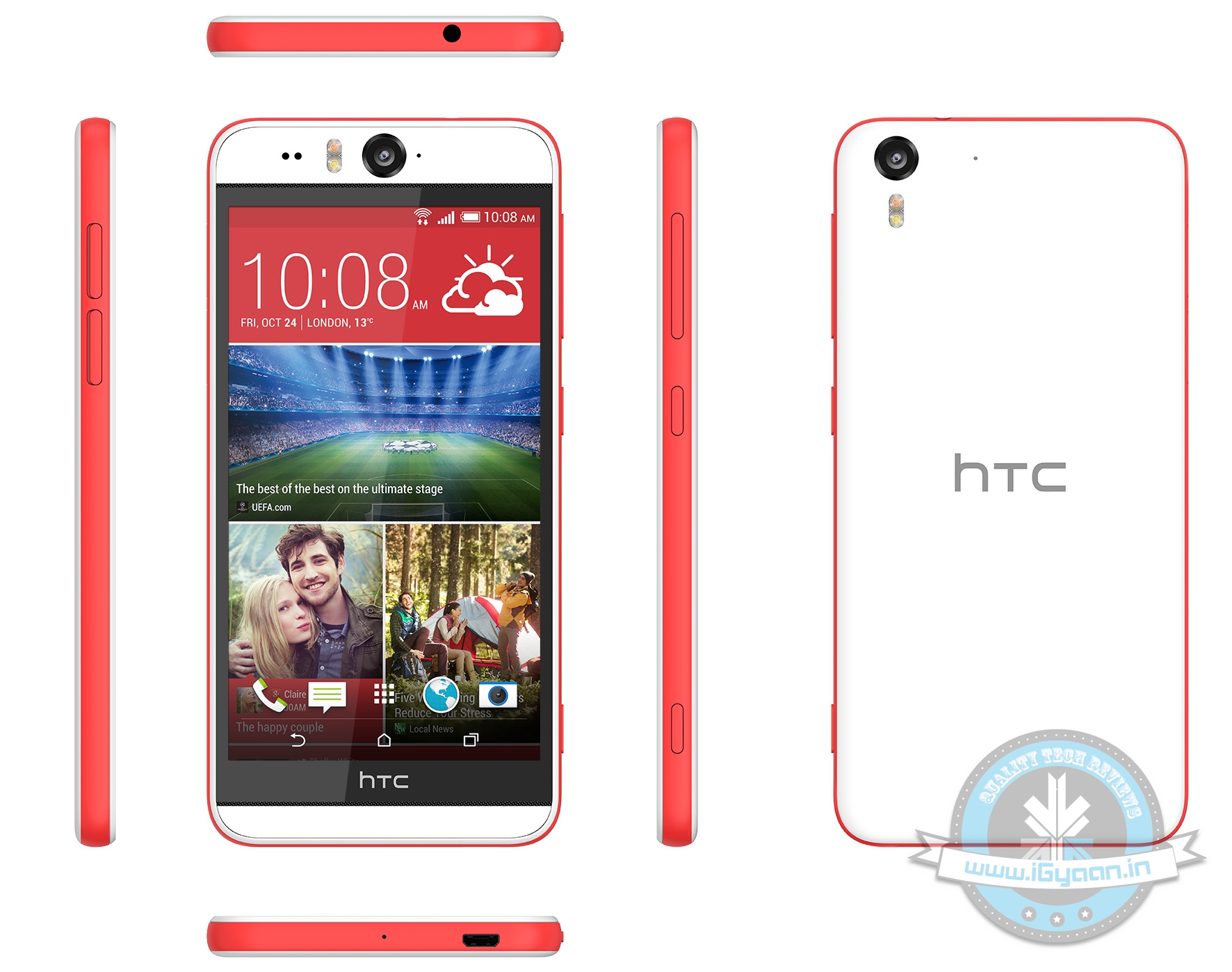
HTC at a live press event in New York launched the new Desire Eye. The phone is the first of a kind phone designed to allow users to capture front and rear images in 13 mega pixels. The latest flagship of the company is a follow up of HTC One M8, which has one of the favourite Android smartphone among the Android enthusiast.
The Desire lineup has been earlier considered as a mid- range budget smartphone, however, the new HTC Desire Eye competes with the likes of Moto X , iPhone 6, OnePlus One and LG G3. Heres a spec comparison of HTC Desire Eye with other flagships form the smartphone giants.
HTC at a live press event in New York launched the new HTC Desire Eye. The phone is the first of a kind phone designed to allow users to capture front and rear images in 13 mega pixels. Other specs mostly make it compete with several flagship smartphones out there, a Qualcomm Snapdragon 801 chipset clocked at 2.3 GHz.
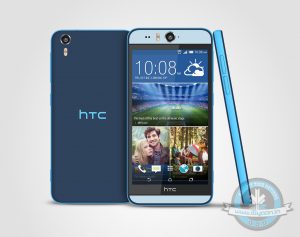
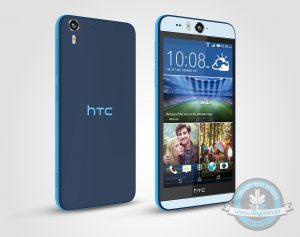
The HTC Desire Eye also boasts a 5.2-inch full HD 1920 x 1080p IPS LCD display, along with BoomSound speaker config. The cameras however, are the highlight of the Desire Eye, with a set of 13 MP cameras, and dual led flash on both sides, the rear camera is a f/2 aperture lens equipped module, whereas the front camera has a f/2.2 aperture lens setup.U
HTC has also added nifty features for the HTC Eye experience with face tracking, screen share, split capture, face fusion, live makeup, auto selfie, voice selfie, photo booth, crop me in.
The HTC Desire Eye is also IPX7 certified so it can take a 1 meter dip for about 30 mins. You get a 2400 mAh battery pack and nano sim card slots.
The Desire Eye is LTE enabled globally and will come with 2 GB of RAM and 16 GB of inbuilt storage, expandability will allow you to add upto 128 Gb via a MicroSD card.
Combined with the portable RE camera and the EYE software experience, HTC is essentially trying to capture the new age youth, those who have traditionally had a keen eye for taking pictures and most importantly “selfies”.
The design and built of the HTC Desire Eye, is essentially like the Desire 820 which was recently launched.
HTC is launching a new flagship and not a lot of details are out for it. The event is called “Double Exposure” and the lifestream for it has been activated. The event is expected to go live in a few hours from now so we will get more info then. But speculations have been a plenty thanks to the name, we know it has something to do with cameras. Let see what this Taiwanese giant has in mind.
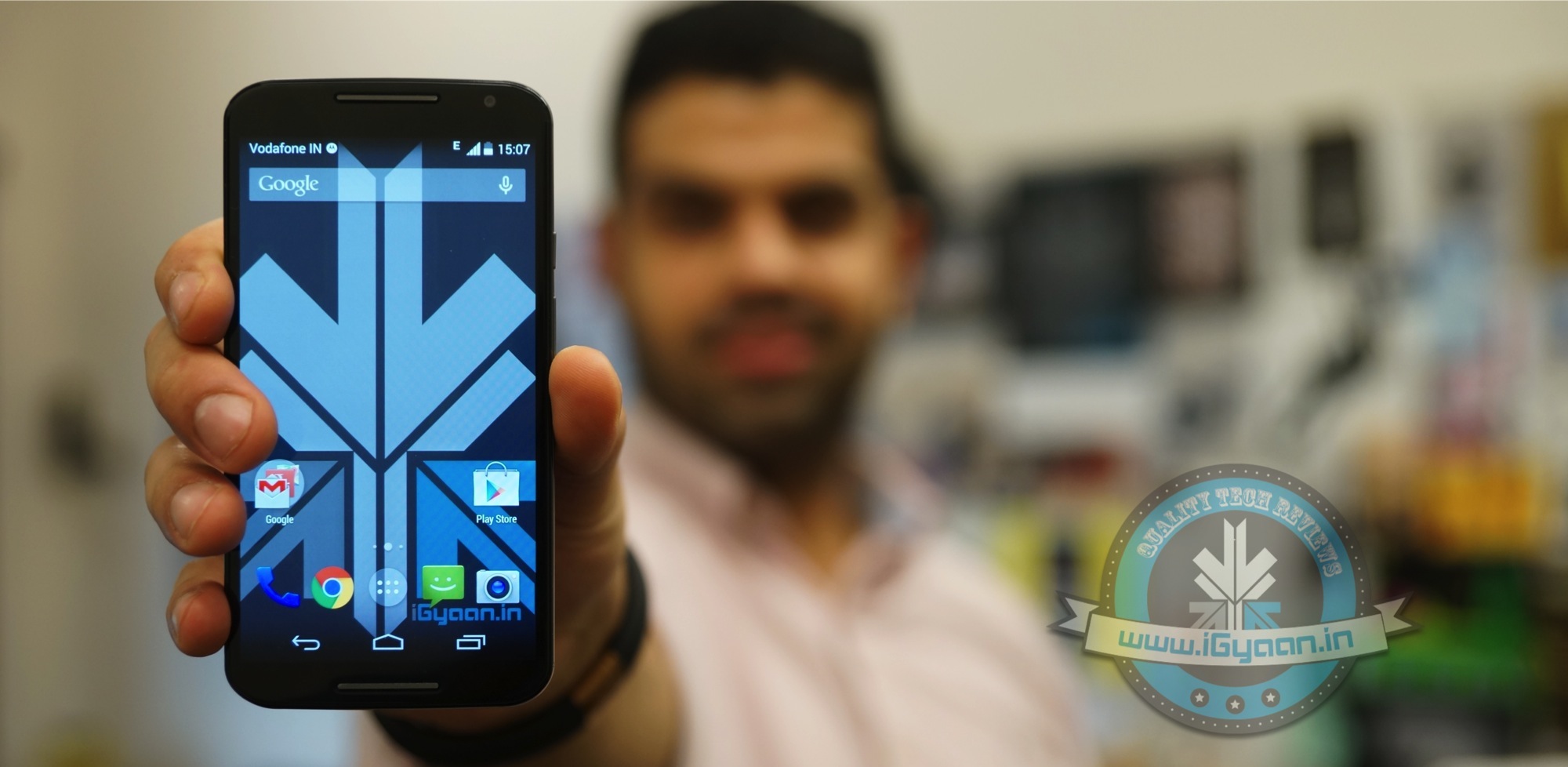
The Moto X was the reason Motorola was able to bounce back from extinction. With the help and financial backing from Google, Motorola revamped their lineup of smartphones and today is one of the most coveted Android smartphone manufacturers. Although Motorola was unloaded by Google to Lenovo, the company’s principles have remained similar. With the Moto X 2014 Motorola is back with a vengeance, giving you the best mix of hardware and performance.
Overview
The new Moto X aka Gen 2014, is a major overhaul of what was already an impressive kit of a smartphone. The great mix of design build quality and top notch hardware makes the phone an aggressive competitor in the major smartphone market. In most countries the phone is available on the cheap with a contract, in countries like India however it has to be bought outright. Its price at launch is Rs. 31,999, which is much higher than the last generation’s price.
Hardware
Unlike the previous edition, the new Moto X is not impaired by old tech, it’s packed with a Qualcomm Snapdragon 801 chipset with Adreno 330 graphics, has a larger 5.2 inch display with a Full HD resolution. New optics include a 13 MP camera with a faux dual led ring flash, and a front facing 2 MP one. The rear camera does 4K video and slow motion at 1080p which is really impressive. Storage is limited to 16 GB and RAM is kept at 2GB.
5.2-inch 1080P Display – 401 pixels per inch
2.5 GHz Snapdragon 801 Quad-core processor
2GB of RAM
16GB and 32GB storage options
2,300mAh battery
13MP rear facing camera w/ 4k video, 2MP front camera
Dual LED Ring Flash
Android 4.4.4 KitKat
Over 25 customizable back options – India Gets Black Leather or White + Bamboo!
140.8 x 72.4 x 9.9mm – 144 grams
Build and Design
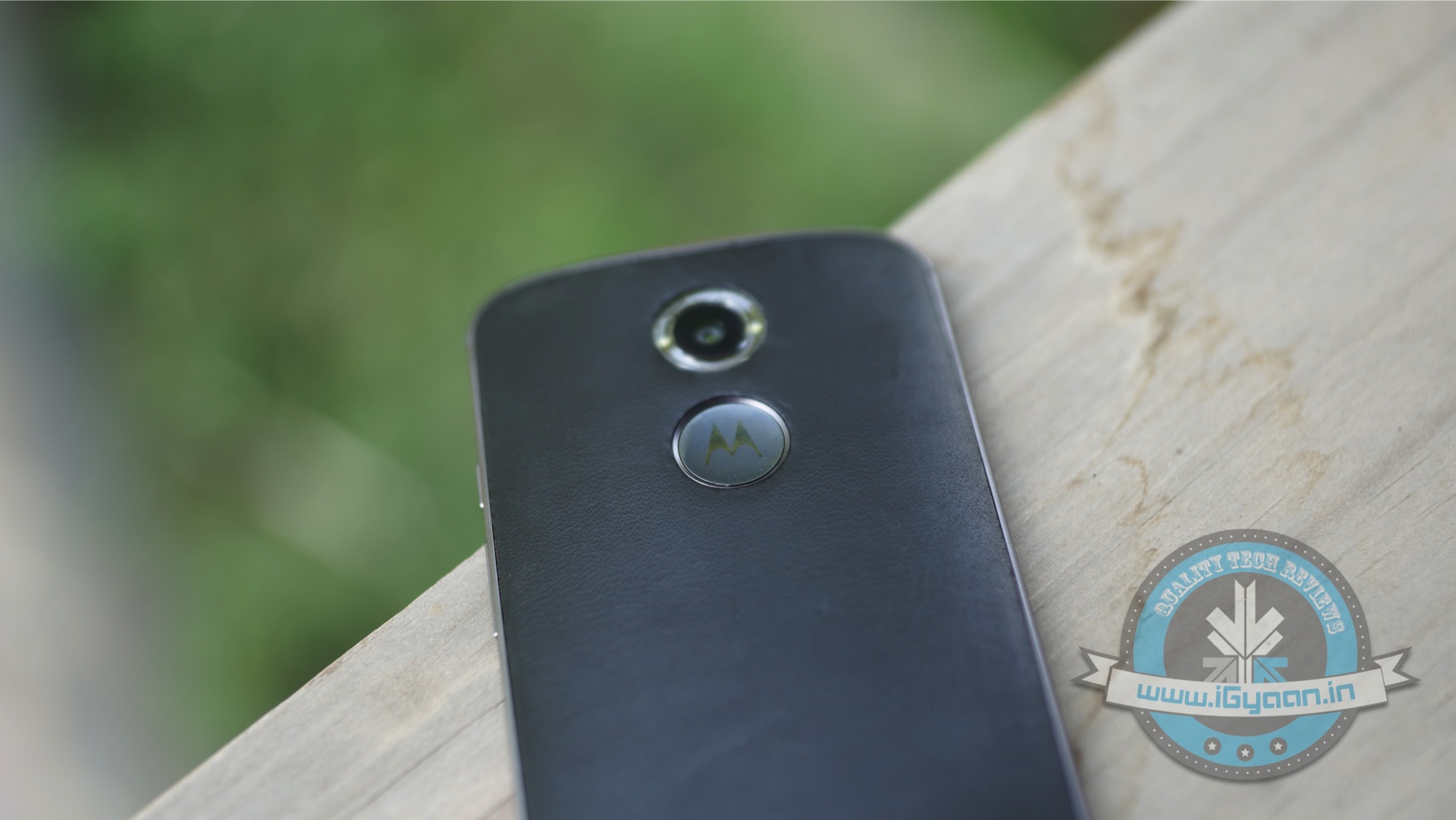
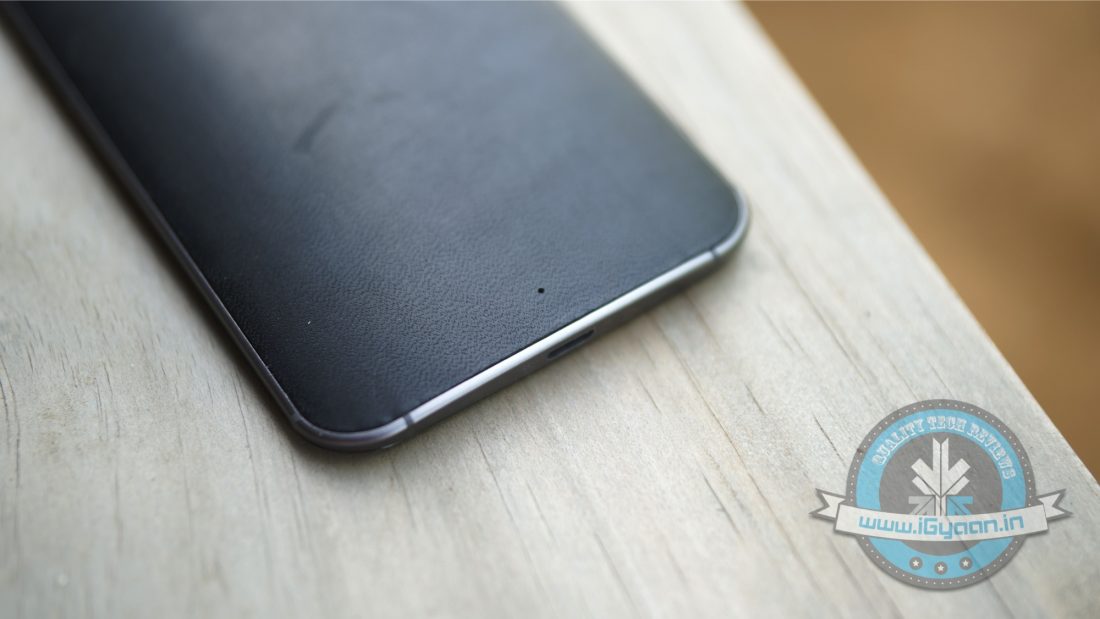
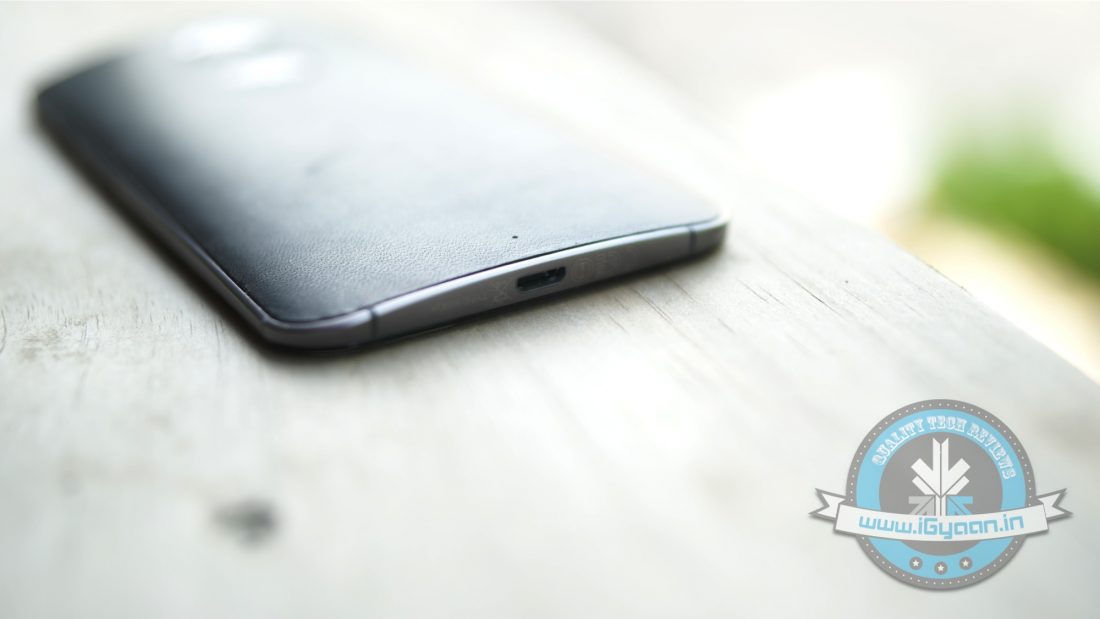
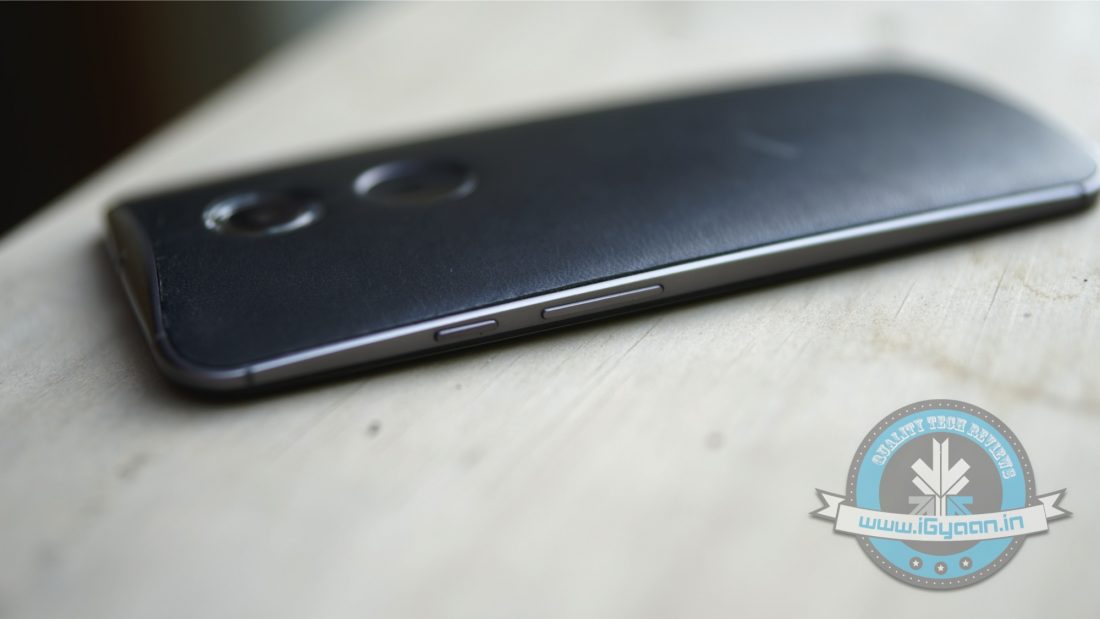
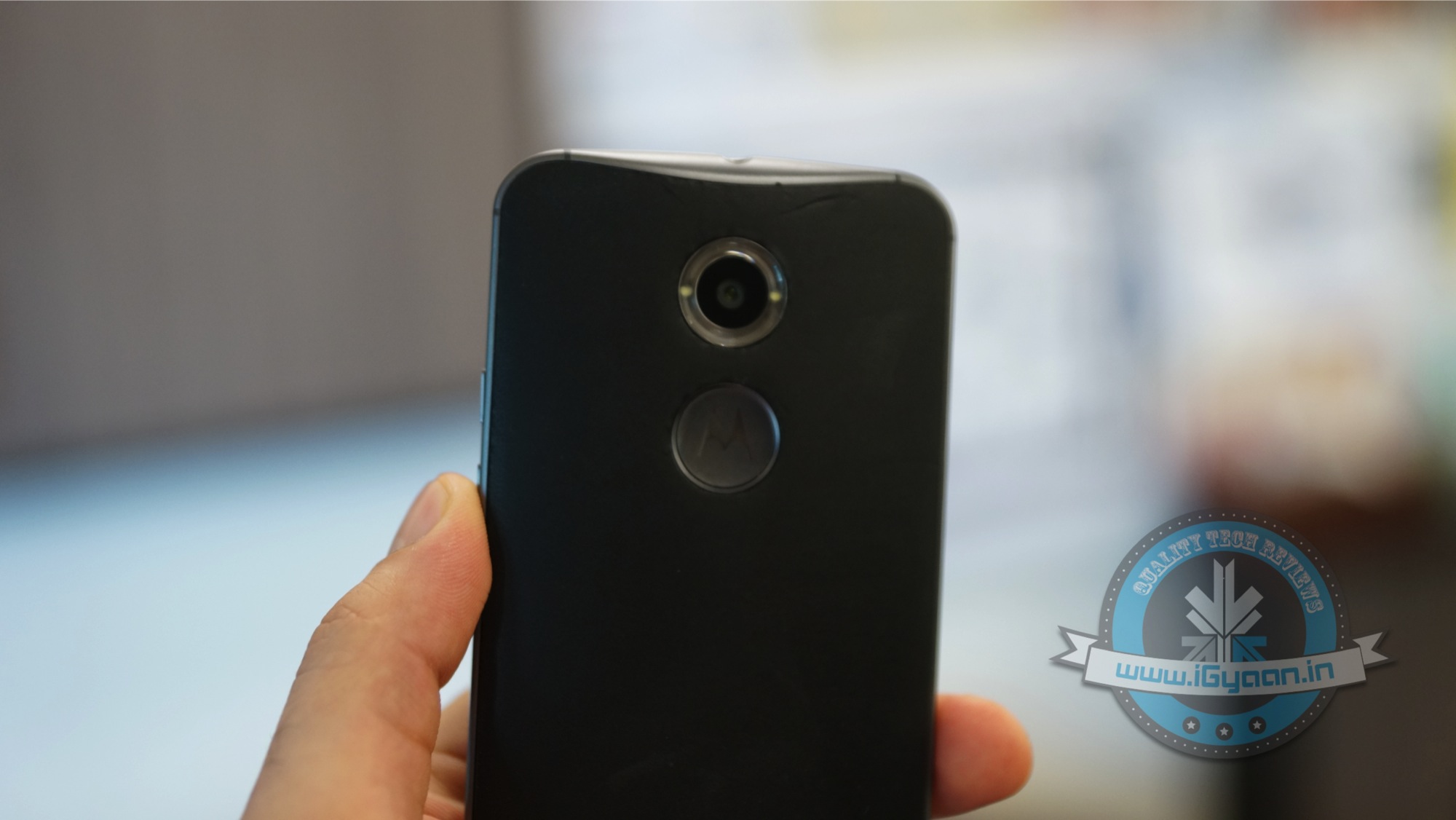
Thanks to the Stainless Steel frame, the Moto X is one of the most robust smartphones in the market, the reinforced design with the lack of easily ding-able parts makes the phone more sturdy than expected. The Moto X will not bend, not with your hands, and many videos are trending online to prove it. The phone is solid and engineered well, but the leather finish will not last. We used the phone for a mere 2 weeks and the leather at the back has a lot of nicks and cuts and basically wears easy, the bamboo variant of the new Moto X 2nd Gen costs an additional Rs.2000 but may be worth the moolah. Design is great, however, we are not too sure of the lager Moto logo in a steel insert, it looks great in the leather variant but not on the wooden one. Reactions have been mixed about that one bit, everything else is an excellent change up from the 1st gen. Stainless steel bezel adds premium class and functionality and looks good, the shape is well fitted and curves just right in the hand. It is a handsome smartphone and its built well.
Performance and Android OS
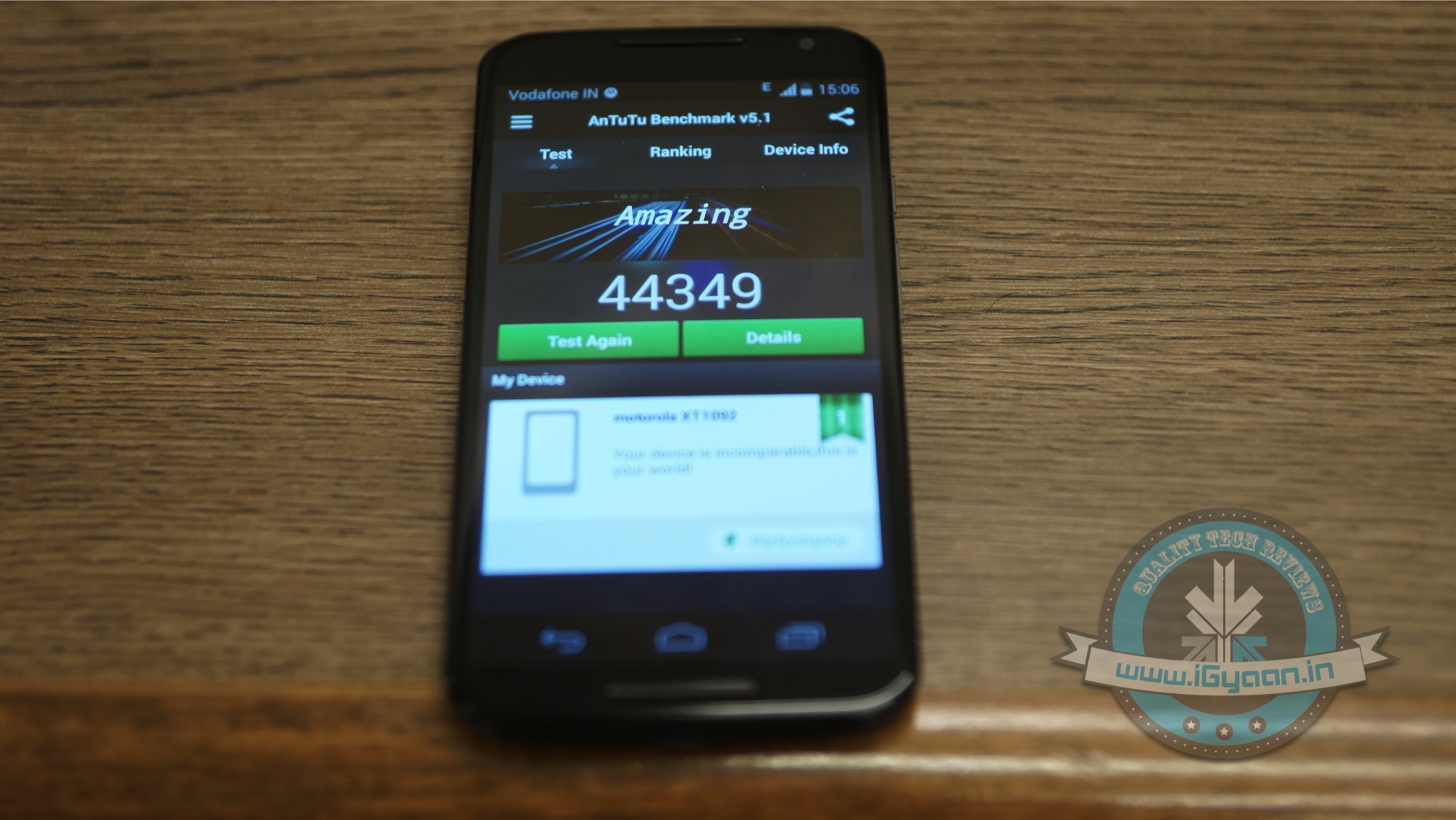
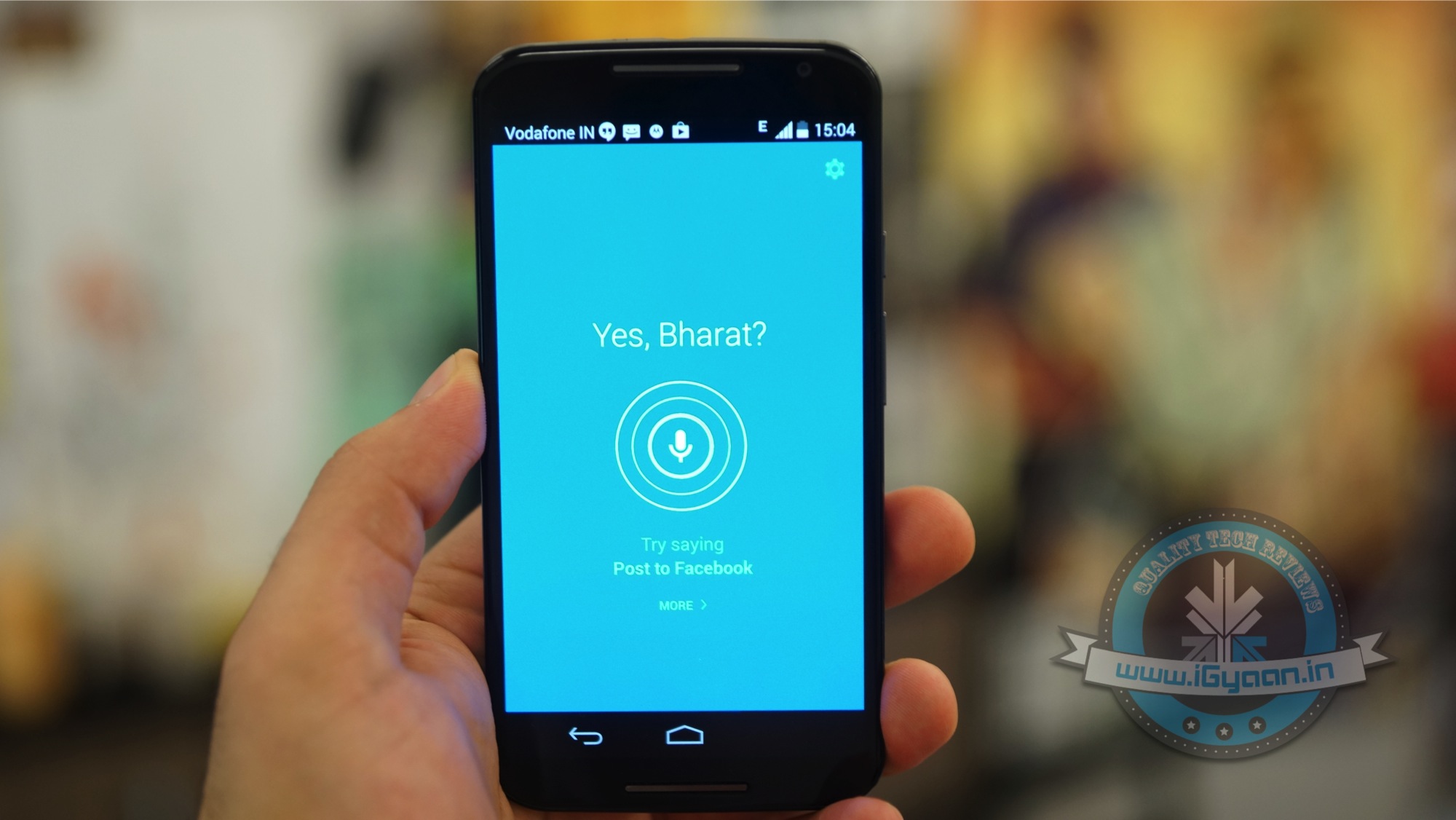
The overall performance from the handset is impressive, it runs top notch hardware on an almost vanilla build of Android 4.4 with an experience only south of Google’s own Nexus line. Benchmarks score upwards of 40,000 in Antutu and they translate to real life usage, RAM is managed well and the Moto X remains pretty smooth through the day of use. Motorola has managed to use its own features like, smart notifications which are now called “Moto Display” and the new voice assistant which can be called up by a custom phrase and not the traditional “Ok Moto” or “Ok Google Now”. Motorola has also managed to leverage Moto communicate, allowing for phone calls and SMS messages to be received and responded to from your laptop/computer, while the setup may seem tedious it works well, although is a major drain on the battery life. The new Moto Assist is also well rounded, it knows when you are sleeping, driving or whether you are at home or work and can customize the alerts according to that, it needs a basic setup, but works mostly flawlessly after that.
Camera
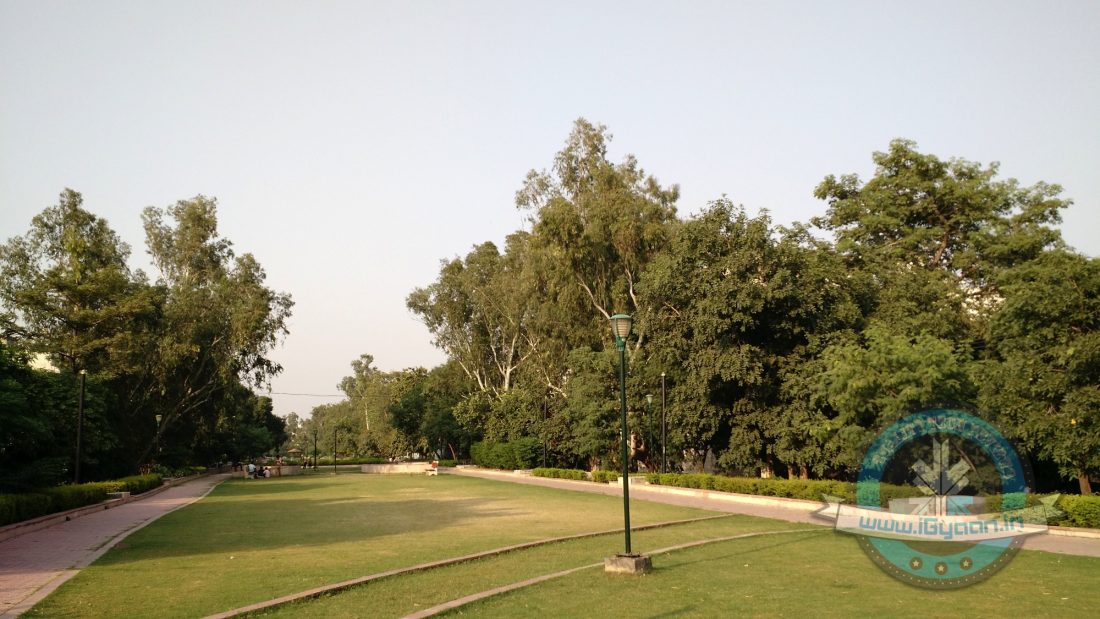
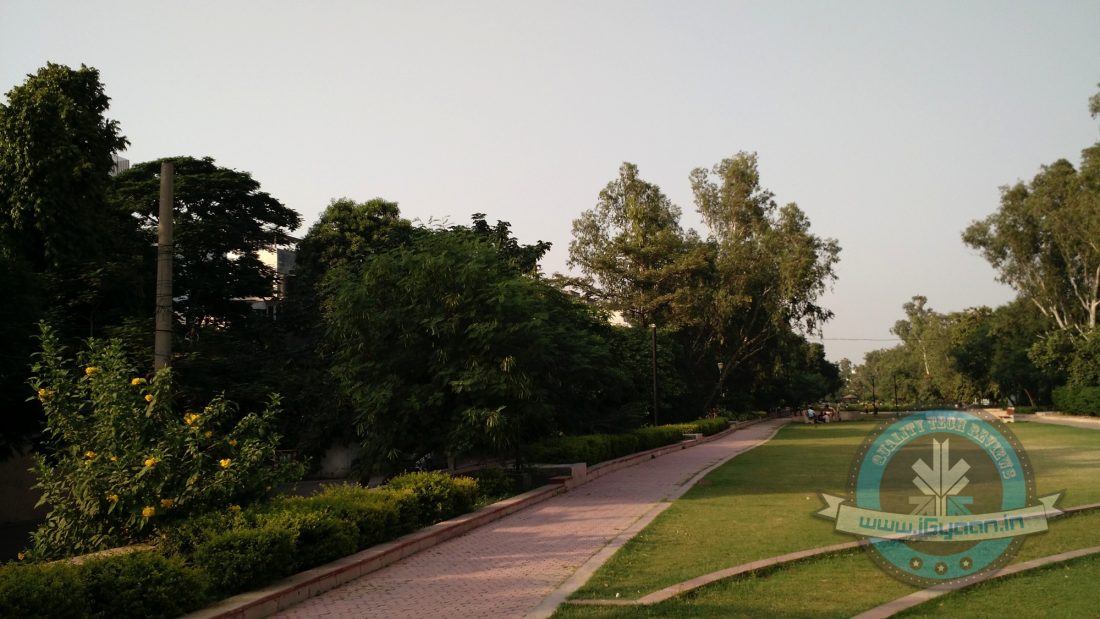
The camera is a big upgrade, a 13 Mp sensor, 4k video and 1080 slow mo, all sounds great on paper. Images however do not justify all that, they are still grainy and low light performance is terrible. Continuous burst mode is a great feature, but is randomly sluggish and will cause images to get blurry and out of focus. The concept of the ring flash is simulated and does do nothing really to enhance the image quality, although the color correction in post flash images is good. The flash module is just like any other on any other smartphone. The camera app is really basic and could use some better features, like filters and on the fly changes. Focus during video will jump in and out, and will cause heartache. 4k video sounds great, but the limited 16GB storage will fill up with just mere minutes of 4k footage.
Without Flash
With Flash
Slow motion works well, focus is tight and quality is impressive. It will do Slow motion at 1080p vs 720p in the last year’s model. The front camera remains basic with a 2MP snapper, it captures 1080p video, which is usually overexposed and grainy, not the best optics in the lot.
Display and Multimedia
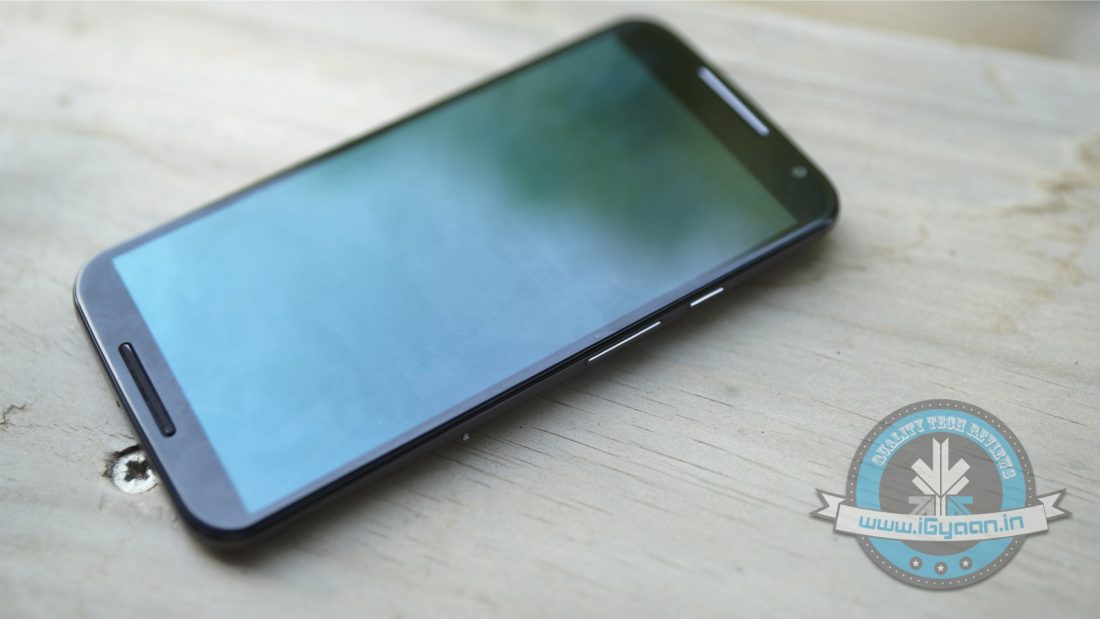
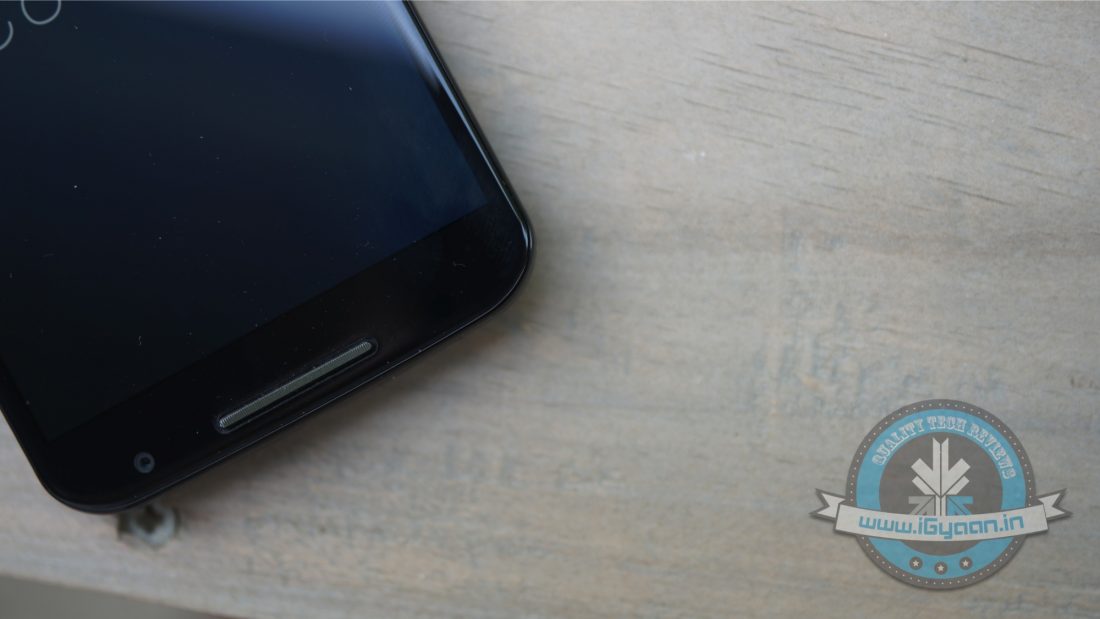
The new display on the Moto X larger and brighter, looks good outdoors, and has a crisp 401 ppi density. The glass on the front is Gorilla Glass 3 and it rounds off and meets the bezel at the edges adding to a natural feel when using the touchscreen. The display has excellent viewing angles and looks great indoors and out doors. touch response is excellent and according to Motorola the whole ecosystem is run at 60 fps throughout which adds to the experience, although may not be perfectly accurate. The bezels on the front are really minimal so the display is what takes up most of the front adding to a better look and better content consumption. Thanks to a larger display you will enjoy watching movies and videos on the phone, performance is excellent so no lag or buffer is experienced in the usage of the phone. The speaker is now forward facing, but unlike HTC’s boomsound it’s still a single speaker , yet sounds good and is very loud.
Phone, Networks and Battery
The Moto X 2nd Gen uses the metal fame to boost networks and boy does it work well, we found excellent indoor reception even on 3G networks and no call drops. This goes to show that maybe not all networks are to blame for bad reception. In this case Motorola has really got its antenna design right and yes it is very functional. Call quality, thanks to the impressive reception, is better than most handsets, although noise cancellation is not very great. Microphone is sensitive and the earpiece is loud and crisp. Battery is a smallish 2300 mAh unit that will mostly last a day, but if you use your phone a lot a portable charger or a USB cable will soon become your best friends. Averaging a mere 4-5 hours of talk time, we wish the phone had more juice to go on about its day. If you need the new Moto X to last longer you may want to invest in the Turbo Charger. Although, not yet in India, this optional accessory can charge the Moto X incredibly fast, pumping in eight hours of power in just 15 minutes.
Conclusion
Motorola has a winner with the Moto X 2nd Gen, and while a lot of people are looking at the bump in price, we are looking at the bump in specs. The previous Gen Motorola Moto X was underpowered, under spec’d and smallish. The new Moto X, is powerful, has excellent specs, top notch performance, has the right size and it looks good doing daily deeds. The leather back is tastefully damage-able and will add a custom look to each Moto X, however extreme wear may happen sooner than later. Thanks to quick Android updates and a simple basic Android UI, the handset is customizable and fast from the get go. The display bump is a boon and is well received, the new design is flawless and the built appreciable. The phone is also water resistant and will last you a very long time. But, should you get it? If you want an android phone now, and the price bracket fits, Yes ! get it now. Alternatively wait for the OnePlus One launch or the Next Nexus, which may as well be a Moto X in a cheaper format, who knows?