Smartphone News and Reviews, Latest Cellphones, Accessories, New Launches, Specifications, Details with Image and Video from Apple, Samsung, Lenovo, Moto, HTC, Xiaomi, Oneplus, Meizu, Sony, Lava, Micromax Yu Mobile and More.
T-mobile is suing Chinese equipment makers Huawei claiming that some of its employees tried to infiltrate the premises of the phone company to steal propriety technology. At the center of the dispute is the phone testing robot. T-Mobile states that Huawei made millions in profits using their technology.
T-mobile claims that Huawei’s representatives took multiple photographs of their testing equipment. It is also said that those staffers also replace parts and tried to break into the facilities when they were banned from the premises.
However, Huawei isn’t showing a belligerent stance. The company says that they have information about the incidents and the people responsible for the illegal activities have been fired from their company.
Corporate espionage is a menace that exists everywhere. In an era of cut throat competition, profits can be made using the slightest advantages over the competition and this is what the companies look to gain. It is unsure if the people responsible for the break-in were directed by their higher-ups, but Huawei’s confession will make this case a short-lived inconvenience for both companies.
Recently, the Indian smartphone market has taken a toll with the arrival of the Chinese brand Xiaomi and well, the resurgence of Motorola. These companies have taken over the Indian budget-smartphone segment by giving us amazing specifications at aggressive prices.
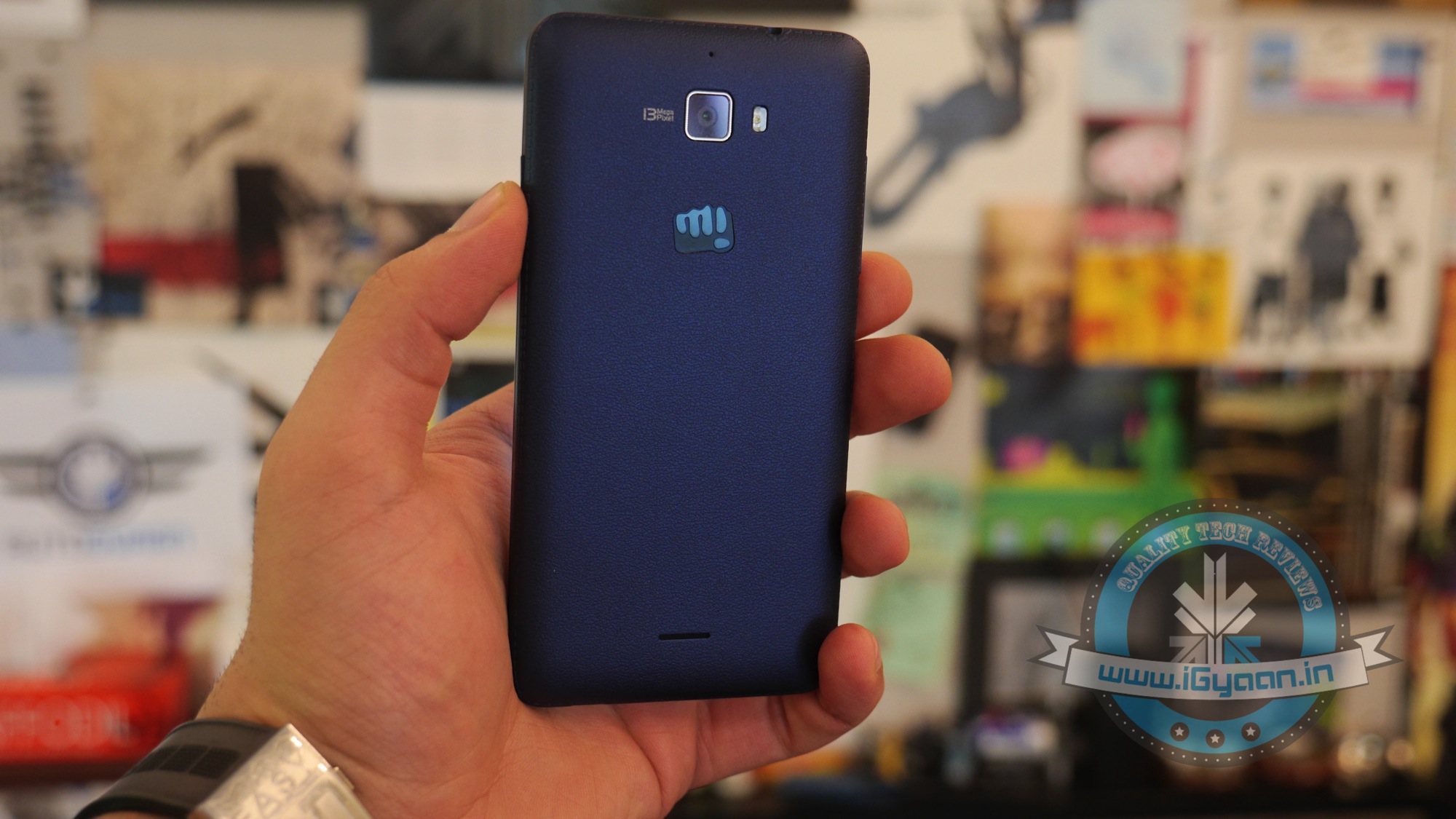
Micromax, the homegrown smartphone maker, is trying to get back on the horse and get a hold of the lost ground it once ruled. Today, Micromax launched a new Canvas flagship model called the Nitro A310 which will be exclusively available on Snapdeal.
The device runs on 1.7 Ghz octa core MediaTek chipset with 2GB of RAM and 8GB of internal memory which is expandable upto 64GB. The Canvas Nitro A310 is powered by 2500mAh battery.
They’ve provided a 13MP Sony camera with f/2.2 aperture. The selfie camera has a 22mm wide angle lens with a f/2.4 aperture and ov5648 bsi sensor. On the home screen Micromax has provided 5 quick widgets – Photo, Video, Front, Back, and Stable shot. Another interesting feature they’ve provided are the in-built gestures which can be used to customise the screen and to activate apps (as demonstrated in the video). The device comes with Oleophobic coating, an anti-fingerprint layer and will come in two colour variants – white and blue. The back has a leather finish, inspired by Napa Leather.
The Micromax Canvas Nitro A310 is available on Snapdeal for Rs. 12,990. After losing a large number of prospective buyers to the Mi3 and Moto G, now Micromax attempts to fight back.
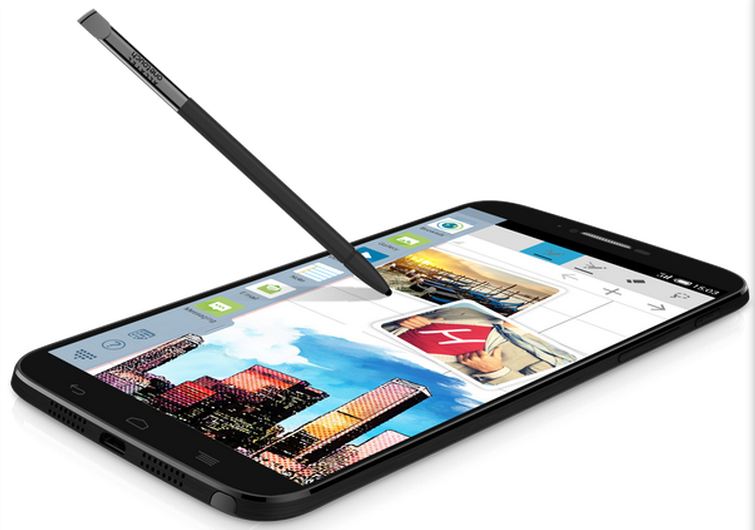
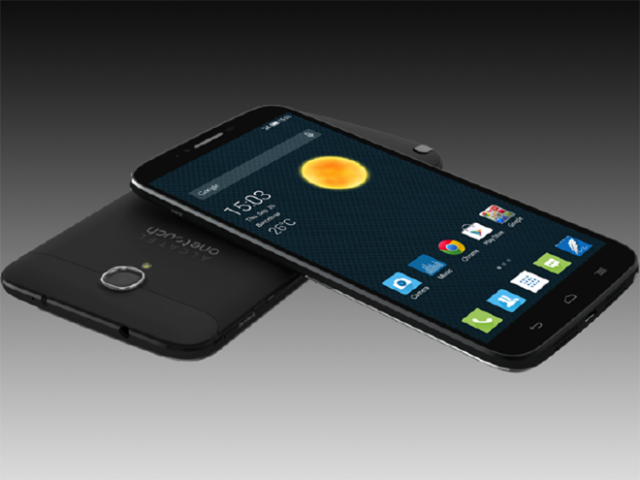
Samsung is always ahead of everyone when it comes to announcing large smartphones at IFA, however, this year the Korean electronic giant was not the only one who showed off a massive handset. Alcatel, a French global telecommunications equipment company, also launched a 6-inch phablet, named OneTouch Hero 2.
The device is 7.9mm-thin and has a curved aluminium body, its reasonably light at 175-gram weight with a 6-inch, edge-to-edge display. The device comes with a with a stylus that the company promises will turn the phablet into a “creative enterprise tool.” The Hero 2 is said to recognise scribbled number and text very effectively and also solve complex problems in mere seconds.
On the hardware front, there’s an octa-core 2GHz MediaTek MT6592 paired with 2GB RAM which runs on 3,100mAh battery. There is 16GB storage tucked inside the device with expandable memory up to 32GB with a microSD card.
Company claims that the 13.1 MP rear camera with optical image stabilization can produce pictures at the power of DSLRs. The device doesn’t come with secondary camera, which in this selfie-age is unheard of. Other than that, the device is equipped with usual assortments of 3G/LTE bands, WiFi 802.11a/b/g/n, GPS, AGPS, Bluetooth 4.0 and NFC.
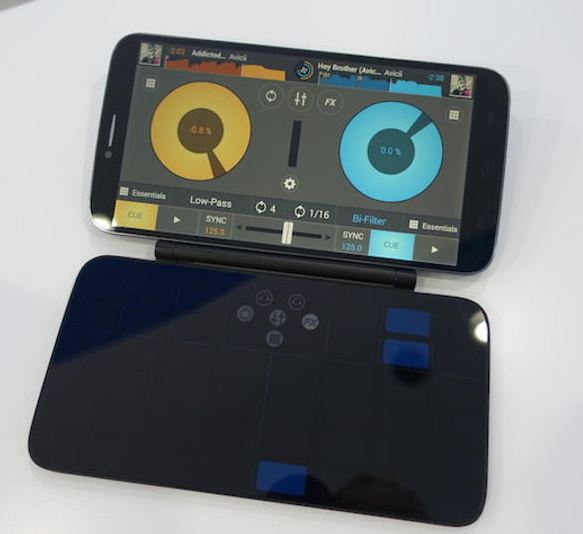
Also, company has come up with the wide variety of accessories for their device ecosystem including “MagicFlip LED,” an HTC-style dot-matrix case and, more notably, a MagicFlip DJ controller that turns the whole phone into a set of mixing decks, complete with retro-style controls.
The company quietly began shipping the device a day before, and it is expected to be priced at around Rs. 27,000, if it comes to India.
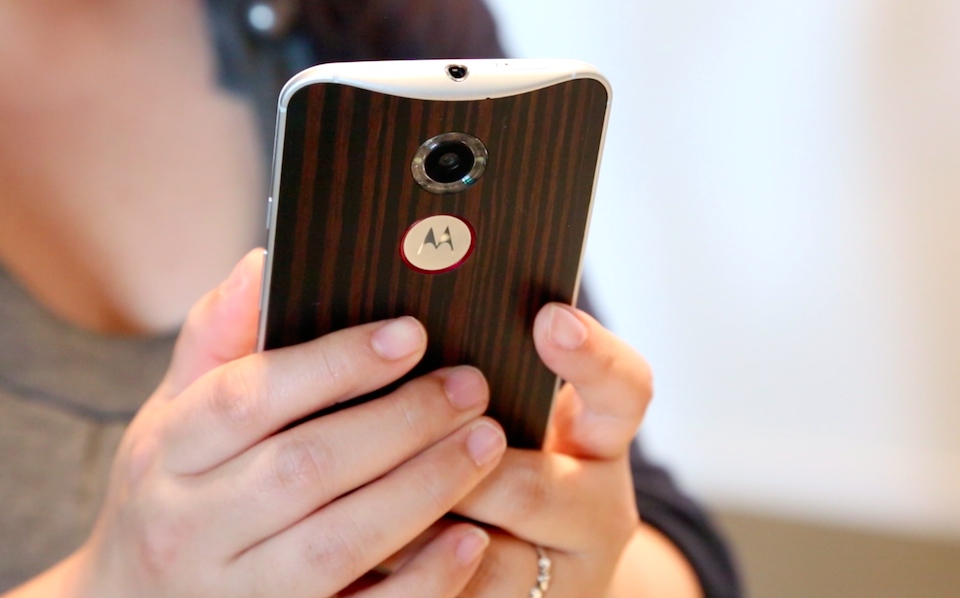
Along with the Moto G (Gen 2) and Moto 360, Motorola has just introduced the much-awaited 2nd gen Moto X. The new Moto X is bigger, bulkier and it boasts a number of new features and designs that should definitely increase X’s demand.
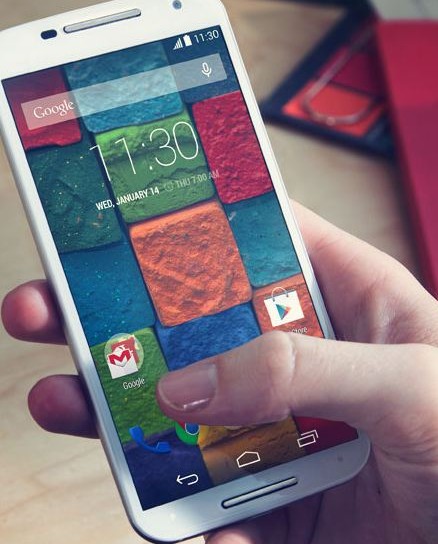
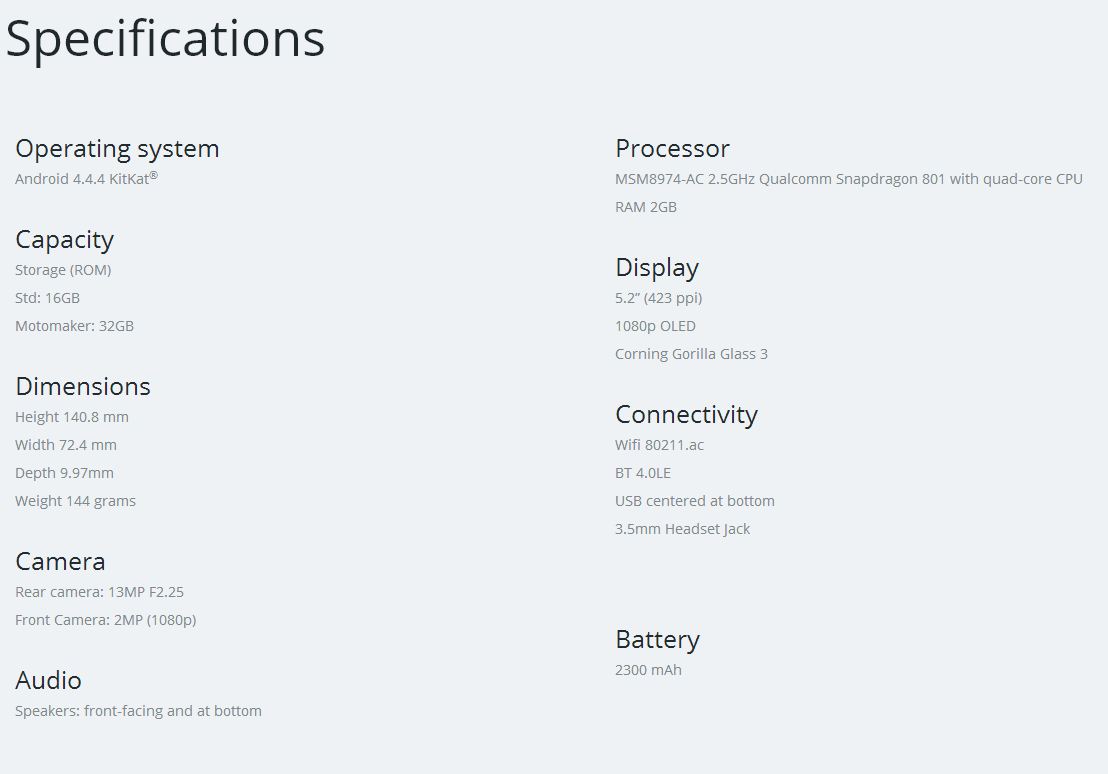
The new Moto X is not much bigger than the previous one, with a 5.2 inch AMOLED display and it is still protected by Gorilla Glass. Moto X 2nd gen is about 0.5 inch wider than last year’s X. However, the refreshed model sports a 1080p full HD display instead of a 720p one.
The screen takes almost all the space on the front, leaving the bare minimum for bezels. It measures 72.4mm wide by 140.8mm tall and weighs 144 grams. To give the device a premium feel, the company has added a smooth piece of aluminium wrapping the entire edge of the phone.
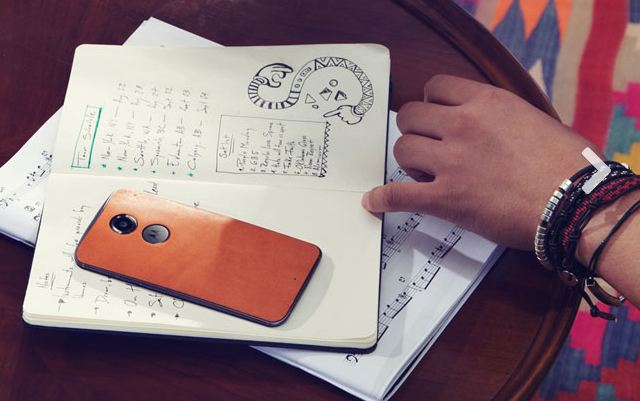
Motorola has kept the Moto Maker customization option alive with a new leather option for new Moto X. Additionally, Moto Maker also now lets you add metal accents to power and volume buttons, speaker grills and the Motorola logo on the back.
At the back, it has an updated 13-megapixel camera lens with 4x zoom and a ring flash. The camera has the ability to capture 4K video instead of just 1080p and it’s also got a new feature called Best Shot.
It essentially maintains a rolling photo cache in the background, constantly capturing additional shots before and after a photo is taken. An algorithm then analyzes those photos to find what it thinks is the “best shot,” filtering out blurry shots or pics of people blinking. You can choose the picture selected by the feature or the original one. Another new camera feature is the “Highlight Reel,” which essentially compiles all of your day’s photos and videos into a single video collage much like Google+ photo highlights.
As far as the hardware is concerned you won’t be disappointed. The device runs on a Qualcomm Snapdragon 801 processor with a 2.5GHz quad-core CPU, an Adreno 330 578MHz GPU and 2GB of RAM. It is powered by 2,300 mAh battery which Motorola claims will last a full day. The new Moto X has four microphones to help reduce background noise, and comes in a “splash guard” water repellent coating and will be available in both 16GB and 32GB variants.
One the software side, new Moto X comes with hand full of softwares same as older Moto X including Migration tool and some of the tools like Touchless Control, Active Display and Motorola Assist have been renamed in the new Moto X as Moto Actions, Moto Display and Moto Assist respectively. Another great iteration in the new Moto X is that instead of ‘OK Google’ as a voice prompt, you can customize the voice command prompt to anything you like.
The company said that they have more than 1.6 million devices stocked for Indian market which only means they will have enough stocks this time. Pricing details are not yet revealed by the company. The new Moto X will go on sale in late september along with Moto 360.
Motorola has just announced two of its most anticipated smartphones : Moto X and Moto G. The company decided to stick to the previous names, keeping things simple by calling them 2nd Gen devices. The new Moto G has been launched at the price of Rs. 12,999 for 16 GB and is going on sale later today with special offers on Flipkart. The company said that last time around they sold 1.6 million devices through Flipkart for Indian customers, and this time they’ve made sure they have sufficient stock for prospective buyers.
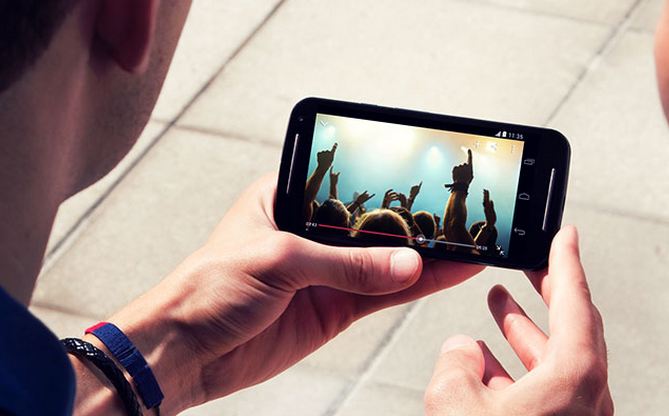
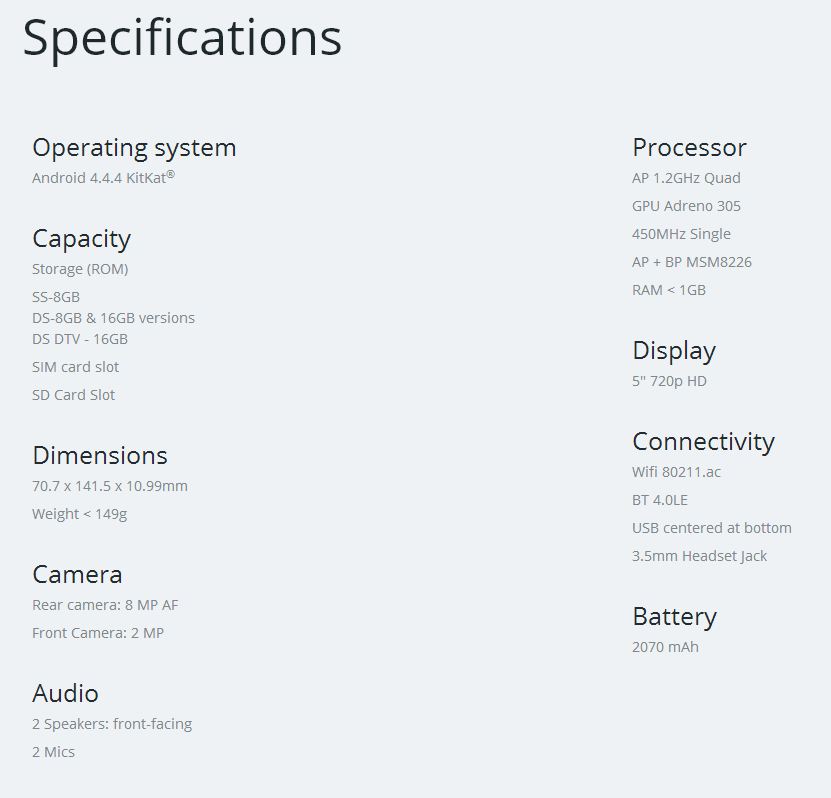
The 2nd Gen Moto G has a 5.0-inch 720p HD IPS display made out of Corning Gorilla Glass. Other improvements to the G include two front stereo speakers and an 8-megapixel rear camera and a 2-megapixel front-facing one.
The new G will also now finally come with a microSD card slot, which is located underneath the back cover. It’ll still come with 16GB built-in storage, but an expandable memory slot is always nice to have. However, underneath is the same 1.2GHz Snapdragon 400 processor and 2,070 mAh battery. The new Moto G still shoots in 720p. However, they considered going for 1080p video capability, to compete with the Xiaomi Mi3.
It’ll ship with Android 4.4 KitKat and is upgradeable to Android L as soon as it is released. It does come with a few Motorola apps like Migrate, which helps you transfer old phone contacts to the new one, and Assist, which provides a voice-activated Drive Mode when you’re on the road.
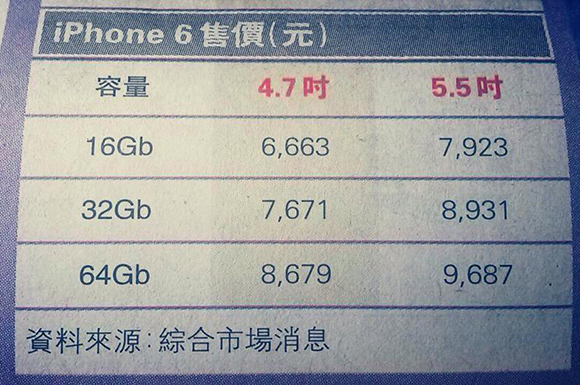
While techies all over the world are busy keeping tabs on the IFA Berlin 2014, the iPhone 6’s prices have been quietly revealed in a leaked image from Hong Kong. Tech blog TK Tech News has posted an image that shows the alleged prices of the highly anticipated 4.7-inch and 5.5-inch iPhone 6 models.
The Apple iPhone 6 with 4.7” display will purportedly cost 6,663 HKD, 7,671 HKD, and 8,679 HKD . The aforementioned prices are for devices with 16, 32, and 64GB of built-in memory respectively. According to the leak listing of prices, the iPhone 6 with 5.5-inch display is unsurprisingly more expensive (it is rumored to have more powerful hardware on board). It is reportedly priced at 7,923 HKD for a 16GB model, 8,931 HKD for a 32GB unit, and 9,687 HKD for a device with 64GB of onboard memory.
If you convert these purported prices into Indian currency and add the standard import duties, iPhone 6’s 4.7 inch variant will come at the starting price at Rs. 61,900 approx and the 5.5 inch variant may come at starting price of Rs. 71,800. These prices are more than the introductory price of the iPhone 5S, which was launched last year for Rs. 53,500. If this is true, then Apple may lose a large segment of prospective buyers. Especially since unlike other companies in the market, Apple is never the one to drop its prices after launch.
It is said that new iPhones will come with new-gen iOS 8 out-of-the-box. Both the 4.7-inch and 5.5-inch variants said to feature an iPod touch-inspired design; the Touch ID fingerprint sensor; the new Apple A8 SoC, and the long-awaited NFC connectivity.
Apple is expected to unveil the next iPhone in less than a week, so we won’t have to wait too long for official pricing. In the meantime, take the above numbers with a small pinch of salt.
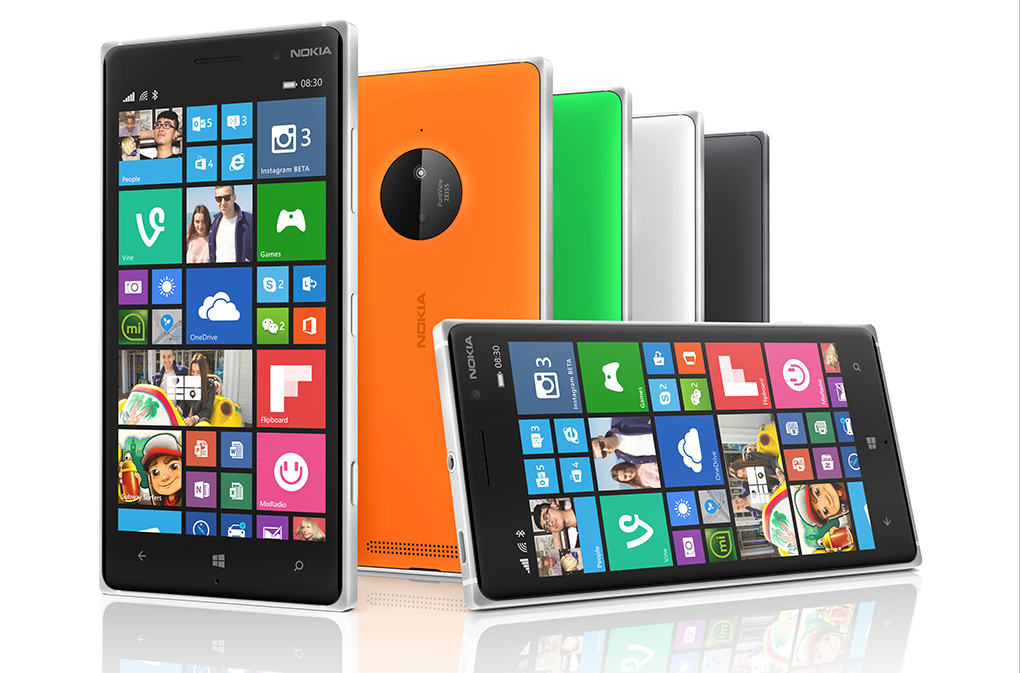
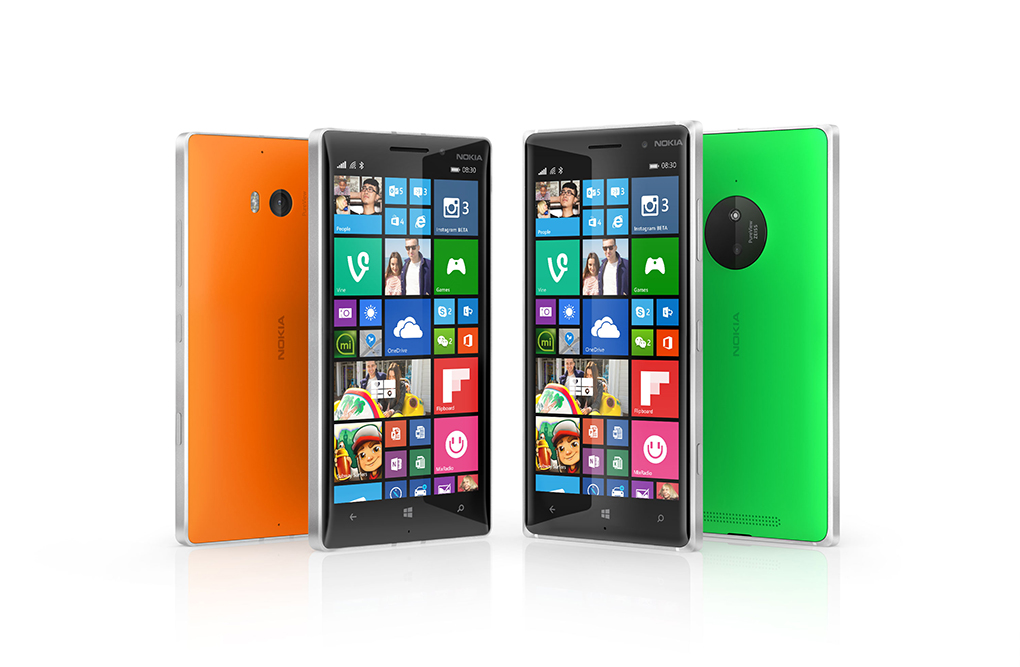
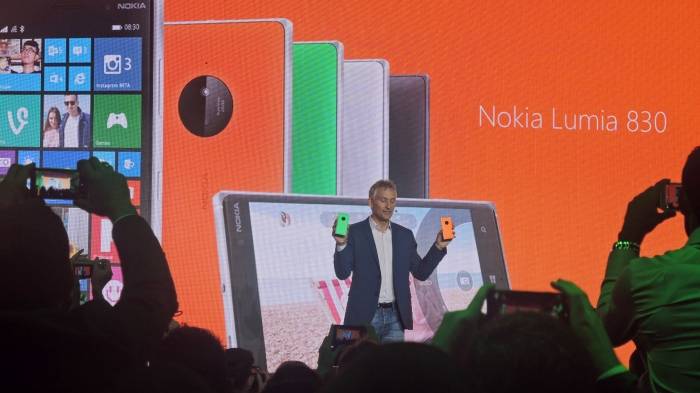
Microsoft, today at IFA Berlin 2014, has launched a new affordable smartphone, the Lumia 830. The company has added a PureView camera feature in the new affordable handset which has typically been associated with Nokia’s premium phones.
The device looks very similar to the Lumia 930, it comes with an aluminum frame and a polycarbonate back. While it uses the PureView name, rumour has it that the rear camera’s 10MP resolution isn’t quite as good as the 930 or 1020.
Further, the company has added a lot of extra software enhancements to improve the experience. The Lumia 830 is essentially a thinner, less bulky, and lighter version of the Lumia 930 on the outside. However, inside there are a ton of differences between the two.
The Lumia 830 is powered by a 1.2GHz quad-core Snapdragon 400, 1GB of RAM, and 16GB of storage. The 830 is also a 5-inch handset, but Microsoft has opted for a 1280×720 resolution instead of the beautiful 1080p display on the Lumia 930.
As for the hardware specifications, the Lumia 830 comes with with a 5-inch 720p display, Gorilla Glass 3, slightly curved (2.25D) glass, a 2,200mAh battery and a 1.2GHz quad-core Snapdragon 400. The device will ship with the Lumia Denim update, which is Microsoft Device’s specially-packaged version of Windows Phone 8.1.1 (Update 1).
That new ‘affordable flagship’ comes with a new version of Lumia Camera, which comes with faster shot-to-shot and pocket-to-picture times and several other enhancements to the imaging experience. Lumia Denim also includes 4K-quality video recording and general improvements to low light images.
Lumia Denim also includes 4K-quality video recording and general improvements to low light images. Microsoft’s Lumia 830 will be available globally this month. It is priced at 330 euros, which when converted is approximately Rs. 27,000.
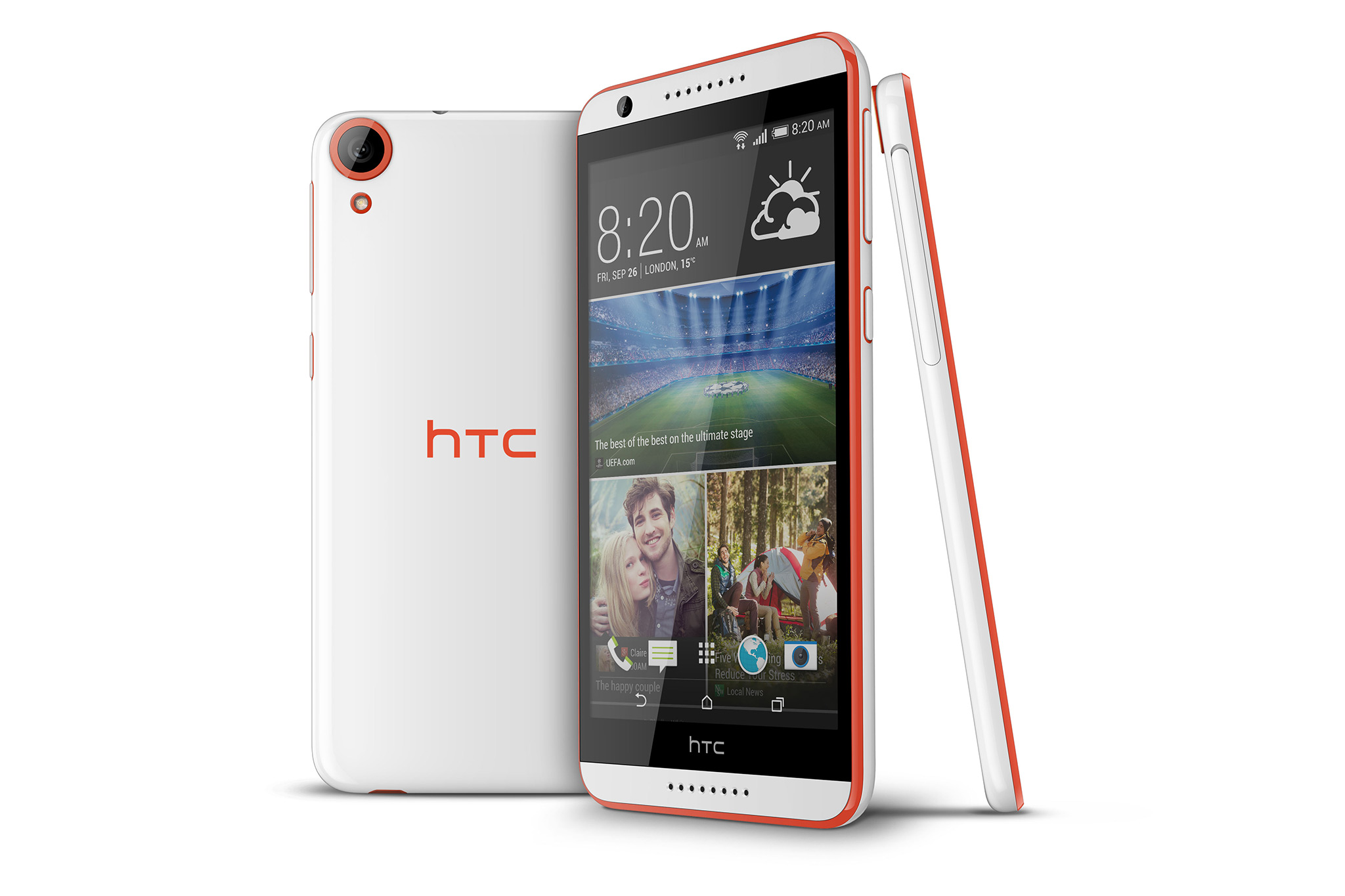
HTC has had a good year. With the success of HTC One M8 and the Desire line-up, things are looking good for the company. Now HTC is about to bring another phone is its Desire line-up called the Desire 820. The phone was announced at the ongoing IFA event.
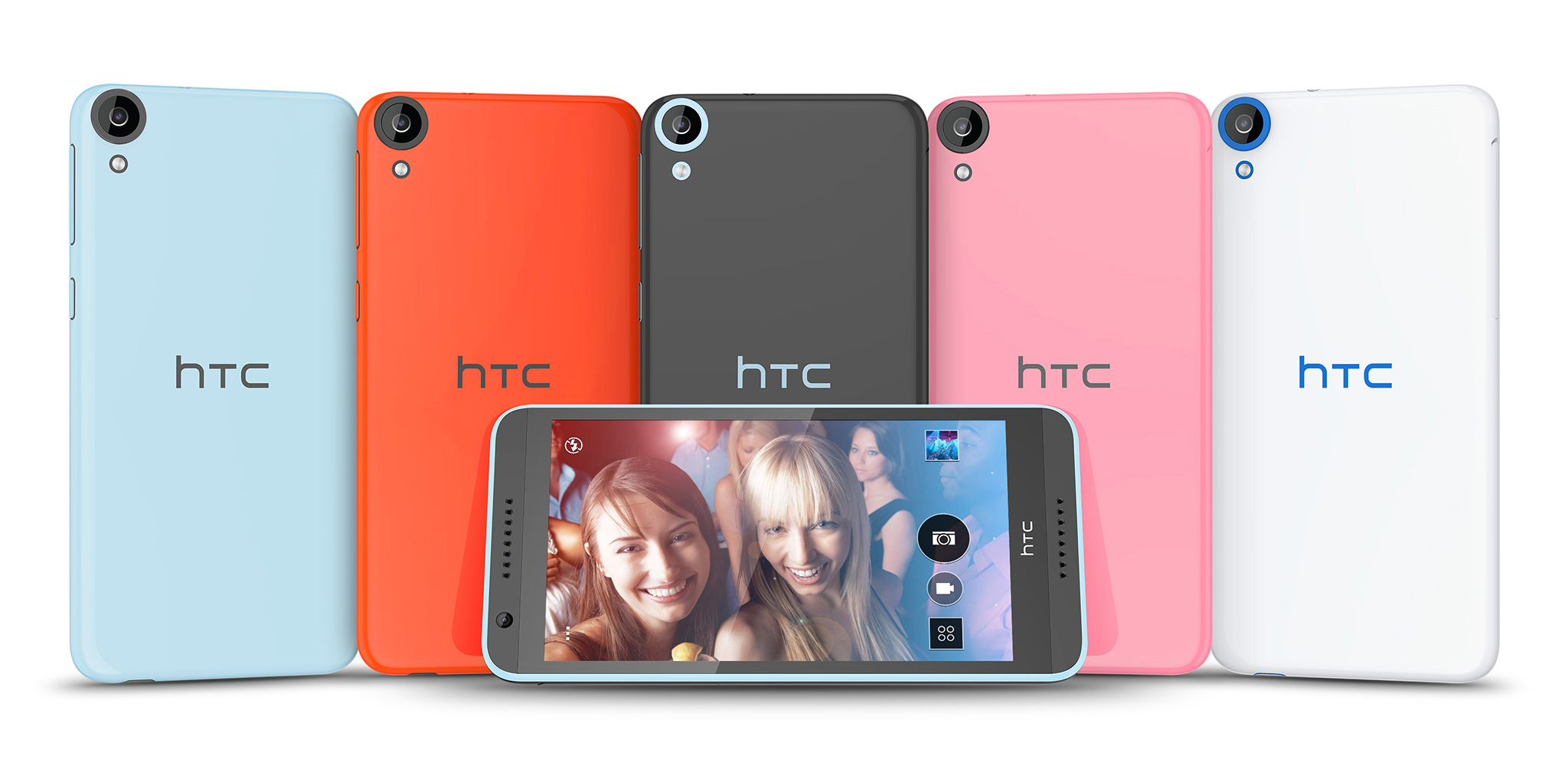
The phone is a looker and comes with a bold two-tone color scheme that makes the device standout. Even the HTC logo on the back gets a different color treatment for each phone color option. The device is made in a unibody, polycarbonate casing that HTC defines as its “double shot color technology.” The color scheme surely has a youthful appeal and is pleasing to the eyes.
Like the Desire 816 before it, the Desire 820 comes with a 5.5 inch 720p HD screen. The new phone will be one of the first phones to come with a 64 bit Qualcomm’s octa-core Snapdragon 615 chipset. The processor runs on two quad-core chips of 1.5GHz and 1.0GHz. It comes with 2 GB RAM and 16 GB internal storage.
The Colors and powerful front camera makes the Desire 820 a youth friendly device.
The main camera on the device is a 13 MP shooter with f/2.2 aperture. Now the shining glory of this phone is the front camera, it packs an 8 MP camera on the front. This can be a selfie hogs’ favorite toy. Unless, of course, you got the money to enjoy the superior selfie and weefie capabilities that were showcased last night on the Note 4.
The device is powered through a 2600 mAh battery. HTC says that the phone will be updated with Android L when it comes out. HTC has been one of the first companies to promise the Android L upgrades for most of its devices. It will also hold HTC’s Dual Boomsound front facing speakers. It will also have its version of the dot view case.
The Desire 820 will come to the markets by the end of September and will be available in glossy and matte colors. This is one colorful treat, and if priced right, it can prove to be some serious competition for others.
The Xiaomi Redmi 1S went on Sale for a price of Rs 5999, with a limited 40,000 phones for sale and the phone got the usual response. But is the phone worth the mega hype that it has created? Lets find out!
Overview
The Redmi 1S just like the Xiaomi phones in the past has built a burning desire in everyones hearts to own the phone, it comes with an impressive price tag and a good spec sheet. The performance on the phone is excellent and everything just seems to be too good to be true. The Redmi 1S will truly change the market perception for starting – lower end smartphones.
Hardware
[pullquote_left]Loaded with Hardware![/pullquote_left]
Powered by a Qualcomm Snapdragon 400 chipset the Redmi 1S has a Quad Core 1.6 GHz CPU the Adreno 305 GPU, 1 GB of RAM and 8 GB of inbuilt storage. The front of the Redmi 1S has a 4.7 inch 1280 x 720 p display a total of 312 ppi it’s protected by Asahi Dragontrail glass and is an IPS panel. Cameras comprise of an 8 MP snapper with a wide f2.2 aperture and a 1.6 MP front camera. The Main camera is capable of a 1920 x 1080p Full HD video capture.
The phone runs on a 2050 mAh battery pack, which is replaceable, has dual SIM card slots, one of which is a 3G (GSM-WCDMA) and one is 2G (GSM). The Redmi 1S also has a memory card slot to add a memory card upto 64GB.
Build quality and Design
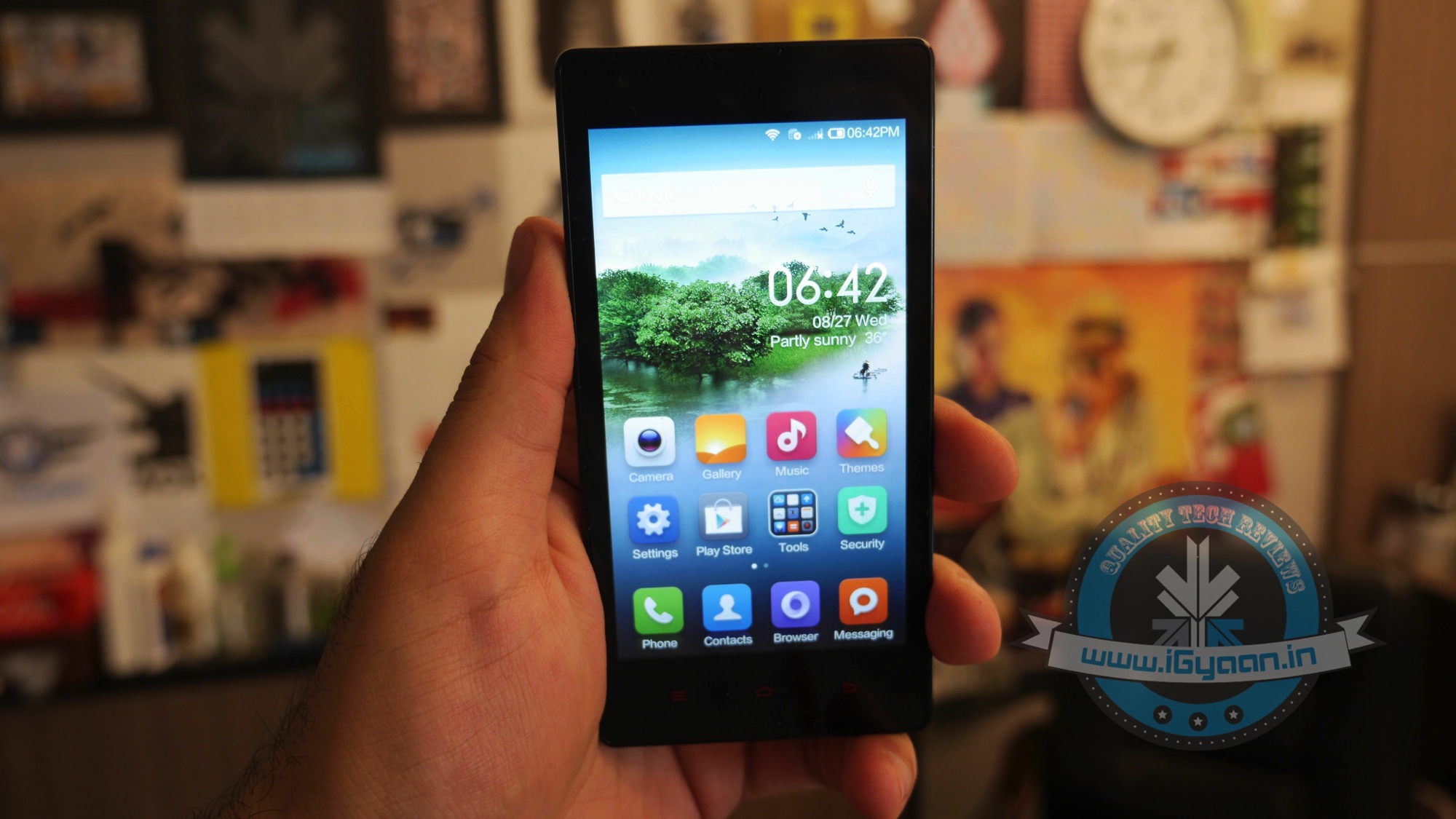
The Redmi 1S is a pretty good looking phone, it’s not Moto G, but then it’s almost half the price. The replaceable back panels give you the ability to give the phone a personal look and feel. The phone is essentially made out of plastic, but in no way does it feel cheap or poorly built. The front has a Asahi Dragontrail glass, which many argue that it is equally good when compared to Gorilla Glass variants.
[pullquote_right]Buttons are not Backlit![/pullquote_right]
The buttons are nice and tactile, for volume and power. The touch buttons are responsive and easily reached, they however are not backlit, which is rather disappointing, and difficult in low light situations and at night. The phone has a good fit and feel in the hand, the edges are soft and the outsides curve to match the shape of your hand really well.
Performance and Gaming
We were surprised to see the performance from this sub Rs. 6000 handset. The UI is fast and responsive and you really cannot complain about the performance of this handset. Usually budget phones end up being turnoffs, however the Moto E changed that in the past and the Xiaomi Redmi 1S tops that by almost double.
With an average of 330 MB of Free RAM available at all times, the Redmi 1S also has a built in app kill switch that frees up the RAM for usage. Overall the phone is capable of delivering more than you can expect from a phone in this budget. Our Benchmark and Gaming video shows you exactly that below.
The Gaming is pretty good too, even though really graphic intensive games will not work on full graphics, the phone is able to handle gaming pretty decently and without duress. You will get good viewing angles, good touch response, and great gaming feedback. Audio from the speakers is a bit low but acceptable.
Camera
As far as the Camera is concerned, you will be surprised to see what this phone can achieve. You get the exact same UI from the Mi3 for the Camera app and an excellent 8 MP sensor that does Full HD video, where most struggle to even do video in the first place at this price. Composition of the shot is quick and autofocus is snappy, colours are a bit dull – and contrast is pretty acceptable. We like additional options like filters, HDR and delayed shots all of which works well and intuitively. You also get quick face detection and a zero lag shutter; mighty impressive.
Great Macro
Good Focus
Low Light Sample
Twilight Sample
Dark Sample
Android and MIUI
[pullquote_left]MIUI is fantastic![/pullquote_left]
Even though you get an older version of Android, I don’t see people complaining anytime soon. The phone is really fast and responsive and thanks to the awesome MIUI overlay, there are additional functions and shortcuts that one can really learn to appreciate.
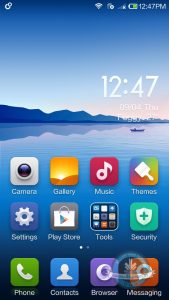
LockScreen
Dialer
Messaging
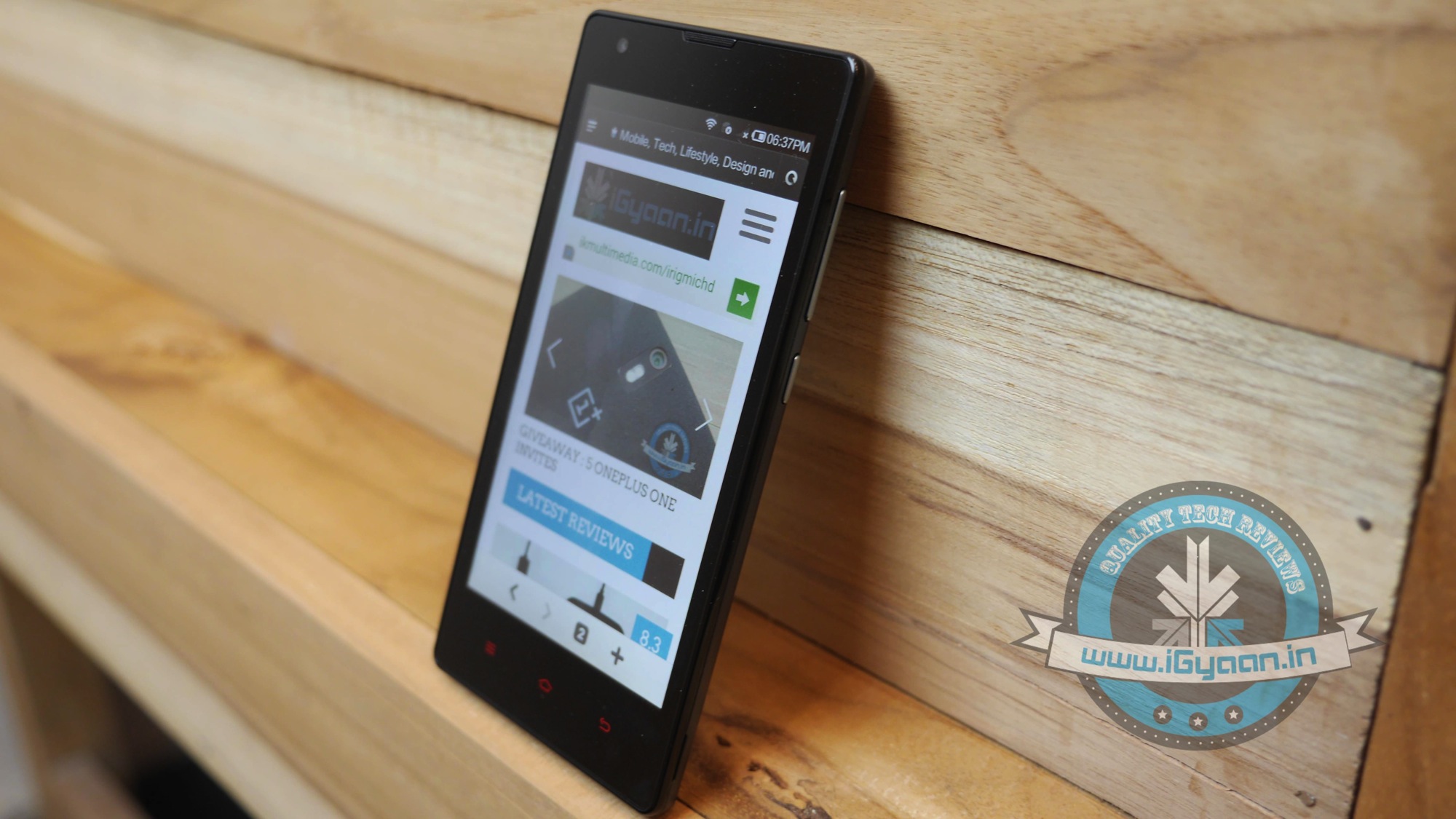
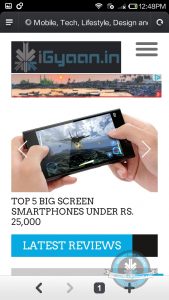
Browser
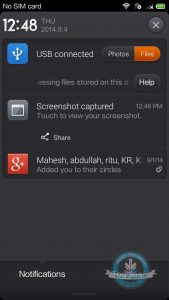
Notification Panel
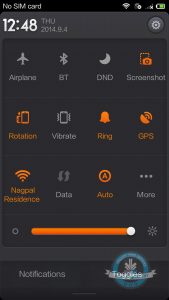
Toggles
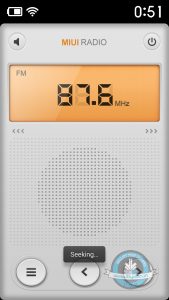
FM RADIO
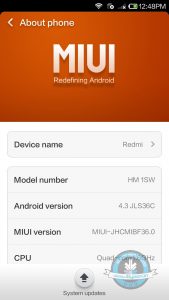
Software Info
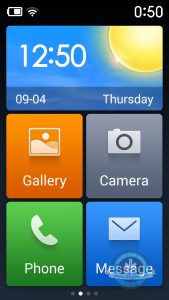
Lite Mode
Lite Mode Quick Dialer
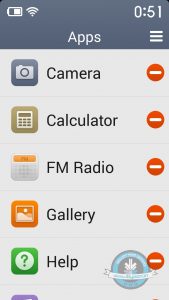
Lite Mode Apps List
The version of MIUI is also fairly old, however, there is an imminent update promised for the Redmi 1S to MIUI v6 by the end of the year. You get Google Now style weather updates and notifications, iOS style app layout and folders, and lots of skinning options. All of this with very little load on the RAM and the CPU department, ensuring smooth sailing throughout.
Even though competition is currently offering Android KitKat and more soon, Redmi 1S has the capabilities of holding its own, mostly thanks to the enabled hardware. The future update is expected to free up some RAM on the phone making performance much better, giving you an average of 420 plus MB of free RAM vs the current average of 320-340.
The Phone also has a lite-mode which was initially intended for senior citizens, but however in the indian edition is been designed to give an easier usage experience to the first time user.
Phone and Battery
Phone networks ar good, but not great. We feel that there is a low network reception indoors with the Redmi 1S when compared to other devices. Outdoors however is great and we have no complaints with audio quality on the incoming or outgoing while on a call.
Battery life is not the best, on an average the phone will run out before end of day, and if you are a heavy user, expect to carry a charger/ powerbank at all times. Xiaomi is also planning to sell additional spare batteries and external battery chargers.
With the existing battery expect 5-6 hours of real talk time, or a mix of internet usage and apps with 3-4 hours of talk time.
Conclusion
While the Redmi 1S is going to have the same issues like the Mi3, i.e. the lack of available units to sell, service centre issues, Flipkart selling woes, and what not. The Redmi 1S still makes for one hell of a device for one hell of a price, that you can’t beat right now. The hardware is equivalent to devices almost twice the price and performance even better.
[pullquote_right]You simply can’t beat this Phone![/pullquote_right]
The phone is good looking, well built and supported with respect to the OS and UI, with the added advantage of cheap accessories and quick updates one really can’t complain. For the price you will not find a better device, even if you add another 50$.
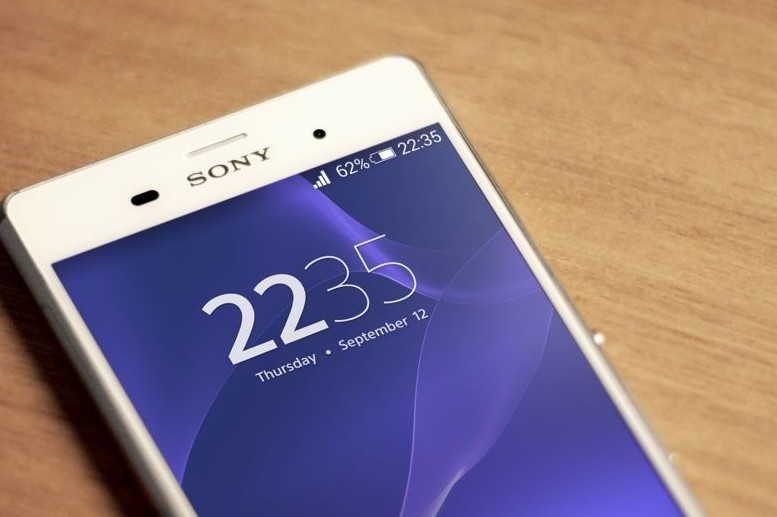
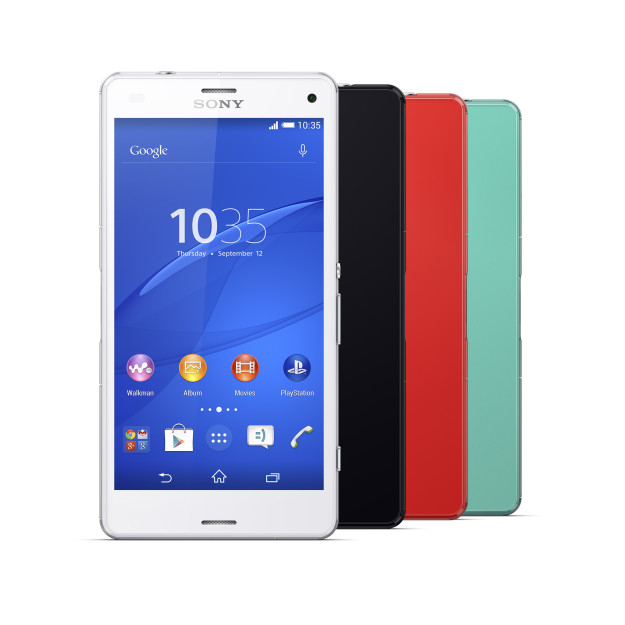
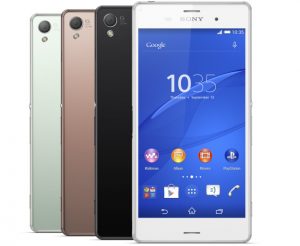
Sony has presented a decent Xperia line up at today’s pre-IFA event, with the star attraction being the Xperia Z3. It’s a huge device with a 5.2-inch display. But Sony has provided its consumers another option who aren’t ready to make the leap to 5+ inches – new Xperia Z3 Compact with a 4.6-inch display.
The only difference between the Xperia Z3 and the Z3 Compact is the size of the display — the Z3 Compact features a 720p 4.6-inch screen. Other than that, it’s nearly identical to the flagship. Without compromising on specifications, Sony has built two variations of a single smartphone in order capture wider market base.
Sony has launched a long list of devices at it’s pre-IFA event today. In addition to the Sony Xperia Z3 and Z3 Compact flagship smartphones, company has also announced affordable Xperia E3 and Xperia Z3 Tablet Compact.
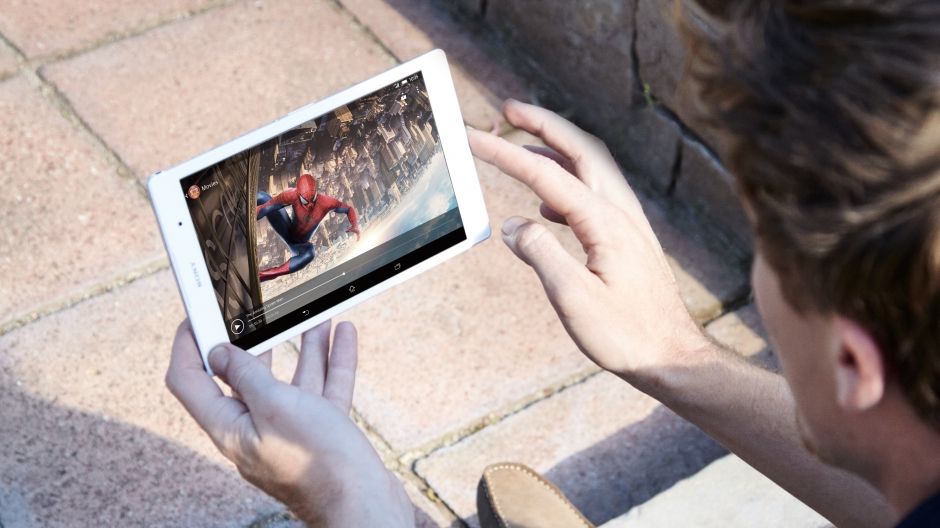
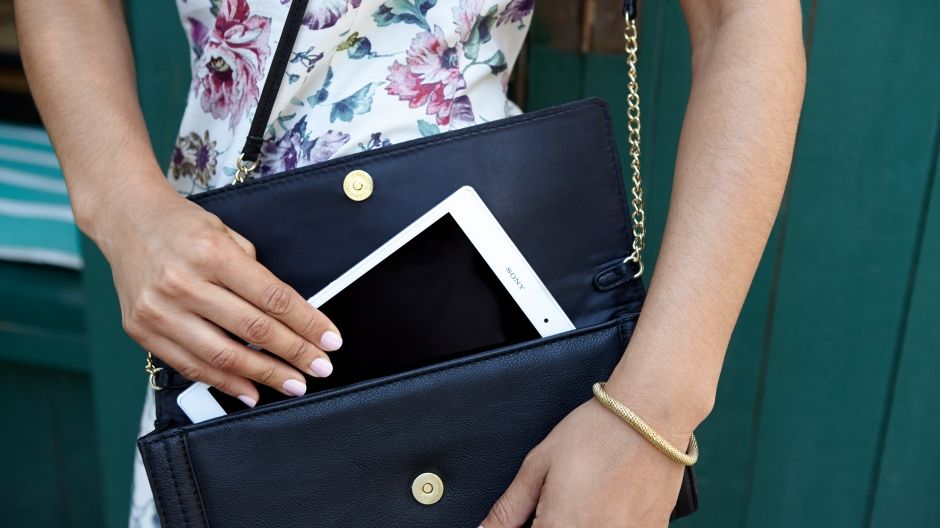
The Xperia Z3 Tablet Compact is 8-inch tablet will compete against similarly sized devices from Sony’s rivals including the Google Nexus 9 and the 2014 Retina iPad mini later this year when it hits stores. The Compact Z3 Tablet has an ultra-slim 6.4 millimeter profile, weighs 270 grams, and comes with IP65/68 waterproof and dustproof certification.
When it comes to hardware, this compact tablet will offer users an 8-inch Full HD Triluminos display, a 2.5GHz quad-core Qualcomm Snapdragon 801 processor, 3GB of RAM, 8.1-megapixel camera, 2.2-megapixel front-facing camera, up to 16GB memory, microSD support, Android 4.4 KitKat and a 4,500mAh battery capable of delivering up to 13 hours of video playback.
But the most interesting part about this device is PlayStation 4 support., Xperia Z3 Tablet Compact owners will be able to pair their tablet with the console and play PS4 games on the 8-inch display using the DualShock 4 controller with the new Remote Play feature, whenever the TV is being used for other
purposes.
The Xperia Z3 Tablet Compact will launch globally in autumn 2014, in both LTE and Wi-Fi versions, although pricing details are not available yet.
The company also launched an affordable Xperia E3, to expand it’s range more budget friendly market. The specs of the Xperia E3 are losses some important specifications in order to accommodate the lower price point, but this is still a perfectly capable device for anyone who aren’t looking for a high-end Android smartphone.
The E3 features a scratch-resistant 4.5-inch display made of durable tempered glass and corners on its body which are designed to stand up to the occasional falls. Other specs include a 1.2GHz quad-core Qualcomm Snapdragon processor, 1GB of RAM, up to 4GB of internal storage and a 5-megapixel camera. The phone is expected to launch this fall alongside the Xperia Z3, but there is no set release date yet.
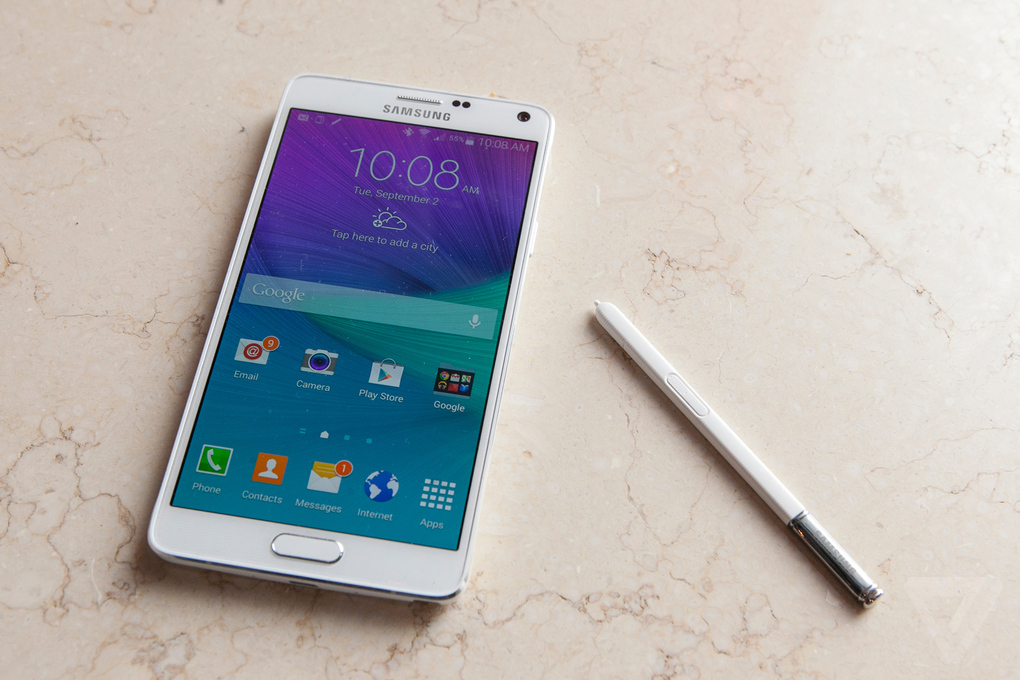
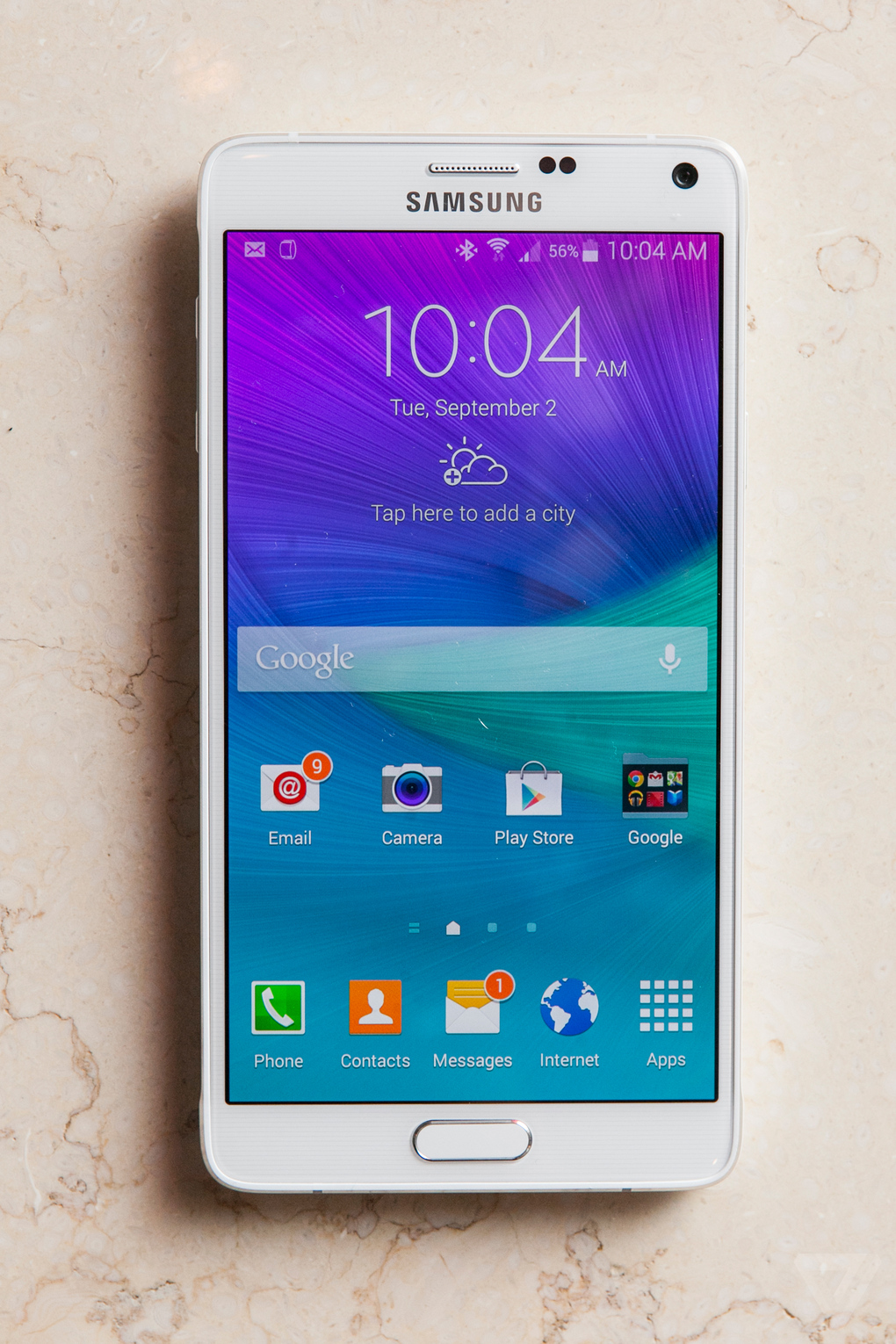
The season of big ticket releases has been kicked off by Samsung in an optimistic fashion. The company flaunted an assortment of products at its pre-IFA event in Berlin. The company finally unveiled the Galaxy Note 4 which gets quite a few upgrades over its predecessor both on the hardware, as well as the software front.
The presentation was done by three presenters who were well prepared for the show, though it got a bit annoying when they tried to over-reach. Most of the features presented were affirmative of the leaks.
Looks
Image Credit: The Verge
The new generation Note flagship comes with a 5.7 inch Quad HD Super AMOLED screen. It has a thickness of 8.5 mm and weighs 176 gm. The device is LTE category 6 ready.
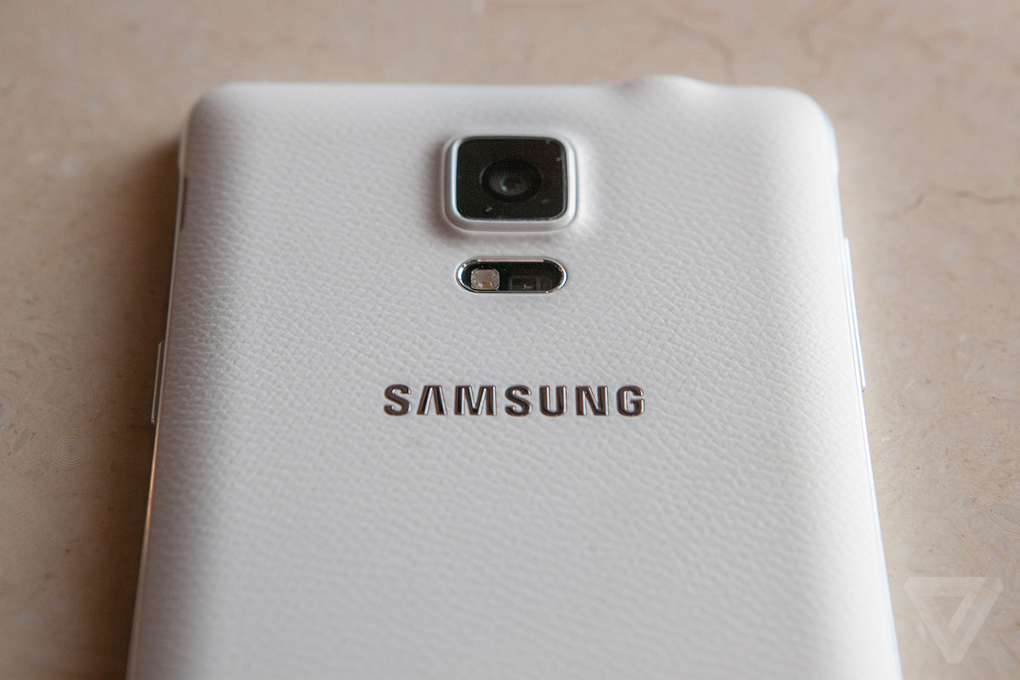
On the looks front, the device borrows the design language from the Samsung stable while going for an edgier design. The device is built on a metal frame which strengthens the device to minimize damage from dropping of the device. It has a soft textured back cover.
Camera
The cameras on the Note 4 get a lot better. Image Credit: The Verge
The Galaxy Note 4 comes with a 16 MP camera on the back with Optical Image Stabilization (OIS.) With the OIS, Samsung claims, you’ll get professional quality HD videos with minimum jitters.
The company has gone out of its way to bring a superior selfie experience, and it was truly innovative of them. The 3.7 MP front camera has a wide f/1.9 iris which will ensure brightness of the image. To make selfie taking more convenient, the Note 4 utilizes the heart rate sensor on the back as a shutter release. To take a selfie all you need to do is hold the heart rate sensor and release, when you are ready for a click. For taking a wider selfie or a “Weefie” with multiple people, the device offers a wide 90-degree frame. There is also an option for Wide Selfie that lets you take an even wider 120-degree selfie by moving the phone till everyone is in view. The presenters took the photo of the entire auditorium using the feature.
The camera also has an extremely useful feature called the Snap Note through which you can take an image, and the phone will extract the data from it. So when sitting in a classroom you can simply click the photo of the board, and the phone scan the image and will take the information out. You can then add annotations to the information and have an easy learning experience.
S-Pen
The S-Pen also gets upgrades and added functionalities. The pressure sensitivity has been increased to give a more natural pen-like feel. The pen now also acts as a mouse with features like click and drag which lets you select multiple files at once.
The Smart select feature lets you select text and images from multiple sources and lets you bring them all together. It also lets you easily share them on the internet.
Audio Recorder
The audio recorder on the device has also received some really handy and functional upgrades. The device can now track voices in 8 distinct directions so it great for getting quality sounds in multi-people environment. The interview mode on the device cancels out the unnecessary ambient noise and hence gives a clearer audio output.
Multi-Windows
Using multi-window gets easier with the new device. You can now access the multi-window feature through the recent apps menu. It has become a lot easier to resize, relocate or minimize the screens during multi-window usage.
Note 4 comes in four color options: White Black, Gold and Pink. It also provides customizability with 4 covers. There is the S-View, Flip wallet, S-view Flip wallet and LED cover which reminds of the Dot case by HTC. The device also comes with a back panel encrusted with Swarovski Crystals.
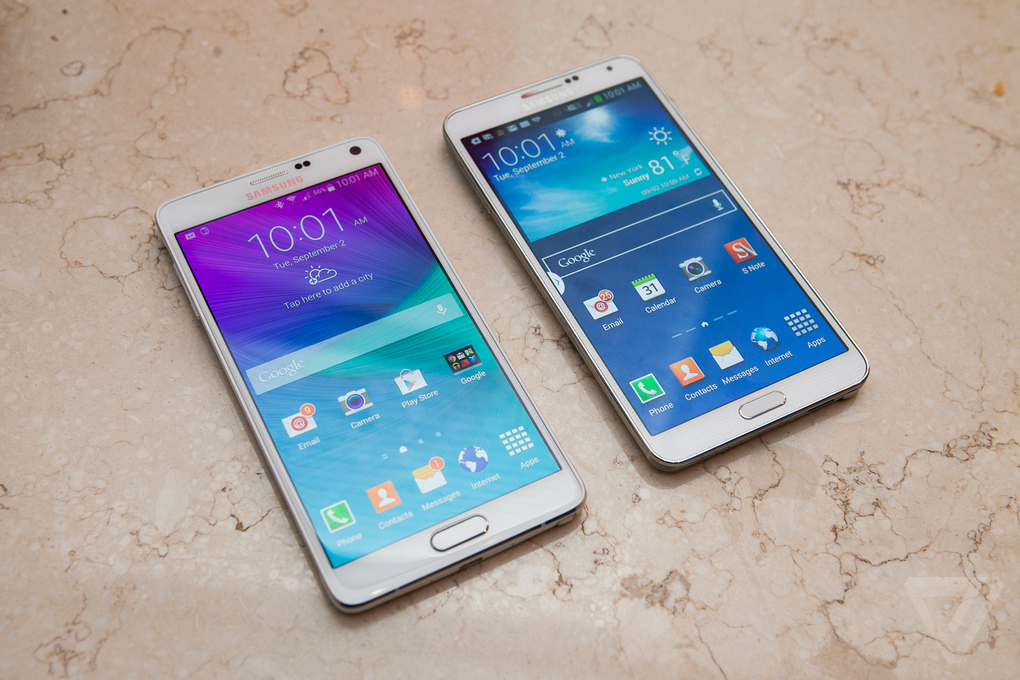
The device is sleeker and edgier than the Note 3. Image Credit: The Verge
Battery
The device gets its juice from a 3220 mAh battery which is a slight increase over the predecessor. Samsung claims that with advanced optimization of their product, the battery will last longer than before. They have also brought the ultra power saving mode from the S5 onto this device.
Mont Blanc
As the phone flaunts its USP of a writeable screen, it was only natural for them to partner with a writing instrument manufacturer sooner or later. So Samsung has partnered with Mont Blanc to bring stylish writing instruments for the Note 4. The pens have multiple usability as they come with interchangeable refills for the paper and the screen. They also offer several nib options for different needs. The pen is connected with the device using a chip that lets the user have a fulfilling writing experience on the device’s massive 5.7 inch screen.
The Samsung Galaxy Note 4 comes with 50 GB of Dropbox storage for two years. The phone will be available in the market in the month of October.
Samsung has done well on its presentation, and this will help calm some of the criticism that it has been facing for a while. The Note 4 is without a doubt a new era for the company. This was a good launch event, and we’ll be updating you when more information surfaces.
Sony is now here to add to the long list of phones being launched today. We’ve already seen Samsung starting the event right by introducing a revolutionary curved screen smartphone. Now, we have Sony lining up its contenders to fight this year’s flagship war.
The company introduced its new flagship device, the Xperia Z3. This smartphone, will now go on to fight the highly-anticipated iPhone 6 and the newly released Galaxy Note 4.
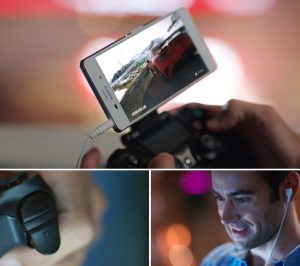
As expected, Sony has integrated the new Xperia Z3 with the Playstation 4, by adding a new feature called PS4 Remote Play that will let you use the Xperia Z3 as “a remote screen to connect to and control your games on PS4.”
Sony Xperia Z3 will come with a 5.2-inch Full HD display that Sony claims is “the world’s brightest display of all the leading premium smartphones.” Other specs for the device include a 2.5 GHz quad-core Qualcomm Snapdragon 801 processor, 3GB of RAM, a 20.7-megapixel camera and Android 4.4 KitKat.
Sony hasn’t yet provided a release date for the phone and will only say that it plans to launch the phone this fall. There are no pricing details revealed either.
Key Specs
Snapdragon 2.5 GHz Qualcomm Quad-core
Adreno 330 GPU
5.2″ Full HD display (1920×1080 pixels)
TRILUMINOS™ Display for mobile
20.7 megapixel camera with auto focus
8x digital zoom
ISO 3200 maximum in manual mode
Sony Exmor RS for mobile image sensor
4K video recording
Front-facing camera, HD 1080p for video chat and 2.2 MP for camera capture
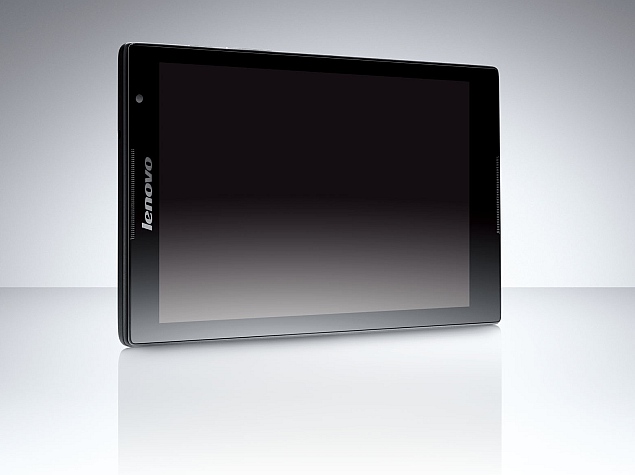
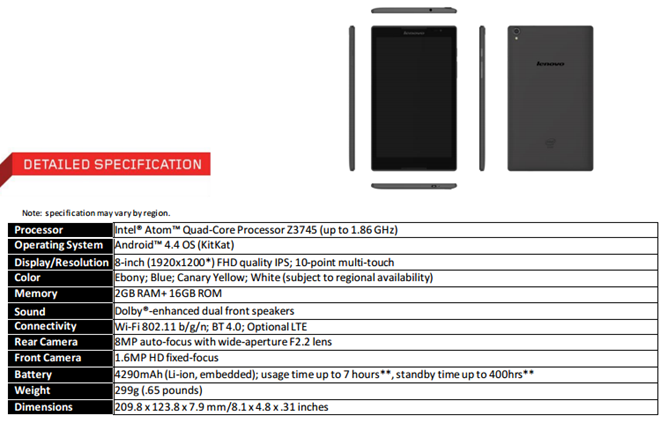
Lenovo, ahead of thursday’s pre-IFA event, has launched a 8-inch Intel Atom-powered Android tablet, called the Tab S8. The tablet has an 8-inch (1920×1200) display and includes the One Glass Solution touch-panel technology. The tablet has a ultra-slim bezel with the dark front panel which gives it a very sleek look.
The Tab S8 has a 8.0-inch, 1920×1200 resolution IPS display, Intel Atom Z3745 SoC with quad-core 1.86GHz CPU, 2GB RAM, 16GB internal memory, 8 megapixel rear camera, 1.6 megapixel front camera, stereo speakers with Dolby sound, 7 hours of battery life and Android 4.4 KitKat.
The Tab S8 will go on sale beginning of September for $199. The company has listed Ebony, Blue, Canary, Yellow, and White colour variants (depending on regional availability) for the Tab S8. The low price is impressive considering its capabilities, and might be worth a look for anyone wanting a mid-sized tablet on a budget. The Company also mention a 3G/LTE version of the Tab S8 without any further details.
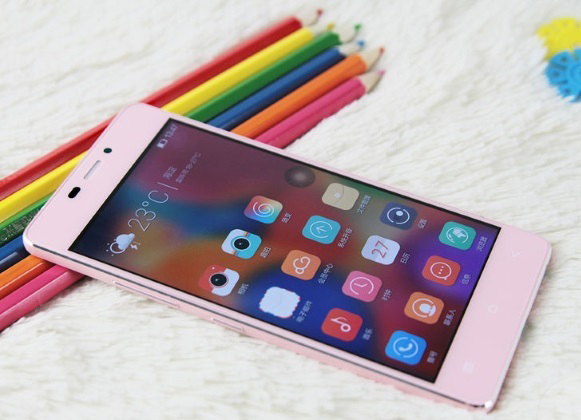
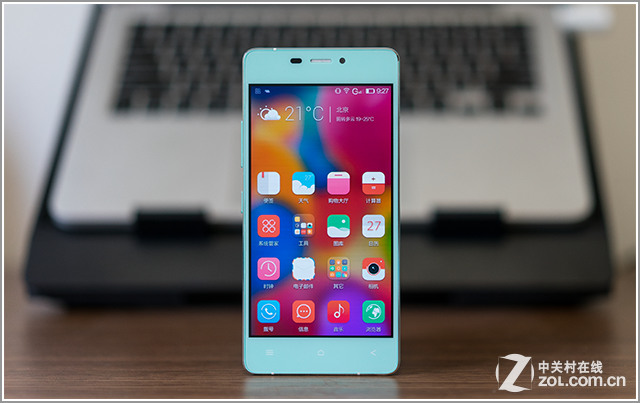
Back in July was when we first heard about the Gionee Elife S5.1 via its TENAA certification. While, the handset is yet to be officially launched, a set of very clear images has been leaked online.
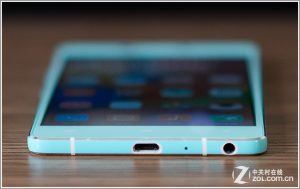
If you have a quick look at the Gionee Elife S5.1, you can easily mistake the device for an iPhone as it borrows all its design aesthetics. Along with its design and look, the handset’s specifications have also been leaked.
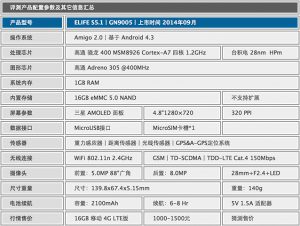
The Gionee Elife S5.1 will feature a 4.8 inch screen with a resolution of 1280×720 pixels. The AMOLED display is expected to be crisp and come in bright colour variants. The model is powered by a 1.2 GHz quad core Snapdragon 400 processor and 1GB of RAM.
However, one notable thing about the smartphone is that it doesn’t have a micro SD card slot for storage expansion and comes with 16GB of internal storage space. Furthermore, there is no news about the 32GB variant. These days with rapidly increasing size of apps and games, that may pose to be a problem.
The device has an 8-megapixel rear camera with LED flash and a 5-megapixel front camera. The phone supports 4G LTE connectivity, 3G, Wifi, Bluetooth and runs on Android version 4.3 layered by the company’s Amigo 2.0 interface.
It is said that when the device comes to the market, the company will offer four different color choices to choose from including Pink, Turquoise, Black and White. The pricing is yet to be revealed.








 at all times. Xiaomi is also planning to sell additional spare batteries and external battery chargers.