Category: Mobile

Smartphone News and Reviews, Latest Cellphones, Accessories, New Launches, Specifications, Details with Image and Video from Apple, Samsung, Lenovo, Moto, HTC, Xiaomi, Oneplus, Meizu, Sony, Lava, Micromax Yu Mobile and More.

  • Five Tech Gadgets We Wish Were Available In India

    Five Tech Gadgets We Wish Were Available In India

    India is one of the fastest growing markets for technology as the developing nation has a huge population with disposable income and they are not wary of spending on new technology. If we look back, there was a time when we hardly received any new tech. Heck! India skipped out on technology like the Answering Machines and Pagers for the mass market. People who could afford it were few and far between. But the scenario has changed and the tech companies now put immense focus on emerging markets such as India. But there are still a few gadgets and tech innovations that we wish came to India. They may be introduced to the Indian market at a later date but they aren’t available just yet.

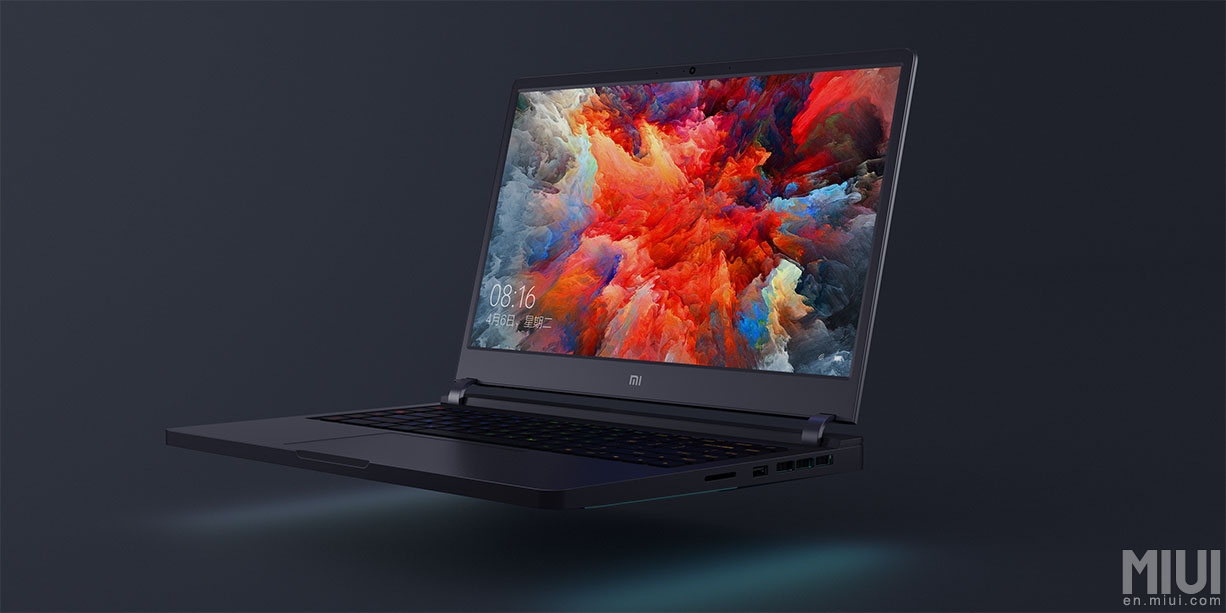
    Xiaomi Mi Gaming Laptop

    The budget gaming laptop that everyone wanted Xiaomi to introduce to India still hasn’t arrived on the country’s shores yet. If anything, India is known to be a price sensitive market and this laptop is extremely budget friendly. It comes in different variants for every budget. The laptop is a 15.6-inch device that sports a 7th Generation Intel Core i7 or i5 CPU, a 256GB SSD + 1TB HDD and either an Nvidia GTX 1060 or an Nvidia GTX 1050 Ti. The i7/GTX1060 variant sports a 16GB RAM, while the i5/1050Ti variant is coupled with 8GB of RAM. The 16GB of RAM + GTX 1060 model costs CNY 8,999 (Rs 93695 Approx) while the 8GB of RAM + 1050 Ti model costs just CNY 5,999 (Rs 62459 Approx). This is dirt cheap if we compare it to other gaming laptops of similar specs available in the market.
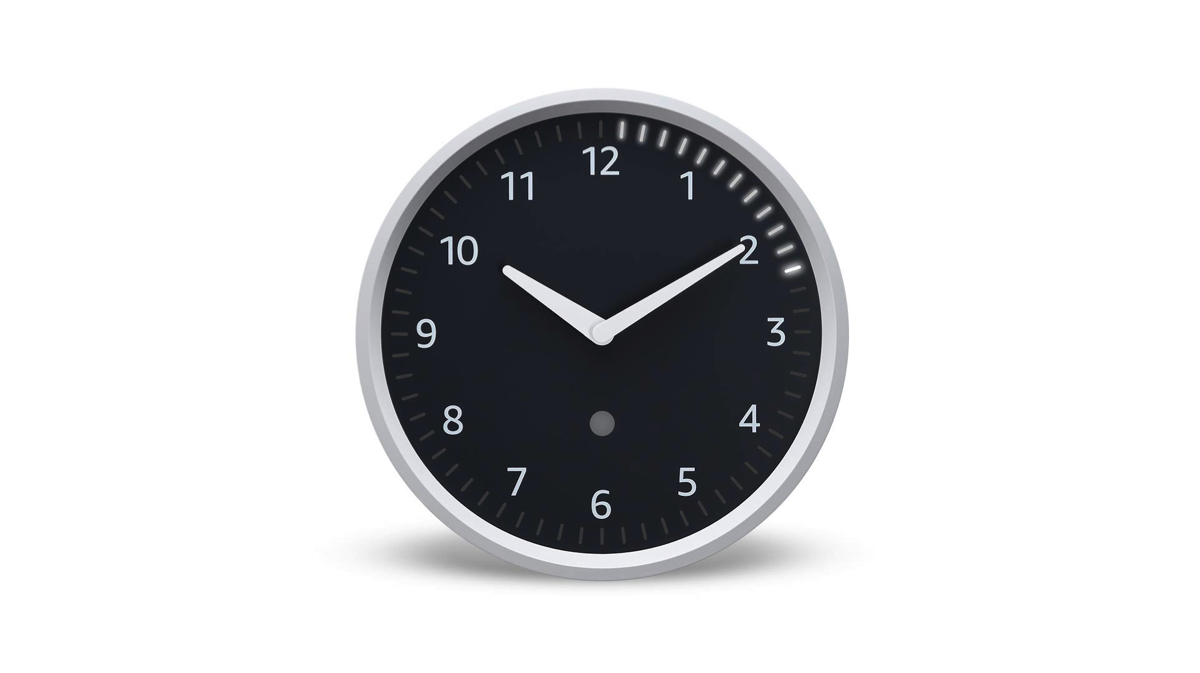
    Amazon Echo Wall Clock

    Amazon has introduced a lot of home products in the Indian market and all the products have done quite well. Even though smart home products are something that not Indians are completely familiar with, the Echo devices have done quite well. Amazon launched a smart wall clock recently that connects to your Echo device.

    You can set the timer using your Alexa-powered smart speaker and the lights around the rim of the clock will light up to show you how much time is left. The use of this can be a little narrow for users but it can be useful to some. People who are working in household settings, people who are working under strict deadlines, bachelors who are forgetful and people working in the kitchen can all benefit from it. One can set up the clock in their kitchen or on top of their study table or desk and keep a track of time and set timers to achieve certain goals. The price of the clock is $30, which directly converted translates to around Rs 2157.
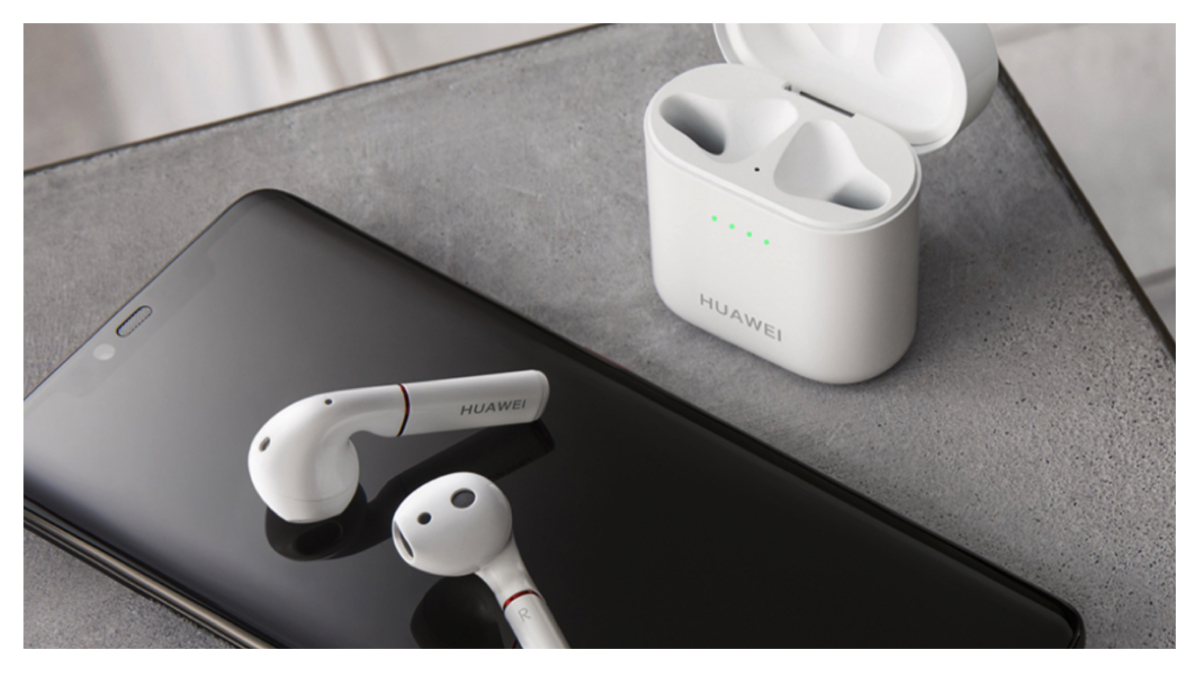
    Huawei’s FreeBuds 2 Pro

    Wireless earbuds tech is in vogue and we cannot deny the fact that they are here to stay. After Apple launched their Apple AirPods, every other smartphone manufacturers have launched their version. Huawei recently launched the Huawei FreeBuds 2 Pro. But unfortunately there is no news as to when it will be available in India, if at all. This earphone features bone conduction technology, supports wireless charging and has 13nm drivers. The design is eerily similar to the Apple AirPods right down to the  earphone case. One can sue the Huawei Mate 20 Pro to charge the earphones through reverse charging as well. It costs CNY 999 which roughly translates to Rs 10,401.
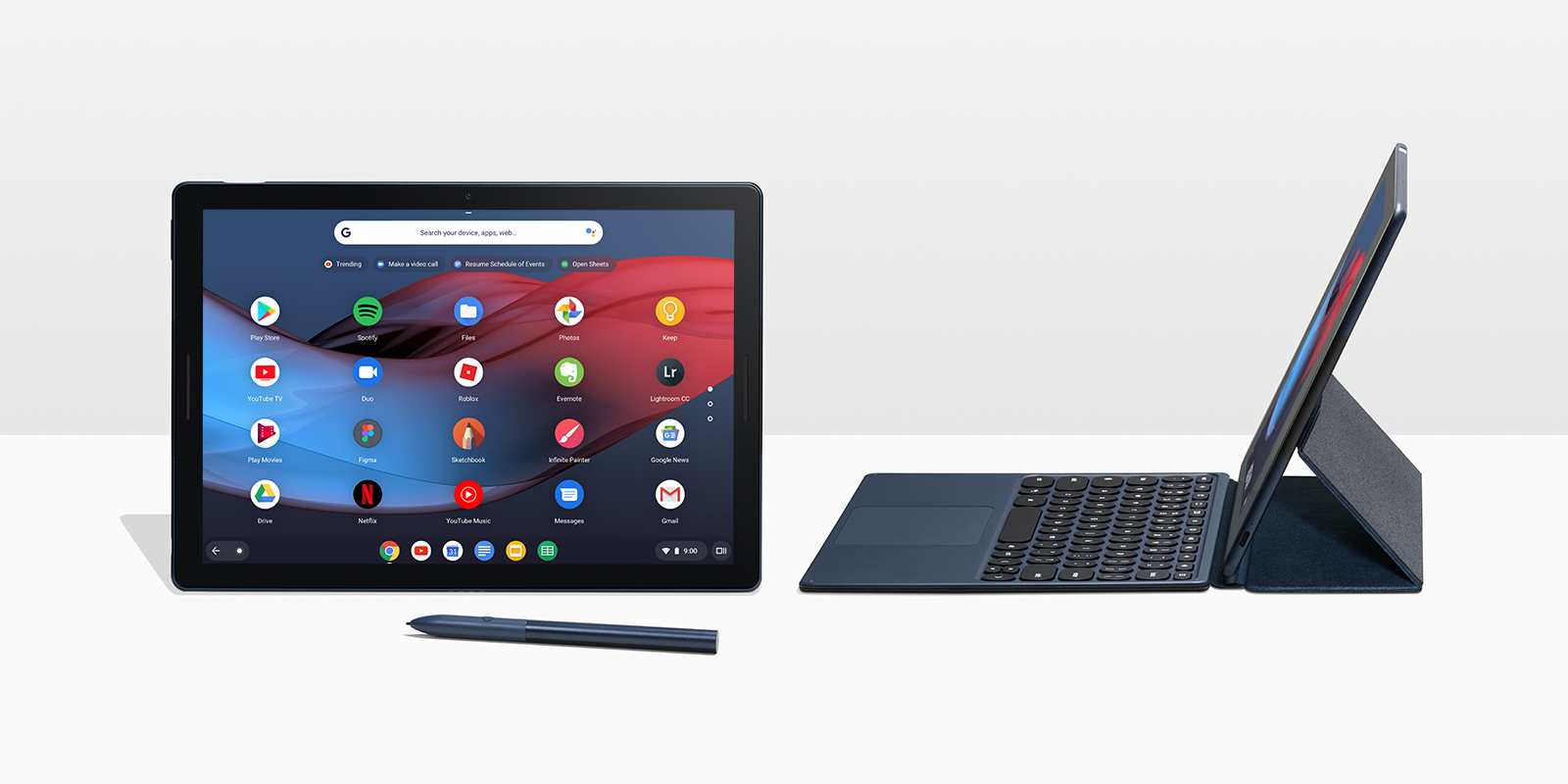
    Google Pixel Slate

    Apple recently launched the all new iPad Pro in India and it is absolutely beautiful to look at. However, Google has not paid too much heed to their tablet division in India with the Pixel Slate still not available in the market. The Pixel Slate has four different variants with Intel Celeron processor and 4/8 GB RAM with 32/64GB RAM variant starting at £549 (Rs 49702 Approx) being the cheapest one. The fully specced out version of the tablet with 8th Generation Intel Core i7 Processor and 16 GB RAM, 256GB storage will set you back £1,549 (Rs 140235 Approx). It might be the case that Google does not see the product fit for the Indian market or may very well introduce this tech wonder to India at a later date but we sure hope that it does hit Indian shores soon.
    Tesla Model 3

    The last one on our list is every car enthusiast and environmentalist’s dream. Tesla has been manufacturing battery powered cars for years now but it still hasn’t come to India. Unlike most car manufacturers, who can just set up a business in India and make and manufacture their products, a Tesla requires planning, help from the government and a lot of infrastructure setup throughout the country. The cars, since they run on electricity, need to have charging points spread across the country. In a country where there are places that hasn’t even received electricity even in 2018, Tesla might be a distant dream. Many countries, Norway being the prime example, have different  government schemes.  These schemes provide exemptions and rebates to people buying electric cars. But it seems like there is no such plan, at least in the near future in India.

    The Tesla Model 3 is the latest addition to Tesla’s lineup and features a 310 mile range, 0-60 mph acceleration in 3.3 seconds and claims to have the most refined design and engineering among other cars in the category. If we do end up on Tesla’s radar and if the government is indeed trying to bring the pollution down by encouraging customers to buy electric cars, we might find a lot of Tesla buyers in the country.
     

  • Samsung Galaxy S10: What To Expect

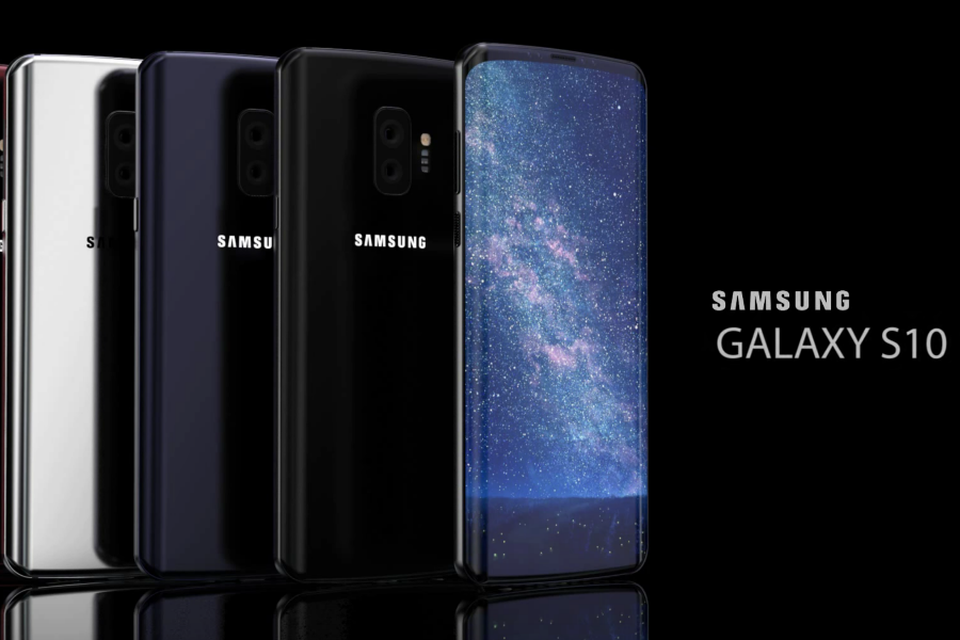
    Samsung Galaxy S10: What To Expect

    Earlier this week, a news website broke the news for Samsung’s latest flagship phone’s release dates, specifications, sizes as well as UK prices. Since then, there has been leak after leak and several renders have also shown up on the internet. Being the 10th anniversary Galaxy product, everyone expected the phone to look drastically different. Many also assumed that it would have a folding display. But according to leaks, the phone is slated for launch at a Samsung Unpacked event beforeMobile World Congress 2019. The event is scheduled for the 20th of February. The leaks came directly from a trusted source of the said news website and they have verified the source as well.

    Earlier renders of the Galaxy S10 before the leaks
    Specifications

    The leaks also suggest that the S10 will be available in three different versions. These include a regular version, a Plus version, and a flat version. The regular version and Plus version will feature curved displays while the flat version will have a non- curved or flat display. All the three phones will have the Infinity- O display. This design was patented by Samsung recently and features a camera cutout at the front of the screen. This gets rid of the notch that every other phone comes with these days.

    This is also less obtrusive when it comes to media consumption such as videos or gaming. The phone will also feature an Ultrasonic in-display fingerprint sensor. The fingerprint sensor, unlike the optical ones that we see on most phones, is said to read fingerprints using ultrasonic waves. It supposedly reads the ridges of the fingers in 3D. There will also be a three camera setup at the back with three different focal length lenses, namely standard, wide and tele.

    Also Read: Alleged Samsung Galaxy S10 5G Prototype Seen In Video

    Price, Screen Size And Availability

    The Galaxy S10 will feature the newly showcased One UI over Android Pie. The One UI is specially made to help users to use the phone easily with one hand. Coming to the size of the screen, the three variants will be 5.8 inch for the Lite variant, 6.1 for the standard variant and 6.4 for the Plus variant. Interestingly, the storage sizes have also been leaked along with the price for the UK market. The 5.8-inch Lite version of the S10 will feature 128GB of storage and retail at £669.

    The standard 6.1-inch screen will be available in two sizes. The 128GB will be priced at £799 and the 512GB storage variant will cost £999 in the UK. The Galaxy S10 Plus is going to boast of a lot of different variants with a lot of storage options. There  will be a 128GB version for £899 and a 512GB version at £1099. There also will be a one terabyte Samsung Galaxy S10 Plus for a whopping £1399. The S10+ will compete with the iPhone XS Max which has a price tag of £1,449 for their 512GB variant in the UK.

  • Nokia 8.1 Launched In India

    Nokia 8.1 Launched In India

    Five days after it’s global launch in Dubai, Nokia has launched the Nokia 8.1 in India. Read on to find out what the specifications, price and availability are for India.

    Specifications And Design

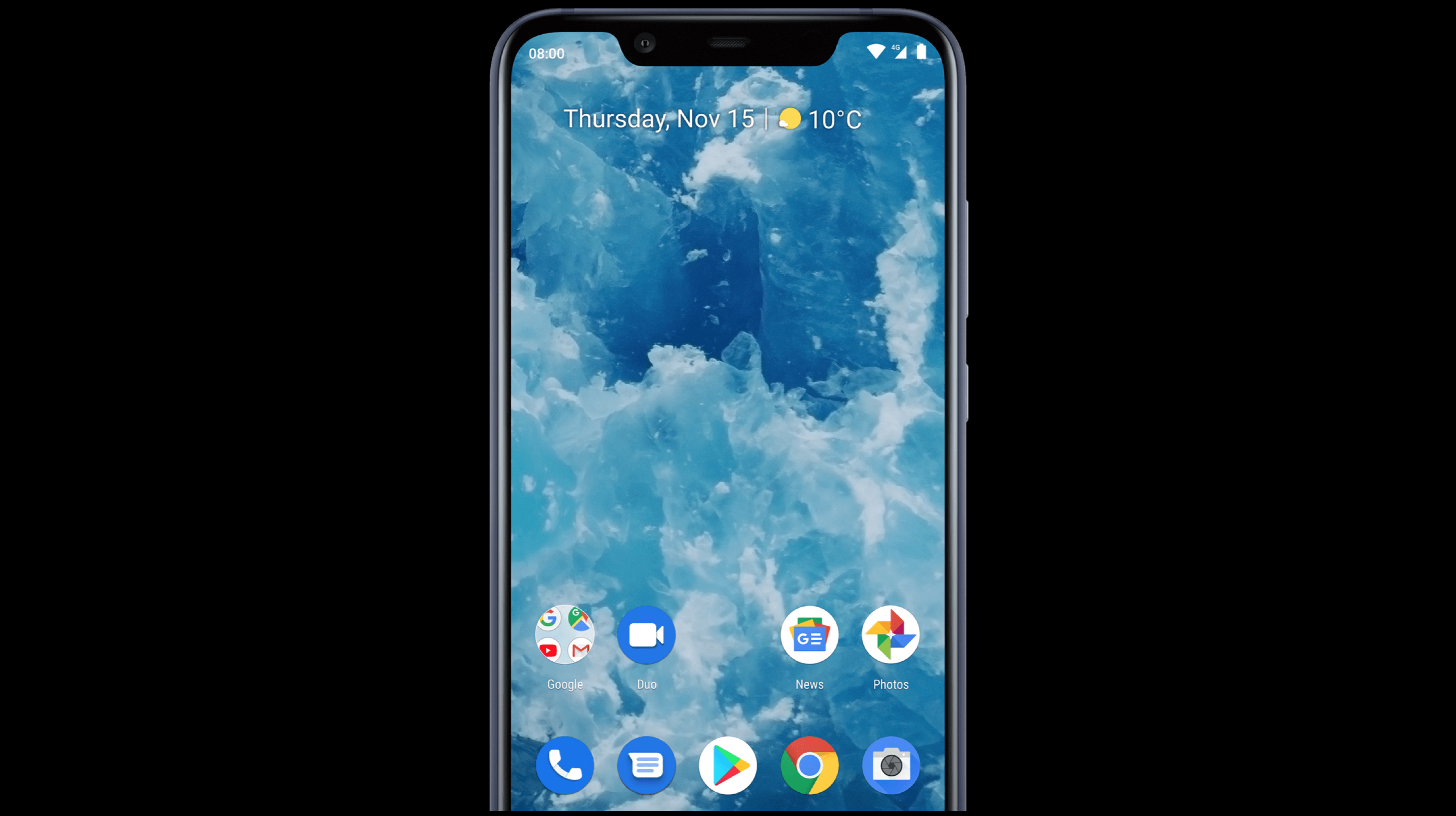
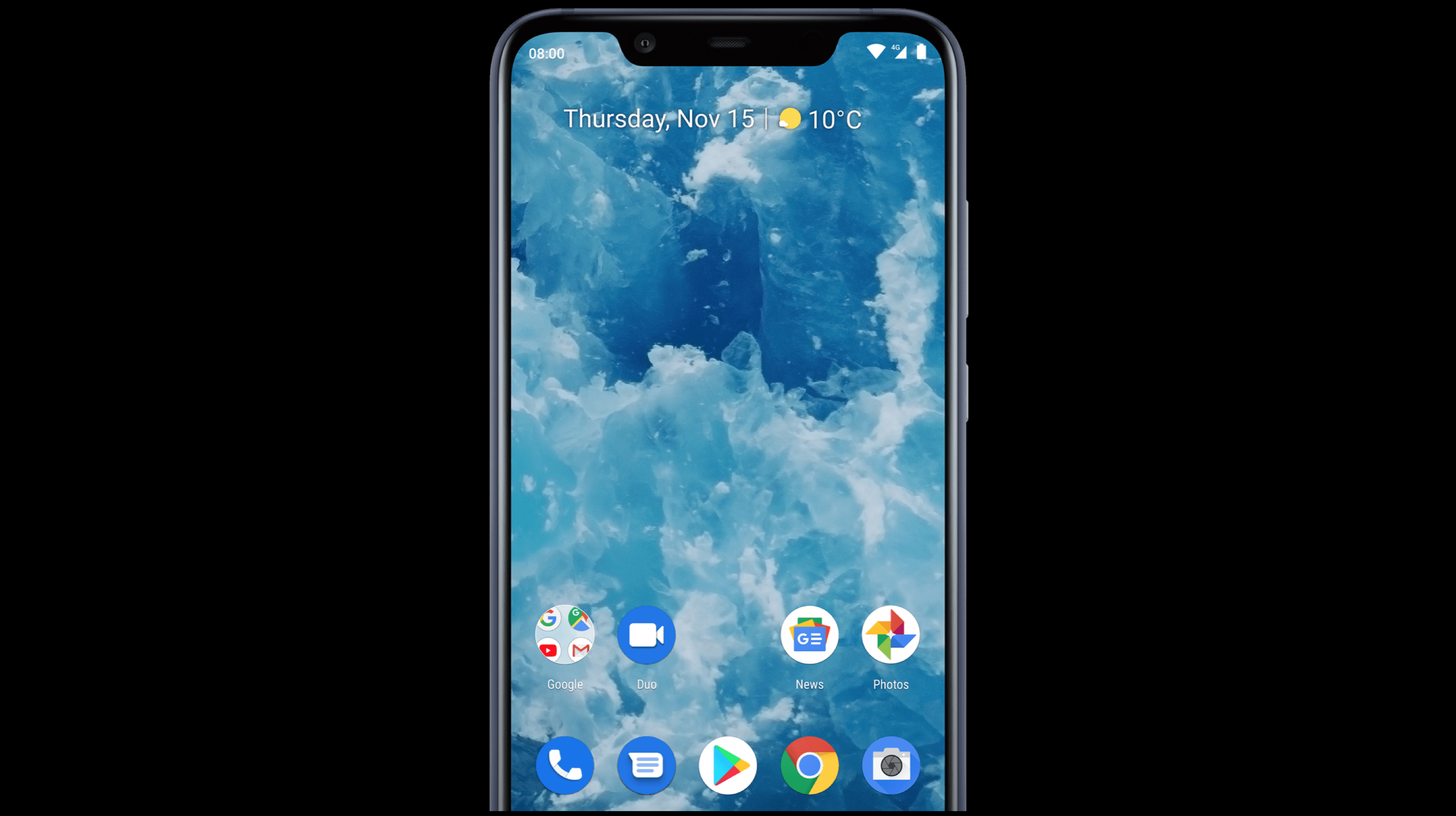
    The Nokia 8.1 is a bigger version of the Nokia 8 Sirocco and features a Qualcomm’s Snapdragon 710 SoC, along with the Adreno 616 GPU. This will be paired with 4GB of RAM and 64GB of internal storage. It features a 6.18-inch screen with a 18.7:9 aspect ratio. The screen has a 2246 x 1080 px resolution and a pixel density of 403 ppi. It also receives extra protection from the Corning Gorilla Glass 3. The phone has a modest 3,500 mAh Li-Ion battery. Since it is a new launch, as a result, it will run Android 9.0 Pie out of the box.

    On the camera front the phone has dual rear and single front camera set up. The rear cameras feature 12 MP and 13 MP sensors and can shoot 2160p videos at 30fps. The front 20 MP sensor can shoot 1080p videos at 30fps. The rear camera lenses are made by Zeiss optics. The camera also has the ‘Bothie’ feature, which allows simultaneous photo/video shooting. In terms of connectivity, the Nokia 8.1 has all the basic connectivity solutions like 4G VoLTE, Bluetooth 5.0, 802.11 ac Wi-Fi and has a USB Type-C port for charging and data syncing.  Above all the 3.5mm audio jack is also making an appearance for all the audiophiles.

    Price, Colours and Availability

    The phone is quite lightweight and measures in at 154.8 x 75.76 x 7.97 mm and weighs in at 180 grams. It will be available in three different colours namely Blue/Silver, Steel/Copper and Iron/Steel. The Nokia 8.1 will be available at Rs 26,999 in India and is available through Nokia’s own website as well as Amazon. It will be available from December 21, 2018 but is already available for pre-booking at Nokia’s website.

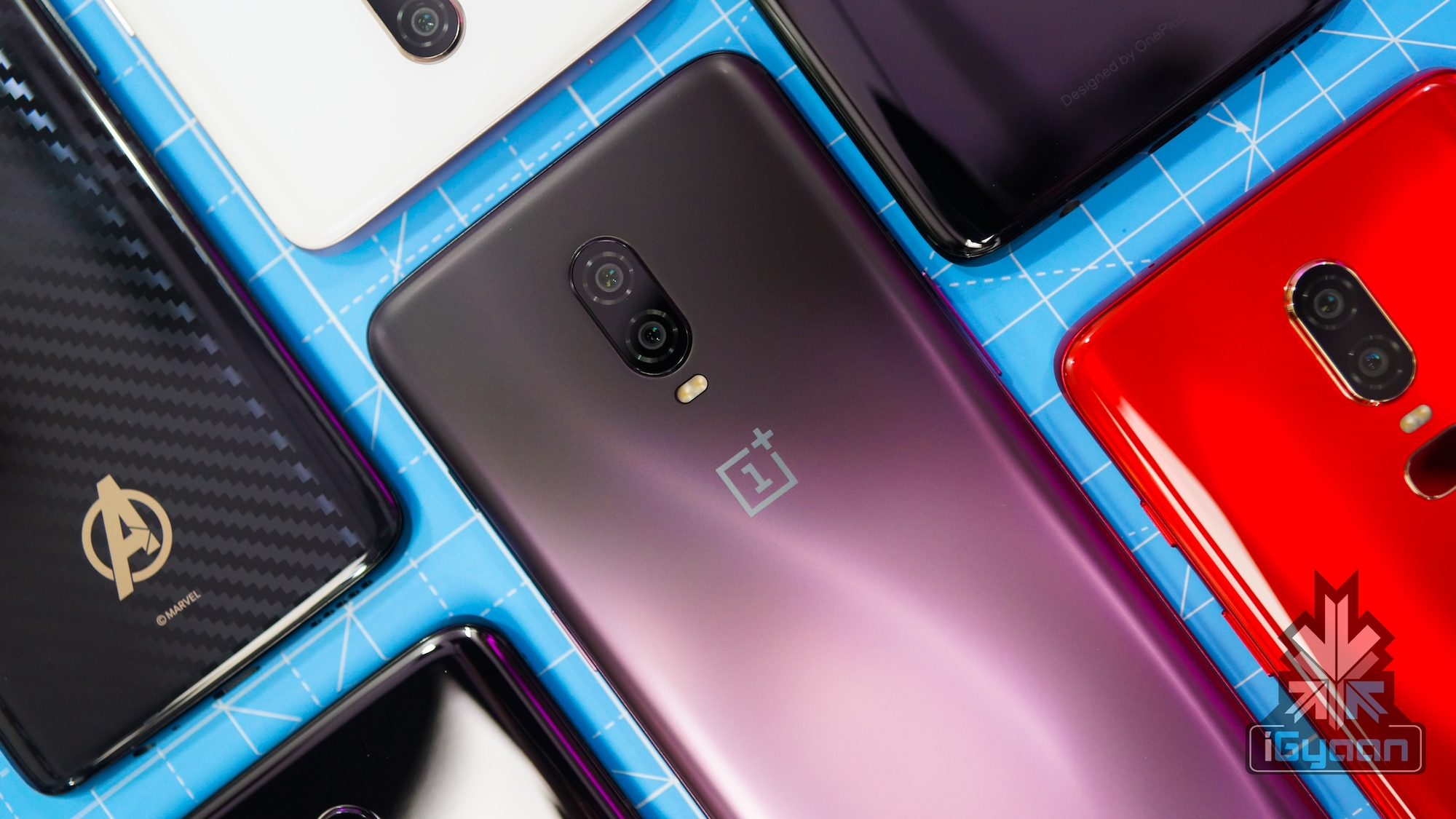
  • OnePlus 6T McLaren Edition Launched In India

    OnePlus 6T McLaren Edition Launched In India

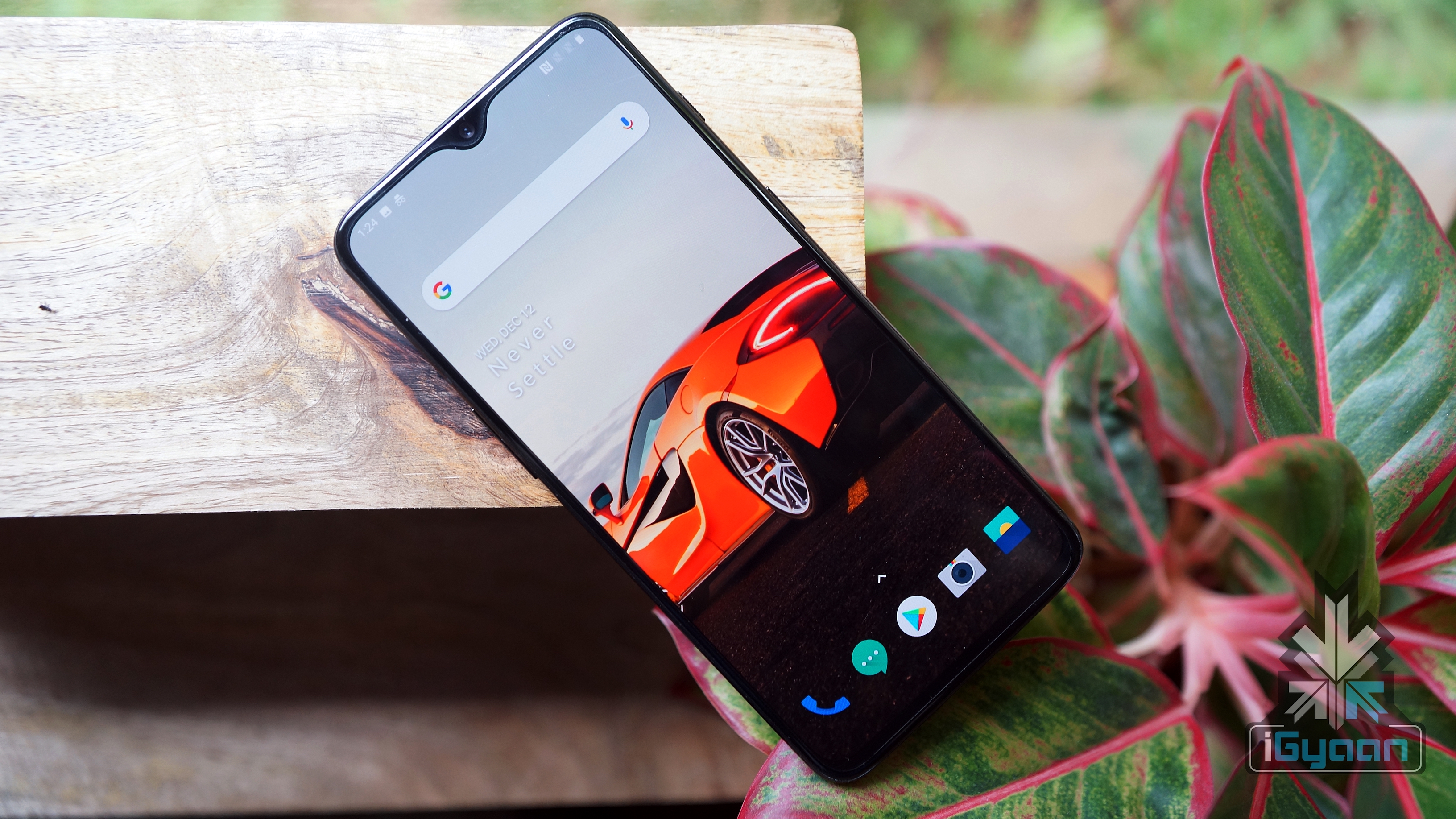
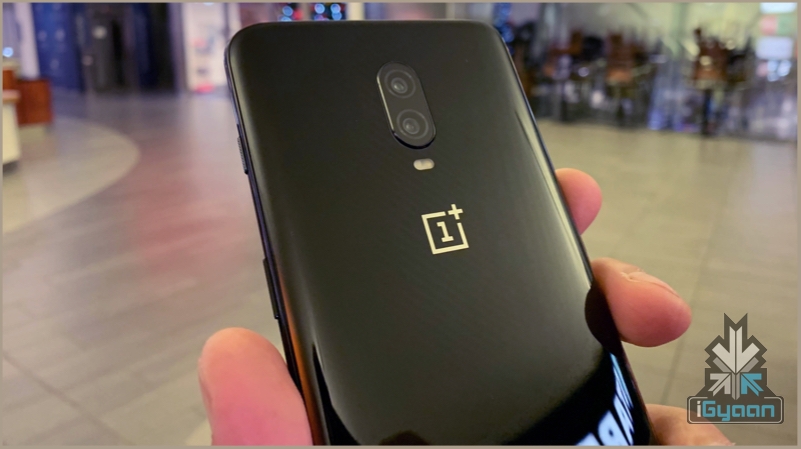
    The OnePlus 6T McLaren Edition smartphone was recently launched in the UK. Now the company has also announced it for the Indian market. It is a limited edition variant of the OnePlus 6T which the company has developed in collaboration with British supercar manufacturer, McLaren. Although the new variant borrows a lot of specifications from the regular variant, the new features make it stand out. The OnePlus 6T McLaren Edition not only has a beautiful rear design it also gets Warp Charge 30 and 10 GB of RAM. It is the first global smartphone to offer this high capacity of RAM.

    Design:

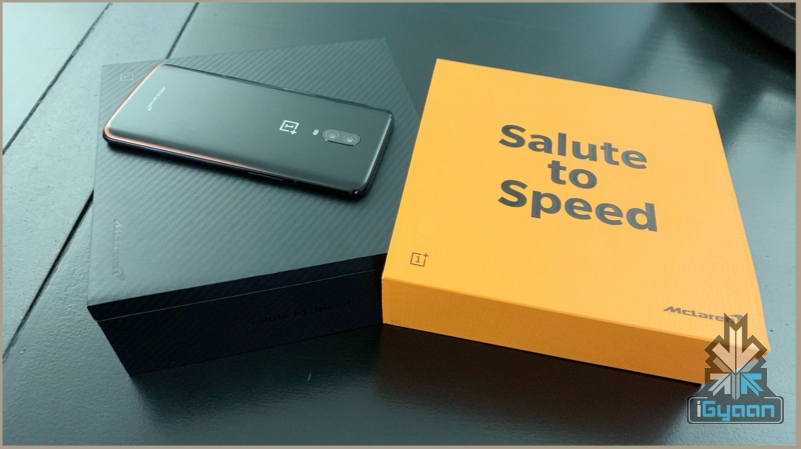
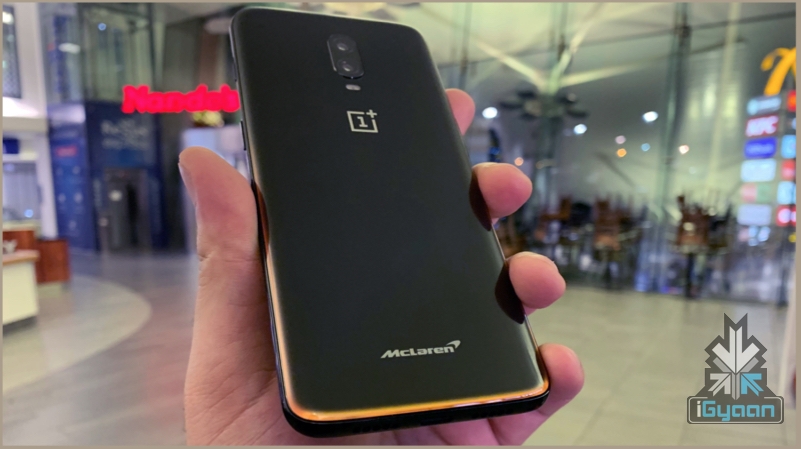
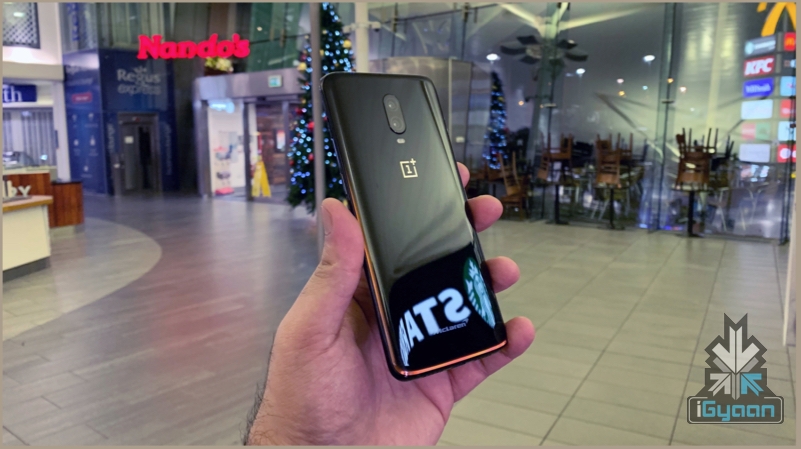
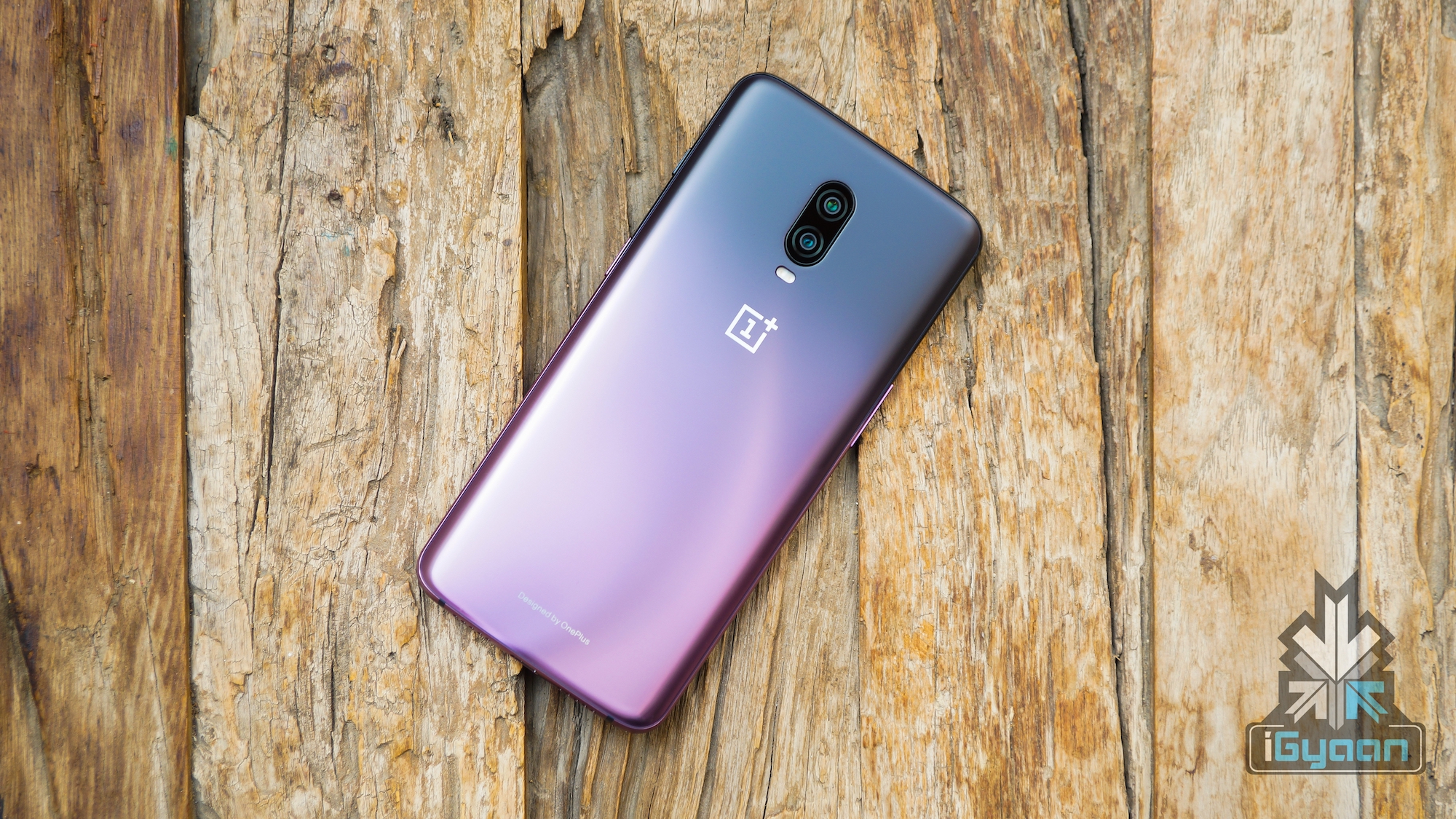
    The OnePlus 6T Mclaren Edition, like its regular variant, has a high screen-to-body ratio with a waterdrop notch at the front. The right side of the device makes room for the power button and the sound profile slider while the left side houses the volume rockers. Over at bottom, the device has a USB Type-C port, the loudspeaker grille, and the microphone grille. The rear of the device gets a newly designed back panel which houses the dual camera setup with LED flash. The glass panel has a carbon fiber like design and the signature McLaren Orange Papaya coloured accent runs along its bottom and sides.

    Display:

    The OnePlus 6T Mclaren Edition has a 6.41-inch Optic AMOLED display with a small waterdrop notch. The display panel has a Full HD resolution of 2340 x 1080 px and a pixel density of 402 ppi. The display has a screen to body ratio of 85.6% and an aspect ratio of 19.5:9. Additionally, the OnePlus 6T McLaren Edition’s display has Corning Gorilla Glass 6 to protect it against scratches and accidental drops.

    Processor:

    The McLaren Edition OnePlus 6T runs on the 10 nm, Snapdragon 845 SoC. The Snapdragon 845 consists of an Octa-Core CPU and Adreno 630 GPU. The CPU consists four Kryo 385 Gold cores and four 385 Silver Cores. For high performance, the Kryo 385 Gold cores have a clock frequency of 2.8 GHz and for better battery backup the Kryo 385 Silver cores have a clock frequency of 1.7 GHz.

    Memory & Storage:

    The new limited McLaren Edition variant of the OnePlus 6T gets 10 GB of LPDDR4X RAM. In terms of internal storage, the device has 256 GB of UFS 2.1 storage. Both, LPDDR4X RAM andUFS 2.1 contribute in making the smartphone extremely fast. Like other OnePlus smartphones, it does not support memory expandability.

    Camera:

    The OnePlus 6T Mclaren Edition has a 16 MP (Sony IMX 371), f 2.0 aperture equipped front-facing camera sensor which is housed in the notch. Over at the rear, the device gets dual 16 MP (Sony IMX 519) + 20 MP (Sony IMX 376K) camera sensors. Both the 16 MP and the 20 MP sensor are equipped with a f/1.7 aperture. Most notably, the 16 MP camera has a 1.22-micron size pixel which allows for better light absorption. Therefore, the device can capture well-lit pictures even in low light conditions. The smartphone can also capture 2160p videos at 60fps from the rear cameras and 1080p videos at 30 fps from the front camera.

    Battery:

    Like the regular variant, the McLaren Edition OnePlus 6T packs a 3,700 mAh Lithium-Ion battery. However, the new device now supports Warp Charge which charges the device with 30 watts of power. In comparison, the dash charge on the regular variant charges the handset at only 20 watts. Therefore this is a 50% boost from the old technology. According to OnePlus, the limited edition variant can be charged up to 50% in under 20 minutes.

    To support this rapid charge, both the phone and the charger now have an integrated circuit chip. OnePlus also ships the device with a Papaya Orange coloured braided cable which is essential to support the Warp charge. Furthermore, the McLaren Edition variant does not thermal throttle. It means that the device will continue to charge at a rapid pace even if the device gets hot or is being used to run CPU intensive tasks.

    Connectivity & Other Features:

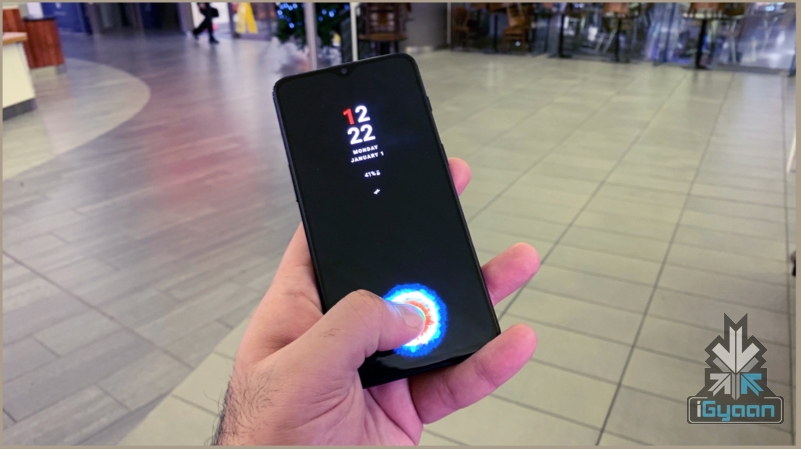
    The OnePlus 6T McLaren Edition variant, like the regular variant, also supports dual 4G VoLTE, dual-band 802.11 Wi-Fi, Bluetooth 5.0 Low Energy, NFC, and GPS. The device also has a host of sensors which include an accelerometer, a gyroscope, a proximity sensor, and a compass. For securely and safely unlocking the handset, the device gets an in-display fingerprint sensor. Additionally, the device also supports Face Unlock Technology.

    The OnePlus 6T McLaren Edition smartphone with 10 GB of RAM and 256 GB of ROM is priced in India at Rs 50,999. It will be available via both online and offline channels. The phone will be available from tomorrow at Delhi’s newly launched store and will be available on other channels from 15th December.

    You can also watch our unboxing video of the device:

  • OnePlus 6T McLaren Edition Launched With 10 GB RAM

    OnePlus 6T McLaren Edition Launched With 10 GB RAM

    Chinese smartphone manufacturer, OnePlus had launched the OnePlus 6T smartphone on 30th October in India. To celebrate their 5 year anniversary the company has now launched a limited edition variant of the OnePlus 6T in the UK. It is scheduled for launch in India on September 12. The company has collaborated with British car maker, McLaren which is renowned for making racing and sports cars. The OnePlus 6T McLaren Edition borrows a lot of specifications from the regular variant. Additionally, it gets an all-new rear design, higher memory capacity and faster Warp charge 30.

    Build & Features

    The OnePlus 6T McLaren Edition measures 157.5 x 74.8 x8.2 mm and weighs in at 185 grams. On the front of the device sits a 2.5D, 6.41-inch Optic AMOLED display with Corning Gorilla Glass 6 protection. The display has a resolution of 2340 x 1080 px and a pixel density of 402 ppi. The front of the device also has a small waterdrop notch which houses the 16 MP selfie camera that can also capture 1080p videos at 30 fps. For securely and swiftly unlocking the device, it also has an in-display fingerprint sensor which is also present in the regular variant of the 6T. Additionally, the device also supports Face Unlock technology.

    In comparison to the regular variant, the OnePlus 6T McLaren Edition gets an all-new back panel. The rear glass panel has a Carbon-Fiber like design which carries the McLaren logo and a Papaya Orange accent runs along its bottom and side edges keeping to McLaren’s livery colours. Like the regular variant, it also has dual 16 MP + 20 MP camera sensors with Dual LED flash on the back. For connectivity, the OnePlus 6T McLaren edition supports dual 4G VoLTE, Bluetooth 5.0, 802.11 Wi-Fi, GPS, NFC and the USB Type-C port for charging and data syncing which are carried forward from the 6T as well.

    In terms of storage, the McLaren Edition variant has 10 GB of RAM and 256 GB of internal storage. Under the hood, it features the Octa-Core Snapdragon 845 CPU along with Adreno 630 GPU. The smartphone packs a 3700 mAh lithium-ion battery which supports Warp 30 charge. As the name suggests, Warp 30 charges the smartphone with 30 watts of power. In comparison to the dash charge which supports only 20 watts, which is present in the regular version.

    According to OnePlus, Warp 30 can charge the device up to 50% in 20 minutes. To attain such rapid charging speed both the handset and the charger get an integrated circuit chip and a finely tuned power management system. To sweeten up the deal, the company ships the smartphone with a Papaya Orange braided cable. Furthermore, the device does not thermal throttle while charging. In simpler words, the user can charge the smartphone at full pace and simultaneously enjoy their favourite games.

    Price and Availablity

    The new limited edition OnePlus 6T McLaren smartphone is available at 649 € (around Rs 53,000) in the UK. However, the India specific pricing will be revealed only after its official launch which is set for December 12.

  • Samsung Launches Galaxy A8s With Infinity-O Notch

    Samsung Launches Galaxy A8s With Infinity-O Notch

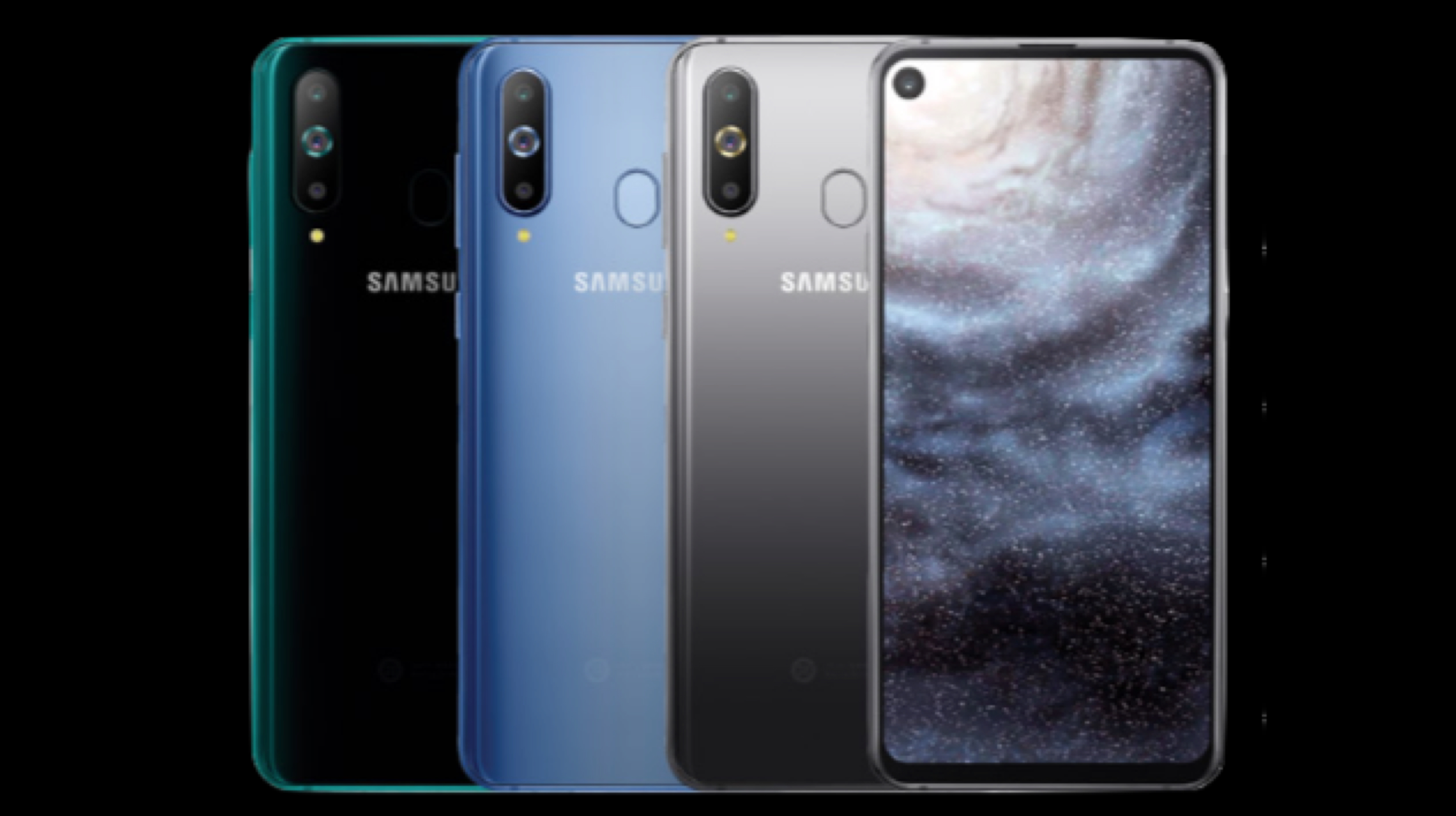
    After a lot of leaks and teasers, the Samsung Galaxy A8s with the Infinity-O notch has officially been launched. The phone was launched at an event that was held in China. It is the world’s first smartphone to feature an in-screen cutout for the front selfie camera.

    Design & Features

    The Samsung Galaxy A8s measures 158.4×74.9×7.4 mm weighs in at 173 grams. The front of the device accommodates a 6.39-inch Full HD+ display with a resolution of 2340 x 1080 px. The power button and the volume rockers sit on the right side of the device while the SIM card slot and the dedicated Bixby button are placed on the left.

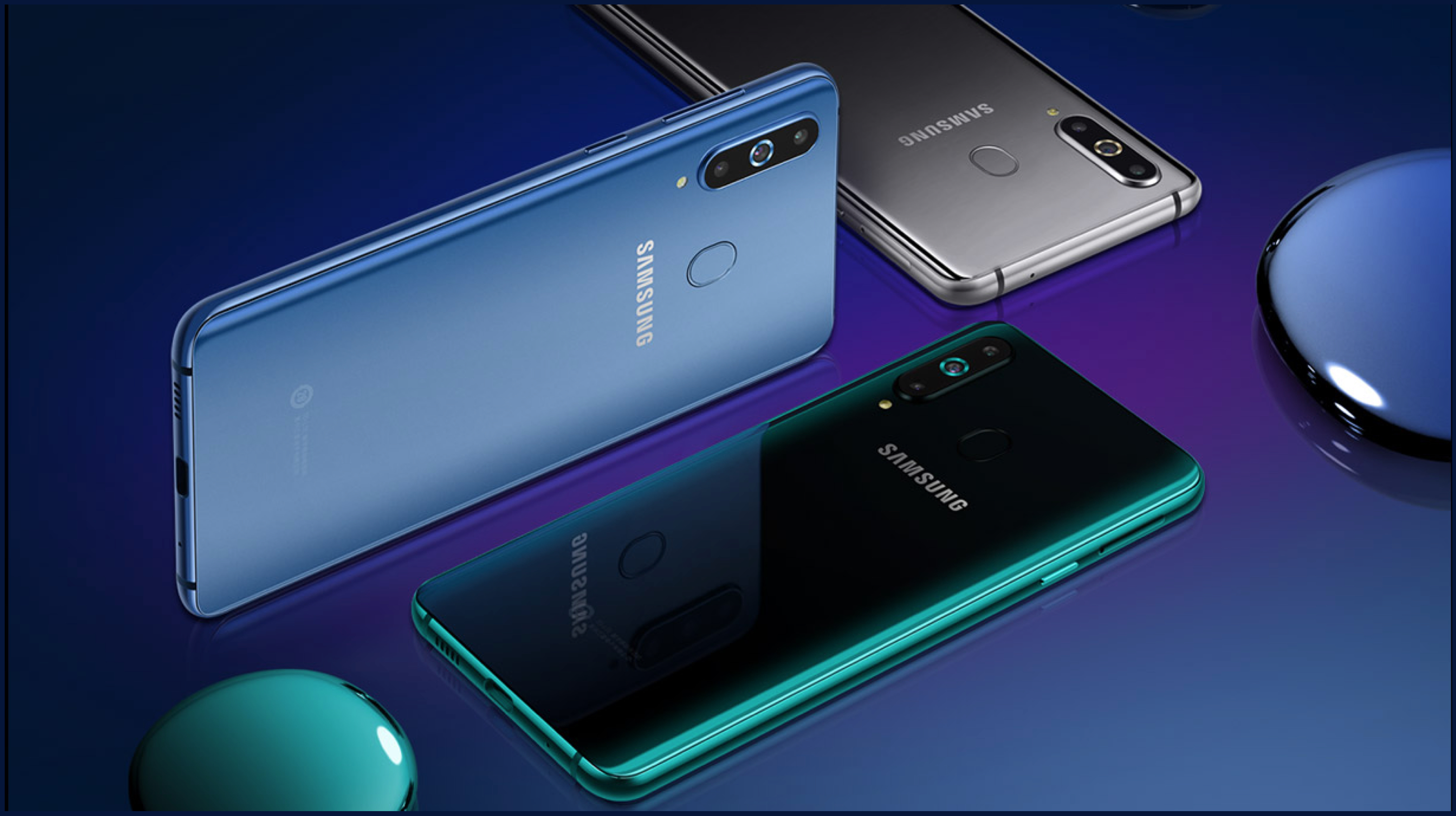
    The rear of the Samsung Galaxy A8s has a gradient coloured glass panel which tapers toward the edges. The rear of the device also houses a fingerprint sensor and triple camera set up along with an LED flash. Talking about the camera sensors, the phone has a 24 MP front-facing sensor which is housed in the infinity-O notch and the rear camera setup consists of triple 24 MP + 5 MP + 10 MP sensors.

    The Samsung Galaxy A8s is kitted with the Octa-Core Snapdragon 710 CPU and the Adreno 616 GPU. The device is powered by a 3,300 mAh battery and it runs on Android 8.1 Oreo. In terms of connectivity, the device supports dual 4G VoLTE, Wi-Fi 802.11 ac, Bluetooth 5.0, and a USB Type-C port for charging and data transfer. The smartphone also gets a bunch of sensors which include a gravity sensor, a distance sensor, and a light sensor.

    Colours & Variants

    Also Read: Top 5 Tech Innovations In 2018

    The Samsung Galaxy A8s is available in three colors which are Silver, Green, and Blue. It is available in a two RAM & ROM storage variant which are as follows:

    • 6 GB + 128 GB
    • 8 GB + 128 GB

    It also supports memory expansion up to 256 GB via a microSD card. The device is currently available on pre-order on Samsung’s Chinese website.

    To summarise, the Samsung Galaxy A8s looks like a solid offering from the company and is expected to perform well in terms of sales.

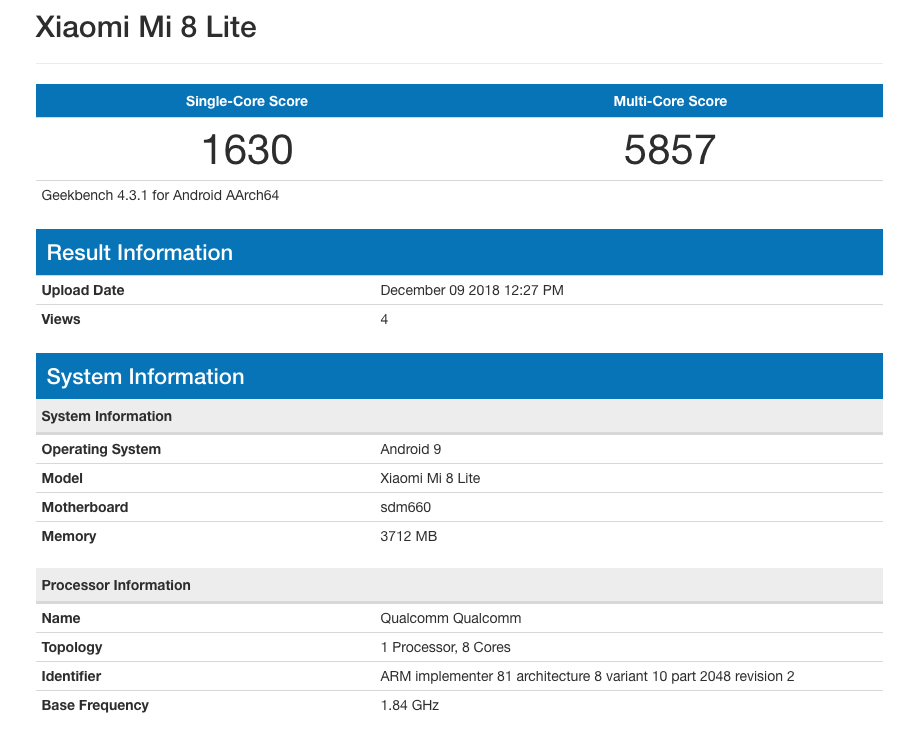
  • Xiaomi Mi 8 Lite Spotted On Geekbench Running Android 9 Pie

    Xiaomi Mi 8 Lite Spotted On Geekbench Running Android 9 Pie

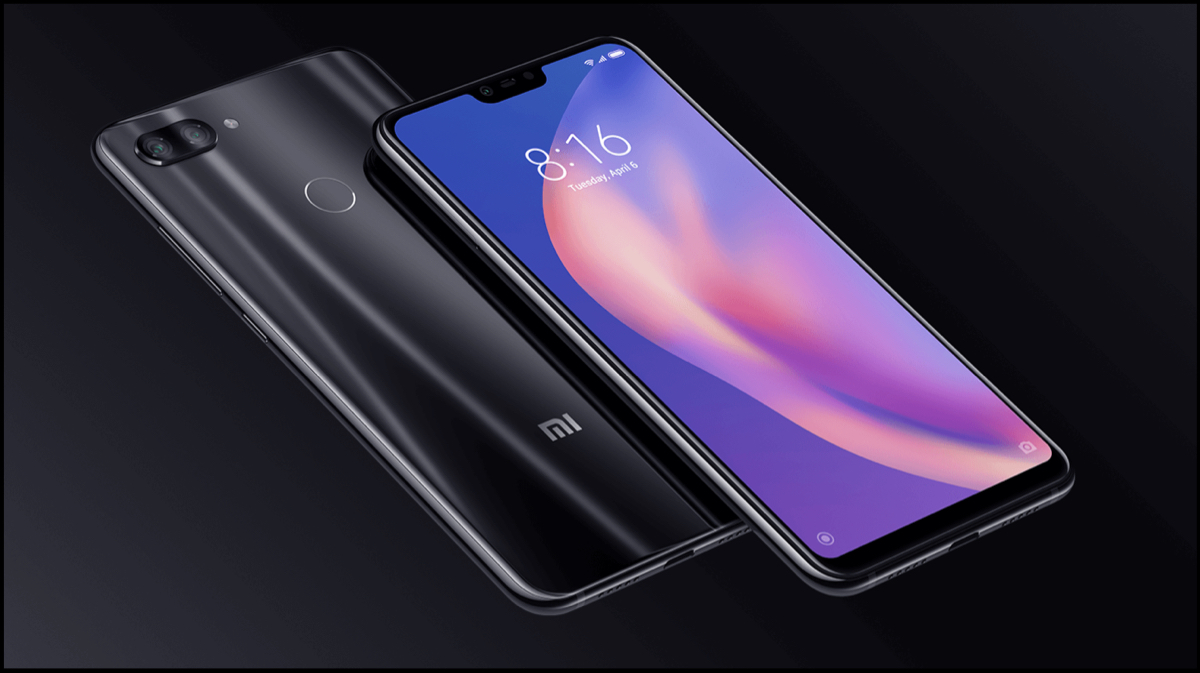
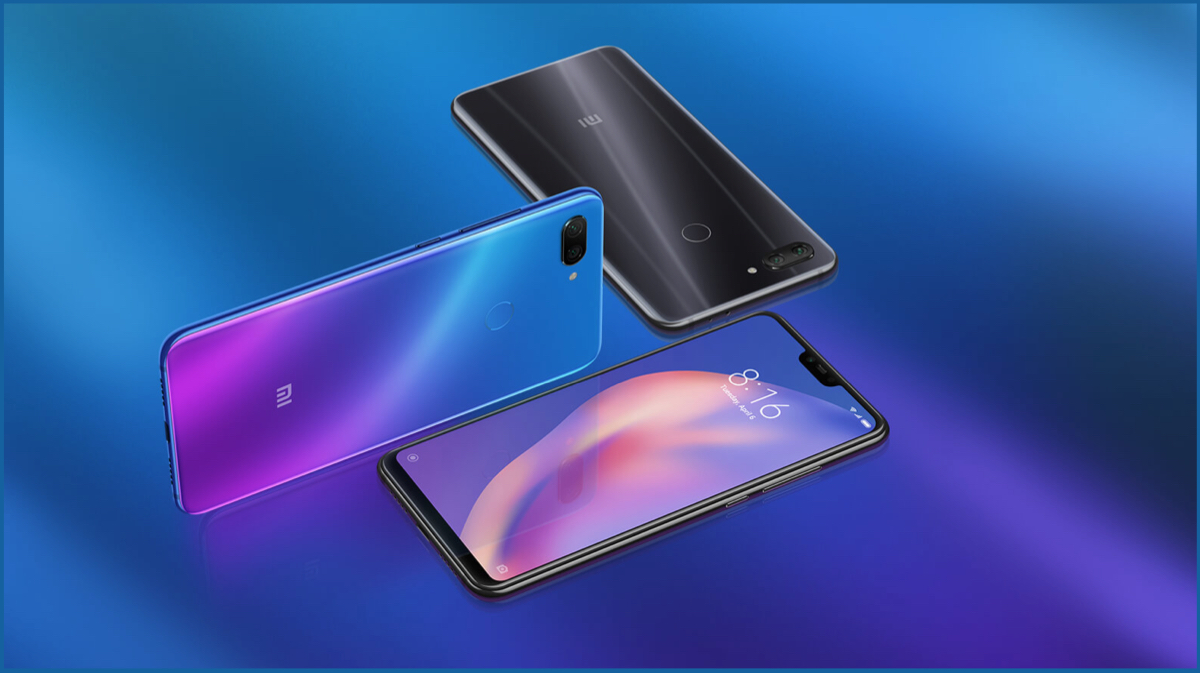
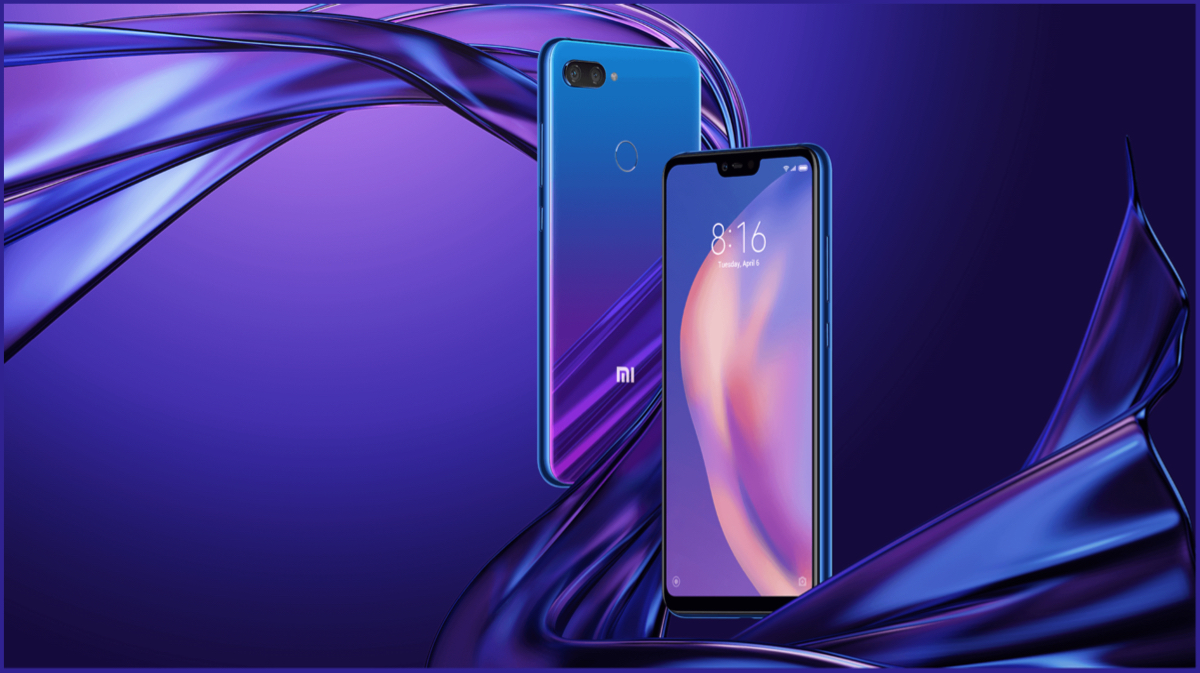
    The Xiaomi Mi 8 Lite which was launched as the Xiaomi Mi 8 Youth in China back in September has been spotted on Geekbench recently and it seems like the phone may come to India with Android 9 Pie out of the box! But there is also a possibility that the company might be testing their MIUI custom skin on some devices. There are a number of different Mi 8 editions as well. They include Xiaomi Mi 8, Mi 8 Explorer Edition, Mi 8 SE and Mi 8 Pro.

    Features and Specifications

    The Mi 8 Lite boasts of a Qualcomm Snapdragon 660 AIE Octa- core processor, up to 2.2 GHz and an Adreno 512 GPU, up to 650 MHz. The phone comes in two different variants which are 6GB + 128GB and 4GB + 64GB. It features a 6.26 inch screen with an aspect ratio of 19:9. The screen has a resolution of 2280 x 1080 with 403 ppi. It is an FHD+ display. On the battery front, it features a 3350mAh power reserve.

    In terms of camera the phone has a 24MP Sony IMX 576f ront camera with 4-in-1 Super Pixel technology and 1.8 micron large pixels. The phone also has a dual camera set up at the back. This includes a 12MP rear camera boasting of 1.4 micron large pixels and a f/1.9 large aperture with Dual Pixel Auto-focus. The secondary camera at the back is a 5MP Samsung S5K5E8 camera with 1.12?m large pixels. The phone can shoot 4K videos at 30 fps. It also shoots 120 fps slow motion video as well as 30 fps stabilised video in 720p and 1080p.

    Also Read: Xiaomi To Launch A Smartphone With A 48 MP Camera In 2019

    The phone supports QC 3.0 quick charging via a USB- C charging port and includes a 5V2A charger in the box. The international versions are available in two colour options, which are Midnight Black and Aurora Blue. However, we will only find out if the phone does have the Android 9 Pie out of the box or not once the phone is launched which is slated to be Dec 26, 2018.


  • iPhone XR Top Ranked Single Lens Camera Phone According To DxOMark

    iPhone XR Top Ranked Single Lens Camera Phone According To DxOMark

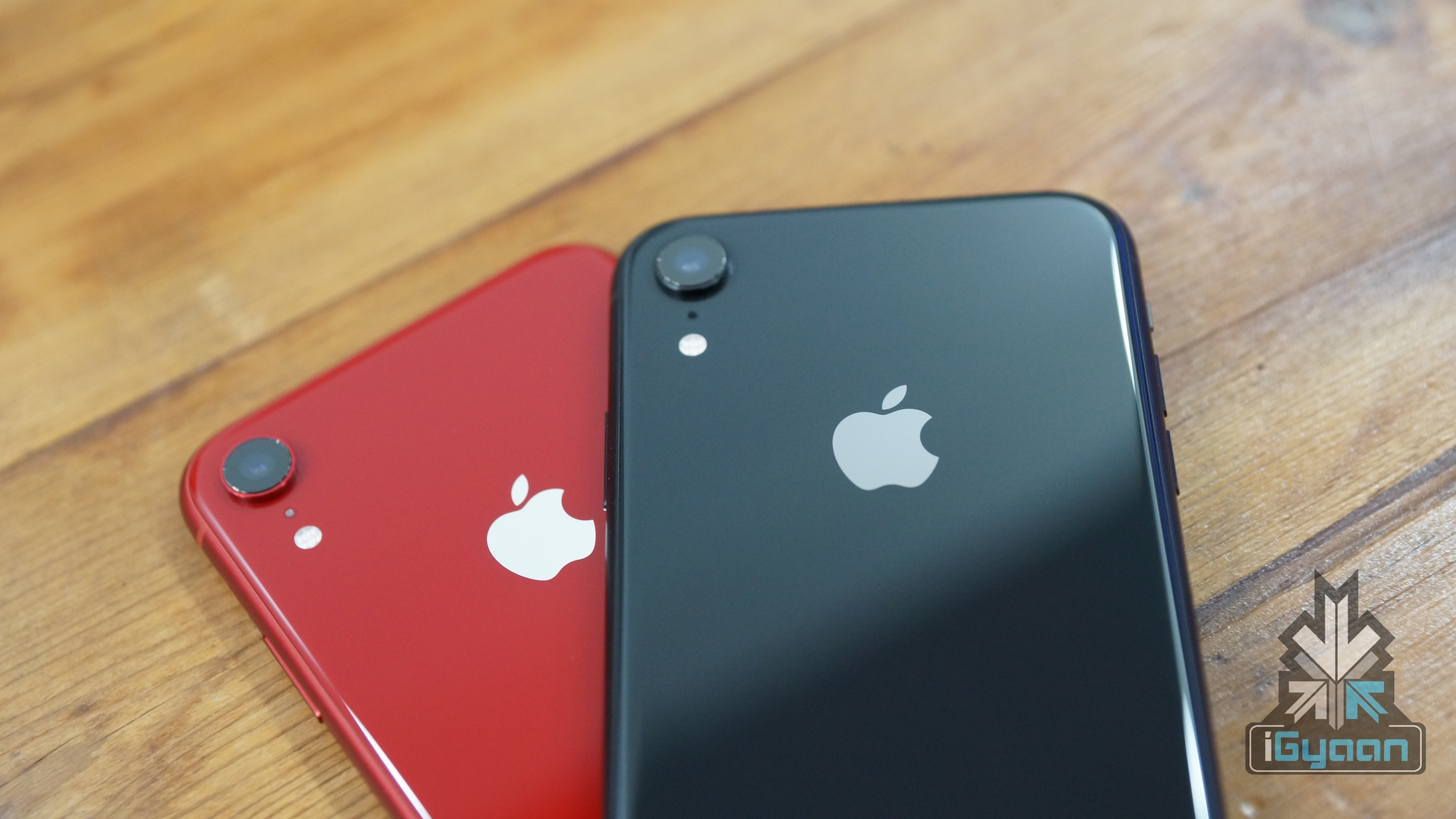
    New Test Reports from DxOMark claim that the recently launched iPhone XR have the best cameras in the single lens camera phone category. It is also noteworthy that the latest Pixel devices have not been tested yet by DxOMark which also sport a single lens. Apple launched three new devices this year, namely iPhone XR, XS and XS Max. The XS and XS Max both have two lenses while the XR sports a single lens.

    iPhone XR Camera Specifications

    Specification wise, Apple has not cut corners when it comes to the camera of the iPhone XR even though it is at a lower price point. The camera features a 12Mp f/1.8 sensor with 1.4µm pixel pitch. It boasts of a 26mm f/1.8 aperture lens with optical image stabilisation, phase-detection autofocus, and a dual-tone LED flash. The phone also has a Quad-LED dual-tone flash. It shoots 4K videos at 24/30/60 fps and 1080p videos at 30 fps at default settings.

    Camera Test Results

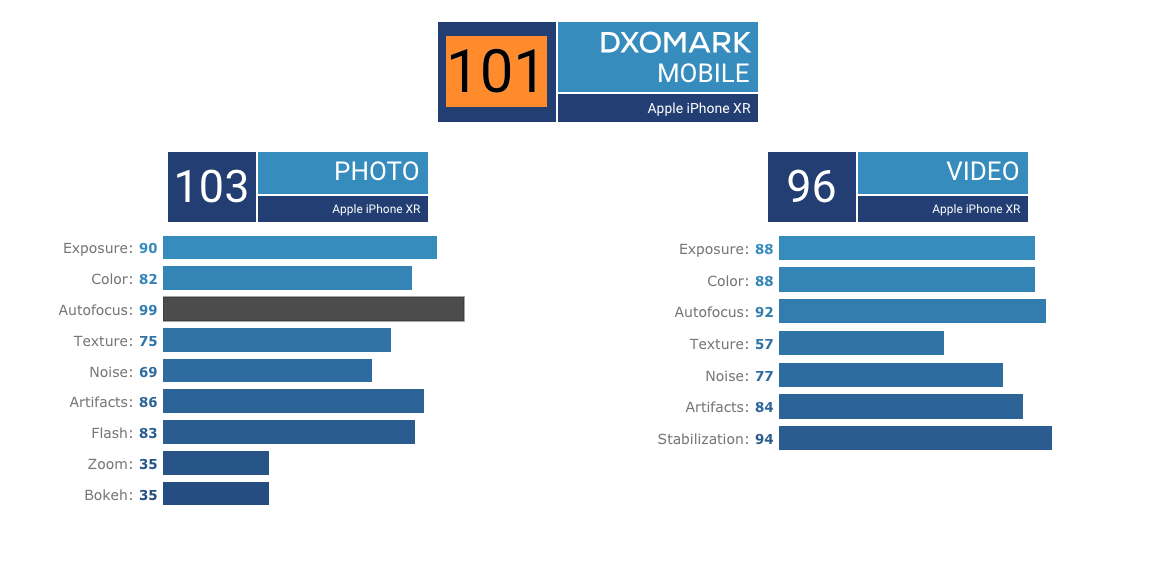
    According to DxOMark, their scoring system involves it’s engineers capturing and evaluating over 1500 test images and more than 2 hours of video both in controlled lab environments and in natural indoor and outdoor scenes, using the camera’s default settings. When the iPhone XR was put under the scanner, it emerged with an overall score of 101. The iPhone XR’s photo score was 103 points and Video score was 96. This gives it a total score of 101 in the camera department.

    According to the camera test, the iPhone scored excellently in Autofocus, Artifact removal (which in turn means sharper pictures in low light without artifacts) and Flash. The Bokeh and Zoom of the camera topped out at 35 points. This is a little low when it comes to scoring on the DxOMark. The camera, according to DxOMark produces vivid and pleasant colours in most situations. But it is said to display fine grain luminance noise in indoor and low light conditions.

    DxOMark, on their website, stated that the iPhone XR had a great dynamic range in outdoor videos along with very good colour rendering and white balance. It also showcased excellent stabilisation with low residual motion. However, they also remarked that slight instabilities were noticeable in exposure and white balance under changing lighting conditions. This might mean shooting videos at a concert or a party that has rapidly changing lighting may be a little difficult.

    It will be interesting to see how the Pixel 3/3XL fares in the DxOMark reviews when it comes out but the iPhone XR’s single camera performance sure will be a touch cookie to crack.

  • Here Is How Water Cooling On Modern Smart Phones Works

    Here Is How Water Cooling On Modern Smart Phones Works

    Water cooling or liquid cooling has become a unique selling proposition for phones these days. And at times it turns out to be nothing more than a marketing gimmick. Liquid cooling has been around for a long time for personal computers which are gaming oriented. This kind of cooling was introduced because gaming PCs get heated up due to their high performance requirements. It is one thing to have water or liquid cooling on PCs which have a lot of space to work around, but on a phone space is a huge constraint.

    Why Use Liquid

    Air cooling, which had been the choice of many, isn’t as efficient as Liquid cooling when it comes to computers and mobile phones. Air cooling requires a lot of fans. And fans take up space. A typical gaming PC with air cooling will have case fans, graphics card fans, and a CPU fan. Same goes for phones. The phones have several holes  to dissipate heat. These try to keep the insides of the CPU cool, but on the other hand, liquid cooling requires coolant-filled tubes, a radiator, water blocks  which are the equivalent of heat sinks and a few other small components. On normal phones without liquid cooling, the processor is generally under-clocked so that it generates less heat. The generated heat is dissipated through the body of the phone which makes the body of the phone hot while playing games etc.

    What Liquids Are Used

    Water, deionised water, glycol/water solutions, and dielectric fluids such as fluorocarbons and PAO are the heat transfer fluids that are most commonly used. Most phones use water. The amount of water used is so less, it is essentially always in vapour form, which is why these systems are also called vapour cooled systems.

    Do Phones Need Liquid Cooling

    Smartphones running just fine even two or three years back on normal air cooling/ heat dissipation coupled with under-clocked CPUs. But with smartphones becoming thinner and users demanding more and more performance from their smartphones, heating suddenly became a major issue. NEC Medias X 06E was the world’s first water- cooled phone. But around 2015/2016, Nokia introduced the Lumia 950XL and Samsung introduced the Galaxy S7; both water- cooled phones. Phone cooling has changed and improved a lot since then. Phones can perform much faster and the CPU can even be over-clocked if liquid cooling is used. The ASUS ROG phone, which has an overclocked cpu uses this form of cooling.

    How Does It Work

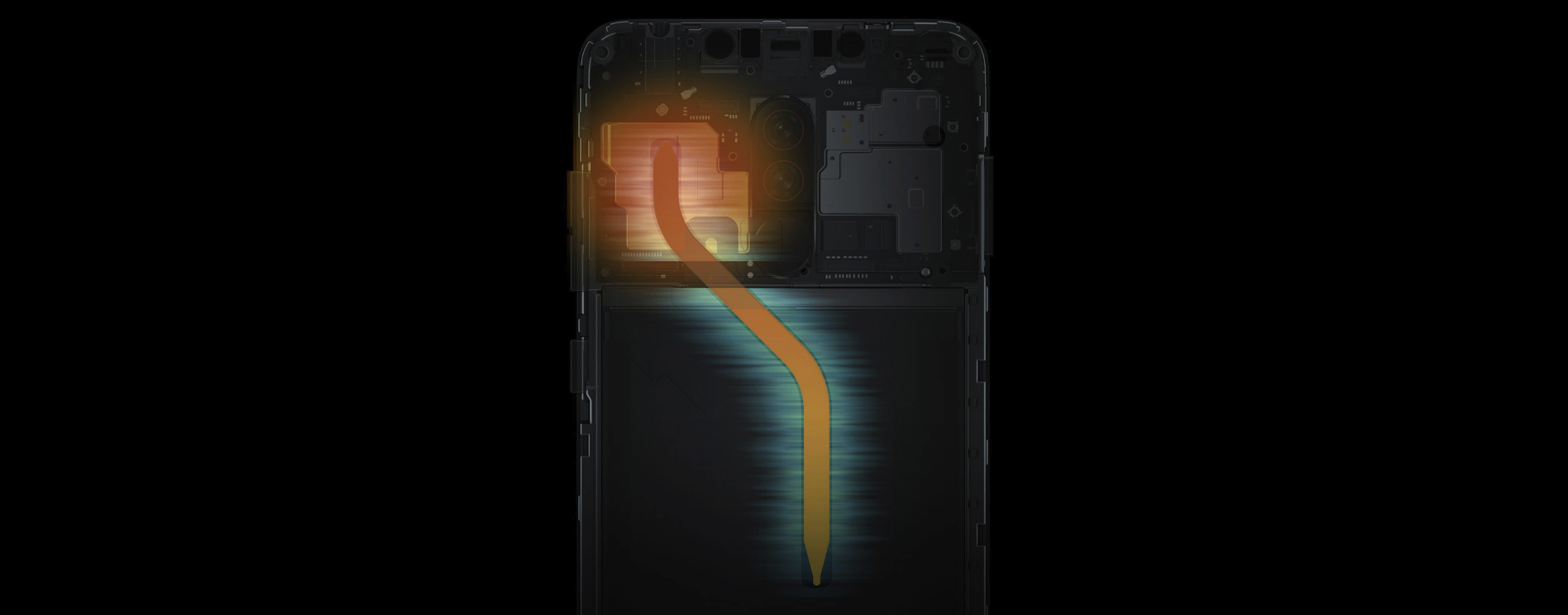
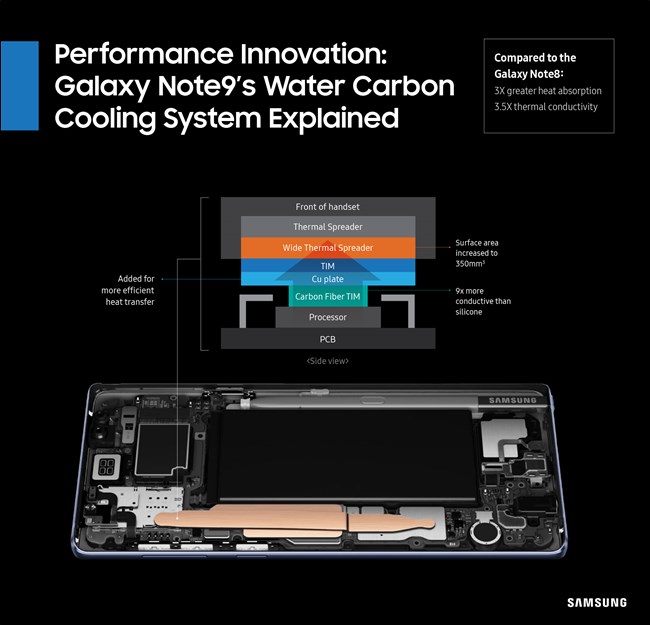
    Phones use a copper thermal heat pipe to distribute the heat and move it away from the CPU. This kicks into play when the phone is performing high intensity tasks. These may include tasks like gaming or even media playback. The copper tube has a very minuscule amount of  liquid. The liquid is not even enough to see if the tube is cut open. The cooling happens through condensation. Condensation is the process of vapour turning to liquid when cooled.

    As the processor heats up, the liquid heats up and turns into vapour, thus absorbing the heat from the CPU. This vapour then moves to the opposite end of the heat pipe. This end is further away from the CPU and is considerably cooler. The vapour dissipates the heat thus turning back into liquid form.  This process is continuous and works well to dissipate and disperse heat from a concentrated area to a much larger area thus cooling the entire system faster and more efficiently.

  • First Renders Of Sony Xperia XZ4 Compact Leak Online

    First Renders Of Sony Xperia XZ4 Compact Leak Online

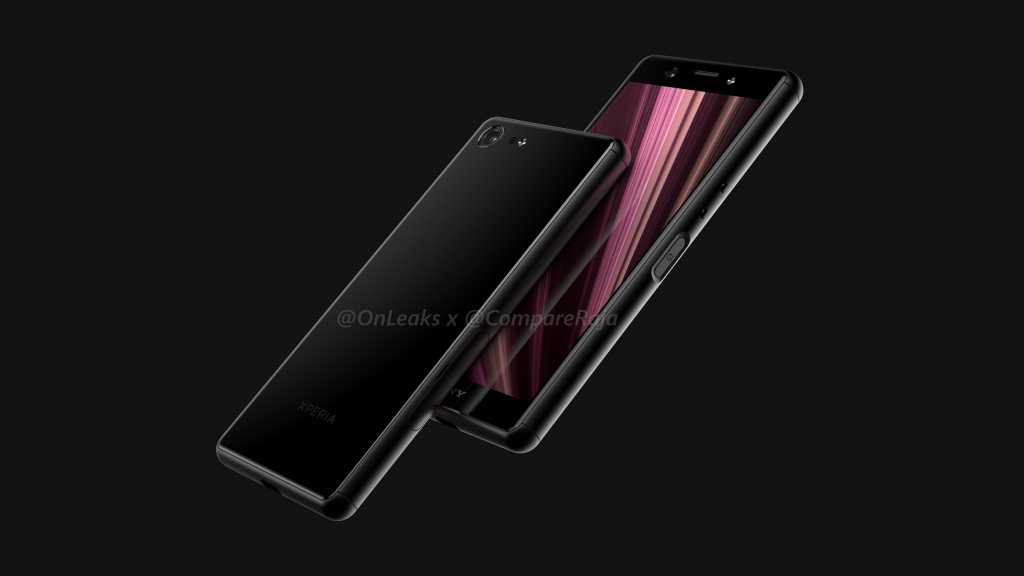
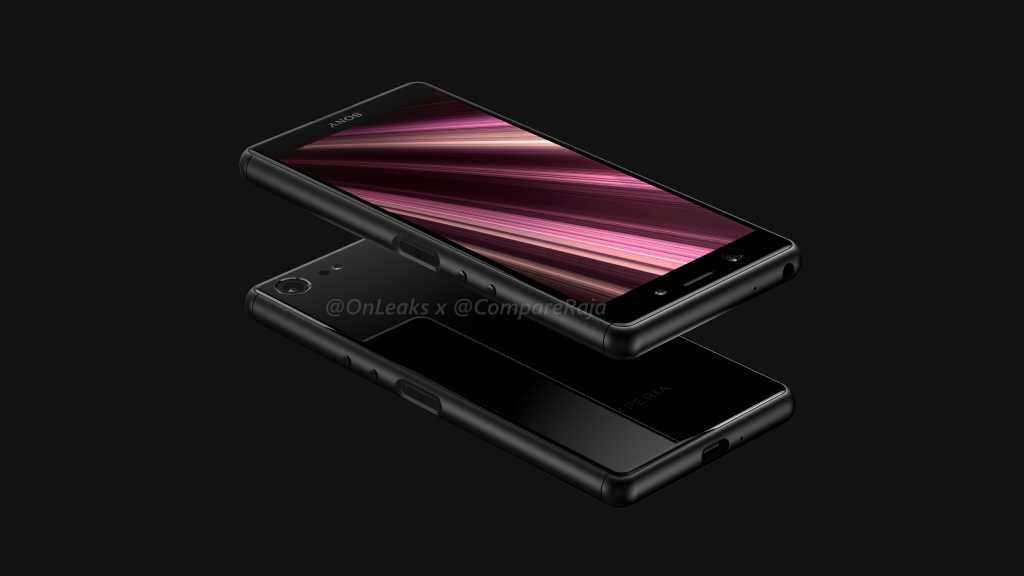
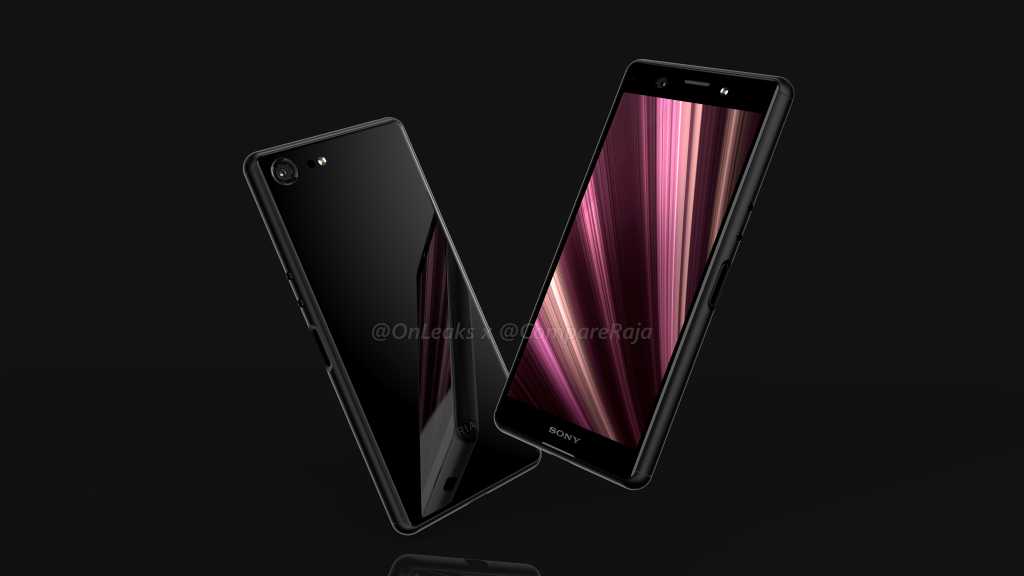
    Sony Mobile in early 2018 launched their XZ3 smartphone and the CAD renders of its successor, XZ4 Compact have leaked online. The device carries the Compact suffix which states that it is a lower spec variant of the Sony XZ4. Initial renders of the XZ4 compact indicate that it will be a midrange smartphone.

    Xperia XZ4 Compact Design

    The front and rear of the Sony XZ4 Compact appear to be made out of glass. The display of the smartphone is surrounded by thick bottom and top bezels. The top bezel accommodates the earpiece and the front-facing camera along with the LED flash, while the bottom bezel carries the company branding and the secondary front firing speaker. The right side of the smartphone is occupied by the volume rockers and the power button. Although it is not official, the shape of the power button suggests that it might double as a fingerprint scanner. The 3.5 mm audio jack and the microphone pinhole are placed on the top while the Type-C USB port for charging and data transfer is on the bottom.

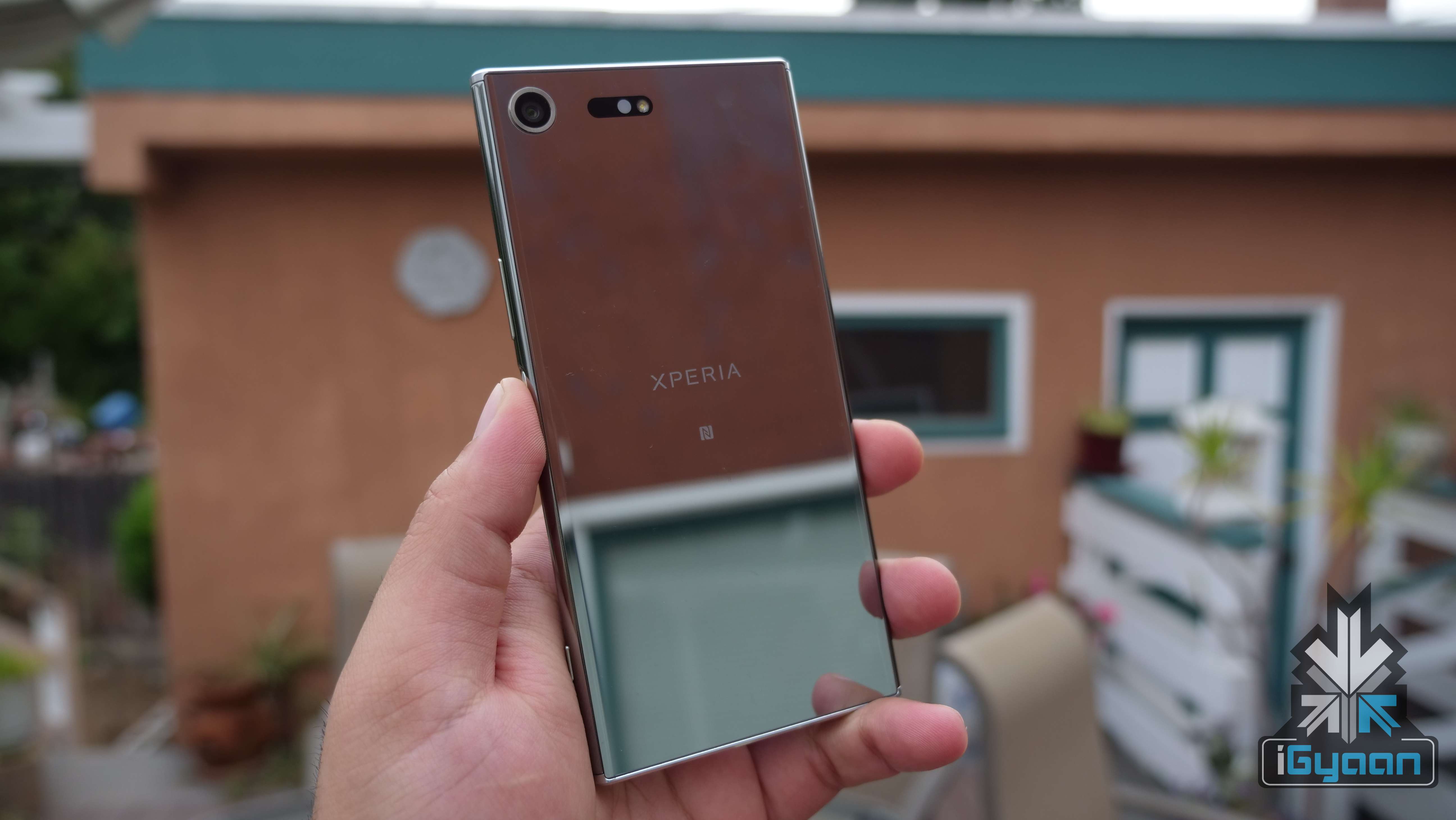
    The Sony XZ4 Compact has curved sides and edges which will provide for an ergonomic graspability. The rear glass panel of the device harbors the XPERIA logo and the rear facing camera along with the LED flash. While the official dimensions of the smartphone are not available, according to the leaker, OnLeaks the device measures 139.9 x 66.5 x 9.3 mm.

    Specifications

    The leaks do not provide any precise information about the specifications of the Sony XZ4 Compact. But the renders confirm the following specifications:

    • Single Front Camera
    • Single Rear Camera
    • USB-C Port
    • 3.5 mm headphone jack
    • Dual Front Speakers

    Whilst the launch date of the smartphone is currently unavailable, the renders indicate that it will launch soon.

  • HMD Global Launches Nokia 8.1 In Dubai

    HMD Global Launches Nokia 8.1 In Dubai

    Lately, Finnish smartphone manufacturer, HMD Global has been launching a lot of smartphones. Earlier this month, the company launched the Nokia 7.1. Now they have unveiled the Nokia 8.1 in Dubai. Like other Nokia phones, it also is an Android One device.

    Design And Specifications

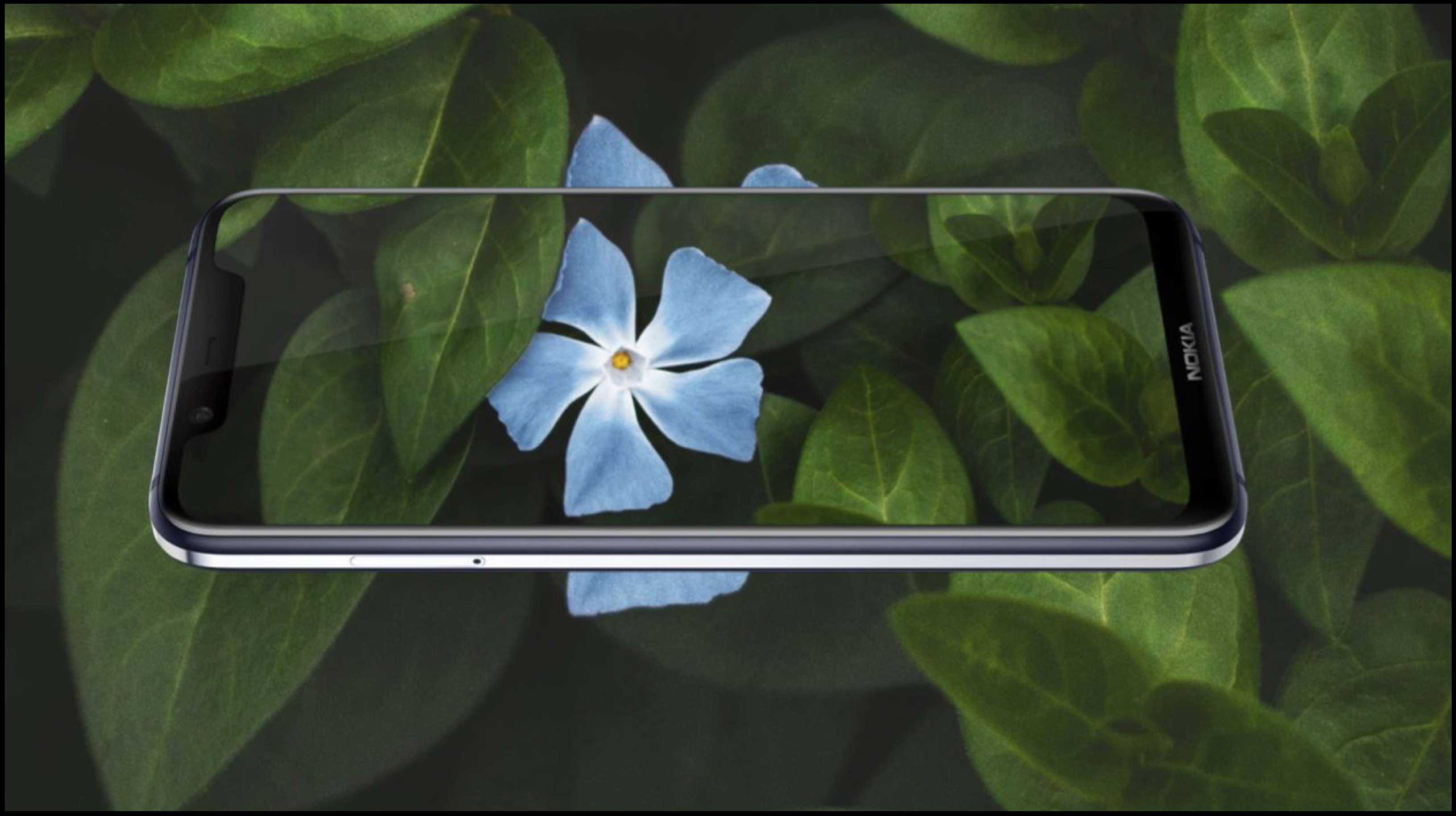
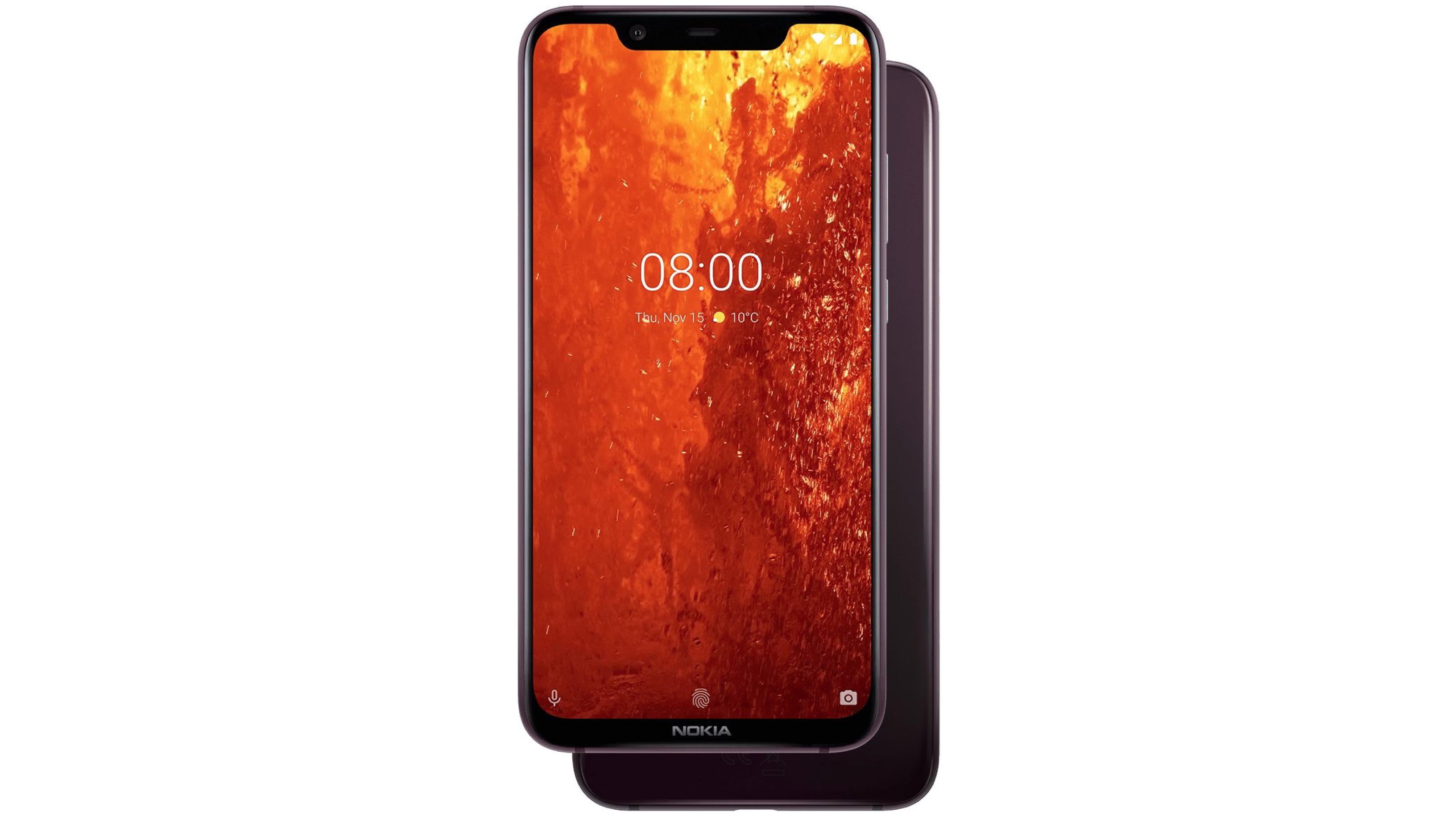
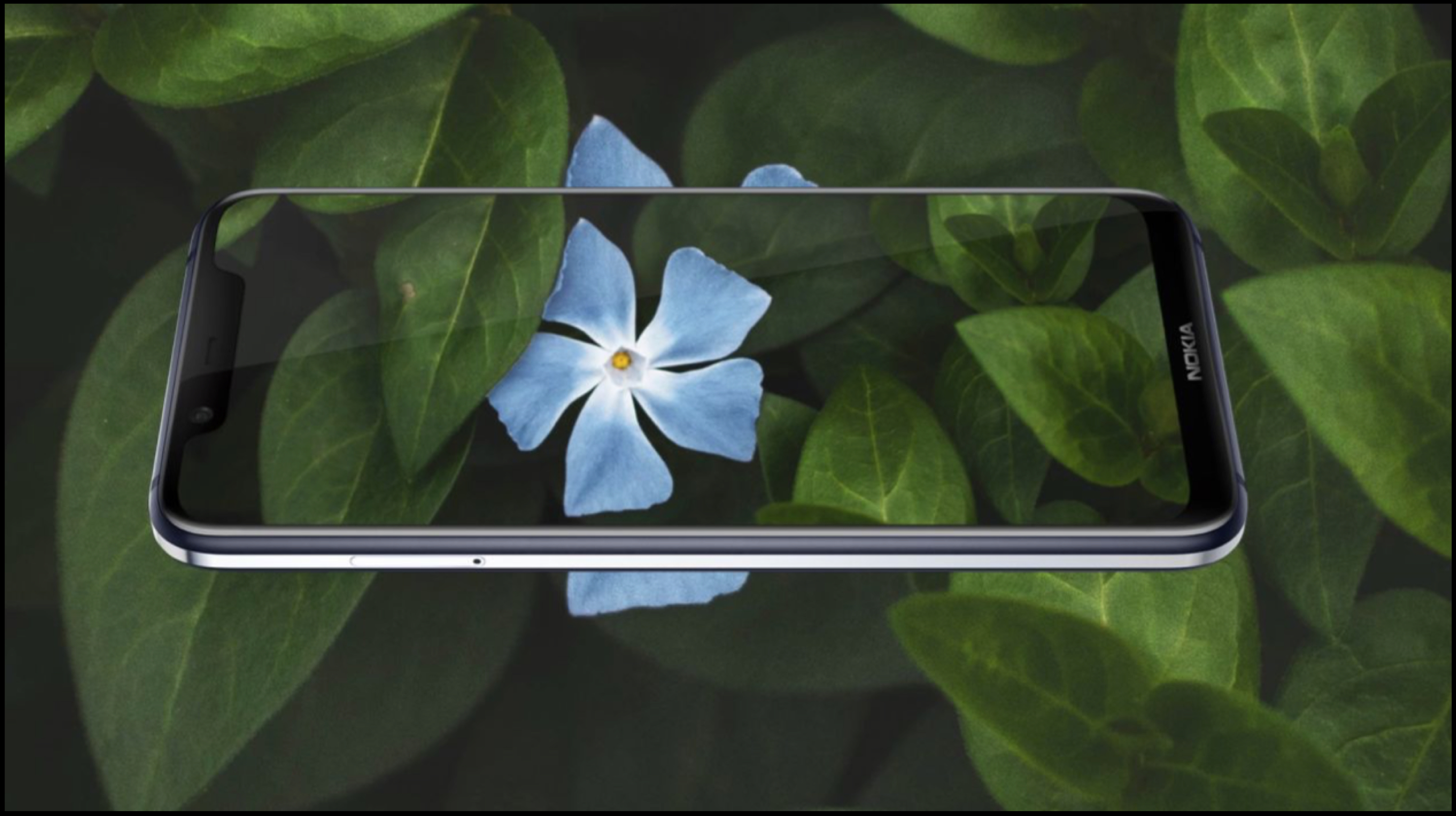
    The Nokia 8.1 has an all-glass front and rear build with a metal chassis. The smartphone measures 154.8 x 75.76 x 7.97 mm and weighs in at 180 grams. On the front of the device sits a 6.18-inch Full HD+ notch display with an 18.7:9 aspect ratio. The display panel has a resolution of 2246 x 1080 px and a pixel density of 403 ppi. For protection against scratches, it also gets Corning Gorilla Glass 3.

    The Nokia 8.1 is powered by a 3,500 mAh Li-Ion battery and runs on the latest Android 9.0 Pie operating system. The device features the Octa-Core Snapdragon 710 CPU along with the Adreno 616 GPU. For photography, the smartphone has a 20 MP front-facing selfie camera and dual 12 MP +13 MP rear cameras. The handset can also capture 2160p video at 30fps from the rear camera. While the front sensor can shoot 1080p videos at 30fps.

    In terms of connectivity, the Nokia 8.1 supports dual 4G VoLTE, Bluetooth 5.0, 802.11 ac Wi-Fi, and has a USB Type-C port for charging and data syncing. It also has a 3.5mm audio jack. For quickly and securely unlocking it, there is a rear-mounted fingerprint sensor.

    Price, Colours And Variants

    Also Read: Samsung Patents Design For Folding Phone With Dual Displays

    The Nokia 8.1 is offered in three colour options which are as follows:

    • Blue/Silver

    • Steel/Copper

    • Iron/Steel

    In terms of memory and storage, it is available in a single 4 GB RAM + 64 GB ROM variant which supports memory expandability of up to 400 GB via a microSD card. The device will go on sale in Dubai from December 15 and it carries a price tag of 1,499 Dirham (around Rs. 32,000). Although its India launch date is currently unavailable, it is expected to launch soon.

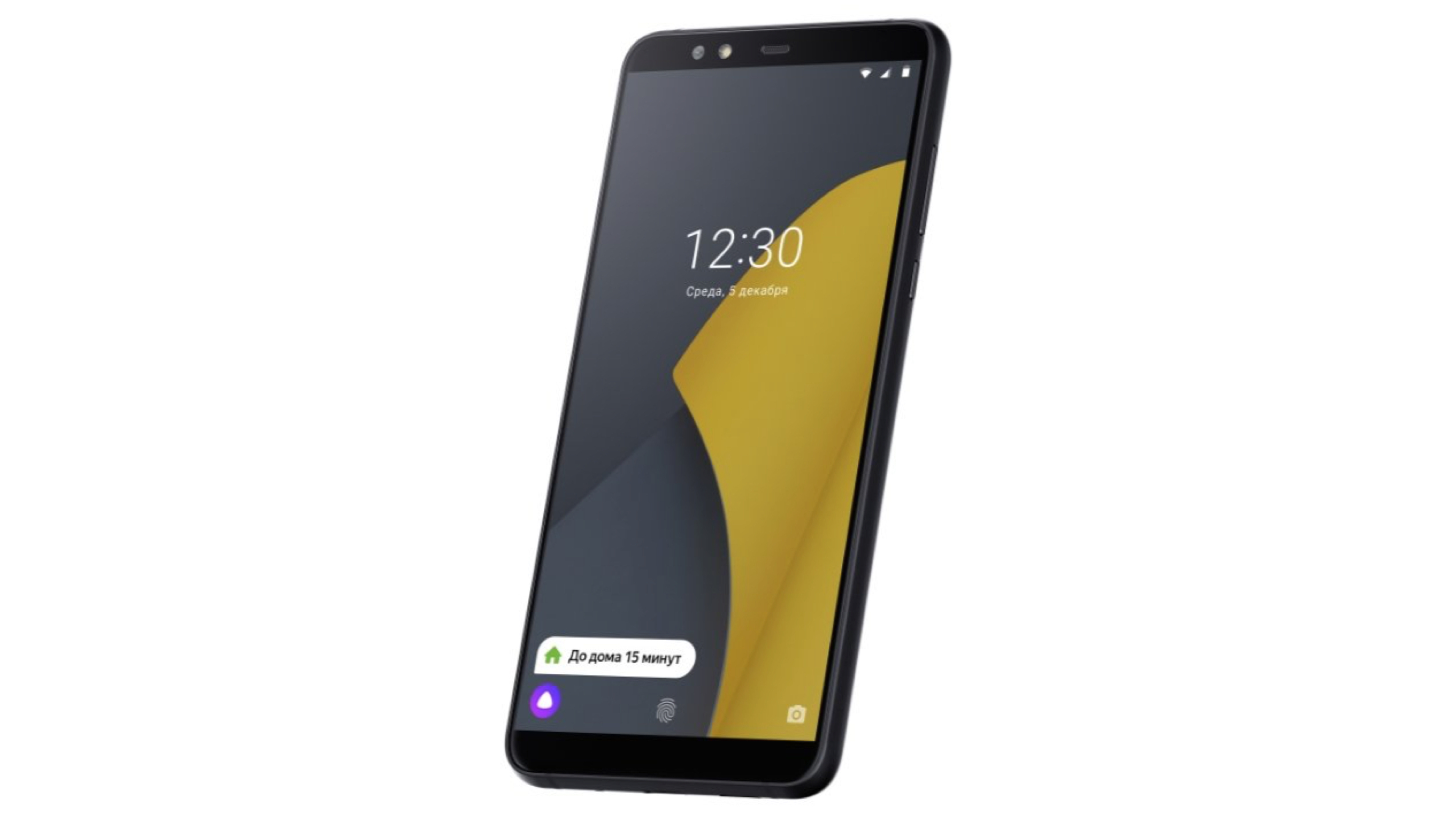
  • Yandex Launches Its First Android Smartphone With AI Assistant

    Yandex Launches Its First Android Smartphone With AI Assistant

    Yandex is a Russian multinational corporation which specialises in internet related services like eCommerce, search engines and online advertising. In Russia, they are the biggest company to compete against Google’s search engine. Google recently launched their Pixel 3 smartphones in Russia. To compete against Pixel smartphones, Yandex has launched their first Android smartphone for the country.

    Design And Features

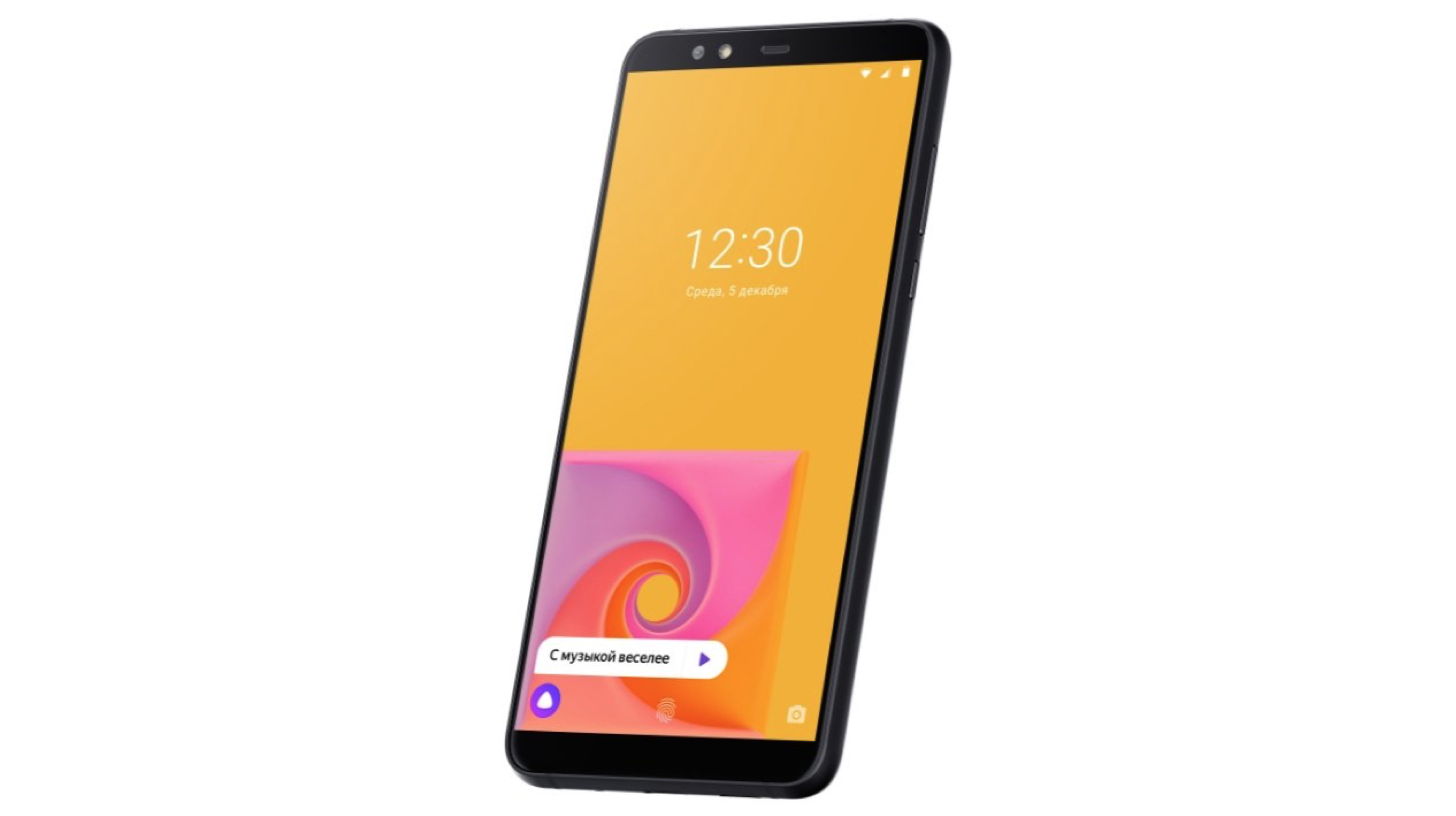
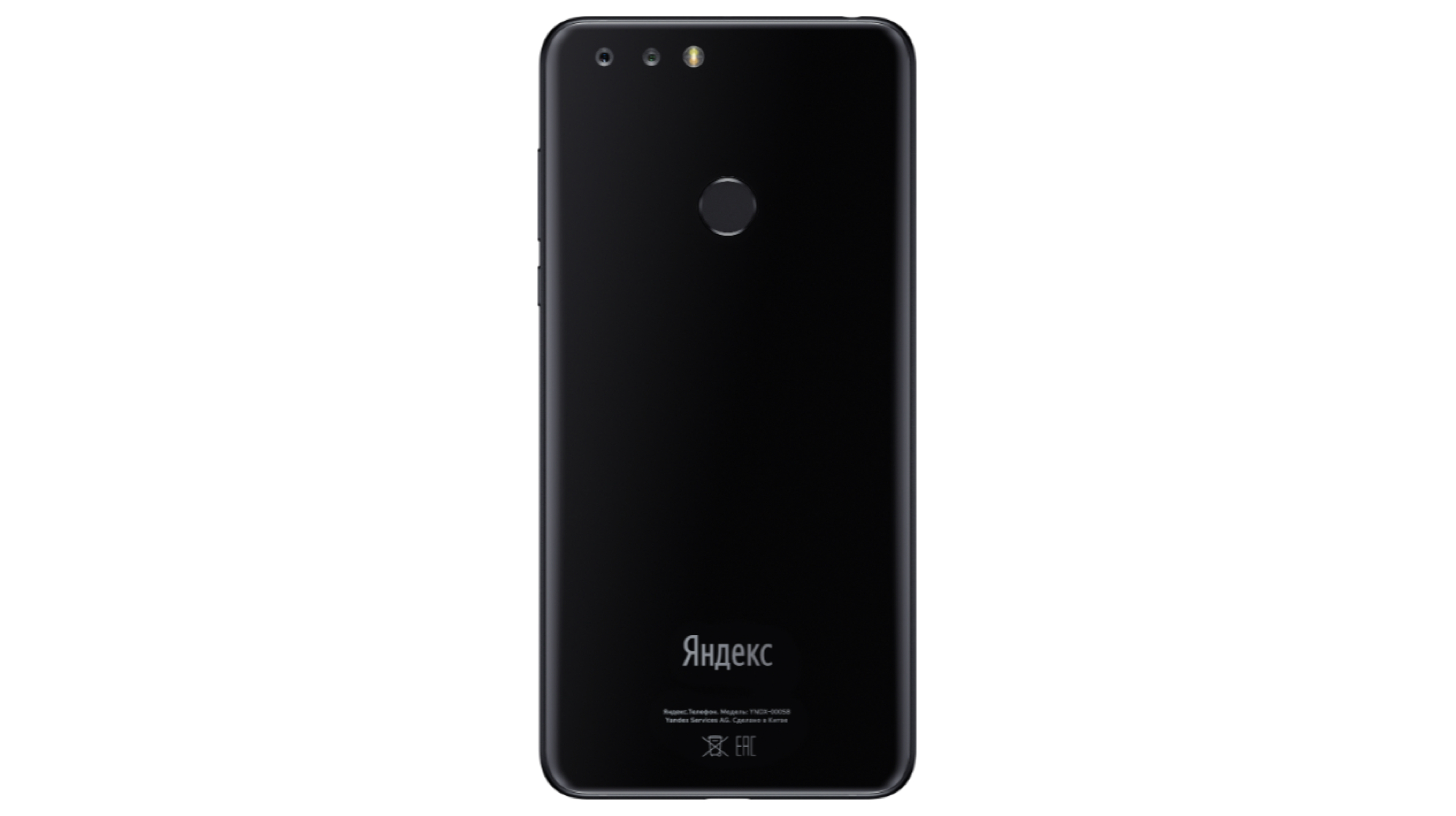
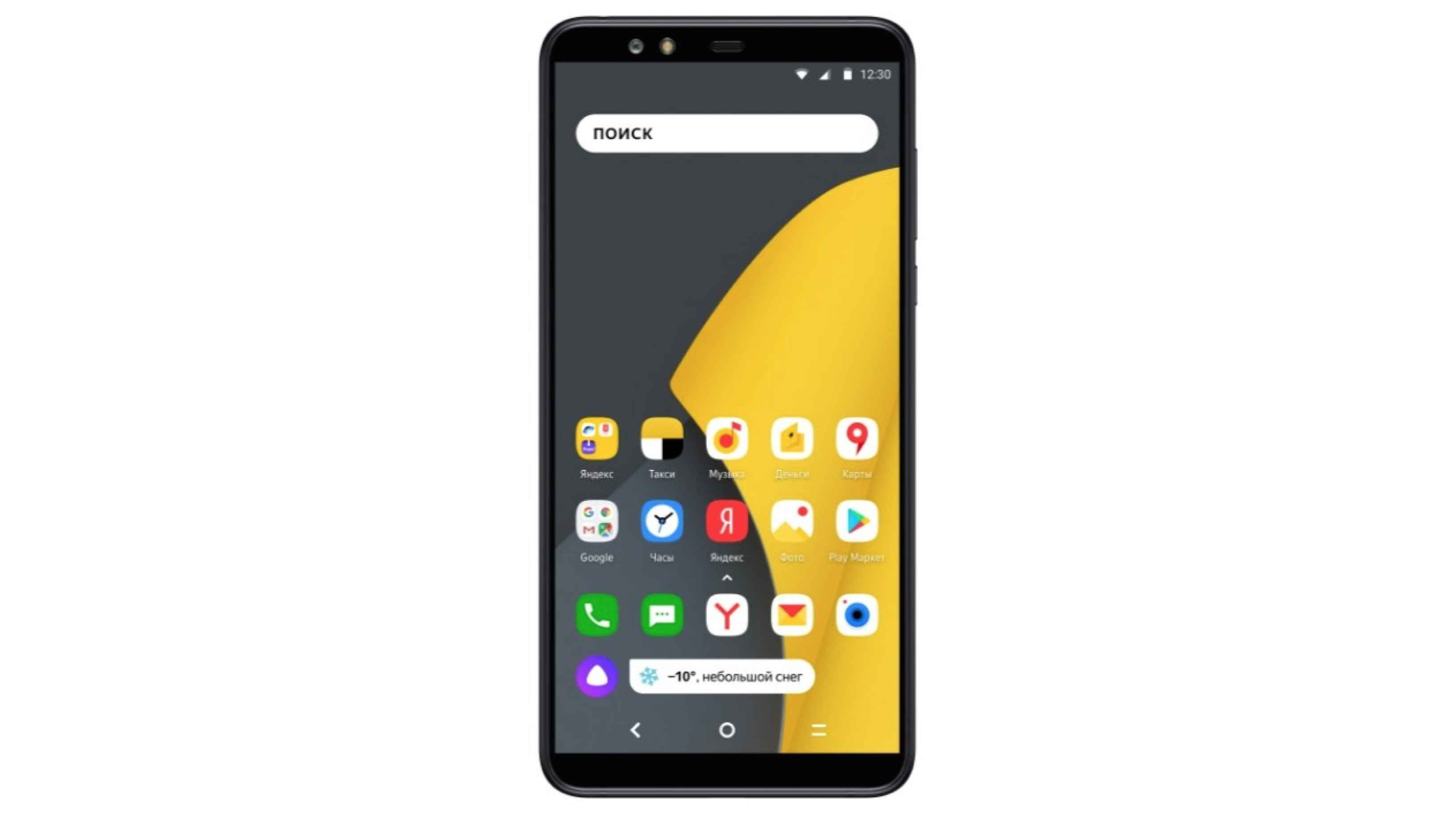
    The Yandex Phone has an all-glass front and rear build with a metal chassis. It measures 72.5 x 150.1 x 8.28 mm and weighs in at 163 grams. The front of the smartphone accommodates a 5.65-inch display with a resolution of 2160 x 1080 px and a pixel density of 427 ppi. For photography, it has dual 16 MP + 5 MP rear cameras and a single 5 MP front selfie camera. The device can also record 2160p videos at 30 fps from the rear cameras and 1080p videos at 30 fps from the front sensor. Both the front and rear camera setup get a dedicated LED flash.

    The Yandex Phone is kitted with the Octa-Core Snapdragon 630 CPU along with Adreno 508 GPU. It is offered with 4 GB of RAM and 64 GB of inbuilt storage which is expandable up to 128 GB via a microSD card. The handset is powered by a 3050 mAh battery which also supports Qualcomm’s Quick Charge 3.o.

    To take on Google’s voice assistant, the Yandex Phone also has Alice, which is the company’s take on a virtual assistant. For connectivity, the smartphone offers dual 4G VoLTE support, 802.11ac Wi-Fi, GPS. 3.5 mm audio jack and a USB Type-C port for charging and data syncing. It runs on the Android 8.1 Oreo operating system. For added security, the device also has a rear-mounted fingerprint sensor.

    Price And Colours

    Also Read: Asus ZenFone Max M2 And Max Pro M2 Launched In Russia

    The Yandex Phone is available in a single colour option, which is Black. The smartphone carries a price tag of 17,990 Russian Ruble (around Rs 19,200) and it is up for pre-order in Russia while the deliveries will start from December 7.


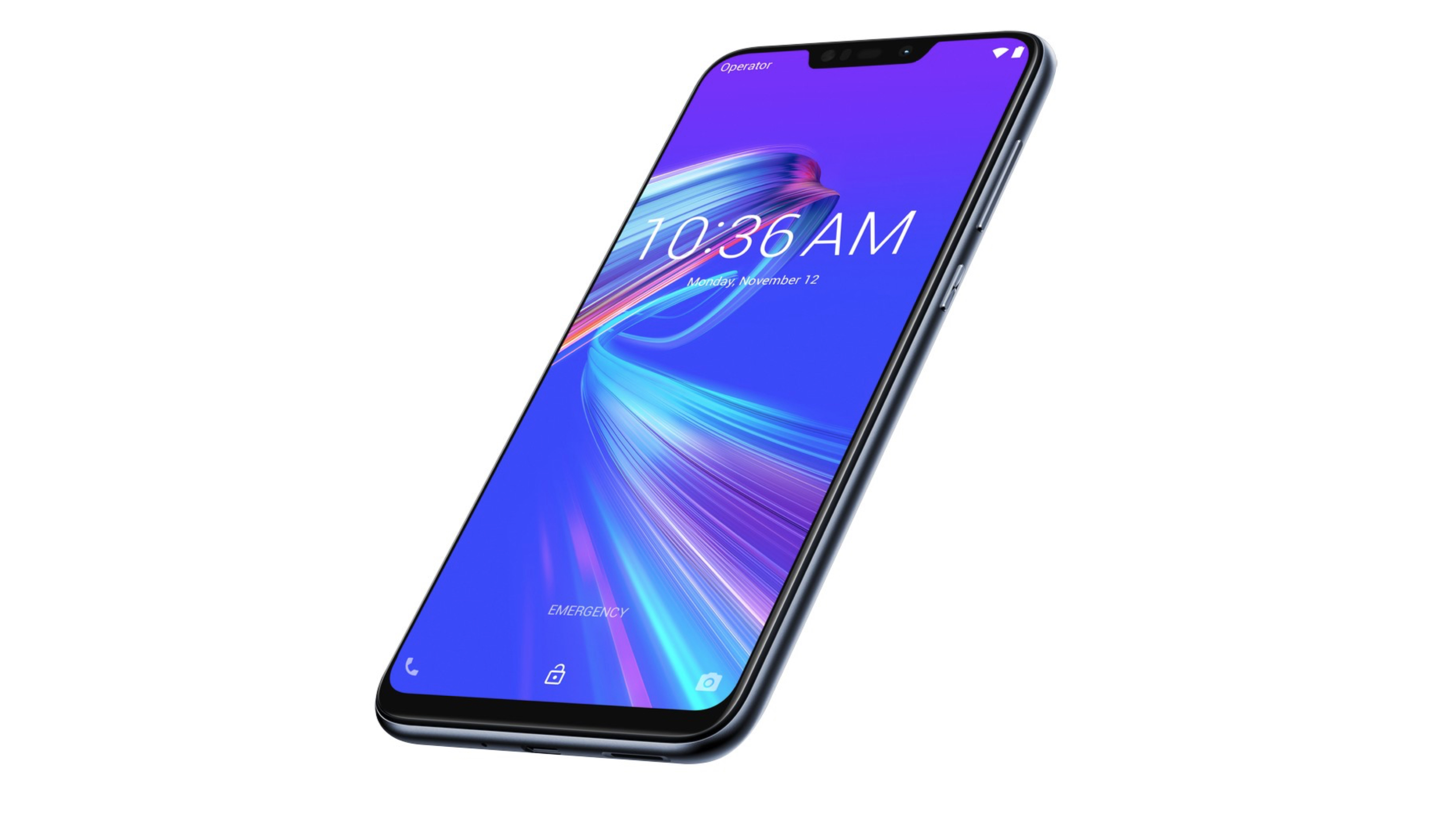
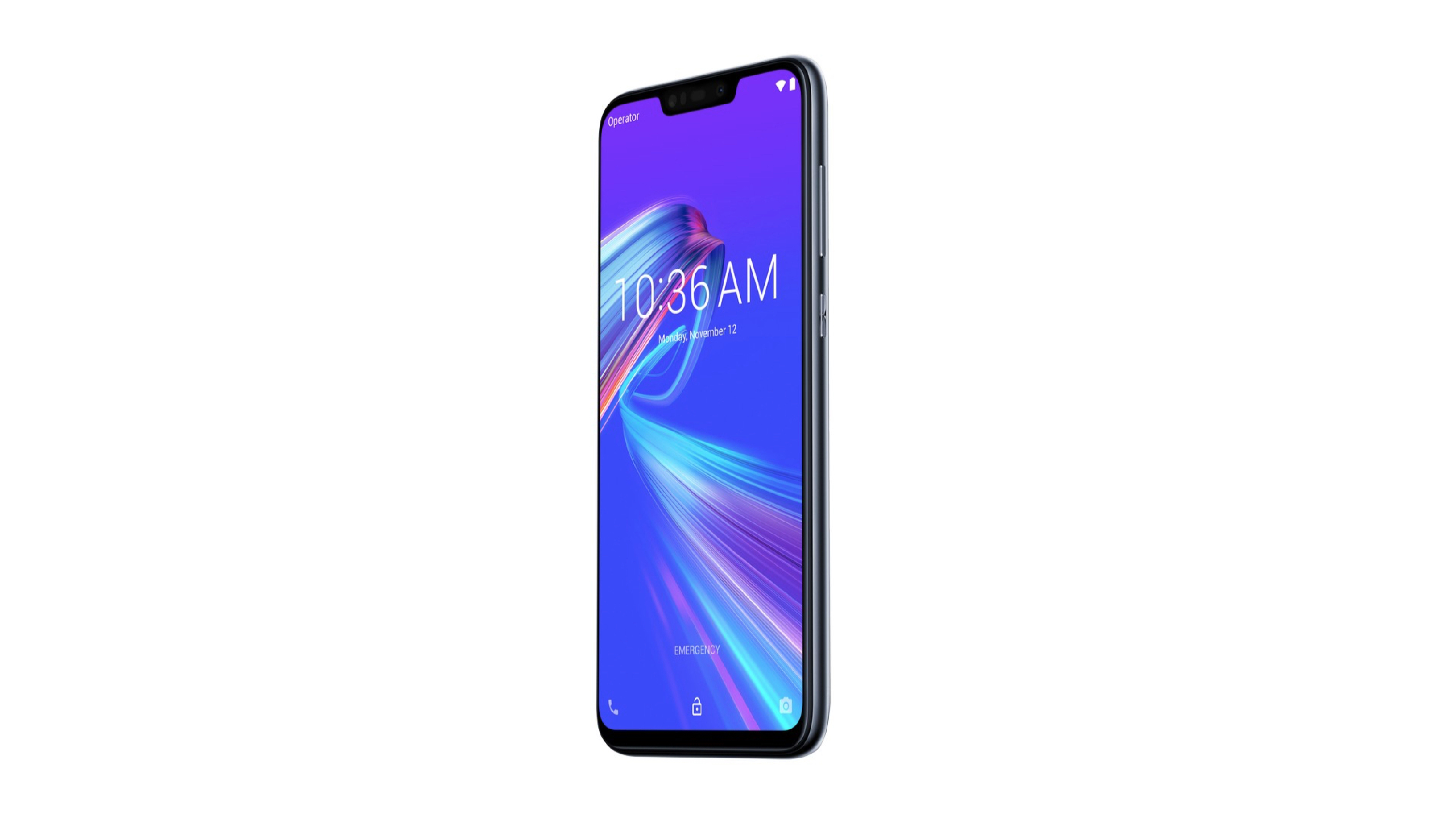
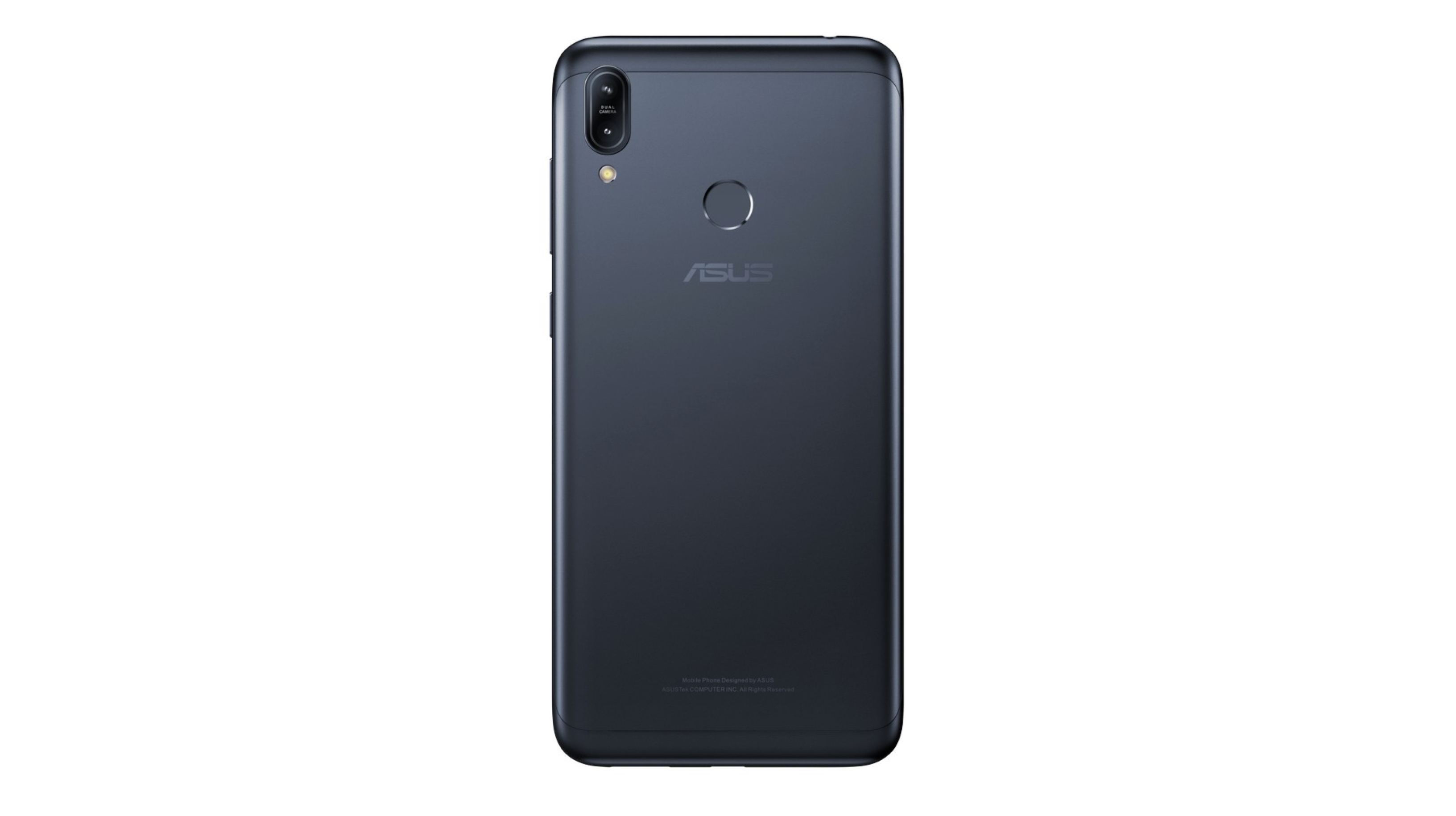
  • Asus ZenFone Max M2 And Max Pro M2 Launched In Russia

    Asus ZenFone Max M2 And Max Pro M2 Launched In Russia

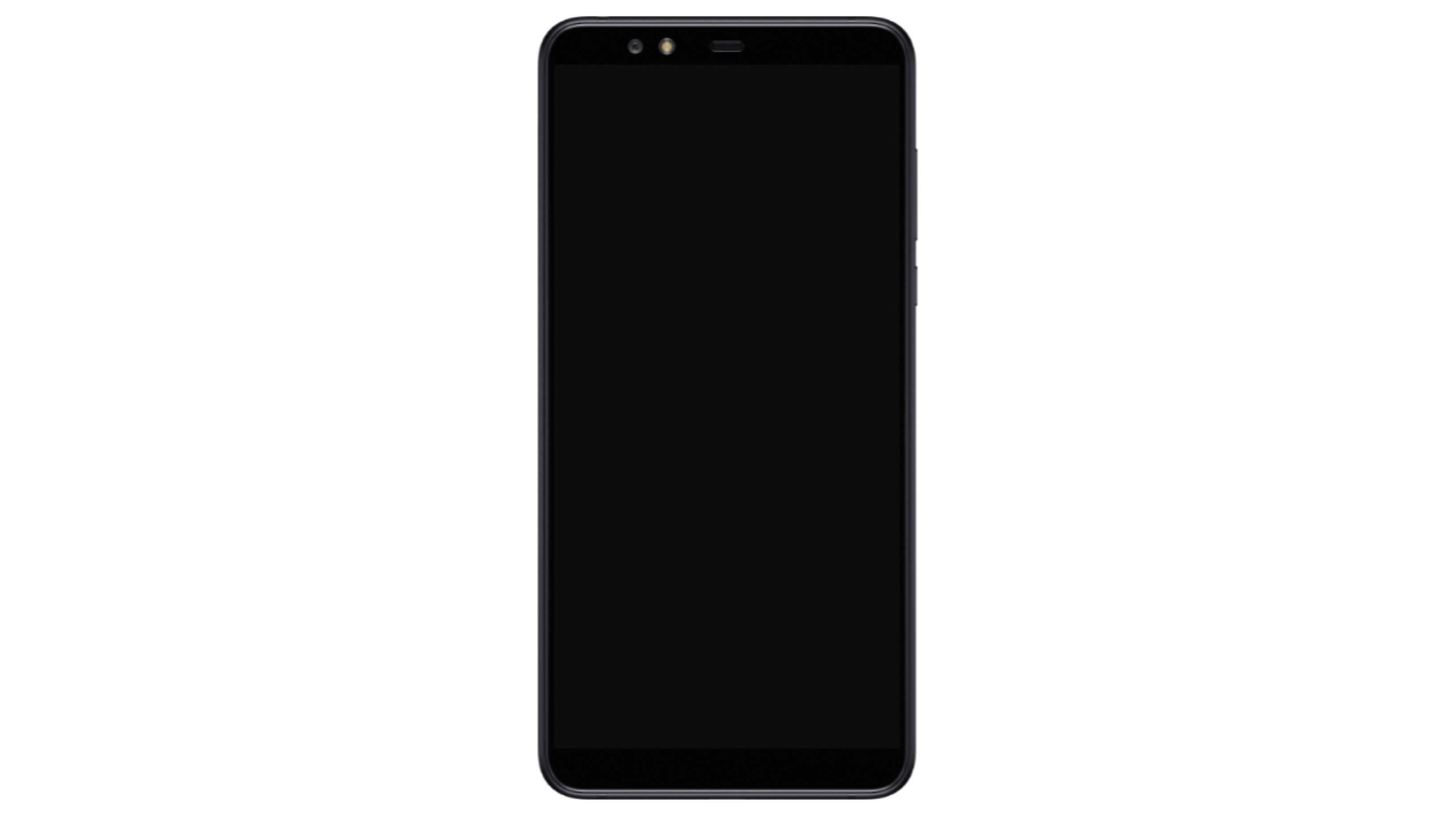
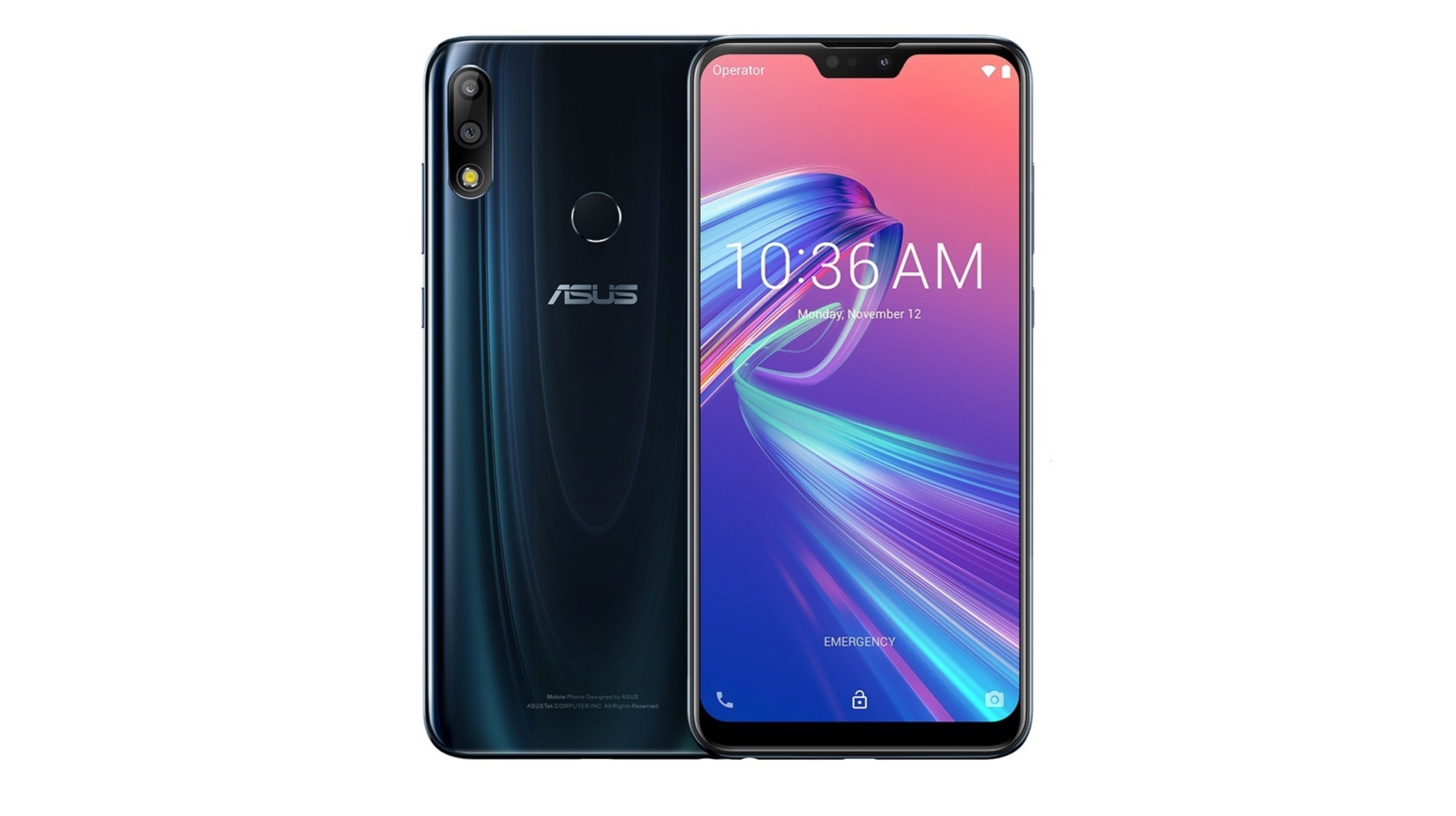
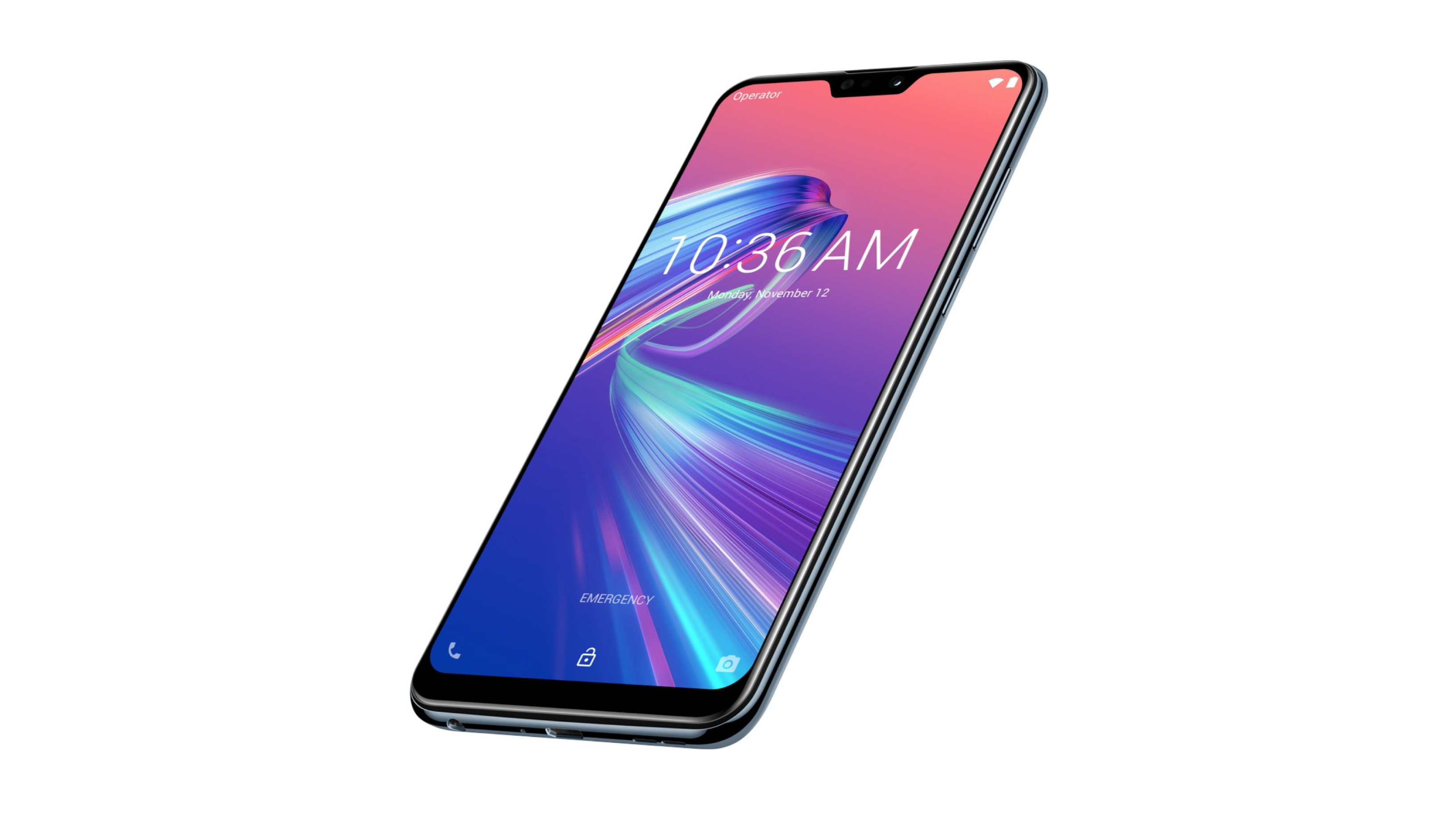
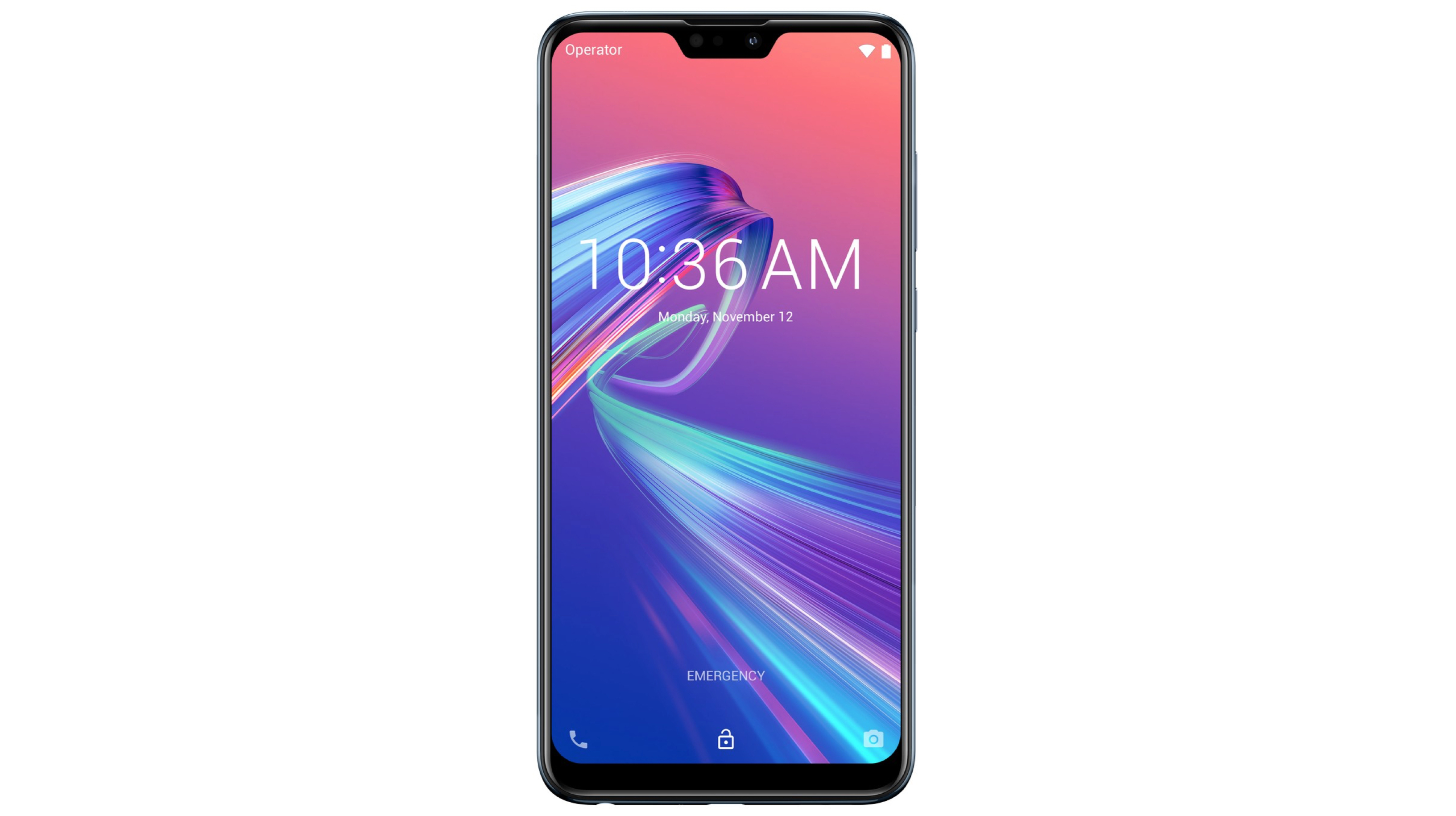
    Taiwan based Asus is about to launch their ZenFone Max Pro M2 & ZenFone Max M2 smartphones in India. They are the successors of the sensational ZenFone Max Pro M1 and will launch on 11 December in the country. Prior to their India launch, they have been officially announced in Russia. The Indian variants are expected to have a similar price and features.
    ZenFone Max Pro M2 

    Out of the two, the ZenFone Max Pro M2 is a premium device. It has an all-glass front and rear build. The device measures 157.9 x 75.5 x 8.5 mm and weighs in at 170 grams. It features a FHD+ 6.3-inch LCD display with a notch and a resolution of 2280 x 1080 px. For protection against scratches, it also has Corning Gorilla Glass 6. For quickly and securely unlocking it also has a rear-mounted fingerprint sensor.

    The ZenFone Max Pro M2 features the Octa-Core Snapdragon 660 SoC and is powered by a mammoth 5,000 mAh battery. In terms of memory and storage, it has 4 GB of RAM and 64 GB of ROM which is expandable up to 512 GB via a microSD card. For photography, the smartphone has a 5 MP front-facing camera and dual 13 MP + 12 MP rear cameras with an LED flash. In terms of connectivity, the smartphone supports dual 4G VoLTE, Bluetooth 5.0, Wi-Fi 802.11 ac, 3.5 mm audio jack and has a micro-USB port.

    The smartphone is available in two colours which are Metal and Blue. In Russia, it is priced at 17,990 Ruble which roughly translates to Rs 19,207.

    ZenFone Max M2

    The ZenFone Max M2 also has a front glass build, but unlike the Max Pro M2, it has a metal back. It measures 158.41 x 76.28 x 7.7 mm and weighs in at 160 grams. It also features a 6.3-inch HD+ LCD display with a notch and a 1520 x 720 px resolution. For protection against scratches, it also has Corning Gorilla Glass 6. In terms of memory and storage, it has 3 GB of RAM and 32 GB ROM  which is expandable up to 512 GB via microSD. Like the Max Pro M2, it also has a rear-mounted fingerprint sensor.

    The ZenFone Max M2 features the Octa-Core Snapdragon 632 SoC and is powered by a 4,000 mAh battery. For photography, the smartphone has a dual 13 MP + 2 MP rear camera with an LED flash and an 8 MP front camera. The smartphone also supports dual 4G VoLTE, Bluetooth 5.0, Wi-Fi 802.11 ac, 3.5 mm audio jack and a micro-USB port.
    Also ReadOnePlus 7 Will Be One Of The First Phones To Run On The New Snapdragon 855

    It is available in single color option which is Black. In Russia, it is priced at 12,990 Ruble which roughly translates to Rs 13,868.

  • OnePlus 7 Will Be One Of The First Phones To Run On The New Snapdragon 855

    OnePlus 7 Will Be One Of The First Phones To Run On The New Snapdragon 855

    The Qualcomm Snapdragon Technology Summit 2018 is already underway and a lot of big announcements have been made. On the first day, Qualcomm had announced their new Snapdragon 855 SoC, with 5G connectivity. Now, smartphone manufacturer OnePlus has announced that their next flagship, presumably the OnePlus 7, will be the first smartphone to be running on the Snapdragon 855 SoC. They also announced that they will be the first to bring a 5G smartphone to Europe in partnership with EE.

    The Next Flagship 

    Announcing that they ‘only make flagship smartphones’, they said that the Snapdragon 855 is the ‘best and only choice’ for their upcoming flagship. The company also announced their partnership with UK based carrier EE, to bring the first 5G enabled to Europe. While the announcements are really exciting for OnePlus fans, they also hint at the fact that we will be seeing a 5G OnePlus phone, powered by the 855, pretty soon. This means that the launch of the next OnePlus flagship is not too far away.

    With companies like Samsung, Xiaomi and many others lined up to release phones with the new Snapdragon 855 and those with 5G support, OnePlus will have to hurry up production in order to be the first. Samsung is set to launch their 10th anniversary Galaxy S10 in the early parts of 2019. There are reports that this will be a 5G enabled phone, running on the latest 7nm SoC.

    Snapdragon 855

    The Qualcomm Snapdragon 855 is the latest flagship from the company and is manufactured using the 7 nm process. This makes it faster and more power efficient. It also features support for the X50 modem by Qualcomm, hence giving it 5G abilities. The 855 also features a fourth-generation multi-core AI engine. This will offer upto 3 times the AI performance, compared to the 845. It also features the world’s first Computer Vision Image Signal Processor for better photo and video capabilities. Along with this, it also has the new Snapdragon Elite gaming platform for advanced gaming abilities. Qualcomm also announced their new 3D Sonic Sensor, which is an ultrasonic fingerprint sensor for in-display fingerprint scanners.

    Also ReadApple Patents Design For Interchangeable AirPods With Biometrics And Brand New Design

    It is also noteworthy that OnePlus was the only smartphone manufacturer who was invited to talk during the Snapdragon Summit. This, along with the fact that they will be the first to feature this new chipset, point toward the exclusivity that they enjoy from Qualcomm. What this translates for consumers, will be seen in time.

  • Huawei Nova 4 Leak Reveals Triple Rear Cameras

    Huawei Nova 4 Leak Reveals Triple Rear Cameras

    China-based Huawei previously announced that their Nova 4 smartphone will launch on December 17. The key highlight of this device is its lateral camera cutout, within the display. Two other companies, Samsung and Lenovo are also about to launch smartphones with such a feature. Samsung will launch their Galaxy A8s, which will launch on 11 December while Lenovo’s Z5s will launch on 6 December. Prior to its official launch, the Huawei Nova 4 has leaked on several instances. But a recent leak reveals both the front and back design of the forthcoming smartphone.

    Front Design

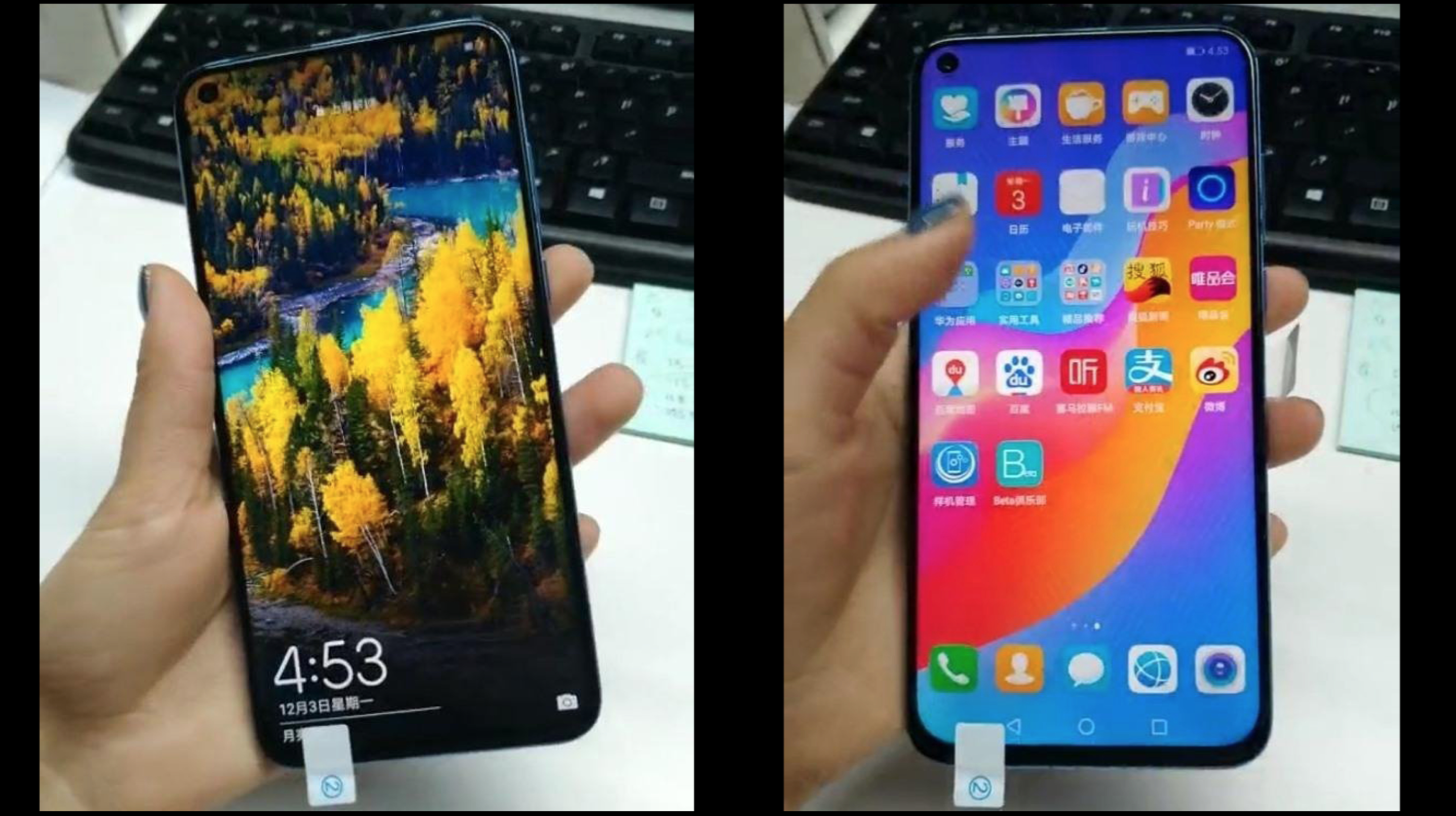
    The display of the alleged Nova 4 has a high screen-to-body ratio with minimal bezels on all four sides. The pictures reveal that the power button and the volume rockers are placed on the left of the device. The standout feature, the circular front camera cutout is placed on the top left side of the display. The three Android navigation keys are also placed on the screen. The handset has a modern looking User Interface and runs on Huawei’s EMUI skin which is built on an unspecified version of Android.

    Rear Design

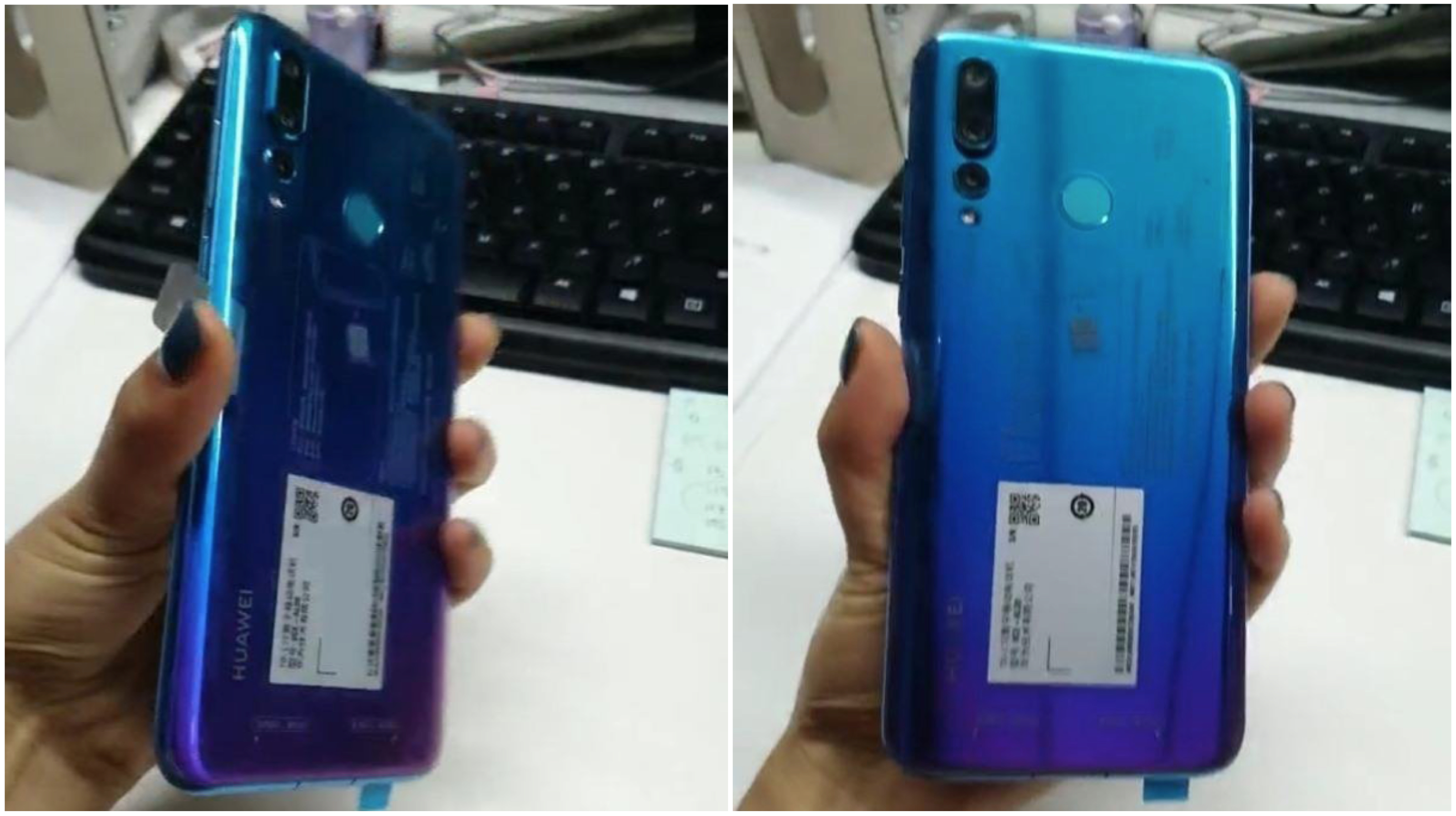
    The rear of the Huawei Nova 4 has a blue coloured gradient back panel like the previously launched Huawei P20. The back panel also harbors the fingerprint sensor, camera module, and the company branding. The rear camera setup is divided into two separate modules. The top two camera sensors are arranged in a vertical capsule shape while the third camera sensor is placed below it.

    Specifications

    Also Read: Meizu Launches M16th, M6T And C9 Smartphones In India

    The Huawei Nova 4 is expected to feature the 7 nm Kirin 980 SoC which is also present on the Huawei Mate 20 Pro. In terms of RAM & ROM, it will likely be available in two variants which are 6 GB RAM + 128 GB ROM and 8 GB RAM + 256 GB ROM. Other key specs and the price will only be announced after the company officially launches it on 17 December.


iGyaan Network
Privacy Overview

This website uses cookies so that we can provide you with the best user experience possible. Cookie information is stored in your browser and performs functions such as recognising you when you return to our website and helping our team to understand which sections of the website you find most interesting and useful.