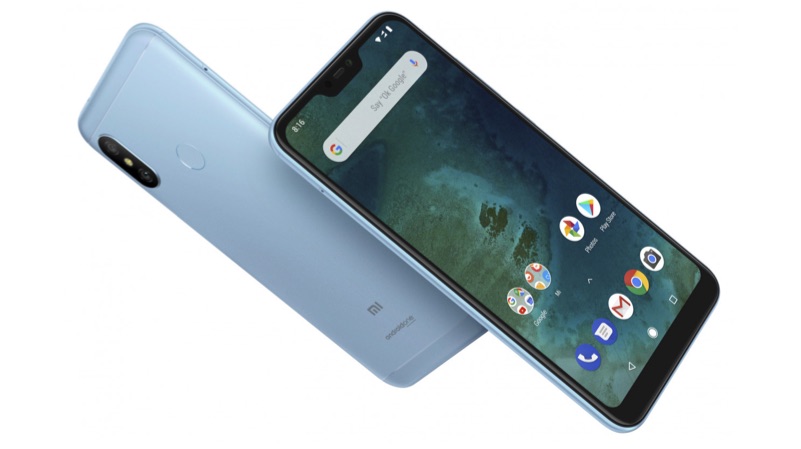
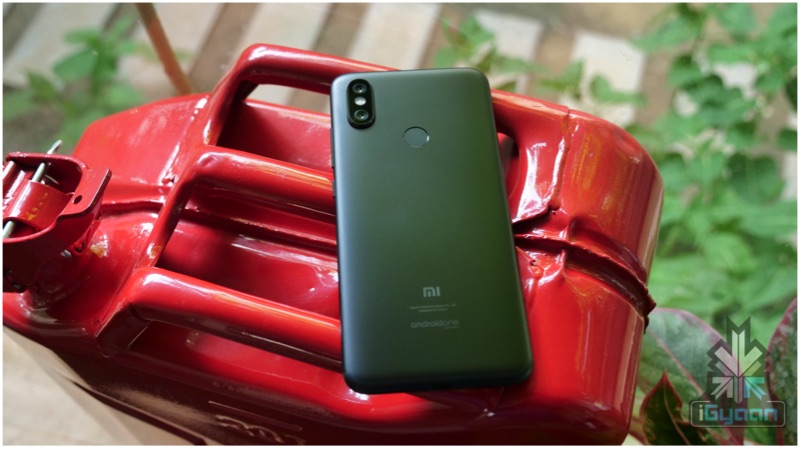
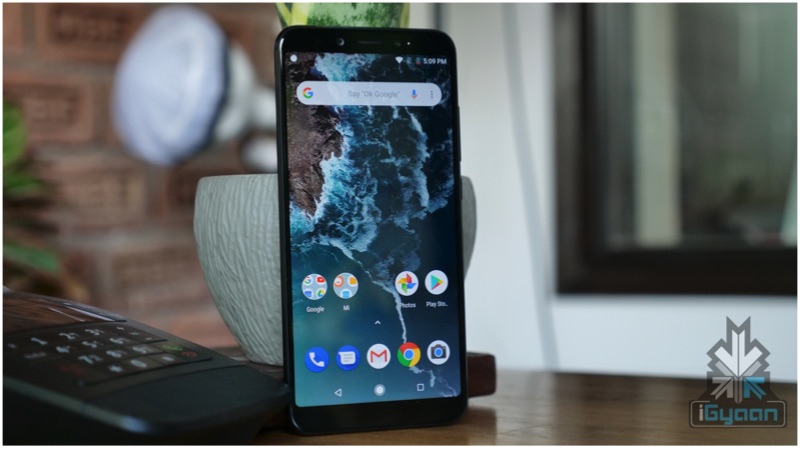
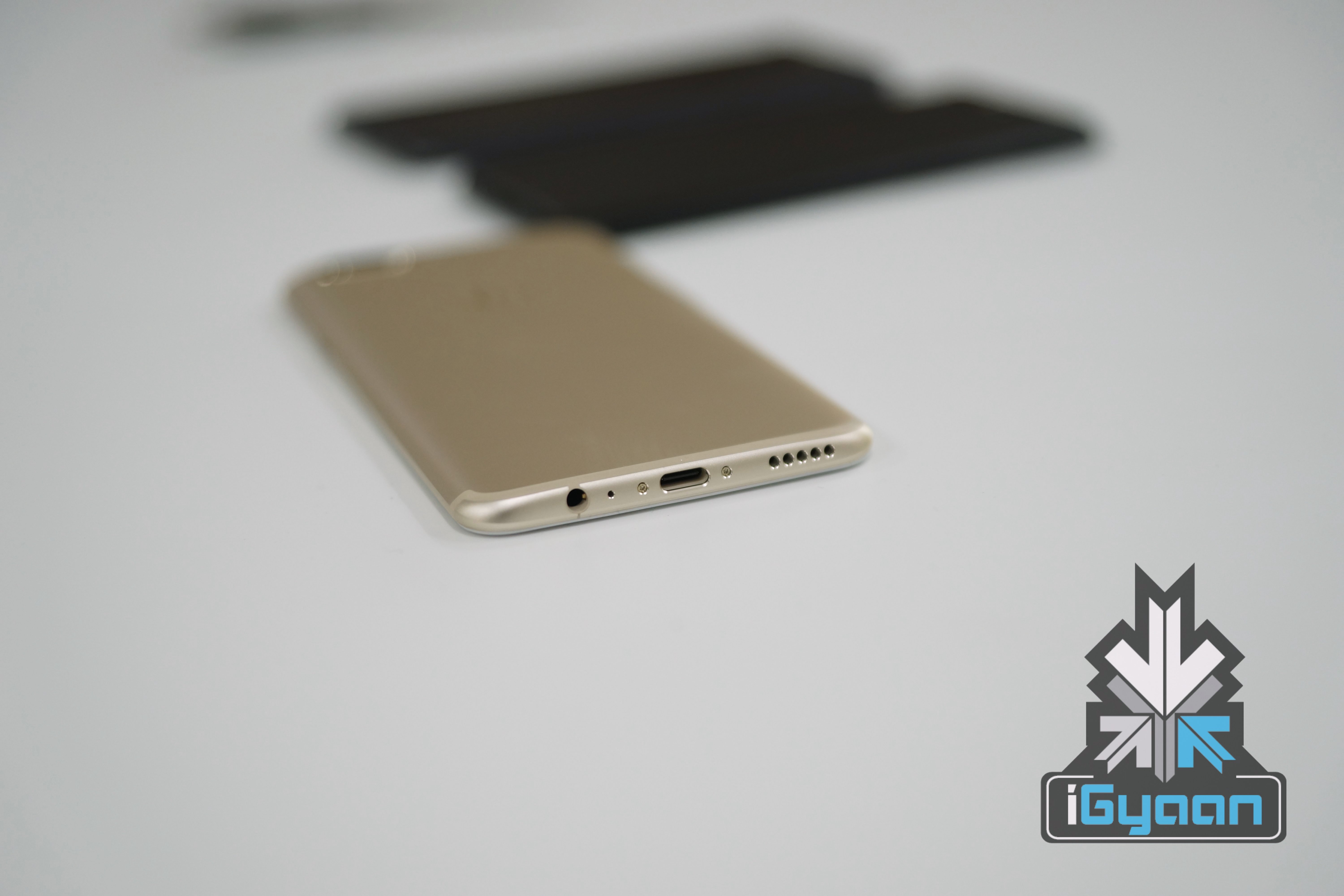
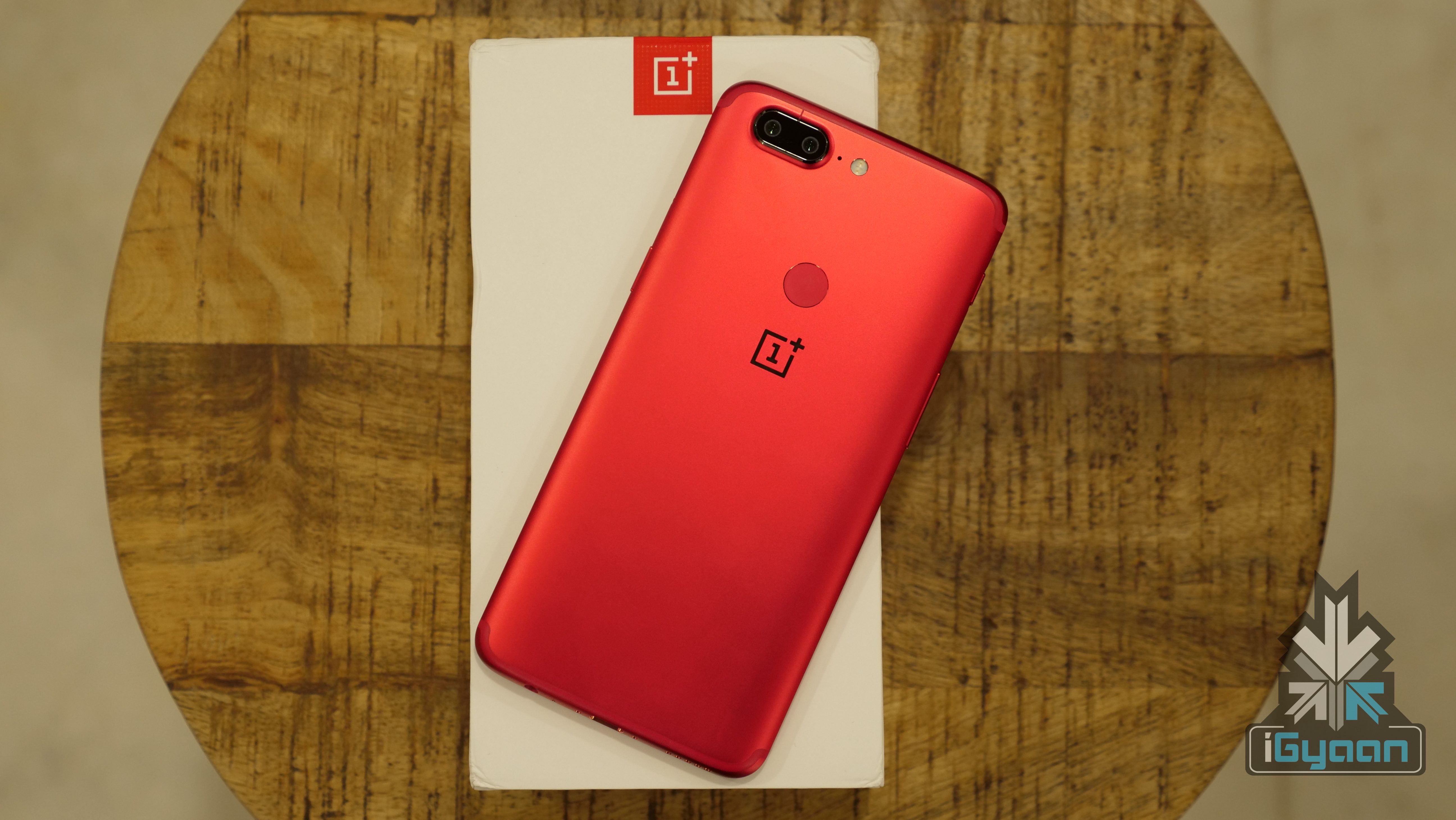
The Xioami Mi A2 and A2 Lite are the latest smartphones in the Mi A lineup. The smartphones have launched on 24th July globally in Madrid, Spain. Xiaomi claimed that it had sold close to 10 million devices in the month of September alone, making the Mi A1 one of the most bought smartphones of the year. Now, in the month of July 2018, the company has launched the Xiaomi Mi A2 and A2 Lite.
[section label=”Specifications”]
The display on the Mi A2 Lite is a 5.84-inch panel with an aspect ratio of 19:9 and a resolution of 2280 x 1080 px. The Mi A2 Lite sports a notch-display. The Xiaomi Mi A2 Lite has an IPS LCD panel. The Mi A2 Lite is powered by the Snapdragon 625 with the Adreno 506 GPU. This chipset also featured in the Mi A1. The Mi A2 Lite 12 has a total of three camera sensors. The primary camera has a 12MP sensor with a f/2.2 aperture and a 5 MP sensor with a f/2.2 aperture. The Mi A2 Lite two storage variants, a 3GB RAM with 32GB storage and a 4GB RAM with a 64GB storage. The smartphone also supports storage expandability of up to 256GB.
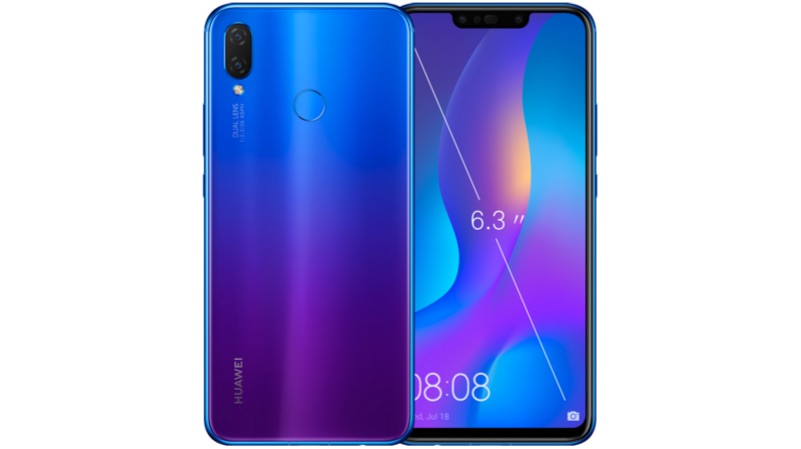
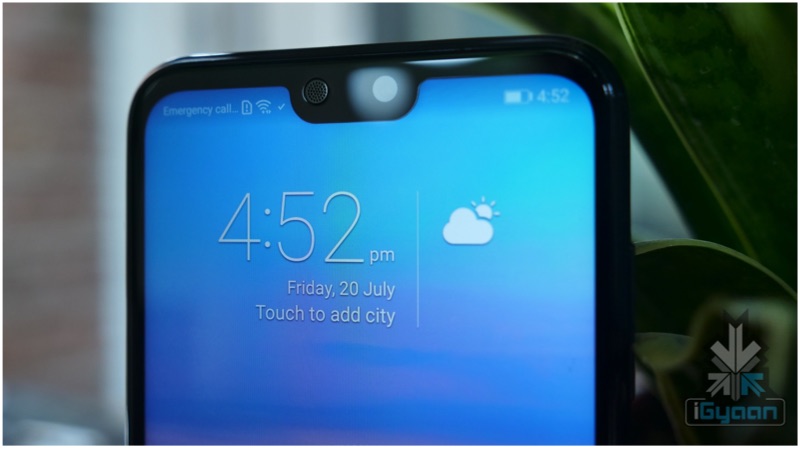
The company has been teasing the Huawei Nova series for a while. Now Huawei has made an official announcement for the India launch of the devices on Twitter. The Huawei Nova 3i will be launching in India on 26th July. The smartphone is expected to go on sale via Amazon for pre-order. The company did not make any announcements about the price. However, several leaks suggest the smartphone could go on sale for roughly Rs. 20,400.
[section label=”Specifications”]
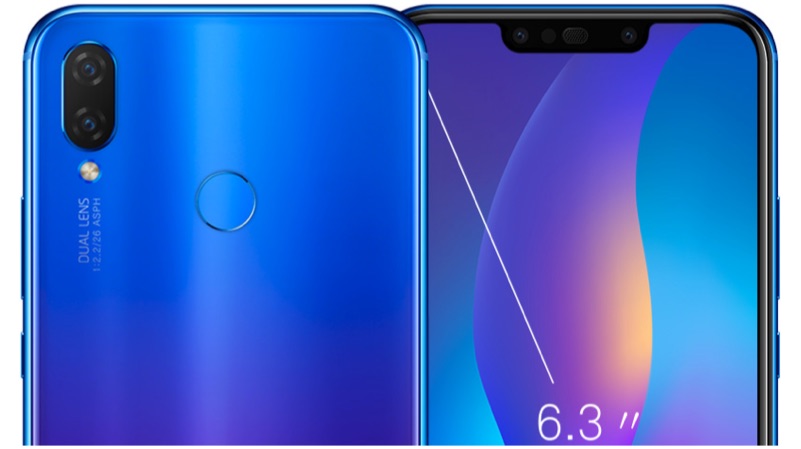
Huawei Nova 3i is one of the successors of the Nova 2 which the company announced back in May 2017. The smartphone sports the same colour options as seen on the Huawei P20 Pro. The Nova 3i features the notch on its display and a dual front-facing camera setup. The display on the Nova 3i has a 6.3-inch panel with an aspect ratio of 19.5:9 and a resolution of 2340 x 1080 px. The smartphone has an IPS LCD panel. The Nova 3i runs on a Hisilicon Kirin 710 chipset with the Mali-G51 MP4 GPU. The camera setup on the smartphone consists of a total of four sensors. The primary camera has a 16 MP sensor with a f/2.2 aperture and 2 MP depth sensor. Secondary camera of the device has a 24 MP sensor and another 2 MP sensor. The smartphone is available with a 4GB RAM and 128GB storage.
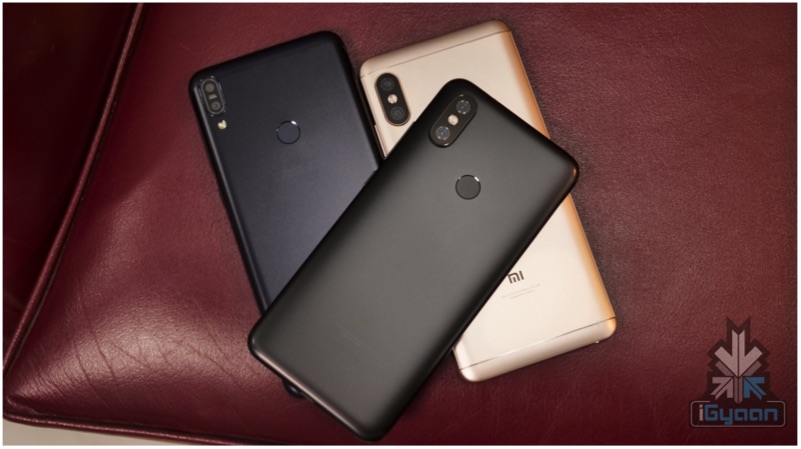
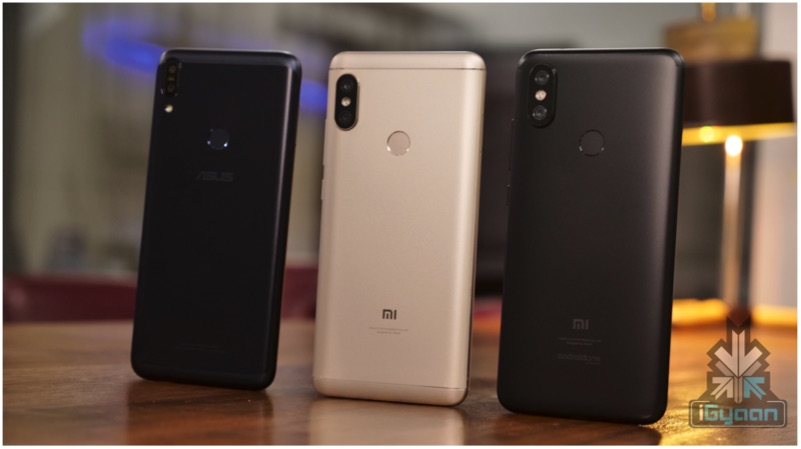
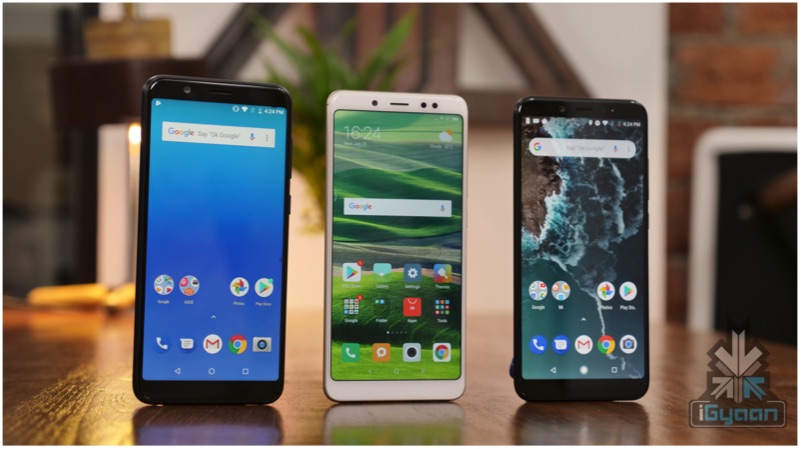
The mid-range segment for smartphones gives prospective buyers a lot of options to choose from. Sometimes the option can get a little overwhelming. The price bracket of Rs. 15,000 – Rs. 20,000 has the phones like the Redmi Note 5 Pro, the Zenfone Max Pro, and the latest Mi A2. The Zenfone Max Pro will go on sale with its 6GB variant tomorrow. Check out the full details of the launch here. With that said, it’s only natural that we put these smartphones side by side to see which one performs better. Given that the smartphones have a lot in common.
Redmi Note 5 Pro vs Zenfone Max Pro vs Mi A2, What’s Same And What’s Different?
The Xiaomi Redmi Note 5, Zenfone Max Pro and the Mi A2, all follow the same design of glass front panel with an aluminum body. All the three smartphones have a 5.99-inch display with a 2160 x 1080px resolution with an 18:9 aspect ratio. Under the hood, the Redmi Note 5 Pro and the Zenfone Max share the same Qualcomm Snapdragon 636 chipset. While the Mi A2 runs on the Snapdragon 660. The Redmi Note 5 Pro and the Mi A2 is available with 4B or 6GB of RAM. Whereas, the Zenfone Max Pro is available with 3GB, 4GB, or 6GB of RAM. The Zenfone Max Pro has two storage variants, either 32GB or 64GB. The Redmi Note 5 Pro has is only available with 64GB storage. The Mi A2 has three variants with 32GB, 64GB, or 128GB of storage. All three smartphones have expandable storage using microSD card slot.
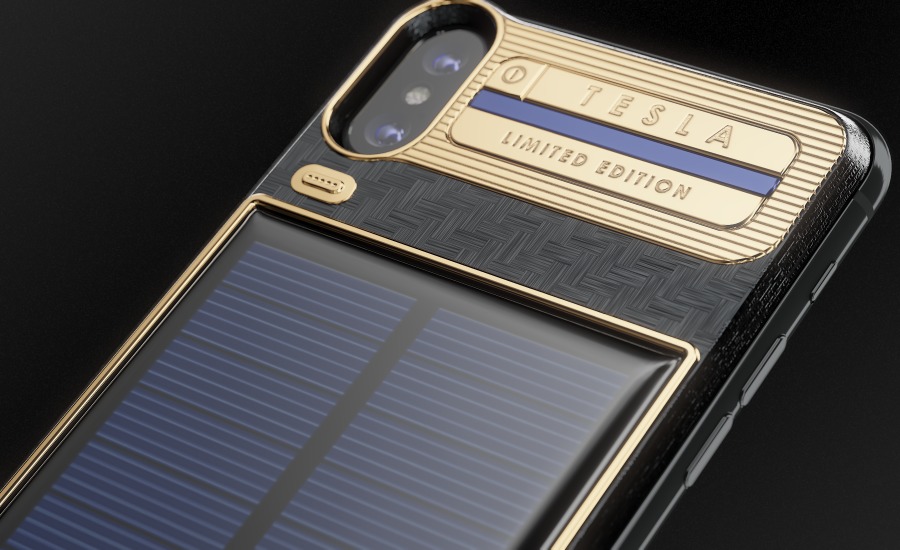
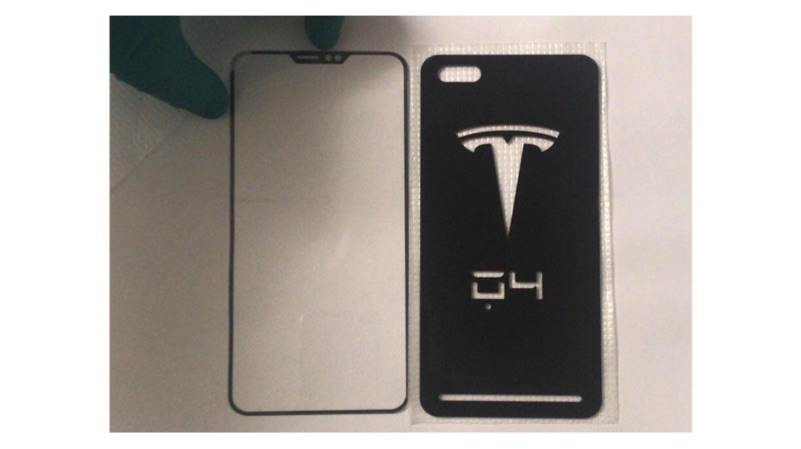
Smartphones have been around for a while now. Ever since the first iPhone and the first Android Phone arrived, people have had an affinity towards owning a smartphone. In the past few years, smartphones have evolved a lot in terms of their aesthetics and performance. However, even to this day, we know that an average battery life of a smartphone is at most two days. This could soon change, as a few images a front and back panels of a Tesla smartphone were leaked.
Tesla Model 3 via arsTECHNICA
Why Might Tesla Make A Tesla Smartphone?
Tesla is a company which makes some of the most elegant looking, and high-performance electric cars. From the Model S to the Model X, Tesla cars have shown the world that electric cars can potentially outperform petrol or diesel cars. While smartphones with a Qualcomm chipset have Quick Charge capabilities, Tesla cars have Supercharger charging stations. These stations can charge a Tesla car in just half an hour. Tesla also makes its own batteries which can power an entire home and use solar energy for charging. Imagine such a company making a smartphone. The leaked images suggest this might not be a distant dream after all. A Tesla smartphone could change the way in which we perceive design, battery life, and overall performance of a smartphone. Hence it would make sense for Tesla to enter the smartphone market.
Tesla Model X
What Do The Leaks Reveal About The Tesla Smartphone?
As seen from the images, the front panel has a considerably thin notch cut-out. The back panel has a cut-out for the camera below which is the Tesla logo. Right below the logo the number 4 is inscribed after what seems to be the letter “Q”. So it is quite possible that the Tesla smartphone may launch at the Tesla “Q4”. With that said, we should keep our anticipations in check as these images could turn out to be fake or simply accessories for a smartphone. It is not really that hard to print smartphone panels using a 3-D printer.
Tesla Smartphone Leak
What Are Our Prediction For The Tesla Smartphone?
If Tesla will actually launch a smartphone then we expect it to have a giant battery packed into a small form factor. Tesla may also closely integrate its smartphone companion app for Tesla cars with the device. The smartphone could also have an in-display fingerprint sensor and a face unlock. Since its cars have focussed on implementing AI and autonomous functionality, we could see those features in its smartphone as well.
Companies like Huawei have partnered with car companies in the past to launch their smartphones. Huawei launched the Porche design Mate RSin partnership with Porche. The recently launched, Oppo Find X also has a special Lamborghini Edition. So there is also a possibility that this smartphone could be a special edition variant from one such company. Tesla or Elon Musk are yet to comment on these leaks and put an end to speculations once and for all. Nonetheless, we will be on the lookout for more news about the Tesla smartphone.
Sony might release the Sony Xperia XZ3 in its IFA 2018 press conference scheduled for 30th August. However, before the launch, the leaks for the smartphone reveal that it might have an all glass or at least a glass back design and no headphone jack. We speculate that this smartphone could feature the Corning Gorilla Glass 6, which launched on 18th July.
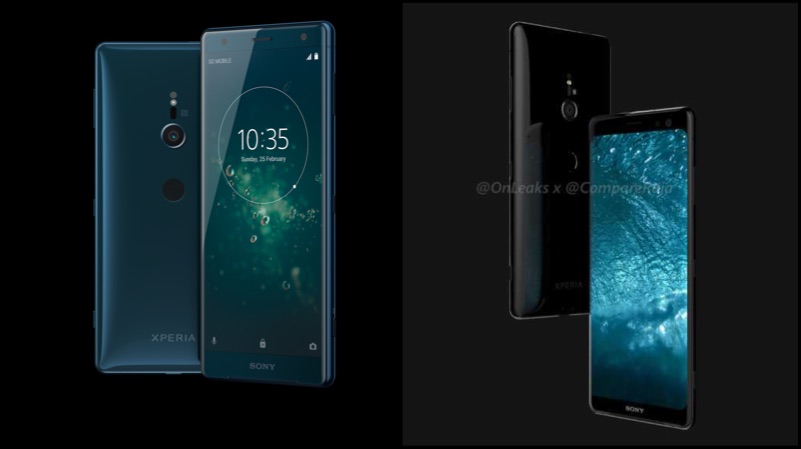
There is no doubt that Sony is one of the top camera sensors manufacturers. Many smartphone brands use these sensors for their devices. However, its own smartphone lineup has not been doing so well. While the company had a relatively profitable year in 2017, the profits made were because of the price cuts. Sony does not lack behind when it comes to bringing innovation with its smartphones. With the Xperia XZ2, Sony became the first brand to introduce a 4K HDR display on its device, along with 960 fps slow-motion video recording capabilities. Even with such innovative features, Sony has not been doing well in the market. The reason could have something to do with the lack of design changes in its smartphones. The new leaked renders for the Sony Xperia XZ3 also seem to hint at the same design the company followed with the Xperia XZ2 lineup.
Left: Xperia XZ2, Right: Xperia XZ3
If the image above is anything to go by then, the company has again decided not to dwell into design changes with the Sony Xperia XZ3. Apart from curved edges on the display not much seems to have changed in the new smartphone.
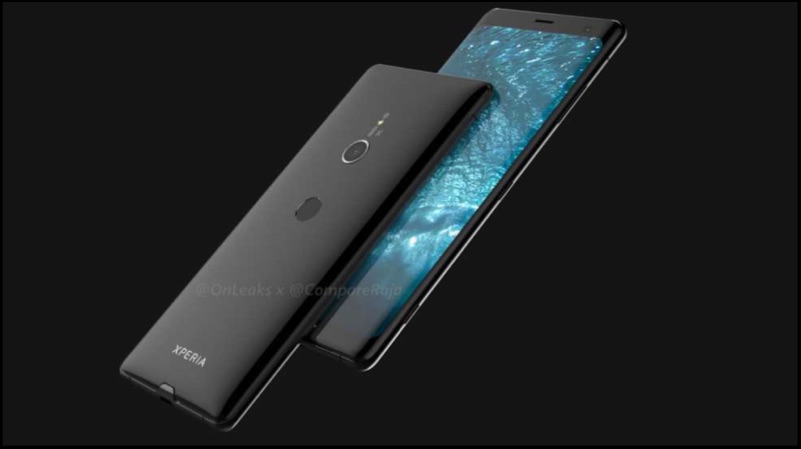
Xperia XZ3
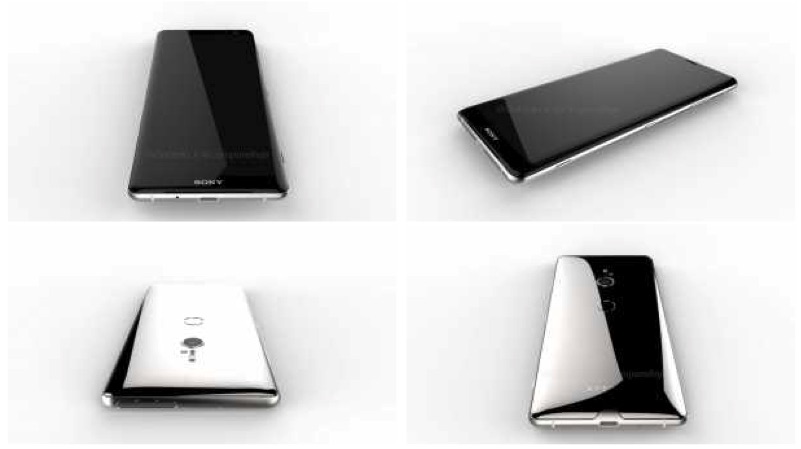
While this image shows the device in a black colour variant, other renders reveal white/silver variant as well. What is worth noting, is that in any of the renders, we could not find a headphone jack. Apart from the design, this is also something that the smartphone has in common with its predecessor. The renders of the Sony Xperia XZ3 also show that the smartphone has a single rear-facing camera. Right below the camera, you will find the fingerprint sensor.
Xperia XZ3 Renders
It is clear from the renders that the design changes will be to a bare minimum if any. What remains to be seen is what new features the Sony Xperia XZ3 would bring which we haven’t already seen in 2018. Although very little is known about the smartphone but we speculate that it will run on the Qualcomm Snapdragon 845 Chipset and have AI capabilities in its camera. A benchmark with a model number H8416 has appeared on GFXBench featuring a camera with whopping 47MP resolution. We expect this to be the Sony flagship cameras for future smartphones, and yo may see major brands utilise this. Sony recently launched the 48MP IMX586 sensor which could be this very sensor.
Sony has suffered in the market due to poor pricing decisions, especially in a price sensitive market like India. The company also has been late to the market with its smartphones. And lastly, the specifications Sony chooses for its devices are seldom up to the mark, especially the design. If the company can make the necessary changes, it can potentially give the likes of Samsung and Apple a run for their money.
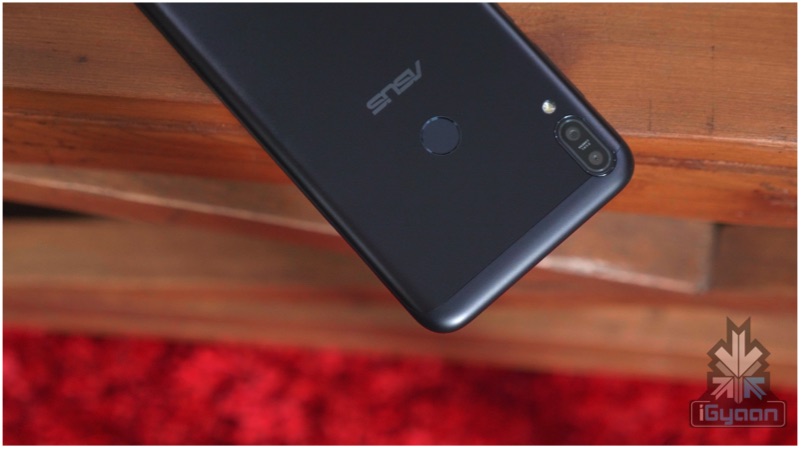
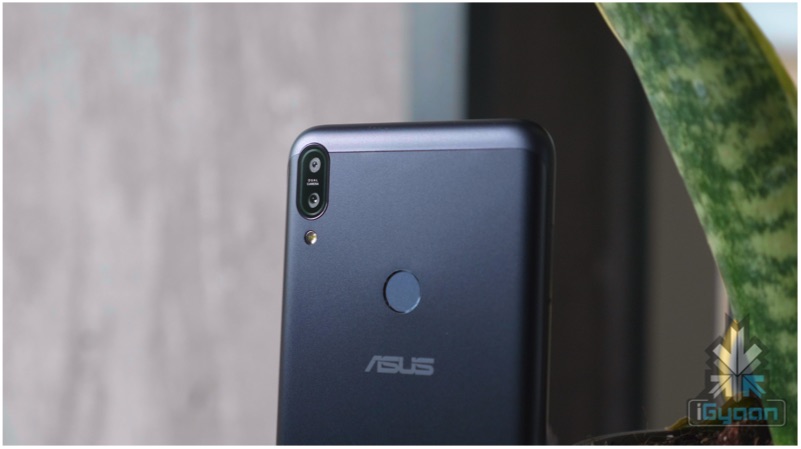
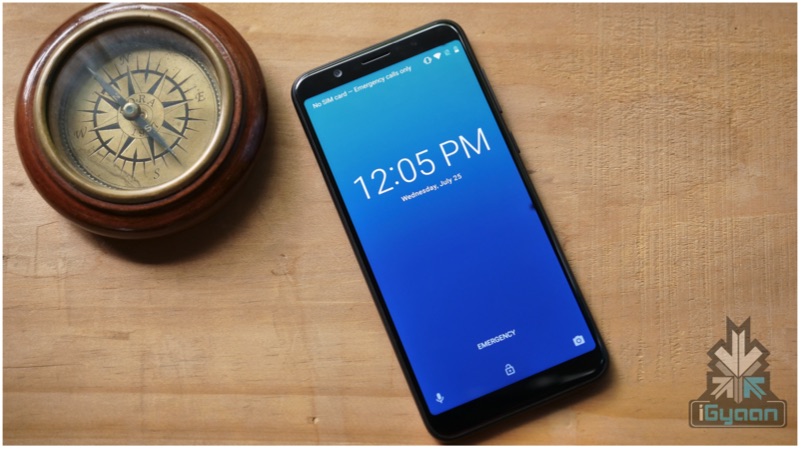
Asus launched the Zenfone Max Pro M1 in April. The company touted the smartphone as the device running on a completely stock version of Android 8.1 Oreo. During its initial launch, the smartphone only had two storage variants, a 3GB RAM with 32GB storage and 4GB RAM and 64GB storage. The company had promised to launch a 6GB variant of the smartphone, and it has finally delivered on its promise. The Zenfone Max Pro M1 with 6GB RAM will go on sale exclusively via Flipkart from 26th of July. Keeping in mind the track record of the previous sale, the 6GB variant may not last long. So those who were waiting for this variant should be on the for the smartphone on 26th July at 12 PM.
Zenfone Max Pro
Why A Zenfone Max Pro M1 With A 6GB Variant?
Asus launch of a 6GB variant of the Zenfone Max Pro M1 could have something to do with the competition. The Xiaomi Mi A2 which is another mid-range smartphone has a 6GB RAM variant. So, it was only natural for Asus to launch a mid-range smartphone with a 6GB RAM variant. Since the Zenfone Max was launched recently, the company decided to launch its additional variant.
What’s Changed With The Zenfone Max Pro M1 6GB Variant?
Apart from a new RAM and storage variant, a few other specifications have changed. The 6GB variant also has a new camera setup. The front-facing camera has a 16 MP sensor with f/2.0 aperture and a 5 MP sensor with a f/2.4 aperture. The older variants had a 13 MP and a 5 MP sensor. For the front facing camera, the 6GB variant has a 16 MP sensor as opposed to the 5 MP on the older variant. The new variant has the same 5.99-inch IPS LCD panel with a 2160 x 1080 px resolution and 18:9 aspect ratio as the older versions.
Zenfone Max Pro Display
Pricing And Availability
The Asus Zenfone Max Pro M1 with 6GB RAM and 64GB storage will go on sale in India via Flipkart on 26th July starting from 12 PM. The smartphone will cost Rs. 14,999. You can buy the smartphone via this link. The smartphone will compete with the likes of the Redmi Note 5 Pro, which has a similar spec sheet and price tag.
Ahead of its launch on 9th August, the Samsung Galaxy Note 9 has already caught a lot of attention. There are a lot of rumours, leaks, and speculations about the smartphone. We already know about the all-new S-Pen and its Bluetooth connectivity. Now a leak suggests that Samsung will launch a 512GB storage variant of the smartphone.
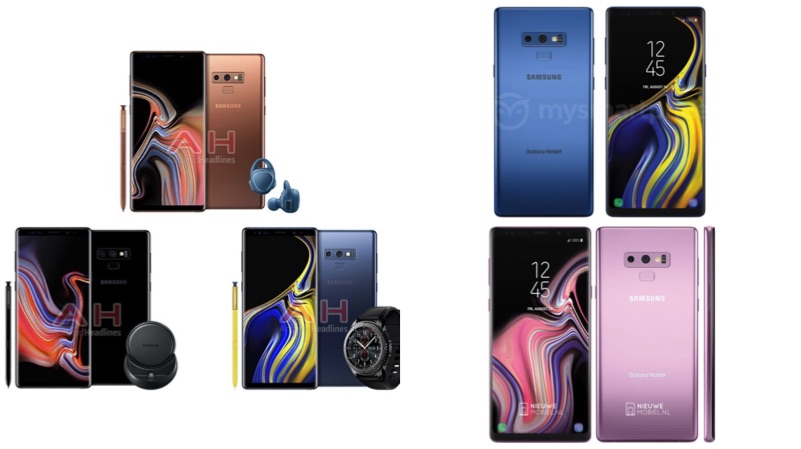
In previous leaks of the Samsung Galaxy Note 9, we saw a few of its colour variants, namely, Black, Brown, Lilac Purple, and Coral Blue. Some of the images also showed a few colour variants of the S-Pen as well.
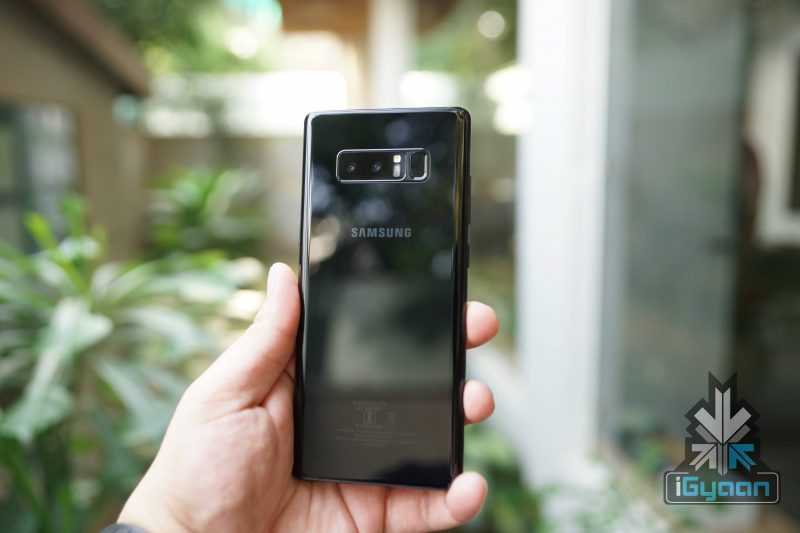
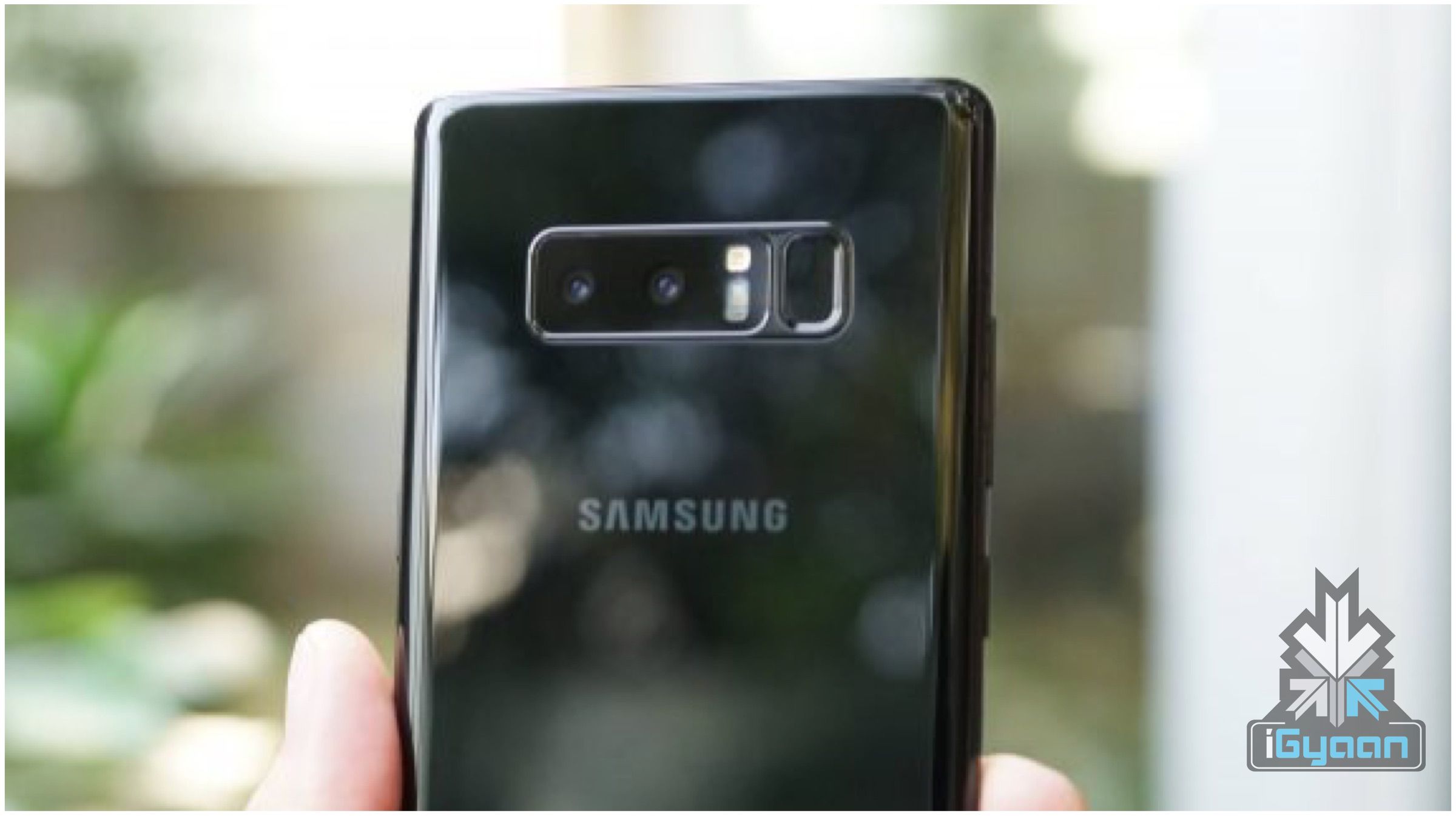
Comparing these images with the Galaxy Note 8, we see that there is not a significant change in the design. There is only one noticeable difference between the Note 8 and the Samsung Galaxy Note 9. While the fingerprint sensor on the Note 8 is alongside the cameras, the Galaxy Note 9 features the fingerprint sensor below its camera setup.
Galaxy Note 8 Fingerprint
Samsung has been closely competing with Apple in terms of their flagship pricing. While the older Galaxy Note 8 started at a price of Rs. 67,900, the Samsung Galaxy Note 9 could start at a price of US $1,228 (Rs. 84652.18 approx) for the 128GB variant. This is quite close to the price of the iPhone X, which was launched in 2017. There may be 64GB, 256GB, and 512GB variants of the device. However, the leak suggests that the 64GB and 256GB variants will not be sold in the European market. The 512GB variant of the smartphone may have a price tag of $1,465 (Rs.1,01,004.43 approx). We are hoping that the smartphone features the new Gorilla Glass 6 considering the price point of the device.
A general expected price point even for a flagship was close to about $600 – $700 (Rs. 41,000 to Rs. 48,000). After the launch of iPhone X, the price of a smartphone is now comparable to a top of the line laptop. Now with Samsung Galaxy Note 9, we are approaching new price points for smartphones, this smartphone price trend is a bit concerning. However, we can take comfort in the fact that mid-range smartphones are now offering flagship-like performance for a significantly cheaper price point.
When Xiaomi launched the Mi A1 back in September 2017, it also revealed the company’s sales figure for the month. Moreover, the Mi A1 was also the company’s first Android One device. The was also the company’s first smartphone in the Mi A series. Xiaomi claimed that it had sold close to 10 million devices in the month of September alone, making the Mi A1 one of the most bought smartphones of the year. Now, in the month of July 2018, the company has launched the Xiaomi Mi A2 and A2 Lite. While not much has changed from the Mi A1 to the Mi A2, there are still a few things that the company has decided to differently with the latter. The smartphone has launched on 24th July globally in Madrid, Spain.
The only similarity which both the Mi A1 and the Mi A2 share is that both of them are Android One devices, other than that, the company has introduced a lot of changes. The Xiaomi Mi A2 has a front glass design and an aluminum body. The display on the Mi A2 is a 5.99-inch panel with an aspect ratio of 18:9 and a resolution of 2160 x 1080 px. This display is an IPS LCD panel. Whereas, the Mi A1 has a 1920 x 1080 px IPS LCD panel.
Mi A2 Lite
Powering the Xiaomi Mi A2 is a Qualcomm Snapdragon 660 chipset with the Adreno 512 GPU. Whereas, the Mi A1 had the Snapdragon 625 with the Adreno 506 GPU.
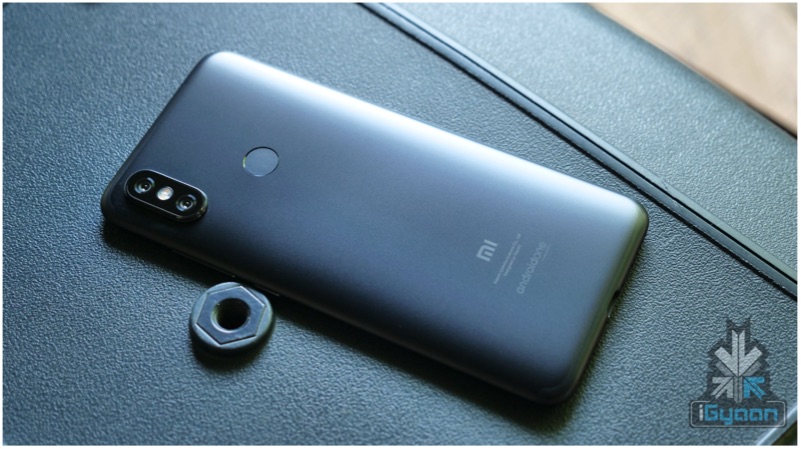
The camera setup on the Mi A2 consists of a total of three sensors. The primary camera has a 12 MP sensor with a f/1.75 aperture and another 20 MP sensor with a f/1.75 aperture. Secondary camera of the device is a 20MP sensor with front-facing LED flash and a f/2.2 aperture. While the Mi A1 had a primary dual-camera with two 12MP sensors.
Mi A2 Camera
What Xiaomi could have also done differently is add a fast charging capability to the Mi A2 since the chipset supports Qualcomm Quick Charge 4 technology. There are three storage variants of the Xiaomi Mi A2, a 4GB RAM and 32GB storage, 4GB RAM and 64GB storage, and a 6GB RAM and 128GB storage variant.
Why The Mi A2 Lite?
Even though the Mi A1 did really well, especially in the Indian market, many complained that the smartphone was slightly on the expensive side. To address this issue, Xiaomi has launched announced the Mi A2 Lite. The smartphone is advertised as the “entry-level Android One king”. Entry-level, because, the price of the Mi A2 could be under the Rs. 15,000 price bracket.
MI A2
While there is no word about whether this device will be launched in India, but we can expect it to arrive in India under another alias.
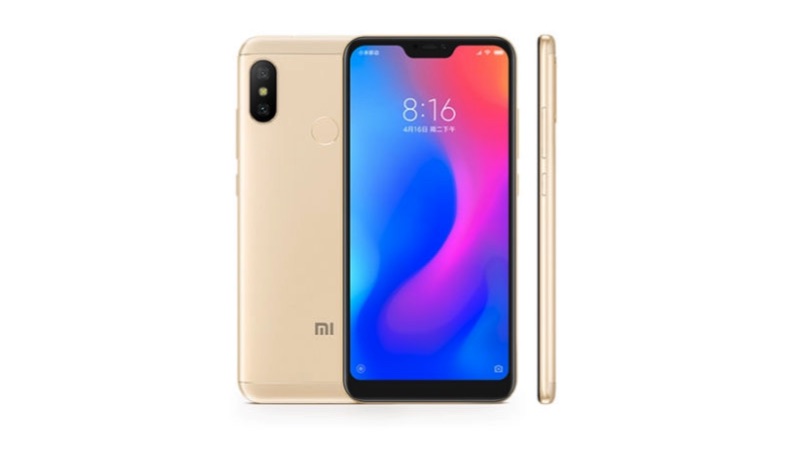
The display on the Mi A2 Lite is a 5.84-inch panel with an aspect ratio of 19:9 and a resolution of 2280 x 1080 px. The Mi A2 Lite sports a notch-display. Both the Xiaomi Mi A2 and A2 Lite have an IPS LCD panel. The Mi A2 Lite is powered by the Snapdragon 625 with the Adreno 506 GPU. This chipset also featured in the Mi A1.
Pricing And Availability
The Mi A2 starts at a price of €249 (Rs. 20,071.20 approx) for the 32GB variant, with the 64GB costing around €279 (Rs. 22,500.42 approx), and the 128GB variant around €349 (Rs. 28,145.69 approx). While the Mi A2 Lite will start at €179 (Rs. 14,434.23 approx). The Mi A2 will go on sale in Spain starting 10th August, in France on 27th July, and in Italy and India on 8h August. While the Mi A2 will be available in India, the Mi A2 Lite will be sold in countries other than India.
Xiaomi celebrated its first Android One anniversary with the launch of the Xiaomi Mi A2 and A2 Lite. The company has also emphasized the AI capabilities of both the smartphones through the launch. While you have to wait for our full review of the Mi A2, we already have an unboxing video ready for the smartphone. Take a look.
OnePlus follows a trend of releasing T version of its smartphones after a few months of the original device. The OnePlus 5 and OnePlus 5T follow the same trend. The OnePlus 5 launched on 20th June 2017, followed by the OnePlus 5T which launched on 21st November 2017. Now the OnePlus 6 is the company’s new 2018 flagship and it has brought some features which are unique to the smartphone, including the portrait selfie mode. This mode takes selfie shots with a bokeh effect in the background. The company is now planning to bring this feature to the OnePlus 5 and 5T.
OnePlus 5 Gold
OnePlus hosted Open Ears Forum event in India which happened on 7th July 2018. It is in this event that OnePlus confirmed about the selfie portrait mode update for the OnePlus 5 and OnePlus 5T.
The OnePlus 6 did have the portrait mode feature out of the box but only for the rear-facing dual cameras. Rather, the smartphone received an OTA (Over The Air) OS update for OxygenOS 5.1.6. The smartphone takes these portrait mode selfies by solely depending on the software processing of the image. The OnePlus 5 and 5T users will also get a similar experience. The front-facing camera on all the three devices; OnePlus 5, OnePlus 5T, and the OnePlus 6, is a 16MP sensor. So, all the devices should produce a similar type of portrait image, but we will have to wait until the update is available to gauge better.
What is worth noting is, both the OnePlus 5 and the OnePlus 5T run on previous year’s Snapdragon 835 chipset. So, it will be interesting to see how well the selfies taken with these smartphones do against the ones taken with the OnePlus 6.
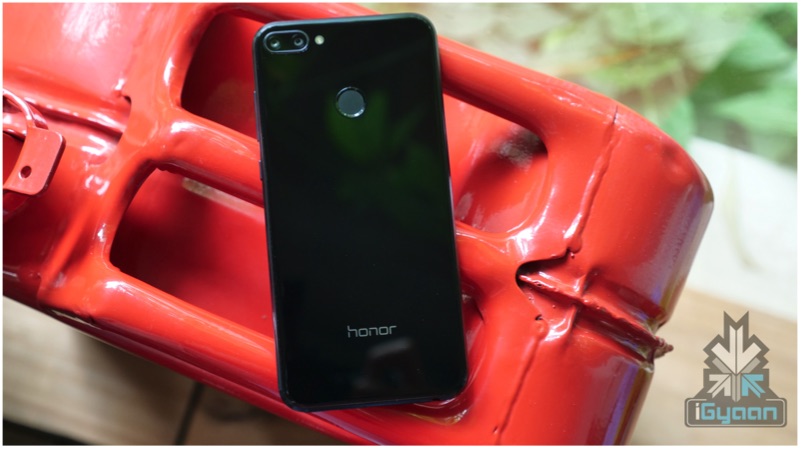
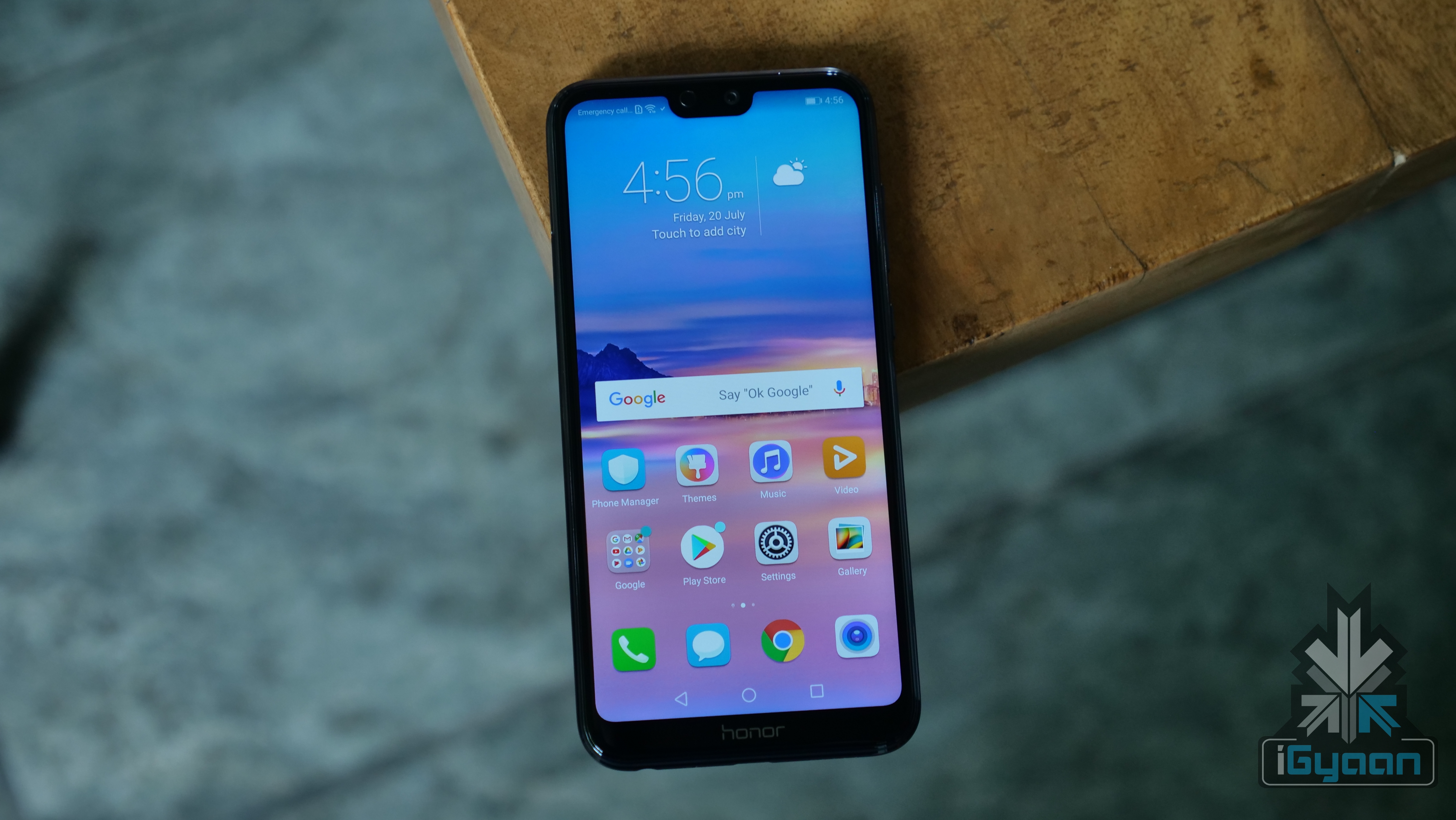
Honor has launched, what effectively is their update to the Honor 9 lite, the Honor 9N. The new phone from the company has a starting price of Rs. 11,999. Honor continues to stress the fact that smartphones don’t necessarily have to cost a lot to offer flagship-like features. The company plans on selling the smartphone exclusively via Flipkart from 31st July at 12 PM. We can expect this to be a flash sale so prospective buyers should be ready to place their orders as soon as the device is live on Flipkart. The smartphone will also be available on Honor’s own website.
Display And Design
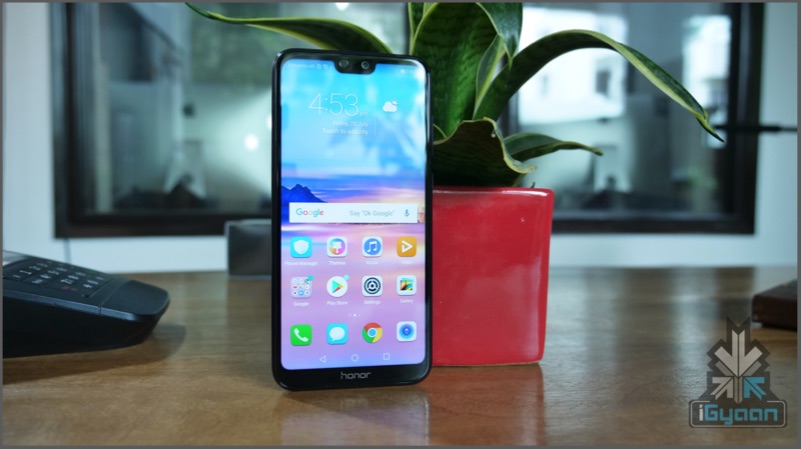
The Honor 9N, while a mid-range smartphone, has impressive specifications and features. Starting with the display, the phone features a 5.84-inch Full HD+ 2160 x 1080 px screen. The display follows a 19:9 aspect ratio. The smartphone has a striking similarity to the Honor 9 Lite. One of the reasons for this could be that both devices belong to the same lineup. With the exception of a microphone, which sat between the rear-facing camera and LED flash in the Honor 9 Lite. In the case of the Honor 9N, the two microphones sit on the top and bottom of the device.
Honor 9N Display
Specifications
Honor 9N uses the EMUI 8.0 which is the company’s custom ROM based on Android 8.0 (Oreo). We can expect the phone to later be updated to Android 9. The smartphone is powered by the Kirin 659 chipset which is an octa-core SoC. Out of the eight cores, four run at 2.3 GHz and the other four at 1.7 GHz. The SoC has the Mali-T830 MP2 GPU in it as well. The smartphone also has three storage variants. The 3GB RAM and 32GB internal storage variant will cost Rs. 11,999. The 4GB RAM and 64GB variant will cost Rs. 13,999. And lastly, the 4GB RAM and 128GB variant will cost Rs. 17,999. The smartphone also has a microSD card slot allowing users to expand storage up to 256GB.
Camera
Huawei has been proactively implementing AI to its smartphones and the Honor 9N is no exception. The major area where the AI capabilities of the device will be evident is in the camera. The camera setup on the smartphone consists of a total of 3 cameras. The primary camera has a 13 MP sensor and 2 MP sensor. The secondary camera on the device is a 16MP sensor which the smartphone will also use for face-unlock.
The Honor 9N is yet another mid-range smartphone offering a neat design and a value for money performance. The current trend of mid-range smartphones goes out to show that you do not have to own a flagship in order to enjoy a similar experience. Smartphone manufacturers are making sure that users still get an uncompromising experience without having to spend a lot of money. Stay tuned to iGyaan for a full review of the smartphone. Here’s the link to buy the Honor 9N.
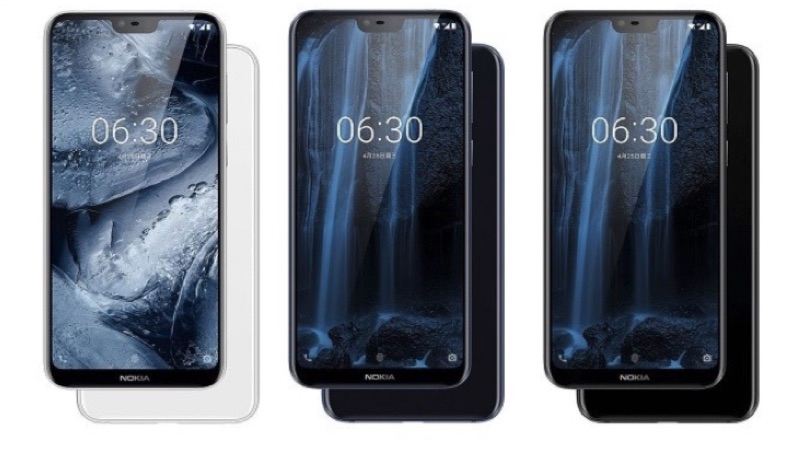
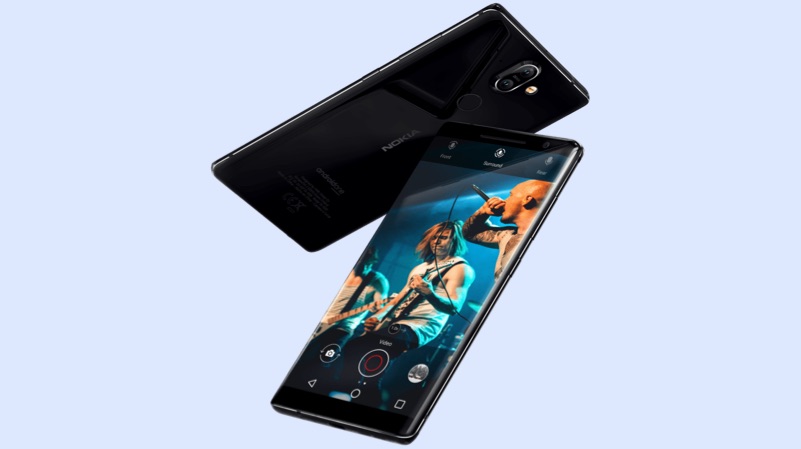
When Nokia announced the mid-range Nokia X6 in China, people were expecting that the device will launch globally as well. The Nokia X6 starts at CNY 1,299 (Rs. 13,190.55 approx) and is on sale in China. Nokia has now launched the Nokia 6.1 Plus which is the Android One global variant of the Nokia X6. An Android One device is an unmodified variant of the Android OS, providing the device with a clean and bloatware-free experience. The Nokia 6.1 Plus is expected to go on sale on the 24th of July in Hong Kong, following which the phone will be available globally.
Nokia 6.1 Plus
Most of the phones Nokia is launching belong to the mid-range segment, with the exception of phones like the Nokia 8 and the Nokia 8 Sirroco. And, the Nokia 6.1 Plus is yet another mid-range smartphone. While there are certain rumours which indicate a new Nokia flagship is on its way in 2018, Nokia has been catering more to the budget-friendly price segments in the recent years.
The display on the Nokia 6.1 Plus is a 5.8-inch IPS LCD display with a 2280 x 1080 px resolution. The aspect ratio of the device is 19:9. The device uses Corning Gorilla Glass 3 for its front and back glass panels and it also has an aluminium frame. The smartphone is available in Black / Copper and White / Iron colour variants.
The Nokia 6.1 Plus is an Android One device which has the latest Android 8.1 (Oreo) out of the box. The device runs on the Qualcomm Snapdragon 636 SoC. This is an octa-core 1.8 GHz Kryo 260 chipset paired with the Adreno 509 GPU.
The storage variant available globally for the Nokia 6.1 Plus is 64GB with 4GB RAM. While the internal storage is low, the smartphone allows you to use a MicroSD card of up to 400GB to expand storage.
The camera setup of the Nokia 6.1 Plus sports a total of three cameras. The primary camera setup has a 16MP sensor with f/2.0 aperture and a 5MP depth sensor with f/2.0 aperture. The secondary camera is a 16MP sensor with a f/2.0 aperture. Powering the smartphone is a 3,060 mAh Li-Ion battery.
Chipsets in smartphones are becoming powerful as well as power-efficient as they evolve further. While the Snapdragon 636 is a good SoC for a mid-range smartphone, Huawei offers AI-capabilities for the same price as well. A device like the Huawei Nova 3i uses the Kirin 710 SoC which can handle AI computation. The Nokia 6.1 Plus will most likely launch in India in the month of August or September. It will be interesting to see how well the smartphone does in the Indian market.
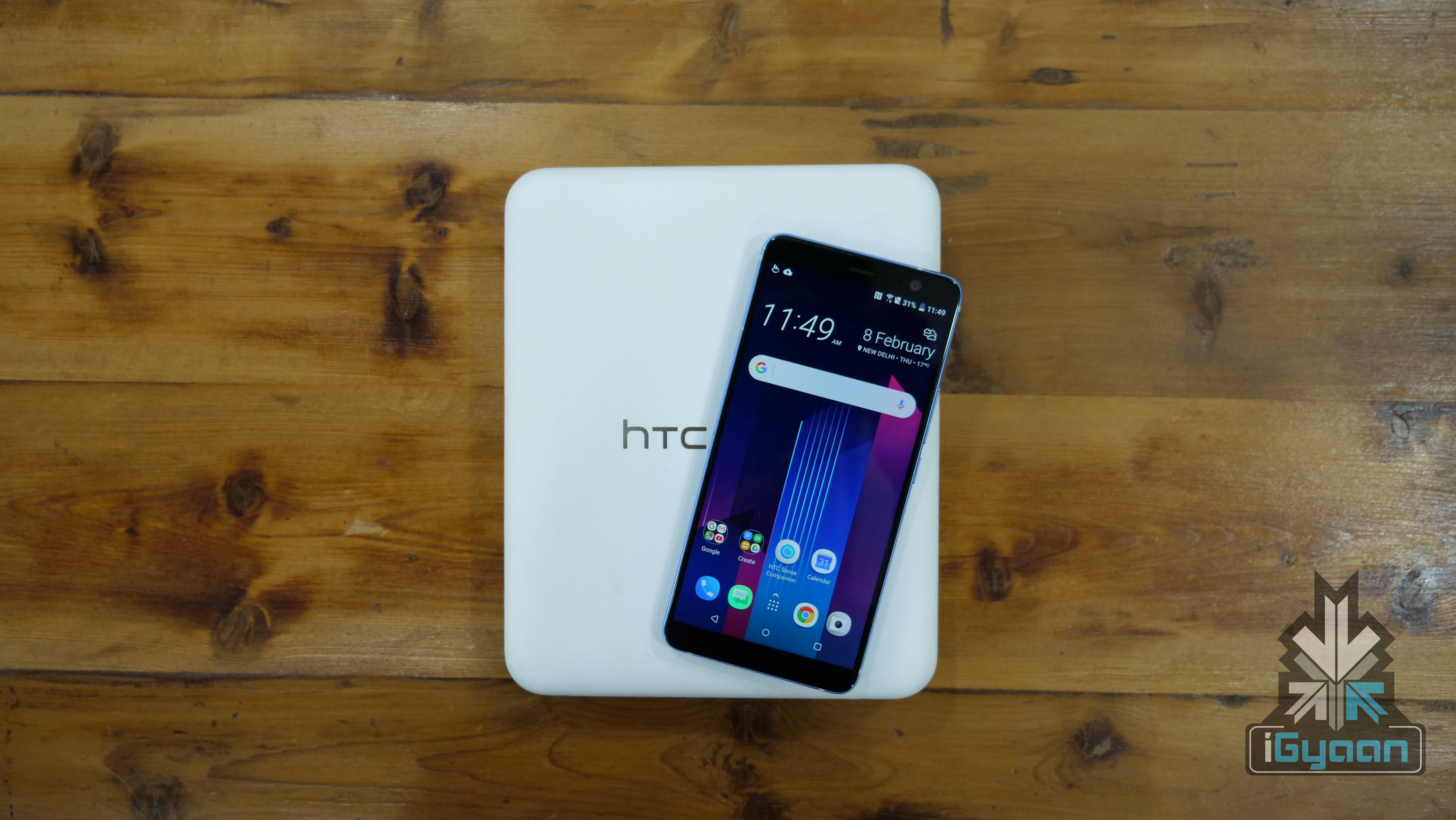
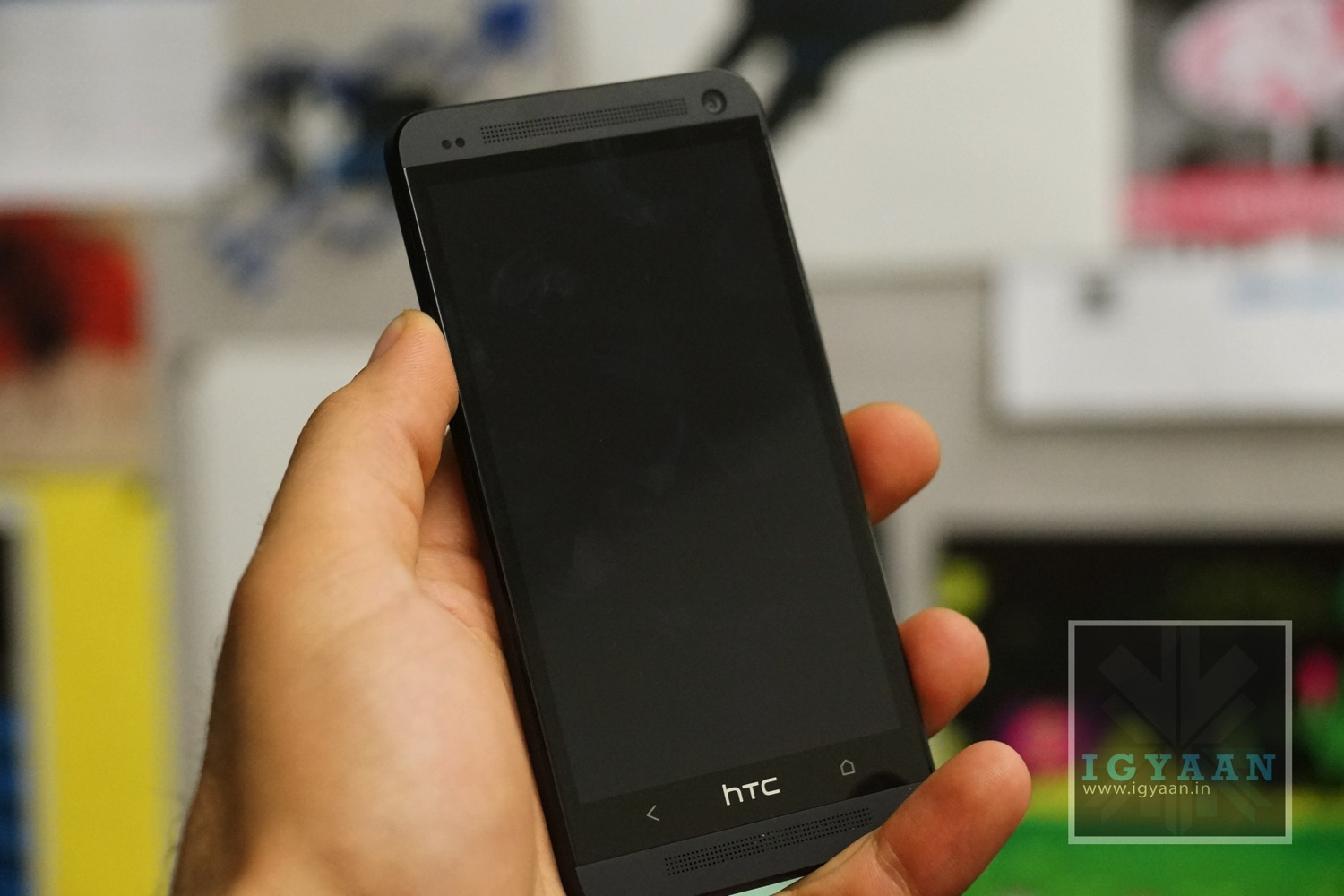
With their sales dipping year after year, HTC might just call it quits in the Indian market. The company has been facing a bit of trouble across its global markets and are struggling to keep their sales figures up as well. In a recent report by the Economic Times, the resignation of Country Head Faisal Siddiqui, Sales Head Vijay Balachandran and Product Head R Nayyar has left the Indian arm of the company in dire straits. In a stunning move, the company has asked around 70 to 80 of its Indian employees to leave the company with only Chief Financial Officer Rajeev Tayal staying behind after the three key members’ resignation. Although the company could halt all Indian operations soon, they are still pushing forward with their Virtual Reality division which will be overseen and controlled by the Taiwanese branch of the company.
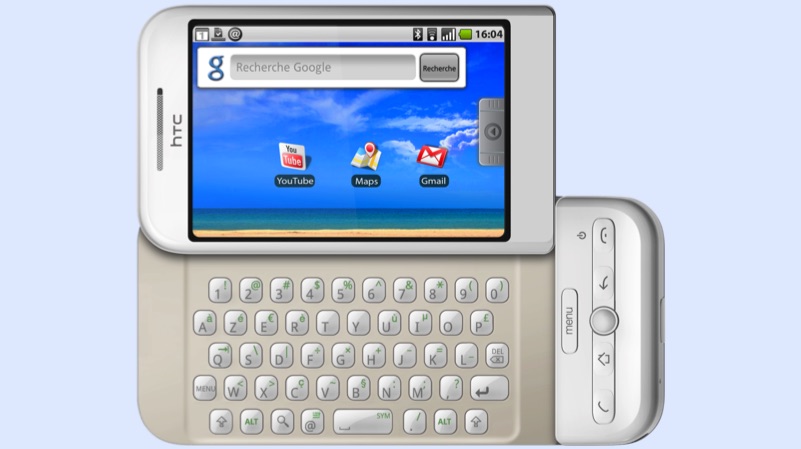
HTC Dream
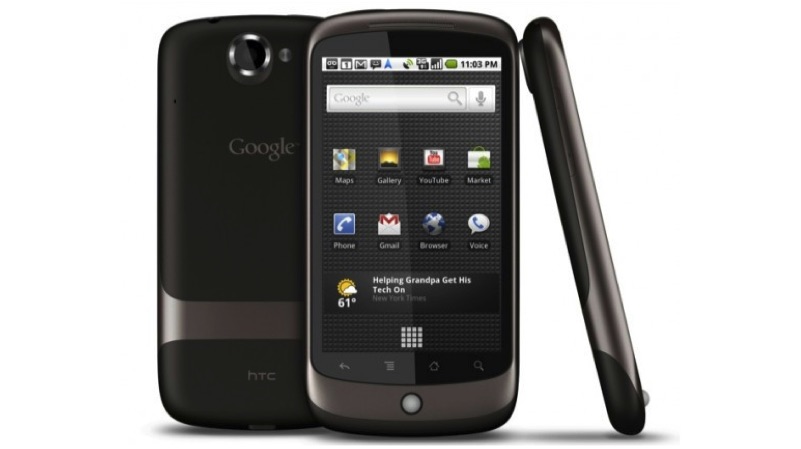
Looking back at the company’s storied history, the HTC Dream was the first commercially sold Android phone back in September 2008. Since then, the company has been rather competitive in global markets. However, in recent years, the company has not been able to keep up with the pace at which other manufacturers are adding innovations to their smartphones. Despite launching a flagship like the HTC U11+, the company has not been able to do well in the markets. The device runs on the Snapdragon 845 with the Adreno 630 GPU. In its early years, the company launched the Nexus One in association with Google which did really well in the market. The company then released the HTC One (M7) which had one of the best cameras of its time. Despite having only a 4MP rear-facing camera, the smartphone could take professional looking shots. Its metallic design gave the phone a very unique look and it also had BoomSound front-firing stereo speakers. This was one of the major selling points of the smartphone since these speakers were the best sounding ones of their time. Arguably, the BoomSound speakers could still outperform speakers of many 2017 and even 2018 flagship smartphones.
This move means that the company will stop selling its smartphones through offline retailers. The company still plans to use online shopping portals like Flipkart to sell its smartphones in India. They also acknowledge the fact that India is one of the most crucial markets for a smartphone manufacturer. This could mean that the company still hasn’t completely given up on the Indian market as yet.
HTC One (M7)
With its offline retail shut down, HTC may face some dispute by retailers. The major retailers of the company’s smartphones in India are the Optiemus Group, MPS Telecom, and Link Telecom. HTC owes debts in several crores to some of these retailers.
The future for HTC looks bleak at this point in time. While the company has plans to keep on selling its smartphones, it will have to bring about some major changes in its business strategies to survive the competition.
Big screen-size smartphones have been around for a while now, ever since the first Samsung Galaxy Note launched back in 2011. From the standards of 2011, the Galaxy Note 1 was a phablet. Nowadays, 5.3-inches is the average screen size for a smartphone. The Xiaomi Mi Max series was the first from the company to launch with a 6.44-inch display. On 19th July, the Chinese manufacturer launched the Xioami Mi Max 3 in China. The phone has a starting price of CNY 1,699 (Rs. 17305.44 approx). Currently, the smartphone is exclusive to China, but Xiaomi could launch this device globally soon.
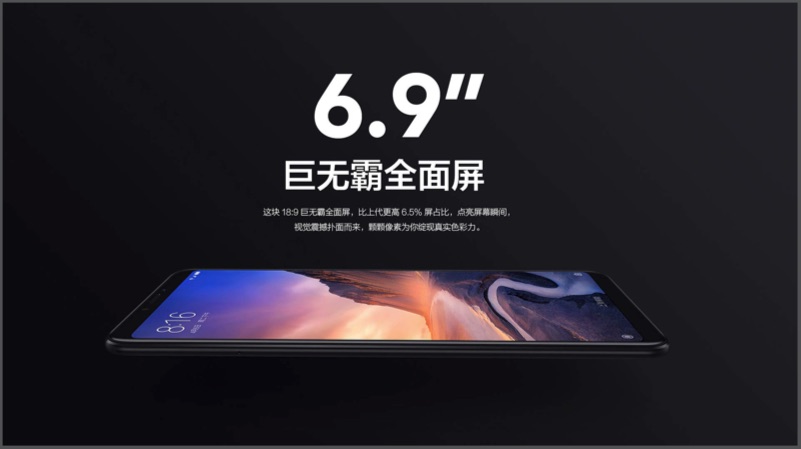
Made with glass, the front panel of the Xiaomi Mi Max 3 houses the gigantic 6.9-inch display with 2160 x 1080 px resolution. The display is an IPS LCD panel with an 18:9 aspect ratio. The smartphone has an overall aluminum body.
The smartphone uses the MIUI 9.5 which is based on Android 8.1 (Oreo). The Xiaomi Mi Max 3 runs on the Qualcomm Snapdragon 636. This is an Octa-core 1.8 GHz Kryo 260 chipset. The SoC is paired with the Adreno 509 GPU.
The Xiaomi Mi Max 3 will be available in two storage and RAM variants. The 64GB storage variant has a 4GB RAM and the 128GB variant has a 6GB RAM. The smartphone allows storage expandability of up to 256GB using MicroSD card. The price for the 64GB is CNY 1,699 (Rs. 17305.44 approx) and the 128GB variant will cost CNY 1,999 (Rs. 20361.14 approx).
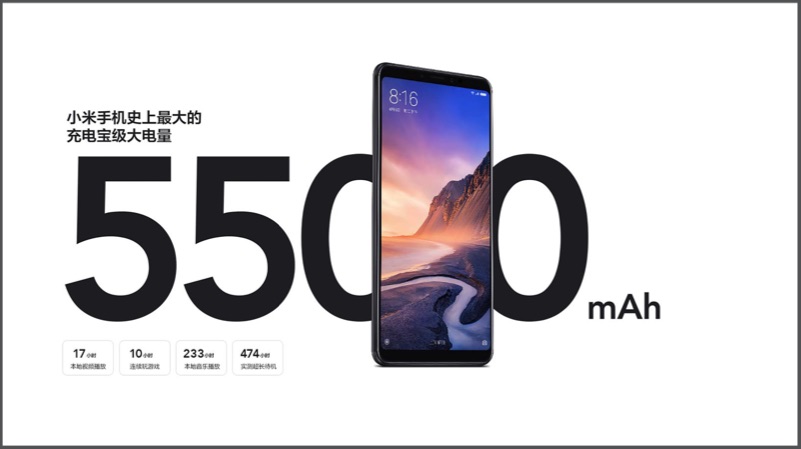
For the first time, Xiaomi is introducing dual rear-facing camera for the Mi Max series. The primary camera for the Mi Max 3 has a 12 MP sensor with a f/1.9 aperture, and a 5 MP depth sensor. The secondary camera of the Xiaomi Mi Max 3 has a single 8MP sensor with f/2.0 aperture. The smartphone can shoot 2160p videos at 30fps, 720p and 1080p at 30fps gyro-EIS stabilization, and 720p@120fps. The phone will be powered by a massive 5,500 mAh Li-Ion battery.
Mi Max 3 Battery
Xiaomi is one of the top brands in India. With that said, there are already a lot of good smartphones in the price range at which the Mi Max 3 is sold in China. From the Samsung Galaxy J8 to the Huawei P2 Lite. We will have to wait until the device is officially launched in India.
When we talk about displays and glass panels, Corning is the top manufacturer that comes to mind. Corning is an American tech company with its headquarters in Corning, New York. The company specializes in manufacturing glass and ceramic materials. In a press release on the 19th of July, Corning announced the latest in its Gorilla glass series, the Corning Gorilla Glass 6.
The first version of Corning Gorilla Glass was designed specifically with the first generation of iPhones in mind. Although Apple has never officially claimed to use Corning glasses on their smartphones. The company demanded a strong glass material which would not only be durable but also responsive. Which is how Corning Gorilla Glass came to be. Since then, the company has made display and body panels for other companies like Samsung.
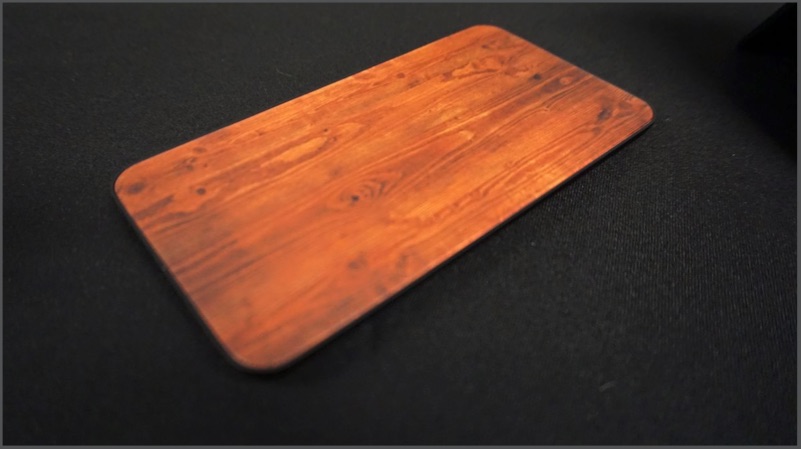
Wooden Finish On Gorilla Glass 6
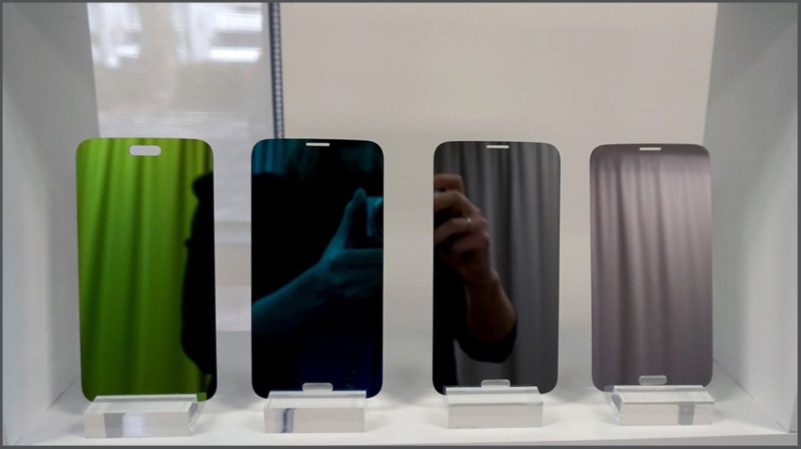
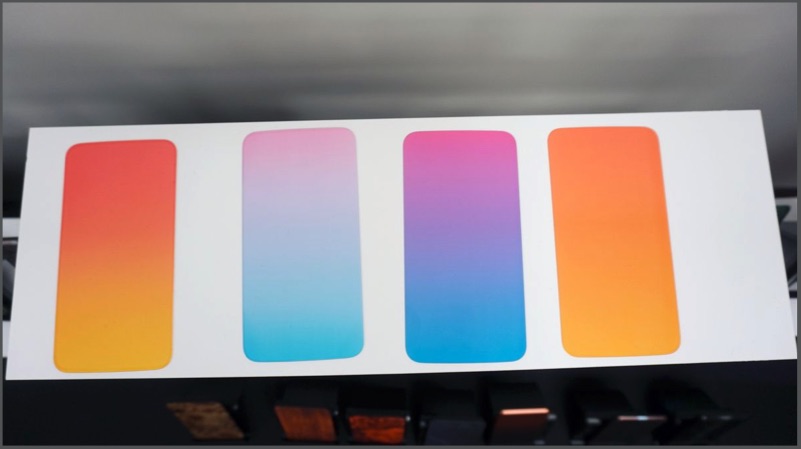
The Corning Gorilla Glass 6 will allow users to customize the way they want to use the glass. They can use it for displays, or as textured back panels. The best part is, Corning will do the designing and texturing of the glass for the company.
Glass Customization
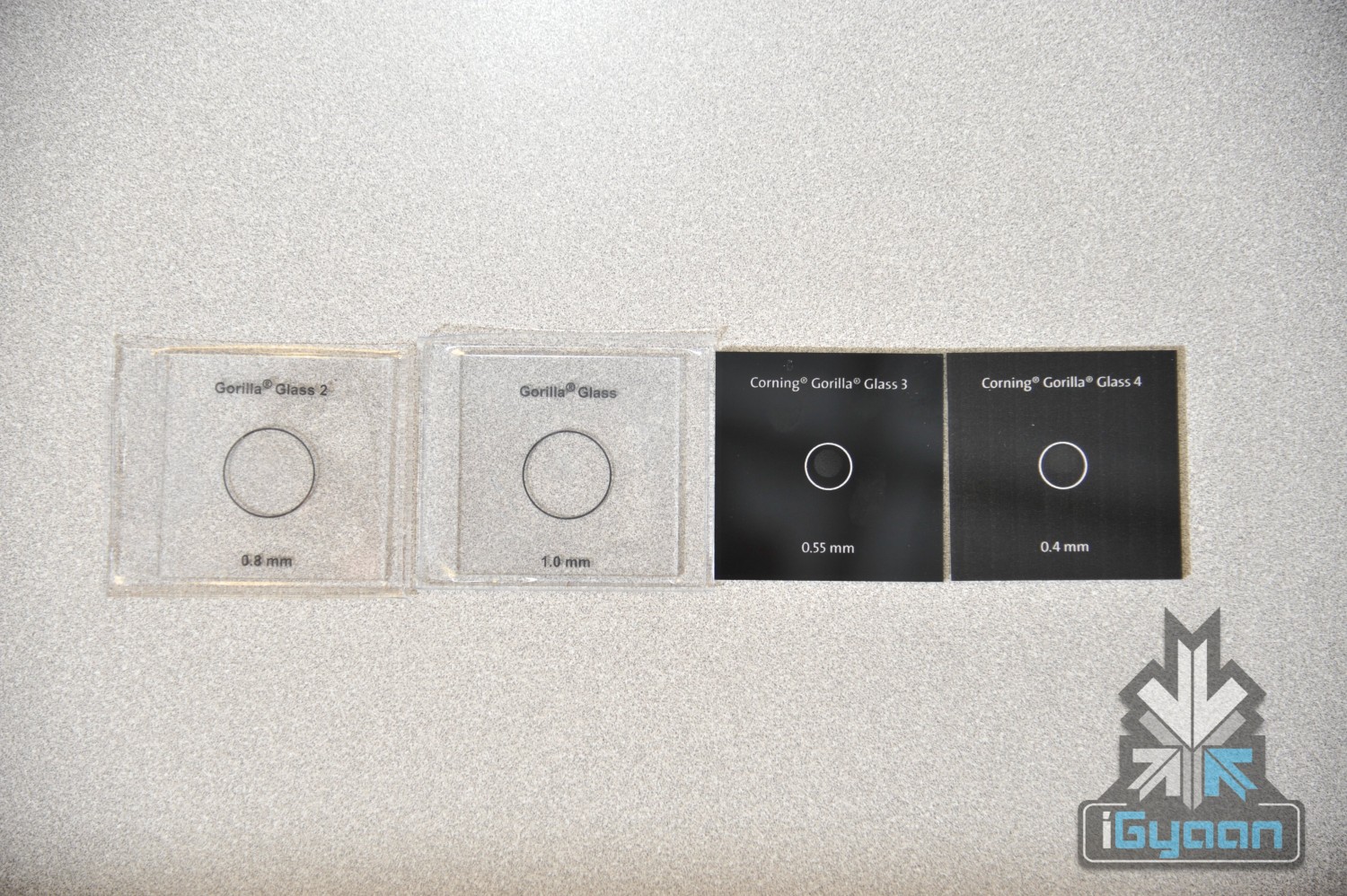
With the increased demand for smartphones, the demand for their durability is also increasing. Coring has been developing glass panel technology since 2008 when it launched the first generation of Gorilla Glass Panels. Corning announced the second generation of the Gorilla glass four years after the first version, in 2012. With each passing year, Corning claims that it has not only worked on the durability of the glass panel, but also on its methodology of developing them.
The latest Corning Gorilla Glass 6 can survive up to 15 drops from a height of 1 meter onto rough surfaces. This is twice the durability as compared to Corning Gorilla Glass 5 which could survive only 80% of drops from relatively the same height.
Smartphones like the OnePlus 6, Nokia 8 Sirocco, and the LG G7 ThinQ use the Corning Gorilla Glass 5. Now that smartphone manufacturers are embracing full glass-body design, it is important that the material can survive rough use. The American company claims that Corning Gorilla Glass 6 is suitable for such scenarios. The glass will provide scratch resistance, optical clarity, wireless charging capabilities and enhanced durability.
Corning claims that the Gorilla Glass 6 is durable enough to be used without a case. Since the company is already providing an option to customize the glass to give it the desired design, the need of case wouldn’t arise in the first place.
It is quite coincidental that Corning announced the Gorilla Glass 6 before the launch of Galaxy Note 9 and the new iPhone line up. We believe that these smartphones could feature the Corning Gorilla Glass 6 in the form of a display as well as the back panel.
In a smartphone, a display is its most used parts by a user. Which is why it is important for manufacturers to use a durable material. Once the Corning Gorilla Glass is officially available, it will be interesting to see how well it does.
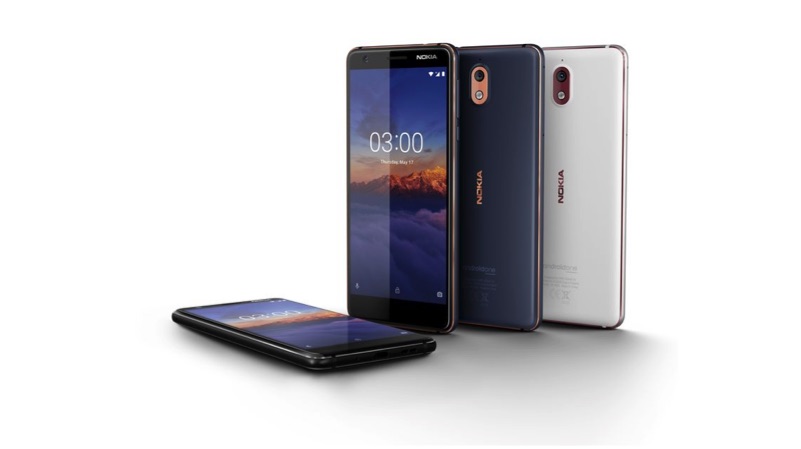
HMD Global is out with yet another Nokia smartphone. This time the device belongs to the sub Rs. 15,000 price segment. The Nokia 3.1 has officially launched in India on the 19th of July at a price of Rs. 10,499. Nokia plans to sell the device on Paytm Mall and on their own website and it will available at offline retail stores as well. Out of the box, the smartphone will use the Android 8.0 (Oreo) and receive further updates to Android 8.1 (Oreo). The company claims a secure and up to date Android experience with Android One for the device. The sale for the Nokia 3.1 will start on the 21st of July.
The Nokia 3.1 has a 5.2-inch display with 1440 x 720 px and an aspect ratio of 18:9. The phone has an aluminium frame with a glass front panel and a plastic back panel. The phone weighs around 138.3 g. Nokia claims that the display uses Corning Gorilla Glass but, the version of glass used is unspecified.
Nokia 3.1 Screen
Running on an octa-core MediaTek MT6750, the Nokia 3.1 features the Mali-T860MP2 GPU. Out of eight cores, four Cortex-A53 cores run at 1.5 GHz and the remaining four run at 1.0 GHz. In India, only one storage variant of the smartphone will be sold which is the 16GB variant with 2GB RAM. The Nokia 3.1 has a MicroSD card slot allowing users to expand the storage up to 256GB.
The camera setup of Nokia 3.1 consists of single primary and secondary sensors. The primary camera is a 13MP sensor with a f/2.0 aperture and an LED flash. This sensor is capable of shooting 720p videos at 30 fps as well. The secondary camera on this device is an 8MP sensor with a f/2.0 aperture.
There is a 2990 mAh Li-Ion battery powering the Nokia 3.1. Considering that the smartphone is slightly underpowered, the 2,990 mAh should last a day in an ideal use case scenario.
A device running on Android One means that it will receive the latest updates for the operating system as soon as they are available. On paper, the Nokia 3.1 seems like a value for money smartphone.