Category: Tech

Latest Technology News, Alternative, Bio-Tech, Medical, R&D and Innovations

  • Samsung Galaxy Note9 To Launch On August 9th

    Samsung Galaxy Note9 To Launch On August 9th

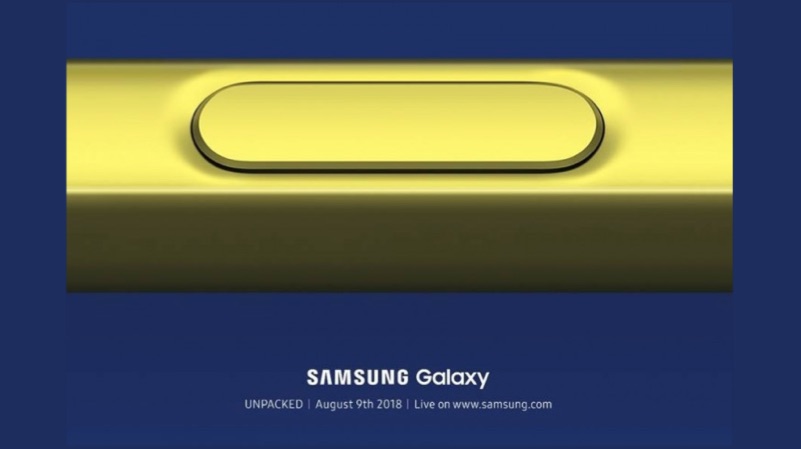
    On August 9th, Samsung will fittingly unveil the Galaxy Note9. The company has confirmed that the next ‘Galaxy Note’ smartphone will launch in New York and will be streamed worldwide via Samsung.com. The invite has an image of the S Pen button which hints at improved S Pen functionalities to be the star of the show.

    The invite image also led many people to believe that the Samsung Galaxy Note9 could launch in this yellow-ish gold colour. However, this seems unlikely, although the company recently launched a Sunrise Gold variant of the Galaxy S9 and S9+. It seems unlikely that Samsung would opt for such a colour for its flagship smartphone.
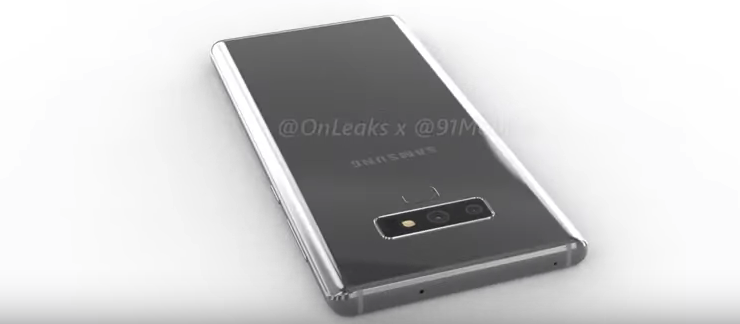
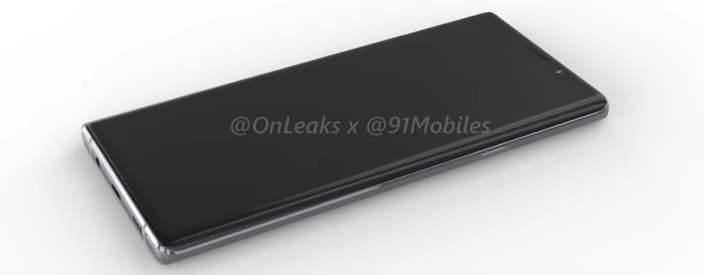
    In terms of specifications of the Galaxy Note9, leaks so far hint at a bare-minimum upgrade over its predecessor. The display would remain the same as the previous gen. It would have a 6.3 inch Super AMOLED display with 2960 x 1440 px resolution. This translates into an 18.5:9 aspect ratio.

    Must Read: Samsung Galaxy Note9 Renders Reveal Rear-Facing Fingerprint Sensor And Thin Bezels

    Under the hood, the smartphone will run on the Qualcomm Snapdragon 845 chipset for the US and South Korea markets. For the rest of the markets, the smartphone will run on the Exynos 9810 chipset which is a Samsung SoC. The respective chipset will be coupled with 6GB of RAM along with either 64GB/128GB/256GB storage which will be expandable via microSD card.

    Powering the smartphone will be a 3300 mAh battery with QuickCharge 4.0 support. Out of the box, the device will run Android 8.1 Oreo with Samsung’s Experience 9.0 on top.
    The Galaxy Note8 was the first Samsung smartphone to be sport a dual-camera setup. This time around as well, the Galaxy Note9 will have a 12MP wide-angle camera along with a 12MP telephoto lens which will record 4K videos at 60fps. The Galaxy Note9 will also record 720P videos at 960 fps, just like the Galaxy S9 devices.

    Must Read: Samsung Galaxy Note9 To Launch In An 8GB RAM/512GB Storage Variant

    While the specifications might not be very exciting, the Galaxy Note series has a loyal fanbase. With improved S Pen functionalities, the smartphone will have a lot of suitors.
  • Nokia A1 Plus With In-Display Fingerprint Sensor, Snapdragon 845 To Launch At IFA 2018

    Nokia A1 Plus With In-Display Fingerprint Sensor, Snapdragon 845 To Launch At IFA 2018

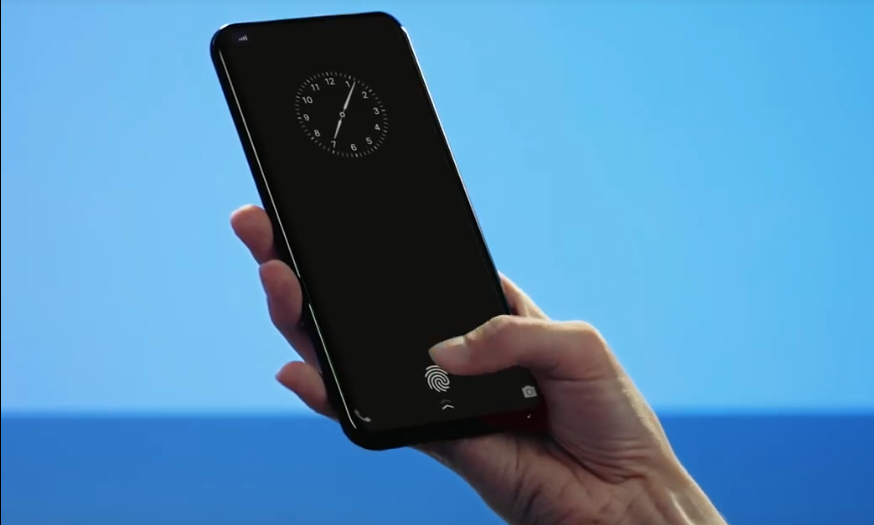
    Commencing on the 31st of August, the IFA Berlin conference is expected to see the launch of a few exciting smartphones. One such smartphone could be the Nokia A1 Plus. A report claims that HMD Global is gearing up to launch its first-ever smartphone with an in-display fingerprint sensor at IFA Berlin this year.

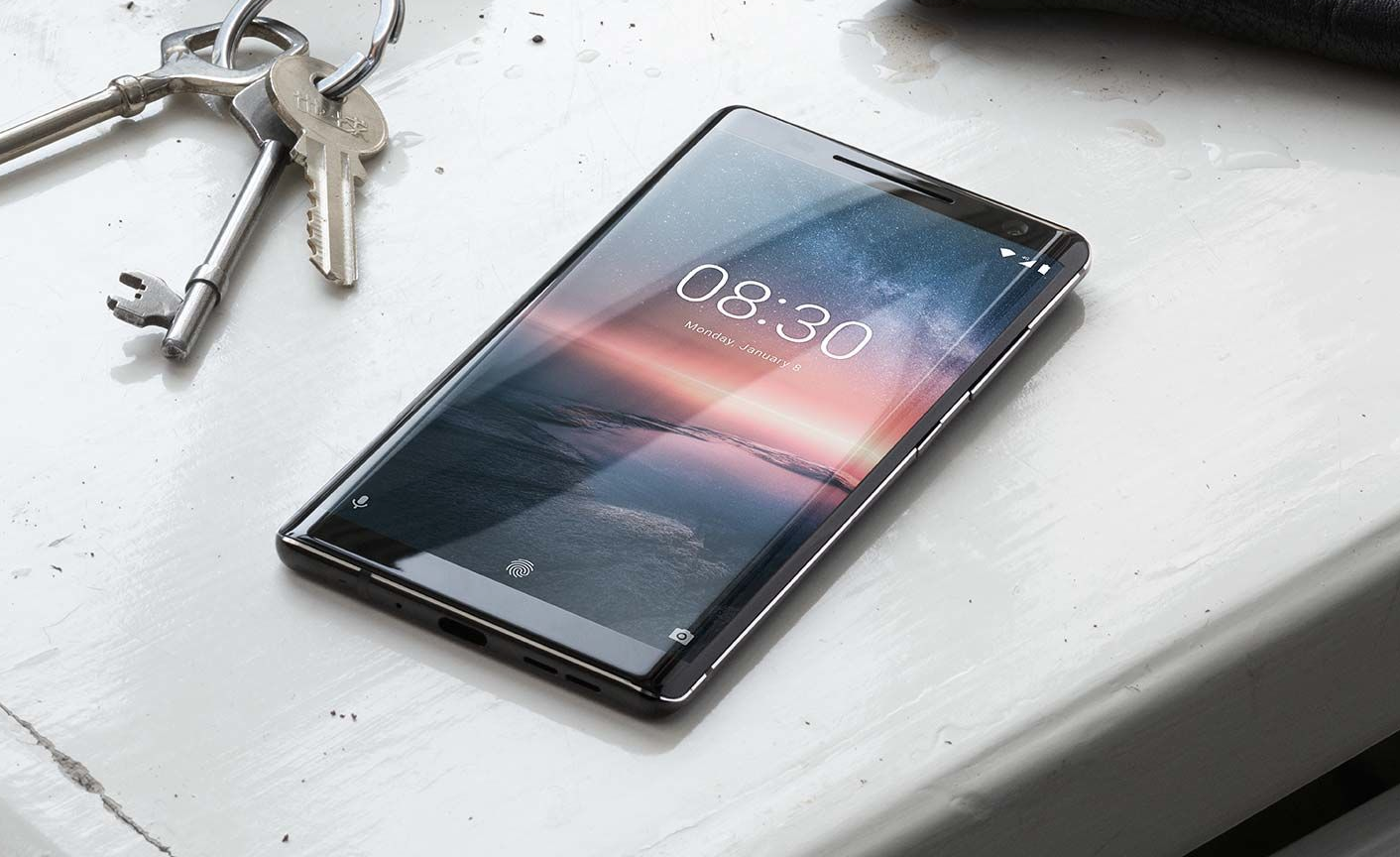
    The flagship smartphone will run on the latest high-end chipset, the Snapdragon 845. It is worth noting that a Snapdragon 845-running Nokia device, the Nokia 9, has been heavily leaked over the past few months. There are chances that the Nokia A1 Plus could be nothing but a rebranded Nokia 9, which will serve as a successor to the Nokia 8 Sirocco. The Nokia 8 Sirocco was launched at MWC 2018 which runs on the Snapdragon 835 chipset.

    Nokia 8 Sirocco

    HMD Global will use the same in-display fingerprint sensor found on the Vivo X21 Plus UD. The fingerprint sensor was developed by Synaptics and goes by the moniker ‘Clear ID’. The in-display fingerprint sensor sits between the mainboard and the OLED panel where it illuminates the finger and then processes the beams of light. Hence, this technology will not work on LCD panels as the sensor looks through the dots of an OLED panel, and then recognises the fingerprint.

    Reportedly, HMD Global is working with its manufacturing partner Foxconn to release the smartphone in the European market.

    The moniker of the smartphone is also interesting. HMD Global has so far stuck to using numbers for its Android smartphone lineup. The ‘A1 Plus’ here could signify a software difference between this smartphone and other Nokia-branded Android smartphones. The Nokia A1 Plus could be an Android One device. It is, however, worth noting that so far, Nokia smartphones have shipped with near stock Android OS. With Android One, the A1 Plus will receive faster software updates.

    While the Nokia A1 Plus seems like an exciting prospect, these are still rumours. With the IFA 2018 conference more than a month away, we are expected to get official announcements from brands in the coming days.

  • iRobot Roomba 966 Smart Vacuum Cleaner First Look

    iRobot Roomba 966 Smart Vacuum Cleaner First Look

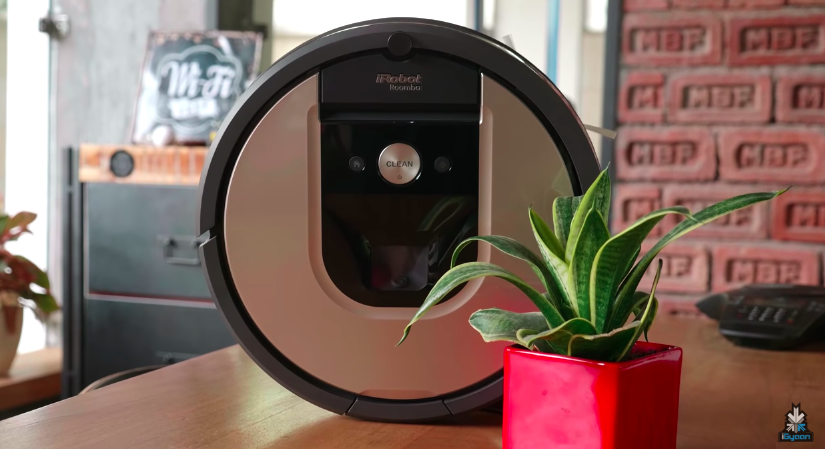
    The world of technology is constantly evolving. We have smartphones that have replaced computers and Elon Musk recently launched a Roadster into space. Fair to say that we live in a time where we’re lucky enough to have our chores made easier thanks to technology. Cleaning your house or personal workspace is tasking, and with so much going on, not many people have the time to constantly clean their houses. That’s where the iRobot Roomba 966 Smart Vacuum Cleaner comes into play. This robotic vacuum cleaner sets about to clean pretty much everything in its way and it looks pretty futuristic while doing it.

    When you first look at it, the iRobot Roomba 966 looks like a giant saucer. And like every modern smart gadget, it has an accompanying app. The previous gen Roomba’s had a remote to control the direction of the vacuum cleaner and now, it is done via an app. The app s available for Android and iOS devices and is free to download. The Roomba 966 works exactly like a regular vacuum cleaner, except users don’t have to physically get up and move as the Roomba 966 does that all by itself.

    It has sensors underneath to recognise its surroundings and move around the room. These sensors help the Roomba to navigate the room and not constantly bump into sofa legs or tables. If you’re cleaning a floor near the stairs, these sensors make sure that the vacuum cleaner doesn’t fall off the stairs. There is also a sensor on top of the 966 which looks like a camera. It essentially measures tall obstacles and figures out whether there is enough space at the bottom for it to enter and clean. This comes in handy in living rooms where there are plenty of sofas and the floor underneath them has to be cleaned. The virtual wall acts as a boundary for the Roomba 966. If you don’t want the Roomba 966 to move out of a particular room, simply place this virtual wall at the door and the vacuum cleaner won’t cross it.

    The Roomba 966 also intelligently finds its charging dock for charging. Once the room is clean, the iRobot Roomba 966 will automatically go back to its dock and start charging. It looks very futuristic. In India, it is priced at Rs 54900 and is available via iRobot’s official website.

    You can buy the iRobot Roomba 966 Vacuum Cleaner here

  • ASUS Zenfone Max Pro With 6GB RAM, 16MP Front Camera Spotted On Flipkart

    ASUS Zenfone Max Pro With 6GB RAM, 16MP Front Camera Spotted On Flipkart

    Update: At the Zenfone 5Z launch event, the company confirmed that the Zenfone Max Pro 6GB RAM variant will go on sale sometime in July.

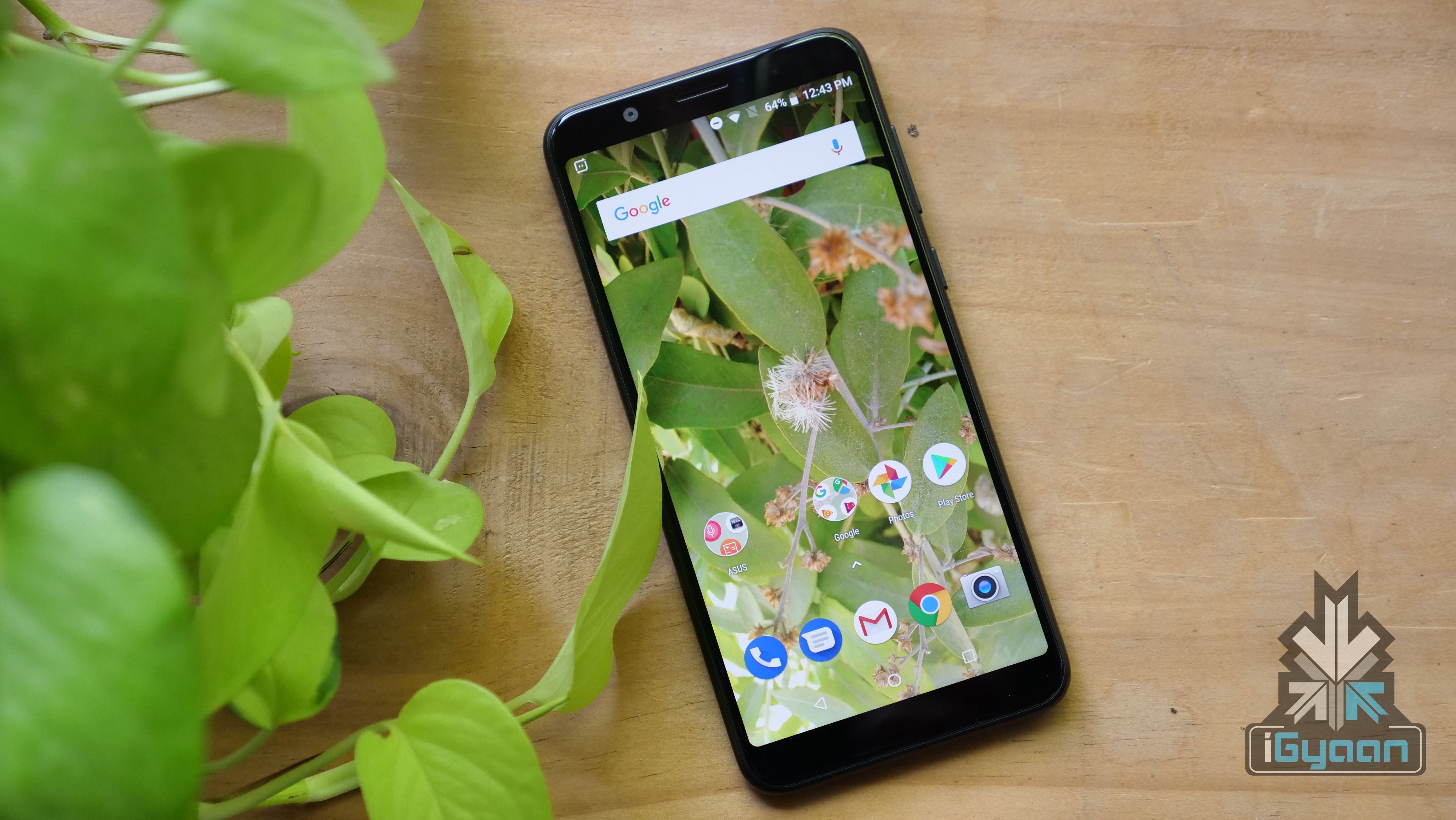
    ASUS launched the Zenfone Max Pro in India on April 23rd in India. The budget smartphone was launched at a starting price of Rs 10999, severely undercutting the Redmi Note 5 Pro, which runs on the same Snapdragon 636 chipset. The company also announced that it will launch a 6GB RAM variant soon, with improved cameras. That launch might be on the horizon as its listing has gone live on Flipkart.

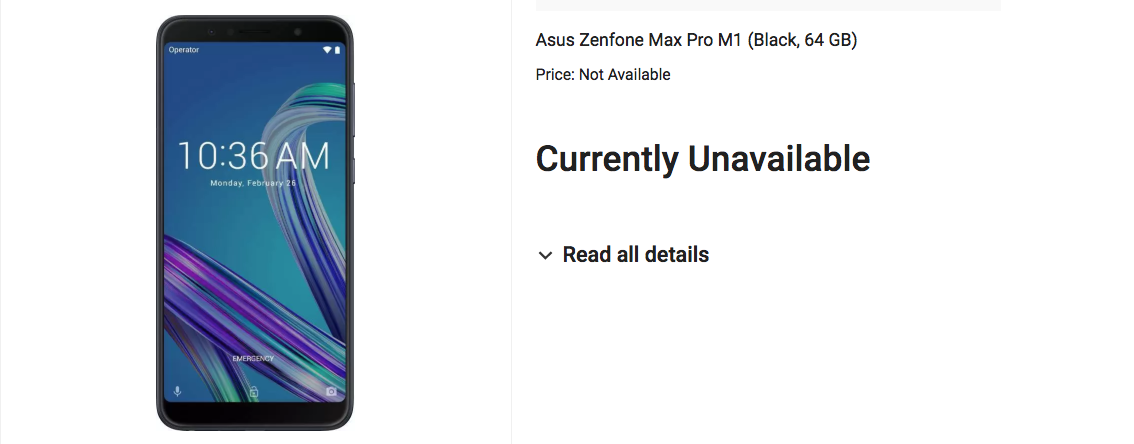
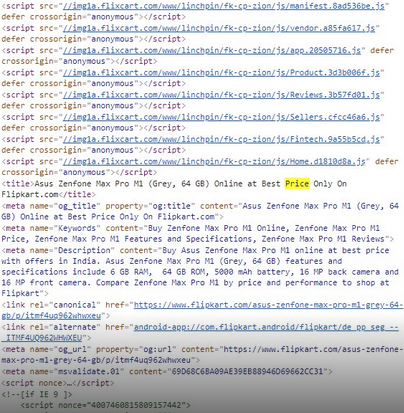
    As seen in the screenshot above, the listing doesn’t mention the 6GB of RAM. However, the source code for the page confirms it is indeed the 6GB RAM variant. It is, however, worth noting that the listing reveals 64GB onboard storage while it is supposed to have 128G of onboard storage. The 6GB RAM variant will have a 16MP front-facing camera compared to the 8MP sensor found on the 3GB and 4GB RAM variants. Even the rear-facing dual camera setup gets an upgrade. The 6GB RAM model will have a 16MP primary sensor coupled with the same 5MP secondary sensor. The rest of the specifications will remain the same.

    The ASUS Zenfone Max Pro has a 5.99 inch IPS LCD display with a 2160 x 1080 px resolution. The smartphone has an 18:9 aspect ratio similar to devices like the Redmi Note 5 Pro, Realme 1 and more.

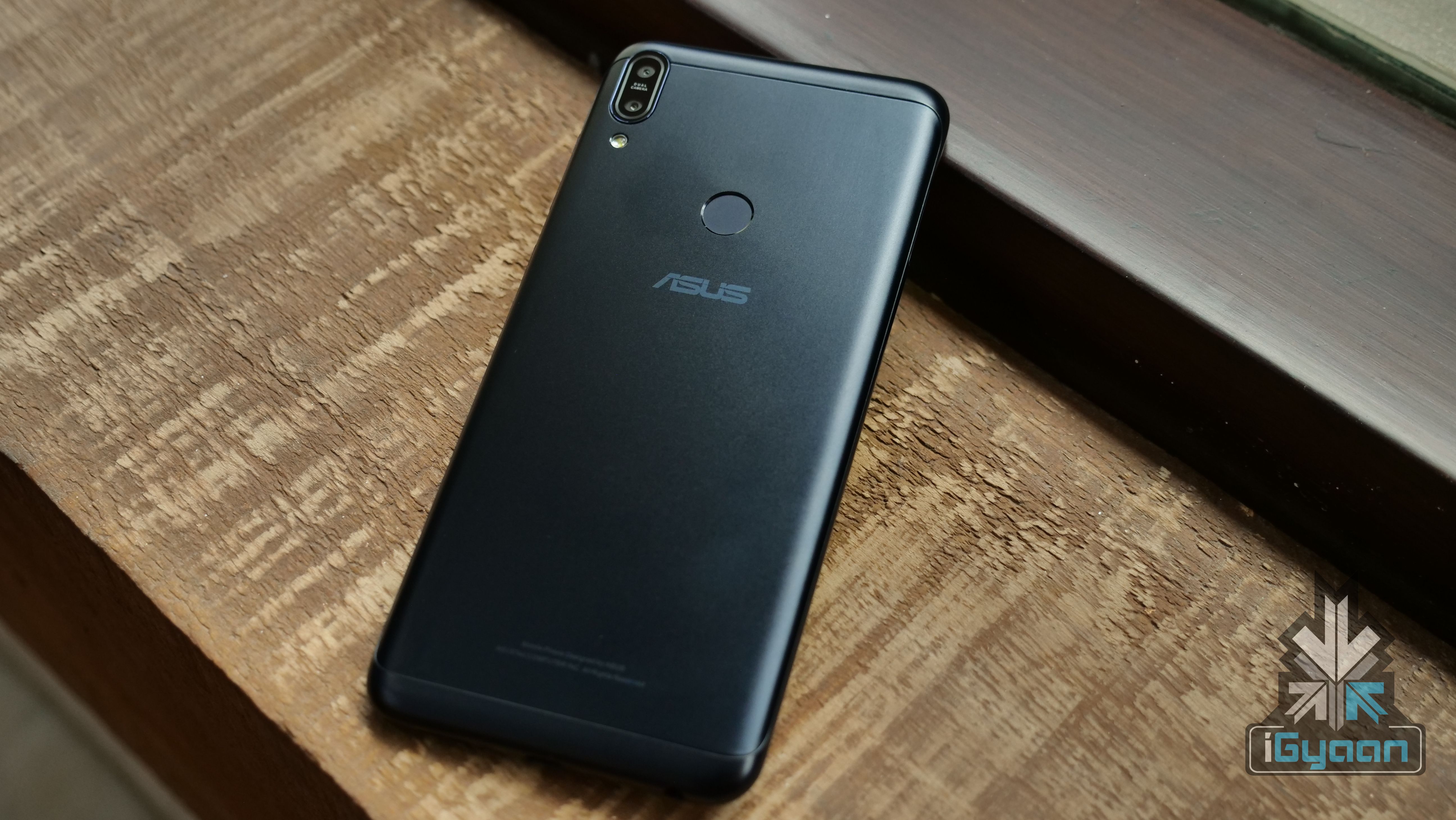
    Under the hood, the smartphone runs on the Qualcomm Snapdragon 636 chipset coupled with 3GB/4GB/6GB of RAM and 32GB/64GB/128G B of onboard storage. The fingerprint sensor is placed on the back of the device below the vertically placed dual-camera setup. The dual-camera setup looks similar to the Redmi Note 5 Pro.

    One advantage the Zenfone Max Pro has over the Redmi Note 5 Pro is in the battery department. It is powered by a 5000 mAh battery while the size and weight of the smartphone are almost equivalent to that of the Redmi Note 5 Pro. For context, the Redmi Note 5 Pro is powered by a 4000 mAh battery. However, the Zenfone Max Pro will charge via a micro USB port which means it could take a while to fully charge from 0%.

    The launch of the 6GB RAM variant seems imminent. With more RAM and storage at Rs 14999 when compared to the Redmi Note 5 Pro, it should give the Xiaomi budget smartphone a run for its money.

  • Xiaomi Redmi 6 Pro Will Have A Notch And Thick Bezels

    Xiaomi Redmi 6 Pro Will Have A Notch And Thick Bezels

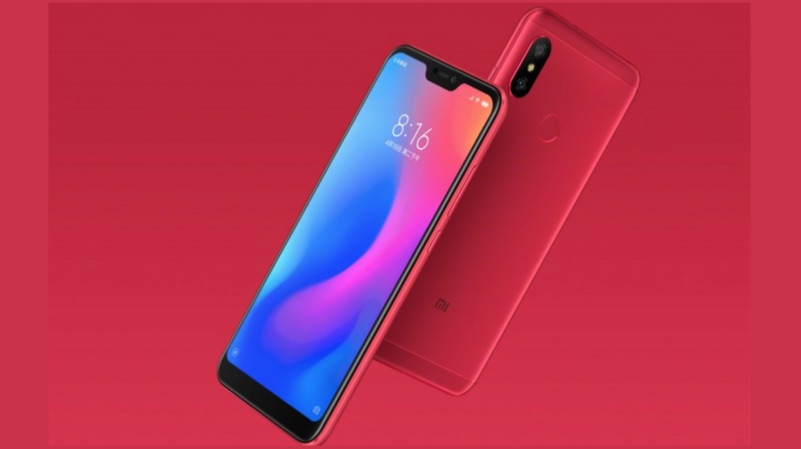
    Xiaomi launched the Redmi 6A and Redmi 6 in China on June 12th. Up until the launch, there were rumours that Xiaomi would launch three smartphones, with the Redmi 6 Pro being the third device. However, that did not happen as Xiaomi confirmed that the Redmi 6 Pro will launch on June 25th. The company has released official renders of the soon to be launched smartphone on its Weibo page, revealing the design of the device.

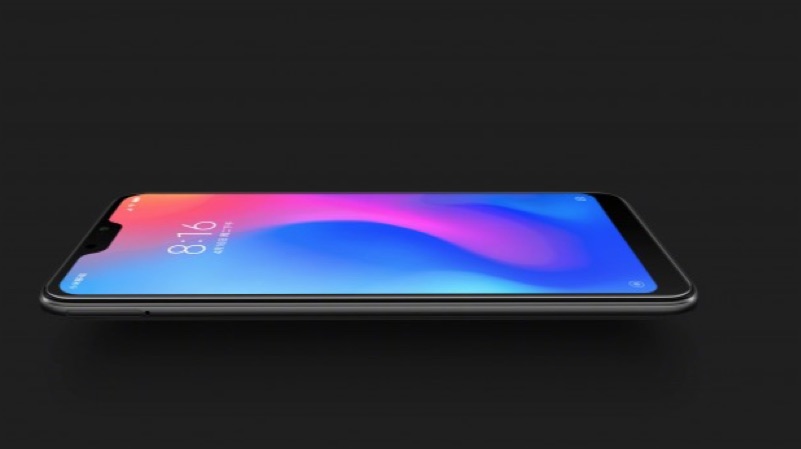
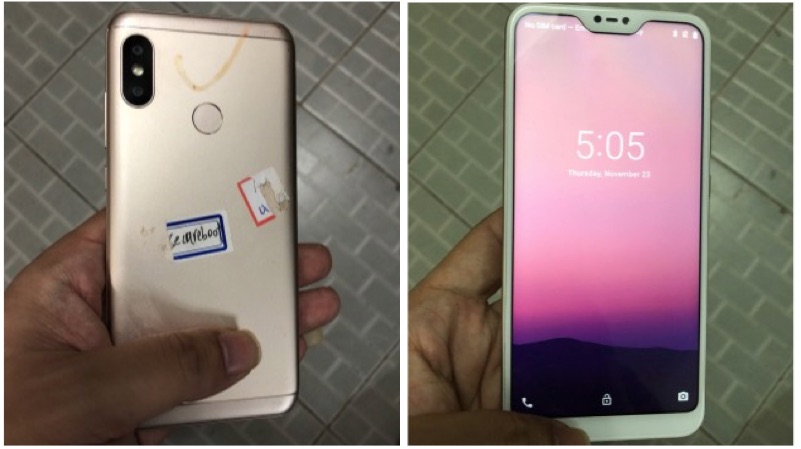
    The renders are not accompanied by any other information about the display. They do, however, confirm that the Redmi 6 Pro will have a notch. Thankfully, it appears that the leaked photo of the smartphone was of an early prototype and Xiaomi would not go for white-coloured bezels. The bezels are black in colour which means that users might be able to hide the notch if the software allows them to.

    While the notch is nothing new, the presence of thick bezels despite the notch is a bit disappointing. The back of the smartphone is similar to every other 2018 Xiaomi smartphone with a dual-camera setup. The two cameras are laid down vertically on the top-left corner which is eerily similar to the iPhone X. The design is a definite upgrade over the Redmi 5 even though the notch seems a bit unnecessary.

    According to a listing on TENNA, the Redmi 6 Pro will have a 5.84 inch display with a 2280 x 1080 px resolution. This will be the first Redmi smartphone to sport a 19:9 aspect ratio.

    In its promotional poster, the company confirmed that the Redmi 6 Pro will run on the Snapdragon 625 chipset. The Snapdragon 625 SoC is Xiaomi’s favourite when it comes to budget smartphones and the Redmiu 6 Pro is no different. Powering the device will be a 4000 mAh battery which was also confirmed in the promotional poster.

    With every Xiaomi launch in China, there are question marks around its launch in India. With the Redmi 6 Pro as well, it appears that the smartphone will remain a China-exclusive. With the Indian budget smartphone packed to the rafters, a Xiaomi Android One smartphone is what it needs.

  • Nokia X6 India Launch Confirmed As Its Support Page Goes Live On Nokia India Website

    Nokia X6 India Launch Confirmed As Its Support Page Goes Live On Nokia India Website

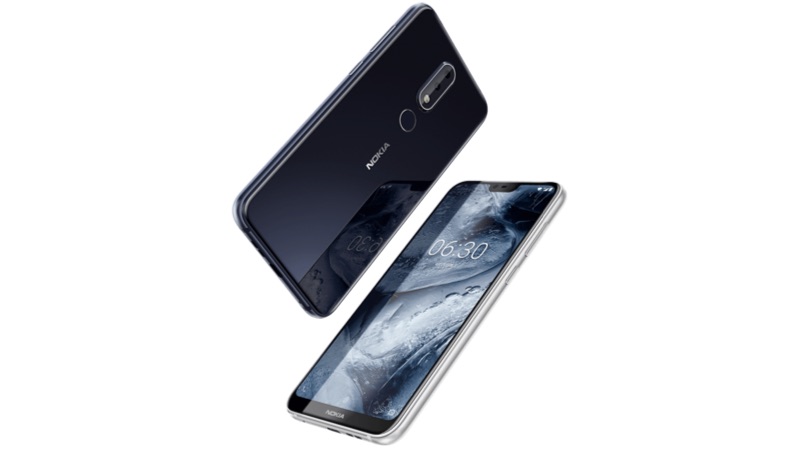
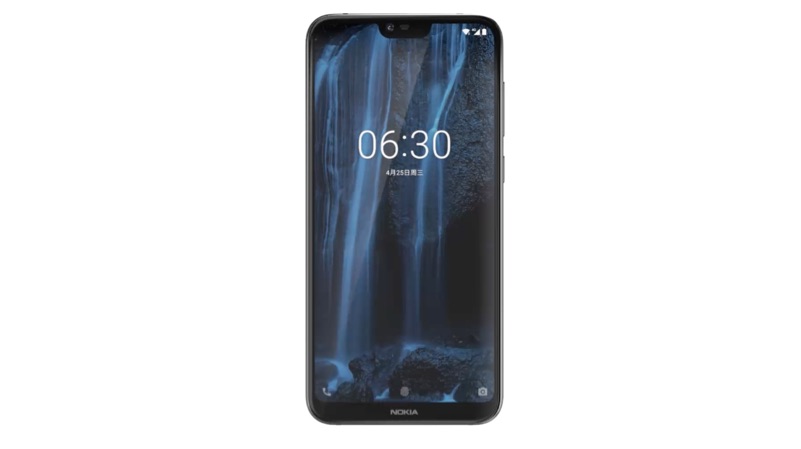
    HMD Global launched the Nokia X6 in May in China. At the time of its launch, the smartphone garnered some interest for its design and price point. The Nokia X6 is the first Nokia branded smartphone to sport a notched display, much like the majority of 2018 Android smartphones. The Nokia X6 has been rumoured to launch in other countries for a while and now, Nokia India’s website has seemingly confirmed that it’ll launch in India by making its support page live.

    Interestingly, the Nokia X6 is also a throwback to the Nokia X6 which was a Symbian OS running mobile launched in 2009. The support page is still live and has not been taken down by the company yet. This could be an indication of HMD Global’s plans of creating a hype around its budget smartphone. The X6 is expected to launch in India to compete with the likes of the Redmi Note 5 Pro, Zenfone Max Pro and even Huawei P20 Lite.

    The X6 has a 5.8 inch TFT display with a 2280 x 1080 px resolution. This translates into a 19:9 aspect ratio, the same as the P20 Lite. There is also a notch on the display, which is the reason why the smartphone has a taller aspect ratio.

    The smartphone runs on the Qualcomm Snapdragon 636 chipset along with either 4GB or 6GB of RAM coupled with either 32GB or 64GB of onboard storage. The onboard storage will be expandable via microSD card. The fingerprint sensor is placed on the back which has a glossy finish thanks to an all-glass design.

    Powering the device is a 3060 mAh battery which charges via a USB C port. We are still a couple of years away from budget smartphones adopting the USB C port altogether but, this is a great step by HMD Global. Out of the box, the Nokia X6 will run stock-ish Android 8.1 Oreo with little customisations done by HMD Global.

    The vertically placed dual-camera setup is in the usual Nokia position but, the “Carl Zeiss” branding is missing. The back has a 16MP primary sensor along with a 5MP secondary sensor. The dual-camera setup will be able to take portrait shots, a feature that has become very popular recently. The front houses as a 16MP camera with an f/2.0 aperture.

    The Nokia X6, if priced correctly, should be a great smartphone for Indian consumers. At a price of about Rs 16999, it’ll offer a premium all-glass design and the popular Snapdragon 636 chipset as well.

  • Xiaomi Mi Pad 4 To Launch On June 25th

    Xiaomi Mi Pad 4 To Launch On June 25th

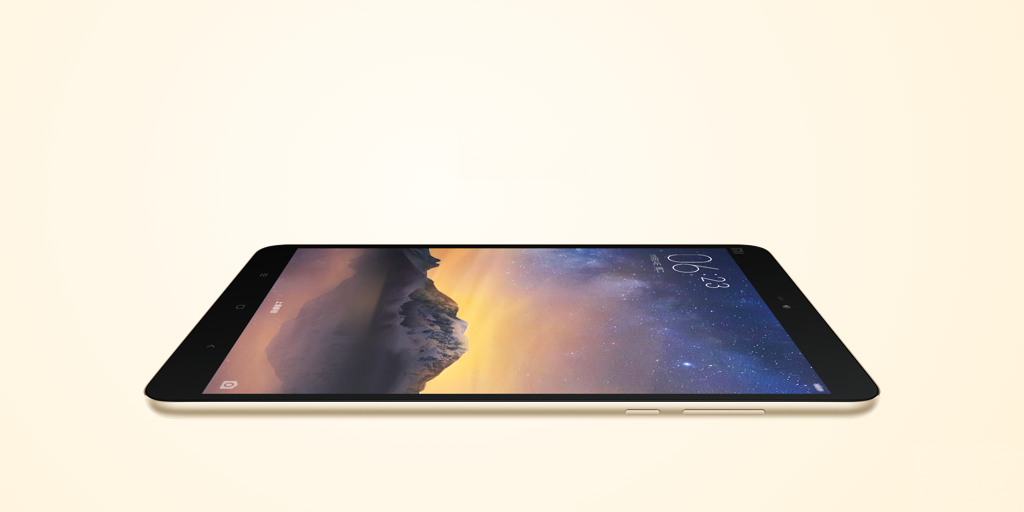
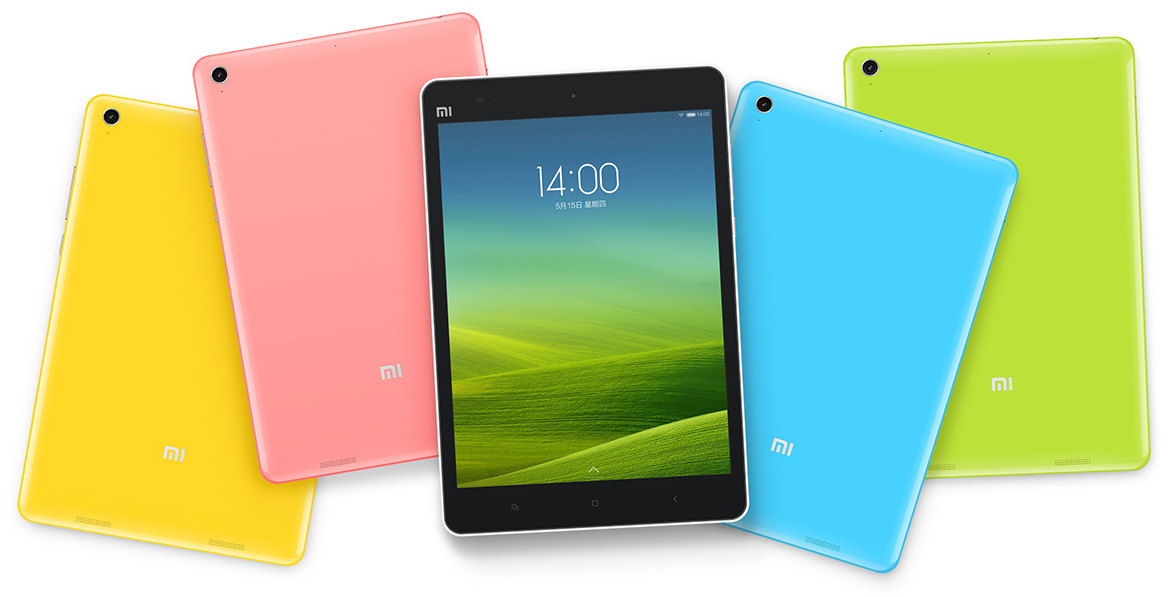
    After a few days of speculations and leaks, Xiaomi has officially confirmed that the Mi Pad 4 is coming. The Xiaomi Mi Pad 4 will launch in China on June 25th. The poster was posted on the company’s official Weibo page. The fourth-gen Mi Pad will succeed the Mi Pad 3 which was launched in April 2017.

    The Xiaomi Mi Pad 4 has so far flown under the radar of internet leaks. We barely know anything about the upcoming tablet apart from a few vague details. Recent leaks suggest the Mi Pad 4 will run on Snapdragon 660 chipset and sport an 18:9 aspect ratio. If true, this will be a headline-grabber as well since no other tablets with this aspect ratio have launched so far.

    It is also rumoured to have a 13MP rear-facing camera and a 5MP front-facing camera. The Mi Pad 3 did not feature a fingerprint sensor. With the Xiaomi Mi Pad 4, there are chances of the company introducing the feature that has become the norm in all sorts of mobile devices. However, Xiaomi usually placed the fingerprint sensor on the back of its devices which might be cumbersome on a tablet.

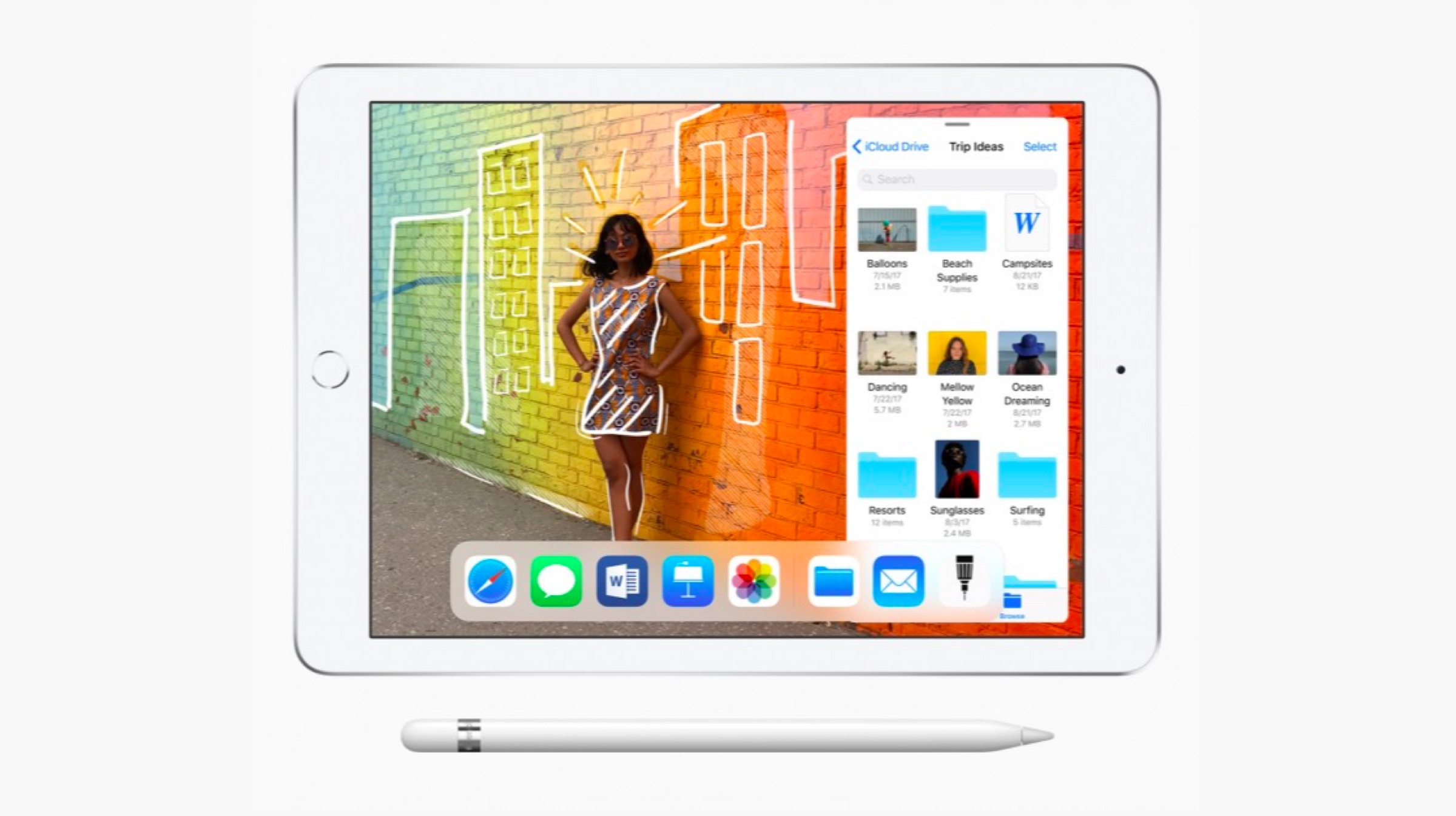
    Xiaomi is one of the few Android smartphone makers to still push tablets into the market. After a few years of competing with Apple’s iPad lineup, Android tablets have slowly faded into oblivion. It’ll be interesting to see how the Mi Pad 4 performs in the market considering the 6th-gen Apple iPad is also very affordable. The Mi Pad 4, however, will definitely undercut the cheapest iPad in terms of pricing when it is launched.

    6th-Gen iPad

    The launch of the Xiaomi Mi Pad 4 isn’t too far away. Its launched in India, however, is indefinite. It is to be seen whether the company decides to bring its latest tablet offering to India or not.

  • Xiaomi Mi Max 3 With 5400 mAh Battery And 6.9 Inch Display Listed On TENNA

    Xiaomi Mi Max 3 With 5400 mAh Battery And 6.9 Inch Display Listed On TENNA

    Xiaomi recently launched the eagerly anticipated Mi 8 in China along with the Mi 8 Explorer Edition and Mi 8 SE. There have been rumours of Xiaomi maybe launching the Mi 8 SE in India while the Mi 8 will be a China-exclusive for now. Apart from the Mi 8 SE, Xiami could launch another budget Mi device in India, the Mi Max 3. A new listing on TENNA essentially confirms that the Xiaomi Mi Max 3 will indeed launch soon.

    According to the listing, the Xiaomi Mi Max 3 will sport a 6.9 inch display with a 2160 x 1080 px resolution. This resolution confirms that the Mi Max 3 will have thinner bezels than its predecessor and also that it won’t have a notch. While many smartphones in 2018 sport a notch, users in general, aren’t very stoked about a notched display.

    [amazon_link asins=’B073VLGL5Y’ template=’ProductAd’ store=’igyaan-21′ marketplace=’IN’ link_id=’06b4abe1-7466-11e8-afe1-19641fe560a5′]

    Despite the larger display, the Mi Max 3 won’t be much larger than its predecessor. According to the listing, the Mi Max 3 measures 176.15 x 87.4 x 7.99 mm and weighs in at 221 grams. The Mi Max 2, on the other hand, measures 174.1 x 88.7 x 7.6mm and weighs in at 211 grams. For context, the Mi Max 2 had a 6.4 inch display and a 5300 mAh battery.

    The Mi Max 3 will run on a 1.8GHz octa-core processor coupled with 6GB of RAM and 128GB of storage. Xiaomi will launch multiple variants and the one with 6GB RAM and 128GB storage will be the priciest. The fingerprint sensor will be placed on the back of the device just like almost all the Xiaomi devices off late. Powering the smartphone is a 5400 mAh battery which isn’t a significant upgrade over the 5300 mAh battery found on the Mi Max 2.

    The details about the camera department are scarce for now. The listing reveals that it will have a dual-camera setup on the back with a 12MP primary sensor. The dual-camera setup will be capable of shooting videos at up to 4K resolution. To the front is an 8MP front-facing sensor. The Mi Max 3 will run Android 8 Oreo out of the box with MIUI 10 on top.

    The Mi Max 3 is expected to launch sometime in July this year. Unlike recent Xiaomi offerings, the Mi Max 3 is expected to launch in India as well.

  • WhatsApp Group Voice And Video Calling Feature Rolling Out: Here’s How To Get It

    WhatsApp Group Voice And Video Calling Feature Rolling Out: Here’s How To Get It

    At Facebook’s F8 Conference, the company focussed a lot on data privacy and essentially showing how much it cares for every user’s data. While all of these features are essential for a safer space on the internet, the company also unveiled a few interesting features for Instagram and WhatsApp. One of those features was group voice and video calling. Now, the new feature is rolling out to WhatsApp Beta users.

    First and foremost, only users who have signed up for WhatsApp Beta will be able to use this feature for now. It is worth noting that the WhatsApp Beta program on Play Store is already full. This means that WhatsApp is not signing up any new Beta testers. While the group voice and video calling feature rolled out to a few testers last month, the new beta version is now available to all WhatsApp Beta users.

    Must Read: Apple’s Memoji Feature Will Let Users Create Personalised Animojis

    In order to initiate a group voice call, a WhatsApp Beta user must first call a contact. Then, hit the ‘add new members’ button at the top right corner to add more contacts into the conversation. The same process works for group video calling as well. It is worth noting that for now, maximum of four people can participate in a group call. FaceTime will soon get a feature wherein users will be able to add up to 32 members to a single call.

    Also, users can only add one contact at a time. This means that the process has to be repeated everytime you need to add a new member to the conversation. Users on a stable build of WhatsApp can participate in group voice and video calls. However, they cannot add or remove members from the call.

    WhatsApp is the world’s most popular messaging app and this feature will only make it better. Skype, one of the mainstays of video calling platforms has its work cut out.

  • Sony Xperia XZ3 With 18:9 Aspect Ratio And Running Android 9 P Spotted On Geekbench

    Sony Xperia XZ3 With 18:9 Aspect Ratio And Running Android 9 P Spotted On Geekbench

    In February 2018 at the Mobile World Congress, Sony finally unveiled a smartphone with an 18:9 aspect ratio. Since then, the company has launched a few budget devices and even announced another flagship device, the Xperia XZ2 Premium. The next in line will be the Sony Xperia XZ3 and it has been leaked a couple of times in past few days. A new Geekbench listing reveals the possible specifications of the upcoming flagship device.

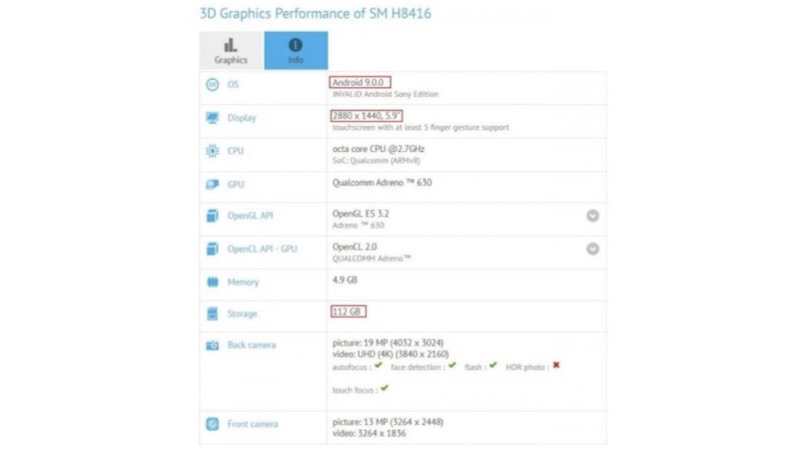
    According to the listing, the Sony Xperia XZ3 will carry the model number H8416. Under the hood, the smartphone will run on the Qualcomm Snapdragon 845 since it is the latest flagship chipset on the market right now. This claim is further solidified by the listing according to which, the Adreno 630 will handle the graphics for Xperia XZ3.

    Interestingly, this will be the first Sony smartphone with a 2880 x 1440 px resolution. The listing reveals a 5.9 inch display which has become increasingly common among smartphones these days. The resolution also indicates that the device will have a top and bottom bezel and Sony would not go the notch route. This will be a good news for the notch haters.

    [amazon_link asins=’B075T5VD9S’ template=’ProductAd’ store=’igyaan-21′ marketplace=’IN’ link_id=’0bf670bf-7447-11e8-b56b-2971943f7d21′]

    As has been with Sony smartphones in the past, the Xperia XZ3 also appears to be running the latest version of Android. The smartphone will launch later this year which means it could be one of the first few smartphones to run Android 9 P out of the box. This will be a great move by Sony especially considering how Android smartphones are criticised for running on older software, unlike Apple iPhones.

    Most of the details in the Geekbench listing corroborate with previous leaks except in the optics department. The listing reveals a 19MP rear-facing camera. It is possible that the software didn’t recognise the secondary sensor, which is believed to be 12MP. Another possible reason could be that the software was run on an early pre-production unit that skips the secondary sensor.

    It is still early days for the Sony Xperia XZ3 but, the leaks appear to be inline with each other. These are usually telltale signs of accuracy, however, it is still adviced to take this information with a pinch of scepticism.

  • Here’s What Samsung’s Foldable Smartphone Could’ve Looked Like

    Here’s What Samsung’s Foldable Smartphone Could’ve Looked Like

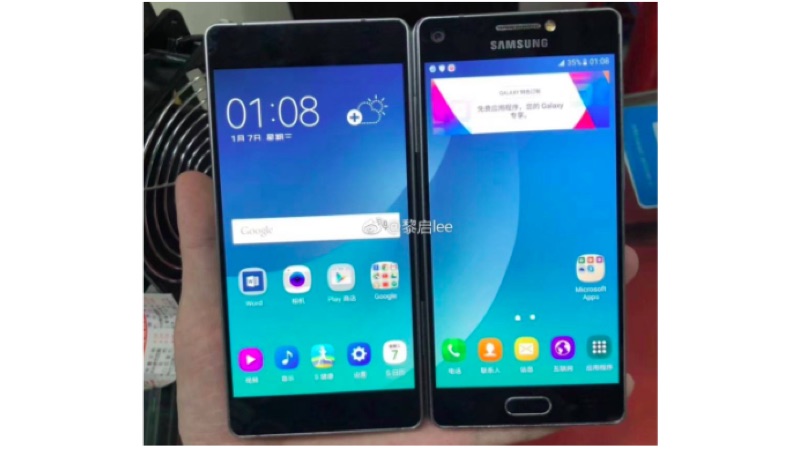
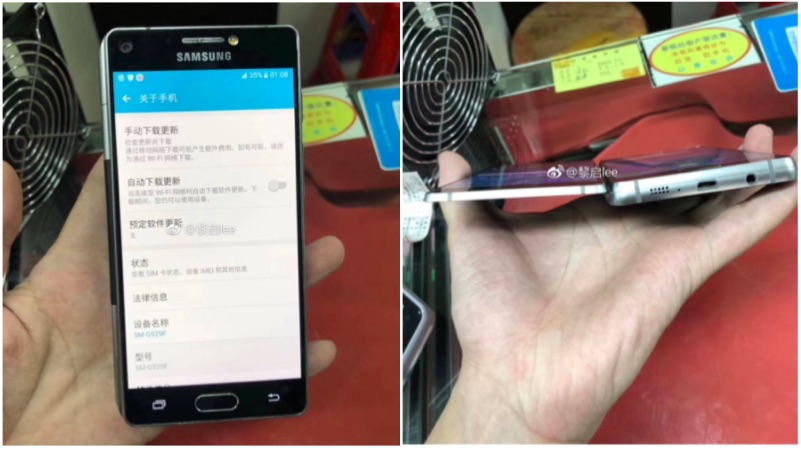
    Samsung has been in the news for working on a foldable smartphone for a long time now. The alleged Samsung Galaxy X is expected to have a bendable display which means a user has a smartphone and a tablet at the same time. However, as is with every device, the final Galaxy X that will launch to the public will be different from the numerous prototypes that Samsung built on the way to its final product. One such prototype has made its way to the realm of the internet and gives us an insight into Samsung’s process.

    A Chinese Twitter user claims that this Samsung device was known by the name of Project V or Project Valley. The rumours of Project Valley came about in 2015 and claimed that Samsung would indeed launch this device in 2016. However, that did not happen. While the design now seems dated, if it were to launch in 2016, the Project V would have surely grabbed a headline or two. The user claims that this cancelled smartphone carried the model number SM-G929F

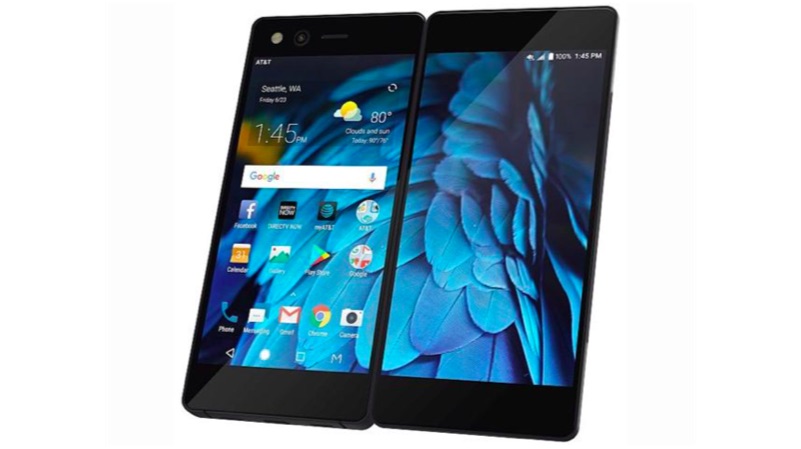
    A few months ago, ZTE, a Chinese smartphone maker launched the ZTE Axon M. A foldable smartphone with bezels all around it and a very uninspiring design, to say the least. The design is very similar to the Samsung Project V only ZTE ended up launching the device while Samsung has continued to work on the technology and plans on launching the smartphone in early-2019.

    ZTE Axon M

    It is worth noting that it is not confirmed whether these images do belong to a Samsung smartphone. However, it is plausible that Samsung would go through a plethora of design and technology changes before eventually coming up with a consumer-ready foldable smartphone that does not have a shambolic design. The Samsung Galaxy X is expected to launch in early-2019 and cost about US$ 2000 (Rs 1,36,000 approx.). We expect more leaks pertaining to the device in the future.

  • OPPO Find X Will Have A Record Breaking 93.8% Screen-To-Body Ratio

    OPPO Find X Will Have A Record Breaking 93.8% Screen-To-Body Ratio

    Smartphone marketing, as we have come to realise, can often be misleading. The Lenovo Z5 is the latest example of that. We expected a truly bezel-less device and instead got a notched smartphone with a mediocre design. The next smartphone to create waves of interest is the OPPO Find X. The new flagship smartphone from the Chinese smartphone maker is set to launch on June 19th in Paris.

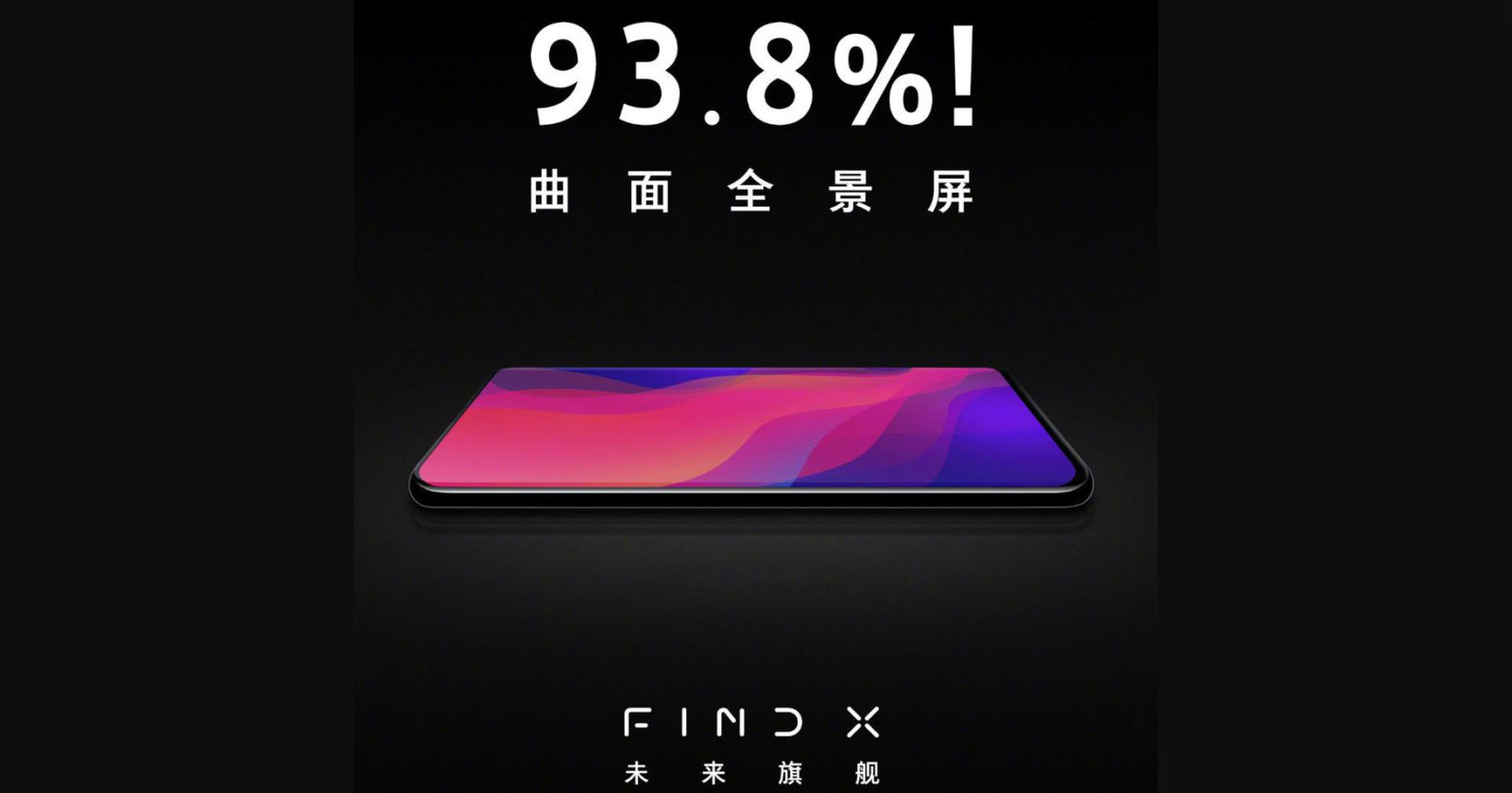
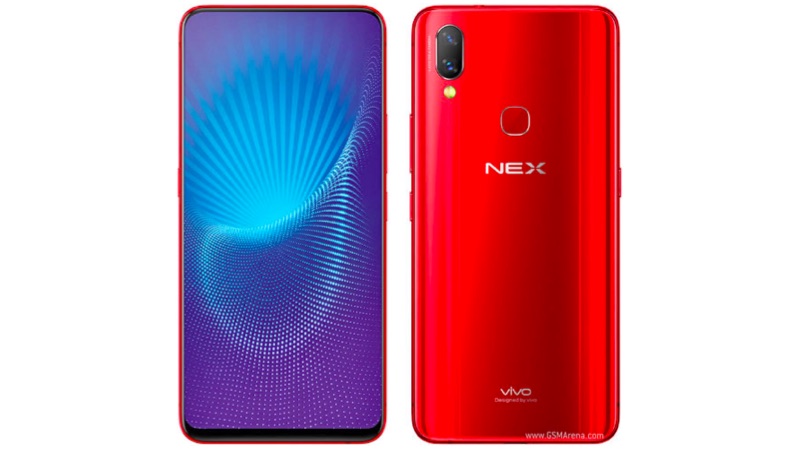
    Like the Lenovo Z5, the company has been teasing the design and features of the OPPO Find X on social media. In its latest post, the company claims that the smartphone will have a whopping 93.8% screen-to-body ratio. The current record holder is the newly Vivo NEX with a 91.2% screen-to-body ratio. OPPO will attain this ratio with a notch while the Vivo NEX, as we all know, doesn’t have a notch. With this screen-to-body ratio, OPPO’s record might not be broken for a while since the industry is still limited in the way an AMOLED display connects to a motherboard. So far, only the iPhone X has managed to not have a chin by curving the display inwards. It’ll be interesting to see OPPO executes its design for the Find X.

    Vivo NEX

    Even the notch on the OPPO Find X is expected to be different from what we’ve seen on any device so far. A recent teaser shows that the notch will be much more curved than devices like the iPhone X or Mi 8. This should result, at least on paper, in a much less asymmetrical design compared to other notched smartphones. However, this is just an educated guess from the teaser and the end result could be completely different, as we have seen on the Z5.

    The OPPO Find X is expected to feature a 6.4 inch AMOLED display with a 2280 x 1080 px resolution.

    https://twitter.com/bang_gogo_/status/1007504825930506240

    The device could run on the Snapdragon 845 coupled with up to 8GB of RAM and 128GB of onboard storage. The storage will be expandable via a microSD card. The fingerprint sensor will be placed on the back of the device which also houses a 16MP dual-camera setup. The notch will house a 25MP sensor for selfies.

    The launch of the Find X is just a day away and the specifications, coupled with the ambitious design surely makes this the most anticipated OPPO device yet.

  • OnePlus 6 Vs Xiaomi Mi 8: Top Notch Flagships

    OnePlus 6 Vs Xiaomi Mi 8: Top Notch Flagships

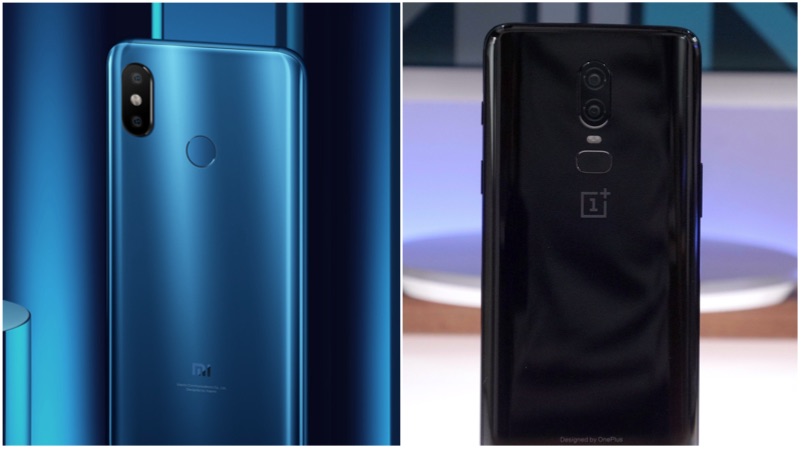
    If 2017 was all about that dual-camera setup, then 2018 is about that notch. Before MWC 2018, many expected this year’s smartphones to focus on AI and machine learning. However, the iPhone X set the trend of the notch in motion. The OnePlus 6 and Xiaomi Mi 8 are two 2018 flagship devices that have implemented the notch but, in two completely different ways.

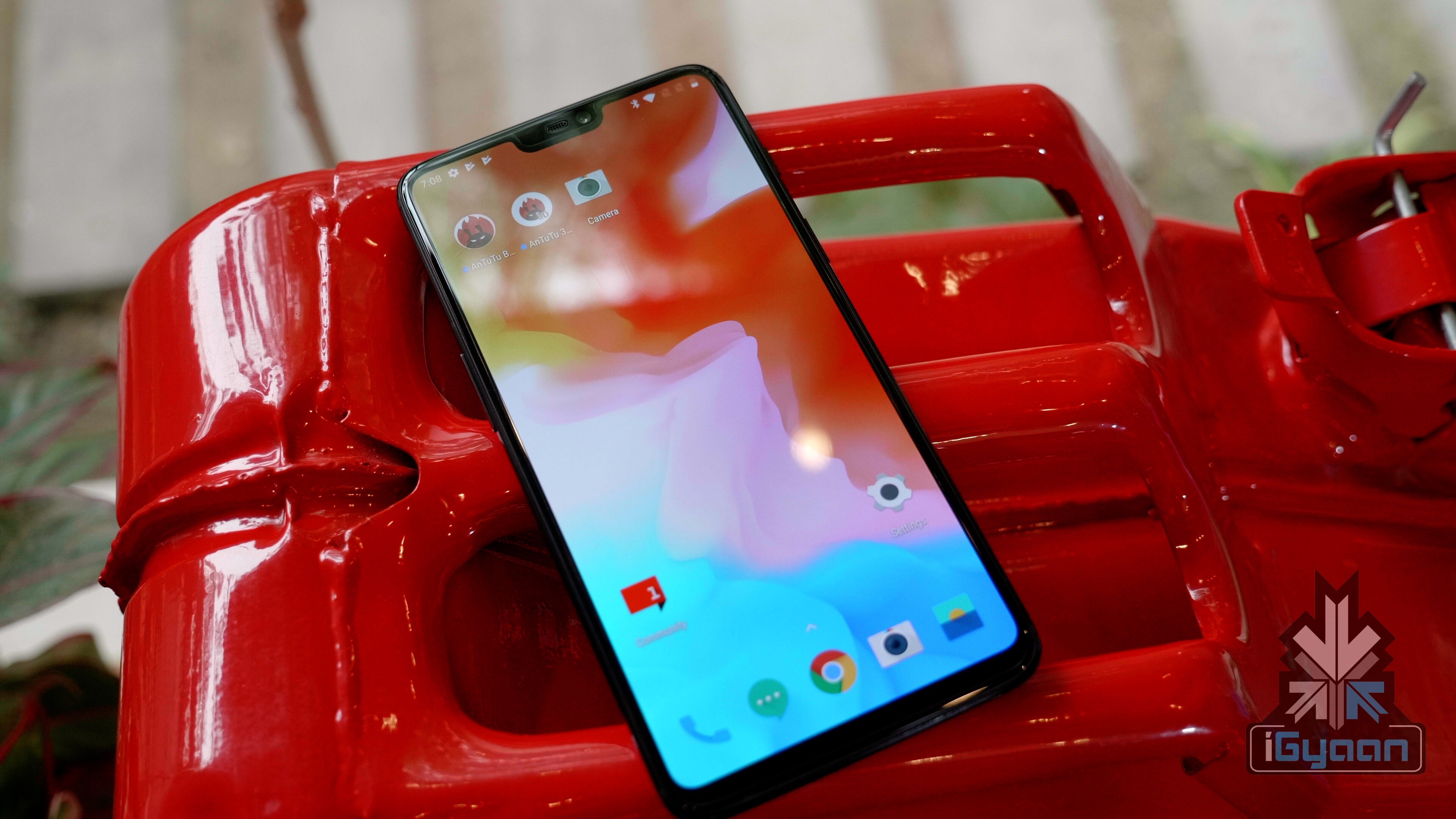
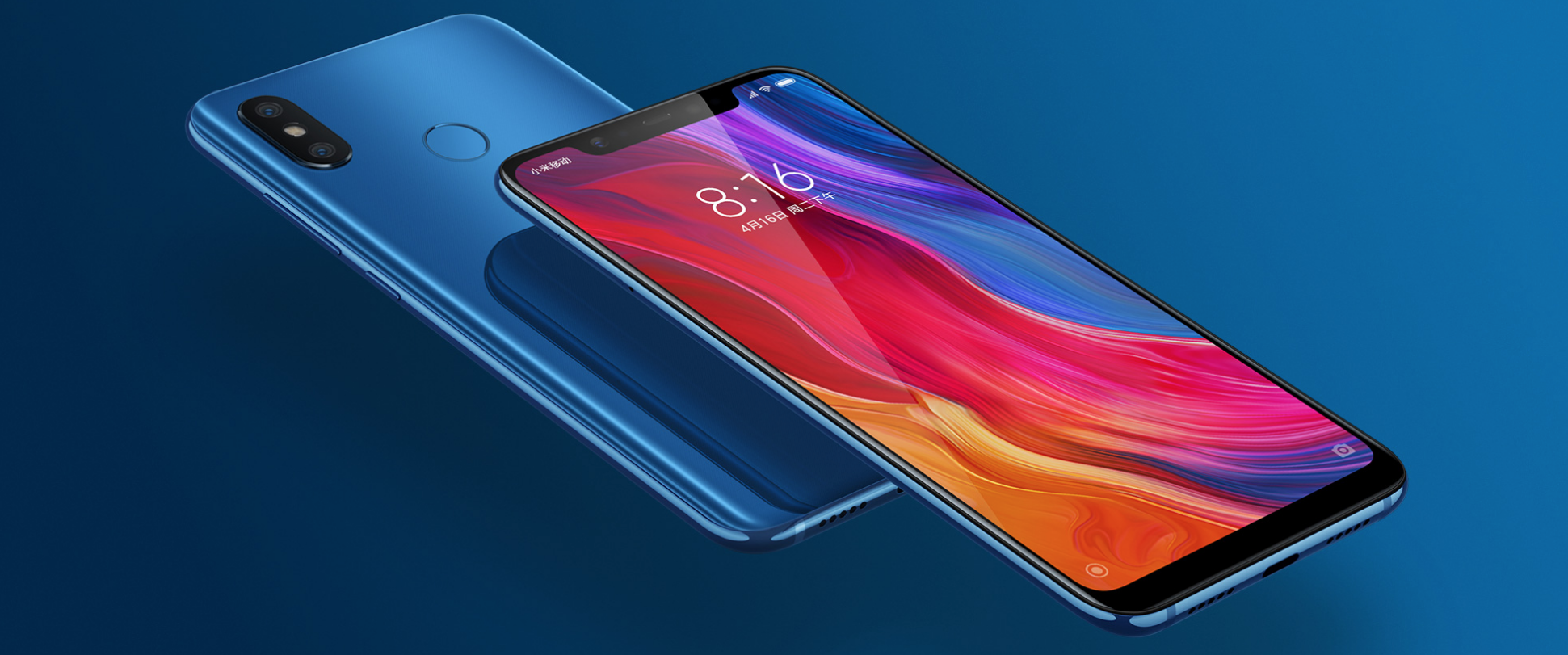
    The Xiaomi Mi 8 has a wider notch but, it also houses all the tech required for 3D facial recognition. After the iPhone X, the Mi 8 is the first smartphone to feature 3D facial recognition technology, similar to Apple’s Face ID. The OnePlus 6, on the other hand, features a narrower notch which helps the company reduce the size of the bezels and incorporate a bigger display without really increasing the overall footprint of the smartphone.

    In a lot of ways, the Xiaomi Mi 8 and OnePlus 6 are similar. Both the devices use an AMOLED display with FullHD+ resolution and run on the latest Snapdragon 845 chipset. Even in terms of pricing, both the devices are much more affordable when compared to the likes of Galaxy S9, HTC U12+ or the iPhone X. The Mi 8 starts at a price of CNY 2,699 (Rs 28400 approx.) while the OnePlus 6 in China starts at a price of CNY 3199 (Rs 33800 approx.). In India, while the OnePlus 6 retails for Rs 34999 (base model), the Mi 8 might never launch.

    The Xiaomi Mi 8, design-wise, takes a lot of inspiration from the iPhone X. The presence of a wide notch like the iPhone X and the vertically placed dual camera setup is very similar to Apple’s current flagship. The Mi 8, however, fails to replicate one of the most impressive design features of the iPhone X. The iPhone X doesn’t have a chin, while the Mi 8 has a chin very similar to the OnePlus 6.

    [amazon_link asins=’B0756Z43QS’ template=’ProductAd’ store=’igyaan-21′ marketplace=’IN’ link_id=’b9bd77f0-7095-11e8-abbc-7f3e3c854b77′]

    Both the Mi 8 and OnePlus 6 also feature a dual-camera setup on the back. The Mi 8 has a primary 12MP RGB sensor with an f/1.8 aperture coupled with a 12MP telephoto lens with an f/2.4 aperture and 1-micron pixel size. The notch houses a 20MP AI camera with an f/2.0 aperture. Just like the iPhone X, it also has a portrait lighting feature and Xiaomi’s own take on the animojis.

    The OnePlus 6 has a 16MP Sony IMX 519 sensor and a 20MP Sony IMX 376K sensor. Both are RGB sensors and have an f/1.7 aperture with OIS, another first for a OnePlus device. The cameras also record 4K videos at 60fps which is a great feature for content creators. To the front of the smartphone is a 16MP Sony IMX 371 sensor with an f/2.0 aperture and EIS which records 1080P videos.

    Let’s compare the specifications of the two smartphones!

    Specifications
    Specs OnePlus 6 Xiaomi Mi 8
    Price Starting Rs 34999 (India) Starting CNY 2,699 (Rs 28400 approx.)
    Display 6.28 inch
    Optic AMOLED
    6.21 inch
    Super AMOLED
    Resolution 2280 x 1080 px
    402 ppi
    2248 x 1080 px
    402 ppi
    Battery 3300 mAh
    Dash Charge
    3400 mAh
    QuickCharge 3.0
    Chipset Snapdragon 845 Snapdragon 845
    RAM 6GB/8GB  6GB
    Storage 64GB/128GB/256GB 64GB/128GB/256GB
    Primary Camera 16MP Sony IMX 519
    20MP Sony IMX 376K
    f/1.7
    OIS
    12MP RGB
    f/1.8
    4-axis OIS
    12MP Telephoto
    f/2.4
    Primary Camera Video 4K @ 60fps
    1080P @ 240fps
    4K @ 60fps
    1080P @ 240fps
    Secondary Camera 16MP Sony IMX 371
    f/2.0
    EIS
    20MP
    f/2.0
    Animojis
    OS Andrpoid 8.1 Oreo
    OxygenOS
    Android 8 Oreo
    MIUI 9.5
    Add-Ons Fingerprint Sensor
    Face Unlock (not secure)
    3.5mm headphone jack
    3D Face Unlock
    Fingerprint Sensor
    Dual GPS
  • New Apple India Chief Dismisses Discounts For Apple Products

    New Apple India Chief Dismisses Discounts For Apple Products

    Apple India’s new country head, Michel Coulomb has some radical plans for the company. Reports claim that he plans to dismantle the current sales strategy set by predecessor Sanjay Kaul to achieve a more ‘organised distribution’ structure for iPhones, iPads and Macs. This essentially means that consumers in India won’t be seeing discounts on Apple products like they’re used to.

    With this new strategy, distributors of Apple products in India will be trimmed. Hence, the company will look to maintain the prices of its products since up until now, distributors had the freedom to sell to any retailer, even at lower prices. All these details were shared by three persons directly aware of the development in the company.

    The earlier ‘open distribution’ strategy at Apple India had created a lot of discontent amongst its offline trade partners, since the distributors would often indulge in wholesaling to achieve targets leading to rampant deep discounting online and fluctuation in prices almost every day. So much so, Apple was even considered as a discounted brand. The new country head is pulling the plug after reviewing the scenario.

    [amazon_link asins=’B06ZXWWD6R’ template=’ProductAd’ store=’igyaan-21′ marketplace=’IN’ link_id=’9f6c459b-708e-11e8-93e6-5db4d94d1b7a’]

    Coulomb took charge of India for Apple back in December 2017. He also served as MD, Apple for the Middle East, Turkey and Africa. According to the executives, he will retain only two national distributors–Ingram Micro and Redington. Brightstar, Rashi Peripherals and HCL Infosystems will be slowly phased out of the system.

    Must Read: Apple Wins US$ 539 Million From Samsung In The Ongoing Patent Infringement Trial

    This doesn’t mean consumers will never see a discounted iPhone ever again. According to the executives,

    While there will still be special promotions online for Apple products, the days of deep price cuts seem to be over.

    The move does make sense for Apple. However, it’ll be interesting to see how much this will affect the sales of iPhones in India, a country that is so price-sensitive.

  • Xiaomi Redmi 6 Pro To Launch In Late-2018

    Xiaomi Redmi 6 Pro To Launch In Late-2018

    The Xiaomi Redmi Note 5 Pro is one of the most popular budget smartphones in India right now. The fact that it first launched in India before any other country made it an even sweeter deal for many users. With the success of this Pro device, Xiaomi appears to be already working on a new smartphone with this moniker and could launch it in late-2018. Apart from the Redmi 6 Pro, the existence of the Mi Max 3 and Mi Pad 4 has also been confirmed.

    A new report claims that references to all the three devices were found on the Mi China website. This means that these smartphones will launch in China before anywhere else in the world. While the Redmi Note 5 Pro was an India-first device, it seems unlikely that Xiaomi will continue this trend.

    Recently, a Xiaomi smartphone with a notched display was leaked on TENNA. While it was initially expected to the Redmi 6 Plus, it now appears to be the Redmi 6 Pro. Xiaomi recently launched the Redmi 6 and 6A while there were no traces of a Redmi 6 Plus being launched in the near future. While the design is plausible, we hope Xiaomi fixes the colour of the bezels and notch and go with a black colour instead.

    Must Read: Xiaomi Mi A2 Running On Snapdragon 660 Spotted On Geekbench

    The Redmi 6 Pro could have a 5.84 inch display with a 2280 x 1080 px resolution. This translates into a 19:9 aspect ratio which is common for smartphones with a notch.

    [amazon_link asins=’B07CJYMDNQ’ template=’ProductAd’ store=’igyaan-21′ marketplace=’IN’ link_id=’e350f7b1-707c-11e8-af31-ebdc419c195f’]

    The listing mentions that the device will run on an octa-core 2.0GHz processor which could well be the Snapdragon 660 SoC. The Xiaomi Redmi 6 Pro is expected to be available in three configurations, 2GB RAM/16GB storage, 3GB RAM/32GB storage, and 4GB RAM/64GB storage. Like the Redmi Note 5 Pro, the 6 Pro is also expected to offer expandable storage via microSD card.

    On the back of the smartphone will be a dual-camera setup. The listing mentions a 12MP primary sensor and 5MP secondary sensor. This is the exact configuration found on the Redmi Note 5 Pro. Xiaomi would probably improve the quality of the sensors and add a few software features as well. Powering the Redmi 6 Pro will be a 4000 mAh battery. Hopefully, with the 6 Pro, we will see the inclusion of a USB Type C port.

    Mi Max 2

    The Mi Max 3 has been in the news for quite a while now. Xiaomi is one of the few companies that still makes phablets. The Mi Max 3 will succeed the Mi Max 2 and is expected to launch in July. Just like the recently launched Mi 8 SE, the Mi Max 3 is expected to run on the Qualcomm Snapdragon 710 chipset. This could be coupled with 6GB of RAM and up to 64GB of onboard storage.

    The Xiaomi Mi Pad 4 will be one of the few exciting Android-running tablets to launch in 2018. Xiaomi has not given up on tablets yet and the Mi Pad 4 could launch soon as well. Recent leaks suggest the Mi Pad 4 will run on Snapdragon 660 chipset and sport an 18:9 aspect ratio. If true, this will be a headline-grabber as well since no other tablets with this aspect ratio have launched so far.

    The list of smartphones that Xiaomi could launch is exciting. At the end of the day, these are leaks and a lot can happen by the time these smartphones are launched.

iGyaan Network
Privacy Overview

This website uses cookies so that we can provide you with the best user experience possible. Cookie information is stored in your browser and performs functions such as recognising you when you return to our website and helping our team to understand which sections of the website you find most interesting and useful.