Category: Tech

Latest Technology News, Alternative, Bio-Tech, Medical, R&D and Innovations

  • OnePlus 6 Gets Selfie Portrait Mode With New OxygenOS Update

    OnePlus 6 Gets Selfie Portrait Mode With New OxygenOS Update

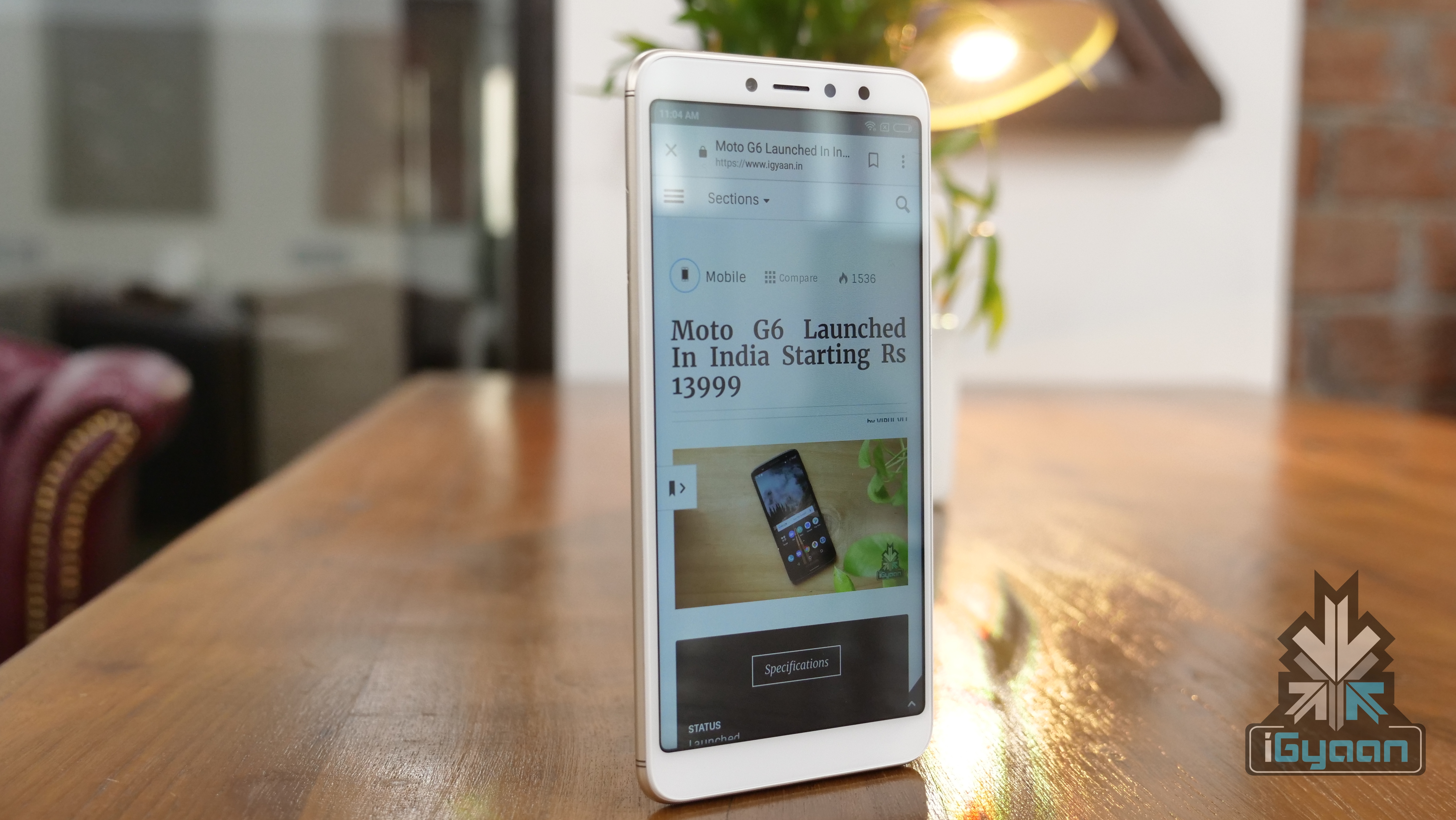
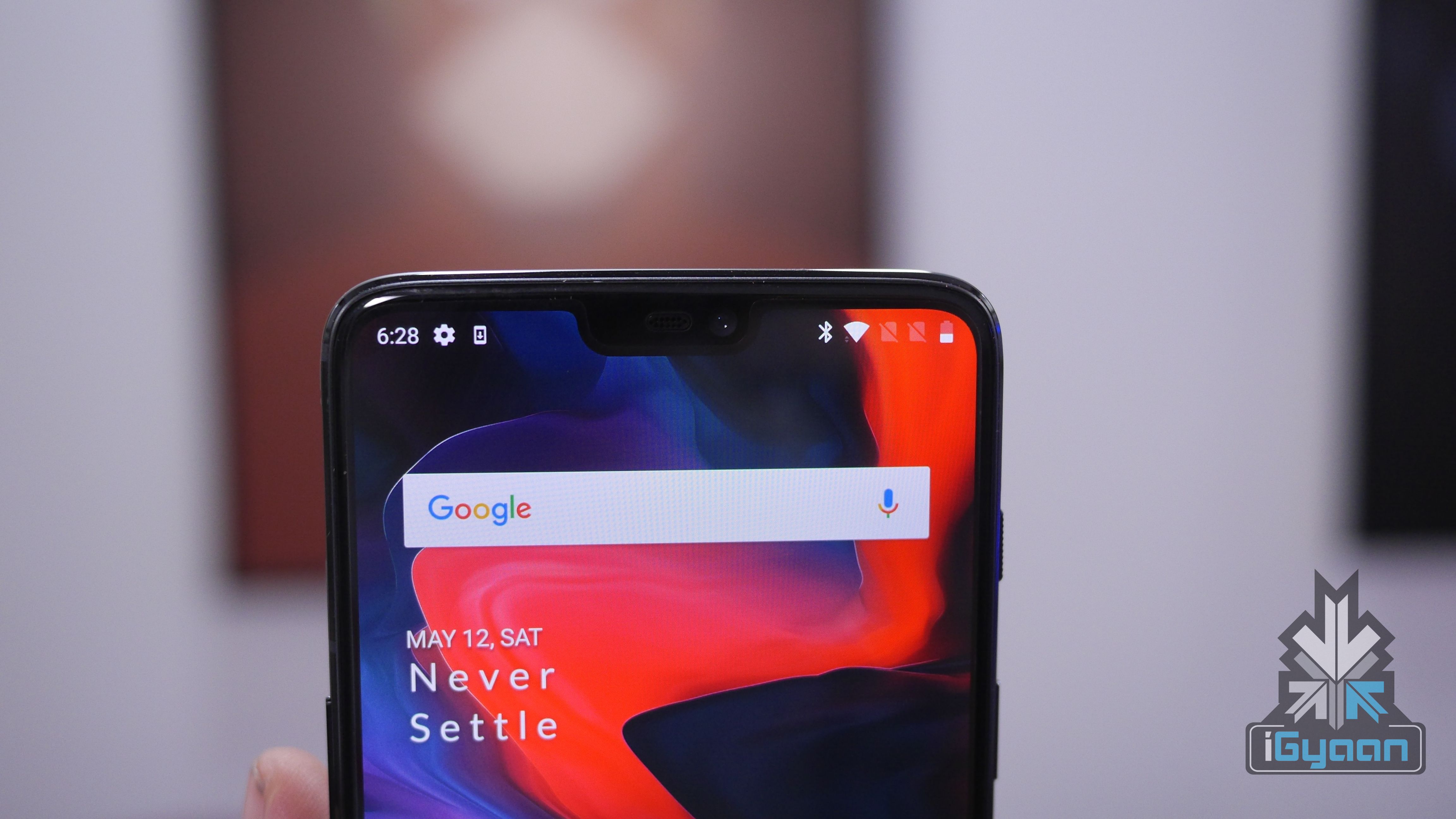
    The OnePlus 6 was launched in India on May 17th at a starting price of Rs 34999. Most of the details of the smartphone were leaked before it officially launched but, the device overall was a pleasant surprise for OnePlus 6 suitors. In terms of build quality and design, the smartphone is a definite upgrade over any of its predecessors. The company, in fact, is continuously adding new updates to its flagship device and the OxygenOS 5.1.6 update has done just that.

    [amazon_link asins=’B0756Z43QS’ template=’ProductAd’ store=’igyaan-21′ marketplace=’IN’ link_id=’70d711c3-6d34-11e8-bd2d-d557592c4236′]

    With new the update to OxygenOS, the OnePlus 6 gets the famed selfie portrait mode. This feature has become quite popular over the course of a year-and-a-half with many smartphones being marketed solely on the basis of this feature. The OnePlus 6 now has portrait mode on both the rear and front-facing camera. Selfie enthusiasts should definitely appreciate this new feature. The update also brings a preview for Light Bokeh Effect in Portrait Mode but for the rear camera only.

    The update also includes other notable additions like battery percentage in the status bar, a schedule for DND (Do Not Disturb), dual 4G network support in SIM and Network Settings, and smart answer for Bluetooth devices. The smart answer allows automatic answering of incoming calls when connecting a Bluetooth device for example headphones, car stereo etc.

    Just like every other update, there are a few bug fixes as well. The new update is 223MB in size and for safety, make sure your data is backed up. Although official system updates seldom cause data loss, there is no harm in being precautious. Head over to Settings, then About Phone and then click on Software Update to update the system.

    Must Read: Lenovo Z5 Running On Snapdragon 636, With An iPhone X Like Notch Launched

    The OnePlus 6 is available in Mirror Black and Midnight Black colour variants only. The Silk White variant went on sale on June 5th and is currently out of stock. The Avengers Edition as well, is out of stock with no information about a further flash sale of the limited edition variant.
  • Apple iPad With Face ID Hinted At In iOS 12 Beta

    Apple iPad With Face ID Hinted At In iOS 12 Beta

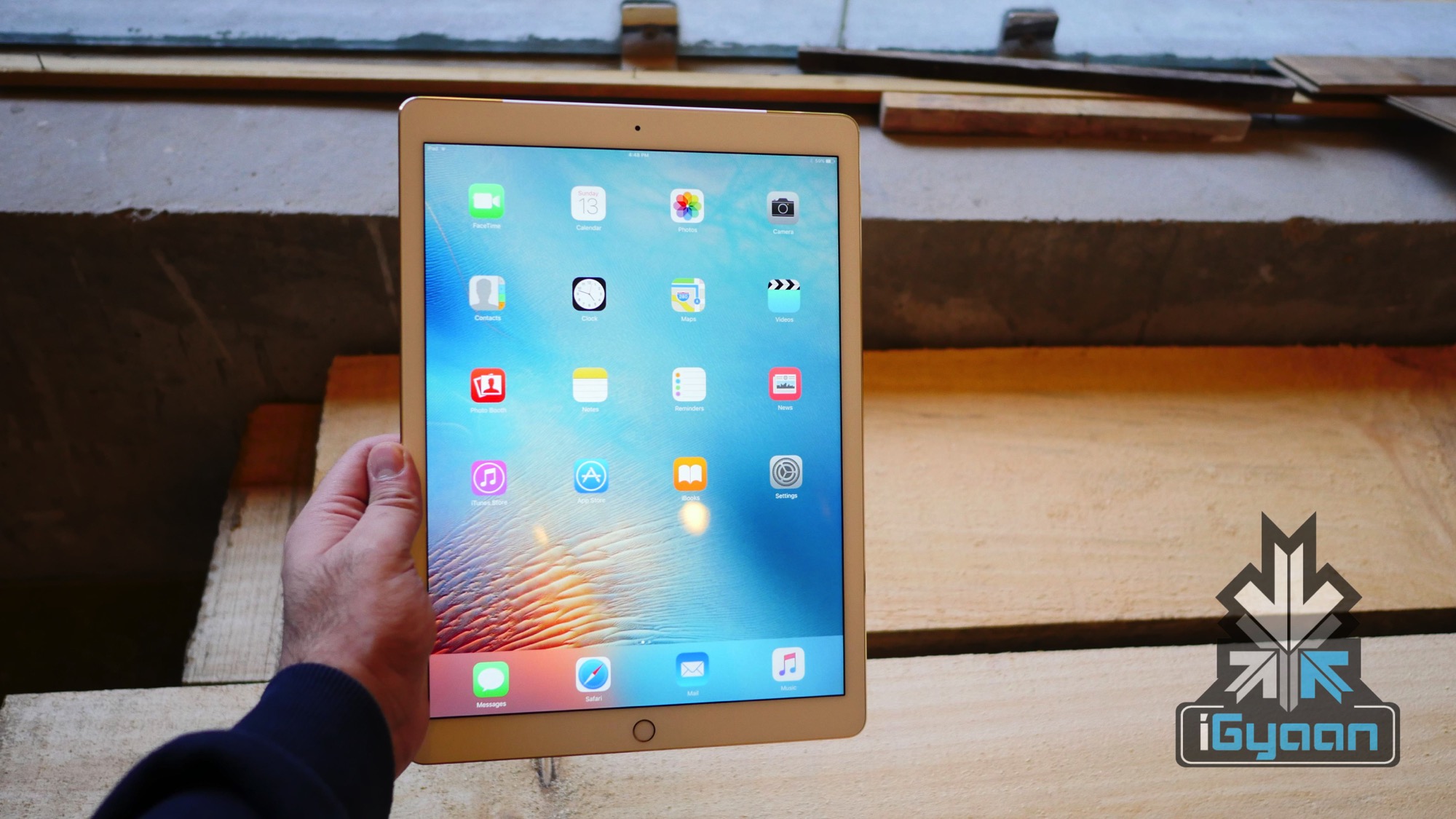
    Apple launched the iPhone X in September along with the iPhone 8 and 8 Plus. The iPhone X was a major departure from Apple’s design philosophy and introduced us to Face ID. While Face ID was received with some scepticism in the beginning, however,  it has ably replaced Touch ID and the company plans to phase out the fingerprint sensor in all its iOS devices. This means that future iPads will also launch with Face ID, which has been seemingly confirmed in iOS 12.

    iOS 12 beta was made available to users right after the first day of WWDC 2018. iOS developer Guilherme Rambo, during his usual poking around in iOS 12 found something interesting pertaining to Face ID and iPads. Rambo tweeted videos and screenshots of iOS 12 that contain hidden references to Face ID on the iPad, including the setup UI and relevant section of the settings menu.

    Must Read: Apple iPhone X Was The Best Selling Smartphone In Q1 Of 2018

    It is worth noting that these references could pertain to a feature that lets users unlock their iPads using the iPhone X. If true, this will be similar to the feature wherein users can unlock their Mac using the Apple Watch. However, there has been enough evidence that suggests that Face ID is coming to iPads and with iOS 12, it could be as soon as late-2018. In December 2017, Apple announced a US$ 390 million investment in Finisar, a facial recognition technology company.

    Must Read: Apple Working On An AR/VR Headset With 16K Resolution Display

    [amazon_link asins=’B07C53VXH8′ template=’ProductAd’ store=’igyaan-21′ marketplace=’IN’ link_id=’7bfe5547-6bdd-11e8-9ac5-d9ac21ec5da3′]

    Finisar will use the funds to build a 700,000-square-foot manufacturing plant in Texas to develop vertical-cavity surface-emitting laser (VCSEL) chips. Jeff Williams, CEO at Apple had said:

    VCSELs power some of the most sophisticated technology we’ve ever developed and we’re thrilled to partner with Finisar over the next several years to push the boundaries of VCSEL technology and the applications they enable.

    It is evident that Apple believes Face ID is the future. Apart from the iPhone SE 2, all 2018 iPhones are rumoured to feature the facial recognition technology. With iPads being the only major player in the tablets industry, Apple would want to move ahead of any sort of little competition it has in that space. With Face ID coming to iPads, it also means that there will be a uniformity in all iOS devices in the future.

    Whether this means the upcoming iPads will thin bezels like the iPhone X is yet to be seen. With larger devices, you need bezels around the display to hold them and not be prone to accidental touches. The Face ID sensors could easily fit into the top bezel of an iPad.

  • Yahoo Messenger Is Being Killed Off On July 17th 2018

    Yahoo Messenger Is Being Killed Off On July 17th 2018

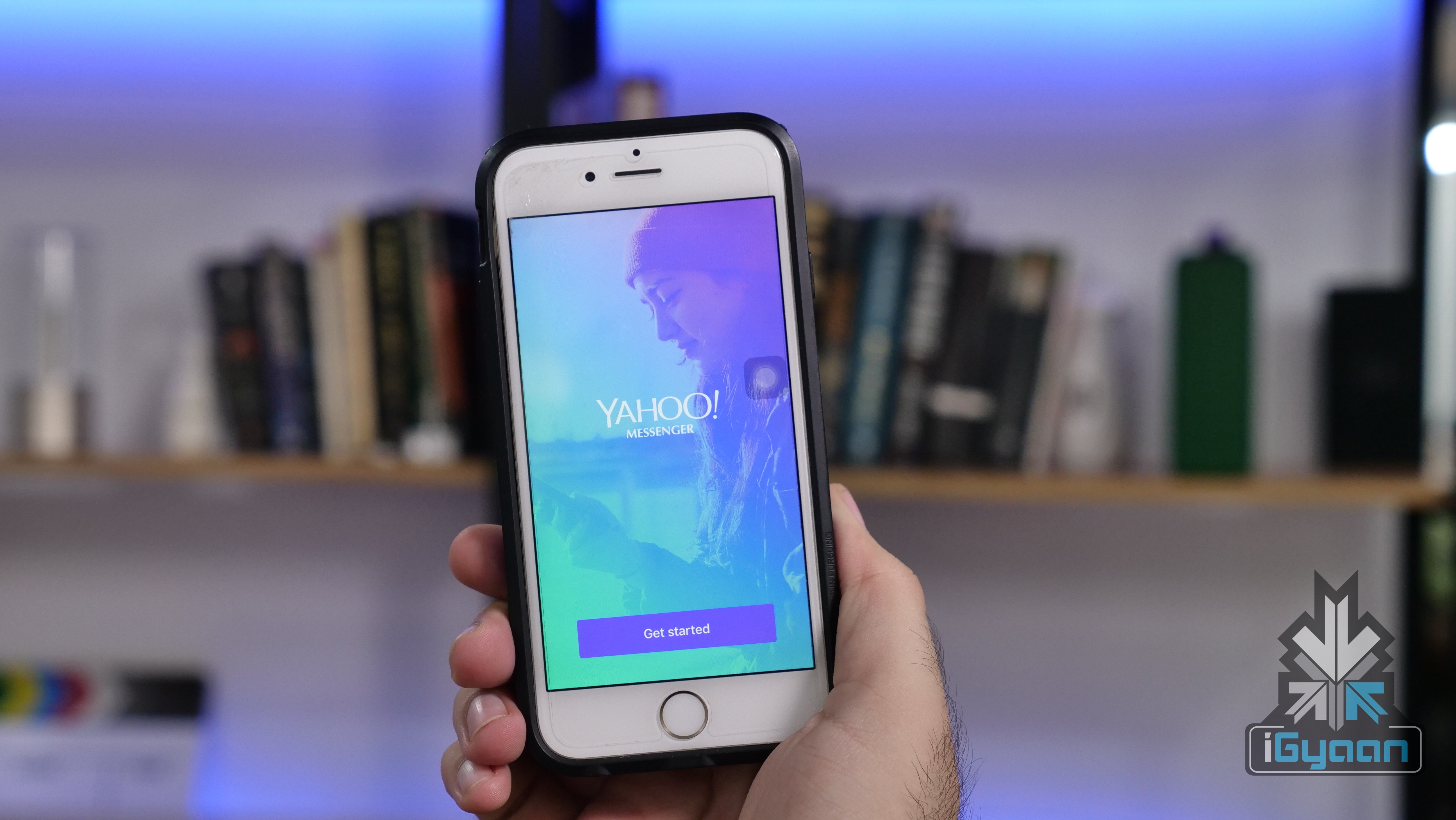
    Anyone who grew up in the early 2000’s knows two things about the internet – the dial-up tone and Yahoo Messenger. Long before Snapcha and Facebook Messenger, there was the ultimate social media platform, Yahoo Messenger. The instant messaging app, which is now run by Verizon-owned Oath will shut down on July 17th.

    Oath will be redirecting its users (if any) to its new group messaging app, Squirrel. The company is encouraging users to sign up for Squirrel which the company has been beta testing since May. Squirrel is currently invite-only, but the app should be open to the public by the time Yahoo Messenger shuts down.

    We know we have many loyal fans who have used Yahoo Messenger since its beginning as one of the first chat apps of its kind. As the communications landscape continues to change over, we’re focusing on building and introducing new, exciting communications tools that better fit consumer needs.

    Must Read: Apple’s Memoji Feature Will Let Users Create Personalised Animojis

    The death of the Messenger has been imminent. In 2016, Yahoo was acquired by Verizon for US$ 4.6 billion. Verizon renamed the business as Oath and started selling off parts of Yahoo. The company recently sold Flickr, a popular photo-sharing app to SmugMug. As was with the case of Flickr, Yahoo Messenger could not cope with the rise of social media apps like Facebook and then instant messaging services like WhatsApp.

    Yahoo Messenger made its debut in 1998 as Yahoo Pager. For many years, it became the sole IM service that teens and adults used across the globe. From anonymous chat rooms to set a status message, Yahoo Messenger did it first. While it is fair to romanticise a fallen legend, the reality is that the Messenger faded away. While Squirrel is what Oath is working on, it isn’t a like-for-like replacement of Yahoo Messenger.

    There currently isn’t a replacement product available for Yahoo Messenger. We’re constantly experimenting with new services and apps, one of which is an invite-only group messaging app called Yahoo Squirrel (currently in beta).

    Must Read: Baba Ramdev’s Kimbho Messaging App Disappears From Google Play Store Within 24 Hours Of Its Launch

    Its users will have up to 6 months after July 17th to download their Messenger chat history. Their Yahoo email ID will continue to work and users will be able to access Yahoo Mail or log in to any other services using their email ID. The writing was on the wall for the end of  the Yahoo! era and the killing off of Yahoo Messenger is just another brick in that wall.

  • Amazon Echo Dot Now Priced At Rs 4099 In India, Echo Receives A Price Cut As Well

    Amazon Echo Dot Now Priced At Rs 4099 In India, Echo Receives A Price Cut As Well

    The smart speaker industry has been on the rise in India. After the entry of Amazon’s Echo line of speakers, Google recently launched the Home and Home Mini in India as well. Up until now, the Google Home Mini and Google Home were priced on par with the Echo Dot and Echo, respectively. Amazon, however, has announced a price cut for the two smart speakers, making them more affordable than Google’s offerings.

    [amazon_link asins=’B071NB4PGV’ template=’ProductAd’ store=’igyaan-21′ marketplace=’IN’ link_id=’c18f518e-6bc3-11e8-8ae0-5fd59762d9f3′]

    The Google Home Mini, which was launched at a price of Rs 4499 has received a price cut of Rs 400. The ultra-affordable smart speaker from Amazon is now priced at Rs 4099. The Amazon Echo, which is the mid-table offering from Amazon in India receives a Rs 1000 price cut. The second gen Echo is now priced at Rs 8999. Its main competitor, the Google Home is still priced at Rs 9999 in India.

    Apart from the Echo and Echo Dot, the company has also launched the Echo Plus and Echo Spot in India. However, these two smart speakers will continue to retail at their launch prices. The Echo Spot is the only smart speaker in India which has a display. While an interesting prospect, the Echo Spot with its tiny round display does not have a lot of implementations which would be useful in countries like in India.

    [amazon_link asins=’B0749YXL1J’ template=’ProductAd’ store=’igyaan-21′ marketplace=’IN’ link_id=’caab5210-6bc3-11e8-88e7-6336f0230f4e’]

    At the Amazon Hardware show, the company launched a refreshed version of the Amazon Echo of 2014. In India, it is available in a host of different finishes like wood and cloth. It is a smart speaker and does things at your (voice) command like book an Uber, place an order on Zomato or play your favourite playlist from Saavn. The device measures at 148.5 x 88 x 88 mm and weighs 821 grams. It features 2.5-inch woofer and 0.6-inch bass tweeter.

    The Amazon Echo Dot is the smallest sibling of the Echo lineup and has all the functionalities that an Amazon Echo possesses but, with an inferior sound quality. The device measures at 83.5 x 83.5 x 32 mm and weighs 163 grams. A good thing about the Echo Dot is that it can be connected to other speakers for a better soundstage and still retain its core ‘smart’ features.

    The Amazon Echo Dot is a great entry-level smart speaker for users just getting into the smart home game. Whether this price cut will help Amazon reduce competition from the likes of Google Home speakers is yet to be seen.

  • Motorola One Power Leaked Specs Reveal 6.2 Inch Notched Display And Snapdragon 636

    Motorola One Power Leaked Specs Reveal 6.2 Inch Notched Display And Snapdragon 636

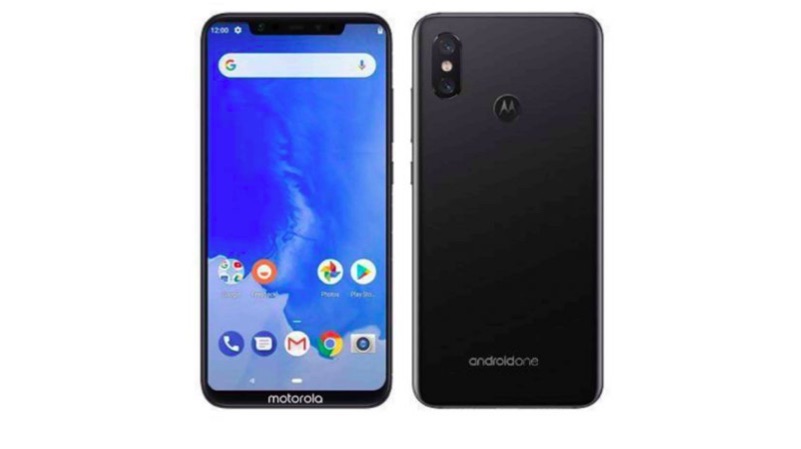
    Motorola One Power appears to be the next big launch in the company’s plans for 2018. Lenovo-owned Motorola has already launched the sixth generation of Moto G series in India and unveiled the Z3 Play in Brazil. The soon to be launched smartphone has been leaked several times and the newest piece of information reveals all the major specifications of the device.

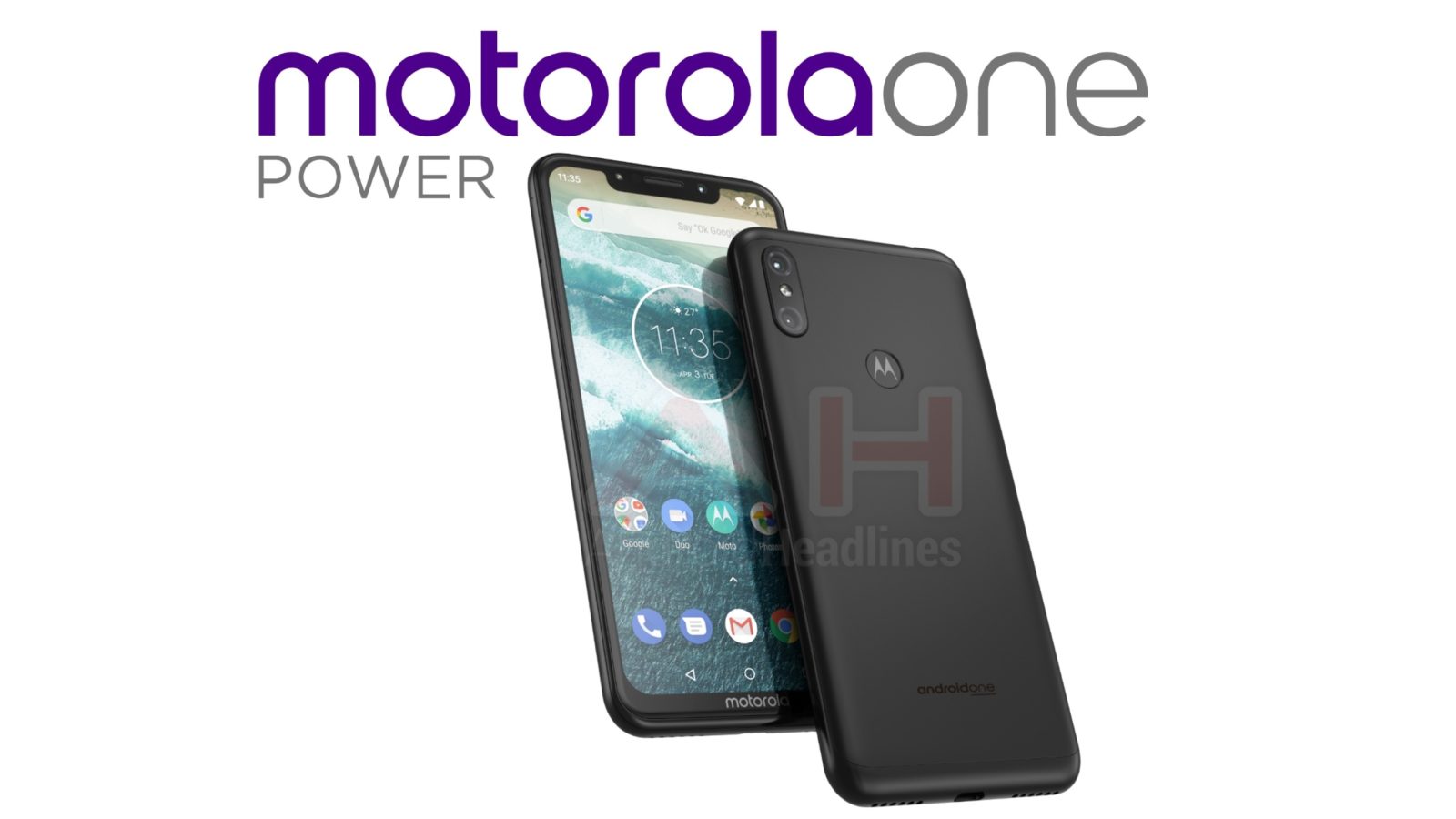
    It is almost certain that the Motorola One Power will have a notched display. However, unlike other Android OEMs, Motorola has not gone for a slim notch and it looks uncannily similar to the iPhone X. It is, however, highly unlikely that Motorola will introduce advanced facial recognition hardware in the Motorola One Power like the iPhone X. This also means that it’ll be the first Moto device to launch with a notch.

    It has also been a while since Motorola used the full name as part of a smartphone’s moniker. Usually, the company sticks to “Moto” followed the series and then the number. The company will also jump on the vertical dual-camera bandwagon with the new device.  The Motorola One Power looks to be a first in terms of many things for Motorola.

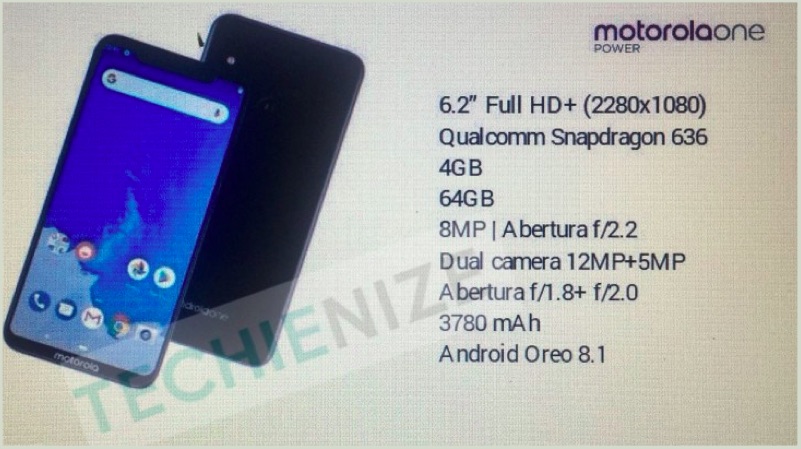
    According to the leak, the smartphone will have a 6.2 inch display with a 2280 x 1080 px resolution. It is not confirmed that whether the smartphone will have an IPS LCD or an AMOLED display panel. With a notch, users will benefit from an AMOLED display since they’ll be able to hide the notch using the software.

    Must Read: Moto Z3 Play Running On Snapdragon 636 Officially Launched

    Under the hood, the device will run on the Qualcomm Snapdragon 636 chipset. This means that the smartphone will be priced under Rs 20000 if it launches in India. The new budget SoC will be coupled with 4GB of RAM and 64GB of storage which should be expandable via a microSD card. The fingerprint sensor is placed on the back of the smartphone housed inside the Moto logo.

    Powering the smartphone will be a 3780 mAh battery. That is a sizeable battery and should last a day easily, in theory, at least. Out of the box, the smartphone will run stock Android 8.1 Oreo. The name, Motorola One Power suggests that the device will be an Android One smartphone.

    The back also houses a dual-camera setup consisting of a 12MP primary sensor with an f/1.8 aperture and a 5MP secondary sensor. The notch on the display houses an 8MP camera with an f/2.2 aperture. The previous leaks suggested a 16MP camera with an f/1.9 aperture. But, these are leaks at the end of the day and should be taken with a pinch of scepticism.

    There is no date set for the launch of the Motorola One Power as of now. However, with more and more leaks coming to the fore, it shouldn’t be too far away. We will keep you updated with all the leaks and information about the upcoming Motorola One Power.

  • Google Could Be Fined US$ 11 Billion In EU’s Antitrust Case

    Google Could Be Fined US$ 11 Billion In EU’s Antitrust Case

    Google is in troubled waters with the law again. This time around, it is because of the world’s most famous mobile operating system, Android. The European Commission could fine Google up to US$ 11 billion (Rs 73,800 crores) for abusing its dominance via the Android OS. Google was recently sued for £3.2 Billion for secretly tracking and collecting personal information of 4.4 million iPhone users in the UK.

    A report by Financial Times claims that EU’s Competition Commissioner Margrethe Vestager is set to give the verdict “within weeks.” The investigation revealed that Google imposed illegal terms on Android device makers “which harmed competition and cut consumer choice.” The report further adds:

    Android is used in more than 80 percent of the world’s smartphones and is vital to the group’s future revenues as more users search on their mobile gadgets.

    Must Read: Google And Facebook Sued For US$ 8.8 Billion For Coercing Users Into Sharing Their Personal Data

    [amazon_link asins=’B0772YB7Y1′ template=’ProductAd’ store=’igyaan-21′ marketplace=’IN’ link_id=’55d549ca-6b05-11e8-aa1b-3f9463b6a48e’]

    Even though the fine could be up to US$ 11 billion, the actual penalty may be less. This is not an exception and happens in many cases involving multi-billion dollar penalties. The case dates back to 2016 when EU accused Google of imposing licensing conditions for Android OS. The initial charges on Google state that the company required phone manufacturers to install the company’s Chrome web browser and its search tool on their devices. Google allegedly offered financial incentives to place its apps on phones, but also threatened to cut off access to the Google Play Store if companies didn’t comply.

    A third investigation is underway into whether the company (Google) unfairly banned competitors from websites that used its search bar and adverts.

    This isn’t the first time that EU has cracked down on Google’s alleged illegal activities. In 2017, the company was fined US$ 2.7 billion (18,000 crores) for its ill-treatment of comparison shopping services. This led to Google later introducing changes in how it compares shopping offers in its search results.

    With the result poised to be announced in the coming weeks, Google would want to get this over with quickly. The company will launch the Pixel 3 devices in October and would like to avoid any sort of bad press around the time of launch.

  • MIT Researchers Use Reddit To Create An AI That Only Thinks About Murder

    MIT Researchers Use Reddit To Create An AI That Only Thinks About Murder

    Artificial Intelligence is one of those terms that induces a polarising reaction from different people. Some believe it’ll make our lives easier and others believe we will soon be an episode of Black Mirror thanks to AI. For tech companies, however, Artificial Intelligence is their new favourite phrase. Google, for example, probably set the world record for using the phrase “AI” the most number of times in an hour at Google I/O 2018. Ever since the Pixel 2 devices were launched, Google has not shied away from using this term in almost everything it does.

    While AI assistants like Alexa, Google Assistant do make our lives easier to a certain extent, nobody wants a psychopath AI in their lives. Anyone who has watched Altered Carbon can imagine how creepy and intrusive AI can be if we keep making advancements in the field without keeping a check on it. Researchers at Massachusetts Institute of Technology (MIT) unveiled their new creation, a disturbed AI named Norman. Yes, this AI is named after the “lovable” character from the 1960 film, Psycho. The researchers write:

    Norman is an AI that is trained to perform image captioning, a popular deep learning method of generating a textual description of an image. We trained Norman on image captions from an infamous subreddit (the name is redacted due to its graphic content) that is dedicated to document and observe the disturbing reality of death. Then, we compared Norman’s responses with a standard image captioning neural network (trained on MSCOCO dataset) on Rorschach inkblots; a test that is used to detect underlying thought disorders.

    Essentially, this AI has very disturbed responses when compared to a general AI. While the Rorschach test has its own doubters whether it is a valid way to measure a person’s psychological state, Norman’s responses don’t need a test to be labelled creepy. The image below captures the level of effect that Reddit thread had on Norman’s ability to perceive images.

    The researchers have said that the aim of the experiment was to show how easy it is to bias any AI if you train it on biased data. This experiment raises some telling points about AI and its rapid advancements. Google recently came under scrutiny after it demoed the Google Assistant fooling human beings in a telephonic conversation. Google has since conceded that when this feature rolls out, the Google Assistant will inform the person on call that they’re talking to Google Assistant.

  • Xiaomi Mi A2 Running On Snapdragon 660 Spotted On Geekbench

    Xiaomi Mi A2 Running On Snapdragon 660 Spotted On Geekbench

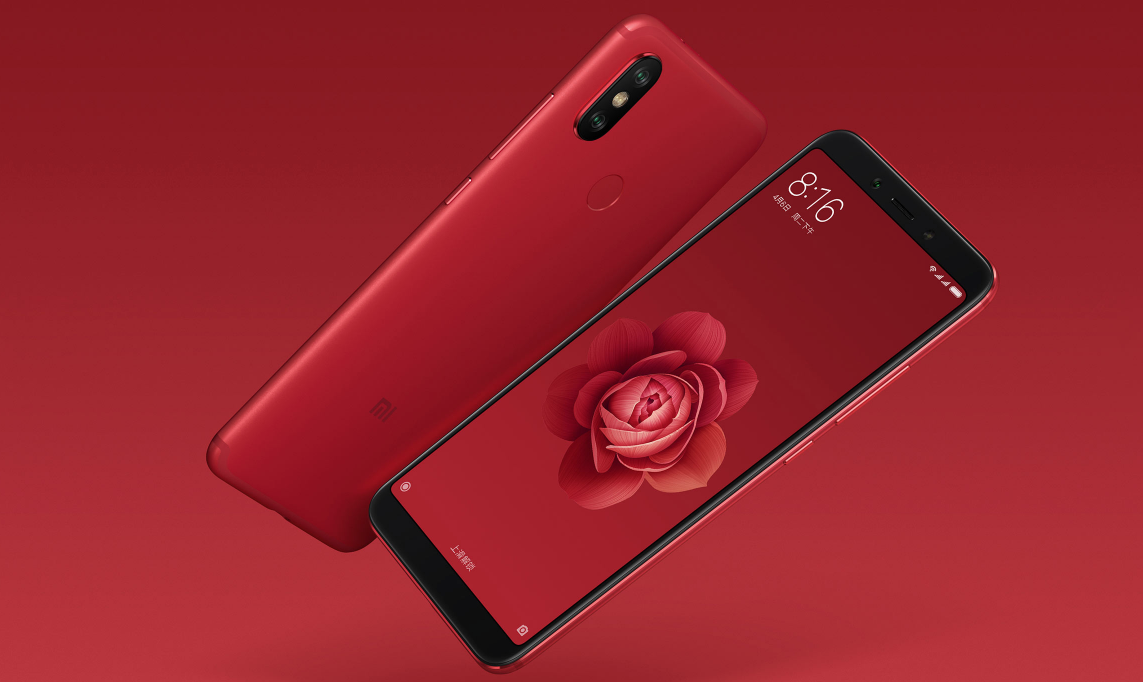
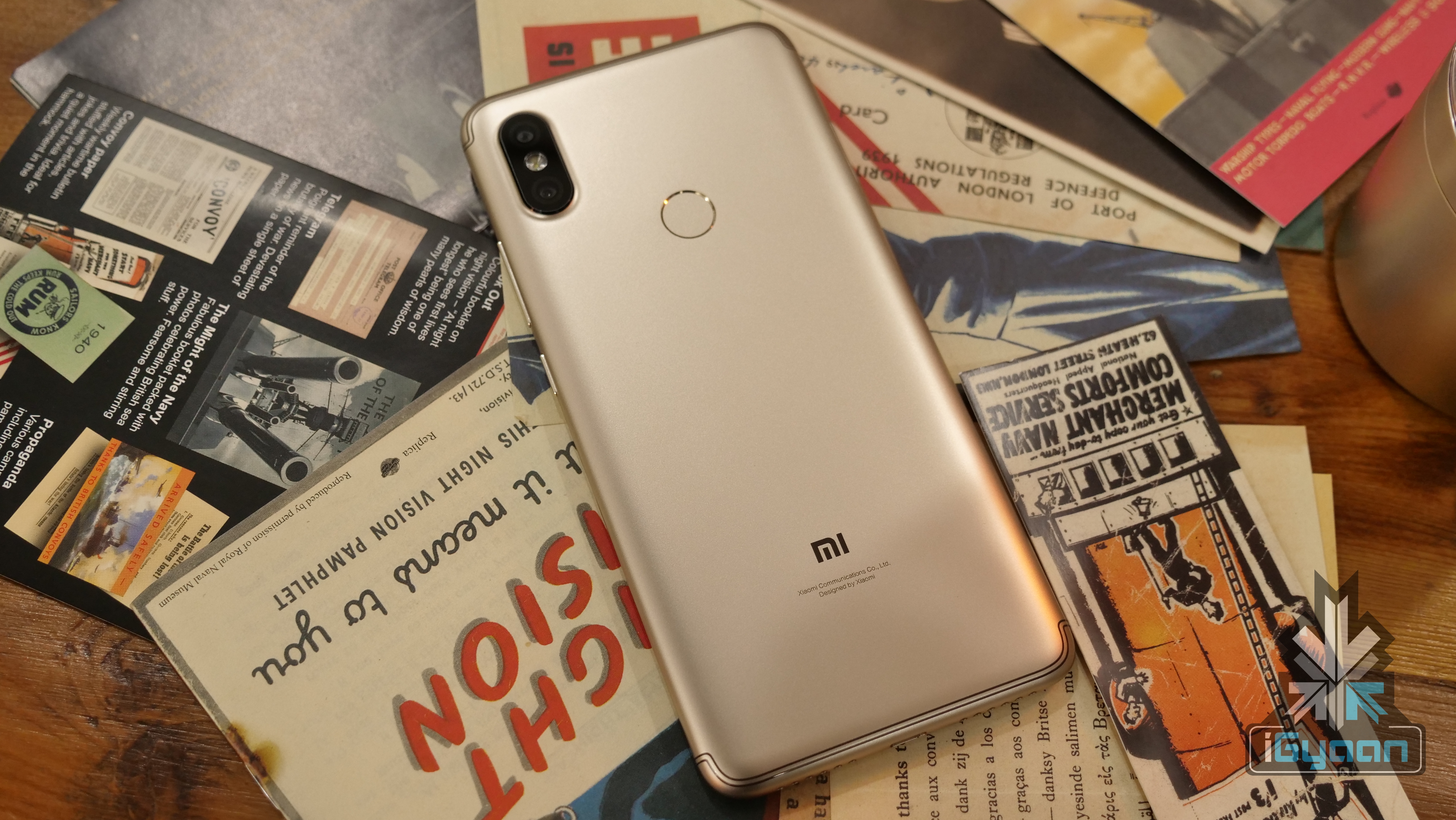
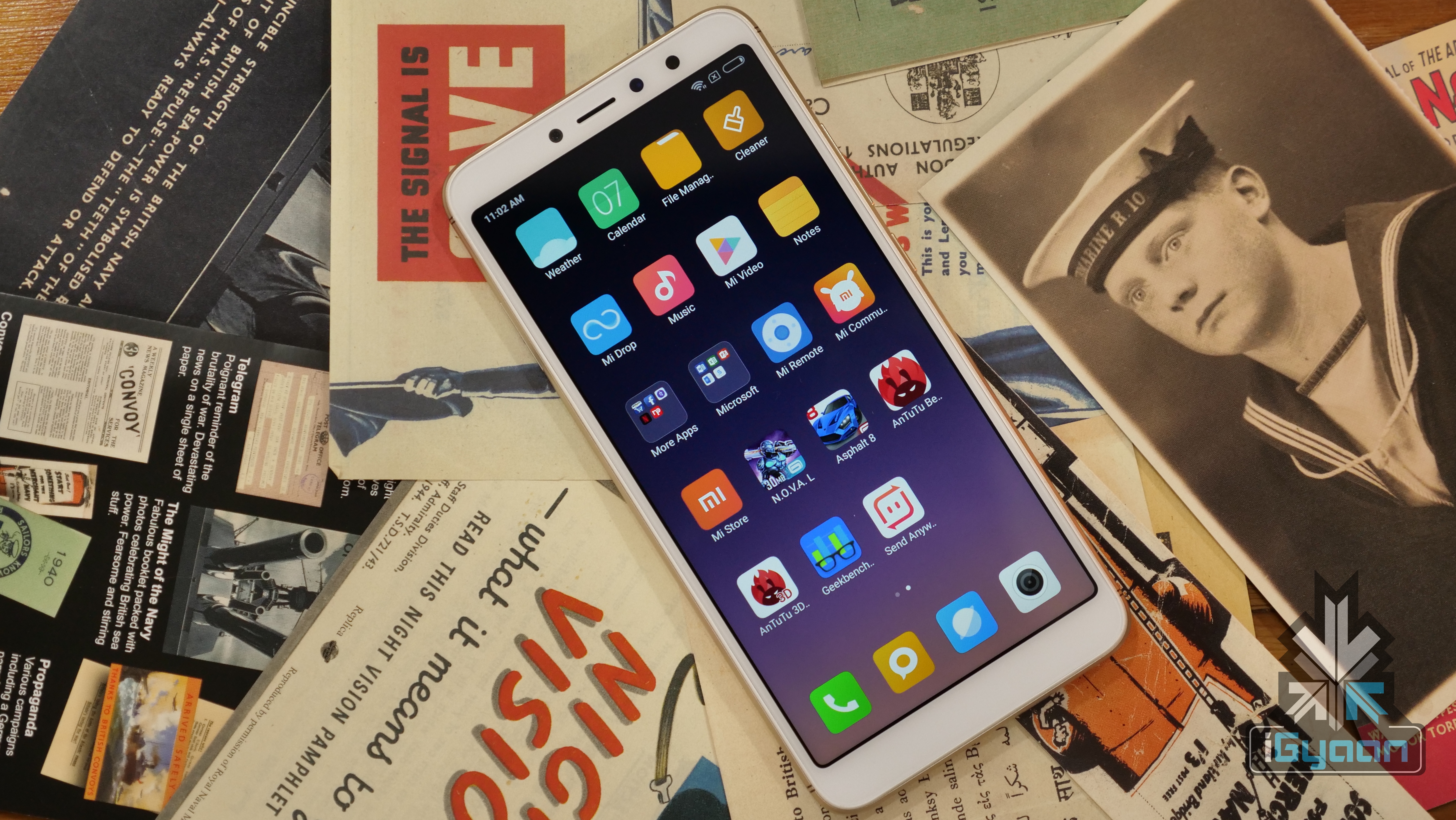
    Xiaomi has recently launched the Redmi Y2 in India at a starting price of Rs 9999. While the company’s Redmi lineup in 2018 has been confusing, Xiaomi has not launched a Mi-branded smartphone in India yet. Many expect the Xiaomi Mi A2 to be the first Mi-branded device to launch in India. A new Geekbench listing reveals a few details about the Mi A2, which will essentially be a rebranded Mi 6X which was launched in China on April 25th.

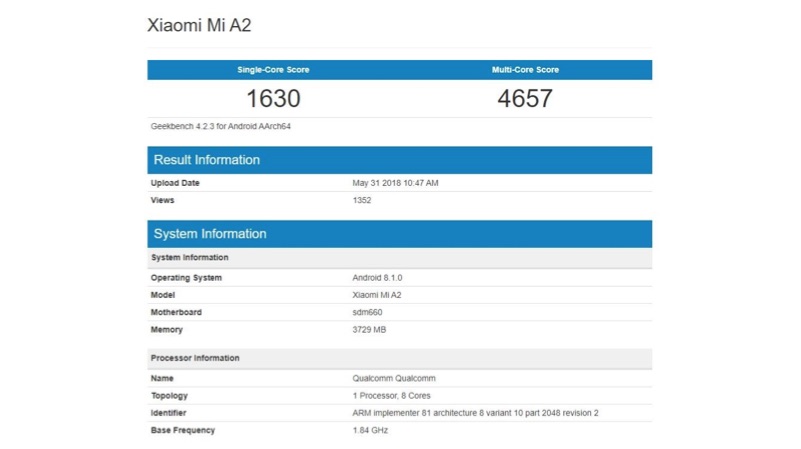
    According to the listing, the Xiaomi Mi A2 will run on the Snapdragon 660 chipset. This the same chipset that powers the Mi 6X as well. The variant in the listing has 4GB of RAM but, Xiaomi is expected to launch the 6GB RAM model in India as well. There are also chances that the company will only launch one variant of the Mi A2 in India. The Mi A2 scores 1,630 in single-core test and 4,657 in multi-core test.

    Since the Mi A2 will be an Android One version of the Mi 6X, it will run Android 8.1 Oreo out of the box. The Mi A1 was fairly quick to receive the Android 8 Oreo update. The company rolled out an update on December 31st, 2017. However, it was riddled with many bugs and the company had to pull the plug on the software update. The Mi A1 now runs on Android 8 Oreo which is stable and should receive an update to Android P as well.

    The Mi A2 could also miss out on a headphone jack. The Mi 6X launched in China does not have a headphone jack which means the Mi A2 would also skip it, considering they’re both the same smartphones. This could be a deal-breaker for many consumers in India as there aren’t many affordable Bluetooth headphones available here. iGyaan did, however, cover top five Bluetooth headphones in India which should help out the people who want to the Mi A2.

    Mi 6X

    The launch of the Xiaomi Mi A2 is inevitable. The company would want to build on the success of the Mi A1 instead of abandoning the lineup after just one generation. The moniker it’ll go with is something only time will tell.

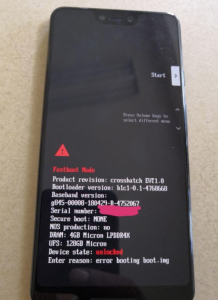
  • Google Pixel 3 XL With A Notch Leaked In Live Images

    Google Pixel 3 XL With A Notch Leaked In Live Images

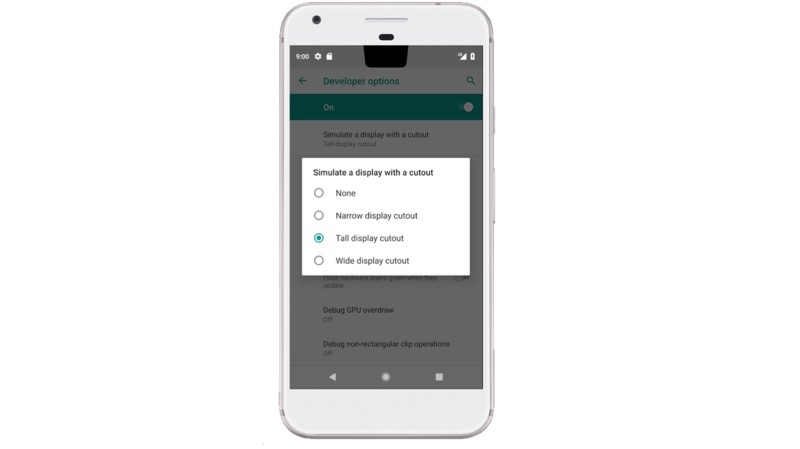
    Google will launch its next generation of Pixel devices in October this year. In this year’s first Android P developer’s preview, Google introduced the support for different types of notches. This gave rise to speculations that the upcoming Google Pixel devices would also have a notch, just like many other Android devices in 2018. New images of a Pixel 3 XL prototype seemingly confirm those speculations as the smartphone is sporting a notch in the images.

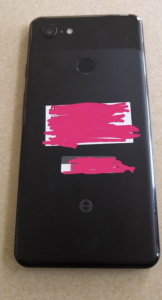
    Two images, one of the front and one of the back of the Pixel 3 XL have been leaked online. The front of the smartphone looks eerily similar to other Android smartphones like the OnePlus 6 and Huawei P20 Pro. The notch isn’t wide like the iPhone X or Mi 8. However, if you look closely, the notch does house two sensors, flanked on either side of the earpiece. Could Google launch the Pixel 3XL with a dual front-facing camera setup? Or is it working on a 3D facial recognition system like Xiaomi and Apple? We will have either wait till the launch or a more concrete leak to find answers to that.

    The back of the Google Pixel 3 XL looks similar to its predecessor. It has the same dual-shade design with classic “glass window.” There were rumours that Google will finally introduce wireless charging to Pixel 3 devices. With that in mind, it is possible that the Pixel 3 XL will have a glass back with two different finishes, to maintain the “glass window” look.

    Must Read: Google Sued For £3.2 Billion For Secretly Tracking Browsing Data For 4.4 Million iPhone Users

    It also appears that Google will maintain its stance on the number of cameras you need on a phone. The Pixel 3 XL will retain the single camera setup on the back. The Pixel 2 devices had the best camera on a smartphone in 2017 and the company would want to repeat that this year as well. Google will rely on its machine learning and AI to produce portrait mode shots.

    The leaked images could well be of an early prototype of the Pixel 3 XL. However, it seems more and more likely that the Pixel 3 devices will sport a notch come October.

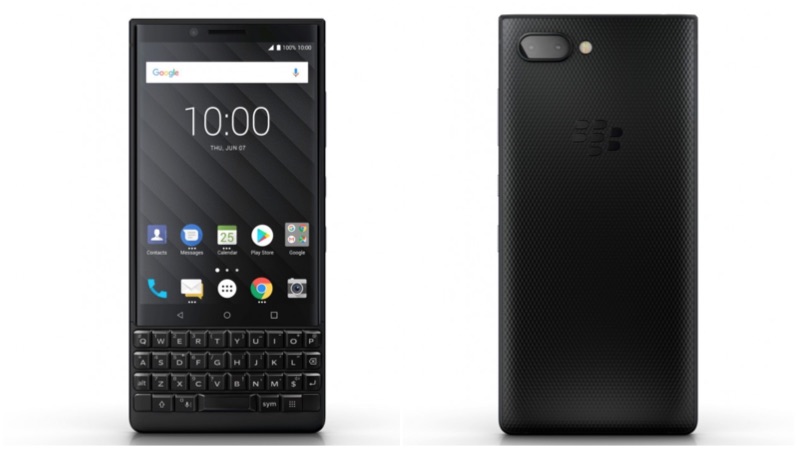
  • BlackBerry KEY2 With Dual Cameras And Running On Snapdragon 660 Officially Launched

    BlackBerry KEY2 With Dual Cameras And Running On Snapdragon 660 Officially Launched

    BlackBerry, one of the most mobile phone brands of yesteryears has launched a new Android smartphone. The company continues to believe that there are enough smartphone users in this world that crave for a physical keyboard. The BlackBerry KEYone was built on that notion and the BlackBerry KEY2 continues from where the KEYone left off. The new smartphone is priced at US$ 649 (Rs 43700 approx.) for the base model and goes on sale globally in markets like the US later this month.

    The BlackBerry KEY2 is one of the few smartphones that will offer a full-fledged physical keyboard. This time around, the length of the keyboard has been increased by 20%, which BlackBerry claims will increase comfort and typing accuracy. The leys have also been arranged in a new fret pattern to optimise spacing. The keys have a matte finish as well this time and the new speed key can launch an app, or call a favourite contact or access functions from anywhere in the UI.

    The BlackBerry KEY2 has a 4.5 inch IPS LCD display with a 1620 x 1080 px resolution. The 3:2 aspect ratio is mainly because the smartphone will have a physical keyboard making it a large device to hold. The bezels aren’t very thin either and it retains the three touch capacitive buttons from the KEYone.

    Under the hood, the smartphone runs on the Snapdragon 660 chipset. The SoC will be coupled with 6GB of RAM and either 64GB or 128GB of onboard storage. The storage will be expandable up to 256GB using a microSD card. The fingerprint sensor is housed inside the space bar just like its predecessor. Powering the smartphone is a 3500 mAh battery with support for Qualcomm QuickCharge 3.0. The headphone jack is present as well, which has become a rare sight in 2018.

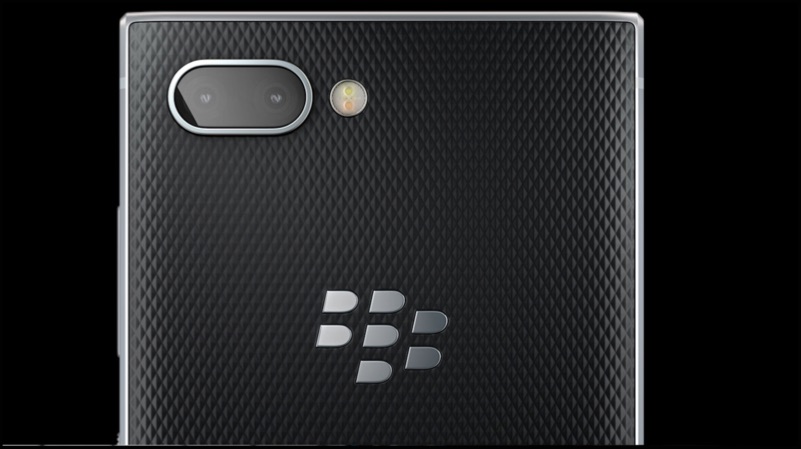
    The dual-camera setup on the back consists of a 12MP primary sensor with an f/1.8 aperture. The secondary sensor is a 12MP sensor with an f/2.6 aperture. The smartphone has an 8MP front-facing camera with the display acting as a flash for low-light selfies. The dual camera at the back can record 4K videos at 30fps while the front camera will record 1080P videos.

    The BlackBerry KEY2 has a very specific target audience. At a price of US$649, you can easily get the high-end OnePlus 6 running on Snapdragon 845. However, only the KEY2 has a physical keyboard. It’ll be interesting to see BlackBerry’s pricing strategy in India if and when it launches the KEY2 here.

  • Unboxing The Xiaomi Redmi Y2

    Unboxing The Xiaomi Redmi Y2

    Xiaomi has launched the Redmi Y2 in India at an event in New Delhi today. The smartphone succeeds the Redmi Y1 which was launched in late-2017 along with the Redmi Y1 Lite. The Redmi Y2 is a part of Xiaomi’s selfie-centric lineup of budget smartphones. At a starting price of Rs 9999, the Redmi Y2 will go on sale on 12th June via offline retailers. The 4GB RAM variant is priced at Rs 12999.

    [section label=”Unboxing”]

    Inside The Box Of Xiaomi Redmi Y2
    • Xiaomi Redmi Y2
    • Documentation
    • Sim Ejector Tool
    • Wall Charger
    • Micro USB Charger

    [section label=”Initial Impressions”]

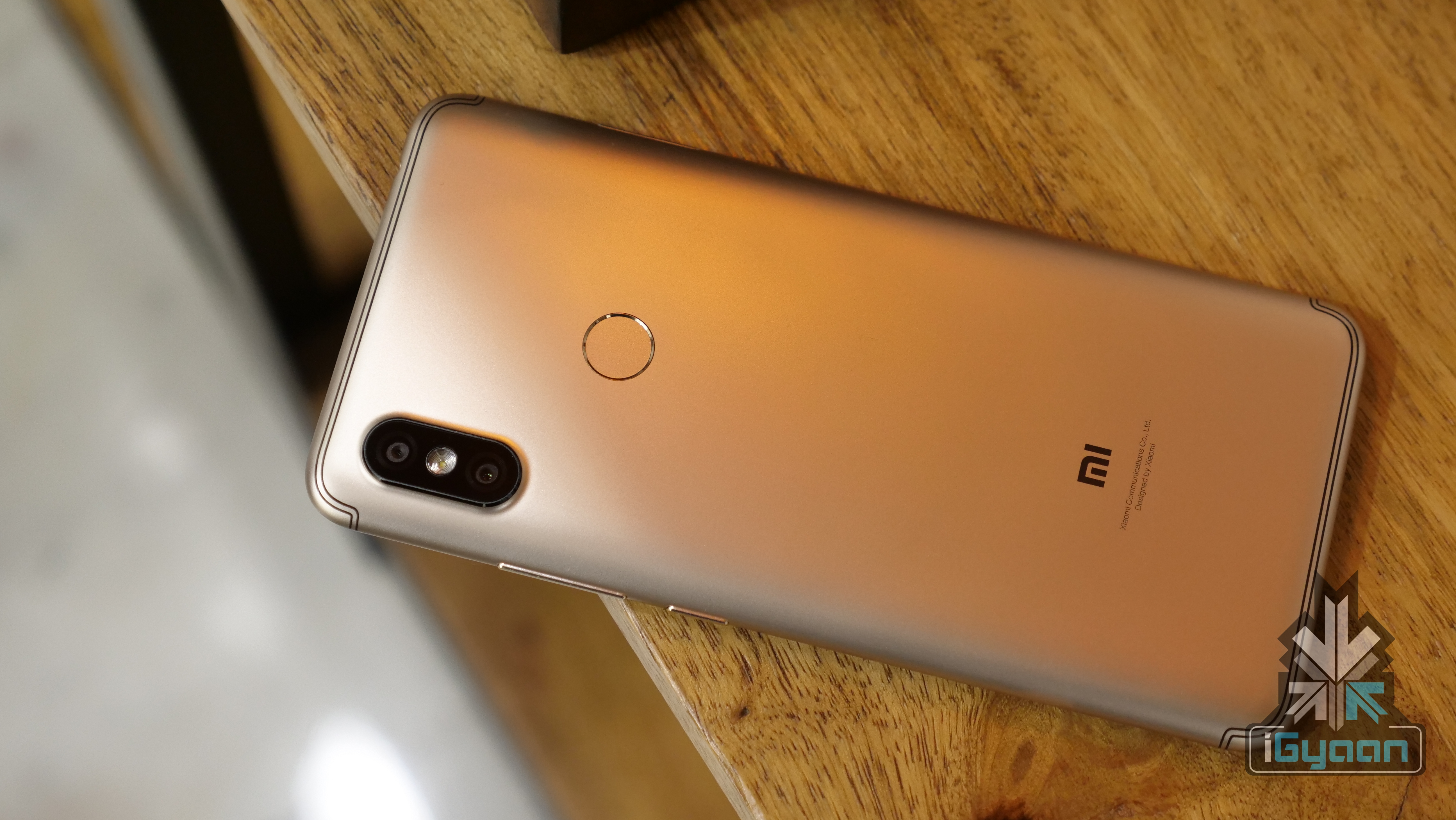
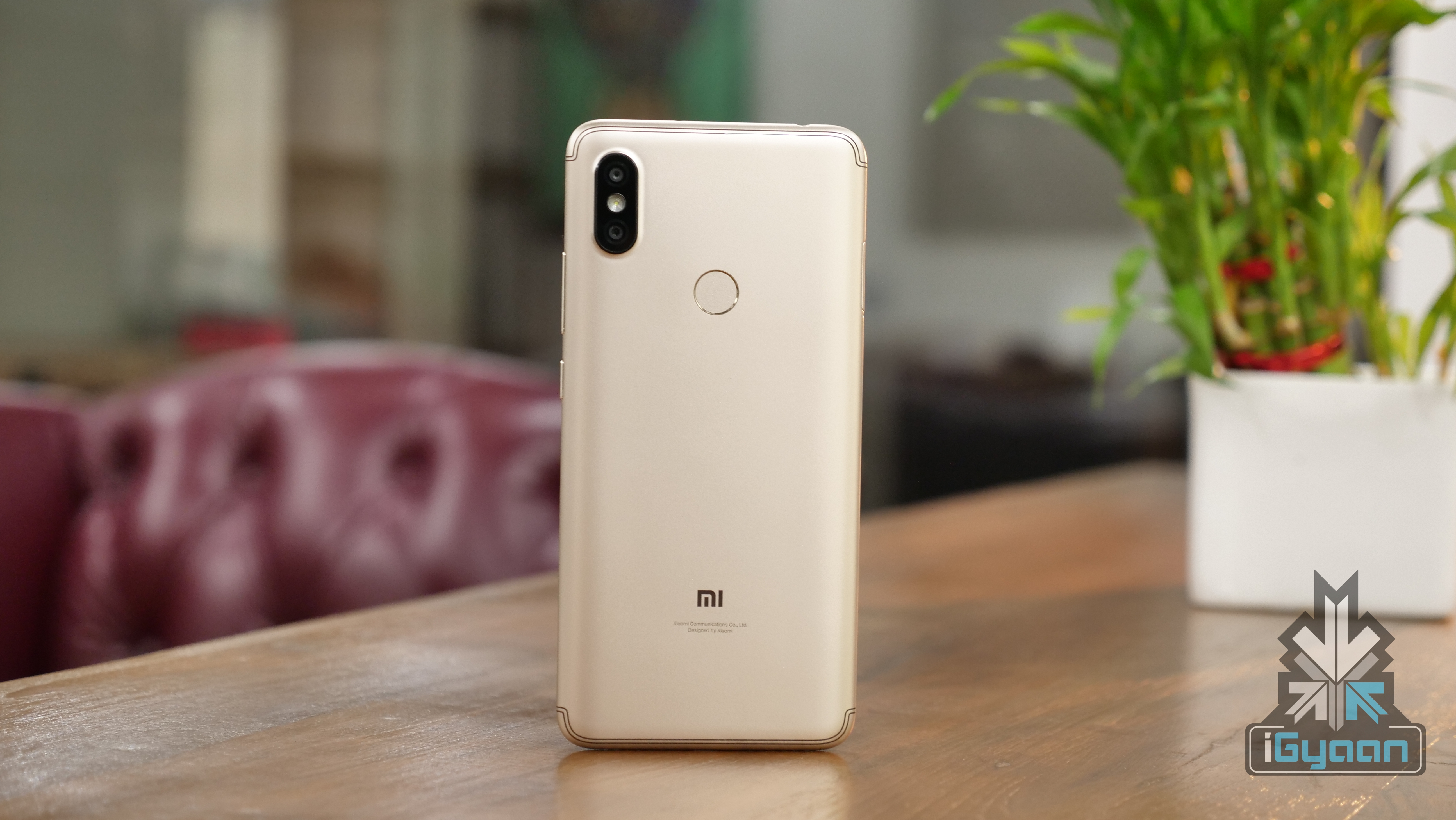
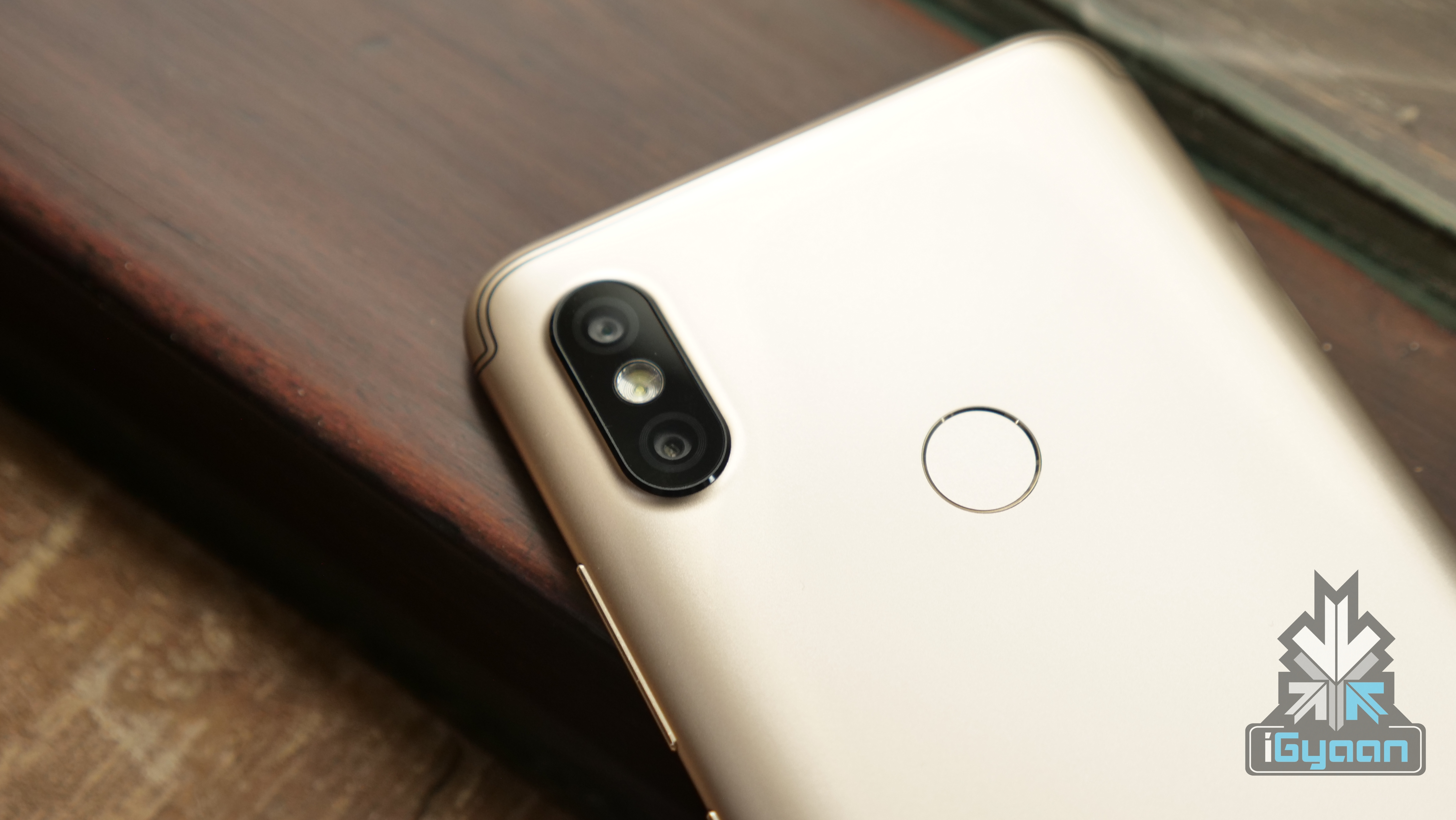
    The Redmi Y2 takes a lot of design cues from other Xiaomi smartphones launched in 2018. It has the same vertically place dual-camera setup found on the Mi MIX 2s and Redmi Note 5 Pro. The design is also familiar along with a circular fingerprint sensor placed on the back of the smartphone. The horizontal lines on the top and bottom of the device give it a distinct look compared to devices like the Redmi Note 5 Pro or Redmi Note 5.

    The Xiaomi Redmi Y2 has a 5.99 inch IPS LCD display with a 1440 x 720 px resolution. This translates into an 18:9 aspect ratio which has become the norm for even budget smartphones.

    Under the hood, the Redmi Y2 runs on the Snapdragon 625 chipset, a tried and tested SoC for Xiaomi. That chipset is coupled with either 3GB or 4GB of RAM along with either 32GB or 64GB of storage which is expandable via a microSD card. Powering the device is a 3080 mAh battery, which will charge via a micro USB port.

    To the back of the smartphone is a 12MP primary sensor with an f/2.2 aperture along with a 5MP depth sensor. To the front is a 16MP AI-powered camera which is capable of clicking portrait mode selfies using just the software. There is also a front-facing LED flash for better low-light images which has a 4500K brightness.

    The Xiaomi Redmi Y2 at a price of Rs 9999 will make sense for people whose primary function is to take a lot of photos. The front-facing camera is the device’s highlight and the company believes this is what differentiates the Redmi Note 5 and Redmi Y2 users. How the smartphone does against devices like the Honor 9 Lite and Redmi Note 5, only time will tell.

  • Samsung Galaxy Note9 Renders Reveal Rear-Facing Fingerprint Sensor And Thin Bezels

    Samsung Galaxy Note9 Renders Reveal Rear-Facing Fingerprint Sensor And Thin Bezels

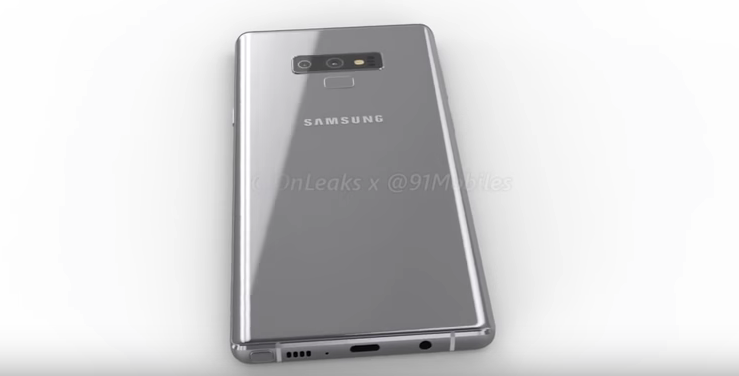
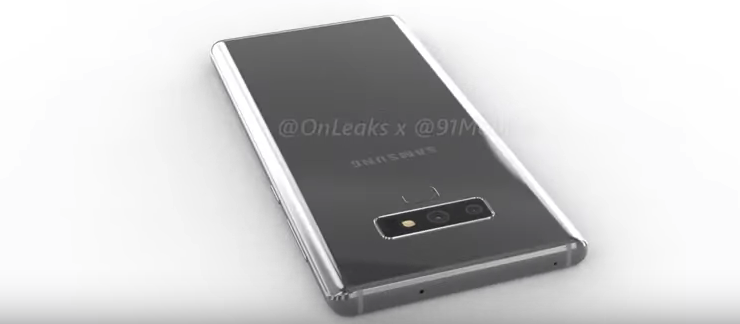
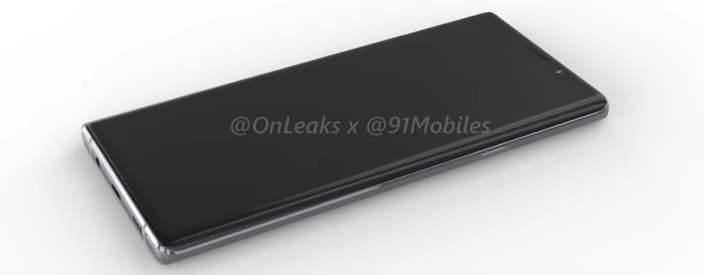
    Samsung usually launches three flagship smartphones in a calendar year. The beginning of 2018 saw the launch of the Galaxy S9 and S9+. It is rumoured that the Samsung Galaxy Note9, company’s third flagship of the year will launch on August 9th. So far, we have seen a few leaks revealing the possible specifications of the smartphone. However, popular smartphone leaker, @OnLeaks has released the 360º renders of the soon to be launched Galaxy Note9.

    As was with the Galaxy S9 and S9+, the Galaxy Note9 won’t be too different from its predecessor. The smartphone will have the same all-glass build with an aluminium frame. Samsung will maintain the “Infinity Display” and not go the notch route like the plethora of Android smartphones in 2018. The back of the smartphone has a more reflective finish this time around but, that could just be the renders.

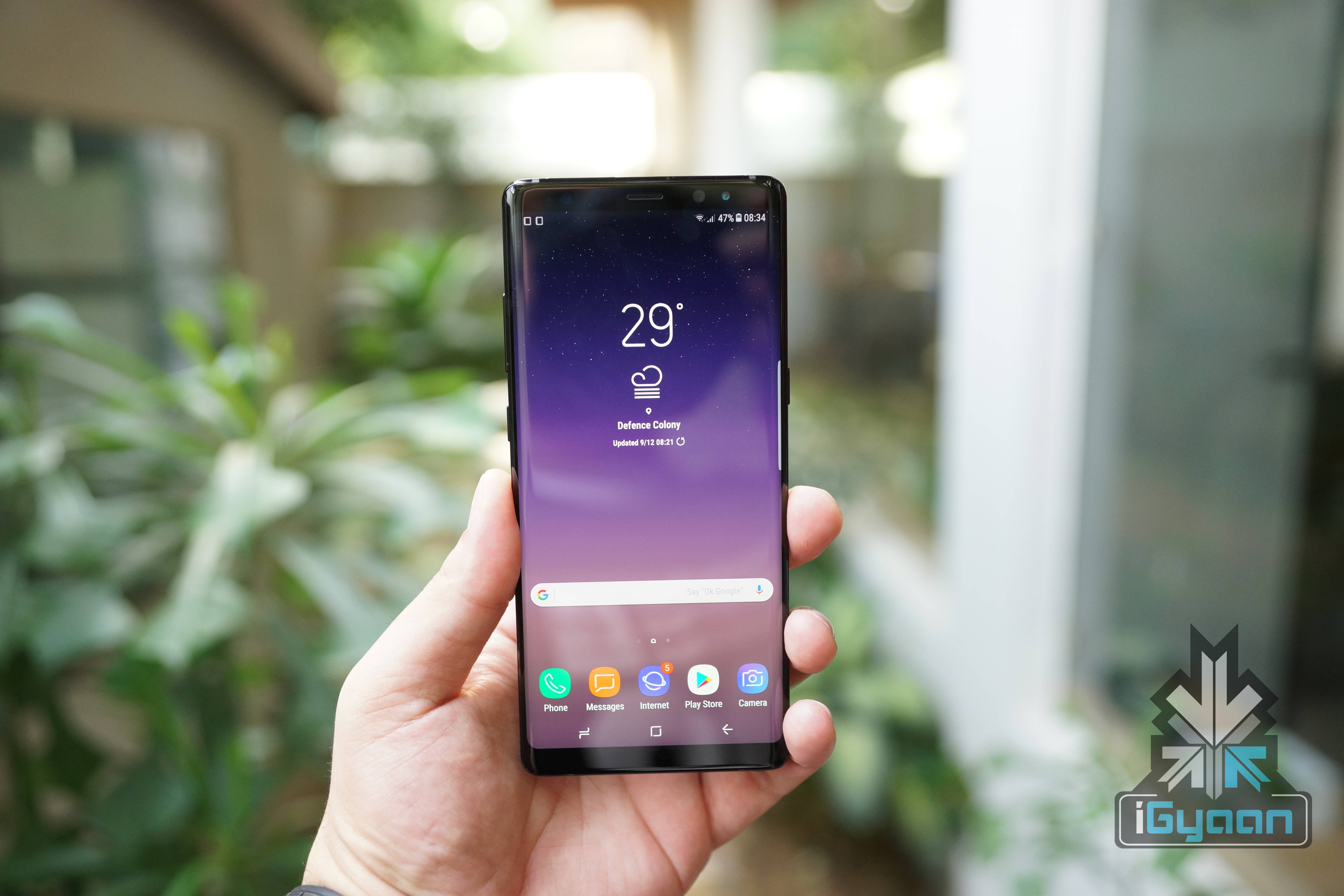
    The bezels on the top and bottom are slightly thinner compared to the Galaxy Note8. The dual-camera setup on the back is still horizontally placed and that could be a decision to keep some differentiating factors between the S and Note series. The fingerprint sensor is now placed below the camera module and has a more rectangular shape.

    We recently came across a leak that revealed the possible specifications of the Samsung Galaxy Note9. And just like the design, the specifications of the Galaxy Note9 won’t be too much of an upgrade either.

    The display would remain the same as the previous gen. It would have a 6.3 inch Super AMOLED display with 2960 x 1440 px resolution. This translates into an 18.5:9 aspect ratio.

    Under the hood, the smartphone will run on the Qualcomm Snapdragon 845 chipset for the US and South Korea markets. For the rest of the markets, the smartphone will run on the Exynos 9810 chipset which is a Samsung SoC. The respective chipset will be coupled with 6GB of RAM along with either 64GB/128GB/256GB storage which will be expandable via microSD card.

    Powering the smartphone will be a 3300 mAh battery with QuickCharge 4.0 support. Out of the box, the device will run Android 8.1 Oreo with Samsung’s Experience 9.0 on top.

    The Galaxy Note8 was the first Samsung smartphone to be sport a dual-camera setup. This time around as well, the Galaxy Note9 will have a 12MP wide-angle camera along with a 12MP telephoto lens which will record 4K videos at 60fps. The Galaxy Note9 will also record 720P videos at 960 fps, just like the Galaxy S9 devices.

    Galaxy Note8

    The design of the Samsung Galaxy Note9, while impressive, doesn’t feel like much of an upgrade over the Galaxy Note8. For people still using the Galaxy Note5 or an older device, however, would see it as a huge upgrade and should interest a lot of consumers looking for a stylus-friendly smartphone.

  • Xiaomi Redmi Y2 Launched In India Starting Rs 9999

    Xiaomi Redmi Y2 Launched In India Starting Rs 9999

    Xiaomi has launched yet another budget smartphone in the Indian market. This time around, it is a part of Xiaomi’s selfie-centric Redmi Y lineup. The Xiaomi Redmi Y2 succeeds the Redmi Y1 which was launched in late-2017 along with the Redmi Y1 Lite. The Redmi Y1 Lite won’t see a successor right now. The Redmi Y2 will retail for Rs 9999 for the base model with 3GB of RAM. It goes on sale via offline retailers on June 12th.

    The Xiaomi Redmi Y2 is targeted at the selfie-loving consumers in India. At a price of Rs 9999, the smartphone has an identical price as the Redmi Note 5 which offers a FullHD+ display and the same chipset.

    The Redmi Y2 takes a lot of design cues from other Xiaomi smartphones launched in 2018. It has the same vertically place dual-camera setup found on the Mi MIX 2s and Redmi Note 5 Pro. The circular fingerprint sensor is also placed on the back of the smartphone.

    The Xiaomi Redmi Y2 has a 5.99 inch IPS LCD display with a 1440 x 720 px resolution. This translates into an 18:9 aspect ratio which has become the norm for even budget smartphones.

    Under the hood, the Redmi Y2 runs on the Snapdragon 625 chipset, a tried and tested SoC for Xiaomi. That chipset is coupled with either 3GB or 4GB of RAM along with either 32GB or 64GB of storage which is expandable via a microSD card. Powering the device is a 3080 mAh battery, which will charge via a micro USB port.

    The Xiaomi Redmi Y2 runs Android 8 Oreo out of the box with MIUI 9 on top. With MIUI 9.5, the Redmi Y2 will have features like Face Unlock and gestures for navigation. Xiaomi’s implementation of gestures has been impressive and they feel quite natural compared to other Android OEMs implementation of the same.

    To the back of the smartphone is a 12MP primary sensor with an f/2.2 aperture along with a 5MP depth sensor. To the front is a 16MP AI-powered camera which is capable of clicking portrait mode selfies using just the software. There is also a front-facing LED flash for better low-light images which has a 4500K brightness.

    The Xiaomi Redmi Y2 has a peculiar price. Xiaomi believes that there are people who would prefer the Redmi Y2’s camera capabilities over the Redmi Note 5’s bigger battery and better display. One thing in favour of the Redmi Y2 is its accessibility. Since it will be available offline, people won’t have to wait for flash sales in order to purchase it.

  • Moto Z3 Play Running On Snapdragon 636 Officially Launched

    Moto Z3 Play Running On Snapdragon 636 Officially Launched

    After weeks of leaks, Lenovo-owned Motorola has launched the next iteration of Motorola’s budget modular series, the Moto Z3 Play in Brazil. The smartphone will retail for US$ 499 (Rs 33000 approx.) and come bundled with the Battery Mod. There are no details about the smartphone’s availability in India as of now.

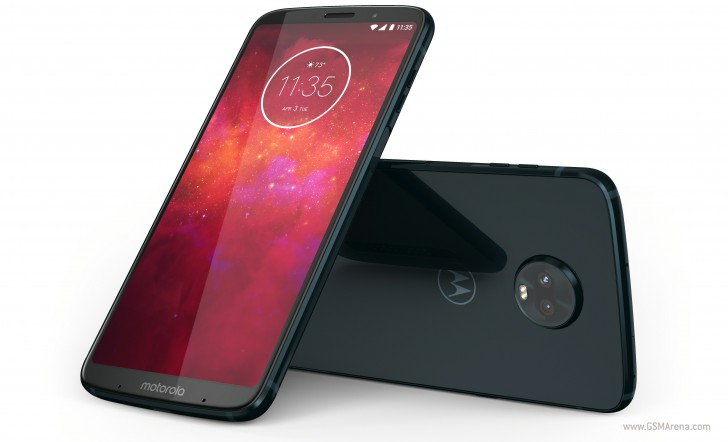
    All smartphones in the Moto Z series are compatible with the Moto Mods and so is the Moto Z3 Play. This, despite the smartphone having a 6 inch display. The company retained the dimensions of the previous Moto Z devices and managed to fit in a sizeably larger display. The Moto Z3 Play is the first smartphone in the lineup to have an 18:9 aspect ratio.

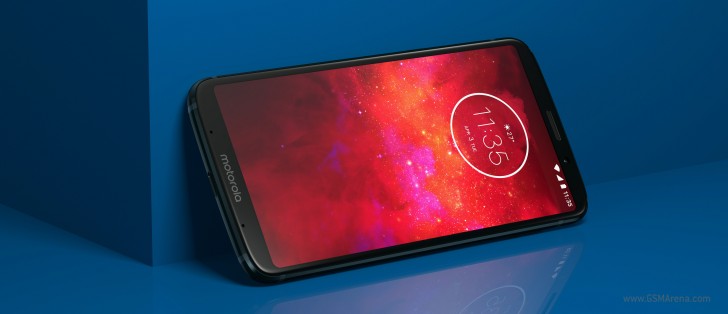
    The Moto Z3 Play has a 6 inch Super AMOLED display with a 2160 x 1080 px resolution. Just like the G and E series, Motorola has stayed away from the notch trend, which many people would appreciate. The device has an 18:9 aspect ratio, which has become the norm these days.

    Under the hood, the smartphone runs on the Qualcomm Snapdragon 636 chipset. The new budget chipset has been well-received in devices like the Redmi Note 5 Pro and Zenfone Max Pro. The smartphone will be available in two variants, one with 32GB storage and the other with 64GB storage which will be expandable via a microSD card. Both the variants will have 4GB of RAM which should be enough for almost everybody.

    The fingerprint sensor is no longer on the front of the device thanks to thinner bezels. The sensor has now been moved to the right-hand side of the device, similar to Xperia smartphones from back in the day. powering the smartphone is a 3000 man battery which will charge via a USB-C port. Out of the box the Z3 Play will run Android 8 Oreo out of the box with very little customisations done by Motorola.

    The smartphone has a dual-camera setup on the back. It has a 12MP primary sensor with an f/1.7 aperture which is paired with a 5MP sensor which will collect all the depth information. To the front is an 8MP with an f/2.0 aperture.

    The Moto Z3 Play appears like a sizeable upgrade over its predecessor with the new design and the Snapdragon 636 SoC. The pricing in India will be crucial for Motorola and the Z3 Play. More details to follow.

  • Honor Play Gaming Smartphone Running On Kirin 970 Launched

    Honor Play Gaming Smartphone Running On Kirin 970 Launched

    Gaming smartphones are gaining popularity by the day. After Razer, Nubia, Black Shark and Asus, Honor has launched its own gaming smartphone. After weeks of leaks, the Honor Play is now official and will be available in China exclusively for now. One of the highlights of this gaming smartphone is its pricing and should give other gaming Android devices a run for their money. The base model with 4GB RAM and 64GB storage is priced at CNY 1999 (Rs 21000 approx.) and the 6GB RAM model will retail for CNY 2399 (Rs 25000 approx.).

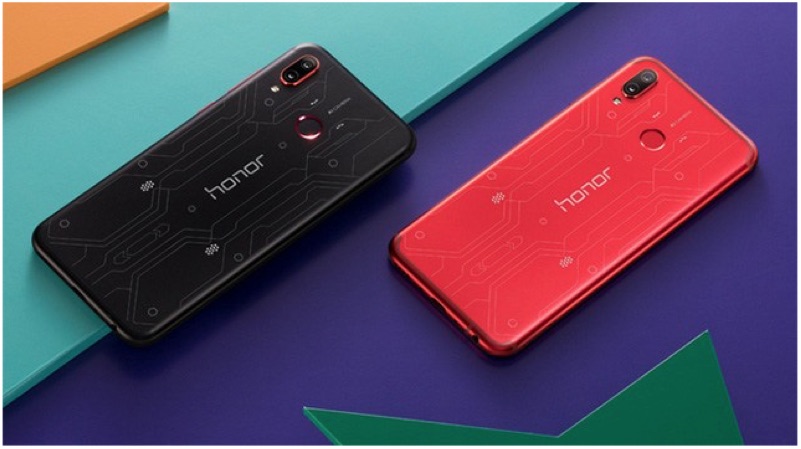
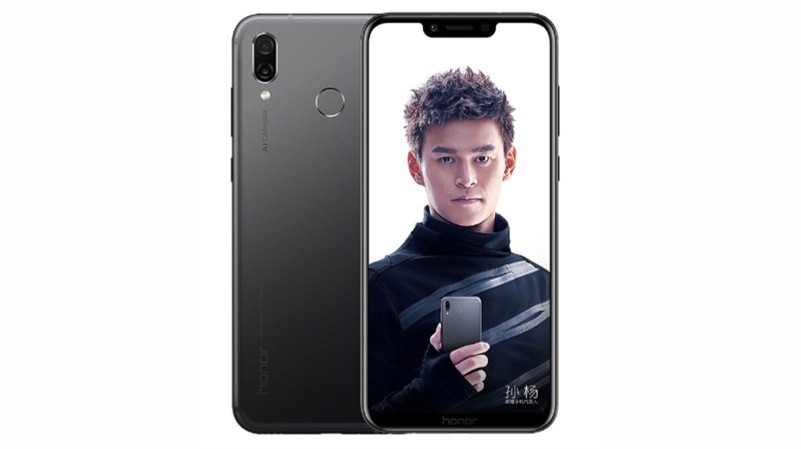
    The Honor Play takes design cues from the likes of Honor 10. It follows the notch trend but, unlike the Mi 8, it has a narrower notch which can be hidden using software. The all-glass design with an aluminium frame is something we have seen already in devices like the Honor 10 and Huawei P20 Pro. The Honor Play is no different here. There is a special edition Honor Play with a textured back and two colour options which will be retail for CNY 2499 (Rs 26100 approx.).

    The Honor Play has a 6.3 inch IPS LCD display with a 2280 x 1080 px resolution. Like the Honor 10, this translates into a 19:9 aspect ratio which will come in handy when users hide the notch. Once the notch is hidden, the display will revert to a more traditional 18:9 aspect ratio.

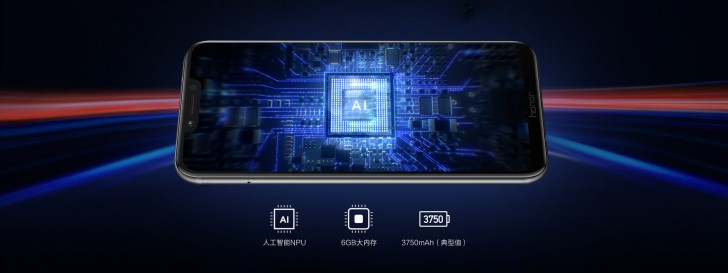
    Under the hood, the device runs on the HiSilicon Kirin 970 SoC with a dedicated NPU for AI capabilities. This is the same SoC that powers the Huawei P20 Pro, which is priced at Rs 64999 in India. Honor claims that its new GPU Turbo technology not only improves the performance of the device but, runs games twice as stable as the Xiaomi Mi 8. This can only be tested once we get our hands on the device. Coupled with the flagship chipset is either 4GB or 6GB of RAM and 64GB of onboard storage. The storage is expandable via microSD card.

    The fingerprint sensor is placed on the back of the smartphone at a central and ergonomic location. Powering the Honor Play is a 3750 mAh battery which, according to Honor, will last up to 1.5 days even after heavy usage. Again, we will test this once we get our hands on the device and won’t vouch for any claims the company makes. The Lenovo Z5 has taught us an important lesson here.

    To the back is a 16MP primary RGB sensor mated with a 2MP depth sensor. The depth sensor will enable bokeh effect and portrait mode shots. The notch houses a 16MP camera with AI capabilities such as portrait lighting, like the iPhone X and Huawei P20 Pro.

    At this price point, the Honor Play, at least on paper, looks like an impressive device. There is no information about whether Honor will make the Honor Play available in other markets like India.

iGyaan Network
Privacy Overview

This website uses cookies so that we can provide you with the best user experience possible. Cookie information is stored in your browser and performs functions such as recognising you when you return to our website and helping our team to understand which sections of the website you find most interesting and useful.