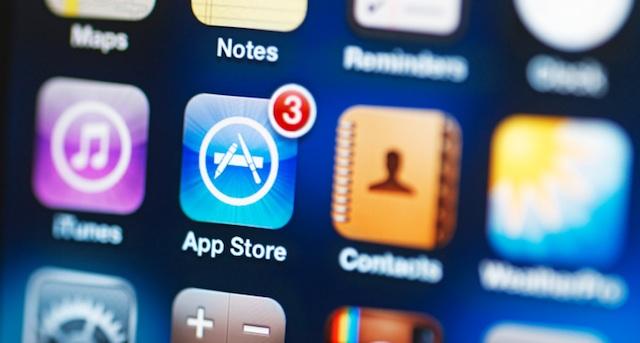
In an attempt to up its security, Apple got rid of over 250 apps from its App Store. These apps were using a software developed by a Chinese firm called Youmi which allowed them access to the user’s personal details like email address and the serial number of their smartphone. According to sources, the apps received a total of 1 million downloads.
The apps which relied on Youmi’s SDK, mostly made by companies and firms based in China, may not have willingly or knowingly violated Apple’s secutrity. As is backed by SourceDNA’s blog post:
“We believe the developers of these apps aren’t aware of this since the SDK is delivered in binary form, obfuscated, and user info is uploaded to Youmi’s server, not the app’s. We recommend developers stop using this SDK until this code is removed.”
This security issue was brought to light by SourceDNA when they were updating their own product called Searchlight. Searchlight inspects the security and checks apps for security violations. SourceDNA later on went ahead to comment in their blog post, “We’re concerned other published apps may be using different but related approaches to hide their malicious behavior.”
Apple on the other hand, issued the following statement:
“We’ve identified a group of apps that are using a third-party advertising SDK, developed by Youmi, a mobile advertising provider, that uses private APIs to gather private information, such as user email addresses and device identifiers, and route data to its company server. This is a violation of our security and privacy guidelines. The apps using Youmi’s SDK will be removed from the App Store and any new apps submitted to the App Store using this SDK will be rejected. We are working closely with developers to help them get updated versions of their apps that are safe for customers and in compliance with our guidelines back in the App Store quickly.”
How does a brand behind the S6 Edge and S6 Edge+ continue to innovate after coming out with curved displays that blew its competition away? Of course, we’re talking about Samsung here. We all know that the company is working on its next flagship, the S7. And every little detail about the upcoming phone is welcomed by tech enthusiasts all over. The biggest question on everybody’s mind is how Samsung is going to better itself with the S7.
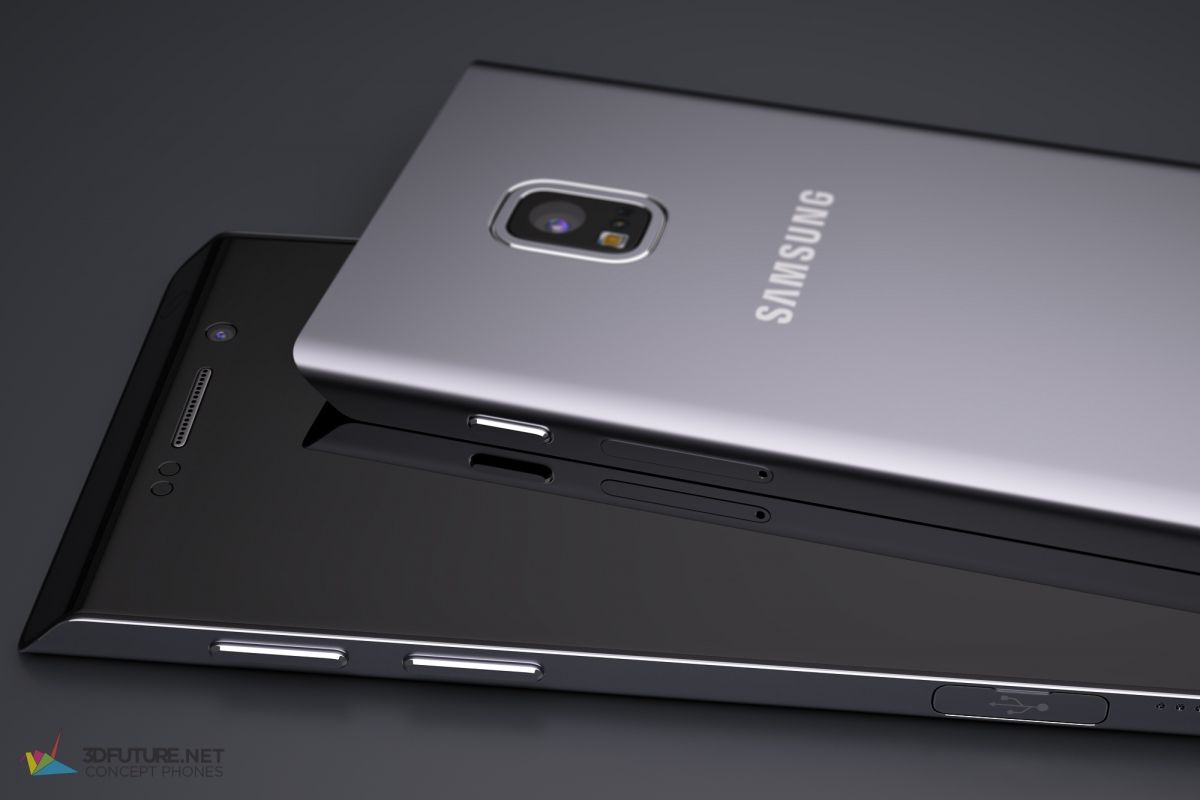
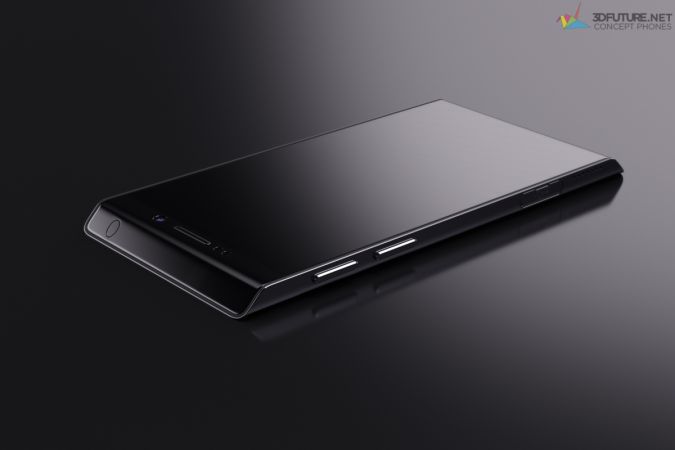
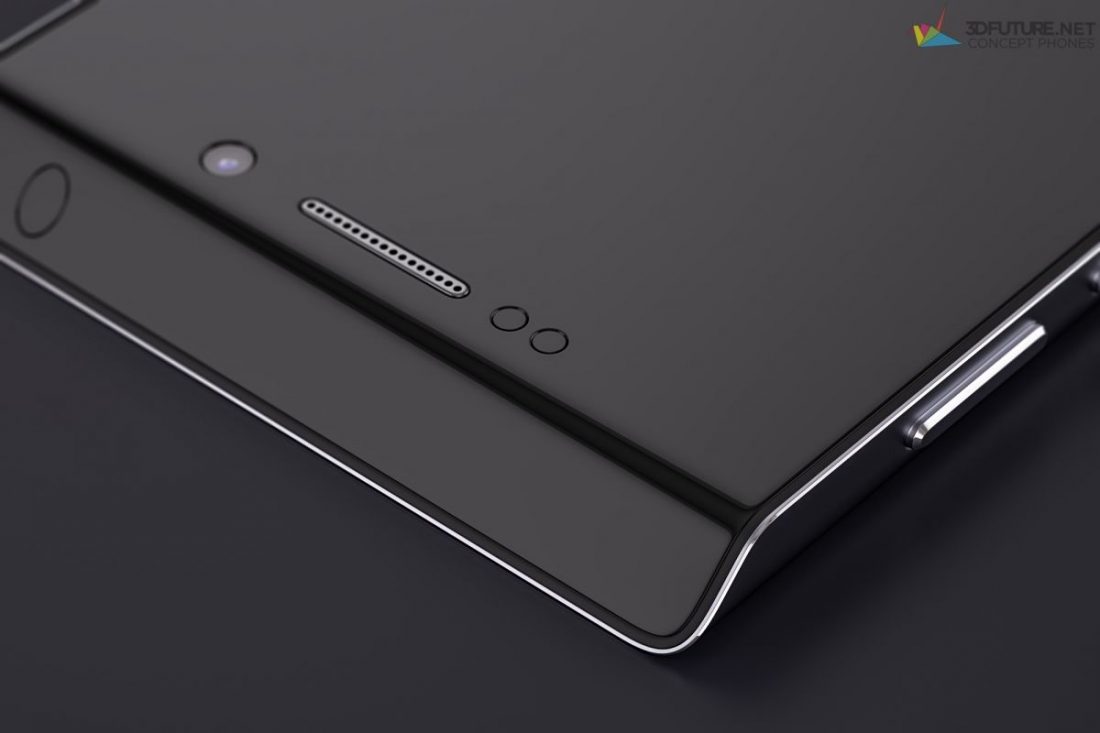
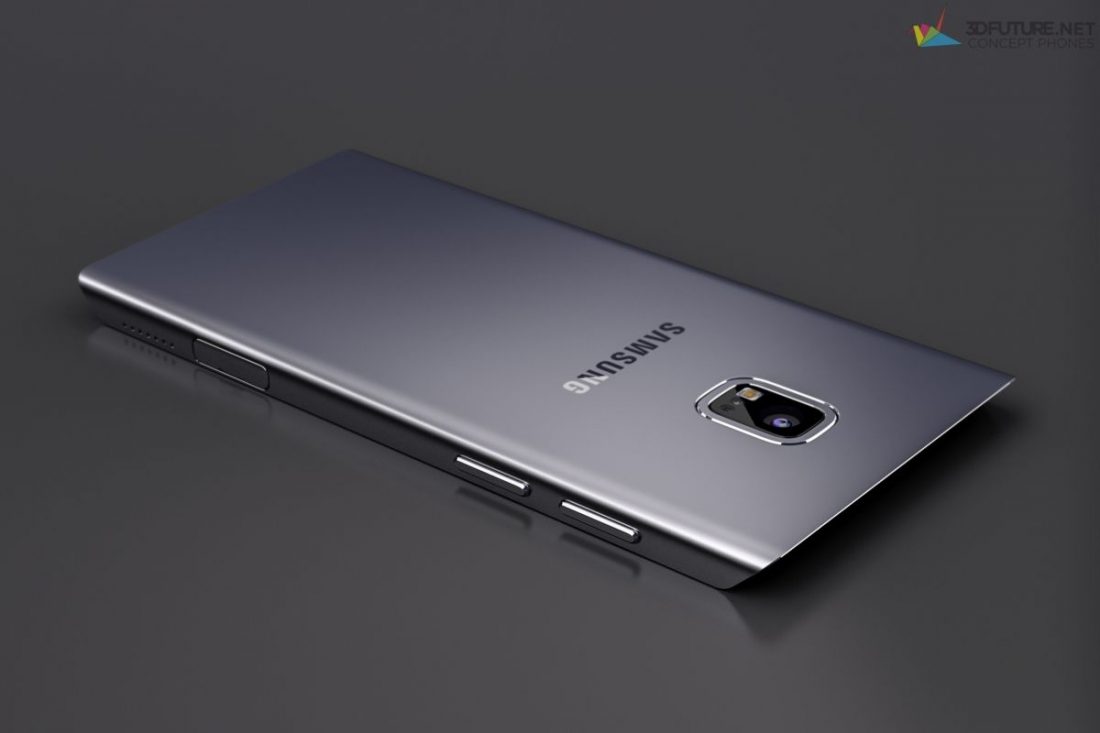
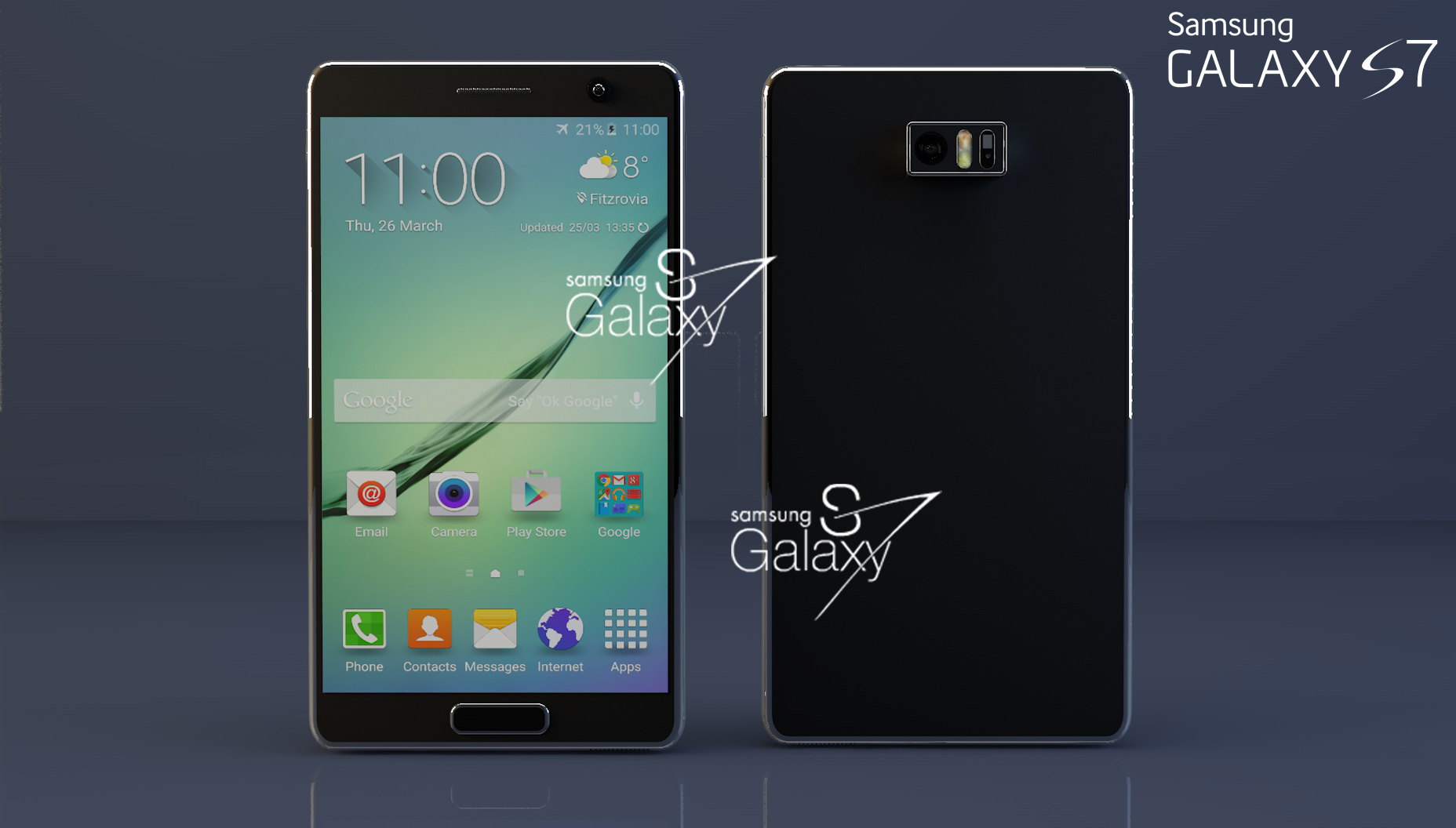
We have already seen a curved display on the side. So perhaps it’s only logical that the company might curve the screen from somewhere else. How about the top and bottom for a change? Some concept images posted by 3DFuture on its blog show what could be Samsung’s next design. And it looks as sleek as it does futuristic.
Samsung has filed design patents and folks at 3DFuture have released images based on those patents. There is no guarantee that the S7 Edge will follow this design, but visuals are always welcomed. The image above and below reveal a sleek, sharp design where the edged display take the top and bottom position now. The concept also shows no hint of a home button while the volume buttons on the side remain intact. The rest of the design with a full metal unibody oozes style and luxury.
While you take a few minutes analysing the images, we would also like to let you know about other rumours going around. It is likely that Samsung is working on a 3D Touch feature that will be seen in the upcoming flagship. The concepts also support rumours of a fully metallic unibody. Other features could see a 5.8-inch display, UHD resolution, 4GB RAM, and Snapdragon 820 chipset and Exynos processors for East Asian markets.
We will bring you more details on the Galaxy S7 as it comes. Let us know what you think of the concept design in the comments below.
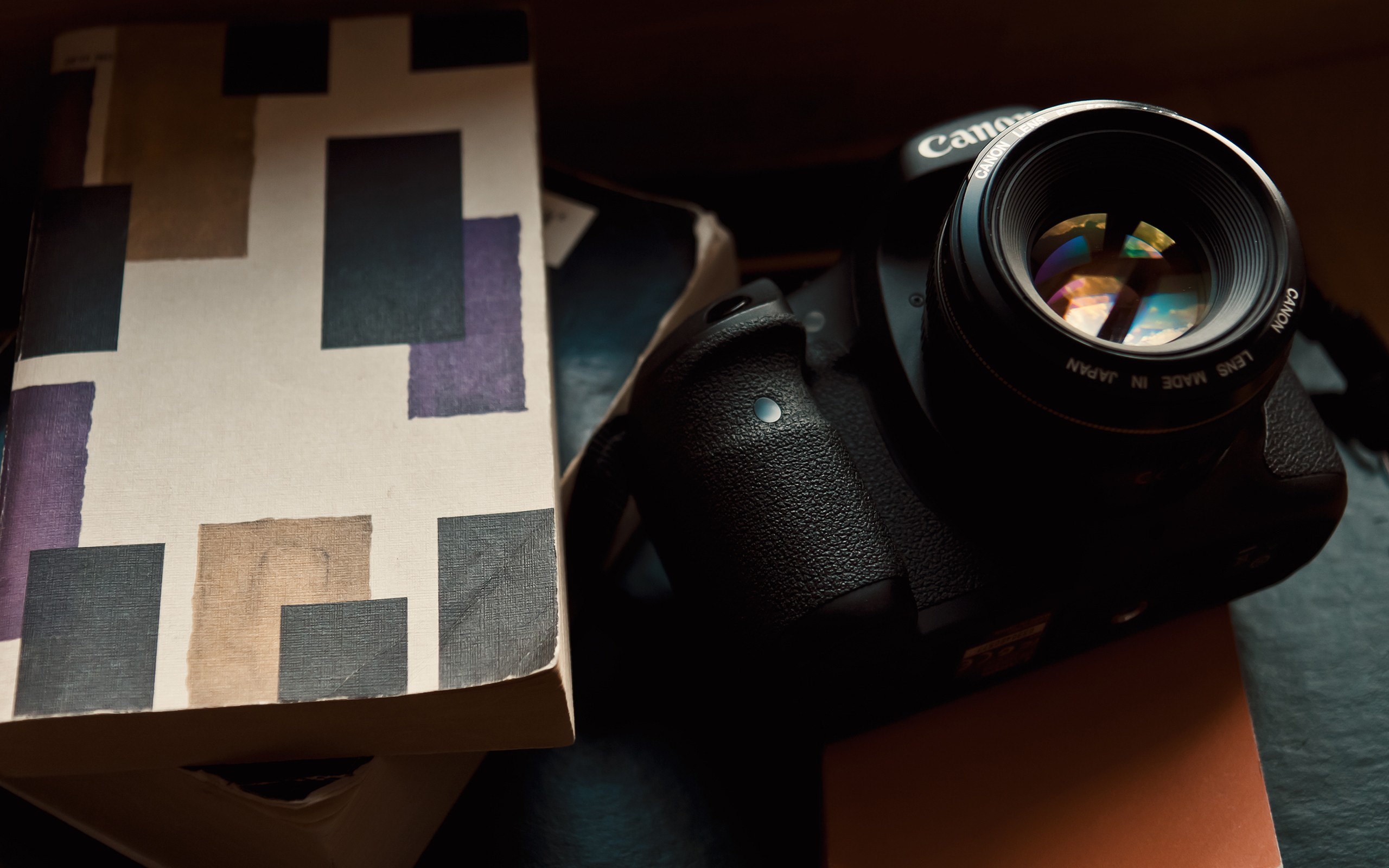
Canon’s second generation Cinema EOS 4K camera system for cinema, documentary, event and commercial videography has been launched in the country today. The camera includes a range of 15 stops, improved Dual Pixel CMOS Autofocus, focus assist engineering and CFast recording technology. The EOS C300 Mark II is redesigned with user input that helps it to deliver flexibility for professional studio motion picture production applications, as well as independent productions, TV dramas, commercials, news features and sports among other things.
Mr. Andrew Koh, Vice President of Consumer Imaging and Information Center, Canon India said:
“As a technology innovator, it is important for Canon to add valuable assets to the portfolio and create an industry benchmark. After extensive research and user inputs, we developed the EOS C300 Mark II Digital Cinema Camera that promises to deliver improved image-expression capabilities as well as operability, ruggedness and expandability”
Key features of the device include Canon EF or PL mount versions which supports a variety of autofocus modes, including continuous AF and Face Recognition when used with compatible Canon EF lenses. Further, the device integrates an 8.85 Megapixel Super 35mm 16:9 CMOS sensor that supports 4K (DCI) recording with a maximum resolution of 4096 x 2160 pixels. It is also compatible with new and existing EF-mount lenses.
Canon EOS C300 Mark is priced at a not-so-less Rs. 12,99,000. For more information, click here.
Jailbreak for iOS 9 is now official thanks to the team at PanGu. For the uninitiated, Jailbreak is what you do when you want more from your operating software. Jailbreaking allows for more customization of your device and gives you apps that are otherwise not found in the app store. Jailbreak for iOS is especially useful because Apple has a tougher screening process when it comes to the apps it selects for the App Store.
The name suggests that this is something that can involve some risks. With jailbreaking, you are in fact changing the way your iPhone or iPad functions in certain areas and you also have access to features that Apple has not incorporated. So, jailbreaking does come with its own set of risks, and it’s always advised to backup your data in iTunes before you proceed with jailbreaking your iPhone or iPad.
How to Jailbreak iOS 9:
1. Download an anti-bug/ bug-fixing app
Jailbreaks often have some bugs. Before jumping straight to jailbreaking your device, you should download a tool that fixes the various bugs. So the first thing you want to do is download Pangu’s jailbreak tool.
2. Back up your device
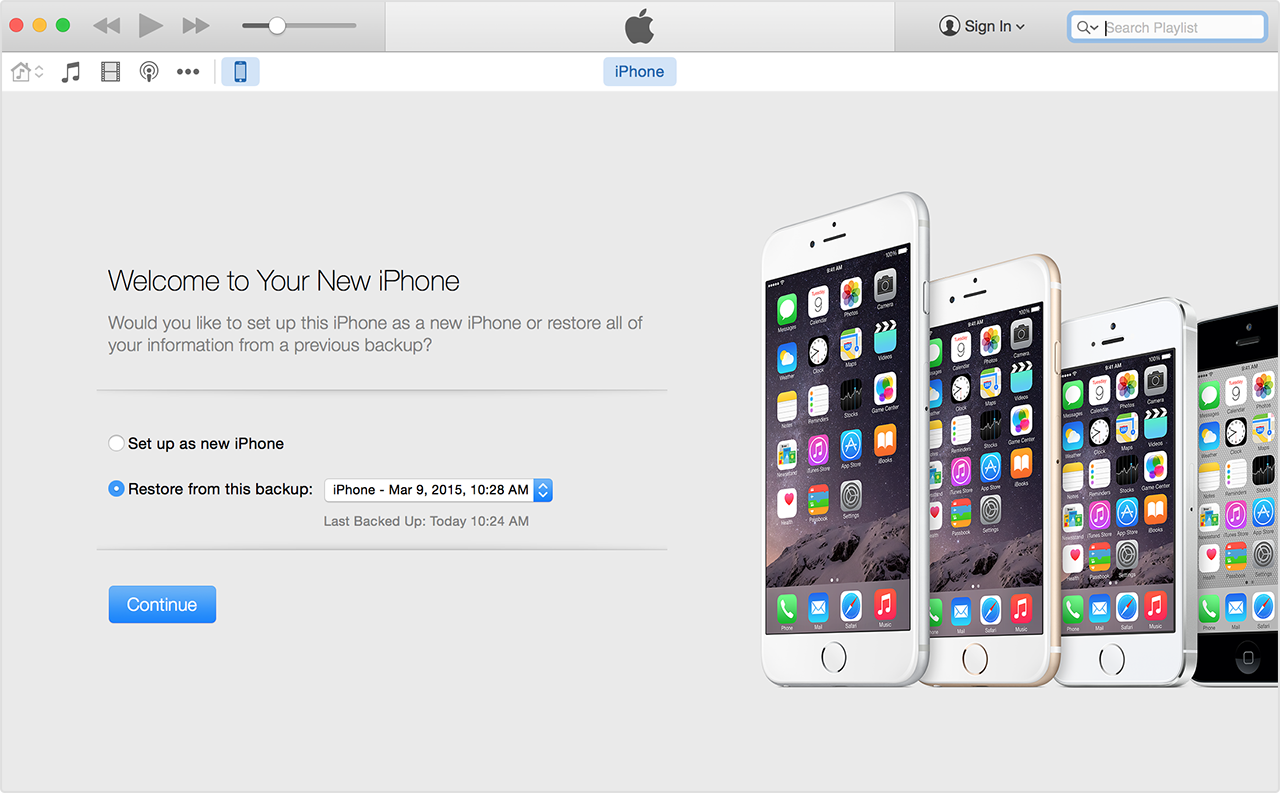
While your tool downloads, you can use the time to backup your iPhone in iTunes. You need a fresh install of iOS 9.0.2 and set up your device as a new device to apply the jailbreak. So, you need to download iOS 9.0.2 through your PC via USB. It is advised that you shouldn’t download through Wi-Fi as that may cause some issues. Once you’ve backed up your device, click ‘set up as new iPhone’.
A couple of more steps before you begin jailbreaking require you to switch off ‘Find my iPhone’ and Wi-Fi, disable passcode and switch to airplane mode.
3. Follow the instructions running on the PanGu tool
Run the PanGu tool and the program will tell you if your phone is ready. Follow the instructions clearly when the program begins. After about 50 percent, the device will restart and you will have to unlock your phone and enable airplane mode once again as well as click on the PanGu icon on your device.
4. Watch out for the Cydia icon
You’ll know your jailbreak has worked when you see the Cydia icon in your device. If it’s there it means you’ve had a successful jailbreak and you may proceed to restore your backed up data. Once you restore your data, all your files will be there including Cydia.
5. Restore your device and check out the tweaks
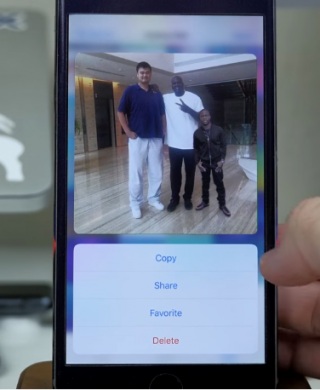
There are some pretty neat tweaks offered here. A tweak called Universal Force brings the latest 3D Touch feature to your older devices. You won’t get the full features of the 3D Touch, though, but what Universal Force does offer is that it gives you the peek and pop functionality for your apps, pictures and mail. You can press and hold on a picture in your gallery for a quick peek along with options to Copy, Share, Favorite or Delete the picture all from your Photos grid.
A Better5IconDock tweak lets you have 5 icons in your dock rather than just 4. So there is extra room to add your most frequented app.
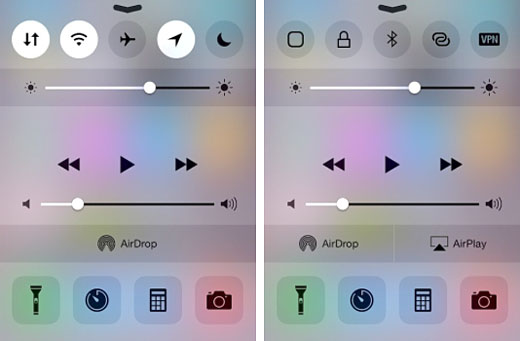
Finally, CCSettings for iOS 8 gives you one of the best tweaks where you can now have a ton of different toggles in your Control Centre rather than the traditional 5 limit. There are loads of other tweaks that give your iPhone and iPad some flavour and some fun features to play around with.
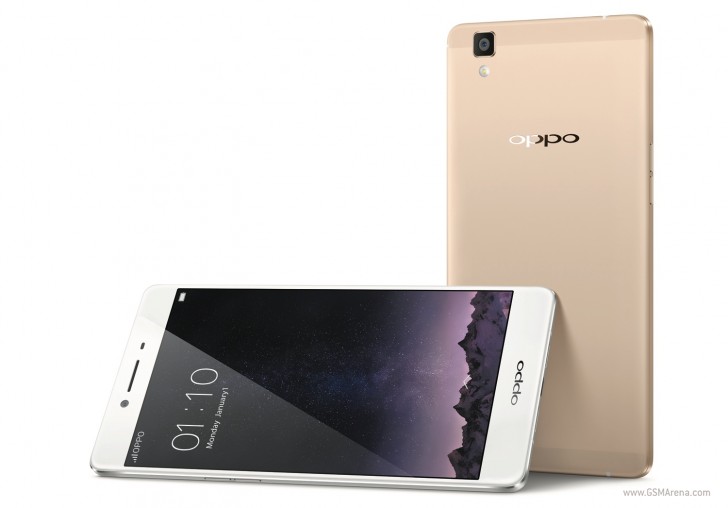
Oppo has revealed it’s newest R7 phone at the GITEX event in Dubai. The phablet is called R7s and boasts of features like 4GB RAM and a 5.5-inch 1080p AMOLED display covered by 2.5D glass.
The chipset is Qualcomm Snapdragon 615 and the internal storage is marked at 32 GB with a microSD card slot. The two cameras of the phone include a 13 MP for the main camera and an 8 MP for the selfie camera. R7s runs on Android 5.1 Lollipop with ColorOS 2.1.
Physical measurements of the phone are as follows -151.8 x 75.4 x 6.95 mm, along with a battery of 3,070 mAh. The phone is expected to arrive in Australia and in a handful of Asian countries next month. In December, it will be made available in Europe and the United States. Availability and pricing for India is currently unknown. We’ll update you as soon as we have more details.
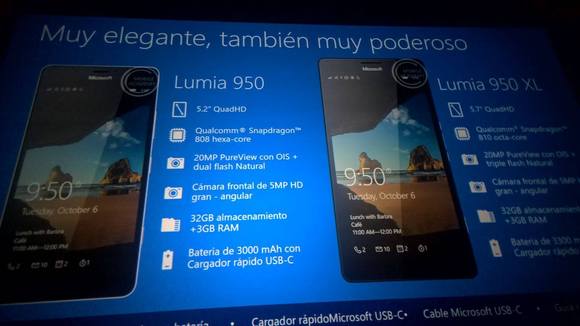
Microsoft is all set to ship over a 1000 Lumia dummy devices in the country. The company will be holding a technology conference, ‘Future Unleashed’, for the same in Mumbai on the 5th of November, and it will be attended by CEO, Satya Nadella.The company is shipping 500 Lumia 950 and 500 Lumia 950 XL dummies to India, according to Zauba, a website that records imports to the country. These devices will be available at retail stores for potential buyers to take a look at. The current price tags they come with are $587 (about Rs. 38,000) USD for the Lumia 950, and $665 (about Rs. 43,000) for the Lumia 950 XL. We had expected the two devices to come out at IFA Berlin this year. Even though this was not to be so, around late September, leaked images with specs of the two Lumia phones appeared on the internet.
According to the slides, here are the specs for the Lumia 950 and the Lumia 950 XL. These specs also matched the earlier leaks that had been around for a while.
Lumia 950:
Display: 5.2 inches, QuadHD
Processor: Qualcomm 6-core Snapdragon 808
Camera: 20MP PureView rear camera with optical image stabilization (OIS) and dual flash; 5MP HD front camera
Storage: 3GB RAM, 32GB internal storage
Battery: 3,000 mAh, with rapid charging via USB-C
Lumia 950 XL:
Display: 5.7 inches, QuadHD
Processor: Qualcomm 8-core Snapdragon 810
Camera: 20MP PureViw rear camera with OIS and triple LED flash; 5 MP front camera
Storage: 3GB RAM, 32GB internal storage
Battery: 3,300 mAh, with rapid charging via USB-C
These devices would perhaps be available just in time for Diwali for customers. For more information about the conference and other details, click here.
Source: Zauba via [tw-button size=”medium” background=”#07ABE2″ color=”” target=”_blank” link=”http://wmpoweruser.com/microsoft-prepares-for-wide-distribution-of-the-lumia-950-range-in-india-imports-1000-display-dummies/”]WM Power User[/tw-button]
AT&T and Verizon devices have been revealed to be open to a security threat which can lead to data spoofing, eavesdropping and incorrect billing for millions of users. Implementations of LTE by these networks have left Android devices open to these security flaws.
T-Mobile was facing the same issues until a spokesperson revealed in an official statement that the problem has been ‘resolved’. However, T-Mobile and Verizon are two companies which are both susceptible to peer-to-peer attack. Apple users don’t have anything to worry about when it comes to this.
When contacted, Google did not confirm which Android versions were affected but it did go ahead to assure Nexus users that their devices will be free of the risk with the November Monthly Security Update of the company. As per the current update, researchers have revealed that every version of Android is at risk, while at the same time attacks are also dependent on the users’ network.
Consequently, because the security trouble is carrier-dependent, it is unclear when other gadgets running on Android OS will cease to be at risk. Both AT&T as well as Verizon have refused to comment on this so far.
It all started with a desire to capture a moment, to freeze it in time and space -to get back to when the heart thus desired once again. And that is how, ladies and gentlemen, the thought of the first photograph, even though that’s not what it was called yet, came to be. The thought led to efforts which led to results and one fine day, humans had discovered a way to record memories, which they eventually chose to call photography.
However, cameras came into existence much before photography. It all started with the camera obscura -a Latin term which translates into ‘dark room’.
Camera Obscura:
It was the very first device that led to photography and the innovation of the camera. Optical in nature, it would allow light to pass in a dark box or room through a hole on one side and then use it to capture photographs, as they existed back then. This device dates back to 470 to 390 BC, its earliest extant written record found in the writing of Mozi, the Chinese philosopher.
The Very First Photograph:
The first ever successful photograph of a camera image was developed by Nicéphore Niépce in 1816 using a camera he had made himself. However, the photograph was not permanent and eventually ended up getting darkened due to repeated exposure to light necessary for viewing it.
The Daguerreotype Camera:
Next came Louis Daguerre, a French artist who found a way to store the finished image on a shiny mirror finished copper plate treated with chemicals. Daguerre shared his technique with the public in exchange for a life long pension. It was later used in the film cameras of the past as well. By 1850s, there were over seventy daguerreotype studios in just New York, and the face of photography had changed forever.
A daguerreotype of Edgar Allan Poe in the nineteenth century.
Birth of Photography:
There were several significant developments in the realm of photography starting with negative to positive processing by a contemporary of Daguerre. This was followed by tintypes -a thin sheet of iron used for light sensitive materials, and therefore helped in obtaining positives, wet plate negatives, dry plate negatives and finally, hand held cameras. Cameras now became less bulky and a little more convenient to carry around. By the second half of the nineteenth century, a flexible roll film had also been invented by George Eastman which finally allowed for a mass-produced box camera.
Coloured Photography and Twentieth Century:
The second quarter of the twentieth century brought with it coloured photographs within the reach of users when coloured films became commercially available. Twentieth century also marked the confluence of different art forms in a more significant way than before. Overlaps between photography and painting were no longer unheard of. One form drew from another.
Photography meets painting: The photographer threw around objects for hours to get the perfect Surrealist shot with Salvador Dali.
The first coloured photographs were so unstable because of organic dyes which were used to colour them, that the image would literally disappear after a while, leaving a blank film behind. Not so cool after-all. Kodachrome was the first colour film to produce photographs that could last for over fifty years. You know times have changed when instead of performing vanishing acts, images can be stored for eternity.
Digital Photography:
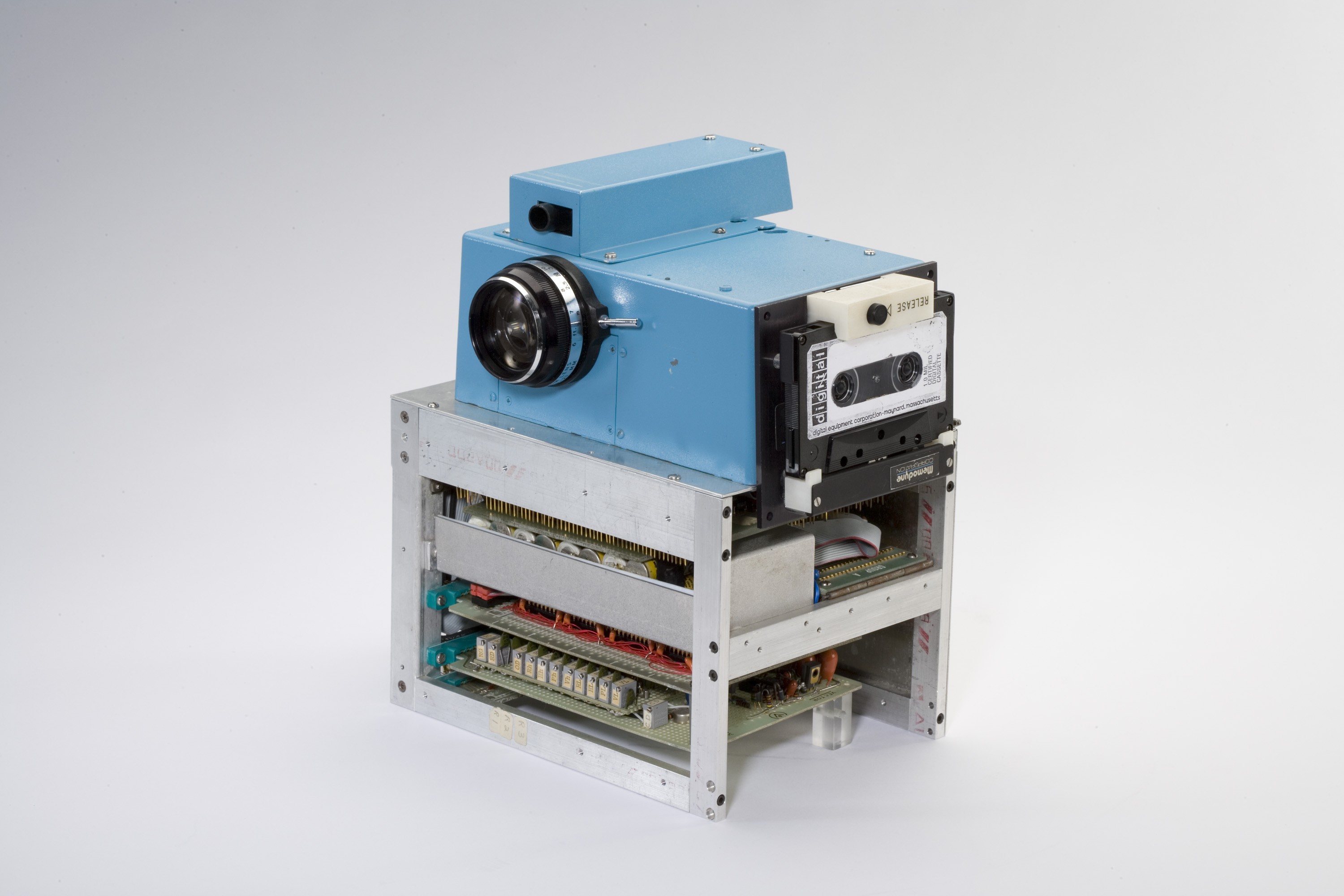
The first breakthrough in this field was made by Canon in 1984 with its first digital camera for still photography, and there was no looking back post that. At the same time, on the turn of the new century, possibilities of mobile phone cameras began to be explored. Photography became a separate, fully-formed realm of art in itself. Debates between its position in the hierarchy of art, especially when pitted against painting continued, but there came a zeal and fervour to be intrinsically associated with photography.
First digital camera by Canon 1984.
When photography was first introduced to people by and large, it took several seconds to a minute to click a single photograph. That explains why people would never smile for portraits. One wonders what their views on the contemporary selfie parades would be.
The first important development in cellphone-photography is owed to Apple and its very first iPhone with its pedestrian 2 megapixel camera in 2007. Other tech giants too became part of the race, perfecting their own technology in terms of cell-phone photography until another breakthrough was made in the form of front, or more aptly termed, ‘selfie’ cameras. Next came selfie sticks, with social media not doing much to help the obsession, and voila! Now photography blogs and Facebook pages have declared everyone a photographer.
The whole idea behind technological developments is to make things simpler, easier, more consolidated. But on the contrary, there seems to be an endless deluge of photography paraphernalia in contemporary times. When a bunch of kids were handed over a camera from the previous century, this was their reaction. You might want to sit down for this.
Cameras have covered an incredibly long journey to be where there are today. It is an art form that continues to evolve and surpass itself. Let’s see where it lands itself next.
A long time ago, in a galaxy far, far away, there were droids, space lasers, lightsabers and landspeeders. Of course, we’re talking about the fictional world of the cult sci-fi space opera movie, Star Wars. But how fictional is all that technology – that was seen in the series about 40 years ago – today? Let’s take a look at how close we’ve come to creating some of the technological marvels found in Star Wars.
Landspeeder
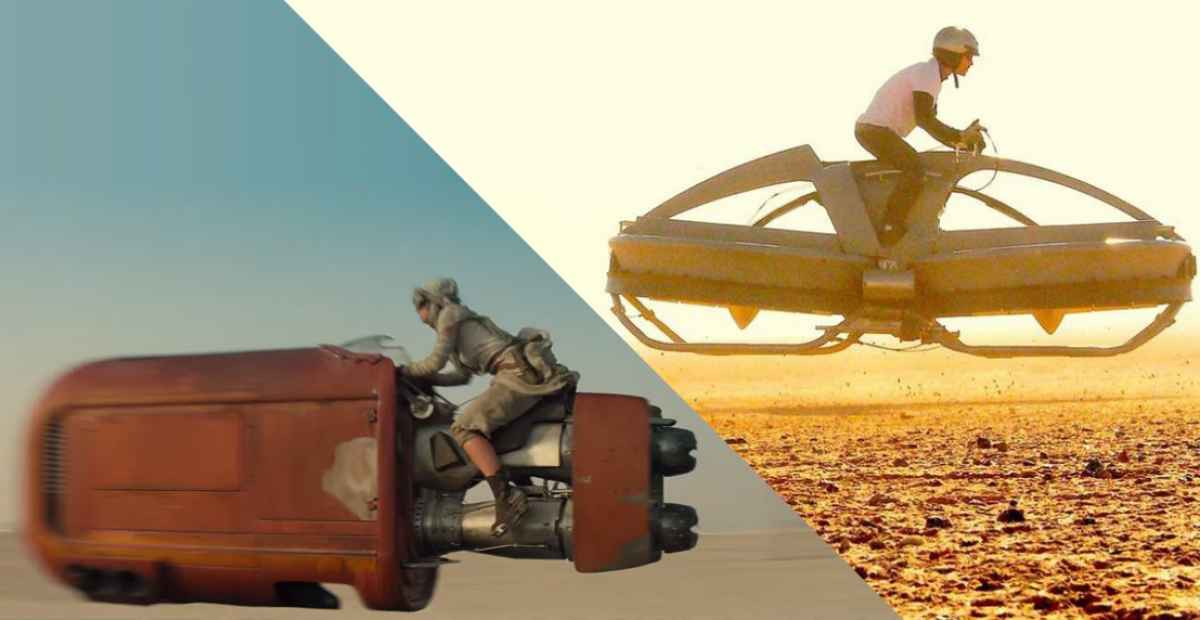
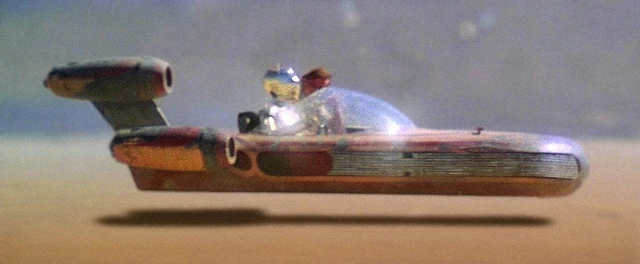
Landspeeders originally debuted in the original Star Wars series 37 years ago and since then fans around the world have been drooling over the prospect of zipping over the ground in an anti-gravity vehicle. While it might be a while before you see a population of people riding in their own hoverbikes, there is (a new) hope nevertheless. Malloy Aeronotics and Aerofex are two companies among others who have been actively working on trying to make the hoverbike a reality.
Aerofex has been testing its own hoverbikes in the Mojave desert. There has been keen interest in this area with many parties interested in this technology. So it won’t be long before one can see some insane anti-gravity drag-racing, once these hoverbkes are ready. Watch the video of Aerofex testing out the hoverbike below.
Droids
Droids are robotic machines possessing artificial intelligence. The term ‘droid’ was popularized by Gearge Lucas in the original Star Wars films, and originated as an abridgment of ‘android’. Droids are seen throughout Star Wars in various shapes and sizes, the most famous ones being R2-D2 and C-3P0. Ever since the classic twosome appeared in Star Wars: A New Hope, people have been waiting for the day droids and robots will become an everyday thing. Technology is progressing along, but it’s just not fast enough.
It takes a new Star Wars film for technology to kick it into overgear. The new Star Wars: Force Awakens movie is out in December, but a small 40 seconds trailer that was released a few months ago got the whole world in a frenzied state. Every scene from the teaser was dissected to bits, including one scene which showed a new droid, the BB-8. The little ball of a droid was seen rolling along the desert of Jakku. One never expected any droid to top R2-D2 but fans are adoring BB-8, which is why a company called Sphero has done the deed. Yes, BB-8 is real and it is available on Amazon for $149.
The BB-8 toy can be controlled via mobile app and it is all kinds of awesome. The BB-8 can roll around, listens and responds to your voice, and has a mind of it’s own. Look at the promotional video below and see for yourselves.
Lasers
It’s 2015 and we should be having lasers by now, right? Well, not exactly, but there are people working on it. Lasers are among the top technologies that comes to mind when you think of the ‘future’. That and flying cars, of course. We’re probably a few hundred years away from having fancy lasers like the ones seen in Star Wars with bright colours that zipped by the screen and were trippy as hell. But laser technology today is a fact and while it may not shoot red or blue bolts into the target, they can still burn holes when concentrated on the target long enough.
We’re talking about the Laser Weapons System (LaWS) that is employed by the U.S Navy on a warship, the USS Ponce. The weapon was first tested in 2014 and the United States Navy reported the LaWS system works perfectly. Here’s what it looks like when a ship lasers a drone.
https://www.youtube.com/watch?v=D0DbgNju2wE
Space Travel
If there was a real-life Millennium Falcon, space travel would be a blast. You could make the Kessel Run in under 12 parsecs and have a Wookie for a co-pilot. But alas, we’ll probably never see a real-life Millennium Falcon. But space travel is not off the cards. Indeed, consumer space travel has been around for a while now. Although, you’ll need really deep pockets if you want a ticket to the stars and back. As of now, space travelling will be available only to the filthy rich.
Boeing has partnered with NASA and will soon have seats for paying tourists in their CST-100 vehicle, allowing members of the general public to visit the International Space Station along with the astronauts. The price of admission is high and you’ll probably have to wait a couple of decades for fares to reduce once space travelling becomes part of normal human life. Fingers crossed.
Lightsabers
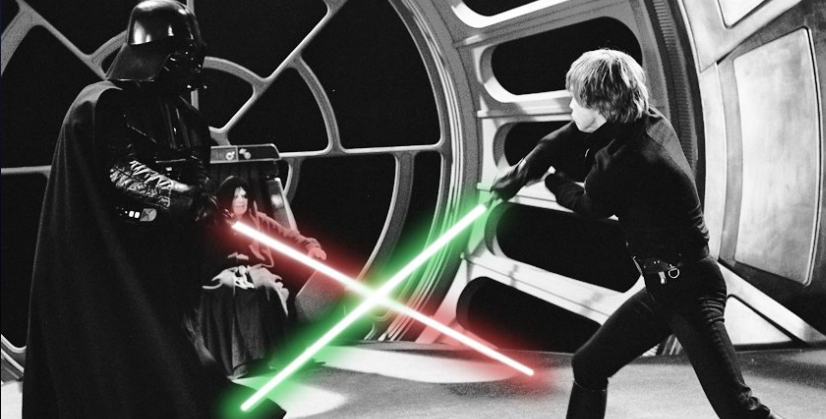
Perhaps the one piece of technology that is truly the star of Star Wars is the lightsaber. That awe-inspiring laser sword is a signature weapon of the Jedi order and the Sith alike. The lightsaber is used for close combat typically between the Jedi and the Sith. The lightsaber’s energy blade can cut, burn and melt through pretty much anything. It can also deflect blaster bolts and other lightsabers as well.
Lightsabers were so loved by film fans around that it was voted the most popular weapon in the film history in a 2008 survey. So naturally, a weapon so admired must be made into a reality. Over the decades, we have seen two groups of scientists who have expressed their opinions on the lightsaber. There are the killjoy scientists who believe that a real-life lightsaber is not scientifically possible. And then there are believers who will do anything to bring this technological work of art to life like the boys from Harvard and MIT back in 2013.
Based on the findings by the team from Harvard and MIT, a group of theoretical physicists from the National Institute of Standards and Technology (NIST) recently discovered a mechanism that can bind photons together in a pseudo-molecule, bringing us a little closer to real-life lightsabers.
All right, so that’s Obama with a toy lightsaber. But if he’s excited about the prospect of a real lightsaber in the future then so are we.
BlackBerry has come out with its first official promo of BlackBerry Priv. The video showcases the slide-out QWERTY keyboard of the phone which is definitely going to be the highlight of the device.
This video shows you all that you need to know about BlacBerry Priv as a user. With the pre-registration of the phone begun just two days ago, some of the specs of the phone have also been revealed.
https://youtu.be/5nO8EdLtJj0
The revealed specs tell confirm that Priv will have a 5.4 inch Quad HD display, Qualcomm Snapdragon 808 SoC and an 18 MP camera. The phone comes with a price tag of $630, which is about Rs. 40,000. This seems like an interesting move -BlackBerry making its comeback in the tech-world with such an exorbitant price tag.
Let us know if you’d be willing to put your trust in BlackBerry and Priv in the comments below.
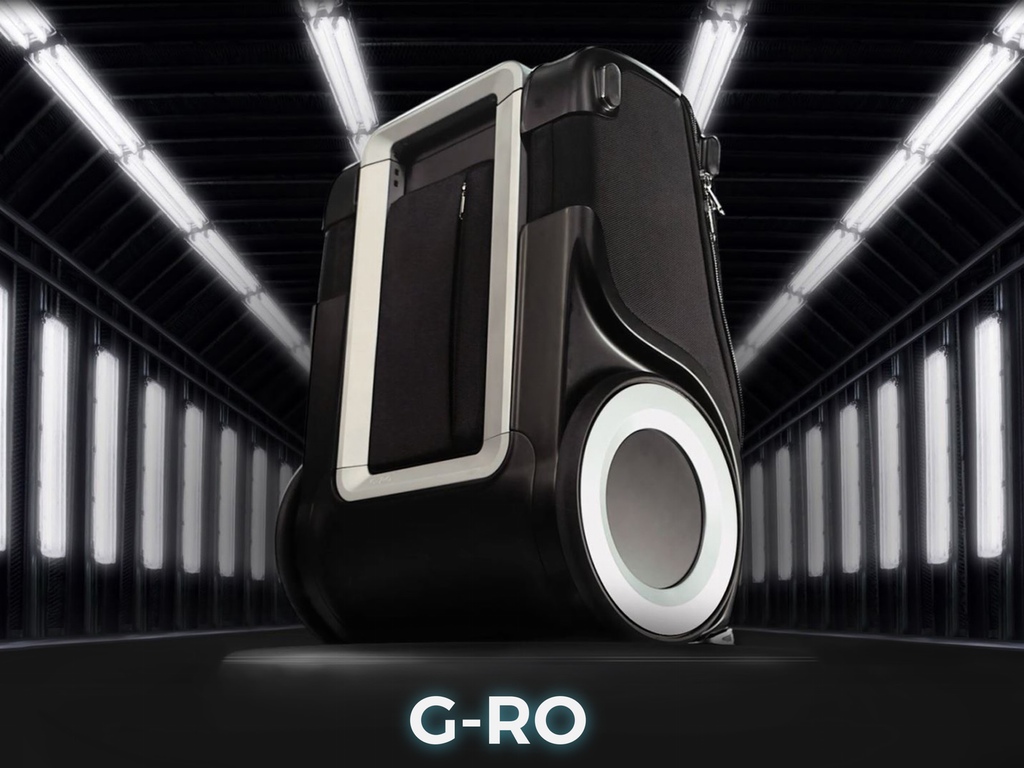
If you’re a frequent flyer who never seems to get over travel anxiety because of your luggage, Kickstarter might just have the answer for you. G-RO, the first carry-on luggage of its kind is flying off the charts on the website. It has already reached the mark of $360,000 in pledges. The goal fixed by the G-RO team was $125,000 which was reached within a day of the product being put up on the website. There are another 58 days to go before the campaign ends.
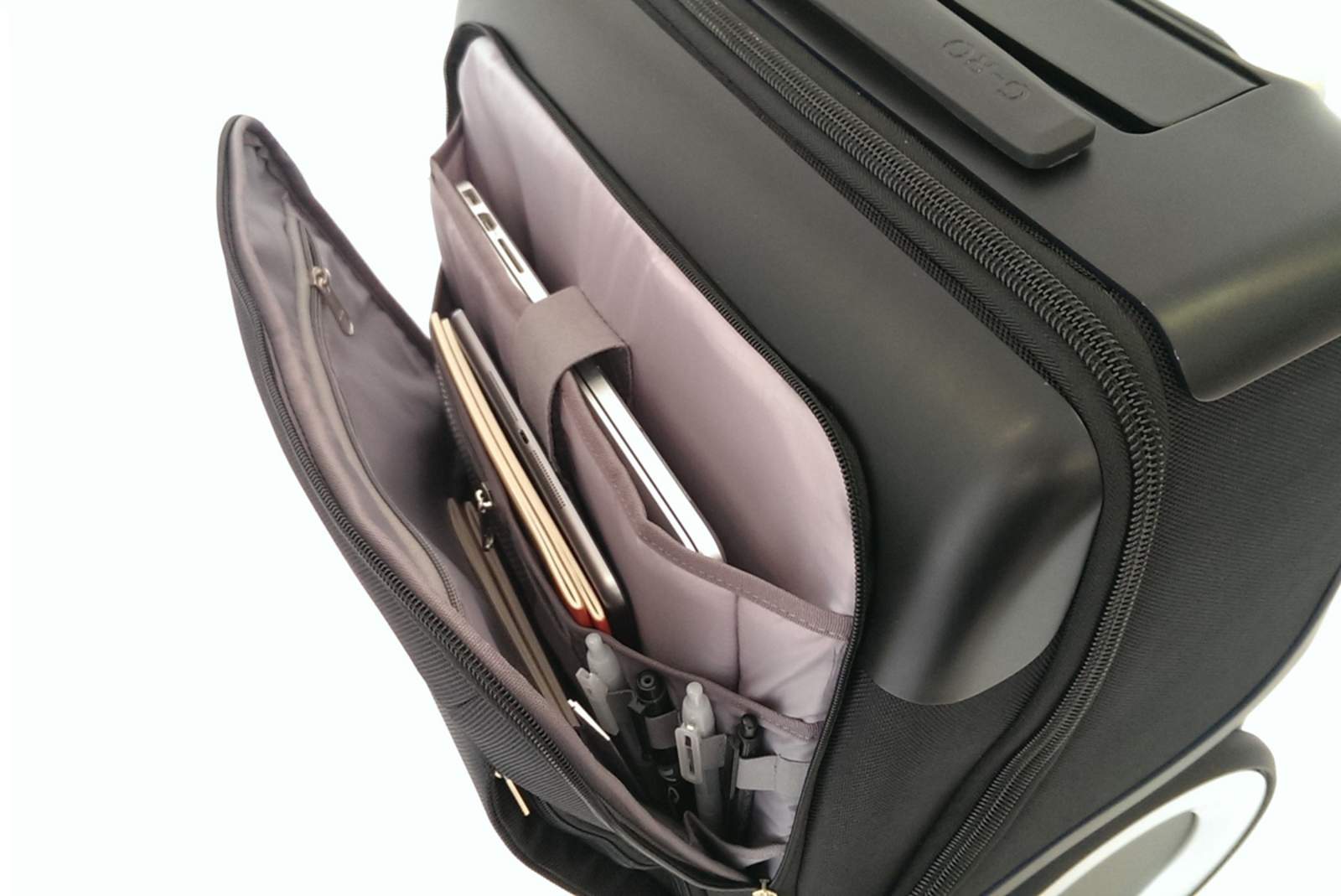
The suitcase comes with especial features to make the whole travel experience much more convenient and hassle free. It has huge all-terrain wheels that allows G-RO to be taken anywhere comfortably irrespective of the surface. There are distinct, neat compartments for personal belongings as well as for gadgets and stationery, along with a separate section for keeping liquids.
The G-RO Team
G-RO has been designed keeping in mind international travel regulations, along with compliance with TSA and FAA. Just when you thought this suitcase is too cool to be true, it gets better. The carry on luggage also comes in an electronic module which offers a 23,000 mAh battery that can charge phones, tablets and laptops, a universal power outlet, a location tracker and a wireless proximity tracker. Check out the video below to find out how this beauty was put together and everything that it’s capable of.
https://www.youtube.com/watch?v=lwO_li6aNi4
The cheapest G-RO model is priced at a $279 (having an expected $499 retail price) while the optional electronic module cost an extra $99. It will be ready for shipping in August next year.
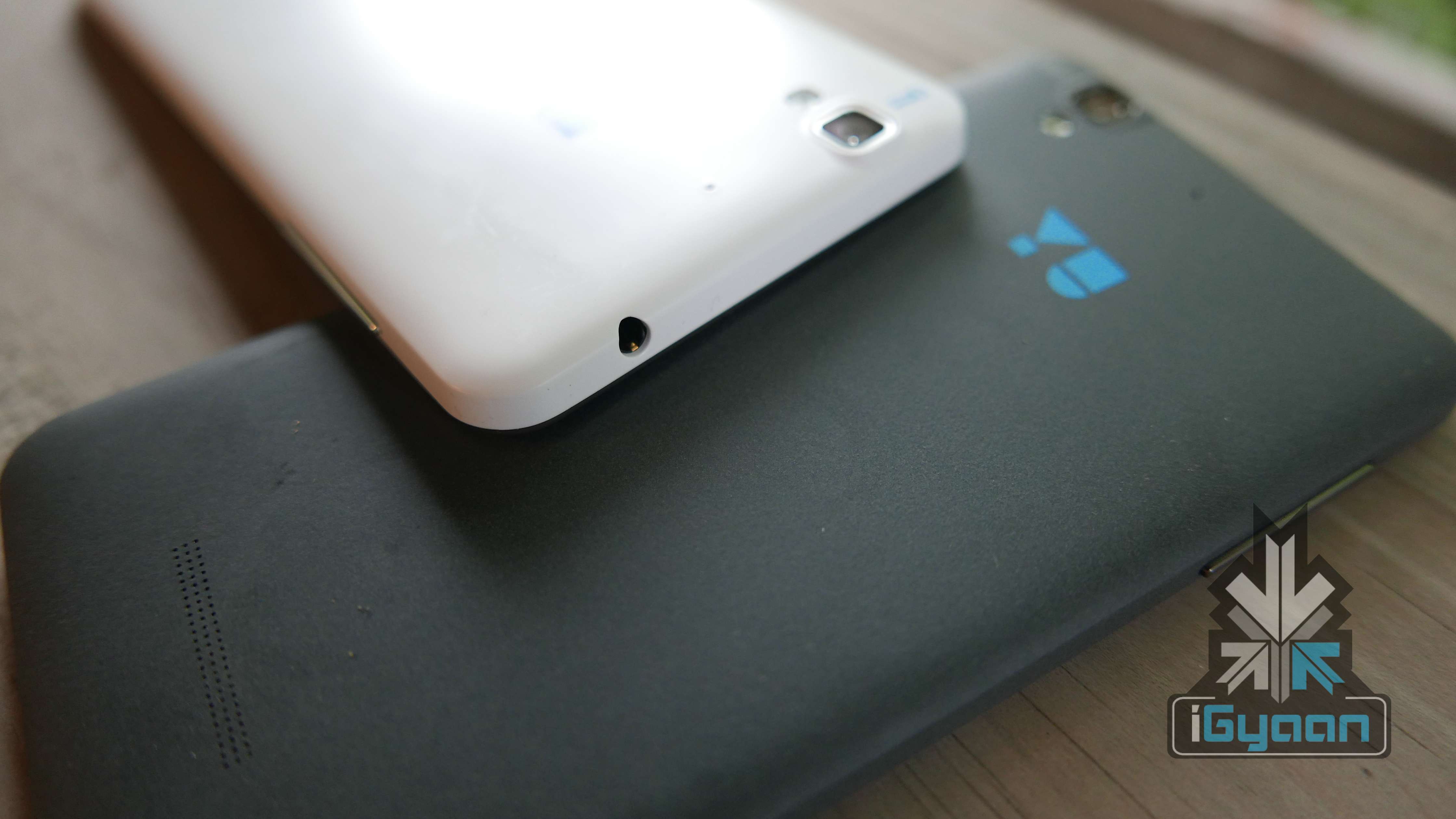
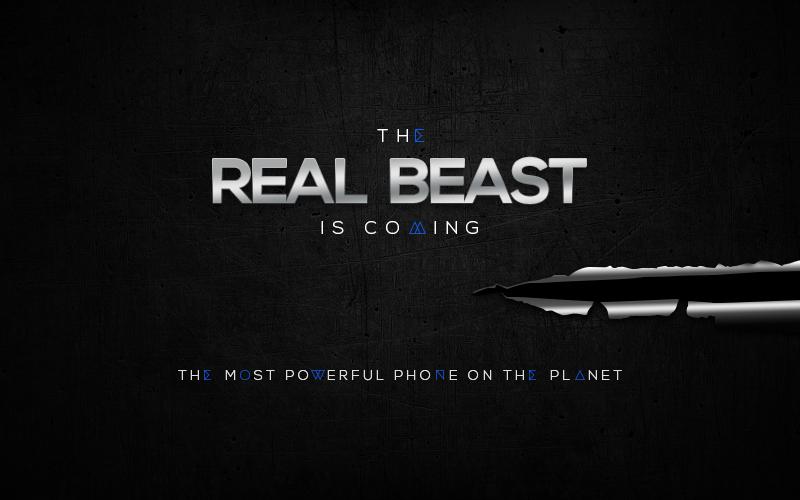
YU Yutopia has been confirmed by the company and the market is rife with speculations about the device. YU has released four smartphones so far and now Yutopia is going to be it’s fifth launch. The company has put up a page mentioning pre-registration for the device. However, the page is not what you may assume. It’s not for buyers to register or pre-order Yutopia, but only to leave their information there. They will be informed by YU when the phones finally go on sale or are up for pre-order.
The company also mentions, ”This phone will not be available to the users through flash sales”. This could mean that the YU Yutopia would be available for purchase in an open sale since day one of its launch, or maybe that it could be bought only by those who sign up for this pre-registration page. Who knows if YU has decided to go the older OnePlus way and is opting for an invite-only system of sorts by allowing only the registered people to buy the phone? Only time will tell what the company has up its sleeve.
YU Yureka Plus
YU, which is a Micromax-owned smartphone manufacturer based in India, is set to launch its first high end smartphone. YU Yutopia, expected to go on sale next month, is the fifth phone YU is launching within a period of eleven months. The four other smartphones include entry level YU Yureka, followed by YU Yuphoria, YU Yureka Plus and Yunique which was launched last month.
Rumoured specs of Yutopia suggest a 3 GB as well as 4 GB variant in terms of RAM, along with a Qualcomm Snapdragon 810 chipset. It is expected to have a 21 MP rear camera, 8 MP front camera and run on Android 5.1.1 Lollipop. We’ll keep you updated as soon as we have more dope on the device.
Here’s another reason for Samsung fans to glory in as news of Samsung Galaxy S7’s USB Type C port gets confirmed. Instead of the standard microUSB port, the new Samsung smartphone will come equipped with the new-age port, which has recently become a popular choice for many smartphone manufacturers.
Type C ports have been in news for a while now, and for all the good reasons. One of the biggest advantages of these is that they allow reversible charging options, which means the cord can be plugged in either way. It also allows for faster charging as well as data transfer. The latter is more efficient than data transfer using USB 3.0.
Samsung has always had an edge over other tech giants in terms of fast charging, so this is one advantage of the Type-C port that is not the highlight of S7. But the reversible cable is definitely a nice touch. Let’s see how soon other companies, which haven’t opted for it already, make this switch to USB Type C.
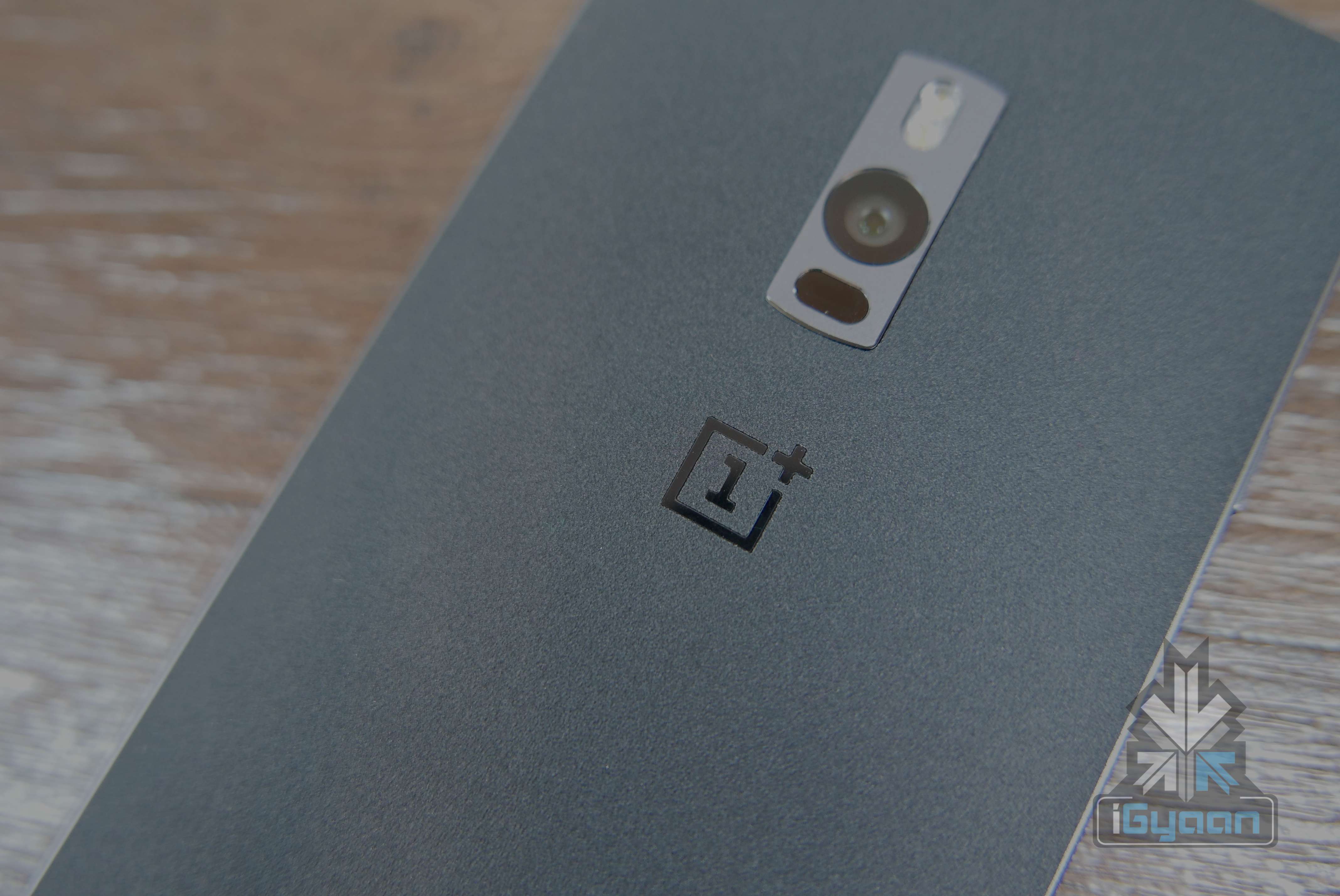
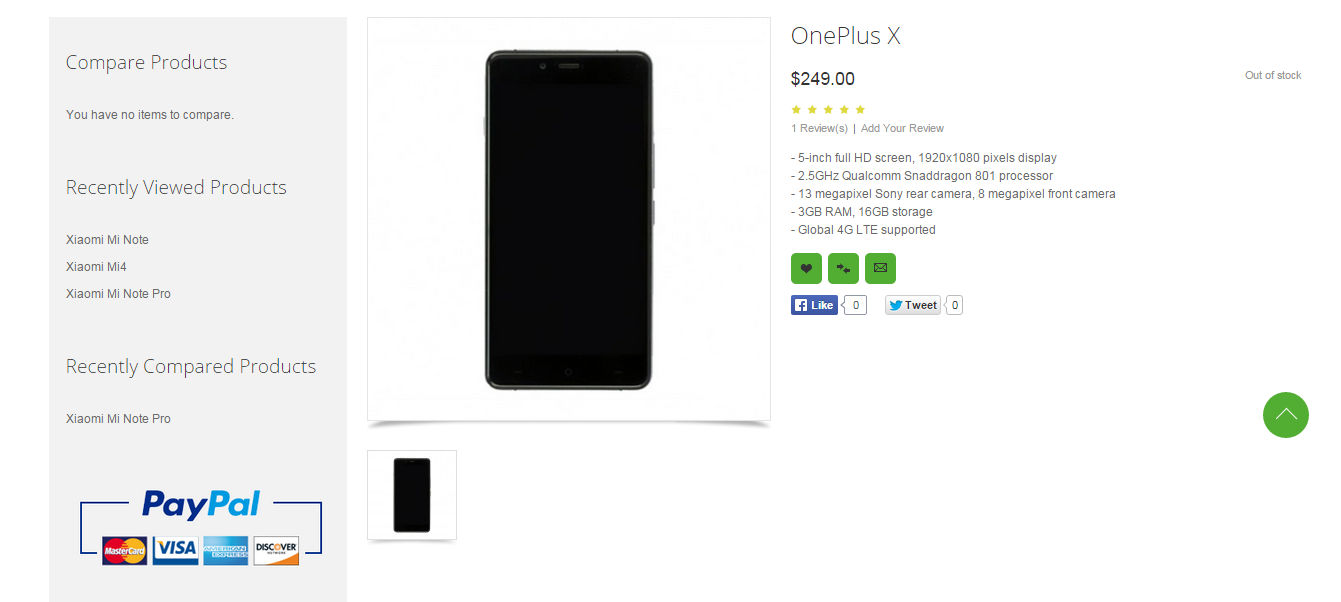
OnePlus India recently posted a teaser about the OnePlus X, suggesting its launch on the 29th of this month. So far there were only speculations regarding the specs of the phone but now details have been confirmed by a listing on OppoMart.
The phone is called OnePlus X (aka OnePlus Mini), making the two names of the phone official. The confirmed specs include a 5-inch full HD screen and 1920×1080 pixels display. The chipset is Qualcomm Snapdragon 801, along with a 2.5 GHz processor.
On the camera front, the phone is equipped with a 13 MP rear camera and an 8 MP selfie camera. OnePlus X will have 3 GB RAM and 16 GB of internal storage as well. The phone is marked at a price of $249 which is about Rs. 16,000. The phone is also rumoured to feature Force Touch technology, something quite similar to the 3D Touch of iPhone 6s and 6s Plus.
Watch this space for more updates about the OnePlus X.
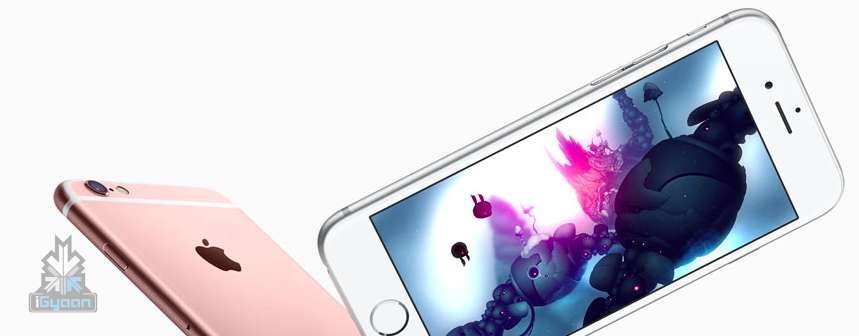
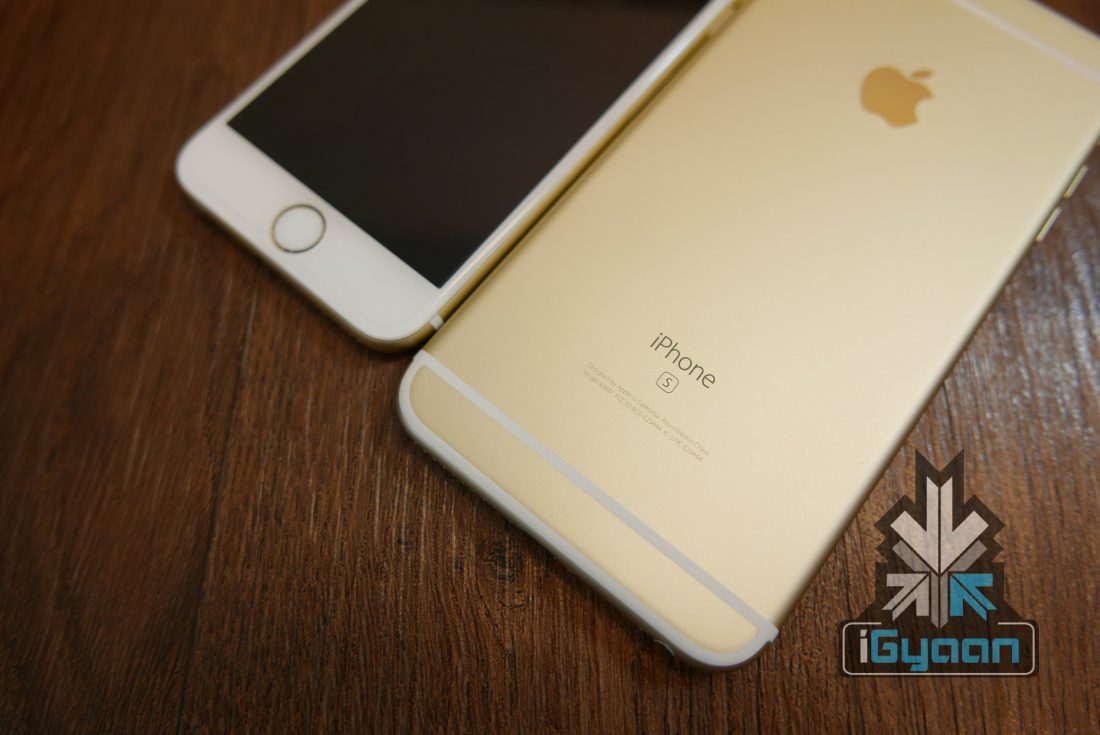
By now you must be aware of the Indian pricing of the iPhone 6s and 6s Plus. Apple’s latest phones that launched in India today, 3 weeks after the US launch, are not only heavier than the previous iPhone 6 and 6 Plus, but are also heavy on your pockets.
The iPhone 6s and 6s Plus come at a starting price of Rs. 62,000 and Rs. 72,000, respectively for the 16 GB version. At these prices, the newest iPhones cost more in India than any other country.
If one translates the Indian pricing of the iPhone 6s and iPhone 6s Plus to US currency, here’s what you get.
iPhone 6s
iPhone 6s Plus
16 GB
$955
$1,110
64 GB
$1,110
$1,265
128 GB
$1,265
$1,415
The same 16 GB iPhone 6s model costs $649 in the US, which means customers in India will be shelling out $306 more for the iPhone 6s 16 GB. Similarly, the base model of the iPhone 6s Plus costs $749 in the US whereas you’ll have to pay $351 more in India.
The extravagant prices in India is likely to bring down sales for the latest iPhones. But pre-bookings for the latest devices do not seem to show any such signs. Many retailers, both online and offline, have offered major offers for the latest iPhones. Airtel is offering free 4G data on purchase of the iPhone 6s or iPhone 6s Plus, while Vodafone is offering freebies worth Rs. 8,885. These offers are only some of the many promotional campaigns being seen around India.
The iPhone 6s and 6s Plus may be the most expensive phones in India, but that didn’t stop fans from lining outside Apple reseller stores across the country to get their hands on the latest device. Apple CEO Tim Cook even expressed his thanks on Twitter. The excitement for the phones is still as high as ever. So, it could be that customers are willing to overlook the mighty price tag so that they can enjoy all the new features that come with the new phones.
Thanks to all our customers in India who queued at midnight for the new iPhone 6s and iPhone 6s Plus! pic.twitter.com/MxSkRk2BmP