Category: Tech

Latest Technology News, Alternative, Bio-Tech, Medical, R&D and Innovations

  • Meet Nikon’s New Candidate in the Mirrorless Camera Market : The Nikon 1 J5

    Meet Nikon’s New Candidate in the Mirrorless Camera Market : The Nikon 1 J5

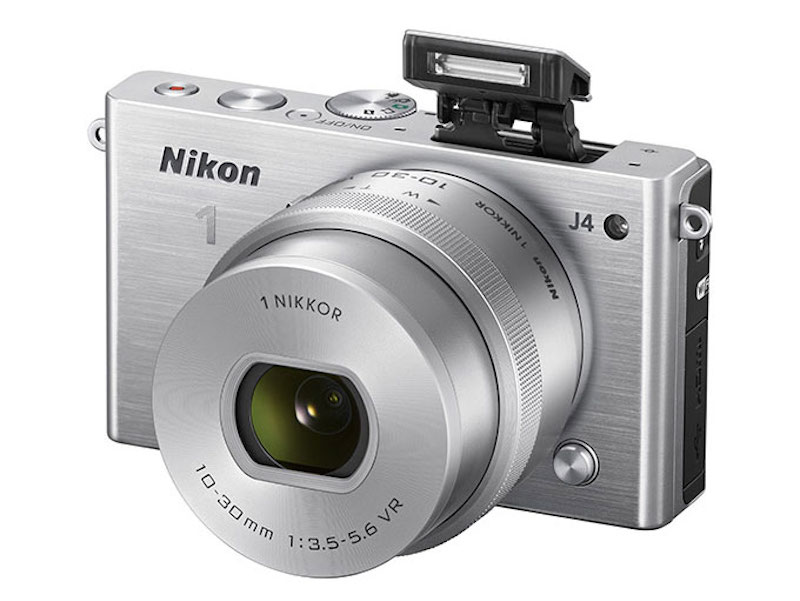
    Nikon has launched their latest entrant in the compact mirrorless camera market, the Nikon 1 J5. This camera is a latest model of the 1 J ensemble. However, unlike the rest of the J-series cameras, this camera does not require a lot of menu diving to access basic settings.

    The camera has a 20.8 MP, 1″ CX-format BSI sensor, added up along with EXSPEED 5A image processor and a 171 point contrast detect auto-focus system. As claimed by the company, the camera offers fast burst modes of 20fps at full auto-focused resolution and 60fps of fixed focus. The camera also boasts 4K video recording but can do so at only 15fps. Even though, if this does not work out, the camera also has an option of the 1080p at 30/60fps recording mode and 120fps 720p slow motion video mode.
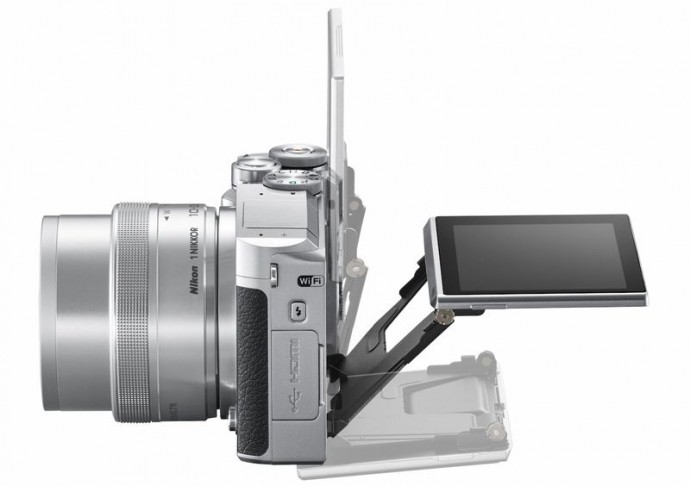
    J5_SL_10_30_PD_left.0

    On the other side is a 3-inch 1037k dot touchscreen display with an 180-degree tilt. It also includes built-in Wi-Fi and NFC. The camera is also compatible wth the entire NIKKOR 1 series lenses and the DX and FX mount NIKKOR lenses with FT-1 mount adapter. J5 can take up to 250 shots in a one time charge of the battery.

    The camera is priced at $499.95 (approx Rs. 31, 116) with the NIKKOR 1 10-30mm f/3.5-5.6 PD-Zoom lens and $749.95 (Rs. 46,676 ) with both the 1 NIKKOR 10-30mm f/3.5-5.6 PD-Zoom lens and 1 NIKKOR VR 30-110mm f/3.8-5.6 lens. The camera comes in three colour variants, namely Silver-Black, Silver-WHite or all Black.

    Nikon has not yet announced its release date in India, however the product will start rolling out in USA later this year.

  • Xiaomi’s Next Band to Embrace One-Touch Mobile Payment Technology

    Xiaomi’s Next Band to Embrace One-Touch Mobile Payment Technology

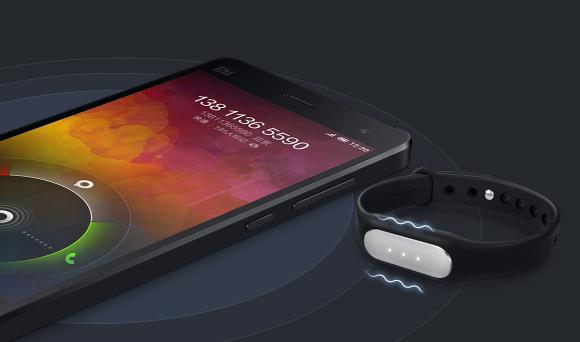
    Xiaomi’s smartbands are assumed to be the next big thing by the tech world; much because they are rightly speculated to be cheaper than the present offerings by other brands. According to a recent disclosure by a Chinese online publication, the next-gen Xiaomi smartband will incorporate a mobile payment solution, providing users a safer, more convenient payment experience.

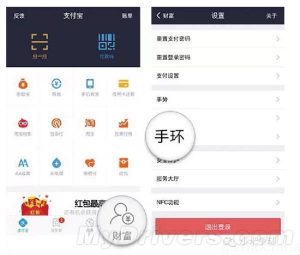
    Huami, the Chinese start-up set to partner with Xiaomi for fitness wearables, declared that it has inked a strategic cooperation in AliPay. The tie-up is aimed at developing a wearable device that fits modern one-touch payment system. The idea is to speed up the payment process and eradicate the need of providing passwords at retail stores.

    140722-xiaomi-mi-band-05

    With this, whenever a user will come in the range of an AliPay client, the mechanism will activate automatically, establishing a link with the client. Through the technology, the payment will be done directly through the wristband.

    The smartband works in conjunction with smartphone to function. The band gets connected to the handset through Bluetooth to verify the user’s identity, thereby acting as a channel to enable payments. Once the identity is established, the Xiaomi band then authorizes it to make payments via AliPay client.

    The start-up further mentioned about the verification technology stating that it uses industry standard encryption measures to make the payments secure. In this, every user is provided with a unique identifier which verifies the status of users after eliminating the password link.

    However, the mobile payment technology is not new and many big names in the technology sector have already embedded it to their devices. Though this will widen the reach of the technology. As Xiaomi offers products at a reasonable price, the forthcoming band is expected to become a common accessory and bring a larger change in the retail payment mode used in China.

  • HTC One M8s Unveiled : a Refreshed One (M8) with Enhanced Camera and Battery

    HTC One M8s Unveiled : a Refreshed One (M8) with Enhanced Camera and Battery

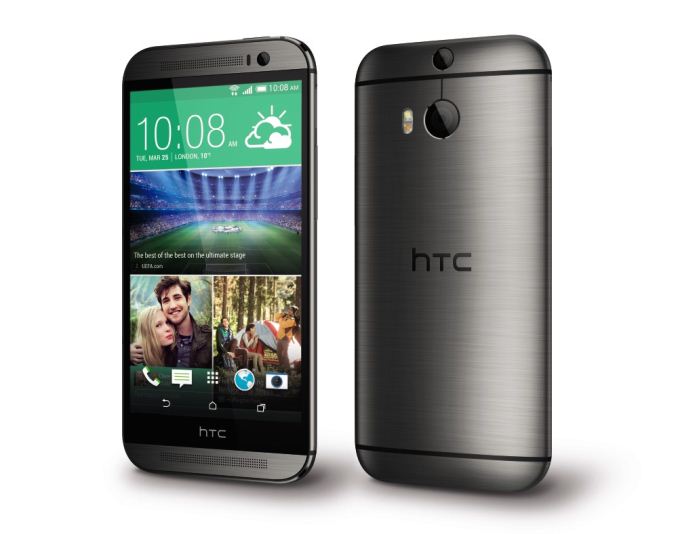
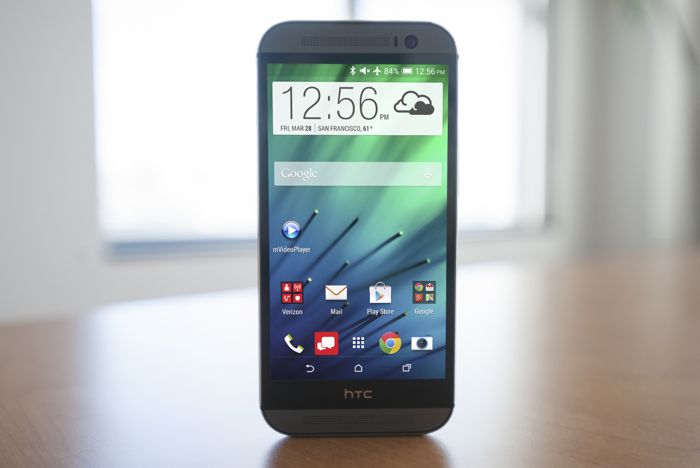
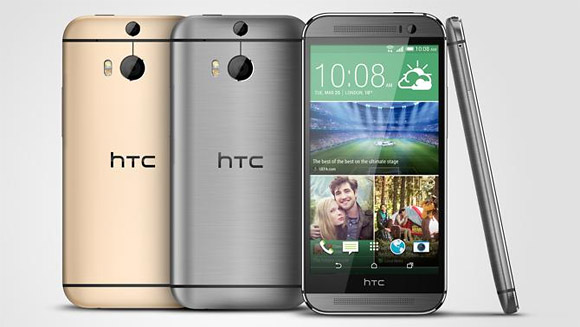
    Post the launch of the flagship M9 at MWC this year, HTC today brought out a tweaked version of its predecessor HTC One. Dubbed as HTC One M8s, the smartphone embraces the same all-metal body and trademark features of the One such as BoomSound front speakers, Duo camera, and more. The handset is launched at a price of GBP 379.99 (in Indian currency that translates to approx. Rs. 35,000).

    htc-one-m81

    With a full HD display of 5-inch (1080×1920 pixels), the screen of the One M8s comes with a Corning Gorilla Glass 3 coating. The smartphone holds a tweaked 64-bit octa-core Qualcomm Snapdragon 615 processor clocked at 1.7GHz, bundled with 2GB RAM. The internal storage option stands identical at 16GB, which is expandable up to 128GB via MicroSD card slot. The One M8s runs on Android 5.0 Lollipop with HTC Sense 6.0 skin on top, while the One (M8) came with default Android 4.4. KitKat, upgradable to 5.0 Lollipop.

    htc one m8s 1

    The rear camera is the one feature which gets a major boost. The device now sports a 13-megapixel duo camera. The front camera is static at 5MP just as the previous iteration. Battery is also a noticeable change in the One M8s. A 2840mAh, just as the one fitted on to the One M9, powers the handset. Connectivity options include 4G LTE, GPS/ A-GPS, Wi-Fi, Bluetooth 4.1, and NFC.

    The smartphone will be available in the European market early April in three colour options – Glacial Silver, Gunmetal Gray, and Amber Gold. Meanwhile, there is no word about the device arriving in other countries.

  • Xiaomi is Currently Working on a Refreshed MIUI 7 That Will Debut on the Mi 5

    Xiaomi is Currently Working on a Refreshed MIUI 7 That Will Debut on the Mi 5

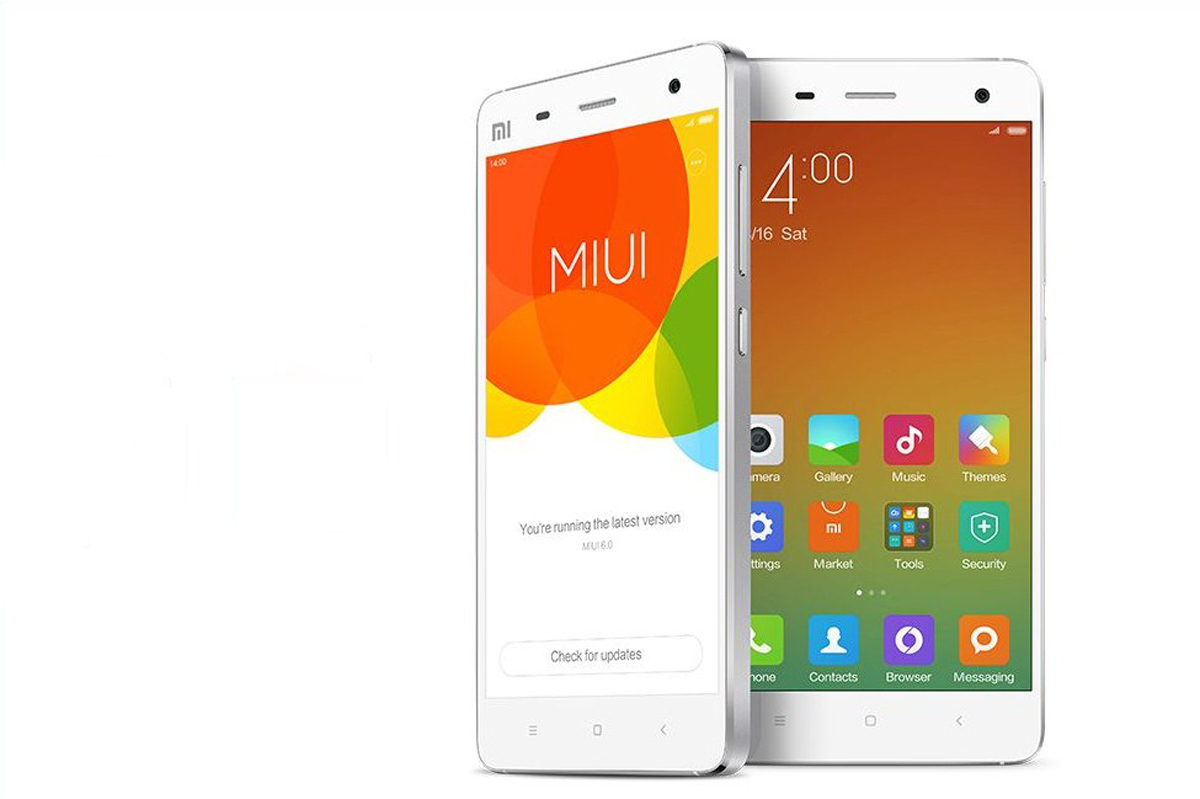
    The tussle to bring the finest product to the customers is getting meaner by the day. With many top-notch smartphones already present in the crowded market, there’s a need for every mobile brand to stand out of the pack. Xiaomi enjoys a large fan base in the world majorly because of its affordably priced devices and for the unique MIUI that makes the smartphones look different, not just externally. The Chinese brand is now considering giving its users a better experience with a brand new user interface.

    The company is said to be working on the next instalment of MIUI which will debut with the upcoming Xiaomi smartphone Mi 5. The firm has teamed up with AOKP (Android Open Kang Project) to build the new UI. The latter company made public information about the new interface that gives us a fair idea of MIUI 7.

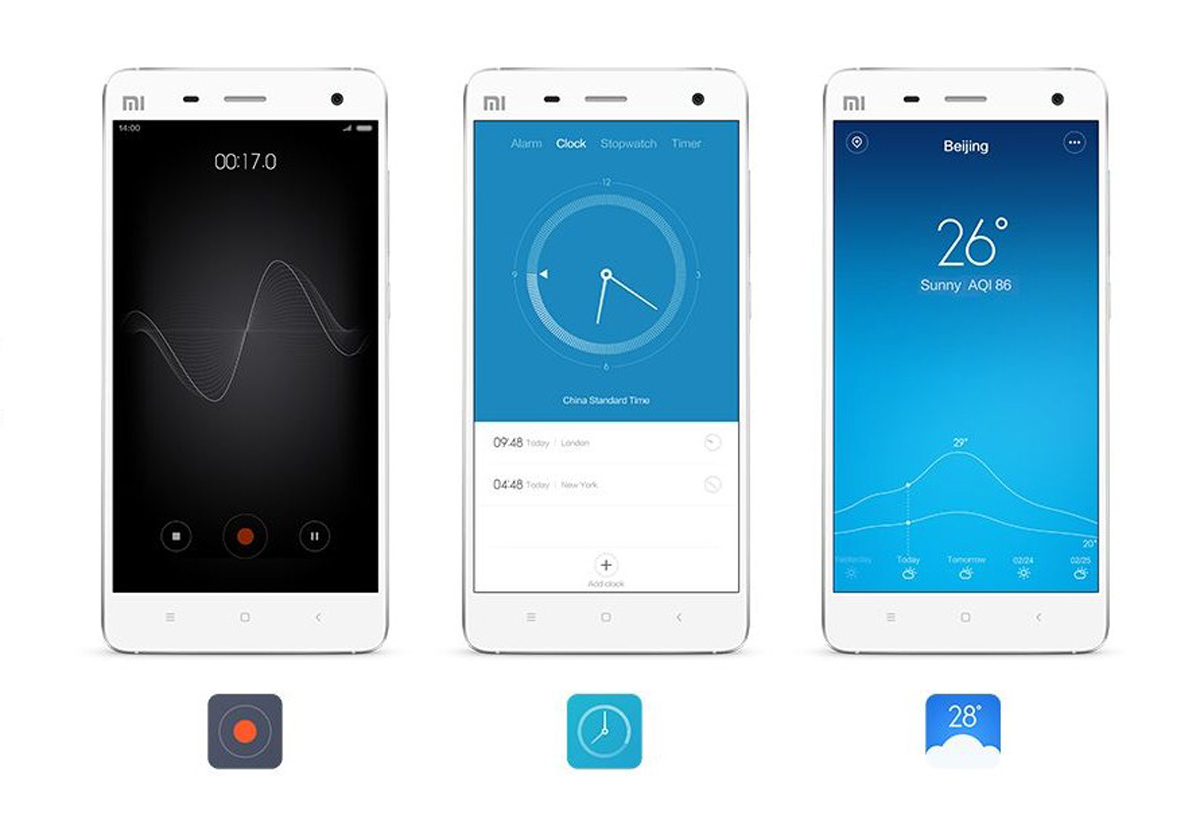
    Minimalistic Look with subtle graphics.
    Minimalistic Look with subtle graphics.ith

    According to the official AOKP blog, the forthcoming interface is codenamed MiKangy and will be based on Android 5.1 OS. It will be a whole new take on the Android UX and will combine the salient features of top ROMs like CM, PA, Omni and AOKP. MIUI 7 is stated to “create an experience which completely submerges the user in his own world.” The web page further reads that the UI will evolve with the user, and after a period of time, it will be different for every MI 5 user. Now that sounds innovative.

    The market of custom ROMs and user interface has lately grown to become a sizeable industry. There was a time when smartphones were mostly about bumped up specifications and features. The brawl between Micromax and OnePlus on Cyanogen that pushed them to the court room is an example that the tech domain is growing in every sector, largely and rapidly. We hope MIUI 7 turns out to be as good as its description.

  • Micromax YU Invites its Followers to Help Them Name Their Next Device

    Micromax YU Invites its Followers to Help Them Name Their Next Device

    We’ve known for a while that Micromax YU’s upcoming smartphone is in the pipeline. However very scarce details are known about the much-awaited device, which till date has been called ‘Project Caesar’. Now YU wants to give it a fixed name, and one which has been decided by its fans and followers.

    The Indian smartphone brand announced the first ever crowdsourcing, where its devotees can suggest the company a name of the forthcoming Cyanogen-powered smartphone. The firm has announced a contest where the winner’s decided name will be the moniker of the next YU handset.

    Screenshot from 2015-04-01 19:15:06

    Interested users can submit their entries at all the social platforms of YUPLAYGOD with a caption ‘#YUNameIt’. The submissions should be made on or before April 2. Once the entries are closed, top 5 participants will make it to the voting stage, which will be held on March 3 and 4. The one with highest number of votes will be the chosen name for Project Caesar.

    Not only this, YU will reward 5 randomly picked contributions with the next YU device. An additional number of them with receive Amazon Gift Cards worth Rs. 1 lakh.

    Customers can submit their entries using the following links:

    Click here or here to play.


  • Apple Might Bring Facial Recognition Technology to its iDevices, But With a Twist

    Apple Might Bring Facial Recognition Technology to its iDevices, But With a Twist

    We’ve seen Apple deliver some of the best and secure technologies to its customers. Its TouchID, a fingerprint recognition feature, has laid the path to create a feature which makes phone locks reliable. Now, the Cupertino-based firm has plans to embed a simpler but effective technology to its devices for the same purpose – it’s called face recognition.

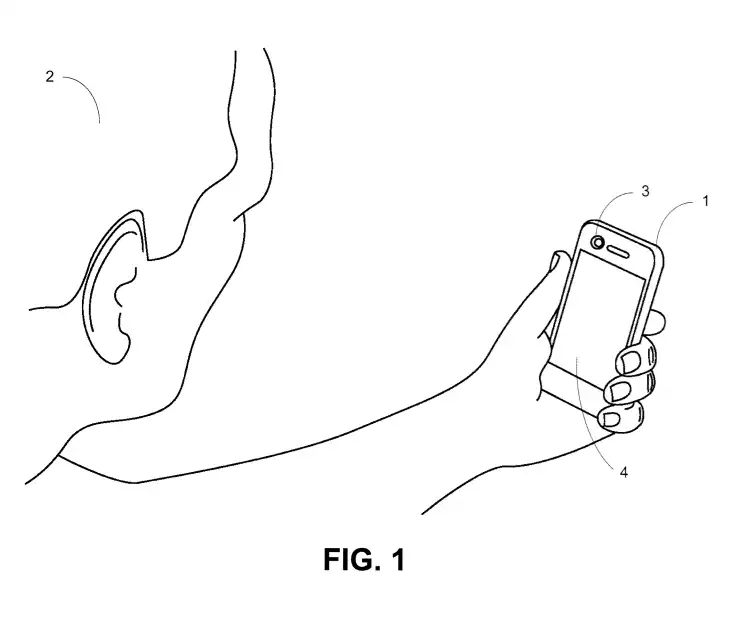
    According to a patent recently granted to Apple by the U.S. Patent Office, the new-found invention will lock the device if the user’s face is no longer present. The granted patent reads, “In the embodiment of the invention, a mobile device is configured to automatically lock based on determining that a user’s face is no longer present in the image captured by the device’s built-in camera.”

    apple_selfie

    It’s evident from the statement that the device will keep snapping pictures at a definite interval of time to check if the owner is working on the device. If the user doesn’t appear in the pictures, the device will automatically lock. This means if your iPhone is kept motionless for a certain period, it will lock on its own.

    The patent also mentions that with this technology, iOS device users don’t need to type in the password or touch the screen. The handset would unlock through a selfie. This also means that if your phone reaches in the wrong hands, the intruder would not be able to access your device’s content.

    The innovation is already present in Android smartphones, but it doesn’t keep a tab on the user’s activity continuously. Apple’s facial recognition technology looks promising and might arrive in the new gen iPhone, iPad or even the rumoured Apple Car.

  • Hands On : Motorola Moto Turbo

    Hands On : Motorola Moto Turbo

    Motorola’s first foray, after a really long while, into the premium handset domain was well thought out. The Moto Turbo launched in India for a price of Rs. 41,999 and comes after the moderate success of the newest gen of Nexus phone which was also manufactured by Motorola for Google.

    Moto Turbo India 16

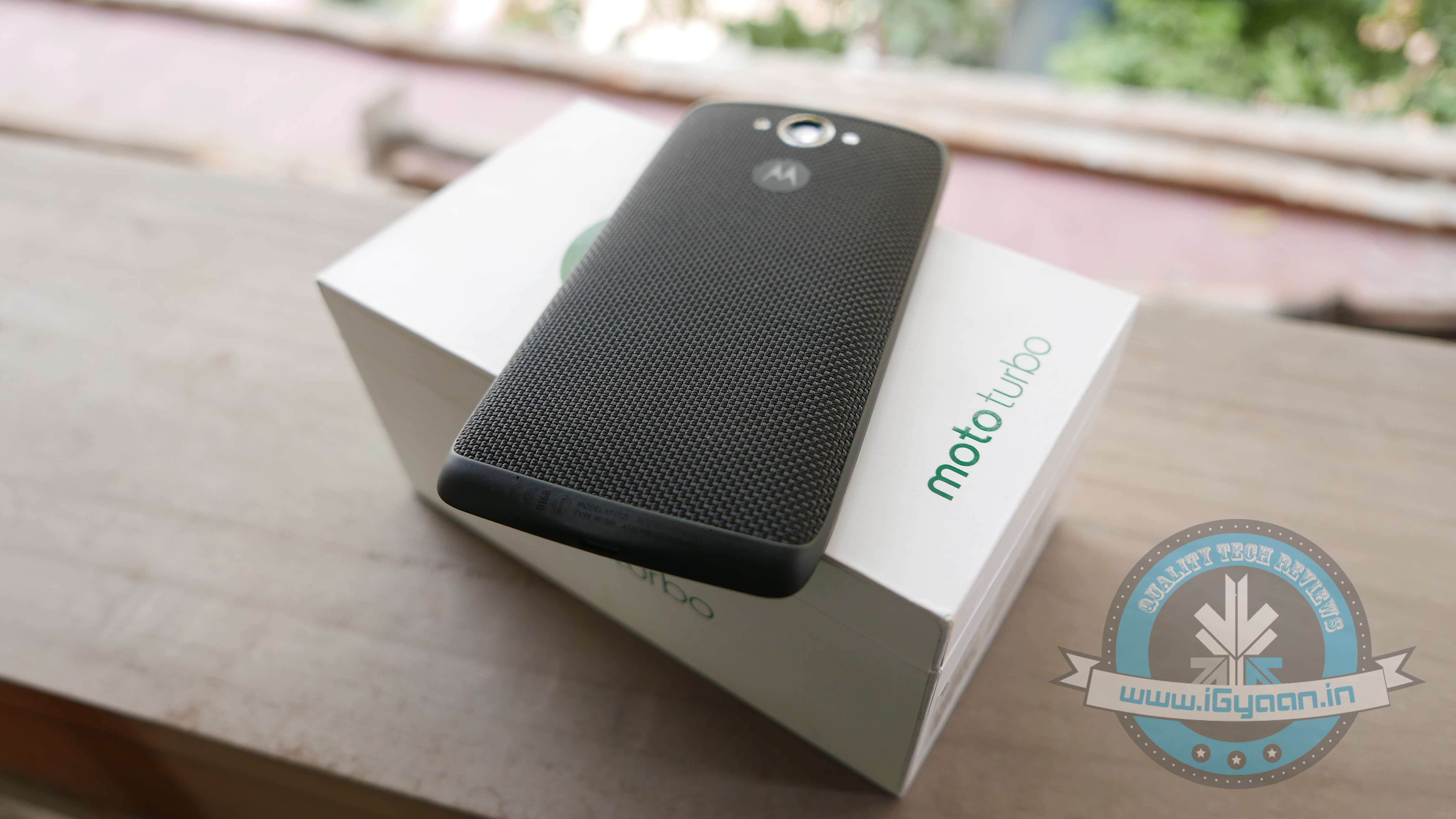
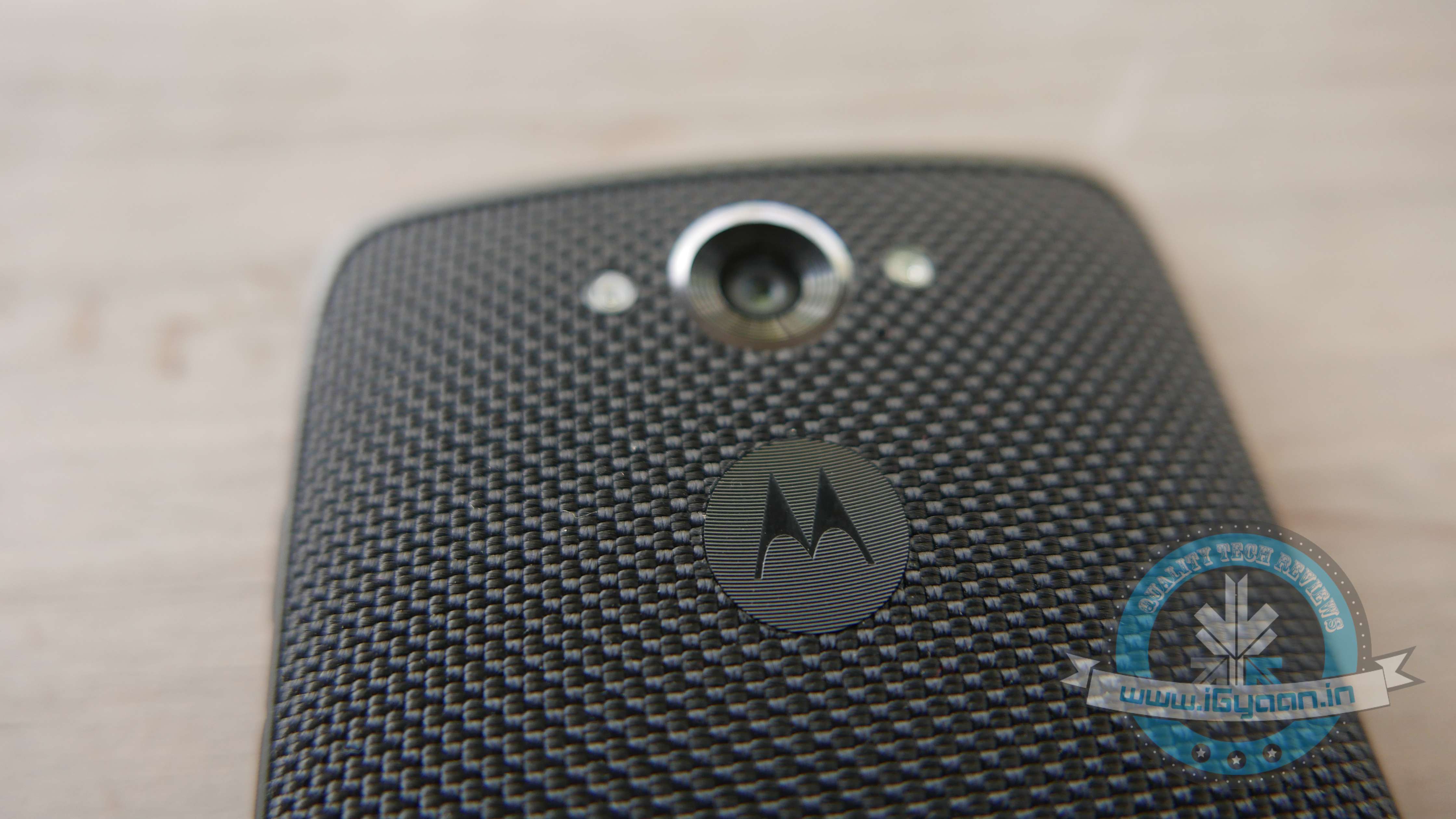
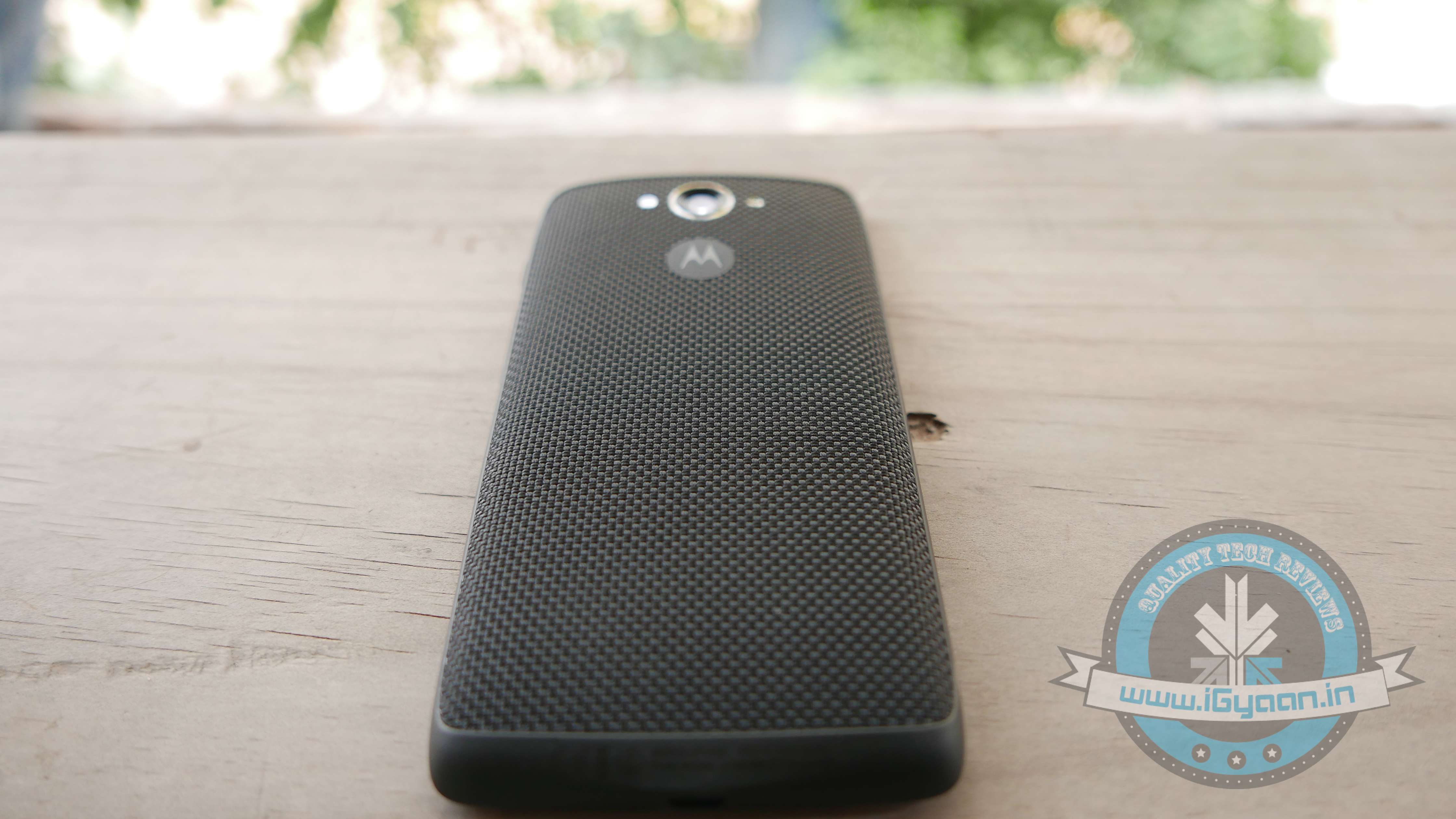
    The Moto Turbo is no lightweight contender in the battle of heavy weight champions, in fact it even looks the part. The body of the Moto Turbo is rugged and well built, a solid texture at the back adds copious amounts of good looks and grip. This texture also makes it less prone to scratches and damage.

    Moto Turbo India 10

    Motorola has slyly hidden the sim tray behind the volume rocker, a tough guess location, especially if you don’t know where to look for it. The unibody design is appreciated, the large battery would be sufficient to warrant a non removable type design too.

    The Moto Turbo is all about the grip; the buttons are robust and tactile with a sliced grip that you can feel on your skin. The glossy metallic bezel adds the upmarket feel and the overall package is a good mix of beauty and brawn.

    Moto Turbo India 18

    A previous gen Gorilla Glass 3 protects the front display of the Moto Turbo, which incidentally is a brilliant 5.2 inch Quad-HD Super-AMOLED type with a 2560 X 1440 Pixel resolution giving it 565 ppi.

    Running this monster is a Qualcomm Snapdragon 805 chipset with a Quad Core CPU clocked at 2.7 GHz (Krait 450). The GPU is the new ADRENO 420 and all of this is managed with 3 GB of RAM and a fixed 64 GB of storage (for the Indian variant, internationally 32 GB options are available too)

    The Moto Turbo supports LTE Cat 4 networks, which should suffice in most regions without network compatibility issues. You will also get mostly stock Android 5.0.2 to boot and some Moto apps like ‘Moto Alert’ and the ‘Moto’ app.

    You also get quick actions, twist the device to launch camera, Moto Display activates on approach and you can wave to silence an incoming call.

    Moto Voice can be enabled from anywhere, including the lock screen to ask arbitrary questions like “when is my next meeting” or “how far away is the moon”. Some of which may have been seen in the Moto X handsets.

    The Moto Turbo is very fast and responsive. Its UI is a pure experience, the kinds that you would expect from a Motorola device.

    The Main Camera is a whopping 21 MP shooter with adaptive autofocus, and dual LED flash. It will record 4k videos at 24fps and the front has a nimble 2MP snapper. The camera app is mostly basic and we do wish that they had worked on a better app. The depth of field is excellent and the camera has a burst mode which is decent.

    Here’s a brief about its specifications:

    Specs Motorola Moto Turbo
    Display 5.2-inch 2560x1440p resolution 565 ppi
    Processor 2.7GHz  quad-core Qualcomm Snapdragon 805
    RAM 3GB
    Storage 64GB, non-expandable
    Operating System Android 5.0.2
    Main Camera 21MP
    Front Camera 2MP
    Price Rs. 41,999

    Check Out Our Hands On Video:

  • Microsoft Announces the Sleeker and Lighter Surface 3

    Microsoft Announces the Sleeker and Lighter Surface 3

    Alongside Google, Microsoft too made a few announcements. The brand unveiled the new tablet that is sleeker and lighter than the previous iteration. The device comes with a one-year free subscription to Office 365 and is available in two versions – Surface 3 and Surface 3 (4G LTE).

    The Surface 3 holds a thickness of 8.7 mm and weighs a mere 1.37 pounds. Unlike its predecessors, the latest Surface version runs a full version of Windows 8.1 (64-bit), including desktop applications. It has a screen size of 10.8-inch (1920×1280 resolution) with a 3:2 aspect ratio. Powered by a quad-core Intel Atom x7 processor, the Surface 3 features a fanless design with 2GB RAM and 64GB of inbuilt storage.

    surface 3 3
    Type Covers for MIcrosoft Surface 3

    There is an 8MP rear camera along with a 3.5MP front shooter to capture photos. Three speakers with Dolby Audio-enhanced sound are fitted onto the tablet, and a three-position kickstand comes within the box for support. Connectivity options include Wi-Fi (802.11 a/b/g/n/ac), Bluetooth 4.0 low energy and 4G LTE. The Surface 3 has physical connectivity options to connect to other devices like USB 3.0 port, a Mini DisplayPort, a Micro USB, and a microSD card reader.

    surface 3 2
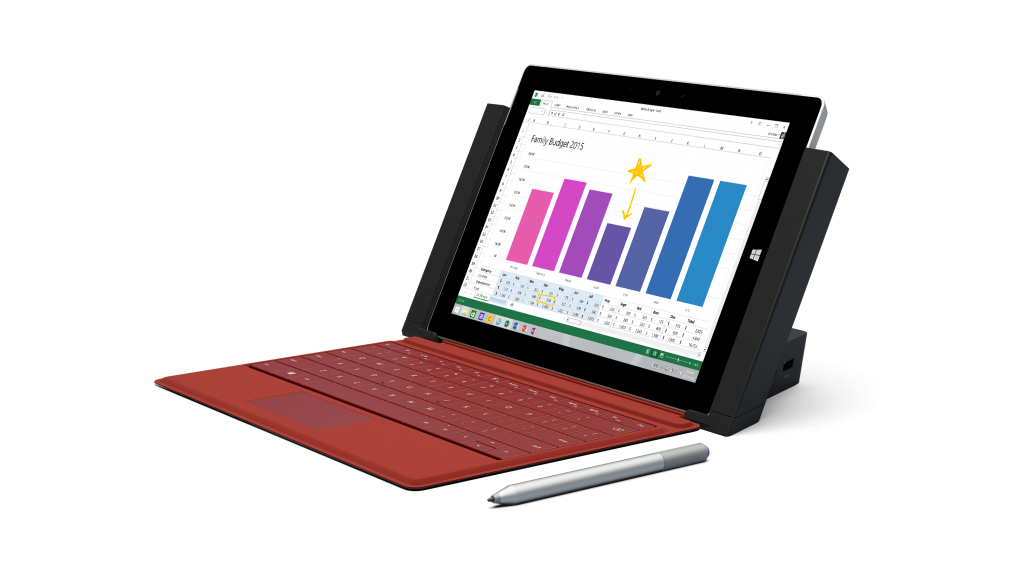
    Surface 3 Docket Station

    The conventional version of Surface 3 holds a price tag of $499, while its 4G LTE version will cost you $599. Both these come with 2GB RAM and 64GB storage. If you wish to buy a higher version with 4GB RAM and 128GB storage space, then you have to dig your pockets for some extra bucks. The enhanced model is priced at $599 for 3G model and $699 for LTE version.

    surface 3 1
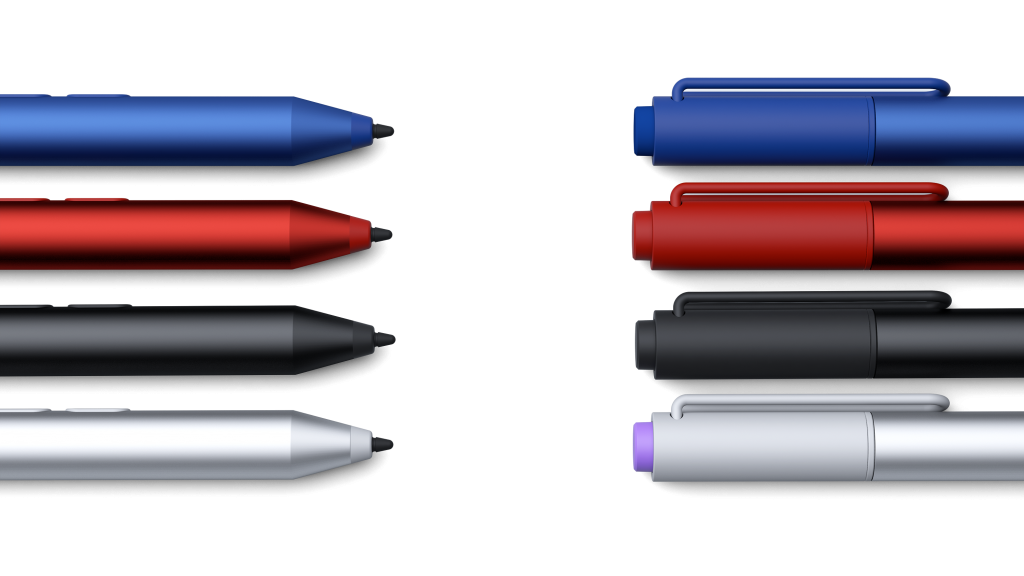
    Surface Pens for Surface 3

    Additionally, Microsoft launched two new accessories. One is the Surface 3 Type Covers featuring an improved trackpad and multi-coloured Surface Pens, and the other is the Docking Station that allows connection to external peripherals and turns the tablet into a full desktop workstation.

    The tablet is up for pre-orders in 26 countries through the Microsoft store. The device will go on sale on May 5, while it will be made available in the 26 markets by May 7.

    The list of countries to first get Surface 3 is: Australia, Austria, Belgium, Canada, Denmark, Finland, France, Germany, Hong Kong, Ireland, Italy, Korea, Luxembourg, Malaysia, the Netherlands, New Zealand, Norway, Portugal, Singapore, Spain, Sweden, Switzerland, Taiwan, Thailand, the U.K., and the U.S.

  • Google Announces New Low-Cost Chromebooks To Take On Microsoft

    Google Announces New Low-Cost Chromebooks To Take On Microsoft

    Microsoft had recently announced its plans for taking on one of its biggest business rivals, Google. The Redmond-based technology giant had announced that they would be bringing low-cost laptops to target the market of Chromebooks. Google decided to reply back in kind and has now unveiled a series of low-cost Chromebooks to capture the space before Microsoft arrives with its offerings.

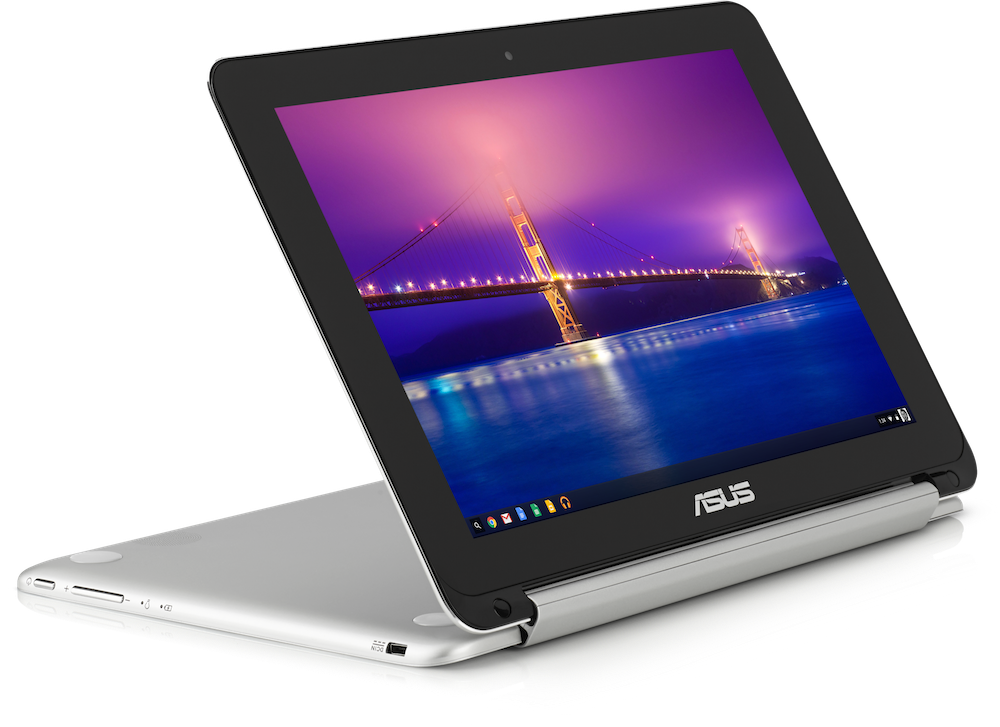
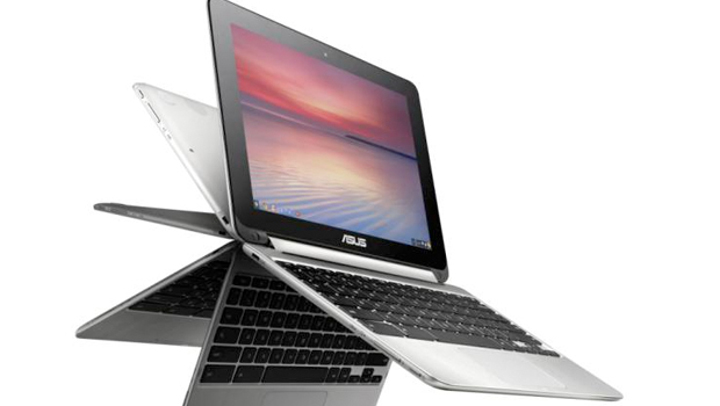
    The first in the series of new launches is the Asus Chromebook Flip, which comes with a touch screen. It has a 10.1 inch display with a resolution of 1280×800 pixels which can be folded backwards so that you can use it as a tablet. This 2-in-1 notebook will be powered by a Rockchip 3288 processor with four ARM Cortex A17 cores. It offers 16 GB of internal storage and promises 10 hours of battery life.

    Asus Chromebook-Flip
    Asus Chromebook-Flip

    Along with the Asus Chromebook Flip, Haier and Hisense have also introduced their Chromebook options which have a dirt cheap price tag. Both the offerings feature 11.6-inch displays with a resolution of 1366×768-pixel. They are powered by ARM Cortex-A17 based processors along with 2 GB RAM. They offer 16 GB of storage space and feature two USB 2.0 ports, HDMI output, and a microSD card slot. They differ only in terms of battery life; the Haier model offer 10 hours while the Hisense model offers 8.5 hours of runtime on a single charge.

    Asus Chromebook Flip is priced at $249 (approx Rs. 15,525) while the Haier and Hisense versions will be available for $149 (approx Rs. 9,300). They will be available in the US and may find their way to the Indian shores in the future. With such tempting prices, we can only hope they arrive here sooner than later.

  • As Promised OnePlus Unveils its New Drone, the DR-1

    As Promised OnePlus Unveils its New Drone, the DR-1

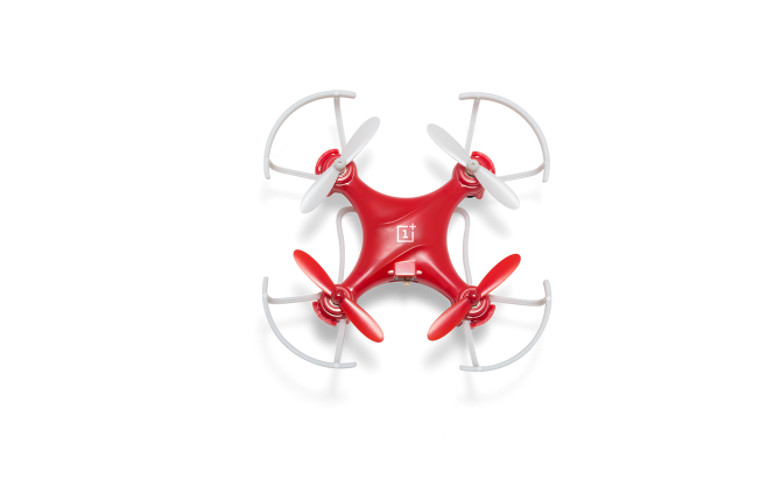
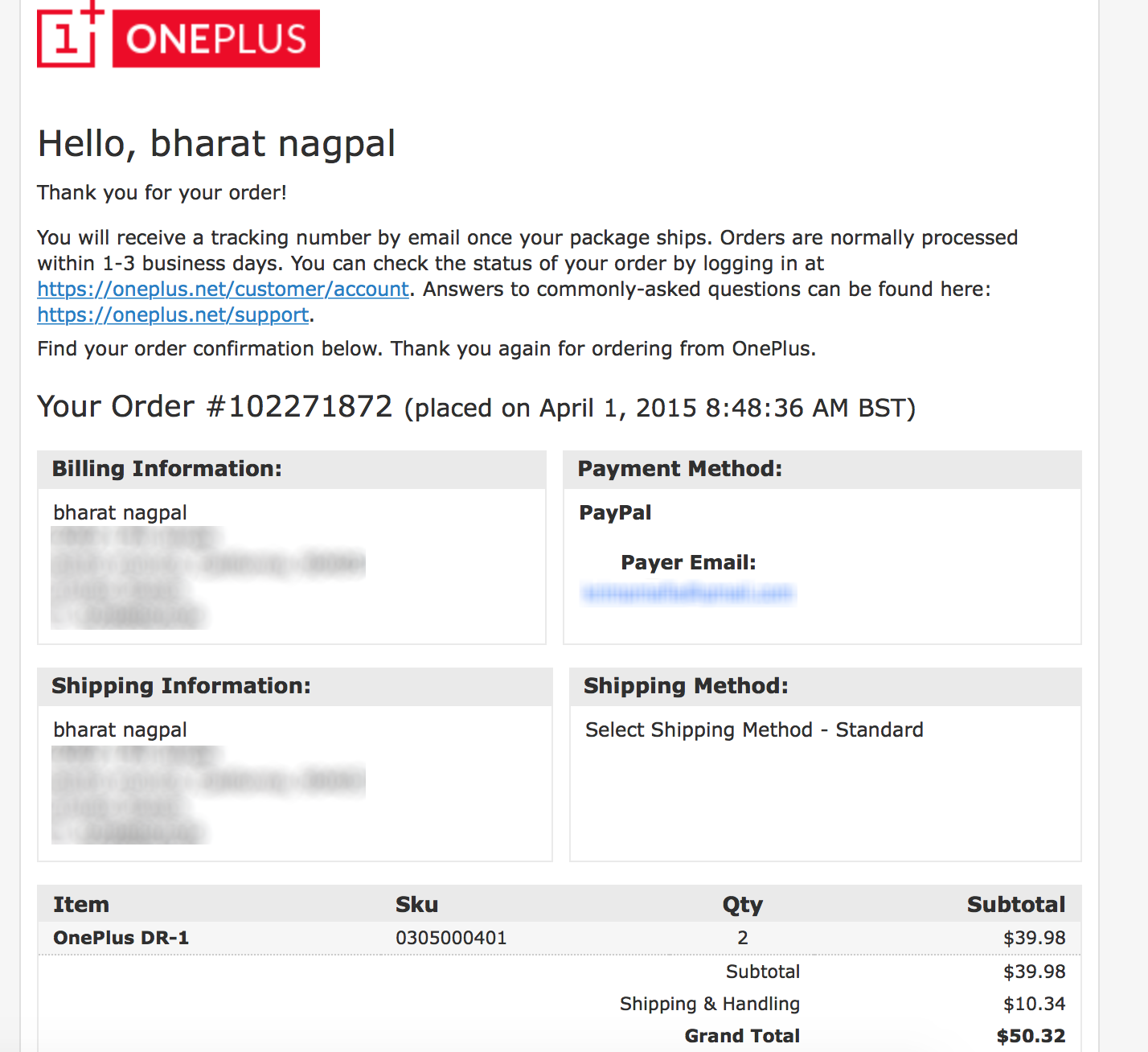
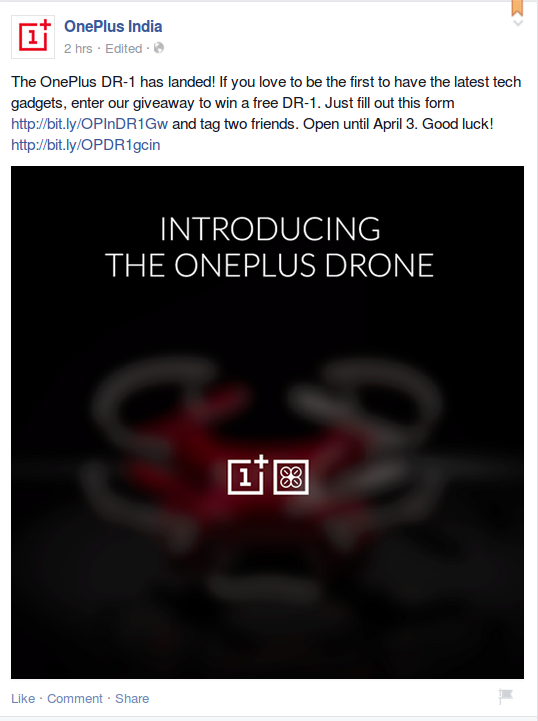
    Just a few days back we got news from OnePlus that it would be bringing a drone to its line-up of products. Today the company did bring out the drone, and many claim that it is an April Fool’s prank. However, we just placed an order for two.

    ONE PLUS

    OnePlus created a fantastic product website for DR-1. It talks about the features of the new drone which includes the ability to fly higher than any other drone in the market and a simple controller.

    The website also has a 30 second teaser video for the product with some sexy graphics. At the end of the video, you get a clear indication that the DR-1 is nothing but a toy with OnePlus branding on it.

    A few lucky fans of OnePlus will get to own this remote controlled toy. All you need to do is go on Facebook, fill up a simple form and tag two friends. Even though it isn’t a full-fledged drone that some of you must have been hoping for; you still get to own a tiny OnePlus souvenier. This is definitely better than the usual pranks by Google which just end up making you feel embarrassed and sad inside. So go ahead and prank your friend with a link to DR-1’s website.

  • Google’s Chromebit is a $100 Portable Dongle That Converts Any Display Into a PC

    Google’s Chromebit is a $100 Portable Dongle That Converts Any Display Into a PC

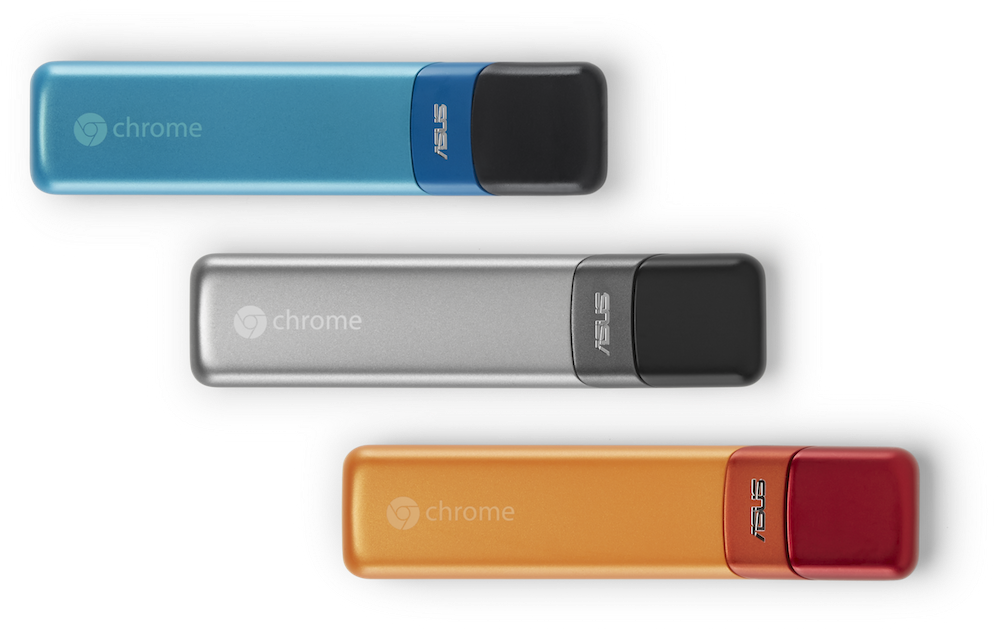
    Recently Google supplemented a new product to its range of devices that is a compressed form of Chromebook. Labelled as Chromebit, the gadget is a tiny HDMI dongle of a size smaller than a candy bar that can turn any connected display to a full-fledged computer.

    The internet search major spoke about Chromebit –

    The Chromebit is a full computer that will be available for less than $100. It’s the perfect upgrade for an existing desktop and will be really useful for schools and businesses.

    The tiny little package is a powerhouse that runs on Google’s Chrome operating system. It features a Rockchip 3288 SoC, an ARM Mali 760 quad-core GPU, along with 2GB of RAM. A 16GB of internal storage space is provided with Chromebit to store important stuff. The quintessential features are also equipped with the fresh product, Bluetooth 4.0 and Wi-Fi 802.11 ac, together with a Smart Ready controller.

    The Chromebit supports connectivity through two ports. One is HDMI that allows you to connect the device to a TV or other external display, and the other is USB port that offers it to be plugged into peripherals like keyboard, mouse or any other mobile devices.

    The handy PC is under testing as of now, but the company stated that it will come with an ASUS trademark. The product will retail for less than $100, and will be available later this summer in three colour choices – silver, blue and orange.

    Google’s Chromebit reminds us of Intel’s Compute Stick that was designed to perform the similar task; except that it was a straight piece with no bends. Chromebit, on the other hand, is slightly curved at the end that gives it a smooth finish.

    Besides Chromebit, the tech firm also disclosed two new laptops – The Hisense Chromebook and Haier 11 Chromebook. Each of them are priced at $149 and are available for pre-orders. The notebooks will be available later this year.
  • Jay Z Ropes in the Biggest Music Stars For His New Music Streaming Service, Tidal

    Jay Z Ropes in the Biggest Music Stars For His New Music Streaming Service, Tidal

    Jay Z is one of the royalties of the music industry. He has had a long and eventful career, and his wife Beyonce enjoys a similar status in the music industry. Jay Z is also a successful entrepreneur with a personal net worth of $560 Million with investments in several brands. Now he is using his status in the industry to offer a new music streaming service called Tidal and for this he has invited the who’s who of the music industry.

    Tidal is a subscription-based music streaming service that has been in operation since October 2014. The music service combines lossless audio and high definition music videos which are curated by the editors. The most attractive bit about this service is its ownership. The musicians will have the stake in this streaming service, thereby guaranteeing them a return on their creation. This means that the musicians will have direct control over their product on Tidal.

    For the announcement of his involvement, Jay Z invited the most notable faces of the music industry. The list includes Madonna, Kanye West, Nicky Minaj, Coldplay lead singer, Chris Martin, Alicia Keys and the eccentric Daft Punk. These celebrities began promoting the service under the hashtag #TIDALforALL on Twitter.

    Access to content on Tidal will be available in two subscription plans, $10 a month for a compressed format (the standard on most digital outlets) and $20 for CD-quality streams. Tidal’s parent company had reported last autumn that the service has about 512,000 paying users. That number will significantly rise, thanks to Jay Z’s involvement.

    But Tidal has a long climb ahead in the streaming service business which is currently ruled by the likes of Spotify and Pandora. Also, while the artists may be on board, but the distribution rights of the songs are still held by the studios who produce them, so that bit needs to be ironed out. The biggest challenge for the service, of course, is to find consumers who are ready to pay for the music instead of going for the plethora of avenues on the Internet to get music for free. Jay Z may have had 99 Problems, and now this will be a major one.

    The concept of Tidal sounds interesting as it would let users listen to the high-quality audio while the revenues generated will directly reach the artists. But the service should also be equally kind to budding musicians who face tremendous pressures to get their art recognized and eventually get paid for it.

    Here is the video of all your favourite music superstar coming together for Tidal:

  • Xiaomi Announces a Bunch of Smart Products Along with Redmi 2A and Mi Note Pink Edition

    Xiaomi Announces a Bunch of Smart Products Along with Redmi 2A and Mi Note Pink Edition

    On the grand occasion of completing five years in the market, Xiaomi brought out a slew of products. Earlier today, we mentioned the super cheaper Xiaomi Redmi 2A. And the Mi Note Pink Edition, which is just another Mi Note clad in a pink body. Now we will shift our focus to the other highlights of the day:

    55-inch Mi TV 2

    mitv-2

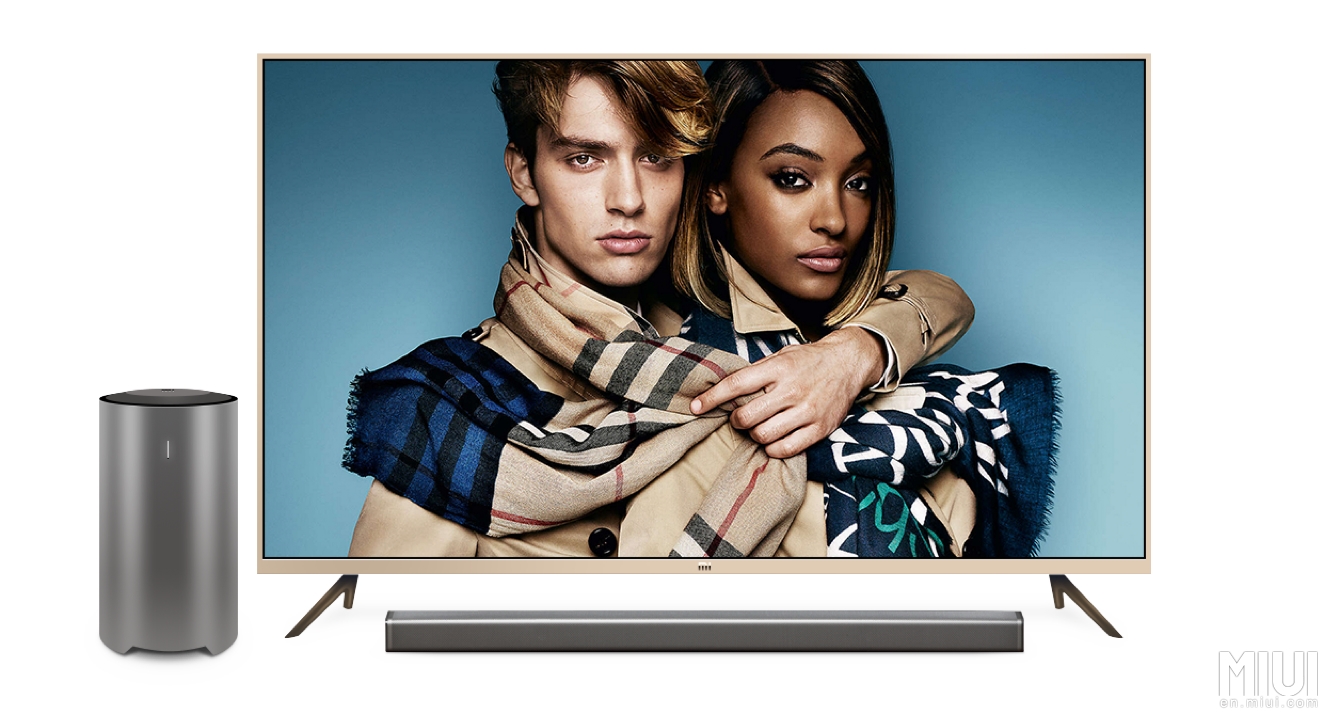
    Xiaomi expanded its Mi TV 2 lineup today with the release of a newer version of Mi TV 2. The latest addition is the 55-inch 4K model, which is quite bigger than 40-inch variant released last week.

    The TV sports a 55-inch Samsung LCD panel of (3840×2160) resolution along with MStar 6A928 processor. The device houses 2GB RAM and 8GB of internal storage capacity. Priced at 4,999 RMB (Rs. 50,380 approx), the TV stuffs aluminum Bluetooth subwoofer and speaker soundbar.
    Mi Smart Scale

    mi-smartscale

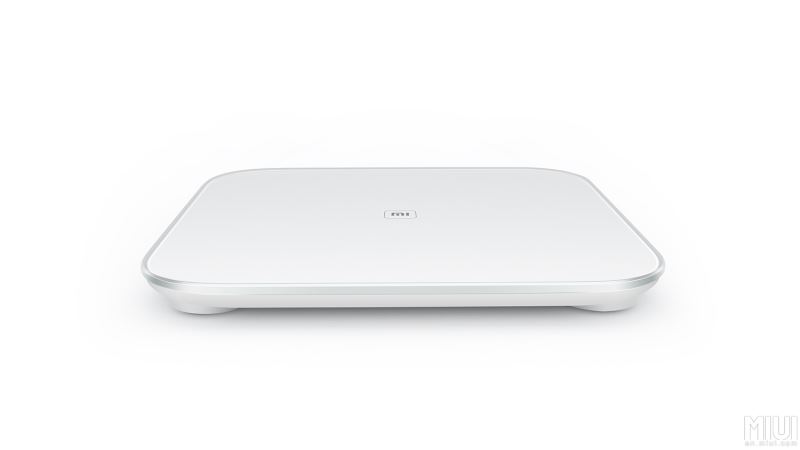
    Another product unveiled today was  asmart scale that looks pretty cool with its sleek design and rounded edges. The scale depicts weight by means of 161 white LEDs fitted onto the device and it displays weight between 5Kg to 150Kg. The smart scale connects to the smartphone with Android 4.4 and above and iOS 7 and above via Bluetooth.

    The Mi scale can track record of as much as 16 people, which helps it measure the progress of each individual. The weighing scale is lowly priced at $16 (somewhere around Rs. 990).

    Mi Smart Plug Board

    mi power strip

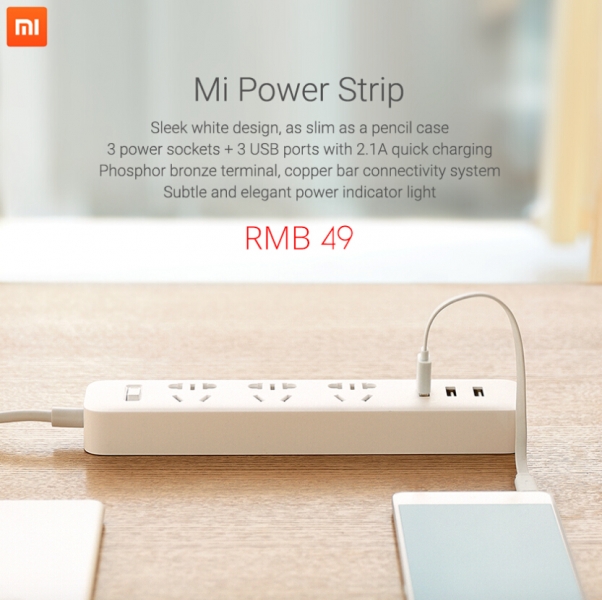
    The last offering of the day, is the Mi Smart Plug Board. It comes with 3 standard ports and 3 USB ports to charge mobile devices. The company claims that the Smart Plug Board is more energy efficient than the standard chargers. Mi plug board comes at a minimal price of $8. It allows users to turn the power on and off via Mi Connected Home App.

    Meanwhile, these products have only been launched in China and we’re uncertain about if Xiaomi will release them in other markets.

  • Xiaomi Unveils the Redmi 2A, Its Cheapest Smartphone Yet

    Xiaomi Unveils the Redmi 2A, Its Cheapest Smartphone Yet

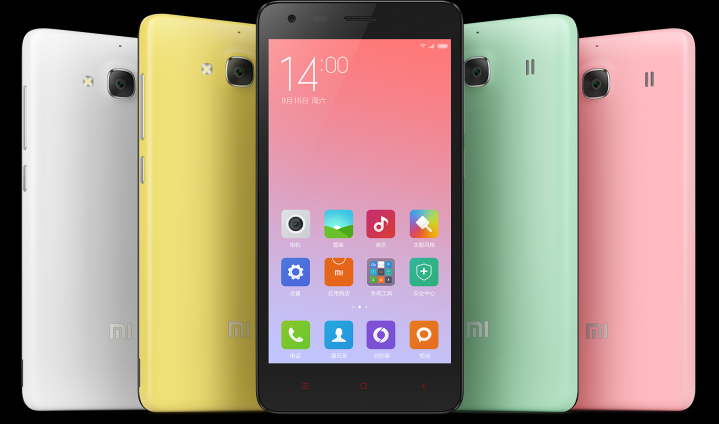
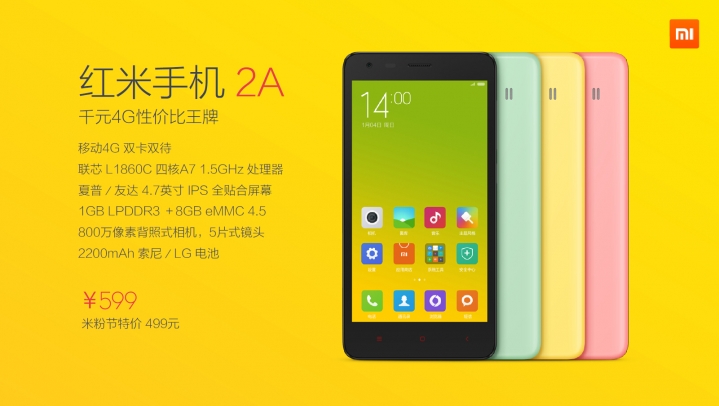
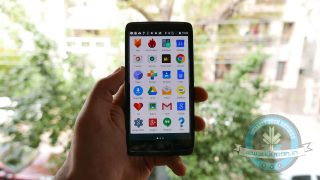
    Xiaomi is celebrating its fifth year in business today. The Chinese electronics company has unveiled a bunch of new devices just for this occasion. One device that catches the eye immediately is the new Redmi 2A. Xiaomi has made its already low priced Redmi 2 even cheaper in this latest version.

    Xiaomi Redmi 2A differs from its sibling, the Redmi 2 only in terms of its processor. The device is powered by a Leadcore L1860C quad-core Cortex A7 1.5GHz processor. Apart from that, it packs in the same specifications as the Redmi 2 including the 1 GB RAM and 8 GB of internal storage.
    redmi 2 a

    The handset is priced at RMB 599 (Rs.6000) which makes it slightly cheaper than the Redmi 2. It is not sure as of yet if the device will come to India, but buyers would have to consider if they want to pay Rs.1000 less for a new processor or get the Snapdragon powered Redmi 2. Well, it’s still good that they now have a choice, something that a consumer always appreciates.

    Specs

    Redmi 2

    Display 4.7 inch, 1280×720 pixels 312 ppi
    Processor  1.5GHz Quad-core Leadcore L1860C
    RAM 1GB
    Storage 8GB
    Expandable Up to 32GB
    Main Camera 8 MP
    Front Camera 2 MP
    Battery 2200mAh
    Operating System Android 4.4 KitKat with MIUI 6.0


  • LG Sends Out Invites; the G4 Expected to Arrive on 28th April

    LG Sends Out Invites; the G4 Expected to Arrive on 28th April

    South Korean company, LG, has started sending out press invites for an event which will be held on April 28th. This event may likely see the launch of the company’s next flagship, the LG G4. The South Korean electronics giant will hold the events on April 28 and April 29 (due to time zones) in six cities: New York, London, Paris, Seoul, Singapore, and Istanbul.

    The official invite simply reads ‘See the Great, Feel the Great’. The invite also features a leather background signifying that the new LG G4 may sport a leather rear case. The invite also hints that LG will focus on using high-end materials for the phone.

    lg_invite_april28

    According to GSMArena, the rumored specifications of this handset include a 3GB RAM and 32GB of internal storage. It is also said to feature Android Lollipop, possibly Android 5.1. Camera specifications include a 8 MP front camera and a 16MP rear camera with optical image stabilization and Laser Auto Focus. The flagship is also rumored to sport a radically new design, including a curved display.

    According to reports, the G4 launch was delayed until April to avoid the MWC clash, which took place from 2nd March to 5th March. This was done with the intention of avoiding the hype created by Samsung Galaxy S6 and Samsung Galaxy S6 Edge. The reports also suggest the LG G4 might be a complete change from the previous generation LG G3.

iGyaan Network
Privacy Overview

This website uses cookies so that we can provide you with the best user experience possible. Cookie information is stored in your browser and performs functions such as recognising you when you return to our website and helping our team to understand which sections of the website you find most interesting and useful.