Category: Tech

Latest Technology News, Alternative, Bio-Tech, Medical, R&D and Innovations

  • Selfie-Friendly Microsoft Lumia 535 Comes to India at Rs. 9,199

    Selfie-Friendly Microsoft Lumia 535 Comes to India at Rs. 9,199

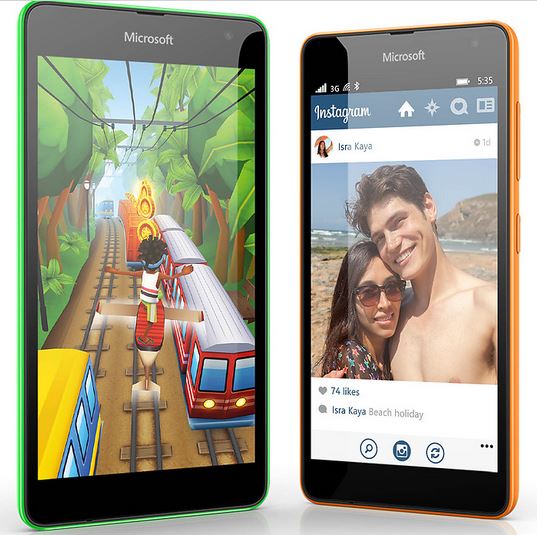
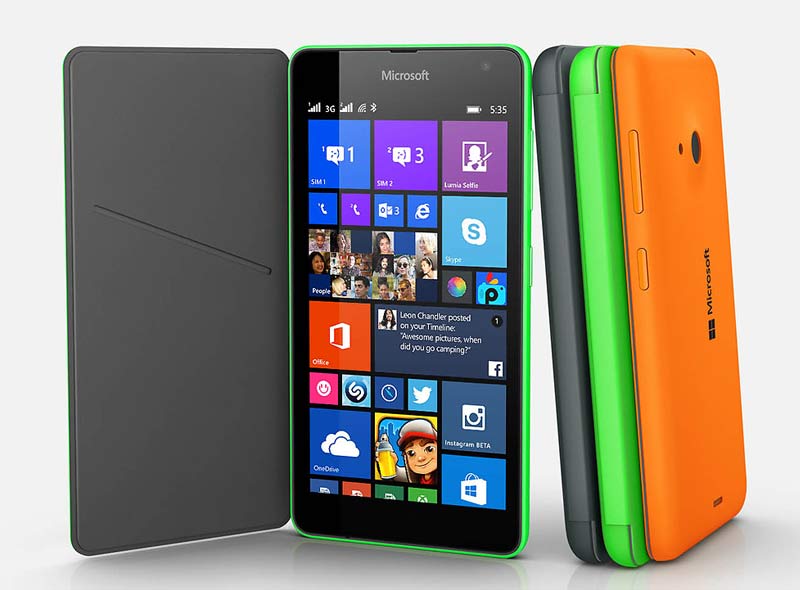
    Microsoft has today launched the Lumia 535 in India. The first ever non-Nokia Lumia smartphone will be available from 28th November onwards at a price of Rs. 9,199.

    The global release of the smartphone held earlier this month. Lumia 535 is an affordable smartphone which will stand against Android blockbusters like Moto E, Zenfone 5 among other. Apart from the affordable price, Microsoft has targeted the selfie market with the 5 MP wide-angle selfie camera at the front. There is also a 5MP camera at the back, which is accompanied by flash.

    As for specifications, the Lumia 535 flaunts a 5-inch QHD (960×540 pixels) display and is powered by a 1.2GHz quad-core processor paired with 1 GB of RAM. Also included is 8 GB internal storage that can be further expanded up to 128 GB using a microSD card.

    lumia 535The company is offering 15 GB free OneDrive storage with the phone. The device packs a 1905mAh battery, which the company claims is good enough for 11 hours of talk time and up to 23 days on standby mode. Connectivity options include dual-SIM card slots, 3G support, Wi-Fi, and Bluetooth, and on the software front, it runs on Windows Phone 8.1 with Lumia Denim update.

    In the launch, Microsoft announced a handful of offers with the Lumia 535. These include 500 MB of free data for Vodafone users for a period of two months, Jabong gift vouchers worth Rs. 6,000 applicable for three months, Flipkart eBooks worth Rs. 1,500 and two months of BoxTv subscription worth Rs. 720.

  • Dropbox Gets Exclusive Real Estate on Microsoft Office Apps

    Dropbox Gets Exclusive Real Estate on Microsoft Office Apps

    Couple of weeks ago, Microsoft and Dropbox announced the plan to integrate Office and Dropbox within their web and mobile apps. The feature is now available in its latest app updates for iOS and Android. The move has come as a great surprise for Office users as they can access and edit Office documents from within the Dropbox.

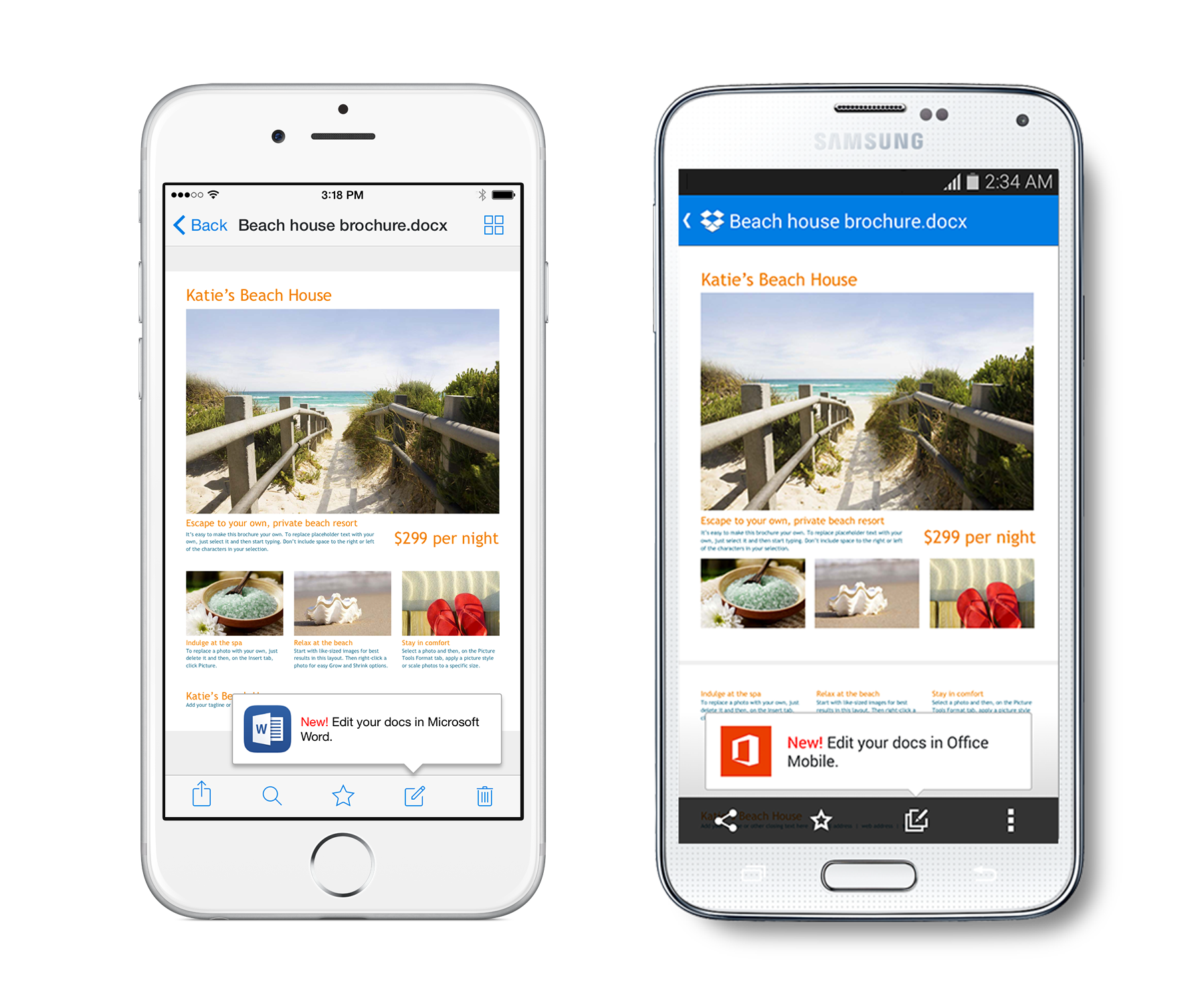
    iOS-and-Android-version-1

    Along with the ability to edit documents right from the Dropbox, users can also access Dropbox from Office apps and share new or edited files from the Office apps using Dropbox’s Share functionality. Dropbox has instructions on how to use the new integration with Microsoft’s Office apps on its website.

    To get started, make sure your Dropbox app is up to date on your iPhone, iPad, or Android phone, then open any Office doc, spreadsheet, or presentation in your Dropbox. Tap the new Edit icon (shown above) to start editing in the latest Office apps. When you’re done, your changes will be saved back to Dropbox automatically.

    Under the partnership, Dropbox gets a prime space that is used by more than a billion people, and the potential to make an even bigger name for itself particularly in the business enterprises. Notably, Microsoft has its own cloud service called OneDrive which will co-exist with Dropbox in the Office for iPad apps, letting users natively browse, open and edit Office documents uploaded on the Dropbox directly within the app.

    You can get the new features through the latest Dropbox app for iOS starting today and the latest versions of Microsoft’s Word, Excel, and PowerPoint Office apps. The integration is also expected to arrive for web users early next year.

  • Sony Working Towards Reviving its Ailing Smartphone Business

    Sony Working Towards Reviving its Ailing Smartphone Business

    Sony was once a name that people trusted when they went for electronics shopping. The company had its roots firm in every sphere of consumer electronics. But now, the Japanese giant is in trouble. The slow adoption of technology has pushed it back in several fields in which it earlier led the game, the most prominent example being its TV business. Sony’s other major electronic products, the smartphone family is in serious trouble.

    Once Sony had aspired to become the third biggest smartphone company behind Samsung and Apple. This aim, they now realise, was overambitious. Instead, they are now trying to restore their ailing smartphone business.

    The company recently posted a loss of $1.2 billion. The continued losses have forced the company to scale back their sales target from 50 million down to 41 million. Presently, Sony’s electronics fort is held up by the successful sales of the Playstation family.

    Sony will be putting its focus on three areas: image sensors, video games, and entertainment studio. Sony is also hoping to make gains from its entertainment studio. But currently, the studio is facing a global hack and the stand-off is still in progress. The hackers are threatening to release sensitive documents if their demands aren’t met. This can be a cause of concern for the company as a whole as Sony Pictures is one of the major names of the industry and one of the Sony’s biggest cash cows.

    Flagships smartphones from the company such as the Z3 have been appreciated for their features, but they have also been berated for their high prices. It is expected that the company will reduce the number of flagships it releases in a year and also cut back on the affordable smartphone portfolio.

    Presently, the main goal of the company is to bring its business to profitability even if that means losing 25-30% of market share in the smartphone business. The company is facing issues in the markets of US and China, which are important for the industry. Sony commands 3% market share in both those countries and will be scaling back its investment in China soon. Plans for the US market are not clear yet.

    Sony devices have been appreciated in the past for their quality and device cameras. The company can make a name for itself in the low-end selfie device market while the fad is still on. It can also take the Motorola path and release limited devices in a year but make sure that the devices are universally appreciated.

  • Gionee Elife S5.1 Unboxing and Hands On

    Gionee Elife S5.1 Unboxing and Hands On

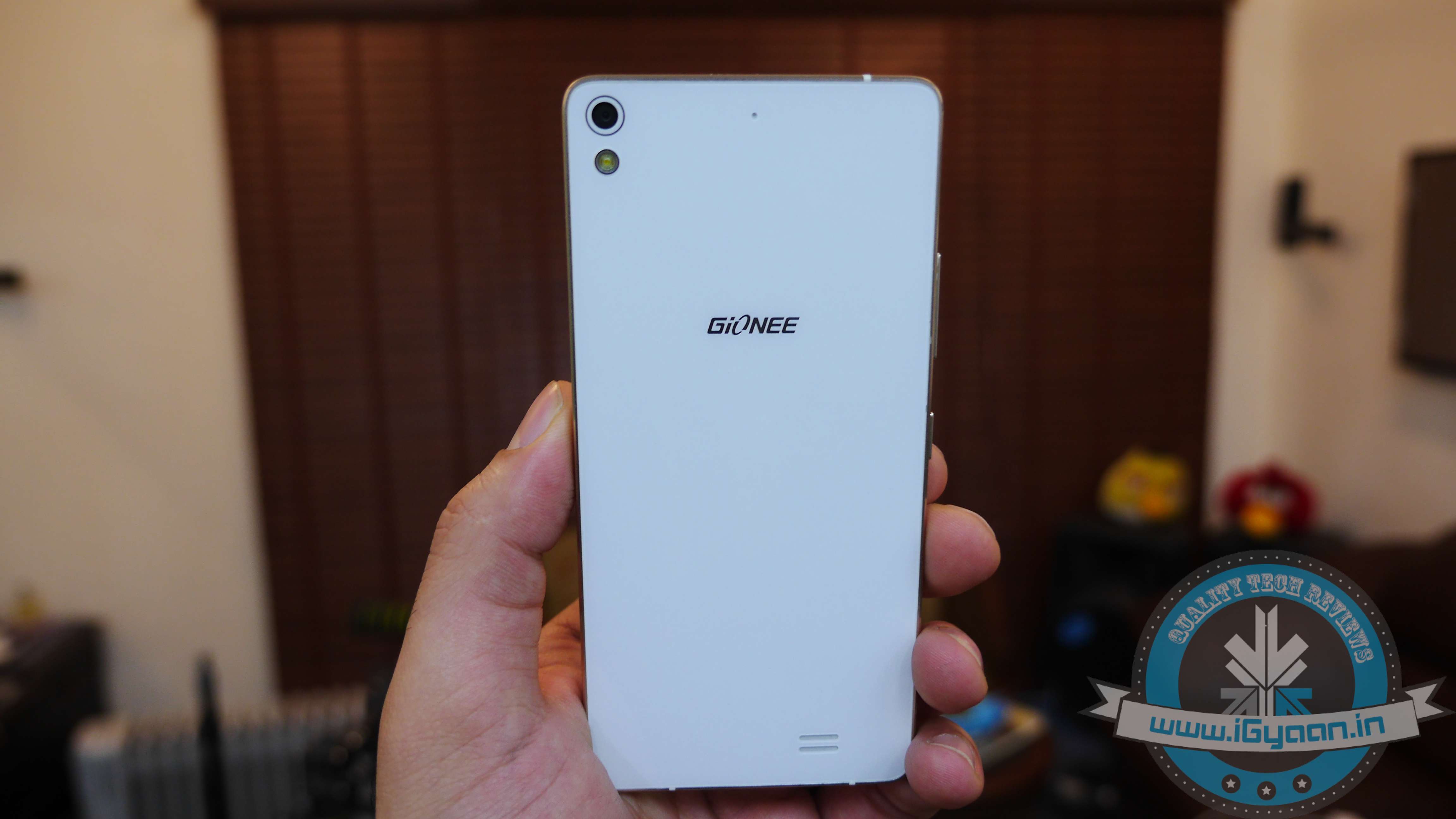
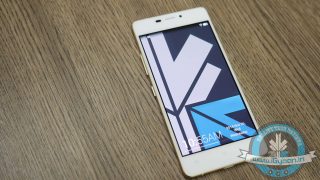
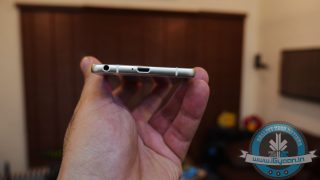
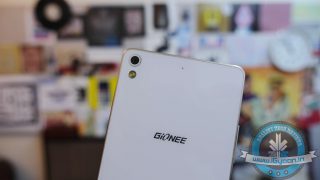
    Gionee’s latest addition to the smartphone lineup Elife S5.1 has arrived in our hands. The second slimmest smartphone just came out of test lab and from the initial impressions, it does look more refined and well built than its previous iteration.

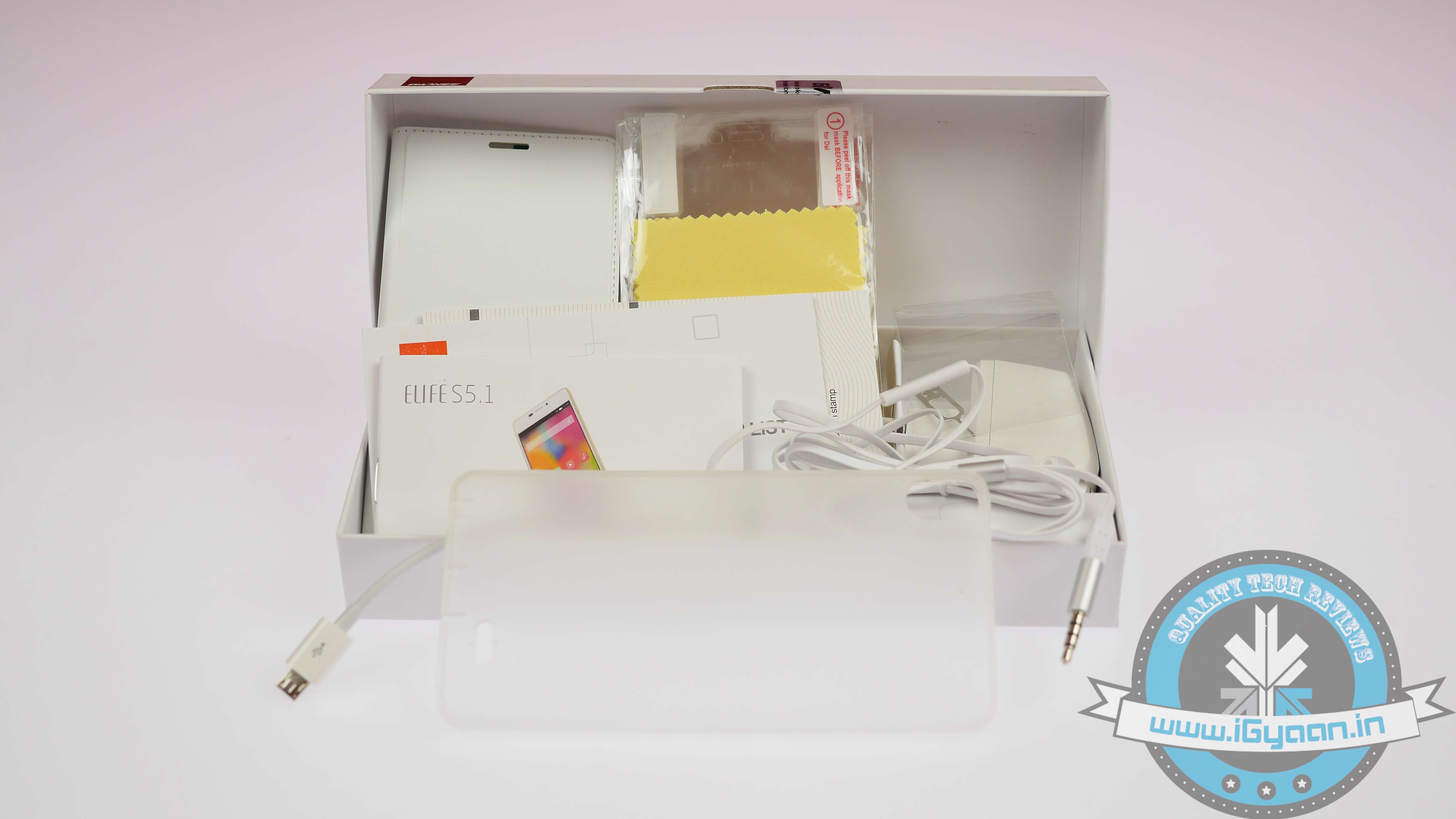
    Gionee has filled the box to the brim with free goodies.
    Gionee has filled the box to the brim with free goodies.

    Out of the box, the first thing you see is the flip case, within which rests the white and gold coloured Elife S5.1. The edges are rounded that make it looks much better and feel excellent in the hand. Along with the standard accessories which include the charger, USB cable and earphones, you get two sets of front and rear protectors. You also get a plastic cover in case you don’t want the flip cover. In addition, there’s an OTG cable, a detailed service list, a warranty card and a SIM removal tool.

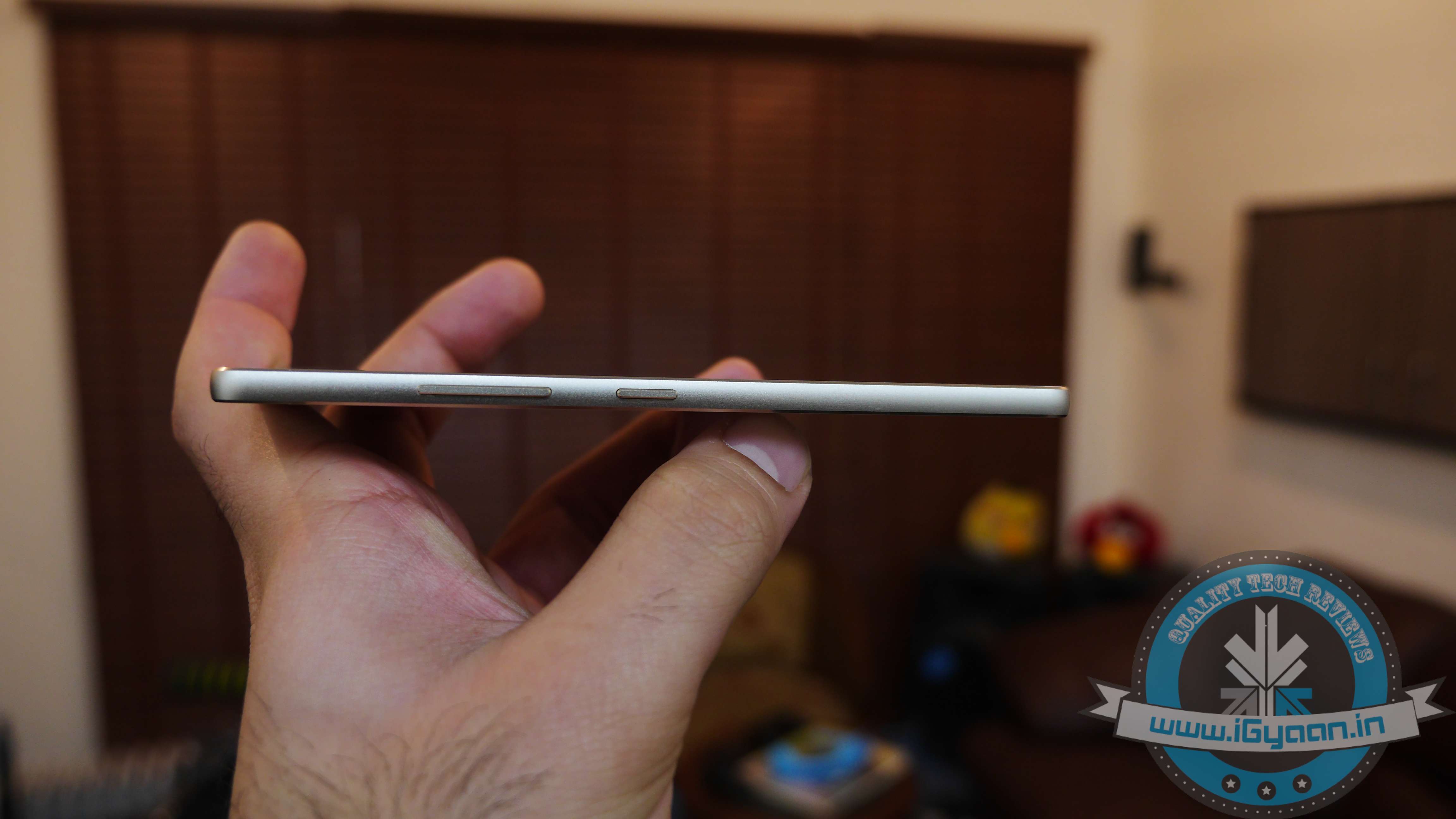
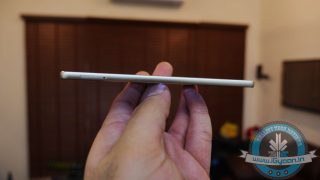
    At 5.15 mm this device brings a whole new meaning to slim and sexy.
    At 5.15 mm, this device brings a whole new meaning to slim and sexy.

    Despite being so slim, it houses a 2050mAh battery which is quite impressive. It has a nice metallic strip running along the sides, which does not come across as sharp as the one we saw with its predecessors and provides an efficient grip. Measuring at just a mere 5.15-inch, it’s slimmer than the latest iPhone and guess what – it doesn’t bend! Not yet anyway.

    The Gionee Elife S5.1 features a 4.8-inch Super Amoled HD display with a 1280x720p resolution and has a pixel density of 306ppi. Under the hood, it has a 1.7GHz octa-core MediaTek chipset bundled with 1 GB of RAM and 16 GB of non-expandable built-in storage capacity.

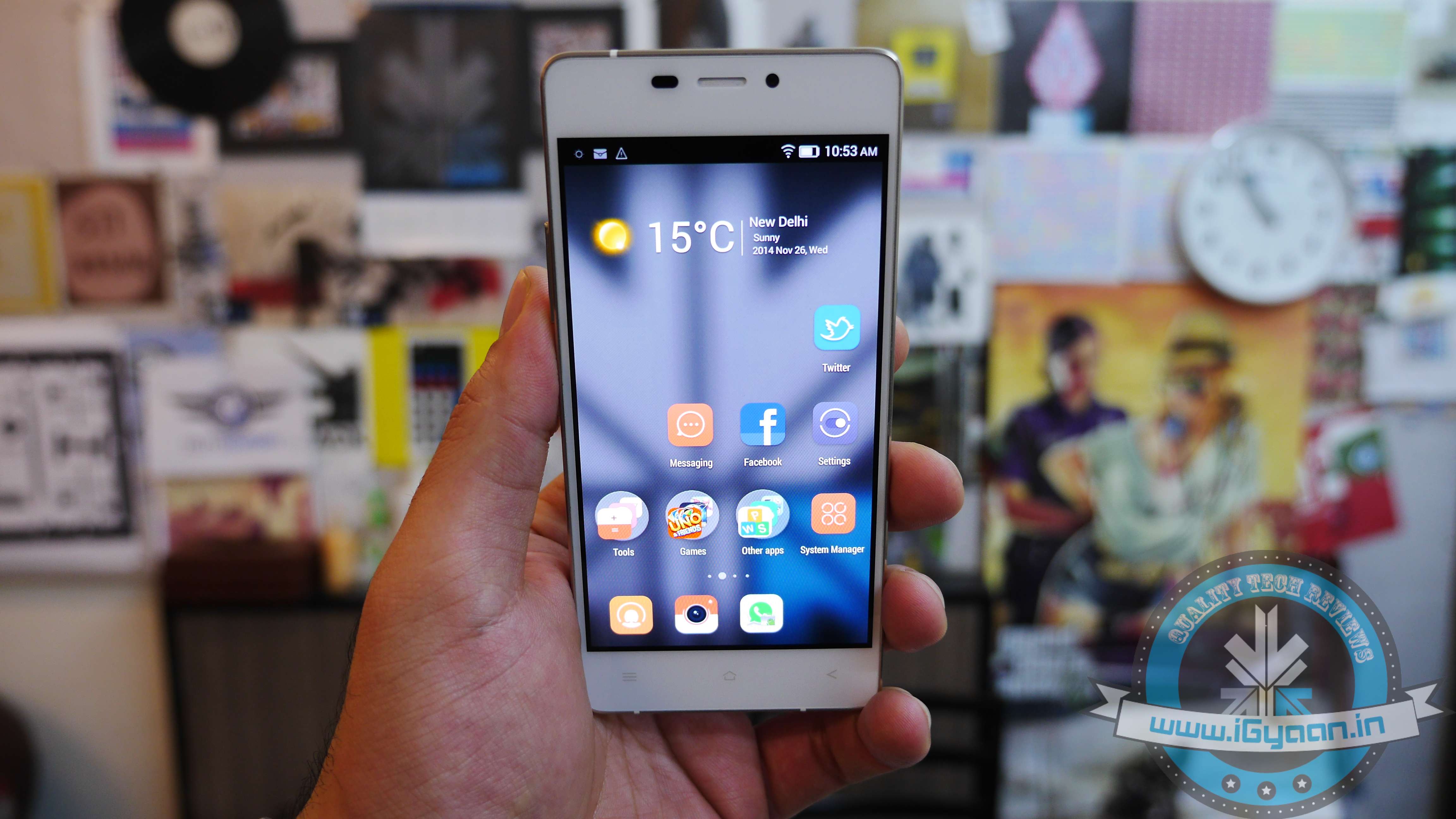
    The phone runs on Gionee's own Amigo UI.
    The S5.1 runs on Gionee’s own Amigo 2.0 UI.

    The camera unit on the phone features an 8MP rear camera with LED flash and a 5MP front camera with 88 degrees wide angle lens (for those wide selfies). Connectivity features include Bluetooth 4.0, MicroUSB 2.0, Wi-Fi, GPS and OTG connectivity. In addition, it has support for LTE connectivity. We get Android 4.4.2 KitKat out of the box with Amigo 2.0 UI onboard, and a hopeful update to Lollipop Android 5.0.

    The moment you turn on the device, you see the latest version of the Amigo UI. Multitasking with Amigo 2.0 is now different as compared to the previous version of the UI. Now instead of the home button, you have to hold down the Menu button, which brings up the same card style interface.

    Gionee S5.1 48

    The device seems really nice; it’s exceptionally slim, making one wonder whether it bends or not. It comes loaded with a bunch of handy accessories and will be announced soon and hopefully, at the right price. We are expecting the Gionee Elife S5.1 to be priced under Rs. 18,000, which seems promising for the handset. It is expected to be available in a variety of colours including white/gold, black, blue and pink.

    Tune in for the unboxing and hands-on video that will be up shortly.

    Key Specs:

    Processor Octa-core 1.7 GHz Cortex-A7
    Display 720×1280 pixels, 4.8-inch (~306ppi pixel density) AMOLED Capacitive Screen
    RAM 1 GB
    Battery capacity (mAh) 2050, non-removable
    Storage 16 GB in-built non expandable
    Camera 8 MP, 3264×2448 pixels, autofocus, LED flash
    Operating System Android OS, v4.4.2 (KitKat)

  • This Nano-Technology Based Battery Can Charge Your Phone in 30 Seconds

    This Nano-Technology Based Battery Can Charge Your Phone in 30 Seconds

    We are living in a tech-driven society and with the excessive need of gadgets to get the work done, we need them charged all day long, well we try to. In a potentially ground-breaking development, an Israeli company called StoreDot claims that it has invented a battery that can drastically reduce the charging time up to 30 seconds on your smartphone.

    The game-changing battery uses nanotechnology to synthesise artificial molecules, which allows this battery to store a higher charge in less time than the existing technology. It can be likened to a super-dense power sponge. According to a  research firm, the prototype battery could be ready for the market sooner, potentially transforming the smartphone and electric car industry.

    However, the battery is very bulky to be used in a smartphone right now. The company believes that it will be ready to market a slim battery by 2016 that can absorb and deliver a day’s power for a smartphone in just 30 seconds, as mentioned above.

    Back in April, the Tel Aviv-based StoreDot revealed at the Microsoft Think Next Conference that it had developed a prototype battery that charged a dead Samsung Galaxy S4 to full power in just 26 seconds. The technology is based on ‘nanodots’, described by StoreDot as bio-organic peptide molecules. Nanodots change the behavior of the battery to allow for rapid absorption and retention of power.

    Backers have so far invested $48 million over two rounds of funding. One significant backer is an unnamed Asian mobile phone manufacturer. This year, the number of smartphone users is expected to reach 1.75 billion, a big market for StoreDot. Experts predict that the company could be a winner if it continues to develop its product.

  • The Chronicles of The One : OnePlus One’s Journey To India

    The Chronicles of The One : OnePlus One’s Journey To India

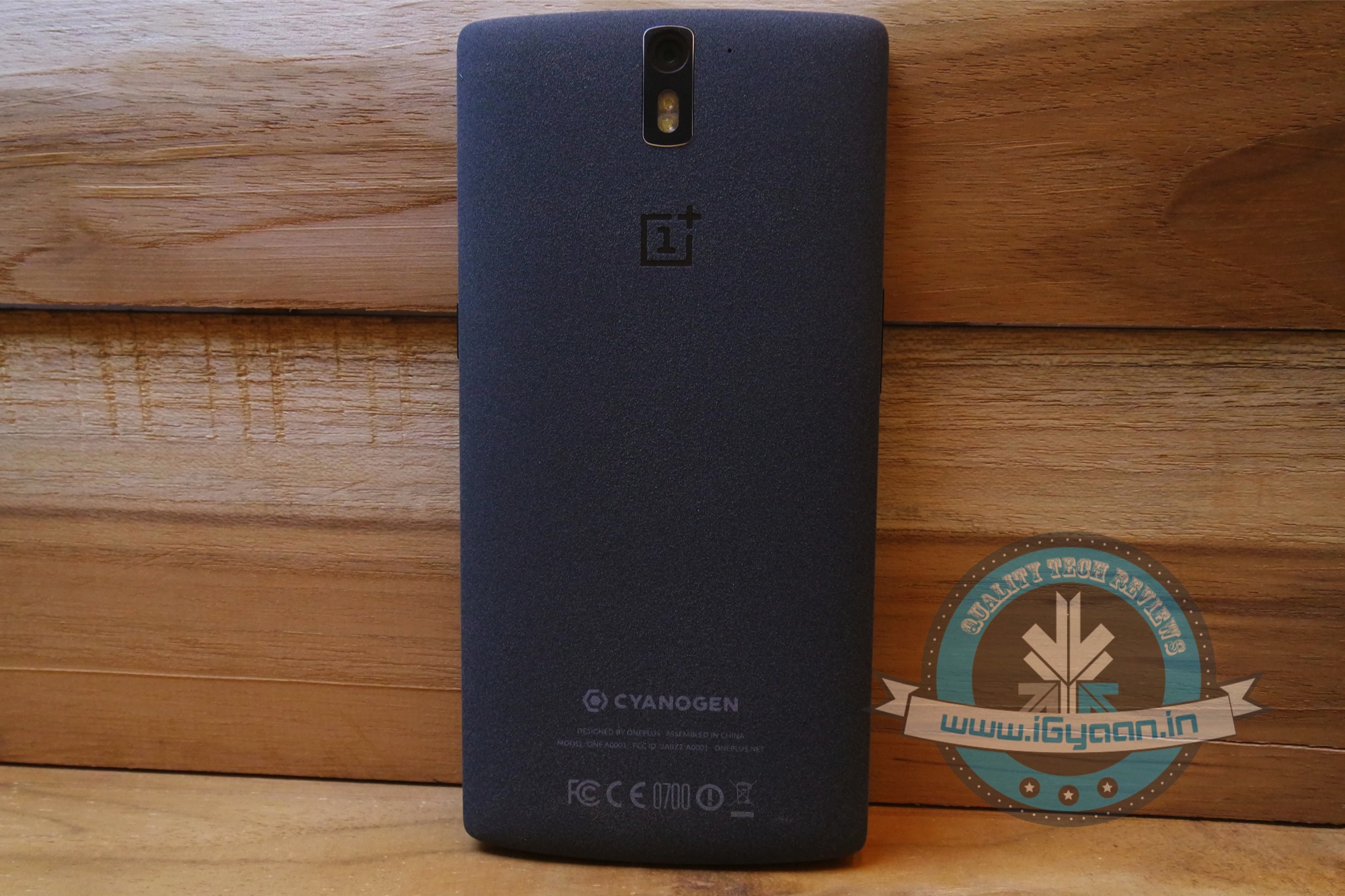
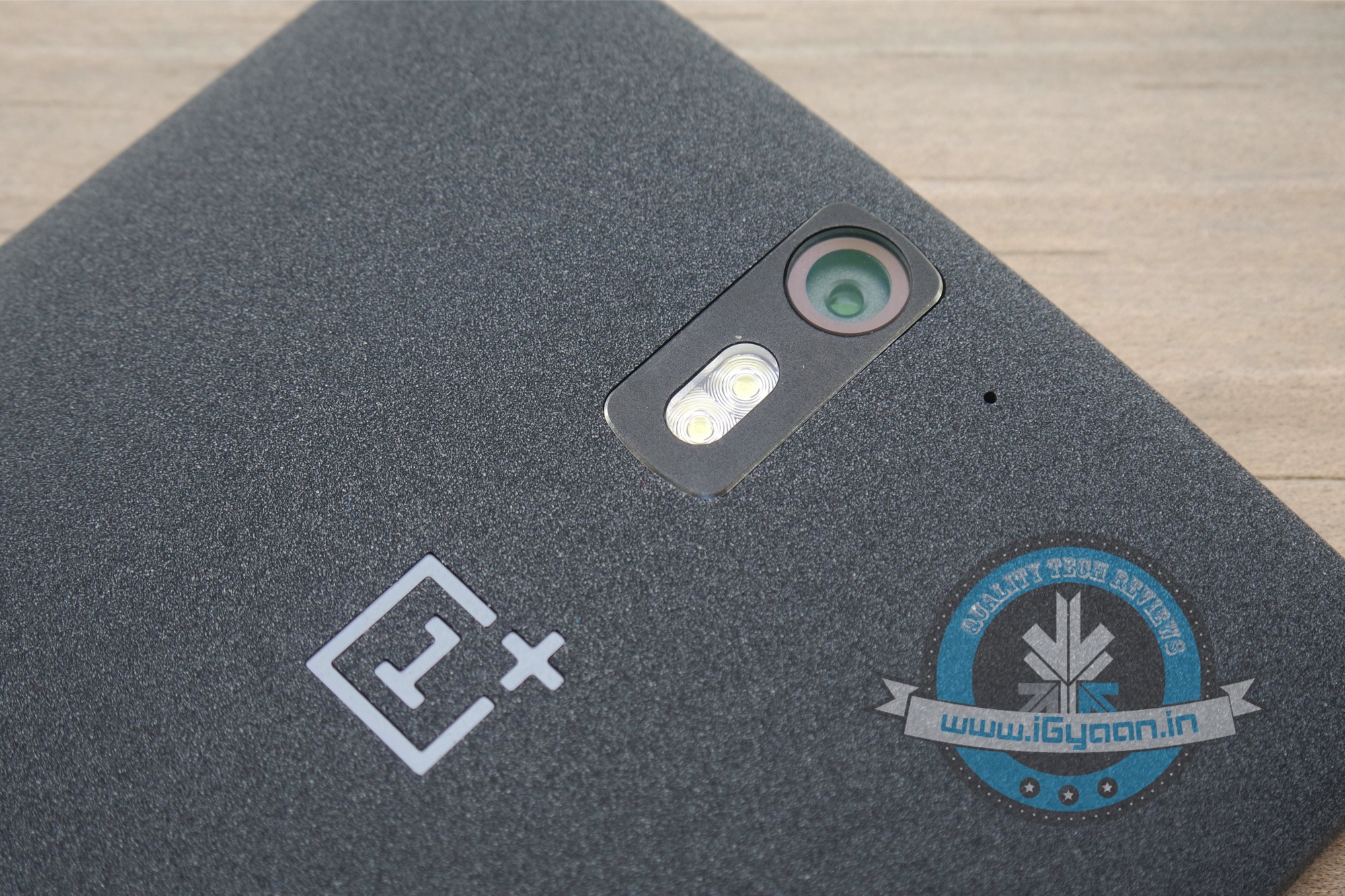
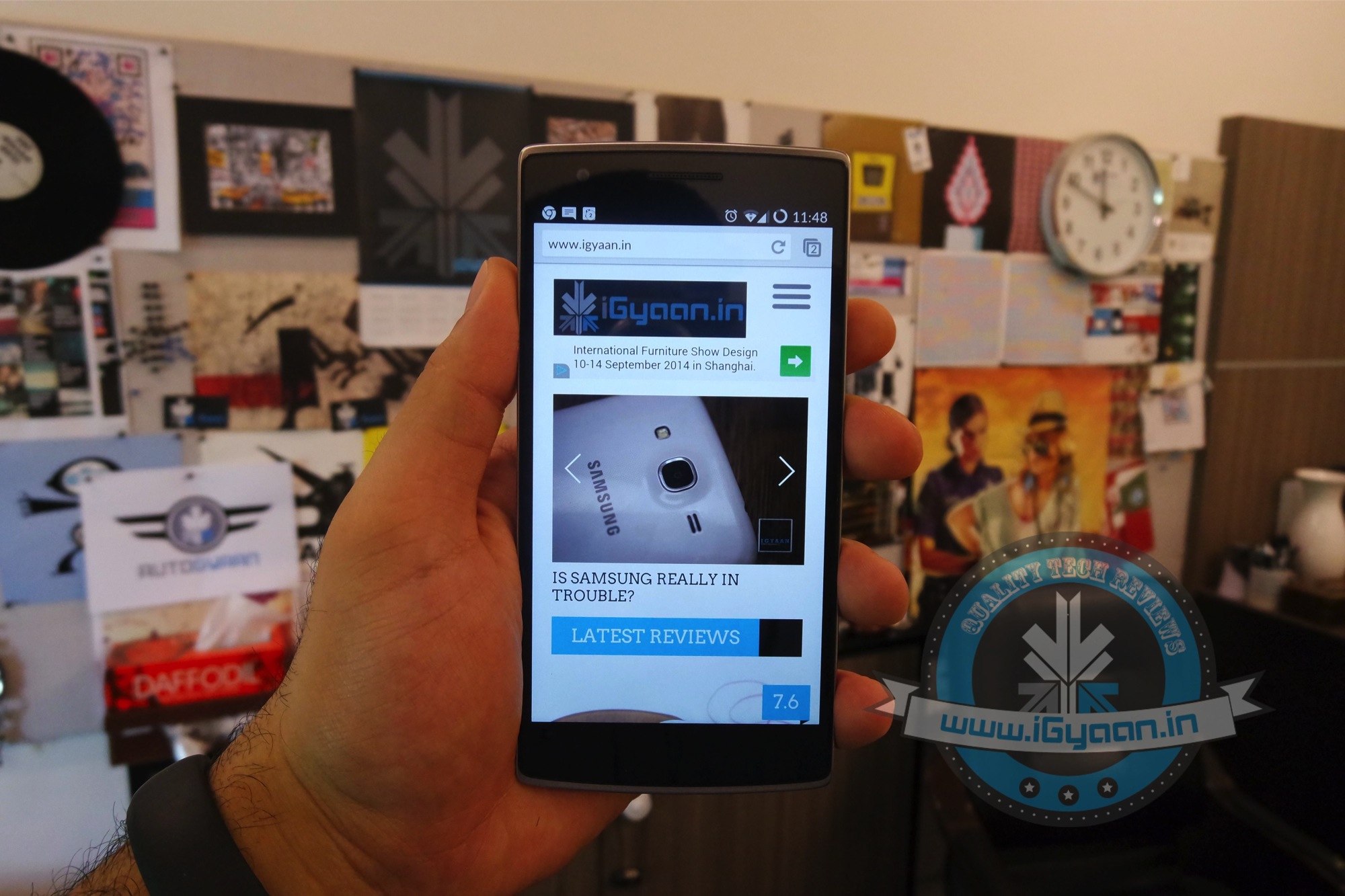
    OnePlus One, or as it is called the ‘Flagship Killer’, has made numerous followers with its impressive design and built quality at a low-end price. Now that the legendary handset is on its way to India, we are rewinding a year to look at how the company was formed and how they are able to reach where they are now.

    December 2013
    OnePlus_One_Never_Settle_01

    OnePlus was founded on 17th December 2013, in China by Pete Lau, previous Vice President at OPPO, with its headquarter in Shenzhen. The company’s motto is to ‘bringing the best possible technology to users around the world.’ Created around the mantra Never Settle, OnePlus aims to create beautifully designed devices with premium build quality.

    January 2014

    1398337195_605186_1398337307_noticia_normal

    On 13th January, 2014, Pete introduced OnePlus in a launch event in Beijing as well as its partnership with CyanogenMod. The company said that it would be responsible for the development and design of the hardware, while CyanogenMod would be responsible for the operating system.

    April 2014

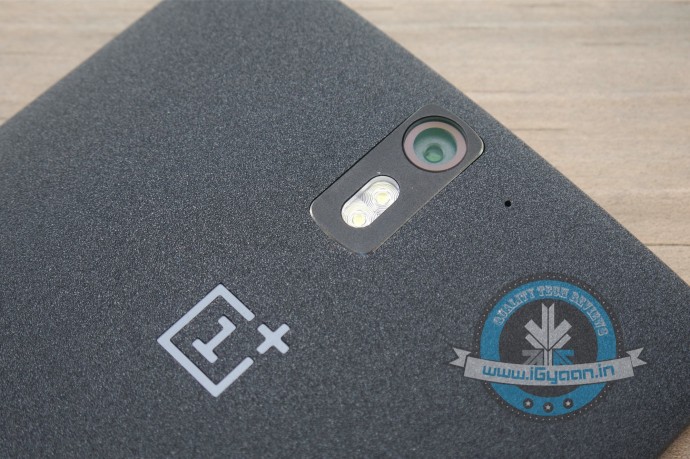
    On 23th April, 2014, Pete announced that the first OnePlus smartphone, the OnePlus One, which will have Qualcomm SnapdragonTM 801 MSM8974AC processor, 3 GB of RAM, a 3100mAh battery, 5.5-inch, 1080p (401ppi) display, and a 13MP Sony Exmor IMX 214 sensor camera. The phone retails for $299 for 16 GB version and $349 for 64 GB version in the US.
    OnePlus One iGyaan 11

    On 25th April 2014, OnePlus began its ‘Smash the Past’ campaign. The promotion asked selected participants to make a video while destroying their phones if they wish to purchase the OnePlus One for $1 (US). However, the promotion was misinterpreted and many unselected users destroyed their phones before the promotion start date.

    The campaign was highly criticised for environmental waste and safety concerns as the batteries and phone components could have posed a potential threat to those destroying their phones. The company asked the winners to donate their old phones. There were 140,000 entrants in the contest, while just 100 got the most desired phone.

    July 2014

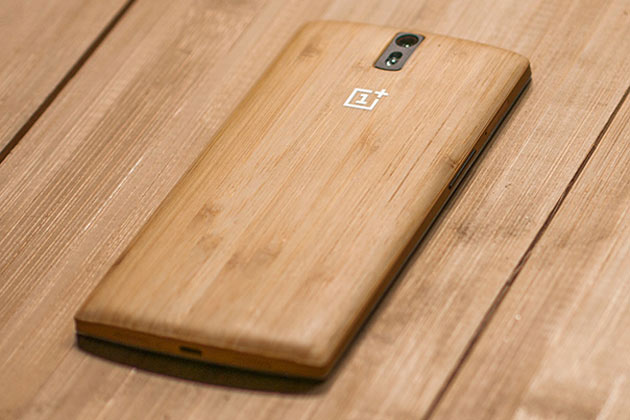
    On 22nd July, OnePlus announced the release of Bamboo Back Cover edition of the OnePlus One and attracted the attention of Chinese and global users alike.
    1p1bamboo

    August 2014

    In a contest at the end of August 2014, 10,000 invites were given out, and furthermore it was announced that the invitation system itself would end in October. The company took up #hashtags to choose the lucky winners by launching the contest called #summershot. The interested people had to post a picture that they took in summer and share it on Instagram or Twitter using the hashtags #summershots and #oneplus.

    On 13th August, 2014, OnePlus asked its female fans to post a photo of themselves along with OnePlus logo to the company’s forums and the fan with the most votes would receive an invite to purchase a OnePlus One. Hours after the announcement, the campaign was stopped stating that a few ‘rogue’ employees created it.

    open_graph

    September 2014

    On 18th September, the company announced that it is going to kill off the invite system and stop limiting who gets its unique smartphone. The pre-order page should have been up in September, but unforeseen problems delayed its launch. OnePlus officially announced that starting in late October for a limited time, anyone who wants a OnePlus One can order the phone online. If OnePlus has your phone in stock, it will ship immediately, but if the company’s sold out, you’ll be added to the pre-order list. However, that means if a lot of people order the phone, pre-orders may get pushed back for a long time.

    October 2014

    The company announced that OnePlus One will soon be launched in India. There was no solid date announced, however, reports hinted the September release. After sometimes, the company confirmed that it will release India-specific invites to prospective ‘One’ consumers online.

    November 2014

    On 4th November, Co-Founder Carl Pei told Forbes that OnePlus has now sold 500,000 smartphones and is aiming for one million by 2015. In an interaction with The Indian Express, the company claimed that the invite system will prevent shortage of devices for potential customers in India. The invite process is also fair and transparent then the flash sale model. The 64 GB variant is expected to come for less than Rs. 25,000 ($407 approx), which was a bit above the expected price range. However, it still is a great offering if its specs are taken into account.
    OnePlus_India

    The company’s newly appointed General Manager for OnePlus India, Vikas Agarwal, posted in a forum on 22nd November, “Firstly, we are thrilled to confirm that the One will be available for our Indian users in December. We can’t wait to bring your favourite phone to your hands. As all the details have now been perfected and last-mile hurdles have been cleared, the exact launch date will soon be announced in the coming days on our forums.”

    On 26th November, i.e. today, the company rolled out the invites for the event where it is expected to launch OnePlus One in India. In a teaser image posted on amazon.in, the e-commerce giant said that the smartphone, popularly known as a ‘Flagship Killer’, is expected to be available in the coming days. Amazon India, who has got the exclusive rights to sell the OnePlus One, said on an official teaser, “The Smartphone you have been waiting for, is coming soon,” accompanied by an image of the One and hashtag ‘#TheOneThing’.

    Well, we don’t have to wait for long to find out how we can get our hands on the ‘Flagship Killer’.

    Our Review of the OnePlus One!
  • The ‘Flagship Killer’ is Finally Here! OnePlus One To Launch On 2nd December

    The ‘Flagship Killer’ is Finally Here! OnePlus One To Launch On 2nd December

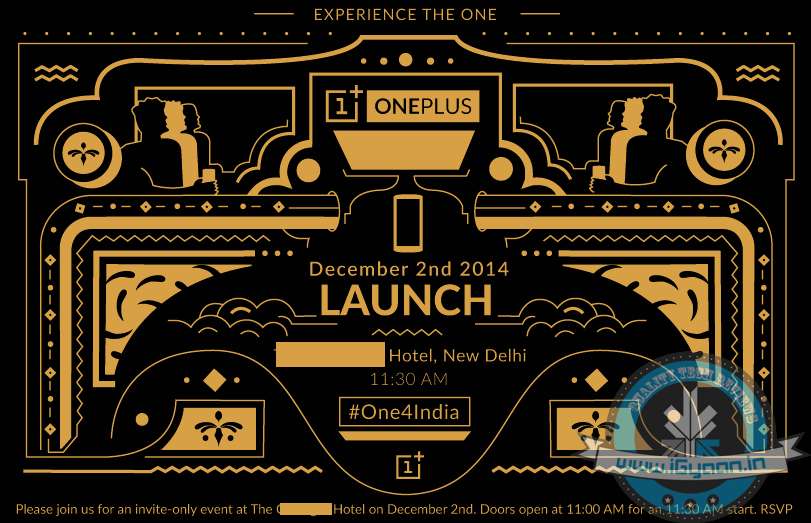
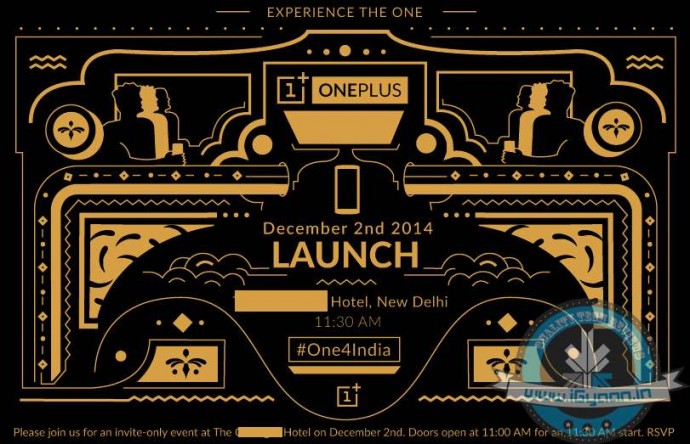
    That moment which all the Android enthusiasts have been waiting for is finally here. OnePlus is going to grace the Indian smartphone market with its presence at last. The company has sent out invites for the much-awaited event going to be held on 2nd December, where it will launch the company’s blockbuster OnePlus One.

    OnePlus_India

    The Chinese smartphone manufacturer has been tight-lipped about the plans for the launch of the CyanogenMod-powered smartphone. However, the recent report has suggested that the OnePlus will be sold exclusively via Amazon. The company had also previously announced that their smartphone, the One, would be available in India through an exclusive invitation system.

    [quote text_size=”small” author=”Vikas Agarwal” author_title=” General Manager for OnePlus India”]

    As announced earlier, the product will be exclusively available through our e-commerce partner for users who have a valid India-specific invite

    [/quote]

    In a teaser image posted on amazon.in, the online retailer says that the smartphone, popularly known as a ‘flagship killer’, is expected to be available in the coming days. Amazon India, who has got exclusive rights to sell OnePlus One, says in a teaser, “The Smartphone you have been waiting for, is coming soon,” accompanied by a image of OnePlus One and a hashtag ‘#TheOneThing’.

    Pricing, which is one of the most important parts of OnePlus One’s success, has also been a mystery for the Indian market. However, as we reported earlier, the 64 GB variant is expected to cost around Rs. 24,990 while the 16 GB variant is likely to come at a price of Rs. 19,990. The company’s newly appointed General Manager for OnePlus India, Vikas Agarwal, posted a forum on Saturday which said,

    Firstly, we are thrilled to confirm that the One will be available for our Indian users in December. We can’t wait to bring your favourite phone to your hands. As all the details have now been perfected and last-mile hurdles have been cleared, the exact launch date will soon be announced in the coming days on our forums.

    The OnePlus One is one complete device when it comes to hardware and build quality. Thanks to the inclusion of CyanogenMod, the ROM gives Android an adrenaline boost with regular updates and bug fixes. For a price sensitive market like India, the cost of the phone will be a major factor. In an interaction with The Indian Express, the company claimed that the invite system will prevent shortage of devices for potential customers in India. The invite process is also fair and transparent than the flash sale model.

    Where companies like Xiaomi have gained respect and market share simply by cutting down on administration, distribution and marketing costs, OnePlus may bring the One at a premium in India. The company will continue the invite system for the Indian market and those interested in an invite will be able to get one from oneplus.net/in starting right now.

    If you are successful in getting an invite a spanking new OnePlus One will await you at : www.amazon.in/oneplusone on the 2nd of December 2014. Excited yet? Catch our Review below.

  • Qualcomm Develops Two Mammoth Devices to Test its Snapdragon 810 Processor

    Qualcomm Develops Two Mammoth Devices to Test its Snapdragon 810 Processor

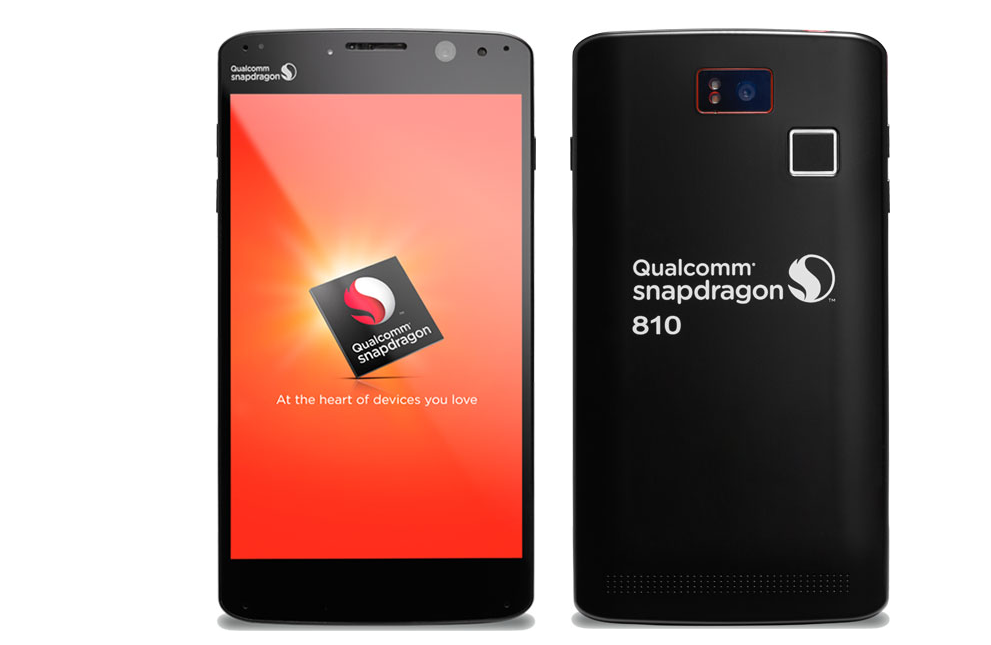
    Chipset manufacturer Qualcomm is testing the prowess of its next-gen Snapdragon 810 processor. This involves production and release of a new set of devices which the company has been busy with off late. First in the list is the Snapdragon 810 MDP smartphone that sports a 6.2-inch QHD display, 64-bit octa-core Snapdargon 810 Ultra HD processor, Adreno 430 GPU, 4 GB of RAM, 32 GB storage, 13 MP rear camera, 4 MP front snapper, a hefty 3020mAh battery with Quick Charge 2.0 technology. In addition to this, the device is packed with ultrsound emitter, microSD card slot, microUSB 3.0, fingerprint scanner and Android’s latest 5.0 Lollipop. This beast of a smartphone costs $799, which is still way below the 64 GB iPhone in the US market that costs $849.

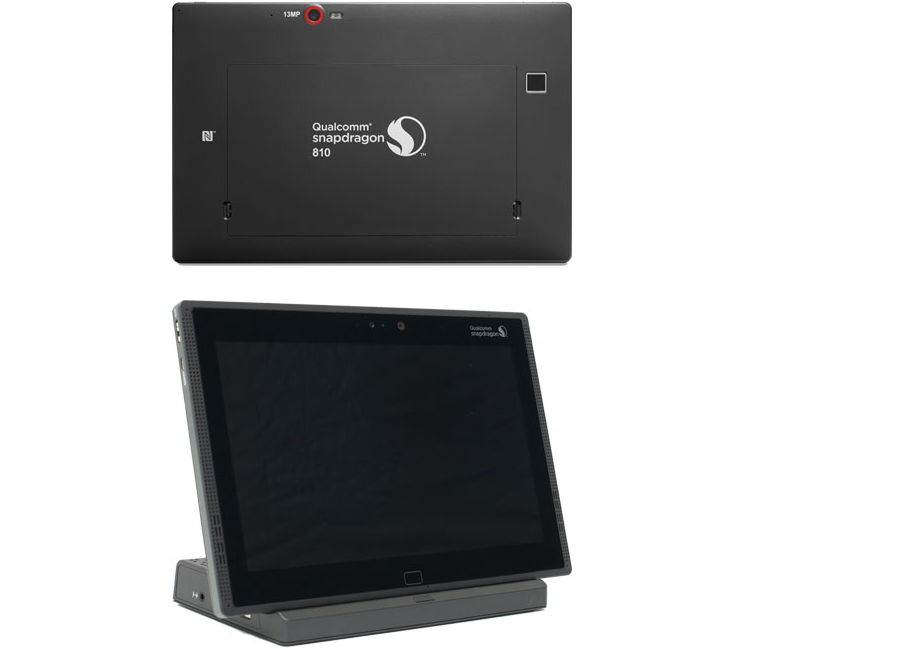
    The second one is the Snapdragon 810 MDP tablet that comes with a 10.1-inch 4K display, 64-bit octa-core Snapdragon 810 Ultra HD processor, Adreno 430 GPU, 4 GB of RAM, 64 GB storage. Optics include a 13MP rear camera along with a 4MP front snapper. The device packs in a mammoth 7050mAh battery with Quick Charge technology. The tablet also features dual ultrasound emitters, a microSD slot, microUSB 3.0 and Android Lollipop 5.0. The device costs $999.

    snapdraogn 810
    The mammoth set of specs that both the devices have is quite a notch higher than what we are used to. Sorry guys, but you don’t get to play around with these devices as it will be only available with registered purchasers.

  • Samsung Galaxy A5 China Pricing Revealed

    Samsung Galaxy A5 China Pricing Revealed

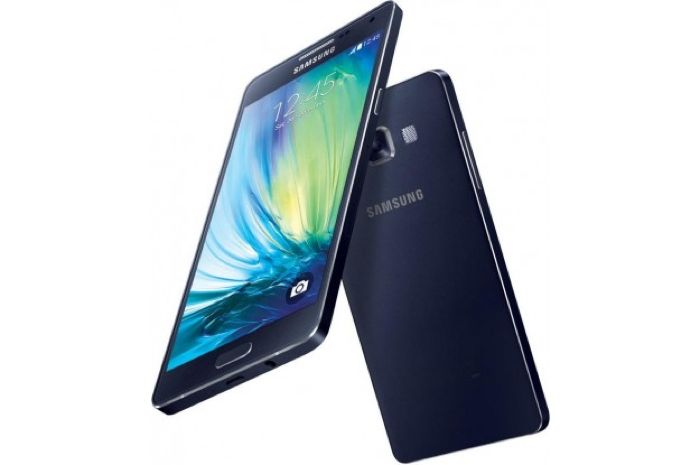
    It’s been a month since Samsung unveiled its budget metal-clad smartphone Galaxy A5, however, the company did not confirm any pricing details about the device.

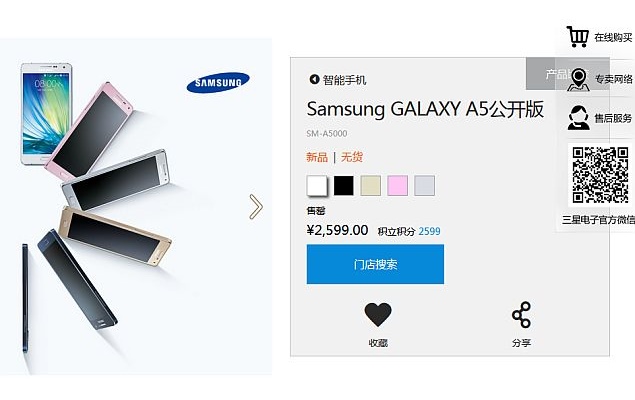
    The dual-SIM version of the Samsung Galaxy A5 is now listed on the company’s official China website for CNY 2599 (which translates to Rs. 26,000 approximately). While Samsung has listed the Galaxy A5’s pricing on the website, it does not provide an online purchase option and, instead, guides users to retail stores.

    As far as the specifications of the A5 are concerned, the phone sports a 5-inch display with HD (1280×720 pixels) screen resolution. Under the hood, a 1.2GHz quad-core Snapdragon processor runs the phone, paired with 2 GB of RAM, and 16 GB of internal storage, which can be expanded via microSD card. On the camera front, the phone packs a 13-megapixel shooter at the rear and a 5-megapixel snapper upfront. It comes with a 2,300mAh battery to keep the device running. On the software front, the phone comes with Android 4.4.4 KitKat out of the box. The phone will be available in five colour variants.

    samsung_galaxy_a5_dual_sim_china_with_price_screenshot_official

    The website hasn’t listed the Galaxy A3 as yet, but we expect that the company will also offer a dual-SIM variant of the smartphone, just like Galaxy A5. Samsung has started selling the Galaxy A5 in China as announced during the launch event. As for now, there is no news of its availability outside China, however, we can expect it to launch next month in other markets as well. Samsung is yet to list the smaller but similarly built Galaxy A3.

    Originally, the company planned for Q3 launch for both devices, but because of some difficulties in producing the metal casings for its first full-metal unibody designed smartphones, the company delayed the launch. Earlier this month, a report stated that the rollout of the Samsung’s Galaxy A series was delayed due to the above mentioned problem, but the smartphone would still hit ‘select markets’ including China in November.

  • Meet Flow, A Programmable Wireless Controller to Replace Your Old Mouse

    Meet Flow, A Programmable Wireless Controller to Replace Your Old Mouse

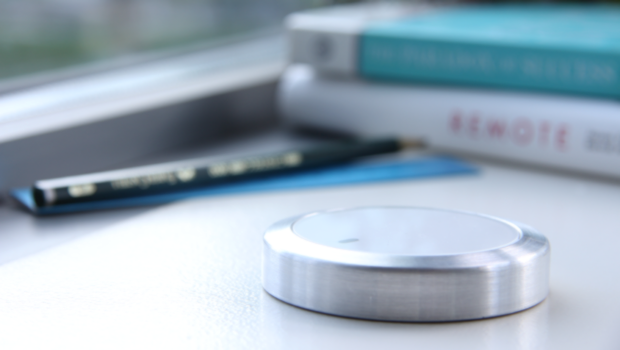
    If the Indiegogo campaign goes right, this new startup aims to replace your desktop mouse for good. Flow, as simply as it is called, is a small gadget that can be paired with your PC, laptop, tablet and can be programmed with shortcuts to your most frequently used actions.

    Created by a team of German hardware designers, Flow can be described as a ‘freely programmable wireless controller’ that combines hand gesture recognition, touch, and haptics in a mobile, hockey puck-shaped design. The idea is to take the core functionality of a traditional mouse and expand it to include much broader capabilities found in touch-based devices, video game controllers, and even motion-and-gesture sensors.

    20141114185544-functionalities

    The device is made from aluminum and stainless steel with a durable polycarbonate touch surface and has a replaceable battery promising four months of charge according to its Indiegogo page. Its sensors enable infrared-based hand gesture recognition, 360-degree angular positioning, capacitive touch and luminosity.

    Flow, according to the makers, offer support for more than 30 applications, including popular ones like Final Cut Pro X, Photoshop, Premiere, SoundCloud, Spotify and YouTube. Flow has been described as a multiuse device which can be used as a traditional mouse with a PC but also to interface with mobile devices and even hung on a wall as a smart device controller.

    At present, most of the information regarding Flow points at its usability with desktops or laptops, but the company also mentioned that there could be support for mobile applications in the future. It measures 70 mm in diameter and 15 mm in height, and ‘connects directly to anything that speaks Bluetooth Low Energy with no additional hardware required,’ according to its makers.

    The designers have launched an Indiegogo campaign to raise $50,000 in seed money. The ongoing campaign has already fetched $19,536 and there is still 40 days left for the campaign. The startup plans to release the product by 2016.

    (more…)

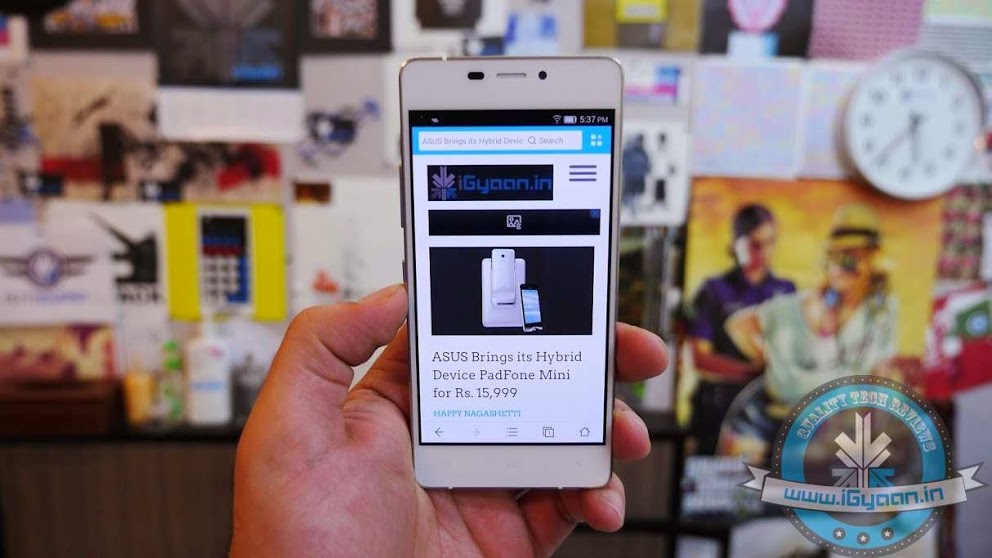
  • ASUS Brings its Hybrid Device PadFone Mini for Rs. 15,999

    ASUS Brings its Hybrid Device PadFone Mini for Rs. 15,999

    ASUS has won a lot of hearts in India with its Zenphone series. The low cost – high specs approach has helped the company to make grounds for itself in the saturated market of India. The Taiwan-based company has now brought its innovative PadFone mini to India.

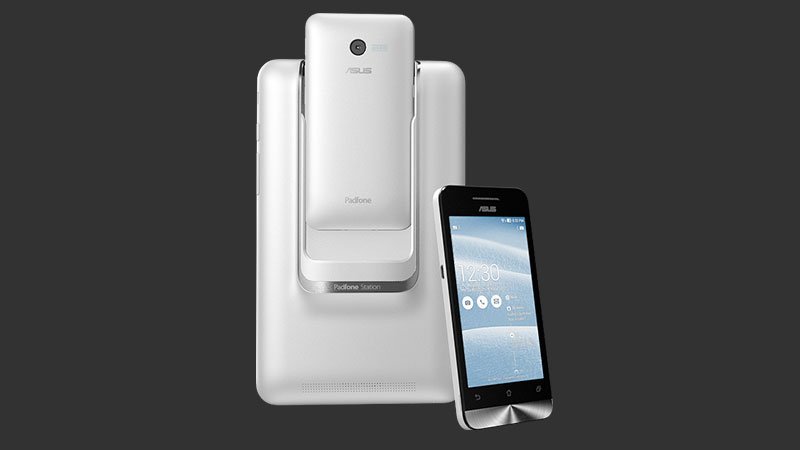
    The PadFone mini is a hybrid device which runs on ASUS’s ZenUI, which is based on Android 4.3 Jelly Bean. It comes with two modules, a 4-inch smartphone, which is fully functional in itself and the time you dock the smartphone in the 7-inch display and voila, you have a tablet!

    The processing bits of the 4-inch PadFone are handled by a dual-core 1.6 GHz Intel Atom Z2560 processor along with 1 GB of RAM. The internal storage on the device stands at 8 GB and can be expanded up to 64 GB. ASUS also offers 5 GB free lifetime cloud storage on ASUS WebStorage.

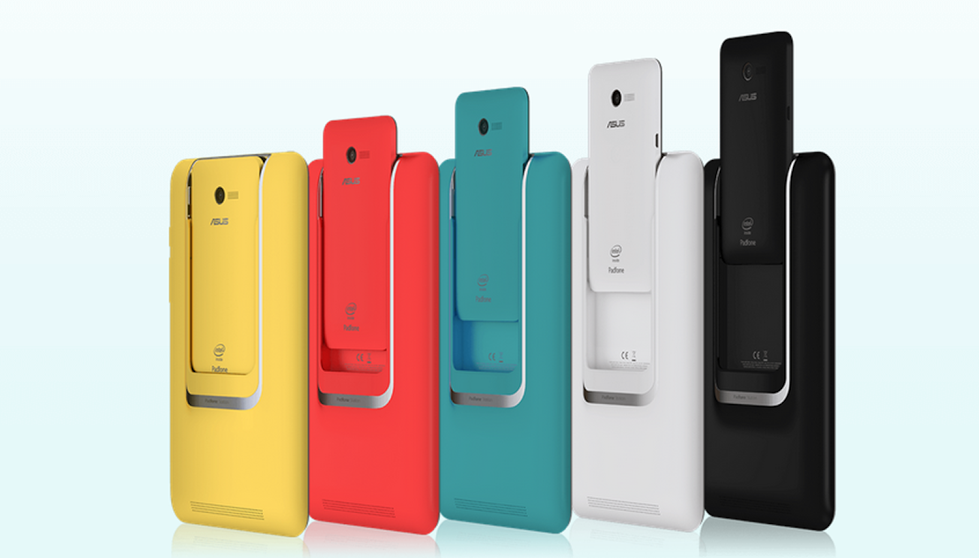
    PadFone Mini comes in multiple color options.
    PadFone mini comes in multiple color options.

    The 4-inch smartphone has a resolution of 800x480p. The 7-inch tablet, on the other hand, has a resolution of 1280x800p, which would make it a good multimedia device. The PadFone mini gets its juice from a 2100mAh battery, which seems rather ill-equipped for a tablet. The phone has a battery of 1200 mAh that might give a satisfactory performance on the 4-inch display.

    The company claims that it will be updating to Android KitKat 4.4 soon. This might be an alternative to people who go for phablets instead of tablets. The pocket-sized phone coupled with a 7-inch display makes this a multi-functional device. There is no alternative to this device so it won’t face a lot of competition. At an affordable price of Rs. 15,999, the device will find a good number of takers whether it’s some tech connoisseur or ordinary folks looking to try something new.

  • Hackers Bring Down Sony Pictures, Threaten to Release All Data

    Hackers Bring Down Sony Pictures, Threaten to Release All Data

    One of the major movie studios is facing a hack attack. Sony Pictures’ computers have been rendered inactive by a hacker group which calls itself Guardians of Peace (#GOP). The group took control of some official twitter accounts and was tweeting the same message across all accounts.

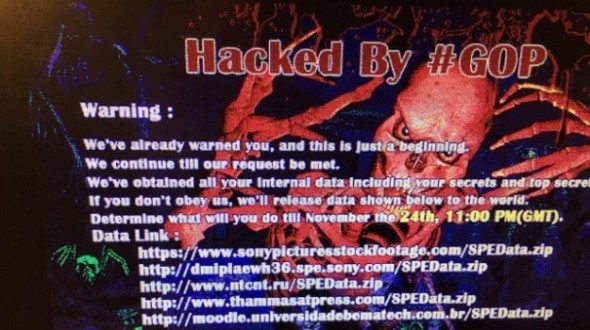
    Sony Pictures sits at the top brass of movie production studios in Hollywood. It has produced blockbuster franchises such as Spider-Man, Men in Black, Underworld, and Resident Evil. The hackers have captured the computers of Sony Pictures across the country with an image of CGI skeleton. This image warned that if GOP’s demands aren’t met then they will release sensitive information (that they have stolen from Sony’s repository) to the world at 6 p.m. Eastern Time today. Demands of GOP are unsure as of now.

    This image has been flashing on all Sony Pictures' computers across the country.
    This image has been flashing on all Sony Pictures’ computers across the country.

    The group has posted .zip files that contain the details of data that they have stolen. These include sensitive data such as financial documents and a lot of passwords. Reddit users are already working on uncovering the .zip files, and it does have a list of important documents including passport information of major stars. Looking at the severity of this hack, the employees were told to shut off their system and go home. Sony Pictures have just said that they are investigating the ‘IT matter’.

    Activism is an important aspect of society; it keeps the people in power under check. Hacktivists group like Anonymous constantly target websites and cyberinfrastructure to send out a message, but they do it ethically and don’t cause severe damage to the institutions they target. But this hack by GOP amounts to theft and blackmailing and can cause major harm to the company. Actions like this brings down the value of activism and changes perception of hackers in the eyes of the general public as high tech but lowly thieves. We still have to wait and see how this stand-off ends, but one thing is sure that this is a deplorable act by this hacking group.

  • Google Rethinking its Sales Strategy for Android One in India

    Google Rethinking its Sales Strategy for Android One in India

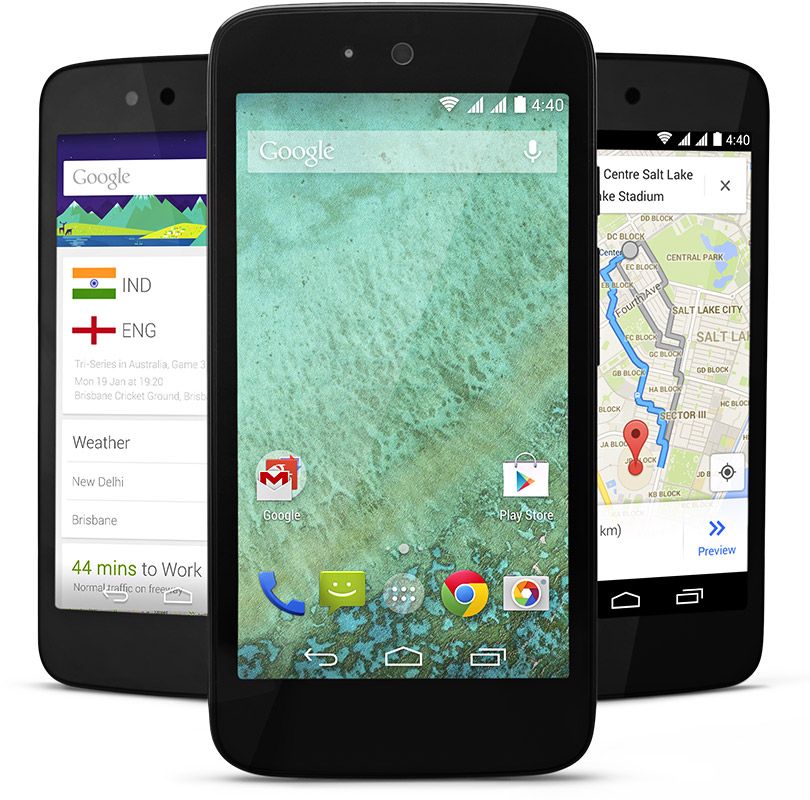
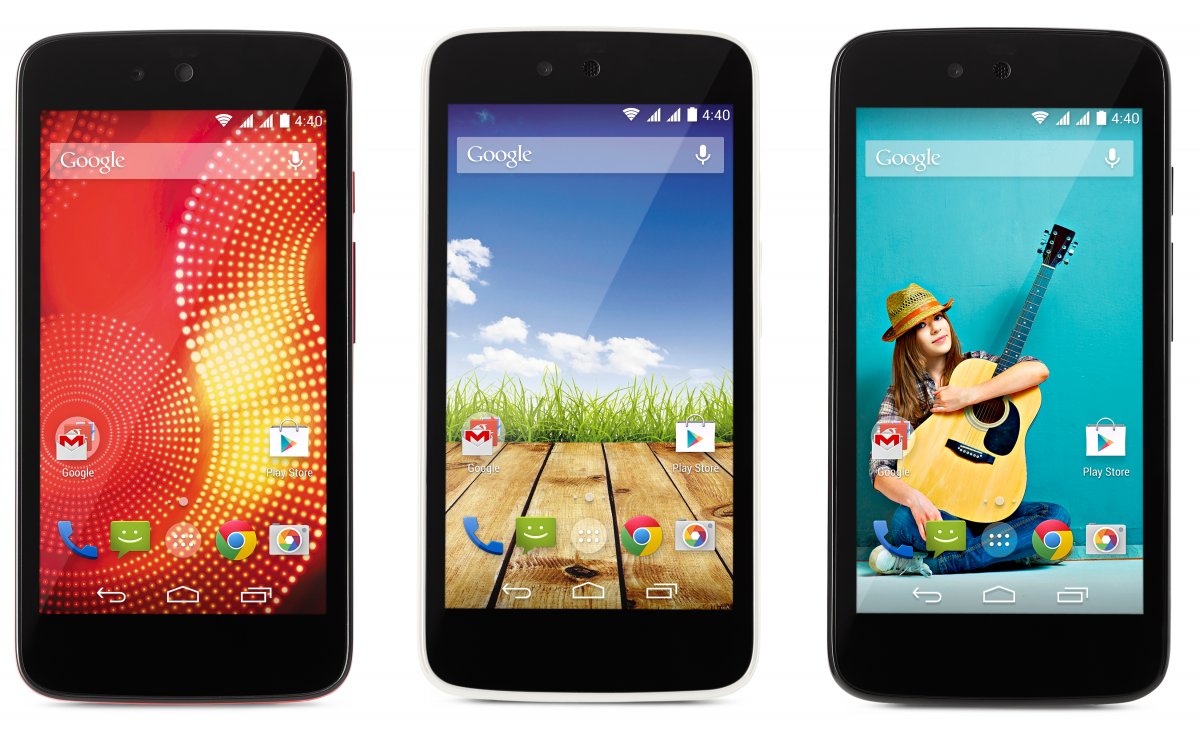
    Google’s Android One initiative has been struggling to get hold of the Indian market since its release. However, the budget segment is so crowded with some amazing smartphones like Moto E, Zenfone 5, Redmi 1S and more that there is simply no space for any other device with same specs.

    Android One’s first and foremost advantage was the Google’s direct involvement, which meant speedy software updates. However, that also seems to go down the drain as Android One devices still haven’t got the Lollipop update. The company launched the Android One in September, but it has faced some challenges in the market.
    image

    Offline retailers have been complaining about low margins for the device. Another big issue was related to its constrained supply. But despite these challenges, around 5 lakh Android One devices have been sold by Micromax, Karbonn and Spice by October-end, according to reports.
    Sandeep Menon, Director of Marketing at Google India, commented on the issue, “We continue to get strong consumer demand. We track things like average number of people walking into stores and asking for Android One devices. From that perspective we are extremely happy. Pricing and margins for retailers are in the hands of the OEM partners but we are constantly engaged with them. Our engineers are working with new suppliers in China to benefit OEM partners in terms of choice and availability.”

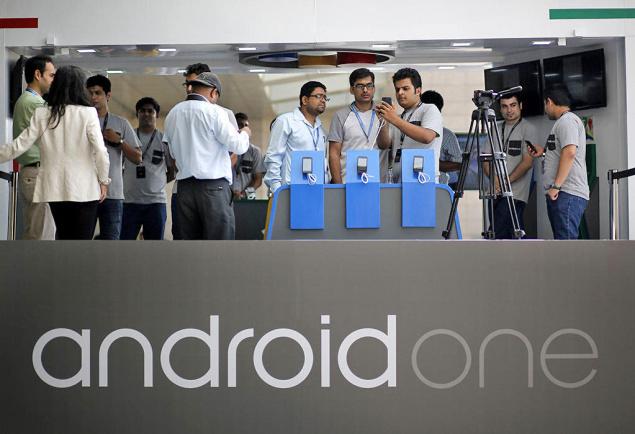
    Even though Menon seemed confident about the sales, the recent reports have shown that Android One devices have been struggling to break into the market and haven’t been able to reach sales goal that the company expected. In order to hook more offline consumers, Google is working on creating awareness about Android One’s features through 30,000 brand ambassadors deployed at various retail outlets.

    BL25_IT_ANDROIDONE_2219339f

    According to concerned officials, the demand for Android One has increased further after making the product available in the offline channel. Google is trying to make the device a successful initiative as the global rollout of Android One depends on how the device has performed in India.

    But that’s not a situation Google has to confront for now. “Our global rollout of Android One is as per the original schedule. There’s no change in that,” said Menon, promising that there would be new announcements on Android One over the next few months.

  • Google Adds New Security Feature to Track Devices Using Your Account

    Google Adds New Security Feature to Track Devices Using Your Account

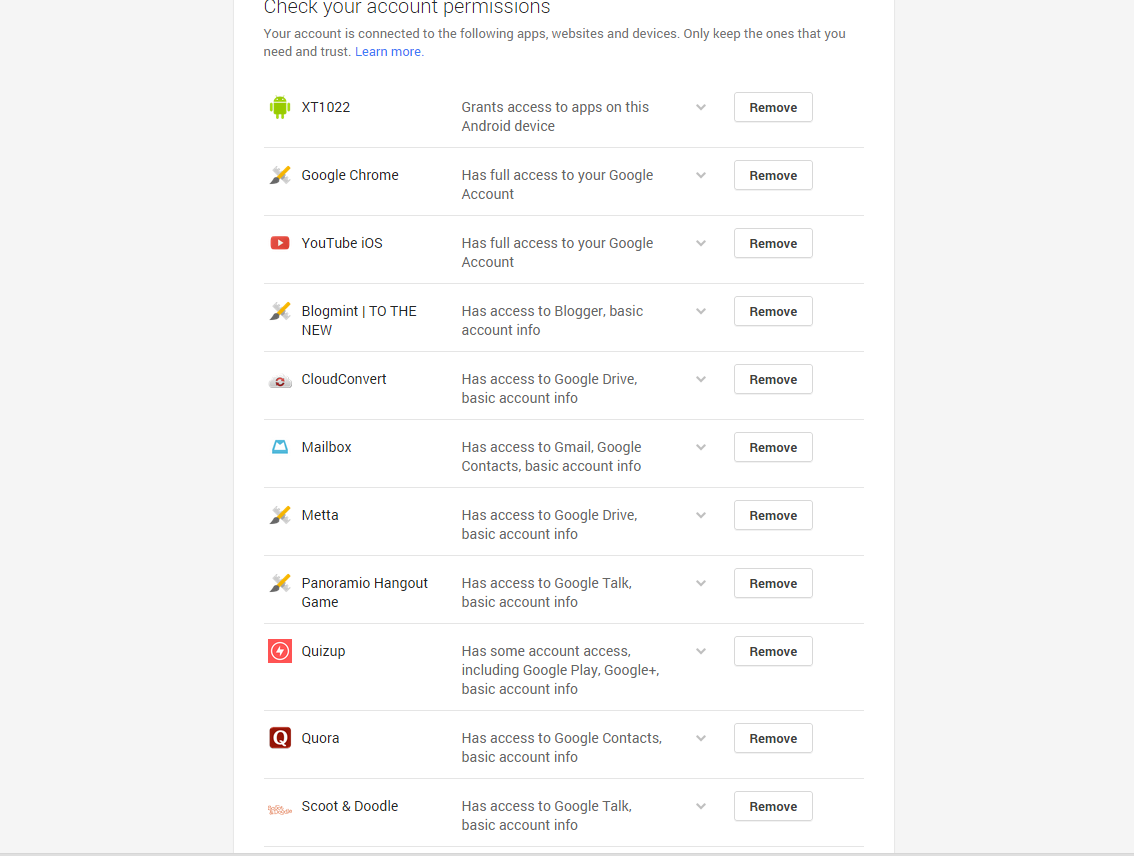
    Well, do you remember from how many devices you have accessed your Google account; obviously, no. With the growing number of devices, it is common to see people accessing their Google accounts from multiple devices and later forgetting them. Google’s new Security dashboard will help you keep a track of the devices that still have access, and also will let you cut down the list right from your browser.

    Screenshot 2014-11-25 11.33.33

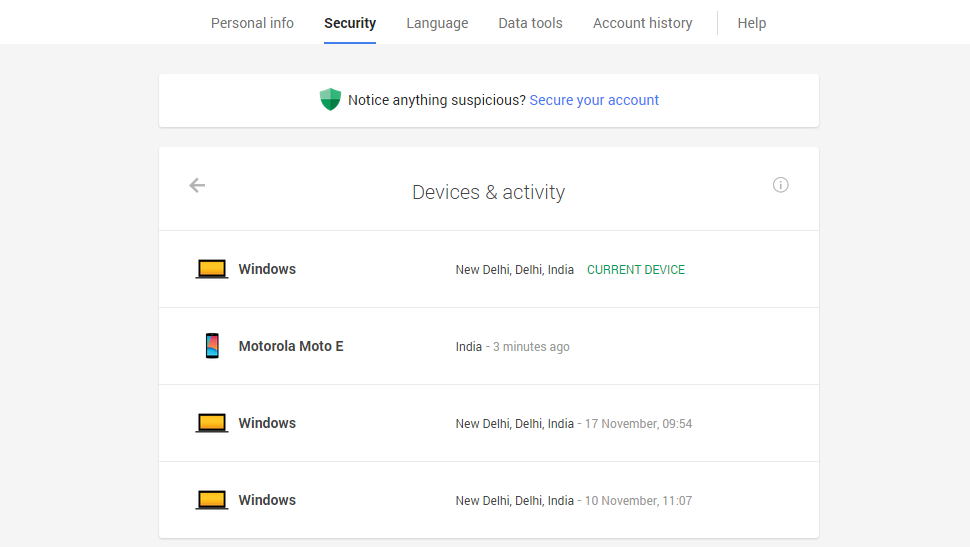
    Google has added this feature to improve the security measures in ‘Google for Work’, the company’s suite of enterprise business services. However, this feature is available for every account be it a personal one or the business one. The new feature called ‘Devices and Activity dashboard‘ can be seen within the Google Account’s Security settings and it gives you a full rundown of every single device that has had access to your Google Account for the last 28 days.

    Screenshot 2014-11-25 11.29.53

    From the dashboard, you can manually revoke access to any device or just leave it if everything looks fine to you. The details include the last time the account was accessed, location from where it was accessed, as well as the web browser that was used to open the account. Users are also given a single-click option to revoke a device’s access from their account.

    If you click on the device, it will show you a list of browsers, the device model, and the account access type. If there’s no Google Account activity in the past 28 days for a given device, Google recommends removing its account access. However, Google no longer displays certain information, like IP addresses and browser versions.

    Screenshot 2014-11-25 11.30.13

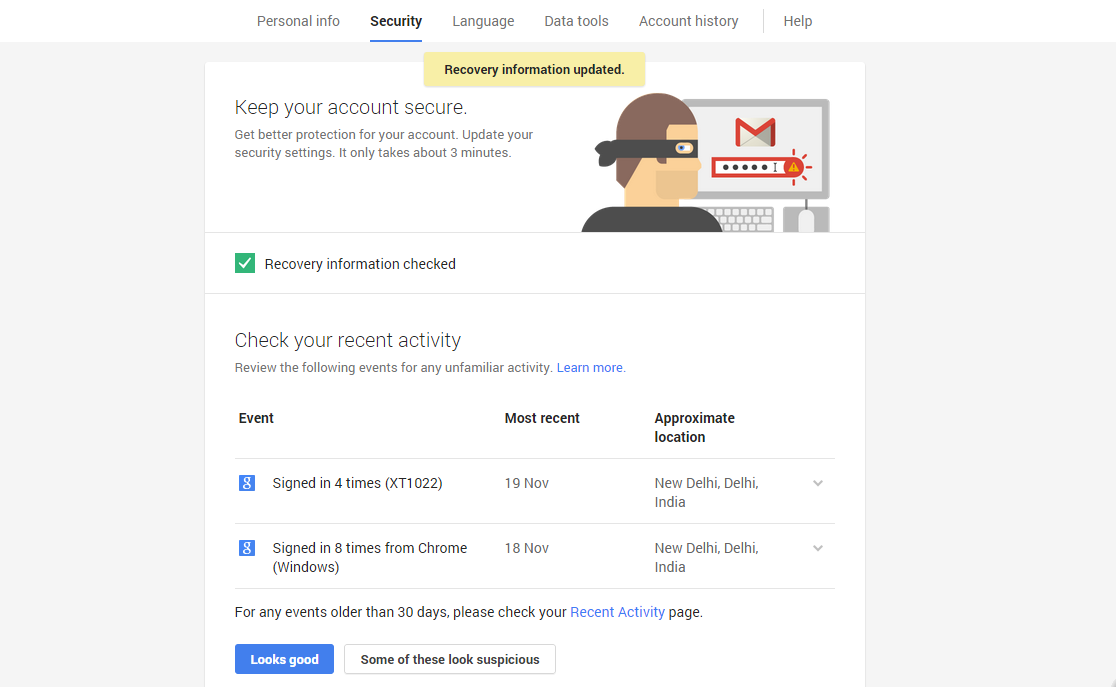
    Google has also added a new Security Wizard which guides Google users through steps they can take to turn on or adjust security features. These can range from providing contact info for account recovery (if the domain security policy allows it) to reviewing recent account activity and permissions. Google claims that running the wizard ‘only takes minutes’ and is meant as a way to encourage users to update their settings.

  • Apple iPhone 6 and 6 Plus Users Complain of Scratches on the Screen

    Apple iPhone 6 and 6 Plus Users Complain of Scratches on the Screen

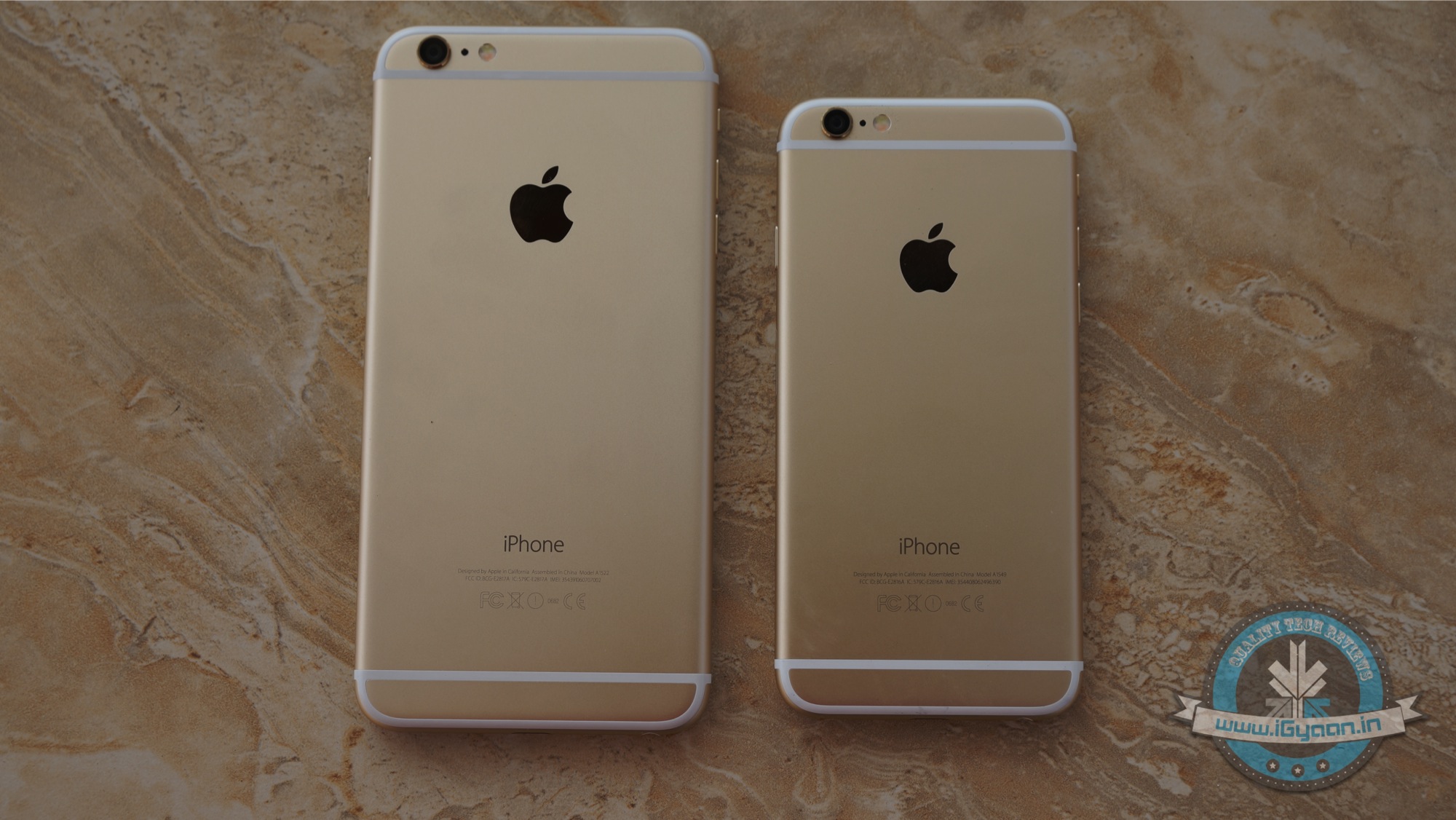
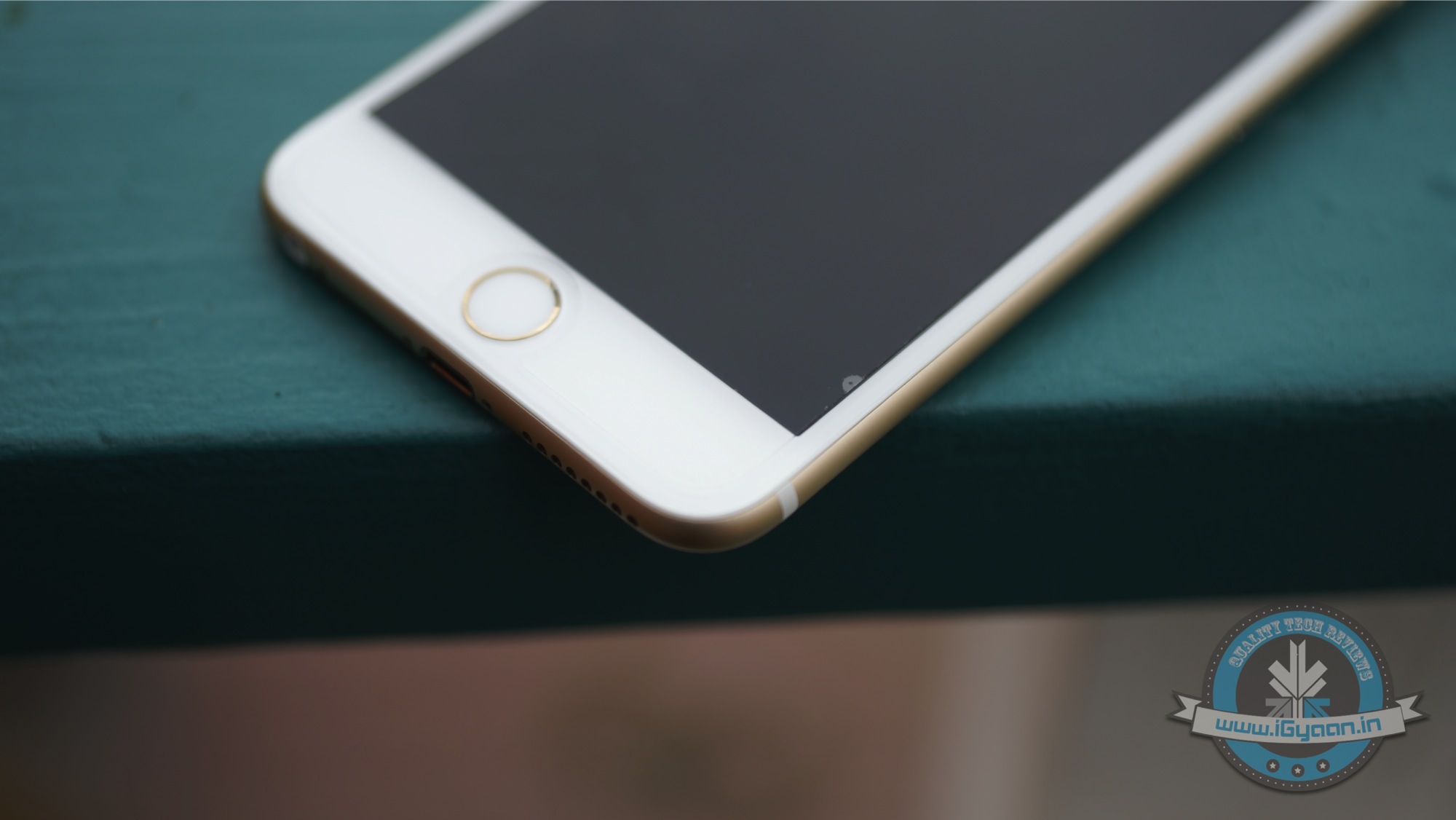
    Apple had touted that the new iPhone 6 and iPhone 6 Plus had strengthened Ion-X glass. There were talks of inclusion of sapphire glass on the new generation iPhones, but that plan was shelved. The reason cited for it was the inability of the supplier to fulfill Apple’s demand even after a $1 billion deal. Well, the sapphire glass never came about but now it’s being reported that the Apple’s alternative choice is showing signs of scratches.

    A conversation was commenced at Apple’s Support page by a user named jake.underwood26, who posted that he took extremely good care of his device, but still he ended up with scratches on the corners of the display. Presently, there are 654 replies on the forum, and there are multiple complaints of scratches on the display.

    User are claiming that the scratches are showing up at the corners of the display.
    Users are claiming that the scratches are showing up at the corners of the display.

    One user by the username Jshea74 says, “After 2 years of heavy use and no screen cover, my iPhone 5 never had a scratch. Less than a week into owning an iPhone 6, I have a good sized scratch on my screen. So disappointed. I only ever had a bumper on my old phone and would totally throw it in my purse with my other stuff with no issues. Now I guess I’ll have to get a cover for the screen. Definitely seemed easier to scratch.”

    AppleInsider did an investigation on the issue and found out that one of the culprits can be the use a curved display glass with no bezel ‘lip’ to protect against scrapes. In the predecessors of the device, a flat glass was used, and it was surrounded by a thermoplastic peripheral material housed in a harder polymer wrap. This kept the glass secure and prevented shock induced scratches. In the latest device, though the company uses the thermoplastic material but it is now in the middle of display assembly and phone body. Even the hard plastic wall was removed to cover the curves toward the rounded aluminum chassis. Apple is yet to respond on the issue.

    Apple hasn’t had an easy path with the launch of the new iPhone. Previously, Bendgate became a major cause of embarrassment for the company when multiple users began complaining about the bending of the device. Seems like Apple didn’t finish its homework before releasing the phones and hopefully, it will fix the issues as soon as possible. The device cost a king’s ransom and it’s a shame that such issues are showing up in a premium device such as this.

iGyaan Network
Privacy Overview

This website uses cookies so that we can provide you with the best user experience possible. Cookie information is stored in your browser and performs functions such as recognising you when you return to our website and helping our team to understand which sections of the website you find most interesting and useful.