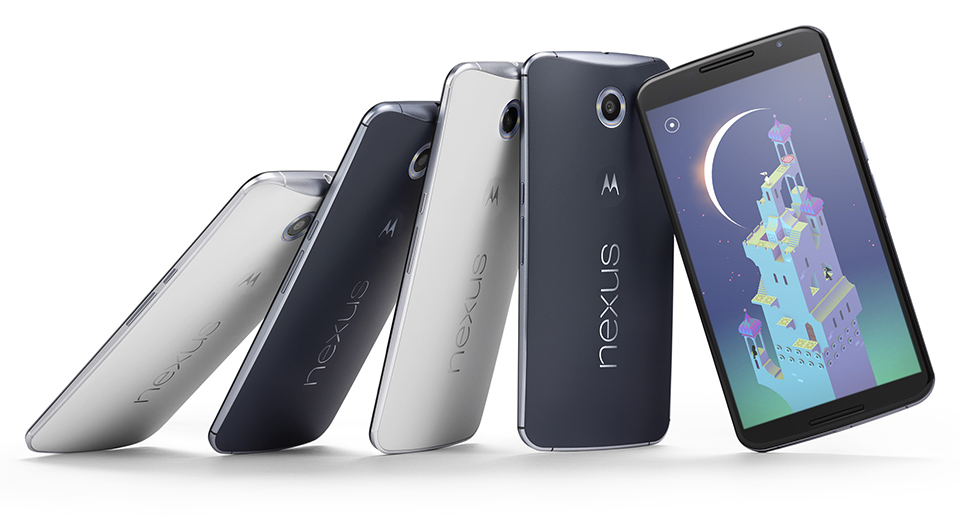
Google has just made the Nexus 6 official and yes it’s a Moto X on steroids. The Nexus 6 is the first phone to run Android 5.0 Lollipop, yes it’s called Lollipop. For whatever reason, everything that you wanted in the Moto X has actually been given in the Nexus 6. You get a 5.9 inch QuadHD, screen a faster Snapdragon 805 chipset and a heftier 3220 mAh battery.
Regretting buying that Moto X yet? You get the Moto logo along with a Nexus badge at back and the same 13 MP snapper with the ring dual LED flash.
The phone will be available in the following sizes 32 GB and 64 GB in either the Cloud White or the Midnight Blue colors. The Pre-Orders are set to begin on the 29th of October according to The Verge.
The phone has the same metal structure of the Moto X and also presumably will have the same strength. The button locations are the same, and thanks to the minimal bezel design, the Nexus 6 should look a lot less big.
As far as India is concerned, there is no news on arrival but we are in talks, so stay tuned.
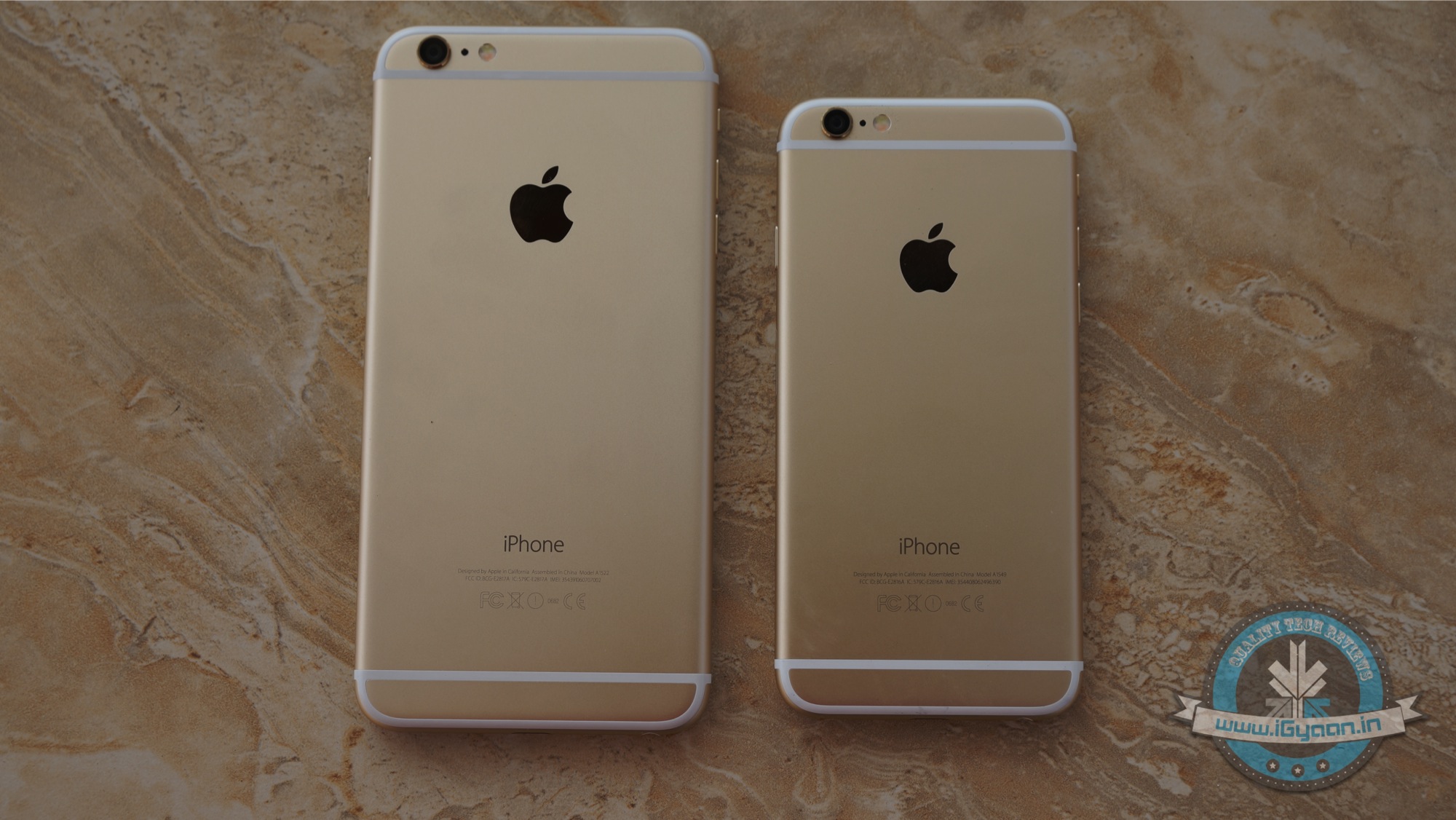
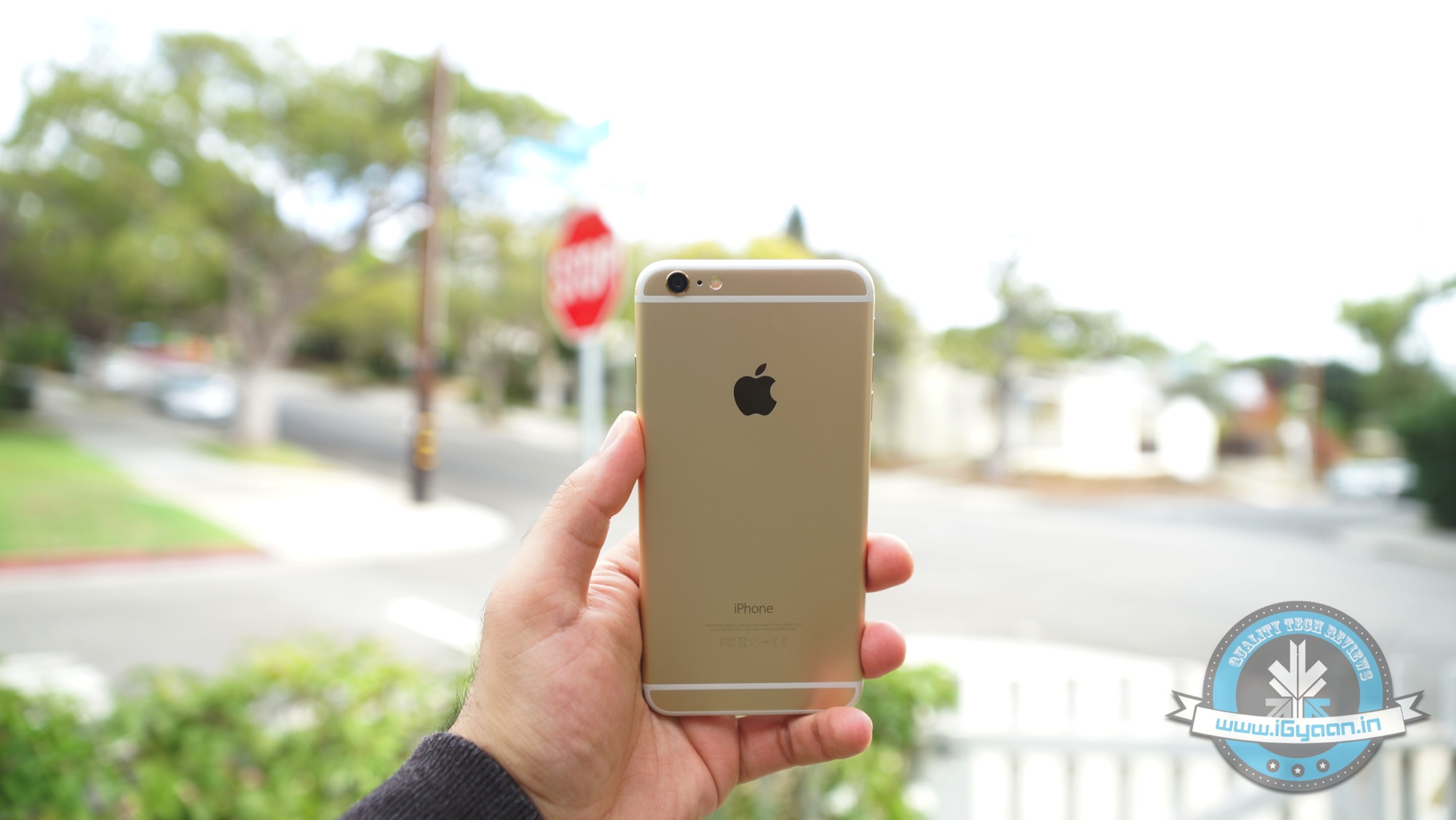
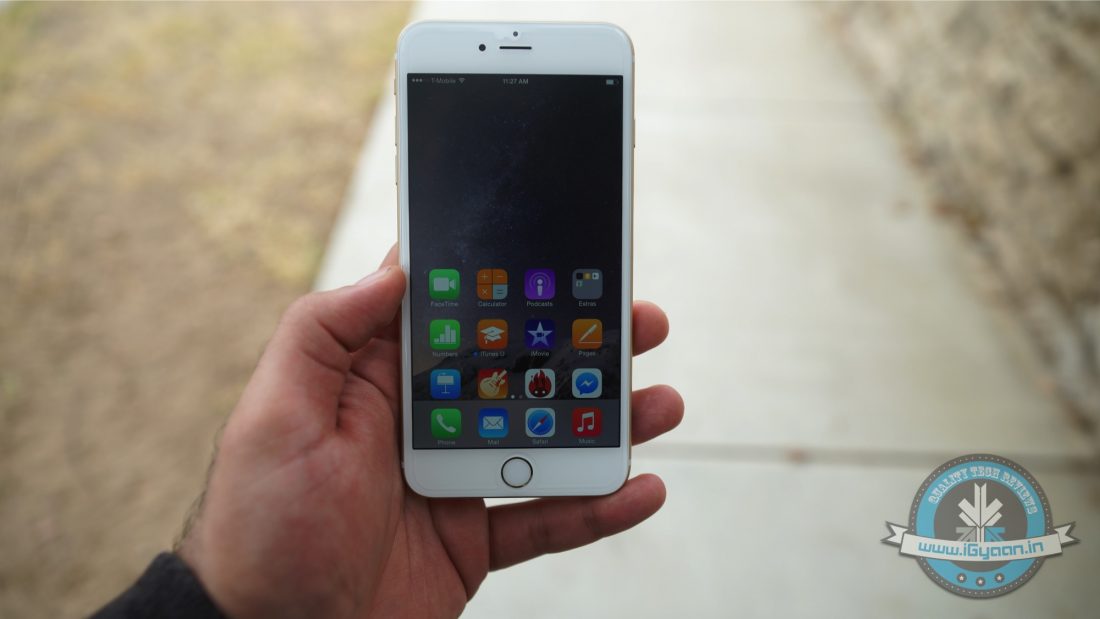
This is the first time Apple has gone this big with a phone, usually pinging their traditional theories that the phone needs to be designed for one handed use. The iPhone 6 Plus has been the preferred of the two (6 and 6 Plus) by buyers worldwide, simply because those who were using large Android phones could switch to a similarly large iPhone 6 Plus.
The iPhone 6 Plus on paper is the better bet, a full HD screen, bigger battery, larger display, optical image stabilization and landscape mode etc. However that all changes when you first hold the phone and the immediate reaction is “wow its huge”. Does it make a big difference, to the way we use smartphones and is the iPhone 6 plus actually a better phone? Let’s find out!
Overview
The iPhone 6 Plus is the largest phone Apple has ever built, but there is good reason that they did it now, when people wanted it more than ever. The bendgate phenomenon has actually added to the existing hype of the iPhone 6 Plus, making people more aware of the existence of the phone. The idea behind the bendgate died as soon as it emerged simply because it didn’t affect users as much. The phone is essentially a bigger brother of the iPhone 6, but Apple may have done the right things to leverage the bigger size.
Build Quality and Hardware
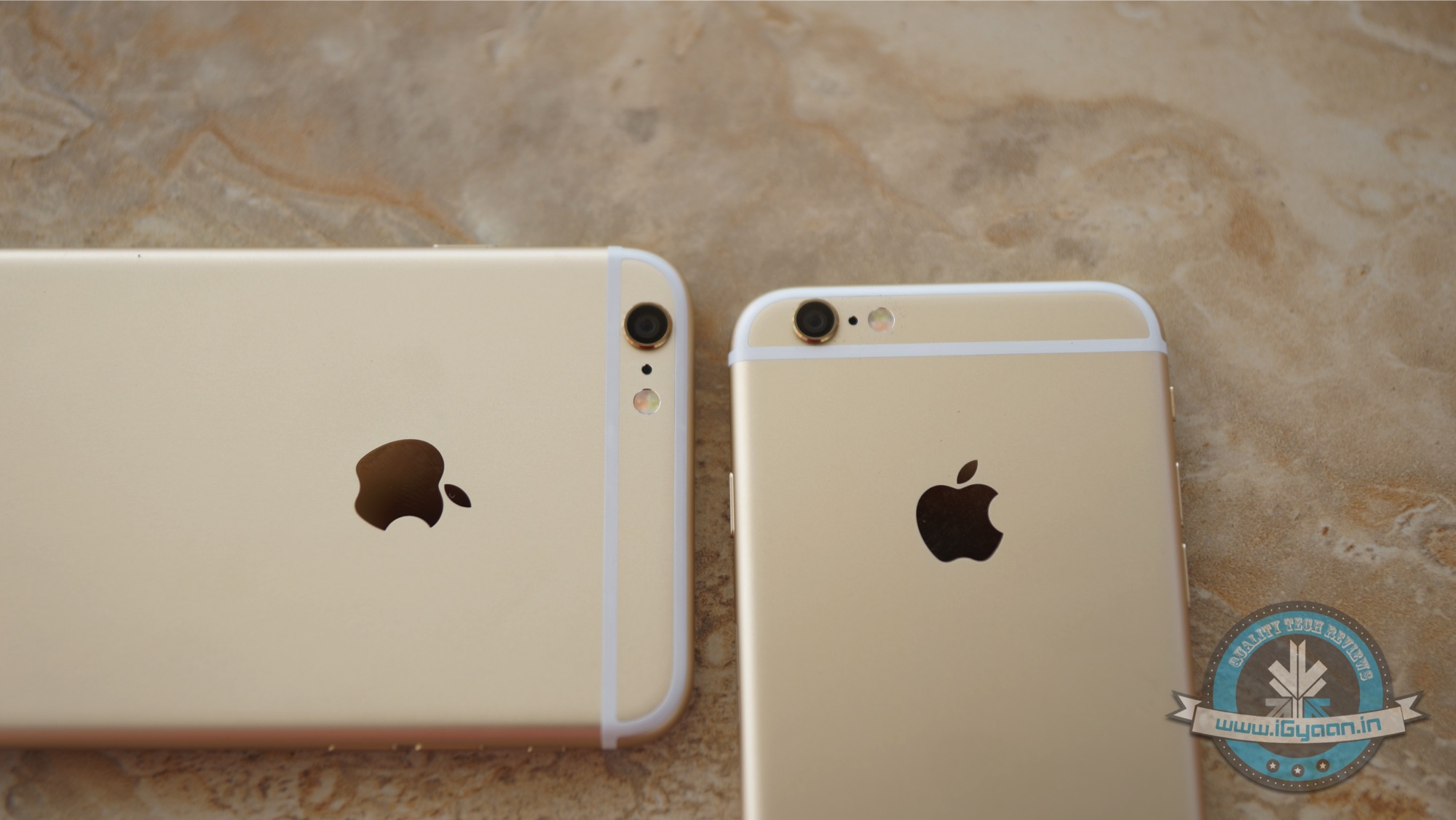
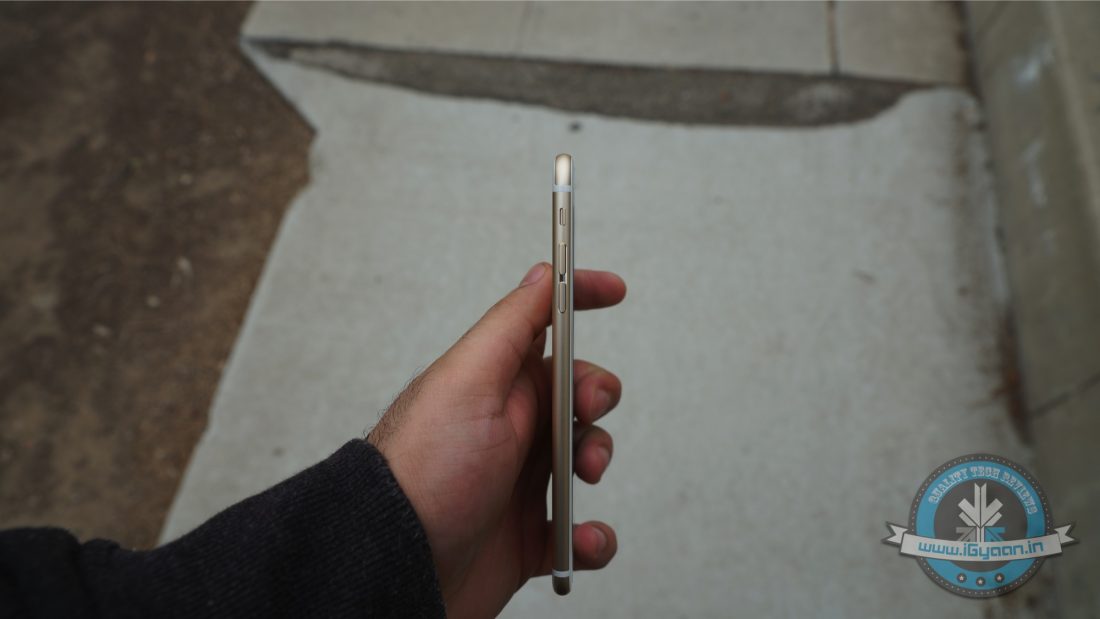
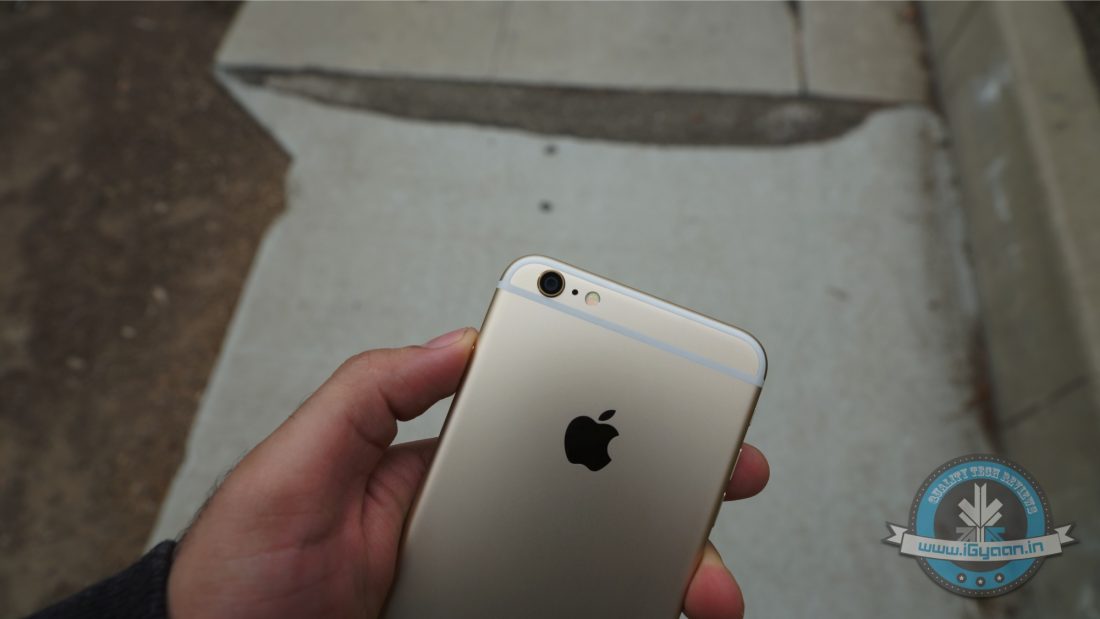
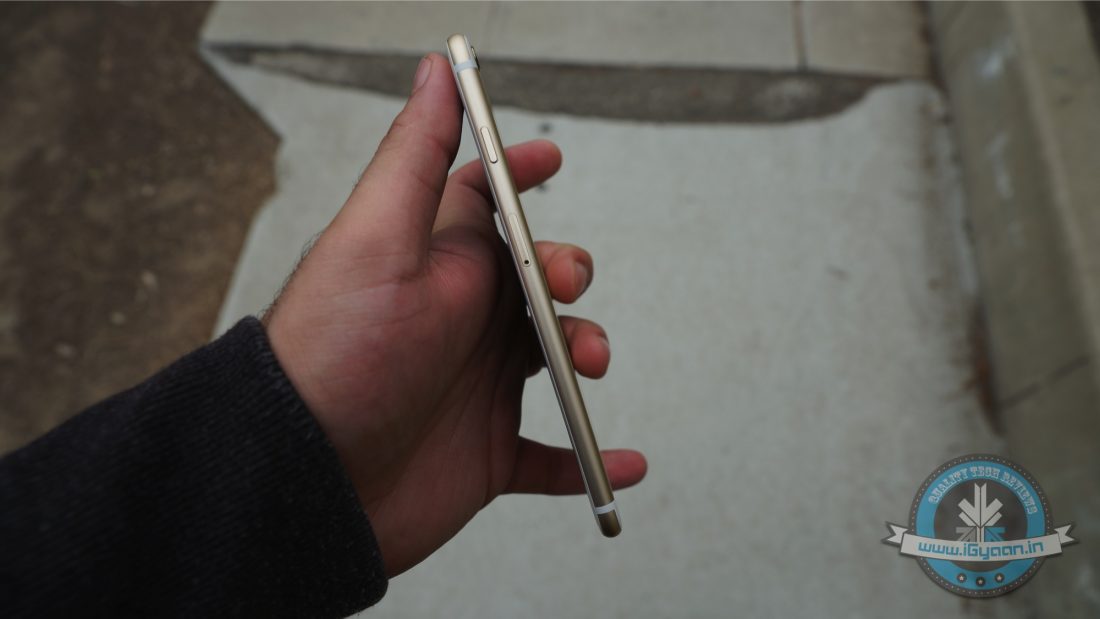
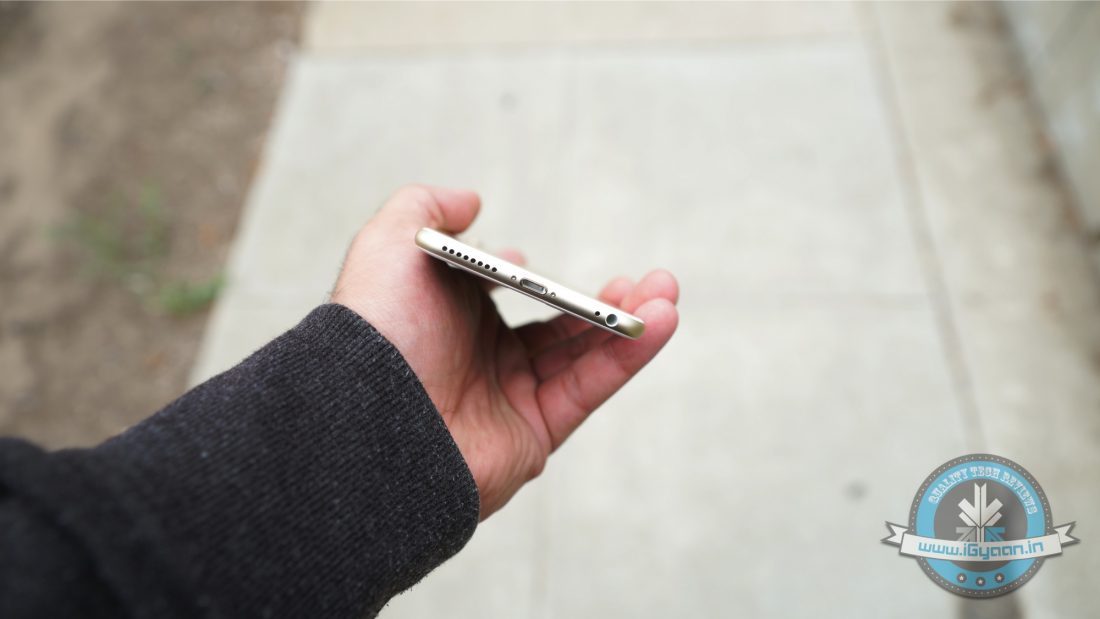
The iPhone 6 Plus is built on a single rounded piece of aluminum, this not only makes the phone look good but adds a good resistance to damage. The phone however is not as strengthened on the smaller phones, hence bendgate exists. No but it’s not as easy as it looks, the phone does not bend as easily as it appears to on screen, and only under certain circumstances. It is an issue and if you are worried about that happening, you should skip the rest.
Hardware wise you get a bumped up Dual Core 1.4 GHz Apple A8 chipset with the Quad Core Graphics, same 1 GB of RAM as the little brother and a M8 motion co-processor that also ties into the health app on iOS 8. The battery is a large non-removable 2915 mAh, and you get the three storage options, 16GB , 64Gb and 128 GB.
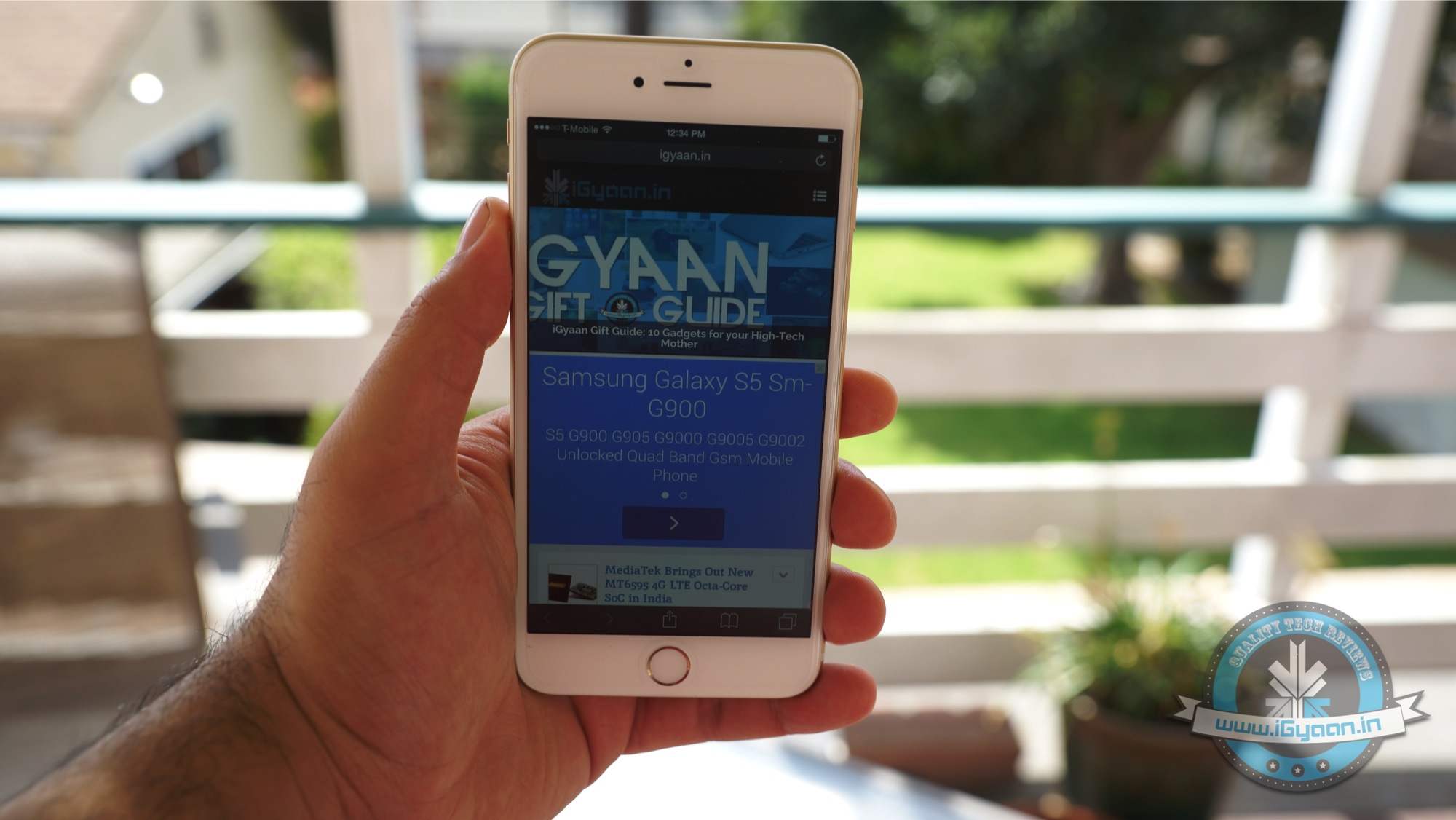
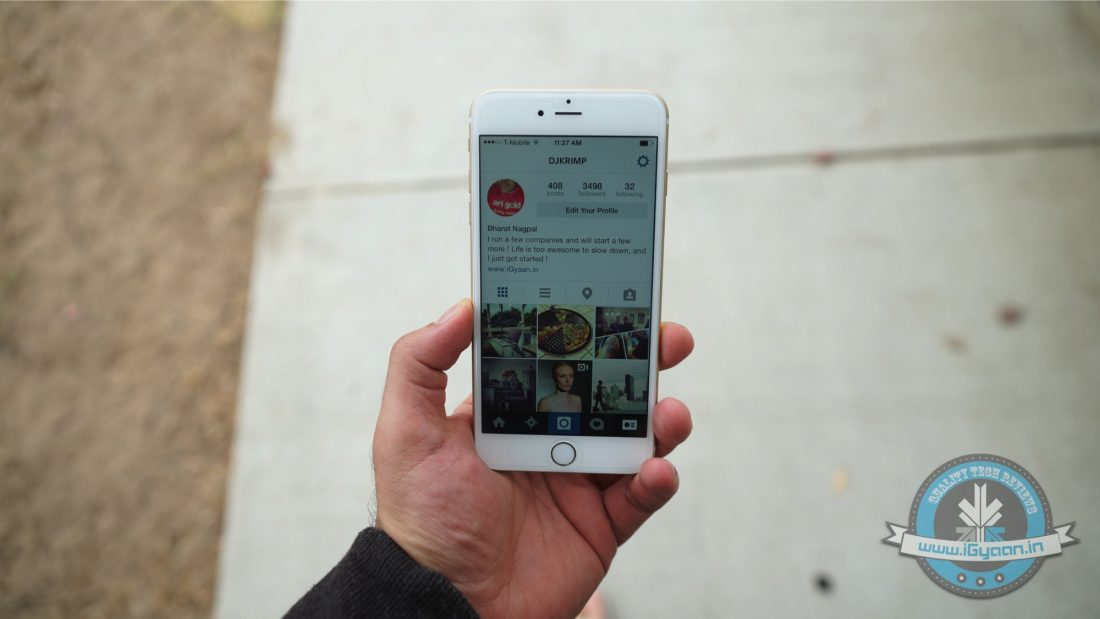
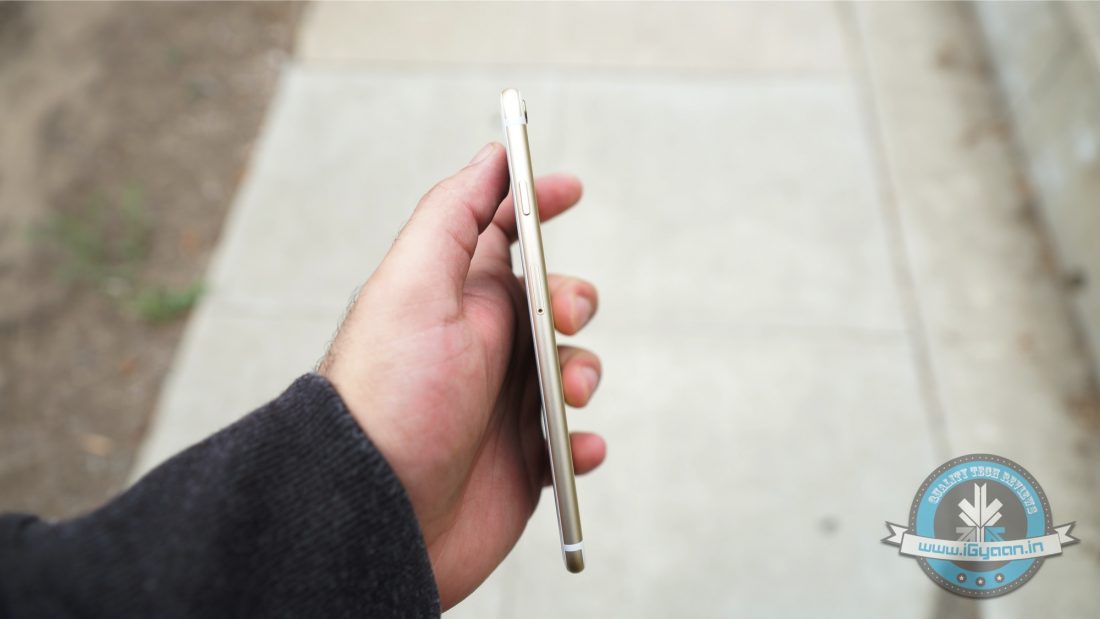
The front has a massive 5.5 inch with a 1920 x 1080p resolution which feels a little more fulfilling than the resolution on the iPhone 6 although you get the retina display at 401 ppi. Even though its massive in size it is only 7.1 mm thick, making it exceptionally sleek and pocketable.
Here is how it stacks up with other big boys !
Specs
Samsung Note 4
Sony Xperia Z3
iPhone 6 Plus
LG G3
Galaxy S5
Display
5.7 inch QHD
5.2 inch Full HD
5.5 inch Full HD
5.5 inch QHD
5.1 inch Full HD
Processor
2.7GHz Quad-core Snapdragon 805
2.5 GHz Quad-core Snapdragon 801
1.4 GHz Dual-core A8 chipset
2.26 GHz Quad-core Snapdragon 801
2.5 GHz Quad-core Snapdragon 801
RAM
3 GB
3 GB RAM
1 GB
3 GB
2 GB
Storage
32 GB
16/32 GB
16/64/128 GB
16/32GB
16/32GB
Expandable Upto
64 GB
128 GB
–
128 GB
64 GB
Main Camera
16 MP
20.7 MP
8 MP
13 MP sensor
16MP sensor
Front Camera
3.7 MP
2.2
1.2 MP
2.2MP sensor
2 MP
Battery
Removable 3220 mAh
Non-removable 3100 mAh
Non-removable 2915mAh
3,000mAh
2,800mAh
Operating System
Android 4.4.4
Android 4.4.4
iOS 8
Android 4.4.2
Android 4.4.4
Price
Rs. 61,500
Rs. 51,990
Rs. 62,500 for 16 GB variant
Rs. 44,100
Rs. 37,000
Performance
The iPhone 6 Plus is no underdog when it comes to performance, and just because it is running relatively low spec’d hardware doesn’t mean that this guy doesn’t pack a punch. Apple has managed to make it work, they own the architecture and the hardware and have optimized the OS to run zippy smooth on hardware which in Android terms would be lame and notoriously dated, props to Apple for this.
Everything from playing games, to multitasking to going about your day, works well on the iPhone. Some of the Apps have been designed to leverage the large screen size of the iPhone 6 Plus improving the overall experience by a lot.
Camera
This is a big mention, and no not because Apple added a might big sensor but because two amazing things happen with the iPhone 6 Plus. First the video is absolutely stunning with the optical image stabilization, you can walk about and get almost steadicam like shots on your iPhone. The phone also shoots brilliant 720p 240fps slow mo that looks absolutely stunning in low light or otherwise.
Images are sharper and there is definitely less hunting thanks to the on-sensor phase detection that has good and accurate focus capabilities. This overall improvement in focus results in sharper images and better results. The camera on the iPhone has been best in class, the new improved sensor and image processing will only carry that into the next year.
The large screen on the iPhone 6 Plus makes for a good viewfinder for the camera, and especially in video mode it comes in handy to pick and select your focus points. The fact that you can adjust the brightness on the fly will be appreciated by a lot of people, you can also lock in your points before you click a picture or shoot a video.
Phone Networks and Battery Life
The one thing that you immediately notice is the battery life of the iPhone 6 Plus, it will practically last you a day and a half. Even more if you are a light user. The networks are sustained and solid through areas with weak reception. Mostly in areas that we would notice weak reception with the iPhone 5 and 5s we saw great network reception with the iPhone 6 Plus, better than the iPhone 6 even.
Battery will last you 6+ hours with talk time on LTE networks and 7+ hours on 3G networks, with a switch to 2G we saw upwards of 8 hours which is impressive. The biggest drain on the battery is the display, so if you have less screen on time, then you get more talk time, and vice versa.
iOS 8
[pullquote_left]Apple’s biggest strength is the lack of weakness in iOS[/pullquote_left]
Apple’s biggest strength is the lack of weakness in iOS. Despite a few initial bugs on iOS 8, the next versions have been tweaked and work as flawlessly as any other iOS release ever. There is no denying that iOS is the best if not one of the best mobile operating systems, and also one of the reasons that iPhones have seen success through the years.
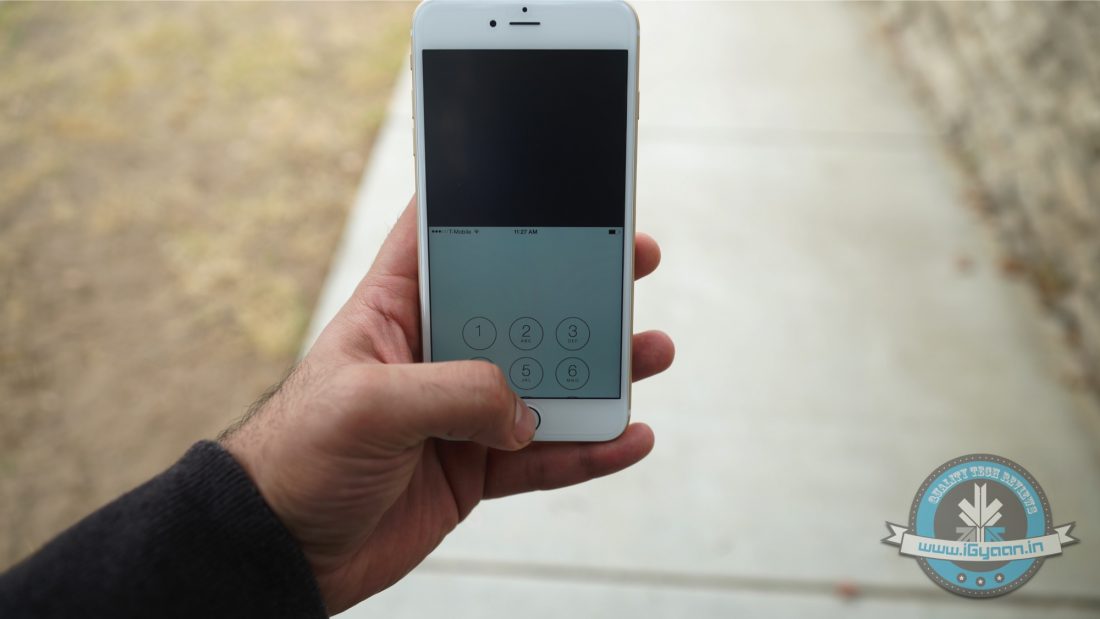
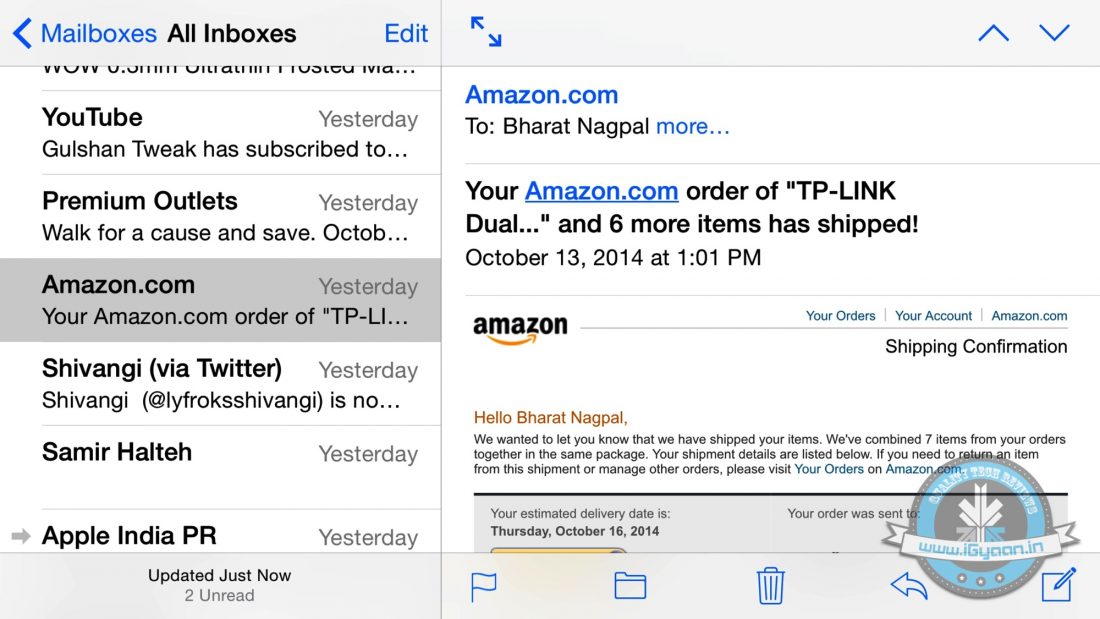
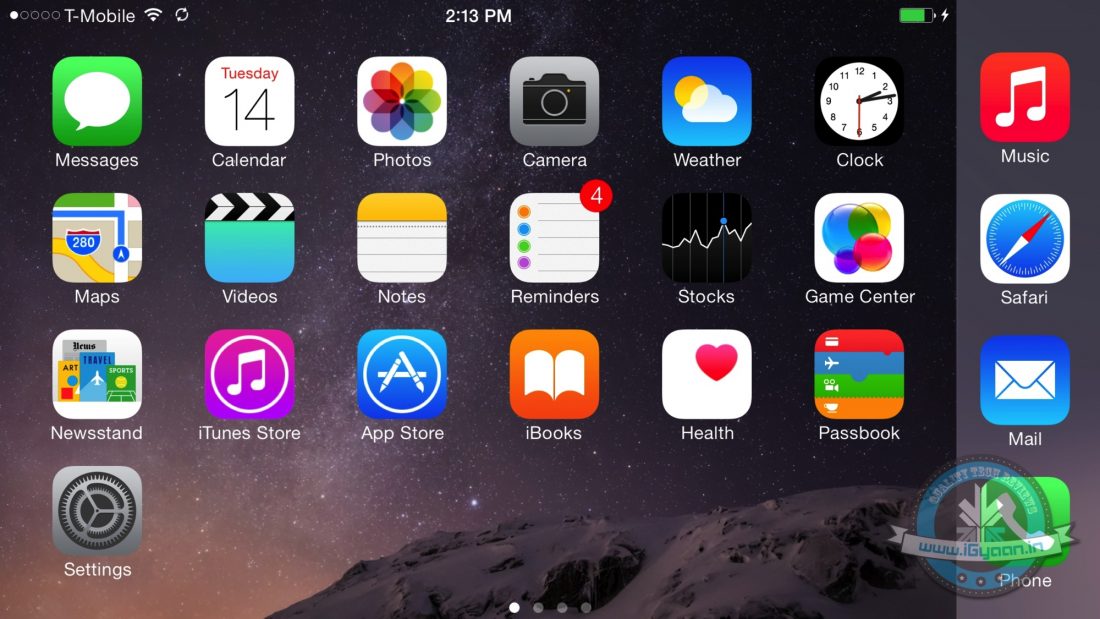
Apple has taken iOS 8 and moulded it well for the iPhone 6 Plus, and it works great. The iPhone 6 Plus essentially behaves like a mini-iPad, so you get landscape mode on the desktop as well as some essential apps like messaging and mail. Apple’s reachability with the use of the touch-id sensor makes a lot of sense on this gigantic phone. Third parties can leverage the large size of the display to their advantage and we have yet to see unique use case scenarios. However, Apple has updated the dev kit to make this work well.
Conclusion
Apple has made a big iPhone and there is no denying it, infact people said the same thing about the iPad when it was first released, and it went on to become the most selling tablet ever. Apple has given the market what they needed, a large size iPhone option. While the 4.7 inch iPhone may be the right size for most people, the iPhone 6 Plus, is just that big boy of a phone which comes with its perks. The large battery life will be a boon to any iPhone user of the past as, chargers will become a thing of the past. Those with a camera fetish will love the slow-mo capability that looks as juicy as the apple being sliced in slow motion. The optical image stabilization, large viewfinder for the display, and excellent use of the large screen to show landscape options truly adds to the already awesome iPhone experience.
For those looking for a little extra, the Note 4 rival launches the same day as the iPhone 6 Plus in India, so take a healthy pick.
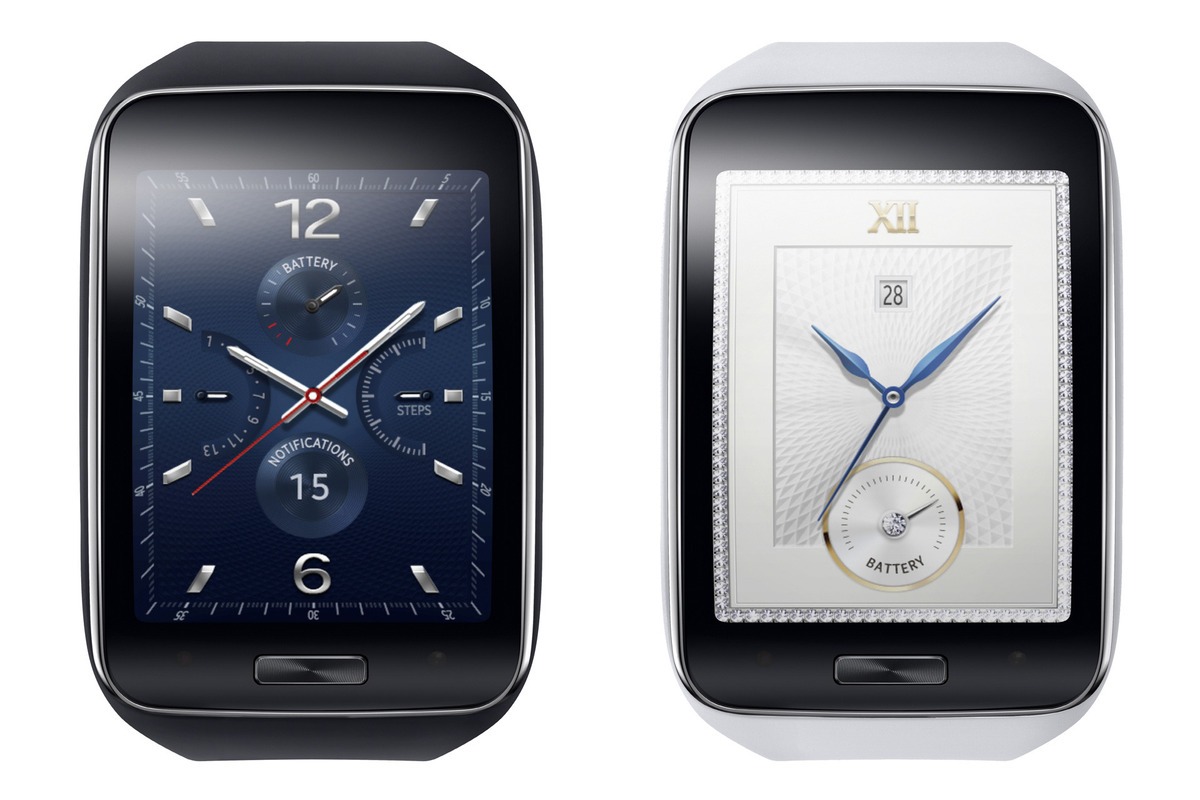
Along with the launch of latest flagship Galaxy Note 4, Samsung has also launched Gear S, the company’s newest smartwatch. The new smartwatch will be available from October 17th at the price tag of Rs. 29,500. Along with that, the company announced the partnership with Vodafone to give 2GB Data free for the users 2 months.
The new Tizen based smartwatch is the first smartwatch from Samsung with built-in 3G connectivity, and have ability to connect to 3G and 2G networks on its own, meaning users won’t need to keep it wirelessly connected to a smartphone in order to get notifications or make calls.
The Samsung Gear S has a 2-inch curved AMOLED display. It is topped with dual-core 1GHz CPU inside along with GPS, heart rate and motion sensors. It is powered by a 300mAh battery which Samsung says can last up to two days. It runs Tizen instead of Android Wear, with pedestrian navigation available from from Nokia’s HERE and support for Facebook.
It also lets you reply to incoming messages using the onscreen keyboard, or S Voice functionality to complete your tasks. You can also make and receive calls directly from your wrist, or get calls forwarded from your smartphone.
The 2-inch curved AMOLED display is kept at a 360 x 480px resolution, which comes out to a fairly impressive 300 pixels per inch. The smartwatch does not sport a camera, and unlike Samsung’s other Tizen-based Gear watches, it has a standalone music player.
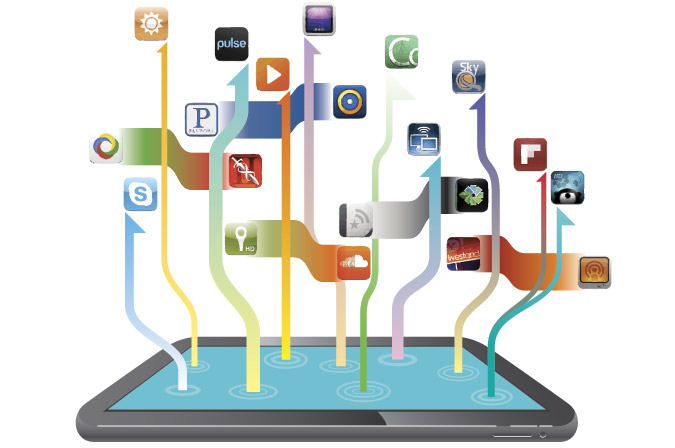
Android tablets have evolved to become full-featured devices. But these tablets have been criticized for not having a mature ecosystem, they require good apps to take advantage of everything they have to offer.
We are listing Top 5 tablet-specific apps to make your Android tablet work well for both professional and leisure activities.
This app certainly won’t replace its powerful desktop counterpart, but for the more serious designer, Photoshop Touch offers a plethora of tools that no other photo editing app suites can think of touching on Android, such as Layered images, magic wand selections, clone stamps and plenty more. You can also integrate it into Adobe’s Creative Cloud, which means that you can do minor editing on your tablet and then sync a file to your desktop to continue working on it on Photoshop.
One of the most comfortable uses of a tablet is sitting on the couch and reading. Pocket lets you set aside articles for casual browse later. Also, it automatically downloads saved articles for offline reading and is particularly handy if you want to load up a Wi-Fi-only tablet and take it with you when you leave home.
AirDroid is the only app on the list which is not specifically designed for a tablet. However, it is one of the best apps to work on a tablet. AirDroid allows you to access your files and data on your tablet remotely without having to plug it in to your desktop. You can even reply to text messages or update applications. If you spend a lot of time at your desk with your devices plugged in, AirDroid is a must-have.
Dashclock widgets is one of the best suited widget app for tablets. With a variety of extensions that you can plug in, you can use this widget to keep updated of everything in your digital life. There are a ton of extensions available to customise the Dashclock and on a larger tablet, you can turn this widget into a veritable control panel, which is not available on any other widget app until now.
Hipmunk has raised the expectations from travel search every other travel app, offering a unique “misery index” algorithm for evaluating flights. Hotels get similar treatment, making this an ideal app for travel research.
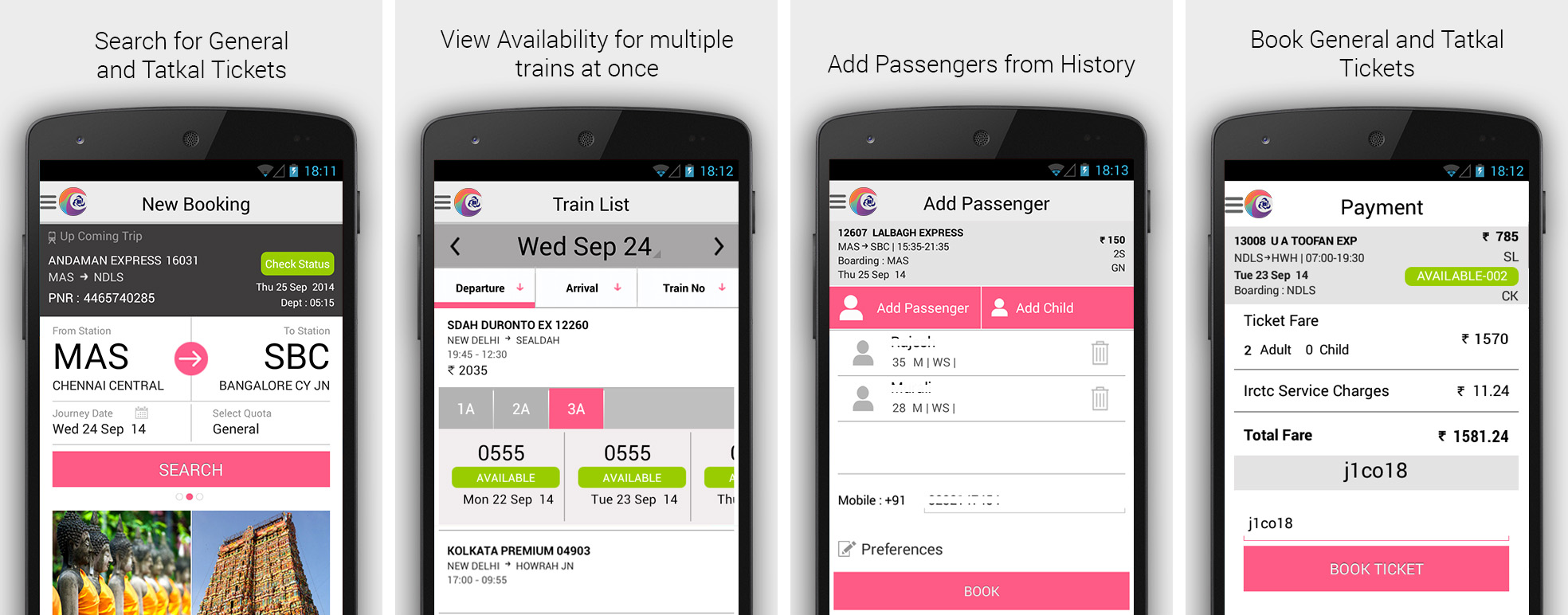
Indian Railway Catering and Tourism Corporation Limited (IRCTC), which is responsible for online train ticket bookings in the country, has finally released its official Android application on Google Play, called ‘IRCTC Connect’.
There are already quite a few third-party IRCTC apps available for Android, but they don’t offer the full functionality that’s available on IRCTC’s website. The official IRCTC Connect App can now be downloaded for free from Google Play India, and is about 12MB in size. The app is compatible with devices running Android 4.1 and above.
The travellers will be able to search and book Indian rail tickets, check out their existing reservations or cancel them, and get upcoming journey alerts in the IRCTC Connect application.
According to IRCTC, the app uses the existing IRCTC website login credentials to work and also allows the users to create new account directly within the app. In addition, the IRCTC Connect retains the passenger details for the recently booked train tickets, so that the travellers don’t have to enter their details again and again.
The app listing says, “Rail ticketing now made simpler just by swipe and shuffle, select and book. Install the newly launched IRCTC android app and book a railway ticket anywhere in India at your fingertips.”
Back in August, IRCTC launched its official ticket booking app for BlackBerry 10 smartphone users. The IRCTC app was available for download on BlackBerry World under the Navigation & Travel section, and was a 5MB download.
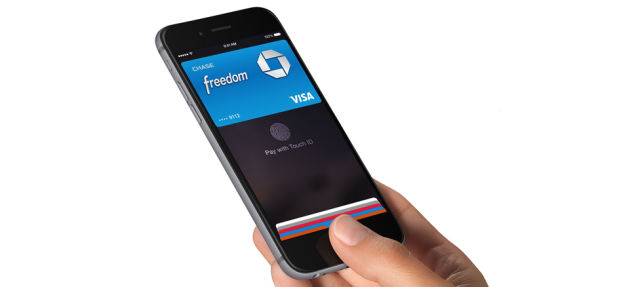
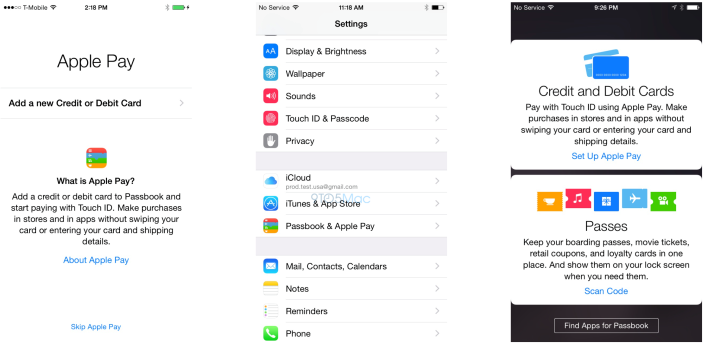
Apple Pay, Apple’s NFC and Touch ID-based mobile payment solution, might arrive soon than anyone expected. Apple announced its first mobile payment system will launch this month, however the company did not not reveal a specific date. Now, a new leaked memo suggests Walgreens, America’s online pharmacy service, will begin rolling out the service next week on October 18. The training materials, shared by MacRumors, for the Apple Pay launch at Apple retail stores have also detailed some new specifics regarding the Apple Pay setup and transaction processes both on customer iPhones and in Apple retail stores.
It’s unclear if this is specific to Walgreens or if the memo is referencing a widespread rollout. However, according to the leak, it’s unclear if this is specific to Walgreens or if the memo is referencing a widespread rollout. Credit cards can be added to Passbook via an iTunes account or by using the iPhone’s camera to scan in details. Passbook will be able to store up to 8 credit/debit cards, according to the training materials.
The date makes sense, as this Thursday (October 16th) is Apple’s iPad event, which would also be a logical time to announce the roll-out of Apple Pay. As announced on September 9, popular drug store Walgreens is one of Apple’s major launch partners, along with other companies like McDonalds, Macy’s, Staples, and more. According to the Walgreens memo, customers who have an iPhone 6 will be able to use Apple Pay in Walgreens stores by tapping their devices “to the upper portion of the pinpad to pay for their purchase.”
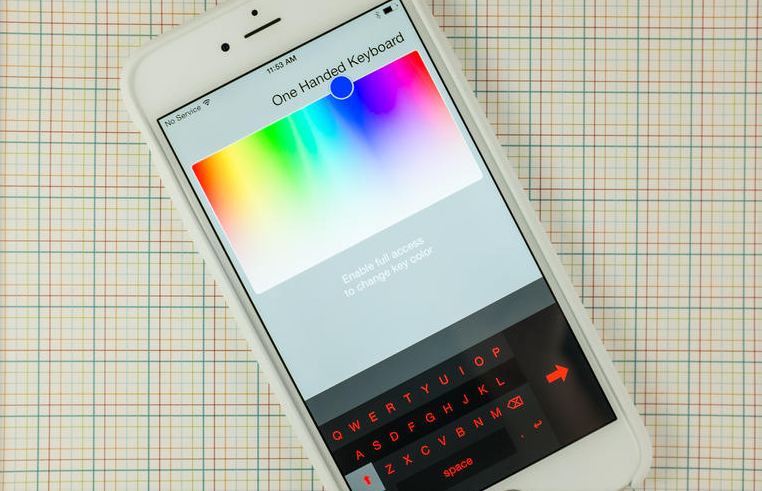
Apple, the global technology giant, has introduced a new app called ‘One Handed Keyboard’ that allows iPhone 6 and 6 Plus users to type with one hand making it easier to handle the bigger screens.
The aptly titled app, One Handed Keyboard, displays what it claims to be the same size of keyboard iPhone users have grown accustomed to over the years. The keyboard is still on its initial stage, offering only a smaller keyboard that docks to either side of the screen, with extra controls to adjust the theme or color of the keys.
However, the auto-correct library is missing from the app, meaning that whatever you type is what’s displayed, the new iOS will not correct it for you. Though the App Store listing does mention that this is a feature coming in an update soon.
The California-based company has been appreciated for this as when it comes to entering text on the larger keyboards users are forced to give up one-handed use. Apple did its best to alleviate any issues for users switching to the bigger iPhone 6 and 6 Plus with its reachability feature.
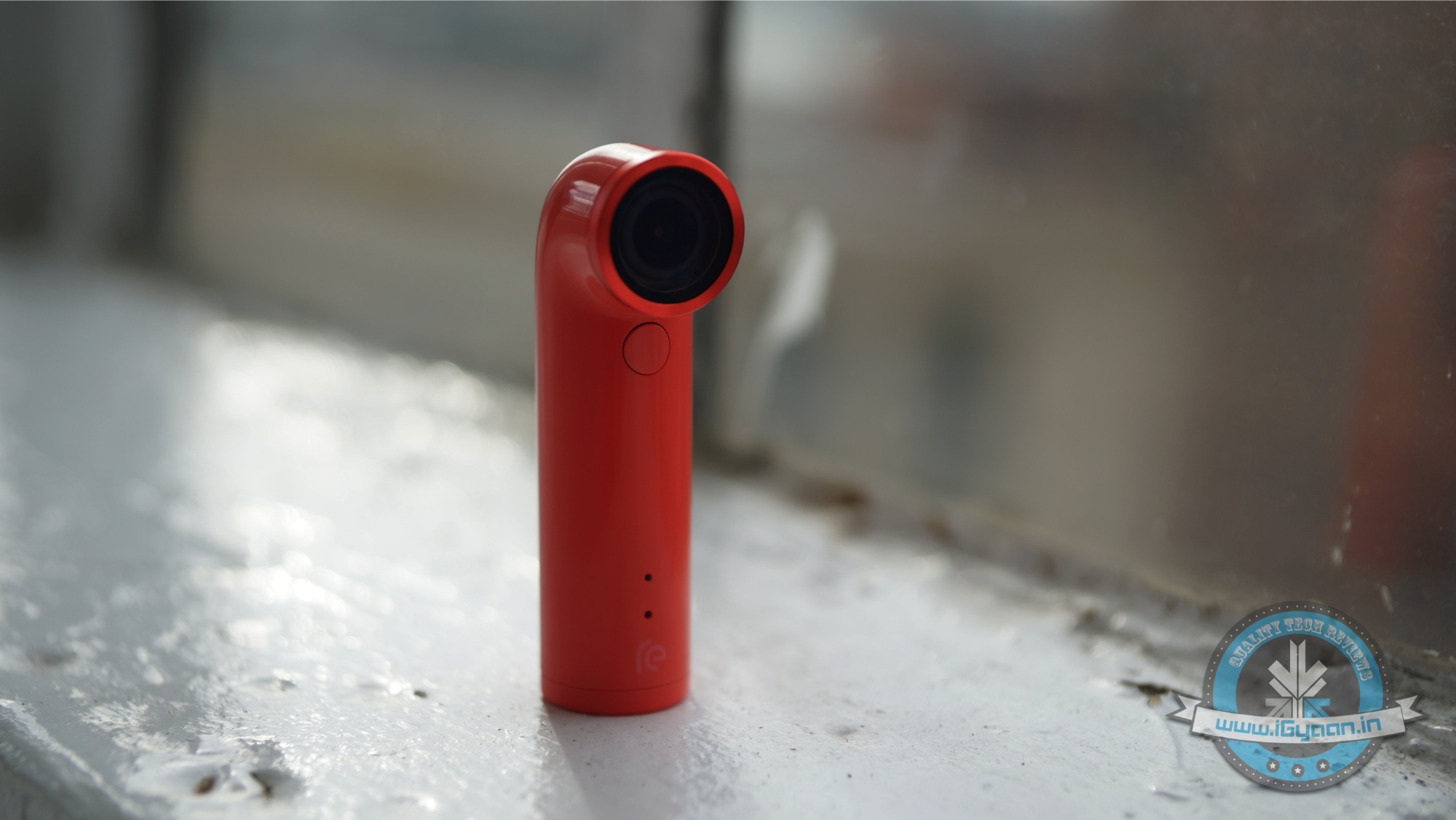
HTC recently launched the HTC Desire Eye and the HTC RE camera, both are unique and one of a kind products in their respective categories. The Desire 816 is a flagship for HTC’s Desire lineup and is a power packed smartphone. The HTC RE is a first of a kind handheld camera-only device that aims to become everyone’s Go-Pro.
We spent an entire day with both the HTC Desire Eye and the HTC RE, and even though both were prototypes, and with early softwares, certain things left us impressed , while on the other hand many things left us slightly disappointed.
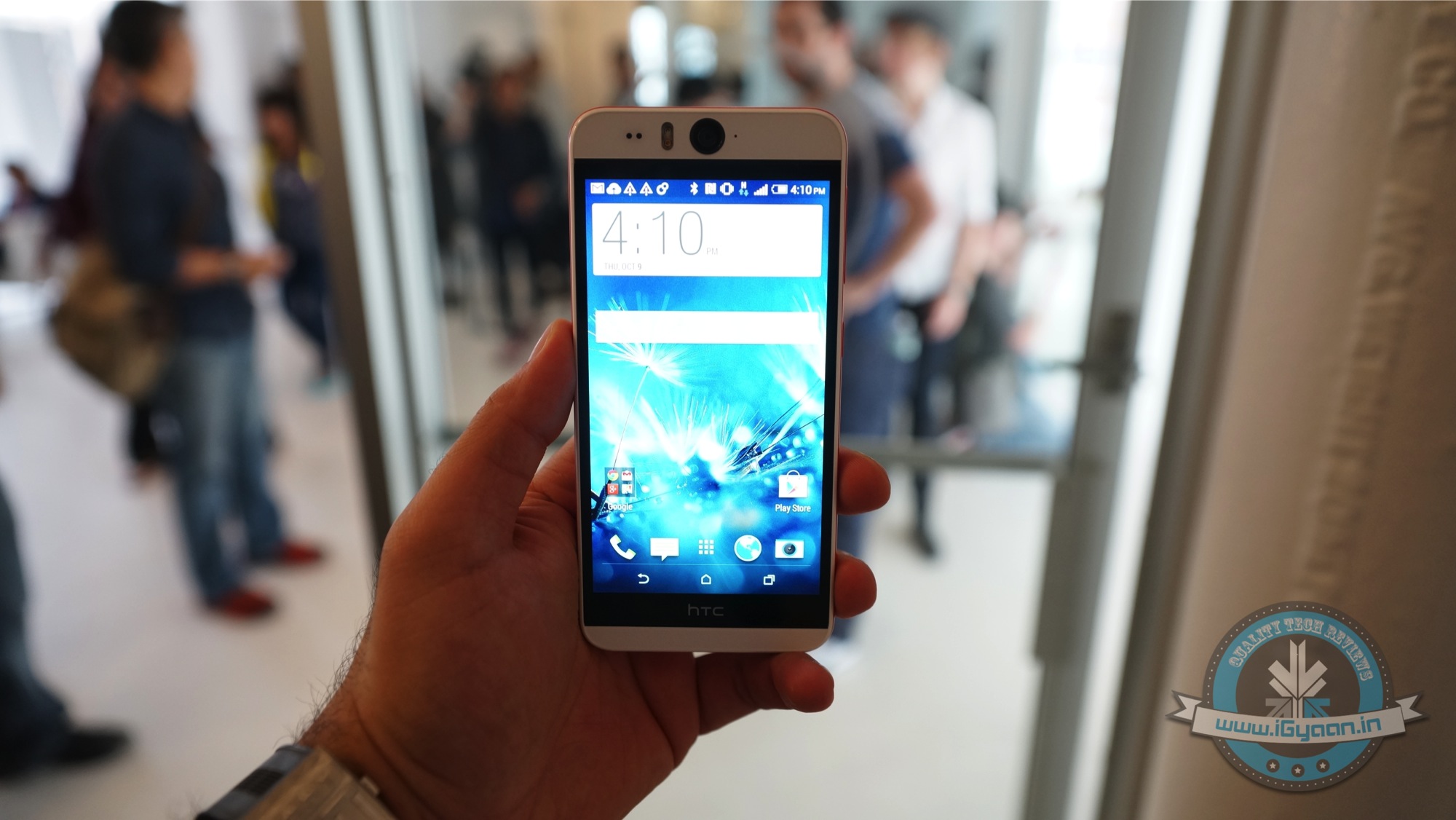
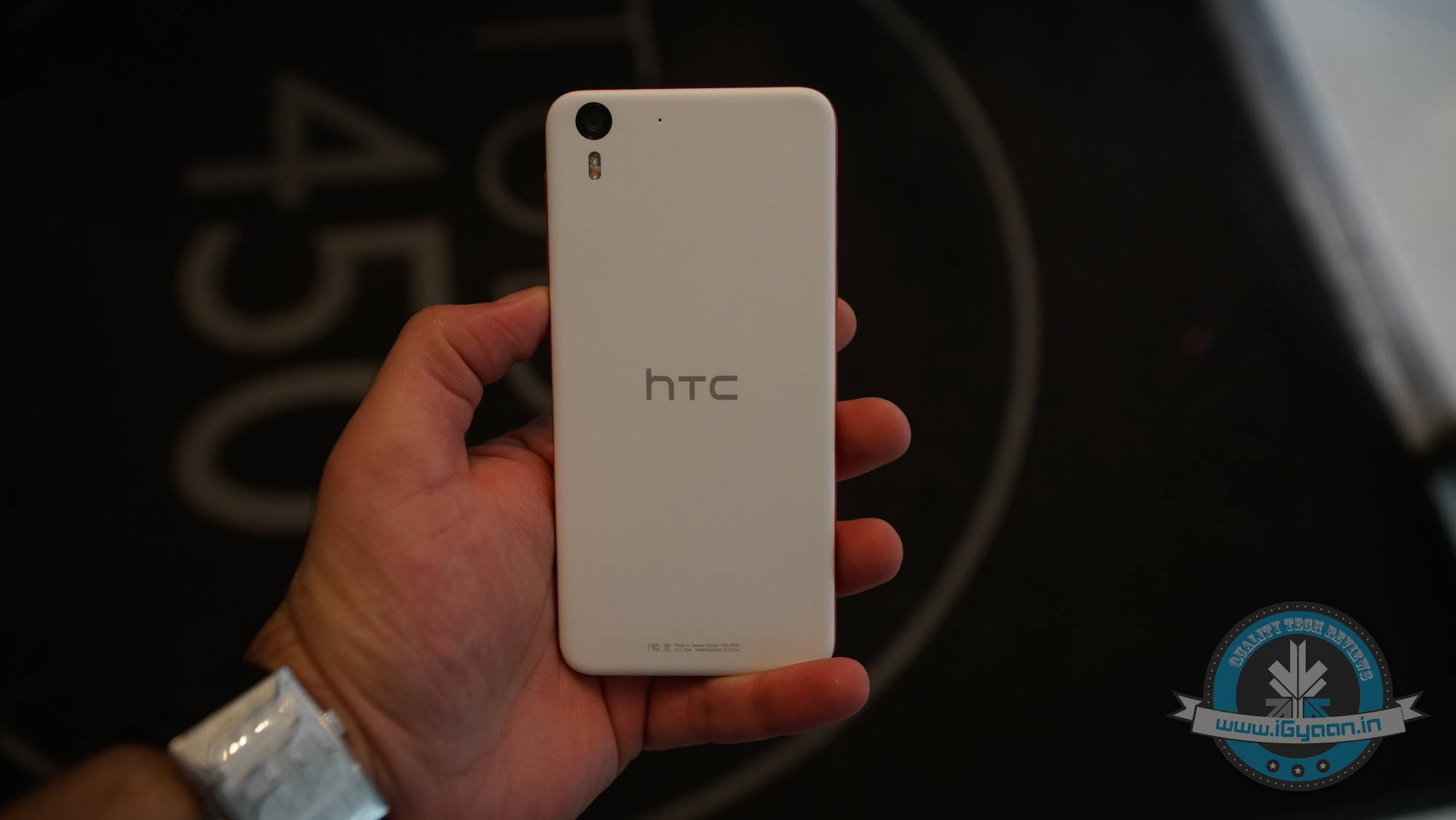
The HTC Desire Eye is a flagship for the better sense of the word, it has a Qualcomm 801 Snapdragon chipset along with 2GB of RAM and 16 GB of storage space. You can expand the storage by popping in a MicroSD card upto 128 GB, if that’s your style. HTC made the Desire Eye waterproof upto 1 meter for 30 mins thanks to its IP7 certification, so you wouldn’t mind jumping in the pool with the phone.
What puts the Eye in the Desire Eye is the set of 13 MP cameras, one for the rear and one for the front. This is the first time we have seen a big combination of cameras from a global manufacturer, not including the flipping camera phones from Oppo and Gionee.
HTC has also included dual LED flashes for the rear as well as the front cameras, helping you take the ultimate selfie in the night. Some of the pictures taken from the cameras are really impressive and truly showcase good final result, especially in well lit situations. Below is a shot of the NYC Post Office building shot from a moving bus.
The New York Post Office Building
The HTC Desire Eye, has a good set of cameras that are really quick, focus fast and the camera app is familiar. The interface has been made in a manner to simplify the shooting capability of the cameras of the phone. Tap and hold to lock the exposure and white balance, which makes it really easy to click pictures against the sun.
An image taken with locked AE and White Balance
The burst mode on the Desire Eye is also sharp, sharpest since HTC began doing burst, it gets most pictures in the burst in focus. But, those which end up out of focus are basically unusable. The burst mode is also impressive in extremely controlled setups, like the one below conducted in a studio with controlled lighting.
Sample of Burst
The images however, start to break up and get noisy when the light starts to go away. We saw this starting at twilight, and the image below still had man made lighting, even then you can see some noise in the image.
Low light sample
The HTC RE however, is a different beast all together. Specs wise you are not aiming for much with a 16MP sensor shoots 1080p 30fps HD videos, a 820 mAh battery is rated enough for 1,200 photos although it drained much faster when we were shooting video and especially slo-mo video.
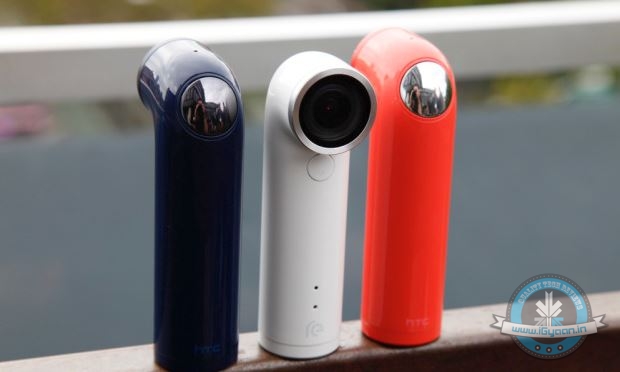
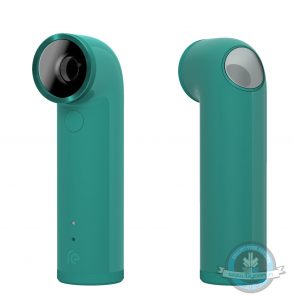
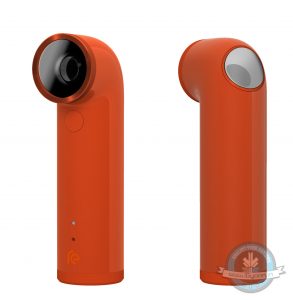
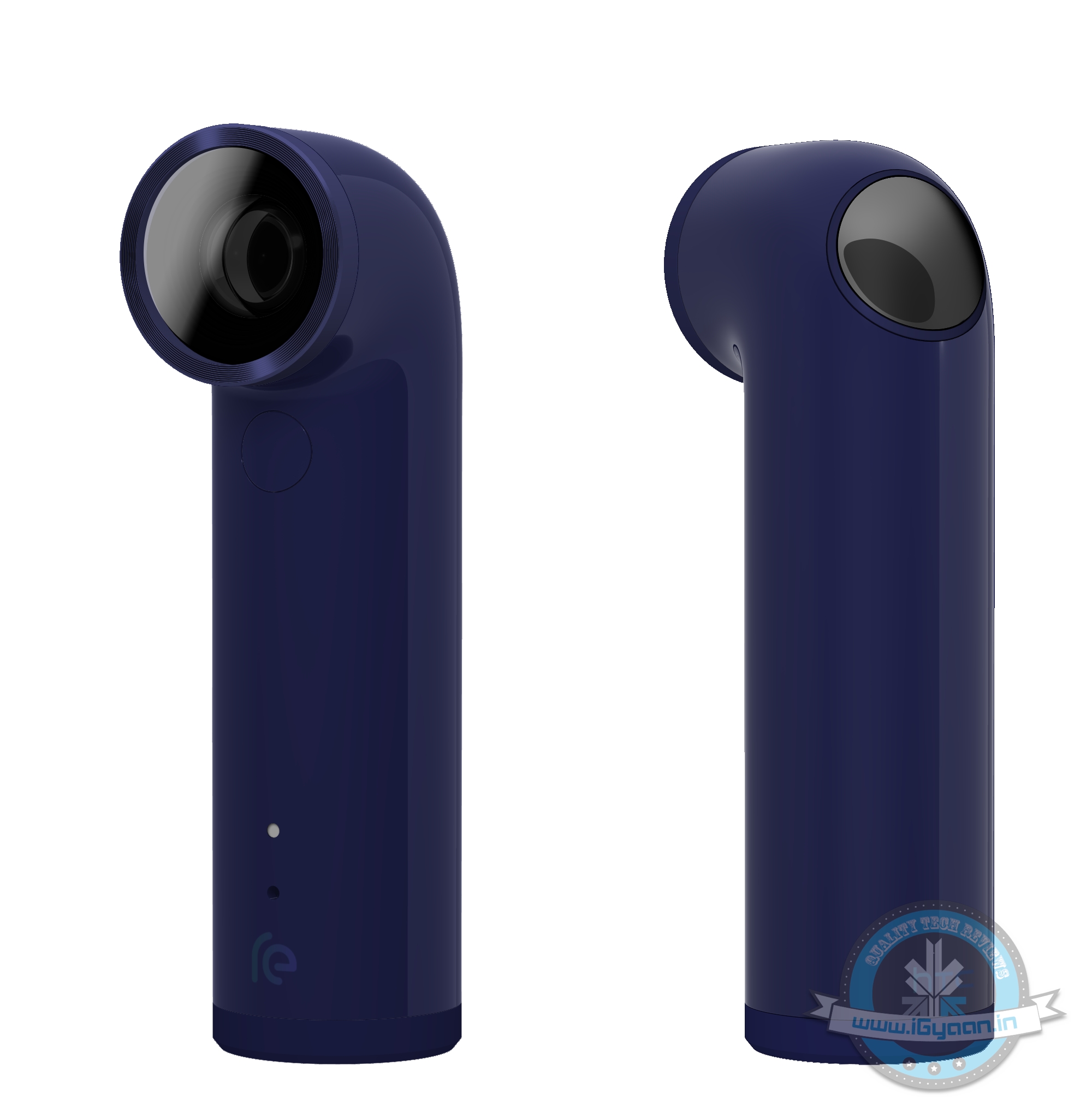
Colors of the RE
The concept of the RE is good, a relatively budget, go pro style camera, that allows you to capture images and video on the go. However, just like the Go-Pro camera there needs to be an exact way of using the camera. But unlike the Go-Pro you don’t have an ecosystem built around the camera. Sure HTC launched the RE with a bunch of accessories and like a completely different product. So different, that they have a separate website, and have set it like a separate segment of business.
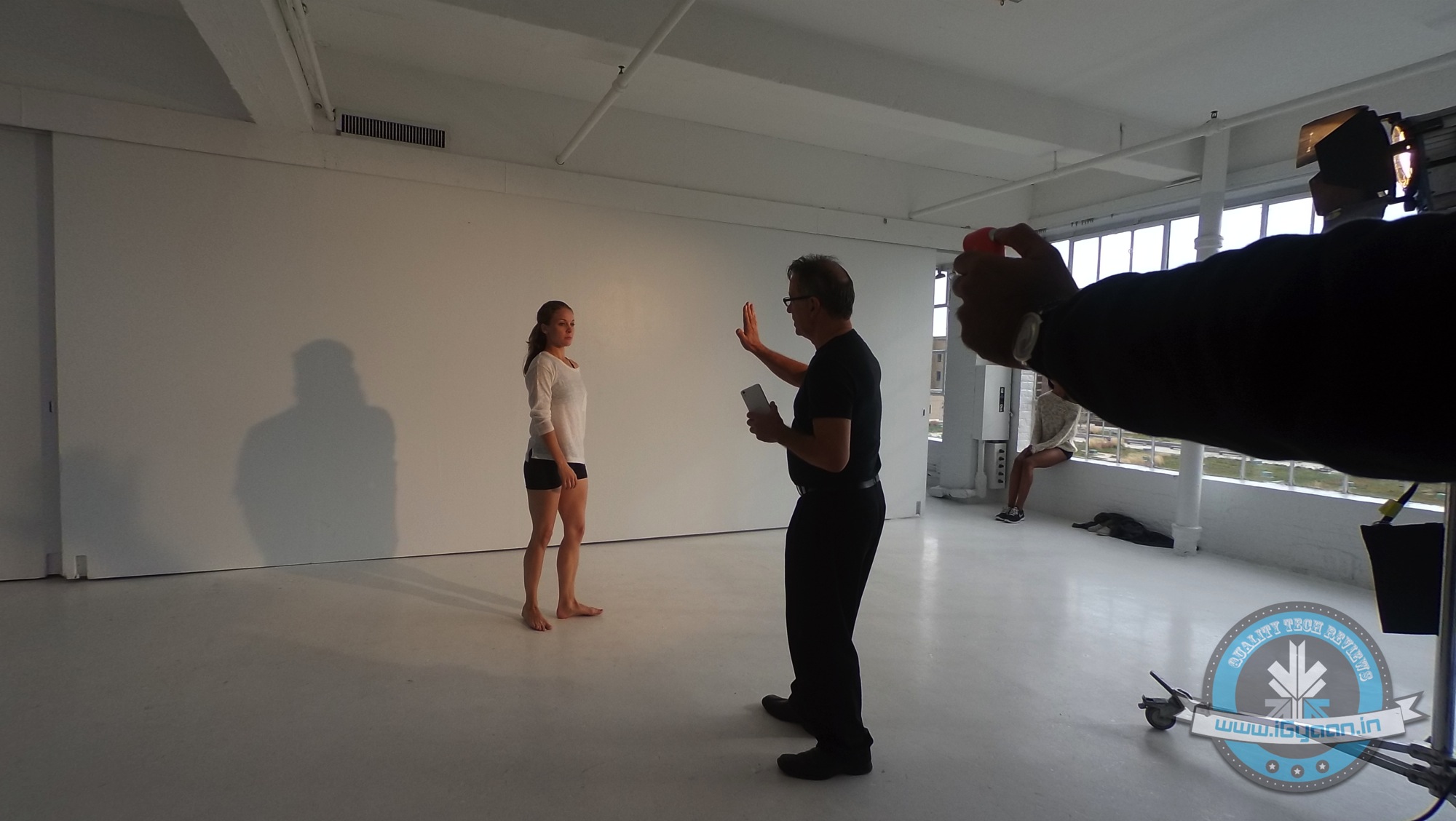
This may be the cash cow HTC was looking for, especially considering that their smartphone business is not running them into the fortune 500 list. The Re is not a perfect example of what they were trying to do, and no where near what we were expecting from the camera. The 16 MP camera, is good and stills will shock and awe you in low light, but because you have a wide angel lens that will capture pictures in a wide horizontal frame, and no real guide to where you are pointing. This will result in pictures with the subject’s head or legs cut off, really wide unnecessary objects in frame and a fisheye sort of result from the images.
Apart from the click button and the slow-mo button you don’t really have any control of the way the camera is shooting, and there is a light learning curve to how you would start recording video. The camera is slow to startup and click a picture, but we understand that was caused by pre-production hardware and software.
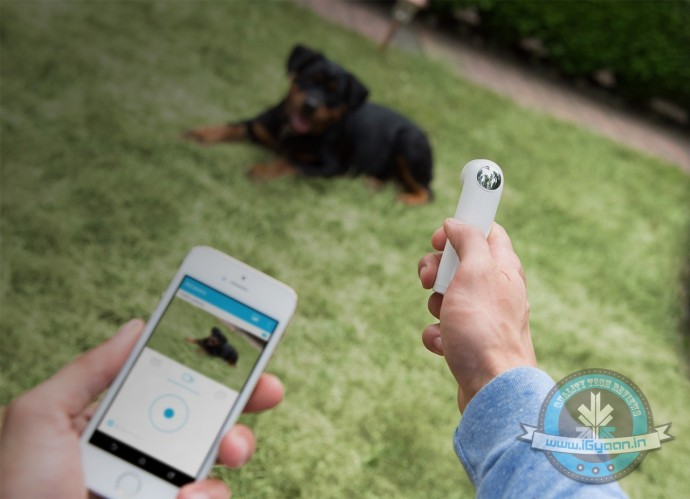
Essentially you are looking at shooting in the blind and hoping to capture. You do get a companion app, that allows you to do a lot more with the camera, execute time-lapse and set the frame using a live viewfinder shown over a WiFi-N connection established using Bluetooth 4.0.. But the question truly comes down to whether the camera is good enough to go through all the trouble. The quick answer is : No.
Why not simply use a Smartphone, most will ask, and we would agree. There are lots of things that make the RE – Re-markable, and all the RE jokes you can RE-Imagine to RE-start you RE-sting c-RE-ativity aside. (time to Re-st the lame ones)
Underwater Sample
For starters the RE is IPX7 rated, without a case or cover, so as long as your micro-SD port door is closed the camera can go under water for 1 M and stay there for upto 3 mins. There is an additional cover that will give you IPX8 rating, this you will need to buy separately.
The shape and design of the camera is really ergonomic, and easy to hold. The camera is a pistol grip style shooter and therefore sort of addictive, and since you don’t know what you are shooting you will be clicking multiple pictures of everything. That being said, since you are shooting in the blind, it may cause you to get easily frustrated and missing shots that you really wanted. And since you don’t know what you are clicking you don’t know the result till you connect with a smartphone.
Slow motion video is at 120 fps at 720p and is sort of not up to the mark in terms of clarity and sharpness, and loses large amounts of color, again this may mostly be because of the pre production nature of the camera.
Slow Mo Sample
The images are not there yet, not for a $ 200 camera that requires a smartphone to frame properly. Most $200 +$50 smartphones have excellent cameras now, granted they are comparatively difficult to hold, but definitely easier to use.
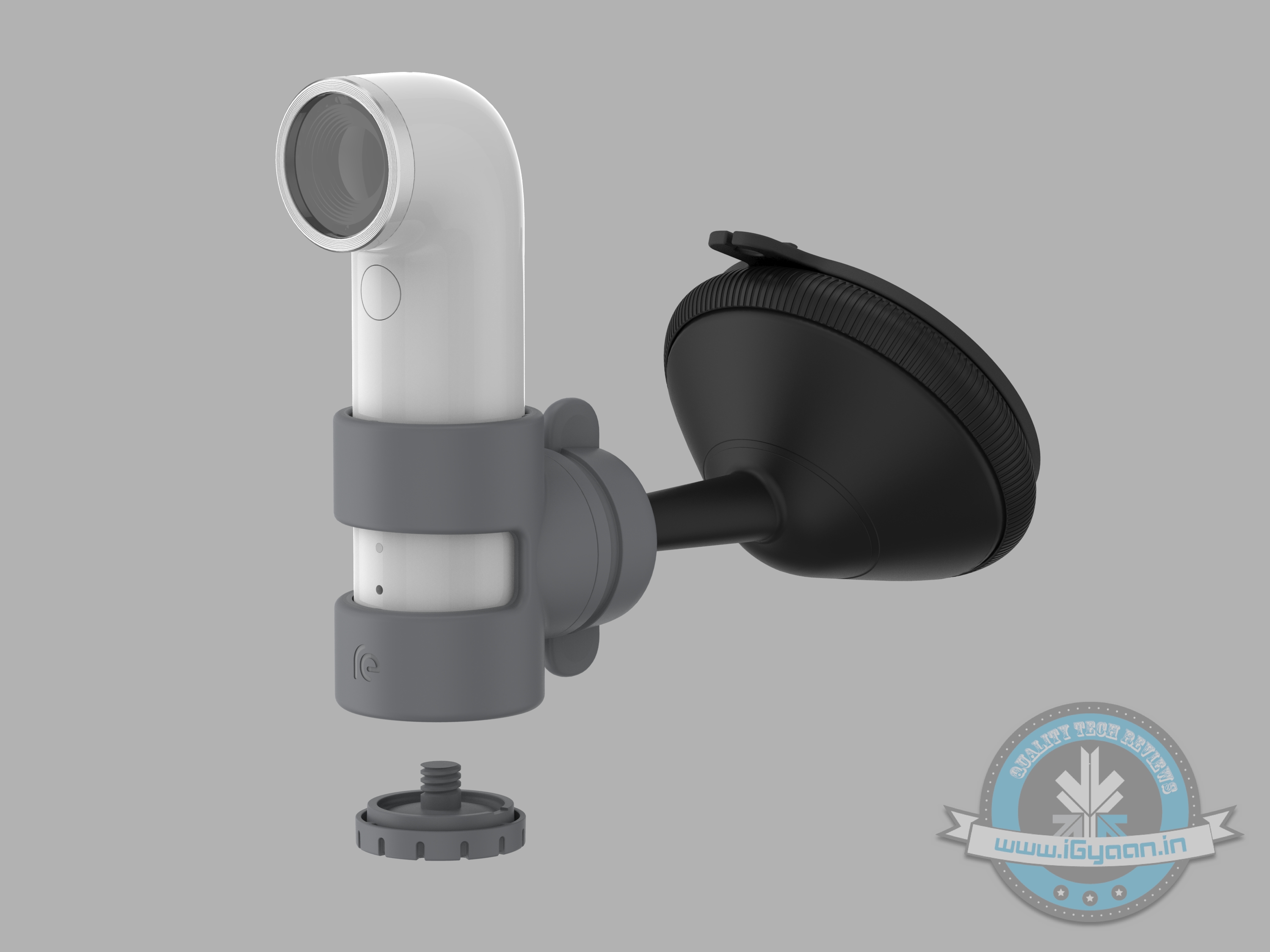
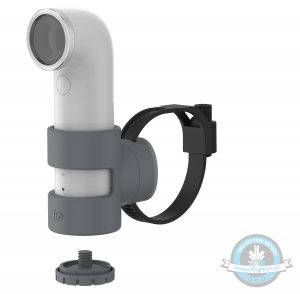
The RE is fun and a lot of people will buy one, but they might find themselves leaving it at home, unless HTC can build a excellent ecosystem around the cameras, a good one and fast. The video capability requires a lot of work and the camera should have shot 4k out of the box and especially with a extended battery grip it would have worked well. The accessories are great too, a hand grip, a bicycle mount, a helmet mount and more, incase you want to use tripods or similar mounts the RE has a 1/4″ thread for standard mount tripod screws.
Due to the sheer design of the camera, you cannot add a viewfinder to it, like you can on the Go Pro. The GoPro works and it works well, and HTC is basically truing to create an easier product to use, and they have the right concept. But this camera that looks like a plumbing spare or a smoking pipe or an asthma inhaler has a long way to go, a very long way especially since people don’t trust cameras easy.
This blind shooter is a good step and in the right direction and it looks sort of pretty, but it’s not Go-Pro and they have years of the right kind of experience. You can buy the new basic Hero for US $ 130, and the Hero 3 with excellent optics with 1080p video and 5MP burst images, that according to us is definitely better than that on the HTC RE.
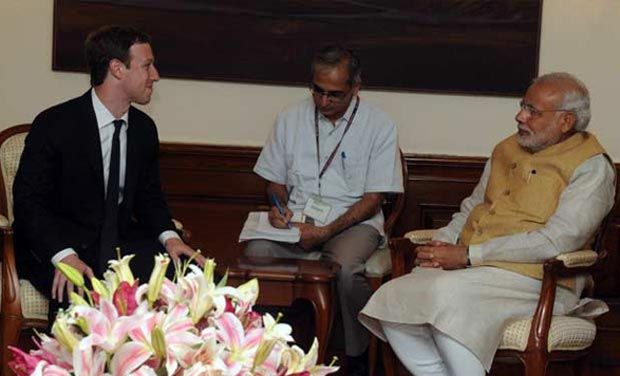
Facebook founder Mark Zuckerberg on Friday met Prime Minister Narendra Modi. One of the highlights of the meeting was the prospect of launching a mobile application devoted to Clean India, while they also discussed the PM’s pet projects such as Digital India and his hopes to use the networking site’s use for social causes and prevent its misuse by terror outfits. Facebook will help in the creation of the Clean India Mobile App and it would be launched soon. This would give a strong impetus to the Swachh Bharat Mission, the Facebook boss told Modi.
“Connecting more than a billion people with internet is not only going to improve lives of people in India but will help the innovation and imagination of Indian people to help turn around the world and we are very excited in opportunities in India,” Zuckerberg said after his meeting with the telecom minister.
“About 2.7 billion people have access to the internet. But that’s only one-third of humanity. Almost 4.5 billion people don’t use the internet,” pointed out Zuckerberg, in Delhi on a two-day visit to India. “Connectivity cannot just be a privilege of the rich and powerful. It is a human right.”
Facebook CEO, Mark Zuckerberg in conversation with PM Narendra Modi
According to The Economic Times report, Zuckerberg told the Prime Minister that he is extremely excited about the government’s Digital India initiative. Modi, a prolific user of social media platforms with nearly 7 million followers on Twitter and around 23 million people following him on Facebook, has asked Zuckerberg to identify domains of the program that it can get involved in and work with the government.
In the conversation, the Prime Minister also expressed some concerns about social media, especially the use of such platforms by terrorist elements to recruit new members. “This is unfortunate and we need to think of the role social media can play to stop terror,” the PM said. He also urged Facebook to promote India’s rich tourism potential and look at how to enhance internet literacy along with connectivity.
The whole point of photo sharing app Snapchat is that photos, once sent, are supposed to disappear. However, thousands of these pictures have reappeared when hackers posted a database of purported stolen Snapchat photos and videos on the 4Chan message board. 4Chan, earlier, housed the first leaked nude photos of actress Jennifer Lawrence and other celebrities.
As per reports, Snapchat has been breached of as many as 200,000 photos and videos, many of them extremely personal images. However, the company on Friday released a statement on Twitter saying, “Snapchatters were victimized by their use of third-party apps to send and receive Snaps, a practice that we expressly prohibit in our ToU. We can confirm that Snapchat’s servers were never breached and were not the source of these leaks.”
Snapchatters were victimized by their use of third-party apps to send and receive Snaps, a practice that we expressly prohibit in our ToU.
Although Snapchat has been hacked before, this time it isn’t the company’s fault. Third party apps, such as SnapSave or SnapKeep, seem to be the source of the hacking. These apps let recipients of Snapchat messages save them permanently. According to the reports, 4chan users have downloaded 13 GB worth of photos and videos and are creating a database to search the stolen images.
Even Snapchat users who did not use third-party apps could be victims, said Patrick Wardle, director of research at crowd-source security startup Synack. “This is an interesting scenario because the sender of an image doesn’t know if the recipient is using a third party service like SnapSaved.com or other third party applications. Therefore, everyone who sends a message using SnapChat’s service could be at risk,” Wardle said.
In May, Snapchat settled charges with US regulators accusing it of deceiving customers by promising that photos on its service disappeared forever. According to the Federal Trade Commission, photos sent on Snapchat could be saved using several methods.
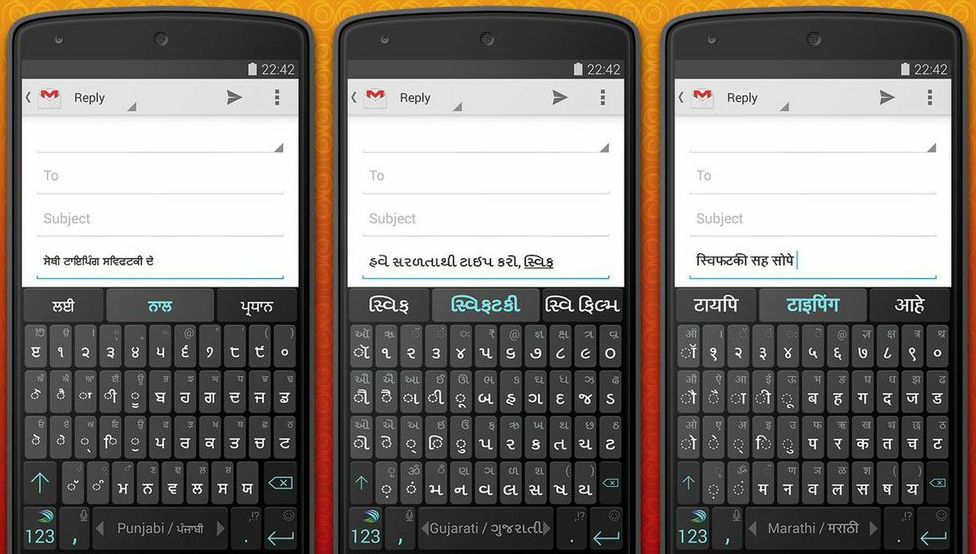
SwiftKey has announced the launch of an updated version for Android which supports 11 regional languages, namely Assamese, Bengali, Gujarati, Kannada, Malayalam, Marathi, Oriya, Punjabi, Tamil, Telugu, and Urdu, as well as Nepali and Sinhala. And to celebrate the upcoming Diwali festival, Swiftkey has released a special Diwali theme.
The company revealed that the updated Swiftkey app will be available later, however the language update will be available in beta on Google Play’s official beta channel. Meanwhile, the Diwali theme will be available today onwards.
Swiftkey had earlier also added support for Hindi to Hinglish in its language support options back in 2012. The company also mentioned that it has changed the SSL certificates for better and secure connections used for SwiftKey Cloud’s Backup and Sync services.
The availability of regional languages would certainly be appreciated by Indian customers. The app is currently taking user feedback for smoother adaption.
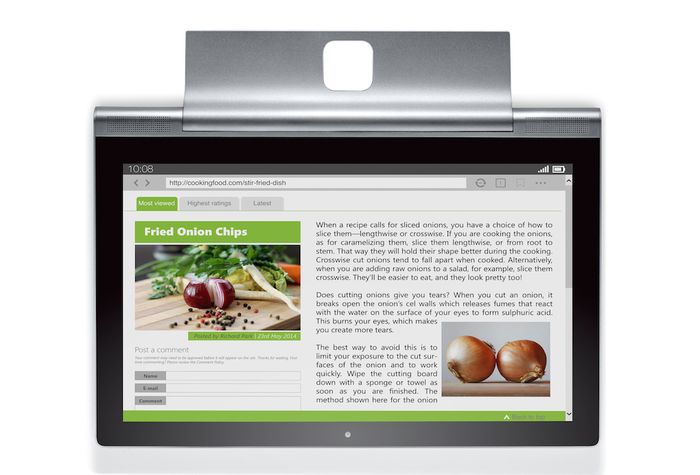
Lenovo has launched a new tablet in its Yoga series, the Yoga Tablet 2 Pro. It is a 13-inch tablet that the company created with special inputs from Ashton Kutcher, who joined Lenovo’s ranks as a product engineer last year.
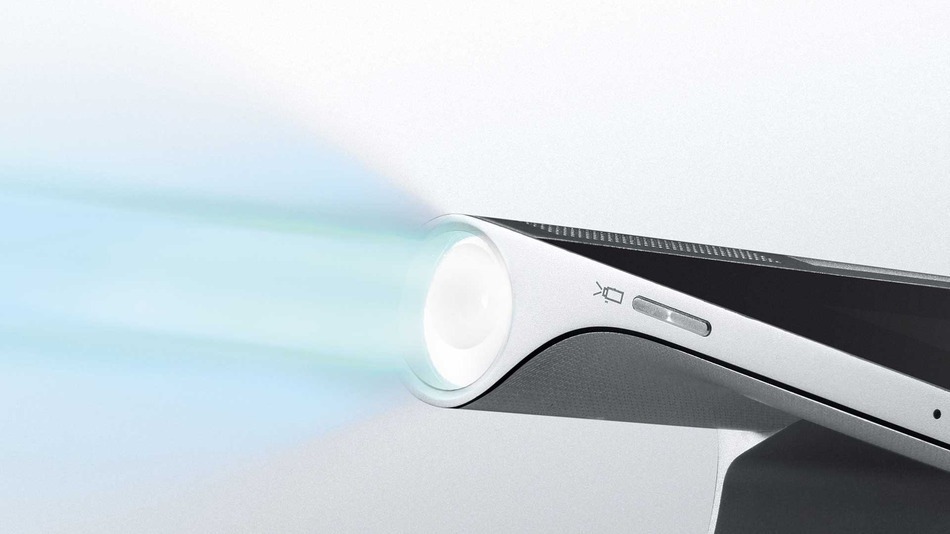
The company said that the tablet has been designed specifically for digitally-hungry consumers. Well, that explains its standout feature: a built-in pico projector.
The 13-inch device offers all the usual features you might expect from a high-end tablet computer: An advanced edition of the Android operating system, a high-speed processor, and high-quality camera. According to the company, Yoga Tablet 2 Pro is able to project a 16:9 image onto any surface for an instant 50-inch theater experience that lasts for up to three hours on full charge.
Watch Ashton Kutcher introduce the new tablet here:
It is said that the new tablet will be an interesting choice for business users. You can also use the Yoga Tablet 2 Pro as a way to easily project presentations during meetings on the go. Other than that, the Yoga Tablet 2 Pro is a typical Atom-powered Android tablet.
It runs on a fourth-generation Intel Atom processor and Android 4.4 KitKat. It comes with 32GB of storage and supports up to 64GB through microSD, houses an 8-megapixel camera, and can optionally be purchased with 4G connectivity.
The company said that when not being used as a projector, the tablet has 15 hours of battery life. The Yoga Tablet 2 Pro will cost $499, while the 8-inch Android version of the Tablet 2 will be priced at $249. The 10-inch Android tablet and the 8-inch Windows 8 slate will both cost $299.
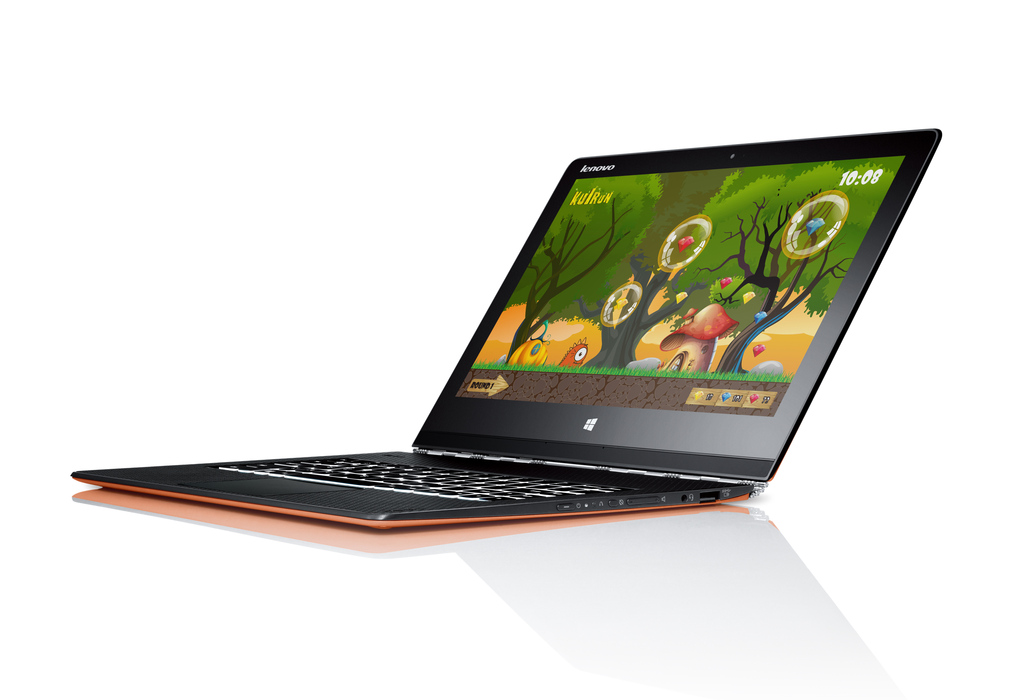
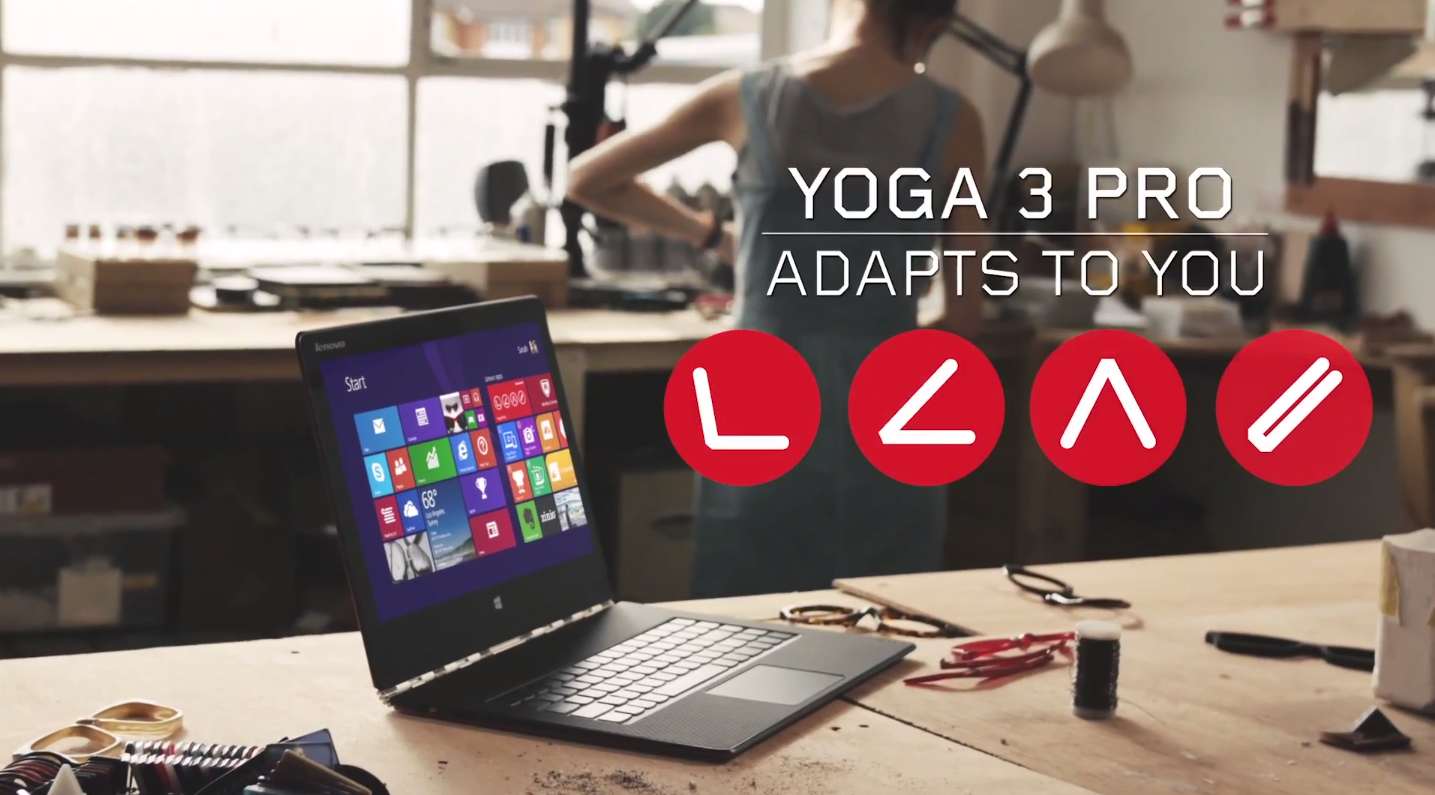
Lenovo announced the Yoga 3 Pro today, a 13-inch super thin-and-light laptop/tablet convertible, sporting a QHD+ 3200×1800 Gorilla Glass Screen. Coming to its dimensions, the Yoga Pro 3 is a mere 12.8 mm in thickness and weighs just 1.19 kg. It is powered by the latest Intel Core M processor, designed to offer maximum battery life that can be compared to the battery life of a smartphone or a tablet.
When it comes to specs, the Yoga Pro 3 is not much different from its predecessor – the Yoga Pro 2. It still has the same 3,200×1,800 display resolution, giving it a pixel density of 276 ppi, which is quite good for a laptop. Meanwhile, its design language remains the same, it still has a 360-degree hinge which allows users to fold the screen into tablet mode, stand mode and tent mode. The Yoga Pro 3 will be available in three different colour variants namely ‘Clementine Orange’, ‘Champagne Gold’, and ‘Platinum’.
Lenovo claims that the Yoga Pro 3 has a battery life of 9 hours. In terms of connectivity it has two USB 3.0 ports and one USB 2.0 port. Other connectivity options include a 802.11 A/C Wi-Fi and Bluetooth 4. It will have upto 8GB of RAM and 512 GB of storage capacity, there will also be a 256 GB variant. The Yoga Pro 3 will be available from Lenovo’s Web store starting at $1,349. There is no information regarding its availability and price in India as of now, though we will keep you updated.
Along with that, Lenovo is also announcing a new ThinkPad Yoga 14, a 14-inch convertible featuring a Full HD display with Nvidia Geforce 840M graphics, ITB HDD, Intel Core i5 processor and as claimed by Lenovo, provides battery back up of upto 8 hours.
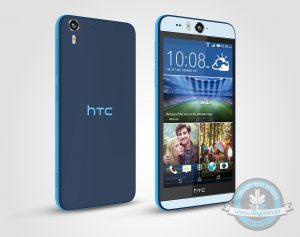
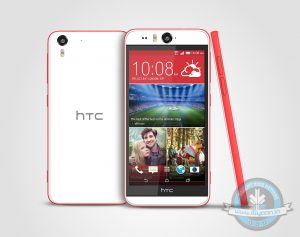
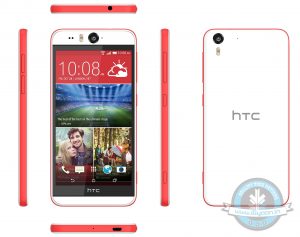
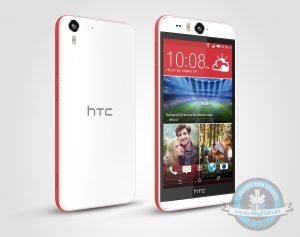
HTC at a live press event in New York launched the new Desire Eye. The phone is the first of a kind phone designed to allow users to capture front and rear images in 13 mega pixels. The latest flagship of the company is a follow up of HTC One M8, which has one of the favourite Android smartphone among the Android enthusiast.
The Desire lineup has been earlier considered as a mid- range budget smartphone, however, the new HTC Desire Eye competes with the likes of Moto X , iPhone 6, OnePlus One and LG G3. Heres a spec comparison of HTC Desire Eye with other flagships form the smartphone giants.
HTC has essentially held its ground as a Mobile Smartphone manufacturer in the past years. With the new Nexus Tablet, reportedly being made by HTC and the launch of this new RE camera, it seems like HTC is in for a change of events.
Green
Orange
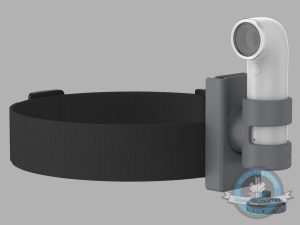
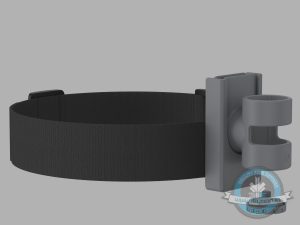
Mounting Strap
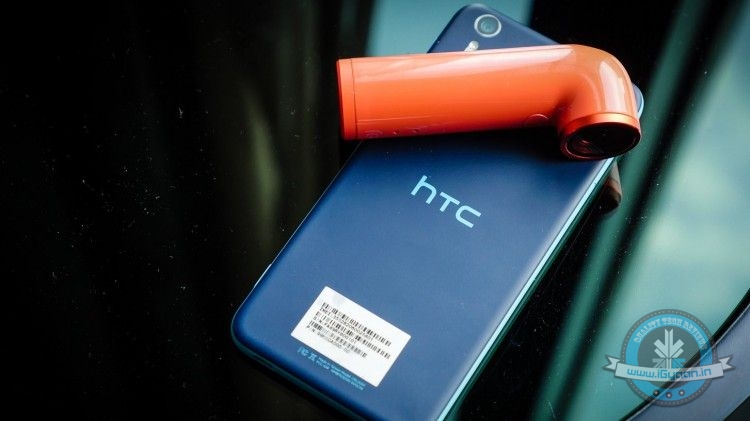
The new HTC RE camera is a take on GO Pro style action cameras but HTC calls it the first camera that is designed to be held, and fits naturally and comfortably in the palm of your hand. It will come in various colors and sizes with various mounting options and accessories.
Specs wise the RE is pretty impressive too, A 16MP 1/2.3” CMOS sensor with an Ultra wide angle: 146° lens (f/2.8) captures 1080p, 30fps FHD video and 720p, 4x slow motion video and it also has a Time-lapse video recording mode.
Inbuilt is an HD microphone and speaker along with rating for durability – IP57 Dust & Water Resistant IPx7 (body), IPx8 (with cap). The camera houses a 820 mAh battery which is rated for 1,200 16MP photos; 1 hour 40 min of continuous FHD video recording. it comes with an 8GB card loaded and supports upto 128 GB cards offering good storage capacities.
The RE is fairly lightweight at only 65.5 grams, and measures just 96.7 x 26.5 mm, and for sensors you have a Grip sensors and a Gyroscope. The camera will work over Bluetooth 4.0 and Wifi N and will work with iOS 7 and above along with all KitKat equipped Android phones.
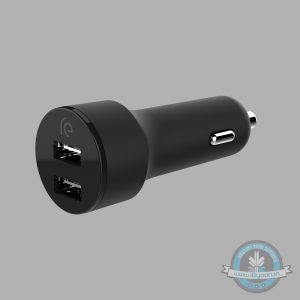
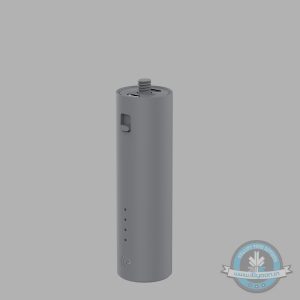
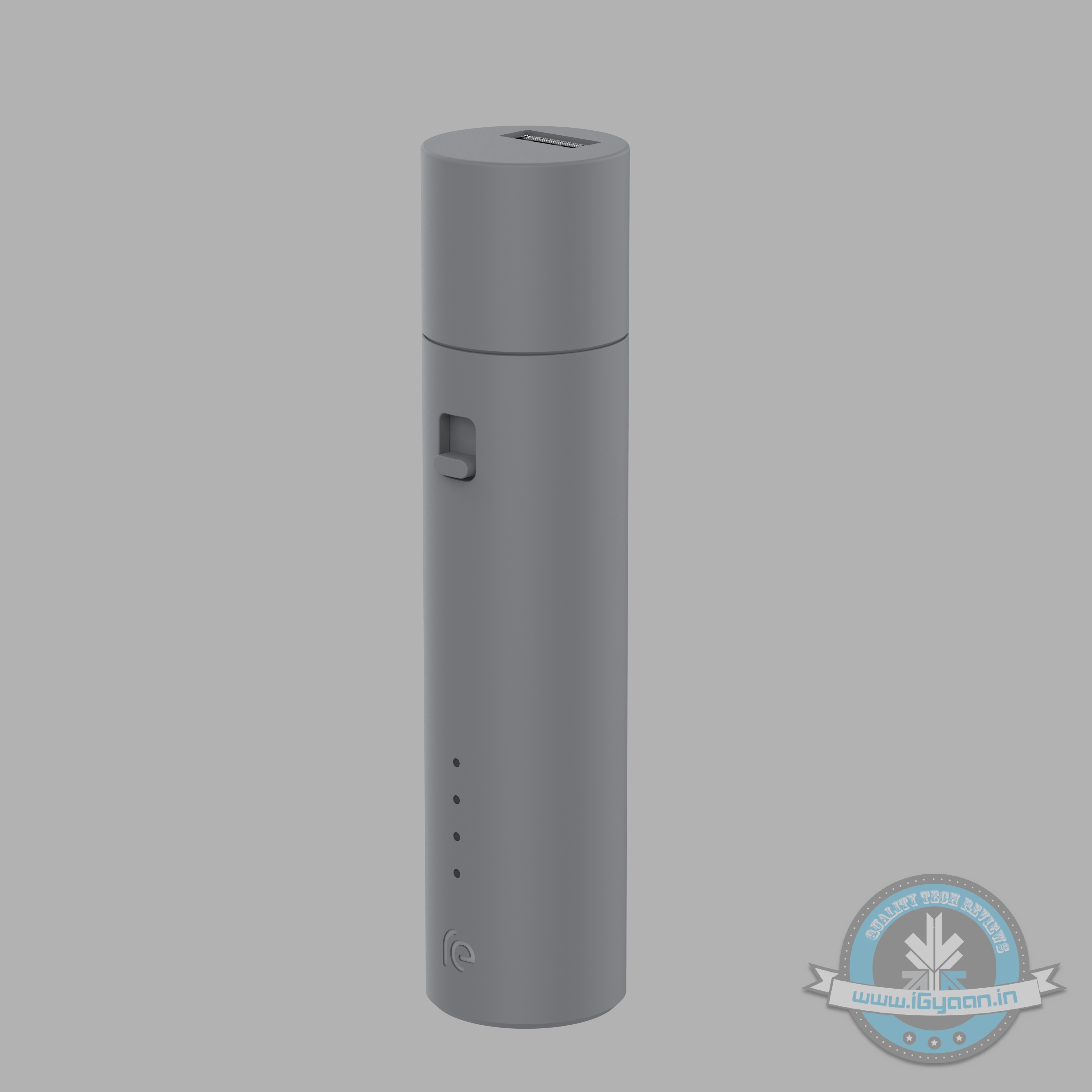
The best thing, it comes with a standard 1/4 inch tripod thread and separately bought battery charger that screw in to the bottom to add additional battery capacities.
The idea and the design will replace most bloggie-selfie cameras and especially for Video Loggers and Video bloggers this might become a handy accessory.