Category: Tech

Latest Technology News, Alternative, Bio-Tech, Medical, R&D and Innovations

  • The Beast is Back: Samsung Galaxy Note 4 Unveiled

    The Beast is Back: Samsung Galaxy Note 4 Unveiled

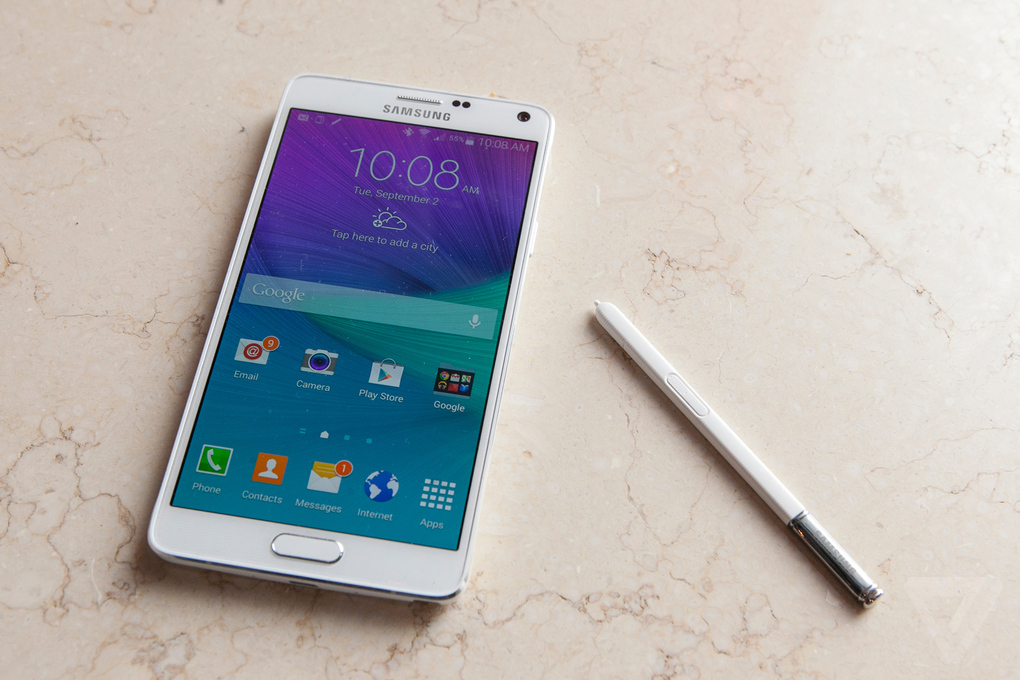
    The season of big ticket releases has been kicked off by Samsung in an optimistic fashion. The company flaunted an assortment of products at its pre-IFA event in Berlin. The company finally unveiled the Galaxy Note 4 which gets quite a few upgrades over its predecessor both on the hardware, as well as the software front.

    The presentation was done by three presenters who were well prepared for the show, though it got a bit annoying when they tried to over-reach. Most of the features presented were affirmative of the leaks.

    Looks
    samsung-unpacked-galaxy-note-4-4_2040_verge_super_wide
    Image Credit: The Verge

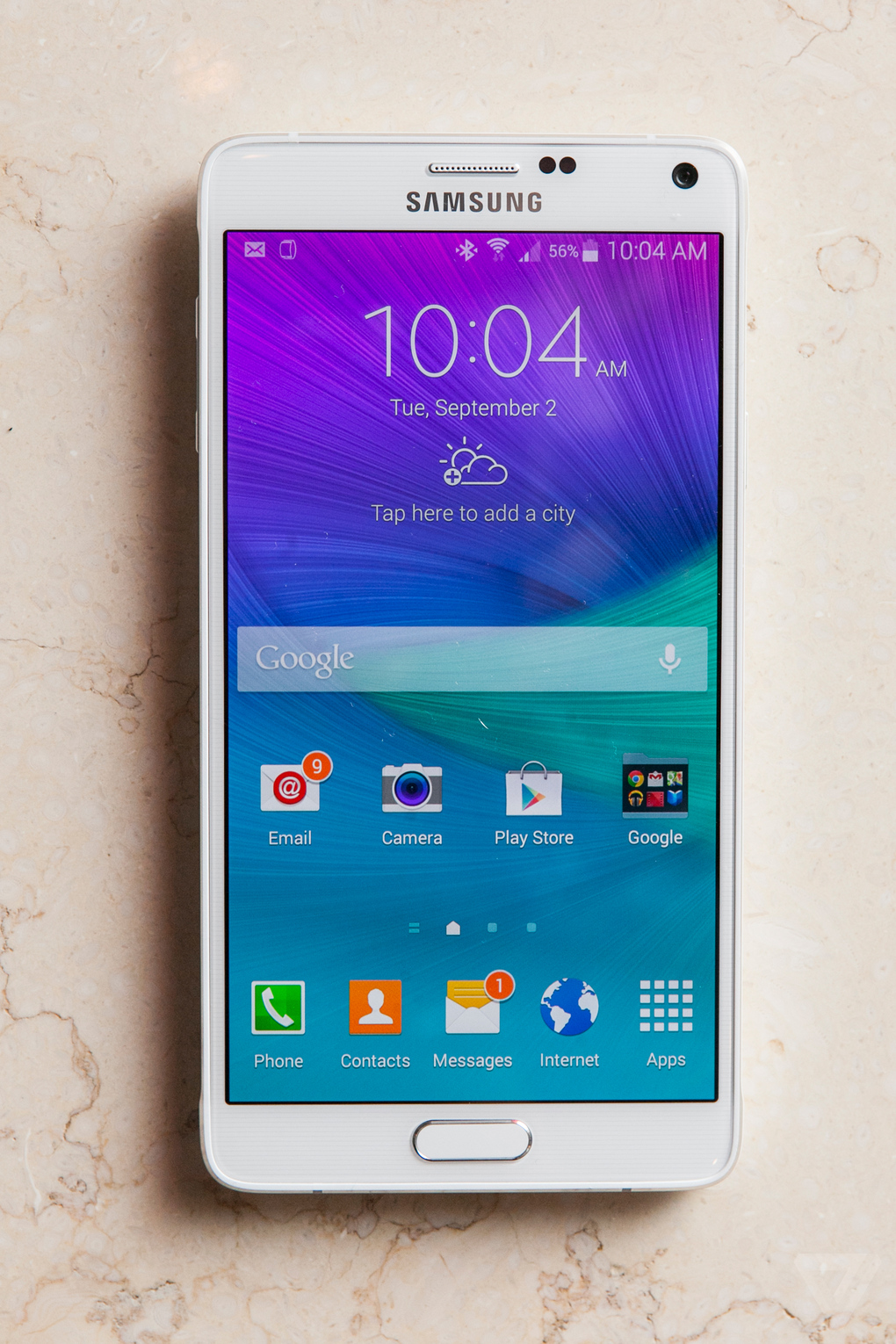
    The new generation Note flagship comes with a 5.7 inch Quad HD Super AMOLED screen. It has a thickness of 8.5 mm and weighs 176 gm. The device is LTE category 6 ready.

    On the looks front, the device borrows the design language from the Samsung stable while going for an edgier design. The device is built on a metal frame which strengthens the device to minimize damage from dropping of the device. It has a soft textured back cover.

    Camera
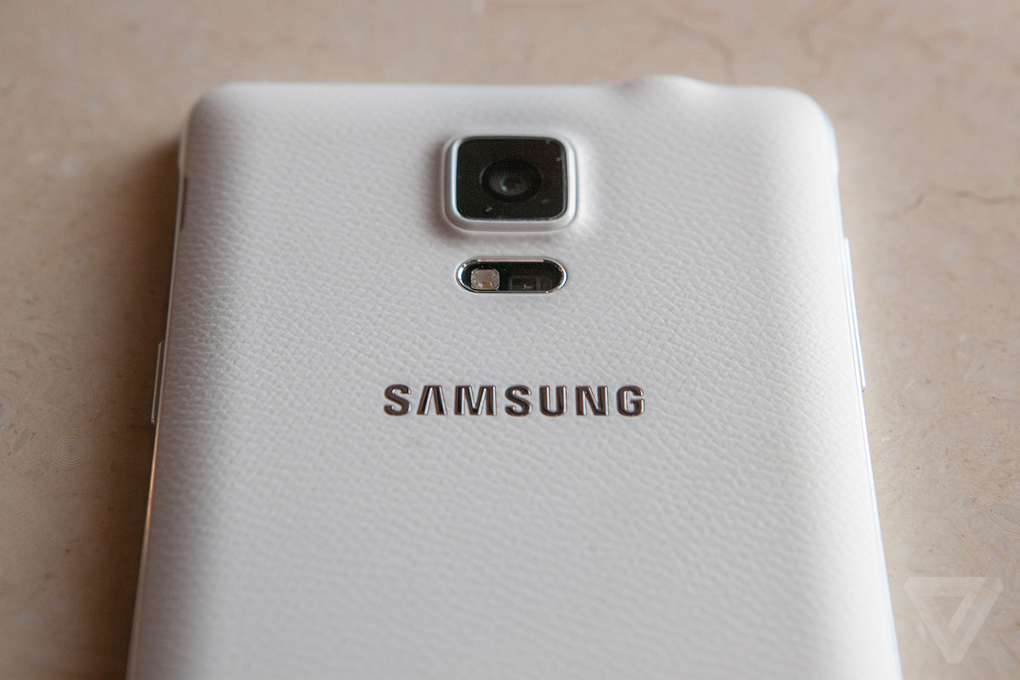
    The cameras on the Note 4 get a lote better. Image Credit: The Verge
    The cameras on the Note 4 get a lot better.
    Image Credit: The Verge

    The Galaxy Note 4 comes with a 16 MP camera on the back with Optical Image Stabilization (OIS.) With the OIS, Samsung claims, you’ll get professional quality HD videos with minimum jitters.

    The company has gone out of its way to bring a superior selfie experience, and it was truly innovative of them. The 3.7 MP front camera has a wide f/1.9 iris which will ensure brightness of the image. To make selfie taking more convenient, the Note 4 utilizes the heart rate sensor on the back as a shutter release. To take a selfie all you need to do is hold the heart rate sensor and release, when you are ready for a click. For taking a wider selfie or a “Weefie” with multiple people, the device offers a wide 90-degree frame. There is also an option for Wide Selfie that lets you take an even wider 120-degree selfie by moving the phone till everyone is in view. The presenters took the photo of the entire auditorium using the feature.

    The camera also has an extremely useful feature called the Snap Note through which you can take an image, and the phone will extract the data from it. So when sitting in a classroom you can simply click the photo of the board, and the phone scan the image and will take the information out. You can then add annotations to the information and have an easy learning experience.

    S-Pen

    The S-Pen also gets upgrades and added functionalities. The pressure sensitivity has been increased to give a more natural pen-like feel. The pen now also acts as a mouse with features like click and drag which lets you select multiple files at once.

    The Smart select feature lets you select text and images from multiple sources and lets you bring them all together. It also lets you easily share them on the internet.

    Audio Recorder

    The audio recorder on the device has also received some really handy and functional upgrades. The device can now track voices in 8 distinct directions so it great for getting quality sounds in multi-people environment. The interview mode on the device cancels out the unnecessary ambient noise and hence gives a clearer audio output.

    Multi-Windows

    Using multi-window gets easier with the new device. You can now access the multi-window feature through the recent apps menu. It has become a lot easier to resize, relocate or minimize the screens during multi-window usage.

    Note 4 comes in four color options: White Black, Gold and Pink. It also provides customizability with 4 covers. There is the S-View, Flip wallet, S-view Flip wallet and LED cover which reminds of the Dot case by HTC. The device also comes with a back panel encrusted with Swarovski Crystals.
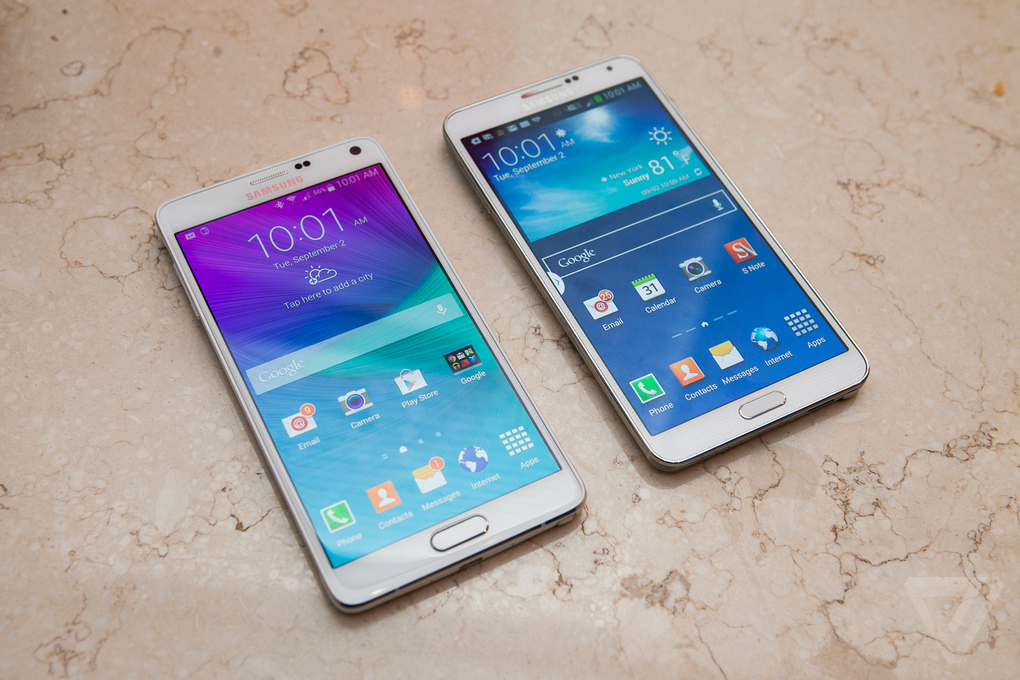
    The device is sleeker and edgier than the Note 3. Image Credit: The Verge
    The device is sleeker and edgier than the Note 3.
    Image Credit: The Verge

    Battery

    The device gets its juice from a 3220 mAh battery which is a slight increase over the predecessor. Samsung claims that with advanced optimization of their product, the battery will last longer than before. They have also brought the ultra power saving mode from the S5 onto this device.

    Mont Blanc

    As the phone flaunts its USP of a writeable screen, it was only natural for them to partner with a writing instrument manufacturer sooner or later. So Samsung has partnered with Mont Blanc to bring stylish writing instruments for the Note 4. The pens have multiple usability as they come with interchangeable refills for the paper and the screen. They also offer several nib options for different needs. The pen is connected with the device using a chip that lets the user have a fulfilling writing experience on the device’s massive 5.7 inch screen.

    The Samsung Galaxy Note 4 comes with 50 GB of Dropbox storage for two years. The phone will be available in the market in the month of October.

    Samsung has done well on its presentation, and this will help calm some of the criticism that it has been facing for a while. The Note 4 is without a doubt a new era for the company. This was a good launch event, and we’ll be updating you when more information surfaces.
  • IFA 2014 : Sony’s New Flagship Smartphone, The Xperia Z3 is Finally Here

    IFA 2014 : Sony’s New Flagship Smartphone, The Xperia Z3 is Finally Here

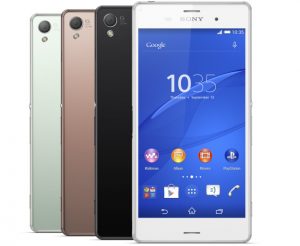
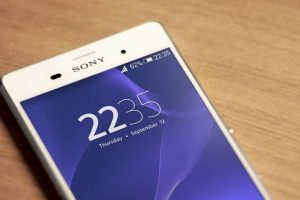
    Sony is now here to add to the long list of phones being launched today. We’ve already seen Samsung starting the event right by introducing a revolutionary curved screen smartphone. Now, we have Sony lining up its contenders to fight this year’s flagship war.

     The company introduced its new flagship device, the Xperia Z3. This smartphone, will now go on to fight the highly-anticipated iPhone 6 and the newly released Galaxy Note 4.

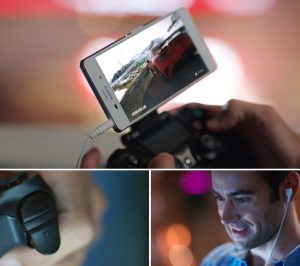
    As expected, Sony has integrated the new Xperia Z3 with the Playstation 4, by adding a new feature called PS4 Remote Play that will let you use the Xperia Z3 as “a remote screen to connect to and control your games on PS4.”

    Sony Xperia Z3 will come with a 5.2-inch Full HD display that Sony claims is “the world’s brightest display of all the leading premium smartphones.” Other specs for the device include a 2.5 GHz quad-core Qualcomm Snapdragon 801 processor, 3GB of RAM, a 20.7-megapixel camera and Android 4.4 KitKat.

    Sony hasn’t yet provided a release date for the phone and will only say that it plans to launch the phone this fall. There are no pricing details revealed either.

    Key Specs

    • Snapdragon 2.5 GHz Qualcomm Quad-core
    • Adreno 330 GPU
    • 5.2″ Full HD display (1920×1080 pixels)
    • TRILUMINOS™ Display for mobile
    • 20.7 megapixel camera with auto focus
    • 8x digital zoom
    • ISO 3200 maximum in manual mode
    • Sony Exmor RS for mobile image sensor
    • 4K video recording
    • Front-facing camera, HD 1080p for video chat and 2.2 MP for camera capture
    • Pulsed LED flash
    • 3 GB RAM
    • Up to 16 GB flash memory
    • Up to 128 GB microSD™ (card slot, SDXC supported)
  • IFA 2014 : Lenovo Introduces 17-inch Gaming Laptop, The Y70 Touch

    IFA 2014 : Lenovo Introduces 17-inch Gaming Laptop, The Y70 Touch

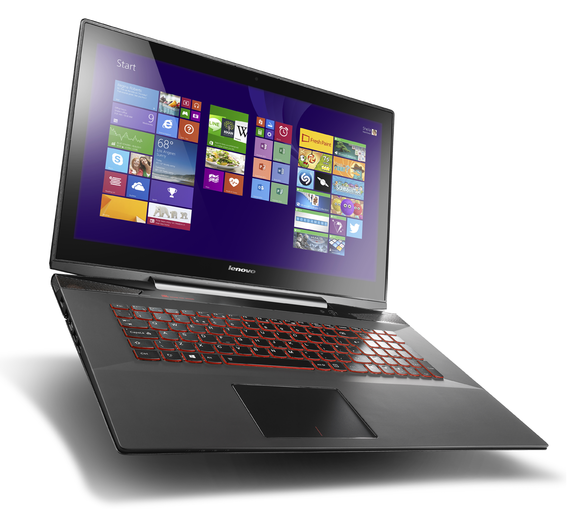
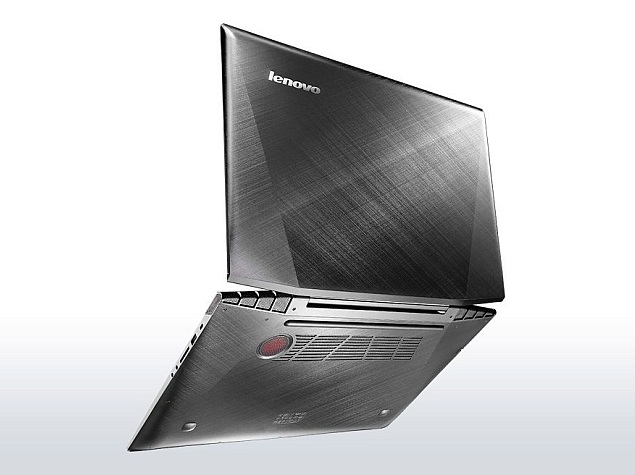
    Along with the Tab S8 and the ERAZER X315, Lenovo gave us a good look at another addition to its line-up of laptops, the Y70 Touch. The company claims that the Y70 Touch gaming laptop is its first 17-inch touch device.

    The Y70 Touch gaming laptop comes in three variants and is available to buy from Lenovo’s US online store. The three models – 80DU000EUS, 80DU000NUS, and 80DU000HUS – are priced at $1,399.99, $1,499.99 , and $1,689.00 respectively. Lenovo also said that the laptops will be available with major retailers in October.

    lenovo_y90_touch

    The only fact that may not go down well with its prospective buyers is its weight; the Lenovo Y70 Touch laptops weigh a hefty 3.4kgs.

    The three models of the Y70 Touch gaming laptops are powered by the fourth-generation Intel Core i7-4710HQ Processor (2.50GHz, 4 cores, 8 threads, 6MB cache). The difference between the three variants is in system memory, dedicated GPUs, and in-built storage. All three models of the Lenovo Y70 Touch run Windows 8.1 64-bit OS and sport a 17.3-inch full-HD LED anti-glare multi-touch display. An integrated HD (720p) webcam is also included.

    The three Lenovo Y70 Touch laptop variants also share the connectivity features including Bluetooth 4.0 and Wi-Fi 802.11 ac/b/g/n, as well as the same battery – a 4-cell 54-Watt Hour Li-Po. Sized at 422.9×290.6×25.9mm, the Lenovo Y70 Touch laptops boast stereo speakers powered by JBL alongside a backlit keyboard for easy typing during low light conditions.

  • Android Wear Updates to Make Smartwatches More Independent

    Android Wear Updates to Make Smartwatches More Independent

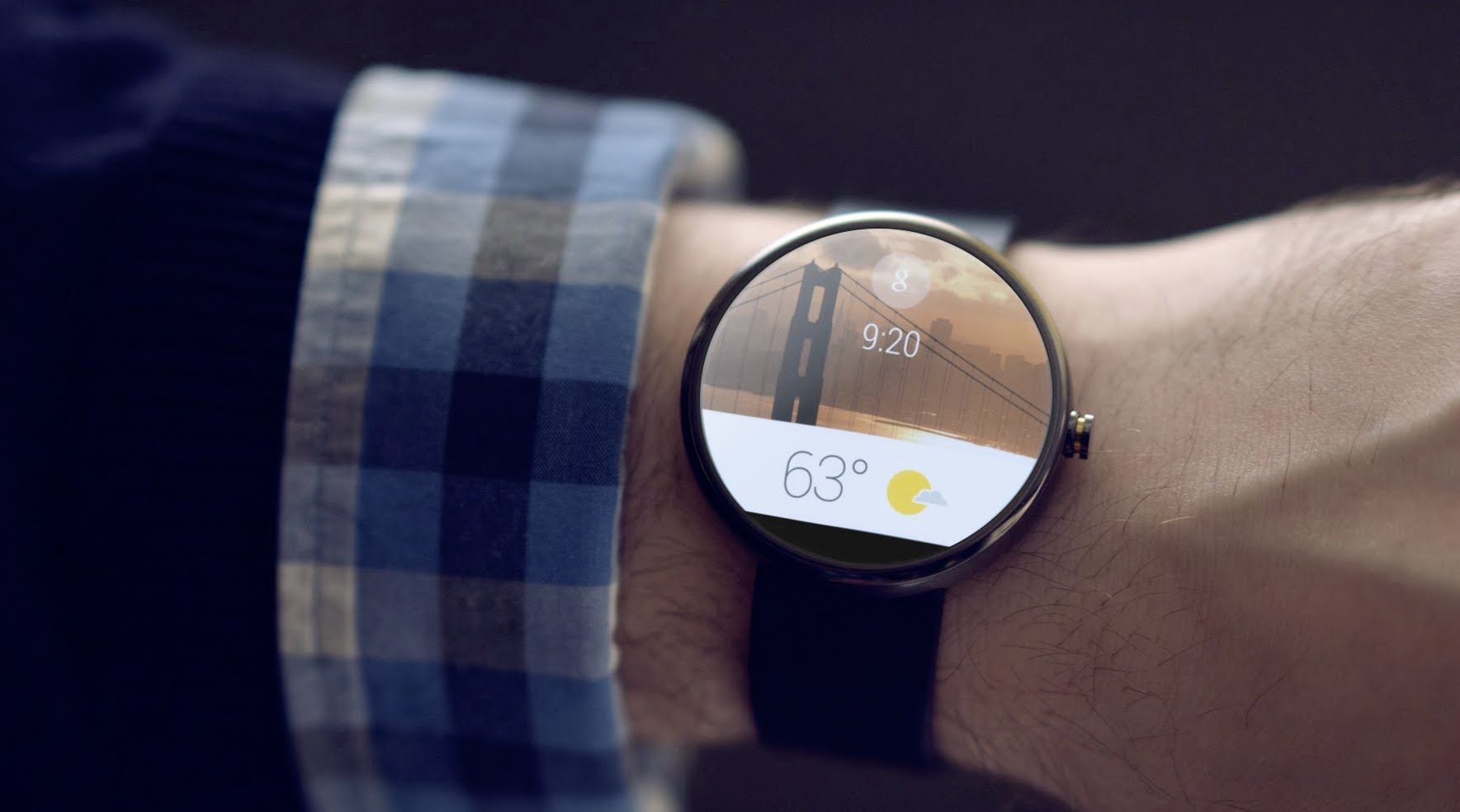
    The biggest factor blamed for the slow adoption of smartwatches is their need to be connected with smartphones. This made them more of an accessory than an actual fully-functional device. Now the companies have sensed the need to detach the Smartwatch from the smartphone while keeping its smartness intact. Google plans to do the same with its Android Wear Operating system.

    Google in talks with CNET said that the company plans to bring several updates for the Android Wear ecosystem. These updates will add additional features to the devices as well as cut the umbilical cord that feeds the wearables their features through the smartphones.

    These updates will help decouple the Smartwatch from the Smartphone
    These updates will help decouple the Smartwatch from the Smartphone

    The updates are essential to providing independent features to these devices. Updates such as Bluetooth headsets support will let you hold your playlist on your watch itself so that you don’t need to lug around your huge smartphone when you go out for a run. In a GPS-enabled smartwatch, the GPS support will map your jog for you.

    The updates will be rolled out on a regular basis and will roll out from next week. The first update is expected to advance the voice and navigation features of the smartwatches. One update that the customers will really look forward to is the one that will provide custom watch faces. This will offer the option to have customized watch faces that the users can select according to their liking.
    There is still a lot of promise in this burgeoning tech segment. Smart wearables are where the companies are putting their money right now. If Google succeeds in bringing a standardized operating system that is appreciated by the people at large, it will be a big boost to the smartwatch category. Not only would there be a recognizable UI throughout, it will also help easily interconnect with the wide Android ecosystem.

    It’s time Apple opened its cards on the long rumoured iWatch. The world is waiting to see if Apple can stop Android’s victory march midway.

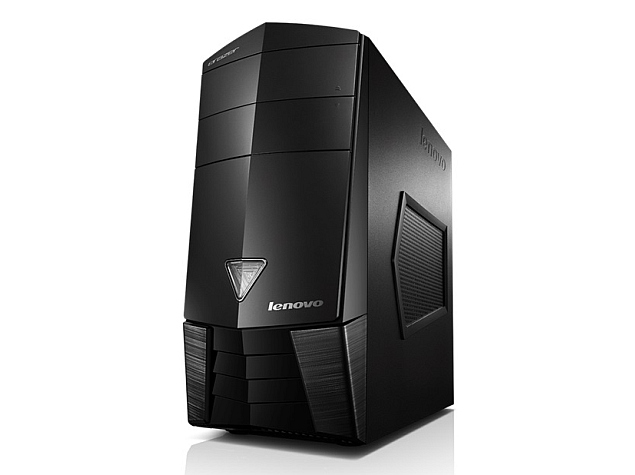
  • IFA 2014 : Lenovo Debuts New Gaming Desktop, The ERAZER X315

    IFA 2014 : Lenovo Debuts New Gaming Desktop, The ERAZER X315

    Along with the Tab S8, Lenovo took the wraps off two new gaming PCs at the IFA trade show in Berlin today – The Y70 Touch and The ERAZER X315

    Talking about the first one, the Erazer X315 comes in two variants, the 3.1GHz quad-core AMD A8-7600 and the 3.7GHz quad-core AMD A10-7850k processors. With the AMD A8-7600, users get a 2GB AMD Radeon R9 255 GPU, 1TB+8GB SSHD in-built storage, and 8GB of RAM. And with the AMD A10-7850k, users get a 2GB AMD Radeon R9 260 GPU; 2TB+8GB SSHD in-built storage, and 12GB of RAM.

    The connectivity features of the Erazer X315 include 4x USB 3.0; 2x USB 2.0; HDMI-in; 7-in-1 card reader; 6x audio jack with S/PDIF; and Wi-Fi 802.11ac. Weighing 16.5 pounds, the Erazer X315 gaming desktop measures 375.9×360.6×175.2mm and also features Dolby Advanced Audio technology.

    The Erazer X315 will be available in November this year with major retailers with the starting price tag of $599.

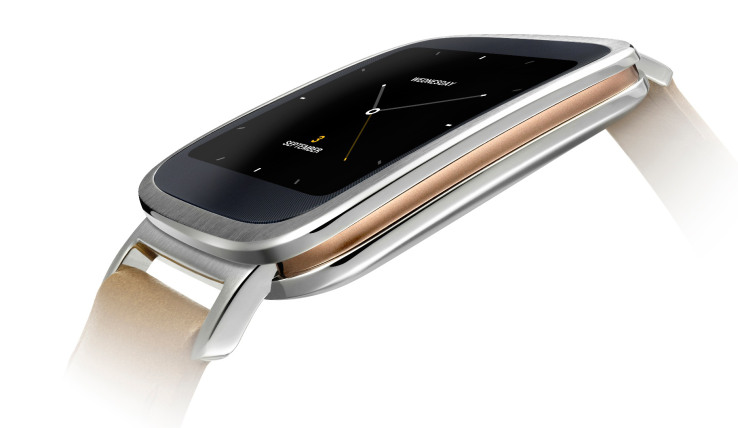
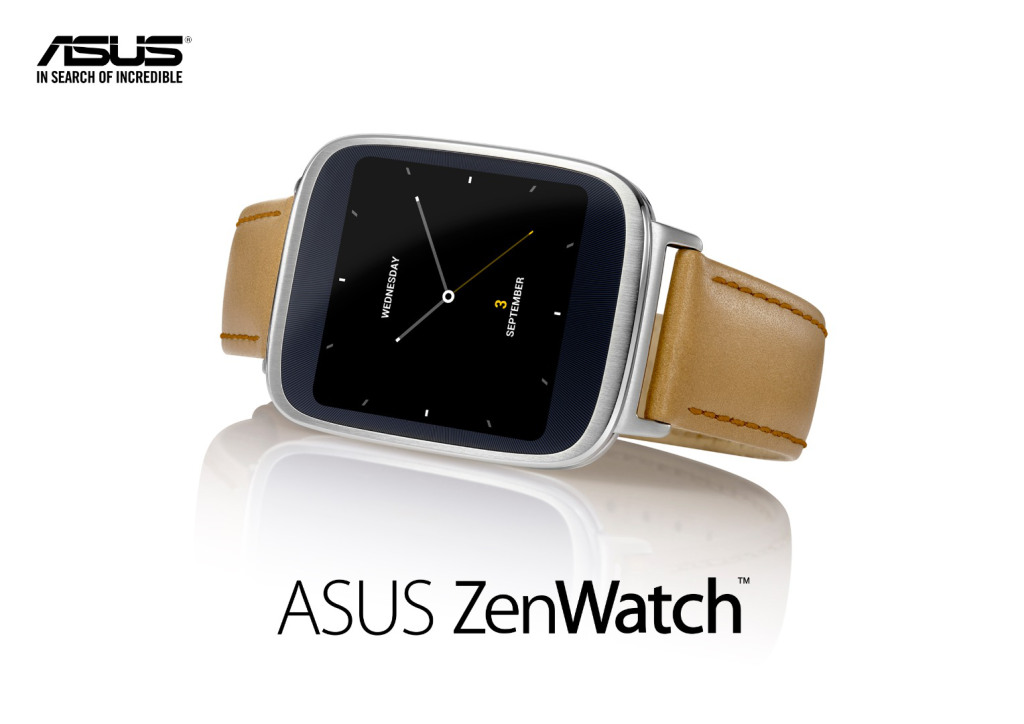
  • IFA 2014 : Asus Officially Unveiled its First Android Wear Wearable, The ZenWatch

    IFA 2014 : Asus Officially Unveiled its First Android Wear Wearable, The ZenWatch

    Asus has been teasing its smartwatch for quite a while, and now it’s finally here. The super sleek ZenWatch runs Android Wear OS and features a version of the ASUS ZenUI developed specifically for the ZenWatch.

    Powered with Android Wear, the new ZenWatch will be priced around $250, while the international pricing is yet to be announced. It’s the first Android Wear smartwatch with a customised UI. It is compatible with smartphones running Android 4.3 or above.

    asus-zenwatch-02

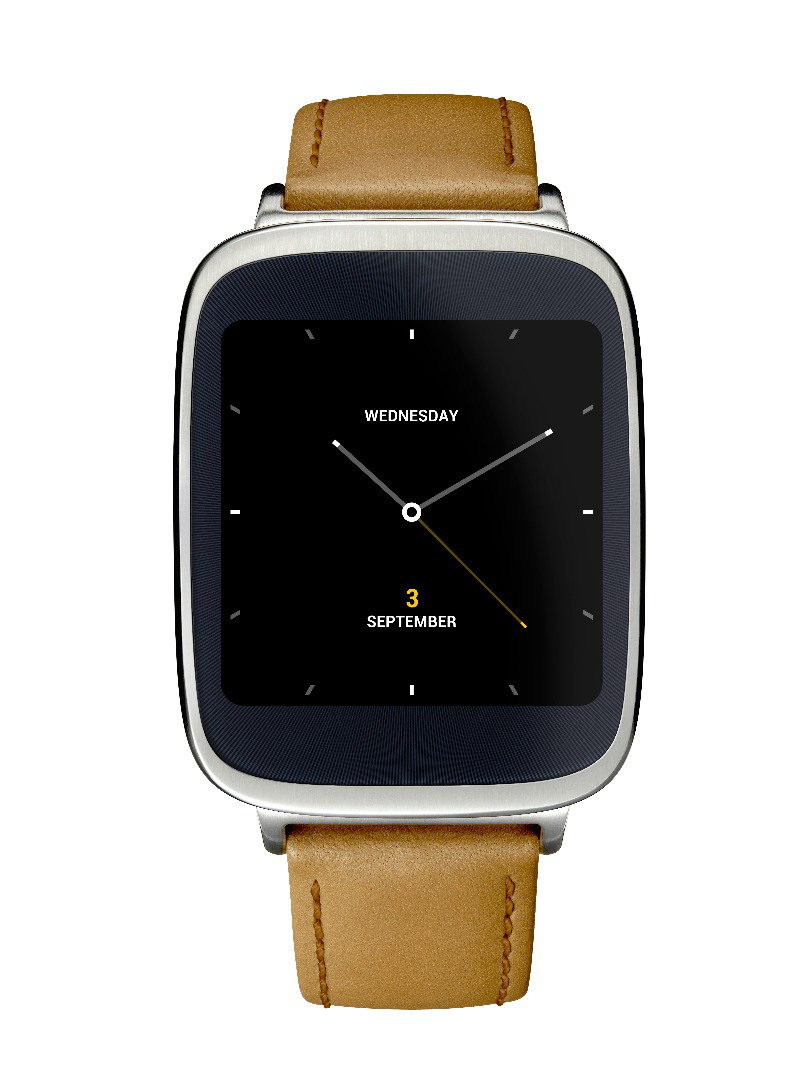
    The ZenWatch features a gold-colored middle layer and stainless steel top and bottom, with a brushed surface around the face. It has a 1.63-inch 320×320 AMOLED display with a slight curve to its surface, and a 1.2GHz Qualcomm Snapdragon 400 processor, as well as 512MB or RAM and Bluetooth 4.0.

    They’ve provided a heart rate sensor on the bottom, and it uses standard user-replaceable 22mm watchbands. IP55 water and dust-proofing helps it tolerate accidental splashes, and it has a 9-axis sensor for tracking activity and movement.

    asus-zenwatch-01

    Asus has also included a number of gesture controls and pre-loaded features, which makes it stand out amongst other Android Wear devices. These features give you options  to unlock your phone or tablet by tapping the face of the ZenWatch, auto-opening a function you set with a double-tap, covering the watch to mute and phone finding, remote camera operation and slide deck control apps. However, for these feature to work you are required to install a separate, Asus-created watch manager app in addition to Android Wear on your companion device to work.

    The Asus ZenWatch comes in a a soft touch stitched-leather strap and quick-release clasp. The display is curved to give off a 2.5D effect.

  • IFA 2014 : Lenovo Introduces 8-Inch Android-Powered Tab S8

    IFA 2014 : Lenovo Introduces 8-Inch Android-Powered Tab S8

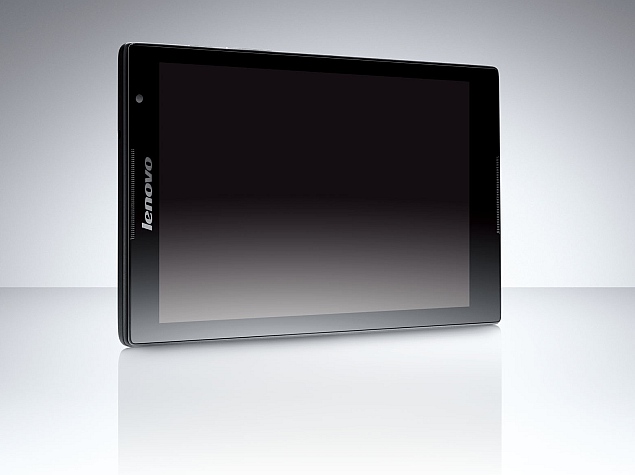
    Lenovo, ahead of thursday’s pre-IFA event, has launched a 8-inch Intel Atom-powered Android tablet, called the Tab S8. The tablet has an 8-inch (1920×1200) display and includes the One Glass Solution touch-panel technology. The tablet has a ultra-slim bezel with the dark front panel which gives it a very sleek look.

    lenovo tab s8

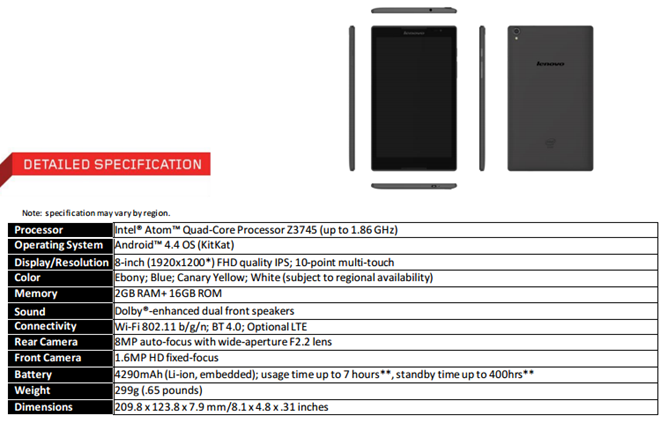
    The Tab S8 has a 8.0-inch, 1920×1200 resolution IPS display, Intel Atom Z3745 SoC with quad-core 1.86GHz CPU, 2GB RAM, 16GB internal memory, 8 megapixel rear camera, 1.6 megapixel front camera, stereo speakers with Dolby sound, 7 hours of battery life and Android 4.4 KitKat.

    The Tab S8 will go on sale beginning of September for $199. The company has listed Ebony, Blue, Canary, Yellow, and White colour variants (depending on regional availability) for the Tab S8. The low price is impressive considering its capabilities, and might be worth a look for anyone wanting a mid-sized tablet on a budget.  The Company also mention a 3G/LTE version of the Tab S8 without any further details.

  • Sony Introduced Six New 4k Televisions in India

    Sony Introduced Six New 4k Televisions in India

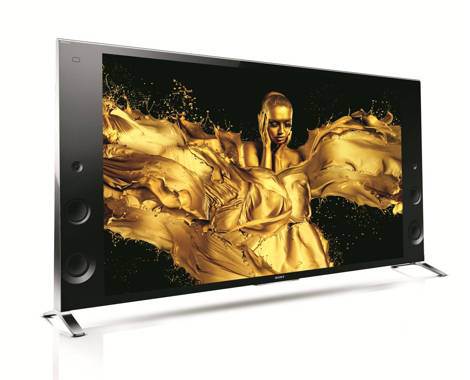
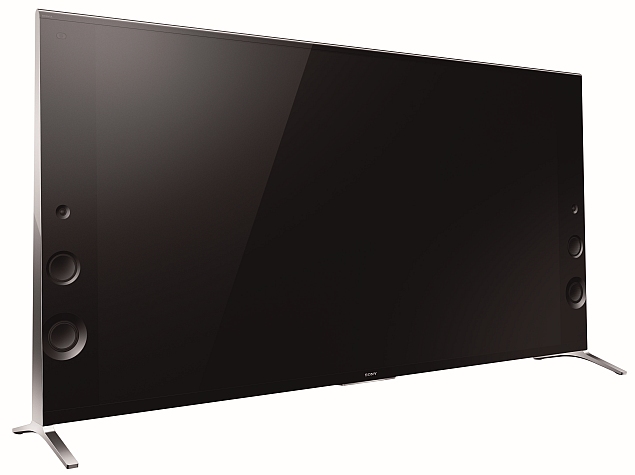
    Japanese electronics giant Sony has announced new 4K televisions in three new series in India. The six new offerings from Sony come in screen sizes ranging from 49-inch to 85-inch within the price range of Rs. 1,74,900 to Rs. 7,04,900. 

    The company said that four of these 4K televisions are already available in the market while the other two will be available by the end of September. Sony claims that the new Bravia 4K TVs offer ‘excellent picture and audio quality, while featuring a bevy of new features will appeal to the discerning consumer’.

    Sony has further stated that all six of the new Bravia 4K models offered by them will incorporate the powerful picture processing engine, 4K X-Reality PRO, which uses a combination of unique up-scaling and super resolution technology from Sony to offer any content in beautiful and stunning 4K resolution. All new models supports HDMI 2.0 which gives them the ability to display 4K/60p content.

    sony_bravia_4k_tv_launch

    They are also equipped with a new decoder which supports HEVC and can playback 4K/60p content from Internet streaming services and USB playback. The TVs are also compatible with MHL 3.0, which supports 4K output from smartphones and tablets.

    The company is also introducing a new feature called ‘One-Flick Entertainment,’  that allows viewers to quickly browse content across different sources at home. The added One-Flick Remote Control gives users ‘intuitive control’. Using simple swipes users can access both offline and online content. There is also an option of seeing content stored on NFC-enabled smartphones or tablets by touching those devices to the One-Flick Remote Control.

    03092014-302

    One-Flick Entertainment gives users quick YouTube access while watching regular TV channels. Also, the Sony Bravia 4K televisions have a new ‘Social Viewing’ feature, which enables users to Skype chat (with the built-in camera) apart from keeping track of their social media accounts.

    Sony has detailed pricing for the four available Bravia 4K TVs, with the 79-inch Bravia KD-79X9000B priced at Rs. 7,04,900, the 55-inch Bravia KD-55X9000B priced at Rs. 3,14,900, the 55-inch Bravia KD-55X8500B priced at Rs. 2,54,900, and the 49-inch Bravia KD-49X8500B priced at Rs. 1,74,900.

    However, pricing details of the remaining two 4K televisions will be revealed when they launch by the end of this month.

  • 3D Printing’s Greatest Achievement, NASA Creates Rocket Engine Injector

    3D Printing’s Greatest Achievement, NASA Creates Rocket Engine Injector

    3D printing is one of the most beneficial technologies out there and it is all set to bring immense comfort to our lives in the coming decades. It is a process through which one can create three-dimensional objects in which successive layers of material are laid down under computer control. NASA pushed the limits of this technology and decided to create one of the most complex parts of a rocket engine, and then they tested the prototype. What happened next will blow your mind.
    At a test stand at NASA’s Marshall Space Flight Center in Huntsville, Alabama, scientist tested out a design with a new manufacturing process. The design was fed into the computer and then manufactured layer by layer in a 3D printer. The process involved layering metal powder and fusing it together with a laser, a process known as selective laser melting.
    3D Printing will make Space travel immensely convenient.
    3D Printing will make Space travel immensely convenient.

    This injector design was similar to the ones that are used in small rocket engines. It is also close to the design of the RS-25 engine which will power the Space Launch System (SLS), which will be the biggest rocket ever built. The entire injector was created as a single component instead of manufacturing each element individually. In traditional processes, about 163 individual parts are made and then assembled for this extremely complex equiment. This process is economical, both money and time wise.

    NASA engineers tested out two designs for five seconds each, and they produced 20,000 pounds of thrust. They performed as per the expectations. The 3D printing process afforded the engineers the convenience of building parts that enhance the performance of the rocket engine. They created geometric flow patterns that allowed oxygen and hydrogen to swirl together before combusting at 1,400 pounds per square inch and temperatures up to 6,000 degrees Fahrenheit.

    For this initiative, NASA took the assistance of two private companies, Solid Concepts in Valencia, California, and Directed Manufacturing in Austin, Texas. Both companies were responsible for printing out one injector for testing.

    NASA now plans to test out the feasibility of additive manufacturing process in the entire manufacturing process of a rocket engine. They have already tried complex injectors and other components through 3D printing process, and are impressed by the speed at which the components are manufactured and the ease of testing these components. The technology will make space travel a lot more convenient too. Instead of taking huge cargo of equipments, astronauts can simply print out the tools they need, thereby being independent of the earth base. 3D printing, by the looks of it, is here to stay, and this technology is capable of changing the world.

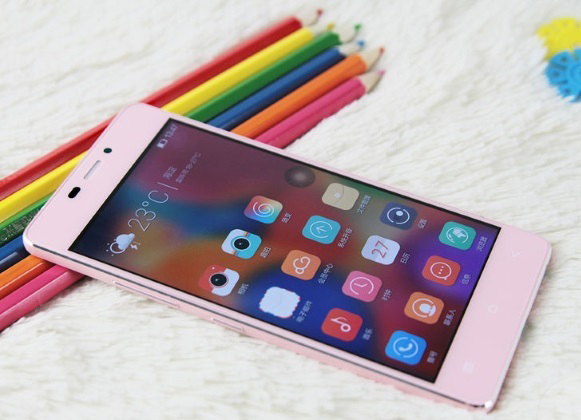
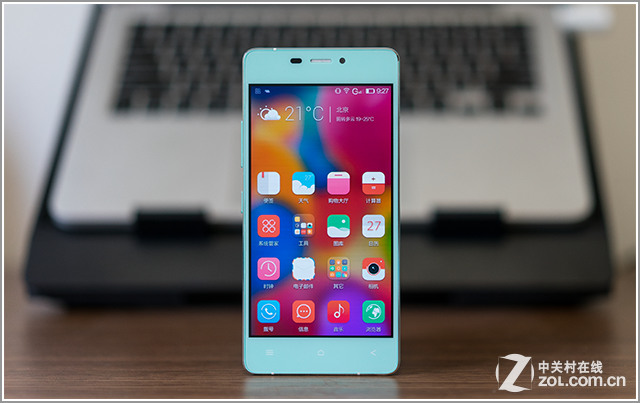
  • Specs of the ‘World’s Slimmest Smartphone’ Gionee Elife S5.1 Leaked

    Specs of the ‘World’s Slimmest Smartphone’ Gionee Elife S5.1 Leaked

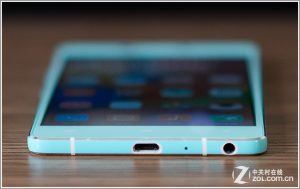
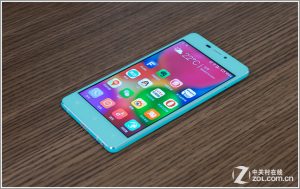
    Back in July was when we first heard about the Gionee Elife S5.1 via its TENAA certification. While, the handset is yet to be officially launched, a set of very clear images has been leaked online.

     If you have a quick look at the Gionee Elife S5.1, you can easily mistake the device for an iPhone as it borrows all its design aesthetics. Along with its design and look, the handset’s specifications have also been leaked.

    gsmarena_007

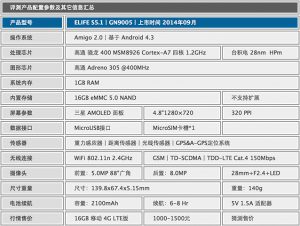
    The Gionee Elife S5.1 will feature a 4.8 inch screen with a resolution of 1280×720 pixels. The AMOLED display is expected to be crisp and come in bright colour variants. The model is powered by a 1.2 GHz quad core Snapdragon 400 processor and 1GB of RAM.

    However, one notable thing about the smartphone is that it doesn’t have a micro SD card slot for storage expansion and comes with 16GB of internal storage space. Furthermore, there is no news about the 32GB variant. These days with rapidly increasing size of apps and games, that may pose to be a problem.

    The device has an 8-megapixel rear camera with LED flash and a 5-megapixel front camera. The phone supports 4G LTE connectivity, 3G, Wifi, Bluetooth and runs on Android version 4.3 layered by the company’s Amigo 2.0 interface.

    It is said that when the device comes to the market, the company will offer four different color choices to choose from including Pink, Turquoise, Black and White. The pricing is yet to be revealed.

  • SHORE : New App for Google Glass That Can Recognize Human Emotions

    SHORE : New App for Google Glass That Can Recognize Human Emotions

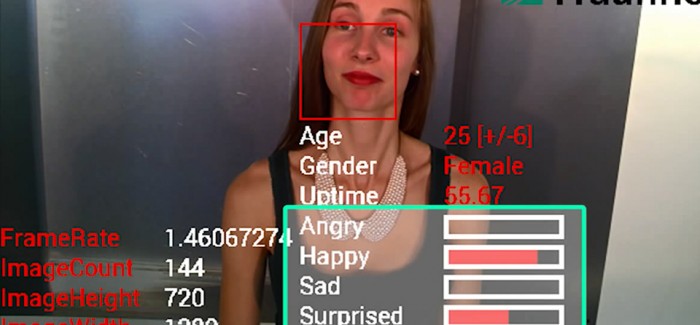
    Well, Google Glass has been a topic of debate since it release and the new app called SHORE may fire that up again. SHORE is an app that runs a software which detects human emotions in real time. This exceptional technology can be used for the aid of people with various disabilities.

    The Sophisticated High-speed Object Recognition app (SHORE), uses the camera of the Google Glass to analyze the facial expressions of people and guess their feelings. The app was developed by researchers at the Fraunhofer Institute for Integrated Circuits in Germany.

    In addition to the person’s emotions, the app is also able to estimate the subject’s age and gender. The app, however, cannot determine the identity of the person. It guesses emotions through calculations that are based on the structures of the human face. It then uses learning algorithms and a database of more than 10,000 human faces to finish the calculation.

    Google-Glass-Shore-app-700x325

    The research team says that this type of technology can open several possibilities for further exploration. For example, the technology can help differently abled people, those suffering from autism to understand facial expressions. The results calculated by the app can be superimposed on the display using augmented reality techniques.

    In an attempt to sidestep any privacy concerns surrounding the app, the developers have promised not send any images or data to cloud storage. Since Google Glass application is not commercially available, it will be some time before regular folks can get our hands on a pair and test SHORE.

  • How to Protect Your Cloud Account from Data Hacks

    How to Protect Your Cloud Account from Data Hacks

    The recent hack perpetrated by an unethical digital thief has raised serious concern about security of personal data especially on cloud accounts. Cloud computing has been touted by companies as the next step in the evolution of computing where your data is accessible to you through all your devices. It is immensely convenient, but this leak brought forward some serious flaws in the security.

    Cloud computing has seriously gained steam, with government and corporates bringing in their data on the cloud. The Indian government recently spoke of a plan for bringing each citizen’s government data on the cloud that can be accessible by government offices. This surely has a lot of merits but the privacy concerns still looms. Hopefully, the lessons learnt by incidents like the recent hack will help make the security of cloud systems stronger.

    So how do you keep your data safe from the low-lifes’ on the internet who go snooping into others business? Well, here we list how you can enjoy the convenience of cloud storage and the internet while not letting go of your rightful privacy.

    1. Set Up Two-Step Verification

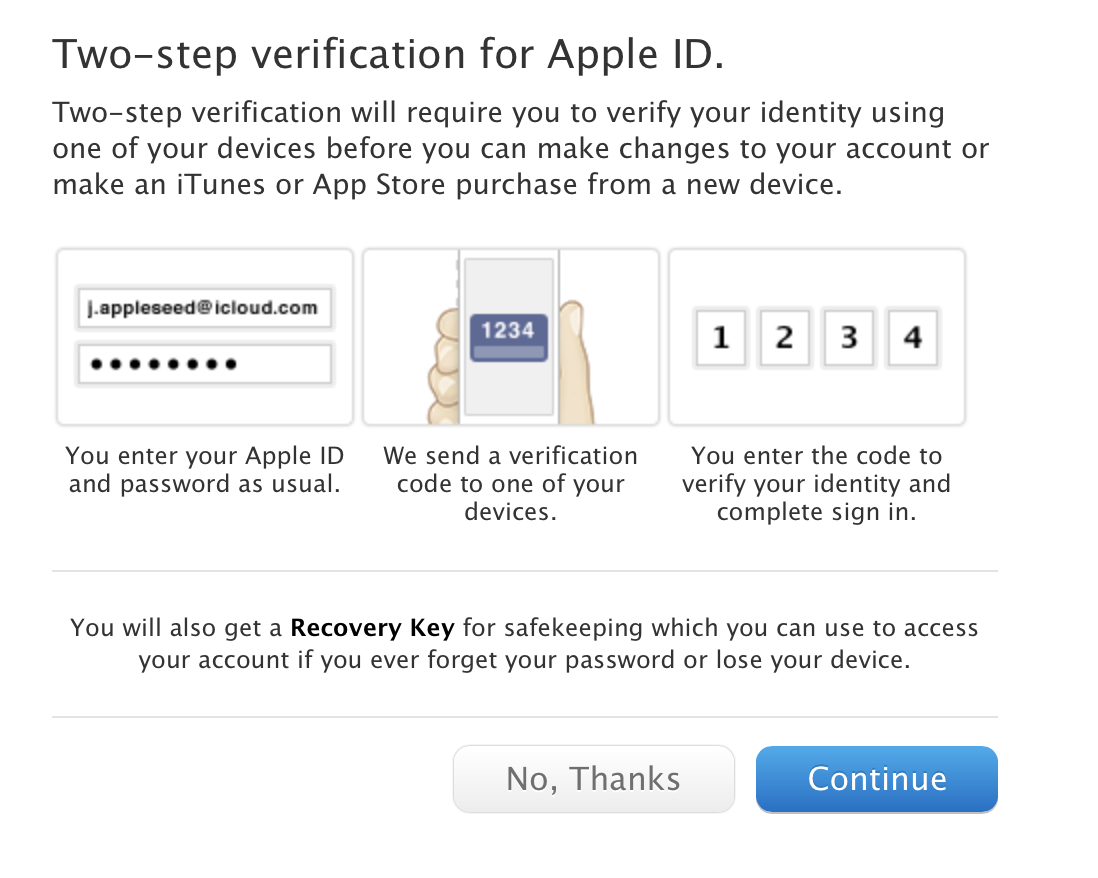
    A good way of doing this is through the two-step verification feature. This process adds an extra layer of security. All major service providers like Apple, Google, Facebook and others provide a two-step verification which sends a code in a text message that you punch in to access your account.

    Two step verification is a secure way of making sure only you have access to your account.
    Two step verification is a secure way of making sure only you have access to your account.

    2. Use Google Authenticator App

    If you are a heavy Google account user then the Google Authenticator app for iOS, Android and Blackberry can come handy for you. Its main function is that it develops a two-step verification code, making it practically impossible to hack. Download it from here.

    Google-Authenticator

    3. Stay Vigilant

    Learn how your account works, because there is no value in ignorance. In times when we live in a network of digital devices, knowing how they operate is essential. Don’t take pride in your ignorance, something that Jennifer inadvertently did at an award function, and it tipped off the hacker.

    4. Change Your Passwords Frequently

    This point has been said multiple times but it still needs repeating: Change your password regularly. Even when you think your account holds nothing of importance, there is still a lot of personal information in there, so it’s better to have a strong password protecting your information. You can create a code that you can keep on updating without forgetting.

    password

    5. Better Safe Than Sorry

    Last but not the least, the most important precaution that you can take is, not take the compromising images in the first place. If you take an image with a device that connects to the internet, know that the people on the internet have the ability to access it. Yes, sadly that’s the world that we live in now. But if you really need to send some data that you want to be fully secure; you can show the data to the person intended physically, send files through Bluetooth or use encrypted messaging apps like Signal.

    With all the security measures that can be taken, you have to realize that the systems will have some deficiencies. The hackers exploit those deficiencies. But each time they do infiltrate the security, they teach the companies the faults in their systems and make systems stronger. So even though someone as amazing as Jennifer Lawrence had to deal with this inconvenience, the system has become a bit more secure for the regular folks. So be alert what you do on the internet. Take precautions and you’ll be safe.

  • Xiaomi Redmi 1S Disappears as Fast as its Bigger Sibling

    Xiaomi Redmi 1S Disappears as Fast as its Bigger Sibling

    Another sale and another disappearing act. Xiaomi brought out the Redmi 1S for sale today, and as expected they flew off the virtual shelf within a couple of seconds. And when we say a couple, we mean a couple because, in the third second, the phone went out of stock. This sale will do nothing to calm the folks who missed out on the Mi3, as well as the Redmi 1S sale today. At the risk of sounding pompous, we’d like you to know that we used our tips and they helped us score a Redmi. If you didn’t manage to get your hands on one today, do bookmark the link for next time.

    Xiaomi brought a bigger stock when compared to its previous sale standards. The 40,000 devices it brought had 2,50,000 claimants according to Flipkart, but the number is estimated to be around 1,00,000 people. The massive demand for the product saw the device getting sold off instantly. Flipkart has used delayed payment method for the past couple of sales that gave it some breathing space in executing orders. It also helped Flipkart prevent a website crash as had happened on some occasion.

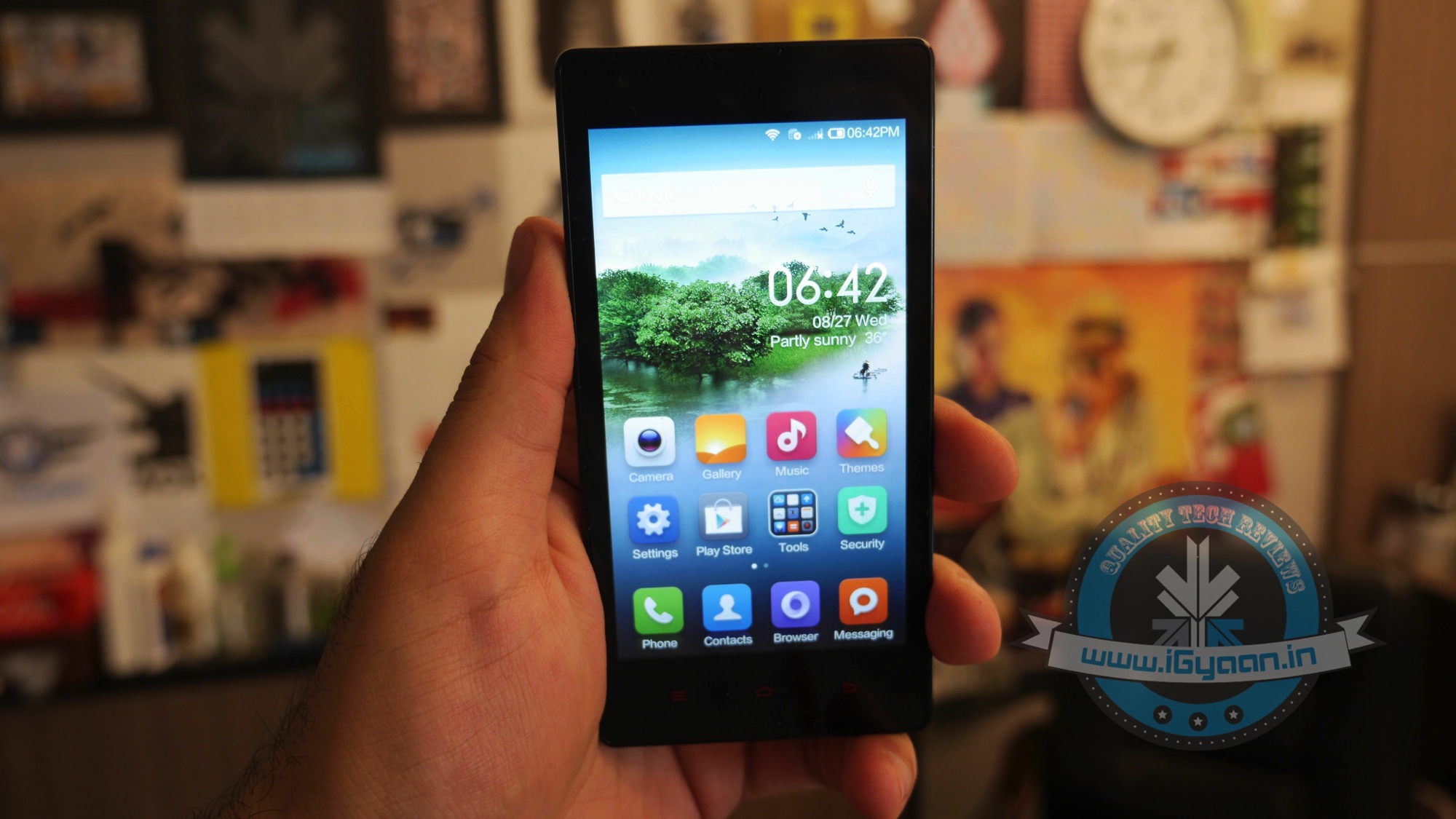
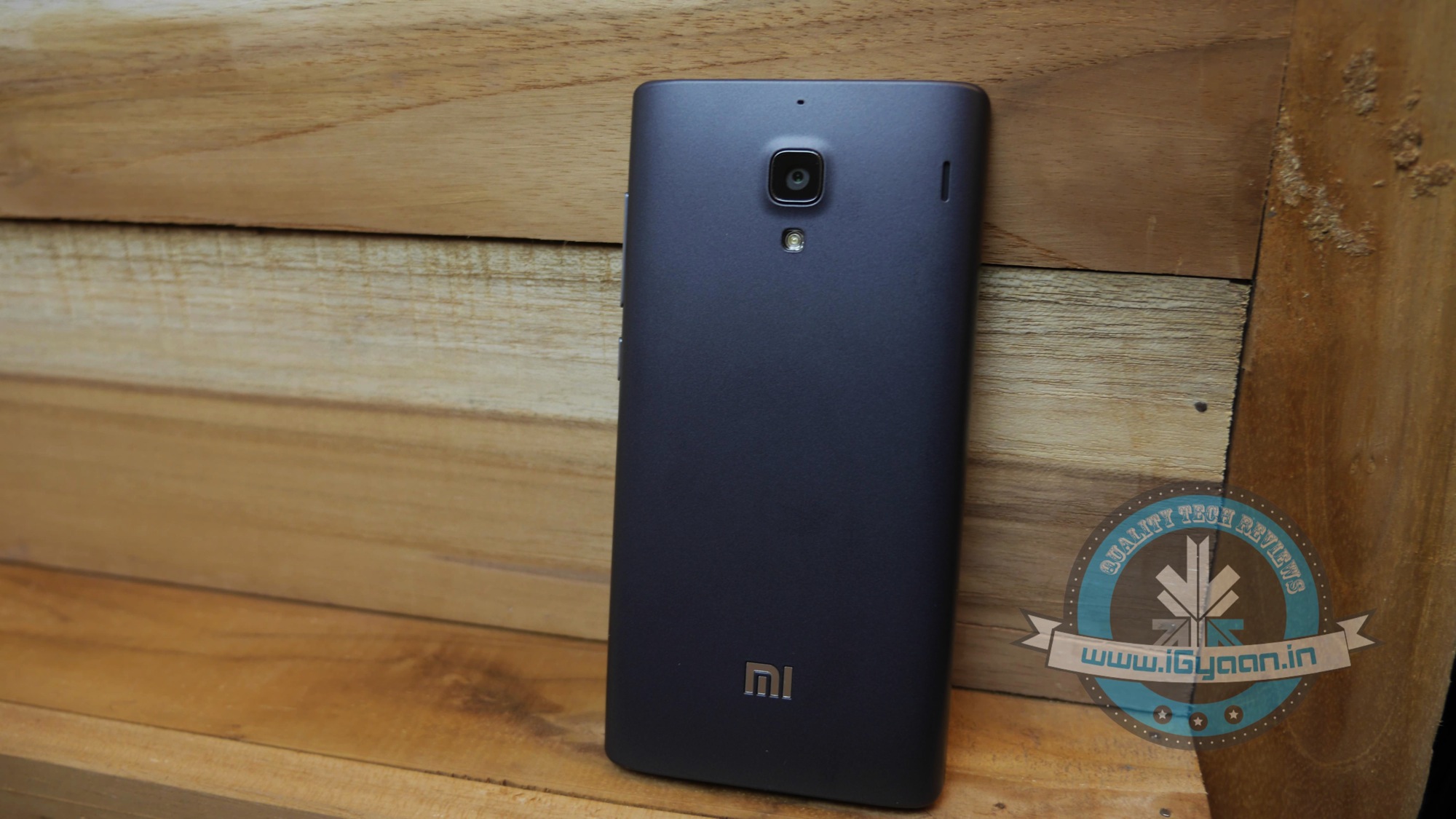
    Redmi 1S has the best features in its price bracket. The phone features a 4.7-inch 1280 x 720 (HD) IPS display and is powered by a 1.6 GHz quad-core Qualcomm Snapdragon 400 processor with Cortex-A7 core with 1 GB RAM. It has 8 GB of internal memory that is expandable up to 64 GB.

    The phone features an 8 MP camera on the back and sports a 1.6 MP camera on the front. With all these specs, it is miles ahead of its competition. It is an obliterator of the segment. The phone is capable of taking on both the reigning champions from Motorola, the Moto E and Moto G.

    Today’s sale also proved that Xiaomi is still a hot commodity, and people would still race to get the device. If you were one of the lucky ones who scored the device, congratulations to you and if you did not, don’t worry, just revise our tips and hit the “Buy Now” button hard when you see it the next time.

  • Buy a Redmi 1S Today Using These Tips to Better Your Chances

    Buy a Redmi 1S Today Using These Tips to Better Your Chances

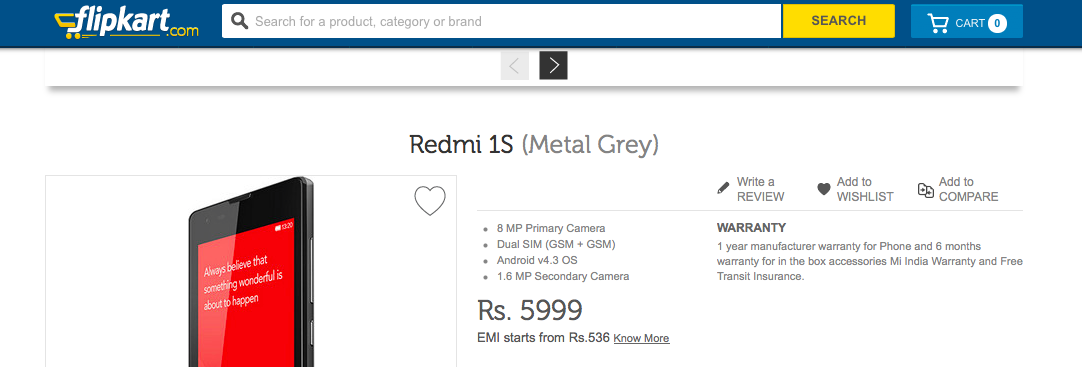
    After the overwhelming success of the Mi3, Xiaomi is now ready to unleash the Xiaomi Redmi 1S in the Indian market. Today, the smartphone, priced at Rs. 5,999, will go on sale at 2pm. Lack of stock, unreliability of Flipkart and the overall disappointing sales of the Xiaomi Mi3 have taught us that we need to be armed and prepared to handle these strategic flash sales better.

    Here are our tips and tricks to make sure you get your hands on a Xiaomi Redmi 1S today:

    1. Pre Register

    Possibly the most obvious tip, you need to have already pre registered to buy the phone. Pre registrations are now closed, so hopefully, you’ve checked this box. Otherwise, remember to set a reminder to be better prepared for next Tuesday.

    2. Know the Time

    The Xiaomi Redmi 1S will go on sale at precisely 2:00 pm IST on 2nd September, so try and reach the buying page at least an hour earlier, even though it seems like an overkill.


    Screen Shot 2014-09-02 at 11.28.02 am

    3. Multiple Device logins

    Try being online from multiple devices, preferably on different internet connections; in order to have different I.P. addresses accessing the site, this will improve your chances and bring you one step closer to buying a Xiaomi Redmi 1S.

    4. Flipkart App

    The Flipkart app uses a separate server and has a higher chance of “not failing” at the time of sale. If you want to buy a Xiaomi Redmi, the app might prove to be easier, “might” being the key word.

    5. Super Refresh Times 40,000

    When the sale starts, most people are struggling to open the webpage, ctrl+R / f5 (refresh)/ Cmd+R (mac), is your best friend. Hit it till you get a page to buy a Xiaomi Redmi 1S. Other people have reported opening several tabs being helpful.

    pressing-f5-key-690x470

    6. Cart it!

    If you do get a page loaded, add that phone to the cart like there is no tomorrow, once you have the handset in your cart, your chances have just gone up from 1 in a million to 50:50 in order to buy a Xiaomi Redmi 1S.

     Screen Shot 2014-09-02 at 11.31.25 am

    7. Patience

    Once you have it in your cart, attempt payment by refreshing several times, in most cases you won’t be able to make payments due to overloads on the server so keep trying. Here the app helps too.

    Also, if the website fails completely, there is a very high chance that the phone is in your cart when Flipkart comes back online, that’s the perfect moment for you to buy a Xiaomi Redmi 1S.

    Once you do get through to the payment section and make your payments in whatever the mode you select, pat yourself on the back sir, you my friend are a lucky owner of the coveted Xiaomi Redmi 1S!

    Now, check out our unboxing of the Xiaomi Redmi 1S below.

  • Xiaomi Redmi 1S Exclusive Sale for Flipkart First Subscribers Today

    Xiaomi Redmi 1S Exclusive Sale for Flipkart First Subscribers Today

    Xiaomi Redmi 1S is going on an early sale today exclusively for Flipkart First subscribers. Starting at 2PM, first 2000 subscribers, who registered to buy the handset, can get their hands on the device ahead of the first flash sale for registered users on Tuesday.

    It is said that Flipkart will add the smartphone automatically to the cart of the first two thousand Flipkart first customers who registered for the handset’s flash sale on Tuesday. And the E-commerce website will  inform the lucky subscribers through emails about their eligibility for early access.

    Xiaomi Redmi 1s Unboxing 16

    Due to the limited stocks available, Flipkart has also announced that it will limit orders to one phone per registered email id. “Since stocks would be limited, we recommend you to login & buy immediately 2pm onwards. To ensure that all our customers can get their hands on Redmi 1S, we are limiting orders to one phone per registered email id.” Flipkart mailed the registered users.

    Xiaomi is continuing the trend of Tuesday flash sale which was started with the launch of Xiaomi Mi3. The company has claimed that more than 1,00,000 users have applied for Redmi 1S sale. Xiaomi also referred as ‘Apple of China’  has been criticised for the limited availability of the Mi3 smartphone. It is yet to be seen how Flipkart and Xiaomi handle the Redmi 1S flash sales.

    Xiaomi Redmi 1s Unboxing 17

    Redmi 1S priced at Rs. 5,999 will be competing with likes of Asus Zenphone A450 and Moto E, which are also exclusively sold on Flipkart. The Xiaomi Redmi 1s comes with 2 Micro Sim to Regular Sim adapters in the box for the dual sim device. The phone will run one card on 3G GSM while one on 2G GSM. The Redmi 1S is powered by a Qualcomm Snapdragon 400 Chipset running at 1.6 GHz on Quad Cores and the Adreno 305 GPU. It accepts micro SD cards unto 32 GB and comes with an inbuilt storage of 8 GB and has 1 GB RAM.

    Check out our unboxing and of Xiaomi Redmi 1S below.

iGyaan Network
Privacy Overview

This website uses cookies so that we can provide you with the best user experience possible. Cookie information is stored in your browser and performs functions such as recognising you when you return to our website and helping our team to understand which sections of the website you find most interesting and useful.