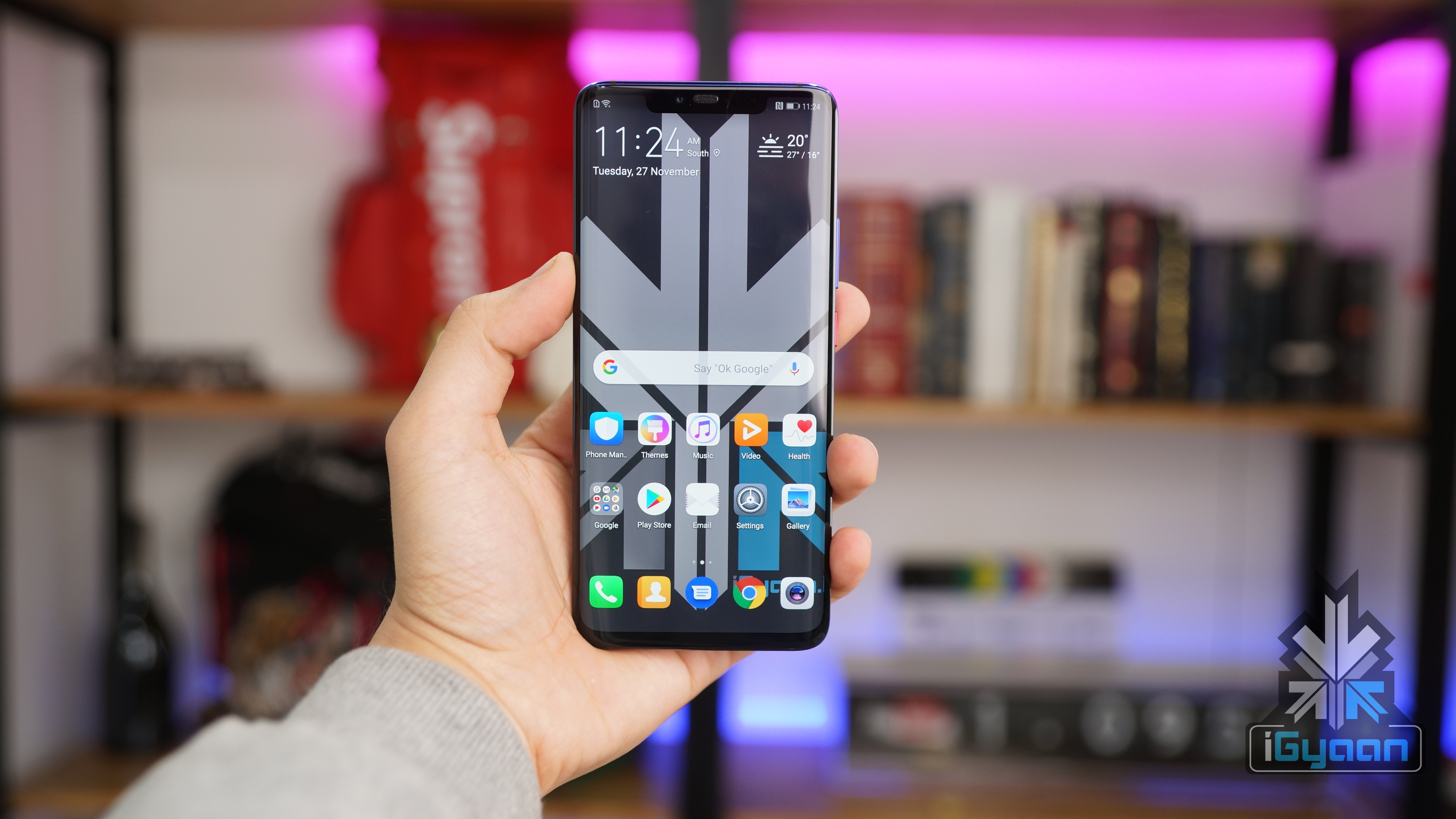
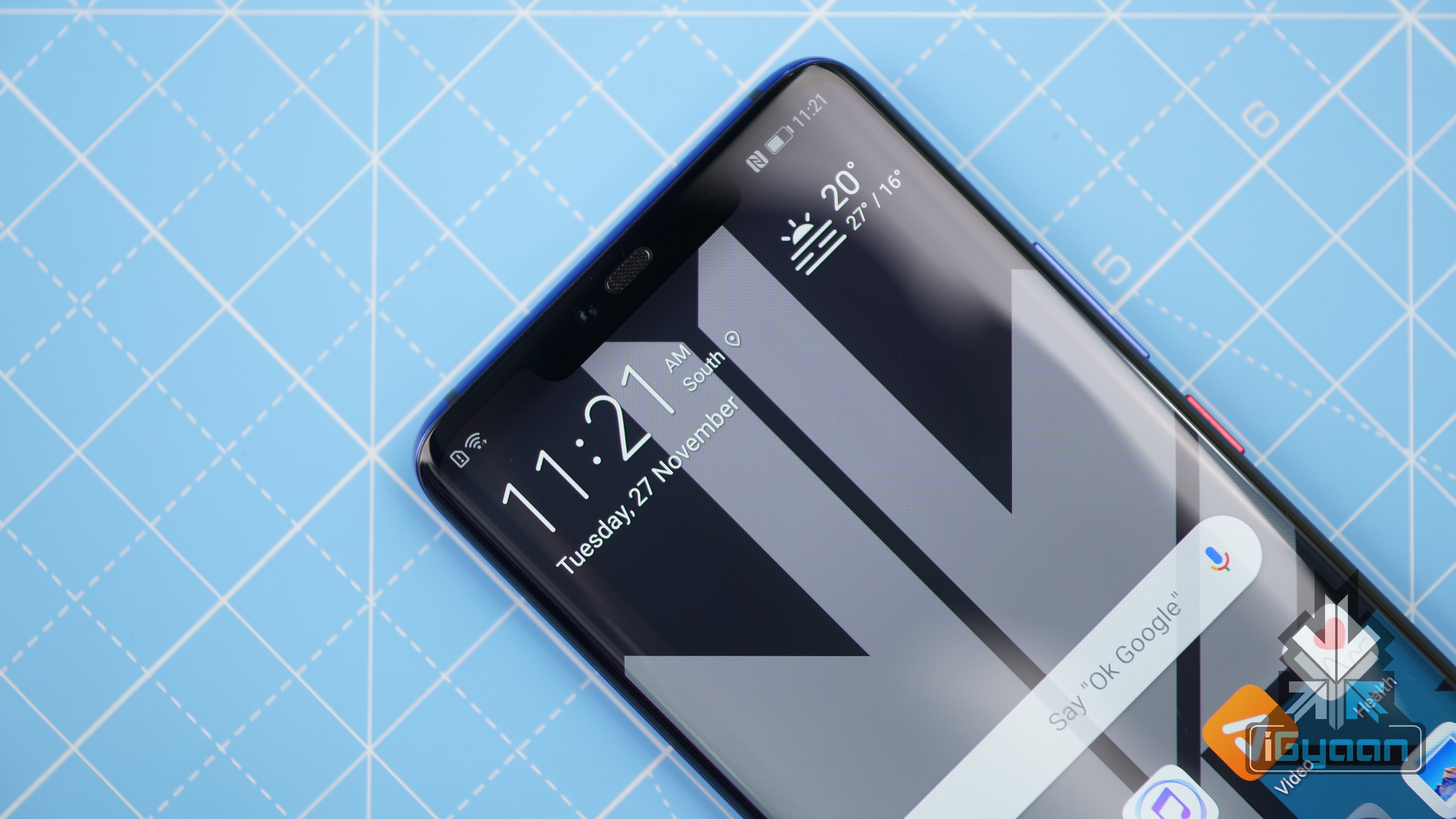
Huawei launched the Mate 20 Pro last year, and the triple rear camera of the smartphone was highly commended by its users. Huawei is stepping up their camera performance with their next flagship, the Huawei P30. Leaked camera samples from the smartphone have confirmed that the device will have a Quad Camera setup with extraordinary zooming capabilities.
Huawei P30 Specifications
The P30 will help Huawei to establish a foothold in the premium smartphone segment this year. For the same reason, the handset is expected to offer top-of-the-line specifications in the market. Leaked renders suggest that the P30 will feature a glass-sandwich design. The smartphone will reportedly have a waterdrop-style notch and have a high screen-to-body ratio. Renders also show the presence of a 3.5 mm headphone jack on the device, which is an appreciable add-on from the Huawei P20. Like its predecessor, the device may have a similar gradient pattern on the back. The Huawei P30 will supposedly run on the latest 7 nm HiSillicon Kirin 980 SoC, which features an octa-core processor and the Mali G76 GPU. Furthermore, a ‘pro’ version of the smartphone is also expected to be launched at the same event. The Huawei devices will reportedly have up to 8GB RAM and up to 256 GB of Internal storage.
The camera will undoubtedly be the highlight of the Huawei P30, because the Chinese company has already proved its capabilities with the Mate 20 Pro. The leaked images suggest that the Huawei P30 Pro will boast of a quad camera set up at the back, whereas the P30 will have a triple camera module. Although the specifications of the camera sensors are not available yet, both the devices are expected to feature a 40MP primary camera sensor. As reported previously, the second and the third camera will be the 3x optical zoom sensor and the ultra wide angle sensor respectively. The announcement video of the smartphone shows that the P30 will support 5x lossless zoom. As of now, the purpose of the fourth camera sensor in the P30 Pro is not clear, but it may be either a monochrome sensor or a depth sensor. Both the P30 and P30 pro will reportedly have a single 24MP front camera sensor.
Huawei has already announced the venue and the launch date for the highly-anticipated P30. Any new developments regarding the smartphones will be updated as they arrive in the upcoming weeks.
PUBG Mobile was released for smartphones a little over a year ago. The game has since become a phenomenon worldwide. Essentially a version of an already hit PC and console game optimised for smartphones, PUBG Mobile has seen tremendous success. A few weeks ago, it announced a partnership with Capcom’s new game Resident Evil 2 in which a zombie mode was promised in the game. On February 19, the creator of PUBG Mobile, Tencent released an update that adds the much-awaited event to the game. The zombie survival mode is live on the latest PUBG Mobile v0.11.0.
PUBG Mobile v0.11.0: What’s New?
The new update adds two significant updates to PUBG Mobile. One is the aforementioned zombie survival mode. This mode has been made available for a limited time and is only limited to the Erangel map in the game. The players will be able to participate in the game as a team or can go solo for the event. Besides the regular battle royale mode wherein the players have to eliminate each other to become the last man standing, zombies and monsters will also be introduced in the game. Eliminating them will get the players treasures and items. The players will also be able to listen to the Resident Evil 2 theme music in the main menu and while playing the game.
Another noteworthy addition is the introduction of new weather called moonlight on the Vikendi map. This is expected to be an iterative addition and does not affect its playability in any manner. More features in the update include new frames and emotes, new player spaces to get information about a player, and the availability of Sanhok map in the Quick match mode. The update weighs around 440MB on Android devices and is assumed to enhance the excitement about the game.
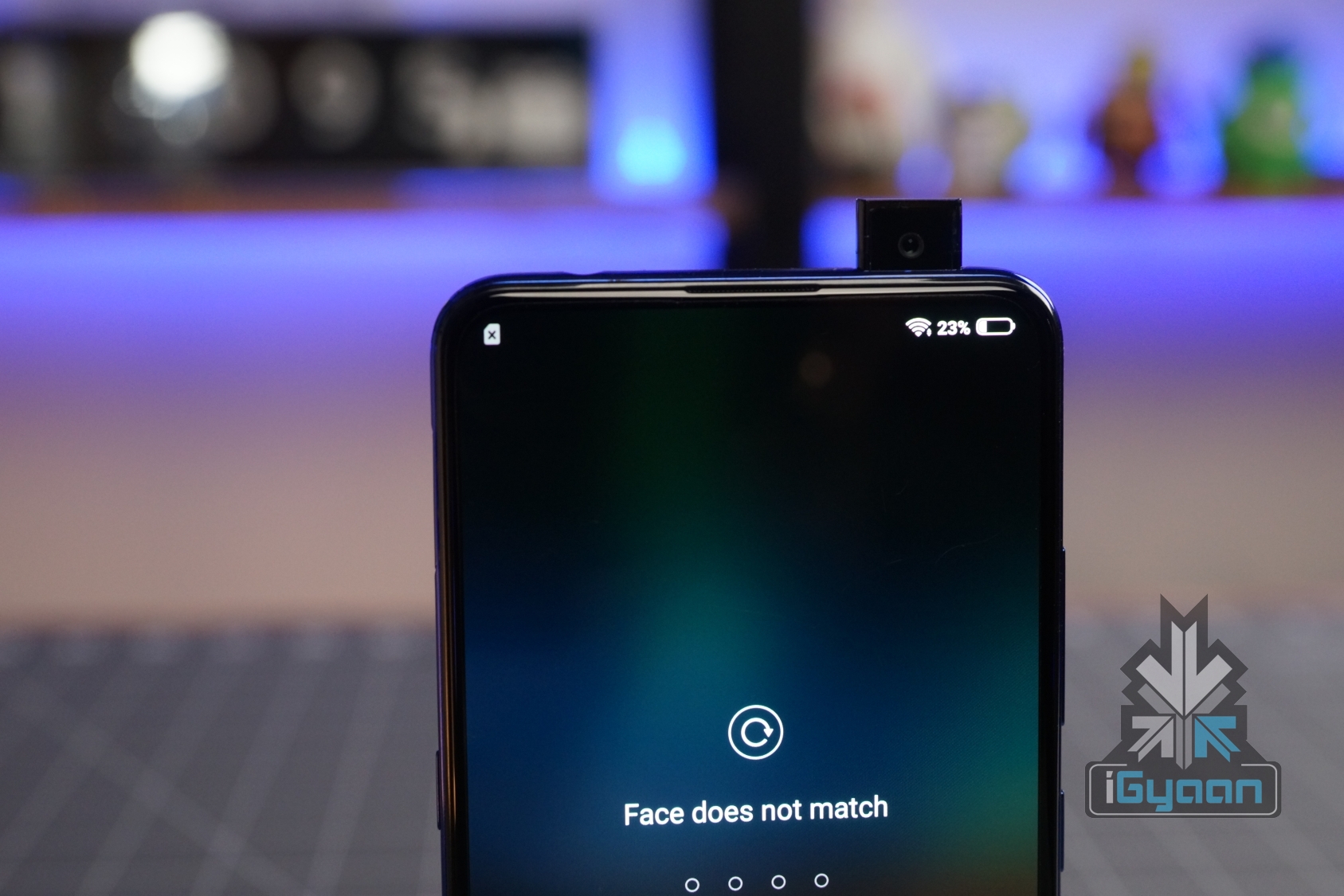
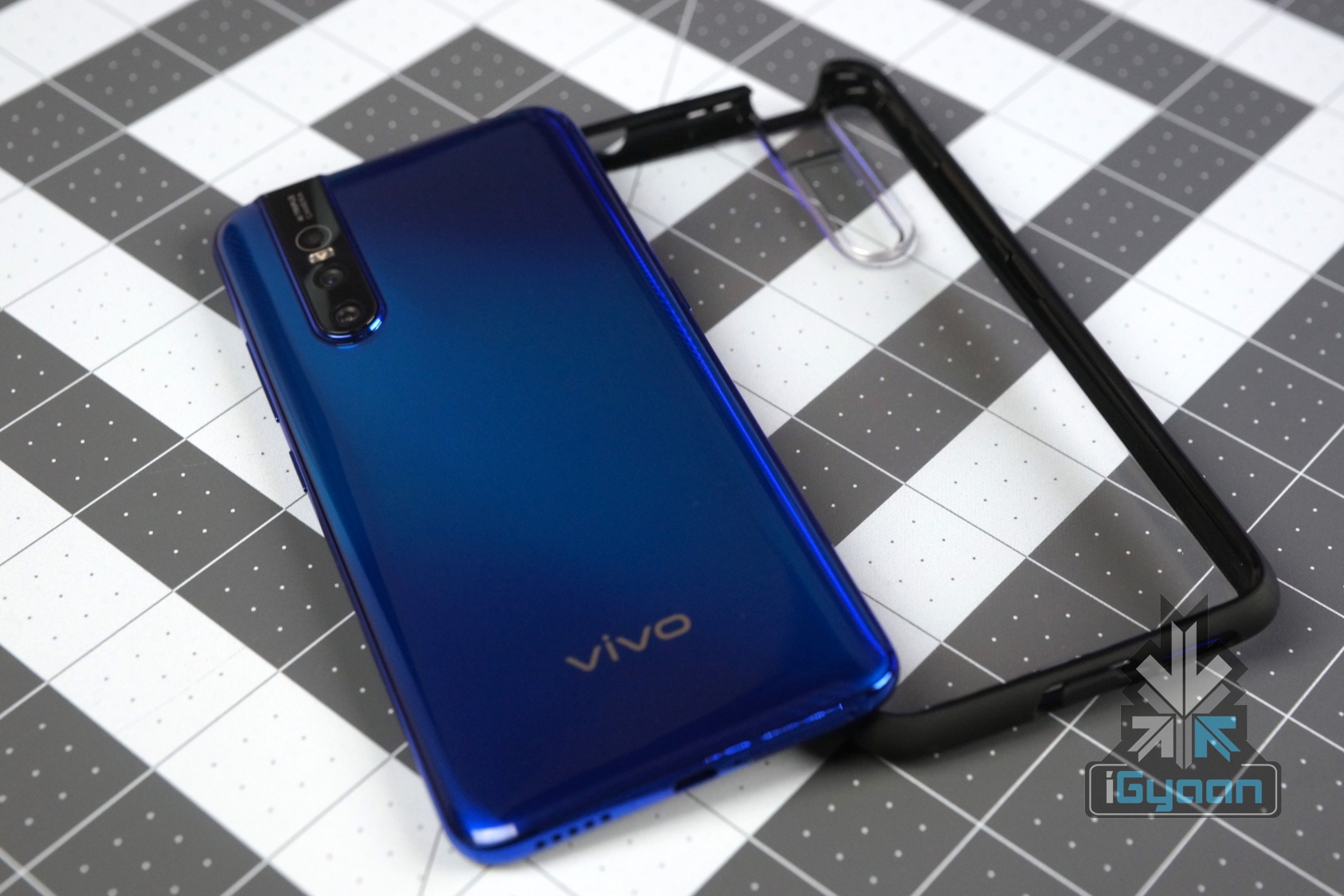
Vivo launched its latest smartphone, the V15 Pro in India today. The smartphone features an edge to edge display with a pop-up selfie camera. The phone also features a triple-rear camera setup and has an in-display fingerprint sensor. The smartphone is targeted towards photography enthusiasts and people who click a lot of selfies. Here is our experience with the Unboxing and Hands-On with the device.
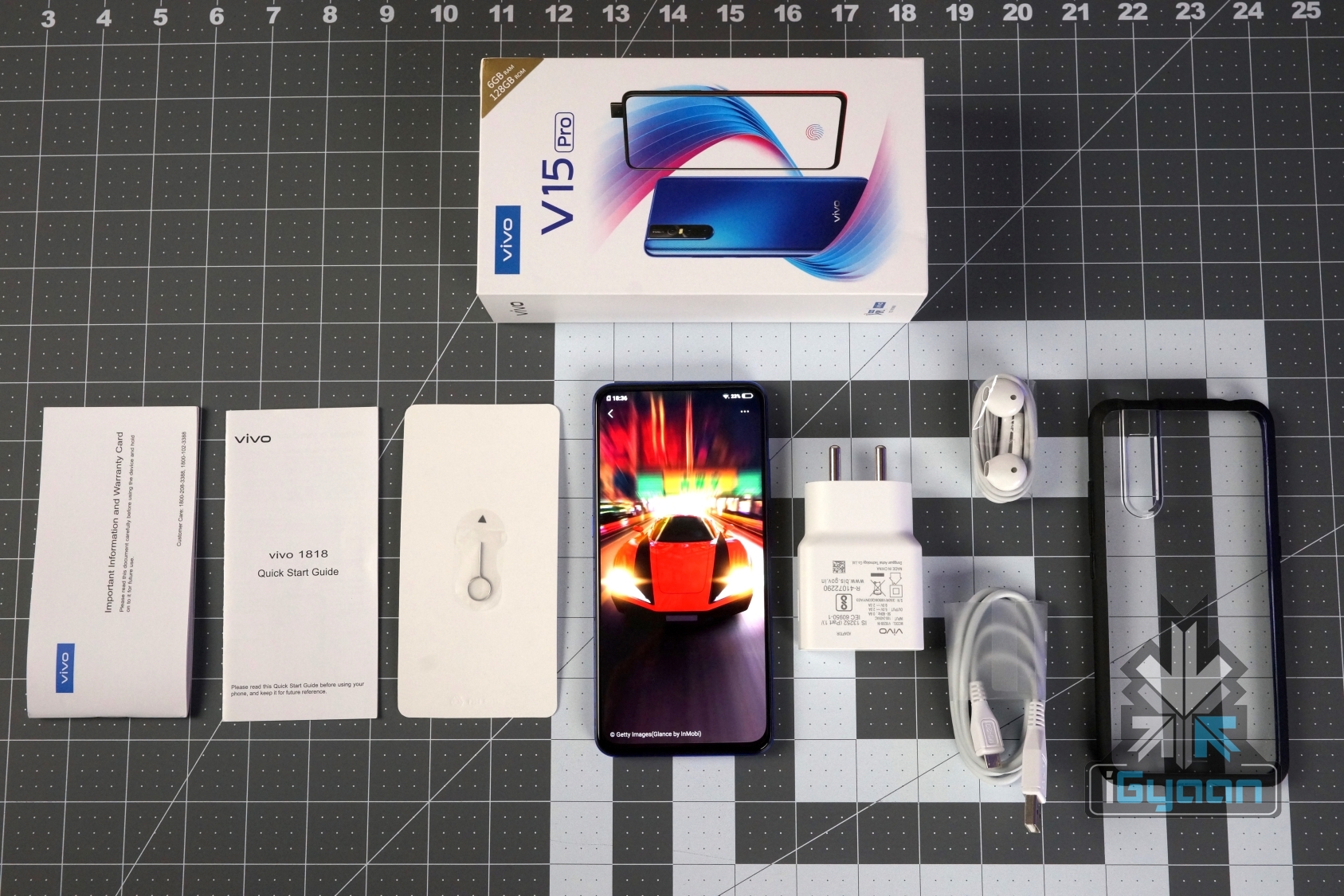
What’s In The Box?
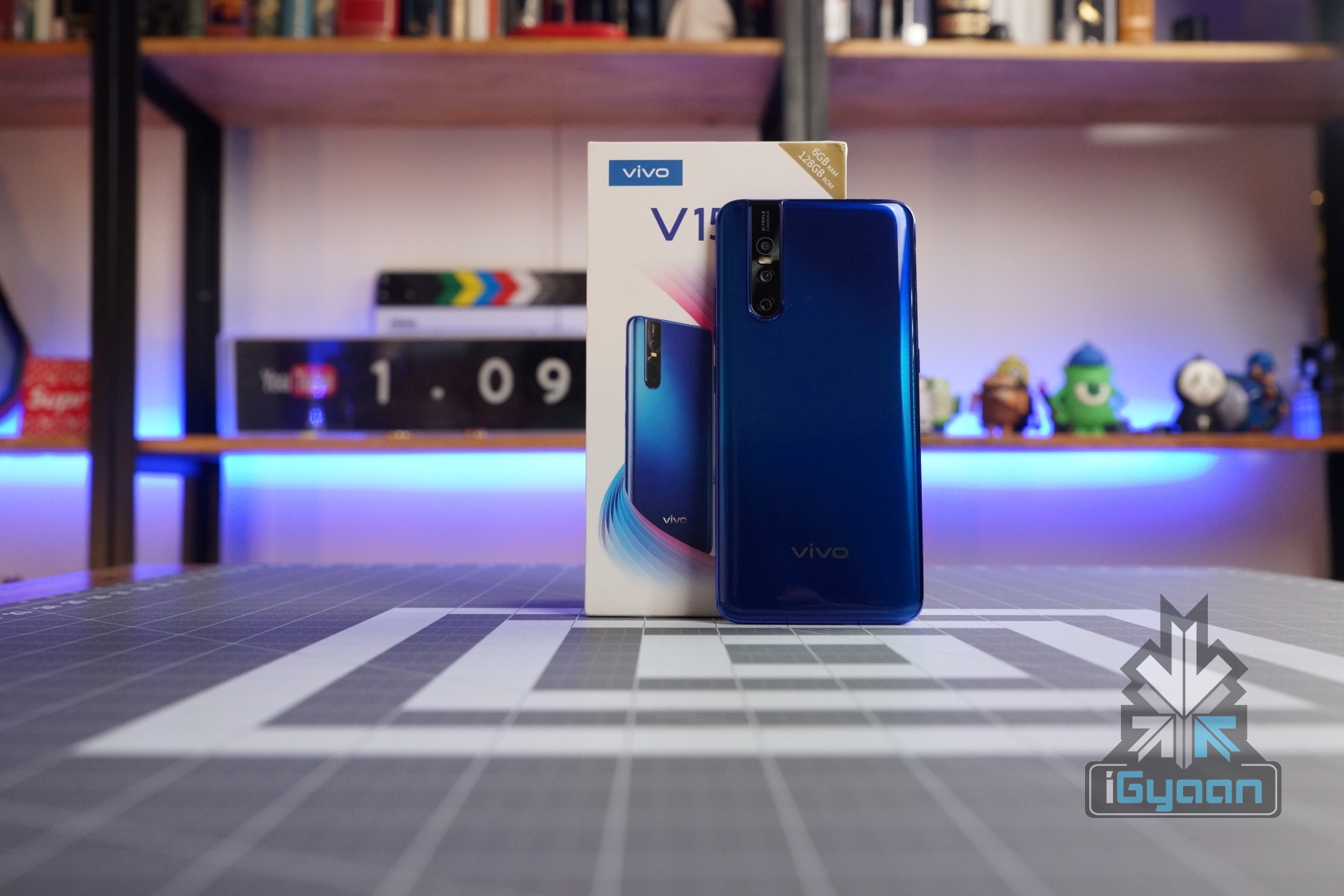
Vivo V15 Pro
In-Ear Headphones
Quick Start Guide
MicroUSB Cable
Power Adapter
SIM Ejector
Protective Case
Design
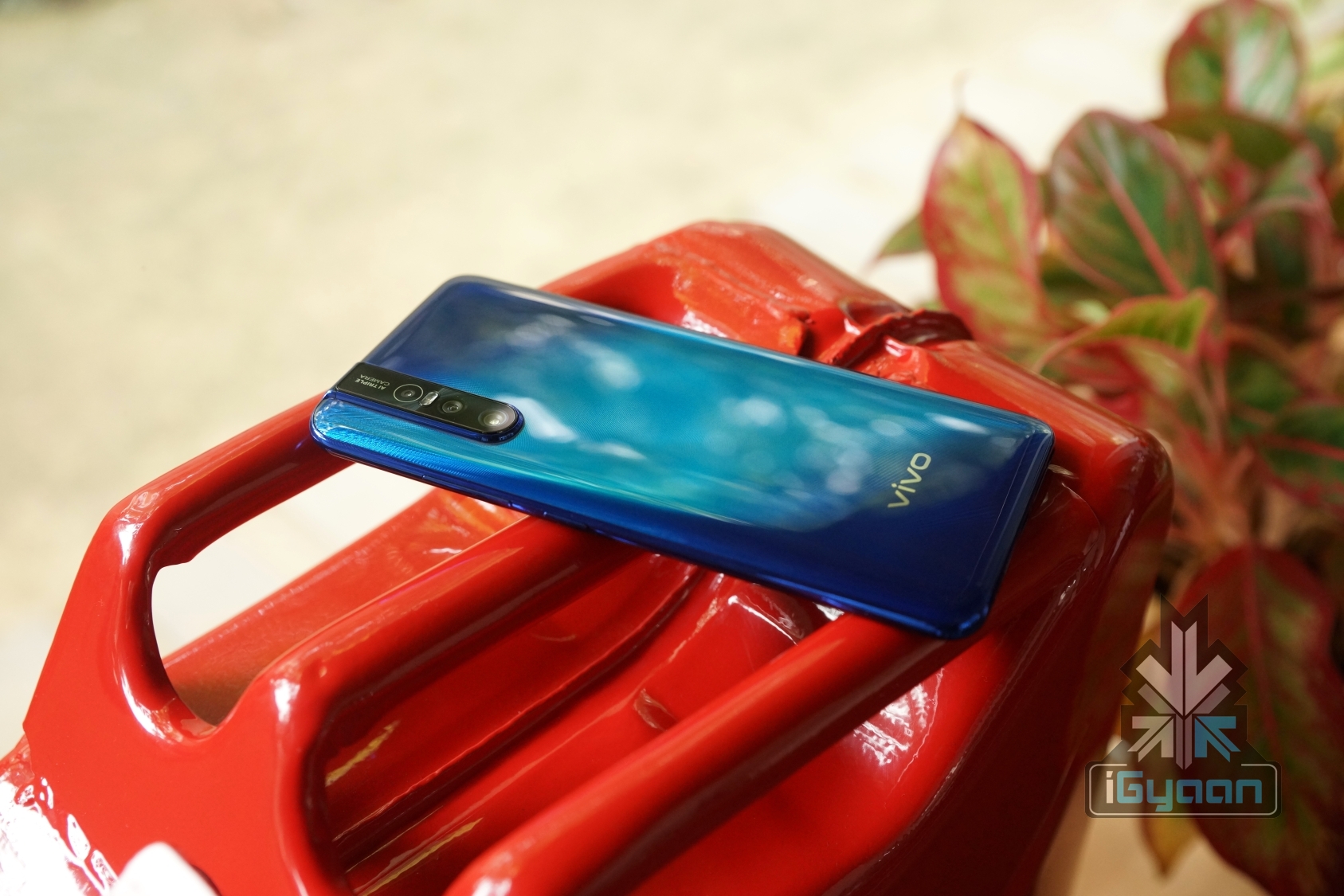
The Vivo V15 Pro has a 6.39-inch display with a high screen to body ratio. The right side of the device makes room for a volume rocker and a power button underneath it. The left side has the Assistant button which can be pressed to quickly bring the Google Assistant on screen. The bottom of the device has the dual SIM Card tray, the MicroUSB port and the loudspeaker grille. The top houses the 3.5mm headphone jack and the pop-up selfie camera. The design of the device is clean and stylish and the gradient finish on the back give it a distinct look.
Display
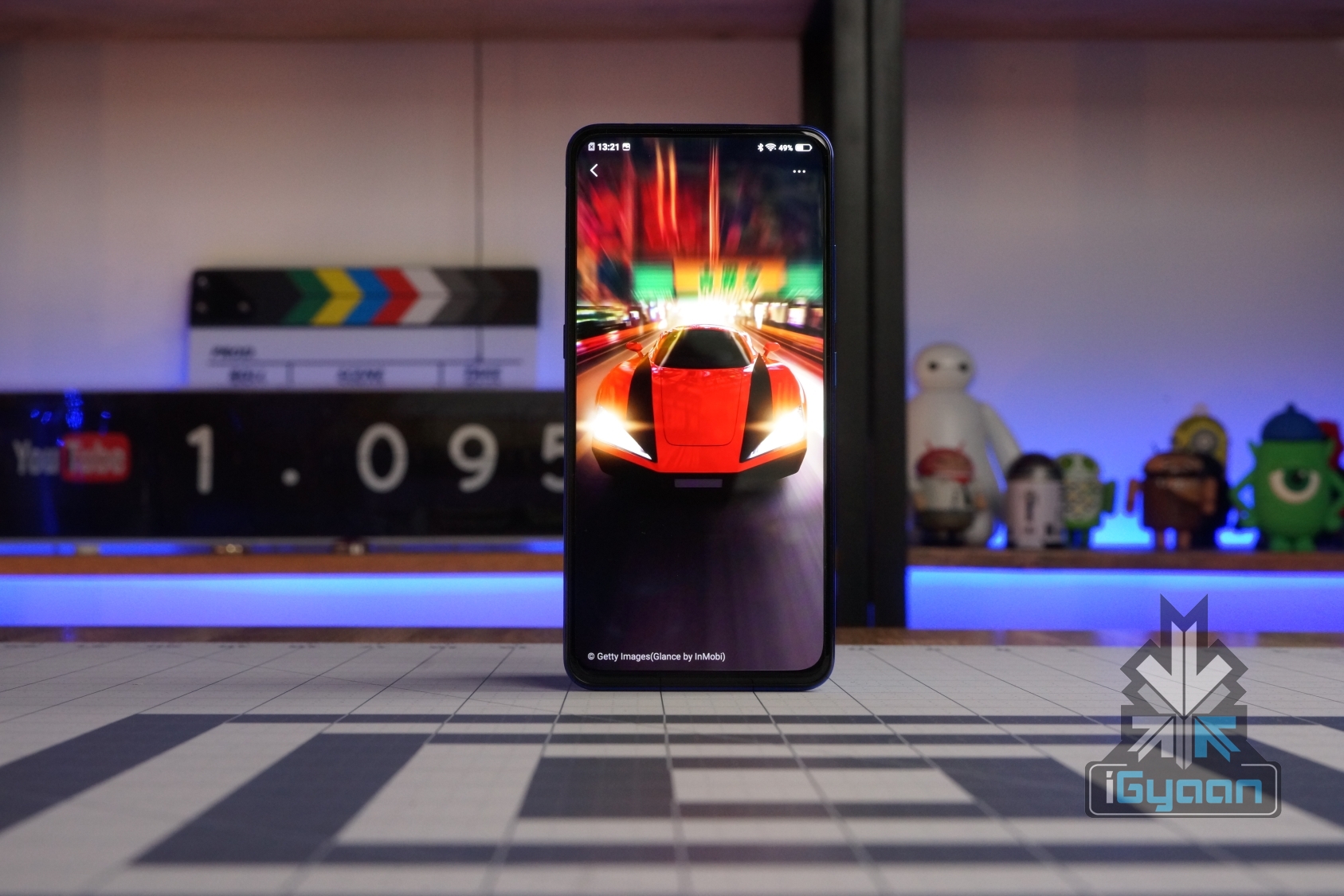
The Vivo V15 Pro has a 2.5D, 6.39-inch Super AMOLED display with a resolution of 2340 x 1080px and a pixel density of 401PPI. The display of the device also houses the in-display fingerprint scanner. The display of the device is surrounded by very thin bezels with no obtrusions like a notch or a hole-punch. The device has a screen protector on the display pre-installed out of the box.
Processor
The Vivo V15 Pro runs on the recently announced Qualcomm Snapdragon 675 SoC. The chipset has an Octa-core CPU featuring an 11nm architecture which is combined with the Adreno 612 GPU. The CPU consists of eight Kryo 460 cores and has a clock speed of up to 2.0GHz. The Snapdragon 675 is a mid-range chipset which should be fine for day-to-day tasks and some casual gaming.
Memory & Storage
The Vivo V15 Pro has 6GB of RAM. As for the internal storage, the device has 128GB of storage. There is also support for microSD cards up to 256GB which can be installed in the dedicated MicroSD Card slot present on the left side of the device.
Camera
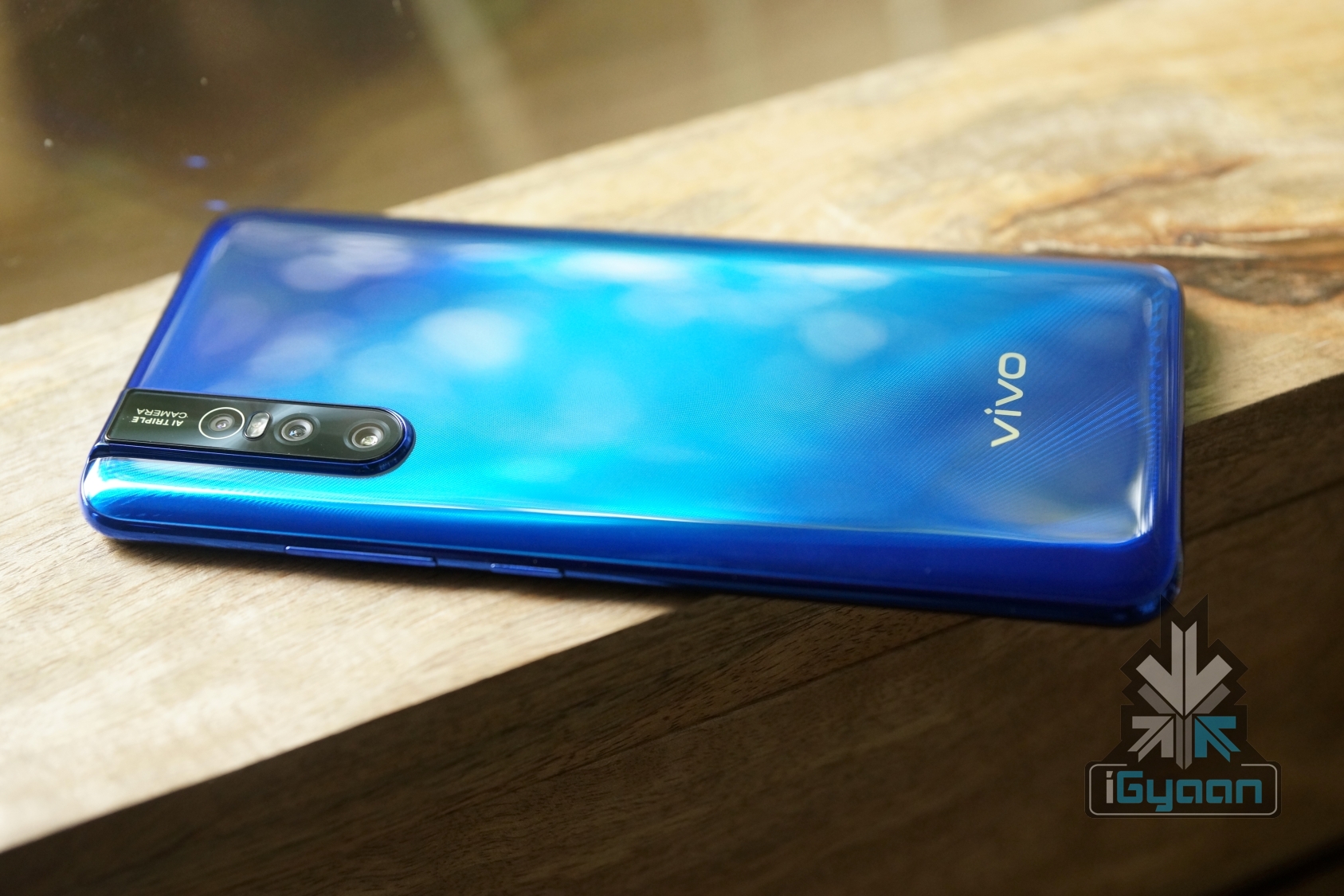
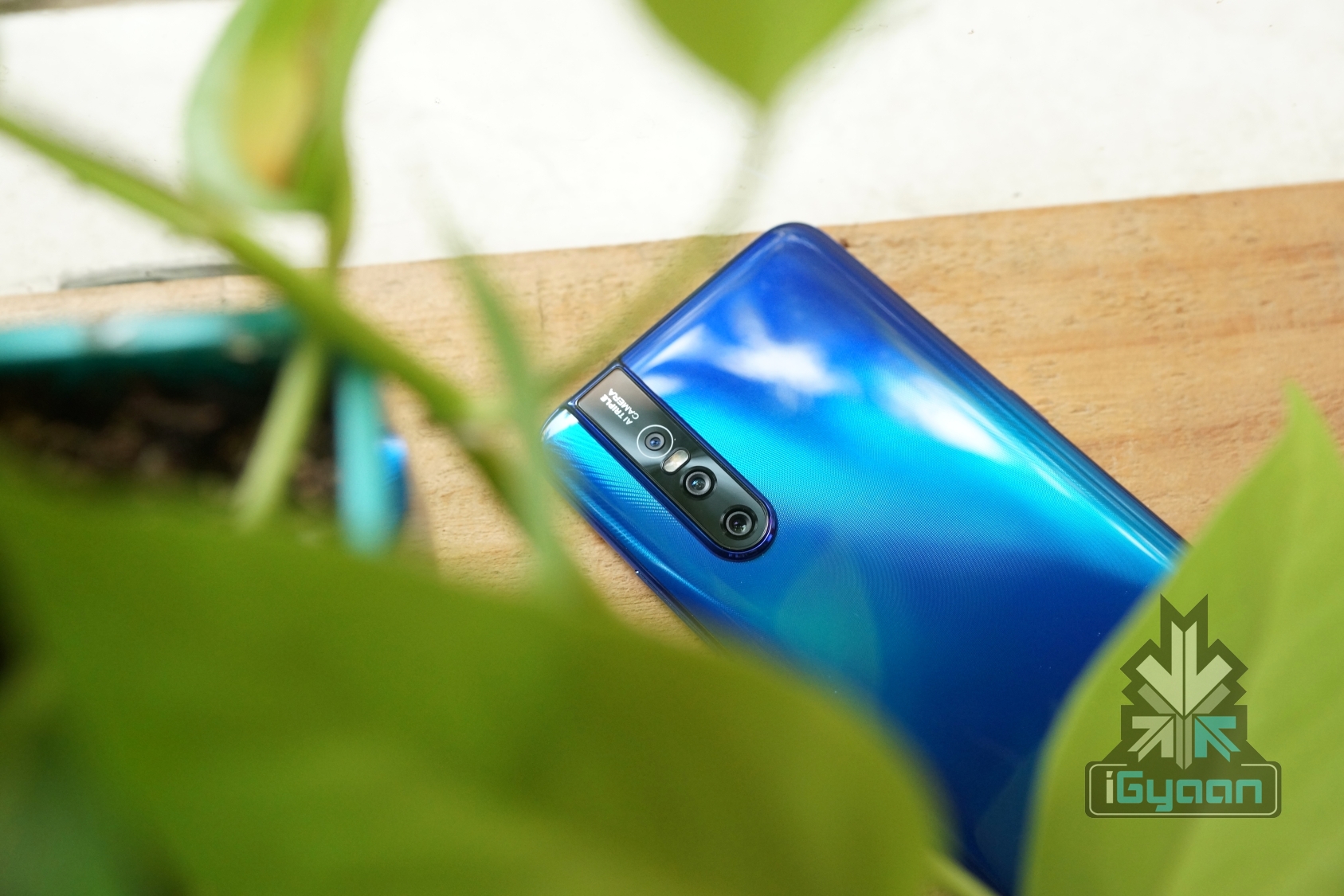
The Vivo V15 Pro has a triple rear camera setup, which comprises of a 48MP f/1.8 sensor combined with an 8MP f/2.2 ultra-wide sensor and a 5MP f/2.4 depth sensor for portrait mode. The selfie camera is housed in the pop-up slider on the top of the device and has a 32MP f/2.0 sensor. The smartphone can also capture 4K videos at 30fps from the rear camera and 1080p videos at 30fps from the front camera.
Battery
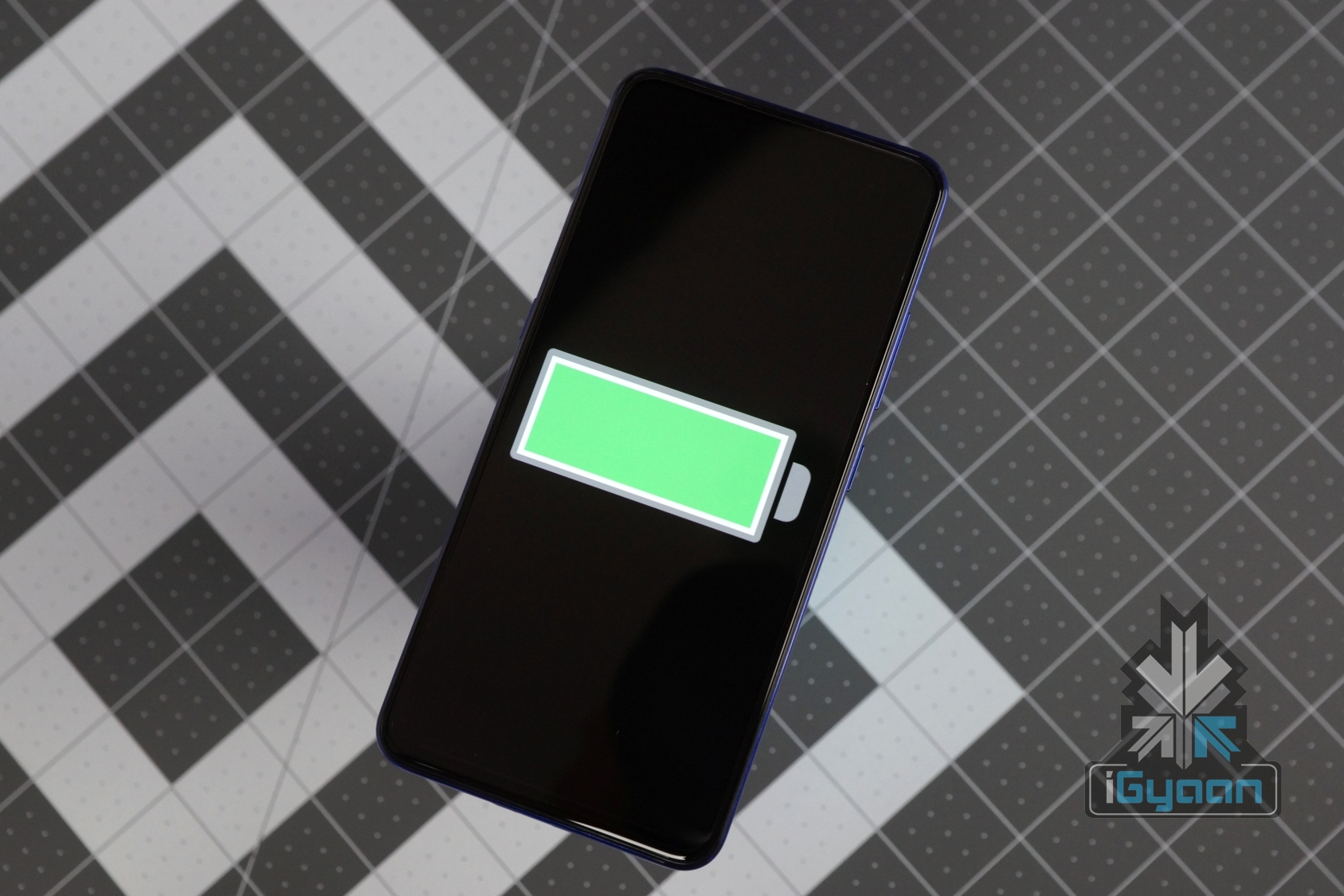
The Vivo V15 Pro is powered by a 3700 mAh battery which supports fast charging via the bottom mounted MicroUSB port. The device also supports Vivo’s proprietary dual engine fast charging of up to 18W with the bundled charger.
Connectivity & Other Features
Connectivity options on the Vivo V15 Pro include dual 4G VoLTE, Bluetooth 5.0, 802.11 Wi-Fi, GPS, and has the dated Micro-USB port for charging and data syncing. The device also has a 3.5mm audio jack on the top.
Price & Availablity
The Vivo V15 Pro has been launched in India for the price of Rs 28,990. The device will be available starting today, February 20 from major online and offline stores.
Chinese smartphone maker Vivo has launched its latest mid-range offering, the Vivo V15 Pro in India today, February 20. The device features a 32MP pop-up selfie camera and triple rear cameras. The placement of the front-facing camera gives the device an edge-to-edge screen with a high screen to body ratio.
Build & Features
The Vivo V15 Pro measures 157.25 x 4.71 x 8.21mm and weighs in at 185 grams. On the front of the device sits a 2.5D, 6.39-inch Super AMOLED display with a resolution of 2340 x 1080 px. The top of the device has a 32MP, mechanical pop-up camera that can also capture 1080p videos at 30 fps. For securely and swiftly unlocking the device, it also has an in-display fingerprint sensor and also supports Face Unlock technology.
The rear panel of the V15 Pro has an attractive appearance with a gradient finish. The back of the smartphone houses the triple camera setup, which comprises of a 48MP f/1.8 sensor combined with an 8MP f/2.2 ultra-wide sensor and a 5MP f/2.4 depth sensor for portrait mode. For connectivity, the Vivo V15 Pro features dual 4G VoLTE, Bluetooth 5.0, 802.11 Wi-Fi, GPS, and a bottom mounted Micro-USB port for charging and data syncing. The device also has a 3.5mm audio jack on the top.
In terms of storage, the Vivo V15 Pro has 6GB of RAM and 128GB of storage. The device also supports memory expansion up to 256 GB via the dedicated MicroSD card slot. Under the hood, the device packs the Snapdragon 675 SoC. The chipset is manufactured using 11 nm manufacturing technology and it comprises of an Octa-core CPU and Adreno 612 GPU. The device is powered by a 3700 mAh battery that supports Vivo’s dual engine fast charging. The dual engine technology allows the smartphone to be charged with 18 watts of maximum power
Price & Availablity
The Vivo V15 Pro has been launched in India for the price of Rs 28,990. It is available for pre-order starting today while the deliveries will commence from the 6th of March. The handset will be available from both online and offline channels.
With the Flipkart Mobiles Bonanza Sale in full swing, now is a great time to upgrade to a better smartphone with new features. The sale begins on February 19 and concludes on February 23. Here is a list of all the smartphones which are getting their prices slashed.
Apple Deals
iPhone XS, XS Max
The top-tier smartphones from Apple, the iPhone XS and XS Max will be getting a price cut this sale. If a user is trying to get their hands on the iPhone XS or the XS Max, now would be a really great time to do that. The Apple iPhone XS has a 5.8 inch Super Retina display, with a resolution of 2436 x 1125 px. On the other hand, the iPhone XS Max has a 6.5 inch Super Retina Display with a 2688 x 1242 resolution. Both the devices run on the latest A12 bionic chipset coupled with 4 GB of RAM. The iPhone XS and XS Max have a dual (12 MP + 12 MP) camera setup with an aperture of f/1.8. The devices are available in 64 GB, 256 GB and 512 GB variants, with an new attractive gold colour option.
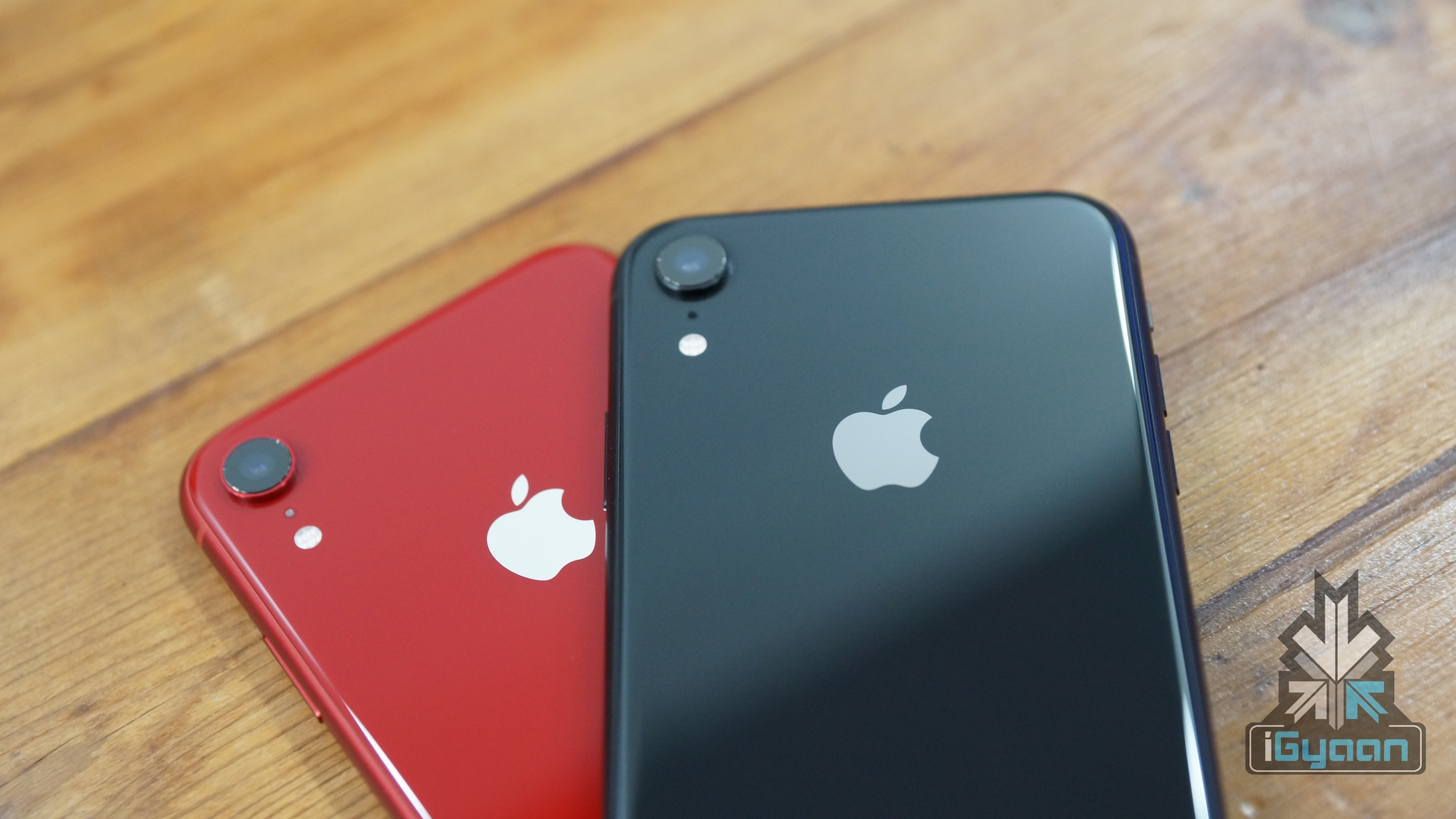
The iPhone XR is the most affordable smartphone from Apple in the latest iPhone series. The device sports a 6.1 inch LCD display with a 1792 x 828 px. The smartphone runs on the A12 Bionic Processor coupled with 3 GB of RAM. The iPhone XR has a single 12 MP wide-angle camera with an aperture of f/1.8 and a front 7 MP camera sensor. The smartphone packs a 2942 mAh battery and will be available in 5 colours – Black, Red, Yellow, Blue, Coral, and White.
The Samsung Galaxy S8 will see a huge price cut this Flipkart Sale. The smartphone has a 5.8 inch Super AMOLED display, with a 2960 x 1440 px resolution. The device runs on an Exynos 8895 chipset and packs 4 GB of RAM. The Galaxy S8 has a 12 MP (f/1.7) primary camera with a 8 MP (f/1.7) front selfie shooter. The smartphone is powered by a 3000 mAh battery and supports fast charging.
The Redmi Note 6 Pro is one of the highest selling smartphones in the country, and users can buy it for a lower price during this bonanza. The Redmi Note 6 Pro features a 6.26 inch IPS LCD display, with a 81.1% screen-to-body ratio. The smartphone runs on the Snapdragon 636 SoC and is available in 3GB, 4GB and 6GB RAM variants. The handset has a dual (12 MP + 5 MP) rear camera setup and a dual (20 MP + 2 MP) front camera setup with a depth sensor. Powered by a 4000 mAh battery, the device is available in 4 attractive colours.
The Poco F1 was one of the most talked-about smartphones of 2018. The device runs on the powerful Snapdragon 845 chipset and comes in 2 RAM configurations. The phone has a 6.18 inch display, and has a dual primary camera setup with a single front camera. The Poco F1 is available in Graphite Black, Steel Blue, Rosso Red and an Armored Edition with Kevlar.
The Redmi Note 6 Pro has a 5.99 inch IPS LCD display. The smartphone runs on the Snapdragon 636 SoC and is available in 4GB and 6GB RAM variants. The handset has a dual (12 MP + 5 MP) rear camera setup and a single 20 MP front camera. The device is Powered by a 4000 mAh battery, and is available in 4 colours.
Launched as the Motorola P30 Note in China, the Moto One Power has a 6.2 inch IPS LCD with a 81.3% screen-to-body ratio. Under the hood, the device packs a Snapdragon 636 chipset and 3GB or 4GB of RAM (depending on the variant you choose). In terms of camera, the device has a 16 MP + 5 MP dual primary camera setup, with a single 12 MP selfie shooter. The device is powered by a massive 5000 mAh battery with 15 W fast charging. Available in just midnight black, the device runs Android 8.1 (Oreo) upgradable to Android 9.0 (Pie).
The Moto X4 has a 5.2 inch IPS LCD with a 1920 x 1080 px resolution. The device packs a Snapdragon 630 SoC and 3GB, 4GB or 6GB of RAM (depending on the variant you pick). In terms of camera, the device has a 12 MP + 5 MP dual primary camera setup, with a single 16 MP selfie camera. The device is powered by a 3000 mAh battery with 15 W fast charging. Available in Super black and Sterling Blue, the device runs Android 7.1 (Nougat) upgradable to Android 9.0 (Pie).
The ASUS Zenfone Max Pro M2 is a strong contender in the budget segment. The device has a 6.2 inch IPS LCD with 82% screen-to-body ratio. Running Android 8.1 (Oreo) out-of-the-box, the handset packs a Snapdragon 660 chipset and is available with 3GB, 4GB and 6GB RAM options. The smartphone has a 12 MP + 5 MP dual camera setup, with a 13 MP front camera and a selfie flash. A huge 5000 mAh battery powers the device.
The ASUS Zenfone 5Z has a 6.2 inch IPS LCD display. The smartphone runs on the Snapdragon 845 SoC and is available in 4GB, 6GB and 8GB RAM variants. The handset has a dual (12 MP + 8 MP) rear camera setup with OIS and a single 8 MP wide angle front camera. The device is powered by a 3300 mAh battery and is available in 2 colours : Midnight black and Meteor Silver.
The Nokia 6.1 Plus has a 5.8 inch IPS LCD with a 81.5% screen-to-body ratio. The device runs on the Snapdragon 636 SoC and has 2 different RAM variants to pick from. The handset features a 16 MP + 5 MP rear camera module with a 16 MP front camera. Packing a 3060 mAh battery, the Nokia 6.1 Plus supports 18 W fast charging. The device is purchasable in Black, Blue and White.
The LG G7 ThinQ was launched in May 2018, so its a fairly recent addition to LG’s Smartphone Lineup. The smartphone has a 6.1 inch LCD display with a 19.5:9 aspect ratio and a high pixel density of 564 ppi. Running on the Snapdragon 845 chipset, the smartphone has a dual 16 MP + 16 MP primary camera module with laser autofocus. The device is sold in 2 different variants, and is available in 4 colour options.
The Honor 9N has a 5.84 inch IPS LCD with 79.5% screen-to-body ratio. Running Android 8.0 (Oreo) out-of-the-box, the handset packs a HiSilicon Kirin 659 chipset and is available with 3GB and 4GB RAM options. The smartphone has a 13 MP + 2 MP dual camera setup, with a 13 MP front camera. A 3000 mAh battery powers the device.
The Oppo F9 Pro has a 6.3 inch IPS LCD with a 2340 x 1080 px resolution. The device packs a Mediatek MT6771 Helio P60 SoC and 4GB or 6GB of RAM. In terms of camera, the device has a 16 MP + 2 MP dual primary camera module, with a single 25 MP selfie shooter. The device is powered by a 3500 mAh battery with 20 W fast charging. Available in Sunrise Red, Twilight Blue and Starry Purple, the device runs Android 8.1 (Oreo).
The Oppo A3S has a 6.2 inch IPS LCD with 81.2% screen-to-body ratio. Running Android 8.1 (Oreo) out-of-the-box, the handset packs a Snapdragon 450 chipset and is available with 2 GB of RAM. The smartphone has a 13 MP + 2 MP dual camera setup, with an 8 MP front camera. A 4230 mAh battery powers the device.
The highly popular Vivo V9 Pro will also see a huge price cut this Sale. The smartphone has a 6.3 inch TFT display, with a 2280 x 1080 px resolution. The device runs on Snapdragon 660 chipset and packs 4/6 GB of RAM. The Vivo V9 Pro has a 13 MP + 2 MP dual primary camera setup with a 16 MP (f/2.0) front selfie shooter. The smartphone is powered by a 3260 mAh battery and is available in 2 colours.
The Vivo V11 Pro has a 6.41 inch Super AMOLED screen with a 85.2% screen-to-body ratio. The device runs on the Snapdragon 660 SoC and has 6 GB RAM. The handset features a 12 MP + 5 MP rear camera module with a 25 MP front camera. Packing a 3400 mAh battery, the V11 Pro is purchasable in Starry Night Black, Dazzling Gold and Supernova red colours.
The Realme 2 Pro has a 6.3 inch IPS LCD with 84% screen-to-body ratio. Running Android 8.1(Oreo) out-of-the-box, the handset packs a Snapdragon 660 chipset and is available with 4/6/8 GB RAM options. The smartphone has a 16 MP + 2 MP dual camera setup, with a 16 MP front camera. A 3500 mAh battery powers the device. The Realme 2 Pro is available in Black, Deep Blue, Light Blue colour options.
The latest version of Google’s mobile operating system, Android 9 Pie was launched in August last year. The version included many changes in UI and introduced the long-awaited navigation gestures. The navigation gestures saw the removal of the multitasking navigation button from Android OS and instead it relied on just the ‘pill’ style navigation.
The back navigation button was still present on the OS and made an appearance whenever in an application. This half-baked approach turned out to be polarising with many people ending up liking the change; and many people straight-up hating it. Recent reports suggest Android will let go of the back navigation button completely and instead rely upon gestures in the upcoming Android Q.
Android Q Gestures
A device running a leaked version of Android Q revealed that Google may be planning to forego the back navigation button entirely in favour of one pill navigation. This would allow the users to go back with a single left swipe on the home ‘pill style’ button. This is expected to make Android easier to navigate and more intuitive. Notably, Google was inspired by Apple when it introduced gestures with the latest generation of Android.
Going by the release schedule Google follows while releasing the developer preview of the devices, the first developer preview of Android Q is expected to be out in a few weeks. It is, however not expected to introduce new gestures with the initial release. Google may wait for the second developer preview to reveal them, which will see the light of the day at the Google I/O 2019, a developer conference scheduled for the month of May. The new version of Android is also expected to bring in changes like a native dark mode, smoother transition animations, revamped app permissions and a new desktop mode. Earlier reports also claimed that Android Q may also support FaceID like face authentication.
The new gestures that are speculated to arrive with the new version of Android, seem like a step in the positive direction for the operating system. The final, stable build of Android Q is expected to be out in August. It will be when Google also uncovers what desert this generation will be called.
Huawei launched its current flagship device, the Mate 20 Pro late last year. The smartphone received raving reviews for its commendable performance and innovative camera capabilities. Seems like Huawei is looking to step up their game with their new flagship, the Huawei P30. Reports and leaks of which have been widespread for a few weeks. In a freshly shared Tweet, the company has announced the launch date and venue of the anticipated device.
The tweet reads “Rules were made to be rewritten. Paris, 26.03.2019”. The hashtag used in the tweet confirms that the device the company is planning to launch at the event is indeed the P30. The video shared also shows off what seems like the lossless zoom feature of the device. The device will be unveiled in Paris on March 26.
Huawei P30 Specifications
The P30 will be Huawei’s next flagship for most of 2019, so it is expected to offer top-tier specifications. According to the leaked images of the device, it will feature a glass-sandwich design with high screen-to-body ratio display that has a waterdrop style notch up top. The smartphone may feature a gradient back similar to the Mate 20 Pro. A surprising addition to the smartphone in the renders is the revival of the headphone jack as Huawei previously removed the headphone jack from the P20. The smartphone is expected to pack the latest HiSillicon Kirin 980 SoC which is also present on the Mate 20 Pro. The chipset is based on 7 nm architecture and comprises of an Octa-Core CPU and Mali G76 GPU. A Pro variant of the smartphone is also assumed which will feature better optics. Both the smartphones may have up to 8GB of RAM and up to 256GB of Internal Storage.
The notable feature of the smartphone will be its camera performance. The P series by Huawei is known for its innovative features in the cameras. According to the leaked images, the P30 will feature three rear cameras while the elder P30 Pro will have a quad rear camera setup. Unfortunately, details about the camera sensors aren’t known yet. However, both the devices are reported to feature a 40MP main camera sensor. While the second and third camera will make use of a sensor capable of 3x optical zoom and an ultra wide angle sensor. As shown in the announcement video, the smartphone will support 5x lossless zoom. The fourth lens on the Pro variant may either be a monochrome sensor as found on the P20 Pro or a depth sensor like the one present on the Samsung Galaxy A9. Both the smartphones are reported to have a 24MP selfie camera.
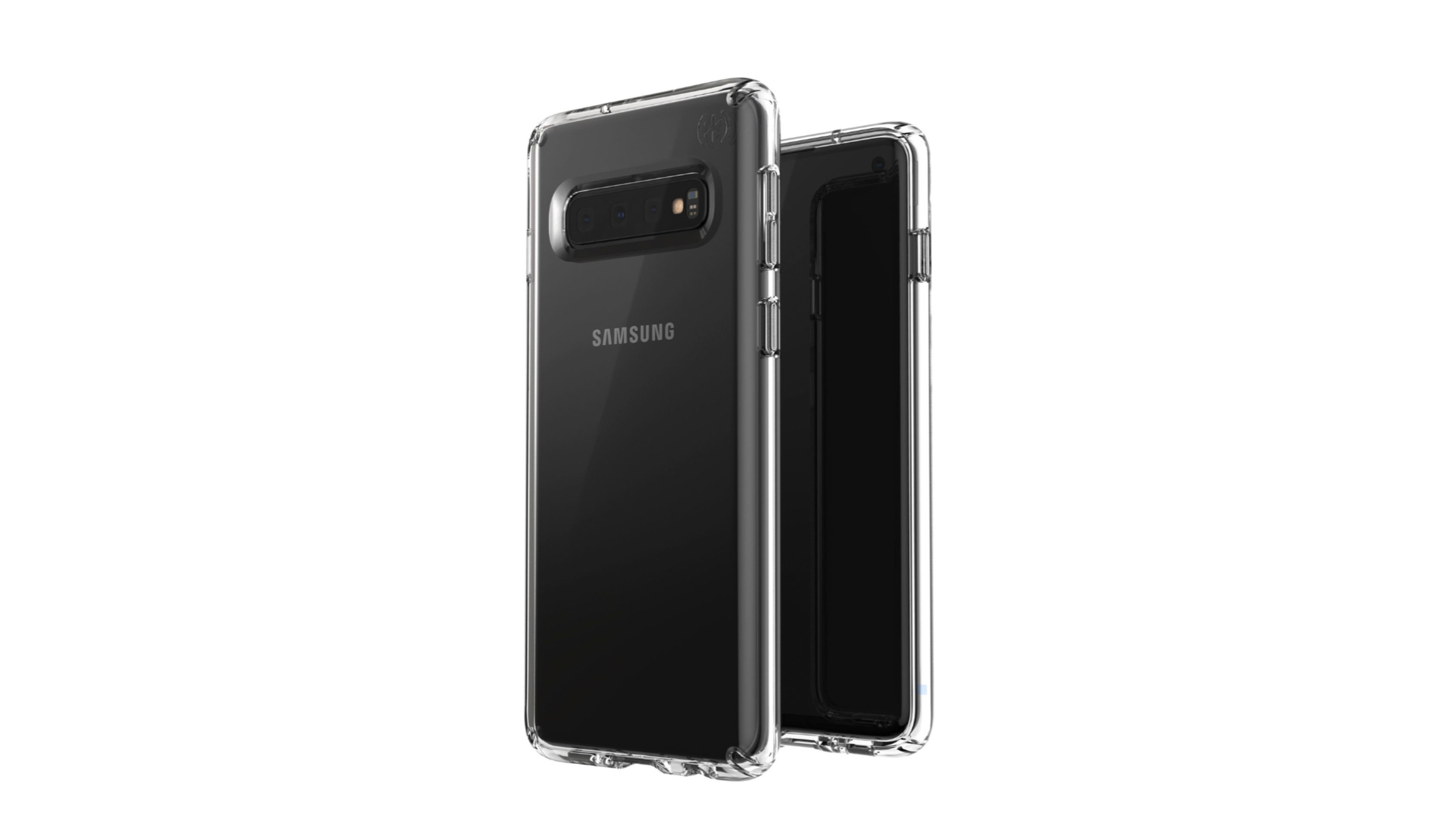
Samsung is all set to launch its next generation of flagship smartphones on February 20 at the Galaxy Unpacked 2019 event. The upcoming smartphones are of significant importance for the company. As they will mark the tenth year anniversary of Galaxy S smartphones which were first launched in the year 2010. Details about the upcoming Galaxy S10 lineup have leaked so much so that Samsung only needs to confirm their price and availability. Fresh leaks state that alongside the flagship smartphones, Samsung will also unveil several cases.
Samsung Galaxy S10 Cases
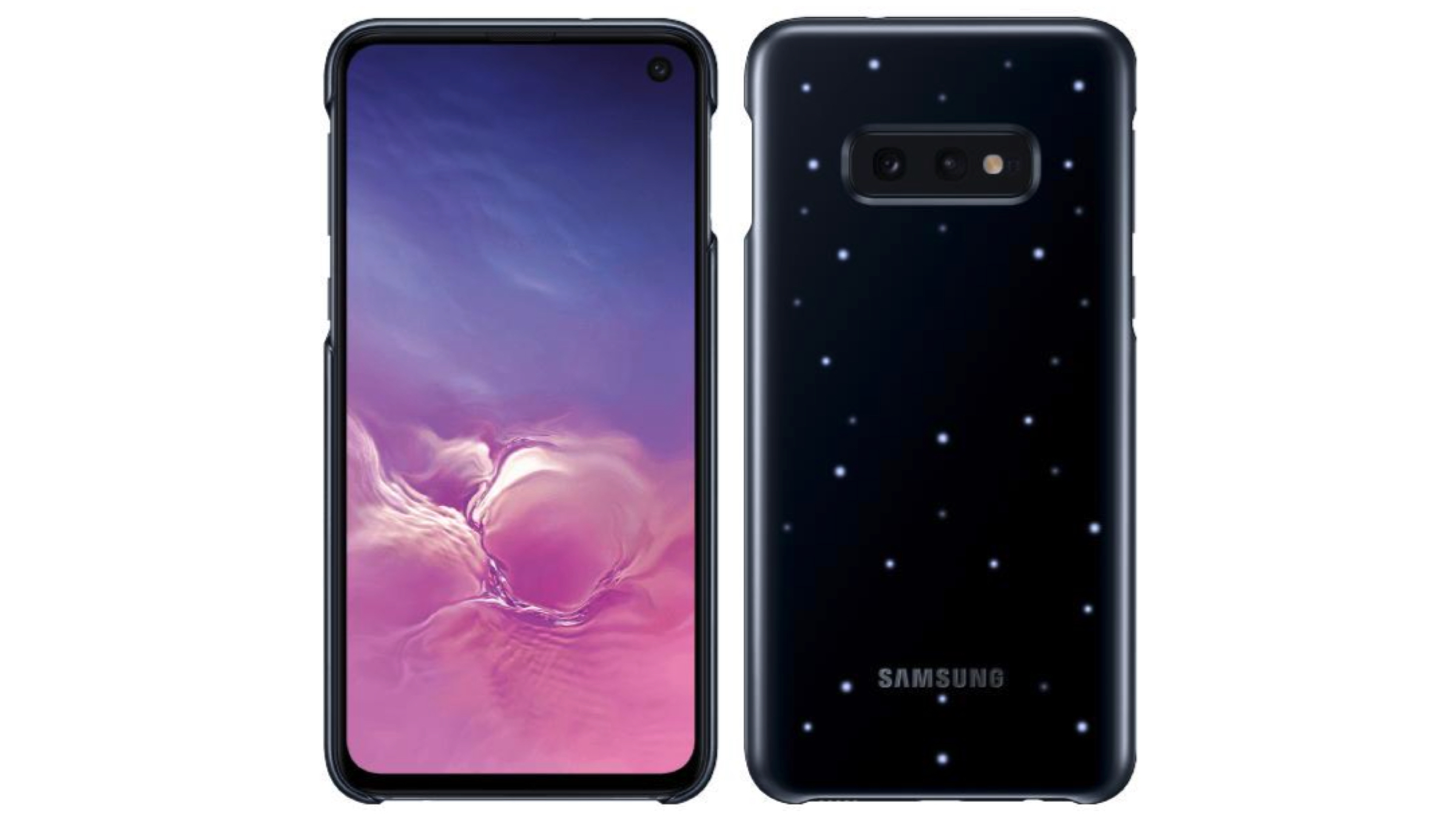
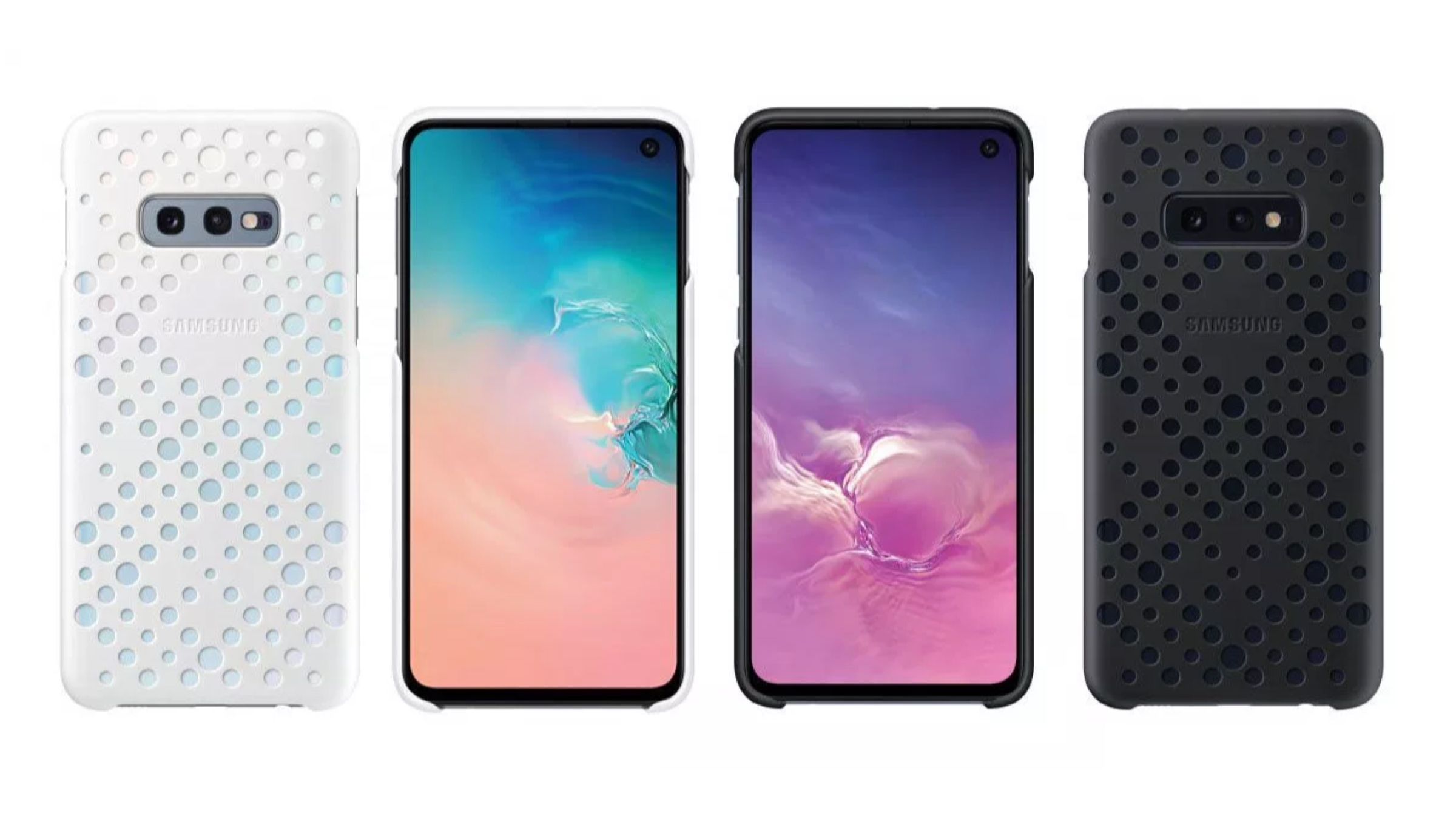
The Galaxy S10 lineup of accessories includes a variety of cases. These include a flip cover that Samsung releases with its flagship smartphones every year and will have the functionality to view important information like the time and notifications. The company is also expected to release silicone cases for the devices that will be available in different colours. The images also reveal some unusual cases for the devices. This includes a case for the S10e that is riddled with holes. The case does not provide any functionality and will just be used as a cosmetic accessory for the device.
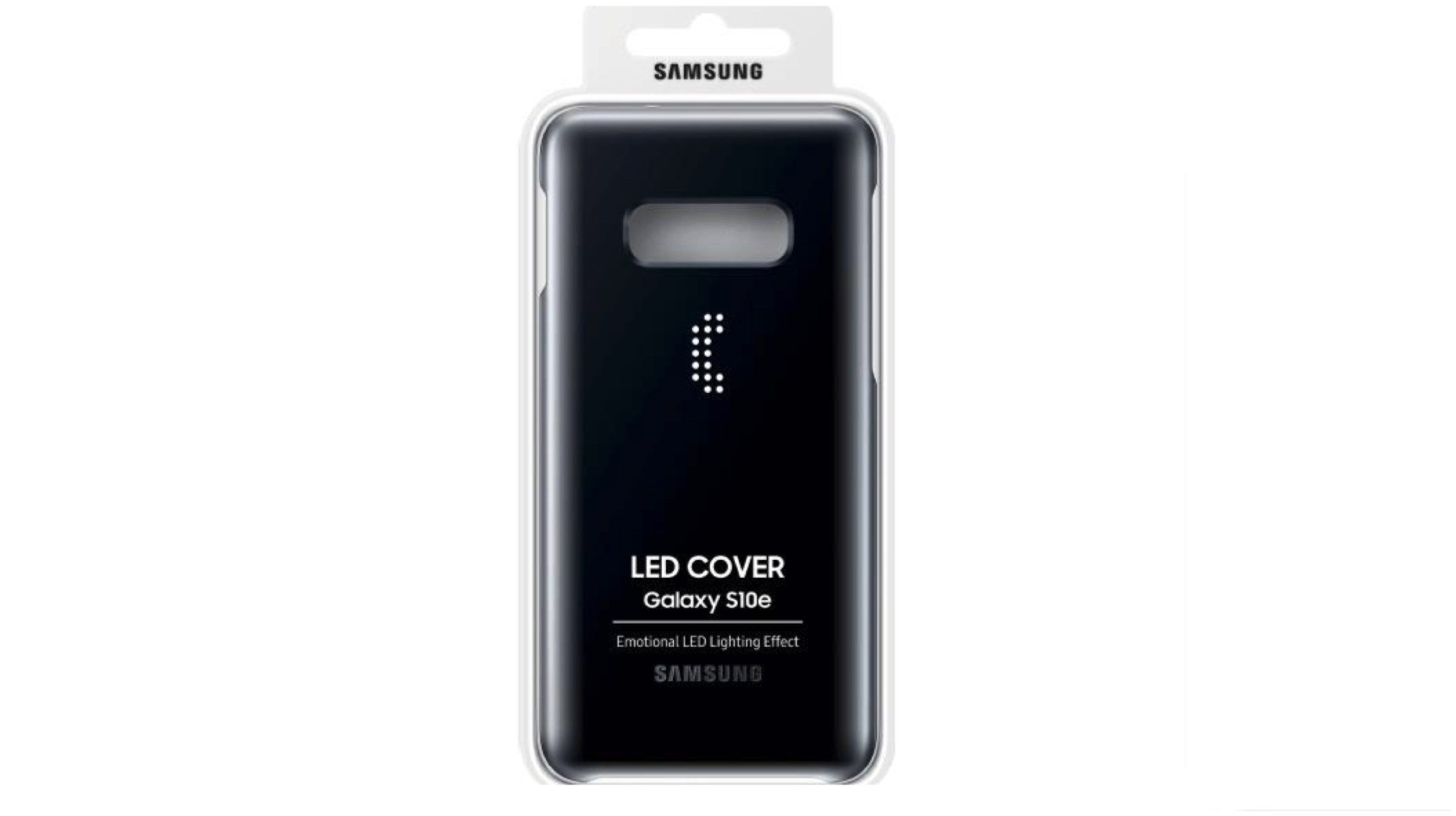
One notable accessory that Samsung will launch is the LED Cover for the Galaxy S10 lineup. This unconventional case will feature LED lights on the back which light up for notifications and can be used to form patterns or to set up widgets like a clock. Samsung is expected to call this an ‘Emotional LED Lighting’ which suggests that the LED might glow in different colours depending on the time of day or mood of the user. Reports suggest that the S10 series will support reverse wireless charging, so the case may take advantage of the feature to draw power. The cases are expected to debut alongside at the Galaxy Unpacked event on February 20 in San Fransisco. The price of the cases are currently unavailable and will be made public once Samsung officially announces them.
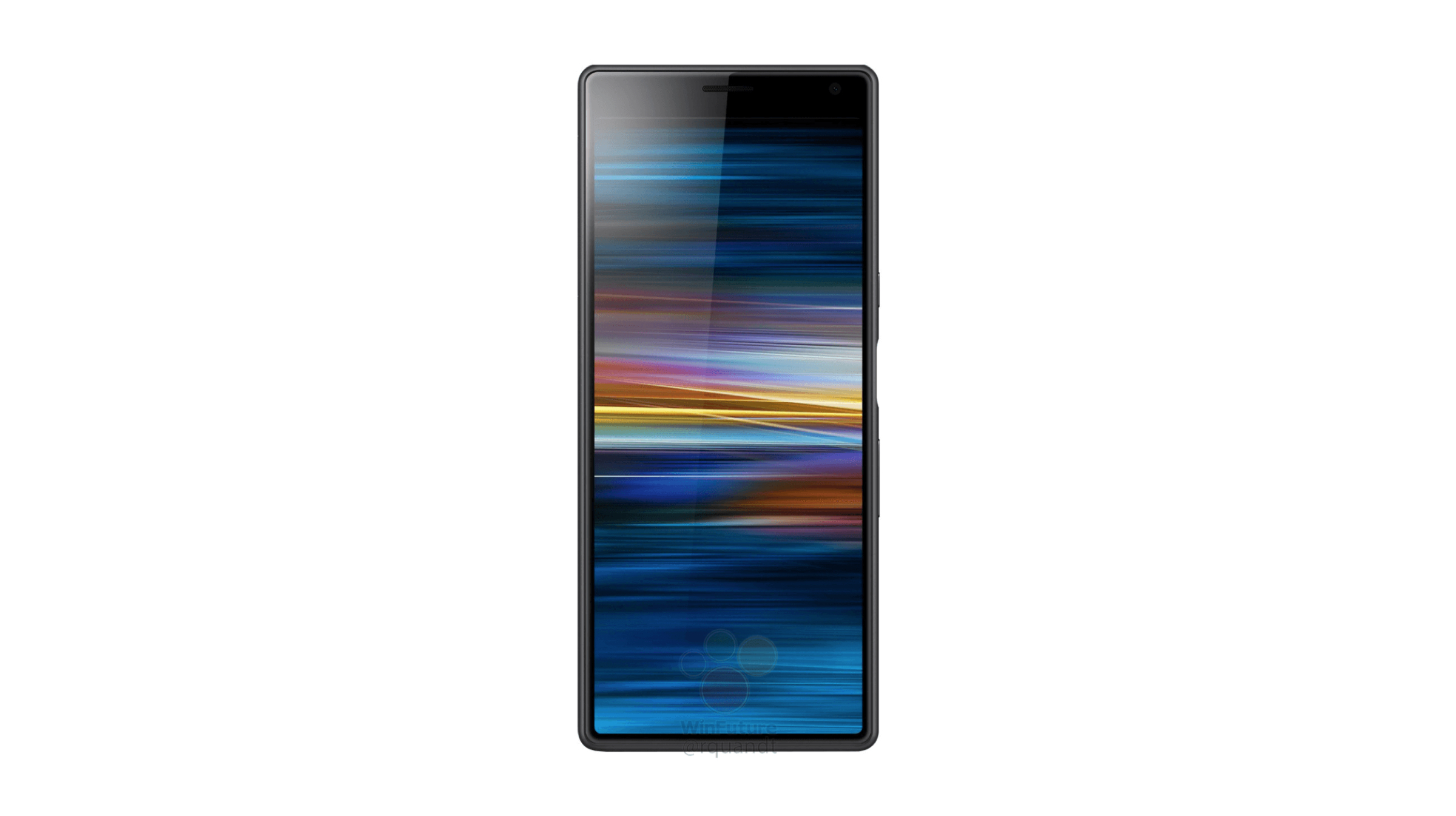
Sony is all set to unveil its flagship smartphone for the year 2019, the Xperia XZ4 at the Mobile World Congress (MWC) 2019. The Japanese electronics brand posted a 15 second teaser video on Twitter, which hinted at the launch of a “new smartphone design”. The teaser with the description “Embrace a new perspective” points towards the upcoming Xperia XZ4.
Although the teaser doesn’t exactly mention the Xperia XZ4, Sony creates speculations regarding a smartphone with an unconventionally tall display. A “new perspective” might mean the tall 21:9 display of the upcoming device. A lot of leaks have already revealed a lot of specifications and features of the Xperia XZ4. Furthermore, Sony has already filed a trademark for the term ‘Cinemawide’ with the European Union Intellectual Property Office on February 4. It is noteworthy here that a ‘cinemawide’ or 21:9 display will allow the user to enjoy cinematic widescreen movies without any black bars.
Specifications And Features
Sources have claimed that the Sony Xperia XZ4 may have 3 camera sensors on the back. The smartphone is expected to sport a 52 MP primary camera with an aperture of f/1.6, which will make it the highest pixel count so far in a smartphone. The device is supposed to be equipped with a 0.3 MP ToF sensor to increase autofocus speed, along with a 16 MP (f/2.6) telephoto lens.
The smartphone is expected to feature a 6.5 inch OLED display with a Quad HD+ resolution of 3360 x 1440 px. The Xperia XZ4 may run on the Snapdragon 855 SoC, and will probably be launched in two variants, a 6GB+128GB version and an 8GB+256GB variant. The device will supposedly be powered by a 4400 mAh battery with fast charging support. As mentioned before, the device is expected to launch at the MWC 2019 which is scheduled for 25 to 28 February in Barcelona.
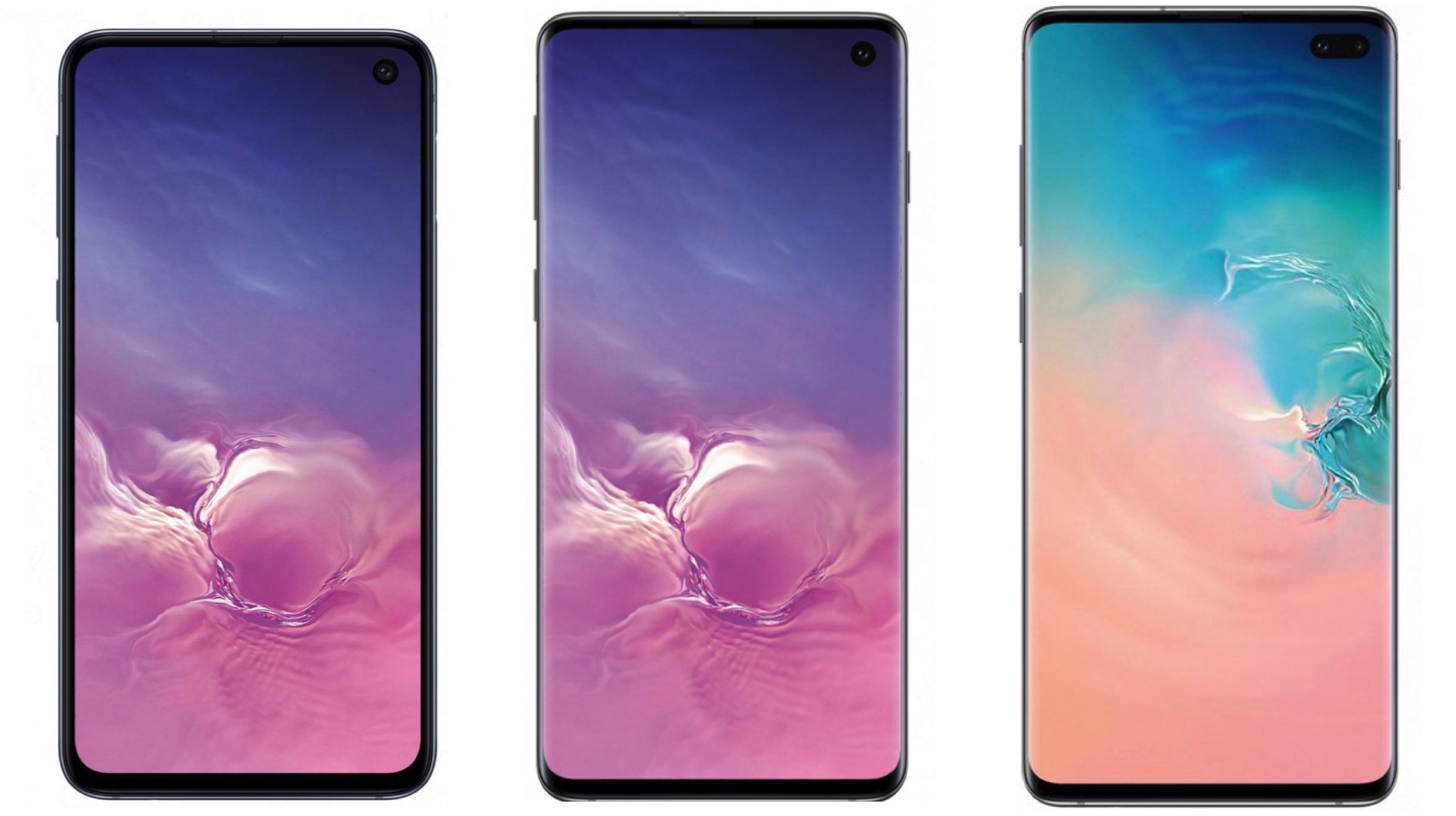
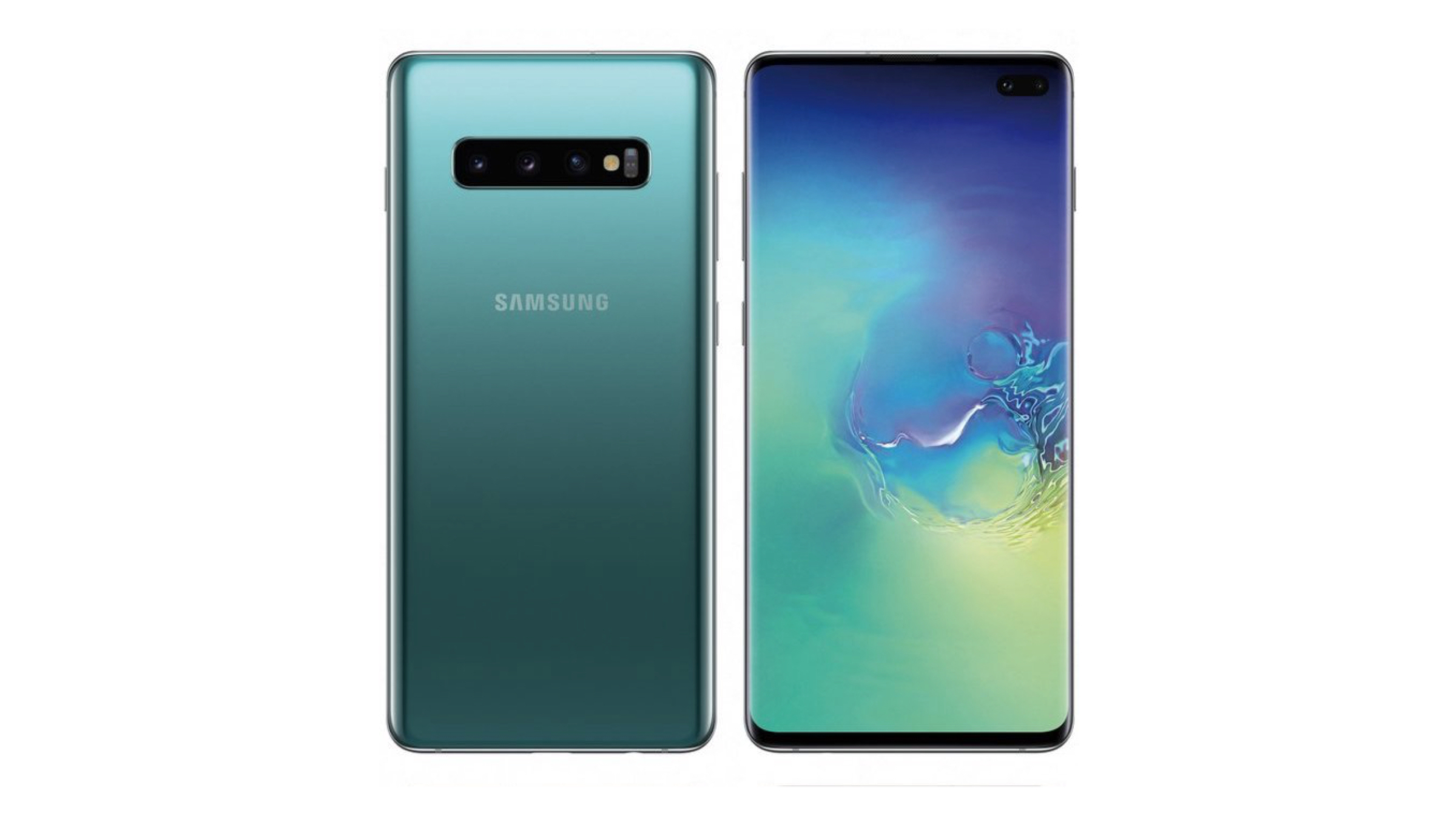
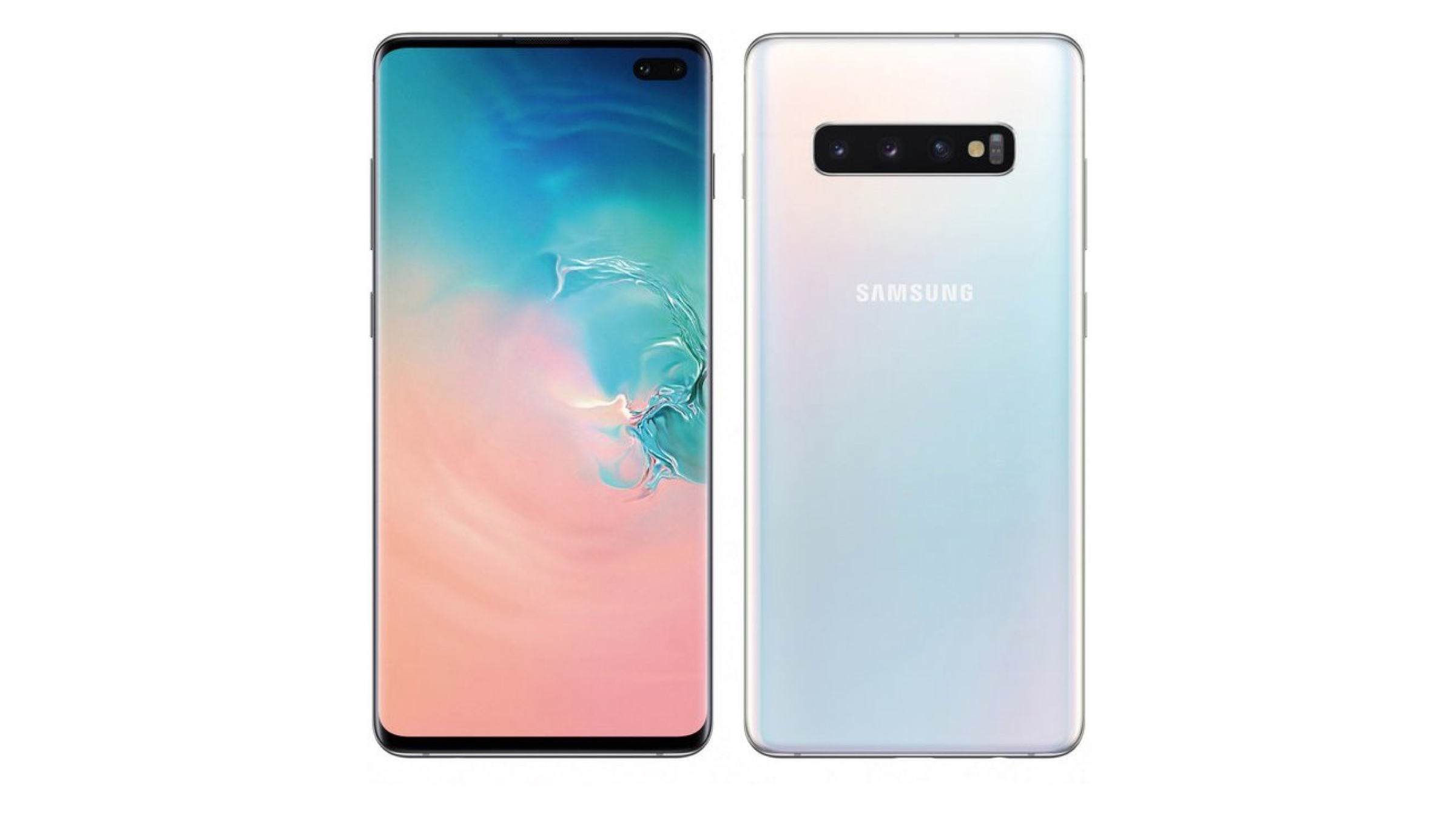
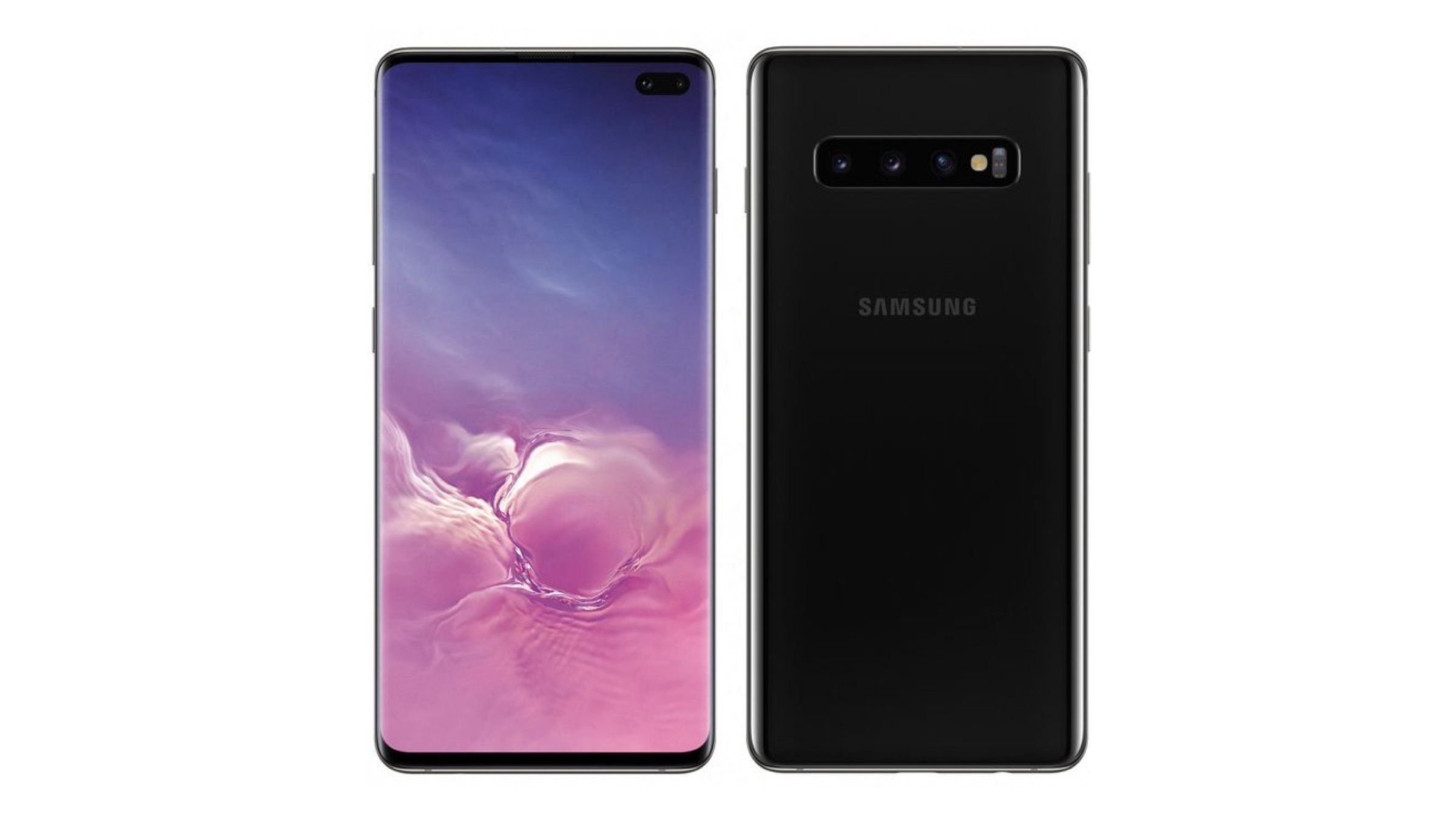
Samsung is bracing up for the launch of its 2019 flagship smartphones which will carry the Galaxy S10 branding. The upcoming devices are of significant importance for Samsung as they will mark the tenth year anniversary of the Galaxy S smartphones which were first launched in the year 2010. The company is expected to announce three smartphones in the upcoming lineup which includes the Galaxy S10, Galaxy S10+, and the Galaxy S10e.
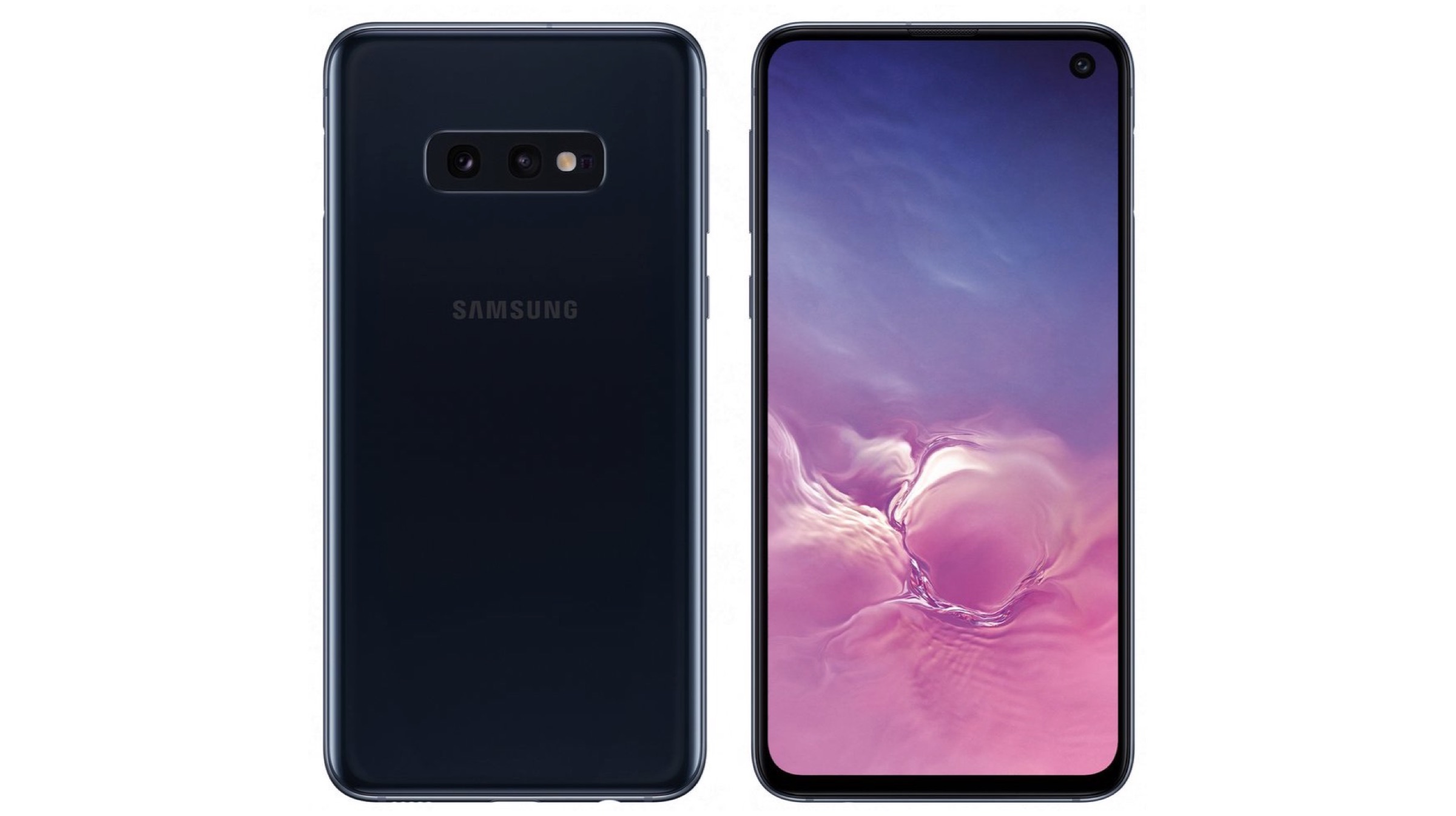
Galaxy S10e
The Galaxy S10e will be the most affordable, entry-level device of the three. According to its leaked specification sheet, The smartphone sports a 5.8-inch Dynamic AMOLED HDR+, Infinity-O display with a resolution of 2280 x 1080 px. Both the front and back of the device will have Gorilla Glass 5 to protect it from scratches and drops. It will featurea side mounted fingerprint sensor that doubles up as a power button. Depending on the region, the device will be either pack the Snapdragon 855 SoC or Samsung’s own Exynos 9820 SoC. In terms of optics, the S10e will have dual cameras on the back. This dual rear camera setup comprises of a 12MP (f/1.5-2.4) sensor and another 16MP (f/2.2) ultra-wide sensor. The selfie camera will be a 10MP (f/1.9) sensor housed in the hole-punch display of the smartphone.
Galaxy S10
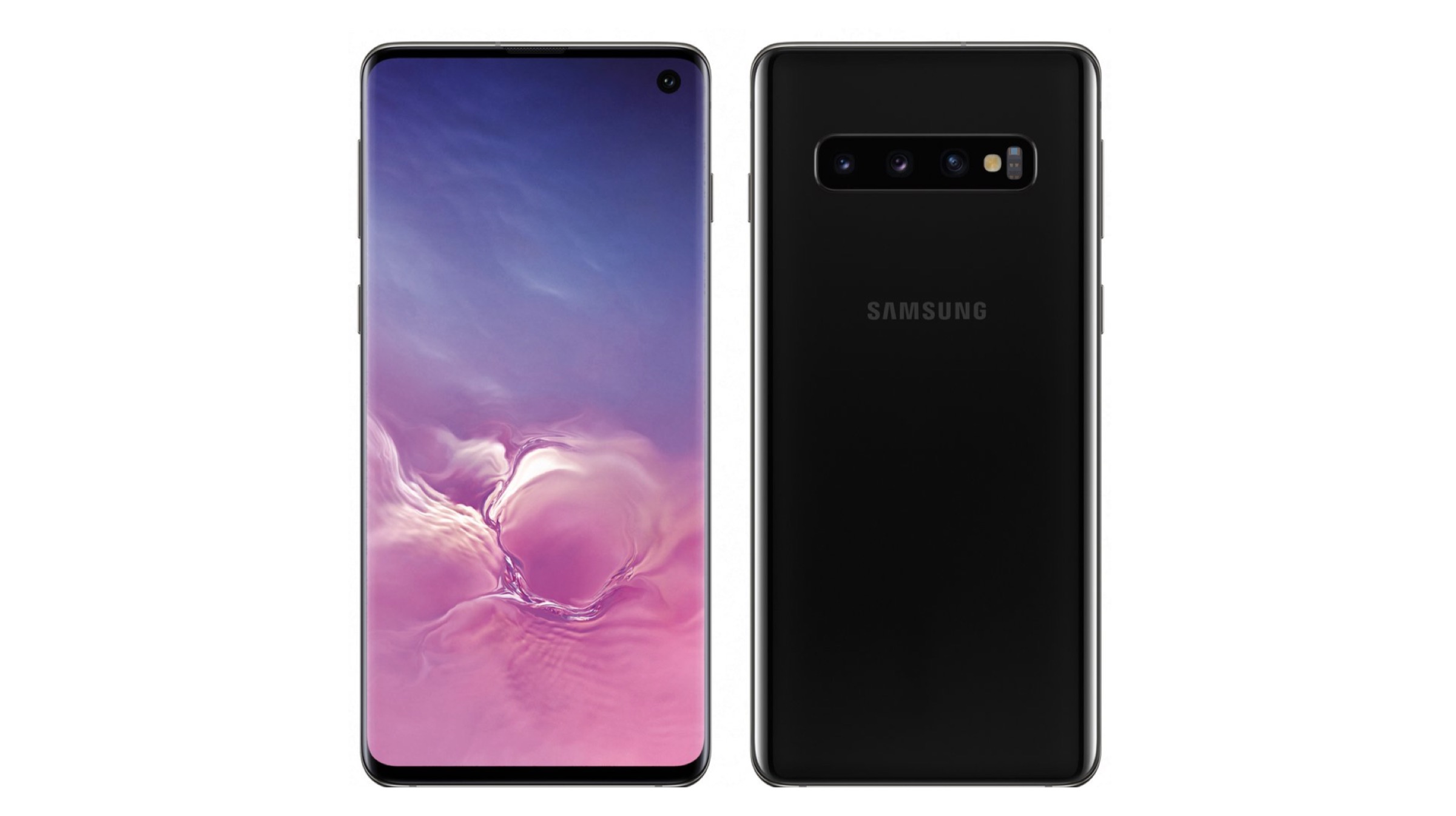
The regular S10 sits between the S10e and the more premium S10+. The device will feature a 6.1-inch Dynamic AMOLED HDR+, Infinity-O display with a resolution of 3040 x 1440 px. It will have Gorilla Glass 6 on both the front and rear for protection against scratches and impacts. Depending on the region, the smartphone will either pack the latest Snapdragon 855 SoC or Samsung’s own Exynos 9820 SoC. It will be the world’s first phone to have an ultrasonic In-Display fingerprint scanner and will also feature 3D face scanning technology.
For photography, the Galaxy S10 will have triple rear cameras. This setup comprises of a 12MP (f/1.5-2.4) sensor combined with a 12MP (f/2.4) telephoto sensor and a third 16MP (f/2.2) ultra-wide sensor. For selfies, the device will have a 10MP (f/1.9) front-facing camera housed in the hole-punch display.
Galaxy S10+
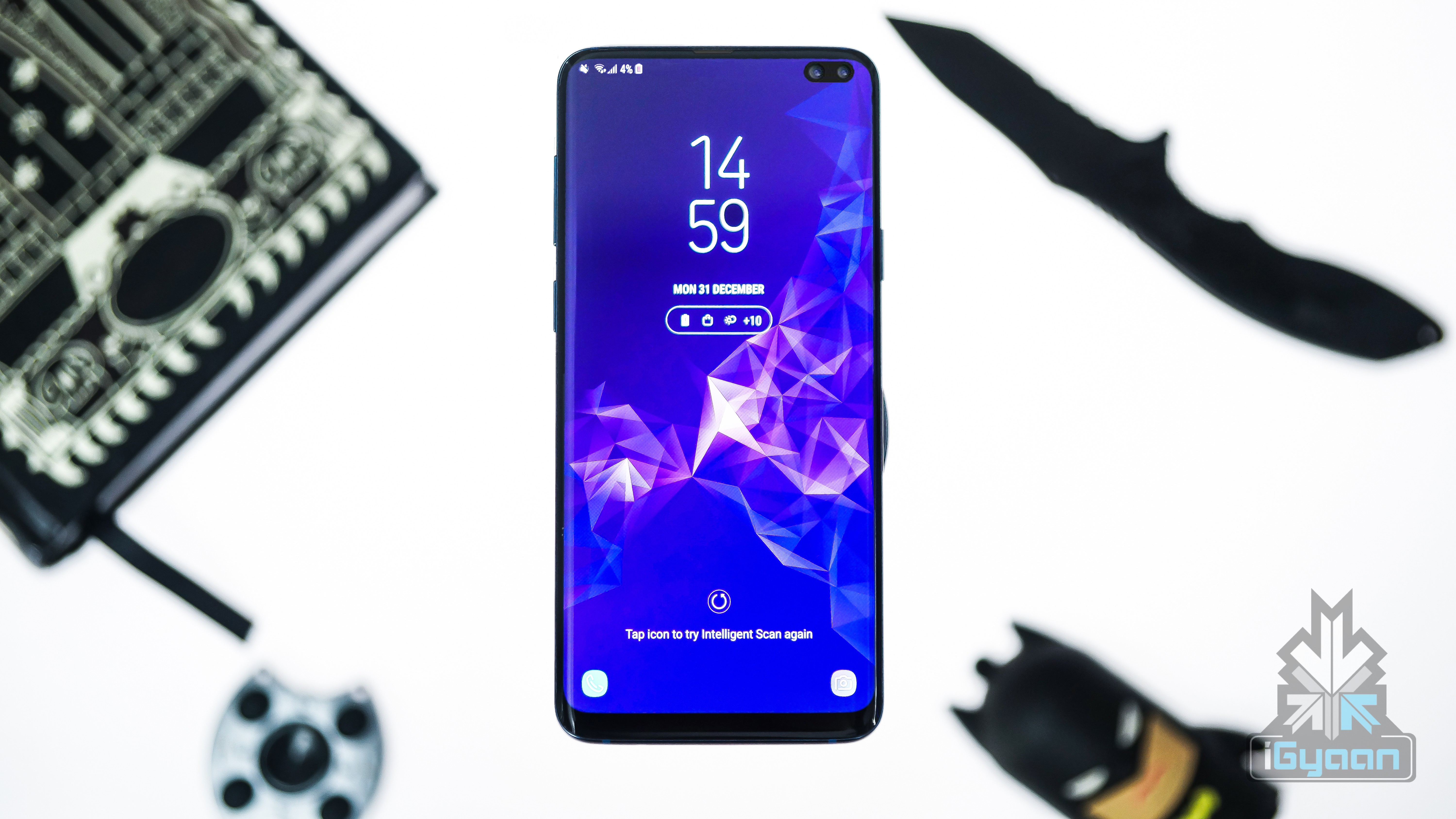
As the name suggests, the Galaxy S10+ will be the most expensive and feature laden smartphone out of the S10 lineup. According to its leaked specification sheet, the handset will feature a 6.4-inch Dynamic AMOLED HDR+, Infinity-O display that has a resolution of 3040 x 1440 px. Like the Galaxy S10, it also has front and back Gorilla Glass 6 protection. Depending on the region, the device packs the Snapdragon 855 SoC or Samsung’s own Exynos 9820 SoC. Like the S10, it will have an ultrasonic In-Display fingerprint scanner and 3D face recognition technology.
The device will also have a triple camera set up on the back which will be the same as the Galaxy S10. The front will feature dual cameras, instead of a single one as on the Galaxy S10. These will be a combination of a 10MP (f/1.9) camera, paired with an 8MP (f/2.2) camera sensor placed in the hole-punch display of the smartphone.
Colour Options, Price & Storage Variants
The expected storage variants, pricing and the colours of the devices are as follows:
Galaxy S10e
Galaxy S10
Galaxy S10+
Price
6 GB + 128 GB- € 749
8 GB +258 GB- € 799
6 GB + 128 GB- € 899
8 GB + 512 GB- € 1,149
6 GB + 128 GB- € 999
8 GB + 512 GB- € 999
12 GB + 1 TB- € 999
Colour Options
Prism Black
Prism White
Prism Green
Canary Yellow
Prism Black
Prism White
Prism Green
Prism Black
Prism White
Prism Green
Luxurious Ceramic White
Luxurious Ceramic Black
Samsung Galaxy F
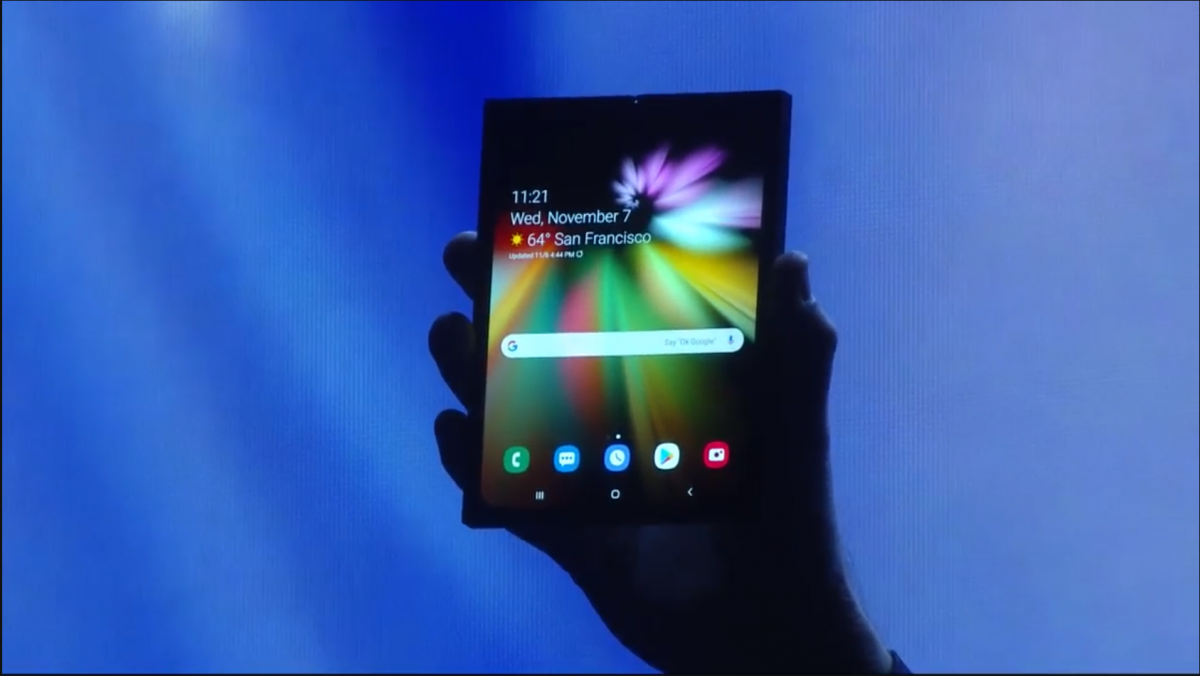
The Galaxy F, as it’s rumoured to be called, will be an alternate flagship device for Samsung. It will reportedly feature two displays, out of which the larger inner screen uses a Super AMOLED display that has a resolution of 2152 x 1536 px. While the smaller second display measures 4.5 inch vertically and makes use of a Super AMOLED panel. It is likely to pack the latest 7nm based chipset from Qualcomm which is the Snapdragon 855 SoC. The chipset will be combined with 8GB of RAM and 512GB of storage. Unfortunately, details about the cameras on the device are unknown. To achieve a thin and pocketable form factor, the device is reported to feature dual 3100 mAh batteries. The device will run on a version of Android Pie which will be optimized for foldable devices.
The Samsung Galaxy S10 lineup along with Samsung’s first foldable smartphone is set to launch at the Galaxy Unpacked 2019 event which is set for 20 February in San Francisco, USA.
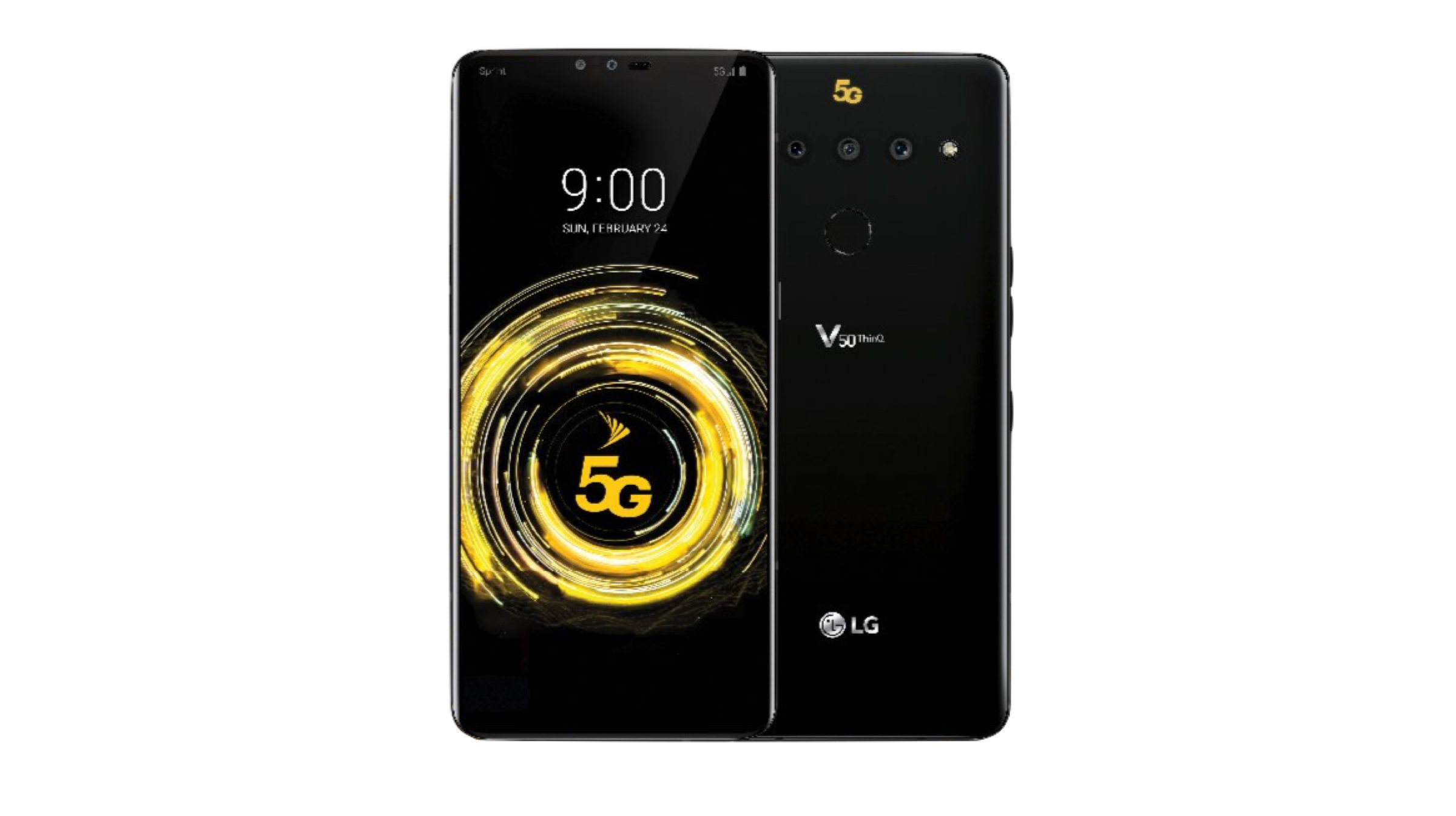
LG is expected to launch the next-generation of its flagship smartphones, the G8 ThinQ and the V50 ThinQ, at the Mobile World Congress 2019. The V50 ThinQ will be one of the first smartphones to support 5G networks. Reports were rife that LG might use the MWC stage to announce their take on a foldable smartphone but they all turned out to be inaccurate. LG has declared it won’t be releasing a foldable smartphone in 2019. Instead, it will launch a distinctive accessory in the form of an “Attachable Dual-Screen” which will be compatible with V50 ThinQ.
LG’s Attachable Dual Screen
A senior LG executive has confirmed the launch of the attachable dual screen accessory for the upcoming LG flagship smartphone. The innovative accessory will be an attachable flip-cover style display for the V50 ThinQ. Interestingly, the V10 and the V20 were known for a secondary display, which was located on top of the main display. LG discontinued this feature since the V30, instead relying on a software counterpart of it. The LG V50 ThinQ with the attachment may end up looking like the ZTE Axon M, which was the first dual-screen smartphone.
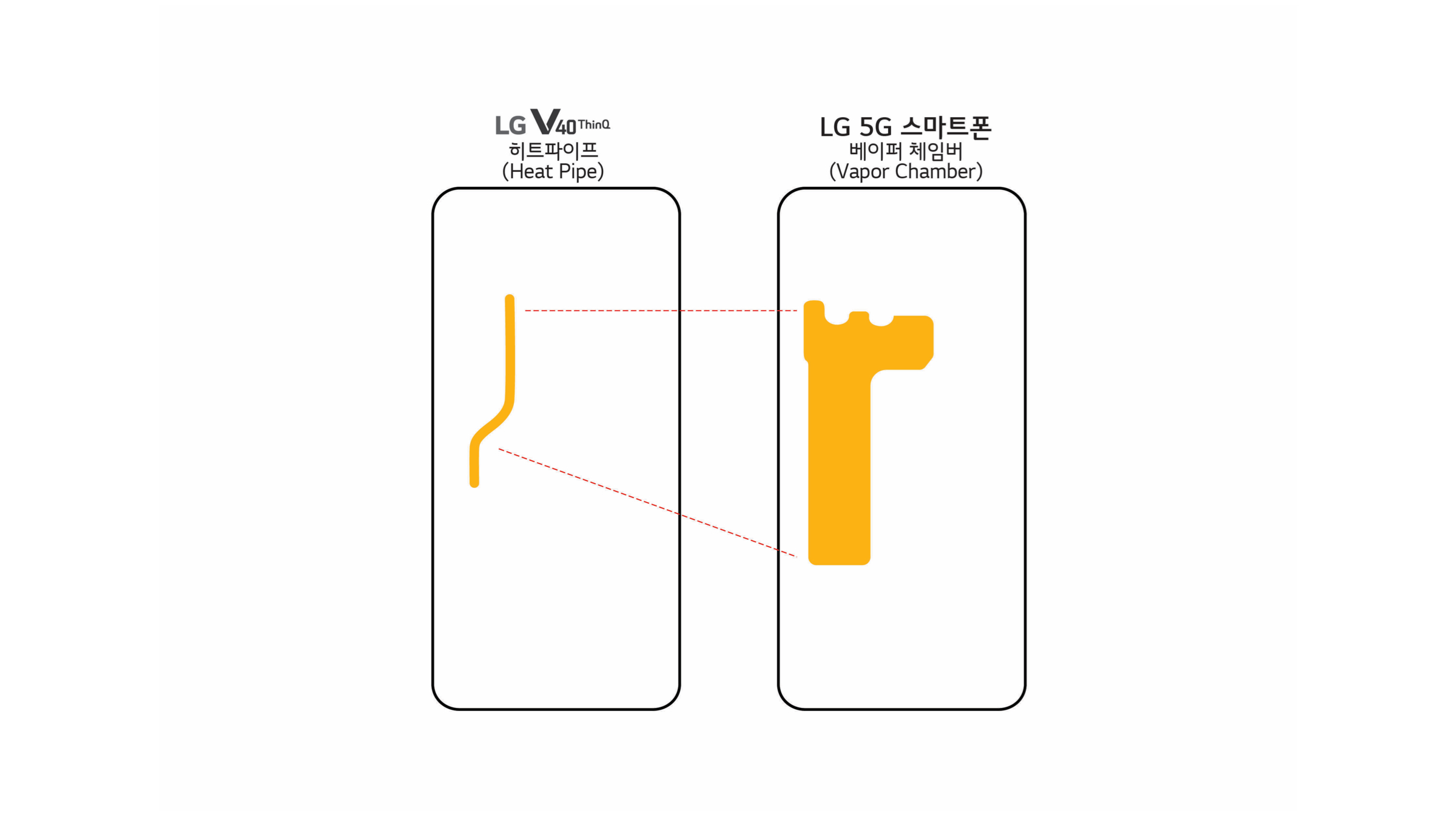
The V50 ThinQ is expected to sport a 6.4-inch OLED display with a wide notch up top. The device will reportedly run on the latest Snapdragon 855 SoC from Qualcomm. As the device will be 5G compatible, it is likely to feature the X50 modem from Qualcomm. Previous reports have claimed that running 5G generates a lot of heat, therefore, the upcoming smartphone is likely to have some sort of cooling technology. The device can have the vapour chamber technology that it had previously showcased. As far as optics go, the device will feature 5 cameras in total. This would comprise of three cameras on the back and two front-facing cameras housed in the notch.
The V50 ThinQ is expected to be priced at between KRW 1.3 million and KRW 1.5 million (around Rs. 83,000 – 98,800 ). The smartphone will go on sale in the US in the month of March.
Each year Apple releases new versions of its devices with significant upgrades over their predecessors. The devices that generally see an update each year include the iPhones, MacBooks and iPads. According to noted analyst Ming-Chi Kuo, Apple is bound to have a busier 2019 than usual, with more devices planned to launch in the year than usual. This would include three iPhones, a new MacBook Pro, new iPads and a 31-inch monitor with 6K resolution.
Mobile Devices
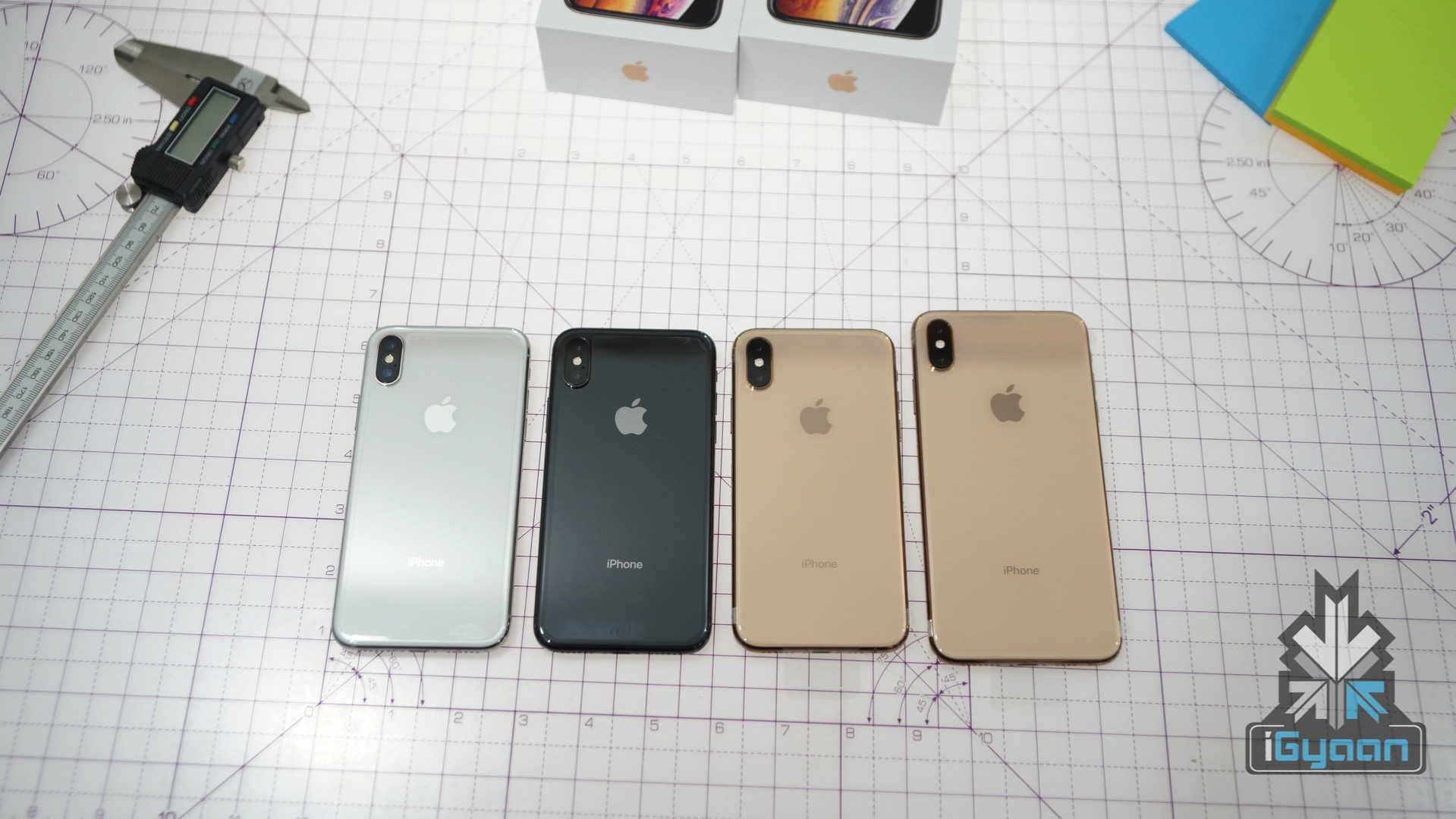
According to Kuo, Apple will launch these devices over the course of the year. Like yesteryear, Apple will reportedly launch three iPhone models in the year 2019. These would have the same screen size and display types as the current iPhones. This means that two out of three iPhones will have an OLED display with a screen size of 5.8 inch and 6.5 inch. While the third iPhone will have a 6.1 inch Liquid Retina display.
The smartphones will feature an upgraded frosted glass casing, reverse wireless charging, upgraded FaceID, larger batteries and triple rear cameras. Unfortunately, the feature distribution in the devices isn’t known but reports suggest the triple cameras will only be offered in the 5.8-inch and the 6.5-inch iPhones. Also, contrary to the reports that the new iPhones will have a Type-C port, the devices are expected to retain a lightning port in 2019.
Computing Devices
The 2019 iPad models are also expected to receive significant update over their predecessors. The reports suggest Apple will release two new iPad Pro models which will have upgraded processor and thinner bezels around the display. An iPad mini with an upgraded processor is also expected in 2019.
The new MacBook Pro will be the most notable launch by Apple this year. The report claims that the company will bump the screen size of the 15-inch model to accommodate a display between 16-inches and 16.5-inches. This change suggests a decrease in bezel size around the display. Reportedly, the upcoming 13-inch MacBook Pro is will be offered with up to 32 GB of RAM storage which is an appreciable addition. As the current model maxes out at 16 GB of RAM.
The company is also expected to launch a brand new monitor which will feature a 31.6-inch 6K display. It may sport a Mini-LED like backlight design. The company is also expected to announce a new Mac Pro desktop computer which will have the ability to upgrade components as per the need of the user. It is likely to be launched alongside the 31.6 inch monitor with 6k resolution.
Wearables & More
Talking about wearable devices, the report claims that Apple is expected to introduce the ECG function to more countries this year, along with launching a new ceramic casing design. The AirPods 2 will also be significantly different than the first generation, offering features like wireless charging and upgraded Bluetooth connectivity. The company is also expected to ship the AirPower wireless charging mat before the first half of 2019 ends. There is also the new iPod Touch that is expected, arriving this year with an updated processor.
With a lineup like the one above, seems like Apple has a busy year ahead of it. Unfortunately, the report doesn’t mention the launch date and the prices of the devices. But, they are expected to launch during the course of the year, with first announcements starting in the month of March.
Samsung will release its next generation of flagship smartphones on February 20. The smartphones that will launch at the event include the Galaxy S10e, Galaxy S10 and the Galaxy S10+. A freshly leaked video on Chinese social networking website Miaopai, reveals the Galaxy S10 and the S10+ in their entirety. The video also shows the Galaxy Buds that will be announced at the event.
Galaxy S10, S10+ Leaked Video
The Galaxy S10 and the S10+ video that has been leaked reveals the features and details of the devices. Most of these details were reported earlier. The S10 in the video is shown to have a 6.1-inch display. This will be a Dynamic AMOLED, Infinity-O display with a resolution of 3040 x 1440 px. While other aspects of the display remain the same for the S10+, the display size bumps up to a massive 6.4-inch. The devices have a futuristic design with thin bezels on all four sides. Both devices make use of a hole-punch display to accommodate the front-facing camera. The S10 has a single 10MP f/1.9 camera while the S10+ features dual cameras.
The S10 and the S10 + are shown to have triple cameras at the back. This setup is comprised of a 12MP (f/1.5-2.4) camera combined with a 12MP (f/2.4) telephoto camera and a third 16MP (f/2.2) ultra-wide camera. Pleasantly, Samsung will retain the headphone jack on both handsets. The video also reveals that the S10 and the S10+ feature an Ultrasonic In-Display fingerprint scanner. The smartphones will support reverse wireless charging feature which will be called Wireless Power Share.
The video then proceeds to show the upcoming Galaxy Buds that will be announced alongside the Galaxy S10 series. The Buds will support wireless charging and are reported to feature significant upgrades over its predecessor. All the devices in the Galaxy S10 lineup will feature either the latest Snapdragon 855 SoC from Qualcomm or the Exynos 9820 SoC by Samsung. Choice of the chipset will depend on the region the devices will be available. The S10 and the S10+ will arrive in the following storage variants:
The Galaxy S10 and the S10+ leaked pricing suggest that they will be one of the most expensive devices Samsung has ever made. The S10 will reportedly start at Rs 65,000 for the variant with 6GB RAM and 128GB internal storage. The version with 8GB RAM and 512GB internal storage will cost Rs 70,000. The S10+ with the above variants will cost Rs 75,000 and Rs 80,000 respectively. The version with a ceramic back, 12GB RAM and 1TB internal storage is reported to cost almost Rs 1,00,000.
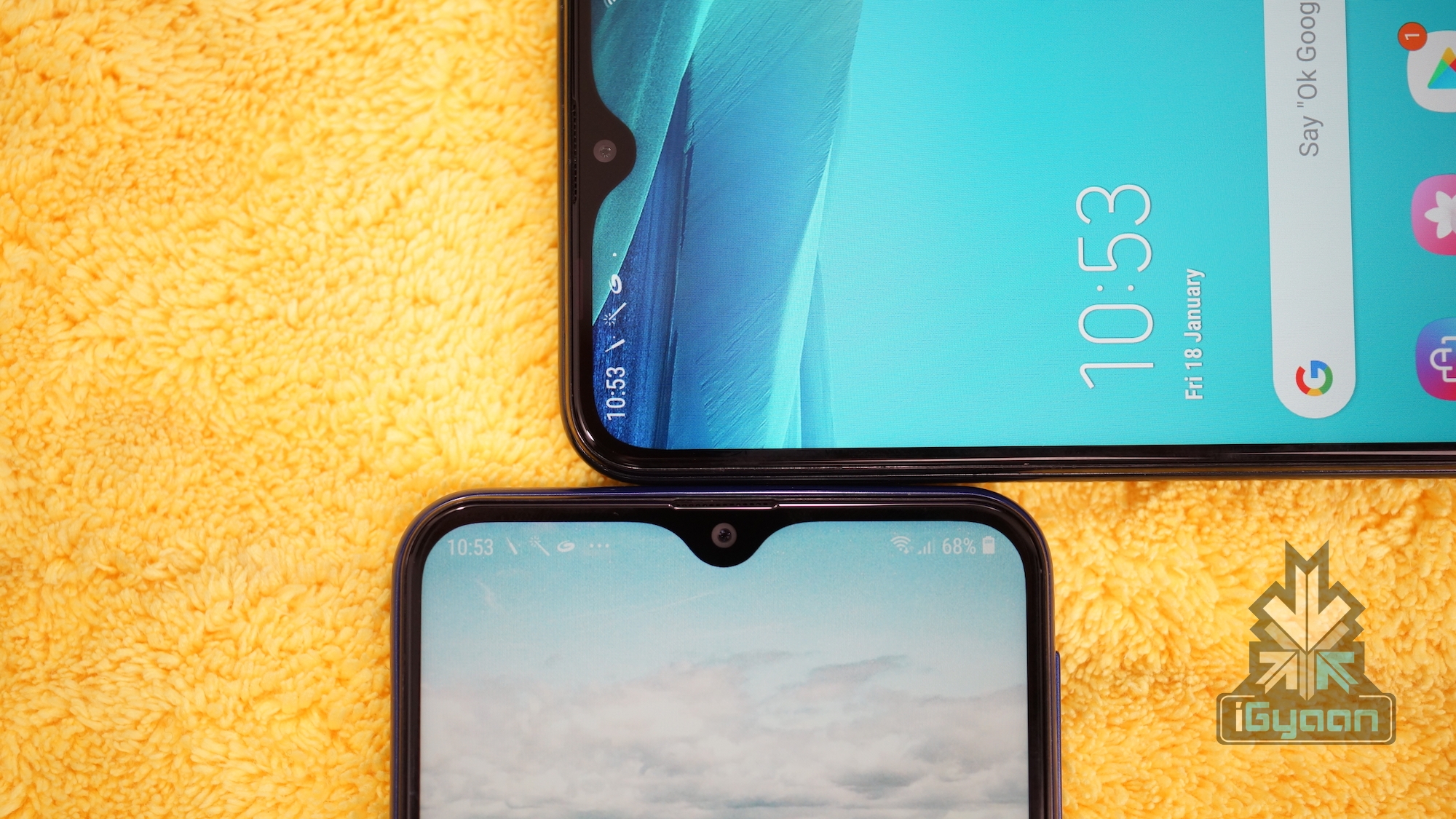
Late last month, Samsung launched an all new series of smartphones called Galaxy M which is targetted towards young millennials. Initially, the company had launched two handsets which include the Galaxy M10and Galaxy M20. A post shared on Samsung’s official Twitter account discloses that it will soon launch a top tier Galaxy M smartphone in India.
Official Tweet
Get ready for 3X power with the new Galaxy M30 that comes with a 16.21cm (6.4”) Super AMOLED FHD+ Infinity U Display. Yeah "The Super AMOLED", that’s right #IM3XPOWERD. Stay tuned!#SamsungM30pic.twitter.com/bkxdXU2ZIN
The Tweet exhibits that Samsung will launch another value for money smartphone, the Galaxy M30 in India on the 27th of February. Like the Galaxy M10 and Galaxy M20, the upcoming device will also be available only via online platforms. The device will be sold on Amazon.in and presumably on Samsung’s own website as well.
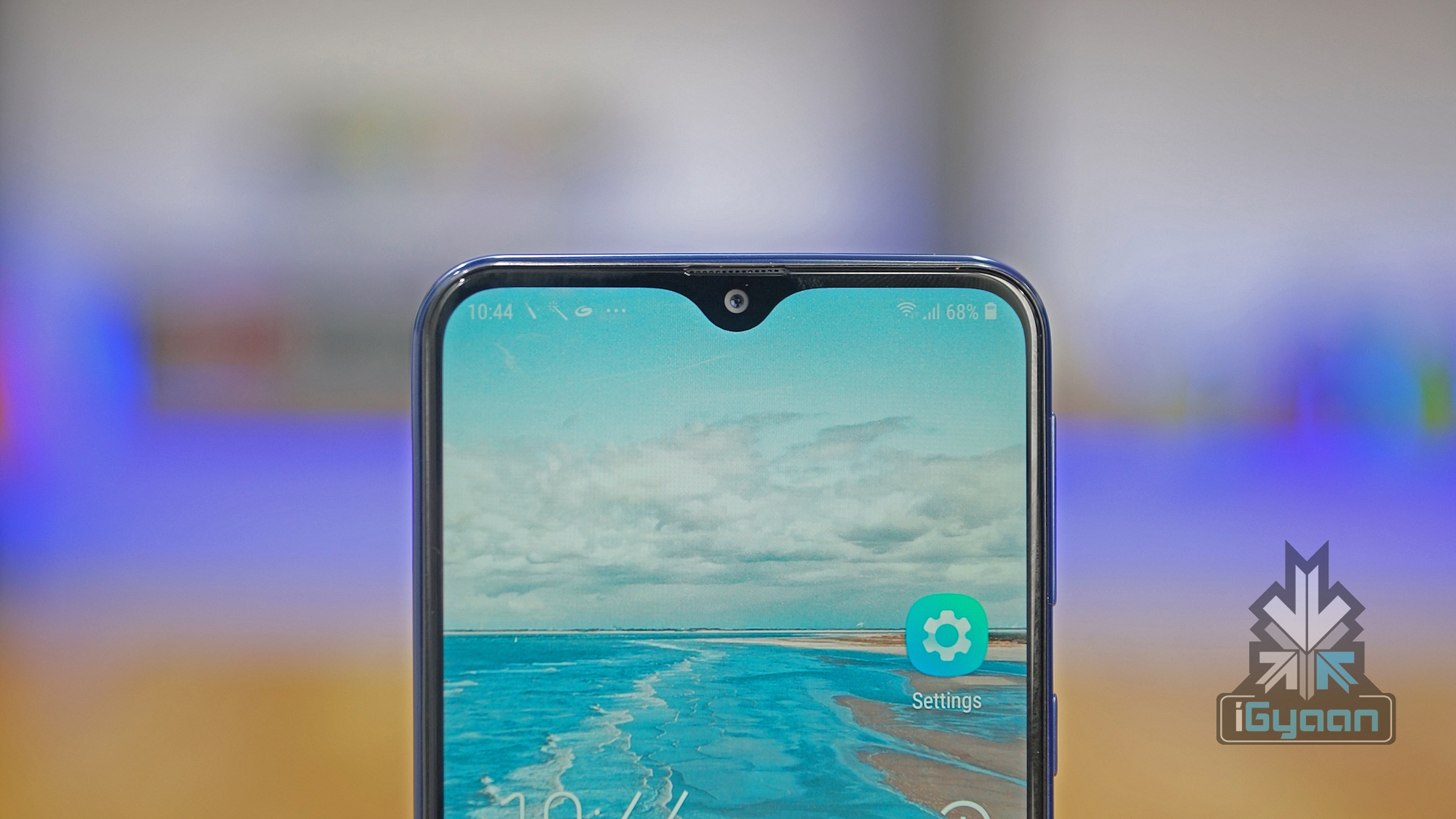
The Galaxy M30 has an attractive design with front glass and rear plastic build. On the front of the device sits a 6.4 inch Super AMOLED display with FHD+ resolution. Notably, the display of the device also has an Infinity U notch up top that houses the front-facing selfie camera. The rear of the upcoming device is reminiscent of its younger sibling, the Galaxy M20. The rear plastic panel harbours a fingerprint sensor, company branding and the vertically aligned triple rear camera set up along with an LED Flash. Although the tweet does not reveal much information about the upcoming device, past leaksreveal that it will have the following specifications.
Galaxy M30 Specifications
Display: 6.41-inch Super AMOLED Full HD+ 2220 × 1080 pixels
The official price of the Samsung Galaxy M30 will only be revealed after its official announcement. However, going by its specifications and pricing of its younger siblings, it will be a sub 15K smartphone.
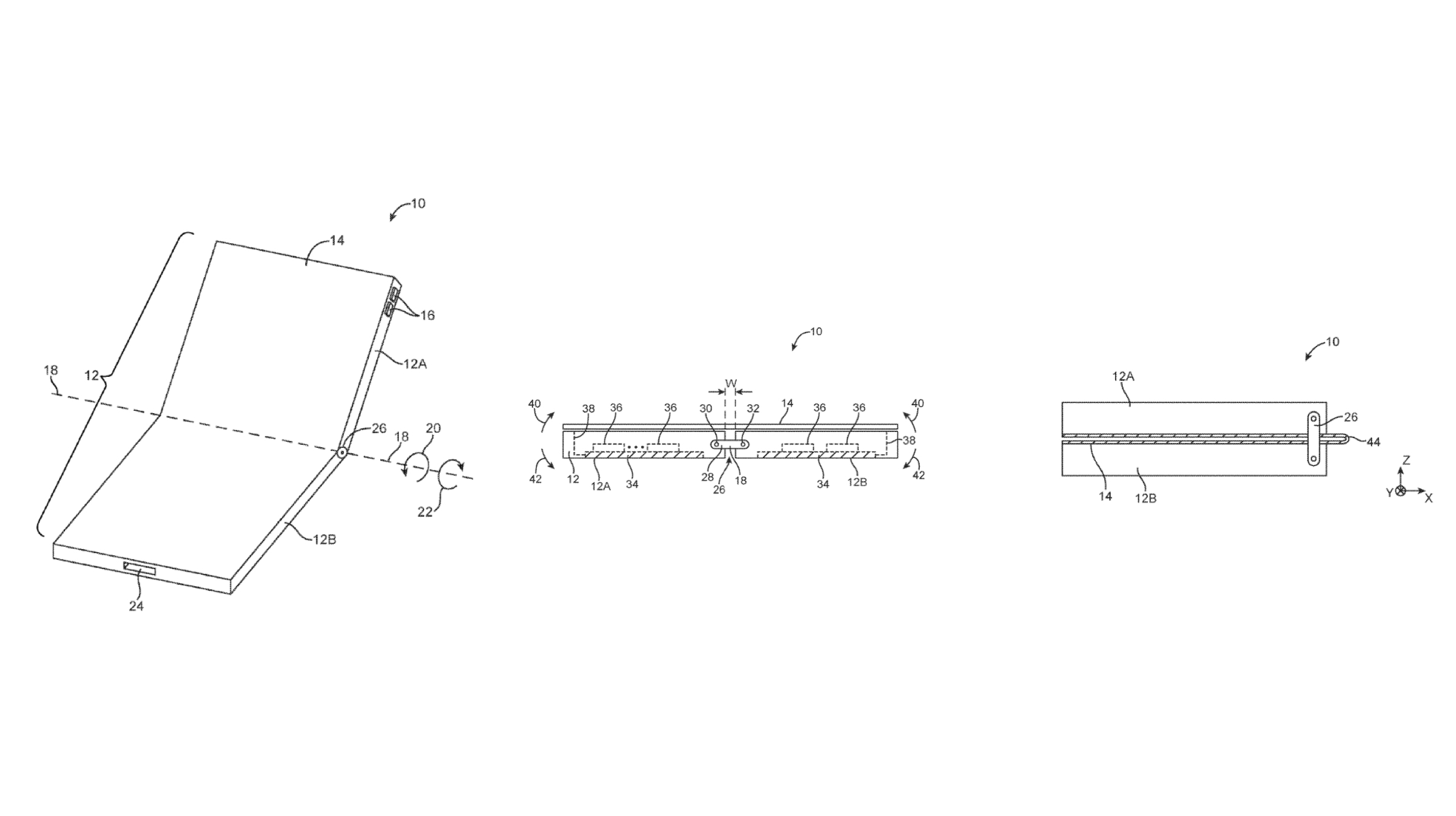
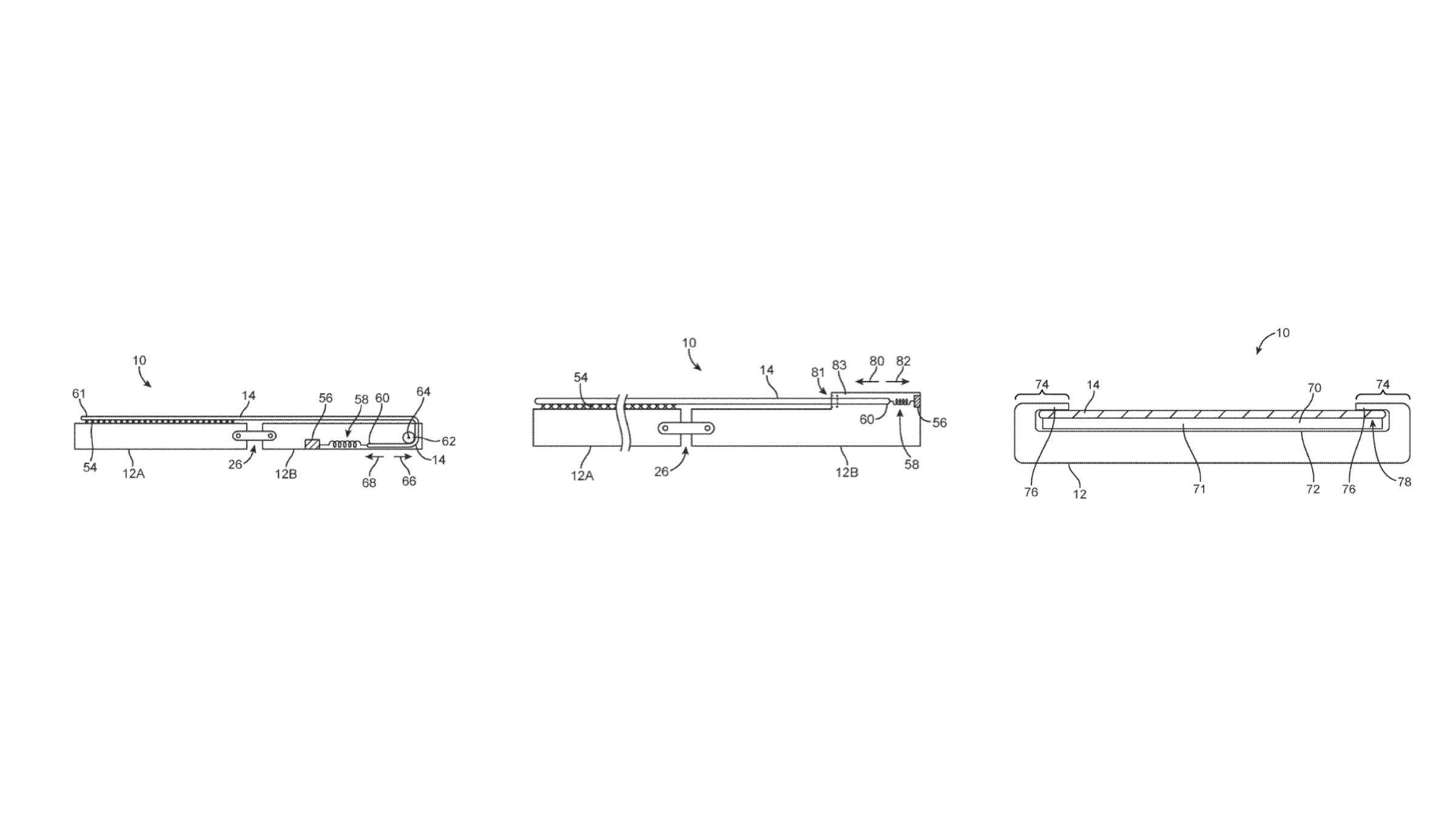
Samsung will announce the first foldable smartphone of 2019 at the Galaxy Unpacked event on February 20. Several reports and leaks have revealed that many other major OEMs are also working on smartphones with a foldable display. Notably, Apple also may be looking to join the foldable smartphone bandwagon. A patent listing on the United States Patent and Trademark Office (USPTO) website by Apple hints that the company is working on a foldable smartphone.
Apple Foldable Smartphone
While this patent for a foldable smartphone was filed by Apple on October 12 last year, the patent was granted to it on February 14. Interestingly, the patent by Apple for a foldable device goes back to July 2011, when it filed the first patent. The images posted by Apple in the patent show various concepts of how the smartphone could fold, with a different design shown in each image. Most of the designs show a smartphone fold into half. The Apple foldable smartphone is expected to make use of a flexible OLED display to provide it with the foldable functionality. Most of the devices in the freshly granted patent have a bottom mounted connector which is likely to be the lightning port.
While most of the patents show a device with a display folding outwards, some of them employ an inner folding display. According to some of these images, Apple may also be considering a device with an asymmetrical fold. The images do not disclose the position of the camera sensor. Hence, it cannot be confirmed whether the device will have one or not.
Past reports claimed that Apple is unlikely to launch a foldable smartphone in the year 2019. Going by its track record, it will wait until the technology is perfected for mass implementation. As of now, it is unclear whether the technology from these patents makes its way into future iPhones or not. Perhaps the iPad or MacBook will make use of this technology.
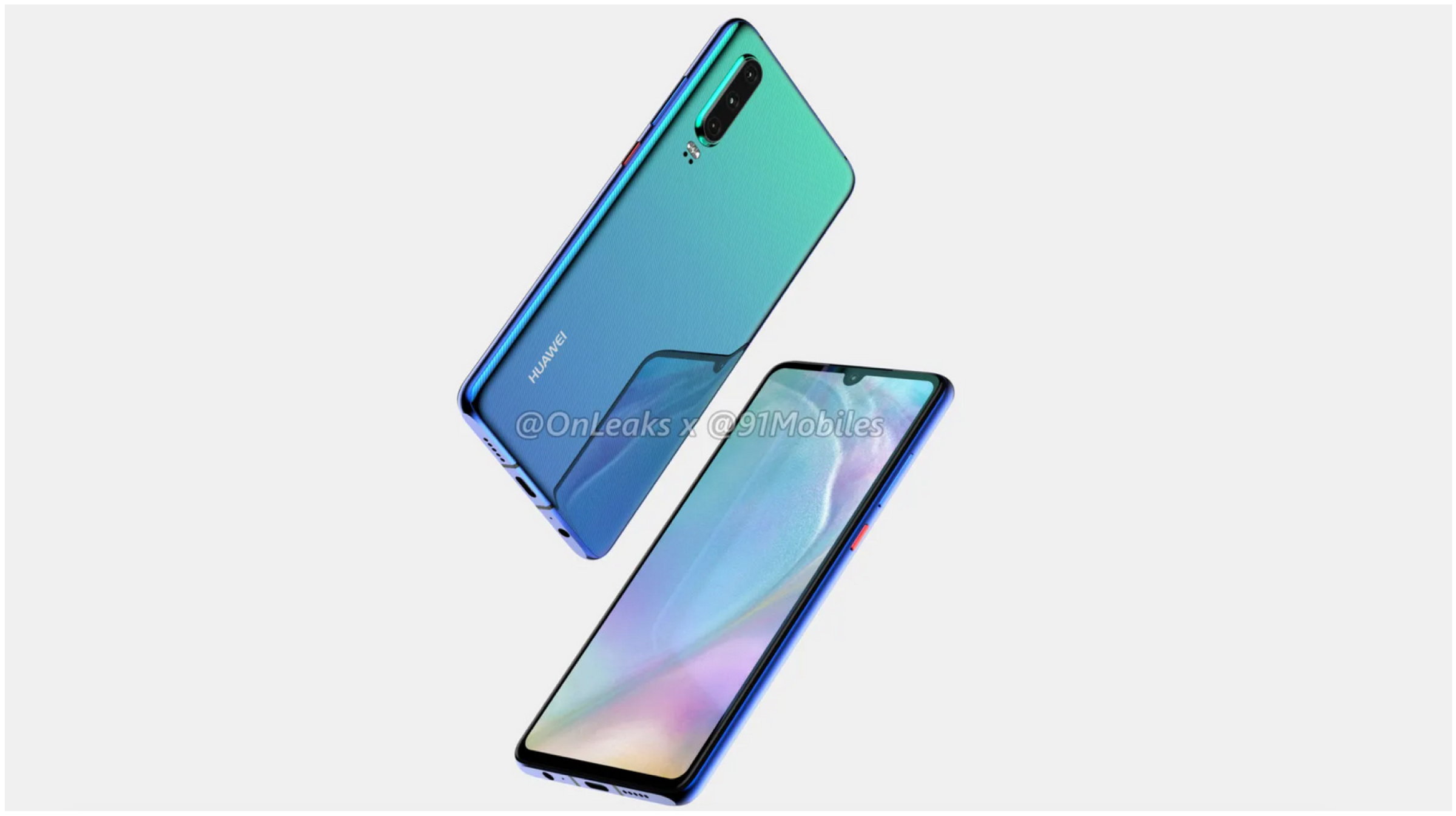
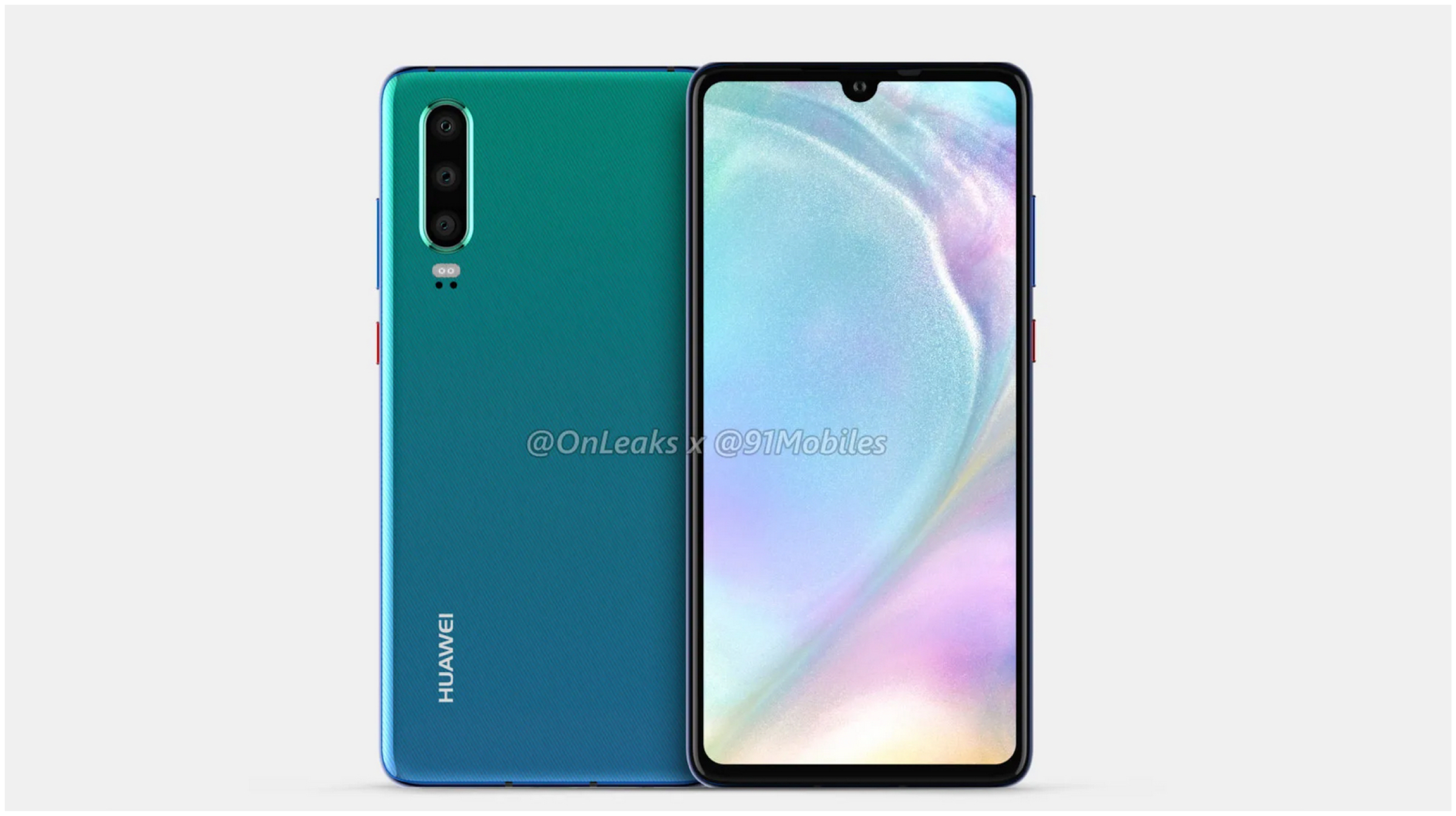 The P30 will help Huawei to establish a foothold in the premium smartphone segment this year. For the same reason, the handset is expected to offer top-of-the-line specifications in the market. Leaked renders suggest that the P30 will feature a glass-sandwich design. The smartphone will reportedly have a waterdrop-style notch and have a high screen-to-body ratio. Renders also show the presence of a 3.5 mm headphone jack on the device, which is an appreciable add-on from the Huawei P20. Like its predecessor, the device may have a similar gradient pattern on the back.
  The Huawei P30 will supposedly run on the latest 7 nm HiSillicon Kirin 980 SoC, which features an octa-core processor and the Mali G76 GPU. Furthermore, a ‘pro’ version of the smartphone is also expected to be launched at the same event. The Huawei devices will reportedly have up to 8GB RAM and up to 256 GB of Internal storage.
 The camera will undoubtedly be the highlight of the Huawei P30, because the Chinese company has already proved its capabilities with the Mate 20 Pro. The leaked images suggest that the Huawei P30 Pro will boast of a quad camera set up at the back, whereas the P30 will have a triple camera module. Although the specifications of the camera sensors are not available yet, both the devices are expected to feature a 40MP primary camera sensor. As reported previously, the second and the third camera will be the 3x optical zoom sensor and the ultra wide angle sensor respectively. The announcement video of the smartphone shows that the P30 will support 5x lossless zoom. As of now, the purpose of the fourth camera sensor in the P30 Pro is not clear, but it may be either a monochrome sensor or a depth sensor. Both the P30 and P30 pro will reportedly have a single 24MP front camera sensor.

 Also read: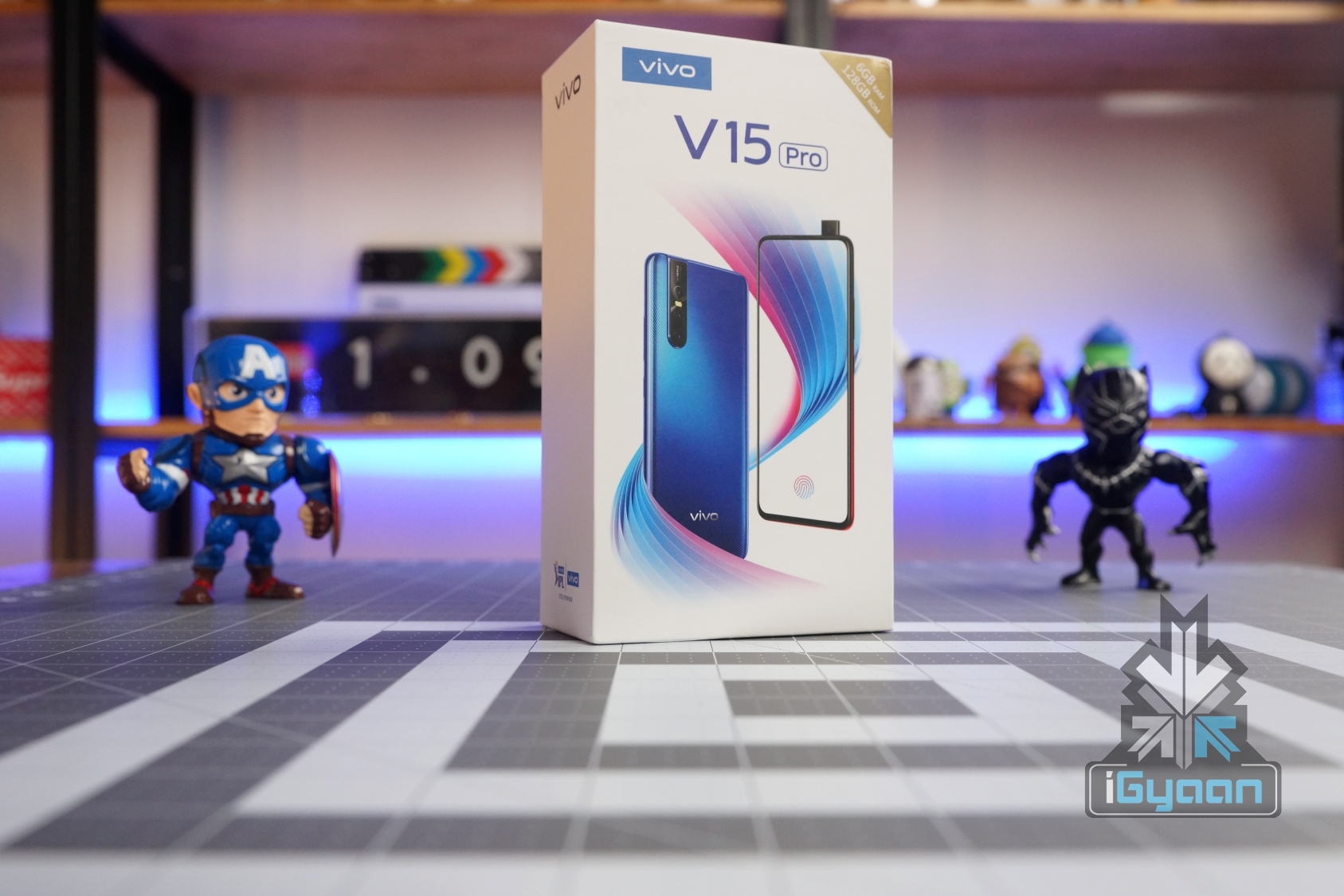

 The ASUS Zenfone Max Pro M2 is a strong contender in the budget segment. The device has a 6.2 inch IPS LCD with 82% screen-to-body ratio. Running Android 8.1 (Oreo) out-of-the-box, the handset packs a Snapdragon 660 chipset and is available with 3GB, 4GB and 6GB RAM options. The smartphone has a 12 MP + 5 MP dual camera setup, with a 13 MP front camera and a selfie flash. A huge 5000 mAh battery powers the device.
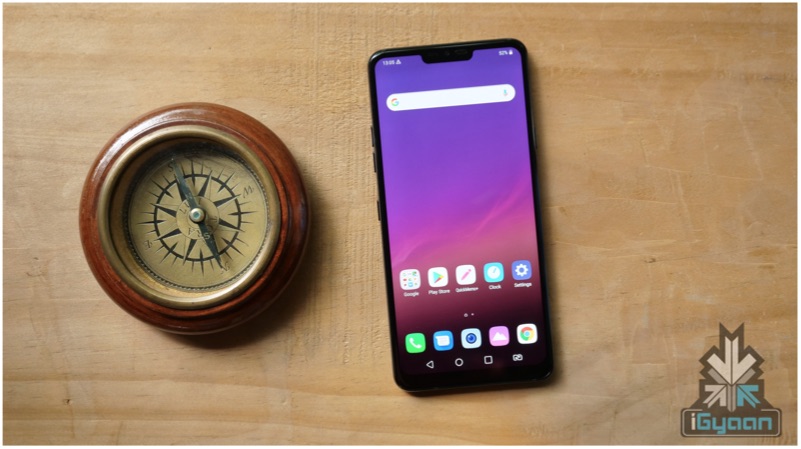 The LG G7 ThinQ was launched in May 2018, so its a fairly recent addition to LG’s Smartphone Lineup. The smartphone has a 6.1 inch LCD display with a 19.5:9 aspect ratio and a high pixel density of 564 ppi. Running on the Snapdragon 845 chipset, the smartphone has a dual 16 MP + 16 MP primary camera module with laser autofocus. The device is sold in 2 different variants, and is available in 4 colour options.
 The Oppo F9 Pro has a 6.3 inch IPS LCD with a 2340 x 1080 px resolution. The device packs a Mediatek MT6771 Helio P60 SoC and 4GB or 6GB of RAM. In terms of camera, the device has a 16 MP + 2 MP dual primary camera module, with a single 25 MP selfie shooter. The device is powered by a 3500 mAh battery with 20 W fast charging. Available in Sunrise Red, Twilight Blue and Starry Purple, the device runs Android 8.1 (Oreo).
 The Oppo A3S has a 6.2 inch IPS LCD with 81.2% screen-to-body ratio. Running Android 8.1 (Oreo) out-of-the-box, the handset packs a Snapdragon 450 chipset and is available with 2 GB of RAM. The smartphone has a 13 MP + 2 MP dual camera setup, with an 8 MP front camera. A 4230 mAh battery powers the device.
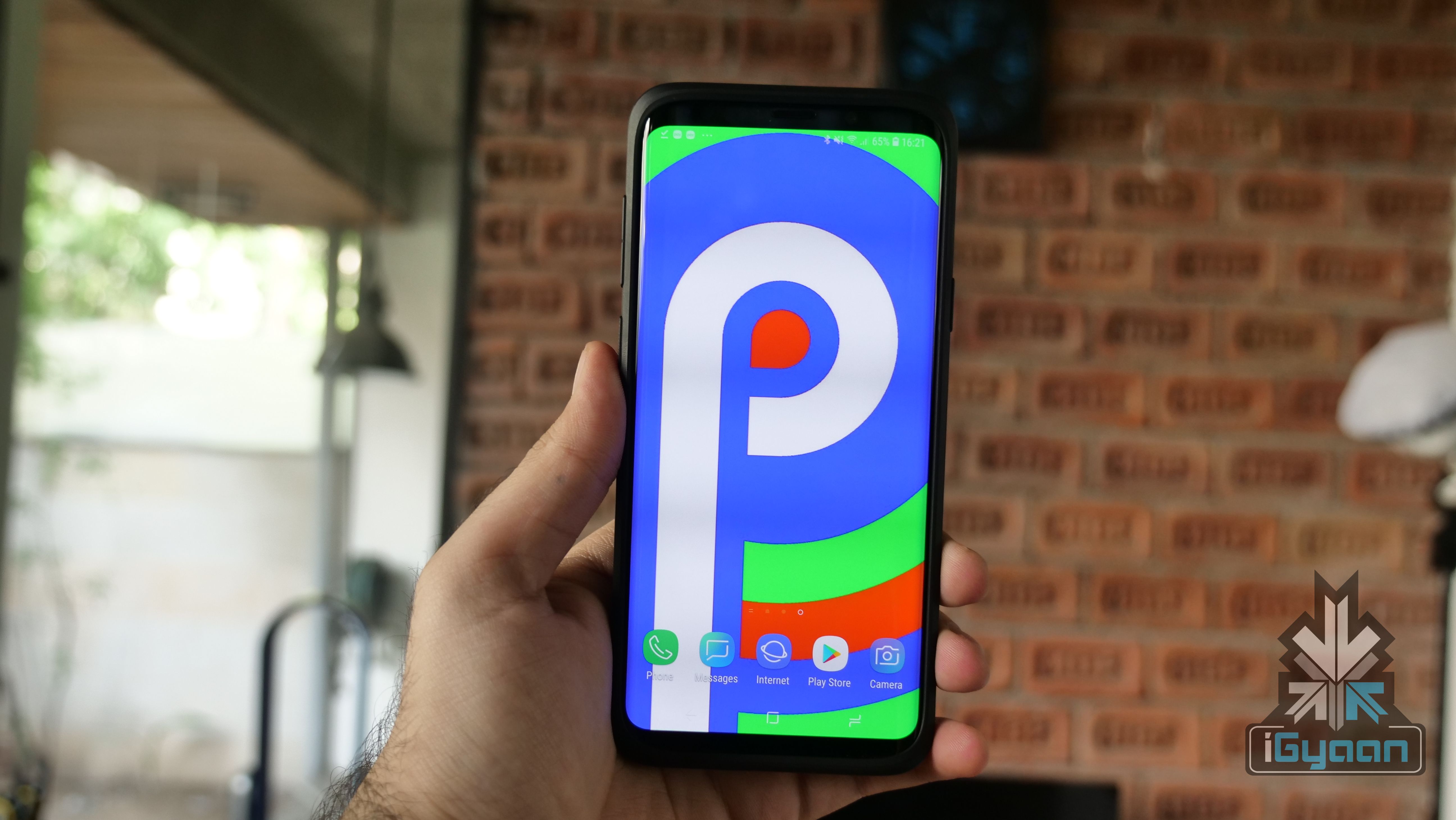 The back navigation button was still present on the OS and made an appearance whenever in an application. This half-baked approach turned out to be polarising with many people ending up liking the change; and many people straight-up hating it. Recent reports suggest Android will let go of the back navigation button completely and instead rely upon gestures in the upcoming Android Q.
 A device running a leaked version of Android Q revealed that Google may be planning to forego the back navigation button entirely in favour of one pill navigation. This would allow the users to go back with a single left swipe on the home ‘pill style’ button. This is expected to make Android easier to navigate and more intuitive. Notably, Google was inspired by Apple when it introduced gestures with the latest generation of Android.