Category: Wearables

Smartwatch, Apple Watch, Moto 360 , Samsung Gear, Gear Fit, Galaxy Gear, watches smart wearables and all the latest news on iGyaan

  • The Stylish Avegant Glyph VR Headset Could be Your Personal Movie Theatre

    The Stylish Avegant Glyph VR Headset Could be Your Personal Movie Theatre

    Virtual Reality (VR) headsets are fast gaining ground in the consumer electronics market. This year’s edition of CES saw many players showcasing their versions of VR headsets. They came in all shapes and sizes and offered different features. One such headset was the Avegant Glyph, which takes a new approach to providing a VR experience.

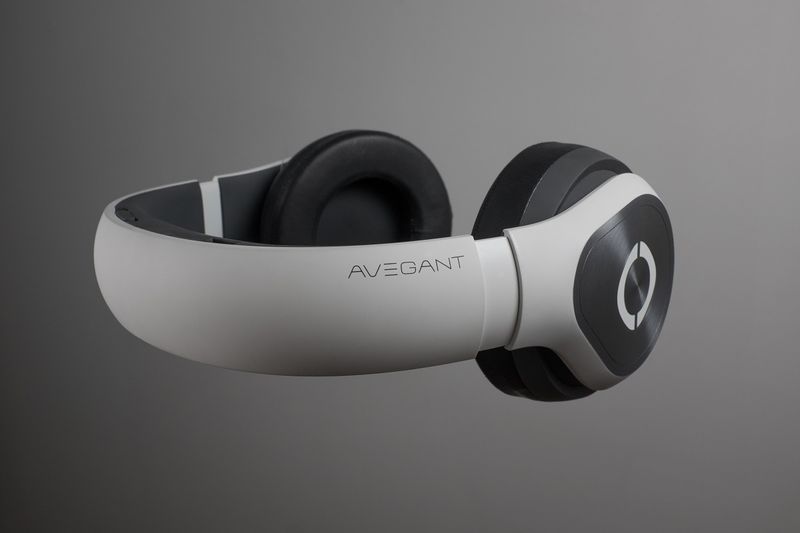
    Avegant Glyph arrived last year at CES and presented a unique device. It was a bit bulky and had massive earphones. This time around, the device gets a lot sleeker and sexier. On the first look, the device looks like a headphone that slipped off your head and is now sitting in front of your eyes. It almost makes you feel like Cyclops from X-men.
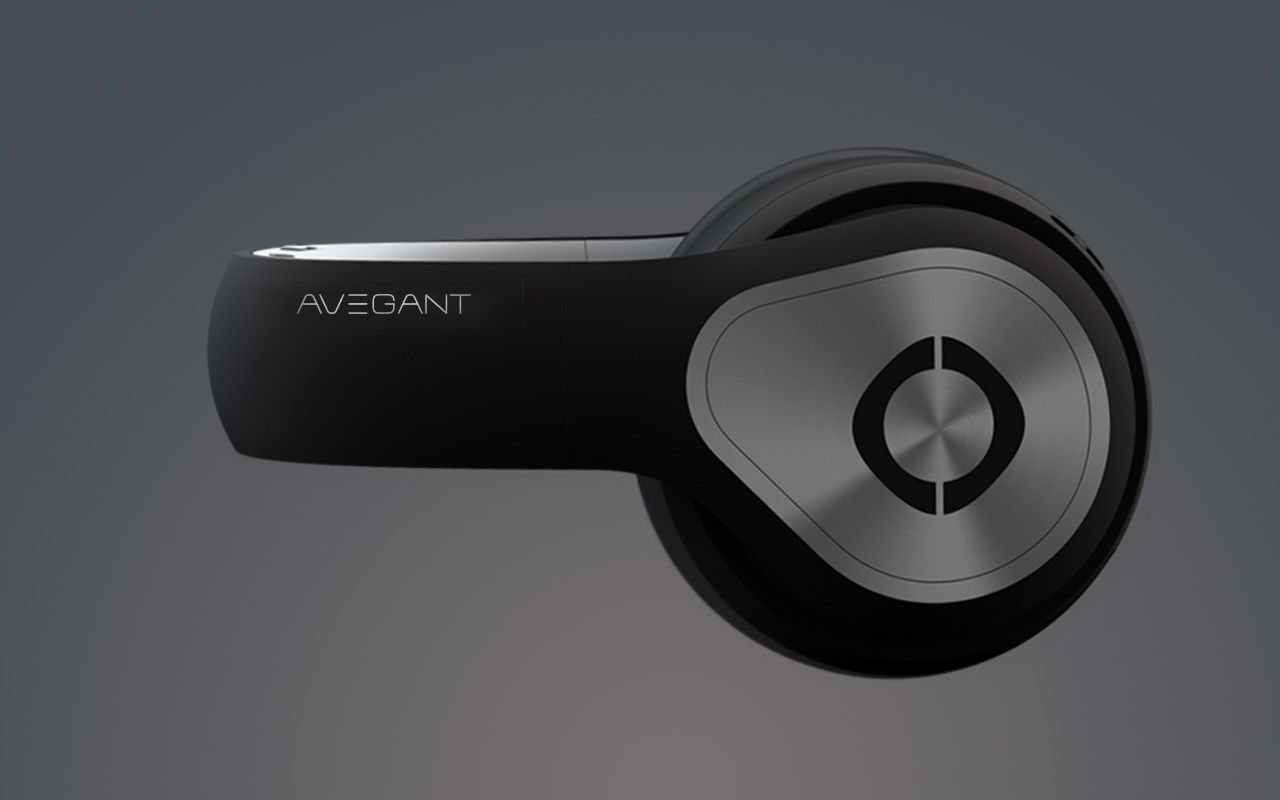
    The device is available in White and Grey color variants.
    The device is available in White and Grey color variants.

    The device uses Virtual Retinal Display technology which is presented without any screens. The device projects an image that is directly formed on the retina of the user’s eyes. The developers say that their intention is to mimic natural vision and thus brings down the eye strain that is felt in most of the VR headsets after continual use.

    One other aspect, in which the Glyph is different from its competition, is its 45-degree field of view. According to the developers, this will help the users to start playing content they already own instead of trying to find content made specifically for the VR headsets. When you have the headset on, you’ll get the experience of sitting in a movie theatre with your giant displays. It even runs 3D videos, so it’s an all-round visual entertainment option. It plays almost all your content and connects to your smartphone so you could actually be engaged in your virtual big screen on the move. So now, instead of watching Avatar or Gravity on your tiny display, you can watch on a giant virtual display in your own time.

    The device is up for preorder at a price of $524 which might be a bit steep but it sure gets style points. The deliveries are supposed to begin for Kickstarter backers from the fall of 2015 and will be available for the general public by the end of this year. So if you are looking for a movie theatre experience that you can enjoy on the move, the Avegant Glyph maybe an option for you. Just be ready to attract a lot of stares wherever you wear it.

  • This Massive Wearable Claims to be an Oculus Killer

    This Massive Wearable Claims to be an Oculus Killer

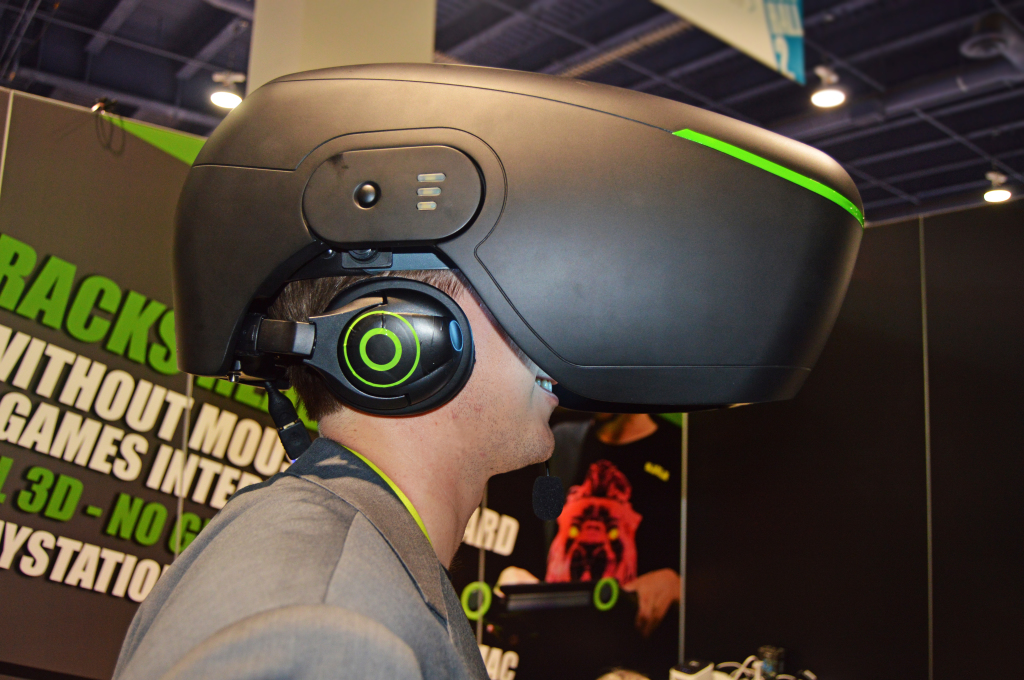
    There are many folks who are eagerly waiting for the Virtual Reality (VR) revolution to come in their hands soon. We have seen the Oculus Rift, Sony’s Project Morpheus and others that are some huge headgears. But never would have someone thought that they’d want to look like a B1 Battle Droid from the Star Wars prequel while being in the virtual world. For the few who did, here’s 3D head that you can wear in your battle against the Jedis.

    3DHead is really massive; it completely absorbs your head inside it. The visuals are played on an Android tablet that sits on the far end of the wearable, and the 3D is observed through the glasses placed inside the headgear. Just like other VR devices, you can use the device for gaming as well as watching 3D movies.


    The 3DHead is impractically large (Source: Uploadvr)
    The 3DHead is impractically large (Source: Uploadvr)

    The device also comes with a massive controller that has a slot to place the tablet. It is claimed to have good head tracking so playing first person games would be an immersive experience. 3DHead plays 3D as well as 2D games. The tablet can play the 3D content without the need of glasses. It can be connected to PC’s, Playstations and Xbox’s, and you can play all the games in VR mode. You can play the console games using their controllers. The makers claim that the device provides 2K picture resolution.

    Overall the massive size of the device might make it too impractical for consumers to acquire. The hefty price tag of $600 for the headgear and another $600 for the controller might also dissuade people from buying it. But for those who are into Star Wars or Tron Cosplay and also want to have an unreal VR gaming experience, this might not be that bad an investment.

  • CES 2015: LG Unveils a WebOS Powered Smartwatch That Unlocks an Audi

    CES 2015: LG Unveils a WebOS Powered Smartwatch That Unlocks an Audi

    The year 2014 was the year the smartwatch gained prominence in pop culture. Samsung, LG, Motorola along with Asus and others brought their models in the market. On the operating system front, most of the watches have gone for the Android Wear OS. Samsung has gone with its own Tizen OS for its smartwatch lineup; the only exception is the Gear live which was unveiled last year at Google I/O. Now LG has unveiled a prototype of new smartwatch that runs on webOS.

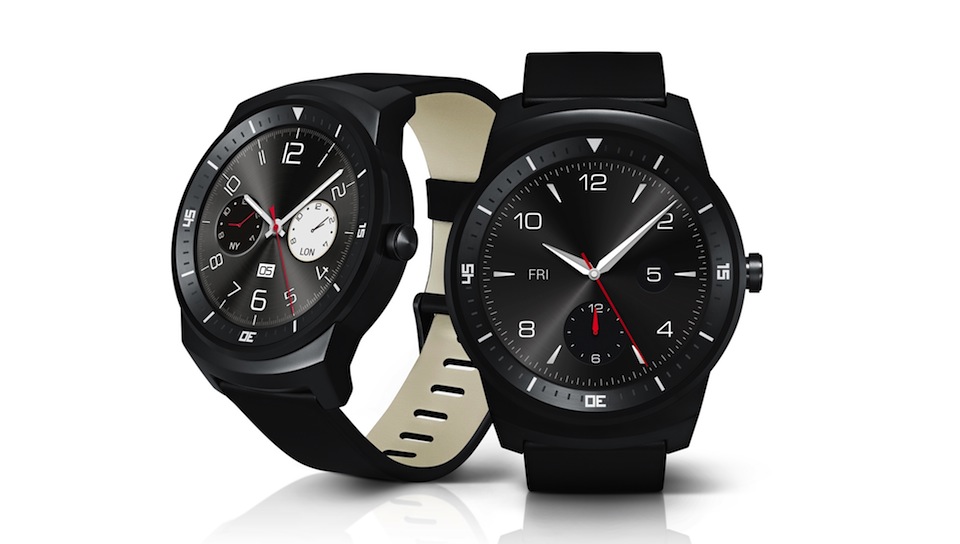
    LG’s new Smartwatch almost looks like the G Watch R that it released last year. It has a circular display which is more wrist and eye-friendly than the rectangular clock faces we have seen in the market. The patterned leather along with the machined crown and buttons give the watch a premium look.

    The circular UI does look user friendly. (Source: TheVerge)
    The circular UI does look user friendly. (Source: TheVerge)

    But the real revelation is what is on the inside. Observing a few demos, it is quite clear that the WebOS running on the device is user-friendly. It was Palm that originally developed the OS and later sold it to HP that subsequently sold it to LG. LG has inducted the OS in its Smart TV line-up making it quite easy to use and navigate. Even on this prototype smartwatch the OS seems to perform quite efficiently.

    The menu options are presented in a circular dial fashion where all icons can be rotated around. Unlike the Moto 360 where the edges of the display gets slightly cropped, this smartwatch has an OS that is tailored for a round display. The device also packs a phone dialer. The feature that might help it find a lot of premium consumers is its ability to unlock an Audi door lock using NFC. The company plans to bring a webOS powered smartwatch lineup by next year.

    Overall this prototype webOS smartwatch looks like a good effort on the part of LG. Android wear is still in its initial stage and considering the massive support it has from Google, it will stand as a formidable opponent to any OS in the industry. Apple Watch too is bound for the market in a few months. It seems like the Smartwatch market is finally ready to shed its infancy and ready to be recognized as a valid consumer technology.

  • CES 2015: Intel’s Button Sized Chipset lets Anyone Make Wearables

    CES 2015: Intel’s Button Sized Chipset lets Anyone Make Wearables

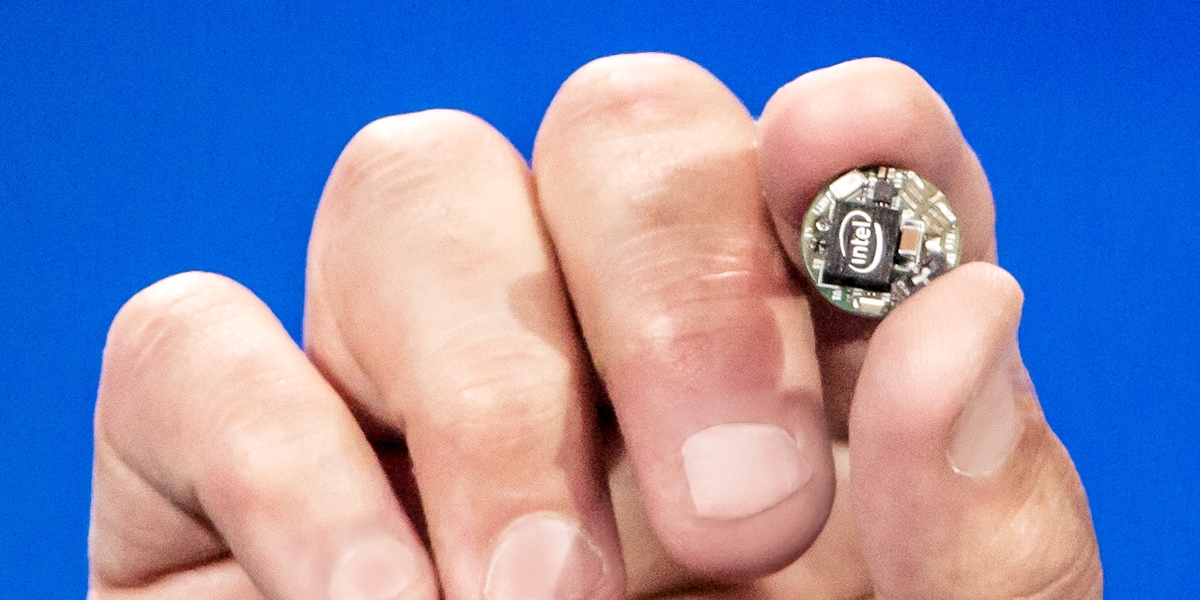
    Future looks quite promising for wearables as prominent manufacturers have shown a renewed interest in the wearable segment. Intel being the latest to jump onto the wearable bandwagon, as the company’s CEO Brian Krzanic announced a new tiny chipset for wearable devices which is the size of a coat button. It’s a low power 32 bit micro controller called the Quark SE which has 384kb of flash memory and 80kb SRAM. In addition, the chipset also features a plethora of sensors including accelerometer, gyroscope and Bluetooth LE support.

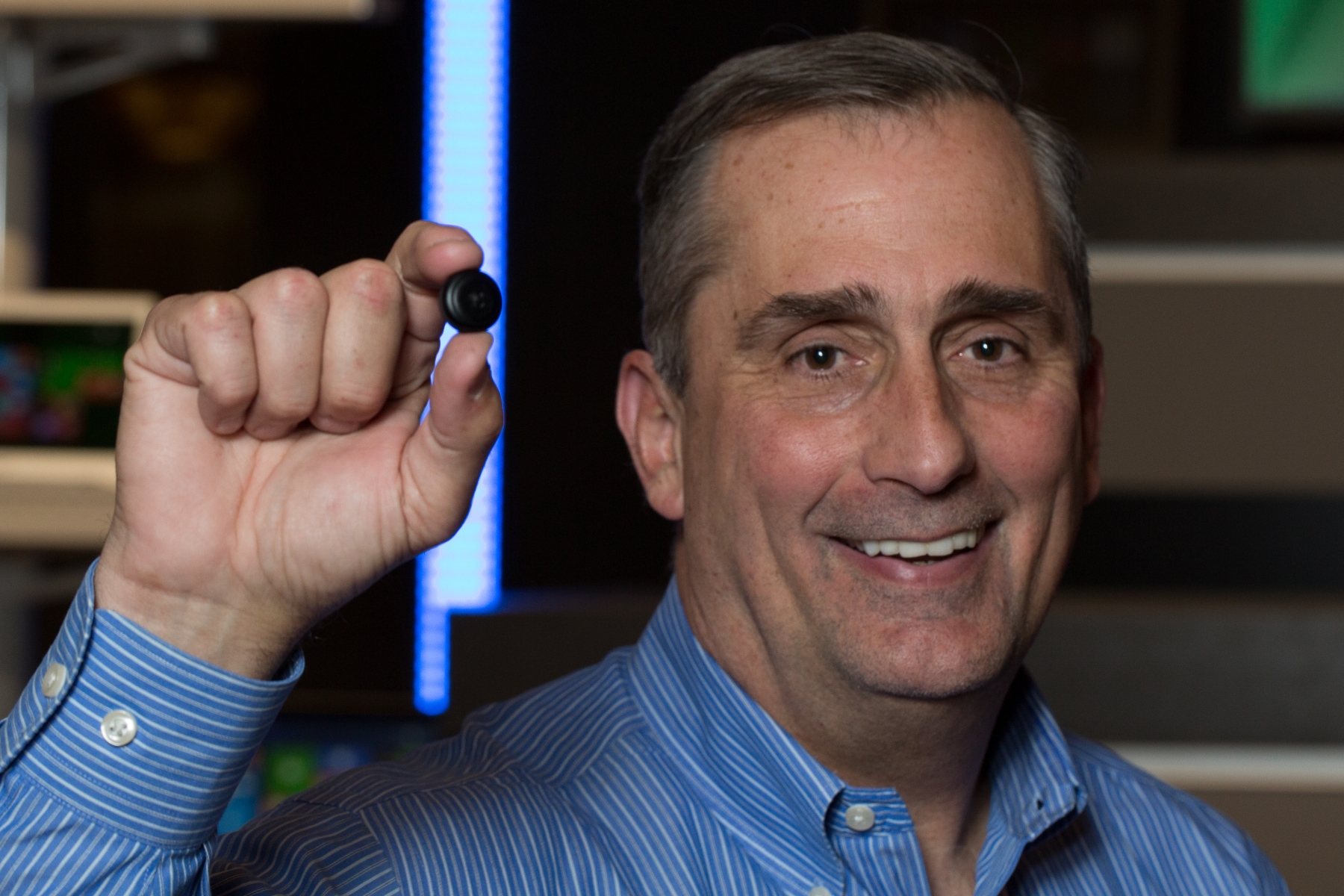
     CEO Brian Kraznic with the Intel Curie Prototype
    CEO Brian Kraznic with the Intel Curie Prototype

    Intel also announced a development module called Curie, that will allow companies to manufacture wearable devices out of anything. Krazinch claimed that with Curie and Quark, one could build a wearable device out of anything from rings to handbags, pendants and even glasses.

    Intel seems all geared up to speed up the development of Curie based devices. It is providing complete software and technical support needed to work with its reference wearable applications called Intel IQ Software Kit.  The company believes it will help customers across all demographics, including fashion, sports and lifestyle companies.

  • CES 2015 : Lenovo Launches Two Smartphones and a Fitness Band

    CES 2015 : Lenovo Launches Two Smartphones and a Fitness Band

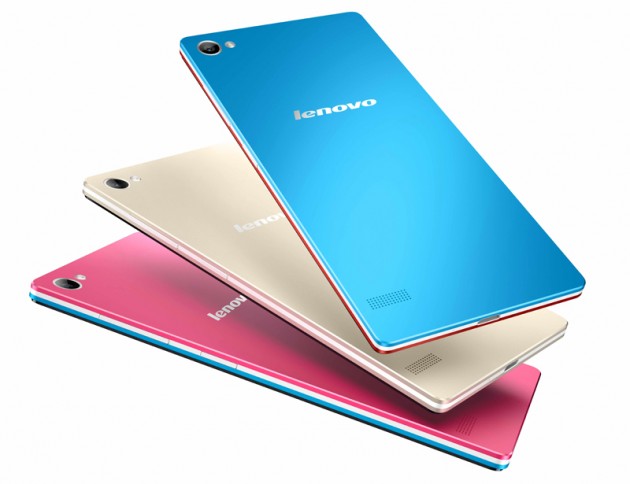
    Lenovo has added two new smartphones, an accessory and a wearable to it portfolio. The company pulled the wraps of the a couple of Android 4.4 KitKat-powered droids dubbed Vibe X2 Pro and P90 along with a unique selfie-flash accessory.

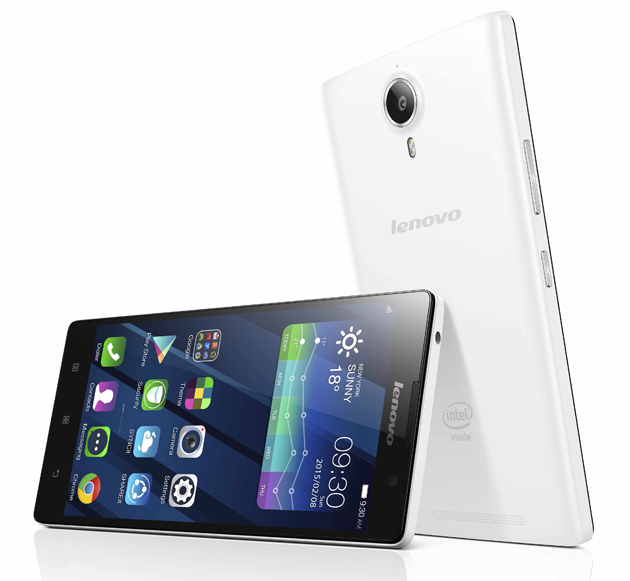
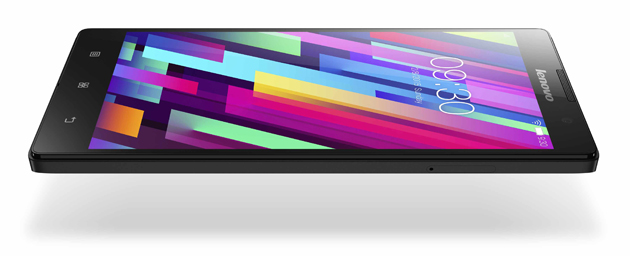
    Lenovo P90, the highlight of the show, is workhorse with an enormous battery. It is also the first phone running on Intel’s 64-bit Atom 1.8GHz quad-core processor, and supports LTE-Advanced (FDD and TDD), which offers theoretical download speeds of 150Mbps.

    lenovo-p90-2
    Lenovo P90

    The Lenovo P90 sports a 5.5-inch 1920×1080 IPS display, 2GB of RAM, 32GB of internal storage, 13 megapixel rear camera with OIS (optical image stabilization), front-facing 5 megapixel camera and a massive 4,000 mAh battery which, according to the company, will last for 2 days on a full charge. The Lenovo P90 will be available in February for $369

    lenovo-vibe-x2-pro-4-630x484
    Lenovo Vibe X2 Pro
  • CES 2015 : Withings’ New Activity Tracker is Swiss-made and Affordable!

    CES 2015 : Withings’ New Activity Tracker is Swiss-made and Affordable!

    Withings, French consumer electronic maker, has announced a Swiss Made watch, much like the ones we’ve been wearing for decades but slightly smarter, at CES 2015 in Las Vegas.

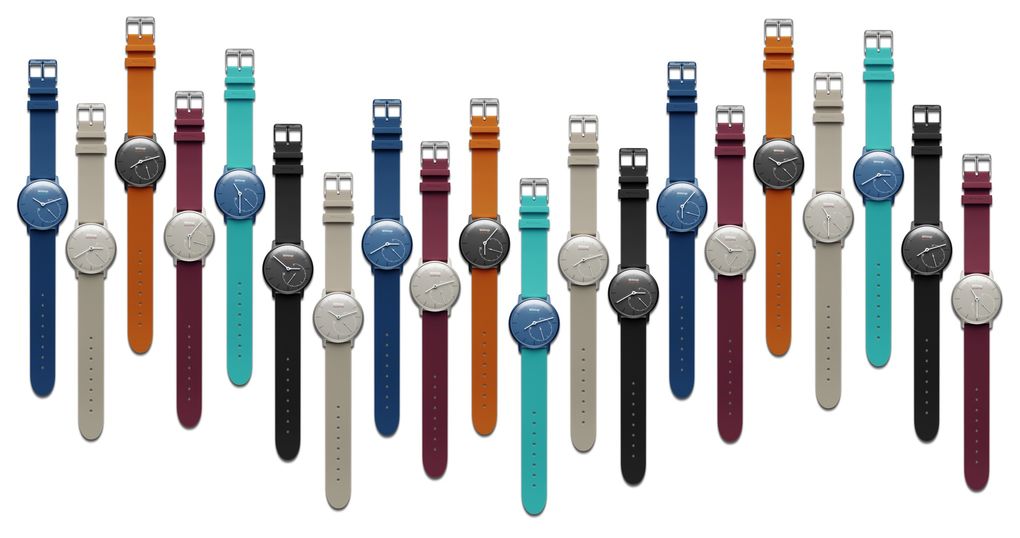
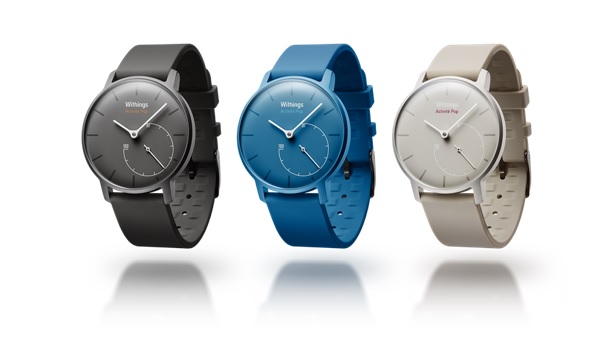
    Called the Activité Pop, it is a follow up to Withings’ Activité watch which was revealed last year, and comes with a lightweight design that features a swappable silicon strap, a body that is water-resistance for up to 30 meters, and a battery that lasts up to 8 months.

    The Activité Pop offers PVD-coating on its case, which allow it to come in three different colors, including a grey, blue and beige tone. The PVD coating which, according to company, help it stand scratches and dings, and it has a step-counting hand which reveals how far along you are to meeting your activity goal for the day, as tracked by the steps taken.

    withingspop

    It’s designed to tell the time, of course, with a simple face along with two dials to help you keep track of nearly everything. It’s stealthily tracks your sleep, your steps, and your swimming. It syncs to Withings’ Health Mate app to help you track everything, though it’s iOS-only for now.

    The Pop is a great option for more budget-first consumers, especially because it offers an identical feature set to the Activité in terms of tracking not only activity, but also sleep quality. It offers a silent, vibration-only alert when you reach your step goal for the day, or to wake you up when you reach your desired amount of rest if worn at night.

    The Activité Pop will be available to purchase online in the United States via BestBuy.com on January 5th for $149.95, and will be available at Best Buy stores in March 2015.

  • Google Makes Virtual Reality Available for Everyone for Just $20

    Google Makes Virtual Reality Available for Everyone for Just $20

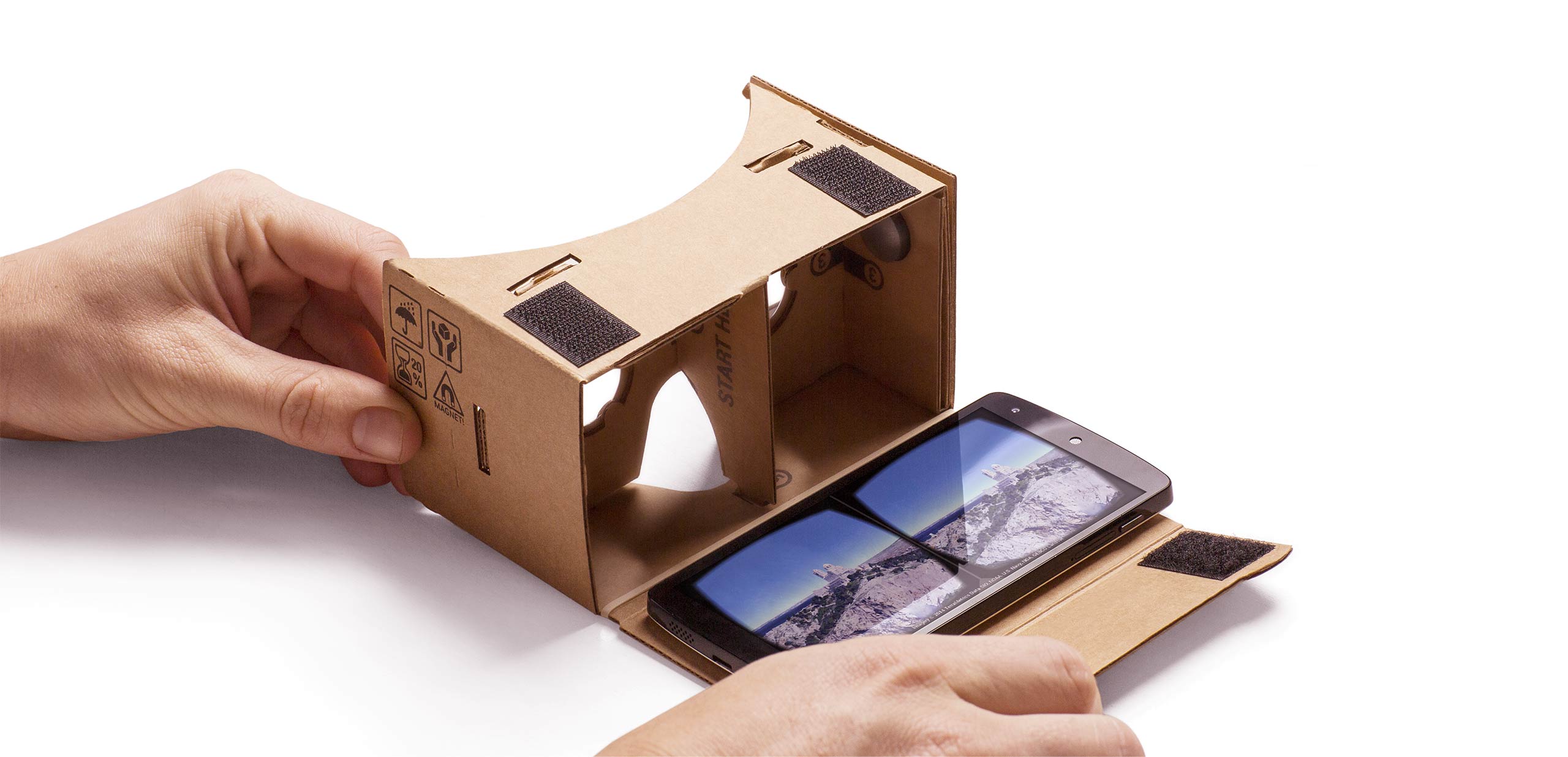
    Virtual reality (VR) headsets have gained considerable buzz in the recent past. Oculus brought VR into mainstream, and several others followed soon after. Samsung’s Gear VR was the most prominent of all but to use it, you have to buy a Note 4. This is the reason it’s out of the reach of most enthusiasts. A Kickstarter project called ANTVR showed some promise with its innovative features and controllers. However, it’s Google who might bring the VR experience to everyone with the Google Cardboard project.

    As the name suggests, the entire gadget is made up of just cardboard and some other small bits that you can find in your homes itself. You will have the support of Google; that will assist you in making the headset as well as provide software support for it. You can consider this as a gift from Google for all the big data you provide them.

    Google has released new SDK for Android and Unity to create apps for the VR headsets. The Google Cardboard project can be considered the heights of jugaad device by a prominent company. The company already provides instructions to assist you in making your own DIY VR headsets. On a page dedicated to the Cardboard project, the company also featured several apps and games for the headsets.

    The headsets work with any device and thus is accessible to all.
    The headsets work with any device and thus is accessible to all.

    You can download the Cardboard app to start your VR experience. There are several demos already available in the app including a Google Earth flyby, a tour of Versailles and lets you watch Youtube videos on a virtual massive screen. Apart from this, you can download apps like Paul McCartney’s live performance, The Hobbit VR experience and several other fantastic visuals for your eyes only.

    You can also buy the headsets, and they cost you somewhere between $20-$45. This is way cheaper than every other alternative in the market, and you can make it yourself for even less. The company says that it will be uploading instructions to make the device with extreme specifics such as how to cut using a blade, die-cutting or a laser cutter.

    It’s great to see Google interested in an open source project for VR technology. The affordability of this technology is really encouraging. As it works with any phone, you don’t even have to buy an expensive new device to make it work. Of course, you might end up with nausea, headache and vertigo but it’s worth the effort to watch Sir Paul McCartney live, isn’t it?

  • iBerry Unveils Auxus One Smartphone and Voice Calling-Enabled RIST Smartwatch

    iBerry Unveils Auxus One Smartphone and Voice Calling-Enabled RIST Smartwatch

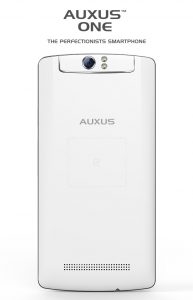
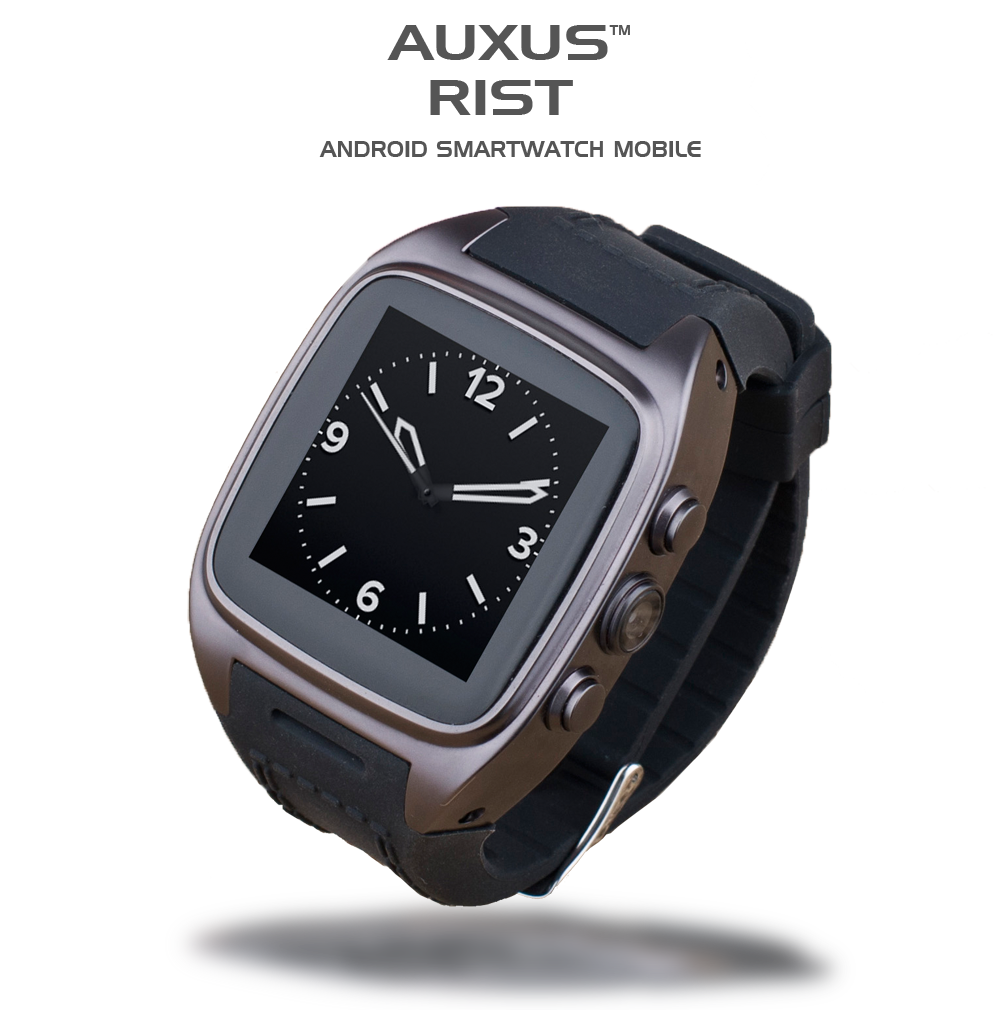
    iBerry India, in association with eBay has launched the newest iBerry Auxus One smartphone along with the latest Auxus RIST smartwatch.

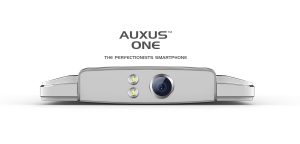
    The Auxus One smartphone feaures a rotating camera unit as we have seen on Gionee’s Elfie E7 Mini. The camera unit on the phone features a 15.5 MP camera equipped with Sony’s BSI sensor with a 207 degree revolving camera. Other specs on the phone include a 5.7 inch screen with Gorilla Glass protection. It is powered by a 1.7GHz Hybrid Octa- Core MT6592 processor coupled with 2GB RAM. It runs on the latest Android 4.4 OS with support for GPS and NFC.

    The smartphone has dual-SIM capabilities and a 3200mAh battery. On the memory front it offers 32GB of internal storage expandable upto 128 GB via a Class 10 microSD card.

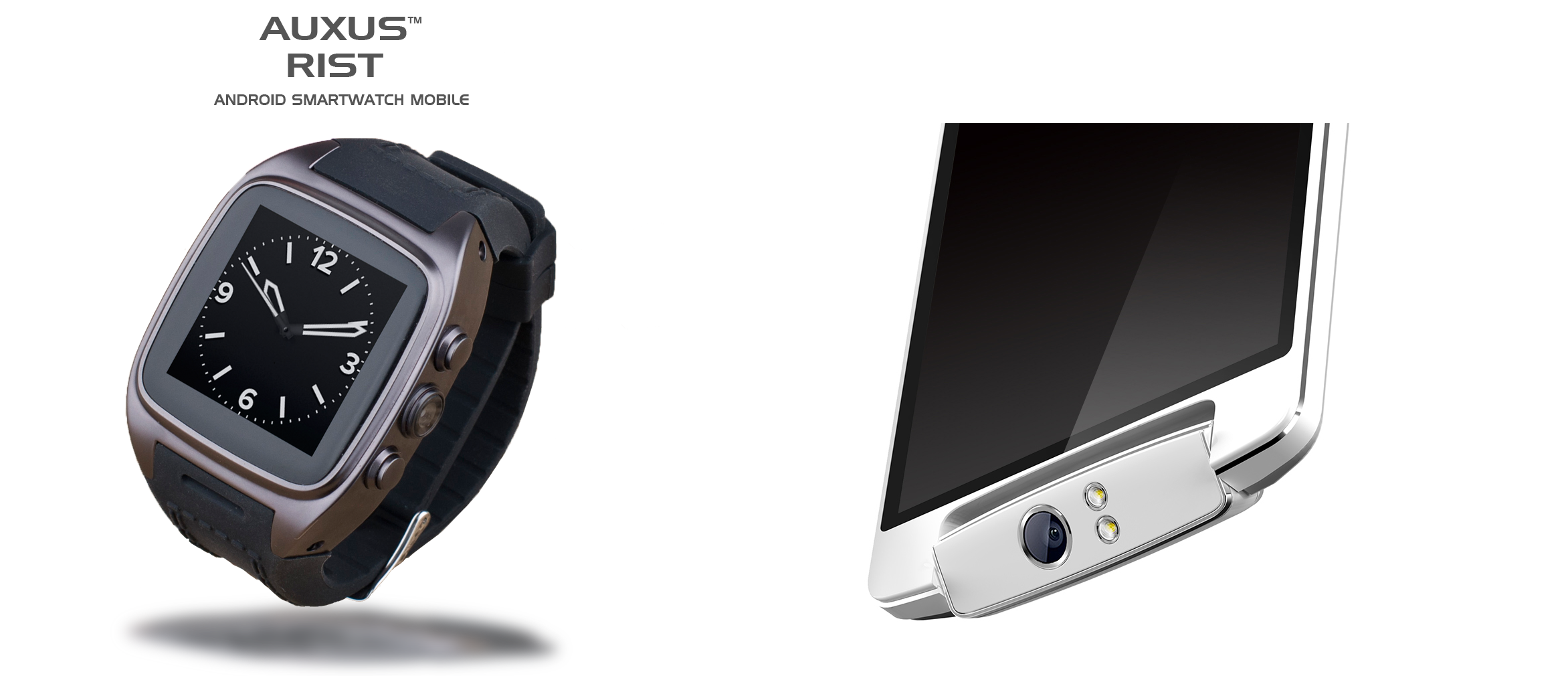
    Meanwhile, Auxus RIST, the company’s first smartwatch is waterproof and sports a dual core processor. It also has a micro SIM card slot for voice calling and 3G connectivity. In addition, the smartwatch also features a 3 MP camera. Other features of the smartwatch include 32GB expandable memory, support for Wi-Fi, Bluetooth 4.0 and GPS. The smartwatch is powered by a Li-ion rechargeable removable battery which the company claims can last for one full day. It also includes other nifty features like a Heart Rate Monitor and Calories Check.

    Auxus_RIST

    Commenting on the launch, Mr. Vidmay Naini, Business Head – Technology Category, PaisaPay & PowerShip, eBay India, said, “It is our continuous endeavor to the inventory and offer unique deals to our customers. Auxus products have been well received by gadget enthusiasts logging into ebay.in from over 5000 cities, towns and villages across the country. We are confident that the smartphone and smartwatch will also be a grand success on ebay.in.”

    The Auxus ONE smartphone is priced at Rs. 15,990 while the RIST smartwatch is priced at Rs. 9,999 and will be available starting December 8 exclusively on ebay.in.

  • Xiaomi’s Mi Fitness Band Sweeps Wearable Market, Sales Reach 1 Million in 100 Days

    Xiaomi’s Mi Fitness Band Sweeps Wearable Market, Sales Reach 1 Million in 100 Days

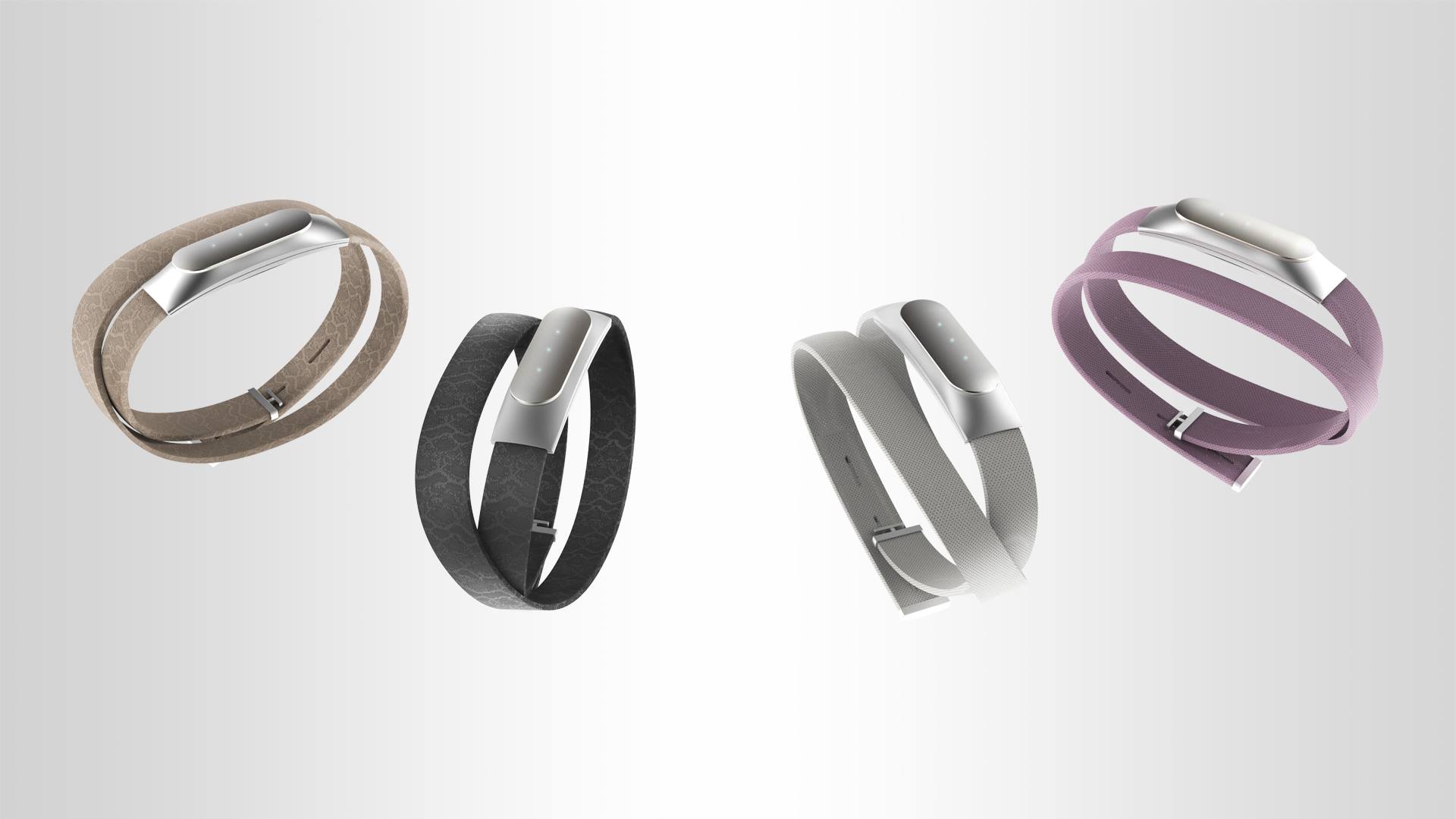
    Xiaomi has been the talk of the town, be it cheap smartphones, power banks or fitness trackers. The Chinese electronics giant has once again made it to the headline by selling 1 million Mi fitness trackers in just 100 days. The band was launched in July this year and went on sale on 18th August.

    The company disclosed that it has shipped a maximum of 103,000 in a single day. The wearable is, as of now, available in China only, but the same will go on sale in Hong Kong and Taiwan from tomorrow onwards. The device has been priced at 79 Yuan (that translates to around Rs. 800), which is ridiculously cheap. This is one of the reasons people all over the world are desperately waiting for the Mi fitness band to launch in their countries.

    mi band1

    Xiaomi Mi band is a water-resistant gadget with a battery life of up to 30 days. Although, it does not have a display of its own, the same can be paired with your smartphones and tablets to show fitness statistics. The band sports indicator lights. Apart from tracking health stats, it can become an alarm clock for you. Additionally, the band is a smart tool as it unlocks your Xiaomi smartphone, in case you don’t wish to type the password several times a day.

    NDP group released a report on the sales figures of various brands, which speaks that between April 2013 and March 2014, around 3.3 million fitness bands and activity trackers were sold in the US. Out of this, 67 percent sales was made by Fitbit and 18 percent by Jawbone.

    With numerous technology options available in the market, the Mi fitness band seems the most popular among fitness freaks.

  • Google Glass to Make a Comeback in 2015 With Intel Chips

    Google Glass to Make a Comeback in 2015 With Intel Chips

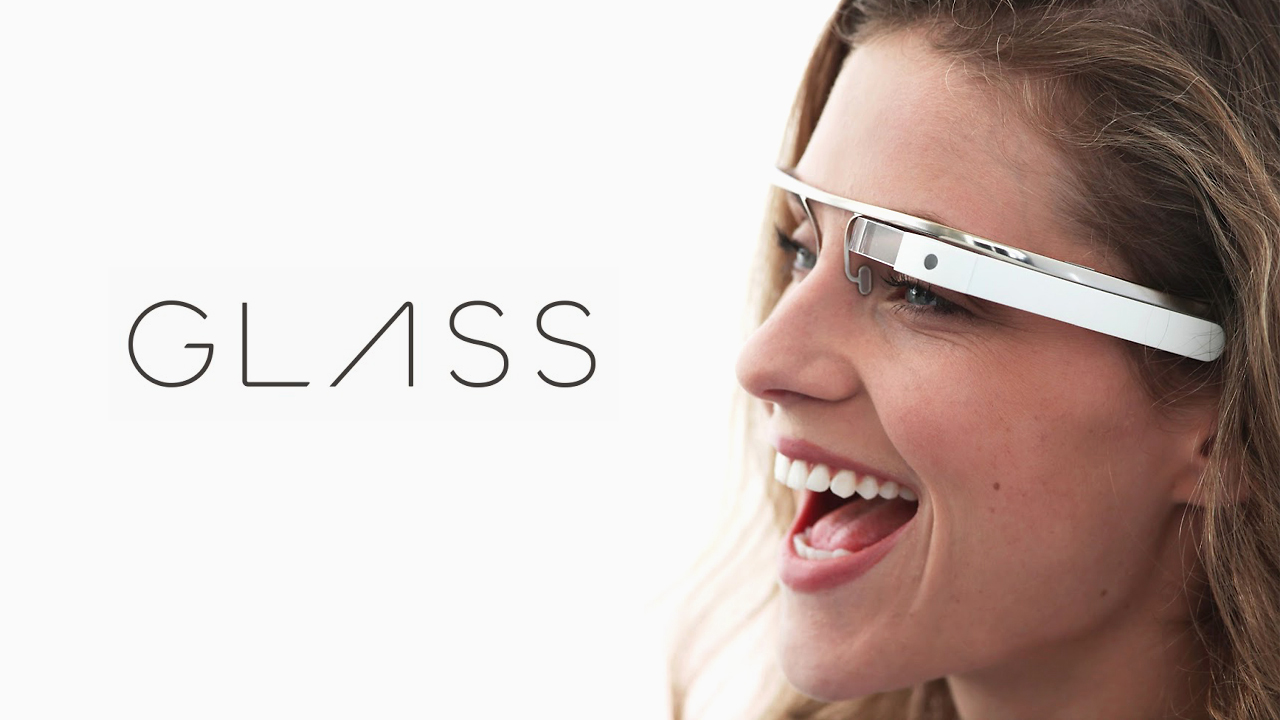
    A new report by The Wall Street Journal has revealed that 2015 will see the launch a new version Google Glass which will be powered by an Intel Chip and will offer longer battery life than the present Explorer Edition. Intel has joined hands with Google as a part of their strategy to push their market in the wearable segment.

    Google Glass has already gone through some minor changes since its launch, one to add compatibility with prescription lenses and another to double the RAM; however, entirely new chipset could mean some serious changes. The Intel chips will replace a processor from Texas Instruments Inc. included in the first version of the Google Glass.

    According to the WSJ, Intel plans to promote the Glass to hospital networks and manufacturers. Google launched the web-connected eyewear in 2012, but it carried a hefty price and was regarded as something that only nerds would wear. Limited battery life and an impractical four-figure price tag worked against the Glass’ widespread adoption up until now. With a more modern processor and a refreshed design, it might see consumer interest rekindled.

    google glass

    Intel chips are mostly used in personal computers and servers in data centres, but the company has targeted the tablet and wearable markets for new power-efficient versions of its x86-based processors. It competes with rivals such as ARM and Texas Instruments. At CES 2014, it showed off smart earbuds that can measure a runner’s heart rate. In March, Intel purchased the high-end health tracker maker Basis Science. The chip maker’s XMM6321 3G cellular radio was incorporated into MICA, a fashion bracelet that was unveiled in September.

    Google has been pushing Glass as a workplace-computing device. Recently, through a program called Glass at Work, Google is working with software developers including Augmedix and APX Labs to encourage use of Glass in industries such as health care, construction and manufacturing where employees work with their hands but need information.

  • The Stylish ASUS ZenWatch Likely to Hit Indian Shores by March 2015

    The Stylish ASUS ZenWatch Likely to Hit Indian Shores by March 2015

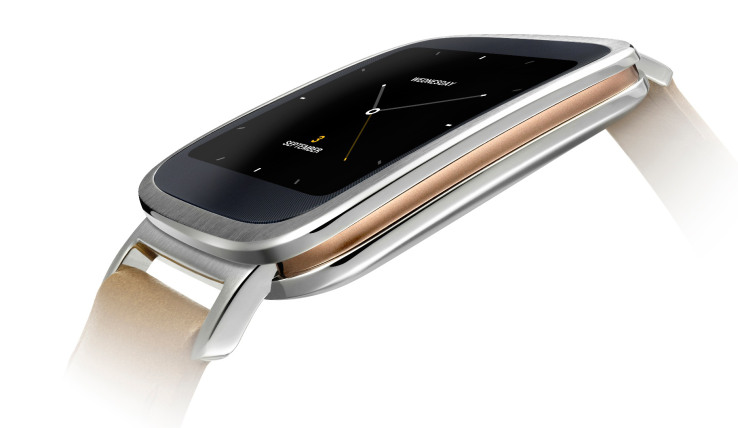
    ASUS ZenWatch is all geared up to launch in India by March 2015. The stylish looking watch has already made its mark in the smartwatch arena and is the hot favourite in the Android wear smartwatch league. The device is expected to be priced below Rs. 20,000 in the Indian market, though there is no official statement from the company in terms of pricing. We can expect the ZenWatch to be strategically priced, as the Moto 360 (its main competitor) is selling in India for Rs. 17,999. The other first-gen Android wearables like the LG G Watch and Samsung’s Gear Live are priced at Rs. 14,999 and Rs. 15,900 respectively.

    ASUS ZenWatch has already received some rave reviews and is claimed to be one of the best Android wearables currently in the market. The smartwatch is one hell of a looker and comes with a 1.63-inch 320×320 AMOLED display. The screen is curved to give off a 2.5D effect and the watch is powered by a 1.2GHz Qualcomm Snapdragon 400 processor along with 512 MB RAM. Check out the key specs in the table below:

    Specifications

    ASUS ZenWatch

    Display 1.63-inch AMOLED, 320×320 pixels
    Processor 1.2 GHz Snapdragon 400
    Storage 4 GB
    RAM 512 MB
    Battery 1.4Wh
    Operating System Android Wear
    Dimensions 50.6×39.8×7.9 mm

    It is also rated IP55 for water and dust-proofing, so it can easily handle those accidental splashes. The ZenWatch also has a 9-axis sensor for tracking activities and movements like step counts, heart rate and relaxation levels. In short, it’s a personal wellness manager that helps users keep a close watch at their fitness goals.

    Overall, this unique piece of hardware is one heck of a device we just can’t wait to get our hands on it.

  • GizmoPal Wearable Allows Kids to Call their Parents with One Button

    GizmoPal Wearable Allows Kids to Call their Parents with One Button

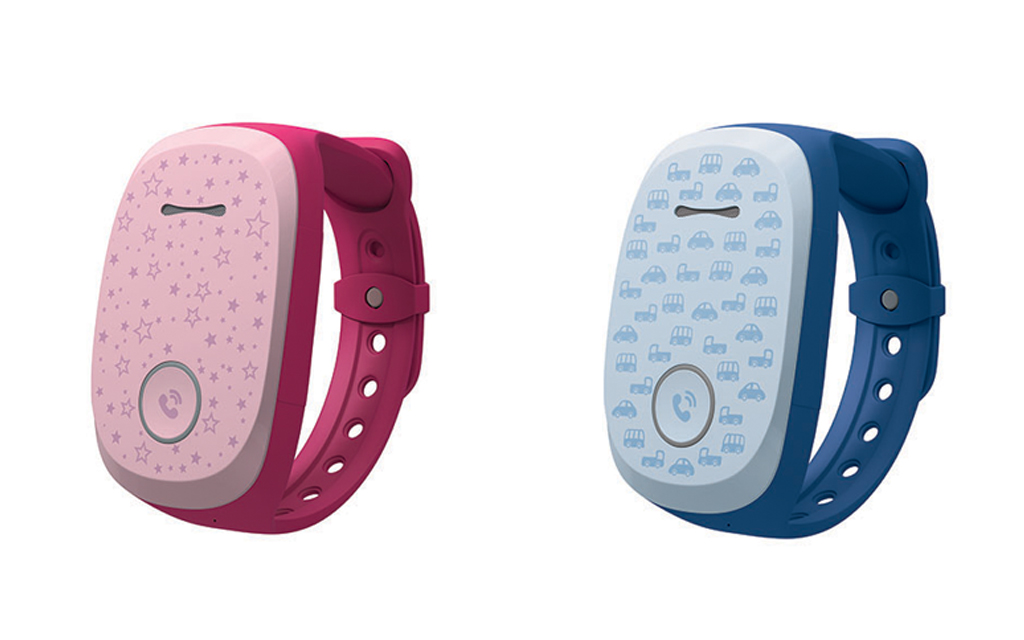
    Well, why should adults have access to all the new gadgets that are changing the way we live and do our work. That’s what LG thinks, and in line with this, LG introduced KizOn in South Korea earlier this year. KizOn is a wearable device for children that makes it easy for them to communicate with their parents.

    Now, the toddler-focused wearable is sailing to the west with the launch of GizmoPal (US nomenclature) on Verizon. The GizmoPal is designed for kids anywhere from pre- to middle- school to easily make and receive phone calls using a single calling button and auto-answer feature.

    gizmo-1024x640

    It only requires a pre-configured number setup and, then using a single button, kids can easily make or receive a call. All what the child has to do is press the button to make or answer a call, followed by speaking into GizmoPal and listening through its speaker—no complicated steps that can cause confusion.


    [quote text_size=”small” author=”Dr. Jong-seok Park” author_title=”President and CEO of LG Electronics”]

    GizmoPal was developed in response to customers’ opinions that technology should be used to improve the lives of all consumers. It occurred to us that children had the most to gain because they’re the most vulnerable.

    [/quote]

    The GizmoPal also comes with a companion app available for iOS and Android. This app uses GPS to allow parents easily monitor their child’s location at all time. Obviously, it will need Verizon service to work as intended, the fee itself is only $5 per month. The new wearable is available now on the carrier’s site for $80, while it will go on sale from 11th December in physical stores.

  • Sony’s Next Smartwatch May be Entirely Made Out of E-Paper

    Sony’s Next Smartwatch May be Entirely Made Out of E-Paper

    Sony is under a lot of pressure to return to profitability and reach back to the rank of the biggest consumer electronics brand in the world. Recently, apart from the Playstation family, no other device in the company’s consumer portfolio has seen an upwards momentum. In this trying times, Sony is working on something unique, a smartwatch made entirely out of e-paper.

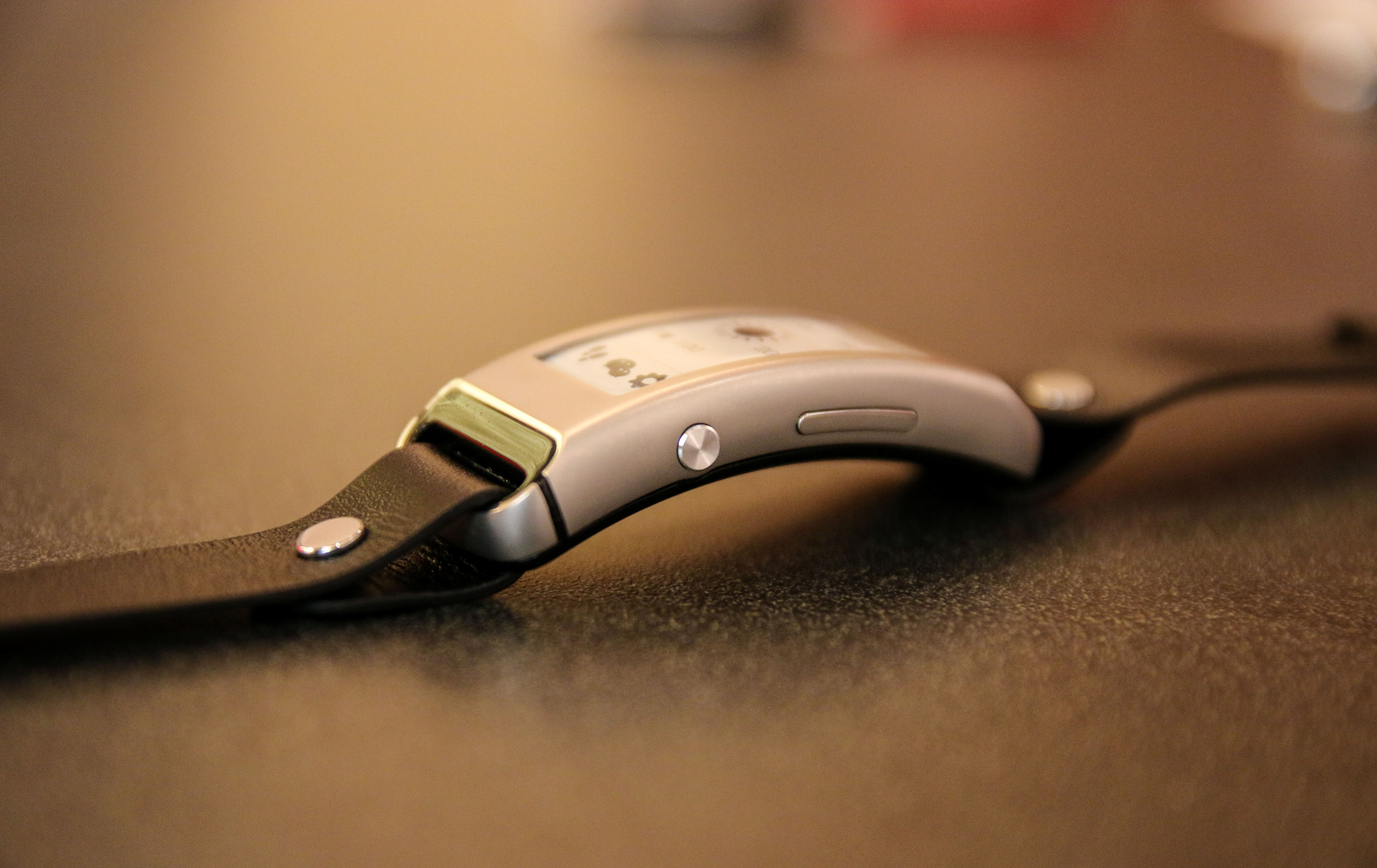
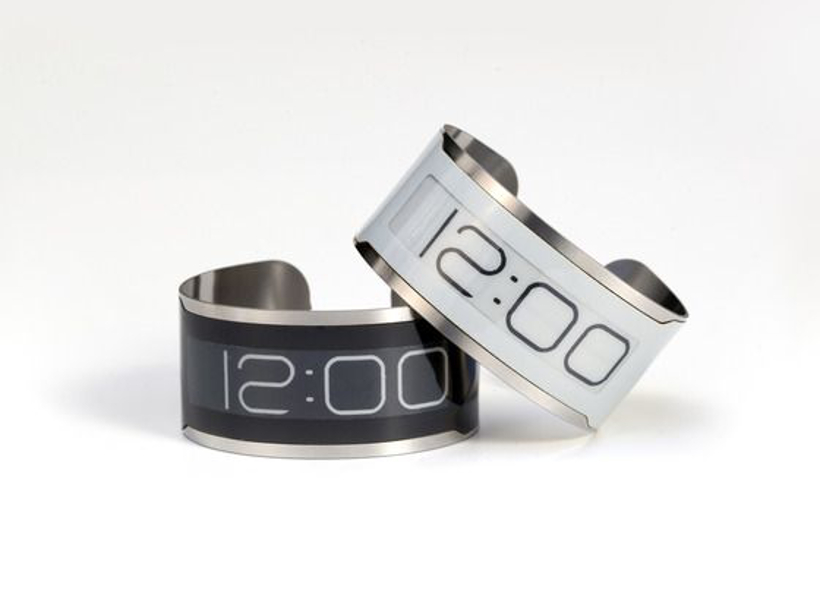
    There have been previous attempts into making an e-paper smartwatch. Central Standard Timing’s CST-01 is a Kickstarter-funded smartwatch with an e-ink display. With a ‘thinness’ of 0.80 mm, it holds the enviable spot of the world’s thinnest watch. It would be interesting to see what Sony comes up with its massive innovation budget.

    Central Standard Timing's CST-01 has an e-ink display and is 0.8 mm thin.
    Central Standard Timing’s CST-01 has an e-ink display and is 0.8 mm thin.

    It is being reported by Bloomberg that the device will be developed by a new division within the company. This division is responsible for bringing innovative devices to Sony’s portfolio, and the e-paper smartwatch might just be the breakout star that this division was looking for. The watch is expected to be made almost entirely of e-paper including the straps.

    The company is in an emergency reinvention mode and is working towards cutting down the heavy losses that have been incurred in the past years. The company is already planning on cutting down its smartphone and TV portfolio. This is the right time to come up with a unique and affordable product. Sony still has a lot of goodwill in the consumer market, which it can utilise to bring about the growth it desperately needs. Sony is known for design, and if a Kickstarter project can create the slimmest watch, we hope Sony can churn out something that upholds the brand we have come to appreciate over the years.

  • BitBite is Your Mom on the Move, Tells You to Eat Right and Chew Slowly

    BitBite is Your Mom on the Move, Tells You to Eat Right and Chew Slowly

    Eating healthy is hard. With the massive amount of junk food options in the market to gobble up, a healthy diet takes a back seat. So how do you keep fit in the times when you have to be on the move and eat fast to get back to work? Your mom cannot be everywhere with you to make sure you eat right, but one tinsy tiny gadget might just take her place to maintain your eating habit.

    Say hello to BitBite, a tiny wearable that slips comfortably in your ear and using sound and motion, observes if you are eating right and chewing through. This wearable tracks what you eat, when you eat and how you eat. Using the analysis of sound and tracking patterns of your jaw movement, it observes what you eat. In the future, the device will be able to suggest you healthy alternatives to what you are eating.

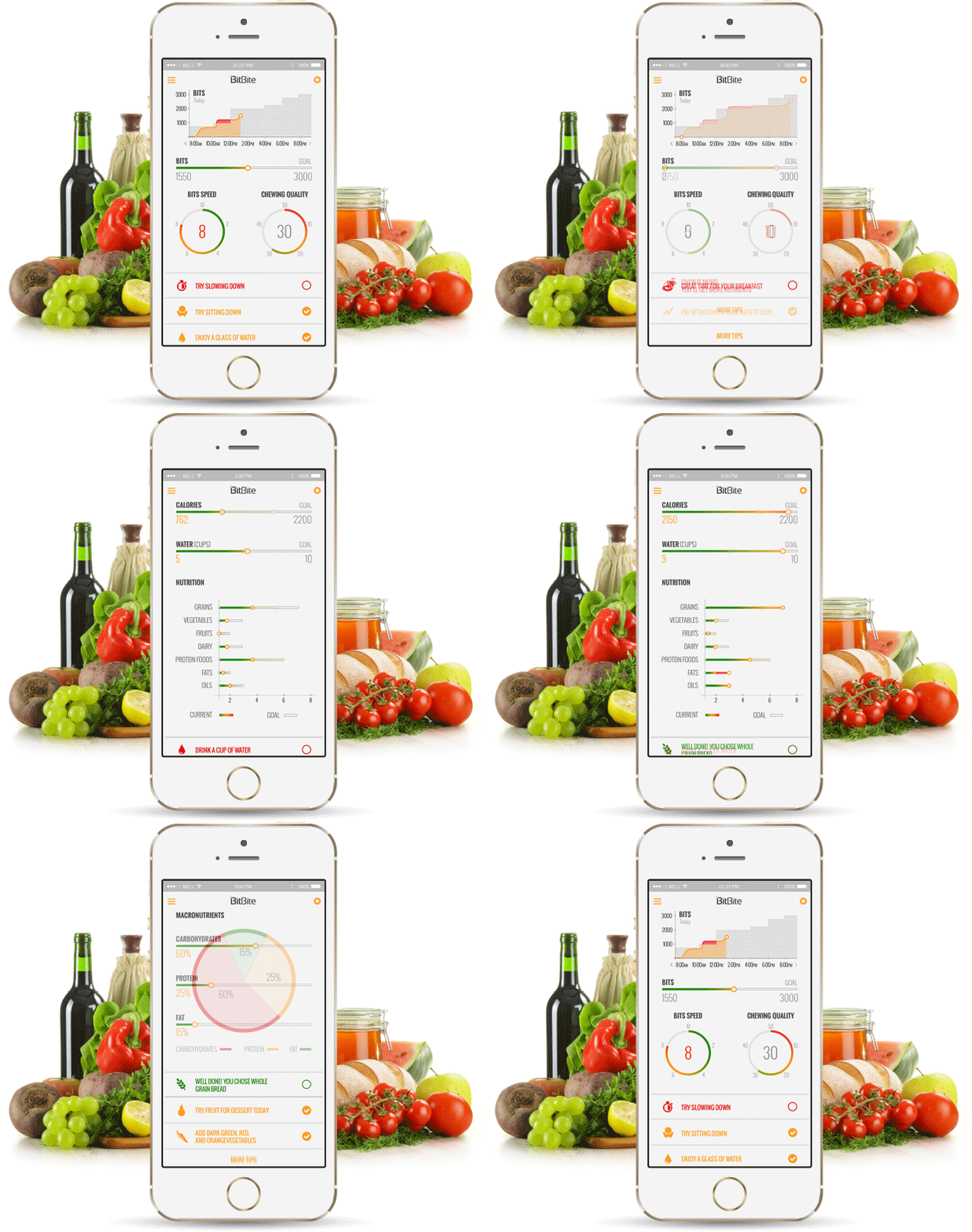
    The mobile app does the number crunching and analyzes your eating habits.
    The mobile app does the number crunching and analyzes your eating habits.

    According to the creators of the device, this minuscule device was developed in co-operation with dieticians and nutritionists. It contains a microphone and additional sensors that record and perform initial processing of the incoming sounds, after which the smartphone app takes care of the number crunching bit. Fortunately, unlike your mom, you can turn it off when you are really in a mood to indulge into some gooey goodness.

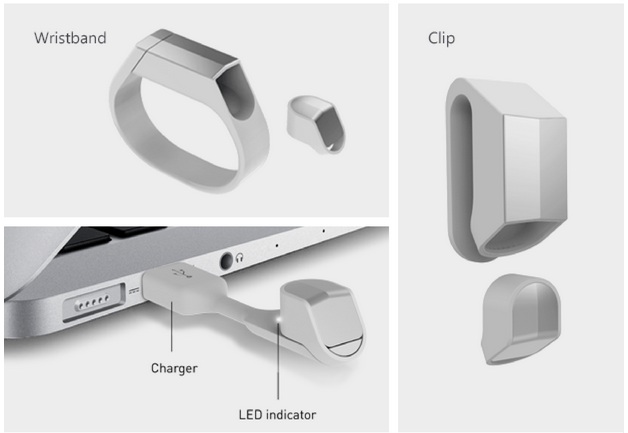
    If you don’t want to join the BlueDouche tribe, then there are some other options to get BitBite by which can start healthy grubbing. The device gives you the option of wearing it on your lapel with a clip in a wristband. It functions as a regular Bluetooth device when not eating.

    There are multiple attachments for the BitBite.
    There are multiple attachments for the BitBite.

    The device works with both iOS and Android devices. The company has achieved 75% of its initial goal of $60,000 on Indiegogo, with 22 days still left to go.

    Well, it’s great to see what you eat but it’s also great to indulge once in a while. We as humans have invented a plethora of amazing foods that varies with the palate of different places. Eating right is just a part of healthy living; it’s also important to exercise and drink loads of water. But it is great to see how technology can be used for the benefit of an average person, and with apps like Google Fit, it’s easier than ever to stay fit. So after reading this, get up and do some jumping jacks for your sake.

  • ‘Back To the Future’ Style Auto-Lacing Shoes are Here, Finally!

    ‘Back To the Future’ Style Auto-Lacing Shoes are Here, Finally!

    Well, Michael J. Fox made them popular in 1980s, even though they were pure science fiction. If you are ‘Back to the Future’ fan, you must be knowing what I’m talking about. Yes, someone has finally built McFly’s auto-lacing shoes.

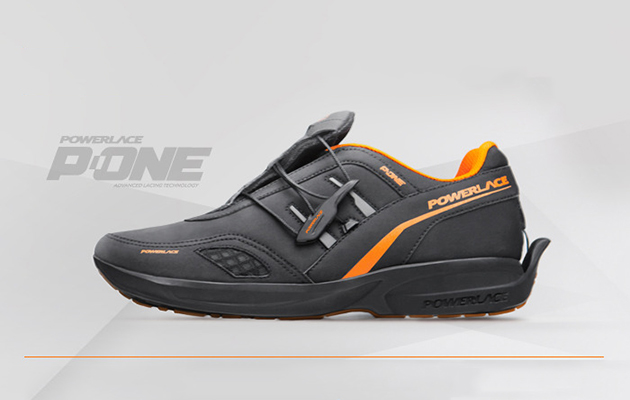
    Interestingly, as we’re closer to 2015 when McFly arrives in the future, a company is set to launch the first shoes with auto-lacing capabilities. The shoes named as Powerlace P-One doesn’t look similar to the sneakers in the movie, however, they certainly get the job done.

    11b5753f08f02e45dff86775b4bb945c_large

    The company has launched a Kickstarter campaign to launch its first auto-lacing shoes and they are looking to raise some $577,000 to make the project a reality. A pair of Powerlace P-One costs around $155 under the early bird deal and its market price will go to $170 when it will be released.

    The Kickstarter page explains, “The mere insertion of the foot automatically engages the lacing system’s mechanism. The activation of the small lever found at the lower rear end of the shoe unlocks the power system. It’s really that simple! The total energy required for the lacing system’s mechanism is provided for by the weight of one’s body.  The Powerlace shoe has been extensively tested in laboratories and has been subject to the wear and tear conditions when in actual use.”

    With 56 days left to reach its goal, the team has already raised over $19,500 and should start shipping the shoes in May 2015 if the funding is successful. The Powerlace shoes have a simple mechanism for auto-lacing that doesn’t involve any voice commands, complex chips, apps, batteries or motors.

iGyaan Network
Privacy Overview

This website uses cookies so that we can provide you with the best user experience possible. Cookie information is stored in your browser and performs functions such as recognising you when you return to our website and helping our team to understand which sections of the website you find most interesting and useful.