Plastic bottles are really convenient. They have made life real easy for all of us. Travel has gone from big icebox’s and water bottles to packs of these easy to carry plastic bottles. The issue though is that unlike glass bottles these bottles are prone to smells and moulds apart from their environment killing aspect. The problem with the better option, glass bottles is that they are not for people with butterfingers or folks who are incident prone.
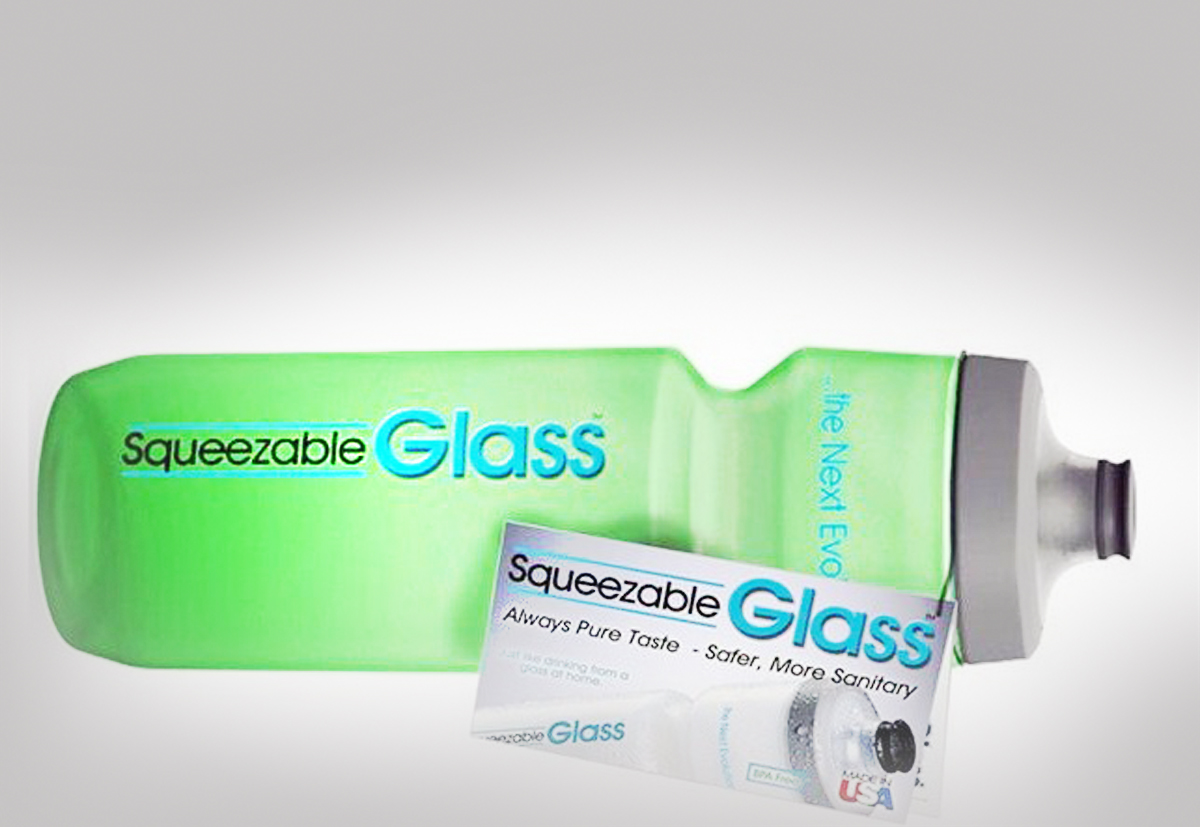
Now an American company has introduced a bottle which is the best of both world. It is called the Squeezable Glass and it is exactly what it sounds like. Though it’s not actually real glass which can be Squeezed, life’s not all that good yet. Instead we have a plastic bottle that is lined with Silicon Oxide on the inside.
The Bottles come in variety of Non Toxic graphical options
Now you might be saying: Silicon Oxide sounds like a chemical, I don’t trust chemicals. Well to that we will first of all say that we are made of chemicals and secondly silicon oxide is a naturally occurring compound which is present in many fruits and vegetable. Silicon Oxide in this case is used for a glass substitute.
The layer is just 20 nanometers thick (2.0 × 10⁻⁵ millimeters). Even with this thin layer, the bottle is capable of doing what its competition cannot do. It can prevent smells, flavours, mould and residue from sticking to the plastic while being flexible.
The Squeezable bottle is also easy to clean; you can easily throw it in the dishwasher too. The diameter of the bottle is just 3 inches thereby making it cup holder friendly. The bottle comes at a miniscule price of $15, and if that wasn’t enough, the company throws in a 17 year warranty. Hopefully this comes across to all bottles and might help to reduce some of the damage to the environment while remaining as convenient as ever. Now that’s an inspiration technology, good for business and nature.
You finally landed your expensive Xbox One. Now you are out of cash and the games designed for your console are equally expensive. Of course you can use for its entertainment experience, but you didn’t buy that Xbox to just watch TV, you want to game. Well you need not worry anymore, EA got your back.
EA announced its new service for Xbox One called EA Access. It is a subscription service that lets you access several EA title for a miniscule sum of $4.99. The service is in its beta stage for limited users but it will soon be available to a wider audience.
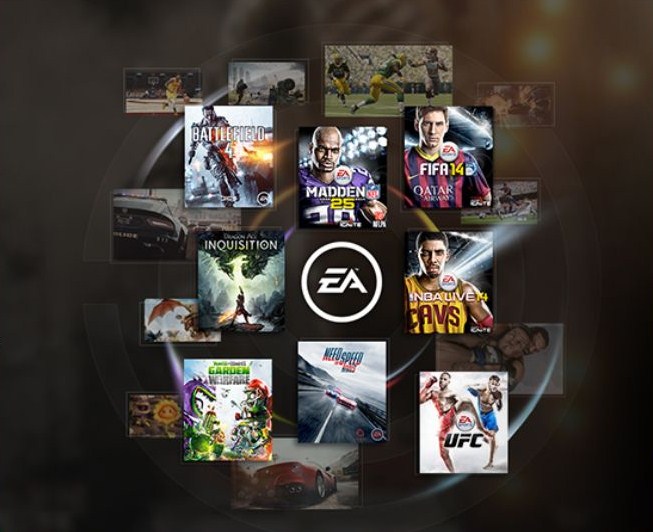
The library of games is called The Vault. It currently holds titles such as FIFA 14, Madden NFL 15, Peggle 2 and Battlefield 4. EA states that this entire collection of games is about $100 and is available to users at just about $5 a month.
Sony Playstation users already have access to the Playstation Plus program which provides access to exclusive content, as well as discounts on games, free games, and other free content. Sony said that its customers won’t appreciate just EA specific programs on their consoles and hence they may not bring EA Access on their Playstation ecosystems. But some analysts believe that this is Sony’s way of getting a better deal from EA.
One great feature of the service is that once you’re an EA Access member, you can download upcoming EA games five days before the release date to play for a limited time. Madden NFL 15, NHL 15, FIFA 15, NBA LIVE 15 and Dragon Age: Inquisition are all included, with more to come. It saves your progress so if you love it, you can buy it, and you can pick up right where you left off.
EA must have understood that the times are tough and their multi-million dollar invested games would be hard for their fans to afford. Subscription based service would be a great way of reaching out to gaming enthusiasts. Although it doesn’t have to be so rock bottom cheap. Options like these will also encourage novices to give the games a try and who might buy the full games and the consoles, thereby being equally profitable for all.
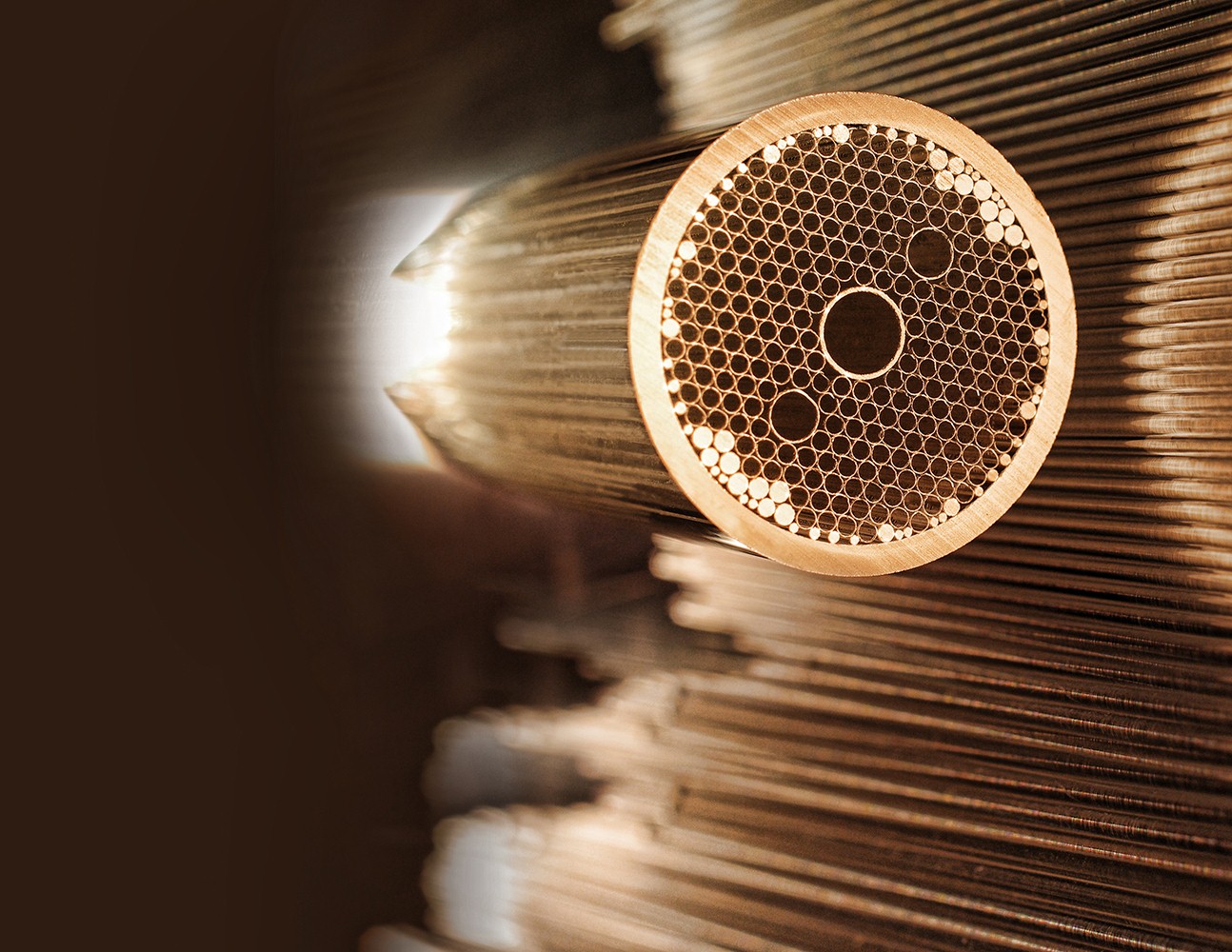
What is the fastest speed with which you have ever downloaded an entire movie? An hour, half an hour or 15 minutes or if you are one of the lucky few with access to Google Fibre, it might take you about 2 minutes. But how does 0.2 milliseconds sound to you? Yeah, it’s not impossible anymore. Researchers at the Technical University of Denmark have been able to send 43 terabits per second using one multicore optical fiber and one laser transmitter. This makes it about a 1000 times faster than Google Fiber which tops at a speed of 1000mbits/second.
In terms of bytes the connection tops at a speed of 5.4 terabytes per second. Now look at your 1TB hard drive, you can send five of those full hard drives over this connection in a second. Amazed yet? if not, then here’s a stand out point, this data transfer took place over a single fiber using a single laser beam.
As this is a single optical fiber technology it is a practical solution to providing high speed data transfer. It can be replicated out of laboratory settings and into the real world. The hitch in the story: the cables which managed to create this phenomenal network are really difficult and expensive to produce. So don’t anticipate a lighting speed connection anytime soon. The cables used by the researchers were manufactured by Japanese telecom company NTT.
There have been many research teams working on making the internet faster and more efficient. Currently the internet providers have immense investment in cables that they have laid and even if a faster internet is available, the deployment of such technology will only happen once the companies have recovered their costs. So it will surely be long wait before we get access to Terabyte Internet connections.
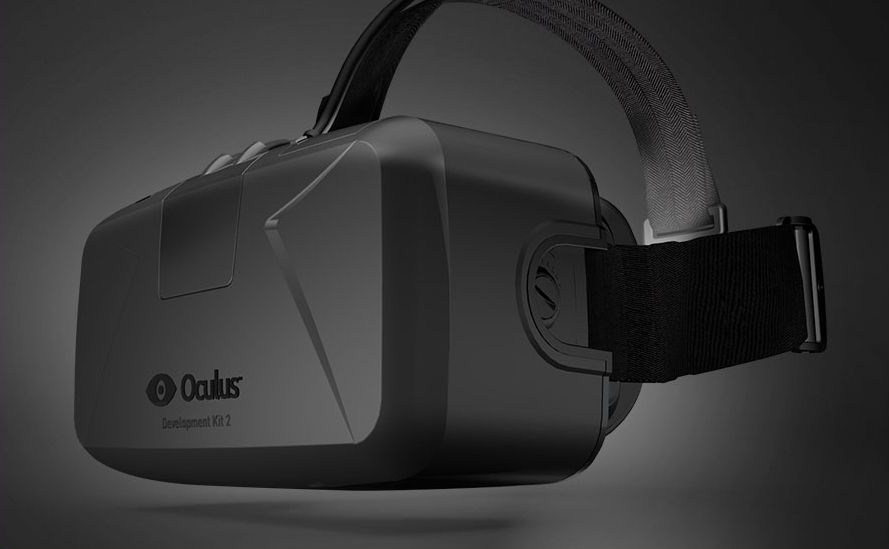
One of the most eagerly awaited technology are the wearable Virtual Reality (VR) glasses and the name that comes to mind when talking of VR wearables is Oculus. Now serial teardowners, iFixit have gone ahead and dismantled the new version of Oculus Rift’s developer edition.
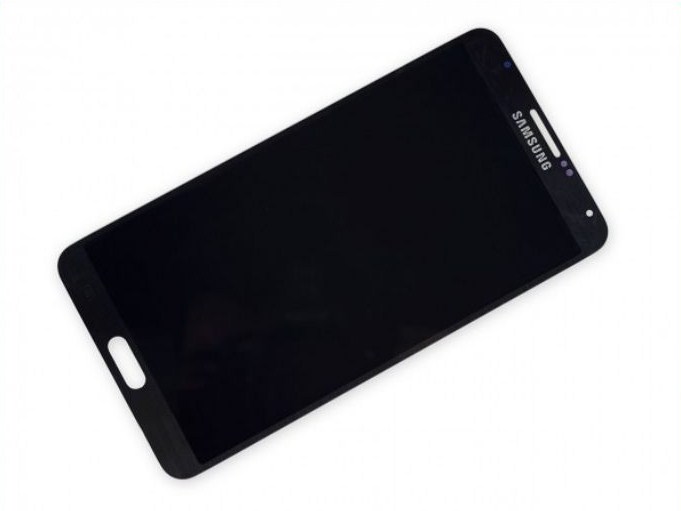
The previous Oculus outing saw tremendous complaints about pixelated screens and motion sickness inducing visuals. Oculus Developer Kit 2(DK 2) intends to address the complaints. One major discovery they made is that the DK2 comes with a Samsung Note 3 display.
Inside the impressive gadget is a Samsung display.
The display is left untouched and it even has the touchscreen controller on it. So you can easily get a replacement for your Oculus screen if you somehow get over involved in the virtual world and accidently bump into real world objects and damage the screen.
Oculus claims that the display works at 75 Hz which is above the standard 60 Hz refresh rate. On their website Oculus calls its display a low persistence OLED display to eliminate motion blur and judder, two of the biggest contributors to simulator sickness. The stunning 5.7 inch Note 3 display might address the pixilation issue and probably save people from the day long motion sickness they feel after wearing these headgears.
Meanwhile Samsung is proactively working on their own VR wearables. With Sony’s Project Morpheus and several start-ups trying out their luck with the technology, the market has started to heat up. We too are desperately waiting for the devices to come to the market so we can enjoy a walk on Mars or get a perfect first person shooting experience minus the PTSD of course.
Snapchat began a race for instant messaging in which the content disappears once it is viewed. Now Instagram has brought its own app to counter Snapchat’s dominance in the field. Facebook did try to take on Snapchat with its Slingshot app which garnered a lukewarm response. Now it attempts to try the same with its subsidiary, Instagram.
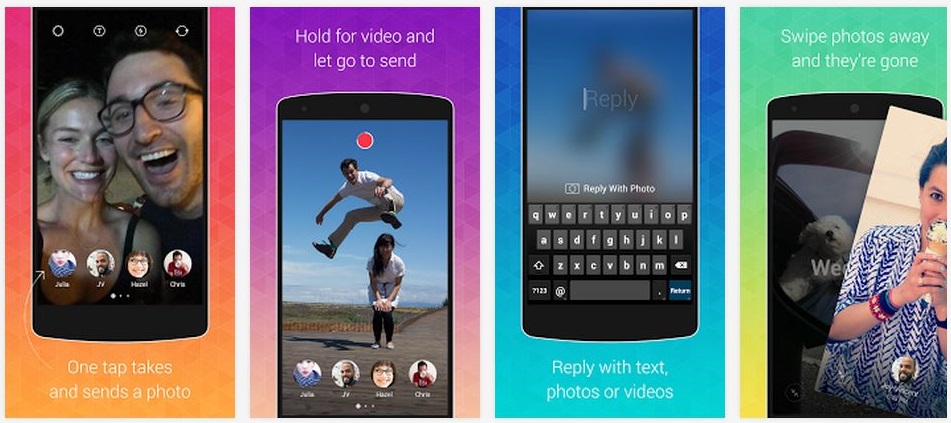
You don’t have to look around in your huge contact list to find folks you chat with the most. The app lets you have upto 20 favorites to share your images with. To take a snap you just have to tap the contact for a snap or tap and hold to record a video. The UI is really minimalistic and easy to understand.
To sign up for the service you will only need your phone number. You don’t need a Facebook or Instagram account. This is the moment of evolution in mobile chat where text is slowly replaced by photos and videos. The service also lets you bring back deleted pics to return within the first few seconds of deleting if you wanted to see that snap once more, before it goes into oblivion. The one sect of people who will be particularly disappointed by these developments are the NSA analysts. Those guys had to deal with reading all those emails and texts were having an easier time with images, but instantly deletable messages might be an issue for them. But they might just hack into the service to retrieve the information.
Even though the app is available for iOS or Android, Bolt is currently only available in Singapore as an app called Bolt already exists. The other Bolt is a mobile voice app and has been around for quite a while. The developers of the other Bolt, Benton have filed an application but haven’t got a trademark yet. They are adamant about keeping the name. Benton were also eventually going to start their own messaging service. But with a prominent company like Instagram coming out with a messaging app with the name Bolt would prevent that from happening.
It will be interesting to see which side caves first. Will it be the big pocketed Facebook or Benton? For the moment if you want Instagram’s Bolt, you can download the apk available easily online.
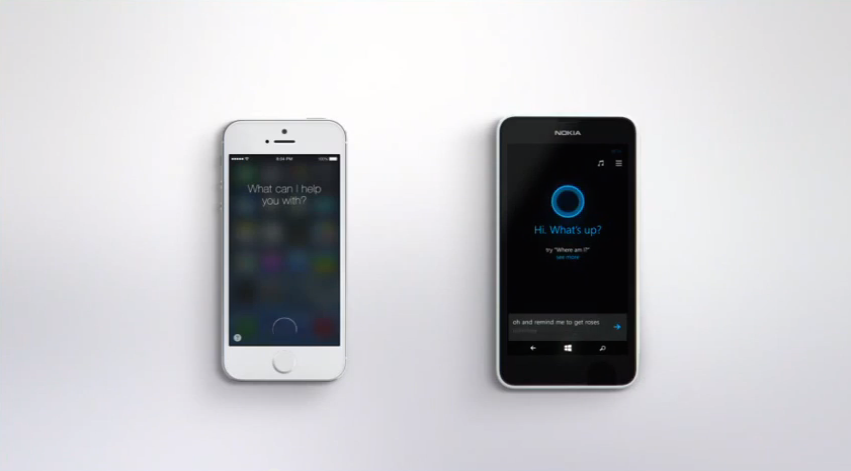
Microsoft today launched a new commercial flaunting the power of their new virtual assistant Cortana by pitching it against Apple’s renowned Siri. The commercial cleverly demonstrates Cortana’s functionality while taking advantage of Siri’s shortcomings.
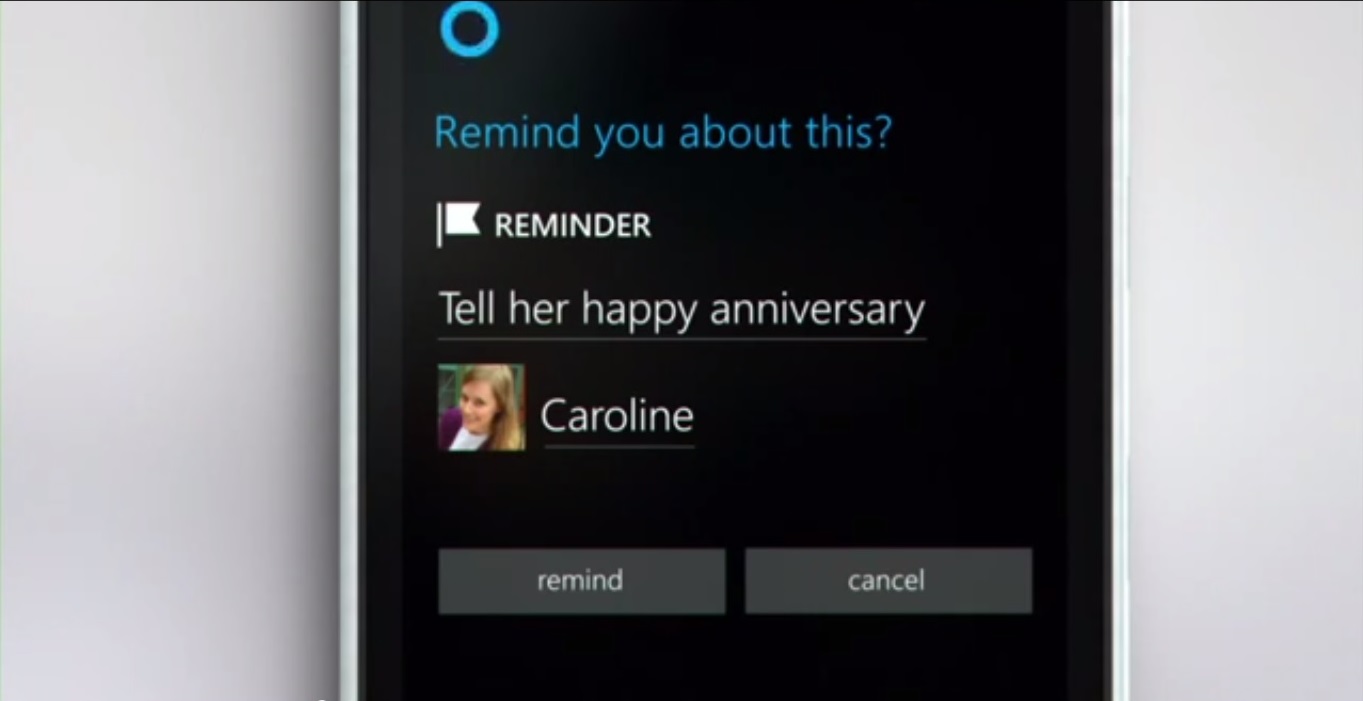
Titled ‘Happy Anniversary’, it shows a narrator giving certain commands to a Nokia 635 (with Windows Phone 8.1) running Cortana, and an Apple iPhone 5S running Siri. The narrator first asks the phones to remind him to wish his wife a happy anniversary the next time she calls, for which Cortana schedules an event-based reminder. He then asks both virtual assistants to remind him to buy roses the next time he comes near a flower shop, for which Cortana again schedules a reminder. Siri is unable to complete either of these tasks, as event-based reminders are still not part of Siri’s vast feature list.
Cortana’s voice interations are better than Siri and Google Now
Lastly, Cortana automatically provides the narrator with a traffic update, prompting him to leave if he wants to reach his destination on time. Again, Siri lacks this kind of functionality.
Siri ends the video by saying “Now that’s a real smartphone”. Ouch.
Microsoft will be introducing Cortana along with their Windows Phone 8.1 update. While it has been years since Apple and Google introduced their Siri and Google Now offerings respectively, Microsoft believes Cortana has some major advantages over the two. Microsoft also said this when they were releasing the Zune, hopefully Cortana would help Microsoft correct that error.
Microsoft says it has designed Cortana to feel more human-like than Google Now or Siri. It is currently the only virtual assistant that allows you to set reminders based on phone calls. A real human like interaction is possible with Cortana and Microsoft believes it is their biggest advantage over the two rivals.
Microsoft is clearly doing a good job building hype around the release of their latest Windows Phone 8.1 update. But is Cortana really better than Siri? Well, you be the judge of that.
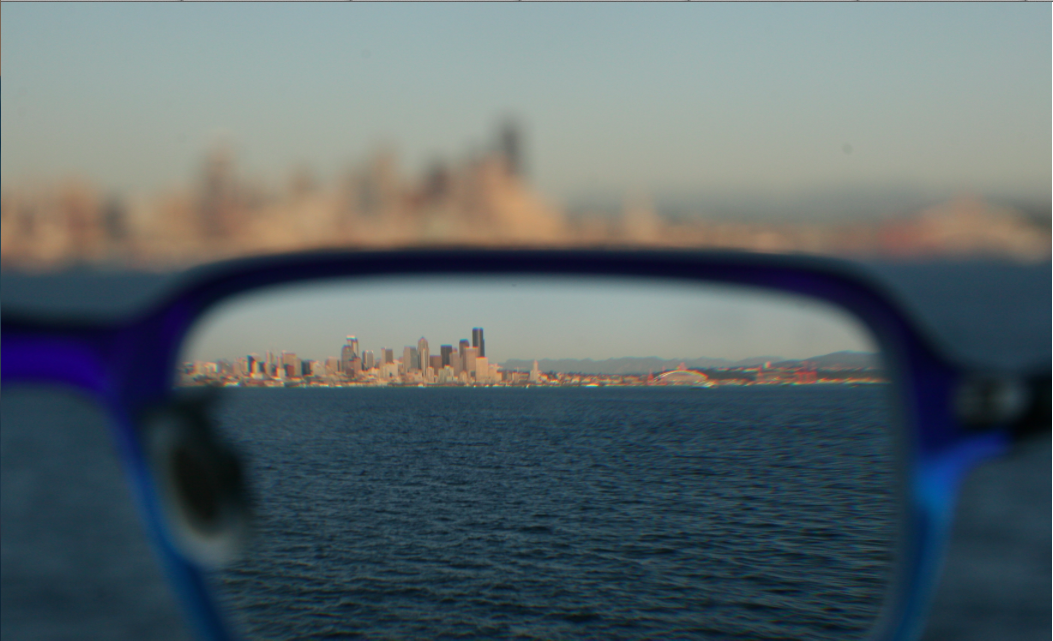
We use a lot of screens now. If you are working at a technology based institution like coding, gaming or a BPO, you probably even dream of looking at a screen. But all these screens are have an intense adverse effect on our eyes. We are not evolutionary trained to look at light emitting displays all day. This has caused a lot many people to take trips to the ophthalmologists quite regularly. Now scientists from the University of California Berkeley has authored a paper which states that it is possible to create screens that can display their content based on the perception capabilities of the users eyes.
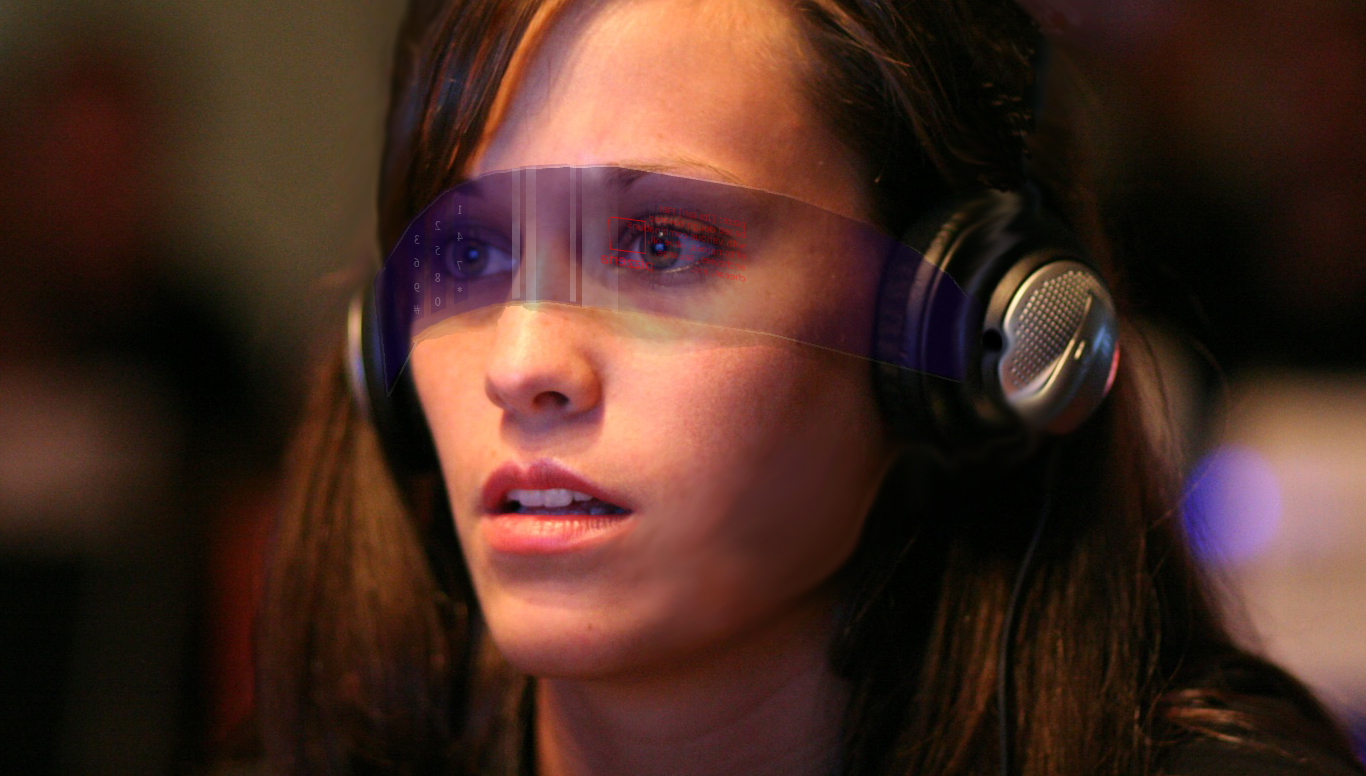
The premise that the scientists put forward is fairly simple to understand. For the technology to work, it requires an algorithm that alters an image based on the glasses prescription of the users which works in tandem with a light filter in front of the display. The algorithm helps in altering the light emitted from each pixel which is then passed through a tiny hole in the plastic filter. These rays of light reach the retina in a way that recreates a sharp, focused image. The technology will be developed in cooperation with MIT and Microsoft.
A lot can benefit from this technology, even folks with visual issues which cannot be corrected through the use of glasses, and no, it can’t cure blindness but can address visual issues cased by physical deformity.
This technology can be embedded in almost all kinds of displays thereby almost eliminating the need for glasses. One major drawback is that it cannot be used by people with multiple optical needs. Also the technology depends of motion tracking to assess the users distance from the display. One of the authors of the paper believes though that these problems can be addressed by using the technology on bigger screens.
Overall this is a great research for the mobile age. In times when we are forced more and more to look at screens all day with the mobile work cultures, the biggest losers have been our eyes. So what if this technology will still have us looking at screens, at least they will adjust the content as the eyesight devolves.
Russia is in a weird place right now. After months of unfavorable international gaze on the geographically giant nation and ex-superpower the country intends to crack down on dissenting opinions. With the incursion into Ukrainian territory and supporting separatist group in that country who recently shot down the Malaysian Airline MH 17, the country has constantly been under negative light.
The country’s Interior ministry has taken out a tender to 3.9 Million Rubles ($111,290) to try to identify the anonymous users of the TOR network. The decision came to light when a group of human rights activist began protesting against the tender.
The Russian Interior ministry issued a tender to unlock TOR network which will be announced on August 20
TOR network hides the identity of the user by encrypting the data and sending user information through thousands of random pathways, therefore, making it harder to trace. This pathway is also used to access the unarchived Dark Net. Though the system has been used by anti-social elements too, but the anonymous features have helped information activists to reach their audience without being identified for persecution.
Russia has enacted some major regressive laws to contain unfavorable opinions within territories. The nations new blogging law ask all bloggers with a daily audience of over 3000 have to register their identity. The ones protected by the decision are those bloggers who use the TOR network, and this is the government’s way of uncovering such hidden bloggers.
The fact is that only a small number of internet users in Russia use the TOR network, but their burgeoning number has the Kremlin worried. It is estimated by Apparat.cc magazine that the number has grown from 80,000 in May to 200,000 by the month of July. Russian contemporary politics seems as a decisive factor that is encouraging people to opt an anonymous route to address their displeasure with their government.
It is not the first time that there have been steps taken by the government to track anonymous service users. The world’s gossipy aunty who always wants to overhear every conversation, A.K.A the NSA has invested resources to uncover the network, but that involves a lot of time and expense. The anonymous network stands quite resilient in the face of opposition.
This whole scenario is also a reminder that internet needs to be protected from prying eyes and its independence needs to stand. Information and dissent go hand in hand. A free internet has the potential to change the world of tomorrow.
Google’s semi-secret workshop is one of the most innovation oriented institutions in the world. The research facility takes on some of the most fundamental questions on transportation, communication and others. Then, it takes an alternative bottom-up effort to understand them. The facility worked on concepts like Teleportation, Space elevators, and it is also the birthplace of projects like Google Glass, Driverless car and the upcoming Project Loon. Now with Project Baseline, Google plans to understand how a perfectly healthy human should look like and what factors restricts humans from achieving it.
The plan is as audacious as President Obama’s Brain Initiative.
The study will collect anonymous genetic and molecular data beginning with 175 people. They will eventually accumulate data of thousand more individuals. The study is lead by Dr. Andrew Conrad, who is a molecular biologist. He is credited for the development of cheap, high-volume tests for HIV in blood-plasma donations. Dr. Conrad has set up a team of about 70-to-100 experts from fields including physiology, biochemistry, optics, imaging and molecular biology for the study.
The study is a reimagination of the workings of the human body and how diseases can be prevented. This will be a prevention-oriented study which will try to find ways to inhibit naturally occurring diseases like stomach and heart ailments.
The project will collect hundreds of different samples using a wide variety of new diagnostic tools instead of focusing on specific diseases. Then Google will use its massive computing power to find particular biological patterns, or “biomarkers,” buried in the information. The researchers hope to use these biomarkers to see if they can be helpful in detecting diseases at an earlier stage. Google wants data on parameters like contributors’ entire genomes, their parents’ genetic history. Apart from that, information on how they metabolize food, nutrients and drugs, how fast their hearts beat under stress and how chemical reactions change the behavior of their genes will also be assessed.
Google has massive computing infrastructure for processing the massive information that will be generated by this project. According to the research team, Baseline, like previous Google X projects will be a look into the unknown. This project can also run in correlation with President Obama’s BRAIN initiative which is one of the most intensive looks into the functioning of the human neurons.
Like other Google X moonshot projects, this project is not time bound. Google’s look into teleportation was seen as scientifically unachievable, whereas a look into a healthy human body will be practical and help some of the fundamental problems with healthcare. Google has also promised that it will not share the data with corporate interests, and this will be anonymous study.
Baseline will try to identify Biomarkers which can be used to identify and prevent diseases earlier
There is of course series oversight as the study tries to peer into the human body at a molecular level. When the study kick starts, it will be monitored by institutional review boards comprising of medical professionals from Duke and Stanford University. The board will also keep a vigilant eye on how the information is being utilized.
This project basically is a massive pattern recognition exercise. It aims to understand in the most fundamental sense as to what makes us human and what makes us tick. Studies like this and the BRAIN initiative will certainly help us gaze into our self and figure out what separates and unites us. Health research should be a priority research and done by the government thereby democratizing the data. As they also involve massive costs; the BRAIN initiative will cost $300 Million a year for ten years; these projects should have public investment to prevent misuse of data for commercial purposes.
Google also deserves credit for envisioning this audacious study, for taking on the research in an open, transparent manner, unlike the healthcare industry which persists on closed patented knowledge. Google has always pushed for free knowledge and its most prominent success in this field has been the Android operating system. Also, they need to be appreciated for taking on resource intensive projects without compromising with their quarterly results. Google has shown that it is not hard for a giant corporation to not be evil.
It seems the year 2014 would be known as ‘The year of takeovers’. In just the last few months we have seen some major billion dollar acquisitions by tech giants. Without a doubt the golden throne of big dollar takeovers is ruled by Mark Zuckerberg with his takeover of Oculus, Whatsapp and Liverail. Microsoft finished the $7.2 billion acquition of Nokia this year. Google is now planning its own billion dollar deal. The Search giants are now interested in taking over gaming video streaming network Twitch under the Youtube brand name.
It was reported in Variety and the Wall Street Journal that Google was in talks with Twitch for acquiring the company. It is now being reported that the companies have reached an agreement and will announce it soon. Though as of now both parties have refused to comment on the issue.
Twitch is a cool service which lets users share their game video streams. It’s a great way for the nerds and super-nerds to hangout, share stats and their gameplay. You can easily see how this service can be in line with YouTube’s streaming medium. Maybe its an effort by Google to give gamers some kind of contact with the mainstream world.
Wearable technology is the next technology boom. Since the saturation of the mobile phone market, companies have been looking for an alternative and wearable tech was a godsend for them.
Now if you are wondering that if this is another column about Smartwatches and Google glass then you are about to be surprised at what the market has in store for you.
Here we bring you some cool wearable tech which performs some amazing tasks while being rather pocket friendly.
1. Vrase
Now we all have been waiting for the Virtual Reality glasses to come in our reach. Well, there is a start-up that promises the experience using just your phone. Introducing Vrase, a VR and Augmented reality capable wearable. Simply load the content on your phone and slide it in the Vrase moble holder. This easy to use device gives options to attach peripherals like earphones and joysticks. All this makes Vrase perfect for movies, gaming and Augmented Reality purposes. The best part you ask, this incredibly simple device comes at less than half the price of Oculus and Project Morpheus and is compatible with multiple mobile phones.
2. Recon Jet
Google Glass’s real nemesis is Recon Jet. Unlike the Glass, the Recon Jet is for health and adrenaline junkies. It is the stud of wearable technology. The jet comes with onboard processing capabilities. It has 3D accelerometer, 3D gyroscope and 3D magnetometer and ambient temperature sensors along with altimeter and barometer applications and GPS. The device has an optical touch sensor like the Google glass to help the user interact with the device. The device is also compatible with health sensors so you can have real time update while you are drillin it out.
The device has a 1 GHz Dual-Core ARM Cortex-A9 processor with 1GB DDR2 SDRAM and 8GB flash memory. It also has an HD camera to substitute it for a go-pro, because POV shots are always the best. You can also connect the Recon Jet with your phone and check your text and messages.
3. The Dash
This is every outdoor lover’s dream headphone set. These wireless headphones don’t just entertain you with your music but also give you vital stats on the go. The device is perfect for people who like to track their performance. It is water resistant so feel free to take them for your next rafting trip. The headphones can measure Heart rate, Oxygen Saturation, Body temperature and calories burned. Along with the basics, the headgear also measures distance, speed, pace, rotation, G-force, drop rate, altitude, etc. The device also has an touch controls for changing songs and answering calls by connecting it to a phone through Bluetooth.
The device has 4 GB flash storage and is powered by a 100 mAh battery. The processor on-board is a 32bit ARM processor. Their neonish lighting design gives it a Tron-like feel.
At about 300$, these headphones are worth the money.
4. MBODY
These are pants which monitor your workout. You might be asking, why buy a pair of pants that measures vital stats instead of just a watch? Well the answer is that the MBODY does a lot more that a smart watch. It is capable of measuring Muscle Load, Heart Rate, Speed, Candence, Balance, Route etc. It is also capable of measuring electrical activity in your muscles and hence gives one of the best analysis amongst health hardware. If doings legs have been the pain for you, then MBODY will definitely help you out. The pants also measure the strengths of your muscles and body balance.
The “pants” come with their own MCell Bluetooth receiver which sends the information to its live app in your smartphone.
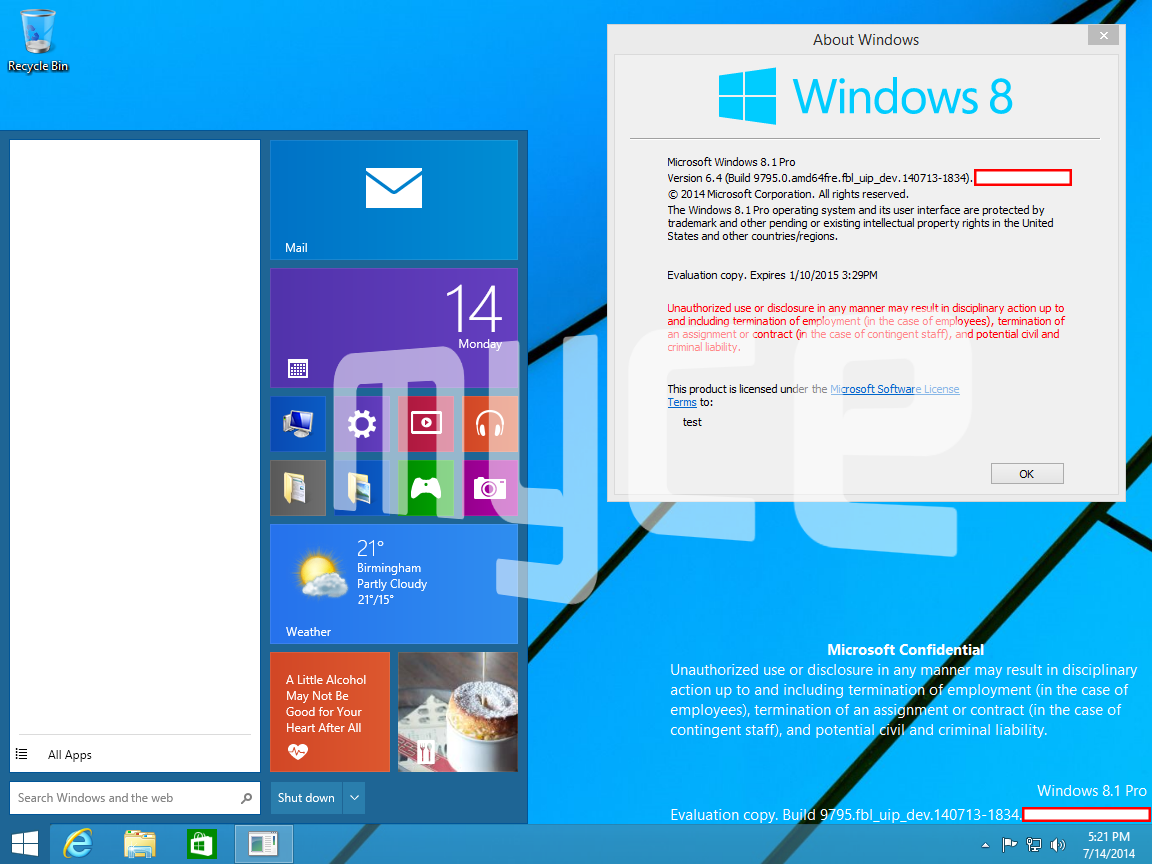
Windows 8 never became as successful as Microsoft had hoped. One of the major reasons cited was the entirely new ‘Tiled’ interface and gesture support which helped unify the tablet, mobile and desktop experience. The new interface dissuaded a lot many folks and enterprises from switching over to the new OS. One of the major demands from the consumers who did switch over to the latest Windows OS was the inclusion of a start menu. Now in a recent leak by Myce (sounds like a great name for a mole) shows that Microsoft might finally revive the Start button.
The new revamped Start menu, if this really is what it would look, is quite impressive. According to Myce, the build is 9795 and was compiled on 13th July. It is said to be from the User Interface and Platform team. Although it was widely rumored that the Start menu would resurface with this year’s release of Windows 8.2, it seems now that it will only be ready for release with Windows 9. Even though the leaked images refer have Windows 8 written over it, they are for Windows 9.
Microsoft had showcased a demo of the menu option during the Build conference this year. That version had a mix of traditional windows experience with the new metro features.
A second leaked image shows a new App store design. Though these design elements can be seen as a precursor to new windows styling too.
Now these are still images from ‘work-in-progress’ situation so it’s advisable to not get your hopes high. There are several glitches and compatibility issues that the developers have to work out. Hence, this should be taken as what it is, a leak!
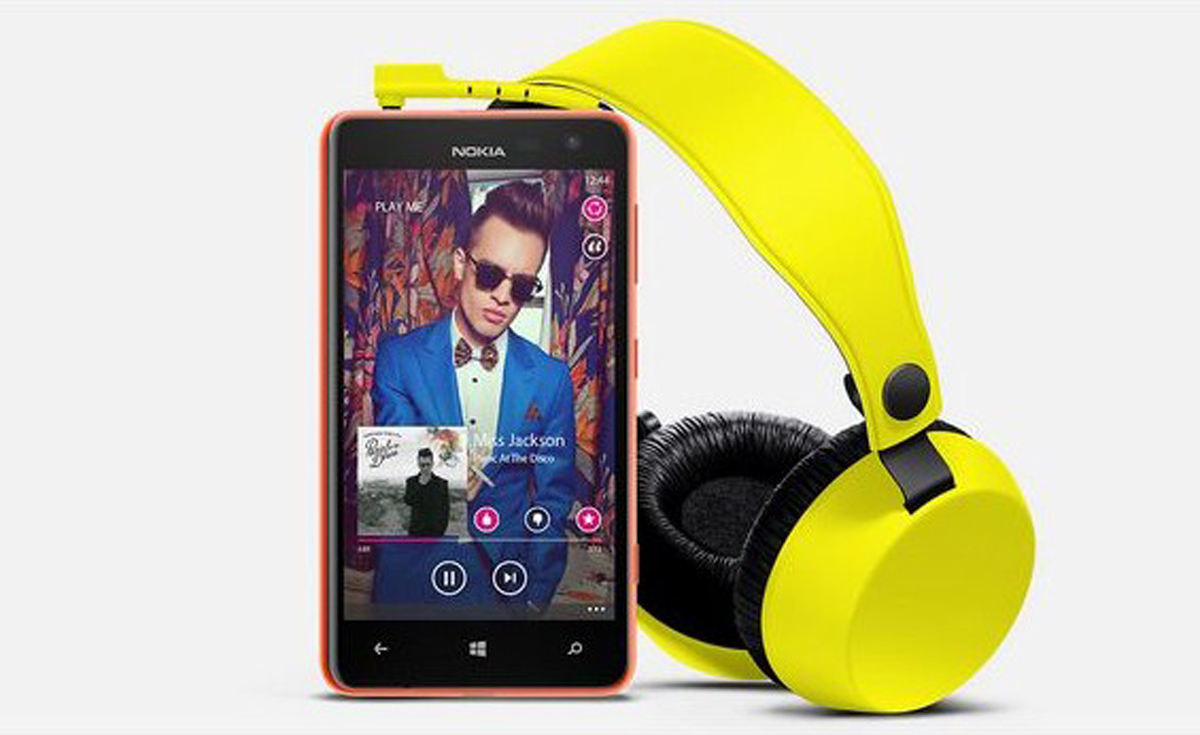
After brutally shutting down brand Nokia yesterday, Microsoft has started the process of restructuring the technology that came with the acquisition. The first in line will be Nokia’s MixRadio.
Guardian reports, this Nokia music service will now become a standalone app. It will still come pre-installed in the Microsoft Windows based mobile phones. The service will provided curated music to the users taste.
The MixRadio had multiple name changes over the years, from Nokia Music Store to OVI Music Store to Nokia MixRadio and now the app will be just known as MixRadio.
The app worked without any advertisement and will continue to do so. The users though have an purchasing option of Rs.50 for 7 days, Rs.99 for 30 days, Rs.250 for 90 days to download unlimited music.
MixRadio’s chief Jyrki Rosenberg claimed this new app a spin-off of the Nokia MixRadio. The app can now be release on platforms like Android and iOS too as it’s now a standalone app. Rosenberg is also in talks with multiple investors to back his app.
The reasons cited for letting MixRadio go is said to Microsoft’s new strategy of depending on external sources for content instead of running their own. The company recently shut down its production studios; Xbox Entertainment Studios too.
We can surely expect more of bits and pieces of Nokia features either going on their own or going into oblivion soon as Microsoft is restrategizing their entire business model which began with the massive job cuts announced recently.
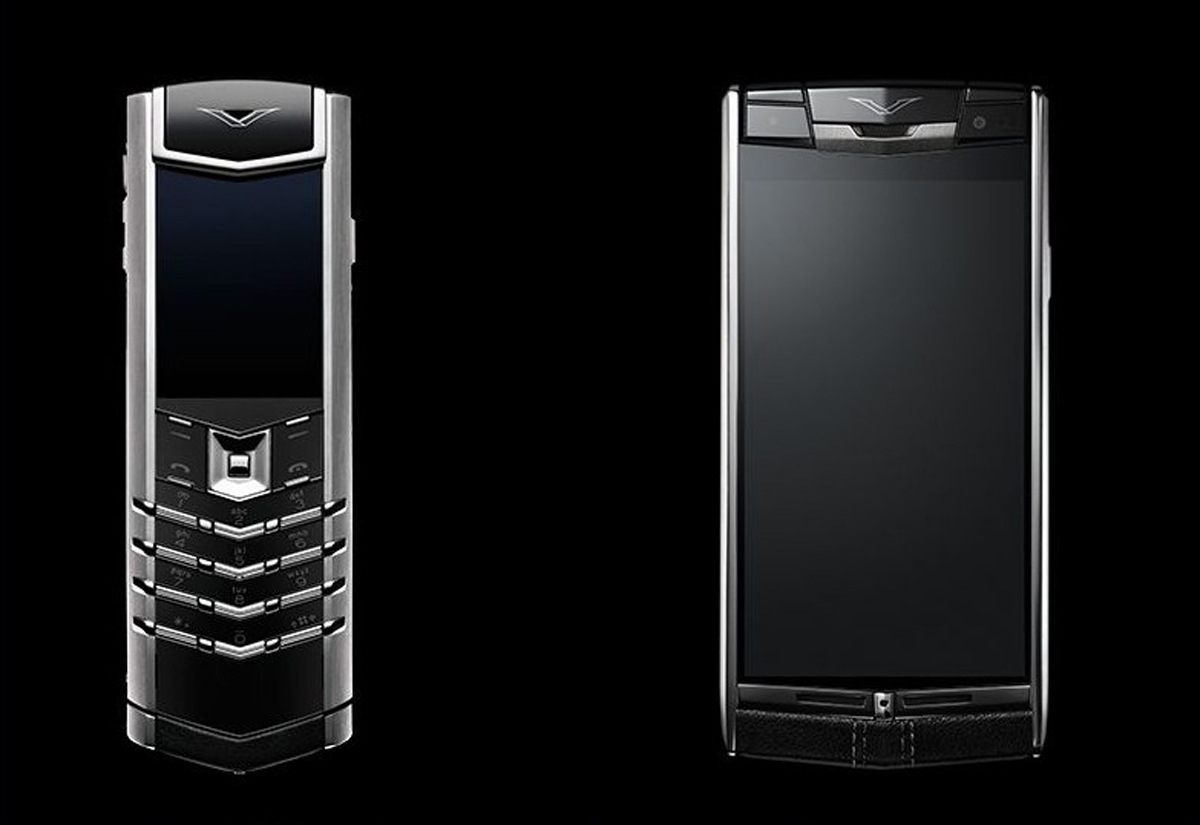
British Luxury Smartphone after making a shift to Android are now contemplating going into the smart watch business. Vertu was established by Nokia as a wholly own subsidiary. The company is known for their ostentatious designs which separate them from all other phone companies. The company uses premium materials in designing their phones for their exclusive clientele.
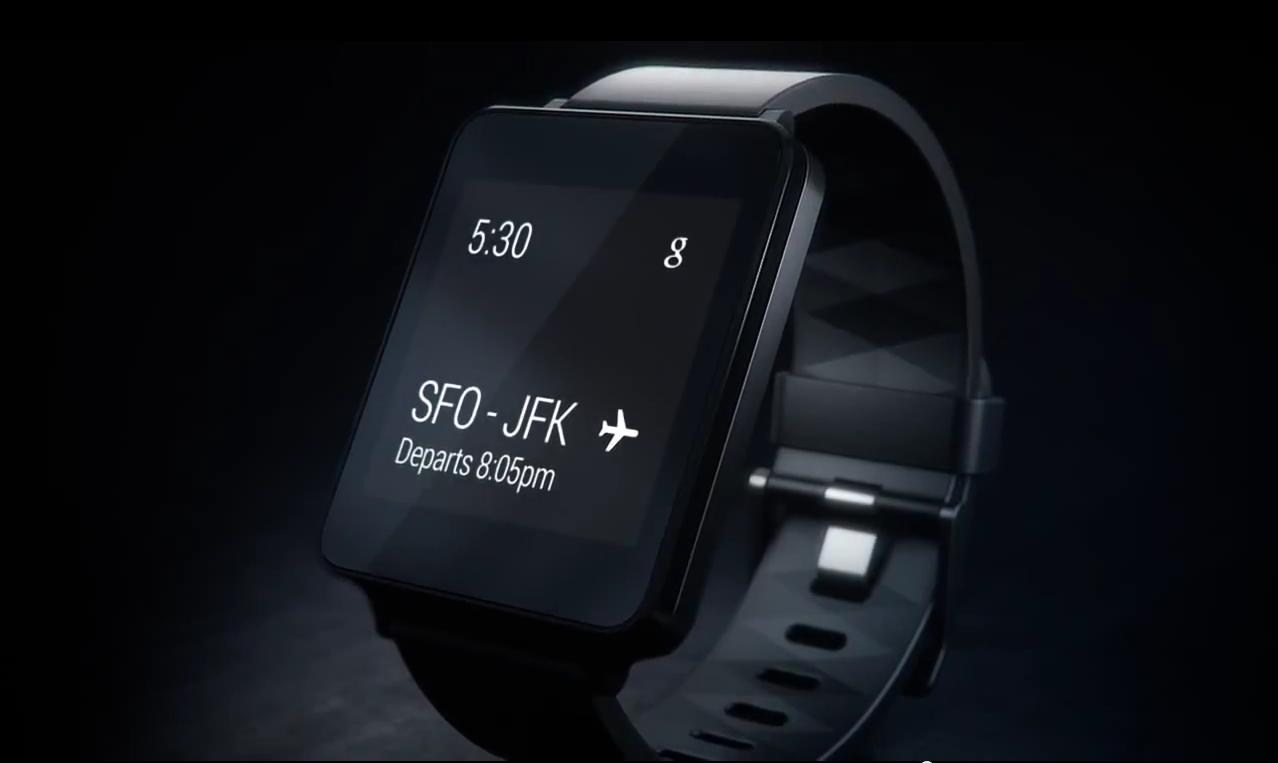
As the market has slowed down for luxury products, the company now is intending to make a entry into premium wearables. Though it’s still in an exploration phase right now, but it can be a real game changer in the watch business. In a market which is dominated by Rolex and Swiss watch makers, a premium Smart watch will be appreciated by the opulent clientele of Vertu.
The Premium watch decision was inspired by the current Smartwatch boom
Until recently, Vertu was one of the few companies which still used Series 40 Symbian OS as their mobile OS. The company released their Android series under the name Vertu Ti and Constellation, thereby finally keeping up with times.
The part about Vertu that separates it from rest is that it offers an experience that matches to its customer’s opulent taste. The phones are handmade and they use materials like calf leather, alligator skin, lizard skin, ceramic, sapphire glass screens. They also use premium metals like titanium and Gold. As these customers have to deal with privacy concern, a basic Symbian set up helps them to access basic phone functionality while looking good doing it.
With their premium pricing which starts from $6000 and can go higher than $168,000 while just being a basic feature phone. If exclusivity is what the users are looking for, Vertu sits at the top-echelons of feature providers. With this affluent buy, the customer gets access to Vertu’s Concierge service. The service offers offers 24-hour worldwide assistance, recommendations and priority bookings, all with a personal touch. They facilitate users every request, from finding the perfect gift to accessing exclusive events, they do it all.
The company now also plans to make an entry into its “affordable” segment, which will still be far away from the reaches of regular consumers. By accepting Android into its phones, Vertu has brought back the aspirational aspect back but it will still be limited to people with unfathomably deep pockets.
You probably know what happens to your house, assets or family heirloom on your death. Of course, because it’s all there in your will. But have you ever wondered what happens to your your e-mail accounts once you’ve reached the Pearly Gates?
Mourning kith and kin may want to access these accounts for sentimental reasons, inspite of your your personal messages and online dating profiles.
The Uniform Law Commission (Washington), appointed by the state on 16th July, 2014 endorsed a program whereby the loved ones could access but not control the deceased’s digital accounts. This however is yet to be adopted by the legislature; once is it however, a persons online life would also become an integral part of his will.
“This is something most people don’t think of until they are faced with it. They have no idea what is about to be lost,” said Karen Williams of Beaverton, Oregon, who sued Facebook for access to her 22-year-old son Loren’s account after he died in a 2005 motorcycle accident.
Presently most tech-providers have their own solutions. Facebook, for example, “memorializes” the accounts, allowing the close ones to view the profile whenever they desire; however for others, presently, once a will becomes public, anti-hacking laws becomes applicable on them. The courts aren’t convinced that a company supplying the technology should decide what happens to the deceased’s online accounts.
Uniform Law Commission to the rescue! According to the proposal the executor of the deceased would get access to, however not control the digital files, unless prohibited in his will. This would imply that the widow may access her late husbands e-mail accounts, however would not have permission to view any videos or send any e-mails.
This is a great initiative as every family/representative should have the right to access the departed’s digital data. Had this still been a generation of “Letters in the Shoebox”, that would have automatically fallen to the family of the deceased. Then why not the online profiles, for its sentimental value, if nothing else?