Category: World

  • 700 MPH Hyperloop Project Inches Closer To Becoming A Reality In India

    700 MPH Hyperloop Project Inches Closer To Becoming A Reality In India

    Due to fast-paced modernisation and mass migration from rural to urban areas, it has become a huge challenge for the Indian government to provide reliable means of transportation in metro cities.

    The government has been looking for alternative means of transportation and the answer could be the ‘HyperLoop’ which theoretically can reach speeds of upto 700 mph or about 1100 km/h.
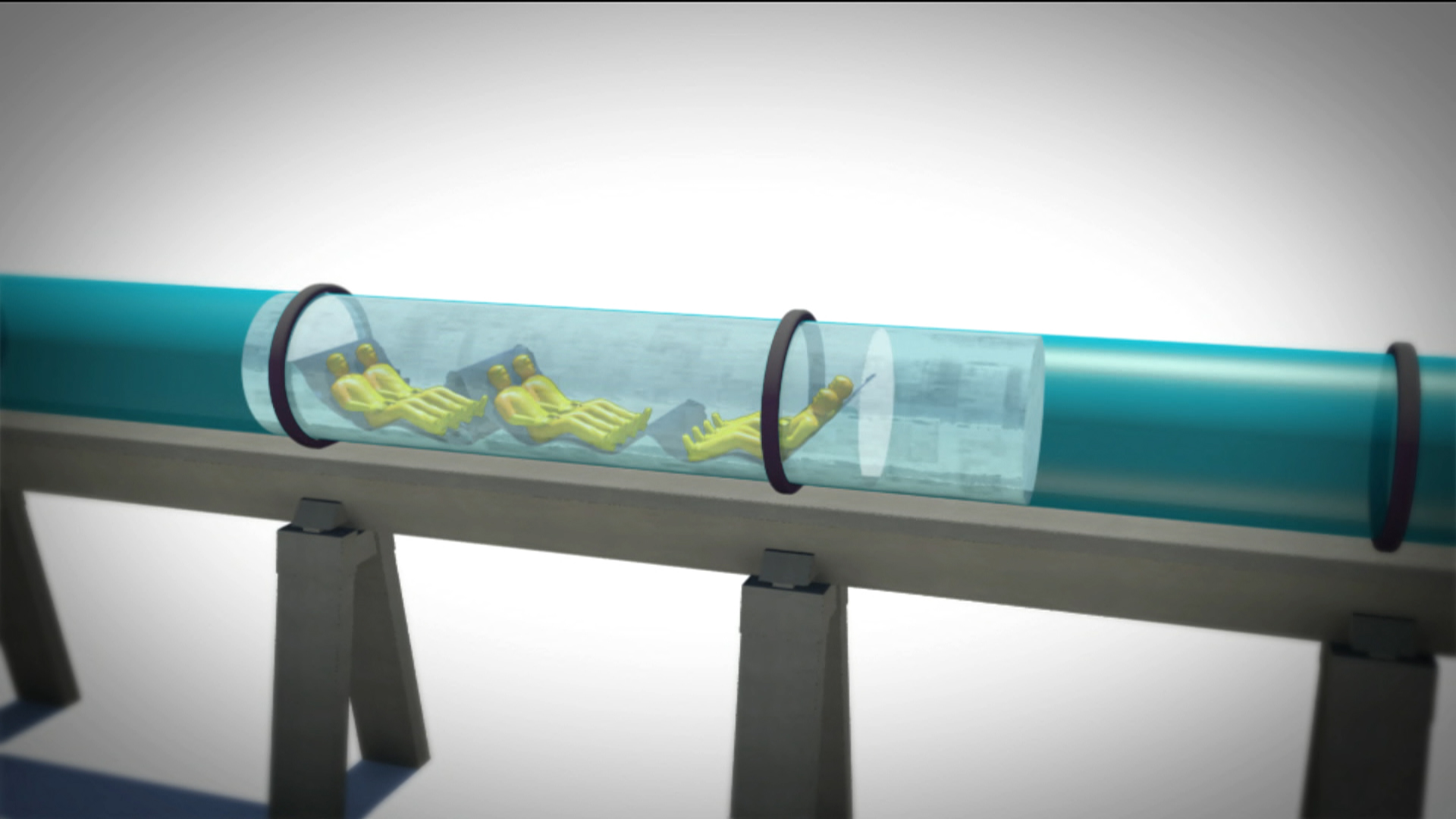
    Hyperloop
    Hyperloop illustration

    According to the latest development shared by VirginHyperloop One, which is one of the companies working on the development of this technology believes that the decision of building Mumbai to Pune Hyperloop project will soon be finalised. 

    Officials in the state of Maharashtra have named Virgin Hyperloop One and its partner, DP World as originators of multi-billion dollar project. The government is soon expected to launch an official bidding process to accept offers from potential builders and contractors. And clearly, Virgin Hyperloop expects to turn out the winner.

    Noteworthy, once the project is finished, the travel time between two cities i.e Pune to Mumbai will drop down to just 35 minutes which is significantly lower than 3.5 hours, it usually takes to commute via car. 
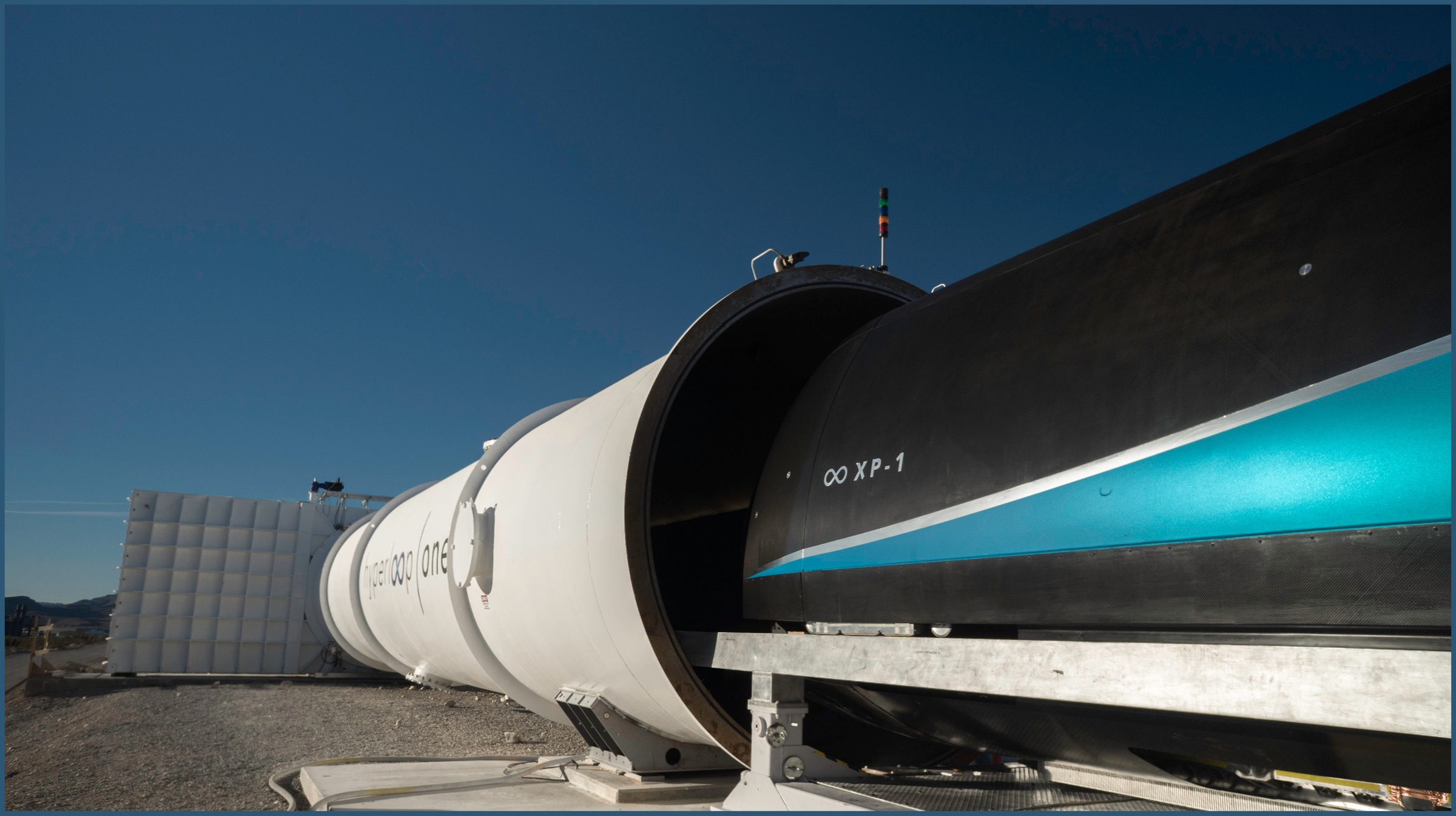
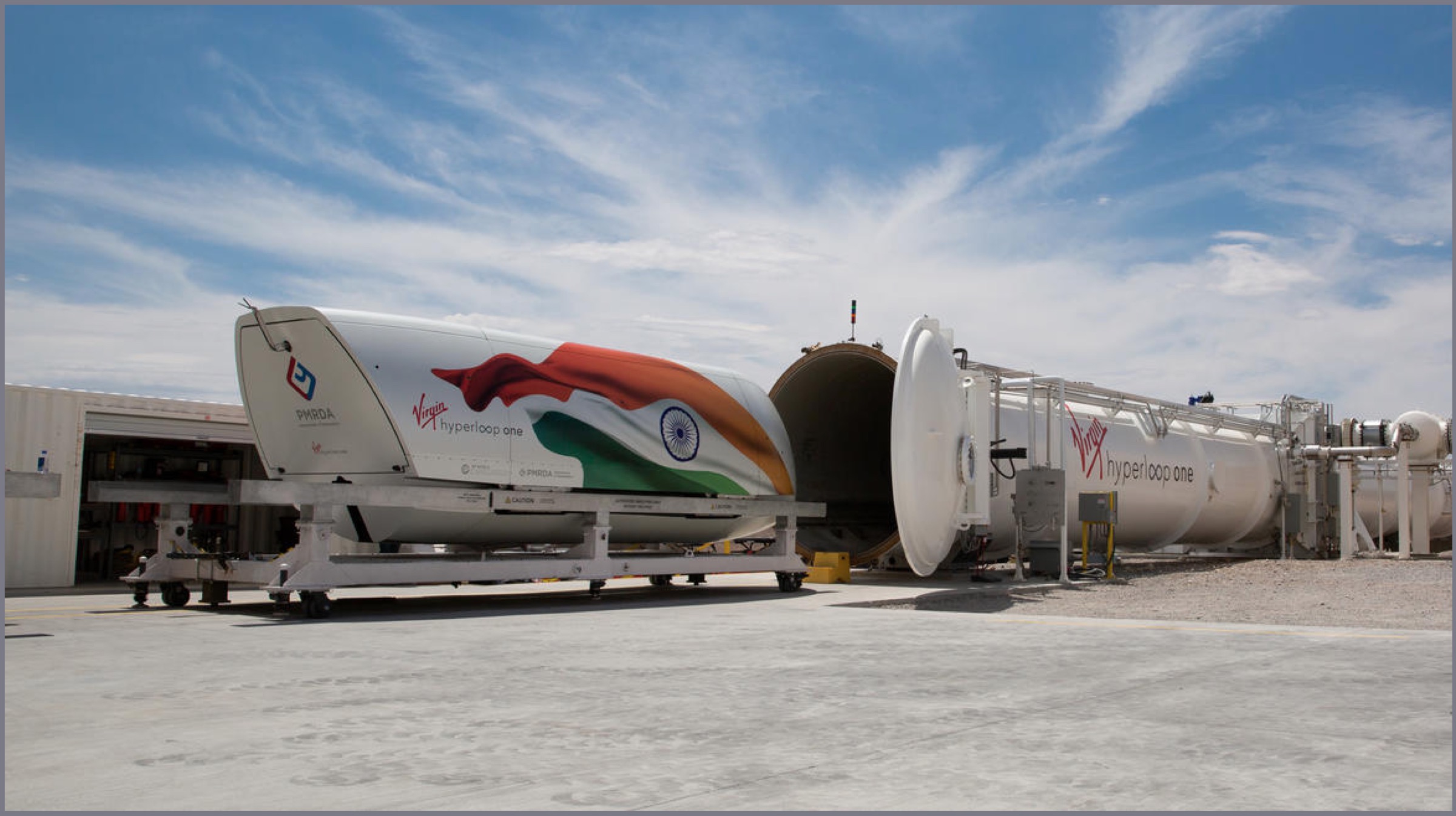
    Hyperloop Pod
    Hyperloop Pod

    The Hyperloop project in India will not be constructed from the taxpayer money. Instead, DP world will spend about 500 million to complete the initial phase of the project. While the remaining amount of money will be garnered in from other investors.

    Also Read: Xiaomi Mi Gaming Laptop 3 Specs Leaked Ahead Of Launch

    Equally important is the fact that Hyperloop is still in the development stages and it has not been commercially implemented in any other part of the world until now. Hence, Indian government officials will thoroughly study the project before it is actually sanctioned. 

    To sum it up, there are still several hurdles that are preventing the Hyperloop One project from turning into a reality in India. Nonetheless, the indications given by Virgin Hyperloop One states that the project will kick off soon. 

    What are your thoughts on the introduction of the superfast Hyperloop One in India? Let us know in the comments below. 

  • Google Outage Linked To Huawei Ban?

    Google Outage Linked To Huawei Ban?

    Early morning on June 2nd 2019 Google engineers struggled with a four hour Google cloud services outage. This took out critical Google services down, including Google Drive, Gmail, Youtube, and also affected sever other companies including Vimeo and Snapchat who use Google Cloud Services to host their platforms globally. 

    This comes soon after an announcement from Google stating that the company will remove Huawei as an authorized Android supported OEM and that the company will not officially get Android updates, or future security updates. Google’s services are crucial for any Android smartphone maker and allow for markets outside of China to fully utilize the devices. 

    This “ban” originated at the US governments blacklisting of Huawei. which banned US companies from using Huawei hardware or doing any kind of business with Huawei. And while a 90 day grace period was granted to the state funded Chinese Electronics and telecom giant, the future looks bleak for the company, and revenue estimates along with market value of the brand has dropped drastically. 

    China is not happy about this and has suggested a rare minerals export ban, which could intern affect US manufacturers. 

    “What is interesting is the timing of the outage,” claims our source ( An Ex Huawei Employee ) “this is the company fighting back”, Suggesting that Huawei or those close to Huawei are responsible for the outage.

    While Google has not explained what caused the outage publicly and managed to restore services back in four hours, with no impact to infrastructure or data. A large scale attack on Google’s crucial servers could be a possible reason. Google services were detected down in 249 locations in 170 cities around the world something that could have had long term implications on business and productivity. And if this was a third party attack, it could be considered a warning. 


    While we are not sure if anyone was responsible or if there was an attack, we will have to wait for an official statement from Google. 

  • Indian Origin Student Destroys 51,000 $ Worth Computers In US With A USB Killer

    Indian Origin Student Destroys 51,000 $ Worth Computers In US With A USB Killer

    An MBA graduate from the College of St. Rose in Albany, New York has been found guilty of destroying computer systems worth over US $ 51,000. The wrongdoer named Vishwanath Akuthota used a device called USB Killer which is originally intended to check surge protection. The offender who belongs to the state of Andhra Pradesh was visiting his alma mater after completing his studies back in the year 2017.

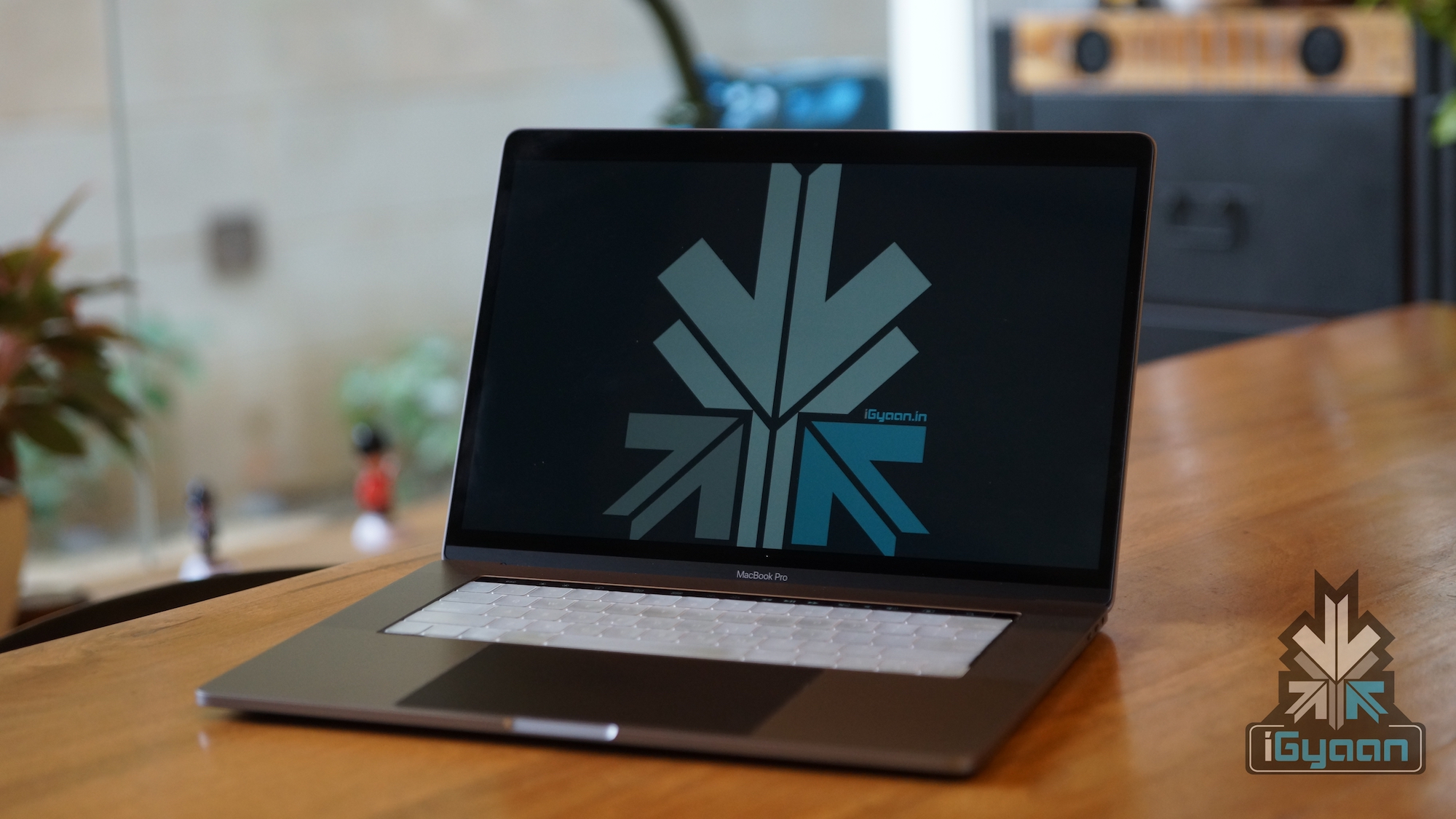
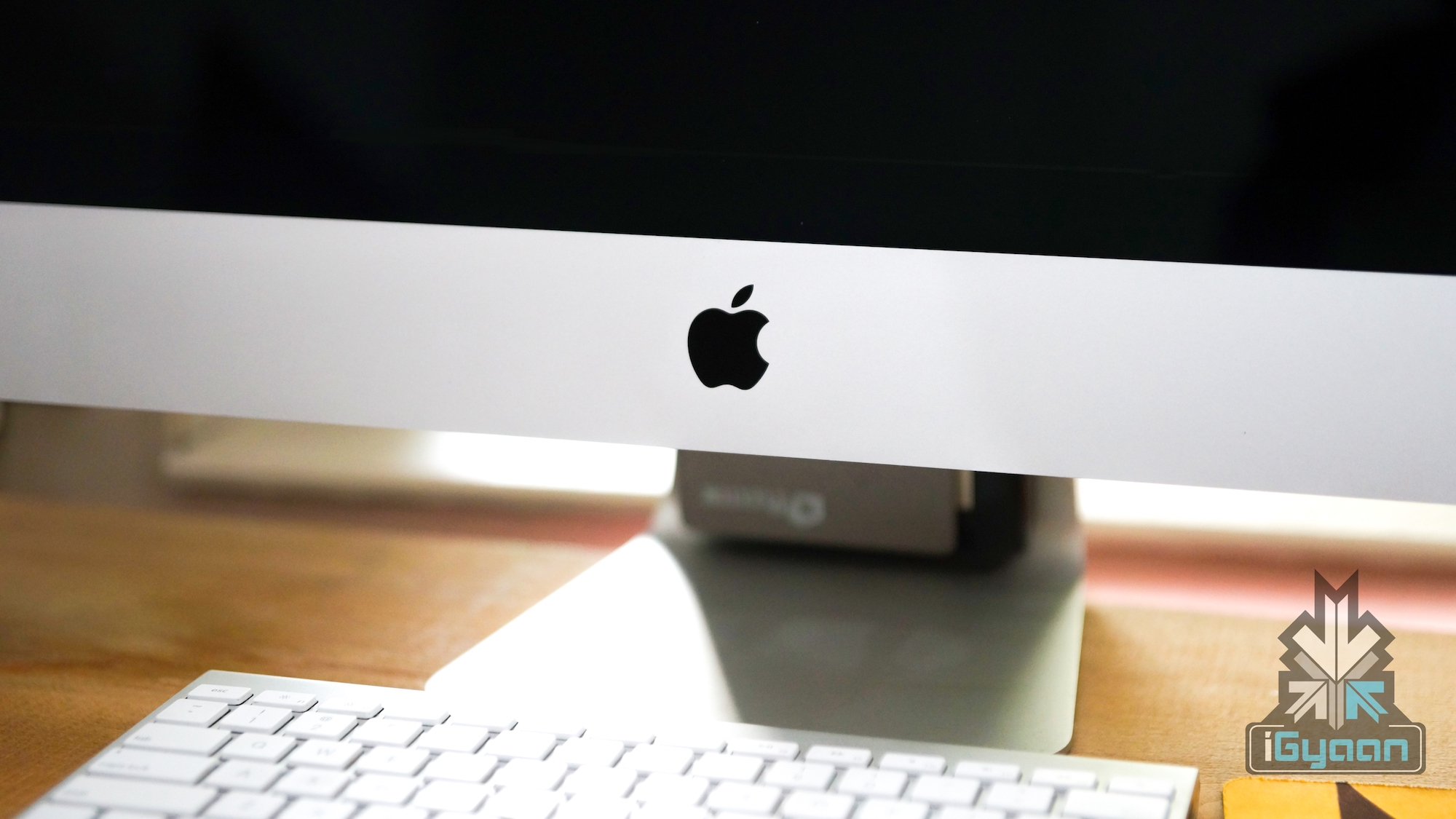
    The devices that were damaged by him include 7 Apple computers,  59 Windows computers and multiple monitors. The total damage is estimated to be worth over US $ 58,000 which include equipment worth US $ 51,000 and repair or installation cost of US $ 7,300. The culprit had filmed himself while killing the machines which were later used to backtrack him and as evidence of the crime. 

    What Is A USB Killer?

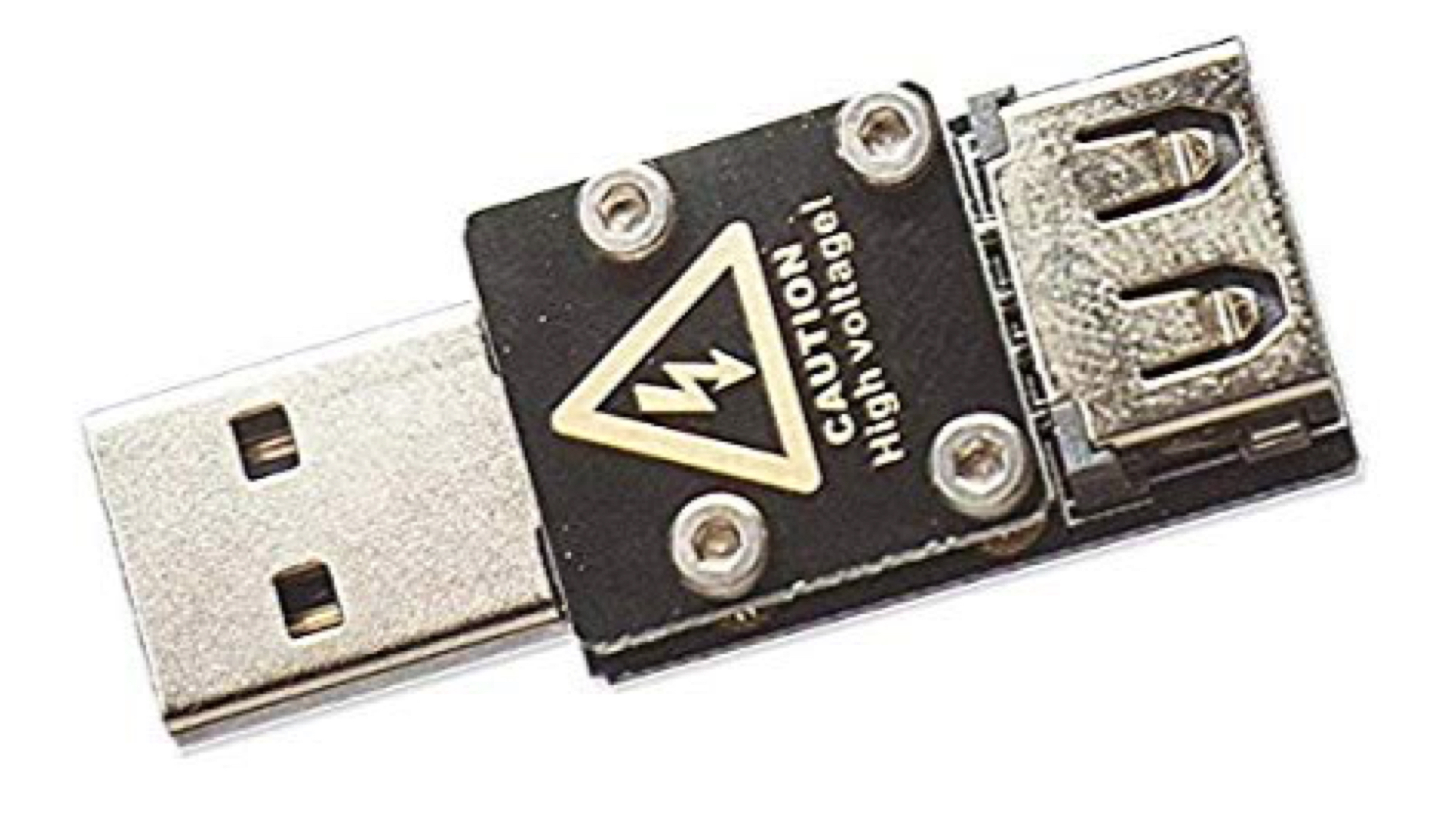
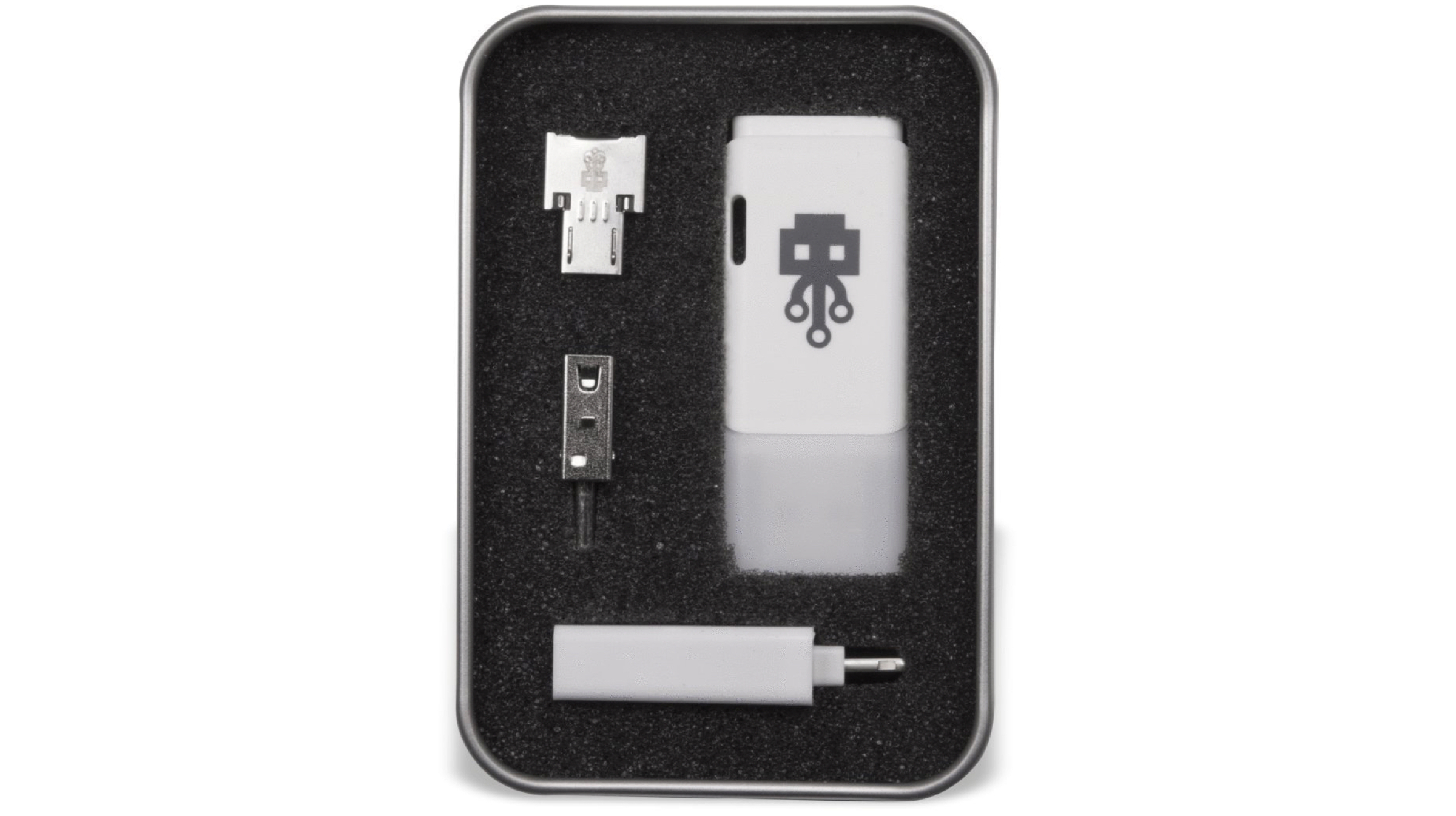
    A USB Killer is a compact electronic device which looks identical to a thumb drive but it consists of several electronic capacitors which can be charged via the current from the connected device. The device once charged, outputs a high voltage current which is capable of rendering the unprotected device unusable. A USB killer is a legally purchasable device which is designed to test the surge protection of various electronic goods.

    However, a USB killer can only harm devices which can receive electric current. The devices which are equipped with components that prevent the reception of current would go unharmed to such killer USB drives. Noteworthy, these devices are completely legal and can be ordered from Amazon with a simple click. 

    Penance On The Offender

    Also Read: OnePlus 7 Pro Leaked In All Its Glory By Casemaker

    The former student has been found guilty to numerous charges and is liable to US $ 2,50,000 in fines. Reports state that the offender might even be sentenced to 10 years of imprisonment. 

     
  • India Has The Most Affordable Mobile Data In The World, According To A Study

    India Has The Most Affordable Mobile Data In The World, According To A Study

    A study conducted by a UK based broadband comparison website reveals that India has the most affordable mobile data rates in the world. The cost of 1GB data in the country is Rs 1.41 at its lowest and Rs 98.76 at its peak. The average cost of 1GB data in the country was calculated to be around Rs 18.34. The news arrives a few years after the arrival of Reliance Jio, the telecom operator that is credited for bringing down mobile data costs in the country.

    Mobile Data Rates Across The World

    Data from 6,313 mobile plans in 230 countries were gathered and analysed by Cable.co.uk between 23 October and 28 November 2018. The goal of the research was to find average rates of 1GB of mobile data in different countries. While India held the number one spot, it was followed by Kyrgyzstan and Kazakhstan for the number two and three rankings respectively. Interestingly, Asian nations make up half of the top 20 cheapest countries for mobile data, with India top and Sri Lanka, Mongolia and Myanmar also in the top ten. The global average was found to be $8.53 (around Rs 601).

    The most expensive mobile data was found to be in Zimbabwe, with an average price for 1GB of data $75 (Rs 5,292). The average data plans for a few countries are highlighted below:

    • USA – Rank: 182; Average Price $12.37 (around Rs 872.91)
    • UK – Rank: 136; Average Price $6.66 (around Rs 469.97)
    • South Korea – Rank: 201; Average Price $15.12 (around Rs 1,067)
    • Japan – Rank: 154; Average Price $8.34 (around Rs 588)
    • China – Rank: 165; Average Price $9.89 (around Rs 697.90)
    How To Make Mobile Data Affordable?

    Also read: Redmi Note 7 To Go On Sale For The First Time In India

    A senior executive at Cable explained how the countries make mobile data this affordable. He says “Many of the cheapest countries in which to buy mobile data fall roughly into one of two categories. Some have excellent mobile and fixed broadband infrastructure and so providers are able to offer large amounts of data, which brings down the price per gigabyte.” He also claimed that other countries with lesser advanced broadband networks were heavily reliant on the usage of internet through their mobile phones. This would make the rates of the said data low, in order to make them affordable.

  • Indian Smartphone Market Grew 10% In 2018. Xiaomi Still Maintains No. 1 Position

    Indian Smartphone Market Grew 10% In 2018. Xiaomi Still Maintains No. 1 Position

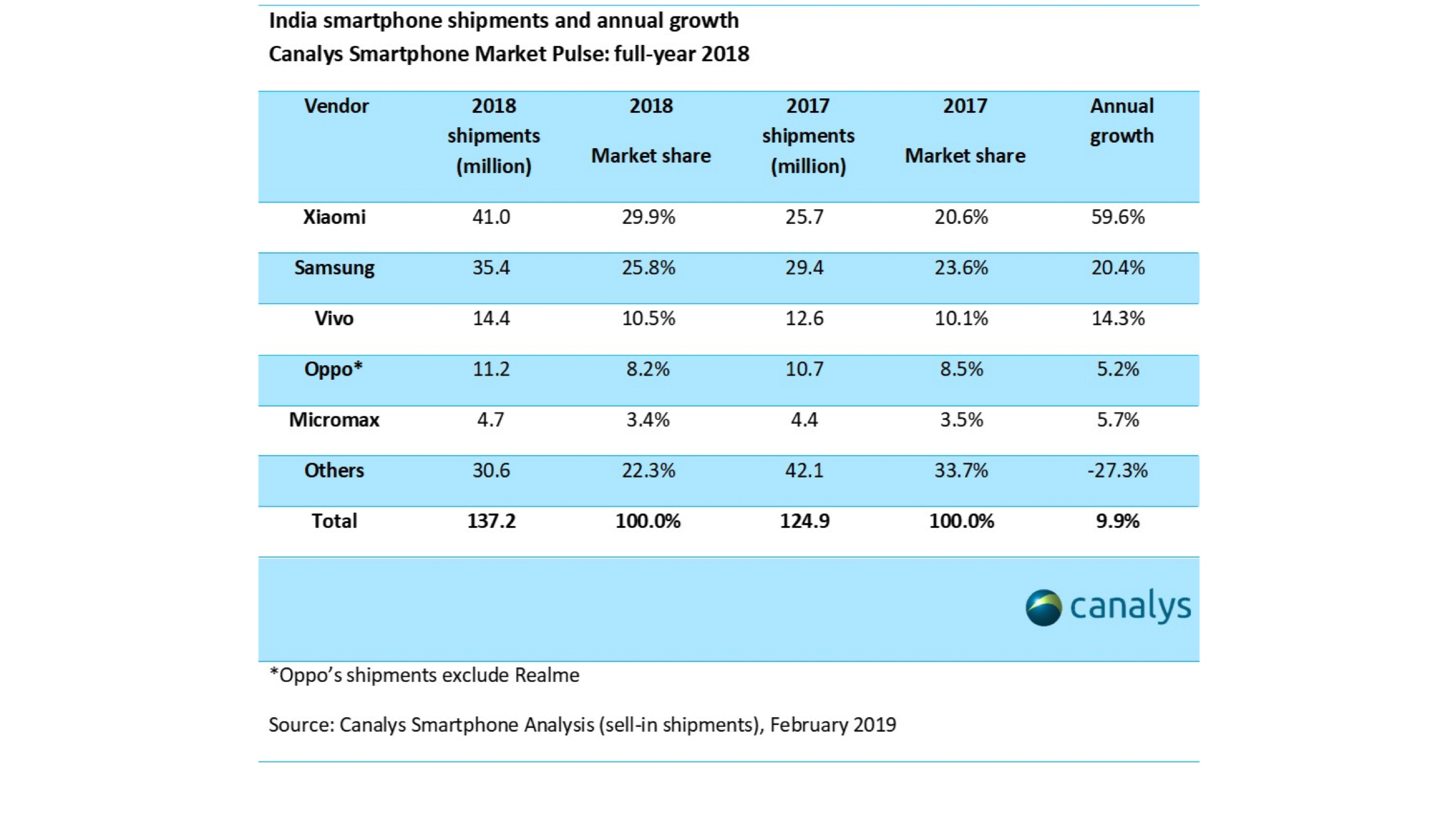
    The Indian smartphone market is a very competitive one. Being one of the biggest smartphone markets in the world, it is natural that everyone wants a piece of the pie. The problem with that is increased competition in the space. There are a lot of players competing in the market and everyone is trying to come out on the top. But according to research by a well-known analyst firm Canalys, the Indian smartphone market grew by 10% in 2018 over the previous year. The company that took the most advantage out of it, was Xiaomi, which claimed the No.1 spot in shipments.

    According to the research, Xiaomi saw shipments of around 41 million shipments over 25.7 in 2017. The brand saw its market share soar from 20.6 in 2017 to 29.9 last year. The second place is occupied by Samsung, with 35.4 million shipments in 2018. With that, Samsung saw its market share grow from 23.6 to 25.8 over the period of 2017-2018. Other players in the top 5 were Vivo, Oppo, and Micromax respectively.

    The Indian Smartphone Market In 2019

    India has become Xiaomi’s biggest market worldwide, bigger than China which is the home country of Xiaomi. In the fourth quarter of 2018, it shipped 9.4 million smartphones to China, and 10 million to India. Despite the global smartphone market decline of sales last year, the Indian smartphone market stayed unfazed, even managed to grow significantly in the time period. More growth is expected in 2019 for the Indian smartphone market.

    Also read: Moto G7 and G7 Plus Launched

    The ideology of providing more specs for a low price seems to have managed to resonate with the Indian audience. Canalys also expects that with the announcements of the Budget 2019 taken into consideration, more growth will be on the horizon as the disposable income will increase. According to the report, India now has 10% of the world’s smartphone market, up from 6% five years ago. It is one of the 6 markets out of the top 20 which saw positive full-term growth.


  • SpaceX Test Fires A Huge New Engine For Their Next Rocket

    SpaceX Test Fires A Huge New Engine For Their Next Rocket

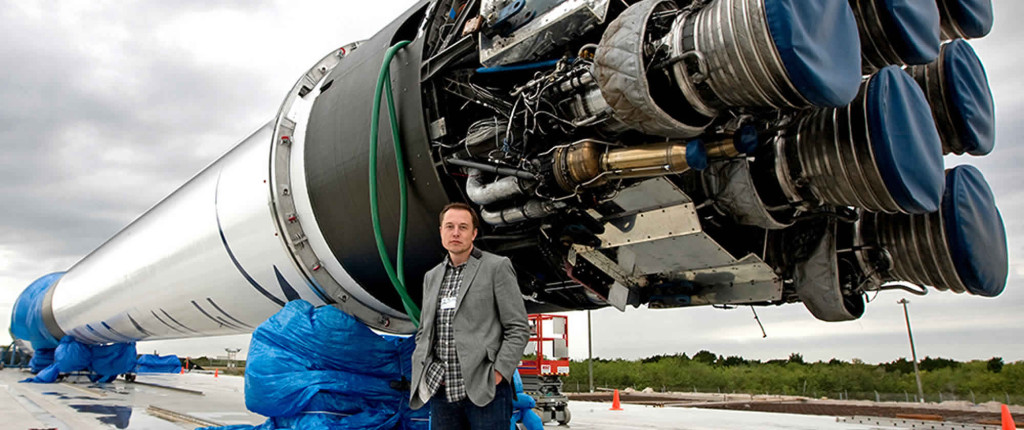
    SpaceX recently completed its first test fire of its Raptor Engine. This is reportedly going to power SpaceX’s next rocket, which will be brought to light very soon. It was announced by Elon Musk, CEO of SpaceX. He posted a couple of videos which showed the engine blasting off in all its glory. One video lacked sound, whereas the other one was pretty feature rich. The test took place at SpaceX’s test site in McGregor, Texas.

    The Raptor engine is the latest successor to the company’s previous Merlin 1D engine. They will power SpaceX’s upcoming mission to Mars and beyond, so they are actually pretty powerful. It’s actually suggested to turn down the volume before you watch the second video though, because yes, it’s VERY loud. SpaceX is now supposed to perform ‘hop tests’ of altitudes between 1,640 and 16,400 feet.

    These are the videos of the blast test, straight from Elon Musk’s Twitter.

    This test used a full-scale engine that was ‘radically redesigned’. It uses methane as it’s primary fuel, just because it performs better. The current Merlin engines provide almost 190,000 pounds of liftoff. Instead, the Raptor will give around 440,000 pounds of liftoff. The test flights of the Starship can begin soon, probably by the next two months. Still, Elon Musk believes that an unmanned mission to mars may happen anytime before 2022. It could be followed up by a manned flight to Mars in 2024.

  • 3D-Printed Rocket Company Given Launch Site In Cape Canaveral

    3D-Printed Rocket Company Given Launch Site In Cape Canaveral

    Relativity Space, a three year old start up, that wishes to send 3D printed rockets to space have finally received a launchpad in Cape Canaveral. Cape Canaveral is America’s busiest spaceport. Relativity is reportedly taking over a site called LC-16. This pad was previously used by the US military to launch Titan and Pershing ballistic missiles at a point in time. The announcement was made by the company on Thursday. According to the company, they have a five-year agreement with US Air Force to operate out of the launchpad in Cape Canaveral. 

    Relativity will be the fourth company to gain access to the popular launch site after SpaceX, Blue Origin and the United Launch Alliance. A bidding was held for the launch site and Relativity won the bid. They also have permission to modify the launchpad to suit its own technology. The company will save approximately four years which would have otherwise been spent on building a launch site from scratch. 

    Relativity Space 

    Relativity wishes to deploy and resupply satellite constellations with industry-defining lead time and cost. The uniqueness of Relativity Space is to build an entirely 3D printed rocket. They also have the first fixed tooling-free, evolvable factory and a proprietary building-sized metal 3D printer called Stargate. The company also wishes to eventually print 3D rockets on Mars.

    The first launch vehicle for the company is called Terran 1. Surprisingly, the company says that it would only take 60 days to print. The vehicle would have a max payload of 1,250 kg (2756 lbs) to low-Earth orbit. 

    Relativity Space CEO Tim Ellis was named by Vice President Mike Pence as a member of the National Space Council’s Users Advisory Group last year. The company, even though just three years old, has come a long way. It also has a long way to go, quite literally. To Mars if things go as planned. 

  • Birth Of A Black Hole Observed By Scientists For The First Time

    Birth Of A Black Hole Observed By Scientists For The First Time

    Researchers in a recent study have revealed that an observation was made of a mysterious bright object that lit up the night sky. This sudden glow spotted from Earth, 200 million light years away disappeared as quickly as it had appeared. Scientists believe it may have been the exact moment that a star collapsed into a compact object. This might be the birth of a black hole or a neutron star. 

    The Cow

    Nicknamed ‘The Cow’, the formation of a blackhole is the direct result of a star’s death. The scientists also said that such a phenomenon, the birth of a black hole, has never been witnessed before. Raffaella Margutti, was leading the research for Northwestern University when the phenomenon was spotted.  “We thought it must be a supernova,” Margutti said. “But what we observed challenged our current notions of stellar death.”

    The bright light was initially thought to have come from a bright star. However, the scientists changed their view because the flash was 100 times brighter than a normal supernova. The outburst was discovered using the Asteroid Terrestrial-impact Last Alert System also known as ATLAS. ATLAS are a pair of survey telescopes in Hawaii.

    Copyright Raffaella Margutti/Northwestern University

    After the outburst was seen, various scientists researched the reason for the phenomenon using different methods. According to reports, Margutti’s team studied The Cow in X-ray wavelengths using NASA’s Nuclear Spectroscopic Telescope Array (NuSTAR) and the European Space Agency’s International Gamma-Ray Astrophysics Laboratory (INTEGRAL) and XMM-Newton spacecraft.  Radio waves were studied using the National Radio Astronomy Observatory’s Very Large Array (VLA) and in optical light using the MMT Observatory in Arizona and the Southern Astrophysical Research (SOAR) telescope in Chile. 

    Margutti’s team announced its results on Jan 10 during a news conference. The conference was held at the 233rd meeting of the American Astronomical Society (AAS) in Seattle. Several other scientists gave their own hypothesis of the phenomenon as well. However, not all of them agreed with each other. But if it is indeed the birth of a black hole that they saw, it would definitely be a scientific milestone of this century. 


  • UK Readies Itself  With Military-Grade Protection From Drones

    UK Readies Itself With Military-Grade Protection From Drones

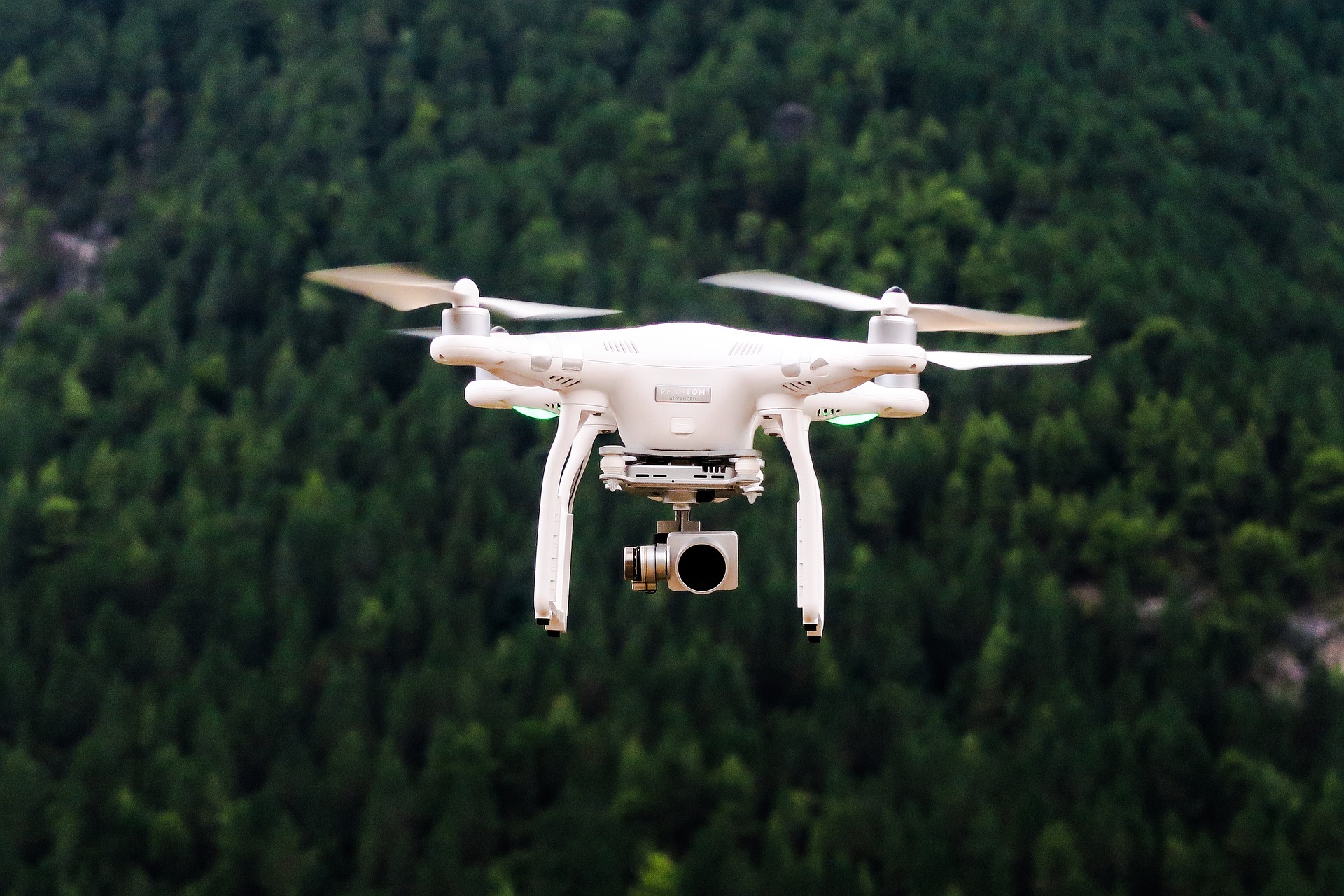
    After a few disastrous incidents of flight delays, cancellations and near misses, UK is all set to put regulations in place for drone flights near airports. It is also reported that all major UK airports now have or will soon have military grade anti-drone equipment.

    UK’s Drone Regulations

    Very recently the military were called in to help when drone sightings causing massive delays at Heathrow Airport. Another such incident involved Gatwick airport when drone flights caused major disruption affecting 140,000 passengers just before Christmas. UK government wishes to or already has technology installed at other critical infrastructure such as prisons, power stations and military sites. Gatwick Airport in a statement said that it had spent £5m to prevent future attacks.

    The current drone regulations in UK suggests:

    • Drone must be in line of sight at all times
    • Not within 50m of people, vehicles or buildings
    • No higher than 120m

    The government in UK are also said to expand technology to detect and repel drones from sites like airports and prisons. A new legislation will reportedly give police additional powers to land drones. They will also be granted the power to require users to produce the appropriate documentation if they deem it necessary.

    India’s Drone Regulations

    On the other hand, India lifted the blanket ban that it had put in place for a long time, in December 2018. However, this has been lifted partially and will now allow commercial activities and drone flights. Drone Regulation 1.0 is a step to open up the use of Remotely Piloted Aircraft (RPAs) for commercial activities.

    The regulation is formulated by the Ministry of Civil Aviation and it has created a huge base for a drone ecosystem in the country. Under this regulation the airspace has been partitioned into Red Zone (flying not permitted), Yellow Zone (controlled) and Green Zone (automatic permission). Permission to fly a drone can be taken using an App. The app is called Digital Sky. 

    The current regulations for a drone flight in India are:

    • During day light (except those flying in enclosed spaces)
    • Within visual line of sight (VLoS)
    • A maximum height of 400 feet above ground limit (AGL)

    Drones will not be able to take flight in “no drone zones”. These include areas close to airports, international borders, State Secretariat Complex in state capitals, strategic locations/vital and military installations. If your drone flight causes damage or injury, you might face penalties under the Aircraft Act 1934, and charged under the IPC sections 287, 336, 337, and 338 which can include anything between Rs 250 fine to two years in jail. 

  • SpaceX Successfully Launches Its First Mission Of 2019

    SpaceX Successfully Launches Its First Mission Of 2019

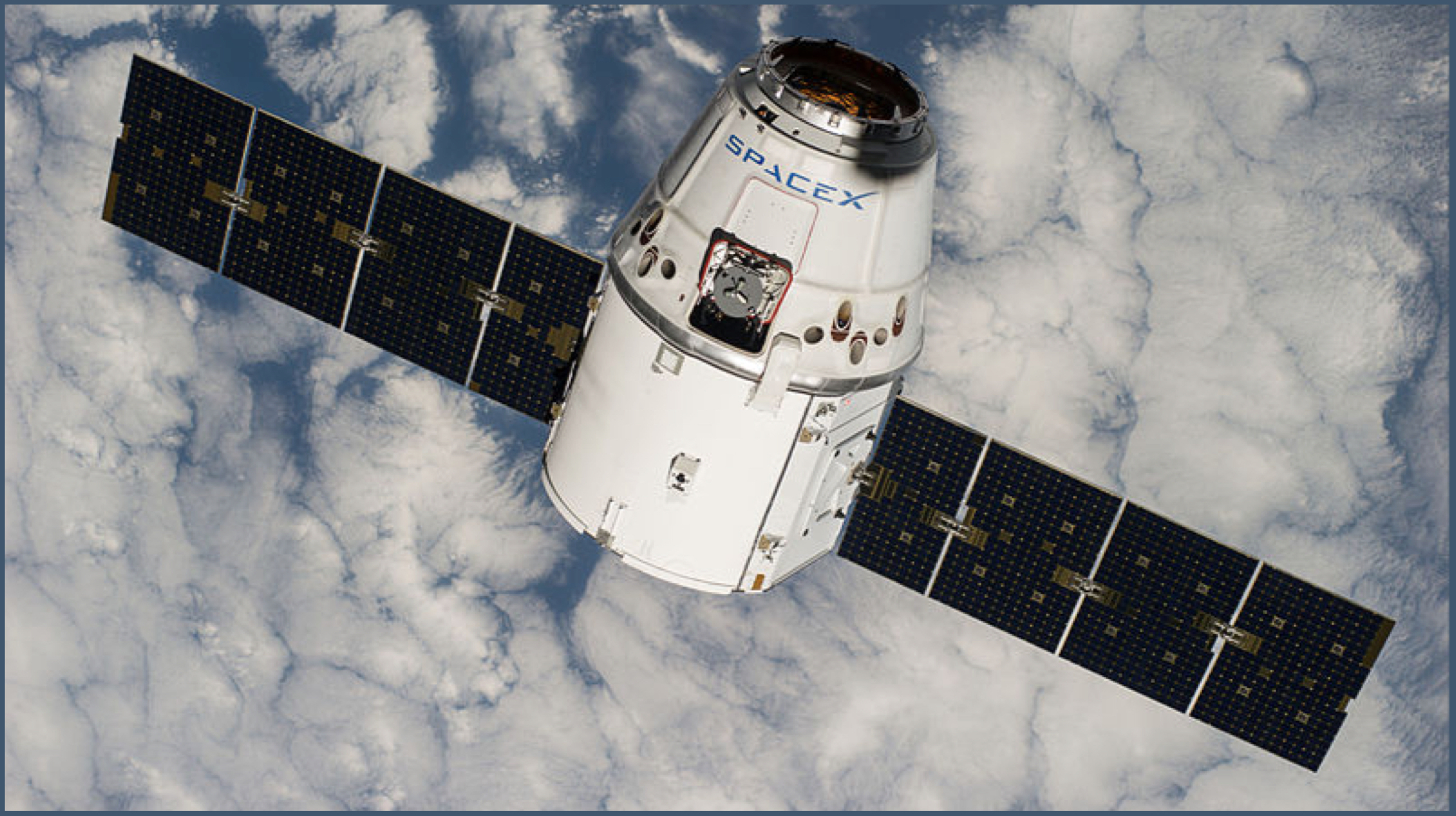
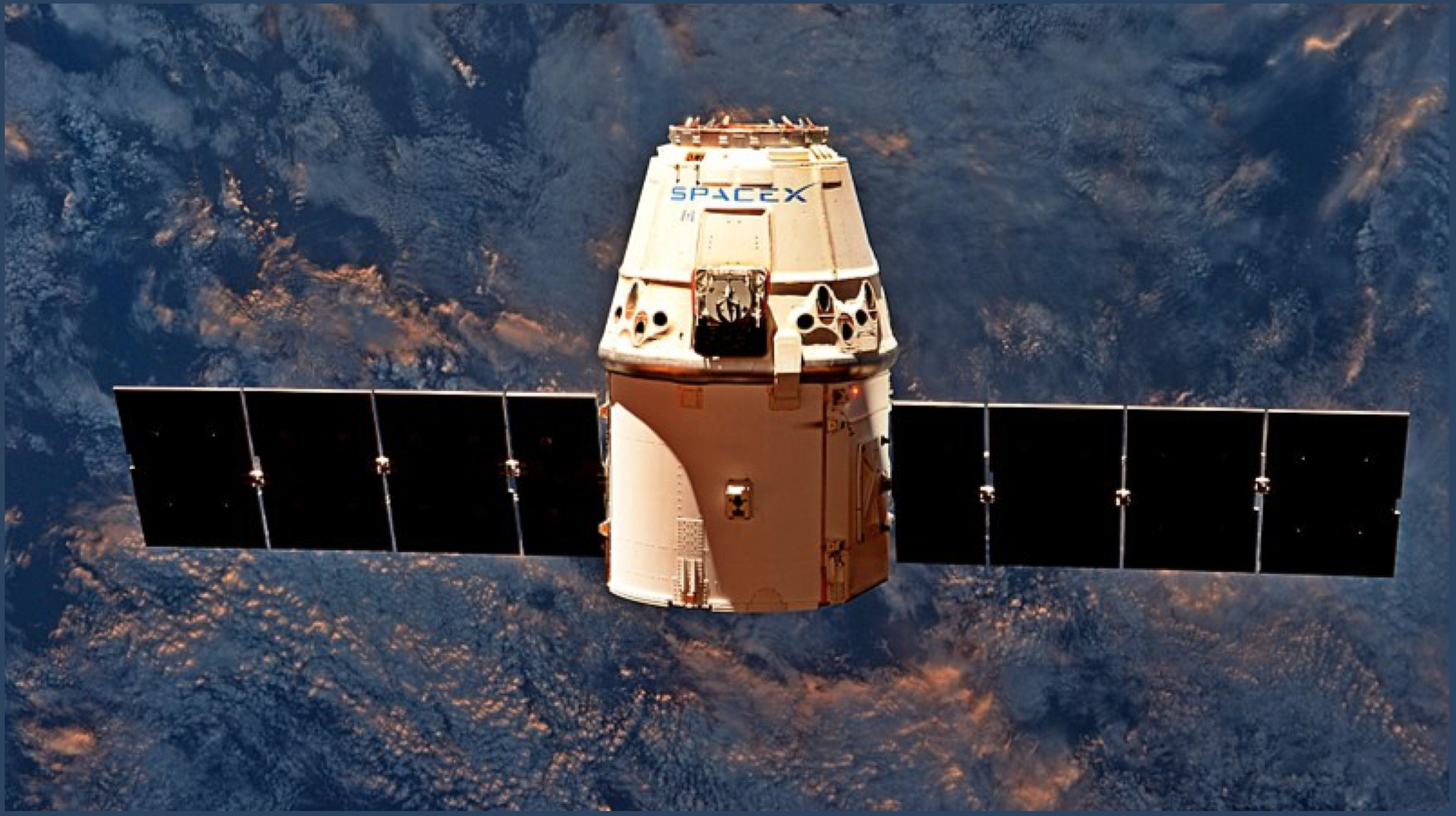
    SpaceX, short for Space Exploration Technologies Corp is a privately owned American company that manufactures aerospace vehicles and offers space transportation services. The company was founded in 2002 and has since developed two lineups of aerospace vehicles which are Falcon and Dragon. SpaceX has successfully developed orbital rockets that are capable of being reused. This feature allows SpaceX rockets to drastically reduce the costs of launching satellites in and around earth’s orbit. On 11 January 2019, the company successfully launched its first rocket of the year. 

    Falcon 9 Successfully Launches The Last Batch Of Iridium Satellites

    SpaceX previously signed a contract with Iridium Communications to launch 75 in-orbit satellites that will update Iridium’s aging space fleet. The new fleet of satellites is called Iridium NEXT constellation and it will replace the original fleet of the company that was launched between the year 1997 and 2002. 

    The satellites owned by Iridium Communications are used for worldwide voice and data communication from hand-held satellite phones and other transceiver units. The satellite network owned by Iridium Communications is unique in its own manner as it is able to provide coverage anywhere on Earth, including oceans, airways and poles. 

    SpaceX rockets have been launching these satellites in batches of 10 except for one flight that launched 5 satellites. The latest launch will be carried out in 10 minutes after which the company plans to touch down the Falcon 9 rocket on a drone ship in the middle of the ocean. 

    Previously a Falcon 9 rocket that was supposed to land back was botched. The rocket was intended to land on a concrete pad on the Florida coast but instead, it ended up in the ocean. According to the live stream provided by the company, the Falcon 9 has indeed launched the Iridium Satellites and successfully landed unharmed. This landing marks the 33rd successful landing of a SpaceX Falcon 9 rocket core.

    Meanwhile Checkout the Falcon9 Landing on a Ship 


  • More Than 20,000 Google Employees Participate In Protest

    More Than 20,000 Google Employees Participate In Protest

    The past week has been a bit troublesome for Google & CEO Sundar Pichai. Recently, more than 20,000 Google employee’s participated in a mass protest. The protest was against the unequal treatment of sex offenders based on their post within the company. The issue has its origins leading to Andy Rubin, the founder of Android. He left Google in the year 2014 after sexual assault charges from a female colleague; which was proven true later. But, he was given a severance of $ 90 Million before his exit. The amount which he would receive in the form of $ 2 million monthly instalments for the upcoming four years.

    Cause Of Protest

    The New York Times recently published an article about sexual harassment, misconduct, and abuse of power in big companies including Google. This article spread like wildfire and a number of victims started coming ahead who reportedly have faced some sort of misconduct in the past.

    One such example is an ex-youtube employee who unfolded her personal story. She recounted a team outing where a male colleague asked her to switch drinks. She recalls that as her last memory of that night. Her team leader later told that he saw her being led away from the festivities when she was unconscious, and he had intervened to take her to a safe place. She escalated the agonizing experience to her HR, who instructed her to stay silent on the issue.

    The protesters want Google to review a plan that would address their five key demands. The demands include:

    1. An end to Forced Arbitration in cases of harassment and discrimination.
    2. A commitment to end pay and opportunity inequity.
    3. A publicly disclosed sexual harassment transparency report.
    4. A clear, uniform, globally inclusive process for reporting sexual misconduct safely and anonymously.
    5. A commitment to elevate the Chief Diversity Officer to answer directly to the CEO and make recommendations directly to the Board of Directors. And, to appoint an Employee Representative to the Board.

    The protesters were later notified that the CEO of Google, Sundar Pichai will soon meet them and review a plan to address their demands.

  • More than 50 Million Accounts Affected In Facebook Hack, Your’s Could Be Too

    More than 50 Million Accounts Affected In Facebook Hack, Your’s Could Be Too

    Twitter was ablaze with users commenting about how they had suddenly been logged out of their Facebook  apps. This seemed to be faced by a lot of users, and you might be one of them too. The reason is the latest breach into Facebook’s security system which affected almost 50 million accounts.

    Also Read: Sony Introduces PlayStation Classic, With 20 Pre-Loaded Games

    The Hack:

    The breach was detected by Facebook on 25th September. A hacker or some hackers had used a vulnerability in the code of the social networking giant to gain access to user accounts. This was done by gaining control of the access tokens for the accounts. The access tokens are basically what allow you to log int your mobile accounts without having to retype your password every time. An update to the video uploading feature in July 2017, led to this vulnerability and attackers only needed to find this out to get the access tokens to user accounts.

    To combat this, Facebook immediately reset the access tokens of all the affected accounts and an additional 40 million accounts. This led to users being abruptly logged out of they Facebook and Messenger apps. Along with this, the company is also disabling the ‘View As’ feature in your account until it conducts a thorough security review.

    What has not been answered is who the attackers were and what they used the accounts for. They could have used the accounts to change settings . It could have even been used to log in to third party apps using the accounts. The possibilities are many, but the company has still not found an answer to the question. However, it has added that no credit card information has been exposed.

    Facebook is treading through rocky waters. Earlier this year, Facebook had a crisis which forced CEO Mark Zuckerberg to testify in court. The company pledged soon after this that it holds the protection of user information above everything else. Although this is completely different, it is the users who are affected. With around 2.23 billion active monthly users, and the absence of a Chief Security Officer, its high time Facebook steps up its security game.

  • Panasonic Introduced Its First Full-Frame Mirrorless Camera And It Could Be A Game-changer

    Panasonic Introduced Its First Full-Frame Mirrorless Camera And It Could Be A Game-changer

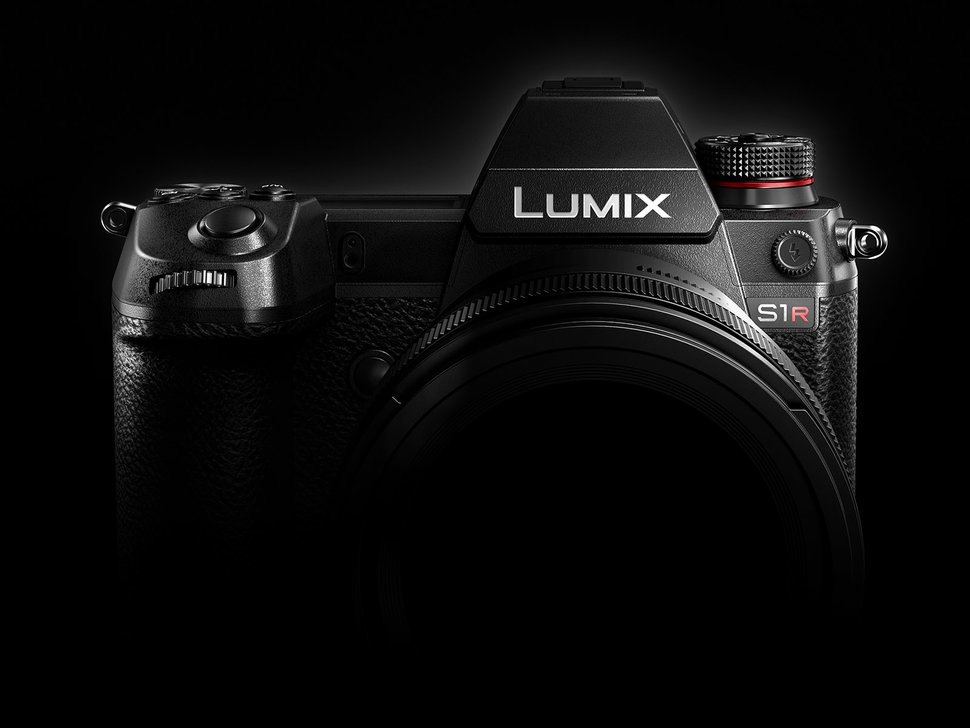
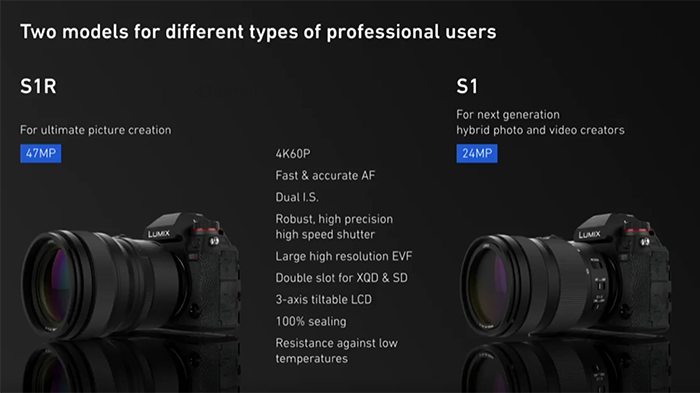
    Panasonic has announced two models of its first full-frame mirrorless camera. The Lumix S1 and S1R cameras support 4K video at up to 60 fps. The devices will use the new L-Mount lenses from Panasonic and have a 35 mm full-frame image sensor.

    The cameras were introduced at Photokina 2018 is claimed to be ‘dedicated to professionals’ by the company and form the base of the Lumix S series of cameras. The Lumix S1R has a massive 47 Megapixel sensor while the S1 has a 24 Megapixel sensor. The cameras are also equipped with Dual I.S image stabilisation. This enables handheld shots for dark or distant scenes which would otherwise require a tripod.

    Along with this, the devices have a triaxial tilt LCD for ease of use during both photography and videography. The cameras have a double slot for memory cards and SD cards, which is a first for Panasonic.

    New Cameras, New Lenses:

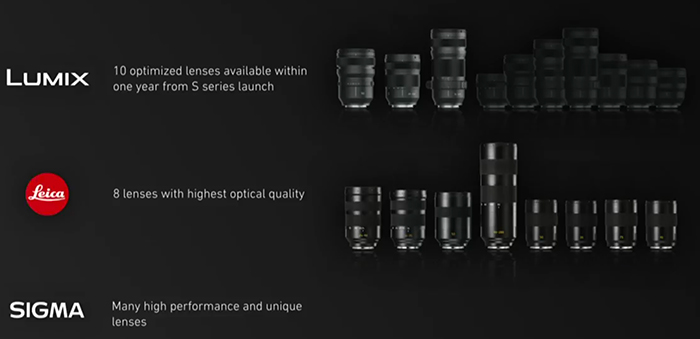
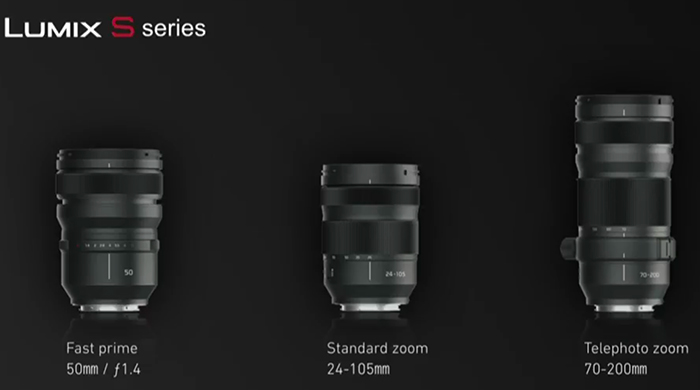
    The Lumix S1 and S1R work with a new range of lenses from Panasonic. The L-Mount series of lenses has been made in partnership with Leica and Sigma. The series will also be compatible with Leica’s L-Mount. This means that the cameras are compatible with eight high- quality Leica lenses, other than the three lenses available from Lumix. Sigma will also add to the list of compatible lenses. The launch will see the availability of three lenses. This includes a 50mm f/1.4 prime, a 24-105mm zoom lens and a 70-200mm telephoto zoom lens. Panasonic guarantees at least 10 compatible lenses within a year of the launch of the Lumix S series.

    The Lumix S1 and S1R cameras are extremely durable as well, according to Panasonic. The cameras have weather sealing on all seams, dials and buttons. The company also claims that a Lumix S camera has worked perfectly in temperatures as low as minus 40 degrees Celsius.

    Panasonic has not revealed anything more about the specifications of the device or the price. This was just an introduction to probably the next big thing in the mirrorless segment. The Lumix S1 and S1R will be launched around March next year.


  • Samsung Galaxy Note 9 Reportedly Catches Fire

    Samsung Galaxy Note 9 Reportedly Catches Fire

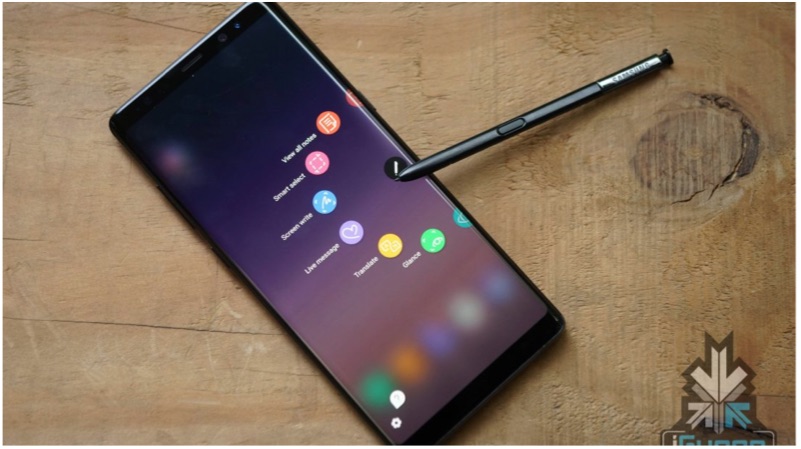
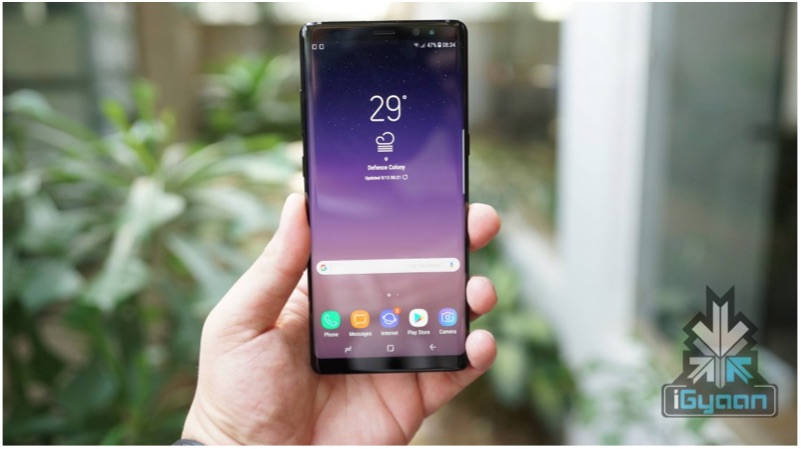
    A Samsung Galaxy Note 9 caught fire inside of a woman’s purse in New York, earlier this month. This claim was made in a lawsuit filed by the woman against Samsung. The woman hopes for a restraining order on the sales of the Note 9.

    The report was filed by Diane Chung, who claims that she was in an elevator when this incident took place. She noticed that her Galaxy Note 9 had become incredibly hot and therefore stopped using her phone and dropped it into her purse. After a while she heard a ‘whistling and screeching sound’ and saw ‘thick smoke’ appearing from her bag. She then emptied her purse on to the floor of the elevator. However, it wasn’t until a passerby picked up the device with a cloth and dropped it into a bucket of water that the fire stopped.

    Also Read: Samsung Galaxy Note 9 full specs & price

    Following this, she filed a lawsuit against Samsung which demands that a restraining order be placed on the sales of the Galaxy Note 9 and damages be offered to her.  This could be Samsung’s worst nightmare as its flagship device is now under scrutiny.

    Samsung’s Dilemma:

    A similar case occurred with the infamous Samsung Galaxy Note 7 around two years back. The device had a battery flaw, which the company later discovered which led to multiple phones exploding or bursting into flames.

    To avoid any such problems in the future, Samsung at that time created an eight-point inspection process for the batteries of its devices. This is suppose to be the best and beyond industry standards, according to Samsung. With the launch of the Galaxy Note 9, Samsung claimed that it is the safest device it made. It also added that users don’t have to worry about batteries anymore.

    However, we might not be seeing a Note 7 kind of situation here. Samsung has said that no such incidents have been reported by other users. This could also mean that it was just one faulty device. Samsung is investigating the matter.  We will soon know the what really caused this issue and whether it is something users need to worry about.


  • The US Navy Used 3D Printing To Develop A Concept Submersible In Under 4 Weeks

    The US Navy Used 3D Printing To Develop A Concept Submersible In Under 4 Weeks

    3D printing has a come long way since its inception. From developing straightforward and simple products to now printing intricate and massive structures, there has been quite a growth in the field of 3D printing.

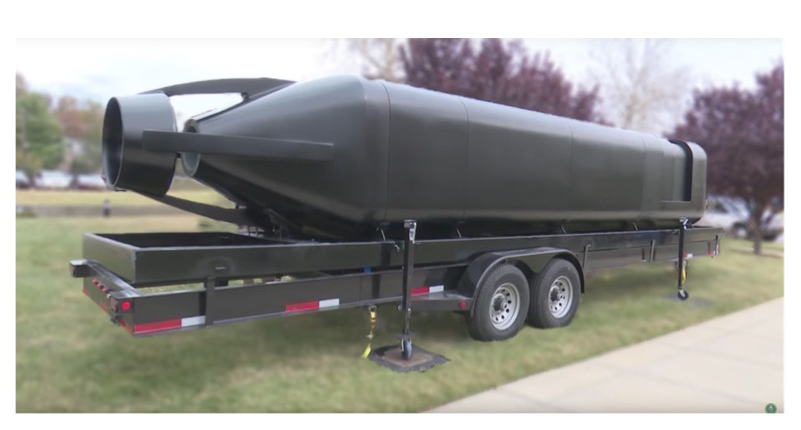
    Militaries from all over the world have recognised the utility of 3D printing as a cost effective resource for the future. They’ve eyed 3D printing for printing up replacement parts for warplanes, grenade launchers, and even meals for soldiers. The US Navy recently, teamed up with Oak Ridge National to develop a concept submersible which was printed under 4 weeks.

    Using 3D printing to develop weapons sounds futuristic, but, it will be a viable option in a couple of years if everything goes as planned. The 3D printed concept submersible was developed by a team from the Naval Surface Warfare Center (NSWC) and Carderock Division’s Disruptive Technology Laboratory (DTL) and has a name too, Optionally Manned Technology Demonstrator.

    The team began work in August of 2016 and used an industrial 3D printer called Big Area Additive Manufacturing (BAAM) to develop six carbon fibre sections, which were then assembled to form the 30-foot vehicle. The US Navy’s largest 3D printed asset was developed in 4 weeks, out of which a week was consumed to design the structure and the rest, for printing and assembly.

    According to the Department of Energy, a typical hull takes anywhere between 5 to 8 months to manufacture and costs around $600,000 to $800,000. This 3D printed vehicle cost 90 per cent of that amount and was manufactured in under 4 weeks. The time taken to manufacture this vehicle means that replacement parts or specially designed equipment can be deployed at a rapid pace.

    It is important to note that this is not a functioning machine by any means and just a concept as of now. The concept, however, is a proof that replacement parts and such heavy equipment can be manufactured using 3D printing. This is definitely a step in the right direction for rapid and cheap manufacture of defence equipment. It’s expected that fleet-capable prototypes of the 3D printed vessels could be deployed by as early as 2019.

iGyaan Network
Privacy Overview

This website uses cookies so that we can provide you with the best user experience possible. Cookie information is stored in your browser and performs functions such as recognising you when you return to our website and helping our team to understand which sections of the website you find most interesting and useful.