Blog

  • Nokia 8.1 Launched In India

    Nokia 8.1 Launched In India

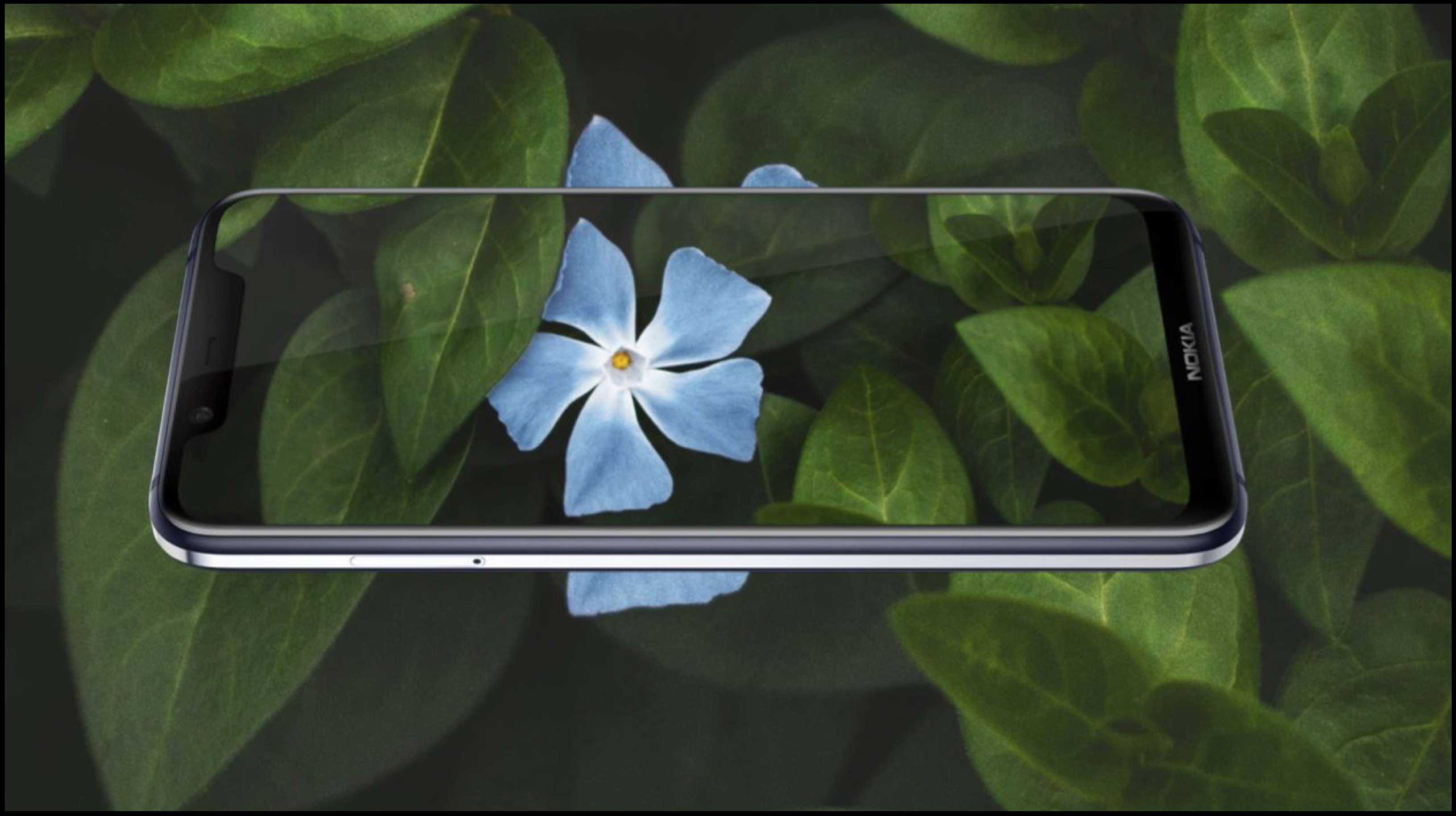
    Five days after it’s global launch in Dubai, Nokia has launched the Nokia 8.1 in India. Read on to find out what the specifications, price and availability are for India.

    Specifications And Design

    The Nokia 8.1 is a bigger version of the Nokia 8 Sirocco and features a Qualcomm’s Snapdragon 710 SoC, along with the Adreno 616 GPU. This will be paired with 4GB of RAM and 64GB of internal storage. It features a 6.18-inch screen with a 18.7:9 aspect ratio. The screen has a 2246 x 1080 px resolution and a pixel density of 403 ppi. It also receives extra protection from the Corning Gorilla Glass 3. The phone has a modest 3,500 mAh Li-Ion battery. Since it is a new launch, as a result, it will run Android 9.0 Pie out of the box.

    On the camera front the phone has dual rear and single front camera set up. The rear cameras feature 12 MP and 13 MP sensors and can shoot 2160p videos at 30fps. The front 20 MP sensor can shoot 1080p videos at 30fps. The rear camera lenses are made by Zeiss optics. The camera also has the ‘Bothie’ feature, which allows simultaneous photo/video shooting. In terms of connectivity, the Nokia 8.1 has all the basic connectivity solutions like 4G VoLTE, Bluetooth 5.0, 802.11 ac Wi-Fi and has a USB Type-C port for charging and data syncing.  Above all the 3.5mm audio jack is also making an appearance for all the audiophiles.

    Price, Colours and Availability

    The phone is quite lightweight and measures in at 154.8 x 75.76 x 7.97 mm and weighs in at 180 grams. It will be available in three different colours namely Blue/Silver, Steel/Copper and Iron/Steel. The Nokia 8.1 will be available at Rs 26,999 in India and is available through Nokia’s own website as well as Amazon. It will be available from December 21, 2018 but is already available for pre-booking at Nokia’s website.

  • Finally A Skullcandy That Won’t Stop Working In One Ear – Wireless Skullcandys

    Finally A Skullcandy That Won’t Stop Working In One Ear – Wireless Skullcandys

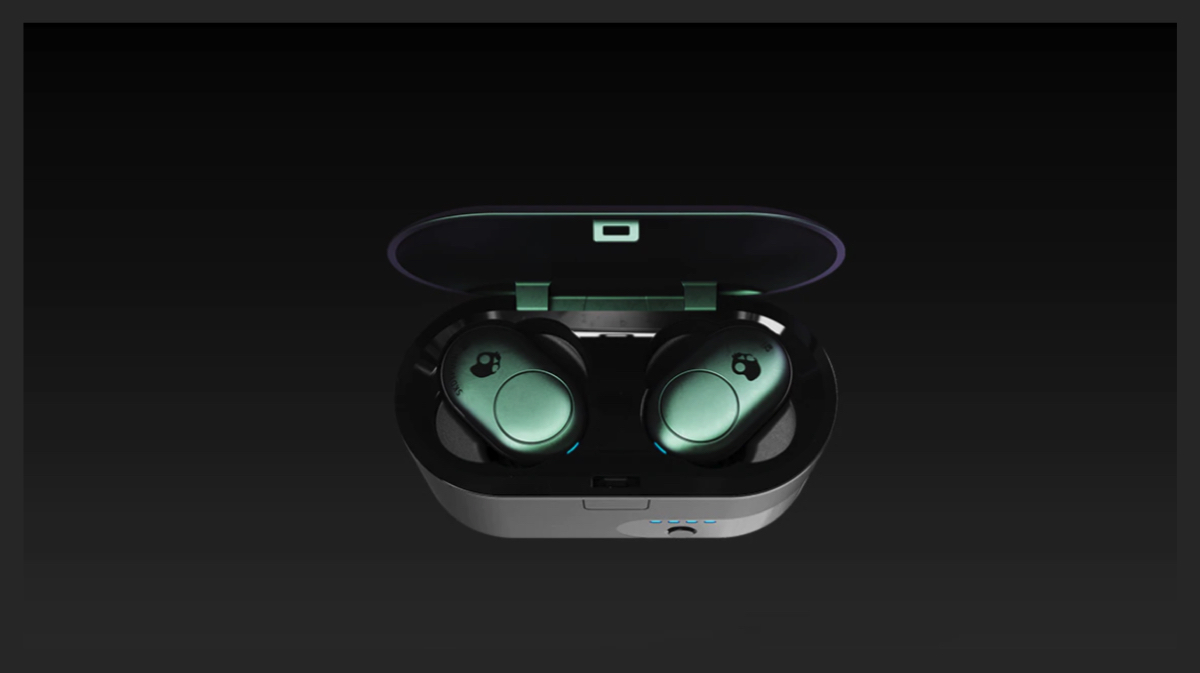
    Skullcandy earphones and headphones are infamous because they stop working in one ear after a while. While they have a great customer service that replaces damaged earphones, it is still a hassle. It seems that Skullcandy has launched a truly wireless earphone which, we can all hope, will work in both ears even after a longer use period. The Skullcandy Push is a true wireless earbud that is reasonably priced and can gibe Bose, Sony, Jabra, Samsung and Apple a great competition. So let’s find out what the features, specifications and prices are.

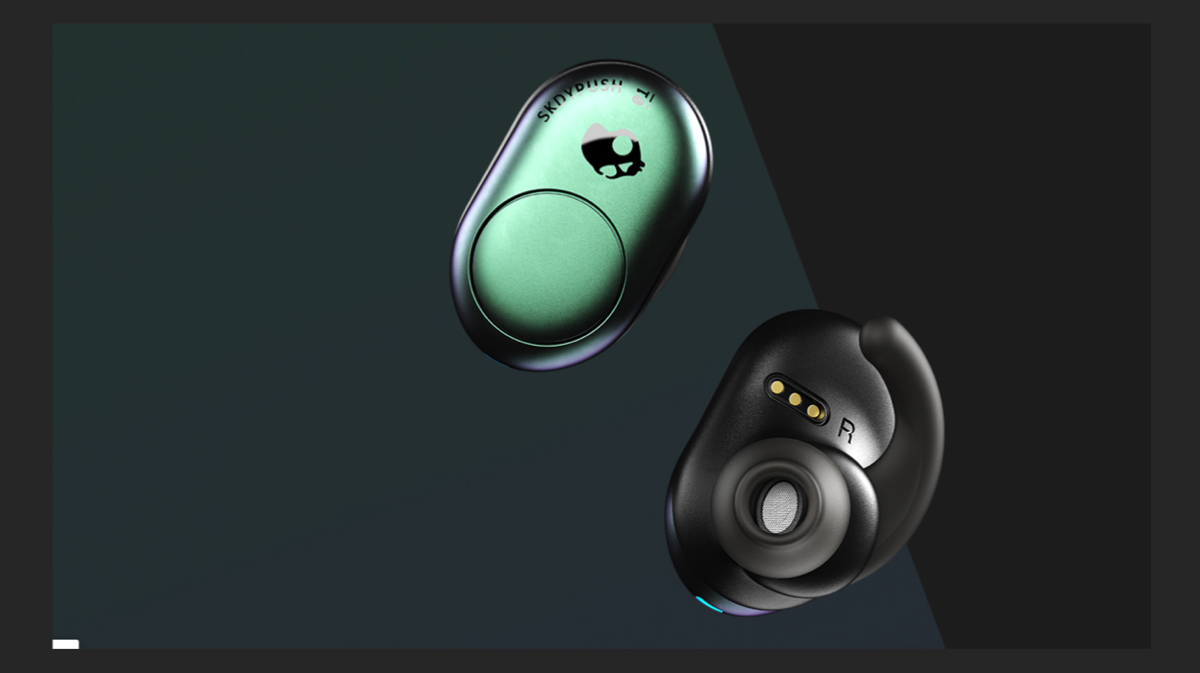
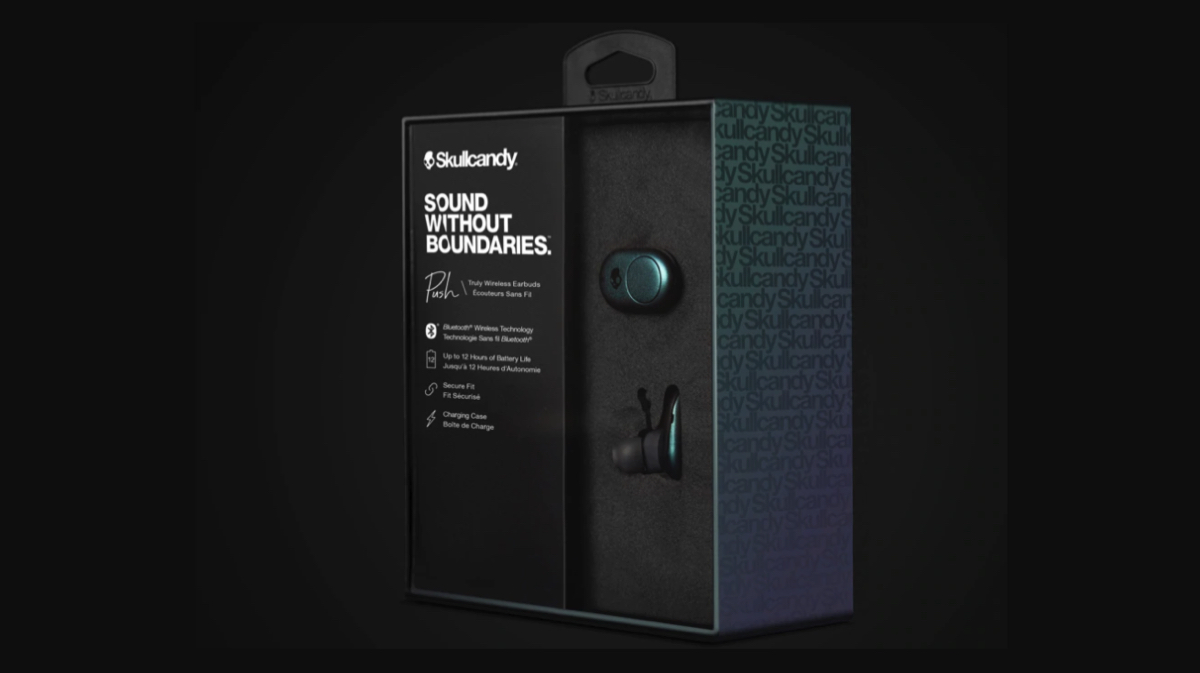
    The earbuds feature a Bluetooth wireless technology that features Bluetooth 4.2. The company claims that the earbuds will provide 12 hours of battery life. This includes up to six hours of play, which is the charge stored in the earbuds and the charging case holds an additional six hours. According to Skullcandy, the earbuds feature Secure FitFin Gels which do not allow the earbuds to fall off from the ear easily.

    The earbuds also has features such as Activate Assistant, Microphone, Call, Track, and Volume Control. It has a button on each side of the buds. The right button turns the volume up. The left button turns it down. Tapping either button will enable a user to answer and end a call. Pressing the left earbud for two seconds will reject a call or put one on hold. Triple pressing either button will have your assistant help with sending a message and setting a reminder apart from other functions.

    Also Read: Top Tech: Top 10 Budget Earphones Under Rs. 1,000

    Technical Specifications

    Connection Type: Bluetooth® 4.2
    Impedance: 16 Ohms
    Driver Diameter: 9.2mm
    THD: <3% at 1KHz
    Sound Pressure Level: 100 +/-3dB (1mW/500Hz)
    Frequency Response: 20Hz – 20KHz

    The box comes with the Push Earbuds, Charging Case, Micro USB to USB charging cable, User Guide and a 2 Year Warranty Guide. Unfortunately, the earbuds are not water resistant or sweat resistant. So, working out in them is best avoided. The price of the earbuds is $129.99 and will be sold exclusively at Target till December end. There is also a “Fearless Use Promise” which lets a user register his Skullcandy Push earbuds on their website. This entails a user to get a replacement if they ever lose or break one of their earbuds for $49.


  • OnePlus 6T McLaren Edition Launched In India

    OnePlus 6T McLaren Edition Launched In India

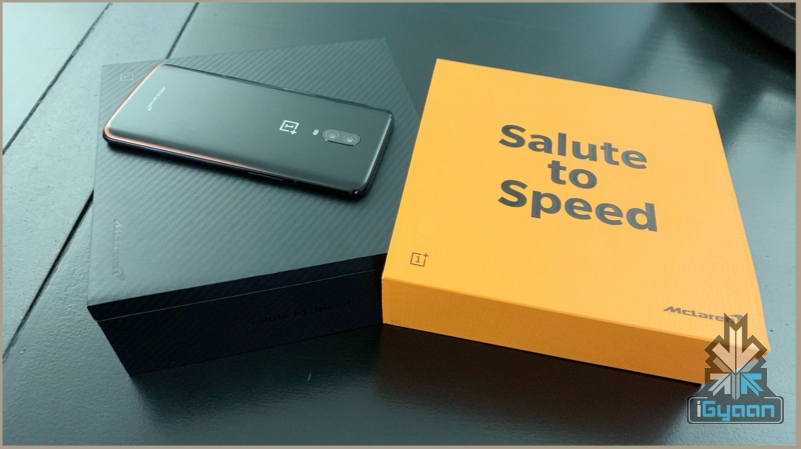
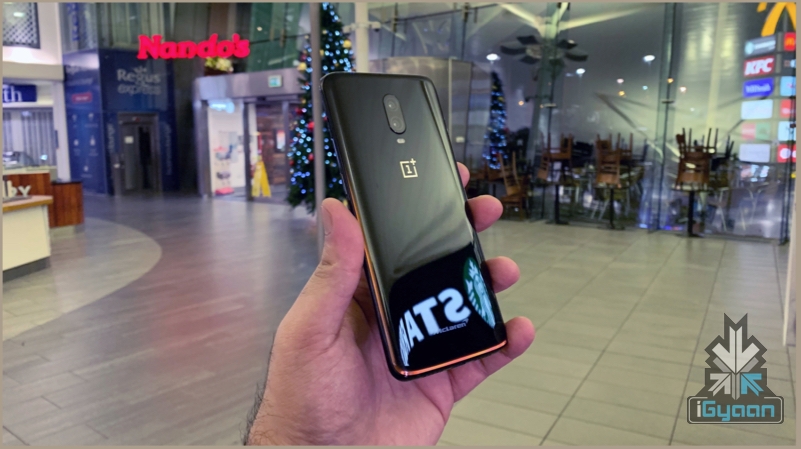
    The OnePlus 6T McLaren Edition smartphone was recently launched in the UK. Now the company has also announced it for the Indian market. It is a limited edition variant of the OnePlus 6T which the company has developed in collaboration with British supercar manufacturer, McLaren. Although the new variant borrows a lot of specifications from the regular variant, the new features make it stand out. The OnePlus 6T McLaren Edition not only has a beautiful rear design it also gets Warp Charge 30 and 10 GB of RAM. It is the first global smartphone to offer this high capacity of RAM.

    Design:

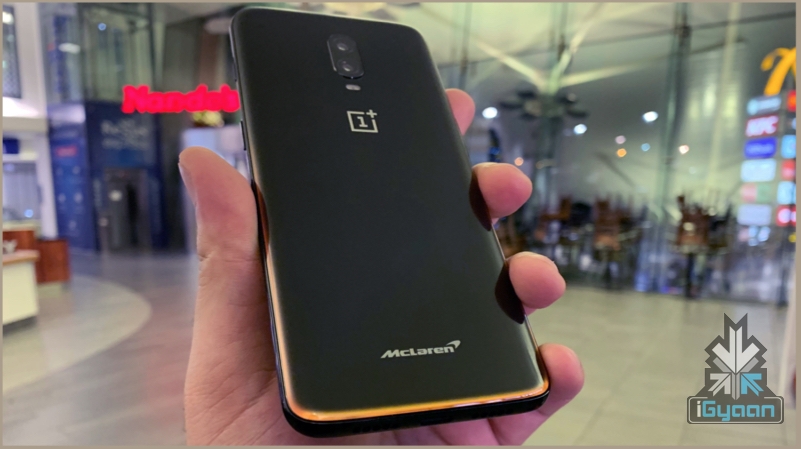
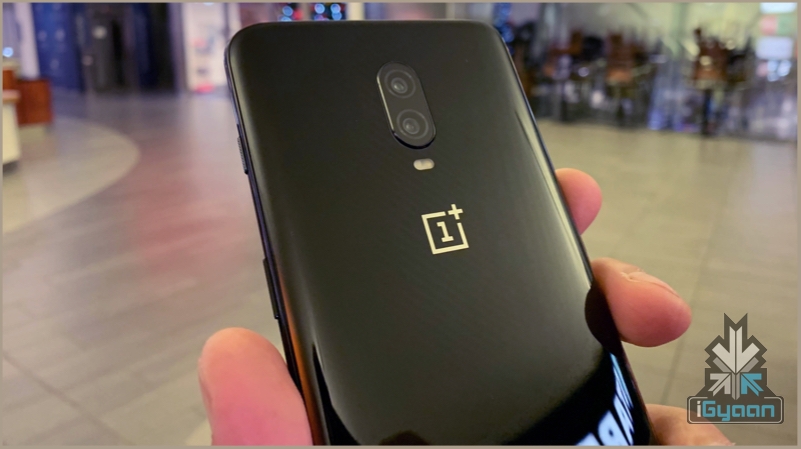
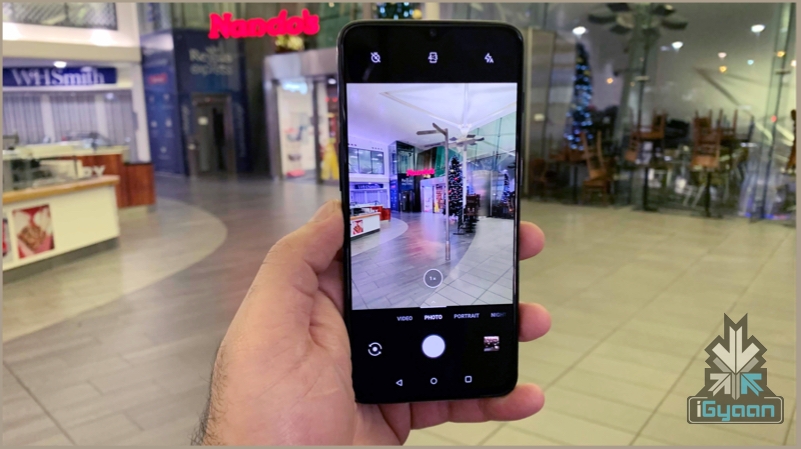
    The OnePlus 6T Mclaren Edition, like its regular variant, has a high screen-to-body ratio with a waterdrop notch at the front. The right side of the device makes room for the power button and the sound profile slider while the left side houses the volume rockers. Over at bottom, the device has a USB Type-C port, the loudspeaker grille, and the microphone grille. The rear of the device gets a newly designed back panel which houses the dual camera setup with LED flash. The glass panel has a carbon fiber like design and the signature McLaren Orange Papaya coloured accent runs along its bottom and sides.

    Display:

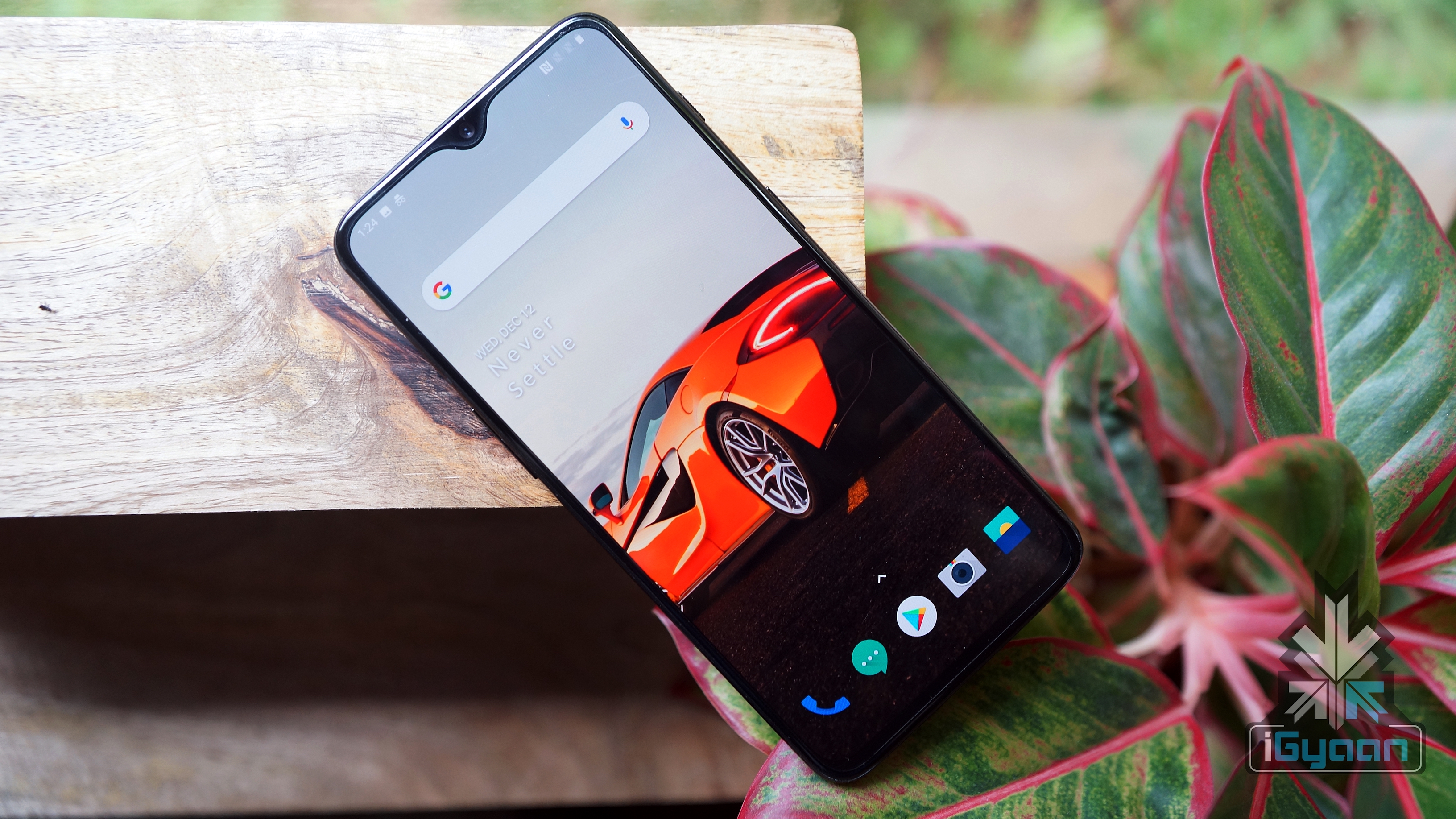
    The OnePlus 6T Mclaren Edition has a 6.41-inch Optic AMOLED display with a small waterdrop notch. The display panel has a Full HD resolution of 2340 x 1080 px and a pixel density of 402 ppi. The display has a screen to body ratio of 85.6% and an aspect ratio of 19.5:9. Additionally, the OnePlus 6T McLaren Edition’s display has Corning Gorilla Glass 6 to protect it against scratches and accidental drops.

    Processor:

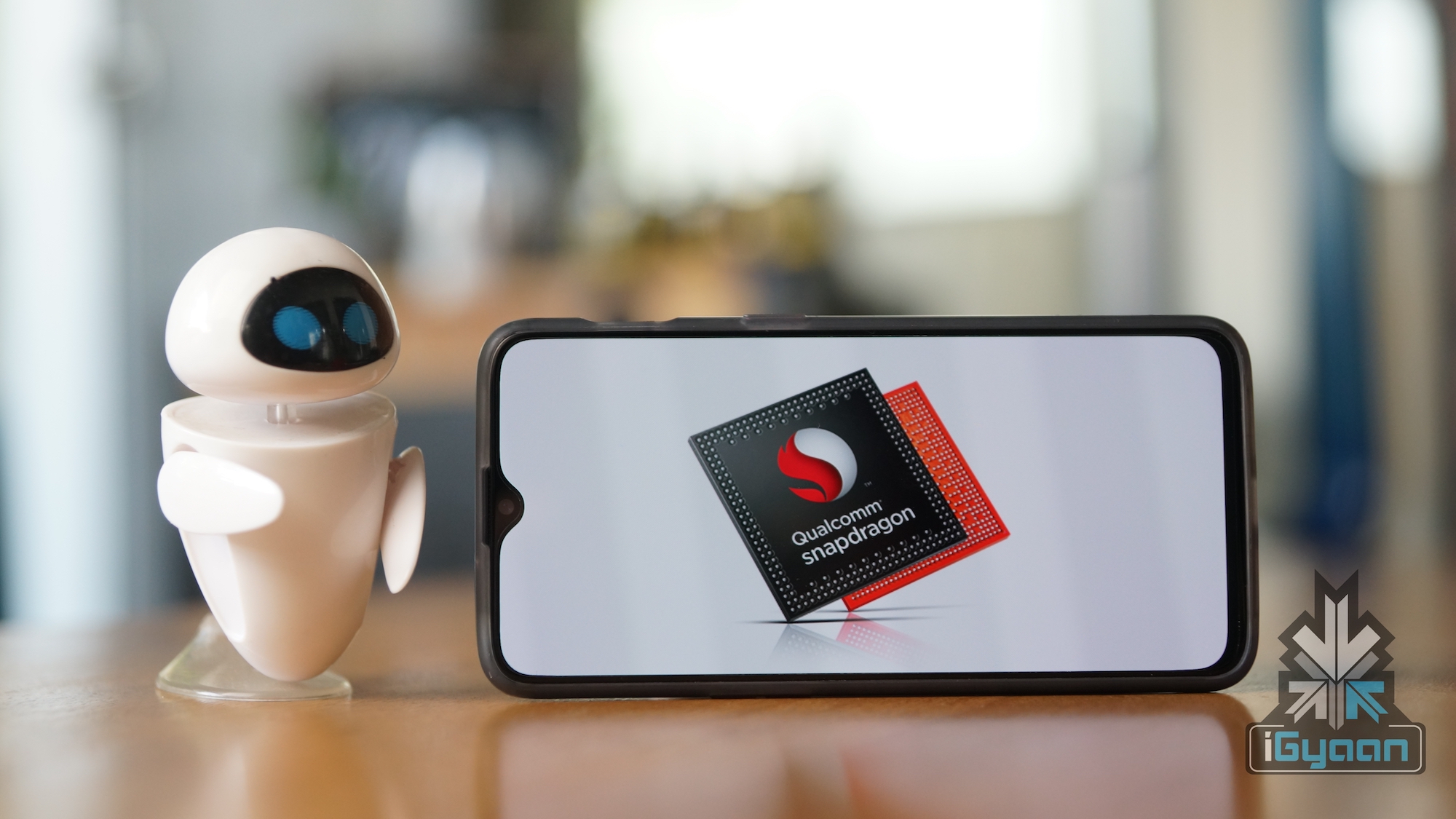
    The McLaren Edition OnePlus 6T runs on the 10 nm, Snapdragon 845 SoC. The Snapdragon 845 consists of an Octa-Core CPU and Adreno 630 GPU. The CPU consists four Kryo 385 Gold cores and four 385 Silver Cores. For high performance, the Kryo 385 Gold cores have a clock frequency of 2.8 GHz and for better battery backup the Kryo 385 Silver cores have a clock frequency of 1.7 GHz.

    Memory & Storage:

    The new limited McLaren Edition variant of the OnePlus 6T gets 10 GB of LPDDR4X RAM. In terms of internal storage, the device has 256 GB of UFS 2.1 storage. Both, LPDDR4X RAM andUFS 2.1 contribute in making the smartphone extremely fast. Like other OnePlus smartphones, it does not support memory expandability.

    Camera:

    The OnePlus 6T Mclaren Edition has a 16 MP (Sony IMX 371), f 2.0 aperture equipped front-facing camera sensor which is housed in the notch. Over at the rear, the device gets dual 16 MP (Sony IMX 519) + 20 MP (Sony IMX 376K) camera sensors. Both the 16 MP and the 20 MP sensor are equipped with a f/1.7 aperture. Most notably, the 16 MP camera has a 1.22-micron size pixel which allows for better light absorption. Therefore, the device can capture well-lit pictures even in low light conditions. The smartphone can also capture 2160p videos at 60fps from the rear cameras and 1080p videos at 30 fps from the front camera.

    Battery:

    Like the regular variant, the McLaren Edition OnePlus 6T packs a 3,700 mAh Lithium-Ion battery. However, the new device now supports Warp Charge which charges the device with 30 watts of power. In comparison, the dash charge on the regular variant charges the handset at only 20 watts. Therefore this is a 50% boost from the old technology. According to OnePlus, the limited edition variant can be charged up to 50% in under 20 minutes.

    To support this rapid charge, both the phone and the charger now have an integrated circuit chip. OnePlus also ships the device with a Papaya Orange coloured braided cable which is essential to support the Warp charge. Furthermore, the McLaren Edition variant does not thermal throttle. It means that the device will continue to charge at a rapid pace even if the device gets hot or is being used to run CPU intensive tasks.

    Connectivity & Other Features:

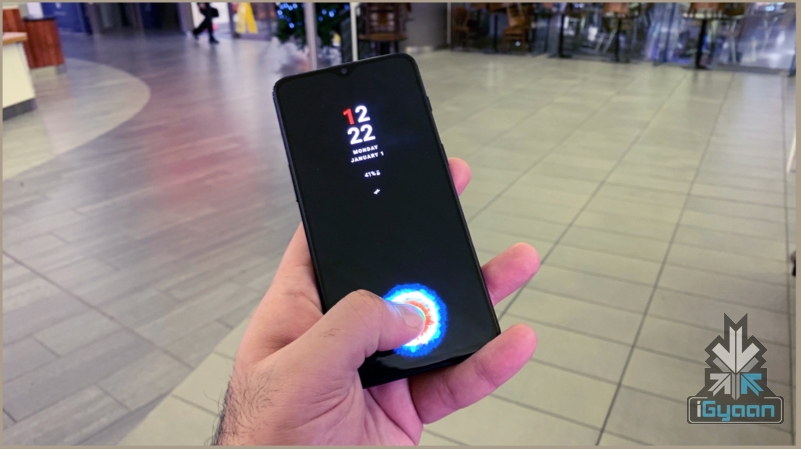
    The OnePlus 6T McLaren Edition variant, like the regular variant, also supports dual 4G VoLTE, dual-band 802.11 Wi-Fi, Bluetooth 5.0 Low Energy, NFC, and GPS. The device also has a host of sensors which include an accelerometer, a gyroscope, a proximity sensor, and a compass. For securely and safely unlocking the handset, the device gets an in-display fingerprint sensor. Additionally, the device also supports Face Unlock Technology.

    The OnePlus 6T McLaren Edition smartphone with 10 GB of RAM and 256 GB of ROM is priced in India at Rs 50,999. It will be available via both online and offline channels. The phone will be available from tomorrow at Delhi’s newly launched store and will be available on other channels from 15th December.

    You can also watch our unboxing video of the device:

  • OnePlus 6T McLaren Edition Launched With 10 GB RAM

    OnePlus 6T McLaren Edition Launched With 10 GB RAM

    Chinese smartphone manufacturer, OnePlus had launched the OnePlus 6T smartphone on 30th October in India. To celebrate their 5 year anniversary the company has now launched a limited edition variant of the OnePlus 6T in the UK. It is scheduled for launch in India on September 12. The company has collaborated with British car maker, McLaren which is renowned for making racing and sports cars. The OnePlus 6T McLaren Edition borrows a lot of specifications from the regular variant. Additionally, it gets an all-new rear design, higher memory capacity and faster Warp charge 30.

    Build & Features

    The OnePlus 6T McLaren Edition measures 157.5 x 74.8 x8.2 mm and weighs in at 185 grams. On the front of the device sits a 2.5D, 6.41-inch Optic AMOLED display with Corning Gorilla Glass 6 protection. The display has a resolution of 2340 x 1080 px and a pixel density of 402 ppi. The front of the device also has a small waterdrop notch which houses the 16 MP selfie camera that can also capture 1080p videos at 30 fps. For securely and swiftly unlocking the device, it also has an in-display fingerprint sensor which is also present in the regular variant of the 6T. Additionally, the device also supports Face Unlock technology.

    In comparison to the regular variant, the OnePlus 6T McLaren Edition gets an all-new back panel. The rear glass panel has a Carbon-Fiber like design which carries the McLaren logo and a Papaya Orange accent runs along its bottom and side edges keeping to McLaren’s livery colours. Like the regular variant, it also has dual 16 MP + 20 MP camera sensors with Dual LED flash on the back. For connectivity, the OnePlus 6T McLaren edition supports dual 4G VoLTE, Bluetooth 5.0, 802.11 Wi-Fi, GPS, NFC and the USB Type-C port for charging and data syncing which are carried forward from the 6T as well.

    In terms of storage, the McLaren Edition variant has 10 GB of RAM and 256 GB of internal storage. Under the hood, it features the Octa-Core Snapdragon 845 CPU along with Adreno 630 GPU. The smartphone packs a 3700 mAh lithium-ion battery which supports Warp 30 charge. As the name suggests, Warp 30 charges the smartphone with 30 watts of power. In comparison to the dash charge which supports only 20 watts, which is present in the regular version.

    According to OnePlus, Warp 30 can charge the device up to 50% in 20 minutes. To attain such rapid charging speed both the handset and the charger get an integrated circuit chip and a finely tuned power management system. To sweeten up the deal, the company ships the smartphone with a Papaya Orange braided cable. Furthermore, the device does not thermal throttle while charging. In simpler words, the user can charge the smartphone at full pace and simultaneously enjoy their favourite games.

    Price and Availablity

    The new limited edition OnePlus 6T McLaren smartphone is available at 649 € (around Rs 53,000) in the UK. However, the India specific pricing will be revealed only after its official launch which is set for December 12.

  • Five Superhero Movies That We Cannot Wait To Watch

    Five Superhero Movies That We Cannot Wait To Watch

    Tis the season of giving and film production companies sure know how to do that! With christmas just around the corner, we are excited about a lot of movie releases from Marvel, Sony and more. In this article we narrow down five superhero movies you should not miss and talk about when they are slated for release in India.

    Avengers: Endgame

    The story of Avengers, which is a gathering of all the superheroes from the MCU has been in the making since 2008 when Iron Man launched. With Marvel’s The Avengers, Avengers: Age of Ultron and Avengers: Infinity War, Marvel studios has been building the story upto this movie where it all unfolds. All the movies from the MCU and all their stories are intertwined to come to the final conclusion which is the Avengers: Endgame.

    Release date: United Kingdom on April 26, 2019, and United States on May 3, 2019, in IMAX and 3D. India release will probably be after or during UK release.

    Captain Marvel

    Captain Marvel is one of the most anticipated movies this year. A woman, who is also the most powerful superhero in the Marvel Cinematic Universe, is definitely a force to reckon with. This movie, people hope, will also go into the history of Nick Fury and the Avengers Initiative. Marvel comics have had a lot of women superheroes such as Wasp, Black Widow, Scarlet Witch but Carol Danvers, or Captain Marvel is a league on it’s own. Speculations suggest that Nick Fury will ask Captain Marvel to rescue Tony Stark and eventually to take down Thanos.

    Release date: The release is slated for March 8, 2019 but it is still unclear if it will be a worldwide release or a US and UK Pre-release.


    Spider- Man: Into The Spider-verse

    If you feel that the blockbuster movies are too far away in March and April and so on, you are wrong! Sony Pictures Entertainment is releasing the animated Spider- Man: Into The Spider-verse in just a few days! The animated film moves away from the usual Peter Parker storyline that we are so used to. It focusses instead on Brooklyn teenager Miles Morales who is bitten by a radioactive spider as well. The movie also features Spider- Men (for lack of a better term, since they are not all men) from alternate universes. It features Spider-Gwen, Peter Porker / Spider-Ham,  Peni Parker / SP//dr, Spider-Noir, apart from Tobey Maguire as Peter Parker and the original Spider- Man.

    Release date: 14th December 2018 is the slated release for India and UK.

    Once Upon A Deadpool

    Deadpool is known for being foul- mouthed and crass. He is one of the only superheroes who uses sexual and graphic content in the movies. But, why should a superhero movie be only for adults? With that in mind, a PG- 13 version of Deadpool 2 is being made for viewers from all ages to enjoy. The movie is named Once Upon A Deadpool, which sounds like a children’s book. The trailer features Fred Savage, who is known for movies such as The Princess Bride. In the trailer of the film “Why PG-13?” Fred asks. “It’s a family movie,” Deadpool replies. “Also money. Also Disney.”

    Release date: December 12, 2018 is the release date but we are not sure when it will arrive in India, if at all! 

    Also Read: Spider-Man : Into the Spider-Verse: Who is Miles Morales?

    Aquaman

    After two smaller appearances in  Batman v Superman: Dawn of Justice (2016) and Justice League (2017) Aquaman is finally getting his own movie! The first trailer for the film, which was released almost four months back has garnered a lot of interest from DC Comics fans. The story revolves around  Arthur Curry who later becomes Aquaman. He is the son of a lighthouse keeper and  Atlanna, the princess of the underwater nation of Atlantis. The movie will feature some really great action sequences, underwater CGI fights and a lot more!

    Release date: December 14, 2018 is the release date for India as well as UK. 


  • Do We Really Need Smart Watches?

    Do We Really Need Smart Watches?

    Humanity has always evolved and changed with technology. Since prehistoric times, humanity has taken major leaps every time they have learnt or mastered a new technology. Even though fire is not a technology, controlling fire is. Learning how to make and use tools and weapons is also a technological advancement. Just as Video has killed the radio star, we now have smart watches that are replacing normal Quartz and Mechanical movement watches. But the real question is do we really need it? In this article we debate on whether smart watches have any real use, as an individual technology, or partnered with the phone, that advances technology as a whole. But before we get into all of that, let’s first know what smart watches are and their history.

    What Are Smart watches ?

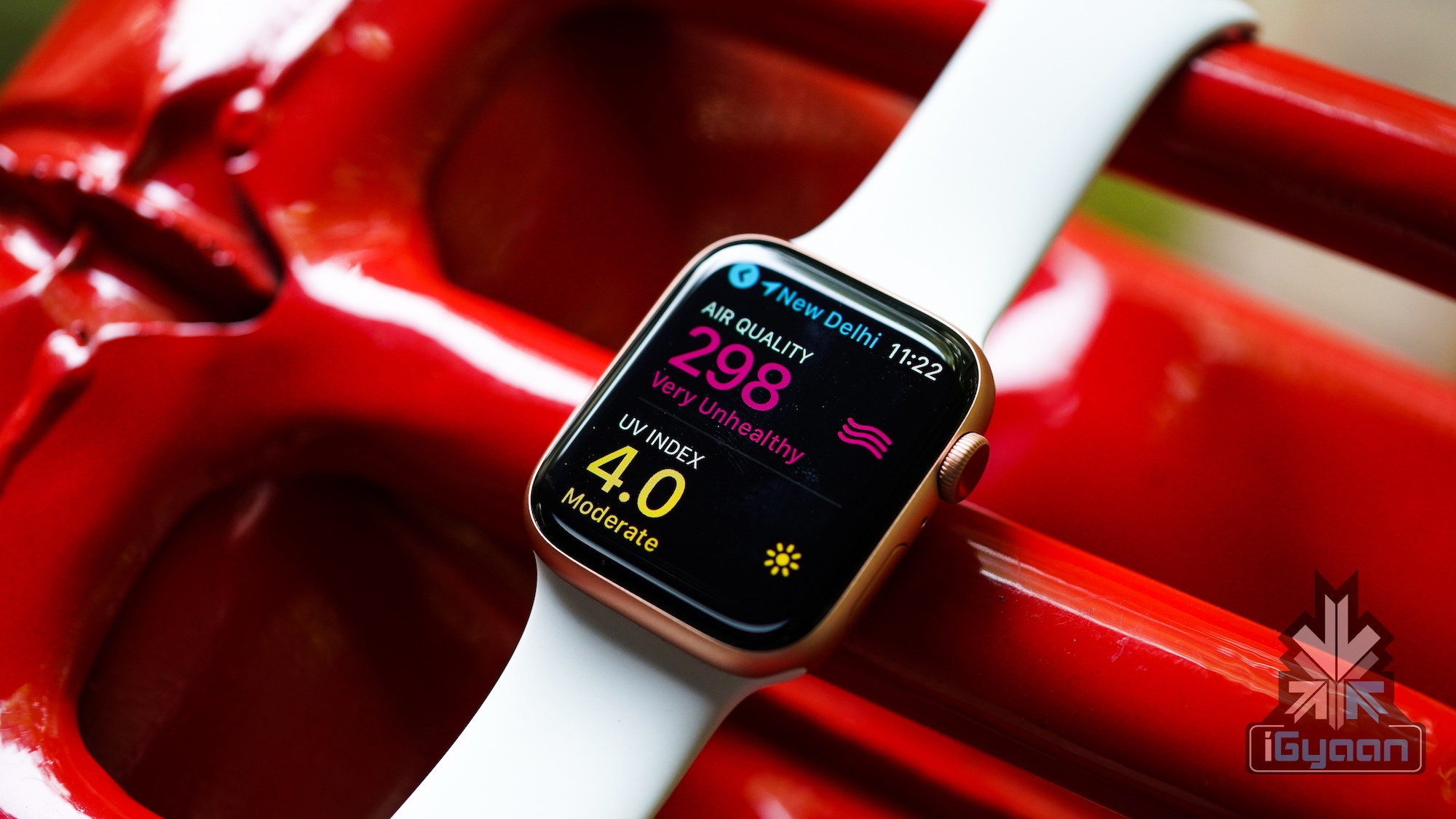
    Smart watches are wearable computing devices that can also be used to tell time, apart from a host of other features. They connect to your phone, or work independently and connect with the help of eSIM cards. Early models of smart watches could perform basic functions such as basic. math calculations, telling time digitally and even playing games.
    Concise History Of Smart watches

    Casio’s calculator watches were legendary and were used widely by many in the 90s. As technology advanced, computers became smaller and smaller, chips and processors became smaller and phones have become smarter. Nowadays, phones and tablets can perform at par or in some cases even outperform computers. Watches took a little longer to change though. In the early years, Seiko who were credited to making the first Quartz Watch – the Seiko Astron, also were one of the forerunners in smart watch technology. Seiko RC series, Timex’s Datalink, Sony Ericsson and Fossil’s MBW-100 were all notable milestones in the journey of smart watches that we have today.
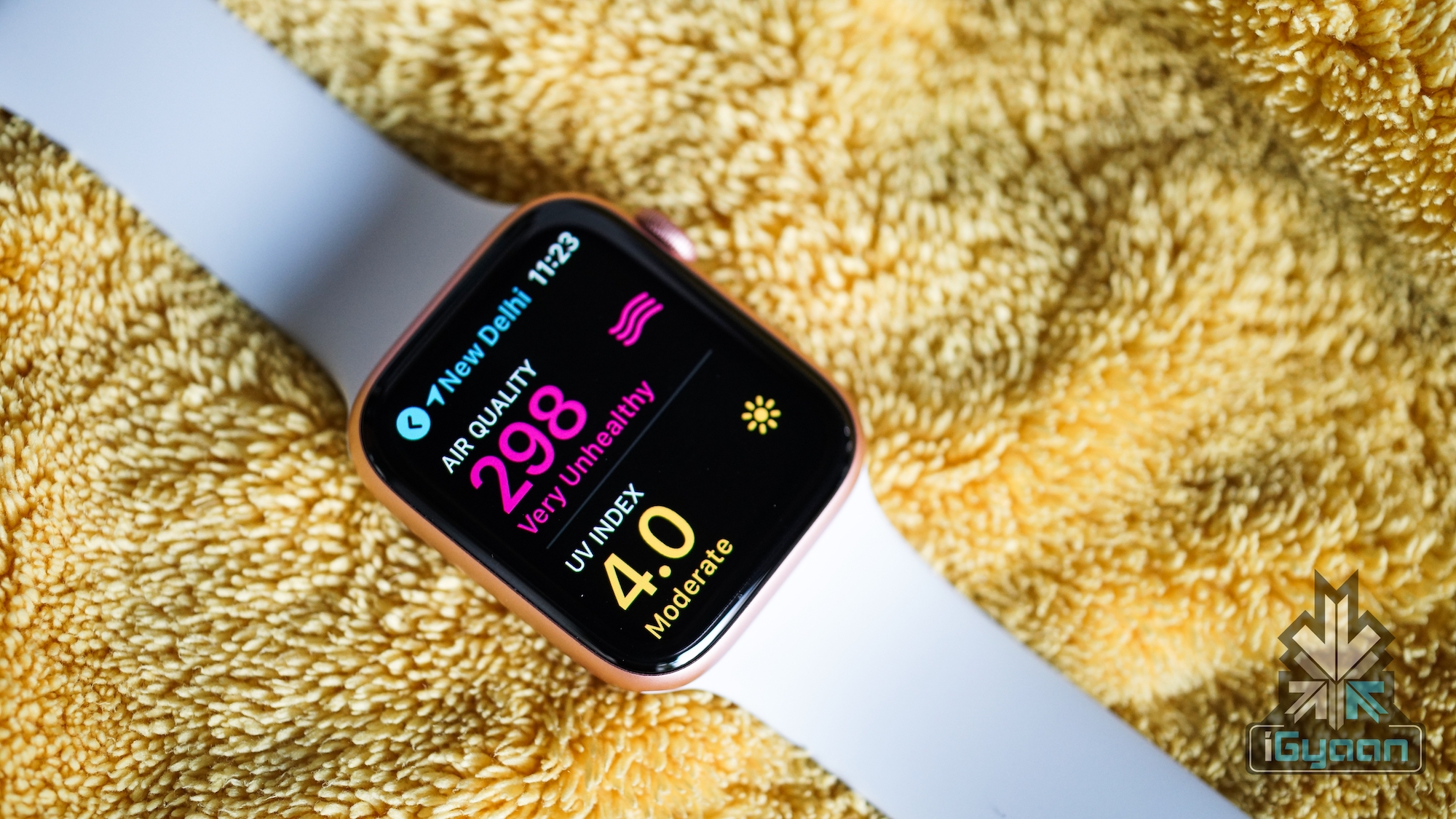
    But these watches were either underpowered or did very little in terms of usefulness. Pebble was also one of the brands that took the smart watch industry further. But many consider Motorola to be the first company to make a quantum leap into the future by introducing the Moto 360, an Android Wear based watch, that finally looked and felt like a wrist watch. With it’s round form factor and removable straps and day long battery, it had a balance of functionality and style, but it still wasn’t enough to be called a breakthrough. Then Apple came along and stole the show and the smart watch industry hasn’t looked back since. 

    What Category Does A Smart watch Fall Into?

    Smart watches have lived a very difficult life. It is neither a watch, not a computer. It is neither dependent completely on phones, neither is it completely independent. This has been a topic for debate for a very long time. Smart watches nowadays can best be described as computers that one can wear, that also tell time.
    Form Or Function?

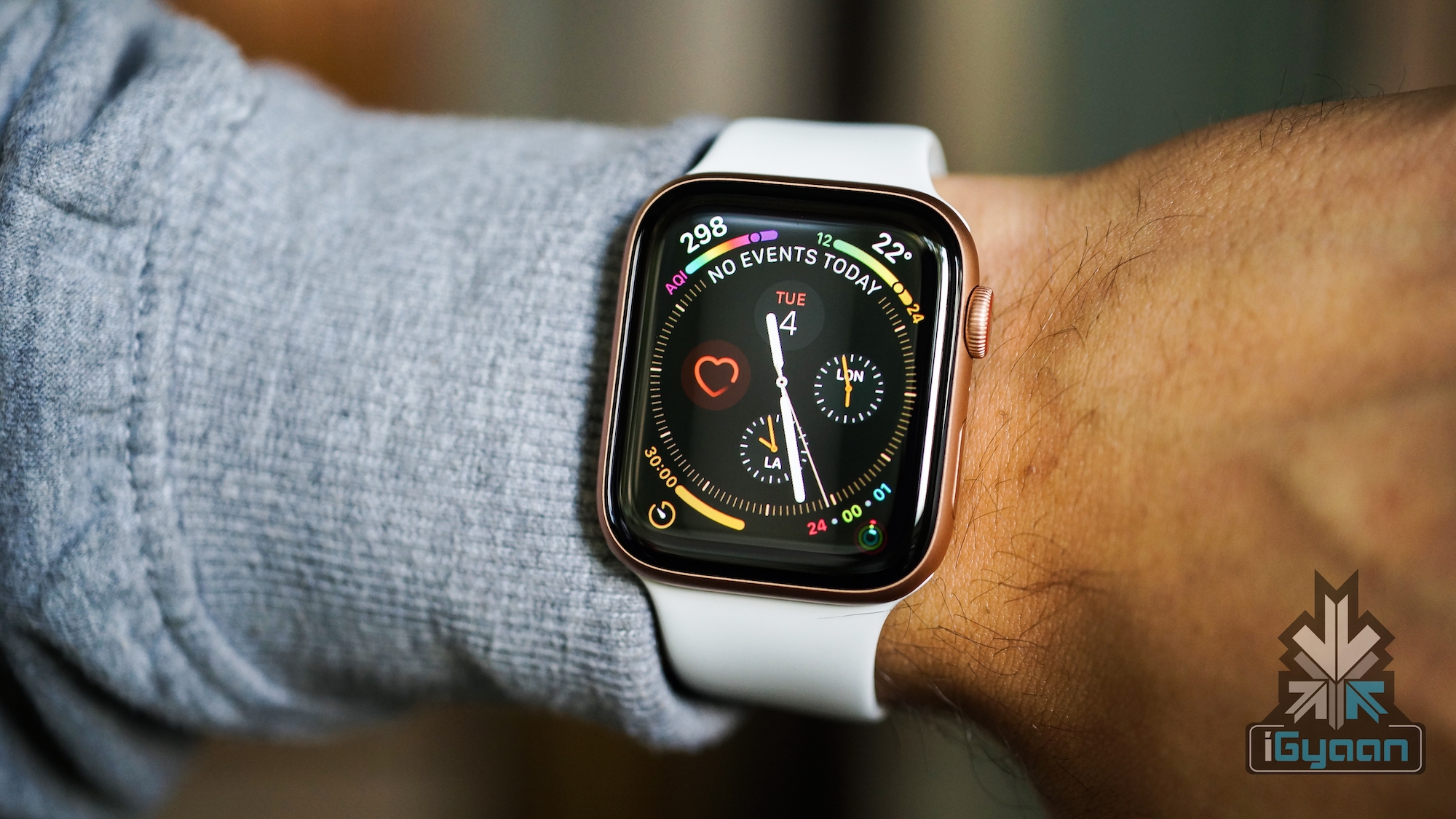
    We have always known watches to be circular in shape, well mostly at least, but a circular form factor restricts the usability of a smart watch. So many manufacturers go the rectangular way. From Zenwatches to the Apple Watch everyone has a form factor that is anything but traditional. These rectangular form factors restrict people with smaller wrists from wearing these smart watches. Most rectangular watches are noticeably smaller or thinner. For example many watches in the Titan Edge collection or even the most expensive ones such as Patek Philippe Gondolo or the legendary Richard Mille RM17 Extra Flat Tourbillon. But as technology improves, these watches are also getting thinner with lesser bezels.
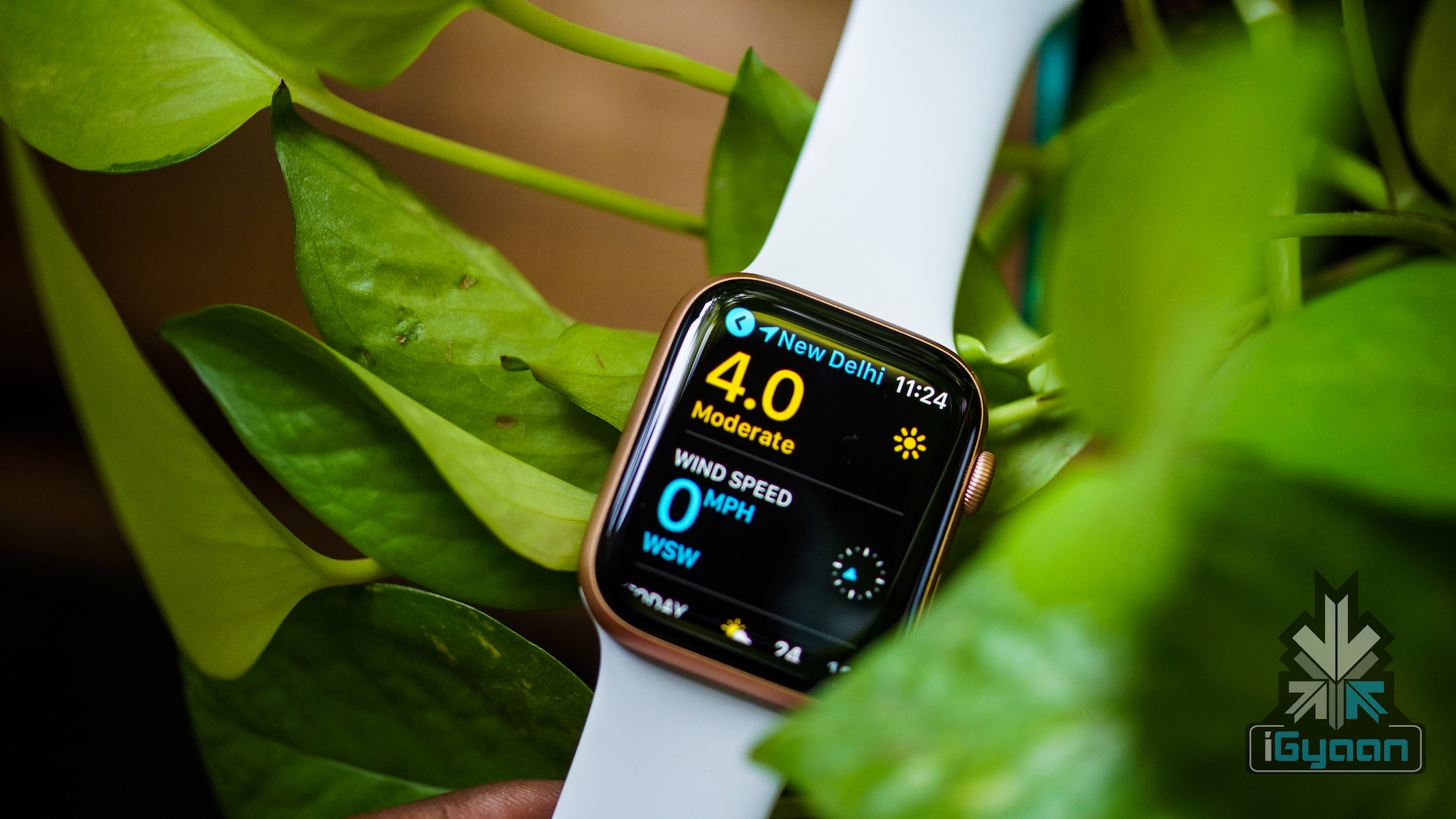
    They have become much more functional even though not a work of art as many Bauhaus inspired watches or most of the Tourbillon watches are. These are, as many horologists joke, timeless pieces of art. But since the inception of smart watches, their gaudy and eccentric looks have changed a lot. A CEO of a company can now look great in an Apple watch without having to worry about having a strange looking device on his or her wrists.

    Functionally, however, these watches do a lot more than just tell time. A modern smart watch can make and receive phone calls, send texts, track your fitness, check your pulse, record your ECG and a lot more. But the question is when and why do we use it. Specially when most of these functions can be achieved by the smartphone in your pocket? Well, there are times when having a smart watch can be extremely useful. Features such as checking your heart rate and recording your ECG can be the difference between life and death.

    While driving a car and stopping at a signal, one can quickly turn their wrist, check their notification and reply without having to take out their smartphone every time. Some smart watches also come with an eSIM feature. This allows the watch to work independently, without requiring a connection to the phone. These allow you to still see and reply to notifications even if you forget your smartphone at home. Sometimes, in meetings, taking out your smartphone to check an important text or notification can seem rude. This is also true for Movie theatres and hospitals and that is where smart watches might be ‘handy’.

    Also Read: eSIM Technology Explained : Why Do More Phones Not Have It?

    So Do We Really Need Smart watches?

    In order to answer the question “So Do We Really Need Smart watches?”, one needs to emphasize on the ‘We’ more than the ‘Need’. Whether or not you need a smart watch depends on who you are. It depends on how you use your smart watch or even your smartphone daily needs to be reviewed. If you are a busy person who needs to be constantly alerted regarding your notifications or if you are driving long distances on a daily basis a smart watch might be great for you!

    If you have had frequent health problems that need to be monitored or are a fitness fanatic, if you forget your phone at home often and a lot more can define your need for such a device. Some may use it as a watch more than a computer and use it occasionally. On the other hand some may use the other features more than the watch itself.
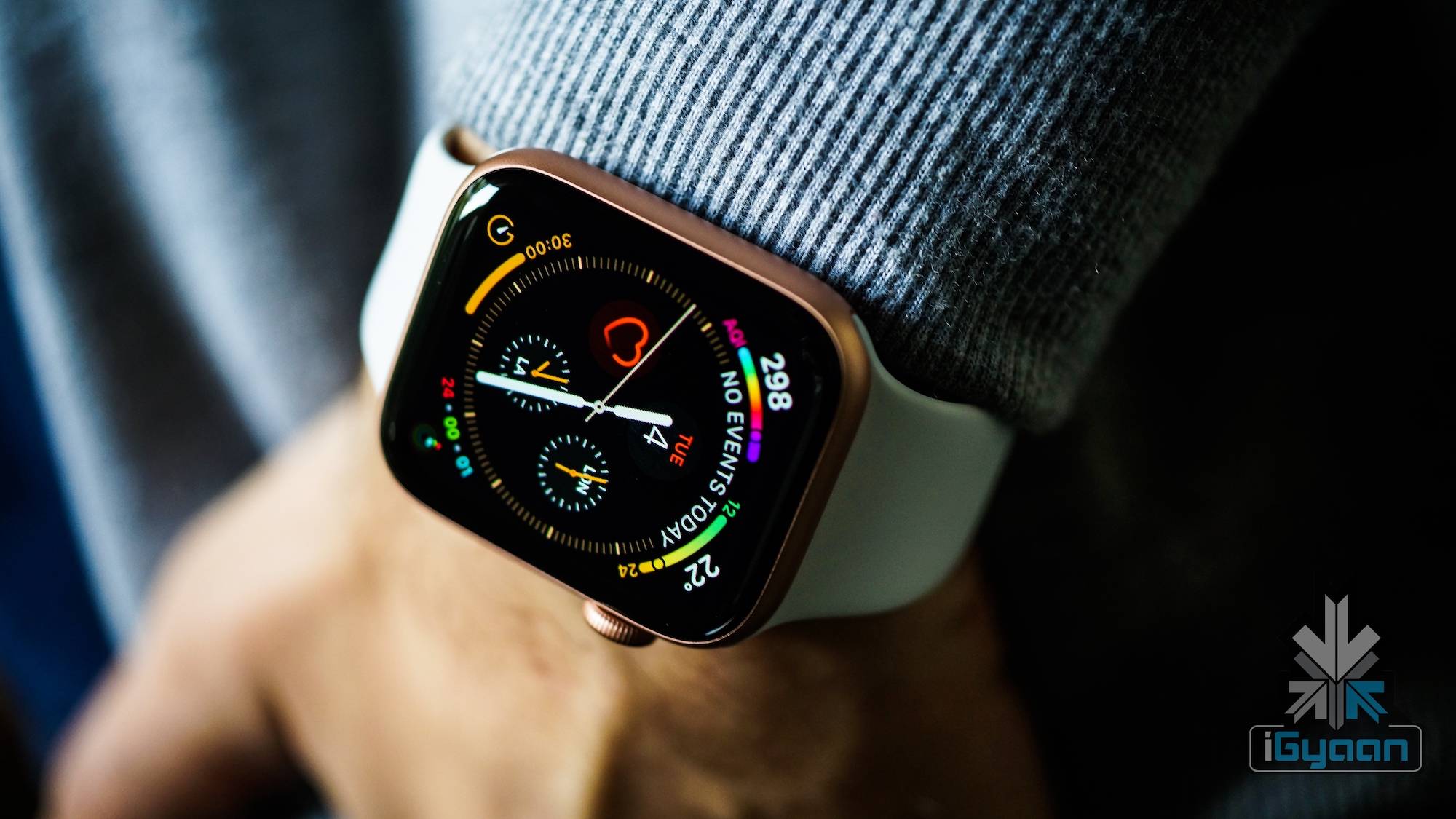
    Even if you feel that you do not need a smart watch at the moment, it is great to learn how to use and operate it. Smart watches are here to stay and they are improving drastically every year. If not today, you might need a smart watch later on in the process. If you are not that tech savvy then you may have to learn a lot about it in order to catch up to this emerging technology. It is best to go to a store, try out a smart watch and then decide. But if you are a light smartphone user or a student, it would be wise to avoid smart watches as they will just stay as a timepiece in your drawer if they aren’t used to their full potential.

     

  • Samsung Launches Galaxy A8s With Infinity-O Notch

    Samsung Launches Galaxy A8s With Infinity-O Notch

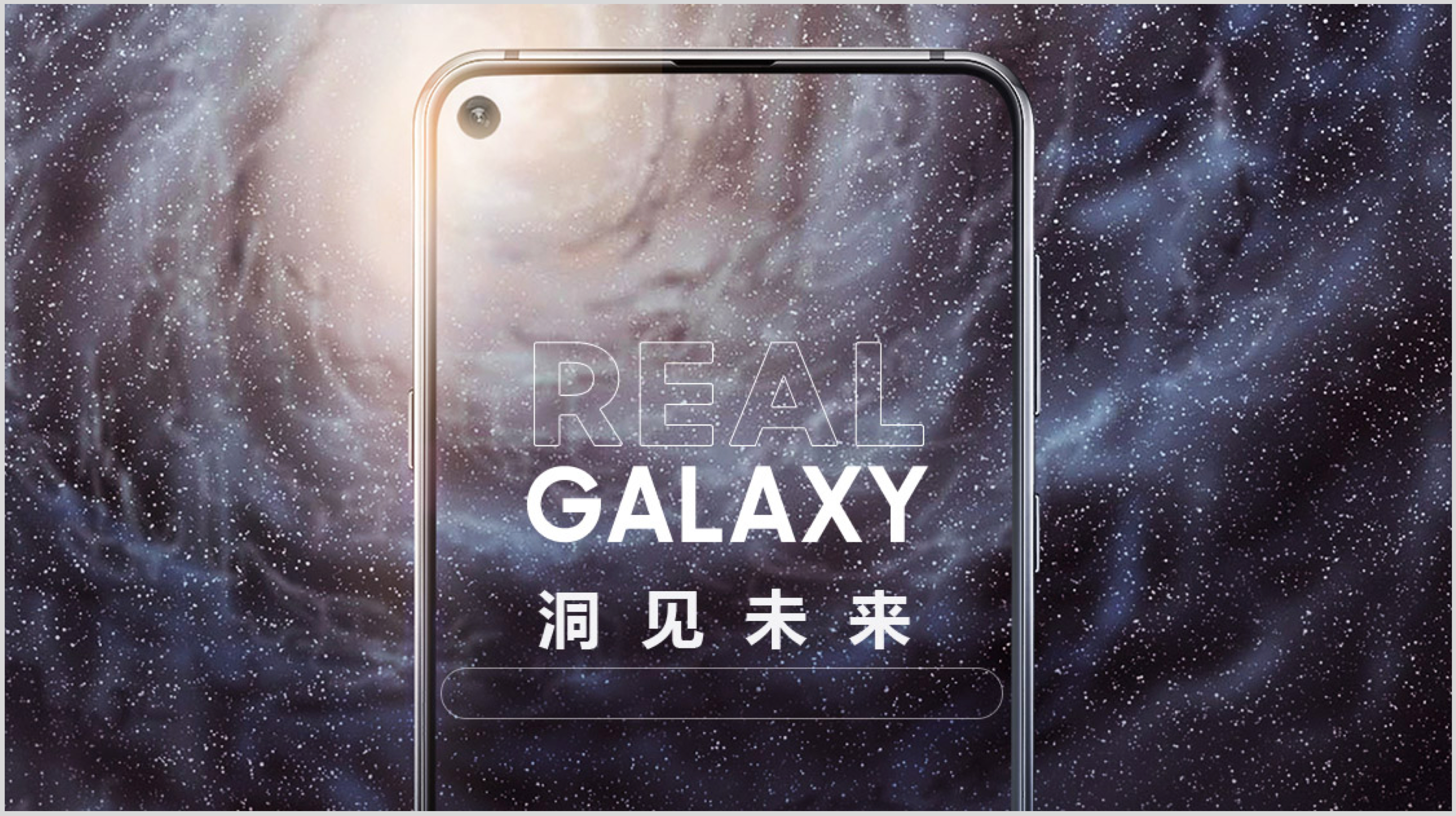
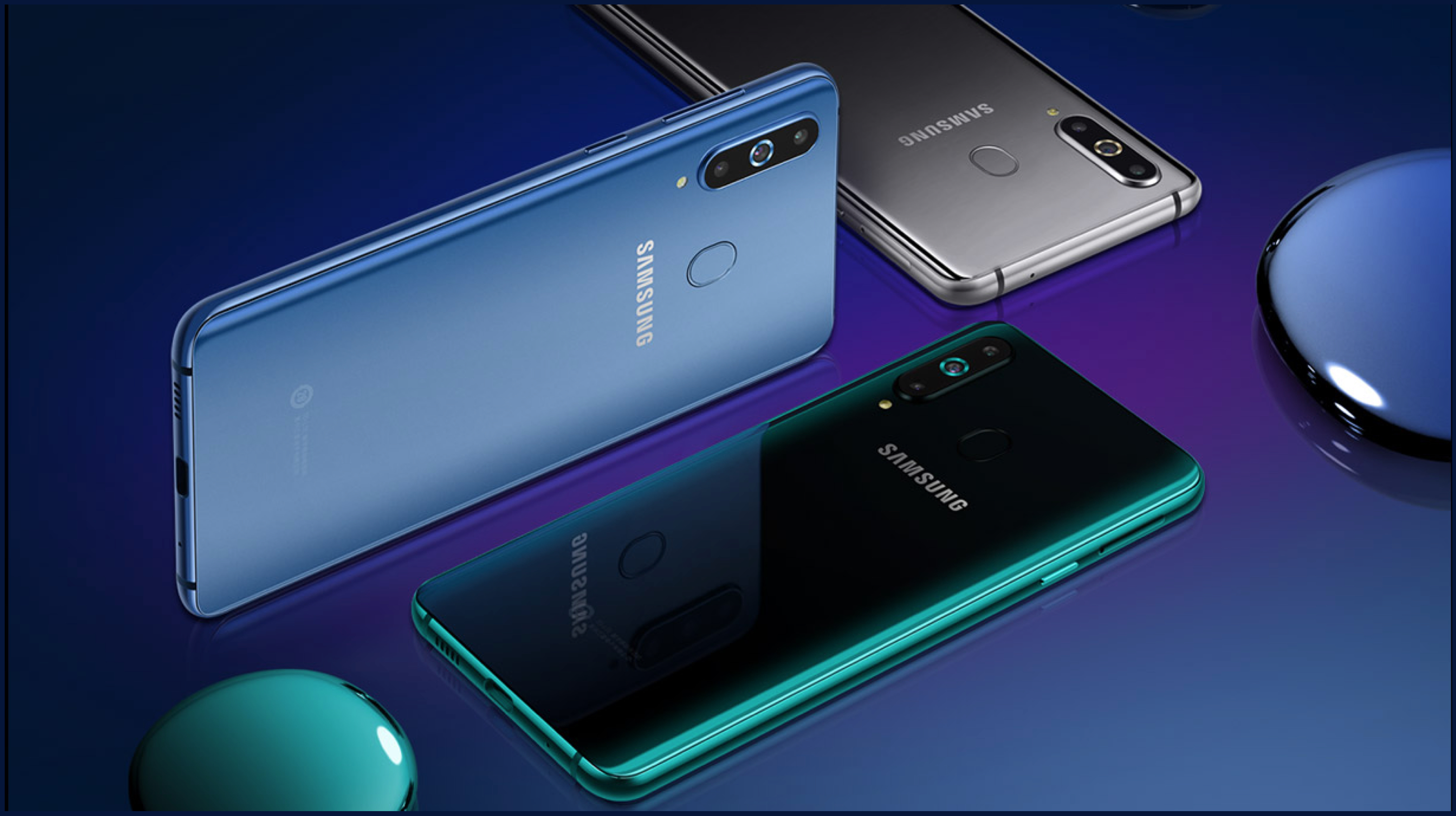
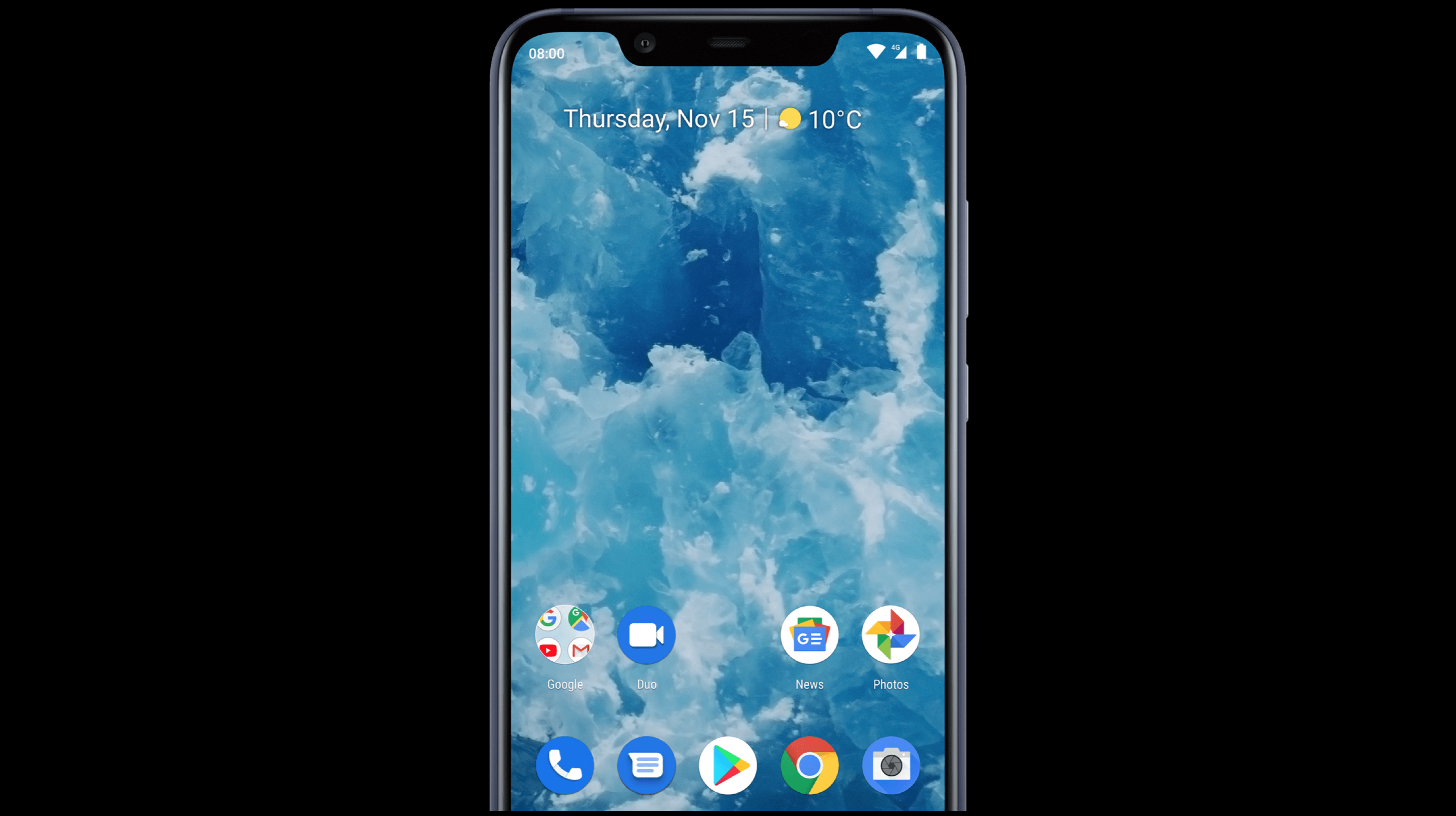
    After a lot of leaks and teasers, the Samsung Galaxy A8s with the Infinity-O notch has officially been launched. The phone was launched at an event that was held in China. It is the world’s first smartphone to feature an in-screen cutout for the front selfie camera.

    Design & Features

    The Samsung Galaxy A8s measures 158.4×74.9×7.4 mm weighs in at 173 grams. The front of the device accommodates a 6.39-inch Full HD+ display with a resolution of 2340 x 1080 px. The power button and the volume rockers sit on the right side of the device while the SIM card slot and the dedicated Bixby button are placed on the left.

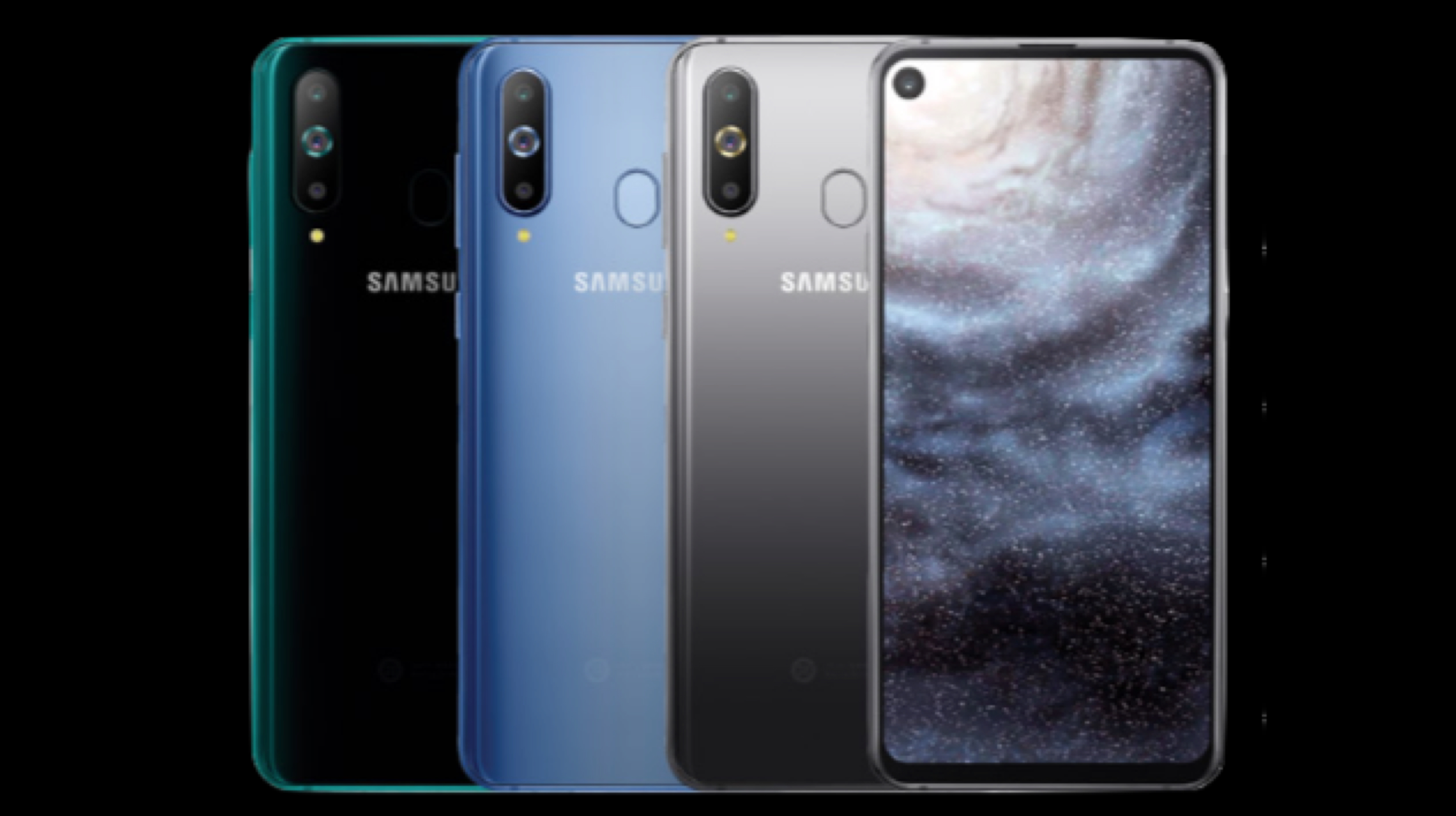
    The rear of the Samsung Galaxy A8s has a gradient coloured glass panel which tapers toward the edges. The rear of the device also houses a fingerprint sensor and triple camera set up along with an LED flash. Talking about the camera sensors, the phone has a 24 MP front-facing sensor which is housed in the infinity-O notch and the rear camera setup consists of triple 24 MP + 5 MP + 10 MP sensors.

    The Samsung Galaxy A8s is kitted with the Octa-Core Snapdragon 710 CPU and the Adreno 616 GPU. The device is powered by a 3,300 mAh battery and it runs on Android 8.1 Oreo. In terms of connectivity, the device supports dual 4G VoLTE, Wi-Fi 802.11 ac, Bluetooth 5.0, and a USB Type-C port for charging and data transfer. The smartphone also gets a bunch of sensors which include a gravity sensor, a distance sensor, and a light sensor.

    Colours & Variants

    Also Read: Top 5 Tech Innovations In 2018

    The Samsung Galaxy A8s is available in three colors which are Silver, Green, and Blue. It is available in a two RAM & ROM storage variant which are as follows:

    • 6 GB + 128 GB
    • 8 GB + 128 GB

    It also supports memory expansion up to 256 GB via a microSD card. The device is currently available on pre-order on Samsung’s Chinese website.

    To summarise, the Samsung Galaxy A8s looks like a solid offering from the company and is expected to perform well in terms of sales.

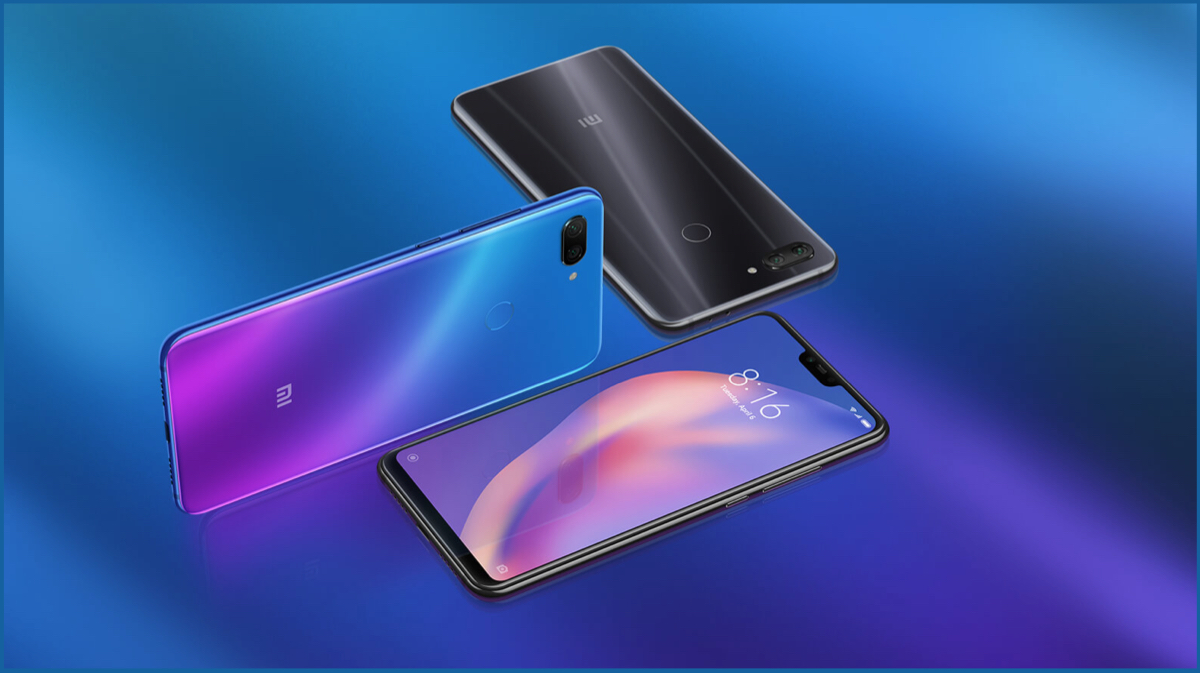
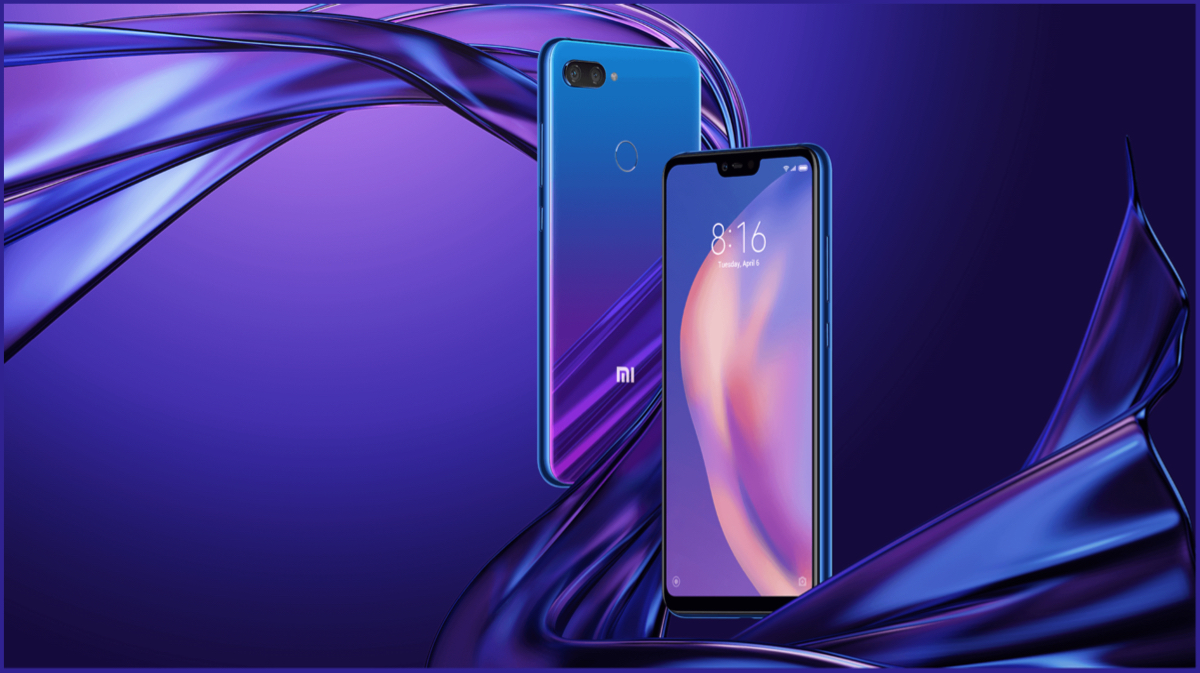
  • Xiaomi Mi 8 Lite Spotted On Geekbench Running Android 9 Pie

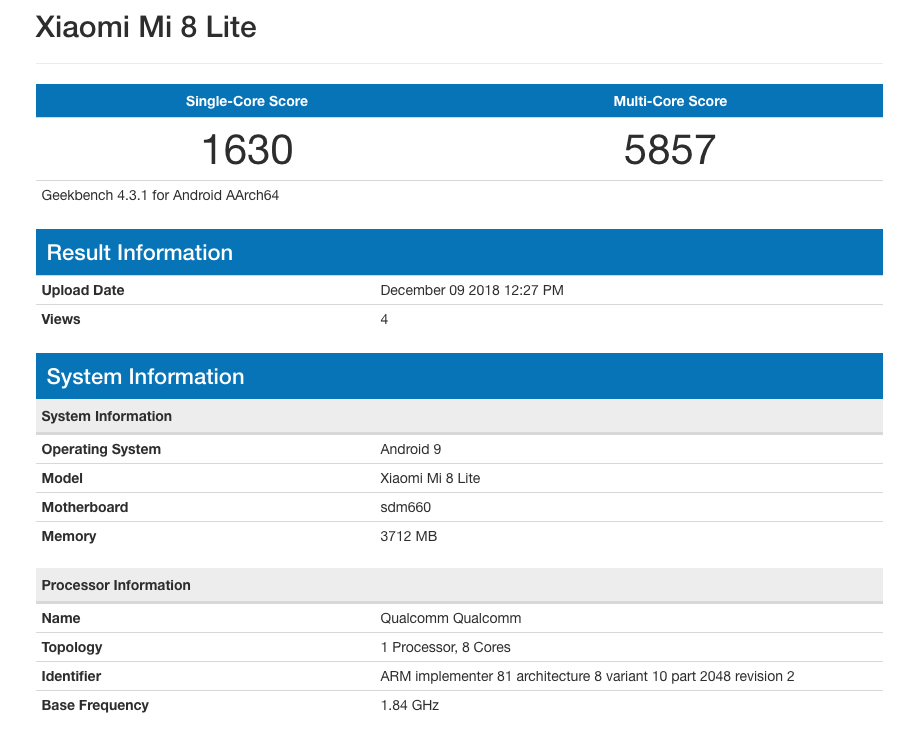
    Xiaomi Mi 8 Lite Spotted On Geekbench Running Android 9 Pie

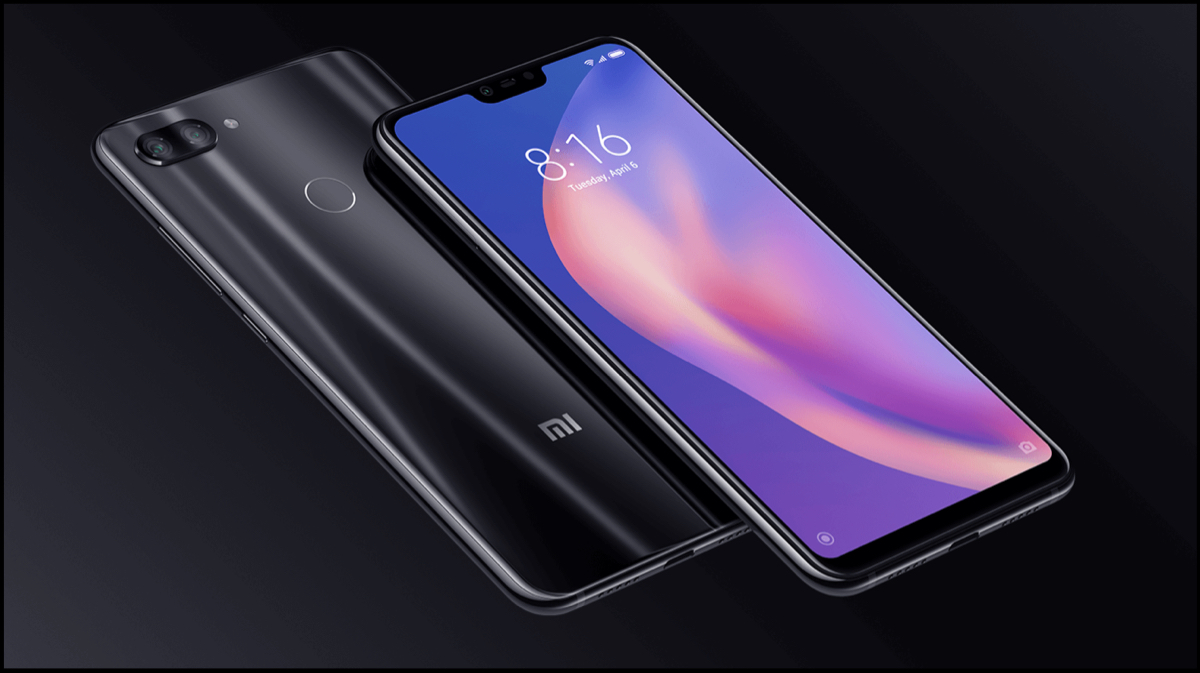
    The Xiaomi Mi 8 Lite which was launched as the Xiaomi Mi 8 Youth in China back in September has been spotted on Geekbench recently and it seems like the phone may come to India with Android 9 Pie out of the box! But there is also a possibility that the company might be testing their MIUI custom skin on some devices. There are a number of different Mi 8 editions as well. They include Xiaomi Mi 8, Mi 8 Explorer Edition, Mi 8 SE and Mi 8 Pro.

    Features and Specifications

    The Mi 8 Lite boasts of a Qualcomm Snapdragon 660 AIE Octa- core processor, up to 2.2 GHz and an Adreno 512 GPU, up to 650 MHz. The phone comes in two different variants which are 6GB + 128GB and 4GB + 64GB. It features a 6.26 inch screen with an aspect ratio of 19:9. The screen has a resolution of 2280 x 1080 with 403 ppi. It is an FHD+ display. On the battery front, it features a 3350mAh power reserve.

    In terms of camera the phone has a 24MP Sony IMX 576f ront camera with 4-in-1 Super Pixel technology and 1.8 micron large pixels. The phone also has a dual camera set up at the back. This includes a 12MP rear camera boasting of 1.4 micron large pixels and a f/1.9 large aperture with Dual Pixel Auto-focus. The secondary camera at the back is a 5MP Samsung S5K5E8 camera with 1.12?m large pixels. The phone can shoot 4K videos at 30 fps. It also shoots 120 fps slow motion video as well as 30 fps stabilised video in 720p and 1080p.

    Also Read: Xiaomi To Launch A Smartphone With A 48 MP Camera In 2019

    The phone supports QC 3.0 quick charging via a USB- C charging port and includes a 5V2A charger in the box. The international versions are available in two colour options, which are Midnight Black and Aurora Blue. However, we will only find out if the phone does have the Android 9 Pie out of the box or not once the phone is launched which is slated to be Dec 26, 2018.


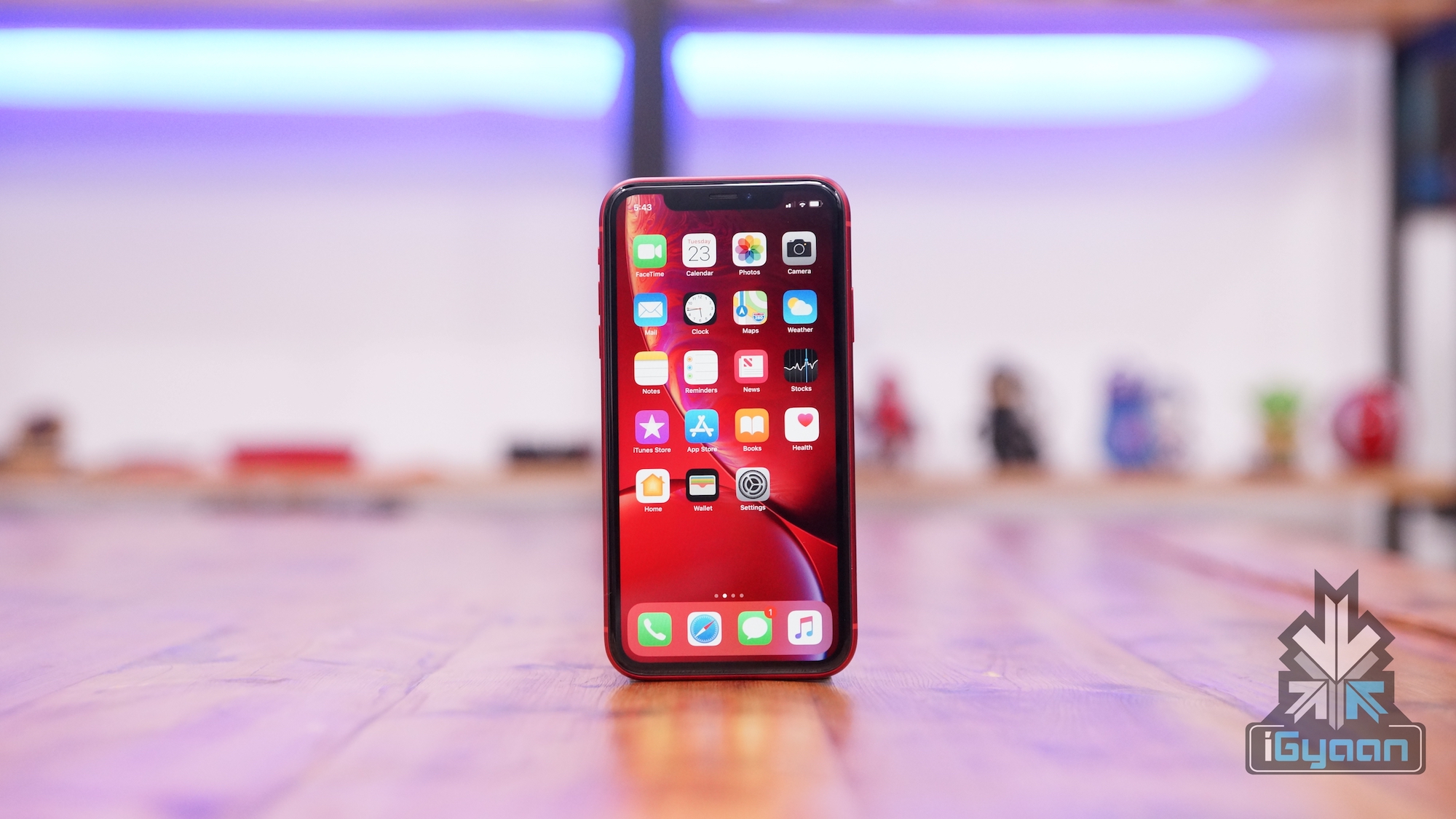
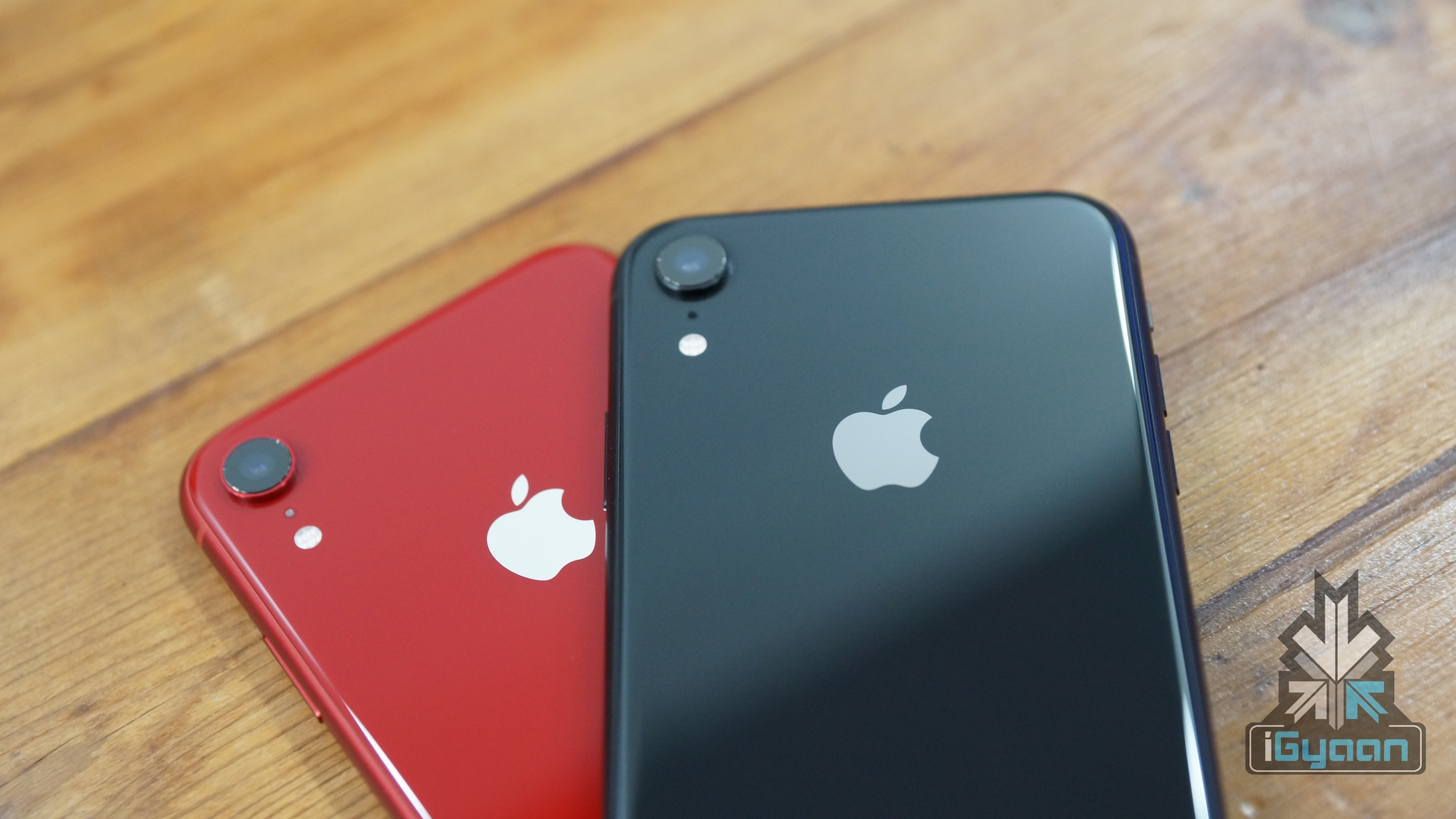
  • iPhone XR Top Ranked Single Lens Camera Phone According To DxOMark

    iPhone XR Top Ranked Single Lens Camera Phone According To DxOMark

    New Test Reports from DxOMark claim that the recently launched iPhone XR have the best cameras in the single lens camera phone category. It is also noteworthy that the latest Pixel devices have not been tested yet by DxOMark which also sport a single lens. Apple launched three new devices this year, namely iPhone XR, XS and XS Max. The XS and XS Max both have two lenses while the XR sports a single lens.

    iPhone XR Camera Specifications

    Specification wise, Apple has not cut corners when it comes to the camera of the iPhone XR even though it is at a lower price point. The camera features a 12Mp f/1.8 sensor with 1.4µm pixel pitch. It boasts of a 26mm f/1.8 aperture lens with optical image stabilisation, phase-detection autofocus, and a dual-tone LED flash. The phone also has a Quad-LED dual-tone flash. It shoots 4K videos at 24/30/60 fps and 1080p videos at 30 fps at default settings.

    Camera Test Results

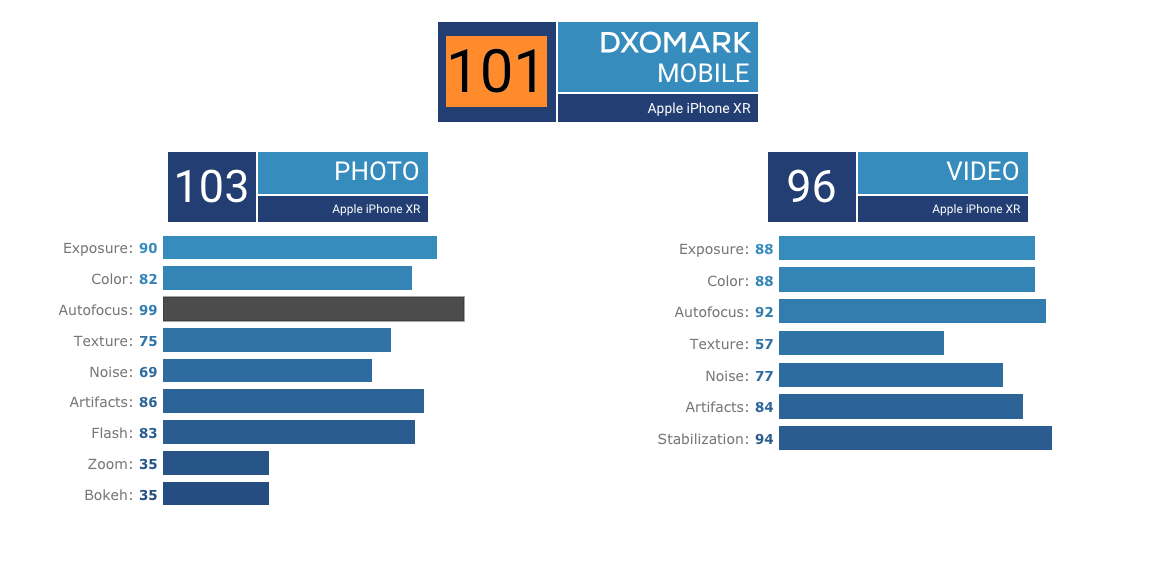
    According to DxOMark, their scoring system involves it’s engineers capturing and evaluating over 1500 test images and more than 2 hours of video both in controlled lab environments and in natural indoor and outdoor scenes, using the camera’s default settings. When the iPhone XR was put under the scanner, it emerged with an overall score of 101. The iPhone XR’s photo score was 103 points and Video score was 96. This gives it a total score of 101 in the camera department.

    According to the camera test, the iPhone scored excellently in Autofocus, Artifact removal (which in turn means sharper pictures in low light without artifacts) and Flash. The Bokeh and Zoom of the camera topped out at 35 points. This is a little low when it comes to scoring on the DxOMark. The camera, according to DxOMark produces vivid and pleasant colours in most situations. But it is said to display fine grain luminance noise in indoor and low light conditions.

    DxOMark, on their website, stated that the iPhone XR had a great dynamic range in outdoor videos along with very good colour rendering and white balance. It also showcased excellent stabilisation with low residual motion. However, they also remarked that slight instabilities were noticeable in exposure and white balance under changing lighting conditions. This might mean shooting videos at a concert or a party that has rapidly changing lighting may be a little difficult.

    It will be interesting to see how the Pixel 3/3XL fares in the DxOMark reviews when it comes out but the iPhone XR’s single camera performance sure will be a touch cookie to crack.

  • Top 5 Tech Innovations In 2018

    Top 5 Tech Innovations In 2018

    Humans have reached an era where technology is growing faster than ever. We are able to innovate and develop new technologies that were previously only considered fantasy. The year 2018 has been remarkable not only in terms of new breakthroughs but a lot of old technologies which are now consumer ready. Here is a list of five such technologies that are as revolutionary as they sound.

    In-display Fingerprint Sensor:

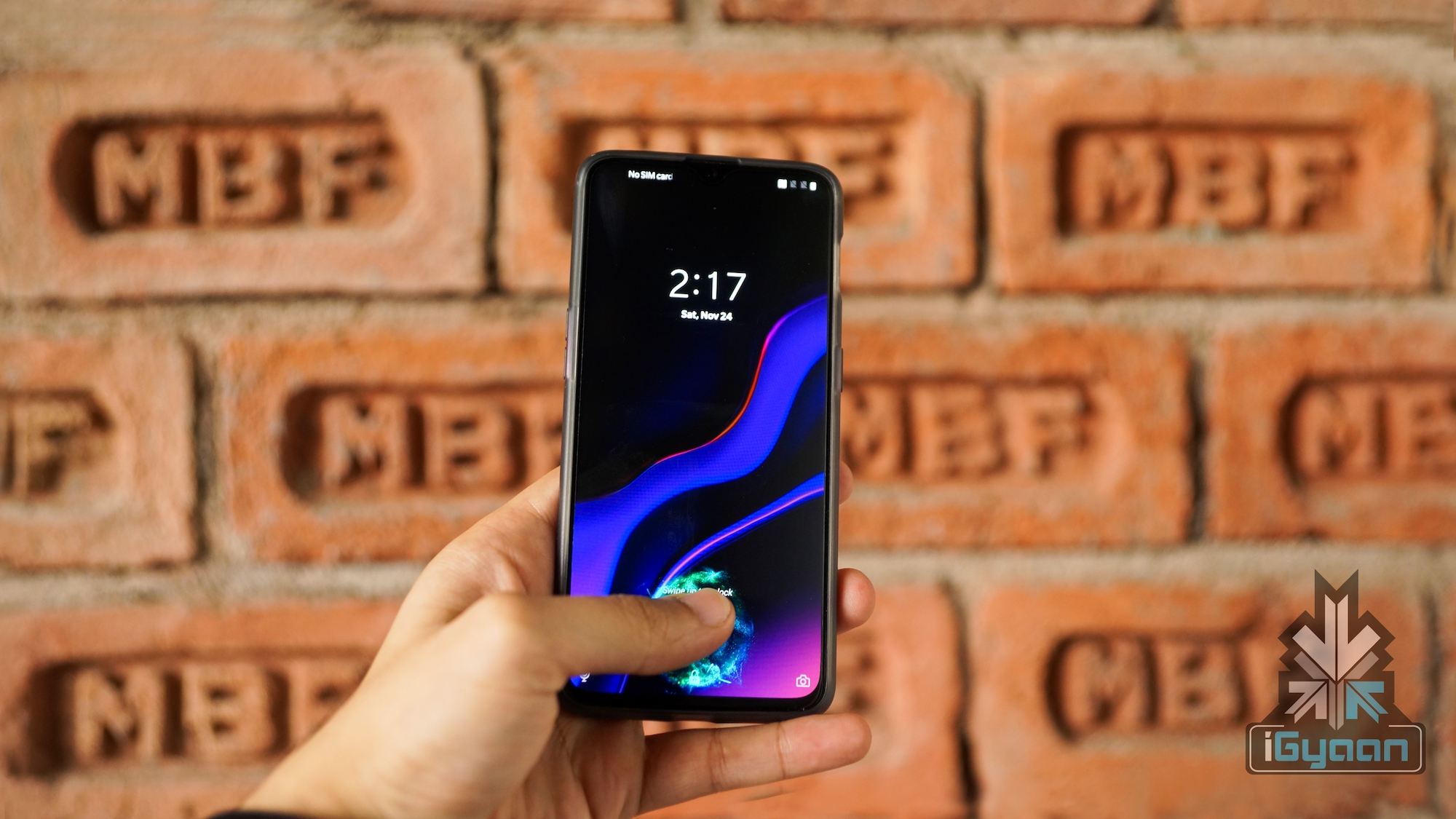
    Fingerprint recognition technology has been around since the early 70s. However, the equipment to record and verify the fingerprint was bulky and difficult to carry. But with the advancement of technology, engineers are able to shrink the size of these sensors greatly. In the past decade alone, these sensors have shrunken so much that they can now be integrated into modern day smartphones. Apple was the first company to feature this tiny engineering feat on their smartphones (iPhone 5S). Now, this technology has matured so much so that they can now be equipped under the display of a smartphone.

    Vivo was the first company to launch a smartphone (Vivo X20 Plus UD) with an in-display fingerprint sensor which was not globally available. OnePlus launched the OnePlus 6T smartphone with an in-display fingerprint sensor which is globally available. Fingerprint sensors are available in four types which are as follows:

    • Optical Scanner
    • CMOS Scanner
    • Ultrasound Scanner
    • Thermal Scanner

    The Current in-display fingerprint sensors make use of the Optical Scanner technology. These types of scanner are quite secure but cannot match the accuracy and speed of an Ultrasound Scanner. Qualcomm, an American chipmaker has readied a fingerprint scanner that uses sound waves to record and identify the ridges of a human fingerprint. This technology can match biometrics even if the user’s hands are dirty or oily as sound waves can penetrate these substances and accurately verify the correct fingerprint. The reason we don’t have a commercial phone with this technology is the high price of technology. However, future smartphones will feature this technology.

    Commercial 3D Printing

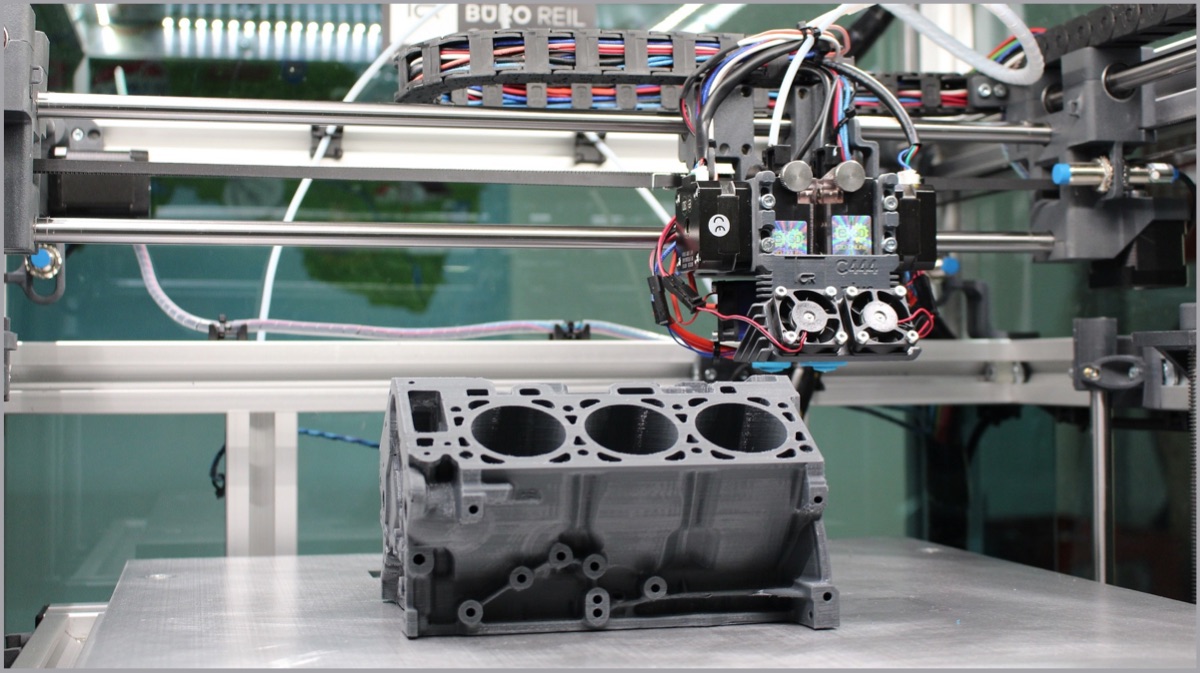
    3D Printing is a process of making a three-dimensional tangible object that works by laying multiple layers of a material in succession. The first manufacturing equipment and filaments for 3D printing were seen in the 1980s. The technology then was only limited to plastics and polymers. Over the years, scientists have experimented with various materials that can be 3D printed. A handful example of  3D printing technology includes concrete buildings, plastic parts, food, and even metal parts.

    3D Printed Shoes

    The shoemaker Adidas has collaborated with Carbon 3D inc, a 3D printer manufacturing company to launch a shoe with a 3D printed midsole. Carbon makes use of Stereolithography (SLA) which is a form of 3D printing. The printer UV projects a laser in a bath full of resin which hardens it a forms the desired shape. Till now SLA was only used to manufacture large industrial parts because of its slow speed. Carbon has now managed to control the amount of oxygen which plays a major role in forming a part. The combination of laser projection and controlled oxygen has allowed the company to create high-resolution parts rapidly.

    The Adidas AlphaEdge 4D is made to order as per the size and shape of the customer’s feet. The shoes are very lightweight and flexible which provide a lot a comfort to its wearer. Adidas claims without the use of 3D printing it is not possible to make such a midsole. As the current injection molding technology is incapable of producing such a complex shape. Most companies currently mass-produce shoes, and therefore, the customer needs to settle with existing sizes that are available in the market. But, 3D printing can reshape how shoes are made in the future. In the future, one would walk into a store and get a custom shoe made in no time. Furthermore, if the technology evolves, even more, the whole shoe including the outsole and the upper part can be 3D printed.

    Artificial Intelligence

    AI(Artificial Intelligence) is also referred to as machine intelligence. It is a concept with which the machines can make decisions themselves without much interference from humans. Artificial intelligence ranges across a wide variety of platforms like speech recognition to language translation to visual perception. AI is a branch of computer science that involves the development of computer programs which would otherwise require human intelligence. Developers intend to create algorithms that can self-learn by understanding the actual functioning of that particular field.

    AI In Smartphones

    Modern day smartphones have AI algorithms which allow for better system optimastion. The smartphones are able to analyse the usage patterns and enable or disable features which can prolong the battery backup. Additionally, smartphone cameras also have AI scene detection. The devices are able to select the best scene modes dependent on various aspects like the subject and the amount of light.

    Blade-Less Air-Flow Technology

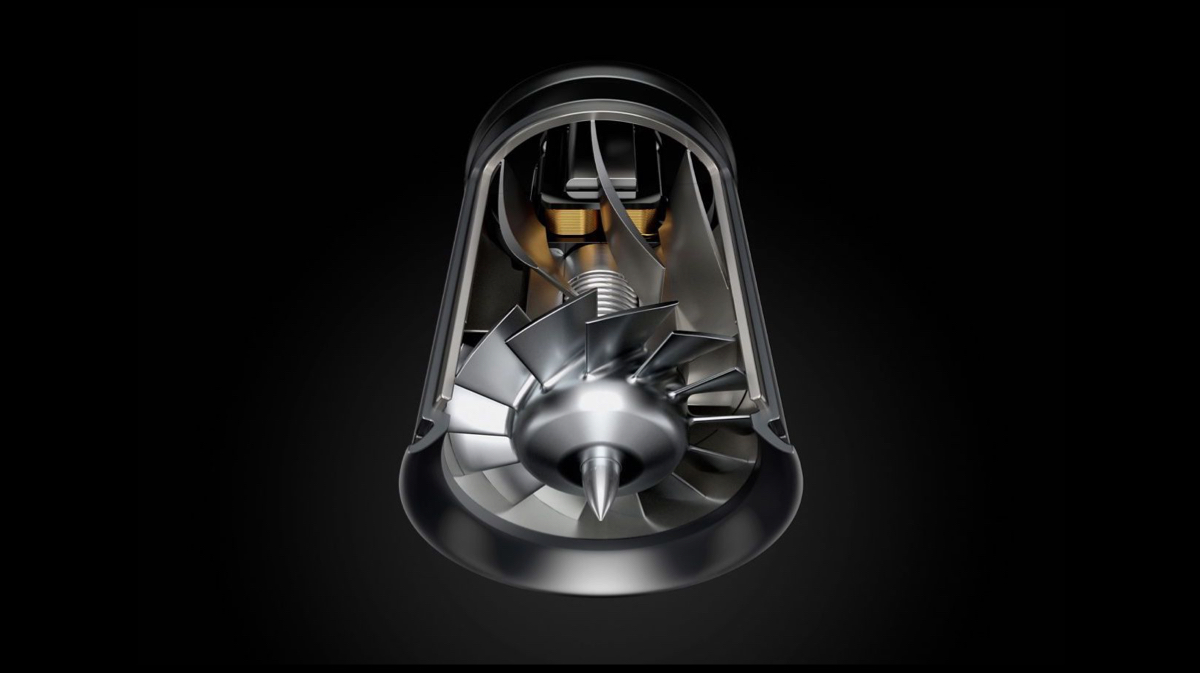
    Dyson was founded in the year by 1991 a British inventor, James Dyson. James Dyson redesigned the induction motor and the air impeller. This redesign allows Dyson products to pump air without a visible fan blade. The exit vent is designed in such a shape that it creates a vacuum-like effect. This vacuum-like effect forces in up to 15x air than what was originally pumped by the impeller.

    Dyson Bladeless Hairdryer

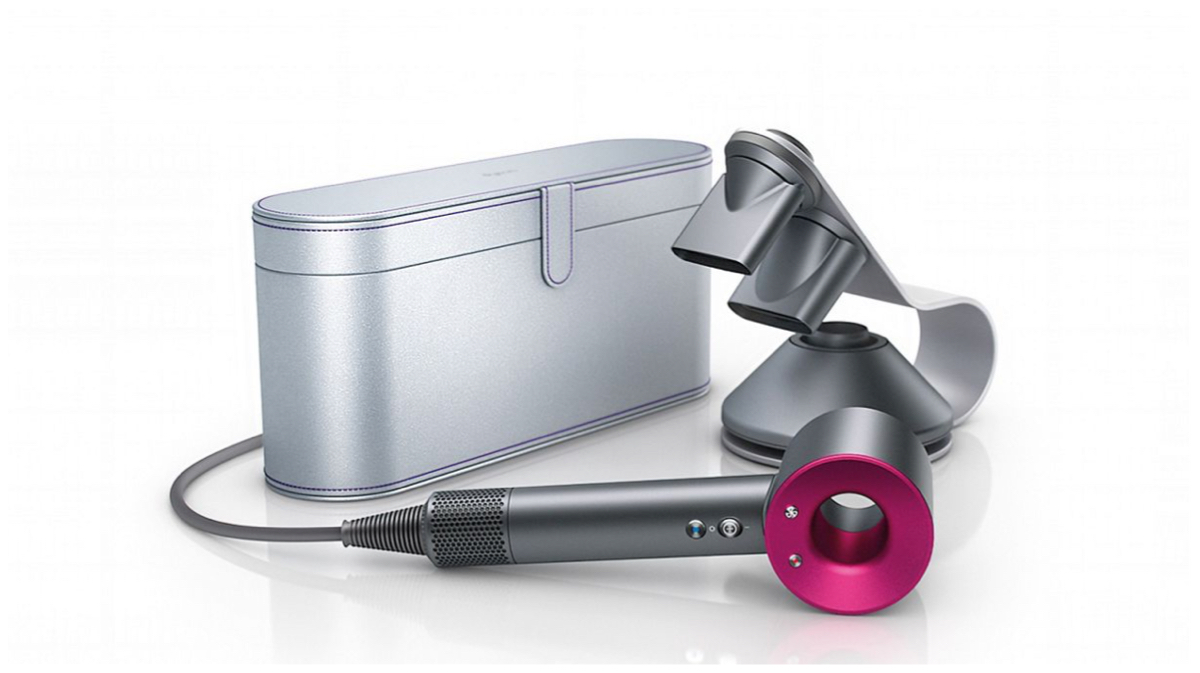
    The Dyson Supersonic bladeless hairdryer has a hollow vent that blows hot air. It has a small turbine motor in the handle which can reach speeds of up to of 1,10,000 rpm (rotations per minute). It also has a built-in temperature sensor which connects to a microprocessor. The sensor and processor duo continuously measure the air temperature and ensure that they stay under 320 Fahrenheit. As air above this temperature has a tendency to damage the hair.

    Airless Tires

    Airless tires, unlike the conventional tire, do not have an inner tube and do not use compressed air to the create cushion like effect. Rather its side walls are made in the shape of a mesh which provides the cushion required to drive comfortably on roads. It is of great use in heavy vehicles that work in non-paved terrain. As the sharp rocky surface can easily puncture a normal tire.

    Michelin Tweel

    Michelin first started developing an airless tire back in 2005. The company has dubbed their airless tire as Tweel. The word Tweel is derived from the combination of two words ‘tire’ and “wheel”. Although, the company showcased their early prototypes in 2013-2014 the commercial product was released in 2018. The current range of tires is available for devices like ATV’s (All Terrain Vehicles), Forklifts and Golf carts. The wheels are designed in such a shape that they also act as shock absorbers for heavy vehicles. The technology looks promising and if it can match the life and stability as regular tires they will make their way on to transportation vehicles and cars.

  • Spider-Man : Into the Spider-Verse: Who is Miles Morales?

    Spider-Man : Into the Spider-Verse: Who is Miles Morales?

    In the year 2011, (with the Ultimate Comics Spider-Man) Peter Parker , the Ultimate Spider-Man met his demise. Someone needed to step up and so someone did. The replacement came in the form of the young Miles Morales. In the fourth issue of Ultimate Comics Fallout miniseries, fans got a glimpse of the Miles Morales’ Spider- Man’s costume. They did not know who it was under the suit or the origin of the new hero. Brian Michael Bendis and Sara Pichelli, the writers of the Miles Morales Spider- Man later debuted the hero. An Afro-Latino teenager, Miles is the second Spider-Man to appear in Ultimate Marvel. Let’s discuss what we know about Miles Morales, his origin story and his super powers.

    Origin Story

    Oscorp scientist Dr. Conrad Markus uses Parker’s blood to recreate the formula that created Spider-Man. The Prowler (Aaron Davis, played by Childish Gambino in Spider- Man: Homecoming ) steals the formula. One of the spiders created by Markus crawls into the Prowler’s duffel bag when he is stealing the formula from the lab. Miles Morales, Prowler’s nephew and a grade-schooler , is bitten by the spider during a visit to Aaron’s apartment. This is the origin story of Miles Morales’ Spider- Man.

    [blockquote]Guys-who-say-they’re-not-the-Avengers, assemble!

    -Miles Morales (Earth-1610)[/blockquote]

    The story pretty much goes into the same Miles Morales discovering that he could climb walls and sense immediate danger using his spider-sense. He did have two other powers that the original Spider- Man did not possess, but we will talk about it later in the article. Seeing the way mutants are treated in the modern world, Miles felt reluctant in accepting his newfound powers, and with it, great responsibilities. With Peter Parker’s death, and after an impressive fight with Electro, Miles decided to do the right thing. He donned a black and red version of the Spider Man suit.

    Fan Reception Of Miles Morales

    The character of Miles Morales gained popularity for the same reason that Peter had gained popularity back in the day. The character was relatable and extremely intelligent and witty. There was a huge difference in opinions when the character was first introduced however. Being an Afro-Latino teenager, some fans felt the decision was an attempt by Marvel Comics to be politically correct. Some also felt that the introduction of a minority Spider-Man was simply a publicity stunt to attract more readers. This was also seen when Iceman from Marvel Comics and Batwoman from DC were written to be LGBT superheroes. Deadpool is famously known to be Pansexual. But Miles Morales gave the minority a voice and young kids a ray of hope. As did Black Panther.

    Superpowers of Miles Morales’ Spider- Man

    Miles Morales was bitten by a slightly different spider, genetically speaking, compared to Peter Parker. He does possess the superpowers that Peter Parker did. These include superhuman strength, great eye sight, ability to cling on to walls, shooting spider webs and a spider-sense. However, Miles’ spider- sense is not as strong as Peter’s as it only alerts him of immediate danger. Miles Morales also possesses two new superpowers. One, is the ability to camouflage himself, including his clothing, to match his surroundings and the other is called Venom Strike.

    Now, the venom strike is not actual venom but a feature in his gloves that deflects energy through any material which both the Spider- Man and his enemy is in contact with, this includes his webbing. Miles can also up the ante by using what he calls a ‘Mega Venom Blast’ which is a more powerful version. When using this, Spider- Man’s eyes glow with yellow energy. This energy explodes outwards in a radiant burst and can deflect multiple attacks from enemies.

  • Here Is How Water Cooling On Modern Smart Phones Works

    Here Is How Water Cooling On Modern Smart Phones Works

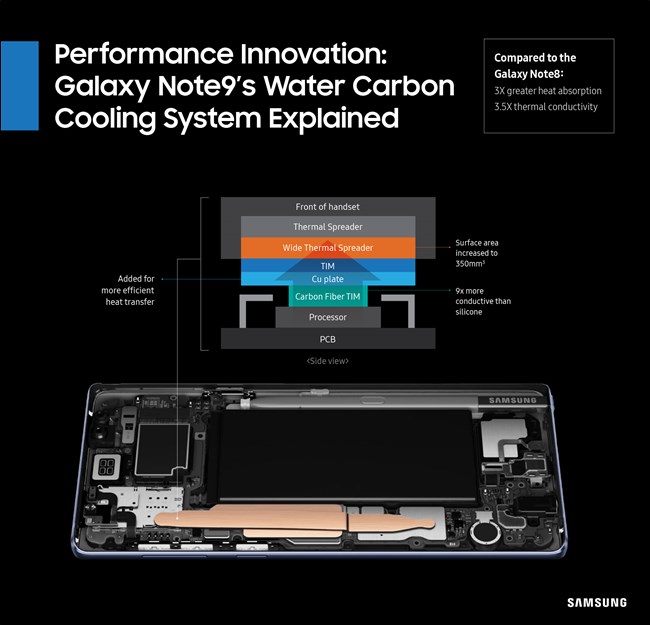
    Water cooling or liquid cooling has become a unique selling proposition for phones these days. And at times it turns out to be nothing more than a marketing gimmick. Liquid cooling has been around for a long time for personal computers which are gaming oriented. This kind of cooling was introduced because gaming PCs get heated up due to their high performance requirements. It is one thing to have water or liquid cooling on PCs which have a lot of space to work around, but on a phone space is a huge constraint.

    Why Use Liquid

    Air cooling, which had been the choice of many, isn’t as efficient as Liquid cooling when it comes to computers and mobile phones. Air cooling requires a lot of fans. And fans take up space. A typical gaming PC with air cooling will have case fans, graphics card fans, and a CPU fan. Same goes for phones. The phones have several holes  to dissipate heat. These try to keep the insides of the CPU cool, but on the other hand, liquid cooling requires coolant-filled tubes, a radiator, water blocks  which are the equivalent of heat sinks and a few other small components. On normal phones without liquid cooling, the processor is generally under-clocked so that it generates less heat. The generated heat is dissipated through the body of the phone which makes the body of the phone hot while playing games etc.

    What Liquids Are Used

    Water, deionised water, glycol/water solutions, and dielectric fluids such as fluorocarbons and PAO are the heat transfer fluids that are most commonly used. Most phones use water. The amount of water used is so less, it is essentially always in vapour form, which is why these systems are also called vapour cooled systems.

    Do Phones Need Liquid Cooling

    Smartphones running just fine even two or three years back on normal air cooling/ heat dissipation coupled with under-clocked CPUs. But with smartphones becoming thinner and users demanding more and more performance from their smartphones, heating suddenly became a major issue. NEC Medias X 06E was the world’s first water- cooled phone. But around 2015/2016, Nokia introduced the Lumia 950XL and Samsung introduced the Galaxy S7; both water- cooled phones. Phone cooling has changed and improved a lot since then. Phones can perform much faster and the CPU can even be over-clocked if liquid cooling is used. The ASUS ROG phone, which has an overclocked cpu uses this form of cooling.

    How Does It Work

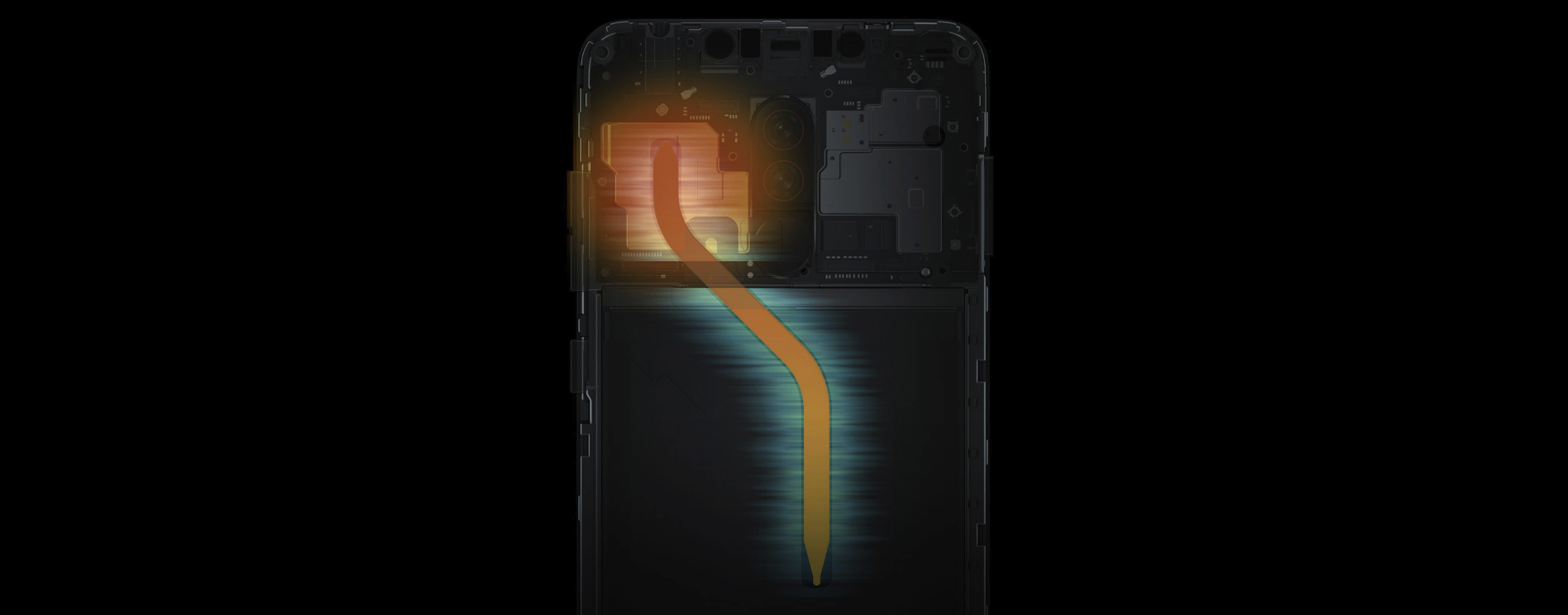
    Phones use a copper thermal heat pipe to distribute the heat and move it away from the CPU. This kicks into play when the phone is performing high intensity tasks. These may include tasks like gaming or even media playback. The copper tube has a very minuscule amount of  liquid. The liquid is not even enough to see if the tube is cut open. The cooling happens through condensation. Condensation is the process of vapour turning to liquid when cooled.

    As the processor heats up, the liquid heats up and turns into vapour, thus absorbing the heat from the CPU. This vapour then moves to the opposite end of the heat pipe. This end is further away from the CPU and is considerably cooler. The vapour dissipates the heat thus turning back into liquid form.  This process is continuous and works well to dissipate and disperse heat from a concentrated area to a much larger area thus cooling the entire system faster and more efficiently.

  • First Renders Of Sony Xperia XZ4 Compact Leak Online

    First Renders Of Sony Xperia XZ4 Compact Leak Online

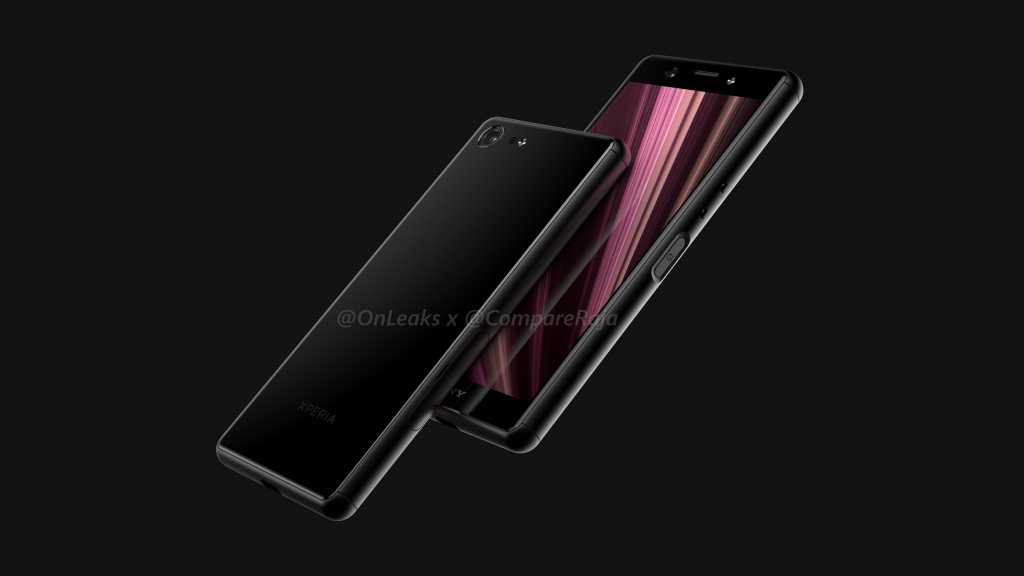
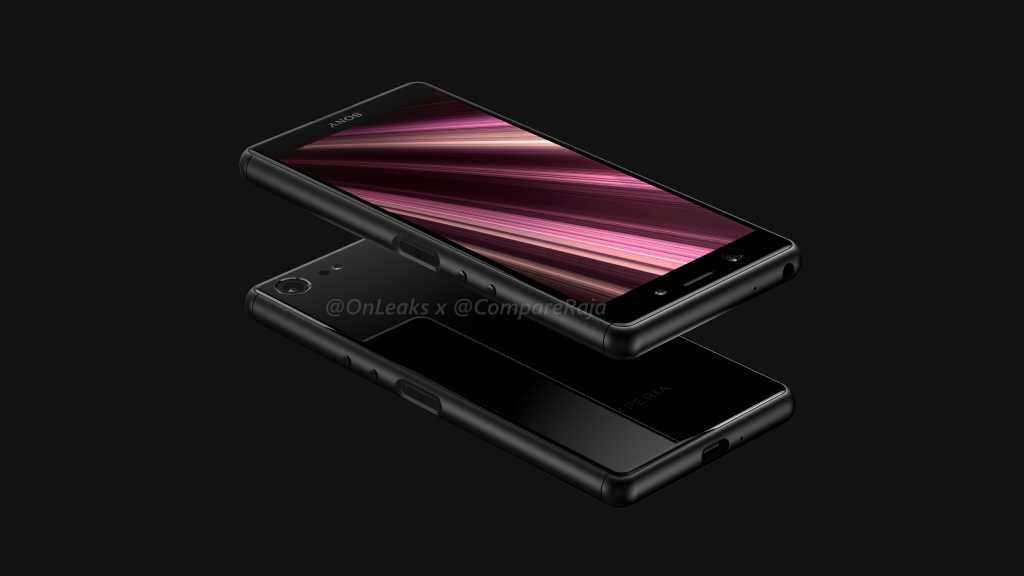
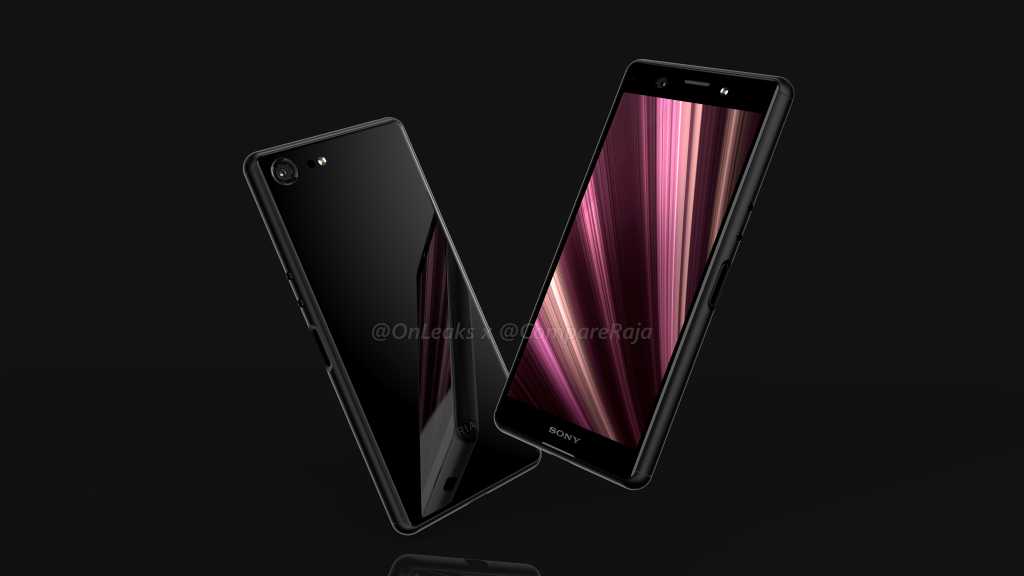
    Sony Mobile in early 2018 launched their XZ3 smartphone and the CAD renders of its successor, XZ4 Compact have leaked online. The device carries the Compact suffix which states that it is a lower spec variant of the Sony XZ4. Initial renders of the XZ4 compact indicate that it will be a midrange smartphone.

    Xperia XZ4 Compact Design

    The front and rear of the Sony XZ4 Compact appear to be made out of glass. The display of the smartphone is surrounded by thick bottom and top bezels. The top bezel accommodates the earpiece and the front-facing camera along with the LED flash, while the bottom bezel carries the company branding and the secondary front firing speaker. The right side of the smartphone is occupied by the volume rockers and the power button. Although it is not official, the shape of the power button suggests that it might double as a fingerprint scanner. The 3.5 mm audio jack and the microphone pinhole are placed on the top while the Type-C USB port for charging and data transfer is on the bottom.

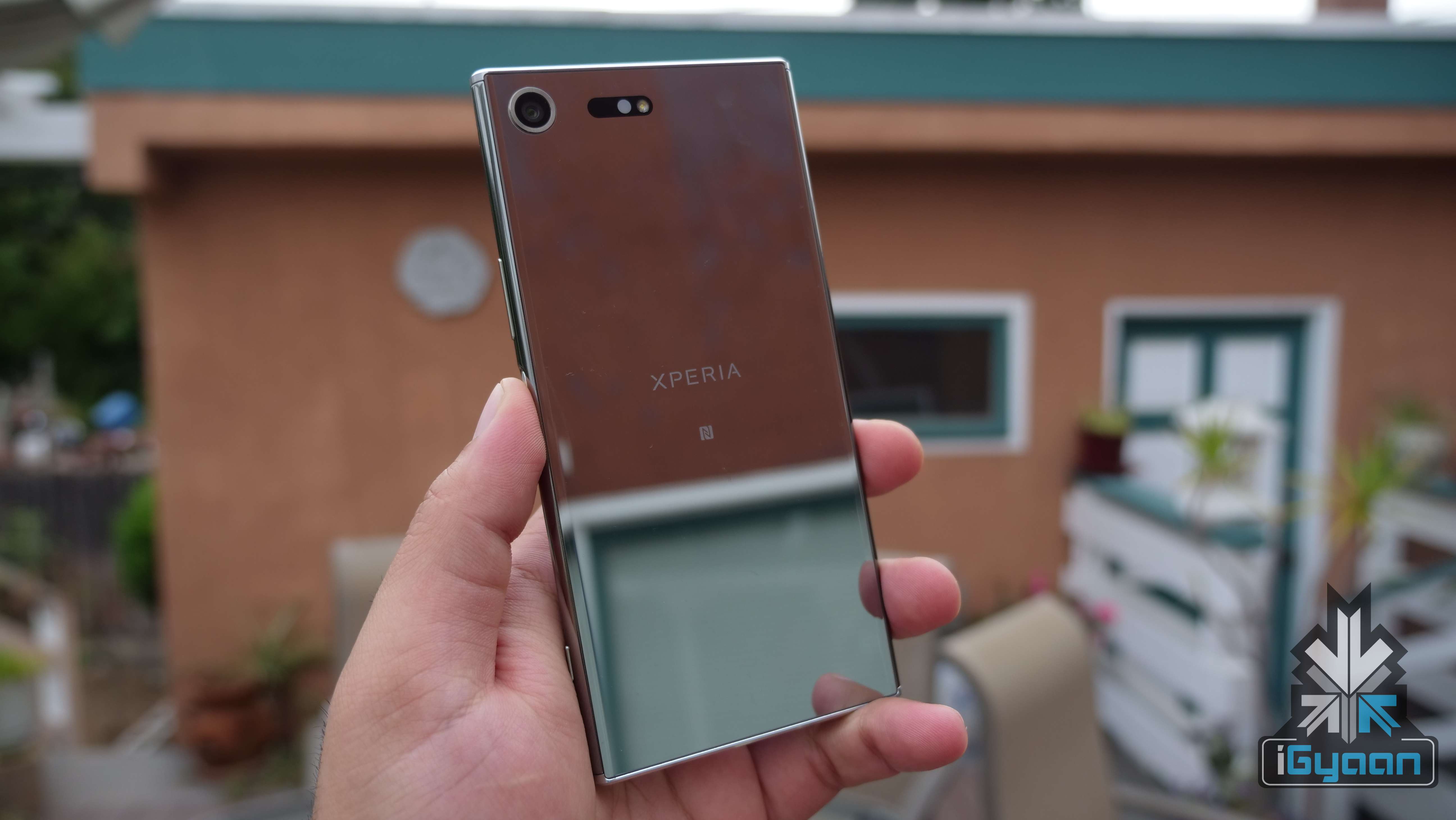
    The Sony XZ4 Compact has curved sides and edges which will provide for an ergonomic graspability. The rear glass panel of the device harbors the XPERIA logo and the rear facing camera along with the LED flash. While the official dimensions of the smartphone are not available, according to the leaker, OnLeaks the device measures 139.9 x 66.5 x 9.3 mm.

    Specifications

    The leaks do not provide any precise information about the specifications of the Sony XZ4 Compact. But the renders confirm the following specifications:

    • Single Front Camera
    • Single Rear Camera
    • USB-C Port
    • 3.5 mm headphone jack
    • Dual Front Speakers

    Whilst the launch date of the smartphone is currently unavailable, the renders indicate that it will launch soon.

  • Qualcomm Unveils Snapdragon 8cx SoC for Windows 10 Laptops

    Qualcomm Unveils Snapdragon 8cx SoC for Windows 10 Laptops

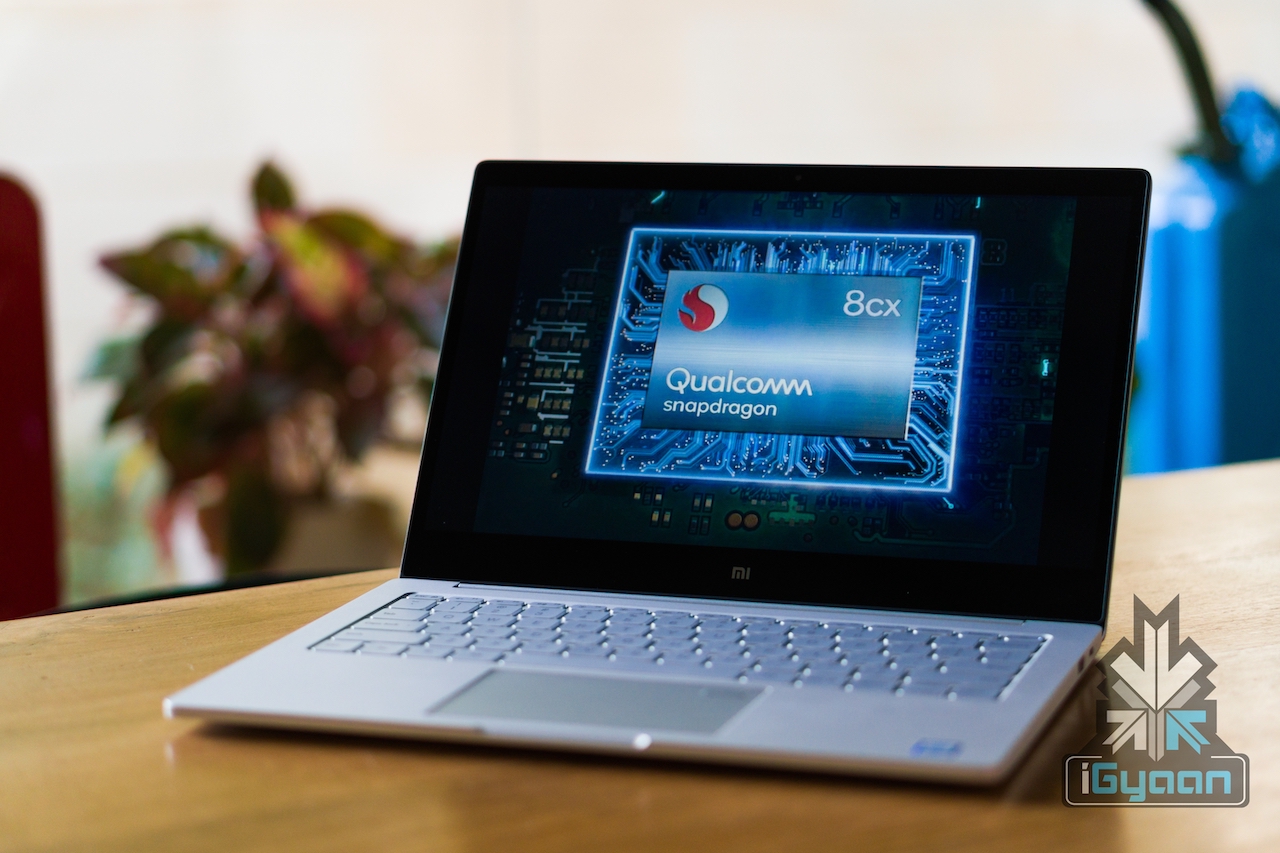
    After dominating the smartphone market, Qualcomm is looking forward to taking on the Windows computer industry. In a recently held Snapdragon summit in Hawaii, the company has announced their first purpose-built chipset for laptops. The new chipset gets the Snapdragon 8cx moniker and is a successor to the previously showcased Snapdragon 850. The Snapdragon 850 was a just a tweaked Snapdragon 845 which is a mobile chipset. However, the Snapdragon 8CX is designed to meet the requirements of a high-end Windows computer.

    Snapdragon 8cx

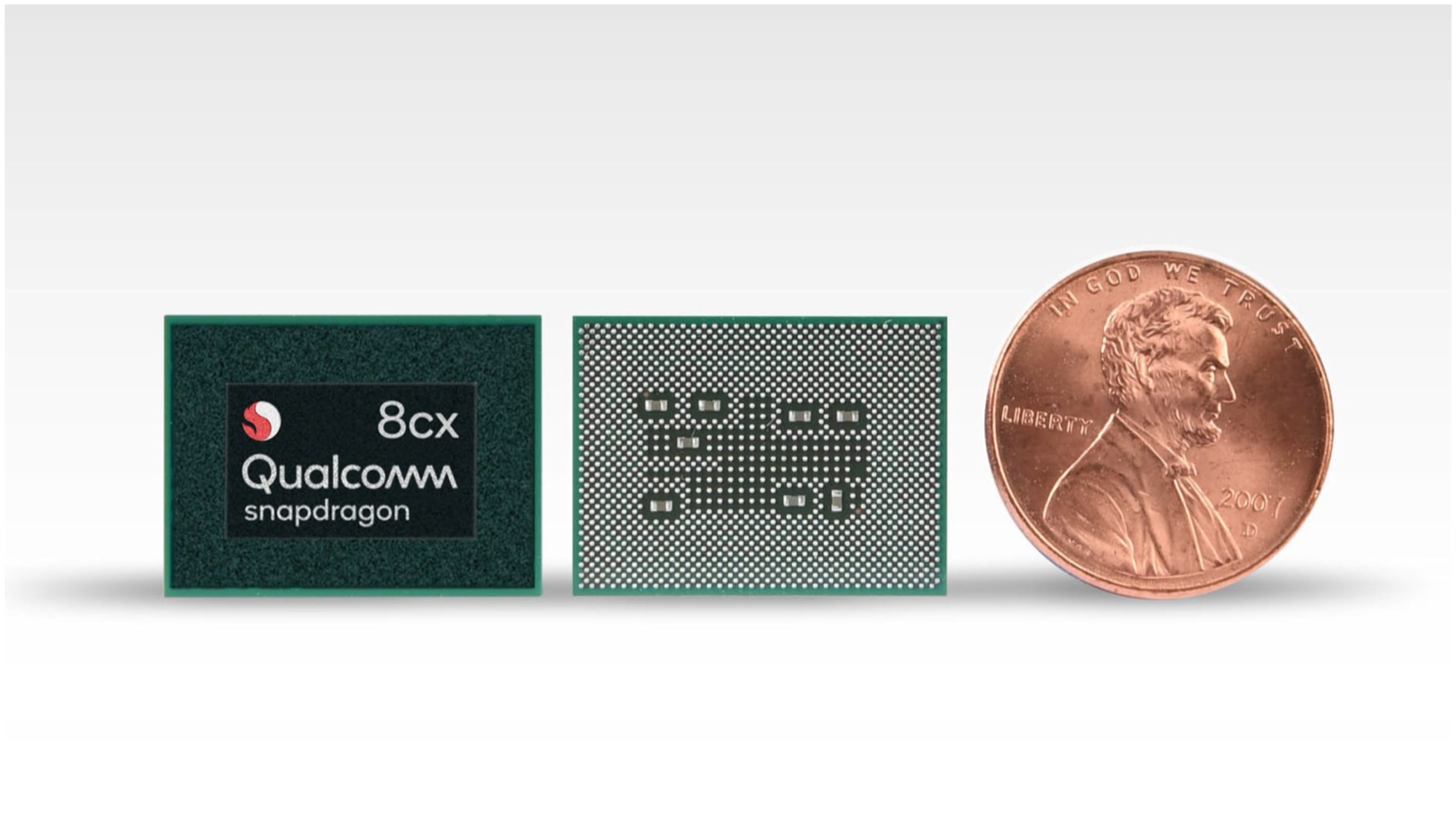
    The Snapdragon 8cx comprises of Octa-Core Kryo 495 CPU’s and Adreno 680 GPU. Both CPU and GPU are integrated into a single chip which provides better multi-tasking performance and highly efficient graphics memory bandwidth. The latest Snapdragon 8cx is manufactured using 7nm FinFET technology. Therefore, it will be more power efficient than other chipsets like AMD and Intel.

    Qualcomm addressed that the “cx” suffix in the Snapdragon 8cx stands for “compute” and “extreme”. According to the company, the Adreno 680 GPU can easily handle dual 4K HDR displays and it will have hardware acceleration for 4K HDR video playback at 120fps. For high-speed internet connectivity, the Snapdragon 8cx also accommodates the Snapdragon X24 Modem. Theoretically, it can support download speeds of up to 2Ggbps and uploads of up to 316  Mbps. 

    The Snapdragon 8cx being a complete system on a chipset also gets Bluetooth 5.0, NVMe SSD support and fast charging support. It has a built-in Hexagon 685 DSP (Digital signal processor) which will enable support for voice assistants like Cortana.

    Need Of An ARM Laptop Chipset 


    ARM is a company that designs CPU cores which are used by other companies to develop their chipsets as per their needs. Unlike Intel’s X86 and AMD 64, ARM cores are designed with efficiency and space conservation in mind. Following are the benefits of using an ARM chipset on a PC:

    Also Read: Qualcomm’s New Mid-Range Snapdragon SM6150 Spotted On Geekbench

    Better Battery-Life: As the ARM cores were first intended for mobile devices they are highly energy efficient. Using them in laptop computers can offer a very good battery backup. The previously demonstrated Snapdragon laptops offered up to 24 hours of battery backup.

    Compact Size: As Qualcomm CPU’s are much smaller in size than their Intel and AMD counterparts. Their temperatures can be kept under control using a passive CPU cooler like a copper tube. In simpler terms, Snapdragon laptops can do away with clunky CPU coolers and save up on some space making the laptop more portable and easy to carry.

    All in all, the Snapdragon 8cx seems like a very promising chipset. Sadly, the first devices featuring it will only make their way into the market in late 2019.

  • Qualcomm’s New Mid-Range Snapdragon SM6150 Spotted On Geekbench

    Qualcomm’s New Mid-Range Snapdragon SM6150 Spotted On Geekbench

    America based Qualcomm is currently the world’s number one smartphone chip making company. Earlier this week, the company unveiled their first 7 nm based chipset, the Snapdragon 855. Most notably, it is the company’s first SoC that supports 5G connectivity. Recently yet another Qualcomm chipset, the Snapdragon 6150 was spotted on Geekbench. Like the Snapdragon 855 was codenamed 8155, the 6150 could officially be called the Snapdragon 650.

    Geekbench Scores

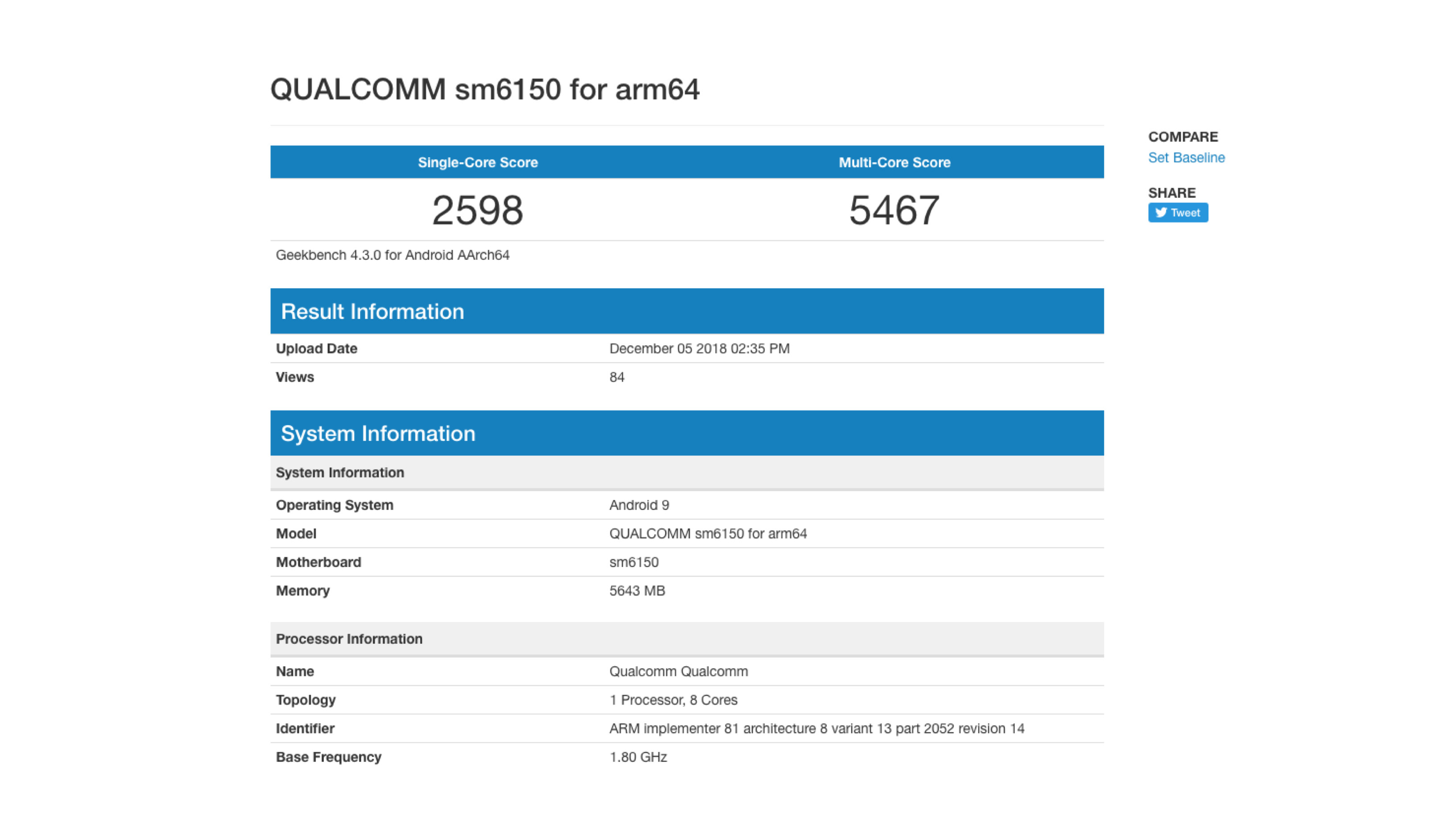
    The Geekbench report of the Snapdragon 6150 was first uploaded on December 5. The chipset is listed with the model number “sm6150” and the score was most likely collected on a development board. As the listing does not provide any information about the smartphone.

    The listed Snapdragon 6150 is an Octa-Core chipset and has a base frequency of 1.8 GHz. The development board runs on the latest Android 9.0 Pie and is paired with 6 GB of RAM.  According to the report, the chipset gets a single core score of 2,598 and a multi-core score of 5,467.

    To summarise, the Snapdragon 6150 will likely be seen on mid-range devices. Although the company has not announced its launch date, the listing indicates it will launch soon.

    Snapdragon 855

    Also Read: Flipkart Big Shopping Days & Amazon Sale: Top Deals On Xiaomi Smartphones

    The recently launched Snapdragon 855 is the successor to the Snapdragon 845 which is present on devices like the Pixel 3 & OnePlus 6T. It is the first chipset from Qualcomm that is manufactured using the 7 nm FinFET technology. Therefore, it will draw less power and perform better than its predecessor. The previously leaked scores of the chipset placed it at number one in the AI benchmarks. Recently, OnePlus has announced that they will be one of the first companies to manufacture a smartphone that will feature the Snapdragon 855 chipset.

iGyaan Network
Privacy Overview

This website uses cookies so that we can provide you with the best user experience possible. Cookie information is stored in your browser and performs functions such as recognising you when you return to our website and helping our team to understand which sections of the website you find most interesting and useful.