Blog

  • Why Indian Smartphone Brands Lost To Their Chinese Counterparts

    Why Indian Smartphone Brands Lost To Their Chinese Counterparts

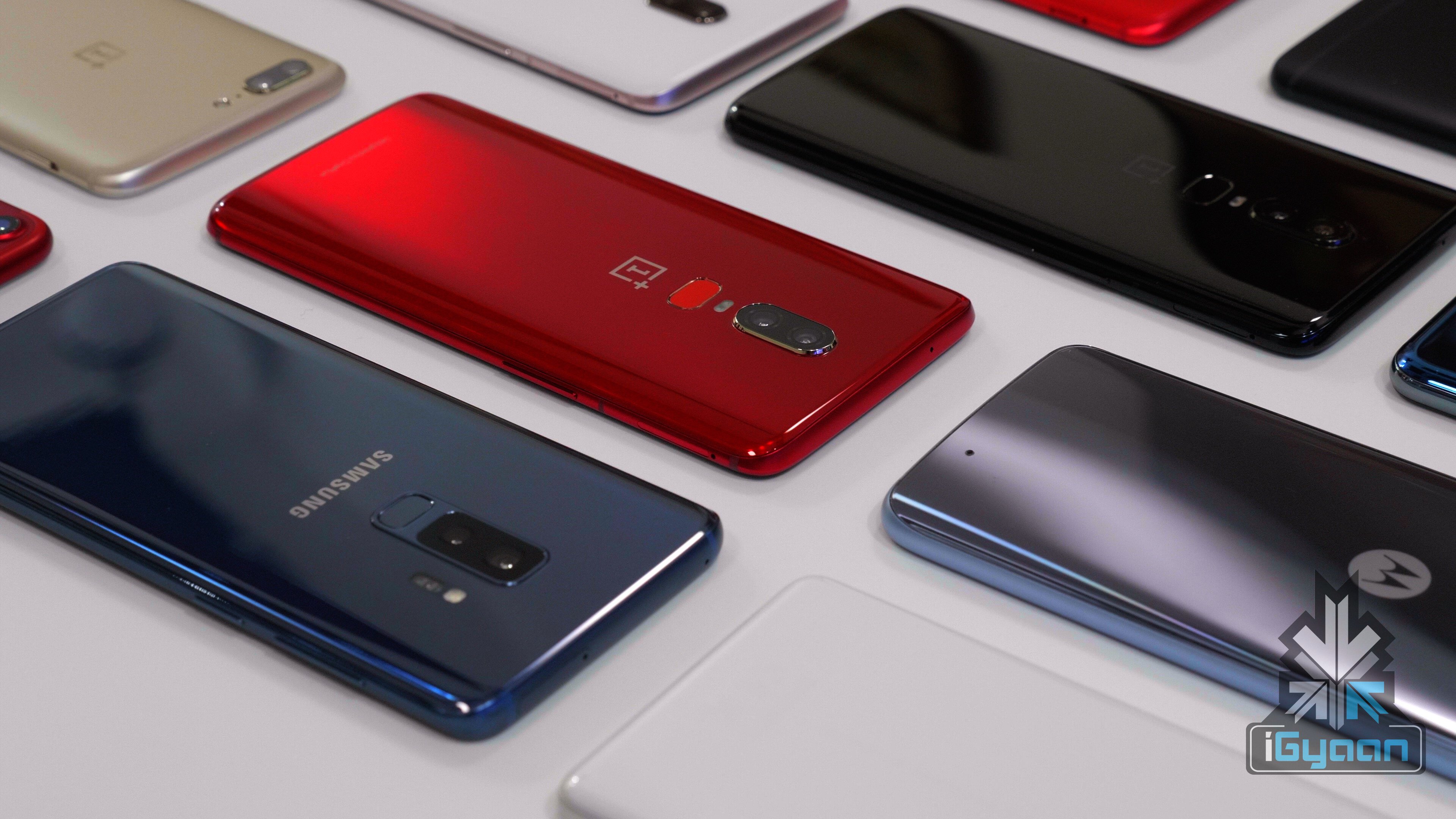
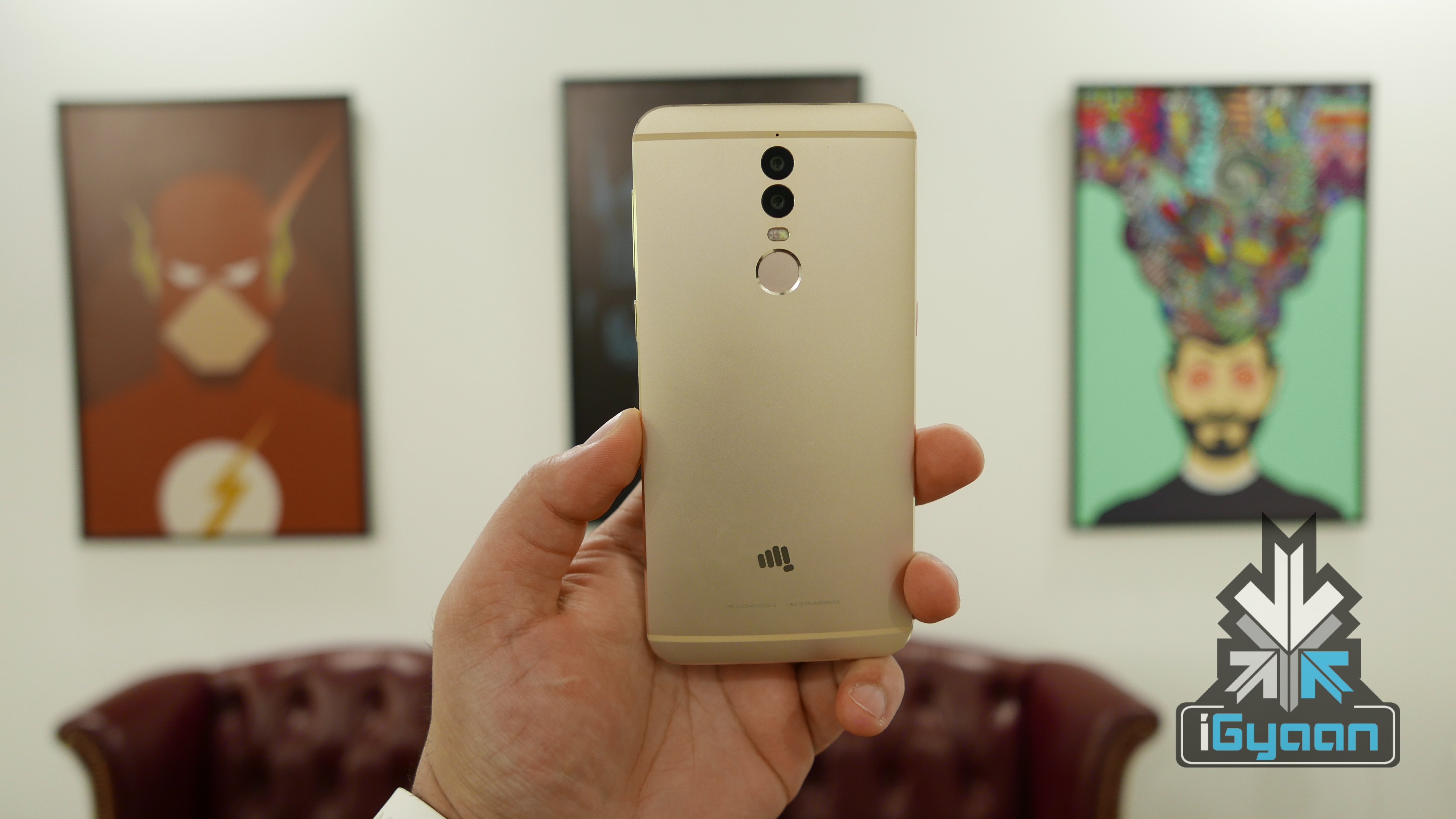
    Remember when big Bollywood names would advertise for Micromax and a great cricket catch would be known as Karbonn Kamal Catch? These names had become synonymous with smartphones in every household in India. But what happened to them? Why are these names not right next to Xiaomi or OnePlus in the sales records in India? With Micromax just having launched it’s first smartphone with a notch, almost a year behind other smartphone makers, we delve deep into what really happened. In this article we find out, from various reports, previous interviews, sales reports, online user feedback and everything else, how these companies went from being at the pinnacle of smartphone sales to losing everything.
    How Did These Companies Come Into Existence?

    Back in the day, the US market was starting to move towards smartphones from feature phones. In 2007, the first iPhone was introduced to the world, and it revolutionised the mobile phone industry. India was still largely a feature phone market with very few devices from Blackberry and Nokia’s Nseries phones that were called ‘multimedia smartphones’ being sold. These devices were expensive and were sold in high-end stores which almost always had a different section for the customers of such phones. Priced anywhere between Rs 25,000 to Rs 45,000, these phones were the envy of people who couldn’t afford them, and pride of people who could. Feature phones were still a large part of sales for players such as Nokia, Sony and Motorola.
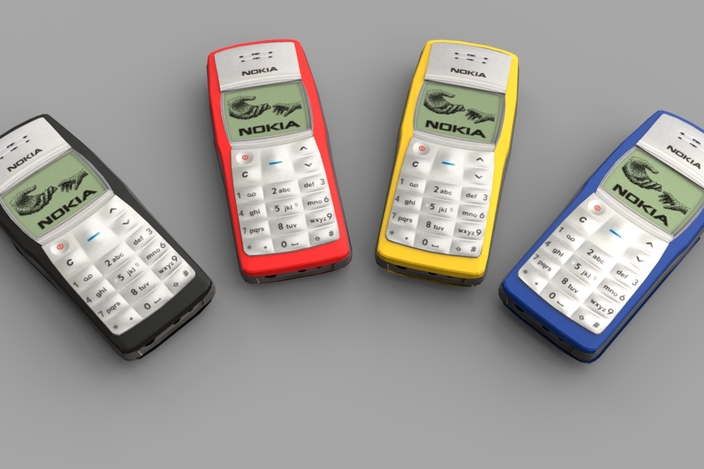
    The dealers could make huge profits selling these phones. Now at that point in time, the market was open to any risk taker who could afford to get into the business of making their own brand. And so they did. Companies such as Micromax, Lava, Karbonn etc were all either dealers for smartphones, software companies or telecommunication ventures who wanted to make a mark on the emerging trends of smartphones. They, however did not have the production capability or the funding to start a production unit in India. This brings us to our next point, white labelling.

    What Went Right?

    White Labelling
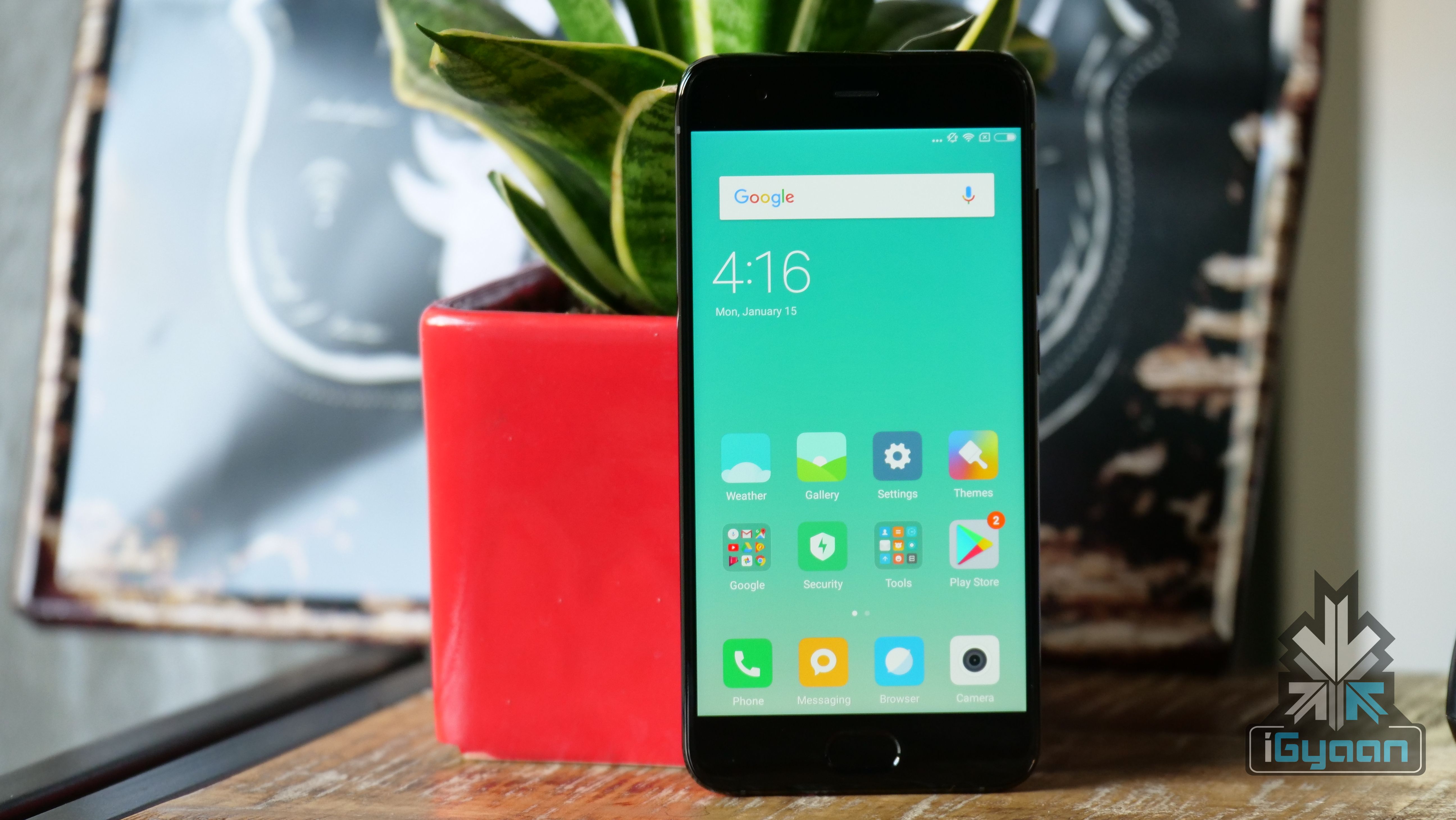
    To understand white labelling, one needs to know what OEM and ODMs are. Original Equipment Manufacturers are companies that sell product made by other manufacturers under their own brand name. Original Design Manufacturers are companies that design and manufacture a product according to a different company’s needs who sell them under their own brand. Brands like Lava, Micromax and Karbonn saw this OEM and ODM relationship as a great scope for a business model for smartphone manufacturing.

    Chinese phones were already available in the Indian market, but they were not well received. No one wanted to invest in a ‘Chinese phone’ because these phones had no warranty and no after sales service. What the Indian companies did was ask manufacturers in China to design and build smartphones according to their needs and these manufacturers would build it and dump it in India. The Indian companies would then add their own branding to these phones and sell them in Indian markets with warranty and an after sales service promise. This was a great business model and these Indian brans gained ground quick!

    Cost Effective
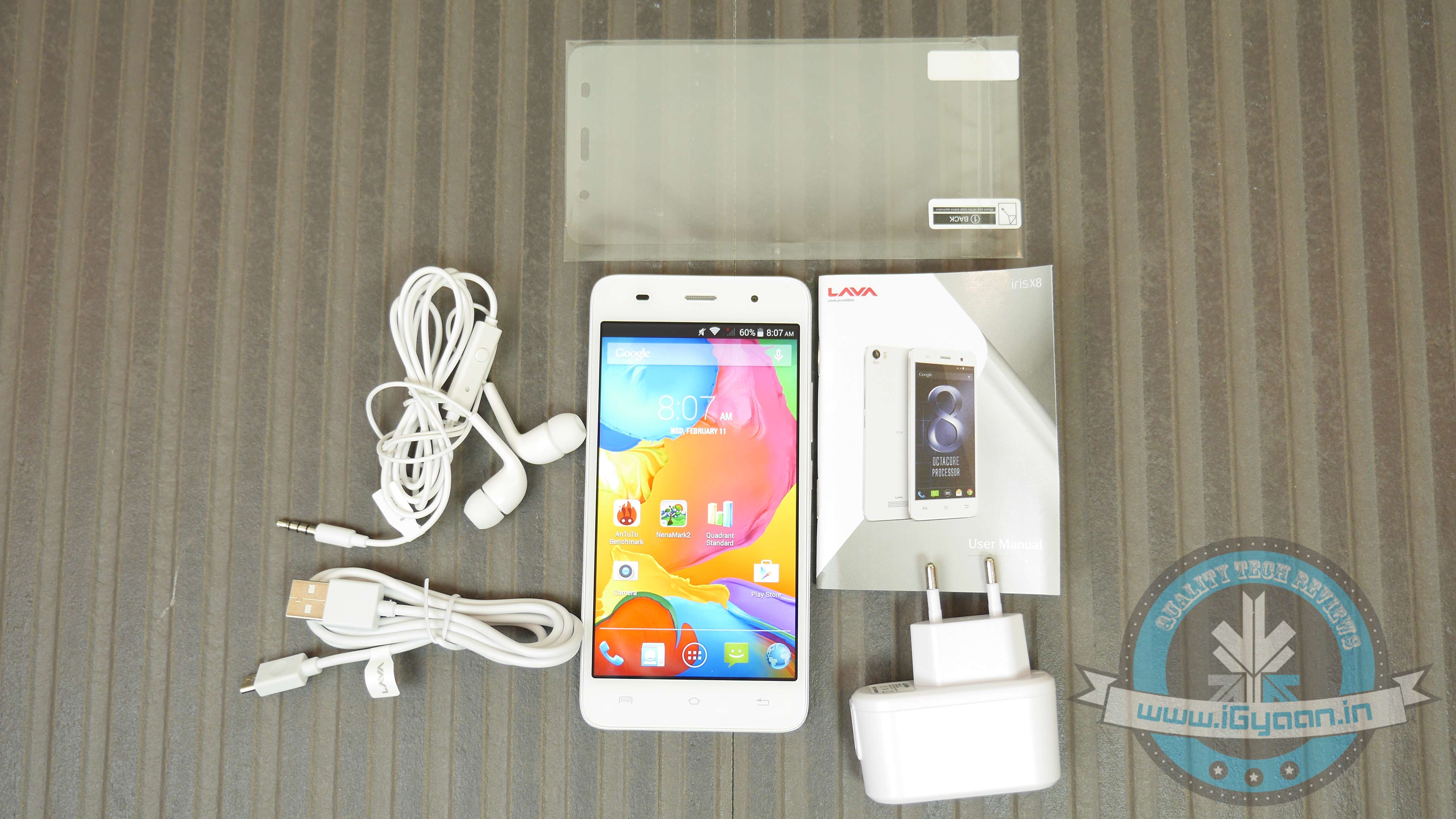
    One of the several reasons for the success of these phones were their cost effectiveness. They were providing feature rich phones, dirt cheap, compared to their more expensive counterparts like Nokia and Blackberry. iPhones were also seen from time to time, but were rare. Motorola was a big hit with their RAZR and ROKR series models but these were also getting sloppy. At the time, 2G phones were reigning the market and calling and texting were quite expensive for Indian consumers. But with the introduction of 3G in and around 2008, Internet users suddenly blew up.

    WhatsApp’s introduction a year or two later was also a major shift. Most of the expensive international brand’s phones wouldn’t support WhatsApp, and many would not support 3G. A massive number of people had to shift and so a great opportunity opened up for all manufacturers. Indian companies cashed in on this by introducing smartphones with bright LED touchscreens, Android based OS and a host of other features. These were priced at around Rs 10,000 – Rs 15,000. There was also one more feature that these companies, along with the internet boom, made famous. Let’s talk about that next.

    Dual Sim
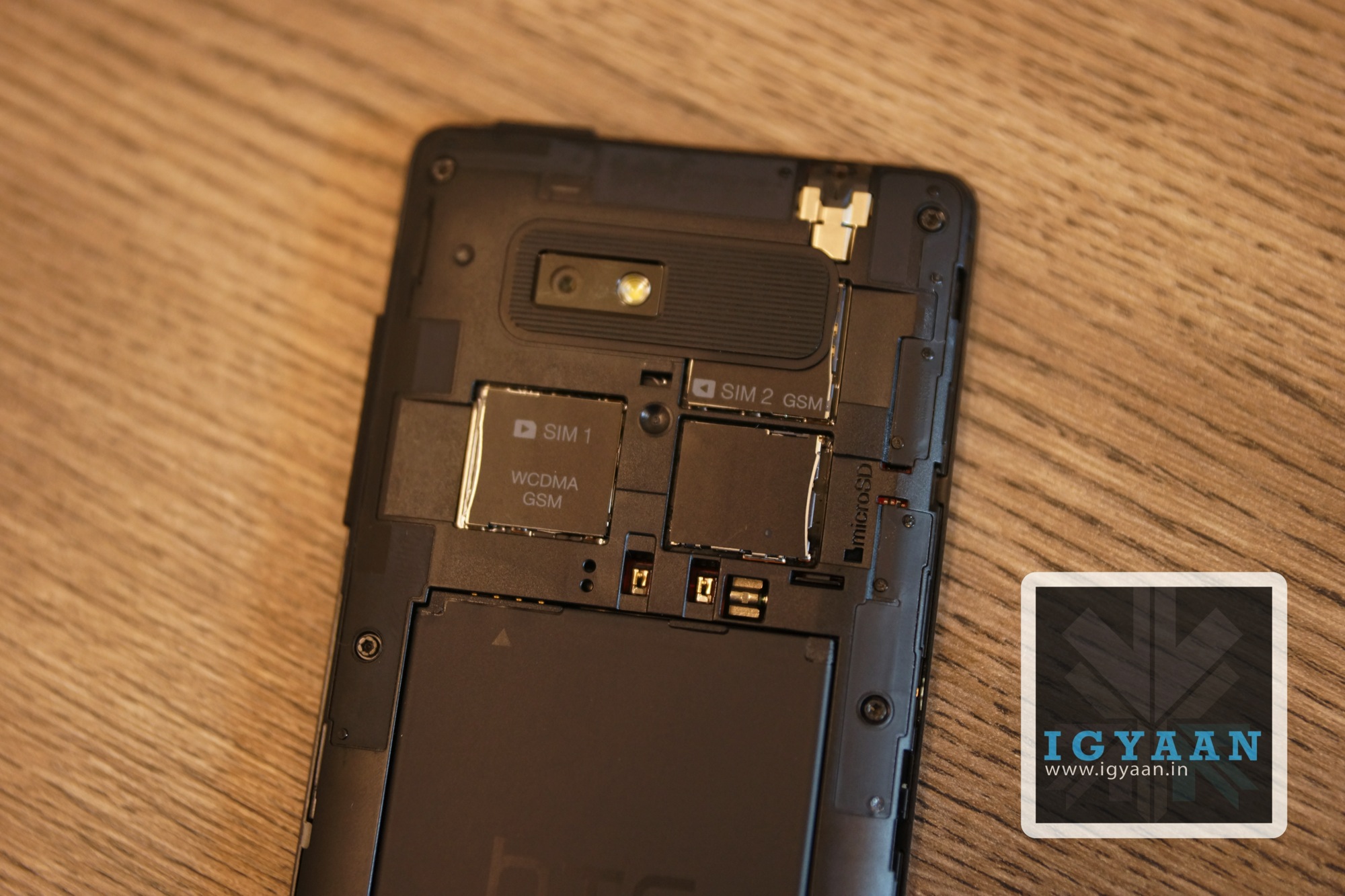
    When we say that the Indian companies were the talk of the town back then, we really mean it. From students in high schools and colleges to working professionals, everyone was a consumer of these Indian brands. Many shops even raised their prices at one point of time for the Micromax Canvas series of phones because of the high demand and low availability. These phones, among other things, introduced a feature that has stuck on even now. That feature is Dual sim cards.

    When companies such as BSNL and MTNL started providing cheap internet options, people wanted to use two sim cards in one phone.This was because porting phone numbers wasn’t really something one could do easily. The Indian manufacturers went to the Chinese ODMs and asked for a phone that could use two SIM cards. Thus in 2010, Spice mobiles launched India’s first dual SIM ( 3G + 2G) phone. Although Dual SIM isn’t a technology the OEM or the ODM invented, it was definitely seen as a useful feature for a particular market and brought into use by these companies.

    Faster Turnaround Time
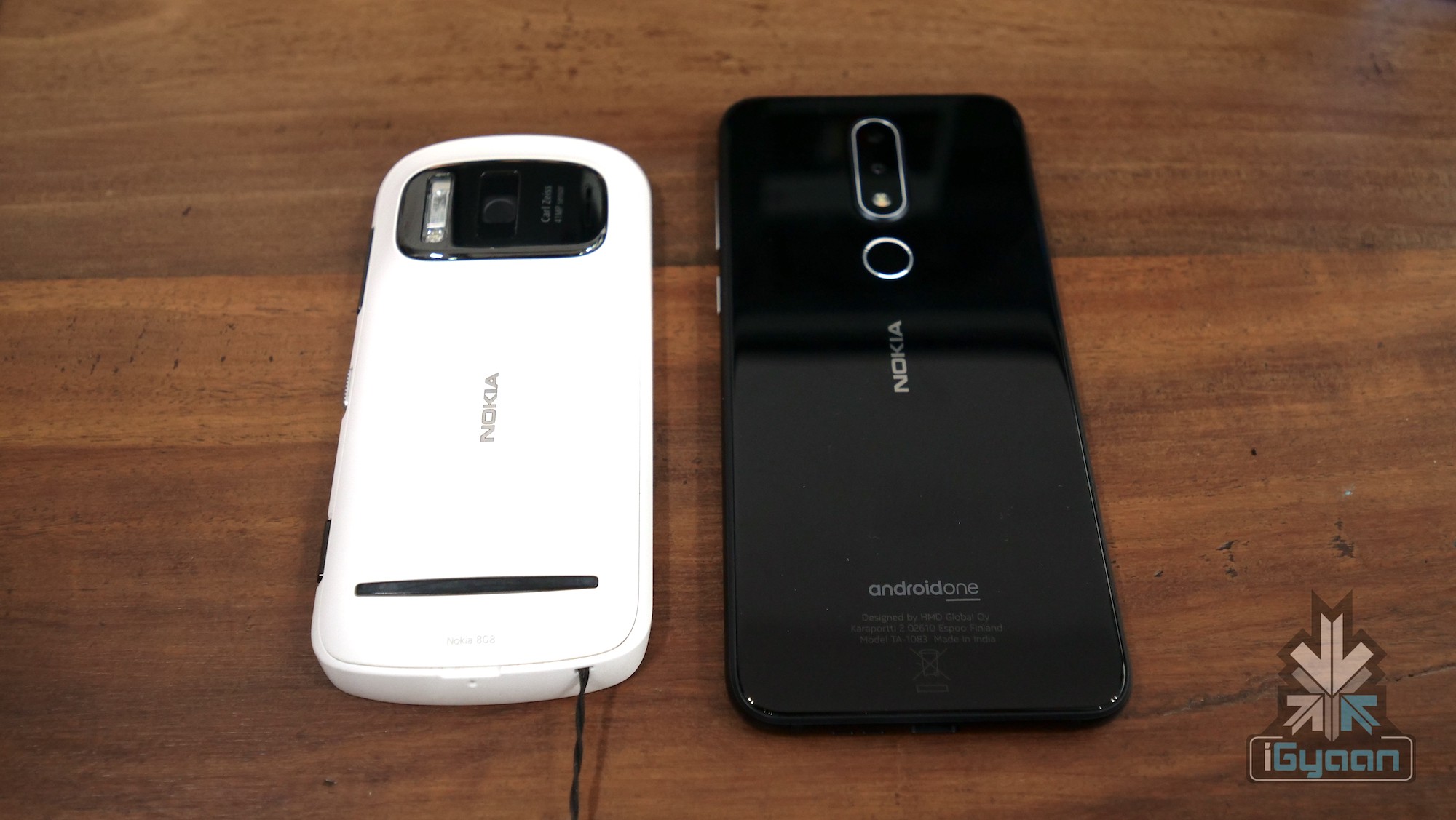
    White labelling also worked for these companies because of another reason. These phone manufacturers had a faster turnaround time, compared to Nokia, Sony or Samsung. They did not have to do their own research and development, neither did they have to design the phone, they could just bring a new model to a market much faster. A company like Nokia had to design, manufacture, market and sell these phones. These took at least a few months to achieve, from scratch. The ODMs meanwhile, did not have to worry about marketing and selling their products while an OEM did not have to worry about the design and manufacturing. This symbiotic relationship helped them bring newer models with the latest features to the market faster than many other established phone makers.

    What Went Wrong?

    Chinese ODMs Started Their Own Branding
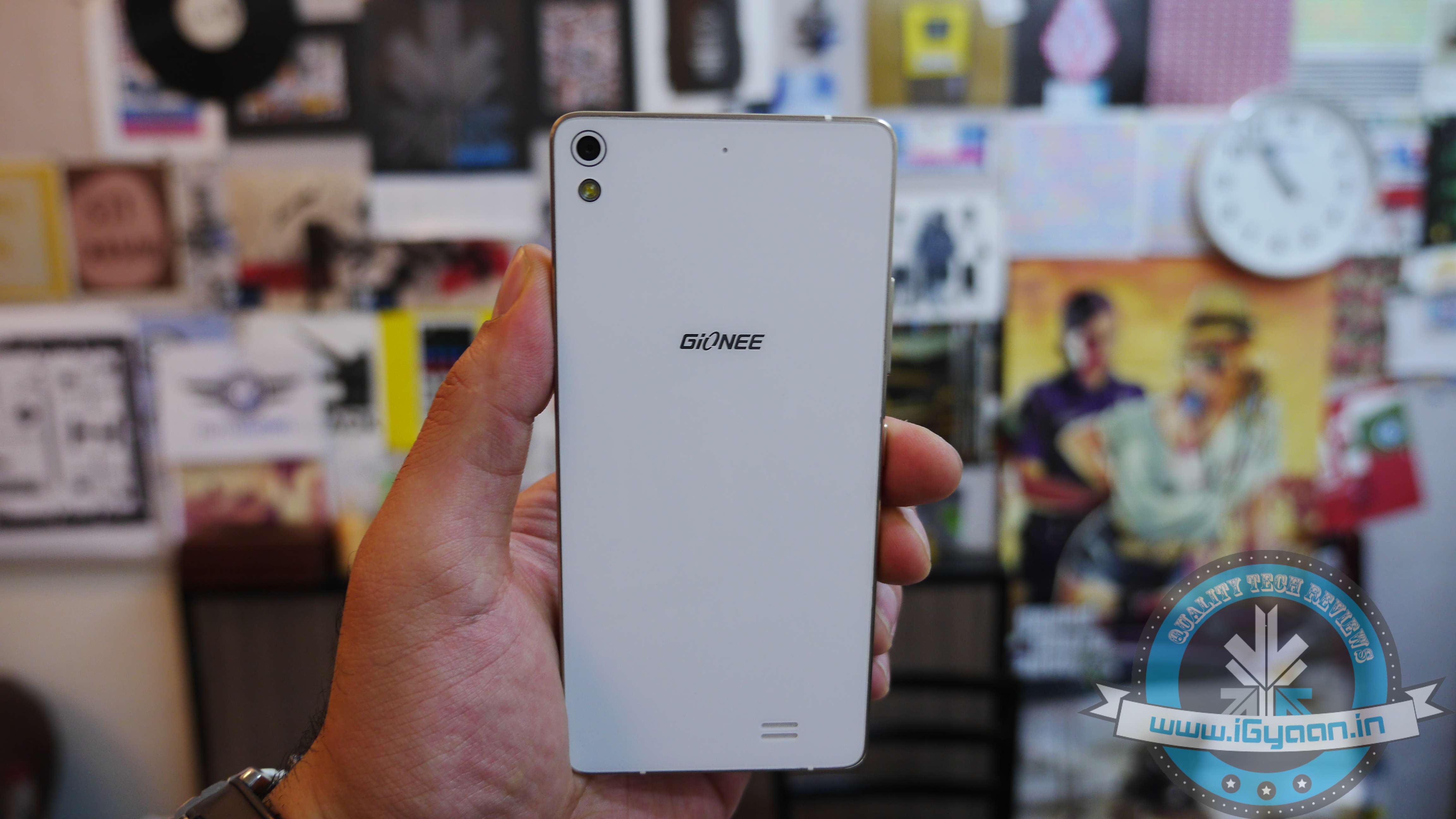
    Many ODMs in China understood the fact that the real money was to be made in the distribution and marketing of phones in markets like India. Working with the Indian companies, they had already learnt a lot about the market and the distribution channels. Many other established Chinese companies like Xiaomi also set their eyes on India at the time. These ODMs and other smaller Chinese brands started shipping their own branded smartphones to the country with a promise of better after sales service. But in order to compete with the already established brands, they needed o keep the pricing to a bare minimum. This is where the next turning point in the market comes.

    Online Sales
    Flipkart had already set up a good service channel and delivery channel owing to it’s online model of selling books and then later selling other items. Amazon entered the Indian market in 2013 when they realised the scope this market had. They also started with books and movies and slowly gained the customer’s trust. Indians were sceptical of using online channels to buy expensive products, specially electronics. But as the online revolution progressed, Indians started to slowly indulge in online shopping.

    One of the other factors for this was the introduction of 4G in 2012. This made internet services considerably faster and cheaper. These Chinese manufacturers saw the opportunity of cutting costs. Costs for establishment, delivery and distribution as well as a lot of other smaller expenses that the companies would’ve incurred if  they sold through offline channels such as retail stores. Online selling allowed the Chinese players to bring phone prices down a lot.

    Lack Of Vision

    The Indian companies were heavily invested in marketing and advertising their products and failed to realise that time and technology was moving at a rapid pace. They did not expect that the Indian market would shift so drastically. India, at that time, had come out of recession and the industrial production was growing instead of slowing down. People were slowly getting back their jobs and many started earning more than they were spending. This caused online sales to grow as well. The introduction of 4G was a huge change, and it rolled out in a matter of just a few months. Reliance Jio rolled out 4G phones and 4G connectivity and 3G suddenly became a backdated technology.

    Most Indian companies had a huge order booked for a lot of smartphone units. These suddenly became extremely hard to sell to the new customers who were looking to buy 4G phones. With 4G being extremely cheap, the Chinese manufacturers were ready for the 4G wave and they jumped in to sell their phones. This lack of vision for the future affected many companies and brought many more to their knees before their ultimate shut down.

    No Or Very Little R&D
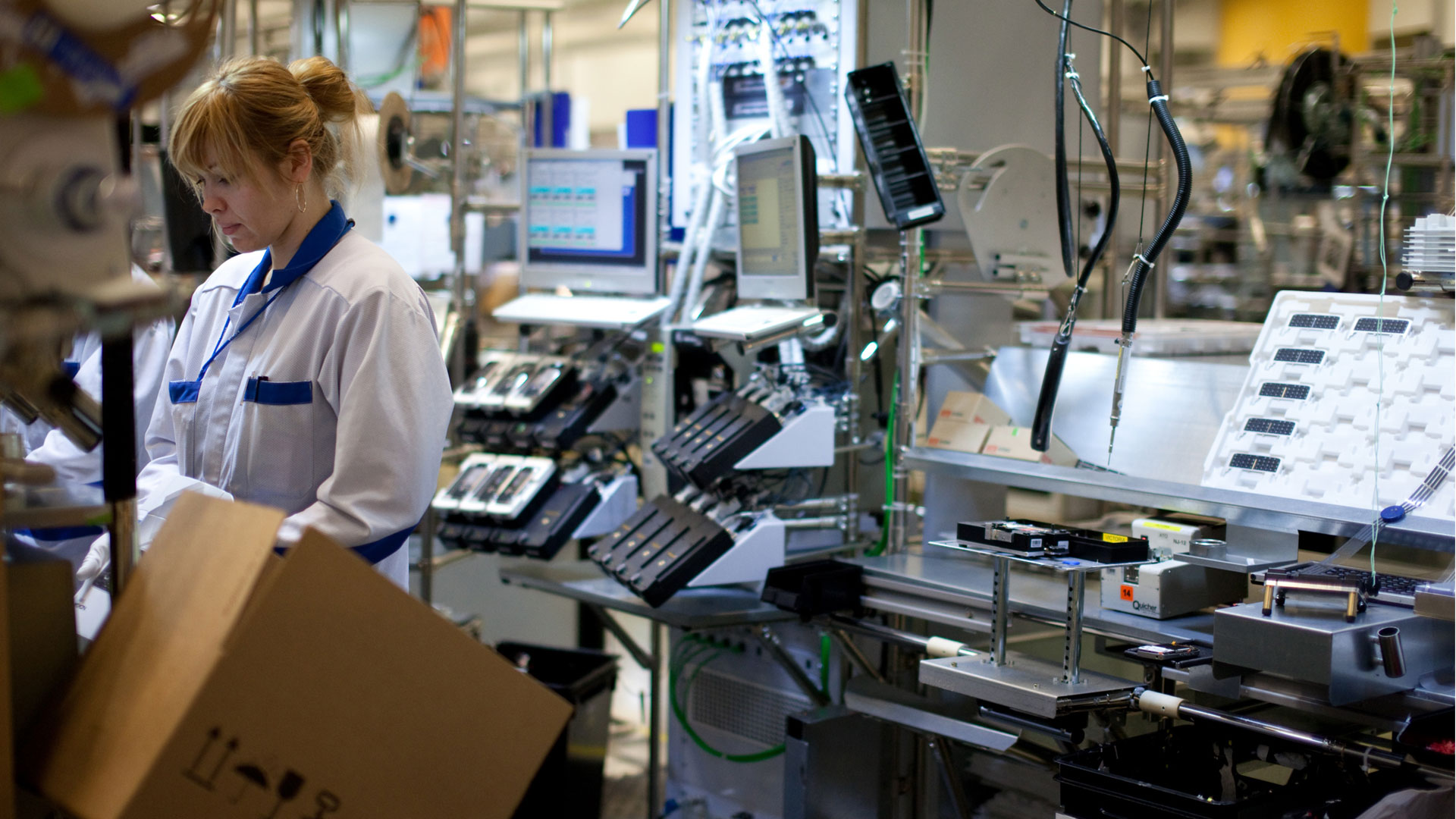
    The Indian smartphone companies were headed by strong businessmen but not technical or product people. They knew how to conduct a business with a given set of rules. But the smartphone market changes extremely rapidly and they couldn’t catch up. The Indian companies had no proper R&D department put in place. They had no or very few factories and relied mostly on ODMs for their products. With ODMs going their own separate ways to create new models of 4G phones, all the while, marketing and selling their own smartphones. Meanwhile the Indian manufacturers were left stranded with a huge number of smartphones to clear. This was one of the many reasons why a huge corporation like Nokia also fell short. R&D is an integral part of smartphone manufacturing and big companies such as Samsung, Apple and Huawei have a lot of manpower as well as capital dedicated to this sphere.

    Bad After Sales Service
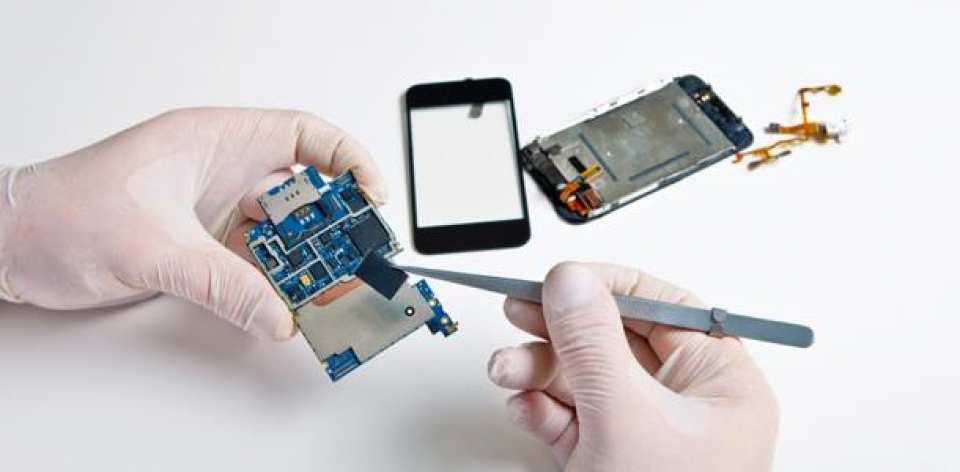
    There were several reasons for Indian consumers to buy Indian smartphones. But one of the top reasons was the guarantee of repair in case of any manufacturing issues. Most Indian companies failed on this promise. If you do a quick online google search, you will see that a majority of consumers were extremely unhappy with the after sales service. There are complaints of these companies taking the phone for months and not repairing or replacing it. Moreover, bad behaviour from the staff and a rampant complaint of overcharging were pushing customers away. This was the final nail in the coffin. Almost all smartphone users shifted to the newly launched Motorola, Xiaomi and OnePlus phones.

    While the Indian companies are slowly dusting off their archaic ways and slowly investing in R&D, they have a long way to go. It would be best if they skipped a few of the popular trends right now.  Instead, they should try to predict what trends are to come in the near future and work on that. We surely hope these companies get to play on a level playing field in the years to come, so that the Indian smartphone manufacturing market flourishes as a whole.

  • Xiaomi Mi Play Specifications Leak Prior To Launch

    Xiaomi Mi Play Specifications Leak Prior To Launch

    Earlier this week, Xiaomi had sent out press invites for the launch of a new smartphone. The new smartphone is called the Mi Play and it is set to launch on December 24th. The company has shared a few teasers of the Mi Play which provide some information about its design.

    Design
    Mi Play Official Poster

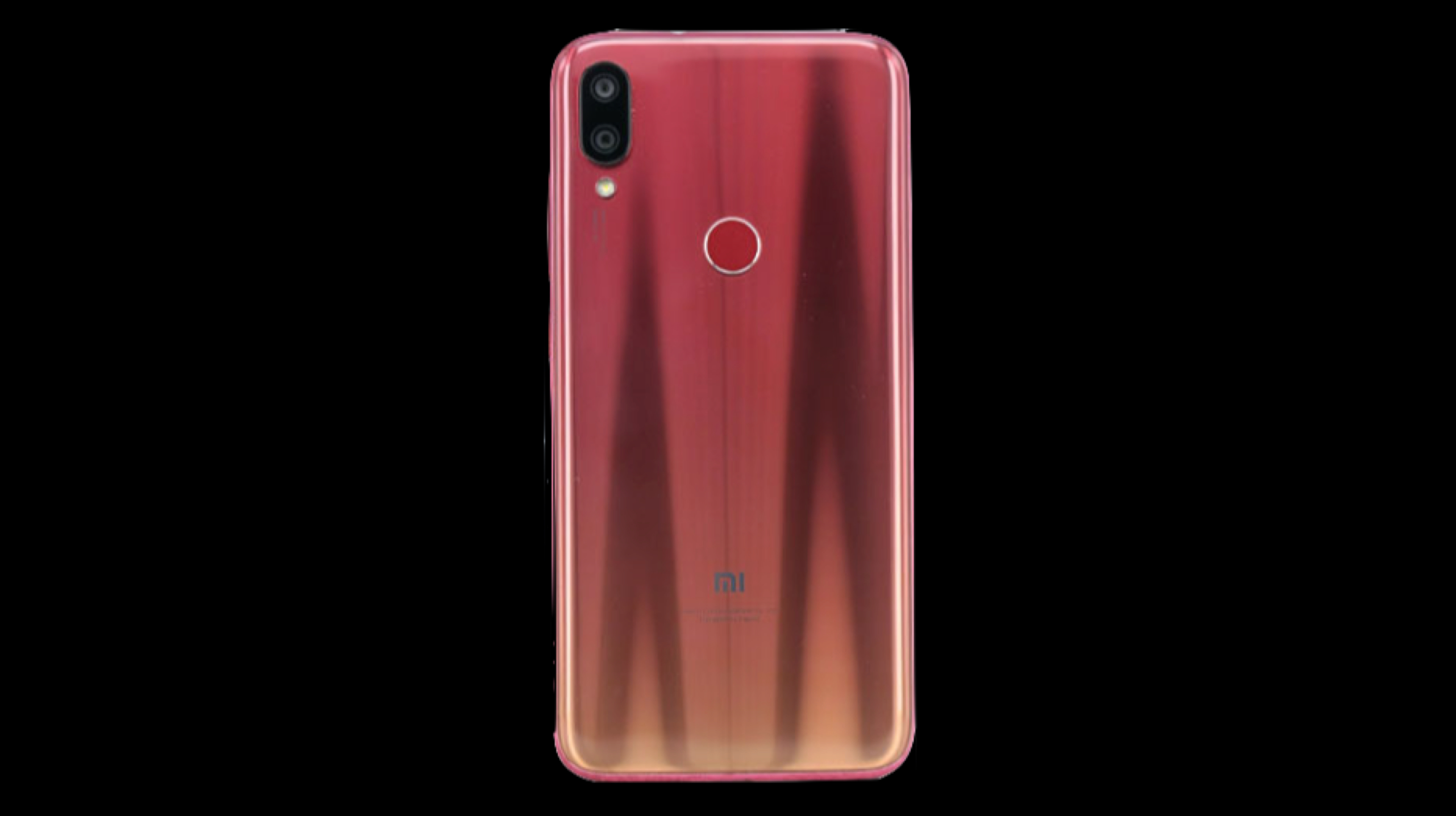
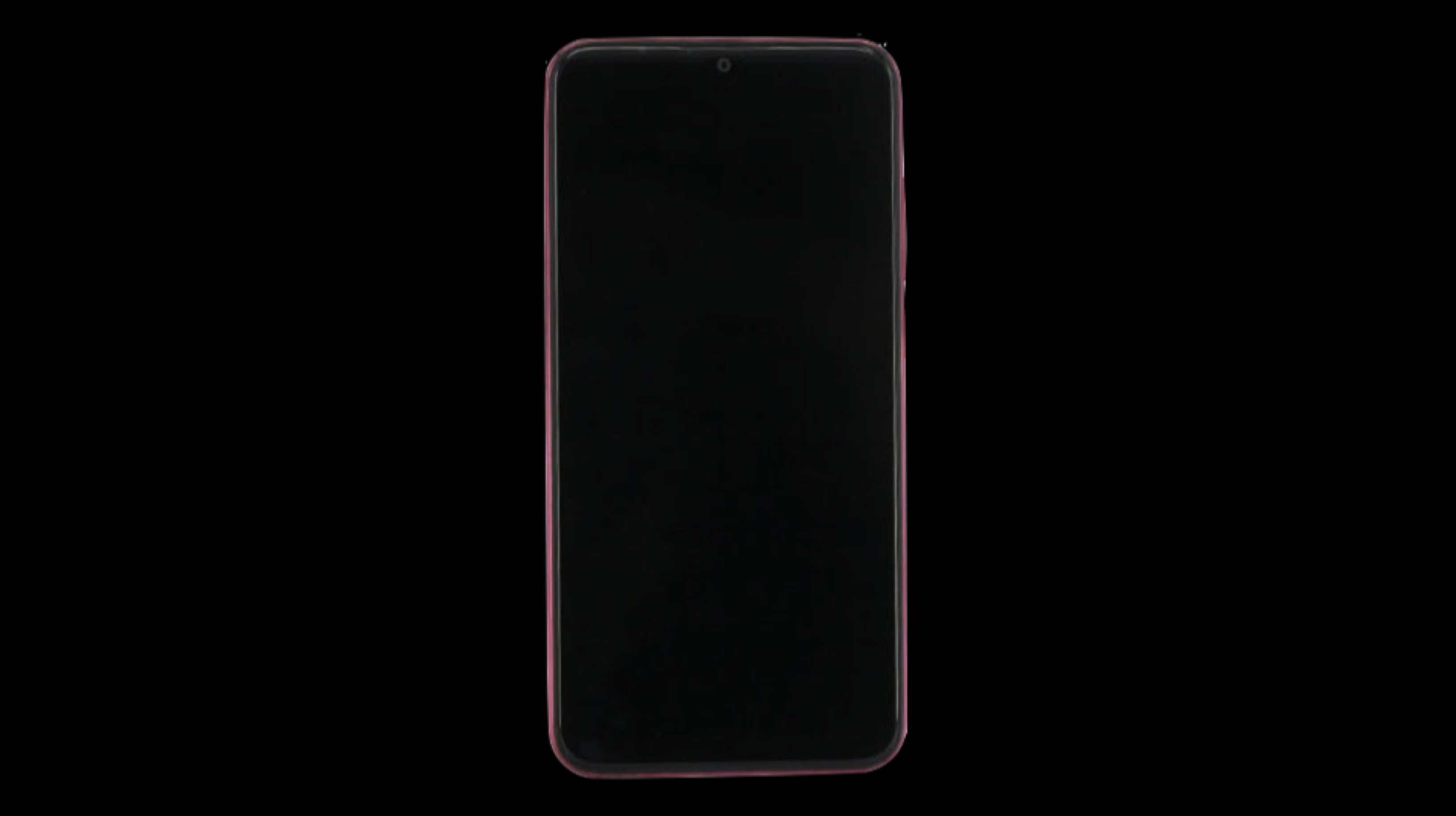
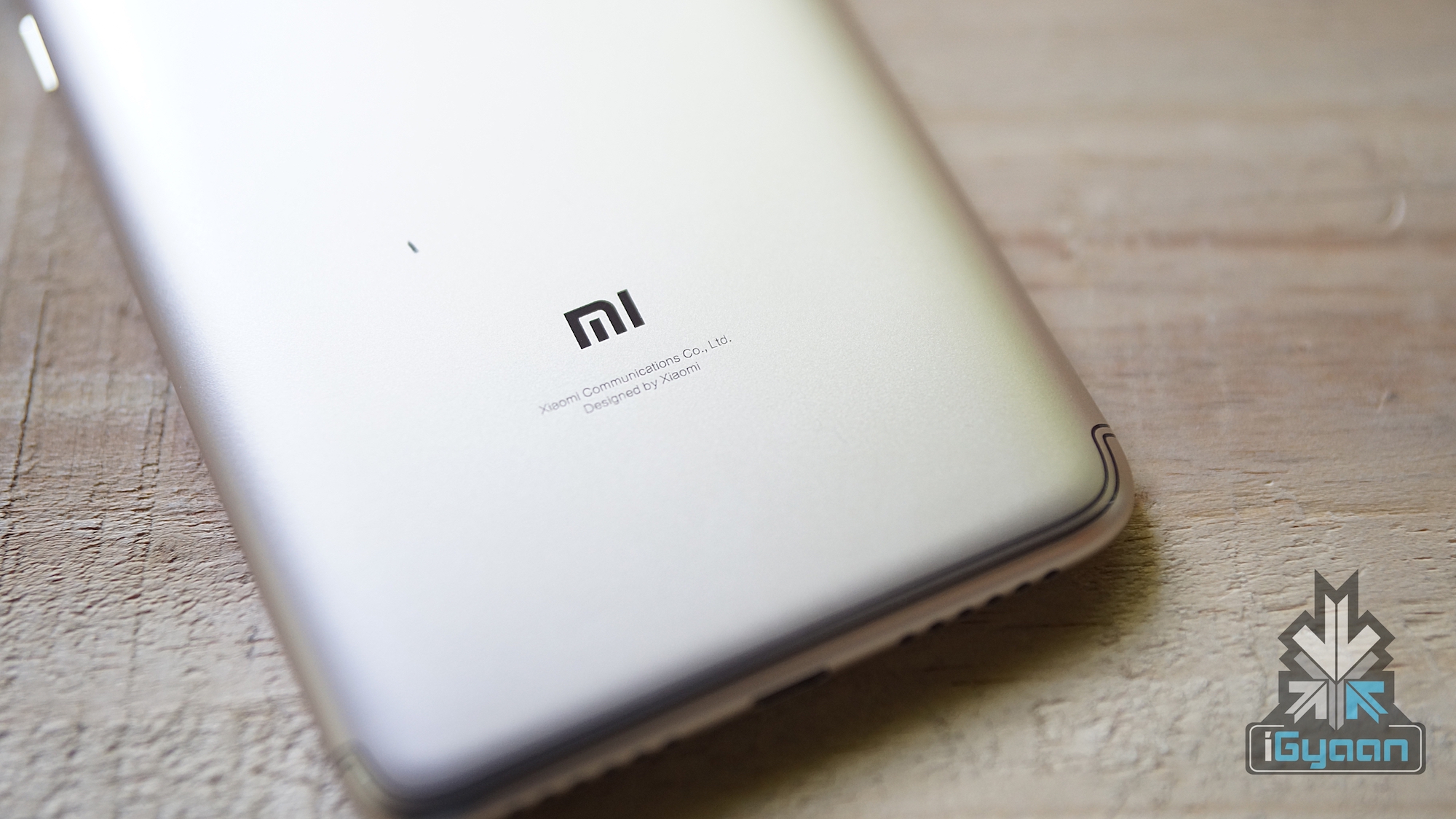
    The display of the Mi Play has a high screen-to-body ratio with a small U shaped notch at the top. The rear of the smartphone has a gradient coloured glass back which houses the fingerprint sensor and the dual camera setup. Surprisingly, the design of Mi Play matches to that of a Xiaomi device which was leaked on TENAA. The Xiaomi smartphone with model no ‘M1901F9E/M1901F9E’, was earlier alleged to be the Redmi 7. But the listed pictures look very similar to the teasers of the Mi Play. Therefore, the leaked device could in fact be the Mi Play.

    Specifications
    Mi Play Leaked On TENAA
    • Display: 5.84-inch, Full HD+ 2280 × 1080 pixels
    • Operating System: Android 8.1 Oreo
    • Processor: Octa-Core 2.3 GHz
    • RAM: 3 GB/4 GB/6 GB
    • Storage:32 GB/64 GB/128 GB
    • Memory Expandability: up to 256 GB
    • Rear Cameras: 12 MP + 8 MP, LED Flash
    • Selfie Camera: 8 MP
    • Security: In-display fingerprint scanner
    • Connectivity: 4G VoLTE, Wi-Fi 802.11 ac 2.4G + 5G, Bluetooth 5 .0, GPS, USB Type-C
    • Sensors: Gravity sensor, Distance sensor, Light sensor
    • Battery: 2900mAH
    • Dimensions: 147.76×71.89×7.8
    • Weight: 150 g
    Launch Date And Price

    Also Read: Nubia Red Magic Gaming Phone Launched In India

    The Mi Play is set to launch on December 24th and all the specifications will be made official by the company then. The specifications and features of the smartphone indicate that it will be a budget smartphone. It is expected to be priced between 11k-14k and it will compete with smartphones like the Realme U1 and the Asus ZenFone Max Pro M2.

  • AT&T Will Start Its Mobile 5G Network In The US On December 21

    2018 has not yet come to a close and the 5G race is already on! Despite 4G not strengthening its roots in most of the countries, many smartphone manufacturers and telecom companies are jumping on to the next big thing in connectivity. AT&T, one of America’s leading telecom operators, is starting its 5G mobile network this week and this marks the start of a new era.

    The service will start on the 21st of December and the 5G network will be made public in 12 cities across the US. These include a ‘first batch’ of cities which are Atlanta, Charlotte, Raleigh, Dallas, Houston, Indianapolis, Jacksonville, Louisville, Oklahoma City, New Orleans, San Antonio and Waco, Texas. The first batch title indicates that the rollout will spread to more cities soon. Additionally, AT&T has announced that it will have two Samsung 5G phones next as well, with the first one launching in the early parts of 2019. The company also has offers lined up for early adopters of the latest technology. They are offering free hotspot and data for select consumers and users for at least 90 days.

    The 5G Future

    5G connectivity will not just limit itself to phones. It will result in opportunities such as self-driving cars, better gaming and a potential replacement to home broadband. However, it is more important for companies to develop proper infrastructure for the same. The presence of 5G infrastructure and 5G capable phones will propel the technology forward.

    Also ReadNubia Red Magic Gaming Phone Launched In India

    At the same time, the chances of getting 5G in India soon look very slim. Despite the world moving forward, we still struggle to get proper 4G coverage in most cities of India. Being one of the world’s largest smartphone markets, it is high time that India catches up with the pace at which the rest of the world is moving forward.

  • Win One of three Nubia RED Magic Devices

    Win One of three Nubia RED Magic Devices

    We are Giving away Three Nubia Red Magic Phones in our Latest iGyaan Giveaway Play now :


    3 X Red Magic Giveaway

  • Apple iOS 12.1.2 Update Brings Fix For eSIM Activation Bugs

    Apple iOS 12.1.2 Update Brings Fix For eSIM Activation Bugs

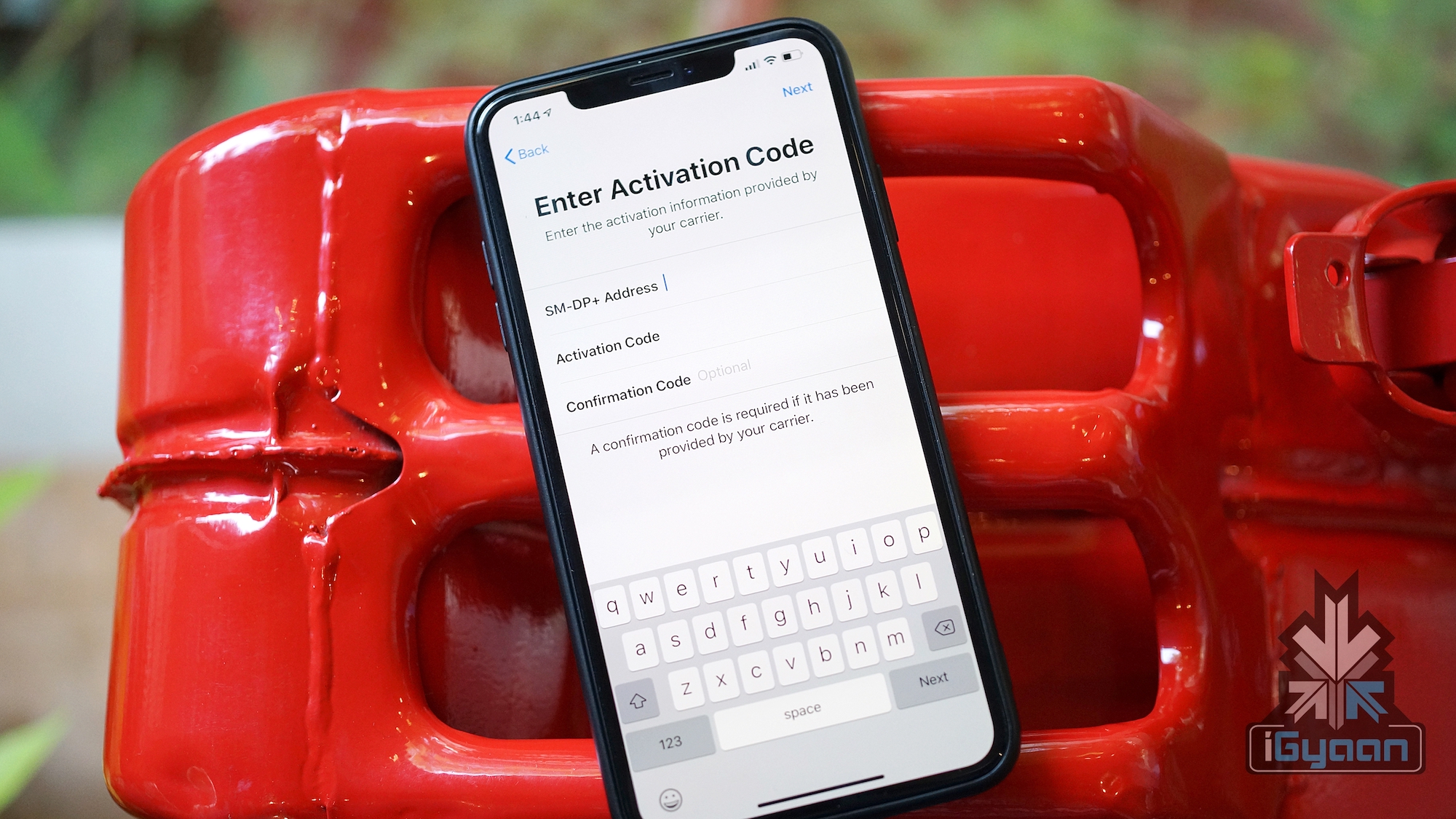
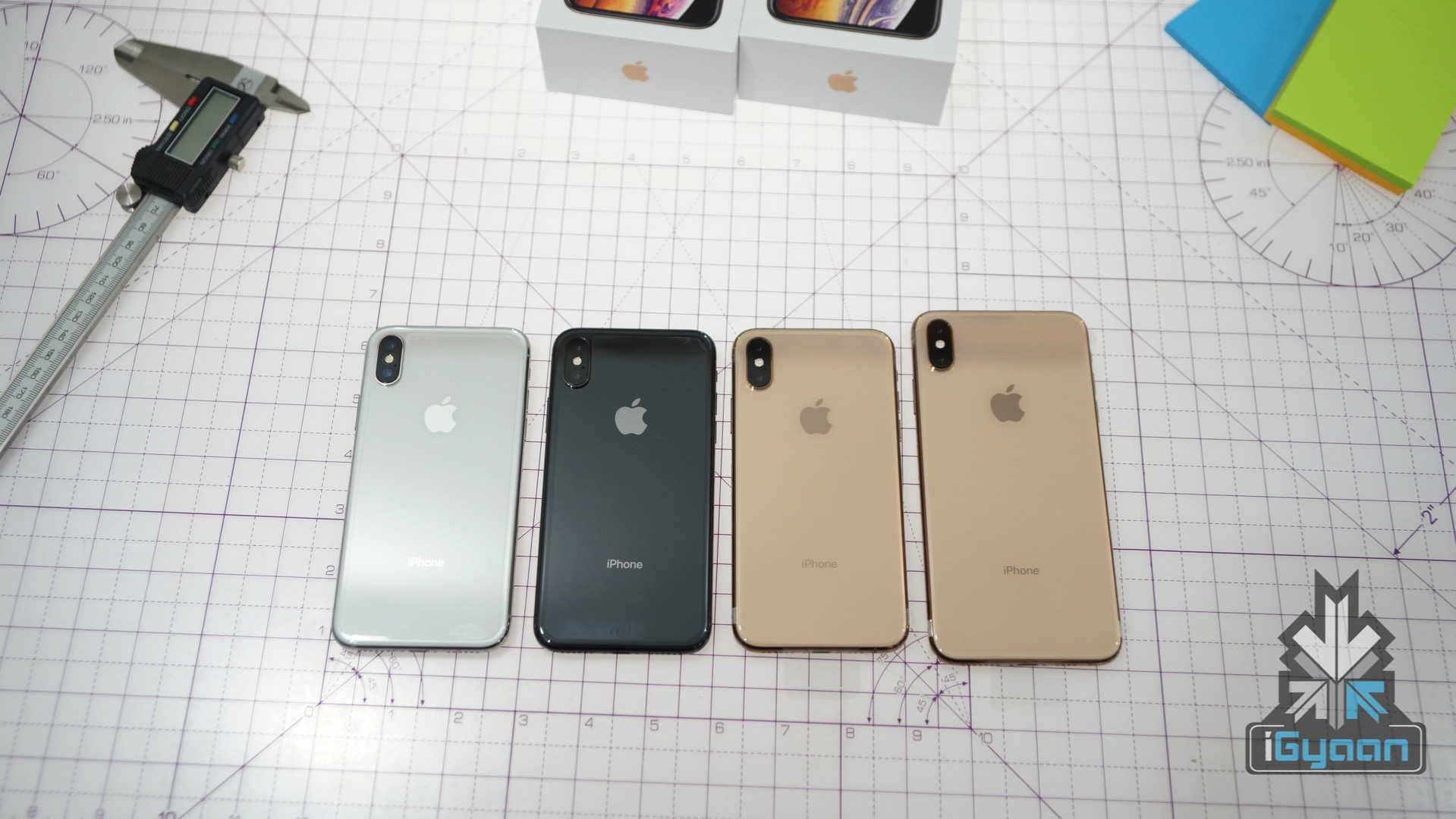
    The eSIM was one of the features bought in with this year’s lineup of iPhones. The feature now enables the iPhones to be dual-SIM, something that had been missing from the Apple flagship devices for a long time. However, the eSIM feature did take its sweet time to reach users, and came with its own set of bugs and issues. Now, Apple has pushed out the iOS 12.1.2 update which not only brings a way to expand the eSIM capabilities of the phone, but also fixes issues with eSIM activation.

    The release note for the update says that it fixes bugs with eSIM activation for iPhone XR, iPhone XS and iPhone XS Max. This issue was being reported by users around the world, and now is being addressed with the latest update. The update also fixes a few more things, which have to do with the issues affecting Apple in China as well. This had to do with the fact that select iPhone devices did not allegedly comply with the patent regulations set by Qualcomm. This would result in a ban in the sale of certain iPhone models, and can hurt Apple’s sales pretty bad, as China is its third largest market. 

    The iOS 12.1.2 is compatible with all iOS 11 compatible devices. This includes iPhone 5s or later, iPad mini 2 or later and 6th generation iPod touch or later. The update will be prompted automatically, however Beta testers might need to unroll their devices for the update to appear.

    Also ReadeSIM Technology Explained : Why Do More Phones Not Have It

    What Is eSIM?

    The eSIM is an electronic SIM card, as the name suggests. It replaces the physical SIM cards which are used in smartphones these days. This allows for a lot of space inside the phone to be freed up, whcih can be used to incorporate other technology. As manufactures are looking to make phones sleeker, while sitting phones with more technology, eSIM is a great way to do the same. The eSIM also has another interesting feature. For example, you can register a number of eSIM cards on your phone, giving you the ability to switch between carriers without the need to swap out physical SIM cards every time.

  • Samsung Galaxy M20 Will Feature A 5000 mAh Battery

    Samsung Galaxy M20 Will Feature A 5000 mAh Battery

    Samsung’s plan to reshuffle it’s entire line up of phones is coming to fruition slowly and the M series’ first phone will launch soon. Several leaks have surfaced since the knowledge of the Galaxy M20 phone’s existence. However, most of the rumours have been mostly about the cosmetics and nothing was really known about the internals. But it seems that now new leaks have surfaced that details the phone and camera specifications. The phone will feature a 5000 mAh battery.

    The Leak

    There are very few phones currently in the market that have a 4500 mAh + battery. Some of these include the Motorola One Power, Honor 8X Max, Asus Zenfone Max Pro M1, Asus Zenfone Max Pro M1 and Moto E5 Plus. These phones generally sell quite well since battery is a huge issue for people in India. Bigger screens also require bigger batteries which is why most phablets and bigger screen phones have bigger batteries. The phone will feature a tear- drop notch and will have a dual camera setup at the back. The front camera will supposedly be 8MP and the two cameras at the back will be 13 and 5 Megapixels. The Galaxy M20 measures in at 156.4 x  74.5 x8.8.


    Also Read: Samsung’s New Mid-Range ‘Galaxy M’ Series Leaked

    It will also retain the fingerprint sensor and will be an entry level phone. The phone is supposed to feature an Exynos 7885 SoC with 3GB of RAM. The Galaxy M20, being an entry level phone, will feature an LCD IPS screen measuring over 6.0 inch in diagonal. It will reportedly be released in the UK, Germany, France, Poland and Scandinavia and may be released in other countries on a later date. There are no leaks for the Galaxy M30 as of now but we are sure there will be more information coming out in the days to come.

  • Nubia Red Magic Gaming Phone Launched In India

    Nubia Red Magic Gaming Phone Launched In India

    Nubia is a Chinese smartphone manufacturer that is based out of Shenzhen. The company was initially started in 2012 by ZTE. But in 2017, ZTE reduced their stake in it after which Nubia became an independent company. Nubia has previously offered some smartphones in India but they have not seen substantial growth. However, this might change soon as the company has launched their gaming oriented Nubia Red Magic smartphone in the country.

    Nubia Red Magic Gaming Phone Giveaway! Click here to enter.

    Design

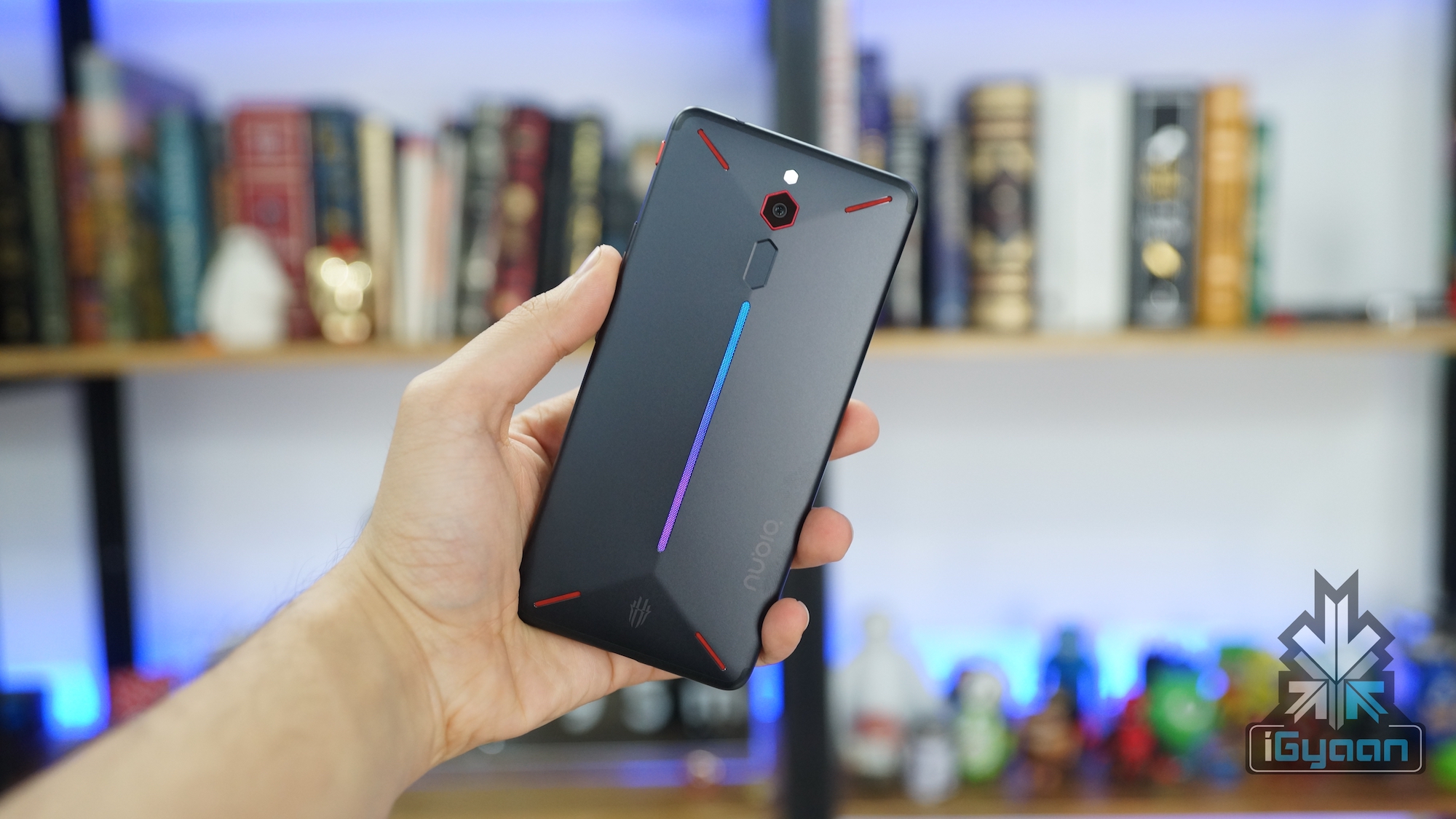
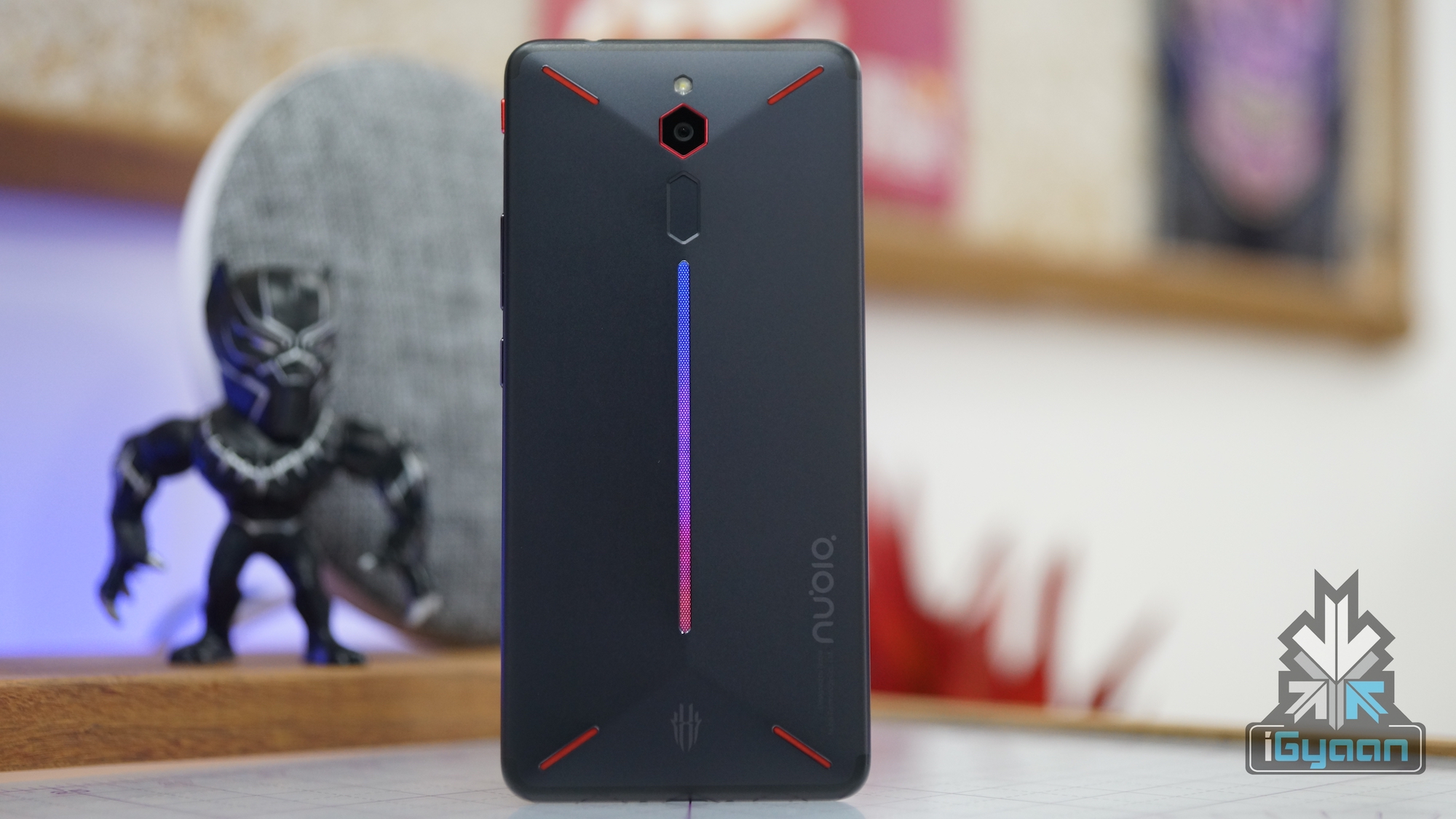
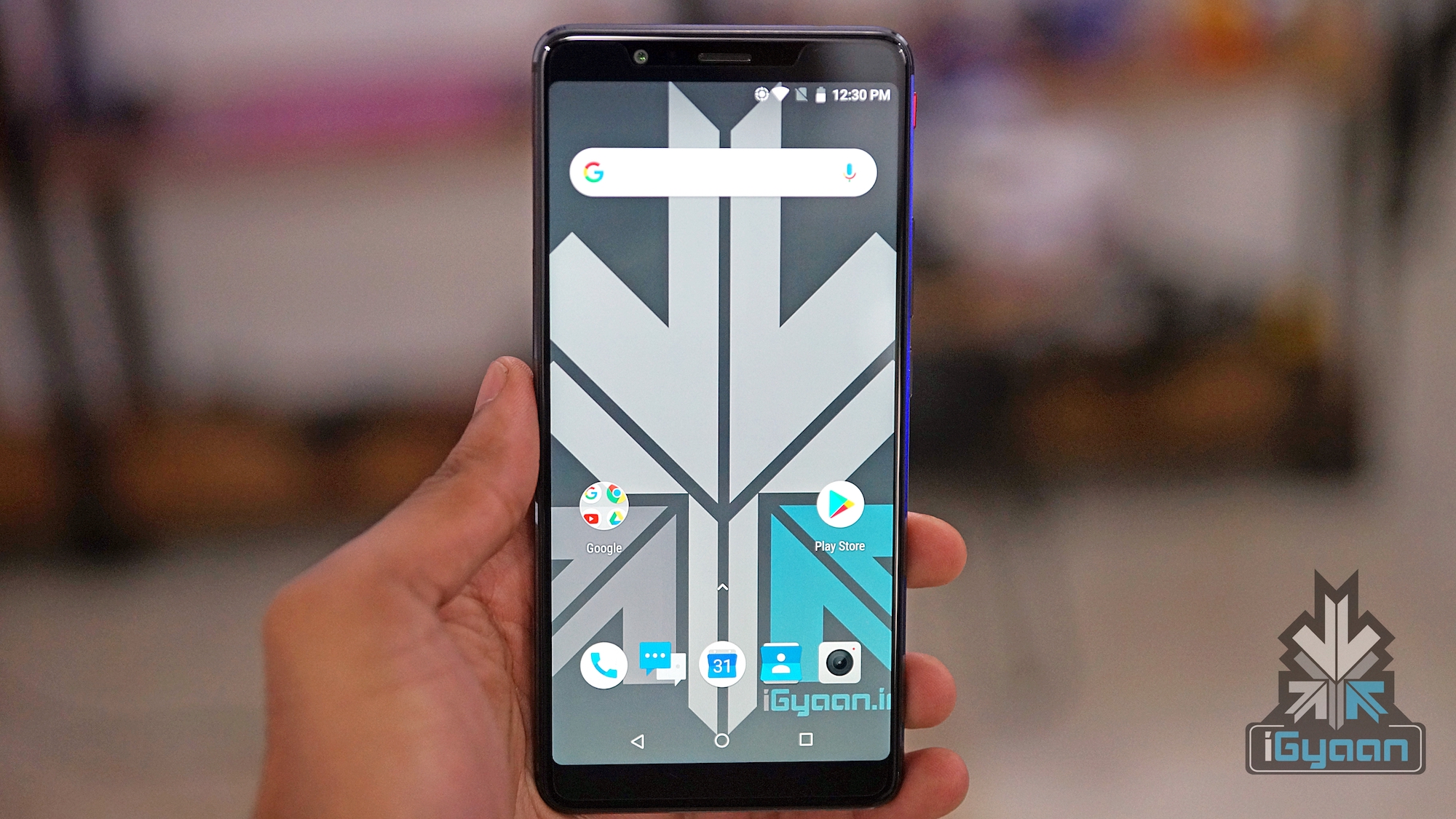
    The Nubia Red Magic has a striking design with front glass and rear aluminium build. The front of the smartphone has negligible left/right bezels while the top/bottom bezels are quite prominent. The smartphone measures 158.1 x 74.9 x 9.5 mm and weighs in at 185 grams. The power button, volume rockers, and the dedicated GameBoost switch are present on the right side of the device while the left side accommodates the dual SIM slot. The 3.5 mm audio jack rests on the top and the USB Type-C port rests on the bottom.

    Display

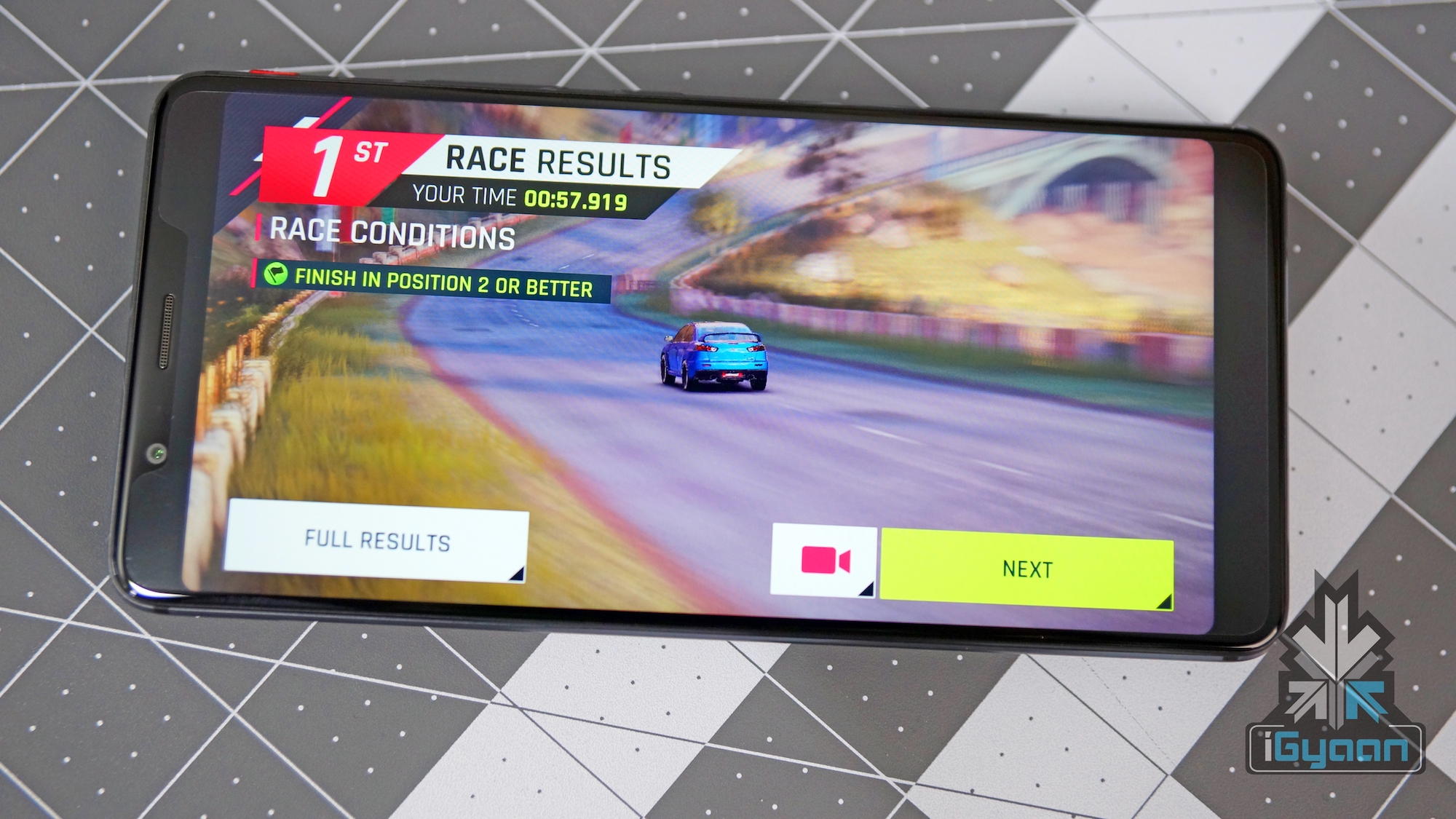
    The Nubia Red Magic has a 5.99-inch Full HD LCD display with a 78.5% screen-to-body ratio. The display panel has a resolution of 2160 x 1080 px and a pixel density of 402 ppi. The screen has an aspect ratio of 18:9. The protect the device from scratches and shocks it gets Dinorex T2X-a glass.

    Processor And Operating System

    The Nubia Red Magic features the Qualcomm Snapdragon 835 SoC. The Snapdragon 835 is comprised of an Octa-Core CPU and Adreno 540 GPU. Out of the eight cores, four are clocked at 2.35 GHz and other four are clocked at 1.9 GHz.

    Camera And Storage

    The Nubia Red Magic has a f/2.0 aperture equipped 8 MP front facing camera and a f/1.7 aperture equipped 24 MP main rear camera. The smartphone can capture 2160p videos at 30fps from the rear camera and 1080p video at 30fps from the front camera. In terms of memory and storage, the Nubia Red Magic has 8 GB of RAM and 128 GB of inbuilt storage.

    Battery And Operating System

    The Nubia Red Magic is powered by a 3,800 mAh Lithium-Ion battery which supports fast charging up to 18 W. Unlike the global variant, the India specific model runs on 8.1 Oreo stock Android.

    Connectivity And Other Features

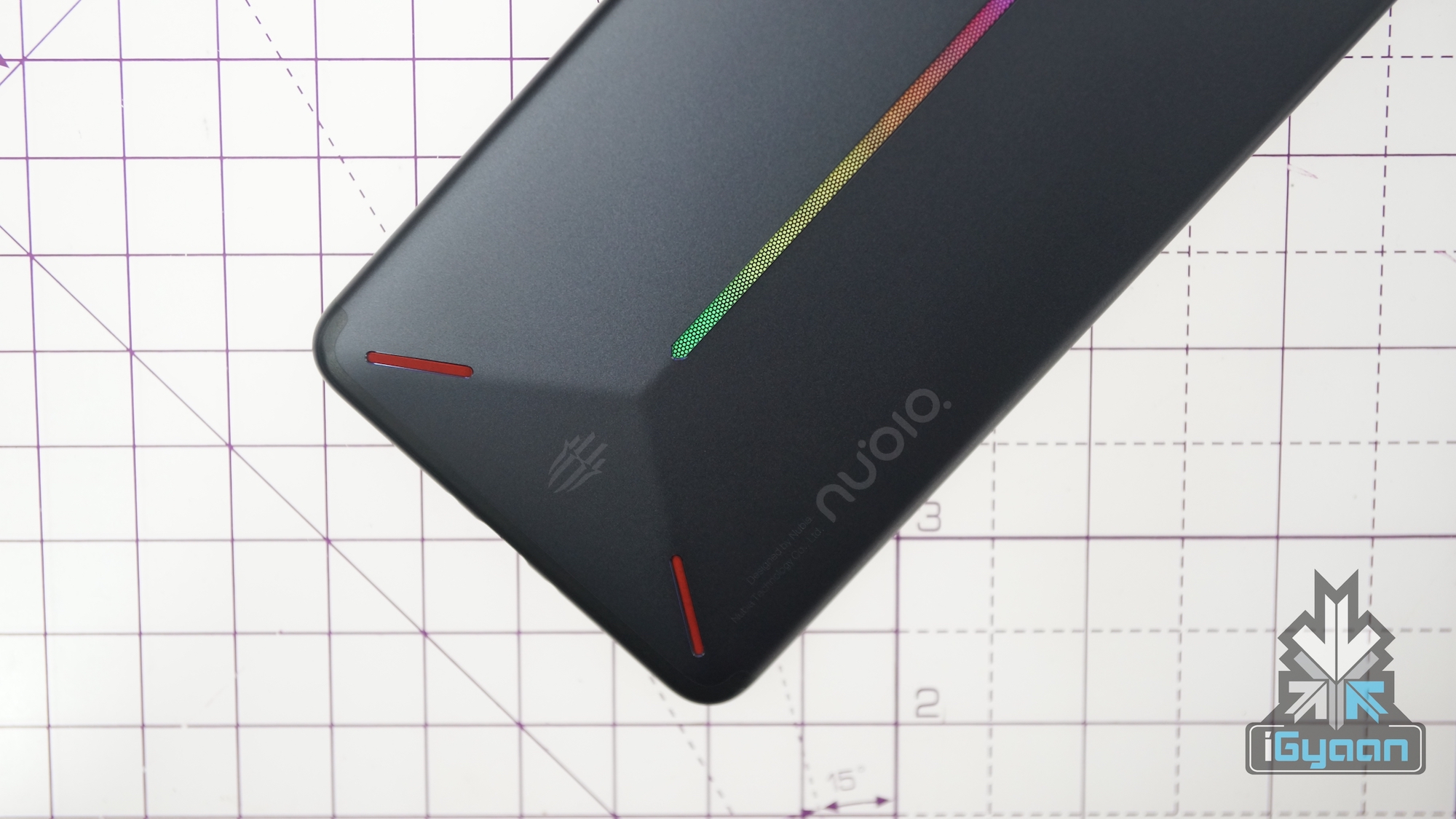
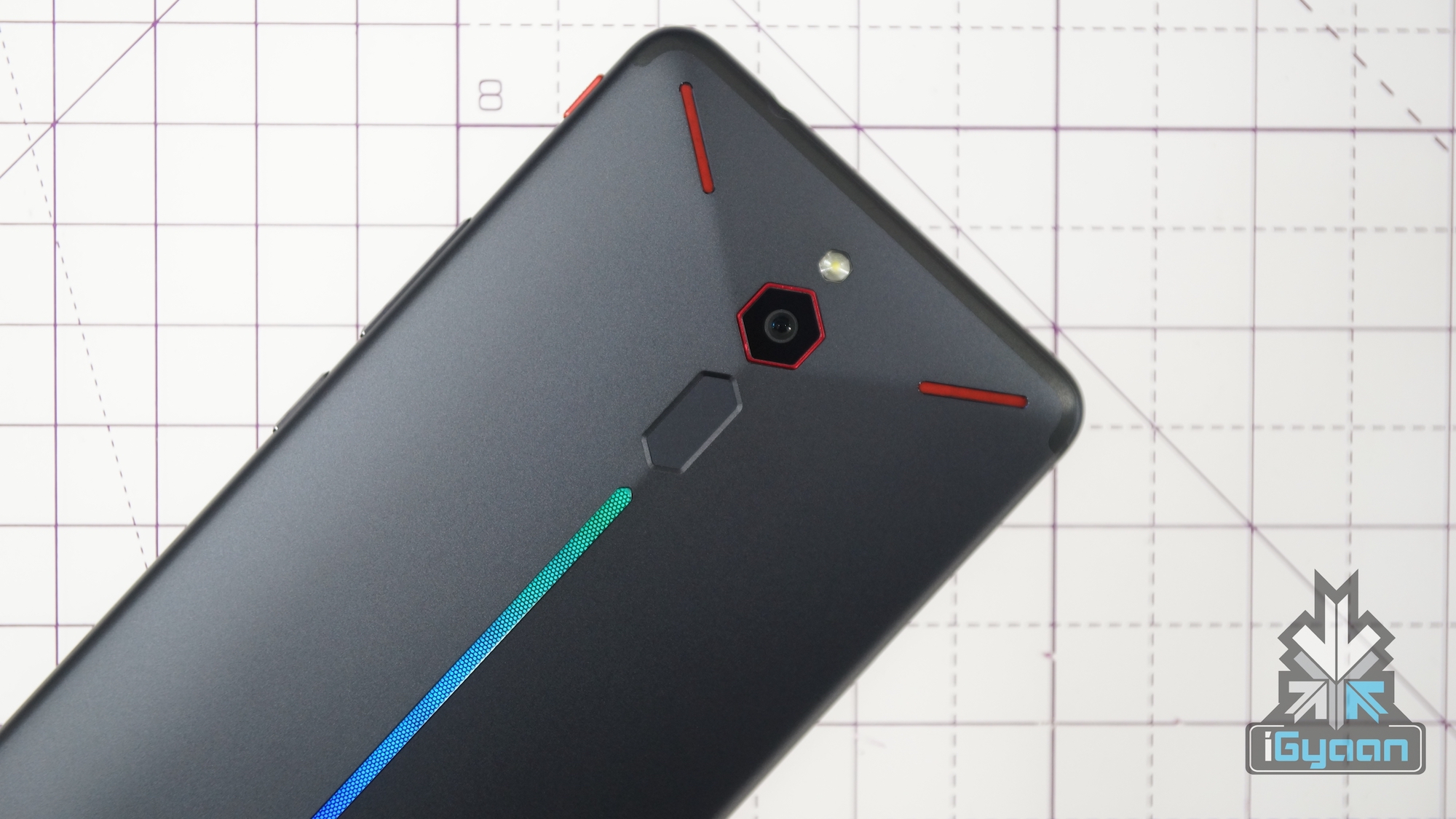
    The Red Magic supports dual 4G VoLTE, Bluetooth 5.0 and 802.11 ac Wi-Fi. The rear of the device has Red coloured mesh grills which act as the cooling vents for the Multi-Layer cooling technology that the smartphone has.

    Price And Availability

    The Nubia Red Magic is exclusively available on Amazon and carries a price tag of Rs 29,999.

    Nubia Red Magic Gaming Phone Giveaway! Click here to enter.

  • Indian Air Force Successfully Tests Its First Plane Powered By Biofuel

    Indian Air Force Successfully Tests Its First Plane Powered By Biofuel

    With the advancement of technology and the need for more fuel to power everything around us, manufacturers are turning to greener alternatives to do the same. Over the past few years, we have seen huge growth in the sector of eco-friendly automobiles. The same drive has spread to a larger industry, that of aviation. Earlier this year, SpiceJet had tested India’s first commercial flight which ran on biofuel. Now, the Indian Air Force has also stepped into the same arena. It has successfully tested its first military aircraft, flying using biofuel.

    Painting The Skies Green

    The test was carried out using an AN-32 transport aircraft and the Indian Air Force plans to use this biofuel powered An-32 for the flypast during the republic day parade. This was a step closer towards the same. The test was carried out by Test Pilots from the Aircraft Systems and Testing Establishment (ASTE). But it must be noted that the entirety of the fuel used was not biofuel, and only 10% biofuel was used along with conventional aviation fuel. This is similar to the SpiceJet flight which used 25% biofuel and 75% aviation fuel.

    The successful test was done with the help of the Defence Research and Development Organisation (DRDO) and the Indian Institute of Petroleum (IIP). The fuel is made from Jatropha oil sourced from the Chattisgarh Biodiesel Development Authority (CBDA). It was then processed at the IIP facility in Dehradun. The Indian Air Force plans to have transport aircrafts flying with biofuel by 2021. 

    Also ReadSpiceJet Operates India’s First Biofuel Driven Flight

    The test also added India’s name to a very elite list of countries which has done so. This includes the USA , which had done similar tests on transport and fighter aircrafts as well. The Indian Air Force added that they plan to expand this capability to their fighter jets as well. This includes the MiG 29 and the Su-30 MKI fighter jets.

  • Xiaomi To Re-launch Poco F1 In China As Mi Play

    Xiaomi To Re-launch Poco F1 In China As Mi Play

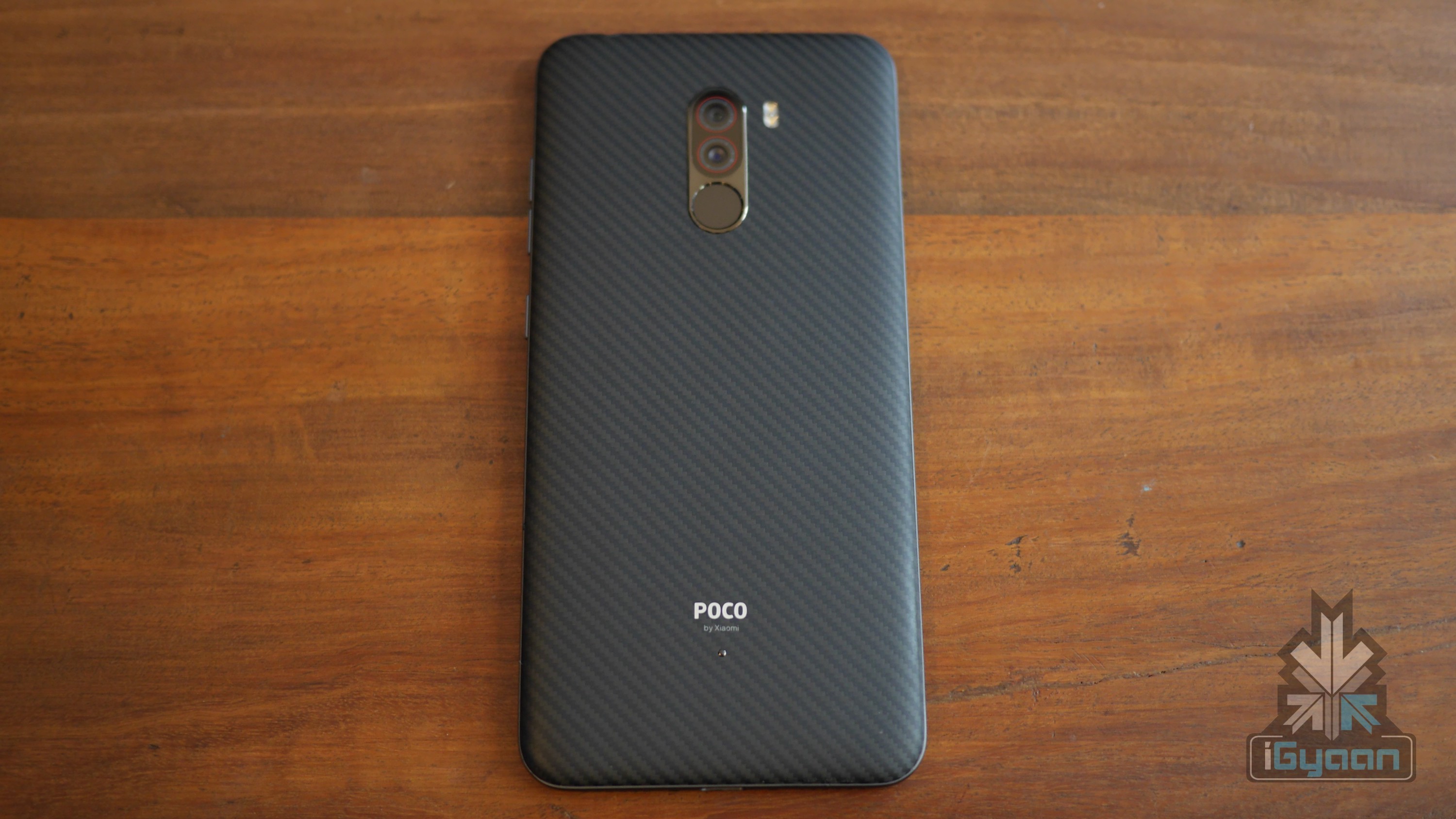
    Xioami unveiled their sub-brand Poco earlier this year in India. The first smartphone that the company launched is the Poco F1. The smartphone was launched in the month of September. Due to its killer pricing and flagship level specifications, it was able to turn a lot of heads globally. The Poco F1 was initially launched in India and it carried a sub 20k price tag for the base variant. Previously there have been claims that the smartphone will carry the Xiaomi branding when it is launched globally.

    Mi Play Teaser

    Xiaomi is set to launch a new smartphone on the 24th of this month which will be called the Mi Play. The ‘Play’ name suggests that the smartphones will have a focus on gaming, entertainment, and such ‘fun’ activities. There are rumors which claim that the Poco F1, in fact, is the first Mi Play series smartphone.

    Poco F1/ Mi Play Tech Specifications

    Poco F1

    • Display: 6.18-inch LCD Full HD+ 2246 × 1080 pixels, 18.7:9 aspect ratio
    • Operating System: MIUI 10 Android 8.1 Oreo
    • Processor: Snapdragon 845
    • RAM: 6 GB/8 GB
    • Storage: 64 GB/128GB/256GB
    • Rear Cameras: 12 MP + 5 MP, Dual-LED Flash
    • Selfie Camera: 20 MP
    • Security: Rear Mounted Fingerprint Sensor, Infrared Face Unlock
    • Connectivity: Dual 4G VoLTE, Wi-Fi 802.11 ac, Bluetooth 5 .0 , GPS, USB Type-C
    • Battery: 4000mAh
    • Dimensions: 155.5 x 75.3 x 8.8 mm
    • Weight: 182 grams

    Also Read: Lenovo Z5s With Triple Rear Cameras Launched In China

    Although it is not yet official that the Poco F1 is the Mi Play, fortunately, we won’t have to wait for long as the latter will launch soon. It will be officially launched in China on 24th December 2018.

    You can also watch our review video of the Poco F1 aka Mi Play

  • Lenovo Z5s With Triple Rear Cameras Launched In China

    Lenovo Z5s With Triple Rear Cameras Launched In China

    Lenovo held a launch event in China where they announced the Z5 Pro GT and Lenovo Z5s smartphones. The Lenovo Z5 Pro GT is a flagship level smartphone while the Z5s is targeted towards mid-range audience.

    Lenovo Z5s Design And Specifications

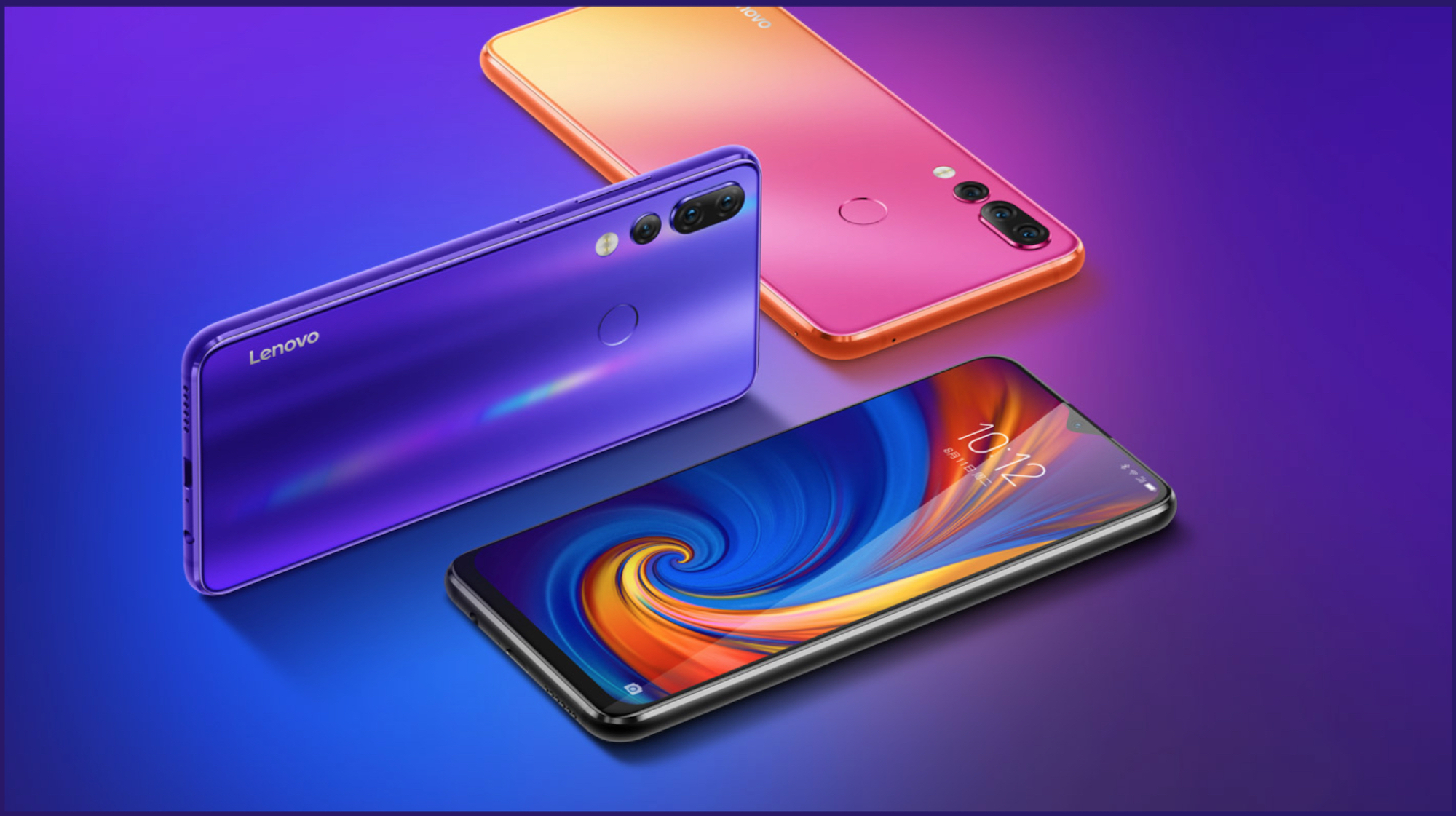
    The Lenovo Z5s has an all-glass front and rear build with a metal chassis. The smartphone measures 156.7 x 74.5 x 7.85 mm and weighs in at 172 grams. The left side of the smartphone houses the power button and the volume rockers while the bottom side is occupied by the 3.5 mm audio jack, loudspeaker grille and the USB Type-C port for charging and data transfer.

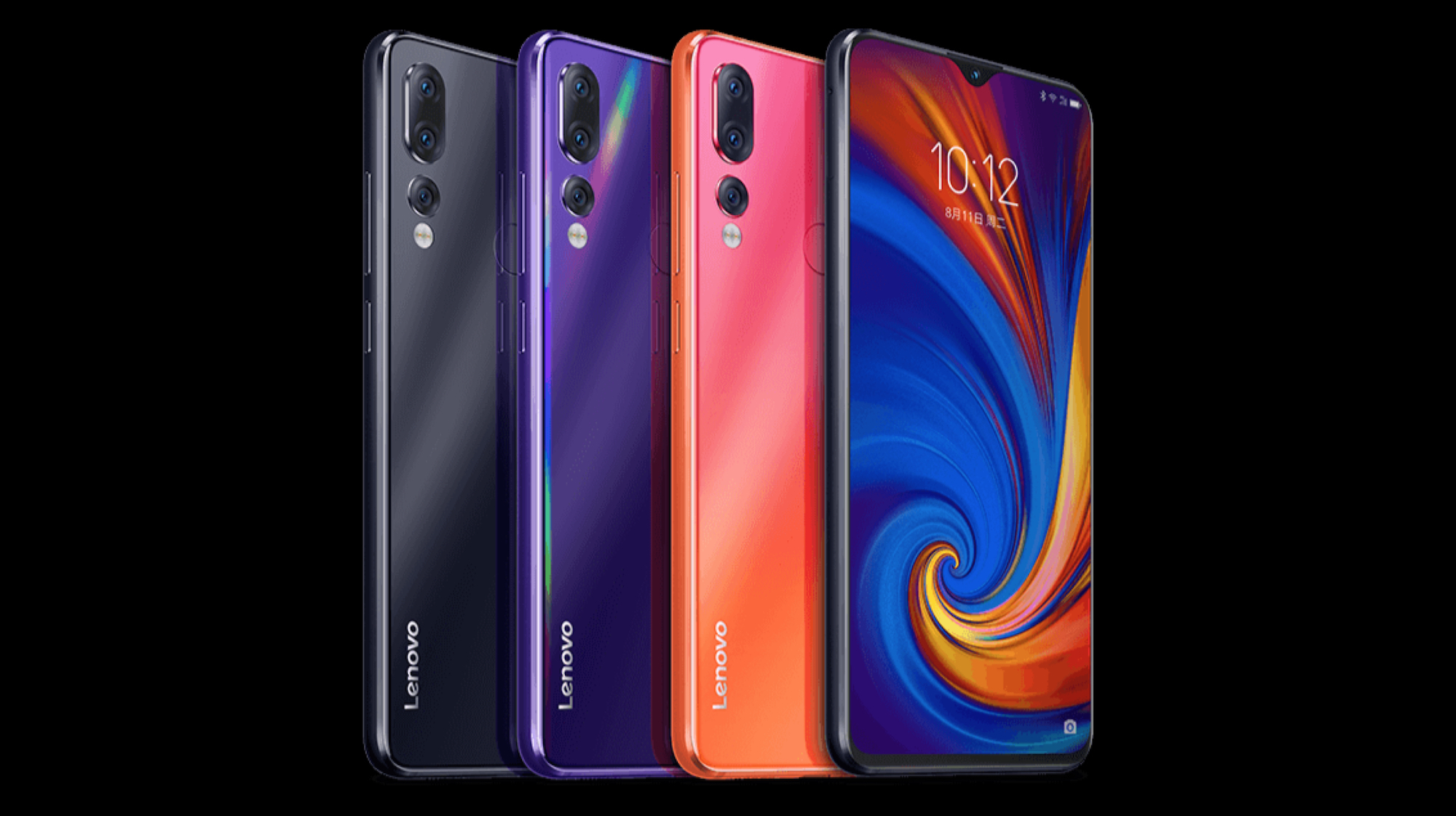
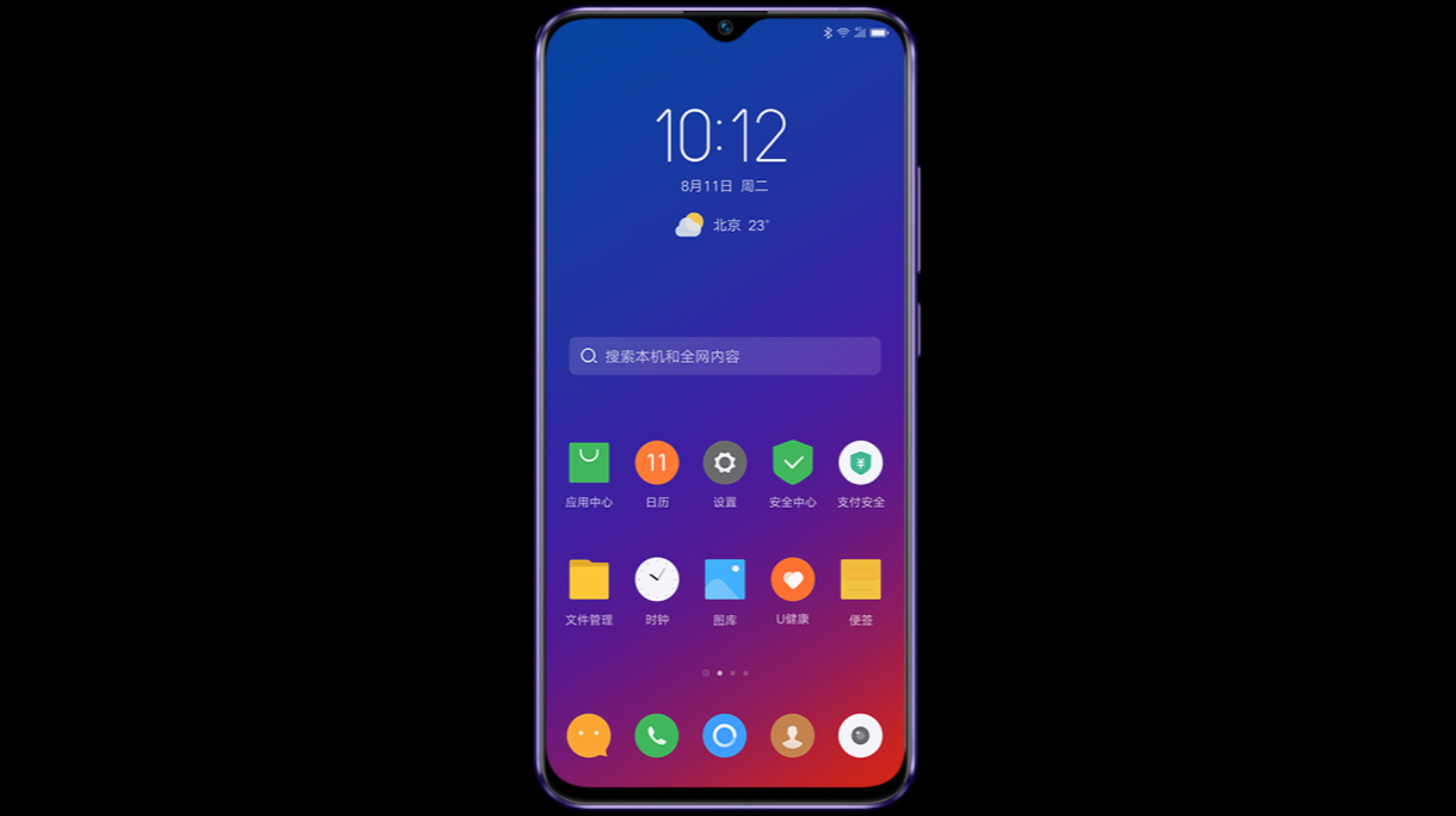
    The Lenovo Z5s has a 6.3-inch display with a small waterdrop notch up top which houses the 16 MP front-facing selfie camera. The display has a resolution of 2340 x 1080 px and an aspect ratio of 19.5:9. The rear of the smartphone has a gradient coloured glass panel which harbors the triple camera setup and fingerprint sensor. The rear camera setup consists of 16 MP + 8 MP + 5 MP sensors and a dual LED flash. The smartphone can also capture 2160p videos from the rear cameras and 1080p videos from the front camera.

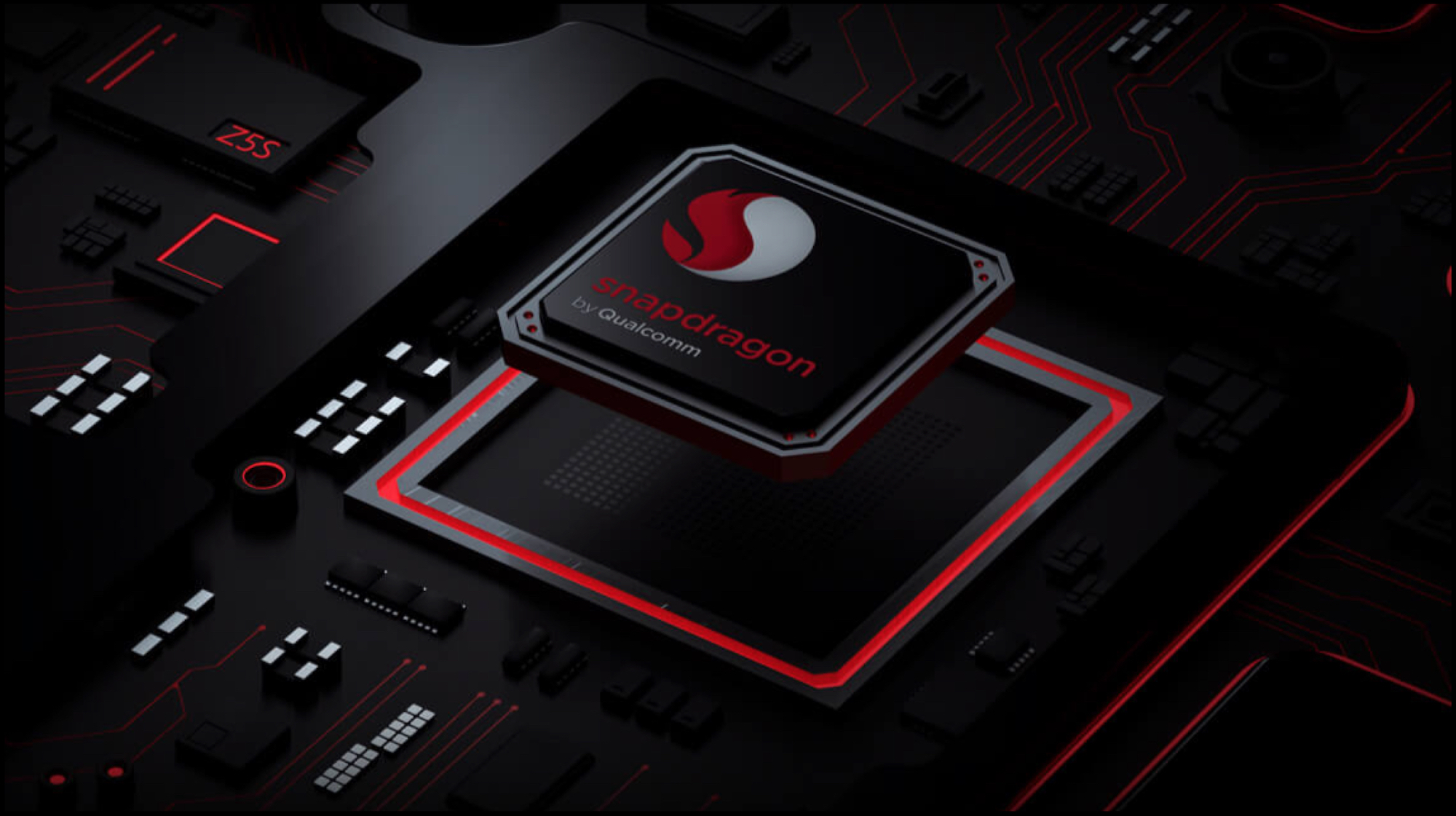
    Under the hood, the Lenovo Z5s packs the Octa-Core Snapdragon 710 CPU which has a turbo frequency of 2.2 GHz. The smartphone is available in two RAM + ROM configurations which are as follows:

    • 4 GB + 64 GB
    • 6 GB + 128 GB

    The smartphone also supports memory expandability up to 256 GB via a microSD card. It is powered by a 3,300 mAh battery which supports 15W fast charging. In terms of connectivity, the smartphone supports dual 4G VoLTE, 802.11 ac W-Fi and Bluetooth 5.0. The smartphone also gets a P2i coating which allows it to survive accidental spillovers.

    Price And Availability

    Also Read: Lenovo Z5 Pro GT With Snapdragon 855 Announced In China

    The Lenovo Z5s is available in three colours which are Starry Gray, Titanium Crystal Blue, and Honey Love Orange. The smartphone will go on sale in China starting 24th December and the price of different variants of the smartphone is as follows:

    • 4 GB + 64 GB – 1398 Yuan (around Rs 14,400)
    • 6 GB + 128 GB – 1598 Yuan (around Rs 16,500)
    • 6 GB + 128 GB (Zhu Yilong custom edition) – 1998 Yuan (around Rs 20,600)
  • LG To Launch A TV Which Rolls Up Like A Piece Of Paper

    LG To Launch A TV Which Rolls Up Like A Piece Of Paper

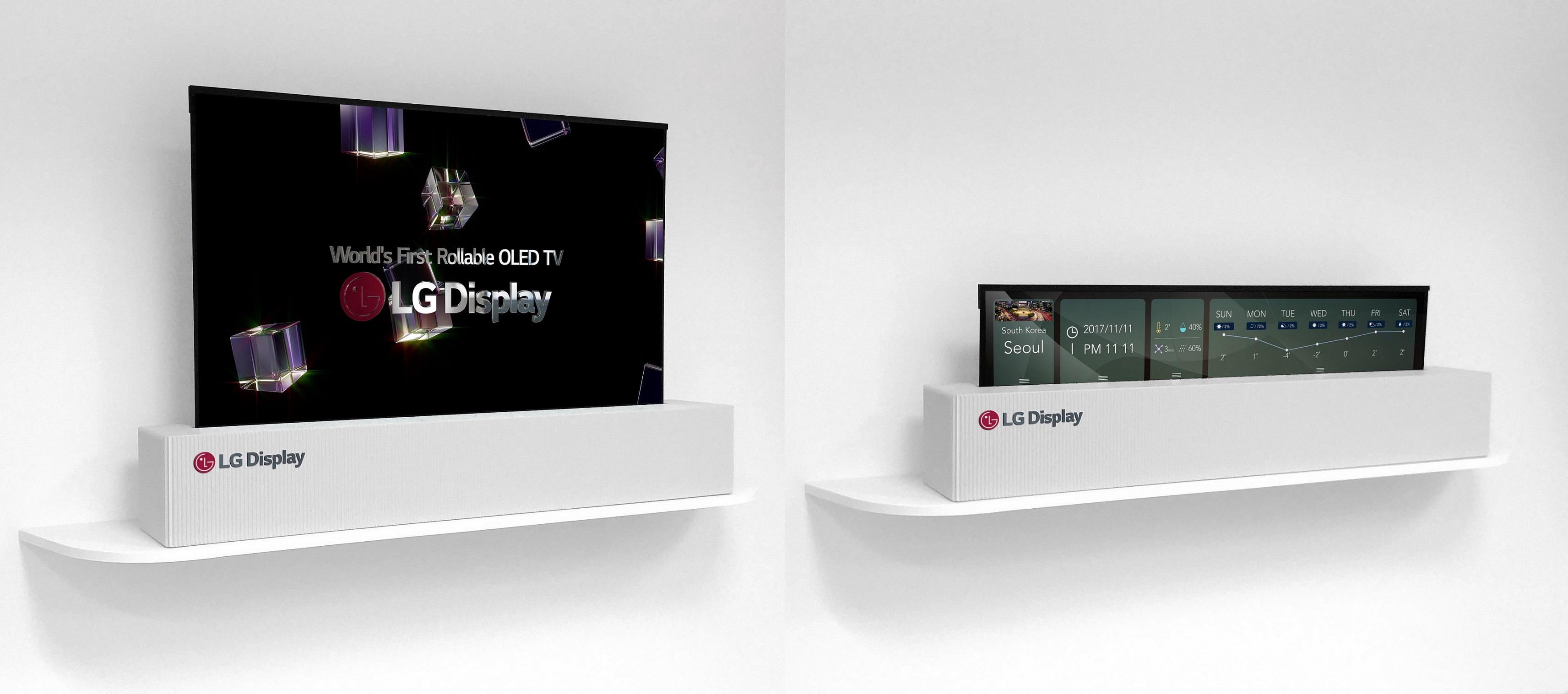
    Earlier this year, LG had showcased a Television which rolls up just like a movie poster. The company demonstrated the rolling mechanism and its multiple uses. While the technology had grabbed many eyeballs, not many expected it to come into production, especially not this soon. Now, reports suggest that LG will be launching a production variant of the same next year. 

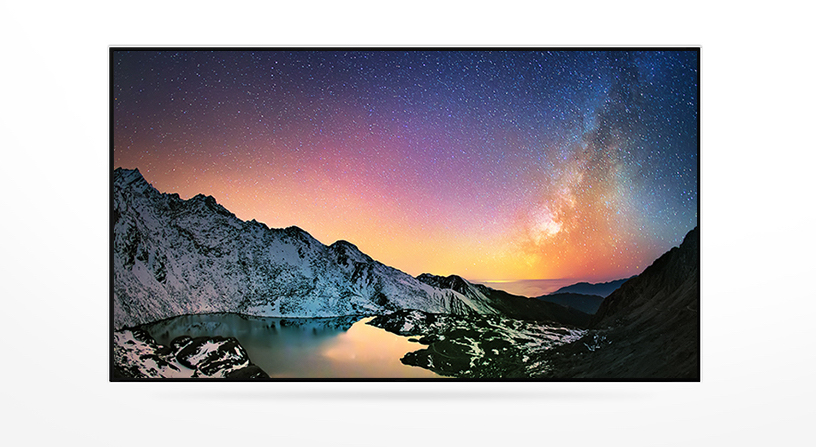
    The need for a breakthrough innovation has been long due in the TV industry and LG might have just cracked the code with this one. The TV that has been demonstrated is a 65-inch rolling display with a retracting panel that is operated using a remote. At the press of a button, it emerges out of a base which houses it and also automatically rolls back down.

    The uses of such a display are many, as envisioned by the company. The biggest advantage is that of adjusting aspect ratios. You can quickly switch from a 16:9 aspect ratio to a 21:9 aspect ratio. Depending on the nature of content and how you prefer to watch it. The large 65-inch screen will ensure that you get a great viewing experience. Even with a part of the screen rolled down. Adding to this is the 4K resolution that the display offers, which claims to give a great cinematic experience.

    Also Read : Samsung Granted Patent For 3D Hologram Display

    The base at the bottom is to hide the technology behind the display, according to company officials. The TV sports an OLED display, which will fold more easily than traditional LCD panels. The company also hopes that this boosts their share in the TV market, and also sets them apart from their competition. With not so much happening in this segment over the past few years, we are excited to see how this product will find a place in the homes of consumers when it goes on sale next year.

  • Lenovo Z5 Pro GT With Snapdragon 855 Announced In China

    Lenovo Z5 Pro GT With Snapdragon 855 Announced In China

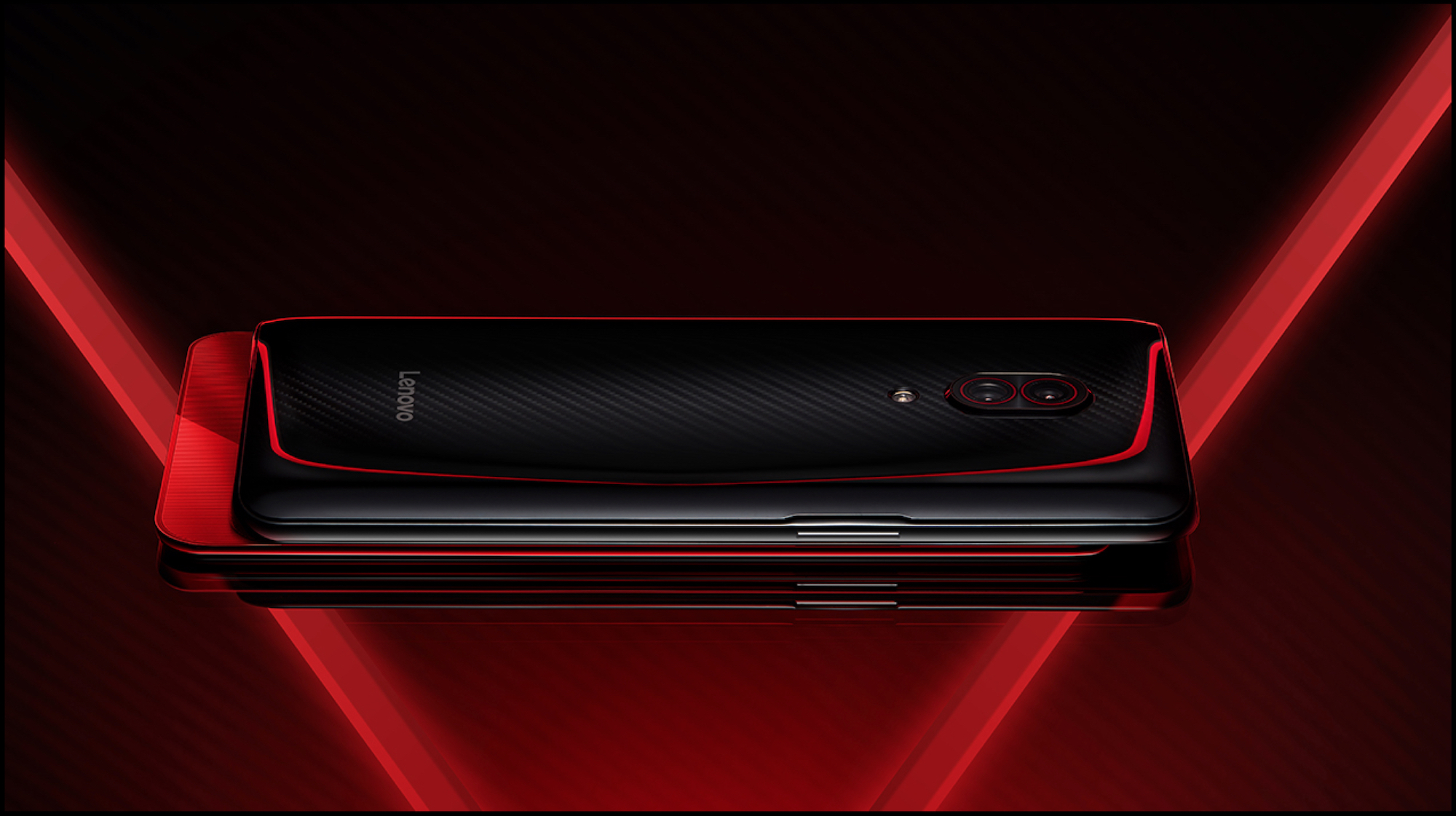
    Lenovo launched the Z5 Pro smartphone earlier this year in China. Now the company has announced the Z5 Pro GT which is a higher-specced variant of the former.

    Design

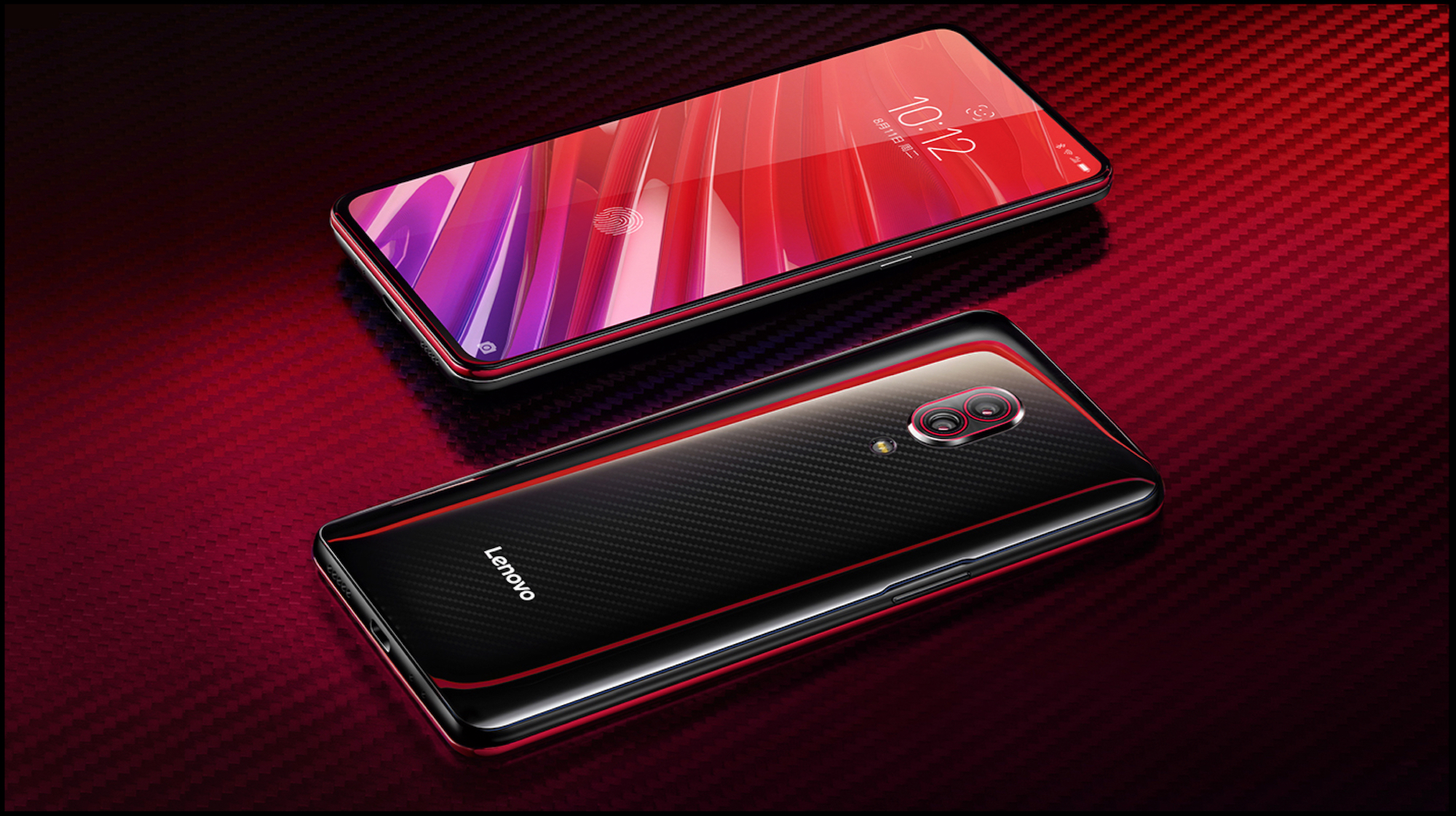
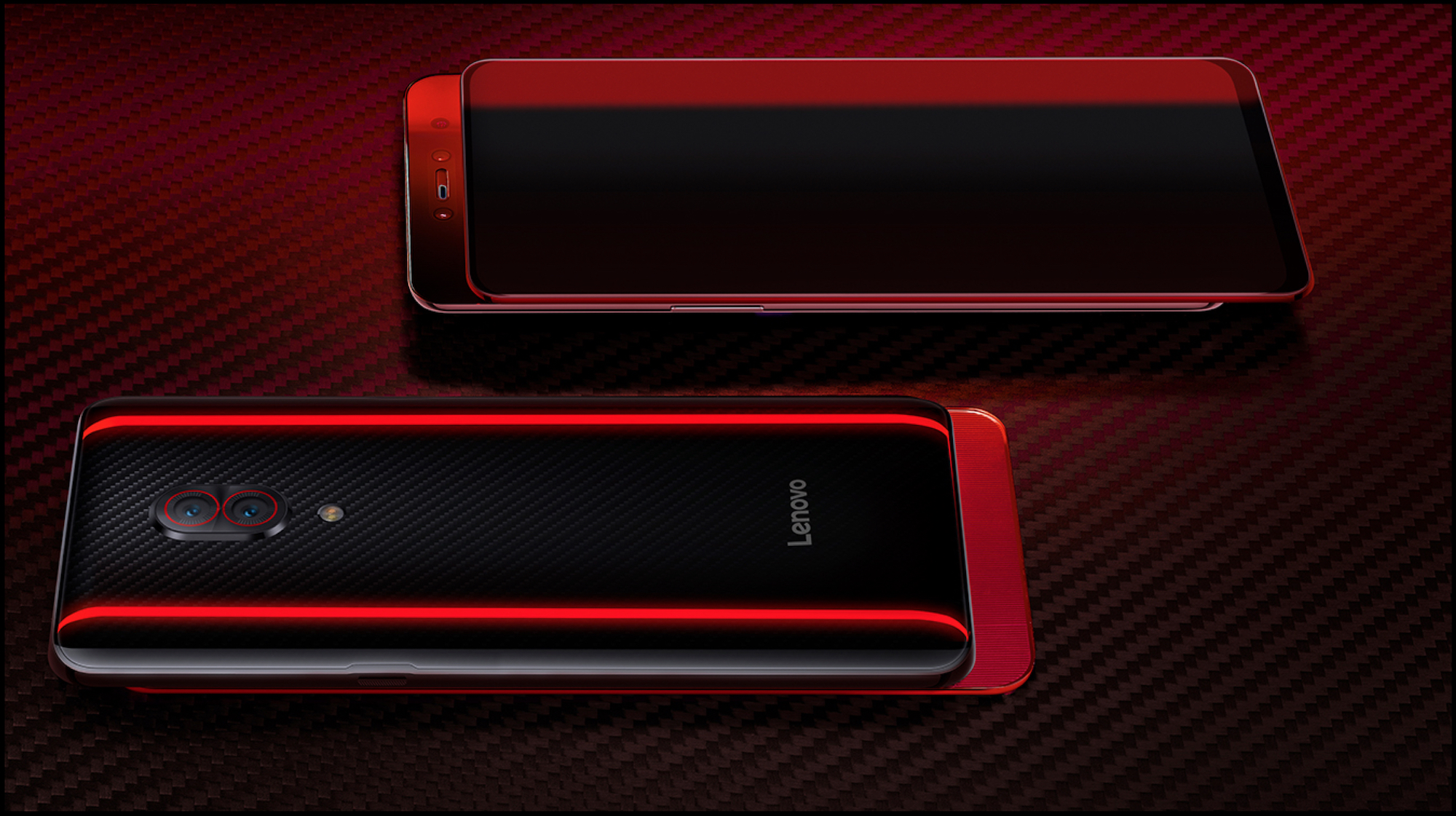
    The Lenovo Z5 Pro GT has an all-glass front and rear with a sliding screen which conceals the dual front camera setup and the speakerphone. The smartphone has 6 double helix springs to drive its sliding mechanism. According to the company, the slider has a life cycle of up to 3,00,000 slides. The smartphone measures 155.12 x 73.04 x 9.3 mm and weighs in at 210 grams. The power button is placed on the right side of the handset while the volume rockers are placed on the left. For securely unlocking the device it has an in-display fingerprint sensor and it also supports facial unlocking technology. The Lenovo Z5 Pro GT gets as all new back with carbon fiber like design. Like the regular variant, it also has dual rear cameras along with an LED flash.

    Specifications

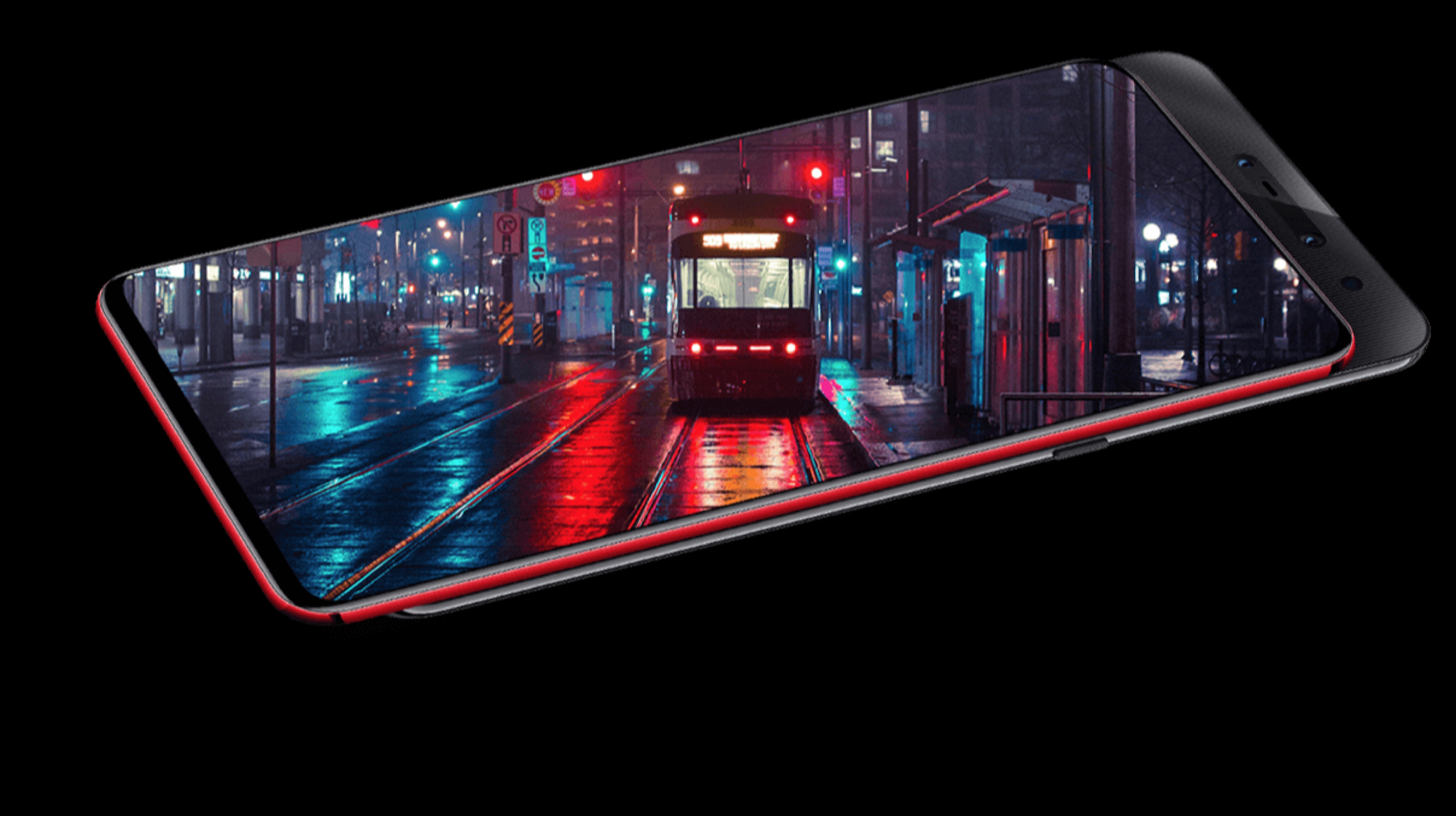
    The Lenovo Z5 Pro GT has a 6.39-inch FHD+ Super AMOLED display with a resolution of  2340 x 1080 px. It features the Octa Core Snapdragon 855 SoC. It will be one of the first smartphones to feature this chipset. For photography, the device has dual 16 MP + 24 MP rear cameras which can capture 2160p videos @ 30fps. The front of the device also has dual 16 MP + 8 MP cameras which can record 1080p videos.

    The Lenovo Z5 Pro GT runs on the ZUI 10.0 which based on Android 9 Pie. For connectivity, the device has dual 4G VoLTE support, 802.11 Wi-Fi, Bluetooth 5.0, NFC, and a USB Type-C port for charging and data transfer. It also has a proximity sensor, a gravity sensor, and an ambient light sensor. The smartphone is powered by a 3,350 mAh non-removable lithium-ion battery. It also has Dolby Atmos support which provides a better and immersive sound experience. Most noteworthy, the device has a hardware-level security chip. The hardware chip stores sensitive user data like fingerprint information and banking details of the user.

    Price And Availability

    Also Read: Microsoft Launches Surface Go 2-in-1 PC In India

    The Lenovo Z5 Pro GT is currently available for pre-order in China while the deliveries will commence from 24th January 2019. The price for the different variants of the smartphone is as follows:

    • 6 GB RAM + 128 GB ROM – 2698 CNY (around Rs 27,700)
    • 8 GB RAM + 128 GB ROM – 2998 CNY (around Rs 30,800)
    • 8 GB RAM + 256 GB ROM – 3398 CNY (around Rs 41,200)
    • 12 GB RAM + 512 GB ROM – 4398 CNY (around Rs 45,200)


  • Microsoft Launches Surface Go 2-in-1 PC In India

    Microsoft Launches Surface Go 2-in-1 PC In India

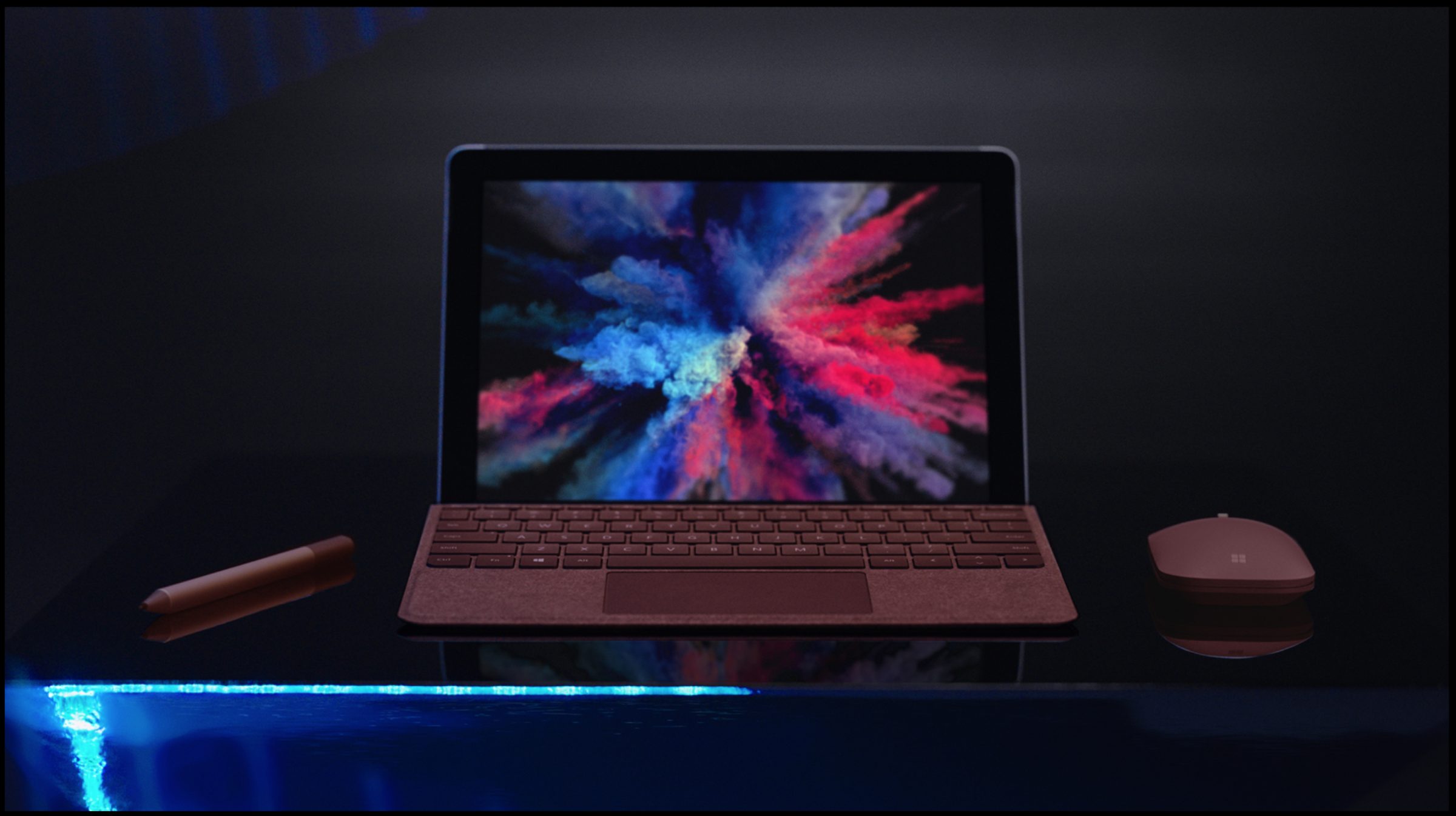
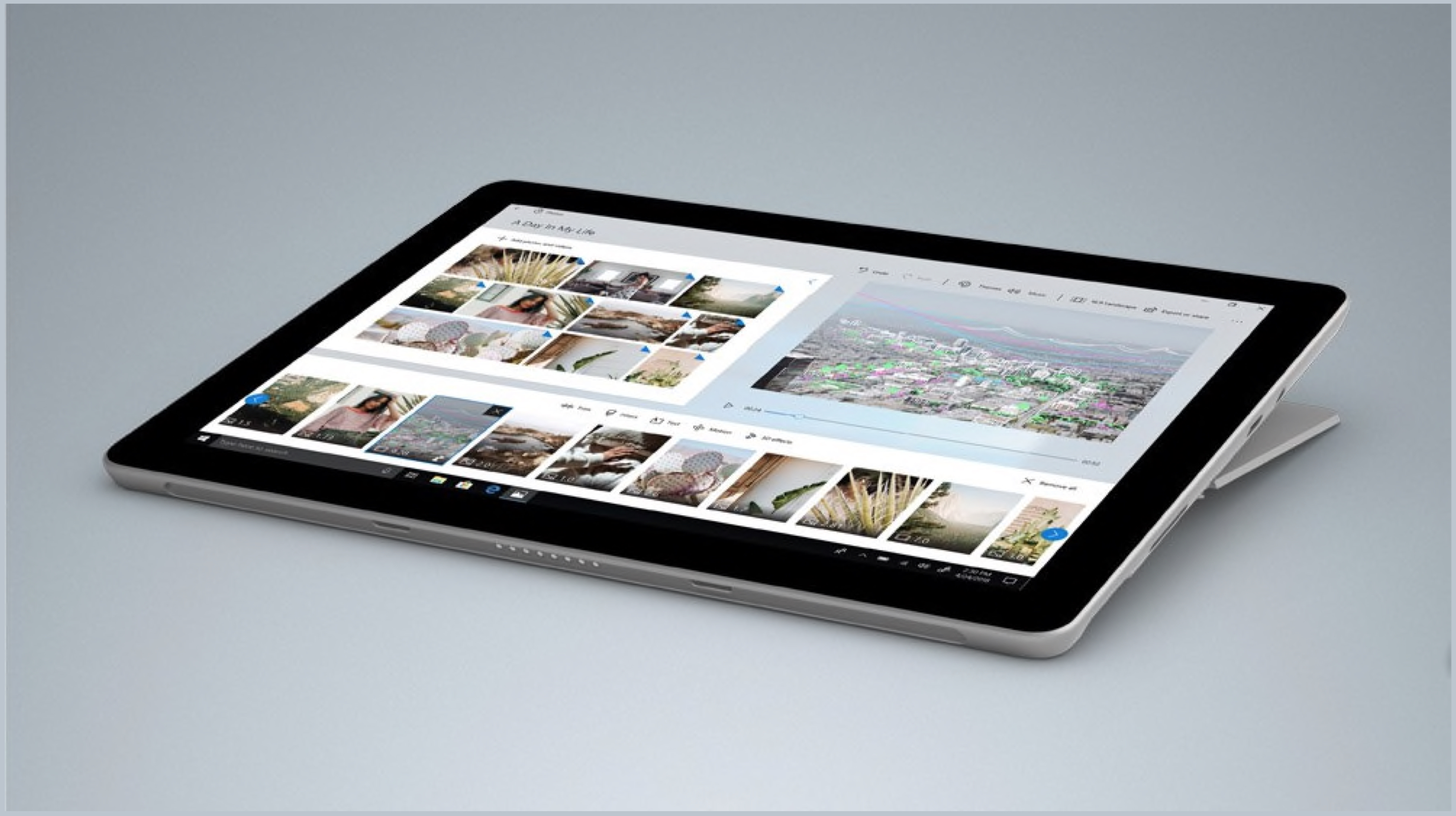
    Microsoft offers a wide range of laptops and touchscreen PC’s which carry the Microsoft Surface branding. These devices have a premium build with high-end features and are intended to set a benchmark for other Windows PC OEMs. Earlier this year, the company launched their cheapest 2-in-1 detachable notebook, the Surface Go in the US. The budget-oriented Surface Go has now been launched in India. As the name suggests, it is a 2-in-1 PC with a detachable keyboard that is sold separately. Like a lot of other companies, Microsoft has also chosen the online sales model for the Surface Go. The PC will be exclusively available on Flipkart and will be offered in two RAM + ROM configurations.

    Click Here To Buy The Microsoft Surface Go

    Design

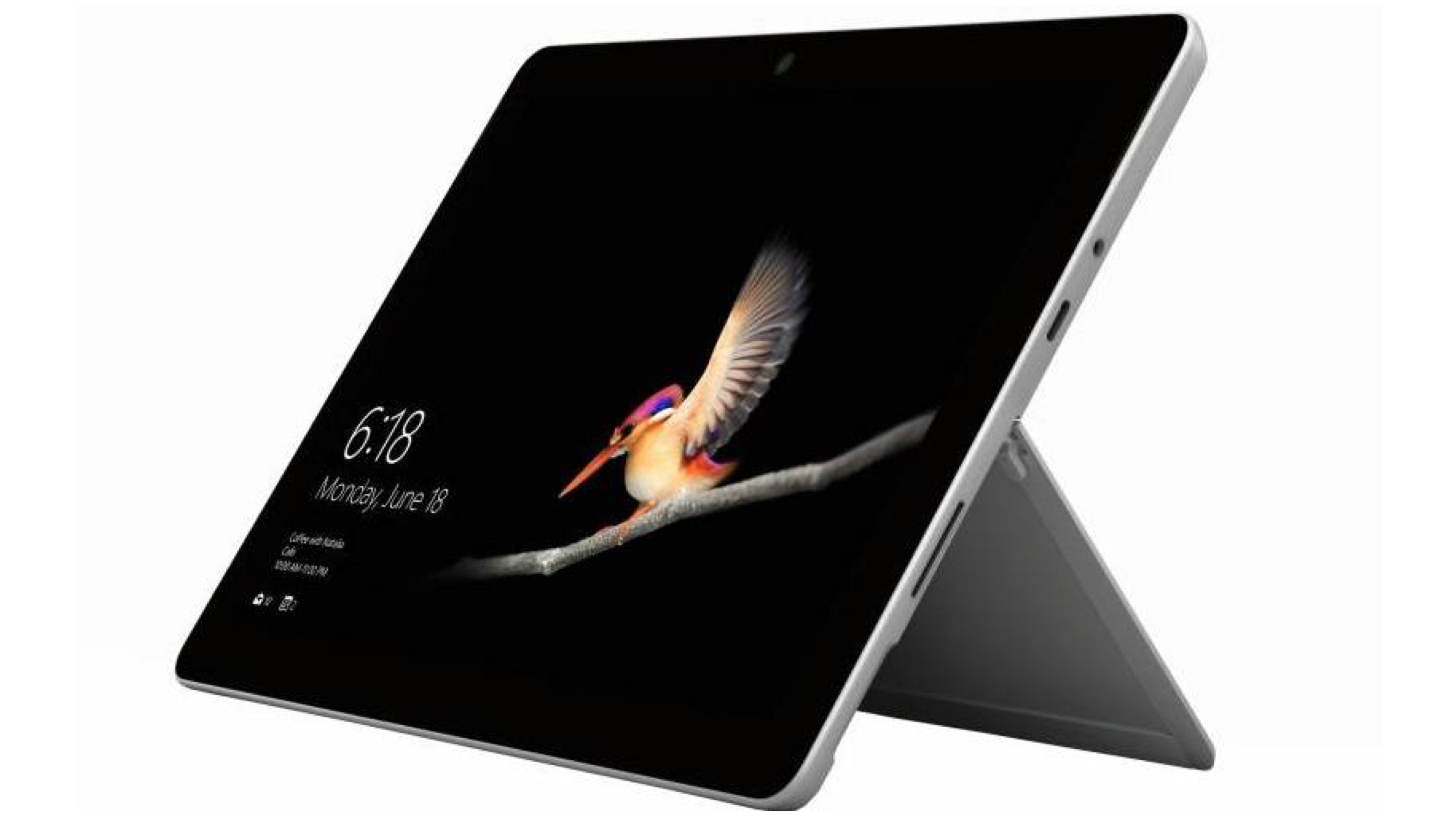
    The Microsoft Go has a rectangular tile-like shape with an adjustable kickstand. It measures 245 x 176 x 8.3 mm and weighs in at 522 grams. The top side of the device houses the power button and the volume rockers while the bottom side houses the magnetic keyboard connector. The left side of the Surface Go houses the microSD expansion slot and the right side houses the 3.5 mm jack, USB Type-C port, and side firing dual speakers. The rear of the device has a 5 MP camera and a microphone pinhole. The PC also has an 8 MP autofocus camera for taking pictures and video conferencing.
    Specifications

    The Microsoft Go has a 10-inch LED display with a resolution of 1800 x 1200 px. For protection against scratches, the display also gets Corning Gorilla Glass 3. The Microsoft Surface Go has dual 2 Watt stereo speakers with Dolby audio support. The touchscreen PC features the dual-core Intel 4415Y Pentium Gold processor that has a clock speed of 1.6 GHz. The Intel SoC also has integrated HD 615 graphics.

    In terms of connectivity, the Surface Go has Bluetooth 4.1 and Wi-Fi 802.11 ac. It also has a variety of built-in sensors which include an ambient light sensor, an accelerometer, a gyroscope, and a magnetometer. The PC runs latest Windows 10 Home in S Mode and is powered by a 2 cell battery. According to Microsoft, the Surface Go can offer up to 9 hours of battery backup, depending on the usage pattern.

    Price, Colours, And Availability

    The Microsoft Surface Go is available in a single Grey colour variant. It is available for pre-order on Flipkart and the deliveries will commence on 27th December. It is offered in two RAM + ROM configurations for which the price is as follows:

    • 4 GB + 64 GB – Rs 37,999
    • 8 GB + 128 GB – Rs 49,999

    Also Read: Huawei Nova 4 With In-display Camera Launched

    Another point worth mentioning is that the 64 GB variant has eMMC storage whereas the 128 GB variant gets an SSD. Both eMMC and SSD are types of NAND flash storage but the latter has higher read and write speeds.

    Click Here To Buy The Microsoft Surface Go

  • Mi A2 And Poco F1 Get Android Pie

    Mi A2 And Poco F1 Get Android Pie

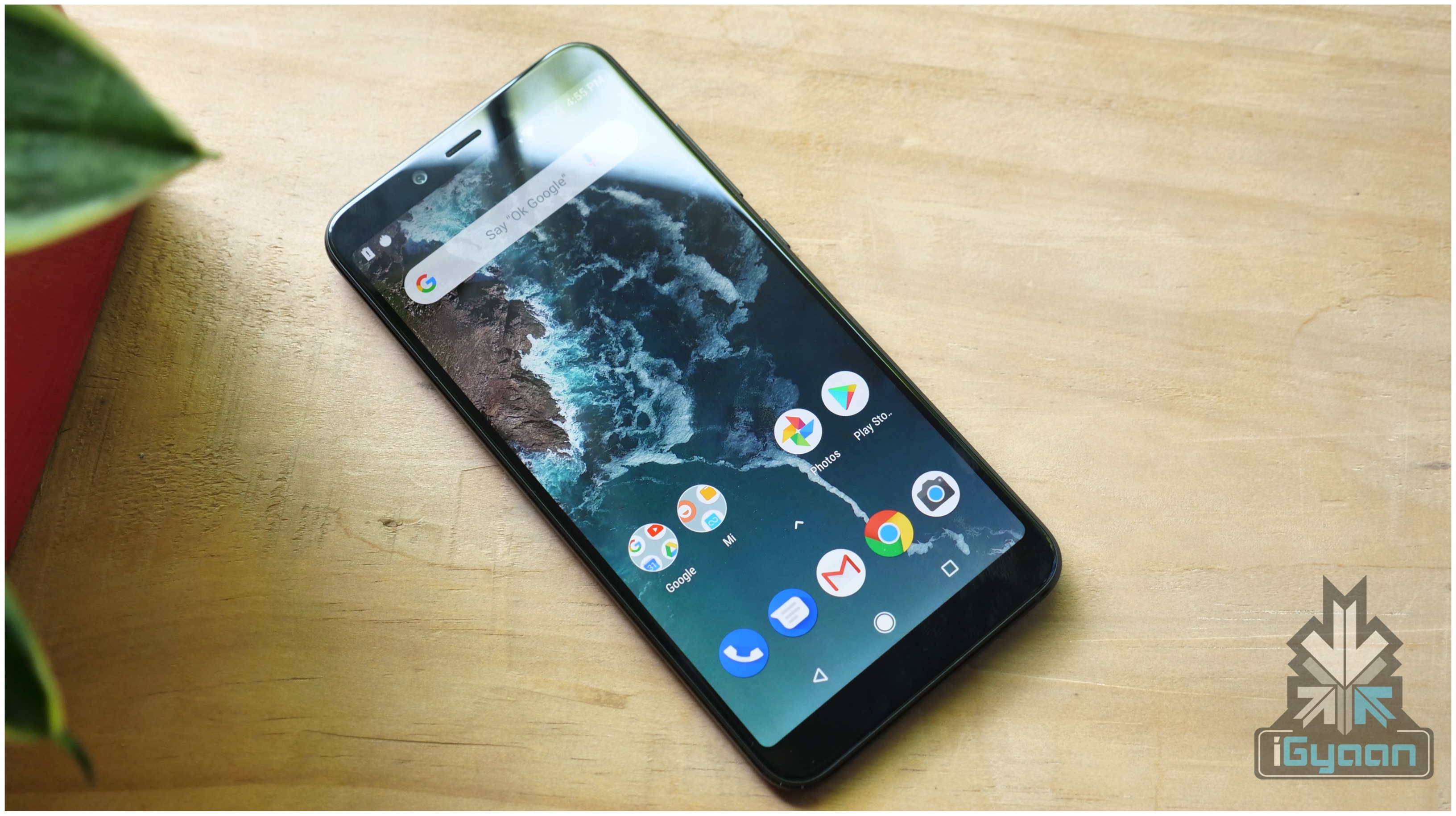
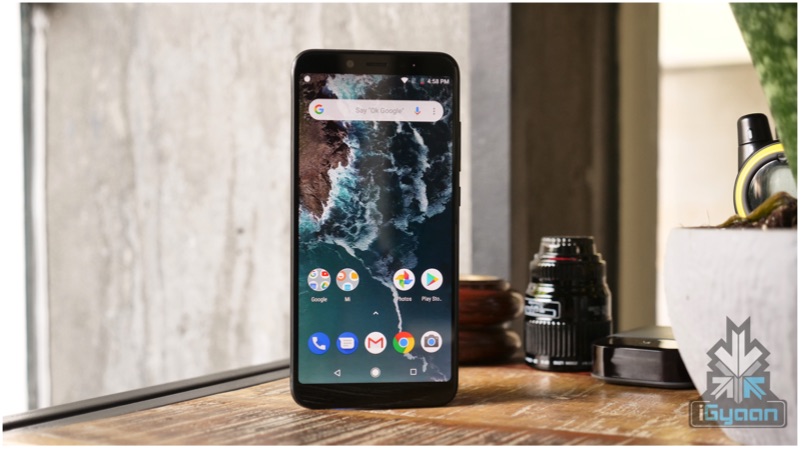
    The Xiaomi Mi A2 has officially become the first phone by the smartphone manufacturer to receive the Android 9 Pie update. The rollout was first limited to a few Mi A2 devices. But, will start reaching almost all devices from the 18th of December. Additionally, the Poco F1 has also started recieving an update for MIUI 10, which brings in a lot of big fixes as well.

    Mi A2

    The rollout of the Pie update started a few days back and other Xiaomi devices have also been receiving scattered updates. This includes the Mi A2 Lite as well. A global rollout is expected to start in January 2019. However the original Mi A1 is yet to receive any definite date for the update. But, users should not be disheartened as some Mi A1 users had also reported receiving the update. Since these devices are part of the Android One program, it is but natural for them to receive the Android Pie update first.

    Poco F1

    The Poco F1 has started receiving a stable update for MIUI 10 based on Android Pie. This update was also reported by multiple users last week. The update brings big fixes to the Poco F1 along with google Lens integration. It also fixes several issued with Android Auto. A few other bug fixes are mentioned below.

    The update fixes the setting for turning off the screen automatically and also fixes the issues with the phone’s microphone. However, a lot of users are still reporting some issues even after the latest update. These include a Ambient display option in the settings, which apparently doesn’t work at all times. Some users also reported a touch lag. Other users also reported that the Google Assistant wasn’t responding to the “Ok Google” command at times. The company has mentioned that it will be releasing updates with fixes for these issues soon.

    Also ReadXiaomi Redmi 7 Listed On TENAA

    While a select few Xiaomi phones have started receiving the latest Android 9 Pie operating system, majority of their phones are still running on older versions of Android. With most users having mid-range or budget smartphones from the company which do not get speedy updates, it is imperative that the smartphone giant does something about to speed up this process.

  • Huawei Nova 4 With In-display Camera Launched

    Huawei Nova 4 With In-display Camera Launched

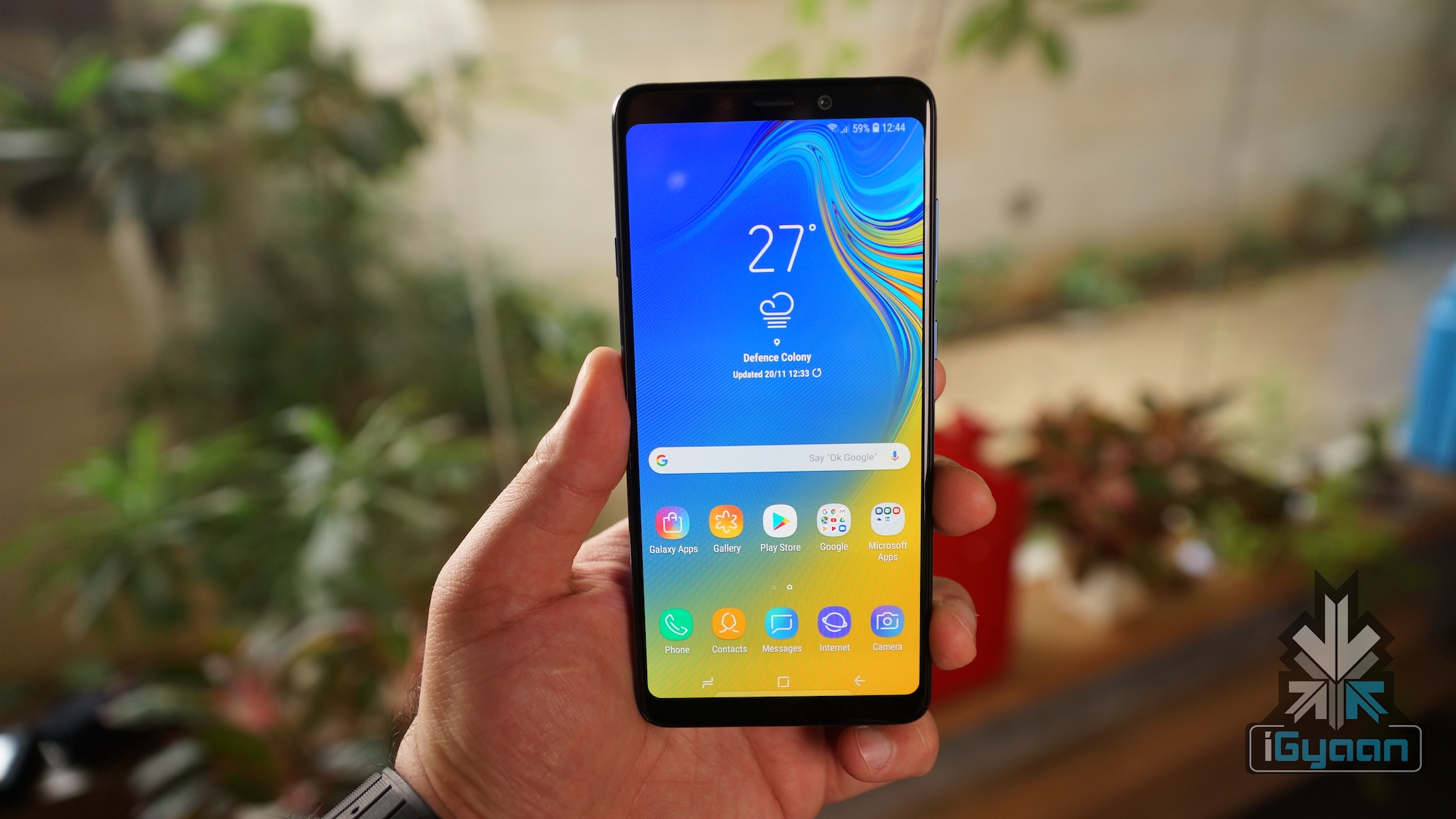
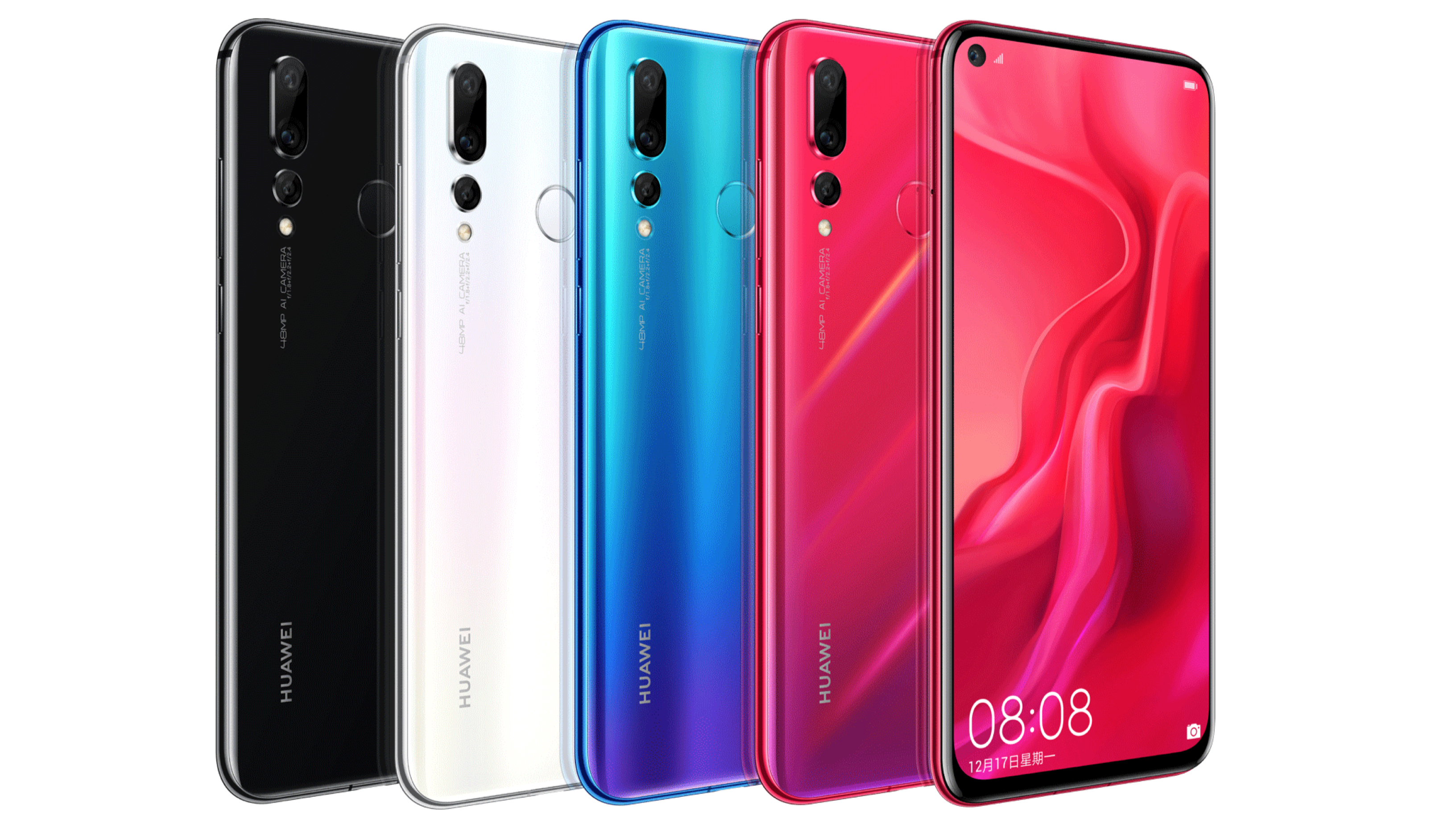
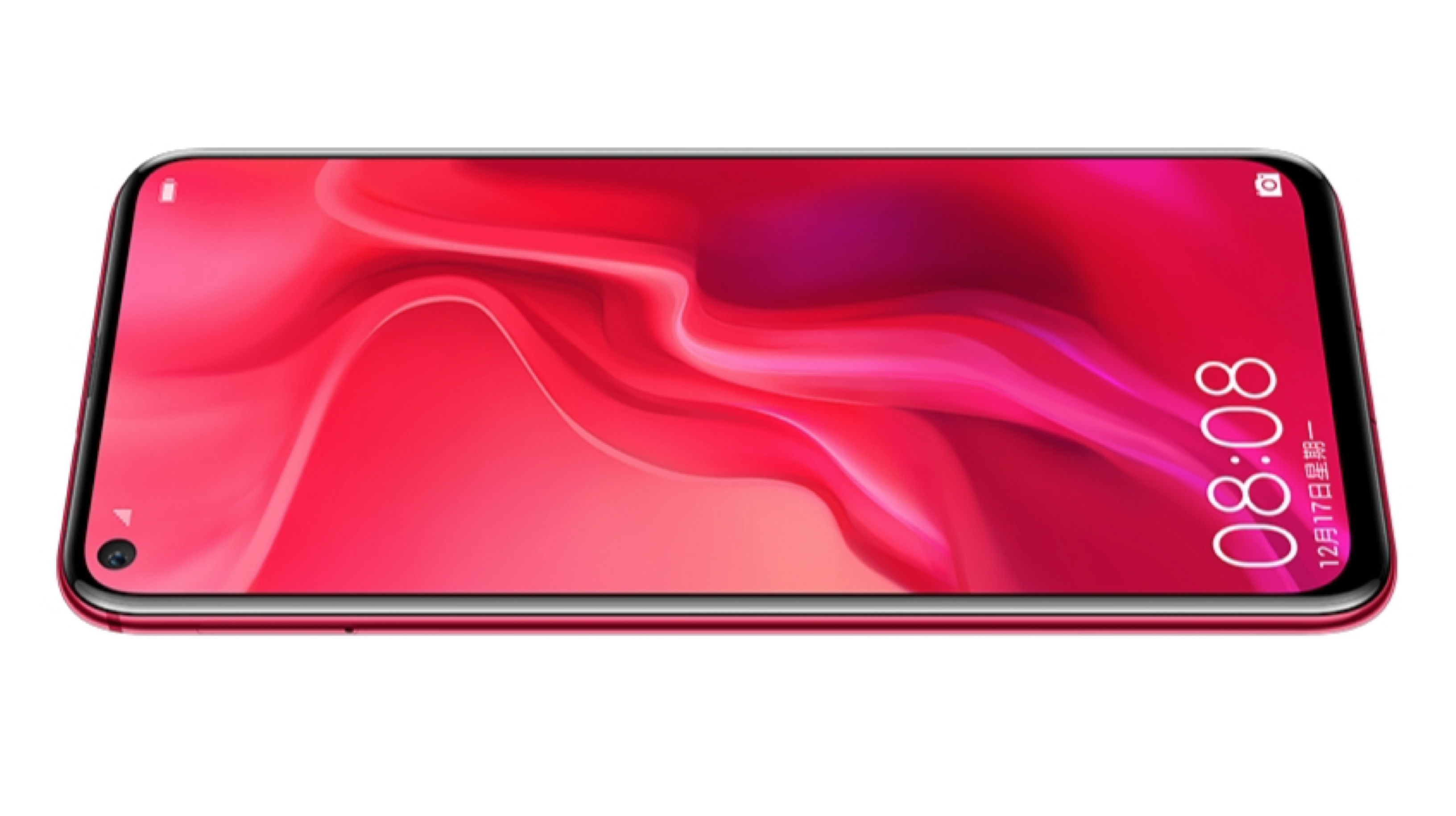
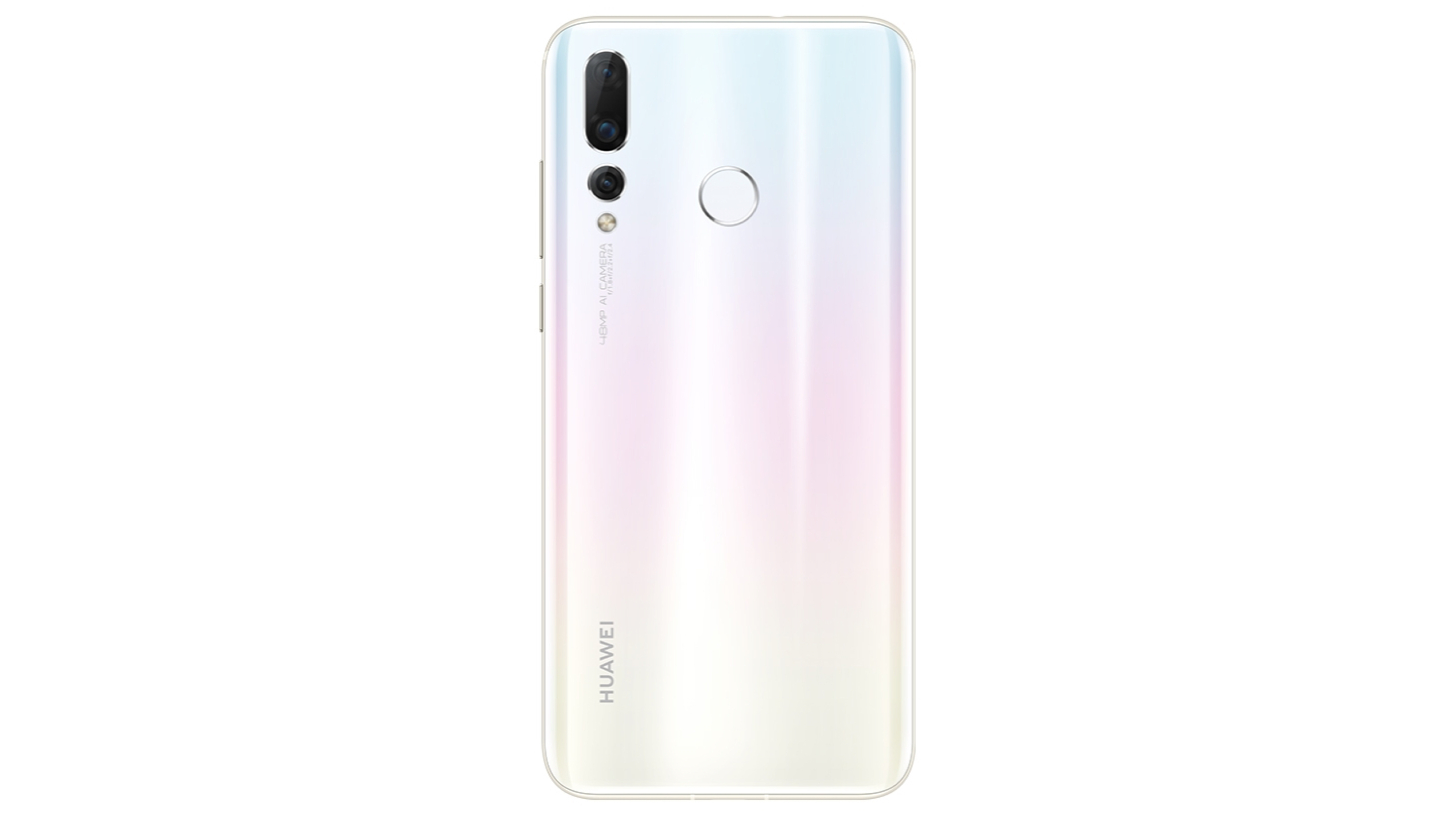
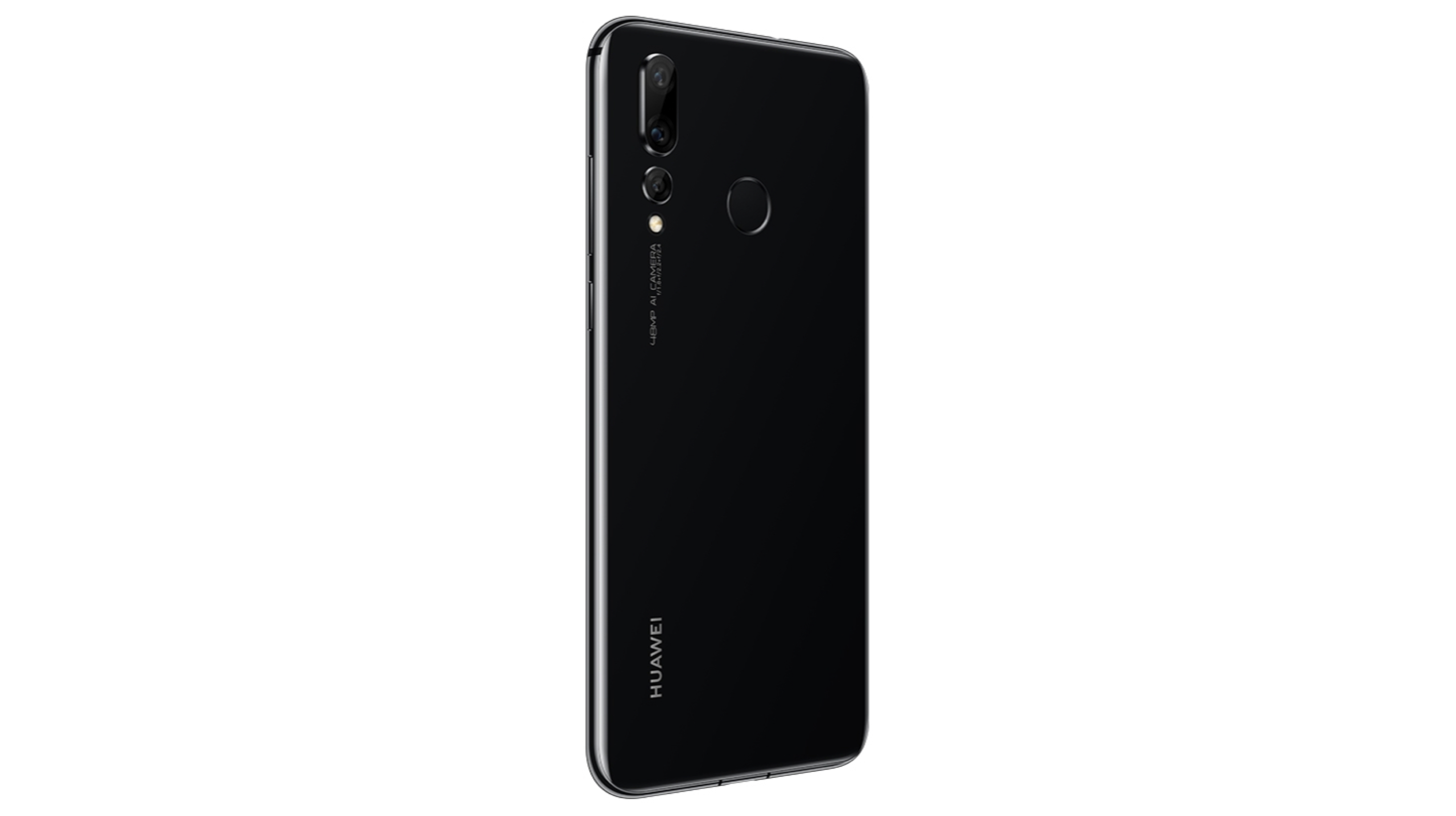
    Huawei has launched the highly anticipated Nova 4 smartphone in China. It is the successor to the Huawei Nova 3 which was launched earlier. The key highlighting feature of the smartphone is its in-display camera cutout for the front-facing camera. It is the second smartphone after Samsung Galaxy A8s to have this feature.

    Design And Specs

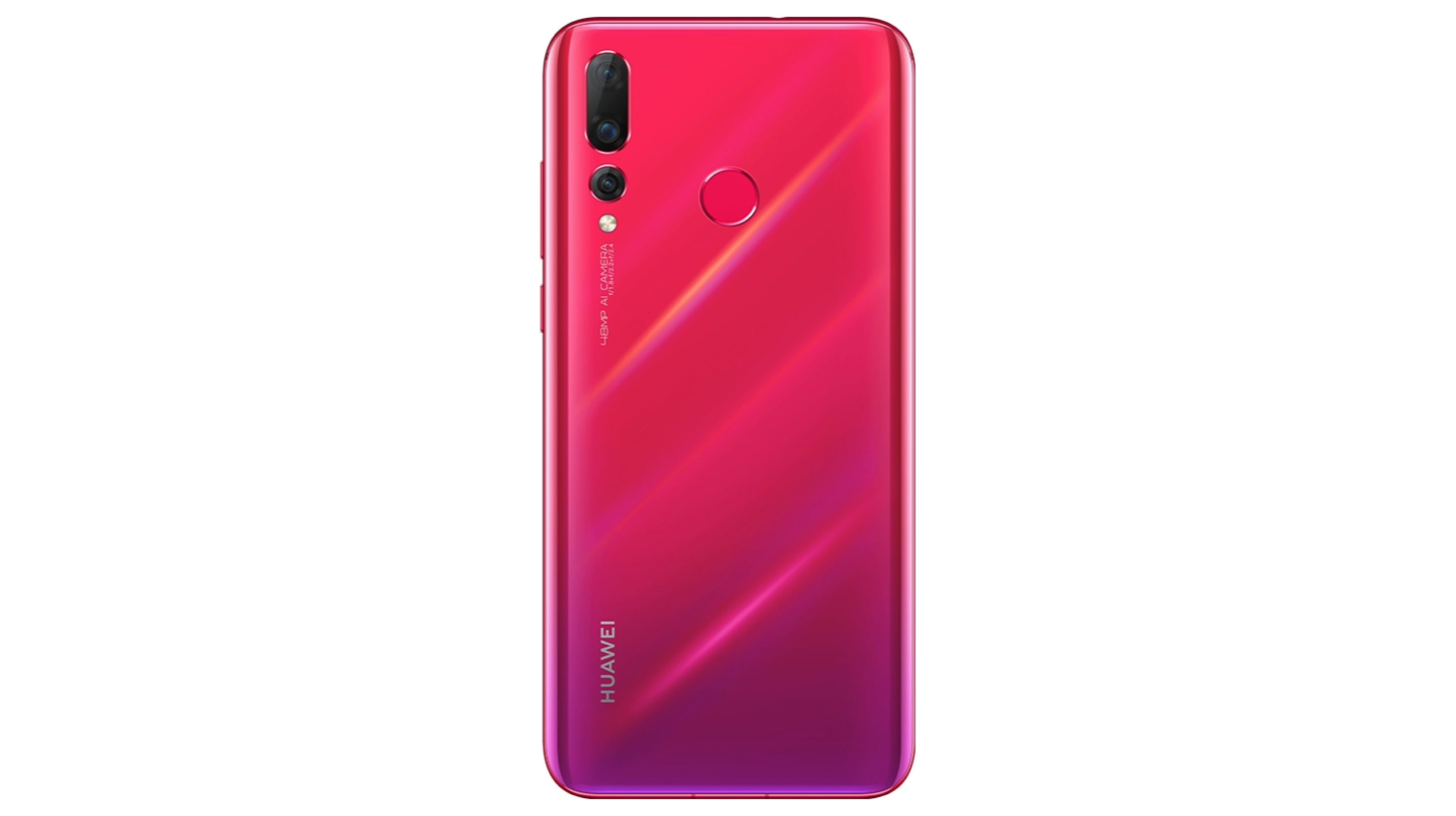
    The Huawei Nova 4 has an all-front and rear glass build with a metal chassis. It measures 157 × 75.10 × 7.77 mm weighs in at 172 grams. On the front of the smartphone sits a 6.4-inch LCD display with a resolution of 2310 x 1080 px and a pixel density of 398 ppi. Under the hood, the smartphone features the Octa-Core Snapdragon Kirin 970 CPU along with the Mali G72 MP12 GPU.

    For photography, the Huawei Nova 4 has a 25 MP front camera and triple rear cameras. The smartphone is available in two different rear camera setups which are as follows:

    • 48 MP + 16 MP + 2 MP
    • 20 MP + 16 MP + 2 MP

    It is powered by a 3750 mAh battery and runs on EMUI 9.0.1 which is built on top of latest Android 9.0 Pie. In terms of connectivity, it has Bluetooth 4.2, 802.11 ac Wi-Fi, GPS, and a USB Type C-Port for charging and data syncing.

    The Huawei Nova 4 also has a bunch of sensors which include a gravity sensor, ambient light sensor, proximity sensor, gyroscope, and a compass. For safely and securely unlocking the device it also has a rear-mounted fingerprint sensor.

    Price, Colours And Storage Variants

     Also Read: Xiaomi Redmi 7 Listed On TENAA

    The Huawei Nova 4 is available in four different colour options which are Bright Black, Honey Red, Blue, and White. The device is available in single 8 GB RAM + 128 GB ROM configuration. The price of the two variants of the smartphone with different rear camera setup is as follows:

    • 48 MP + 16 MP + 2 MP- 3099 Yuan (around Rs 32,150)
    • 20 MP + 16 MP + 2 MP- 3399 Yuan (around Rs 35,200)


iGyaan Network
Privacy Overview

This website uses cookies so that we can provide you with the best user experience possible. Cookie information is stored in your browser and performs functions such as recognising you when you return to our website and helping our team to understand which sections of the website you find most interesting and useful.