Blog

  • Apple’s Blackmagic eGPU Pro Now Available For Purchase

    Apple’s Blackmagic eGPU Pro Now Available For Purchase

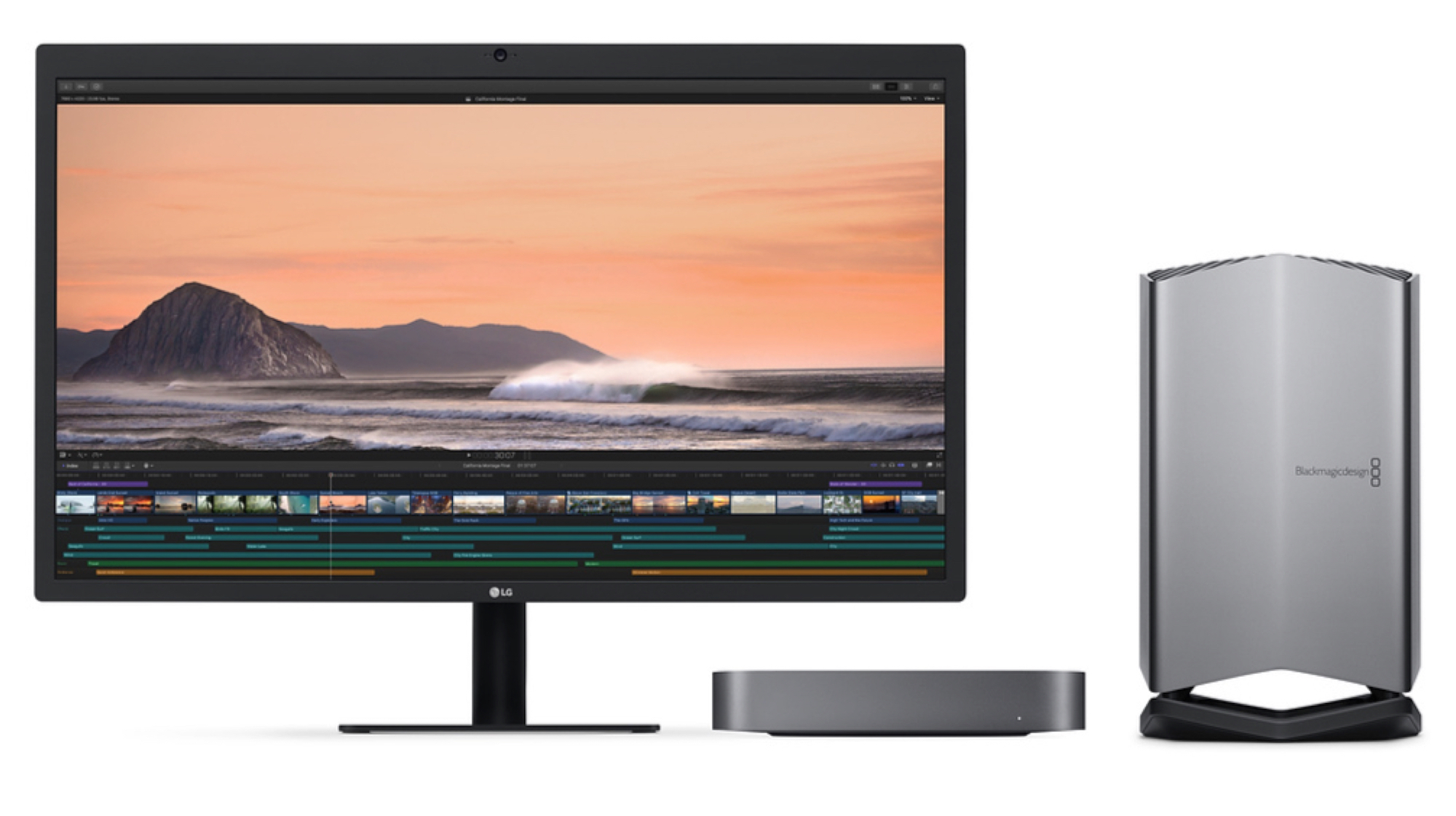
    Apple announced the Blackmagic eGPU Pro alongside the MacBook Air and Mac Mini in October. The Blackmagic eGPU Pro is an updated variant of the Blackmagic eGPU which was previously launched. Although the eGPU Pro was launched a few months ago, it was not available for purchase till now. The consumers can now place orders for the eGPU and Apple will commence deliveries from 15 January 2019.

    What Is The Blackmagic eGPU Pro?

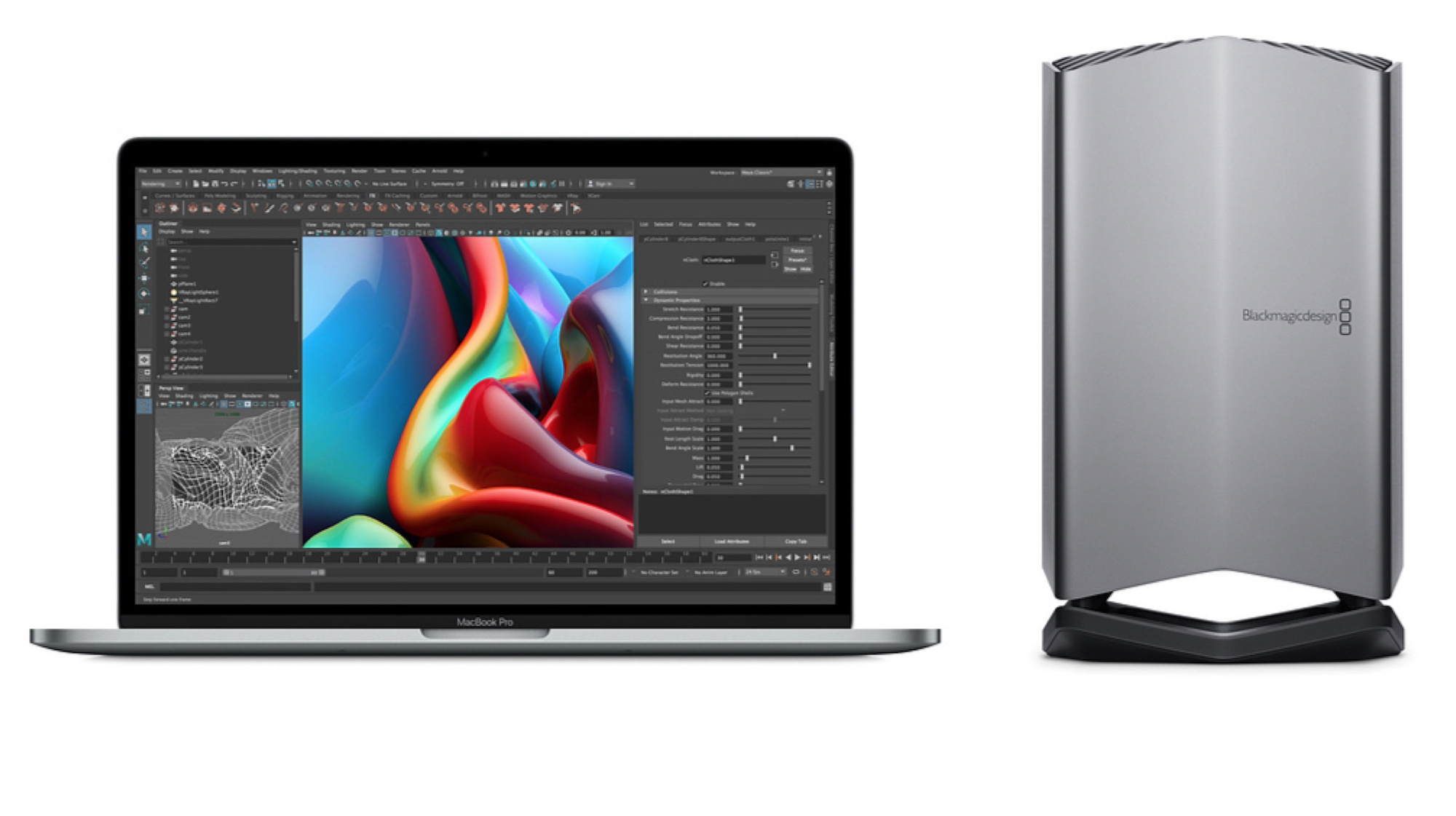
    The Blackmagic eGPU is an external Graphics Processing Unit for Apple computers. It can be connected to any compatible Apple machine using a Thunderbolt-3 cable. The Blackmagic eGPU Pro when connected to an Apple laptop or desktop computer will provide it with sufficient horsepower to run graphics-intensive tasks, like playing video games and rendering video content. Apple claims that the eGPU is powerful enough to run intensive tasks that were previously possible only on the high-end iMac Pro.

    Design And Specifications

    The Blackmagic eGPU Pro looks like a tower PC cabinet with an aluminum build and plastic base plate. The eGPU has cold air inlet vents at the bottom and hot air outlet vents at the top which allow it to stay cool even during intensive data processing tasks. It measures 2944 x 1768 x 1768 mm and weighs in at 4.5 kilograms. The rear side of the unit has various input and output ports which are as follows:

    • 2 x Thunderbolt 3 ports
    • 4 x USB 3 ports
    • 1 x HDMI 2.0 port
    • 1 x DisplayPort 1.4 port
    • 85W power delivery port

    The Blackmagic eGPU Pro features an AMD Radeon RX Vega 56 graphics card with 8 GB of HBM2 memory. The RX Vega 56 has 56 computing cores that have a base frequency of 1156 MHz and a boost frequency of up to 1471 MHz. The device supports Apple desktop and laptop computers which run on macOS 10.14.1 Mojave or later.

    Price And Availability

    Also Read: Xiaomi Launches Mi Pay Mobile Payment Service In India

    The Blackmagic eGPU Pro is available at a price of $ 1,119 from Apple’s US website and the company will deliver the first batch between 15-23 January 2019.

  • Google Increases Storage Limit To 20,000 Photos And Videos For Google Photos Albums

    Google Increases Storage Limit To 20,000 Photos And Videos For Google Photos Albums

    There is some good news for all the Android users! Google has increased the number of photos and videos that can be stored in an album to 20,000. Google Photos is a widely used service and most Android phone users backup their photos and videos in Google’s cloud storage. This enables a user to seamlessly switch to new phones without the hassle of shifting gigabytes of data from one phone to another. Each Google Photos storage is associated with a Gmail account. The limit for each album was previously set to 10,000 photos. With Google introducing the Live Album feature, there will now be more albums than before. The Live Album feature enables the app to differentiate between different photographs and creates and segregates photographs for you. This makes an album of your pets, your travels and so on.

    What This Means For Users

    With smartphone cameras becoming better and better, the size of images have increased. So has the user’s tendency to shoot more photographs with mobile phones. This new expansion of storage allows the user to not have to worry about running low on space and having to delete images from Google Photos. Google has also confirmed that it won’t count some formats of videos under the ‘unlimited storage’ umbrella. These include videos saved in mpg, .mod, .mmv, .tod, .wmv, .asf, .avi, .divx, .mov, .m4v,  .3gp, .3g2, .mp4, .m2t, .m2ts, .mts, and .mkv formats. These videos can still be uploaded to Google Photos, but will take up space on your Google Drive.

    Also ReadXiaomi Launches Mi Pay Mobile Payment Service In India

    While a user gets 15 GB storage for free on Google Drive, one can choose to increase that space by paying a premium. There are six different plans available at the moment which are 100 GB, 200 GB, 2 TB, 10 TB, 20 TB and 30 TB. The lowest plan for 100 GB data storage will set you back by Rs 130 per month. Alternatively, one can create another Gmail account to get 15 GB more data but that would mean you will need to keep both logged in on your phone to access the storage without interruptions.

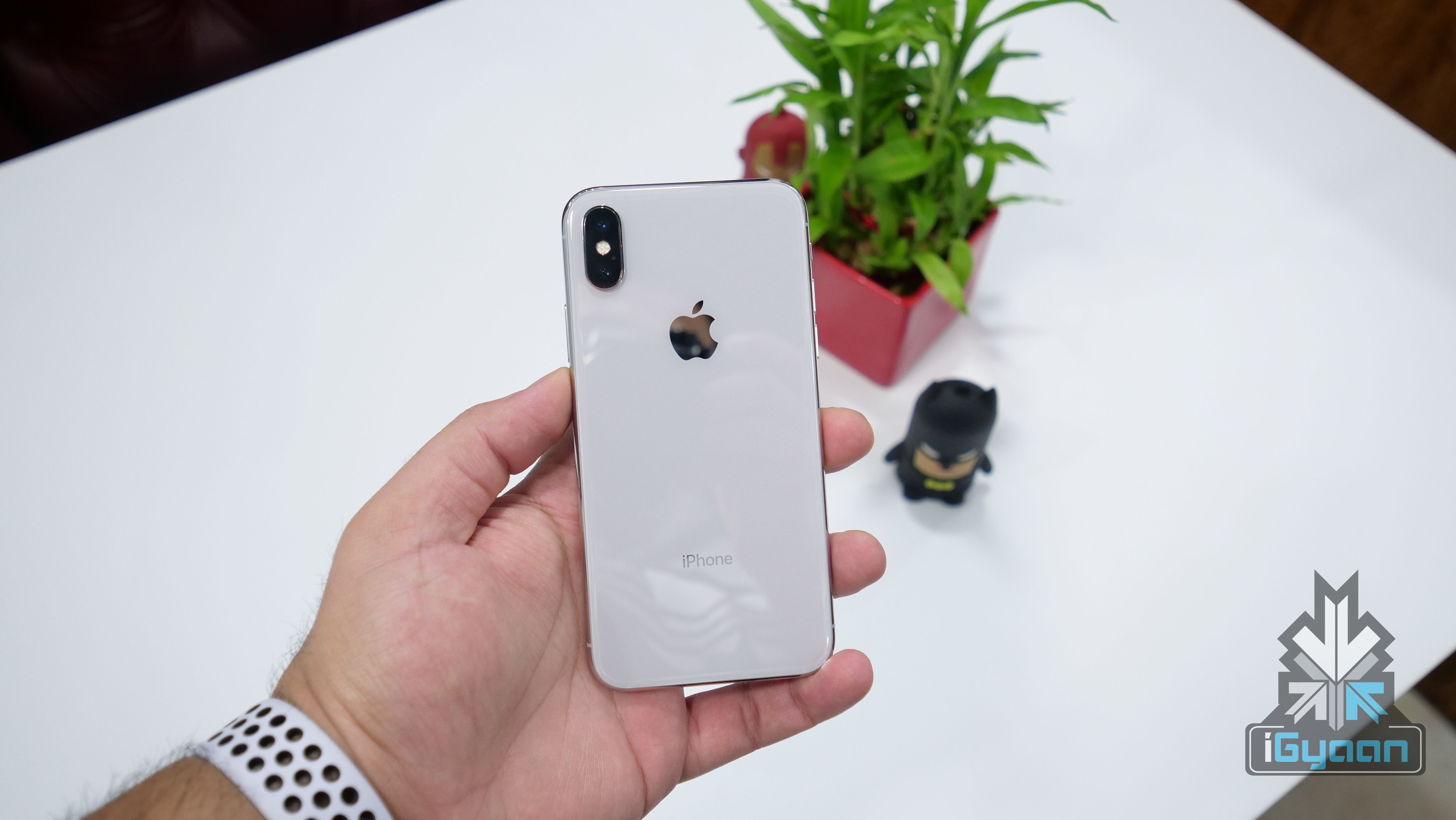
  • After China, Apple iPhones Now Face Ban In Germany

    After China, Apple iPhones Now Face Ban In Germany

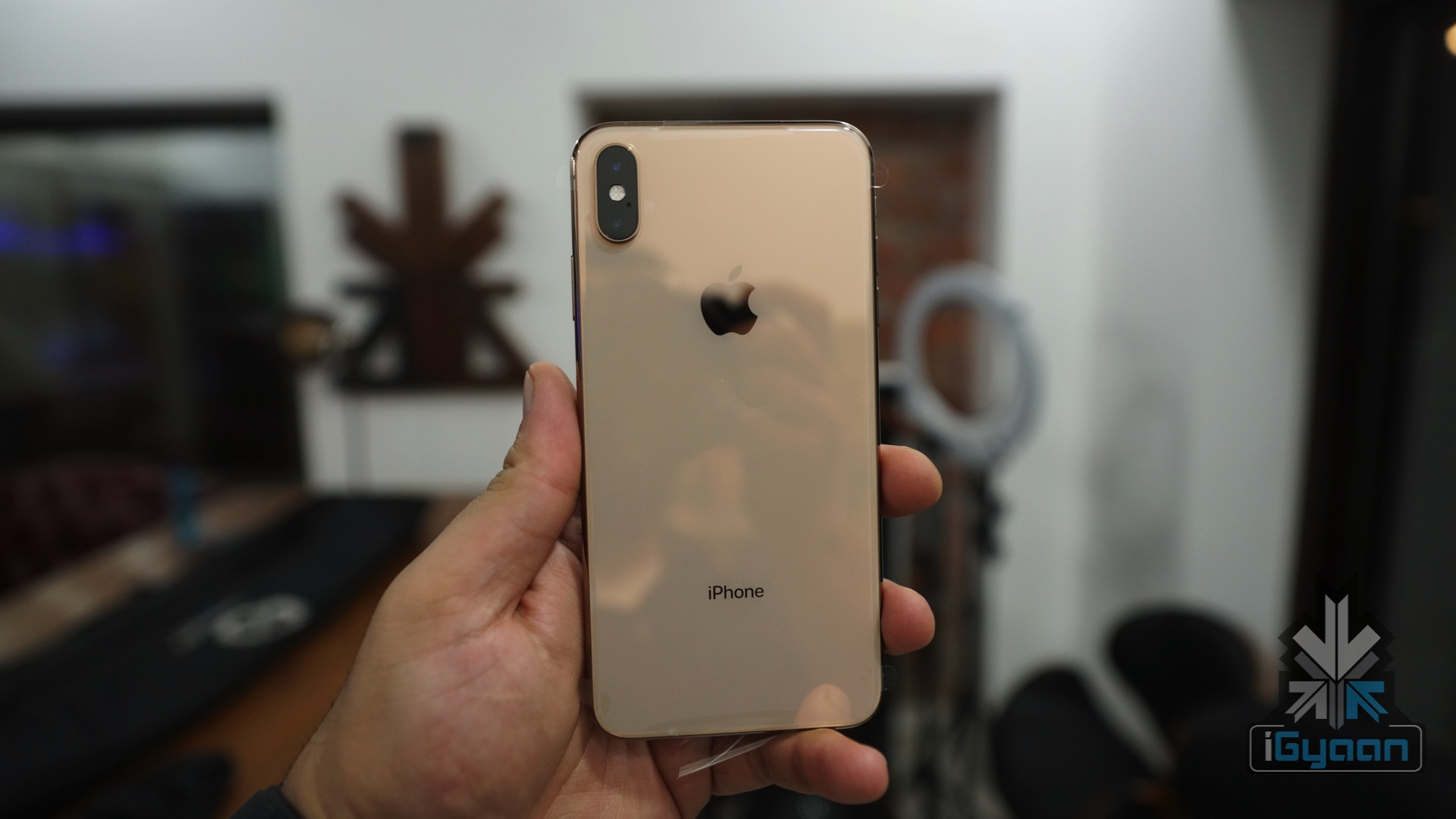
    Apple and Qualcomm’s patent war has gotten uglier, as some iPhone models have been banned from sale in Germany as well. Earlier, a few iPhone models had been banned in China, following a lawsuit filed by Qualcomm. Allegedly, Apple is using technology patented by Qualcomm. These were related to photo editing and arranging apps on a touchscreen. Apple seems to have found a fix for the China problem by rolling out a software update. But the German issue seem to be more complex.

    The German Ban

    In Germany, Qualcomm has asked for a ban on some iPhones which are using chips made by Intel. The Judge involved in the hearing ruled that some of the phones contain a combination of chips from an Apple supplier and Intel. This violated one of Qualcomm’s patents regarding envelope tracking. This feature helps mobile phones save battery while sending and receiving wireless signals. 

    Earlier this week, Apple had released a software update for its iPhones in Germany, hoping to avoid the ban by using a software update. However, the update was regarding the spotlight feature in the contacts menu. It had nothing to do with the modems in question. The intel modems came into use in iPhones starting from the iPhone 7. While the latest lineup of iPhones use Intel modems, exclusively. While Apple is already working on designing and manufacturing its own chips, that won’t be a possibility for some time now.

    The ban in Germany has led to the stop of iPhone 7 and iPhone 8 models in Germany. While Apple has appealed against the decision, there is nothing it can do as of now. However, the ban is only limited to Apple retail stores and the models will still be available with third party resellers. The latest lineup including the iPhone XR and the iPhone XS remain unaffected. 

    Also Read : iPhone Ban In China To Be Lifted Due To iOS Update

    Apple’s China Issue

    In China, Apple hopes to reverse the ban using the latest software update. But until then, some models of the iPhone are banned there as well. If the ban wasn’t enough to hurt sales of the iPhone in Apple’s third largest market, a new movement is now troubling the tech giant as well. The recent arrest of the CFO of Huawei in Canada has led to outrage in China. More people are shunning their Apple devices. And switching to Huawei and other ‘home-made’ devices to protest against the ‘unfair arrest’.

  • Xiaomi Launches Mi Pay Mobile Payment Service In India

    Xiaomi Launches Mi Pay Mobile Payment Service In India

    With online payments and mobile wallets becoming the most favoured and popular method of payments in recent years, more and more companies are stepping into this arena. With Paytm, Google Pay and PhonePay already ruling the Indian market, a new player was nowhere in sight. However, in a surprising move, smartphone giant Xiaomi has now launched their mobile payment service. It is called Mi Pay and the beta testing for the same is now going live.

    Mi Pay

    The Mi Pay service is a platform that is supported by ICICI Bank and PayU in India. With the service you can make payments using UPI, debit cards, credit cards and internet banking. It also allows you to pay bills or do mobile and DTH recharges. It also includes phone bills, electricity bills and water bills. The service has been cleared by the National Payments Corporation of India (NPCI) for large group usage. 

    The beta testing will soon be available for MIUI users, according to Xiaomi. You can sign up for the beta testing for the same here. The company also announced that the service will support all leading credit and debit cards at the time of the launch.

    Additionally, Xiaomi highlights the advantages that Mi Pay has over other payment services. They say that the best feature is the deep integration with MIUI. This makes transferring amounts to contacts and vendors very easily. Mi Pay will also be integrated with Contacts, SMS, Scanner as well as App Vault in MIUI. According to the company, al user-generated data will be kept in a highly encrypted format ‘within the India- based cloud infrastructure’. The company has also provided an extensive guide to using the service.

    Also Read : Complete Motorola G7 Series Renders Leak Online

    Xiaomi’s Expansion

    With this, Xiaomi has stepped out from your homes and into your bank account. Over the years, it has taken gradual steps to ensure that it is not just a smartphone brand but a lifestyle choice foe consumers. Xiaomi now provides everything from toothbrushes to air purifiers, to t-shirts. In fact, there are more than 200 Xiaomi products which are not available in India right now, which can expand the company’s reach. What the future holds for a company like Xiaomi and where it will be in the next couple of years is sure something to watch out for.

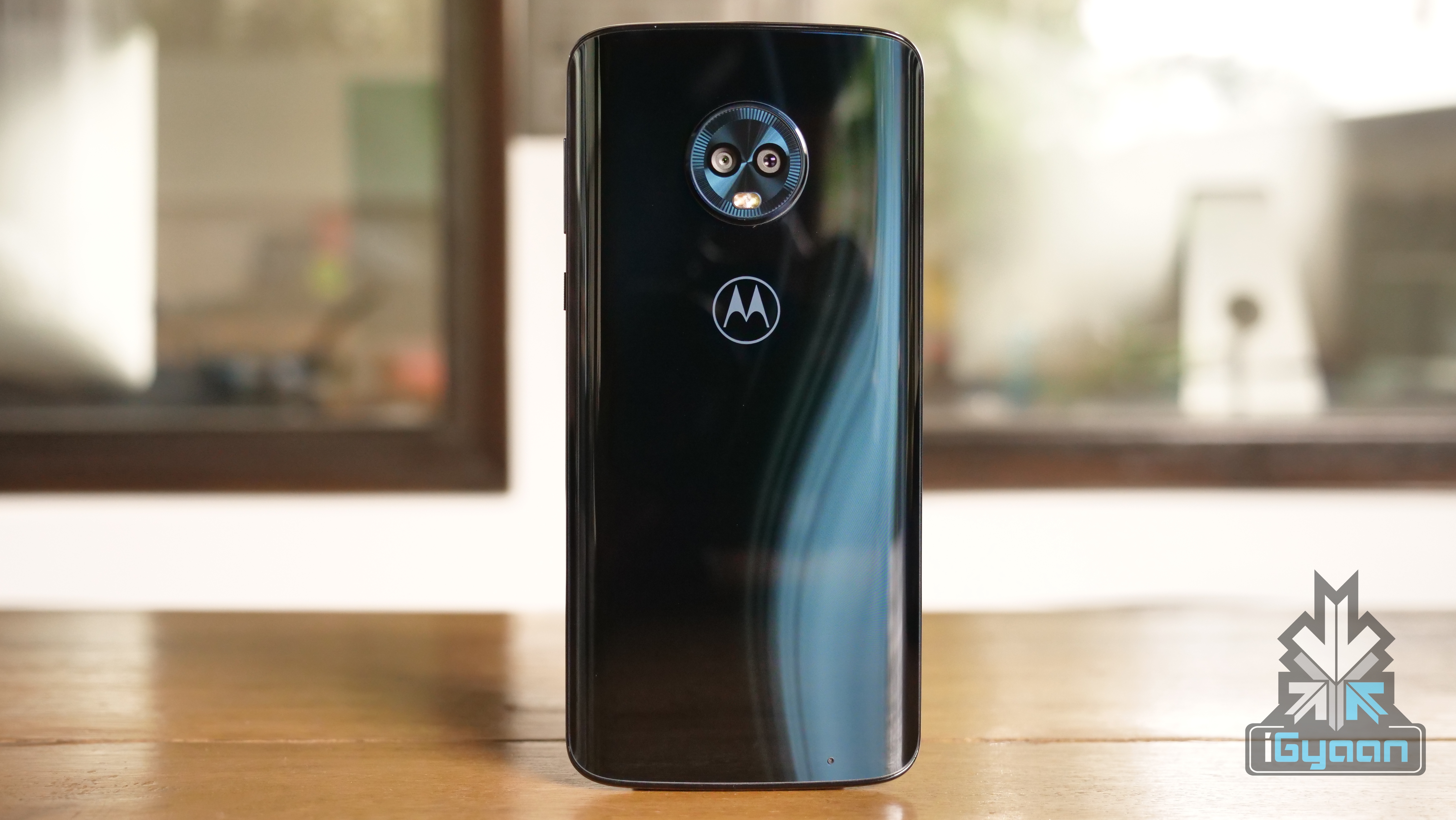
  • Complete Motorola G7 Series Renders Leak Online

    Complete Motorola G7 Series Renders Leak Online

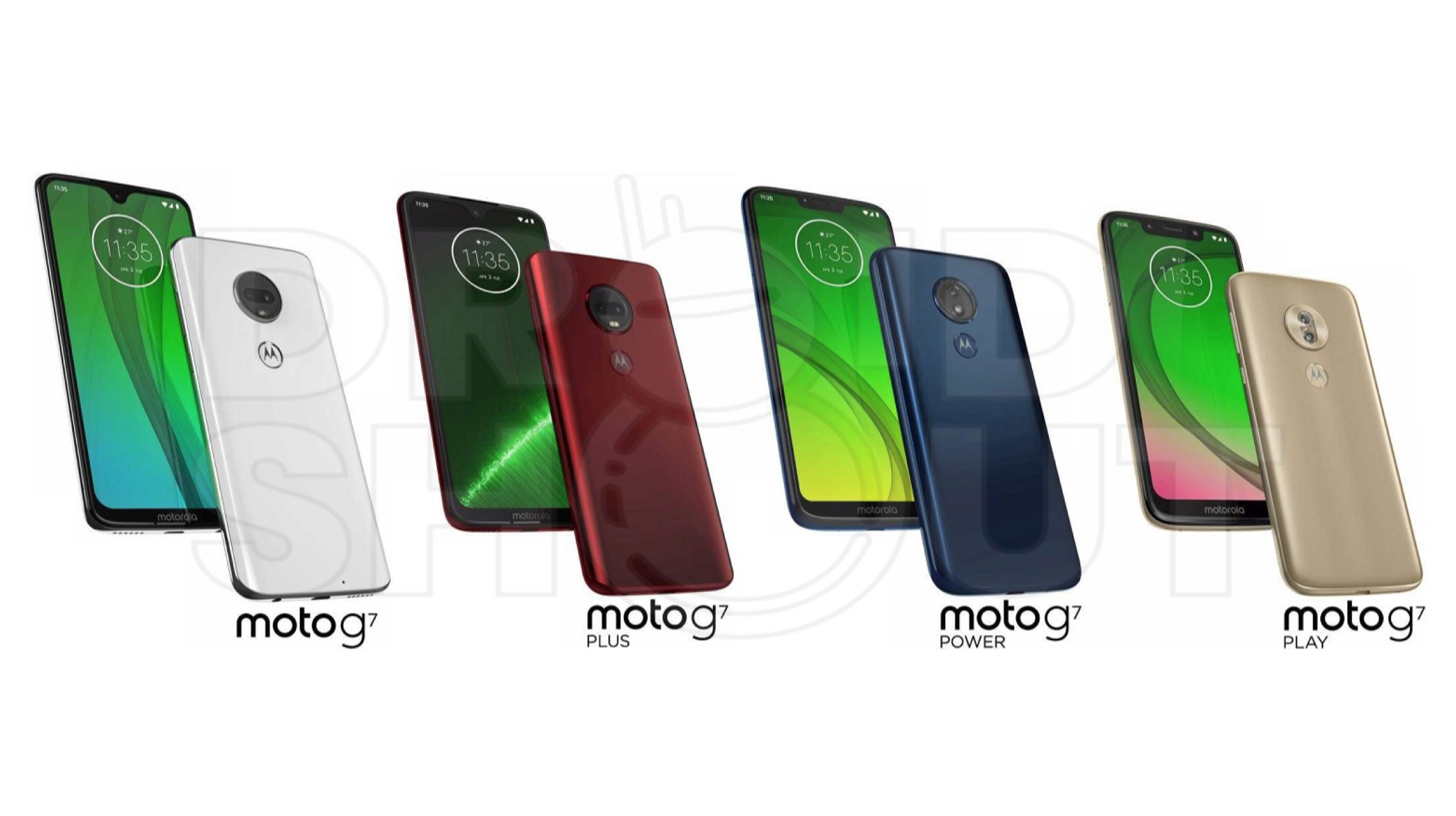
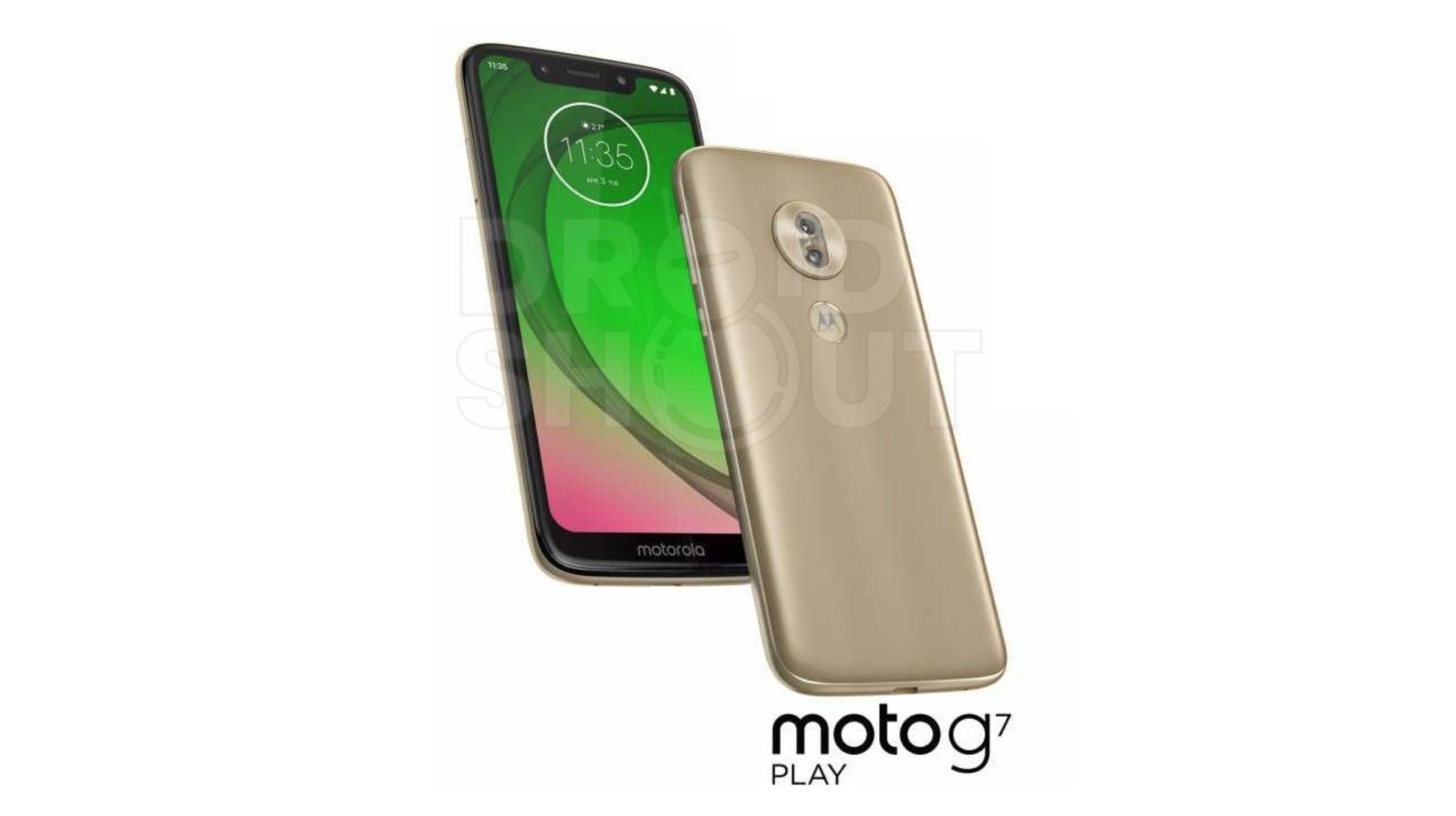
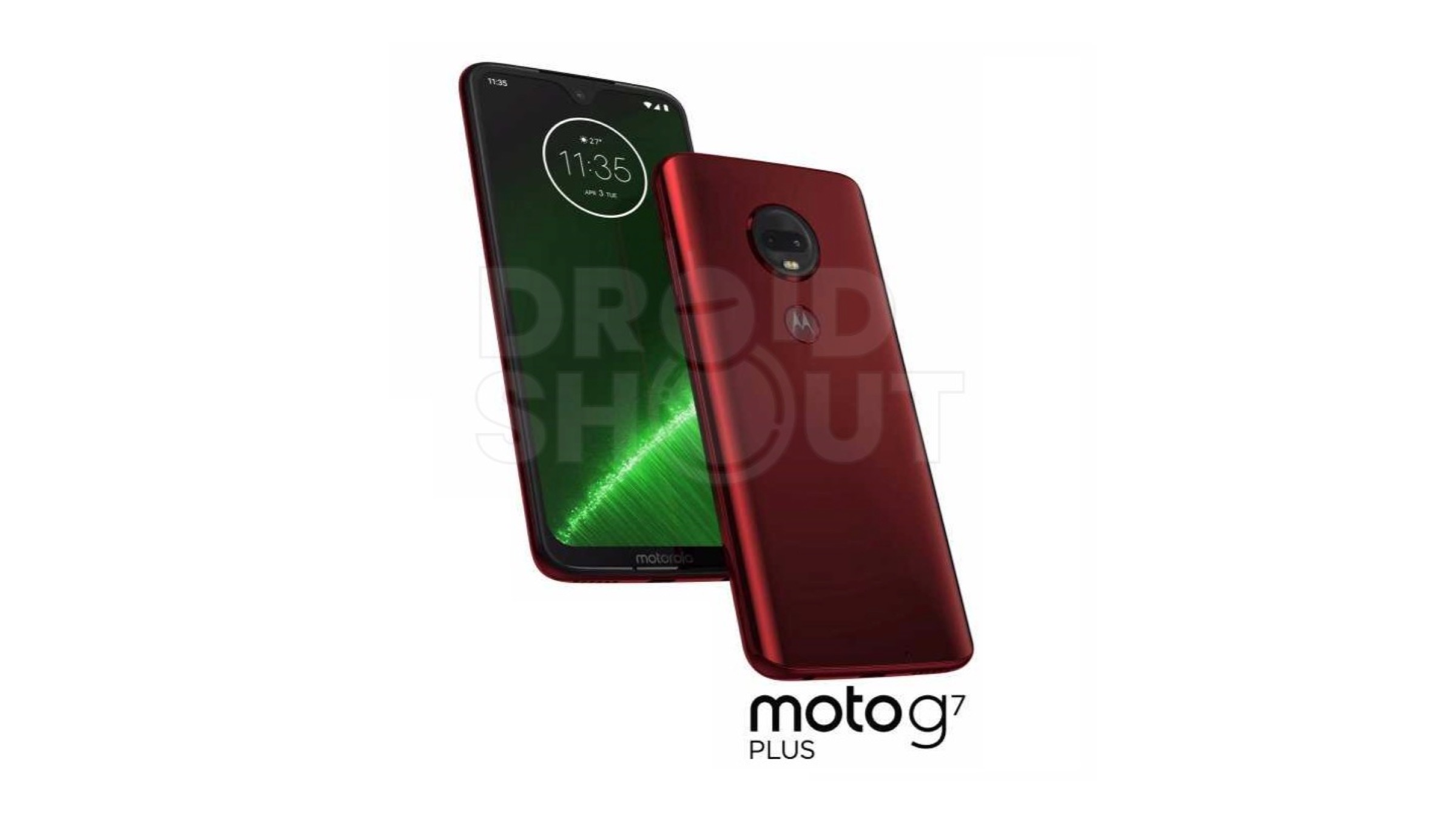
    Motorola Mobility launched the Moto G6 Series of smartphones earlier this year. In terms of design, the Moto G6 smartphones were a big leap from its previous generations. The smartphones got all-new glass backs and an 18:9 aspect ratio screen. The company is gearing up for the launch of the Moto G7 smartphones, of which the renders have leaked online. The leaked renders extensively showcase the design of each G7 smartphone. The upcoming series of smartphones include the Moto G7, Moto G7 Plus, Moto G7 Power and the Moto G7 Play. The renders reveal that the devices will have an all-new front and back design.

     Design

    Going by the previous generation Motorola G smartphones, the Moto G7, and Moto G7 will be the pricier and feature-rich devices out of the four. While the Moto G7 Power and the Moto G7 Play will be low specced, more affordable options. The G7/G7 Plus duo and the G7 Power/G7 Play duo have similar designs. The front of Moto G7 and G7 Plus smartphones have thin bezels around the display and a small waterdrop notch. Similarly, the Moto G7 Power and G7 Play have thin bezels around the display but these devices have a wide notch instead of dewdrop notch on their elder siblings.

    Another differentiating feature is the rear camera setup, the Moto G7/G7 Plus have dual rear cameras whereas the Moto G7 Power/G7 Play have single rear cameras.  Most notably, all members of the Moto G7 family now have a rear-mounted fingerprint sensor, unlike the previous generation smartphones which had front fingerprint sensors.

    Launch Date

    Also Read: Meitu M7 Tonino Lamborghini Edition To Launch Soon

    All four Moto G7 series smartphones are expected to launch in the first quarter of 2019. Motorola might launch the smartphones in April as the current Moto G6 smartphones were also unveiled in the month of April.

  • Meitu M7 Tonino Lamborghini Edition To Launch Soon

    Meitu M7 Tonino Lamborghini Edition To Launch Soon

    Meitu is a Chinese company which came into the limelight after they announced a strategic partnership with Xiaomi. The company now holds an exclusive global license that allows them to make use of certain Xiaomi technologies and branding. Meitu is about to launch a luxury smartphone called the  Meitu V7. To launch a special Tonino Lamborghini variant, the company has partnered with Italian supercar maker Lamborghini. A listing of the smartphone was previously spotted on TENAA. The listing provides information regarding both, the design and specifications of the smartphone.

    Design

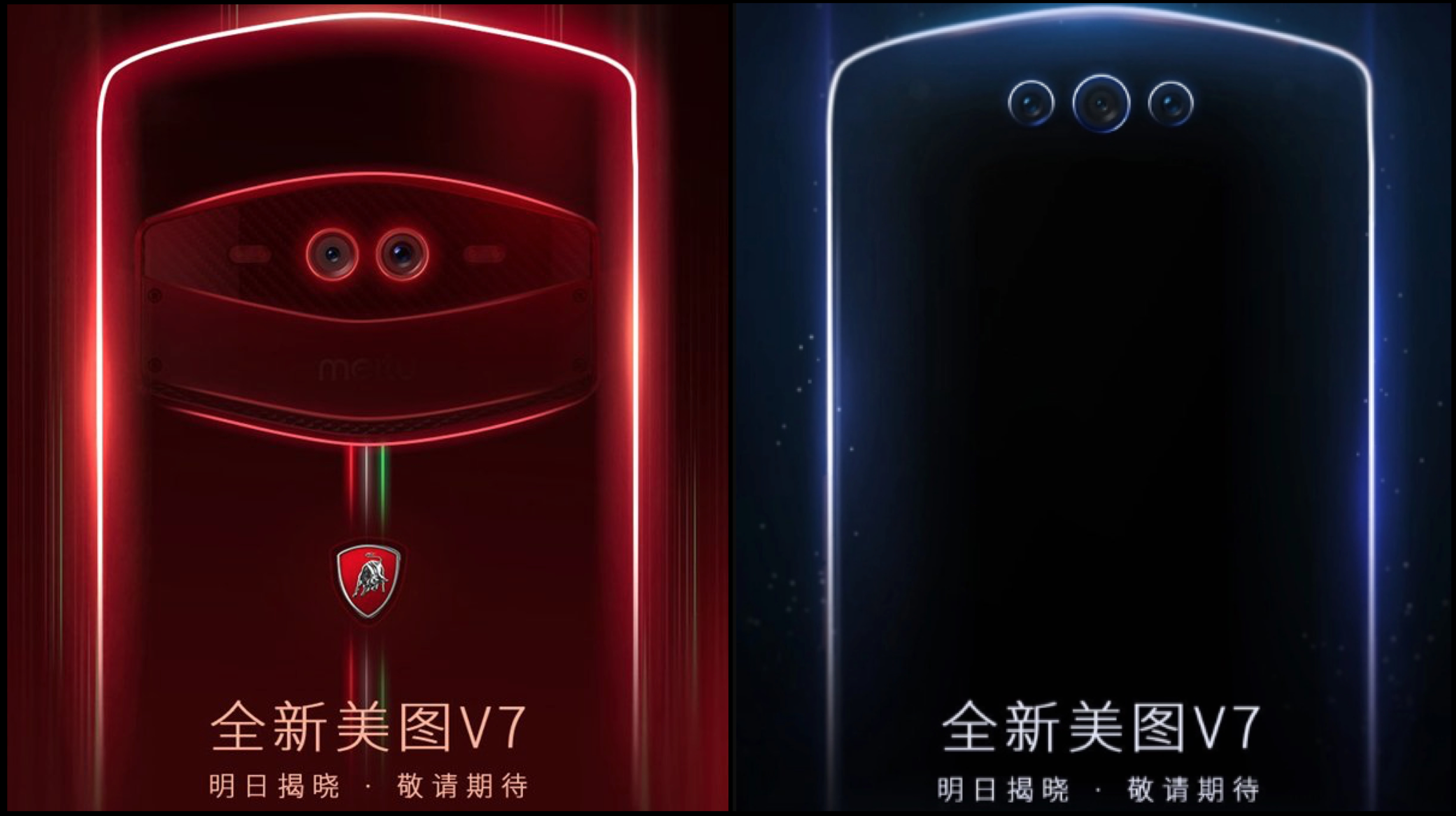
    The TENAA listing reveals that the Meitu V7 has a symmetrical design with a premium build. The front of the smartphone has an all-glass build with triple selfie cameras. The right side of the Meitu V7 is occupied by the SIM card slot, power button and an unidentified button which might be used to control the camera shutter while the right side of the smartphone is occupied by the volume rockers.

    The rear of the Meitu V7 has a very premium looking design with dual cameras which are flanked with dual flash on either side. Additionally, a thick copper coloured metal strip runs across the back which makes the smartphone very attractive. The back of the smartphone is to be made out of pink and green leather-like material.

    According to the teasers, the Lamborghini Tonino Edition V7 looks very similar to the regular variant. Most notably, the rear of the special edition smartphone has Lamborghini’s signature Taurus Logo and triple Red, White, Green Racing Stripes. All in all, the smartphone seems to have a robust and stylish build that exudes luxury.

    Specifications
    • Display: 6.21-inch OLED Full HD+ 2248 × 1080 pixels
    • Operating System: Android 9 Pie
    • Processor: Snapdragon 845
    • RAM: 8GB LPDDR4x
    • Storage: 128GB/256GB
    • Rear Cameras: 12 MP + 8 MP, 2 x Dual LED Flash
    • Selfie Camera: 16 MP + 2 MP + 8 MP
    • Security: 3D Face Unlock + In-display fingerprint scanner
    • Connectivity: 4G VoLTE, Wi-Fi 802.11 ac , Bluetooth
    • Battery: 3400mAh
    • Dimensions:176.0×75.0×10.55 mm
    • Weight: 207g
    Launch Date

    Also Read: Galaxy S10 Lite And Galaxy S10 Plus Benchmarks Leak Online

    The poster of the Meitu V7 reveals that the smartphone will launch on December 21st. Although the price of the smartphone is not yet available, it will have a premium price tag.

  • Buying A Used Phone Online : Tips And Tricks

    Buying A Used Phone Online : Tips And Tricks

    With phone prices sky rocketing, it is hard for an average consumer to buy new top end phones. One also often feels uneasy in buying used smartphones devices online. When buying a second hand phone, there are a lot of things that one needs to keep in mind, specially if they are being bought online. More often than not, if a deal is too good to be true, it probably isn’t. In this article, we will discuss the nuances of buying second hand smartphones online and how to make the right buying choices.

    Where To Begin?

    Before you start searching for a new phone, you need to be sure that you want a new phone. Decide on a budget that suits you and then convince yourself to stick to this budget. There may be instances when you might get a far better model at a price range that may be slightly above yours. Stay away from them as, if the price of a second hand phone is too good a deal, it may have other problems.

    Try to stay within your budget. The next thing you need to decide on is the phone you want. If you are a light user and only use your phone to make calls and send text messages and like a little bit of social media time everyday, you may not require a very high end phone at all. But if you have the budget for a high end smartphone that is great too. Now let’s look at the two types of used phones that you will come across online.

    Used Phone Sold By User

    These are phones that are sold by people who have used the phone they are selling. These are people like us who are either looking to upgrade or switch their own phones for better models. You can often see listings like these on various websites and these sellers will usually not have any ratings. These users do not sell phones often and thus finding a trusting source can be a cause for concern. There will be some listings that use stock photos. You will need to be careful when buying from these sellers and if you do not see photographs of the actual phone then best avoid these sellers.

    Always ask for the original product images as it will at least help you understand the condition of the phone from a cosmetic standpoint. If a phone is badly damaged from the outside, absolutely avoid it. A damaged phone from the outside will most certainly have damaged or dinged up interiors as it shows that the owner did not care for the device as much as he should have.

    If the device shows normal wear and tear from prolonged use, that should be fine. Ask the user what he will be selling along with the phone. See to it that he shares the box, bill and charger. If you are buying from a website such as OLX or Quikr, then check the IMEI number to make sure it isn’t stolen from someone else.

    Refurbished Phone Sold By Seller

    These types of phones are relatively safer to buy. Many websites, Amazon being a big example, have sellers who are trusted and sell refurbished phones. They buy phones from other users and repair and sell them after fixing it both internally as well as cosmetically. They will also usually provide a 6 month or 1 year warranty or guarantee (differs from seller to seller) and will fix the phone for you if anything goes wrong. Remember that these warranties are not given by the manufacturer of the phone but the seller themselves. These phones are a little more expensive compared to the phones that are sold directly by the users since the sellers charge for buying, refurbishing and then selling the phone off. There sometimes will be underlying terms and conditions that you also need to look at. Read the description carefully before you buy.

    Websites Where You Can Buy Used Phones In India

    OLXXiaomi Mi 8 Android 9 MIUI 10

    Olx is a classifieds website where you can both buy as well as sell phones in India. It has it’s presence in 45 different countries and is headquartered in Amsterdam. Although the website is meant for users to post items for sale, many small businesses also sell smartphones and laptops here. You can directly connect with the seller and meet and buy the phone. While it isn’t exactly an online transaction, it does help you find people who are willing to sell what you are buying. It is safer in a way because you get to hold the phone and test it out before actually buying.

    Quikr

    Quikr is another classified advertisement website, working on the same model as OLX. It is an Indian platform and is focussed on providing a better experience for buyers and sellers than many other similar platforms. Beware of fake sellers though as many have reported to have received phones with parts replaced with cheaper Chinese made counterparts inside the phone. One can recognise a fake post by looking at the price and images. If you see a Samsung S9 Plus available at Rs 8000, it is probably a copy or has replaced parts. If there are more than 1 phones of the same model, it might be a seller who is buying cheap copies and selling them at a profit.

    Amazon

    Amazon has a lot of refurbished phones from different sellers. Being a globally renowned website, their quality control for sellers on the platform will be better. The phones, as mentioned above will be a little more expensive but the quality and the description will be clearer. These listings generally have a “Certified Refurbished” tag on the image and are also written in bold letters. Many descriptions of these listings suggest that the phone is Amazon-qualified and performance managed where the reseller performs a full diagnostic test, replaces any defective parts, and thoroughly cleans the product. The products also reportedly will have minimal to no signs of wear. They also have no visible cosmetic imperfections when held 12 inches away and the batteries will have at least 80% capacity relative to new ones.

    CEX

    This is an extremely popular website and shop in UK and is slowly gaining ground in India. They have different models of different phones that can be viewed on their website. CEX both buys and sells phones and one can buy phones using CEX voucher or actual cash. There is a flat 2 year warranty on everything they sell. And there is a doorstep buying and selling process as well. You can visit their shop and see the phones and choose from them. The prices of each phone are listed on their website as well. These are also refurbished.

    Facebook Groups

    Facebook has become home to hundreds and thousands of buying and selling groups and these have thousands of members each. Every city has a group that sells phones. If you find the correct group, then you can chose from a variety of options and connect directly with sellers. You can also meet and see the products yourself. While this may be a great place for phones, do check the profile of the seller once and ensure that the post is not fake or the seller is genuine.

  • Galaxy S10 Lite And Galaxy S10 Plus Benchmarks Leak Online

    Galaxy S10 Lite And Galaxy S10 Plus Benchmarks Leak Online

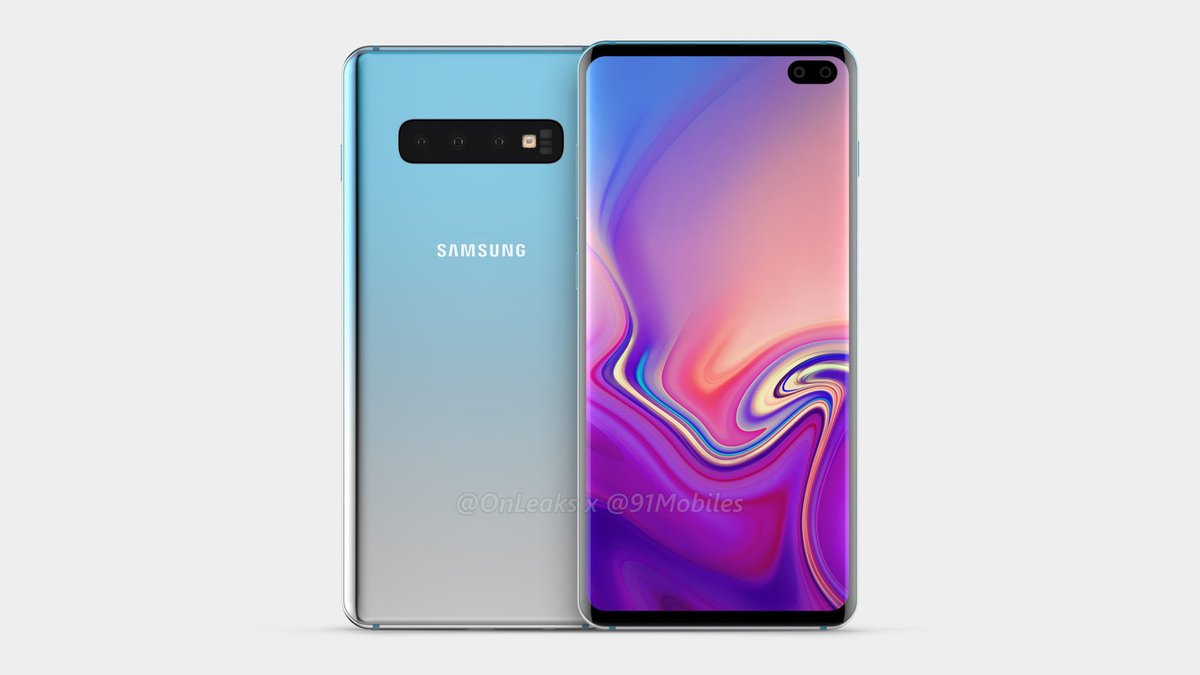
    Samsung is expected to launch three variants of the Galaxy S10 in February 2019. The list of upcoming smartphones includes the Galaxy S10, the Galaxy S10 Plus and the Galaxy S10 Lite. The Galaxy S10 Lite will be the cheapest smartphone out of the three and has the model number SM-G970. The Galaxy S10 and the Galaxy S10 Plus are believed to carry SM-G973 and SM-G975 model numbers respectively. A few weeks after the launch of these devices, Samsung will also launch a 5G capable variant of the Galaxy S10.

    Galaxy S10 Lite Benchmark

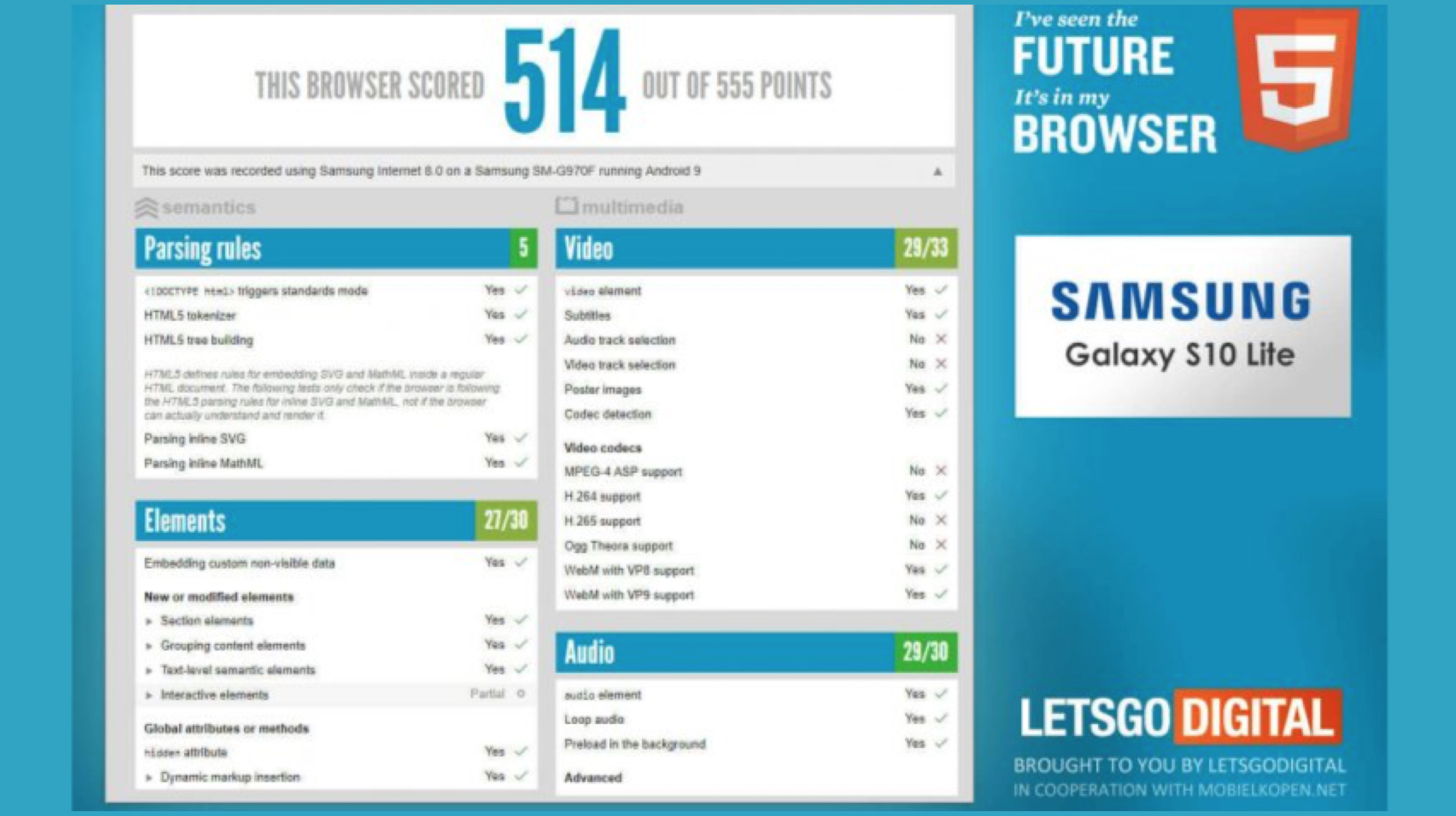
    An HTML5 test of the Galaxy S10 Lite has been spotted online. The test results were first discovered by a German website, Mobile Kopen. The smartphone browser scores 499 points out of 599. The test also reveals some details regarding the display of the smartphone. According to the HTML5 test, the smartphone has a screen size of 360 x 760. This converts to 2280 x 1080 px actual resolution.

    Previous rumors suggest that the Galaxy S10 Lite will feature the Snapdragon 855 processor with 4 GB/ 6 GB of RAM. Samsung is expected to launch the smartphone with 64 GB and 128 GB internal storage options.

    Galaxy S10 Plus Benchmark

    The Galaxy S10 Plus browser scores 514 points which are 15 points higher than the S10 Lite’s results. The S10 Plus has a screen size of 869 x 412 pixels which converts to an actual resolution of 3040 x 1080 px. It is expected to have the same Snapdragon 855 processor as the S10 Lite. The key differentiating feature between the two will be the bigger screen size, storage capacity, and RAM.

    Launch And Price

    Also Read: The Xiaomi Redmi Pro 2 Will Have A 48 MP Rear Camera

    The Galaxy S10 series of smartphones are expected to launch in February of 2019 which will be soon followed by the 5G capable S10. Although the official prices of the smartphones are unavailable, they are expected to be priced upwards of the $ 1000 mark.

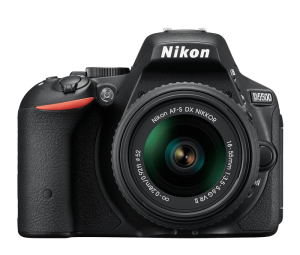
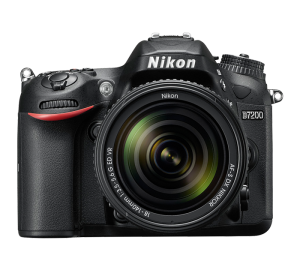
  • Nikon Officially Discontinues D5500 And D7200 DSLR Cameras

    Nikon Officially Discontinues D5500 And D7200 DSLR Cameras

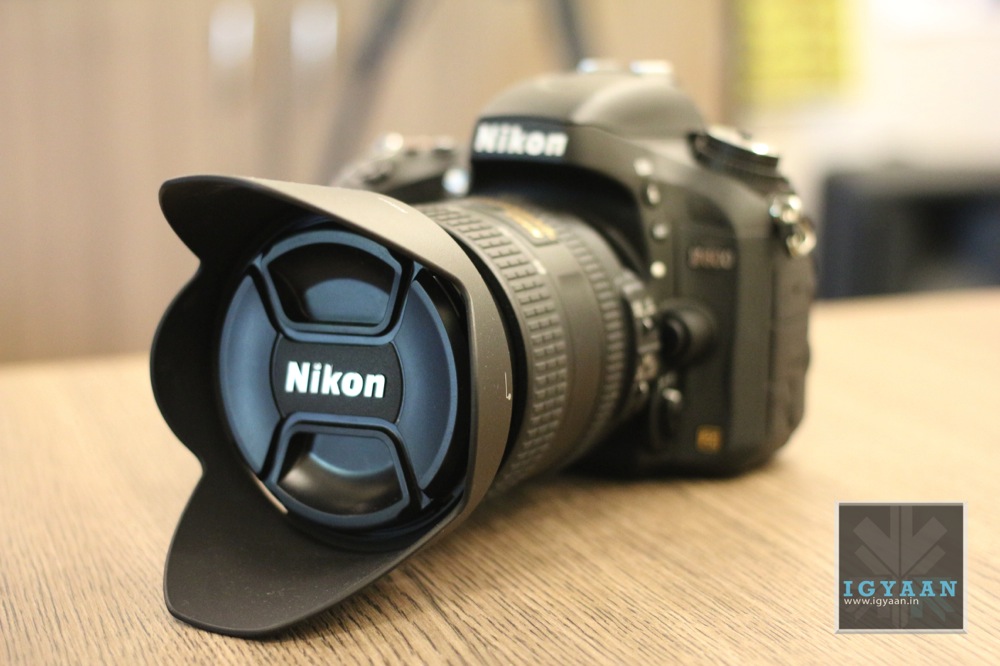
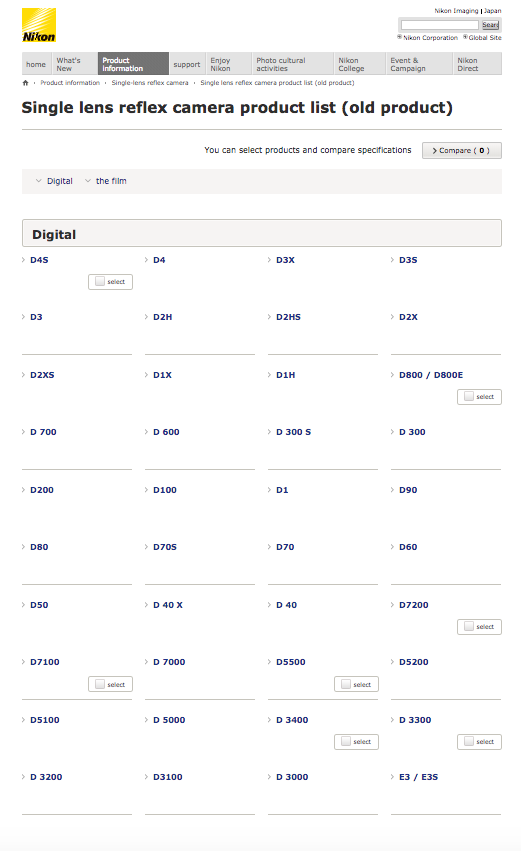
    Nikon has finally announced the discontinuance of the popular D5500 and D7200 cameras. Rumours about the same were doing rounds of the internet for the longest time, but it seems like Nikon has finally done it. Both the cameras were released in 2015 and Nikon has better options with even better specifications at the moment. It seems like a good time to discontinue them, as the 24 Megapixel Dx body D5500 was getting old and featured old technology and so did the D7200.

    The D5500 was available in several different bundles with different body and lens combinations at  the time of it’s discontinuation. The first bundle was priced at Rs. 61,950 with D-ZOOM KIT: AF-P 18-55mm VR + AF-S 55-200mm VRII Kit Lenses. The second bundle available was for Rs. 65,950 which had the AF-S 18-140mm VR Kit Lens. It also had a cheaper option for  Rs. 52,950 with AF-S 18-55mm VRII Kit Lens. The camera was worth Rs. 47,450 for the body only version. These were extremely high considering other cameras as well as Nikon’s own D5600 is priced in the similar price range. The D5600 has better specifications and so does the newer D7500. The D7200 had a price range of Rs. 1,08450 to Rs. 69,950 while the D7500 has a price range of Rs. 1,15450 to Rs. 96,950.

    This year, Nikon has forayed into the mirrorless segment as well, which are quite expensive. With the discontinuation of the older models it seems highly likely that Nikon might release newer models of the currently available D7500 and D5600 soon. While Nikon itself has discontinued the two cameras they are still available on Amazon’s India website as well as Flipkart.

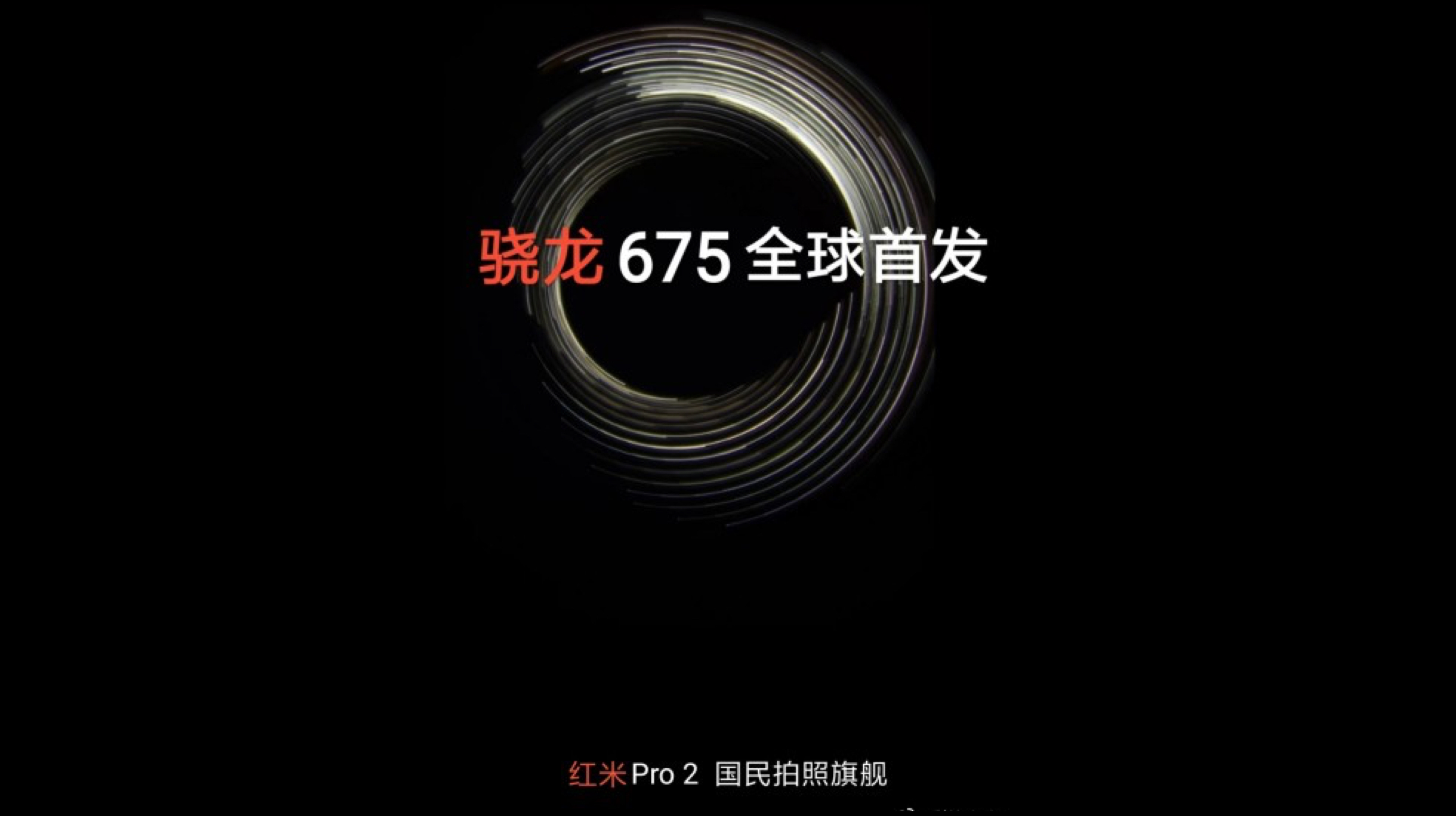
  • The Xiaomi Redmi Pro 2 Will Have A 48 MP Rear Camera

    The Xiaomi Redmi Pro 2 Will Have A 48 MP Rear Camera

    Xiaomi has shared teasers for an upcoming smartphone on Weibo. The teaser reveals that the smartphone will carry the “Pro 2” suffix. According to the teaser, the smartphone will feature the Snapdragon 675 SoC and a massive 48 MP camera. Earlier this month, Xiaomi President Lin Bin shared a photo of a smartphone that had a 48 MP rear camera and a report claims that it will be a Redmi device. The same report also claims that the upcoming Redmi smartphone will have an in-display cutout for the front-facing camera like the Samsung Galaxy A8s and Huawei Nova 4.

    The Redmi Pro 2

    All the reports suggest that the upcoming smartphone is the Redmi Pro 2. It is the successor to the Redmi Pro which was launched back in 2016. The Pro suffix smartphones are the flagship devices for Xiaomi’s Redmi series and the same is expected from the Redmi Pro 2. Except for the camera and processor information, not many details of the Redmi 2 Pro are available. However, being the successor to the Redmi Pro, it is expected to have better specifications than the latter.

    Redmi Pro

    The Redmi Pro has a brushed aluminium back. The smartphone has wide top and bottom bezels. The bottom bezel houses the physical home button/fingerprint sensor and two capacitive touch buttons. The smartphone has a 72.2% screen to body ratio display.

    • Display: 5.5-inch AMOLED Full HD 1920 × 1080 pixels, 401 ppi, 16:9 aspect ratio
    • Operating System: MIUI, Android 6.0 (Marshmallow)
    • Processor: Deca-Core Mediatek Helio X25
    • RAM: 4 GB/3 GB
    • Storage: 32 GB/64 GB/128 GB
    • Rear Cameras: 13 MP + 5 MP, Dual-LED Flash
    • Selfie Camera: 5 MP
    • Security: Fingerprint Sensor
    • Connectivity: 4G VoLTE, Wi-Fi 802.11 ac, Bluetooth 4.2, GPS, Micro USB
    • Battery: 4050 mAh
    • Dimensions: 151.5 x 76.2 x 8.2 mm
    • Weight: 174 g
    Redmi Pro 2 Design

    The Redmi Pro 2 is expected to have a similar design and build quality as its predecessor. However, the new phone will have narrower bezels and the company might move the fingerprint sensor to the rear of the device. Alternatively, the official specifications and design of the smartphone will only be available after its official launch.

    Also ReadApple Accepts Some iPad Pros Ship Slightly Bent, Calls It ‘Normal’

    Launch Date And Price

    Although the launch date of the Redmi Pro 2 has not been announced, it is expected to launch soon. Like the Redmi Pro, it is believed to be a sub $400 smartphone.

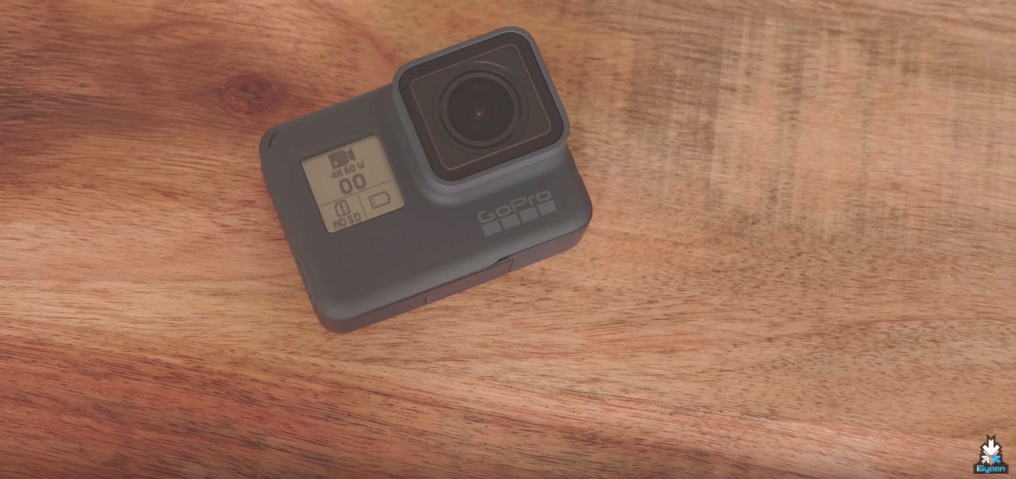
  • Why GoPro Failed And What It Needs To Change

    Why GoPro Failed And What It Needs To Change

    In today’s world of every growing technology and ideas, companies come and companies go. Most of them exit the scene as rapidly as they climbed the top of the ladder. GoPro is such a success story. Despite still having a relatively good footing in the market, it will be difficult for them to make a comeback unless they change their ways. Action cameras have been there for a while now and it all started with GoPro itself. In 2002 Nick Woodman went on a surfing trip and quickly realised that there was no way to take excellent quality photographs while in the water. While most photographers shooting surfing images usually used DSLR with long tele lenses from the beaches, buying these lenses and equipments and hiring photographers were an expensive affair. This led to the birth of the desire to shoot professional images in dire situations and adventure sports.

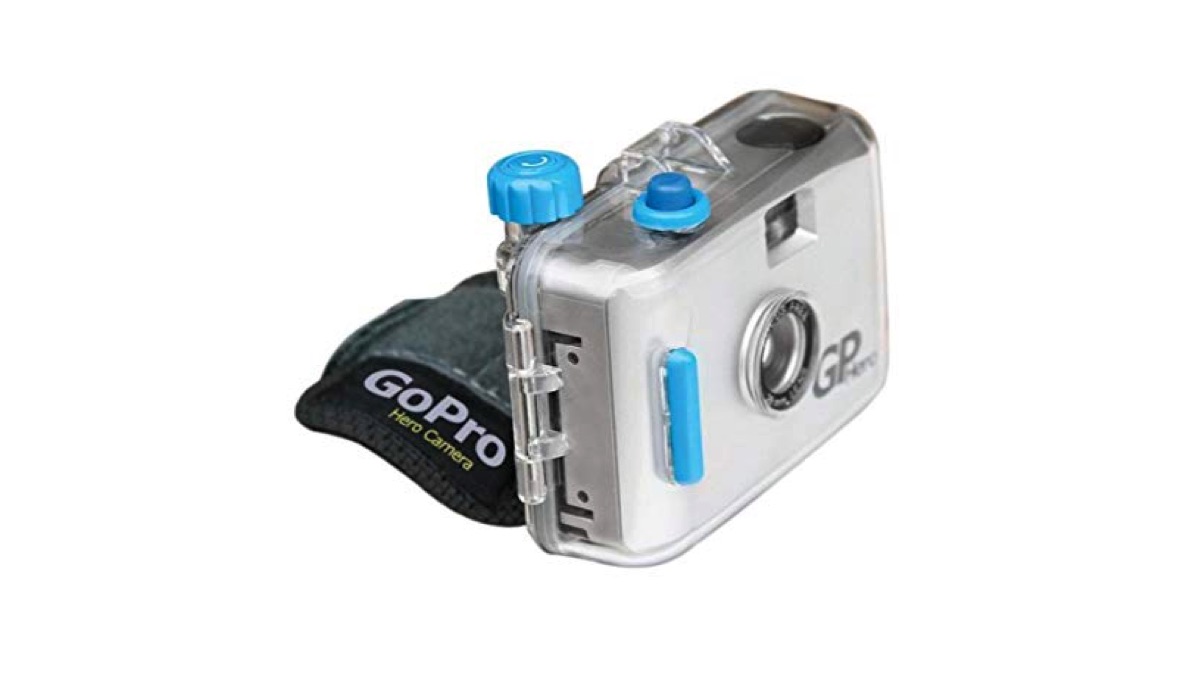
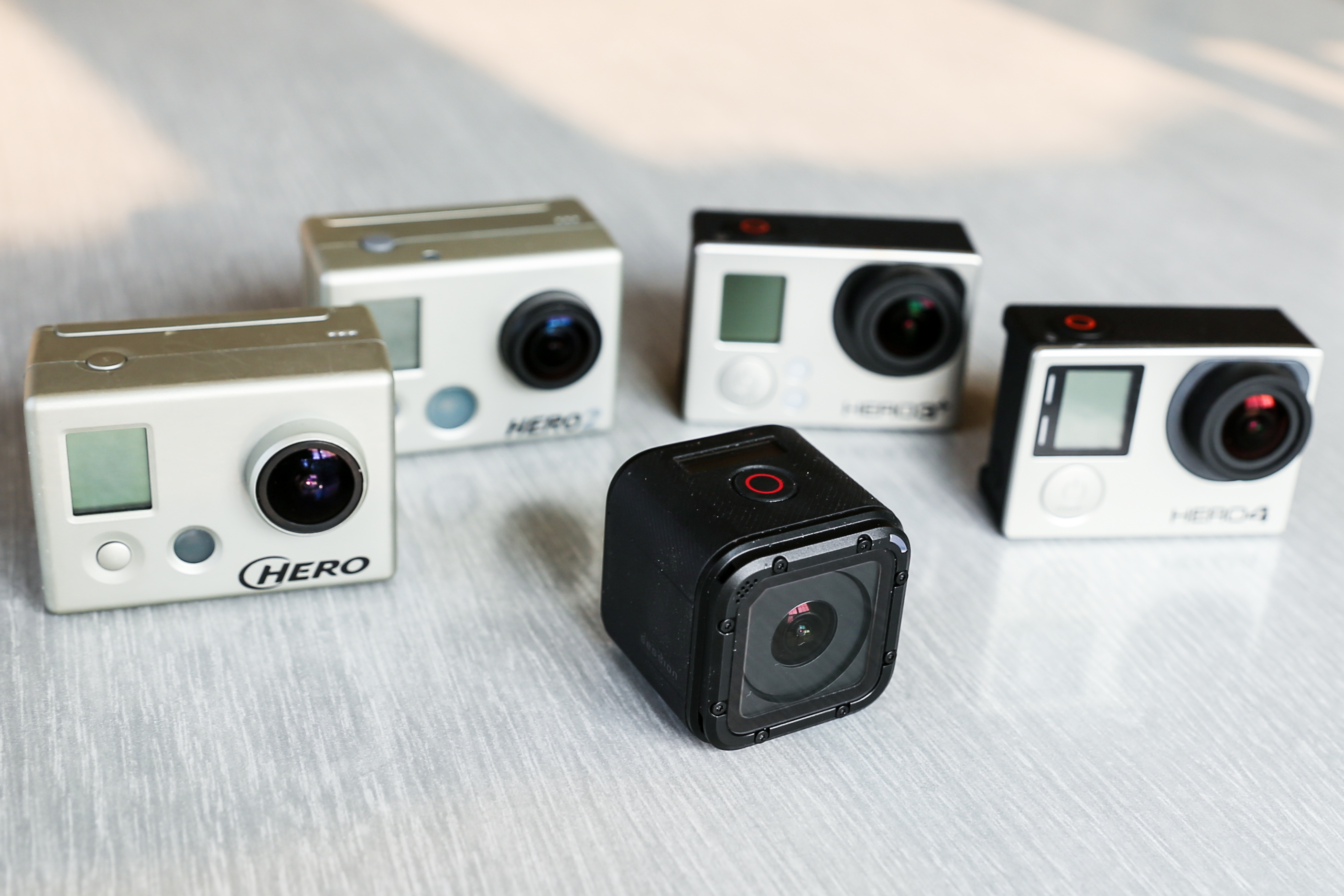
    In 2004 GoPro built it’s first camera that used 35mm film. The Hero lineup that we see today was born as the GoPro 35mm HERO in 2004.In its first year they sold $150,000 worth of products. Then in 2006 the Digital HERO was released. The camera shot 640×460 resolution photos and VGA definition 320X240 (10 fps) video for a maximum of 10 seconds. The Digital HERO had 32 MB of internal memory without an SD card slot.
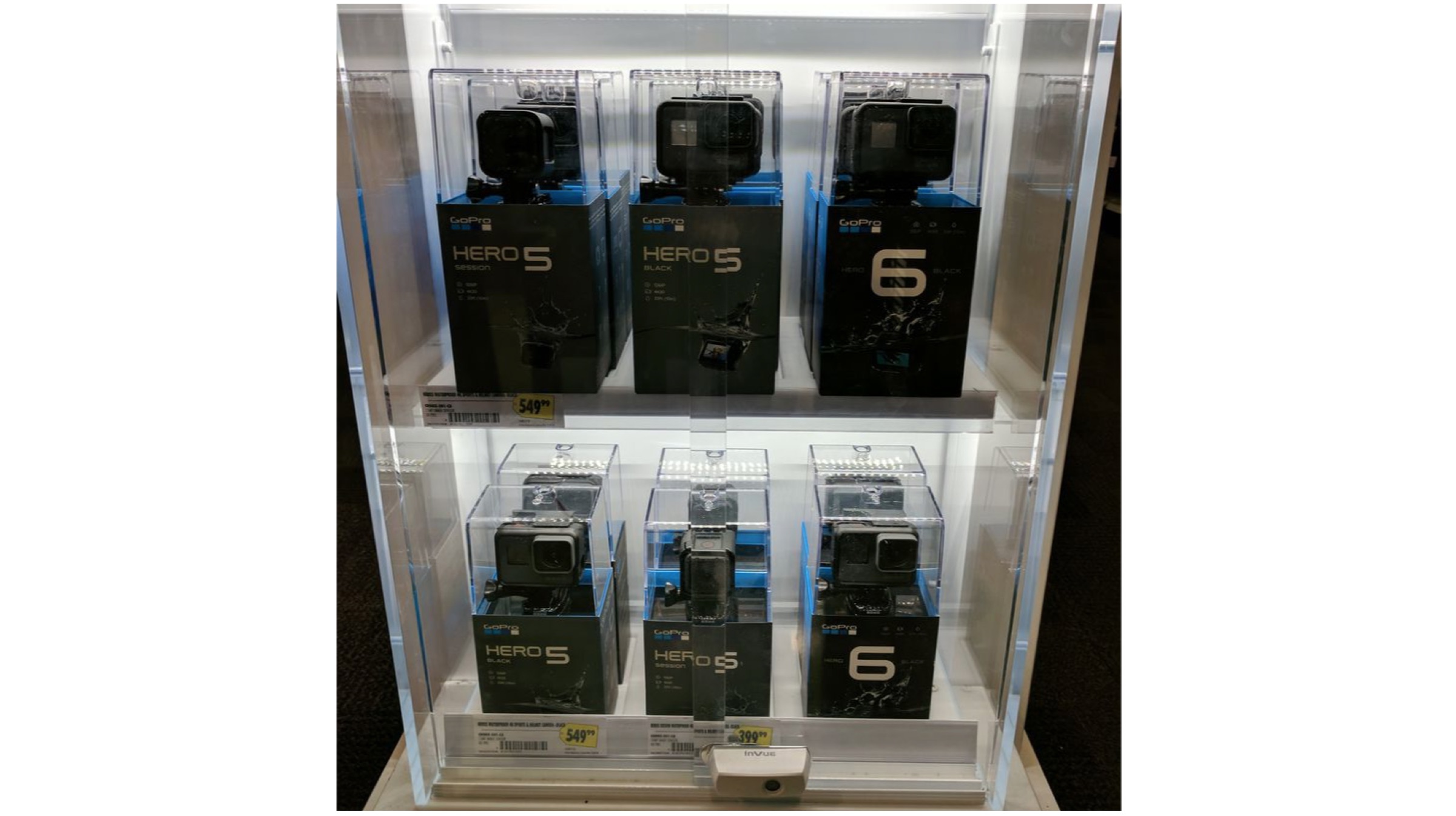
    Over the years, small improvements were made and the Digital HERO3 was released in 2007. It featured a 3-megapixel camera and shot standard definition 512×384 video. The latest GoPro, which is the Hero 7 shoots 4K images at 60 fps, came after several iterations of the HERO lineup. The cameras that were released between the Hero digital and Hero 7 were DigitalDigital 3Digital 5Digital WideHERO 2HERO 3HERO 3+HERO5, HERO6Fusion and HERO (2018). While the development and refining was constant and very smooth, the time taken to do it was not in their favour. But before we go into the reasons of the revolutionary company’s eventual failure in the market, let’s discuss why it succeeded in the first place. 

    GoPro’s Success

    GoPro was released at a time when cameras were bulky accessories that only photographers would buy. Yes, there were point and shoot cameras available, but these cameras were extremely brittle, untrustworthy and weren’t the greatest performers. In other words, they underperformed both in terms of image quality and build quality. Since Sony’s introduction of the world’s first ‘digital’ camera in 1981 called Mavica, there was very little in terms of research and development done in this sphere. While the DSLR technology was being improved with leaps and bounds, the compact camera segment was falling behind. Rangefinders were still in fashion and so was 35mm film. With little or no access to personal computers, the day to day consumer was more inclined towards having a film camera and saving printed positives.
    What set the GoPro 35mm Hero apart from the rest of the point and shoot cameras was its ruggedness. It was also quite famous for being small and handy. The camera measured in at just 2.5 x 3 inches (64 by 76 mm) and weighed a mere 0.45 pounds (200 grams). What you got with the camera was a clear case with quick release, a camera strap and a ski glove adapter lash. It was functional in water to a depth of about 15 feet (5 m). The camera was marketed as a “reusable wrist camera” and included a roll of 24 exposure Kodak 400 film.

    Many photographers as well as day to day users such as students on a spring break, travellers and family members were using it. People in the United States love water, be it surfing, diving, river cruise, beach holidays or just a simple day relaxing at the pool. The camera struck a chord with these users. For a time when cameras had to be taken extreme care of and maintained like a family jewel, this rugged camera with a case and waterproofing was an excellent choice. Another extremely important reason for the GoPro Hero 35mm’s success was its pricing. Priced at just $20, it was an extremely good deal for photo enthusiasts and families alike.

    As time passed, the cameras became digital and so did people’s ways of interacting with technology. Everyone who was even slightly well off had a personal computer. At the Worldwide Developers Conference keynote address on June 6, 2005 which is a year before the first digital GoPro’s launch, Steve Jobs announced that Apple would begin producing Intel-based Mac computers in 2006. The world around GoPro changed and so GoPro changed along with it. They shifted to digital which was widely accepted by the people. But it also was a sign for future historians to look into since that was the last quantum leap that they took. At least till 2018, when this article is being written. Now that we have a basic idea of where GoPro was headed, let’s find out what led to the near shutdown of the industry leader.

    The Downfall

    GoPro was never doomed for failure. They had, what people in the industry call the first mover’s advantage in a segment in the photography and videography industry. A segment that they created themselves. Just as the word Xerox had become synonymous with Photocopier machines after the inventors named and trademarked their process under that name, action cameras were at one point known as GoPros. This was because they were for the longest time, the only players in the action camera market. So how did it all change?

    1. Lack Of Research And Development
      GoPro, being the leader in a market that previously did not exist, took the sales figures for granted and did not pay heed to what the future of the company was. A company, specially in the tech industry, needs to constantly keep innovating in order to compete. GoPro understood the position it stood in – great sales figures, stock prices increasing, newer markets such as India, South East Asia etc opening up. These made them oblivious of the fact that they need to make their company future-proof. For the longest time, their Hero series of cameras just saw incremental upgrades. This was in terms of video resolution, sensor size and durability. There were very few path-breaking innovations from them.
    2. Higher Cost
      The prices of the cameras kept increasing. This was partly due to the difficulty to fit all the features that the camera offers into such a tiny package without compromising on the durability. And partly due to them wanting to make huge profit. Their understanding of customer bases were different from their expectations of the same. They wanted to be a niche for adventurers, travellers, trekkers who could afford a $400 camera which gave a decent output but worked on adverse conditions. However the majority of customers for the company were just average day to day people. When it comes to action cameras, buying just the camera is never enough. These cameras require different accessories for different activities. These accessories become a part of the investment that one considers before buying an action camera. The GoPro accessories come at a very high price. For students and young enthusiasts, buying these accessories become extremely difficult. Especially when similar accessories are available in websites such as Aliexpress, Ebay and Gearbest.
    3. Lack Of Understanding Of The Market
      Another major reason for GoPro’s failure was the lack of understanding of the market. They did not expect or receive any competition from the smartphone market at the beginning of their journey. But as smartphones started to get better and smarter, cameras in smartphones also got better. Every person had a camera in their pocket and GoPro’s USP of it being handy and powerful became redundant. Smartphones became waterproof and much more rugged. GoPro was slowly falling behind due to it’s lack of uniqueness.  Both it’s unique selling propositions – ruggedness and being small and handy- were not ‘unique’ anymore. They failed to understand how the market was growing and developing. And they failed to adapt. While their rivals slowly moved into the action camera, drone and gimbal business, GoPro joined the party much later.
    4. Being Out Of Touch With Consumers
      GoPro wanted to become a niche and desirable product that catered to adventurers, surfers and travellers. Their main customer base was skaters, skiers, holiday makers and just about any average person. While they listened to their ‘Pro’s, they completely forgot about their other customers. They promoted their products using professional athletes and adventure sports enthusiasts. They failed to really showcase how an ordinary family man or woman could use their product too. A person who was thinking of buying an action camera saw only surfers and divers and such using these devices. This led to the customer deciding against buying a GoPro because they felt that the product probably wasn’t for them.
    5. Underestimating Competition
      This might have been the final nail in the coffin. GoPro was executing their tried and tested formulae over and over again. Meanwhile companies like DJI, Yi and SJCam were developing action cameras, gimbals and drones. GoPro failed to notice the market shift towards drones and birds eye shots in videos and vlogging. YouTubers also slowly shifted to powerful point and shoot cameras. These included cameras such as the Sony RX100 series, Canon’s G9X series. Some even shifted to higher-end and bigger cameras like the Panasonic GH5. While GoPro was releasing it’s first digital action camera, the founder of DJI was still studying in college. However, in 2018, DJI has completely taken over the drone business. So much so that GoPro has finally shut down their drone division and laid-off a lot of employees to cut losses. 
    The Next Step
    Their understanding of the market and industry needs to improve. Within a week of the GoPro Karma launch, DJI announced their own drone – the DJI Mavic Pro. The Mavic Pro was better in terms of features and specifications thus beating GoPro to their game. DJI created quality products at a competitive price. GoPro needs to reduce the prices of their accessories so that more people feel comfortable in investing in a GoPro ecosystem. GoPro badly needs to streamline their work and employees if they wish to stay afloat. New investors are also something they should look into, to keep the company afloat. GoPro needs to get a grip on the ‘Next big thing’ that may hit the market. This will give them a head start compared to Chinese companies who are always on the lookout for the same.

    What Else?
    They also need to start looking at and listening to customers. They need to market their products by tailoring specifically for consumers. The company has already started to do that through their Instagram account that accepts entries from users. They still need to unify their App ecosystem which now consists of the GoPro App which is 97Mb, Quik App which is 100Mb and Passenger 43Mb. It would be extremely useful if all the three apps were unified into one single app.

    They also need to give developers more access to their hardware. This will enable customers to make their cameras more useful in their respective businesses by tweaking the firmware. All in all, GoPro needs to understand the pulse of the industry. They need to create a great marriage of hardware and software. Being user friendly and affordable will also factor in, if they wish to survive in the cut-throat market of technology.

  • Apple Accepts Some iPad Pros Ship Slightly Bent, Calls It ‘Normal’

    Apple Accepts Some iPad Pros Ship Slightly Bent, Calls It ‘Normal’

    The iPad Pro 2018 was introduced last month. The new iPad  carries a brand new design language and a killer performance, which is worthy to even replace a laptop, in some cases. The new design features slim bezels on all sides and the lack of a home button. The rectangular build sure does look great, but ran it to some problems soon after its release. Users started complaining that the new iPad Pro can be easily bent, thus comprising the integrity of the device. Now, Apple has confirmed that some of the iPads may ship bent. But they do assure customers that this will not affect the performance of the device.

    The ‘Bendgate’

    Apple says the the bend is a side effect of the manufacturing process involved in making the iPad Pro. A cooling process involving the iPad Pro’s metal and plastic components, results in this bend. They say that this should not worsen over time or negatively affect the performance of the device. Most interestingly, Apple does not consider this to be a defect. This is not limited to just one variant and both the 11 inch and 12.9 inch model of the iPad Pro can exhibit this.

    The statement from Apple is not something that they have admitted to on their own. This is a response to many customers after they took to social media to state that their iPad Pro’s developed a slight bend, without any rough usage or mistreatment of the device. Users also said that they had never applied any extra stress to the iPad Pro.

    Also ReadUpcoming OnePlus Device Leaks, Shows Off Brand New Design

    Recently, a video by Jerryrigseverything showed him bending the iPad Pro into half without much of an effort. However, Apple still stands by the quality of its iPad Pro. A lot of experts also said that the video was a bit biased and is more of a publicity stunt. Apple claims that the device is extremely thin and is spread over a large surface area, therefore making it more susceptible to this issue. However, no one has reported this issue causing any issued in the working of the device and the iPad Pro is still the best tablet in the market right now.

  • Upcoming OnePlus Device Leaks, Shows Off Brand New Design

    Upcoming OnePlus Device Leaks, Shows Off Brand New Design

    Shortly after the launch of the OnePlus 6T, the company announced that other than the next flagship, they will be launching a 5G handset, which will belong to an entirely new lineup. Now, a leak gives us the first look at the alleged OnePlus 5G device. While some may argue that this could be the OnePlus 7 as well, the chances of the same seem to be slim as the 5G phone will launch before the OnePlus 7. 

    The biggest change we can notice right off the bat is the brand new design language. The rear of the phone houses a circular camera module. While the image is not clear enough to see whether it sports dual or triple rear cameras, we can expect something innovative emerging from this camera setup. It is possible that OnePlus might be experimenting with the newly announced Sony sensor for mobile phones. Sony had announced a 48 MP camera sensor earlier this year. The giant camera module reminds us of the Lumia phones with the unbelievably high resolution.

    The edges of the phone also seem to me more squarish when compared to the present OnePlus phones. There are two colours of the phone seen in the image, one being white and the other being red. Seeing the these are not conventional OnePlus colours, it is evident that this is a special edition phone. However, it is also highly possible that this leak could not be so credible. Either the employee who took this picture is out of a job for leaking this phone, or the company has done this on purpose, as most companies do these days.

    Also ReadWhy Indian Smartphone Brands Lost To Their Chinese Counterparts

    The OnePlus 5G phone will run on the Qualcomm Snapdragon 855 chipset, paired with the X50 5G modem. The OnePlus 7 will also run on the Snapdragon 855 but will not have the X50 modem. Instead, it will have the 4G X24 modem.

  • Google Is Reportedly Shutting Down Its Controversial Chinese Search Engine Project

    Google Is Reportedly Shutting Down Its Controversial Chinese Search Engine Project

    Google’s Project Dragonfly has been one of the most controversial issues associated with the company in modern times. It is a ‘secret’ project taken by the internet giant to set up a search engine in China. While that seems like a pretty normal thing, it drew a lot of flak. This was due to the fact that this search engine was allegedly going to help the Chinese government ‘spy’ on users and censor and control content. But now, reports suggest that Google might have internally shut down this project.

    Project Dragonfly

    The news of the apparent shutting down of Project Dragonfly brought a lot of cheer and joy from organisations around the world. A lot of people believed that the project aided censorship and surveillance. Which added to the already ongoing Human Rights violations in China. Recently, Google CEO Sundar Pichai was also subjected to a Senate hearing, which dwelled into whether Google has been censoring and controlling content and spying on people.

    While the Senate Hearing did not bring out a judgement that might have affected Google’s decision, it seems that the entire movement against the project could have motivated the company to do so. In fact, an open letter signed by 200 engineers from Alphabet Inc, which is Google’s parent company might have added to the already existing internal conflict regarding the project. Even members of Google’s privacy team were repeatedly shut out from meetings regarding Project Dragonfly.

    Also ReadWhy Indian Smartphone Brands Lost To Their Chinese Counterparts

    Google’s Move

    All the dispute rose due to a website, 265.com. This had been purchased by Google way back in 2008. The company then used it for ‘market research’. They allegedly used it to see what Chinese users searched for on Baidu and then went ahead to build a prototype of Dragonfly based on this information. Despite all the issues, the project was one of the key efforts of Google, and receiving backing from most of its top executives. Now that the project has been shut down, we can believe that it is a move in the direction of protection of a users data and the safeguard of freedom on the internet.

  • Yi Action And Yi 4K Action Cameras Go On Sale In India

    Yi Action And Yi 4K Action Cameras Go On Sale In India

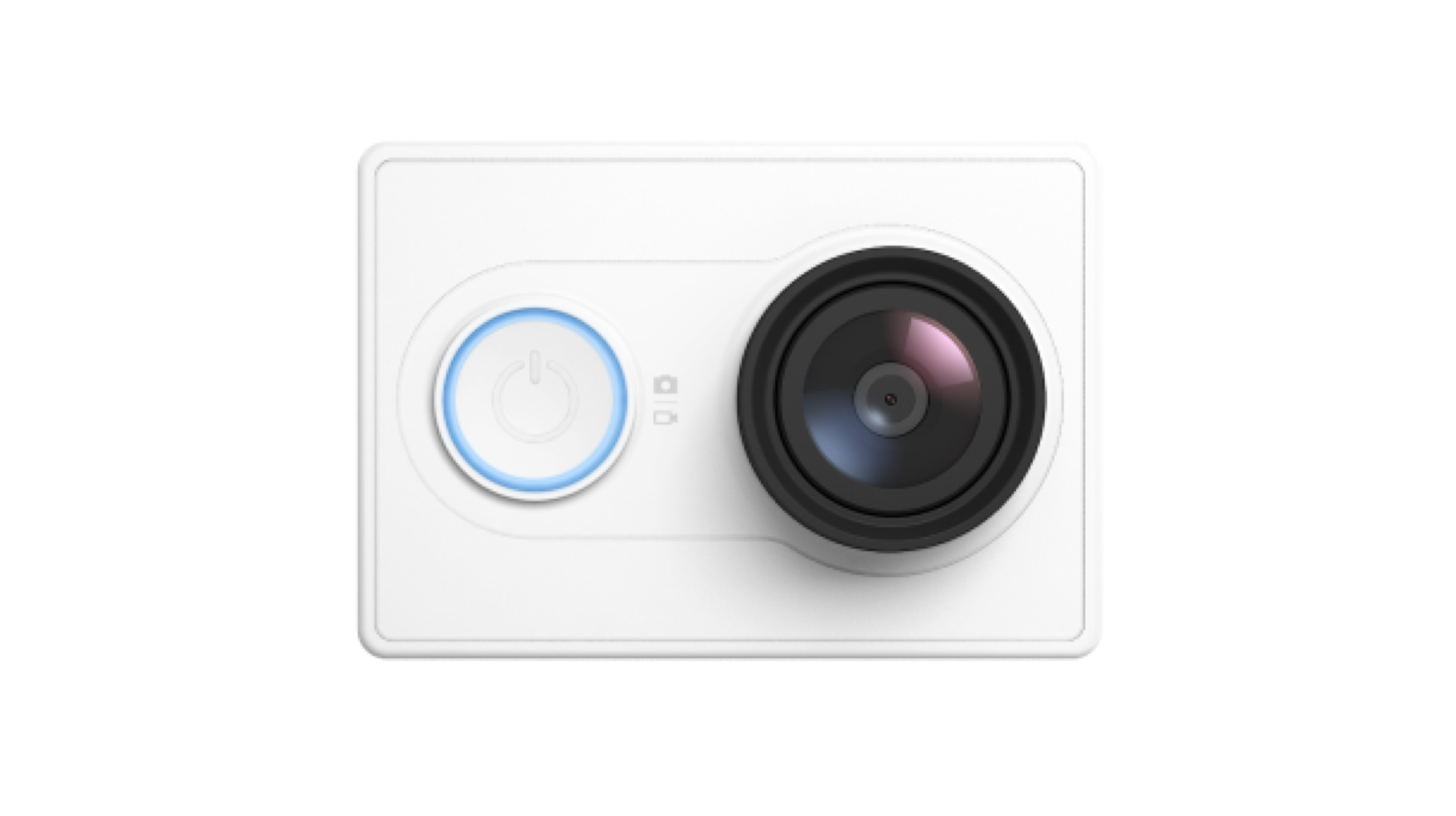
    Yi is a Chinese camera manufacturer that is backed by Xiaomi. The company had previously launched the Yi action and Yi 4K action cameras in China. The cameras have a small form factor and can be mounted to various surfaces with the help of brackets which are sold separately. Both the cameras can click still shots, capture videos and also shoot time lapse pictures. The cameras have been unoficially available in India from sites like Amazon and eBay but they were priced much higher due to import duties. Now Yi technology has officially launched the cameras in India which are exclusively available on Flipkart.

    Buy the Action Camera here.

    Design

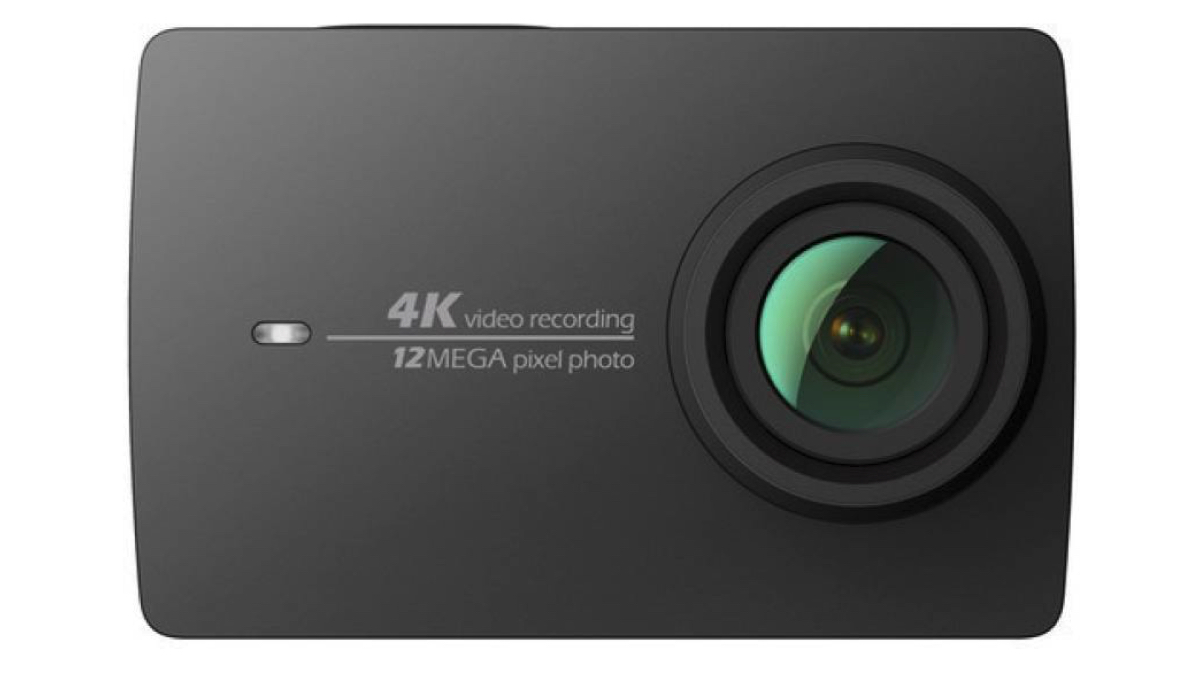
    Both Yi Action and Yi 4K Action cameras have a cuboidal shape with a protruding camera lens from the front. The biggest difference between the two cameras is that the Yi 4K has a 2.19-inch touchscreen display which the Yi Action camera lags. The devices have side and top mounted buttons which allow for easy operability. The Yi Action camera weighs in at a mere 76 grams and the Yi 4K weighs in at 96 grams.

    Specifications And Optics

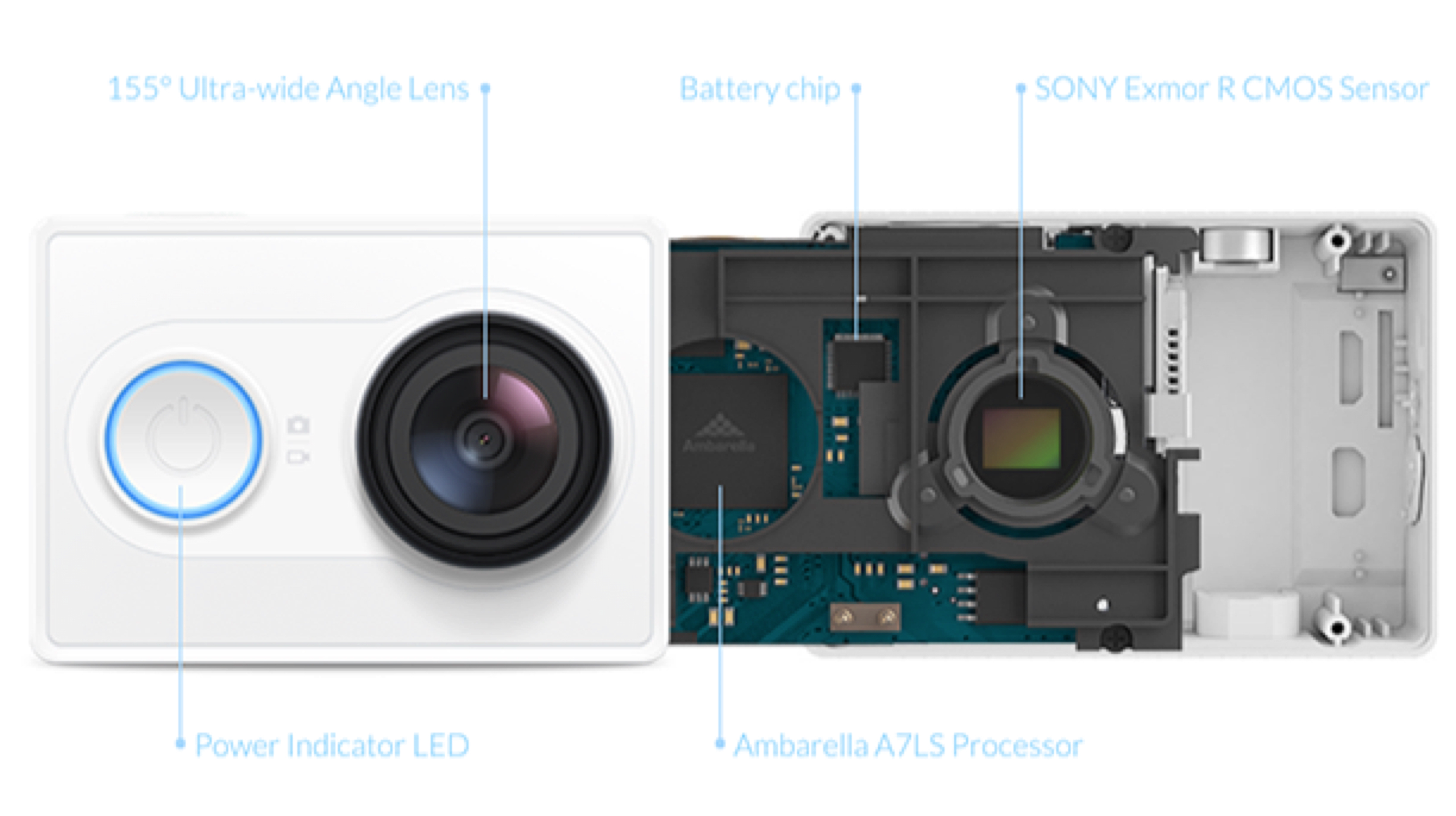
    The Yi Action camera has 16 MP Sony IMX 206 sensor and the Yi 4K Action camera has 12 MP IMX377 sensor. Sensors on both the camera are equipped with f/2.8 aperture and both cameras use Ambarella processors. Both the Yi Action and Yi 4K cameras have a 55-degree field of view. Most notably the former has 6 layered glass while the latter gets 7 layered glass. 

    The Yi Action cam can capture 1080p videos at 60 fps while the elder Yi 4k can capture 2160p videos at 60 fps. Both cameras have built-in Wi-Fi and Bluetooth that allows the user to wirelessly share files with a smartphone. The cameras also have a micro USB port which can be used for charging and data transfer. The Yi Action camera duo supports memory cards of up to 128 GB. The Yi 4K has a bigger 1240 mAh battery compared to Yi Action’s 1010 mAh.
    Price And Accessories

    Also Read: Xiaomi Mi Play Specifications Leak Prior To Launch

    The Yi action cameras are exclusively available on Flipkart. Price for the Yi Action cameras is as follows:

    • Yi Action Camera- Rs 4,999
    • 4K Action Camera- Rs 9,999

    Yi Technology also offers various accessories for the cameras like a waterproof case and action gimbal which are currently unavailable in India.

    Buy the Action Camera here.

iGyaan Network
Privacy Overview

This website uses cookies so that we can provide you with the best user experience possible. Cookie information is stored in your browser and performs functions such as recognising you when you return to our website and helping our team to understand which sections of the website you find most interesting and useful.