Blog

  • Google Maps Auto Rickshaw Will Calculate Time And Price Of The Ride

    Google Maps Auto Rickshaw Will Calculate Time And Price Of The Ride

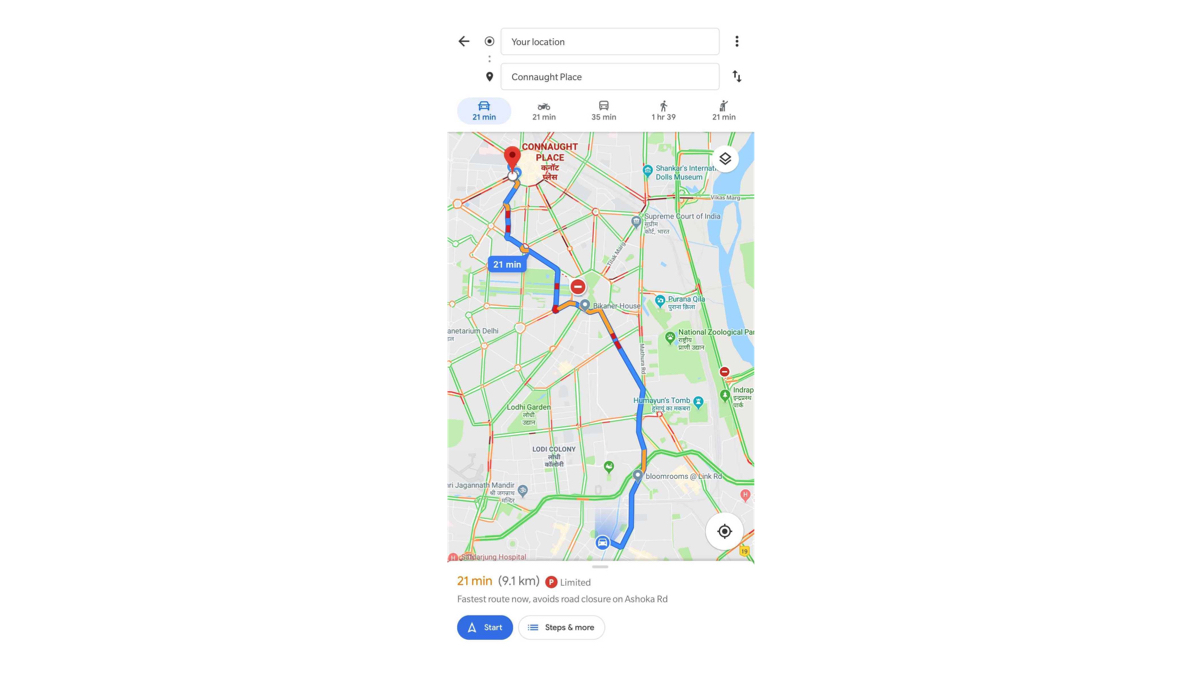
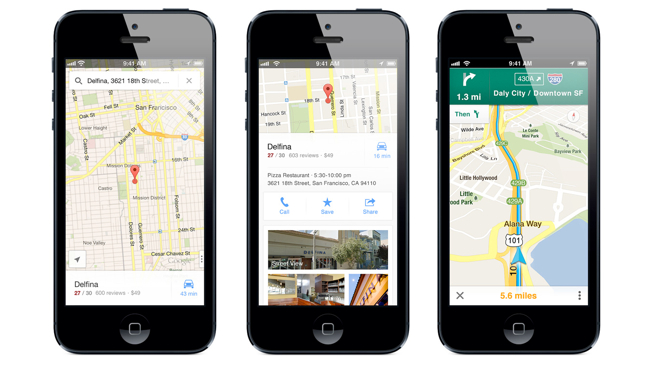
    Google has been rolling out country specific features for a long time and it’s Maps feature is one of the best navigation tools in the world. While there are many India-specific features already available, a new feature that has been recently introduced can be extremely helpful for a lot of residents as well as travellers. The new feature allows you to see how long it will take to reach your destination in an auto rickshaw. It also shows the estimated cost for the travel. Indian auto rickshaws are infamous for not using their fare meter and overcharging. Many rickshaws use the fare meter and take tourists around a longer route to get an inflated fare. So we checked out the new feature on Google Maps and it is pretty cool! See how it works:

    First thing is to check if the Maps app is up-to-date or not. Then open the app and select the location you wish to visit.


    Second step is to select the mode of transport. Since the default is always a car or four wheeler, select the ‘Public transport’ section. This looks like a Train symbol which is on the right of the ‘Bike’.

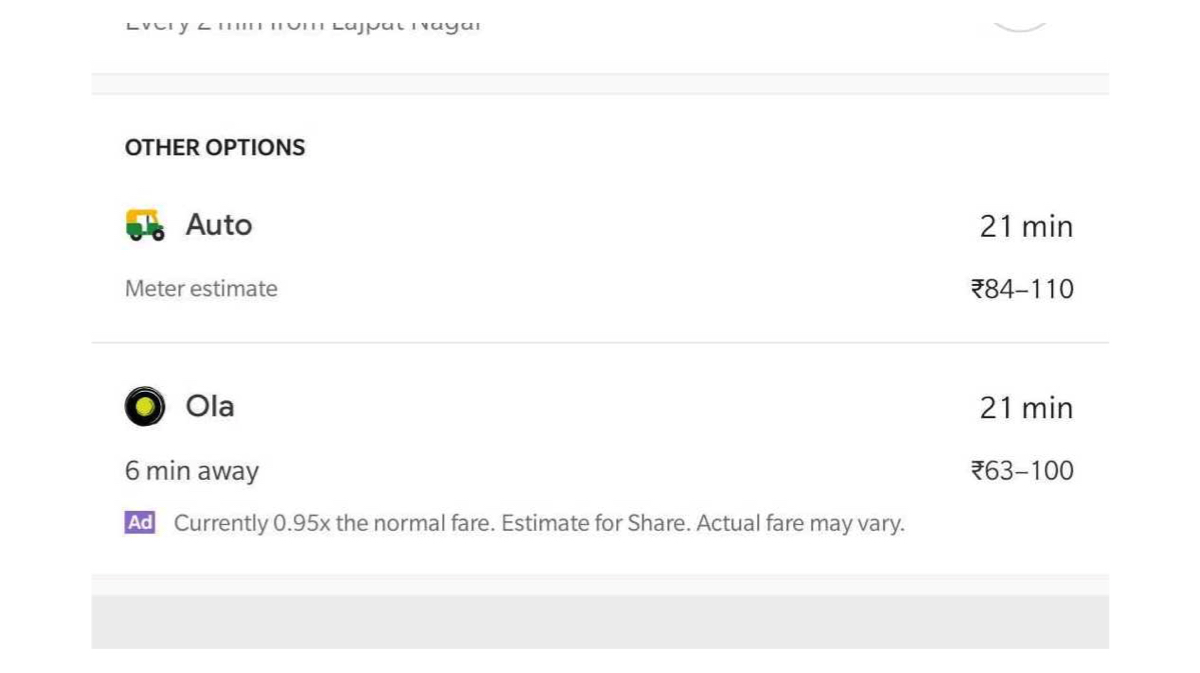
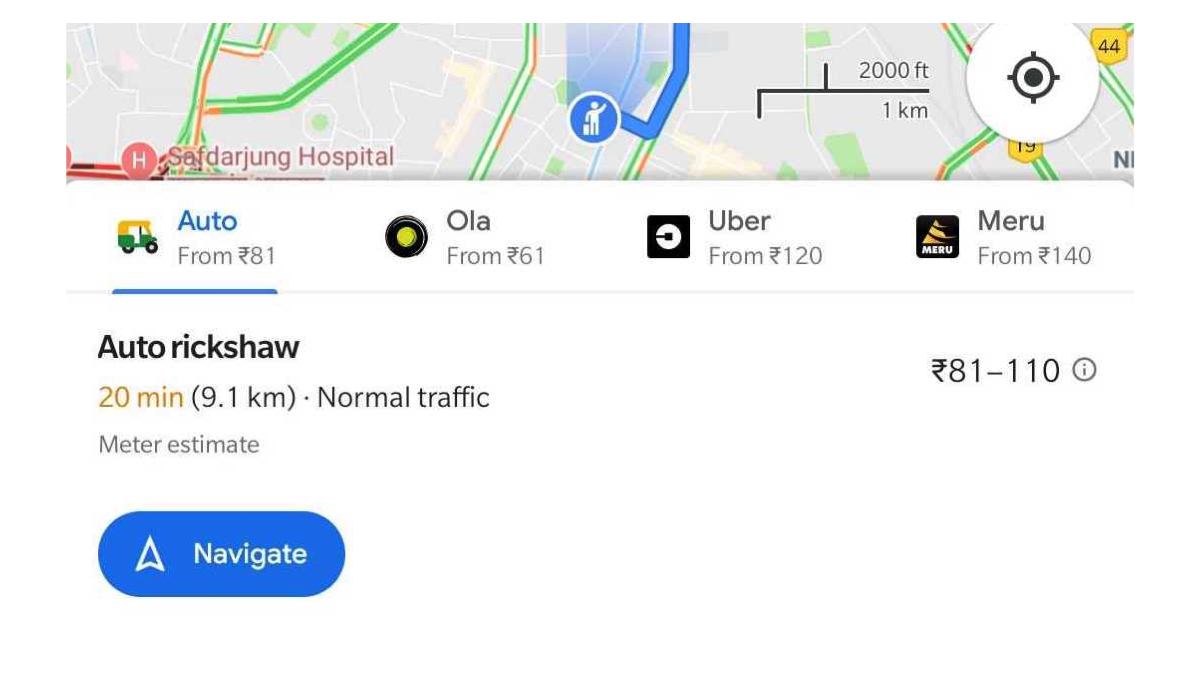
    Scroll to the bottom half of the screen on Google Maps and you will see an ‘Auto’ option in the ‘Other Options’ section. It shows the approximate cost and time taken for the journey.

    You can also find different options for Taxi aggregators such as Ola, Uber and Meru cabs which show the estimated cost and allow you to directly jump to the respective apps for booking.

    While the Auto feature in Google Maps is currently available in Delhi, the country’s capital, we hope Google rolls the feature out to other cities soon.

  • Xiaomi Redmi 7 Listed On TENAA

    Xiaomi Redmi 7 Listed On TENAA

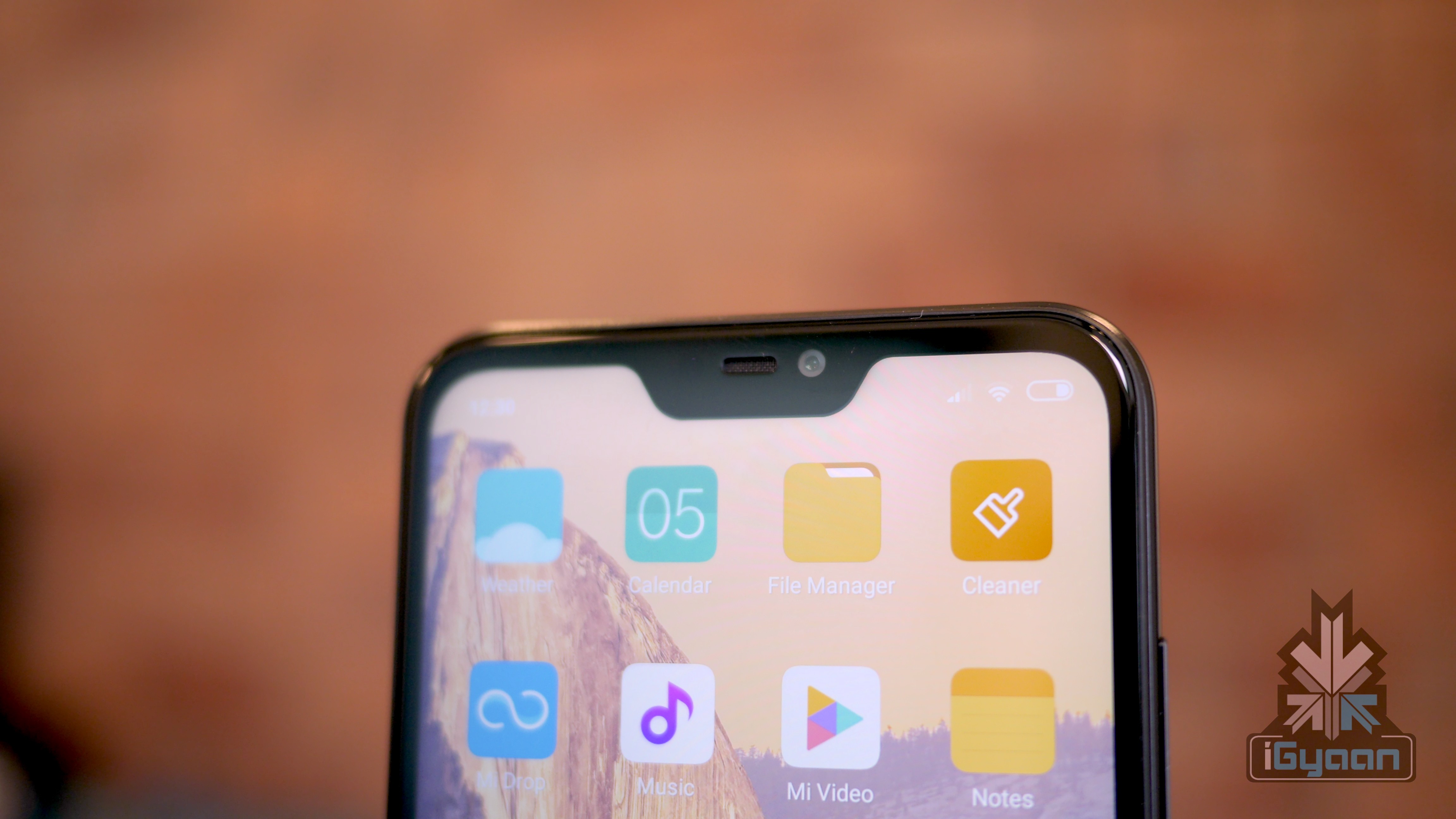
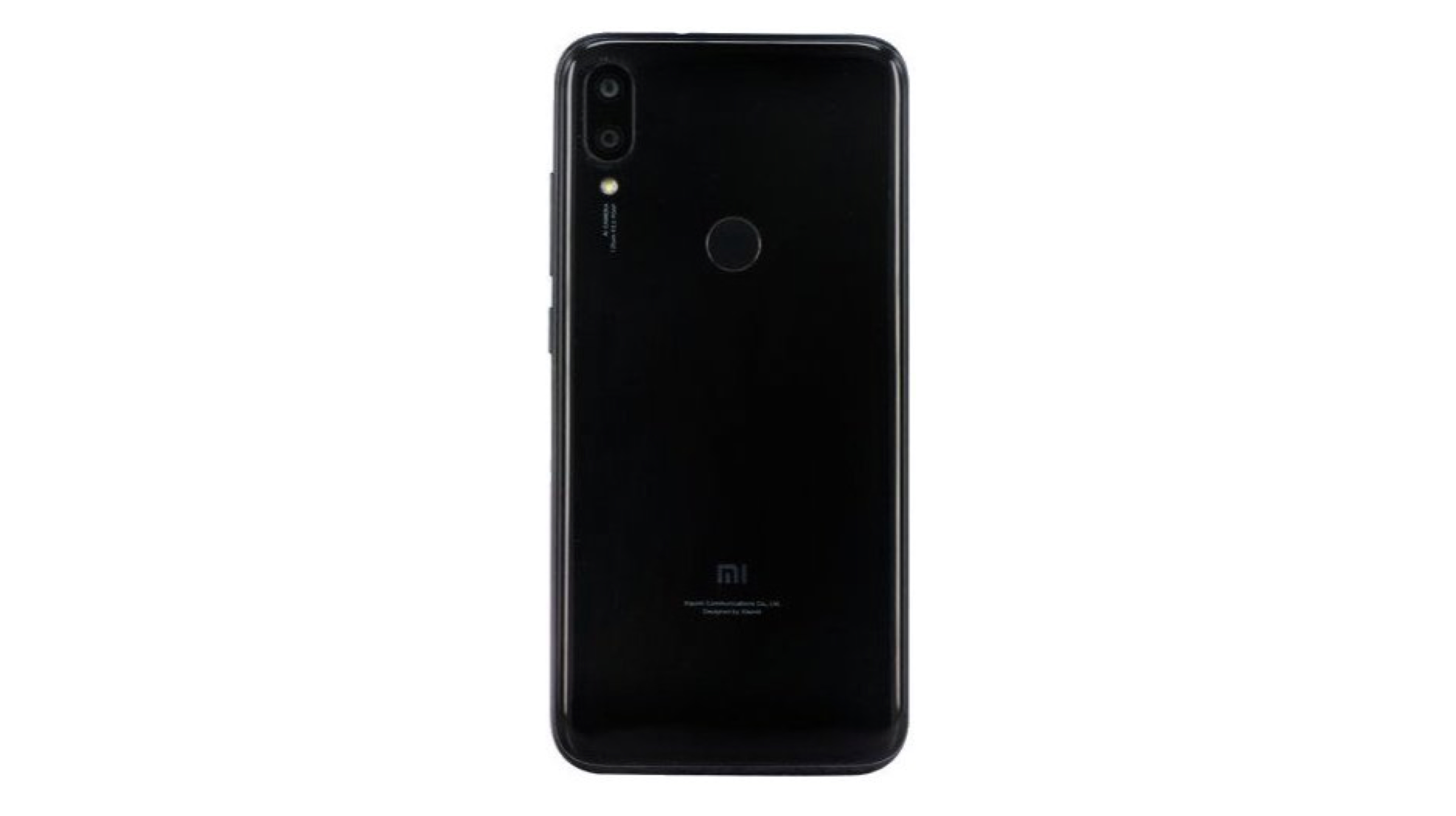
    A mystery smartphone from Xiaomi has been spotted on TENAA. The smartphone carries the model number M1901F9T. Although the name of the device is not yet confirmed, this could be a Redmi 7-series smartphone. Like the Redmi 6, it also has a display with a notch up top. The listing also reveals some specifications about the upcoming device.

    Specifications

    The Xiaomi smartphone which is codenamed  M1901F9T has a 5.84-inch display with a high screen-to-body ratio. The front of the device also seems to have a tiny waterdrop notch that houses the front-facing selfie camera. The right side of the smartphone harbors the power button and volume rockers while the left side is free from any switches. The rear of the smartphone has a glass back which houses the fingerprint sensor and a dual camera setup with an LED flash.

    The Xiaomi smartphone measures 147.76 × 71.89 × 7.8 mm and is powered by a 2,900 mAh battery. In terms of connectivity, the smartphone supports dual 4G VoLTE while it is also expected to have other standard options like Wi-Fi 802.11 and Bluetooth. Other specifications like the CPU, GPU, and camera resolution is unavailable. If it is the successor to the Redmi 6 Pro, the former is expected to have better specifications than the latter.

    Redmi 6 Specifications

    Also Read: PUBG Reveals Vikendi Map Release Date

    • Display: 5.45-inch IPS LCD display with Full HD+ resolution.
    • Operating System: MIUI 9 on Android 8.1 (Oreo)
    • Processor: 2.0 GHz octa-core Helio P22.
    • RAM: 3/4 GB RAM.
    • Storage: 32/64GB internal storage, expandable via microSD card up to 256GB.
    • Rear Cameras: 12 MP and 5 MP rear cameras, 5 MP front-facing camera.
    • Selfie Camera: 8 MP
    • Security: In-display fingerprint scanner
    • Connectivity: 4G VoLTE, Wi-Fi 802.11 ac, Bluetooth 4.2, GPS
    • Battery: 3,500mAh battery.
    • Dimensions: 147.5 x 71.5 x 8.3 mm
    • Weight: 146 g


  • Samsung Granted Patent For 3D Hologram Display

    Samsung Granted Patent For 3D Hologram Display

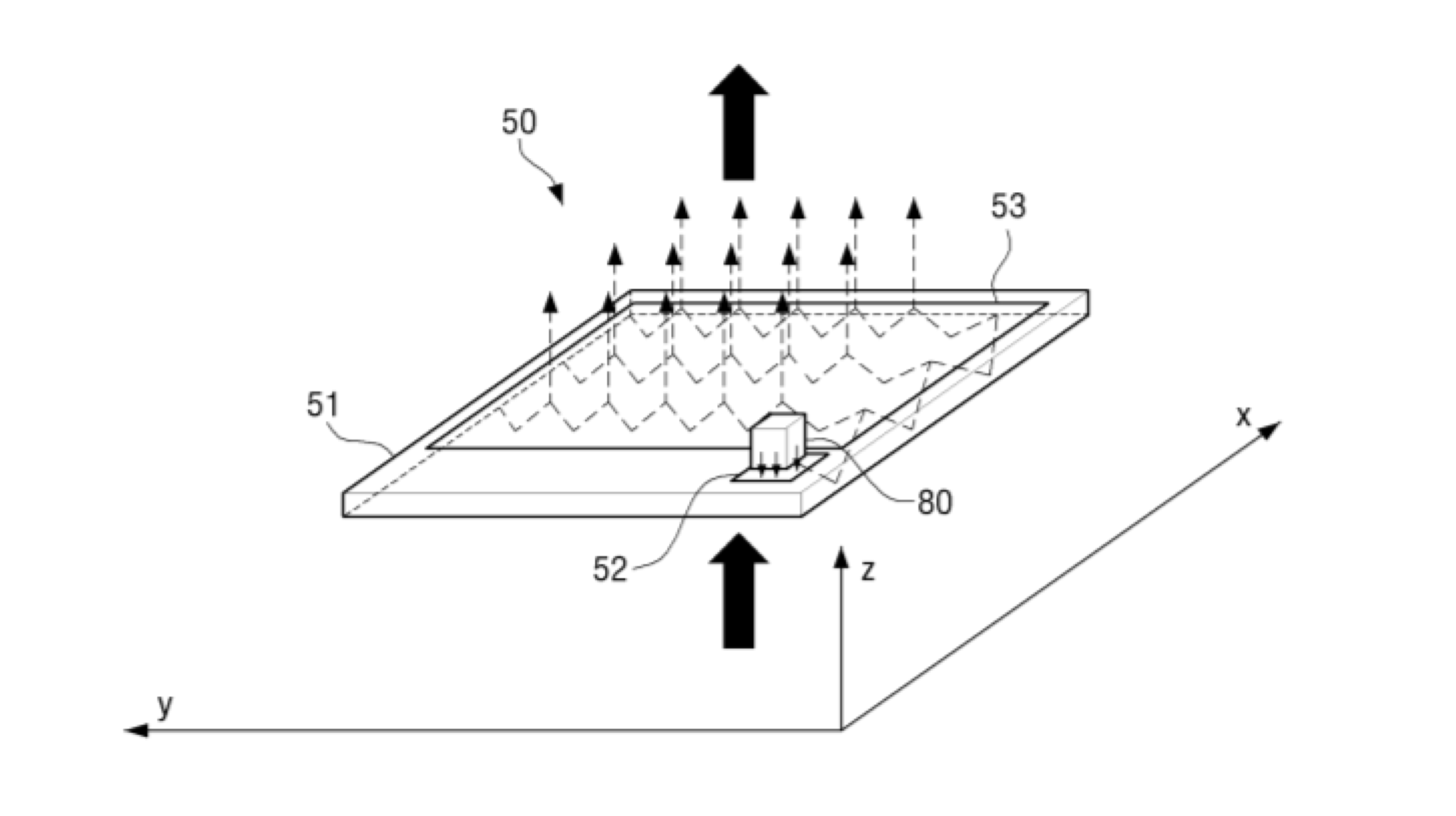
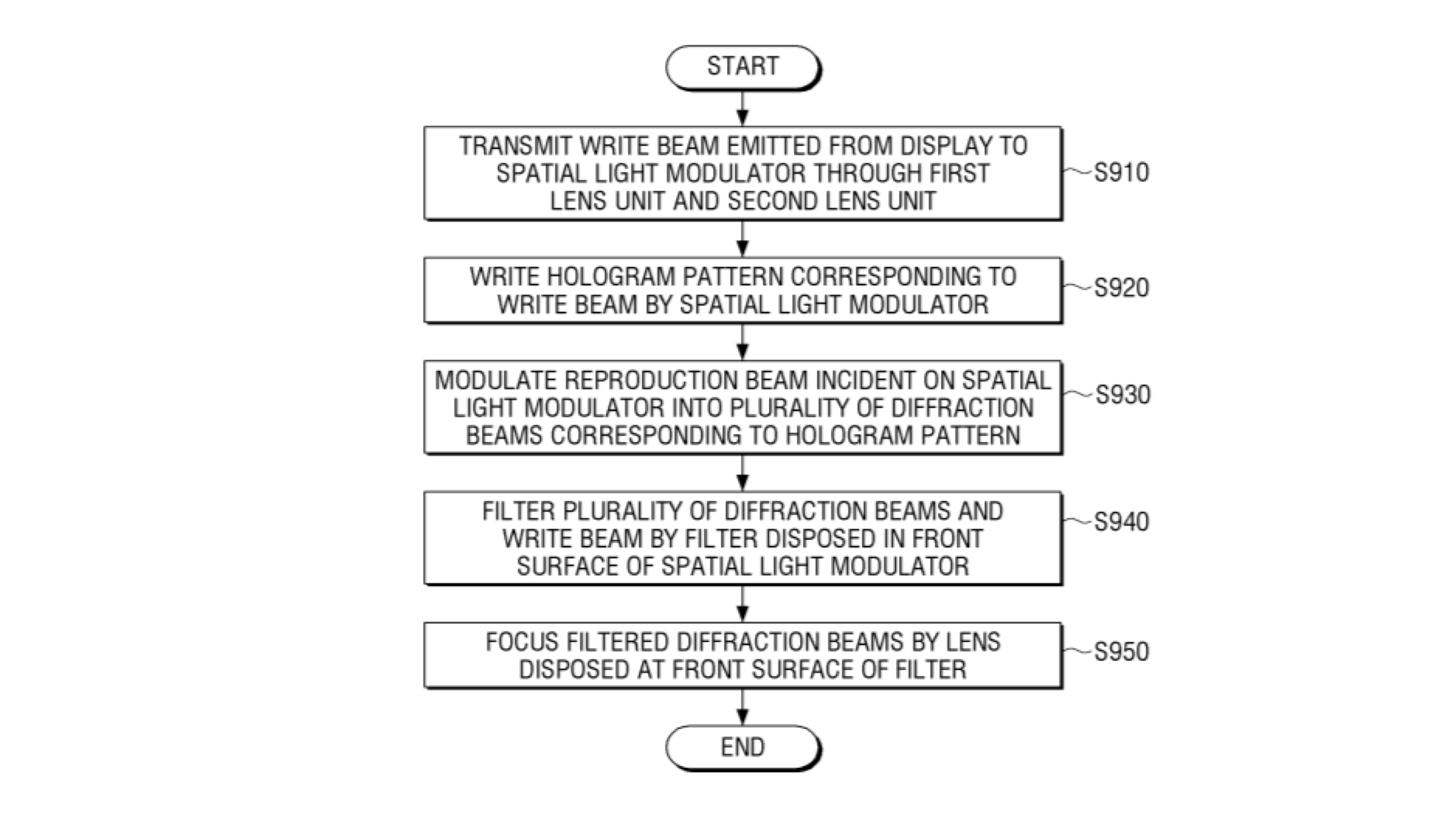
    Earlier this year, Samsung had filed a patent for a Hologram reproducing display which has now been granted. The patents were submitted to WIPO (World Intellectual Property Office) and USPTO (United States Patent and Trademark Office). The patent was published on 29th November and it explains how a 3D image can be projected on the screen.

    How Does It Work?

    The display has a relay lens which contains a series of microlenses. The relay lens has a spatial light modulator (SLM) with a filter which ensures the hologram pattern is correctly reproduced. By using the intervention of light, a high-quality holographic image can be projected. The patent is well comprehended and it explains in detail how various lenses are used to project the image.

    Will We See It?

    It is hard to predict when a Samsung smartphone with this display technology will be officially released. Although the patent shows concrete evidence that Samsung can make the technology work, packing this technology into a fully functional smartphone will take some time.

    3D Displays From Other Companies

    A lot of companies in the past have experimented with 3D Hologram displays but nobody has been successful to make it mainstream. Earlier this year, Red showcased their Hydrogen One smartphone which can produce a 3D image without having to use a pair of 3D glasses. The 3D images are just displayed on the screen and not projected in the air.

    Also Read: iPhone Ban In China To Be Lifted Due To iOS Update

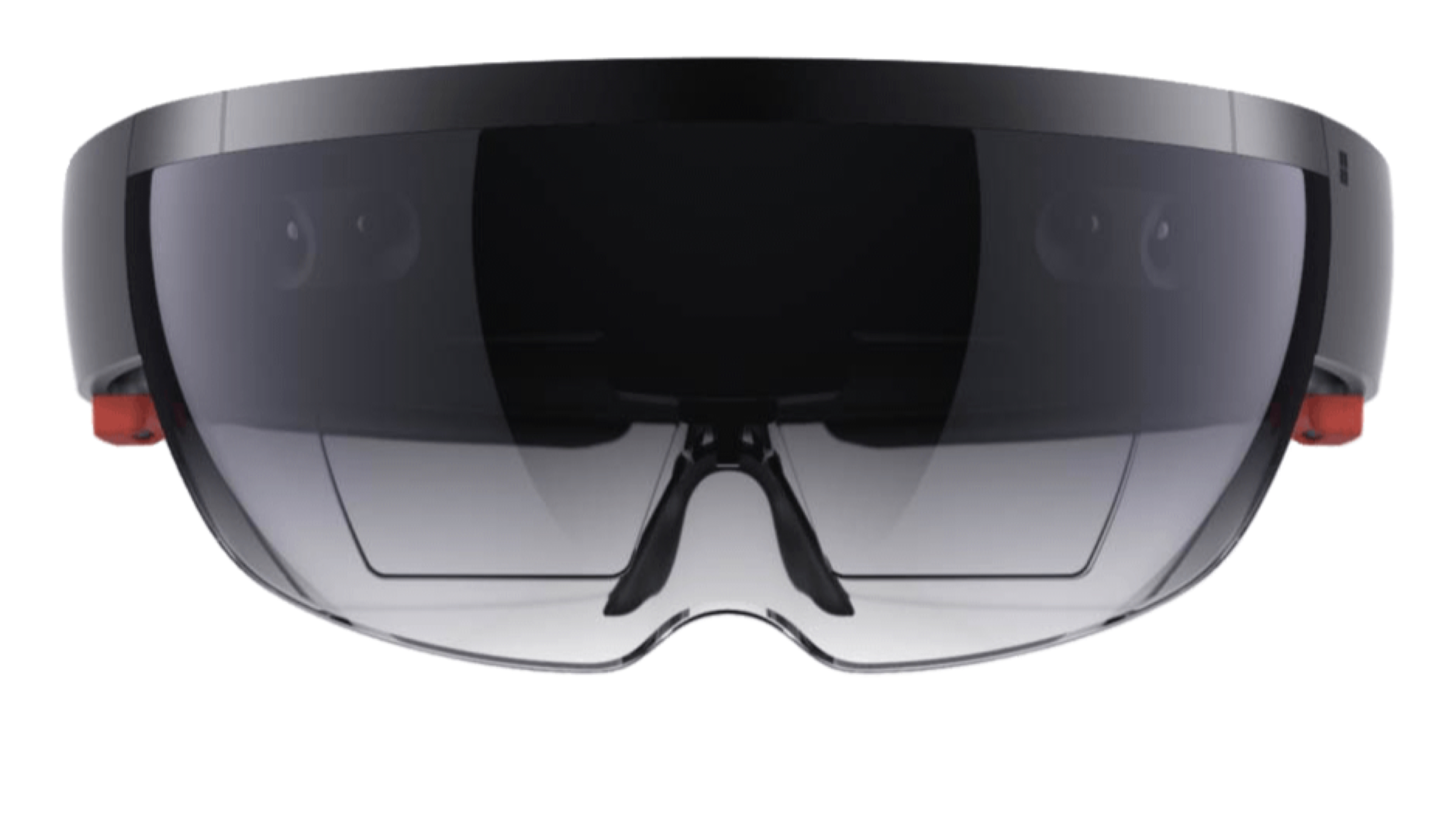
    Additionally, Microsoft had showcased a pair of mixed reality glasses which is called HoloLens. The HoloLens is a fully untethered VR headset with which the users can experience 3D holographic images. The level of immersion enables new forms of computing in which the user’s desktop could be the living room.

  • PUBG Reveals Vikendi Map Release Date

    PUBG Reveals Vikendi Map Release Date

    We have been keeping a close eye on all the happenings of PUBG and now, the news is out for the highly expected Vikendi map. Tencent’s servers are down and it seems like the company is getting ready to roll out the Vikendi map in it’s new update. The notice states that the servers will be taken offline for maintenance from 00:00 to 9:00 UTC on December 17th. The service will renew sooner or later depending on the progress. The new version will be pushed to Google Play and App Store on December 18th.

    What To Expect From The Update

    The new update will push out the Vikendi map. The map is a 6×6 km snow themed map. PUBG will add a Snow theme to the main menu and add Arabic language support. There will also be cross- server matchmaking and players will be able to report suspicious behaviour while spectating after dying. If a player updates before 25th they will receive an Outfit Box III (7d) and 1888 Battle points. The new update will also bring new season spending rewards. Other games such as Fortnite and Call of Duty also have their own winter theme before Christmas and PUBG’s map will be fitting as well as challenging for players.

    Also Read: New PUBG Map Leaked: Snow Map To Be Released Soon

    The company had teased the map during the Microsoft Press conference at E3 without having revealed much. There has been dummy maps and reddit threads about the same but it is yet to be seen how the map plays out. From what we know so far, the play-time for the map will be shorter than Erangel but longer than Sanhok. The map is said to consist of a wide variety of attractions. It will have businesses areas and villages with a dense and thick forest. There will also be a warm Mediterranean coastline and snowy mountains in the central area of the map.

  • iPhone Ban In China To Be Lifted Due To iOS Update

    iPhone Ban In China To Be Lifted Due To iOS Update

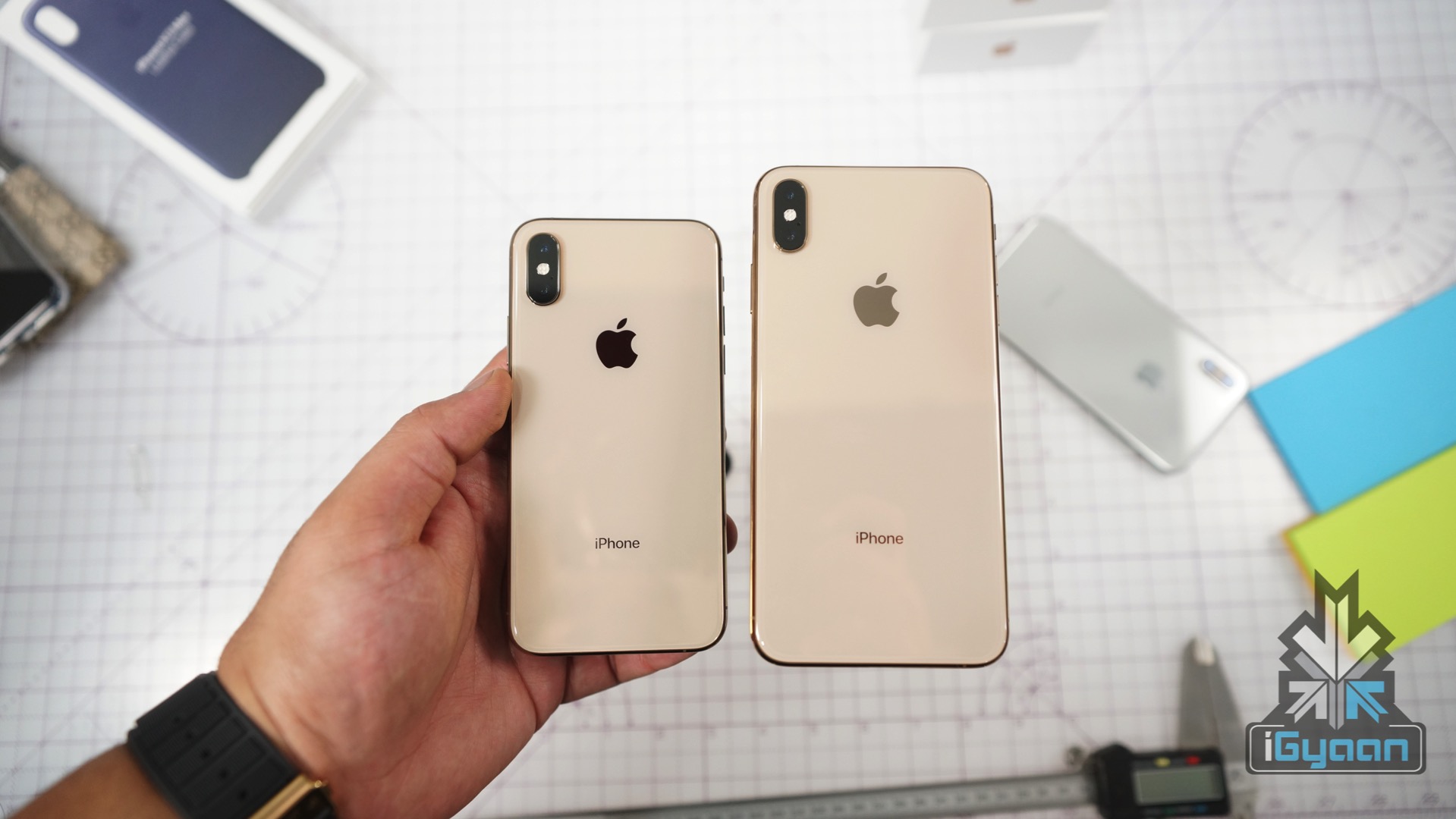
    Apple and Qualcomm have been engaged in a patent war. Earlier this month, Qualcomm won a legal battle against Apple in China. A Chinese court found Apple guilty of violating two patents which are held by Qualcomm. The court’s ruling will restrict Apple from importing and selling certain iPhone models in the country. The restricted devices include smartphones ranging between the iPhone 6S and the iPhone X models.  The patents are related to navigating apps on a touch screen and resizing photos. But according to Apple, they can easily resolve the issue and comply with the court’s ruling.

    Apple’s Solution

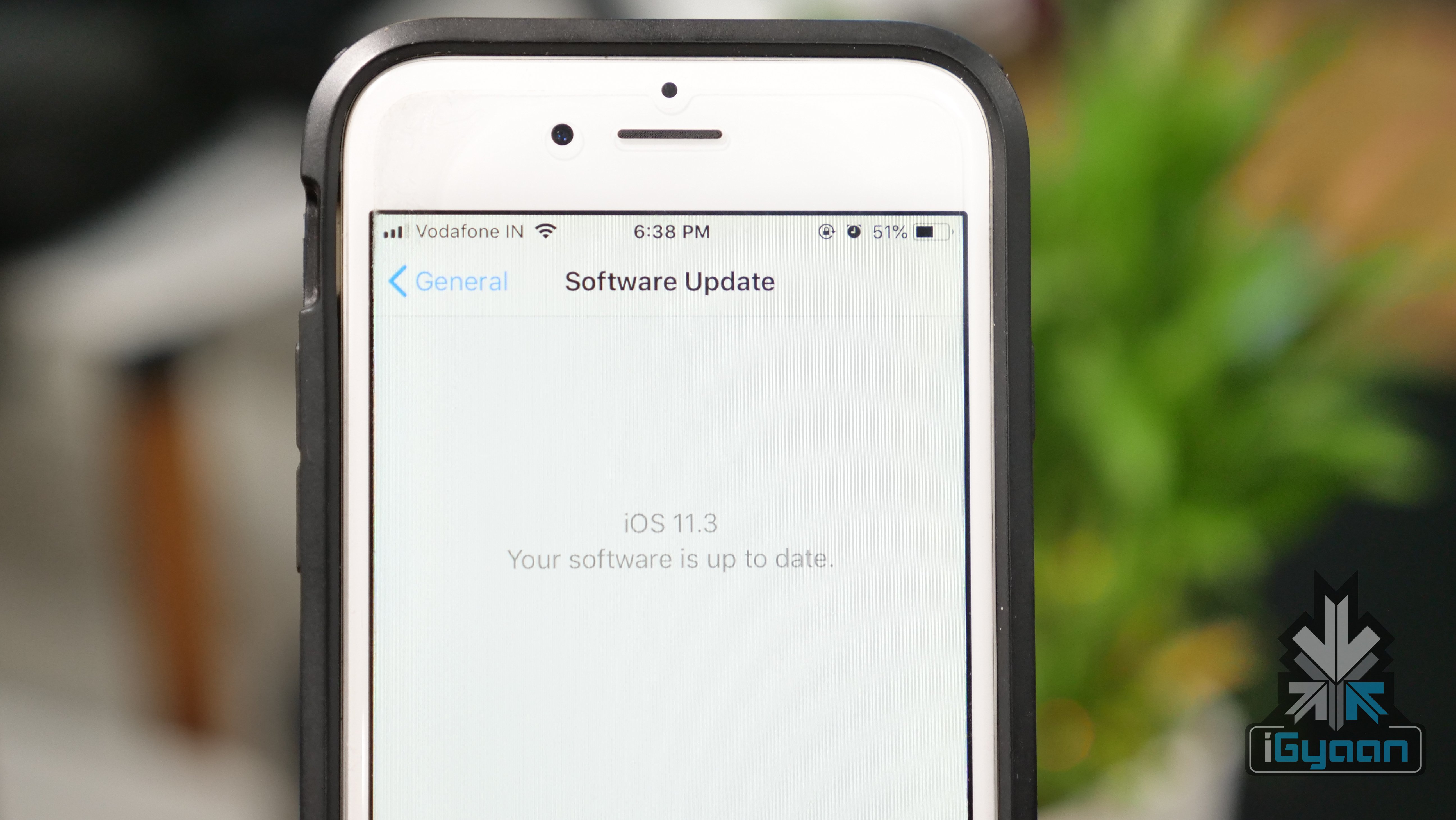
    Both the patents restricting Apple from importing and selling iPhones in China are software related. Therefore, the company can easily seed a software update for the affected iPhone models. Post the update, the smartphone will comply with Qualcomm’s patents resulting in the ban being lifted. The software update from Apple will start rolling out, starting this week.

    Also Read: Top Free Android Games For The Month Of December

    Furthermore, Apple has already filed for a reconsideration request. The company also said that a ban on iPhones would impact its Chinese suppliers and consumers as well as the tax revenue it pays to the authorities. If the ban is not lifted, the plummeting sales of the iPhone would take another jab. Most notably, China is a very crucial market for Apple. They are Apple’s third largest market after the US and Europe. China accounted for 19% of Apple’s total revenue in the last quarter.

  • Google Files Patent To Make Foldable Displays Durable

    Google Files Patent To Make Foldable Displays Durable

    Google is a company that is not limited to one particular field or industry. Being in the hardware space for a long time with devices like Nexus and Pixel phones, Pixel tablets and such the company has recently filed for a patent that intends to improve the durability of foldable displays. It seems that the patent is not meant for just one single device but it rethinks how foldable displays are made and operate. The patent details three different types of solutions which can improve the durability of a foldable display panel.

    Limitations Of Foldable Displays

    The currently showcased displays by major companies like Samsung and LG make use of flexible material that is engineered to have high tensile and compressive strength. Every flexible display is rated to bend to a certain degree without experiencing permanent damage. If the display is bent beyond that degree it loses its capability to retract to its original state. Google, however has filed patents for three mechanisms that approach this issue from a completely different perspective.

    Google’s Patents

    The patent filed by Google includes three different approaches to making a highly durable foldable display.

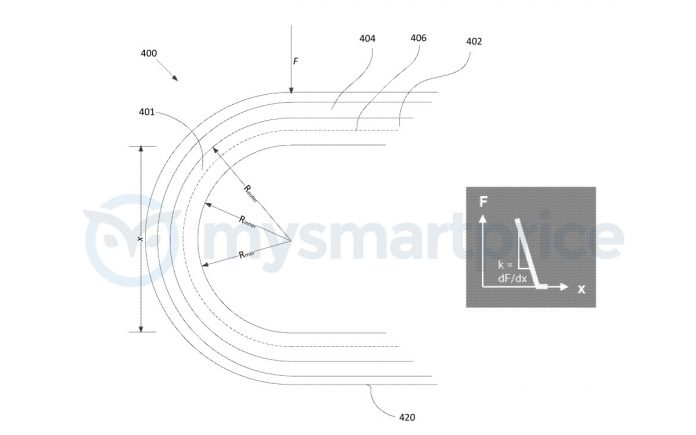
    • Low Stretch Fibres- The first type of display has an additional layer of stretchable fibres. The stretchable fibres prevent it from bending after a certain degree. It involves arranging the low stretch fibres in such a manner that ensure that they reach their limit of elasticity before the display is bent beyond its minimum bend radius.
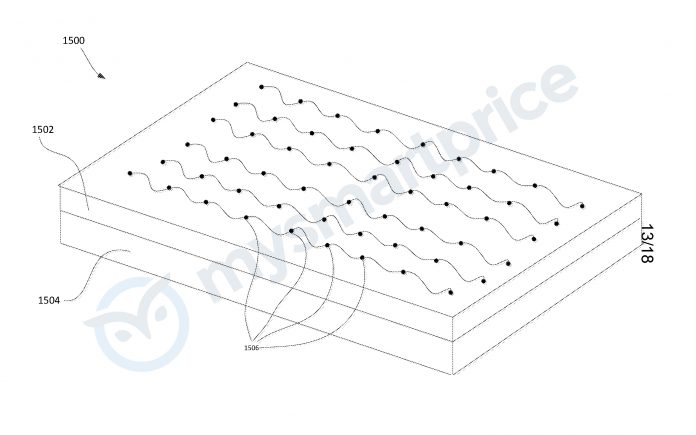
    • Memory Metal Display- This patent has thin wires of a memory metal which is arranged in a grid layout behind the actual display panel. Memory metal is a metal alloy which when bent has the ability to restore back to its original state when one exposes it to a certain temperature. In simple words, attaching such a metal mesh to a foldable display will allow it to spring back to its unfolded state.

    • Non-Newtonian Fluid Display- A non-newtonian fluid is a fluid that does not follow Newton’s law of viscosity. That is constant viscosity independent of stress. Such gel or fluid can be infused with electro-active materials like polymer-metal composites. Electric current and voltage can be used to limit the bending radius of screens having this fluid. Therefore allowing companies to make foldable displays that have a high durability.

    The patents are just a concept as of now. But the ideas look promising and can be shaped into real life future technologies.

  • Here Is Why The Galaxy F Will Cost Over $1800

    Here Is Why The Galaxy F Will Cost Over $1800

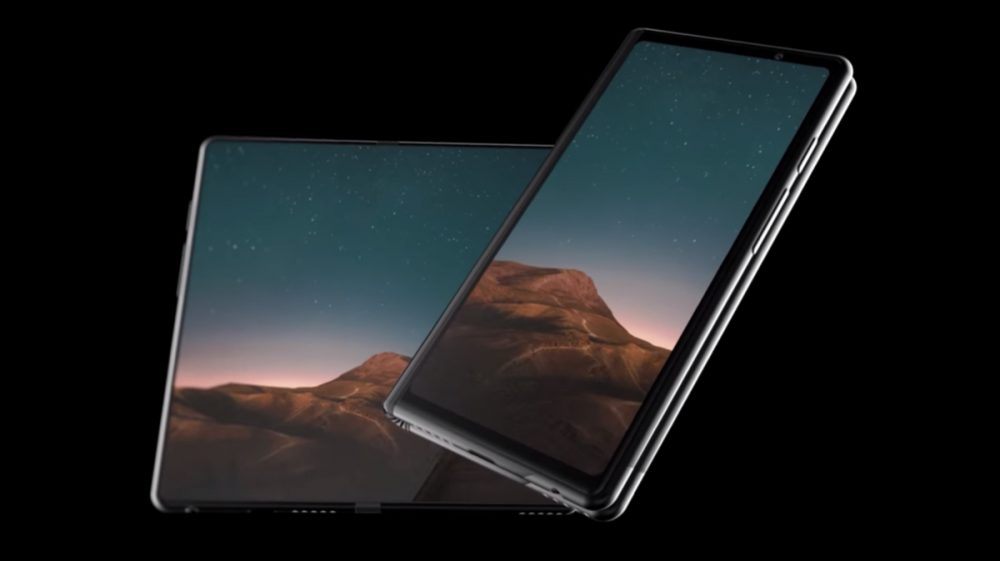
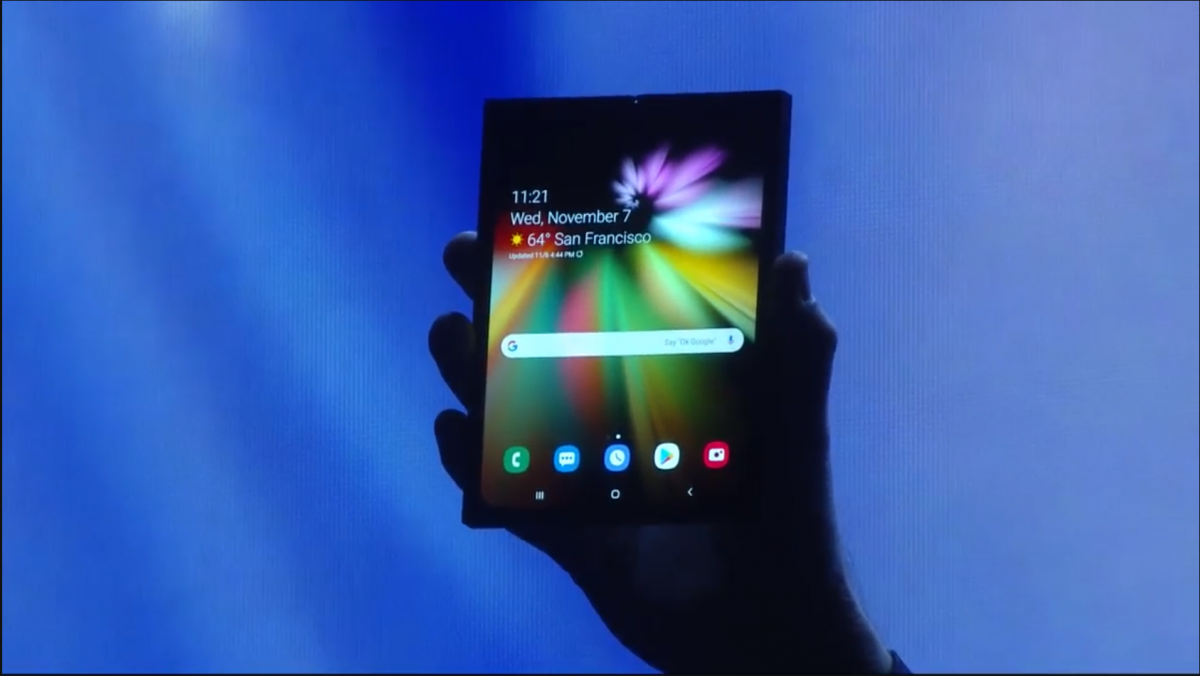
    Samsung had previously showcased their foldable phone which will reportedly be called the Galaxy F. The smartphone with a foldable display is set to launch in the first half of 2019. Previously analysts claimed that the smartphone will carry a price tag of upwards 1500$ and the latest BOM (Bill Of Materials) strengthens that claim.

    BOM Revelations

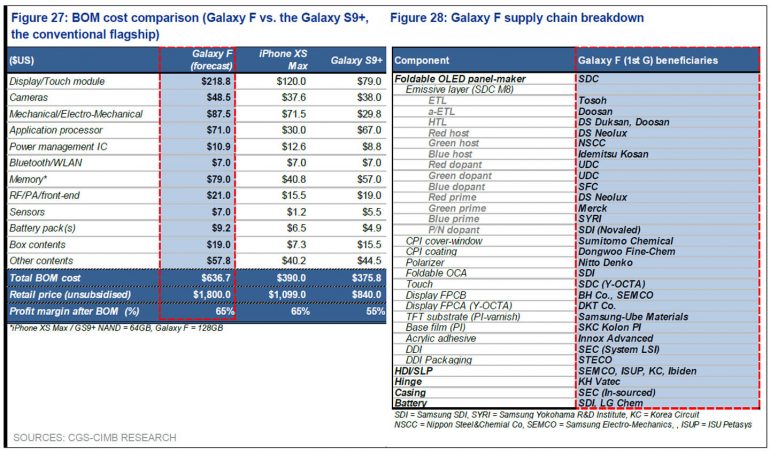
    The BOM report is sourced from a Korean research agency, CGS-CIMB. It reveals that the display or the touch module of the Galaxy F will be its priciest component. In comparison to the iPhone XS Max, the display of the Galaxy F will cost 218 USD while the screen on the former costs only 120 USD. Other significantly expensive components include the application processor (SoC) and the memory. The Galaxy F is expected to have the latest Qualcomm 855 processor and 8/10 GB of RAM.

    On the other hand, iPhone XS Max only has 4 GB of RAM. The price of both the processor and memory on the Galaxy F is about two times as that of the iPhone XS Max. The costs of all these components add up to a total BOM cost of 636 USD which in itself is quite high compared to the Galaxy S9+ and the iPhone XS Max.

    Why 1800 USD Retail Price?

    Also Read: Samsung Files Patents For New Notch Designs

    The question is obvious that why does a smartphone that costs 636 USD in parts is sold for 1800 USD. As the 636 USD, BOM does not include other costs like advertisements, assembly, and shipping. Gross margins on smartphones from the past reveal that companies need to maintain a profit margin of 55% to 65%. And a 65% gross margin on the Galaxy F comes out to 1800 USD justifying the claims of analysts.

  • New Electric Car Chargers Will Add 100 KM Range In 3 minutes of Charge

    New Electric Car Chargers Will Add 100 KM Range In 3 minutes of Charge

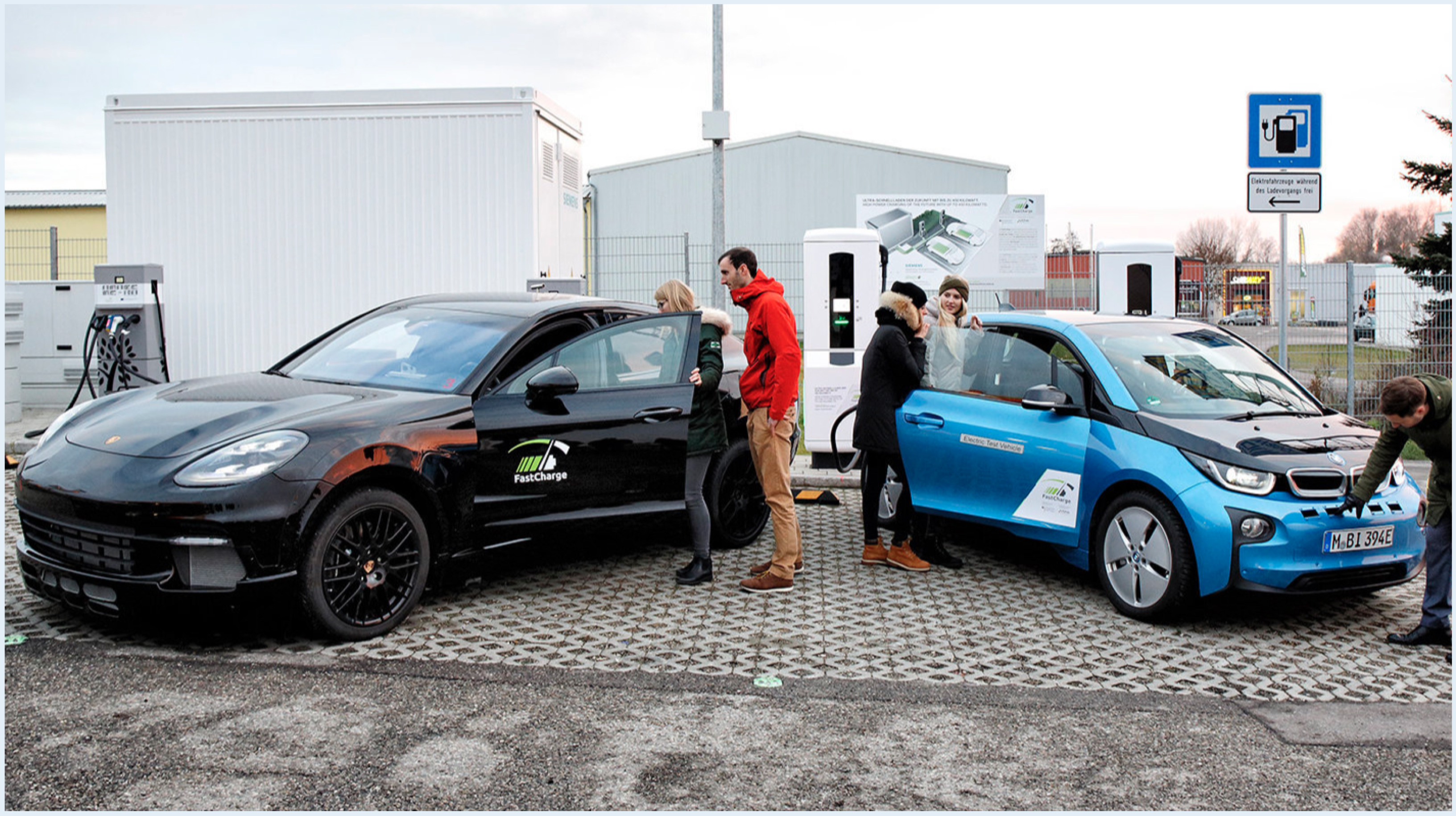
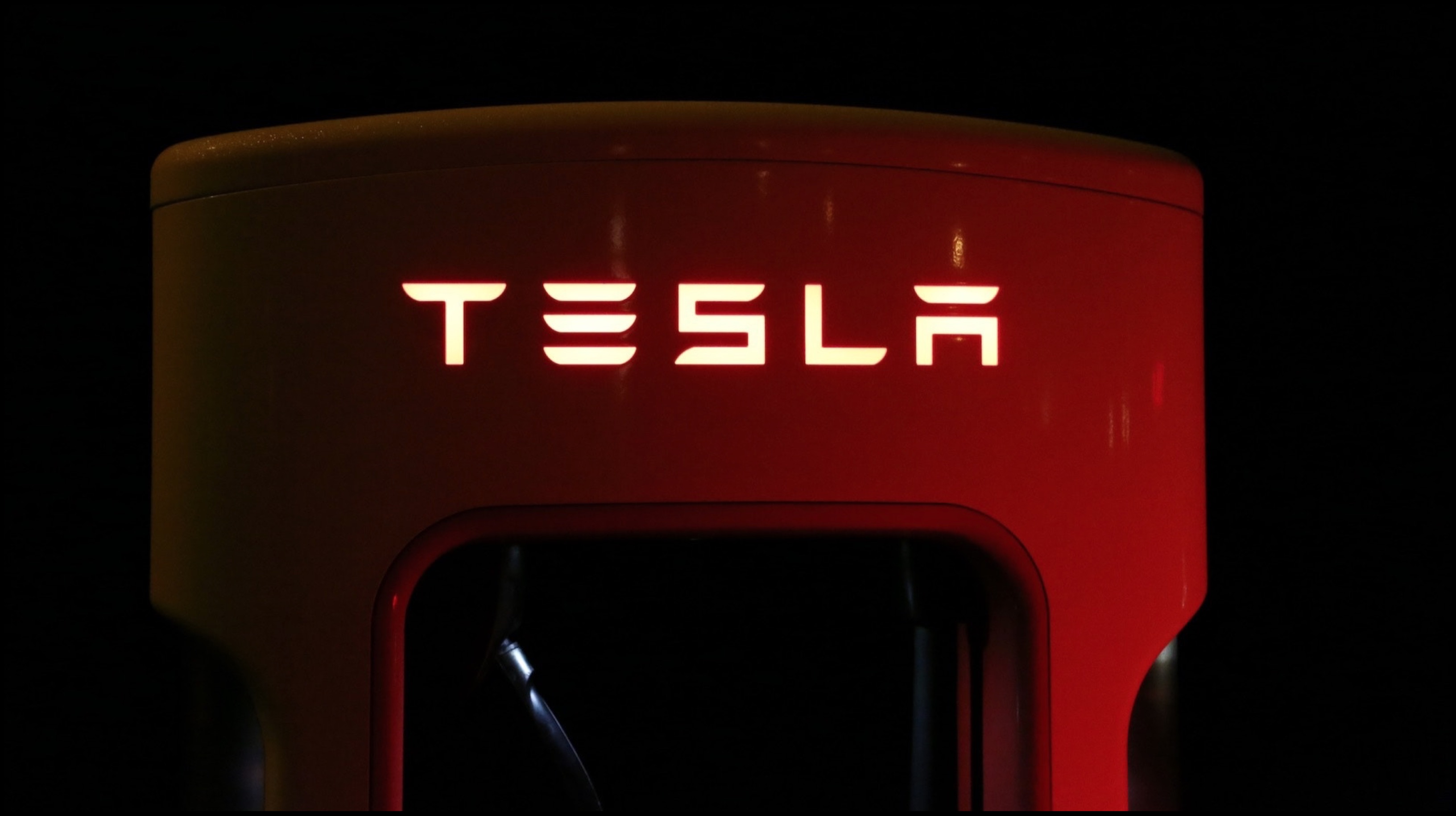
    It is apparent that EVs (Electric Vehicles) are the future means of transportation. Not only are electric cars better for the environment but they are also powerful enough to compete with an IC (Internal Combustion) engine powered vehicle. The only limiting factor in their adoption is their limited range and the time they take to charge. America based Tesla is a pioneer in the personal electric car industry but German automobile manufacturers are also catching up fast. BMW and Porsche as a part of their “FastCharge” consortium showcased a super fast EV charger.

    How Fast: 450kW fast!

    The new charger that was showcased by the company is set up in Jettingen-Scheppach, Bavaria in Germany. It can pump out current at 900 volts and 500 amps which is equivalent to 450 kW. Most notably, this charger is compatible with Europe’s standard Combined Charging System (CCS) that Tesla has also agreed to support. BMW showcased a research i3 electric car which was able to charge with 350 kW of power. Porsche also demonstrated their Panamera based electric car which charged with a record 400 kW. In comparison to the current industry standard, the Tesla Supercharger can charge a car at 120 kW. However, Tesla had previously announced that their next generation Superchargers will be able to output double the charge as their current models. The next-gen Tesla Superchargers will start rolling out in 2019.

    Also Read: Samsung Files Patents For New Notch Designs

    The Porsche test vehicle was equipped with a 90 kWh battery pack and it also had a special cooling system. The 400kW charger was able to add a range of 100 Kms to the car in a mere three minutes. While the BMW i3 was able to charge from 10 percent to 80 percent in 15 minutes. These results are definitely surprising but are currently in their testing phase. Though Porsche’s upcoming Taycan will be able to support 350 kW of charge which will be up for grabs from the coming year.


  • Top Free Android Games For The Month Of December

    Top Free Android Games For The Month Of December

    The Google Play store is packed with an insane amount of mobile games. These games range across a wide variety of genres and categories. Finding the best games out of the bunch is hard but we have scoured the Play Store to give our readers our pick for the top Android games which are free to download and play. Following are the top free Android games for December.

    Run Rabbit Run:

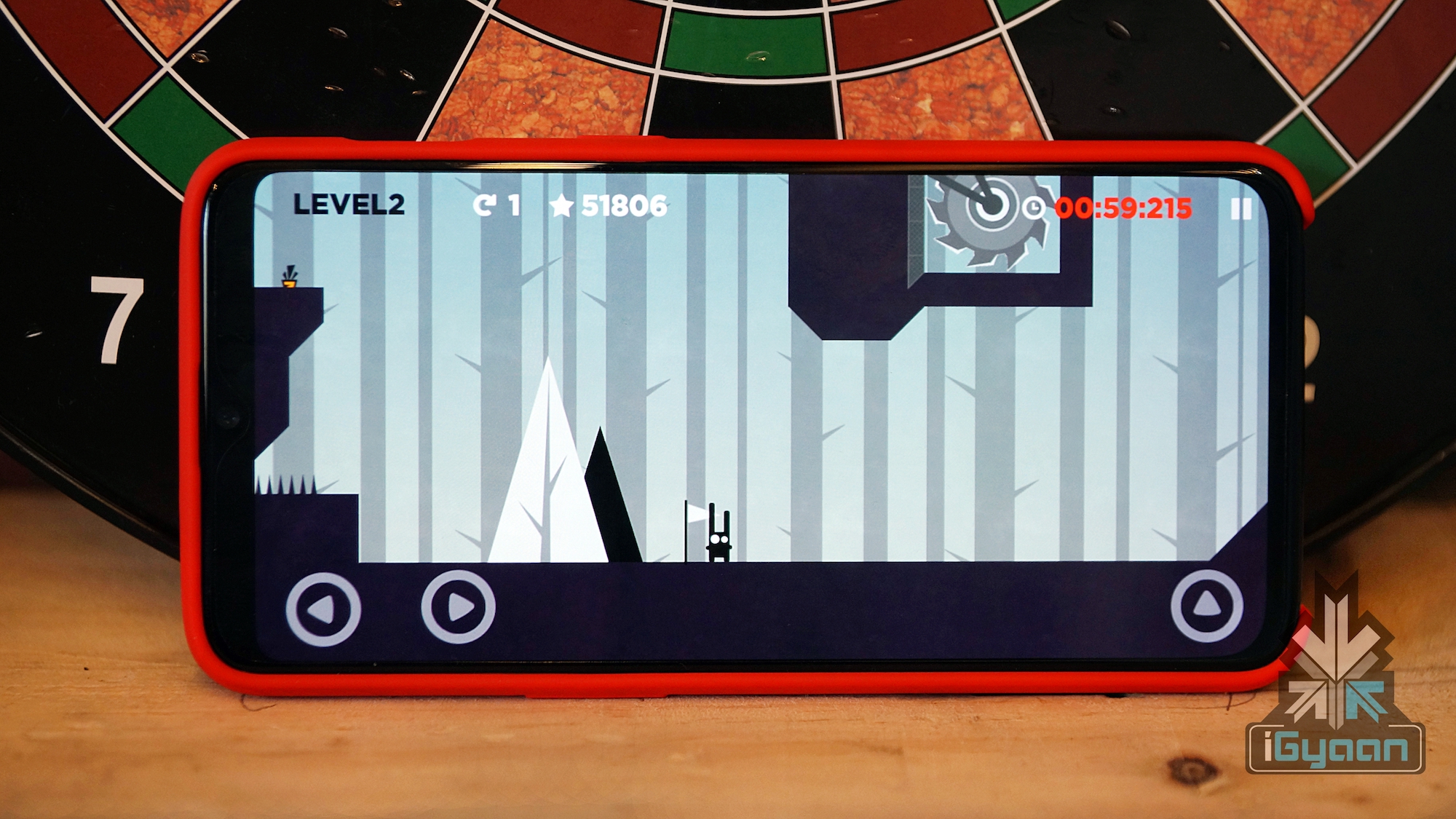
    The game is about a hungry rabbit who tries to collect the maximum number of carrots possible in a perilous environment. The player needs to control the speed and jumps of the bunny to save it from killer saws and spikes. The game requires a lot of concentration and instant reactions. Run Rabbit Run has onscreen left/right buttons to control the direction of the rabbit and a jump button which is placed on the right. Holding either of the direction control buttons make the rabbit dash which is necessary to take longer jumps.

    Tiny Jack:

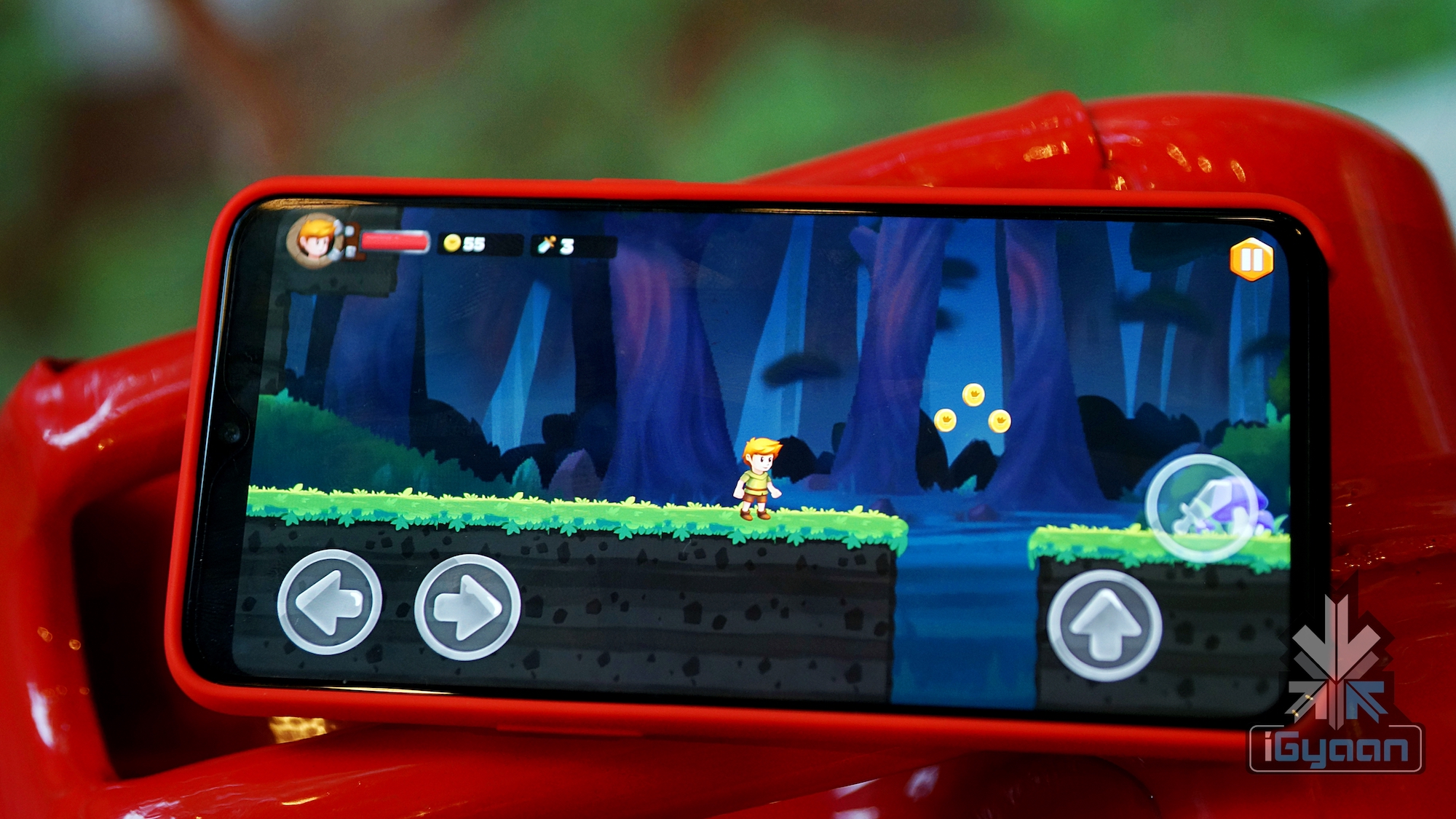
    Tiny Jack is an adventure style game that seems to draw inspiration from the classic Mario game. The game revolves around the escape journey of a young boy named Jack who is kidnapped by a wizard. The wizard takes the boy to his dungeon that is located in the middle of a jungle. One day when the wizard is not around, Jack manages to escape. But he must face all the hardships that come up on his journey back to his home. He must use his skills to kill monsters and avoid obstacles. Finally, he must kill the final boss to safely get out of the jungle.

    Crash Of Cars:

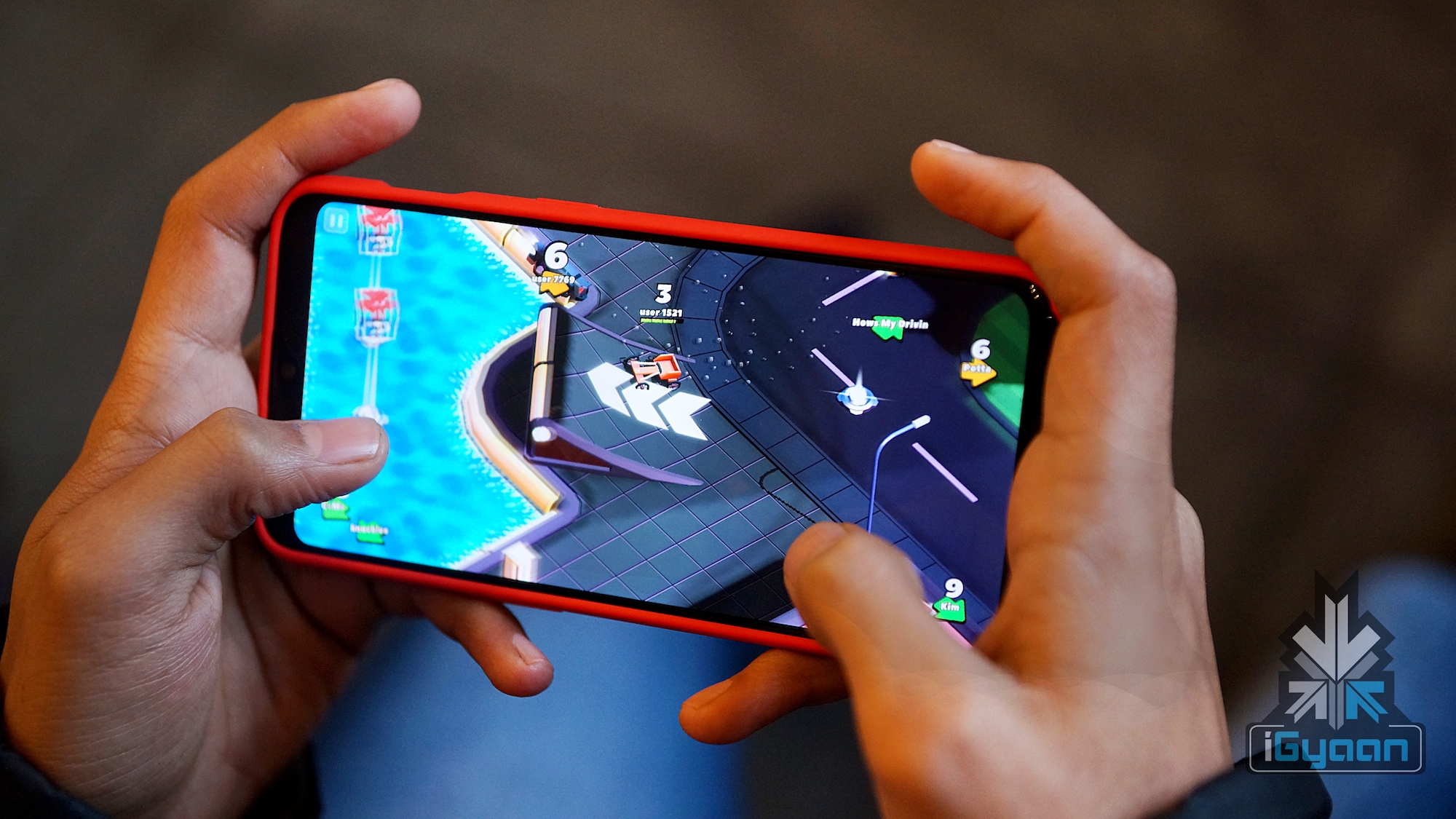
    If you are a gamer who likes cars, drifting and shooting then this is a game you will definitely enjoy. The game has tiny animated cars which battle with each other for survival. The game has over 70 different cars and 8 different maps which the user can enjoy. It can be played both online and offline. In online mode, users can challenge other combatants and show off their skills. The cars in the game accelerate by themselves and the user needs to control the steering via the onscreen left or right buttons. Players can also pick up mystery boxes which contain different weapons like cannons and flamethrowers. These weapons can be used to kill the enemy cars.

    Football Strike:

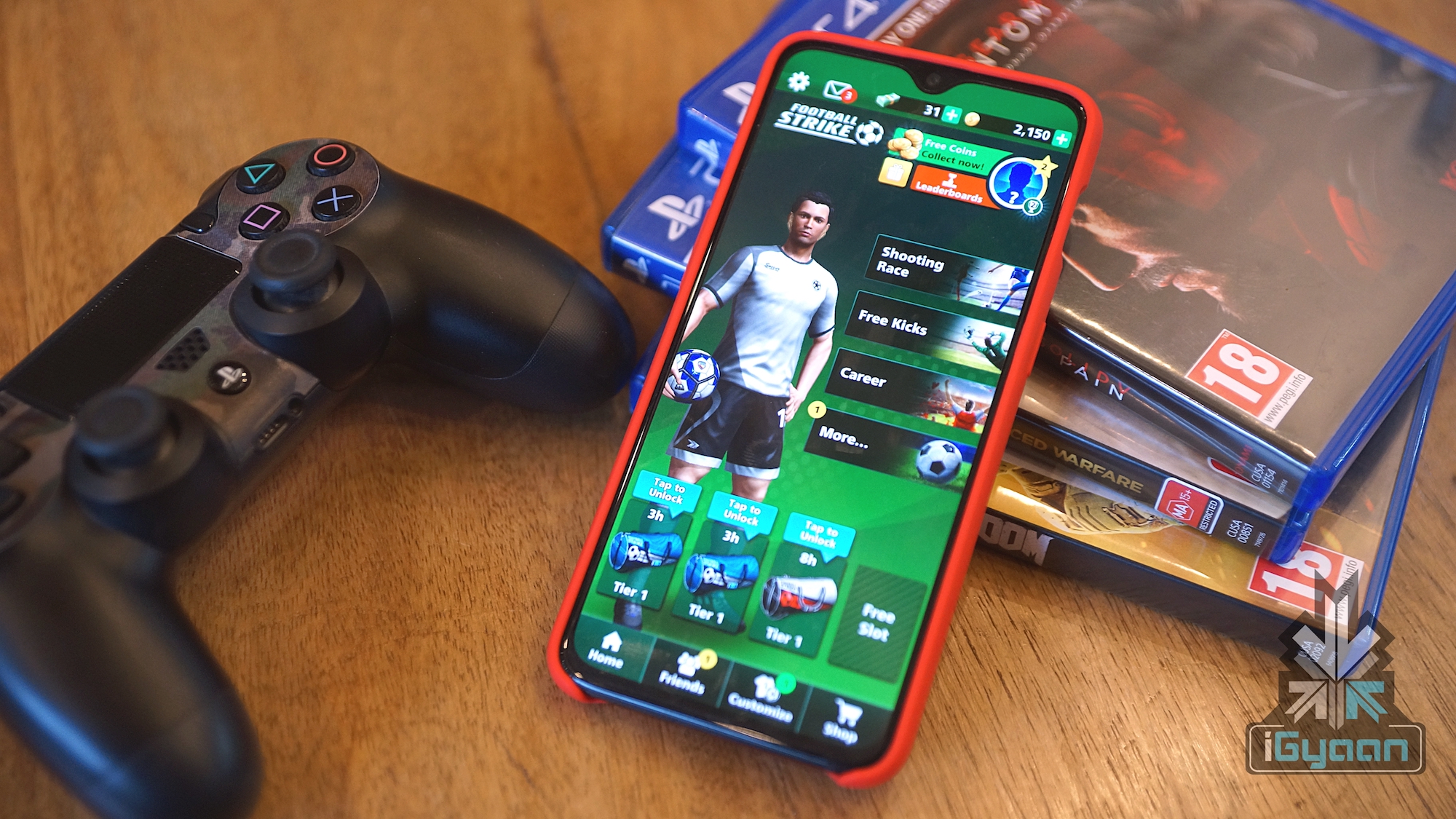
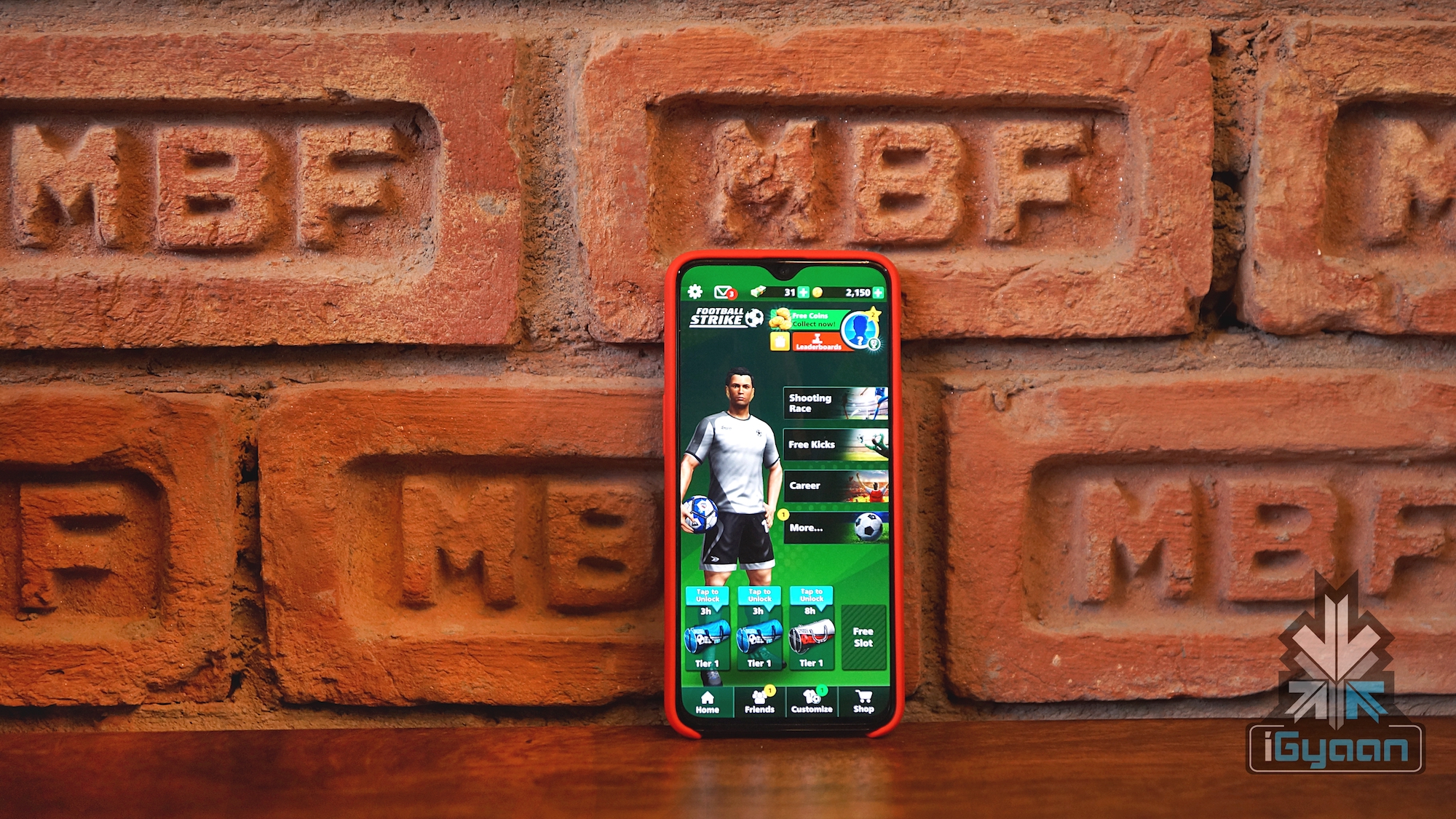
    At number four in the list is the game called Football Strike. The game is a lot of fun, especially if you’re a football fan. The user needs to shoot footballs by dragging their finger across the screen. The speed of the finger drag and curve also affect the speed and swing of the ball. It has multiple modes which include Shooting Race, Free Kicks, and Career mode. As the name suggests, in Shooting Race mode the user needs to score maximum number of goals in a limited time period. In the Free Kicks mode, the user needs to defend against other players who are shooting towards your net. And in Career Mode, the user advances through various levels of difficulties as he progresses through the gameplay.

    The Catapult:

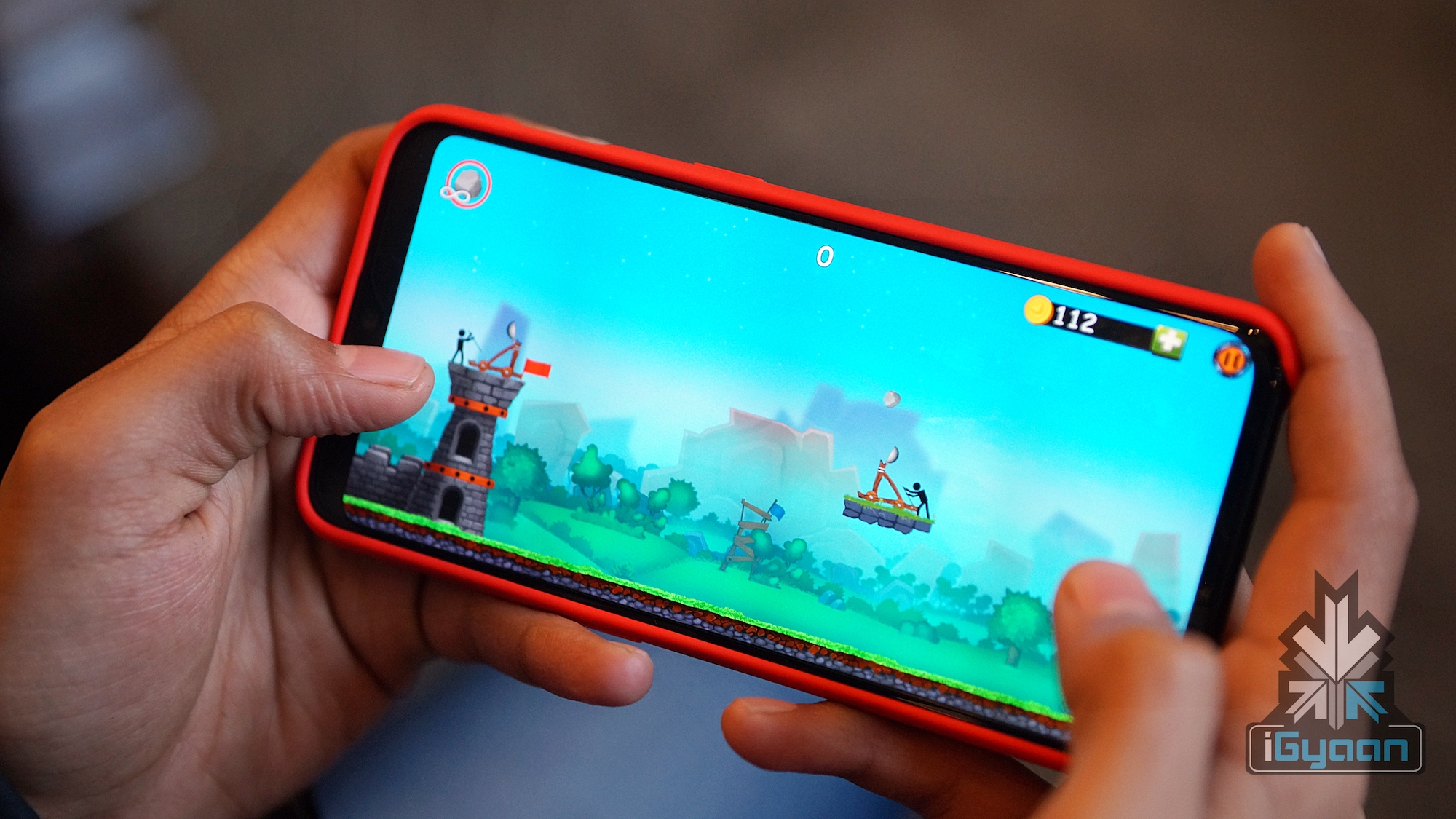
    The main character of this game is a stickman that guards a castle against enemies. The stickman operates a catapult that he uses to destroy the catapult of the enemy. During the initial stages the castle is easy to defend but as the game advances, it gets very difficult. Multiple enemies start firing from all directions and castle gets hard to defend. Upon killing enemies the user earns reward points which they can redeem to upgrade their catapult or purchase different helmets. Most notably, if you have played angry birds then your understanding of physics will come in handy.


  • Five Tech Gadgets We Wish Were Available In India

    Five Tech Gadgets We Wish Were Available In India

    India is one of the fastest growing markets for technology as the developing nation has a huge population with disposable income and they are not wary of spending on new technology. If we look back, there was a time when we hardly received any new tech. Heck! India skipped out on technology like the Answering Machines and Pagers for the mass market. People who could afford it were few and far between. But the scenario has changed and the tech companies now put immense focus on emerging markets such as India. But there are still a few gadgets and tech innovations that we wish came to India. They may be introduced to the Indian market at a later date but they aren’t available just yet.

    Xiaomi Mi Gaming Laptop

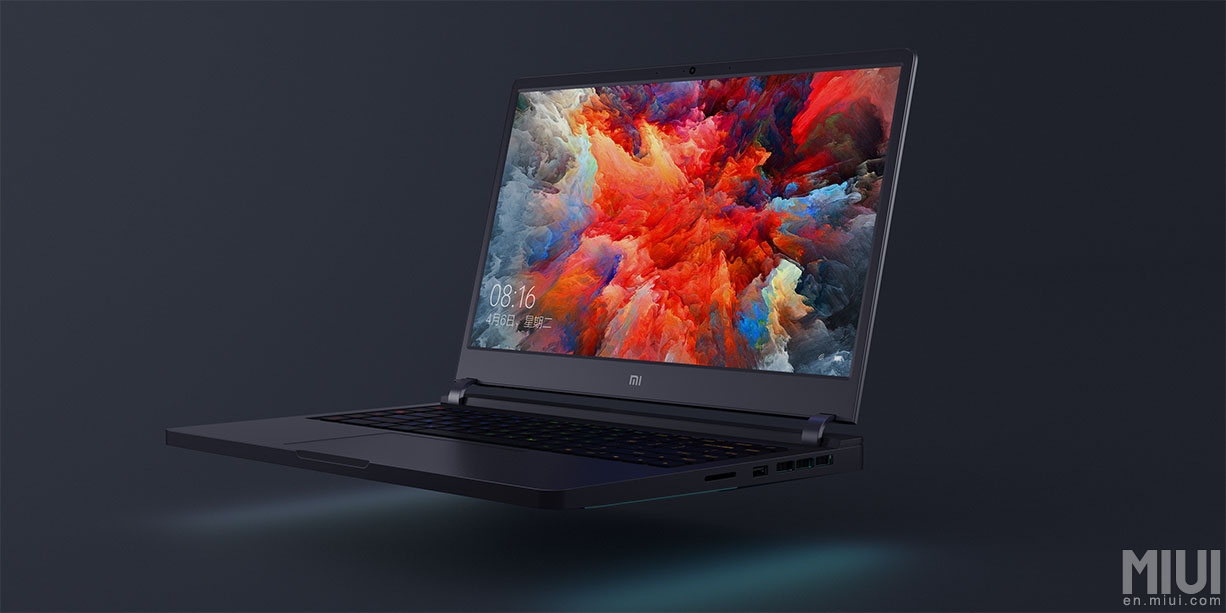
    The budget gaming laptop that everyone wanted Xiaomi to introduce to India still hasn’t arrived on the country’s shores yet. If anything, India is known to be a price sensitive market and this laptop is extremely budget friendly. It comes in different variants for every budget. The laptop is a 15.6-inch device that sports a 7th Generation Intel Core i7 or i5 CPU, a 256GB SSD + 1TB HDD and either an Nvidia GTX 1060 or an Nvidia GTX 1050 Ti. The i7/GTX1060 variant sports a 16GB RAM, while the i5/1050Ti variant is coupled with 8GB of RAM. The 16GB of RAM + GTX 1060 model costs CNY 8,999 (Rs 93695 Approx) while the 8GB of RAM + 1050 Ti model costs just CNY 5,999 (Rs 62459 Approx). This is dirt cheap if we compare it to other gaming laptops of similar specs available in the market.

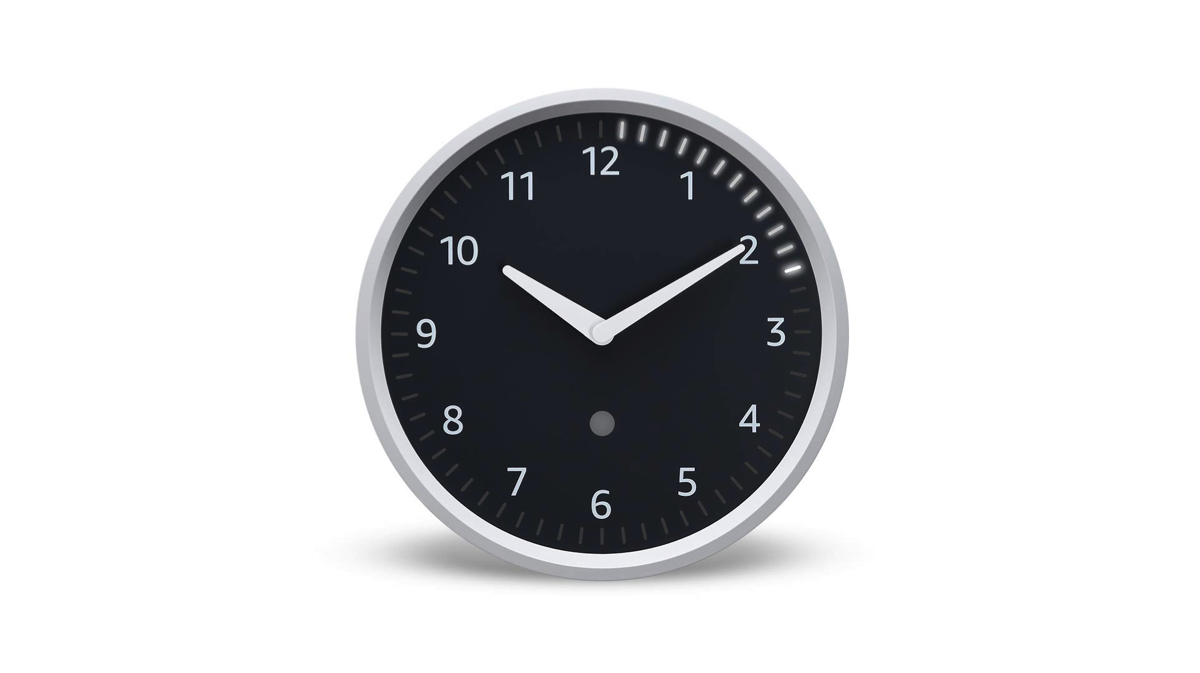
    Amazon Echo Wall Clock

    Amazon has introduced a lot of home products in the Indian market and all the products have done quite well. Even though smart home products are something that not Indians are completely familiar with, the Echo devices have done quite well. Amazon launched a smart wall clock recently that connects to your Echo device.

    You can set the timer using your Alexa-powered smart speaker and the lights around the rim of the clock will light up to show you how much time is left. The use of this can be a little narrow for users but it can be useful to some. People who are working in household settings, people who are working under strict deadlines, bachelors who are forgetful and people working in the kitchen can all benefit from it. One can set up the clock in their kitchen or on top of their study table or desk and keep a track of time and set timers to achieve certain goals. The price of the clock is $30, which directly converted translates to around Rs 2157.

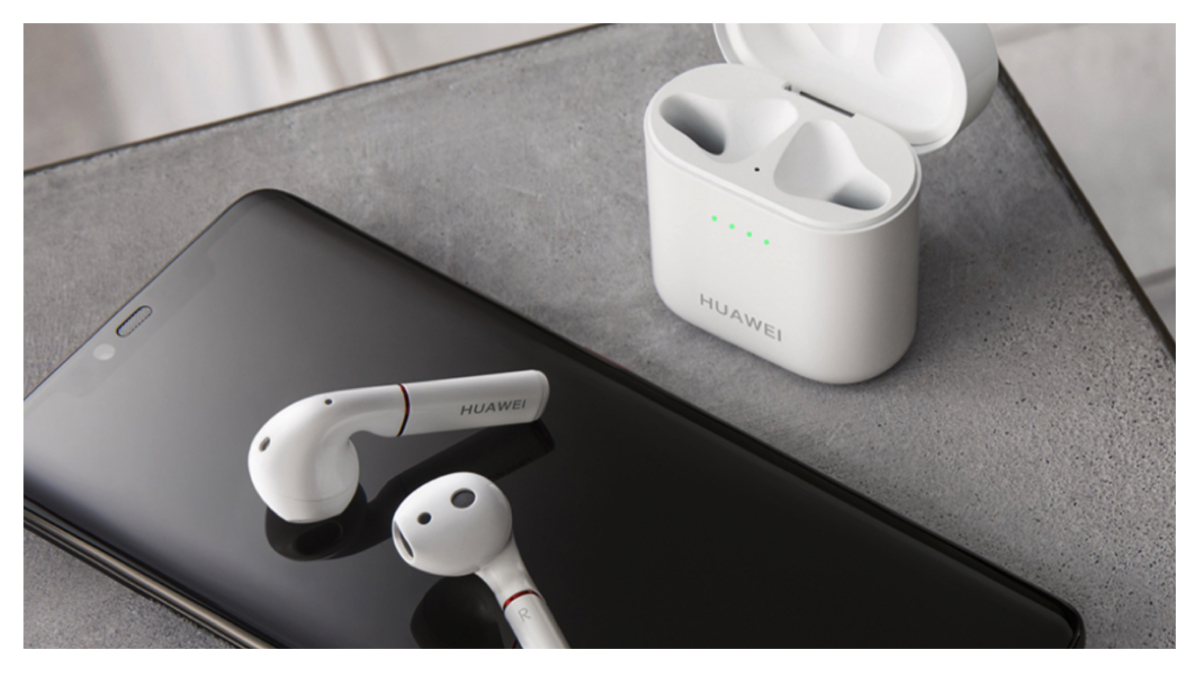
    Huawei’s FreeBuds 2 Pro

    Wireless earbuds tech is in vogue and we cannot deny the fact that they are here to stay. After Apple launched their Apple AirPods, every other smartphone manufacturers have launched their version. Huawei recently launched the Huawei FreeBuds 2 Pro. But unfortunately there is no news as to when it will be available in India, if at all. This earphone features bone conduction technology, supports wireless charging and has 13nm drivers. The design is eerily similar to the Apple AirPods right down to the  earphone case. One can sue the Huawei Mate 20 Pro to charge the earphones through reverse charging as well. It costs CNY 999 which roughly translates to Rs 10,401.

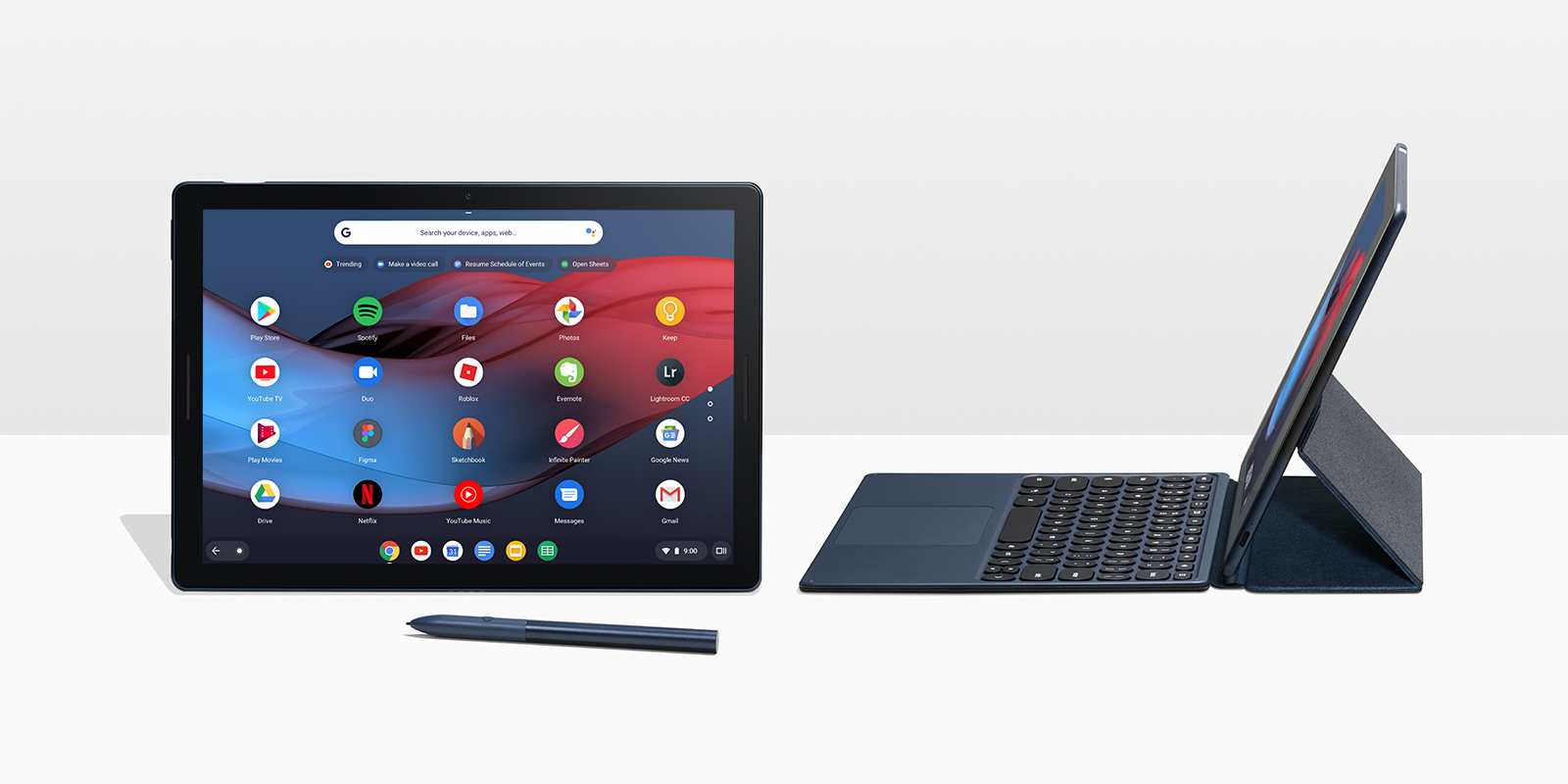
    Google Pixel Slate

    Apple recently launched the all new iPad Pro in India and it is absolutely beautiful to look at. However, Google has not paid too much heed to their tablet division in India with the Pixel Slate still not available in the market. The Pixel Slate has four different variants with Intel Celeron processor and 4/8 GB RAM with 32/64GB RAM variant starting at £549 (Rs 49702 Approx) being the cheapest one. The fully specced out version of the tablet with 8th Generation Intel Core i7 Processor and 16 GB RAM, 256GB storage will set you back £1,549 (Rs 140235 Approx). It might be the case that Google does not see the product fit for the Indian market or may very well introduce this tech wonder to India at a later date but we sure hope that it does hit Indian shores soon.

    Tesla Model 3

    The last one on our list is every car enthusiast and environmentalist’s dream. Tesla has been manufacturing battery powered cars for years now but it still hasn’t come to India. Unlike most car manufacturers, who can just set up a business in India and make and manufacture their products, a Tesla requires planning, help from the government and a lot of infrastructure setup throughout the country. The cars, since they run on electricity, need to have charging points spread across the country. In a country where there are places that hasn’t even received electricity even in 2018, Tesla might be a distant dream. Many countries, Norway being the prime example, have different  government schemes.  These schemes provide exemptions and rebates to people buying electric cars. But it seems like there is no such plan, at least in the near future in India.

    The Tesla Model 3 is the latest addition to Tesla’s lineup and features a 310 mile range, 0-60 mph acceleration in 3.3 seconds and claims to have the most refined design and engineering among other cars in the category. If we do end up on Tesla’s radar and if the government is indeed trying to bring the pollution down by encouraging customers to buy electric cars, we might find a lot of Tesla buyers in the country.


  • Samsung Files Patents For New Notch Designs

    Samsung Files Patents For New Notch Designs

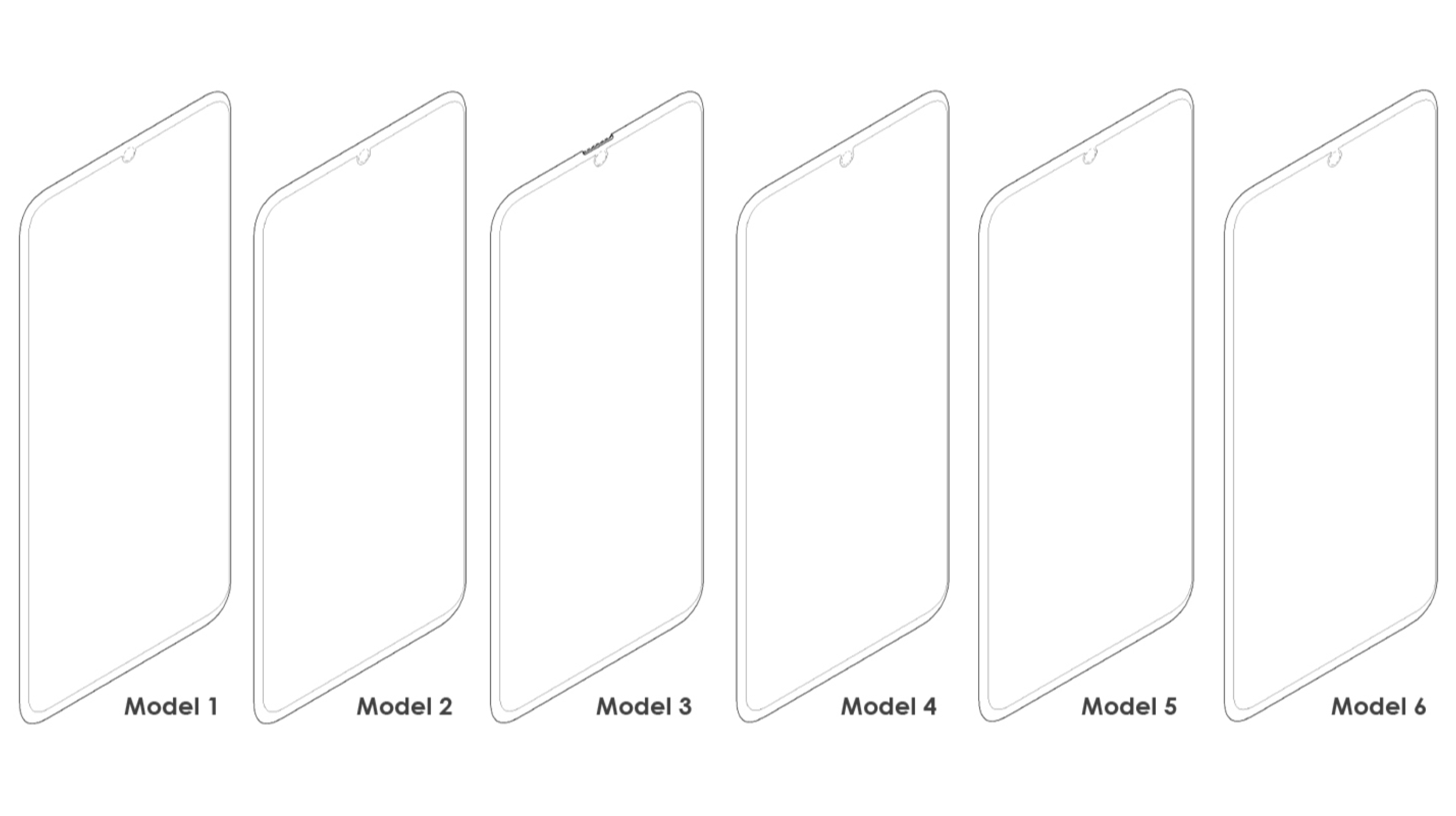
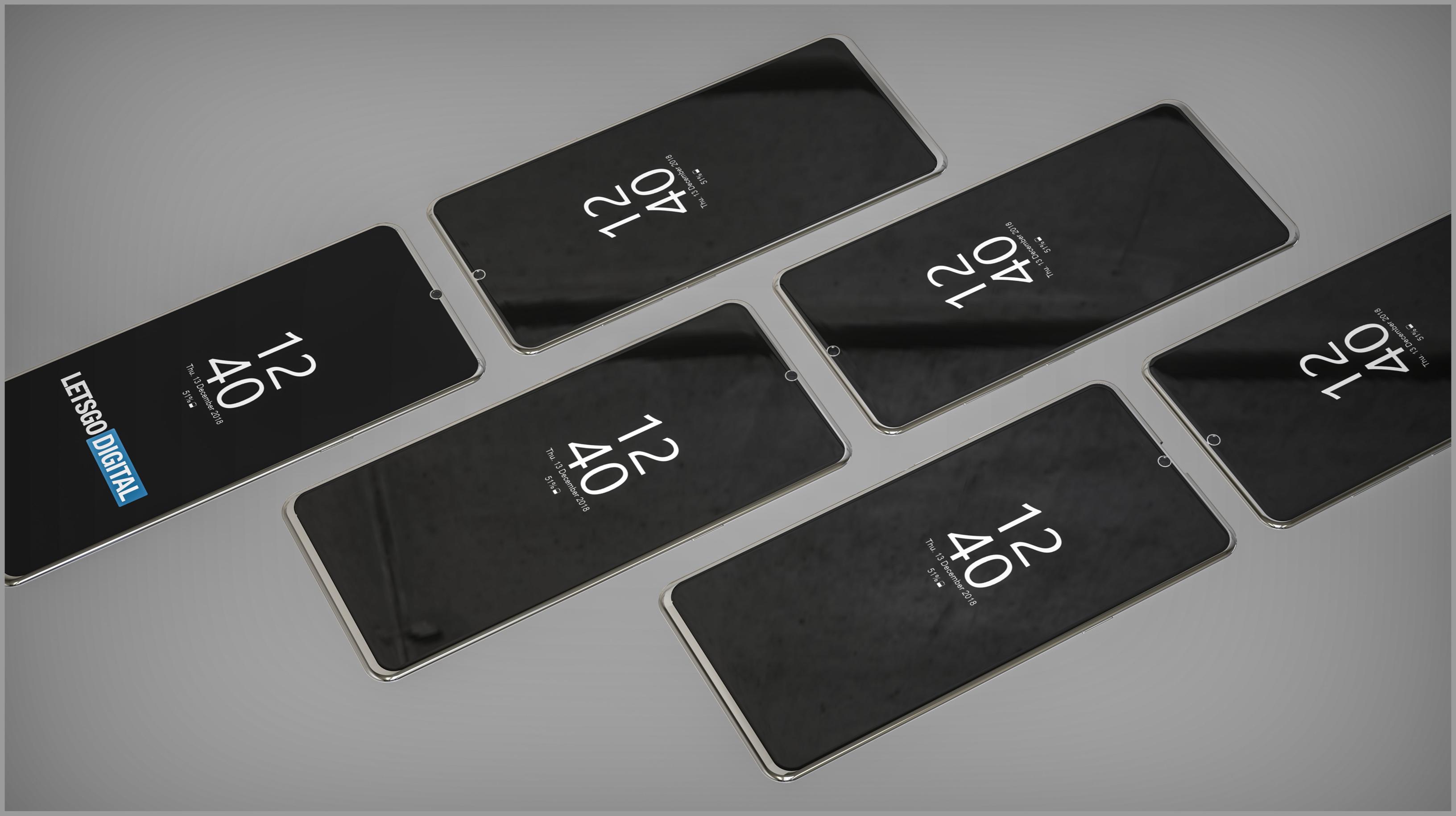
    Samsung held a developers conference last month where they showcased a variety of display notch designs. The designs included an Infinity-O, Infinity-U, and Infinity-V display notch designs. On December 10, Samsung launched the Galaxy A8s smartphone which has an Infinity-O display. The smartphone has a lateral cutout in the display for the front-facing selfie camera. Samsung has also filed patents for six other notch designs. The new patents seem to be a combination of the Infinity-O and the Infinity-U display notch designs.

    New Notch Designs 

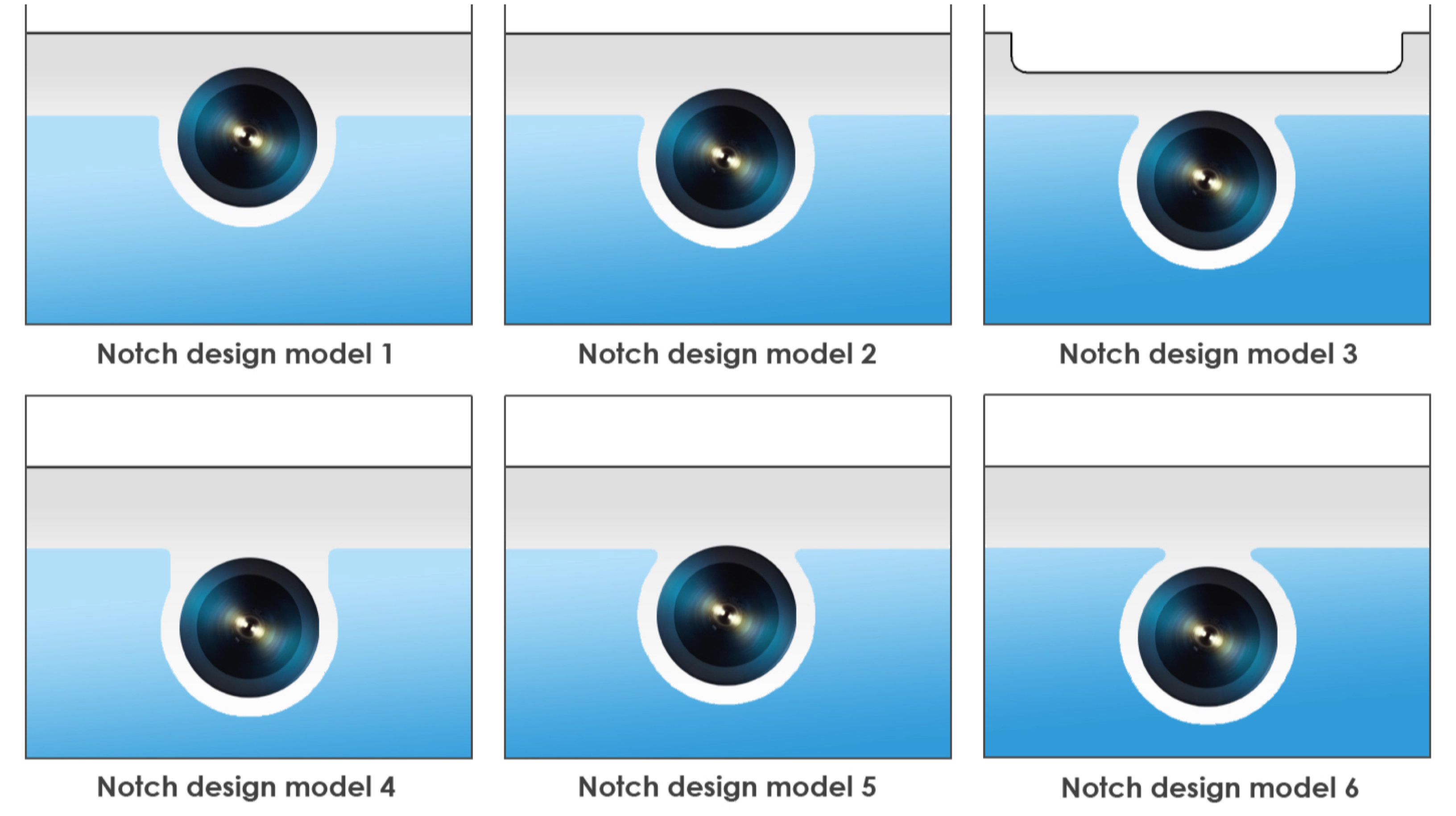
    Samsung filed the patents for six new notch designs to the KIPO (Korean Intellectual Property Office) which were granted on 10 December 2018. According to the patents, the height of the notch varies as per different models. Out of the six designs, the notch in four patents is placed below the bezel. While two patents reveal notches that are partly integrated into the bezel. The patent number 3 in this list has a “U” shaped cutout above the top bezel. Although its purpose is unclear as of now, it might be used to attach an accessor or this could be the earpiece of the phone. Certainly, these patents are of less importance to the end customer, it provides vital insight into the design language what future smartphones will look like.

    Also Read: MediaTek launches Helio P90 SoC With APU 2.0

    The first Samsung smartphones with the Infinity-U and the Infinity-V display will launch in 2019. In the future, the notch can evolve into something like the ones on these patents. According to the source manufacturing smartphones with these types of notch designs are comparatively cheaper. Therefore, these notch designs are likely to be seen on midrange and budget smartphones. Samsung is not only gearing up to adopt the notch but they are also planning to bring them to the mass market.

  • New Yi Action Cameras Launching On Flipkart On December 17

    New Yi Action Cameras Launching On Flipkart On December 17

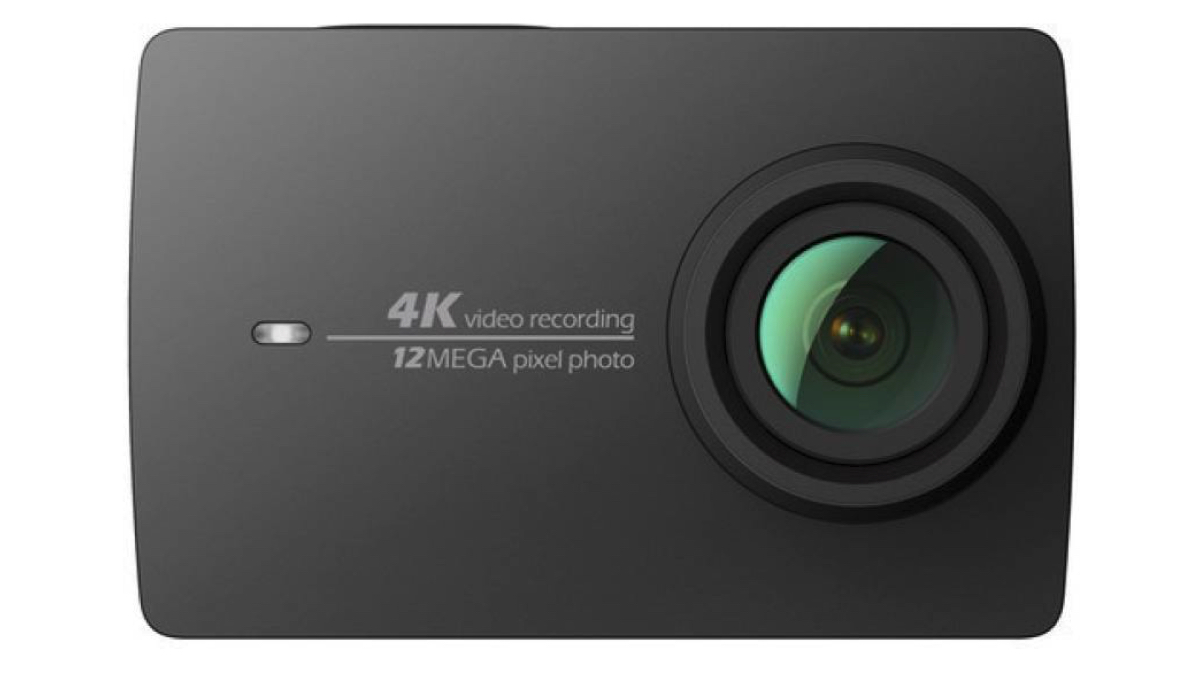
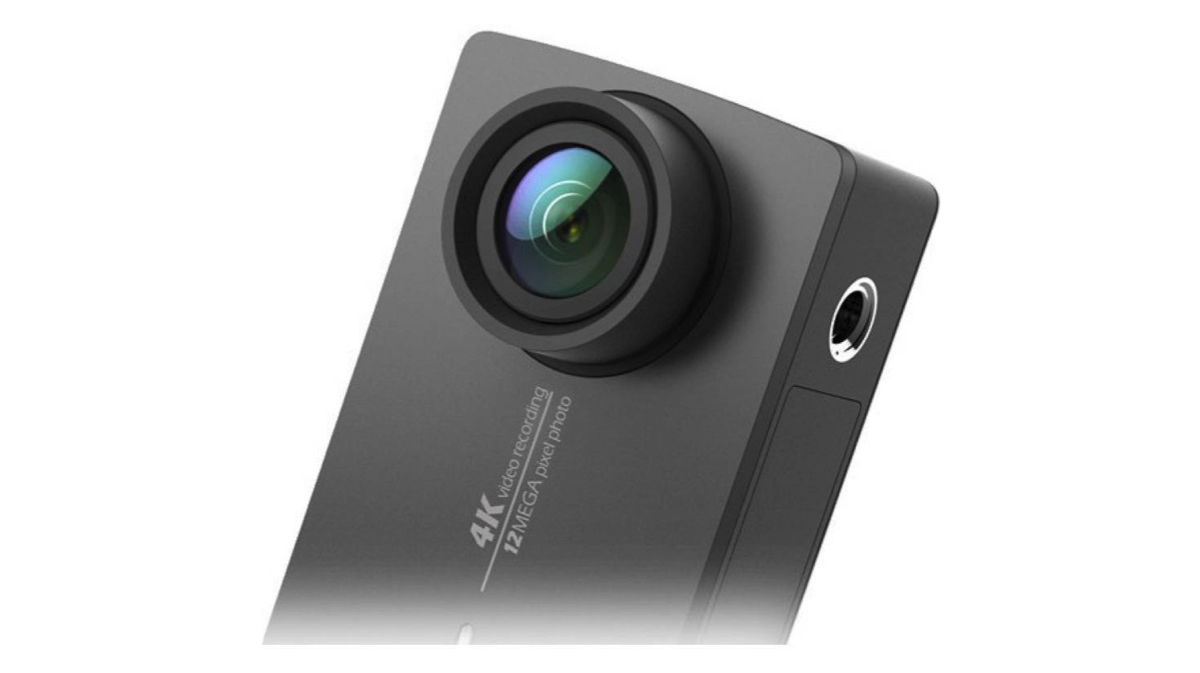
    The Yi Action Camera and the Yi 4K Action camera will go on sale on Flipkart starting December 17th. Yi cameras were previously available on Amazon’s India website since 2017 exclusively.

    The 4K+ action camera can shoot 720p videos at 60/120 and 240 fps and 4K at 60fps. It can also shoot 1080p videos at 60/50/30 and 25 frames per second and 1440p at 30 and 25 fps. The 4K camera takes 2.5K videos at fps rates of 30 and 25 as well. The camera also has slow motion video capture and can record video and take time lapse pictures at the same time. The video length captured by this camera is 5 min, 20 min, 60 min and 120 min. It also features a built-in 3 axis gyroscope and 3 axis accelerometer. Yi 4K+ action camera reportedly also has video stabilisation built in. It uses a cross-border compensation algorithm to compensate the motion change to produce stable videos. The camera also senses the available light and adjusts the frame rate and parameters automatically.


    Also Read: Trends For The Photography Industry In 2019

    Yi is one of the biggest competitors for GoPro in the action camera segment and have been doing well in many markets owing to their low pricing.

    Inside the hood, the camera has a Sony IMX377, 1/2.3″, 12 megapixels CMOS image sensor with Exmor R ability. The Exmor R is a back-illuminated version of Sony’s CMOS image sensor. It boasts of a 2.19 inch touchscreen with a 640x 360 resolution. The screen’s aspect ratio is 16:9 and has a 160 Degree field of view. It also features a 128 GB flash memory. The camera has a 1400 mAh battery which is also decent. The two cameras are marked as “Coming soon” in Flipkart at the moment. While the current landing page for these cameras are displaying exorbitant prices, the two cameras will reportedly be priced at Rs 4,999 and Rs 9,999 respectively. It is available in two colours which are Black and White.

  • Samsung Galaxy S10: What To Expect

    Samsung Galaxy S10: What To Expect

    Earlier this week, a news website broke the news for Samsung’s latest flagship phone’s release dates, specifications, sizes as well as UK prices. Since then, there has been leak after leak and several renders have also shown up on the internet. Being the 10th anniversary Galaxy product, everyone expected the phone to look drastically different. Many also assumed that it would have a folding display. But according to leaks, the phone is slated for launch at a Samsung Unpacked event beforeMobile World Congress 2019. The event is scheduled for the 20th of February. The leaks came directly from a trusted source of the said news website and they have verified the source as well.

    Earlier renders of the Galaxy S10 before the leaks
    Specifications

    The leaks also suggest that the S10 will be available in three different versions. These include a regular version, a Plus version, and a flat version. The regular version and Plus version will feature curved displays while the flat version will have a non- curved or flat display. All the three phones will have the Infinity- O display. This design was patented by Samsung recently and features a camera cutout at the front of the screen. This gets rid of the notch that every other phone comes with these days.

    This is also less obtrusive when it comes to media consumption such as videos or gaming. The phone will also feature an Ultrasonic in-display fingerprint sensor. The fingerprint sensor, unlike the optical ones that we see on most phones, is said to read fingerprints using ultrasonic waves. It supposedly reads the ridges of the fingers in 3D. There will also be a three camera setup at the back with three different focal length lenses, namely standard, wide and tele.

    Also Read: Alleged Samsung Galaxy S10 5G Prototype Seen In Video

    Price, Screen Size And Availability

    The Galaxy S10 will feature the newly showcased One UI over Android Pie. The One UI is specially made to help users to use the phone easily with one hand. Coming to the size of the screen, the three variants will be 5.8 inch for the Lite variant, 6.1 for the standard variant and 6.4 for the Plus variant. Interestingly, the storage sizes have also been leaked along with the price for the UK market. The 5.8-inch Lite version of the S10 will feature 128GB of storage and retail at £669.

    The standard 6.1-inch screen will be available in two sizes. The 128GB will be priced at £799 and the 512GB storage variant will cost £999 in the UK. The Galaxy S10 Plus is going to boast of a lot of different variants with a lot of storage options. There  will be a 128GB version for £899 and a 512GB version at £1099. There also will be a one terabyte Samsung Galaxy S10 Plus for a whopping £1399. The S10+ will compete with the iPhone XS Max which has a price tag of £1,449 for their 512GB variant in the UK.

  • Trends For The Photography Industry In 2019

    Trends For The Photography Industry In 2019

    The photography industry is evolving rapidly and has seen a lot of ups and down in the past twenty years. With micro four thirds cameras giving way to 35mm film, film cameras giving way to point and shoot and then ultimately 35mm DSLRs and now Mirrorless cameras. The industry has changed as and when consumers have needed it to. During the war, cameras such as Zenit and Zorki were built robustly for the soldiers to take to war. As time went by, camera manufacturers started focussing on bigger image sizes, instant print cameras and so on. But now, we are knocking on the doors of 2019, which may dawn a new era in the camera and overall photography industry. Let’s find out which new camera technology we feel will emerge and will be in 2019’s photography trends.

    More Mirrorless Cameras

    Sony and Fujifilm have been manufacturing mirrorless cameras for a while now and with technology advancing at a very fast pace, there cameras are now performing as good as, or sometimes better than DSLRs. Mirrorless cameras are smaller in size and easier to carry due to the lack of the mirror mechanism. The digital viewfinder also helps one see the exact output when changing the settings in a camera through their viewfinder. These cameras were generally avoided by professionals in earlier years since it’s inception because of the lack of it’s lens portfolios.

    But with big players such as Canon and Nikon entering the mirrorless game this year, all manufacturers have stepped up and released a huge lens portfolio for their mirrorless line up. There are many users who hate switching brands and brand loyalty is something that will be put to test with the camera companies now competing in a level playing field.

    DSLR Sales Will Decrease

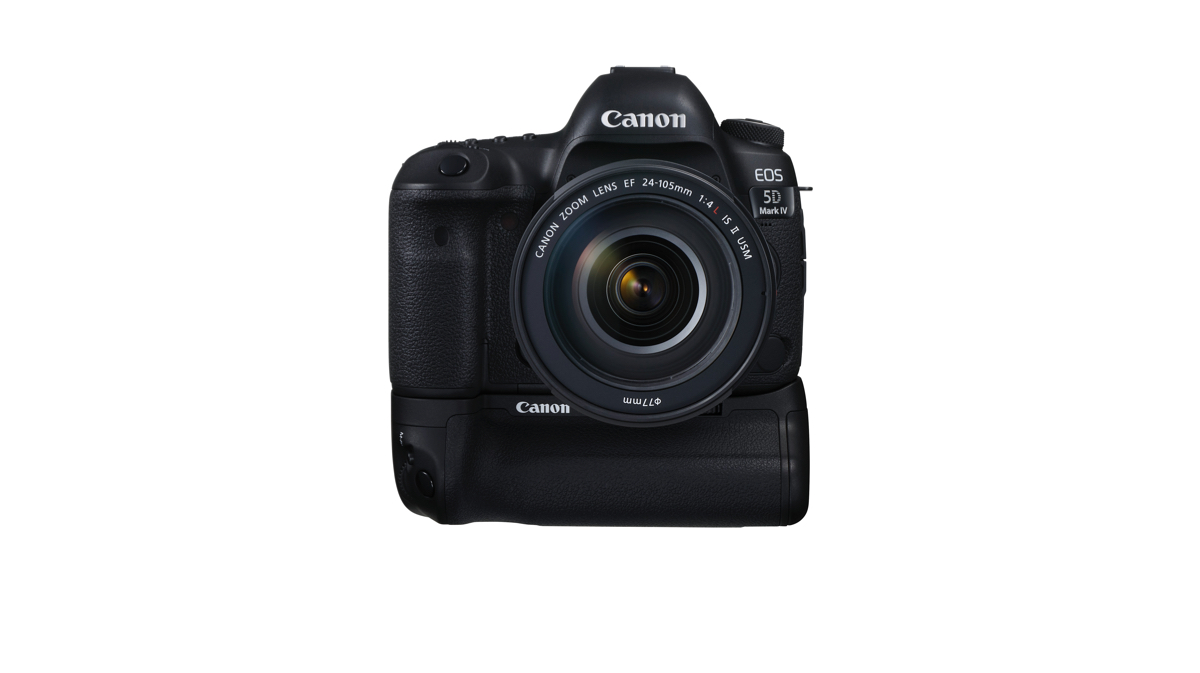
    DSLRs have been the choice of photographers for a long time now. These cameras have established lens lineups, are robustly built and can be built in all price ranges. But with mirrorless cameras slowly gaining ground in the market, DSLR sales may decrease drastically. Many news agencies use DSLRs from Canon and Nikon and were reluctant to shift to a new system till now. This was because a shift would mean changing lenses and accessories as well.

    With the two major players entering the high end mirrorless segment, interchangeability might be possible between different systems. This means use of DSLR lenses on mirrorless cameras and vice versa. This can be done with the help of proprietary adapters. These adapters will not reduce the lens’ focussing speeds and other capabilities like Image stabilisation. In 2019’s photography trends, there is a good chance that a large chunk of the DSLR users will shift towards mirrorless. This will therefore decrease DSLR sales.
    Video Centric Micro-Four Thirds Cameras

    Since ages, filmmakers have used either 35mm or 16mm to shoot videos. Be it in film or in digital backs. The 35mm cameras have been the choice of many filmmakers. Great Hollywood films such as Black Swan, 127 Hours, Avengers, Whiplash and even TV series like Dexter and House have all used DSLRs for their shoot at some point. Documentary filmmakers use the 16mm format more often. But a new format is gaining ground and camera manufacturers are trying to push this format hard on the market. The Micro four thirds, is a format that sits between full frame cameras or 35mm and APS-C sensors. This format allows the camera to be less bulky but provides great quality footage.

    The micro four thirds are also mirrorless cameras but differ in sensor size. These cameras have a sensor size equivalent to a 4/3-inch video tube. Having a digital viewfinder also helps filmmakers look at exposure and framing in real-time through the viewfinder itself and not have to look at the screen. Now, having a smaller sensor size has not reduced the resolution as many of these cameras provide the same, and at times more, resolution than a DSLR’s video. Cameras such as Panasonic’s GH5  or Olympus’ OM-D E-M1 Mark II are being made with filmmakers in mind. It will be great to see other companies joining the bandwagon. With the digital space growing at an alarming rate, Vloggers, Streamers and Youtubers can definitely take advantage of this format.
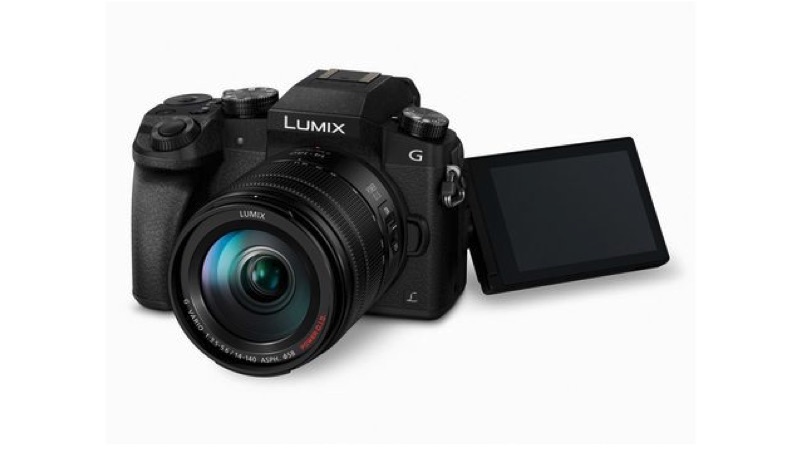
    Panasonic Lumix G85

    Artificial Intelligence In DSLRs and Mirrorless

    If we can have a digital assistant at home for us to switch on and switch off lights and perform other tasks, why can’t we have artificial intelligence in our cameras? Cameras, like smartphones are becoming smarter by the day. Even a few years back, it was unimaginable to ask your camera “GoPro, take a photo” and the camera would follow. Well, now you can. With technology evolving at an alarming rate, camera manufacturers are including features like WiFi connectivity, bluetooth, voice commands and so on for cameras as well.

    Artificial Intelligence is already present in many cameras that can detect faces, click photos when it sees smiling faces, connect to your phones and so on. While a personal assistant for all your photography needs may be a long time away, we feel that there may be a good chance that more AI features will be integrated into a camera in the coming year’s photography trends.

    Fingerprint Sensors In Cameras

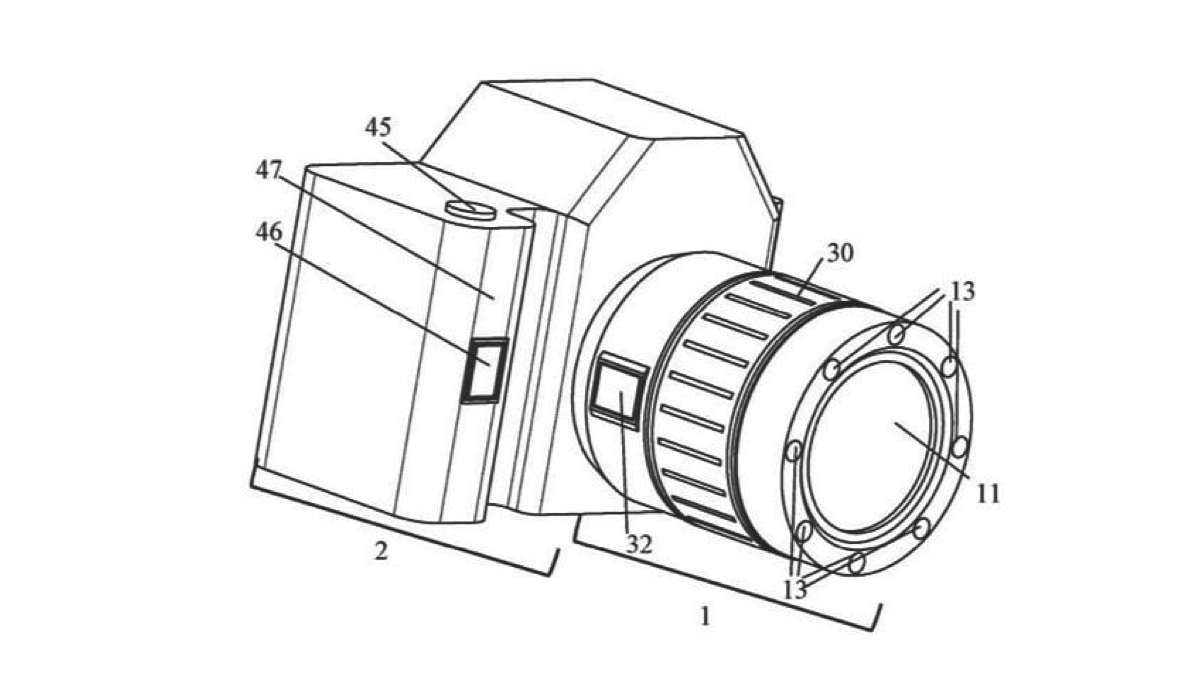
    For photojournalists and studio photographers, for media houses and wedding photography teams, several users share a single camera in different times. And every user has his or her own preference. Be it the exposure setting, focus or colour settings and so on. This is where fingerprint sensors come in. Just like a computer has different user settings where a particular user can log-in to his or her user preferences a camera with a fingerprint sensor can scan the fingerprint of the user and immediately change the current settings to that.

    This would be a great to see in 2019, if manufacturers do decide to include such a thing. Canon has already patented a fingerprint scanner technology for it’s camera. But it is unclear what they plan on doing with it.  With the sensor, one can also be sure that the camera will not fall into the wrong hands and will prevent it from being stolen and used.
    Better Lenses

    Lenses are as important as the camera body itself.  A photographer needs to choose his or her lenses carefully and according to the need. Lenses are also quite expensive so it is best to select expensive and well performing ones than buying cheap ones. Specially if you are a professional. In photography trends of 2019, we expect to see some really great lenses. One of the major complaints most photographers have with DSLRs are that the cameras don’t fare too well in extreme low light conditions.

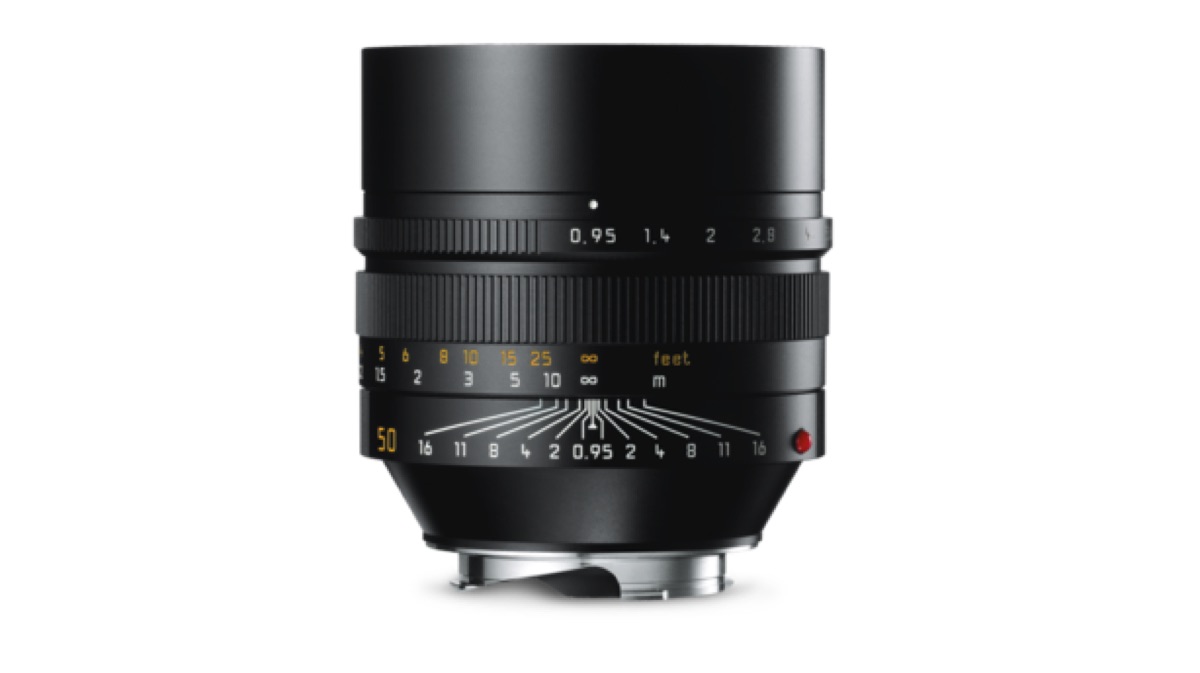
    Next year can be a welcome change for them as many manufacturers, with meteoric advancements in optics, are now creating extremely wide aperture lenses. These lenses can go as low as f/1.2 or even f/1 or f/0.95. Canon’s 50mm f/1 or Leica’s 50mm f/0.95 are great examples. These lenses can shoot at extremely low lighting conditions with relatively lower ISOs providing great images without noise. This year we can expect more of these lenses from different manufacturers as well.
    These were our predictions for photography trends of 2019. Let us know in the comments, what you feel should make it in this piece and we will try and include the same!
  • MediaTek launches Helio P90 SoC With APU 2.0

    MediaTek launches Helio P90 SoC With APU 2.0

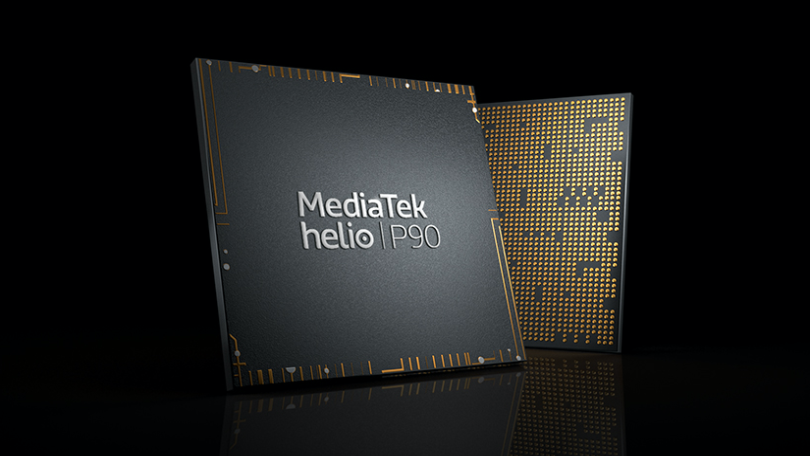
    MediaTek is a Taiwanese company that designs chipsets for mobile phones, navigation systems, and other electronic devices. A short while ago, the company announced their Helio P70 chipset which is featured on the Realme U1. In a recent launch event, the company has announced their Helio P90 SoC. The Helio P90 is the company’s flagship mobile chipset that is currently on offer. Like the Helio P70, it is an Octa-Core processor and is manufactured using 12 nm technology. The biggest highlight of the new chipset is its AI capabilities.

    Features And Support:

    The Helio P90 accommodates the PowerVR GM 9946 GPU and an Octa-Core CPU. The CPU consists of two ARM A75 cores and six Cortex A55 cores. The ARM A75 cores are clocked at 2.2 GHz while the  Cortex A55 cores are clocked at 2.0 GHz. This ARM 75 and ARM A55 duo provides best of both performance and efficiency. The Helio P90 can support up to 8 GB of LPDDRX RAM and UFS 2.1 storage. It supports a maximum display resolution of 2520 x 1080 px and an aspect ratio of 21:9.


    In terms of camera, the SoC can support single camera sensor of 48 MP resolution and dual 24 MP + 16 MP sensors. However, it is dependent on the smartphone manufacturer how they incorporate it on their device. The Helio P90 also has a built-in APU (AI Processing Unit) 2.0. With the help of AI, a smartphone can optimise both, power and performance depending on usage patterns of different users. According to benchmarks, the Helio P90 has better AI performance than the Snapdragon 845 which is 10 nm chipset. Most notably, its AI benchmark is slightly lower than the Snapdragon 855 which is a 7 nm chipset.

    Also Read: OnePlus 6T McLaren Edition Launched In India

    For connectivity, the Helio P90 supports dual 4G VoLTE, Wi-Fi 802.11ac, Bluetooth 5.0, GPS, GLONASS, Beidou, Galileo and FM Radio. The company announced that smartphones featuring the chipset are already being developed. The first smartphone packing the P90 SoC is expected to launch in Q1 of 2019.

iGyaan Network
Privacy Overview

This website uses cookies so that we can provide you with the best user experience possible. Cookie information is stored in your browser and performs functions such as recognising you when you return to our website and helping our team to understand which sections of the website you find most interesting and useful.